

Document details
| Field | Details |
|---|---|
| Work Package | WP6 - Healthy Lifestyles |
| Task | T6.1 - Establishing protocols for measuring quality of life, physical fitness, and lifestyles |
| Milestone | MS12 |
| Due date | M15 - 30 September 2026 |
| Milestone requirement | Digital document available on the Project Platform in English and registered at least in one open platform for professional documents, e.g. Zenodo. |
| Grant Agreement No. | 101219053 |
| Funding programme | EU4Health Programme (2021–2027) |
| Granting authority | European Health and Digital Executive Agency (HaDEA) |
| Dissemination level | PU – Public |
| Lead partner | University of Cádiz / MOVE-IT Research Group |
| Authorship | Sonia Ortega-Gómez, Ana Carbonell-Baeza and David Jiménez-Pavón |
| Version | v3.0 – Final |
| Date | 14 September 2026 |
| Working status | Final version |
| DOI | 10.5281/zenodo.22938226 |
1. Purpose and scope
This protocol provides a standardised and adaptable framework for assessing health-related quality of life, physical fitness and lifestyle behaviours among young people living with and beyond cancer within the YARN network. It is intended to support harmonised assessment across partners, while allowing age-specific, context-specific and safety-related adaptations according to participants’ characteristics, assessment settings and available resources.
The protocol is structured according to two main target groups. For the purposes of this protocol, young adults are defined as individuals aged 18–39 years, while adolescents are defined as individuals aged 14–17 years. Participants should follow the assessment framework corresponding to their age at the time of assessment. First, the protocol includes an assessment framework for young adults living with and beyond cancer, covering both online questionnaire-based assessment and in-person field-based physical fitness assessment. Second, it includes an adolescent-specific assessment framework, also divided into online and in-person components, using age-appropriate instruments and physical fitness testing recommendations for this age group.
Safety considerations, contraindications and possible adaptations are integrated throughout the protocol where relevant and are also addressed in a dedicated section. This ensures that the proposed assessments can be implemented flexibly across different contexts, including participants with treatment-related, clinical or functional limitations.
This protocol does not prescribe specific assessment time points. Where repeated assessments are planned, the timing of assessments should be defined according to the objectives and implementation context of the relevant YARN activity. Depending on the activity, assessments may be scheduled, for example, at baseline, after an intervention or treatment-related period, or at follow-up.
2. Young adults living with and beyond cancer
This section presents the recommended assessment framework for young adults aged 18–39 years living with and beyond cancer. The proposed assessment combines self-reported online questionnaires and, where feasible, in-person field-based physical fitness tests. This structure aims to provide a comprehensive yet feasible evaluation of health-related quality of life, lifestyle behaviours and physical fitness, while allowing adaptations according to participants’ clinical status, functional capacity and local implementation context.
To minimise participant burden, particularly in participants experiencing fatigue, cognitive difficulties or other treatment-related symptoms, the online assessment may be completed across more than one sitting where needed. Participants should be allowed to pause and resume completion whenever technically feasible. When participant burden is a concern, optional complementary measures may be omitted and the most relevant recommended measures prioritised according to the objectives of the assessment. Any adaptations to the assessment battery should be documented to support comparability across sites and assessment time points.
2.1 Online assessment
The online assessment includes self-reported measures to evaluate health-related quality of life, lifestyle behaviours, mental health and self-perceived physical fitness in young adults living with and beyond cancer. Validated instruments with available translations should be prioritised, considering feasibility, participant burden and licensing requirements. The recommended online measures are described below.
2.1.1 Sociodemographic and cancer-related data
A brief ad hoc questionnaire should be used to collect the minimum information needed to describe participants and interpret health-related quality of life, lifestyle and physical fitness outcomes. This section should be suitable for online completion and aligned with the General Data Protection Regulation (GDPR) principles, including data minimisation, confidentiality and the collection of only necessary information.
- Recommended sociodemographic variables include: age or date of birth, sex assigned at birth, gender identity where appropriate, country of residence, education, employment or study status, return-to-work or return-to-study status and related difficulties where relevant, living situation and relevant socioeconomic indicators, including financial difficulties related to cancer and its treatment where appropriate.
- Recommended cancer-related variables include: cancer type, date or age at diagnosis, stage at diagnosis if known, treatment history, current disease or treatment status, treatment-related late effects, comorbidities, current functional limitations and any medical advice regarding physical activity or exercise.
As cancer-related information and other health-related variables are considered sensitive personal data under GDPR, the final questionnaire should clearly determine which items are mandatory and which are optional. Sensitive items should be limited to those necessary for the purposes of the assessment, and response options such as “prefer not to answer” or “I do not know” should be considered where appropriate. Given the sensitive nature of cancer-related questions, staff introducing this part of the assessment should acknowledge that recalling diagnosis, treatment history or late effects may be emotionally difficult for some participants. Participants should be reminded that they may pause the assessment, skip individual questions or discontinue at any time without having to provide a reason. The final item list, response options and data protection procedures should be defined by each implementing partner according to local ethical, legal and institutional requirements.
2.1.2 Quality of life
The EuroQol five-dimension, five-level questionnaire (EQ-5D-5L) (Herdman et al., 2011) is a generic health-related quality of life instrument composed of two parts: a descriptive system and a visual analogue scale (EQ VAS). The descriptive system assesses five dimensions: mobility, self-care, usual activities, pain/discomfort and anxiety/depression. Each dimension is rated using five severity levels, from no problems to extreme problems. The EQ VAS records the participant’s self-rated health on a scale from 0 to 100, where higher scores indicate better perceived health. Responses can be used to generate a health profile and, where country-specific value sets are available, an index score. The EQ-5D-5L does not have a single universal clinical cut-off. Results should therefore be interpreted using the descriptive health profile, EQ VAS score and, where relevant, country-specific index values or population reference data. The questionnaire can be accessed here.
The European Organisation for Research and Treatment of Cancer Quality of Life Questionnaire Core 30 (EORTC QLQ-C30) (Aaronson et al., 1993) is a cancer-specific quality of life questionnaire developed for people with cancer. It includes 30 items covering global health status/quality of life, functional domains, symptom scales and single-item symptoms. The functional scales include physical, role, emotional, cognitive and social functioning. Symptom scales include fatigue, pain and nausea/vomiting, together with additional items such as dyspnoea, insomnia, appetite loss, constipation, diarrhoea and financial difficulties. Scores are transformed to a 0–100 scale following the EORTC scoring manual. Higher scores on global health status and functioning scales indicate better quality of life or functioning, whereas higher scores on symptom scales indicate greater symptom burden.
Thresholds for clinical importance are available for the individual functioning and symptom scales of the EORTC QLQ-C30 (Giesinger et al., 2020). These thresholds may support the identification of clinically important problems but should be interpreted alongside the participant’s clinical context and should not be used as standalone diagnostic criteria.
For repeated assessments, minimally important differences are available to support the interpretation of change over time. As these values vary by scale, direction of change and cancer population, users should consult the relevant EORTC interpretation resources and cancer-specific publications when applying thresholds or interpreting longitudinal change (Musoro et al., 2023).
Access to the EORTC QLQ-C30 requires registration and permission through the official EORTC Quality of Life Group website. Academic use is free of charge, although permission must be obtained for each study. The questionnaire can be requested here.
2.1.3 Lifestyle behaviours
Lifestyle assessment should cover the main behaviours and perceived health-related indicators that may be associated with quality of life and physical functioning in young adults living with and beyond cancer. The recommended domains include physical activity and sedentary behaviour, dietary habits and eating behaviour, sleep, mental health and self-perceived physical fitness.
Physical activity and sedentary behaviour
The International Physical Activity Questionnaire – Short Form (IPAQ-SF) (Craig et al., 2003) is a self-reported instrument designed to assess physical activity and sedentary behaviour. It captures the frequency (days/week) and duration (minutes/day) of vigorous-intensity physical activity, moderate-intensity physical activity and walking performed during the last seven days, as well as daily sitting time. Physical activity data can be converted into MET-minutes per week following the official IPAQ scoring protocol. Participants can be classified as having low, moderate or high physical activity levels. A moderate level is defined by meeting at least one of the following criteria: vigorous-intensity activity on 3 or more days for at least 20 minutes per day; moderate-intensity activity and/or walking on 5 or more days for at least 30 minutes per day; or any combination of walking, moderate-intensity and vigorous-intensity activity on 5 or more days achieving at least 600 MET-minutes per week. A high level is defined as vigorous-intensity activity on at least 3 days achieving at least 1,500 MET-minutes per week, or any combination of activity on 7 or more days achieving at least 3,000 MET-minutes per week. Participants who do not meet these criteria are classified as having a low physical activity level (IPAQ Research Committee, 2005). Sedentary time should be reported separately as total sitting time, usually expressed in hours per day. The questionnaire can be accessed here.
Dietary habits and eating behaviour
The 14-item Mediterranean Diet Adherence Screener (MEDAS) (García-Conesa et al., 2020; Martínez-González et al., 2012) is a brief self-reported questionnaire designed to assess adherence to the Mediterranean dietary pattern. It evaluates the frequency and quantity of key food groups and behaviours characteristic of this dietary pattern, including olive oil use, fruit and vegetable intake, consumption of red meat, sugary drinks, nuts, fish and wine. Each item is scored as 0 or 1 according to predefined cut-off criteria, yielding a total score ranging from 0 to 14, where higher scores indicate greater adherence to the Mediterranean diet. Scores may also be interpreted using commonly applied Mediterranean diet adherence categories: 0–5 points, low adherence; 6–9 points, moderate adherence; and 10–14 points, high adherence (García-Conesa et al., 2020). These categories should be used as descriptive indicators of dietary pattern adherence rather than as clinical diagnostic thresholds. The questionnaire is available as Table 1 in the original validation publication, which can be accessed here.
The 21-item Three-Factor Eating Questionnaire (TFEQ-R21) (Cappelleri et al., 2009; Stunkard & Messick, 1985) is a self-reported questionnaire designed to assess eating behaviour across three domains: cognitive restraint, uncontrolled eating and emotional eating. The instrument includes 21 items that evaluate different aspects of eating behaviour, such as conscious control of food intake, tendency to overeat in response to loss of control, and eating in response to negative emotions. Items are scored according to the questionnaire scoring instructions, and domain scores can be transformed to a 0–100 scale, where higher scores indicate greater expression of each eating behaviour dimension. Although it has been widely used in studies including populations with obesity and mixed-weight samples, it may be considered as an optional complementary measure when eating behaviour is of specific interest. The TFEQ-R21 can be self-administered online as part of the extended lifestyle assessment battery. The questionnaire can be accessed here.
Sleep quality
The Pittsburgh Sleep Quality Index (PSQI) (Buysse et al., 1989) contains 19 self-rated items and is designed to assess sleep quality and sleep disturbances over the previous month. Additional bedpartner or roommate items may be collected but are not included in the global score.
The seven components are subjective sleep quality, sleep latency, sleep duration, habitual sleep efficiency, sleep disturbances, use of sleep medication and daytime dysfunction. Each component is scored from 0 to 3, and the component scores are summed to obtain a global score ranging from 0 to 21, where higher scores indicate poorer sleep quality. A global score above 5 is commonly used to indicate poor sleep quality and may identify participants with significant sleep difficulties. This threshold should be interpreted as a screening indicator rather than a diagnostic criterion. The questionnaire can be accessed here.
Mental health
The Hospital Anxiety and Depression Scale (HADS) (Zigmond & Snaith, 1983) is a 14-item self-reported questionnaire designed to assess anxiety and depressive symptoms, particularly in people with physical health conditions. It includes two 7-item subscales: HADS-Anxiety and HADS-Depression. Each item is scored from 0 to 3, yielding a score from 0 to 21 for each subscale, where higher scores indicate greater symptom severity. For each subscale, scores from 0 to 7 are commonly interpreted as normal, scores from 8 to 10 as borderline abnormal, and scores from 11 to 21 as abnormal. These categories should be used as screening indicators and should not be interpreted as a clinical diagnosis on their own. The HADS is a copyrighted instrument. Licensing and access information should be obtained through the official HADS licensing route.
The Perceived Stress Scale – 14 items (PSS-14) (Cohen et al., 1983) is a self-reported questionnaire designed to assess the degree to which individuals perceive situations in their life as stressful. It evaluates feelings of unpredictability, lack of control and overload during the previous month. Each item is rated on a 5-point Likert scale ranging from 0 (“never”) to 4 (“very often”), yielding a total score ranging from 0 to 56. Higher scores indicate greater perceived stress. The questionnaire can be accessed here.
Where reduced participant burden is a priority, the 10-item version of the scale (PSS-10) may be considered as a feasible alternative (Cohen & Williamson, 1988). The PSS-10 follows the same response format and yields a total score ranging from 0 to 40. The questionnaire can be accessed here.
Self-perceived physical fitness
The International Fitness Scale (IFIS) (Ortega et al., 2011, 2013) is a brief self-reported questionnaire designed to assess self-perceived physical fitness. It includes five items covering overall physical fitness, cardiorespiratory fitness, muscular strength, speed-agility and flexibility. Participants are asked to rate their current level of physical fitness in comparison with their friends. Each item is rated on a 5-point Likert scale, ranging from very poor to very good. Higher scores indicate better self-perceived physical fitness in the corresponding domain. The items should be interpreted separately, as the scale does not have a standard summed total score. The IFIS provides a feasible online indicator of perceived fitness status and can complement objectively measured physical fitness when in-person assessment is available. The questionnaire can be accessed here.
All language versions and versions for different population groups can be found on the official IFIS website.
2.2 In-person physical fitness assessment
The in-person assessment aims to complement self-reported information with field-based measures of body composition and health-related physical fitness in young adults living with and beyond cancer. The proposed measures and tests have been selected considering feasibility, minimal equipment requirements and applicability across different partner settings.
Where feasible and appropriate, height and weight should be assessed before the physical fitness tests. Additional body composition measures, such as waist circumference or bioelectrical impedance-derived measures, may also be included when suitable equipment, trained staff and local procedures are available.
Weight and body composition assessment may be emotionally sensitive for some participants, particularly those who have experienced treatment-related changes in weight, appearance or body composition. Staff should introduce these measures sensitively, explain their purpose, ensure appropriate privacy and remind participants that they may decline any individual measure.
In-person testing should only be conducted when appropriate space, equipment, trained staff and basic safety procedures are available. The final selection of measures and tests should consider participants’ clinical status, functional capacity, fatigue, symptoms and local safety procedures.
When several tests are performed in the same session, the recommended order is body composition measures first, followed by low-intensity functional tests, strength tests, and cardiorespiratory fitness last, when maximal or submaximal running tests are used.
Body composition
Height and weight should be assessed to calculate body mass index (BMI). Height should be measured without shoes using a stadiometer, and weight should be measured using a calibrated scale with the participant wearing light clothing (World Health Organization, 1995). BMI should be calculated as weight in kilograms divided by height in metres squared (kg/m²). Additional measures, such as waist circumference or bioelectrical impedance-derived body composition, may be included when suitable equipment, trained staff and local procedures are available, but are not required within the core assessment.
BMI should be interpreted as a practical indicator of body size and weight status rather than as a direct measure of body fat or a diagnostic measure of obesity. As it does not distinguish fat mass from muscle or bone mass, BMI values should be interpreted alongside the participant’s clinical context, functional status and, where available, complementary measures such as waist circumference or bioelectrical impedance-derived body composition (National Institute for Health and Care Excellence, 2025).
Usual and fast gait speed
Gait speed should be assessed using a 6-m walk test (Kim et al., 2016). Participants will be asked to walk a marked 6-m distance at their usual comfortable pace and, in a separate trial, as fast as possible without running. The time required to complete the 6-m distance will be recorded in seconds using a stopwatch. At least two trials should be performed for each condition, and the best time for usual and fast walking speed should be retained. Gait speed will be calculated in metres per second (m/s), with higher values indicating better walking performance. The 6-m walk test setup is illustrated in Figure 1.
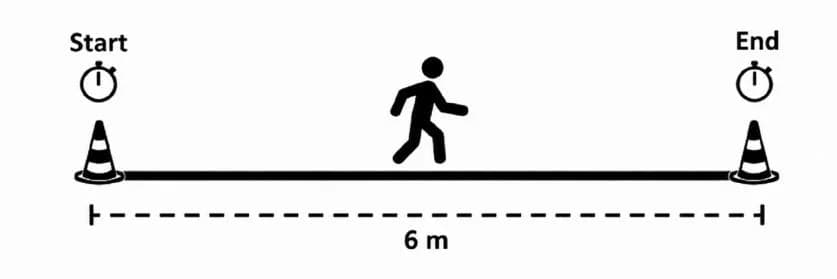
Figure 1. Six-metre walk test setup.
Functional mobility
Functional mobility, including dynamic balance and agility-related movement, should be assessed using the Timed Up and Go test (TUG) (Podsiadlo & Richardson, 1991). Participants are asked to start seated on a stable chair, with their back against the chair and feet flat on the floor. On the “go” signal, they stand up, walk 3 m at a safe and comfortable pace, turn around a marker, walk back to the chair and sit down again. The time required to complete the task is recorded in seconds using a stopwatch, with lower values indicating better functional mobility. The Timed Up and Go test procedure is illustrated in Figure 2.
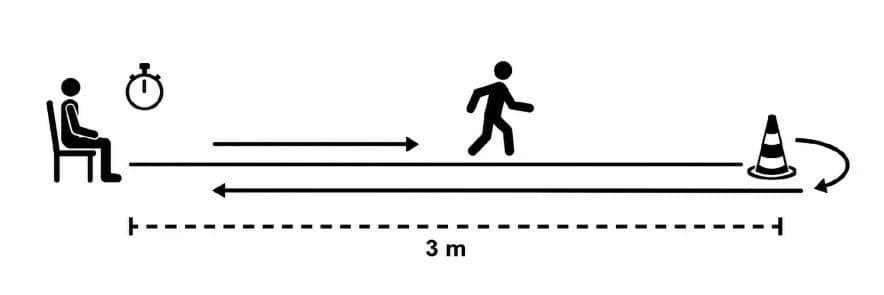
Figure 2. Timed Up and Go test setup.
Lower-body strength
Lower-body functional strength should be assessed using the 30-second chair stand test (Jones et al., 1999), a field-based functional test that has also been applied in cancer patients and survivors (Bowman et al., 2023). Participants are asked to sit in the middle of a stable chair, with their back straight, feet flat on the floor and arms crossed over the chest. On the “go” signal, they stand up fully and sit down again as many times as possible within 30 seconds, without using their arms for assistance. The total number of correctly completed stands is recorded, with higher values indicating better lower-body functional strength. The 30-second chair stand test is illustrated in Figure 3.
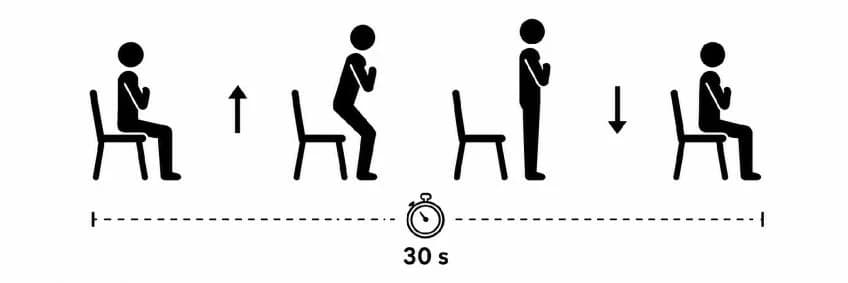
Figure 3. 30-second chair stand test.
Upper-body strength
Upper-body isometric muscular strength should be assessed using the handgrip strength test with a calibrated handheld dynamometer (Cantarero-Villanueva et al., 2012; Roberts et al., 2011). Participants are asked to stand, or sit if needed, with the arm extended alongside the body, the wrist in a neutral position and without resting the arm against the trunk. The dynamometer grip should be adjusted to the participant’s hand size according to the device instructions. Participants are instructed to squeeze the dynamometer as hard as possible for 3–5 seconds. At least two trials should be performed with each hand, alternating sides and allowing brief rest between attempts. The highest value obtained for each hand is recorded in kilograms, with higher values indicating greater upper-body isometric strength. The recommended handgrip strength testing position is illustrated in Figure 4.

Figure 4. Handgrip strength test position.
Functional exercise capacity
Functional exercise capacity should be assessed using the 6-minute walking test (6MWT) following standard recommendations (Crapo et al., 2002). The 6MWT provides a field-based measure of submaximal functional exercise capacity. Although performance is influenced by cardiorespiratory fitness, the test should not be interpreted as a direct measure of maximal cardiorespiratory fitness or peak oxygen uptake. Participants are asked to walk back and forth along a flat and straight 30-m walking course for 6 minutes, covering as much distance as possible at a brisk but safe walking pace. The turnaround points should be marked by cones, and the course should be marked at regular intervals to facilitate distance recording. Running is not allowed. Participants may slow down, stop or rest if needed, and resume walking when able. Standardised instructions and encouragement should be provided. The total distance covered at the end of 6 minutes is recorded in metres, with higher values indicating better functional exercise capacity. Figure 5 illustrates the 6MWT course.
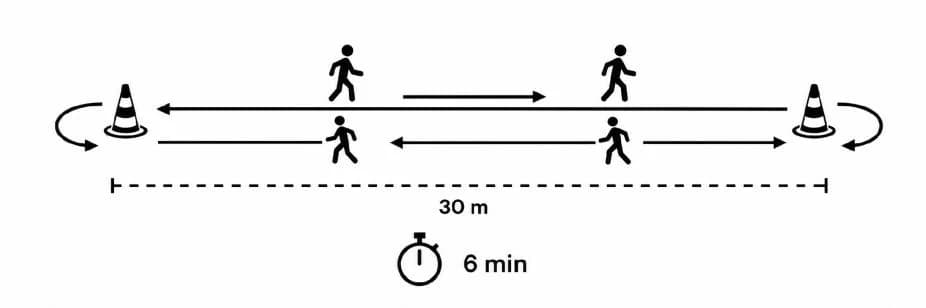
Figure 5. Six-minute walking test course.
Interpretation of body composition and physical fitness results
For young adults, BMI may be interpreted using the World Health Organization adult classification: underweight (<18.5 kg/m²), normal weight (18.5–24.9 kg/m²), overweight (25.0–29.9 kg/m²) and obesity (≥30.0 kg/m²) (World Health Organization, 2000). BMI should be interpreted as a practical indicator of body size and weight status rather than as a direct measure of body fat or a diagnostic measure of obesity.
Where waist circumference is assessed, it may be interpreted as an indicator of central adiposity and cardiometabolic risk. For adults of European origin, waist circumference values from 94 to <102 cm in men and from 80 to <88 cm in women indicate increased cardiometabolic risk, while values of ≥102 cm in men and ≥88 cm in women indicate substantially increased risk (Lean et al., 1995; World Health Organization, 2011). These thresholds may not be appropriate for all ethnic groups and should be interpreted alongside BMI, body composition, clinical history and treatment-related factors.
Where bioelectrical impedance-derived body composition is assessed, body fat percentage and related indicators may be interpreted using age- and sex-specific reference categories provided by the device manufacturer or another validated reference source. Some Tanita devices use reference ranges derived from Gallagher et al. (2000). These values should be considered descriptive reference categories rather than diagnostic thresholds, particularly in young people living with and beyond cancer, in whom hydration status, treatment-related effects and changes in lean mass may influence bioelectrical impedance estimates.
For usual and fast gait speed, no universal clinical cut-off is recommended for young adults living with and beyond cancer. Recent reference values are available for apparently healthy adults and confirm that gait speed varies according to age and sex (Andrews et al., 2023). As the present protocol uses a 6-m walk distance, results should be interpreted cautiously in relation to symptoms, functional limitations and changes over time.
For the Timed Up and Go test, age-specific reference values should be considered where available. Mean completion times in adults aged 20 to 59 years range from approximately 7.5 seconds in adults aged 20–29 years to 8.5 seconds in adults aged 50–59 years (Kear et al., 2017).
For the 30-second chair stand test, normative evidence in healthy young adults is limited. In a sample of adults aged 19–35 years, mean performance was 33.0 ± 5.4 repetitions (Lein et al., 2022). This value may be used as a broad descriptive reference for younger adults where chair height and testing procedures are comparable, particularly when using a chair height of approximately 45 cm and a similar arms-crossed protocol. For adults beyond this age range, results should primarily be interpreted in relation to symptoms, functional limitations and change over time.
International age- and sex-specific reference values for handgrip strength in adults aged 20 years and older are available from the iGRIPS consortium (Tomkinson et al., 2025). These values may support descriptive interpretation of handgrip performance but should not be treated as clinical diagnostic thresholds.
For the six-minute walk test, percentile-based reference values are available for apparently healthy adults aged 18 to 80 years (Dourado et al., 2021). These values classify performance from very low, below the 5th percentile, to superior, above the 95th percentile, and may support descriptive interpretation where the testing protocol is comparable. They should not be treated as clinical diagnostic thresholds for young adults living with and beyond cancer. Across all field-based physical fitness tests, repeated assessment using the same standardised protocol may be particularly useful to monitor individual functional progress, stability or decline.
3. Adolescents living with and beyond cancer
This section presents the recommended assessment framework for adolescents aged 14–17 years living with and beyond cancer. The proposed assessment combines age-appropriate self-reported online questionnaires and, where feasible, in-person field-based physical fitness tests. This structure aims to provide a comprehensive yet feasible evaluation of health-related quality of life, lifestyle behaviours and physical fitness, while considering developmental stage, clinical status, functional capacity and local implementation context.
The same considerations regarding participant burden described for young adults also apply to adolescents. In particular, the online assessment may be completed across more than one sitting when fatigue, cognitive difficulties or other treatment-related symptoms affect completion. Participants should be allowed to pause and resume whenever technically feasible, and any adaptations to the assessment battery should be documented to support comparability across sites and assessment time points. Where participant burden is a concern, optional complementary measures may be omitted and the most relevant recommended measures prioritised according to the objectives of the assessment.
3.1 Online assessment
The online assessment includes age-appropriate self-reported measures to evaluate health-related quality of life, lifestyle behaviours, mental health and self-perceived physical fitness in adolescents living with and beyond cancer. Validated instruments with available translations should be prioritised, considering developmental suitability, participant burden and licensing requirements. The recommended online measures are described below.
3.1.1 Sociodemographic and cancer-related data
The same core sociodemographic and cancer-related information described for young adults should be collected, using age-appropriate wording and response options. For adolescents, additional consideration should be given to school level, family context and the need for parental or guardian support when completing medical or treatment-related questions.
Questions concerning personal perceptions, lifestyle behaviours and well-being should be completed by the adolescent whenever possible. Parents or guardians may support the completion of cancer-related information, treatment history or other medical details when needed.
As with the young adult assessment, the final questionnaire should distinguish between mandatory and optional items, particularly for sensitive health-related information, and should include response options such as “I do not know”, “not applicable” or “prefer not to answer” where appropriate.
3.1.2 Health-related quality of life
The KIDSCREEN-27 (Ravens-Sieberer et al., 2014) should be used to assess health-related quality of life in adolescents living with and beyond cancer. It is a self-reported questionnaire designed for children and adolescents aged 8 to 18 years. The questionnaire includes 27 items grouped into five dimensions: physical well-being, psychological well-being, autonomy and parent relations, social support and peers, and school environment. Items are rated on a 5-point Likert scale, and higher scores indicate better health-related quality of life within each dimension.
The KIDSCREEN-27 does not provide a single total score or universal clinical cut-off. Each dimension should be interpreted separately, preferably using the available age-, sex- and country-specific reference values and standardised T-scores. Scoring guidance, T-score calculation procedures and reference values can be accessed through the KIDSCREEN analysis resources and implementation manual on the official KIDSCREEN website. The questionnaire and available language versions can be accessed through the official KIDSCREEN website.
Where a cancer-specific assessment of health-related quality of life is relevant to the objectives of the evaluation and participant burden permits, the PedsQL 3.0 Cancer Module (Teen Form, 13–18 years) may be considered as an optional complementary measure alongside the KIDSCREEN-27 (Ewing et al., 2009; Varni et al., 2002).
3.1.3 Lifestyle behaviours
Lifestyle assessment should cover the main health-related behaviours and perceived indicators that may be associated with quality of life, development and physical functioning in adolescents living with and beyond cancer. The recommended domains include physical activity and sedentary behaviour, dietary habits, sleep, mental health and self-perceived physical fitness.
Physical activity and sedentary behaviour
For adolescents aged 15 years and older, physical activity should be assessed using the International Physical Activity Questionnaire – Short Form (IPAQ-SF) (Craig et al., 2003), as described in Section 2.1.3 for young adults. The questionnaire assesses walking and moderate- and vigorous-intensity physical activity performed during the previous seven days and allows physical activity to be expressed in MET-minutes per week according to the IPAQ scoring protocol. The questionnaire can be accessed here.
For adolescents younger than 15 years, physical activity should be assessed using the Physical Activity Questionnaire for Older Children (PAQ-C) (Janz et al., 2008). The PAQ-C is a self-reported seven-day recall questionnaire designed to assess general physical activity levels in children. It includes questions on participation in sports and leisure-time activities, physical education classes, school breaks, lunchtime, activity after school, evening activity and weekend activity. Responses are scored on a 5-point scale, with higher values indicating higher reported general physical activity levels. An overall score should be calculated according to the official scoring instructions (Kowalski et al., 2004). The PAQ-C provides an indicator of general physical activity participation rather than precise activity duration, energy expenditure or compliance with physical activity recommendations. The questionnaire and scoring instructions are available in the PAQ-C/PAQ-A manual (Kowalski et al., 2004).
Leisure-time sedentary behaviour should be assessed using the Youth Leisure-time Sedentary Behavior Questionnaire (YLSBQ) (Cabanas-Sánchez et al., 2018). The YLSBQ is a 12-item self-reported questionnaire designed to assess time spent in a broad range of sedentary leisure-time behaviours during the previous week. For each behaviour, participants report their estimated average time separately for a typical weekday and a typical weekend day. The questionnaire covers activities such as watching television, videos or DVDs; playing computer or video games; using the internet for leisure; doing homework or studying with and without a computer; reading for enjoyment; sitting and talking with family or friends; listening to music; using a telephone or sending messages; sitting to rest; cognitive hobbies; and travelling by motorised transport. Average daily time for each behaviour can be calculated using the following formula: [(weekday time × 5) + (weekend day time × 2)] / 7. Total leisure-time sedentary behaviour can then be estimated by summing the time reported across the 12 sedentary behaviours. Higher values indicate greater reported sedentary time. Total and domain-specific sedentary time should be interpreted descriptively and, where repeated assessments are available, in relation to changes within the same participant over time. The questionnaire is available as Appendix A in the supplementary material of the original validation article and requires academic or institutional access.
Dietary habits
Dietary habits should be assessed using the Mediterranean Diet Quality Index for Children and Adolescents (KIDMED) (Serra-Majem et al., 2004). The KIDMED is a 16-item self-reported questionnaire designed to assess adherence to the Mediterranean dietary pattern in children and adolescents. The questionnaire includes yes/no items addressing key food choices and eating habits, such as fruit and vegetable consumption, fish, legumes, cereals, dairy products, nuts, olive oil use, breakfast habits, fast-food consumption and intake of sweets or commercially baked goods. Twelve items reflect dietary habits consistent with the Mediterranean pattern and are scored +1 when endorsed, whereas four items reflect less favourable habits and are scored −1 when endorsed. The total score ranges from −4 to 12, with higher scores indicating greater adherence to the Mediterranean diet. Scores of 3 or below are commonly interpreted as low adherence, scores from 4 to 7 as medium adherence, and scores of 8 or above as high adherence. The questionnaire is available as Table 1 in the original validation article.
The TFEQ-R21 (Cappelleri et al., 2009), described in Section 2.1.3, may be included as an optional complementary measure when eating behaviour is of specific interest. Its use should be limited to adolescents for whom an age- and language-appropriate version is available and suitable. The questionnaire provides separate scores for cognitive restraint, uncontrolled eating and emotional eating, with higher scores indicating a greater expression of the corresponding eating behaviour. Further information on the TFEQ-R21 is available in the validation publication here. Access and licensing requirements should be checked with the official instrument provider.
Sleep duration and daytime sleepiness
Sleep quantity should be assessed using brief self-reported questions on usual bedtime and wake-up time on school days and non-school days. These responses can be used to estimate habitual sleep duration separately for weekdays and weekends, as well as average sleep duration across a typical week.
Daytime sleepiness should be assessed using the Epworth Sleepiness Scale for Children and Adolescents (ESS-CHAD) (Janssen et al., 2017; Wang et al., 2017). The ESS-CHAD is an 8-item self-reported questionnaire designed to assess the likelihood of falling asleep or dozing in common daytime situations. Items refer to situations such as sitting and reading, watching television, sitting in a classroom or public place, travelling as a passenger in a car, lying down to rest in the afternoon, sitting and talking to someone, sitting quietly after lunch, and sitting while eating a meal. Each item is scored from 0 to 3, ranging from “would never doze” to a high likelihood of dozing. Item scores are summed up to obtain a total score ranging from 0 to 24, with higher scores indicating greater reported daytime sleepiness. The ESS-CHAD should be used primarily with adolescents aged 12 years and older. It is a subjective screening measure and should not be used as a diagnostic tool on its own. The questionnaire can be accessed here.
Mental health
The PSS-10, introduced as a feasible shorter alternative in Section 2.1.3, should be used to assess perceived stress in adolescents (Cohen & Williamson, 1988). The PSS-10 has been examined in adolescent samples, including early adolescents, and has shown acceptable psychometric properties in adolescents aged 12 years and older (Kechter et al., 2019; Marakshina et al., 2024). The questionnaire assesses the degree to which situations in daily life are perceived as unpredictable, uncontrollable or overwhelming during the previous month. Each item is rated on a 5-point scale ranging from 0 (“never”) to 4 (“very often”). Four positively worded items are reverse-scored, and item responses are summed to obtain a total score ranging from 0 to 40, with higher scores indicating greater perceived stress. The PSS-10 should be used with adolescents aged 12 years and older, using an age-appropriate and linguistically validated version whenever available. For younger adolescents, perceived stress should only be assessed when a suitable child-specific measure is available in the relevant language and context. The PSS-10 is not a diagnostic instrument and should not be interpreted as a clinical assessment of mental health. The questionnaire can be accessed here.
The Revised Children’s Anxiety and Depression Scale – 25 items (RCADS-25) should be used to assess anxiety and depressive symptoms in adolescents living with and beyond cancer. The RCADS-25 is a self-reported questionnaire designed for young people aged 8 to 18 years and provides separate scores for broad anxiety symptoms and depressive symptoms (Ebesutani et al., 2012). The questionnaire includes 25 items rated on a 4-point response scale ranging from 0 (“never”) to 3 (“always”). The anxiety score is based on 15 items and ranges from 0 to 45, whereas the depression score is based on 10 items and ranges from 0 to 30. A total anxiety and depression score may also be calculated by summing all items, with higher scores indicating greater reported symptom severity. Raw scores may be converted into age- and sex-adjusted T-scores using the official RCADS scoring resources. Scores should be interpreted as screening indicators rather than diagnostic criteria, and elevated scores should be considered alongside the adolescent’s clinical context and local safeguarding or referral procedures. The questionnaire, scoring guidance, and available language versions can be accessed through the official RCADS website.
Self-perceived physical fitness
The IFIS, described in Section 2.1.3, should also be used to assess self-perceived physical fitness in adolescents. The adolescent version includes the same five items. The IFIS was originally developed and validated in European adolescents within the HELENA study (Ortega et al., 2011). The questionnaire can be accessed here.
All language versions and versions for different population groups can be found on the official IFIS website.
3.2 In-person physical fitness assessment
The in-person assessment aims to complement self-reported information with age-appropriate field-based measures of health-related physical fitness in adolescents living with and beyond cancer. The proposed tests have been selected considering feasibility, minimal equipment requirements and suitability across different partner settings.
Height and weight should be assessed before the physical fitness tests, where feasible and appropriate, to calculate body mass index (BMI).
The high-priority measures in this protocol are height and weight for BMI, handgrip strength, standing long jump and the 20-m shuttle run test. These measures were identified as core components of the Youth Fitness International Test battery for monitoring and surveillance among children and adolescents (YFIT) consensus project (Ortega et al., 2025).
The physical fitness batteries are deliberately age-specific and therefore differ between adolescents and young adults. Handgrip strength is the only physical fitness test common to both assessment frameworks; consequently, results from the remaining fitness tests should not be pooled or directly compared across the two age groups.
In-person testing should only be conducted when appropriate space, equipment, trained staff and basic safety procedures are available. The final selection of tests should consider the adolescent’s clinical status, treatment-related effects, functional capacity, fatigue, symptoms, developmental stage and local safety procedures.
When several tests are performed in the same session, the recommended order is body composition measures first, followed by strength tests, and cardiorespiratory fitness last, when maximal or submaximal running tests are used.
High-priority tests are described below. Further details on standardised procedures, equipment, scoring and demonstration videos are available in Table 3 of the open-access YFIT article.
Body composition
Height and weight should be assessed before the physical fitness tests, using an electronic scale and a stadiometer. Participants should wear light clothing and remove their shoes. Two measurements of height and weight should be completed, and the mean value of each should be retained. Weight should be recorded to the nearest 0.1 kg and height to the nearest 0.1 cm. Body mass index should be calculated as weight in kilograms divided by height in metres squared (kg/m²).
Muscular strength
Upper-body muscular strength should be assessed using the handgrip strength test with an adjustable hand dynamometer. The grip span should be adjusted according to hand size, and hand dominance should be recorded before testing. Participants should perform the test standing where appropriate, with the arm extended alongside the body and the dynamometer held away from the trunk. Two trials should be completed with each hand, alternating hands and allowing a short rest between testing rounds. The best result for each hand should be recorded in kilograms to the nearest 0.1 kg. Right- and left-hand values should be reported separately, indicating the dominant hand. The recommended handgrip strength testing position is illustrated in Figure 4.
Lower-body muscular power should be assessed using the standing long jump test on a hard, non-slip surface with a clearly marked start line and a tape measure. Participants are asked to jump as far as possible from a standing position, taking off and landing with both feet at the same time. The distance should be measured from the start line to the back of the heel nearest to the line. Two valid trials should be completed, and the best result should be recorded to the nearest full centimetre. The standing long jump test setup is illustrated in Figure 6.
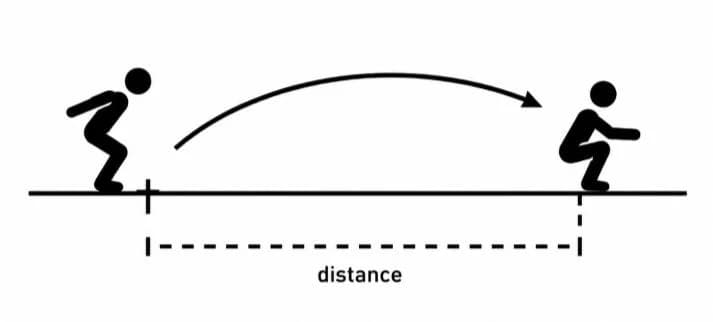
Figure 6. Standing long jump test.
Cardiorespiratory fitness
Cardiorespiratory fitness should be assessed using the 20-m shuttle run test. The test requires a flat, non-slip 20-m course, clearly marked at both ends, and the standardised audio recording. Participants are asked to run back and forth between the two lines in time with the audio signals. The test begins at 8.5 km/h, with speed increasing by 0.5 km/h every minute. The test should end when the participant stops because of fatigue or fails to reach the line on two consecutive occasions. The last completed half-stage should be recorded as the main outcome. The 20-m shuttle run test course is illustrated in Figure 7.
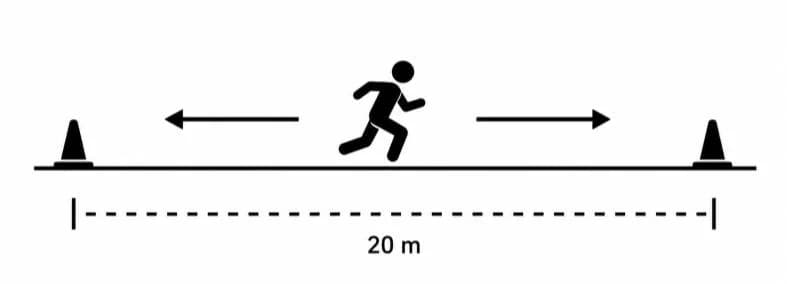
Figure 7. 20-m shuttle run test course.
Interpretation of body composition and physical fitness results
Age- and sex-specific reference values for body size and physical fitness measures, including handgrip strength, standing long jump and the 20-m shuttle run test, are available through the FitBack European reference values publication (Ortega et al., 2023). The main article provides reference tables and percentile curves for the physical fitness measures, while supplementary material includes additional reference values for body composition indicators.
These reference values may support descriptive interpretation and monitoring of individual progress over time. They should not be treated as clinical diagnostic thresholds and should be interpreted alongside developmental stage, clinical context and repeated assessment results.
4. Summary of recommended assessment tools and required materials
The following tables provide a practical overview of the assessment tools described in this protocol. They summarise the main domains assessed, the recommended instruments or field-based tests, the principal outcomes obtained and, where applicable, the materials required for in-person assessment. For questionnaire-based measures, the summary tables also indicate relevant licensing or access requirements to support implementation across partner sites.
The online assessment recommendations are presented separately for young adults and adolescents, reflecting the age-specific selection of questionnaires described in Sections 2 and 3. Table 1 summarises the recommended online assessment tools for young adults living with and beyond cancer, while Table 2 presents the corresponding adolescent-specific measures.
Table 1. Recommended online assessment tools for young adults living with and beyond cancer
| DOMAIN | INSTRUMENT | Licensing/access requirements where applicable | MAIN OUTCOME / SCORING | KEY NOTE |
|---|---|---|---|---|
| Sociodemographic and cancer-related information | Brief ad hoc questionnaire | Participant characteristics, cancer history, treatment status, late effects, functional limitations and relevant medical advice or restrictions | Use only the information required for the assessment and distinguish mandatory from optional items | |
| Health-related quality of life | EQ-5D-5L | Registration required; non-commercial use free | Five-dimension health profile; EQ VAS score from 0 to 100; country-specific index score where available | Generic health-related quality of life measure |
| EORTC QLQ-C30 | Permission/registration required; academic use free | Global health status/quality of life, functioning and symptom scores transformed to 0–100 | Cancer-specific quality of life measure | |
| Physical activity and sedentary behaviour | IPAQ-SF | Open access; no permission required | Walking, moderate- and vigorous-intensity physical activity; MET-minutes/week; sitting time | Previous 7 days |
| Dietary habits | MEDAS | Available through the original publication | Mediterranean diet adherence score: 0–14 | Higher scores indicate greater adherence |
| Eating behaviour | TFEQ-R21 | Check access conditions via official provider | Cognitive restraint, uncontrolled eating and emotional eating domain scores: 0–100 | Optional complementary measure when eating behaviour is of specific interest |
| Sleep quality | PSQI | Free for non-commercial academic research; see official conditions of use | Global sleep quality score: 0–21 | Higher scores indicate poorer sleep quality |
| Anxiety and depressive symptoms | HADS | Licence/permission required; fees may apply | Anxiety and depression subscale scores: 0–21 each | Screening measure; not a diagnostic assessment |
| Perceived stress | PSS-14 | Permission request via ePROVIDE; request free | Perceived stress score: 0–56 | PSS-10 may be used where reduced participant burden is a priority |
| Self-perceived physical fitness | IFIS | Free to use; citation of original sources required | Separate ratings of overall fitness, cardiorespiratory fitness, muscular strength, speed-agility and flexibility | Five items scored from very poor to very good; no standard total score |
Table 2. Recommended online assessment tools for adolescents living with and beyond cancer
| DOMAIN | INSTRUMENT | Licensing/access requirements where applicable | MAIN OUTCOME / SCORING | KEY NOTE |
|---|---|---|---|---|
| Sociodemographic and cancer-related information | Brief age-appropriate ad hoc questionnaire | Participant characteristics, school and family context, cancer history, treatment status, late effects, functional limitations and relevant medical advice or restrictions | Parents or guardians may support medical or treatment-related questions when needed | |
| Health-related quality of life | KIDSCREEN-27 | Open access; official versions should be used | Five dimension scores: physical well-being, psychological well-being, autonomy and parent relations, social support and peers, and school environment | Self-reported measure for children and adolescents aged 8–18 years |
| PedsQL 3.0 Cancer Module (Teen Form, 13–18 years) | Licence/access requirements apply | Cancer-specific health-related quality of life across multiple domains | Optional complementary measure alongside KIDSCREEN-27 when cancer-specific assessment is relevant and participant burden permits. | |
| Physical activity | IPAQ-SF | Open access (CC BY 4.0); no permission required | Walking, moderate- and vigorous-intensity physical activity; MET-minutes/week | Recommended for adolescents aged 15 years and older |
| PAQ-C | Available through the PAQ-C/PAQ-A manual | Overall general physical activity score | Recommended for adolescents younger than 15 years; 10-item seven-day recall questionnaire | |
| Sedentary behaviour | YLSBQ | Available in supplementary material; institutional access may be required | Time spent in 12 leisure-time sedentary behaviours; average daily sedentary time | Separates typical weekdays and weekend days |
| Dietary habits | KIDMED | Available in the original validation article | Mediterranean diet adherence score: −4 to 12 | Higher scores indicate greater adherence |
| Eating behaviour | TFEQ-R21 | Check access conditions via official provider/ePROVIDE | Cognitive restraint, uncontrolled eating and emotional eating domain scores: 0–100 | Optional complementary measure where an age- and language-appropriate version is available |
| Sleep duration | Brief sleep timing questions | Usual sleep duration on school and non-school days; average weekly sleep duration | Based on usual bedtime and wake-up time | |
| Daytime sleepiness | ESS-CHAD | Permission/licence required via ePROVIDE | Total daytime sleepiness score: 0–24 | Recommended primarily for adolescents aged 12 years and older |
| Perceived stress | PSS-10 | Permission request via ePROVIDE; request free of charge | Perceived stress score: 0–40 | Recommended for adolescents aged 12 years and older, using an appropriate validated language version |
| Anxiety and depressive symptoms | RCADS-25 | Free of charge; permission required for research use | Separate anxiety score: 0–45; depression score: 0–30; optional total score: 0–75 | Self-reported measure for adolescents aged 8–18 years; official age- and sex-adjusted T-score resources are available. |
| Self-perceived physical fitness | IFIS | Free to use; citation of original sources required | Separate ratings of overall fitness, cardiorespiratory fitness, muscular strength, speed-agility and flexibility | Five items scored from very poor to very good; no standard total score |
Tables 3 and 4 summarise the recommended in-person assessment measures for young adults and adolescents, respectively. They are intended as a practical reference for implementation and should be read alongside the detailed procedures, safety considerations and adaptations described in the relevant sections of this protocol.
Table 3. Recommended in-person assessment measures for young adults living with and beyond cancer
| DOMAIN | TEST / MEASURE | MAIN OUTCOME | UNIT | REQUIRED MATERIALS | KEY IMPLEMENTATION NOTE |
|---|---|---|---|---|---|
| Body composition | Height | Standing height | cm | Stadiometer | Assess without shoes |
| Weight | Body mass | kg | Calibrated scale | Assess with light clothing where possible | |
| Body mass index | Weight status indicator | kg/m² | Height and weight measures | Calculated from weight and height | |
| Waist circumference, if assessed | Waist circumference | cm | Non-elastic tape measure | *Optional complementary measure | |
| Bioelectrical impedance-derived measures, if assessed | Body fat percentage, fat mass and/or lean mass | % / kg | Bioelectrical impedance device | *Optional; record device and variable obtained | |
| Functional mobility | Usual gait speed: 6-m walk test | Time and gait speed | s / m·s⁻¹ | Marked 6-m course, cones, stopwatch | At least two trials; retain best result |
| Fast gait speed: 6-m walk test | Time and gait speed | s / m·s⁻¹ | Marked 6-m course, cones, stopwatch | Fast walking without running; retain best result | |
| Timed Up and Go test | Completion time | s | Stable chair, 3-m course, marker, stopwatch | Lower values indicate better functional mobility | |
| Lower-body strength | 30-second chair stand test | Number of completed stands | repetitions | Stable chair, stopwatch | Arms crossed over chest where appropriate |
| Upper-body strength | Handgrip strength test | Best value for each hand | kg | Calibrated adjustable hand dynamometer | Record right and left values separately and indicate dominant hand |
| Functional exercise capacity | 6-minute walk test | Total distance covered | m | Flat 30-m course, cones, stopwatch | Submaximal functional test; participants may slow down or rest if needed; not a direct measure of maximal cardiorespiratory fitness. |
*Optional body composition measures should only be included when suitable equipment, trained staff and local procedures are available.
Table 4. Recommended in-person assessment measures for adolescents living with and beyond cancer
| DOMAIN | TEST / MEASURE | MAIN OUTCOME | UNIT | REQUIRED MATERIALS | KEY IMPLEMENTATION NOTE |
|---|---|---|---|---|---|
| Body composition | Height | Standing height | cm | Stadiometer | Assess without shoes; two measurements recommended |
| Weight | Body mass | kg | Electronic or calibrated scale | Assess with light clothing where possible; two measurements recommended | |
| Body mass index | Weight status indicator | kg/m² | Height and weight measures | Calculated from weight and height | |
| Upper-body strength | Handgrip strength test | Best value for each hand | kg | Adjustable hand dynamometer | Record right and left values separately and indicate dominant hand |
| Lower-body muscular power | Standing long jump test | Best jumping distance | cm | Non-slip surface, marked line, tape measure | Two valid trials; retain best result |
| Cardiorespiratory fitness | 20-m shuttle run test | Last completed half-stage; optional shuttles or total time | half-stage / shuttles / s | Flat 20-m course, cones or line markers, tape measure, standardised audio and speaker | One trial; use only when maximal running is appropriate |
The measures included in this table correspond to the core body size and physical fitness measures identified in the Youth Fitness International Test (YFIT) consensus project.
5. Safety, contraindications and adaptations
The following safety considerations, contraindications and adaptations apply primarily to the in-person physical fitness assessment components of this protocol.
Physical activity, exercise and physical fitness assessment are generally considered safe and beneficial for young people living with and beyond cancer when appropriately individualised and supervised (Campbell et al., 2019; Wurz et al., 2021). However, assessment should take account of cancer-related late effects, current symptoms, treatment status, functional capacity and participant autonomy.
Physical fitness testing is not mandatory. Individual tests may be adapted, postponed or discontinued according to relevant medical advice or restrictions, the participant’s current health status and the judgement of appropriately trained staff. Applicable consent procedures should be completed before assessment; further information on consent, assent and data management is provided in Section 6.
5.1 Before assessment and safety check
Before in-person testing, appropriately trained staff should confirm eligibility, relevant medical advice or restrictions, and the participant’s willingness to take part on that day. A brief safety check should address recent or current symptoms, including pain, unusual fatigue, dizziness, fainting, shortness of breath, fever or signs of infection, as well as recent surgery, injury, treatment-related concerns or medication-related issues that may affect safe participation.
Participants should also be asked whether they feel able to complete the planned assessment. Where symptoms are new, worsening or potentially concerning, the relevant test should be adapted, postponed or deferred. The reason for not proceeding should be recorded.
Before testing begins, participants should receive a clear explanation of the session, including the purpose and order of the tests, the expected level of effort and their right to pause, decline or stop any test at any time. A brief warm-up should be completed before dynamic or effort-based tests, particularly those involving lower-body strength, mobility, jumping or running. This may include light walking, gentle mobility exercises and low-intensity rehearsal of the planned movement.
This protocol does not replace clinical exercise screening or medical decision-making. Staff requiring more detailed guidance on absolute and relative contraindications to exercise testing should consult cancer-specific exercise guidance for young adults and adolescents (Campbell et al., 2019; Wurz et al., 2021), together with the current edition of the American College of Sports Medicine’s Guidelines for Exercise Testing and Prescription. These sources should be used alongside local clinical pathways and condition-specific medical advice.
5.2 Adaptations and test-specific considerations
Test selection and administration should be adapted according to current symptoms, treatment-related effects, functional limitations and relevant medical advice. Any omitted or modified test should be documented, together with the reason for this decision (Campbell et al., 2019; Wurz et al., 2021).
For participants with upper-limb pain, recent surgery, reduced range of motion, marked weakness, peripheral neuropathy, lymphoedema-related symptoms or other upper-limb concerns, handgrip strength testing should be adapted, postponed or omitted where appropriate.
For participants with lower-limb pain, impaired balance, mobility limitations, peripheral neuropathy, recent surgery, musculoskeletal injury or other lower-limb concerns, tests involving walking, standing from a chair, jumping or running should be adapted, postponed or omitted as appropriate. Standing long jump and the 20-m shuttle run should not be performed when impact, rapid changes of direction or maximal exertion are not suitable. The 20-m shuttle run test should only be performed when clinically appropriate, under appropriately trained supervision and in accordance with local safety and emergency procedures.
Where bone fragility, known or suspected bone lesions, pain related to skeletal involvement or other structural concerns are present, impact-based or high-intensity tests should only be considered following relevant clinical advice. Test selection should prioritise safety, comfort and functional relevance rather than completion of the full assessment battery (Campbell et al., 2019).
Cardiorespiratory tests, particularly maximal or near-maximal tests, should be adapted or deferred in the presence of significant fatigue, unexplained shortness of breath, dizziness, chest pain, acute illness or other symptoms that may affect safe exercise tolerance. Lower-intensity alternatives may be considered where appropriate.
5.3 During assessment
Staff should monitor the participant throughout the assessment for visible distress, unusual fatigue, pain, dizziness, balance problems, shortness of breath or other signs that may affect safe participation.
Participants should be allowed to pause, rest or discontinue an individual test at any time. Testing should be stopped immediately if requested by the participant or if concerning symptoms develop, including chest pain, fainting or near-fainting, severe dizziness, marked shortness of breath, sudden weakness or acute pain.
Rest periods should be provided between tests and extended when needed according to symptoms, recovery and perceived effort. Tests involving greater exertion, impact or rapid changes of direction should only proceed when the participant appears adequately recovered and willing to continue.
Any immediate protocol deviation, test interruption, participant-reported symptom or adverse event should be recorded at the time of assessment, including the test concerned and any action taken.
These monitoring, rest and stopping procedures are consistent with cancer-specific exercise guidance recommending individualised supervision and symptom-led modification of assessment activities (Campbell et al., 2019; Wurz et al., 2021).
5.4 After assessment and documentation
After the assessment, participants should be given sufficient time to recover and asked whether they experienced any pain, dizziness, unusual fatigue, shortness of breath or other concerning symptoms during or immediately after testing.
Completion or non-completion of each test should be recorded, together with any adaptation, interruption, protocol deviation or adverse event. Where a test was not performed or was discontinued, the reason should be documented.
Participants reporting persistent or concerning symptoms should be advised to contact their healthcare team or follow the relevant local clinical pathway. Any adverse event requiring further action should be managed and reported according to the procedures established by the implementing partner.
6. Data collection, scoring and harmonisation
6.1 Consent and data protection
Before collecting any personal or health-related data, participants should receive clear and accessible information about the purpose of the assessment, the data to be collected, the voluntary nature of participation, the use and storage of the data, and the relevant contact details for questions or withdrawal.
For young adults, informed consent should be obtained directly from the participant before any assessment is initiated. Participation should remain voluntary throughout the assessment, and participants should be able to decline individual questions or discontinue any questionnaire or physical fitness test without providing a reason.
For adolescents, parental or guardian consent and the adolescent’s assent should be obtained where required by applicable ethical, legal and institutional procedures. Information provided to adolescents should use age-appropriate language and should make clear that they may decline to answer individual questions or stop an assessment at any time.
Before data collection begins, each implementing partner should obtain approval from the competent research ethics committee or relevant institutional review body, as required by applicable national and institutional procedures. Where formal ethical approval is not required, any exemption or equivalent institutional determination should be documented. The relevant approval or reference number should also be recorded where applicable.
Consent to participate in the assessment should be documented separately from the data protection procedures. Each implementing partner should ensure that personal and health-related data are collected, stored and managed in accordance with the GDPR and applicable national and institutional requirements, including the identification of an appropriate legal basis and safeguards for the processing of health-related data.
6.2 Recommended data recording and consistency considerations
Where data are collected across different settings, the use of a participant identification code is recommended to link online questionnaire responses and in-person assessment records without including directly identifiable information in the working or analysis dataset.
To support comparability, records may include the participant ID, country or partner site, language version used, assessment date, assessor ID for in-person tests and, where relevant, the assessment wave or time point.
A basic data dictionary is recommended to document variable names, labels, permitted response options, units of measurement, scoring rules and any derived variables. Standard response options for missing or incomplete data may also be agreed in advance, for example: not asked, refused, not applicable, not performed due to safety considerations, not performed due to participant choice, equipment issue, technical issue, or other reason.
For in-person physical fitness tests, an assessment record should preferably include the test name, number of attempts, final value, unit of measurement and comments or reason for non-completion. A simple example structure is shown in Table 5.
Table 5. Example in-person assessment record for young adults
| TEST | ATTEMPT(S) | FINAL VALUE | UNIT | COMMENTS / REASON NOT PERFORMED |
|---|---|---|---|---|
| Height | cm | |||
| Weight | kg | |||
| Usual gait speed (6-m walk test) | s - m/s | |||
| Fast gait speed (6-m walk test) | s - m/s | |||
| Timed Up and Go test | s | |||
| 30-second chair stand test | repetitions | |||
| Handgrip strength, right hand | kg | |||
| Handgrip strength, left hand | kg | |||
| 6-minute walk test | m |
The same recording structure may be adapted for adolescent assessments, including height, weight, right- and left-hand grip strength, standing long jump and 20-m shuttle run performance, together with any adaptations or reasons for non-completion.
To support harmonisation across participating sites, test-specific procedures that may influence results, including equipment, participant position, number of trials, rest periods and test termination criteria, should be standardised whenever feasible and documented.
Where participants are assessed at more than one time point, the same validated questionnaire version, test protocol, equipment type and scoring procedures should be used whenever possible. Any change in language version, equipment, assessor, testing conditions or protocol adaptations should be documented, as these factors may affect comparability over time.
6.3 Scoring and interpretation
Questionnaire scores and field-based physical fitness outcomes should be calculated according to the official instructions for the specific instrument, protocol and validated language version used. Derived variables, such as body mass index, gait speed, physical activity indicators or questionnaire scale scores, should follow predefined and documented scoring procedures.
Recognised reference values, normative data or cut-off points for the measures included in this protocol are indicated throughout the relevant sections where available. These values may support the interpretation of results and the identification of potential areas requiring further attention. However, reference values and cut-off points may be updated as scientific evidence develops and should therefore be interpreted using the most current validated sources available.
The age ranges covered by individual instruments and available reference values may not always correspond exactly to the target age groups defined in this protocol, as they are determined by the original validation studies and normative datasets. Instruments should be administered within the age range supported by their validation evidence and official guidance. For the interpretation of results, age-specific reference values that include the participant’s age should be used whenever available. Where no reference value is available for the exact age and no established cut-off is provided, the closest available age-specific reference may be used cautiously as an approximate descriptive benchmark. Such extrapolation should be clearly acknowledged and should not be interpreted as a validated clinical threshold or diagnostic classification.
Results should not be interpreted in isolation or used as a diagnostic assessment. In addition to comparison with reference values, changes within the same participant over time may provide valuable information on functional progress, stability or decline. Interpretation should consider the participant’s age, sex, clinical history, treatment-related effects, current symptoms, functional capacity and assessment conditions.
Where results raise clinical concerns or may influence decisions about exercise, rehabilitation or follow-up, interpretation should be supported by appropriate clinical judgement and, where relevant, consultation with qualified healthcare or exercise professionals.
6.4 Management of concerning questionnaire responses
Before data collection begins, each implementing partner should establish a clear local procedure for reviewing and responding to potentially concerning questionnaire results, particularly those related to anxiety, depression, perceived stress or other indicators of psychological distress. Results should be reviewed by appropriately trained staff according to the validated scoring and interpretation guidance for each instrument.
Where scores indicate elevated symptoms or raise concern, participants should be offered appropriate follow-up in accordance with local clinical, safeguarding and referral pathways. The specific thresholds and actions should be predefined by each implementing partner, taking into account the instrument used, participant age, clinical context and applicable institutional procedures. Questionnaire scores should be treated as screening indicators rather than diagnostic assessments.
Where responses suggest an immediate or serious risk to the participant’s safety or well-being, the relevant local urgent safeguarding or clinical procedure should be followed without delay.
7. Declarations
7.1 Funding and disclaimer
This project has received funding from the European Union’s EU4Health Programme under Grant Agreement No 101219053.
Co-funded by the European Union. Views and opinions expressed are however those of the author(s) only and do not necessarily reflect those of the European Union or the European Health and Digital Executive Agency (HaDEA). Neither the European Union nor the granting authority can be held responsible for them.
7.2 Use of generative artificial intelligence
ChatGPT (OpenAI) was used during the preparation of this protocol to support language editing, improve clarity and readability, and assist with the refinement and structuring of selected sections. ChatGPT was also used to generate the illustrative figures depicting selected physical fitness assessment procedures, based on prompts and specifications provided by the authors.
All AI-assisted text and figures were reviewed by the authors for accuracy, scientific appropriateness and consistency with the protocol. The selection of assessment instruments, methodological decisions, interpretation of the evidence and final content remain the responsibility of the authors. No AI-generated data, research findings or empirical results are presented in this document.
References
- Aaronson, N. K., Ahmedzai, S., Bergman, B., Bullinger, M., Cull, A., Duez, N. J., Filiberti, A., Flechtner, H., Fleishman, S. B., Haes, J. C. J. M. D., Kaasa, S., Klee, M., Osoba, D., Razavi, D., Rofe, P. B., Schraub, S., Sneeuw, K., Sullivan, M., & Takeda, F. (1993). The European Organization for Research and Treatment of Cancer QLQ-C30: a quality-of-life instrument for use in international clinical trials in oncology. Journal of the National Cancer Institute, 85(5), 365–376. https://doi.org/10.1093/JNCI/85.5.365
- Andrews, A. W., Vallabhajosula, S., Boise, S., & Bohannon, R. W. (2023). Normal gait speed varies by age and sex but not by geographical region: a systematic review. Journal of Physiotherapy, 69(1), 47–52. https://doi.org/10.1016/j.jphys.2022.11.005
- Bowman, A., Denehy, L., Benjemaa, A., Crowe, J., Bruns, E., Hall, T., Traill, A., & Edbrooke, L. (2023). Feasibility and safety of the 30-second sit-to-stand test delivered via telehealth: An observational study. PM & R : The Journal of Injury, Function, and Rehabilitation, 15(1), 31–40. https://doi.org/10.1002/PMRJ.12783
- Buysse, D. J., Reynolds, C. F., Monk, T. H., Berman, S. R., & Kupfer, D. J. (1989). The Pittsburgh sleep quality index: A new instrument for psychiatric practice and research. Psychiatry Research, 28(2), 193–213. https://doi.org/10.1016/0165-1781(89)90047-4
- Cabanas-Sánchez, V., Martínez-Gómez, D., Esteban-Cornejo, I., Castro-Piñero, J., Conde-Caveda, J., & Veiga, Ó. L. (2018). Reliability and validity of the Youth Leisure-time Sedentary Behavior Questionnaire (YLSBQ). Journal of Science and Medicine in Sport, 21(1), 69–74. https://doi.org/10.1016/J.JSAMS.2017.10.031
- Campbell, K. L., Winters-Stone, K. M., Wiskemann, J., May, A. M., Schwartz, A. L., Courneya, K. S., Zucker, D. S., Matthews, C. E., Ligibel, J. A., Gerber, L. H., Morris, G. S., Patel, A. V., Hue, T. F., Perna, F. M., & Schmitz, K. H. (2019). Exercise Guidelines for Cancer Survivors: Consensus Statement from International Multidisciplinary Roundtable. Medicine and Science in Sports and Exercise, 51(11), 2375–2390. https://doi.org/10.1249/MSS.0000000000002116
- Cantarero-Villanueva, I., Fernández-Lao, C., Díaz-Rodríguez, L., Fernández-De-Las-Peñas, C., Ruiz, J. R., & Arroyo-Morales, M. (2012). The handgrip strength test as a measure of function in breast cancer survivors: relationship to cancer-related symptoms and physical and physiologic parameters. American Journal of Physical Medicine & Rehabilitation, 91(9), 774–782. https://doi.org/10.1097/PHM.0B013E31825F1538
- Cappelleri, J. C., Bushmakin, A. G., Gerber, R. A., Leidy, N. K., Sexton, C. C., Lowe, M. R., & Karlsson, J. (2009). Psychometric analysis of the Three-Factor Eating Questionnaire-R21: results from a large diverse sample of obese and non-obese participants. International Journal of Obesity, 33(6), 611–620. https://doi.org/10.1038/ijo.2009.74
- Cohen, S., Kamarck, T., & Mermelstein, R. (1983). A global measure of perceived stress. Journal of Health and Social Behavior, 24(4), 385–396. https://doi.org/10.2307/2136404
- Cohen, S., & Williamson, G. M. (1988). Perceived stress in a probability sample of the United States. In S. Spacapan & S. Oskamp (Eds.), The Social Psychology of Health: Claremont Symposium on Applied Social Psychology (pp. 31–67). Sage Publications.
- Craig, C. L., Marshall, A. L., Sjöström, M., Bauman, A. E., Booth, M. L., Ainsworth, B. E., Pratt, M., Ekelund, U., Yngve, A., Sallis, J. F., & Oja, P. (2003). International physical activity questionnaire: 12-Country reliability and validity. Medicine and Science in Sports and Exercise, 35(8), 1381–1395. https://doi.org/10.1249/01.MSS.0000078924.61453.FB
- Crapo, R. O., Casaburi, R., Coates, A. L., Enright, P. L., MacIntyre, N. R., McKay, R. T., Johnson, D., Wanger, J. S., Zeballos, R. J., Bittner, V., & Mottram, C. (2002). ATS statement: Guidelines for the six-minute walk test. American Journal of Respiratory and Critical Care Medicine, 166(1), 111–117. https://doi.org/10.1164/ajrccm.166.1.at1102
- Dourado, V. Z., Nishiaka, R. K., Simões, M. S. M. P., Lauria, V. T., Tanni, S. E., Godoy, I., Gagliardi, A. R. T., Romiti, M., & Arantes, R. L. (2021). Classification of cardiorespiratory fitness using the six-minute walk test in adults: Comparison with cardiopulmonary exercise testing. Pulmonology, 27(6), 500–508. https://doi.org/10.1016/j.pulmoe.2021.03.006
- Ebesutani, C., Reise, S. P., Chorpita, B. F., Ale, C., Regan, J., Young, J., Higa-Mc Millan, C., & Weisz, J. R. (2012). The Revised Child Anxiety and Depression Scale-Short Version: scale reduction via exploratory bifactor modeling of the broad anxiety factor. Psychological Assessment, 24(4), 833–845. https://doi.org/10.1037/A0027283
- Ewing, J. E., King, M. T., & Smith, N. F. (2009). Validation of modified forms of the PedsQL generic core scales and cancer module scales for adolescents and young adults (AYA) with cancer or a blood disorder. Quality of Life Research : An International Journal of Quality of Life Aspects of Treatment, Care and Rehabilitation, 18(2), 231–244. https://doi.org/10.1007/S11136-008-9424-4
- Gallagher, D., Heymsfield, S. B., Heo, M., Jebb, S. A., Murgatroyd, P. R., & Sakamoto, Y. (2000). Healthy percentage body fat ranges: An approach for developing guidelines based on body mass index. American Journal of Clinical Nutrition, 72(3), 694–701. https://doi.org/10.1093/ajcn/72.3.694
- García-Conesa, M. T., Philippou, E., Pafilas, C., Massaro, M., Quarta, S., Andrade, V., Jorge, R., Chervenkov, M., Ivanova, T., Dimitrova, D., Maksimova, V., Smilkov, K., Ackova, D. G., Miloseva, L., Ruskovska, T., Deligiannidou, G. E., Kontogiorgis, C. A., & Pinto, P. (2020). Exploring the Validity of the 14-Item Mediterranean Diet Adherence Screener (MEDAS): A Cross-National Study in Seven European Countries around the Mediterranean Region. Nutrients, 12(10), 1–18. https://doi.org/10.3390/NU12102960
- Giesinger, J. M., Loth, F. L. C., Aaronson, N. K., Arraras, J. I., Caocci, G., Efficace, F., Groenvold, M., van Leeuwen, M., Petersen, M. A., Ramage, J., Tomaszewski, K. A., Young, T., & Holzner, B. (2020). Thresholds for clinical importance were established to improve interpretation of the EORTC QLQ-C30 in clinical practice and research. Journal of Clinical Epidemiology, 118, 1–8. https://doi.org/10.1016/j.jclinepi.2019.10.003
- Herdman, M., Gudex, C., Lloyd, A., Janssen, M., Kind, P., Parkin, D., Bonsel, G., & Badia, X. (2011). Development and preliminary testing of the new five-level version of EQ-5D (EQ-5D-5L). Quality of Life Research : An International Journal of Quality of Life Aspects of Treatment, Care and Rehabilitation, 20(10), 1727–1736. https://doi.org/10.1007/S11136-011-9903-X
- IPAQ Research Committee. (2005). Guidelines for Data Processing and Analysis of the International Physical Activity Questionnaire (IPAQ) – Short and Long Forms.
- Janssen, K. C., Phillipson, S., O’Connor, J., & Johns, M. W. (2017). Validation of the Epworth Sleepiness Scale for Children and Adolescents using Rasch analysis. Sleep Medicine, 33, 30–35. https://doi.org/10.1016/j.sleep.2017.01.014
- Janz, K. F., Lutuchy, E. M., Wenthe, P., & Levy, S. M. (2008). Measuring activity in children and adolescents using self-report: PAQ-C and PAQ-A. Medicine and Science in Sports and Exercise, 40(4), 767–772. https://doi.org/10.1249/MSS.0b013e3181620ed1
- Jones, C. J., Rikli, R. E., & Beam, W. C. (1999). A 30-s chair-stand test as a measure of lower body strength in community-residing older adults. Research Quarterly for Exercise and Sport, 70(2), 113–119. https://doi.org/10.1080/02701367.1999.10608028
- Kear, B. M., Guck, T. P., & McGaha, A. L. (2017). Timed Up and Go (TUG) Test: Normative Reference Values for Ages 20 to 59 Years and Relationships With Physical and Mental Health Risk Factors. Journal of Primary Care & Community Health, 8(1), 9–13. https://doi.org/10.1177/2150131916659282
- Kechter, A., Black, D. S., Riggs, N. R., Warren, C. M., Ritt-Olson, A., Chou, C. P., & Pentz, M. A. (2019). Factors in the perceived stress scale differentially associate with mindfulness disposition and executive function among early adolescents. Journal of Child and Family Studies, 28(3), 814–821. https://doi.org/10.1007/S10826-018-01313-4
- Kim, H.-J., Park, I., Lee, H. J., & Lee, O. (2016). The reliability and validity of gait speed with different walking pace and distances against general health, physical function, and chronic disease in aged adults. Journal of Exercise Nutrition & Biochemistry, 20(3), 46–50. https://doi.org/10.20463/jenb.2016.09.20.3.7
- Kowalski, K. C., Crocker, P. R. E., & Donen, R. M. (2004). The Physical Activity Questionnaire for Older Children (PAQ-C) and Adolescents (PAQ-A) Manual. College of Kinesiology, University of Saskatchewan.
- Lean, M. E. J., Han, T. S., & Morrison, C. E. (1995). Waist circumference as a measure for indicating need for weight management. BMJ (Clinical Research Ed.), 311(6998), 158. https://doi.org/10.1136/BMJ.311.6998.158
- Lein, D. H., Alotaibi, M., Almutairi, M., & Singh, H. (2022). Normative Reference Values and Validity for the 30-Second Chair-Stand Test in Healthy Young Adults. International Journal of Sports Physical Therapy, 17(5), 907–914. https://doi.org/10.26603/001C.36432
- Marakshina, J., Adamovich, T., Vasin, G., Ismatullina, V., Lobaskova, M., Malykh, A., Kolyasnikov, P., Tabueva, A., Zakharov, I., & Malykh, S. (2024). Factor structure and psychometric properties of the Perceived Stress Scale in Russian adolescents. Scientific Reports, 14(1). https://doi.org/10.1038/S41598-023-51104-1
- Martínez-González, M. A., García-Arellano, A., Toledo, E., Salas-Salvadó, J., Buil-Cosiales, P., Corella, D., Covas, M. I., Schröder, H., Arós, F., Gómez-Gracia, E., Fiol, M., Ruiz-Gutiérrez, V., Lapetra, J., Lamuela-Raventos, R. M., Serra-Majem, L., Pintó, X., Muñoz, M. A., Wärnberg, J., Ros, E., & Estruch, R. (2012). A 14-item mediterranean diet assessment tool and obesity indexes among high-risk subjects: The PREDIMED trial. PLoS ONE, 7(8). https://doi.org/10.1371/journal.pone.0043134
- Musoro, J. Z., Coens, C., Sprangers, M. A. G., Brandberg, Y., Groenvold, M., Flechtner, H. H., Cocks, K., Velikova, G., Dirven, L., Greimel, E., Singer, S., Pogoda, K., Gamper, E. M., Sodergren, S. C., Eggermont, A., Koller, M., Reijneveld, J. C., Taphoorn, M. J. B., King, M. T., & Bottomley, A. (2023). Minimally important differences for interpreting EORTC QLQ-C30 change scores over time: A synthesis across 21 clinical trials involving nine different cancer types. European Journal of Cancer, 188, 171–182. https://doi.org/10.1016/j.ejca.2023.04.027
- National Institute for Health and Care Excellence. (2025). Overweight and obesity management (NICE guideline NG246). www.nice.org.uk/guidance/ng246
- Ortega, F. B., Leskošek, B., Blagus, R., Gil-Cosano, J. J., Mäestu, J., Tomkinson, G. R., Ruiz, J. R., Mäestu, E., Starc, G., Milanovic, I., Tammelin, T. H., Sorić, M., Scheuer, C., Carraro, A., Kaj, M., Csányi, T., Sardinha, L. B., Lenoir, M., Emeljanovas, A., … Jurak, G. (2023). European fitness landscape for children and adolescents: updated reference values, fitness maps and country rankings based on nearly 8 million test results from 34 countries gathered by the FitBack network. British Journal of Sports Medicine, 57(5), 299–310. https://doi.org/10.1136/BJSPORTS-2022-106176
- Ortega, F. B., Ruiz, J. R., España-Romero, V., Vicente-Rodriguez, G., Martínez-Gómez, D., Manios, Y., Béghin, L., Molnar, D., Widhalm, K., Moreno, L. A., Sjöström, M., & Castillo, M. J. (2011). The International Fitness Scale (IFIS): Usefulness of self-reported fitness in youth. International Journal of Epidemiology, 40(3), 701–711. https://doi.org/10.1093/ije/dyr039
- Ortega, F. B., Sánchez-López, M., Solera-Martínez, M., Fernández-Sánchez, A., Sjöström, M., & Martínez-Vizcaino, V. (2013). Self-reported and measured cardiorespiratory fitness similarly predict cardiovascular disease risk in young adults. Scandinavian Journal of Medicine & Science in Sports, 23(6), 749–757. https://doi.org/10.1111/j.1600-0838.2012.01454.x
- Ortega, F. B., Zhang, K., Cadenas-Sanchez, C., Tremblay, M. S., Jurak, G., Tomkinson, G. R., Ruiz, J. R., Keller, K., Nyström, C. D., Sacheck, J. M., Pate, R., Weston, K. L., Kidokoro, T., Poon, E. T., Wachira, L. J. M., Ssenyonga, R., Gomes, T. N. Q. F., Cristi-Montero, C., Fraser, B. J., … Liu, Y. (2025). The Youth Fitness International Test (YFIT) battery for monitoring and surveillance among children and adolescents: A modified Delphi consensus project with 169 experts from 50 countries and territories. Journal of Sport and Health Science, 14. https://doi.org/10.1016/j.jshs.2024.101012
- Podsiadlo, D., & Richardson, S. (1991). The timed “Up & Go”: a test of basic functional mobility for frail elderly persons. Journal of the American Geriatrics Society, 39(2), 142–148. https://doi.org/10.1111/J.1532-5415.1991.TB01616.X
- Ravens-Sieberer, U., Herdman, M., Devine, J., Otto, C., Bullinger, M., Rose, M., & Klasen, F. (2014). The European KIDSCREEN approach to measure quality of life and well-being in children: Development, current application, and future advances. Quality of Life Research, 23(3), 791–803. https://doi.org/10.1007/S11136-013-0428-3
- Roberts, H. C., Denison, H. J., Martin, H. J., Patel, H. P., Syddall, H., Cooper, C., & Sayer, A. A. (2011). A review of the measurement of grip strength in clinical and epidemiological studies: towards a standardised approach. Age and Ageing, 40(4), 423–429. https://doi.org/10.1093/AGEING/AFR051
- Serra-Majem, L., Ribas, L., Ngo, J., Ortega, R. M., García, A., Pérez-Rodrigo, C., & Aranceta, J. (2004). Food, youth and the Mediterranean diet in Spain. Development of KIDMED, Mediterranean Diet Quality Index in children and adolescents. Public Health Nutrition, 7(7), 931–935. https://doi.org/10.1079/PHN2004556
- Stunkard, A. J., & Messick, S. (1985). The three-factor eating questionnaire to measure dietary restraint, disinhibition and hunger. Journal of Psychosomatic Research, 29(1), 71–83. https://doi.org/10.1016/0022-3999(85)90010-8
- Tomkinson, G. R., Lang, J. J., Rubín, L., McGrath, R., Gower, B., Boyle, T., Klug, M. G., Mayhew, A. J., Blake, H. T., Ortega, F. B., Cadenas-Sanchez, C., Magnussen, C. G., Fraser, B. J., Kidokoro, T., Liu, Y., Christensen, K., Leong, D. P., Aadahl, M., Abdin, E., … Yu, R. (2025). International norms for adult handgrip strength: A systematic review of data on 2.4 million adults aged 20 to 100+ years from 69 countries and regions. Journal of Sport and Health Science, 14, 101014. https://doi.org/10.1016/j.jshs.2024.101014
- Varni, J. W., Burwinkle, T. M., Katz, E. R., Meeske, K., & Dickinson, P. (2002). The PedsQL in pediatric cancer: reliability and validity of the Pediatric Quality of Life Inventory Generic Core Scales, Multidimensional Fatigue Scale, and Cancer Module. Cancer, 94(7), 2090–2106. https://doi.org/10.1002/CNCR.10428
- Wang, G. Y., Benmedjahed, K., Lambert, J., Evans, C. J., Hwang, S., Black, J., & Johns, M. W. (2017). Assessing narcolepsy with cataplexy in children and adolescents: Development of a cataplexy diary and the ESS-CHAD. Nature and Science of Sleep, 9, 201–211. https://doi.org/10.2147/NSS.S140143
- World Health Organization. (1995). Physical status: The use and interpretation of anthropometry. Report of a WHO Expert Committee (WHO Technical Report Series 854). World Health Organization.
- World Health Organization. (2000). Obesity: preventing and managing the global epidemic. Report of a WHO consultation. In World Health Organization technical report series (Vol. 894). World Health Organization.
- World Health Organization. (2011). Waist circumference and waist-hip ratio: Report of a WHO expert consultation.
- Wurz, A., McLaughlin, E., Lategan, C., Chamorro Viña, C., Grimshaw, S. L., Hamari, L., Götte, M., Kesting, S., Rossi, F., van der Torre, P., Guilcher, G. M. T., McIntyre, K., & Culos-Reed, S. N. (2021). The international Pediatric Oncology Exercise Guidelines (iPOEG). TRANSLATIONAL BEHAVIORAL MEDICINE, 11(10), 1915–1922. https://doi.org/10.1093/tbm/ibab028
- Zigmond, A. S., & Snaith, R. P. (1983). The Hospital Anxiety and Depression Scale. Acta Psychiatrica Scandinavica, 67(6), 361–370. https://doi.org/10.1111/j.1600-0447.1983.tb09716.x
This publication is part of YARN – European Youth Cancer Network.