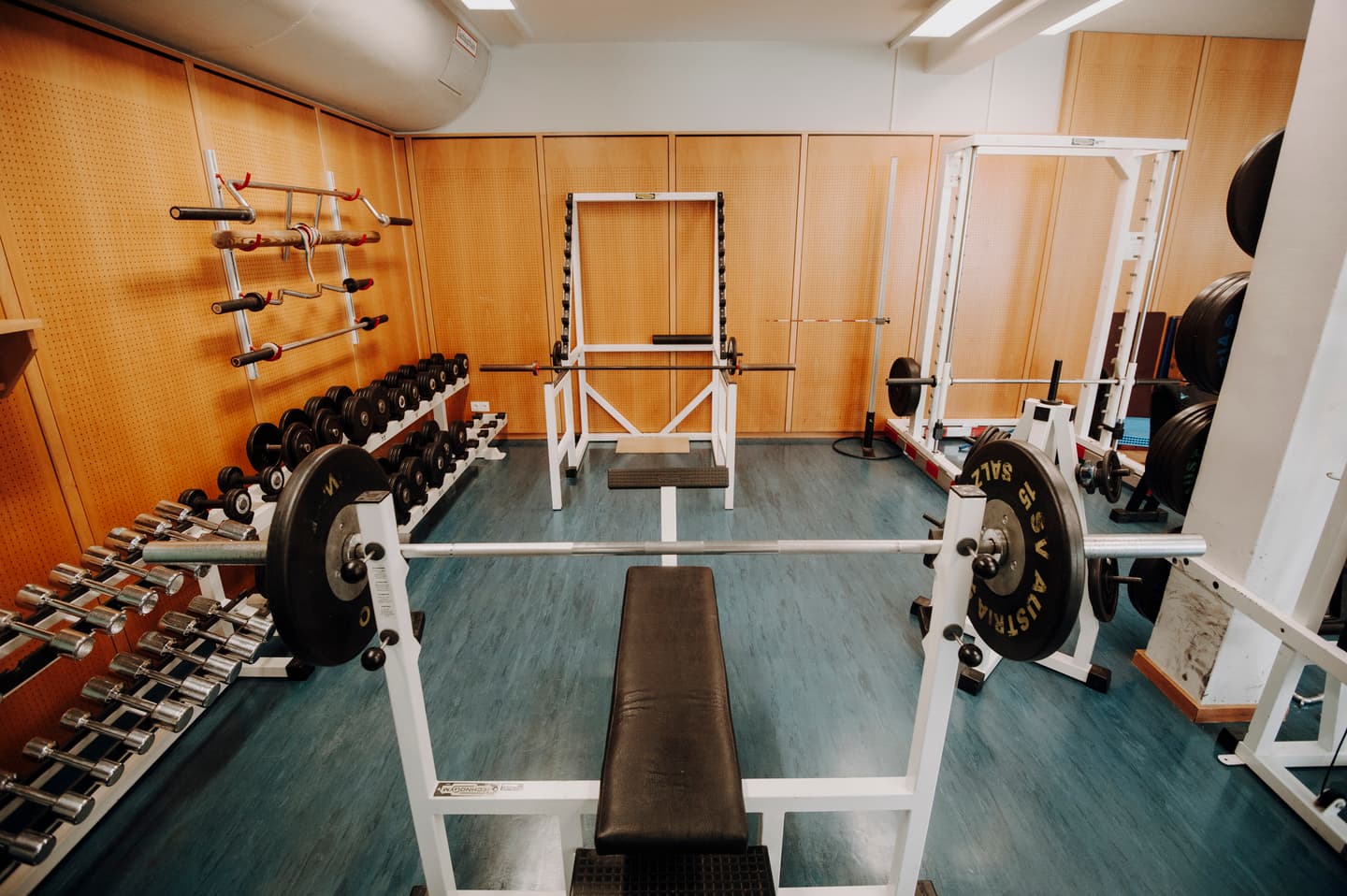


May the Force be with you!
Although research on its benefits is relatively recent, there is growing evidence of the importance of strength training for health. The findings of a recent meta-analysis showed that muscle-strengthening exercise is associated with a 10–17% lower risk of mortality, including mortality from cardiovascular disease and cancer.[^1] Furthermore, just one strength training session per week reduces the likelihood of cancer by 9%, rising to 11% with two sessions.[^2]
Strength training for cancer survivors
On the benefits of strength training for cancer survivors, a large-scale study (including nearly 3,000 cancer survivors) examined the association between strength training and mortality. The authors concluded that performing muscle-strengthening exercises at least once a week reduces mortality in this population by 33%.[^3] Thus, the benefits of small efforts (i.e., a single session per week) for cancer survivors are clear.
As with a drug, some exercise doses may be more effective than others in inducing the necessary stimulus. A recent meta-analysis analyzed the duration, frequency, and type of exercise training needed to reduce cancer mortality.[^4] A 2022 systematic review and meta-analysis (Shailendra et al., American Journal of Preventive Medicine) found that performing at least two strength-training sessions per week was associated with approximately 14% lower cancer-specific mortality compared with once-weekly or no strength training. The same analysis reported a 19% reduction in cardiovascular mortality at the same dose. Furthermore, the greatest benefits of strength training appear to occur at 1–59 minutes and concurrent training (the combination of muscle-strengthening and aerobic activities in the same session) is the type of exercise that produces the greatest benefits on cancer mortality risk.
Conclusions
In summary, strength training emerges as an important tool for the population throughout the disease continuum (before, during, and after cancer). To maximize the benefits of training, healthcare and fitness professionals must be knowledgeable about the effective dose of exercise.
Author: Javier S. Morales; University of Cadiz.
Sources:
- Momma, H.; Kawakami, R.; Honda, T.; Sawada, S.S. Muscle-strengthening activities are associated with lower risk and mortality in major non-communicable diseases: a systematic review and meta-analysis of cohort studies. Br. J. Sports Med. 2022, 56, 755–763, doi:10.1136/BJSPORTS-2021-105061.
- Bennie, J.A.; Lee, D. chul; Khan, A.; Wiesner, G.H.; Bauman, A.E.; Stamatakis, E.; Biddle, S.J.H. Muscle-Strengthening Exercise Among 397,423 U.S. Adults: Prevalence, Correlates, and Associations With Health Conditions. Am. J. Prev. Med. 2018, 55, 864–874, doi:10.1016/J.AMEPRE.2018.07.022.
- Hardee, J.P.; Porter, R.R.; Sui, X.; Archer, E.; Lee, I.M.; Lavie, C.J.; Blair, S.N. The effect of resistance exercise on all-cause mortality in cancer survivors. Mayo Clin. Proc. 2014, 89, 1108–1115, doi:10.1016/j.mayocp.2014.03.018.
- Nascimento, W.; Ferrari, G.; Martins, C.B.; Rey-Lopez, J.P.; Izquierdo, M.; Lee, D.H.; Giovannucci, E.L.; Rezende, L.F.M. Muscle-strengthening activities and cancer incidence and mortality: a systematic review and meta-analysis of observational studies. Int. J. Behav. Nutr. Phys. Act. 2021, 18, 1–10, doi:10.1186/S12966-021-01142-7/FIGURES/4.
This article provides informational support only and is not a substitute for professional medical advice, diagnosis, or treatment. Always consult your healthcare provider for medical decisions.
This content was created during the OACCUs project, co-funded under the EU4Health Programme in 2021-2024 (Grant Agreement No. 101056984).