
Key Takeaways
- Most cancer patients can safely enjoy sweets during treatment. The "sugar feeds cancer" claim is a widely repeated myth, not an evidence-based guideline.
- The right dessert depends on which side effects you're managing on a given day, not a universal list of banned foods.
- Fruit-based treats, plain yoghurt desserts, dark chocolate with a high cocoa content, and smooth puddings are the most versatile safe options for most patients.
- If you're losing weight during treatment, higher-calorie sweets like full-fat ice cream and milkshakes are often clinically helpful, not something to feel guilty about.
- Patients with low white blood cell counts need to avoid raw honey, unpasteurised dairy, and raw-egg desserts like traditional tiramisu or mousse.
- Always personalise dessert choices with your oncology team, ideally an oncology-trained dietitian.
If you're wondering what sweets cancer patients can eat during treatment, you're asking the right question, and for a good reason. Cravings, taste changes, mouth sores, and appetite swings are part of daily life for most people going through chemotherapy or radiotherapy, and figuring out what actually works is harder than most nutrition articles make it sound.
This guide walks you through the whole picture: the sugar-and-cancer myth that causes so much unnecessary fear, which sweets help with specific side effects, a quick-reference table you can come back to, and clear notes on what to limit and why. We've included real dessert ideas, the exact questions to ask your oncology dietitian, and a section specifically for caregivers.
One note before we start: this is general information, not individualised medical advice. Your specific diagnosis, treatment plan, and current blood counts matter, so always run significant dietary decisions past your care team.
Can Cancer Patients Eat Sweets? The Short Answer
Yes, most cancer patients can safely enjoy sweets during treatment. The right choices depend on your treatment type, current side effects, and individual nutritional needs, not on eliminating sugar from your diet. Fruit-based desserts, yoghurt, and dark chocolate are usually well-tolerated, while raw-egg or unpasteurised options should be avoided during low-immunity periods. [1], [3]
That's the short version. The more honest version is that the answer changes based on context: whether you have mouth sores today, whether you're losing weight, whether your white blood cell counts are low this week. The rest of this article unpacks those contexts so you can make the call that fits your situation.
The "Sugar Feeds Cancer" Myth: What the Evidence Really Says
You've probably heard someone say that cancer cells "feed on sugar," and that cutting out sweets will help you fight the disease. It's one of the most persistent myths in cancer nutrition, and it causes real harm when patients restrict their diets during treatment. [3]
Here's what the evidence actually shows. Every cell in your body uses glucose for energy, not just cancer cells. There's no way to tell your body to give glucose to healthy cells while withholding it from cancer cells. Cutting sugar doesn't selectively starve tumours; it just makes it harder for you to maintain weight and strength during a time when your body needs calories. [3]
The European Society for Clinical Nutrition and Metabolism (ESPEN) is clear on this point: their practical guideline recommends against dietary provisions that restrict energy intake in patients at risk of malnutrition, and states plainly that no diets are known to reliably cure or prevent cancer recurrence. [1]
The real concern with sugar is indirect. Long-term high intake of added sugars contributes to weight gain, and being overweight or obese is linked to a higher risk of developing at least 13 types of cancer. [2] That's a prevention conversation, not a treatment conversation, and it's a different issue from whether you can enjoy a biscuit during chemo.
It helps to know the difference between two types of sugar. Free sugars are added to foods during processing (the sugar in sweets, fizzy drinks, cakes, flavoured yoghurts, and many sauces). Intrinsic sugars are locked inside the cells of whole fruits, vegetables, and plain dairy. Your body digests them differently, and intrinsic sugars come bundled with fibre, vitamins, and minerals that support you through treatment. If you want to think through the broader picture of what to eat and what to skip during treatment, our practical companion piece Cancer Diet and Nutrition: What to Eat, What to Avoid, and What Actually Matters covers the same evidence base at the level of full meals rather than treats.
Why "Enjoy Sweets in Moderation" Is Actually Medical Advice
Oncology dietitians routinely recommend enjoyable foods during treatment because maintaining calorie intake and mental wellbeing affects how well you tolerate chemotherapy and how quickly you recover. Quality of life isn't a soft concern; it's a clinical outcome that affects everything from treatment adherence to immune function. [1]
Put another way: a slice of cake on a hard day sits closer to medicine than indulgence.
How Cancer Treatment Changes What Sweets Work for You
The reason you might need to adjust dessert choices has much more to do with side effects than with sugar content. A treat that was your favourite before treatment might taste strange, or hurt your mouth, or turn your stomach, and a different treat might feel like the only thing that helps.
Chemotherapy and Taste Changes
Chemo changes taste in three common ways: a metallic taste, heightened bitterness, and dulled sweetness. In one questionnaire-based study, 46% of patients on systemic therapy reported taste changes in the previous week, and around a third of those described a metallic taste specifically. [7] If food tastes metallic, cold desserts tend to work better than warm ones (a fruit sorbet beats a warm fruit pie). Using plastic cutlery instead of metal also helps.
If everything tastes bitter, lean toward mild flavours like vanilla, caramel, and banana, and go easier on dark chocolate and coffee-flavoured desserts until the effect passes. If sweetness is dulled, you may find extra-sweet options (like honey-drizzled yoghurt or ripe tropical fruit) taste closer to normal. Citrus-forward desserts, a lemon sorbet or a lime ice lolly, often cut through metallic taste better than anything else.
Radiotherapy, Especially Head and Neck
If you're going through head-and-neck radiotherapy, your constraints are different from a chemo-only patient. Mucositis (inflammation of the mouth lining), xerostomia (dry mouth), and swallowing difficulty change what's physically possible to eat. Mucositis is recognised in international guidelines as a significant treatment toxicity that needs proactive supportive care. [9]
Smooth, cool, moist desserts are your friends: custards, pudding, yoghurt, very ripe banana, plain jelly, and melting-style sorbets that don't require much chewing. Skip acidic fruit sorbets (lemon, orange, pineapple) during active mucositis, because they sting. Also skip anything crunchy like biscuits, biscotti, or granola-based energy balls until your mouth heals.
Nausea and Appetite Loss
When you're nauseated, rich sweetness often triggers more than plain sweetness. Cold, bland options work best: plain ice lollies, jelly, frozen grapes, simple fruit sorbet, and crystallised ginger. Ginger has some evidence behind it: a 2022 systematic review found that ginger supplementation at doses up to 1 g per day for more than four days significantly reduced acute chemotherapy-induced vomiting, although effects on nausea itself were less consistent. [4] Dairy at room temperature tends to be easier than ice-cold dairy for some patients, so experiment with what your body tells you.
Keep portions small. A few bites of something you can keep down is better than a full serving you can't.
Digestive Side Effects: Low-Fibre vs. High-Fibre Days
The right dessert flips depending on whether you have diarrhoea or constipation on a given day, and this changes more often than you'd think during treatment.
On diarrhoea days, stick to low-fibre, low-fat options: smooth puddings, plain biscuits, jelly, ripe banana, rice pudding. On constipation days, lean into fibre: chia pudding, fruit compote, wholegrain baked goods, prunes, pear-based desserts. The same patient might need both in the same week, which is why flexible guidance beats a rigid list.
Sweets by Side Effect: Quick-Reference Table
This is the table to bookmark. When you're not sure what to reach for, come back here and match your current side effect to the middle column.
| Side effect | Sweets that usually help | Sweets to avoid |
|---|---|---|
| Metallic taste | Cold sorbets, citrus lollies, berries, mint chocolate | Warm chocolate desserts, rich creamy puddings |
| Mouth sores or mucositis | Plain jelly, vanilla pudding, non-acidic ice lollies, soft yoghurt | Citrus sorbets, crunchy biscuits, hot desserts, salted caramels |
| Dry mouth | Fruit sorbets, frozen grapes, smooth yoghurt | Dry cakes, crackers, biscotti, dense brownies |
| Nausea | Cold ice lollies, crystallised ginger, plain jelly, simple banana | Rich cheesecakes, fried pastries, heavy cream desserts |
| Diarrhoea | Plain biscuits, rice pudding, banana, smooth custard | High-fibre bran muffins, dried fruit, sugar-free sweets containing sorbitol |
| Constipation | Chia pudding, prune-based desserts, wholegrain baked goods | Highly processed white-sugar sweets, low-fibre pastries |
| Weight loss or low appetite | Full-fat ice cream, milkshakes, nut-butter energy balls, yoghurt with honey | Low-calorie "sugar-free" versions |
| Low white blood cell count | Commercially pasteurised dairy desserts, cooked-fruit desserts, packaged biscuits | Raw honey, unpasteurised ice cream, raw-egg desserts, unwashed fresh berries |
Use this as a starting point, not a rulebook. Your symptoms will shift from day to day, and the table is meant to give you a shortcut when you don't have the energy to figure it out from scratch.
Safe Sweet Options Cancer Patients Usually Tolerate Well
These are the dessert categories that work for the majority of patients in active treatment. Knowing which family your craving falls into (fruit, dairy, chocolate, nut-based, or spiced) makes it easier to find a version that fits the day.
Fruit-Based Treats
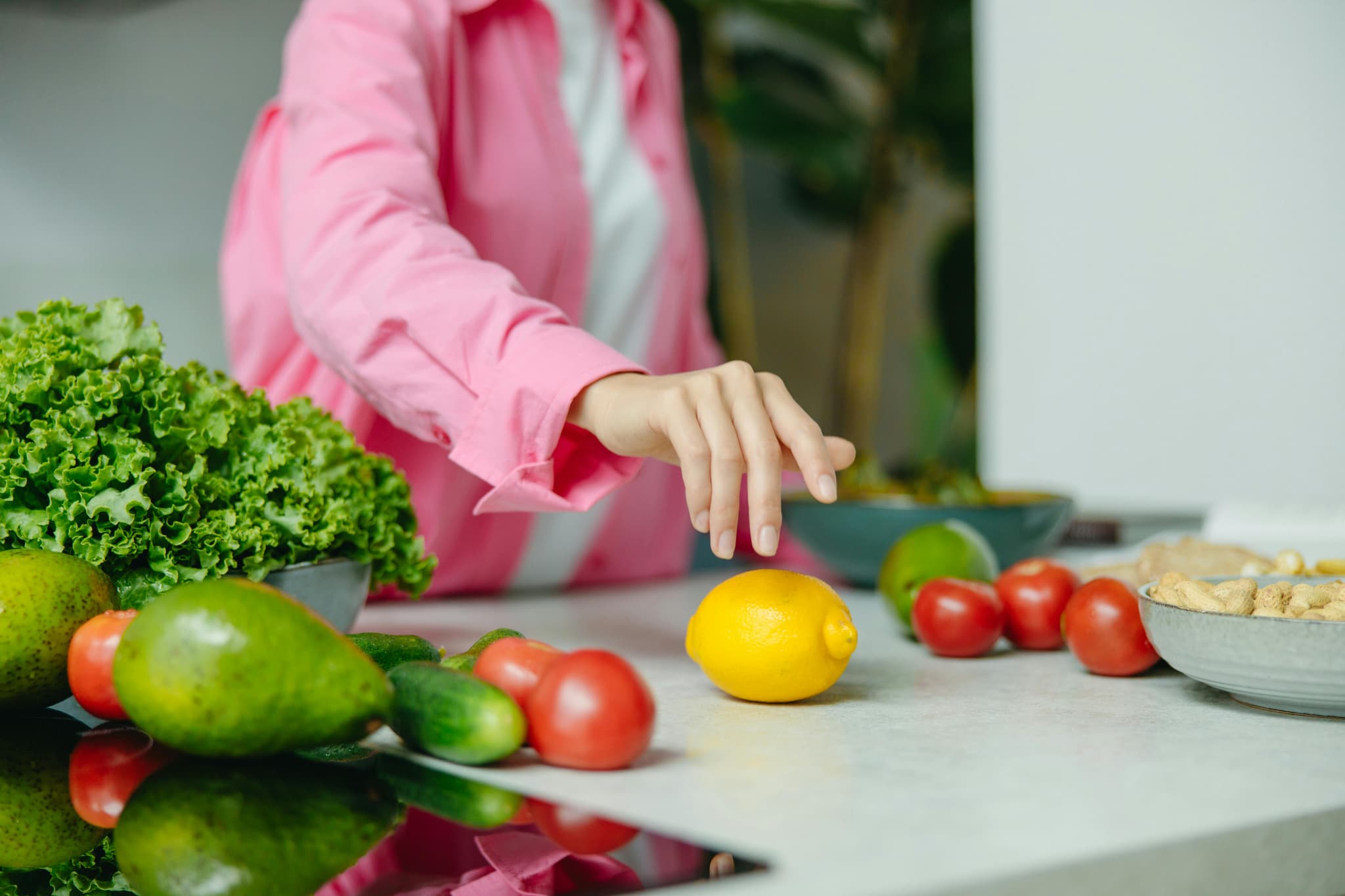
Fresh fruit salads, baked apples with cinnamon, fruit compote, homemade sorbets and ice lollies, smoothies, and blended frozen banana "nice cream" all deliver natural sweetness from intrinsic sugars. They also provide hydration, fibre, and antioxidants that support you through treatment.
Homemade ice lollies made from puréed fruit are particularly useful for mouth sores: the cold soothes irritated tissue, and the smooth texture doesn't require chewing. Blend fruit with a splash of water or juice, pour into ice-lolly moulds, and freeze.
Dairy and Yoghurt Desserts
Yoghurt parfaits, yoghurt with honey or fruit, rice pudding, vanilla custard, and crème caramel are all excellent choices. The protein helps fight treatment-related fatigue, and the soft texture works well when mouth sores or swallowing issues are in the picture. If your white blood cell counts are low, stick to commercially pasteurised dairy products rather than anything homemade from raw milk or anything artisanal and unlabelled. [8]
Dark Chocolate, and Exactly How Much
Dark chocolate contains cocoa flavanols, which the European Food Safety Authority has recognised as helping to maintain normal endothelium-dependent vasodilation and blood flow. The EFSA claim applies to 200 mg of cocoa flavanols per day, an amount that can be provided by around 10 g of high-flavanol dark chocolate consumed in the context of a balanced diet. [5] Practically, that's one to two small squares of a high-cocoa dark chocolate: a real, specific amount you can follow.
You'll notice that's a specific number, which is deliberate. "A little bit" is useless advice. One or two squares after dinner is a real plan you can actually follow.
Nut Butter and Seed-Based Treats
Chia pudding, flaxseed-oat energy balls, peanut butter banana bites, and almond butter on apple slices combine protein, healthy fats, and natural sweetness. This combination supports energy levels and helps stabilise blood sugar, which is useful when you're eating less than usual.
One caution: if your counts are low, skip no-bake recipes that include raw flour or raw egg. Baked versions are safer during neutropenic periods. [8]
Warm-Spice Sweets
Cinnamon-spiced baked goods, ginger biscuits (ginger can help settle the stomach), and turmeric-infused puddings add flavour and gentle warmth. These aren't miracle foods, but they add pleasure to desserts without relying on heavy sweetness.
When Higher-Calorie Sweets Are Actually the Right Choice
Here's the part most cancer nutrition articles miss. If you're experiencing unintentional weight loss, cachexia, or appetite crises during treatment, the standard "healthier = lower sugar, lower calorie" framework flips completely. ESPEN's practical guideline is explicit that patients at nutritional risk should be offered energy- and protein-dense foods, not restricted diets. [1]
In practice, that means full-fat ice cream, milkshakes with added protein powder or peanut butter, rich rice pudding, cream-based custards, and oral nutrition supplements blended into smoothies are actively useful. Adding olive oil, nut butters, or full-fat coconut cream to blended fruit desserts can quietly boost calories without changing the taste you're craving.
If a well-meaning family member is pushing sugar-free, low-fat, or "clean" desserts on you while you're losing weight, you have permission to say no. A bowl of full-fat ice cream during treatment can do more for your recovery than a "healthy" low-calorie alternative. The clinical goal during active cancer treatment is usually to hold your weight steady, and calorie-dense enjoyable food is how you do that.
Sweets to Limit or Avoid During Treatment
This isn't a forbidden-foods list. It's a list of things that tend to make specific side effects worse or pose specific safety risks during treatment, and knowing what they are saves you a bad afternoon.
Raw or Unpasteurised Ingredients (Neutropenia Safety)
If your neutrophil count is low, certain ingredients that are fine for most people become genuinely risky. Ghent University Hospital's microbiological review of neutropenic diets flags the same categories most European centres avoid: raw or uncooked meat and eggs, unpasteurised milk and soft cheeses, unwashed fresh fruit and vegetables, raw nuts, raw oats, and unpasteurised juices. [8] In dessert terms, that means no raw-egg tiramisu, classic mousse, homemade eggnog, some artisanal ice creams, or cookie dough. Raw honey belongs on the same caution list because it can carry bacterial spores.
Safer alternatives include commercial pasteurised ice cream, shelf-stable puddings, and baked goods made with properly heated ingredients. Your care team may give you a formal "neutropenic diet" or "low-microbial diet" handout; if they don't, ask for one. [8]
Very Fatty or Rich Desserts When Nauseated
Dense cheesecakes, fried pastries, and heavy cream-based desserts commonly trigger or worsen nausea. Save these for good-appetite days rather than bad ones. When your stomach is unsettled, lighter textures win.
Artificial Sweeteners and Sugar Alcohols
Sorbitol, mannitol, xylitol, and erythritol (common in "sugar-free" sweets, chewing gum, and packaged treats) can cause diarrhoea and bloating. That effect is well enough established that EU Regulation 1169/2011 requires any food with more than 10% added polyols to carry the warning "excessive consumption may produce laxative effects." [6] If you're already managing digestive side effects from treatment, sugar-free versions can quietly make things worse.
Artificial sweeteners aren't a magic safer swap. A small amount of real sugar is usually better tolerated than a sugar-free equivalent, especially if your gut is already sensitive.
Alcohol-Containing Desserts
Rum cake, tiramisu, liqueur-filled chocolates, bourbon pecan pie: these can interact with chemotherapy drugs and other medications. Check with your oncology team before consuming any dessert with alcohol, even a small amount. Our companion article Top Things Not to Do While on Chemotherapy: Essential Tips for Patients covers this in more depth, including why alcohol during active treatment is worth pausing rather than pushing through.
Large Portions of Anything
Portion size often matters more than food type. Small, frequent sweet snacks are usually better tolerated than one large dessert, especially if you're managing nausea or early-satiety issues.
Five Easy, Cancer-Friendly Dessert Ideas
These aren't strict recipes. They're flexible ideas chosen for different side-effect scenarios, so you can adapt them based on what your body is doing today.
- 1. Frozen yoghurt bark with berries. Spread a thin layer of pasteurised yoghurt on baking paper, drizzle with honey, and scatter washed berries across the top. Freeze for two hours, break into pieces, and store in the freezer. Good for mouth sores and dry mouth. If your counts are low, use commercially pasteurised honey only.
- 2. Banana "nice cream." Blend two frozen bananas with a splash of milk until creamy. Good for nausea, taste changes, and low appetite. Add a spoonful of peanut butter for extra calories on weight-loss days.
- 3. Chia pudding with maple syrup. Mix three tablespoons of chia seeds with one cup of milk and a tablespoon of maple syrup. Refrigerate overnight. Good for constipation and steady energy.
- 4. Baked apples with cinnamon. Core two apples, fill with a teaspoon of brown sugar and a generous shake of cinnamon, and bake at 180 °C for 30 minutes. Good for diarrhoea-prone days: soft, low-fat, comforting.
- 5. Dark chocolate-dipped strawberries. Wash strawberries thoroughly, dry them completely, and dip each one in melted high-cocoa dark chocolate. Set on baking paper and refrigerate until firm. Good for everyday enjoyment and special occasions.
Use the side-effect table above to pick the right option, and swap ingredients as your symptoms shift.
What to Ask Your Oncology Dietitian
"Consult your team" is easy to say and hard to act on if you don't know what to ask. Bring these questions to your next appointment:
- Are there foods I should avoid right now because of my blood counts?
- I've lost weight: should I actually be eating more sweets, and which kinds?
- I have mouth sores: what desserts would be easier on them?
- Are my medications affected by any specific foods or ingredients?
- Is it safe for me to eat raw honey, soft-serve ice cream, or fresh fruit right now?
- Can I drink alcohol in small amounts, like in a dessert or sauce?
- My family keeps bringing me "healthy" desserts I don't want: is that okay for me to push back on?
In most European countries you can ask your oncology team for a referral to a registered dietitian with oncology experience. National dietetic associations (many of which are members of the European Federation of the Associations of Dietitians, EFAD) can also help you find a qualified professional locally. A 30-minute appointment with an oncology-trained dietitian is worth more than hours of Googling.
A Word for Caregivers
If you're the spouse, parent, or adult child of someone going through treatment, a significant amount of the mental load around food probably falls on you. Three pieces of guidance that actually help.
First, ask what the patient actually wants on any given day rather than guessing. Cravings shift hour to hour during treatment, and the thing they loved yesterday might turn their stomach today.
Second, keep a small variety stocked in the freezer: ice lollies, sorbet, a tub of ice cream, frozen fruit, a few pre-made energy balls. Having options ready means you can meet the moment when it happens, without a grocery run at 9 p.m.
Third, don't impose your own "healthy eating" framework on their treatment window. Their calorie, comfort, and texture needs are not yours. Bringing someone in active treatment a dessert they actually enjoy is a real act of care, and you don't need to apologise for it.
Frequently Asked Questions
Can cancer patients eat chocolate?
Yes. Dark chocolate with a high cocoa content is generally well-tolerated, and around 10 g of high-flavanol dark chocolate a day fits within the amount EFSA associates with maintaining normal blood flow. [5] Milk chocolate is fine in moderation. One caveat: during mucositis or active mouth sores, avoid chocolate with nuts or hard inclusions that can irritate.
Is honey safe for cancer patients?
It depends on your immune status. For most patients, commercially pasteurised supermarket honey is fine. Raw or unprocessed honey should be avoided during periods of low white blood cell count, because it can contain bacterial spores that a healthy immune system handles easily but a compromised one may not. [8]
Can cancer patients eat ice cream during chemo?
Yes, and for patients dealing with mouth sores, taste changes, or weight loss, ice cream is often actively recommended by oncology dietitians. Stick to commercially pasteurised products rather than homemade ice cream made with raw eggs if your counts are low.
Should cancer patients cut out sugar completely?
What's the best dessert for mouth sores?
Cold, smooth, non-acidic options: plain jelly, vanilla pudding, ice cream, frozen yoghurt, smooth milkshakes, and non-citrus ice lollies. Avoid anything crunchy, hot, spicy, salty, or acidic (including lemon, orange, and pineapple sorbets) while sores are active.
Are sugar-free sweets better for cancer patients?
Not necessarily. Sugar alcohols like sorbitol and xylitol, common in sugar-free products, can cause diarrhoea and bloating, which may worsen digestive side effects from treatment. [6] A small amount of real sugar is often better tolerated than a sugar-free equivalent.
Can I have a birthday cake during chemo?
Yes. Celebrating meaningful moments during treatment matters for quality of life and mental health, and a slice of cake is not going to affect your cancer outcomes. If you're in a low-immune period, make sure the cake is freshly prepared and avoid buttercream made with raw egg whites.
Enjoy What You Can, When You Can
There is no single list of forbidden sweets that applies to every cancer patient. Knowing what sweets cancer patients can eat is really about matching the right option to your treatment, your current side effects, your weight trajectory, and your immune status, and those change over time.
The four most useful things to take away from this guide: use the side-effect table as your daily reference, don't fear calories if you're losing weight, respect the neutropenic-diet rules when your counts are low, and work with an oncology dietitian to personalise everything. Most of the "rules" you've heard are either outdated or too generic to apply to your specific treatment.
Treatment already asks you to give up a lot. A dessert you genuinely enjoy is not an indulgence to feel guilty about; it's part of getting through this well. Small pleasures count, and choosing something sweet on a hard day is a perfectly reasonable thing to do.
References
[1] Muscaritoli, M., Arends, J., Bachmann, P., Baracos, V., Barthelemy, N., Bertz, H., et al. (2021). ESPEN practical guideline: Clinical Nutrition in cancer. Clinical Nutrition, 40(5), 2898-2913. https://doi.org/10.1016/j.clnu.2021.02.005
[2] World Cancer Research Fund (2025). How many cancers are actually linked to obesity and physical activity? WCRF International. https://www.wcrf.org/research-policy/our-research/grants-database/how-many-cancers-are-actually-linked-to-obesity-and-physical-activity/
[3] Cancer Research UK (2023). Sugar and cancer: what you need to know. Cancer News. https://news.cancerresearchuk.org/2023/08/16/sugar-and-cancer-what-you-need-to-know/
[4] Choi, J., Lee, J., Kim, K., Choi, H.K., Lee, S.A., and Lee, H.J. (2022). Effects of ginger intake on chemotherapy-induced nausea and vomiting: A systematic review of randomized clinical trials. Nutrients, 14(23), 4982. https://doi.org/10.3390/nu14234982
[5] EFSA Panel on Dietetic Products, Nutrition and Allergies (NDA) (2012). Scientific Opinion on the substantiation of a health claim related to cocoa flavanols and maintenance of normal endothelium-dependent vasodilation pursuant to Article 13(5) of Regulation (EC) No 1924/2006. EFSA Journal, 10(7), 2809. https://doi.org/10.2903/j.efsa.2012.2809
[6] European Parliament and Council (2011). Regulation (EU) No 1169/2011 on the provision of food information to consumers, Annex III. Official Journal of the European Union, L 304/18. https://eur-lex.europa.eu/legal-content/EN/TXT/?uri=CELEX:32011R1169
[7] van Oort, S., Kramer, E., de Groot, J.W., and Visser, O. (2017). Taste alterations and cancer treatment. Nutrition and Cancer, 69(1), 1-8. Metallic taste in cancer patients treated with systemic therapy: A questionnaire-based study. https://doi.org/10.1080/01635581.2017.1250922
[8] De Bock, T., Jacxsens, L., Maes, F., Van Meerhaeghe, S., Reygaerts, M., and Uyttendaele, M. (2023). Microbiological profiling and knowledge of food preservation technology to support guidance on a neutropenic diet for immunocompromised patients. Frontiers in Microbiology, 14, 1136887. https://doi.org/10.3389/fmicb.2023.1136887
[9] Elad, S., Cheng, K.K.F., Lalla, R.V., Yarom, N., Hong, C., Logan, R.M., et al. (2020). MASCC/ISOO clinical practice guidelines for the management of mucositis secondary to cancer therapy. Cancer, 126(19), 4423-4431. https://doi.org/10.1002/cncr.33100
This article provides informational support only and is not a substitute for professional medical advice, diagnosis, or treatment. Always consult your healthcare provider for medical decisions.

This content was created during the YARN project, co-funded under the EU4Health Programme in 2025-2028 (Grant Agreement No. 101219053).