
Key Takeaways
- There is no single "cancer diet" — your nutritional needs shift depending on whether you're going through chemo, radiation, or recovery, and they can change week to week.
- Protein is your top priority during treatment. It preserves muscle, supports your immune system, and helps your body repair itself between cycles.
- Some foods need to be temporarily avoided during chemo — not because they're unhealthy, but because your suppressed immune system can't handle the foodborne illness risk.
- Many popular beliefs about cancer and food — sugar feeds tumors, alkaline diets cure cancer, keto starves cancer cells — are either oversimplified or unsupported by current evidence.
- A low fiber diet may be medically necessary during certain treatments like pelvic radiation. This isn't a step backward — it's a targeted strategy.
- On the hardest days, eating a few crackers and sipping broth is enough. The goal is nourishment, not perfection.
Is There Really a "Cancer Diet"? What the Evidence Says
If you've recently been diagnosed or you're supporting someone who has, one of the first questions that comes up is deceptively simple: "What should I eat now?"
The internet has answers — thousands of them, many contradictory. One site says go vegan. Another pushes keto. A third says juice everything. And suddenly, food — something that should bring comfort — becomes another source of stress on top of everything else.
Here's what the research actually supports: there is no single cancer diet that works for everyone. What exists instead is a flexible, evidence-based framework that shifts with each phase of treatment and recovery. The American Institute for Cancer Research estimates that 30–50% of cancers may be preventable through lifestyle factors, including what we eat. That's a meaningful number. But prevention and treatment nutrition are two different conversations, and this guide covers both.
We wrote this to cut through the noise. What follows is practical, specific, and grounded in what oncology dietitians actually tell their patients — not what gets clicks on social media. No guilt. No miracle cures. Just a clear framework you can adapt to your situation.
What to Eat During Chemotherapy
Chemo puts extraordinary demands on your body. It's fighting cancer cells, but it's also affecting healthy tissue — your gut lining, your immune cells, your muscles. Your nutritional needs during this time are higher than normal, even as your appetite often drops. The strategy isn't about eating perfectly. It's about getting the most nutritional value out of whatever you can manage to eat.
Protein: Your Top Priority During Chemo
If there's one thing oncology dietitians agree on, it's this: eat your protein first.
During chemotherapy, your body breaks down muscle faster than usual. Unintentional weight loss is one of the most common side effects, and losing muscle mass makes fatigue worse, weakens your immune system, and slows recovery between cycles. Protein counteracts all of that.
A general baseline is about 1 gram of protein per kilogram of body weight per day. During active chemo, most dietitians recommend adding another 15–20 grams on top of that. For a 160-pound person, that works out to roughly 90–95 grams of protein daily.
That can sound like a lot, especially when you don't feel like eating. Here's a practical approach many oncology RDs recommend: eat your protein source first at every meal. If you run out of appetite halfway through, at least the most critical macronutrient is covered.
Your best sources include eggs, chicken or turkey breast, fish (especially salmon), tofu, tempeh, beans, lentils, Greek yogurt, and cottage cheese. On days when solid food feels impossible, a protein shake can fill the gap — aim for around 150 calories as a snack or 350 calories as a meal replacement.
Fruits, Vegetables, and the "Eat the Rainbow" Rule
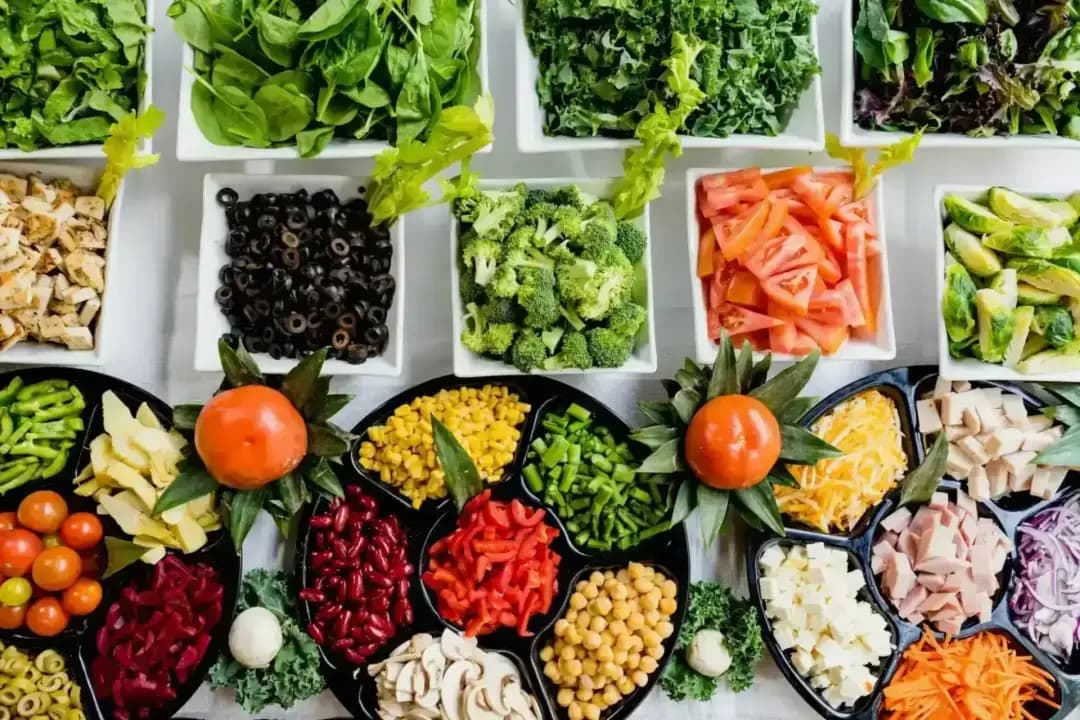
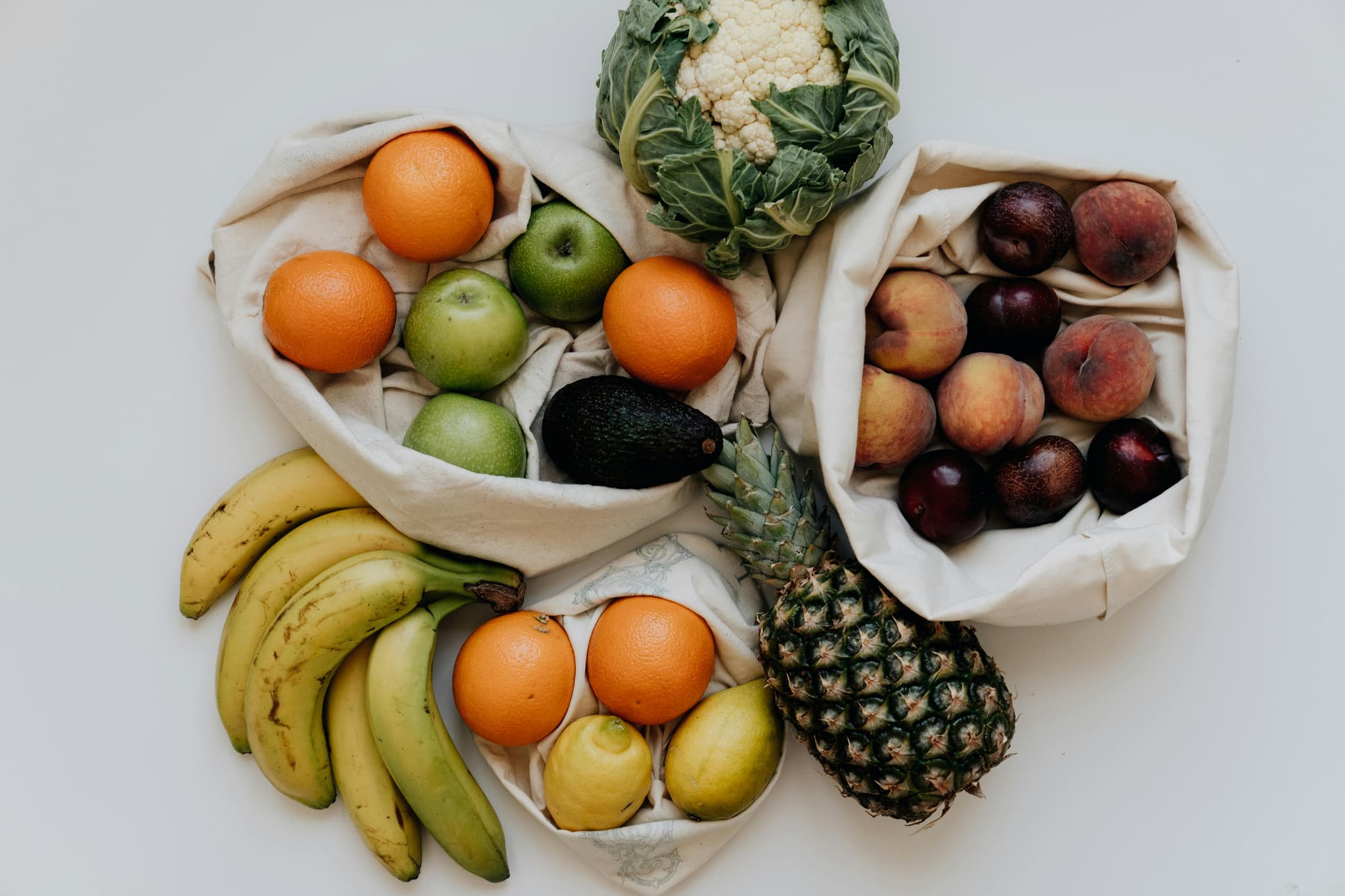
You've probably heard this advice before, but during cancer treatment it carries extra weight. Fruits and vegetables contain antioxidants and phytochemicals — natural plant compounds that help protect your cells from damage. The wider the variety of colors on your plate, the broader the range of protective compounds you're getting.
You don't need to eat massive quantities. Even small amounts across several color groups provide more benefit than a large amount of any single food.
Eat the Rainbow — Antioxidant Guide
- Red (tomatoes, strawberries, red bell peppers) — lycopene, linked to prostate cancer risk reduction
- Orange (sweet potatoes, carrots, oranges) — beta-carotene, supports immune function
- Green (broccoli, spinach, kale) — sulforaphane and folate, among the most studied anticancer compounds
- Blue/Purple (blueberries, eggplant, blackberries) — anthocyanins, potent antioxidants
- White (cauliflower, garlic, onions) — allicin and quercetin, support anti-inflammatory pathways
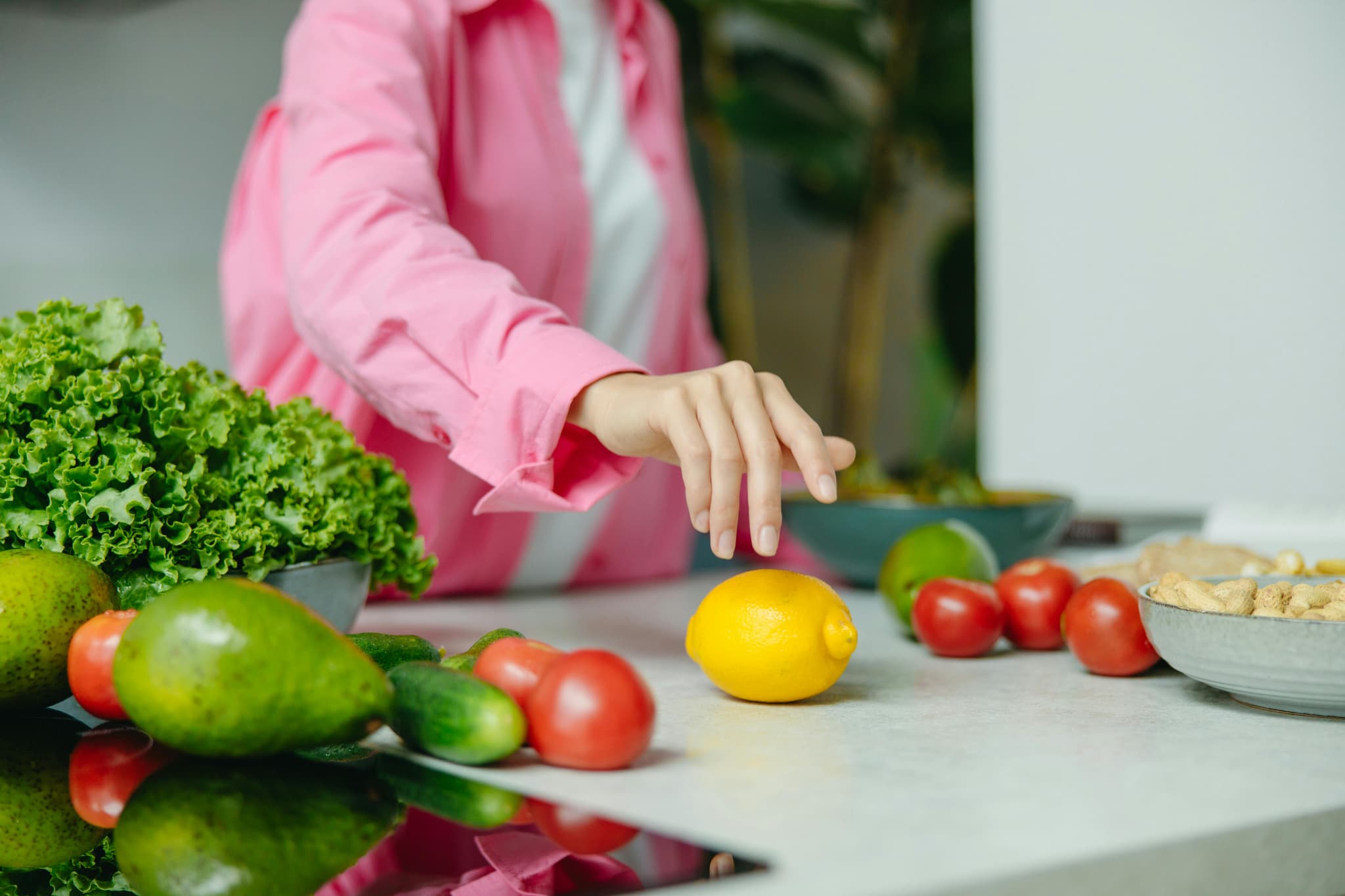
Don't stress about hitting every color at every meal. A handful of blueberries on your oatmeal, some spinach in a smoothie, a few carrot sticks with hummus — these small additions compound over time.
Whole Grains, Healthy Fats, and Hydration
Whole grains — oats, brown rice, quinoa, whole wheat bread — provide sustained energy and fiber, which supports digestion during a time when your GI tract is under significant stress. They also contain B vitamins that help with energy metabolism.
Healthy fats serve a dual purpose during chemo: they're calorie-dense (helpful when you're struggling to eat enough) and anti-inflammatory. Olive oil, avocado, nuts, seeds, and fatty fish like salmon are your best options. Drizzle olive oil on vegetables, spread almond butter on toast, or toss some walnuts into oatmeal — these small additions add meaningful calories without requiring you to eat larger meals.
And don't overlook hydration. Chemo increases your fluid needs, especially if you're dealing with vomiting or diarrhea. Water is the foundation, but bone broth, herbal tea, diluted fruit juice, and electrolyte drinks all count. Keep a water bottle within arm's reach at all times — you'll drink more when it's visible and convenient.
Foods to Avoid During Chemo (and Why)
This section isn't about labeling foods as "bad." It's about understanding that chemotherapy temporarily changes the rules. Your immune system is suppressed, your gut is more vulnerable, and your body processes certain substances differently. Some foods that are perfectly fine when you're healthy become genuine risks during treatment.
Food Safety Comes First
Chemo often causes neutropenia — a drop in white blood cells that leaves you vulnerable to infections your body would normally fight off without you ever noticing. A mild case of food poisoning that would mean an uncomfortable day for a healthy person can land a chemo patient in the hospital.
This means certain foods need to be temporarily set aside — not forever, just while your immune system is compromised. Raw or undercooked meat, poultry, fish, and eggs top the list. So do unpasteurized dairy products and juices, raw sprouts, and unwashed produce. Deli meats should be heated until steaming before eating.
These aren't permanent lifestyle changes. They're short-term safety protocols, and they end when your blood counts recover.
Foods That Can Worsen Side Effects
Beyond food safety, some items tend to make common chemo side effects worse. Greasy, fried foods often intensify nausea. Very spicy or acidic foods can aggravate mouth sores. Alcohol interacts with many cancer medications, dehydrates you, and puts additional strain on your liver when it's already working overtime to process chemo drugs.
Ultra-processed foods — the ones with long ingredient lists full of additives — tend to be high in sodium, added sugars, and unhealthy fats while offering little nutritional return. During treatment, every bite matters more than usual, so filling up on foods that don't give back doesn't serve you well.
That said, context matters. If a bowl of instant ramen is the only thing that sounds edible on a bad day, eat the ramen. Something is always better than nothing.
| ✅ Choose This | ❌ Skip This During Chemo |
|---|---|
| Baked or poached salmon | Raw sushi or sashimi |
| Hard-boiled or fully cooked eggs | Runny or soft-boiled eggs |
| Pasteurized juice or smoothies | Fresh-squeezed unpasteurized juice |
| Herbed baked chicken | Charred or blackened grilled meat |
| Washed, peeled fruit | Unwashed raw produce or raw sprouts |
| Heated deli turkey (steaming) | Cold deli meats straight from the package |
| Herbal tea or ginger tea | Alcohol or high-caffeine energy drinks |
| Olive oil or avocado | Deep-fried foods with hydrogenated oils |
Good Snacks for Chemo Patients — Organized by Side Effect
Full meals can feel impossible during chemo. Many patients find that small, frequent snacks — every two to three hours — are far more realistic than sitting down to three traditional meals. But "eat small snacks" is vague advice when you're nauseated, your mouth is covered in sores, or you can barely get off the couch.
What you reach for should depend on what you're dealing with right now.
When You're Nauseated
Bland, dry, and room-temperature foods tend to stay down best. Think plain crackers, dry toast, pretzels, and rice cakes. Ginger is one of the few natural anti-nausea remedies with solid evidence behind it — ginger chews, ginger tea, or even flat ginger ale can help settle your stomach. Frozen fruit bars and popsicles work well too, especially when liquids feel easier than solids.
Eat before hunger builds. Waiting until you're very hungry tends to make nausea worse, not better.
When Your Mouth or Throat Is Sore
Mucositis — inflammation and sores in the mouth and throat — is one of the most painful chemo side effects, and it turns eating into an ordeal. Focus on soft, cool, non-acidic foods: smoothies, plain yogurt, applesauce, mashed banana, cottage cheese, avocado, and lukewarm (never hot) broth.
Avoid anything citrus-based, tomato-based, spicy, crunchy, or sharp-edged. A straw can help liquids bypass the most painful spots.
When You Have No Appetite
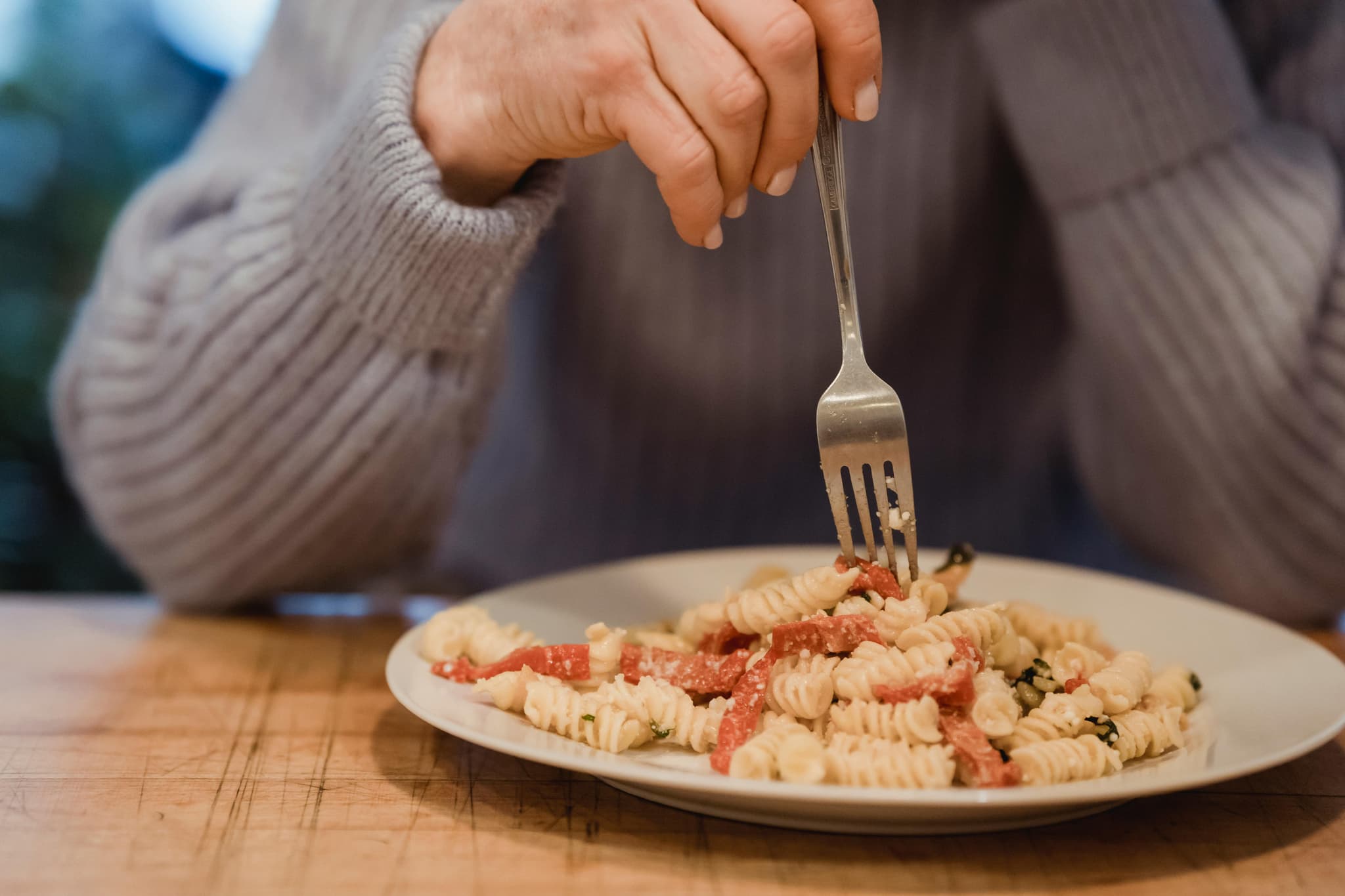
When nothing sounds appealing, prioritize calorie density — getting the most energy from the smallest possible volume. Nut butter on banana slices, a small handful of trail mix, cheese and crackers, hummus with soft pita, or full-fat Greek yogurt with a drizzle of honey. Protein shakes are a reliable fallback here.
Even three or four bites count. You're not trying to enjoy a meal right now — you're fueling a body that's doing incredibly hard work.
When You're Fatigued and Can't Cook
Some of the best chemo snacks require zero preparation. String cheese. Single-serve nut butter packets. Pre-cut fruit from the grocery store. Hard-boiled eggs you batch-prepped on a better day (or that someone prepped for you). Frozen smoothie kits where you just add liquid and blend.
If you're a caregiver reading this, here's one of the most useful things you can do: set up a small snack station within easy reach — a basket on the counter or a designated shelf in the fridge — stocked with grab-and-go options. It removes the decision-making burden on days when even choosing what to eat feels exhausting.
What to Eat During and After Radiation Therapy
Radiation and chemo affect the body differently, and your dietary adjustments should reflect that. While chemo is systemic — it impacts your entire body — radiation targets a specific area. That means your nutritional strategy depends heavily on where the radiation is directed.
Nutrition During Radiation
If you're receiving radiation to the head or neck, you'll likely deal with mouth sores, dry mouth, difficulty swallowing, and taste changes. Soft, moist, bland foods become essential — think smoothies, pureed soups, scrambled eggs, oatmeal, and mashed potatoes with gravy. Sip water constantly to combat dry mouth, and consider using a saliva substitute if your care team recommends one.
Pelvic or abdominal radiation often triggers diarrhea, cramping, and bloating. This is typically when your doctor may recommend switching to a low fiber diet temporarily — which we'll cover in detail in the next section.
Regardless of the treatment site, your calorie and protein needs remain elevated during radiation. Even if you feel less sick than you expected, don't let that trick you into undereating. Your body is repairing tissue damage every day.
Rebuilding Your Diet After Treatment Ends
Once treatment wraps up, the transition back to normal eating isn't always as smooth as people expect. Taste changes can linger for weeks or months. Food aversions that developed during treatment may stick around. Your digestive system needs time to recalibrate.
Go slowly. Reintroduce variety one food at a time. Increase fiber gradually rather than jumping straight back to salads and whole grains. Focus on anti-inflammatory foods — colorful produce, fatty fish, olive oil, nuts, and fermented foods like yogurt, kefir, and kimchi, which help restore gut health after the disruption of treatment.
The Mediterranean diet has the strongest evidence base for cancer survivorship and recurrence reduction. It's not a rigid plan — it's a pattern: mostly plants, healthy fats, lean proteins, whole grains, and limited red and processed meat. If you're looking for a long-term framework after treatment, it's the one with the most science behind it.
When You Need a Low Fiber Diet (and When to Stop)
This one catches people off guard. Fiber is normally a cornerstone of healthy eating — so being told to reduce it can feel like you're moving backward. You're not. During certain cancer treatments, a low fiber diet is a targeted, temporary medical strategy.
Pelvic radiation, some chemotherapy regimens, and post-surgical recovery can all irritate the bowel to the point where fiber makes symptoms — diarrhea, cramping, gas, bloating — significantly worse. Reducing fiber gives your gut a chance to calm down and heal.
Low fiber foods to lean on during this phase include white bread, white rice, refined pasta, well-cooked vegetables with skins removed, canned fruit (in juice, not syrup), eggs, tender chicken or fish, and low-fiber cereals. Temporarily avoid raw vegetables, whole grains, nuts, seeds, beans, dried fruit, and popcorn.
The key word here is "temporarily." Once your symptoms resolve and your care team gives the green light, reintroduce fiber gradually — adding one high-fiber food every few days and monitoring how your body responds. Jumping from a low fiber diet straight back to raw salads and bran muffins is a recipe for GI distress. Give your gut the same patience you'd give any other part of your body that's healing.
Cancer Diet Myths You Can Stop Believing
Cancer and food attract more misinformation than almost any other health topic. Some of these myths are well-meaning but oversimplified. Others are actively harmful. Let's address the most persistent ones.
"Sugar Feeds Cancer"
This is probably the most widespread myth in cancer nutrition, and it contains a grain of truth wrapped in a lot of distortion. Cancer cells do consume glucose at a higher rate than normal cells. But here's what that narrative leaves out: every cell in your body runs on glucose. Your brain, your muscles, your immune cells — they all need it. If you're unsure what sweet foods are actually safe, this guide on Sweet Options for Cancer Patients: Enjoying Treats Without Compromising Health_ breaks it down in a practical, evidence-based way.
Cutting out all sugar and carbohydrates during treatment doesn't starve cancer cells. What it can do is starve you. Severe carbohydrate restriction during chemo or radiation can lead to dangerous weight loss, muscle wasting, and fatigue — outcomes that actually worsen your prognosis.
The real guidance is more nuanced: limit added sugars and ultra-processed sweets, but whole grains, fruits, and naturally occurring sugars are fine. A banana is not the enemy. A slice of whole grain toast is not feeding your tumor.
"You Should Go Keto, Alkaline, or Strictly Vegan to Fight Cancer"
Each of these diets has passionate advocates, but none has consistent evidence supporting its use as a cancer treatment.
The ketogenic diet has shown some interesting results in lab and animal studies, but human clinical evidence remains limited, and some recent research suggests it could potentially promote tumor spread in certain contexts. The alkaline diet rests on a fundamental misunderstanding — your body regulates its pH with extreme precision regardless of what you eat. And while plant-based diets are associated with lower cancer risk in population studies, going strictly vegan during active treatment can create protein and calorie deficits if not carefully managed with professional guidance.
None of these diets are inherently harmful if done thoughtfully. But none is a cancer cure, and making dramatic dietary changes during treatment without consulting an oncology dietitian can do more harm than good.
"Supplements Can Replace a Healthy Diet"
They can't. And during cancer treatment, some supplements can actively interfere with your therapy. For a clearer overview of what to avoid and why, this guide on Top Supplements to Avoid in Cancer Remission for a Safe and Healthy Recovery explains the risks in more detail.
High-dose antioxidant supplements — vitamin C, vitamin E, beta-carotene — may reduce the effectiveness of chemotherapy and radiation, which work partly by generating oxidative stress to kill cancer cells. Taking large doses of antioxidants while undergoing these treatments could theoretically protect the very cells you're trying to destroy.
Certain supplements do have supporting evidence — vitamin D for patients who are deficient, omega-3 fatty acids for inflammation — but these should be discussed with your oncologist or dietitian, not self-prescribed. Dietary supplements aren't regulated like medications, so what's on the label isn't always what's in the bottle.
The safest approach: get your nutrients from food first. Supplement only what's been specifically recommended by your care team.
Quick-Reference: Chemo Food Safety Cheat Sheet
When your immune system is compromised, food safety stops being optional. These rules aren't complicated, but they need to be consistent. Consider printing this section out and sticking it on your fridge.
Chemo Food Safety Cheat Sheet
- ☑ Wash your hands thoroughly before, during, and after food preparation — every time.
- ☑ Cook all meat, poultry, and fish to safe temperatures — chicken to 165°F (74°C), ground beef to 160°F (71°C), fish to 145°F (63°C).
- ☑ Skip raw sushi, rare steak, and runny eggs until your blood counts recover.
- ☑ Avoid unpasteurized dairy, juice, and cider — check the label.
- ☑ Wash all produce thoroughly under running water, even if you're removing the peel.
- ☑ Refrigerate leftovers within two hours and eat them within 48 hours.
- ☑ Stay away from salad bars, buffets, and self-serve food stations.
- ☑ Heat deli meats and hot dogs until steaming before eating.
- ☑ Skip raw sprouts entirely — alfalfa, mung bean, clover, all of them.
- ☑ Use separate cutting boards for raw meat and ready-to-eat foods.
How to Build a Cancer-Friendly Plate (Without Overthinking It)
If everything above feels like a lot to hold in your head, here's the simplest possible framework. At any meal, aim for this:
- Half your plate: colorful vegetables and fruit — whatever you can tolerate and enjoy right now.
- One quarter: lean or plant-based protein — chicken, fish, tofu, beans, eggs, lentils.
- One quarter: whole grains or starchy vegetables — brown rice, quinoa, sweet potato, whole grain bread. (If you're on a low fiber diet, swap to refined versions temporarily.)
- Add: a healthy fat — a drizzle of olive oil, a few nuts, half an avocado, a slice of cheese.
- Keep nearby: a glass of water, herbal tea, or broth.
On your worst days, this framework might look like a few bites of scrambled egg and a sip of ginger tea. That's fine. On better days, it might look like a full, colorful bowl. That's fine too. The plate model is a compass, not a measuring stick. It gives you direction without demanding precision at a time when precision is the last thing you need.
Nourishment Over Perfection
There is no magic food that cures cancer. There is no single food that causes it. What the evidence consistently supports is a pattern — a way of eating that helps your body stay as strong as possible through treatment, recover more effectively afterward, and reduce the risk of recurrence over the long term.
That pattern looks like prioritizing protein, eating a variety of colorful produce, choosing whole grains and healthy fats, staying hydrated, and handling food safely when your immune system is down. It also looks like giving yourself grace on the days when none of that feels possible.
If you haven't already, ask your care team for a referral to an oncology dietitian. They can personalize these general guidelines to your specific cancer type, treatment plan, and side effects — and they've heard every question you're afraid to ask.
You are doing something incredibly hard. Feeding yourself through it — even imperfectly — is an act of care that matters more than any superfood or supplement ever could.
Sources
- Nutrition During Cancer Treatment (PDQ) — National Cancer Institute
- Antioxidants and Cancer Prevention — National Cancer Institute
- Infection and Neutropenia during Cancer Treatment — National Cancer Institute
- People at Risk of Foodborne Illness — U.S. Food and Drug Administration
- Food poisoning prevention — MedlinePlus (NIH)
- Nausea and Vomiting Related to Cancer Treatment — National Cancer Institute
- Mouth and Throat Problems During Cancer Treatment — National Cancer Institute
- Low-fiber diet — MedlinePlus (NIH)
- Diarrhea: Cancer Treatment Side Effect — National Cancer Institute
- Common Cancer Myths and Misconceptions — National Cancer Institute
This article is for educational purposes only and is not medical advice. Always consult your doctor or another qualified healthcare professional for guidance specific to your situation.

This content was created during the YARN project, co-funded under the EU4Health Programme in 2025-2028 (Grant Agreement No. 101219053).