
Key Takeaways
- Chemo hair loss typically starts 1–4 weeks after your first treatment and can affect your entire body — scalp, eyebrows, eyelashes, and more. Knowing the timeline helps you prepare on your own terms.
- Hair grows back in the vast majority of cases, usually beginning 4–8 weeks after your final treatment — though it may return with a different texture, color, or curl pattern.
- You can't fully prevent chemo hair loss, but scalp cooling caps reduce it for some patients, and gentle daily care makes a real difference in comfort.
- Scarves, wraps, wigs, and bare heads are all valid choices. There is no right way to do this. Every option is a reflection of you, not your diagnosis.
- Grief over hair loss is normal and deserves support. This is about identity, not vanity — and anyone who tells you otherwise doesn't understand what you're going through.
- Regrowth during active chemo can happen and does not mean your treatment is failing.
If you're reading this, chances are you or someone you love is facing chemo hair loss — and the fear of it might feel almost as overwhelming as the diagnosis itself. That's not an overreaction. Cancer patients consistently rank hair loss as one of the most distressing side effects of treatment, and the reason is simple: your hair is part of how you see yourself.
We wrote this guide to walk you through the full journey — why chemotherapy causes hair loss, when it starts, what it actually feels like, how to prepare, how to cope through the hardest days, and exactly what regrowth looks like month by month. Whether you're weeks away from your first infusion or already mid-treatment and searching for answers at 2 a.m., this is the single resource we wish every patient had from the start.
No sugarcoating. No toxic positivity. Just honest, practical guidance and the reassurance that whatever you're feeling right now is valid.
Why Cancer Treatment Causes Hair Loss
Chemotherapy drugs are designed to attack rapidly dividing cells — that's how they target cancer. But your hair follicle cells are among the fastest-dividing cells in your body. At any given moment, roughly 90% of the hair on your head is in an active growth phase, which makes it an unintended target.
The result is what oncologists call chemotherapy-induced alopecia (CIA). The drugs damage hair follicle cells, interrupt the growth cycle, and cause the hair shaft to weaken and break or fall out entirely. It's not a sign that chemo is "too strong" or that something is wrong. It's a predictable side effect of how these drugs work.
It's also worth knowing that traditional IV chemo isn't the only treatment that affects hair. Some targeted therapies cause thinning rather than complete loss. Radiation therapy to the head or neck can cause hair loss in the treated area specifically. And certain hormonal treatments used in breast cancer can lead to gradual thinning over months. The pattern and severity depend entirely on your specific protocol.
Which Chemo Drugs Are Most Likely to Cause Hair Loss
Every article on this topic says "some drugs cause more hair loss than others" — and then leaves you guessing. Here's what they don't tell you.
Drugs most commonly associated with significant or complete hair loss include Doxorubicin (Adriamycin), Cyclophosphamide, Paclitaxel (Taxol), and Docetaxel (Taxotere). These are frequently used in breast cancer, lymphoma, and other common protocols, and they carry a high likelihood of noticeable to total hair loss.
Other drugs — like fluorouracil (5-FU), methotrexate, or carboplatin — tend to cause milder thinning rather than complete baldness, though individual responses vary.
The single most useful thing you can do is ask your oncology team directly: "With my specific regimen, what level of hair loss should I expect?" That one question gives you the information you need to plan. And planning, as we'll cover next, is one of the few things in this process that's fully within your control.
When Hair Loss Starts and What It Feels Like
For most people, hair starts falling out between one and three weeks after the first chemo infusion. Some notice it as early as day 10. By the end of the second cycle — roughly four to six weeks in — hair loss is often significant or complete for those on high-impact regimens.
But before the hair falls, your scalp often tells you it's coming. Many patients describe a tender, tingly, or "sunburned" feeling on the scalp a day or two before shedding begins. Your hair may feel sore at the roots in a way it never has before.
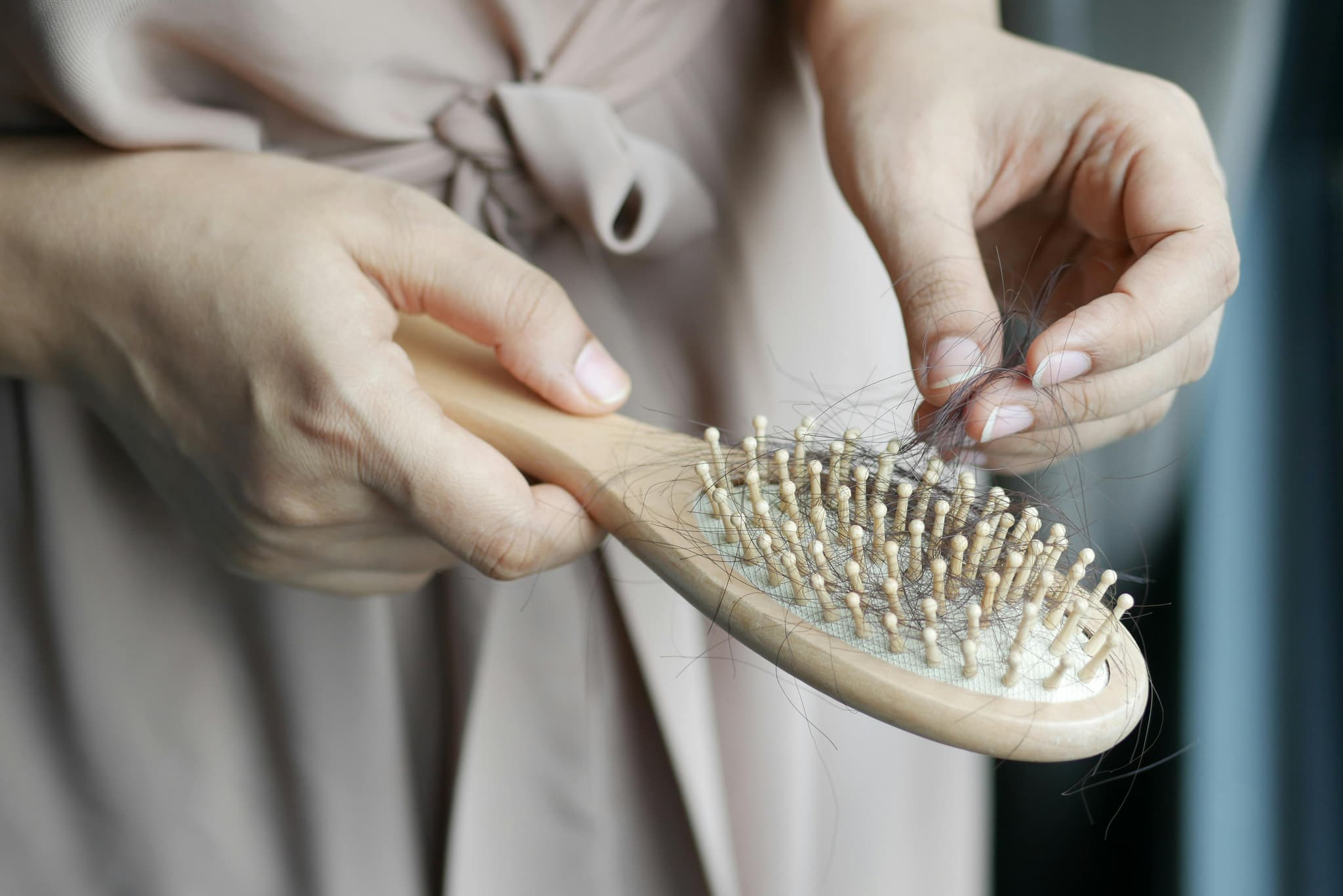
Then comes the shedding itself. You'll find hair on your pillow when you wake up. Clumps in the shower drain. Strands on your shirt, your couch, your food. It comes out when you brush it, when you wash it, sometimes when you simply run your hand across your head. For many people, this stage — the active falling — is the hardest part. Not because it hurts physically (though scalp tenderness is common), but because it makes the reality of treatment impossible to ignore.
If you're on a regimen given every two to three weeks, the loss tends to be faster and more dramatic. Weekly protocols sometimes cause a slower, more gradual thinning, and some patients on weekly schedules even notice regrowth between cycles. If this phase feels overwhelming or isolating, connecting with others who truly understand can make a difference — learn more in Cancer Support Groups: How They Help and How to Find One.
Beyond Your Scalp: Eyebrows, Eyelashes, and Body Hair
Most guides mention body hair loss in a single sentence and move on. But if you're the person staring in the mirror after losing your eyebrows, that sentence doesn't feel like enough.
Chemo can cause loss of eyebrows, eyelashes, nasal hair, arm and leg hair, and pubic hair. Each loss has its own practical impact. Eyelash loss, for instance, isn't just cosmetic — your lashes protect your eyes from dust and debris, so you may experience increased tearing, irritation, or sensitivity to light. Eyebrow loss changes the entire geography of your face and can make you feel unrecognizable to yourself.
These losses deserve attention, not a footnote. Options like soft false lashes (magnetic styles are gentler than glue), eyebrow pencils, stencils, or microblading consultations for after treatment can help you feel more like yourself while you wait for regrowth. Ask your cancer center's support services about "Look Good Feel Better" workshops or similar programs — they exist specifically for this.

Preparing for Hair Loss: Practical Steps
Preparation is not the same as acceptance. You can plan for hair loss and still hate that it's happening. The point of preparing isn't to make peace with it — it's to give yourself fewer logistics to manage on the hard days and more choices when you need them most.
Cutting or Shaving: Making It Your Choice
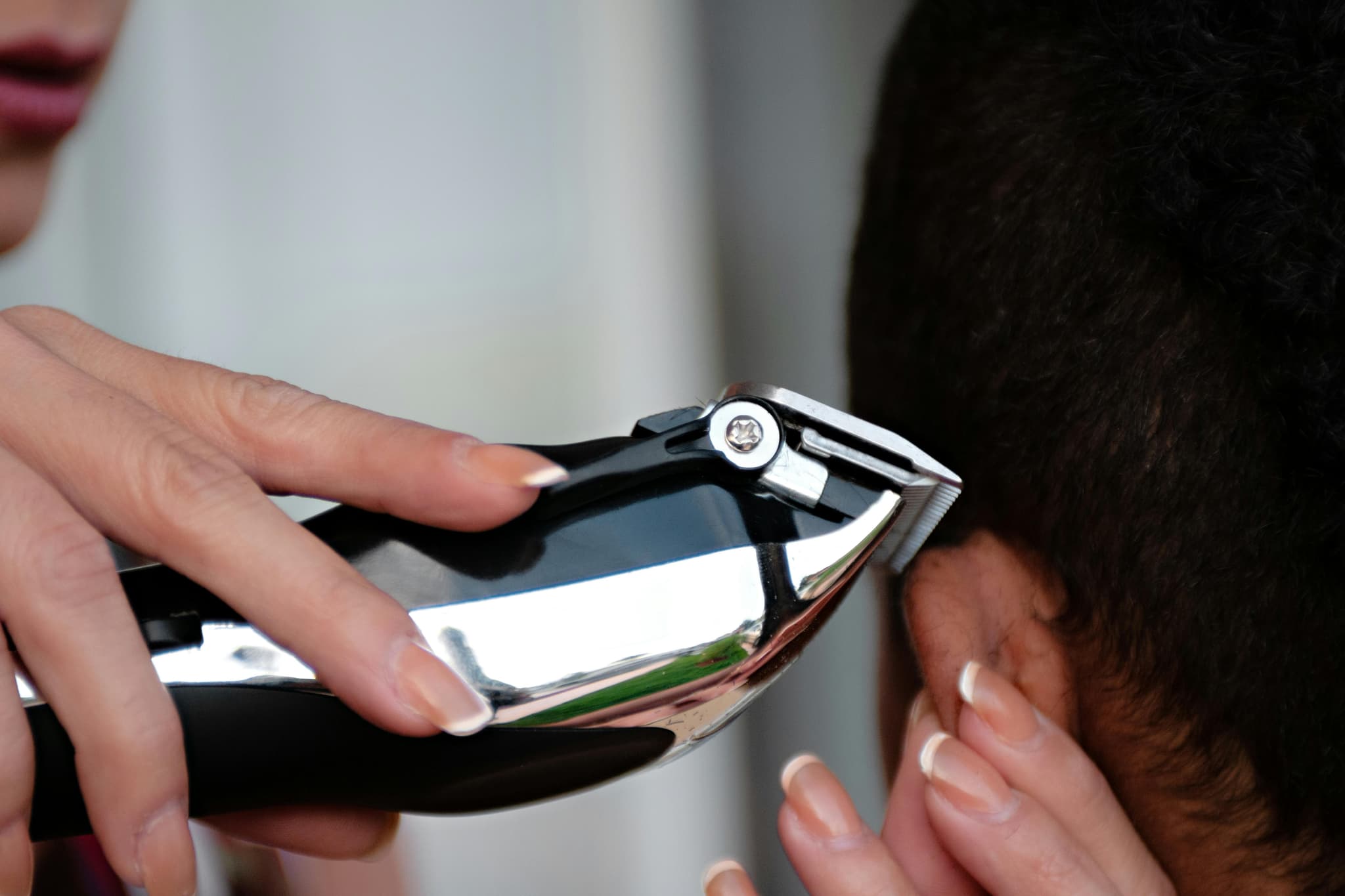
Some people find that cutting their hair short — or shaving it entirely — before the shedding begins is one of the most empowering decisions they make during treatment. It transforms a loss into a choice. Instead of watching your hair leave in clumps over weeks, you take control of the timeline.
Others prefer to wait and let the process happen naturally. There's no wrong answer here. What matters is that the decision is yours.
If you do choose to shave, consider making it a moment rather than a chore. Some people invite close friends or family. Some do it privately and quietly. Some have their partner shave their head alongside them. We've heard from patients who said this was one of the most meaningful nights of their treatment — and from others who just wanted it done quickly and alone. Honor whatever feels right to you.
Shopping for Wigs and Headwear Early
If you think you might want a wig, the best time to shop is before your hair starts falling out. A wig specialist can match your current color, texture, and style far more accurately when they can see your natural hair. Many people find that having a wig ready — even if they end up wearing scarves instead — reduces anxiety about the unknown.
Two practical tips: first, ask your oncologist to write a prescription for a "cranial prosthesis" rather than a "wig." Some insurance plans cover it under that medical terminology. Second, ask for an adjustable cap — your head circumference changes as you lose hair, and a wig that fit perfectly in week one may feel loose by week six.
Synthetic wigs are lighter, lower-maintenance, and more affordable. Human hair wigs look more natural but require styling like real hair. Neither is objectively better. Try both if you can.
Coping Day by Day During Hair Loss
Preparation helps. But living through the actual weeks of hair loss is its own experience, and no amount of planning fully takes the sting out of it. This section is about getting through those days — both the practical side and the emotional side.
Gentle Hair and Scalp Care During Treatment
Your scalp is going through a lot. Treat it like sensitive skin — because that's exactly what it is right now.
| ✅ DO | ❌ DON'T |
|---|---|
| Use a sulfate-free, fragrance-free shampoo | Use dyes, bleach, perms, or chemical relaxers |
| Pat hair dry gently with a soft towel or air dry | Use blow dryers, curling irons, or flat irons |
| Sleep on a satin or silk pillowcase | Pull hair into tight ponytails, braids, or clips |
| Apply sunscreen (SPF 30+) to an exposed scalp | Go outdoors with a bare scalp unprotected |
| Moisturize your scalp with gentle, unscented lotion | Scratch or pick at a tender, itchy scalp |
| Use a wide-tooth comb or soft-bristle brush | Brush aggressively or use fine-tooth combs |
The goal here isn't to prevent hair loss — nothing topical can do that once chemo is in your system. The goal is to keep your scalp comfortable and avoid adding unnecessary irritation to an already sensitive process.
Quick tip: A soft bamboo or cotton sleep cap can help manage the mess of shedding at night and save you from waking up to a pillow covered in hair. It sounds small, but it makes mornings easier.
The Emotional Weight — Why Grief Is Normal Here
Let's be direct about something: losing your hair to chemo is a genuine loss, and you're allowed to grieve it fully.
Research has shown that hair loss can be as psychologically distressing as the cancer diagnosis itself for some patients. That finding surprises people who haven't been through it. But when you look in the mirror and don't recognize the person looking back — when your appearance announces your illness to every stranger in the grocery store — it makes perfect sense.
What you may feel: grief, anger, vulnerability, shame, a loss of femininity or masculinity, anxiety about social situations, a sense of being visibly "sick" when you were trying to feel normal. All of it is valid. None of it means you're being vain or ungrateful to be alive.
If you're struggling, please reach out to your oncology team's social worker, a therapist experienced with cancer patients, or a peer support group. Organizations like Cancer Hair Care and Look Good Feel Better run workshops and offer one-on-one support. You don't have to carry this alone.
And for partners and caregivers reading this: your person may need you to simply sit with their sadness rather than rush to fix it. Saying "it's just hair, it'll grow back" — however well-intended — can feel dismissive of a very real experience. Saying "I see how hard this is, and I'm here" means everything.
Scarves, Hats, and Head Wraps — Options and Styling
The world of headwear for hair loss has expanded far beyond the beige turban in a hospital gift shop. Knowing your options can turn a medical necessity into something that actually feels like you.
Cotton and bamboo scarves and turbans are the everyday workhorses — breathable, soft against sensitive scalps, and comfortable enough to sleep in. Pre-tied turbans save energy on low days when you don't have the patience to wrap and tuck.
Silk wraps are gentler on skin and help prevent the friction irritation that some patients experience with cotton. They're also beautiful. African and Caribbean headwrap styles offer endless variety and can be tied in dozens of different ways — YouTube tutorials are a great resource here.
Hats with hair (sometimes called "halo hats") are structured caps with hair attached around the brim, giving the appearance of hair without the heat and weight of a full wig. They're a popular middle ground for people who want coverage without committing to a wig.
Beanies and soft caps work for casual, at-home, or sleeping use. A cotton liner cap worn under any wig reduces itching and absorbs sweat, making wigs far more tolerable in warm weather.
A few practical notes: having three or four different options in rotation helps headwear feel like an accessory and a choice rather than a uniform. Many cancer centers maintain lists of specialty retailers or have partnerships with headwear organizations. Some nonprofits provide free scarves, hats, or wigs to patients in treatment — ask your nurse navigator what's available in your area.
Going bare is equally valid. Plenty of people discover they feel powerful and free without anything on their head. Whatever you choose, own it.
The Hair Regrowth Timeline: Month by Month
This is the section you've been scrolling for. Here's what to expect after your final chemo treatment — with the caveat that every person's body runs on its own schedule.
Weeks 2–4 after final treatment: Very fine, soft "peach fuzz" may appear across your scalp. It's so light you might only see it in certain lighting. Your scalp may still feel sensitive or dry.
Months 1–2: Soft, short hair becomes visible — enough to see and feel. Many people notice a different texture than before. This is the stage where "chemo curl" often makes its first appearance. Color may also look different.
Months 2–3: Roughly half an inch to an inch of growth. You can see your hair's new pattern and color clearly now. Some people start to feel comfortable in public without headwear; others prefer to wait a bit longer.
Months 3–6: Hair reaches two to three inches. Styling becomes possible — and fun, if you let it be. Many people get their first real haircut during this window. Bald spots fill in. This is often when people start to feel like themselves again.
Months 6–12: Four to six inches of growth for most people. Texture and color may still be evolving. Some people find their hair gradually returns to its pre-chemo character; others settle into a new normal.
12+ months: Most people have a full head of hair that continues to thicken and normalize. For some, the texture shift is permanent — and plenty of people end up loving their new hair more than the old.
If you're watching this timeline anxiously and your regrowth seems slower, don't panic. Nutrition, stress, age, overall health, and the specific drugs you received all affect speed. Patience is genuinely the most important factor — and if you want a deeper look at what influences regrowth and how to support it, read `Hair Regrowth After Chemotherapy: What to Expect and How to Support It.
Why Hair Grows Back Differently (And That's Normal)
"Chemo curl" is real, and almost nobody warns you about it before it happens. After treatment, many people find their previously straight hair grows back wavy or curly. Others go the opposite direction. Color shifts are common too — darker, lighter, or even grayer than before.
This happens because chemotherapy can temporarily alter the shape of the hair follicle and disrupt melanin production. Your follicles are essentially rebooting after being damaged, and they don't always restart in exactly the same configuration. For most people, these changes ease over 6 to 18 months as follicles gradually return to their original programming.
Some people come to love the change. Others find it disorienting. Both responses are valid, and there's no rush to feel one way or the other about your new hair.
When Hair Doesn't Come Back: Permanent Changes
In a small number of cases — most commonly associated with certain taxane-based drugs like docetaxel at high cumulative doses — hair may not fully regrow to its previous density. This is called persistent chemotherapy-induced alopecia, and while it's uncommon, it's real and it deserves honest acknowledgment.
If you're more than six months past your final treatment and haven't seen meaningful regrowth, bring it up with your oncologist or ask for a referral to a dermatologist. Topical minoxidil has shown some benefit in post-chemo regrowth for certain patients. You have options, and you deserve a care team that takes this concern seriously.

What Actually Helps Hair Grow Back (and What Doesn't)
The internet is full of miracle hair-growth products marketed to cancer patients. Most of them are expensive and evidence-free. Here's what the research actually supports.
What has some evidence: Topical minoxidil (applied after treatment ends, not during) may speed regrowth for some people — talk to your oncologist first. A nutrient-rich diet that supports overall recovery — think protein, iron, zinc, and healthy fats — gives your follicles the building blocks they need. Gentle scalp massage may improve circulation, though the evidence is mostly anecdotal. And the most effective "treatment" is time and patience.
What to be cautious about: Biotin supplements during active chemo are risky — biotin can interfere with certain lab tests and potentially interact with treatment drugs. Always clear any supplement with your oncology team before starting it. Expensive hair-growth serums marketed specifically to chemo patients rarely have clinical evidence behind them. Be skeptical of anything that promises dramatic results.
What genuinely doesn't help: Skipping or delaying chemo doses to "save" your hair puts your health at risk and is not recommended. DIY cold methods (frozen peas on your head, ice packs) are not a substitute for clinical scalp cooling systems and can cause frostbite on sensitized skin.
A Note on Cold Caps
Scalp cooling — wearing a tightly fitted cap cooled by chilled liquid before, during, and after each infusion — works by constricting blood vessels in the scalp, reducing the amount of chemo that reaches hair follicles. Studies show it can meaningfully reduce hair loss for some patients on certain drug protocols, though results vary and few people retain all of their hair.
The practical realities: cold cap sessions add 30–90 minutes before and after each infusion. They're intensely cold and can cause headaches. Cost varies widely — some hospitals have built-in systems, while rental caps can cost several hundred dollars per cycle. Insurance coverage is inconsistent. Ask your care team whether you're a candidate and what options are available at your treatment center.
Why Hair Sometimes Grows Back During Chemo
If you've noticed fine new hair growing on your scalp while you're still in active treatment, your first thought might be panic: does this mean the chemo isn't working?
It doesn't. Some chemo regimens — particularly weekly or less intensive protocols — allow partial follicle recovery between cycles. Your hair follicles are remarkably resilient, and they'll attempt to restart growth whenever they get even a brief window. This is especially common mid-way through longer treatment courses.
This mid-treatment regrowth does not affect your chemo's effectiveness against cancer cells. The drugs are still doing their job. Treat any new growth gently — it's fragile and may shed again with subsequent cycles — and mention it to your oncologist if you have concerns. But let go of the worry that it's a bad sign. If anything, it's a small preview of the regrowth to come.
Every Step of This Is Yours
Hair loss from chemo is common. It's temporary in the vast majority of cases. And it is still, unquestionably, hard.
Nothing in this guide can take that away. But we hope it's given you something that makes the journey a little more bearable: information, a timeline, practical tools, and the unwavering reassurance that whatever you're feeling about your hair — rage, grief, dark humor, unexpected freedom, all of it at once — is completely normal.
There is no right way to handle chemo hair loss. Shave it, cover it, decorate it, bare it, mourn it, celebrate it. This is your body, your journey, and your call. Lean on your care team, connect with others who've walked this road, and be patient with yourself and your hair. Both of you are tougher than you think.
If you're looking for people who understand, you're welcome to join the Beat Cancer community — a space where you can connect with others going through the same experience and know that you're not carrying this alone.
Sources
- Coping with cancer - hair loss — MedlinePlus
- Anagen Effluvium (StatPearls) — NCBI Bookshelf, NIH
- Hair Loss (Alopecia) and Cancer Treatment — National Cancer Institute
- Persistent Alopecia After Taxane Chemotherapy and Adjuvant Endocrine Therapy — PMC, NIH
- The Effect of Chemotherapy-Induced Alopecia on Distress and Quality of Life in Male Patients With Cancer — PMC, NIH
- Chemotherapy-Induced Alopecia by Docetaxel: Prevalence, Treatment and Prevention — PMC, NIH
- Scalp Cooling Therapy in Chemotherapy-Induced Alopecia — PMC, NIH
- Biotin Interference: Underrecognized Patient Safety Risk in Laboratory Testing — PMC, NIH
This article is for educational purposes only and is not medical advice. Always consult your doctor or another qualified healthcare professional for guidance specific to your situation.

This content was created during the YARN project, co-funded under the EU4Health Programme in 2025-2028 (Grant Agreement No. 101219053).