European Youth Cancer Network Community
Over YARN

Europees Jeugdkankernetwerk

Maintaining and strengthening the European Youth Cancer Network by providing quality information in a user-friendly way, fostering social connections, and empowering young people affected by cancer across Europe.

Onze Visie

To maintain and further strengthen the European Youth Cancer Network, making quality information available in a user-friendly way to young people affected by cancer, their carers, healthcare professionals, and all stakeholders. We envision a Europe where every young person has access to comprehensive support, social networking, and digital tools throughout their cancer journey.

Onze Missie

We build on previous EU co-funded projects to advance and expand the European Youth Cancer Network into a multi-actor collaborative platform. Through peer support, user-friendly resources, communication campaigns, and high-visibility events across Member States and associated countries, we empower young people to be actively engaged in decision-making, improve their quality of life, and advocate for enhanced cancer care.

YARN-project

Wat is YARN?

Het European Youth Cancer Network (YARN) is een door de EU medegefinancierd project dat 19 begunstigde organisaties en meer dan 40 geassocieerde partners in heel Europa samenbrengt. YARN richt zich op lotgenotenondersteuning, mentale gezondheid, re-integratie in onderwijs en loopbaan, langetermijnfollow-up en gelijkheid in de kankerzorg voor kinderen, adolescenten en jongvolwassenen. De kern ervan is de Youth Cancer Council - een pan-Europese adviesgroep van 100 jongeren met eigen ervaring met kanker die projectbeslissingen en -resultaten vormgeven. Het project levert evidence-based kaders, digitale tools, trainingsprogramma's en publieksbewustwordingscampagnes via acht onderling verbonden werkpakketten.

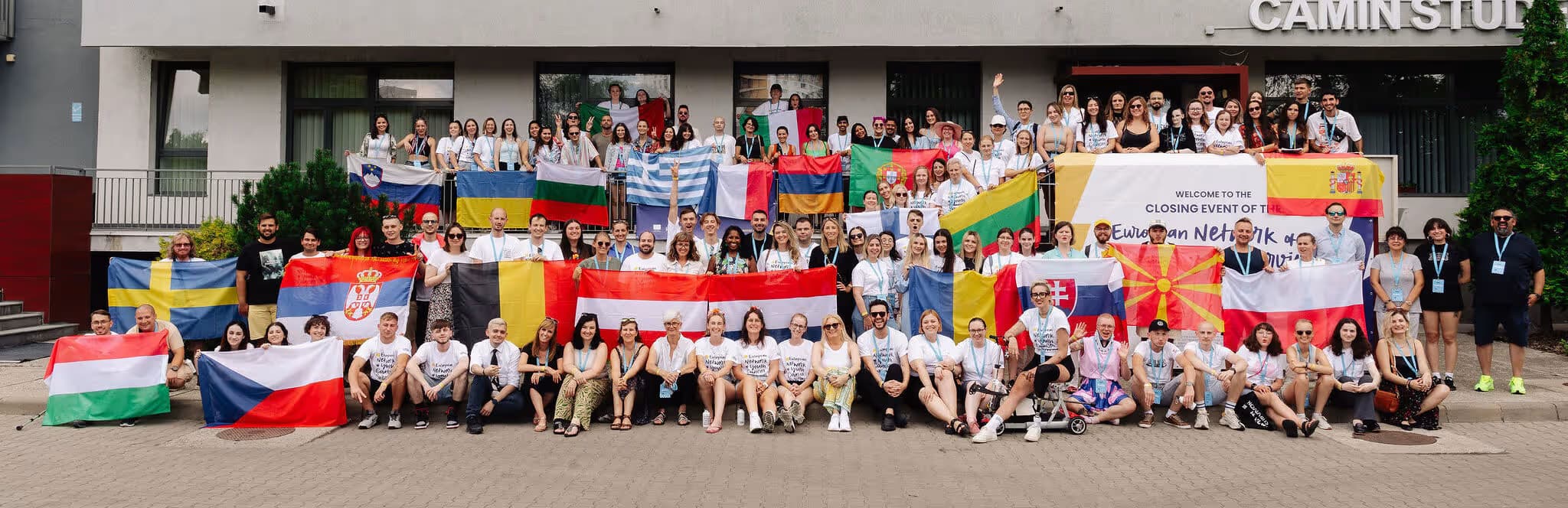
Verspreid over 25 EU-lidstaten en 3 in aanmerking komende buurlanden, en uitgevoerd door 19 begunstigden, 1 geaffilieerde entiteit, en 39 geassocieerde partners, is YARN de grootste multi-stakeholder, ervaringsdeskundige inspanning in Europa om de kwaliteit van leven te verbeteren voor kinderen, adolescenten en jongvolwassenen die geraakt zijn door kanker.

19
Begunstigde organisaties
39
Geassocieerde partners
28
Europese landen

Aan het einde van het project heeft YARN:

  • 100 jongeren opgeleid tot kankerambassadeur
  • 50 miljoen mensen bereikt via bewustwordingscampagnes
  • EDI-standaarden geïmplementeerd in 10 zorginstellingen en 10 patiëntenorganisaties
  • De Richtlijn Transitie van Zorg geïmplementeerd en geëvalueerd in twee best-practice centra
  • Beleidsbijeenkomsten georganiseerd in heel Europa, waaronder het Europees Parlement en nationale overheden
  • Een meertalig digitaal platform opgeleverd met hoogwaardige, toegankelijke informatie en hulpmiddelen

De nalatenschap van het project is een sterker en inclusiever systeem voor jongeren geraakt door kanker—ontworpen met en voor hen.

YARN projectoverzicht

Het European Youth Cancer Network (YARN) is een door de EU medegefinancierd project dat 19 begunstigde organisaties en meer dan 40 geassocieerde partners in heel Europa samenbrengt. YARN richt zich op lotgenotenondersteuning, mentale gezondheid, re-integratie in onderwijs en loopbaan, langetermijnfollow-up en gelijkheid in de kankerzorg voor kinderen, adolescenten en jongvolwassenen. De kern ervan is de Youth Cancer Council - een pan-Europese adviesgroep van 100 jongeren met eigen ervaring met kanker die projectbeslissingen en -resultaten vormgeven. Het project levert evidence-based kaders, digitale tools, trainingsprogramma's en publieksbewustwordingscampagnes via acht onderling verbonden werkpakketten.

Download projectoverzicht (PDF)

YARN-projectfolder

Download onze uitgebreide folder om meer te weten te komen over het YARN-project, de doelstellingen ervan en hoe het jongeren ondersteunt die in heel Europa door kanker zijn getroffen.

Download folder (Engels)
Beschikbare vertalingen

EDI-zelfevaluatiechecklist voor patiëntenorganisaties

Gelijkheid, Diversiteit en Inclusie (EDI) betekent ervoor zorgen dat mensen niet worden uitgesloten of benadeeld vanwege factoren zoals een beperking, leeftijd, gender, taal, etniciteit, waar zij wonen of hun financiële omstandigheden.

De EDI-zelfbeoordelingschecklist, ontwikkeld door Youth Cancer Europe, helpt patiëntenorganisaties na te denken over de vraag of mensen op gelijke wijze toegang hebben tot, kunnen deelnemen aan en baat hebben bij hun activiteiten en diensten, en praktische verbeterpunten te identificeren.

Wij zijn dankbaar voor de vrijwilligers en partnerorganisaties (LIGA, UBB, CF IF, UCA, EDS, POLA, PMC, HCS, SKCF, PanCare) die de vertaling van de checklist hebben ondersteund en zo hebben bijgedragen aan het toegankelijk maken van deze bron voor meer gemeenschappen in heel Europa.

Deze publicatie is ontwikkeld door Youth Cancer Europe binnen het project European Youth Cancer Network, met input van de Youth Cancer Council, wier geleefde ervaring en feedback hebben bijgedragen aan de totstandkoming van deze publicatie.

De inhoud en opzet ervan zijn gebaseerd op de Recommendations for Equitable, Diverse and Inclusive Cancer Care en de EDI Train-the-Trainer Toolkit. De checklist is ook afgestemd op de Recommendations and Implementation Roadmap for Minimum Standards of Specialist Adolescent and Young Adult Cancer Care Units, waardoor samenhang met bredere normen voor eerlijke, persoonsgerichte kankerzorg wordt gewaarborgd.

Download het boekje (Engels)

Organisation of Long-term Follow-up (LTFU) care

– PLAIN language summary

All languages

This PanCare PLAIN language brochure (hereafter referred to as summary) is intended for CAYA cancer survivors, their families and caregivers, healthcare professionals seeking to improve long-term follow-up (LTFU) care, and anyone else interested in optimising the organisation of LTFU care. This summary is primarily based on the evidence-based PanCareSurFup guidelines for organisation of LTFU care for CAYA cancer survivors [1].

Why Long-Term Follow-Up (LTFU) Care Matters

About 2 in 3 survivors of childhood, adolescent and young adult (CAYA) cancer experience health issues later in life caused by the cancer or its treatment (called

Late Effects

Late effects are health problems that CAYA cancer survivors may experience later in life related to the cancer or its treatment.

Late effects can be physical, like problems with organs or tiredness (fatigue), or psychosocial, like depression, anxiety, or trouble at school, work or other social settings.

These health problems are called late effects because they can appear months, years or even decades after the original cancer diagnosis and treatment.

) [2]. Well structured long-term follow-up (LTFU) care can help detect late effects early and provide treatment and support, if necessary. LTFU care can have a positive impact on the quality of life of CAYA cancer survivors and the health system as a whole.

In many countries in Europe structured LTFU care still needs to be established or improved [3]. This PLAIN summary provides an overview of key elements of LTFU care and how you can get started or improve already existing care.

General recommendations for LTFU care:

  1. All survivors of CAYA cancer should have life-long access to

    Person-centred care

    Person-centred care means that survivors are treated as individuals and as equal partners in decisions around their LTFU care. This means that their personal circumstances, values, needs and preferences are taken into account for decisions around their health.

    LTFU care.
  2. LTFU care should start no later than 5 years after diagnosis.
  3. All survivors of CAYA cancer should be considered equal partners in decisions regarding their LTFU care.
  4. LTFU care should follow a structured approach and

    Evidence-based recommendations

    Evidence-based means the recommendations come from research and are backed up by studies.

    .
  5. LTFU care should cover all domains of life (physical, mental and social wellbeing) and be provided by a multidisciplinary team.
  6. The needs and preferences of survivors and caregivers should be central in decisions about the organisation of LTFU care in their country/region.

What are key elements of the organisation of LTFU care?

The PanCare network formulated

Evidence-based recommendations

Evidence-based means the recommendations come from research and are backed up by studies.

for the organisation of LTFU care [1]. These recommendations cover three areas: Structure of care, Personnel involved and Components of care.

What can I do?

In this PLAIN summary, we discussed the importance of LTFU care and key elements of organisation of LTFU care. It can feel overwhelming to read these recommendations, especially if LTFU care in your country still needs to be established or improved. Systemic changes take a long time and are a huge undertaking. However, small steps can already make a difference.

If you are a healthcare professional or a patient advocate and involved in organising or improving LTFU care in your country, you can use the PanCare Implementation Resources to help make changes. You do not have to start from zero - use what is already there!

If you want to get involved in systemic changes in your country, we recommend that you get in touch with national or European organisations ( PanCare, SIOP-E, CCI-E and YCE) for healthcare professionals, survivors, caregivers or patients.

If you are a survivor and want to improve your personal LTFU care, you may find it useful to take a look at the resources available on pancare.eu, beatcancer.eu and the OACCUs Toolbox. If you do not have a

Personalised Survivorship Care Plan (SCP)

A Survivorship Care Plan (SCP) includes a summary of your cancer treatments and recommendations for surveillance of potential late effects.

Ideally, you receive a personalised SCP by your LTFU care clinic. PanCare offers a long and a short version of SCP templates that are freely available for everyone.

View the PanCare long SCP templateView the PanCare short SCP template
yet, it may also be helpful to ask your LTFU care clinic, if available, to provide one to you.

Where can I find more information?

You can use the resources linked below to explore further information and additional materials on the organisation of LTFU care:

[1] Michel G et al. Evidence-based recommendations for the organization of long-term follow-up care for childhood and adolescent cancer survivors: a report from the PanCareSurFup Guidelines Working Group. Journal of Cancer Survivorship. 2019;13(5):759-772. doi: https://doi.org/10.1007/s11764-019-00795-5

[2] Hudson M et al. Long-term Follow-up Care for Childhood, Adolescent, and Young Adult Cancer Survivors. Pediatrics. 2021;148(3). doi: https://doi.org/10.1542/peds.2021-053127

[3] Essig S et al. Follow-Up Programs for Childhood Cancer Survivors in Europe: A Questionnaire Survey. PLoS One. 2012;7(12):e53201. doi: https://doi.org/10.1371/journal.pone.0053201

Ons Europees Netwerk

Klik op landen om onze begunstigde partners in Europa te ontdekken

\

Europees Jongeren Kankernetwerk

Ontdek ons netwerk in Europa – begunstigde organisaties die YARN uitvoeren en geassocieerde partners die samenwerken om jongerenteun bij kanker te versterken

Begunstigde landen
Geassocieerde partners
Beneficiary & Associated
Overige landen

Netwerkoverzicht

Begunstigde organisaties:19
Geassocieerde partners:39
Europese landen:28

Onze begunstigde partners

Organisaties die YARN direct uitvoeren in Europa

Youth Cancer Europe logo

Youth Cancer Europe

Projectcoördinator
Romania
CCI Europe logo

CCI Europe

Patiëntenorganisatie
Netherlands
Pagalbos Onkologiniams Ligoniams Asociacija (POLA) logo

Pagalbos Onkologiniams Ligoniams Asociacija (POLA)

Patiëntenorganisatie
Lithuania
Centro Internazionale per la Promozione dell'Educazione e Sviluppo (CEIPES) logo

Centro Internazionale per la Promozione dell'Educazione e Sviluppo (CEIPES)

Educatiepartner
Italy
Liga Portuguesa Contra o Cancro logo

Liga Portuguesa Contra o Cancro

Patiëntenorganisatie
Portugal
Universidad de Cádiz logo

Universidad de Cádiz

Academische instelling
Spain
Europa Donna Slovensko logo

Europa Donna Slovensko

Patiëntenorganisatie
Slovenia
Universitatea Babeș-Bolyai logo

Universitatea Babeș-Bolyai

Academische instelling
Romania
European Regional and Local Health Authorities (EUREGHA) logo

European Regional and Local Health Authorities (EUREGHA)

Gezondheidsautoriteitspartner
Belgium
PanCare logo

PanCare

Patiëntenorganisatie
Netherlands
Medical University of Vienna logo

Medical University of Vienna

Academische instelling
Austria
Saving Kids with Cancer Foundation logo

Saving Kids with Cancer Foundation

Patiëntenorganisatie
Poland
Hellenic Cancer Society logo

Hellenic Cancer Society

Patiëntenorganisatie
Greece
SIOP Europe logo

SIOP Europe

Medische partner
Belgium
European Oncology Nursing Society logo

European Oncology Nursing Society

Verpleegkundige partner
Belgium
Charity Foundation Inspiration Family logo

Charity Foundation Inspiration Family

Patiëntenorganisatie
Ukraine
European Cancer Organisation logo

European Cancer Organisation

Multidisciplinaire partner
Belgium
Fundació Sant Joan de Déu logo

Fundació Sant Joan de Déu

Medische instelling
Spain

Geassocieerde partners

Organisaties die samenwerken om de ondersteuning voor jongeren met kankerervaring te versterken

CanTeen Ireland logo

CanTeen Ireland

Jongerenondersteuningsorganisatie
Ireland
Childhood Cancer Foundation logo

Childhood Cancer Foundation

Ondersteuningsorganisatie
Ireland
YouCan Cancer Support Network Ireland logo

YouCan Cancer Support Network Ireland

Steunnetwerk
Ireland
Deutsche Leukämie-Forschungshilfe - Aktion für krebskranke Kinder e.V logo

Deutsche Leukämie-Forschungshilfe - Aktion für krebskranke Kinder e.V

Onderzoek & Ondersteuning
Germany
On Est Là logo

On Est Là

Ondersteuningsorganisatie
France
European Network Of Medical Residents In Public Health logo

European Network Of Medical Residents In Public Health

Medische partner
France
Survivors Österreich logo

Survivors Österreich

Jongerenondersteuningsorganisatie
Austria
Kom op tegen Kanker logo

Kom op tegen Kanker

Ondersteuningsorganisatie
Belgium
Foundation Gold logo

Foundation Gold

Ondersteuningsorganisatie
Bulgaria
Krijesnica logo

Krijesnica

Ondersteuningsorganisatie
Croatia
Pagkyprios Syndesmos Karkinopathon Kai Filon 1986 logo

Pagkyprios Syndesmos Karkinopathon Kai Filon 1986

Ondersteuningsorganisatie
Cyprus
Spolecne k usmevu, z.s. logo

Spolecne k usmevu, z.s.

Ondersteuningsorganisatie
Czech Republic
Region Midtjylland logo

Region Midtjylland

Gezondheidsautoriteitspartner
Denmark
Sylva ry logo

Sylva ry

Ondersteuningsorganisatie
Finland
Suomen Syöpäpotilaat ry logo

Suomen Syöpäpotilaat ry

Ondersteuningsorganisatie
Finland
Karkinaki logo

Karkinaki

Ondersteuningsorganisatie
Greece
Kyttaro logo

Kyttaro

Jongerenondersteuningsorganisatie
Greece
Magyar Gyermekonkologiai Halozat logo

Magyar Gyermekonkologiai Halozat

Medische partner
Hungary
Érintettek Egyesület logo

Érintettek Egyesület

Ondersteuningsorganisatie
Hungary
Lega Italiana Per La Lotta Contro I Tumori - Sezione di Palermo logo

Lega Italiana Per La Lotta Contro I Tumori - Sezione di Palermo

Ondersteuningsorganisatie
Italy
Latvian Association of Oncology Patient Organizations OncoAlliance logo

Latvian Association of Oncology Patient Organizations OncoAlliance

Steunnetwerk
Latvia
Onkologines ligos paliesto jaunimo asociacija logo

Onkologines ligos paliesto jaunimo asociacija

Jongerenondersteuningsorganisatie
Lithuania
Survivors Lëtzebuerg logo

Survivors Lëtzebuerg

Jongerenondersteuningsorganisatie
Luxembourg
Erasmus Universitair Medisch Centrum Rotterdam logo

Erasmus Universitair Medisch Centrum Rotterdam

Academische instelling
Netherlands
Fundacja Pani Ani logo

Fundacja Pani Ani

Ondersteuningsorganisatie
Poland
Marzena Wieczorek-Przybylo M-Powered logo

Marzena Wieczorek-Przybylo M-Powered

Ondersteuningsorganisatie
Poland
Fundacja Urszuli Smok logo

Fundacja Urszuli Smok

Ondersteuningsorganisatie
Poland
Uniwersytet Medyczny W Lublinie logo

Uniwersytet Medyczny W Lublinie

Academische instelling
Poland
ACREDITAR logo

ACREDITAR

Ondersteuningsorganisatie
Portugal
Instituto Portugues De Oncologia De Lisboa Francisco Gentil EPE logo

Instituto Portugues De Oncologia De Lisboa Francisco Gentil EPE

Medische instelling
Portugal
Unidade Local De Saude De Coimbra EPE logo

Unidade Local De Saude De Coimbra EPE

Medische instelling
Portugal
Asociatia Little People Romania logo

Asociatia Little People Romania

Ondersteuningsorganisatie
Romania
Detom s rakovinou, n. o. logo

Detom s rakovinou, n. o.

Ondersteuningsorganisatie
Slovakia
Foundation Little Knight logo

Foundation Little Knight

Ondersteuningsorganisatie
Slovenia
Ung Cancer logo

Ung Cancer

Jongerenondersteuningsorganisatie
Sweden
Viata fara leucemie, Asociatie Obsteasca logo

Viata fara leucemie, Asociatie Obsteasca

Ondersteuningsorganisatie
Moldova
Asociatia Little People Moldova logo

Asociatia Little People Moldova

Ondersteuningsorganisatie
Moldova
Ung Kreft logo

Ung Kreft

Jongerenondersteuningsorganisatie
Norway
Universitetet I Oslo logo

Universitetet I Oslo

Academische instelling
Norway

Neem contact op

Heb je vragen of wil je meedoen? We horen graag van je.

Contactgegevens

Volg ons

Blijf verbonden en sluit je aan bij onze community op sociale media

Vorig project

Voortbouwen op EU-CAYAS-NET

YARN bouwt voort op de basis gelegd door EU-CAYAS-NET, het Europese project dat het beatcancer.eu-platform heeft opgezet en het Europees Netwerk van Jongeren Kankeroverlevers heeft opgericht. Lees meer over dit baanbrekende initiatief dat organisaties uit 18 Europese landen samenbracht.

Partnerproject

OAC Verbindt Ons (OACCUs)

OACCUs was een door de EU gefinancierd project (2021-2024) dat veertien partners uit zes EU-lidstaten samenbracht om een EU-breed netwerk voor jonge kankeroverlevers te ontwikkelen, met focus op kwaliteit van leven via een gezonde leefstijl en lotgenotencontact.

Word lid van het Europees Jongeren Kankernetwerk

Word onderdeel van een door de community gedragen netwerk dat jongeren met kankerervaring in heel Europa versterkt. Maak contact met lotgenoten, krijg toegang tot toegankelijke informatie, doe mee aan campagnes en evenementen en help de toekomst van kankerzorg voor jongeren vormgeven.

800+
Communityleden
28
Landen vertegenwoordigd
24/7
Lotgenotensteun beschikbaar

🔒 Privé community • 🌍 28 landen • 💰 Altijd gratis • 🚪 Op elk moment opzegbaar