
Europäisches Jugendkrebsnetzwerk
Maintaining and strengthening the European Youth Cancer Network by providing quality information in a user-friendly way, fostering social connections, and empowering young people affected by cancer across Europe.
Unsere Vision
To maintain and further strengthen the European Youth Cancer Network, making quality information available in a user-friendly way to young people affected by cancer, their carers, healthcare professionals, and all stakeholders. We envision a Europe where every young person has access to comprehensive support, social networking, and digital tools throughout their cancer journey.
Unsere Mission
We build on previous EU co-funded projects to advance and expand the European Youth Cancer Network into a multi-actor collaborative platform. Through peer support, user-friendly resources, communication campaigns, and high-visibility events across Member States and associated countries, we empower young people to be actively engaged in decision-making, improve their quality of life, and advocate for enhanced cancer care.
Was ist YARN?
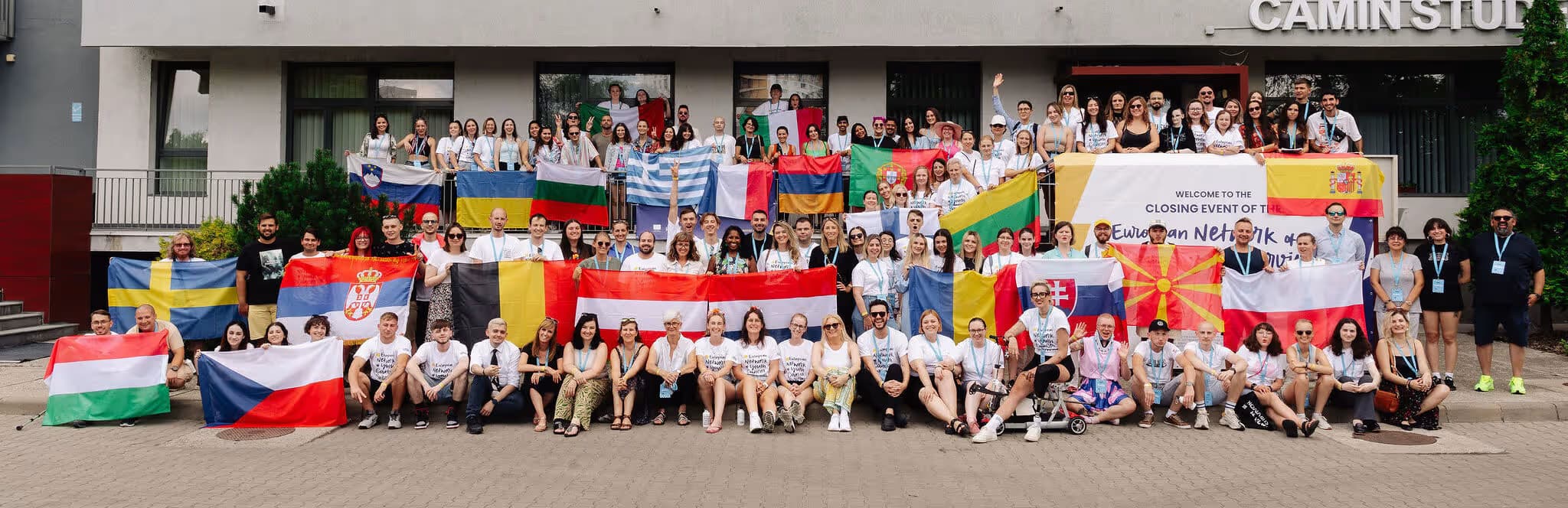
Das Europäische Jugendkrebsnetzwerk (YARN) ist ein von der EU kofinanziertes Projekt, das 19 begünstigte Organisationen und über 40 assoziierte Partner in ganz Europa zusammenbringt. YARN konzentriert sich auf Peer-Unterstützung, psychische Gesundheit, die Reintegration in Bildung und Beruf, langfristige Nachsorge sowie Chancengleichheit in der Krebsversorgung für Kinder, Jugendliche und junge Erwachsene. Im Zentrum steht der Youth Cancer Council – eine paneuropäische Beratungsgruppe aus 100 jungen Menschen mit eigener Krebserfahrung, die Projektentscheidungen und -ergebnisse mitgestalten. Das Projekt stellt evidenzbasierte Rahmenkonzepte, digitale Tools, Schulungsprogramme und öffentliche Sensibilisierungskampagnen über acht miteinander verknüpfte Arbeitspakete bereit.

Umfasst 25 EU-Mitgliedstaaten und 3 berechtigte Nachbarländer, umgesetzt von 19 Begünstigten, 1 assoziierte Einrichtung, und 39 assoziierten Partnern, ist YARN die größte multi-stakeholder- und erfahrungsbasierte Initiative ihrer Art in Europa zur Verbesserung der Lebensqualität von Kindern, Jugendlichen und jungen Erwachsenen mit Krebs.
Bis zum Projektende wird YARN folgendes erreicht haben:
- 100 junge Krebsbotschafter:innen ausgebildet
- 50 Millionen Menschen durch Aufklärungskampagnen erreicht
- EDI-Standards in 10 Gesundheitseinrichtungen und 10 Patientenorganisationen implementiert
- Die Transition-of-Care-Leitlinie in zwei Best-Practice-Zentren umgesetzt und evaluiert
- Politikveranstaltungen in ganz Europa durchgeführt, darunter im Europäischen Parlament und in nationalen Regierungen
- Eine mehrsprachige digitale Plattform mit hochwertigen, benutzerfreundlichen Informationen und Ressourcen bereitgestellt
Das Vermächtnis des Projekts wird ein stärkeres, inklusiveres System für junge Menschen mit Krebs sein – gemeinsam mit ihnen und für sie gestaltet.
YARN Projektübersicht
Das Europäische Jugendkrebsnetzwerk (YARN) ist ein von der EU kofinanziertes Projekt, das 19 begünstigte Organisationen und über 40 assoziierte Partner in ganz Europa zusammenbringt. YARN konzentriert sich auf Peer-Unterstützung, psychische Gesundheit, die Reintegration in Bildung und Beruf, langfristige Nachsorge sowie Chancengleichheit in der Krebsversorgung für Kinder, Jugendliche und junge Erwachsene. Im Zentrum steht der Youth Cancer Council – eine paneuropäische Beratungsgruppe aus 100 jungen Menschen mit eigener Krebserfahrung, die Projektentscheidungen und -ergebnisse mitgestalten. Das Projekt stellt evidenzbasierte Rahmenkonzepte, digitale Tools, Schulungsprogramme und öffentliche Sensibilisierungskampagnen über acht miteinander verknüpfte Arbeitspakete bereit.
Projektübersicht herunterladen (PDF)YARN-Projekt-Flyer
Laden Sie unsere umfassende Broschüre herunter, um mehr über das YARN-Projekt, seine Ziele und darüber zu erfahren, wie es junge Menschen unterstützt, die in ganz Europa von Krebs betroffen sind.
Flyer herunterladen (Englisch)Verfügbare Übersetzungen
EDI-Selbstbewertungs-Checkliste für Patientenorganisationen
Equity, Diversity and Inclusion (EDI) bedeutet sicherzustellen, dass Menschen nicht aufgrund von Faktoren wie Behinderung, Alter, Geschlecht, Sprache, ethnischer Zugehörigkeit, Wohnort oder ihrer finanziellen Situation ausgeschlossen oder benachteiligt werden.
Die von Youth Cancer Europe entwickelte EDI-Selbstbewertungs-Checkliste unterstützt Patientenorganisationen dabei, zu reflektieren, ob Menschen gleichberechtigten Zugang zu ihren Aktivitäten und Dienstleistungen haben, daran teilnehmen und davon profitieren können, und praktische Verbesserungsbereiche zu identifizieren.
Wir sind den Freiwilligen und Partnerorganisationen (LIGA, UBB, CF IF, UCA, EDS, POLA, PMC, HCS, SKCF, PanCare) dankbar, die die Übersetzung der Checkliste unterstützt und damit geholfen haben, diese Ressource für mehr Gemeinschaften in ganz Europa zugänglich zu machen.
Diese Publikation wurde von Youth Cancer Europe im Rahmen des Projekts European Youth Cancer Network entwickelt, mit Beiträgen des Youth Cancer Council, dessen eigene Erfahrungen und Rückmeldungen zur Gestaltung dieser Publikation beigetragen haben.
Inhalt und Ausrichtung stützen sich auf die Empfehlungen für eine gerechte, vielfältige und inklusive Krebsversorgung sowie das EDI-Train-the-Trainer-Toolkit. Die Checkliste ist zudem auf die Empfehlungen und den Umsetzungsfahrplan für Mindeststandards spezialisierter Krebsversorgungseinheiten für Jugendliche und junge Erwachsene abgestimmt und gewährleistet so Kohärenz mit übergeordneten Standards für eine gerechte, personenzentrierte Krebsversorgung.
Organisation of Long-term Follow-up (LTFU) care
– PLAIN language summary
All languages
This PanCare PLAIN language brochure (hereafter referred to as summary) is intended for CAYA cancer survivors, their families and caregivers, healthcare professionals seeking to improve long-term follow-up (LTFU) care, and anyone else interested in optimising the organisation of LTFU care. This summary is primarily based on the evidence-based PanCareSurFup guidelines for organisation of LTFU care for CAYA cancer survivors [1].
Why Long-Term Follow-Up (LTFU) Care Matters
About 2 in 3 survivors of childhood, adolescent and young adult (CAYA) cancer experience health issues later in life caused by the cancer or its treatment (called ) [2]. Well structured long-term follow-up (LTFU) care can help detect late effects early and provide treatment and support, if necessary. LTFU care can have a positive impact on the quality of life of CAYA cancer survivors and the health system as a whole.
In many countries in Europe structured LTFU care still needs to be established or improved [3]. This PLAIN summary provides an overview of key elements of LTFU care and how you can get started or improve already existing care.
General recommendations for LTFU care:
- All survivors of CAYA cancer should have life-long access to LTFU care.
- LTFU care should start no later than 5 years after diagnosis.
- All survivors of CAYA cancer should be considered equal partners in decisions regarding their LTFU care.
- LTFU care should follow a structured approach and.
- LTFU care should cover all domains of life (physical, mental and social wellbeing) and be provided by a multidisciplinary team.
- The needs and preferences of survivors and caregivers should be central in decisions about the organisation of LTFU care in their country/region.
What are key elements of the organisation of LTFU care?
The PanCare network formulated for the organisation of LTFU care [1]. These recommendations cover three areas: Structure of care, Personnel involved and Components of care.
What can I do?
In this PLAIN summary, we discussed the importance of LTFU care and key elements of organisation of LTFU care. It can feel overwhelming to read these recommendations, especially if LTFU care in your country still needs to be established or improved. Systemic changes take a long time and are a huge undertaking. However, small steps can already make a difference.
If you are a healthcare professional or a patient advocate and involved in organising or improving LTFU care in your country, you can use the PanCare Implementation Resources to help make changes. You do not have to start from zero - use what is already there!
If you want to get involved in systemic changes in your country, we recommend that you get in touch with national or European organisations ( PanCare, SIOP-E, CCI-E and YCE) for healthcare professionals, survivors, caregivers or patients.
If you are a survivor and want to improve your personal LTFU care, you may find it useful to take a look at the resources available on pancare.eu, beatcancer.eu and the OACCUs Toolbox. If you do not have a yet, it may also be helpful to ask your LTFU care clinic, if available, to provide one to you.
Where can I find more information?
You can use the resources linked below to explore further information and additional materials on the organisation of LTFU care:
- Implementing Survivorship Care (PanCare) - Materials that can be used for the implementation of LTFU care in your country/clinic. Among other resources, this includes:
- PanCare LTFU Guidelines for Surveillance of Late Effects - Annually updated evidence-based and consensus-based guidelines for surveillance of late effects after CAYA cancer
- PanCare PLAIN language summaries - Annually updated information about late effects and LTFU care in lay-language for survivors, families and non-specialist healthcare providers
- PanCare Survivorship Care Plan (SCP) Long Version - A treatment summary and recommendations for surveillance of late effects
- PanCare Survivorship Care Plan (SCP) Short Version - A shorter SCP including a treatment summary and recommendations for surveillance of late effects
- Joint Recommendations for Mental Health and Psychosocial Care in CAYA Cancer Survivorship - Recommendations for mental health and psychosocial care developed by healthcare professionals and CAYA cancer survivors
- European Standards of Care for Children and Adolescent with Cancer - Chapter 6 on Survivorship Care and Transition Practices - Information on care for children and adolescents with cancer, specifically best practices for LTFU care and transition
- Health-care transitions for young people living beyond childhood and adolescent cancer: recommendations from the EU-CAYAS-NET consortium - Evidence-based recommendations for transition of care
- Barriers and facilitators associated with long term follow-up care for childhood, adolescent, and young adult cancer survivors: a systematic review - Information on barriers and facilitators associated with LTFU care
[1] Michel G et al. Evidence-based recommendations for the organization of long-term follow-up care for childhood and adolescent cancer survivors: a report from the PanCareSurFup Guidelines Working Group. Journal of Cancer Survivorship. 2019;13(5):759-772. doi: https://doi.org/10.1007/s11764-019-00795-5
[2] Hudson M et al. Long-term Follow-up Care for Childhood, Adolescent, and Young Adult Cancer Survivors. Pediatrics. 2021;148(3). doi: https://doi.org/10.1542/peds.2021-053127
[3] Essig S et al. Follow-Up Programs for Childhood Cancer Survivors in Europe: A Questionnaire Survey. PLoS One. 2012;7(12):e53201. doi: https://doi.org/10.1371/journal.pone.0053201
Unser europäisches Netzwerk
Klicken Sie auf ein Land, um unsere Partnerorganisationen in Europa zu entdecken
Europäisches Jugend-Krebsnetzwerk
Entdecken Sie unser Netzwerk in Europa – begünstigte Organisationen, die YARN umsetzen, und assoziierte Partner, die die Unterstützung für junge Menschen mit Krebs stärken
Netzwerk-Überblick
Unsere begünstigten Partner
Organisationen, die YARN direkt in Europa umsetzen

Youth Cancer Europe

CCI Europe

Pagalbos Onkologiniams Ligoniams Asociacija (POLA)

Centro Internazionale per la Promozione dell'Educazione e Sviluppo (CEIPES)

Liga Portuguesa Contra o Cancro

Universidad de Cádiz

Europa Donna Slovensko

Universitatea Babeș-Bolyai

European Regional and Local Health Authorities (EUREGHA)

PanCare

Medical University of Vienna

Saving Kids with Cancer Foundation

Hellenic Cancer Society

SIOP Europe

European Oncology Nursing Society

Charity Foundation Inspiration Family

European Cancer Organisation

Fundació Sant Joan de Déu
Assoziierte Partner
Organisationen, die gemeinsam die Unterstützung für junge Menschen mit Krebserfahrung stärken

CanTeen Ireland

Childhood Cancer Foundation

YouCan Cancer Support Network Ireland

Deutsche Leukämie-Forschungshilfe - Aktion für krebskranke Kinder e.V

On Est Là

European Network Of Medical Residents In Public Health

Survivors Österreich

Kom op tegen Kanker

Foundation Gold

Krijesnica

Pagkyprios Syndesmos Karkinopathon Kai Filon 1986

Spolecne k usmevu, z.s.

Region Midtjylland

Sylva ry

Suomen Syöpäpotilaat ry

Karkinaki

Kyttaro

Magyar Gyermekonkologiai Halozat

Érintettek Egyesület

Lega Italiana Per La Lotta Contro I Tumori - Sezione di Palermo

Latvian Association of Oncology Patient Organizations OncoAlliance

Onkologines ligos paliesto jaunimo asociacija

Survivors Lëtzebuerg

Erasmus Universitair Medisch Centrum Rotterdam

Fundacja Pani Ani

Marzena Wieczorek-Przybylo M-Powered

Fundacja Urszuli Smok

Uniwersytet Medyczny W Lublinie

ACREDITAR

Instituto Portugues De Oncologia De Lisboa Francisco Gentil EPE

Unidade Local De Saude De Coimbra EPE
%20(3).png&w=256&q=75)
Asociatia Little People Romania

Detom s rakovinou, n. o.

Foundation Little Knight

Ung Cancer

Viata fara leucemie, Asociatie Obsteasca

Asociatia Little People Moldova

Ung Kreft

Universitetet I Oslo
Kontakt aufnehmen
Sie haben Fragen oder möchten sich engagieren? Wir freuen uns auf Ihre Nachricht.
Kontaktinformationen
Webseite
www.beatcancer.euFolgen Sie uns
Bleiben Sie verbunden und werden Sie Teil unserer Community in den sozialen Medien
Aufbauend auf EU-CAYAS-NET
YARN baut auf den Grundlagen von EU-CAYAS-NET auf – dem europäischen Projekt, das die beatcancer.eu-Plattform geschaffen und das Europäische Netzwerk junger Krebsüberlebender aufgebaut hat. Erfahren Sie mehr über diese wegweisende Initiative, die Organisationen aus 18 europäischen Ländern zusammenbrachte.
OAC Connects Us (OACCUs)
OACCUs war ein EU-gefördertes Projekt (2021–2024), das vierzehn Partner aus sechs EU-Mitgliedstaaten zusammenbrachte, um ein EU-weites Netzwerk für junge Krebsüberlebende zu entwickeln – mit Fokus auf Lebensqualität durch gesunden Lebensstil und Peer-Kontakte.
Dem Europäischen Jugend-Krebsnetzwerk beitreten
Werden Sie Teil eines gemeinschaftsbasierten Netzwerks, das junge Menschen mit Krebserfahrung in ganz Europa stärkt. Vernetzen Sie sich mit Gleichaltrigen, greifen Sie auf benutzerfreundliche Ressourcen zu, nehmen Sie an Kommunikationskampagnen und Veranstaltungen teil und gestalten Sie die Zukunft der Krebsversorgung für junge Menschen mit.
🔒 Private Community • 🌍 28 Länder • 💰 Immer kostenlos • 🚪 Jederzeit austreten