
Key Takeaways
- The Galleri test is a blood test that screens for a signal shared by 50+ types of cancer, many of which have no standard screening today.
- It works by reading cell-free DNA that cancer cells shed into your blood, not by checking your inherited genetic risk.
- It's meant for adults 50 and older, or younger adults with elevated risk, and it adds to your regular screenings rather than replacing them.
- The accuracy picture is lopsided: very few false positives, but lower sensitivity for early-stage cancers. A negative result does not mean you're cancer-free.
- It usually costs around €880 out of pocket (roughly £750 in the UK), isn't covered by most national health systems, and isn't approved for routine screening in Europe.
- A "Cancer Signal Detected" result is the start of a workup, not a diagnosis. You'll need confirmatory testing.
You heard about the Galleri test. Here's what it actually is.
Your doctor can screen you for breast, cervical, colorectal, lung, and prostate cancer. That's five. The Galleri test is built around an uncomfortable fact those five leave out: most cancer deaths come from cancers that have no recommended screening at all. This new cancer screening test, made by a company called GRAIL, looks for a signal shared by more than 50 types of cancer from a single blood draw, including some of the deadliest ones that usually get caught too late.
It sounds almost too good. That's exactly why you should read past the marketing before you decide anything.
We've talked with a lot of people weighing whether to pay for an early-detection blood test their doctor never brought up. The honest answer is more interesting than either the hype or the skepticism. This guide walks through how the Galleri cancer test actually works, who it's for, what your result really means, what it costs, and the specific questions worth asking before you spend a dollar on it.
What is the Galleri test?
The Galleri test is a multi-cancer early detection test, often shortened to MCED. One blood draw, one lab, one result that tells you whether your blood carries a signal that many different cancers share.
That "many cancers at once" design is the whole point. Standard screening tests each hunt for a single cancer in a single place: a mammogram looks at breast tissue, a colonoscopy looks at your colon. Galleri instead looks for a fingerprint that shows up across more than 50 cancer types, including pancreatic, liver, and ovarian cancers that rarely cause symptoms until they're advanced.
Here's the part GRAIL is careful to repeat, and so are we: this is a screening test, not a diagnosis. It doesn't tell you that you have cancer. It tells you whether you should go looking. And it's designed to run alongside your normal screenings, not instead of them. Skipping your colonoscopy because you took a Galleri test would be a serious mistake.
How the Galleri test works (in plain English)
The science behind the Grail test sounds intimidating. It isn't, once you strip out the jargon.
What cell-free DNA and methylation actually mean
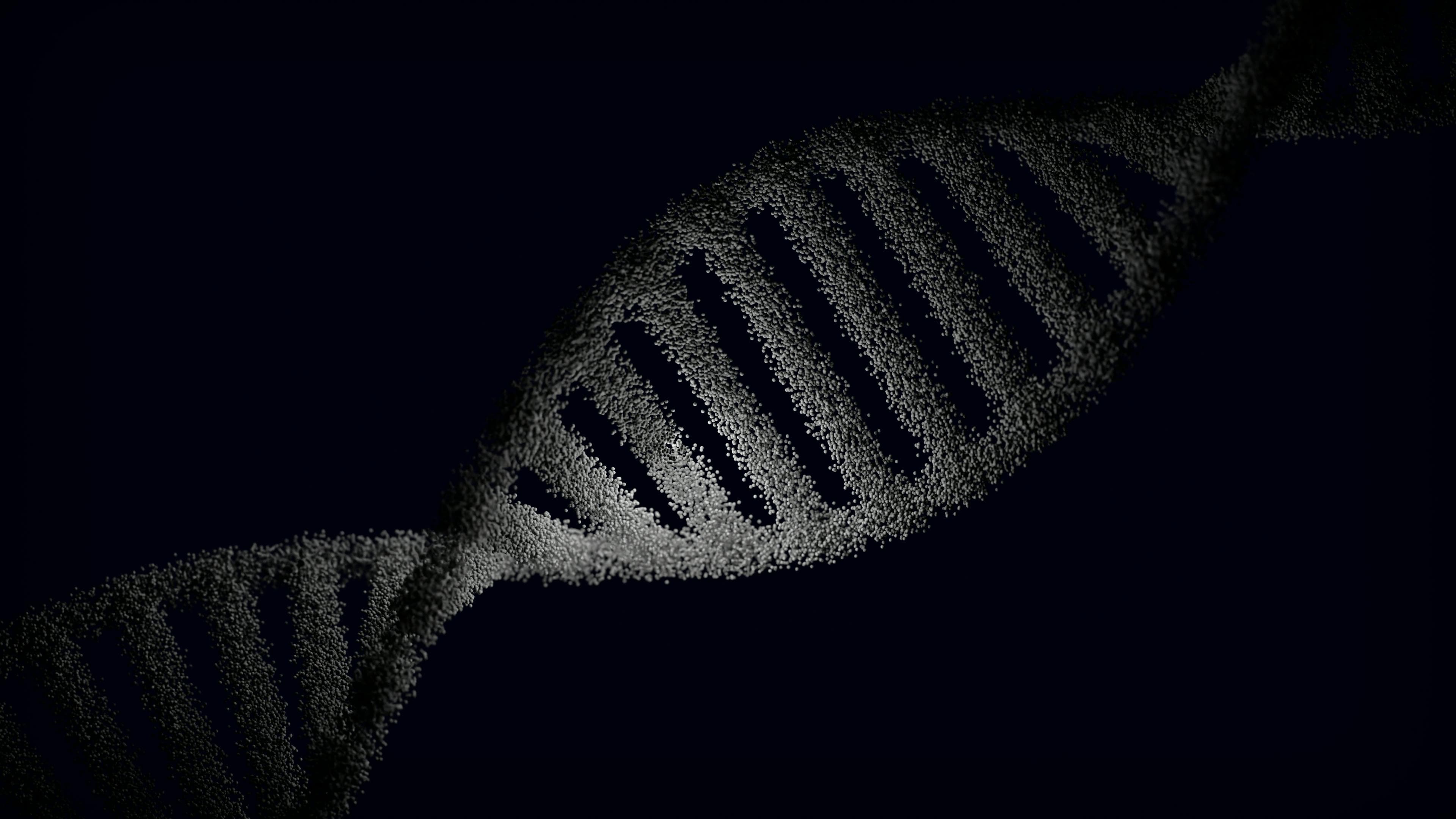
Every cell in your body sheds tiny fragments of DNA into your bloodstream as it lives and dies. This is normal. It's called cell-free DNA, or cfDNA, and you have it floating around right now whether you're healthy or not.
Cancer cells do the same thing. So if cancer is growing somewhere in your body, your blood may carry a mix of DNA fragments, most from healthy cells and some from cancerous ones. The trick is telling them apart.
That's where methylation comes in. Methylation is a chemical tag that sits on DNA and controls which genes are switched on or off. Cancer cells carry distinctive methylation patterns, almost like a barcode. The Galleri test reads hundreds of thousands of these sites and uses a machine-learning model to decide whether the pattern looks healthy or cancerous.
One thing this is not: a test of your inherited risk. Galleri looks for active cancer happening now. It won't tell you whether you carry a gene that raises your odds down the road.
From blood draw to result: the three steps
The experience on your end is simple. No fasting, just a standard blood draw your provider orders. Behind the scenes, the lab does three things:
- Sequences the DNA fragments in your blood to read their methylation patterns.
- Runs those patterns through a classifier that flags whether a cancer signal is present.
- If a signal turns up, predicts the most likely part of the body it came from. GRAIL calls this the Cancer Signal Origin.
You'll typically get your result about two weeks after your sample reaches the lab. That origin prediction matters more than it sounds, because it tells your doctor where to start looking instead of running every test imaginable.
What the Galleri test can and can't detect
This is where being honest pays off, and where most pages that rank for this keyword get vague. So let's be specific in both directions.
The cancers Galleri screens for
The test looks for a signal across more than 50 cancer types. The ones that make it genuinely interesting are the cancers with no screening program at all, including:
- Pancreatic, liver, and bile duct cancers
- Ovarian and other gynecologic cancers
- Stomach, esophageal, and other gastrointestinal cancers
- Head and neck cancers
- Lymphoma and certain blood cancers
- Kidney, bladder, and other urinary cancers
It also picks up signals from cancers you can already screen for, like colorectal and lung. Remember that it's looking for one shared signal, not running 50 separate tests. According to GRAIL's clinical data, the test is especially sensitive to several of the deadliest cancers, and about half of the cancers it catches are found at an early stage.
What it won't catch
Now the other side. The Galleri test does not detect every cancer, and not every cancer sheds enough DNA into the blood to be found this way.
Early-stage tumors are the hardest for it to see, because a small, slow cancer puts out a weaker signal. Some common cancers shed very little cfDNA at all. And a "No Cancer Signal Detected" result never means you're in the clear.
I want to underline that, because it's the most misunderstood thing about this test. A negative result lowers the odds. It does not zero them out.
Who the Galleri test is designed for
The test isn't meant for everyone, and the makers are fairly clear about that.
Eligibility and exclusions
Galleri is recommended for adults at elevated risk of cancer, especially those 50 and older, since age is the single biggest cancer risk factor.
If you're between 22 and 49, you generally need at least one elevated-risk factor, such as a smoking history, obesity, a family history of cancer, a known genetic predisposition, occupational or environmental exposures, or certain chronic inflammatory or immune conditions.
It is not recommended for everyone. Studies and the manufacturer agree the test should not be used by people under 22, anyone who is pregnant, or anyone currently in active cancer treatment. The results aren't reliable in those groups.
Here's a quick gut check before you go further:
| ✓ Galleri may be worth discussing if you… | ✗ Galleri is probably not right if you… |
|---|---|
| Are 50 or older | Are under 22 |
| Are 22–49 with a real elevated-risk factor | Are pregnant |
| Are already up to date on your standard screenings | Are in active cancer treatment |
| Want to discuss it with a doctor, not self-prescribe | Plan to use it instead of a mammogram or colonoscopy |
| Can afford follow-up testing if a signal turns up | Would treat a negative result as a guarantee |
Galleri test accuracy: what the research shows
If you take one section seriously, make it this one. The accuracy of the Galleri test is genuinely good in one way and genuinely limited in another, and the marketing tends to lead with the flattering half.
Specificity vs. sensitivity in plain terms
Two words decide whether a screening test is useful: specificity (how good it is at not crying wolf) and sensitivity (how good it is at catching real cancer).
On specificity, Galleri does well. Its false-positive rate is roughly 0.4%, which GRAIL describes as the lowest of any available MCED test. About 99% of people who take it screen negative. And when the test does flag a signal, the odds that cancer is actually present run around 62%. When it predicts where the cancer is coming from, that origin call is right about 93% of the time, which saves you from a scattershot diagnostic hunt.
Keep one caveat in mind: those numbers come from GRAIL's own validation and clinical studies, not from a head-to-head trial against other tests. Different studies, different populations, different designs. Useful, but not the same as an independent referee.
The early-stage detection gap
Now the limitation. Sensitivity is far higher for advanced cancers than early ones, and that cuts against the test's main selling point.
GRAIL's own footnotes show the pattern plainly. For pancreatic cancer, sensitivity was around 62% at stage I but climbed to roughly 96% at stage IV. The test is much better at confirming a cancer that's already progressing than at catching one at its earliest, most curable moment.
There's a bigger open question too. Large independent trials, including a major one through the NHS in England, are still measuring whether finding these signals earlier actually helps people live longer. As of now, a mortality benefit hasn't been proven. That's not a reason to dismiss the test. It's a reason to hold your expectations at the right level.
What "Cancer Signal Detected" vs. "No Cancer Signal Detected" means
There are only two possible results, and people misread both.
Reading your two possible results
A result of No Cancer Signal Detected is what nearly everyone gets, around 99% of people. It means the test didn't find a cancer fingerprint in your blood. It does not mean cancer is impossible, and it's not a reason to skip your regular screenings.
A result of Cancer Signal Detected means the test found a signal that needs to be checked out, usually with a prediction of where it's likely coming from. It is not a cancer diagnosis. It's a flag.
What happens after a positive signal
This is the part that gets glossed over, and it's the part that affects your life most.
A signal triggers a diagnostic workup. Your doctor orders imaging, more bloodwork, possibly a biopsy, guided by that origin prediction. Those follow-up tests cost money the Galleri test price doesn't cover, and they take time and nerve.
It's also possible the workup finds nothing. Remember that roughly 38% of positive signals don't turn out to be cancer on confirmation. Sitting with a "signal detected" result for a few weeks while you chase answers is genuinely stressful, and you deserve to know that before you take the test, not after.
For some people, a positive screening result can trigger many of the same fears and uncertainties that come with a diagnosis, and Emotional Stages of a Cancer Diagnosis: What to Expect explores those reactions in more detail.
How much the Galleri test costs and where to get it
Let's talk money, because the real question most people have is "should I just pay for it?"
The Galleri test is prescription-only and, in most cases, you pay out of pocket. Insurance generally doesn't cover it yet, though it's often eligible for HSA or FSA funds. Prices vary by where you order it, and the diagnostic follow-up after a positive signal is a separate cost entirely.
| Where you get it | Approx. test price | Blood-draw fee | Insurance | HSA/FSA |
|---|---|---|---|---|
| Hospital / health-system network | ~$749 | ~$30 | Usually not covered | Often eligible |
| Direct-to-consumer lab partner | ~$949 | Included | Usually not covered | Often eligible |
| Promotional pricing (varies) | Periodic discounts | Varies | Not covered | Often eligible |
Prices change and promotions come and go, so confirm the current number before you commit. And budget mentally for the possibility of follow-up testing, which is where costs can climb fast.
Is the Galleri test FDA-approved?
Short answer: no, and you should understand what that means rather than panic about it.
Galleri is what's called a laboratory-developed test, offered through a lab certified under federal CLIA standards and accredited by the College of American Pathologists. The Food and Drug Administration has not cleared or approved it.
That doesn't make it a scam. Plenty of legitimate lab tests operate this way. But it does mean the test hasn't gone through the FDA's review for safety and effectiveness, and it's part of why bodies like the U.S. Preventive Services Task Force haven't endorsed routine use. It's a newer technology still gathering the long-term evidence that established screenings already have behind them.
Benefits and limitations: a balanced look
Most of what you'll read about this test is written by people who sell it. So here's both sides, plainly.
| Worth getting excited about | Worth staying cautious about |
|---|---|
| One blood draw screens for 50+ cancers | Misses many early-stage cancers |
| Can flag cancers with no other screening test | Mortality benefit isn't proven yet |
| Very low false-positive rate (~0.4%) | Out-of-pocket cost, no insurance coverage |
| Predicts likely cancer origin to guide next steps | False reassurance from a negative result |
| Lets you be proactive between regular checkups | Anxiety and cost of chasing a false positive |
And because this is where people slip up most, a quick rulebook:
| ✓ Do | ✗ Don't |
|---|---|
| Use it alongside your recommended screenings | Skip your mammogram, colonoscopy, or Pap because of it |
| Discuss every result with your doctor | Treat "No Cancer Signal Detected" as a guarantee |
| Factor in the cost of follow-up testing | Make any treatment decision on the screen alone |
| Ask whether you're in the intended-use group | Assume more testing always means better health |
How the Galleri test compares to standard cancer screening
Think of Galleri and your standard screenings as doing different jobs, not competing for the same one.
Mammograms, colonoscopies, Pap smears, low-dose CT scans, and PSA tests are validated for specific cancers, are often covered by insurance, and have decades of evidence showing they save lives. They're proven, narrow, and deep.
Galleri is the opposite shape: broad and shallow. It casts a wide net across cancers that have no screening at all, but its early-stage performance is weaker and its long-term benefit is still being studied. The sensible move is to keep your proven screenings first and consider Galleri as a possible addition, not a swap.
Should you get the Galleri test? Questions to ask your doctor
We're not going to tell you yes or no. That decision belongs to you and a clinician who knows your history. What we can do is hand you the questions that turn a sales pitch into an informed choice. Bring these to your appointment:
- Am I actually in the intended-use group for this test?
- Am I up to date on the standard screenings recommended for my age and risk?
- Given my personal and family history, would this change what we'd do?
- If it comes back "Cancer Signal Detected," what's the follow-up plan, and can I afford it?
- If it comes back negative, will I be tempted to skip screenings I shouldn't skip?
- Is there a more proven step I should take with this money first?
A good doctor won't be annoyed by these. They'll be relieved you asked.
The bottom line
The Galleri test is a real advance wearing a lot of marketing. It can, in some cases, surface a cancer that nothing else would have found until it was much harder to treat. It can also miss early cancers, cost you a few hundred dollars with no insurance backstop, and send you down an anxious diagnostic path that ends in relief or in a real diagnosis.
So do this, in order: stay current on the screenings already proven to work, write down your family history and personal risk factors, and book a conversation with your doctor using the questions above. If you want to think it through with people facing the same decision, the early-detection and screening resources at beatcancer.eu/resources and the community at beatcancer.eu are a solid place to start.
The test is a tool. Whether it's the right tool for you is a question worth answering slowly.
If you're looking for reliable resources while weighing screening decisions or waiting for results, Best Cancer Support Apps, Books, and Wellness Tools offers a curated collection of practical support options.
Medical disclaimer: This article is for information and support only. It is not medical advice, and it cannot account for your specific diagnosis, family history, or circumstances. The Galleri test is a screening tool, not a diagnosis. Please bring your questions to your own doctor or a qualified healthcare provider before making any screening decision. Nothing here replaces a direct conversation with the people caring for you.