
Key Takeaways
- MCED tests (multi-cancer early detection) are blood tests built to look for many cancers at once from a single sample. They're a category, not one product.
- Galleri, made by GRAIL, is the test most people have heard of, but it's one of several. Others include CancerSEEK-derived assays and newer blood tests aimed at single cancers like breast and pancreatic.
- These tests are meant to sit alongside your regular screenings, not replace them. You still need your mammogram, colonoscopy, Pap test, PSA check, and lung scan.
- No MCED test carries a CE mark for population cancer screening in the EU yet, and in many European countries you can't simply buy one outside a research trial. Where private testing is available, you'll pay out of pocket, often around €880 to €1,000 or more.
- A positive result is not a cancer diagnosis. It points your doctor toward more testing, and false alarms are common.
- Medicare coverage is starting to move in 2026, so this is a field worth keeping an eye on.
You heard "screen for over 50 cancers." Here's what that actually means.
A friend of mine got an email from her employer last year offering a blood test that, she was told, could "screen for over 50 cancers." She forwarded it to me with one line: "Is this real, or is it a scam?" That question sits underneath almost every conversation I have about MCED tests, or multi-cancer early detection. The technology is real. It's also early, oversold in some corners, and genuinely confusing if all you've seen is a single brand name in a TV ad.
So let's slow down and look at the whole picture. What multi-cancer early detection actually means, how the leading tests compare, where they fit next to the screenings you already get, and what's still being figured out. No hype, no doom. Just what you'd want a knowledgeable friend to tell you before you spend a dime.
For a reminder that cancer journeys are never defined by a single test result, Cancer Survivor Stories: Real People, Real Hope shares experiences from people who have faced diagnosis, treatment, and recovery firsthand.
What does MCED mean?
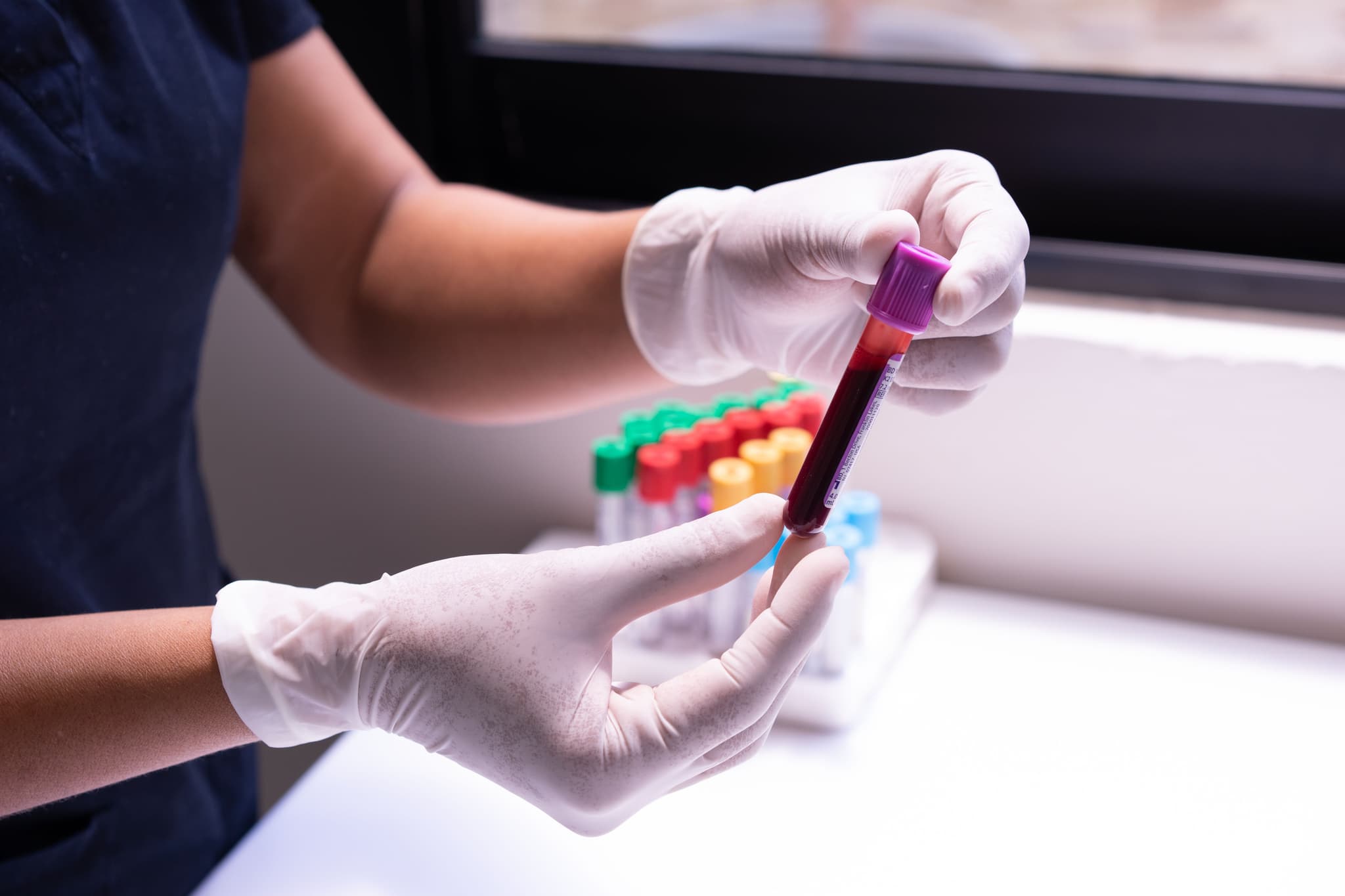
MCED stands for multi-cancer early detection. The idea is simple to say and hard to pull off: one blood draw, screened for signals from many different cancers, ideally before you'd ever feel a symptom.
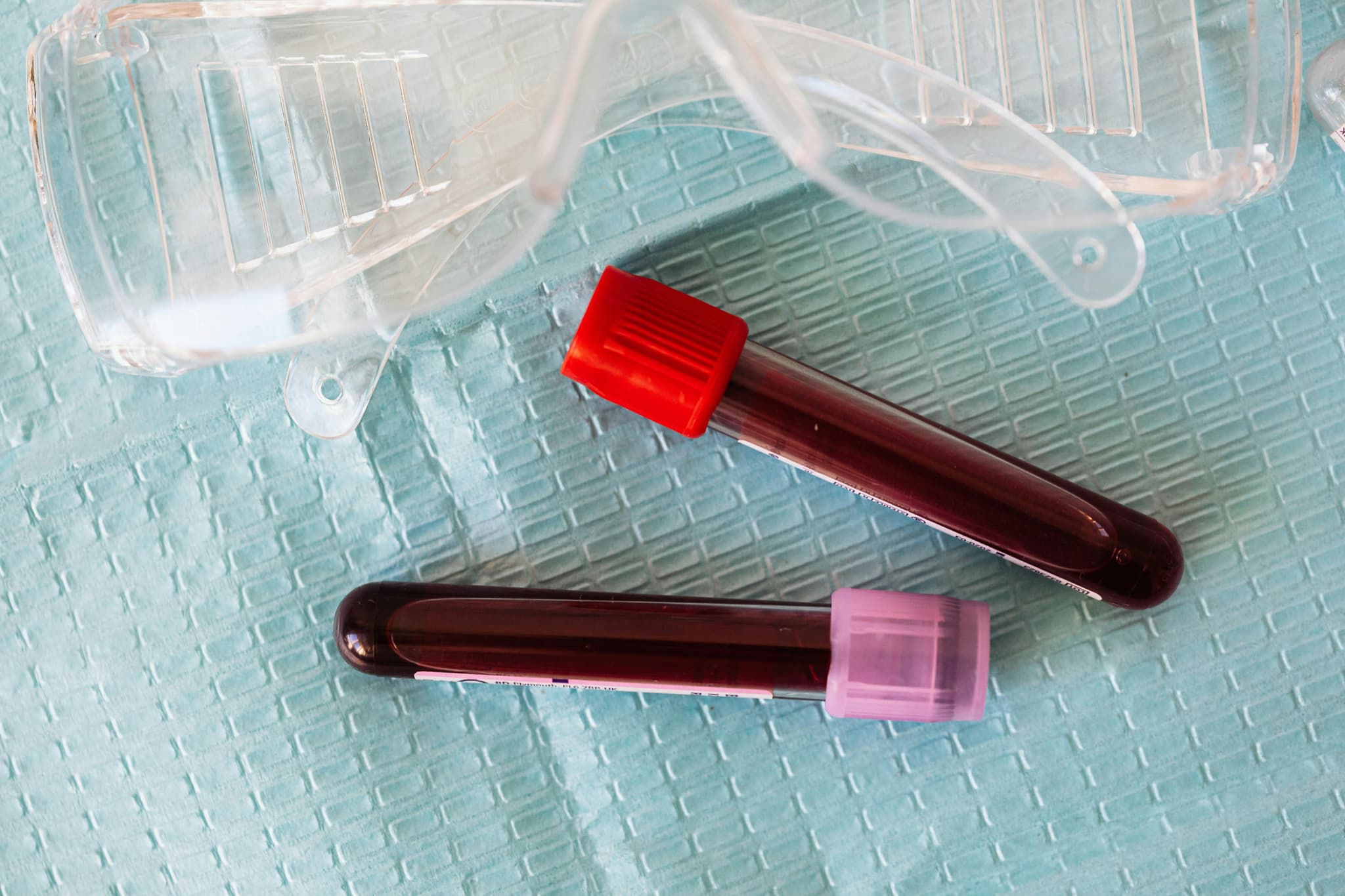
Cancer cells shed material into your bloodstream. That can be fragments of DNA, distinct chemical tags on that DNA called methylation patterns, or certain proteins. An MCED test hunts for those traces. When it finds a pattern that looks like cancer, the lab calls it a "cancer signal."
Here's the part people miss. The test isn't reading your whole body like a scan. It's reading your blood for clues. Some of these tests also try to predict where the signal is coming from, which gives your doctor a head start on where to look next.
Age matters more than most people expect. Cancer risk climbs steeply after 50, which is why most of these tests are aimed at older adults rather than the general population. That's not marketing. It's just where the math of risk lands.
MCED vs. MCD: why you'll see both terms
If you start reading around, you'll bump into a second acronym: MCD, for multi-cancer detection. The National Cancer Institute prefers that term. Companies tend to use MCED, with the "early" baked in.
They describe the same kind of test. The NCI's wording is a little more cautious, since "early" is exactly the thing researchers are still trying to prove. Don't let the two labels throw you. If you searched for one and landed on a page using the other, you're in the right place.

How MCED tests differ from traditional cancer screening
Think about the screenings you probably already know. A mammogram looks for breast cancer. A colonoscopy looks for colorectal cancer. A Pap test looks at the cervix. PSA checks the prostate. A low-dose CT scans the lungs of long-term smokers. Each one is tuned for a single disease, and each has decades of data behind it.
MCED flips that approach. Instead of going deep on one cancer, it goes wide across many from a single sample. That breadth is the whole appeal.
Why does breadth matter so much? Because roughly half the cancers diagnosed each year are types with no recommended screening test at all. Pancreatic, ovarian, esophageal, and many others usually get caught late, after symptoms show up, when they're harder to treat. A test that could flag even some of those earlier would fill a real gap.
The honest trade-off is this. A test built to detect one cancer, refined over years, tends to catch that cancer well. A test built to detect fifty is asking a lot more of a single blood tube, and its accuracy varies a great deal depending on the cancer type. Breadth and precision pull against each other.
What MCED tests can and can't tell you
An MCED test screens. It does not diagnose. That distinction is the single most important thing to understand before you take one.
A positive result means the test picked up a signal that could be cancer. It triggers more testing. It is not a verdict. On the flip side, a negative result is reassuring but not a clean bill of health, because these tests miss cancers too. If you feel a new lump or a symptom that won't quit, a negative MCED result is not a reason to wait.
Here's how to keep that straight in practice.
| ✓ Do | ✗ Don't |
|---|---|
| Keep up with your recommended standard screenings on schedule | Treat an MCED test as a swap for your mammogram, colonoscopy, or Pap test |
| Talk through any result with your doctor before you act on it | Assume a positive result means you have cancer |
| Weigh the cost of the test and the follow-up before you order one | Skip a worrying symptom just because a test came back negative |
| Ask which specific cancers the test targets | Expect it to catch everything |
The leading MCED tests compared
Most articles you'll find talk about one test and stop there. That's the gap I want to fill, because the moment you understand there are several players using different methods, the whole field makes more sense.
These tests don't all work the same way, and they don't all chase the same cancers. Knowing the differences helps you ask better questions if you're considering one.
Galleri (GRAIL)
Galleri is the grail test most people mean when they say "the cancer blood test." GRAIL, the company behind it, built Galleri around methylation, those chemical tags on cancer DNA I mentioned earlier. It looks for a signal shared across more than 50 cancer types and, when it finds one, predicts the likely tissue of origin to guide the workup.
Galleri is generally aimed at adults 50 and older. In Europe its availability is patchy: in the UK it hasn't been available outside the NHS-Galleri trial, and elsewhere it's offered privately in some clinics but isn't a routine option. It doesn't carry a CE mark for screening, a regulatory point I'll come back to shortly.
CancerSEEK / Cancerguard and similar blood-based assays
Galleri isn't the only approach. CancerSEEK, developed by researchers at Johns Hopkins, combined two signals: mutations in tumor DNA and a panel of proteins linked to cancer. Its commercial descendants, including a test marketed as Cancerguard, carry that lineage forward.
The takeaway isn't that one method beats another. It's that different tests detect different cancers with different levels of sensitivity. A test that's strong on one cancer type may be weak on another. "Multi-cancer" does not mean "all cancers equally."
How these tests stack up
| Test | Approach | Cancers targeted | Regulatory status (EU) | Typical cost |
|---|---|---|---|---|
| Galleri (GRAIL) | cfDNA methylation patterns | 50+ | No CE mark for screening; limited private availability | Around €880 (~£750) |
| Cancerguard / CancerSEEK-type | DNA mutations plus proteins | Varies | Not CE-marked; in studies | Varies |
| Emerging assays | Mixed biomarkers | Varies | Investigational | Not yet set |
One caveat on that table. These figures shift as new trial data comes out and as companies update their products. Treat it as a snapshot, and confirm the current details with the test maker or your doctor before you rely on any single number.
Blood-based tests for specific cancers (breast and pancreatic)
There's a second category worth separating out, because it gets lumped in with MCED and shouldn't be. These are blood tests built to detect one cancer, not many.
The logic is different. By focusing on a single disease, an organ-specific test can sometimes reach higher sensitivity for that cancer than a broad fifty-cancer panel ever could. Depth instead of breadth.
Breast cancer screening blood tests
A breast cancer screening blood test sounds like it could replace the mammogram nobody enjoys. Right now, it can't. The research is promising, and several groups are working on blood-based detection, but these tests are still investigational.
If you have breasts and you're due for a mammogram, get the mammogram. A blood test is not a substitute for imaging that already has strong evidence behind it.
Pancreatic cancer screening blood tests
Pancreatic cancer is one of the reasons this whole field exists. There's no routine screening for it, and it's often found late, which is part of why outcomes have stayed grim for so long. A reliable pancreatic cancer screening blood test would be a genuine breakthrough.
That's the hope driving a lot of research. The reality is that these tests remain in development. Worth watching, not yet ready to bank on.
MCED tests vs. standard screenings: which comes first?
If you take one message from this article, make it this. For cancers that already have a proven screening test, that test stays first.
Across Europe, breast, cervical, and colorectal cancer have organised national screening programmes with years of data behind them, and the EU has recommended extending screening toward lung and, in some settings, prostate and stomach cancer. An MCED test doesn't beat any of these at their own job. So the standard screening remains your primary tool, and MCED, if you choose it, layers on top.
Picture it as adding a wide net under the specific ones you already cast. You still get your mammogram and your colonoscopy on schedule. The MCED test is there to maybe catch something in the cancers that have no screening at all.
That's where the clearest near-term value sits. Not in replacing what works, but in reaching into the territory where, today, we have nothing.

What happens if your MCED test is positive?
This is the scenario people don't think about until they're in it, and it's the part I'd most want a friend to walk me through ahead of time. A positive result starts a process. It does not end one.
The follow-up pathway, step by step
- Your result comes back flagging a possible cancer signal, sometimes with a predicted tissue of origin to point your doctor in a direction.
- Your doctor orders confirmatory testing, which usually means imaging like a CT or MRI, and sometimes a biopsy.
- Those tests confirm a cancer, rule it out, or come back inconclusive and send you into more testing.
Here's the sobering part. A positive result is far from a sure thing. In the large NHS-Galleri trial, just over half of people with a positive result were eventually diagnosed with cancer, which means a sizeable share were false alarms that still triggered scans, waiting, and worry. That's better than some earlier estimates feared, but it's still a real cost you should expect going in.
None of that means the tests are useless. It means a positive result is the beginning of a question, not the answer. Go in knowing that, and the waiting is at least a little easier to bear.
If testing ultimately leads to a diagnosis, family and friends often struggle with what to say next, and What to Say to Someone Going Through Chemo Treatments offers practical guidance.
The regulatory and insurance landscape
Let's talk about the rules and the bill, because this is where a lot of the confusion (and the out-of-pocket pain) lives.
No MCED test has a CE mark for cancer screening in the EU. Diagnostic blood tests like these fall under the In Vitro Diagnostic Regulation (IVDR), not the European Medicines Agency, which regulates medicines rather than tests. Some are offered privately as in-house laboratory tests under specific IVDR conditions, which is why a clinic in one country may offer something that isn't available in another. The rules, and the availability, vary a lot across Europe.
The cost is real and mostly yours. Galleri's list price works out to roughly €880, or about £750 in the UK, and follow-up diagnostics after a positive result can add a lot more. Public health systems generally don't fund these tests for screening yet, and most private insurers don't cover them either, so for now a new cancer screening test like this is an out-of-pocket decision.
What the NHS-Galleri trial just told us
Europe has been running the most important MCED study in the world, and it just reported. The NHS-Galleri trial enrolled about 142,000 people aged 50 to 77 in England and tested annual Galleri screening alongside normal NHS care. Full results were presented at the ASCO conference at the end of May 2026.
The results are genuinely mixed, which is worth sitting with. On the trial's main goal — a clear cut in late-stage cancers across the whole study — early topline data in February 2026 fell short, and GRAIL is extending follow-up to gather more. But there were real positive signals too. Adding the test roughly quadrupled the cancer detection rate compared with standard screening alone, and for a set of 12 high-priority cancers, stage IV diagnoses dropped by 22% and 26% in the second and third years of screening.
The accuracy picture also looked better than some critics feared. Just over half of people who got a positive result were found to have cancer, with a false-positive rate under half a percent. NHS England has said it will weigh these full results before deciding whether to roll the test out more widely. So the next move on this side of the Atlantic rests on how those numbers are judged, not on a single law.
What to watch in the next few years
I'll be honest about the open questions, because anyone who isn't is selling you something. The science here is genuinely promising and genuinely unfinished.
The biggest unknown is whether finding cancer earlier with these tests actually means fewer people die from it. Catching a signal sooner sounds obviously good, but medicine is full of screenings that found more cancer without changing how long people lived. That's the bar these tests still have to clear.
Other questions stack up behind it. How often should you test? Who benefits most, and who just gets needless scares? What's the right move when a result is inconclusive? Large trials, including work run through national cancer research networks, are designed to answer exactly these things over the next several years.
Watch for those results. They'll tell you far more than any ad will.
Talking to your doctor about MCED testing
The decision to take an MCED test isn't really a yes-or-no. It's a fit question. It depends on your age, your risk, your budget, and how you'd feel handling an uncertain result.
Doctors call this shared decision-making, and it's the right frame here. You bring your values and your situation, your doctor brings the medical picture, and together you decide whether testing makes sense for you. If the thought of a possible false positive and a string of follow-up scans would wreck you, that's worth saying out loud before you test, not after.
Questions to ask before you test
- Based on my age and risk factors, would I even be a good candidate?
- Which specific cancers does this test target, and how accurate is it for them?
- What's the total cost, and will any part be covered?
- If the result is positive, what happens next, and what will that cost me?
- How does this fit with the screenings I'm already supposed to get?
Bring that list to your appointment. A good clinician will welcome it.
One test in a bigger picture
So, back to my friend's question: real, or scam? Real. Multi-cancer early detection is a legitimate and exciting direction for cancer screening, and it could one day catch cancers we currently have no way to look for. But it's early, the evidence that it saves lives isn't in yet, and it is not a replacement for the screenings that already work.
Here's the move. Keep getting your recommended screenings, no matter what. If MCED testing interests you, don't order one off a website on a whim. Take the five questions above to your doctor and have the conversation.
My friend, for the record, didn't take the test her employer offered. She booked the colonoscopy she'd been putting off instead. Some years from now, an MCED test might be the obvious next thing to add. Right now, the boring, proven screening was the better call, and she's glad she made it.
Medical disclaimer: This article is for general information and support only. It is not medical advice, and it reflects information available as of its publication date in a field that's changing quickly. It cannot account for your specific situation. Please bring your questions to a qualified healthcare professional. Nothing here replaces a direct conversation with your own care team.
This article is for educational purposes only and is not medical advice. Always consult your doctor or another qualified healthcare professional for guidance specific to your situation.

This content was created during the YARN project, co-funded under the EU4Health Programme in 2025-2028 (Grant Agreement No. 101219053).