

Key Takeaways
- Cancer during pregnancy occurs in roughly 1 in 1,000 pregnancies — it is rare, but it is treatable, and most people go on to deliver healthy babies.
- Chemotherapy is generally considered safe after the first trimester (12–14 weeks); the period before that carries the highest risk to the developing baby.
- Fertility preservation before treatment begins is one of the most important — and most time-sensitive — decisions you can make; raise it with your oncology team at diagnosis.
- Both men and women face fertility challenges after cancer treatment; testicular cancer affects young men at exactly the age when family planning matters most.
- The emotional weight of facing cancer and fertility questions simultaneously is severe and legitimate — psychosocial support is a clinical necessity, not an optional extra.
- Family planning after cancer is achievable for many survivors, but timing, treatment type, and individual circumstances all shape what is possible.
Who This Guide Is For — and Why It Matters
If you are reading this, you are probably in one of the hardest situations a person can face. Maybe you received a cancer diagnosis while already pregnant. Maybe you are about to start chemotherapy and someone on your care team mentioned — almost in passing — that it might affect your fertility. Or maybe you are a survivor who has spent years wondering whether you will ever be able to have children.
Cancer and pregnancy intersect in three distinct but connected ways: a diagnosis that arrives during an existing pregnancy, the need to protect future fertility before treatment begins, and the question of how to build a family after cancer is behind you. This guide addresses all three honestly, with the medical detail you deserve and the human acknowledgment that this is, by any measure, uniquely terrifying.
Cancer During Pregnancy: What Happens When a Diagnosis Arrives at the Worst Possible Moment
A cancer diagnosis during pregnancy is uncommon — it affects approximately 1 in 1,000 pregnancies — but the incidence is rising. As more people delay childbearing into their 30s and 40s, and as some cancers are appearing earlier in life than they used to, the overlap between cancer and pregnancy is becoming more frequent.
The most important thing to understand from the start: in most cases, cancer during pregnancy does not mean you have to choose between treatment and your baby. Effective treatment is possible. Healthy deliveries happen. But getting there requires a care team that takes both lives seriously, and it requires you to advocate for yourself the moment something feels wrong.
Why Cancer Is So Hard to Detect During Pregnancy
Here is the cruel irony of cancer during pregnancy: the symptoms are almost identical to normal pregnancy. Fatigue, breast changes, nausea, bloating, back pain, and breathlessness are all completely normal in pregnancy — and they are also among the earliest signs of several cancers.
This overlap contributes to an average diagnostic delay of around four weeks compared to non-pregnant patients. If you have a symptom that feels different from your usual pregnancy experience — a new lump, a pain that does not shift, bleeding that does not fit the pattern — tell your doctor or midwife immediately. Do not wait to see if it resolves.
| Symptom | Normal in Pregnancy? | Could Also Signal Cancer? |
|---|---|---|
| Breast lump or thickening | Sometimes (hormonal changes) | Yes — breast cancer |
| Persistent fatigue / anaemia | Yes | Yes — leukaemia, lymphoma |
| Rectal bleeding | Yes (haemorrhoids common) | Yes — colorectal cancer |
| Abdominal bloating or mass | Yes (growing uterus) | Yes — ovarian cancer |
| Swollen lymph nodes | Occasionally | Yes — lymphoma |
| Unusual skin changes or moles | No | Yes — melanoma |
The Most Common Cancers Diagnosed During Pregnancy
Breast cancer and cervical cancer together account for roughly half of all pregnancy-associated cancer diagnoses. Haematological malignancies — leukaemia and lymphoma — make up about a quarter. Melanoma represents nearly 10% of cases, followed by smaller proportions of ovarian and colorectal cancers.
These are not coincidental — they are the same cancers most common in women of reproductive age generally. Melanoma is one of the very few cancers documented to spread to the placenta or fetus, which makes early detection particularly important.
Safe Diagnosis: Imaging and Testing During Pregnancy
Getting a cancer diagnosis confirmed during pregnancy requires imaging — and that means navigating which tests are safe. The guiding principle used by clinical teams is ALARA: as low as reasonably achievable. The established safety threshold for cumulative fetal radiation exposure throughout a pregnancy is 100 mGy. In practice, most diagnostic imaging exposes the fetus to a fraction of that.
Delaying imaging out of fear often causes more harm than the imaging itself. Staging a cancer accurately is essential to treating it effectively, and your care team will take every reasonable precaution to protect your baby while getting the information they need.
| Imaging Modality | Safe During Pregnancy? | Fetal Risk Level | Notes |
|---|---|---|---|
| Ultrasound | Yes — all trimesters | Very low | No radiation; first-line for lumps and masses |
| MRI (without gadolinium) | Yes — all trimesters | Very low | Safe; gadolinium contrast avoided especially first trimester |
| Mammogram | Generally yes | Low | Small radiation dose; abdominal shielding used routinely |
| Chest X-ray | Generally yes | Very low | Low fetal dose with abdominal shielding |
| CT scan | With caution | Moderate | Higher radiation; justified when benefit outweighs risk |
| PET scan | Avoided if possible | Higher | Radioactive tracer crosses placenta; used only when essential |

Treating Cancer During Pregnancy: What Is Safe and When
Every treatment decision during pregnancy involves a multidisciplinary team: an oncologist, a maternal-fetal medicine specialist (high-risk obstetrician), often a neonatologist, and ideally a mental health professional. The goal is always to give you treatment as close as possible to what a non-pregnant patient with your cancer type and stage would receive — while protecting your baby from harm.
Surgery
Surgery is generally the safest cancer treatment option available during pregnancy and can be performed at any stage, though the early second trimester is preferred for abdominal procedures. General anaesthesia carries some risk, but it is considered manageable with appropriate obstetric monitoring of the fetus throughout the procedure.
Chemotherapy During Pregnancy: A Trimester-by-Trimester Guide
In the first trimester, chemotherapy is contraindicated for most drugs. This is the period of organogenesis — the window in which your baby's heart, brain, limbs, and organs are forming. Exposing a developing fetus to cytotoxic drugs during this window carries real risk of miscarriage, structural birth defects, and fetal death.
After 12–14 weeks, most standard chemotherapy regimens are considered reasonably safe. The organs are formed, and the primary fetal risks from this point are growth restriction and premature birth, both of which can be monitored and managed. The final dose should be given approximately 2–4 weeks before your planned delivery date.
| Trimester | Chemotherapy | What to Know | Key Risk |
|---|---|---|---|
| First (weeks 1–12) | Generally AVOID | Period of organogenesis — organ formation | Miscarriage, birth defects, fetal death |
| Second (weeks 13–26) | Generally safe after week 14 | Organs formed; standard regimens with monitoring | Growth restriction (manageable) |
| Third (weeks 27–40) | Safe with careful timing | Final dose 2–4 weeks before delivery | Immune suppression if timed poorly near birth |
| Around delivery | Do NOT give | Allow drugs to clear before birth | Severe immune suppression for mother and baby |
Some pregnant patients find they tolerate chemotherapy-related nausea better than expected. Pregnancy already recalibrates the brain's nausea threshold — that adjustment may offer a degree of natural tolerance. Several anti-nausea medications are considered safe in pregnancy. Your team will know which ones to use.
Radiation Therapy
Pelvic radiation is absolutely contraindicated during pregnancy — the fetus would receive direct exposure, which carries risks of severe developmental harm at any stage. Radiation to the upper body may be possible in specific circumstances, provided the cumulative fetal dose stays well below 100 mGy. In practice, treatment plans are usually restructured to avoid radiation wherever an alternative exists.
Targeted Therapy and Immunotherapy: The Important Caveat
Many newer, more targeted cancer treatments are contraindicated during pregnancy, regardless of trimester. Methotrexate, HER2-targeted agents, VEGF inhibitors, PARP inhibitors, antibody-drug conjugates, and all cellular therapies are contraindicated under current clinical guidelines. Immunotherapy carries poorly understood fetal risks and is generally avoided.
If any of these drugs are part of your standard-of-care regimen, you need an explicit, documented conversation with your oncologist about alternatives or timing. Do not assume that because a drug is cutting-edge it has been tested in pregnancy — most have not been.
Planning Delivery: Timing, Mode, and the Final Stretch
The goal for most pregnant cancer patients is to reach at least 37 weeks before delivery. Preterm birth in this context carries elevated risks for the baby, and avoiding it where clinically possible is a priority. Vaginal delivery is preferred unless there is an obstetric reason for a caesarean section.
After delivery, your baby will have blood tests to check for any acute toxicities from treatment exposure, and longer-term developmental follow-up is typically arranged. The timing of your final chemotherapy dose is coordinated with your delivery date to ensure that white blood cell counts are not at their lowest at the moment of birth.
Fertility Preservation Before Cancer Treatment: Why Early Action Matters
If there is one section of this guide to act on urgently, it is this one. If you want the option of biological children after cancer, fertility preservation needs to happen before treatment begins. Some interventions cannot be undone — chemotherapy and radiation can cause permanent damage to eggs, sperm, and reproductive organs — and the window to act is often narrower than it feels.
ASCO clinical guidelines recommend that fertility preservation be discussed with every patient of reproductive age at the point of diagnosis. Not eventually. Not if they bring it up. At diagnosis. If your oncologist has not raised this, raise it yourself at your very next appointment.
Fertility preservation options at a glance
- For women: Embryo freezing (most established, requires partner or donor sperm) · Egg (oocyte) freezing · Ovarian tissue freezing (specialist centres).
- For men: Sperm banking — straightforward, non-invasive, and can be done within days of diagnosis. Most egg-freezing cycles take only 2–3 weeks — a timeline that is clinically acceptable for many cancer types. There is almost never a clinical reason not to bank sperm before cancer treatment begins.
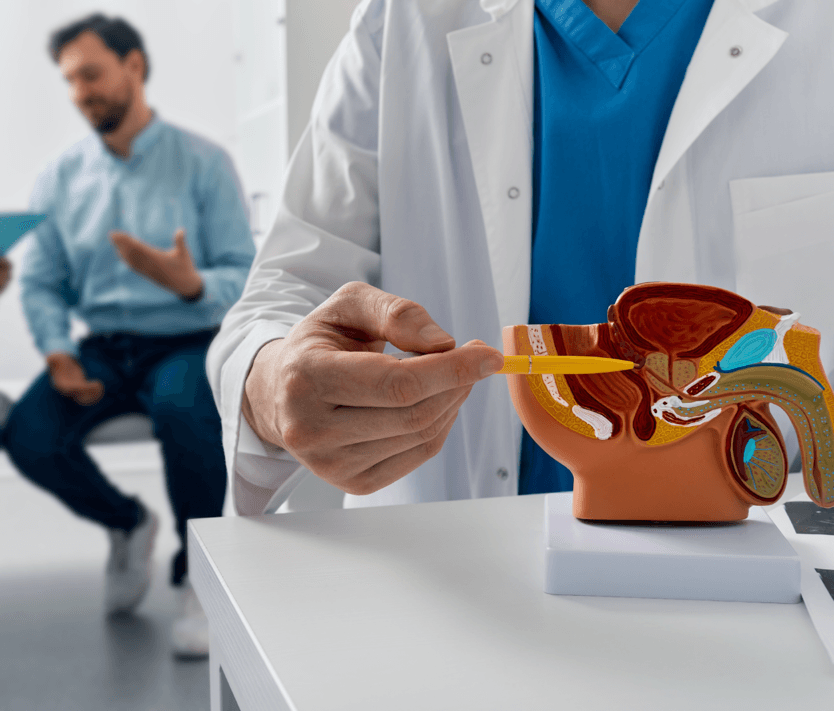
Testicular Cancer and Fertility: What Young Men Need to Know
Testicular cancer is the most common cancer in men aged 15–35 — hitting at exactly the point in life when many men are beginning to think seriously about having children. Removing one testicle (orchiectomy) does not automatically cause infertility if the remaining testicle functions normally. But chemotherapy and radiation can significantly reduce sperm count and quality.
For some men, fertility recovers over 2–5 years post-treatment. For others, the damage is permanent. The solution is simple and should happen before any treatment begins: bank your sperm. It is quick, it is non-invasive, and it preserves your options regardless of what treatment requires.
If you are facing a testicular cancer diagnosis right now, ask for a referral to a fertility specialist or reproductive urologist before your first chemotherapy session. This is not a luxury request. It is standard good care.
How Young Can You Get Prostate Cancer? Fertility and Younger Men
Prostate cancer is associated with older men — but it does occur in men under 50, and occasionally under 40, particularly in those with BRCA2 mutations or a strong family history. For a younger man, a prostate cancer diagnosis carries a fertility dimension that rarely gets the direct conversation it deserves.
The primary treatments all affect sexual function and fertility in different ways. Hormone therapy (androgen deprivation therapy) suppresses testosterone, which shuts down sperm production for the duration of treatment and sometimes beyond. Radical prostatectomy can cause retrograde ejaculation or loss of ejaculation entirely.
If you are a younger man facing any of these treatments, sperm banking before you begin is strongly recommended. A reproductive urologist or urologic oncologist should be part of your care team — not an afterthought.
Family Planning After Cancer: Can You Still Have Children?
For many cancer survivors, the answer is yes. Pregnancy after cancer does not appear to worsen outcomes for most cancer types. Research on breast cancer survivors — including those with hormone receptor-positive cancers — increasingly shows that subsequent pregnancy is safe and does not raise recurrence risk.
The standard guidance is to wait at least 6 months to 2 years after completing treatment before trying to conceive. For some survivors — those who received high-dose pelvic radiation or certain alkylating agents — natural conception may not be possible. Options include fertility treatments using previously preserved eggs or embryos, donor eggs or sperm, surrogacy, or adoption. None of these paths is lesser. They are all ways of building a family.
The Emotional Reality: When Cancer and Fertility Collide
We want to name something that the clinical sections cannot fully carry: the grief. If you received a cancer diagnosis while pregnant, the pregnancy that should have been one of the most joyful periods of your life has become something else entirely — the fear for your baby, the guilt about every treatment decision, the way people ask about the baby without asking how you are.
If cancer has threatened your fertility before you have had the chance to become a parent, the loss is real even when nothing physical has been lost yet. These experiences are not overreactions. They are appropriate responses to genuinely terrible circumstances.
For a clearer understanding of how these feelings often unfold, this guide on Emotional Stages of a Cancer Diagnosis: What to Expect can help put words to what many people experience.
Psychosocial support — from an oncology therapist, a peer group, or a charity like Mummy's Star — is a recognised clinical component of good cancer care. Please use it. Partners and existing children are also affected and may need their own support.

Supporting a Partner Through Fertility Decisions
If you are the partner of someone navigating cancer and fertility, your role matters more than you might realise — and it is harder than most people acknowledge. You may feel secondary in conversations that are fundamentally about your shared future. You may not know what to say, when to speak, or when to simply sit quietly.
Attend appointments when you are invited and listen without immediately problem-solving. Understand that fertility grief is real even when the cancer is treatable. Seek your own support separately — absorbing a partner's fear without an outlet is not sustainable, and your wellbeing is not a low priority.
Financial Help for Fertility Preservation: More Options Than You Think
Fertility preservation is expensive — egg freezing can cost several thousand euros or pounds before storage fees are factored in, and insurance or public health coverage is inconsistent. But there are options. Some cancer charities offer specific grants for fertility preservation. Some fertility clinics run discounted or deferred-cost programmes for cancer patients.
The single most important thing to know: the window for action is narrow. Fertility preservation must happen before treatment begins, which means financial conversations need to happen fast. Ask your cancer centre's social worker or patient navigator to identify local funding options — this is exactly what they are there for.
Questions to Ask Your Oncologist and OB
- Is fertility preservation an option before my treatment begins, and how much time do we have?
- How will this specific treatment affect my ability to conceive in the future?
- If I am currently pregnant, which treatments are safe in my current trimester?
- What is the recommended waiting period before trying to conceive after treatment ends?
- Will my cancer or its treatment affect the safety of a future pregnancy?
- Who on my care team specialises in reproductive oncology or fertility preservation?
- What support organisations or financial assistance programmes can you refer me to?
Support Organisations and Resources
A curated starting point. Ask your cancer centre's social work team for locally relevant additions.
| Organisation | What They Offer |
|---|---|
| Mummy's Star (mummysstar.org) | UK charity supporting people diagnosed with cancer during or after pregnancy |
| Livestrong Fertility (livestrongfertility.org) | US-based fertility assistance programme for cancer patients |
| ASCO Fertility Resources (asco.org) | Clinical guidelines and patient guides on fertility preservation |
| beatcancer.eu | Fertility during and after cancer treatment; ASCO guideline summaries |
| Your cancer centre social work team | Ask specifically about local fertility funding and patient navigation programmes |
Connecting with others can make a meaningful difference — this guide on Cancer Support Groups: How They Help and How to Find One explains how to access peer support that fits your situation.
If you're looking for a more immediate, conversational space, you can also join the BeatCancer community on Discord to connect with others who understand what you're going through.
You Do Not Have to Choose Between Fighting Cancer and Your Future
We want to end with honesty, not false comfort. This is one of the hardest situations a person can face. Cancer and pregnancy — or cancer and fertility — do not belong in the same sentence, and yet here you are, because they are. There are no easy answers. Some paths close. Some futures take a different shape than the one you planned.
But many people who faced cancer during pregnancy have gone on to deliver healthy children and complete effective treatment. Many cancer survivors have built families — biological and otherwise — that they did not believe were possible at the moment of diagnosis.
Act early on fertility preservation. Build a team that includes both oncology and reproductive expertise. Ask for psychosocial support as a standard part of your care. And know that advocating for your future — alongside your health — is not selfishness. It is clarity about what matters to you. That clarity is worth fighting for.
This article is for educational purposes only and is not medical advice. Always consult your doctor or another qualified healthcare professional for guidance specific to your situation.

This content was created during the YARN project, co-funded under the EU4Health Programme in 2025-2028 (Grant Agreement No. 101219053).