




















This article reviews potential psychological and neurocognitive consequences of young survivors (through 21 years of age, and who were diagnosed with cancer before the age of 18 years) and their families, as well as interventions developed to address these late effects. The authors searched PubMed for reviews on the topics of psychological distress, HRQOL, neurocognitive functioning, family/parents, and interventions in survivors of childhood cancer, and complemented these findings with studies identified by experts in the field.

Quality of LifeAllPublication
Psychological Outcomes, Health-Related Quality of Life, and Neurocognitive Functioning in Survivors of Childhood Cancer and Their Parents. Pediatric Clinics, 2020. 67(6): P. 1103-1134.
The authors searched PubMed for reviews on the topics of psychological distress, HRQOL, neurocognitive functioning, family/parents, and interventions in survivors of childhood cancer, and complemented these findings with studies identified by experts in the field.
Year:2020
Discussion & Questions
Note: Comments are for discussion and clarification only. For medical advice, please consult with a healthcare professional.
Leave a Comment
No comments yet
Be the first to share your thoughts!
Related Resources

Cancer Diet and Nutrition: What to Eat, What to Avoid, and What Actually Matters
No single cancer diet works for everyone. Your needs shift from chemo to radiation to recovery, and even week to week. T...
NutritionAll
Read
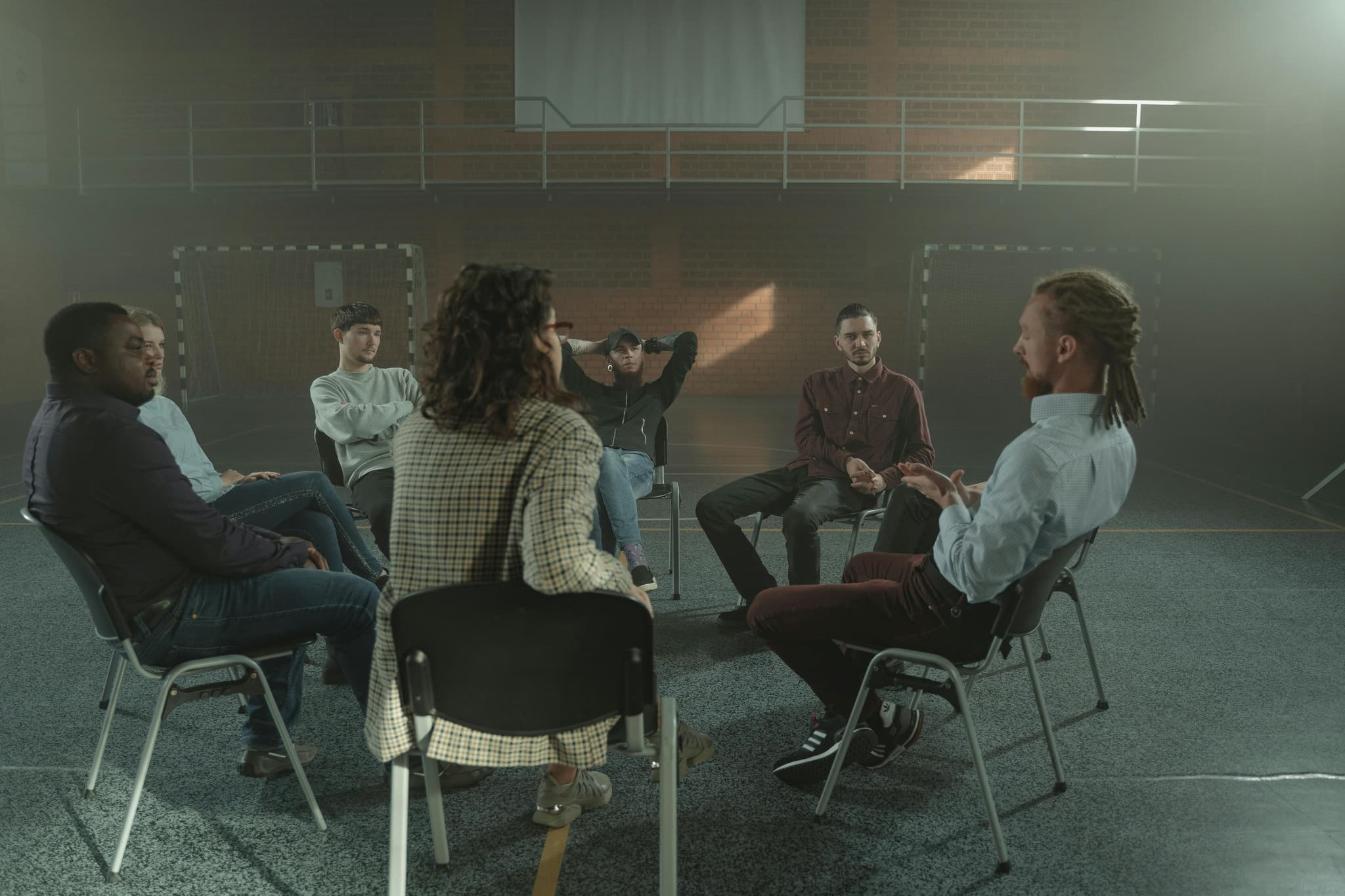
Cancer Support Groups: How They Help and How to Find One
Cancer support groups rarely look like the stereotype — and they're not just for patients. This guide covers what actual...
Psychosocial CareAll
Read

When the Oncologist Says No More Chemo: What It Means and What Comes Next
When your oncologist says "no more chemo," the room can go quiet in a way you weren't ready for. You're not sure if you...
Long-term Follow-up CareAll
Read