























Cancer-related fatigue is a well-known problem during the active treatment phase of cancer, but can also be a frequent problem for survivors many years after completion of therapy. Because of this high risk survivors may benefit from surveillanc

Quality of LifeAllGuidelines
IGHG Fatigue Surveillance Recommendations
Recommendations for surveillance for cancer-related fatigue in survivors.
Year:2020
Discussion & Questions
Note: Comments are for discussion and clarification only. For medical advice, please consult with a healthcare professional.
Leave a Comment
No comments yet
Be the first to share your thoughts!
Related Resources

Cancer Diet and Nutrition: What to Eat, What to Avoid, and What Actually Matters
No single cancer diet works for everyone. Your needs shift from chemo to radiation to recovery, and even week to week. T...
NutritionAll
Read
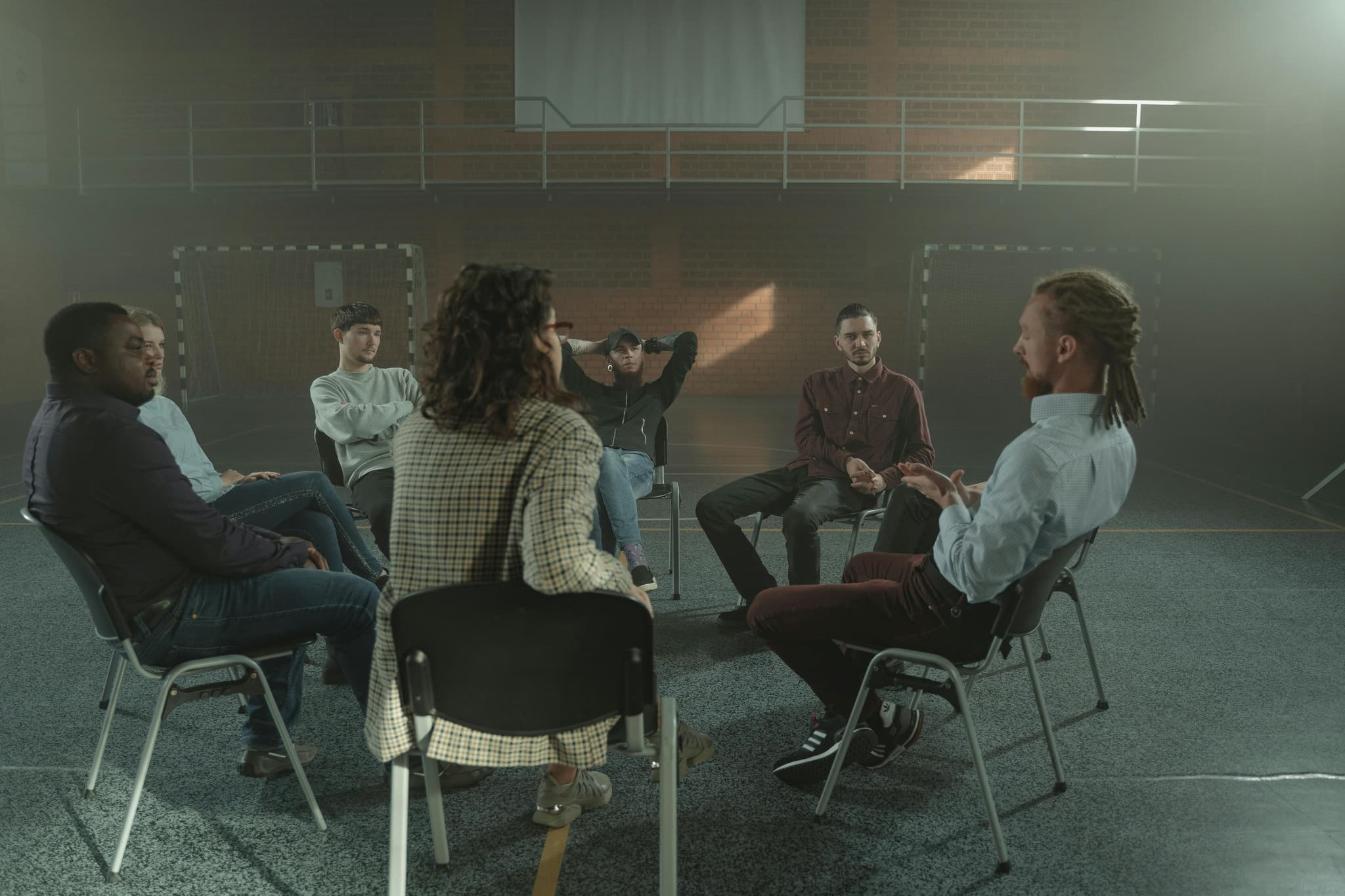
Cancer Support Groups: How They Help and How to Find One
Cancer support groups rarely look like the stereotype — and they're not just for patients. This guide covers what actual...
Psychosocial CareAll
Read
When the Oncologist Says No More Chemo: What It Means and What Comes Next
When your oncologist says "no more chemo," the room can go quiet in a way you weren't ready for. You're not sure if you...
Long-term Follow-up CareAll
Read