


Key Takeaways
- Back sleeping is your best friend. It keeps pressure off the port, reduces friction, and is the position recommended by virtually every oncology team. If you're not a natural back sleeper, a few pillow tricks can help you adjust.
- The first week is the hardest — and it does get better. Most patients find a workable sleep routine within two to three weeks. By month two, many barely notice the port at night.
- Small changes make a big difference. A body pillow to stop you rolling, soft button-free pajamas, a folded towel cushioning the port site — these low-cost adjustments solve most sleep problems.
- Your port will not fall out while you sleep. It's sutured under the skin and designed to stay put for months or even years.
- If you're connected to a chemo pump overnight, there are ways to manage the tubing. This is a common scenario that nobody talks about enough, and it's completely manageable with a few practical strategies.
- Some discomfort is normal, but certain signs need medical attention. Increasing pain after the first week, redness, swelling, drainage, or fever — call your care team. They'd rather hear from you early.
If you're reading this at midnight, propped up on three pillows and wondering how you're supposed to sleep with a chemo port poking into your chest — you're not alone, and you're not doing anything wrong. Figuring out how to sleep with a chemo port is one of those challenges nobody warns you about until you're living it. Your oncology team probably gave you instructions about keeping the incision clean and watching for infection. But the practical stuff — how to actually lie down and fall asleep without wincing — often gets skipped.
If you're also navigating other parts of treatment, like hair loss prevention, this guide on Cold Cap Therapy During Chemo: How It Works, Costs, and What to Expect can help you understand what to expect and whether it's worth considering.
That's what this guide is for. We'll walk through the sleeping positions that work best, the pillow and clothing hacks that make a real difference, what the first week actually feels like versus month two, and when discomfort crosses the line into something your doctor needs to know about. Everything here comes from oncology professionals and the hard-won experience of patients who've already figured this out through trial and error.
You'll sleep again. Let's get you there faster.
What Is a Chemo Port and Why Does It Make Sleep Harder?
A chemo port — sometimes called a port-a-cath, Mediport, or PowerPort — is a small, round device about the size of a quarter that's surgically placed under your skin, usually in the upper chest just below the collarbone. It connects to a thin tube (catheter) that feeds into one of your large veins. The port gives your care team a reliable access point for delivering chemo drugs, drawing blood, and administering fluids — without sticking your arm veins over and over again.
It's a genuinely useful device. But it also creates a hard bump under your skin that you can feel whenever you press against it. And when you're lying in bed, gravity does the pressing for you.
In the first days and weeks after placement, the incision site is tender, possibly bruised, and covered with surgical dressing or Steri-Strips. Even after healing, the port sits right in the zone where your chest meets the mattress or your pajama fabric rubs. For side sleepers, it's directly in the path of where your arm naturally rests.
Then there's the psychological layer. Having a foreign object implanted in your body takes some getting used to. Many patients describe a hyperawareness of the port at bedtime — a feeling of not quite knowing how to relax around it. Add in the chemo side effects that often accompany treatment — nausea, steroid-fueled insomnia, night sweats, anxiety — and you've got a perfect recipe for disrupted sleep at the exact time your body needs rest the most.
The good news: every one of these problems has a practical solution. Let's start with the most fundamental one — how you position your body.
Best Sleeping Positions with a Chemo Port
Here's the reassuring part first: no sleeping position is dangerous when you have a chemo port. Your port is secured under your skin and won't come loose from normal movement in bed. But some positions are significantly more comfortable than others, and finding the right one can mean the difference between lying awake for hours and actually getting rest.
Back Sleeping: The Go-To Position
If your oncology nurse gave you one piece of sleep advice, it was probably this: sleep on your back. And they're right. Back sleeping distributes your weight evenly and keeps direct pressure off the port site entirely.
"The best position to sleep in is on your back. This position prevents pressure on the port which may cause pain," explains Julie Lyon, RN, a patient education specialist at Banner MD Anderson Cancer Center.
If you're not a natural back sleeper, a couple of tweaks can make this position more sustainable. Place a pillow under your knees — this reduces lower back strain and makes lying on your back feel less like lying on a board. If you deal with reflux or post-chemo nausea, try a wedge pillow or an extra pillow to raise your upper body slightly. Even a mild incline can help.
The biggest challenge with back sleeping? Staying there. Most of us shift positions multiple times during the night without waking up. That's where strategic pillow placement comes in — and we'll cover that in detail in the pillows section below.
Side Sleeping: How to Do It Safely
If back sleeping simply isn't happening for you — and for many people it's not — side sleeping is your next best option, with one key rule: sleep on the opposite side from your port.
If your port is on the right side of your chest, sleep on your left side. If it's on the left, sleep on your right. This keeps your body weight off the device entirely.
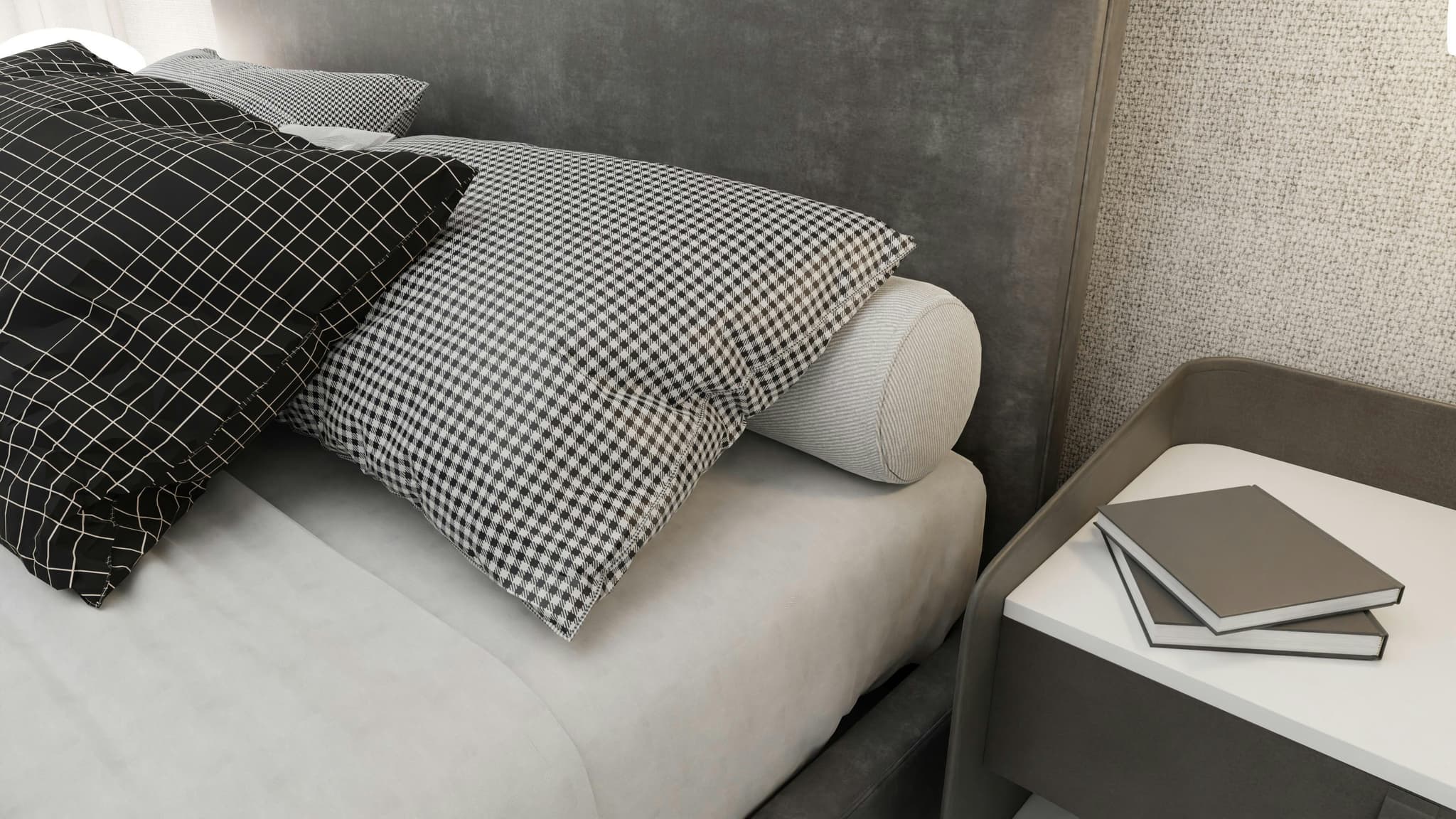
A few positioning details make side sleeping work better. Place a pillow between your knees to keep your spine aligned. Tuck a small cushion or folded towel against your chest on the port side — this creates a soft buffer in case you shift slightly toward the port during the night. And here's a trick that many patients swear by: put a firm body pillow behind your back so it acts as a wall. If you start to roll toward the port side, the pillow stops you before you get there. You might wake up leaning against it, but you won't wake up lying directly on the port.
Why Stomach Sleeping Gets Complicated
Stomach sleeping puts direct, sustained pressure on the port — which is essentially pressing a hard disc into your mattress with the weight of your chest behind it. During the first few weeks after placement, when the incision site is still healing, this can range from uncomfortable to genuinely painful.
That said, stomach sleeping isn't permanently off the table for everyone. Some patients return to it after several weeks once the site has fully healed and the tenderness has resolved. But during the recovery period, it's worth avoiding.
If you're a lifelong stomach sleeper who can't imagine any other position, try what's sometimes called the "half-side" position. Lie mostly on your non-port side with one knee pulled up and your body leaning slightly forward. It gives you some of that face-down feeling without planting the port directly into the mattress. It's not a perfect substitute, but it can bridge the gap while your body adjusts.
Elevated or Reclined Sleeping
Some patients find that lying completely flat is the problem, regardless of which direction they're facing. If that's you, sleeping in a reclined position — either with a wedge pillow, an adjustable bed, or even a recliner — can help.
An elevated position takes pressure off the chest, opens the airways, and reduces reflux. For patients who are dealing with post-chemo nausea or shortness of breath alongside port discomfort, this can be a practical option worth trying for at least a few nights.
Sleeping Position Quick Reference
| Position | Do This | Avoid This | Notes |
|---|---|---|---|
| Back | Use a knee pillow; add slight incline for reflux | Sleeping fully flat if it causes lower back strain | Best option for most patients |
| Side (opposite) | Pillow between knees; cushion on port side; body pillow behind back | Sleeping on the same side as the port | Strong alternative to back sleeping |
| Stomach | Try the "half-side" compromise position | Lying directly on the port, especially first few weeks | May work again after full healing |
| Elevated | Use wedge pillow or adjustable bed | Stacking soft pillows that let you slide sideways | Great for nausea and reflux |

Sleeping with a Chemo Pump Attached Overnight
This is the scenario that nobody seems to write about — but a lot of patients live it. Many chemo protocols, especially FOLFOX and similar regimens used for colorectal cancer, involve continuous infusions that run for 46 to 48 hours through a portable pump. That pump goes home with you. Which means you're sleeping with a tube running from a device on your nightstand into the port in your chest.
It's manageable. But it takes a little setup.
Where to put the pump. Place it on a stable nightstand at roughly mattress height, or slightly above. Some patients use a small fabric bag or fanny pack clipped to their pajama top so the pump moves with them. Either approach works — the goal is keeping the pump secure so it doesn't fall off the bed and yank the line.
How to route the tubing. Run the tubing over your shoulder and behind your pillow, leaving enough slack that you can shift positions without pulling. Too much slack means tangles; too little means tension when you roll. A few inches of loose loop near your shoulder is usually the right balance. Some patients tape a small loop of tubing to their shirt with medical tape to prevent it from snagging.
When the pump beeps at 3 AM. It will probably happen at least once. The most common causes are a kink in the line, an air bubble, or the medication bag running low. Your infusion nurse should walk you through pump troubleshooting before you leave the clinic. If they didn't — or if you've forgotten — call your oncology team's after-hours line. That's exactly what it's there for.
Wearing a button-front top or a port-access shirt makes it easier to check the port site and tubing in the middle of the night without fully undressing.
Pillows, Clothing, and Comfort Hacks
Sometimes the things that help the most are the simplest. This section is the practical stuff — the small adjustments that patients figure out through weeks of trial and error that we can pass along to you right now.
Pillow Strategies That Work
Not all pillow solutions require a purchase. Here's what actually helps, from simplest to most specialized:
A folded hand towel. Place it next to the port area — not directly on it, but beside it — to create a gentle cushion that prevents the port from pressing into hard surfaces. This is free, works immediately, and you already own one.
A body pillow or pregnancy pillow. These are the single most recommended product by patients who've been through this. A body pillow along your side creates a physical barrier that prevents rolling. A C-shaped pregnancy pillow wraps around you and provides support on multiple sides at once. You don't need to be pregnant to benefit — the design just happens to be perfect for keeping a sleeping person gently locked in position.
A chemo port pillow. These are small, specially shaped cushions designed to pad the port area. They're also useful under a seatbelt during the day. They're worth trying, but if you're on a tight budget, the folded towel does a surprisingly good job.
A wedge pillow. If you need elevation for reflux, nausea, or breathing comfort, a wedge pillow is more stable than stacking regular pillows, which tend to shift and flatten overnight.
What to Wear to Bed
Loose-fitting, soft-fabric pajamas are the standard recommendation, and it's good advice. Cotton, bamboo, and modal are all gentle on skin and breathable enough to handle night sweats.
Beyond fabric, pay attention to construction. Avoid buttons, snaps, or zippers that sit anywhere near the port area — they create pressure points that you'll definitely feel at 2 AM. A simple pullover sleep shirt or a button-front top that fastens low (below the port) tends to work best.
If you wear a bra or bralette to sleep, check where the straps sit. Straps that cross near the collarbone can rub directly against the port incision. During the healing period especially, going without or switching to a soft, wide-strap alternative can reduce a surprising amount of nighttime irritation.
For patients who are being accessed frequently or connected to a pump, port-access shirts — tops with a small discreet opening at the chest — can make life easier. You can check the site or manage tubing without pulling your shirt over your head in the dark.
Mattress and Bedding Tips
You don't need to buy a new mattress because you got a chemo port. But if your mattress is old and saggy, this might be the push to address it — a supportive surface makes positional sleeping significantly easier.
A medium-firm mattress is generally ideal. If a new mattress isn't in the budget, a memory foam topper (even a 2-inch one) can add contouring that distributes pressure more evenly around the port area.
For sheets, soft and breathable beats everything else. Cotton and bamboo fabrics help regulate temperature, which matters more than usual during chemo — night sweats can turn a polyester sheet set into a sauna.
The First Week vs. Long-Term: What to Expect
One of the most common unspoken questions after port placement is simply: how long will this be this uncomfortable? The honest answer is that it varies — but there's a predictable pattern that most patients follow.
Days 1–3: The Sorest Period
The first few nights are the hardest. The incision site is fresh, the tissue around the port is swollen, and your chest may be bruised. You might still have surgical dressing or Steri-Strips over the incision.
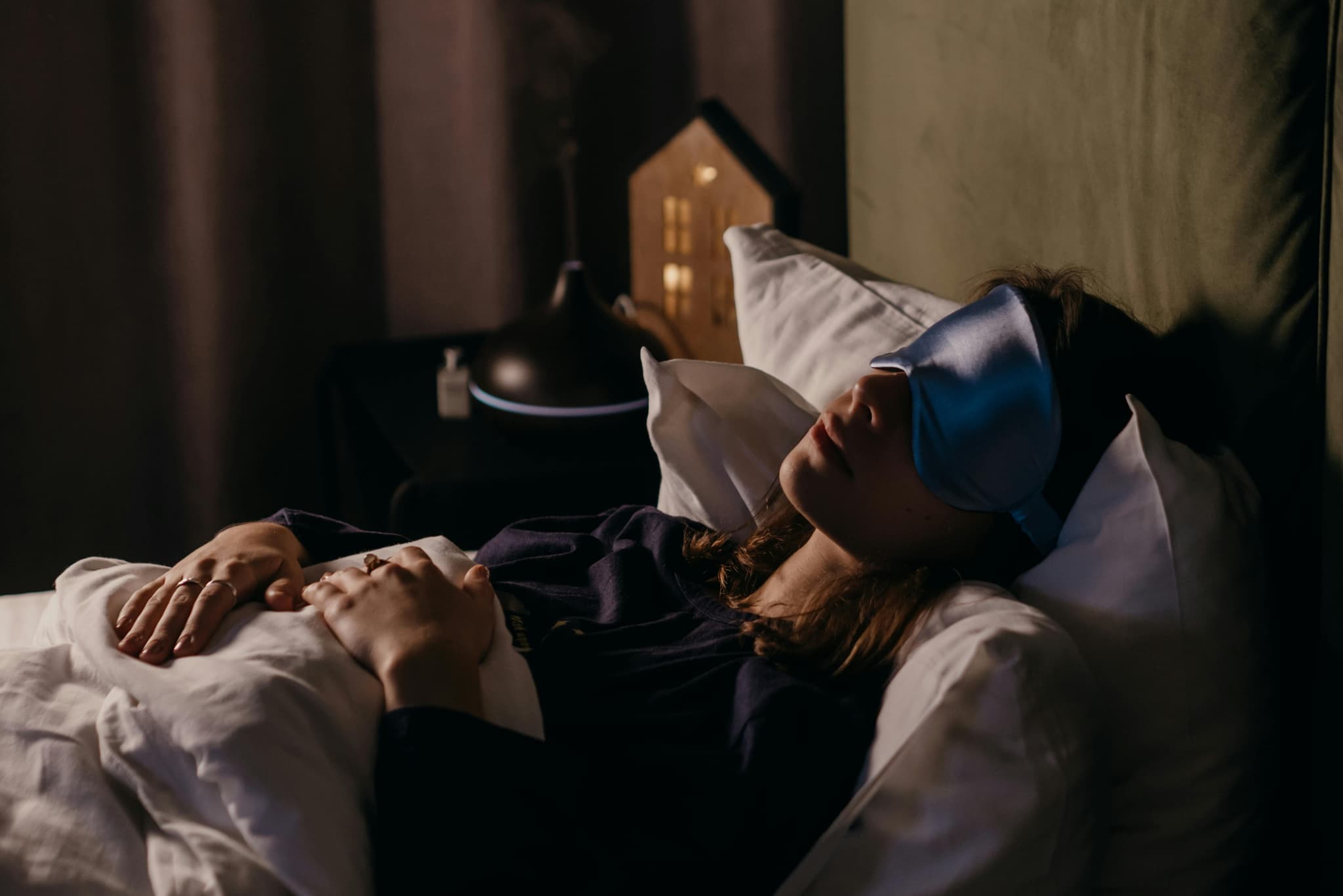
Sleep will likely be fragmented during these nights, and that's completely normal. Use whatever over-the-counter pain relief your oncology team has approved, position yourself on your back with pillows blocking your sides, and give yourself permission to not sleep perfectly. Getting through these nights is the goal — optimizing them comes later.
Weeks 1–3: Finding Your Rhythm
This is when most patients start to turn the corner. The acute soreness from surgery fades, the incision begins to close, and the area becomes less tender to the touch.
You may still wake up if you accidentally roll onto the port — but it shifts from "sharp pain that jolts you awake" to "mild discomfort that makes you reposition." By the end of week two or three, most people have found the pillow arrangement and position that works for them. The body pillow behind the back, the folded towel near the port, the opposite-side sleeping — one of these combinations clicks, and sleep starts to normalize.
Month 1 and Beyond: The New Normal
For most patients, the port becomes background noise during sleep within four to six weeks. You know it's there, but it doesn't demand your attention anymore. Some people return to their pre-port sleeping position — including stomach sleeping — without issues. The port feels like a small, firm bump under the skin, but it no longer hurts.
One thing to watch for: if pain at the port site is increasing rather than decreasing as the weeks pass, that's not part of the normal trajectory. Mention it to your care team at your next visit — or sooner if it's significant.
Recovery Timeline at a Glance
| Phase | What to Expect | Top Tips | Duration |
|---|---|---|---|
| Days 1–3 | Soreness, swelling, bruising; most disrupted sleep | Pain relief as approved; back sleeping only; extra pillows | First 72 hours |
| Weeks 1–3 | Soreness fading; waking when you roll onto port | Experiment with pillow arrangements; try body pillow "wall" | 1–3 weeks |
| Month 1+ | Port rarely noticeable during sleep | Gradually reintroduce preferred sleep positions | 4–6 weeks |
| Month 3+ | Sleep fully normalized for most patients | Report any new or returning pain to care team | Ongoing |
When Chemo Side Effects Make Sleep Even Harder
Here's something worth naming: the port itself is often only part of the sleep problem. Chemotherapy treatment brings its own set of side effects that independently wreck sleep — and when they stack on top of port discomfort, nights can feel impossible.
You don't have to solve everything at once. But knowing what's causing what can help you address the right problem.
Nausea and Reflux
Post-chemo nausea often peaks at night, especially when you're lying flat. Keep your anti-nausea medication on schedule — don't skip the nighttime dose because you feel okay at 9 PM. Keep crackers, ginger chews, or whatever settles your stomach on the nightstand. And if reflux is part of the picture, even a slight incline (wedge pillow or an extra pillow under your upper body) can make a meaningful difference.
Steroid-Induced Insomnia
If your chemo pre-medication includes dexamethasone or another steroid, you may have experienced the "steroid nights" — that wired, buzzing feeling where your body is exhausted but your brain refuses to turn off. This is temporary (usually 1–3 nights after infusion) and predictable. Once you know the pattern, you can plan for it. Some patients ask their oncologist about taking the steroid dose earlier in the day to reduce nighttime effects.
Night Sweats and Temperature Regulation
Waking up drenched is a common chemo side effect, and it has nothing to do with your port — but it definitely doesn't help when you're already struggling to get comfortable. Moisture-wicking pajamas, breathable sheets, keeping the bedroom cool, and having a change of clothes within arm's reach can all help you get back to sleep faster after a sweat episode.
Anxiety and Racing Thoughts
Cancer-related anxiety often hits hardest at night, when the distractions of the day fall away and you're left alone with your thoughts. This is deeply normal and nothing to be ashamed of. If you're trying to make sense of these shifting emotions, this guide on Emotional Stages of a Cancer Diagnosis: What to Expect can help you understand why these feelings often intensify at certain points in the journey. A short breathing exercise before bed — even just five slow breaths — can help downshift your nervous system. Some patients find that a sleep meditation app gives their mind something neutral to focus on instead of cycling through worries.
If anxiety is consistently keeping you awake, tell your care team. Short-term sleep support during treatment is common, reasonable, and nothing to feel embarrassed about requesting.
When to Call Your Doctor
Most port discomfort is normal and temporary. But some signs mean something needs attention. Knowing the difference can save you from both unnecessary worry and unnecessary delay.
Call your care team if you notice any of these:
- Pain at the port site that is increasing rather than decreasing after the first week
- Redness or warmth spreading outward from the port area
- Swelling that wasn't there before, or that's getting worse
- Any drainage or fluid leaking from the incision site
- Fever (even low-grade — your care team will have a specific temperature threshold)
- Difficulty breathing or swallowing that's new or worsening
- A feeling that the port has shifted, flipped, or moved under the skin
- Sudden sharp pain at the port site during movement or while lying down
When in doubt, call. Your oncology team handles these calls routinely, and they would always rather hear from you early than deal with a complication that had time to progress. No question is too small during treatment.
Frequently Asked Questions
Can your chemo port fall out while you sleep?
No. The port is surgically placed under your skin and sutured into position. Normal movement during sleep — including rolling over — will not dislodge it. Ports are designed to remain securely in place for months or even years of treatment. The concern is understandable, but you can rest assured that tossing and turning won't cause the port to come loose.
Can you sleep on your stomach with a chemo port?
It's best to avoid stomach sleeping during the first few weeks after port placement, since it puts direct pressure on the device and the healing incision. After the site has fully healed (usually four to six weeks), some patients do return to stomach sleeping comfortably. But most find that back or opposite-side sleeping remains more comfortable long-term.
How long does it take to sleep normally with a chemo port?
Most patients find a comfortable sleeping routine within two to three weeks. The first three to five days are typically the most uncomfortable. By one month post-placement, the majority of patients report that the port rarely affects their sleep. If your sleep isn't improving on that timeline, mention it to your oncology team.
Is it safe to use a heating pad near the chemo port?
Avoid placing heat directly on or over the port area. Heat can increase swelling and potentially affect the device or the overlying skin. If you use a heating pad for general comfort elsewhere on your body, that's typically fine — just keep it away from the port site. Check with your care team for guidance specific to your situation.
Can you take melatonin or sleep aids during chemo?
This depends entirely on your specific treatment protocol. Some supplements and over-the-counter sleep aids can interact with chemotherapy drugs, steroids, or other medications you're taking. Never start a new supplement during treatment without checking with your oncologist first — even something that seems as harmless as melatonin.
What if you sleep with your arm raised above your head on the port side?
It's best to avoid this, especially in the weeks after placement. Raising the arm on the port side can pull on the catheter and create uncomfortable tension at the port site. If you tend to throw your arms up during sleep, a body pillow held against your chest can help keep your arms in a more neutral position.
You Will Sleep Again
The first nights with a chemo port are genuinely hard. There's no sugarcoating that. You're adjusting to a device in your body that you didn't ask for, on top of a diagnosis you didn't ask for, during a treatment that takes everything out of you. Struggling to sleep on top of all that can feel like the final straw.
But here's what we hear from patients over and over again: it gets better. The soreness fades. You find your pillow arrangement. Your body adapts. And one night — probably sooner than you think — you'll fall asleep without thinking about the port at all.
In the meantime, be patient with yourself. Try the strategies that resonate with you and skip the ones that don't. Ask your care team every question that crosses your mind at 3 AM, even the ones that feel silly. Lean on other patients who've been through it — cancer support communities are full of people who've tested every pillow, every position, and every pajama set, and they're generous with what they've learned.
Your body is working hard right now. Give it the rest it needs, one night at a time.
Sources
- Central venous catheters - ports — MedlinePlus (NIH)
- NCI Dictionary of Cancer Terms: port-a-cath — National Cancer Institute
- Phase I trial of everolimus with 5-FU/LV and mFOLFOX6 (46-hour 5-FU ambulatory-pump infusion) — PubMed Central (NIH)
- Dexamethasone — MedlinePlus (NIH)
- Sleep Disorders (PDQ) — National Cancer Institute
- Hot Flashes and Night Sweats (PDQ) — National Cancer Institute
- Nausea and Vomiting Related to Cancer Treatment (PDQ) — National Cancer Institute
- Melatonin — About Herbs, Memorial Sloan Kettering Cancer Center
This article is for educational purposes only and is not medical advice. Always consult your doctor or another qualified healthcare professional for guidance specific to your situation.

This content was created during the YARN project, co-funded under the EU4Health Programme in 2025-2028 (Grant Agreement No. 101219053).