

Key Takeaways
- A single chemotherapy session can take anywhere from 5 minutes to 10+ hours, but most IV infusions run between 1 and 6 hours — plus 1–3 hours of pre-treatment bloodwork, doctor check-ins, and pre-medications.
- Chemo is given in cycles, typically every 1, 2, or 3 weeks, with each cycle including treatment days followed by recovery days; a full course usually runs 3–6 months but can extend to a year or more.
- Tumor shrinkage isn't immediate — most oncologists wait until after 2–3 cycles (roughly 6–12 weeks) before scanning to see whether chemo is working.
- Side effects follow a predictable pattern within each cycle, with most acute symptoms resolving 2–6 weeks after treatment ends, though some can last months or become permanent.
- Chemo isn't reserved for late-stage cancer — it's used at every stage depending on the cancer type and treatment goal (curative, adjuvant, neoadjuvant, or palliative).
- "It depends" is a frustrating but honest answer; this guide gives you the framework to ask your oncology team the right follow-up questions for your situation.
If you've just been told you need chemotherapy, one of your very first questions is probably the simplest one: how long does chemo take? You're trying to figure out how to plan the next six months of your life — work, childcare, travel, the holidays — around something that hasn't even started yet, and the answers you're getting feel maddeningly vague.
Here's the honest truth: chemo timelines really do vary enormously, and anyone who gives you a single confident number is probably oversimplifying. But "it depends" isn't a useful answer either. What you need is a framework — three different "how long" questions, the typical ranges for each, and the specific follow-ups to ask your oncology team. That's what we're going to give you here.
We'll walk through how long a single infusion actually takes (it's longer than just the chemo time), how cycles and rounds work, what's "normal" in terms of total treatment length, when you can expect to see tumor shrinkage on a scan, how long side effects stick around, and how chemo fits in across different cancer stages. By the end, you'll have the language to plan your life with realistic expectations instead of guesses.
How Long Does a Single Chemo Session Take?
Let's start with the question most people are really asking when they search "how long does chemo take": how long is one treatment? The honest answer is that a single chemo session can range from about 5 minutes (a quick IV push) to 10 or more hours (some inpatient protocols and continuous infusions). Most outpatient IV infusions land somewhere in the 1–6 hour window.
But here's what nobody tells you up front: the infusion time is only part of a treatment day. By the time you account for everything that happens before and after the actual chemo, you're often looking at a 4–8 hour day at the cancer center — even for a "quick" 90-minute infusion.
IV Infusion: The Most Common Chemo Experience
When most people picture chemo, they're picturing IV infusion: a bag of medication delivered through a vein, port, or catheter over the course of 30 minutes to several hours. This is what you'll experience for the majority of solid-tumor protocols, including most breast, colorectal, lung, and ovarian cancer regimens.
One thing to expect: your first session will almost always run longer than the ones that follow. Nurses deliberately infuse drugs more slowly the first time so they can watch you closely for any allergic reactions. If you tolerate cycle one well, your team will often speed things up for cycles two and beyond.
IV Push, Oral, and Continuous Infusion Chemo
Not all chemo looks like a long day in an infusion chair. There are a few other delivery methods worth knowing about, because each one has very different time implications for your daily life.
IV push is when chemo is delivered via syringe directly into your IV line over a few minutes. It's quick — but you still have all the pre- and post-treatment steps around it.
Oral chemotherapy comes as pills or capsules you swallow at home, often once or twice a day for several weeks at a time. The "session" itself takes seconds, but you're essentially on chemo every day, which changes how you plan around side effects.
Continuous infusion is when chemo is delivered slowly over 1 to 7 days through a small portable pump you wear on a belt or carry in a small bag. You can usually go home, sleep in your own bed, and even go to work with the pump running — but you'll come back to the clinic to be disconnected.
A Realistic Timeline of Your Infusion Day
This is where most articles let you down. They'll tell you "the infusion takes two hours" and leave you to be blindsided by the reality of treatment day. Here's what actually happens, in order, on a typical outpatient chemo day:
- Bloodwork (30–60 minutes): Most centers draw labs before each treatment to check that your blood counts have recovered enough to dose safely.
- Waiting for results (15–60 minutes): Your team needs to see the numbers before clearing you for treatment.
- Doctor or nurse check-in (15–30 minutes): A quick visit to review symptoms, weigh you, and confirm the day's plan.
- Pharmacy preparation (~30 minutes): Chemo isn't pre-mixed. The pharmacy compounds your specific drugs and doses after you're cleared, which adds wait time.
- Pre-medications (30–60 minutes): Steroids, anti-nausea drugs, and sometimes anti-allergy meds are given before chemo to prevent reactions.
- The chemo infusion itself (varies — minutes to hours).
- Post-infusion observation (15–30 minutes): A saline flush, port de-access, and sometimes a short waiting period to make sure you don't have a delayed reaction.
So if your printed schedule says "2-hour infusion," your day at the cancer center is probably going to run 5–6 hours total. Plan accordingly.
If you also want to thank your doctor, this guide on Thank You Messages for Doctors offers simple, thoughtful ways to express your appreciation.
| Delivery method | Typical session length | Setting | Common examples |
|---|---|---|---|
| IV push | 5–15 minutes | Infusion clinic | Some lymphoma drugs |
| IV infusion (standard) | 30 min – 6 hours | Infusion clinic | Most solid-tumor protocols |
| Continuous infusion | 1–7 days | Home (with portable pump) | 5-FU for colorectal cancer |
| Oral chemotherapy | Seconds to swallow | Home | Capecitabine, temozolomide |
Understanding Chemo Cycles and Rounds
You won't get chemo every day. There's a reason for that, and it's not just convenience. Chemo drugs work by killing fast-dividing cells — which includes cancer cells but also healthy cells in your bone marrow, your gut lining, and your hair follicles. Your body needs time between treatments to rebuild those healthy cells before the next round. That's why chemo is given in cycles.
What "Cycle," "Round," and "Course" Actually Mean
The vocabulary here gets confusing fast, especially because different people use these words to mean different things. Let's nail it down:
- A round or session is one infusion day.
- A cycle is the full period from the start of one treatment to the start of the next — including the recovery days in between.
- A course is the complete prescribed sequence of cycles from start to finish.
So if your oncologist says "6 cycles of FOLFOX given every 2 weeks," that means six treatment days spread across roughly 12 weeks, with a recovery period built into each two-week cycle. The total course is the full 12-week run.
Common Cycle Lengths and What They Look Like
Cycle length depends on the drugs you're getting and the cancer you're treating. Here are the patterns you're most likely to encounter:
Weekly cycles mean treatment every 7 days, often with smaller doses. This pattern is common for some breast cancer regimens like weekly Taxol.
Bi-weekly cycles (every 14 days) are the standard for many colorectal cancer protocols, including FOLFOX and FOLFIRI.
Every-three-weeks cycles are the most common pattern for breast, lung, and ovarian cancer regimens. You get treatment on day 1, then have 20 days to recover before day 1 of the next cycle.
28-day cycles are often used for oral chemotherapy regimens, where you might take pills for the first 14–21 days and then have a rest period before starting again.
Some treatment plans combine patterns. A common breast cancer approach, for example, is weekly chemo for 12 weeks followed by every-three-weeks chemo for another 12 weeks. Your oncologist will give you a printed calendar — keep it somewhere you can see it.
How Many Rounds of Chemo Is Normal?
This is one of the most-asked questions among new patients, and it's worth answering directly: most curative chemo courses involve 4 to 8 cycles, which works out to roughly 3 to 6 months of total treatment. But "normal" is a slippery word in oncology. What's normal for early-stage breast cancer looks nothing like what's normal for metastatic pancreatic cancer or acute leukemia.
Typical Cycle Counts by Cancer Type
These are general patterns, not prescriptions for your specific case. Your individual plan will depend on the exact drug regimen, the cancer's stage and biology, and the goal of treatment.
| Cancer type | Typical # of cycles | Cycle frequency | Total course length |
|---|---|---|---|
| Early-stage breast cancer | 4–8 | Every 2–3 weeks | 3–6 months |
| Colorectal cancer (adjuvant) | 8–12 | Every 2 weeks | 4–6 months |
| Non-small cell lung cancer | 4–6 | Every 3 weeks | 3–5 months |
| Hodgkin lymphoma | 4–8 | Every 2 weeks | 4–8 months |
| Acute leukemia (induction) | Continuous | Inpatient | Weeks to months |
| Ovarian cancer | 6 | Every 3 weeks | ~4.5 months |
| Maintenance / metastatic | Ongoing | Varies | Months to years |
Why Your Plan Might Be Shorter — or Longer — Than Expected
Real-world chemo schedules almost never run exactly as printed. We don't tell you that to scare you; we tell you so you're not caught off guard when your "12-week course" turns into 14 weeks.
Treatment can be shortened if side effects are severe enough that continuing would do more harm than good, if your blood counts won't recover in time for the next cycle, or if scans show the cancer isn't responding to that particular drug combination.
Treatment can be extended if it's working well and your team wants to add maintenance therapy, if you need a dose delay because of an infection or low counts, or if your protocol includes a "wait and watch" period before restarting.
Most patients experience at least one delay during their course. A skipped or postponed week isn't a failure — it's the system working as intended to keep you safe.
How Long Does Chemo Take to Shrink a Tumor?
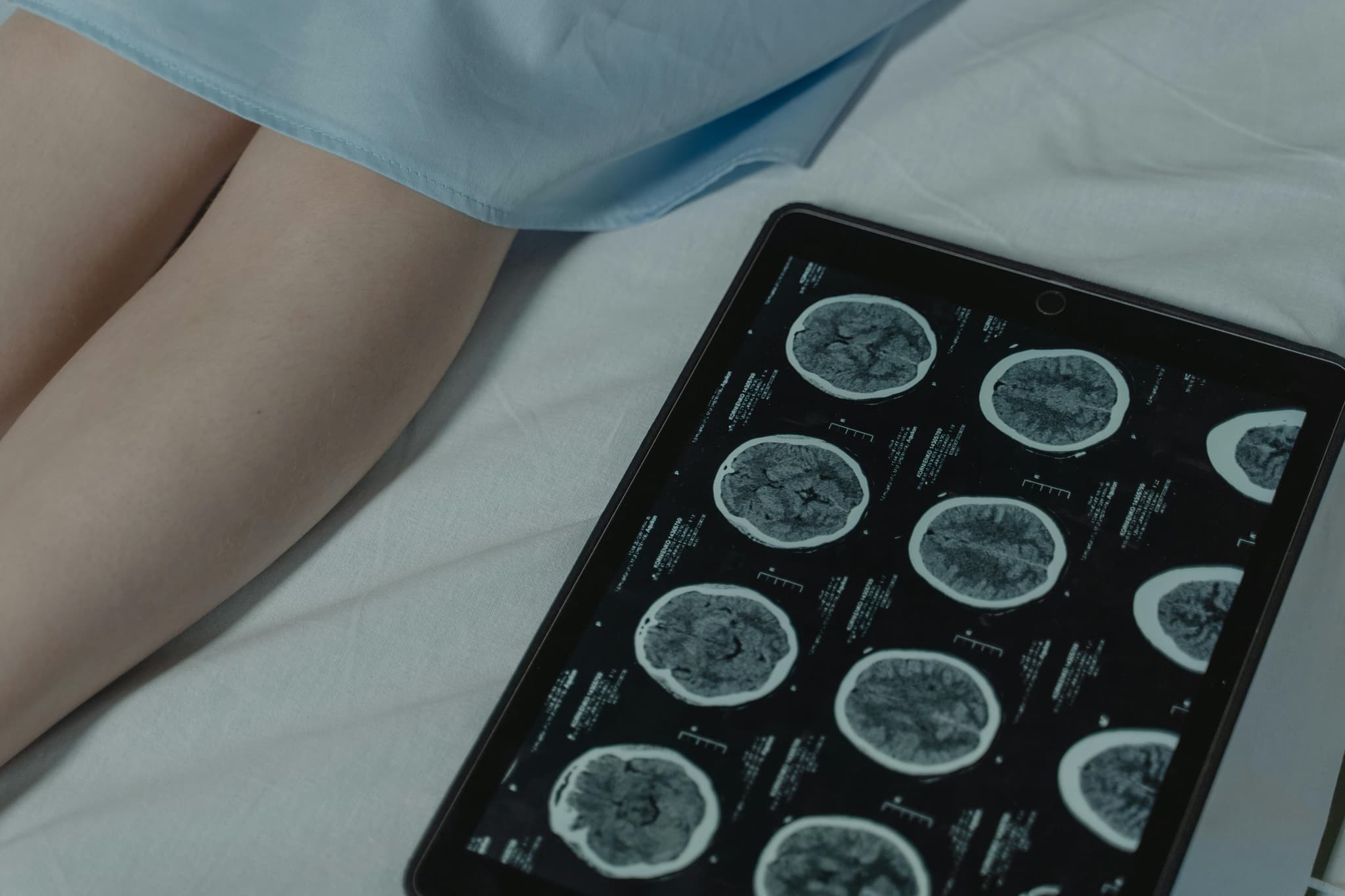
Here's a question patients often hesitate to ask out loud, but Google constantly: how long until chemo actually starts working? You want a number. The realistic answer is that most oncologists won't scan to assess tumor response until after 2 to 3 cycles — which means roughly 6 to 12 weeks of treatment before you have any imaging confirmation that chemo is doing its job.
Some patients notice physical signs sooner. A palpable lump might soften. A swollen lymph node might shrink. Tumor markers in your blood might start dropping. But for most people, the early weeks of chemo feel like you're getting sicker without any visible reward, and that's emotionally brutal. Knowing it's normal helps.
When the First Response Scan Typically Happens
The standard practice goes like this: a baseline scan before chemo starts to map exactly what's there, a mid-treatment scan after 2–4 cycles to see if the drugs are working, and an end-of-treatment scan to assess the final result.
For someone on every-three-weeks chemo, that mid-treatment scan usually lands around week 9–12. For someone on weekly chemo, it might be around week 8. Ask your oncologist specifically when your response scan is scheduled — it gives you a concrete date to anchor your hope to.
What "Response" Actually Means on a Scan
When your scan results come back, you'll hear one of four words. They mean specific things, and it's worth knowing them:
- Complete response: No detectable cancer on imaging. The best possible result.
- Partial response: Significant shrinkage — typically defined as a 30%+ reduction in tumor size.
- Stable disease: No growth, no shrinkage. This is often a treatment success, especially for slower-growing or metastatic cancers where keeping things steady is the goal.
- Progressive disease: The cancer is growing despite treatment, which usually means it's time to consider a different approach.
Stable disease can feel like bad news because nothing's "improving," but for many patients — particularly those on palliative or maintenance therapy — it's exactly what success looks like.
"The Tumor Isn't Shrinking Yet — Should I Panic?"
Probably not. We say "probably" because every situation is different, but here's what your oncologist already knows: tumors take time to respond. Some chemo regimens work by stopping growth before causing measurable shrinkage. Some tumors actually appear larger on early scans because of inflammation around the dying cancer cells, before they shrink later.
Response speed varies wildly by tumor type. Testicular cancer often responds within weeks. Some breast and colorectal cancers respond more gradually over multiple cycles. Pancreatic and certain lung cancers can be slower still.
If you're between scans and panicking, reach out to your team. They'd rather answer a worried message than have you spiral alone.
Questions to ask your oncologist about response timing:
- When will my first response scan be scheduled?
- What would constitute a good response for my type of cancer?
- What happens if the scan shows stable disease instead of shrinkage?
- Are there any blood markers we can track between scans?
- At what point would you consider changing my treatment?
How Long Do Chemo Side Effects Last?
Most people search this question with mounting dread, and you deserve a straight answer. Side effects fall into three time frames: immediate (during and right after infusion), short-term (days to weeks within each cycle), and long-term (months to permanent). Most acute side effects fade within 2–6 weeks after your final treatment, but some can persist or even surface later.
The Within-Cycle Pattern
Once you've been through a cycle or two, you'll start to recognize a rhythm — and that rhythm is genuinely useful for planning your life.
For a typical 21-day cycle, here's what a lot of patients experience:
- Days 1–3: Steroid-fueled energy, then crash. Nausea peaks. You'll often feel "wired but tired."
- Days 4–10: Fatigue deepens. Blood counts drop to their lowest point (the "nadir"), making infection risk highest. Mouth sores often appear.
- Days 10–14: Recovery starts. Energy returns. You start to feel more like yourself.
- Days 14–21: Often your "good days." This is when you can plan birthday parties, important meetings, or just feel human — right before the next cycle resets the clock.
Cumulative fatigue is real. By cycle 4 or 5, even your "good days" might not feel as good as cycle 1's did. That doesn't mean treatment is failing; it means your body is working hard.
Side Effects That Resolve Quickly vs. Those That Linger
| Side effect | Typical timeline |
|---|---|
| Nausea | 1–5 days post-infusion, per cycle |
| Fatigue | Throughout cycle, peaks days 3–10; cumulative across cycles |
| Hair loss | Begins 2–3 weeks in; regrowth 1–3 months after final treatment |
| Mouth sores | 5–14 days post-infusion, per cycle |
| Low blood counts | Nadir around day 7–14; recover by next cycle |
| Neuropathy (numbness/tingling) | Can persist months to years; sometimes permanent |
| "Chemo brain" | Weeks to years post-treatment |
| Fertility effects | Can be permanent — discuss preservation before starting |
When to Call Your Care Team Immediately
Most side effects are uncomfortable but manageable. A few are emergencies. Call your oncology team — or go to the ER — if you experience:
- A fever of 100.4°F (38°C) or higher
- Uncontrolled vomiting or diarrhea
- Signs of infection (chills, redness around your port, painful urination)
- Severe shortness of breath or chest pain
- Unusual bruising or bleeding
Most cancer centers have a 24-hour nurse line. Save the number in your phone before cycle 1.
At What Stage of Cancer Is Chemotherapy Used?
Here's a misconception worth clearing up: chemo is not just a last resort for late-stage cancer. It's used at every stage, from 0 to IV, depending on the cancer type and the goal of treatment. Some early-stage cancers absolutely require chemo. Some late-stage cancers don't use it at all.
Chemo by Treatment Goal, Not Just Stage
Your oncologist isn't just asking "what stage is this?" They're asking "what is chemo trying to accomplish here?" There are four main goals, and they shape everything about your treatment plan:
- Curative chemo is given with the intent to eliminate cancer entirely. This is the goal for testicular cancer, many leukemias and lymphomas, and some early breast cancers.
- Neoadjuvant chemo is given before surgery or radiation. It shrinks tumors so they can be removed more easily and helps doctors see in advance how your cancer responds to specific drugs.
- Adjuvant chemo is given after primary treatment (usually surgery) to kill any remaining cancer cells you can't see and reduce the risk of recurrence.
- Palliative chemo is given to control cancer growth and ease symptoms when cure isn't realistic — often in metastatic or advanced disease. The goal here is quality of life and time, not eradication.
Why Stage Alone Doesn't Determine Whether You Need Chemo
A Stage I aggressive triple-negative breast cancer often requires chemo. A Stage III prostate cancer often doesn't. The difference comes down to tumor biology, genetic markers, your overall health, and what other treatments are on the table.
If you're not sure why chemo is being recommended in your case, ask your oncologist directly: "What's the goal of chemo for me — cure, prevention of recurrence, or symptom control?" The answer changes how you should think about everything else, including how aggressively you tolerate side effects and how you measure success.

Planning Work, Family, and Life Around Treatment
Clinical timelines are only half of what you actually need. The other half is figuring out how to keep your life running for the next several months while your body is in a different gear. Most cancer center information sheets won't help you with this part. We're going to.
Building a Treatment Calendar
Before your first cycle, sit down with your oncology team's printed schedule and map out your entire course on a calendar — paper or digital, whichever you'll actually look at. Mark every infusion day, every scan, every expected nadir week, and every recovery window.
Color-code your "good days" — typically days 10–21 of a 21-day cycle. Those are the days to schedule your kid's school play, your work presentation, your anniversary dinner. Planning around your cycle rhythm is far more useful than trying to plan despite it.
Work and Income Planning
How chemo affects your ability to work depends heavily on the regimen, the side effects you personally experience, and the kind of job you have. Some patients work full-time throughout treatment. Some take medical leave for the full course. Most fall somewhere in the middle, working light schedules during recovery weeks and taking treatment days off.
Talk to HR before treatment starts. Ask about FMLA protections, short-term disability options, remote work arrangements, and how to use sick leave strategically. It's much easier to set this up before cycle 1 than to scramble during cycle 4 when you're exhausted.
Childcare, Caregivers, and Household Logistics
Build a support team before you need one. You'll want:
- A primary caregiver to drive you to and from treatment, especially for the first few sessions when reactions to pre-medications are unpredictable.
- A backup caregiver for nadir-week emergencies — fevers, sudden illness, a kid getting sick at the worst possible moment.
- Meal and household help for the first 5–7 days of each cycle, when fatigue and nausea are worst.
Asking for help up front is much easier than asking when you're already underwater. Most friends and family genuinely want to help but don't know how — give them specific tasks (bring dinner Tuesday, drive me Thursday, fold laundry on Sunday) and you'll get more useful support.
Nurses also play a vital role in day-to-day care, and if you'd like to thank them as well, this guide on Thank You Messages for Nurses_ offers thoughtful ways to express your appreciation.
A Practical DO and DON'T List for Your First Cycle
| ✓ DO | ✗ DON'T |
|---|---|
| Arrange a ride to and from your first treatment | Plan to drive yourself home after session one |
| Pack snacks, water, a blanket, and entertainment | Assume you'll be hungry during infusion |
| Tell your employer your schedule early | Try to "power through" without telling anyone |
| Ask about pre-medications and their side effects | Schedule major commitments in your nadir week |
| Keep a symptom journal between sessions | Compare your timeline to other patients' |
| Set up a caregiver rotation before cycle 1 | Wait until you're exhausted to ask for help |
| Save your team's after-hours number | Ignore a fever because "it's probably nothing" |
Travel, Holidays, and Milestone Events
Life doesn't stop for chemo. A wedding, a graduation, a long-planned trip — these things still matter, and your oncology team understands that. Most oncologists will work with you to shift treatment by a few days for important events, as long as the delay is short and your blood counts allow it.
Air travel during your nadir week (days 7–14 of most cycles) is generally not recommended because of infection risk in crowded airports and recycled cabin air. Travel during your "good days" window — late in each cycle, before the next treatment — is usually safer. Bring up specific dates with your team early so they can plan around them.
The Bottom Line: Ask Your Care Team the Right Questions
We've thrown a lot of numbers at you, and we want to be clear about what they're actually for. Chemo timelines really do depend on dozens of variables — your cancer type, your specific drugs, how you respond, how your blood counts behave, whether you get an infection halfway through. "It depends" isn't a cop-out. It's the truth.
But you don't have to accept vague answers from your care team. Armed with the framework in this article, you can ask the specific questions that turn "it depends" into a real plan you can actually live around.
Questions to bring to your next oncology appointment:
- How long will each infusion session take, including pre-medications?
- How many cycles am I scheduled for, and how often will they be?
- When will my first response scan be scheduled?
- What does a "good response" look like for my type of cancer?
- Which side effects should I expect, and when in the cycle?
- What would cause you to delay, change, or stop my treatment?
- What's the goal of my chemo — curative, adjuvant, neoadjuvant, or palliative?
- Who do I call after hours if something feels wrong?
Every chemo journey is individual. Timelines shift. Plans change mid-course. The patients who navigate this best aren't the ones with perfect schedules — they're the ones who stay flexible, ask questions, and let their team adjust as the road unfolds. That's the mindset to bring with you into cycle 1.
Medical disclaimer: This article is for educational purposes and does not replace personalized medical advice from a qualified oncology team. Treatment plans vary widely based on individual diagnosis, cancer type, stage, and overall health. Always discuss your specific situation with your oncologist.
Sources
- Chemotherapy to Treat Cancer — National Cancer Institute
- Chemotherapy — NHS
- Chemotherapy — MedlinePlus Medical Encyclopedia (NIH/NLM)
- FOLFOX — National Cancer Institute
- Comparison of Solid Tumor Treatment Response Observed in Clinical Practice With Response Reported in Clinical Trials — PMC (NIH/NLM)
- Cancer Chemotherapy, StatPearls — NCBI Bookshelf (NIH/NLM)
- Infection and Neutropenia during Cancer Treatment — National Cancer Institute
- Hair Loss (Alopecia) and Cancer Treatment — National Cancer Institute
- A Comparative Review of Chemotherapy-Induced Peripheral Neuropathy (CIPN) — PMC (NIH/NLM)
- Fertility Issues in Girls and Women with Cancer — National Cancer Institute
This article is for educational purposes only and is not medical advice. Always consult your doctor or another qualified healthcare professional for guidance specific to your situation.

This content was created during the YARN project, co-funded under the EU4Health Programme in 2025-2028 (Grant Agreement No. 101219053).