
Key Takeaways
- A cancer-free party (sometimes called a cancerversary, ring-the-bell party, or a "new birthday" celebration) can mark any milestone the survivor chooses: end of chemo, end of radiation, NED (no evidence of disease), a surgery anniversary, or a yearly date.
- Always check in with the guest of honor first. Some survivors want a full bash, others prefer a quiet dinner, and some don't want to celebrate at all. Every choice is valid.
- Match the party to the survivor's energy. Post-treatment fatigue is real and often persistent, so shorter events, seated activities, and flexible RSVPs usually land better than marathon gatherings.
- Theme, cake inscription, and ribbon colour should reflect the survivor's story. This guide includes a ribbon colour chart, 12+ cake sayings, toast templates, and a DO/DON'T table for guests.
- You'll find plans for every format: intimate family dinners, ring-the-bell parties, big themed bashes, virtual gatherings for long-distance loved ones, and kid-friendly celebrations.
- Budget shouldn't be a barrier. We've included low-cost DIY decor ideas, a printable planning timeline, and meaningful rituals that cost nothing but mean everything.
If you're here looking for cancer free party ideas, you're already doing something beautiful, whether for yourself or someone you love. The end of treatment, a clean scan, a yearly milestone: these moments deserve to be marked. This guide walks you through everything from intimate dinners to big themed parties, plus the emotional nuance that most competitor articles skip. There's no single right way to celebrate. There's only the way that feels right for the survivor at the centre of it.
Why celebrating being cancer-free matters
Cancer takes a lot. It takes time, energy, hair, certainty, and sometimes parts of your body. Getting to a cancer-free moment, whatever that looks like for you, is worth pausing over.
The National Coalition for Cancer Survivorship, which coined the term cancerversary and launched the first Cancerversary campaign in May 2009, describes the milestone as "about survivorship, living with, through, and beyond cancer." [1] The act of naming a milestone, inviting people into it, and letting yourself be celebrated can quietly shift your relationship with the whole experience. Instead of cancer being something that happened to you, it becomes a chapter you closed.
For the people who walked this road with you (partners, parents, best friends, the coworker who brought soup) a party gives them somewhere to put their love. They watched you go through it. They need this moment too.
It's also okay not to celebrate
Here's something most cancer-free party guides won't tell you: sometimes the last thing a survivor wants is a party.
You might feel survivor's guilt. Anxiety about recurrence. Exhaustion. Sadness that treatment is over, because treatment, oddly, was the thing keeping cancer at bay. A cake that says "Kicked Cancer's A**" can feel performative when you're quietly terrified of your next scan.
If that's where you are, please know this is common and normal. A journal entry, a quiet walk, a donation in your own name, or simply letting the date pass are all valid responses. You don't owe anyone a celebration.
A note if you're planning a surprise party: Ask a close family member first whether the survivor would actually welcome one. Some will. Some absolutely won't. The surprise isn't the gift. The celebration is.
What milestone are you celebrating?
A cancerversary is the anniversary of a meaningful date in a cancer journey. It could be the day of diagnosis, the last chemo infusion, a clean scan, or a date the survivor simply chose as theirs. "Cancerversary" is a federally registered service mark of the National Coalition for Cancer Survivorship, which is fitting given how personal each one is. [2]
There is no "official" milestone. If it matters to the survivor, it counts.
Common cancer-free milestones worth marking
- End of chemotherapy
- End of radiation
- A "no evidence of disease" (NED) scan
- Final surgery
- One year cancer-free
- Port removal day
- Ringing the bell at the treatment center
- Any personal turning point the survivor names as meaningful
- Five years cancer-free (a traditionally significant benchmark: EUROCARE, the largest European cooperative cancer registry study, reports population survival at one, three, and five years after diagnosis) [3]
- Ten years cancer-free
Some survivors celebrate one date. Some celebrate three. Some skip the "cancer" framing entirely and just throw a really good birthday party. All of it works.


Before you plan: 5 questions to ask the survivor first
Before you send a single invitation, sit down with the guest of honor and ask these five questions. This conversation will save you from planning a party they secretly dread.
- Do you even want a party? Not rhetorical. Let them actually answer.
- Big gathering or small? A crowded backyard or a dinner for six are completely different events.
- Any topics off-limits? Some survivors want every detail of their journey honored. Others want zero pink ribbons and no mention of the word "cancer" at all. Both are right.
- What about food? Post-treatment sensitivities are real and specific: altered taste that leaves everything tasting metallic, nausea triggered by strong smells, dry mouth, and phases when only soft foods work. [4]
- How's your energy? Cancer-related fatigue is the most common symptom experienced across the cancer trajectory, and it often lingers well after treatment ends. [5] Would a two-hour brunch land better than a five-hour night?
Remember: Some survivors want their party to scream "I beat cancer!" Others want a regular birthday vibe with no mention of it at all. Both are completely valid. Ask.
Cancer-free party themes: 15+ ideas for every personality
A theme gives the celebration emotional shape. It tells guests what kind of party this is, guides your decor and menu decisions, and (if you choose well) reflects something true about the survivor.
Awareness ribbon and colour themes
Many survivors anchor their party around the awareness colour for their specific cancer. Pink for breast, for example, is now a global symbol, [6] and instantly recognisable to everyone in the room.
| Cancer type | Ribbon / theme colour |
|---|---|
| Breast | Pink |
| Ovarian | Teal |
| Pancreatic | Purple |
| Childhood cancers | Gold |
| Leukaemia | Orange |
| Colon | Dark blue |
| Lung | White or pearl |
| Lymphoma | Lime green |
| Brain | Grey |
| All cancers | Lavender |
Pick the colour, and your balloons, napkins, cake frosting, and invitation palette all fall into place.
Ring-the-bell party
If your survivor rang the bell at their treatment center (that moment when patients finish chemo or radiation and strike a bell in the hallway) consider recreating it at home. Hang an actual bell as the centrepiece, do a countdown with guests, and let the survivor ring it one last time surrounded by everyone who loves them. Record it. You'll watch that video for years.
"New birthday" celebration
A beautiful concept: treat the end-of-treatment date as a second birthday. Cake with candles. A "Happy New Birthday" banner. Guests bring cards meant for year one of a new life. The framing is hopeful, forward-looking, and leaves the word "cancer" mostly at the door if that's what the survivor wants.
F Cancer and humour-forward themes
For survivors who processed this whole thing with dark humour, and there are many of us, lean into it. Banners that read "Cancer Who?" A roast-style toast lineup. Gag gifts referencing hated treatment moments: a framed last-chemo sticker, a decommissioned IV pole turned coat rack, a commemorative "F-Cancer" sash.
Humour isn't disrespectful. For a lot of survivors, it's how they got through.
Rebirth and new chapter themes
Softer vibe. Butterfly releases, sunrise brunches, spring garden parties, blooming centrepieces, a tree planting in the garden. This suits survivors who want the day to feel reflective and meaningful rather than loud.
Bucket list and travel-inspired themes
Bring a dream destination home. A Parisian dinner party with baguettes and string lights. A tropical luau. A Mardi Gras night with beads and Cajun food. An Italian trattoria evening with red-checkered tablecloths and handmade pasta. This works especially well if the survivor isn't well enough to travel yet.
Quiet themes for low-key survivors
Not everyone wants streamers. A spa night with three close friends, a garden tea for four, a forest picnic, a campfire gathering: these honor the milestone without requiring the survivor to be "on" for 40 people. Sometimes the quietest party is the most meaningful one.
Intimate celebration ideas for close family
Small doesn't mean less. Often the opposite.
A few ideas worth stealing:
- A six-person dinner at the survivor's favorite restaurant. Book the back table. Pre-coordinate a toast from each person. Keep the focus right where it belongs.
- A "comfort food retrospective." Host a home-cooked meal built around the survivor's favorite dishes, especially the ones they couldn't eat during treatment. Watching a survivor eat real sushi or a proper steak again after months of bland food is its own celebration.
- A weekend getaway with immediate family. A cabin, a beach rental, a small holiday let an hour from home. Low stakes, high meaning.
- A sunrise breakfast. Just the survivor and one person who got them through. Coffee. Quiet. A view of the sky getting lighter. Some milestones don't need witnesses.
Bigger party ideas and decor essentials
If a full bash is the vibe, lean in. Pick a venue that fits the scale (home, garden, a rented room at a favorite restaurant, a community hall) and build from there.
Decor shopping list
- Themed banner ("Cancer Free," "NED Forever," "Happy New Birthday," or something custom)
- Balloon arch in the survivor's ribbon colour
- Photo backdrop with the survivor's name and the cancer-free date
- Personalized table signs
- Centrepieces tied to their journey (favorite flowers, meaningful objects, framed photos)
- String lights for evening events
- A printed timeline of their journey on a wall (only if they want one)
DIY decor on a budget
You don't need a party planner. A few low-cost moves that punch above their weight:
- Print your own banner at home on cardstock and string it with twine.
- Decorate sugar cookies into ribbon shapes the night before.
- Use small vases from a discount shop with single-stem flowers in your ribbon colour on every table. Even a few euros of stems will do the job.
- Handwrite little toast cards and place one at each seat.
- Some survivors find it cathartic to turn old treatment paperwork, appointment cards, or hospital wristbands into confetti. Ask first. It's not for everyone.
Photo op setup
Give guests a dedicated corner to take pictures. Include:
- A custom hashtag printed on a sign
- Printable props: ribbon wands, "cancer-free" speech bubbles, crowns
- A Polaroid or instant camera for real-time prints
- A guest book or signing board that becomes a keepsake
You'll want these photos. The survivor will want them even more.
Food and drink ideas (post-treatment friendly)
Here's the section most cancer free party ideas articles skip entirely, and it matters.
Menu considerations for the survivor
Treatment messes with food in ways healthy people rarely think about. Metallic taste is one of the most frequently reported side effects of systemic therapy, [4] and the ESPEN European practical guideline on clinical nutrition in cancer recommends dietary counselling as first-line support for patients with nutrition impact symptoms. [7] Dry mouth is another common issue, especially after radiotherapy to the head and neck. [8]
A few menu moves that help:
- Build the menu around what the survivor can comfortably eat right now, not what they loved a year ago.
- Include a "safe corner" on the buffet with plain, mild, easy-to-digest options.
- Avoid heavy fragrances in the room. Scented candles can trigger nausea.
- If they're neutropenic or otherwise immunocompromised, ask their care team about specific food safety guidance. Current European advice from Blood Cancer UK has moved away from the old "avoid all raw fruit and veg" rule, but still flags unpasteurised dairy, raw or undercooked eggs, raw shellfish, and pre-sliced deli meats as higher risk. [9]
Ask ahead. Don't guess. If you want a fuller picture of what actually helps a survivor eat well through and after treatment, our guide on cancer diet and nutrition: what to eat, what to avoid, and what actually matters breaks it down by treatment phase and by side effect.
Cancer-free cake ideas and inscriptions
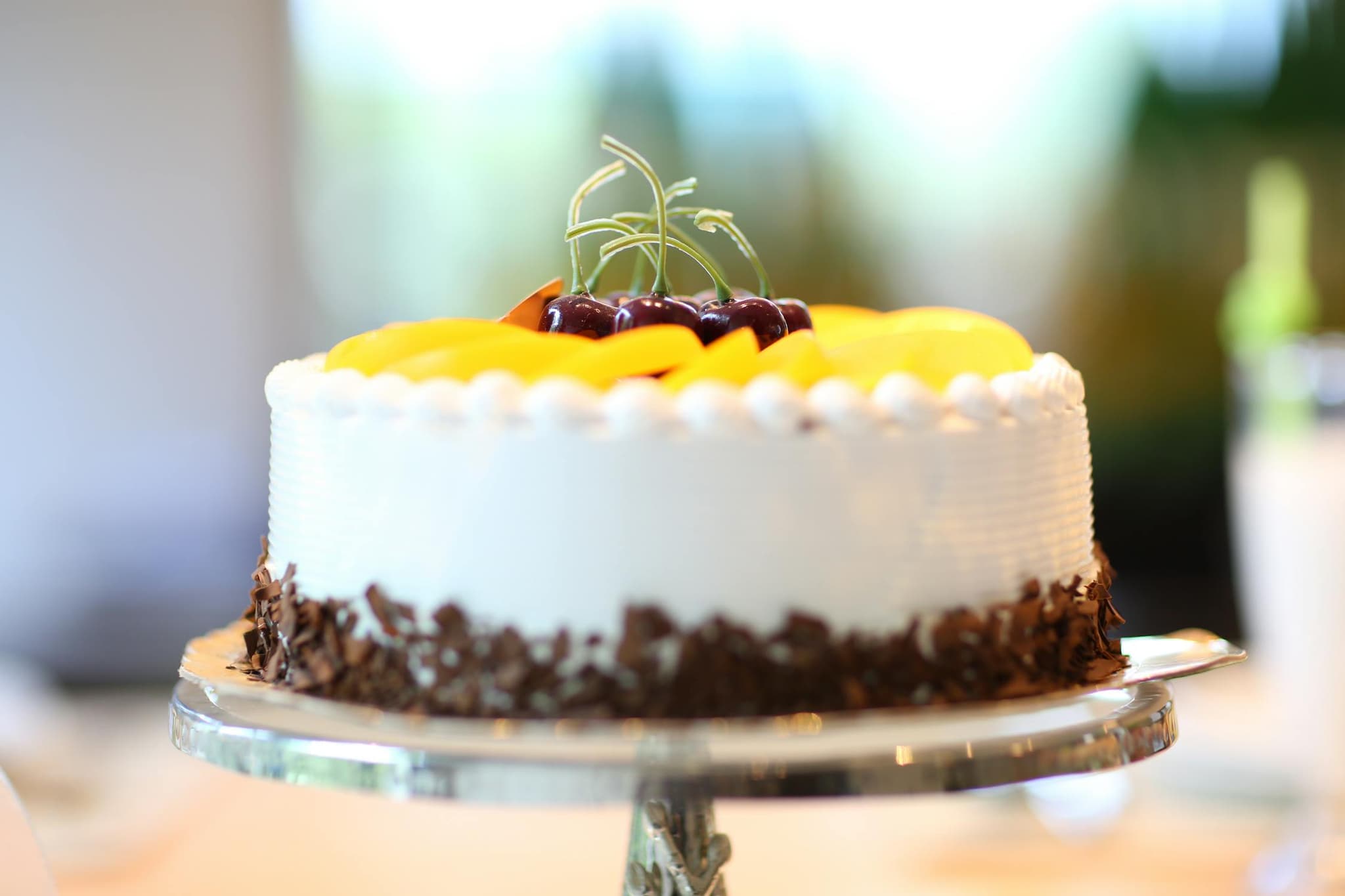
The cake is often the emotional centrepiece. Here are 12 inscription ideas, from sweet to savage:
- "Cancer Who?"
- "Kicked Cancer's A**"
- "Happy New Birthday"
- "Good Riddance, Cancer"
- "See Ya Never"
- "NED Forever"
- "Still Here, Still Fierce"
- "Chemo: 0, [Name]: 1"
- "Cancer Free & Fabulous"
- "Good Job Not Dying"
- "The Comeback"
- "One Tough Cookie"
Match the tone to the survivor. "Good Job Not Dying" lands beautifully for some people and horrifies others. You know which one yours is.
Signature drinks and mocktails
Many survivors avoid alcohol after treatment. That choice is well supported: the European Code Against Cancer, developed under the International Agency for Research on Cancer, is unambiguous that limiting or avoiding alcohol reduces cancer risk, and this applies to survivors as much as anyone. [10] Offer thoughtful non-alcoholic options front and centre, not as an afterthought. Here are three easy signature drinks, all with alcohol-free versions:
The NEDaversary Spritz. Prosecco (or sparkling water) with elderflower syrup, fresh lemon, and a few raspberries. Elegant and easy.
The Chemo-Sabe. Tequila (or a non-alcoholic tequila alternative), lime, agave, and a thin slice of jalapeño for a spicy comeback kick.
The Comeback Cooler. Ginger beer, cranberry juice, and fresh lime. Gentle on sensitive stomachs, fully alcohol-free, and tastes like a real cocktail.
Label everything clearly so the survivor doesn't have to ask which ones are safe.
Meaningful activities and rituals
Competitor articles vaguely suggest "memory sharing." You can do better. Here are specific, photographable, keep-for-years activities:
Memory jar or wishing wall. Set out blank cards and a jar. Guests write a memory from the survivor's journey or a wish for the year ahead. The survivor opens them later, alone, with a cup of tea.
Thank-you letter to the medical team. Pass around a large card or banner for every guest to sign. Deliver it to the oncology team the following week with photos from the party. You'll make their month.
Video montage from long-distance loved ones. Collect 30-second clips from friends and family who can't attend. Play the montage midway through the evening. Keep tissues nearby.
Toast circle. Pre-select three to five people to give short toasts. This keeps emotional weight from landing unexpectedly on unprepared guests and ensures the survivor hears what they need to hear.
Time capsule. A box the survivor seals at the end of the party and opens on their next cancerversary. Guests add predictions, notes, photos, little objects.
Signed keepsake. A canvas, a wooden ring, a quilt square: something every guest signs that lives in the survivor's home for years.
Pick one or two. Don't stack all six. Leave room for the party to breathe.
Virtual celebration ideas for long-distance loved ones
Not everyone lives close. And not every survivor has the energy for a room full of people. Virtual cancer-free parties are their own valid thing.
Hosting a virtual cancer-free party
Pick your platform (Zoom, Google Meet, FaceTime group call). Set a defined start and end time. One hour works better than an open-ended hangout. Plan the flow: opening toast, short round of memories, cake, signature drink, closing words.
Post a small care package to each remote guest ahead of time: a mini cake, a confetti popper, a handwritten note, a ribbon pin. When the survivor raises their glass on camera, everyone raises theirs too. Real celebration, different geography.
Activities that work over video
- A shared playlist where each guest adds a song that reminds them of the survivor, played during the call
- Trivia about the survivor's life (the more embarrassing the questions, the better)
- A collaborative Google Slides "memory deck" where every guest contributes a slide before the call
- A guided toast circle, just like in-person, where each person gets two minutes before passing it on
Sending a celebration box
For survivors who can't host anything live, coordinate with a group of friends to each send one small, meaningful item. A favorite snack. A handwritten letter. A playlist QR code. A framed photo. The survivor opens them in order on their cancerversary. A whole day of quiet, repeated "oh wow" moments.
What to say (and what not to say) at a cancer-free party
Guests often get nervous. They want to say the right thing. They don't always know what that is. Share this with them if you're the host.
| ✓ DO say | ✗ DON'T say |
|---|---|
| "I'm so glad you're here." | "I knew you'd beat it!" (implies others didn't try hard enough) |
| "I'm proud of you." | "Everything happens for a reason." |
| Share a specific memory from the journey. | "At least it wasn't [worse kind of cancer]." |
| "How are you doing, really?" | "You're so brave!" (can feel pressuring, not freeing) |
| "Thank you for letting me be part of this day." | "So you're all better now, right?" |
| Ask before referencing treatment details. | Graphic stories about other people's cancer. |
Toast templates anyone can use
For a best friend (about 50 words):
"I've known [Name] for [X] years, and I've never seen anyone face something harder with more grace. Watching you go through this taught me what strength actually looks like. I'm so glad you're here. I'm so glad we're here. To [Name]."
For a partner or spouse:
"There isn't a version of my life where you aren't in it. These last [months / years] scared me in ways I don't have words for, but you kept showing up. For yourself, for us, for the kids. I'm so proud to be yours. Cancer-free and still stuck with me."
For a parent or sibling:
"When you were diagnosed, I would have taken it from you if I could. You didn't let me. You just went and beat it yourself, the way you've always done everything. I'm so proud of you. Welcome back."
Invitation wording examples
Five templates to match your tone:
Classic and warm:
"Please join us as we celebrate [Name] reaching an incredible milestone. One year cancer-free. Drinks, dinner, and a whole lot of gratitude. [Date, time, location]."
Humour-forward:
"Cancer picked the wrong person. Come help us celebrate [Name] kicking it to the kerb. Bring your appetite. Leave your sympathy card at home."
Low-key:
"A quiet dinner to mark a big moment. [Name] is one year cancer-free, and we'd love you at the table. [Date, time, location]."
Virtual party:
"Wherever you are, join us on Zoom to celebrate [Name]'s cancerversary. A package is on its way to you. Don't open it until [date]."
Surprise party:
"Shhh! We're surprising [Name] for their cancerversary. Please arrive by [time sharp]. [Name] will walk in at [time]."
Quick etiquette note: don't use the word "survivor" if the guest of honor doesn't identify with it. Some people find the term empowering. Others find it heavy. Ask.

Kids' cancer-free party ideas
Pediatric cancer-free parties are their own beautiful thing, and almost no guide online addresses them properly.
Age-appropriate themes
- Superhero: "You beat the villain." Capes, masks, a homemade cape for the guest of honor.
- Astronaut or space: "You made it back."
- Dinosaur: Tough, ancient, unstoppable. Kids love it.
- Graduation from chemo: A full ceremony with a cap, diploma, and a walk-across-the-room moment.
- Princess or knight for younger kids.
- Gaming tournament or movie night for older kids and teens.
Involving siblings and classmates
Siblings went through this too. They sat in waiting rooms, slept at grandma's, watched their parents be scared. Include them actively, as co-honorees rather than afterthoughts. "Superhero in training" kits work beautifully for younger siblings.
If the school will help, a classroom pizza party lets classmates celebrate without overwhelming the family. Many hospital paediatric play or child-life teams will also visit home celebrations for young patients. Ask.
Sensitivity for pediatric survivors
Many kids just want to feel like a regular kid again. They don't want a party about cancer. They want a birthday party that happens to be extra special this year. Let the celebration be about being a kid first, a survivor second. Skip the medical imagery in decor unless they specifically ask for it.
Gift ideas for the guest of honor
The top search results dance around this one. Here are concrete ideas, grouped by what kind of person your survivor is.
- Keepsakes: Custom jewellery with their cancer-free date, an engraved bracelet, a photo book of the journey, a framed scan that finally came back clean.
- Experiences: Spa voucher, weekend getaway voucher, concert tickets, gift card to their favorite restaurant, cooking class, tickets to something on their bucket list.
- Practical: Weighted blanket, quality skincare for post-treatment skin, comfortable loungewear, a really good reading chair, a silk pillowcase for thinning hair.
- Symbolic: A tree planted in their name, a star named after their cancer-free date, a donation in euros to their chosen cancer charity, a brick at their treatment center if the hospital offers that scheme.
- Just fun: Anything they couldn't enjoy during treatment: a bottle of something sparkling, sushi dinner out, a trip to a hot spring, a concert ticket.
A quick safety note if the survivor is still in treatment or immunocompromised: skip fresh flowers and strongly scented candles. Flowers can harbour bacteria and fungal spores that pose a real infection risk to someone with a suppressed immune system, and strong fragrances can trigger nausea. If you're putting together a gift basket rather than a single item, our guide on what to put in a cancer care package: thoughtful ideas that actually help walks through what genuinely helps by treatment type, and what to leave out.
Honest truth: the best "gift" is often your presence, not a present. Show up. That's the whole thing.
Throwing a surprise cancer-free party for a loved one
Surprise parties for survivors are tricky. They can be magical. They can also completely backfire. A few rules to get them right:
- Always coordinate with an immediate family member first. Always. No exceptions.
- Confirm the survivor would genuinely welcome a surprise. Some people love it. Introverts, private people, and survivors who are still processing often don't.
- Check their energy for the proposed date. Cancer-related fatigue is unpredictable. A "good day" can't be scheduled in advance.
- Keep the guest list to people the survivor actively wants to see. Not the full extended network. Not the coworker they tolerate. The real ones.
- Have an exit strategy. If the survivor needs to leave early or step out, the party should keep running without them feeling like they broke it.
A word of caution: Surprises work best for known extroverts who love a big moment. If your survivor is private about their cancer journey, a planned celebration they can prepare for will almost always land better than a surprise.
Cancer-free party planning checklist
Here's a realistic timeline for a full-scale celebration. Scale it down for smaller events.
4 to 6 weeks before: Confirm the survivor wants a party. Decide scale, date, and vibe. Set a budget in euros that fits your circumstances. Draft the guest list together.
3 to 4 weeks before: Send invitations. Book the venue if needed. Order the cake. Plan the menu around the survivor's current dietary needs.
2 weeks before: Confirm RSVPs. Buy decor. Coordinate toasts with three to five key guests (give them a heads-up, don't ambush them). Arrange photography, even if it's just one friend with a nice camera.
1 week before: Shop for food. Build a playlist. Wrap any gifts. Confirm video contributions from long-distance guests. Double-check the venue setup.
Day of: Set up two to three hours early. Cue the toast order with your designated speakers. Plan a clear end time to protect the survivor's energy, even if the party is going well.
Frequently asked questions
What is a cancer-free party called?
Common names include a "cancerversary," "NEDaversary" (for reaching no evidence of disease), "ring-the-bell party," "end of chemo party," or a "new birthday." The name usually depends on which milestone the survivor is marking: diagnosis day, last treatment, or a clean scan.
What colour should a cancer-free party be?
Most celebrations use the awareness ribbon colour for the survivor's cancer type: pink for breast, teal for ovarian, gold for childhood cancers, purple for pancreatic, orange for leukaemia, lime green for lymphoma. When in doubt, lavender is often used to represent all cancers combined.
What do you write on a cancer-free cake?
Popular inscriptions include "Cancer Who?," "Kicked Cancer's A**," "Happy New Birthday," "Good Riddance, Cancer," "NED Forever," "Still Here, Still Fierce," and "Cancer Free & Fabulous." Match the tone to the survivor's personality. Some love the dark humour, others prefer something softer.
Is it appropriate to throw a cancer-free party during treatment?
Yes. Mid-treatment parties can celebrate smaller milestones like finishing chemo, ringing the bell, or a clean interim scan. Keep the guest list small, protect the survivor's energy with a short timeframe, and clear the whole idea with them first. Save the bigger bash for a later milestone if they prefer.
What's a good gift for someone celebrating being cancer-free?
Meaningful gifts include custom jewellery engraved with the cancer-free date, experience vouchers (spa, travel, concerts), photo books of the journey, or a donation in their name to a cancer charity. Honestly, your presence and a heartfelt handwritten note often mean more than anything you can buy.
How do you word a cancer-free party invitation?
Keep it warm and personal: "Please join us as we celebrate [Name] reaching a beautiful milestone. One year cancer-free." Ask the survivor first whether they want cancer mentioned explicitly on the invitation or kept subtle. Some want to shout it. Others want to barely mention it.
However you celebrate, you're doing it right
There's no universal right way to throw a cancer-free party. A garden bash with 50 people? Perfect. A quiet dinner for four? Perfect. A solo walk at sunrise with a really good coffee? Also perfect. No observance at all? Still perfect.
The point isn't the scale or the theme or the cake. It's honoring the survivor on their terms.
If you take three things from this guide, let it be these:
- Have the five-question conversation with the guest of honor this week. Before anything else. Their answers will shape every other decision.
- Pick one idea from this guide that actually fits their personality. Not ten. One. Let everything else fall into place around that single choice.
- Remember who this is really for. Not Instagram. Not the relatives who feel they should be there. The survivor at the centre of it.
Whatever you plan, the most meaningful part of a cancer-free party is the same thing that got the survivor here in the first place: the people who showed up. That's it. That's the whole trick.
You've got this.
References
[1] National Coalition for Cancer Survivorship. (2015). Speaking to the needs of patients living with advanced cancers and honoring cancer stories with Cancerversary. NCCS. https://canceradvocacy.org/speaking-to-the-needs-of-patients-living-with-advanced-cancers-and-honoring-cancer-stories-with-cancerversary/
[2] National Coalition for Cancer Survivorship. (n.d.). Cancerversary. NCCS. https://canceradvocacy.org/get-involved/cancerversary/
[3] De Angelis, R., Sant, M., Coleman, M. P., Francisci, S., Baili, P., Pierannunzio, D., Trama, A., Visser, O., Brenner, H., Ardanaz, E., Bielska-Lasota, M., Engholm, G., Nennecke, A., Siesling, S., Berrino, F., & Capocaccia, R. (2014). Cancer survival in Europe 1999-2007 by country and age: results of EUROCARE-5, a population-based study. The Lancet Oncology, 15(1), 23-34. https://doi.org/10.1016/S1470-2045(13)70546-1
[4] IJpma, I., Timmermans, E. R., Renken, R. J., Ter Horst, G. J., & Reyners, A. K. L. (2017). Metallic taste in cancer patients treated with systemic therapy: A questionnaire-based study. Nutrition and Cancer, 69(1), 140-145. https://doi.org/10.1080/01635581.2017.1250922
[5] Fabi, A., Bhargava, R., Fatigoni, S., Guglielmo, M., Horneber, M., Roila, F., Weis, J., Jordan, K., & Ripamonti, C. I. (2020). Cancer-related fatigue: ESMO Clinical Practice Guidelines for diagnosis and treatment. Annals of Oncology, 31(6), 713-723. https://doi.org/10.1016/j.annonc.2020.02.016
[6] Breast Cancer Now. (2026). Breast Cancer Awareness Month 2026 UK. https://breastcancernow.org/get-involved/breast-cancer-awareness-month
[7] Muscaritoli, M., Arends, J., Bachmann, P., Baracos, V., Barthelemy, N., Bertz, H., Bozzetti, F., Hütterer, E., Isenring, E., Kaasa, S., Krznaric, Z., Laird, B., Larsson, M., Laviano, A., Mühlebach, S., Oldervoll, L., Ravasco, P., Solheim, T. S., Strasser, F., ... Bischoff, S. C. (2021). ESPEN practical guideline: Clinical Nutrition in cancer. Clinical Nutrition, 40(5), 2898-2913. https://doi.org/10.1016/j.clnu.2021.02.005
[8] Wang, S., Chen, L., & Chen, J. (2024). Cancer treatment-related xerostomia: basics, therapeutics, and future perspectives. European Journal of Medical Research, 29, 578. https://doi.org/10.1186/s40001-024-02167-x
[9] Blood Cancer UK. (2023). Eating safely with neutropenia (based on 2023 guidance from the Haematology Subgroup of the British Dietetic Association). Blood Cancer UK. https://bloodcancer.org.uk/understanding-blood-cancer/treatment/infection-neutropenia-sepsis/neutropenia/eating-safely-neutropenia/
[10] Scoccianti, C., Cecchini, M., Anderson, A. S., Berrino, F., Boutron-Ruault, M. C., Espina, C., Key, T. J., Leitzmann, M., Norat, T., Powers, H., Wiseman, M., & Romieu, I. (2016). European Code against Cancer 4th Edition: Alcohol drinking and cancer. Cancer Epidemiology, 45, 181-188. https://doi.org/10.1016/j.canep.2016.09.011
This article provides informational support only and is not a substitute for professional medical advice, diagnosis, or treatment. Always consult your healthcare provider for medical decisions.

This content was created during the YARN project, co-funded under the EU4Health Programme in 2025-2028 (Grant Agreement No. 101219053).