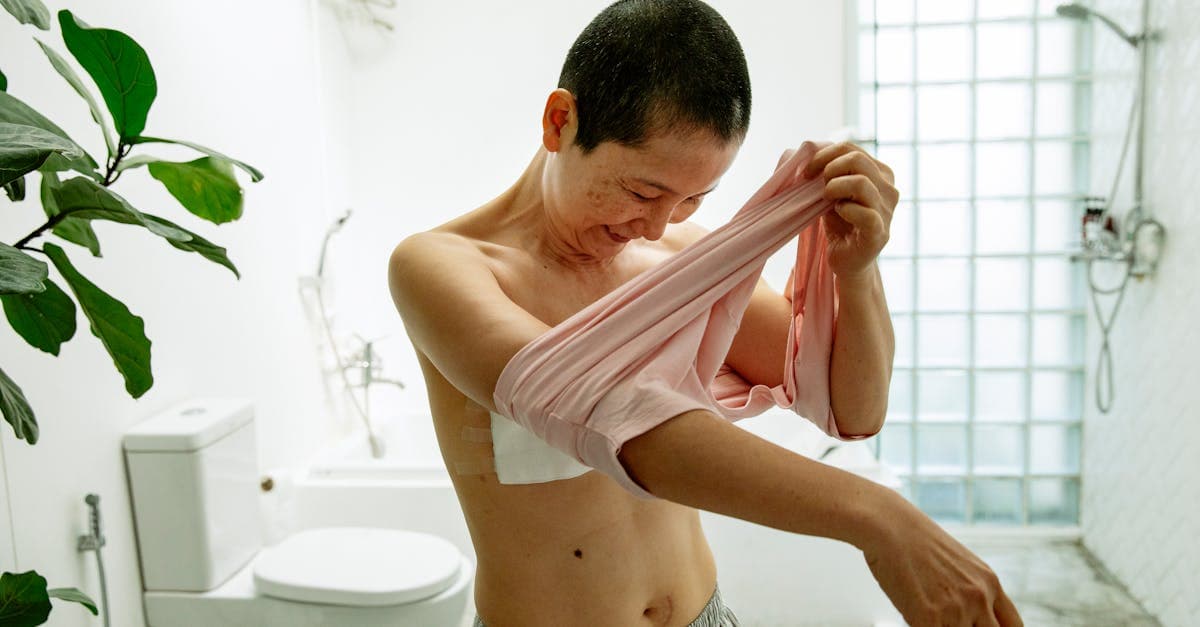


- Reaching 5 years cancer-free is a meaningful statistical milestone, but it is not a guaranteed finish line. Recurrence risk drops significantly after year 5 for most cancers, though it never reaches zero.
- "Cancer-free," "remission," and "no evidence of disease" (NED) are not interchangeable terms. Understanding the difference helps you ask your oncologist the right questions.
- The 5-year benchmark was created as a research and surveillance tool, not as a medical verdict on whether you are cured.
- Timelines vary dramatically by cancer type. Breast, prostate, and some hormone-sensitive cancers can recur 10 to 20 years after treatment, while others rarely return after 5 years.
- The emotional experience of reaching 5 years is often more complicated than patients expect. Celebration, relief, guilt, and lingering fear can all coexist.
- Long-term follow-up care matters even after the 5-year mark. Surveillance frequency usually decreases, but vigilance should not stop entirely.
Why 5 Years Cancer-Free Is Considered a Medical Milestone
If you or someone you love is approaching the 5-year cancer-free mark, you already know how much weight that number carries. It shows up in research papers, oncology appointments, support group conversations, and quiet moments at 2 a.m. when you are counting backward from your last scan. Understanding why 5-year cancer-free status is important can help you hold the milestone with both gratitude and clear eyes.
Here is what we want you to take away from this guide: the 5-year mark genuinely matters, but not quite in the way most people think. It is a statistical landmark that helps doctors measure treatment success and adjust your follow-up care. It is not a magical point where your body flips a switch and permanently closes the chapter.
We are going to walk through both sides of this milestone, the medical reality and the emotional reality. You will come away understanding what "cancer-free" really means, why 5 years became the standard, how timelines differ across cancer types, what changes in your care after you cross the line, and how to navigate the complicated feelings that often come with it.
Where the "5-Year Rule" Actually Comes From
The 5-year benchmark did not come from a biological discovery. It came from researchers needing a consistent way to compare treatments, studies, and survival rates across different cancer types and patient populations.
The European EUROCARE-5 population study, which analysed data from more than 10 million patients across 29 European countries, uses the same 5-year window that appears in national statistics from Cancer Research UK, the UK Office for National Statistics, and comparable European registries [3], [5].
For a large share of common cancers, the recurrence curve drops steeply in the first 2 years, continues to fall through year 5, and then flattens considerably. That flattening is where the 5-year convention came from. It is a practical tool, not a finish line.
Why This Milestone Feels So Significant
For most survivors, reaching 5 years is not just a data point. It is a deeply personal moment.
You may have counted down to it through hundreds of scan appointments, blood draws, and anxious waits for results. Your family may have been counting too. When you finally reach it, the relief can feel almost physical. That emotional weight is real and worth honouring, even as we get into the medical nuance.
What "Cancer-Free" Actually Means Medically
Here is where language starts to matter. The words doctors use around this milestone sound similar but carry very different meanings, and mixing them up can lead to confusion, false reassurance, or unnecessary worry.
In clinical practice, the most precise terms are "remission" and "no evidence of disease" (NED). "Cancer-free" is a broader, more everyday term that some oncologists use and others deliberately avoid. "Cured" is the most cautious word of all, and many oncologists will not use it even after 5 years of clean scans.
Understanding these distinctions is not about being pedantic. It is about knowing what your doctor is actually telling you when they share your results.
Cancer-Free vs. Remission vs. No Evidence of Disease (NED)
These three terms get used interchangeably in everyday conversation, but they are not the same thing in a medical context.
Remission is defined by the US National Cancer Institute as a decrease in or disappearance of signs and symptoms of cancer. It can be partial, when some but not all signs have gone, or complete, when no cancer is currently detectable [1].
No evidence of disease (NED) is the clinical term many oncologists prefer. It means that based on scans, bloodwork, biopsies, or other tests, no cancer can be detected in your body right now. It is an honest, precise statement about what the tests show at this moment.
Cancer-free is the most aspirational of the three. The NCI notes that some doctors may describe a person as "cured" or "cancer-free" after remaining in complete remission for 5 or more years, but they cannot promise the cancer will never return, because a small number of cancer cells can persist in the body long after treatment [2]. Because microscopic cells can hide without showing up on any test, most oncologists use "cancer-free" carefully.
| Term | What it means | How doctors typically use it |
|---|---|---|
| Remission | Signs and symptoms have decreased or disappeared | Common after treatment; can be partial or complete |
| No Evidence of Disease (NED) | No cancer is detectable on current tests | Preferred clinical term; honest and precise |
| Cancer-Free | No detectable cancer and no residual cells believed to remain | Used more cautiously, often after years of clean follow-up |
| Cured | Cancer is gone permanently and will not return | Rarely used; some oncologists avoid it entirely |
Partial Remission vs. Complete Remission
Within remission itself, there are two important subcategories.
Partial remission means your cancer has shrunk significantly or stopped growing, but it is still detectable. Treatment is working, but the cancer has not fully disappeared from scans or other tests.
Complete remission means all detectable signs of cancer are gone. Scans are clear, bloodwork looks normal, and any biopsies come back clean. This is the stage at which your oncologist might also describe you as having "no evidence of disease".
Complete remission does not mean every cancer cell in your body has been eliminated. It means none can currently be found with available testing.
When Doctors Will Say You Are "Cured"
"Cured" is a word most oncologists use carefully, if at all.
The NCI's own patient guidance describes "cure" as no traces of your cancer after treatment, with the cancer never coming back, a standard that is genuinely hard to meet in practice [2]. Many oncologists prefer "long-term remission" over "cured," even after 5 or 10 years of clean follow-up. If your doctor uses the word, it is reasonable to ask what they specifically mean by it, because the definition varies between physicians. If you are wrestling with what "no evidence of disease" and finishing treatment feel like day to day, our guide When the Oncologist Says No More Chemo: What It Means and What Comes Next walks through those exact conversations.


Why Doctors Use 5 Years as the Benchmark
So why 5 years specifically? Why not 3 or 7 or 10? The answer is a mix of statistics and tumour biology.
The 5-year window was not chosen because cancer cells have a 5-year lifespan or because something biologically resets at that point. It was chosen because it captured the majority of recurrences for most cancers while being short enough to be practical for research and follow-up care.
The Statistical Logic: Recurrence Curves
When researchers plot recurrence rates over time, they see a recognisable pattern for many cancers. The risk is highest in the first 2 years after treatment, declines steadily through year 5, and then drops off significantly for most cancer types.
By year 5, the curve has flattened enough that the annual risk of recurrence becomes much smaller than it was in those early months. That is the statistical foundation of the 5-year rule, and why surveillance is usually most intensive in the first 2 years, when risk is highest [2].
This is also why your scan and appointment schedule typically starts to ease up as you move past those early years. The frequency of follow-up is calibrated to the risk curve, not to an arbitrary timeline.
How Tumour Biology Affects the Timeline
Not all cancers follow the same curve. Tumour biology, specifically how quickly cancer cells divide and how they behave, shapes whether the 5-year rule fits a given cancer type.
Fast-growing tumours tend to reveal themselves quickly if they are going to come back. By contrast, some cancers have much slower doubling times, which means microscopic cells can linger in the body for years before they grow detectable. These slow-growing cancers can recur long after the 5-year mark.
This is why oncologists think about the 5-year rule as a helpful default, not a universal law. The biology of your specific cancer matters more than the calendar.
5-Year Survival Rates Vary Significantly by Cancer Type
One of the most important things to understand about the 5-year milestone is that it does not mean the same thing for every cancer. Survival rates and recurrence patterns differ dramatically depending on the type and stage at diagnosis.
The table below shows approximate 5-year net or relative survival for major cancer types in Europe and the UK, drawing on data from EUROCARE-5 and Cancer Research UK. These numbers are averages across large populations and do not predict what will happen to any individual. They are also slightly lagging indicators, because the data has to be collected and published, so real-world outcomes for people diagnosed today are usually a little better than the published figures suggest [3], [5].
| Cancer Type | Early Stage (5-yr survival) | Late Stage (5-yr survival) |
|---|---|---|
| Breast (female) | Around 99% | Around 30% |
| Prostate | Around 95% or higher | Around 30 to 35% |
| Thyroid | Above 95% | Around 50 to 55% |
| Melanoma of the skin | Above 95% | Around 30 to 35% |
| Testicular | Above 95% | Around 70% |
| Colorectal | Around 90% | Around 15% |
| Lung | Around 60% | Below 10% |
| Pancreatic | Around 40% | Below 5% |
The gap between early and late-stage survival in this table is one of the clearest arguments for early detection and regular screening. It also shows why the same 5-year milestone can feel very different for a stage 1 breast cancer survivor and a stage 4 pancreatic cancer survivor.
Cancers Where 5 Years Strongly Suggests Long-Term Cure
For some cancers, reaching 5 years without recurrence is a strong signal that you are likely in the clear for the long term.
Certain thyroid cancers, testicular cancer, early-stage colorectal cancer, and many childhood cancers fall into this category. Their biology, combined with how effectively current treatments remove or destroy cancer cells, means that late recurrence is relatively uncommon once a patient has passed the 5-year mark.
If your cancer falls into this group, your oncologist may start using stronger language, including, sometimes, "cured", once you reach 5 years with clean scans. It is a fair thing to ask about directly.
Cancers That Can Return 10 or 20 Years Later
Other cancers have documented patterns of late recurrence, and this is where the 5-year rule starts to break down.
Hormone receptor-positive breast cancer is the most striking example. In a landmark 2017 New England Journal of Medicine analysis of more than 74,000 women, Pan and colleagues showed that recurrences continued to appear at a steady rate for the full 20 years of follow-up after 5 years of endocrine therapy, with even low-risk T1N0 patients facing around a 10% risk of distant recurrence between years 5 and 20 [4].
Melanoma is another cancer with a well-documented late-recurrence pattern. A European cohort study of 1,881 melanoma patients followed for at least 10 years found that a subset of survivors relapse a decade or more after diagnosis, sometimes with very different clinical features from earlier recurrences [12]. Renal cell carcinoma and some lymphomas show similar late patterns.
If you have one of these cancer types, your follow-up care plan may extend much longer than 5 years. That is not a reason for alarm, it is a reason for continued, informed vigilance.
What Changes at Your 5-Year Cancer-Free Milestone
One thing most articles about the 5-year mark skip entirely is what actually changes in practice when you reach it. Here is what to expect.
Changes in Surveillance and Scanning
For many survivors, the 5-year mark is when the rhythm of follow-up care shifts noticeably.
The NCI's patient guidance notes that after treatment, patients typically move from check-ups every 3 to 4 months in the first 2 to 3 years to once or twice a year further out [2]. You may transition from every 6 months to annual visits, imaging frequency usually decreases, and some patients have treatment-related devices like ports removed around this time.
Your oncologist will calibrate these changes to your specific cancer type, stage, and treatment history. The goal is to keep surveillance strong enough to catch any recurrence early, without subjecting you to unnecessary tests that carry their own costs and risks.
Transitioning From Oncology to Survivorship Care
Many European cancer centres now have dedicated survivorship programmes, and the 5-year mark is often when patients formally transition into them.
The ESMO Expert Consensus Statements on Cancer Survivorship recommend that follow-up care be delivered through hybrid models that include oncology teams, primary care, and community support, with the exact configuration adjusted to each survivor's risk of late effects and recurrence [13]. If your cancer centre offers a survivorship programme, ask about joining it. If it does not, ask your oncologist for a written survivorship care plan that your primary care doctor can follow.
Practical Life Impacts: Insurance, Employment, and Clinical Trials
There are practical, real-world implications of the 5-year mark that rarely get discussed.
Life and travel insurance eligibility often improves at 5 years cancer-free, and premiums may drop. Some mortgage and financial underwriting rules ease as well. For clinical trials, the common exclusion criterion of "no active cancer within the last 5 years" no longer applies to you, which may open up research participation opportunities.
At the European level, several member states have introduced or are introducing "right-to-be-forgotten" laws that limit how long insurers and lenders can factor in a past cancer diagnosis. France, Belgium, the Netherlands, Luxembourg, Portugal, Spain, Romania, Cyprus and Ireland now have such measures on the books, and the EU Cancer Plan is pushing for wider adoption. If you are shopping for a loan or life cover, it is worth asking a broker specifically about the right-to-be-forgotten rules in your country.
These are not the reasons you fought for 5 years of clean scans. But they are real, meaningful side effects of the milestone that can make everyday life a little easier.
| ✓ DO | ✗ DON'T |
|---|---|
| Ask your oncologist specifically what "cancer-free" or "NED" means in your case | Assume every oncologist uses these terms the same way |
| Request a written survivorship care plan | Stop all follow-up care on your own |
| Update your primary care doctor about your cancer history and treatment | Skip age-appropriate screenings for other cancers |
| Ask about late effects of your specific treatment | Ignore new symptoms because you assume the cancer is gone |
| Re-shop travel and life insurance at 5 years, rates may improve | Assume your previous insurance terms still reflect your current risk |
| Mark the milestone in whatever way feels right for you | Feel guilty if you do not want to celebrate |
The Emotional Reality of Reaching 5 Years Cancer-Free
Here is the part of the conversation that often gets left out of medical articles. Reaching 5 years cancer-free is not just a statistical event. It is an emotional one, and it can be far more complicated than you expect.
Why Mixed Emotions Are Normal
You might have imagined the 5-year mark as a moment of pure relief. For many survivors, it is not.
Survivors often describe a strange mix of feelings: joy and relief alongside renewed fear, gratitude alongside survivor's guilt for people who did not make it, pride alongside grief for the person you were before diagnosis. A 2013 systematic review by Simard and colleagues, which pooled data from 130 studies, identified fear of cancer recurrence as one of the most common and persistent unmet needs among adult cancer survivors, often continuing well beyond the end of active treatment [11].
All of these responses are normal. Reaching 5 years does not require you to feel any particular way. If you are experiencing a wave of emotions you did not expect, you are not alone, and you are not doing survivorship wrong.
Scanxiety Does Not Always End at Year 5
If you have lived with cancer, you probably already know the word "scanxiety," the anxiety that builds before scans and follow-up appointments.
A 2024 systematic review by Khatri and colleagues, covering 22 studies and 8,693 patients who had undergone curative-intent cancer surgery, found that scanxiety is common across cancer types and tends to be most intense in the waiting window between the scan and the results [10]. Reported rates decrease as time passes since surgery, but they do not disappear at the 5-year mark. Milestone appointments can actually intensify scanxiety, because the stakes feel higher.
This is not a sign that something is wrong with you. It is a completely understandable response to living through a serious illness. Naming it, and talking about it, often helps.
When to Seek Support
If the emotional side of the 5-year milestone is bigger than you expected, it is worth reaching out for support.
Cancer survivorship support groups, both in-person and online, connect you with people who understand the specific texture of this experience. Psycho-oncology services within European cancer centres, national cancer leagues, and organisations like the European Cancer Organisation and national patient federations offer counselling, peer support, and structured programmes for fear of recurrence.
Reaching out is a sign of strength, not weakness. You spent years managing a serious medical condition. It makes sense to have support as you figure out who you are on the other side.
Why Follow-Up Care Still Matters After 5 Years
We want to land this point carefully. The goal is not to scare you or undercut the meaning of the 5-year milestone. It is to help you stay informed and proactive without being paralysed by worry.
Late Recurrence Is Rare but Possible
For most cancers, the risk of recurrence drops significantly after 5 years. But it does not drop to zero.
Certain cancer types, particularly hormone-sensitive ones, can recur much later, as the Pan and Sarac studies cited earlier show. Even for cancers considered low-risk after 5 years, ongoing follow-up, even if it is just annual check-ins, helps catch any late recurrence early, when it is most treatable. Think of it as a maintenance relationship with your care team, not as active surveillance.
Watching for Secondary Cancers
Cancer survivors have a slightly elevated risk of developing a different primary cancer later in life. This can be due to genetics, long-term effects of prior treatment, or shared lifestyle risk factors.
A Swiss population-based cohort study by Feller and colleagues, covering more than a decade of cancer registry data, found that cancer survivors carry a modestly increased risk of developing a second primary cancer compared with the general population, with the pattern varying by first cancer type [8]. A Dutch registry study of nearly 100,000 adolescent and young adult survivors found a two-fold higher long-term cancer risk in male survivors and a 1.3-fold higher risk in female survivors, with cumulative second cancer incidence reaching around 9% in males and 10% in females at 25 years of follow-up [9].
Age-appropriate screenings matter especially for survivors. Mammograms, colonoscopies, skin checks, and other routine cancer screenings should stay on your calendar. Our guide What Cancer Screenings Should You Get? A Practical Guide by Age, Sex, and Risk walks through what applies at each decade of adult life, including what changes when you have a personal cancer history.
Managing Long-Term Treatment Side Effects
Some effects of cancer treatment show up years after treatment ends.
The 2022 European Society of Cardiology guidelines on cardio-oncology, developed with the European Hematology Association and the European Society for Therapeutic Radiology and Oncology, set out long-term cardiovascular surveillance recommendations for people treated with anthracyclines, HER2-targeted therapy, radiotherapy to the chest, and other cardiotoxic regimens [6]. Certain chemotherapies can affect heart function years down the line, some treatments contribute to bone density loss, and hormonal therapies may cause ongoing changes to bone, cardiovascular, and metabolic health.
Cognitive changes, sometimes called "chemo brain," are also well documented. A 2024 systematic review by Amani and colleagues of 26 studies in breast cancer survivors reported that chemotherapy is linked to lasting impairments in attention, working and short-term memory, and executive function, with some studies showing persistence years after treatment [7]. A good survivorship care plan actively monitors for these late effects. If you are not sure whether your treatment history carries specific long-term risks, ask your oncology team for a clear summary.
How to Talk About Reaching 5 Years Cancer-Free
The 5-year milestone often prompts conversations with family, friends, colleagues, and strangers. Sometimes these conversations feel good. Sometimes they are awkward, intrusive, or loaded. Having some language ready can help.
Sharing the Milestone Without Overclaiming
You do not owe anyone a more optimistic version of your story than the truth.
Phrases like "I just hit 5 years cancer-free," "I am 5 years in remission," or "I have had no evidence of disease for 5 years" are all accurate and honest. If people ask whether you are "completely cured," it is okay to say something like, "My doctors are really happy with where I am, and recurrence risk is low, I still do regular follow-ups." That is true, graceful, and does not overclaim.
You also do not have to explain any of it if you do not want to.
Celebrating Without Tempting Fate
Survivors mark the 5-year cancer-free anniversary, sometimes called a cancerversary, in all kinds of ways. Some get tattoos. Some make charitable donations. Some throw parties. Some light a candle alone. Some do nothing at all and prefer not to name the day.
There is no right way to observe the milestone. If celebrating feels joyful, celebrate. If it feels superstitious or overwhelming, skip it or mark it quietly. If your feelings are mixed, that is completely normal too.

Frequently Asked Questions About 5-Year Cancer-Free Status
Is 5 years cancer-free the same as being cured?
Not exactly. Five years cancer-free is a statistical milestone indicating that recurrence risk has dropped significantly. "Cured" implies that cancer is gone permanently and will not return. The NCI notes that some doctors may say a patient is cured after 5 or more years of complete remission, but they cannot rule out late recurrence entirely [2].
Can cancer come back after 5 years cancer-free?
Yes, though less commonly. For most cancer types, the risk drops substantially after 5 years but does not reach zero. Late recurrence is well documented in cancers like hormone-receptor-positive breast cancer [4], melanoma [12], renal cell carcinoma, and certain lymphomas, which can recur 10 to 20 years after original treatment.
What cancer has the highest 5-year survival rate?
Why is the first 2 years after treatment the riskiest?
Most cancer recurrences happen within the first 2 years because any remaining microscopic cancer cells typically grow to detectable size within that window. Surveillance is usually most intensive during this period for that reason, with scans and check-ins happening every few months.
Do all cancers follow the 5-year rule?
No. The 5-year benchmark is a general convention that works well for most cancers but not all of them. Some cancers are considered low-risk after just 2 years, while others, especially hormone-sensitive cancers, require 10 or 20 years of follow-up because late recurrence is a known pattern.
How should I prepare for my 5-year appointment?
Write down your questions in advance and bring them with you. Ask about transitioning to survivorship care. Request a written survivorship care plan if you do not already have one. Review any new symptoms or concerns you have noticed. Ask specifically about late effects of your treatment and what screenings you should continue.
Should I still get screenings after 5 years cancer-free?
Yes. Continue age-appropriate screenings for other cancers, mammograms, colonoscopies, skin checks, and others relevant to your health history. Also follow your oncologist's recommendations for ongoing surveillance of your original cancer, which will usually become less frequent but should not stop entirely.
The Bottom Line on Being 5 Years Cancer-Free
Reaching 5 years cancer-free is a real milestone worth acknowledging. The statistics are on your side: recurrence risk drops meaningfully, follow-up care often becomes less intensive, and many survivors find that this is when they start feeling less like a patient and more like someone who happens to have a cancer history.
At the same time, this milestone is not a permanent all-clear. The biology of your specific cancer, your treatment history, and your individual risk factors all shape what the next years of your care look like. Ongoing surveillance, attention to late treatment effects, and age-appropriate screening continue to matter.
Use this milestone as a prompt. Ask your oncologist what your individual recurrence risk looks like at this point. Ask whether your care should transition to a survivorship programme. Ask what new symptoms should prompt a call to the office, and what is safe to watch at home. Ask what life insurance, screening, and follow-up decisions might change now.
Most of all, give yourself permission to feel whatever you feel about reaching 5 years. Joy, relief, grief, fear, pride, exhaustion, and gratitude can all coexist here. They often do.
References
[1] National Cancer Institute. (n.d.). Remission. In NCI Dictionary of Cancer Terms. Retrieved April 15, 2026, from https://www.cancer.gov/publications/dictionaries/cancer-terms/def/45867
[2] National Cancer Institute. (n.d.). Cancer prognosis. Retrieved April 15, 2026, from https://www.cancer.gov/about-cancer/diagnosis-staging/prognosis
[3] De Angelis, R., Sant, M., Coleman, M. P., Francisci, S., Baili, P., Pierannunzio, D., Trama, A., Visser, O., Brenner, H., Ardanaz, E., Bielska-Lasota, M., Engholm, G., Nennecke, A., Siesling, S., Berrino, F., & Capocaccia, R. (2014). Cancer survival in Europe 1999-2007 by country and age: Results of EUROCARE-5, a population-based study. The Lancet Oncology, 15(1), 23-34. https://doi.org/10.1016/S1470-2045(13)70546-1
[4] Pan, H., Gray, R., Braybrooke, J., Davies, C., Taylor, C., McGale, P., Peto, R., Pritchard, K. I., Bergh, J., Dowsett, M., & Hayes, D. F. (2017). 20-year risks of breast-cancer recurrence after stopping endocrine therapy at 5 years. New England Journal of Medicine, 377(19), 1836-1846. https://doi.org/10.1056/NEJMoa1701830
[5] Cancer Research UK. (n.d.). Cancer types compared statistics. Retrieved April 15, 2026, from https://www.cancerresearchuk.org/health-professional/cancer-statistics/statistics-by-cancer-type/cancer-types-compared
[6] Lyon, A. R., Lopez-Fernandez, T., Couch, L. S., Asteggiano, R., Aznar, M. C., Bergler-Klein, J., Boriani, G., Cardinale, D., Cordoba, R., Cosyns, B., Cutter, D. J., de Azambuja, E., de Boer, R. A., Dent, S. F., Farmakis, D., Gevaert, S. A., Gorog, D. A., Herrmann, J., Lenihan, D., . . . van der Pal, H. J. H. (2022). 2022 ESC guidelines on cardio-oncology developed in collaboration with the European Hematology Association (EHA), the European Society for Therapeutic Radiology and Oncology (ESTRO) and the International Cardio-Oncology Society (IC-OS). European Heart Journal, 43(41), 4229-4361. https://doi.org/10.1093/eurheartj/ehac244
[7] Amani, O., Mazaheri, M. A., Moghani, M. M., Zarani, F., & Choolabi, R. H. (2024). Chemotherapy-induced cognitive impairment in breast cancer survivors: A systematic review of studies from 2000 to 2021. Cancer Reports, 7(1), e1989. https://doi.org/10.1002/cnr2.1989
[8] Feller, A., Matthes, K. L., Bordoni, A., Bouchardy, C., Bulliard, J. L., Herrmann, C., Konzelmann, I., Maspoli, M., Mousavi, M., Rohrmann, S., Staehelin, K., Arndt, V., & the NICER Working Group. (2020). The relative risk of second primary cancers in Switzerland: A population-based retrospective cohort study. BMC Cancer, 20(1), 51. https://doi.org/10.1186/s12885-019-6452-0
[9] Van der Meer, D. J., van der Graaf, W. T. A., van de Wal, D., Karim-Kos, H. E., & Husson, O. (2024). Long-term second primary cancer risk in adolescent and young adult (15-39 years) cancer survivors: A population-based study in the Netherlands between 1989 and 2018. ESMO Open, 9(1), 102203. https://doi.org/10.1016/j.esmoop.2023.102203
[10] Khatri, R., Quinn, P. L., Wells-Di Gregorio, S., Pawlik, T. M., & Cloyd, J. M. (2025). Surveillance-associated anxiety after curative-intent cancer surgery: A systematic review. Annals of Surgical Oncology, 32(1), 47-62. https://doi.org/10.1245/s10434-024-16287-5
[11] Simard, S., Thewes, B., Humphris, G., Dixon, M., Hayden, C., Mireskandari, S., & Ozakinci, G. (2013). Fear of cancer recurrence in adult cancer survivors: A systematic review of quantitative studies. Journal of Cancer Survivorship, 7(3), 300-322. https://doi.org/10.1007/s11764-013-0272-z
[12] Sarac, E., Amaral, T., Keim, U., Leiter, U., Forschner, A., Eigentler, T. K., & Garbe, C. (2020). Late recurrence of melanoma after 10 years, is the course of the disease different from early recurrences? Journal of the European Academy of Dermatology and Venereology, 34(5), 977-983. https://doi.org/10.1111/jdv.16106
[13] Vaz-Luis, I., Masiero, M., Cavaletti, G., Cervantes, A., Chlebowski, R. T., Curigliano, G., Felip, E., Ferreira, A. R., Ganz, P. A., Hegarty, J., Jeon, J., Johansen, C., Joly, F., Jordan, K., Koczwara, B., Lambertini, M., Lenihan, D., Linardou, H., Loprinzi, C., . . . Pravettoni, G. (2022). ESMO expert consensus statements on cancer survivorship: Promoting high-quality survivorship care and research in Europe. Annals of Oncology, 33(11), 1119-1133. https://doi.org/10.1016/j.annonc.2022.07.005
This article is for educational purposes only and is not medical advice. Always consult your doctor or another qualified healthcare professional for guidance specific to your situation.

This content was created during the YARN project, co-funded under the EU4Health Programme in 2025-2028 (Grant Agreement No. 101219053).