
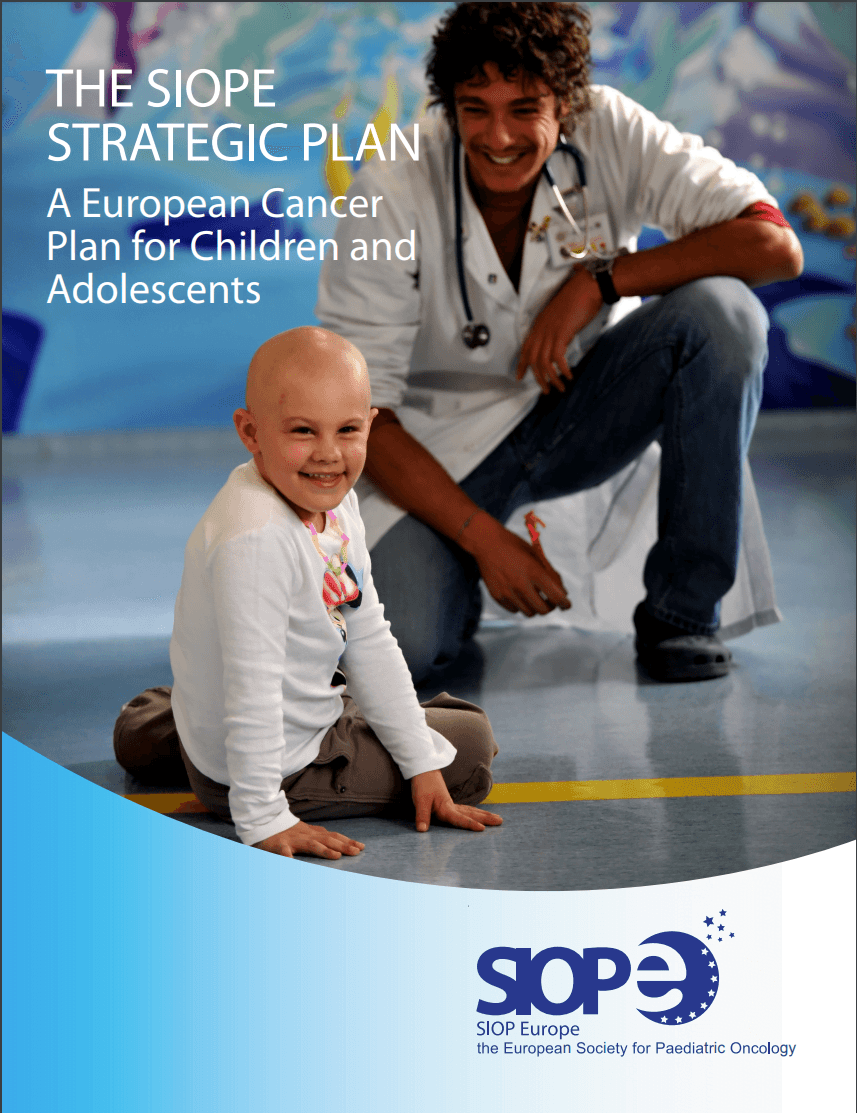
The SIOPE Strategic Plan: A European Cancer Plan for Children and Adolescents
SurvivorshipAllReportEU-CAYAS-NET

The SIOPE Strategic Plan: A European Cancer Plan for Children and Adolescents

Cancer in young people is rare, but it is still a major health issue in Europe. Each year, more than 6,000 young people in Europe die of cancer. There are more than 300,000 European childhood cancer survivors (in 2020, they will be nearly half a million): two-thirds of them have some late side effects of treatment, that are severe and impact on the daily life of half of those affected.

Published:

Cancer in young people is rare, but it is still a major health issue in Europe. Each year, more than 6,000 young people in Europe die of cancer. There are more than 300,000 European childhood cancer survivors (in 2020, they will be nearly half a million): two-thirds of them have some late side effects of treatment, that are severe and impact on the daily life of half of those affected.

Within the European Network for Cancer research in Children and Adolescents (ENCCA), SIOPE and the European paediatric haematology-oncology community have established a longterm sustainable Strategic Plan to increase the cure rate and the quality of survivorship for children and young people with cancer over the next ten years. The ultimate goal is to increase the disease- and late-effect- free survival after 10 years from the disease, and beyond.

This article provides informational support only and is not a substitute for professional medical advice, diagnosis, or treatment. Always consult your healthcare provider for medical decisions.
EU-CAYAS-NET project logo

This content was created during the EU-CAYAS-NET project, co-funded under the EU4Health Programme in 2022-2025 (Grant Agreement No. 101056918).
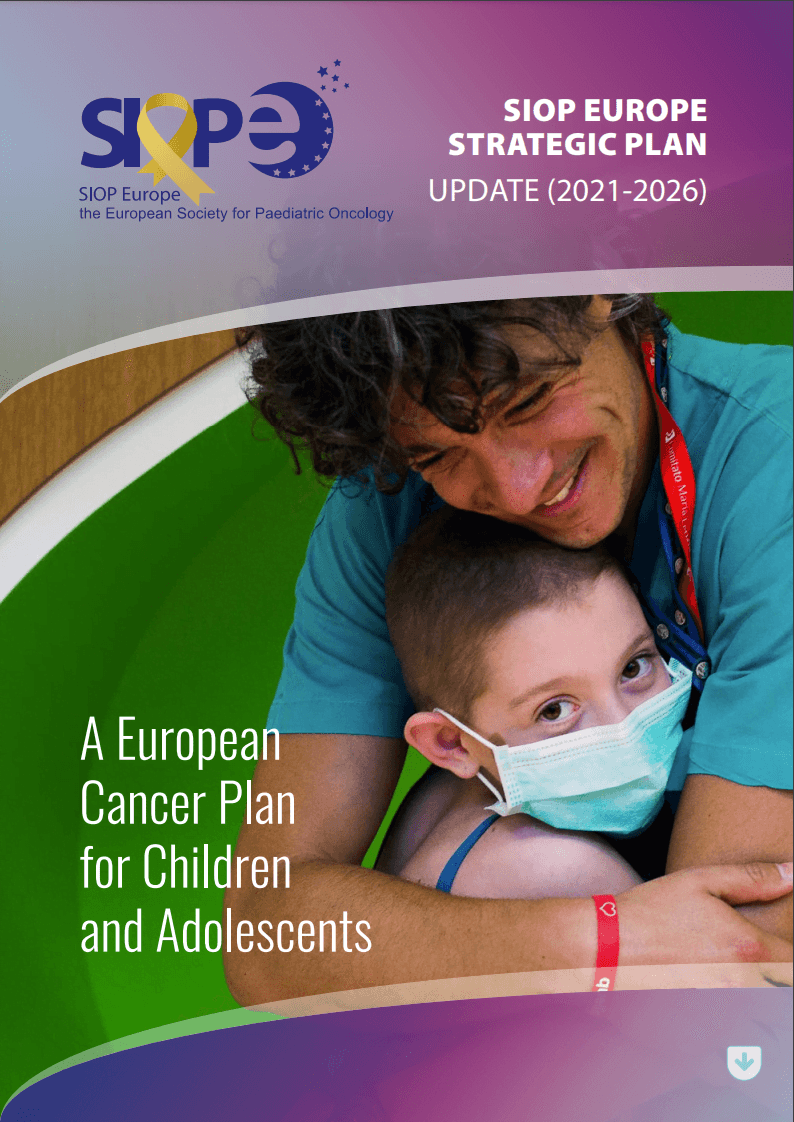

Continue reading · SurvivorshipSIOP Europe Strategic Plan Update (2021-2026)Each year, more than 35,000 children and young people are diagnosed with cancer and more than 6,000 die of cancer. Over 500,000 long-term survivors of childhood cancer live in Europe today and two thirds of them experience long-term health and psycho-social problems due to their disease.

Discussion & Questions

Note: Comments are for discussion and clarification only. For medical advice, please consult with a healthcare professional.

Leave a Comment

Minimum 10 characters, maximum 2000 characters

No comments yet

Be the first to share your thoughts!