
Key Takeaways
- The best gifts solve a real problem. They ease pain, fight boredom, simplify a daily task, or take one thing off the recipient's plate.
- Match the gift to the moment. Consider the person's specific surgery, the stage of their recovery, and whether they're still in the hospital or back home.
- Comfort, practical, and meal-related gifts almost always land well. Soft blankets, lip balm, cozy socks, a grabber tool, a pill organiser, a wedge pillow, or a flexible meal-delivery gift card.
- Post-mastectomy recovery needs special attention. Front-closure tops, drain pouches, and heart-shaped pillows are gifts that generic care packages completely miss.
- Skip anything scented, heavy, or crunchy. Strong fragrances, fresh flower bouquets, rich casseroles, and hard snacks can trigger nausea, introduce allergen or infection risk, or simply go uneaten.
- Price isn't what makes a gift land. A €15 item chosen with thought beats a €100 basket chosen in a rush. Add a short note and you've already done it right.
If someone you love is recovering from surgery, you already know the feeling. You want to help. You want to send something. But you also don't want to send the fifth gift basket of cheese and crackers nobody's touching, or flowers that will wilt next to a stack of hospital discharge paperwork. Finding the right gifts for healing after surgery is harder than it looks, especially when the surgery is for cancer, which brings its own layer of fear, fatigue, and emotional weight.
This guide is built around one simple idea: the best recovery gifts solve real problems. Not symbolic ones. Real ones. What we have seen, again and again, is that a €15 item chosen with specific thought lands more deeply than an expensive basket chosen in a rush. You don't need to get it perfect. You just need to get it honest.
We will walk through what someone actually needs after cancer surgery, the best gifts for hospital versus home recovery, a dedicated section on post-mastectomy gifts, food that helps (and food that doesn't), thoughtful picks under €25, and what to skip entirely. By the end, you'll know exactly what to send, and what to say when you send it.
What Someone Actually Needs After Cancer Surgery
Before you buy anything, it helps to understand what recovery actually looks like. The image most people have of a patient tucked into bed, reading a novel and sipping tea, isn't quite right.
Real recovery is physical discomfort that ebbs and flares. It's grogginess from anaesthesia that can linger for days. It's constipation from pain medication that nobody warned them about. It's nausea that makes food smells unbearable. It's boredom so deep that a jigsaw puzzle starts to feel like a lifeline. It's a tender incision that makes reaching for the remote exhausting.
Cancer surgery adds a layer that's easy to forget from the outside. Your friend isn't just healing a wound. They're often waiting on pathology results, processing a diagnosis, making decisions about chemo or radiation, and quietly adjusting to a body that feels different. The gift you send lands in the middle of all of that.
The Four Things Every Recovery Gift Should Do
Before you buy anything, run it through this filter. A good recovery gift does at least one of these four things:
- Eases physical discomfort
- Distracts from boredom or anxiety
- Removes a daily chore or friction point
- Provides nourishment
If your gift doesn't check at least one of those boxes, pause and reconsider. A scented candle is lovely, but it doesn't solve any of the four. A long-handled grabber tool is unglamorous, but it solves a real, daily problem. Guess which one gets used every single day.
Hospital Recovery vs. Home Recovery: Why It Matters
Hospital stays are short, space is tight, and many items are restricted. On oncology wards, patients often become neutropenic, meaning chemotherapy has suppressed their immune system enough that everyday exposures become risky. European clinical guidelines for immunocompromised patients recommend that fresh flowers, potted plants, and other environmental sources of fungal spores be kept out of the ward [1].
Home recovery is longer, more flexible, and calls for different solutions. A gift that's perfect for a hospital room (eye mask, long phone charger, soft socks) may get shoved in a drawer at home. A gift that shines at home (wedge pillow, meal delivery, entertainment subscription) may be useless in a hospital bed. Ask where they'll be when the gift arrives, and choose accordingly.
Comfort Gifts for Hospital Recovery
Hospital rooms are not designed for human comfort. The lights are fluorescent, the blankets are thin, the air is dry, and the chairs are plastic. Small comforts go a long way.
Here's what consistently lands well:
- A soft, lightweight throw blanket. Hospital-issue blankets are notoriously scratchy. A machine-washable fleece or bamboo throw is an upgrade they will feel immediately.
- Non-skid grip socks. Genuinely useful. Many hospitals require them, and the ones they hand out are stiff and ugly.
- Lip balm and unscented face moisturiser. Hospital air is brutally dry, and IV fluids plus anaesthesia make lips crack almost instantly.
- A silky eye mask. For blocking out fluorescent lights and 3 a.m. nurse check-ins.
- Soft foam earplugs or noise-cancelling earbuds. Hospitals are loud. Sleep is impossible without them.
- A phone charger with an extra-long cord. The outlet is never where you need it.
- A small toiletry kit. Dry shampoo, a toothbrush, toothpaste, and face wipes. Showering may not happen for days.
- A water bottle with a long, angled straw. So they don't have to sit up fully to sip.
One important note: before you ship anything to the hospital, check with a family member or the care team. Oncology wards routinely restrict fresh flowers, live plants, strong scents, and outside food [1]. A well-intentioned gift can get turned away at the nurses' station.

Practical Gifts for Recovering at Home
Home recovery is where the boring stuff gets hard. Getting out of bed. Walking to the bathroom. Reaching for something on a low shelf. Remembering which pill at which hour. This is where practical gifts earn their keep.
Mobility and Reach Helpers
A long grabber or reacher tool sounds unsexy until you've tried to pick up a dropped phone after abdominal surgery. Other genuinely useful picks: a raised toilet seat, a shower chair, a sturdy cane if they'll need one, and slip-on shoes so they never have to bend to tie laces.
Comfort Upgrades for Bed and Couch
Recovery happens on horizontal surfaces. A wedge pillow elevates the upper body and makes breathing, eating, and reading in bed much easier. A memory foam body pillow supports side-sleeping without pressure on an incision. A weighted blanket can help with anxiety and sleep. A Swedish randomised controlled trial at the Karolinska University Hospital in Stockholm found that weighted chain blankets significantly reduced insomnia severity and improved daytime symptoms of fatigue, depression, and anxiety over four weeks [2]. Add an adjustable lap desk so they can eat, read, or work on a laptop without sitting up fully.
Daily Management Tools
A weekly pill organiser with alarms is one of the most-appreciated gifts you can send. Post-surgical medication schedules can involve six or seven different drugs at different intervals, and anaesthesia-brain makes it hard to track. Pair it with a reusable water bottle that has volume markings (hydration is genuinely critical for healing) and a small notebook for jotting down symptoms and questions before the next appointment.
Pain and Swelling Relief
Reusable gel cold packs, a soft heating pad with auto-shutoff, and a hot water bottle with a plush cover all help with the daily ache. One caveat worth including in your note: heat and massage tools should only be used after a doctor gives the green light. For cancer patients, this matters more than people realise. Massage near lymph node areas or recent surgical sites can be off-limits for weeks.
Gifts Specifically for Post-Mastectomy Recovery
If you're shopping for someone recovering from a mastectomy, the generic 'get well' list doesn't cut it. There are specific products that make a real, daily difference, and most people don't know they exist. Which is exactly why sending one lands so meaningfully.
Clothing That Actually Works
After a mastectomy, lifting arms is painful and sometimes medically restricted for weeks. Anything that goes over the head is essentially unwearable. Look for:
- Front-closure bras (Amoena and Anita Care are two European brands with well-reviewed options)
- Button-front pyjamas and soft robes
- Zip-up hoodies
- Loose camisoles with side or front closures
Avoid sports bras, pullover sweatshirts, and anything labelled 'easy throw-on' that still requires raised arms.
Drain Management
Many post-mastectomy patients come home with surgical drains that stay in place for several days, and sometimes a couple of weeks depending on how much fluid the wound is producing [3]. These drains need to be secured, hidden under clothing, and held up in the shower. Dedicated products exist: drain pouches with lanyards or safety pins, shower drain holders, and mastectomy recovery belts with built-in pockets. Almost no one sends these as gifts, which is exactly why they land so well.
Mastectomy Pillows and Seatbelt Cushions
A heart-shaped post-mastectomy pillow tucks under the arm to cushion the chest and relieve pressure on the incision. It's usually €15 to €25 and one of the most-mentioned 'I'm so glad I had this' items in recovery forums. A seatbelt cushion protects the incision during car rides to follow-up appointments, and there will be a lot of those.
Personal Care After Mastectomy
Gentle, fragrance-free body wash and lotion. Dry shampoo, because real showers may be limited for days. A long-handled bath sponge so they can wash without raising arms. A shower chair if standing for long is hard.
A Note on the Emotional Side
Body-image adjustment is real, and it looks different for every person. Some patients want a journal or a space to write. Others want to be fully distracted with a great novel, a puzzle, a streaming subscription. Don't assume. If you're close to them, ask a family member what they'd actually welcome. If you're not close enough to ask, lean toward practical and gentle rather than emotionally loaded.
Food and Meal Gifts: What Helps, What Doesn't
Food gifts are sent constantly and wasted constantly. If you want to send food, send it smart. It also helps to remember that cancer treatment can change taste dramatically. A recent European review found that between 53% and 84% of breast cancer patients undergoing chemotherapy report altered taste, most often a bitter or metallic sensation, and that this can persist for weeks after each treatment cycle [4]. That means the food someone loved last week may be unbearable today.
What Actually Helps
- Meal delivery gift cards (Wolt, Uber Eats, Just Eat, Deliveroo, or a local equivalent). Flexible, and they work even when appetite is unpredictable.
- Prepared freezer meals from a local service or a coordinated meal train, one meal a week beats seven in three days.
- Homemade soups in freezer-safe containers. Label them with reheating instructions and date.
- A simple blender plus mild smoothie ingredients. For days when chewing feels like too much.
- Nausea helpers: ginger chews, peppermint tea, plain crackers.
- Gentle foods: bone broth, congee, soft noodles, plain yoghurt, apple sauce, scrambled eggs.
What Doesn't (But People Send Anyway)
- Rich, heavy casseroles when someone is nauseated from anaesthesia or chemo.
- Strong-smelling cheeses, fragrant spice blends, or anything aromatic.
- Crunchy or acidic snacks that irritate a sore throat from intubation.
- Elaborate fruit baskets that spoil before anyone can eat them.
- Alcohol. It's nearly always off-limits during recovery and with medications.
Remember, cancer surgery patients may be heading straight into chemo or radiation, where taste preferences can shift overnight [4]. A flexible gift card almost always beats a specific dish.
Entertainment for Long Days of Bed Rest
Recovery days are long, quiet, and, if we're honest, boring. Entertainment isn't frivolous. It's how people get through the afternoon.
Low-Effort Options
Audiobook credits (Audible, Storytel, BookBeat) are easier than reading when someone is drowsy or has blurry post-anaesthesia vision. Streaming subscriptions (Netflix, Disney+, Apple TV+, or a national service like BBC iPlayer or Arte) are genuinely useful, especially if you pair the gift with a tablet stand so they can watch hands-free while lying down. A pair of comfortable wireless earbuds means they can listen without disturbing anyone.
Hands-On Distraction
Adult colouring books with a set of quality coloured pencils. Jigsaw puzzles on a puzzle board that fits on a lap. Crossword or sudoku books. A light, plot-driven novel, something that pulls them through the chapters. Skip dense literary fiction or serious nonfiction; concentration is limited for the first couple of weeks.
Connection From a Distance
A digital picture frame that family and friends can upload photos to remotely is one of the most uplifting gifts on this list. A subscription to a meditation app like Calm or Headspace. Or try a low-tech favourite: a bundle of ten pre-written cards, labelled 'open one per day', each with a short note, a photo, or a memory. It becomes something to look forward to.
For a broader collection of ideas beyond surgery specifically, our guide on what to put in a cancer care package covers items organised by treatment type, budget-friendly options, and the emotional gestures that patients say mattered most.
Gifts Under €25 That Still Feel Thoughtful
Not every budget allows for a premium gift basket, and honestly, cost is almost never what makes a recovery gift land. Specificity is. Here are fifteen options under €25 that consistently land well:
- A quality lip balm set
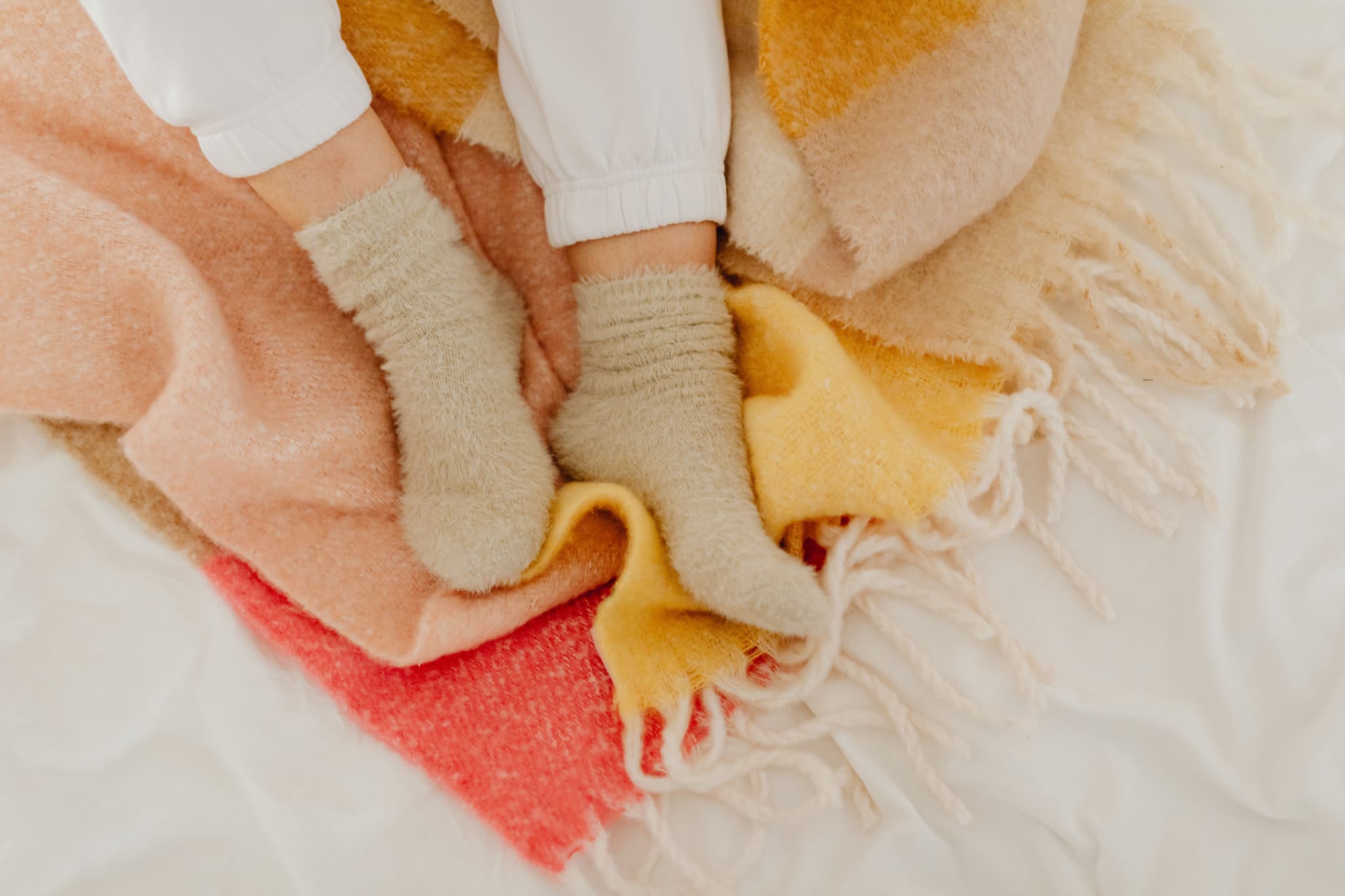
- Fuzzy grip socks
- A paperback light novel chosen specifically for them
- A water bottle with a straw
- Ginger chews and peppermint tea
- An adult colouring book and pencils
- A simple lined journal
- A €20 Wolt, Uber Eats, or Deliveroo gift card
- A heart-shaped post-mastectomy pillow
- A silk flower arrangement that won't wilt or trigger allergies
- A small succulent in a simple pot
- A pair of soft, non-skid hospital socks
- A weekly pill organiser
- A seatbelt cushion
- A handwritten letter, a printed photo, and a small unscented candle
And here's the unromantic truth: the most appreciated 'gift' costs nothing. A text that says 'Thinking of you, no need to reply' often beats a €100 basket. Showing up matters more than spending.
What to Avoid Sending After Surgery
Some gifts do more harm than good. Oncology patients are often immunocompromised, frequently nauseated, and almost always dealing with a crowded living space full of medical equipment. Less is more.
| ✓ Do Send | ✗ Skip or Ask First |
|---|---|
| Unscented lotions and lip balm | Scented candles, perfumes, or essential oils (nausea trigger) |
| Silk flowers or a small succulent | Large fresh bouquets (allergen and infection risk) |
| Meal delivery gift cards | Rich casseroles or elaborate fruit baskets |
| Short, low-pressure cards | Long letters that demand a response |
| Front-closure pyjamas and robes | Pullover sweatshirts or anything requiring raised arms |
| Audiobook credits and light novels | Dense literary fiction or heavy nonfiction |
| Soft, easy-to-eat foods | Crunchy, acidic, or spicy snacks |
| Flexible gift cards | Alcohol in any form |
| Practical items they'll use daily | Teddy bears or generic 'get well' trinkets |
A quick reality check on a few of these. Fresh flowers seem universal, but they can carry mould spores and pollen that pose a real risk to neutropenic patients, and strong floral scents can trigger nausea in someone recovering from anaesthesia. European clinical guidelines specifically advise keeping potted plants and cut flowers away from immunocompromised patients on the ward [1]. Scented candles and perfumes have the same nausea problem. Heavy casseroles feel generous but often sit in the fridge uneaten because the smell alone is too much. When in doubt, go unscented, go flexible, go small.
How to Pair Your Gift With the Right Words
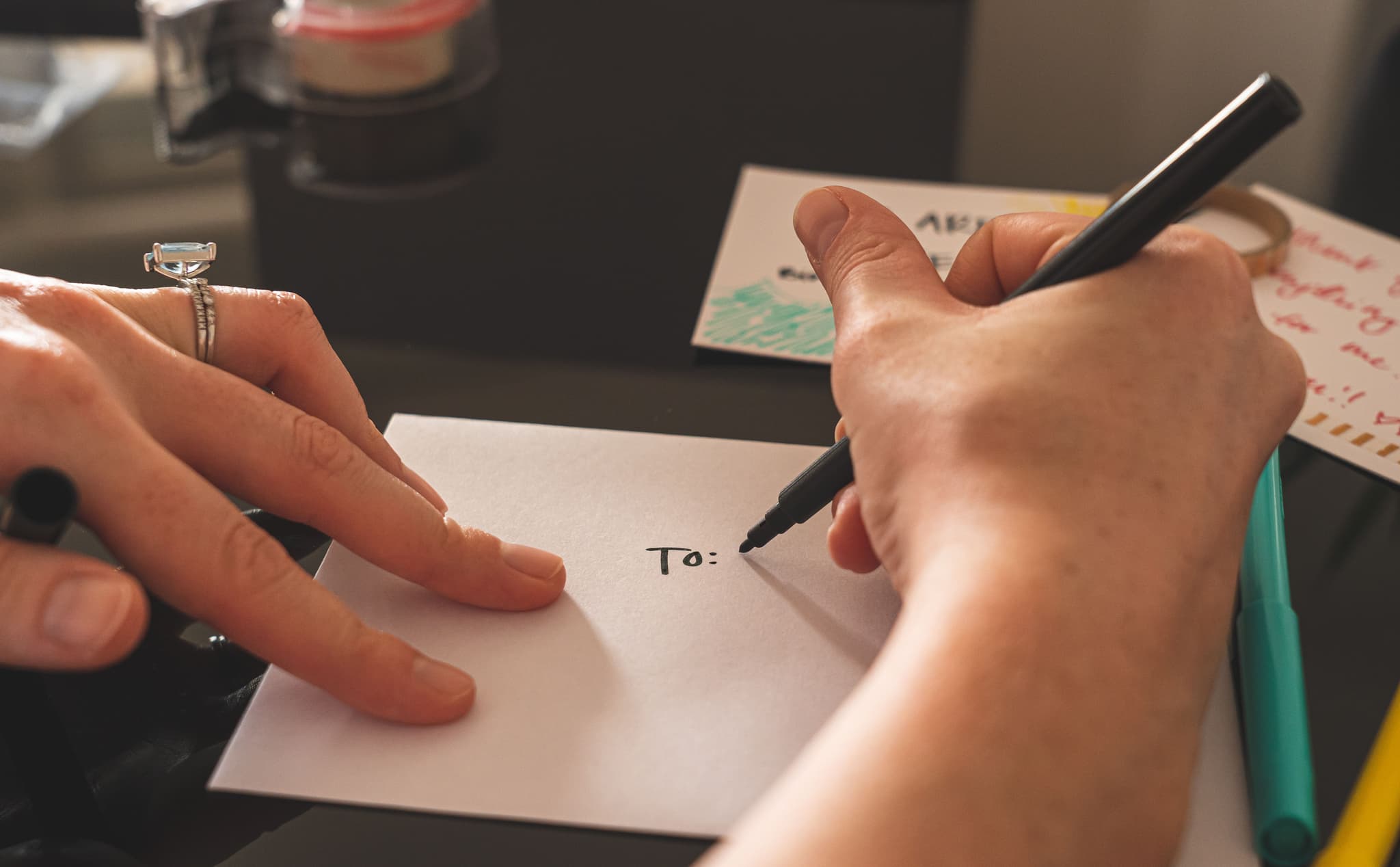
A gift with a thoughtful note hits differently than a gift without one. But most people freeze at the card. They don't know what to say, so they default to 'Get well soon!' or write nothing at all. Here's a shortcut.
The messages that land best share three qualities: they don't demand a reply, they don't force positivity, and they don't treat the person as fragile. A few you can borrow or adapt:
- "Thinking of you. No need to reply, just wanted you to know."
- "Sending something small. I hope the next few days are gentler than the last."
- "Here whenever you want to vent, or not talk at all."
- "Dropped a meal off on your porch. It's in the blue bag, reheat whenever."
- "Keeping you on my mind. I'll check in again next week."
- "No updates needed. Just here."
If you want more phrasing that lands well, and clear examples of what to avoid, our guide on what to say to someone with cancer covers messages for diagnosis conversations, chemo check-ins, and the cards you re-read on the hardest days.
The same rule applies if your friend moves from surgery into chemo. Short, low-pressure notes mean more than dramatic declarations. A text every Friday that says 'thinking of you', with no expectation of a response, becomes a quiet lifeline over months of treatment.
Frequently Asked Questions
What is the best gift for someone recovering from cancer surgery?
The best gift solves a real problem: physical discomfort, boredom, a daily chore, or a nutrition gap. Flexible options like meal delivery gift cards, soft front-closure pyjamas, a weighted blanket, or a well-stocked entertainment bundle consistently outperform flowers and generic gift baskets.
What should you NOT give someone after surgery?
Avoid strongly scented products, heavy fresh flower arrangements, rich or crunchy foods, alcohol, and pullover clothing. Anything that could trigger nausea, expose an immunocompromised patient to allergens, or require physical effort to use may do more harm than good.
What do you put in a post-surgery care package?
A thoughtful care package usually includes one comfort item (soft socks or a throw), one practical aid (grabber tool or pill organiser), one entertainment option (puzzle book or streaming gift card), and one food-related gift (meal delivery card or gentle snacks), plus a short handwritten note.
How much should you spend on a gift after surgery?
There's no right amount. A €15 gift with a thoughtful note often lands better than a €100 basket. Focus on specificity, something chosen for their exact situation, rather than price. Dropped-off meals, a ride to an appointment, or a regular 'thinking of you' text usually matter more than retail gifts.
Are flowers appropriate after cancer surgery?
Often not. Many oncology units restrict fresh flowers due to infection and allergen risk, especially for patients who are neutropenic [1]. At home, flowers are generally fine but can still trigger nausea. Silk flowers, a small succulent, or a simple card are safer defaults.
What are good gifts for someone recovering at home after a mastectomy?
Front-closure bras and pyjamas, a heart-shaped mastectomy pillow, a seatbelt cushion for car rides, drain management pouches, dry shampoo, and gentle fragrance-free body wash. Avoid overhead clothing, anything scented, and items that require reaching overhead.
Final Thoughts: The Best Gift Is the One That Meets Them Where They Are
Surgery recovery isn't the gentle montage movies show. It's slow, uncomfortable, sometimes lonely, and frequently boring. When it's cancer surgery, there's usually fear woven through all of it: about results, about what's next, about a body that suddenly feels unfamiliar.
The people who feel most supported during recovery aren't the ones who received the fanciest gifts. They're the ones whose friends and family noticed what was actually hard and quietly helped with it. A soft shirt they can get into without pain. A meal they don't have to cook. A pill organiser that takes the guesswork out of 2 p.m. A text they don't have to answer.
That's what real gifts for healing after surgery look like. Not grand gestures. Small, specific, thoughtful acts that say: I see what you're going through, and I'm here.
Pick one idea from this guide. Add a short, low-pressure note. Send it this week. That's all it takes.
References
[1] Ullmann, A. J., Schmidt-Hieber, M., Bertz, H., Heinz, W. J., Kiehl, M., Krüger, W., Mousset, S., Neuburger, S., Neumann, S., Penack, O., Silling, G., Vehreschild, J. J., Einsele, H., & Maschmeyer, G. (2016). Infectious diseases in allogeneic haematopoietic stem cell transplantation: Prevention and prophylaxis strategy guidelines 2016. Annals of Hematology, 95(9), 1435-1455. https://doi.org/10.1007/s00277-016-2711-1
[2] Ekholm, B., Spulber, S., & Adler, M. (2020). A randomized controlled study of weighted chain blankets for insomnia in psychiatric disorders. Journal of Clinical Sleep Medicine, 16(9), 1567-1577. https://doi.org/10.5664/jcsm.8636
[3] East Sussex Healthcare NHS Trust. (2020). Advice for patients being discharged home with a drain following surgery to the breast and/or axilla (Patient information leaflet, ref. 0461/05). https://www.esht.nhs.uk/wp-content/uploads/2017/06/0461.pdf
[4] Pellegrini, M., Merlo, F. D., Agnello, E., Monge, T., Devecchi, A., Casalone, V., Montemurro, F., Ghigo, E., Sapino, A., & Bo, S. (2023). Dysgeusia in patients with breast cancer treated with chemotherapy: A narrative review. Nutrients, 15(1), 226. https://doi.org/10.3390/nu15010226
This article provides informational support only and is not a substitute for professional medical advice, diagnosis, or treatment. Always consult your healthcare provider for medical decisions.

This content was created during the YARN project, co-funded under the EU4Health Programme in 2025-2028 (Grant Agreement No. 101219053).