

Caring for someone with cancer
Most of the people who read this site are not the patient. They are the wife, the daughter, the friend who is searching at midnight for the right words and the right thing to do. These pages are for you.
Written by the Beat Cancer EU editorial team from the experience of patient organisations in 27 EU countries. Primary sources are linked; nothing you enter in the self-check leaves your browser.
Start here
Two short reads for the first weeks: how to keep yourself going, and what to ask the care team so you know what is coming.


Finding the words
What to say, what not to say, and short messages that land when you cannot be in the room.





Practical help
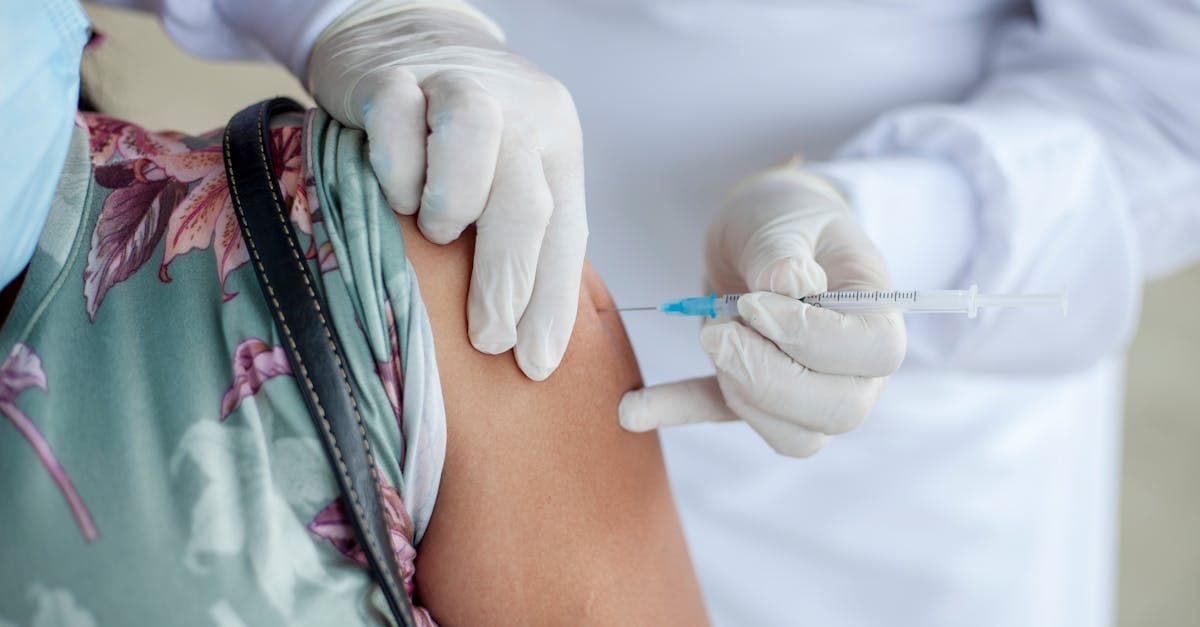
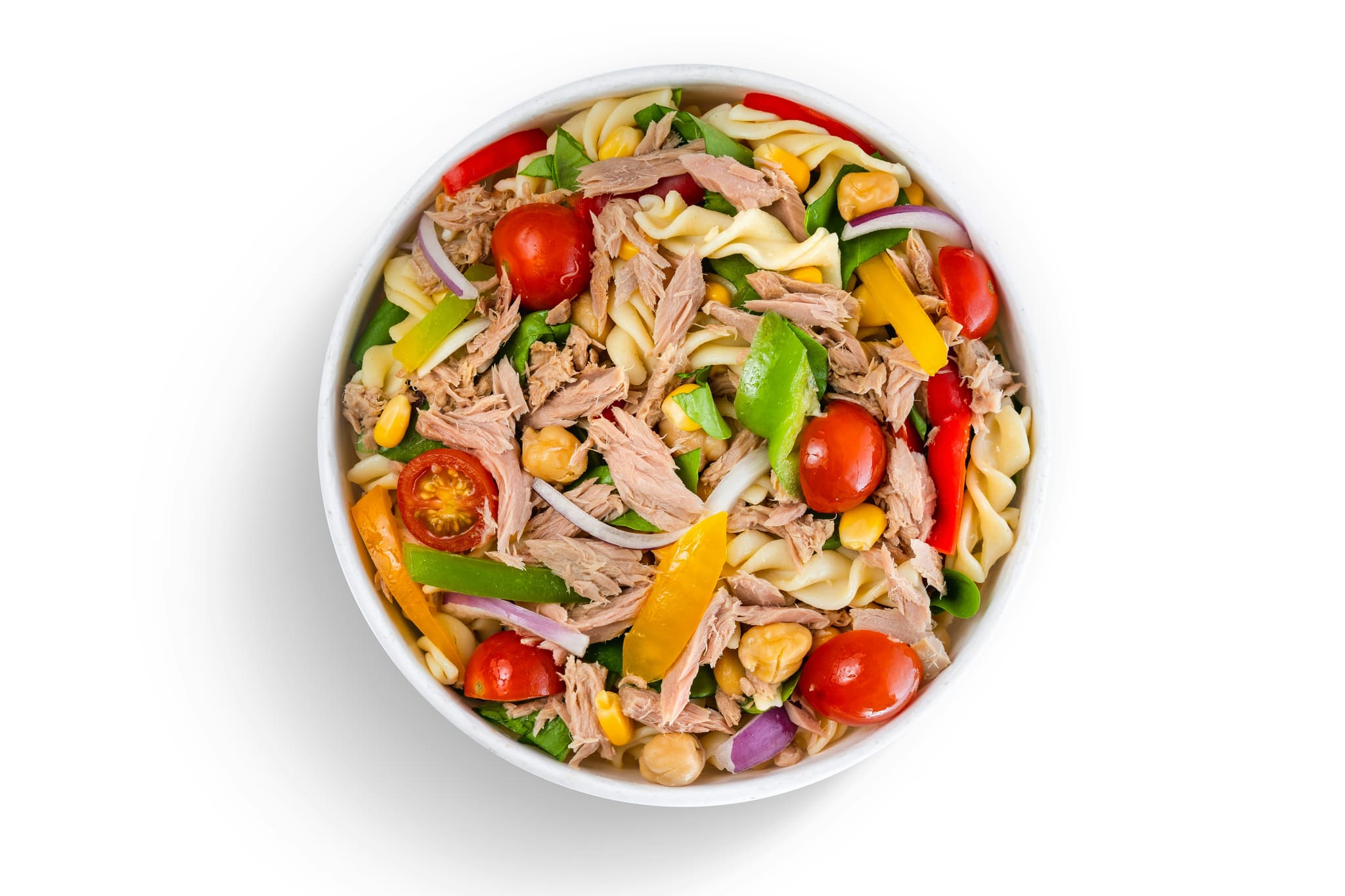
The hospital bag, the food that goes down when nothing else does, and how to thank the people looking after them.


Children and family
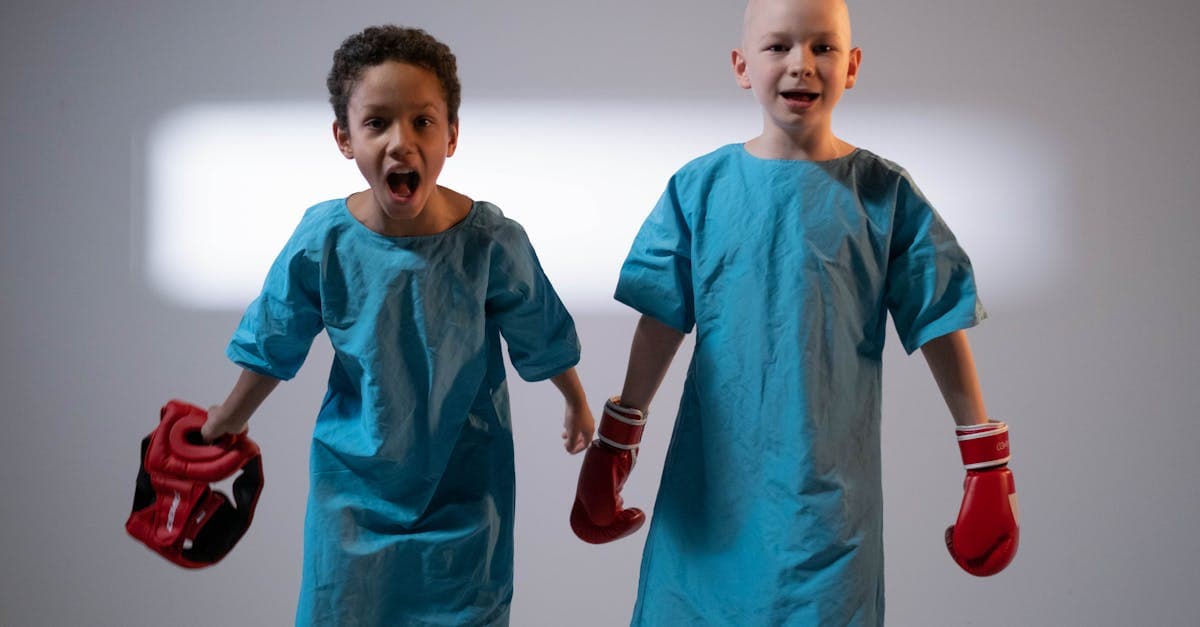
Talking to children honestly, and supporting a child who is the patient.

Looking after yourself
Resentment, loneliness and exhaustion are part of caring, not a failure at it. What they look like and what helps.

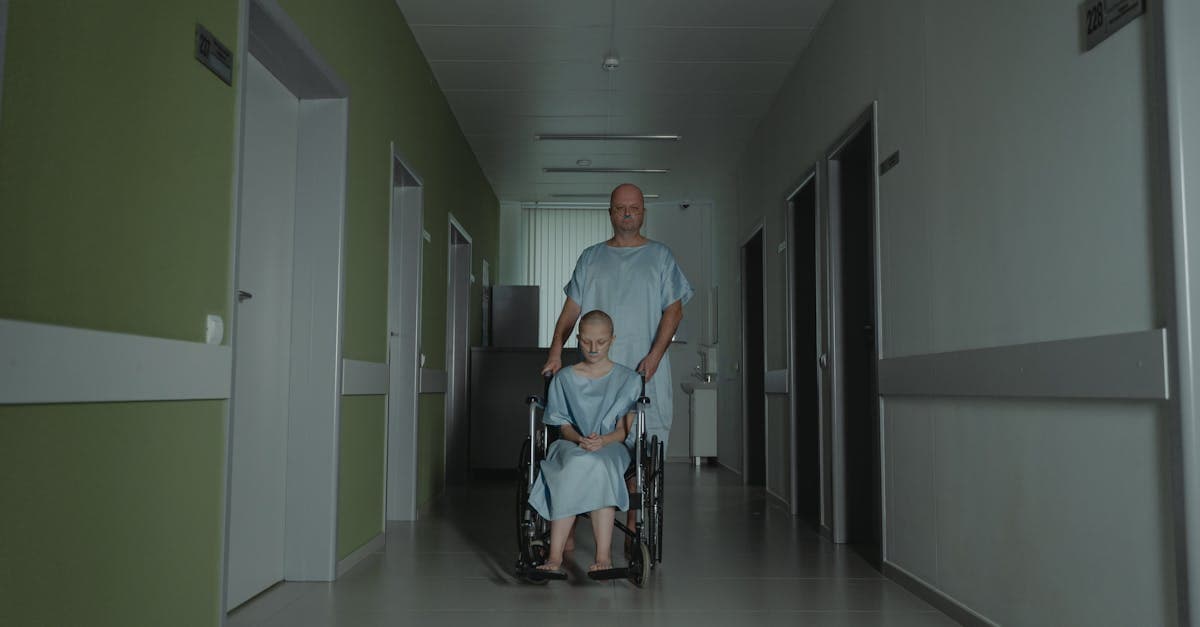


Work, money and rights
Leave, benefits and the legal side, for the person with cancer and for you.

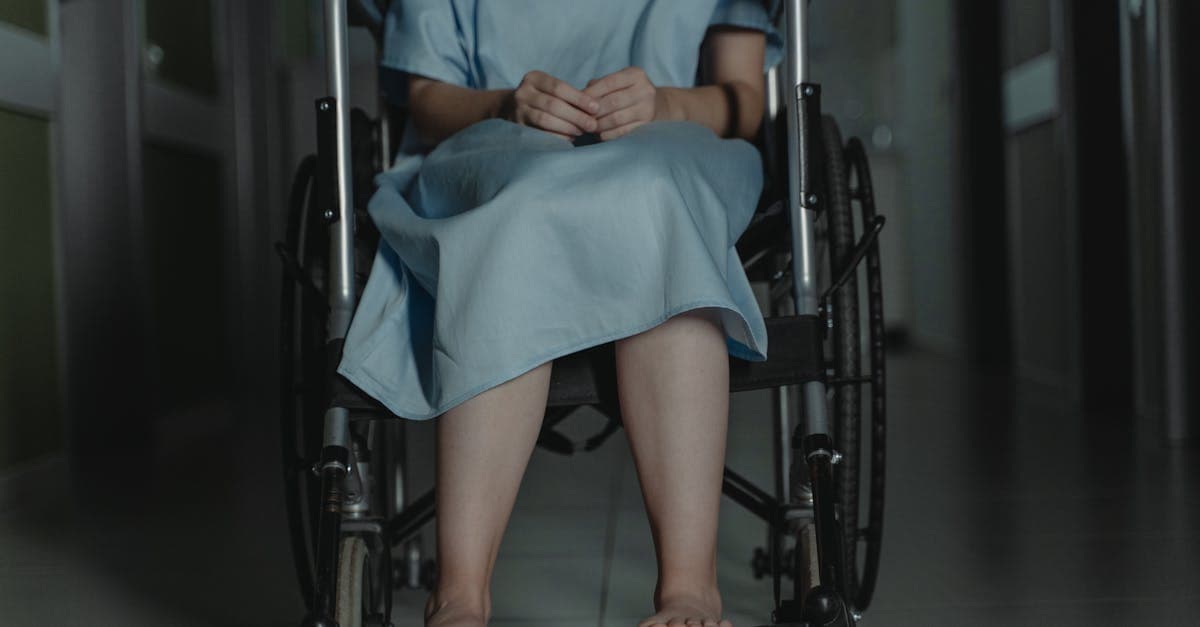

Your rights as a carer in the EU
- Carers’ leave: the Work-Life Balance Directive (2019/1158) gives every worker in the EU at least five working days a year to care for a relative or household member with a serious medical condition. Several countries add paid leave on top of this minimum.
- Flexible working: the same directive gives carers the right to request reduced hours, remote work or an adapted schedule, and the employer must answer with reasons.
- Support in the hospital: psycho-oncology, social work and patient navigation services in European cancer centres are for relatives too. Ask on the ward or at the oncology day unit.
- Patient organisations: national cancer leagues and patient groups run carer helplines and peer groups in your language, and in some countries respite care.
Questions to ask the care team
- Who is our named contact, and which number do we call at night or at the weekend?
- What should we expect over the next few weeks, so we can plan work and family around it?
- What help at home can we get, and who arranges it?
- Is there a psycho-oncologist or social worker I can talk to as a relative?
- Which symptoms mean we should come in straight away?
Sources
- Directive (EU) 2019/1158 on work-life balance for parents and carers (EUR-Lex)
- Eurocarers — the European network for informal carers
- National Cancer Institute — Support for Caregivers of Cancer Patients
- Geng HM et al. Prevalence and determinants of depression in caregivers of cancer patients: systematic review and meta-analysis. Medicine 2018 (PubMed)