
Key Takeaways
- Match the activity to the day, not the other way around. Fun activities for cancer patients at home work best when they flex with your energy. Some days a 20-minute puzzle feels like a triumph. Some days, reheating tea is the whole accomplishment, and that's fine.
- Low-energy options count as real activities. Audiobooks, guided meditation, adult coloring, and comfort TV are not "giving up." They're legitimate ways to pass a hard day well.
- Creative projects lift mood more than passive scrolling. Even 10 minutes of drawing, journaling, or knitting tends to feel better than an hour lost to social media.
- Virtual connection reduces isolation without exposure risk. Video game nights, online book clubs, and virtual museum tours keep you social without leaving the couch or risking infection when your counts are low.
- A few activities need a quick safety check. Gardening, pets, crowded outings, and crafts with fumes all have considerations during chemotherapy. A two-minute message to your oncology nurse clears up most of it.
- Doing nothing is also a valid choice. Rest is part of treatment. Think of this guide as a menu, not a to-do list.
The stretch of time at home during cancer treatment can feel longer than anyone warns you about. Between infusions, waiting for blood counts to recover, and afternoons when the couch feels magnetized to you, finding fun activities for cancer patients at home becomes less about "keeping busy" and more about protecting a small patch of normal.
This guide is organized by how you feel today, not by what you think you should be doing. It's a menu of low-energy, medium-energy, and good-day options, with honest notes on what to skip when your immune system is low or chemo brain is loud. Caregivers, family, and friends looking for ideas will find specifics here too, including activities you can do together.
Take what's useful. Ignore the rest. Close this tab and nap instead if that's what today calls for.
Medical Disclaimer: This article is for informational purposes only and does not replace personalized guidance from your oncology team. Always confirm new physical activities, gardening, pet interactions, and travel plans with your oncologist or oncology nurse — especially during periods of low blood counts or active treatment.
Why Small Activities Matter (Even on Hard Days)
There's a quiet body of research behind the idea that enjoyable activities help during cancer treatment. Gentle engagement is linked to reduced stress hormones, better mood, and improved quality of life during chemo and radiation. Listening to music alone has documented effects on anxiety. Journaling helps people process what's happening to their bodies. Moving, even a little, tends to make fatigue feel less crushing.
None of this means activities cure fatigue or replace medical care. They're tools, not treatments.
What small activities really offer is a shape to the day. When treatment takes over your calendar, a 15-minute craft project or a chapter of an audiobook becomes a kind of anchor. It tells your brain: I am still a person with preferences and curiosity, not just a patient waiting for the next scan.
We'd also flag the flip side. Forcing yourself to "stay positive" through hobbies you don't actually want to do can backfire and leave you feeling worse. The goal isn't to fill every hour. It's to have options when an hour needs filling.
Find an Activity by How You Feel Today
Your energy during treatment won't be a straight line. It shifts by the week, by the day, sometimes by the hour. Matching what you do to how you actually feel, instead of how you wish you felt, is what makes any of this sustainable.
Here's a quick reference. Find your energy level, pick a category, and skim an option.
| Low energy (in bed / on couch) | Medium energy (sitting up) | Good day (moving around) |
|---|---|---|
| Solo | Audiobook, comfort show | Jigsaw puzzle, journaling |
| Social | Phone call with a friend | Video game night, book club |
| Creative | Coloring book, gentle drawing | Knitting, watercolor, DIY card |
| Physical | Ankle rolls and stretches in bed | Chair yoga, light stretching |
| Learning | Podcast, TED Talk | Free online class, virtual museum tour |
Use it as a starting point, not a rulebook. If a "good day" activity sounds doable on a low-energy afternoon, try it. If the opposite is true, scale down without guilt.
Low-Energy Day Activities: Things to Do When You're in Bed or on the Couch
Bad days need different activities, not no activities. Everything in this section can be done horizontally, with one hand, and with very little cognitive demand.
Audiobooks and Podcasts
When your eyes are tired or you're lying flat, audio is the gentlest medium. No screen glare, no page-turning, no plot tracking beyond what you can manage.
The free Libby app connects to your local library and has a huge audiobook collection. Spotify now includes audiobooks with its premium tier. For podcasts, story-driven shows, nature documentaries in audio form, and gentle comedy tend to travel well with fatigue. A small tip: try slowing audiobooks to 0.9x. It feels more soothing than the default speed when you're running on half a battery.
Comfort Movies and Feel-Good Shows
There's a reason you keep rewatching the same sitcom. Familiar content is easier on a tired brain than anything new, because you're not tracking characters, plots, or stakes. You already know how it ends.
Lean into it. Gentle comedies, cooking shows, baking competitions, nature documentaries, and nostalgic childhood films are all solid picks. You know your comfort shows better than any list could guess.
Adult Coloring and Gentle Drawing
Coloring books are often filed under "things for kids," which sells them short. On rough days, the repetitive motion of filling in a design gives your hands something to do while your brain rests. There's no pressure to be "good" at it. There's just color and paper.
Prop yourself up with pillows, use a lap tray, and keep a small set of colored pencils within reach of the bed. That's the entire setup.
Guided Meditation and Breathing Apps
Guided meditation is less about spirituality and more about nervous system regulation. A calm voice guiding your breath for ten minutes can genuinely shift how your body feels.
Insight Timer has an enormous free library of guided meditations. Calm and Headspace both offer free trials. Many cancer centers also release free guided meditations specifically for patients going through treatment. It's worth asking your care team whether yours does.
Gentle Stretching From Bed
You don't need to get up, roll out a mat, or change clothes. Ankle rolls, shoulder shrugs, neck tilts side to side, a seated forward fold with pillows under your knees. Two minutes counts.
Check with your care team before starting anything new, especially if you have a port, recent surgery, or any bone involvement. Your oncology nurse can tell you in about 30 seconds what to avoid.
Medium-Energy Day Activities: When You're Up, But Not Up-Up
These are in-between days. You're sitting upright at a table, hands free, brain mostly online. You're not bedbound, but you're also not ready to leave the house. This is the sweet spot for crafts, puzzles, and shared activities with visitors.
Puzzles: Jigsaw, Crossword, and Sudoku
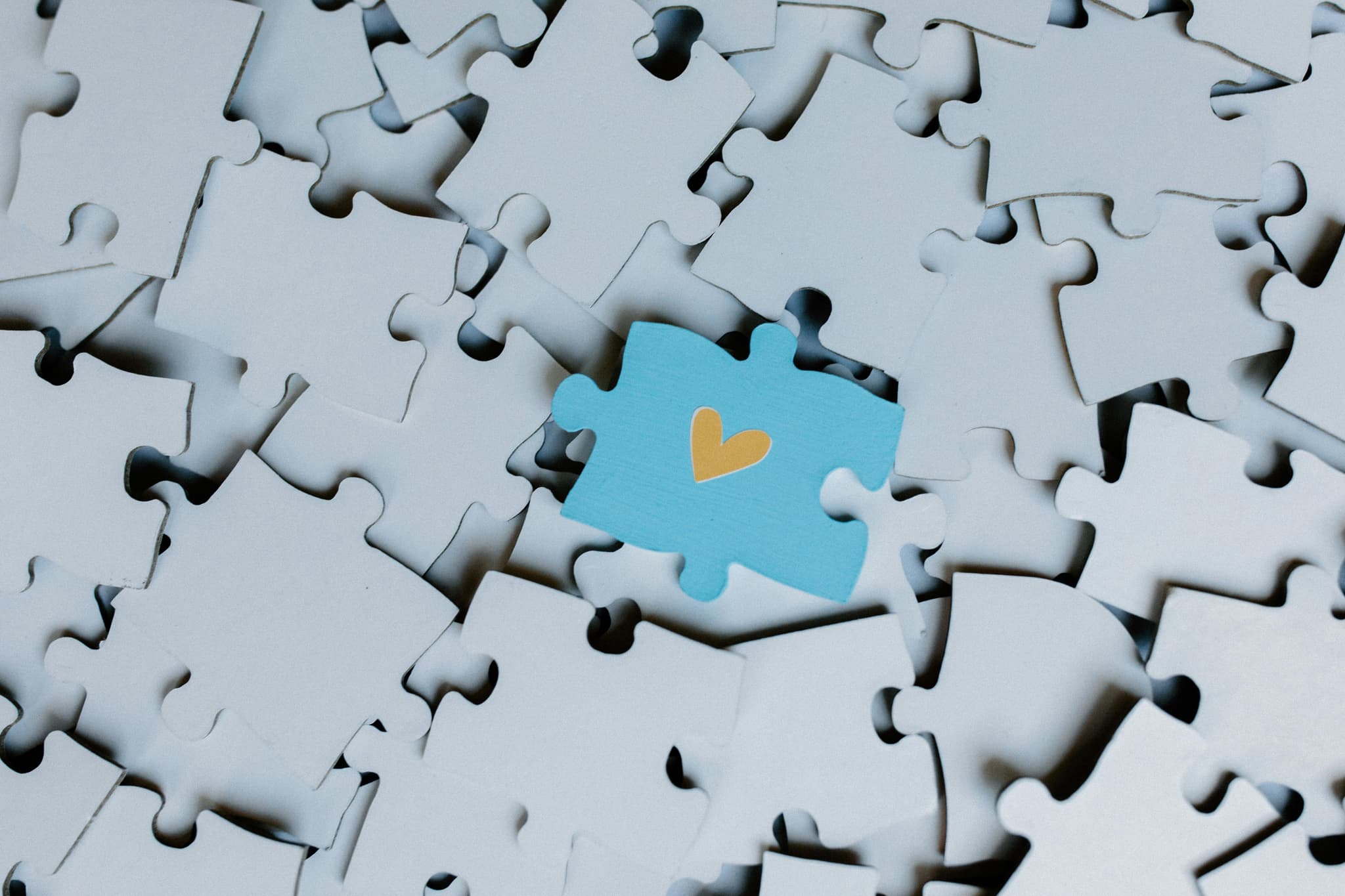
Puzzles hit a rare combination: they focus your mind without demanding emotional energy. You can do them alone or leave them on a side table as an open invitation for anyone walking by to add a piece.
Match the difficulty to how you feel. During chemo brain weeks, an easier jigsaw or a relaxed crossword is more satisfying than a 1,000-piece puzzle you'll abandon in frustration. Save the hard stuff for weeks when your head feels clearer.
Journaling and Gratitude Writing
Journaling doesn't have to be "Dear Diary" levels of commitment. It can be three sentences before bed. It can be a voice memo if writing feels like too much. If you're not sure where to start, try one of these prompts:
- What made me smile today, even briefly?
- One small good thing about today.
- Something I want to remember about this week.
- What do I need tomorrow?
- A person I've been thinking about.
Gratitude journaling specifically, where you list three things you're thankful for, has solid evidence behind it for lifting mood during hard seasons.
Knitting, Crocheting, and Low-Demand Crafts
There's something meditative about repetitive hand crafts. Your hands stay busy, your mind can wander or listen to an audiobook, and you end up with something you made. Dishcloths, simple scarves, and granny squares are beginner-friendly and forgiving.
If neuropathy is making your fingers feel numb or tingly, switch to chunky yarn and larger needles. The movement is the same. It's just kinder on hands that aren't fully themselves right now.
Virtual Museum Tours and Online Classes
You can wander the Louvre, the Met, and the British Museum from your couch. Google Arts & Culture collects them in one place. The Smithsonian Open Access collection is free and endless.
Free online classes are another door worth opening. Coursera lets you audit courses at no cost. Virtual cooking classes, watercolor tutorials, and photography basics are all low-physical-demand and genuinely fun. You're picking up a skill, not a hobby you have to keep up with forever.
Video Call Game Nights and Online Book Clubs
Social connection is medicine during treatment, but only on your terms. A three-hour dinner party will wreck you. A 45-minute video call with one or two close friends probably won't.
Practical options: Jackbox Party Packs let one person host and everyone plays from their phone. Online Scrabble and Words With Friends keep you connected across distance. Virtual bingo through a patient support group or a book club run through a group chat are lighter commitments than a weekly Zoom call. Keep the sessions short. You can always extend. It's harder to claw back an evening that's already gone.
Good-Day Activities: When Energy Allows
A good day during cancer treatment doesn't look like a good day before cancer treatment. It's not "I feel great and want to run errands." It's more like "I feel like doing something today, and I have the energy to follow through." Honor that. Don't try to cram six weeks of missed plans into one afternoon.
Container Gardening and Windowsill Herbs
Gardening gets you sunshine, fresh air, and something to nurture. It's one of the most reliably mood-lifting activities for cancer patients at home, if you can do it safely.
Container gardening, raised beds, and windowsill herbs are kinder on your body than in-ground work. Wear gloves. Avoid heavy composting or deep digging during neutropenic weeks, since soil can carry bacteria and fungi that compromised immune systems struggle with. A pot of basil on the kitchen windowsill counts as gardening.
Short Walks Outdoors
Walking has more evidence behind it than almost any other activity recommended during cancer treatment. It helps with fatigue, mood, sleep, and cardiovascular health.
You don't need a route or a distance goal. A slow loop around the block, around the yard, or even around the house counts. Sunlight helps regulate your sleep cycle and lifts mood at the same time, so outdoor walks, even short ones, earn their keep twice.
Cooking or Baking a Simple Recipe
Cooking gives you something to engage with and something to eat at the end. It's one of the few activities with a built-in reward.
Keep it simple on treatment days. Sheet-pan meals, no-bake desserts, and one-pot soups can mostly be made sitting down at the counter. Chemotherapy often changes how things taste, so some days the joy is in the doing, not the eating. That's okay. Baking cookies you end up passing to a neighbor still counts as a good afternoon.
Chair Yoga and Gentle Yoga
Chair yoga is built for bodies that aren't at full capacity. It's low-impact, easy to modify, and there's no pressure to get on the floor if getting up again feels like too much.
Yoga with Adriene on YouTube has entire playlists of gentler, restorative sessions. Some cancer centers run free yoga classes specifically for patients and survivors, often both in-person and streamed. Ask your care team if yours does.
Small Outings or Day Trips
Leaving the house on a good day can feel enormous, in the best way. A quiet park, a scenic drive with the windows down, an off-hours coffee shop, a museum visit on a weekday morning when it's empty.
Off-hours matters. Crowds are harder on your body and riskier when your counts are low. Early mornings, weekday afternoons, and the dead zones between lunch and dinner rushes are your friends.
Activities for Specific Side Effects
Treatment side effects change what's comfortable and what's possible. Matching activities to symptoms, instead of powering through, makes everything easier. This is where a thoughtful list of things to do during chemo starts to separate itself from a generic list of hobbies.
When You Have Chemo Brain
Chemo brain is real. Focus, memory, and word-finding can all take a hit. On those weeks, lean into low-cognitive-demand activities: coloring, instrumental music, a show you've seen five times, sorting old photos, simple knitting patterns.
Save strategic board games, dense novels with many characters, and brand-new skills for weeks when your head feels clearer. This isn't about what you can do. It's about what will feel relaxing versus frustrating.
When Your Hands Hurt or Feel Numb (Neuropathy)
Neuropathy narrows what your hands can comfortably do. Swap where you need to. Audiobooks replace small-print reading. Voice journaling replaces handwriting. Chunky yarn and large needles replace fine knitting. Big-piece jigsaws replace 1,000-piece ones.
Gentle hand stretches may help, but check with your oncology team before starting any targeted exercise for neuropathy. Some movements are better than others depending on what's causing the numbness.
When You're Nauseated
Strong smells, rich foods, heat, and motion are not your friends right now. Go the other way: quiet audio, dim lighting, cool cloths, plain coloring pages, watching rain or snow out a window.
Ginger tea, peppermint, and citrus help some people if those scents are tolerable. Activities that involve staring at a moving screen up close tend to make nausea worse, so paper puzzles and audiobooks often beat video games on these days.
When Your Counts Are Low (Neutropenia-Safe Ideas)
Low white blood cell counts mean steering clear of crowds, unwashed produce, raw flowers in standing water, and certain pet tasks like cleaning litter boxes, bird cages, or fish tanks. Let someone else handle those until your counts recover.
Indoor, solo-friendly activities dominate here. Everything in the low-energy and medium-energy sections works. Virtual museum tours, video game nights, and online book clubs become especially valuable because they let you stay social without the exposure risk.

Activities to Do With Visitors, Caregivers, or Family
Visitors often want to help but don't know how. Shared activities give the visit structure, take pressure off conversation, and give you both something to remember that isn't just "we talked about cancer again."
Watching Something Together
Build a shared watch list with a partner, friend, or adult child. Comfort genres work best. Sitting quietly side-by-side watching something familiar counts as quality time, especially on days when talking feels exhausting.
Worth noting: there are also meaningful cancer-themed films if you want them. Plenty of people want zero cancer content during treatment, and that's equally valid. This is your watch list.
Memory and Legacy Projects
Photo albums, digitizing old pictures, family recipe books, recorded voice stories for grandkids. These are slow-paced, meaningful, and naturally collaborative. Caregivers and family members often love being invited into them, because it gives them something tangible to do alongside you.
Frame these however you want. They're not morbid. They're present-tense projects about the people and stories you care about.
Learning Something Together
Online classes taken as a pair, new recipes attempted together, a shared book with weekly discussion. Taking on something new with a visitor takes pressure off you to entertain them and gives you both a small project.
Quiet Company
Sometimes the best activity with a visitor is just being in the same room. One of you reads, the other knits. One naps while the other works quietly nearby. No conversation required.
Visitors who understand "I don't need you to cheer me up, I just need company" will make these visits easy. If yours don't understand that yet, saying it directly helps. Most people are relieved to be told.
Activities to Approach With Care (or Avoid for Now)
No article should tell a cancer patient what they can and can't do. Your care team handles that, because the answer depends on your specific treatment and your specific body. A few activity categories do come with considerations worth knowing before you commit energy to them.
| Activity type | Green light | Check with your care team first |
|---|---|---|
| Gardening | Container herbs, potted flowers, light weeding with gloves | Heavy soil or compost work, especially during neutropenia |
| Pets | Gentle time with a healthy, well-groomed pet | Bringing home a new pet, cleaning litter or cages, handling sick animals |
| Crafts with fumes | Watercolor, colored pencils, fabric crafts | Oil paints, resin, strong glues, spray fixatives |
| Crowds | Off-hours outings, small gatherings with healthy friends | Busy restaurants, indoor events, anything during flu season or low counts |
| Exercise intensity | Walking, stretching, chair yoga | Anything new, heavy lifting, high-impact activity |
| Food prep | Cooked, simple meals; pre-washed greens | Raw meat handling, unwashed produce, buffet-style food |
When in doubt, one quick message to your oncology nurse line settles it. They'd rather answer a small question today than a bigger one later.
Free and Low-Cost Apps and Resources
A lot of articles wave vaguely at "meditation apps" and leave you to figure it out. Here are specific options, with honest notes on cost.
- Audiobooks: Libby is completely free with a library card. Spotify Premium now includes an audiobook tier. Libro.fm lets you buy audiobooks in support of a local indie bookstore.
- Meditation: Insight Timer has a massive genuinely-free library. Calm and Headspace have free trials and paid subscriptions. UCLA Mindful is free and specifically recommended by many cancer support programs.
- Puzzles and games: The NYT Games app has a free tier with the Mini crossword and Connections. Words With Friends is free with ads. Jigsawplanet.com has free online jigsaw puzzles with adjustable difficulty.
- Virtual museums: Google Arts & Culture is free. The Smithsonian Open Access collection is free. Many major museums stream free virtual tours directly on their own sites.
- Learning: Coursera lets you audit most courses for free. Khan Academy is entirely free. YouTube has an endless supply of long-form lectures and tutorials.
- Cancer-specific support: Major cancer nonprofits like Cancer Support Community, CancerCare, and Gilda's Club often run free virtual programs for patients, including yoga, meditation, writing groups, and support groups. Your treatment center may also have its own free patient programming. It's worth asking.
If you want more curated recommendations, this guide to Best Cancer Support Apps, Books, and Wellness Tools rounds up practical resources that patients and caregivers actually find useful during treatment and recovery.
Permission to Do Nothing
This whole article exists to offer options, not assignments. Some days, rest is the activity. Watching the ceiling, dozing, listening to rain, staring out the window. None of that is a failure of coping.
Rest during cancer treatment is medical work. Your body is doing extraordinary things in the background, whether you can see it or not.
If you're a caregiver reading this: when the person you love doesn't want to do any of this today, the kindest response is not to push. Sitting nearby quietly is often the most helpful activity of all. Bringing water, adjusting a pillow, leaving the room when asked. That's a full shift of love, and it matters more than you know.
The day you didn't do anything fun is not a day you did anything wrong.
If you need the reminder that there's no single "right" way to move through cancer, these Cancer Survivor Stories: Real People, Real Hope show how differently people cope, rest, struggle, and keep going through treatment and recovery.
Frequently Asked Questions
What activities are safe for cancer patients during chemotherapy?
Generally safe activities include reading, audiobooks, puzzles, coloring, knitting, journaling, gentle stretching, and short walks. Check first on gardening with raw soil, bringing home new pets, crowded indoor events, intense exercise, and crafts with strong fumes. Always clear new physical activities with your oncology team before starting.
What can cancer patients do at home when they are too tired to move?
Audiobooks, podcasts, comfort TV, guided meditation, voice journaling, listening to music, adult coloring with a lap tray, gentle bed stretches, and looking through old photos all work from bed or the couch. Resting without any activity at all is also a legitimate answer. Fatigue during treatment is not laziness.
Are there activities cancer patients should avoid?
Yes, with nuance. Avoid or modify activities involving strong fumes, heavy lifting, high-impact exercise, large crowds during neutropenia, handling raw soil or meat without gloves, and anything your care team has specifically flagged. When in doubt, send a quick message to your oncology nurse before starting something new.
What are good gifts that double as activities for someone in cancer treatment?
Thoughtful options include adult coloring books with quality pencils, an audiobook gift card, a cozy reading bundle with a throw and eye mask, jigsaw puzzles matched to their energy, streaming subscriptions, a beginner knitting kit, and a journal with built-in prompts. Ask first what they actually want, if you can.
Can cancer patients exercise at home safely?
Usually yes, with clearance from the care team. Walking, chair yoga, gentle stretching, and light resistance band work are commonly recommended. Intensity should match your current energy, not your pre-cancer baseline. Stop if you notice pain, dizziness, or unusual shortness of breath, and mention it at your next appointment.
What helps with chemo brain when trying to stay engaged?
Lean into low-cognitive-demand activities: familiar shows, coloring, instrumental music, simple crafts, and audiobooks at slightly slower speed. Save complex games, dense reading, and brand-new skills for weeks when your head feels clearer. Short activity sessions with breaks work better than long ones during chemo brain weeks.
A Note From People Who've Been Through This
We've worked with and listened to a lot of people during treatment, and a few things come up again and again.
One survivor described her rule as "one thing a day, and the thing can be a shower." That's a generous frame. Another talked about how an ongoing jigsaw puzzle on the dining table became a kind of silent conversation with her husband, who'd add pieces when he walked by. A third said the best gift anyone gave her during chemo was a weighted blanket and permission to use it.
None of these people treated activities as self-improvement. They treated them as small ways to stay recognizable to themselves on hard weeks. That's the whole point.
The Bottom Line
The best fun activities for cancer patients at home are the ones that fit the actual day, not the imagined one. Pick one thing that sounds doable this week. Ignore everything else on this list. Come back when a new phase of treatment starts and a different section of this guide becomes more relevant.
Your energy will shift. Side effects will change. The activities that work for you will change right along with them. That's not you failing to stick with a plan. That's you responding intelligently to a body that's doing hard work.
Whether you're a patient or someone who loves one, showing up for yourself or for someone else in whatever small way you can manage today is already enough. Tea counts. A quiet show counts. A half-finished puzzle on the table counts. So does a nap.
This article provides informational support only and is not a substitute for professional medical advice, diagnosis, or treatment. Always consult your healthcare provider for medical decisions.

This content was created during the YARN project, co-funded under the EU4Health Programme in 2025-2028 (Grant Agreement No. 101219053).