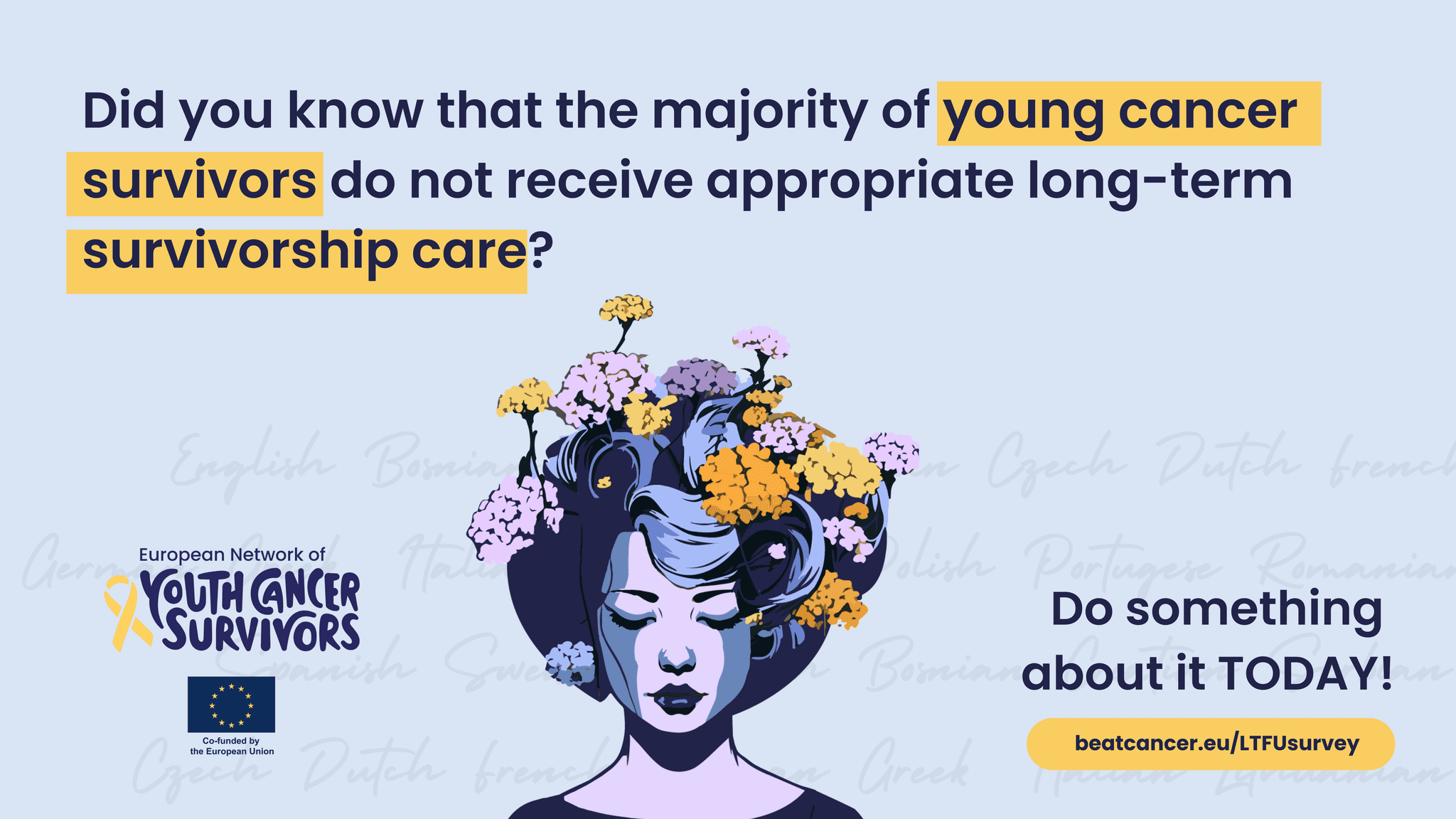


Little is known on why adherence to follow-up care in childhood cancer survivors (CCS) is lacking. This study characterized barriers to adherence to follow-up care among CCS, identified sociodemographic correlates of barriers, and examined whether barriers to follow-up care relate to health-related quality of life. Adult CCS (N=84) were anonymously surveyed via REDCap using the Barriers to Care Questionnaire (BCQ) and the Quality of Life Scale-Cancer Survivor (QOL-CS).
Both descriptive and correlation analyses were conducted. The median BCQ total score was 88.5 (interquartile ranges: 78.4 to 95.7), with the greatest barriers reported in the Skills (eg, ease of navigating the healthcare system) and Pragmatism subscales (eg, cost). There was a statistically significant correlation between the BCQ total score and the QOL-CS total score (rs=0.47, P <0.0001) and the physical, psychological, and social QOL-CS subscales (all P ‘s<0.05).
The results found that barriers to follow-up care for CCS are mostly related to cost and appointment logistics, and that more barriers to care is associated with lower health-related quality of life among CCS. Identifying barriers to follow-up care is the first step in improving adherence, which would allow for earlier detection of late effects of cancer therapy and thereby result in reductions in morbidity and mortality.
Dieser Artikel bietet ausschließlich informative Unterstützung und ersetzt keine professionelle medizinische Beratung, Diagnose oder Behandlung. Wenden Sie sich bei medizinischen Entscheidungen stets an Ihre Ärztin/Ihren Arzt.
Dieser Inhalt wurde im Rahmen des Projekts EU-CAYAS-NET erstellt, das in den Jahren 2022-2025 durch das EU4Health-Programm kofinanziert wurde (Finanzhilfevereinbarung Nr. 101056918).