
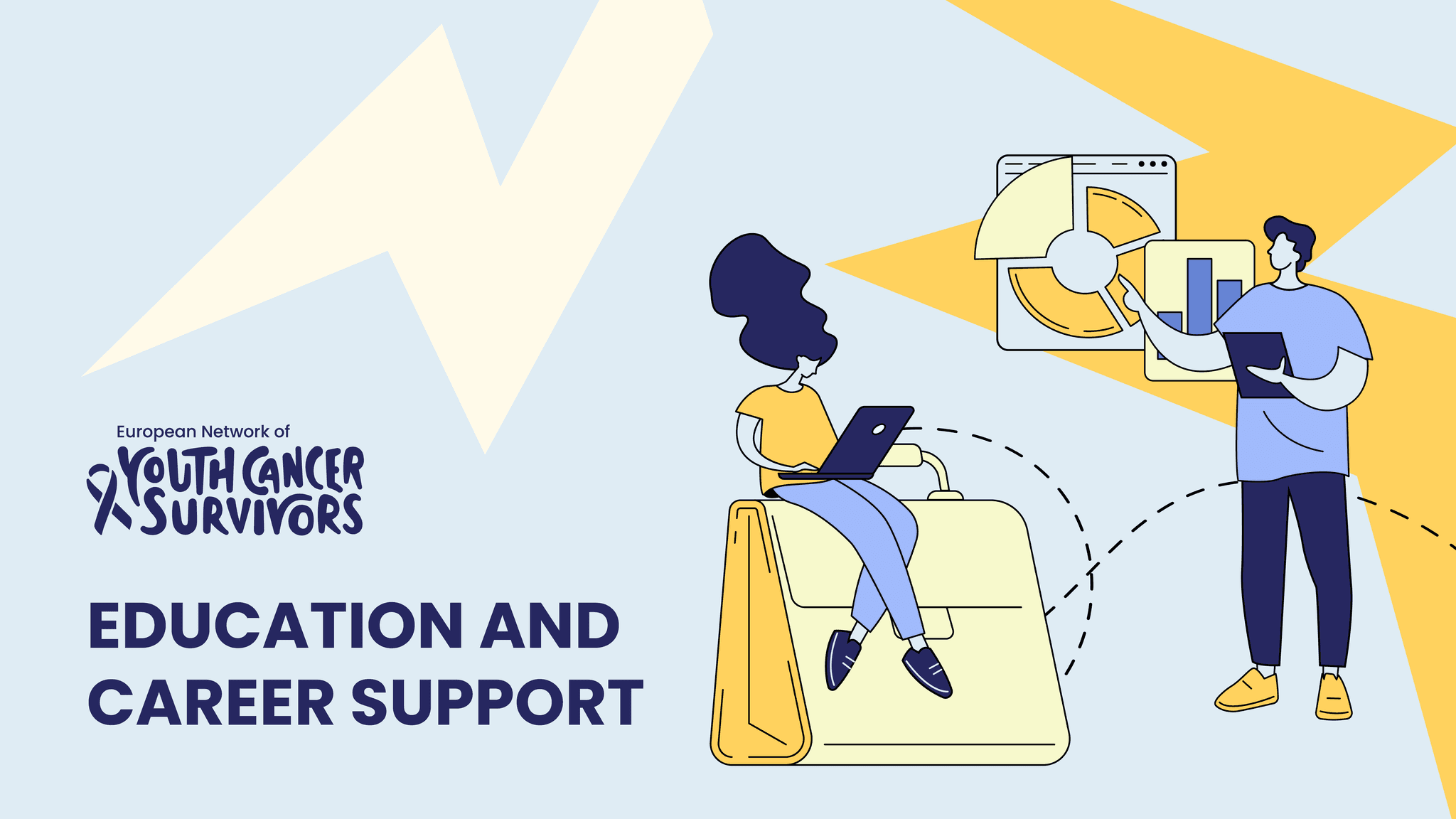
Dive into our webinar focusing on educational and professional journeys. https://www.youtube.com/watch?v=09oa7bVfgqs&t=27s Young cancer survivors face significant challenges in their educational and professional journeys. Late effects of treatment—such as fatigue, cognitive impairments (“chemo brain”), and emotional distress—can create barriers that hinder their full engagement in school or work. A recent EU-CAYAS-NET webinar explored these issues and proposed actionable solutions, emphasizing the importance of collaboration among survivors, educators, employers, and policymakers to build a supportive ecosystem.
Challenges in Education and Careers
Survivors often encounter physical, cognitive, and emotional hurdles that complicate their return to education or work. Misconceptions about their abilities can lead to frustration, exclusion, and stigma. Survivors share stories of being underestimated or overestimated, highlighting the need for survivor-centered approaches that address individual needs while dismantling stereotypes. Opaque hiring processes and workplace discrimination are common challenges, underscoring the importance of fostering inclusive practices and raising awareness about the realities of survivorship.
Tailored Support Programs
Personalized support is essential for young cancer survivors to thrive. The webinar recommended the following key strategies:
- Psycho-social counseling: Emotional support to address stress, trauma, and self-esteem.
- Flexible arrangements: Reduced hours, remote work, or extended deadlines to accommodate health needs.
- Practical resources: Tools to help survivors manage their conditions while excelling in their roles.
Mentorship programs were highlighted as especially impactful, provided mentors are carefully matched to ensure empathy and relevance.

Combating Stigma and Raising Awareness
Stigma remains a major barrier, often resulting in discrimination or isolation. Survivors emphasized the importance of awareness campaigns to educate employers, educators, and peers about the challenges of survivorship. Training programs for teachers, career counselors, and employers were identified as crucial for fostering understanding and reducing stigma. Survivors also stressed the value of peer awareness in creating supportive environments that encourage belonging and inclusion.
Systemic Change and Policy Recommendations
Gaps in educational and workplace policies leave many survivors without sufficient support. Key recommendations included:
- Training healthcare providers and career counselors: Ensure professionals understand the long-term effects of cancer on survivors’ academic or professional performance.
- Holistic career counseling: Address survivors’ well-being alongside productivity.
- Accessible resources: Develop clear, user-friendly tools available in multiple formats and languages.
Focus group discussions revealed common obstacles, such as employers’ lack of awareness and survivors’ difficulties finding tailored programs. Expanded training for career advisors, better use of technology, and survivor-specific resources were proposed as solutions.
Collaboration for a Better Future
Improving outcomes for young cancer survivors requires collaboration across sectors. Healthcare providers, educators, employers, and policymakers must work together to address systemic gaps and foster empathy. Survivors themselves play a vital role in driving change by sharing their experiences and shaping initiatives. For more insights and actionable recommendations, watch the full webinar here:https://www.youtube.com/watch?v=09oa7bVfgqs&t=27s
This article provides informational support only and is not a substitute for professional medical advice, diagnosis, or treatment. Always consult your healthcare provider for medical decisions.
This content was created during the EU-CAYAS-NET project, co-funded under the EU4Health Programme in 2022-2025 (Grant Agreement No. 101056918).