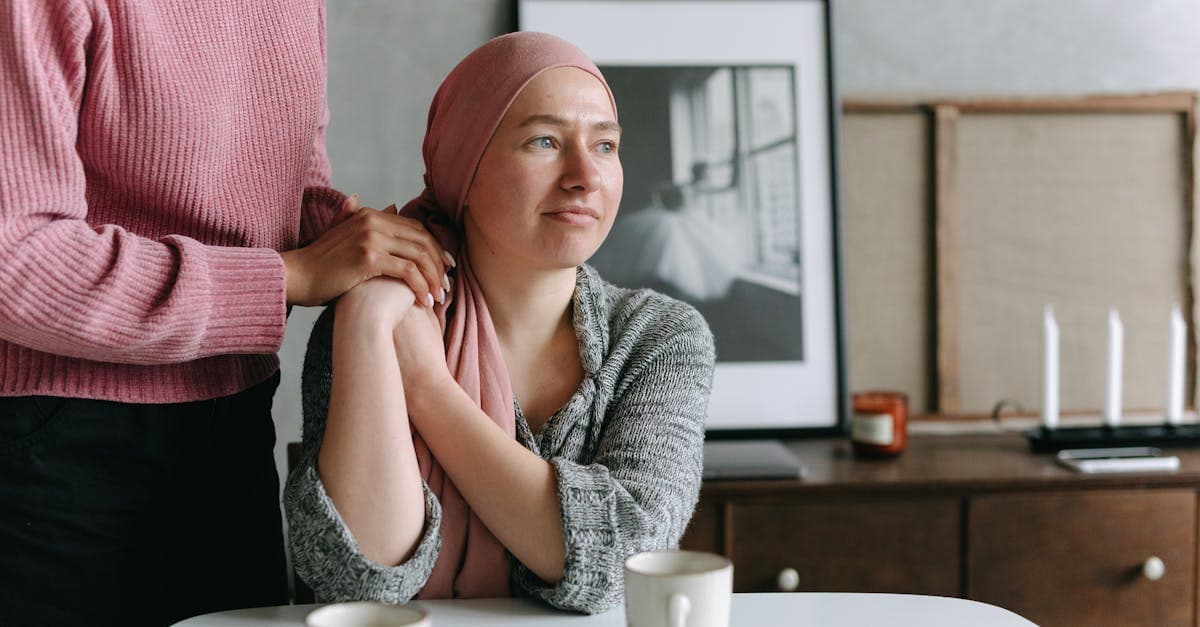


The COVID-19 pandemic has increased the prevalence of mental health – mainly depression- issues among the general population and the same tendency has been observed in cancer patients (Wang al, 2020).
Increased physical activity levels help to prevent depression in youths, adults, and elderly persons (10%, 22% and 21% lower risk, respectively, Schuch et al. 2018).
Moreover, exercise has beneficial effects on depression among cancer survivors and a study conducted by Chekroud et al (2011-2015) with 1.2 million participants, showed that exercise was associated with reduced self-reported mental health burden.
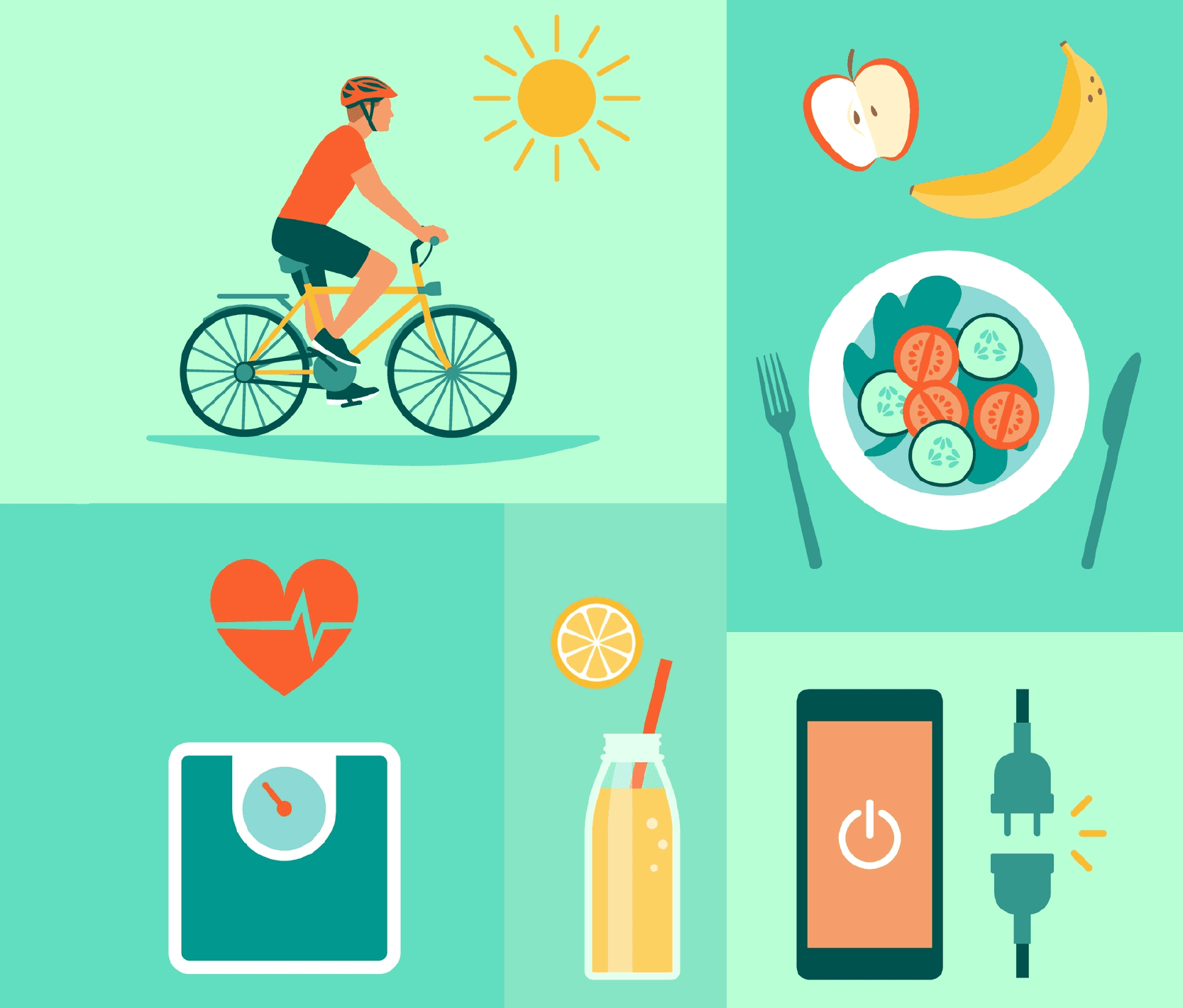
Being active, even if it is only 30 minutes a day, has a protective effect on the general population and cancer survivors. Exercise can be a useful strategy to manage mental health in people undergoing cancer treatment and recovering from side effects (Fuller et al., 2018)
In conclusion, a 30-minute routine of physical exercise can be a useful strategy to manage mental health among cancer survivors.

Source: Produced in the framework of the Outdoor Against Cancer Connects Us (OACCUs) Project, co-funded by the European Union
Cet article offre un soutien informatif uniquement et ne remplace pas un avis médical professionnel, un diagnostic ou un traitement. Consultez toujours votre professionnel de santé pour toute décision médicale.

Ce contenu a été créé dans le cadre du projet EU-CAYAS-NET, cofinancé par le programme EU4Health en 2022-2025 (convention de subvention n° 101056918).