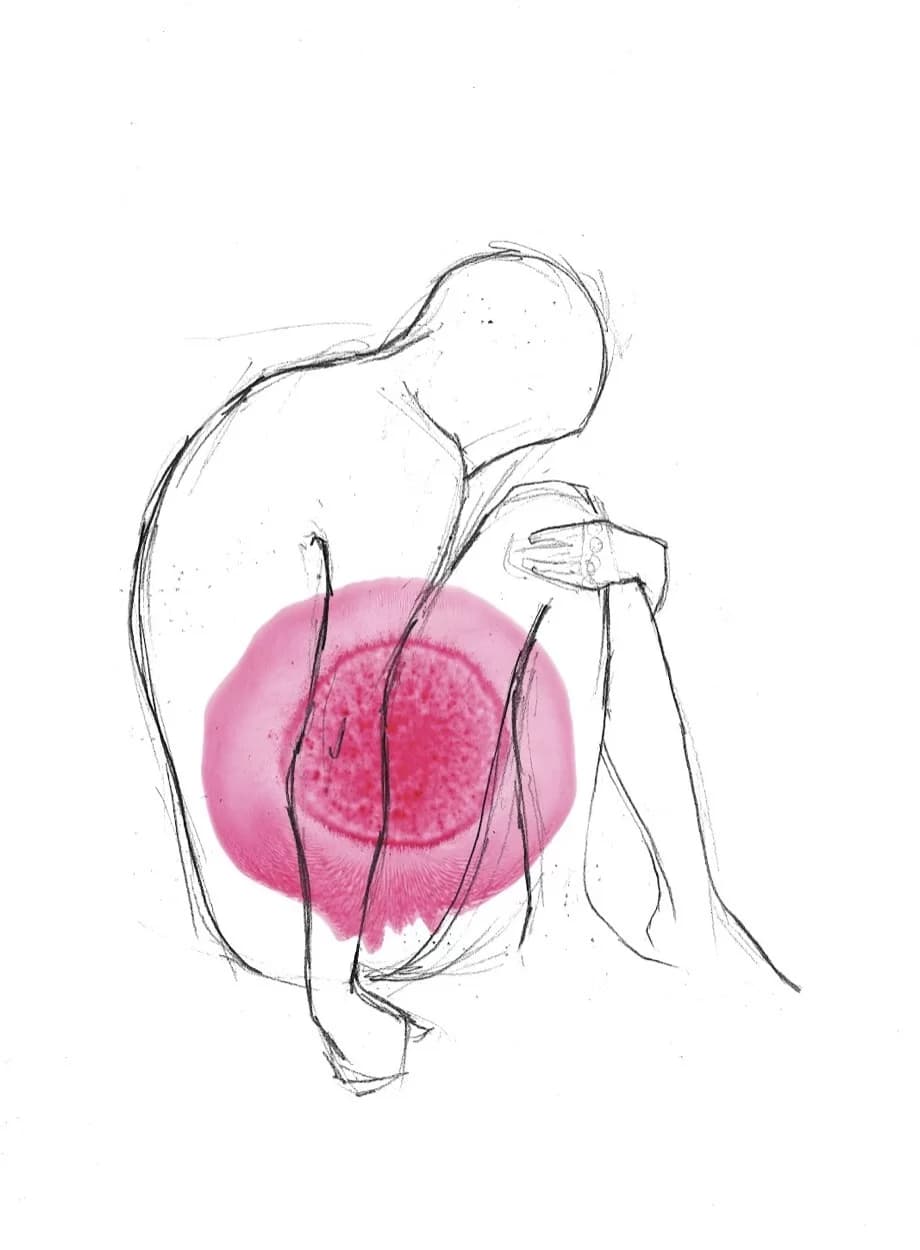


In this video, Dr Katie Deming, a radiation oncologist and healthcare leader, talks about language and communication in the context of cancer. She points out what she herself did not realise for years: How people talk about cancer often has very negative connotations and can therefore have a negative impact on the healing of patients.
In particular, the use of the word “survivor” in everyday language should be questioned. The National Cancer Institute defines a person who has cancer as a “survivor” from the time of diagnosis until the end of their life, even if their cancer is sometimes terminal. Dr Deming is now sensitive to this use of the word because she has heard from many patients that they do not like the term because many of the comments about the word “survivor” are of a negative tone. Many feel that the word “survivor” is dismissing the disease – dismissing the individual experience of each patient, dismissing the fear of getting sick again, dismissing the negative consequences after recovery and also dismissing the fact that not everyone survives the disease. The term “survivor” also reminds many people of the difficult phases of life during the disease and the high risk of mortality.
First of all, it is important to understand that language can have a great influence on the emotional state and subsequently even on the immune system of patients – so-called “battle language” is therefore usually not helpful or even harmful for them. But in what words and in what manner should cancer and topic-related content be talked about? Dr. Deming summarises the most important points as follows:
- Get curious and ask, how can I best support you? What words can I use?
- Recognize that your loved one’s experience of your interactions goes beyond your words. So ask yourself, what do you want them to feel?
- Ask for feedback on what you’re already doing. Ask them, what can I do even better to support you?
What words should I use? - Recognise that the experience the person is having in the interactions with you goes beyond your spoken words. So ask yourself what you want the person to feel and how you can make them feel that way (with words and
- Ask for feedback on what you are already doing and saying. Ask the person: What can I do better to support you?
You can find more thought-provoking ideas and important tips for using language in the context of cancer by watching the video.
Cet article offre un soutien informatif uniquement et ne remplace pas un avis médical professionnel, un diagnostic ou un traitement. Consultez toujours votre professionnel de santé pour toute décision médicale.
Ce contenu a été créé dans le cadre du projet EU-CAYAS-NET, cofinancé par le programme EU4Health en 2022-2025 (convention de subvention n° 101056918).