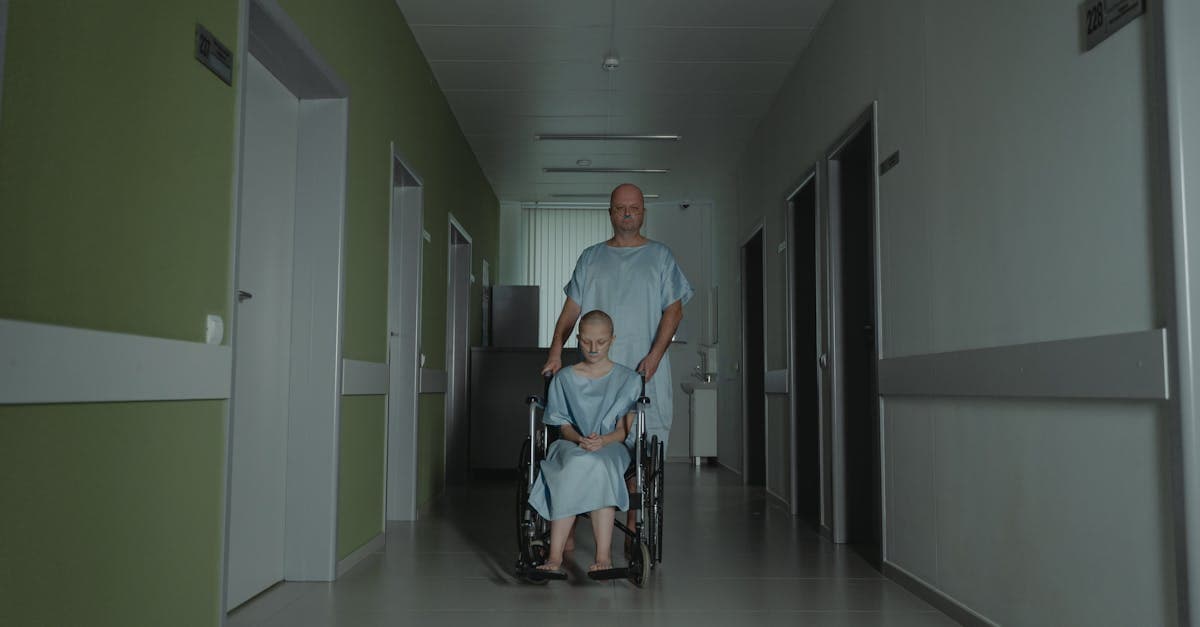


This article offers strategies for clinicians to initiate critical conversations with adolescent and young adult (AYA) patients on various challenging topics.
Fertility: To address infertility concerns, clinicians should assess the patient’s understanding of their diagnosis’s impact on fertility and their desire for future parenthood. They should explain the potential effects of cancer and treatment on fertility, provide information on fertility preservation options, discuss timelines for assessment and referrals to specialists, and offer support to make informed decisions.
Discussing Sexual Health: Initiating conversations about sexual health involves asking relevant questions, normalizing concerns, and creating a safe space for open dialogue. This ensures AYAs feel comfortable discussing their needs and issues related to sexual health.
Financial Concerns: Clinicians should not hesitate to inquire about financial concerns, emphasizing that many costs can be anticipated. They should integrate discussions about out-of-pocket expenses into their workflow, engage ancillary staff for assistance, and reassure AYAs that it becomes more manageable over time.
End-of-Treatment Transitional Concerns: Preparing AYAs for the transition from treatment to survivorship is essential. Clinicians should identify and refer them to age-appropriate resources, including peer support, to ease this transition and support their overall well-being.
Difficult Conversations About Prognosis and End of Life: These discussions should start early to improve prognostic understanding. Clinicians should address the possibility of death and, when prognosis is poor, deliver the news that cancer is incurable. They should assess the patient’s comprehension, share their understanding, express gratitude for the patient’s participation, and plan for next steps in the care journey.
Incorporating these strategies into clinical practice can help clinicians effectively communicate and address the unique needs and concerns of AYA patients, promoting their physical and emotional well-being throughout their cancer journey
Dit artikel biedt uitsluitend informatieve ondersteuning en is geen vervanging voor professioneel medisch advies, diagnose of behandeling. Raadpleeg altijd uw zorgverlener bij medische beslissingen.

Deze inhoud is gemaakt tijdens het project EU-CAYAS-NET, medegefinancierd in het kader van het EU4Health-programma in 2022-2025 (subsidieovereenkomst nr. 101056918).