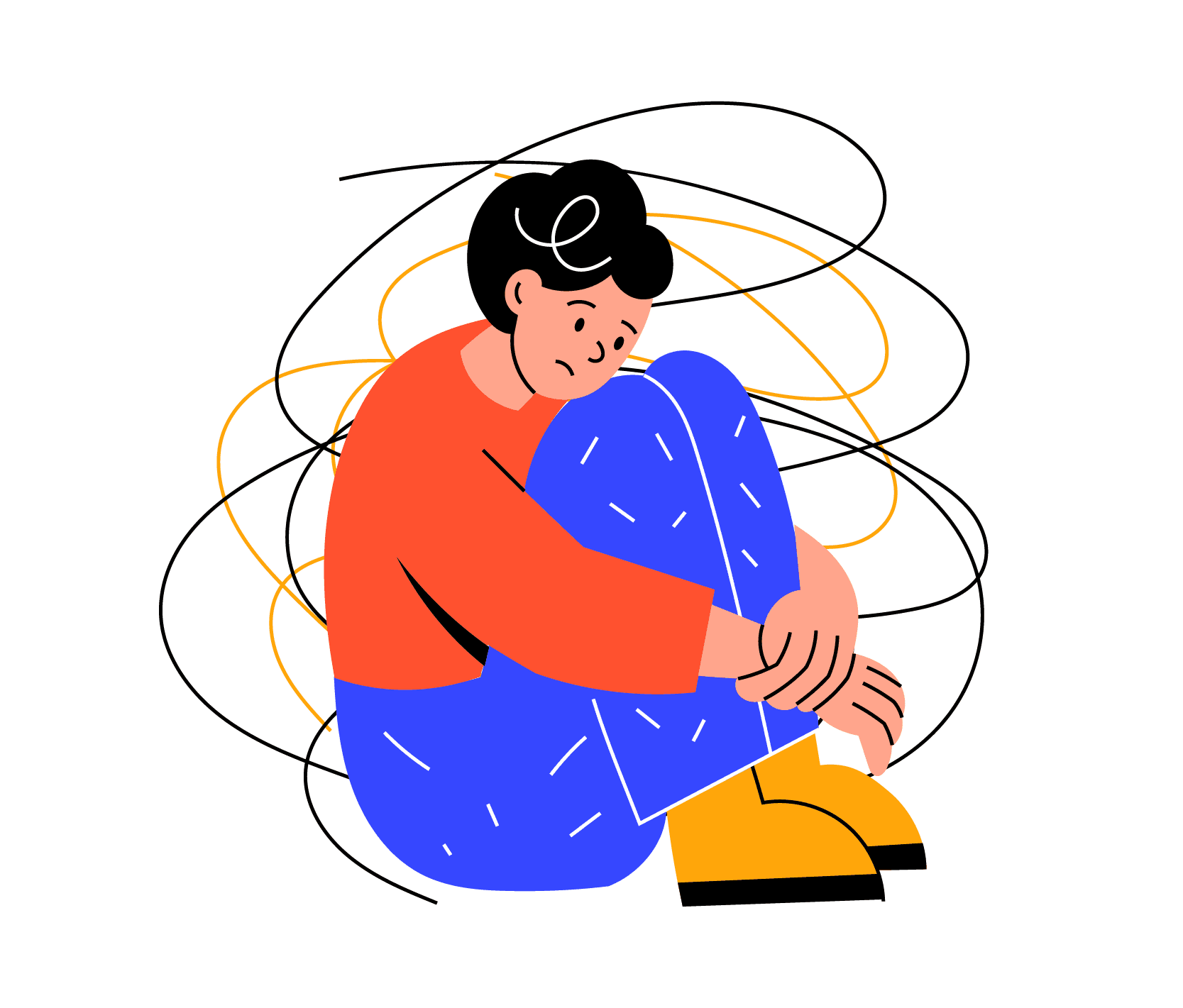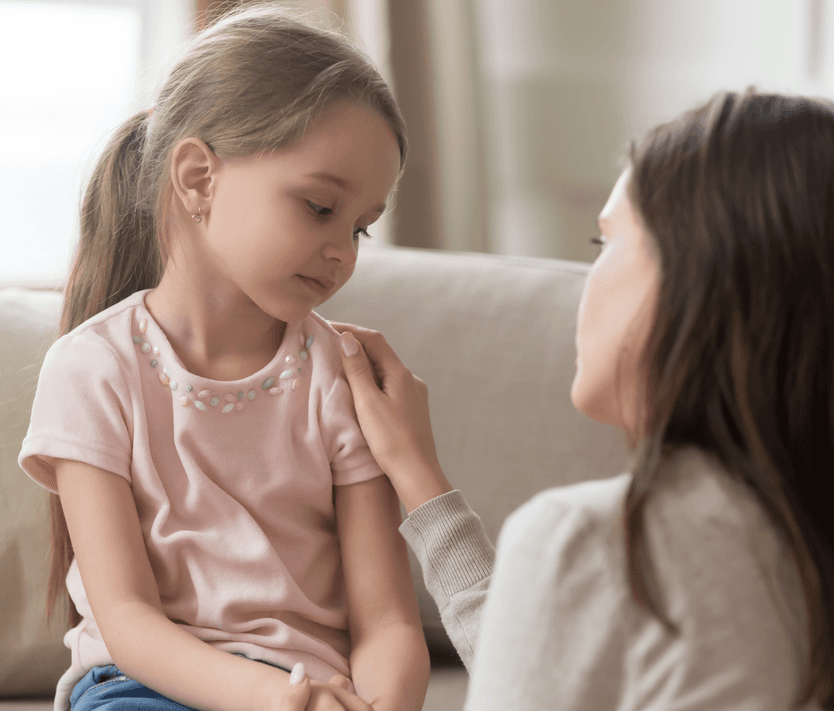


This study investigates how common anxiety disorders are in people who have survived cancer after their treatment, paying attention to when they occur in relation to the cancer diagnosis and if they happen together with mood disorders. The most common anxiety disorders found were Generalized Anxiety Disorder (GAD), Social Phobia (SP), and Social Anxiety Disorder (SAD). What’s interesting is that a significant number of these anxiety disorders showed up after the cancer diagnosis, challenging the idea that they were already there before.
Many cancer survivors believed their anxiety symptoms were because of their cancer experience. For instance, SAD often happened when they felt different in how they looked, thought about themselves, or interacted with others due to cancer. On the other hand, GAD often occurred because they worried about changes in their health and felt more vulnerable due to cancer.
The study also found that, on average, participants were 58 years old, much older than when anxiety disorders usually start in the general population. This suggests that the cancer experience might cause anxiety disorders to develop later in life, showing that older cancer survivors need mental health support.
Additionally, over two-thirds of cancer survivors who developed anxiety disorders after their cancer diagnosis had never experienced anxiety disorders before, which means that the cancer experience might make people more likely to have anxiety disorders for the first time.
The study also identified some factors that made people more likely to develop an anxiety disorder after a cancer diagnosis, like having more side effects from treatment, having more advanced cancer, and getting radiation treatment. This shows that healthcare providers should check for anxiety symptoms in cancer patients, especially if they have treatment-related side effects.
In conclusion, this research gives us important information about how common anxiety disorders are in cancer survivors, when they occur, and what might make them more likely to happen. It emphasizes the need for mental health support for cancer survivors.
Dieser Artikel dient ausschließlich Bildungszwecken und stellt keine medizinische Beratung dar. Wenden Sie sich für eine auf Ihre Situation abgestimmte Beratung stets an Ihre Ärztin/Ihren Arzt oder eine andere qualifizierte medizinische Fachkraft.
Dieser Inhalt wurde im Rahmen des Projekts EU-CAYAS-NET erstellt, das in den Jahren 2022-2025 durch das EU4Health-Programm kofinanziert wurde (Finanzhilfevereinbarung Nr. 101056918).