# Beat Cancer EU — full content
> Supporting cancer patients and families across Europe with resources, community, and hope.
Full English text of all published articles and dictionary entries. Link index and translated URLs: https://beatcancer.eu/llms.txt
---
# "In Their Words": Voices of Cancer Ambassadors
URL: https://beatcancer.eu/resources/cancer-survivor-stories/ | Topic: Survivorship | Published: 2024-03-11 | Updated: 2026-08-18
Life’s like a jigsaw puzzle, and sometimes the pieces are more… let’s say, ‘intense’ than others.
Enter the Big C – cancer – not exactly the guest you’d invite to your party, but one that certainly leaves an impact.
In this article, we dive into the real, unfiltered world of living with and beyond cancer.
These aren’t your run-of-the-mill heroic sagas. No.
These are raw, honest-to-goodness stories from folks who’ve stared down the barrel of a cancer diagnosis and lived to tell the tale – with a few laughs, some new perspectives, and certainly of a story or two.
Think of it as chatting with a friend who’s been through the wars but can still crack a joke about the absurdity of hospital gowns.
Each interview peels back the layers of the cancer experience.
We’re talking about the good, the bad, the ugly, and the surprisingly funny.
Because let’s face it, when life gives you lemons, sometimes you’ve got to laugh at the sourness before making lemonade.
.
### **Ana Maria Totovina: Leukemia, Life, and Lessons Learned**
You’re 16, juggling algebra and hanging out with friends, and then suddenly, you’re also balancing hospital visits and leukemia treatments.
In her candid conversation with us, Ana Maria takes us through her extraordinary teenage years. This isn’t just a story about surviving leukemia; it’s about doing it with an unwavering spirit and a dash of teenage rebellion. Through every challenge, every fear, and every triumph, her tale is a vibrant canvas showcasing the remarkable resilience of youth, especially when faced with [puberty cancer](https://beatcancer.eu/resources/puberty-cancer/).
Read her story [here](https://beatcancer.eu/resources/surviving-leukemia-a-conversation-with-ana-maria-totovina/).
### **Oriana Sousa: Ovarian Cancer Through a Lens of Vulnerability**
This isn’t your typical cancer narrative with medical jargon and somber tones. Instead, Oriana invites us into her life with open arms and a contagious chuckle, sharing insights that are as uplifting as they are real.
Read her story [here](https://beatcancer.eu/resources/oriana-sousa-thriving-through-ovarian-cancer-vulnerability/).
### **Anouk Shroeder: Turning Pain into Purpose**
At an age when most kids are learning to tie their shoes, Anouk was learning to navigate a world far beyond the ordinary due to [child cancer](https://beatcancer.eu/resources/how-to-discuss-cancer-with-your-child/). Her story is about how a child’s spirit can teach us the biggest lessons in life. It’s about finding joy in the simple things, the power of imagination in the face of adversity, and the unyielding strength of a family’s love.
Learn her [story](https://beatcancer.eu/resources/anouk-shroeder-crafting-a-life-story-one-chapter-at-a-time/).
### **Aneta Zackova: Love, Loss, and Learning**
At just 24, Aneta’s perspective on life underwent a seismic shift after her cancer diagnosis. In this interview, Aneta shares not just the profound impact of her diagnosis but also her zest for life, her pivot from political sciences to the calculative world of mathematics, and her undying belief in the power of a good folk tune and a glass of wine.
Read her story [here](https://beatcancer.eu/resources/embracing-love-and-change-insights-by-24-year-old-aneta-zackova/).
### **Hannah’s Rich Tapestry of Life Post-Cancer**
Hannah shares her aspirations and discoveries in a narrative that’s vibrant with hope. Her approach to coping with cancer is as refreshing as it is inspiring. She bypassed the “why me?” melodrama for a “let’s do this” attitude. It wasn’t about being a stoic hero; it was about finding positivity in the least likely places.
Join her as she shares her [story](https://beatcancer.eu/resources/discovering-lifes-richness-hannahs-insights-and-aspirations/).
### **Aloysius Nydegger: Redefining Life’s Boundaries**
When most teens were grappling with high school dramas, Aloysius faced a real-life plot twist. What was once thought to be ‘just water’ in his brain at 16 turned out to be a lurking nemesis, leading to a craniotomy fifteen years later. Talk about a delayed plot revelation! His journey has been about embracing change – sometimes grudgingly, often courageously.
Discover his [insights](https://beatcancer.eu/resources/redefining-normalcy-a-conversation-with-aloysius-nydegger/).
### **Sonia Silva: Breast Cancer Chronicles**
While most of us were fussing over summer plans, Sonia was tuning into her body’s signals. Discovering a lump herself, she didn’t just wait around – no sirree. She dove headfirst into appointments and exams, leading to a diagnosis on August 30th that turned her world upside down but not her spirit.
Read this inspiring [tale](https://beatcancer.eu/resources/breast-cancer-journey/).
### **Ausrine Kevalaite: Embracing the Now**
Aušrinė found herself wrestling with Ewing sarcoma, a curveball she hit out of the park with her resilience and a newfound zest for life. Aušrinė’s story is sprinkled with her unique brand of sunshine and, believe it or not, bees. Yes, you heard it right – when she’s not busy being a psychology wiz, she’s out there being the ‘Queen Bee’ of beekeeping. Who knew the path from cancer recovery could lead to a buzzing apiary?
Experience her [journey](https://beatcancer.eu/resources/appreciating-present-discoveries-and-inspirations-of-24-year-old-ausrine-kevalaite/).
### **Carmen Monge Montero: The Art of Living in the Moment**
Diagnosed at 24, Carmen found herself juggling cancer treatment with wedding bells and travel itineraries. Fast forward a decade, Carmen’s more than a survivor; she’s a life enthusiast with a few battle scars and a bucket load of stories.
Delve into her vivid [narrative](https://beatcancer.eu/resources/living-in-a-moment-cancer-experience-and-lessons-of-34-year-old-carmen-monge-montero/).
### **Erik Sturesson: Beyond Cancer, A New Beginning**
At nearly 16, Erik found himself facing a diagnosis that would make grown adults buckle – [Non-Hodgkin’s lymphoma](https://www.mayoclinic.org/diseases-conditions/non-hodgkins-lymphoma/symptoms-causes/syc-20375680), T-cell. On November 2nd, 2003, Erik’s world shifted as he received a diagnosis after months of uncertainty and misdiagnoses.
Despite the initial confusion and misdiagnoses, his story unfolded into a tale of hope and courage, offering a narrative that tugs at the heartstrings and leaves a lasting impression.
Join him as he shares his [journey](https://beatcancer.eu/resources/embracing-a-new-normal-the-journey-of-35-year-old-erik-sturesson-through-cancer-and-beyond/).
Diverse in their journeys but united in their unyielding resilience, these individuals remind us that even when life throws the ultimate plot twist, the human spirit has a way of writing its own script of triumph. They’re the kind of heroes who don’t wear capes but wield humor, hope, and heart as their weapons.
So, if you’re in the mood for some real-life tales that are equal parts inspiring, heartwarming, and chuckle-inducing, dive into these interviews on our blog.
*Join our vibrant* [*online Discord Cancer community*](https://beatcancer.eu/community/)*, a welcoming space where individuals touched by cancer come together to share, support, and find strength. Here, you’ll find a network of understanding, empathy, and encouragement, perfect for anyone seeking connection and community on their journey.*
*Also…*
Step into the poignant world of cancer narratives, where stories of resilience and hope unfold against the backdrop of adversity. Immerse yourself in gripping [films](https://beatcancer.eu/resources/cancer-movies/) that offer a glimpse into the lives of those touched by cancer.
---
# "Life is a Lottery": A Conversation with Jovana Plavšić
URL: https://beatcancer.eu/resources/young-ovarian-cancer-survivor-interview/ | Topic: Survivorship | Published: 2024-05-31 | Updated: 2026-08-17
In this interview, Jovana, a 25-year-old ovarian cancer survivor from Belgrade, shares her story of resilience, community, and the profound life lessons she has learned along the way.

### What is your name? How old are you? Where are you from?
My name is Jovana, I'm 25 years old and I live in Belgrade, the capital city of Serbia.
### What’s your diagnosis?
Ovarian cancer of an unknown stage - mixed germ cell tumours, more typical with young men, very rare amongst women.
### How and when did you find out about your diagnosis?
A bit less than 3 years ago, my menstrual cycle was late, but based on previous experiences and PCOS diagnosis, it always came with lifestyle change. My (now deceased) mom and grandma saved my life by suggesting to do a pregnancy test, even though I haven't had a partner for a while and no signs of pregnancy other than being extra cuddly and emotional - it turned out to be positive because of the malignant tumour, but I didn't know it right from the start.
It took only 10 days since I did the test to receive the results; I was at first rushed to the hospital because the ultrasound specialist suspected I had an ectopic pregnancy, but the surgeon noticed something strange during laparoscopy (minor abdominal surgery) and made sure that my post-surgical analysis were prioritised. His name is Prof. dr. sci. med. Mladenko Vasiljević and I'm forever grateful for him.
**Fun fact:** As soon as I had a positive pregnancy test, I randomly remembered a Youtube video posted 10 years ago where some Youtuber tried American "dollar store" products. Out of a joke - he bought a pregnancy test, did it and it turned back positive. People in the comments were warning him about it potentially being a sign of prostate cancer; he went for an exam and everything turned out okay. What I'm amazed by is my intuition and the fact that I remembered that piece of information from 10 years ago.
### What would you like to accomplish within EU-CAYAS-NET?
Simply: to be a part of the change. Also, to keep on learning, exchanging ideas, to cherish the friendships I've made on the path, to gain confidence and strength to speak up about oncology patient's problems in my home country and to provide verified information I've gathered within the project to oncology patients that approach me for support
### What has the cancer experience taught you?
I remember lying in bed and just feeling every single emotion behind the word LIFE. It taught me how to be more open when it comes to facing different goals and challenges.
I no longer have a list of pro's and con's when I am thinking about doing something new, I just start doing it and instead of overthinking, I'm letting the experience take me further on its own.
It also taught me how humanity is just trapped in this new-age system and brainwashed to the point we have no idea what we're really capable of, what our bodies can handle and what are the maximums of each individual's mind potential.
I think the modern era, consumerism and an urge for comfort and convenience has weakened us and made us less resistant to stress.

### What helped you the most during the treatment process?
Meeting my boyfriend Ilija in the hospital was something that I secretly prayed for (because I like to find a poetic meaning in pain to cope with things), but didn't expect for it to ACTUALLY happen! ([Read interview with Jovana and her boyfriend about how love conquers all here](https://beatcancer.eu/resources/from-cancer-diagnoses-to-love/)).
What also helped a lot is the fact that I was always communicating about my feelings to literally everybody, working out as much as I could and shopping for cute outfits.
### If you were to meet yourself the day you heard a diagnosis, what would you say to your younger self?
You learned how to go through the treatment by observing yourself from the perspective of a protective mother that's teaching her baby to walk. Your hair will grow back, as bright red as you always wanted it to be. You will make the absolute most of the experience and get closer to your family and God. Your self-worth will never change and you will meet people that you can relate to on so many levels. And believe it or not: you stopped attracting negative people somehow and learned to set boundaries.
### What is your favourite motto in life?
"La vida es una tómbola." (Life is a lottery.) When you feel like things are falling apart - let them fall apart completely without regret. It will be very tough to build life from the scratch but now you have the experience and space to make it more beautiful.
### What is on your bucket list?
I want to visit every capital city in Europe and as many places that are considered to be sacred in Orthodox Christianity. Renovating my house, getting a driver's licence, completing my education in the IT field, and organising a fancy backyard barbecue with my friends is something that I wanna do in the near future.
### What in your life do you feel most grateful for?
Being physically and mentally able to provide myself food, water and a warm place to sleep and the fact that I was blessed to be raised by an amazing mother and say proper goodbyes to her.
### What makes your life feel purposeful?
Meaningful conversations, getting to know myself in different case scenarios, blessing to feel different emotions and cravings to learn and progress every day.
### How do you cope when things get hard?
Not the ideal coping mechanism really; I go through the phase I like to call: sleep/eat/cry/isolate. Then, in about a week, I'm ready to openly talk about it, socialise and take action.

### Which app do you use the most on your phone?
Samsung notes - my notes are messy, yet simple and get the job done, and Instagram because I can't go a day without texting my boyfriend when we're apart from each other.
### What’s the last thing you watched on TV/internet/Netflix and why did you choose to watch it?
I watched Baby Reindeer, the new Netflix series. The trailer sparked my interest but the plot was not what I expected. 10/10
---
# "There's Always a Little Light Inside": a Conversation With Ketiona Malolli
URL: https://beatcancer.eu/resources/young-osteosarcoma-survivor/ | Topic: Survivorship | Published: 2024-06-25 | Updated: 2026-08-17
Meet Ketiona Malolli, a 29-year-old EU-CAYAS-NET ambassador. Diagnosed with osteosarcoma at the young age of 13, Ketiona has faced challenges head-on, emerging with an unwavering spirit and a dedication to helping others.
### What is your name? How old are you? Where are you from?
My name is Ketiona Malolli, friends and family call me Katie. I am 29 years old. Originally I’m from Albania, but I’ve been living in Athens since I was 3 years old.
### What’s your diagnosis?
I was diagnosed with osteosarcoma on my left arm, which was amputated because of relapse and later I had a metastasis on my lung.
### How and when did you find out about your diagnosis?
When I was 13 years old I was feeling some pain on my arm, but hadn’t gone to check it. So, some months later, when I was 13.5, I had a small bone fracture on my arm and that’s how we found it out.
### What would you like to accomplish within EU-CAYAS-NET?
Advocate for survivors’ rights, get involved in PPIE and gain more knowledge in order to inform people more about cancer and survivorship and eliminate stigma.

### What has changed in your life since your cancer diagnosis?
My life has been totally different since my diagnosis. My body is different because of the amputation and I have some late effects. On the other hand, I feel much stronger, more resilient in any situation and a big chance to meet other young survivors and a feel of belonging was offered to me, which I really appreciate.
### If you were to meet yourself the day you heard a diagnosis, what would you say to your younger self?
I would tell her that I trust her to overcome any hard situation and after this big storm a lot of brighter days will come. She will live many beautiful moments with people she loves and nothing can stop her from the things that she really wants.
### Try to describe yourself in 3 sentences
I am a very compassionate person, who has a strong will to provide any kind of help to others by listening, caring and acting for them and at the same time for myself. I am an adventurous person, I get engaged in different kinds of activities and I love traveling. Lastly, I am an extrovert and very outgoing person.
### What do you do in your free time?
I try to travel a lot, I go for running and I take a lot of photos. I even had 2 photo exhibitions.
### What is the best piece of advice you've ever received?
By helping others you, at the same time you help yourself and by helping yourself, at the same time you can help others. But sometimes you just need some rest and vacations.
### What is your favorite motto in life?
There is always a little light inside of you. Stay with the little light, no matter how small it is and one day it will become bigger and brighter.
### What defines you as a person?
My optimistic attitude in life, my positive energy and my empathy. Maybe my almost permanent smile, too!

### How do you cope when things get hard?
I’ve been through painful situations many times and what I’ve learnt is to accept even my hardest emotions like pain, fear, anger, disappointment or even feeling unpurposeful. I know that life is like an electrocardiogram, sometimes you might be up and other times you might be down. Thankfully, it is not a straight line.
### What lesson was hardest for you to learn?
That I cannot change the world and save everyone. When I was young, I had this strong will to change the whole world and make it a better place to live on, but now I know this is not feasible. What I can change, though, is my own self and become better, so maybe if everyone did that, the world would become better automatically.
### Which app do you use the most on your phone?
Spotify, I am addicted to music and podcasts.
---
# #removelabels Social Awareness Campaign
URL: https://beatcancer.eu/resources/removelabels-social-awareness-campaign/ | Topic: Mental Health | Published: 2019-01-30 | Updated: 2026-08-18
Youth Cancer Europe’s [social awareness campaign](https://www.youtube.com/watch?v=s24Xu9fdjFY) aims at removing stigmas associated with cancer diagnosis amongst young people. The campaign was announced with the release of a video entitled #removelabels, in which a group of young cancer survivors hold up signs with their careers scratched out and their respective “cancer labels” taking centre stage before these are removed to defy the perception that cancer defines who they are.
Šarūnas Narbutas, co-Founder and Chairman of Youth Cancer Europe, said: “Our campaign to #removelabels carries a social awareness message. While we continue to fight at an institutional level for a better quality of life for young patients and survivors, we must remember that the word “cancer” still carries a lot of stigma with it, especially around young people. That’s why it’s important to remind society at large that young survivors simply want to resume a normal life after cancer. Their future means to them a lot more than a cancer diagnosis, and that’s just how they want to be seen by everyone else.”
“Survivors don’t want to identify with the labels that society assigns to them”, says Katie Rizvi, CEO and co-founder of Youth Cancer Europe. “Like any other young adult, they are people with their dreams and ambitions and a whole life ahead of them. To hinder that through stigmas, on top of existing limitations within public and private institutions, is to effectively rob them of a brighter future. They don’t want to have to keep their cancer past a secret when they apply for a job or meet someone new for fear of exclusion; they instead want to stop being seen as patients, and be recognised as professionals for the qualities that make them who they are as individuals.”
---
# 10 Common Myths About Cancer Debunked: Get the Facts and Stay Informed
URL: https://beatcancer.eu/resources/myths-about-cancer-2/ | Topic: Education | Published: 2025-03-07 | Updated: 2026-08-18
Cancer is one of the most misunderstood illnesses, and unfortunately, myths about it spread faster than facts. You’ve probably heard claims like “sugar feeds cancer” or “only smokers get lung cancer,” but these misconceptions can lead to unnecessary fear or even harmful decisions. It's time to separate fact from fiction.
When you rely on myths instead of accurate information, it’s easy to feel overwhelmed or misinformed about prevention, treatment, or even [risk factors](https://www.who.int/news-room/fact-sheets/detail/cancer). By uncovering the truth behind these common beliefs, you’ll be better equipped to make informed choices for your health and support others facing a cancer diagnosis. Let’s tackle the most widespread myths and get to the facts.
## Key Takeaways
* Cancer is surrounded by widespread myths, such as it being hereditary or contagious, which need to be debunked for better understanding.
* Not all tumors are cancerous—benign tumors are non-cancerous and don't spread, while malignant ones require immediate medical attention.
* [lifestyle choices](https://www.cancer.gov/about-cancer/causes-prevention/risk), such as smoking, poor diet, and UV exposure, play a significant role in cancer risks, in addition to genetic and environmental factors.
* Modern cancer treatments and pain management strategies have improved, making treatment experiences more comfortable and effective.
* A balanced diet and evidence-based treatments are essential; relying on "superfoods" or natural remedies alone is not effective against cancer.
* Early detection and advancements in treatment have significantly improved survival rates, helping millions of people recover and thrive post-diagnosis.
## Myth 1: Cancer Is Always Hereditary
While genetics can play a role, not all cancers stem from inherited traits. Believing this myth could prevent you from recognizing other significant risk factors.
### Understanding Genetic vs. Environmental Factors
Genetics account for only about 5-10% of all cancers, according to the American Cancer Society. These are due to inherited gene mutations, like BRCA1 and BRCA2, which are linked to breast and ovarian cancers. On the other hand, environmental factors such as smoking, exposure to UV rays, poor diet, and certain infections contribute to a much larger percentage. For example, prolonged tobacco use has a direct link to lung cancer. While inherited mutations set the stage, lifestyle and environmental factors often act as triggers.
### Why Family History Isn't the Only Risk
Even without a family history of cancer, you can develop it. Risk factors like age, lifestyle choices, certain viruses, and environmental exposure can increase your chances. For instance, obesity is a leading factor for endometrial and colorectal cancers. Additionally, occupational exposure to carcinogens, such as [asbestos](https://beatcancer.eu/cancer-dictionary/asbestos/), affects individuals regardless of genetic predisposition. It's crucial to focus on modifiable risks and regular screenings to catch potential issues early.
## Myth 2: All Tumors Are Cancerous
You might think that any tumor automatically means cancer, but that's not true. Tumors can be either benign or malignant, and understanding the difference is crucial.
### The Difference Between Benign and Malignant Tumors
Benign tumors are non-cancerous growths. They don't spread to other parts of your body, and they usually grow slowly. For example, [lipoma](https://beatcancer.eu/cancer-dictionary/lipoma/)s are benign fatty lumps that mostly stay localized and harmless. However, malignant tumors are cancerous, meaning they can invade nearby tissues and spread, a process known as metastasis. Malignant tumors pose serious health risks and often require immediate treatment like surgery, chemotherapy, or radiation.
Just because a tumor is benign doesn't mean it should be ignored. In some cases, large benign tumors can press on vital organs or nerves, leading to complications. That's why proper diagnosis is key to determining the nature of the tumor.
### When to Seek Medical Attention
Seek medical advice if you notice unusual lumps, swelling, or persistent pain. Early evaluation helps doctors determine whether the tumor is benign or malignant. Other concerning signs include unexplained weight loss, fatigue, or changes in your skin over the lump. Diagnostic tools like biopsies, MRIs, and CT scans help doctors confirm a tumor's nature and guide treatment.
Don't wait for symptoms to worsen before acting. Regular check-ups and communicating changes in your health to your doctor can help catch potentially serious conditions early.
## Myth 3: Cancer Is Contagious
Some people believe cancer can spread from one person to another, like a cold or flu. This misunderstanding can create unnecessary fear and stigma around the disease.
### How Cancer Develops in the Body
Cancer starts within your own cells due to genetic mutations. These changes are often triggered by factors such as smoking, UV exposure, or infections like HPV or hepatitis. Unlike contagious illnesses, cancer doesn't involve bacteria, viruses, or fungi that transmit between people. Instead, it's a result of internal processes where damaged cells divide uncontrollably, forming tumors or invading other tissues.
### Dispelling Misinformation About Contagion
Scientific evidence shows cancer isn't contagious. You can't "catch" it through sharing meals, hugging, or any kind of casual contact. The only exceptions involve rare cases like organ transplants or mothers passing certain infections, like HPV, to infants during childbirth; these infections, not cancer itself, might increase cancer risk later in life. Understanding this helps reduce stigma and encourages support for those affected rather than unnecessary isolation. Always rely on trusted sources for accurate health information.
## Myth 4: Cancer Treatment Is Always Painful
Cancer treatment often raises concerns about pain, but this belief is largely outdated. Advances in medicine and comprehensive pain management have significantly improved patients' experiences.
### Understanding Modern Treatment Advances
Modern cancer treatments, including immunotherapy, targeted therapy, and advanced surgical techniques, are often less invasive and better tolerated than traditional methods. For example, radiation therapy uses refined technology to target cancer cells while sparing healthy tissue, reducing side effects. Chemotherapy regimens are now tailored to minimize discomfort while maintaining effectiveness. Thanks to these innovations, many patients undergo treatment with little or manageable pain.
### Pain Management Strategies for Cancer Patients
Healthcare providers incorporate robust pain management strategies to ensure patient comfort. Medications such as opioids, non-opioid analgesics, and nerve blocks are used to treat pain at varying levels. Techniques like physical therapy, acupuncture, and cognitive-behavioral therapy offer additional relief for cancer-related pain. With these approaches, you can expect personalized care that focuses on overall well-being during and after treatment.
## Myth 5: Sugar Makes Cancer Worse
It’s a common misconception that eating sugar directly worsens cancer. This myth often leads to unnecessary dietary restrictions that can harm your overall health.
### The Science Behind Cancer and Sugar
Cancer cells, like all cells in your body, use glucose for energy. However, consuming sugar doesn’t specifically “feed” cancer more than it does normal cells. According to the American Cancer Society, no direct evidence links sugar consumption to accelerated cancer growth. The idea stems from a misunderstanding of how cancer metabolizes energy. While reducing excessive added sugar is a good idea for overall health, completely cutting out sugar will not halt cancer progression and may deprive you of essential nutrients.
### Importance of Balanced Nutrition During Treatment
Maintaining a balanced diet is crucial when undergoing cancer treatment. Treatments like chemotherapy and radiation often require extra energy and nutrients to support your body’s repair and recovery processes. Restricting sugar excessively can lead to insufficient calorie intake, making it harder to maintain your strength. Incorporate whole grains, fruits, and vegetables for sustained energy and essential vitamins. Consult with a registered dietitian to create a personalized plan that meets your nutritional needs while supporting your treatment journey.
## Myth 6: Cancer Only Affects Older People
It's a common misconception that cancer is solely an older person's disease. While advancing age does increase cancer risk, younger populations are not immune to it.
### Rising Cancer Rates in Younger Populations
Incidences of cancer among individuals under 50 have been rising globally. Studies, including data from the National Cancer Institute, show increases in early-onset colorectal, breast, and thyroid cancers. This trend challenges the stereotype that only older adults face cancer risks. Younger people often overlook warning signs, dismissing them as minor issues, which can delay diagnosis. Understanding that cancer can develop at any age encourages vigilance and prioritization of health screenings, regardless of how young you may feel.
### How Lifestyle Choices Impact Cancer Risk
Unhealthy lifestyle habits, often adopted at a young age, significantly contribute to cancer risk. Smoking, high alcohol consumption, poor diet, and physical inactivity can damage cells and lead to mutations that cause cancer. For example, frequent consumption of ultra-processed foods has been linked to increased colorectal cancer risk among adults under 50. Additionally, prolonged UV exposure can trigger skin cancers, even in teenagers and young adults. Making healthier choices—like eating a nutrient-rich diet, avoiding tobacco, and practicing sun safety—can lower your risk and set strong foundations for lifelong wellness.
## Myth 7: There's Nothing You Can Do to Prevent Cancer
Believing there's nothing you can do to prevent cancer undermines the significant role lifestyle and early detection play. While no method guarantees complete prevention, there are actionable steps you can take to lower your risk.
### Healthy Habits That Reduce Cancer Risk
Adopting certain lifestyle changes can greatly reduce your cancer risk. Avoid smoking and tobacco products, as they are linked to about 22% of worldwide cancer deaths. Limit alcohol consumption, as excessive drinking increases the risk of cancers like liver, breast, and esophageal. Choose a diet rich in fruits, vegetables, whole grains, and lean proteins while minimizing processed meats and sugary beverages.
Engage in regular physical activity—at least 150 minutes of moderate exercise per week—to maintain a healthy weight, reducing risks for cancers such as breast and colorectal. Protect your skin by using sunscreen and avoiding indoor tanning since UV exposure leads to skin cancer. Vaccines like HPV and Hepatitis B prevent infections that can cause cervical and liver cancers, respectively. These small yet consistent changes can make a considerable difference in your overall risks.
### Importance of Regular Screenings and Early Detection
Scheduling regular screenings is essential in detecting cancer early, when it's most treatable. Screenings like mammograms, Pap smears, colonoscopies, and low-dose CT scans can identify early cancer signs or precancerous conditions, even before symptoms appear. For example, cervical cancer has a 93% five-year survival rate when caught early through routine Pap tests.
Know your personal cancer risk factors, including family history and age, to discuss appropriate screenings with your doctor. Self-exams, such as monthly breast or testicular checks, also aid in identifying unusual changes. Early detection saves lives and often minimizes the need for aggressive treatments, so make routine screenings a priority in your healthcare plan.
## Myth 8: Superfoods Can Cure Cancer
The idea that superfoods alone can cure cancer is a widespread but misleading belief. While nutrition plays an important role in overall health, it's not a substitute for evidence-based cancer treatments.
### The Role of Diet in Cancer Prevention and Management
A balanced diet is essential in supporting your body during cancer prevention and treatment. Foods like blueberries, turmeric, kale, and green tea are often labeled as "superfoods" due to their high antioxidant or anti-inflammatory properties. These foods can help reduce inflammation, support the immune system, and improve overall health. However, they cannot cure cancer.
Cancer is a complex disease involving genetic mutations, and no single food or nutrient can reverse such changes. Instead, adopting a varied diet rich in fruits, vegetables, whole grains, lean proteins, and healthy fats provides long-term benefits. According to the American Cancer Society, proper nutrition can help manage treatment side effects, improve energy levels, and enhance recovery. While superfoods can be part of a healthy diet, relying solely on them can lead to neglect of comprehensive care.
### Why Evidence-Based Treatments Are Crucial
Only evidence-based treatments such as surgery, chemotherapy, radiation therapy, and immunotherapy have been proven to treat cancer effectively. These treatments target malignant cells, either by removing them or preventing their growth and spread. Studies published in peer-reviewed medical journals consistently highlight their success in improving survival rates and quality of life.
Natural remedies, including superfoods, lack the rigorous testing required for medical approval. While they might complement conventional therapies, relying solely on them risks delaying or avoiding lifesaving treatments. For example, controlled clinical trials are necessary to determine safety, efficacy, and proper dosage—conditions superfood claims often fail to meet.
Consulting oncologists and registered dietitians ensures you receive a treatment plan tailored to your needs. Combining evidence-based treatment with supportive care, such as a nutrient-dense diet, creates the best path to optimal outcomes. Superfoods can enhance your journey but shouldn't replace scientifically validated options.
## Myth 9: Once You Have Cancer, It's a Death Sentence
Hearing a cancer diagnosis can be terrifying, but it’s important to know that this myth is outdated. Thanks to advancements in research, treatment, and early detection, millions of people survive and thrive after cancer.
### Advances in [Cancer Survival Rates](https://beatcancer.eu/resources/cancer-survival-rates/)
Survival rates have significantly improved over the years due to advances in medical technology and treatment. According to the American Cancer Society, the overall 5-year survival rate for all cancers combined has risen to 68% compared to just 49% in the 1970s. Innovative therapies like immunotherapy, targeted therapy, and personalized medicine have been game-changers. Early detection through routine screenings for cancers such as breast, colon, and cervical cancer greatly boosts the chances of successful treatment. Many types of cancer that were once considered fatal now have highly effective treatment options, offering real hope to patients.
### Stories of Recovery and Hope
Inspiring recovery stories show that cancer is not always a life sentence. For example, breast cancer survivor Christina Applegate fought through her diagnosis and continues to raise awareness. Lance Armstrong famously overcame [testicular cancer](https://beatcancer.eu/cancer-dictionary/testicular-cancer/) that had spread to his lungs and brain, highlighting the resilience of the human body with proper care and treatment. You’ll find people in your daily life, like relatives, friends, or coworkers, who’ve gone on to live fulfilling lives after a cancer diagnosis. These stories emphasize the power of modern medicine, early action, and a strong support system in overcoming cancer.
## Conclusion
Understanding the truth about cancer is essential for making informed decisions and supporting those affected. By challenging widespread myths, you can replace fear and misinformation with knowledge and empowerment. Trust credible sources, stay proactive about your health, and encourage open conversations to foster awareness. With accurate information and modern advancements in prevention and treatment, you have the tools to approach cancer with clarity and confidence.
## Frequently Asked Questions
### Is cancer always hereditary?
No, only 5-10% of cancers are linked to genetics. Most cancers result from environmental factors like smoking, UV exposure, poor diet, and infections. Even without a family history, anyone can develop cancer based on lifestyle and age.
### Are all tumors cancerous?
No, tumors can be benign (non-cancerous) or malignant (cancerous). Benign tumors don’t spread but can still cause issues if they press on vital organs. A proper diagnosis is key.
### Can cancer be contagious?
No, cancer cannot spread from person to person. It develops from genetic mutations within one’s own cells. Only rare exceptions, like certain infections or transplants, may increase risks.
### Is cancer treatment always painful?
No, advances in treatment and pain management have improved patient experiences. Modern therapies, like immunotherapy, are less invasive, and effective pain relief strategies are widely available.
### Does sugar feed cancer?
No, consuming sugar doesn’t specifically “feed” cancer cells more than normal cells. A balanced diet is essential for maintaining health during treatment. Always consult a dietitian for personalized advice.
### Does cancer only affect older people?
No, while age increases cancer risk, younger individuals can also develop cancer. Rising rates of colorectal, breast, and thyroid cancers in people under 50 highlight the need for vigilance at any age.
### Can cancer be prevented?
Yes, lifestyle choices significantly reduce cancer risk. Avoid tobacco, limit alcohol, eat healthily, exercise, protect your skin, get vaccinated, and prioritize regular screenings for early detection.
### Can superfoods cure cancer?
No, superfoods cannot cure cancer. While they support overall health, they don’t replace treatments like chemotherapy or surgery. Always rely on evidence-based medical care alongside a healthy diet.
### Is cancer a death sentence?
No, advancements in medicine and early detection have improved survival rates dramatically. Many cancers are now treatable or manageable, offering patients hope and better outcomes.
---
# 10 Common Myths About Cancer Survivors Debunked for Better Understanding
URL: https://beatcancer.eu/resources/myths-about-cancer-survivors/ | Topic: Survivorship | Published: 2025-01-19 | Updated: 2026-08-18
Cancer survivors are often surrounded by misconceptions that can shape how others perceive them and even how they view themselves. These myths, while sometimes well-meaning, can create unnecessary challenges and misunderstandings. Whether it's about their health, emotions, or daily lives, these assumptions often miss the mark.
You might think surviving cancer means someone is completely healthy or that they're fragile and unable to live fully. The reality is far more complex. By addressing these common myths, you’ll gain a clearer understanding of what cancer survivors truly experience and how you can better support them.
## Key Takeaways
* Many [myths about cancer](https://beatcancer.eu/resources/myths-about-cancer-2/) survivors, such as being fully cured or overly fragile, lead to misunderstandings and unnecessary stigma.
* Survivorship doesn’t always equate to perfect health; some survivors manage chronic conditions and require regular health monitoring.
* Emotional and psychological recovery can take time, with many survivors facing anxiety, depression, or fear of recurrence.
* Each survivor's journey is unique, influenced by factors such as cancer type, treatment, age, and personal circumstances.
* Active lifestyles and strong support systems often help survivors thrive, improving both physical and mental well-being.
* Raising awareness, sharing survivor stories, and responsible media representation are crucial for dismantling stereotypes and fostering empathy for cancer survivors.
## Common Myths About Cancer Survivors
Misconceptions about cancer survivors often stem from a lack of understanding about their experiences. These myths can perpetuate stereotypes and hinder proper support.
### Myth 1: Cancer Survivors Are Always Cancer-Free
Cancer survivors are not always free from cancer. Some individuals live with ongoing treatment for chronic or metastatic cancer. Survivors also remain at risk of recurrence or [secondary cancer](https://beatcancer.eu/cancer-dictionary/what-is-secondary-cancer-and-how-to-manage-its-challenges/)s, requiring regular screenings and follow-ups.
### Myth 2: Cancer Survivors Can Immediately Go Back To Normal Life
Survivors don't always resume their pre-diagnosis routines instantly. Physical recovery from treatments like chemotherapy or surgery can take months or longer. Emotional and psychological adjustments, such as coping with anxiety or fear of recurrence, also play a significant role.
### Myth 3: Cancer Survivors Cannot Lead Active Lifestyles
Many survivors engage in active lifestyles, combining exercise and social activities. Physical activity often supports recovery and reduces treatment side effects. However, activity levels depend on personal health conditions, not misconceptions about post-cancer limitations.
### Myth 4: All Cancer Survivors Experience the Same Challenges
Each survivor's challenges differ based on cancer type, treatment, age, and support systems. For example, someone recovering from breast cancer may face different physical and emotional hurdles than a [colon cancer](https://beatcancer.eu/cancer-dictionary/colon-cancer/) survivor. Personal circumstances shape their individual journeys.
## The Psychological Impact Of Believing Myths
Believing myths about cancer survivors can have lasting psychological effects, shaping perceptions and experiences negatively. These misconceptions contribute to misunderstanding, stigma, and emotional distress for survivors.
### How Myths Lead To Misunderstanding And Stigma
Myths about cancer survivors perpetuate false narratives, leading to incorrect assumptions and judgments. For example, assuming survivors are fully cured ignores ongoing health challenges, alienating them from honest conversations. Beliefs that survivors are physically fragile can result in unnecessary overprotection, limiting their independence and agency.
Stigma arises when survivors are seen through the lens of misinformation instead of their unique stories. Statements like "you’re lucky to survive; you should be happy" dismiss the complexity of their recovery journey. This stigma can create barriers in social, professional, and healthcare settings, impacting their quality of life.
### Effects On Emotional Well-Being Of Survivors
Myths negatively influence survivors' mental health by invalidating their feelings and experiences. Survivors may struggle with guilt or frustration when others expect swift recovery or constant positivity. For instance, a survivor facing long-term side effects might feel unheard if their struggles are minimized.
Myth-driven expectations can erode confidence, leading to anxiety, depression, or isolation. Survivors aware of societal misconceptions may withhold their struggles to avoid being judged, further exacerbating emotional challenges.
## Debunking Myths With Facts
Cancer survivors face misconceptions about their health, abilities, and daily lives. Addressing these myths helps build awareness and deeper understanding.
### The Truth About Survivorship And Long-Term Health
Survivorship doesn't always mean an absence of health issues. Some survivors manage chronic side effects from treatments, such as fatigue, neuropathy, or heart problems. The National Cancer Institute estimates that approximately 40% of survivors experience lasting physical complications. Risk of recurrence can also vary based on cancer type, stage, and treatment effectiveness.
Mental health can also be impacted post-treatment. Studies published in the *Journal of Clinical Oncology* indicate that 20-30% of survivors suffer from anxiety or depression. Survivorship often involves a lifelong commitment to monitoring and managing both physical and emotional health.
### How Survivors Thrive Despite Challenges
Survivors adapt to challenges through resilience and support systems. Many incorporate healthy habits, like regular exercise and balanced diets, which improve treatment recovery and reduce recurrence risks. According to the *American Cancer Society*, survivors who engage in 150 minutes of moderate exercise weekly report improved energy and mood.
Social support plays a critical role in thriving post-cancer. Strong connections with family, friends, or survivorship communities provide emotional backing and practical help. Survivor stories reveal that a proactive mindset, combined with access to resources, aids in overcoming limitations and achieving fulfilling lives.
## Changing Societal Perspectives On Cancer Survivors
Shifting societal attitudes toward cancer survivors requires dismantling myths and fostering empathy. Education, media representation, and open dialogue play critical roles in transforming these perspectives.
### Importance Of Education And Awareness
Educating communities about cancer survivorship ensures better understanding and acceptance. Accurate dissemination of information can challenge common myths, like assuming survivors are fully recovered or overly fragile. Providing resources about long-term side effects, emotional health, and recurrence risks creates an informed environment. For example, organizing workshops and collaborating with medical professionals spreads awareness about the realities survivors face.
Highlighting scientific data reinforces this approach. According to the American Cancer Society, 16.9 million cancer survivors lived in the US as of 2023, each with unique challenges. Promoting survivor stories helps combat generalizations and reduces stigma, enabling productive societal change.
### Role Of Media In Busting Myths
Media platforms significantly influence public perceptions of cancer survivors. Responsible representation in movies, TV shows, and news articles avoids stereotyping and promotes understanding. For instance, celebrating survivors' achievements while acknowledging their ongoing challenges ensures balanced portrayals.
Social media also amplifies awareness efforts. Survivors advocating through personal narratives reach vast audiences and highlight complexities, such as managing chronic conditions. Partnering with media outlets to share verified medical information ensures myths are addressed effectively.
Both traditional and digital media serve as powerful tools to reshape societal attitudes, encouraging support and empathy for cancer survivors.
## Conclusion
Understanding the realities of cancer survivorship requires breaking free from common myths and misconceptions. By challenging these false beliefs, you can create a more supportive and empathetic environment for survivors. Their journeys are complex, shaped by physical, emotional, and social factors that deserve acknowledgment and respect.
Your role in fostering awareness and compassion can make a significant difference. Whether it’s through educating yourself, supporting a survivor, or advocating for accurate representation in media, every effort helps dismantle stigma and build a more inclusive society.
## Frequently Asked Questions
### What is the biggest misconception about cancer survivors?
A common misconception is that cancer survivors are entirely cancer-free and healthy after treatment. In reality, many manage ongoing health issues, chronic side effects, or face risks of recurrence.
---
### Do cancer survivors always return to normal lives quickly?
No, survivors often need significant time to recover physically and emotionally. The recovery process varies depending on individual circumstances, treatment effects, and available support systems.
---
### Can cancer survivors lead active lifestyles?
Yes, many survivors remain or become physically active. Exercise can improve their recovery, mood, and overall health, contrary to the myth that they are too fragile for activity.
---
### Why is it harmful to believe myths about cancer survivors?
Myths can lead to stigma, misunderstanding, and emotional distress for survivors. They may feel isolated or invalidated, which can impact their mental health and social interactions.
---
### Do cancer survivors often face mental health challenges?
Yes, studies show that 20-30% of cancer survivors experience anxiety or depression, highlighting the importance of psychological support alongside physical recovery.
---
### How can society foster better support for cancer survivors?
Society can better support survivors by dispelling myths, promoting education about their challenges, and fostering empathy. Awareness campaigns and media responsibility play key roles in reshaping perceptions.
---
### What role does media play in changing perceptions of cancer survivors?
Media can shape public understanding by avoiding stereotypes and providing accurate, empathetic portrayals in films, TV, and news. Social media platforms also allow survivors to share their authentic stories.
---
### Are all cancer survivors free from long-term side effects?
No, approximately 40% of cancer survivors live with chronic physical complications from treatment. Survivorship often involves managing ongoing health concerns.
---
### How do social connections help cancer survivors?
Strong social support provides emotional strength, reduces isolation, and helps survivors access essential resources, ultimately aiding in their physical and emotional recovery.
---
### Why is education about cancer survivorship important?
Education helps dispel myths, raises awareness about long-term struggles, and fosters a supportive environment for survivors in social, professional, and medical settings.
---
# 15 Essential Items Every Chemotherapy Patient Needs for Comfort and Care
URL: https://beatcancer.eu/resources/15-chemotherapy-must-haves/ | Topic: Quality of Life | Published: 2024-11-11 | Updated: 2026-08-18
Navigating the challenges of chemotherapy can feel overwhelming, but having the right essentials can make a world of difference. When I first learned about the journey many face during treatment, I realized how crucial it is to be prepared with items that provide comfort and support. From practical necessities to little luxuries, these must-haves can help ease the process and offer some peace of mind.
I've gathered insights from patients and experts to compile a list of 15 chemotherapy essentials that can truly enhance the experience. Whether you're seeking relief from side effects or ways to stay organized and comfortable, these items are designed to meet a variety of needs. Let's explore how each one can play a vital role in making this challenging time a bit more manageable.
## Comfortable Clothing Essentials
Choosing the right clothing can make chemotherapy sessions a little more bearable. Here's what to wear to chemo to stay both comfortable and practical during treatment.
1. **Layered Outfits**
Opt for layers that are easy to remove or add. This flexibility helps you adjust to unpredictable temperature changes in treatment centers. A soft cardigan over a breathable shirt often works well.
2. **Soft Fabrics**
Prioritize clothing made from natural fabrics like cotton or bamboo. These materials are gentle on sensitive skin and provide comfort throughout long sessions.
3. **Loose-Fitting Pants**
Select loose-fitting pants like yoga pants or sweatpants for unrestricted comfort. Many patients appreciate the ease and coziness these provide while seated for extended periods.
4. **Slip-On Shoes**
Choose slip-on shoes for convenience and ease of wear. After a long session, having shoes that don't require bending or tying is a small, yet significant comfort.
5. **Button-Down Tops**
Consider button-down tops or ones with a zipper for easy access. They simplify the process for medical checks and IV placements, saving you from unnecessary hassle.
6. **Snuggly Socks**
Bring along warm, snuggly socks in your chemo bag. Cold feet can be a common discomfort during treatment, and a cozy pair of socks can help you feel warmer and more relaxed.
Deciding what to bring to chemo involves personal preferences, but these clothing essentials can offer both comfort and practicality. I wish someone had told me these tips earlier, as they make a real difference during the treatment journey.
## Hydration and Nutrition Necessities
Keeping well-hydrated and nourished is essential during chemotherapy. Staying on top of hydration and choosing nutritious options can support the body through treatment.
### Reusable Water Bottle
Having a reusable water bottle is a staple among chemotherapy must-haves. I found it incredibly beneficial to have a bottle on hand, always refilled and nearby. Choose one that's easy to carry and has a secure lid to prevent spills. Look for a bottle with measurement markings; that way, you can keep track of your water intake and ensure you're staying hydrated.
### Healthy Snack Options
Packing healthy snacks is another key part of a chemo bag. I prioritized snacks rich in protein and fiber, like mixed nuts or whole-grain bars, which helped maintain my energy levels. Fresh fruits like apples or bananas provide a quick and easy source of natural sugar and vitamins. Small containers of yogurt or veggies with hummus can offer variety and keep those taste buds satisfied.
## Skin Care and Body Care Products
Skin becomes more sensitive during chemotherapy, so having the right skin care products can make a significant difference in comfort levels. I found that adapting my routine with these essentials was invaluable.
### Moisturizing Lotion
Keeping skin hydrated is crucial, especially when undergoing chemotherapy. I recommend using a fragrance-free moisturizing lotion formulated for sensitive skin. This can help prevent dryness and irritation, common side effects of treatment. Having a good-quality lotion in my chemo care package always kept my skin feeling nourished and comfortable.
### Lip Balm
Lips can also become dry and chapped, so having a reliable lip balm is a must. I discovered that products with natural ingredients like beeswax or shea butter provided the best relief. Adding a lip balm to my chemo bag was one of those things I realized I couldn't do without during chemo sessions.
## Entertainment and Distraction Tools

Having distraction tools during chemotherapy can greatly alleviate stress. Here's what I've found invaluable for keeping my mind occupied:
### Audiobooks and E-books
Audiobooks and e-books top my list of entertainment essentials for chemo sessions. They're perfect for when holding a physical book is tiring, and I can lose myself in a gripping story or motivational read. Mobile apps provide access to countless titles, making it easy to customize my library to my mood or interest on any given day. Whether I want to catch up on bestsellers or delve into classic literature, audiobooks and e-books provide a convenient and portable library that fits right into my chemo bag.
### Puzzle Books and Coloring Books
Puzzle books and coloring books offer a creative escape during treatment. Engaging in puzzles like crosswords or sudoku keeps my mind sharp and focused, providing a sense of accomplishment. Meanwhile, coloring books allow me to think less and relax as I fill pages with colorful artwork. These additions to my chemo must haves not only serve as pleasant distractions but also make my treatment time feel more productive and enjoyable.
## Supportive Pillows and Blankets
Having supportive pillows and blankets is a game changer during chemotherapy sessions. When I was preparing my chemo bag, a soft blanket became my best friend. It not only kept me warm but also provided a sense of comfort and security. I found that selecting a blanket made from hypoallergenic materials was essential, as it ensured I stayed cozy without irritating my sensitive skin. A must-have for anyone embarking on this journey.
I also discovered the importance of a supportive pillow. Chemotherapy chairs aren't always the most comfortable, and a neck pillow can really make a difference. I chose a memory foam pillow, which offered just the right amount of support and transformed those long sessions into a more bearable experience. Including these in your chemo care package is something I’d highly recommend, as they contribute significantly to your overall comfort during treatment.
## Personal Hygiene Supplies
Having personal hygiene supplies on hand during chemotherapy can greatly enhance comfort and cleanliness. It’s crucial to stay fresh, as treatments often take hours in clinics where germs can linger.
### Facial Wipes
Facial wipes are a lifesaver in a chemo care package. They offer a refreshing pick-me-up when I need to freshen up my face without leaving my seat. Choosing wipes that are gentle and alcohol-free prevents irritation, which is key as my skin becomes more sensitive. I’ve found those infused with soothing ingredients like aloe vera or chamomile work wonders.
### Hand Sanitizer
Hand sanitizer is a non-negotiable must-have when it comes to chemotherapy must haves. Keeping germs at bay is a priority, especially in a clinic setting where risks are higher. I always opt for a travel-sized bottle that fits conveniently in my chemo bag. Sanitizers with added moisturizers help combat the drying effects of alcohol-based formulas, keeping my hands soft during long treatment days.
## Organization and Tracking Tools
Staying organized during chemotherapy is crucial in managing appointments, medications, and daily routines. Having the right tools can make the process smoother and less overwhelming.
### Health Journal or App
Using a health journal or app is essential for tracking symptoms, side effects, and treatment progress. This tool helps record daily experiences and patterns, making it easier to report detailed updates to healthcare providers. I recommend finding an app with reminder features for appointments, medication doses, and hydration goals. If you prefer pen and paper, choose a journal with sections for notes on how you're feeling, questions for your medical team, and any dietary changes.
### Medication Organizer
A medication organizer is vital for keeping track of multiple prescriptions and supplements. Opt for a weekly pill box with compartments for different times of the day to ensure you never miss a dose. This tool is particularly important given the complexity of chemotherapy regimens, where timing and consistency are key. I've found that color-coded organizers with clear labels make managing medications much easier, reducing the stress of keeping up with a hectic schedule.
## Relaxation and Stress Relief Items
Finding comfort during chemotherapy involves more than just physical items. Relaxation and stress relief tools can significantly improve the experience.
### Aromatherapy Products
Using aromatherapy can create a calming atmosphere during treatments. Essential oils like lavender or chamomile can be added to a small diffuser for soothing effects. I've found roll-on scents particularly useful in a chemo bag for quick and easy access. They offer a personal oasis of calm, which can be reinvigorating during lengthy sessions.
### Stress Balls or Fidget Spinners
Bringing stress balls or fidget spinners to chemotherapy sessions offers an effective outlet for nervous energy. These small devices, easily tucked away in a chemo care package, provide tactile relief. As I discovered, they help keep my hands busy and mind relaxed, making them indispensable chemo must-haves.
## Safety and Cleanliness Products
Staying safe and clean during chemotherapy is paramount. Keeping germs at bay and ensuring a hygienic environment can significantly impact your overall comfort and well-being. Here's a rundown of some key products I recommend including in your chemo care package.
1. **Hand Sanitizer**: Carrying a travel-sized hand sanitizer with moisturizers is a lifesaver in maintaining hand hygiene. Clinics can be germ hotspots, so it's crucial to sanitize frequently.
2. **Facial Wipes**: I find alcohol-free facial wipes infused with soothing ingredients like aloe vera indispensable for quick freshening up. They're gentle on sensitive skin and perfect for a mid-session refresh.
3. **Disinfectant Wipes**: These are a must-have in your chemo bag to wipe down surfaces before using them. Whether it's a chair or a table, ensuring cleanliness reduces the risk of infections.
4. **Masks**: Wearing a face mask helps protect against airborne germs. Opt for comfortable, breathable masks that you can wear for extended periods.
5. **Portable Air Purifier**: Consider a mini air purifier for your personal space during sessions. It's an additional layer of defense to improve air quality and minimize exposure to potential allergens and pollutants.
Including these safety and cleanliness essentials in your chemo bag can make your experience more comfortable and secure. They offer peace of mind by helping safeguard against germs, contributing to a safer treatment journey.
## Special Dietary Requirements
Managing dietary needs during chemotherapy is crucial for maintaining energy levels and supporting recovery. I've learned the importance of tailoring meals, especially when dealing with the unique challenges of nausea or appetite changes. Small, frequent meals work wonders, giving my body the constant nourishment it needs without overwhelming it.
Protein is vital during this time, so I include lean meats, legumes, and dairy products in my diet. They help rebuild tissue and bolster my immune system. I've found that smoothies with protein powder are a great addition to my chemo bag, offering an easy and quick source of nutrition.
Chemotherapy can alter taste buds, making some foods unpalatable. Experimenting with herbs and spices has been a game-changer, allowing me to find flavors that appeal despite ongoing treatments. The comfort and nourishment from these adjustments significantly enhance my chemotherapy experience, transforming meal times from a chore into moments of enjoyment and care.
## Communication and Connectivity Devices
Staying connected is crucial during chemotherapy, offering both emotional support and practical resources. Ensuring that you have reliable communication tools can make a significant difference.
### Smartphone or Tablet
Keeping a smartphone or tablet handy provides access to communication apps and support networks. I found these devices invaluable for video calls with loved ones, which lifted my spirits during tough sessions. Additionally, apps tailored for meditation, health tracking, or journaling offer comforting distractions and tools for managing treatment effects. Including such a device in your chemo bag ensures you're prepared for both contact and comfort.
### Portable Charger
Bringing along a portable charger is essential, as clinic hours can be long and outlets scarce. I've learned the hard way that a dead battery can mean a missed moment of connection or lost access to a calming app. Compact power banks fit easily in a chemo care package, ensuring your devices stay charged and ready to provide support and entertainment throughout the day.
## Comfort and Recovery Aids
When gearing up for chemo sessions, comfort and recovery aids are essential in a chemo care package. They significantly improve well-being and offer much-needed relief during this challenging time.
### Soft Beanies or Headscarves
Wearing soft beanies or headscarves is a wise choice for those experiencing hair loss due to chemotherapy. I find them perfect for maintaining warmth and covering sensitive scalps. Opting for lightweight materials like cotton or bamboo can help prevent irritation and provide breathable comfort. Plus, these items can be stylish additions to a chemo bag, offering both practicality and a touch of personal flair.
### Gentle Toothbrush and Toothpaste
Using a gentle toothbrush and toothpaste is crucial for maintaining oral hygiene while minimizing discomfort. A soft-bristled toothbrush helps protect sensitive gums and teeth, which can become more vulnerable during treatment. Choosing a toothpaste designed for sensitive mouths ensures a comprehensive and gentle care routine. Including these items in a chemo bag is a simple yet effective way to support oral health during treatment.
## Conclusion
Navigating chemotherapy is undoubtedly challenging but being prepared with the right essentials can make a significant difference. From comfort-focused clothing and hydration to skincare and entertainment, these thoughtfully curated items are designed to support both physical and emotional well-being. By incorporating these must-haves into your routine, you can create a more manageable and even empowering treatment experience. Remember, it's about finding what works best for you and tailoring your care package to meet your unique needs. With the right tools and a proactive approach, you can face the journey with confidence and resilience.
## Frequently Asked Questions
### What are the essential clothing items to wear during chemotherapy?
Wearing layered outfits is key for temperature control. Opt for soft fabrics such as cotton or bamboo to accommodate sensitive skin, and choose loose-fitting clothing like yoga pants for comfort. Slip-on shoes offer convenience, while button-down tops allow easy access during medical checks. Additionally, warm socks can help combat cold feet, maximizing overall comfort during treatment.
### Why is hydration important during chemotherapy?
Hydration is crucial during chemotherapy as it helps the body process treatments and alleviates side effects. A reusable water bottle is recommended for tracking water intake. Staying hydrated supports overall health and can improve treatment outcomes.
### What snacks should be packed for chemotherapy sessions?
Healthy snacks are vital to maintain energy levels during chemotherapy. Opt for protein and fiber-rich options like mixed nuts, whole-grain bars, fresh fruits, and yogurt. These snacks provide nutrition and help manage hunger during lengthy treatment sessions.
### How can skincare be managed during chemotherapy?
Skin becomes more sensitive during chemotherapy, making skincare crucial. Use fragrance-free moisturizing lotion for sensitive skin to prevent dryness. A reliable lip balm with natural ingredients like beeswax or shea butter helps combat chapped lips, enhancing comfort.
### What are effective entertainment tools for chemotherapy?
Entertainment tools such as audiobooks, e-books, puzzle books, and coloring books provide mental engagement and stress relief during chemotherapy. These portable options offer a creative escape, making treatment sessions more enjoyable and productive.
### How can comfort be enhanced during chemotherapy sessions?
Supportive pillows and blankets are essential for comfort during chemotherapy. A soft, hypoallergenic blanket provides warmth, while a memory foam neck pillow makes long sessions in chemotherapy chairs more bearable, significantly enhancing the treatment experience.
### What hygiene essentials should be included in a chemotherapy care package?
Facial wipes and hand sanitizers are vital for maintaining hygiene during chemotherapy. Choose gentle, alcohol-free facial wipes and travel-sized hand sanitizers with moisturizers to keep germs at bay and combat dryness, contributing to a more comfortable experience.
### How can organization be improved during chemotherapy treatment?
Use a health journal or app to track symptoms and treatment progress. A medication organizer, like a color-coded weekly pill box, is helpful for managing prescriptions. These tools reduce stress and simplify the complexities of chemotherapy regimens.
### What relaxation items are recommended for chemotherapy treatment?
Aromatherapy products, such as essential oils, offer calming effects during chemotherapy. Stress balls and fidget spinners provide tactile relief for nervous energy, enhancing well-being and relaxation during lengthy sessions through simple, effective methods.
### Are special dietary requirements necessary during chemotherapy?
Yes, small, frequent meals with protein-rich foods like lean meats, legumes, and dairy support recovery. Chemotherapy can affect taste, so enhancing flavor with herbs and spices can improve meal enjoyment and maintain nutrition during treatment.
### Why are communication devices vital during chemotherapy?
Smartphones and tablets facilitate emotional support and resource access, enabling video calls with loved ones and use of calming apps. Ensure devices are charged with a portable charger to maintain connections throughout long clinic hours.
---
# 15 Fun Activities for Cancer Patients at Home to Boost Mood and Stay Engaged
URL: https://beatcancer.eu/resources/fun-activities-for-cancer-patients-at-home/ | Topic: Quality of Life | Published: 2025-04-30 | Updated: 2026-08-18
> **Key Takeaways**
>
> - **Match the activity to the day, not the other way around.** Fun activities for cancer patients at home work best when they flex with your energy. Some days a 20-minute puzzle feels like a triumph. Some days, reheating tea is the whole accomplishment, and that's fine.
> - **Low-energy options count as real activities.** Audiobooks, guided meditation, adult coloring, and comfort TV are not "giving up." They're legitimate ways to pass a hard day well.
> - **Creative projects lift mood more than passive scrolling.** Even 10 minutes of drawing, journaling, or knitting tends to feel better than an hour lost to social media.
> - **Virtual connection reduces isolation without exposure risk.** Video game nights, online book clubs, and virtual museum tours keep you social without leaving the couch or risking infection when your counts are low.
> - **A few activities need a quick safety check.** Gardening, pets, crowded outings, and crafts with fumes all have considerations during chemotherapy. A two-minute message to your oncology nurse clears up most of it.
> - **Doing nothing is also a valid choice.** Rest is part of treatment. Think of this guide as a menu, not a to-do list.
The stretch of time at home during cancer treatment can feel longer than anyone warns you about. Between infusions, waiting for blood counts to recover, and afternoons when the couch feels magnetized to you, finding fun activities for cancer patients at home becomes less about "keeping busy" and more about protecting a small patch of normal.
This guide is organized by how you feel today, not by what you think you should be doing. It's a menu of low-energy, medium-energy, and good-day options, with honest notes on what to skip when your immune system is low or chemo brain is loud. Caregivers, family, and friends looking for ideas will find specifics here too, including activities you can do together.
Take what's useful. Ignore the rest. Close this tab and nap instead if that's what today calls for.
> _Medical Disclaimer: This article is for informational purposes only and does not replace personalized guidance from your oncology team. Always confirm new physical activities, gardening, pet interactions, and travel plans with your oncologist or oncology nurse — especially during periods of low blood counts or active treatment._
## Why Small Activities Matter (Even on Hard Days)
There's a quiet body of research behind the idea that enjoyable activities help during cancer treatment. Gentle engagement is linked to reduced stress hormones, better mood, and improved quality of life during chemo and radiation. Listening to music alone has documented effects on anxiety. Journaling helps people process what's happening to their bodies. Moving, even a little, tends to make fatigue feel less crushing.
None of this means activities cure fatigue or replace medical care. They're tools, not treatments.
What small activities really offer is a shape to the day. When treatment takes over your calendar, a 15-minute craft project or a chapter of an audiobook becomes a kind of anchor. It tells your brain: I am still a person with preferences and curiosity, not just a patient waiting for the next scan.
We'd also flag the flip side. Forcing yourself to "stay positive" through hobbies you don't actually want to do can backfire and leave you feeling worse. The goal isn't to fill every hour. It's to have options when an hour needs filling.
## Find an Activity by How You Feel Today
Your energy during treatment won't be a straight line. It shifts by the week, by the day, sometimes by the hour. Matching what you do to how you actually feel, instead of how you wish you felt, is what makes any of this sustainable.
Here's a quick reference. Find your energy level, pick a category, and skim an option.
| Low energy (in bed / on couch) | Medium energy (sitting up) | Good day (moving around) |
| --- | --- | --- |
| **Solo** | Audiobook, comfort show | Jigsaw puzzle, journaling | Short walk, cooking a simple meal |
| **Social** | Phone call with a friend | Video game night, book club | Coffee with a friend off-hours |
| **Creative** | Coloring book, gentle drawing | Knitting, watercolor, DIY card | Baking, photography walk |
| **Physical** | Ankle rolls and stretches in bed | Chair yoga, light stretching | Gentle yoga, slow walk outside |
| **Learning** | Podcast, TED Talk | Free online class, virtual museum tour | Hands-on cooking class at home |
Use it as a starting point, not a rulebook. If a "good day" activity sounds doable on a low-energy afternoon, try it. If the opposite is true, scale down without guilt.
## Low-Energy Day Activities: Things to Do When You're in Bed or on the Couch
Bad days need different activities, not no activities. Everything in this section can be done horizontally, with one hand, and with very little cognitive demand.
### Audiobooks and Podcasts
When your eyes are tired or you're lying flat, audio is the gentlest medium. No screen glare, no page-turning, no plot tracking beyond what you can manage.
The free Libby app connects to your local library and has a huge audiobook collection. Spotify now includes audiobooks with its premium tier. For podcasts, story-driven shows, nature documentaries in audio form, and gentle comedy tend to travel well with fatigue. A small tip: try slowing audiobooks to 0.9x. It feels more soothing than the default speed when you're running on half a battery.
### Comfort Movies and Feel-Good Shows
There's a reason you keep rewatching the same sitcom. Familiar content is easier on a tired brain than anything new, because you're not tracking characters, plots, or stakes. You already know how it ends.
Lean into it. Gentle comedies, cooking shows, baking competitions, nature documentaries, and nostalgic childhood films are all solid picks. You know your comfort shows better than any list could guess.
### Adult Coloring and Gentle Drawing
Coloring books are often filed under "things for kids," which sells them short. On rough days, the repetitive motion of filling in a design gives your hands something to do while your brain rests. There's no pressure to be "good" at it. There's just color and paper.
Prop yourself up with pillows, use a lap tray, and keep a small set of colored pencils within reach of the bed. That's the entire setup.
### Guided Meditation and Breathing Apps
Guided meditation is less about spirituality and more about nervous system regulation. A calm voice guiding your breath for ten minutes can genuinely shift how your body feels.
Insight Timer has an enormous free library of guided meditations. Calm and Headspace both offer free trials. Many cancer centers also release free guided meditations specifically for patients going through treatment. It's worth asking your care team whether yours does.
### Gentle Stretching From Bed
You don't need to get up, roll out a mat, or change clothes. Ankle rolls, shoulder shrugs, neck tilts side to side, a seated forward fold with pillows under your knees. Two minutes counts.
Check with your care team before starting anything new, especially if you have a port, recent surgery, or any bone involvement. Your oncology nurse can tell you in about 30 seconds what to avoid.
## Medium-Energy Day Activities: When You're Up, But Not Up-Up
These are in-between days. You're sitting upright at a table, hands free, brain mostly online. You're not bedbound, but you're also not ready to leave the house. This is the sweet spot for crafts, puzzles, and shared activities with visitors.
### 
### Puzzles: Jigsaw, Crossword, and Sudoku
Puzzles hit a rare combination: they focus your mind without demanding emotional energy. You can do them alone or leave them on a side table as an open invitation for anyone walking by to add a piece.
Match the difficulty to how you feel. During chemo brain weeks, an easier jigsaw or a relaxed crossword is more satisfying than a 1,000-piece puzzle you'll abandon in frustration. Save the hard stuff for weeks when your head feels clearer.
### Journaling and Gratitude Writing
Journaling doesn't have to be "Dear Diary" levels of commitment. It can be three sentences before bed. It can be a voice memo if writing feels like too much. If you're not sure where to start, try one of these prompts:
- What made me smile today, even briefly?
- One small good thing about today.
- Something I want to remember about this week.
- What do I need tomorrow?
- A person I've been thinking about.
Gratitude journaling specifically, where you list three things you're thankful for, has solid evidence behind it for lifting mood during hard seasons.
### Knitting, Crocheting, and Low-Demand Crafts
There's something meditative about repetitive hand crafts. Your hands stay busy, your mind can wander or listen to an audiobook, and you end up with something you made. Dishcloths, simple scarves, and granny squares are beginner-friendly and forgiving.
If neuropathy is making your fingers feel numb or tingly, switch to chunky yarn and larger needles. The movement is the same. It's just kinder on hands that aren't fully themselves right now.
### Virtual Museum Tours and Online Classes
You can wander the Louvre, the Met, and the British Museum from your couch. Google Arts & Culture collects them in one place. The Smithsonian Open Access collection is free and endless.
Free online classes are another door worth opening. Coursera lets you audit courses at no cost. Virtual cooking classes, watercolor tutorials, and photography basics are all low-physical-demand and genuinely fun. You're picking up a skill, not a hobby you have to keep up with forever.
### Video Call Game Nights and Online Book Clubs
Social connection is medicine during treatment, but only on your terms. A three-hour dinner party will wreck you. A 45-minute video call with one or two close friends probably won't.
Practical options: Jackbox Party Packs let one person host and everyone plays from their phone. Online Scrabble and Words With Friends keep you connected across distance. Virtual bingo through a patient support group or a book club run through a group chat are lighter commitments than a weekly Zoom call. Keep the sessions short. You can always extend. It's harder to claw back an evening that's already gone.
## Good-Day Activities: When Energy Allows
A good day during cancer treatment doesn't look like a good day before cancer treatment. It's not "I feel great and want to run errands." It's more like "I feel like doing something today, and I have the energy to follow through." Honor that. Don't try to cram six weeks of missed plans into one afternoon.
### Container Gardening and Windowsill Herbs
Gardening gets you sunshine, fresh air, and something to nurture. It's one of the most reliably mood-lifting activities for cancer patients at home, if you can do it safely.
Container gardening, raised beds, and windowsill herbs are kinder on your body than in-ground work. Wear gloves. Avoid heavy composting or deep digging during neutropenic weeks, since soil can carry bacteria and fungi that compromised immune systems struggle with. A pot of basil on the kitchen windowsill counts as gardening.
### Short Walks Outdoors
Walking has more evidence behind it than almost any other activity recommended during cancer treatment. It helps with fatigue, mood, sleep, and cardiovascular health.
You don't need a route or a distance goal. A slow loop around the block, around the yard, or even around the house counts. Sunlight helps regulate your sleep cycle and lifts mood at the same time, so outdoor walks, even short ones, earn their keep twice.
### Cooking or Baking a Simple Recipe
Cooking gives you something to engage with and something to eat at the end. It's one of the few activities with a built-in reward.
Keep it simple on treatment days. Sheet-pan meals, no-bake desserts, and one-pot soups can mostly be made sitting down at the counter. Chemotherapy often changes how things taste, so some days the joy is in the doing, not the eating. That's okay. Baking cookies you end up passing to a neighbor still counts as a good afternoon.
### Chair Yoga and Gentle Yoga
Chair yoga is built for bodies that aren't at full capacity. It's low-impact, easy to modify, and there's no pressure to get on the floor if getting up again feels like too much.
Yoga with Adriene on YouTube has entire playlists of gentler, restorative sessions. Some cancer centers run free yoga classes specifically for patients and survivors, often both in-person and streamed. Ask your care team if yours does.
### Small Outings or Day Trips
Leaving the house on a good day can feel enormous, in the best way. A quiet park, a scenic drive with the windows down, an off-hours coffee shop, a museum visit on a weekday morning when it's empty.
Off-hours matters. Crowds are harder on your body and riskier when your counts are low. Early mornings, weekday afternoons, and the dead zones between lunch and dinner rushes are your friends.
## Activities for Specific Side Effects
Treatment side effects change what's comfortable and what's possible. Matching activities to symptoms, instead of powering through, makes everything easier. This is where a thoughtful list of things to do during chemo starts to separate itself from a generic list of hobbies.
### When You Have Chemo Brain
Chemo brain is real. Focus, memory, and word-finding can all take a hit. On those weeks, lean into low-cognitive-demand activities: coloring, instrumental music, a show you've seen five times, sorting old photos, simple knitting patterns.
Save strategic board games, dense novels with many characters, and brand-new skills for weeks when your head feels clearer. This isn't about what you can do. It's about what will feel relaxing versus frustrating.
### When Your Hands Hurt or Feel Numb (Neuropathy)
Neuropathy narrows what your hands can comfortably do. Swap where you need to. Audiobooks replace small-print reading. Voice journaling replaces handwriting. Chunky yarn and large needles replace fine knitting. Big-piece jigsaws replace 1,000-piece ones.
Gentle hand stretches may help, but check with your oncology team before starting any targeted exercise for neuropathy. Some movements are better than others depending on what's causing the numbness.
### When You're Nauseated
Strong smells, rich foods, heat, and motion are not your friends right now. Go the other way: quiet audio, dim lighting, cool cloths, plain coloring pages, watching rain or snow out a window.
Ginger tea, peppermint, and citrus help some people if those scents are tolerable. Activities that involve staring at a moving screen up close tend to make nausea worse, so paper puzzles and audiobooks often beat video games on these days.
### When Your Counts Are Low (Neutropenia-Safe Ideas)
Low white blood cell counts mean steering clear of crowds, unwashed produce, raw flowers in standing water, and certain pet tasks like cleaning litter boxes, bird cages, or fish tanks. Let someone else handle those until your counts recover.
Indoor, solo-friendly activities dominate here. Everything in the low-energy and medium-energy sections works. Virtual museum tours, video game nights, and online book clubs become especially valuable because they let you stay social without the exposure risk.

## Activities to Do With Visitors, Caregivers, or Family
Visitors often want to help but don't know how. Shared activities give the visit structure, take pressure off conversation, and give you both something to remember that isn't just "we talked about cancer again."
### Watching Something Together
Build a shared watch list with a partner, friend, or adult child. Comfort genres work best. Sitting quietly side-by-side watching something familiar counts as quality time, especially on days when talking feels exhausting.
Worth noting: there are also meaningful cancer-themed films if you want them. Plenty of people want zero cancer content during treatment, and that's equally valid. This is your watch list.
### Memory and Legacy Projects
Photo albums, digitizing old pictures, family recipe books, recorded voice stories for grandkids. These are slow-paced, meaningful, and naturally collaborative. Caregivers and family members often love being invited into them, because it gives them something tangible to do alongside you.
Frame these however you want. They're not morbid. They're present-tense projects about the people and stories you care about.
### Learning Something Together
Online classes taken as a pair, new recipes attempted together, a shared book with weekly discussion. Taking on something new with a visitor takes pressure off you to entertain them and gives you both a small project.
### Quiet Company
Sometimes the best activity with a visitor is just being in the same room. One of you reads, the other knits. One naps while the other works quietly nearby. No conversation required.
Visitors who understand "I don't need you to cheer me up, I just need company" will make these visits easy. If yours don't understand that yet, saying it directly helps. Most people are relieved to be told.
## Activities to Approach With Care (or Avoid for Now)
No article should tell a cancer patient what they can and can't do. Your care team handles that, because the answer depends on your specific treatment and your specific body. A few activity categories do come with considerations worth knowing before you commit energy to them.
| Activity type | Green light | Check with your care team first |
| --- | --- | --- |
| **Gardening** | Container herbs, potted flowers, light weeding with gloves | Heavy soil or compost work, especially during neutropenia |
| **Pets** | Gentle time with a healthy, well-groomed pet | Bringing home a new pet, cleaning litter or cages, handling sick animals |
| **Crafts with fumes** | Watercolor, colored pencils, fabric crafts | Oil paints, resin, strong glues, spray fixatives |
| **Crowds** | Off-hours outings, small gatherings with healthy friends | Busy restaurants, indoor events, anything during flu season or low counts |
| **Exercise intensity** | Walking, stretching, chair yoga | Anything new, heavy lifting, high-impact activity |
| **Food prep** | Cooked, simple meals; pre-washed greens | Raw meat handling, unwashed produce, buffet-style food |
When in doubt, one quick message to your oncology nurse line settles it. They'd rather answer a small question today than a bigger one later.
## Free and Low-Cost Apps and Resources
A lot of articles wave vaguely at "meditation apps" and leave you to figure it out. Here are specific options, with honest notes on cost.
- **Audiobooks:** Libby is completely free with a library card. Spotify Premium now includes an audiobook tier. Libro.fm lets you buy audiobooks in support of a local indie bookstore.
- **Meditation:** Insight Timer has a massive genuinely-free library. Calm and Headspace have free trials and paid subscriptions. UCLA Mindful is free and specifically recommended by many cancer support programs.
- **Puzzles and games:** The NYT Games app has a free tier with the Mini crossword and Connections. Words With Friends is free with ads. Jigsawplanet.com has free online jigsaw puzzles with adjustable difficulty.
- **Virtual museums:** Google Arts & Culture is free. The Smithsonian Open Access collection is free. Many major museums stream free virtual tours directly on their own sites.
- **Learning:** Coursera lets you audit most courses for free. Khan Academy is entirely free. YouTube has an endless supply of long-form lectures and tutorials.
- **Cancer-specific support:** Major cancer nonprofits like Cancer Support Community, CancerCare, and Gilda's Club often run free virtual programs for patients, including yoga, meditation, writing groups, and support groups. Your treatment center may also have its own free patient programming. It's worth asking.
If you want more curated recommendations, this guide to _[Best Cancer Support Apps, Books, and Wellness Tools](https://beatcancer.eu/resources/best-cancer-support-apps-books-and-wellness-tools-2/)_ rounds up practical resources that patients and caregivers actually find useful during treatment and recovery.
## Permission to Do Nothing
This whole article exists to offer options, not assignments. Some days, rest is the activity. Watching the ceiling, dozing, listening to rain, staring out the window. None of that is a failure of coping.
Rest during cancer treatment is medical work. Your body is doing extraordinary things in the background, whether you can see it or not.
If you're a caregiver reading this: when the person you love doesn't want to do any of this today, the kindest response is not to push. Sitting nearby quietly is often the most helpful activity of all. Bringing water, adjusting a pillow, leaving the room when asked. That's a full shift of love, and it matters more than you know.
The day you didn't do anything fun is not a day you did anything wrong.
If you need the reminder that there's no single "right" way to move through cancer, these _[Cancer Survivor Stories: Real People, Real Hope](https://beatcancer.eu/resources/cancer-survivor-stories-real-people-real-hope/)_ show how differently people cope, rest, struggle, and keep going through treatment and recovery.
## Frequently Asked Questions
### What activities are safe for cancer patients during chemotherapy?
Generally safe activities include reading, audiobooks, puzzles, coloring, knitting, journaling, gentle stretching, and short walks. Check first on gardening with raw soil, bringing home new pets, crowded indoor events, intense exercise, and crafts with strong fumes. Always clear new physical activities with your oncology team before starting.
### What can cancer patients do at home when they are too tired to move?
Audiobooks, podcasts, comfort TV, guided meditation, voice journaling, listening to music, adult coloring with a lap tray, gentle bed stretches, and looking through old photos all work from bed or the couch. Resting without any activity at all is also a legitimate answer. Fatigue during treatment is not laziness.
### Are there activities cancer patients should avoid?
Yes, with nuance. Avoid or modify activities involving strong fumes, heavy lifting, high-impact exercise, large crowds during neutropenia, handling raw soil or meat without gloves, and anything your care team has specifically flagged. When in doubt, send a quick message to your oncology nurse before starting something new.
### What are good gifts that double as activities for someone in cancer treatment?
Thoughtful options include adult coloring books with quality pencils, an audiobook gift card, a cozy reading bundle with a throw and eye mask, jigsaw puzzles matched to their energy, streaming subscriptions, a beginner knitting kit, and a journal with built-in prompts. Ask first what they actually want, if you can.
### Can cancer patients exercise at home safely?
Usually yes, with clearance from the care team. Walking, chair yoga, gentle stretching, and light resistance band work are commonly recommended. Intensity should match your current energy, not your pre-cancer baseline. Stop if you notice pain, dizziness, or unusual shortness of breath, and mention it at your next appointment.
### What helps with chemo brain when trying to stay engaged?
Lean into low-cognitive-demand activities: familiar shows, coloring, instrumental music, simple crafts, and audiobooks at slightly slower speed. Save complex games, dense reading, and brand-new skills for weeks when your head feels clearer. Short activity sessions with breaks work better than long ones during chemo brain weeks.
## A Note From People Who've Been Through This
We've worked with and listened to a lot of people during treatment, and a few things come up again and again.
One survivor described her rule as "one thing a day, and the thing can be a shower." That's a generous frame. Another talked about how an ongoing jigsaw puzzle on the dining table became a kind of silent conversation with her husband, who'd add pieces when he walked by. A third said the best gift anyone gave her during chemo was a weighted blanket and permission to use it.
None of these people treated activities as self-improvement. They treated them as small ways to stay recognizable to themselves on hard weeks. That's the whole point.
## The Bottom Line
The best fun activities for cancer patients at home are the ones that fit the actual day, not the imagined one. Pick one thing that sounds doable this week. Ignore everything else on this list. Come back when a new phase of treatment starts and a different section of this guide becomes more relevant.
Your energy will shift. Side effects will change. The activities that work for you will change right along with them. That's not you failing to stick with a plan. That's you responding intelligently to a body that's doing hard work.
Whether you're a patient or someone who loves one, showing up for yourself or for someone else in whatever small way you can manage today is already enough. Tea counts. A quiet show counts. A half-finished puzzle on the table counts. So does a nap.
---
# 180 Participants Attended the Largest Meeting of the European Network of Youth Cancer Survivors Organised by Youth Cancer Europe
URL: https://beatcancer.eu/resources/180-participants-largest-meeting-of-the-european-network-of-youth-cancer-survivors-yc/ | Topic: Survivorship | Published: 2024-09-26 | Updated: 2026-08-18
🗓️ This August, **the largest meeting of the European Network of Youth Cancer Survivors**, organised by [Youth Cancer Europe](https://www.youthcancereurope.org/) in Cluj-Napoca, Romania, brought together **180 participants** in attendance (168 in person and 12 online). Beneficiaries, Associated Partners, and youth living with and beyond cancer from a record of **32 countries** gathered to celebrate the accomplishments of the ambitious [EU-CAYAS-NET](https://beatcancer.eu/) project, co-funded by the European Union. The event featured **networking events** and **workshops** covering topics such as **Adolescent and Young Adult (AYA) cancer care, Mental Health, Quality of Life, Cancer Survivorship, Equity, Diversity & Inclusion (EDI) in cancer care**, and more. 🎗️
The event also coincided with UNTOLD Festival, which our participants were invited to attend as part of the weekend celebrations, and where they got a chance to meet the likes of **Sam Smith, Martin Garrix, Dimitri Vegas & Like Mike, Tujamo, Zerb, Alok, Nicky Romero** and many more backstage, in **meet-and-greets organised by YCE.**
UNTOLD, held annually in Cluj-Napoca, Romania, is one of Eastern Europe’s largest music gatherings and holds the #3 spot in DJ Mag’s list of the world’s best festivals. The youth cancer survivors' meeting at the 2024 UNTOLD Festival was a powerful reminder of the role that major public events can play in supporting and raising awareness on behalf of vulnerable communities.

*Alok meeting our participants*
*Blasterjaxx meeting our participants*

*Meet & Greet with Blasterjaxx backstage at UNTOLD*

*Meet & Greet with Sam Smith backstage at UNTOLD*
The project made its presence felt across the city, with **welcoming signs at the airport to greet participants**, a collaboration with the University of Babes-Bolyai to host everyone attending from out of town at their local campus, and **both consuls and staff from the City Hall** (including the city’s mayor, who shook hands with representatives of all 32 countries in attendance) coming together to greet our survivors.
In addition to this, Youth Cancer Europe also held an **activation corner** on the festival site, raising awareness about the project while engaging with tens of thousands of festival attendees throughout the weekend.
National press in Romania, as well as international press, made waves of the initiative, with coverage across 35 online news portals reaching over 23 million users, while a number of the stars posted content from the backstage meet-and-greets on their own social media channels.
👉 Read more [here](https://www.romaniajournal.ro/amp/society-people/sam-smith-martin-garrix-and-more-meet-youth-cancer-advocates-at-untold-festival/) and [here](https://www.ravejungle.com/2024/08/15/untold-2024-festival-recap/).

## Check out some testimonials below
🎤 “My personal biggest grudge against cancer is that it took away my youthful carefree spirit. But here in Romania, listening to my beloved Swedish House Mafia (who I usually listened to in my most difficult moments) at the UNTOLD festival, something inside me relaxed again - tears of happiness, love, anger, sadness and all the other mixed emotions that have been building up inside me for years rolled down my cheeks. Thank you to the organisers for this opportunity and thank you all for being the biggest promoters of the fact that it is worth fighting over and over again and living life to the fullest - no matter what has happened to us and no matter what lies ahead. Cheers to life!” - participant from Slovenia

🎤 “A huge thank you to everyone that organised this event. It was truly one of the best experiences of my life. What a beautiful way to celebrate life and the fact that we are all still here, that we are Alive. Thank you for all you do. You are all amazing!” - participant from Portugal

🎤 “Thank you all for this incredible and unforgettable experience in Cluj! Great organisation and warmest welcome by the YCE team, super interactive workshops by other ben-reps, and just awesome spirit and vibes among all participants! You all made my first Cluj-visit and festival experience into something very special! Let this amazing spirit and collaboration grow further!” - participant from, Slovakia

🎤 “No words can describe this past weekend! Thank you all, it was nice seeing you again (or meeting you for the first time)! Let’s hope we get to party together again soon!” - participant from Belgium
🎤 “Thank you from the bottom of my heart! I have so much emotion in me! From madness to gratitude! You have given me freedom and motivation to not hold back! It's unstoppable!” participant from Poland

*Cluj Napoca’s Mayor, Emil Boc, meeting our participants at UNTOLD*
Thank you to [Gavart](https://gavart.ro/) for all the lovely photos! 🙏🏻
▶️ Check out more videos below ⬇️
https://www.youtube.com/watch?v=-8c1XvNNfe4
https://www.youtube.com/watch?v=L5XclNB8YlI
https://www.youtube.com/watch?v=3dGeiZbThU8
---
# 20 Crucial Don'ts During Chemotherapy: A Guide to Safe Practices
URL: https://beatcancer.eu/resources/what-not-to-do-during-chemotherapy/ | Topic: Quality of Life | Published: 2024-05-04 | Updated: 2026-08-17
You've just been hit with the gut-wrenching news that no one ever wants to hear. Cancer. It's a word that echoes through your mind like a relentless drumbeat, drowning out all other thoughts.
Your entire world has been turned upside down in an instant, and you're left grappling with a whirlwind of emotions – fear, uncertainty, and overwhelming sadness.
As you begin to wrap your head around the reality of your diagnosis, another daunting prospect looms on the horizon: chemotherapy.
Chemotherapy, often referred to as chemo, is a widely used treatment for cancer. It involves the use of powerful drugs to kill cancer cells or slow their growth. This treatment can be administered orally, intravenously, or through injections, and it aims to target cancer cells while minimizing damage to healthy cells.
Navigating chemotherapy treatment can be challenging, and knowing what to avoid during this time is crucial for maximizing its effectiveness and minimizing potential risks.
Certain activities, foods, and medications may interfere with chemotherapy drugs or exacerbate side effects, so being informed about what not to do is essential for ensuring the best possible outcome.
We'll walk you through 20 crucial don'ts to keep in mind while undergoing chemotherapy, providing you with the clarity and direction you need to navigate this challenging journey with courage and resilience.
## Dietary Don'ts During Chemotherapy:
Your dietary choices play a vital role in supporting your body's healing process and minimizing treatment-related side effects. [Chemotherapy](https://beatcancer.eu/resources/managing-chemotherapy-side-effects-through-diet/) can impact your appetite, taste preferences, and digestive system, making it essential to be mindful of what you eat during treatment.
### High-risk foods for infection:
During chemotherapy, it's crucial to steer clear of foods that may increase the risk of [infection](https://www.cancer.org/cancer/managing-cancer/side-effects/infections/preventing-infections-in-people-with-cancer.html). These include raw or undercooked meats, eggs, and seafood, as well as unpasteurized dairy products.
These foods can harbor harmful bacteria such as Salmonella, Listeria, and E. coli, which can pose serious health risks for individuals with weakened immune systems due to chemotherapy.
### Foods that may exacerbate side effects:
Certain foods and beverages can worsen common side effects of chemotherapy, such as nausea, vomiting, and mouth sores.
Spicy, acidic, or overly greasy foods may irritate the digestive system, while sugary or heavily processed foods can contribute to fatigue and inflammation. It's best to avoid these foods during chemotherapy to minimize discomfort and support overall well-being.
## Importance of maintaining a balanced diet:
Maintaining a balanced diet is crucial for cancer patients undergoing chemotherapy to support their overall health and well-being.
### Tips for managing dietary challenges during treatment:
While chemotherapy can present dietary challenges, maintaining a balanced diet is essential for supporting the body's nutritional needs and promoting healing.
Focus on incorporating nutrient-rich foods such as fruits, vegetables, whole grains, and lean proteins into your meals.
Eating small, frequent meals throughout the day, including [high calorie snacks](https://beatcancer.eu/resources/high-calorie-snacks-for-cancer-patients/), can help manage nausea and maintain energy levels. Stay hydrated by drinking plenty of water, herbal teas, or electrolyte-rich beverages.
For more information on chemotherapy-friendly diets and practical tips for managing dietary challenges during treatment, check out our comprehensive [guide](https://beatcancer.eu/resources/nourishing-your-recovery-a-healthy-diet-after-radiation-therapy/). This resource offers valuable insights and expert advice to help you make informed choices about your diet and nutrition during chemotherapy.
## Exercise and Physical Activity Don'ts:
Amidst the chaos of treatment, finding balance in [physical activity](https://beatcancer.eu/resources/the-power-of-exercise-for-cancer-patients-your-guide-to-a-healthier-journey/) becomes paramount. However, it's imperative to approach exercise with caution, considering the unique demands and limitations of your treatment.
### Understanding limitations and safety precautions
### Risks of overexertion during treatment:
Chemotherapy can take a toll on your body, leaving you feeling fatigued and weakened. Overexerting yourself during this time can exacerbate these symptoms and may even interfere with the effectiveness of your treatment. It's important to listen to your body and avoid pushing yourself too hard, especially when you're already dealing with the physical demands of chemotherapy.
### Types of exercises to avoid or modify:
Certain high-impact activities, such as running, heavy weightlifting, or intense aerobic workouts, may be too strenuous for your body to handle during chemotherapy. Additionally, exercises that pose a risk of injury or strain, such as contact sports or activities with a high risk of falling, should be avoided. Instead, focus on gentle, low-impact exercises that promote movement without placing undue stress on your body.
## Importance of staying active within safe parameters
### Benefits of gentle exercise during chemotherapy:
While it's important to be mindful of your limitations during chemotherapy, staying active within safe parameters can have numerous benefits for your physical and emotional well-being.
Gentle exercises, such as walking, swimming, yoga, or tai chi, can help improve circulation, boost energy levels, and alleviate symptoms of fatigue and nausea. Additionally, regular physical activity can help reduce stress, improve mood, and enhance overall quality of life during treatment.
For specific recommendations on safe and effective exercises for chemotherapy patients, be sure to check out our comprehensive guide to exercise during cancer treatment. This resource provides expert advice and practical tips for incorporating gentle exercise into your routine, helping you stay active and maintain your strength and stamina throughout chemotherapy.
## Lifestyle Don'ts:
Navigating life outside of treatment centers during chemotherapy can feel like walking a tightrope, balancing the demands of everyday life with the challenges of cancer treatment. It's a delicate dance where every decision matters, from the products you use in your home to the places you frequent.
### Avoiding exposure to illness:
During chemotherapy, your immune system may be weakened, making you more susceptible to infections. To minimize the risk of getting sick, it's essential to take proactive measures:
* Practice good hand hygiene by washing your hands frequently with soap and water.
* Avoid close contact with people who are sick or have contagious illnesses.
* Consider wearing a mask in crowded or high-risk environments, such as hospitals or public transportation.
* Stay away from large gatherings or events where you may be exposed to a higher concentration of germs.
### Limiting exposure to environmental toxins:
Chemotherapy drugs can be harsh on your body, so it's important to minimize exposure to other toxins that could further exacerbate side effects. Here are some tips for reducing your exposure to environmental toxins:
* Choose household products that are free of harsh chemicals and fragrances, as these can irritate your skin and respiratory system.
* Use natural cleaning solutions, such as vinegar and baking soda, instead of chemical-based cleaners.
* Avoid smoking or being around secondhand smoke, as tobacco smoke contains harmful chemicals that can weaken your immune system and interfere with chemotherapy treatment.
### Prioritizing self-care and stress management:
Chemotherapy can take a toll on your mental and emotional well-being, so it's crucial to prioritize self-care and [stress management](https://beatcancer.eu/resources/a-burst-of-positive-emotions-activities-to-help-you-let-go-of-negative-thoughts-and-find-inner-peace/) techniques:
* Practice relaxation techniques such as deep breathing, meditation, or yoga to help reduce stress and anxiety.
* Engage in activities that bring you joy and relaxation, whether it's reading a book, listening to music, or spending time in nature.
* Seek support from friends, family, or a therapist who can provide emotional support and guidance throughout your treatment journey.
For additional support and guidance on managing stress during chemotherapy, check out this resource on stress management techniques for cancer patients. It offers practical tips and strategies for coping with the emotional challenges of cancer treatment, helping you navigate this journey with resilience and positivity.
## Treatment Protocol Don'ts:
Adhering to your treatment plan is essential for maximizing the effectiveness of chemotherapy and ensuring the best possible outcomes.
### Skipping or altering prescribed medications:
When undergoing chemotherapy, it's essential to adhere strictly to the prescribed medication regimen outlined by your healthcare provider. Skipping doses or altering the dosage without medical guidance can have serious consequences, including reduced treatment effectiveness and increased risk of cancer progression.
Non-compliance with the treatment protocol may also lead to the development of drug resistance, making future treatment less effective.
### Ignoring symptoms or side effects:
Ignoring symptoms or side effects during chemotherapy can be detrimental to your overall health and well-being. It's crucial to communicate any changes or discomfort experienced during treatment to your healthcare team promptly.
Ignoring symptoms may indicate underlying issues that require medical attention, and addressing them early can help prevent complications and improve treatment outcomes.
Open and honest communication with your healthcare provider is key to managing side effects and ensuring optimal care throughout your chemotherapy journey.
### Engaging in risky behaviors that may interfere with treatment efficacy:
During chemotherapy, it's important to prioritize your health and avoid behaviors that may interfere with treatment efficacy or compromise your immune system.
This includes abstaining from substance use, smoking, or other risky behaviors that can impact your body's ability to respond to treatment. Substance use, in particular, can interact with chemotherapy drugs and increase the risk of adverse effects or complications.
By making informed choices and adopting a healthy lifestyle, you can support the effectiveness of your chemotherapy treatment and enhance your overall well-being.
For more information on chemotherapy protocols and guidelines, we recommend consulting a reputable medical resource such as the National Cancer Institute (NCI) or the American Cancer Society (ACS). These organizations provide comprehensive information on chemotherapy treatment protocols, side effects management, and supportive care resources to help you navigate your treatment journey with confidence and peace of mind.
## Wrap up
By avoiding potential pitfalls and adhering to safety guidelines, patients can optimize their treatment experience and safeguard their well-being throughout the journey.
As you navigate the challenges of chemotherapy, remember to prioritize your safety and well-being above all else. Your health is paramount, and taking proactive steps to minimize risks and support your body's healing process can make a significant difference in your treatment outcomes.
It's essential to follow medical advice and guidelines provided by your healthcare team, as they are tailored to your specific needs and treatment plan. Trusting in the expertise of your medical professionals and staying informed about your treatment regimen can help you feel more confident and empowered throughout your chemotherapy journey.
Lastly, if you have any questions or concerns about your chemotherapy treatment, don't hesitate to reach out to your healthcare provider for further information and support. Your healthcare team is here to guide you every step of the way and provide the care and assistance you need to navigate this challenging time with confidence and resilience.
Join our [online cancer Discord community](https://beatcancer.eu/community/) today and embark on your chemotherapy journey with confidence and support. We're here to help every step of the way.
## Sources
* [Chemotherapy to Treat Cancer — National Cancer Institute](https://www.cancer.gov/about-cancer/treatment/types/chemotherapy)
* [Safe eating during cancer treatment — MedlinePlus](https://medlineplus.gov/ency/patientinstructions/000061.htm)
* [Mouth and Throat Problems: Cancer Treatment Side Effects — National Cancer Institute](https://www.cancer.gov/about-cancer/treatment/side-effects/mouth-throat)
* [Nausea and Vomiting Related to Cancer Treatment — National Cancer Institute](https://www.cancer.gov/about-cancer/treatment/side-effects/nausea)
* [Fatigue and Cancer Treatment — National Cancer Institute](https://www.cancer.gov/about-cancer/treatment/side-effects/fatigue)
* [Physical Activity and Cancer — National Cancer Institute](https://www.cancer.gov/about-cancer/causes-prevention/risk/obesity/physical-activity-fact-sheet)
* [Infection and Neutropenia during Cancer Treatment — National Cancer Institute](https://www.cancer.gov/about-cancer/treatment/side-effects/infection)
* [Harms of Cigarette Smoking and Health Benefits of Quitting — National Cancer Institute](https://www.cancer.gov/about-cancer/causes-prevention/risk/tobacco/cessation-fact-sheet)
* [Alcohol and Cancer Risk — National Cancer Institute](https://www.cancer.gov/about-cancer/causes-prevention/risk/alcohol/alcohol-fact-sheet)
---
# 25+ Cancer Inspiration Quotes for Strength and Hope
URL: https://beatcancer.eu/resources/cancer-inspiration-quotes/ | Topic: Mental Health | Published: 2024-10-26 | Updated: 2026-08-25
Facing cancer is one of life's toughest battles, and finding strength during this time can feel overwhelming. Inspirational quotes have a unique way of touching our hearts and sparking hope when we need it most. They serve as reminders that even in the darkest moments, there's light to be found.
As I explore the world of cancer inspiration quotes, I'm struck by the resilience and courage they embody. These words of wisdom aren't just about surviving; they're about thriving despite adversity. They offer comfort and motivation, encouraging us to keep pushing forward.
In this article, I'll share some of the most powerful quotes that have inspired countless individuals on their cancer journeys. Whether you're a patient, a survivor, or a loved one, these quotes can provide solace and strength, helping you navigate the challenges ahead with renewed determination.
## Understanding The Power Of Words
Words influence emotions, thoughts, and actions profoundly. For those touched by cancer, the impact of carefully chosen words can be transformative. Quotes serve as reminders of resilience, providing strength when it feels depleted. Words carry the ability to uplift spirits, offering a sense of companionship in the face of fear. They reach beyond the surface, touching the core of human experience, allowing individuals to find courage within themselves.
In challenging times, inspirational quotes become anchors. They encapsulate the essence of hope, distilling complex emotions into simple phrases. When facing adversity, these words can ignite a spark of determination, encouraging individuals to confront their struggles head-on. They remind people of their inherent strength, reinforcing their ability to endure and thrive through difficulties.
## The Importance Of Inspiration During Cancer
Inspiration plays a crucial role in navigating cancer. Positive words can uplift spirits, aiding emotional and mental resilience. They serve as beacons of hope, providing comfort when facing treatments or the uncertainty of diagnosis. Through inspiration, individuals often find the strength to face daily challenges with renewed vigor.
Motivational quotes provide a sense of shared experience, reminding patients they're not alone in their journey. These quotes connect like-minded individuals, creating a support network that can transform the cancer experience. They foster encouragement and understanding, vital elements in the healing process.
In difficult times, [inspirational messages can ignite inner strength](https://beatcancer.eu/resources/short-positive-messages-for-cancer-patients/). They're not just words; they encapsulate hope and courage that fuel the fight against cancer. Whether from survivors, caregivers, or loved ones, these sentiments offer assurance and motivation, reinforcing that even in adversity, thriving is possible.
## Top Cancer Inspiration Quotes
Cancer may challenge your resolve, but powerful, inspiring quotes offer strength and courage. I’ve gathered some quotes that not only inspire but also remind you of your inner resilience and hope.
### Quotes For Strength And Courage
* **Maya Angelou:** “You may not control all the events that happen to you, but you can decide not to be reduced by them.”
* **Haruki Murakami:** “And once the storm is over, you won’t remember how you made it through... You won't be the same person who walked in. That’s what the storm’s all about.”
* **Christopher Reeve:** “A hero is an ordinary individual who finds the strength to persevere and endure in spite of overwhelming obstacles.”
* **Elizabeth Edwards**: “She stood in the storm, and when the wind did not blow her way, she adjusted her sails.”
* **C.S. Lewis**: “Hardships often prepare ordinary people for an extraordinary destiny.”
* **Eleanor Roosevelt**: “You gain strength, courage, and confidence by every experience in which you really stop to look fear in the face… You must do the thing you think you cannot do.”
* **Frida Kahlo**: “At the end of the day, we can endure much more than we think we can.”
* **Winston Churchill**: “Success is not final, failure is not fatal: It is the courage to continue that counts.”
### Quotes For Resilience And Hope
* **Nelson Mandela:** “It always seems impossible until it’s done.”
* **Albert Einstein:** “Learn from yesterday, live for today, hope for tomorrow.”
* **Helen Keller:** “Although the world is full of suffering, it is full also of the overcoming of it.”
* **Stuart Scott:** “You beat cancer by how you live, why you live, and in the manner in which you live.”
* **Suleika Jaouad:** “The world will break your heart a dozen times before you’re done. And every one of those times, you walk away with a splinter of it, tucked inside your rib cage for safekeeping.”
* **Marcia Wallace:** “I’m in [complete remission](https://beatcancer.eu/cancer-dictionary/what-is-complete-remission-how-to-understand-and-use-this-medical-term/). I’m not sick but I’m ready. I’m either busy living or busy dying. I want the former and am giving it my best shot.”
* **Viktor E. Frankl**: “When we are no longer able to change a situation, we are challenged to change ourselves.”
* **Anne Lamott**: “Hope begins in the dark, the stubborn hope that if you just show up and try to do the right thing, the dawn will come.”
* **John Green**: “Grief does not change you, Hazel. It reveals you.”
* **Mary Anne Radmacher**: “Courage doesn’t always roar. Sometimes courage is the quiet voice at the end of the day saying, ‘I will try again tomorrow.’”
* **Desmond Tutu**: “Hope is being able to see that there is light despite all of the darkness.”
### **Quotes For Love and Healing**
* **Ralph Waldo Emerson**: “The only person you are destined to become is the person you decide to be.”
* **Rupi Kaur**: “Healing is everyday work. And healing is possible.”
* **Hippocrates**: “Healing is a matter of time, but it is sometimes also a matter of opportunity.”
* **Mitch Albom**: “Lost love is still love. It takes a different form, that’s all.”
* **Rainer Maria Rilke**: “Let everything happen to you. Beauty and terror. Just keep going. No feeling is final.”
### **Quotes for Perseverance and Victory**
* **Louisa May Alcott**: “I am not afraid of storms, for I am learning how to sail my ship.”
* **Muhammad Ali**: “I hated every minute of training, but I said, ‘Don’t quit. Suffer now and live the rest of your life as a champion.’”
* **Lance Armstrong**: “Pain is temporary. It may last a minute, or an hour, or a day, or a year, but eventually, it will subside and something else will take its place.”
* **Charles Dickens**: “It was the best of times, it was the worst of times… we had everything before us, we had nothing before us.”
## How To Use These Quotes In Daily Life

Inspirational quotes provide a powerful tool for uplifting spirits and reinforcing positivity when incorporated into daily routines. Integrating these quotes can transform mindsets and foster resilience.
### Incorporating Quotes Into Meditation Or Prayer
Reflecting on inspirational quotes during meditation or prayer strengthens inner peace and focus. I repeat meaningful quotes as mantras to cultivate mental clarity. This repetition transforms words into powerful affirmations that enhance my sense of calm and fortitude, helping me navigate challenges and maintain a balanced perspective.
### Sharing Quotes With Loved Ones
Sharing quotes with loved ones creates a supportive environment and deepens connections. I send carefully chosen quotes as personal messages or share them during conversations, encouraging discussions about strength and perseverance. These exchanges foster a sense of community and mutual encouragement, enriching our relationships and inspiring collective resilience.
## The Impact Of Quotes On Mental Health
Inspirational quotes profoundly influence mental health, particularly for those facing cancer. By offering encouragement and fostering resilience, these words infuse hope during challenging times. They act as powerful tools for emotional support, bridging gaps between despair and determination. Statistics from a study published in the Journal of Psychosocial Oncology show that cancer patients who engage with uplifting content experience reduced anxiety levels by up to 25%. By providing comfort, quotes remind individuals of their inner strength, helping manage stress and enhancing coping mechanisms.
For many patients, quotes transform negative thought patterns into more positive perspectives. A motivational phrase like "You are braver than you believe" can shift focus from fear to courage. This mental pivot empowers patients to reframe their situations, viewing obstacles as opportunities for growth. Cognitive reframing, as highlighted in psychological research, improves emotional responses by altering how individuals interpret experiences.
Quotes also create a sense of belonging and shared experience, crucial for mental well-being. They connect individuals to a broader community battling similar challenges, fostering emotional support networks. Engaging with such quotes reduces feelings of isolation, making the cancer journey less daunting. According to the American Cancer Society, support networks significantly enhance life quality for patients, underscoring the value of shared inspirational messaging.
Inspirational quotes serve as catalysts for mental health improvement by instilling hope, fostering resilience, and building community connections.
## Conclusion
Inspirational quotes hold a unique power to transform the cancer journey by instilling hope and resilience. They remind us of our inner strength and the possibility of thriving despite adversity. By incorporating these words into our daily lives, we can foster a sense of community and emotional support, easing the burden of isolation. Whether you're a patient, survivor, or loved one, these quotes are more than just words—they're beacons of hope and strength. Sharing them can create bonds that uplift and inspire, offering comfort and motivation to face each day with renewed determination.
## Frequently Asked Questions
### How can inspirational quotes help cancer patients emotionally?
Inspirational quotes offer emotional support by reducing anxiety and encouraging positive thought patterns. They help individuals view challenges as growth opportunities, fostering resilience and hope. These quotes also provide comfort by creating a sense of shared experience and community, reducing feelings of isolation and enhancing emotional well-being.
### Why are inspirational quotes important for cancer patients and survivors?
Inspirational quotes are important as they act as anchors during tough times, reinforcing inner strength and determination. They motivate individuals to thrive despite adversity, encouraging perseverance and resilience. These quotes provide comfort, offer hope, and create shared experiences, building a supportive network.
### How can one incorporate inspirational quotes into their daily life?
Incorporate quotes into daily life by using them in meditation or prayer to enhance inner peace and mental clarity. Transform quotes into affirmations for positivity. Share them with loved ones to create a supportive environment, fostering discussions about strength and resilience to deepen connections.
### What impact can quotes have on the mental health of cancer patients?
Quotes can positively impact mental health by reducing anxiety, transforming negative thoughts into positive perspectives, and encouraging patients to see obstacles as opportunities for growth. They build emotional support networks, fostering a sense of belonging that alleviates isolation and enhances life quality.
### How do quotes from well-known figures inspire resilience?
Quotes from renowned figures like Maya Angelou and Nelson Mandela emphasize perseverance and transformation through challenges. They serve as reminders of inner resilience and growth potential, encouraging individuals to embrace life fully, regardless of hurdles, by exemplifying personal strength and triumph over adversity.
---
# 30 Best Movies About Cancer: An Honest, Curated Guide
URL: https://beatcancer.eu/resources/movies-about-cancer/ | Topic: Survivorship | Published: 2026-04-23 | Updated: 2026-08-25
> **Key Takeaways**
>
> - **Cancer movies aren't a monolith.** Some will make you feel seen. Others will make you throw the remote. This guide separates the honest ones from the Hollywood-ized ones so you know what you're signing up for.
> - **The most-recommended films aren't always the best.** _The Fault in Our Stars_ and _A Walk to Remember_ show up on every list — we'll tell you which overrated picks to skip and what to watch instead.
> - **Match the movie to your mood.** We've grouped films by what you actually need: a good cry, a laugh, hope, medical realism, or company in grief.
> - **Some cancer movies get the medicine dangerously wrong.** A review of 100+ films found Hollywood over-represents brain cancer, rarely mentions modern treatments, and almost always ends in death. We flag which films distort reality.
> - **Every recommendation includes year, streaming info, tone, and who it's for** — so you're not 20 minutes into something triggering before you realize.
> - **Skip-it warnings included.** We'll tell you when to pick something else.
Cancer movies occupy a strange corner of cinema. They're some of the most-watched films of all time, and also the ones people most often avoid. If you're here, you probably already know why — you're searching for something that will either help you feel less alone, help you understand what someone you love is going through, or just move you in the way only a really good movie can.
There's real value in all three. Patients watch these films and feel validated in emotions they can't always explain to healthy friends. Caregivers watch them and understand the exhaustion they've been carrying. People in grief watch them and find their feelings mirrored back with a clarity that sometimes their own life won't give them.
But I'll be honest with you: cancer movies aren't universally good for everyone. If you were diagnosed last Tuesday, a weepie about a dying teenager might be the absolute last thing you should put in front of your eyes. Part of the job of this guide is telling you when to press play — and when to pick something else instead.
That's what this list is for. Not a dump of every cancer-adjacent film ever made, but an honest take from someone who's watched most of them and can tell you which ones earn your tears and which ones just want them.
> **Quick Start: What to Watch Tonight**
> **Newly diagnosed?** Start with _50/50_ (2011). Honest, funny, and the lead survives.
> **Grieving?** Try _Shadowlands_ (1993) or _The Farewell_ (2019). Quiet, literary, human.
> **Want the whole picture?** Watch _The Emperor of All Maladies_ (2015) on PBS. Six hours. Life-changing.
> **Need a laugh?** _Tig_ (2015, Netflix) is a breast cancer documentary that is actually funny.
> _Pick one. Press play. Skip if it isn't landing. That's allowed._
## Why Watching Cancer Movies Can Actually Help
Before we get to the list, a word on why you might want to watch one of these films in the first place — and why, sometimes, you shouldn't.
The research on this is softer than you might expect. A few small studies suggest that films depicting illness can help viewers process their own experiences, build empathy for patients and caregivers, and open conversations families struggle to start on their own. Oncology social workers often recommend specific films to patients who want to feel less alone in what they're going through.
But the same films that help one person can be genuinely harmful for another. A newly diagnosed patient watching a terminal-prognosis weepie is not a neutral event. Grief and pre-grief are real physiological states, and a movie that pushes you deeper into them at the wrong moment can cost you sleep, appetite, or your already-thin reserves of optimism. Self-knowledge matters more than any recommendation on any list — including this one.
So the rule we're going to follow for the rest of this guide is simple: every recommendation comes with context. Who it's for. Who should skip it. What it gets right. What it Hollywood-izes. You're an adult with a remote control. This is a guide, not a prescription.
Movies can give you a sense of what someone is going through, but translating that into real-life conversations is another step — our guide on _[What to Say to Someone with Cancer: Words That Actually Help ](https://beatcancer.eu/resources/what-to-say-to-someone-with-cancer/)_ makes that part easier.
## How to Pick the Right Cancer Movie for Where You Are Right Now
The "best" cancer movie depends entirely on who you are and why you're watching tonight. Here's how to think about it before you start scrolling.
### If You're Newly Diagnosed
Go easy on yourself. The first few weeks after a diagnosis are not the time for terminal-prognosis tearjerkers. Look for films featuring survivors, humor, or characters who get to live past the credits — _50/50_ is often the right call here. _Wit_, however honest, can wait.
### If You're a Caregiver or Close Family Member
You want films that see you. The exhaustion, the guilt, the way nobody asks how you're doing. _One True Thing_ and _Pieces of a Woman_ handle the caregiver experience with real respect. _Stepmom_ captures family logistics around illness better than most.
### If You're Grieving Someone You Lost to Cancer
Slower, quieter films tend to help more than dramatic ones. _Shadowlands_ and _The Farewell_ give grief room to breathe. Skip anything with a hospital-scene climax for now — you don't need the reenactment.
### If You Want to Understand What a Loved One Is Going Through
Choose realism. _Wit_ and _50/50_ are the closest you'll get to honest depictions of what treatment actually feels like emotionally. Skip films that compress a year of chemo into a two-minute montage.
### If You Just Want a Great Film, Full Stop
Some of the best cancer movies are simply excellent cinema. _Ikiru_ belongs on any list of the greatest films ever made. _The Emperor of All Maladies_ is one of the best documentaries of the last decade. You don't need a personal reason to watch either.
### Quick Decision Guide
| **If you feel...** | **Watch...** | **Skip...** |
| --- | --- | --- |
| Shocked or newly diagnosed | 50/50, Living | Wit, My Sister's Keeper |
| Like a caregiver who needs seeing | One True Thing, Stepmom | The Fault in Our Stars |
| Grieving | Shadowlands, The Farewell | Terms of Endearment |
| Curious about the science | The Emperor of All Maladies | A Walk to Remember |
| Like you need to laugh | 50/50, Tig | Wit, Now Is Good |
## The Most Honest Cancer Movies (No Sugarcoating)
These films don't dress up treatment, prognosis, or death in soft lighting. They're harder to watch — and they're the ones patients and oncologists most often tell me feel real.
### Wit (2001)
Emma Thompson plays a literature professor dying of ovarian cancer. It is, by some distance, the most realistic depiction of a terminal diagnosis ever put on film — the clinical detachment, the dehumanizing hospital experiences, the way being smart doesn't save you from the vocabulary of treatment. Not easy viewing. Essential if you want the unvarnished version.
_Cancer type: Ovarian · Based on a play, not a true story · Tone: Stark drama · Best for: Understanding what terminal really means · Skip if: You need hope tonight_
### 50/50 (2011)
Based on screenwriter Will Reiser's own diagnosis with a rare spinal tumor. Joseph Gordon-Levitt and Seth Rogen capture the awkwardness of being sick at 27 — the well-meaning friends who make it worse, the mother who can't cope, the gallows humor that keeps you sane. It's the gold standard for balancing comedy with honesty. It also gets some things wrong, which we'll come back to.
_Cancer type: Spinal (schwannoma) · True story: Yes · Tone: Dramedy · Best for: Patients, caregivers, friends who want to understand · Skip if: Very little — this one works for most people_
### Ikiru (1952)
Kurosawa's masterpiece about a Japanese bureaucrat who learns he has stomach cancer and spends his final months looking for meaning. Black-and-white, subtitled, slow — and one of the most profoundly honest films ever made about mortality. If the 1952 vintage intimidates you, the 2022 Bill Nighy remake _Living_ covers the same story more gently.
_Cancer type: Stomach · True story: No · Tone: Philosophical drama · Best for: Film lovers, people asking big questions · Skip if: You want plot momentum_
### The Farewell (2019)
A Chinese-American family decides not to tell their grandmother she has terminal lung cancer. It's less a treatment film than a cultural portrait of how different societies handle terminal illness — whose job is it to carry the knowledge, and what do we owe the dying? Funny, warm, devastating in a way you don't see coming.
_Cancer type: Lung · Based on a true story · Tone: Warm dramedy · Best for: Anyone navigating "should we tell them?" questions · Skip if: You want a medical storyline_
> **Worth knowing:** Honest doesn't mean miserable. Three of the four films above are genuinely funny in places. Honesty just means they don't lie about what's hard.
## Cancer and Love Stories Worth Watching
This is the most commercially successful cancer subgenre and the most prone to melodrama. Some of these films are genuinely moving. Some are manipulative. I'll tell you which is which.
### The Fault in Our Stars (2014)
The default recommendation for a reason — it's better than critics gave it credit for, and worse than its fans claim. Shailene Woodley's performance is excellent. The dialogue occasionally tries too hard to be quotable. Best for teenagers and young adults. May feel saccharine if you're over 30.
_Cancer type: Thyroid (with lung mets), osteosarcoma · True story: No · Tone: Romantic teen drama · Skip if: You want medical realism_
### A Walk to Remember (2002)
Honest take: this one hasn't aged well. The cancer serves the romance rather than being explored on its own terms, and the whole thing leans on a reveal that feels manipulative now. Nostalgic for people who saw it as teenagers. Not the best use of your time if you haven't.
_Cancer type: Leukemia · True story: No · Tone: Romantic drama · Skip if: You want any realism about cancer_
### Love Story (1970)
The film that basically invented the modern cancer romance. Worth watching for historical context — "Love means never having to say you're sorry" came from here — but expect dated gender dynamics and a cancer that's never actually specified.
_Cancer type: Unspecified · True story: No · Tone: Classic romance · Skip if: Dated films frustrate you_
### Now Is Good (2012)
Dakota Fanning plays a British teen with leukemia making a bucket list. More grounded than most teen cancer films, with a specific, lived-in quality to the family scenes. Underrated.
_Cancer type: Leukemia · True story: No · Tone: Coming-of-age drama · Skip if: You can't watch child or teen death right now_
### Shadowlands (1993)
C.S. Lewis falls in love late in life with Joy Davidman, who's dying of cancer. Anthony Hopkins and Debra Winger are extraordinary. This is the cancer romance for people who found the teen films too syrupy — quiet, literary, completely devastating in its restraint.
_Cancer type: Bone cancer · True story: Yes · Tone: Adult literary drama · Skip if: You want lightness_
### P.S. I Love You (2007)
Technically a post-loss film rather than an illness film — the husband dies of a brain tumor before the story starts. I'm including it because many readers searching for cancer love stories are actually looking for grief narratives, and this is one of the better ones.
_Cancer type: Brain · True story: No · Tone: Grief-romance · Skip if: You can't handle widow narratives_
### Romantic Cancer Films: Who Each Is Actually For
| **Film** | **Watch if you want...** | **Skip if you want...** |
| --- | --- | --- |
| _The Fault in Our Stars_ | A teen-perspective weepie | Medical realism |
| _Shadowlands_ | Quiet, literary grief | Plot momentum |
| _A Walk to Remember_ | Pure nostalgic romance | Any honesty about illness |
| _Now Is Good_ | A bucket-list arc done well | A happy ending |
| _Love Story_ | The ur-text of the genre | Modern sensibilities |
## 
## Lighter Cancer Movies for When You Need a Break
"Funny cancer movie" sounds like an oxymoron. It isn't. Humor is often how patients actually cope — and the best films in this category know it.
### 50/50 (2011) — Revisited
Worth naming twice. Nothing else balances real treatment realities with genuine laughs as well.
### The Bucket List (2007)
Jack Nicholson and Morgan Freeman as two terminal patients ticking off adventures before they die. Formulaic and a little soft, but fundamentally warm. This is comfort food, not cinema — watch it with lowered expectations and it delivers exactly what it promises.
_Cancer type: Lung / brain · True story: No · Tone: Buddy comedy-drama · Best for: Comfort viewing_
### Living (2022)
Bill Nighy in the English-language adaptation of _Ikiru_. Gentler and more accessible than Kurosawa's original, still deeply moving, and Nighy's performance is quietly perfect. Ideal if you want the _Ikiru_ experience without subtitles.
_Cancer type: Stomach · True story: No · Tone: Quiet drama · Best for: People easing into serious films_
### Our Friend (2019)
Casey Affleck and Jason Segel in a true story about a friend who moves in to help a dying woman and her family. The humor is real because the film treats caregiving with real respect. Underseen.
_Cancer type: Ovarian · True story: Yes · Tone: Warm dramedy · Best for: Friends and caregivers_
### Tig (2015)
Tig Notaro's comedy-rooted documentary. Blends stand-up about her breast cancer diagnosis with her pregnancy journey and her mother's death. Funny in the way only a comedian processing real trauma can be.
_Cancer type: Breast · True story: Yes (documentary) · Tone: Comedy-documentary · Best for: When you need to laugh and cry in the same hour_
> **One thing to remember:** Laughing during a cancer movie isn't disrespectful. It's often the most honest response. The best films in this category know that better than their audiences sometimes do.
## Movies About Childhood and Young Adult Cancer
This is emotionally the heaviest category. Content warning up front: if you're a parent of a pediatric patient, or if you've lost a child, proceed with real self-awareness — some of these films will not help you right now.
### My Sister's Keeper (2009)
A family conceives a second daughter to serve as a genetic donor for her older sister with leukemia. Strong performances from Cameron Diaz and Sofia Vassilieva. Fair warning: the film changes the book's ending in a way that enraged fans of the novel — worth knowing if you've read it.
_Cancer type: Acute promyelocytic leukemia · True story: No · Tone: Family drama · Skip if: You can't handle sick children on screen right now_
### Me and Earl and the Dying Girl (2015)
Tonally unlike anything else on this list — artier, funnier, more self-aware than most teen cancer films. A high-schooler who makes parody films befriends a classmate with leukemia. It's less about her cancer than about his response to it, which is the point.
_Cancer type: Leukemia · True story: No · Tone: Indie dramedy · Best for: Viewers who found Fault in Our Stars too conventional_
### Clouds (2020)
Based on the true story of Zach Sobiech, a teen musician with osteosarcoma whose song "Clouds" became a hit in his final months. Honest about physical decline in a way most teen films avoid. Quietly one of the best in this category.
_Cancer type: Osteosarcoma · True story: Yes · Tone: Music drama · Best for: Viewers who want truth over tidiness_
### A Little Bit of Heaven (2011)
Kate Hudson as a 25-year-old with stage IV colon cancer who falls for her oncologist. Uneven in tone, earnestly acted, prone to magical realism that doesn't always land. Not essential, but worth a watch if you've exhausted better options.
_Cancer type: Colon · True story: No · Tone: Romantic dramedy · Skip if: You want consistency_
### Soul Surfer (2011) — Adjacent Mention
Not a cancer film, but frequently recommended to young patients facing similar "life after" narratives. Worth naming for that reason.
## Documentaries That Get It Right
If you want truth rather than narrative, documentaries beat features every time. Quality varies enormously, though — some of the most popular are also the most questionable.
### The Emperor of All Maladies (2015)
Ken Burns' six-hour PBS miniseries based on Siddhartha Mukherjee's Pulitzer-winning book. If you watch one thing from this entire article, let it be this. It's the single best piece of cancer media ever produced — the history of the disease, the science of treatment, and the human stories woven through it all. Available on PBS.
_Format: Documentary miniseries · Best for: Anyone who wants the full picture_
### Crazy Sexy Cancer (2007)
Kris Carr's self-documented journey with a rare vascular cancer (epithelioid hemangioendothelioma). Honest about the emotional journey, genuinely inspiring in places — but I need to be straight with you: Carr's wellness-and-diet approach is controversial and is not a substitute for medical treatment. Watch it as one person's story, not a treatment plan.
_Format: Personal documentary · Best for: Inspiration, with a grain of salt_
### The C Word (2016)
More scientific in approach, featuring the late oncologist Dr. David Servan-Schreiber. A good counterweight to _Crazy Sexy Cancer_ if you want the research alongside the emotion.
_Format: Documentary · Best for: Viewers who want science with their stories_
### End Game (2018, Netflix)
A 40-minute documentary about palliative care at a San Francisco hospital. One of the few pieces of cancer media that takes end-of-life care seriously — something Hollywood almost entirely ignores. Difficult, important, short enough to watch in one sitting.
_Format: Short documentary · Best for: Caregivers, anyone facing hospice decisions_
## What Cancer Movies Get Wrong (According to Oncologists)
Here's something almost no cancer movie list will tell you: most of these films get the medicine meaningfully wrong, and it affects how real patients understand their own diagnosis.
A 2023 [JCO Oncology Practice](https://ascopubs.org/journal/op) review looked at more than 100 cancer-centered films released between 2010 and 2020. The findings are striking. Brain cancer shows up constantly on screen — it's the disease of choice in cinema — but in real life it doesn't even crack the top 10 most common cancers. Lung cancer, which is the second-most diagnosed cancer in the United States, barely appears in film at all.
Treatment on screen is even more distorted. Chemotherapy is essentially the only therapy Hollywood knows about. Immunotherapy, targeted therapy, clinical trials, and precision oncology — all of which are transforming real cancer care — are almost entirely absent. If a character develops cancer in the first act, they are overwhelmingly likely to be dead by the credits, even though real five-year survival rates have been rising for decades.
Then there's what's missing entirely. Only four of the 104 films reviewed even mentioned the financial cost of treatment. Palliative care and hospice barely register. The quiet, long work of survivorship — the years after active treatment ends — is almost never depicted, because it doesn't have a dramatic arc.
Why does this matter? Because patients form expectations from movies long before they ever meet an oncologist. If the only cancer you've ever seen is on screen, you walk into a diagnosis expecting chemo, baldness, and a death scene. Real cancer care in 2026 looks very different — and the best films on this list are the ones that at least gesture at that truth.
Of everything we've recommended, _Wit_, _50/50_, _The Farewell_, and _The Emperor of All Maladies_ come closest to honesty. Most of the rest are entertainment. That's fine — just know which is which.

## Where to Stream These Films Right Now
Streaming availability shifts monthly, so treat this as a snapshot rather than a permanent reference. For real-time availability, JustWatch is the tool most people find useful.
| **Film** | **Netflix** | **Prime** | **Max** | **Hulu** | **Apple TV** | **Rent/Buy** |
| --- | --- | --- | --- | --- | --- | --- |
| 50/50 | — | ✓ (rent) | — | — | ✓ (rent) | ✓ |
| The Fault in Our Stars | — | ✓ | — | ✓ | ✓ (rent) | ✓ |
| Wit | — | ✓ (rent) | ✓ | — | ✓ (rent) | ✓ |
| Ikiru | — | — | — | — | ✓ (rent) | Criterion Channel |
| The Farewell | — | ✓ | — | — | ✓ | ✓ |
| My Sister's Keeper | ✓ | ✓ (rent) | — | — | ✓ (rent) | ✓ |
| The Bucket List | — | ✓ (rent) | — | — | ✓ (rent) | ✓ |
| Shadowlands | — | ✓ (rent) | — | — | ✓ (rent) | ✓ |
| Me and Earl and the Dying Girl | — | ✓ | — | ✓ | ✓ | ✓ |
| The Emperor of All Maladies | — | — | — | — | — | PBS.org (free) |
| Living | — | ✓ (rent) | — | — | ✓ (rent) | ✓ |
| End Game | ✓ | — | — | — | — | Netflix |
| Tig | ✓ | — | — | — | — | Netflix |
| Our Friend | — | ✓ | — | — | ✓ (rent) | ✓ |
_Last updated April 2026. Check JustWatch for current availability._
## At-a-Glance Comparison Table
The whole article in one table for readers who skim.
| **Title** | **Year** | **Cancer Type** | **Tone** | **True Story** | **Tissues** | **Best For** |
| --- | --- | --- | --- | --- | --- | --- |
| 50/50 | 2011 | Spinal | Dramedy | Yes | 🧻🧻🧻 | Patients, caregivers |
| Wit | 2001 | Ovarian | Stark drama | No | 🧻🧻🧻🧻🧻 | Viewers wanting realism |
| Ikiru | 1952 | Stomach | Philosophical | No | 🧻🧻🧻 | Film lovers |
| The Farewell | 2019 | Lung | Warm dramedy | Yes | 🧻🧻🧻 | Cross-cultural viewers |
| The Fault in Our Stars | 2014 | Thyroid / bone | Teen romance | No | 🧻🧻🧻🧻 | Teens, young adults |
| Shadowlands | 1993 | Bone | Literary drama | Yes | 🧻🧻🧻🧻 | Grown-up romance |
| Now Is Good | 2012 | Leukemia | Coming-of-age | No | 🧻🧻🧻🧻 | Underrated gem seekers |
| The Bucket List | 2007 | Lung / brain | Buddy comedy | No | 🧻🧻 | Comfort viewing |
| Living | 2022 | Stomach | Quiet drama | No | 🧻🧻🧻 | Ikiru-curious viewers |
| My Sister's Keeper | 2009 | Leukemia | Family drama | No | 🧻🧻🧻🧻🧻 | Family ethics discussions |
| Me and Earl and the Dying Girl | 2015 | Leukemia | Indie dramedy | No | 🧻🧻🧻 | Alt-teen-film fans |
| Clouds | 2020 | Osteosarcoma | Music drama | Yes | 🧻🧻🧻🧻 | Honest teen stories |
| A Walk to Remember | 2002 | Leukemia | Teen romance | No | 🧻🧻🧻 | Nostalgia only |
| Our Friend | 2019 | Ovarian | Warm dramedy | Yes | 🧻🧻🧻🧻 | Caregivers |
| Tig | 2015 | Breast | Comedy-doc | Yes | 🧻🧻 | Laughing through it |
| The Emperor of All Maladies | 2015 | All | Documentary | N/A | 🧻🧻 | Everyone |
| End Game | 2018 | Various | Documentary | Yes | 🧻🧻🧻🧻 | Hospice conversations |
| P.S. I Love You | 2007 | Brain | Grief romance | No | 🧻🧻🧻🧻 | Processing widowhood |
## Frequently Asked Questions
### What is the saddest cancer movie ever made?
Most people say _Terms of Endearment_ (1983) or _My Sister's Keeper_. For my money, _Wit_ is the most devastating because it refuses the usual emotional payoffs — there's no reconciliation scene, no last-minute peace. Just a woman, alone, at the end of her life.
### Is 50/50 based on a true story?
Yes. The screenwriter, Will Reiser, was diagnosed with a rare spinal tumor in his twenties. Seth Rogen, who plays the best friend in the film, is Reiser's actual best friend — they wrote the script together while Reiser was in treatment.
### What's the most medically accurate cancer movie?
Oncologists most often name _Wit_. It captures clinical language, the loss of bodily autonomy, and the emotional reality of terminal illness more honestly than any other mainstream film. _50/50_ is the most accurate depiction of being a young patient in active treatment.
### What cancer movie should I watch if I was just diagnosed?
Generally, something with a living protagonist at the end. _50/50_ is the most frequent recommendation from survivors. Avoid terminal-prognosis films for now — _Wit_, _Terms of Endearment_, and _My Sister's Keeper_ will still be there in six months if you want them.
### Are cancer movies good or bad for patients to watch?
There's no universal answer. Some patients find them validating; others find them traumatizing. The honest guidance is: know yourself. If you're in a fragile place, screen what you watch carefully — ask a friend to check reviews first if you need to.
### What's the best cancer documentary?
_The Emperor of All Maladies_, without hesitation. Six hours that will reshape how you think about the disease.
---
## A Quick Note Before You Press Play
You may be reading this alone, at 2 a.m., right after a diagnosis or a loss or just a hard day. If that's you, I want to say something directly.
It is completely fine to turn the movie off. You don't owe any film your tears. If twenty minutes in, something isn't sitting right, stop. Go make tea. Watch something dumb and funny instead. The movie will still be there when you're ready — or you can decide you're never ready, and that's fine too.
A few practical things: read a spoiler or a review before you start if you're unsure. Watch with someone if you can. Have a plan for after the credits — a walk, a phone call, a familiar show to cleanse the palate. Good cancer movies can leave a mark, and the best ones are worth that mark. Just go in with your eyes open.
Cancer movies range from genuinely great art to manipulative melodrama, and the best one for you depends entirely on who you are and why you're watching tonight. If you want three concrete starting points: if you're newly diagnosed, start with _50/50_. If you're grieving, try _Shadowlands_ or _The Farewell_. If you want to understand the full landscape of the disease, nothing beats _The Emperor of All Maladies_. And if you've already watched all of these, the lists that come from patients and caregivers tend to be better than the lists that come from critics — so pay attention to what people around you recommend. Whatever you end up watching tonight, take care of yourself. Some of these films will stay with you. That's the point.
For people who need more than films or one-on-one support, our guide to _[Cancer Support Groups: How They Help and How to Find One](https://beatcancer.eu/resources/cancer-support-groups-how-they-help-and-how-to-find-one/)_ explains how to connect with others going through similar experiences.
---
# A Burst Of Positive Emotions: Activities To Help You Let Go Of Negative Thoughts And Find Inner Peace
URL: https://beatcancer.eu/resources/a-burst-of-positive-emotions-activities-to-help-you-let-go-of-negative-thoughts-and-find-inner-peace/ | Topic: Mental Health | Published: 2024-03-25 | Updated: 2026-08-17
In the whirlwind of emotions that often accompany a cancer diagnosis, finding moments of tranquility and positivity can seem like a distant goal. However, amidst the chaos, there are practical activities that can help you cultivate inner peace and release negativity. In this article, we explore down-to-earth practices designed to uplift your spirits and bring a sense of calm to your journey.
## **Gentle Yoga Flows**
You don't need to be a yoga guru to experience the benefits of [gentle yoga](https://www.ncbi.nlm.nih.gov/pmc/articles/PMC5545945/). Start your day with a few simple stretches and deep breaths to ease tension and center your mind. Even a ten-minute session of stretching and gentle movements can work wonders in promoting relaxation and mental clarity.
## **Mindful Walks in Nature**
[Step outside](https://beatcancer.eu/resources/the-power-of-exercise-for-cancer-patients-your-guide-to-a-healthier-journey/) and immerse yourself in the healing embrace of nature. Take a leisurely stroll through a nearby park or forest, paying attention to the sights, sounds, and sensations around you. Notice the rustle of leaves in the breeze, the warmth of the sun on your skin, and the rhythmic pattern of your footsteps. This simple activity can also serve as an effective [exercise for cancer patients](https://beatcancer.eu/resources/the-power-of-exercise-for-cancer-patients-your-guide-to-a-healthier-journey/), promoting both physical and mental well-being.
## **Creative Expression Through Art**
You don't have to be an artist to benefit from the [therapeutic power of art](https://www.cancerresearchuk.org/about-cancer/treatment/complementary-alternative-therapies/individual-therapies/art-therapy#:~:text=Art%20therapy%20for%20coping%20with%20cancer&text=People%20said%20that%20art%20therapy,far%20away%20from%20loved%20ones.&text=study%20found%20that%20art%20therapy,and%20symptoms%20in%20cancer%20patients.). Set aside some time to engage in simple creative activities like coloring, doodling, or collaging. Spend an afternoon creating a vision board filled with images and words that inspire and uplift you.
Cut out pictures from magazines or print them from the internet, and arrange them on a piece of poster board to create a visual representation of your hopes and dreams. Let your imagination run wild and allow yourself to express your emotions freely through art.
## **Gratitude Journaling**
Cultivate an attitude of gratitude by keeping a daily journal of things you're thankful for. Take a few minutes each evening to reflect on the positive aspects of your day, no matter how small. Before bed, write down three things that brought you joy or made you smile during the day. It could be something as simple as sharing a laugh with a friend, enjoying a delicious meal, or discovering [healthy snacks for cancer patients](https://beatcancer.eu/resources/nourishing-snacks-for-cancer-patients-trying-to-boost-energy-and-well-being/). By focusing on the good things in your life, you can shift your perspective and cultivate a sense of gratitude.
## **Mindfulness Meditation**
Practice mindfulness [meditation](https://www.cancerresearchuk.org/about-cancer/treatment/complementary-alternative-therapies/individual-therapies/meditation#:~:text=One%20of%20the%20main%20reasons,pain) to cultivate a sense of calm and presence. Set aside a few minutes each day to sit quietly and focus on your breath, allowing your thoughts to come and go without judgment. Notice the sensations in your body and the thoughts in your mind, and gently bring your attention back to your breath whenever you get distracted.
## **Self-Compassion Practices**
Treat yourself with kindness and compassion, especially during difficult times. Practice self-compassion by speaking to yourself in a gentle and supportive manner, just as you would to a close friend or loved one. Remind yourself that it's okay to feel whatever you're feeling, and offer yourself words of encouragement and understanding.
*Example*: When you notice yourself feeling stressed or overwhelmed, take a moment to pause and acknowledge your emotions. Offer yourself words of comfort and reassurance, such as "It's okay to feel this way" or "I'm doing the best I can." Treat yourself with the same compassion and kindness that you would offer to a friend in need.
## **Connect with Loved Ones**
Reach out to friends and family members for [support](https://beatcancer.eu/resources/friendships-through-your-cancer-journey/) and connection. Share your thoughts and feelings with someone you trust, and allow yourself to be vulnerable in their presence. Connecting with loved ones can provide a sense of comfort and reassurance, reminding you that you're not alone in your journey.
Incorporating these realistic activities into your daily routine can help you find moments of peace and positivity amidst the challenges of cancer. Remember, it's the small, simple things that can make a big difference in nurturing your emotional well-being and helping you navigate your journey with resilience and grace.
*As you explore these activities and embark on your journey towards inner peace, remember that you're not alone. Our* [*online cancer Discord community*](https://beatcancer.eu/community/) *is here to offer support, understanding, and camaraderie every step of the way. Join us to connect with others who understand what you're going through, share your experiences, and find comfort in knowing that you're part of a community that cares.*
---
# A Digital Tool to Create Participation and Influence for the Patient in the Entire Care Process
URL: https://beatcancer.eu/resources/a-digital-tool-to-create-participation-and-influence-for-the-patient-in-the-entire-care-process/ | Topic: OACCUs | Published: 2024-11-05 | Updated: 2026-08-17
As part of the Swedish cancer strategy, the tool **My Care Plan** is used to facilitate matters such as coherent information about a patient's diagnosis, when and what investigations, treatments and follow-ups the patient should have and more [1]. The digital tool was developed in close collaboration with representatives of patients and their relatives [5].
My Care Plan has been implemented in all regions across Sweden and the goal is accessibility for all types of cancer diagnoses. Currently, the tool is available for about twenty cancer diagnoses [1]. My Care Plan is a service that can be adapted to individual needs, this is done through close dialogue between health care professionals and the patient. The digital service is available via 1177.se from both smartphones, tablets, and computers [3], which eliminates the use of paper since all communication takes place digitally [5]. Although if needed, My Care Plan can also be offered in paper format [1,2].
In My Care Plan, the patient can for example:
- Get in touch with their contact nurse
- Find links to in-depth information
- Answer forms
- Watch instructional videos of, for example, rehabilitation exercises [3]
From the perspective of healthcare professionals, the care plan can easily be updated remotely, settings can be changed to adapt the service to the different needs of patients, and the care process can easily be followed even if the patient moves between different care providers [3]. To facilitate the use of My Care Plan for healthcare professionals, ‘Collaborating Regional cancer centras’ regularly holds user meetings and open webinars with up-to-date news about the service [1].
The aim of this national coordination is to increase equality, increase patient safety, improve the quality of information and relieve the burden on healthcare professionals working with cancer patients [3]. "The overall impression of My Care Plan is positive among patients, health care professionals and implementation supporters" according to an evaluation made in 2023 [4].
From the beginning of 2024, there is also a calendar for trainings, webcasts, and events that ‘Collaborating Regional cancer centras’ organizes for both healthcare professionals, patients, and their relatives: [Calendar of events RCC](https://cancercentrum.se/samverkan/om-oss/kalender/) [3]
*Author: Rebekka Mannelqvist, RV*
*Photo: Linn Johansson*
**Sources:**
1. Sveriges Kommuner och Regioner, SKR.se, [source](https://skr.se/digitaliseringivalfarden/digitaliseringinomhalsoochsjukvarden/digitalminvardplancancervarden.9083.html) Hämtad: 2023-01-29
2. 1177.se, [source](https://www.1177.se/Vasterbotten/sjukdomar--besvar/cancer/rad-och-stod-vid-cancer/min-vardplan--ditt-stod-for-delaktighet-och-trygghet-i-cancervarden/) Hämtad: 2023-12-20
3. Regionala Cancercentrum i Samverkan, cancercentrum.se, [source](https://cancercentrum.se/samverkan/patient-och-narstaende/min-vardplan/) Hämtad: 2024-01-31
4. Utvärdering av nationella Min vårdplan cancer i 1177, Regionala cancercentrum i samverkan [source](https://cancercentrum.se/omrcc/nyheter/nyhetsarkiv/nyutvarderingavnationellaminvardplancanceri1177.1161.html), 2023-05-11
5. Onkologi i Sverige – Den oberoende tidningen för svensk cancervård, onkologiisverige.se [source](https://www.onkologiisverige.se/nu-lanseras-en-ny-min-vardplan-livmoderkroppscancer/)
Hämtad 2024-01-31
---
# A Full-Fledged Life Following Successful Treatment. How to Enjoy It in Remission?
URL: https://beatcancer.eu/resources/a-full-fledged-life-following-successful-treatment-how-to-enjoy-it-in-remission/ | Topic: Survivorship | Published: 2023-07-26 | Updated: 2026-08-17
Being diagnosed with cancer undoubtedly brings shock to the person’s world. Even when you are in [remission](https://my.clevelandclinic.org/health/articles/24673-cancer-remission), there is uncertainty about the future and the likelihood that the cancer will return. Even if the likelihood is very low, the extraordinary fight against this challenge facing their health makes patients more vulnerable.
It’s not just the various side effects that follow treatment; for some, it’s perhaps the psychological effects that are more draining. Eventually, the body recovers, but can one still enjoy a full-fledged life as much or even more than before?
Of course! [You've beaten cancer](https://beatcancer.eu/resources/ive-beaten-cancer-how-do-i-take-care-of-my-body-now/), and here are some tips to help you get back on your feet as you enter this new phase.
#### Spark old passions
It’s likely that some, or even all, of the activities that bring you joy, have had to be put aside during the grueling treatment period. It’s about time you go back to your passions!
Were you into frequenting exhibitions, plays, and other cultural events? Writing music or poetry? Playing sports? Experimenting in the kitchen? Any old hobby you actively pick back up will give you a sense of inner fulfilment; therefore, we recommend allowing you to indulge in it as often as possible.
#### Explore new horizons
The constant joy of exploring and discovering is a source of inspiration and a reminder that a richer everyday life could be waiting just around the corner if we dare to take the unknown path. New activities, especially those you were hesitant to pick up or could not see yourself doing before your disease, are more likely to bring out the greatest amount of positive emotions and unlock your inner potential.
Have you always wanted to go on a solo trip? Or perhaps you graduated from art school even though you secretly dreamed of taking dance classes? Maybe your calling is volunteering? Don’t be afraid of exploring yourself and your environment.
#### [Stay in touch with like-minded people](https://beatcancer.eu/community/)
Getting your life back on track is often a hundred percent easier with the help of people who share similar experiences. Those who have beaten cancer have the best understanding of the challenges you faced and where you are now.
If you decide to join a [cancer support group](https://beatcancer.eu/resources/community/), society, or other NGO, you’ll have the opportunity to surround yourself with a supportive community ready to share. They’ll give you both practical tips on feeling more motivated every morning as well as the hope that it really is possible, even if sometimes you start doubting that.
One of the options is our [growing community on the Discord platform](https://beatcancer.eu/resources/community/) – feel free to join us anytime you like.
#### Set yourself realistic goals.
A positive mindset regarding your future is crucial in treatment as well as in remission. There are specific and achievable goals to program your mind; goals that help objectively monitor your growth once they are realized.
No matter how big or small your ambition is, whether it’s to run a marathon, change career direction, return to that long-lost hobby of yours, or be more attentive to your health, don’t forget to be grateful to yourself, not just for progress but also for effort.
If you simply decide to follow this advice and take the time to write down your goals, it will be something you’ve done for yourself.
#### Nourish your body, soul, and mind
Mindfulness practices (meditation, deep breathing, mindful movement, etc.) cultivate the ability to “attach” to the present moment by observing one’s own thoughts and emotions without judgment, as well as fostering a sense of clarity and inner peace.
Relaxing activities that help maintain inner harmony, like walking outside, reading, or listening to soothing music, have a similar effect. Meanwhile, regular exercise or a healthy diet not only promotes physical health but also increases the levels of happiness hormones in your body.
This creates space for reflection, a deeper connection with the inner self, love, and compassion for oneself, and strengthens one’s resolve and resilience to face challenges.
Living with cancer is not all about survival; it’s also an opportunity to see how inspiring everyday life can be. There are plenty of things to inspire outside the diagnosis! Have no fear and keep your heart and your eyes open; go back to the world – it misses your creativity.
After all, your contribution to successfully facing the difficult challenge is just as important as advanced medicine, experts, or the care of others, right? We bet that if you just have persistent faith and believe in yourself, you’ll break through any ice and get to this much more enjoyable phase.
---
# A Healthy Relationship With the Sun
URL: https://beatcancer.eu/resources/a-healthy-relationship-with-the-sun/ | Topic: OACCUs | Published: 2025-08-12 | Updated: 2026-08-18
# A Healthy Relationship with the Sun
**The Sun Is Life-Giving, But It Can Also Be Your Skin's Worst Enemy**
## Skin and Sun Exposure
The skin is the body’s largest organ. It protects the body against infection and injury and helps to regulate body temperature. The skin also stores water and fat and produces vitamin D. Despite its importance, we don’t always give it due attention.
On bare skin, one of the aspects that we must consider is the excessive sun exposure. Although the sun is fundamental for life, when in excess and without proper care, sun exposure is one of the main risk factors for skin cancer [1-3].
## Skin Cancer Risk Factors
In addition to various other risk factors, such as family history, lifestyle choices (such as spending a lot of time outdoors), personal history of skin cancer, and skin type, ultraviolet radiation is recognized as the primary risk factor for both melanoma and nonmelanoma skin cancer.
As the biggest and most visible organ in the human body, the skin accumulates damage over the years from exposure to UV radiation. And this damage is cumulative. This is the reason why we say that “skin has memory”. Even prolonged exposure to the sun in childhood can have consequences in adulthood [4].
## Enjoy Nature Safely: Protect Your Skin!
People who practice physical activity and outdoor sports have an increased risk of skin cancer as they are exposed to high doses of ultraviolet radiation [1,2]. So, it is important to protect your skin during all outdoor activities (cycling, walking, gardening, sunbathing, swimming, etc.).
Although many people, including those who exercise outdoors, are aware of the risks of sun exposure, they often have inappropriate sun exposure habits. This can lead to sunburn and increase the risk of skin cancer [1,2]. Enjoying nature is very important for your health, however, sun protection is essential.
## Recommendations for Skin Protection During Outdoor Activities
- Prioritize safe sun exposure throughout the year, with special attention during the summer when it's crucial to avoid strong and direct sunlight. A useful guideline is to assess the shadow your body casts: if it is smaller than yourself, it indicates unsafe sun exposure [3,4].
- Seek shade whenever possible [3,4]. Taking refuge in shaded areas can significantly reduce your sun exposure and minimize the risk to your skin.
- Wear protective clothing designed for sun protection, including a wide-brimmed hat, that shields your face, neck, and ears [3,4]. Darker colored clothing tends to offer better protection compared to lighter colors.
- Don't forget to wear sunglasses with ultraviolet (UV) protection. Your eyes also require safeguarding from the harmful effects of UV radiation.
- Apply a broad-spectrum sunscreen with a sun protection factor (SPF) of at least 30 [3,4]. Ensure the sunscreen guards against both UVA and UVB rays, and remember to reapply it regularly, especially after swimming or excessive sweating.
This article might also be interesting for you: [How to cope with the heat wave](https://oac-connect.eu/entry/how-to-cope-with-the-heat-wave-100548559)
*Authors:*
Cidália Gonçalves, Sónia Silva, Nádia Moura (Liga Portuguesa Contra o Cancro)
Peter Hägglöf (Region Västerbotten)
## Sources
[1] Fernandez-Ruiz, J.; Montero-Vilchez, T.; Buendia-Eisman, A.; Arias-Santiago, S. Knowledge, Behaviour and Attitudes Related to Sun Exposure in Sportspeople: A Systematic Review. Int. J. Environ. Res. Public Health 2022, 19, 10175. https://doi.org/10.3390/ijerph191610175
[2] Duarte AF, Nagore E, Silva JNM, Picoto A, Pereira AC, Correia OJC. Sun protection behaviour and skin cancer literacy among outdoor runners. Eur J Dermatol. 2018 Dec 1;28(6):803-808. doi: 10.1684/ejd.2018.3450. PMID: 30698149.
[3] Rüdiger Greinert, Esther de Vries, Friederike Erdmann, Carolina Espina, Anssi Auvinen, Ausrele Kesminiene, Joachim Schüz, European Code against Cancer 4th Edition: Ultraviolet radiation and cancer, Cancer Epidemiology, Volume 39, Supplement 1, 2015, Pages S75-S83. [https://doi.org/10.1016/j.canep.2014.12.014](https://doi.org/10.1016/j.canep.2014.12.014).
[4] International Agency for Research on Cancer, European Code Against Cancer. https://cancer-code-europe.iarc.who.int/
---
# A Month of Change
URL: https://beatcancer.eu/resources/a-month-of-change/ | Topic: OACCUs | Published: 2024-09-08 | Updated: 2026-08-18
**Making exercise a daily habit**
Choose the exercise of YOUR preference - Take a rational approach to your time schedule, environment, financial abilities and craft training accordingly [1]. If you live in a big city clogged with huge traffic, it might not be feasible to cycle. You can instead find a park nearby and go for a brisk walk several times per week. Likewise, if you do not have sufficient money to pay for a gym, look for an outdoor gym located near you so you can do calisthenics. The exercise “hacks” are many, but the goal is to reach or surpass the suggested weekly amount of [exercise](https://acsm.org/education-resources/trending-topics-resources/cancer/).
**Plan in advance** – You know your schedule best. Thus, try to squeeze in a little time for your daily exercise sessions. Do not stress if those are brief as even short bursts of PA (as little as 10 minutes) can prompt beneficial effects on one’s health [2]. Therefore, if conditions allow, leave your car keys at home and take a walk or cycle to your office. Once you arrive at your work, strap your backpack well and take several flights of stairs instead of pressing a button on the elevator. Make sure to intersperse your working time with some form of brief PA. This will not only benefit your health but also improve your productivity at work.
**You are not alone** – If you feel like you are slacking, find a fitness buddy that might help you reach your fitness goals. This might also be your time to socialize and embrace much-needed support that your loved ones can provide. In case you need an obligation to go workout, sign up for some group exercise training like spinning or dance class. In this way, you will have a regular workout schedule upfront and you will be more likely to stick to it. Likewise, there are numerous apps made specifically for cancer patients to help them set and track fitness goals. Use the technology to your advantage!
**Make fitness fun** – Your workout routine should be fun and engaging [3]. To avoid boredom and skipping training, embrace change. Hence, stay away from doing the same form of exercise on consecutive days. Instead, diversify your workouts or setting regularly. One week might look something like this:
- **Monday** – brisk 30-minute walk in the park with a friend
- **Tuesday** – cycle back and forth to work (approx. 15 km i.e. 30 min of cycling)
- **Wednesday** – calisthenics workout in the park with a friend (30-45 min)
- **Thursday** – spinning class (1 hour)
- **Friday** – walk back from work (approx. 45 min)
- **Saturday** – casual walk by the lake (2 hours)
- **Sunday** – strength workout at home – resistance bands, kettlebell, dumbbells (30-45 mins)
*Author: Nemanja Lakicevic - UNIPA*
**References**
1. Jones, F., Harris, P., Waller, H., & Coggins, A. (2005). Adherence to an exercise prescription scheme: the role of expectations, self‐efficacy, stage of change and psychological well‐being. *British journal of health psychology*, *10*(3), 359-378.
2. Jakicic, J. M., Kraus, W. E., Powell, K. E., Campbell, W. W., Janz, K. F., Troiano, R. P., ... & 2018 Physical Activity Guidelines Advisory Committee. (2019). Association between bout duration of physical activity and health: systematic review. *Medicine and science in sports and exercise*, *51*(6), 1213.
3. Lakicevic, N., Gentile, A., Mehrabi, S., Cassar, S., Parker, K., Roklicer, R., ... & Drid, P. (2020). Make fitness fun: could novelty be the key determinant for physical activity adherence?. *Frontiers in psychology*, *11*, 577522.
---
# A Motivating Booklet for a Sustainable Lifestyle
URL: https://beatcancer.eu/resources/a-motivating-booklet-for-a-sustainable-lifestyle/ | Topic: OACCUs | Published: 2025-07-15 | Updated: 2026-08-17
Explore and share your opinion and comments about the concept of Walking distance, Outdoor, and Carbon Footprint with this [interactive tool!](https://app.wooclap.com/TNSEEM/questionnaires/65ba4d0983dbf87e11980f06)
_note: answers are anonymous and no personal information is requested_

**Important:** If the content contains exercise videos or fitness-related content, consider adding helpful tips, exercise descriptions, or guidance below each video section. Make these additions practical and encouraging for cancer survivors.
---
# A Psychosocial Support Program for Young Adult Childhood Cancer Survivors in Austria
URL: https://beatcancer.eu/resources/a-psychosocial-support-program-for-young-adult-childhood-cancer-survivors-in-austria/ | Topic: Survivorship | Published: 2023-04-14 | Updated: 2026-08-17
Many adolescents and young adult (AYAs) childhood cancer survivors face disease- or therapy-related late effects, which limit their participation in various areas of daily life.
AYAs are often left alone in our health care system, and many worry about their ability to cope with long-term sequelae, and some are even lost to follow-up. Therefore, in the present study, a targeted aftercare program was developed and evaluated with the goal of facilitating three important “life skills”: (1) self-perception, (2) social interaction and conflict management, and (3) self-conscious communication of support needs.
A total of n = 13 participants (19.2–30.2 years, mean age 22.8 years) completed a 3-day aftercare seminar, at the end of which each participant wrote a reflection letter (“letter to my future self”), elaborating on observed effects of the seminar, applicability of the given information in daily life, and the direct impact of the seminar on their individual circumstances.
The reflection letters were analyzed using qualitative content analysis. All target life skills were mentioned in the reflection letters. The participants reported individual benefits from the program especially with respect to self-perception and self-confidence, giving and taking feedback, and acceptance of personal strengths and weaknesses.
Moreover, the feeling of “not being alone” was associated with the survivors’ experience of emotional and social support. This evaluation highlights the potential of a one-weekend aftercare seminar to address important life skills that are known to positively influence health behaviour in AYAs. The detailed description of the seminar can serve as a basis for making this kind of aftercare accessible to other people in similar circumstances.
---
# A Symphony of Survival: 10 Inspiring Podcasts for Cancer Survivors
URL: https://beatcancer.eu/resources/inspiring-podcasts-for-cancer-survivors/ | Topic: Survivorship | Published: 2024-01-29 | Updated: 2026-08-17
In the symphony of life, each of us has our unique melody, a tune that ebbs and flows through the highs and lows. For cancer survivors, this melody often contains a deeper resonance, a rhythm shaped by unparalleled experiences. In the world of podcasts, where voices carry stories and wisdom across the airwaves, there exists a collection that sings directly to the hearts of those who’ve danced with cancer.
Here are ten podcasts that resonate with the journey of survival – they are not just a series of episodes, but a chorus of understanding, support, and inspiration.
### **1. You, Me and the Big C: Putting the can in cancer**
[Listen here.](https://open.spotify.com/show/6aNOvbB9IRO0uQd7iUj1P3)
This isn’t just a podcast; it’s a movement. Hosted by individuals who’ve walked the cancer path, it’s a blend of humor, honesty, and hope. Covering everything from diagnosis to [dating after cancer](https://beatcancer.eu/resources/impact-of-childhood-cancer-on-emerging-adult-survivors-romantic-relationships-a-qualitative-account/), it’s a refreshing take on living with the disease.
### **2. Cancer Horizons**
[Listen here.](https://open.spotify.com/show/1y8Qr0h8whh6FuoQiQKqwW)
Focused on the latest in cancer therapies and stories from survivors, “Cancer Horizons” is for those looking to stay informed about the cutting-edge of cancer treatment and research. It’s educational yet personal, making the complex world of cancer care more accessible.
### **3. Cancer Actually F\*king Sucks\*\***
[Listen here.](https://open.spotify.com/show/5akVsQrTKNHm8bjp3tjihu)
The title says it all. Hosted by cancer survivors, this podcast doesn’t shy away from the raw and real aspects of the cancer experience. It’s candid, it’s gritty, and it’s incredibly empowering for anyone who feels like screaming, “Cancer sucks!”
### **4. Cancer for Breakfast**
[Listen here.](https://open.spotify.com/show/2WBhJrBZVYUt04UM8mXbI3)
Imagine having breakfast with friends who understand exactly what you’re going through. That’s what “Cancer for Breakfast” offers. It’s a mix of personal stories, expert insights, and a lot of heart, all served up in easily digestible episodes.
### **5. Your Stories: Conquering Cancer**
[Listen here.](https://open.spotify.com/show/2LtsCdVmpyTKAKp80KNO5I)
This one is all about the power of storytelling. Survivors share their journeys, from diagnosis to triumph, offering a diverse range of experiences and perspectives that are both enlightening and inspiring.
### **6. Talking Cancer**
[Listen here.](https://podcasts.apple.com/lt/podcast/talking-cancer/id1498231089)
“Talking Cancer” is a conversation starter. It breaks down the barriers surrounding cancer discussions, offering a platform for survivors, experts, and those [taking care of patients](https://beatcancer.eu/resources/taking-care-of-yourself-caring-for-a-patient/) to share their insights and experiences.
### **7. Black Women Rising – The Untold Cancer Stories Podcast**
[Listen here.](https://open.spotify.com/show/0A9blkabh296UQkg9p35a5)
This podcast sheds light on the often underrepresented voices in the [cancer community](https://beatcancer.eu/resources/beat-cancer-discord-community/). It’s a powerful space for Black women to share their unique cancer journeys, offering a blend of support, education, and empowerment.
### **8. Cleveland Clinic Cancer Advances**
[Listen here.](https://my.clevelandclinic.org/podcasts/cancer-advances)
This is for those who seek the forefront of medical advancements in cancer. Presented by the Cleveland Clinic, it offers expert insights into new treatments and research, making cutting-edge science accessible and understandable.
### **9. CANCER BUZZ**
[Listen here.](https://open.spotify.com/show/0XYrgjBgykGdJ0PWPl5vgo)
A dynamic podcast that delves into various aspects of cancer care and management. From patient stories to discussions on healthcare policies and innovations, it’s buzzing with information, support, and inspiration.
### **10. That Cancer Conversation**
[Listen here](https://news.cancerresearchuk.org/series/that-cancer-conversation/)
Cancer Conversation, presented by [Cancer Research UK](https://www.cancerresearchuk.org), is a thought-provoking podcast created by their digital news team. In every episode, it zeroes in on a crucial topic related to cancer. It’s a journey through the experiences of those impacted by these issues, while also shining a light on the groundbreaking research that is decoding the complexities of the disease.
While each podcast is a unique journey into the world of survival and healing, they all share a common thread of hope and resilience. They’re not just a collection of episodes; they’re a treasure trove of shared experiences, wisdom, and strength. Whether you’re looking for a moment of reflection, a spark of motivation, or a sense of connection, these podcasts are there to accompany you on your journey.
Tune in to find voices that understand, stories that inspire, and a community that embraces every facet of the cancer survivor’s journey.
*In your journey as a cancer survivor, the path can sometimes feel solitary. But remember, you’re not alone. Join our* [*online cancer Discord community*](https://beatcancer.eu/community/)*, a space where we come together to share, support, and uplift each other.*
---
# A Tale of Courage and Resilience
URL: https://beatcancer.eu/resources/a-tale-of-courage-and-resilience/ | Topic: OACCUs | Published: 2024-10-15 | Updated: 2026-08-17
# A Tale of Courage and Resilience

This video delves into the significance of cultivating a healthy lifestyle, particularly geared towards young individuals and survivors of cancer like Mila. It encapsulates Mila's journey, emphasizing the pivotal role of maintaining physical and mental well-being throughout. Join us in spreading this message of resilience and hope with compassion.
*Author: MOVE IT research group, University of Cádiz.*
### Helpful Tips for Cancer Survivors
- **Stay Active**: Engage in regular physical activities that you enjoy. This can include walking, swimming, or yoga.
- **Balanced Diet**: Focus on a diet rich in fruits, vegetables, and lean proteins to support your recovery and overall health.
- **Mental Well-being**: Practice mindfulness or meditation to help manage stress and maintain a positive outlook.
- **Stay Connected**: Surround yourself with supportive friends and family who can provide encouragement and understanding.
Remember, every small step counts towards building resilience and improving your quality of life.
---
# A Week Healthy Meal Plan
URL: https://beatcancer.eu/resources/a-week-healthy-meal-plan/ | Topic: OACCUs | Published: 2025-01-03 | Updated: 2026-08-18
Although, in general, a healthy diet can be defined as the style of eating that emphasizes minimally processed, plant-based foods, there are various versions of it that share the following features concerning the frequency of consuming food from the following categories:
**Several times a day**
- fruits
- vegetables
- whole grains
- nuts
- legumes
- extra virgin olive oil
**Several times a week**
- fish/seafood
- poultry
- eggs
- nuts
- dairy foods such as cheese and yogurt
**Several times a month**
- sweets containing added sugars or honey
- red meat
[Start Meal Planning](https://mealplanner.web-creations.gr/)
*Author: Anna Gkriniari, CreThiDev*
**REFERENCES**
1. [https://www.who.int/news-room/fact-sheets/detail/healthy-diet](https://www.who.int/news-room/fact-sheets/detail/healthy-diet)
2. The Mediterranean diet and health: a comprehensive overview M. Guasch-Ferré, W. C. Willett, JOURNAL OF INTERNAL MEDICINE 23 August 2021 [https://doi.org/10.1111/joim.13333](https://doi.org/10.1111/joim.13333) Citations: 113
3. Build a Healthy Eating Routine, Office of disease prevention and health promotion, ODPHP, March 26, 2021
---
# ALADDIN - Educational Program on Paediatric Oncology Drug Development
URL: https://beatcancer.eu/resources/aladdin-educational-program-on-paediatric-oncology-drug-development/ | Topic: Education | Published: 2023-11-04 | Updated: 2026-08-17
Developing new drugs for children with cancer is a complicated multi-step process that involves many different groups (academic researchers, pharmaceutical industry, patient advocates, regulatory authorities, …). There is an urgent need for new treatments that are more effective at treating childhood cancer, with less harsh long-term consequences. Only 18 new drugs that are specific to childhood cancer have been approved since the 1980s. This is partly because the drug development process is very complex and requires collaboration from many stakeholders. Another barrier to progress is the lack of understanding surrounding the regulations that are specific to paediatric drugs. This, combined with poor communication between the various stakeholders, makes it difficult to move research forward efficiently and for the immediate benefit of children with cancer.
Funded by the European Union, ALADDIN is an educational program on strategic and regulatory science in paediatric oncology drug development to foster expertise and strengthen true multi-stakeholder collaboration. Through this project, individuals from various disciplines have the opportunity to learn about how to effectively navigate the regulatory science behind paediatric cancer drug development. The programme, led by ACCELERATE, was developed by the ALADDIN Consortium – 12 partners from across Europe, representing all of the stakeholders involved in the drug development process: academic researchers, patient associations, pharmaceutical companies and regulators.
The Educational Program comprises four pillars, which revolve around, and build on the multi-stakeholder nature of the project, involving all participants equally: academia, industry, patient advocates and regulators:
• Course on Regulatory Science in Paediatric Oncology Drug Development,
• 360° Multi-stakeholder rotation,
• ACCELERATE Research Fellowship, and
• Open access online educational portal.
---
# Addressing Childhood Cancer Inequalities in the WHO European Region: Evidence, Challenges, and Recommendations
URL: https://beatcancer.eu/resources/childhood-cancer-inequalities-europe/ | Topic: Equality, Diversity and Inclusion | Published: 2023-03-28 | Updated: 2026-08-17
Although substantial advancements have been made in recent years to enhance the survival rates and treatment quality for children with cancer, considerable disparities persist across the WHO European Region.
[This report compiles evidence and information from numerous published sources](https://www.who.int/europe/publications/i/item/9789289057615), emphasizing the need to address childhood cancer inequalities within the Region. The literature is summarized in four primary areas:
1. The childhood cancer continuum;
2. Inequalities between countries;
3. Inequalities within countries; and
4. Childhood cancer as a catalyst for inequalities.
The report proposes recommendations for key actions that hold the most potential to decrease inequalities throughout the region. It is anticipated that these suggestions will be valuable to decision-makers and politicians from all countries in the Region aiming to tackle existing disparities in childhood cancer care via focused improvement initiatives.
---
# Addressing Late Effects in Childhood Cancer Survivors: Improving Quality of Life and Long-Term Health in Germany
URL: https://beatcancer.eu/resources/addressing-late-effects-in-childhood-cancer-survivors-improving-quality-of-life-and-long-term-health-in-germany/ | Topic: Long-term Follow-up Care | Published: 2023-11-04 | Updated: 2026-10-02
Every year, about 2,100 children and adolescents are diagnosed with cancer in Germany. Fortunately, the treatment options have improved considerably, so that in 2020 more than 80% of patients have been cured in the long term. As a result, the proportion of formerly ill children and adolescents who have completed regular oncological aftercare is increasing. The majority of these patients are now adults and are therefore often no longer in regular oncological aftercare.
Although many children and adolescents are treated successfully, their life expectancy is reduced because new diseases can occur as a result of the cancer or cancer treatment. These health limitations, known as late effects, affect up to 70% of adult patients 30 years after the end of treatment. The extent of late effects ranges from mild, easily treatable conditions (e.g. thyroid dysfunction) to life-threatening complications such as recurrence of cancer or severe heart failure.
The risk of late effects depends on the therapy received (e.g. surgery, chemotherapy or radiotherapy) and individual risk factors such as previous illnesses, age at the time of treatment, gender and genetic factors. Many of the late effects are easily treatable in the early stages, which is why regular follow-up and preventive examinations are recommended.
The most common conditions are endocrine late effects (including thyroid disease, hypothalamic-pituitary disorders and gonadal dysfunction), cardiac late effects (including cardiomyopathy, valvular changes, arrhythmias and coronary heart disease) and recurrence of cancer.
How can the risk of late effects be reduced? The team around Prof. Thorsten Langer gives helpful tips:
1. A healthy lifestyle (normal weight, balanced diet, regular physical activity and abstinence from nicotine).
2. Regular risk-adapted examinations according to national and international recommendations (especially for asymptomatic patients lifelong).
3. Regulated transition from paediatric oncological to internal medicine care (shifting the focus from recurrence follow-up care to prevention of late effects)
4. Multidisciplinary cooperation between several specialists (due to the diversity of possible late effects).
---
# Adolescent and Young Adults Patient Bill of Rights
URL: https://beatcancer.eu/resources/adolescent-and-young-adults-patient-bill-of-rights/ | Topic: Quality of Life | Published: 2023-04-14 | Updated: 2026-08-18
Cancer is tough—especially when you’re a young adult navigating an already challenging phase of life. That’s where **Stupid Cancer** steps in. Their mission? To end isolation and create a strong, supportive community for **adolescents and young adults (AYAs) affected by cancer**, including patients, survivors, caregivers, and medical professionals.
Stupid Cancer believes that every AYA facing cancer deserves to be heard, informed, and empowered. Their **AYA Rights Statement** emphasizes key rights like access to clear medical information, fertility preservation discussions, financial guidance, and the ability to seek second opinions or switch doctors when needed. More importantly, they advocate for **mental health support, peer connections, and ensuring all treatment options are available regardless of identity or background.**
Beyond advocacy, Stupid Cancer offers **practical tips** to help AYAs manage their cancer journey, from bringing a support person to medical appointments to finding an outlet for stress relief. The organization collaborates with numerous **nonprofits and medical professionals** to create a comprehensive support network, making sure no young person fights cancer alone.
For anyone facing cancer in their teens, 20s, or 30s, Stupid Cancer is more than just a resource—it’s a movement to **make cancer suck less** and ensure every young patient has the tools and support they need to move forward.
The Adolescent and Young Adults (AYA) Patient Bill of Rights was developed by the Stupid Cancer organisation which is based in the United States.
---
# Advice to Clinicians on Communication From Adolescents and Young Adults With Cancer and Parents of Children With Cancer
URL: https://beatcancer.eu/resources/advice-to-clinicians-on-communication-from-adolescents-and-young-adults-with-cancer-and-parents-of-children-with-cancer/ | Topic: Mental Health | Published: 2023-11-04 | Updated: 2026-08-17
Communication is fundamental in family-centered care in adolescent and young adult (AYA) oncology. Several studies focused in how communication impacted parents of children with cancer to make a healthy (psychological) adjustment to cope with their children´s diagnosis. However, according to Srinivas et al. (2022) little or no research has been focusing on communication needs and priorities of AYAs with cancer or how AYA´s communication priorities compare to parental perspectives.
In this sense, Srinivas et al. (2022) performed two qualitative communication studies aiming to develop guidance on how clinicians can better communicate with AYA cancer patients and parents. In one study, 80 parents of children with cancer (in different phases of the trajectory of the disease, includinng post-treatment or bereavement) were interviewed; and in the second study, 37 AYA cancer patients (diagnosed with different cancer types such as leukemia, CNS tumors, solid tumors and lymphoma) in active treatment or survivorship were interviewed.
Researchers identified categories of advice related to three overarching themes: interpersonal relationships, informational preferences, and delivery of treatment, resources, and medical care. AYAs and parents provided similar advice about the need for compassion, strong connections, hopefulness, commitment, and transparent honesty However, AYAs placed additional emphasis on clinicians maintain a calm affect to ease their anxiety, and parents emphasized the need for clinicians to provide supportive resources to help them manage their child’s and family’s needs.
The advices provided by AYAs cancer patients and parents to clinicians in 3 main themes, with slight differences in subcategories:
1) interpersonal relationships,
2) information preferences,
3) delivery of treatment, resources, and medical care.
Thus, both AYAs and parents provided similar advice about the need for compassion, strong connections, hopefulness, commitment, and transparent honesty. AYAs also emphasized the need for clinicians to maintain a calm effect to ease their anxiety, and parents emphasized the need for clinicians to provide supportive resources to help them manage their children´s and family’s needs.
---
# Advocacy for Cancer Awareness: Promoting Prevention, Education, and Support for a Healthier Future
URL: https://beatcancer.eu/resources/advocacy-for-cancer-awareness/ | Topic: Education | Published: 2025-04-27 | Updated: 2026-08-18
Cancer touches countless lives, yet its impact often goes unnoticed until it hits close to home. Advocacy for cancer awareness plays a crucial role in changing this narrative, empowering you to understand the importance of early detection, prevention, and support for those affected. It's about breaking the silence and fostering conversations that save lives.
When you're informed, you're better prepared to take action—whether it's scheduling regular screenings, adopting healthier habits, or supporting groundbreaking research. Advocacy isn't just about raising awareness; it's about building a community where no one faces cancer alone. Together, you can make a difference that truly matters.
## Key Takeaways
+ Advocacy for cancer awareness saves lives by promoting early detection, prevention, and support for those affected.
+ Education is key to equipping individuals with knowledge about cancer risks, symptoms, and healthier lifestyle choices.
+ Building supportive communities fosters emotional and practical assistance for patients, survivors, and their families.
+ Policy and outreach efforts address disparities in healthcare access, ensuring underserved communities receive vital resources.
+ Organizations and partnerships play a pivotal role, from hosting awareness campaigns to providing screenings and patient support programs.
+ Overcoming challenges like stigma and misinformation strengthens advocacy efforts, inspiring widespread engagement and change.
## Importance Of Advocacy For Cancer Awareness
Advocacy ensures cancer-related issues gain the attention they deserve. It drives education about symptoms, risk factors, and the need for routine screenings, which can improve early detection rates. Early identification often leads to better treatment outcomes and increased survival rates.
Advocacy pushes for policy changes that improve access to quality healthcare. It elevates discussions around affordable treatments, funding for research, and equitable healthcare services, addressing disparities affecting underserved communities.
Community support grows stronger through advocacy efforts. Campaigns, events, and resources unite individuals impacted by cancer, creating networks that provide emotional and practical support.
Increased public awareness leads to prevention-focused behaviors. Advocacy spreads knowledge about healthy lifestyle choices, such as maintaining a balanced diet, avoiding tobacco, and protecting against harmful UV exposure, reducing cancer risks.
Advocacy amplifies the voices of cancer survivors and patients. Sharing personal experiences highlights challenges and inspires others to participate in initiatives that combat the disease.
## Key Components Of Cancer Advocacy
Effective cancer advocacy combines multiple efforts to raise awareness, provide support, and drive action. It includes education, patient support, and promotion of early detection.
### Educating The Public
Public education increases awareness about cancer risks, symptoms, and prevention methods. Sharing evidence-based information helps individuals make informed decisions about their health. For example, campaigns highlighting the link between smoking and lung cancer or the importance of sunscreen to prevent skin cancer enhance community understanding. Partnering with schools, workplaces, and social networks expands the reach of these messages.
### Supporting Patients And Survivors
Patient and survivor support addresses emotional, financial, and practical challenges. Advocacy groups often create networks that connect individuals with similar experiences. For instance, counseling services, peer-support groups, and financial aid programs reduce the burden of treatment. Highlighting survivor stories and achievements encourages engagement and offers hope to those currently undergoing treatment.
### Promoting Early Detection And Screening
Encouraging early detection reduces [cancer-related mortality](https://www.cancer.gov/about-cancer/understanding/statistics) by identifying the disease at treatable stages. Advocacy efforts often emphasize routine screenings like mammograms for breast cancer, Pap smears for cervical cancer, and colonoscopies for colorectal cancer. Creating accessible screening programs, especially in underserved areas, helps overcome barriers like cost and geographic limitations. Awareness drives can also inform you about available screening options, improving participation rates.
## Role Of Organizations In Cancer Awareness
Organizations play a significant part in advancing cancer awareness by driving education, supporting patients, and fostering early detection. Their efforts engage communities and bridge gaps in access to resources and care.
### Nonprofit And Advocacy Groups
Nonprofit and advocacy groups raise public awareness through campaigns, educational workshops, and media outreach. For instance, organizations like the **American Cancer Society** and **Youth Cancer Europe (YCE)** provide communities with resources on cancer prevention, screenings, and treatments. They often advocate for policy changes that improve healthcare access, particularly in underserved areas. **Childhood Cancer International (CCI)** works globally to support children with cancer and their families, promoting early diagnosis and better treatment options. Similarly, **POLA (Lithuanian Cancer Patient Coalition)** advocates for cancer patients in Lithuania, ensuring better healthcare services, patient rights, and access to essential treatments.
These groups also organize fundraising events, such as **Relay for Life**, to support research and patient assistance programs. By uniting survivors, patients, and supporters, they create networks that offer emotional encouragement and practical guidance, fostering stronger communities across different regions.
### Healthcare Institutions
Healthcare institutions disseminate knowledge about cancer risks, symptoms, and prevention directly to patients and the broader community. Hospitals and clinics often conduct free or low-cost cancer screenings during awareness campaigns, like Breast Cancer Awareness Month. They collaborate with public health agencies to provide accurate information and promote evidence-based prevention strategies. Healthcare providers also play a key role in patient education, equipping individuals with tools to make informed decisions about their health. Additionally, partnerships between institutions and advocacy groups strengthen outreach efforts, ensuring diverse communities receive vital cancer-related services.
## Challenges In Advocacy Efforts
Advocacy for cancer awareness faces numerous obstacles that hinder its reach and effectiveness. Overcoming these challenges requires concentrated efforts to address misconceptions, reach marginalized groups, and combat systemic barriers.
### Addressing Stigma And Misconceptions
Stigma around cancer often stems from misinformation and cultural taboos. Misunderstandings about causes, treatments, and prevention can lead to fear, judgment, and avoidance of screenings or medical care. For instance, individuals in some communities may believe cancer is always fatal or contagious, discouraging open discussions or support. Social stigma can cause patients to experience isolation, delaying crucial early detection or treatment. Advocacy campaigns can break these barriers by promoting factual information and sharing survivor stories to normalize conversations about cancer.
### Reaching Underserved Communities
Many underserved populations encounter systemic barriers such as limited healthcare access, education gaps, and financial constraints, reducing their engagement with cancer awareness initiatives. Rural areas may lack screening facilities, while language barriers can prevent non-native speakers from understanding informational materials. Advocacy efforts must prioritize outreach to these communities by providing resources like mobile screening units, translated educational content, and financial support programs. Partnering with local organizations can enhance trust and deliver targeted, effective messaging.
## Strategies To Enhance Advocacy
Adopting effective strategies strengthens cancer awareness efforts and maximizes their reach. By engaging diverse audiences and fostering collaboration, you can amplify the impact of advocacy initiatives.
### Leveraging Social Media Platforms
Social media enables wide-reaching advocacy by connecting with audiences globally. Use platforms like Facebook, Instagram, and Twitter to share factual information about cancer prevention, early detection, and treatment methods. Create educational content, such as infographics, videos, and survivor stories, to generate engagement while breaking down complex topics into easily digestible formats.
Organize interactive campaigns like hashtags or challenges to encourage participation and increase visibility. For example, initiatives such as #WorldCancerDay or #CancerAwarenessMonth can foster community involvement and spread awareness. Engage with followers by responding to comments and hosting Q&A sessions to build trust and address misconceptions.
### Building Community Partnerships
Collaborating with local organizations and businesses strengthens advocacy efforts. Partner with healthcare providers, schools, and nonprofits to extend outreach and facilitate access to cancer-related resources. For instance, coordinate free screening events or distribute brochures about prevention and risk factors in high-traffic areas.
Engage faith-based groups and cultural organizations to reach underserved communities effectively. Work with these groups to deliver tailored messaging in appropriate languages, combat stigma, and encourage dialogue about cancer. Collaboration enhances resource-sharing and aligns efforts to create a unified, impactful approach to awareness.
## Conclusion
Your voice matters in the fight against cancer. By championing awareness, supporting those affected, and advocating for better healthcare access, you can play a vital role in driving change. Every effort, whether big or small, contributes to a future where cancer is detected earlier, treated effectively, and ultimately prevented.
Take action by staying informed, encouraging others to prioritize their health, and participating in advocacy initiatives. Together, you can help create a world where no one faces cancer alone and where hope and support are always within reach.
## Frequently Asked Questions
### What is cancer advocacy and why is it important?
Cancer advocacy is the effort to promote awareness, education, prevention, and support for those impacted by cancer. It’s vital because it raises awareness about early detection, educates on risk factors, improves healthcare access, and fosters community support, ultimately saving lives and reducing the disease's impact.
### How does cancer advocacy help individuals and communities?
Advocacy supports individuals by providing resources, emotional encouragement, and assistance with challenges like healthcare access. For communities, it raises awareness, promotes screenings, and drives collective action to reduce disparities and improve overall cancer outcomes.
### What role do organizations play in cancer advocacy?
Organizations like the **American Cancer Society**, **Youth Cancer Europe (YCE)**, **Childhood Cancer International (CCI)**, and **POLA (Lithuanian Cancer Patient Coalition)** play a vital role in cancer advocacy by raising awareness, funding research, organizing screenings, and supporting patients. They drive policy changes, educate underserved populations, and build networks to ensure everyone has access to cancer-related resources. In Europe, these organizations work to improve healthcare systems, advocate for patient rights, and promote early detection and better treatment options across different countries.
### Why is early detection critical in fighting cancer?
Early detection allows cancer to be identified at a more treatable stage, improving survival rates and treatment outcomes. Advocacy campaigns emphasize routine screenings and awareness of symptoms to encourage early action.
### How can advocacy address healthcare disparities?
Advocacy targets underserved populations by promoting access to screenings and education. Programs like mobile health units and translated resources aim to break cultural and systemic barriers that limit healthcare access.
### What challenges do cancer advocacy efforts face?
Common challenges include stigma, misinformation, and cultural misconceptions about cancer. These barriers can deter people from seeking screenings or discussing the disease, making outreach and education vital.
### How can individuals contribute to cancer advocacy?
People can contribute by spreading awareness, participating in campaigns, supporting advocacy groups, fundraising, or volunteering with local organizations to amplify cancer-related initiatives in their communities.
### How does advocacy promote cancer prevention?
Advocacy encourages healthier lifestyle choices through education on risk factors like smoking, poor diet, and inactivity. Public campaigns also provide information on vaccination, such as for HPV, to reduce cancer risks.
### What is the role of social media in cancer advocacy?
Social media is a powerful tool for cancer advocacy. It spreads educational content, organizes campaigns, encourages community involvement, and increases visibility for important initiatives, reaching large and diverse audiences.
### How does sharing survivor stories help advocacy?
Survivor stories inspire action by providing hope and raising awareness about the importance of screenings and early diagnosis. These personal experiences make cancer advocacy more relatable and impactful.
---
# Advocacy for Cancer Patients: Empowering Lives Through Support, Resources, and Policy Change
URL: https://beatcancer.eu/resources/advocacy-for-cancer-patients/ | Topic: Policy | Published: 2025-04-18 | Updated: 2026-08-18
Facing a cancer diagnosis can feel overwhelming, not just for patients but for their loved ones too. Navigating treatments, understanding medical jargon, and dealing with emotional and financial stress often leaves patients feeling powerless. This is where advocacy becomes a lifeline, empowering individuals to access the care, resources, and support they need.
Advocacy for cancer patients is about more than just speaking up—it's about ensuring every voice is heard. Whether it's fighting for better healthcare policies, connecting patients with support networks, or helping them make informed decisions, advocacy bridges the gap between challenges and solutions. It reminds you that you're not alone in this journey.
When you understand the importance of advocacy, you can help create a world where cancer patients are supported at every step. From raising awareness to championing patient rights, advocacy transforms lives and offers hope in the face of adversity.
## Key Takeaways
* Advocacy for cancer patients empowers individuals by providing access to necessary resources, accurate information, and emotional support, ensuring they are not alone in their journey.
* It bridges healthcare disparities by addressing socioeconomic and geographic barriers, connecting patients with financial aid, [support groups](https://www.cancer.gov/about-cancer/coping/adjusting-to-cancer/support-groups), and treatment options.
* Advocacy fosters informed decision-making by simplifying medical jargon, educating patients on treatment plans, and improving communication with healthcare providers.
* Emotional well-being is prioritized through advocacy via access to mental health professionals, peer groups, and supportive communities that combat isolation and stress.
* Advocacy efforts drive systemic change, influencing healthcare policies to improve accessibility, insurance coverage, and funding for cancer research and treatment.
* Getting involved in cancer advocacy—whether as a volunteer, patient advocate, or donor—can create meaningful change and improve the lives of current and future cancer patients.
## Importance Of Advocacy For Cancer Patients
Advocacy serves as a critical lifeline for cancer patients facing complex challenges. It ensures timely access to accurate information, enabling informed decisions about care. By clarifying treatment options, risks, and benefits, advocacy eliminates confusion that often accompanies medical jargon.
It addresses disparities in healthcare access. Socioeconomic, racial, and geographic factors frequently hinder quality care. Advocacy bridges these gaps by connecting patients with essential services, financial resources, and community programs.
Advocacy amplifies patients' voices in healthcare systems. This representation safeguards rights, ensures personalized care plans, and enhances patient-provider communication. Advocates help challenge systemic barriers, aligning healthcare delivery with patients' unique needs.
It fosters emotional and psychological well-being. Advocates provide support by connecting individuals with counselors, peer groups, and mental health professionals. This reduces feelings of isolation and encourages resilience during a difficult journey.
Policy changes directly benefit from advocacy’s broader impact. Advocates champion reforms addressing insurance coverage, research funding, and treatment accessibility, leading to systemic improvements that benefit current and future patients alike.
## Key Challenges Faced By Cancer Patients
Cancer patients face a range of obstacles that complicate their treatment, recovery, and overall well-being. These challenges often intersect, creating significant physical, emotional, and financial burdens.
### Emotional And Psychological Struggles
Cancer patients experience intense emotional stress, including fear, anxiety, and depression. The uncertainty of survival and the pain of treatments contribute to a heavy psychological toll. Social isolation exacerbates these feelings, especially if access to support networks is limited. Connecting with counselors, therapists, or peer support groups can alleviate some of this distress. Emotional resilience is essential for sustaining treatment adherence and engagement with healthcare providers.
### Financial Barriers And Healthcare Access
Cancer treatment imposes significant financial strain due to high costs for medications, surgeries, and therapies. Many patients face difficulty managing out-of-pocket expenses, even with insurance coverage. Travel expenses further burden those in rural or underserved areas with limited access to specialized care facilities. Navigating healthcare systems can be confusing without advocacy, making it harder to access affordable and timely treatment.
## Role Of Advocacy In Supporting Cancer Patients
Advocacy plays a crucial role in enhancing the quality of life for cancer patients. It bridges gaps in knowledge, access, and support, empowering you to face medical and personal challenges more effectively.
### Empowering Patients With Knowledge
Advocacy ensures access to clear, accurate, and relevant information about cancer. It helps you understand treatment options, potential side effects, and the prognosis of your condition. Advocacy also provides guidance on navigating medical terminology and complicated diagnoses. For example, patient advocacy groups often create educational resources, host seminars, or facilitate Q&A sessions with oncologists. This access to curated information allows you to make confident, informed decisions about your care and future.
### Navigating The Healthcare System
The complexity of healthcare systems can feel overwhelming during critical times. Advocacy simplifies this process by helping you coordinate appointments, manage insurance claims, and identify financial aid opportunities. For instance, patient navigators or advocates assist in aligning treatment schedules with insurance coverage, ensuring financial obstacles don't impede your care. They also work with hospital staff to communicate your needs, ensuring timely interventions and continuity of care.
### Building A Support Network
Advocacy connects you to communities and resources that provide emotional, psychological, and practical support. These networks include support groups, counselors, and peer-led programs where shared experiences foster encouragement and resilience. For example, local cancer organizations often host meetings, offer one-on-one mentoring, or facilitate connections with former patients. Such networks reduce isolation, enhance your mental well-being, and reinforce your ability to cope with treatment and its challenges.
## Organizations And Resources For Cancer Advocacy
Advocacy organizations and support systems play a pivotal role in assisting cancer patients. They connect you with essential resources, offer guidance, and amplify efforts toward improving cancer care on multiple fronts.
### Notable Advocacy Groups
Several advocacy groups provide support and drive initiatives for cancer patients.
* **European Cancer Patient Coalition (ECPC)**
+ Represents over 450 cancer patient organizations across Europe.
+ Advocates for better policies, research funding, and patient rights.
+ Website: [ecpc.org](https://ecpc.org)
* **Macmillan Cancer Support (UK)**
+ Provides financial aid, emotional support, and practical assistance for cancer patients and caregivers.
+ Offers helpline services and in-person support centers.
+ Website: [macmillan.org.uk](https://www.macmillan.org.uk)
* **Cancer Research UK (CRUK)**
+ Funds groundbreaking cancer research and provides educational resources.
+ Supports early detection, prevention, and treatment initiatives.
+ Website: [cancerresearchuk.org](https://www.cancerresearchuk.org)
* **Ligue Contre le Cancer (France)**
+ A French organization offering patient support, financial aid, and research funding.
+ Runs awareness campaigns and provides free helpline services.
+ Website: [ligue-cancer.net](https://www.ligue-cancer.net)
* **Deutsche Krebshilfe (Germany)**
+ A national cancer aid organization focusing on patient support, prevention, and funding innovative research.
+ Offers psychological counseling, financial assistance, and education.
+ Website: [krebshilfe.de](https://www.krebshilfe.de)
* **Associazione Italiana per la Ricerca sul Cancro (AIRC) – Italy**
+ Funds cancer research projects and raises public awareness about early detection.
+ Provides patient resources and community support initiatives.
+ Website: [airc.it](https://www.airc.it)
* **Irish Cancer Society (Ireland)**
+ Offers free cancer support services, including financial aid, counseling, and transport programs.
+ Conducts awareness campaigns and funds medical research.
+ Website: [cancer.ie](https://www.cancer.ie)
* **European Organisation for Research and Treatment of Cancer (EORTC)**
+ Focuses on collaborative cancer research and clinical trials in Europe.
+ Works with scientists and clinicians to improve cancer treatments.
+ Website: [eortc.org](https://www.eortc.org)
* **Fondation Contre le Cancer (Belgium)**
+ Supports cancer patients with emotional support, financial assistance, and awareness programs.
+ Funds cancer research in Belgium.
+ Website: [cancer.be](https://www.cancer.be)
* **Dutch Cancer Society (KWF Kankerbestrijding) – Netherlands**
+ Funds cancer research, offers patient resources, and promotes awareness.
+ Provides psychological and financial support programs.
+ Website: [kwf.nl](https://www.kwf.nl)These organizations aim to address the wide-ranging challenges you may encounter, from practical barriers to emotional well-being.
### Accessing Local And Online Support Systems
Connecting with both local and online advocacy networks enhances access to personalized support.
+ **Hospitals and Cancer Centers**: Many hospitals house patient support departments or partner with local advocacy groups to provide tailored assistance for individuals undergoing treatment. Ask your provider for referrals.
+ **Community-Based Programs**: Local nonprofits, like state-specific cancer coalitions, often offer workshops and in-person support groups for you and your caregivers. Contact area-based health organizations or municipal offices to explore available services.
+ **Online Platforms**: Websites like CancerCare.org and MyLifeLine.org, BeatCancer.eu offer virtual communities to share experiences, access expert counseling, and obtain up-to-date information on treatment and coping strategies.
+ **Social Media and Forums**: Private Facebook groups, forums like Cancer Survivors Network, and other moderated online spaces enable peer interaction and shared advice.
Using these systems helps you find specialized support, regardless of your location, and ensures you don't face cancer alone.
## How To Get Involved In Cancer Advocacy

Getting involved in cancer advocacy allows you to make a meaningful impact on the lives of cancer patients. Whether by directly advocating for individuals or supporting broader efforts, your involvement can drive significant change.
### Becoming A Patient Advocate
You can become a patient advocate by using your voice to represent cancer patients' needs and concerns. Engage with local or national organizations like the American Cancer Society or Cancer Support Community to gain advocacy training and access to resources. Focus on learning about healthcare policies, treatment disparities, and the unique challenges faced by cancer patients.
Participate in events, such as cancer awareness walks or policy hearings, to raise concerns about improving treatment accessibility and funding. Share stories of patient experiences to highlight barriers like financial hardship or gaps in care delivery. If you're a survivor or caregiver, use your personal insights to guide and support others through their journey.
### Supporting Advocacy Efforts
Supporting advocacy efforts involves contributing time, skills, or resources to existing initiatives aimed at fighting cancer. Collaborate with advocacy groups by volunteering to assist with campaigns, fundraising drives, or patient outreach programs. Donations can help these organizations expand support services and fund critical research projects.
Use your social platforms to amplify key issues and share educational content about cancer prevention, early detection, or policy changes. Encourage your network to sign petitions that call for improved healthcare funding or legislation that benefits cancer patients. Participation in these efforts strengthens collective advocacy, leading to broader awareness and institutional change.
## Conclusion
Advocacy for cancer patients is a powerful tool that transforms lives. It ensures that patients receive the support, resources, and information they need to face the challenges of their diagnosis. By amplifying their voices and addressing critical gaps in care, advocacy creates a path toward better outcomes and greater hope.
Whether you're a patient, caregiver, or advocate, your efforts can make a meaningful difference. Every step taken to support cancer patients—through awareness, volunteering, or policy change—helps build a more compassionate and equitable healthcare system. Together, we can foster a future where no one battles cancer alone.
## Frequently Asked Questions
### What are the main challenges faced by cancer patients?
Cancer patients often experience emotional struggles like fear, anxiety, and depression, compounded by social isolation. They face financial burdens due to expensive treatments, medications, and related travel costs. Additionally, many patients struggle to navigate the complex healthcare system, leading to delays in accessing affordable and timely care.
### How does advocacy empower cancer patients?
Advocacy helps cancer patients by ensuring they have access to accurate information and support. It assists with understanding treatment options, addressing financial and healthcare disparities, and improving communication with providers. Advocacy also connects patients to emotional and community-based support systems.
### What role does advocacy play in improving healthcare policies?
Advocacy drives policy changes that enhance insurance coverage, increase funding for cancer research, and improve treatment accessibility. These efforts benefit both current and future cancer patients, addressing systemic gaps in healthcare and creating a more equitable system.
### What types of organizations support cancer advocacy?
Organizations such as the American Cancer Society, Cancer Support Community, and Susan G. Komen Foundation play a critical role in cancer advocacy. They offer resources, support groups, and assistance programs for patients, caregivers, and advocates to improve the cancer care journey.
### How can individuals get involved in cancer advocacy?
Individuals can become involved by representing patients' concerns, volunteering, donating, and participating in awareness events. They can also collaborate with advocacy organizations and use social media platforms to amplify important issues and drive meaningful change.
### How does advocacy improve the emotional well-being of cancer patients?
Advocacy connects cancer patients with counselors, support groups, and community resources, reducing their sense of isolation. By offering emotional support and fostering resilience through shared experiences, advocacy plays a vital role in improving patients’ psychological health.
### What barriers to care do cancer patients often face?
Cancer patients frequently encounter financial challenges, such as high treatment costs and travel expenses. Disparities in access due to socioeconomic, racial, or geographic factors are also common, creating hurdles in obtaining timely and affordable care.
### What benefits do advocacy organizations provide?
Advocacy organizations offer a range of support, including help with navigating the healthcare system, coordinating appointments, managing insurance claims, and connecting patients with financial and emotional resources. They also work to amplify patients’ voices and their rights.
### Why is advocacy important for reducing health disparities in cancer care?
Advocacy addresses systemic healthcare inequities by connecting underserved populations with essential services and resources. It ensures that every patient, regardless of background or location, has access to quality care, support networks, and accurate information.
### What are simple ways to support cancer patients and advocacy efforts?
Supporting cancer patients can include volunteering, donating to advocacy groups, participating in awareness campaigns, and fostering community connections. Using social media to spread awareness about key issues can also help drive systemic change and support advocacy efforts.
---
# Air Pollution and Cancer
URL: https://beatcancer.eu/resources/air-pollution-and-cancer/ | Topic: OACCUs | Published: 2025-07-10 | Updated: 2026-08-18
# Air Pollution and Cancer

Every year, air pollution is responsible for almost 7 million deaths, including 29% of deaths due to lung cancer.
**The air pollution impact on our health**
Air pollution is a significant and far-reaching threat to public health, with 99% of the world’s population breathing unhealthy air, according to the World Health Organization (WHO). [1]
The risks associated with air pollution are like those caused by smoking tobacco. Indeed, exposure to air pollution can lead to cancer, stroke, respiratory, cardiovascular diseases, and other health issues. Nearly half of lung cancer cases in people who have never smoked are estimated to be related to air pollution. [1,2]
**Causes of air pollution**
Air pollution is contamination of the indoor or outdoor environment by any chemical, physical or biological agent that modifies the natural characteristics of the atmosphere.
Household combustion devices, motor vehicles, industrial facilities, and forest fires are common sources of air pollution. Pollutants of major public health concern include particulate matter, carbon monoxide, ozone, nitrogen dioxide, and sulfur dioxide.
**Particulate matter**
Particulate matter (PM) is composed of chemicals such as sulfates, nitrates, carbon, or mineral dusts. Vehicle and industrial emissions from fossil fuel combustion, cigarette smoke, and burning organic matter, such as wildfires, all contain PM.
A subset of PM, fine particulate matter (PM 2.5), have a diameter of less than 2.5 microns and is 30 times thinner than a human hair. PM 2.5 represents a major health risk. It can be inhaled deeply into lung tissue and contribute to serious health problems.
PM 2.5 is a significant factor associated with lung cancer and has been classified as a Group 1 carcinogen by the International Agency for Research on Cancer (IARC) since 2013. [1,2]
**What can I do?**
Taking action to reduce exposure to harmful pollutants directly reduces the risk of cancer and disease, while creating an environment that indirectly improves general health by encouraging physical activity.
Pollution is the result of both collective and individual actions. Each of us may not be able to change the world but remember each one of us has a superpower! Through our actions, we can contribute to a healthier world.
*Authors: Cidália Gonçalves, Sónia Silva, Nádia Moura (Liga Portuguesa Contra o Cancro)*
**Sources:**
[1] WHO. [https://www.who.int/health-topics/air-pollution#tab=tab_1](https://www.who.int/health-topics/air-pollution#tab=tab_1), 2023-11-16
[2] UICC. [https://www.uicc.org/what-we-do/areas-focus/cancer-and-air-pollution](https://www.uicc.org/what-we-do/areas-focus/cancer-and-air-pollution), 2023-11-16
---
# Alberto Huidobro: Moving Forward with Perseverance, Driven by Family Love
URL: https://beatcancer.eu/resources/alberto-huidobro-moving-forward-with-perseverance-driven-by-family-love/ | Topic: Survivorship | Published: 2024-11-08 | Updated: 2026-08-18
Meet Alberto Huidobro, a determined 24-year-old who overcame anaplastic non-Hodgkin lymphoma and is now making an impact in cancer care. Fueled by perseverance and the love of his family and friends, Alberto shows us how to embrace life’s challenges with a fearless attitude.
### Can you introduce yourself?
My name is Alberto Huidobro. And although I studied in Bilbao, I am currently living in Madrid (Spain). I studied a BBA with a major in Business Intelligence, in addition to a master's in Data Science. I am 24 years old and work at a multinational technology company specializing in medicine. Right now we are working on an algorithm that can calculate the survival rate and effectiveness of chemotherapy in cancer. Super interesting!
### What was your diagnosis?
I was diagnosed in 2016 with anaplastic non-Hodgkin lymphoma. It took a long time to reach the diagnosis, and it was never possible to confirm it 100%, but at least they managed to cure it!
### When did you first learn about your diagnosis? Can you tell us how and when you found out?
In my case, I had never been previously connected to the disease, especially not to my own, which is very unique. It was at that moment that I began to become aware of its name and to research it. Being diagnosed at 16 years old, I had the maturity to learn about the disease.
### What motivated you to become a part of EU-CAYAS-NET, and what does it mean to you?
Currently, I am the leader of the youth association in my region, being an essential part of the national delegation, which led me to be aware of the international atmosphere. Additionally, my job allows me to stay connected with the new advances that are emerging, enabling me to contribute business insight and personal experience.

### How has cancer changed your perspective on life? What’s the most important lesson you've learned from your experience?
Many young people who have suffered from cancer do not like the labels that are placed on us. However, being diagnosed with cancer as a teenager has given me the strength to feel that nothing can stop us and that we are capable of achieving what we set out to do. Life takes many turns; you never know when you might be up and when it will be your turn to be down, so it is vital that nothing and no one stops you. The only limits we have are those that we set for ourselves.
### What helped you during the treatment process? Was there something or someone that made a big difference?
At our hospital (La Paz, Madrid), a new therapy system called "Game Therapy" was introduced, which linked the progress of cancer patients with playing video games or having fun. Definitely, that experiment made the medication much more bearable.
### How has your life shifted since your diagnosis? How have things changed for you, both big and small?
My life completely changed after the diagnosis. Before, I didn’t fully appreciate everything around me, but now I’m grateful for everything I have: family, friends, and colleagues. Now I understand just how much I was at risk of losing, and I promised myself to make the most of it.
### If you could go back to the day you were diagnosed, what would you say to yourself then?
If I could talk to my younger self, I would tell them not to worry, that everything is going to be alright. But most importantly, I would remind them not to give up, to keep fighting. I’d tell them to keep reading and studying, and under the right circumstances, to continue training, eating well, and maintaining a healthy lifestyle to make recovery easier.
### What is one thing you wish more people understood about being a young cancer survivor?
From my point of view, society is very aware of the issue; I couldn’t ask for anything more.
### How would you describe yourself in three sentences? Give us a quick glimpse of who you are.
If I had to describe myself in one word, it would be perseverant. I have never stopped moving forward; I continued studying and training during my treatment. It is this temperament that has shaped who I am today.
### What are some of your proudest achievements so far? These can be anything—school, work, or hobbies!
When I discuss achievements, I prefer to take a long-term perspective. Therefore, my greatest accomplishment both exists now and yet to come. I take the most pride in the position I currently hold and the significant effort it took to attain it. Moreover, I am confident that my greatest achievement will arrive in the future as long as I continue to strive forward.
### How do you like to spend your free time? What are your favorite hobbies or activities?
I love staying active and participating in all kinds of sports. On Mondays and Saturdays, I play soccer; on Fridays, I play padel; on Sundays and Wednesdays, I go running as I am training for a marathon. When I'm not involved in these activities, I go to the gym.
### If you could learn something new instantly, what would you want a crash course in?
Definitely, learning a new language. After traveling extensively, I have realized how important communication is.
### What's the best advice you’ve ever received?
Tomorrow is a mystery, yesterday is history, and today is a gift; that's why we call it the present.

### Do you have a life motto? What quote or saying inspires you the most?
Enjoy today, but without harming tomorrow.
### What lights you up? Tell us about the things that instantly make you feel happy or excited.
For me, my happiness triangle consists of family, friends, and traveling. Having one of them makes me happy, but when I’m able to combine more than one, I create unique experiences
### What’s on your bucket list? Is there something you’re dreaming of doing or accomplishing?
Sincerely, I have everything I could ever ask for. I live each day fulfilling my list of wishes.
### How do you unwind? What helps you relax and de-stress?
One downside of working in my field is that during certain periods, it can become very demanding. During those times, I enjoy going hiking in the mountains with my dog.
### Do you have any personal rules that you live by?
My favorite saying is, "Don't put off until tomorrow what you can do today." I dislike procrastination and laziness.
### What defines you as a person? What qualities or values are most important to you?
If I had to identify what defines me, I would say trust. Those who know me understand that I am a person of my word; I always keep my promises, and I like to believe that people can rely on me.
### What keeps you motivated every day? Is there something that drives you forward, even on tough days?
Sports have always been my great ally in keeping me motivated and focused on my daily tasks.
### What’s something you’re excited to achieve soon?
My next major challenge is to broaden my horizons and pursue more professional projects and experiences. Having studied abroad, I am excited to work overseas for a season.
### What are you most grateful for?
I couldn't be more grateful for my family and friends. Together, they have shaped the person I am today.
### What makes your life meaningful? Is there something that gives your life a strong sense of purpose?
My family gives a unique meaning to my life. Whenever I feel overwhelmed or under a lot of pressure, I think about them—when I'll next see them or the experiences we share together.
### How do you cope when things get tough?
One of the major advantages of my job is the ability to work entirely remotely. Madrid is an incredible city, but it can be very demanding professionally, pushing people to their limits. When situations become challenging, I like to catch a flight and go home or to the beach. Working from more peaceful places, such as the mountains or the sea, helps me relax immensely.
### What’s been the hardest lesson for you to learn?
One of the hardest lessons I had to learn is that nothing is free; everything has a price. Beyond my parents, very few people are willing to help without expecting anything in return, so I largely rely on myself to move forward.

### What app do you use the most on your phone? Is there a specific app you can’t live without?
For quite some time now, I have been trying to minimize my use of social media, limiting myself to only WhatsApp and LinkedIn. Currently, the apps I use the most are [Playtomic](https://playtomic.io/) and [Strava](https://www.strava.com/). They allow me to socialize in a healthier way.
### Are there websites you visit daily? Where do you go online for inspiration or entertainment?
Recently, I have been enjoying listening to podcasts while I train to stay up to date with the latest political, economic, and sports news. One of my favorite websites to visit is for one of these podcasts, [Spicyfortuna](https://spicy4tuna.com/). It features four young, self-made influencers.
### What’s a book, movie, or song you'd recommend to everyone? Tell us why it’s a must!
I am someone who is very passionate about biology and animals, which is why I highly recommend the book "All Creatures Great and Small" by James Herriot. It is an autobiography of a renowned rural veterinarian in Scotland.
### What’s the last thing you watched, and why?
If you had to mention the most recent significant thing I watched, it would be the latest Deadpool movie. What a fantastic film!
### What’s one thing everyone should know about you? Feel free to share something unique or important!
If you had to briefly summarize who I am, I would say that I am a very determined and open-minded person. I am highly dedicated to my work and studies, but I also strive to maintain a balance through traveling, sports, and spending time with family.
---
# Allogeneic Hematopoetic Stem Cell Transplantation for Children with Acute Lymphoblastic Leukemia in the Era of Immunotherapy
URL: https://beatcancer.eu/resources/allogeneic-hematopoetic-stem-cell-transplantation-for-children-with-acute-lymphoblastic-leukemia-in-the-era-of-immunotherapy/ | Topic: Science | Published: 2023-04-14 | Updated: 2026-08-18
The international FORUM study led by Prof. Christina Peters was so successful that the journal Frontiers in Pediatrics made a special kind of request: The experts in this field were invited to bring out an entire Research Topic on acute lymphoblastic leukaemia in children.
The result: 24 scientific articles by 105 authors addressing better-tolerable treatments with [allogeneic stem cell transplant](https://beatcancer.eu/cancer-dictionary/what-is-an-allogeneic-stem-cell-transplant-and-how-to-use-it-in-treatment/)ation and modern options for a cure without stem cell transplantation.
---
# Amelia Deane: Crafting a Life Full of Color
URL: https://beatcancer.eu/resources/young-female-all-leukemia-survivor/ | Topic: Survivorship | Published: 2024-11-29 | Updated: 2026-08-18
Meet Amelia Deane, a 20-year-old from Ireland with a passion for art, adventure, and making the most out of life. Diagnosed with Acute Lymphoblastic Leukemia (A.L.L) at just 4 years old, Amelia’s experience has shaped her creative and resilient spirit. From crafting and baking to paddleboarding and travel, Amelia's passions keep her inspired and grounded.
### Can you introduce yourself?
Hi my name is Amelia Deane, I am 20 years old, and am from Ireland.
### What was your diagnosis?
I was diagnosed with A.L.L (Acute Lymphoblastic Leukemia).
### Can you tell us how and when you found out about your diagnosis?
At age 4 just as I was starting primary school I started showing signs of being unwell, usual things like a cold, bruises, cough, and nose bleeds. My family were worried about me as I was not getting better with any medications given to me by the local doctor. One night I was particularly unwell and luckily my next door neighbor who was a nurse came and checked on me, to instantly say that I should go to the hospital. After a long night of tests and examinations, they came back with the news that I did have cancer so came my diagnoses in 2009.

### What motivated you to become a part of EU-CAYAS-NET, and what does it mean to you?
I was motivated to join a larger community as a cancer survivor who is dealing with long-term side effects from cancer treatment. Being from Ireland there is a small community of survivors, over the years working with [PANCare](https://www.pancare.eu/) on such things I came across the EU-CAYAS-NET and loved that there were so many survivors out there living similar lives as me. I hope to meet lots more survivors and continually be informed on new information that can make a benefit in my life. I would also like to give back and be a part of the larger change happening in the cancer survivor world.
### How has cancer changed your perspective on life?
Cancer has changed my entire life, being diagnosed at such a young age the only thing I know is the repercussions of cancer. It has taught me many things in life, specifically that anything is possible, that although something traumatic has occurred in my life there are many positive things I can get out of it.
### What helped you during the treatment process?
What helped me through treatment was the presence of my family always and anything creative (art, music, and movies).
### What is one thing you wish more people understood about being a young cancer survivor?
I wish more people understood life after treatment.

### How do you like to spend your free time?
I spend my free time mostly crafting and doing art, when the weather's nice I love to go paddle boarding.
### What’s on your bucket list? Is there something you’re dreaming of doing or accomplishing?
My one and only thing on my bucket list is to travel the world and learn everything there is to be learnt, next stop Croatia.
### How do you unwind? What helps you relax and de-stress?
I love to bake for my family and friends, trying out new recipes to help me de-stress.
### What personal goal are you working towards next?
I'm currently in the final year of my undergraduate degree working specifically on social sciences. I hope to complete a masters degree next year in Art Therapy.

### What are you most grateful for?
I am most grateful for the relationships I have in life with my family and friends, as they continue to support and be there for me for whatever may come in my life.
### What app do you use the most on your phone?
I use instagram the most as i can keep in touch and see what's going on in my friends lives.
### What’s a book, movie, or song you'd recommend to everyone? Tell us why it’s a must!
As I’m a lover of all I’m going to recommend a book, movie and artist that i love. Firstly a book I would recommend is the Perks of Being a Wallflower, yes it does have some sadness in it but the overall feeling behind it is that of hopefulness. Secondly a movie more like a trilogy I would recommend is Pitch Perfect as it has everything you look for in a movie: new beginnings, friendships and music. Lastly the artist i would recommend every single song of is Hozier, Irish native like me is a master of words and sound.
---
# An Introduction of All the Tools Created for Pillar 4
URL: https://beatcancer.eu/resources/an-introduction-of-all-the-tools-created-for-pillar-4/ | Topic: OACCUs | Published: 2024-11-20 | Updated: 2026-08-17
This resource is designed to provide a detailed account of all the different tools you will come across as you explore the Physical and Mental Well-Being Pillar of the OACCUs project.
***1.***[***Psychoeducation***](https://toolbox.oac-connect.eu/resources/avanta/psychoeducation)
Aim: Collecting information (Grace et al., 2019; National Cancer Institute, 2023)
1. Key points for collecting reliable information.
2. Indicative questions you can ask the health care professional.
3. Community cancer centers active in the country.
4. Worksheets: Assertive Communication (see Annex 1, p. 6), Decision-Making (Li et al., 2017).
**Implementation**: Psychoeducation is the initial step of the toolbox, where the reader will come into first contact with theoretical but concrete material about health literacy, practical questions, and information about cancer centers in their area. At the same time, there are worksheets, e.g. in Pdf format, where the reader can download and complete them.
***
2.***[***Wellbeing & Emotional Distress***](https://toolbox.oac-connect.eu/resources/avanta/well-being-emotional-distress)***:***
- Introduction about the emotional rollercoaster of cancer & cancer survivorship, including depression anxiety, anger, stress, fear of cancer recurrence (Merckaert et al., 2023) (see Annex 3, p. 8): reference to the relevant section of the ambassador training. A short paragraph about these psychological difficulties that young cancer survivors are confronted with.
**Implementation**: Targeted Theoretical material around these concepts that aim to familiarize the reader and normalize his/her experience:
- Worksheets:
A. Cognitive restructuring
B. Mindfulness exercises
For example:
A. Cognitive Restructuring
- A. «Stopping negative thoughts»: A document outlining a five-step method for handling cognitive distortions based on Cognitive Behavioral Therapy (CBT). These distorted thoughts, which can be intense and recurring, can negatively impact self-confidence, emotions, and social interactions, leading to anxiety and depression. That is why it is crucial to address and work through them (Getu et al., 2021; Mehta, Peynenburg, & Hadjistavropoulos, 2019; Murphy et al., 2019; Ye et al., 2018).
B. Mindfulness exercises
- Audio Mindfulness & Relaxation exercises: How to start with Meditation? : We have linked vidoes with a step by step guide in practicing meditation techniques in Greek and a video guiding the person involved. (Bower et al., 2021; Lathren et al., 2018). These were created by a Greek yoga trainer.
***3.***[***Identity issues***](https://toolbox.oac-connect.eu/resources/avanta/identity-issues): loss or changes in perceived identity, sexuality, body image (Lathren et al., 2018; Reinman et al., 2021). In this section you will find useful educational content about body image issues that may arise during your cancer journey as well as information about the impact of cancer on sexuality and fertility. Finally, this section will conclude with a LifeLine Exercise.
1. Power point presentation for body image and changes during cancer as well as a Power point presentation for sexuality.
2. Therapeutic writing: e.g. “Lifeline” exercise (see Annex 2, p. 7).
***4. Self-help videos:***
Short videos of young cancer survivors, sharing their experiences in relation to their cancer diagnosis. Young cancer survivors share how they experienced the disease and how they experience life after treatment. According to Krakow et al. (2017) using stories as a tool in health communication can be a valuable intervention. Narratives possess the potential to serve as an efficient strategy for public health communication, influencing behavior change (Chou et al., 2011; Lathren et al., 2018). We have filmed two videos: “The path of Konstantinos: Navigating Cancer’s Challenges” and “Resilience and reflection: the journey of Christina and her mother through cancer and beyond”.
***Caregiver’s and health care professionals’ perspectives:***Short videos with parents or caregivers of adolescent and young adult cancer survivors. In addition, one video with one psychologist working with women diagnosed with breast cancer and one video with two oncology nurses. We have created one video in which two oncology nurses are discussing their work and what survivorship means for them under the title “Insights from Oncology nurses: A candid discussion”. The title for the second video is “Expert Perspectives: A Psychologist’s Insights into Supporting Oncology Patients”.
***5.***[***Podcasts from experts***](https://toolbox.oac-connect.eu/resources/avanta/147e741f-af21-4846-93c6-0ba1cf6397d3)***:***
Episode 1: Q&A about life after therapy
Episode 2: Q&A about life after therapy II
Episode 3: Psychological support in life after therapy
Episode 4: Diet in life after therapy
Episode 5: Training after therapy
Episode 6: Sexuality and Cancer
Episode 7: Questions On Education, Career Support & Work Integration in AYAs Cancer Survivors.
***6. Other Supplementary Content for Adolescent and Young Adult Cancer Survivors***
- [Navigating Sexuality and Romantic Relationships Among Adolescent and Young Cancer Survivors](https://toolbox.oac-connect.eu/resources/CHUC_GIn/navigating-sexuality-and-romantic-relationships)
- [OACCUs Meditation Podcast ](https://toolbox.oac-connect.eu/resources/LILT_Palermo/oaccus-meditation-course-podcast)
- [Polyvagal Theory](https://toolbox.oac-connect.eu/resources/LILT_Palermo/finding-balance-exploring-polyvagal-theory-for-resilience-after-cancer)
- [Benefits of Exercise on Mental Health ](https://toolbox.oac-connect.eu/resources/oaccus/benefits-of-exercise-on-mental-health)
- [Ask for Help ](https://toolbox.oac-connect.eu/resources/Unipa_SportExerciseResearch/ask-for-help)
- [From Fear to Empowerment](https://toolbox.oac-connect.eu/resources/Unipa_SportExerciseResearch/from-fear-to-empowerment)
- [The ART of Healing](https://toolbox.oac-connect.eu/resources/Unipa_SportExerciseResearch/the-art-of-healing)
- [Trail to Tranquility](https://toolbox.oac-connect.eu/resources/Unipa_SportExerciseResearch/trail-to-tranquility)
- [Redefining Beauty](https://toolbox.oac-connect.eu/resources/oaccus/redefining-beauty)
- [Finding Inner Balance](https://toolbox.oac-connect.eu/resources/oaccus/finding-inner-balance)
- [Walking Meditation](https://toolbox.oac-connect.eu/resources/oaccus/walking-meditation)
- [Find your Healthy Routine](https://toolbox.oac-connect.eu/resources/oaccus/find-your-healthy-routine)
***
***
**ANNEXES**
1. Psychoeducation
*Annex 1: Worksheet Example of Assertive Communication*
Definition: “Assertiveness refers to the skill of communicating your desires, inquiries, and necessities in a precise and straightforward manner, which enables others, such as your healthcare providers, to comprehend your intentions. Utilizing assertiveness can enhance the quality of the care you receive”
Examples of Assertive communication (Approaches for exhibiting assertiveness while conversing with your medical professional)
- Employ "I" statements while communicating with your physician: for example: ‘‘I feel anxious, like I’m talking to a stranger, so I find it very hard to talk about anything in detail.’’ (Female;1, 24).
- In case of confusion, try reciting the information back to your physician. This technique, referred to as "mirroring," is often useful in clarifying any ambiguous aspects of the conversation. You can initiate it by saying, "So, if I understand correctly, you suggest that I..."
-….
Practice:
*Annex 2: Example of “Fear of cancer recurrence’’*
Here are some tips to help you feel more in control and less vulnerable:
• Accepting that what you’re feeling is a normal reaction: can help things feel more in control. Recognize and acknowledge your emotions - tell yourself that to be scared is natural, and that these feelings will lessen over time.
• Learn your triggers: you may soon recognize that future appointments set emotions spiraling. Having a new pain, headache or symptom may make you feel panicky and anxious - remind yourself that many aches and pains are part of daily life, and doesn’t necessarily mean your cancer is back.
• The anniversary of events around your cancer and it’s treatment can be stressful too. Being aware of your triggers means you can prepare for the surge in emotions, and not be caught unawares.
• Plan ahead: ask your doctor or health care team what to look out for as signs that the cancer may be back. Find out who you should call if you have concerns, or symptoms you’re experiencing. Check out what the follow up process is, including any tests, scans and appointments.
• Think about ways to get through the build up to appointments, and how you might reward yourself after the stress of the day is over.
• Think about support: Talk to your family and friends about how their continued support is helpful, as when treatment finishes, you may still find things hard.
• Being part of a group, whether it’s online or face to face can help you feel less alone and realize that much of the anxiety you may be experiencing is similar to other people with cancer.
• Learn how to de-stress: this might be through exercise, meditation, mindfulness, hobbies, relaxation techniques and other therapies.
• Control the controllable: there are things you can do, to help keep yourself as well as you can. For example, attending your appointments, and checkups helps keep a regular eye on things. If a new symptom is troubling you, then tell your doctor.
• Eating healthily and building up your exercise can help keep your body well.
Source: Maggie’s Dundee.org (https://www.maggies.org/cancer-support/managing-emotions/fear-cancer-returning/).
4. Identity Issues
*Annex 3: Experiential Exercise: “Life Line”*
1. We would now like you to sit comfortably in your chair. I'm going to ask you now to close your eyes or look down and notice your breathing. Inhale..and exhale....(repeat 2-3 times) as you breathe, focus your attention on your shoulders notice if they are tense and let them relax, let them rest, ..... then observe your hands.. let them fall heavily without holding any weight…move to your pelvis and find the most comfortable position on your chair, let your pelvis relax and rest on it, move to your feet and let them fall heavily on the pelvis, and let them rest on the chair floor
2. We would now like you to make a line that shows your path until now. The line can have any shape and form you want, it will start from the beginning of life and will end in the present. In its shape will the most significant, in your opinion, incidents or periods of time in your life but also experiences, situations that you remember/ touched you. Think about your development to date, the setbacks/difficulties and also the beautiful and happy moments or circumstances.
3. Now draw the line you imagined. You can use different colors, materials, symbols, shapes, or short words to capture what came to your mind.
4. Notice your feeling right now and write it down on a paper next to you.
5. (Pause)
6. Now, we would like you to look back over your life line and think about the people, the positive relationships that have been close to you throughout this route. They may be people from the past who are no longer in your life or people dear to you who came and stayed to this day close to you, friends near or far, family close or extended, people who supported you and you knew them well or others that you knew well you knew less well or not at all, but somehow it was there for you.
7. Observe the memories as they come to your mind remember the faces, the names the sense of these people and note them up the line of your life.
8. Now notice how you feel.. Now notice your life line…
Reflection questions:
How is it now that your positive relationships have been imprinted and are the same with before? Has something changed? Keep the feeling you are having right now and write it down on the same piece of paper next to you. How easy was it for positive relationships to come to mind, where did everyone focus, how many also saw the toxic relationships next to the positive ones?
**BIBLIOGRAPHY**
1. Bower, J. E., Partridge, A. H., Wolff, A. C., Thorner, E. D., Irwin, M. R., Joffe, H., Petersen, L., Crespi, C. M., & Ganz, P. A. (2021). Targeting Depressive Symptoms in Younger Breast Cancer Survivors: The Pathways to Wellness Randomized Controlled Trial of Mindfulness Meditation and Survivorship Education. Journal of clinical oncology : official journal of the American Society of Clinical Oncology, 39(31), 3473–3484. https://doi.org/10.1200/JCO.21.00279.
1. Chou, W. Y., Hunt, Y., Folkers, A., & Augustson, E. (2011). Cancer survivorship in the age of YouTube and social media: a narrative analysis. Journal of medical Internet research, 13(1), e7. https://doi.org/10.2196/jmir.1569.
1. Cohen, S., Kamarck, T., & Mermelstein, R. (1983). A global measure of perceived stress. Journal of Health and Social Behavior, 24(4), 385–396.
1. Getu, M. A., Chen, C., Wang, P., Yohannes, E., Seife, E., & Panpan, C. (2021). Study Protocol of CBT-AP Trial: A Randomized Controlled Trial of Cognitive Behavioral Therapy Integrated with Activity Pacing for Fatigued Breast Cancer Patients Undergoing Chemotherapy. Integrative cancer therapies, 20, 15347354211032268. https://doi.org/10.1177/15347354211032268
1. Grace, J. G., Schweers, L., Anazodo, A., & Freyer, D. R. (2019). Evaluating and providing quality health information for adolescents and young adults with cancer. Pediatric blood & cancer, 66(10), e27931. https://doi.org/10.1002/pbc.27931.
1. Jans-Beken, L., Jacobs, N., Janssens, M., Peeters, S., Reijnders, J., Lechner, L., & Lataster, J. (2020). Gratitude and health: An updated review. The Journal of Positive Psychology, 15(6), 743-782.
1. Krakow, M., Yale, R. N., Perez Torres, D., Christy, K., & Jensen, J. D. (2017). Death narratives and cervical cancer: Impact of character death on narrative processing and HPV vaccination. Health psychology : official journal of the Division of Health Psychology, American Psychological Association, 36(12), 1173–1180. https://doi.org/10.1037/hea0000498.
1. Lathren, C., Bluth, K., Campo, R., Tan, W., & Futch, W. (2018). Young adult cancer survivors’ experiences with a mindful self-compassion (MSC) video-chat intervention: A qualitative analysis. Self and Identity, 17(6), 646–665. doi:10.1080/15298868.2018.1451363.
1. Lin, M., Sansom-Daly, U. M., Wakefield, C. E., McGill, B. C., & Cohn, R. J. (2017). Health Literacy in Adolescents and Young Adults: Perspectives from Australian Cancer Survivors. Journal of Adolescent and Young Adult Oncology, 6(1), 150–158. doi:10.1089/jayao.2016.0024.
1. Mehta, S., Peynenburg, V. A., & Hadjistavropoulos, H. D. (2019). Internet-delivered cognitive behaviour therapy for chronic health conditions: a systematic review and meta-analysis. Journal of Behavioral Medicine, 42(2), 169–187. https://doi.org/10.1007/s10865-018-9984-x.
1. Merckaert, I., Waroquier, P., Caillier, M., Verkaeren, O., Righes, S., Liénard, A., Libert, Y., Kristanto, P., & Razavi, D. (2023). Improving emotion regulation in breast cancer patients in the early survivorship period: Efficacy of a brief ecologically boosted group intervention. Psycho-oncology, 32(4), 597–609. https://doi.org/10.1002/pon.6105.
1. Murno, F. (2016). Love, Light and Mermaid Tails: One Woman's Healing Journey Back to Wholeness Through Stage Four Cancer. CreateSpace Independent Publishing Platform.
1. Murphy, M. J., Newby, J. M., Butow, P., Loughnan, S. A., Joubert, A. E., Kirsten, L., … Andrews, G. (2019). Randomised controlled trial of internet-delivered cognitive behaviour therapy for clinical depression and/or anxiety in cancer survivors (iCanADAPT Early). Psycho-Oncology, 29(1), 76–85. https://doi.org/10.1002/pon.5267.
1. Otto, A. K., Szczesny, E. C., Soriano, E. C., Laurenceau, J.-P., & Siegel, S. D. (2016). Effects of a randomized gratitude intervention on death-related fear of recurrence in breast cancer survivors. Health Psychology, 35(12), 1320–1328. doi:10.1037/hea0000400.
1. PDQ® Supportive and Palliative Care Editorial Board. PDQ Communication in Cancer Care. Bethesda, MD: National Cancer Institute. Updated <01/02/2023>. Available at: https://www.cancer.gov/about-cancer/coping/adjusting-to-cancer/communication-pdq. Accessed <04/25/2023>. [PMID: 26389345].
1. Razavi D, Delvaux N, Farvacques C, Robaye E. Screening for adjustment disorders and major depressive disorders in cancer in-patients. Br J Psychiatry. 1990;156(1):79-83. https://doi.org/10.1192/bjp.156.1.79.
1. Reinman, L., Coons, H. L., Sopfe, J., & Casey, R. (2021). Psychosexual Care of Adolescent and Young Adult (AYA) Cancer Survivors. Children, 8(11), 1058. http://dx.doi.org/10.3390/children8111058.
1. Simard S, Savard J. Screening and comorbidity of clinical levels of fear of cancer recurrence. J Cancer Surviv. 2015;9(3):481-491. https://doi.org/10.1007/s11764-015-0424-4
1. Thompson, M., & Gauntlett-Gilbert, J. (2008). Mindfulness with children and adolescents: Effective clinical application. Clinical child psychology and psychiatry, 13(3), 395-407.
1. Ye, M., Du, K., Zhou, J., Zhou, Q., Shou, M., Hu, B., … Liu, Z. (2018). A meta-analysis of the efficacy of cognitive behavior therapy on quality of life and psychological health of breast cancer survivors and patients. Psycho-Oncology,1–9. https://doi.org/10.1002/pon.4687.
---
# An Uninvited Guest in the Family: Beating Cancer Together
URL: https://beatcancer.eu/resources/an-uninvited-guest-in-the-family-beating-cancer-together/ | Topic: Survivorship | Published: 2023-11-22 | Updated: 2026-08-17
The day cancer enters your family’s narrative, it feels like a plot twist no one saw coming.
An elusive shadow cast across the sunny rooms of daily life. It’s disorienting, bewildering, and everything in between. But what if, instead of seeing cancer as the main character, we relegate it to a mere subplot?
Families have an innate resilience, a bond that, when tested, often shines its brightest.
And in that glow, even the mightiest challenges, like cancer, can be met head-on. In this article, we’ll unravel how families can come together, rewrite the narrative, and ensure that this uninvited guest finds itself on the back foot.
## **Tackling the Emotional Tumult**
Emotions run high, and it’s not just about grappling with the diagnosis but also with the waves of feelings it brings.
* **Seeking Collective Healing:** Therapy isn’t just for the diagnosed. Consider [family therapy](https://my.clevelandclinic.org/health/treatments/24454-family-therapy) sessions, which provide tools to navigate the emotional terrain.
* **Foster Open Dialogues:** Regular family meetings can be sanctuaries of expression, where fears, hopes, and feelings converge. [Dialogue in communication](https://beatcancer.eu/resources/the-power-of-dialogue-5-communication-tips-for-patients-and-their-loved-ones/) during these meetings is essential for fostering understanding and connection.
## **Acknowledging the Small Milestones**
In the vast journey of cancer, even the tiniest steps forward deserve celebration.
* **Maintain a Victory Journal:** Chronicling progress, no matter how small, becomes a beacon during challenging times.
* **Capture Moments of Resilience:** Documenting this journey is a testament to courage, strength, and family unity.
## **Candid Conversations with Kids**
Kids sense change. Their world, so secure and predictable, suddenly has whispers and hushed tones. How do we bring them into the conversation?
* **Age-Appropriate Honesty: [How To Discuss Cancer With a Child.](https://beatcancer.eu/resources/how-to-discuss-cancer-with-your-child/)** Tailor the information to their level. For example, “Sister is fighting a stubborn bug, and doctors are her team.”
* **Welcome Their Questions:** Their inquisitiveness is a doorway to understanding. Embrace it.
## **The Evolving Family Dynamics**
Cancer introduces change, not just for the individual diagnosed but for the entire family structure. As responsibilities shift and roles evolve, how do you find equilibrium?
* **Embrace the Fluidity:** Accept and adapt to [changing roles](https://www.cancersupportcommunity.org/family-and-friends), understanding they’re born from necessity and love.
* **Cling to Family Rituals:** These [rituals](https://pubmed.ncbi.nlm.nih.gov/25775914/), be it Sunday brunches or bedtime stories, become touchstones of normalcy.
## **Empowering Through Knowledge**
Information becomes a powerful ally, illuminating the path and making the journey a bit less daunting.
* **Dive into Trusted Sources:** Organizations like [**Cancer Research UK**](https://www.cancerresearchuk.org) offer comprehensive, reliable insights.
* **Engage with Peer Families:** Their experiences, shared in [community forums](https://beatcancer.eu/community/) or support groups, become lifelines of relatability and guidance.
## **Prioritizing Physical Well-being**
As the emotional battles rage on, the physical body too needs its share of attention and care.
* [**Stay Active**](https://beatcancer.eu/resources/the-power-of-exercise-for-cancer-patients-your-guide-to-a-healthier-journey/) **Together:** Simple activities, from walks to therapeutic yoga sessions, can bolster physical and mental health.
* **A balanced, nutritious diet** can significantly support recovery and overall health, especially when incorporating [high calorie foods for cancer patients.](https://beatcancer.eu/resources/high-calorie-snacks-for-cancer-patients/)
## **Charting the Course Forward**
While navigating through treatments, it’s crucial to keep an eye on the horizon. What does the future post-treatment hold?
* **Financial Strategies:** A sound financial plan can alleviate stress, ensuring treatments don’t become financial burdens. [Financial help for cancer patients i](https://beatcancer.eu/resources/navigating-financial-support-for-cancer-patients/)s essential in creating such a plan.
* **Embrace Long-term Health Plans:** Post-recovery, regular health checks, and lifestyle changes become vital. Transitioning into this new phase requires collective adaptation.
The intrusion of cancer might feel like an insurmountable mountain.
Yet, history and countless [true cancer stories](https://beatcancer.eu) have shown us that united families turn these mountains into milestones.
This journey, with all its tribulations, has the potential to fortify family bonds in ways previously unimagined. So, as you stand hand in hand, remember that together, no challenge is too vast, no night too dark.
*When the burden feels overwhelming, remember that an expansive* [*online cancer discord community*](https://beatcancer.eu/community/) *is poised to support, empathize, and join hands with you. Reach out, share, and together, we’ll light the way through the shadows.*
---
# Anouk Schroeder: Crafting a Life Story, One Chapter at a Time
URL: https://beatcancer.eu/resources/anouk-shroeder-crafting-a-life-story-one-chapter-at-a-time/ | Topic: Survivorship | Published: 2023-11-16 | Updated: 2026-08-17
Anouk shares her childhood cancer experience and the invaluable life lessons it imparted. She highlights the importance of never feeling alone, the profound impact of her sibling’s support, and how scars are a reminder of the past but don’t define the future.
#### **What is your name? How old are you? Where are you from?**
Anouk, I’m 32 and from Luxembourg.
#### **What’s your diagnosis?**
Acute lymphoblastic leukemia when I was 4 years old.
#### **How and when did you find out about your diagnosis?**
When I was 4 years old, I was feeling unwell and my knee hurt out of the blue, so I went to my pediatric doctor who after a first check, sent me to the pediatric hospital to do a blood analysis. After the results came out, my mother and I were sent immediately in an ambulance to Brussels, Belgium to confirm the suspicion of the pediatric doctor in the Luxembourgish hospital and to directly start the treatment procedure.
#### **What has the journey through cancer taught you?**
The journey through cancer and the survivor’s life afterward taught me that we are never alone. There’s always someone by our side through the communities built around cancer (the parents’ organisations or the survivors’ groups). And I realised that unfortunately you are never the one who has the hardest way to go, there is always someone whose life isn’t as good as yours. So for being a child cancer survivor even as a toddler, you realise at a young age how fortunate it is that you’re still alive and that gives you humility at a young age.
#### **What helped you the most during the treatment process?**
Well since I was a toddler for most of my treatment, I don’t really know much about the time itself. But after the main treatment, my brother (2 years older) and I started to go to activities (painting, trips to the zoo, etc.) organised by the parent organisation and during those activities, I realised that the bond that my brother and I had as toddlers (we were and still are as thick as thieves) wasn’t something implicit.
I learned that the fact that my brother and I are that close had something to do with his beautiful character and not every sibling felt the same way as he has. He wasn’t jealous that I occupied our mother 24/7, or for the fact I had a TV in my room long before he had, or blamed me that he was living with our grandparents or family friends during that time. Our strong [sibling bonds](https://beatcancer.eu/resources/sibling-bonds-in-testing-times-supporting-your-brother-or-sister-through-cancer/) made our relationship special.

During those activities, I started to realise that not only did I have to grow up faster, but that also he had to grow up faster and learn faster to handle situations at a young age. And that not only I lost a part of my childhood, but also he lost a part of his childhood because of me, and the fact that he didn’t blame me for anything, I just feel so grateful that he was my lifeline.
#### **What do you do in your free time?**
I like to experiment with different recipes, so my friends are my tasters for new recipes. I also like pretty much anything that can be catalogised in the Romance genre, from books/ mangas to TV shows. The TV shows are mostly Asian at once, mostly in Korean and Mandarin. I love to create book nooks and paint/draw my Reading Journals and Bullet journals from blank notebooks.
On the weekends or on holidays, I like to go hiking in nature to calm my soul from the hectic daily routine.
#### **What is the best piece of advice you’ve ever received?**
“Scars remind us that the past is real and that we lived through it to tell the tale.”
It’s easy to see our scars and to just dwell in misery. Sometimes we even might forget what we overcame in our past and think we are still living it. The scars surely aren’t anything we have to be ashamed of. They are telling only a limited part of our story, and for the most, it is the finished part of our storyline. So we have to focus on the part that still needs to be written because there are still a lot of chapters with blank pages.
#### **What is your favourite motto in life?**
“You’re braver than you believe, stronger than you seem, and smarter than you think.” A. A Milne
#### **What makes you instantly light up?**
I’m a simple person. If you smile at me, I instantly feel the need to smile.
Receiving pictures or videos of my best friend’s kids instantly warm my heart.
If you give me something that you did yourself with minimum money input, I feel instantly happy. I like it when people put effort into thinking about presents for example. The easy choice to give me are books from my wishlist on Amazon, but then I see that I got for example an origami bookmark made by themselves I’m the happiest.
One time I even got a simple painting done by a friend with the head of Minnie Mouse and that painting has been the focal point in my kitchen ever since and it still makes me happy when I look at it.
Or just getting sent a meme 😉.
#### **What is on your bucket list?**
I want to speak Korean and Mandarin. During the pandemic, I started with Korean, but only self-taught, so not very efficiently. And I began to mix up Korean and Mandarin since I also watch a lot of Mandarin TV.
One of my all-time fantasies as an avid reader is to have a built-in library. And also to rebind my books so that they all look like the Penguin Clothbound Classics.
There are also a few cities (Seoul, Jeju Islands, Tokyo) and amusement parks that I want to visit (Disneyworld in Florida; Super Nintendo World in Japan) And the list goes on…
#### **What are some of your personal rules?**
Don’t judge people without knowing the life they live.
Don’t change because of how someone feels about you. How they feel about you, is their problem, not yours.
If you can help, you should help.

#### **Which app do you use the most on your phone?**
The App I use the most is Kindle 😉.
#### **What’s the last thing you watched on TV/internet/Netflix and why did you choose to watch it?**
Like I said before, I’m watching Korean and Chinese dramas, the latest one I watched was “Go Ahead” (2020, Chinese). It’s about 3 children who formed their little family with 2 of their fathers. They had to grow up fast, because of different situations happening in their respective lives, one lost her mother to a disease, the second one was abandoned by his mother with an absent father and the third one lost his sister to a tragic accident which the mother blamed her son on, so she went abroad without him and his father due to depression.
I chose to watch it, because of the bond the kids created with one another over the timeline and how they overcame their family situations and grew up to be happy and become the people they wanted to be
***Editor’s Note:** Embark on a journey of strength and support! Join [our thriving online cancer survivorship community on Discord](https://beatcancer.eu/community/). Connect with fellow survivors, share stories of triumph, and find comfort in a network that understands. Together, we are resilient. [Click here](https://beatcancer.eu/community/) to join and embrace a community of hope and healing. 🌟*
---
# Anti Cancer Supplements: Benefits, Risks, and How to Choose the Best Options for Your Health
URL: https://beatcancer.eu/resources/anti-cancer-supplements/ | Topic: Nutrition | Published: 2025-01-23 | Updated: 2026-08-18
When it comes to your health, every choice matters. The growing interest in anti-cancer supplements highlights how many are seeking natural ways to support their bodies in the fight against disease. These supplements, often packed with antioxidants, vitamins, and plant-based compounds, are believed to play a role in boosting your immune system and promoting overall well-being.
While they're not a cure, anti-cancer supplements may complement a healthy lifestyle and traditional treatments. From turmeric's active compound curcumin to green tea extracts, these natural options are gaining attention for their potential benefits. But how do you know which ones are right for you? Understanding their role and effectiveness is key to making informed decisions about your health.
## Key Takeaways
* Anti-cancer supplements, rich in natural compounds like antioxidants, vitamins, and plant-based bioactives, aim to support cellular health and reduce cancer risks.
* Key ingredients include curcumin, EGCG, resveratrol, beta-carotene, and sulforaphane, which combat oxidative stress, reduce inflammation, and promote immune function.
* Scientific research highlights these supplements' potential to inhibit [tumor](https://beatcancer.eu/cancer-dictionary/tumor/) growth, support [DNA](https://beatcancer.eu/cancer-dictionary/dna/) repair, and enhance immune responses when used alongside a healthy lifestyle.
* Potential risks, such as allergic reactions and interactions with medications, necessitate professional consultation before starting any supplement regimen.
* Choosing high-quality supplements with clinically supported ingredients, verified certifications, and transparent sourcing ensures safety and effectiveness.
* Anti-cancer supplements are not a cure but may complement traditional treatments and overall health support strategies.
## Understanding Anti Cancer Supplements
Anti-cancer supplements consist of natural compounds aimed at supporting your body in reducing cancer risks. These supplements include antioxidants, vitamins, and bioactive compounds, which work to neutralize free radicals, reduce inflammation, and enhance cellular health.
### Common Ingredients in Anti-Cancer Supplements
1. **Antioxidants**: Ingredients like vitamin C, vitamin E, and selenium combat oxidative stress which damages cells.
2. **Polyphenols**: Compounds such as those in green tea (EGCG) and resveratrol found in grapes are linked to anti-inflammatory effects.
3. **Carotenoids**: Beta-carotene and lycopene work to neutralize free radicals and support immune health.
4. **Phytochemicals**: Bioactive plant compounds like curcumin from turmeric target pro-inflammatory pathways.
### Potential Benefits
Each ingredient offers biological actions that may assist during [cancer prevention](https://beatcancer.eu/cancer-books/the-cancer-code-understanding-cancer-as-an-evolutionary-disease-the-wellness-code-3/):
* **Strengthening immunity**: Addressing immune system weaknesses to improve defensive responses.
* **Reducing chronic inflammation**: Lowering inflammation linked to cellular damage and cancer risks.
* **Promoting apoptosis**: Encouraging normal cell death in damaged or mutated cells.
### Current Scientific Research
Studies show turmeric's curcumin helps inhibit cancer cell growth while green tea polyphenols contribute to DNA protection. Research notes potential synergies when combining multiple bioactive compounds, but long-term impacts often require extensive clinical trials for confirmation.
## Key Ingredients In Anti Cancer Supplements
Understanding the key ingredients in anti-cancer supplements helps you assess their effectiveness. These ingredients are divided into natural compounds and synthetic compounds, both offering unique benefits.
### Natural Compounds
Natural compounds in anti-cancer supplements include plant-based ingredients and vitamins. Examples include:
* **Curcumin**: Found in turmeric, it exhibits anti-inflammatory and anti-cancer properties by targeting cancer cell signaling pathways. Studies suggest its ability to induce apoptosis in cancer cells.
* **EGCG (Epigallocatechin Gallate)**: A polyphenol in green tea, it inhibits tumor growth and protects cells by reducing oxidative stress.
* **Resveratrol**: Found in grapes, it supports DNA repair and may suppress [tumor progression](https://beatcancer.eu/cancer-dictionary/what-is-tumor-progression-how-to-recognize-it-and-how-to-manage-it/).
* **Beta-Carotene**: A precursor to vitamin A, it neutralizes free radicals and supports immune response.
* **Sulforaphane**: From cruciferous vegetables, it helps detoxify [carcinogen](https://beatcancer.eu/cancer-dictionary/carcinogen/)s and promotes healthy cell function.
These compounds work synergistically to reduce inflammation, improve cell repair, and combat oxidative stress.
### Synthetic Compounds
Synthetic compounds are developed through scientific research to target cancer cells effectively. Key examples include:
* **Selenium Supplements**: Boost antioxidant activity in cells and reduce DNA damage, assisting in early cancer prevention.
* **Synthetic Vitamin D Analogs**: Increase calcium absorption, regulate cell growth, and support apoptosis in abnormal cells.
* **Lycopene Isolates**: Derived synthetically to strengthen cell membranes, potentially reducing cancer risks.
* **Coenzyme Q10 (Ubiquinone)**: Manufactured in higher doses for enhanced mitochondrial support and oxidative stress reduction.
These synthesized ingredients are often designed to complement natural compounds, enhancing their overall efficacy.
## Evidence Supporting Anti Cancer Supplements
Research and case studies provide evidence of the potential benefits of anti-cancer supplements. Scientific findings and anecdotal accounts highlight their role in reducing risks and supporting overall cellular health.
### Scientific Studies
Scientific studies have identified the bioactive properties of ingredients in anti-cancer supplements. For instance, a 2020 study published in *Nature Reviews Cancer* outlined curcumin's ability to suppress tumor growth by influencing multiple molecular pathways, such as NF-κB. Green tea polyphenols, particularly EGCG, have been shown in research by the *Journal of Cellular Biochemistry* to inhibit [angiogenesis](https://beatcancer.eu/cancer-dictionary/angiogenesis/), which is essential for cancer progression.
Clinical trials also suggest potential benefits. One trial involving over 1,000 participants found that selenium supplementation was associated with a 50% reduction in prostate cancer risk (*Journal of the National Cancer Institute*, 2019). Similarly, resveratrol has demonstrated efficiency in promoting apoptosis in pre-cancerous cells, according to studies published by *Cancer Research*. These findings underline the supplements' biochemical efficacy in combating carcinogenic processes, although ongoing trials are critical for long-term validation.
### Anecdotal Evidence
Anecdotal evidence helps demonstrate how anti-cancer supplements may complement traditional cancer treatments. Individuals have reported improved energy levels and reduced treatment side effects, such as inflammation and oxidative stress. For example, patients consuming sulforaphane-rich supplements have noted better tolerance during chemotherapy, credited to its antioxidant and detoxification properties.
Some cancer survivors emphasize the role of supplements like high-dose vitamin C in supporting their recovery journey, citing enhanced immune response. While testimonials offer valuable insight, relying solely on personal accounts is inadvisable without professional consultation.
## Potential Benefits Of Anti Cancer Supplements
Anti-cancer supplements offer a range of potential benefits through their bioactive compounds. They are often used to support the immune system, slow tumor progression, and improve overall cellular health.
### Immune System Support
Anti-cancer supplements enhance your body's immune response by targeting free radicals and reducing oxidative stress. Ingredients like vitamin C, beta-carotene, and zinc strengthen immune cells like [T-cell](https://beatcancer.eu/cancer-dictionary/t-cell/)s, which play a vital role in fighting cancerous cells. For example, selenium is known to enhance the production of glutathione peroxidase, a key enzyme in the immune system's defense against oxidative damage. Studies have shown that curcumin, found in turmeric, modulates immune activity and decreases markers of chronic inflammation, providing a supportive environment for your immune defenses.
### Reduction Of Tumor Growth
Specific anti-cancer supplements interfere with cancer cell proliferation and promote apoptosis, which is the programmed death of damaged or cancerous cells. Curcumin inhibits molecular pathways, such as NF-kB, that are responsible for tumor growth and survival. Green tea extracts containing epigallocatechin gallate (EGCG) suppress angiogenesis, preventing the formation of new blood vessels that tumors depend on for growth. Clinical studies demonstrate that compounds like sulforaphane, found in broccoli sprouts, target cancer cell metabolism without affecting healthy cells, making them an important part of cancer prevention strategies.
## Possible Risks And Side Effects
While anti-cancer supplements offer potential health benefits, they may also carry risks. Understanding these risks ensures their safe and effective use.
### Allergic Reactions
Some anti-cancer supplements can trigger allergic reactions. Ingredients like curcumin, green tea extracts, or synthetic additives might cause symptoms such as skin rashes, swelling, or respiratory issues. If you're prone to allergies, checking supplement labels and consulting a healthcare provider is essential before starting a regimen. Severe cases, such as anaphylaxis, though rare, require immediate medical attention.
### Interactions With Medications
Anti-cancer supplements may interact with medications you’re taking. For example, curcumin can affect blood-thinning drugs like warfarin, increasing the risk of bleeding. Green tea extracts may reduce the effectiveness of certain chemotherapy agents. Some supplements, like vitamin E, might interfere with radiation therapy outcomes. To avoid complications, communicate all supplements you're considering using to your healthcare provider, especially if you're under treatment for chronic conditions.
## Choosing The Right Anti Cancer Supplements
Evaluate your specific health needs and consult a healthcare provider before selecting anti-cancer supplements. Personalized recommendations based on your medical history, current treatments, and nutritional deficiencies ensure safety and enhance benefits.
Focus on supplements with clinically supported ingredients like curcumin, EGCG, and resveratrol. These compounds show potential in reducing oxidative stress, inflammation, and promoting apoptosis in damaged cells. Check product labels for ingredient concentrations to identify effective formulations.
Verify supplement certifications from reputable organizations, such as NSF or USP, to confirm purity and potency. Third-party testing ensures products meet established safety standards and contain advertised ingredients.
Assess potential interactions with medications or treatments. For instance, curcumin may interfere with blood thinners, and green tea extracts can diminish the efficacy of some chemotherapy drugs. Professional guidance helps avoid adverse interactions.
Choose supplements from trusted brands with transparent manufacturing practices. Companies providing clear sourcing and production information ensure higher product quality and reliability.
Prioritize quality over cost when investing in anti-cancer supplements. While cheaper options may be appealing, they often lack the necessary bioavailability or clinical backing for effectiveness.
## Conclusion
Exploring anti-cancer supplements can be an empowering step in supporting your health and well-being. By understanding the science behind natural and synthetic compounds, you can make informed choices that align with your health goals.
Always prioritize quality, consult with healthcare professionals, and consider how these supplements fit into your overall wellness plan. With the right approach, you can harness their potential benefits while minimizing risks for a balanced and proactive strategy.
## Frequently Asked Questions
### What are anti-cancer supplements?
Anti-cancer supplements are natural or synthetic compounds designed to reduce cancer risk by fighting oxidative stress, reducing inflammation, and promoting cellular health. They often include antioxidants, vitamins, and bioactive ingredients like curcumin, EGCG, and resveratrol.
### Do anti-cancer supplements cure cancer?
No, anti-cancer supplements are not a cure for cancer. They support overall health, enhance the immune system, and may reduce cancer risks when used alongside conventional treatments and a healthy lifestyle.
### What are the main ingredients in anti-cancer supplements?
Common ingredients include curcumin, green tea extracts (EGCG), resveratrol, sulforaphane, beta-carotene, and vitamins like C and E. These compounds offer antioxidant and anti-inflammatory properties.
### Are anti-cancer supplements safe to use?
Anti-cancer supplements are generally safe but may cause allergic reactions or interact with medications. Always consult a healthcare provider before starting any supplement regimen, especially if you are undergoing medical treatment.
### How do I choose the right anti-cancer supplement?
Focus on supplements with clinically supported ingredients like curcumin and EGCG. Verify labels for purity, potency, and certifications from trustworthy organizations. Consult your doctor for personalized advice based on your medical history.
### Can these supplements interact with medications?
Yes, some supplements, like curcumin, may interfere with blood thinners, and green tea extracts can reduce the efficacy of certain chemotherapy drugs. Always discuss potential interactions with your healthcare provider.
### What are the benefits of anti-cancer supplements?
These supplements help boost the immune system, neutralize free radicals, reduce chronic inflammation, and, in some cases, inhibit tumor growth. Studies suggest they may complement traditional cancer treatments to improve overall health.
### Are there any side effects of using anti-cancer supplements?
Possible side effects include allergic reactions, skin irritation, or stomach upset. Some supplements may also interact with medications, emphasizing the need for medical advice before use.
### Is there scientific evidence supporting anti-cancer supplements?
Yes, studies show promising results for compounds like curcumin and green tea polyphenols in reducing tumor growth and cancer risk. However, long-term clinical trials are still needed for definitive conclusions.
### Can I take anti-cancer supplements with conventional cancer treatments?
Many supplements may complement traditional treatments, helping reduce side effects and improve energy levels. However, always consult your oncologist before adding supplements to your treatment plan.
### Are synthetic anti-cancer supplements effective?
Synthetic options, such as selenium supplements and vitamin D analogs, are backed by scientific research and may enhance the efficacy of natural compounds. Consult healthcare providers to assess their suitability for your needs.
### Why is consulting a doctor important before taking anti-cancer supplements?
A doctor can evaluate your medical history, current treatments, and potential supplement interactions to ensure safe and effective use tailored to your health needs. Self-prescribing can lead to adverse effects.
## Sources
* [Antioxidants and Cancer Prevention — National Cancer Institute](https://www.cancer.gov/about-cancer/causes-prevention/risk/diet/antioxidants-fact-sheet)
* [Turmeric — Memorial Sloan Kettering Cancer Center, About Herbs](https://www.mskcc.org/cancer-care/integrative-medicine/herbs/turmeric)
* [Green Tea — Memorial Sloan Kettering Cancer Center, About Herbs](https://www.mskcc.org/cancer-care/integrative-medicine/herbs/green-tea)
* [Resveratrol — Memorial Sloan Kettering Cancer Center, About Herbs](https://www.mskcc.org/cancer-care/integrative-medicine/herbs/resveratrol)
* [Cruciferous Vegetables and Cancer Prevention — National Cancer Institute](https://www.cancer.gov/about-cancer/causes-prevention/risk/diet/cruciferous-vegetables-fact-sheet)
* [Selenium — Memorial Sloan Kettering Cancer Center, About Herbs](https://www.mskcc.org/cancer-care/integrative-medicine/herbs/selenium)
* [Vitamin D and Cancer — National Cancer Institute](https://www.cancer.gov/about-cancer/causes-prevention/risk/diet/vitamin-d-fact-sheet)
* [Lycopene — Memorial Sloan Kettering Cancer Center, About Herbs](https://www.mskcc.org/cancer-care/integrative-medicine/herbs/lycopene)
* [Coenzyme Q10 (PDQ), Patient Version — National Cancer Institute](https://www.cancer.gov/about-cancer/treatment/cam/patient/coenzyme-q10-pdq)
* [Intravenous Vitamin C (PDQ), Patient Version — National Cancer Institute](https://www.cancer.gov/about-cancer/treatment/cam/patient/vitamin-c-pdq)
---
# Anxiety Disorder Onset Following Cancer Diagnosis Among Anxious Cancer Survivors
URL: https://beatcancer.eu/resources/anxiety-disorder-onset-following-cancer-diagnosis-among-anxious-cancer-survivors/ | Topic: Mental Health | Published: 2023-11-04 | Updated: 2026-08-17
This study investigates how common anxiety disorders are in people who have survived cancer after their treatment, paying attention to when they occur in relation to the cancer diagnosis and if they happen together with mood disorders. The most common anxiety disorders found were Generalized Anxiety Disorder (GAD), Social Phobia (SP), and Social Anxiety Disorder (SAD). What’s interesting is that a significant number of these anxiety disorders showed up after the cancer diagnosis, challenging the idea that they were already there before.
Many cancer survivors believed their anxiety symptoms were because of their cancer experience. For instance, SAD often happened when they felt different in how they looked, thought about themselves, or interacted with others due to cancer. On the other hand, GAD often occurred because they worried about changes in their health and felt more vulnerable due to cancer.
The study also found that, on average, participants were 58 years old, much older than when anxiety disorders usually start in the general population. This suggests that the cancer experience might cause anxiety disorders to develop later in life, showing that older cancer survivors need mental health support.
Additionally, over two-thirds of cancer survivors who developed anxiety disorders after their cancer diagnosis had never experienced anxiety disorders before, which means that the cancer experience might make people more likely to have anxiety disorders for the first time.
The study also identified some factors that made people more likely to develop an anxiety disorder after a cancer diagnosis, like having more side effects from treatment, having more advanced cancer, and getting radiation treatment. This shows that healthcare providers should check for anxiety symptoms in cancer patients, especially if they have treatment-related side effects.
In conclusion, this research gives us important information about how common anxiety disorders are in cancer survivors, when they occur, and what might make them more likely to happen. It emphasizes the need for mental health support for cancer survivors.
---
# Appreciating Present: Discoveries and Inspirations of 24-year-old Aušrinė Kėvalaitė
URL: https://beatcancer.eu/resources/appreciating-present-discoveries-and-inspirations-of-24-year-old-ausrine-kevalaite/ | Topic: Survivorship | Published: 2023-07-21 | Updated: 2026-08-17
In this uplifting interview, 24-year-old Aušrinė Kėvalaitė from Lithuania shares her insights, the moments she cherishes, and the newfound passion that blossomed amidst her connection with nature.

##### **What is your name? How old are you? Where are you from?**
My name is Aušrinė, 24 years old, I am from Lithuania.
##### What’s your diagnosis?
Ewing sarcoma
##### How and when did you find out about your diagnosis?
When I was 13 years old, I started feeling a strange pain in my jaw. Gradually, it grew stronger. A little later, I also noticed a growing bump on my jaw, which really worried me. When the doctors took a radiographic picture, they informed my mother that there was definitely a tumor. Unfortunately, further research revealed that it was a very dangerous tumor called Ewing sarcoma.
##### What has changed in your life since your cancer diagnosis?
After [cancer diagnosis](https://beatcancer.eu/resources/self-love-through-cancer-diagnosis/), I understood that life is short and unpredictable. I started to value many more things in my life and do it much more, for example, time with family, friends, and my usual presence in nature.
##### Try to describe yourself in 3 sentences
I am a friendly and very kind person. I really like to help others, so I think that’s the reason I decided to be a psychologist. Also, I love nature, animals and presence in prayer.
##### What are your achievements to date (formal or informal, education or hobby)?
I finished psychology and additional catholic theology studies. I have also presented reports at scientific conferences and published scientific articles.
##### What do you do in your free time?
In my free time, I like to be in nature with my family or friends. Sometimes I like to ride a bike. Also, I am a beekeeper so in the summer I spend a lot of time with bees.
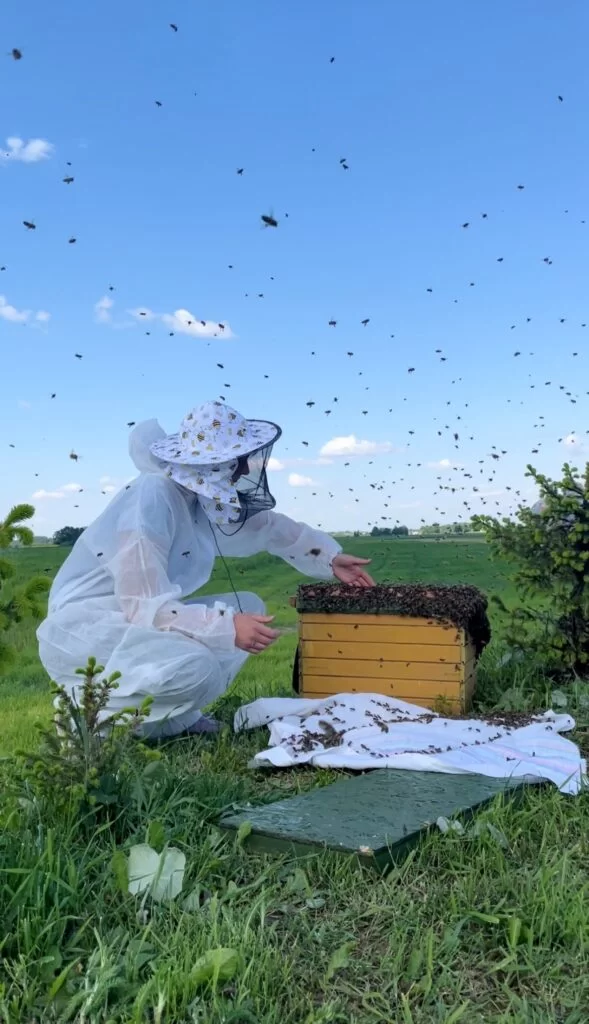
#####
##### What is your favourite motto in life?
“Live every day like it is your last”. This motto reminds me that life is short and unpredictable.
##### What do you do to relax?
When I want to relax I go to nature and do breathing exercises. Sometimes I just drink coffee or buy something delicious.
##### What personal goal would you like to achieve next?
Complete my master’s studies. After that I could focus more on work.
##### What in your life do you feel most grateful for?
For my family and amazing sisters. I can trust them and I know that despite the reason they will always help me.
##### Which app do you use the most on your phone?
Instagram, because on this app I like to share my time in stories.
##### What is one book you would definitely recommend to read? Or a movie to watch? Or a song to listen to?
It would surely be „Miracles from Heaven“. This movie reminds me that miracles are real and sometimes when we really pray and ask God, He helps us.
---
# Are There Medications to Manage Lingering Side Effects? Find Expert Tips for Relief
URL: https://beatcancer.eu/resources/are-there-medications-to-manage-lingering-side-effects/ | Topic: Late Effects of Treatment | Published: 2025-03-19 | Updated: 2026-08-18
Dealing with lingering side effects after an illness or treatment can feel overwhelming, especially when they disrupt your daily life. You might wonder if there’s a way to ease these symptoms and regain your sense of normalcy. The good news is that medical advancements have made it possible to address many of these persistent issues effectively.
Understanding the right medications and their role in [managing side effects](https://www.cancer.gov/about-cancer/treatment/side-effects) is key to improving your overall well-being. Whether it’s fatigue, nausea, or other discomforts, there are options tailored to help you feel better. By exploring these solutions with your healthcare provider, you can take proactive steps toward relief and recovery.
## Key Takeaways
* Lingering side effects, such as fatigue, nausea, pain, and cognitive difficulties, often persist after illness or treatment, affecting quality of life.
* Medications, including prescription drugs and over-the-counter remedies, effectively manage many symptoms when tailored to individual needs and monitored by healthcare providers.
* Alternative therapies like acupuncture, yoga, and herbal supplements, if approved by healthcare professionals, can complement traditional treatments for physical and emotional relief.
* Customizing treatment plans with factors such as medical history, symptoms, and lifestyle ensures safe and effective management of lingering side effects.
* Real-world success stories highlight the importance of proactive collaboration with healthcare professionals and combining medical and holistic approaches to recovery.
* Prioritizing clear communication with your healthcare provider is essential for evaluating risks, exploring options, and developing a personalized recovery strategy.
## Understanding Lingering Side Effects
Lingering side effects refer to persistent symptoms that continue after an illness or treatment. These effects may include fatigue, nausea, pain, or cognitive difficulties. Their severity and duration often vary based on factors like the underlying condition, treatment type, or individual health.
Fatigue often disrupts daily activities, affecting concentration and physical energy. Cognitive difficulties, sometimes called "brain fog," can impair memory and decision-making. Nausea and pain further undermine quality of life, making recovery more challenging.
Identifying these effects is essential to address them effectively. Communication with your healthcare provider ensures proper assessment and management tailored to your needs.
## Common Lingering Side Effects After Treatment
Lingering side effects after treatment can affect your physical, emotional, and overall well-being. Recognizing these effects helps guide effective management strategies.
### Physical Side Effects
Physical symptoms often include persistent fatigue, pain, and nausea. For example, fatigue might reduce your ability to perform daily tasks, while chronic pain may affect mobility. Gastrointestinal issues like nausea or appetite loss can lead to nutritional deficiencies. Monitor symptoms closely and consult your healthcare provider for tailored relief options.
### Emotional and Psychological Side Effects
Emotional challenges may involve symptoms such as anxiety, depression, or mood swings. High levels of stress, along with cognitive difficulties like impaired focus or memory, are also common. These effects can disrupt personal relationships and work performance. Address concerns with mental health professionals to explore therapy or medication options.
### Long-Term Risks and Complications
Some treatments may lead to complications like organ damage, hormonal imbalances, or neuropathy. For instance, chemotherapy can increase the risk of secondary conditions like cardiotoxicity. Regular medical evaluations and lifestyle adjustments reduce the likelihood of long-term health risks.
## Medications for Managing Lingering Side Effects
Managing lingering side effects often involves medication tailored to specific symptoms. Options include prescription drugs, over-the-counter remedies, and complementary therapies.
### Prescription Medications
Prescription medications address severe or persistent symptoms. For example, antiemetics like ondansetron reduce nausea after chemotherapy, while stimulants like modafinil combat fatigue in chronic conditions. For pain, doctors may recommend opioids or non-opioid options like gabapentin, depending on severity. Antidepressants or anxiolytics can help with mood-related symptoms, particularly anxiety or depression. Review all medication options with your healthcare provider to avoid interactions and ensure suitability.
### Over-The-Counter Options
OTC remedies target milder lingering effects. Acetaminophen treats mild pain or headaches, and antacids like famotidine might relieve digestion issues. Drugs like loperamide or bismuth subsalicylate help with diarrhea, often caused by treatment side effects. Antihistamines such as diphenhydramine may improve sleep disrupted by other symptoms. Reading label instructions is vital to avoid overuse or unintended side effects.
### Alternative and Complementary Therapies
Complementary therapies supplement traditional medication. Herbal supplements like ginger or peppermint oil may alleviate nausea if approved by your doctor. Acupuncture reduces pain and enhances relaxation, according to multiple studies. Mindfulness-based practices, including meditation and yoga, target emotional and psychological challenges like stress. Choose therapies carefully, ensuring they don’t interfere with prescribed treatments.
## Factors To Consider Before Taking Medications
Evaluating key factors when managing lingering side effects helps ensure safe and effective treatment. Assess risks, consult experts, and explore tailored solutions.
### Safety and Potential Risks
Examine possible side effects, drug interactions, and long-term risks before starting any medication. Serious complications can arise if medications are not aligned with your medical history. Assess risks for vulnerable groups like older adults or those with chronic illnesses. Review packaging and scientific resources for detailed safety information.
### Consulting Healthcare Providers
Prioritize communication with your healthcare providers to assess medication suitability. Discuss your complete medical history, ongoing treatments, and current symptoms for a thorough evaluation. Share over-the-counter use or complementary therapies to avoid contraindications. Seek advice when making dosage adjustments or switching medications.
### Personalized Treatment Approaches
Customized treatment plans based on individual needs improve symptom management. Factors like age, diagnosis, lifestyle, and pre-existing conditions guide medication recommendations. A tailored approach integrates prescription drugs, alternative remedies, and lifestyle changes to address physical, emotional, and psychological impacts efficiently.
## Real-World Experiences and Success Stories
Many individuals have found effective ways to manage lingering side effects through personalized approaches. Sharing these success stories helps you see the possibilities for improved well-being. For example, a cancer patient who struggled with severe nausea post-treatment reported significant relief using prescribed antiemetics alongside a modified diet. Another individual experiencing post-viral fatigue found improvement by combining prescribed stimulants with yoga-based relaxation techniques.
Patients with chronic pain due to lasting treatment side effects have also seen success. In one instance, a patient managed pain effectively with a combination of prescription pain relievers and physical therapy. Another shared that mindfulness meditation significantly eased their psychological struggles, such as anxiety and brain fog, which often accompany lingering side effects.
Parents of children dealing with prolonged effects after illness have reported benefits too. A parent noted their child’s focus dramatically improved after incorporating cognitive exercises and working closely with a pediatric neurologist. Such accounts emphasize that collaborative, tailored plans can offer transformative results.
Across these stories, consistent themes highlight the importance of proactive communication with healthcare providers and the integration of both medical and alternative treatments, enabling you to better navigate your own recovery journey.
## Conclusion
Managing lingering side effects requires a thoughtful, personalized approach that prioritizes your unique needs and circumstances. By working closely with your healthcare provider, you can explore a range of options, from prescription medications to alternative therapies, to find effective relief.
Taking proactive steps and maintaining open communication ensures you're addressing not just the symptoms but also the underlying challenges impacting your quality of life. With the right strategies and support, recovery becomes a more manageable and empowering journey.
## Frequently Asked Questions
### What are lingering side effects?
Lingering side effects are persistent symptoms that remain even after recovery from an illness or treatment. These can include fatigue, nausea, pain, or cognitive difficulties like "brain fog." The severity and duration of these effects often depend on the underlying condition and the type of treatment received.
### How do lingering side effects impact daily life?
Lingering side effects can disrupt activities like work, relationships, and self-care. Physical symptoms may hinder movement or nutrition, while emotional issues such as anxiety and depression can affect mental well-being and social interactions.
### What types of lingering side effects are common?
Common lingering effects are categorized into physical (fatigue, pain, nausea), emotional (anxiety, depression, mood swings), and long-term complications (organ damage, hormonal imbalances). Each type varies by treatment and individual health conditions.
### How can lingering side effects be managed?
Management includes prescription medications (e.g., antiemetics, stimulants), over-the-counter remedies, and alternative therapies like acupuncture or mindfulness. Consulting with a healthcare provider is essential to tailor the treatment to individual needs.
### Are medications safe for managing lingering side effects?
Medications are generally safe if used under medical guidance. It's important to evaluate potential risks, drug interactions, and individual medical history with your healthcare provider to ensure medication suitability.
### Are there non-prescription options for side effect management?
Yes, over-the-counter remedies can help with mild symptoms, such as antacids for nausea or pain relievers for mild discomfort. Complementary therapies like yoga, acupuncture, and lifestyle changes can also be effective when used alongside medical advice.
### Can lingering side effects last long-term?
Some lingering side effects may last weeks, months, or even longer, depending on the illness or treatment type. Regular follow-ups with healthcare providers can help monitor and manage long-term risks or complications.
### What role do healthcare providers play in managing lingering side effects?
Healthcare providers assess symptoms, recommend appropriate treatments, and ensure any chosen remedies (medications or alternatives) are safe and effective. Collaboration with your doctor allows for a personalized, holistic approach to recovery.
### Are emotional side effects common after treatment?
Yes, emotional challenges like anxiety, depression, and mood swings are common. Addressing these requires mental health support, such as therapy or counseling, in addition to physical symptom management.
### Can lifestyle changes help alleviate lingering side effects?
Absolutely. Adjusting diet, incorporating regular exercise, practicing mindfulness, and ensuring sufficient rest can often complement medical treatments and improve overall recovery outcomes.
### Are personalized treatment plans helpful for recovery?
Yes, personalized plans that combine medications, alternative therapies, and lifestyle changes improve symptom management. Tailored approaches address individual needs, leading to more effective and sustainable recovery.
### Are there success stories of managing lingering side effects?
Yes, many individuals have successfully managed side effects through customized approaches. Examples include cancer patients alleviating nausea with antiemetics and dietary changes, or others reducing fatigue using stimulants and yoga relaxation techniques. These stories highlight the value of tailored plans and open communication with healthcare providers.
### Should I be concerned about long-term risks from treatments?
Some treatments may carry long-term risks, such as organ damage or hormonal imbalances. Regular medical evaluations and proactive lifestyle adjustments can help detect and mitigate such complications.
---
# Ask for Help!
URL: https://beatcancer.eu/resources/ask-for-help/ | Topic: OACCUs | Published: 2024-11-30 | Updated: 2026-08-17
**How to start a psychological counselling.**
Are you feeling sad for too long? Do you think that adverse situations will last forever? Maybe asking for professional health can be a solution!
Indeed, psychological support may help you focus on your feelings, behaviours, thoughts, and fears that determine other negative thoughts, which create a never-ending loop. Psychological support can help you to stop this negative circle and change your mental assets toward life.
**So, how do you start psychological counselling?**
1. **Settle an objective:** Think about what you would like to obtain from the psychological intervention (e.g., “I would like not to feel anxiety anymore”, “I want to be happier”) and keep it in mind.
2. **Think about yourself:** If you are a reflective person, you may choose an analytic approach, while if you prefer structured directions, you may find more interesting a cognitive-behavioural intervention.
3. **Time and place:** You can choose between face-to-face counselling or online support. Online counselling was essential during the COVID-19 pandemic since it allowed people to continue the ongoing therapies, avoiding social contact. In terms of effectiveness, the online support gains the same results as the face-to-face support. Concerning the last one, you may choose between individual or group session. The group sessions are conducted with several people with similar situations that benefit from social contact and want to meet other people. Usually, the group sessions are cheaper than the individual ones.
4. **Look for a specialist on the Internet:** Several websites collect information about all psychologists working nationwide in many countries. These websites usually show the location, the specialization of the psychologists (e.g., anxiety treatment, depression, self-esteem, and more), the price for each session, the availability of online support, and the way to contact them.
For example, the website Better Help [https://www.betterhelp.com](https://www.betterhelp.com) starts with several questions about your feelings and your needs, and some questions about you and your preferences about therapy (e.g., face-to-face, online, via telephone, via messages, and so on) plus other personalized features. Then, it matches the therapist that corresponds more to your preferences. Better Help verifies if you are eligible for discounts or financial aid if you cannot afford the cost of therapy.
If you need help immediately, you can find emergency lines in several countries at [https://www.betterhelp.com/gethelpnow/](https://www.betterhelp.com/gethelpnow/).
**Once you start the psychological support, you will see the difference week after week!**
For immediate help, here the main websites:
- [https://www.betterhelp.com/gethelpnow/](https://www.betterhelp.com/gethelpnow/) (for Argentina, US, UK & Republic of Ireland, Spain, Australia, China, Canada, South Africa, New Zealand, India, Germany, Finland)
- [https://findahelpline.com/](https://findahelpline.com/) (International website)
- [https://www.telefonoamico.it/](https://www.telefonoamico.it/) (Italy)
*Author: UNIPA team*
*Image sources:*
- [https://pixabay.com/](https://pixabay.com/)
- [https://www.pexels.com/it-it/](https://www.pexels.com/it-it/)
---
# Balancing Caregiving Responsibilities with Self-Care: Tips for a Healthier, Happier You
URL: https://beatcancer.eu/resources/balancing-caregiving-responsibilities-with-self-care/ | Topic: Psychosocial Care | Published: 2025-02-06 | Updated: 2026-08-18
Caring for a loved one is one of the most meaningful roles you can take on, but it often comes with its own set of challenges. Between managing their needs and juggling your daily responsibilities, it’s easy to put your own well-being on the back burner. However, neglecting self-care can leave you feeling drained and less effective in your caregiving role.
Finding balance isn’t just important—it’s essential. When you prioritize your mental and physical health, you’re better equipped to handle the demands of caregiving without burning out. It’s not about choosing between your needs and theirs; it’s about creating a sustainable routine that supports both.
## Key Takeaways
* Balancing caregiving and self-care is essential for maintaining both your well-being and the quality of care you provide to your loved one.
* Caregiving poses physical, emotional, and personal challenges, which can lead to burnout if left unaddressed.
* Prioritizing self-care improves physical health, emotional resilience, and personal relationships, enabling sustainable caregiving.
* Common barriers to self-care include time constraints, guilt, limited support, and financial strain, but these can be managed with proactive strategies.
* Practical approaches, like setting boundaries, utilizing support systems, and incorporating mindfulness practices, can help establish a healthy caregiving routine.
* Leveraging tools, resources, and periodic self-assessment ensures long-term balance and adaptability as caregiving needs evolve.
## Understanding The Challenges Of Caregiving
Caregiving often brings significant physical, emotional, and personal challenges. Addressing these challenges is key to maintaining balance and ensuring effective care.
### Physical And Emotional Demands
Caregiving tasks frequently involve physical strain and emotional stress. Lifting, assisting with mobility, or managing medical equipment can result in fatigue or even injury. Constant vigilance or managing emergencies often disrupts sleep schedules and impacts overall physical health. Emotional challenges include feelings of frustration, guilt, or helplessness when your loved one’s condition worsens or when demands feel overwhelming.
Providing consistent emotional support to someone else can also drain your own emotional reserves, making burnout a common risk without proper coping mechanisms. Recognizing these demands early helps in seeking external assistance or adjusting routines to lessen their weight.
### Impact On Personal Well-Being
Balancing caregiving with personal obligations can erode your own well-being over time. Caregiving frequently limits social interactions, neglecting relationships and leading to isolation. You might also experience financial strain when caregiving impacts job performance or necessitates reduced work hours.
Prolonged stress from caregiving responsibilities weakens your immune system, making chronic illnesses or health problems more likely. Beyond physical health, long-term caregiving responsibilities may hinder personal growth or limit pursuing individual interests. Awareness and proactive planning help mitigate these impacts by preserving aspects of your personal life while fulfilling caregiving duties.
## Importance Of Self-Care For Caregivers
Maintaining your well-being is essential to providing effective and compassionate care. Self-care ensures you have the physical and emotional capacity to support your loved one.
### Benefits Of Prioritizing Self-Care
1. **Improved Physical Health**
Maintaining a routine of exercise, sleep, and proper nutrition reduces fatigue and prevents chronic health issues. For example, staying physically active can decrease the risk of musculoskeletal injuries from lifting or mobility assistance.
2. **Enhanced Emotional Resilience**
Engaging in activities like meditation or counseling strengthens your ability to cope with stress and reduces anxiety. This emotional stability helps you address caregiving challenges more effectively.
3. **Stronger Personal Relationships**
Taking time for yourself improves your mood and energy, leading to better interactions with others. Quality connections with family and friends foster a support network, reducing feelings of isolation.
4. **Sustained Caregiving Capacity**
By avoiding caregiver burnout, self-care ensures you remain reliable and attentive. This balance promotes a higher quality of care for your loved one.
5. **Time Constraints**
Caregiving often consumes most of your day, leaving little room for your personal needs. If daily schedules are not planned efficiently, self-care gets deprioritized.
6. **Feelings Of Guilt**
You might feel that focusing on yourself detracts from caregiving responsibilities. Guilt can prevent you from acknowledging your limits and seeking help when needed.
7. **Limited Support**
A lack of assistance from family, friends, or professionals makes it harder to delegate caregiving tasks. Without external support, taking breaks becomes a challenge.
8. **Financial Strain**
Spending on caregiving needs over personal well-being may limit access to resources like gym memberships or counseling services. Budgeting is crucial to balancing these costs.
Recognizing and addressing these barriers enables you to adopt attainable self-care practices without neglecting caregiving duties.
## Strategies For Balancing Caregiving And Self-Care
Effectively balancing caregiving and self-care improves your well-being and helps you provide better support. Adopting practical strategies ensures that neither caregiving responsibilities nor personal health is neglected.
### Setting Boundaries And Prioritizing Tasks
Establish clear boundaries to define what's manageable and protect your personal time. Delegate caregiving responsibilities when possible and decline additional tasks that overwhelm your schedule. Create a prioritized task list based on urgency, focusing on daily essentials like medication management or meal preparation to reduce stress.
Use tools like planners or digital apps to organize caregiving duties and allocate time for self-care activities like exercise or hobbies. If emergencies disrupt plans, adjust priorities to ensure core caregiving tasks and self-care moments are maintained.
### Utilizing Support Systems
Engage with family, friends, or professionals to share caregiving duties and lighten your workload. Discuss care responsibilities with relatives to divide specific tasks such as transportation or meal preparation. Seek external help, like respite care or home health services, to regain personal time.
Join caregiver support groups to connect with others who understand your challenges and gain practical advice. Many organizations, like the Family Caregiver Alliance, provide resources to help you access local and financial support options.
### Incorporating Mindfulness And Stress-Relief Practices
Include mindfulness techniques in your routine to minimize stress and boost emotional resilience. Dedicate 10–15 minutes daily to practices like meditation, deep breathing, or guided imagery to calm your mind. Apps like Headspace or Calm can provide structured guidance.
Engage in relaxation activities, such as yoga or journaling, to release tension and process emotions. If time is limited due to caregiving demands, practice quick methods, like a two-minute breathing exercise, to center yourself during stressful moments.
## Tools And Resources For Caregivers
Accessing the right tools and resources can make caregiving more manageable and help protect your well-being. These options provide support, enhance organization, and make daily caregiving tasks more efficient.
### Support Networks And Community Groups
Connecting with support networks can reduce feelings of isolation and provide practical advice. Local caregiving organizations often offer in-person groups where you can share experiences and gain guidance. Nonprofits like the Family Caregiver Alliance or the Alzheimer's Association also facilitate support groups and offer online forums.
Community centers frequently hold support sessions, workshops, or resource fairs, which can help you find information and meet others facing similar challenges. Social media groups, forums, and caregiving platforms, such as AgingCare or Caregiver Action Network, offer accessible online communities to exchange resources and solutions anytime.
### Technology And Apps For Caregiving
Technology simplifies managing caregiving responsibilities, offering apps and digital tools that streamline tasks. Apps like CareZone and Lotsa Helping Hands allow you to track medication schedules, appointments, and notes in one place. Platforms like CaringBridge create shared spaces for updates and communication among family members.
Digital solutions like ride-sharing services or grocery delivery apps assist with logistics, freeing up time for self-care. Smart home devices, such as voice assistants or sensors, can monitor your loved one’s activities, promoting safety and giving you peace of mind.
## Maintaining Long-Term Balance
Sustaining caregiving responsibilities over time requires consistent self-awareness and adaptability. Assessing your well-being and adjusting strategies ensures both you and your loved one receive the care needed.
### Periodic Self-Assessment
Regular evaluations of your physical, emotional, and mental health help identify areas needing attention. Monitor stress levels, energy, and emotional state to detect signs of burnout early. Use tools like mood trackers or health apps to track your progress over time.
Involve trusted individuals in your assessment process. Feedback from family, friends, or healthcare professionals provides an outside perspective on your caregiving and self-care balance. Combine their insights with your own observations to determine where changes are necessary.
### Adjusting Strategies As Needs Change
Adaptations in your caregiving approach are essential as circumstances evolve. Reassess routines when your loved one's condition, your health, or other life factors shift. For example, an increase in your loved one’s medical needs may require additional professional assistance.
Evaluate available resources periodically to ensure they're meeting current demands. Explore new support groups, technology solutions, or community services as needed. Flexibility in planning allows you to accommodate unexpected challenges without compromising your self-care.
## Conclusion
Balancing caregiving responsibilities with self-care is a journey that requires intention and adaptability. By prioritizing your well-being, you’re not only preserving your health but also ensuring you can provide consistent and effective care for your loved one.
Remember, seeking support, setting boundaries, and utilizing available resources are not signs of weakness—they’re essential steps to maintaining balance. Small, consistent efforts toward self-care can make a significant difference in your physical, emotional, and mental resilience.
You have the ability to navigate the challenges of caregiving while honoring your own needs. With the right strategies and support, you can create a sustainable approach that benefits both you and your loved one.
## Frequently Asked Questions
### What are the common challenges faced by caregivers?
Caregivers often face physical demands like lifting and assisting with mobility, emotional stress from feelings of guilt or frustration, personal challenges such as isolation and financial strain, and fatigue from balancing multiple responsibilities.
---
### Why is self-care important for caregivers?
Self-care is essential for maintaining physical and emotional well-being. It prevents burnout, improves caregiving effectiveness, and ensures that caregivers can provide consistent, reliable support to their loved ones.
---
### How can caregivers balance self-care and caregiving duties?
Caregivers can balance responsibilities by setting boundaries, prioritizing tasks, delegating duties, using scheduling tools, and allocating regular time for self-care activities like exercise or relaxation.
---
### What strategies help reduce caregiver stress?
Mindfulness practices like meditation, deep breathing, and journaling can reduce stress. Joining support groups, connecting with loved ones, and using caregiving tools also help alleviate emotional and logistical burdens.
---
### What are some useful tools for caregivers?
Apps like CareZone and Lotsa Helping Hands help track schedules and medication, while smart home devices enhance safety. Support networks and online platforms like the Family Caregiver Alliance provide community resources.
---
### How can caregivers prevent burnout?
Prevent burnout by maintaining self-awareness, monitoring stress levels, practicing self-care regularly, sharing the load with others, and staying connected to support networks for emotional and practical assistance.
---
### Where can caregivers find help and resources?
Caregivers can access resources through local caregiving organizations, online platforms like AgingCare, support groups, and apps designed to assist with organization, tracking, and connecting with other caregivers.
---
### How can mindfulness improve caregiving?
Mindfulness practices improve emotional resilience, reduce stress, and promote mental clarity. These benefits help caregivers stay calm and more effective in managing daily challenges.
---
### What are the early signs of caregiver burnout?
Early signs of burnout include constant fatigue, irritability, feelings of hopelessness, decreased motivation, and neglecting personal well-being. Addressing these signs early can prevent further stress.
---
### How can technology simplify caregiving?
Technology like caregiving apps and smart home devices introduces tools for tracking medication, scheduling appointments, and ensuring safety, helping caregivers manage tasks more efficiently while freeing time for self-care.
---
# Barriers to Receiving Follow-up Care Among Childhood Cancer Survivors
URL: https://beatcancer.eu/resources/barriers-to-receiving-follow-up-care-among-childhood-cancer-survivors/ | Topic: Long-term Follow-up Care | Published: 2023-11-04 | Updated: 2026-10-02
Little is known on why adherence to follow-up care in childhood cancer survivors (CCS) is lacking. This study characterized barriers to adherence to follow-up care among CCS, identified sociodemographic correlates of barriers, and examined whether barriers to follow-up care relate to health-related quality of life. Adult CCS (N=84) were anonymously surveyed via REDCap using the Barriers to Care Questionnaire (BCQ) and the Quality of Life Scale-Cancer Survivor (QOL-CS).
Both descriptive and correlation analyses were conducted. The median BCQ total score was 88.5 (interquartile ranges: 78.4 to 95.7), with the greatest barriers reported in the Skills (eg, ease of navigating the healthcare system) and Pragmatism subscales (eg, cost). There was a statistically significant correlation between the BCQ total score and the QOL-CS total score (rs=0.47, P <0.0001) and the physical, psychological, and social QOL-CS subscales (all P ‘s<0.05).
The results found that barriers to follow-up care for CCS are mostly related to cost and appointment logistics, and that more barriers to care is associated with lower health-related quality of life among CCS. Identifying barriers to follow-up care is the first step in improving adherence, which would allow for earlier detection of late effects of cancer therapy and thereby result in reductions in morbidity and mortality.
---
# Beat Cancer Discord Community: A Global Haven for Adolescents and Young Adults (AYAs) Living with and Beyond Cancer
URL: https://beatcancer.eu/resources/beat-cancer-discord-community/ | Topic: Survivorship | Published: 2024-03-08 | Updated: 2026-08-17
Navigating the complexities of adulthood, adolescents and young adults (AYAs) living with and beyond cancer find themselves still adjusting to the journey of growing up when they are suddenly faced with profound challenges.
Many young cancer survivors undergo significant life changes as they have to deal with the side effects of the treatment, fatigue, and, more often than not, the loss of independence that they were just beginning to enjoy.
On top of this, they must navigate a system designed for adults that unfortunately does not address their unique needs and questions. All these challenges have more impact, given that cancer in adolescents and young adults is still considered rare.
This makes it incredibly difficult to find the right support, connections, and help. For many young cancer patients, challenges related to mental health, [fertility](https://beatcancer.eu/resources/fertility-preservation-during-cancer-treatment/), body image, relationships, careers, and education are common. These represent only a handful of the obstacles young individuals with cancer may face.

Many cancer survivors and patients often feel misunderstood by those who haven’t faced [puberty cancer](https://beatcancer.eu/resources/puberty-cancer/) themselves, and while this sentiment is valid, it’s essential to recognize that understanding may be challenging for those who haven’t experienced it personally.
On a different note, having the chance to share ideas, feelings and experiences with those who truly “get it” can be uplifting, empowering, and motivating. Within a supportive community, there’s no need to explain or justify your experiences – those navigating similar journeys just inherently understand.
Whether seeking support during challenging moments or celebrating positive milestones, having a community of like-minded individuals offering peer support is incredibly helpful and absolutely necessary.
## **Peer support with EU-CAYAS-NET on Discord**
For this reason, [the Beat Cancer Discord Community](https://beatcancer.eu/community/) was created.
A community dedicated to those affected by or working with the Children, Adolescents, and Young Adults (CAYAs) living with and beyond cancer, where members can support each other. The Discord community is a key part of the [**EU-CAYAS-NET project**](https://beatcancer.eu/about-us/) – the European Network of Youth Cancer Survivors, co-funded by the European Commission.
The vision is to create a thriving online community that connects Adolescents and Young Adults (AYA cancer population) affected by cancer all over the globe, as well as healthcare professionals, caregivers, and others [taking care of patient](https://beatcancer.eu/resources/taking-care-of-yourself-caring-for-a-patient/). As of 2024, there are already members from 25 countries all over the globe, with many minority groups represented.
The community’s feedback has been remarkably positive. A lot of members had never engaged with another AYA patient or survivor before becoming part of the community. Many of them were previously unaware of the typical late complications faced especially by AYAs and the existence of practical solutions to navigate these issues.

Joining the Discord community not only provides valuable peer support but also offers a meaningful way to engage in patient advocacy. This initiative is overseen by some of the largest international non-governmental organisations (NGOs), non-profits, and patient advocacy organisations specialised in cancer care for Children, Adolescents, and Young Adults (CAYAs), with support from the European Commission.
## **Accessing BeatCancer.EU’s Community**
Accessing and engaging with the Discord peer-support community is easy – visit [**beatcancer.eu/community**](https://beatcancer.eu/community/) to explore the experiences and thoughts shared by other adolescents and young adults, and engage in meaningful exchanges with like-minded peers.
**Members can remain anonymous on the platform and are not required to use their real names.**
For the best experience, it is recommended to download the Discord software directly from **discord.com** or through the app stores available on Apple or Android devices – it’s a free software used by many vastly different communities worldwide!

## **How to use Discord and our Discord Community’s special features**
Through the utilisation of the software, the users have the opportunity to **set up their profiles** by specifying their origin and the role they assume within the community (whether as a patient/survivor, healthcare professional, researcher, caregiver, or other), along with additional information. Participation in this process is optional, but it is encouraged to complete it as it enhances their ability to connect with others on a more profound level and enhances their experience by utilising some of the distinctive features developed by our community.
Setting roles is quickly done by navigating to the channels [#user-roles](https://discord.com/channels/1014841815016415232/1037447127896436857), and [#country-roles](https://discord.com/channels/1014841815016415232/1089171552764964895) on the Discord Community server.
Discord is divided into “servers”, where each server forms a separate “Community” within the Discord software. The server can be an analogy to a Facebook group, hosted centrally yet maintaining separation from individual members of the group.

Upon accessing Discord, all affiliated servers are displayed on the far left. To the right of the server list there is a compilation of “**Channels**”. These channels are exclusive to the Discord Community and are not shared with other communities. Nevertheless, some of the messages posted in these channels are visible to other community members and can be accessed through [beatcancer.eu](https://beatcancer.eu/community/).
These channels are designated for different topics, including **mental health, sexuality/fertility/dating, healthcare**, and more. It is noteworthy that there is no need for concern about posting in the “wrong” channel. The primary emphasis is on ensuring that members feel comfortable sharing within the community. If uncertainty persists regarding where to share a message, contacting a moderator is an option, and they will gladly assist.
## **EU-CAYAS-NET’s peer-support bot – Botito**
To improve peer support, we created a friendly peer-support bot, which the community decided to name **Botito**!
**Botito allows the members to connect 1-on-1 with other community members based on their profile choices.**
Using Botito is very easy. Access any channel on the Discord server, input **/profile**, and follow the steps to configure a profile. After completion, type **/match** to receive a list of matches most pertinent to the profile. It’s noteworthy that messages generated by these commands are visible exclusively to the user. In addition to the information in the profile, Botito considers the user’s role (patient/survivor, healthcare professional, researcher, caregiver, or other), the type of cancer experienced, and the user’s country for the most relevant match.
Once connected with a member, a new channel will appear in the channel list, typically at the bottom. This channel is visible only to the user and the match.
For further assistance, refer to the Botito guide provided, inquire in [#peer-matching-support](https://discord.com/channels/1014841815016415232/1146886080453414932), or contact one of our moderators.


## The Future of EU-CAYAS-NET’s Discord Community
The community has experienced rapid growth, and the future looks very bright. Nevertheless, an ongoing commitment to improvement is maintained through the efforts of a dedicated team working to ensure that the vision for the community becomes a reality.
Being part of our community, where you can share insights, experiences, feelings, thoughts, and input, is incredibly valuable, even if it may not seem that way at first. Peer support might sound unfamiliar, foreign, and complicated, but it’s really about mutual support through the exchange of experiences and insights.
Involvement in the community, including insights, experiences, feelings, thoughts, and input, holds significant value, even though it might not seem like it. Peer support might sound foreign and complicated, but peer support essentially involves supporting peers through the act of sharing. Regardless of an individual’s experiences, there’s always someone in the community who can understand their journey and learn important lessons from it.

Becoming part of the community allows members to contribute with their support to others and to find support when needed the most. Insights, experiences, feelings, and thoughts are needed, as well as the representation of people with cancer lived experience.
To join, follow this link: [**beatcancer.eu/community**](https://beatcancer.eu/community/) ❤️
---
# Beat Cancer: Building a Transformative European Network of Youth Cancer Survivors - Enhancing Quality of Life, Adolescent Care, Diversity and Inclusion
URL: https://beatcancer.eu/resources/european-network-of-youth-cancer-survivors/ | Topic: Survivorship | Published: 2023-12-06 | Updated: 2026-08-18
[EU-CAYAS-NET](https://beatcancer.eu/) is an EU-funded project led by patient advocates under one of the flagship initiatives of [Europe´s Beating Cancer Plan](https://beatcancer.eu/cancer-dictionary/europe-beating-cancer-plan/) to build a European Network of Youth Cancer Survivors and to create a Knowledge Centre and interactive Platform for social networking.
### beat cancer european network for youth cancer survivors
The project strives to improve three themes relevant to youth cancer survivors:
* **Quality of life of survivors** - including mental health, education & career support, follow-up care, and transition from pediatric to adult health care;
* Care for **[adolescents](https://beatcancer.eu/resources/puberty-cancer/) and young adults (AYA)** with cancer;
* **Equality, Diversity, and Inclusion (EDI)** along the whole treatment and survivorship trajectory.
If you want to learn more about our quality of life work, contact ([office@ccieurope.eu](mailto:office@ccieurope.eu)), or for AYA care and EDI activities, contact Youth Cancer Europe ([katie@youthcancereurope.org](mailto:katie@youthcancereurope.org)).
### **You can find project materials below to learn more!**
### Leaflet:

* ***English:*** [Download Leaflet in English](/eu-cayas-net/english-eu-cayas-net-leaflet-180324.pdf)
* **Czech:** [Download Leaflet in Czech](/eu-cayas-net/czech-eu-cayas-net-leaflet-v7.pdf)
* ***French:*** [Download Leaflet in French](/eu-cayas-net/french-eu-cayas-net-leaflet-180324.pdf)
* ***German:*** [Download Leaflet in German](/eu-cayas-net/german-eu-cayas-net-leaflet-180324.pdf)
* ***Swedish:*** [Download Leaflet in Swedish](/eu-cayas-net/swedish-eu-cayas-net-leaflet-180324.pdf)
* ***Slovak:*** [Download Leaflet in Slovak](/eu-cayas-net/slovak-eu-cayas-net-leaflet-180324.pdf)
* ***Romanian:*** [Download Leaflet in Romanian](/eu-cayas-net/rumanian-eu-cayas-net-leaflet-180324.pdf)
* ***Portuguese:*** [Download Leaflet in Portuguese](/eu-cayas-net/portuguese-eu-cayas-net-leaflet-180324.pdf)
* ***Lithuanian:*** [Download Leaflet in Lithuanian](/eu-cayas-net/lithuanian-eu-cayas-net-leaflet-180324.pdf)
* ***Latvian:*** [Download Leaflet in Latvian](/eu-cayas-net/latvian-eu-cayas-net-leaflet-180324.pdf)
* ***BHS:*** [Download Leaflet in Bosnian-Croatian-Serbian](/eu-cayas-net/bhs-eu-cayas-net-leaflet-180324.pdf)
### Poster:

* ***English:*** [Download Poster in English](/eu-cayas-net/english-poster-eucayas-180324.pdf)
* **Czech:** [Download Poster in Czech](/eu-cayas-net/czech-eu-cayas-net-poster.pdf)
* ***French:*** [Download Poster in French](/eu-cayas-net/french-poster-eucayas-180324.pdf)
* ***German:*** [Download Poster in German](/eu-cayas-net/german-eu-cayas-net-leaflet-180324.pdf)
* ***Swedish:*** [Download Poster in Swedish](/eu-cayas-net/swedish-poster-eucayas-180324.pdf)
* ***Slovak:*** [Download Poster in Slovak](/eu-cayas-net/slovak-poster-eucayas-180324.pdf)
* ***Romanian:*** [Download Poster in Romanian](/eu-cayas-net/romainian-poster-eucayas-180324.pdf)
* ***Portuguese:*** [Download Poster in Portuguese](/eu-cayas-net/portuguese-poster-eucayas-180324.pdf)
* ***Lithuanian:*** [Download Poster in Lithuanian](/eu-cayas-net/lithuanian-poster-eucayas-180324.pdf)
* ***Latvian:*** [Download Poster in Latvian](/eu-cayas-net/latvian-poster-eucayas-180324.pdf)
* ***BHS:*** [Download Poster in Bosnian-Croatian-Serbian](/eu-cayas-net/bhs-poster-eucayas-180324.pdf)
### Postcard:

* ***English:*** [Download Postcard in English](/eu-cayas-net/en-join-the-community-on-discord-180324.pdf)
* **Czech:** [Download Postcard in Czech](/eu-cayas-net/czech-join-the-community-on-discord.pdf)
* ***French:*** [Download Postcard in French](/eu-cayas-net/french-join-the-community-on-discord-180324.pdf)
* ***German:*** [Download Postcard in German](/eu-cayas-net/german-join-the-community-on-discord-180324.pdf)
* ***Swedish:*** [Download Postcard in Swedish](/eu-cayas-net/swedish-join-the-community-on-discord-180324.pdf)
* ***Slovak:*** [Download Postcard in Slovak](/eu-cayas-net/slovak-join-the-community-on-discord-180324.pdf)
* ***Romanian:*** [Download Postcard in Romanian](/eu-cayas-net/romanian-join-the-community-on-discord.pdf)
* ***Portuguese:*** [Download Postcard in Portuguese](/eu-cayas-net/portuguese-join-the-community-on-discord-180324.pdf)
* ***Lithuanian:*** [Download Postcard in Lithuanian](/eu-cayas-net/lithuanian-join-the-community-on-discord-180324.pdf)
* ***Latvian:***[Download Postcard in Latvian](/eu-cayas-net/latvian-join-the-community-on-discord-180324.pdf)
* ***BHS:*** [Download Postcard in Bosnian-Croatian-Serbian](/eu-cayas-net/bcs-join-the-community-on-discord-180324.pdf)
### Public Deliverables:
* ***D1.1 Report on the Ambassador Programme***: [Access Report on the Ambassador Programme](/eu-cayas-net/eu-cayas-net-d1-1-submission-20230621.pdf)
* ***D2.1 Network Platform***: [Access Network Platform Review](/eu-cayas-net/eu-cayas-net-d2-1-network-platform-submission.pdf)
* ***D6.1 Communication and Dissemination Plan***: [Access the Project Communication and Dissemination Plan](/eu-cayas-net/eu-cayas-net-communication-plan-update-24aug2023.pdf)
* ***D5.1 EDI Programme Development & Training:*** [Access the EDI Programme Development & Training Toolkit](/wp-content/uploads/2024/04/Equity-Diversity-and-Inclusion-Principles-in-Cancer-Care-Train-the-Trainer-Toolkit-1.pdf)
* ***D5.2 EDI Policy Recommendations & Policy Event:*** [Access the EDI Policy Recommendations](https://beatcancer.eu/resources/recommendations-for-equitable-cancer-care/ "https://beatcancer.eu/resources/recommendations-for-equitable-cancer-care/")
---
# Being a Friend in the Time of Cancer: Practical Tips for Supporting Your Loved One Through the Journey
URL: https://beatcancer.eu/resources/being-a-friend-in-the-time-of-cancer-practical-tips-for-supporting-your-loved-one-through-the-journey/ | Topic: Mental Health | Published: 2023-02-28 | Updated: 2026-08-17
Hearing a [cancer diagnosis is hard](https://beatcancer.eu/resources/forgotten-battle-how-facing-cancer-in-my-teens-plunged-me-into-a-deep-depression-and-a-battle-with-ptsd/), and it might be challenging to think of ways to support a loved one who receives such news. However, recent [research has shown](https://www.cancercare.org/publications/104-what_can_i_say_to_a_newly_diagnosed_loved_one) that individuals tend to manage emotional crises better, have a better quality of life, and adjust to cancer-induced changes if they receive support from their friends and family members.
It might be difficult to balance your friend’s cancer journey and your own feelings and reactions to the disease but remember that **it is okay not to feel okay**.
Grief, anger, sadness, despair, and fear are typical reactions that should be acknowledged. It is essential to find ways to [cope with your emotions first](https://www.cancer.org/treatment/caregivers/how-to-be-a-friend-to-someone-with-cancer.html) to provide effective support to your friend.
So how is it best to support a [friendship through cancer journey](https://beatcancer.eu/resources/friendships-through-your-cancer-journey/), when your friend is managing a cancer diagnosis?
#### **Keep regular activities**
While there are no set rules on how it is best to support your friend going through the cancer journey, one thing is for certain – keeping the friendship, **treating them the same as before the cancer diagnosis**, and carrying on the regular activities is the key.
#### **Listen**
[Always listen to your friend](https://kidshealth.org/en/teens/friend-cancer.html) and focus on his/her needs. They may not want to talk about their cancer and its treatment (it may seem too overwhelming to explain to multiple people about their experience), or the opposite – that might be something that is all they want to discuss.
You can let them know that you are there if they ever need to talk; however, listening sometimes may mean that you don’t need to respond. While cancer is a complex topic to talk about and know what is the best thing to say, **starting a conversation is an essential part of your friend feeling supported**.
#### **Check-in**
**Showing how much you care about your loved one friend can be an essential piece of them feeling that they are not alone**. Remember to call them or send them texts, letting them know that you will check on them again soon, whether it’s a time of diagnosis or treatment. Visit them when they are available and are able to see you; however, make sure that the visits are regular but short. Always remind them that you are thinking about them.
#### **Allow space for laughter and sadness**
Share a fun story or a silly YouTube video with your friend or do things they enjoy. At certain times, admit your friend’s sadness and just **simply be there for them**.
Remember to avoid phrases like “everything is going to be fine.” Hearing such positive affirmation for the future may indicate that they are not able to share their reality with you.
#### **Plan**
Work together with your friend to [create plans](https://www.cancer.net/coping-with-cancer/talking-with-family-and-friends/supporting-friend-who-has-cancer) that would give them something to look forward to; however, **do not feel disappointed if there are last-minute changes** and your friend needs to alter the plans.
Cancer is a challenging journey. Treatment may present challenges that were not part of your friend’s life before, e.g., fatigue preventing them from doing many activities that they initially planned with you.
#### [**Give a gift**](https://beatcancer.eu/resources/gifts-and-actions-for-supporting-ones-battling-cancer/)
**Create a care package for your friend** after asking them to let you know what they would like (and can) eat. Add their favourite book or puzzle to the package to feel busy when you are not around.
While approaching St. Valentine’s Day, prepare a special gift reminding your loved one what a precious space they have in your heart, e.g. printed photos from special moments you’ve spent together, a lovely face towel with personal embroidery, or a friendship-reminding bracelet.
These [thoughtful gifts for someone with cancer](https://beatcancer.eu/resources/gifts-and-actions-for-supporting-ones-battling-cancer/) are not only practical but also infused with love and consideration, aiming to bring moments of joy and comfort during challenging times.
#### **During the treatment**
[When cancer changes your appearance](https://beatcancer.eu/resources/how-to-embrace-your-evolution-navigating-appearance-changes-and-body-image-after-cancer/), it's vital to show empathy and support. Patients undergoing treatment may experience a range of physical changes, from hair loss to weight fluctuations. It's essential to be mindful of these changes and **avoid making comments** that could inadvertently cause distress. Instead, focus on offering emotional support and being there for your friend during this challenging time.
Also, **be patient** with your friend; simple activities might present a significant challenge to them, such as walking up the stairs. Just simply allow them to take their pace to do any activities.
#### **After treatment**
Sometimes cancer survivors experience the cancer burden at its’ fullest after the treatment is completed. Their concern will most likely be mental health rather than physical side effects. Coping with the emotional burden of what they have experienced will require a true friend’s support.
Finding the right words or providing the best emotional support to a friend going through a cancer journey might be challenging. You can **start the conversation by asking them how you could best support them during this challenging time.**
---
# Benefits of Exercise on Mental Health
URL: https://beatcancer.eu/resources/benefits-of-exercise-on-mental-health/ | Topic: OACCUs | Published: 2024-12-01 | Updated: 2026-08-17
Mental health issues have increased in recent years. Add to the current lifestyle the uncertainty generated by the COVID-19 pandemic or war, and you have a perfect storm. According to a study published in The Lancet, the COVID-19 pandemic has increased the prevalence of major depression by 27.6%, adding 53.2 million to the previous number of cases (1). The same tendency has been observed in cancer patients (2). This has very important consequences for health. For example, depression is the leading cause of disability in the world (3). Moreover, depression, anxiety disorders and psychological distress predict poorer survival in cancer patients (4).
Although it is very difficult to comprehensively address all the factors that trigger depression, we can modify some of them. **One of the main modifiable risk factors associated with depression is a sedentary lifestyle**. Thus, increasing physical activity levels may help to prevent depression. The largest study of its kind to date – involving more than 1 million individuals – showed that exercise was associated with reduced self-reported mental health burden (5). The authors found that among individuals with a previous diagnosis of depression, those who exercised had 34.5% lower days of mental health burden each month. In other words, physical exercise reduced the number of "bad" days per month by almost 4. In addition, people with higher levels of physical activity have a 17% lower risk of depression compared to people who hardly move in their daily lives (6). Furthermore, physical activity had a protective effect against the emergence of depression in youths, adults, and elderly persons (10%, 22%, and 21% lower risk, respectively) (6). Moreover, exercise has beneficial effects on depression among cancer survivors (7).
**How much exercise is necessary?**
To answer this question, a meta-analysis published in JAMA Psychiatry involving more than 2 million individuals calculated the dose-response of the association between physical activity and depression (8). An inverse curvilinear dose-response association between physical activity and depression was observed, such that the greatest benefits were seen when sedentary people began to engage in physical activity, even if only a little. In addition, relative to adults not reporting any activity, people who met the international recommendations (at least 150 minutes of moderate physical activity) had a 25% lower risk of depression.
**Conclusion**
Assuming the multifactorial nature of mental disorders, a sedentary lifestyle, which is also a growing problem today, is a factor that increases the risk of depression. Therefore, being active, even if it is only 30 minutes a day, would have a protective effect in the general population and cancer survivors. Exercise can be a useful strategy to manage mental health in people undergoing and recovering from cancer and side effects of treatment (7).
*Author: Javier S. Morales, UCA*
**References:**
1. Santomauro DF, Mantilla Herrera AM, Shadid J, Zheng P, Ashbaugh C, Pigott DM, et al. Global prevalence and burden of depressive and anxiety disorders in 204 countries and territories in 2020 due to the COVID-19 pandemic. Lancet. 2021;398(10312):1700–12.
2. Wang Y, Duan Z, Ma Z, Mao Y, Li X, Wilson A, Qin H, Ou J, Peng K, Zhou F, Li C, Liu Z, Chen R. Epidemiology of mental health problems among patients with cancer during COVID-19 pandemic. Transl Psychiatry. 2020 Jul 31;10(1):263. doi: 10.1038/s41398-020-00950-y. PMID: 32737292; PMCID: PMC7393344.
3. Friedrich MJ. Depression Is the Leading Cause of Disability Around the World. JAMA. 2017;317(15):1517.
4. Wang YH, Li JQ, Shi JF, Que JY, Liu JJ, Lappin JM, Leung J, Ravindran AV, Chen WQ, Qiao YL, Shi J, Lu L, Bao YP. Depression and anxiety in relation to cancer incidence and mortality: a systematic review and meta-analysis of cohort studies. Mol Psychiatry. 2020 Jul;25(7):1487-1499. doi: 10.1038/s41380-019-0595-x. Epub 2019 Nov 19. PMID: 31745237.
5. Chekroud SR, Gueorguieva R, Zheutlin AB, Paulus M, Krumholz HM, Krystal JH, et al. Association between physical exercise and mental health in 1·2 million individuals in the USA between 2011 and 2015: a cross-sectional study. The Lancet Psychiatry. 2018;5(9):739–46.
6. Schuch FB, Vancampfort D, Firth J, Rosenbaum S, Ward PB, Silva ES, et al. Physical activity and incident depression: A meta-analysis of prospective cohort studies. Am J Psychiatry. 2018;175(7):631–48.
7. Fuller JT, Hartland MC, Maloney LT, Davison K. Therapeutic effects of aerobic and resistance exercises for cancer survivors: a systematic review of meta-analyses of clinical trials. Br J Sports Med. 2018 Oct;52(20):1311. doi: 10.1136/bjsports-2017-098285. Epub 2018 Mar 16. PMID: 29549149.
8. Pearce M, Garcia L, Abbas A, Strain T, Schuch FB, Golubic R, et al. Association Between Physical Activity and Risk of Depression: A Systematic Review and Meta-analysis. JAMA Psychiatry. 2022;79(6):550–9.
---
# Benefits of a Balanced Diet
URL: https://beatcancer.eu/resources/benefits-of-a-balanced-diet/ | Topic: OACCUs | Published: 2025-08-21 | Updated: 2026-08-18
As we have seen, having a balanced diet that includes healthy foods is crucial for maintaining good health and overall well-being. Below are some key benefits:
1. **Nutrient Adequacy:** A balanced diet ensures that you get a variety of essential nutrients, including vitamins, minerals, carbohydrates, protein, and fats, in the right proportions. This helps support various bodily functions, such as growth, repair, and energy production.
2. **Weight Management:** A balanced diet can help you manage your weight by providing the necessary nutrients without excessive calories. It promotes a healthy balance between calorie intake and expenditure.
3. **Disease Prevention:** A diet rich in fruits, vegetables, whole grains, lean proteins, and healthy fats can reduce the risk of chronic diseases such as heart disease, diabetes, and certain types of cancer.
4. **Energy Levels:** A balanced diet provides a steady source of energy throughout the day. Complex carbohydrates, in particular, release energy gradually and help maintain stable blood sugar levels.
5. **Digestive Health:** Fiber-rich foods like fruits, vegetables, and whole grains support digestive health and regular bowel movements, reducing the risk of constipation and digestive disorders.
6. **Brain Health:** Proper nutrition is essential for cognitive function and mental well-being. Omega-3 fatty acids found in foods like fish, as well as antioxidants in fruits and vegetables, can support brain health.
7. **Strong Bones and Teeth:** A balanced diet with adequate calcium and vitamin D supports bone and teeth health, reducing the risk of osteoporosis and dental issues.
8. **Healthy Skin, Hair, and Nails:** Nutrient-rich foods contribute to healthy skin, hair, and nails. Vitamins and minerals like biotin, vitamin E, and vitamin C play important roles in maintaining these aspects of physical appearance.
9. **Immune System Support:** Nutrient-rich foods, especially those high in vitamins and minerals like vitamin C, vitamin D, and zinc, can boost your immune system and help your body fight off infections.
10. **Mood and Mental Health:** Some nutrients, such as folate and omega-3 fatty acids, have been linked to mood regulation and mental well-being. A balanced diet can indirectly support good mental health.
Click [here](https://www.hsph.harvard.edu/nutritionsource/healthy-eating-plate/) to use the *Healthy Eating Plate*, developed by the Department of Nutrition at the Harvard T.H. CHAN School of Public Health, as a guide for creating healthy, balanced meals. You can also access the presentation of this resource by watching the video.
Author: *Sofia Papakonstantinou, CreThiDev*
**References:**
- [Benefits of Healthy Eating](https://www.cdc.gov/nutrition/resources-publications/benefits-of-healthy-eating.html)
- [Do superfoods exist?](https://www.bhf.org.uk/informationsupport/heart-matters-magazine/nutrition/superfoods)
- [Get Smart About Superfoods Infographic](https://www.heart.org/en/healthy-living/healthy-eating/eat-smart/nutrition-basics/get-smart-about-superfoods-infographic)
- [Health](https://www.eatright.org/health)
- [Health benefits of eating well](https://www.nhsinform.scot/healthy-living/food-and-nutrition/)
- [Healthy diet](https://www.who.int/initiatives/behealthy/healthy-diet)
- [Healthy diet](https://www.who.int/news-room/fact-sheets/detail/healthy-diet)
- [Healthy Eating Plate](https://www.hsph.harvard.edu/nutritionsource/healthy-eating-plate/)
- [Superfoods or Superhype?](https://www.hsph.harvard.edu/nutritionsource/superfoods/)
- [Weight Loss Superfoods: Fact or Fiction?](https://www.webmd.com/diet/ss/slideshow-diet-superfoods)
- [What's so super about superfoods?](https://newsroom.unsw.edu.au/news/science-tech/whats-so-super-about-superfoods)
---
# Best Cancer Support Apps, Books, and Wellness Tools
URL: https://beatcancer.eu/resources/best-cancer-support-apps-books-and-wellness-tools-2/ | Topic: Quality of Life | Published: 2026-05-04 | Updated: 2026-08-17
> **Key Takeaways**
>
> - **The most useful cancer support apps fall into clear categories** — symptom tracking, emotional support, caregiver coordination, and peer community — and the best strategy is picking one or two that match your most pressing need right now rather than downloading everything at once.
> - **Not every cancer app deserves your trust.** Look for tools backed by recognised medical organisations, check when they were last updated, read the privacy policy, and confirm whether the app is GDPR-compliant before entering any health information.
> - **Yoga has real, research-supported benefits for cancer patients** — reduced fatigue, less anxiety, better sleep — but only when it's the right kind, with proper modifications for ports, surgical sites, and treatment side effects.
> - **Books offer something no app can:** depth, stillness, and the chance to sit with someone else's experience without a notification pulling you away. A short, well-chosen reading list can be as valuable as any download.
> - **None of these tools replace human connection.** They work best as companions alongside your care team, a support group, a therapist, or the people in your life who show up.
You want to help yourself — but the space between appointments can feel enormous. When you're in active treatment, there's this strange gap between the intensity of what's happening medically and the long, quiet stretches at home where you're left with your symptoms, your questions, and your 2 a.m. anxiety. Cancer support apps, books, and wellness practices like yoga can help fill that gap — not by replacing your care team or the people who show up for you, but by putting structure, information, and comfort within reach when you need them most.
This guide is organised by what you actually need, not by a random list of app names. We cover symptom tracking, emotional support, medication management, peer community, caregiver coordination, yoga, and reading — with honest notes on what each tool does well, whether it's free, and what platforms it runs on. We've focused on tools that are available across Europe, respect your data under GDPR, and don't assume you're based in the United States. The tone throughout is the same: helpful and practical, no hard sells. An app or a book isn't a substitute for human connection, but it can be a useful companion when the house is quiet and your mind isn't.
## What to Look for in a Cancer Support App
Most roundups of cancer support apps jump straight into a list of names. That's a problem, because not all apps deserve your time — or your data.
Before you download anything, ask a few basic questions. Who made this app? An app developed by the NHS, a European cancer league, or a recognised oncology organisation carries more weight than something from an anonymous startup with no clinical backing. Check when it was last updated — an app that hasn't been touched in two years may not work on your current phone, let alone reflect current treatment guidelines.
Platform availability matters too. If you're on Android and the app only exists for iPhone (or vice versa), you're out of luck. And if a caregiver needs to use it alongside you, make sure it supports multiple users.
Then there's the question most people skip: what happens to your data? You'll be entering sensitive health information — symptoms, medications, possibly your diagnosis. Under the [EU's General Data Protection Regulation (GDPR)](https://gdpr-info.eu/), health data is classified as a "special category" requiring enhanced protection. Look for apps that explicitly state GDPR compliance, explain how your data is stored and whether it leaves the EU, and give you the right to access, export, or delete your information. The upcoming European Health Data Space will add further protections — but for now, a clear privacy policy is the minimum you should expect.
We've built the habit of tapping "Accept" without reading. With health apps, that's a risk worth pausing for.
| **DO** | **DON'T** |
| --- | --- |
| Check who developed the app and when it was last updated | Assume an app is safe just because it's free or has a high star rating |
| Read the privacy policy and confirm GDPR compliance before entering health data | Enter sensitive data like insurance details or personal ID numbers without understanding where they go |
| Ask your care team if they recommend or use specific apps | Rely on any app as a substitute for professional medical advice |
| Start with one app that matches your most immediate need | Download ten apps at once and abandon all of them within a week |
If your oncologist or oncology nurse already uses a specific tool with patients, start there. You'll get better support and a shorter learning curve.
## Best Apps for Symptom and Treatment Tracking
This is where cancer support apps provide their most concrete, day-to-day value. When your oncologist asks how you've been feeling since your last visit, a vague "okay, I guess" doesn't give them much to work with. A symptom tracker that logs pain levels, fatigue, nausea, and mood over weeks gives both of you something real to look at.
### Careology
Developed in the UK and used across multiple NHS trusts — including Guy's Cancer Centre and The Royal Marsden — [**Careology**](https://www.careology.health/en-gb) is a clinically validated cancer care app designed alongside NHS oncology and nursing advisors. It tracks symptoms using a traffic-light system that prompts you to seek help when severity warrants it, monitors vital signs, sends medication reminders, and includes a private journal for recording your experience.
What sets Careology apart from most apps on this list is its integration with clinical teams. If your hospital uses Careology Professional, your care team can view the data you enter — enabling them to intervene early if something looks concerning. It also has a dedicated Caregiver app so family members can stay connected. The app is GDPR-compliant, UKCA marked as a Class I medical device, and includes content from Macmillan Cancer Support and Cancer Research UK.
Free on iOS and Android. Currently available to patients at partnered hospitals, with plans to expand access across Europe.
### Bearable
[**Bearable**](https://bearable.app/) is a UK-based symptom and mood tracker that's become a favourite among patients with cancer and chronic illness across Europe. It lets you log symptoms, mood, sleep, medications, and daily habits, then generates insights showing correlations — like whether certain foods or activities consistently affect how you feel.
The app is explicitly GDPR-compliant and takes a privacy-first approach: it doesn't ask for your name, age, or gender, and as a UK-registered company, it's not subject to US criminal subpoenas for your data. You can export your data at any time or request its deletion.
Free with a paid premium tier. Available on iOS and Android throughout Europe.
### Cancer.Net Mobile
Developed by the American Society of Clinical Oncology (ASCO), [**Cancer.Net Mobile**](https://ascopost.com/issues/november-25-2020/asco-s-free-app-for-patients-cancernet-mobile/) remains one of the most comprehensive cancer information apps available globally. It covers more than 120 cancer types, includes a symptom tracker that graphs severity over time, a medication log with photo capture, and a question recorder for appointments.
While US-developed, the app is freely available in European app stores, works on both iOS and Android, and offers Spanish-language support. The clinical information it provides — drawn from ASCO's oncologist-approved resources — is globally relevant. If you're newly diagnosed and want one broadly useful app to start with, this is a solid default.
## Apps for Medication Management and Reminders
Chemo brain is real. Fatigue is real. And the consequences of missing a dose — or accidentally doubling one — during cancer treatment can be serious.
[**Medisafe**](https://www.medisafe.com/) is the most established medication reminder app available across Europe. It sends customisable reminders, checks for drug interactions, and — this is the feature that matters most for many families — lets a caregiver receive a notification if a dose is missed. That caregiver sync means your partner, adult child, or friend can gently follow up without having to ask "did you take your pills?" every morning. Free with a premium tier, available on iOS and Android across all European markets.
[**MyTherapy**](https://www.mytherapyapp.com/), developed in Germany, is another strong option that's popular across Europe. It combines medication reminders with a symptom diary, mood tracker, and activity log — all in a clean, straightforward interface. The app generates health reports you can share with your doctor, and it's available in more than 20 languages including German, French, Spanish, Portuguese, Italian, and Dutch. Free on iOS and Android.
One honest note: if you've seen [**CareZone**](https://carezone.com/) recommended in older articles, be aware that it has significantly scaled back its medication management features. Guides written in 2017 or 2020 may describe functionality that no longer exists. This is exactly why checking "last updated" dates matters — both for apps and for the articles recommending them.

## Apps for Emotional Support and Mental Health
Anxiety doesn't wait for your next appointment. It shows up at 2 a.m. when the house is quiet and your mind isn't. Depression can settle in gradually, sometimes so slowly you don't recognise it until someone points it out.
Cancer patients experience clinical anxiety and depression at significantly higher rates than the general population, and the gap between oncology visits often leaves people without emotional support exactly when they need it most. Apps in this category don't replace therapy or an oncology psychologist — but they can meet you where you are when nothing else is available.
[**Belong — Beating Cancer Together**](https://www.belong.life/) combines peer support with clinical information. It's the largest social and professional network for cancer patients globally, with discussion groups organised by cancer type, direct access to oncologists and researchers, and a clinical trial finder. While founded in Israel, it's widely used across Europe and available in multiple languages. Free on iOS and Android.
[**CancerBuddy**](https://bonemarrow.org/cancerbuddy/) focuses on peer matching. It connects you with other patients based on diagnosis, treatment phase, and interests, then provides community forums and wellness tracking. The value here is specific: talking to someone who's actually been through what you're going through is different from talking to someone who hasn't, no matter how well-meaning they are.
[**Create To Heal**](https://apps.apple.com/us/app/create-to-heal/id882453467) takes a completely different approach. It's not a treatment manager or a social network — it's a creative stress-relief tool built around guided meditations, soothing music, and art-based exercises. The app was tested over five years with hundreds of cancer patients, and its goal is gentle: to move you from your head to a calmer place, even briefly. Free on iOS.
For patients dealing with sleep problems — especially the discomfort of sleeping with a port or the restless nights that follow treatment — general-purpose meditation and sleep apps can help too. The [Beat Cancer mental health resources](https://beatcancer.eu/resources/?topic=2/) page curates options specifically chosen for cancer patients.
### Tools for Managing Fear of Recurrence
Here's something almost no cancer app guide talks about: what happens after treatment ends.
Fear of recurrence is one of the most common emotional challenges cancer survivors face. Treatment is over, everyone around you expects celebration, and instead you're terrified every headache means it's back. That fear can persist for months or years, and it doesn't get the attention it deserves.
Apps with journaling and mood-tracking features — including Bearable and Careology, already mentioned in this guide — can help you spot patterns in anxious thinking and develop coping strategies over time. Recognising that your anxiety spikes every time a scan approaches, for example, is the first step toward managing it rather than being ambushed by it.
Community platforms like Belong and CancerBuddy include survivorship-specific groups where fear of recurrence comes up constantly. There's genuine comfort in reading someone else describe exactly the thought spiral you had last night. The [Beat Cancer community](https://beatcancer.eu/community/) is another space where survivors discuss this openly.
This is also where books — which we'll get to shortly — can offer something apps can't. Sitting with a longer reflection on survivorship and uncertainty, without a screen buzzing, is its own kind of medicine. The [European Cancer Organisation's survivorship resources](https://www.europeancancer.org/) are another valuable starting point for patients navigating life after treatment.
## Online Support Groups and Community Apps
One of the most powerful things technology offers cancer patients is connection with people who actually understand. Not people who sympathise — people who know what it's like to lose their hair, to dread a scan, to sit in a waiting room trying to act normal.
If you're looking to explore these connections further, our guide _[Cancer Support Groups: How They Help and How to Find One](https://beatcancer.eu/resources/cancer-support-groups-how-they-help-and-how-to-find-one/)_ explains how these communities work and how to choose the right one.
The platforms in this category vary significantly in how they create that connection, so choosing the right one depends on what kind of support you're looking for.
**Belong — Beating Cancer Together** (mentioned above under emotional support) doubles as the largest cancer-specific community app. Discussion groups organised by cancer type, direct expert access, and a clinical trial finder — all in one place. Free on both iOS and Android, used widely across Europe.
[**CaringBridge**](https://www.caringbridge.org/) solves a different problem entirely. It lets you (or your caregiver) create a password-protected personal site where you post health updates, and your friends and family respond with messages of support. The value is practical: you write one update instead of answering the same question from fifteen different people. Available globally including across Europe. Best for keeping an existing circle informed without the exhaustion of repeating yourself.
**Cancer-type-specific European organisations** also offer community platforms worth knowing about. [Europa Donna](https://www.europadonna.org/) (breast cancer across 47 European countries), [Europa Uomo](https://www.europa-uomo.org/) (prostate cancer), [Digestive Cancers Europe](https://www.digestivecancers.eu/), and the [European Cancer Patient Coalition (ECPC)](https://ecpc.org/) all connect patients with others facing the same diagnosis across borders. These organisations also advocate for your rights under Europe's Beating Cancer Plan.
The [Beat Cancer community](https://beatcancer.eu/community/) offers peer support in a more conversational, less app-like format — worth exploring if traditional apps don't feel like your style.
One caution: the best online communities are moderated for safety and accuracy. Be wary of unmoderated forums where medical advice flows freely from people who aren't qualified to give it.
## Caregiver Coordination Apps
If you're the person managing someone else's cancer care, you already know what the daily reality looks like: tracking medications, coordinating rides to appointments, fielding questions from family members, making meals, and somehow holding yourself together through all of it.
The right app won't fix the emotional weight. But it can reduce the logistical chaos — and sometimes that's enough to keep you from hitting the wall.
[**Careology's Caregiver App**](https://www.careology.health/en-us/resources/support/careology-app) (the companion to the patient app described earlier) lets family members and friends see how the patient is doing — symptoms logged, medication taken, appointments upcoming — without having to ask. It also includes supportive content like recipes and wellbeing tips. If the patient's hospital uses Careology, the caregiver stays connected to the care journey automatically. Available on iOS and Android.
[**LivingWith**](https://livingwith.health/), developed by Pfizer, lets caregivers and patients track mood, pain, sleep, and fatigue from the same app. You can coordinate help with daily tasks — meals, transportation, errands — and share updates with the broader support circle without sending individual texts to everyone. Free on iOS and Android.
An honest note: LivingWith has mixed user reviews. Some people find it invaluable; others report glitches and features that don't respond. If you try it and it frustrates you, that's not a reflection of your tech skills — it's a known issue.
[**Cozi Family Organizer**](https://www.cozi.com/) isn't cancer-specific, but many cancer families across Europe use it for its simplicity: shared calendars, grocery lists, and to-do lists that everyone in the household can see. Sometimes the most helpful tool is the most basic one.
The [European Cancer Organisation's Caregivers Hub](https://www.europeancancer.org/content/patients.html) brings together guidance and resources from across European member societies, and is worth bookmarking if you're supporting someone through treatment.
> **The single most valuable feature across all caregiver apps is the same:** reducing repetition. One update instead of fifteen texts. One shared calendar instead of scattered notes. One less thing to keep in your head.
## Yoga for Cancer Patients: What the Research Says and How to Start Safely
Let's start with what the evidence actually supports, because yoga for cancer patients is one of those topics where enthusiasm sometimes outruns the science — and where the science is genuinely encouraging.
Research consistently shows that yoga can reduce cancer-related fatigue, lower anxiety and depression, improve sleep quality, and enhance overall quality of life both during and after treatment. These aren't fringe findings. Cancer centres across Europe — from the Champalimaud Foundation in Lisbon to university hospitals in Germany, the Netherlands, and Scandinavia — now integrate yoga and mindful movement into their supportive care programmes because the data supports it.
But "yoga" is a broad word, and the version that helps cancer patients is specific.
You need to talk to your oncologist before starting. This isn't a generic disclaimer — it's genuinely necessary. Patients with bone metastases, neuropathy, lymphoedema, recent surgery, or active treatment side effects all need modifications that a general yoga class won't provide. Your doctor can tell you what to avoid and what's likely safe.

### Modified Poses and What to Avoid
Cancer-specific yoga isn't just regular yoga done more slowly. It involves real, thoughtful modifications that account for what your body is dealing with.
That means skipping deep twists and inversions when they're contraindicated, modifying poses around port sites and surgical areas, and using props — bolsters, blocks, chairs, walls — generously and without apology. The goal is breath and gentle movement, not pushing through discomfort to achieve a shape.
Restorative yoga and gentle hatha are the styles that fit. Power yoga, hot yoga, and vigorous vinyasa are not appropriate during treatment and may not be appropriate for some time after.
Look for instructors certified specifically in yoga for cancer or oncology yoga. General yoga teacher training — even excellent training — doesn't cover the medical considerations that matter here. If your cancer centre offers a yoga programme, start there. If not, ask your oncology nurse or social worker for a referral.
### How to Access Cancer-Specific Yoga Programmes
You don't need to find a local studio with an oncology yoga class — though that's great if it exists near you. Many European cancer centres and charities now offer online yoga classes designed for patients. Organisations like Macmillan Cancer Support, Cancer Research UK, and national cancer leagues affiliated with the [Association of European Cancer Leagues (ECL)](https://www.cancer.eu/) have expanded their digital offerings significantly.
YouTube has several channels run by certified oncology yoga instructors offering free, full-length classes designed for cancer patients. The [Beat Cancer resources page](https://beatcancer.eu/resources/) includes curated wellness and movement options worth exploring.
Even 10–15 minutes of gentle, guided movement can make a real difference on days when treatment fatigue makes everything feel heavy. You don't need an hour. You don't need to be good at it. You just need to start.
## Best Books for Cancer Patients and Caregivers
Books offer something no app can: the chance to go deep. To sit with an idea or a story without a notification pulling you back to the surface. A well-chosen book can be a quiet companion during treatment, a source of recognition during recovery, or a thoughtful addition to a care package that lasts longer than flowers.
We've organised these by purpose rather than dumping a long list — because what you need from a book depends entirely on where you are.
### Books for Understanding Your Diagnosis and Treatment
When you're first diagnosed, the volume of medical information is staggering. The right books help you make sense of it — not by replacing your oncologist, but by giving you the context to ask better questions and participate more actively in your own care.
Focus on titles written or co-authored by oncologists or experienced science journalists, and be cautious about books that dismiss evidence-based treatment in favour of unproven alternatives. The goal is empowerment through understanding, not confusion through conflicting advice. The [Beat Cancer books page](https://beatcancer.eu/cancer-books/) maintains a broader curated library for readers who want more options. For European-specific treatment guidance, the [European Society for Medical Oncology (ESMO)](https://www.esmo.org/for-patients) publishes excellent patient guides for various cancer types.
### Books for Emotional Resilience and Coping
These are the books people describe as "making them feel less alone." Memoirs from patients and survivors who write honestly about fear, identity, loss, and unexpected humour. Guided journals that give structure to the swirl of feelings treatment creates. Psychology-based books addressing grief, the strange limbo of survivorship, and the search for meaning when your life has been rearranged without your permission.
If you're past active treatment and wrestling with fear of recurrence or the question of "now what?" — this category is especially worth your time. Sometimes a longer, slower reflection does what a five-minute meditation can't.
### Books for Caregivers
Most cancer book lists forget caregivers. That's a significant gap, because caregiver burnout, anticipatory grief, and isolation are widespread and underserved — by apps, by literature, and often by the healthcare system itself.
There are books written specifically for people in the role of supporting someone through cancer. They address the guilt, the exhaustion, the complicated feelings that caregivers often don't feel entitled to express. If someone you love is going through treatment, one of these books might be the first thing that tells you it's okay to not be okay yourself.
And if you're putting together a care package for a patient or a caregiver, a book is a thoughtful, lasting gesture that says "I see what you're going through."
## How to Build Your Own Cancer Support Toolkit
You don't need all of these tools. You need the right two or three.
Most patients and caregivers benefit from a small, manageable combination: one app for tracking or organisation, one source of emotional support or community, and one thing that exists off-screen — a book, a yoga practice, a peer group that meets in person or on a call.
The mistake we see most often is tool overload. Someone gets diagnosed, downloads eight apps in a single afternoon, opens each one once, and then feels guilty that they're "not using their resources." That cycle helps nobody.
Start with whichever need feels most urgent right now. If you can't keep your medications straight, start with Medisafe or MyTherapy. If you feel isolated, start with Belong or the [Beat Cancer community](https://beatcancer.eu/community/). If you can't sleep, try a guided meditation or a gentle yoga session.
Add more tools as your situation evolves. What you need during active chemo is different from what you need six months after your last treatment. Give yourself permission to change your toolkit as your life changes.
The [Beat Cancer resource library](https://beatcancer.eu/resources/) is a good starting point for exploring options across all of these categories in one place.
And remember: these tools work best alongside human connection. An oncology social worker. A support group. A friend who doesn't try to fix you but just sits with you. The apps and books are companions. The people are the foundation.
## Frequently Asked Questions
### Are cancer support apps free?
Most of the apps in this guide are free to download and use. A few — like Bearable and Wave Health — offer a free core version with a paid premium tier for advanced analytics. In general, the free versions are sufficient for the majority of patients and caregivers. If an app requires payment upfront with no free trial, treat that as a reason to research it more carefully before committing.
### Is my health data safe in these apps?
It depends on the app — and in Europe, you have strong legal protections. Under GDPR, health data is classified as a special category requiring explicit consent and enhanced protection. Look for apps that state GDPR compliance, explain where your data is stored (ideally within the EU or UK), and give you the right to export or delete your information. Careology and Bearable are both explicitly GDPR-compliant. If you can't find a clear privacy policy, that's a red flag.
### Can my doctor see the data I enter in a cancer app?
In most cases, not automatically. The majority of cancer apps require you to actively share data with your care team, usually by exporting a report or showing your screen at an appointment. The notable exception is Careology: if your hospital uses Careology Professional, your clinical team can view symptom data you enter in the app, enabling them to intervene early if needed. Otherwise, the tracking is for your benefit and for improving conversations during visits.
### Is yoga safe during cancer treatment?
Yes, when done with appropriate modifications and after getting clearance from your oncologist. Cancer-specific yoga — led by a certified oncology yoga instructor, using props, and avoiding contraindicated poses — has strong research support. General studio classes or vigorous styles like hot yoga are not appropriate during treatment.
### Are there cancer support apps available in my language?
Several apps on this list offer multilingual support. MyTherapy is available in more than 20 languages. Cancer.Net Mobile supports Spanish. Careology supports English and Spanish. Belong is available in multiple languages. However, many cancer apps still default to English, which remains a significant gap. European cancer-type organisations like Europa Donna and the ECPC often provide resources in national languages and can point you toward local tools.
---
A cancer diagnosis rearranges everything — your schedule, your body, your sense of what's next. The tools in this guide won't undo any of that. But a symptom tracker that helps you talk to your doctor more clearly, a community app that connects you with someone who truly gets it, a yoga practice that gives you ten minutes of calm, a book that makes you feel less alone — those things matter. They're small anchors in a stretch of life that can feel completely unmoored. Pick one. Try it. And if it helps, keep going.
If you're looking for people who understand, you're welcome to join the [Beat Cancer community](https://beatcancer.eu/community/) — a space where you can connect with others navigating the same journey and know that you're not carrying this alone.
---
# Best Gifts for Cancer Female Patients and Survivors: Thoughtful Ideas to Show You Care
URL: https://beatcancer.eu/resources/best-gifts-for-cancer-female-patients-and-survivors/ | Topic: Quality of Life | Published: 2025-03-21 | Updated: 2026-08-18
Finding the perfect gift for a female cancer patient or survivor can feel overwhelming, but it’s an opportunity to show love and support during a challenging time. Whether she’s undergoing treatment or [celebrating her strength post-recovery](https://www.cancer.gov/about-cancer/coping/survivorship/new-normal), a thoughtful gift can make a world of difference in lifting her spirits and reminding her she’s not alone.
You want something meaningful, practical, or comforting—something that acknowledges her journey while bringing a smile to her face. From cozy essentials to items that promote relaxation and self-care, the right gift can help her feel cherished and empowered. Let’s explore some of the best options to brighten her day.
## Key Takeaways
* Thoughtful gifts for female cancer patients and survivors include care packages, cozy blankets, pillows, and aromatherapy items that provide comfort and relaxation.
* Skincare essentials for sensitive skin and gentle, dermatologist-recommended products can help soothe and rejuvenate radiation-affected skin.
* Inspirational gifts like motivational jewelry, books, journals, and customizable keepsakes offer emotional support and celebrate her resilience.
* Practical items, including comfortable recovery clothing, hydration tools, and meal delivery services, help simplify daily routines and promote well-being.
* Celebratory gifts, such as tailored subscription boxes, DIY craft kits, and fun board games, encourage positivity, creativity, and joyful moments.
* Focus on wellness with gifts like yoga mats, spa sets, or online meditation subscriptions to support her physical and mental health.
## Thoughtful Care Packages For Comfort
Care packages go beyond material gifts—they provide emotional warmth and physical comfort. Thoughtfully curated packages can help ease her journey and make her feel truly valued.
### Cozy Blankets And Pillows
Include soft blankets and supportive pillows to create a cocoon of comfort. Choose hypoallergenic materials like cotton or bamboo for sensitive skin. Weighted blankets can help reduce anxiety, and travel-sized pillows are ideal for hospital visits or resting comfortably at home.
### Aromatherapy And Candles
Offer calming essential oils and soothing candles to enhance relaxation. Scents like lavender and chamomile promote tranquility, while eucalyptus can ease headaches and fatigue. Opt for flameless candles for safety or include a portable diffuser for her convenience.
### Skincare Essentials For Sensitive Skin
Help restore her skin with gentle, fragrance-free skincare products. Include moisturizing creams, healing balms, and lip treatments designed for sensitive or radiation-affected skin. Brands like CeraVe or Aveeno are dermatologist-recommended, providing the care her skin deserves.
## Inspirational And Encouraging Gifts
Uplifting gifts can provide emotional support and remind her of her strength and resilience. Consider these thoughtful items to brighten her outlook and inspire hope.
### Motivational Jewelry And Accessories
Gift jewelry with empowering messages, like engraved bracelets, necklaces, or rings. Phrases like "Strength," "Hope," or "Survivor" offer constant reminders of her courage. Look for charm bracelets allowing her to add meaningful charms as milestones are achieved. Consider accessories like scarves or keychains with heartfelt quotes to carry daily encouragement.
### Inspirational Books And Journals
Choose books filled with stories of courage and survival, like memoirs of [cancer survivors](https://www.cdc.gov/cancer/survivors/index.htm) or motivational self-help titles. Consider guided journals with prompts to document her thoughts, gratitude, and wishes. These tools nurture self-expression and provide an emotional outlet for reflection and growth. Add uplifting poetry or quote collections for quick doses of positivity.
### Customizable Keepsakes With Personal Messages
Personalized gifts, like engraved photo frames or custom plaques, turn treasured memories into enduring tokens of love. Include a heartfelt note or her favorite quote for a personal touch. Options like custom cushions or blankets with inspiring words blend functionality with sentimentality. Charm her with a star map or a piece of art that celebrates significant moments in her journey.
## Practical And Everyday Use Gifts
When choosing gifts for female cancer patients or survivors, consider items that assist with daily tasks or recovery. These practical options can make her routine more manageable and comfortable.
### Comfortable Clothing For Recovery
Choose soft, breathable garments designed for ease of movement. Items like button-front pajamas, loose-fitting robes, and wrap cardigans allow her to dress comfortably, especially after surgery or treatment. Look for fabrics like cotton or bamboo, which are gentle on sensitive skin, ensuring added comfort. Compression socks or slip-on slippers can also help improve circulation and provide extra warmth.
### Tumblers, Bottles, And Hydration Tools
Offer high-quality hydration accessories to encourage proper fluid intake during treatment. Insulated tumblers with built-in straws, BPA-free water bottles, or fruit infuser bottles make staying hydrated more enjoyable. Look for leak-proof designs and lightweight options that are easy to handle. Customization, like her name or an inspirational phrase, can turn a practical tool into a source of encouragement.
### Meal Delivery Services Or Gift Cards
Help her maintain a nutritious diet with meal delivery services tailored to her needs. Many companies offer pre-prepared meals that are easy to heat and serve, providing convenience during recovery. Alternatively, gift cards for local grocery stores or healthy meal kits give her the flexibility to choose her favorites while reducing daily stress. Opt for services specializing in organic, nutritious, or dietary-restricted options for thoughtful care.
## Celebratory And Fun Presents
Gifts that spark joy and celebration can uplift her spirits and bring some much-needed fun into her days. Choosing presents that create happy moments will help her embrace positivity during her journey.
### Subscription Boxes Tailored For Cancer Survivors
Pick subscription boxes curated specifically for cancer survivors to bring monthly surprises. These often include self-care products, inspirational items, or healthy snacks designed to support her recovery and overall well-being. For instance, choose boxes like "Hopebox" with uplifting messages or "Feel Better Box" offering relaxation essentials to brighten her day regularly.
### DIY Craft Kits And Hobbies
Offer DIY craft kits that encourage creativity and relaxation. Opt for options like knitting kits, adult coloring books with markers, or candle-making sets, which can be therapeutic and fun. These gifts give her a constructive outlet to de-stress while providing a sense of accomplishment.
### Fun And Light-Hearted Board Games
Introduce her to board games that promote laughter and social interaction. Select games like "Scattergories" or "Catch Phrase" to enjoy with loved ones, or go for puzzle-based games that can be played solo for quiet relaxation. These games are great at bringing light-hearted fun and reducing stress.
## Wellness And Relaxation Focused Gifts
Gifting items that promote wellness and relaxation can be incredibly comforting for her. These thoughtful options help her focus on self-care, reduce stress, and feel rejuvenated.
### Yoga Mats And Fitness Equipment
Offer high-quality yoga mats to encourage gentle stretching or mindfulness exercises. Non-slip mats with extra cushioning provide support during yoga or light workouts, making them perfect for improved balance and comfort. Include simple fitness tools like resistance bands or light dumbbells to help her maintain strength and flexibility, especially during recovery or healing periods.
### Spa And Relaxation Gift Sets
Select luxurious spa sets to create a calming, at-home retreat. Look for gift sets with soothing bath salts, essential oil blends, body lotions, and lavender-filled eye masks to enhance relaxation. Consider hypoallergenic and natural options to ensure they're skin-friendly and gentle. Adding a soft robe or fluffy slippers to the set can bring added coziness and indulgence to her self-care moments.
### Online Meditation Or Therapy Subscriptions
Provide access to guided wellness through online subscriptions for meditation or therapy platforms. Apps like Calm or Headspace offer guided meditation sessions, soundscapes, and breathing exercises to help reduce anxiety. Therapy platforms, such as BetterHelp or Talkspace, connect her with licensed counselors who can offer emotional support, making these thoughtful gifts that contribute to her mental well-being.
## Conclusion
Choosing the right gift for a female cancer patient or survivor is a meaningful way to show your care and support. Whether it’s something comforting, practical, or uplifting, your thoughtful gesture can make a lasting impact on her well-being and outlook. By considering her needs and preferences, you can select a gift that not only brings joy but also reminds her of her strength and resilience. Every small act of kindness can help her feel valued and loved, making her journey a little brighter.
## Frequently Asked Questions
### 1. What are the best gifts for female cancer patients or survivors?
The best gifts include items that offer comfort, care, and inspiration. Cozy blankets, aromatherapy candles, motivational jewelry, and self-care products cater to her physical and emotional well-being. Personalized keepsakes, practical everyday items like soft clothing, and wellness-focused presents such as yoga mats or meditation subscriptions can also make her feel cherished.
### 2. How can a gift provide emotional support to a cancer patient or survivor?
Gifts like inspirational books, guided journals, or jewelry with positive messages remind her of strength and resilience. Care packages and personalized keepsakes can show love, care, and encouragement, helping to uplift her spirits.
### 3. What are thoughtful care package ideas for cancer patients?
A thoughtful care package might include cozy essentials (blankets, hypoallergenic pillows), aromatherapy items (calming essential oils, soothing candles), and gentle skincare products for sensitive skin. These items provide comfort, relaxation, and emotional warmth.
### 4. Are practical gifts useful for cancer patients?
Yes, practical gifts like comfortable clothing (button-front pajamas, loose robes), insulated water bottles, or meal delivery services can make daily tasks easier and recovery more manageable while showing thoughtfulness.
### 5. What type of clothing is suitable as a gift for cancer patients?
Soft, breathable clothing like button-front pajamas, loose-fitted robes, or cozy socks are perfect for comfort and easy wear, especially during post-surgery recovery or treatment.
### 6. Why are personalized gifts meaningful for cancer survivors?
Personalized gifts, like engraved jewelry or photo frames, carry sentimental value and can signify love, hope, and encouragement. They blend practicality with emotion, making her feel special and appreciated.
### 7. What are some uplifting and fun gift ideas?
Consider subscription boxes filled with self-care surprises, DIY craft kits for creativity, or fun board games for social interaction. These gifts promote joy and relaxation while creating happy, stress-free moments.
### 8. How can wellness-centered gifts help cancer patients?
Wellness gifts like yoga mats, luxurious spa sets, or subscriptions to meditation platforms encourage relaxation, physical activity, and mental well-being, helping her feel calm and empowered.
### 9. Are subscription boxes a good gift choice?
Yes, subscription boxes tailored for cancer patients or survivors provide monthly self-care products, inspirational items, or surprises that can bring joy and ease to her daily life.
### 10. What meal-related gifts are good for cancer patients?
Meal delivery services or gift cards make thoughtful gifts, offering convenience and helping maintain a healthy diet during recovery, relieving the stress of meal preparation.
---
# Best Gifts for Cancer Male Patients and Survivors: Thoughtful Ideas to Show Love and Support
URL: https://beatcancer.eu/resources/best-gifts-for-cancer-male-patients-and-survivors/ | Topic: Survivorship | Published: 2025-03-22 | Updated: 2026-08-18
Finding the perfect gift for a male cancer patient or survivor can feel overwhelming, but it’s an opportunity to show care, support, and encouragement. Whether he’s navigating treatment or celebrating recovery, the right gift can bring comfort, positivity, and even a bit of joy during a challenging time.
You want something thoughtful that aligns with his needs and interests, while also reminding him he’s not alone. From practical items that ease daily struggles to meaningful keepsakes that inspire hope, there are plenty of options to make him feel valued and supported. Choosing the best gift doesn’t have to be complicated—it’s all about showing you care.
## Key Takeaways
* Thoughtful gifts for male cancer patients or survivors can provide comfort, encouragement, and a sense of individuality during challenging times.
* Care packages with cozy blankets, skincare essentials, and healthy snacks are practical and nurturing options.
* Comfortable and functional apparel, such as breathable clothing, non-slip socks, and hats for hair loss, enhances daily comfort during treatment or recovery.
* Entertainment gifts, like books, puzzles, streaming subscriptions, or hobby-based activities, help keep the mind engaged and offer moments of relaxation.
* Personalized gifts, including engraved jewelry, inspirational journals, or custom photo keepsakes, add a meaningful and motivational touch.
* Wellness-focused presents, such as aromatherapy kits, yoga tools, or massage equipment, promote relaxation and recovery while reducing physical and emotional stress.
## Thoughtful Care Packages For Comfort
Thoughtful care packages can bring a great deal of comfort to male cancer patients and survivors. These curated sets provide practical support while reminding them they're cared for and valued.
### Cozy Blankets And Pillows
Provide soft blankets and supportive pillows to help him rest more comfortably during treatment or recovery. Opt for breathable materials like cotton or bamboo to avoid irritation and ensure optimal comfort. Weighted blankets can also be a fantastic addition, offering anxiety relief and promoting better sleep.
### Skincare And Self-Care Essentials
Include gentle skincare products designed for sensitive skin, such as fragrance-free moisturizers, lip balms, and sunscreen with SPF. Non-irritating shower gels and soothing aloe vera gels can help address treatment-related skin dryness or irritation. Adding a stress-relief kit with calming essential oils, like lavender, creates a complete self-care package.
### Healthy Snacks And Nutrition Boosters
Fill the package with nutrient-dense snacks such as protein bars, dried fruits, and nuts to support his energy. Herbal teas like chamomile or ginger can soothe discomfort and aid digestion. Consider including pre-made smoothie mixes or meal replacement options for easy nutritional support on busy days.
## Apparel Designed For Comfort And Practicality
When choosing apparel for male cancer patients or survivors, comfort and functionality should be top priorities. Thoughtfully selected clothing can help improve their daily experience and meet specific physical needs during treatment or recovery.
### Soft And Breathable Clothing
Prioritize fabrics like cotton, bamboo, or modal. These materials are gentle on sensitive skin and help regulate temperature, ideal for addressing side effects like skin irritation. Look for button-up shirts or zip-up hoodies, as they are easier to wear for those who may have limited mobility or medical ports.
### Hats And Caps For Hair Loss
Provide warmth and comfort with soft, lightweight caps or beanies made from fleece or organic cotton. These options are perfect for sensitive scalps after hair loss. Alternatively, stylish wide-brim hats can protect his skin from the sun while offering a confidence boost.
### Non-Slip Socks And Slippers
Choose socks and slippers with non-slip soles to ensure safety on smooth surfaces, reducing the risk of falls. Soft, cushioned materials provide extra coziness, making them ideal for long hospital stays or at-home recovery. Options with moisture-wicking properties can help keep his feet dry and prevent discomfort.
## Entertainment And Hobbies To Pass The Time
Keeping the mind entertained and engaged can be a valuable way for cancer patients and survivors to relax during treatment or recovery. Here are thoughtful gift ideas to help pass the time and bring joy.
### Books And Audiobooks
Offer an escape with inspiring books or captivating audiobooks. Biographies, self-help guides, or lighthearted fiction can provide motivation or a mental break. Audiobooks are perfect for days when reading feels exhausting, making them an accessible and thoughtful choice.
### Puzzle Kits And Board Games
Gift a challenge with puzzle kits or strategy-focused board games. Options like jigsaw puzzles, Sudoku, or classics such as chess and Scrabble promote mental stimulation and focus. These are great for both solo and family bonding moments.
### Subscriptions To Streaming Services
Give the gift of on-demand entertainment with subscriptions to platforms like Netflix, Hulu, or Spotify. Watching favorite shows, discovering new series, or listening to soothing playlists can be a comforting escape during long days at home.
## Personalized Gifts For Meaning And Encouragement
Personalized gifts hold a special place in anyone's heart, especially during challenging times. For male cancer patients and survivors, these unique items can offer both encouragement and a sense of individuality.
### Customized Jewelry And Accessories
Engrave bracelets, necklaces, or keychains with words of motivation, such as "Strength" or "Hope." Dog tags with meaningful inscriptions, like dates, initials, or inspirational quotes, can provide a discreet yet powerful reminder of their resilience. For practicality, consider custom cufflinks or tie clips engraved with personal messages that they can cherish every day.
### Inspirational Journals And Notebooks
Gift journals featuring uplifting quotes or customizable covers tailored to their journey. Include prompts or pages for gratitude, reflections, or goal setting to foster positivity and mental well-being. Personalized designs or their favorite colors can make the journal feel more personal and inviting for daily use.
### Personalized Photos Or Keepsakes
Create photo books with cherished memories, highlighting joyful moments and key milestones. Engraved picture frames with messages like "Forever Strong" can add a meaningful touch. Custom keepsake boxes are perfect for storing small mementos, providing a tangible reminder of their courage and support network.
## Wellness Gifts For Recovery And Relaxation
Helping cancer patients or survivors find peace and relaxation during recovery is a meaningful way to show support. Wellness gifts tailored to promote calm and rejuvenation can make a significant difference.
### Essential Oil Diffusers And Aromatherapy Kits
Provide an escape with essential oil diffusers and aromatherapy kits designed for relaxation. Select high-quality diffusers with adjustable mist settings and soothing LED lights for an added calming effect. Include essential oils like lavender for sleep, peppermint for nausea, and eucalyptus for stress relief. Sets featuring pre-selected blends for energy, relaxation, or focus can make thoughtful gifts, especially for beginners.
### Yoga And Meditation Tools
Promote physical and mental well-being with yoga and meditation tools. A non-slip yoga mat, lightweight and easy to clean, offers a practical foundation for gentle stretching or restorative poses. Include props like bolsters and foam blocks for added support during sessions. Guided meditation apps or books coupled with noise-canceling headphones can help create a peaceful ambiance. Even simple mindfulness cards with daily affirmations can encourage relaxation and healing.
### Massage Equipment For Stress Relief
Help ease tension with massage equipment tailored for comfort and convenience. Compact handheld massagers are perfect for targeted relief in areas like the shoulders, neck, or back. Heated massage pillows provide warmth and relaxation simultaneously. For a more advanced option, consider foot massagers or percussion therapy devices to improve circulation and reduce soreness. Choose portable or rechargeable items to ensure ease of use.
## Experience-Based Gifts To Create Joyful Memories
Creating joyful memories can uplift a male cancer patient or survivor by offering exciting and meaningful experiences. These gifts help foster emotional connections and bring moments of happiness during a challenging time.
### Tickets To Events Or Shows
Gift tickets to events or shows that match his interests. Consider live sports games if he's a fan, a concert featuring his favorite artist, or even a comedy show for lighthearted entertainment. These outings offer a much-needed mental escape and create lasting memories with loved ones. Look for accessible seating options to ensure maximum comfort.
### Outdoor Activities And Adventures
Plan engaging outdoor experiences to encourage connection with nature. Options like fishing trips, guided nature walks, or even a low-impact kayaking session can help rejuvenate the spirit. If he enjoys community activities, explore group outings like picnics or gardening workshops. Keep physical ability in mind while selecting the activity to ensure it's enjoyable and stress-free.
### Gift Certificates For A Favorite Hobby
Choose gift certificates for hobbies he loves or wants to explore. Options like art classes, cooking workshops, or golf sessions allow him to engage in enjoyable pastimes. For tech enthusiasts, consider subscriptions to online hobby courses. Personalizing the gift around his passion shows deep thought and care, making the experience all the more enriching.
## Conclusion
Choosing the right gift for a male cancer patient or survivor is a meaningful way to show your care and support. Thoughtful, practical, and personalized gifts can bring comfort, encouragement, and joy during a challenging journey. Whether it’s a cozy care package, an inspiring keepsake, or an experience that creates lasting memories, your gesture can make a significant impact.
By focusing on his unique needs and interests, you can offer a gift that not only uplifts his spirit but also reminds him he’s not alone. A little thoughtfulness goes a long way in providing hope and positivity when it’s needed most.
## Frequently Asked Questions
### What are some thoughtful gifts for a male cancer patient?
Thoughtful gifts can include practical items like cozy blankets, supportive pillows, or gentle skincare products. You can also opt for entertaining gifts such as books, audiobooks, or puzzle kits to keep his mind engaged. Personalized items like engraved jewelry or photo books offer a special touch, while wellness gifts like essential oil diffusers or yoga tools promote relaxation.
### What can I include in a care package for a cancer patient?
A care package can include comfortable items like breathable blankets, non-slip socks, and soothing skincare products. Add healthy snacks and nutrition boosters, self-care essentials like calming oils, and entertainment options such as books or board games to create a comprehensive package.
### What kind of clothing is best for male cancer patients?
Choose soft, breathable fabrics like cotton, bamboo, or modal, as they are gentle on sensitive skin. Clothing such as button-up shirts, zip-up hoodies, non-slip socks, and hats are practical and comfortable, especially for those with limited mobility or hair loss.
### How can entertainment-based gifts help?
Entertainment gifts like streaming service subscriptions, inspiring books, or board games can help distract, relax, and bring joy to cancer patients or survivors. These gifts provide mental stimulation and moments of connection during challenging times.
### Why are personalized gifts a good idea for cancer patients?
Personalized gifts like custom jewelry or photo books can provide encouragement and a sense of individuality. They become meaningful keepsakes that remind the recipient of their resilience and the support they have from loved ones.
### Which wellness gifts are most beneficial during recovery?
Wellness gifts such as essential oil diffusers, aromatherapy kits, yoga equipment, and massage tools help create a calming environment. These items promote relaxation, alleviate stress, and enhance physical and mental well-being.
### What are some experience-based gift ideas for male cancer patients?
Experience-based gifts can include tickets to concerts, sports games, or comedy shows for a mental escape. Outdoor activities like fishing trips or nature walks and gift certificates for hobbies like cooking or art classes are also excellent options to create joyful memories.
### How can I make my gift more meaningful?
Focus on matching the gift to his interests and needs. Personalized touches, such as engraving motivational messages or creating custom keepsakes, can make the gift more sentimental. Selecting items that offer comfort, entertainment, or wellness ensures practicality with a thoughtful edge.
---
# Best Practice From Lativa: Physical Activity Clinic in Riga
URL: https://beatcancer.eu/resources/best-practice-from-lativa-physical-activity-clinic-in-riga/ | Topic: OACCUs | Published: 2024-10-20 | Updated: 2026-08-17
> *"It might sound unusual but being diagnosed with cancer actually saved me…. It was challenging of course, but that experience allowed me to be free and appreciate everything around me… more importantly, I discovered myself. Yes, exercise has a significant role."* Rudolfs Ceseiko
**The Exercise Clinic is a Latvian healthcare organisation** specializing in oncological rehabilitation: we work with patients/survivors at all ages and stages of therapy and after completion of primary treatment. Our methods are applicable in pre-rehabilitation and tertiary rehabilitation.
**The main method used by our clinic is exercise using the 4x4 methodology** (aerobic endurance training and for maximal muscle strength), as well as the prevention and management of mechanical lymphostasis that is developed as a result of oncology therapy, according to the method of the German Feldi Clinic.
**The 4x4 method of exercise is universal for all stages** (yet adapted individually) of rehabilitation. It is tested, reliable, scientifically proven, and clinically tested.
Our uniqueness is in the narrowed fundamental idea of exercise, which is **a specific scientifically and clinically proven method** — an actual tool applicable at any stage of cancer rehabilitation, which together with other tools used in our clinic, contributes to the fastest and most effective achievement of rehabilitation goals at any therapy stage. Exercise program is focused on the performance of the cardiorespiratory system and neuromuscular activation. Therapy sessions are individually tailored, and each person operates within the optimal intensity, respecting the treatment process, individual nuances, and physical capacities.
Prevention and management of mechanical lymphostasis consists of three main principles of working with lymphostasis: physical activity, manual lymphatic drainage using a special technology (considering the specifics of mechanical lymphostasis), and the application of a compression bandage. Therapy of lymphoedema: the first stage of treatment is lymphatic drainage (to remove edema), after which a compression bandage is used, which is applied in several layers to arms or legs using a special technique.
**Our main specialists:**
**Ph.D. Rudolfs Cešeiko** is an exercise physiologist, certified occupation therapist, and lecturer at Riga Stradins University. With a particular interest in exercise oncology, his main interest is to translate research discoveries in aerobic endurance training and neuromuscular force-generating capacity in clinical care. Mostly the purpose of this research and clinical practice is to identify effective exercise programs for large populations as well as cancer patients and risk groups to develop effective tools for prevention, treatment, and rehabilitation. He also aims to provide detailed exercise training commendations for cancer patients during treatment.
**Maria Sokolova** is a nurse of physical medicine and rehabilitation and a specialist in therapeutic massage. Marija has higher education at the University of Latvia in “Nursing”, a certificate of the main specialty in “internal diseases”, an additional certificate in “physical medicine and rehabilitation”, and a profession as a massage therapist in the field of therapeutic massage at the P. Stradins Medical College.
> [*You can familiarise yourself with our home page*](https://aktivitasuklinika.lv/)
> *Get in contact via email:* [*info@aktivitasuklinika.lv*](mailto:info@aktivitasuklinika.lv)
> *WhatsApp: +371 26415718*
---
# Body Dysmorphia After Cancer Treatment: Understanding and Overcoming Self-Image Challenges
URL: https://beatcancer.eu/resources/body-dysmorphia-after-cancer-treatment/ | Topic: Mental Health | Published: 2025-02-03 | Updated: 2026-08-18
Cancer treatment changes more than just your health—it can alter how you see yourself. From surgical scars to hair loss and weight fluctuations, these physical transformations often leave lasting impressions on your self-image. While you may celebrate being cancer-free, adjusting to a body that feels unfamiliar can be an emotional challenge.
Body dysmorphia after cancer treatment is more common than you might think. You might find yourself focusing on perceived flaws or struggling to accept the way your body looks now. These feelings can impact your confidence, relationships, and overall mental well-being. Understanding this experience is the first step toward healing and reclaiming your sense of self.
## Key Takeaways
* Body dysmorphia is a common but often overlooked psychological challenge faced by cancer survivors due to physical changes like scars, hair loss, or weight fluctuations.
* Persistent focus on perceived flaws can negatively impact mental health, self-confidence, relationships, and daily activities if left unaddressed.
* Physical side effects of cancer treatments, combined with the psychological toll of survival, often act as triggers for body dysmorphia.
* Recognizing emotional and behavioral signs, including anxiety, shame, grooming routines, or social withdrawal, is crucial for early intervention.
* Coping with body dysmorphia involves self-compassion, body-positive activities, structured therapy like CBT, and support from survivor communities.
* Raising awareness and involving caregivers in understanding this condition can foster recovery and reduce the stigma around seeking help.
## Understanding Body Dysmorphia After Cancer Treatment
Body dysmorphia involves a persistent focus on perceived physical flaws. After cancer treatment, these feelings can be intensified due to visible changes like scars, hair loss, or other alterations. Survivors may experience a distorted perception of their appearance, often magnifying features others may not notice.
Post-treatment changes, such as loss of a breast after [mastectomy](https://beatcancer.eu/cancer-dictionary/mastectomy/) or changes in skin tone from radiation therapy, frequently contribute to body image concerns. Even temporary changes like bloating from medications or chemotherapy-induced hair thinning can trigger distress. These perceptions may interfere with daily activities, social interactions, and overall mental health.
Feelings of guilt or shame about one's appearance often accompany body dysmorphia, particularly if physical changes were caused by life-saving treatments. This struggle can lead to social withdrawal, avoidance of mirrors, and difficulty discussing emotions openly. Understanding this mental health condition helps you recognize the impact these challenges have, both emotionally and physically.
## Causes And Triggers
Body dysmorphia after cancer treatment often stems from the interplay of physical alterations and psychological challenges. These factors together create significant shifts in how you perceive your body.
### Physical Changes From Treatment
Cancer treatments often leave visible marks on your body, which can trigger distorted self-perception. Surgeries like mastectomies or the removal of tumors can create scars or tissue loss. Hair loss from chemotherapy and weight fluctuations due to steroids or hormonal therapies may alter your sense of identity. Skin changes, such as discoloration or radiation burns, can further heighten these concerns, especially when changes feel irreversible.
### Psychological Impact Of Cancer Survival
The mental stress of battling and surviving cancer can amplify your focus on physical imperfections. Survivorship may bring heightened self-awareness, making you overly critical of changes caused by treatment. Trauma from the diagnosis or invasive procedures can contribute to anxiety or depression, which might distort your view of your appearance. Additionally, societal expectations or pressure to appear resilient can make you feel isolated when struggling with body image issues.
## Recognizing The Signs Of Body Dysmorphia
Identifying body dysmorphia after cancer treatment involves observing emotional and behavioral shifts. Awareness of these signs helps address the condition effectively.
### Emotional Indicators
Individuals with body dysmorphia often experience persistent feelings of embarrassment, shame, or self-consciousness about specific physical features. You may notice heightened anxiety, depressive moods, or low self-esteem tied to perceived flaws caused by cancer treatment, like surgical scars or hair loss. These emotional responses deepen over time if left unaddressed, potentially disrupting daily life and relationships.
Feelings of guilt or inadequacy are also common, particularly when comparing your appearance to pre-treatment or societal standards. Emotional isolation can emerge, driven by a reluctance to discuss body image concerns or fears of judgment.
### Behavioral Patterns
Behavioral signs often include excessive grooming, repeated checking of mirrors, or alternatively, avoiding mirrors altogether to escape distressing thoughts about your appearance. You might engage in concealment behaviors, such as wearing oversized clothing or heavy makeup to hide visible scars or changes. Social withdrawal is another typical pattern, avoiding public spaces or interactions due to perceived imperfections.
Other behaviors might involve engaging in frequent comparisons with others, fixating on how your appearance contrasts with those around you. Searching for reassurance about your looks from others may also become a recurring pattern, though it rarely alleviates body dysmorphic thoughts.
## Coping Strategies And Support
Addressing body dysmorphia after cancer treatment involves a combination of personal practices and seeking professional support. Adopting coping mechanisms and utilizing available resources can help restore confidence and improve mental well-being.
### Personal Practices For Self-Acceptance
Focusing on your strengths and achievements can counter negative self-perception. Start by practicing self-compassion, celebrating your recovery milestones, and acknowledging the resilience that brought you through cancer treatment. Journaling thoughts about gratitude or physical progress can shift focus from perceived flaws to positive aspects.
Engage in activities promoting body positivity, like [yoga](https://www.nccih.nih.gov/health/yoga-what-you-need-to-know) or regular exercise tailored to your physical capacity. These activities can improve your physical connection and help you appreciate your body's capabilities despite visible changes. Surround yourself with supportive people who reinforce positive feelings and avoid environments emphasizing unrealistic beauty standards.
Experiment with confidence-boosting adjustments, such as new hairstyles, tailored clothing, or makeup, to reclaim control over your appearance. These proactive choices can alleviate discomfort related to altered features and reinforce self-acceptance.
### Professional Help And Therapy Options
Therapeutic interventions provide structured guidance in managing body dysmorphia. Cognitive-behavioral therapy (CBT) has shown effectiveness in addressing distorted thoughts about appearance. CBT helps you recognize and reframe negative beliefs, reducing the emotional strain tied to physical changes.
Engaging with oncology social workers, counselors, or psychologists trained in post-cancer care can offer specialized support. These professionals understand the unique challenges associated with body image post-treatment and can tailor strategies to individual needs.
Support groups for cancer survivors connect you with others experiencing similar struggles. Sharing experiences and coping methods in these forums can create a sense of belonging and reduce feelings of isolation. Some organizations, such as the American Cancer Society, provide access to support platforms and practical resources.
## Role Of Community And Awareness
Support from others can play a pivotal role in managing body dysmorphia after cancer treatment. Being part of a community of individuals who have faced similar challenges fosters understanding and reduces isolation. Survivor support groups, both in-person and online, provide spaces to share experiences, offer encouragement, and discuss practical coping strategies. Engaging in these communities helps normalize body image concerns and creates opportunities for emotional healing.
Raising awareness about the connection between cancer treatment and body dysmorphia is essential. Educational campaigns by healthcare providers, patient advocacy organizations, and social media platforms can inform survivors and their families about the psychological impact of physical changes post-treatment. Awareness efforts encourage earlier recognition of symptoms, promoting timely intervention and reducing stigma around seeking help.
Involving caregivers and loved ones in the process strengthens recovery efforts. When they understand the psychological effects of body dysmorphia, they can provide targeted emotional support and reassurance. Equipping these individuals with tools, such as attending informational sessions, improves communication and helps survivors feel less alone in their struggles.
## Conclusion
Body dysmorphia after cancer treatment is a deeply personal and challenging experience, but it's not one you have to face alone. Acknowledging the emotional and physical toll of these changes is the first step toward healing and reclaiming your confidence.
By seeking support, whether through loved ones, professional guidance, or survivor communities, you can find strength in shared experiences and tailored strategies. Remember, your journey is about progress, not perfection, and every step you take toward self-acceptance is a victory worth celebrating.
You deserve compassion, understanding, and the opportunity to embrace a renewed sense of self. With time, support, and the right tools, you can move forward with resilience and hope.
## Frequently Asked Questions
### What is body dysmorphia after cancer treatment?
Body dysmorphia after cancer treatment refers to a psychological condition where survivors develop a distorted perception of their appearance due to physical changes caused by treatments like surgery, chemotherapy, or radiation. This can result in excessive self-criticism, low self-esteem, and difficulty accepting their altered body.
### What are common triggers of body image issues in cancer survivors?
Common triggers include physical alterations like surgical scars, hair loss, skin tone changes, or weight fluctuations. Psychological factors, such as trauma from the diagnosis and societal pressure to appear strong, can also contribute to body image issues.
### How do I recognize signs of body dysmorphia in myself or a loved one?
Signs include persistent feelings of shame, embarrassment, or self-consciousness about physical features. Behavioral patterns may involve mirror avoidance, excessive grooming, or concealment with oversized clothing. Emotional symptoms, such as anxiety or depression, are also common.
### How does body dysmorphia affect mental health and relationships?
Body dysmorphia can lower self-esteem and lead to anxiety, depression, or social withdrawal. It may strain personal relationships due to feelings of isolation or difficulty being vulnerable about appearance insecurities.
### What practices can help improve body image after cancer treatment?
Engage in self-compassion, celebrate personal strengths, and consider activities like yoga or gentle exercises to reconnect with your body. Surrounding yourself with supportive people and experimenting with confidence-boosting styles can also be helpful.
### When should I seek professional help for body dysmorphia?
Seek help if body image concerns consistently interfere with daily life, relationships, or emotional well-being. Cognitive-behavioral therapy (CBT) and counseling from oncology-trained professionals can be effective.
### Are there support groups for cancer survivors with body image concerns?
Yes, many organizations like the American Cancer Society provide access to support groups where survivors can share experiences, feel understood, and learn coping strategies. These groups reduce isolation by fostering connection and belonging.
### How can caregivers support cancer survivors struggling with body dysmorphia?
Caregivers can offer emotional reassurance, actively listen, and avoid dismissing concerns about appearance. Educating themselves about body dysmorphia and using open communication can strengthen their ability to provide meaningful support.
### Can physical changes from cancer treatment be reversed?
Some physical effects, like hair loss, may be temporary, but others, such as surgical scars, are permanent. While complete reversal isn’t always possible, techniques like reconstructive surgery or dermatological treatments may help improve appearance.
### Why is raising awareness about body dysmorphia in cancer survivors important?
Awareness helps survivors and their loved ones understand the psychological impact of physical changes, reducing stigma and encouraging open conversations. It equips survivors with tools and resources to heal and regain confidence.
---
# Body Image After Cancer: Embracing Change, Building Confidence, and Finding Self-Acceptance
URL: https://beatcancer.eu/resources/body-image-after-cancer/ | Topic: Quality of Life | Published: 2025-04-28 | Updated: 2026-08-18
Facing cancer changes your life in ways you might never have imagined, and one of the most personal challenges can be how you see yourself. Treatments like surgery, chemotherapy, and radiation often leave physical marks that can alter your body image. Scars, hair loss, or weight changes might make you feel like you're looking at a stranger in the mirror.
It's normal to struggle with these emotions, but you're not alone. Many [cancer survivors](https://www.cdc.gov/cancer/survivors/index.htm) wrestle with how to rebuild confidence and embrace their post-cancer appearance. Your body has been through a battle, and every change tells a story of resilience. Learning to love and accept yourself again is a journey, and it's one worth taking.
## Key Takeaways
* Cancer treatments often lead to physical changes, such as scars, hair loss, and weight fluctuations, which can significantly alter body image and self-perception.
* Emotional and psychological impacts, including frustration, sadness, and anxiety, are normal responses to appearance changes after cancer.
* Social interactions and relationships may feel challenging as survivors navigate self-consciousness about their physical differences and societal beauty standards.
* Coping strategies such as counseling, support groups, practicing self-acceptance, and engaging in empowering activities can help rebuild confidence and promote a positive self-image.
* Healthcare professionals provide crucial support by educating patients about treatment-related changes, offering emotional resources, and guiding recovery options.
* Personal stories of resilience showcase how survivors embrace scars, channel energy into creativity or advocacy, and redefine beauty by celebrating their journey and strength.
## Understanding Body Image After Cancer
Body image after cancer involves navigating changes in how you see your body due to treatment-related physical transformations. Scars, hair loss, and changes in weight or skin texture can alter your perception of yourself, making it difficult to align with your pre-cancer self-image.
Emotional responses, such as frustration, sadness, or anxiety, often accompany these physical changes. These feelings are natural, as your body undergoes significant shifts beyond your control. You might find it hard to reconcile societal expectations of beauty with your altered appearance.
Social interactions may also feel challenging. For example, you might worry about how others perceive your appearance or feel self-conscious in public settings. These concerns can create barriers to connecting with others or enjoying social activities.
Reclaiming a positive body image isn't a linear process. Engaging in activities that promote self-compassion, joining cancer survivor support groups, and exploring counseling options can help you rebuild confidence. Professional guidance from psychologists or body image specialists provides valuable tools for reshaping self-perception.
Recognize that your scars, changes, and transformation are markers of the battles you've overcome, symbolizing resilience and perseverance rather than loss.
## The Impact Of Cancer On Body Image
Cancer profoundly affects how you perceive your body, especially when treatments cause visible physical changes. Understanding the relationship between these changes and your self-image can help you navigate this journey with greater clarity.
### Physical Changes And Self-Perception
Physical changes like hair loss, surgical scars, and weight fluctuations directly influence how you see and feel about your body. For example, losing breast tissue through a mastectomy or dealing with skin discoloration from radiation may create a sense of detachment from your pre-treatment self. These changes can alter daily routines, from how you dress to the level of confidence you experience in public spaces. Acknowledging these effects allows you to work towards fostering a positive self-image.
### Emotional And Psychological Effects
The emotional and psychological impact of cancer-related body changes often involves feelings of frustration, sadness, or anxiety. If your self-esteem was tied to your physical appearance before treatment, adjustments to your appearance may feel overwhelming. Viewing scars or altered features as reminders of an illness, rather than signs of resilience and survival, may contribute to negative emotions. Reframing these associations and seeking emotional support can promote mental well-being and strengthen body acceptance.
### Social Implications And Relationships
Altered body image can affect your confidence in social settings and personal relationships. You might feel self-conscious about physical differences, which may lead to avoiding social events or romantic interactions. For example, some survivors feel hesitant about intimacy, fearing their partner's perception of their changes. Sharing your feelings with trusted friends, loved ones, or support groups ensures you build stronger connections while reducing isolation. Recognizing the value of your experiences helps bridge the gap between societal beauty standards and your lived reality.
## Coping Strategies For Body Image After Cancer
Addressing body image challenges after cancer involves emotional resilience and practical steps. Utilizing external support, cultivating inner acceptance, and engaging in empowering activities all contribute to positive outcomes.
### Counseling And Support Groups
Counseling and support groups provide environments for discussing feelings tied to body changes after cancer. Therapists specializing in post-treatment challenges can help you process emotions, reframe negative thoughts, and build coping mechanisms. Support groups connect you with individuals who've faced similar struggles, fostering shared understanding and reducing isolation. For instance, organizations like Cancer Support Community offer group sessions that tackle body image issues, providing tools for growth and camaraderie.
### Embracing Self-Acceptance
Self-acceptance involves recognizing your worth independent of physical changes. Practicing mindfulness, affirmations, and gratitude can shift focus from external appearance to internal strength. Consulting body-positive resources or joining movements like Beyond the Body Image can help reinforce self-compassion. Journaling about resilience and setting realistic expectations also strengthen this mindset. Celebrate personal attributes that make you unique, rooted in the story of survival.
### Rebuilding Confidence Through Activities
Engaging in activities that align with your interests boosts confidence and body positivity. Physical activities like yoga or swimming improve strength and body appreciation. Creative outlets such as dance, painting, or styling reclaimed clothing let you explore self-expression. Volunteer opportunities or advocacy work in cancer communities enable you to share your story, turning scars into sources of empowerment. Reestablishing routines that bring joy reinforces a healthy perspective of yourself.
## Role Of Healthcare Professionals
Healthcare professionals play a crucial role in addressing body image concerns after cancer treatment. They offer guidance, support, and education to help survivors navigate physical and emotional changes effectively.
### Providing Emotional Support
Your healthcare team provides emotional support by acknowledging your feelings and creating a safe space for open discussions. Through empathy and active listening, they validate your experiences and help you process complex emotions related to body image. Licensed counselors, psychosocial oncology specialists, and nurses often collaborate to minimize feelings of isolation by fostering coping mechanisms tailored to your needs. They may also connect you with support groups, where you can share challenges with others who understand.
### Educating Patients About Changes
Education about treatment-related physical changes is a priority for healthcare professionals. They explain possible alterations, like surgical scars, hair loss, and weight changes, to help you prepare mentally and emotionally. Clear communication regarding recovery processes, available medical interventions such as reconstructive surgery or hair regrowth treatments, and practical tips for appearance adaptation builds trust and reduces anxiety. By providing individualized resources, they empower you to make informed decisions about your body image journey.
## Inspiring Stories Of Resilience
Personal stories of cancer survivors demonstrate extraordinary strength and adaptability. Karen, a breast cancer survivor, embraced her scars as symbols of triumph, sharing her journey through social media to inspire others facing similar challenges. Over time, Karen transformed her perspective, seeing her reflection as a testament to her survival.
Mark, diagnosed with testicular cancer in his early 30s, struggled with feelings of inadequacy after surgery. He channeled his energy into fitness, becoming an advocate for body positivity and helping others value their bodies for their functionality rather than appearance.
After her battle with ovarian cancer, Priya found comfort in community art programs. Through painting, she reconnected with her identity, using her artwork to represent resilience. Her creative expression helped her redefine beauty, fostering a sense of personal accomplishment.
Sam, who faced aggressive treatment for skin cancer, participated in public advocacy campaigns. By sharing his story, he encouraged awareness about the emotional repercussions of visible scars. Sam’s openness empowered others to start conversations about body image challenges.
These stories highlight that resilience is deeply personal, unfolding in ways unique to each survivor’s experience. Common threads include embracing support, finding purpose, and reshaping perspectives on self-worth.
## Conclusion
Your body image journey after cancer is deeply personal and filled with both challenges and opportunities for growth. While the physical and emotional changes may feel overwhelming at times, they also reflect your strength and resilience.
By embracing self-compassion, seeking support, and redefining beauty on your terms, you can reclaim confidence and foster a positive relationship with your body. Remember, every scar and change tells a story of survival and courage that deserves to be honored.
You’re not alone in this process. With the right tools, support, and mindset, you have the power to navigate this journey with grace and empowerment.
## Frequently Asked Questions
### How does cancer treatment affect body image?
Cancer treatment can cause physical changes like scars, hair loss, and weight fluctuations, which may impact self-image. These changes can lead to self-consciousness and feelings of detachment from one's pre-treatment identity.
---
### Is it normal to feel self-conscious about body changes after cancer?
Yes, it’s completely normal. Many cancer survivors struggle with body image and self-esteem due to physical and emotional changes. These feelings are common and valid.
---
### How can survivors improve their body image after cancer?
Survivors can focus on self-compassion, join support groups, and seek professional counseling. Mindfulness, gratitude, and engaging in personal interests can also help rebuild confidence.
---
### What role do healthcare professionals play in body image recovery?
Healthcare professionals provide education, emotional support, and coping strategies to help survivors navigate physical and emotional changes effectively. They offer guidance tailored to individual needs.
---
### Are support groups helpful for body image concerns?
Yes, support groups create a safe space for open discussions, shared experiences, and emotional support. They help survivors connect with others who understand their challenges.
---
### How can scars from cancer treatment be viewed positively?
Scars can be reframed as symbols of strength and resilience. Personal growth and support can help survivors embrace these marks as evidence of their journey and triumphs.
---
### What are some coping strategies for dealing with body image issues?
Coping strategies include practicing self-acceptance, counseling, yoga, creative outlets, and hobbies. Focusing on inner strength rather than physical appearance can foster healing.
---
### How do societal beauty standards affect cancer survivors?
Societal beauty standards can create challenges for survivors by reinforcing unattainable ideals. These standards may lead to frustration or social anxiety, making self-acceptance essential.
---
### Can personal stories inspire body image recovery?
Absolutely. Hearing stories of other survivors overcoming similar struggles provides hope and motivation, showcasing resilience, adaptability, and self-love in action.
---
### Why is open communication important for cancer survivors?
Open communication with trusted individuals fosters stronger connections, reduces feelings of isolation, and creates a supportive environment for addressing emotional and physical concerns.
---
# Boosting Nutrition: Essential High-Calorie Snacks for Cancer Patients
URL: https://beatcancer.eu/resources/high-calorie-snacks-for-cancer-patients/ | Topic: Nutrition | Published: 2024-05-04 | Updated: 2026-08-17
Cancer isn't just a bump in the road; it's a full-on mountain climb. And when you're scaling that peak, you need all the energy you can get. That's where high-calorie snacks for cancer patients come in – like your trusty backpack filled with snacks that'll keep you going when the going gets tough.
## Understanding High-Calorie Snacks
High-calorie snacks for cancer patients aren't just about packing in as many calories as possible – they're about nourishing your body with the nutrients it craves to combat the effects of cancer treatment. These snacks are dense in calories, meaning you get more nutritional bang for your buck without consuming large quantities of food.
Think of them as your trusted allies in the fight against fatigue, weight loss, and malnutrition, helping you maintain your [energy levels](https://beatcancer.eu/resources/the-power-of-exercise-for-cancer-patients-your-guide-to-a-healthier-journey/) and support your body's healing process.
## Factors to Consider in High-Calorie Snacks
When selecting high-calorie [snacks](https://beatcancer.eu/resources/nourishing-snacks-for-cancer-patients-trying-to-boost-energy-and-well-being/), it's essential to consider their calorie content and nutritional value. Look for snacks that are rich in protein, healthy fats, vitamins, and minerals to support your overall health and well-being. Protein is essential for repairing tissues and maintaining muscle mass, while healthy fats provide essential fatty acids and help your body absorb fat-soluble vitamins. Additionally, consider any [dietary restrictions](https://www.ncbi.nlm.nih.gov/pmc/articles/PMC6694513/) or sensitivities you may have to ensure that your snacks are both delicious and suitable for your needs. High-calorie snacks can also include [foods to reduce side effects of chemotherapy](https://beatcancer.eu/resources/managing-chemotherapy-side-effects-through-diet/), which is crucial for those undergoing cancer treatment.
## List of High-Calorie Snacks
### Trail Mix
A blend of nuts, seeds, and dried fruits that provides a mix of protein, healthy fats, and carbohydrates to keep you fueled throughout the day. Nuts are packed with protein and healthy fats, while seeds offer essential nutrients like fiber, vitamins, and minerals. Dried fruits add natural sweetness and additional vitamins and minerals to the mix.
### Greek Yogurt with Honey and Granola
Greek yogurt paired with sweet honey and crunchy granola – a delightful combination that's as nutritious as delicious. Greek yogurt is high in protein and calcium, while honey provides natural sweetness and energy. Granola adds crunch and additional fiber and nutrients.
### Cheese and Crackers
A timeless snack that combines the creaminess of cheese with the crunch of whole grain crackers, offering a satisfying mix of protein, fat, and carbohydrates. Cheese is a good source of calcium and protein, while whole-grain crackers provide fiber and complex carbohydrates for sustained energy.
### Hummus and Veggie Sticks
The hummus made from chickpeas is rich in protein and healthy fats. Dip with carrot, cucumber, or bell pepper sticks for added nutrients and calories. Hummus balances protein, fiber, and healthy fats, while veggies offer vitamins, minerals, and antioxidants.
### Avocado Toast
Spread mashed avocado on whole grain toast and sprinkle with salt, pepper, and perhaps some red pepper flakes or nutritional yeast for added flavor and nutrition. Avocados contain [heart-healthy](https://beatcancer.eu) monounsaturated fats, fiber, vitamins, and minerals. Whole grain toast adds complex carbohydrates and fiber to keep you feeling full and energized.
### Nut Butter and Banana Sandwich:
Spread nut butter (almond or peanut butter) on whole grain bread and top with sliced banana. It's a tasty and calorie-rich snack that's perfect for any time of day. Nut butter provides protein, healthy fats, and essential nutrients like vitamin E and magnesium, while bananas offer natural sweetness, potassium, and energy.
### Smoothies with Added Protein
Blend together fruits, vegetables, yogurt, milk or a milk alternative, and protein powder to create a nutrient-dense, high-calorie smoothie. Fruits and vegetables provide vitamins, minerals, and antioxidants, while yogurt or milk adds protein, calcium, and other essential nutrients. Protein powder boosts the smoothie’s protein content, making it a satisfying and nutritious snack.
### Energy Balls
Made with ingredients like oats, nut butter, honey, and dried fruits, energy balls are portable, and calorie-dense snacks are easy to make. Oats provide complex carbohydrates and fiber, nut butter offers protein and healthy fats, honey adds natural sweetness and energy, and dried fruits contribute vitamins, minerals, and antioxidants.
### Whole Milk or Milkshakes
Whole milk is higher in calories and fat than skim or low-fat milk. Blend it with fruits or ice cream to make a calorie-rich milkshake. Whole milk is a good source of protein, calcium, and vitamins A and D, while fruits or ice cream add flavor, sweetness, and additional calories.
### Dark Chocolate
While it's not necessarily high in calories, dark chocolate is dense in antioxidants and healthy fats. Consumed in moderation, it can be a satisfying and nutritious snack option. Dark chocolate contains flavonoids, which have antioxidant properties, as well as healthy fats and a small amount of caffeine for a gentle energy boost.
## Protein Bars for Cancer Patients
[Protein bars](https://cancerchat.cancerresearchuk.org/f/living-with-cancer/60660/protein-bars-good-or-bad) can be a convenient and portable snack option for cancer patients, providing a quick and easy source of nutrition. When choosing protein bars, look for options that are high in protein, low in added sugars, and made with wholesome ingredients.
Avoid bars that contain artificial additives or excessive amounts of sugar, as these can contribute to inflammation and negatively impact your health. Opt for bars fortified with vitamins and minerals to help meet your nutritional needs during treatment. Read the ingredient list and nutrition label carefully to ensure the bar meets your dietary requirements and preferences.
## Adding High-Calorie Ingredients to Recipes
Incorporating high-calorie ingredients into your meals and snacks is a simple way to increase your calorie intake and support your nutritional needs. Here are some ideas to get you started:
### Avocados
Add slices of creamy avocado to sandwiches, salads, or wraps for a boost of healthy fats and flavor.
### Nuts and Seeds
Sprinkle a handful of crunchy nuts and seeds onto yogurt, oatmeal, or salads for added texture and nutrition.
### Healthy Oils
Use heart-healthy oils like olive or avocado oil in cooking or salad dressings to add richness and flavor to your dishes.
### Nut Butter
Spread creamy nut butter on toast, crackers, or apple slices for a delicious and satisfying snack packed with protein and healthy fats.
### Wrap Up
High-calorie snacks for cancer patients are essential to maintaining your [nutritional status](https://www.ncbi.nlm.nih.gov/pmc/articles/PMC6821944/) and overall well-being during cancer treatment. By choosing delicious and nutrient-dense snacks, you can support your [body's needs](https://beatcancer.eu/resources/managing-chemotherapy-side-effects-through-diet/) and feel your best throughout your treatment journey. We encourage you to try out the snacks listed here and to explore other options that appeal to you.
Remember, you're not alone in this journey – we're here to support you every step of the way.
### Join Our Community
If you have any questions or just want to connect with others who understand what you're going through, we invite you to join our [cancer community on Discord](https://beatcancer.eu/community/).
It's a safe space where you can ask questions, share experiences, and find support from people who care. You're not alone in this journey, and together, we can help each other thrive.
---
# Boys Don’t Cry: Examining Sex Disparities in Behavioral Oncology Referral Rates for AYA Cancer Patients
URL: https://beatcancer.eu/resources/boys-dont-cry-examining-sex-disparities-in-behavioral-oncology-referral-rates-for-aya-cancer-patients/ | Topic: Mental Health | Published: 2023-05-24 | Updated: 2026-08-17
Many young patients affected by cancer suffer from various psychosocial problems. These include distress, depression, anxiety and adjustment disorders. It is therefore obvious that it is important to help patients with these problems in order to improve their well-being and quality of life as much as possible. Not only are individual consequences conceivable for the individual patients if they do not receive appropriate psychosocial care, but economic consequences can also arise, including longer hospital stays than necessary from a medical aspect, which entail avoidable costs. Identifying psychosocial needs and addressing these needs is therefore a very important part of the overall oncological treatment, which is supposed to be provided in the form of psychological counselling, psychological or psychiatric treatment.
This study investigates whether there are gender differences in this area for young patients with cancer. Results show that female patients have higher stress scores than male patients, with both female and male patients reporting to suffer the most from emotional difficulties. It also became clear that male patients were less likely to receive a behavioural oncology referral for further therapy than female patients.
Female patients were 2.5 times more likely to be referred to further therapy than male patients. These findings support and complement previous research: inequalities between female and male patients in mental health care and service provision do exist and should not be ignored. But how can equality in access to mental psychosocial care be achieved? What is crucial are good interventions that firstly highlight the importance of mental health services, secondly help to ensure that mental health is no longer seen as a stigma, and thirdly address and tackle prejudice – both conscious and unconscious.
---
# Breaking Barriers: How Sense is Empowering People with Complex Disabilities
URL: https://beatcancer.eu/resources/sense/ | Topic: Career | Published: 2023-10-17 | Updated: 2026-08-18
Sense is a UK-based charitable organization dedicated to supporting individuals who are deafblind or have complex disabilities. Their mission is to ensure that everyone, regardless of the complexity of their disabilities, has the opportunity to connect with others and be included in the world.
[sense.org.uk](https://www.sense.org.uk/?utm_source=chatgpt.com)
**Services Offered**
Sense provides personalized, creative, and flexible support at every stage of life. Their services include:
* **Activities**: A range of bookable activities focusing on arts, wellbeing, sports, and getting active.
* **Meeting People**: Initiatives like virtual buddying, short breaks, and Sense Holidays to foster connections.
* **Education and Work**: Programs such as Sense College and employment support to aid personal development.
* **Support for Adults**: Day services, community support, residential care, and supported living options.
* **Children and Young People**: Specialist support, free play sessions, and assistance for siblings and carers.
**Getting Involved**
Sense offers various ways for individuals to contribute:
* **Volunteering**: Opportunities to make a real difference, whether you have an hour or a week to spare.
* **Fundraising**: Participate in events, create personal fundraising initiatives, or give in memory.
* **Donations**: Options to donate items, support through gifts in wills, or partner with the organization.
* **Campaigning**: Join campaigns like "A plan for change" to advocate for the rights of disabled individuals.
**Latest Blog Highlights**
Sense's blog features inspiring stories, such as:
* **Mo’s Tireless Campaigning**: Highlighting Mo's efforts to amplify the voices of people with disabilities.
* **Drumming with Sense**: Showcasing how drumming has positively impacted Autunm, a participant with autism and learning difficulties.
* **Music Support for Deafblind Children**: Exploring how music has been instrumental in connecting children like Arthur to the world around them.
For more information or to get involved, visit Sense's official website.
---
# Breast Cancer: Understanding Symptoms, Prevention, Diagnosis, and Treatment
URL: https://beatcancer.eu/resources/breast-cancer-symptoms-prevention-diagnosis/ | Topic: Survivorship | Published: 2023-07-27 | Updated: 2026-09-14
> **Know what to look for.** Our [Self-Check Guide](/tools/self-check-guide/) walks you through a monthly breast check step by step, lists the warning signs that need a doctor, and adds a reminder to your calendar.
### What is Breast Cancer?
Breast cancer is a type of cancer that originates in the breast tissue, primarily the ducts or lobules. It occurs when abnormal cells in the breast multiply uncontrollably, forming a tumour or lump.
While breast cancer is more commonly diagnosed in women, it is essential to recognize that [men can also develop this condition](https://www.nhs.uk/conditions/breast-cancer-in-men/), though at a much lower rate.
### Signs and Symptoms

If you experience any of the signs and symptoms associated with breast cancer, it’s essential not to panic. While these symptoms should never be ignored, it’s crucial to remember that [they don’t always indicate cancer](https://www.verywellhealth.com/nipple-and-areola-changes-430663).
There can be various reasons for changes in the breasts, such as hormonal fluctuations or benign conditions. However, it’s always best to seek guidance from a healthcare professional. Consulting a doctor for further evaluation and examination can provide clarity and peace of mind.
Early detection and prompt medical attention are key to addressing any health concerns effectively, and your doctor can guide you through the necessary steps for a comprehensive assessment of your breast health.
#### Common Symptoms
* **Lump in the Breast:** The most prevalent early sign of breast cancer is the presence of a painless lump or thickening in the breast or underarm area. Although not all lumps are cancerous, it is essential to get them examined promptly. (See video below on how to detect them)
* **Changes in Breast Size or Shape:** Unexplained changes in breast size or shape could be an indicator of breast cancer. This may include swelling, dimpling, or asymmetry.
* **Skin Changes:** Redness, warmth, puckering, or skin dimpling on the breast’s surface may be a sign of an underlying issue.
#### Less Common Symptoms
* **Nipple Discharge:** Discharge from the nipple, other than breast milk, warrants further investigation by a healthcare professional.
* **Nipple Inversion:** Sudden inversion of the nipple, especially if it was not previously inverted, should be evaluated by a medical expert.
### Preventive Measures
#### Embracing a Healthy Lifestyle
While there are no foolproof methods to prevent breast cancer, leading a [healthy lifestyle](https://www.health.harvard.edu/blog/healthy-lifestyle-5-keys-to-a-longer-life-2018070514186) can significantly reduce the risk. The following habits are beneficial:
* **Regular Exercise:** Engaging in regular physical activities, such as walking, swimming, or yoga, can contribute to overall well-being and [reduce breast cancer risk](https://beatcancer.eu/resources/the-power-of-exercise-for-cancer-patients-your-guide-to-a-healthier-journey/).
* **[Balanced Diet](https://beatcancer.eu/resources/healthy-eating-for-cancer-prevention-separating-myths-from-facts-reducing-risk-with-a-balanced-diet-and-lifestyle/):** Consuming a diet rich in fruits, vegetables, whole grains, lean proteins, and healthy fats supports the body’s immune system and reduces cancer risk.
* **Limiting Alcohol Intake:** Excessive alcohol consumption has been linked to an increased risk of breast cancer. Moderation or avoiding alcohol altogether is advisable.
Taking a [breast cancer quiz](https://beatcancer.eu/resources/breast-cancer-prevention-quiz/) can be a valuable step in understanding your risk and learning about preventive measures to reduce the likelihood of developing the disease.
#### Regular Screening and Check-ups
Early detection is critical for favourable breast cancer outcomes. Women should undergo regular screening and check-ups, which include:
* **Mammography:** Women above the age of 40 should have regular mammograms to detect any abnormalities in the breast tissue.
* **Clinical Breast Examination:** An annual breast examination conducted by a healthcare professional can aid in early detection.
* **Breast Self-Examination (BSE):** Regular self-examination is an essential practice that empowers individuals to recognize changes in their breasts and seek medical attention if necessary (see video below for BSE example).
#### Genetic Testing for Higher-Risk Individuals
Genetic testing is recommended for individuals with a family history of breast cancer or specific risk factors. It identifies gene mutations linked to higher breast cancer risk, enabling personalized risk assessment and early intervention. Positive results can lead to increased surveillance, risk-reducing medications, or prophylactic surgeries. Genetic counselling is crucial for understanding the implications of test results. Overall, genetic testing empowers higher-risk individuals to make informed decisions and take proactive steps in managing their breast cancer risk.
### Diagnosis
Early and accurate diagnosis plays a crucial role in determining the most effective treatment plan. The following diagnostic methods are commonly used:
#### Mammography: A Vital Screening Tool
[Mammography](https://www.nibib.nih.gov/sites/default/files/Mammography%20Fact%20Sheet%202019.pdf) is a low-dose X-ray examination of the breast tissue, allowing for the detection of potential abnormalities, even in the absence of visible signs or symptoms.
#### Biopsy: Confirming the Presence of Cancerous Cells
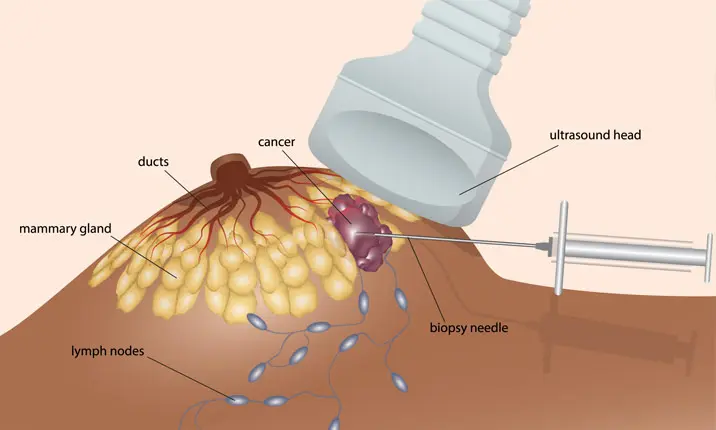
A [biopsy](https://my.clevelandclinic.org/health/diagnostics/15458-biopsy-overview) involves the removal of a small tissue sample from the suspicious area in the breast. This tissue is then examined under a microscope to confirm whether cancerous cells are present.
#### MRI and Ultrasound: Assessing Tumor Characteristics
[Magnetic Resonance Imaging (MRI)](https://www.mayoclinic.org/tests-procedures/mri/about/pac-20384768) and ultrasound are imaging techniques that provide detailed information about the tumour’s size, location, and characteristics.
#### PET-CT Scan: Detecting Metastasis
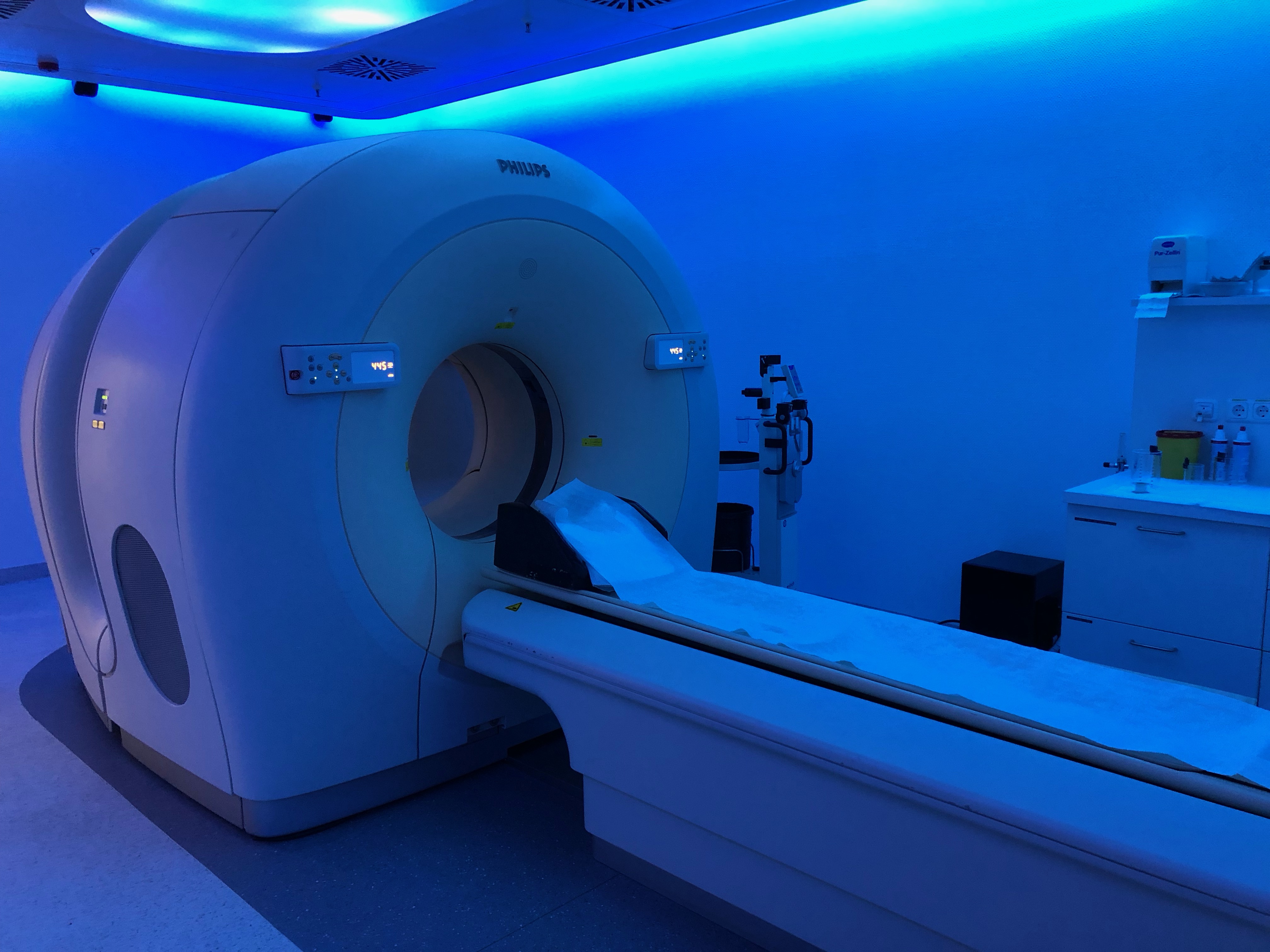
[Positron Emission Tomography-Computed Tomography (PET-CT)](https://www.cancer.net/navigating-cancer-care/diagnosing-cancer/tests-and-procedures/positron-emission-tomography-and-computed-tomography-pet-ct-scans) scan is used to identify whether cancer has spread to other parts of the body, a process known as metastasis.
### Stages of Breast Cancer
Breast cancer is classified into different stages based on the extent of tumour growth and spread:
#### Stage 0: Ductal Carcinoma In Situ (DCIS)
Stage 0 breast cancer, known as Ductal Carcinoma In Situ (DCIS), is the earliest form of breast cancer. The abnormal cells are limited to the milk ducts and haven’t spread to nearby tissues. DCIS is detected through mammograms and is non-invasive, making it highly treatable. Treatment options include surgery, radiation therapy, and hormone therapy if necessary. The prognosis for long-term survival is excellent with early detection and prompt treatment. Regular follow-up is essential to monitor for any signs of recurrence or progression.
### Stage I: Early-Stage Localized Cancer
Stage I breast cancer is an early and localized form of the disease. The cancer remains confined to the breast and hasn’t spread to nearby tissues or lymph nodes. Treatment options include surgery, radiation therapy, and hormone therapy if necessary. With timely intervention, the prognosis is favourable for long-term survival. Regular follow-up is crucial to monitor for any recurrence. Early detection through mammograms and self-examinations is essential for better outcomes and improved quality of life.
### Stage II: Advanced Localized Cancer
Stage II breast cancer is an advanced localized stage with larger tumours and possible spread to nearby lymph nodes. Detected through mammograms and clinical examinations, it is still confined to the breast. Treatment options include surgery, radiation therapy, chemotherapy, and hormone therapy if needed. Prognosis varies based on factors like tumour size and lymph node involvement. Regular follow-up is vital for monitoring and early detection.
### Stage III: Locally Advanced Cancer
Stage III breast cancer is locally advanced, involving nearby tissue invasion and potential spread to multiple lymph nodes. Early detection is crucial. Treatment options include neoadjuvant therapy, surgery, radiation therapy, chemotherapy, hormone therapy, and targeted therapy. Prognosis varies based on tumour extent and response to treatment. Regular follow-up is essential for monitoring and early intervention.
### Stage IV: Metastatic Breast Cancer
Stage IV breast cancer, or metastatic breast cancer, is the most advanced stage. Cancer has spread to distant organs or bones in the body. Treatment aims to manage the disease, alleviate symptoms, and improve quality of life. Options include systemic therapy, radiation, and palliative care. Prognosis varies based on response to treatment and overall health. Regular monitoring and support are vital for patients. Awareness and research efforts are crucial in the fight against metastatic breast cancer.
### Treatment Options
Breast cancer treatment is multidisciplinary, and the approach depends on factors like cancer stage, tumour characteristics, and the individual’s overall health. Common treatment options include:
#### Surgery: Removing Tumor and Affected Tissues
Surgery involves removing the tumour and surrounding tissues to eliminate cancer cells and prevent further spread. The options may include:
* **Lumpectomy:** Removal of the tumour and a small margin of surrounding healthy tissue, preserving most of the breast.
* **Mastectomy:** Surgical removal of the entire breast.
* **Lymph Node Removal:** If cancer has spread to nearby lymph nodes, it may be removed.
#### Radiation Therapy: Targeting Cancer Cells with Precision
Radiation therapy uses high-energy rays to destroy cancer cells or prevent their growth. It is often used after surgery to target any remaining cancer cells in the affected area.
#### Chemotherapy: Systemic Cancer Cell Eradication
Chemotherapy involves using powerful drugs to kill or inhibit the growth of cancer cells throughout the body. It is administered orally or intravenously.
#### Hormone Therapy: Controlling Hormone Receptor-Positive Cancers
Hormone therapy is used for hormone receptor-positive breast cancers and aims to block the hormones that fuel cancer growth.
#### Targeted Therapy: Focusing on Specific Cancer Cell Components
Targeted therapies target specific molecules involved in cancer growth and progression, sparing healthy cells from damage.
#### Immunotherapy: Enhancing the Immune System’s Response
Immunotherapy aims to stimulate the body’s immune system to recognize and attack cancer cells more effectively.
### Supportive Care
Supportive care focuses on managing the side effects of treatment and enhancing the patient’s well-being during and after breast cancer therapy. Some aspects of supportive care include:
#### Managing Treatment Side Effects
Patients can actively manage [treatment side effects during breast cancer care](https://beatcancer.eu/resources/managing-chemotherapy-side-effects-through-diet/).
* Stay hydrated and eat small, bland meals to combat nausea.
* Prioritize rest and light exercise for fatigue. [Exercise for cancer patients](https://beatcancer.eu/resources/the-power-of-exercise-for-cancer-patients-your-guide-to-a-healthier-journey/) can help manage symptoms and improve overall well-being.
* Use prescribed pain medications for pain relief.
* [Consider head coverings for hair loss](https://beatcancer.eu/resources/dealing-with-hair-loss-during-and-after-chemotherapy/).
* Protect skin from radiation and seek emotional support when needed.
* Maintain a healthy diet and follow medical advice closely.
Open communication with the healthcare team is essential for prompt support and adjustments to enhance well-being throughout the breast cancer journey.
#### Providing Psychological Support
[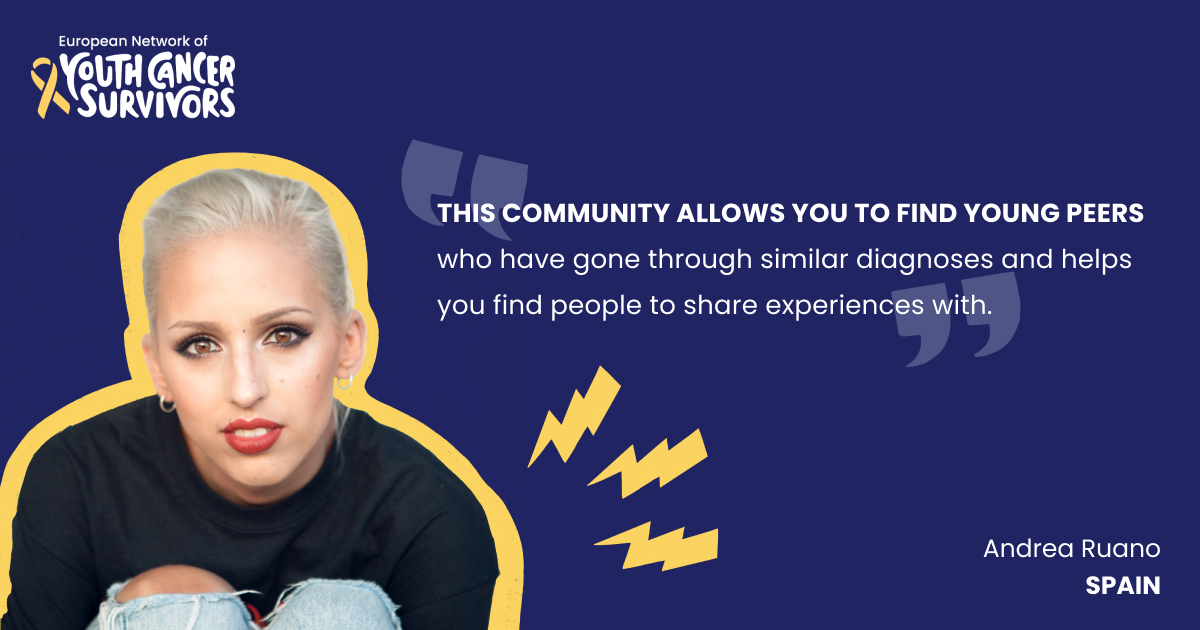](https://beatcancer.eu/community/)
Receiving a breast cancer diagnosis can be emotionally challenging. Psychological support, including counselling, [effective communication](https://beatcancer.eu/resources/community/) and therapy, can help patients cope with anxiety, depression, and other emotional issues.
#### Improving Overall Well-being with Lifestyle Support
Lifestyle support includes dietary counselling, exercise programs, and complementary therapies like yoga and meditation. These practices can aid in physical and emotional healing.
### Living with Breast Cancer
Receiving a breast cancer diagnosis can be overwhelming, but adopting certain strategies can help individuals navigate their journey more effectively:
#### Adopting Effective Coping Strategies
Coping with a breast cancer diagnosis and its treatment requires resilience. Adopting coping strategies such as mindfulness techniques, journaling, and engaging in creative pursuits can help alleviate stress and anxiety.
#### Finding Solace and Understanding in Support Groups
[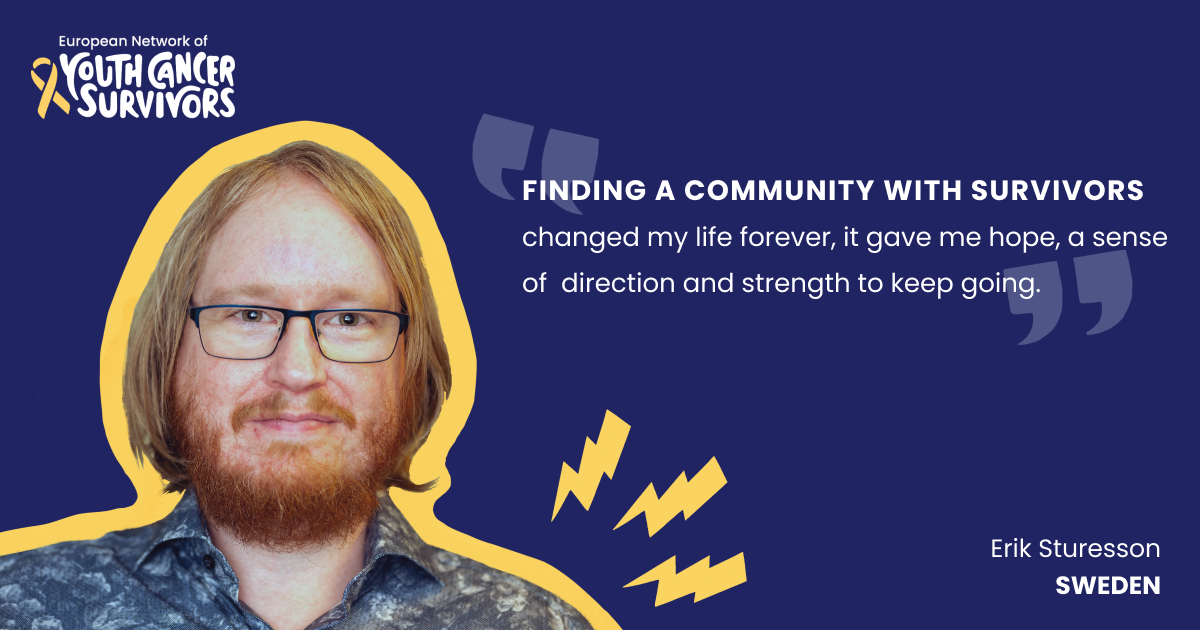](https://beatcancer.eu/community/)
Support groups and communities such as the one we run on [Discord](https://beatcancer.eu/community/) provide a safe space for individuals to [share experiences](https://beatcancer.eu/resources/breast-cancer-journey/), receive emotional support, and exchange valuable insights into living with breast cancer.
#### Prioritizing Emotional Well-being
Maintaining emotional well-being is crucial throughout the breast cancer journey. Seeking professional counselling or therapy can be beneficial in managing the emotional toll of the disease.
### Promising Research and Innovations
The field of breast cancer research is continually advancing, with promising developments on the horizon:
#### Immunotherapies Advancements: Empowering the Immune System
Immunotherapies, such as immune checkpoint inhibitors, are showing promise in empowering the immune system to recognize and eliminate cancer cells more effectively.
#### Targeted Therapies Developments: Precision Medicine in Action
Targeted therapies are becoming more precise, targeting specific genetic mutations or proteins present in cancer cells, leading to more effective and personalized treatments.
#### Gene Therapies: Correcting Genetic Aberrations
Gene therapies are being explored as a potential approach to correct genetic abnormalities in cancer cells, offering new avenues for treatment.
### Conclusion
Breast cancer is a complex disease that requires comprehensive understanding, early detection, and a holistic treatment approach. By recognizing the signs and symptoms, adopting preventive measures, and staying informed about available treatment options, individuals can take charge of their breast health. Moreover, supporting ongoing research and awareness initiatives is crucial in the fight against breast cancer. Together, we can work towards a future where breast cancer is diagnosed at its earliest stages, treated effectively, and survivors lead fulfilling lives.
## Frequently Asked Questions (FAQs)
* **Is breast cancer only found in women?**
+ While breast cancer is more common in women, men can also develop this condition, albeit at a lower frequency.
* **At what age should women start regular mammograms?**
+ Women above the age of 40 should start getting regular mammograms to screen for breast cancer.
* **What are the risk factors for breast cancer?**
+ Risk factors include age, family history of breast cancer, genetic mutations, hormonal factors, and lifestyle choices.
* **Can breast cancer be prevented entirely?**
+ While complete prevention is not possible, adopting a healthy lifestyle and undergoing regular screenings can significantly reduce the risk of breast cancer.
* **Are there alternative treatments for breast cancer?**
+ Complementary therapies like acupuncture, yoga, and meditation may help manage treatment side effects, but they should not be considered as standalone replacements for standard medical treatments.
---
# Bridging the Gap – Researching Together
URL: https://beatcancer.eu/resources/bridging-the-gap-researching-together/ | Topic: Mental Health | Published: 2024-03-08 | Updated: 2026-08-17
The involvement of patients and the public in research & development is important to meet the needs and interests of all parties. Research without patients is missing something and those directly affected bring the value of lived experience with treatment methods and their side effects. It is therefore an encouraging improvement that the involvement of patients in clinical research is gaining in importance. In “Patient and Public Involvement & Engagement”, short PPIE, patients are directly and actively involved in research processes from the very beginning: From phrasing the research question, to applying for funding, to the collecting and analyzing of the data gathered. The projects that emerge from this expanded multidisciplinary approach benefit from better research quality and are also more effective because they take the needs and valuable experiences of patients into account.
PPIE is also playing a growing role in paediatric oncology and haematology. In addition to participating in clinical studies, we therefore want to meet children, adolescents and young adults at eye level and encourage them to actively participate in interdisciplinary research processes from different disciplines. In this document, you will find a guide on how to put PPIE into practice. It is a step-by-step guide for the workshop moderators (researchers) and contains lots of practical information: From preparation to implementation to evaluation and documentation.
The guide is structured as follows:
1. Why Patient and Public Involvement & Engagement?
2. How to create the optimal workshop preparations
3. The workshop
a. Module 1: Introduction
b. Module 2: Defining research questions
c. Module 3: Finding creative solutions
d. Module 4: Designing the study
4. What’s needed after the workshop?
5. Further literature
The structure and content of a possible workshop is described in great detail. What materials are needed (e.g. posters, pens)? How long should a module last? When should breaks be scheduled? So, get your guide and bridge the gap between patients and researchers.
---
# Brighter Days Ahead: Short Positive Messages for Cancer Patients
URL: https://beatcancer.eu/resources/short-positive-messages-for-cancer-patients/ | Topic: Mental Health | Published: 2025-06-28 | Updated: 2026-08-25
> **Key Takeaways**
>
> - **A short positive message for a cancer patient often lands harder than a long speech.** Treatment is exhausting, and a two-line text someone can re-read on a hard day beats a paragraph they feel obligated to reply to.
> - **The best message meets the person where they actually are.** Just diagnosed, mid-chemo, post-surgery, in remission, or living with advanced disease — each moment asks for different words.
> - **Skip battle metaphors** like "fight," "warrior," and "beat this" unless the patient uses them first. Not everyone finds that framing comforting, and some actively reject it.
> - **"Stay positive" and "everything happens for a reason"** are the two phrases cancer patients most often say they hate receiving. Both shift the emotional labor back onto the person who's sick.
> - **A concrete offer almost always beats an abstract one.** "I'm dropping off soup Thursday — leave the cooler on the porch" is worth ten "let me know if you need anythings."
> - **End your message with "no reply needed"** so they don't feel they owe you a response on top of everything else.
Your friend just told you they have cancer. Or your coworker. Or your mom. And now you're staring at a blank text box, rewriting the same three sentences, deleting them, and rewriting them again.
You're in the right place. This is a guide to writing a short positive message for a cancer patient — one that sounds like you, lands like care, and doesn't make things harder for the person receiving it.
What follows isn't a dump of 100 inspirational quotes. The messages are organized by situation, because what works the week someone's diagnosed is different from what works in month six of chemo, which is different from what works when treatment ends. You'll find 80+ messages you can copy, adapt, or just use as a starting point — plus clear guidance on what to avoid and why.
The short version: the message you're overthinking is probably already enough. Send it.
## Why a Short Message Matters More Than a Long Speech
People going through cancer treatment are running on less. Less energy, less patience for small talk, often less cognitive bandwidth thanks to chemo brain, pain medication, or the sheer weight of what they're carrying. A long, carefully worded tribute can feel like homework to read.
A short message, on the other hand, can be glanced at between naps. It can be re-read on the bad days. It doesn't demand a thoughtful reply when replying is the last thing someone has in them.
There's another reason short works better: long messages often slide, without meaning to, into being about the sender. They eulogize the person's strength, inventory the writer's feelings, or try to wrap everything in a bow. Patients can sense the performance in that. What they usually want is simple proof they haven't been forgotten.
### What Makes a Message Actually Helpful vs. Hollow
Four qualities separate messages that help from messages that just fill space:
- **Specific** — mentions the person, a shared detail, or the actual day
- **Honest** — doesn't pretend things aren't hard
- **Low-pressure** — doesn't demand a reply, positivity, or performance
- **Sincere** — sounds like you, not like a card rack
Here's the difference in action:
> **Hollow:** "Sending prayers and positive vibes! Stay strong, warrior! You've got this!"
> **Genuine:** "Thinking of you today. No need to write back — just wanted you on my phone screen."
The first one is loud and busy. The second is small and real. The second one is what people remember.
## 12 Short Positive Messages That Work in Almost Any Situation
These are your evergreen starting points. Any of them can be sent as-is, or adapted with a single personal detail only you would know. Aim for one line. Two at most.
- **"Thinking of you today. No reply needed."** — The cleanest, most reusable message in the English language.
- **"You don't have to be brave with me."** — Gives them permission to be tired, angry, or scared.
- **"I love you. That's the whole text."** — When you can't find words, this one works.
- **"I'm here. Not going anywhere."** — Reassurance without pressure.
- **"Just wanted you to know you're on my mind."** — Light, warm, no demands.
- **"However today is, that's okay."** — Meets them wherever they are.
- **"I'm bringing dinner Tuesday — tell me what sounds edible this week."** — A concrete offer with a built-in opt-out.
- **"No update needed, I just wanted to wave at you."** — Perfect when you don't want to ask "how are you?"
- **"You're loved. Full stop."** — Short, grounded, true.
- **"Holding you in my thoughts today."** — Classic for a reason.
- **"Sending you quiet and a hot drink, wherever you are."** — Small and specific.
- **"I'm thinking about you and I don't need you to be okay right now."** — One of the most powerful things you can say.
A note on these: they're starting points, not finished products. The best version of any of these adds one detail only you would know — a nickname, a reference to last Tuesday, the name of their dog. We'll come back to that trick in a minute.
## Messages for Someone Who Was Just Diagnosed
The first few days after a diagnosis are strange. The person is in shock, doesn't yet know their treatment plan, and is drowning in appointments, pamphlets, and Google searches they probably shouldn't have done. They don't need your advice right now. They need proof they're not alone.
This is not the moment to share survival statistics, suggest supplements, or tell them about your aunt who had the same thing. Even if your aunt is fine. Even if your aunt is thriving. Save it.
### 10 Things to Say in the First Days After a Diagnosis
- **"I heard. I'm so sorry. I'm here — today, next week, in six months."**
- **"You don't have to have any answers yet. I'm just glad you told me."**
- **"I love you. I'm not going anywhere."**
- **"Take whatever time you need to tell people. No pressure on your end."**
- **"This is a lot. I'm not going to try to fix it — I just want you to know I'm here."**
- **"Whatever you need, and also whatever you don't need, I'm around."**
- **"I'm so sorry you're carrying this. You're not carrying it alone."**
- **"No advice from me. Just love."**
- **"Whenever you want to talk about it — or not talk about it — I'm here for both."**
- **"I'm thinking of you. Don't write back. I just wanted you to know."**
Supporting someone close to you comes with its own challenges, and our guide _[How to Support a Family Member with Cancer — What Helps and What Doesn't](https://beatcancer.eu/resources/how-to-support-a-family-member-with-cancer-what-helps-and-what-doesn-t/)_ covers what truly helps (and what to avoid).
### A Note on Offering Help That's Actually Useful
"Let me know if you need anything" sounds generous. It isn't. It quietly puts the work back on the patient — now they have to figure out what they need, overcome the discomfort of asking, and manage your feelings about helping.
Make a concrete offer instead. Pick something specific, name the day, and give them an easy out.
- "I'm bringing dinner Thursday at 6. Leave a cooler on the porch if you're not up for company."
- "I'll drive you to your Tuesday appointment. I can read a book in the waiting room or drop you off — your call."
- "I'm mowing your lawn Saturday. You don't have to be home or say thank you."
Notice the pattern: specific action, specific time, no reply required, no performance of gratitude demanded.
## Encouraging Words During Chemo or Radiation
Treatment is a marathon. By month three, most people stop asking how the patient is doing — not because they've stopped caring, but because they don't know what else to say. This is exactly when check-ins matter most.
Encouraging words during chemo don't need to be inspirational. They need to be frequent, small, and undemanding. Think of yourself as a low-volume drip of care across many months, not a single dramatic speech.
### 10 Messages for the Middle of Treatment
- **"No update needed — just wanted you on my screen today."**
- **"Thinking of you while your infusion's running. Don't reply."**
- **"I know this week is a hard one. Sending you quiet."**
- **"Queued up bad reality TV recommendations for you. Ready when you are."**
- **"You're allowed to hate this. I'd hate it too."**
- **"Still here. Still thinking of you. Still not expecting a response."**
- **"Midweek wave. That's the whole text."**
- **"I saw [something small that reminded me of you] and it made me smile."**
- **"Three words: you're loved today."**
- **"Whatever version of you shows up this week, I'm here for it."**
### Messages for a Specific Hard Day
Scan day. The Monday of a chemo week. The morning of a surgery. These are the days patients remember who remembered. A short message tied to a specific event hits differently than a generic "thinking of you."
- "Scan day. You've got this part. I'm sitting with you in spirit."
- "Today's a chemo Monday. Thinking of you through it."
- "Tomorrow's the big scan. Whatever the results, I'm here for both versions."
- "Big day today. No reply. Just love."
Put their treatment dates in your calendar. Send the text the morning of. It will mean more than you can imagine.

## Messages After Surgery or a Major Procedure
Post-op is its own category. The person may be in real pain, on medication that makes reading a screen hard, or barely out of general anesthesia. Your job here is brief: confirm they're loved, confirm you're not expecting anything, and maybe drop off something soft to eat.
### 8 Short Post-Surgery Messages
- **"You're on the other side of it. That's the hard part done. Rest."**
- **"Don't read this now. Reading it later still counts."**
- **"So glad you're out. Nothing else required of you today."**
- **"I'll be by with groceries Saturday — leave a note on the door if you're sleeping."**
- **"Healing isn't linear. Whatever today looks like is fine."**
- **"You made it through. Proud of you. Now nap."**
- **"No reply. Just wanted you to know I'm glad you're okay."**
- **"I dropped soup on your porch. Don't get up."**
Notice how many of these explicitly tell the person not to reply. After surgery, even holding a phone can be too much.
## Messages for Someone in Remission or Finishing Treatment
Here's something most people don't realize: the end of treatment is often harder, emotionally, than being in it. The structure disappears. The scans become less frequent but more terrifying. The fear of recurrence moves in, and everyone else starts acting like it's over.
Your messages here should make room for that complexity. "Congrats, you beat it!" can feel isolating to someone who's quietly terrified about their next scan.
### 8 Messages for the End of Active Treatment
- **"Whatever you're feeling about being done — all of it makes sense."**
- **"Proud of you, and also here for whatever this next part feels like."**
- **"Ringing the bell is huge. So is needing a nap for six months afterward."**
- **"You don't have to feel a certain way about this. I'm just glad you're here."**
- **"The 'after' can be its own weird chapter. I'm still around."**
- **"Treatment ending doesn't mean you have to be over it. Take your time."**
- **"I see you. This part counts too."**
- **"Celebrating with you, and also ready to sit with the hard stuff whenever."**
## Messages for Someone Living With Advanced or Terminal Cancer
Most articles about positive messages for cancer patients quietly leave these readers with nothing. That's a failure. Love doesn't stop being needed when treatment stops working — it becomes more needed, and more carefully chosen.
Drop the "keep fighting" language entirely here. For someone with metastatic or terminal disease, "don't give up" can imply that the disease progressing is a failure of will. It isn't. What helps instead is presence, specificity, and love that doesn't depend on outcomes.
### What to Say — and What to Leave Out
**Leave out:** "You'll beat this," "Don't give up," "Stay positive," "Think of all there is to live for," and any version of "There must be something else you can try."
**Lean into:** presence, shared memories, specific love, honest gratitude, and acknowledgment that this is hard and unfair and they deserved better than this.
### 8 Messages for This Moment
- **"I love you. I'm not going anywhere — now or later."**
- **"You've shaped my life in ways you probably don't realize. Let me tell you some of them."**
- **"No agenda today. Just thinking of you."**
- **"Whatever this day looks like is okay. I'm here for it."**
- **"I'm so grateful I know you. That's not going to change."**
- **"You don't owe anyone a brave face today. Especially not me."**
- **"I love you. Fully. Exactly as you are right now."**
- **"Remember when [specific memory]? I think about that all the time."**
That last one is the most powerful. Specific memories say "you mattered, you matter, you will matter" better than any abstract sentiment.
## What to Write in a Card, Text, or Short Email
The medium shapes the message. A get-well card isn't a text, and a text isn't a social media comment. Here's how to calibrate.
### In a Get-Well Card
Cards get re-read. They sit on nightstands and kitchen counters. Include something concrete the person can hold onto.
Template: one short, honest sentence + one specific detail + love.
> "Thinking of you through this — and still laughing about the pumpkin incident last October. I love you. — Sam"
Three sentences. Done.
### In a Text Message
Short, reply-optional, timing-aware. Send on the morning of a hard day, not at 11 p.m. when you want to feel better about not having texted.
> "Thinking of you today. No need to write back. Love you."
### In a Short Email
Email works for long-distance friends, coworkers, or more formal relationships. Still short. Still low-pressure.
> **Subject:** thinking of you
> No reply needed — I just wanted you to know you've been on my mind this week. I'm here if and when it's ever useful. Sending love.
### In a Social Media DM or Comment
Public comments can feel performative, especially on a post announcing a diagnosis. A private DM almost always lands better than a public "sending prayers!" Save the public comment for later milestones the person shares themselves — and keep it short there too.
## Messages of Strength and Hope (Without Toxic Positivity)
"Toxic positivity" is the pressure to feel good about something that is, in fact, not good. Telling someone with cancer to "stay positive!" can quietly communicate that their fear, anger, and sadness are a problem they need to manage for your comfort.
Real hope doesn't require fake brightness. It sits next to hard feelings instead of replacing them.
### The Difference Between Hope and Pressure
| **Sounds like hope** | **Sounds like pressure** |
| --- | --- |
| "Whatever today is, I'm here." | "Stay positive!" |
| "I'm holding hope for you when it feels too heavy." | "Don't let it get you down!" |
| "You don't have to be okay. I'm still here." | "Good vibes only!" |
| "However you're feeling makes sense." | "Everything happens for a reason." |
The left column leaves room for whatever the person is actually feeling. The right column subtly requires them to perform wellness.
### 8 Honest Messages That Still Hold Hope
- **"This is hard, and you don't have to pretend otherwise. I'm still here."**
- **"I'm holding hope for you on the days it feels too heavy to carry yourself."**
- **"Even on the worst days, I'm not going anywhere."**
- **"You don't have to feel brave. You're loved either way."**
- **"Hoping for good news with you — and here for whatever news comes."**
- **"Today might be awful. Tomorrow might be too. I'm in it with you."**
- **"I believe in better days, and I believe in this one too, ugly as it is."**
- **"Whatever you need to feel today — feel it. I've got the hope part for now."**
## What NOT to Say (and Why It Hurts)
Some phrases sound kind but land wrong. Almost every cancer patient has a short list of things they've come to dread hearing. Here are the most common ones — and what to say instead.
### The 6 Phrases Cancer Patients Most Often Say They Hate
- **"Everything happens for a reason."** — There is no reason someone deserves cancer. This phrase implies the universe has a lesson plan that involves their suffering.
- **"Stay positive!" / "Good vibes only!"** — Adds pressure to perform wellness they don't feel. Makes honest feelings feel forbidden.
- **"At least they caught it early."** — Minimizes. Even "early" cancer is still cancer, and you don't know what they're facing.
- **"My aunt had this and she [story]."** — Their cancer is not your aunt's cancer. Good outcome stories create pressure; bad outcome stories create terror. Neither helps.
- **"Let me know if you need anything."** — Puts the burden of asking on them. Replace with a specific offer.
- **"You're so strong — I could never do this."** — Implies they had a choice. They didn't. "Strong" can also feel like a cage they're expected to stay in.
### Say This Instead: A DO/DON'T Comparison
| **Instead of...** | **Try...** |
| --- | --- |
| "Stay positive!" | "However today feels is fine." |
| "Let me know if you need anything." | "I'm dropping off dinner Thursday at 6." |
| "Everything happens for a reason." | "This isn't fair. I'm so sorry." |
| "You're so brave." | "You don't have to be brave with me." |
| "At least they caught it early." | "I'm so sorry you're going through this." |
| "My aunt had this and she was fine." | "I'm thinking about you. No advice, just love." |
| "You've got this!" | "I'm with you through this, whatever it looks like." |
| "Everything's going to be okay." | "I don't know what's coming, but I'm here for all of it." |
| "How are you feeling?" (for the 50th time) | "No update needed — just thinking of you." |
| "Keep fighting!" | "I love you. That's the whole text." |
Print this, screenshot it, or save it somewhere. The next time you catch yourself typing the left column, switch to the right.

## A Note on "Fighter," "Warrior," and "Survivor" Language
This language is divisive among cancer patients themselves. Some people find it empowering — it gives them an identity and a sense of agency against something terrifying. Others find it exhausting, inaccurate, or even harmful, especially those with chronic or terminal disease for whom "fighting harder" isn't a meaningful concept.
The rule is simple: **mirror the language the patient uses themselves.**
If they describe "my fight" or call themselves a warrior on social media, you can use that language too. If they've said "I'm just living with it" or "I don't really see it as a battle," don't pivot them back to "keep fighting!" If you don't know which camp they're in, stay neutral. "I'm here for this" and "I love you through this" work for everyone.
## How to Personalize Any Message in One Line
Here's the single trick that turns any message on this page into something the person will actually keep: take a generic message and add one detail only you would know.
That detail can be anything — a nickname, an inside joke, a reference to last Tuesday, their dog's name, a song, a food they love. One specific detail proves the message was written for them, not sent to everyone on your list.
**For a coworker:**
- Generic: "Thinking of you. No reply needed."
- Personalized: "Thinking of you. No reply needed. The office coffee is still terrible without you to complain about it with."
**For a close friend:**
- Generic: "I love you. I'm here."
- Personalized: "I love you. I'm here. Also: Benny the dog misses you, and so do I."
**For a parent:**
- Generic: "Thinking of you today."
- Personalized: "Thinking of you today. I made your lasagna last night and got it almost right. Almost."
One detail. That's the whole trick. You already know the detail — stop overthinking and write it down.
## Beyond Words: Small Gestures That Say More Than a Message
Sometimes the best "message" isn't words at all. An action can land louder than a text, especially when the person is too exhausted to read.
- **A grocery-store gift card** — so they don't have to be seen in public on a bad-hair day
- **A specific, delivered meal** — with a note that says "heat at 350 for 20 minutes, no need to thank anyone"
- **A gas-station gift card** — hospital trips add up fast
- **A curated playlist** — something quiet, not motivational
- **One small, thoughtful item** — cozy socks, lip balm for chemo-dry lips, a specific book you loved
- **A scheduled dog walk or pet visit** — pets are one of the first things to suffer during treatment
- **A paid cleaning service** — one of the most-requested and least-offered forms of help
- **Sitting in silence** — no agenda, no updates required, just company
Pair one of these with a three-word text ("dropped this off") and you've said more than a long message ever could.
## Frequently Asked Questions
### What is the best short message to send a cancer patient?
There's no single best message, but the ones that land most consistently share three qualities: short, specific, and low-pressure. A line like "Thinking of you today — no reply needed" outperforms almost any elaborate inspirational quote. Add one personal detail only you would know, and you're done.
### What should you not say to someone with cancer?
Avoid "stay positive," "everything happens for a reason," "at least they caught it early," "let me know if you need anything," and any story about someone else's cancer outcome. Each one either shifts emotional labor back onto the patient, minimizes what they're going through, or creates unhelpful comparisons.
### Is it OK to say "stay strong" to a cancer patient?
For some patients, yes. For many others, it quietly adds pressure to perform a strength they don't feel. Safer alternatives that still convey care: "I'm here however today looks," "You don't have to be strong with me," or simply "I love you."
### What do you write in a get-well card for a cancer patient?
One short, honest sentence, plus one specific detail, plus love. That's it. Example: "Thinking of you through this — and still laughing about last Thanksgiving. I love you." Cards get re-read on hard days, so specificity is the gift.
### What do you say when someone's cancer is terminal?
Drop "fight" and "beat it" language entirely. Focus on presence, specific memories, and love without conditions. "I love you, and I'm not going anywhere" is more valuable than any inspirational quote. Share specific memories of how they've shaped your life — those are what people hold onto.
### Should I text or call someone going through chemo?
Text, almost always. Calls require energy and a performance of being okay that patients often don't have. Texts can be read whenever there's capacity, re-read on hard days, and don't demand an immediate reply. End with "no reply needed" and mean it.
---
## The Message You're Overthinking Is Probably Enough
You came here because you were afraid of getting it wrong. Here's the honest truth: almost any sincere, short message from someone the patient cares about lands better than silence. The fear of saying the wrong thing is what keeps most people from saying anything at all — and silence, from people who are supposed to love us, hurts more than awkward words ever could.
Remember the three principles: short, specific, low-pressure. Meet the person where they are. Skip the battle metaphors unless they use them first. Make concrete offers instead of abstract ones. End with "no reply needed" so they don't owe you anything on top of everything else.
Then do the thing: pick one message from this article, add one detail only you would know, and send it in the next five minutes. That's the whole job.
The person on the other end won't remember whether your phrasing was perfect. They'll remember that you showed up. If you're still unsure what to write, our guide _[What to Say to Someone with Cancer: Words That Actually Help](https://beatcancer.eu/resources/what-to-say-to-someone-with-cancer/)_ gives more examples of messages that feel genuine instead of forced.
---
# Building a Brighter Future: Mapping Long-Term Follow-Up Care for CAYA Cancer Survivors Across Europe
URL: https://beatcancer.eu/resources/european-map-of-long-term-follow-up-care/ | Topic: Long-term Follow-up Care | Published: 2025-01-05 | Updated: 2026-10-02
**Enhancing Life for Childhood, Adolescent, and [Young Adult Cancer](https://beatcancer.eu/cancer-dictionary/young-adult-cancer/) Survivors: Join the European Map of LTFU Care!**
The EU-[CAYAS](https://beatcancer.eu/cancer-dictionary/what-is-cayas-understanding-its-context-and-usage/)-NET project is dedicated to improving the quality of life for childhood, adolescent, and young adult (CAYA) cancer survivors across Europe. One key focus of this initiative is Task 3.5, which addresses the critical areas of late effects and long-term follow-up (LTFU) care. Until now, there has been no comprehensive overview of the LTFU care available in European countries—a gap the EU-CAYAS-NET project has worked to fill.
### Mapping LTFU Care Across Europe
To tackle this challenge, the project conducted a survey of healthcare professionals across Europe. This survey gathered vital information about the current status and scope of LTFU care provided in various countries. The result? An interactive map hosted on the PanCare website, showcasing the availability and content of LTFU care across Europe.
This map serves as an invaluable resource for healthcare professionals, policymakers, and cancer survivors alike, promoting transparency and accessibility in LTFU care.
### Get Involved: Represent Your Country or Center
Would you like to contribute to this growing resource? Ensure that your country and/or LTFU care center is represented on the map! By doing so, you'll play a vital role in enhancing the visibility of LTFU care options and supporting cancer survivors in accessing the care they need.
To participate, simply fill out the form provided by PanCare. Your submission will help expand the map and provide a more comprehensive view of LTFU care across Europe.
* **Explore the European Map of LTFU Care**: [View the map on the PanCare website](https://www.pancare.eu/european-map/)
* **Add Your Information**: [Submit your details here](https://www.pancare.eu/europen-map-form/)
Together, we can build a brighter future for CAYA cancer survivors by ensuring they have access to the care they need, no matter where they are in Europe.
---
# Busting Myths About Cancer: Separating Fact from Fiction
URL: https://beatcancer.eu/resources/myths-about-cancer/ | Topic: Science | Published: 2024-05-04 | Updated: 2026-08-18
In a world where rumors swirl, and fears abound, it's time to shed light on the myths that shroud cancer in unnecessary mystery.
From whispers about mobile phones causing cancer to the misconception that a cancer diagnosis is a one-way ticket to the end, these falsehoods often lead to unnecessary worry and stress.
Let's face it, misinformation is rampant, and cancer myths are no exception. But armed with knowledge, we can untangle fact from fiction and empower ourselves with accurate information.
### Myth 1: Mobile phones cause cancer.
While it's a concern for many, scientific evidence suggests otherwise.
[Multiple studies](https://www.cancer.gov/about-cancer/causes-prevention/risk/radiation/cell-phones-fact-sheet) have failed to establish a definitive link between mobile phone use and cancer risk.
So go ahead, answer that call without fretting about your health.
### Myth 2: A cancer diagnosis is a death sentence.
While it's understandable to feel overwhelmed upon receiving such news, it's essential to remember that cancer [is not always a life-ending condition](https://www.ncbi.nlm.nih.gov/pmc/articles/PMC4099292/). With advancements in treatment and [support](https://beatcancer.eu/resources/being-a-friend-in-the-time-of-cancer-practical-tips-for-supporting-your-loved-one-through-the-journey/), many individuals live long and fulfilling lives beyond their diagnosis.
Furthermore, prioritizing preventive check-ups and early diagnosis can significantly increase the chances of successful treatment outcomes, empowering individuals to manage their health and well-being proactively.
### Myth 3: Sugar can cause cancer.
Contrary to popular belief, sugar alone does not directly cause cancer.
While excessive sugar intake can contribute to obesity, a known risk factor for certain cancers, it's not the sole culprit.
By maintaining [a balanced diet](https://beatcancer.eu/resources/nourishing-your-recovery-a-healthy-diet-after-radiation-therapy/) and [lifestyle](https://beatcancer.eu/resources/the-impact-of-physical-exercise-on-mental-health-among-cancer-survivors-a-promising-strategy-for-well-being/), you can enjoy your favorite treats in moderation without fear of causing harm.
### Myth 4: Cancer only affects older adults.
While age is indeed a risk factor for many types of cancer, it can occur at any age, including childhood, [puberty](https://beatcancer.eu/resources/puberty-cancer/), and adolescence.
It's essential to be aware of potential signs and symptoms and seek medical attention if you have concerns, regardless of your age.
### Myth 5: Cancer is always painful.
While some cancers can cause discomfort, [not all cancer patients](https://www.cancerresearchuk.org/about-cancer/coping/physically/cancer-and-pain-control/about-cancer-pain#:~:text=Not%20all%20cancers%20cause%20pain&text=The%20pain%20comes%20from%20a,since%20it%20was%20first%20treated.) experience significant pain.
With advances in pain management and supportive care, many individuals can undergo treatment with minimal discomfort.
Separating fact from fiction is crucial when it comes to understanding cancer.
By seeking reliable information, asking questions, and supporting one another, we can navigate the journey with confidence and hope for a future where cancer myths are a thing of the past.
Together, let's arm ourselves with knowledge and stand united in the fight against misinformation, [supporting cancer patients,](https://beatcancer.eu/resources/the-subtle-art-of-supporting-cancer-patients/) empowering ourselves and others to face cancer with strength and clarity.
Join our [online cancer Discord community](https://beatcancer.eu/community/), where individuals come together to share support, resources, and experiences. Connect with others who understand what you're going through and find a supportive network to lean on during your cancer journey. You're not alone – join us today, and let's navigate this path together.
---
# Can I Return to Normal Activities, and How Soon? Tips for a Safe and Timely Recovery
URL: https://beatcancer.eu/resources/can-i-return-to-normal-activities-and-how-soon/ | Topic: Transition | Published: 2025-03-18 | Updated: 2026-08-18
Life often throws unexpected events your way—whether it’s an injury, surgery, or illness—and the question of when you can get back to your routine is always on your mind. It’s natural to want to return to normal activities quickly, but timing is everything when it comes to recovery.
Rushing back too soon can slow your progress or even lead to setbacks. On the other hand, waiting too long might leave you feeling stuck or unmotivated. Understanding what your body needs and how to ease back into your daily life is key to a successful recovery.
## Key Takeaways
* Returning to normal activities after an injury, surgery, or illness requires balancing rest, gradual effort, and professional advice to prevent setbacks.
* Recovery timelines vary based on factors like the severity of the condition, your personal health, and the type of activity you're resuming.
* Light activities, such as walking or basic household tasks, can often resume in days to weeks, while strenuous activities may take 6-8 weeks or longer.
* Listening to your body is crucial—pay attention to warning signs like pain, swelling, or prolonged fatigue, and scale back activities when needed.
* Following healthcare guidance, including prescribed therapies and follow-up appointments, ensures safe and steady progress toward recovery.
* Seek further medical advice if you experience slow progress, new symptoms, or challenges completing daily tasks, as these may indicate complications.
## Understanding The Recovery Process
The recovery process depends on the nature and severity of the event, such as injuries, surgeries, or illnesses. Each situation has specific timelines and requirements that guide your return to normal activities. Following these timelines is crucial to avoid setbacks.
Healing progression often happens in stages. In the first phase, your body focuses on repair and inflammation reduction. For example, post-surgery recovery may involve initial rest lasting 1-2 weeks. The second phase involves regaining physical strength and mobility, which can extend for weeks or even months, depending on the injury or illness.
Listening to professional advice ensures you tailor your recovery plan to your needs. Physicians recommend specific activities or therapies based on your condition. For instance, physical therapy may help with muscle strengthening after orthopedic surgery, while rest is prioritized after a severe illness.
Pay attention to signs of overexertion during recovery. These include increased pain, swelling, or fatigue after activity. If these symptoms occur, scale back efforts to promote healing. Balancing activity and rest optimizes your recovery potential.
## Factors Affecting Your Return To Normal Activities
Your ability to resume normal activities depends on several variables, including the specifics of your condition, your overall health, and the advice you receive from healthcare professionals.
### Nature Of The Condition Or Procedure
The type and severity of your condition or procedure significantly influence recovery time. Minor injuries, such as a sprained ankle, may allow you to return to daily tasks within days, whereas major surgeries like joint replacements can take weeks or months. Recovery timelines also depend on whether the procedure impacts critical body functions, as operations on vital organs generally require longer healing periods.
### Personal Health And Fitness
Your baseline fitness and overall health determine how quickly you recover. A physically active individual with no chronic conditions often regains strength faster than someone with underlying health issues, such as diabetes or cardiovascular disease. Age is another factor, as younger individuals typically have more resilient immune systems and recover faster than older adults.
### Guidance From Healthcare Professionals
Medical advice plays a central role in shaping your recovery plan. Healthcare providers assess your progress during follow-ups and offer recommendations for resuming activities. Adhering to prescribed physical therapy routines or rehabilitation exercises ensures steady improvement. Physicians may also set limits on activities, like lifting heavy objects or engaging in intense physical exercise, to prevent setbacks.
## Typical Timeframes For Resuming Activities
Timelines for returning to normal activities depend on the nature of your recovery. Each category of tasks has different benchmarks, which vary based on your condition and progress.
### Light Activities
You can usually resume light activities, like walking short distances or performing basic household tasks (e.g., washing dishes, folding laundry), within a few days to two weeks. This depends on whether you're recovering from a minor or major event. For example, after illnesses like the flu, people often return to these tasks in three to five days, while a minor surgery may require up to one week. Pay attention to fatigue or discomfort and ease into these activities gradually.
### Work And Professional Commitments
Office-based work typically resumes within 1-2 weeks for minor cases. You might need up to 4-6 weeks for recovery from surgery or major illnesses before rejoining. Jobs involving physical exertion (e.g., construction, healthcare) often demand extended breaks, sometimes up to 8 weeks. Consult your healthcare provider to align your return with your healing stage, especially for roles requiring heavy lifting or prolonged standing.
### Exercise And Physical Activities
You generally start [low-impact exercises](https://www.cdc.gov/physicalactivity/basics/index.htm), like yoga or light stretching, around 2-4 weeks into recovery. Vigorous activities, including running, weightlifting, or team sports, might require 6-8 weeks or longer if you experienced major injuries or procedures. Follow progressive plans provided by a physiotherapist when resuming physical activities, and scale back if pain, swelling, or fatigue occurs.
## Tips For A Smooth Transition Back To Normalcy
Regaining control of your daily routines after recovery involves careful planning and mindful execution. Implementing effective strategies helps ensure you're on the right track to returning to normal activities.
### Follow Medical Advice
Adhering to professional guidance is crucial for recovery. Healthcare providers base recommendations on your condition and overall progress. Attend follow-up appointments to track healing and address concerns. Engage only in activities approved by your doctor to avoid setbacks.
### Listen To Your Body
Pay attention to signals like pain, fatigue, or swelling during recovery. If discomfort increases, adjust your activities and consult a professional. Respect your body’s limits to prevent delays in regaining full functionality.
### Gradual Increase In Activity Levels
Start with light tasks that match your current capabilities, such as gentle stretching or short walks. Gradually add complexity and intensity, progressing only when your body adapts to previous efforts. Avoid sudden increases in physical exertion to minimize risks.
## When To Seek Further Guidance
Understanding when to seek further guidance ensures your recovery stays on track. Monitoring your body's signals and evaluating recovery progress are critical.
### Signs You May Be Overdoing It
Increased pain, swelling, or discomfort after activity may indicate overexertion. Fatigue that lasts longer than expected or worsens over time also suggests the need to reassess your recovery plan. Other warning signs include difficulty completing daily tasks, reduced appetite, or trouble sleeping. If you're experiencing any of these symptoms, it might be time to consult your healthcare provider for adjustments to your activities.
### Uncertain Progress In Recovery
Slow or inconsistent recovery progress can signal an underlying issue. For example, limited improvement in strength, mobility, or stamina over two or more weeks may indicate complications. If you're unsure about milestones or facing setbacks, like new or worsening symptoms, speak with your physician. Timely intervention can provide clarity and prevent further delays in regaining normal function.
## Conclusion
Your journey back to normal activities requires patience, awareness, and a tailored approach. By prioritizing your body’s needs and working closely with healthcare professionals, you can create a recovery plan that supports steady progress. Remember to start small, listen to your body, and adjust as needed to avoid setbacks.
Recovery isn’t a one-size-fits-all process, so trust the guidance you receive and remain mindful of your limits. With a balanced approach and consistent effort, you’ll be well on your way to regaining your routine safely and effectively.
## Frequently Asked Questions
### What are the key factors affecting recovery time after an injury or surgery?
Recovery time depends on the severity of the condition, personal health, and guidance from healthcare professionals. Minor injuries typically heal faster, while major surgeries require more time. Baseline fitness and overall health also play a role, as healthier individuals tend to recover quicker.
---
### How can I tell if I’m overexerting myself during recovery?
Signs of overexertion include increased pain, swelling, prolonged fatigue, difficulty with daily tasks, reduced appetite, or trouble sleeping. If these occur, slow down and consult with a healthcare provider.
---
### When can I resume light activities like walking or basic chores?
For most people, light activities can be resumed within a few days to two weeks, depending on whether it’s a minor or major recovery event. Always follow your doctor’s advice.
---
### How soon can I start exercising after recovery begins?
Low-impact exercises like stretching or walking can typically begin 2-4 weeks into recovery. Vigorous activities may require 6-8 weeks or more, especially after major injuries or surgeries. Consult a healthcare professional for tailored guidance.
---
### How can I ensure a safe and effective recovery?
Follow your doctor’s recommendations, attend follow-up appointments, and increase activity levels gradually. Listen to your body’s signals, and adjust activities based on pain or fatigue to avoid setbacks.
---
### When should I seek further medical guidance during recovery?
If there’s slow progress, worsening symptoms, or limited improvement in strength, mobility, or stamina after two weeks, consult your healthcare provider. Timely intervention can optimize your recovery.
---
### Are there typical timeframes for returning to work after an illness or injury?
For office-based jobs, you may return within 1-2 weeks for minor cases. Physically demanding jobs may require up to 6-8 weeks or longer, depending on the severity of the injury or procedure.
---
### Why is balancing activity and rest important during recovery?
Balancing activity and rest helps avoid overexertion while ensuring steady progress. Too much activity can delay healing, while too much rest can lead to stiffness and reduced motivation. A gradual approach is key.
---
### How do I know if I’m progressing well during recovery?
Positive recovery signs include reduced pain, increased mobility, improved stamina, and the ability to perform tasks more easily over time. Regular medical checkups can confirm you’re on track.
---
### What should I do if I feel stuck or stagnant in my recovery?
If progress feels slow, reassess your recovery plan with a doctor. You may need to adjust activities, increase rest, or explore additional therapies to overcome stagnation.
---
# Can Stress Cause Prostate Cancer? What the Science Actually Says
URL: https://beatcancer.eu/resources/can-stress-cause-prostate-cancer-what-the-science-actually-says/ | Topic: Mental Health | Published: 2026-06-01 | Updated: 2026-08-17
> **Key Takeaways**
>
> - Stress has not been proven to directly cause prostate cancer, but chronic stress is linked to faster tumor progression, higher PSA levels, and poorer survival in men already diagnosed.
> - The connection runs through four indirect pathways: immune suppression, hormonal disruption, chronic inflammation, and stress-driven lifestyle changes like skipped screenings and poor diet.
> - A Swedish study of 4,105 men found those with the highest stress had a 66% higher rate of prostate-cancer-specific mortality compared to men with low stress.
> - Worry about prostate cancer itself can temporarily elevate PSA — meaningful for men anxiously waiting on test results.
> - Beta-blocker research, neighborhood-stress studies, and diet-plus-stress-reduction trials suggest stress management isn't just emotional comfort. It may meaningfully affect outcomes.
> - If you've been diagnosed and wonder whether stress caused your cancer, the evidence doesn't support self-blame. What it does support is using stress reduction as one tool alongside your medical care.
If you've typed "can stress cause prostate cancer" into a search bar, you're probably not asking out of idle curiosity. Maybe you've just been diagnosed, and you're trying to make sense of why this happened. Maybe your father or brother is going through treatment, and you're scared about your own risk. Maybe you've been grinding through a brutal year and you're wondering if it's catching up with you.
We get it. The question is reasonable — chronic stress does measurable damage to the body, and it's natural to wonder whether it played a role in something as serious as cancer. The honest answer is more nuanced than a simple yes or no.
Here's what we'll do in this article: walk through what the research actually shows, explain the biology in plain language, separate what stress can do from what it can't, and give you practical steps whether you're worried about prevention, dealing with a recent diagnosis, or trying to release some self-blame. No hedging, no fluff.
## The Short Answer: Can Stress Cause Prostate Cancer?
No high-quality study has shown that stress alone causes prostate cancer to develop. But chronic stress is associated with worse outcomes in men who already have it, and it may indirectly raise risk by suppressing the immune system, disrupting hormones, and pushing men toward unhealthy behaviors.
That's the short version. The longer version — which is where the useful information actually lives — requires understanding what counts as a cause versus an influence, and what 30 years of research has and hasn't been able to prove.
## Why People Ask: The Stress-Cancer Question
When men search "can stress cause prostate cancer," they're usually one of three people.
The first is someone freshly diagnosed who is replaying the last few years of their life looking for an explanation. The high-stress job. The divorce. The years of caregiving for an aging parent. The question underneath is really: did I do this to myself?
The second is someone watching a family member go through treatment and wondering if the same fate is waiting for them. They want to know what's actually under their control.
The third is a man in his 40s or 50s who has been running hot for years and is starting to feel the cost. He wants to know if he should be worried.
If you're any of these people, you're not catastrophizing. There's interesting research here. Roughly half of women with breast cancer attribute their illness to stress in studies — even though the evidence for that is weak. The instinct to find a reason is human and understandable. It's also worth knowing that the explanation you reach for emotionally isn't always the one the science supports.
### The Difference Between a Trigger and a Cause
Here's a distinction most articles skip: something can influence a disease without causing it. Smoking causes lung cancer. Stress doesn't sit in that category for prostate cancer. It sits in a grayer zone — possibly modifying risk, possibly affecting how the disease behaves, but not lighting the match.
That distinction matters. It changes how we think about prevention. And if you've already been diagnosed, it changes what you should be telling yourself about why this happened.
## How Stress Affects the Body — and the Prostate
Before we get into the studies, it helps to understand what's actually happening biologically when you're under chronic stress. The mechanism is real, even when the connection to cancer is uncertain.
### The HPA Axis and the Stress Response
When your brain perceives a threat — a screaming boss, a midnight worry spiral, a difficult diagnosis — it kicks off a chain of signals called the hypothalamic-pituitary-adrenal axis, or HPA axis for short. The hypothalamus signals the pituitary gland, which signals the adrenal glands, which release cortisol and adrenaline.
This system was built for short bursts. Run from the predator, fight off the threat, return to baseline. The problem is when the system stays switched on for months or years. Cortisol levels stay elevated. Adrenaline keeps cycling. And tissues throughout the body — including the prostate — sit in a chemical environment they weren't designed to live in long-term.
### Cortisol, Adrenaline, and Prostate Tissue
Here's where it gets specific to prostate cells. Adrenaline activates a signaling pathway called ADRB2/PKA/BAD inside prostate tissue. In simple terms, this pathway can keep cells from dying when they should — a process called apoptosis. When prostate cancer cells are supposed to die in response to treatment, chronic adrenaline signaling can help them stick around.
Researchers have also found that chronic stress in animal models alters the expression of cancer-related genes in prostate tissue. The genes affected include those involved in cell proliferation, growth factor signaling, and the cellular machinery that's already deregulated in prostate cancer.
This doesn't mean stress causes cancer. It means stress creates conditions in prostate tissue that may make existing problems worse — and may make treatments work less well.
### Acute vs. Chronic vs. Traumatic Stress: Why the Type Matters
Not all stress is created equal. Missing a flight is stressful. So is caring for a spouse with dementia for five years. They affect the body very differently.
Acute stress — a hard week at work, a difficult conversation — generally isn't what researchers worry about. Chronic stress that goes on for months or years is what shows up in the cancer literature. So does traumatic stress, particularly unresolved trauma that keeps the nervous system in a state of high alert.
When you're reading about "stress and cancer," it's almost always chronic or traumatic stress that the research is talking about, not normal day-to-day pressure.
## What the Research Actually Says About Stress and Prostate Cancer
If you read the top results on Google, you might come away thinking the science is settled. It isn't. Some studies find a link, others don't, and the honest answer is that the evidence is mixed. Let's look at both sides.
### Studies That Found a Link
The Canadian PROtEuS study followed nearly 2,000 men with newly diagnosed prostate cancer and matched them with population controls. Men who reported prolonged workplace stress over their careers had a higher risk of prostate cancer before age 65 — even after controlling for age, family history, lifestyle, and other factors.
A Swedish cohort of 4,105 men with localized prostate cancer found something more striking. Men with the highest perceived stress had a 66% higher rate of dying from their cancer compared to men with low stress, with a hazard ratio of 1.66. They also had more grief, less sleep, and fewer people to confide in.
A 2023 [JAMA Network](https://jamanetwork.com/) Open study took a different angle. Researchers measured the expression of stress-related genes in prostate tumors from 218 men in Baltimore. Men living in disadvantaged neighborhoods — particularly Black men — showed higher expression of these genes, suggesting chronic environmental stress may be biologically embedded in their tumors. This is a major piece of the puzzle that almost no consumer health article covers.
### Studies That Found No Link
A European meta-analysis pooling 12 cohort studies found no association between work stress and prostate cancer risk. A second Canadian case-control study didn't replicate the workplace stress finding from the first.
Null findings are real evidence, not failures of research. They tell us the relationship between stress and prostate cancer isn't strong, consistent, or simple. If stress were a major direct cause, we'd see it light up across most studies. We don't.
### Key Studies at a Glance
| Study | Year | Population | What It Found |
| --- | --- | --- | --- |
| Metcalfe et al. cohort | 2007 | 5,743 men, 30-year follow-up | Mixed — moderate stress showed strongest link, no clear dose-response |
| PROtEuS case-control | 2017 | 1,933 cases / 1,994 controls, Montreal | Workplace stress linked to higher prostate cancer risk before age 65 |
| Swedish cohort | 2015 | 4,105 men with localized prostate cancer | Highest stress = 66% higher prostate-cancer-specific mortality |
| European meta-analysis | 2013 | 12 pooled cohort studies | No link between work stress and prostate cancer |
| JAMA Network Open | 2023 | 218 men, Baltimore | Disadvantaged neighborhoods linked to stress-gene expression in tumors |
The pattern: stress shows up more reliably in studies of progression and mortality than in studies of initial development. That's a meaningful distinction that should shape how you think about your own situation.
## The Four Indirect Pathways: How Stress May Worsen Prostate Health
So if stress isn't directly causing prostate cancer, but it's showing up in mortality and progression studies, what's the mechanism? Researchers have identified four indirect pathways.
### Pathway 1: Immune System Suppression
Chronic cortisol elevation reduces the immune system's ability to detect and clear abnormal cells. Your immune system is part of your body's cancer defense — it spots cells that have gone rogue and eliminates many of them before they become a problem. When cortisol stays high for months or years, this surveillance gets sloppier.
### Pathway 2: Hormonal Disruption
Prostate biology runs on hormones, particularly testosterone. Chronic stress alters how testosterone is metabolized and disrupts the gonadotropin-releasing hormone (GnRH) system that sits upstream of male reproductive function. The full cascade isn't completely understood, but stress is clearly meddling in a system that prostate cancer is already sensitive to.
### Pathway 3: Chronic Inflammation
Inflammation is one of the most consistent risk factors across many cancers. Stress drives inflammation. Prostate tissue is particularly inflammation-sensitive, and increased stress has been connected with inflammatory prostatitis. This pathway isn't unique to prostate cancer, but it's relevant.
### Pathway 4: Lifestyle and Behavioral Changes
This is often the most consequential pathway, and the one most easily overlooked. When you're stressed, you sleep worse. You drink more. You exercise less. You skip meals or eat junk. You isolate. And — this is the one that surprises people — you skip screenings.
Research published in _Medical Care_ found that perceived stress significantly lowers the likelihood that men get PSA screening. The men most stressed about their health are sometimes the least likely to actually monitor it. That's a real, measurable way stress can lead to worse prostate cancer outcomes — not through biology, but through avoidance.
## Can Stress Raise Your PSA Levels?
Yes, the evidence suggests it can — at least temporarily.
A 1999 paper found that abnormal PSA was about three times more common in men with high stress levels. A study in _[Cancer Epidemiology, Biomarkers & Prevention](https://aacrjournals.org/cebp)_ found that worry specifically about prostate cancer was associated with elevated PSA — even controlling for other risk factors. Animal studies show stressed mice have higher PSA readings than unstressed ones.
The practical implication for you: if you got a single elevated PSA result during a particularly rough stretch of life, that doesn't automatically mean cancer. Many urologists will retest after some time has passed, especially if other risk factors are absent.
But here's the important caveat — don't dismiss an elevated PSA as "just stress" and walk away. Stress is one factor your doctor will weigh among many. The decision about further testing belongs to a clinician who knows your history, not to your assumptions about what your stress level might be doing.
## Stress and Existing Prostate Cancer: Does It Make Things Worse?
This is where the evidence gets stronger, and where the conversation actually matters most for many readers. If you or someone you love already has prostate cancer, here's what the research suggests.
### The Mortality Connection
Back to that Swedish study. A hazard ratio of 1.66 for men with the highest perceived stress means they died from prostate cancer at 66% higher rates than low-stress men, even after accounting for age, treatment type, disease stage, and other factors. The same men reported more grief, more sleep loss, and less social support.
Translation: stress isn't just an emotional burden during cancer treatment. It correlates with measurably worse outcomes. That's not a reason to panic about your stress level — panic is itself stress. It's a reason to take stress management as seriously as you take any other part of your treatment plan.
### What Beta-Blocker Research Suggests
Some studies have found that men taking beta-blockers — common blood pressure drugs that dampen adrenaline signaling — show roughly 18% lower prostate cancer risk. This is correlational, not a recommendation to start a beta-blocker. But it points in the same direction as the lab research: the adrenaline pathway looks real.
If you're already on a beta-blocker for another reason, this is interesting context. Don't change medications based on it without talking to your doctor.
### The Diet-Plus-Stress-Reduction Studies
Here's the most actionable finding most articles bury. In the Ornish-style and Saxe et al. studies, men with rising PSA after primary treatment combined a plant-based diet with structured stress reduction — and saw their PSA rise more slowly. A few even saw declines.
These aren't perfect studies. They're small, and the effects of diet and stress reduction are hard to separate. But they suggest that stress management, paired with other lifestyle changes, may meaningfully affect disease progression in men with recurrent prostate cancer.
## What You Can Actually Do: Stress Reduction for Prostate Health
Most articles end with a tired list: "exercise, meditate, sleep well." That's not wrong, but it's also not enough. Here's how to do it in a way that actually works.
### Evidence-Based Techniques That Move the Needle
The interventions with the strongest research support are specific. Brisk walking 30 minutes a day, five days a week. Mindfulness-Based Stress Reduction (MBSR) programs, typically eight weeks long. Cognitive Behavioral Therapy for chronic stress or anxiety. Seven or more hours of sleep most nights. Real social connection — not just texts, but conversations and shared meals.
Notice these are concrete, not vague. "Exercise" is too broad to act on. "30-minute walk after dinner most days" is something you can actually do tonight.
### A 7-Day Starter Framework
If you're starting from zero, here's a realistic week.
- **Monday** — 20-minute walk plus 5 minutes of slow breathing before bed
- **Tuesday** — Strength or mobility work, even just bodyweight at home for 15 minutes
- **Wednesday** — Phone call, walk, or shared meal with someone who matters to you
- **Thursday** — 30-minute walk or bike ride
- **Friday** — A real screen-free hour before bed
- **Saturday** — Longer activity you actually enjoy — hiking, gardening, fishing, golf
- **Sunday** — A quiet morning with coffee, no phone, no agenda
This isn't rocket science. It's also more than most men in chronic stress are doing in a typical week. Start with three days if seven feels like too much. The point is consistency, not intensity.
### DO and DON'T for Stress and Prostate Health
| ✓ DO | ✗ DON'T |
| --- | --- |
| Walk briskly 30 minutes most days | Use alcohol as your primary unwind tool |
| Keep your PSA screening schedule, even when stressed | Skip screenings because you're "too busy" or anxious |
| Talk to someone — partner, friend, or therapist | Isolate during difficult periods |
| Prioritize 7+ hours of sleep | Rely on screens late at night to "shut off" |
| Eat more plants, less ultra-processed food | Self-medicate stress with food, alcohol, or tobacco |
| Tell your doctor if you're struggling mentally | Assume mental health is separate from prostate health |
### Nutrition That Supports Both Stress and Prostate Health
Here's a useful overlap: the same eating pattern that supports stress regulation also supports prostate health. More plants. More fiber. Omega-3-rich fish a couple of times a week. Less ultra-processed food. Moderate alcohol, or none. Less added sugar.
You don't need to overhaul your diet overnight. Add one thing — a daily handful of berries, a piece of fish twice a week, a salad at lunch — and let it stick before adding the next.
## When to Talk to Your Doctor
A lot of men struggle silently with stress because they assume it's not a "medical" issue. It is. Here's when to actually bring it up.
### Red Flags Worth Mentioning to Your GP or Urologist
If you're experiencing any of these, mention them at your next appointment.
Persistent insomnia for more than a few weeks. Increased alcohol use. Depression symptoms — low mood, loss of interest, hopelessness — lasting more than two weeks. New urinary symptoms like frequency, urgency, weak stream, or waking at night to urinate. Unexplained PSA changes. Significant unintended weight loss.
These don't all mean cancer. They do all mean a conversation with a doctor is worth your time.
### How to Bring Up Stress in a Urology Appointment
If you don't know how to start, try this:
> _"I've been dealing with significant stress for the past [time period], and I want to factor that into how we think about my screening / my PSA results / my treatment plan."_
Most men don't bring stress up because they assume it's not relevant. It is. Your urologist factors all kinds of context into clinical decisions, and your mental and physical state is part of it.
### Mental Health Resources for Men Facing Prostate Concerns
Most cancer centers now offer distress screening and psycho-oncology services — therapists who specialize in working with cancer patients and their families. If you're a survivor or in active treatment, ask whether your hospital has these services. Many do, and they're often covered by insurance.
If you're not in treatment but you're struggling, a regular therapist or even your GP is a reasonable first stop. Asking for help isn't separate from cancer care. It is cancer care.

## Letting Go of Self-Blame
If you're reading this after a recent diagnosis, this section is for you specifically.
You may be replaying the last decade looking for what you did wrong. The job that ate you alive. The marriage that ended badly. The years you spent caring for an aging parent and barely sleeping. The anxiety you never really got under control. You're trying to find the cause, and stress is the easiest one to point at.
The science doesn't support that conclusion. The main risk factors for prostate cancer are age, genetics, ethnicity, and family history — none of which are anyone's fault. Stress, as we've covered, appears to be at most a modifier. Not the cause.
Self-blame is a normal response to a frightening diagnosis. It's also harmful. Research in cancer patients consistently shows that self-blame is linked to worse mental health outcomes, which can affect treatment engagement, social support, and quality of life.
So here's a reframe. Instead of "did I cause this?", try "what can I do now that supports my treatment and the rest of my life?" That's a question with answers. The other one mostly isn't.
It is okay to grieve. To be angry. To be afraid. It is also okay to release the idea that you are responsible for getting cancer. You are not. If you're trying to make sense of these shifting emotions, this guide on _[Emotional Stages of a Cancer Diagnosis: What to Expect](https://beatcancer.eu/resources/emotional-stages-of-a-cancer-diagnosis-what-to-expect/)_ can help you understand why these feelings often intensify at certain points in the journey.
## Frequently Asked Questions
### Can stress alone cause prostate cancer in an otherwise healthy man?
No high-quality study has shown that stress, in the absence of other risk factors, initiates prostate cancer. It appears to be a possible modifier of risk and progression, not a primary cause.
### Does anxiety raise PSA levels?
Some evidence suggests yes, particularly cancer-related worry, which has been associated with elevated PSA. The effect is generally modest and often resolves with retesting after some time has passed.
### Can reducing stress shrink an existing prostate tumor?
Stress reduction alone hasn't been shown to shrink tumors. When combined with diet and lifestyle changes, it has been associated with slowed PSA rise in men with recurrent disease — meaningful but not curative.
### Are men on beta-blockers protected from prostate cancer?
Some studies suggest a roughly 18% risk reduction in beta-blocker users, but this is correlational. It's not a reason to start a beta-blocker. Talk to your doctor about anything related to your medications.
### Does grief or job loss increase prostate cancer risk?
Acute life stressors haven't been clearly linked to new diagnoses. Chronic, unresolved grief, isolation, and major sustained stress show stronger associations with worse outcomes in men already diagnosed.
### What's the most effective stress-reduction technique for men over 50?
There's no single winner. The combination of regular exercise, real social connection, and a daily mindfulness or breathing practice has the strongest evidence base.
### Can workplace stress cause prostate cancer?
The Canadian PROtEuS study found an association in men reporting prolonged workplace stress before age 65. A European meta-analysis found no link. The evidence is mixed.
### Should I avoid stress during prostate cancer treatment?
You can't avoid stress entirely, and trying to is itself stressful. Managing it appears to support both quality of life and possibly outcomes. Most cancer centers offer psycho-oncology support — use it.
The Bottom Line
So can stress cause prostate cancer? Not in the way most people fear. The evidence doesn't support stress as a direct cause of new prostate cancer diagnoses. What it does support is the idea that chronic stress affects how the disease behaves once present, and influences the lifestyle behaviors that shape both risk and recovery.
The men who do best aren't the ones with stress-free lives. Those don't exist. They're the men who manage stress consistently, keep their screening appointments, eat reasonably well, sleep enough, stay connected to people who matter, and treat mental health as part of physical health rather than separate from it.
If you take one thing from this article, take this: pick one concrete action and do it today. Schedule the PSA test you've been putting off. Take a 20-minute walk. Call the friend you haven't talked to in months. Tell your partner how you're actually doing. If you've been diagnosed, let go — even just a little — of the idea that you brought this on yourself.
For more on mental health during and after cancer treatment, see our resources on mental health in survivorship and the long-term side effects of cancer treatment. You can also browse all our resources for more guidance.
You don't have to figure this out alone. If you're looking for people who understand what you're going through, you're welcome to join the _[Beat Cancer community](https://beatcancer.eu/community/)_ — a supportive space where you can connect with others navigating the same emotions, share your experience, and know that you're not carrying this alone.

---
# Can We Have a Normal Life After a Cancer Treatment? Tips for Thriving Post-Recovery
URL: https://beatcancer.eu/resources/can-we-have-a-normal-life-after-a-cancer-treatment/ | Topic: Survivorship | Published: 2025-04-24 | Updated: 2026-08-18
Facing cancer is one of life's toughest battles, and completing treatment feels like reaching a long-awaited finish line. But as you step into life after cancer, questions about what "normal" looks like might fill your mind. Can you truly reclaim the life you once knew, or will things always feel different?
The truth is, life post-treatment can bring its own set of challenges, from physical changes to emotional hurdles. Yet, it’s also a time of new beginnings and opportunities to redefine what normal means for you. With the right mindset and support, you can rebuild a fulfilling and meaningful life, even after such a transformative experience.
Understanding the path to recovery and embracing a [new normal](https://www.cancer.gov/about-cancer/coping/survivorship/new-normal) can empower you to move forward with confidence. Whether it’s managing lingering side effects or rediscovering your passions, this journey is about finding balance and thriving in your own way.
## Key Takeaways
* [Life after cancer treatment](https://beatcancer.eu/resources/life-after-cancer-treatment/) requires adjustments but offers opportunities to redefine what "normal" means and embrace a fulfilling future.
* Addressing physical and emotional challenges, such as lingering side effects and anxiety, is essential for holistic recovery.
* [follow-up care](https://www.cancer.gov/about-cancer/coping/survivorship/follow-up-care), including regular screenings and consistent communication with healthcare providers, ensures long-term health and peace of mind.
* Rebuilding routines, focusing on physical strength, and prioritizing emotional well-being create a strong foundation for post-treatment life.
* Nurturing relationships and reintegrating into social and professional settings helps foster connections, confidence, and normalcy.
* Adopting a healthy lifestyle, incorporating balanced nutrition, regular exercise, and stress management techniques enhances both recovery and overall well-being.
## Understanding Life After Cancer Treatment
Life after cancer treatment involves adjustments to physical, emotional, and social aspects of your routine. While your journey forward may differ, addressing challenges and utilizing resources helps create a balanced and meaningful life.
### Common Physical and Emotional Challenges
Fatigue, pain, and mobility issues often persist after treatment. For example, neuropathy or lingering discomfort from surgery can impact daily activities. You might also experience changes in appetite, sleep, or physical strength as your body heals over time.
Emotional challenges like anxiety, depression, and fear of recurrence are common. Feeling overwhelmed while transitioning to post-treatment life happens often, especially when facing uncertainties. Addressing these emotions through therapy or support groups provides mechanisms to adapt and reconnect with your sense of purpose.
### The Role of Follow-Up Care
Follow-up care focuses on monitoring your health during recovery. Scheduled appointments track progress and address side effects such as hormonal imbalances or cardiovascular changes caused by treatments like chemotherapy.
Regular screenings and tests detect any recurrence early. Your care team offers guidance on managing chronic conditions, such as lymphedema or cognitive effects, ensuring long-term health. Consistent communication with healthcare providers builds trust and keeps your recovery on course.
## Regaining Normalcy Post-Treatment
Adjusting to life after cancer treatment involves creating new habits, prioritizing your health, and addressing both physical and emotional needs. Small, actionable steps can help you gradually return to a stable and rewarding routine.
### Establishing New Routines
Develop new routines to add structure to your day and improve your sense of control. Begin with manageable activities like scheduling regular meals, maintaining consistent sleep patterns, and setting dedicated times for physical activity or hobbies. Incorporate follow-up appointments and self-care practices into your schedule. Adapt these routines as your energy levels and health evolve.
### Rebuilding Physical Strength and Health
Focus on rebuilding your physical health by engaging in activities suited to your current ability. Begin with low-impact exercises, such as walking or light yoga, to improve mobility and enhance endurance. Collaborate with healthcare providers or physical therapists to design an exercise plan that minimizes stress on your body. Prioritize a balanced diet with nutrient-dense foods to support recovery and energy restoration.
### Emotional and Mental Well-Being
Address emotional challenges by seeking support from therapy, counseling, or peer groups. These resources can help manage anxiety and reduce the fear of recurrence. Practice mindfulness or relaxation techniques, like meditation, to improve mental resilience. Engage in activities that bring joy or fulfillment to rediscover your sense of purpose and rebuild emotional strength.
## Navigating Relationships and Social Life
Rebuilding relationships and reintegrating into your social life are important steps after cancer treatment. Focusing on communication and understanding can help strengthen connections and foster a supportive environment.
### Connecting with Family and Friends
Open communication encourages stronger bonds with family and friends. Share your feelings and experiences honestly so they understand your needs and boundaries. If discussing your cancer journey feels challenging, consider involving a counselor or support group to facilitate these conversations.
Participating in activities with loved ones strengthens relationships. Plan regular gatherings, engage in shared hobbies like cooking or walking, or simply spend quality time to rebuild connections. Set personal limits based on your energy levels to avoid overexertion.
Expressing gratitude and listening to others’ concerns can enhance mutual understanding. Acknowledge their support during your treatment and remain open to feedback about your shared dynamic.
### Addressing Workplace Conversations and Adjustments
Returning to work often requires discussing necessary accommodations. Inform your employer about any medical needs, like flexible hours or ergonomic changes, to create a comfortable work environment. Use workplace resources, such as HR departments, to navigate these adjustments.
To manage colleagues' curiosity or concern, prepare concise responses about your experience. Balancing openness with privacy by sharing only what feels comfortable can ease interactions. Maintaining professionalism while setting boundaries leads to healthier workplace relationships.
Rebuilding confidence in your professional role involves pacing yourself and recognizing progress. Focus on tasks that align with your current abilities to reduce stress and improve productivity. Engage with coworkers to foster social engagement while reinforcing a sense of normalcy.
## Exploring Lifestyle Changes
Adapting to a new lifestyle after cancer treatment involves intentional adjustments that support both physical and emotional health. Prioritizing a balanced routine ensures lasting recovery and overall well-being.
### Diet and Exercise
Balanced nutrition and regular movement promote recovery and long-term health. Incorporate whole foods like fruits, vegetables, lean proteins, and whole grains into daily meals. Limit processed foods and excess sugars to reduce inflammation and support energy levels. Consult a dietitian if specific dietary recommendations are necessary.
Engage in low-impact exercises like walking, swimming, or yoga to rebuild strength and enhance circulation. Begin with short sessions and gradually increase intensity as your body adjusts. Aim for at least 150 minutes of moderate exercise per week, following guidance from your healthcare provider. Physical activity can also improve mood and reduce fatigue.
### Stress Management and Relaxation Techniques
Managing stress is crucial to maintaining mental and emotional resilience. Practice mindfulness techniques such as meditation or deep breathing exercises daily to foster a sense of calm. Use apps or guided sessions if you're new to these practices.
Set aside time for hobbies or creative activities that bring joy and help release tension. Engage in therapeutic practices like journaling, gardening, or painting to stay grounded. Prioritize relaxation by establishing a nighttime routine, ensuring restful sleep, and disconnecting from electronic devices before bed.
## Success Stories: Thriving After Treatment
Many individuals lead fulfilling lives after cancer treatment by embracing change and pursuing personal growth. These success stories highlight resilience, adaptation, and the power of support.
* **Career Achievements**: Numerous cancer survivors return to work successfully, achieving professional milestones. For instance, a marketing executive resumed her career, later earning a leadership role by leveraging newfound confidence and determination from her recovery experience.
* **Physical Recovery**: Through dedication to fitness and health, individuals regain strength and pursue physical goals. A cancer survivor completed a marathon after treatment, illustrating how consistent exercise and perseverance rebuild physical endurance.
* **Community Impact**: Survivors often contribute to their communities, offering support or raising awareness. A teacher used his experience to mentor others, founding a local support group that now inspires many facing similar challenges.
* **Reconnecting with Passions**: Some survivors explore new hobbies or artistic talents post-recovery. One survivor discovered her passion for painting during treatment and later held several exhibitions showcasing her work.
* **Strengthened Relationships**: Open communication fosters deeper connections with loved ones. For example, a patient reported developing stronger bonds with family by sharing experiences and spending more quality time together.
These examples emphasize that life after cancer treatment can be fulfilling and empowering with the right mindset, support, and opportunities for growth.
## Conclusion
Life after cancer treatment may not look exactly like it did before, but it can still be meaningful, fulfilling, and empowering. With patience, support, and a proactive approach, you can navigate the physical, emotional, and social changes that come your way.
Embracing new routines, prioritizing your health, and leaning on your support network will help you rebuild confidence and rediscover your passions. Every step forward is a testament to your resilience and strength.
Your journey is unique, and while challenges may arise, there’s immense potential for growth and renewal. With the right mindset and resources, you can create a life that feels balanced, purposeful, and truly your own.
## Frequently Asked Questions
### What are the common physical challenges after cancer treatment?
Physical challenges often include fatigue, pain, and mobility issues. These symptoms may persist even after treatment ends but can be managed through follow-up care, low-impact exercises, proper nutrition, and professional guidance.
### How can I cope with the emotional challenges post-treatment?
Emotional challenges like anxiety, depression, or fear of recurrence are common. Seeking therapy, joining support groups, practicing mindfulness, and engaging in fulfilling activities can help manage emotions effectively.
### Why is follow-up care important after cancer treatment?
Follow-up care ensures your overall health is monitored, side effects are managed, and any recurrence is detected early. It’s a critical part of maintaining long-term health and recovery.
### How can I rebuild physical strength after treatment?
Start with low-impact exercises like walking or yoga and focus on a balanced diet rich in whole foods. Gradually increase physical activity under professional guidance to regain strength safely.
### What lifestyle changes are beneficial after cancer treatment?
Incorporate balanced nutrition, regular exercise, mindfulness practices, and stress management techniques. Establishing routines, such as prioritizing sleep and relaxation, supports physical and emotional well-being.
### How can I navigate relationships after cancer treatment?
Open communication is key. Share your feelings with loved ones and engage in shared activities to strengthen bonds. Expressing gratitude and maintaining honesty fosters a supportive environment.
### What steps can I take when returning to work after treatment?
Speak with your employer about accommodations, like flexible hours or ergonomic adjustments. Prepare concise responses to colleagues’ questions and pace yourself to manage stress effectively.
### How can cancer survivors rediscover purpose and passion?
Post-treatment can be a time of reinvention. Explore fulfilling hobbies, take on personal goals, such as fitness challenges, and engage in activities that reignite your interests and passions.
### Are there success stories of life after cancer treatment?
Yes, many survivors go on to thrive by achieving professional milestones, pursuing fitness goals, mentoring others, and rebuilding strong relationships. These stories highlight the possibility of fulfilling, empowered lives after treatment.
### How can support groups help in the recovery process?
Support groups connect you with others who understand your journey. They provide emotional support, practical advice, and a sense of community, reducing feelings of isolation during recovery.
---
# Can You Get Life Insurance if You Have Cancer? Exploring Your Options and Eligibility
URL: https://beatcancer.eu/resources/can-you-get-life-insurance-if-you-have-cancer/ | Topic: Financial Discrimination | Published: 2025-05-01 | Updated: 2026-08-18
Facing a cancer diagnosis can turn your world upside down, leaving you with countless questions about your future—including whether you can secure life insurance. It’s a common concern, as many believe a pre-existing condition like cancer automatically disqualifies them from coverage. But is that really the case?
The truth is, getting life insurance with cancer is challenging, but not impossible. Your options depend on factors like the type and stage of cancer, your treatment history, and the insurer’s policies. Understanding these variables can help you navigate the process and find the coverage that works for you.
Whether you’re in remission or currently undergoing treatment, it’s worth exploring your options. Life insurance offers peace of mind for you and your loved ones, and knowing what’s available can make all the difference.
## Key Takeaways
* **Cancer Diagnosis Timing Matters:** Recent diagnoses and active treatments may delay approval, whereas post-remission applicants have better chances.
* **Coverage Options Exist:** Term life, whole life, and guaranteed issue policies provide different levels of coverage based on health status.
* **Regional Differences Apply:** U.S. and European policies differ; some European countries offer more lenient rules, like the "right to be forgotten" policy.
* **Health History Plays a Role:** Insurers evaluate overall health, lifestyle, and cancer prognosis when determining eligibility.
* **Guaranteed Issue Insurance Isn’t Always the Best:** While it provides coverage, it comes with higher premiums and lower benefits.
* **Specialized Insurers Offer Better Solutions:** Comparing high-risk insurance providers improves chances of securing affordable coverage.
* **Working with a Specialist Helps:** Agents experienced in high-risk applications can guide applicants toward the best policies.
* **Taking Proactive Health Steps Matters:** Regular check-ups, healthy living, and proper documentation of remission can improve approval odds.
* **Premiums Vary Widely:** Costs depend on factors like cancer stage, remission duration, and insurer policies in different regions.
* **Misconceptions Should Be Avoided:** Life insurance isn’t impossible with cancer, and some insurers cater specifically to high-risk applicants.
**Understanding Life Insurance With Cancer (USA & Europe)**
Life insurance with a cancer diagnosis hinges on several factors. Insurers assess your application by considering the type, stage, and severity of your cancer. Pre-existing conditions influence eligibility, but coverage isn't entirely off-limits. Coverage terms and costs also vary between the United States and European countries due to different healthcare systems and insurance regulations.
---
### **Factors That Impact Approval**
**Diagnosis Timing** plays a critical role. If your diagnosis is recent or you're undergoing treatment, approval may be delayed. In contrast, post-remission applicants often have better chances, particularly if several years have passed since treatment. Records of follow-up care and ongoing health stability strengthen applications.
In Europe, insurance approval depends on country-specific regulations. For example, in Germany, France, or the UK, some insurers follow a "right to be forgotten" policy, where past cancer history is not considered after ten years (or five years for certain early-stage cancers).
---
### **Types Of Policies Available**
Life insurance options exist even after a cancer diagnosis, varying based on the stage of your treatment and remission status. Understanding available policies helps in choosing the right coverage.
#### **Term Life Insurance**
Term life insurance offers coverage for a specific duration, usually 10, 20, or 30 years. Insurers typically require detailed medical underwriting. Approval depends on the type and stage of cancer, your treatment history, and the time elapsed since remission. It's more accessible if you're cancer-free for several years and under regular monitoring.
**Europe:** Term life policies in European countries typically work similarly to U.S. policies but are subject to national insurance laws. In some EU countries, insurers may offer more flexible policies with lower premiums if public healthcare covers most cancer treatment costs.
#### **Whole Life Insurance**
Whole life insurance provides lifetime coverage, accumulating cash value over time. With cancer, qualifying for these policies depends on individual factors like your current health and remission status. Premiums are higher for cancer survivors due to increased risk, but some specialized insurers cater to high-risk applicants, offering tailored options.
**Europe:** Whole life policies are available across Europe, with premiums varying by country. Some insurers, particularly in France and the Netherlands, may provide lower rates for individuals whose treatment was covered by public healthcare.
#### **Guaranteed Issue Life Insurance**
Guaranteed issue life insurance ensures coverage without medical exams or extensive health questions. This policy suits those with advanced or ongoing cancer but includes lower coverage amounts, typically $5,000 to $25,000 (€4,500 to €23,000), and higher premiums. It's designed primarily for final expenses, often featuring graded benefits during the initial years.
**Europe:** Similar policies exist in European markets, though coverage limits and premium structures vary by insurer. In some EU nations, state-funded funeral benefits reduce the necessity for such policies.
---
### **Insurer-Specific Policies For Cancer Patients**
Certain insurers specialize in high-risk applicants. Providers tailor policies based on individual health outlooks, offering options that align with your circumstances. Comparing these specialized providers maximizes the possibility of finding affordable coverage. In Europe, country-specific insurers often provide policies adapted to national healthcare conditions.
---
### **Factors That Affect Eligibility**
#### **Stage And Type Of Cancer**
The stage and type of cancer heavily influence eligibility. Early-stage cancers, such as stage 1 breast or prostate cancer, are often viewed as lower risk when in remission. Advanced-stage or aggressive cancers, such as stage 4 lung cancer, typically limit access to standard life insurance policies. Insurers also consider prognosis and recurrence rates tied to specific cancer types.
#### **Current Treatment Status**
Your current treatment status impacts insurer decisions. If you're undergoing chemotherapy, radiation, or surgery, insurers frequently postpone approval to monitor treatment outcomes. A completed treatment plan with positive results, particularly remission lasting several years, significantly improves chances of securing coverage.
#### **Overall Health History**
Your overall health history beyond cancer informs insurer evaluations. Healthy lifestyle habits, a lack of additional chronic diseases like diabetes, and maintaining a stable weight can enhance your risk profile. Conversely, factors such as smoking history or unmanaged conditions may contribute to higher premiums or reduced options.
---
### **Tips For Securing Life Insurance With Cancer**
1. **Work With A Specialized Agent:** A life insurance agent experienced in high-risk cases can recommend insurers offering lenient terms.
2. **Improve Your Health Profile:** Attending follow-ups, maintaining treatment history, and adopting healthy habits strengthen applications.
3. **Explore Alternative Options:** Consider guaranteed issue or simplified issue life insurance when traditional policies aren’t an option.
4. **Compare Providers:** European and American insurers vary significantly. Explore both local and international companies for the best rates.
---
### **Common Misconceptions**
1. **You Can’t Get Life Insurance With Cancer:** Some policies provide coverage, including guaranteed issue and high-risk specialized plans.
2. **Life Insurance Is Only Available After Complete Remission:** Some insurers offer policies for those in active treatment.
3. **Premiums Always Become Unaffordable:** Rates depend on factors such as cancer type, stage, and general health.
4. **All Insurers Reject Applications From Cancer Patients:** Many insurers specialize in high-risk applicants.
5. **Guaranteed Issue Insurance Is Always the Best Option:** While accessible, these policies come with higher costs and limited benefits.
---
### **Conclusion**
Securing life insurance with a cancer diagnosis may feel overwhelming, but it’s possible. By understanding your options and working with the right resources, you can find a policy that meets your needs and offers financial security for your loved ones. Comparing American and European insurers can also provide better coverage opportunities.
Taking proactive steps, like improving your health profile and seeking expert guidance, makes a significant difference. Even with challenges, there are pathways to coverage that provide peace of mind.
---
### **Frequently Asked Questions**
#### **Can I get life insurance after a cancer diagnosis?**
Yes, eligibility depends on factors like type, stage, and treatment history. Guaranteed issue and simplified issue policies are available for those undergoing treatment.
#### **How does cancer affect life insurance premiums?**
Premiums are influenced by cancer type, stage, remission time, and general health. In remission, especially after several years, rates may be lower.
#### **Are there differences between U.S. and European life insurance for cancer patients?**
Yes, European insurers follow different regulations, and some countries have a "right to be forgotten" policy, excluding past cancer history after a set period.
#### **What is guaranteed issue life insurance, and who is it for?**
A policy with no medical exams, designed for high-risk individuals, but with higher premiums and lower coverage limits.
#### **Can I get life insurance while undergoing cancer treatment?**
Some insurers offer limited options, mainly guaranteed issue policies. Approval is often delayed until treatment is complete.
By understanding regional differences and comparing policies, individuals with cancer can secure financial protection for their loved ones.
---
# Can You Survive Cancer Metastasis? Understanding Treatment, Survival Rates, and Success Stories
URL: https://beatcancer.eu/resources/can-you-survive-cancer-metastasis/ | Topic: Survivorship | Published: 2025-02-15 | Updated: 2026-08-18
Hearing the words "cancer metastasis" can feel overwhelming, but it’s important to know that survival is possible. Metastasis occurs when cancer spreads from its original site to other parts of your body, often making treatment more complex. While it may sound daunting, advancements in medicine and personalized care have given many people hope and a fighting chance.
Your journey with metastatic cancer is unique, and survival depends on several factors, including the type of cancer, where it has spread, and how your body responds to treatment. With the right approach and support, many individuals are defying the odds and living longer, fuller lives. Understanding your options and staying informed can make all the difference.
## Key Takeaways
* Metastatic cancer, while complex, is survivable with advancements in targeted therapies, personalized care, and supportive treatments.
* Survival rates vary widely depending on cancer type, spread extent, treatment options, and the patient’s overall health.
* Treatments like immunotherapy, targeted therapy, and [hormone therapy](https://beatcancer.eu/cancer-dictionary/hormone-therapy/) have significantly improved outcomes for many metastatic cancer patients.
* Complementary and [palliative care](https://beatcancer.eu/cancer-dictionary/palliative-care/) enhance quality of life by managing symptoms, reducing stress, and supporting emotional well-being.
* Lifestyle adjustments, such as nutrition, moderate exercise, and mental health prioritization, play a crucial role in managing metastatic cancer effectively.
* Inspirational survivor stories highlight the importance of resilience, innovation in therapies, and the strength of human determination in overcoming challenges.
## Understanding Cancer Metastasis
Cancer metastasis occurs when cancer cells travel from the original tumor site to other parts of the body. This progression impacts treatment approaches and influences prognosis.
### What Is Cancer Metastasis?
Metastasis refers to the process where cancer cells form secondary tumors away from the primary site. These secondary tumors contain the same type of cancer cells as the original tumor. For example, breast cancer that spreads to the liver is still classified as breast cancer. Metastasis commonly indicates advanced-stage cancer and may involve multiple organs like bones, lungs, or the brain.
### How Does Cancer Spread?
Cancer spreads when cells break away from the [primary tumor](https://beatcancer.eu/cancer-dictionary/primary-tumor/) and infiltrate surrounding tissues. These cells enter the bloodstream or [lymphatic system](https://beatcancer.eu/cancer-dictionary/lymphatic-system/), carrying cancer to distant sites. The spread occurs through distinct mechanisms:
+ **Invasion**: Cancer cells penetrate nearby healthy tissue.
+ **Circulation**: Cells travel via blood vessels or lymphatic channels.
+ **Lodging and Growth**: They settle in a new location and form secondary tumors.
Factors like genetic mutations, tumor characteristics, and the body's immune response influence the spread's speed and pattern. Understanding these mechanisms supports targeted therapies and improved treatment outcomes.
## Survival Rates And Prognosis
[Survival rates for metastatic cancer](https://www.cancer.gov/about-cancer/understanding/statistics) vary based on several factors, including the cancer type, location, and individual health conditions. Prognosis is highly individualized, reflecting advancements in targeted therapies and treatment approaches.
### Factors Influencing Survival
* **Cancer Type**: Different cancers, such as breast, prostate, or melanoma, metastasize differently and respond variably to treatments. For example, metastatic breast cancer often sees higher survival rates with targeted therapy compared to pancreatic cancer.
* **Extent Of Spread**: Widespread metastasis generally results in a poorer prognosis. Patients with cancer in multiple organs may face more complex treatment challenges.
* **Treatment Advances**: Therapies like immunotherapy, hormone treatments, and precision medicine significantly improve outcomes for some cancers that were previously deemed untreatable.
* **Patient Health**: Underlying health conditions, age, and immune response heavily impact the body's ability to tolerate therapies and fight cancer.
* **Lung Cancer**: Often spreads to the brain, liver, or bones. Median survival varies widely but typically ranges from 6 months to 2 years depending on treatment.
* **Breast Cancer**: Frequently metastasizes to the bones, liver, or lungs. Five-year survival for metastatic cases is around 29% in the US, according to the NCI.
* **Colorectal Cancer**: Commonly affects the liver or lungs. Survival depends on resection possibilities but averages 14-30 months for unresectable cases.
* **Prostate Cancer**: Tends to spread to the bones. Advanced cases respond well to hormone therapies, with many patients living over 5 years.
* **Melanoma**: Spreads to the brain, lungs, or bones. Immunotherapies have improved life expectancy considerably in recent years.
Survival rates rely heavily on early diagnosis of metastasis, prompt treatment, and advancements in therapeutic interventions.
## Treatment Options For Metastatic Cancer
Metastatic cancer requires a multifaceted approach to manage its complexity. Treatment focuses on controlling the disease, alleviating symptoms, and improving quality of life.
### Advances In Medical Therapies
Medical therapies have significantly evolved, providing more targeted and effective treatment options. Targeted therapy uses drugs designed to attack specific genetic mutations or proteins in cancer cells, sparing healthy tissue. For example, HER2-targeted therapies have improved outcomes in metastatic breast cancer. Immunotherapy boosts your immune system to recognize and fight cancer cells, with drugs like immune checkpoint inhibitors showing success in cancers like melanoma and lung cancer. Chemotherapy remains essential for diverse metastatic cancer types, aiming to destroy rapidly dividing cancer cells. Hormone therapy helps manage hormone-sensitive cancers such as metastatic prostate or breast cancer by lowering hormone levels or blocking their effects.
### Complementary And Palliative Care
Complementary and palliative care address symptom relief and emotional well-being. These approaches don't replace medical treatments but enhance your quality of life during treatment. Palliative care includes pain management, fatigue reduction, and nutritional support tailored to your needs, improving day-to-day functionality. Therapies like acupuncture, massage, and mindfulness are examples of complementary care that help reduce stress and alleviate treatment side effects. Accessing psychological support or joining support groups ensures holistic care, empowering you throughout the metastatic cancer journey.
## Lifestyle Changes To Support Recovery
Managing metastatic cancer involves not only medical treatment but also adopting lifestyle changes to aid your recovery and improve your quality of life. Nutrition, exercise, and mental resilience can play vital roles in this process.
### Importance Of Nutrition And Exercise
Focusing on balanced nutrition provides your body with essential nutrients to support recovery and bolster immune function. Include lean protein sources (e.g., chicken, fish, tofu), whole grains (e.g., quinoa, brown rice), and a variety of fruits and vegetables rich in vitamins and antioxidants. Limit processed foods and added sugars, which can contribute to inflammation and reduced energy levels.
Incorporating regular, moderate exercise enhances strength and reduces fatigue. This can include low-impact activities like walking, cycling, or yoga, depending on your health status. Physical activity also helps maintain muscle mass, improve cardiovascular health, and elevate mood. Always consult your healthcare team before starting or modifying an exercise regimen.
### Emotional And Mental Well-Being
Caring for your mental health is critical during recovery. Prioritize stress management through activities like meditation, mindfulness practices, or journaling. Joining support groups specialized for metastatic cancer can connect you with others who share similar experiences, providing emotional relief and practical advice.
Consider therapy or counseling to manage anxiety or depression related to your condition. Board-certified mental health professionals can offer coping strategies tailored to your needs. Engaging in hobbies or creative outlets also promotes emotional balance and fosters a positive mindset.
## Inspirational Survivor Stories
Hearing stories from individuals who’ve faced metastatic cancer offers hope and inspiration. These narratives demonstrate resilience, the impact of advancements in treatment, and the strength of the human spirit.
1. 1. **Living a Purpose-Driven Life**
A breast cancer survivor diagnosed with metastatic cancer to the bones decided to share her journey online. Despite initial setbacks, she responded well to targeted therapy and has been living cancer-free for over 8 years, focusing on mentorship and cancer awareness initiatives.
2. **Defying the Odds**
A man with metastatic lung cancer involving the liver and brain embraced immunotherapy and lifestyle changes. Against a prognosis of only 6 months, he continues to thrive 5 years later, actively participating in clinical trials to give back to the medical community.
3. **Thriving Despite a Challenging Diagnosis**
Diagnosed with stage IV melanoma, a woman pursued a combination of immunotherapy and targeted treatment. Her disease stabilized within one year, allowing her to return to her passions, such as mountain climbing and photography, while advocating for access to experimental treatments.
4. **Family as Motivation**
A young mother with metastatic colon cancer used her family as motivation to endure treatment. Combination chemotherapy and lifestyle adjustments extended her life expectancy significantly, enabling her to celebrate her children’s milestones.
Each story reflects how perseverance, support networks, and medical innovation can create opportunities for survival and an improved quality of life.
## Conclusion
Facing cancer metastasis can feel overwhelming but it's important to remember that advancements in medicine and personalized care continue to offer hope. Your journey is unique and while challenges exist, many have defied the odds and found ways to thrive. By staying informed, embracing a holistic approach, and leaning on support networks, you can focus on improving your quality of life and exploring all available options.
Survivor stories remind you that resilience, determination, and innovation can lead to inspiring outcomes. While the path may be complex, you're not alone and there are resources and treatments to help you navigate this chapter with strength and hope.
## Frequently Asked Questions
### What is cancer metastasis?
Cancer metastasis refers to the spread of cancer from its original site to other parts of the body. This occurs when cancer cells break away, travel through the bloodstream or lymphatic system, and form secondary tumors in other organs or tissues.
### How does cancer metastasize?
Cancer metastasizes through processes like invasion of nearby tissue, circulation via the bloodstream or lymphatic system, and lodging in other parts of the body to form secondary tumors.
### Can metastatic cancer be treated?
Yes, metastatic cancer can be managed with treatments such as chemotherapy, immunotherapy, targeted therapy, hormone therapy, and palliative care, which aim to control the disease, alleviate symptoms, and improve quality of life.
### What factors influence survival rates for metastatic cancer?
Survival rates depend on the cancer type, extent of spread, available treatment options, and the patient's overall health and response to treatment. Advances in medicine have significantly improved survival in many cases.
### Is metastatic cancer always considered terminal?
Not always. While metastatic cancer is advanced and harder to treat, many patients live longer and better lives due to modern treatment options, personalized care, and lifestyle adjustments.
### What lifestyle changes can help manage metastatic cancer?
Lifestyle changes such as eating a balanced diet, engaging in regular moderate exercise, managing stress through practices like mindfulness, and seeking emotional support can enhance well-being and aid in managing metastatic cancer.
### Are there specific cancers more likely to metastasize?
Yes, cancers like lung, breast, colorectal, prostate, and melanoma commonly metastasize. Each type has unique patterns of spread and survival outcomes based on treatment and individual health factors.
### How do targeted therapies help treat metastatic cancer?
Targeted therapies focus on specific molecules or genetic alterations in cancer cells, reducing damage to healthy cells and improving treatment effectiveness, often with fewer side effects.
### What role does palliative care play in metastatic cancer?
Palliative care focuses on symptom relief, emotional support, and improving quality of life. It can include pain management, nutritional support, and complementary therapies like acupuncture and relaxation techniques.
### Can people with metastatic cancer live long lives?
Yes, many individuals live longer, healthier lives with metastatic cancer due to advancements in therapies, early interventions, and holistic approaches that prioritize physical and emotional well-being.
### How can emotional well-being impact metastatic cancer management?
A positive mindset, stress management, therapy, support groups, and engaging in enjoyable activities improve emotional health, which can enhance resilience and overall quality of life during the cancer journey.
### Are there inspirational survivor stories of metastatic cancer?
Yes, there are numerous inspiring stories of individuals thriving despite metastatic cancer. Examples include survivors living years beyond their diagnosis, regaining stability, and enjoying meaningful lives with the help of medical advances and strong support systems.
## Sources
* [Metastatic Cancer: When Cancer Spreads — National Cancer Institute](https://www.cancer.gov/types/metastatic-cancer)
* [Cancer Stat Facts: Female Breast Cancer — SEER, National Cancer Institute](https://seer.cancer.gov/statfacts/html/breast.html)
* [Cancer Stat Facts: Prostate Cancer — SEER, National Cancer Institute](https://seer.cancer.gov/statfacts/html/prost.html)
* [Cancer Stat Facts: Melanoma of the Skin — SEER, National Cancer Institute](https://seer.cancer.gov/statfacts/html/melan.html)
* [Immune Checkpoint Inhibitors — National Cancer Institute](https://www.cancer.gov/about-cancer/treatment/types/immunotherapy/checkpoint-inhibitors)
* [Breast Cancer Treatment (PDQ) – Patient Version — National Cancer Institute](https://www.cancer.gov/types/breast/patient/breast-treatment-pdq)
* [Hormone Therapy to Treat Cancer — National Cancer Institute](https://www.cancer.gov/about-cancer/treatment/types/hormone-therapy)
* [Palliative Care in Cancer — National Cancer Institute](https://www.cancer.gov/about-cancer/advanced-cancer/care-choices/palliative-care-fact-sheet)
* [Physical Activity and Cancer — National Cancer Institute](https://www.cancer.gov/about-cancer/causes-prevention/risk/obesity/physical-activity-fact-sheet)
* [Cancer Stat Facts: Lung and Bronchus Cancer — SEER, National Cancer Institute](https://seer.cancer.gov/statfacts/html/lungb.html)
---
# Can a Cancer Survivor Donate Blood? Guidelines, Eligibility, and Key Considerations
URL: https://beatcancer.eu/resources/can-a-cancer-survivor-donate-blood/ | Topic: Survivorship | Published: 2025-02-11 | Updated: 2026-08-18
Donating blood is a powerful way to save lives, but as a cancer survivor, you might wonder if you're eligible to give this gift. Blood donation guidelines can be complex, especially when it comes to medical histories like cancer. It's natural to have questions about how your past health journey might impact your ability to help others in need.
Understanding the rules around blood donation for cancer survivors is crucial, as eligibility often depends on factors like the type of cancer, treatment history, and time since remission. Whether you're eager to contribute or just curious, knowing the facts can help you make informed decisions.
## Key Takeaways
* Cancer survivors can sometimes donate blood, but eligibility depends on factors like cancer type, treatment history, and time since remission.
* Survivors of [non-](https://beatcancer.eu/cancer-dictionary/what-is-non-invasive-cancer-how-to-recognize-it-and-how-to-use-this-knowledge-for-better-health/)[invasive cancers](https://beatcancer.eu/cancer-dictionary/invasive-cancer/) (e.g., basal cell or squamous cell [carcinoma](https://beatcancer.eu/cancer-dictionary/carcinoma/)) are often eligible if fully treated, while blood cancer survivors (e.g., leukemia, lymphoma) are typically ineligible.
* Most donation guidelines require survivors to remain cancer-free for 1-5 years post-treatment, ensuring safety for both donor and recipient.
* Medical conditions, medications, and recent treatments must be disclosed as they may influence donation eligibility.
* Blood donation rules vary by country, with some nations enforcing stricter criteria for cancer survivors than others.
* Always consult healthcare professionals and donation organizations for accurate eligibility assessments based on individual health history.
## Understanding Blood Donation Requirements
Blood donation guidelines vary depending on medical and health factors to ensure donor and recipient safety. Organizations like the Red Cross and local health authorities set specific criteria.
* **General Health Standards**: Maintain overall good health and feel well at the time of donation. Avoid donating if you have active infections, anemia, or chronic conditions affecting blood quality.
* **Age and Weight Criteria**: Be at least 16-17 years old based on state requirements. Weigh a minimum of 50 kilograms (110 pounds) unless local regulations state otherwise.
* **Medical Conditions**: Disclose any chronic illnesses or significant medical history. Cancer, heart disease, and other non-communicable conditions might require case-by-case assessment.
* **Medication Usage**: Inform staff about medications you're taking. Some drugs may temporarily or permanently prevent you from donating.
* **Travel History**: Report recent international travel to areas with diseases like malaria or Zika virus. Travel restrictions might delay eligibility.
Adhering to these requirements ensures donated blood is safe and effective for recipients, particularly those relying on it for medical treatments.
## Cancer Survivor Blood Donation Eligibility
Blood donation eligibility for cancer survivors depends on multiple factors primarily aimed at ensuring the safety of recipients. Examining medical history, treatment, and remission duration is critical when assessing eligibility.
### General Guidelines for Blood Donation
Blood donation requires adherence to health and safety criteria set by organizations like the Red Cross. You must be in good health, between 17-65 years of age, and weigh at least 50 kilograms (110 pounds). Disclose any medical conditions, including ongoing treatments or medication use. Provide accurate travel history to identify potential risks of transfusion-transmissible infections.
### Specific Challenges for Cancer Survivors
Cancer survivors face unique challenges in meeting eligibility criteria. Eligibility depends on cancer type; survivors of skin cancers like basal cell or squamous cell may donate if fully treated, while survivors of blood cancers like leukemia or lymphoma are generally ineligible. You must typically remain cancer-free for at least 1-5 years post-treatment, depending on guidelines from specific organizations. Additionally, treatments such as chemotherapy and radiation may result in permanent disqualification due to potential risks to blood recipients.
## Factors That Affect Eligibility
Eligibility for blood donation as a cancer survivor depends on specific medical and personal factors. Key considerations include the type of cancer, treatment history, and the time elapsed since treatment.
### Type of Cancer and Treatment History
The type of cancer plays a major role in determining eligibility. If you had skin cancers like basal cell or [squamous cell carcinoma](https://beatcancer.eu/cancer-dictionary/squamous-cell-carcinoma/) that were fully removed, you're often eligible to donate. However, individuals with blood cancers like leukemia, lymphoma, or myeloma are not eligible due to the high risk of cancerous cells in transfused blood.
Your treatment history is equally critical. Successful treatment with no recurrence improves eligibility chances. Chemotherapy, radiation, or other intensive treatments might require extended recovery times before you can donate. Those treated with certain medications considered unsafe for patients receiving blood may also face restrictions.
### Time Since Cancer Treatment
The time elapsed since completing cancer treatment impacts eligibility. Cancer survivors generally need to remain in remission for at least 1 to 5 years, depending on the type of cancer and organizational guidelines. For instance, the Red Cross may consider you eligible after just one year of being cancer-free, provided your condition aligns with other criteria.
If you've undergone surgery or therapy recently, longer recovery times may apply to ensure blood safety. Discussing your specific timeline with donation professionals helps determine exact eligibility based on recovery status.
## Benefits and Risks of Blood Donation for Survivors
Donating blood after surviving cancer presents both potential benefits and risks. Understanding these aspects is crucial to making informed decisions about eligibility and safety.
### Potential Benefits for the Survivor
Engaging in blood donation as a cancer survivor can be fulfilling and health-positive. If you're eligible, donating blood allows you to contribute to lifesaving efforts, which can provide emotional satisfaction and a sense of purpose. Acts of altruism like donating are associated with psychological benefits, including reduced stress and improved overall mental well-being.
Additionally, the blood donation process often includes health evaluations, such as [hemoglobin](https://beatcancer.eu/cancer-dictionary/hemoglobin/) checks and routine screenings, which can help you monitor your general health post-treatment. These evaluations may serve as supplementary health insights while you remain committed to regular medical follow-ups with your healthcare team.
### Risks to the Recipient
The primary concern in evaluating a cancer survivor's eligibility lies in safeguarding recipients. Blood recipients, particularly those with compromised immune systems, are at risk if transfused blood contains residual cancerous cells or contaminants from past treatments. This is why survivors of blood cancers, such as leukemia or lymphoma, remain ineligible due to potential microscopic risks undetectable in standard screening processes.
Another risk involves medications like immunosuppressants or specific cancer drugs that could still circulate in trace amounts post-treatment. Though the likelihood is low for survivors deemed eligible, stringent medical guidelines and testing aim to eliminate any potential hazard to recipients. For accurate risk mitigation, always disclose your complete treatment history during eligibility evaluations.
## Perspectives From Medical Professionals
Medical professionals emphasize accurate assessments of your medical history when determining blood donation eligibility as a cancer survivor. Oncologists and [hematologists](https://beatcancer.eu/cancer-dictionary/hematologist/) generally advise you to wait 1-5 years post-treatment, depending on the cancer type and treatment received, before considering donation. This waiting period allows your body to recover fully and ensures no [residual disease](https://beatcancer.eu/cancer-dictionary/what-is-residual-disease-how-to-detect-it-and-how-to-use-this-knowledge-in-treatment/).
For survivors of non-invasive cancers, such as successfully treated basal or squamous cell skin cancers, healthcare experts may consider you eligible without extensive delays. However, specialists like transfusion medicine physicians highlight that survivors of blood cancers, including leukemia or lymphoma, remain ineligible due to risks of transferring residual cancer cells through blood products.
You also need to address potential complications from past treatments. Medical teams assess the effects of chemotherapy, radiation, and immunosuppressant usage, as these can negatively impact donated blood quality. Physicians frequently stress the importance of full transparency about your treatment and medication history during evaluations.
Experts from the Red Cross and similar organizations focus on the ethical and health-related principles of safe blood donation. They ensure strict adherence to donation guidelines to protect both survivors and recipients, aligning with global safety standards.
## Countries With Different Eligibility Criteria
Eligibility for cancer survivors to donate blood depends on regulations set by each country. Variations in guidelines reflect differing medical standards, research findings, and health priorities.
### Variations in Donor Policies Worldwide
Different countries enforce unique criteria for blood donation after cancer recovery. In the United States, organizations like the Red Cross allow cancer survivors to donate if they're cancer-free for at least one year, except for blood cancer survivors, who remain ineligible. In contrast, Canada requires a five-year cancer-free period, regardless of cancer type, before donation eligibility is granted.
In the United Kingdom, survivors of most cancers can donate two years after complete treatment, provided they meet general health criteria. However, individuals with blood cancers, including leukemia and lymphoma, face permanent disqualification. Australia applies a similar two-year deferral policy for most solid tumors but implements permanent restrictions for survivors of hematologic cancers.
In Germany, individuals must be cancer-free for a minimum of five years before considering donation, and blood cancer survivors remain permanently ineligible. India's regulations align with a conservative approach, ensuring all cancer survivors are permanently deferred to safeguard recipient health. Japan adheres to strict measures as well, barring individuals with any previous cancer history from donating blood.
## Conclusion
Determining whether you can donate blood as a cancer survivor depends on several factors, including your cancer type, treatment history, and time since remission. While some survivors may qualify after meeting specific guidelines, others face permanent restrictions due to potential risks to recipients.
It's essential to consult with medical professionals and adhere to the policies set by your local blood donation organization. By doing so, you ensure the safety of both yourself and those who rely on these life-saving donations. Always prioritize transparency about your medical history during the evaluation process to make informed decisions.
## Frequently Asked Questions
### Can cancer survivors donate blood?
Yes, some cancer survivors can donate blood, but eligibility depends on factors like the type of cancer, treatment history, and time since remission. Survivors of basal or squamous cell skin cancers may be eligible after full treatment, while those with blood cancers like leukemia or lymphoma are generally ineligible due to risks of cancerous cell transmission.
---
### How long must a cancer survivor be cancer-free to donate blood?
Typically, a survivor must be cancer-free for 1-5 years, depending on the organization's guidelines. The Red Cross, for example, considers survivors eligible after one year of being cancer-free, except for those with a history of blood cancers.
---
### Why are blood cancer survivors ineligible to donate blood?
Blood cancer survivors are ineligible because of the potential risk of transferring residual cancerous cells to recipients. These risks make it unsafe to use their blood for transfusions.
---
### What factors influence the eligibility of a cancer survivor to donate blood?
Eligibility depends on the type of cancer, overall health, treatment history, and the time elapsed since remission. Medications, the impact of treatments like chemotherapy or radiation, and the absence of recurrences are also considered.
---
### Are international blood donation rules different for cancer survivors?
Yes, eligibility rules vary by country. For example, the U.S. allows donations after one year for non-blood cancers, Canada requires five years, and the UK permits donations after two years. Blood cancer survivors are typically permanently ineligible in most countries.
---
### What are general blood donation requirements for cancer survivors?
Cancer survivors must meet standard requirements such as being in good overall health, meeting age and weight criteria, disclosing medical history, and ensuring no use of disqualifying medications or risky travel history.
---
### Are there any risks for cancer survivors who choose to donate blood?
Donating blood is usually safe if a survivor meets eligibility criteria. However, survivors should consult their doctor to ensure no strain on their health, especially after intensive treatments like chemotherapy or radiation.
---
### What benefits can cancer survivors gain from donating blood?
Donating blood provides emotional satisfaction, a sense of purpose, and regular health evaluations, which help monitor general health. It also allows survivors to help others in need.
---
### Can survivors of treated skin cancers donate blood immediately?
Survivors of non-invasive skin cancers like basal or squamous cell cancers may become eligible shortly after successful treatment, depending on organizational policies, provided there’s no recurrence and the cancer is fully resolved.
---
### Which medications could disqualify cancer survivors from donating blood?
Medications such as immunosuppressants, chemotherapy drugs, or certain long-term treatments may disqualify a survivor. It’s essential to disclose all medications during the screening process for full evaluation.
---
# Cancer Awareness Months: A Complete Calendar and How to Get Involved
URL: https://beatcancer.eu/resources/cancer-awareness-months-a-complete-calendar-and-how-to-get-involved/ | Topic: Quality of Life | Published: 2026-05-29 | Updated: 2026-08-17
> **Key Takeaways**
>
> - Nearly every month of the year is dedicated to one or more cancer awareness causes — knowing the calendar helps you plan meaningful action instead of reactive social posts.
> - Awareness months work for three concrete reasons: they educate people about specific cancers, they push more people to book screenings, and they fund the research that turns into real treatments.
> - "Wearing a ribbon" is a starting point, not the goal — real impact comes from screenings booked, stories shared, policy changed, and money raised for the right organizations.
> - Environmental causes of cancer (air pollution, UV exposure, occupational chemicals, alcohol, ultra-processed food) get little airtime during awareness campaigns, even though they account for many of the most preventable cases.
> - Survivors, caregivers, and advocates can either plug into existing campaigns or build their own — and you'll find a step-by-step path for both below.
> - A printable cancer awareness months calendar at the end lets you map your year of advocacy in one glance.
If you've ever wondered why your social feed turns pink every October or gold every September, you're looking at the cancer awareness months calendar in action. It's a year-round rotation of designated months and days, each one focused on a specific cancer, prevention theme, or community of survivors. Used well, this calendar is one of the most practical advocacy tools you'll ever pick up. Used poorly, it's a parade of ribbons that doesn't change a thing.
This guide walks you through the full calendar month by month, then shows you exactly how to translate awareness into action — including the parts most lists skip. We're going to talk screenings, environmental risk, smart fundraising, policy advocacy, and how to build your own campaign if you want to do more than repost a graphic.
## Why Cancer Awareness Months Exist (and Why They Still Matter)
Awareness months can feel performative when you scroll past them in October. But the data tells a different story when you look at what actually happens during a dedicated month.
Three things happen reliably. **First, people learn.** A focused month of media coverage teaches the public about specific symptoms, screening guidelines, and risk factors — and it pushes back against the misinformation that fills the gap when nobody else is talking. **Second, screenings go up.** Mammography appointments spike measurably during October. Colonoscopy bookings rise during March. That's not a marketing win — that's earlier diagnoses and lives saved. **Third, money moves.** Awareness months are when most cancer nonprofits do their heaviest fundraising, and that money funds the research that produces tomorrow's clinical trials.
So when someone tells you awareness months are "just symbolic," they're missing the mechanism. The ribbon isn't the point. The ribbon is the marketing wrapper around three serious public-health functions.
### Who Decides What Gets a Month?
There's no single global authority that hands out awareness months. They emerge from a messy mix of sources: U.S. Congressional resolutions, presidential proclamations, advocacy nonprofits, professional medical bodies, and international organizations like the [Union for International Cancer Control](https://ncdalliance.org/about/our-network/membres/union-for-international-cancer-control-uicc) (which runs World Cancer Day every February 4).
That's why lists from different sources don't always match. Some cancers share a month because Congress passed multiple resolutions in different years. Some share a month intentionally — September groups all the gynecologic cancers, for example, because the advocacy organizations work closely together. And some "official" months in the U.S. have completely different versions in the UK or EU.
Don't get hung up on which list is the "real" one. The calendar is a coordination tool. What matters is that you use it.
## The Cancer Awareness Months Calendar: Quick-Reference Table
Here's the full year at a glance. Bookmark this section — it's the part you'll come back to when you're planning your year.
| Month | Awareness Months | Key International Days | Primary Ribbon Color |
| --- | --- | --- | --- |
| January | Cervical Cancer | — | Teal & White |
| February | Cancer Prevention; Gallbladder & Bile Duct; Cholangiocarcinoma | World Cancer Day (Feb 4); Intl. Childhood Cancer Day (Feb 15); Rare Disease Day (Feb 28) | Lavender (general) |
| March | Colorectal; Kidney; Multiple Myeloma | International HPV Awareness Day (Mar 4) | Dark Blue / Orange / Burgundy |
| April | Esophageal; Head & Neck; Oral; Testicular; Minority Cancer; Cancer Control | World Health Day (Apr 7) | Periwinkle / Burgundy & Ivory / Orchid |
| May | Bladder; Brain; Skin & Melanoma; National Cancer Research | World Ovarian Cancer Day (May 8) | Marigold / Grey / Black |
| June | National Cancer Survivor Month | Cancer Survivors Day (1st Sun); World Brain Tumor Day (Jun 8) | Lavender |
| July | Sarcoma & Bone; UV Safety | World Head & Neck Cancer Day (Jul 27) | Yellow |
| August | Appendix Cancer | World Lung Cancer Day (Aug 1) | Amber |
| September | Childhood; Blood; Gynecologic; Ovarian; Prostate; Thyroid; Uterine | World Cancer Research Day (Sep 24); Rare Cancer Day (Sep 30) | Gold / Teal / Light Blue |
| October | Breast; Liver | Metastatic Breast Cancer Day (Oct 13); MDS Awareness Day (Oct 25) | Pink / Emerald Green |
| November | Lung; Pancreatic; Stomach; Carcinoid/Neuroendocrine; Caregivers | World Pancreatic Cancer Day (3rd Thu) | White / Purple / Periwinkle |
| December | Cancer-Related Fatigue Awareness | — | — |
The detailed walkthrough below adds the context, statistics, and practical action for each month.
## The Cancer Awareness Calendar: Month by Month
### January: Cervical Cancer Awareness Month
Cervical cancer is one of the few cancers we can largely prevent. HPV vaccination and regular screening (Pap smears and HPV tests) catch precancerous changes years before they become cancer.
Screening is recommended for most people with a cervix starting around age 21–25 depending on the country's guidelines. Countries with strong vaccination programs have seen cervical cancer rates fall dramatically in younger generations.
**Your January action:** book the smear test you've been putting off, or have a conversation with a younger family member about the HPV vaccine.
### February: Cancer Prevention Month, Gallbladder & Bile Duct Cancer + World Cancer Day
February is the broadest month on the calendar. Cancer Prevention Month frames the whole picture — tobacco, alcohol, UV, weight, HPV, and environmental exposures together account for a huge share of preventable cancers. Gallbladder and bile duct cancers (cholangiocarcinoma) are rarer but often diagnosed late, so awareness genuinely helps.
World Cancer Day on February 4 is the global anchor point — run by the Union for International Cancer Control and observed in more than 100 countries. International Childhood Cancer Day (February 15) and Rare Disease Day (February 28) round out the month.
**Your February action:** pick one preventable risk factor in your own life and address it. One change beats none.
### March: Colorectal, Kidney, and Multiple Myeloma Awareness Month
Colorectal cancer is the headliner here, and the screening conversation has changed. The recommended screening age dropped to 45 in the U.S. as cases rise in younger adults. Don't wait for symptoms — early colorectal cancer often has none.
Kidney cancer awareness focuses on a cancer that's rising in incidence but increasingly treatable when caught early. Multiple myeloma is a blood cancer where awareness matters because early symptoms (back pain, fatigue, frequent infections) get dismissed for years. International HPV Awareness Day (March 4) sits in the same month.
**Your March action:** if you're 45 or older and have never been screened for colorectal cancer, book a colonoscopy this month.
### April: Esophageal, Head & Neck, Oral, and Testicular Cancer Awareness Month
April groups several cancers strongly tied to alcohol and tobacco — esophageal, head and neck, and oral cancers all share these risk factors. It's also National Minority Cancer Awareness Month, which highlights how cancer outcomes still differ sharply by race, ethnicity, and geography.
Testicular cancer is the most common cancer in men aged 15 to 35, and it's highly treatable when caught early. A monthly self-exam takes thirty seconds and saves lives.
**Your April action:** book a dental check-up (your dentist can spot oral cancer signs) and, if it applies to you, do a testicular self-exam this month.
### May: Brain, Bladder, Skin & Melanoma Cancer Awareness Month + National Cancer Research Month
May is the spring pivot toward sun safety. Skin cancer is the most common cancer in the world, and UV exposure is the most preventable risk factor for it. If you spent your teens and twenties tanning, this is the month to start your professional skin checks.
National Cancer Research Month celebrates the science behind every treatment we have today. Brain and bladder cancer awareness raise the profile of cancers that often get less attention. World Ovarian Cancer Day (May 8) anchors a global conversation about the fourth most common cancer in women.
**Your May action:** schedule a dermatologist skin check, especially if you have a family history or fair skin, and audit your sunscreen habits.
### June: National Cancer Survivor Month
June is different. It's not about a specific cancer — it's about the more than 18 million cancer survivors in the U.S. alone, and tens of millions more worldwide.
National Cancer Survivors Day falls on the first Sunday of June. World Brain Tumor Day (June 8) is also marked this month. This is the natural moment to platform survivor voices — share your story if you have one, or amplify someone else's. Survivorship comes with its own challenges: long-term side effects, fear of recurrence, financial toxicity, and the strange experience of being told you're "done" when treatment ends.
**Your June action:** if you're a survivor, consider sharing your story; if you know one, ask how they're really doing.
### July: Sarcoma and Bone Cancer Awareness Month
Sarcomas are rare cancers — but they hit children and young adults disproportionately hard, which makes them devastating in ways the statistics undercount. There are more than 70 types, and they're often misdiagnosed because of how rare they are.
July is also UV Safety Month (extending May's skin cancer focus through summer) and includes World Head and Neck Cancer Day (July 27).
**Your July action:** support a rare-cancer research nonprofit. These cancers receive a fraction of the research dollars that more common cancers do, even though their patients need new treatments just as urgently.
### August: Appendix Cancer Awareness + World Lung Cancer Day
August is the quietest month on the calendar. Appendix cancer is so rare it's often discovered accidentally during appendicitis surgery — but for the people diagnosed, awareness matters enormously because most doctors will only see one or two cases in a career.
World Lung Cancer Day (August 1) opens the month. Use this quieter month to focus on rare cancers in general — the ones that don't get a parade.
**Your August action:** if you have a persistent symptom that's been brushed off as "probably nothing," push for a second opinion this month.
### September: Childhood, Blood, Gynecologic, Ovarian, Prostate, Thyroid Cancer Awareness Month
September is the most crowded month on the calendar. Six major awareness focuses run simultaneously, which says something about the geographic and political history of how these months were designated.
Childhood Cancer Awareness Month (gold ribbon) drives the "Light It Up Gold" movement — buildings worldwide go gold every September. Blood Cancer Awareness Month covers leukemia, lymphoma, and myeloma together. Gynecologic Cancer Awareness Month covers ovarian, uterine, cervical, vaginal, and vulvar cancers — many of which share advocacy organizations. Prostate cancer awareness focuses on screening conversations for men over 50, while thyroid cancer awareness highlights one of the fastest-rising cancers globally.
**Your September action:** pediatric cancer research is severely underfunded relative to incidence — a direct donation to a childhood cancer research foundation goes further than you'd think.

### October: Breast and Liver Cancer Awareness Month
October is the most globally recognized cancer awareness month, full stop. The pink ribbon is the most successful health awareness symbol ever created, and it's funded billions in research and screening access.
But October has a complicated relationship with people who actually have breast cancer — particularly those living with metastatic disease. Metastatic Breast Cancer Awareness Day (October 13) exists because pink-saturated October often celebrates "survivors" while making metastatic patients (who will be in treatment for life) feel invisible. Liver cancer awareness shares the month and gets far less attention.
**Your October action:** book your mammogram, donate directly to a research-focused organization rather than buying pink-branded retail products, and amplify metastatic voices alongside survivor stories.
### November: Lung, Pancreatic, Stomach, Carcinoid/Neuroendocrine Cancer Awareness Month
November is heavy. Most of the cancers it covers fall into the "less survivable" category — lung cancer has the highest cancer mortality globally, and pancreatic cancer survival rates remain stubbornly low even as treatments slowly improve.
World Pancreatic Cancer Day falls on the third Thursday of November. National Family Caregivers Month also sits here, recognizing the people doing the unpaid, exhausting work of supporting someone through cancer.
**Your November action:** support a less-survivable-cancers research initiative. These cancers attract proportionally less funding than their mortality rates would justify, and that funding gap is one of the biggest open problems in cancer research.
### December: Cancer-Related Fatigue Awareness Month
December gets skipped on most awareness lists, but it shouldn't. Cancer-Related Fatigue is the most common side effect of cancer treatment — affecting up to 90% of patients during treatment and persisting for months or years after. It's also the most under-treated.
The year-end framing also matters financially. A huge share of charitable giving to cancer nonprofits happens in the last two weeks of December, often driven by tax deadlines.
**Your December action:** if you're going to give, give now — and if you've been through treatment yourself, please don't dismiss your fatigue as something to power through.
## Cancer Awareness Ribbon Colors at a Glance
Ribbon colors aren't set by a single governing body. Each color was adopted by individual advocacy nonprofits, which is why some cancers share colors and others have multiple. Here's a quick reference for the most common:
| Cancer | Ribbon Color | Awareness Month |
| --- | --- | --- |
| Breast | Pink | October |
| Childhood | Gold | September |
| Pancreatic | Purple | November |
| Lung | White / Pearl | November |
| Ovarian | Teal | September |
| Prostate | Light Blue | September |
| Colorectal | Dark Blue | March |
| Brain | Grey | May |
| Cervical | Teal & White | January |
| Liver | Emerald Green | October |
| Leukemia | Orange | September |
| Lymphoma | Lime Green | September |
| Multiple Myeloma | Burgundy | March |
| Sarcoma & Bone | Yellow | July |
| Stomach / Gastric | Periwinkle | November |
| Testicular | Orchid | April |
| Thyroid | Teal / Pink / Blue | September |
| Bladder | Marigold / Blue / Purple | May |
| Esophageal | Periwinkle | April |
| Melanoma | Black | May |
## How Cancer Awareness Actually Saves Lives
Let's get specific about the mechanism, because "raising awareness" sounds soft until you trace what actually happens during a high-profile awareness month.
### From Awareness to Screening
This is the most important translation in the whole calendar. When awareness campaigns run, screening volume rises. Mammography centers see appointment bumps every October. Colonoscopy bookings rise in March. Skin cancer checks spike during May.
That matters because the survival difference between early and late-stage cancer is enormous for almost every type. Early-stage breast cancer has a 5-year survival rate above 99%. Late-stage drops below 30%. The single most useful thing you can do with this calendar is treat it as a personal screening reminder — match your age, family history, and risk factors to the right month, and book the test.
### From Awareness to Research Funding
Awareness months are also when cancer nonprofits do most of their fundraising. That money flows through grants programs, funds early-stage research, supports clinical trials, and over time produces the new treatments that change survival rates.
Many of today's standard treatments — immunotherapies, targeted therapies, precision oncology approaches — started as nonprofit-funded early research that was too risky for industry to back alone. Beyond direct research, advocacy organizations like Beat Cancer Europe translate awareness into policy outcomes at the EU level, pushing for better cancer plans, environmental regulations, and equity in care. Awareness creates political pressure, not just emotional response.
## The Environmental Causes Most Awareness Campaigns Miss
Here's the part of the awareness conversation that gets skipped almost everywhere. Most cancers are not caused by one thing — they're caused by a combination of genetics, behavior, and environmental exposures. And the environmental piece is consistently underweighted in awareness campaigns because it's harder to fundraise around than a personal story.
The major environmental causes of cancer that deserve a louder seat at the table:
- **Air pollution.** Outdoor air pollution is classified as a Class 1 carcinogen by the International Agency for Research on Cancer. It's a major driver of lung cancer in non-smokers — a population that's growing.
- **UV radiation.** The most preventable risk factor for the most common cancer in the world. Awareness peaks in May, but exposure happens year-round.
- **Occupational exposures.** Asbestos, benzene, formaldehyde, silica dust, and dozens of other workplace carcinogens still cause preventable cancers, particularly in construction, manufacturing, and first responders.
- **Alcohol.** Linked to at least seven cancers, including breast, colorectal, esophageal, and liver. The "moderate drinking is healthy" narrative has not held up to recent evidence.
- **Ultra-processed food and processed meat.** Processed meat is a Class 1 carcinogen. Ultra-processed food consumption is linked to higher rates of multiple cancers in long-term studies.
- **Indoor radon.** The second-leading cause of lung cancer in the U.S. — and one of the cheapest things to test for.
**Your environmental action:** pair an awareness month with one environmental change. Test your home for radon during Lung Cancer Awareness Month. Audit your workplace exposures during Cancer Prevention Month. Review your alcohol intake during a month that resonates. The ribbon doesn't fix the air, the workplace, or the bottle — your behavior does.
## Ways to Get Involved Beyond Wearing a Ribbon
This is the section the rest of the internet skips. Awareness without action is just noise. Here's the difference between performative and substantive participation:
| Performative | Substantive |
| --- | --- |
| Posting a ribbon emoji | Sharing your own survivor or caregiver story |
| Buying pink-branded retail products | Donating directly to a research-focused nonprofit |
| Tagging an awareness hashtag | Booking the screening you've been putting off |
| Wearing the color one day | Volunteering monthly with a support organization |
| Reposting awareness graphics | Joining advocacy campaigns that influence policy |
| Saying "thoughts and prayers" | Driving a friend to chemo, cooking a meal, listening |
Both columns matter — visibility has its place. But if you only ever stay in the left column, the awareness months calendar isn't doing what it could in your hands.
### Find a Support Group to Plug Into
Whether you're newly diagnosed, a long-time survivor, a caregiver, or someone who just wants to help, support groups are the easiest entry point into substantive involvement. Hospital cancer centers run many of them. Cancer Support Community and Gilda's Club have nationwide chapters. Disease-specific organizations — Pancreatic Cancer Action Network, Susan G. Komen, American Childhood Cancer Organization, Leukemia & Lymphoma Society — run support groups for their specific communities.
Consistent monthly involvement beats one-off awareness posts every time. Show up, sit with people, listen — that's where awareness becomes care.
If you're looking for more structured support beyond one-on-one conversations, this guide on _[Cancer Support Groups: How They Help and How to Find One](https://beatcancer.eu/resources/cancer-support-groups-how-they-help-and-how-to-find-one/)_ explains how connecting with others in a similar situation can make a real difference.
### Share Your Story
Survivor and caregiver stories drive screening behavior change more powerfully than statistics ever do. If you have a story, telling it is one of the most useful things you can do.
Pathways for sharing: hospital newsletters and patient blogs, advocacy nonprofit storytelling programs, podcasts (most cancer nonprofits run one), local newspapers, social media, and survivor speaker bureaus. Organizations like Beat Cancer Europe actively platform survivor and youth voices in their advocacy work — your story becomes part of the case for better cancer policy, not just a personal post.
### Use Your Voice in Policy Advocacy
Advocacy is the long lever. Writing to elected officials about NIH and NCI funding, supporting tobacco control legislation, pushing for cleaner air regulations, advocating for screening access in underserved communities — this is where awareness produces structural change.
You don't need to be a policy expert. Most major cancer nonprofits have advocacy programs that send pre-written letters and action alerts you can send in two minutes. The Beat Cancer Europe [Youth Cancer Council](https://beatcancer.eu/youth-cancer-council/) is one example of how younger advocates get plugged into EU-level policy work.
### Fundraise Smart, Not Just Often
If you're going to raise money, raise it well. Practical ideas: peer-to-peer fundraisers tied to events you'd do anyway (running, biking, climbing), workplace matching programs (your employer may double every dollar you donate), birthday fundraisers on social platforms, and recurring monthly donations — which are far more valuable to nonprofits than equivalent one-time gifts because they fund long-term planning.
Before you donate, vet the recipient through Charity Navigator or Candid. Some "cancer charities" spend a depressing percentage of their budgets on overhead and very little on research or patient services.

## How to Start Your Own Cancer Awareness Campaign
If you want to do more than join existing campaigns, here's the practical path. You don't need a nonprofit, a budget, or permission.
### Step 1: Pick Your Month and Cause Carefully
Choose a cancer with a personal connection or a genuine awareness gap. Rare cancers — appendix, cholangiocarcinoma, sarcomas, neuroendocrine tumors — benefit most from new advocates because they have fewer voices already speaking. Check what already exists in your chosen month. Amplifying an established campaign is usually more effective than building a parallel one from scratch.
### Step 2: Define Your Goal in One Sentence
"Raising awareness" is not a goal — it's a vibe. Goals you can actually measure: dollars raised, screenings booked by your audience, signatures collected for a petition, attendees at an event, reach on a specific story.
A measurable goal makes your campaign accountable and forces you to think about who you're trying to reach and what you want them to do.
### Step 3: Build the Asset Kit
You need five things: a clear core message (one sentence), one or two simple social graphics, a donation link or other call-to-action, a unique hashtag (check it isn't already taken or compromised), and a story — yours, or someone else's used with permission.
Simple beats elaborate. A one-page explainer with a clear ask outperforms a polished campaign site if your message isn't sharp. Spend time on the message before the design.
### Step 4: Find Partners and Amplifiers
Local hospitals, employers (especially ones with workplace giving programs), schools, faith communities, fitness studios, and existing nonprofits all have audiences you can plug into. A small, well-targeted partner audience beats a viral attempt.
Plug into existing events and webinars rather than building from scratch — for example, the Beat Cancer Europe [events page](https://beatcancer.eu/events/) lists ongoing opportunities advocates can join. Lend your campaign to bigger platforms before asking them to lend their platform to you.
## Financial and Practical Resources for Advocates
Money and training are the two biggest blockers for new advocates, and there's more help available than most people realize.
Major cancer foundations run community grant programs for small advocacy projects — check the websites of the disease-specific nonprofit aligned with your cause. Advocacy training programs like AACR's Scientist↔Survivor Program and ASCO's patient advocate programs build the skills you'll need to engage with researchers and policy. Free fundraising platforms (GoFundMe Charity, JustGiving, Facebook Fundraisers) handle the payment infrastructure so you can focus on the message.
For European advocates, [Beat Cancer Europe](https://beatcancer.eu/about-us/) provides resources, networks, and policy infrastructure for cancer advocacy across the EU — a practical place to start if you're working internationally. Note that grant cycles often align with awareness months, so timing your application matters.
## Frequently Asked Questions
### Why do some cancers share the same awareness month?
A mix of reasons. Multiple Congressional resolutions were passed in different years, related cancers are grouped intentionally (gynecologic cancers in September, blood cancers in September), and some advocacy organizations coordinate to share a month so they can amplify each other's work.
### Who creates and approves cancer awareness months?
There's no single authority. They come from a combination of U.S. Congressional resolutions, presidential proclamations, advocacy nonprofits, professional medical organizations, and international bodies like the Union for International Cancer Control, which runs World Cancer Day.
### What is the most well-known cancer awareness month?
October's Breast Cancer Awareness Month, by every measurable metric — search volume, fundraising totals, retail participation, and global media coverage. The pink ribbon is the most successful health awareness symbol ever created.
### Is there a cancer awareness month in December?
Yes. December is Cancer-Related Fatigue Awareness Month, focused on the most common and most under-treated side effect of cancer treatment. It receives far less attention than other months but covers a real and persistent problem for survivors.
### Are cancer awareness months the same in the US and UK?
They overlap heavily but differ in important ways. The UK has Bowel Cancer Awareness Month in April (vs. U.S. Colorectal in March), Movember as a major prostate and men's health driver in November, and different official charity-led campaigns. The European Union has its own Cancer Plan-aligned observances.
### What's the difference between an awareness month and an awareness day?
Months allow sustained, multi-week campaigning; days create concentrated global moments — often international (World Cancer Day, World Pancreatic Cancer Day, World Lung Cancer Day) and ideal for synchronized social campaigns. Both work together.
### Can I download a printable cancer awareness calendar?
Yes — see the next section. A printable version is useful for planning at work, in community groups, or for personal reference.
## Download Your Free Cancer Awareness Calendar
Pin this somewhere you'll actually see it. A printable cancer awareness months calendar works well in workplace breakrooms, community center boards, healthcare clinic waiting areas, or your own home office.
Use it to plan your year of advocacy: which months you'll fundraise in, when to book your own screenings, when to share survivor stories, when to amplify which causes. The calendar is most useful when it stops being a list and starts being a planning tool.
## Make This Year's Awareness Count
The cancer awareness months calendar only matters if it changes behavior — yours, or someone you can reach.
Three things to take with you. **First, book the screening that matches your age and risk.** That single action does more than any ribbon ever will. **Second, pick one cancer cause to support meaningfully this year** rather than spreading thin across all twelve months. Depth beats breadth in advocacy. **Third, move from passive to active** — from ribbons and reposts to stories, donations, policy advocacy, and screenings.
Connect with established advocacy networks — local nonprofits, disease-specific organizations, or international networks like [Beat Cancer Europe](https://beatcancer.eu/) — and find your place in the work. Then share this calendar with someone who'd benefit from it.
Awareness is the doorway. What you do once you walk through it is what matters.
---
# Cancer Buddies – A Meeting Place for Relatives
URL: https://beatcancer.eu/resources/cancer-buddies-a-meeting-place-for-relatives/ | Topic: OACCUs | Published: 2024-11-07 | Updated: 2026-08-17
*No caregiver should ever feel isolated or unsupported*
In the shadow of cancer's impact, not just the patients but their caregivers bear a silent, often overlooked burden. Recognizing this, Cancerkompisar (Cancer Buddies) emerged as a sanctuary for those caring for loved ones with cancer, evolving from a heartfelt connection between two individuals into a national anchor of support and connection.
**The story of Cancerkompisar**
It all began with a personal tragedy experienced by Inga-Lill Lellky, who felt isolated and alone being a caregiver to her husband with cancer. Despite having a vast social network, the absence of someone who could truly understand her struggle was palpable. It was only through meeting Gertrud, via a counselor, who shared a similar journey, that Inga-Lill found comfort. This bond inspired Alexandra Lellky ten years later to suggest the creation of a platform that would facilitate such connections among caregivers, leading to the creation of Cancerkompisar.
Initially a basic website and Facebook group, the initiative rapidly expanded into a comprehensive support system. It was driven by the realization that caregivers needed more than just an online presence; they needed a community. With funding from Skåne regional council, Cancerkompisar transformed into an innovative platform offering various forms of support, including manual matching processes for caregivers to find their "cancer buddy," an idea inspired by Inga-Lill and Gertrud's story.
By pairing caregivers with others in similar situations, the organization has a unique support network where shared experiences and understanding form the foundation of enduring friendships and mutual support. The unique matchmaking model created by Cancerkompisar is the key for meaningful connections between relatives of cancer patients. The process is straightforward yet powerful, based on three fundamental criteria: age, relationship to the cancer patient, and current situation. Now Cancerkompisar is a national non-profit organization with ambassadors across Sweden. The organization initiates projects to enhance awareness about caregivers' needs, emphasizing that no individual should face the caregiving journey alone. With over 71,000 Swedes diagnosed with cancer annually (2023), Cancerkompisar's mission is more important than ever, aiming to support the approximately 426,000 new caregivers each year and address the broader impact on over 3 million Swedes.
**Cornerstones in the organization**
Beyond the community and the matchmaking model, Cancer Buddies ambassadors play a pivotal role in building and caring for the supportive network that lies at the heart of the mission. Central to their efforts is the outreach to health and social care settings, as well as to family counselors. Another significant aspect of the ambassadors' contributions is the organization of local Anhörigträffar (supportive meetings for relatives). These gatherings offer a personal and intimate forum guided by a facilitator following the "Det Goda Stödet" (The Good Support) conversational model, ensuring a meaningful, secure, and supportive dialogue.
For more information visit: [https://www.cancerkompisar.se/](https://www.cancerkompisar.se/)
**Author:**
*Alexandra & Inga-Lill Lellky, Founders, Cancerkompisar*
**Picture:**
Cancerkompisar
---
# Cancer Burden in Adolescents and Young Adults in Europe
URL: https://beatcancer.eu/resources/cancer-burden-in-adolescents-and-young-adults-in-europe/ | Topic: Long-term Follow-up Care | Published: 2023-05-23 | Updated: 2026-08-17
Published in February, this study aims to describe the burden of cancer in adolescents and young adults (AYAs) in Europe in terms of incidence and mortality.
The article “Cancer burden in Adolescents and young adults in Europe” highlights the care needs and requirements of AYA cancer patients and the necessity of ensuring that AYA-specialised services that provide homogeneous treatment across different countries are created to mitigate the increasing burden on AYA cancer patients.
---
# Cancer Diet and Nutrition: What to Eat, What to Avoid, and What Actually Matters
URL: https://beatcancer.eu/resources/cancer-diet-and-nutrition-what-to-eat-what-to-avoid-and-what-actually-matters/ | Topic: Nutrition | Published: 2026-07-16 | Updated: 2026-08-18
> **Key Takeaways**
>
> - There is no single "cancer diet" — your nutritional needs shift depending on whether you're going through chemo, radiation, or recovery, and they can change week to week.
> - Protein is your top priority during treatment. It preserves muscle, supports your immune system, and helps your body repair itself between cycles.
> - Some foods need to be temporarily avoided during chemo — not because they're unhealthy, but because your suppressed immune system can't handle the foodborne illness risk.
> - Many popular beliefs about cancer and food — sugar feeds tumors, alkaline diets cure cancer, keto starves cancer cells — are either oversimplified or unsupported by current evidence.
> - A low fiber diet may be medically necessary during certain treatments like pelvic radiation. This isn't a step backward — it's a targeted strategy.
> - On the hardest days, eating a few crackers and sipping broth is enough. The goal is nourishment, not perfection.
## Is There Really a "Cancer Diet"? What the Evidence Says
If you've recently been diagnosed or you're supporting someone who has, one of the first questions that comes up is deceptively simple: "What should I eat now?"
The internet has answers — thousands of them, many contradictory. One site says go vegan. Another pushes keto. A third says juice everything. And suddenly, food — something that should bring comfort — becomes another source of stress on top of everything else.
Here's what the research actually supports: there is no single **cancer diet** that works for everyone. What exists instead is a flexible, evidence-based framework that shifts with each phase of treatment and recovery. The [American Institute for Cancer Research](https://www.aicr.org/) estimates that 30–50% of cancers may be preventable through lifestyle factors, including what we eat. That's a meaningful number. But prevention and treatment nutrition are two different conversations, and this guide covers both.
We wrote this to cut through the noise. What follows is practical, specific, and grounded in what oncology dietitians actually tell their patients — not what gets clicks on social media. No guilt. No miracle cures. Just a clear framework you can adapt to your situation.
## What to Eat During Chemotherapy
Chemo puts extraordinary demands on your body. It's fighting cancer cells, but it's also affecting healthy tissue — your gut lining, your immune cells, your muscles. Your nutritional needs during this time are higher than normal, even as your appetite often drops. The strategy isn't about eating perfectly. It's about getting the most nutritional value out of whatever you can manage to eat.
### Protein: Your Top Priority During Chemo
If there's one thing oncology dietitians agree on, it's this: eat your protein first.
During chemotherapy, your body breaks down muscle faster than usual. Unintentional weight loss is one of the most common side effects, and losing muscle mass makes fatigue worse, weakens your immune system, and slows recovery between cycles. Protein counteracts all of that.
A general baseline is about 1 gram of protein per kilogram of body weight per day. During active chemo, most dietitians recommend adding another 15–20 grams on top of that. For a 160-pound person, that works out to roughly 90–95 grams of protein daily.
That can sound like a lot, especially when you don't feel like eating. Here's a practical approach many oncology RDs recommend: eat your protein source first at every meal. If you run out of appetite halfway through, at least the most critical macronutrient is covered.
Your best sources include eggs, chicken or turkey breast, fish (especially salmon), tofu, tempeh, beans, lentils, Greek yogurt, and cottage cheese. On days when solid food feels impossible, a protein shake can fill the gap — aim for around 150 calories as a snack or 350 calories as a meal replacement.
### Fruits, Vegetables, and the "Eat the Rainbow" Rule
You've probably heard this advice before, but during cancer treatment it carries extra weight. Fruits and vegetables contain antioxidants and phytochemicals — natural plant compounds that help protect your cells from damage. The wider the variety of colors on your plate, the broader the range of protective compounds you're getting.
You don't need to eat massive quantities. Even small amounts across several color groups provide more benefit than a large amount of any single food.
> **Eat the Rainbow — Antioxidant Guide**
>
> - **Red** (tomatoes, strawberries, red bell peppers) — lycopene, linked to prostate cancer risk reduction
> - **Orange** (sweet potatoes, carrots, oranges) — beta-carotene, supports immune function
> - **Green** (broccoli, spinach, kale) — sulforaphane and folate, among the most studied anticancer compounds
> - **Blue/Purple** (blueberries, eggplant, blackberries) — anthocyanins, potent antioxidants
> - **White** (cauliflower, garlic, onions) — allicin and quercetin, support anti-inflammatory pathways
Don't stress about hitting every color at every meal. A handful of blueberries on your oatmeal, some spinach in a smoothie, a few carrot sticks with hummus — these small additions compound over time.
### Whole Grains, Healthy Fats, and Hydration
Whole grains — oats, brown rice, quinoa, whole wheat bread — provide sustained energy and fiber, which supports digestion during a time when your GI tract is under significant stress. They also contain B vitamins that help with energy metabolism.
Healthy fats serve a dual purpose during chemo: they're calorie-dense (helpful when you're struggling to eat enough) and anti-inflammatory. Olive oil, avocado, nuts, seeds, and fatty fish like salmon are your best options. Drizzle olive oil on vegetables, spread almond butter on toast, or toss some walnuts into oatmeal — these small additions add meaningful calories without requiring you to eat larger meals.
And don't overlook hydration. Chemo increases your fluid needs, especially if you're dealing with vomiting or diarrhea. Water is the foundation, but bone broth, herbal tea, diluted fruit juice, and electrolyte drinks all count. Keep a water bottle within arm's reach at all times — you'll drink more when it's visible and convenient.
## Foods to Avoid During Chemo (and Why)
This section isn't about labeling foods as "bad." It's about understanding that chemotherapy temporarily changes the rules. Your immune system is suppressed, your gut is more vulnerable, and your body processes certain substances differently. Some foods that are perfectly fine when you're healthy become genuine risks during treatment.
### Food Safety Comes First
Chemo often causes [neutropenia](https://lymphoma-action.org.uk/information-and-support/side-effects-lymphoma-and-treatment/neutropenia-low-neutrophils) — a drop in white blood cells that leaves you vulnerable to infections your body would normally fight off without you ever noticing. A mild case of food poisoning that would mean an uncomfortable day for a healthy person can land a chemo patient in the hospital.
This means certain foods need to be temporarily set aside — not forever, just while your immune system is compromised. Raw or undercooked meat, poultry, fish, and eggs top the list. So do unpasteurized dairy products and juices, raw sprouts, and unwashed produce. Deli meats should be heated until steaming before eating.
These aren't permanent lifestyle changes. They're short-term safety protocols, and they end when your blood counts recover.
### Foods That Can Worsen Side Effects
Beyond food safety, some items tend to make common chemo side effects worse. Greasy, fried foods often intensify nausea. Very spicy or acidic foods can aggravate mouth sores. Alcohol interacts with many cancer medications, dehydrates you, and puts additional strain on your liver when it's already working overtime to process chemo drugs.
Ultra-processed foods — the ones with long ingredient lists full of additives — tend to be high in sodium, added sugars, and unhealthy fats while offering little nutritional return. During treatment, every bite matters more than usual, so filling up on foods that don't give back doesn't serve you well.
That said, context matters. If a bowl of instant ramen is the only thing that sounds edible on a bad day, eat the ramen. Something is always better than nothing.
| ✅ Choose This | ❌ Skip This During Chemo |
| --- | --- |
| Baked or poached salmon | Raw sushi or sashimi |
| Hard-boiled or fully cooked eggs | Runny or soft-boiled eggs |
| Pasteurized juice or smoothies | Fresh-squeezed unpasteurized juice |
| Herbed baked chicken | Charred or blackened grilled meat |
| Washed, peeled fruit | Unwashed raw produce or raw sprouts |
| Heated deli turkey (steaming) | Cold deli meats straight from the package |
| Herbal tea or ginger tea | Alcohol or high-caffeine energy drinks |
| Olive oil or avocado | Deep-fried foods with hydrogenated oils |
## Good Snacks for Chemo Patients — Organized by Side Effect
Full meals can feel impossible during chemo. Many patients find that small, frequent snacks — every two to three hours — are far more realistic than sitting down to three traditional meals. But "eat small snacks" is vague advice when you're nauseated, your mouth is covered in sores, or you can barely get off the couch.
What you reach for should depend on what you're dealing with right now.
### When You're Nauseated
Bland, dry, and room-temperature foods tend to stay down best. Think plain crackers, dry toast, pretzels, and rice cakes. Ginger is one of the few natural anti-nausea remedies with solid evidence behind it — ginger chews, ginger tea, or even flat ginger ale can help settle your stomach. Frozen fruit bars and popsicles work well too, especially when liquids feel easier than solids.
Eat before hunger builds. Waiting until you're very hungry tends to make nausea worse, not better.
### When Your Mouth or Throat Is Sore
Mucositis — inflammation and sores in the mouth and throat — is one of the most painful chemo side effects, and it turns eating into an ordeal. Focus on soft, cool, non-acidic foods: smoothies, plain yogurt, applesauce, mashed banana, cottage cheese, avocado, and lukewarm (never hot) broth.
Avoid anything citrus-based, tomato-based, spicy, crunchy, or sharp-edged. A straw can help liquids bypass the most painful spots.

### When You Have No Appetite
When nothing sounds appealing, prioritize calorie density — getting the most energy from the smallest possible volume. Nut butter on banana slices, a small handful of trail mix, cheese and crackers, hummus with soft pita, or full-fat Greek yogurt with a drizzle of honey. Protein shakes are a reliable fallback here.
Even three or four bites count. You're not trying to enjoy a meal right now — you're fueling a body that's doing incredibly hard work.
### When You're Fatigued and Can't Cook
Some of the best chemo snacks require zero preparation. String cheese. Single-serve nut butter packets. Pre-cut fruit from the grocery store. Hard-boiled eggs you batch-prepped on a better day (or that someone prepped for you). Frozen smoothie kits where you just add liquid and blend.
If you're a caregiver reading this, here's one of the most useful things you can do: set up a small snack station within easy reach — a basket on the counter or a designated shelf in the fridge — stocked with grab-and-go options. It removes the decision-making burden on days when even choosing what to eat feels exhausting.
## What to Eat During and After Radiation Therapy
Radiation and chemo affect the body differently, and your dietary adjustments should reflect that. While chemo is systemic — it impacts your entire body — radiation targets a specific area. That means your nutritional strategy depends heavily on where the radiation is directed.
### Nutrition During Radiation
If you're receiving radiation to the head or neck, you'll likely deal with mouth sores, dry mouth, difficulty swallowing, and taste changes. Soft, moist, bland foods become essential — think smoothies, pureed soups, scrambled eggs, oatmeal, and mashed potatoes with gravy. Sip water constantly to combat dry mouth, and consider using a saliva substitute if your care team recommends one.
Pelvic or abdominal radiation often triggers diarrhea, cramping, and bloating. This is typically when your doctor may recommend switching to a low fiber diet temporarily — which we'll cover in detail in the next section.
Regardless of the treatment site, your calorie and protein needs remain elevated during radiation. Even if you feel less sick than you expected, don't let that trick you into undereating. Your body is repairing tissue damage every day.
### Rebuilding Your Diet After Treatment Ends
Once treatment wraps up, the transition back to normal eating isn't always as smooth as people expect. Taste changes can linger for weeks or months. Food aversions that developed during treatment may stick around. Your digestive system needs time to recalibrate.
Go slowly. Reintroduce variety one food at a time. Increase fiber gradually rather than jumping straight back to salads and whole grains. Focus on anti-inflammatory foods — colorful produce, fatty fish, olive oil, nuts, and fermented foods like yogurt, kefir, and kimchi, which help restore gut health after the disruption of treatment.
The Mediterranean diet has the strongest evidence base for cancer survivorship and recurrence reduction. It's not a rigid plan — it's a pattern: mostly plants, healthy fats, lean proteins, whole grains, and limited red and processed meat. If you're looking for a long-term framework after treatment, it's the one with the most science behind it.
## When You Need a Low Fiber Diet (and When to Stop)
This one catches people off guard. Fiber is normally a cornerstone of healthy eating — so being told to reduce it can feel like you're moving backward. You're not. During certain cancer treatments, a low fiber diet is a targeted, temporary medical strategy.
Pelvic radiation, some chemotherapy regimens, and post-surgical recovery can all irritate the bowel to the point where fiber makes symptoms — diarrhea, cramping, gas, bloating — significantly worse. Reducing fiber gives your gut a chance to calm down and heal.
Low fiber foods to lean on during this phase include white bread, white rice, refined pasta, well-cooked vegetables with skins removed, canned fruit (in juice, not syrup), eggs, tender chicken or fish, and low-fiber cereals. Temporarily avoid raw vegetables, whole grains, nuts, seeds, beans, dried fruit, and popcorn.
The key word here is "temporarily." Once your symptoms resolve and your care team gives the green light, reintroduce fiber gradually — adding one high-fiber food every few days and monitoring how your body responds. Jumping from a low fiber diet straight back to raw salads and bran muffins is a recipe for GI distress. Give your gut the same patience you'd give any other part of your body that's healing.
## Cancer Diet Myths You Can Stop Believing
Cancer and food attract more misinformation than almost any other health topic. Some of these myths are well-meaning but oversimplified. Others are actively harmful. Let's address the most persistent ones.
### "Sugar Feeds Cancer"
This is probably the most widespread myth in cancer nutrition, and it contains a grain of truth wrapped in a lot of distortion. Cancer cells do consume glucose at a higher rate than normal cells. But here's what that narrative leaves out: every cell in your body runs on glucose. Your brain, your muscles, your immune cells — they all need it. If you're unsure what sweet foods are actually safe, this guide on _[Sweet Options for Cancer Patients: Enjoying Treats Without Compromising Health](https://beatcancer.eu/resources/what-sweets-can-cancer-patients-eat/)__ breaks it down in a practical, evidence-based way.
Cutting out all sugar and carbohydrates during treatment doesn't starve cancer cells. What it can do is starve you. Severe carbohydrate restriction during chemo or radiation can lead to dangerous weight loss, muscle wasting, and fatigue — outcomes that actually worsen your prognosis.
The real guidance is more nuanced: limit added sugars and ultra-processed sweets, but whole grains, fruits, and naturally occurring sugars are fine. A banana is not the enemy. A slice of whole grain toast is not feeding your tumor.
### "You Should Go Keto, Alkaline, or Strictly Vegan to Fight Cancer"
Each of these diets has passionate advocates, but none has consistent evidence supporting its use as a cancer treatment.
The ketogenic diet has shown some interesting results in lab and animal studies, but human clinical evidence remains limited, and some recent research suggests it could potentially promote tumor spread in certain contexts. The alkaline diet rests on a fundamental misunderstanding — your body regulates its pH with extreme precision regardless of what you eat. And while plant-based diets are associated with lower cancer risk in population studies, going strictly vegan during active treatment can create protein and calorie deficits if not carefully managed with professional guidance.
None of these diets are inherently harmful if done thoughtfully. But none is a cancer cure, and making dramatic dietary changes during treatment without consulting an oncology dietitian can do more harm than good.
### "Supplements Can Replace a Healthy Diet"
They can't. And during cancer treatment, some supplements can actively interfere with your therapy. For a clearer overview of what to avoid and why, this guide on _[Top Supplements to Avoid in Cancer Remission for a Safe and Healthy Recovery](https://beatcancer.eu/resources/supplements-to-avoid-in-cancer-remission/)_ explains the risks in more detail.
High-dose antioxidant supplements — vitamin C, vitamin E, beta-carotene — may reduce the effectiveness of chemotherapy and radiation, which work partly by generating oxidative stress to kill cancer cells. Taking large doses of antioxidants while undergoing these treatments could theoretically protect the very cells you're trying to destroy.
Certain supplements do have supporting evidence — vitamin D for patients who are deficient, omega-3 fatty acids for inflammation — but these should be discussed with your oncologist or dietitian, not self-prescribed. Dietary supplements aren't regulated like medications, so what's on the label isn't always what's in the bottle.
The safest approach: get your nutrients from food first. Supplement only what's been specifically recommended by your care team.
## Quick-Reference: Chemo Food Safety Cheat Sheet
When your immune system is compromised, food safety stops being optional. These rules aren't complicated, but they need to be consistent. Consider printing this section out and sticking it on your fridge.
> **Chemo Food Safety Cheat Sheet**
>
> - ☑ Wash your hands thoroughly before, during, and after food preparation — every time.
> - ☑ Cook all meat, poultry, and fish to safe temperatures — chicken to 165°F (74°C), ground beef to 160°F (71°C), fish to 145°F (63°C).
> - ☑ Skip raw sushi, rare steak, and runny eggs until your blood counts recover.
> - ☑ Avoid unpasteurized dairy, juice, and cider — check the label.
> - ☑ Wash all produce thoroughly under running water, even if you're removing the peel.
> - ☑ Refrigerate leftovers within two hours and eat them within 48 hours.
> - ☑ Stay away from salad bars, buffets, and self-serve food stations.
> - ☑ Heat deli meats and hot dogs until steaming before eating.
> - ☑ Skip raw sprouts entirely — alfalfa, mung bean, clover, all of them.
> - ☑ Use separate cutting boards for raw meat and ready-to-eat foods.
## 
## How to Build a Cancer-Friendly Plate (Without Overthinking It)
If everything above feels like a lot to hold in your head, here's the simplest possible framework. At any meal, aim for this:
> - **Half your plate:** colorful vegetables and fruit — whatever you can tolerate and enjoy right now.
> - **One quarter:** lean or plant-based protein — chicken, fish, tofu, beans, eggs, lentils.
> - **One quarter:** whole grains or starchy vegetables — brown rice, quinoa, sweet potato, whole grain bread. (If you're on a low fiber diet, swap to refined versions temporarily.)
> - **Add:** a healthy fat — a drizzle of olive oil, a few nuts, half an avocado, a slice of cheese.
> - **Keep nearby:** a glass of water, herbal tea, or broth.
On your worst days, this framework might look like a few bites of scrambled egg and a sip of ginger tea. That's fine. On better days, it might look like a full, colorful bowl. That's fine too. The plate model is a compass, not a measuring stick. It gives you direction without demanding precision at a time when precision is the last thing you need.
## Nourishment Over Perfection
There is no magic food that cures cancer. There is no single food that causes it. What the evidence consistently supports is a pattern — a way of eating that helps your body stay as strong as possible through treatment, recover more effectively afterward, and reduce the risk of recurrence over the long term.
That pattern looks like prioritizing protein, eating a variety of colorful produce, choosing whole grains and healthy fats, staying hydrated, and handling food safely when your immune system is down. It also looks like giving yourself grace on the days when none of that feels possible.
If you haven't already, ask your care team for a referral to an oncology dietitian. They can personalize these general guidelines to your specific cancer type, treatment plan, and side effects — and they've heard every question you're afraid to ask.
You are doing something incredibly hard. Feeding yourself through it — even imperfectly — is an act of care that matters more than any superfood or supplement ever could.
## Sources
* [Nutrition During Cancer Treatment (PDQ) — National Cancer Institute](https://www.cancer.gov/about-cancer/treatment/side-effects/appetite-loss/nutrition-pdq)
* [Antioxidants and Cancer Prevention — National Cancer Institute](https://www.cancer.gov/about-cancer/causes-prevention/risk/diet/antioxidants-fact-sheet)
* [Infection and Neutropenia during Cancer Treatment — National Cancer Institute](https://www.cancer.gov/about-cancer/treatment/side-effects/infection)
* [People at Risk of Foodborne Illness — U.S. Food and Drug Administration](https://www.fda.gov/food/consumers/people-risk-foodborne-illness)
* [Food poisoning prevention — MedlinePlus (NIH)](https://medlineplus.gov/ency/article/007441.htm)
* [Nausea and Vomiting Related to Cancer Treatment — National Cancer Institute](https://www.cancer.gov/about-cancer/treatment/side-effects/nausea)
* [Mouth and Throat Problems During Cancer Treatment — National Cancer Institute](https://www.cancer.gov/about-cancer/treatment/side-effects/mouth-throat)
* [Low-fiber diet — MedlinePlus (NIH)](https://medlineplus.gov/ency/patientinstructions/000200.htm)
* [Diarrhea: Cancer Treatment Side Effect — National Cancer Institute](https://www.cancer.gov/about-cancer/treatment/side-effects/diarrhea)
* [Common Cancer Myths and Misconceptions — National Cancer Institute](https://www.cancer.gov/about-cancer/causes-prevention/risk/myths)
---
# Cancer Mortality in Europe: Causes, Trends, and Regional Variations
URL: https://beatcancer.eu/resources/cancer-mortality-in-europe-causes-trends-and-regional-variations/ | Topic: Science | Published: 2023-10-25 | Updated: 2026-08-17
According to the European Commission, nearly 1.2 million people died from cancer in European Union (EU) countries in 2019, accounting for 26% of all deaths. Cancer is the second leading cause of death in EU countries, exceeded only by cardiovascular diseases. 30-50% of cancers can be prevented and mortality can be reduced with earlier diagnosis and timely treatment ([*source*](https://www.oecd-ilibrary.org/social-issues-migration-health/health-at-a-glance-europe-2022_68cf8742-en)).
### Leading Causes of Cancer-related Deaths
According to the WHO, about a third of deaths from cancer are caused by 5 main factors: tobacco use, body mass index being too high, alcohol consumption, an unbalanced diet with inadequate fruit and vegetable intake, and physical inactivity ([*source*](https://www.who.int/news-room/fact-sheets/detail/cancer)).
### Mortality Rates in Different Age Groups
Based on the European Commission data, in the older age groups (45-64 and 65+), lung cancer is the leading cause of death in Europe (24.5% and 18.6%), followed by colorectal cancer with slightly lower numbers (9.7% and 13.8%). Among women aged 45-64, [breast cancer](https://beatcancer.eu/resources/breast-cancer-symptoms-prevention-diagnosis/) ranks third (8%), while prostate cancer ranks third among men aged 65+, accounting for 7% of diagnosed patients dying. In both age groups (45-64 and 65+), pancreatic cancer ranks fourth (6.7% and 7%).
A slightly different picture emerges for the youngest age group (0-44), with the highest proportion of deaths due to breast cancer (13.9%) and a slightly lower percentage of deaths due to brain cancer, other known as central nervous system cancer (12.2%). Cervical cancer claims 8.4% of lives, while leukemia claims 7.2% ([*source*](https://ecis.jrc.ec.europa.eu/explorer.php?$0-0$1-AEE$2-All$4-1,2$3-All$6-0,85$5-2020,2020$7-8$CEstByCancer$X0_8-3$CEstRelativeCanc$X1_8-3$X1_9-AE27$CEstBySexByCancer$X2_8-3$X2_-1-1))
### Comparison of Cancer Mortality Rates in European Countries

In 2020, Slovakia had the highest mortality rate for both men and women (495.8 per 100,000, 41% higher than the European average for men; and 262.6 per 100,000, 31% higher than the European average for women). High rates were also witnessed in Eastern European and Balkan countries (e.g. Montenegro, Poland, Serbia, Hungary, Croatia).
The lowest cancer mortality rates in men were found in Sweden (272 per 100,000, -23%), Iceland (270.9 per 100,000, -23%), and Albania (243.7 per 100,000, -31%). The lowest female mortality rates were recorded in Spain (161.2 per 100 000, -20%), Ukraine (144 per 100 000, -28%), and Albania (108.5 per 100 000, -46%) ([*source*](https://www.ncbi.nlm.nih.gov/pmc/articles/PMC8568058/)).
## Conclusion
In summary, cancer remains a significant cause of mortality in Europe. Prevention, early diagnosis, and addressing risk factors are critical. Variations in age-specific and regional mortality rates underscore the need for targeted interventions. Overall, a holistic approach is essential to reduce the impact of cancer on the population.
---
# Cancer Support Groups: How They Help and How to Find One
URL: https://beatcancer.eu/resources/cancer-support-groups-how-they-help-and-how-to-find-one/ | Topic: Psychosocial Care | Published: 2026-04-18 | Updated: 2026-08-18
> **Key Takeaways**
>
> - **Cancer support groups are free or low-cost meetings** where patients, survivors, and caregivers share experiences with people who understand what they're going through. They happen in person, online, and over the phone.
> - **Research links participation with reduced anxiety, depression, and isolation,** and with better overall quality of life during and after treatment.
> - **You don't have to talk, share your diagnosis details, or commit long-term.** Most groups welcome people who just want to listen.
> - **Groups exist for every stage of the cancer journey** and for specific populations, including caregivers, young adults, and people with rare cancers. Finding the right fit sometimes means trying more than one.
You've probably imagined it already. A circle of plastic chairs under fluorescent lights. Everyone crying. Maybe someone at the oncologist's office handed you a flyer and you shoved it in your bag without looking at it. Or maybe you've been scrolling at 2 a.m. because the people in your life love you, but they don't quite get it.
Here's what most people don't realize about cancer support groups: they rarely look like the stereotype. Some meet over Zoom in pajamas. Some meet at coffee shops. Some are just six people who text each other between chemo rounds. And they aren't only for patients. Caregivers, spouses, parents of kids with cancer, and people years into remission who are still processing what happened all show up.
This guide walks through what support groups for cancer patients actually look like from the inside, how they help, and how to find one that fits you (or someone you love).
## What Are Cancer Support Groups, and Who Are They For?
A cancer support group is a regular gathering where people affected by cancer talk openly about what they're going through with others in similar situations. That's it. No scripts, no homework, no medical exams.
Most groups meet weekly, biweekly, or monthly, and sessions typically run 60 to 90 minutes. They're led by either a trained professional (an oncology social worker or licensed counselor) or a fellow patient or survivor who has been through it.
The "who" is broader than you might think. Groups serve people in active treatment, long-term survivors, family members, adult children of aging parents with cancer, and people navigating grief after losing someone. Some groups are open to anyone. Others are organized by cancer type, age, gender, or cultural background.
One thing worth saying directly: needing a support group doesn't mean your family and friends aren't enough. Cancer creates a specific kind of loneliness. The people closest to you may be trying so hard to stay positive that you feel like you can't be honest with them about how scared you are. A support group is a place where you don't have to manage anyone else's feelings about your cancer.

## How Cancer Support Groups Actually Help
Talking to strangers about cancer probably sounds like the last thing you want to do. We hear that from almost everyone before their first meeting. And then something shifts.
### The Emotional Benefits
The most common thing people say after attending a support group for the first time is some version of "I didn't realize how alone I'd been feeling until I wasn't."
Support groups reduce isolation in a way that well-meaning friends and family can't always reach. You can say "I'm terrified" without someone immediately trying to fix it. You can admit that you resent the cancer without anyone telling you to stay positive. Other members don't need the backstory. They already know what a port flush feels like, or what it's like to sit in a waiting room hoping the scan is clear.
That shared understanding is the thing people describe as making them feel lighter. The cancer doesn't change, but carrying it alone is different from carrying it with people who get it.
### The Practical Benefits
Groups aren't just about emotions. Members trade concrete, lived-experience knowledge that often fills gaps your care team doesn't have time to cover.
Which anti-nausea strategies actually work beyond the standard prescriptions. How to talk to your employer about a modified schedule during treatment. Tips for managing insurance appeals. Local resources for free transportation or meal delivery. This kind of peer knowledge is hard to find anywhere else, because it comes from people who've tested it in real life, not read about it in a pamphlet.
### What the Research Shows
A [2019 study on psychoeducational support groups](https://www.frontiersin.org/journals/psychology/articles/10.3389/fpsyg.2019.00288/full) found that participation reduced depression and anxiety in cancer patients while improving their ability to adapt to their situation. The same study showed that caregivers who joined support groups developed stronger coping strategies and felt less anxious and depressed.
Separate [research from 2014](https://doi.org/10.1002/pon.3523) found that the more social support a person had at the time of a new breast cancer diagnosis, the better their physical and mental quality of life three years later. A [2022 systematic review and meta-analysis](https://pubmed.ncbi.nlm.nih.gov/35879186/) further confirmed that psychoeducation in group settings helps reduce both depression and anxiety in women with breast cancer.
None of this is particularly surprising to anyone who has participated in these groups — but it is reassuring to know that the evidence supports what many people already experience firsthand.
## Types of Cancer Support Groups
"Cancer support group" is actually an umbrella term. There are several formats, and the right one depends on your schedule, your comfort level, and the kind of connection you're looking for.
### In-Person Groups
These typically meet at hospitals, cancer centers, community centers, or places of worship. Sessions run 60 to 90 minutes, and some require registration while others are drop-in. In-person groups tend to build the deepest personal connections because of the simple power of being in the same room. You notice when someone looks thinner than last week. You can hug someone who just got bad news.
The tradeoff: you have to live near one, you have to get there, and your immune system has to cooperate.
### Online and Virtual Groups
These groups often meet over Zoom or similar platforms and are open to anyone, regardless of location. They can be especially helpful if you live in a rural area, have a compromised immune system, or feel more comfortable opening up from home. There's also another format to consider: asynchronous message boards and forums, where you can post whenever it suits you and read responses at your own pace. Some organizations run moderated online groups led by oncology social workers, often organized by cancer type and structured as multi-week programs. One thing to keep in mind with online spaces is that not all are professionally moderated, which can increase the risk of encountering medical misinformation.
### Telephone Groups
These function like conference calls, bringing together participants from different locations. They can be a good option if video calls feel tiring, your internet connection is unreliable, or you simply prefer not to be on camera. Some organizations offer free telephone-based support groups led by licensed professionals, providing a structured and accessible way to connect with others.
### One-on-One Peer Mentoring
This isn't a group setting, but it's a related option worth knowing about. Peer mentoring programs pair you with someone who has had the same type of cancer and is close to your age and background. You meet privately, one on one, on your own schedule. Some programs are run by cancer centers, others by independent nonprofits. If you want peer support but aren't ready for a group, this is a strong alternative.
| **Format** | **Best For** | **Pros** | **Cons** | **Cost** |
| --- | --- | --- | --- | --- |
| In-person | Face-to-face connection seekers | Deepest personal bonds; nonverbal support | Requires travel; limited local options | Usually free |
| Online (live video) | Rural areas, immunocompromised, flexible schedules | Join from anywhere; no travel needed | Screen fatigue; can feel less intimate | Usually free |
| Online (message board) | Anytime access; reflective sharers | Available 24/7; time to think before responding | Less immediate connection; moderation varies | Usually free |
| Telephone | Camera-shy; limited internet | No video pressure; more anonymous feel | No visual cues between members | Usually free |
| 1:1 peer mentoring | Not ready for group settings | Personalized; deep one-on-one connection | Only one perspective available | Free |
## Cancer Support Groups for Caregivers and Families
If you're caring for someone with cancer, you probably spend most of your energy managing their needs, their appointments, their emotions. Your own stress sits in the background until it doesn't.
Caregiver support groups exist for exactly this reason. They address a different set of challenges than patient groups do: guilt about feeling exhausted, navigating role changes in your relationship, handling financial strain, advocating for someone in medical settings when you're not the patient, and sitting with feelings (resentment, fear, grief) that you may feel ashamed to voice in front of the person you're caring for.
Some caregiver groups are specifically for spouses and partners. Others are for parents of children with cancer, or for adult children managing care for aging parents. There are also mixed groups where patients and caregivers attend together, which can be useful for understanding each other's experience. But many caregivers find the most relief in a space where they don't have to perform strength for anyone.
If you're navigating the emotional and practical reality of caring for a loved one with cancer, our guide _[How to Support a Family Member with Cancer — What Helps and What Doesn't](https://beatcancer.eu/resources/how-to-support-a-family-member-with-cancer-what-helps-and-what-doesn-t/)__ offers deeper support on managing stress, communication, and caregiver burnout.

## How to Find a Cancer Support Group
### Start with Your Cancer Care Team
The fastest route: at your next oncology appointment, say to your doctor, nurse, or social worker, "Can you connect me with a support group?" Most cancer centers maintain lists of affiliated and community-based groups, and social workers can match you based on cancer type, treatment stage, and personal preferences. This is one sentence, and it puts the search in someone else's hands.
### Finding Groups for Specific Needs
A general cancer support group is a good starting point, but it may not always be the best long-term fit. If you have a less common cancer, connecting with people who share your specific diagnosis can be more helpful than joining a broad group. Several European networks are organized by cancer type, such as [Europa Donna](https://europadonna.org/) for breast cancer across 47 countries, [Europa Uomo](https://www.europa-uomo.org/) for prostate cancer, [Lung Cancer Europe](https://www.lungcancereurope.eu/) for lung cancer, and [Digestive Cancers Europe](https://digestivecancers.eu/) for colorectal, gastric, and pancreatic cancers. These umbrella organizations can help connect you with national member groups in your country. [Macmillan Cancer Support](http://macmillan.org.uk/) also runs an online community with forums organized by specific cancer type, available around the clock.
Age matters as well. Young adults (18 to 39) often face different challenges than older adults, from fertility preservation to career disruption. [Youth Cancer Europe](http://youthcancereurope.org/) is a network spanning 25 EU member states that connects young people affected by cancer through peer support, community programs, and advocacy. [Childhood Cancer International Europe](https://ccieurope.eu/) offers similar resources for younger patients and their families.
If you're looking for culturally or language-specific support, the [Association of European Cancer Leagues](http://cancer.eu/) brings together 35 national cancer leagues, and your country's league can guide you to local groups in your language. For LGBTQ+ cancer support, the [National LGBTQI+ Cancer Network](http://cancer-network.org/) runs free virtual support groups over Zoom that are accessible from anywhere in Europe. And if you can't find what you need locally, online groups can help remove geographic barriers entirely.
## What to Expect at Your First Cancer Support Group Meeting
This is the part most people actually want to know, and almost no one talks about it. The biggest barrier to showing up isn't logistics. It's not knowing what happens when you walk through the door or log on.
### Before You Go
There's no dress code. No preparation. Nothing to bring. If it's virtual, test your link ahead of time. If it's in person, arrive a few minutes early so you're not walking in while someone is mid-sentence.
Let yourself feel nervous. Almost everyone is nervous the first time. That's not a sign you shouldn't go.
### During the Meeting
The facilitator will welcome everyone, typically set some ground rules (confidentiality, respect for all experiences, no medical advice-giving), and often start with a brief check-in round. Each person might share their name and a sentence about where they are in their journey. Some meetings have a topic. Others are open.
Here's the thing people worry about most: **you do not have to talk.** Most groups explicitly welcome people who want to listen. No one will put you on the spot. If you do speak, you can share as little as feels comfortable. One sentence is fine. Your name and nothing else is fine. Silence is fine.
You might be surprised by how much laughter happens in these rooms. Cancer is awful, but the people dealing with it are often funny, sharp, and deeply honest in ways that feel rare.
### After the Meeting
It's normal to feel a lot of things afterward. Relief. Exhaustion. Sadness. Sometimes an unexpected sense of hope. Give yourself time. You might know right away that the group is right for you, or you might need two or three visits before it clicks.
If the first group doesn't feel like a fit, that's useful information, not a verdict on support groups as a concept. Try a different format, a different facilitator, or a group focused on your specific diagnosis. The group that works for you is out there.
| ✗ DON'T | ✓ DO |
| --- | --- |
| Feel pressured to share your full story on day one | Listen as much as you want before speaking |
| Give medical advice to other members | Ask the facilitator questions before or after the meeting |
| Judge the whole concept by one meeting | Try at least 2–3 sessions before deciding |
| Compare your experience as "better" or "worse" than others' | Respect confidentiality — what's shared stays there |
| Feel obligated to attend every session | Bring a notebook if writing helps you process |
## How to Choose the Right Cancer Support Group for You
Now that you know the types, the benefits, and what the first meeting looks like, here's how to narrow it down.
**Ask yourself:**
- Do I want people with my exact diagnosis, or would a general group feel less clinical?
- Am I more comfortable face-to-face, or would a screen make it easier to be honest?
- Do I want structure (set topics, professional facilitator) or a more informal conversation?
- Am I looking for emotional processing, practical tips, or both?
- Is my schedule reliable enough for a recurring commitment, or do I need something drop-in?
**Ask the group coordinator:**
- How many people typically attend?
- Who facilitates the meetings, and are they professionally trained?
- Is the group open (drop-in) or closed (set membership, defined period)?
- What's the mix of participants? (Newly diagnosed, in treatment, survivors, caregivers?)
- Can I attend once to try it before committing?
The answers will tell you a lot. A group of 25 people with a peer facilitator is a completely different experience from a group of 6 with a licensed social worker. Neither is better. The right one is the one where you feel safe enough to breathe.
## When a Support Group Isn't the Right Fit
Support groups aren't for everyone, and that's not a failure.
Some people find it overwhelming to absorb others' struggles while managing their own. Some are private by nature and don't open up well in groups. Some attend a few meetings and realize the group's dynamic doesn't match their needs. All of these are valid reasons to look for something different.
Alternatives that work well for many people:
- Individual counseling with an oncology social worker or therapist, for deeper, private processing
- Peer mentor programs for 1:1 support without the group setting
- Online community forums such as [Macmillan Cancer Support's Online Community](https://community.macmillan.org.uk/) or the [Breast Cancer Now forum](https://forum.breastcancernow.org/), where you can participate at your own pace
- Wellness programs through your cancer center: yoga, meditation, art therapy, cooking classes
- Faith-based support through hospital chaplaincy or your own congregation
These aren't either-or. Many people use a support group and individual counseling. Some rotate between options as their needs shift through treatment and into recovery. The goal isn't to find the "right" kind of support. The goal is to stop carrying this alone.
## You Don't Have to Do This Alone
The hardest part of joining a cancer support group is deciding to try. Everything after that tends to get easier.
If this article has you considering it, here's one simple next step: explore a supportive space like the [Beat Cancer community](https://beatcancer.eu/community/), where you can connect with others who understand what you're going through. You can also ask your care team directly — sometimes just saying, "Can you recommend a support group?" is enough to open the door.
You don't need to be brave, articulate, or fully ready. You just need to show up.
---
# Cancer Survivor Stories: Real People, Real Hope
URL: https://beatcancer.eu/resources/cancer-survivor-stories-real-people-real-hope/ | Topic: Survivorship | Published: 2026-04-26 | Updated: 2026-08-17
> **Key Takeaways**
>
> - **Cancer survivor stories span a wide range of outcomes.** From full remission to living well with ongoing treatment, every one of them is real.
> - **Survivorship changes your identity, your relationships, your body, and your plans.** That grief is normal and allowed.
> - **Young adults with cancer face unique disruptions.** Careers stall, friendships shift, dating gets complicated, and fertility decisions happen on a timeline you didn't choose.
> - **The most common advice from survivors:** advocate for yourself, accept help, and don't wait until you're falling apart to take care of your mental health.
> - **Reading someone else's story can make you feel less alone.** Sharing your own can do the same for someone else.
There's a moment after a cancer diagnosis when the world goes quiet. The doctor is still talking, but you've stopped hearing words. Everything splits into before and after.
If you're in that silence right now, or you're months past it and still carrying the weight, or you're watching someone you love go through it, these cancer survivor stories are for you. They're from real people who have been exactly where you are. Some are in remission. Some are still in treatment. None of them had it figured out, and all of them found a way forward.
This isn't a collection of tidy endings. It's a collection of honest ones.
## Why Cancer Survivor Stories Matter
When you're diagnosed with cancer, one of the first things you do is search for someone who's been through it. You want proof that what's happening to you is survivable. You want to see what life looks like on the other side.
That search is a form of coping, and research supports it. A 2018 study in the journal _Psycho-Oncology_ found that [narrative connection with other cancer patients reduced feelings of isolation and improved emotional adjustment](https://onlinelibrary.wiley.com/journal/10991611). Hearing someone else say "I felt that too" can do something that medical information alone can't.
Worth noting: the word "survivor" itself is complicated. The [National Cancer Institute](https://www.cancer.gov) defines a cancer survivor as anyone from the point of diagnosis onward. But plenty of people reject the label. Some prefer "patient." Some say "person living with cancer." Some don't want a label at all. There's no wrong answer. Whatever word fits you is the right one.
What matters is the story, not the title.
## Stories of Early Diagnosis and Recovery
These are stories from people whose cancer was caught early enough for treatment to lead to remission. They're the kind of stories that give you something to hold onto when you can't see past the next scan.
But even here, "recovery" is a loose word. Every person in this section will tell you: the cancer may be gone, but you're not the same person you were before.
### The Moment Everything Changed
Karen was 41 when she was diagnosed with cervical cancer. She'd gone in for a routine screening, no symptoms, no warning signs. One phone call rearranged her entire life.
"I remember sitting in the car afterwards and not being able to start the engine," she says. "I just sat there." Karen went through surgery, followed by radiation. The treatment was successful. But what stayed with her longest wasn't the physical recovery. It was the fear that lived in her body for years afterwards, the catch in her chest before every follow-up appointment. That fear has a name among survivors: scanxiety. Almost everyone who's had cancer knows it.
Karen later faced a second diagnosis: breast cancer. She caught it early because her first experience had made her ruthless about screening. Today, she speaks publicly about survivorship and the emotional weight that doesn't show up on a scan. "Cancer didn't just happen to my body," she says. "It happened to my whole life."
Then there's Amelia, who was diagnosed with acute lymphoblastic leukaemia (ALL) as a young woman. The diagnosis came fast. Treatment started within days. She describes the early weeks as a blur of hospital rooms, blood draws, and trying to explain to friends what was happening when she barely understood it herself.
Amelia is in remission now. She talks about recovery as something that happened in layers: first the physical healing, then the slow process of figuring out who she was after cancer. "People expect you to be grateful and move on," she says. "But there's a version of yourself you have to grieve first."
## Living with Cancer: Stories of Ongoing Treatment
Most cancer survivor stories in the media follow the same arc: diagnosis, treatment, ringing the bell, going home. But for a lot of people, that's not how it works. Some cancers are chronic. Some come back. Some are managed for years with treatment that never fully stops.
These stories don't get told enough, and that silence can make people feel invisible.
Kyriakos was diagnosed with leukaemia in his twenties in Greece. His treatment wasn't a straight line. There were setbacks, protocol changes, and long stretches where "getting better" meant "staying stable." He learned to measure progress differently. A good week wasn't one without treatment. A good week was one where he could eat a meal without nausea, or walk to the bakery near his apartment.
"I used to think surviving meant being cured," he says. "Now I think it means choosing to keep living inside whatever your reality is."
That shift in perspective is something oncologists see often. Dr. Atul Gawande has written about how the medical system is built around the idea of cure, which can leave patients with chronic illness feeling like they've failed when they haven't. Living well during treatment is its own kind of survival.
It looks like adjusting your work schedule around infusion days. It looks like telling your kids you're tired without scaring them. It looks like finding a rhythm inside disruption, and then finding it again when the disruption changes shape.
There's also a particular loneliness to chronic cancer. The fundraiser walks end. The care packages stop arriving. Friends assume you're fine because you've been at this for a while now. But "a while" doesn't make the fatigue lighter or the blood draws less tedious. Several survivors in ongoing treatment have told us that the hardest part isn't the treatment itself. It's the feeling that everyone else has moved on while you're still in it.
The language around cancer can make this worse. "Battle" and "fight" imply that the outcome is about effort. That if you just try hard enough, you'll win. For someone on their third line of treatment, that framing is exhausting. You don't need to fight harder. You need support, honesty, and room to live fully inside the reality you actually have.
If that's your situation, you're not failing at survivorship. You're living it. Your story counts.

## Young Adults and Cancer: Identity, Dating, and Finding Your Way
Getting cancer in your twenties or thirties is a specific kind of disorienting. You're at a stage when life is supposed to be about building: careers, relationships, independence, maybe a family. Cancer doesn't pause any of that. It detonates it.
Young adult cancer survivors report higher levels of psychological distress than both older survivors and their healthy peers, according to the [National Cancer Institute's Office of Cancer Survivorship](https://cancercontrol.cancer.gov/ocs). That tracks. When everyone around you is getting promoted and posting engagement photos and moving into apartments, and you're in a hospital gown counting your white blood cells, the distance between your life and theirs feels enormous.
Amelia talks about this openly. After treatment, she went back to the life she'd left, but it didn't fit anymore. Her priorities had shifted. Her tolerance for small talk had evaporated. She felt older than her friends in ways she couldn't explain.
Career disruption hits young adults hard too. You might lose a job because you can't work through treatment. You might return and find that your role has been filled, or that you no longer care about the things you used to chase. Some young survivors describe going back to work as a relief and a strange kind of grief at the same time: relief because normal life is resuming, grief because you're pretending the last year didn't reshape you from the inside out.
Then there's the financial side. When cancer hits during the years you'd normally be building savings, buying a first home, or paying down student debt, the medical bills land differently. A [study in the Journal of the National Cancer Institute](https://academic.oup.com/jnci/article/113/8/997/6220201) found that young adult cancer survivors were significantly more likely to experience financial hardships like difficulty paying medical bills, and faced a higher intensity of financial burden overall compared to adults without a cancer history. The debt can follow them for years.
Fertility is another thing that lands differently when you're young. Some treatments can affect your ability to have children, and the decisions come fast. Freeze eggs? Freeze embryos? Do you even want kids? You might not know yet, but the clock starts ticking the moment treatment is planned. For many young survivors, this is one of the hardest parts: being asked to make decisions about a future you're not sure you'll get.
And then there's the question nobody prepares you for: what happens when you want to start dating again?
If you're navigating dating after cancer and figuring out how to rebuild connections, our guide _[Dating as a Cancer Survivor: Overcoming Challenges, Building Connections, and Embracing Love](https://beatcancer.eu/resources/dating-as-a-cancer-survivor/)_ offers practical guidance and real-life perspective.
### Dating After Cancer: What Survivors Want You to Know
Dating after cancer is awkward in a way that's hard to explain to someone who hasn't done it. When do you tell someone? First date? Third date? After you've already started to like each other and the stakes feel higher?
There's no script. Some survivors lead with it. "I had cancer" becomes part of the introduction, a filter for how the other person responds. Others wait, not out of shame but because they want to be seen as more than their diagnosis first.
Body image plays into it too. Scars, surgical changes, hair that grew back differently, a port scar on your chest. These are the physical marks of what you've been through, and learning to feel at home in your changed body takes time. Some survivors say they got there. Others say they're still working on it. Both are fine.
Here's what comes up again and again in survivor accounts: cancer clarifies what you want. You stop tolerating relationships that feel hollow. You get better at recognising who shows up and who disappears. Several survivors we've spoken with say that their post-cancer relationships are the most honest ones they've ever had.
And if you're not ready to date? That's a valid answer too. There's no timeline for this.
## What Cancer Survivors Wish They'd Known
We asked survivors across different cancer types and stages what advice they'd give to someone who was just diagnosed. The same themes came up over and over.
Here's what they said, distilled into the most practical version we could manage:
| **✓ Do** | **✗ Don't** |
| --- | --- |
| Get a second opinion, especially if your diagnosis is rare or your gut says something's off | Assume one doctor has all the answers |
| Tell your care team when you're struggling emotionally, not just physically | Wait until you're in full crisis to ask for mental health support |
| Let people help. Say yes to the meals, the rides, the offers to sit with you | Try to power through everything alone to prove you're handling it |
| Research your specific diagnosis and treatment options from trusted sources (ACS, NCI) | Fall into unfiltered internet rabbit holes at 2 a.m. |
| Give yourself permission to grieve your pre-cancer life, body, and plans | Force yourself to feel grateful or positive when you're not |
| Connect with other survivors, online or in person, who actually get it | Isolate because you think nobody understands |
A few of these deserve more context.
On second opinions: several survivors told us their second opinion changed their treatment plan entirely. One woman was initially told she'd need a full mastectomy; a specialist at a different hospital recommended a less invasive approach that worked. You are allowed to ask questions. You are allowed to push back. Your oncologist expects it.
On mental health: multiple survivors said they wished they'd started seeing a therapist or counsellor earlier in their treatment, not after. "I thought I'd deal with the emotional stuff later," one survivor told us. "But later was a mess, because I'd been stuffing it down for months." If your cancer centre has a psycho-oncologist or social worker on staff, ask for a referral early. Don't wait until you feel like you've earned the right to struggle.
On grief: this is the one that surprises people. You can be grateful to be alive and still mourn who you were before. Those two things exist at the same time, and you don't have to choose between them.
Fear of recurrence is the other universal. Even years after treatment ends, many survivors describe a low hum of anxiety that spikes before scans and follow-up appointments. Scanxiety is real, it's common, and it doesn't mean something is wrong with you. It means you went through something terrifying, and your nervous system remembers.
If that's where you are right now, you're not overreacting. You're responding.

## How Sharing Your Story Can Help You and Others
Reading cancer survivor stories is one thing. Telling your own is another.
There's solid research behind expressive writing as a coping tool. James Pennebaker's work at the University of Texas found that writing about traumatic experiences improved both emotional and physical health outcomes in study participants. You don't need to write a memoir. A few paragraphs in a journal, a post in a support community, even a voice note to a friend can be enough.
You also don't need to be "done" with cancer to share. Stories from people in active treatment, in remission, and living with chronic cancer are all needed. The survivor community gets richer and more honest every time someone says, "this is what it's actually like."
Here's what we've seen work for people who want to start:
Write for yourself first. Don't worry about audience or structure. Just get the story out. Many survivors say the act of putting words down is where the healing happens, not in the publishing.
If you do want to share publicly, the _[Beat Cancer community](https://beatcancer.eu/community/)_ is a space built for exactly this. You can also find storytelling projects through the American Cancer Society, the CDC's survivor stories page, and many hospital systems that collect patient narratives.
Some people share on social media. Others submit to nonprofit story collections. A few have told us they wrote a letter to their younger self, the version of them sitting in that car after the diagnosis, unable to start the engine. That letter wasn't for anyone else. It was for them.
If you'd rather start in a more structured setting, joining a support group can make sharing feel easier — our guide _[Cancer Support Groups: How They Help and How to Find One](https://beatcancer.eu/resources/cancer-support-groups-how-they-help-and-how-to-find-one/)_ explains how to find one that fits you.
And if you're not ready to share, that's okay. Your story matters whether you tell it publicly or not.
## Where to Go from Here
Every cancer survivor story is different. Some end with remission. Some don't end at all because they're still being written. The common thread isn't the outcome. It's the willingness to keep going when the ground shifts underneath you.
If you found yourself in any of these stories, that recognition is worth paying attention to. It means you're not as alone as cancer can make you feel.
Read more survivor stories on _[Beat Cancer](https://beatcancer.eu/resources/?resourceType=13/)_. Talk to someone who gets it. And when you're ready, tell your own. If you're looking for people who understand, you're welcome to join the _[Beat Cancer community](https://beatcancer.eu/community/)_ — a space where you can connect with others navigating the same journey and know that you're not carrying this alone.
---
# Cancer and Employment Rights: Working During Treatment and What to Know
URL: https://beatcancer.eu/resources/cancer-and-employment-rights-working-during-treatment-and-what-to-know/ | Topic: Policy | Published: 2026-05-13 | Updated: 2026-08-17
> **Key Takeaways**
>
> - In the EU, the Employment Equality Directive (2000/78/EC) prohibits workplace discrimination based on disability — and cancer is broadly recognised as a qualifying condition across member states.
> - Unlike in the US, most European workers receive paid sick leave during cancer treatment — but entitlements vary significantly by country, from full salary for months in some nations to more limited coverage in others.
> - You are generally not required to disclose your cancer diagnosis to an employer before accepting a job offer, and you control how much detail you share at any stage.
> - Reasonable workplace adjustments — flexible hours, remote work, modified duties — are a legal requirement across the EU, not a favour your employer is doing you.
> - The self-employed are significantly more vulnerable: European social security systems vary widely in how they protect freelancers and sole traders during long-term illness.
> - Caregivers of cancer patients also have employment protections in Europe, including the right to carer's leave and protection from discrimination based on their family member's diagnosis.
A cancer diagnosis arrives like a collision. In the first hours and days, your mind goes to your body, your family, your fear. Work feels almost irrelevant — and then suddenly it doesn't, because your mortgage still exists, your identity might be deeply tied to your job, and you have no idea whether you're allowed to take time off or whether your employer can replace you while you're in a treatment chair.
Understanding your cancer and employment rights doesn't require a law degree. It requires knowing which questions to ask and where you stand before you walk into HR. This guide covers both: the legal framework that protects you across Europe, and the practical decisions you'll actually face — whether you want to keep working through treatment or need to step away entirely.
Both are valid. Both are supported. Let's walk through what each looks like.
## What It Actually Means for Cancer to Be a Protected Condition at Work
Most people don't instinctively think of cancer as a "disability" — but in European employment law, that classification is exactly what protects your job.
The [EU's Employment Equality Directive](https://employment-social-affairs.ec.europa.eu/policies-and-activities/rights-work/tackling-discrimination-work/legislation-employment-equality-directive-200078ec_en) (2000/78/EC) prohibits discrimination based on disability in all aspects of employment: hiring, dismissal, pay, promotion, and working conditions. It applies to both the public and private sectors across all member states. Cancer — and its treatment side effects — is broadly recognised as a qualifying condition, particularly when it results in lasting functional limitations.
Every nine seconds, someone in the European Union is diagnosed with cancer. The overall risk of unemployment among cancer survivors is estimated to be 40% higher than among people who have never had a cancer diagnosis. These are not abstract statistics — they represent real people who lost jobs they didn't have to lose, because they didn't know their rights.
## The EU Legal Framework: What Protects You
Two layers of law work together to protect cancer patients at work in Europe: EU-level directives that set a baseline for all member states, and national laws that often go significantly further.
### The Employment Equality Directive (2000/78/EC)
This is the foundational piece of EU legislation covering disability discrimination at work. Under this directive, employers across all member states must:
- Refrain from direct or indirect discrimination based on disability
- Provide reasonable accommodation — meaning appropriate adjustments to allow an employee with a disability to access, participate in, and progress in their job
- Protect employees from retaliation for raising a discrimination complaint
The directive applies to organisations of all sizes, in both public and private sectors. This is a meaningful difference from the US system, where small employers are often exempt.
Because it is a directive rather than a regulation, each member state has some flexibility in how it defines "disability" — and therefore how clearly cancer patients are covered. Countries including France, Germany, the Netherlands, Ireland, Belgium, and the Nordic nations give cancer patients the ability to register as disabled and benefit directly from this legislation. In some southern and eastern European countries, the legal position remains less clear-cut.
### National Laws and the Variation Across Europe
Beyond the EU baseline, national employment law is where most cancer patients' day-to-day protections actually live. Here is a practical overview of key countries:
**Germany:** The General Equal Treatment Act (AGG) prohibits disability-based discrimination and requires workplace adjustments. Statutory sick pay covers up to six weeks at full salary, paid by the employer. After that, health insurance funds (Krankenkassen) pay sickness benefit (Krankengeld) at approximately 70% of gross salary, for up to 78 weeks in total.
**France:** Employees are protected under the Code du Travail. Sick leave is partly covered by the state health system (Sécurité sociale) and partly by the employer. Long-term illness (affection de longue durée, ALD) status, which most cancers qualify for, gives access to extended and largely cost-free medical care.
**The Netherlands:** One of the strongest sick leave frameworks in Europe. Employers are legally required to continue paying at least 70% of salary for up to two full years of illness. Dismissal of a sick employee is strictly prohibited during this period.
**Spain:** Employees receive sick leave benefit (incapacidad temporal) at 60% of salary from day 4 to day 20, rising to 75% from day 21. The Workers' Statute (Estatuto de los Trabajadores) provides protection against dismissal during sick leave.
**Belgium:** Employees receive 100% of salary during sick leave, with the employer covering the first month and the health insurance fund (mutualité/ziekenfonds) covering the subsequent period.
**Poland:** Sick pay is set at 80% of salary, funded through the social insurance system (ZUS).
**Italy:** After a three-day waiting period, employees receive sick pay through the INPS social security system, with many collective agreements providing employer top-ups.
> **Important:** European sick pay systems are complex, and collective agreements (Tarifvertrag, convention collective, etc.) in your sector may provide significantly better entitlements than the statutory minimum. Always check your employment contract and speak to your trade union representative, if you have one.
## 
## The Right to Be Forgotten: A Uniquely European Protection
One significant right that exists in Europe and nowhere else in the world deserves its own mention: the right to be forgotten for cancer survivors.
Several EU member states — including France, Belgium, Luxembourg, the Netherlands, and Portugal — have introduced legislation allowing individuals who have completed cancer treatment to withhold their medical history when applying for insurance products such as life insurance or mortgage protection. This means that years after successful treatment, a cancer history cannot be used to deny you financial products or charge you higher premiums.
This right is not yet universal across the EU, but a growing consensus at the European Parliament level is pushing toward harmonisation. If you are a survivor looking at financial products, check whether your country has implemented right-to-be-forgotten legislation — and if it has, know that your employer has no business asking about it either.
## Can You Work During Chemotherapy?
This is one of the most searched questions cancer patients ask — and the honest answer is: it depends, and only you and your medical team can decide.
Many people across Europe do work during treatment. Research consistently shows that maintaining employment can support a sense of control and identity during an otherwise destabilising time. But "can you" and "should you" are different questions. It's also worth being aware of cognitive side effects like "chemo brain" — this guide on _[Managing Chemo Brain: Tips to Improve Memory, Focus, and Mental Clarity During Recovery](https://beatcancer.eu/resources/managing-chemo-brain/)_ can help you understand and navigate these challenges in a work context.
A European survey found that 92% of cancer patients felt that support at work positively impacted their health — yet 50% were afraid to tell their employer about their diagnosis at all. The fear is understandable. The legal reality is more protective than most people realise.
### What Treatment Side Effects Actually Mean for Your Workday
Chemotherapy, radiation, and immunotherapy don't follow a predictable schedule. Fatigue can be crushing — not the tiredness that a good night's sleep fixes, but the kind that makes sitting through a two-hour meeting feel impossible. Nausea often peaks in the 24–48 hours after infusion. Chemo brain — the cognitive fog that affects memory, concentration, and processing speed — is experienced by a significant proportion of patients during and after treatment.
If your job involves physical labour, infection exposure, or rigid hours that can't flex, continuing to work may not be medically advisable. If your work is desk-based and your employer is open to adjustment, there may be a viable path to staying employed with the right accommodations in place.
### Questions to Work Through Before You Decide
Before committing to continuing or stopping work, it helps to be specific with yourself — and with your oncologist:
- What side effects does your treatment protocol typically cause, and when are they worst?
- Does your job have physical demands, infection exposure, or high-pressure client-facing responsibilities?
- Do you want to work — and is that driven by finances, identity, or routine?
- What flexibility does your employer genuinely offer in practice?
There's no wrong answer. Continuing to work through treatment is not stronger or more admirable than taking leave. Stopping to focus on your recovery is not giving up. The goal is to make this decision from a position of information, not fear of what your employer might think.
## Reasonable Workplace Adjustments You Can Request
The EU Directive requires employers to make "reasonable accommodation" for employees with a disability — and this translates directly into the right to request practical changes that help you do your job. Employers must seriously consider your request and can only decline if granting it would impose a "disproportionate burden" on the business.
That is a high bar. A large company claiming that letting you start work at 9:30 instead of 9:00 creates an excessive burden is unlikely to have a defensible position.
### What You Can Ask For
Common adjustments that are widely recognised across European jurisdictions as reasonable for cancer patients include:
- **Flexible start and end times** to manage morning sickness, fatigue, or treatment schedules
- **Intermittent or phased leave** for infusion appointments or recovery days
- **Remote or hybrid work** during treatment cycles, particularly if immune suppression makes commuting a health risk
- **Temporarily modified duties** — reassigning physically demanding or high-stress tasks during treatment
- **A private space** to rest, take medication, or manage side effects during the workday
- **A phased return** to full hours after a period of leave
| What Employers Must Seriously Consider | What Employers May Legitimately Decline |
| --- | --- |
| Flexible start/end times for treatment | Changes that eliminate an essential job function entirely |
| Remote work during high-fatigue periods | Adjustments requiring a fundamentally different role |
| Phased or intermittent leave for appointments | Open-ended leave with no projected return date |
| Temporary reallocation of physical tasks | Accommodations placing genuine disproportionate cost on a small employer |
| Gradual return to full hours after sick leave | Changes creating serious health or safety risks for others |
### Adjustments for the Side Effects Nobody Talks About
Here is what almost no employment guide covers: chemo brain, anxiety, and treatment-related depression are legitimate grounds for workplace adjustment — not just physical limitations.
If you're experiencing cognitive fog, you might request written summaries of verbal instructions, deadline extensions during active treatment weeks, or reduced attendance at non-essential meetings. If anxiety is affecting your capacity to function in certain environments, access to quieter workspaces or reduced travel requirements may be appropriate.
We've seen patients hesitate to name these challenges because they worry it makes them appear incapable. The opposite is true — requesting adjustments for cognitive and emotional side effects demonstrates self-awareness and a commitment to maintaining your contribution within realistic limits.
## How to Talk to Your Employer About Your Diagnosis
This is the part most people dread more than understanding the legal framework. Knowing your rights is one thing. Finding the words to exercise them — while sitting across from your manager — is another.
### What You're Required to Disclose — and What You're Not
Before a job offer, you are not required to disclose that you have cancer. In most European countries, employers cannot legally ask about your health history during the recruitment process.
Once employed, you need to provide enough information for your employer to understand that a medical condition is creating a limitation and that you need an adjustment. You do not have to name cancer specifically if you prefer not to. "I'm undergoing treatment for a serious medical condition and need some schedule flexibility" is legally sufficient to open the adjustment dialogue in most European jurisdictions.
Medical certificates may be required — the specific rules on certification vary by country and by how long you've been absent. Your GP or treating oncologist can provide these.
### Telling HR vs. Your Manager vs. Your Colleagues
**HR** is the formal, documented route. This is where you make adjustment requests and initiate long-term sick leave procedures. HR is required to treat your medical information with strict confidentiality — in line with GDPR, your health data is sensitive personal data and must be handled accordingly.
**Your manager** may be the first person you tell, especially if you need immediate flexibility. Be aware that they may need to involve HR. Keep the conversation focused on operational impact and what you need, rather than medical detail you're not comfortable sharing.
**Your colleagues** are your choice, entirely. You control your own story. Some people find that openness reduces the awkwardness of visible side effects. Others strongly prefer privacy. Both are completely legitimate.
### Two Scripts to Get You Started
When telling your manager you need adjustments:
> "I've been diagnosed with a medical condition and I'm currently in treatment. I'm committed to my work, and I'd like to talk through some adjustments to my schedule that would help me manage this period. I'd also like to involve HR to make sure everything is handled properly."
When formally requesting sick leave or adjustments through HR:
> "I need to request sick leave and discuss reasonable workplace adjustments for a serious health condition. My doctor has certified the medical need. Can you let me know what documentation you need and what the process looks like from here?"
Neither script requires you to say the word cancer. Neither apologises. Both are direct and professional.
## When You Need to Stop Working: Your Options in Europe
Deciding to stop working — temporarily or for a prolonged period — is a legitimate, often necessary response to a serious diagnosis. In Europe, the key difference from many other parts of the world is that stopping work does not mean stopping income, at least for a defined period.
### Sick Pay: What to Expect Across Europe
European sick pay systems are substantially more generous than those in most other parts of the world, but they vary considerably by country. Here is a practical snapshot:
| Country | Employer Sick Pay | State Benefit (approx.) | Max Duration |
| --- | --- | --- | --- |
| Germany | 100% for 6 weeks | ~70% of gross via Krankenkasse | Up to 78 weeks |
| Netherlands | Min. 70% for up to 2 years | Via UWV after 2 years | 2 years + assessment |
| France | Employer tops up social security | ~50–90% (ALD status helps) | Extended under ALD |
| Belgium | 100% for first month | Via mutualité thereafter | Long-term provisions available |
| Spain | Employer covers days 4–15 | 60% rising to 75% from day 21 | Up to 18 months + extensions |
| Poland | 80% of salary via ZUS | ZUS social insurance | Up to 182 days, extendable |
| Italy | Employer covers first 3 days | 50–66% via INPS | Up to 180 days/year |
> These are statutory minimums. Your collective agreement or employment contract may provide considerably more. Check with your HR department or trade union representative before assuming you're limited to the legal floor.
### What Happens When Statutory Sick Pay Runs Out
Long-term illness — and cancer treatment often is long-term — can exhaust standard sick pay entitlements. When that happens, your options typically move into disability benefit territory.
Most European countries provide a long-term incapacity or disability pension for those whose capacity to work is significantly or permanently reduced. The assessment processes, waiting periods, and benefit levels vary — in Germany this is Erwerbsminderungsrente, in France pension d'invalidité, in the Netherlands WIA (Work and Income according to Labour Capacity), in Spain incapacidad permanente.
Starting these applications early — before your sick pay period ends — is strongly advisable. The paperwork and assessment timelines are often longer than people expect. A social worker at your cancer treatment centre, or a patient navigator from a charity such as those listed on beatcancer.eu, can help you identify which programmes apply and support you through the process.
### A Note for the Self-Employed
Over one in four people report loss of employment income as a result of a cancer diagnosis, and self-employed cancer patients are especially vulnerable. European social security systems vary significantly in how they treat sole traders and freelancers during long-term illness. Some countries require self-employed workers to make separate voluntary contributions to access sickness benefit; others provide minimal or no cover by default.
If you are self-employed, check your country's social insurance position now — before you need it — and consider whether additional income protection insurance is appropriate. A financial adviser with experience in your national system can help you assess your exposure.
## Rights for Caregivers of Cancer Patients
If your family member has been diagnosed with cancer, your employment rights matter too — and they're widely misunderstood.
The [2019 EU Work-Life Balance Directive](https://eur-lex.europa.eu/eli/dir/2019/1158/oj/eng) was a significant achievement for carers in Europe. It introduced the right to at least five days of carer's leave per year across member states, along with the right to request flexible working arrangements for caring purposes. Member states were required to transpose this into national law by 2022, though implementation varies.
In the Netherlands, for example, the Work and Care Act provides up to two weeks of short-term care leave at 70% pay to care for a seriously ill family member, and up to six times your weekly hours of unpaid long-term care leave.
In Germany, the Pflegezeitgesetz (Care Leave Act) provides up to ten days of short-term emergency care leave, with state benefits replacing lost income during this period.
Beyond specific carer's leave, the EU Employment Equality Directive's association provisions protect employees from discrimination based on their relationship with a person with a disability. Your employer cannot pass you over for promotion, reduce your hours, or treat you less favourably because they assume your caregiving role will affect your performance. That assumption, when acted upon, is discrimination.

## If Discrimination Happens: How to Protect Yourself
If you believe your employer has violated your rights, the steps you take in the first days matter enormously.
**Document everything.** Write down what was said, when, who was present, and any witnesses. Save emails and written communications. Note any changes to your responsibilities, pay, or treatment by your employer that occurred after you disclosed your diagnosis.
**Make adjustment requests in writing.** Even if you've had a verbal conversation, follow up by email: "As we discussed, I'm formally requesting flexible working hours as a reasonable adjustment for my medical condition." This creates a clear record.
**Know your national enforcement route.** Each EU member state has a designated equality body responsible for handling discrimination complaints. In Germany: Antidiskriminierungsstelle des Bundes; in France: Défenseur des droits; in the Netherlands: College voor de Rechten van de Mens; in Spain: Consejo para la Eliminación de la Discriminación. Your trade union, if you are a member, is also a valuable first port of call.
**Retaliation is illegal.** Across all EU member states, the Employment Equality Directive requires national laws to protect employees from dismissal or adverse treatment as a result of raising a discrimination complaint.
## Frequently Asked Questions
### Can my employer dismiss me because I have cancer?
In most European countries, dismissal of an employee on sick leave is legally restricted or prohibited — in the Netherlands it is strictly forbidden during the two-year sick leave period. Even outside formal sick leave, dismissing someone because of their disability or serious illness is prohibited under national implementations of the EU Employment Equality Directive.
### Do I have to tell my employer I have cancer?
No — not before accepting a job offer, and not in more detail than is necessary to request an adjustment once employed. You control how much medical information you share, and your employer must handle whatever you do share as sensitive personal data under GDPR.
### Can I work during chemotherapy?
Many people do. Whether it's right for you depends on your treatment protocol, your side effects, and your job's demands. Talk to your oncologist first, then explore what flexible arrangements your employer can put in place — before making a final decision.
### What are reasonable workplace adjustments for cancer patients?
Flexible scheduling, remote work, phased return from leave, temporarily modified duties, and adjustments for cognitive or emotional side effects such as chemo brain or anxiety. These are a legal entitlement, not a favour.
### What happens if my employer refuses my adjustment request?
Document the refusal, raise a formal grievance, and contact your national equality body or trade union. An employer must demonstrate that granting the adjustment creates a disproportionate burden — not merely that it is inconvenient.
### Are freelancers and self-employed workers protected?
Freelancers and sole traders generally do not benefit from employment discrimination law in the same way as employees — but social security protections during illness may still apply, depending on your country and your contribution history. Check your national position carefully.
## You Have More Options Than You Think
The worst version of facing a cancer diagnosis at work is making decisions out of fear — fear that asking for adjustments will mark you as a liability, fear that taking sick leave means losing your job, fear that you have no leverage.
The law — across Europe — gives you leverage. It won't make this easy, but it does mean you have real options: to keep working with the right support in place, to take paid sick leave while you recover, or to step away for longer with income replacement systems designed exactly for this situation.
Whether you choose to work through treatment or take extended leave, make that decision from a position of information, not panic. A cancer patient navigator at your treatment centre, your trade union representative, or a free consultation with an employment lawyer can translate your specific situation and country into a concrete plan.
You don't have to figure this out alone — and you have more rights than you probably realise.
If you're looking for a space to talk openly with people who truly understand, the _[BeatCancer Discord community](https://beatcancer.eu/community/)_ offers real-time support and connection.
_For related guidance, see our articles on financial help and disability benefits for cancer patients, how a diagnosis affects your health insurance, and the emotional impact of a diagnosis on your work life._
---
# Cancer and the Accompanying Feeling of Loneliness
URL: https://beatcancer.eu/resources/cancer-and-the-accompanying-feeling-of-loneliness/ | Topic: Mental Health | Published: 2023-09-13 | Updated: 2026-08-17
Cancer has a nasty habit of bringing uninvited guests along for the ride. Pain, fatigue, and anxiety are just a few.
But among the most insidious of these interlopers is loneliness.
The type of loneliness that slinks into the room when everyone else leaves, that sits beside you when you’re scrolling through social media and seeing friends live seemingly perfect lives.
Here’s the good news: While cancer may be a part of your story, loneliness doesn’t have to be.
Let’s dig into why cancer and loneliness often go hand in hand and, more importantly, what you can do about it.
## 1. The Lonely Reality of a Diagnosis
Cancer can be isolating.
Medical appointments flood your calendar, and your social life can suddenly dry up like a lake in a drought.
Friends may not know what to say or how to act, and sometimes they disappear because they can’t handle it (which sucks, we know).
## 2. Social Media: A Double-Edged Sword
Scrolling through Instagram or Facebook, you might think you’re the only one dealing with something so heavy.
Social media can either help you feel connected or make you feel even more alone. Use it wisely.
Follow accounts that uplift you, and consider joining [online communities](https://beatcancer.eu/community/) where you can share, vent, and connect with people who truly get it – find yourself genuine cancer support.
## 3. Fostering Connections, Despite Cancer
One of the best ways to combat loneliness is to connect with others, whether it’s family, old friends, or new pals you meet in online cancer survivor communities.
[The power of dialogue](https://beatcancer.eu/resources/the-power-of-dialogue-5-communication-tips-for-patients-and-their-loved-ones/), through simple gestures like texting or making a short call, can make a difference.
It takes a village to handle cancer, and you can build your village, even if it’s [online](https://beatcancer.eu/resources/community/).
## 4. Don’t Overlook Professional Help
There’s no shame in seeking professional support.
Therapists and counselors can offer coping mechanisms tailored to you.
They can help manage the emotional weight of cancer and the loneliness that often accompanies it.
## 5. Rediscovering Yourself
Sometimes, the best company you can keep is yourself.
Take this time to rediscover your likes and dislikes, forgotten hobbies, and even simple joys like reading a great book or watching a sunset.
## 6. Real-Life Stories: Connection Is Possible
Numerous individuals have successfully battled both cancer and loneliness.
You can find numorous [real-life stories](https://beatcancer.eu/resources/appreciating-present-discoveries-and-inspirations-of-24-year-old-ausrine-kevalaite/), from people who battling or battled cancer.
Some have even formed lifelong friendships with people they met during treatment.
The point is that a connection is possible, even when navigating something as challenging as cancer.
## 7. Get Active, Even a Little Bit
Physical activity has been shown to improve your health and [elevate your mood](https://www.mayoclinic.org/healthy-lifestyle/fitness/in-depth/exercise/art-20048389#:~:text=Exercise%20improves%20mood&text=Physical%20activity%20stimulates%20many%20brain,and%20improve%20your%20self%2Desteem.) (Mayo Clinic, 2021). Being active can be a game-changer, whether it’s a short walk, yoga, or any other form of [exercise](https://beatcancer.eu/resources/the-power-of-exercise-for-cancer-patients-your-guide-to-a-healthier-journey/) that you enjoy and your health permits.
### You’re Stronger Than You Know
Cancer is tough.
Loneliness can make it even more challenging.
But you’re stronger than both.
You can turn the tables by acknowledging the issue, seeking support, and taking steps to reconnect with others and yourself. Loneliness might be an uninvited guest, but you don’t have to offer it a seat at your table.
**If loneliness is weighing heavy on you, remember you can find kindred spirits in [our online community](https://beatcancer.eu/community/). Connect, share, and find the comfort of shared experiences. It’s just a click away.**
---
# Cancer, Pregnancy, and Fertility: What You Need to Know
URL: https://beatcancer.eu/resources/cancer-pregnancy-and-fertility-what-you-need-to-know/ | Topic: Fertility | Published: 2026-07-16 | Updated: 2026-08-17
> **Key Takeaways**
>
> - Cancer during pregnancy occurs in roughly 1 in 1,000 pregnancies — it is rare, but it is treatable, and most people go on to deliver healthy babies.
> - Chemotherapy is generally considered safe after the first trimester (12–14 weeks); the period before that carries the highest risk to the developing baby.
> - Fertility preservation before treatment begins is one of the most important — and most time-sensitive — decisions you can make; raise it with your oncology team at diagnosis.
> - Both men and women face fertility challenges after cancer treatment; testicular cancer affects young men at exactly the age when family planning matters most.
> - The emotional weight of facing cancer and fertility questions simultaneously is severe and legitimate — psychosocial support is a clinical necessity, not an optional extra.
> - Family planning after cancer is achievable for many survivors, but timing, treatment type, and individual circumstances all shape what is possible.
## Who This Guide Is For — and Why It Matters
If you are reading this, you are probably in one of the hardest situations a person can face. Maybe you received a cancer diagnosis while already pregnant. Maybe you are about to start chemotherapy and someone on your care team mentioned — almost in passing — that it might affect your fertility. Or maybe you are a survivor who has spent years wondering whether you will ever be able to have children.
Cancer and pregnancy intersect in three distinct but connected ways: a diagnosis that arrives during an existing pregnancy, the need to protect future fertility before treatment begins, and the question of how to build a family after cancer is behind you. This guide addresses all three honestly, with the medical detail you deserve and the human acknowledgment that this is, by any measure, uniquely terrifying.
## Cancer During Pregnancy: What Happens When a Diagnosis Arrives at the Worst Possible Moment
A cancer diagnosis during pregnancy is uncommon — it affects approximately 1 in 1,000 pregnancies — but the incidence is rising. As more people delay childbearing into their 30s and 40s, and as some cancers are appearing earlier in life than they used to, the overlap between cancer and pregnancy is becoming more frequent.
The most important thing to understand from the start: in most cases, cancer during pregnancy does not mean you have to choose between treatment and your baby. Effective treatment is possible. Healthy deliveries happen. But getting there requires a care team that takes both lives seriously, and it requires you to advocate for yourself the moment something feels wrong.
### Why Cancer Is So Hard to Detect During Pregnancy
Here is the cruel irony of cancer during pregnancy: the symptoms are almost identical to normal pregnancy. Fatigue, breast changes, nausea, bloating, back pain, and breathlessness are all completely normal in pregnancy — and they are also among the earliest signs of several cancers.
This overlap contributes to an average diagnostic delay of around four weeks compared to non-pregnant patients. If you have a symptom that feels different from your usual pregnancy experience — a new lump, a pain that does not shift, bleeding that does not fit the pattern — tell your doctor or midwife immediately. Do not wait to see if it resolves.
| Symptom | Normal in Pregnancy? | Could Also Signal Cancer? |
| --- | --- | --- |
| Breast lump or thickening | Sometimes (hormonal changes) | Yes — breast cancer |
| Persistent fatigue / anaemia | Yes | Yes — leukaemia, lymphoma |
| Rectal bleeding | Yes (haemorrhoids common) | Yes — colorectal cancer |
| Abdominal bloating or mass | Yes (growing uterus) | Yes — ovarian cancer |
| Swollen lymph nodes | Occasionally | Yes — lymphoma |
| Unusual skin changes or moles | No | Yes — melanoma |
### The Most Common Cancers Diagnosed During Pregnancy
Breast cancer and cervical cancer together account for roughly half of all pregnancy-associated cancer diagnoses. Haematological malignancies — leukaemia and lymphoma — make up about a quarter. Melanoma represents nearly 10% of cases, followed by smaller proportions of ovarian and colorectal cancers.
These are not coincidental — they are the same cancers most common in women of reproductive age generally. Melanoma is one of the very few cancers documented to spread to the placenta or fetus, which makes early detection particularly important.
## Safe Diagnosis: Imaging and Testing During Pregnancy
Getting a cancer diagnosis confirmed during pregnancy requires imaging — and that means navigating which tests are safe. The guiding principle used by clinical teams is ALARA: as low as reasonably achievable. The established safety threshold for cumulative fetal radiation exposure throughout a pregnancy is 100 mGy. In practice, most diagnostic imaging exposes the fetus to a fraction of that.
Delaying imaging out of fear often causes more harm than the imaging itself. Staging a cancer accurately is essential to treating it effectively, and your care team will take every reasonable precaution to protect your baby while getting the information they need.
| Imaging Modality | Safe During Pregnancy? | Fetal Risk Level | Notes |
| --- | --- | --- | --- |
| Ultrasound | Yes — all trimesters | Very low | No radiation; first-line for lumps and masses |
| MRI (without gadolinium) | Yes — all trimesters | Very low | Safe; gadolinium contrast avoided especially first trimester |
| Mammogram | Generally yes | Low | Small radiation dose; abdominal shielding used routinely |
| Chest X-ray | Generally yes | Very low | Low fetal dose with abdominal shielding |
| CT scan | With caution | Moderate | Higher radiation; justified when benefit outweighs risk |
| PET scan | Avoided if possible | Higher | Radioactive tracer crosses placenta; used only when essential |
## 
## Treating Cancer During Pregnancy: What Is Safe and When
Every treatment decision during pregnancy involves a multidisciplinary team: an oncologist, a maternal-fetal medicine specialist (high-risk obstetrician), often a neonatologist, and ideally a mental health professional. The goal is always to give you treatment as close as possible to what a non-pregnant patient with your cancer type and stage would receive — while protecting your baby from harm.
### Surgery
Surgery is generally the safest cancer treatment option available during pregnancy and can be performed at any stage, though the early second trimester is preferred for abdominal procedures. General anaesthesia carries some risk, but it is considered manageable with appropriate obstetric monitoring of the fetus throughout the procedure.
### Chemotherapy During Pregnancy: A Trimester-by-Trimester Guide
In the first trimester, chemotherapy is contraindicated for most drugs. This is the period of organogenesis — the window in which your baby's heart, brain, limbs, and organs are forming. Exposing a developing fetus to cytotoxic drugs during this window carries real risk of miscarriage, structural birth defects, and fetal death.
After 12–14 weeks, most standard chemotherapy regimens are considered reasonably safe. The organs are formed, and the primary fetal risks from this point are growth restriction and premature birth, both of which can be monitored and managed. The final dose should be given approximately 2–4 weeks before your planned delivery date.
| Trimester | Chemotherapy | What to Know | Key Risk |
| --- | --- | --- | --- |
| First (weeks 1–12) | Generally AVOID | Period of organogenesis — organ formation | Miscarriage, birth defects, fetal death |
| Second (weeks 13–26) | Generally safe after week 14 | Organs formed; standard regimens with monitoring | Growth restriction (manageable) |
| Third (weeks 27–40) | Safe with careful timing | Final dose 2–4 weeks before delivery | Immune suppression if timed poorly near birth |
| Around delivery | Do NOT give | Allow drugs to clear before birth | Severe immune suppression for mother and baby |
> **Some pregnant patients find they tolerate chemotherapy-related nausea better than expected.** Pregnancy already recalibrates the brain's nausea threshold — that adjustment may offer a degree of natural tolerance. Several anti-nausea medications are considered safe in pregnancy. Your team will know which ones to use.
### Radiation Therapy
Pelvic radiation is absolutely contraindicated during pregnancy — the fetus would receive direct exposure, which carries risks of severe developmental harm at any stage. Radiation to the upper body may be possible in specific circumstances, provided the cumulative fetal dose stays well below 100 mGy. In practice, treatment plans are usually restructured to avoid radiation wherever an alternative exists.
### Targeted Therapy and Immunotherapy: The Important Caveat
Many newer, more targeted cancer treatments are contraindicated during pregnancy, regardless of trimester. Methotrexate, HER2-targeted agents, VEGF inhibitors, PARP inhibitors, antibody-drug conjugates, and all cellular therapies are contraindicated under current clinical guidelines. Immunotherapy carries poorly understood fetal risks and is generally avoided.
If any of these drugs are part of your standard-of-care regimen, you need an explicit, documented conversation with your oncologist about alternatives or timing. Do not assume that because a drug is cutting-edge it has been tested in pregnancy — most have not been.
## Planning Delivery: Timing, Mode, and the Final Stretch
The goal for most pregnant cancer patients is to reach at least 37 weeks before delivery. Preterm birth in this context carries elevated risks for the baby, and avoiding it where clinically possible is a priority. Vaginal delivery is preferred unless there is an obstetric reason for a caesarean section.
After delivery, your baby will have blood tests to check for any acute toxicities from treatment exposure, and longer-term developmental follow-up is typically arranged. The timing of your final chemotherapy dose is coordinated with your delivery date to ensure that white blood cell counts are not at their lowest at the moment of birth.
## Fertility Preservation Before Cancer Treatment: Why Early Action Matters
If there is one section of this guide to act on urgently, it is this one. If you want the option of biological children after cancer, fertility preservation needs to happen before treatment begins. Some interventions cannot be undone — chemotherapy and radiation can cause permanent damage to eggs, sperm, and reproductive organs — and the window to act is often narrower than it feels.
[ASCO clinical guidelines](https://www.asco.org/practice-patients/guidelines) recommend that fertility preservation be discussed with every patient of reproductive age at the point of diagnosis. Not eventually. Not if they bring it up. At diagnosis. If your oncologist has not raised this, raise it yourself at your very next appointment.
> **Fertility preservation options at a glance**
>
> - **For women:** Embryo freezing (most established, requires partner or donor sperm) · Egg (oocyte) freezing · Ovarian tissue freezing (specialist centres).
> - **For men:** Sperm banking — straightforward, non-invasive, and can be done within days of diagnosis.
> Most egg-freezing cycles take only 2–3 weeks — a timeline that is clinically acceptable for many cancer types. There is almost never a clinical reason not to bank sperm before cancer treatment begins.
## Testicular Cancer and Fertility: What Young Men Need to Know
Testicular cancer is the most common cancer in men aged 15–35 — hitting at exactly the point in life when many men are beginning to think seriously about having children. Removing one testicle (orchiectomy) does not automatically cause infertility if the remaining testicle functions normally. But chemotherapy and radiation can significantly reduce sperm count and quality.
For some men, fertility recovers over 2–5 years post-treatment. For others, the damage is permanent. The solution is simple and should happen before any treatment begins: bank your sperm. It is quick, it is non-invasive, and it preserves your options regardless of what treatment requires.
If you are facing a testicular cancer diagnosis right now, ask for a referral to a fertility specialist or reproductive urologist before your first chemotherapy session. This is not a luxury request. It is standard good care.
## How Young Can You Get Prostate Cancer? Fertility and Younger Men
Prostate cancer is associated with older men — but it does occur in men under 50, and occasionally under 40, particularly in those with [BRCA2 mutations](https://www.bcrf.org/about-breast-cancer/brca2/) or a strong family history. For a younger man, a prostate cancer diagnosis carries a fertility dimension that rarely gets the direct conversation it deserves.
The primary treatments all affect sexual function and fertility in different ways. Hormone therapy (androgen deprivation therapy) suppresses testosterone, which shuts down sperm production for the duration of treatment and sometimes beyond. Radical prostatectomy can cause retrograde ejaculation or loss of ejaculation entirely.
If you are a younger man facing any of these treatments, sperm banking before you begin is strongly recommended. A reproductive urologist or urologic oncologist should be part of your care team — not an afterthought.
## Family Planning After Cancer: Can You Still Have Children?
For many cancer survivors, the answer is yes. Pregnancy after cancer does not appear to worsen outcomes for most cancer types. Research on breast cancer survivors — including those with hormone receptor-positive cancers — increasingly shows that subsequent pregnancy is safe and does not raise recurrence risk.
The standard guidance is to wait at least 6 months to 2 years after completing treatment before trying to conceive. For some survivors — those who received high-dose pelvic radiation or certain alkylating agents — natural conception may not be possible. Options include fertility treatments using previously preserved eggs or embryos, donor eggs or sperm, surrogacy, or adoption. None of these paths is lesser. They are all ways of building a family.
## The Emotional Reality: When Cancer and Fertility Collide
We want to name something that the clinical sections cannot fully carry: the grief. If you received a cancer diagnosis while pregnant, the pregnancy that should have been one of the most joyful periods of your life has become something else entirely — the fear for your baby, the guilt about every treatment decision, the way people ask about the baby without asking how you are.
If cancer has threatened your fertility before you have had the chance to become a parent, the loss is real even when nothing physical has been lost yet. These experiences are not overreactions. They are appropriate responses to genuinely terrible circumstances.
For a clearer understanding of how these feelings often unfold, this guide on _[Emotional Stages of a Cancer Diagnosis: What to Expect](https://beatcancer.eu/resources/emotional-stages-of-a-cancer-diagnosis-what-to-expect/)_ can help put words to what many people experience.
Psychosocial support — from an oncology therapist, a peer group, or a [charity like Mummy's Star](https://www.mummysstar.org/) — is a recognised clinical component of good cancer care. Please use it. Partners and existing children are also affected and may need their own support.

## Supporting a Partner Through Fertility Decisions
If you are the partner of someone navigating cancer and fertility, your role matters more than you might realise — and it is harder than most people acknowledge. You may feel secondary in conversations that are fundamentally about your shared future. You may not know what to say, when to speak, or when to simply sit quietly.
Attend appointments when you are invited and listen without immediately problem-solving. Understand that fertility grief is real even when the cancer is treatable. Seek your own support separately — absorbing a partner's fear without an outlet is not sustainable, and your wellbeing is not a low priority.
## Financial Help for Fertility Preservation: More Options Than You Think
Fertility preservation is expensive — egg freezing can cost several thousand euros or pounds before storage fees are factored in, and insurance or public health coverage is inconsistent. But there are options. Some cancer charities offer specific grants for fertility preservation. Some fertility clinics run discounted or deferred-cost programmes for cancer patients.
The single most important thing to know: the window for action is narrow. Fertility preservation must happen before treatment begins, which means financial conversations need to happen fast. Ask your cancer centre's social worker or patient navigator to identify local funding options — this is exactly what they are there for.
## Questions to Ask Your Oncologist and OB
1. Is fertility preservation an option before my treatment begins, and how much time do we have?
2. How will this specific treatment affect my ability to conceive in the future?
3. If I am currently pregnant, which treatments are safe in my current trimester?
4. What is the recommended waiting period before trying to conceive after treatment ends?
5. Will my cancer or its treatment affect the safety of a future pregnancy?
6. Who on my care team specialises in reproductive oncology or fertility preservation?
7. What support organisations or financial assistance programmes can you refer me to?
## Support Organisations and Resources
A curated starting point. Ask your cancer centre's social work team for locally relevant additions.
| Organisation | What They Offer |
| --- | --- |
| Mummy's Star (mummysstar.org) | UK charity supporting people diagnosed with cancer during or after pregnancy |
| Livestrong Fertility (livestrongfertility.org) | US-based fertility assistance programme for cancer patients |
| ASCO Fertility Resources (asco.org) | Clinical guidelines and patient guides on fertility preservation |
| beatcancer.eu | Fertility during and after cancer treatment; ASCO guideline summaries |
| Your cancer centre social work team | Ask specifically about local fertility funding and patient navigation programmes |
Connecting with others can make a meaningful difference — this guide on _[Cancer Support Groups: How They Help and How to Find One](https://beatcancer.eu/resources/cancer-support-groups-how-they-help-and-how-to-find-one/)_ explains how to access peer support that fits your situation.
If you're looking for a more immediate, conversational space, you can also _[join the BeatCancer community on Discord](https://beatcancer.eu/community/)_ to connect with others who understand what you're going through.
## You Do Not Have to Choose Between Fighting Cancer and Your Future
We want to end with honesty, not false comfort. This is one of the hardest situations a person can face. Cancer and pregnancy — or cancer and fertility — do not belong in the same sentence, and yet here you are, because they are. There are no easy answers. Some paths close. Some futures take a different shape than the one you planned.
But many people who faced cancer during pregnancy have gone on to deliver healthy children and complete effective treatment. Many cancer survivors have built families — biological and otherwise — that they did not believe were possible at the moment of diagnosis.
Act early on fertility preservation. Build a team that includes both oncology and reproductive expertise. Ask for psychosocial support as a standard part of your care. And know that advocating for your future — alongside your health — is not selfishness. It is clarity about what matters to you. That clarity is worth fighting for.
---
# Cancer-Free Party Ideas: A Complete Celebration Guide for Survivors and Their Loved Ones
URL: https://beatcancer.eu/resources/cancer-survivor-celebration-ideas/ | Topic: Survivorship | Published: 2026-08-26 | Updated: 2026-08-26
> **Key Takeaways**
>
> - A cancer-free party (sometimes called a cancerversary, ring-the-bell party, or a "new birthday" celebration) can mark any milestone the survivor chooses: end of chemo, end of radiation, NED (no evidence of disease), a surgery anniversary, or a yearly date.
> - Always check in with the guest of honor first. Some survivors want a full bash, others prefer a quiet dinner, and some don't want to celebrate at all. Every choice is valid.
> - Match the party to the survivor's energy. Post-treatment fatigue is real and often persistent, so shorter events, seated activities, and flexible RSVPs usually land better than marathon gatherings.
> - Theme, cake inscription, and ribbon colour should reflect the survivor's story. This guide includes a ribbon colour chart, 12+ cake sayings, toast templates, and a DO/DON'T table for guests.
> - You'll find plans for every format: intimate family dinners, ring-the-bell parties, big themed bashes, virtual gatherings for long-distance loved ones, and kid-friendly celebrations.
> - Budget shouldn't be a barrier. We've included low-cost DIY decor ideas, a printable planning timeline, and meaningful rituals that cost nothing but mean everything.
If you're here looking for cancer free party ideas, you're already doing something beautiful, whether for yourself or someone you love. The end of treatment, a clean scan, a yearly milestone: these moments deserve to be marked. This guide walks you through everything from intimate dinners to big themed parties, plus the emotional nuance that most competitor articles skip. There's no single right way to celebrate. There's only the way that feels right for the survivor at the centre of it.
## Why celebrating being cancer-free matters
Cancer takes a lot. It takes time, energy, hair, certainty, and sometimes parts of your body. Getting to a cancer-free moment, whatever that looks like for you, is worth pausing over.
The National Coalition for Cancer Survivorship, which coined the term _cancerversary_ and launched the first Cancerversary campaign in May 2009, describes the milestone as "about survivorship, living with, through, and beyond cancer." [\[1\]](https://canceradvocacy.org/speaking-to-the-needs-of-patients-living-with-advanced-cancers-and-honoring-cancer-stories-with-cancerversary/) The act of naming a milestone, inviting people into it, and letting yourself be celebrated can quietly shift your relationship with the whole experience. Instead of cancer being something that happened to you, it becomes a chapter you closed.
For the people who walked this road with you (partners, parents, best friends, the coworker who brought soup) a party gives them somewhere to put their love. They watched you go through it. They need this moment too.
### It's also okay not to celebrate
Here's something most cancer-free party guides won't tell you: sometimes the last thing a survivor wants is a party.
You might feel survivor's guilt. Anxiety about recurrence. Exhaustion. Sadness that treatment is over, because treatment, oddly, was the thing keeping cancer at bay. A cake that says "Kicked Cancer's A**" can feel performative when you're quietly terrified of your next scan.
If that's where you are, please know this is common and normal. A journal entry, a quiet walk, a donation in your own name, or simply letting the date pass are all valid responses. You don't owe anyone a celebration.
> **A note if you're planning a surprise party:** Ask a close family member first whether the survivor would actually welcome one. Some will. Some absolutely won't. The surprise isn't the gift. The celebration is.
## What milestone are you celebrating?
A **cancerversary** is the anniversary of a meaningful date in a cancer journey. It could be the day of diagnosis, the last chemo infusion, a clean scan, or a date the survivor simply chose as theirs. "Cancerversary" is a federally registered service mark of the National Coalition for Cancer Survivorship, which is fitting given how personal each one is. [\[2\]](https://canceradvocacy.org/get-involved/cancerversary/)
There is no "official" milestone. If it matters to the survivor, it counts.
### Common cancer-free milestones worth marking
- End of chemotherapy
- End of radiation
- A "no evidence of disease" (NED) scan
- Final surgery
- One year cancer-free
- Port removal day
- Ringing the bell at the treatment center
- Any personal turning point the survivor names as meaningful
- Five years cancer-free (a traditionally significant benchmark: EUROCARE, the largest European cooperative cancer registry study, reports population survival at one, three, and five years after diagnosis) [\[3\]](https://doi.org/10.1016/S1470-2045(13)70546-1)
- Ten years cancer-free
Some survivors celebrate one date. Some celebrate three. Some skip the "cancer" framing entirely and just throw a really good birthday party. All of it works.

## Before you plan: 5 questions to ask the survivor first
Before you send a single invitation, sit down with the guest of honor and ask these five questions. This conversation will save you from planning a party they secretly dread.
- **Do you even want a party?** Not rhetorical. Let them actually answer.
- **Big gathering or small?** A crowded backyard or a dinner for six are completely different events.
- **Any topics off-limits?** Some survivors want every detail of their journey honored. Others want zero pink ribbons and no mention of the word "cancer" at all. Both are right.
- **What about food?** Post-treatment sensitivities are real and specific: altered taste that leaves everything tasting metallic, nausea triggered by strong smells, dry mouth, and phases when only soft foods work. [\[4\]](https://doi.org/10.1080/01635581.2017.1250922)
- **How's your energy?** Cancer-related fatigue is the most common symptom experienced across the cancer trajectory, and it often lingers well after treatment ends. [\[5\]](https://doi.org/10.1016/j.annonc.2020.02.016) Would a two-hour brunch land better than a five-hour night?
> **Remember:** Some survivors want their party to scream "I beat cancer!" Others want a regular birthday vibe with no mention of it at all. Both are completely valid. Ask.
## Cancer-free party themes: 15+ ideas for every personality
A theme gives the celebration emotional shape. It tells guests what kind of party this is, guides your decor and menu decisions, and (if you choose well) reflects something true about the survivor.
### Awareness ribbon and colour themes
Many survivors anchor their party around the awareness colour for their specific cancer. Pink for breast, for example, is now a global symbol, [\[6\]](https://breastcancernow.org/get-involved/breast-cancer-awareness-month) and instantly recognisable to everyone in the room.
| Cancer type | Ribbon / theme colour |
| --- | --- |
| **Breast** | Pink |
| **Ovarian** | Teal |
| **Pancreatic** | Purple |
| **Childhood cancers** | Gold |
| **Leukaemia** | Orange |
| **Colon** | Dark blue |
| **Lung** | White or pearl |
| **Lymphoma** | Lime green |
| **Brain** | Grey |
| **All cancers** | Lavender |
Pick the colour, and your balloons, napkins, cake frosting, and invitation palette all fall into place.
### Ring-the-bell party
If your survivor rang the bell at their treatment center (that moment when patients finish chemo or radiation and strike a bell in the hallway) consider recreating it at home. Hang an actual bell as the centrepiece, do a countdown with guests, and let the survivor ring it one last time surrounded by everyone who loves them. Record it. You'll watch that video for years.
### "New birthday" celebration
A beautiful concept: treat the end-of-treatment date as a second birthday. Cake with candles. A "Happy New Birthday" banner. Guests bring cards meant for year one of a new life. The framing is hopeful, forward-looking, and leaves the word "cancer" mostly at the door if that's what the survivor wants.
### F Cancer and humour-forward themes
For survivors who processed this whole thing with dark humour, and there are many of us, lean into it. Banners that read "Cancer Who?" A roast-style toast lineup. Gag gifts referencing hated treatment moments: a framed last-chemo sticker, a decommissioned IV pole turned coat rack, a commemorative "F-Cancer" sash.
Humour isn't disrespectful. For a lot of survivors, it's how they got through.
### Rebirth and new chapter themes
Softer vibe. Butterfly releases, sunrise brunches, spring garden parties, blooming centrepieces, a tree planting in the garden. This suits survivors who want the day to feel reflective and meaningful rather than loud.
### Bucket list and travel-inspired themes
Bring a dream destination home. A Parisian dinner party with baguettes and string lights. A tropical luau. A Mardi Gras night with beads and Cajun food. An Italian trattoria evening with red-checkered tablecloths and handmade pasta. This works especially well if the survivor isn't well enough to travel yet.
### Quiet themes for low-key survivors
Not everyone wants streamers. A spa night with three close friends, a garden tea for four, a forest picnic, a campfire gathering: these honor the milestone without requiring the survivor to be "on" for 40 people. Sometimes the quietest party is the most meaningful one.
## Intimate celebration ideas for close family
Small doesn't mean less. Often the opposite.
A few ideas worth stealing:
- **A six-person dinner at the survivor's favorite restaurant.** Book the back table. Pre-coordinate a toast from each person. Keep the focus right where it belongs.
- **A "comfort food retrospective."** Host a home-cooked meal built around the survivor's favorite dishes, especially the ones they couldn't eat during treatment. Watching a survivor eat real sushi or a proper steak again after months of bland food is its own celebration.
- **A weekend getaway with immediate family.** A cabin, a beach rental, a small holiday let an hour from home. Low stakes, high meaning.
- **A sunrise breakfast.** Just the survivor and one person who got them through. Coffee. Quiet. A view of the sky getting lighter. Some milestones don't need witnesses.
## Bigger party ideas and decor essentials
If a full bash is the vibe, lean in. Pick a venue that fits the scale (home, garden, a rented room at a favorite restaurant, a community hall) and build from there.
### Decor shopping list
- Themed banner ("Cancer Free," "NED Forever," "Happy New Birthday," or something custom)
- Balloon arch in the survivor's ribbon colour
- Photo backdrop with the survivor's name and the cancer-free date
- Personalized table signs
- Centrepieces tied to their journey (favorite flowers, meaningful objects, framed photos)
- String lights for evening events
- A printed timeline of their journey on a wall (only if they want one)
### DIY decor on a budget
You don't need a party planner. A few low-cost moves that punch above their weight:
- Print your own banner at home on cardstock and string it with twine.
- Decorate sugar cookies into ribbon shapes the night before.
- Use small vases from a discount shop with single-stem flowers in your ribbon colour on every table. Even a few euros of stems will do the job.
- Handwrite little toast cards and place one at each seat.
- Some survivors find it cathartic to turn old treatment paperwork, appointment cards, or hospital wristbands into confetti. Ask first. It's not for everyone.
### Photo op setup
Give guests a dedicated corner to take pictures. Include:
- A custom hashtag printed on a sign
- Printable props: ribbon wands, "cancer-free" speech bubbles, crowns
- A Polaroid or instant camera for real-time prints
- A guest book or signing board that becomes a keepsake
You'll want these photos. The survivor will want them even more.
## Food and drink ideas (post-treatment friendly)
Here's the section most cancer free party ideas articles skip entirely, and it matters.
### Menu considerations for the survivor
Treatment messes with food in ways healthy people rarely think about. Metallic taste is one of the most frequently reported side effects of systemic therapy, [\[4\]](https://doi.org/10.1080/01635581.2017.1250922) and the ESPEN European practical guideline on clinical nutrition in cancer recommends dietary counselling as first-line support for patients with nutrition impact symptoms. [\[7\]](https://doi.org/10.1016/j.clnu.2021.02.005) Dry mouth is another common issue, especially after radiotherapy to the head and neck. [\[8\]](https://doi.org/10.1186/s40001-024-02167-x)
A few menu moves that help:
- Build the menu around what the survivor can comfortably eat right now, not what they loved a year ago.
- Include a "safe corner" on the buffet with plain, mild, easy-to-digest options.
- Avoid heavy fragrances in the room. Scented candles can trigger nausea.
- If they're neutropenic or otherwise immunocompromised, ask their care team about specific food safety guidance. Current European advice from Blood Cancer UK has moved away from the old "avoid all raw fruit and veg" rule, but still flags unpasteurised dairy, raw or undercooked eggs, raw shellfish, and pre-sliced deli meats as higher risk. [\[9\]](https://bloodcancer.org.uk/understanding-blood-cancer/treatment/infection-neutropenia-sepsis/neutropenia/eating-safely-neutropenia/)
Ask ahead. Don't guess. If you want a fuller picture of what actually helps a survivor eat well through and after treatment, our guide on [cancer diet and nutrition: what to eat, what to avoid, and what actually matters](https://beatcancer.eu/resources/cancer-diet-and-nutrition-what-to-eat-what-to-avoid-and-what-actually-matters/) breaks it down by treatment phase and by side effect.
### Cancer-free cake ideas and inscriptions
The cake is often the emotional centrepiece. Here are 12 inscription ideas, from sweet to savage:
- "Cancer Who?"
- "Kicked Cancer's A**"
- "Happy New Birthday"
- "Good Riddance, Cancer"
- "See Ya Never"
- "NED Forever"
- "Still Here, Still Fierce"
- "Chemo: 0, [Name]: 1"
- "Cancer Free & Fabulous"
- "Good Job Not Dying"
- "The Comeback"
- "One Tough Cookie"
Match the tone to the survivor. "Good Job Not Dying" lands beautifully for some people and horrifies others. You know which one yours is.
### Signature drinks and mocktails
Many survivors avoid alcohol after treatment. That choice is well supported: the European Code Against Cancer, developed under the International Agency for Research on Cancer, is unambiguous that limiting or avoiding alcohol reduces cancer risk, and this applies to survivors as much as anyone. [\[10\]](https://doi.org/10.1016/j.canep.2016.09.011) Offer thoughtful non-alcoholic options front and centre, not as an afterthought. Here are three easy signature drinks, all with alcohol-free versions:
**The NEDaversary Spritz.** Prosecco (or sparkling water) with elderflower syrup, fresh lemon, and a few raspberries. Elegant and easy.
**The Chemo-Sabe.** Tequila (or a non-alcoholic tequila alternative), lime, agave, and a thin slice of jalapeño for a spicy comeback kick.
**The Comeback Cooler.** Ginger beer, cranberry juice, and fresh lime. Gentle on sensitive stomachs, fully alcohol-free, and tastes like a real cocktail.
Label everything clearly so the survivor doesn't have to ask which ones are safe.
## Meaningful activities and rituals
Competitor articles vaguely suggest "memory sharing." You can do better. Here are specific, photographable, keep-for-years activities:
**Memory jar or wishing wall.** Set out blank cards and a jar. Guests write a memory from the survivor's journey or a wish for the year ahead. The survivor opens them later, alone, with a cup of tea.
**Thank-you letter to the medical team.** Pass around a large card or banner for every guest to sign. Deliver it to the oncology team the following week with photos from the party. You'll make their month.
**Video montage from long-distance loved ones.** Collect 30-second clips from friends and family who can't attend. Play the montage midway through the evening. Keep tissues nearby.
**Toast circle.** Pre-select three to five people to give short toasts. This keeps emotional weight from landing unexpectedly on unprepared guests and ensures the survivor hears what they need to hear.
**Time capsule.** A box the survivor seals at the end of the party and opens on their next cancerversary. Guests add predictions, notes, photos, little objects.
**Signed keepsake.** A canvas, a wooden ring, a quilt square: something every guest signs that lives in the survivor's home for years.
Pick one or two. Don't stack all six. Leave room for the party to breathe.
## Virtual celebration ideas for long-distance loved ones
Not everyone lives close. And not every survivor has the energy for a room full of people. Virtual cancer-free parties are their own valid thing.
### Hosting a virtual cancer-free party
Pick your platform (Zoom, Google Meet, FaceTime group call). Set a defined start and end time. One hour works better than an open-ended hangout. Plan the flow: opening toast, short round of memories, cake, signature drink, closing words.
Post a small care package to each remote guest ahead of time: a mini cake, a confetti popper, a handwritten note, a ribbon pin. When the survivor raises their glass on camera, everyone raises theirs too. Real celebration, different geography.
### Activities that work over video
- A shared playlist where each guest adds a song that reminds them of the survivor, played during the call
- Trivia about the survivor's life (the more embarrassing the questions, the better)
- A collaborative Google Slides "memory deck" where every guest contributes a slide before the call
- A guided toast circle, just like in-person, where each person gets two minutes before passing it on
### Sending a celebration box
For survivors who can't host anything live, coordinate with a group of friends to each send one small, meaningful item. A favorite snack. A handwritten letter. A playlist QR code. A framed photo. The survivor opens them in order on their cancerversary. A whole day of quiet, repeated "oh wow" moments.
## What to say (and what not to say) at a cancer-free party
Guests often get nervous. They want to say the right thing. They don't always know what that is. Share this with them if you're the host.
| ✓ DO say | ✗ DON'T say |
| --- | --- |
| "I'm so glad you're here." | "I knew you'd beat it!" (implies others didn't try hard enough) |
| "I'm proud of you." | "Everything happens for a reason." |
| Share a specific memory from the journey. | "At least it wasn't [worse kind of cancer]." |
| "How are you doing, really?" | "You're so brave!" (can feel pressuring, not freeing) |
| "Thank you for letting me be part of this day." | "So you're all better now, right?" |
| Ask before referencing treatment details. | Graphic stories about other people's cancer. |
### Toast templates anyone can use
**For a best friend (about 50 words):**
_"I've known [Name] for [X] years, and I've never seen anyone face something harder with more grace. Watching you go through this taught me what strength actually looks like. I'm so glad you're here. I'm so glad we're here. To [Name]."_
**For a partner or spouse:**
_"There isn't a version of my life where you aren't in it. These last [months / years] scared me in ways I don't have words for, but you kept showing up. For yourself, for us, for the kids. I'm so proud to be yours. Cancer-free and still stuck with me."_
**For a parent or sibling:**
_"When you were diagnosed, I would have taken it from you if I could. You didn't let me. You just went and beat it yourself, the way you've always done everything. I'm so proud of you. Welcome back."_
## Invitation wording examples
Five templates to match your tone:
**Classic and warm:**
_"Please join us as we celebrate [Name] reaching an incredible milestone. One year cancer-free. Drinks, dinner, and a whole lot of gratitude. [Date, time, location]."_
**Humour-forward:**
_"Cancer picked the wrong person. Come help us celebrate [Name] kicking it to the kerb. Bring your appetite. Leave your sympathy card at home."_
**Low-key:**
_"A quiet dinner to mark a big moment. [Name] is one year cancer-free, and we'd love you at the table. [Date, time, location]."_
**Virtual party:**
_"Wherever you are, join us on Zoom to celebrate [Name]'s cancerversary. A package is on its way to you. Don't open it until [date]."_
**Surprise party:**
_"Shhh! We're surprising [Name] for their cancerversary. Please arrive by [time sharp]. [Name] will walk in at [time]."_
Quick etiquette note: don't use the word "survivor" if the guest of honor doesn't identify with it. Some people find the term empowering. Others find it heavy. Ask.

## Kids' cancer-free party ideas
Pediatric cancer-free parties are their own beautiful thing, and almost no guide online addresses them properly.
### Age-appropriate themes
- **Superhero:** "You beat the villain." Capes, masks, a homemade cape for the guest of honor.
- **Astronaut or space:** "You made it back."
- **Dinosaur:** Tough, ancient, unstoppable. Kids love it.
- **Graduation from chemo:** A full ceremony with a cap, diploma, and a walk-across-the-room moment.
- **Princess or knight** for younger kids.
- **Gaming tournament or movie night** for older kids and teens.
### Involving siblings and classmates
Siblings went through this too. They sat in waiting rooms, slept at grandma's, watched their parents be scared. Include them actively, as co-honorees rather than afterthoughts. "Superhero in training" kits work beautifully for younger siblings.
If the school will help, a classroom pizza party lets classmates celebrate without overwhelming the family. Many hospital paediatric play or child-life teams will also visit home celebrations for young patients. Ask.
### Sensitivity for pediatric survivors
Many kids just want to feel like a regular kid again. They don't want a party about cancer. They want a birthday party that happens to be extra special this year. Let the celebration be about being a kid first, a survivor second. Skip the medical imagery in decor unless they specifically ask for it.
## Gift ideas for the guest of honor
The top search results dance around this one. Here are concrete ideas, grouped by what kind of person your survivor is.
- **Keepsakes:** Custom jewellery with their cancer-free date, an engraved bracelet, a photo book of the journey, a framed scan that finally came back clean.
- **Experiences:** Spa voucher, weekend getaway voucher, concert tickets, gift card to their favorite restaurant, cooking class, tickets to something on their bucket list.
- **Practical:** Weighted blanket, quality skincare for post-treatment skin, comfortable loungewear, a really good reading chair, a silk pillowcase for thinning hair.
- **Symbolic:** A tree planted in their name, a star named after their cancer-free date, a donation in euros to their chosen cancer charity, a brick at their treatment center if the hospital offers that scheme.
- **Just fun:** Anything they couldn't enjoy during treatment: a bottle of something sparkling, sushi dinner out, a trip to a hot spring, a concert ticket.
A quick safety note if the survivor is still in treatment or immunocompromised: skip fresh flowers and strongly scented candles. Flowers can harbour bacteria and fungal spores that pose a real infection risk to someone with a suppressed immune system, and strong fragrances can trigger nausea. If you're putting together a gift basket rather than a single item, our guide on [what to put in a cancer care package: thoughtful ideas that actually help](https://beatcancer.eu/resources/what-to-put-in-a-cancer-care-package-thoughtful-ideas-that-actually-help/) walks through what genuinely helps by treatment type, and what to leave out.
Honest truth: the best "gift" is often your presence, not a present. Show up. That's the whole thing.
## Throwing a surprise cancer-free party for a loved one
Surprise parties for survivors are tricky. They can be magical. They can also completely backfire. A few rules to get them right:
- **Always coordinate with an immediate family member first.** Always. No exceptions.
- **Confirm the survivor would genuinely welcome a surprise.** Some people love it. Introverts, private people, and survivors who are still processing often don't.
- **Check their energy for the proposed date.** Cancer-related fatigue is unpredictable. A "good day" can't be scheduled in advance.
- **Keep the guest list to people the survivor actively wants to see.** Not the full extended network. Not the coworker they tolerate. The real ones.
- **Have an exit strategy.** If the survivor needs to leave early or step out, the party should keep running without them feeling like they broke it.
> **A word of caution:** Surprises work best for known extroverts who love a big moment. If your survivor is private about their cancer journey, a planned celebration they can prepare for will almost always land better than a surprise.
## Cancer-free party planning checklist
Here's a realistic timeline for a full-scale celebration. Scale it down for smaller events.
**4 to 6 weeks before:** Confirm the survivor wants a party. Decide scale, date, and vibe. Set a budget in euros that fits your circumstances. Draft the guest list together.
**3 to 4 weeks before:** Send invitations. Book the venue if needed. Order the cake. Plan the menu around the survivor's current dietary needs.
**2 weeks before:** Confirm RSVPs. Buy decor. Coordinate toasts with three to five key guests (give them a heads-up, don't ambush them). Arrange photography, even if it's just one friend with a nice camera.
**1 week before:** Shop for food. Build a playlist. Wrap any gifts. Confirm video contributions from long-distance guests. Double-check the venue setup.
**Day of:** Set up two to three hours early. Cue the toast order with your designated speakers. Plan a clear end time to protect the survivor's energy, even if the party is going well.
## Frequently asked questions
### What is a cancer-free party called?
Common names include a "cancerversary," "NEDaversary" (for reaching no evidence of disease), "ring-the-bell party," "end of chemo party," or a "new birthday." The name usually depends on which milestone the survivor is marking: diagnosis day, last treatment, or a clean scan.
### What colour should a cancer-free party be?
Most celebrations use the awareness ribbon colour for the survivor's cancer type: pink for breast, teal for ovarian, gold for childhood cancers, purple for pancreatic, orange for leukaemia, lime green for lymphoma. When in doubt, lavender is often used to represent all cancers combined.
### What do you write on a cancer-free cake?
Popular inscriptions include "Cancer Who?," "Kicked Cancer's A**," "Happy New Birthday," "Good Riddance, Cancer," "NED Forever," "Still Here, Still Fierce," and "Cancer Free & Fabulous." Match the tone to the survivor's personality. Some love the dark humour, others prefer something softer.
### Is it appropriate to throw a cancer-free party during treatment?
Yes. Mid-treatment parties can celebrate smaller milestones like finishing chemo, ringing the bell, or a clean interim scan. Keep the guest list small, protect the survivor's energy with a short timeframe, and clear the whole idea with them first. Save the bigger bash for a later milestone if they prefer.
### What's a good gift for someone celebrating being cancer-free?
Meaningful gifts include custom jewellery engraved with the cancer-free date, experience vouchers (spa, travel, concerts), photo books of the journey, or a donation in their name to a cancer charity. Honestly, your presence and a heartfelt handwritten note often mean more than anything you can buy.
### How do you word a cancer-free party invitation?
Keep it warm and personal: "Please join us as we celebrate [Name] reaching a beautiful milestone. One year cancer-free." Ask the survivor first whether they want cancer mentioned explicitly on the invitation or kept subtle. Some want to shout it. Others want to barely mention it.
## However you celebrate, you're doing it right
There's no universal right way to throw a cancer-free party. A garden bash with 50 people? Perfect. A quiet dinner for four? Perfect. A solo walk at sunrise with a really good coffee? Also perfect. No observance at all? Still perfect.
The point isn't the scale or the theme or the cake. It's honoring the survivor on their terms.
If you take three things from this guide, let it be these:
- **Have the five-question conversation with the guest of honor this week.** Before anything else. Their answers will shape every other decision.
- **Pick one idea from this guide that actually fits their personality.** Not ten. One. Let everything else fall into place around that single choice.
- **Remember who this is really for.** Not Instagram. Not the relatives who feel they should be there. The survivor at the centre of it.
Whatever you plan, the most meaningful part of a cancer-free party is the same thing that got the survivor here in the first place: the people who showed up. That's it. That's the whole trick.
You've got this.
## References
**[1]** National Coalition for Cancer Survivorship. (2015). Speaking to the needs of patients living with advanced cancers and honoring cancer stories with Cancerversary. NCCS. [https://canceradvocacy.org/speaking-to-the-needs-of-patients-living-with-advanced-cancers-and-honoring-cancer-stories-with-cancerversary/](https://canceradvocacy.org/speaking-to-the-needs-of-patients-living-with-advanced-cancers-and-honoring-cancer-stories-with-cancerversary/)
**[2]** National Coalition for Cancer Survivorship. (n.d.). Cancerversary. NCCS. [https://canceradvocacy.org/get-involved/cancerversary/](https://canceradvocacy.org/get-involved/cancerversary/)
**[3]** De Angelis, R., Sant, M., Coleman, M. P., Francisci, S., Baili, P., Pierannunzio, D., Trama, A., Visser, O., Brenner, H., Ardanaz, E., Bielska-Lasota, M., Engholm, G., Nennecke, A., Siesling, S., Berrino, F., & Capocaccia, R. (2014). Cancer survival in Europe 1999-2007 by country and age: results of EUROCARE-5, a population-based study. _The Lancet Oncology, 15_(1), 23-34. [https://doi.org/10.1016/S1470-2045(13)70546-1](https://doi.org/10.1016/S1470-2045(13)70546-1)
**[4]** IJpma, I., Timmermans, E. R., Renken, R. J., Ter Horst, G. J., & Reyners, A. K. L. (2017). Metallic taste in cancer patients treated with systemic therapy: A questionnaire-based study. _Nutrition and Cancer, 69_(1), 140-145. [https://doi.org/10.1080/01635581.2017.1250922](https://doi.org/10.1080/01635581.2017.1250922)
**[5]** Fabi, A., Bhargava, R., Fatigoni, S., Guglielmo, M., Horneber, M., Roila, F., Weis, J., Jordan, K., & Ripamonti, C. I. (2020). Cancer-related fatigue: ESMO Clinical Practice Guidelines for diagnosis and treatment. _Annals of Oncology, 31_(6), 713-723. [https://doi.org/10.1016/j.annonc.2020.02.016](https://doi.org/10.1016/j.annonc.2020.02.016)
**[6]** Breast Cancer Now. (2026). Breast Cancer Awareness Month 2026 UK. [https://breastcancernow.org/get-involved/breast-cancer-awareness-month](https://breastcancernow.org/get-involved/breast-cancer-awareness-month)
**[7]** Muscaritoli, M., Arends, J., Bachmann, P., Baracos, V., Barthelemy, N., Bertz, H., Bozzetti, F., Hütterer, E., Isenring, E., Kaasa, S., Krznaric, Z., Laird, B., Larsson, M., Laviano, A., Mühlebach, S., Oldervoll, L., Ravasco, P., Solheim, T. S., Strasser, F., ... Bischoff, S. C. (2021). ESPEN practical guideline: Clinical Nutrition in cancer. _Clinical Nutrition, 40_(5), 2898-2913. [https://doi.org/10.1016/j.clnu.2021.02.005](https://doi.org/10.1016/j.clnu.2021.02.005)
**[8]** Wang, S., Chen, L., & Chen, J. (2024). Cancer treatment-related xerostomia: basics, therapeutics, and future perspectives. _European Journal of Medical Research, 29_, 578. [https://doi.org/10.1186/s40001-024-02167-x](https://doi.org/10.1186/s40001-024-02167-x)
**[9]** Blood Cancer UK. (2023). Eating safely with neutropenia (based on 2023 guidance from the Haematology Subgroup of the British Dietetic Association). Blood Cancer UK. [https://bloodcancer.org.uk/understanding-blood-cancer/treatment/infection-neutropenia-sepsis/neutropenia/eating-safely-neutropenia/](https://bloodcancer.org.uk/understanding-blood-cancer/treatment/infection-neutropenia-sepsis/neutropenia/eating-safely-neutropenia/)
**[10]** Scoccianti, C., Cecchini, M., Anderson, A. S., Berrino, F., Boutron-Ruault, M. C., Espina, C., Key, T. J., Leitzmann, M., Norat, T., Powers, H., Wiseman, M., & Romieu, I. (2016). European Code against Cancer 4th Edition: Alcohol drinking and cancer. _Cancer Epidemiology, 45_, 181-188. [https://doi.org/10.1016/j.canep.2016.09.011](https://doi.org/10.1016/j.canep.2016.09.011)
---
# Cancerversary - How to Celebrate 5 Years Cancer Free with Gratitude and Joy
URL: https://beatcancer.eu/resources/cancerversary-how-to-celebrate-5-years-cancer-free/ | Topic: Survivorship | Published: 2025-04-03 | Updated: 2026-08-18
Reaching your 5-year cancerversary is a milestone worth celebrating. It’s not just about being cancer-free; it’s about honoring your journey, resilience, and the support that’s carried you through. This moment marks a powerful chapter in your life, and it deserves recognition in a way that feels meaningful to you.
Whether you want to gather loved ones, give back to the community, or reflect quietly on your journey, there are countless ways to make this anniversary special. It’s a time to celebrate your strength, acknowledge how far you’ve come, and embrace the hope that lies ahead.
## Key Takeaways
* Reaching a 5-year cancerversary is a significant milestone that celebrates resilience, strength, and the journey of overcoming challenges.
* Reflecting on your progress and creating a gratitude list helps honor your growth and the support received along the way.
* Hosting a meaningful celebration, whether a simple gathering or a themed event, allows you to share this achievement with loved ones.
* Giving back to the community, such as volunteering or donating to cancer research, is a powerful way to celebrate while impacting others' lives positively.
* Prioritizing personal wellness through self-care activities and regular check-ups supports ongoing health and happiness.
* Creating lasting memories, like a special trip or memory journal, serves as a tangible way to commemorate your journey and inspire hope for the future.
## Reflect On Your Journey
Taking time to reflect on your 5-year cancerversary helps you honor how far you’ve come. It’s a chance to acknowledge your strength and appreciate the growth you’ve experienced.
### Create A Gratitude List
Writing a gratitude list allows you to focus on the positive moments from your journey. Think about the people who supported you, the lessons you’ve learned, and the small victories that carried you through tough times. For example, you might list friends who brought meals, nurses who showed care, or personal milestones you achieved along the way. Revisiting this list when needed can be a powerful reminder of the progress you’ve made.
### Share Your Story With Others
Sharing your story can inspire hope and provide comfort to others facing similar challenges. You could write a blog post, make a social media post, or join a support group to speak openly about your experience. For instance, talking about what helped you cope or milestones that gave you strength might empower others to keep going. Your story not only celebrates your resilience but could also create meaningful connections and help others feel less alone.
## Host A Cancerversary Celebration
Marking your 5-year cancer-free milestone with a celebration can create lasting memories and honor your journey. Hosting an event brings loved ones together to acknowledge resilience and cherish the support that made this milestone possible.
### Plan A Party With Friends And Family
Invite those who supported you during your journey to a memorable gathering. Choose a venue that feels meaningful, like your home, a favorite park, or even a party hall. Incorporate decorations and colors that represent cancer awareness—such as pink for breast cancer or teal for ovarian cancer. Serve food favorites, play uplifting music, and consider sharing a short speech to thank your loved ones. You can also display photos or mementos from your journey to reflect on how far you've come.
### Organize A Themed Gathering
Host a themed celebration to make the event more unique and fun. Choose a theme that resonates with your recovery story, such as a "Survivor Strong" or "Gratitude and Growth" theme. Add personalized touches like custom t-shirts, awareness ribbons, or a photo booth with props tied to your cancer-free milestone. For activities, try something engaging like a memory-sharing session where guests can recall special moments from your journey. A themed cake or desserts with cancer ribbon designs can also tie everything together beautifully.
## Give Back To The Community
Celebrating your 5-year cancerversary can be even more meaningful by helping others. Giving back lets you honor your journey while making a positive impact in the lives of those facing challenges.
### Volunteer For Cancer Support Groups
Join local or online cancer support groups to share your experiences. Your story can inspire others currently fighting cancer and provide them with hope and practical advice. Consider volunteering to mentor newly diagnosed patients or facilitating conversations in these groups. Organizations like the American Cancer Society often need survivors to participate in programs like Road to Recovery or Look Good Feel Better, where you can help make a difference.
### Donate To Cancer Research Organizations
Contribute to advancements in cancer treatment by supporting research. Make a monetary donation to organizations like St. Jude Children's Research Hospital or the National Cancer Institute. You can also organize a fundraiser or charity event to involve others. These donations play a vital role in developing innovative therapies, improving care, and ultimately saving lives.
## Focus On Personal Wellness
Celebrating your 5-year cancerversary is the perfect time to prioritize your well-being. Focusing on your health and happiness ensures you continue thriving in this new chapter of life.
### Schedule A Health Check-Up
Book a visit to your doctor to review your overall health. Regular check-ups are vital to monitor your progress and address any lingering concerns. Discuss your current lifestyle, including diet, exercise, and stress, with your healthcare provider. Use this opportunity to ask about any preventative steps or screenings you should consider moving forward. Staying proactive about your health reaffirms the progress you've made and sets a strong foundation for the future.
### Indulge In Self-Care Activities
Treat yourself to activities that replenish your mind, body, and spirit. Consider a relaxing spa day, gentle yoga classes, or meditation sessions to improve your mental and physical well-being. Explore hobbies you enjoy—painting, gardening, or even journaling—that help you express and embrace your feelings. These moments of self-care encourage a deeper connection with yourself, celebrating all you've overcome while embracing joy and relaxation in your life.
## Create Lasting Memories
Marking your 5-year cancerversary is an opportunity to create moments you'll cherish forever. Celebrate this milestone by focusing on experiences that highlight joy, gratitude, and togetherness.
### Go On A Special Trip Or Vacation
Plan a getaway to a destination that holds meaning for you. Whether it's a serene beach, a vibrant city, or a quiet retreat in nature, choose a place where you can relax and reflect. Consider revisiting a location connected to your recovery journey, or cross off a dream destination from your travel bucket list. Bring loved ones along to share the experience or embark on a solo trip for some peaceful self-reflection.
### Start A Scrapbook Or Memory Journal
Document your journey by creating a scrapbook or journal. Include photos, mementos, and meaningful notes from the past five years. Highlight milestones, moments of strength, and those who stood by you. Dedicate sections to gratitude, future goals, or inspirational messages. This tangible keepsake will not only celebrate your resilience but also serve as a source of encouragement for years to come.
## Inspire Others On A Similar Journey
Sharing your journey can empower others facing similar challenges and foster a community of hope and resilience. Celebrate your 5-year cancerversary by inspiring others who are still navigating their path.
### Speak At Awareness Events
Participate in cancer awareness events to share your story and connect with others. Organizations often host fundraisers and educational seminars seeking survivor speakers to motivate attendees. Your words could provide hope to newly diagnosed patients or encourage caregivers. For example, describing your treatment journey, strategies for emotional resilience, or support networks can offer attendees valuable insights and comfort.
### Share Tips And Advice Online
Use social media or blog platforms to reach a wider audience with your insights. Share practical advice on coping with treatments, managing side effects, or finding support groups. Platforms like Instagram, TikTok, or YouTube are perfect for creating relatable and encouraging content, such as Q&A sessions or daily life updates as a survivor. Join or start online forums dedicated to cancer survivors; your active participation could create bonds and inspire others.
## Conclusion
Your 5-year cancerversary is a powerful reminder of your strength, resilience, and the journey that’s shaped you. It’s a moment to honor how far you’ve come and to embrace the opportunities ahead with gratitude and hope.
Whether you choose to celebrate with loved ones, give back to the community, or focus on personal wellness, make this milestone uniquely yours. By reflecting on your growth, sharing your story, and creating lasting memories, you not only celebrate your victory but also inspire others walking a similar path.
This milestone is more than just a celebration—it’s a testament to your courage and a chance to look forward to a brighter, healthier future.
## Frequently Asked Questions
### What is a 5-year cancerversary?
A 5-year cancerversary marks five years since completing cancer treatment or being in remission. It’s a meaningful milestone celebrating resilience, recovery, and hope for the future.
### Why is it important to celebrate a cancerversary?
Celebrating a cancerversary honors your journey, personal growth, and the support received throughout the experience. It’s a chance to reflect on your strength and embrace gratitude for life.
### How can I commemorate a 5-year cancerversary?
You can celebrate by hosting a gathering, volunteering for cancer-related causes, reflecting with a gratitude list, or planning a meaningful trip. Choose activities that resonate with your journey.
### What are some meaningful ways to give back on a cancerversary?
Volunteer with cancer support groups, share your survivor story to inspire others, or donate to cancer research organizations to contribute toward advancements in care.
### How does personal wellness fit into celebrating a cancerversary?
Personal wellness is crucial. Schedule health check-ups, engage in self-care like yoga or spa visits, and focus on activities that nourish your mind, body, and spirit.
### Can I document my journey as part of the celebration?
Yes, creating a scrapbook or memory journal is a great way to reflect on milestones, moments of strength, and expressions of gratitude. It serves as a lasting keepsake.
### How can sharing my story inspire others?
Sharing your journey helps those facing similar challenges feel less alone and more hopeful. You can use social media, blog posts, or public speaking to provide inspiration and motivation.
### What is a cancerversary-themed celebration?
A themed celebration incorporates symbolic elements like cancer awareness decorations or custom shirts. Popular themes include "Survivor Strong" or "Gratitude and Growth" for a personalized touch.
### How can I use social media for cancerversary inspiration?
Share insights, memories, and advice on platforms like Instagram or Facebook. Use your journey to create relatable, uplifting content that connects with and empowers others.
### Is it common to feel emotional on cancerversaries?
Yes, it’s natural to feel a mix of emotions, including joy, gratitude, and reflection. These feelings are part of honoring the challenges and triumphs of your cancer journey.
---
# Caregiver Resentment and Cancer: Coping Strategies for Emotional Balance and Support
URL: https://beatcancer.eu/resources/caregiver-resentment-cancer/ | Topic: Psychosocial Care | Published: 2025-03-27 | Updated: 2026-08-18
Caring for a loved one with cancer is one of the most selfless acts you can undertake, but it’s not without its emotional toll. While you may feel deep compassion and a sense of duty, it’s natural for feelings of resentment to creep in over time. The endless responsibilities, emotional strain, and sacrifices can leave you feeling overwhelmed and even guilty for experiencing such emotions.
You’re not alone in these struggles. Many caregivers face the complex mix of love and resentment, often unsure how to cope with it. Understanding these feelings and addressing them is crucial for both your well-being and the care you provide. By acknowledging the challenges and seeking support, you can navigate this journey with more balance and resilience.
## Key Takeaways
* Caregiver resentment in cancer care is a natural emotional response to prolonged stress, sacrifices, and overwhelming responsibilities.
* Key triggers include emotional burnout, financial strain, lack of support, and disrupted personal relationships.
* Resentment doesn’t signify failure as a caregiver; addressing these emotions through open communication, boundary setting, and shared responsibilities can prevent burnout.
* Seeking professional counseling, building a strong support network, and prioritizing self-care are essential strategies to manage caregiver resentment effectively.
* Resources like support groups, educational tools, and community organizations provide practical assistance and emotional support for caregivers.
## Understanding Caregiver Resentment In Cancer Care
Caregiver resentment in cancer care refers to the frustration and anger you might feel due to prolonged stress and sacrifices. This resentment typically stems from the imbalance between the demands placed on you and your emotional or physical capacity to manage them.
Feelings of resentment can arise when caregiving significantly disrupts your personal life. Examples include losing time for hobbies, career setbacks, and strained relationships. Over time, these unaddressed feelings can lead to emotional exhaustion, reduced empathy, and even physical health issues.
Resentment doesn't mean you're failing as a caregiver. It's a natural response to continuous overwhelming situations. Recognizing these emotions allows you to address underlying causes like lack of self-care, insufficient support, or unrealistic expectations. By identifying these triggers, you can actively seek solutions.
Open communication plays a crucial role in managing resentment. Expressing your feelings to family members, healthcare professionals, or support groups ensures emotional validation and practical assistance. Strategies such as shared responsibilities and setting boundaries can reduce caregiving stress and prevent burnout.
## Causes Of Caregiver Resentment
Caregiver resentment often arises when the demands of caregiving overwhelm your emotional, financial, and social resources. Understanding the root causes enables you to address these challenges effectively and maintain balance.
### Emotional Stress And Burnout
Long-term caregiving leads to emotional exhaustion as you prioritize your loved one's needs over your own. Prolonged stress from managing treatments, emotional support, and daily tasks intensifies feelings of frustration and resentment. Without proper coping mechanisms, burnout becomes inevitable, reducing your ability to care effectively.
### Financial Strain
Cancer-related caregiving creates financial pressure due to medical expenses, lost income, or reduced working hours. Unplanned costs, such as transportation, caregiving supplies, or home adjustments, exacerbate the strain. Over time, this financial burden contributes to feelings of helplessness and resentment.
### Lack Of Support Systems
Limited or absent support networks leave you feeling isolated and overwhelmed. When family or friends don't share caregiving responsibilities or emotional support, resentment builds due to the unequal burden. The lack of professional resources, such as counseling or respite care, further compounds this challenge.
## Emotional Impact On Caregivers And Patients
Cancer caregiving introduces emotional challenges that affect both caregivers and patients. These challenges often lead to significant physical, mental, and relational strain.
### Effects On Physical And Mental Health
Prolonged caregiving can exhaust your physical and mental reserves. Sleep disruptions, fatigue, and weakened immunity arise when caregiving demands overshadow personal health. Anxiety and depression often develop, fueled by stress and emotional overload.
Mental health struggles can impair focus and decision-making, affecting your effectiveness as a caregiver. Without support or self-care measures, emotional burnout becomes inevitable.
### Strained Relationships
The pressure of caregiving can strain personal and familial ties. You may experience frustration or resentment toward relatives who don't share responsibilities. Patients, sensing your stress, might feel guilt or withdraw, creating emotional distance.
Conflicts often emerge from differing expectations or care approaches. Balancing caregiving with your own relationships and commitments can amplify feelings of isolation and neglect.
## Strategies To Address Caregiver Resentment
Effectively managing caregiver resentment requires proactive strategies to maintain emotional balance and sustain caregiving efforts. Addressing these feelings can improve both your well-being and the quality of care provided.
### Seeking Professional Help And Counseling
Engaging with professional counselors can help you process complex emotions tied to caregiving. Therapists experienced in caregiver challenges can offer strategies to manage feelings of anger, guilt, and frustration. Psychologists or social workers specializing in oncology caregiving can provide tailored guidance to navigate your unique stressors. You may also consider participating in caregiver-focused support groups, where shared experiences foster understanding and reduce emotional isolation.
### Building A Strong Support Network
A reliable support network alleviates caregiving burdens and restores balance. Involving trusted family members and friends gives you opportunities to share responsibilities—such as meal preparation or attending appointments. Coordinating with community organizations or non-profits offering respite care, transportation assistance, or meal services can lessen daily stress. Leveraging online communities or forums allows access to practical advice and empathetic support from individuals facing similar challenges.
### Prioritizing Self-Care And Well-being
Taking care of yourself is essential to preventing burnout and resentment. Schedule regular breaks to recharge by engaging in hobbies, exercise, or mindfulness practices like yoga or meditation. Ensure you're eating nutritious meals, staying hydrated, and seeking medical attention for your own health needs. Implement boundaries to define when caregiving begins and ends each day, preserving time for personal restoration. Use tools like planners or apps to organize tasks so you can focus on your emotional recovery while managing responsibilities effectively.
## Resources For Caregivers In Cancer Care
Accessing appropriate resources can improve your caregiving experience and address the challenges that arise while caring for a loved one with cancer. Relying on available tools and networks helps you navigate emotional, practical, and logistical aspects effectively.
### Support Groups And Organizations
Connecting with support groups and cancer caregiving organizations can reduce feelings of isolation and provide valuable insight from others with similar experiences. Organizations like the **American Cancer Society (ACS)** and **CancerCare** offer caregiver-specific support groups, both in-person and online, to create a space for sharing and problem-solving. The **Well Spouse Association** connects you with caregivers managing long-term illness, while the **Family Caregiver Alliance (FCA)** provides customized advice and resources through its caregiving navigator.
In **Europe**, organizations such as **Macmillan Cancer Support (UK)** and the **Irish Cancer Society** offer dedicated support for caregivers through helplines, counseling services, and peer support networks. The **European Cancer Patient Coalition (ECPC)** represents cancer caregivers across Europe, advocating for policy changes and better resources. **Deutsche Krebshilfe (Germany)** and **Ligue Contre le Cancer (France)** provide local support groups, educational resources, and financial assistance programs for caregivers.
Additionally, **Childhood Cancer International – Europe (CCI Europe)** focuses on supporting families and caregivers of children affected by cancer, providing advocacy, educational resources, and psychological support. **Youth Cancer Europe** works to improve the quality of life for young cancer patients and survivors, offering peer support networks and advocating for better policies in survivorship and healthcare access.
These groups offer emotional outlets, coping strategies, and opportunities to exchange caregiving tips, helping caregivers navigate the challenges of supporting a loved one with cancer.
### Educational Tools And Workshops
Educational resources bridge gaps in caregiving knowledge and empower you with strategies to offer effective care. Many cancer-focused organizations, including Cancer Support Community and National Cancer Institute (NCI), provide free workshops on topics like care planning, self-care for caregivers, and managing complex medical requirements. Online courses and webinars help you learn communication techniques, stress management, and practical caregiving skills. Manuals and guides from reputable sources serve as quick references, ensuring you feel equipped and confident in meeting caregiving challenges.
## Conclusion
Caregiving for a loved one with cancer is an emotional and demanding journey that requires understanding, resilience, and support. Acknowledging feelings like resentment and seeking healthy ways to navigate them can help you maintain your well-being and strengthen your caregiving efforts.
By prioritizing self-care, building a support network, and accessing available resources, you can find balance and reduce the emotional toll of caregiving. Remember, seeking help isn’t a sign of weakness—it’s a step toward sustaining both your health and your ability to provide compassionate care.
## Frequently Asked Questions
### What is caregiver resentment, and why does it happen?
Caregiver resentment is a feeling of frustration or anger that arises from prolonged stress, emotional burnout, and an imbalance between caregiving demands and personal capacity. It often occurs when caregivers sacrifice their own needs and feel unsupported or overwhelmed by responsibilities, leading to an emotional toll.
---
### Is it normal for caregivers to feel overwhelmed or guilty?
Yes, it’s normal. Caregivers often experience guilt, overwhelm, and feelings of inadequacy due to the pressures of balancing caregiving and personal needs. Recognizing these emotions as common can help caregivers address them healthily.
---
### How can caregiver resentment affect relationships?
Resentment can strain personal and family relationships by causing frustration, emotional exhaustion, and conflict. It can also create tension with patients or other relatives if responsibilities feel uneven or if caregivers experience emotional burnout.
---
### What are some strategies to manage caregiver resentment?
Caregivers can manage resentment by seeking professional counseling, building support networks, sharing responsibilities with family, setting boundaries, and prioritizing self-care. Regular breaks and structured routines are also effective in reducing stress.
---
### How can caregivers prioritize their mental health?
Caregivers can support their mental health by engaging in hobbies, connecting with support groups, practicing mindfulness, and scheduling regular downtime. Professional counseling and therapy may also help manage anxiety, depression, and emotional strain.
---
### What resources are available for caregivers of cancer patients?
Organizations like **Youth Cancer Europe (YCE),** **Macmillan Cancer Support (UK), Cancer Research UK, and the European Cancer Patient Coalition (ECPC)** offer **caregiver-specific support** through workshops, support groups, and online resources. These resources provide **emotional support, coping strategies, and educational tools** to help caregivers navigate their journey.
---
### Why is self-care important for caregivers?
Self-care is crucial because neglecting personal well-being increases the risk of burnout, poor mental health, and reduced caregiving effectiveness. Regular self-care ensures caregivers maintain their strength, balance, and emotional resilience.
---
### Can support groups help caregivers feel less isolated?
Yes, caregiver-focused support groups provide emotional connection, a sense of community, and shared experiences. These groups help reduce feelings of isolation by offering practical advice and emotional outlets.
---
### How can caregivers set boundaries without feeling guilty?
Caregivers can set boundaries by openly communicating their needs, defining caregiving time, and enlisting the help of others. Focusing on the long-term benefits of maintaining balance can reduce guilt and improve overall caregiving effectiveness.
---
### Where can caregivers learn more strategies for effective caregiving?
Caregivers can access educational workshops and materials from organizations like the National Cancer Institute and Cancer Support Community. These resources cover care planning, self-care, stress management, and other essential strategies for effective caregiving.
---
# Caring for Caregivers: Providing Practical and Emotional Support to Caregivers of Cancer Patients
URL: https://beatcancer.eu/resources/caring-for-caregivers-providing-practical-and-emotional-support-to-caregivers-of-cancer-patients/ | Topic: Psychosocial Care | Published: 2023-02-21 | Updated: 2026-08-18
Hearing a cancer diagnosis can be difficult for everyone involved, the patient, their family, and friends. A [cancer diagnosis](https://beatcancer.eu/resources/self-love-through-cancer-diagnosis/) can turn the world upside down, shaking the patient to the core.
Cancer survivors need time to accept the new reality, which is never easy. Usually, in addition to cancer treatment, patients get mental health support from the health system; however, more frequently than ever, the loved ones are left to deal with a new reality alone.
Studies have reported that the mental health burden is felt much more by the caregiver than the patient, especially as they feel ill-prepared or as the disease advances.
So, how can you find the right words to let the cancer patient’s family know that you are there for them?
## Emotional Support
Being a caregiver for a family member who is going through the cancer journey, can be challenging, and stress can become a part of the caretaker’s daily life.
**Feeling stress** when one catches oneself unable to meet the needs or expectations of someone going through their cancer journey, **is absolutely natural**. So don’t leave them alone with this reality. It is worth remembering, that to someone with a cancer diagnosis, caregivers are their significant others, who are vital and instrumental in helping them to manage day-to-day life, and usually someone who is playing a vital role in their care.
Realizing the meaning and importance of your role in your loved one’s life during their cancer journey, take a breath and make arrangements for your circle of support: find people who could provide you with a **safe space to talk about your feelings**. It can be either your broader family, friends, or patient organizations.
## Carers Do Need Care Too
This is one of the **most important messages** to you as a caregiver or if your family member or friend is taking care of a cancer patient.
If you experience stress for a prolonged period of time, it can result in burnout which can eventually affect your sleep and physical and mental health. To support caregivers, one can offer to care for the cancer patient so they can have time for themselves.
Let them know that you are there for them by providing caretakers with a safe space to talk about their feelings. Inquire about what has been helpful in the past to go through difficult times and see if they can replicate those actions.
It is common for caregivers to feel a wide range of feelings/emotions, such as anxiety, depression, fatigue, fear and uncertainty, loneliness and isolation, anger, or suffering from sleep problems and substance abuse.
After inquiring about what they might need, look for [**available support groups**](https://beatcancer.eu/community/) in the area (in-person or online).
**Read more about potential [challenges](https://www.caregiveraction.org/cancer-caregivers/)** **experienced by the caregivers**, so you can better identify the best ways to support them.
Sometimes, caregivers may need some encouragement and feel understood. To empower them, you might use these [inspirational quotes](https://beatcancer.eu/resources/short-positive-messages-for-cancer-patients/) collected from cancer survivors and caregivers.
## Practical Support
Individuals who care for cancer survivors **usually forget to care for themselves**. Being unable to eat well may eventually result in a reduced immune system, making them and cancer patients more [vulnerable to sickness](https://www.cdc.gov/aging/publications/features/supporting-caregivers.htm).

In order to provide [practical support](https://www.cancer.gov/about-cancer/coping/caregiver-support), cook or bring easy-to-prepare meals or order dinner for the caregiver and cancer survivor.
Also, ensure that they are [taking care of their own healthcare needs](https://beatcancer.eu/resources/taking-care-of-yourself-caring-for-a-patient/), which are usually neglected. Assist them with errands and other tasks. Finally, encourage caretakers to **get enough rest and exercise at least 15-30 min a day**. This may assist with reducing stress and finding time for themselves.
Remember that someone who has a family member going through a cancer journey may feel like their roles have changed after a cancer diagnosis. The best positive message you could offer the caretakers is by **listening to their needs, whether they need to talk or require some type of assistance**, e.g. with buying groceries.
While thinking of ways to support such families, remember to care for yourself and allow time to process the new experience yourself. Always be there to **keep hope and a positive attitude for these families**.
---
# Celebrate World Caring Day June 7: Promote Kindness and Compassion Globally
URL: https://beatcancer.eu/resources/world-caring-day-june-7/ | Topic: Equality, Diversity and Inclusion | Published: 2025-03-29 | Updated: 2026-08-18
Every year on June 7, World Caring Day reminds you of the incredible power of compassion and kindness. It’s a day to celebrate the small yet meaningful acts of care that connect us all, whether it’s offering a helping hand, lending a listening ear, or simply showing appreciation to those around you. This [global observance](https://www.who.int/news-room/fact-sheets/detail/diabetes) encourages you to reflect on how even the simplest gestures can make a big difference.
In a world that often feels fast-paced and disconnected, World Caring Day serves as a much-needed reminder to pause and prioritize empathy. It’s not just about grand gestures; it’s about fostering a culture of care in your daily life. Whether through volunteering, supporting loved ones, or spreading positivity, this day inspires you to create a ripple effect of kindness that can transform communities.
## Key Takeaways
* World Caring Day is celebrated annually on June 7, promoting compassion and kindness through meaningful acts that positively impact individuals and communities.
* The day highlights the power of small gestures, such as helping others, expressing gratitude, or lending support to friends, family, and neighbors.
* It originated from a story that inspired global empathy, with organizations fostering acts of care to build inclusive and supportive societies.
* Participation involves simple and impactful actions, including volunteering, donating essentials, or engaging in online campaigns to spread kindness.
* World Caring Day raises awareness about vulnerable communities, encouraging you to address critical issues like poverty, healthcare, and education through collaborative efforts.
* The event emphasizes making kindness a lifestyle, inspiring you to incorporate thoughtful actions into your daily routines year-round.
## What Is World Caring Day?
World Caring Day, held annually on June 7, is a global observance dedicated to fostering acts of kindness. It inspires you to practice compassion by embracing meaningful gestures, whether through personal interactions or broader community efforts. Established to celebrate the power of care, it reminds you of the positive impact small, intentional actions can have on individuals and society.
The day aims to cultivate a culture of thoughtfulness by encouraging you to prioritize humanity in your daily life. Simple activities, such as sharing heartfelt compliments, lending a helping hand, or listening actively, reflect the core message of World Caring Day. Its purpose extends beyond one date, motivating you to integrate these values into everyday routines, strengthening bonds and creating inclusive environments.
## The Origins Of World Caring Day
World Caring Day, observed annually on June 7, traces its roots to promoting global acts of kindness. It aims to instill compassion as a shared value across diverse communities.
### The Inspiration Behind The Date
The date, June 7, commemorates the release of a heartwarming story that inspired empathy worldwide. It spotlighted the profound impact of simple, caring actions during challenging times. Organizers chose this date to honor the legacy of compassion sparked by the story, aligning it with the mission of encouraging kindness.
### Key Organizations Involved
Several organizations champion World Caring Day, each fostering acts of empathy. Care Counts promotes education-focused efforts by teaching children the value of kindness. Global Humanitarian Networks engage communities through volunteer initiatives, addressing social challenges with care. Together, these groups amplify the day’s emphasis on meaningful connections.
## How World Caring Day Is Celebrated
World Caring Day on June 7 is marked by diverse activities emphasizing kindness and empathy. People and organizations engage in meaningful efforts to create a positive impact.
### Acts Of Kindness And Generosity
You participate in the day by performing simple, thoughtful acts. These include donating essentials like food or clothing to those in need, helping a neighbor with errands, and sharing genuine compliments that uplift others. Writing thank-you notes to express appreciation is another popular method. Many also dedicate time to volunteering at local shelters or community centers, directly impacting lives.
### Global Events And Initiatives
Organizations host global events that promote shared compassion. Online campaigns, such as hashtag challenges, encourage people to share stories of care. Charities collaborate on fundraising drives to support humanitarian projects addressing poverty, healthcare, and education. Some companies align their corporate social responsibility efforts with World Caring Day, holding events like employee wellness programs, blood donation camps, or other community services. These efforts foster a united commitment to kindness across nations.
## The Importance Of World Caring Day
World Caring Day on June 7 highlights the value of compassion in building stronger communities. Recognizing small acts of kindness fosters empathy and encourages meaningful change.
### Promoting Compassion And Empathy
World Caring Day inspires you to incorporate caring actions into daily life. Simple activities, like expressing gratitude or checking on friends, nurture connections. When you practice regular empathy, you contribute to creating a more understanding society. This day also provides an opportunity to collaborate with others, whether through group volunteer projects or community-driven initiatives, amplifying collective emotional support.
### Raising Awareness About Vulnerable Communities
Through its focus, World Caring Day emphasizes the challenges faced by vulnerable populations. Individual and organizational efforts, such as addressing food insecurity or providing shelter, demonstrate the day’s purpose. By raising awareness, you can inspire others to act, driving attention to critical issues. Highlighting specific needs, such as healthcare access or education support, deepens the commitment to uplifting marginalized groups and fostering inclusivity.
## Ways You Can Participate On June 7
World Caring Day offers an opportunity to spread kindness through both small gestures and broader initiatives. Engage in meaningful actions to celebrate June 7 by making a positive impact on those around you.
### Simple Acts Of Kindness
Perform thoughtful actions to bring a sense of care to someone’s day. Express gratitude to service workers by saying "thank you." Help a neighbor by running errands or completing small tasks. Brighten someone’s mood with a sincere compliment or a handwritten note. Simple acts like these foster genuine connections and make compassion a tangible part of daily life.
### Joining Local And Online Events
Participate in events to amplify the collective spirit of World Caring Day. Volunteer at community shelters or food banks to address immediate needs. Contribute to donation drives by providing essentials like clothing or non-perishable items. Join online campaigns promoting kindness through social media hashtags and virtual fundraisers. By engaging with local or digital initiatives, you can extend the reach of compassionate efforts across larger groups.
## Conclusion
World Caring Day on June 7 is a powerful reminder of the difference you can make through kindness and compassion. By embracing small, meaningful actions and participating in community-driven efforts, you contribute to a more empathetic and inclusive world.
Let this day inspire you to prioritize care in your daily life, creating connections that uplift and strengthen those around you. Your thoughtful gestures, no matter how small, have the potential to spark lasting change and build a culture of kindness that resonates far beyond a single day.
## Frequently Asked Questions
### What is World Caring Day?
World Caring Day, celebrated annually on June 7, is a global observance dedicated to promoting kindness and compassion. The day highlights the importance of small, meaningful acts that foster connections and create a culture of empathy in personal and community interactions.
### Why is World Caring Day important?
World Caring Day emphasizes compassion's role in building stronger communities and creating positive change. By encouraging caring actions, it inspires individuals to nurture connections, support marginalized groups, and promote inclusivity, contributing to a kinder and more understanding society.
### When is World Caring Day celebrated?
World Caring Day is celebrated each year on June 7. It commemorates the release of a story that inspired widespread empathy and emphasizes the significance of kind gestures in daily life.
### How can I participate in World Caring Day?
You can participate by performing small acts of kindness, such as thanking service providers, helping a neighbor, or volunteering. Joining charity events, donation drives, and social media campaigns are also great ways to spread kindness.
### Who supports World Caring Day?
Organizations like Care Counts and Global Humanitarian Networks champion World Caring Day. They organize volunteer initiatives, address social challenges, and promote empathy through community efforts and global programs.
### What are small acts of care I can do on World Caring Day?
Small acts of care include expressing gratitude, offering compliments, helping a neighbor, or writing thank-you notes. These simple gestures create meaningful connections and spread positivity.
### What is the origin of World Caring Day?
World Caring Day originated to promote global acts of kindness and commemorate the release of a heartwarming story that showcased the impact of compassion and empathy during difficult times.
### How does World Caring Day promote global compassion?
World Caring Day unites individuals and groups worldwide through activities like volunteering, fundraising, and online campaigns. These initiatives create a shared focus on kindness and inspire collective efforts to address community needs.
### Can businesses participate in World Caring Day?
Yes, businesses can host events, support local charities, run donation drives, or launch social media campaigns to encourage employees and customers to practice kindness and contribute positively to their communities.
### What are some examples of group activities for World Caring Day?
Group activities include volunteering at shelters, organizing donation drives, hosting community cleanups, and participating in collaborative charity events. These efforts strengthen community bonds and amplify collective compassion.
---
# Celebrating Strength and Hope During Cancer Survivor Month: Inspiring Stories and Support
URL: https://beatcancer.eu/resources/cancer-survivor-month/ | Topic: Survivorship | Published: 2024-12-02 | Updated: 2026-08-18
June is a month of resilience, hope, and celebration as we honor Cancer Survivor Month. It’s a time to recognize the strength of those who’ve faced a cancer diagnosis and emerged on the other side, carrying stories of courage and determination. For me, it’s a reminder of how powerful the human spirit can be in the face of life’s toughest challenges.
This month isn’t just about survivors; it’s also about the families, friends, and caregivers who’ve stood by their side. Their unwavering support plays a vital role in the journey toward recovery. Together, we shine a light on survivorship, raise awareness, and inspire others to keep fighting.
## Key Takeaways
* Cancer Survivor Month is observed every June to celebrate survivors, honor caregivers, and raise awareness about the challenges of cancer survivorship.
* Emphasis is placed on survivors' resilience and determination, with their stories inspiring hope and fostering a sense of community for those affected by cancer.
* The month highlights the critical role of caregivers and support networks, acknowledging their contributions to emotional and physical recovery.
* Awareness initiatives promote education on survivorship challenges like long-term health effects, emotional well-being, and access to resources, while encouraging early detection and cancer research support.
* Community participation through events, sharing stories, or donating to research empowers individuals to contribute to the fight against cancer and improve survivorship outcomes.
## What Is Cancer Survivor Month?
Cancer Survivor Month, observed every June, recognizes individuals who have lived beyond a cancer diagnosis. It honors their courage, perseverance, and the medical advancements that make survivorship possible. This month also highlights the crucial role of emotional and physical recovery after treatment.
Initiatives during this month focus on raising awareness about survivorship challenges. These include long-term health effects, emotional well-being, and access to supportive resources. Organizations host events like survivor summits, workshops, and community outreach programs to address these topics.
Cancer Survivor Month also celebrates supporters, including caregivers, families, and friends. Their contributions to the healing process are essential, emphasizing the significance of community in overcoming challenges associated with cancer survivorship.
## The Importance Of Cancer Survivor Month
Cancer Survivor Month shines a spotlight on the strength of individuals who’ve navigated life beyond a cancer diagnosis. It fosters a sense of hope and solidarity while addressing the ongoing challenges faced by survivors and their communities.
### Raising Awareness
Highlighting survivorship stories raises public awareness about the emotional and physical realities survivors experience. This advocacy encourages conversations about access to healthcare, mental health support, and long-term care. By promoting awareness initiatives, communities help reduce stigma and inspire earlier diagnoses and better outcomes.
### Celebrating Survivors
Survivors represent resilience, determination, and progress in the fight against cancer. By celebrating their achievements, this month instills hope in those still undergoing treatment and acknowledges the dedication of caregivers, families, and healthcare professionals. Events like survivor walks or recognition programs foster unity and shared encouragement.
### Supporting Research Efforts
Emphasizing survivorship underscores the need for continued cancer research. Developing advanced treatments and therapies ensures a higher quality of life for survivors. Through fundraising campaigns and partnership initiatives, Cancer Survivor Month amplifies support for research that addresses medical gaps such as reducing side effects and preventing recurrence.
## Stories Of Strength And Resilience
Cancer survivors often share powerful stories that inspire hope and determination. These accounts emphasize the unwavering strength and resilience required to navigate the journey from diagnosis to recovery.
### Inspiring Survivor Stories
Survivor stories highlight the courage and perseverance needed to overcome a cancer diagnosis. For example, breast cancer survivors frequently discuss their fight against challenging treatments like chemotherapy and radiation, celebrating milestones such as remission anniversaries. Others, like childhood cancer survivors, share how early diagnosis shaped their lives, offering glimpses into the enduring impact of their experiences.
Many survivors also advocate for awareness and research funding, using their platforms to inspire others. A lung cancer survivor may recount how advances in immunotherapy transformed their prognosis, while a leukemia survivor might focus on the importance of donor registries. These shared experiences create a network of hope, connecting individuals who face similar challenges.
### The Role Of Community Support
Community support plays a critical role in a survivor's journey. Strong networks of caregivers, healthcare professionals, and support groups provide emotional and physical assistance. For example, family members often take on caregiving responsibilities, ensuring consistency in medication and treatment routines. Friends and coworkers frequently organize events or participate in fundraisers to alleviate financial stress.
Support groups, both online and in-person, help survivors share experiences and combat feelings of isolation. Organizations like the [European Network of Youth Cancer Survivors](https://beatcancer.eu/) host survivor celebrations and provide access to community services, offering tailored resources to meet survivors' unique needs. Communities united by shared goals enable survivors and their supporters to tackle challenges together, fostering resilience and recovery for all.
## Ways To Honor Cancer Survivor Month
https://www.youtube.com/watch?v=-8c1XvNNfe4
June offers opportunities to celebrate survivors, raise awareness, and support ongoing efforts in the fight against cancer. Honoring this month demonstrates solidarity with survivors and their communities.
### Participate In Events
Attending events organized for Cancer Survivor Month connects individuals with survivors and their supporters. These events include survivor walks, community health fairs, and educational workshops. I find that participating helps raise awareness and fosters a sense of unity. Local organizations and hospitals also host wellness sessions and survivor-focused activities, offering resources for continued recovery.
### Share Survivorship Stories
Sharing survivor stories inspires hope and encourages others facing similar challenges. Survivor accounts celebrate milestones like remission anniversaries or coping techniques for daily struggles. Writing articles, recording video interviews, or posting on social media amplifies their voices and extends the reach of the survivorship narrative. I see these stories as vital in spreading awareness and instilling determination.
### Donate To Cancer Research
Contributing to cancer research supports advancements in treatments and survivorship care. Donations go to organizations like the American Cancer Society and St. Jude Children's Research Hospital, which prioritize treatment innovation and patient support. Fundraising campaigns during Cancer Survivor Month offer an accessible way for individuals and groups to contribute. Every donation strengthens research efforts and improves outcomes for current and future survivors.
## The Impact Of Cancer Survivor Month
Cancer Survivor Month creates a platform to celebrate survivorship, raise awareness, and address challenges faced by cancer survivors and their communities. It plays a key role in fostering education, hope, and progress in cancer care.
### Promoting Early Detection And Education
Cancer Survivor Month emphasizes the importance of early detection and education to improve outcomes. Awareness campaigns inform individuals about cancer symptoms, risk factors, and screening options to encourage proactive health measures. For example, organizations like the National Cancer Institute and American Cancer Society conduct workshops and disseminate resources to educate the public. Survivor narratives also highlight how early diagnosis contributes to better survival rates, motivating others to prioritize regular health check-ups.
During this month, healthcare providers often join efforts to make screenings more accessible. Free or discounted mammograms, colonoscopies, and other diagnostic services are commonly offered to increase participation rates. Educational seminars and online content also address myths and fears around cancer, focusing on equipping individuals with actionable knowledge.
### Encouraging A Positive Outlook
Cancer Survivor Month reinforces the importance of hope and positivity in survivorship. Events and survivor stories shared during this time inspire individuals facing cancer, demonstrating resilience in the face of adversity. Testimonials from those living recurrence-free or managing long-term effects show how maintaining a positive mental outlook contributes to emotional well-being.
Support groups and counseling services take center stage during the celebrations, offering survivors avenues to foster hope and address emotional challenges. Organizations like Cancer Support Community provide platforms for sharing experiences, building connections, and encouraging mental health practices. Community-driven activities, such as survivor walks, create opportunities for shared optimism and solidarity. This collective encouragement underpins the emotional strength needed to navigate survivorship.
## Conclusion

Cancer Survivor Month is a powerful reminder of the strength, courage, and resilience that define the survivor community. It’s a time to honor their journeys, recognize the unwavering support of caregivers, and celebrate the progress made in cancer research and treatment.
By coming together through shared stories, events, and advocacy, we can inspire hope and continue building a future where survivorship is possible for all. Let’s use this month to amplify awareness, foster unity, and support the ongoing fight against cancer.
## Frequently Asked Questions
### What is Cancer Survivor Month?
Cancer Survivor Month, celebrated every June, honors individuals who have overcome a cancer diagnosis. It recognizes their strength, resilience, and journey toward recovery while also acknowledging the vital roles of caregivers, families, and healthcare professionals.
### Why is it important to celebrate Cancer Survivor Month?
Cancer Survivor Month raises awareness, fosters hope, and celebrates survivorship. It highlights the challenges survivors face, promotes community support, and advocates for continued cancer research and better healthcare access.
### How can I participate in Cancer Survivor Month?
You can join survivor walks, attend health fairs or educational events, share survivor stories, and donate to cancer research organizations. These efforts help raise awareness and support current and future survivors.
### What challenges do cancer survivors face after recovery?
Cancer survivors may experience emotional and physical challenges, including long-term health effects, financial strain, and the need for emotional support. Access to healthcare and survivor resources is often critical.
### How can caregivers and communities support cancer survivors?
Caregivers and communities can provide emotional support, assist with daily needs, join support groups, and organize fundraising or awareness events. Their involvement fosters resilience and makes a lasting impact on survivors’ recovery.
### What organizations support cancer survivors and their families?
Groups like the American Cancer Society and St. Jude Children's Research Hospital offer resources for survivors and their families, including support programs, counseling, and advocacy for better survivorship care.
### Why is storytelling important during Cancer Survivor Month?
Sharing survivor stories inspires hope, builds a sense of community, and encourages others on their journey. These stories also raise awareness and drive support for cancer research and survivorship programs.
### How does Cancer Survivor Month promote cancer research?
The month highlights the need for continued research to improve treatments and survivorship care. Fundraising campaigns during this time support organizations advancing innovative medical solutions.
### What role do support groups play in survivorship?
Support groups provide cancer survivors with emotional encouragement, reduce feelings of isolation, and offer valuable insights from shared experiences. They are vital for mental and emotional recovery.
### How does early detection align with Cancer Survivor Month’s goals?
Early detection and education campaigns, often emphasized during Cancer Survivor Month, inform individuals about risk factors and screening options, leading to improved outcomes and higher survival rates.
### Can donations during Cancer Survivor Month make a difference?
Yes, donations to research organizations and cancer support groups fund critical programs, medical advancements, and survivorship care. Every contribution helps improve the lives of survivors and their communities.
### What are some activities to honor survivors during this month?
Activities include survivor walks, community health fairs, workshops, and storytelling events
---
# Childhood Cancer Awareness Month: Support, Educate, and Advocate for Young Warriors
URL: https://beatcancer.eu/resources/childhood-cancer-awareness-month/ | Topic: Survivorship | Published: 2025-05-12 | Updated: 2026-08-18
Every September, you’re invited to join a vital cause that shines a light on the youngest fighters among us—children battling cancer. Childhood Cancer Awareness Month isn’t just about statistics or ribbons; it’s a heartfelt reminder of the strength, resilience, and hope these children and their families embody.
You play an essential role in raising awareness and supporting research that can save lives. By understanding the challenges these families face and spreading the message, you’re helping to create a future where no child has to fight this battle alone. Together, we can make a difference, one step at a time.
## Key Takeaways
* Childhood Cancer Awareness Month is observed every September to raise awareness about [pediatric cancer](https://www.cancer.gov/types/childhood-cancers), honor young warriors, celebrate survivors, and remember those who lost their battles.
* Gold symbolizes strength and resilience, serving as the designated color for this global campaign.
* Raising awareness is crucial for improving early detection, boosting funding for research, and supporting affected families emotionally and financially.
* Active participation, including attending events, sharing on social media, or donating to reputable organizations, helps amplify the message and drive change.
* Sharing survivor stories and highlighting advancements in research inspires hope and reinforces the importance of ongoing innovation in treatment and care.
* Community involvement through advocacy, volunteering, and fundraising directly supports families while promoting long-term solutions for fighting childhood cancer.
## Understanding Childhood Cancer Awareness Month
Childhood Cancer Awareness Month, observed every September, highlights the struggles children with cancer and their families endure. It aims to increase public knowledge about pediatric cancer, the leading cause of death by disease among children in the US, with approximately 1 in 285 children diagnosed before age 20.
Groundbreaking research, early detection, and innovative treatments improve survival rates, yet many cancers remain incurable. By raising awareness, you help amplify the need for funding these advancements.
The month also serves as a time to honor young warriors, celebrate survivors, and remember those who lost their battles. Gold, the designated color for this campaign, symbolizes strength, courage, and resilience shared by affected children and families. Supporting awareness efforts helps bring attention to their experiences.
## The Importance Of Raising Awareness
Raising awareness during Childhood Cancer Awareness Month fosters understanding of the challenges children with cancer and their families face. It also encourages action to improve early detection and invest in research.
### Highlighting The Challenges Faced By Children And Families
Children with cancer undergo grueling treatments such as chemotherapy, radiation, and surgery, often leading to severe side effects like fatigue, nausea, and compromised immunity. Emotional struggles, including fear and anxiety, are common due to the prolonged and painful treatment processes. Families experience financial strain from costly medical care, loss of income due to caregiving roles, and travel expenses for specialized treatments. Siblings may feel neglected as parents focus on the ill child, causing psychological stress within the household.
Spreading awareness helps the public understand these hardships, fostering compassion and inspiring support. It also encourages communities to contribute to initiatives providing mental health services, financial aid, and other resources for affected families.
### Promoting Early Detection And Diagnosis
Early detection improves survival rates significantly, as treatments are more effective when cancer is caught in its initial stages. Awareness campaigns educate parents about recognizing early warning signs, including unexplained weight loss, persistent fatigue, frequent infections, and unusual lumps or swelling. By knowing these symptoms, families are better equipped to seek medical attention promptly.
Hospitals and organizations use awareness efforts to stress the importance of routine check-ups and pediatric health screenings. Publicizing advancements in diagnostic methods ensures parents understand the available tools to detect cancer early, reducing delays in treatment and improving outcomes.
## Ways To Support Childhood Cancer Awareness Month
Active involvement in Childhood Cancer Awareness Month helps amplify the voices of children battling cancer and brings attention to their needs. By taking action, you can create meaningful change and support vital initiatives.
### Participating In Awareness Campaigns
Participate in events such as walks, runs, or social media campaigns to raise awareness about childhood cancer. Local and national initiatives, led by organizations like **Childhood Cancer International – Europe (CCI Europe)** or national charities such as **Children with Cancer UK**, **Fondation Imagine for Margo (France)**, and **Kinderkrebsstiftung (Germany)**, provide opportunities to get involved. Sharing personal stories, advocacy messages, or informative graphics on social media platforms like **Facebook, Twitter, and Instagram** helps increase awareness and encourages community engagement. Use hashtags like **#ChildhoodCancerAwarenessEurope** or **#GoGoldForKids** to amplify your message and reach a wider audience.
### Fundraising And Donations
Organize or contribute to fundraisers focused on childhood cancer research or family support services. Virtual events, charity auctions, or bake sales can generate funds while fostering community involvement. Donate to reputable organizations like Children’s Cancer Research Fund or Alex’s Lemonade Stand Foundation to finance treatment advancements, patient resources, or financial assistance programs. Ensure the transparency and credibility of organizations before you contribute.
### Volunteering And Advocacy Efforts
Dedicate your time by volunteering at hospitals, camps, or events designed for children with cancer. Services like tutoring, organizing recreational activities, or offering emotional support make a significant impact on these children and their families. Advocate for policy changes by contacting legislators about increasing research funding or improving access to healthcare for pediatric cancer patients. Engaging in these efforts strengthens support systems and promotes long-term solutions.
## Success Stories And Impact
Every story of survival and scientific progress highlights the resilience of children fighting cancer and the power of research. These successes inspire hope and drive continued efforts to improve outcomes.
### Inspiring Stories Of Survivors
Survivors often share remarkable journeys of strength and determination. For example, children like Lily, who overcame acute [lymphoblastic](https://beatcancer.eu/cancer-dictionary/lymphoblast/) leukemia after enduring two years of treatment, show how perseverance and medical advances save lives. Another inspiring case is Ethan, who, after surviving [osteosarcoma](https://beatcancer.eu/cancer-dictionary/osteosarcoma/), now mentors other young patients facing similar battles. These stories highlight the critical role of medical teams, supportive communities, and innovative therapies in transforming lives. Survivors also advocate for awareness, emphasizing that early detection and research directly impact their own successes and inspire future breakthroughs.
### Advancements In Childhood Cancer Research
Modern research has significantly improved survival rates for many pediatric cancers. For instance, survival rates for acute lymphoblastic leukemia exceed 85% in controlled settings, thanks to advancements in chemotherapy protocols. Scientists are exploring immunotherapy to harness the immune system for targeted treatments, reducing harmful side effects from traditional therapies. Precision medicine, using genetic profiling, offers tailored treatments that significantly improve outcomes for hard-to-treat cancers like [neuroblastoma](https://beatcancer.eu/cancer-dictionary/neuroblastoma/). Establishing collaborative trials globally accelerates progress, ensuring families worldwide benefit from these innovations. Increased investments in research directly contribute to these groundbreaking changes, making them crucial for ongoing success.
## How To Get Involved
Engagement during Childhood Cancer Awareness Month empowers communities to support children and families facing cancer. You can contribute meaningfully by participating in events, raising awareness, and fostering impactful change.
### Local Community Events
Join local events like charity runs, candlelight vigils, or fundraising drives to advocate for childhood cancer awareness. Activities such as gold-themed bake sales or benefit concerts provide ways to raise funds while involving your community. Collaborate with schools, churches, or local businesses to organize events supporting research and family assistance programs. Check community bulletin boards or social media platforms for upcoming events in your area.
### Spreading Awareness Through Social Media
Use social media platforms to amplify awareness by sharing infographics, survivor stories, or educational content. Update your profile picture with a gold ribbon or create posts highlighting the importance of early detection and research funding. Engage with trending hashtags like #ChildhoodCancerAwarenessMonth and #GoGold to reach wider audiences. Collaborate with advocacy groups to participate in digital campaigns or start a fundraiser through online tools to maximize impact.
## Conclusion
Your involvement during Childhood Cancer Awareness Month can make a lasting impact on the lives of children and families facing this difficult journey. By taking action, whether through raising awareness, donating, volunteering, or sharing knowledge, you help drive progress in research, treatment, and support systems.
Every effort counts in creating a future where no child has to battle cancer alone. Together, we can inspire hope, foster understanding, and work toward a world where every child has the chance to thrive.
## Frequently Asked Questions
### What is Childhood Cancer Awareness Month?
Childhood Cancer Awareness Month is observed every September to bring attention to pediatric cancer and its impact on children and families. It focuses on raising awareness, honoring survivors, remembering those lost, and advocating for increased research funding.
### Why is raising awareness for childhood cancer important?
Raising awareness fosters understanding of the emotional, financial, and physical challenges faced by children with cancer and their families. It also promotes early detection, encourages financial support for research, and inspires community involvement to improve outcomes.
### How common is childhood cancer?
In the US, approximately 1 in 285 children is diagnosed with cancer before age 20. It is the leading cause of death by disease among children.
### What does the gold ribbon symbolize in Childhood Cancer Awareness Month?
The gold ribbon represents the courage and strength of children battling cancer and their families. Gold was chosen to signify how precious children are.
### How can early detection improve childhood cancer outcomes?
Early detection allows cancer to be identified in its initial stages, making treatments more effective and significantly improving survival rates. Awareness campaigns educate parents on recognizing early warning signs.
### How can I support Childhood Cancer Awareness Month?
You can support by participating in awareness events, organizing fundraisers, donating to research organizations, volunteering at hospitals, and advocating for policy changes that prioritize pediatric cancer funding.
### What are some hardships faced by families of children with cancer?
Families often face psychological stress, financial challenges due to treatment costs, and emotional struggles as they support their child through grueling treatment plans.
### Are there advancements in childhood cancer treatments?
Yes, modern research has introduced therapies like immunotherapy and precision medicine, improving survival rates for many types of pediatric cancer. However, some cancers remain difficult to treat, necessitating further research.
### How can I participate in raising awareness online?
You can share survivor stories, infographics, and educational content on social media using relevant hashtags. Engage your network by spreading information about events or fundraising opportunities.
### What organizations benefit from donations during Childhood Cancer Awareness Month?
Reputable organizations such as **Childhood Cancer International – Europe (CCI Europe)**, **Youth Cancer Europe (YCE),** **Children with Cancer UK**, **Fondation Imagine for Margo (France)**, **Kinderkrebsstiftung (Germany)**, and other local charities provide essential funding for research, treatment support, and family services.
### What are some inspiring success stories in childhood cancer?
Stories like Lily, who battled acute lymphoblastic leukemia, and Ethan, an osteosarcoma survivor who mentors others, highlight the resilience of children and the life-changing impact of innovative medical treatments.
### How can I get involved in local awareness activities?
Participate in charity runs, candlelight vigils, or gold-themed events. Collaborate with local organizations to host fundraising drives or volunteer to support affected families in your community.
### Why is research funding crucial for childhood cancer?
Increased research funding drives advancements in treatments, improves survival rates, and brings hope for finding cures for aggressive or incurable pediatric cancers.
### Can spreading awareness really make a difference?
Yes, raising awareness helps educate the public, reduces stigma, and encourages support for initiatives that lead to improved detection, better treatments, and stronger family support systems.
---
# Childhood Cancer Ribbon: Gold Symbol of Hope, Strength, and Awareness
URL: https://beatcancer.eu/resources/childhood-cancer-ribbon/ | Topic: Survivorship | Published: 2025-01-12 | Updated: 2026-08-18
When it comes to raising awareness for childhood cancer, symbols play a powerful role. The gold ribbon has become a universal emblem of hope, strength, and resilience for children and families facing this devastating disease. You’ve likely seen it on pins, shirts, or social media campaigns, but its significance runs much deeper than its golden hue.
This ribbon isn’t just a decorative accessory—it’s a call to action. It reminds you of the ongoing fight against childhood cancer and the importance of supporting research, treatment, and advocacy. Whether you’re directly impacted or simply want to make a difference, understanding the meaning behind the gold ribbon can inspire you to take part in this critical cause.
## Key Takeaways
* The gold ribbon is the universal symbol for childhood cancer awareness, representing hope, strength, and resilience for children and families affected by the disease.
* Gold symbolizes the value and preciousness of a child’s life, while also inspiring optimism and courage in the fight against pediatric cancer.
* The gold ribbon fosters solidarity and advocacy, uniting communities, organizations, and individuals in support of childhood cancer research, treatments, and family assistance.
* Social media amplifies awareness, with campaigns, hashtags like #GoGold, and viral challenges driving global visibility for pediatric cancer causes.
* Displaying or creating gold ribbons offers a personal way to show support, whether through clothing, events, or online initiatives, often contributing to fundraising and awareness efforts.
* Organizations like ACCO and St. Jude actively promote the gold ribbon, using it to drive impactful campaigns and channel resources toward research and family support.
## The Symbolism Of The Childhood Cancer Ribbon

The childhood cancer ribbon, commonly represented in gold, embodies strength, courage, and awareness. Gold signifies value and preciousness, mirroring the immeasurable worth of every child's life. Its use encourages acknowledgment of the challenges children with cancer and their families face.
The ribbon represents unity in the fight against childhood cancer. Individuals, organizations, and communities display it to highlight support for those affected and to inspire collective action. By wearing or promoting the ribbon, you're shedding light on the need for ongoing efforts in treatment advancements, funding, and emotional support.
This symbol also serves as a reminder of resilience. Children battling cancer demonstrate extraordinary courage, and the gold ribbon stands as a tribute to their perseverance. Its presence pushes for stronger advocacy to improve survival rates and enhance quality of life for young patients.
## History And Significance
The gold ribbon has become an enduring emblem for childhood cancer awareness. Understanding its origins and meaning deepens appreciation for its role in advocacy and support.
### When And Why It Was Created
The gold ribbon was officially recognized as the symbol for childhood cancer awareness in the 1990s. Advocates introduced it to distinguish childhood cancer from other cancer causes, ensuring a distinct identity for the challenges faced by young patients. This initiative was tied to increasing awareness, fostering community support, and driving funding towards pediatric cancer research. It also aimed to give affected families a unified symbol to rally behind.
### Meaning Behind The Gold Color
Gold was chosen for its representation of value and rarity, symbolizing the pricelessness of a child's life. This color emphasizes the courage and strength displayed by children battling cancer. Additionally, its brightness inspires hope and optimism for advancements in treatment and survival. By wearing or displaying the gold ribbon, you contribute to spreading this powerful message and honoring young fighters.
## Raising Awareness With The Ribbon
The gold ribbon is a central element in spreading awareness about childhood cancer. It fosters unity and drives impactful initiatives that support affected children and families.
### Events And Campaigns
Organizations use the gold ribbon to host impactful events and campaigns. These include fundraising walks, charity auctions, educational seminars, and awareness days. For example, events like [Childhood Cancer Awareness Month](https://beatcancer.eu/resources/childhood-cancer-awareness-month/) in September leverage the ribbon to spotlight the urgency of pediatric cancer research. Community drives, infused with the ribbon's symbolism, often secure vital funding for treatments and clinical trials.
Sporting events and schools also integrate the ribbon to engage the public. Athletes may wear gold ribbons during games, and schools might organize gold-themed activities. These efforts not only educate participants but also mobilize public support toward childhood cancer causes.
### Social Media Influence
Social media amplifies the ribbon's reach, connecting global audiences. Platforms like Instagram, Twitter, and Facebook host campaigns urging users to share the ribbon's image or adopt gold-tinted profile pictures. Hashtags like #GoGold and #ChildhoodCancerAwareness link posts, boosting visibility for pediatric cancer stories and initiatives.
Viral challenges further enhance engagement, with participants spreading awareness by tagging friends while donating to childhood cancer charities. Influencers and organizations also share content featuring the ribbon to inspire millions to contribute to advocacy efforts.
## Supporting Childhood Cancer Patients And Families
The gold ribbon strengthens the bond between communities, families, and individuals dedicated to supporting children fighting cancer. By symbolizing shared efforts, it becomes a powerful tool in providing emotional, practical, and financial aid.
### How The Ribbon Encourages Solidarity
The gold ribbon connects people globally, promoting a sense of unity for those impacted by childhood cancer. Displaying the ribbon signifies shared compassion and determination to overcome challenges faced by young patients. Social media campaigns featuring the ribbon amplify this solidarity, using hashtags like #GoGold to foster a collective purpose. Wearing or sharing the ribbon creates an emotional network of support, ensuring families feel less isolated.
The ribbon also symbolizes mutual resolve during fundraising and awareness campaigns. Events like walks or marathons showcase the strength of the community, bringing together families, healthcare advocates, and donors united by a common goal.
### Organizations That Promote Its Use
Numerous organizations actively use the gold ribbon to boost awareness and provide assistance. Groups like St. Jude Children’s Research Hospital integrate the ribbon in their campaigns to engage donors and spread essential information about childhood cancer.
Nonprofits such as the American Childhood Cancer Organization (ACCO) and Alex’s Lemonade Stand Foundation incorporate gold ribbon-themed merchandise, events, and graphics to heighten visibility. Their efforts channel revenue into cancer research, family support programs, and advocacy initiatives.
International groups like Childhood Cancer International (CCI) unify global networks under the gold ribbon banner, organizing activities to empower patients and families. Their focus on education, better treatments, and higher survival rates makes the ribbon a vibrant emblem of hope.
## Where To Find And Display The Ribbon
The gold ribbon stands as a universal symbol of childhood cancer awareness. You can find or create the ribbon to visibly share your support for this cause.
### Purchasing And Creating Your Own
Gold ribbons are available through online platforms, including marketplaces like Amazon or Etsy, as well as dedicated cancer awareness websites. Many organizations, such as the American Childhood Cancer Organization (ACCO), offer ribbons and related merchandise. These purchases often contribute directly to childhood cancer research and support initiatives.
For crafting your own ribbon, use satin, grosgrain, or similar gold-colored fabric. Cut the ribbon to a standard length of 6-8 inches, loop it into a classic awareness shape, and secure it with a pin. Creating a custom ribbon provides a personal touch and allows you to share your support during events or in daily interactions.
### Best Practices For Displaying Support
Display the gold ribbon prominently by adding it to clothing, backpacks, hats, or lapels. Pin it to your outfit during awareness months, such as September, or to events supporting childhood cancer causes. Many supporters also tie gold ribbons to trees, fences, or car antennas for community-wide visibility.
Online platforms amplify your display. Upload images of the ribbon or add gold overlays to profile pictures. Sharing posts with hashtags like #GoGold and #ChildhoodCancerAwareness increases outreach. Other options include using gold ribbon decals on vehicles or incorporating it into workplace decorations to prompt team discussions on advocacy and action.
## Conclusion
The gold ribbon stands as a powerful symbol of hope, unity, and resilience in the fight against childhood cancer. By embracing its message, you can play a vital role in raising awareness and supporting affected children and families. Whether you wear it, display it, or share it online, every action contributes to spreading hope and driving meaningful change.
Your involvement helps amplify the voices of those impacted and fuels efforts to improve research, treatment, and advocacy. Together, we can honor the strength of young cancer warriors and inspire a brighter future for all children battling this disease.
## Frequently Asked Questions
### What does the gold ribbon symbolize?
The gold ribbon symbolizes awareness for childhood cancer. It represents hope, strength, and resilience for affected children and families. Gold signifies the priceless value of a child's life, inspiring support for research, treatment, and advocacy.
### When is Childhood Cancer Awareness Month?
Childhood Cancer Awareness Month is observed in September. During this time, events and campaigns using the gold ribbon help raise awareness and support for childhood cancer causes.
### Why was gold chosen as the color for the ribbon?
Gold was chosen to symbolize the preciousness of every child's life. It reflects courage, strength, and the need to value and protect the lives of children affected by cancer.
### How can I support childhood cancer awareness?
You can support by wearing or sharing the gold ribbon, donating to organizations, participating in awareness events, and using hashtags like #GoGold and #ChildhoodCancerAwareness on social media to spread the message.
### Where can I find gold ribbons?
Gold ribbons are available on platforms like Amazon, Etsy, and through cancer-awareness organizations. Proceeds often go toward funding research and supporting affected families.
### Can I make my own gold ribbon?
Yes, you can craft a gold ribbon using gold-colored fabric. Attach it to clothing or accessories to show your support for childhood cancer awareness.
### What events use the gold ribbon to raise awareness?
Fundraising walks, charity auctions, educational seminars, and school activities often incorporate the gold ribbon. Social media campaigns and sporting events also promote awareness through gold ribbon initiatives.
### How does social media help in spreading awareness?
Social media amplifies awareness through gold ribbon campaigns, viral challenges, and hashtags like #GoGold. These efforts connect global audiences and encourage donations to childhood cancer charities.
### Which organizations promote childhood cancer awareness using the gold ribbon?
Organizations like St. Jude Children’s Research Hospital, the American Childhood Cancer Organization, Alex’s Lemonade Stand Foundation, and Childhood Cancer International use the gold ribbon to drive advocacy, funding, and support.
### How can I best display the gold ribbon?
You can display the gold ribbon by wearing it, attaching it to accessories, tying it on trees or vehicles, or sharing its image on social media with awareness hashtags to reach more people.
---
# Christina’S Journey Through Cancer
URL: https://beatcancer.eu/resources/christina-cancer-journey-resilience-reflection/ | Topic: OACCUs | Published: 2024-09-01 | Updated: 2026-08-17
In this short selection of videos, Christina, an adolescent cancer survivor, shares her experiences and lessons learned during her cancer experience.
---
## Resilience and Reflection: The Journey of Christina and Her Mother Through Cancer and Beyond
### Family Members and Friends of AYAs · Video Resource

Her mother, and her number one supporter throughout this journey, also reflects on her thoughts and emotions around cancer, positivity, and the support of
[Floga](https://www.floga.org.gr/en/floga/) — a Greek Association of Parents of Children with Cancer.
After listening to Christina’s story, we now hear her mother sharing her own thoughts and feelings about her daughter’s cancer journey.
---
# Cold Cap Therapy During Chemo: How It Works, Costs, and What to Expect
URL: https://beatcancer.eu/resources/cold-cap-therapy-during-chemo-how-it-works-costs-and-what-to-expect/ | Topic: Quality of Life | Published: 2026-06-05 | Updated: 2026-08-17
> **Key Takeaways**
>
> - Cold cap therapy (also called scalp cooling) lowers your scalp temperature during chemotherapy infusions, reducing blood flow and chemo drug uptake in hair follicles. Many patients keep 50% or more of their hair.
> - Two main system types exist: machine-based continuous cooling caps (Paxman, DigniCap) used in clinics, and manual cold caps (Penguin, Arctic Cold Caps) that you rent and swap out yourself with helpers.
> - Success depends heavily on your chemo regimen. Taxane-based protocols see the best results, while AC (Adriamycin/cyclophosphamide) regimens show much lower success rates.
> - The most common side effects are intense cold, headaches, scalp discomfort, and chills. Most patients say the first 15–20 minutes are the hardest part.
> - In many European countries — including the UK, the Netherlands, Scandinavia, Belgium, France, and Germany — scalp cooling is offered free of charge as part of public healthcare.
> - Where it isn't publicly funded, out-of-pocket costs for manual cap rental typically run €1,500–€3,000 for a full course.
> - Cold caps aren't right for everyone. Patients with blood cancers, cold sensitivity conditions, or scalp metastases should consider alternatives.
If you've just been told you'll need chemotherapy, hair loss is probably already on your mind. For many people, it's one of the hardest parts of treatment to face — not because hair matters more than survival, but because it's the most visible reminder of what's happening inside your body.
That's where cold cap chemo therapy comes in. Scalp cooling has become one of the most-asked-about options in oncology clinics, and for good reason: it's the only widely available method that can actually reduce chemo hair loss while you're in treatment. But it's not magic, it's not free, and it's not comfortable.
This guide is here to give you the honest version. We'll walk through how cold capping works, what it costs, what it actually feels like to sit through a session, and — just as importantly — when it might not be the right choice for you. The goal isn't to talk you into anything. It's to help you make a decision you feel good about, with your oncology team beside you.
## How Cold Cap Therapy Works
Chemotherapy drugs target rapidly dividing cells. That's how they kill cancer — but it's also why they damage other fast-growing cells in your body, including the cells in your hair follicles. When those follicle cells get hit, your hair falls out.
Cold caps work by lowering your scalp temperature to roughly 18–22°C (about 65–72°F) before, during, and after each chemo infusion. That cold does two protective things at once. First, it triggers vasoconstriction — your scalp's blood vessels narrow, so less chemo drug actually reaches your hair follicles. Second, it slows down cellular metabolism, which means the follicles that do get exposed to the drug are less vulnerable to damage during that window.
It's not a perfect shield. Some drug still gets through. But for many patients, that reduction is enough to keep a significant amount of hair through treatment.
### The Three-Phase Cooling Schedule
Cold capping isn't just "wear it during chemo." Effectiveness depends on a strict three-phase schedule:
- **Pre-cooling:** Usually 30 minutes before your infusion starts, to get your scalp temperature down before any drug enters your system.
- **During infusion:** Continuous cooling for the full length of the infusion.
- **Post-cooling:** Anywhere from 90 minutes to 4 hours after, depending on the half-life of the specific drugs in your regimen.
Skip or shorten any of these phases and effectiveness drops significantly. This is one reason cold capping turns a 1-hour chemo appointment into a 4–6 hour day.
### Why Hair Type and Fit Matter
A snug, even cap fit is everything. If the cap doesn't make full contact with your scalp, you'll get "hot spots" — patches where your scalp stays warmer and your hair falls out in clumps even though the rest holds.
If your hair is thick or long, you'll usually be asked to wet it and comb it flat for better contact. Some patients with very thick hair get a shorter cut before starting treatment to improve fit. We'll talk more later about why fit has been a real equity issue for patients with tightly coiled or textured hair.
## Types of Cold Cap Systems
There are two fundamentally different approaches to scalp cooling, and the choice between them often comes down to what's available at your clinic and how much logistical support you have at home.
### Machine-Based Systems (Paxman and DigniCap)
These are the clinically proven systems you'll see installed inside chemo infusion centres. A coolant circulates through a fitted silicone cap that's connected to a small refrigeration unit beside your chair. Once the nurse sets the temperature, the system maintains it automatically — no swapping, no dry ice, no helpers needed.
The catch: machine-based systems are only available at clinics that have invested in the equipment. If your treatment centre doesn't have a [Paxman](https://marylandoncology.com/the-paxman-scalp-cooling-system/) or [DigniCap](https://dignicap.com/) unit, this option simply isn't on the table for you.
Both Paxman (UK-based, available in over 40 countries) and DigniCap are CE-marked and widely used across Europe for patients with solid tumours (breast, ovarian, prostate, colorectal, and others). Paxman systems are installed in 99% of NHS hospitals in the UK and are standard in many cancer centres across the Netherlands, Scandinavia, Belgium, France, and Germany.
### Manual Cold Cap Systems (Penguin, Arctic, Chemo Cold Caps)
Manual caps are pre-frozen on dry ice and swapped out every 20–30 minutes during your infusion. You bring them with you in a cooler, and a trained helper — usually a friend, family member, or paid "capper" — does the swapping.
Manual systems are portable and work in any chemo clinic, even ones without machine-based equipment. But the logistics are demanding. Most patients need 2–3 dedicated helpers per session: someone has to manage the dry ice, monitor cap temperatures, and handle the swaps every 20 minutes for the entire session.
### Comparison at a Glance
| Machine-based (Paxman/DigniCap) | Manual (Penguin/Arctic) |
| --- | --- |
| Managed by clinic staff | Managed by you + helpers |
| No cap swaps (continuous cooling) | Swap every 20–30 minutes |
| €350–€550 per cycle | €400–€550 per cycle |
| Equipped clinics only | Any chemo clinic |
| No helpers required | 2–3 helpers recommended |
| Minimal setup time | Significant setup time |
If your clinic offers a machine-based system, it's almost always the easier route. If not, manual systems make scalp cooling possible — but go in with your eyes open about the labor involved.
## Success Rates: What the Research Says
Let's talk about what "success" actually means in scalp cooling research, because the word can be misleading. In most clinical studies, success is defined as keeping 50% or more of your hair. So when you read that a study had a "66% success rate," that doesn't mean two-thirds of patients kept all their hair — it means two-thirds kept at least half of it.
The major studies are encouraging. The SCALP trial, published in JAMA, found that roughly 66% of breast cancer patients on taxane-based chemo who used the Paxman system kept significant hair, compared to 0% in the control group. DigniCap's pivotal trial showed similar results. These are real numbers, and they represent a genuine breakthrough compared to a decade ago.
### Success Varies Dramatically by Chemotherapy Regimen
Here's where most articles get vague. We're not going to.
- **Taxane-only regimens** (docetaxel, paclitaxel) — Highest success rates, often 60–70% or more hair preservation.
- **TC regimens** (taxotere/cyclophosphamide) — Moderate success, typically 40–60%.
- **AC regimens** (Adriamycin/cyclophosphamide) — Much lower success, often 20–30% or less.
- **Dose-dense AC-T regimens** — Variable; the AC portion typically causes more loss than the T portion.
- **Platinum-based regimens** (carboplatin, cisplatin) — Variable, often moderate.
If you're on an anthracycline like Adriamycin, you deserve to hear this clearly: cold capping helps less for these regimens. Some patients still try it for the taxane portion of their treatment after AC. Talk to your oncologist about the realistic odds for your specific drugs — not just chemo in general.
### Hair Type and Outcomes
Early scalp cooling research happened mostly with patients who had straight or wavy hair, and the results showed a real outcome gap for patients with tightly coiled or textured hair. Some of that gap came from cap fit issues — silicone caps designed for one hair texture didn't make even contact with another.
More recent research is starting to address this, and clinics are getting better at preparing patients with all hair types for proper fit. But if you have natural Black hair, ask your clinic specifically what they've done to support patients with textured hair, and consider connecting with patient support communities and the Paxman Facebook Support Group for practical tips that go beyond what your nurse may know.
### What "Success" Actually Looks Like
Even a "successful" cold cap experience usually means visible thinning. You'll likely still need a hair-conscious haircut, you'll baby your hair for months, and there will probably be days you reach for a scarf or hat anyway.
That's not failure — that's the realistic version of success. Going in expecting to look exactly like you did before chemo sets you up for disappointment. Going in expecting to keep enough hair to feel like yourself? That's a goal cold capping can actually deliver on for many people.
## What Cold Cap Treatment Actually Feels Like
Most articles skip this part. We won't, because the experience matters as much as the outcome when you're deciding whether to commit.
### The First 15–20 Minutes Are the Hardest
Patients almost universally describe the start as the worst part. The cold hits hard — many compare it to an "ice cream headache" or brain freeze that radiates from your scalp down through your forehead and jaw. It's intense.
The good news: it gets better. Within 20–30 minutes, your scalp partially adapts and the sensation becomes a dull, manageable cold rather than a sharp pain. Most clinics offer warm blankets, heated socks, hot tea, and sometimes even heating pads for your lap to help your body cope with the temperature drop.
### Common Side Effects During Treatment
Beyond the cold itself, you might experience:
- Headaches (often the most reported side effect)
- Scalp pain or pressure from the cap fit
- Jaw and neck stiffness
- Lightheadedness or dizziness
- Feeling chilled to your core for hours afterward
Some patients take acetaminophen 30 minutes before cooling starts to head off headaches — but always clear this with your oncology team first, since some chemo regimens have specific medication restrictions.
### Time Commitment Per Session
Here's the math that surprises people: a 1-hour chemo infusion can become a 4–6 hour appointment with cold capping. Pre-cooling adds 30 minutes. Post-cooling can add 90 minutes to 4 hours depending on your drugs. Plus setup, swap-outs (for manual systems), and decompression time.
Plan to take the entire day off. Don't schedule anything important after. Bring noise-canceling headphones, a warm sweater, snacks, and something to occupy your mind.
### After-Care at Home
Cold capping only works if you protect your hair between sessions. The home care routine is strict:
- No heat styling — no blow dryers, curling irons, or flat irons
- No chemical treatments — no dye, bleach, perms, or relaxers
- Wash hair only every 3–4 days with a gentle, sulfate-free shampoo
- Use a wide-tooth comb only, and never on wet hair
- Air dry, gently
- Sleep on a satin or silk pillowcase to reduce friction
- No ponytails, buns, braids, or anything that pulls
This routine continues for the full duration of your chemo plus several months after. It's a real commitment.

## Cost of Cold Caps and Healthcare Coverage in Europe
Here's the good news first: if you're being treated in much of Western Europe, scalp cooling may already be available to you at no extra cost. But the picture varies significantly by country and healthcare system, so it's worth understanding the full landscape.
### Where Scalp Cooling Is Covered by Public Healthcare
In the UK, 99% of NHS hospitals and private cancer centres offer Paxman scalp cooling at no charge to patients — it's treated as part of standard chemotherapy care. The Netherlands, Scandinavia (Sweden, Denmark, Norway), Belgium, France, and Germany also have scalp cooling widely available as part of publicly funded cancer treatment. If you're being treated in one of these countries, the cost of the machine-based system is typically absorbed by the hospital.
In Southern and Eastern Europe, availability is growing but less consistent. Paxman has distributors across more than 40 countries, so check with your oncology centre whether a system is available at your treatment site.
### Cost When You're Paying Privately or Renting Manual Caps
If your hospital doesn't offer machine-based scalp cooling, or if you're opting for manual cold caps (Penguin Cold Caps ships to the EU), expect:
- **Rental fee:** €350–€550 per month or per chemo cycle
- **Dry ice:** €40–€120 per session (varies by local supplier)
- **Refundable deposit:** €400–€900 in some programmes
- **Helper costs:** If you hire a professional capper, €200–€400 per session
- **Shipping:** Penguin ships to the EU within 2 days; return shipping is the patient's responsibility
### Cost for Machine-Based Systems (Private Clinics)
Where scalp cooling isn't publicly funded, private clinics may charge €300–€500 per session for Paxman or DigniCap. Some hospitals include the cost in their overall chemotherapy billing, while others charge separately. Always confirm before your first session — a full course of 6–8 sessions adds up quickly.
### Private Health Insurance Coverage
If you have private health insurance (common in countries like the Netherlands, Germany, Switzerland, and Ireland), coverage for scalp cooling varies by plan. Some insurers cover it fully as a supportive care measure during chemotherapy, others cover it partially, and some don't yet include it. Contact your insurer before treatment and ask specifically whether scalp cooling is included as a chemo-related benefit.
### Financial Support Options
If you're facing out-of-pocket costs, there are options:
- **Your hospital's social worker or patient support team** — Many cancer centres have charitable funds or can direct you to local grants.
- **Manufacturer payment plans** — Most manual cap rental companies, including Penguin, offer monthly payment options.
- **Cancer charities** — Organisations like Macmillan Cancer Support (UK), KWF Kankerbestrijding (Netherlands), and Ligue contre le cancer (France) may offer financial assistance for supportive care costs.
- **Paxman's patient support programme** — In some regions, Paxman offers subsidised or free access through partnerships with hospitals and charitable trusts.
### DO/DON'T Cost Checklist
| ✓ DO | ✗ DON'T |
| --- | --- |
| Ask your oncology centre if scalp cooling is included | Assume you have to pay — it may be free |
| Contact your private insurer before treatment | Assume it's not covered without checking |
| Ask the hospital social worker about charitable funds | Try to navigate costs alone |
| Request a cost breakdown in writing | Pay upfront without confirming the full course price |
| Explore Penguin/Arctic payment plans if renting | Wait until treatment starts to arrange logistics |
| Keep all receipts for potential reimbursement | Throw away dry ice or rental receipts |
## Who Should (and Shouldn't) Consider Cold Caps
Cold capping isn't a personal preference question alone — it's a clinical decision. Here's an honest candidacy guide.
### Good Candidates for Cold Cap Therapy
You're likely a strong candidate if:
- You have a solid tumor (breast, ovarian, prostate, colorectal, gynecologic)
- Your regimen is taxane-based or has documented success with cooling
- You have access to a clinic that offers machine-based cooling, OR you have 2–3 reliable helpers for manual capping
- You can commit to the time, the discomfort, and the strict home care routine
- You can manage the cost or qualify for assistance
### When Cold Caps Aren't Recommended
Cold capping is contraindicated or generally not advised for:
- **Hematologic cancers** (leukemia, lymphoma, multiple myeloma) — These cancers can travel anywhere in the body, including the scalp, and cold capping could theoretically create a "sanctuary site" where chemo doesn't reach.
- **Cold agglutinin disease, cryoglobulinemia, or cold urticaria** — Cold can trigger serious immune reactions.
- **Severe migraine disorders** — Cold can trigger episodes for some patients.
- **Scalp metastases or scalp involvement** — You don't want to shield active disease.
- **Severe scalp skin conditions** — Severe psoriasis or eczema may worsen with prolonged cold exposure.
### Talk to Your Oncology Team
The single most important step: bring this up at your pre-chemo consult. Ask three specific questions:
- Is cold capping a clinical option for my specific regimen?
- What hair preservation rates have you seen in your clinic for patients on this protocol?
- Does your facility offer scalp cooling, or do I need to arrange a manual system?
Their answers will tell you almost everything you need to decide.
## Alternatives if Cold Capping Isn't Right for You
If cold capping isn't an option — or if you decide it's not worth the trade-offs — there are other ways to navigate chemo hair loss with confidence.
### Modern Wigs and Headwear
Today's wigs are dramatically better than what was available even ten years ago. Synthetic wigs have come a long way in looking natural, and human hair wigs are nearly indistinguishable from the real thing. In many European countries, wigs are partially or fully subsidised for cancer patients — in the UK, the NHS provides a wig allowance, and in countries like Germany and France, health insurance typically covers a medical wig (sometimes called a "hair prosthesis"). Ask your oncology team or hospital social worker how to access this support.
Turbans, scarves, sleep caps, and stylish hats are also worth exploring. Our full guide, _[Wigs for Cancer Patients: How to Choose, Where to Buy, and Financial Help](https://beatcancer.eu/resources/wigs-for-cancer-patients-how-to-choose-where-to-buy-and-financial-help/)_, walks through fit, cost, and styling.
### Scalp Care and Comfort
Whether or not you're cold capping, your scalp needs gentle care during chemo. Use mild, fragrance-free cleansers. Protect your scalp from sun with sunscreen or a hat. Skip products marketed as "scalp stimulators" like Nioxin during active treatment — they can irritate sensitive skin. Sleep on a satin pillowcase to reduce friction.
### Supporting Hair Health from the Inside
Good nutrition won't prevent chemo hair loss, but it does support your follicles' ability to recover. Adequate protein, iron, vitamin D, and omega-3s all play a role. We have a separate guide to nutrition that supports hair health during chemo with specific recommendations.
### Embracing the Bald Phase
A growing number of patients choose to shave proactively, on their own terms, rather than watching their hair fall out gradually. Some find it liberating. Others combine it with a great wig or a collection of beautiful scarves. There's no wrong way to do this. For a deeper look at the full hair loss and regrowth timeline, including what to expect after treatment ends, we've got you covered.
## 
## Frequently Asked Questions
### Does cold cap therapy hurt?
It's uncomfortable, especially the first 15–20 minutes when the cold is at its sharpest. Most patients describe an intense headache that gradually becomes tolerable. By the end of a session, most people say it was harder than they expected but more manageable than they feared.
### Can I cold cap with any chemo drug?
No — effectiveness varies significantly by drug. Taxane-based regimens see the best results, while AC (Adriamycin/cyclophosphamide) regimens show much lower success rates. Ask your oncologist about realistic preservation rates for your specific protocol.
### Will cold capping affect my chemo's effectiveness?
Current evidence does not show that cold capping reduces chemotherapy effectiveness for solid tumors. Long-term safety data continues to grow and remains reassuring. This is a major reason cold capping is not recommended for blood cancers, where the scalp is a potential disease site.
### Can I start cold capping in the middle of treatment?
Cold capping must start with your first infusion to be effective. It can't recover hair that's already been damaged, so starting late won't bring back what you've lost.
### How soon after chemo can I dye my hair?
Most oncologists recommend waiting at least 6 months after your last infusion before any chemical processing — dye, bleach, perms, or relaxers. Your new hair is fragile and your scalp is sensitive for months after treatment ends.
### Is cold capping covered by my healthcare system?
In the UK, scalp cooling is offered free at 99% of NHS hospitals. In the Netherlands, Scandinavia, Belgium, France, and Germany, it's widely available as part of public cancer care. If you have private insurance or are treated outside these countries, coverage varies — contact your insurer or hospital social worker before treatment to confirm.
### What's the difference between Paxman and DigniCap?
Both are CE-marked, clinically proven machine-based scalp cooling systems with similar mechanisms and comparable success rates. Paxman (a UK company) has the largest installed base in Europe and worldwide. The main practical difference is which one your clinic has installed — most patients don't have a choice between them.
## Making the Right Decision for You
Cold cap therapy is one of the most effective tools available for reducing chemo hair loss. But it isn't a guarantee, it isn't comfortable, and it isn't the right choice for every patient or every chemotherapy regimen.
The best decision comes from three things working together: an honest conversation with your oncology team about your specific protocol, realistic expectations about what hair preservation actually looks like (visible thinning is still common, even for "successful" outcomes), and a clear-eyed view of the costs — both financial and physical.
For some patients, even keeping 50% of their hair feels life-changing. They get to look in the mirror and recognize themselves. They get to choose who knows about their cancer and who doesn't. For others, the hours of cold, the strict home care, and the cost simply aren't worth it — and embracing a wig, a scarf collection, or a beautifully shaved head feels more freeing than fighting for hair preservation.
There is no wrong choice here. There's only the choice that's right for you, your body, your regimen, and your life.
**Your next step:** Bring this article to your next oncology appointment. Ask your care team those three questions — _Is cold capping a clinical option for my regimen? What success rates have you seen in your clinic? And does your facility offer scalp cooling, or do I need to arrange a manual system?_ Their answers will give you the clarity you need to move forward with confidence.
Whatever you decide, you're not facing this alone. There's a community of patients, advocates, and oncology professionals who've walked this exact path — and there's real, practical support available at every step.
If you're looking for people who understand what you're going through, you're welcome to join the _[Beat Cancer community](https://beatcancer.eu/community/)_ — a supportive space where you can connect with others navigating the same emotions, share your experience, and know that you're not carrying this alone.
## Sources
* [Scalp cooling therapy in chemotherapy-induced alopecia: addressing variability in cooling duration and efficacy — PMC (NCBI/NIH)](https://pmc.ncbi.nlm.nih.gov/articles/PMC12578718/)
* [Prevention and Treatment of Chemotherapy-Induced Alopecia — PMC (NCBI/NIH)](https://pmc.ncbi.nlm.nih.gov/articles/PMC7319796/)
* [Cooling Cap Approval Expanded to Reduce Hair Loss from Chemotherapy — National Cancer Institute](https://www.cancer.gov/news-events/cancer-currents-blog/2017/fda-cooling-cap-chemotherapy)
* [Prospective Study Investigating the Efficacy and Safety of a Scalp Cooling Device for the Prevention of Alopecia in Women Undergoing (Neo)Adjuvant Chemotherapy for Breast Cancer — PMC (NCBI/NIH)](https://pmc.ncbi.nlm.nih.gov/articles/PMC9600590/)
* [Self-application of scalp cooling — Guy's and St Thomas' NHS Foundation Trust](https://www.guysandstthomas.nhs.uk/health-information/self-application-scalp-cooling)
* [Scalp cooling with adjuvant/neoadjuvant chemotherapy for breast cancer and the risk of scalp metastases: systematic review and meta-analysis — PMC (NCBI/NIH)](https://pmc.ncbi.nlm.nih.gov/articles/PMC5410200/)
* [Considerations for the Use of Scalp Cooling Devices in Black Patients — PMC (NCBI/NIH)](https://pmc.ncbi.nlm.nih.gov/articles/PMC7571797/)
* [Hair Loss (Alopecia) and Cancer Treatment — National Cancer Institute](https://www.cancer.gov/about-cancer/treatment/side-effects/hair-loss)
* [Wigs and fabric supports on the NHS — NHS](https://www.nhs.uk/nhs-services/help-with-health-costs/wigs-and-fabric-supports-on-the-nhs/)
---
# Common Misunderstanding About Cancer Survivors: Myths and Truths Explained
URL: https://beatcancer.eu/resources/common-misunderstanding-about-cancer-survivors/ | Topic: Survivorship | Published: 2025-01-10 | Updated: 2026-08-18
Cancer survivors often face more than just physical recovery—they encounter a world filled with assumptions and misconceptions about their lives post-treatment. While surviving cancer is a testament to resilience, it's not the end of challenges but rather the beginning of a new chapter that many don’t fully understand.
You might think life returns to "normal" once treatment ends, but for many survivors, that’s far from reality. Emotional, physical, and social hurdles often linger, yet these struggles are frequently overlooked or misunderstood. By addressing these common misconceptions, you can gain a clearer perspective on the true experiences of cancer survivors and how to support them better.
## Key Takeaways
* Cancer survivors face ongoing challenges beyond treatment, including physical, emotional, and social adjustments that are often misunderstood.
* Common misconceptions, such as assuming survivors are fully recovered or emotionally fragile, overlook the complexities of their experiences.
* Long-term physical effects like fatigue, neuropathy, and hormonal imbalances often persist, requiring continuous care and monitoring.
* Survivors may deal with emotional struggles such as anxiety, fear of recurrence, or societal stigma, which impact their mental health and relationships.
* Effective support involves being informed, avoiding assumptions about their recovery, and fostering open, judgment-free communication.
* Recognizing the unique needs of each survivor helps create a supportive environment and promotes their overall well-being.
## Understanding Cancer Survivors
Cancer survivors face complexities that extend beyond the medical realm. Recovery introduces changes in physical health, emotional well-being, and social dynamics, all of which can affect your daily life.
### Physical Changes
Long-term effects of cancer treatments can impact your body. These may include fatigue, nerve damage, or hormonal imbalances. For example, chemotherapy often causes neuropathy, and radiation therapy can lead to tissue scarring. Managing these conditions requires personalized care and follow-ups with healthcare providers.
### Emotional Challenges
Emotional recovery isn't always immediate after treatment. Anxiety, depression, or post-traumatic stress may persist, even if you're declared cancer-free. For instance, fear of recurrence is common among survivors, particularly during routine scans or check-ups.
### Social Adjustments
Cancer can alter how others perceive you or how you identify yourself within personal relationships. You might notice changes in how friends or colleagues interact with you. These shifts often stem from their assumptions about your physical or emotional capabilities.
### Financial and Practical Concerns
Medical costs, changes in employment status, or disrupted routines can affect financial stability. Survivors sometimes face challenges returning to work due to lingering treatment side effects, such as cognitive difficulties or physical limitations.
Gaining insight into these aspects helps shed light on the varied experiences of cancer survivors.
## Common Misunderstandings About Cancer Survivors
Cancer survivors face numerous misconceptions about their lives after treatment. These misunderstandings often overlook the complexities of survivorship.
### Misconception 1: They Are Cancer-Free After Treatment
Cancer survivors aren't always completely free of cancer after treatment. Some may live with chronic cancer, requiring ongoing treatment. Regular medical follow-ups and scans are vital even after remission, as recurrence risks persist. Survivors often navigate lingering symptoms or late effects from treatments, impacting their overall health.
### Misconception 2: They Must Be Depressed or Fragile
Not all survivors experience depression or emotional fragility. While some face mental health challenges, others find strength and resilience in survivorship. Assuming emotional weakness can undermine their coping abilities. Addressing survivors on an individual level respects their unique emotional experiences.
### Misconception 3: Life Returns to Normal Immediately
Life rarely returns to its pre-cancer state immediately after treatment. Survivors often encounter lasting physical effects like fatigue, cognitive changes, or hormonal imbalances. Adjusting to new routines, managing work-life balance, and handling financial burdens take time. Survivorship represents a long-term journey rather than an immediate resolution.
### Misconception 4: They Cannot Lead Active Lives
Many survivors maintain or regain active lifestyles. Depending on the treatment's impact, they may participate in sports, fitness activities, or careers without restrictions. Survivors prioritize health-conscious decisions and occasionally adapt activities to their physical capabilities. Overestimating physical limitations disregards survivors' achievements and personal growth.
## The Emotional and Physical Challenges Survivors Face
Cancer survivors navigate significant emotional and physical hurdles post-treatment. These challenges are diverse and often require ongoing attention to ensure holistic recovery.
### Long-Term Side Effects and Health Complications
Survivors frequently experience persistent side effects from treatments such as chemotherapy, radiation, or surgery. Common issues include chronic fatigue, neuropathy, or [lymphedema](https://beatcancer.eu/cancer-dictionary/lymphedema/). For example, neuropathy may manifest as tingling or numbness in extremities, while lymphedema causes swelling due to impaired lymphatic drainage. Cardiovascular risks, [secondary cancer](https://beatcancer.eu/cancer-dictionary/what-is-secondary-cancer-and-how-to-manage-its-challenges/)s, or hormonal imbalances may also arise depending on the treatment type and duration. Regular monitoring by healthcare providers remains essential for managing these complications, as early intervention can improve quality of life.
### Coping With Stigma and Stereotypes
You may encounter stereotypes that trivialize your experience or assume resilience is universal. Some individuals might believe survivors should always feel grateful, ignoring the complexities of emotional recovery. Conversely, others might perpetuate stigma by assuming you are incapable of returning to professional, social, or physical activities. These misconceptions can create isolation or pressure to adhere to unrealistic expectations. Engaging in support groups or educating your community about survivorship can help navigate these attitudes and foster understanding in personal and professional spheres.
## How To Support Cancer Survivors
Providing effective support for cancer survivors requires awareness of their unique challenges and an empathetic approach. Tailoring your actions to their individual needs ensures meaningful assistance and fosters understanding.
### Being Sensitive and Informed
Gain knowledge about the long-term effects of cancer treatment to better understand a survivor's needs. Physical challenges like fatigue, neuropathy, or lymphedema may limit their abilities, while emotional hurdles, such as anxiety or fear of recurrence, can affect their mental health. Avoid making assumptions about their recovery, like believing they feel fully healed or should quickly return to pre-diagnosis routines.
Respect boundaries by asking before offering help. Survivors may prefer autonomy in some areas, so learning their preferred methods of support helps respect their independence. For instance, instead of assuming they need assistance with daily tasks, ask, "What can I do to help today?"
Educate yourself about cancer-related stigmas and avoid minimizing their experiences. Avoid comments like "You're lucky it’s over" or comparisons to other illnesses, as these can dismiss the ongoing challenges they face. Kind, informed language promotes a supportive environment.
### Encouraging Open Communication
Foster an environment where survivors feel safe sharing feelings without fear of judgment. Let them dictate how much they want to disclose about their experiences. Express your availability rather than pushing for conversations—for example, saying "I'm here if you'd like to talk."
Listen actively without interrupting or offering unsolicited advice. Survivors may need someone to validate their emotions rather than solving problems. Respecting their perspective strengthens trust and connectedness.
Encourage dialogue about practical concerns when appropriate. A survivor may hesitate to discuss financial stress or returning to work. Asking, "How are you managing with [specific area]?" can open doors for constructive conversations while showing you care about their well-being.
## Conclusion
Understanding the realities of cancer survivorship is essential for fostering empathy and support. Survivors face unique challenges that extend far beyond treatment, requiring ongoing care and emotional resilience. By challenging misconceptions and embracing open communication, you can play a vital role in creating a more supportive environment.
Your awareness and sensitivity can make a significant difference in helping survivors navigate their post-treatment journey. Educate yourself, listen without judgment, and approach their experiences with compassion. Together, we can break down stereotypes and build a community that truly understands and uplifts cancer survivors.
## Frequently Asked Questions
### What are the common physical challenges cancer survivors face after treatment?
Cancer survivors often deal with long-term physical effects such as chronic fatigue, nerve damage, lymphedema, and secondary health risks like cardiovascular issues or secondary cancers. These challenges require continuous medical monitoring and proper care for effective management.
### Do cancer survivors experience emotional difficulties after treatment?
Yes, emotional challenges like anxiety, depression, and fear of recurrence are common for cancer survivors. While some display remarkable resilience, many need ongoing emotional support to navigate these feelings and regain a sense of normalcy in their lives.
### Is it true that life returns to normal immediately after cancer treatment?
No, recovery is a gradual process. Survivors often face physical, emotional, social, and practical challenges even after treatment ends. Adjusting to new routines and managing long-term side effects are critical steps in their recovery journey.
### How can loved ones support a cancer survivor effectively?
Supporters should be sensitive, informed, and respectful of boundaries. Offering practical help, validating their emotions, fostering open communication, and avoiding minimizing remarks are key ways to show care and provide meaningful support.
### Do cancer survivors require regular follow-up care?
Yes, consistent medical follow-up is crucial for managing long-term side effects, addressing complications, and monitoring for potential recurrence or secondary cancers. This ensures comprehensive and proactive [survivorship care](https://beatcancer.eu/cancer-dictionary/what-is-survivorship-care-and-how-to-use-it-for-better-health/).
### Are all cancer survivors emotionally fragile after treatment?
No, this is a misconception. While some survivors may struggle emotionally, others exhibit strength, resilience, and determination. It’s important to understand that every survivor’s emotional journey is unique.
### How can cancer survivors deal with societal stereotypes or stigma?
Engaging in support groups, educating the community about survivorship, and fostering awareness can help address stigma. Open communication and self-advocacy in personal and professional spheres are also vital in navigating stereotypes.
### What are common misconceptions about cancer survivorship?
Common misconceptions include assuming survivors are completely cancer-free, thinking they can’t lead active lives, or believing they are emotionally broken. Survivorship is complex, often involving ongoing medical care and personal adjustments.
### Do cancer survivors encounter financial or practical challenges?
Yes, many face financial burdens from medical bills and employment disruptions, as well as practical concerns like navigating healthcare or returning to work. Open discussions about these challenges can help address them effectively.
### Can cancer survivors lead physically active lives post-treatment?
Yes, many survivors regain or even improve their physical activity levels after treatment. Staying active and making health-conscious decisions are often priorities for many during their recovery journey.
---
# Companion Animals' Impact on Gay Prostate Cancer Patients' Quality of Life
URL: https://beatcancer.eu/resources/companion-animals-impact-on-gay-prostate-cancer-patients-quality-of-life/ | Topic: Quality of Life | Published: 2023-11-04 | Updated: 2026-08-17
This study looked at gay and bisexual men with prostate cancer. Some had pets (like dogs or cats), and some didn’t.
The study found that people with only cats or only dogs felt a bit more stressed and down in the dumps compared to those with no pets. But if you had both cats and dogs, it didn’t seem to make a big difference.
When it came to feeling physically well, only cat owners felt a little better, but this didn’t last when they looked at all the details. So, having pets, especially cats or dogs, might affect how you feel, especially your mental health. But it also depends on other things like how old you are, how much money you make, and if you live with someone.
Understanding these things can help doctors take better care of people with prostate cancer who have pets.
---
# Comprehensive Guide to Financial Aid for Cancer Patients: Resources & Tips for Support
URL: https://beatcancer.eu/resources/financial-aid-for-cancer-patients/ | Topic: Financial Discrimination | Published: 2025-05-17 | Updated: 2026-08-18
A cancer diagnosis can turn your world upside down, not just emotionally but financially too. Between medical bills, treatments, and everyday expenses, the costs can quickly become overwhelming. If you're facing this challenge, it's important to know you're not alone—and there are resources designed to help ease the financial burden.
From nonprofit organizations to government programs and community support, various options exist to provide financial aid for cancer patients. These resources can help cover treatment costs, transportation, lodging, and even daily living expenses. Knowing where to look and how to apply can make a significant difference in managing your journey.
Understanding your options is the first step toward relief. With the right support, you can focus on what truly matters—your health and recovery.
## Key Takeaways
* Financial aid for cancer patients covers treatment, medications, transportation, and daily living expenses.
* Nonprofit assistance programs in both the U.S. (CancerCare, Patient Advocate Foundation) and the EU (Macmillan Cancer Support, ECPC) offer financial support.
* Government programs vary by country, including Medicaid, SSDI (U.S.), and PIP (UK), AAH (France), Krankengeld (Germany) in the EU.
* Pharmaceutical assistance programs provide free or discounted medications in both regions.
* Community support services help with non-medical expenses like lodging and utilities.
* Eligibility requirements depend on factors such as income, insurance status, and medical diagnosis.
* Applying for assistance requires medical records, proof of income, and insurance details.
* Financial counseling from hospital social workers can streamline applications and increase access to resources.
* Challenges in securing aid include strict eligibility criteria, lack of awareness, and limited funding.
* Strategies to overcome barriers involve seeking professional guidance, using online databases, preparing documentation early, and utilizing local support networks.
* Patients can access aid for non-medical expenses such as meals, transportation, and housing.
* Combining nonprofit and government aid is the best approach for comprehensive financial support.
**Understanding Financial Aid for Cancer Patients in the U.S. and the European Union**
Financial aid for cancer patients helps cover costs related to treatment, medications, transportation, and living expenses. Various organizations and programs exist to support these needs in both the United States and the European Union.
### **Types of Financial Aid Available**
#### **Nonprofit Assistance Programs**
Nonprofits provide financial assistance to cancer patients for various needs, such as co-pays, transportation, and daily expenses.
* **United States:** Organizations like CancerCare, The Leukemia & Lymphoma Society, and the Patient Advocate Foundation offer grants and co-pay assistance.
* **European Union:** European Cancer Patient Coalition (ECPC) and Macmillan Cancer Support in the UK provide similar financial aid, including grants and travel reimbursements for treatment.
#### **Government Programs**
Government assistance varies across countries, offering healthcare coverage, disability benefits, and income support.
* **United States:** Medicaid and Social Security Disability Insurance (SSDI) help cover medical expenses and provide financial support.
* **European Union:** Many EU countries provide universal healthcare, covering cancer treatments. Programs like the UK's **Personal Independence Payment (PIP)**, France’s **Allocation Adulte Handicapé (AAH)**, and Germany’s **Krankengeld** (sick pay) offer financial assistance to cancer patients.
#### **Pharmaceutical Assistance**
Drug manufacturers often provide assistance programs to help patients access necessary medications.
* **United States:** Patient assistance programs from pharmaceutical companies offer free or discounted medications.
* **European Union:** The European Medicines Agency (EMA) works with pharmaceutical companies to provide medication access programs in various EU member states.
#### **Community Support Services**
Local organizations and charities help with daily living costs, including utilities, groceries, and lodging near treatment centers.
* **United States:** Religious organizations and nonprofits provide support for household expenses.
* **European Union:** Countries like Germany, France, and the Netherlands have strong local networks, including cancer-specific charities such as the **Ligue Contre le Cancer (France)** and **Deutsche Krebshilfe (Germany)**.
### **Eligibility Requirements**
Eligibility for financial aid depends on the specific program and usually considers factors like income level, insurance status, and type of cancer.
* **United States:** Medicaid is available for low-income individuals, while SSDI is for those with long-term disabilities.
* **European Union:** In countries with universal healthcare, additional aid is often available based on financial hardship or disability status. For example, the UK’s **Employment and Support Allowance (ESA)** assists those unable to work due to illness.
### **How to Apply for Assistance**
To apply, gather medical records, proof of income, insurance details, and personal identification.
* **United States:** Applications for CancerCare and other nonprofit aid programs require medical and financial documentation.
* **European Union:** Patients apply through national healthcare systems or nonprofit organizations, such as Macmillan Cancer Support, which helps navigate the application process.
### **Importance of Financial Counseling**
Financial counselors help cancer patients identify the best aid programs and streamline applications.
* **United States:** Hospital social workers assist in navigating grants and government benefits.
* **European Union:** Many hospitals provide **patient advocacy services**, helping connect patients with social support and funding options.
### **Types of Financial Assistance Available**
Cancer patients can access various forms of financial aid tailored to their specific needs, including grants, government benefits, and nonprofit assistance.
#### **Grants and Scholarships**
Organizations provide direct financial support for treatment, medications, and related expenses.
* **United States:** The Cancer Financial Assistance Coalition and HealthWell Foundation offer thousands of dollars in grants.
* **European Union:** Charities such as **Marie Keating Foundation (Ireland)** and **Deutsche Krebshilfe (Germany)** provide similar support.
#### **Government Programs**
* **United States:** Medicaid and Medicare cover treatments, while SSDI provides monthly financial support.
* **European Union:** Healthcare coverage varies by country, but many nations provide **disability benefits, sick pay, and housing support** to cancer patients. Examples include **Italy’s Invalidity Pension** and **Spain’s Permanent Disability Benefits**.
### **Challenges in Securing Financial Aid**
Securing financial aid can be challenging due to strict eligibility requirements, lack of awareness, and limited funding.
### **Common Barriers to Access**
* **Complex Eligibility Requirements:** Some aid programs have income-based or diagnosis-specific criteria.
* **Lack of Awareness:** Many patients don’t know where to look for aid.
* **Extensive Documentation Needs:** Applications often require detailed medical and financial records.
* **Limited Availability of Funds:** Many programs run out of funding quickly.
* **Language and Technological Barriers:** Non-native speakers and those without internet access may struggle with applications.
### **Strategies to Overcome Barriers**
* **Seek Professional Guidance:** Financial counselors and hospital social workers help navigate applications.
* **Leverage Online Databases:** Platforms like **Cancer Financial Assistance Coalition (CFAC) and NeedyMeds (US)**, or **Macmillan Support (UK)** list available aid programs.
* **Prepare Comprehensive Documentation:** Keep all medical and financial records up to date.
* **Apply Early:** Many programs have limited funds, so early applications improve chances.
* **Utilize Local Community Networks:** Churches, nonprofits, and civic organizations provide additional support.
### **Conclusion**
Facing a cancer diagnosis is overwhelming, but financial aid can provide critical support. By exploring available resources and seeking professional guidance, patients in both the U.S. and the EU can reduce financial strain and focus on their health.
### **Frequently Asked Questions**
#### **What types of financial assistance are available for cancer patients?**
Patients can access aid through nonprofit organizations, government programs like Medicaid, PIP, or SSDI, pharmaceutical assistance programs, and community support services.
#### **How do I qualify for financial assistance during cancer treatment?**
Eligibility depends on factors such as income, insurance status, type of cancer, and country-specific requirements. Most programs require medical and financial documentation.
#### **Where can I apply for financial aid for cancer treatment?**
Applications can be submitted through nonprofit organizations, government agencies, or with the help of hospital financial counselors.
#### **Are there free resources to help me find cancer financial aid?**
Yes, online databases like **CFAC (US)** and **Macmillan Support (UK)** provide lists of available programs.
#### **Can I get financial aid for non-medical expenses like meals and transportation?**
Yes, community support programs and nonprofits often cover transportation, meals, rent, and utility costs during treatment.
By staying informed and proactive, patients in both the U.S. and the EU can access the financial resources they need for cancer treatment and recovery.
---
# Conquering Cancer: 7 Inspirational Cancer Books to Find Hope and Strength
URL: https://beatcancer.eu/resources/cancer-books/ | Topic: Education | Published: 2023-08-06 | Updated: 2026-08-18
Cancer sucks, right? I don’t think anybody could prove me wrong.
The journey we, as current patients or survivors, face is a difficult one. It is the journey of the unknown with countless sleepless nights full of anxiety and uncertainty.
But, we still persevere, fight, and win.
At least for me, books were one of the things that kept me going. Fiction, Non-fiction. Anything that I found interesting. Anything that took my mind to wonder about something other than cancer.
Not to brag, but if you look at my Goodreads, it’s probably the most productive “reading” period I had in my whole life. Although sometimes reading was painful and I fell asleep while reading… and woke up with a book on my face…
In this article, I will explore seven remarkable [books about cancer](https://beatcancer.eu/resources/7-books-on-cancer-journey/). They helped me and might help you navigate the journey we were forced to take.
#### Books on Coping with Cancer Diagnosis
[](https://amzn.to/45apkZm)
##### [“When Breath Becomes Air” by Paul Kalanithi](https://amzn.to/45apkZm)
“When Breath Becomes Air” is a profound memoir by Paul Kalanithi, a neurosurgeon diagnosed with stage IV lung cancer.
The book follows his journey from doctor to patient and explores the meaning of life and mortality. Kalanithi’s eloquent reflections on mortality and the pursuit of a meaningful life.
I warn you. This can leave a lasting impact on readers, reminding them of the importance of living fully, even in uncertainty.
[](https://amzn.to/47ot1fS)
##### [“The Bright Hour: A Memoir of Living and Dying” by Nina Riggs](https://amzn.to/47ot1fS)
Nina Riggs’ “The Bright Hour” is a beautifully written memoir that examines life, love, and the inevitability of death.
Diagnosed with terminal breast cancer, Riggs grapples with her mortality while cherishing the time she has left with her family.
Her poetic prose and raw honesty make this book a moving testament to the human spirit’s resilience and the power of love in the face of adversity.
#### Books on Survivorship and Recovery
[](https://amzn.to/3s5OdH0)
##### [“The Cancer Whisperer: Finding Courage, Direction, and the Unlikely Gifts of Cancer” by Sophie Sabbage](https://amzn.to/3s5OdH0)
“The Cancer Whisperer” by Sophie Sabbage is a guide for cancer survivors seeking to reclaim their lives after diagnosis.
Sabbage shares her experience with cancer and offers practical advice for navigating survivorship’s physical and emotional challenges.
This empowering book encourages readers to view cancer as a positive change and personal growth catalyst.
[](https://amzn.to/3ONrwk7)
##### [“Cancer Hates Kisses” by Jessica Reid Sliwerski](https://amzn.to/3ONrwk7)
“Cancer Hates Kisses” is a heartwarming children’s book that helps young readers understand and cope with a parent’s cancer diagnosis.
It is written by Jessica Reid Sliwerski, a cancer survivor and mother. The book provides a gentle way to initiate conversations about the illness with children and assure them of the enduring power of love.
#### Inspirational Stories of Cancer Fighters
[](https://amzn.to/3qiXpYh)
##### [“Bald Is Better with Earrings: A Survivor’s Guide to Getting Through Breast Cancer” by Andrea Hutton](https://amzn.to/3qiXpYh)
Andrea Hutton’s “Bald Is Better with Earrings” is a witty and candid account of her journey through breast cancer.
With humor and grace, Hutton shares her experiences and practical advice for navigating treatment challenges.
This book serves as a beacon of hope for women facing a [breast cancer symptoms](https://beatcancer.eu/resources/breast-cancer-symptoms-prevention-diagnosis/) and diagnosis, reminding them that they are not alone in their fight.
[](https://amzn.to/43WSIRK)
##### [“The Unwinding of the Miracle: A Memoir of Life, Death, and Everything That Comes After” by Julie Yip-Williams](https://amzn.to/43WSIRK)
“The Unwinding of the Miracle” is Julie Yip-Williams’ poignant memoir of living with terminal cancer.
With remarkable courage, Yip-Williams reflects on her life’s journey, from escaping war-torn Vietnam to embracing the highs and lows of motherhood while battling cancer.
Her eloquent and profound observations on life and mortality profoundly impact readers.
#### Books on Nutritional Support and Wellness
[](https://amzn.to/45gwZFs)
##### [“Anticancer: A New Way of Life” by David Servan-Schreiber](https://amzn.to/45gwZFs)
“Anticancer” by David Servan-Schreiber is a groundbreaking book that explores the relationship between lifestyle and cancer prevention and treatment.
Through a combination of scientific research and personal anecdotes, Servan-Schreiber offers valuable insights into the role of nutrition, stress reduction, and exercise in supporting cancer patients’ well-being.
[](https://amzn.to/45fKhBY)
##### [“Radical Remission: Surviving Cancer Against All Odds” by Kelly A. Turner, PhD](https://amzn.to/45fKhBY)
“Radical Remission” delves into the remarkable stories of cancer patients who experienced [complete remission](https://beatcancer.eu/cancer-dictionary/what-is-complete-remission-how-to-understand-and-use-this-medical-term/) without conventional medical treatments.
Kelly A. Turner, a researcher in integrative oncology, shares the nine key factors that contribute to these cases of radical remission.
This book provides hope and inspiration for those seeking alternative approaches to cancer treatment.
But, for the love of God, consult your doctor before taking any alternative treatment approaches. One book does not answer all your problems, but it might be for some.
#### Conclusion
If you find any of these books interesting, consider taking a read. I hope they will help you find some comfort and take your mind off any bad thoughts you have now.
Don’t forget, if you don’t like the book, drop it and take another one. Forcing yourself to go through and complete reading something boring. Honestly, I don’t think that’s a good idea.
It seems like torture to me.
So just read things that you find interesting and don’t feel guilty about not finishing them. It is fine.
By the way, by buying from these links, you help to support [beat cancer](https://beatcancer.eu/) operations as we earn a small commission from them.
#### FAQs
1. **Can reading really help cancer patients cope with their emotions?**
* Yes, reading can serve as a form of therapy. At least for me, it provided an escape and a way to process complex feelings during cancer treatment.
2. **Are the books mentioned in this article available in digital formats?**
* Yes, most books mentioned are available in digital formats, making them easily accessible to readers. Get them on your iPad, phone, or Kindle. No problem.
3. **Are there books specifically designed for children with a parent diagnosed with cancer?**
* Yes, “Cancer Hates Kisses” by Jessica Reid Sliwerski is a wonderful book for children in such circumstances.
4. **How can “Anticancer” by David Servan-Schreiber benefit cancer patients?**
* “Anticancer” provides valuable insights into the role of nutrition, stress reduction, and exercise in supporting cancer patients’ well-being. I finally fixed my nutrition after this. Not going to lie. My state-assigned nutritionist wasn’t that helpful.
5. **Can “Radical Remission” by Kelly A. Turner offer hope for alternative cancer treatments?**
* Yes, “Radical Remission” has some inspiring stories of cancer patients who experienced remission through alternative approaches. But please discuss this with your doctor and don’t do anything stupid. Do we have an agreement?
---
# Conversations for Families With Young Cancer Survivors: Guide for Healthcare Professionals
URL: https://beatcancer.eu/resources/recommendations-for-family-systems-conversations/ | Topic: OACCUs | Published: 2024-11-09 | Updated: 2026-08-17
When a person suffers from cancer the impact extends beyond the individual to parents, siblings, children, friends, and extended family [1]. A serious illness not only affects the family at the time of diagnosis but also throughout the long-term course of the illness, disrupting family dynamics and functions, and imposing ongoing emotional, psychological, and practical challenges on the members involved [2]. The suffering experienced by families dealing with childhood cancer is partly characterized by a disruption of family normalcy [3]. Healthcare professionals recognize the importance of including the family in patient care, but often struggle to assess and support families during oncology care [4]. Several studies highlight the need for greater attention to be paid to family systems care [5,6].
In addition to increasing clinical evidence indicating the beneficial influence on families of family systems conversations [7,8], several family systems interventions influenced by or derived from the Calgary models [2,9] are gaining popularity across Europe, North America, and Asia [10]. Positive outcomes for families in cognitive, affective, and behavioral aspects of family functioning have been reported as a result of family systems conversations for families affected by cancer, brain disease, heart disease, and psychiatric disorders [7].
The term **"family"** encompasses not only immediate family members, but also extends to relatives, friends, neighbors, and other individuals who hold significant relational proximity to the individual. This concept can be defined as *"the family is who they say they are"* [2].
In family systems care, the family is viewed as a system. Since all members of a family influence each other’s lives and health, there are many situations in healthcare where the family must be considered as a unit and a system. Therefore, it is crucial for healthcare professionals to recognize the family's situation and their need for support.
A family's experience with illness can hinder members from fully recognizing their own strengths and resources, which may impact the family's efforts to recover and maintain health. Family systems conversations require a shift from solely viewing the patient as an individual, to seeing the whole family as a unit, and progressively incorporating families into health care. Family systems conversations can support families in identifying their strengths and resources, as well as provide an opportunity for them to share their stories. Healthcare professionals can support the family’s awareness and understanding of their own as well as other family members’ views, beliefs, and experiences [2].
As part of the OACCUs project, the **Iceland-Family Perceived Support Questionnaire (ICE-FPSQ)** [11] was used to assess families’ perceptions of the support provided by health care personnel. This instrument comprises two factors: cognitive support and emotional support. Preliminary findings indicate that family members' scores averaged in the lower range of the rating scale, suggesting that families of cancer survivors perceived they “rarely” or “almost never” received family support from healthcare personnel.
Altogether, previous research together with OACCUs findings underscore the critical importance of healthcare professionals providing comprehensive support to families. Addressing the needs of the family as a unit is paramount, as well as acknowledging the mutual influence family members have on each other. The emotional and cognitive support offered can profoundly impact the family's ability to cope with the illness, maintain their well-being, and facilitate the recovery process and health of the patient and the family.
If you want to learn more about how you as a healthcare professional can enhance support for families, including empowering families to support each other – click on the file.
---
### *First and foremost – THINK FAMILY!*
[View PDF](https://toolbox.oac-connect.eu/public/javascripts/pdfjs/generic/web/viewer.html?file=/data/lisahermansson/9230a58a-0330-4679-a955-42a501d58fd4.pdf_transcoded.pdf)
---
### **Authors**
*Susanna Pusa, RN, PhD & Britt-Inger Saveman, RN, Prof. Emerita
Department of Nursing, Umeå University, Umeå, Sweden.*
---
## References
[1] Coyne, E., Heynsbergh, N., & Dieperink, K. B. (2020). *Acknowledging Cancer as a Family Disease: A Systematic Review of Family Care in the Cancer Setting.* European Journal of Oncology Nursing, 49, 101841. https://doi.org/10.1016/j.ejon.2020.101841
[2] Shajani, Z., & Snell, D. (2023). *Wright and Leahey’s Nurses and Families: A Guide to Family Assessment and Intervention.* 8th ed. Philadelphia: F.A. Davis Company.
[3] West, C. H., Bell, J. M., Woodgate, R. L., & Moules, N. J. (2015). *Waiting to Return to Normal: An Exploration of Family Systems Intervention in Childhood Cancer.* Journal of Family Nursing, 21(2), 261–294. https://doi.org/10.1177/1074840715576795
[4] Coyne, E., & Dieperink, K. B. (2017). *A Qualitative Exploration of Oncology Nurses' Family Assessment Practices in Denmark and Australia.* Supportive Care in Cancer, 25(2), 559–566. https://doi.org/10.1007/s00520-016-3438-1
[5] Marklund, S., Sjödin Eriksson, E., Lindh, V., & Saveman, B. I. (2018). *Family Health Conversations at a Pediatric Oncology Center – A Way for Families to Rebalance the Situation.* Journal of Pediatric Nursing, 38, e59–e65. https://doi.org/10.1016/j.pedn.2017.10.004
[6] Svavarsdottir, E. K., Sigurdardottir, A. O., & Tryggvadottir, G. B. (2014). *Strengths-oriented Therapeutic Conversations for Families of Children with Chronic Illnesses.* Journal of Family Nursing, 20(1), 13–50. https://doi.org/10.1177/1074840713520345
[7] Bell, J. M. (2016). *The Central Importance of Therapeutic Conversations in Family Nursing: Can Talking Be Healing?* Journal of Family Nursing, 22(4), 439–449. https://doi.org/10.1177/1074840716680837
[8] Östlund, U., & Persson, C. (2014). *Examining Family Responses to Family Systems Nursing Interventions: An Integrative Review.* Journal of Family Nursing, 20(3), 259–286. https://doi.org/10.1177/1074840714542962
[9] Wright, L. M., & Bell, J. M. *Beliefs and Illness: A Model for Healing.* Calgary: 4th Floor Press; 2009.
[10] Bell, J. M. (2021). *Bibliography: Family Systems Nursing.* https://janicembell.com/bibliography-family-systems-nursing/
[11] Bruce, E., Dorell, Å., Lindh, V., Erlingsson, C., Lindkvist, M., & Sundin, K. (2016). *Translation and Testing of the Swedish Version of Iceland-Family Perceived Support Questionnaire.* Journal of Family Nursing, 22(3), 298–320. https://doi.org/10.1177/1074840716656343
---
# Coping with PTSD After Cancer Treatment: Strategies for Emotional Healing and Support
URL: https://beatcancer.eu/resources/coping-with-ptsd-after-cancer-treatment/ | Topic: Mental Health | Published: 2025-02-10 | Updated: 2026-08-18
Facing cancer is an intense journey, but what happens when the battle ends and emotional scars linger? For many survivors, [post-traumatic stress disorder](https://www.nimh.nih.gov/health/topics/post-traumatic-stress-disorder-ptsd) (PTSD) becomes an unexpected challenge, bringing anxiety, flashbacks, or overwhelming emotions tied to their treatment experience. It’s a silent struggle that often goes unspoken but deserves attention.
You’re not alone in feeling this way. Coping with PTSD after cancer treatment is about regaining control and finding balance in your life. With the right strategies and support, you can navigate these emotions and focus on healing—not just physically, but mentally too.
## Key Takeaways
* PTSD after cancer treatment is a common but often overlooked challenge, manifesting through emotional and physical symptoms that disrupt daily life.
* Recognizing PTSD symptoms, such as flashbacks, anxiety, and sleep disturbances, is the first step toward managing the condition effectively.
* Seeking professional help, including therapy and medications, can significantly improve mental health and provide essential coping tools for survivors.
* Building a support system through family, friends, or survivor groups can foster emotional connection and reduce isolation.
* Stress-relief techniques, such as mindfulness, yoga, and engaging in creative hobbies, can help manage intrusive thoughts and improve overall well-being.
* Healthy lifestyle changes, including regular physical activity, a balanced diet, and a structured routine, play a key role in emotional recovery and quality of life post-treatment.
## Understanding PTSD After Cancer Treatment
PTSD, while commonly associated with traumatic events like war or natural disasters, can also affect [cancer survivors](https://www.cancer.gov/about-cancer/coping/survivorship/new-normal). The mental and emotional toll of cancer treatment often triggers post-traumatic stress responses, impacting daily life and recovery.
### What Is PTSD?
PTSD, or post-traumatic stress disorder, is a mental health condition caused by exposure to a traumatic event. Symptoms often include intrusive thoughts, flashbacks, nightmares, and avoidance behaviors. These reactions disrupt emotional balance and make it difficult to focus on normal activities. Diagnosing PTSD involves identifying persistent symptoms lasting over one month, as outlined by the American Psychiatric Association.
### How Cancer Survivors Are Affected
Cancer-related PTSD manifests in survivors through heightened fear of recurrence, medical triggers like follow-up appointments, and vivid memories of treatment. Emotional numbing, sleeplessness, or guilt are common. Survivors may also experience difficulty building trust or finding joy. The National Cancer Institute notes that PTSD risk increases with longer treatment durations, severe side effects, or a lack of support systems during the cancer journey. Early identification and seeking professional help improve long-term outcomes.
## Recognizing Symptoms Of PTSD
Identifying PTSD symptoms after cancer treatment helps you address emotional and physical challenges early. These symptoms may affect your mental well-being and daily activities.
### Emotional Symptoms
Emotional symptoms of PTSD include intense feelings of fear, sadness, or anger linked to cancer treatment. You may experience flashbacks, intrusive thoughts, or nightmares about diagnosis or therapy sessions. Avoidance behaviors are common, like steering clear of hospitals or discussions about cancer. Heightened vigilance or irritability can disrupt relationships, making it harder to connect with others.
### Physical Symptoms
Physical symptoms often manifest as sleep disturbances, causing fatigue or difficulty concentrating. You may feel tense or have an increased heart rate in stressful situations, especially related to medical environments. Chronic pain, headaches, or gastrointestinal problems may arise due to ongoing anxiety, adding extra strain to your recovery and overall health.
## Strategies For Coping With PTSD After Cancer Treatment
Effective strategies can help you manage PTSD symptoms and focus on emotional recovery after cancer treatment. These approaches address both psychological and social aspects, enhancing overall well-being.
### Seeking Professional Help
Engaging with trained mental health professionals supports your recovery from PTSD. Options include therapy methods like cognitive-behavioral therapy (CBT), eye movement desensitization and reprocessing (EMDR), and trauma-focused therapies that are evidence-based for treating PTSD. Psychiatrists may recommend medications, such as selective serotonin reuptake inhibitors (SSRIs), to alleviate severe symptoms like depression and anxiety. Early intervention by specialists ensures better coping mechanisms and long-term improvement.
### Building A Support System
Relying on a network of trusted individuals reduces isolation and provides emotional support. Family members, friends, and cancer survivor groups offer safe spaces to share experiences and feelings. Participating in organized support groups connects you with others who’ve faced similar challenges, fostering understanding and encouragement. Online communities and forums for cancer survivors introduce additional ways to exchange advice or express yourself comfortably.
### Practicing Stress-Relief Techniques
Incorporating practices that lower stress and promote relaxation eases PTSD symptoms. Mindfulness meditation, yoga, and deep-breathing exercises improve emotional regulation and lower physiological stress responses. Regular physical activities, such as walking or swimming, enhance mood and reduce tension. Engaging in hobbies like journaling, painting, or gardening provides creative outlets, helping refocus your mind away from intrusive thoughts.
## The Role Of Lifestyle Changes
Lifestyle changes can support emotional recovery and improve your quality of [life after cancer treatment](https://beatcancer.eu/resources/life-after-cancer-treatment/). These changes help manage PTSD symptoms and rebuild your mental and physical well-being.
### Importance Of Physical Activity
Physical activity enhances mental and physical health by reducing stress and improving mood. Regular exercise, such as walking, swimming, or yoga, increases endorphin levels, relieving anxiety and depressive symptoms often linked with PTSD. Start with 20-30 minutes of light activity three to five times weekly, adjusting intensity based on your endurance. Physical activity also addresses fatigue, a common post-treatment issue.
### Nutrition And Mental Health
Nutrition plays a vital role in regulating mood and sustaining energy levels. Balanced diets with lean protein, whole grains, fruits, and vegetables provide nutrients necessary for neurotransmitter function, which stabilizes mood and reduces irritability. Omega-3 fatty acids, found in fish and walnuts, may lower anxiety levels, while antioxidants in berries combat oxidative stress caused by PTSD. Minimize processed foods and added sugars to avoid mood swings and energy crashes.
### Establishing A Routine
Routines restore structure and provide a sense of control, particularly when recovering from PTSD linked to cancer treatment. Consistent daily schedules, including regular sleep and meal times, create predictability and reduce feelings of chaos. Including relaxation techniques, such as deep breathing exercises or journaling, in your routine can further decrease anxiety. Setting achievable goals helps reinforce progress and promotes a sense of accomplishment.
## Helping Loved Ones Cope
Support from family and friends plays a critical role in helping cancer survivors manage PTSD. By fostering communication and recognizing when professional intervention is necessary, you can support their emotional recovery effectively.
### Encouraging Open Communication
Create a safe space for open conversations about their feelings and experiences. Let them share their thoughts at their own pace without judgment, ensuring they feel heard and understood. Use empathetic listening by acknowledging their emotions and validating their struggles.
Ask open-ended questions like, "How have you been feeling lately?" or "Is there anything you'd like to talk about?" Avoid dismissive phrases such as "It's in the past" or "You should be happy now." Encourage discussions about their fears, concerns, and hopes to reduce emotional isolation.
Speak honestly about your observations if you notice changes in their behavior. For example, if they seem more withdrawn or anxious, express your concern gently, such as, "I've noticed you've been quieter recently. Is there anything I can do to help?"
### Recognizing When They Need Additional Support
Observe behavioral patterns that indicate the need for professional help. Key signs may include severe emotional distress, prolonged withdrawal, persistent flashbacks, or difficulty coping with daily activities. If these signs appear, it may be time to encourage them to seek therapy or join a [cancer survivor support](https://beatcancer.eu/resources/cancer-survivor-support/) group.
Act if their symptoms begin to interfere with their health or well-being. For instance, insomnia, chronic stress, or significant mood changes should be addressed promptly. Offer to assist them in finding specialized care, such as connecting with a licensed therapist familiar with PTSD or cancer-related trauma.
Suggest resources only after considering their comfort level. For example, recommend online support communities or mindfulness courses if they're reluctant to attend in-person meetings. Guide them toward accessible options while respecting their boundaries.
## Conclusion
Coping with PTSD after cancer treatment is a journey that requires patience, understanding, and the right support. By addressing your emotional and physical needs, you can take meaningful steps toward recovery and reclaim a sense of normalcy in your life.
Remember, you're not alone in this process. Seeking professional help, leaning on your support system, and incorporating healthy habits can make a significant difference. With time and effort, you can manage PTSD symptoms and focus on building a fulfilling life beyond cancer.
## Frequently Asked Questions
### What is cancer-related PTSD?
Cancer-related PTSD is a psychological condition in which survivors experience distressing symptoms, such as intrusive thoughts, flashbacks, and avoidance behaviors, as a response to the emotional trauma of their cancer diagnosis and treatment.
### How common is PTSD among cancer survivors?
PTSD is more common among cancer survivors than people might think, as the emotional toll of treatment can trigger symptoms. Survivors often face anxiety, fear of recurrence, and overwhelming emotions that go unrecognized.
### What are the symptoms of PTSD after cancer treatment?
Common symptoms include intrusive memories, flashbacks, emotional numbness, heightened alertness, difficulty sleeping, irritability, and avoidance of reminders related to cancer.
### How is PTSD diagnosed in cancer survivors?
PTSD is diagnosed by a mental health professional based on specific criteria, including persistent symptoms like flashbacks, avoidance, emotional distress, and disruption to daily functioning lasting for at least one month.
### Can PTSD affect a cancer survivor’s recovery?
Yes, PTSD can impact recovery by causing sleep disturbances, fatigue, difficulty concentrating, and emotional withdrawal, complicating both physical healing and emotional well-being.
### What are the treatment options for cancer-related PTSD?
Treatment options include therapy, such as cognitive-behavioral therapy (CBT), medications like SSRIs, mindfulness practices, stress-relief techniques, and building a strong support network.
### How can mindfulness help manage PTSD symptoms?
Mindfulness practices, such as meditation and breathing exercises, can help cancer survivors reduce stress, improve focus, and manage intrusive thoughts related to PTSD.
### What role does physical exercise play in emotional recovery?
Regular physical activity can boost mood, reduce stress, and improve overall emotional health, which helps alleviate PTSD symptoms and supports recovery after cancer treatment.
### How can loved ones support a cancer survivor with PTSD?
Loved ones can provide support by fostering open communication, listening empathetically, creating a safe space, and encouraging professional help when needed, all while respecting the survivor’s boundaries.
### When should professional help be sought for PTSD in cancer survivors?
Professional help should be sought if symptoms like severe emotional distress, withdrawal, or difficulty functioning persist for more than a month or significantly disrupt the survivor’s daily life.
### Can joining support groups help cancer survivors with PTSD?
Yes, joining support groups can reduce feelings of isolation and provide emotional support by connecting survivors with others who understand their experiences and challenges.
### What lifestyle changes can help with PTSD recovery?
Lifestyle changes such as regular exercise, a balanced diet, maintaining a routine, and engaging in hobbies can support emotional recovery and improve quality of life for cancer survivors.
### How does nutrition impact PTSD recovery?
A balanced diet rich in essential nutrients can help stabilize mood, sustain energy, and support overall emotional and physical recovery from cancer-related PTSD.
### Why is it important to address PTSD in cancer survivors?
Addressing PTSD is crucial for improving emotional well-being, enhancing quality of life, and supporting a smoother recovery process both mentally and physically for cancer survivors.
---
# Core Strength Training for Cancer Recovery
URL: https://beatcancer.eu/resources/core-strength-cancer-recovery/ | Topic: OACCUs | Published: 2025-12-09 | Updated: 2026-08-18
Core strength is essential during cancer recovery. A stronger core supports your spine, improves posture, makes daily activities easier, and can reduce fatigue.
It is recommended to train your core **at least 2 times per week**, using:
- **2 sets of 8–15 repetitions** or **20–40 seconds holds**, at a **moderate intensity** (you feel effort, but can still breathe and keep good form)
- A combination of **front, side, and back core exercises**
- Movements that feel **stable and controlled**, not painful or forced
Always start with a short warm-up (for example, 5–10 minutes of walking or gentle mobility) and stop if you feel dizziness, sharp pain, or unusual shortness of breath. If you are unsure whether an exercise is safe for you, ask your healthcare team or physiotherapist.
---
## Front Plank on Forearm

The front plank on forearms is a classic core exercise that targets your deep abdominal muscles and helps stabilise your spine.
**How to include it in your session**
- Hold the plank for **10–20 seconds**, repeat **2–3 times**.
- Gradually increase the hold time as you feel stronger, up to **30–40 seconds**.
**Tips and modifications**
- Keep your body in a straight line from head to heels; avoid letting your hips sag or lift too high.
- If a full plank is too challenging, **drop your knees to the floor** while keeping your core engaged.
- Focus on **steady breathing** instead of holding your breath.
---
## Side Plank on Forearm

The side plank strengthens the muscles along the side of your trunk (obliques) and improves stability around your hips and lower back.
**How to include it in your session**
- Hold for **10–20 seconds per side**, repeat **2–3 times**.
- Start with the easier side and make sure both sides feel balanced over time.
**Tips and modifications**
- Keep your elbow under your shoulder and your body in a straight line.
- For a gentler option, **bend the bottom knee** and keep it on the floor while lifting your hips.
- Avoid collapsing at the shoulder; gently push the floor away through your forearm.
---
## Static Beast

Static beast is a low, hovering quadruped hold that challenges the core, shoulders, and hips all at once.
**How to include it in your session**
- From hands-and-knees, lift your knees a few centimetres off the floor and hold for **10–20 seconds**, repeat **2–3 times**.
**Tips and modifications**
- Keep your back flat and your knees under your hips, hands under shoulders.
- If this is too intense, practise **holding the position with knees on the floor** first, focusing on core tension.
- Think of pulling your belly gently up towards your spine without holding your breath.
---
## Static Crab

The static crab works the back of your body — glutes, shoulders, and posterior core — while opening up the chest.
**How to include it in your session**
- Hold the position for **10–20 seconds**, repeat **2–3 times**.
**Tips and modifications**
- Place your hands behind you with fingers pointing slightly out or forward, depending on comfort.
- Lift your hips gently without forcing; only go as high as feels stable.
- If you experience wrist discomfort, try placing your hands on a small incline (like a step or low bench).
---
## Bird Dog

Bird dog is a spine-friendly exercise that builds core strength and coordination by moving opposite arm and leg.
**How to include it in your session**
- From hands-and-knees, extend **opposite arm and leg**.
- Hold for **3–5 seconds**, then switch sides.
- Perform **8–10 repetitions per side**, **2–3 sets**.
**Tips and modifications**
- Keep your hips level; avoid rotating your pelvis as you lift your leg.
- If balancing is hard, start by **moving only your arm or only your leg**, then progress to both.
- Move slowly and keep your eyes on a spot on the floor to help with stability.
---
## Reverse Plank

The reverse plank strengthens the backline of your body — glutes, hamstrings, and the back of your core — and encourages an open chest posture.
**How to include it in your session**
- Hold the position for **10–20 seconds**, repeat **2–3 times**.
**Tips and modifications**
- Sit with legs straight, hands behind you, then lift your hips.
- If this is too challenging, try a **bent-knee reverse tabletop** instead (knees bent, feet flat).
- Keep your gaze slightly forward or up without dropping your head backwards too far.
---
## Dead Bug

Dead bug is an excellent lying exercise for safely engaging the deep core muscles without stressing the spine.
**How to include it in your session**
- Lie on your back with arms up and knees bent to 90°.
- Lower opposite arm and leg towards the floor while keeping your back gently pressed down.
- Perform **8–12 slow repetitions per side**, **2–3 sets**.
**Tips and modifications**
- If your lower back lifts off the floor, reduce the range of motion.
- Start with just the legs or just the arms, then progress to both.
- Move slowly and focus on control rather than speed.
---
## Static Beast Shoulder Taps

This variation of static beast adds alternating shoulder taps to challenge your anti-rotation core strength and balance.
**How to include it in your session**
- Hold the hovering quadruped position and gently tap one shoulder with the opposite hand.
- Aim for **8–10 taps per side**, **2–3 sets**.
**Tips and modifications**
- Keep your hips as still as possible; think “quiet” movement.
- If this is too challenging, perform **shoulder taps from a normal hands-and-knees position**.
- Shorten the hold or take more rest if you feel your form breaking down.
---
## Forearm Plank – Open and Close Legs

This dynamic plank adds leg movements (open and close, like small jumps or steps) to increase the challenge for your core and hips.
**How to include it in your session**
- Start in a forearm plank and move your legs gently wider and back together.
- Perform **10–16 controlled repetitions**, **2–3 sets**.
**Tips and modifications**
- You can **step** your feet out and in instead of jumping if impact is uncomfortable.
- Keep your hips steady and avoid bouncing your upper body.
- If this is too intense, return to a simple front plank hold.
---
## Mountain Climber

Mountain climbers are a more dynamic core exercise that also raises your heart rate slightly.
**How to include it in your session**
- From a high plank, alternately drive your knees towards your chest.
- Start with **10–20 slow repetitions per side**, **2–3 sets**.
**Tips and modifications**
- Keep your shoulders over your wrists and your body in a straight line.
- Move at a **controlled, steady pace**, especially during or after treatment.
- If being on the floor is uncomfortable, you can do a similar movement with your hands on a **table or wall**.
---
## Plank Cross-Knee Alternation

This exercise combines a plank with a cross-body knee drive to work the obliques and deep core muscles.
**How to include it in your session**
- From a high plank, bring one knee towards the opposite elbow, then switch sides.
- Perform **8–12 repetitions per side**, **2–3 sets**.
**Tips and modifications**
- Move slowly and avoid letting your hips swing side to side.
- If a full plank is too demanding, try this with your hands elevated on a bench or step.
- Focus on exhaling gently as your knee comes across your body.
---
## Bear Squat

Bear squats start from a quadruped or “beast” position and shift your hips back and forward, training the core, shoulders, and hips.
**How to include it in your session**
- From a hovering quadruped, push your hips back and then return to the starting position.
- Perform **8–12 repetitions**, **2–3 sets**.
**Tips and modifications**
- Keep your knees fairly close to the ground but don’t force the depth.
- If needed, keep your knees **on the floor** to make the movement easier.
- Move with control, feeling the weight shift through your hands and feet.
---
## Travelling Beast

Travelling beast is a crawling pattern that trains core stability, coordination, and shoulder strength.
**How to include it in your session**
- From the beast position (knees hovering), move forward or backward using small, controlled steps.
- Travel for **6–10 steps**, rest, and repeat **2–3 times**.
**Tips and modifications**
- Keep your hips low and your back flat, like a tabletop.
- Shorten the distance or take more breaks if you feel fatigued.
- You can first practise **slow crawling with knees on the floor** before lifting them.
---
## Travelling Crab

Travelling crab works the backside of your body and challenges coordination as you move in a seated, lifted position.
**How to include it in your session**
- From the crab position (hips up, hands behind you), walk your hands and feet forward or backward.
- Travel for **6–10 steps**, rest, repeat **2–3 times**.
**Tips and modifications**
- Take small steps and avoid locking your elbows.
- If wrist discomfort appears, limit the duration or try the static crab hold instead.
- Focus on lifting your chest and gently squeezing your shoulder blades together.
---
## Standing Pallof Press

The standing Pallof press is an anti-rotation exercise that teaches your core to resist twisting, which is important for everyday tasks like carrying bags or turning.
**How to include it in your session**
- Attach a band or cable at chest height, stand side-on to the anchor, and press the handle straight out in front of your chest.
- Hold for **2–3 seconds** before bringing it back.
- Perform **8–12 repetitions per side**, **2–3 sets**.
**Tips and modifications**
- Keep your knees slightly bent and feet about hip-width apart.
- Choose a **light to moderate resistance** that allows you to stay stable.
- Focus on keeping your torso facing forward, not letting the band pull you towards the anchor.
---
## General Safety Tips for Core Training During Cancer Recovery
- Prioritise **quality over quantity** — fewer repetitions with good form are better than many with poor control.
- Adjust the difficulty day by day; treatment side effects and fatigue can change how you feel.
- Avoid holding your breath; try to **exhale during effort** and inhale during the easier part.
- Stop immediately if you feel sharp pain, strong nausea, dizziness, or chest discomfort.
- If you have had abdominal or pelvic surgery, or if you are unsure about any exercise, consult your healthcare team before starting or progressing.
---
# Counseling for Cancer Survivors: Emotional Healing, Support, and Tools for a Better Life
URL: https://beatcancer.eu/resources/counseling-for-cancer-survivors/ | Topic: Psychosocial Care | Published: 2025-01-09 | Updated: 2026-08-18
Facing life after cancer can feel like stepping into uncharted territory. As a survivor, you’ve conquered one of life’s toughest battles, but the journey doesn’t end there. Emotional, mental, and physical challenges often linger, leaving you searching for ways to rebuild and rediscover your sense of normalcy. This is where counseling becomes a vital tool in helping you navigate this new chapter.
Counseling for cancer survivors offers a safe space to process your experiences, manage lingering fears, and regain confidence. It’s not just about addressing trauma—it’s about empowering you to thrive, set new goals, and embrace the future with resilience. Whether you’re dealing with anxiety, relationship changes, or simply need someone to listen, counseling provides the support you deserve.
Your healing journey is unique, and counseling can help you find clarity and strength as you move forward. It’s time to focus on your well-being and reclaim your life.
## Key Takeaways
* Counseling provides vital emotional and psychological support for cancer survivors, helping them navigate challenges like anxiety, depression, and fears of recurrence.
* Therapy fosters resilience and equips survivors with coping strategies, such as mindfulness and cognitive behavioral techniques, to improve mental well-being.
* Group and family counseling normalize experiences, strengthen relationships, and combat isolation by fostering a sense of community and mutual understanding.
* Survivorship-specific counseling addresses identity shifts, survivor’s guilt, and lingering stressors, helping survivors rebuild confidence and embrace a [new normal](https://www.cancer.gov/about-cancer/coping/survivorship/new-normal).
* Choosing the right counselor, with expertise in oncology or trauma-informed care, ensures tailored strategies and a supportive therapeutic relationship for long-term healing.
## Importance Of Counseling For Cancer Survivors
Counseling plays a pivotal role in addressing the lasting impact of cancer. Survivors often face emotional stress, anxiety about recurrence, and difficulty adjusting to life after treatment. Counseling provides tools to manage these challenges, helping you regain control over your mental and emotional well-being.
Professional support enhances your ability to process complex emotions. Many survivors struggle with feelings of isolation, guilt, or grief. Therapy offers a safe space to articulate these emotions, ensuring you're not navigating this journey alone.
Counseling also fosters resilience and improved coping strategies. By focusing on stress reduction techniques like mindfulness or cognitive behavioral therapy, you can mitigate persistent fears and develop a healthier outlook on your future.
Group sessions help you connect with others who share similar experiences. Peer interactions in these settings normalize your feelings and foster a crucial sense of belonging, combating the isolation that many survivors report.
Integrating counseling into post-treatment care improves your overall quality of life. Emotional clarity gained through therapy supports improved physical health and strengthens your ability to engage in personal and professional relationships.
## Common Challenges Faced By Cancer Survivors
Cancer survivors often encounter a range of difficulties after completing treatment. These challenges span physical, emotional, social, and financial domains, affecting overall well-being.
### Physical Aftereffects
Treatment can leave you with persistent physical symptoms. Fatigue, lymphedema, and neuropathy are common examples. Survivors often struggle with reduced physical stamina or chronic pain, which can interfere with daily activities. Medication side effects, like hormonal shifts or digestive issues, may continue months or years post-treatment. Regular medical follow-ups and tailored physical therapy can alleviate these burdens.
### Emotional And Psychological Impacts
The emotional toll of cancer doesn't end when treatment does. Anxiety about recurrence, depression, and survivor's guilt are pervasive among survivors. Your mental health may also be impacted by shifts in identity or a sense of lost control. Sleep disturbances, intrusive thoughts, or feelings of isolation can make recovery more complicated. Counseling, mindfulness techniques, or medication can effectively address these emotional complexities.
### Social And Financial Struggles
Cancer's impact extends to your relationships and financial stability. Strained relationships may arise from changes in roles or perceived burdens. Difficulty resuming work or finding employment can compound financial stress, especially if insurance doesn't cover ongoing care. Survivors in lower-income brackets may face even greater financial pressure. Support groups and financial counseling can help navigate these hurdles, fostering a sense of connection and relief.
## Benefits Of Counseling For Cancer Survivors
Cancer survivors often face ongoing emotional and physical challenges. Counseling provides tailored strategies to help you navigate these, fostering healing and growth in the aftermath of treatment.
### Emotional Support And Coping Strategies
Counseling offers a safe environment to process emotions such as fear, sadness, or anger. Therapists can guide you in developing effective coping mechanisms like mindfulness or cognitive reframing to combat anxiety and depression. Group therapy connects you with peers who understand your experiences, reducing feelings of isolation and fostering emotional resilience.
### Improving Quality Of Life
With counseling, you can address lingering stressors that impact your daily life. Whether it's managing fatigue, accepting physical changes, or overcoming survivor's guilt, targeted sessions prioritize reconstruction of mental, emotional, and physical harmony. Techniques such as relaxation training and structured problem-solving enhance your overall well-being and restore stability.
### Addressing Survivorship Issues
Survivors experience unique challenges like fearing recurrence or navigating identity shifts post-treatment. Counseling directly tackles these concerns, helping you rebuild confidence and adapt to a new normal. Financial and social struggles are also addressed, ensuring a holistic approach to long-term survivorship. With professional guidance, you can cultivate hope and a forward-focused perspective.
## Types Of Counseling Available
Finding the right counselor ensures that your emotional and psychological needs are met effectively. When selecting a professional, focus on their credentials and interpersonal dynamics to foster a supportive therapeutic relationship.
### Qualifications To Look For
Verify the counselor's credentials before beginning therapy. Look for certification from recognized bodies like the American Counseling Association (ACA) or a license in mental health counseling. Expertise in addressing cancer survivorship challenges is vital—search for professionals specializing in oncology counseling or trauma-informed care. Check their experience with techniques like Cognitive Behavioral Therapy (CBT) or mindfulness, as these methods are highly effective for managing stress and anxiety.
### Compatibility And Comfort
Ensure the counselor's approach aligns with your personal preferences. Transparent communication during an initial consultation can help assess their listening skills, empathy, and understanding of your needs. Choose someone you feel comfortable sharing personal details with, as establishing trust is essential. If possible, ask about their experience working with individuals who share similar survivorship challenges to strengthen the therapeutic connection.
## Conclusion
Your journey as a cancer survivor is unique, and counseling can be a transformative tool to help you navigate its complexities. By seeking the right support, you can address emotional, physical, and social challenges while building resilience and embracing a renewed sense of purpose.
Whether through individual sessions, group therapy, or family counseling, you have access to resources that foster healing and growth. Prioritizing your mental and emotional well-being empowers you to reclaim control over your life and move forward with clarity and strength.
Remember, you don’t have to face this journey alone. With the guidance of a skilled counselor, you can find the support and strategies needed to thrive in your survivorship.
## Frequently Asked Questions
### What are the common challenges faced by cancer survivors after treatment?
Cancer survivors often face emotional stress, anxiety about recurrence, physical aftereffects like fatigue or neuropathy, social isolation, and financial strain. These challenges may impact their quality of life, relationships, and mental well-being, making it crucial to seek support through counseling or support groups.
---
### How can counseling benefit cancer survivors?
Counseling provides emotional support, coping strategies, and tools like mindfulness and cognitive reframing to manage anxiety and stress. It addresses trauma, survivor’s guilt, and fears while fostering resilience and improving overall well-being, helping survivors regain control and embrace their future.
---
### What types of counseling are available for cancer survivors?
Cancer survivors can benefit from various counseling options such as individual therapy for tailored emotional support, group therapy to connect with peers, and family counseling to improve communication and strengthen relationships strained by the cancer experience.
---
### Why is group therapy recommended for cancer survivors?
Group therapy fosters a sense of community among survivors, allowing them to share experiences and normalize emotions like isolation or guilt. It reduces loneliness, provides peer support, and helps participants develop new coping strategies together.
---
### What should cancer survivors look for when choosing a counselor?
Survivors should look for counselors with relevant qualifications, certifications in oncology or trauma counseling, and an empathetic approach. Compatibility, trust, and effective communication are essential. Initial consultations can help determine whether the counselor meets these needs.
---
### How does counseling help manage survivor’s guilt and fears of recurrence?
Counseling provides a safe space to explore survivor’s guilt and fears, offering techniques like mindfulness and cognitive reframing to reframe negative thoughts. These tools empower survivors to process emotions, reduce anxiety, and focus on building a positive, forward-looking mindset.
---
### Can counseling improve physical well-being in cancer survivors?
Yes, counseling indirectly supports physical well-being by helping survivors manage stress, anxiety, and fatigue. Emotional clarity and reduced stress contribute to better sleep, energy, and a more balanced lifestyle, enhancing overall physical health.
---
### How can financial and social challenges be addressed post-cancer treatment?
Financial counseling can help survivors navigate medical expenses and budgeting, while support groups may assist in rebuilding social connections. Family counseling can also resolve strained relationships, improving both financial and social stability.
---
### Is mindfulness effective in helping cancer survivors?
Mindfulness is highly effective in helping survivors manage stress and anxiety. By focusing on the present moment, survivors can reduce emotional overwhelm, process complex feelings, and gradually develop resilience during their recovery journey.
---
### Can cancer survivors rebuild confidence through counseling?
Yes, counseling equips survivors with emotional tools to process trauma and rebuild self-esteem. By addressing fears, adjusting to life post-treatment, and setting new goals, survivors can regain confidence and reclaim their sense of purpose.
---
# Creative Cancer Survivor Cake Ideas to Celebrate Strength and Resilience
URL: https://beatcancer.eu/resources/cancer-survivor-cake-ideas/ | Topic: Survivorship | Published: 2025-03-08 | Updated: 2026-08-18
Celebrating a [cancer survivor](https://www.cancer.gov/about-cancer/coping/survivorship) is a moment filled with hope, resilience, and triumph. Whether it's marking the end of treatment, a milestone anniversary, or simply honoring their strength, a thoughtfully designed cake can make the occasion even more special. It’s not just dessert—it’s a symbol of victory and a sweet way to show love and support.
When choosing a cake for a cancer survivor, you want something that feels personal and uplifting. From vibrant designs to meaningful messages, there are countless ways to create a centerpiece that reflects their journey. The right cake isn’t just about taste; it’s about telling a story and sharing joy with everyone gathered.
## Key Takeaways
* Celebrate cancer survivors with thoughtful cake designs that symbolize hope, resilience, and victory, making the occasion even more special.
* Incorporate meaningful elements like awareness ribbons and empowering phrases to create designs that honor their journey and inspire strength.
* Personalize cakes with the survivor's name, hobbies, or milestones to add a heartfelt and unique touch to the celebration.
* Explore elegant, minimalist cake styles or fun, whimsical designs to match the survivor’s personality and the tone of the event.
* Use [health-conscious ingredients](https://www.nutrition.gov/topics/nutrition-age/older-adults) like low-sugar alternatives and organic options to create a cake that aligns with wellness and dietary preferences.
* Combine creativity, symbolism, and quality ingredients to craft a memorable and uplifting centerpiece for the celebration.
## Celebrate Hope With Inspirational Cake Designs
Inspirational cake designs can uplift spirits and commemorate a cancer survivor’s journey. Thoughtful elements on the cake can add deep meaning to the occasion.
### Emphasize Awareness Ribbons And Colors
Incorporate awareness ribbons and specific cancer colors to create a meaningful design. For example, use pink for breast cancer, gold for childhood cancer, or lavender for a general cancer ribbon. Place fondant ribbons along the cake or as a striking topper. Pair these with matching frosting shades to amplify the visual impact.
### Incorporate Empowering Words Or Phrases
Include empowering phrases that inspire hope and strength. Words like "Warrior", "Survivor", or "Strong Beyond Measure" resonate deeply. Use bold lettering, edible calligraphy, or stenciling to create stylish text. Add these phrases atop the tiers or on plaques for a personal and motivational touch.
### Highlight The Survivor’s Cancer-Free Milestone
Celebrate milestones like being cancer-free for one year or more with custom messages. Spell out phrases such as "1 Year Cancer-Free" or "5 Years of Victory" prominently on the cake. Numeral toppers or themed decorations can make the milestone the centerpiece, creating a heartfelt celebration that reflects their triumph.
## Create Personalized Cancer Survivor Cakes
Personalizing a cake adds a heartfelt touch to celebrating a cancer survivor's incredible journey. Use creative elements that resonate with their story to make the cake truly special.
### Include Their Name Or Initials
Incorporate their name, nickname, or initials into the cake design to make it personal. Use edible lettering, monogram toppers, or even embossing for a unique effect. For example, write "Emma the Warrior" in bold, stylish frosting or display initials like "J.S." surrounded by decorative cancer-awareness ribbons. Adding their name not only honors their triumph but also creates a meaningful focal point.
### Reflect Their Personal Hobbies Or Interests
Highlight their favorite hobbies or passions as a way to celebrate them beyond their cancer journey. Include themed designs like a book stack for an avid reader, a set of paintbrushes for an artist, or a soccer ball for a sports enthusiast. Use fondant shapes, edible images, or sculpted decorations to bring their interests to life. This extra layer of personalization showcases who they are and adds depth to the celebratory cake.
## Design Elegant Yet Simplistic Cakes
Elegant and simplistic cakes beautifully balance sophistication with emotional meaning, perfect for celebrating a cancer survivor. A refined design can convey hope and strength while remaining understated yet impactful.
### Use Minimalist Themes With Subtle Details
Choose soft, neutral colors like white, beige, or pastel tones to create a calming and elegant vibe. Add subtle texture with smooth buttercream finishes, gentle ombré gradients, or light fondant patterns. Delicate accents such as edible pearls, silver dusting, or faint ribbon motifs bring refinement without overwhelming the design. Including a single symbolic element, like a small awareness ribbon or a butterfly, keeps the theme meaningful yet minimalist.
### Focus On Sophisticated Cake Toppers
Select classy toppers to enhance the cake without cluttering the design. For instance, opt for a sleek metallic topper shaped like the word "Hope" or "Survivor." A custom acrylic topper with the survivor’s name or milestone year can add a personalized yet polished touch. Floral arrangements made from sugar or fresh edible flowers, like roses or orchids, can provide a timeless and elegant statement. Keep the topper proportional to the cake size to maintain balance and sophistication.
## Add A Touch Of Whimsy And Fun
Bringing a sense of playfulness to a cancer survivor's cake can make the celebration even more joyful and memorable. Incorporate creative elements that reflect their vibrant energy and unique journey.
### Experiment With Bold Colors And Playful Shapes
Use bright, bold colors like electric blue, sunshine yellow, or vivid pink to infuse the cake with energy and positivity. Go beyond traditional designs by including playful shapes such as polka dots, zigzag patterns, or abstract swirls. Creating tiered cakes with uneven layers or using funky, oversized toppers like stars or hearts can add a fun twist. For a quirky touch, consider sculpted fondant decorations, like rainbow arcs or smiling suns, to make the design truly pop.
### Add Humor Or Lighthearted Quotes
Incorporate humor with fun, witty quotes or phrases that reflect the survivor's personality. For example, you could add text like "I Kicked Cancer’s Butt" or "Too Sweet To Be Defeated" in bold, colorful lettering. If the survivor enjoys humor, you could use funny figurines or toppers, like a superhero cape-wearing character symbolizing their strength. Lighthearted elements like cartoon illustrations, edible emojis, or puns can also keep the mood upbeat while celebrating this milestone with laughter and joy.
## Incorporate Health-Conscious Ingredients
Creating a cake for a cancer survivor provides an opportunity to make it both delicious and nutritious. By choosing health-conscious ingredients, you can craft a dessert that aligns with their well-being and dietary preferences.
### Use Low-Sugar Or Alternative Sweetener Options
Replace refined sugar with natural sweeteners like honey, maple syrup, or stevia to reduce sugar content without compromising taste. Options like monk fruit or erythritol can also maintain sweetness while being gentler on the body. If you're working with a recipe, consider reducing the overall sugar and adding naturally sweet ingredients like mashed bananas or applesauce, which add flavor and moisture.
### Opt For Organic Or All-Natural Ingredients
Choose organic flour, eggs, and dairy to eliminate harmful pesticides, chemicals, and additives. All-natural flavorings like pure vanilla extract or fresh citrus zest enhance the cake's taste without artificial ingredients. Prioritize fresh, seasonal fruits for fillings or toppings, such as berries or kiwi, to add nutrients and vibrant colors naturally.
## Conclusion
Celebrating a cancer survivor with a thoughtfully designed cake is a powerful way to honor their journey and resilience. By blending meaningful designs, personal touches, and even health-conscious ingredients, you can create a cake that’s as inspiring as it is delicious. Whether it’s elegant, playful, or deeply symbolic, your cake can serve as a heartfelt centerpiece that brings joy, hope, and positivity to the celebration.
## Frequently Asked Questions
### What is the significance of a cancer survivor's cake?
A cancer survivor's cake serves as more than just a dessert; it symbolizes hope, resilience, and victory. It represents the survivor's journey, celebrates their milestones, and uplifts their spirits, making it a meaningful centerpiece for any celebration.
### What elements should be included in a cancer survivor's cake design?
Include vibrant colors, awareness ribbons, and empowering words or phrases like "Survivor" or "Warrior." Personal touches, such as the survivor’s name, hobbies, or interests, add deeper meaning and make the cake uniquely special.
### How can I personalize a cancer survivor's cake?
You can personalize the cake by incorporating the survivor’s name, initials, or nickname using edible lettering or toppers. Reflect their hobbies or interests with themed designs, such as a book for a reader or a soccer ball for an athlete.
### What are some appropriate colors for a cancer survivor cake?
Use colors associated with specific cancers, such as pink for breast cancer or gold for childhood cancer. Soft, neutral tones or bright, bold hues can also be chosen, depending on the desired message of elegance or energy.
### What are some design ideas for more elegant cancer survivor cakes?
For an elegant cake, consider using soft, neutral colors, subtle textures, and minimalist symbolic elements like awareness ribbons or butterflies. Add sophistication with metallic cake toppers or fresh edible flowers for a balanced, refined look.
### How can I make a cancer survivor's cake more joyful and fun?
Incorporate playful elements like bright colors, quirky patterns, or creative tiered designs. Use lighthearted quotes, whimsical decorations, or fun figurines to add personality and keep the mood cheerful and celebratory.
### How can I make a healthier cancer survivor's cake?
Use health-conscious ingredients such as low-sugar alternatives like honey or stevia, organic flour, eggs, and dairy, and fresh, seasonal fruits for natural sweetness and added nutrition. Always aim for balance between taste and health.
### What messages can be included on a cancer survivor's cake?
Include empowering phrases like "Stronger Than Ever" or "One Year Cancer-Free." Personal quotes, uplifting words, or heartfelt messages tailored to their journey can also create a meaningful and inspiring impact.
### Why should hobbies or interests be reflected in a cake design?
Incorporating hobbies or interests highlights the survivor’s individuality, celebrating their personality beyond their cancer journey. It makes the cake more personal and meaningful, creating a design that truly represents them.
### Can humor be included in a cancer survivor's cake design?
Yes, humor can be a wonderful addition! Use lighthearted quotes, playful themes, or fun figurines to reflect the survivor's personality, adding a cheerful, memorable touch to the celebration.
---
# Dating After Cancer Diagnosis: Building Confidence, Communication, and Meaningful Connections
URL: https://beatcancer.eu/resources/dating-after-cancer-diagnosis/ | Topic: Survivorship | Published: 2025-04-17 | Updated: 2026-08-18
Dating after a cancer diagnosis can feel like stepping into uncharted territory. You might wonder how to navigate conversations about your health or whether potential partners will truly understand your journey. It’s natural to feel hesitant, but remember, your diagnosis doesn’t define your worth or ability to connect with others.
Building relationships post-diagnosis is about embracing vulnerability and finding someone who values you for who you are. Whether you’re just starting to date again or considering it for the first time, this phase can bring opportunities for deeper connections and personal growth. You deserve love and companionship, no matter the challenges you’ve faced.
Finding the balance between sharing your story and protecting your emotional well-being is key. With the right mindset and tools, you can approach dating with confidence and authenticity, opening the door to meaningful relationships that align with your new perspective on life.
## Key Takeaways
* Dating after a cancer diagnosis is an opportunity for personal growth and deeper connections, emphasizing self-worth and resilience.
* Open communication about your diagnosis is essential but should be on your terms; share when you feel ready and comfortable.
* Rebuilding confidence involves prioritizing physical and emotional health, focusing on your unique strengths and qualities.
* Supportive partners value honesty, empathy, and respect, fostering a safe environment for meaningful relationships.
* Balancing vulnerability with emotional boundaries ensures self-care while allowing authentic connections to flourish.
* Approaching dating with optimism and embracing your experiences can help you build fulfilling, lasting relationships.
## Understanding Dating After Cancer Diagnosis
Navigating dating after a cancer diagnosis requires addressing unique emotional and practical considerations. A cancer diagnosis impacts not only your health but also your sense of identity, which can influence how you approach relationships.
### Embracing Your New Narrative
Redefine what your diagnosis means in the context of dating. Your experience with cancer is part of your story, but it doesn't define your entire identity. Focus on qualities that make you unique, like resilience and emotional depth.
### Communicating About Your Diagnosis
Discussing your cancer journey is a personal decision. Share when you feel ready, and start with information that feels comfortable. For example, you might begin with how your experience has shaped your outlook on life rather than diving into medical specifics.
### Managing Self-Confidence
Rebuilding confidence may take time, especially if your diagnosis resulted in changes to your appearance or energy levels. Prioritize your physical and mental health, as confidence grows when you feel strong and secure in yourself.
### Recognizing Supportive Partners
Pay attention to how potential partners respond to your disclosure. Supportive individuals value honesty and empathy, creating a safe environment to nurture your relationship. Reject those who judge or diminish your experience, as your journey deserves respect.
### Balancing Vulnerability And Boundaries
Establish emotional boundaries to protect yourself while being open enough to form new connections. For instance, share only what you're comfortable discussing early on to avoid unnecessary emotional strain. Balance vulnerability with self-care to build meaningful relationships.
### Building Relationships With Optimism
Approach dating with a positive mindset. While challenges like fatigue or treatment effects might arise, focusing on moments of joy can strengthen your bonds. Celebrate small victories, like sharing a meaningful conversation or finding mutual interests.
## Emotional Challenges
Navigating dating after a cancer diagnosis often involves confronting a variety of emotional challenges. Acknowledging these feelings can help you build meaningful connections with greater confidence and resilience.
### Dealing With Self-Esteem Issues
A cancer diagnosis and its treatments can affect how you perceive yourself. Physical changes, such as hair loss or surgical scars, may influence your confidence. Focus on the traits that define your character, such as strength and compassion, rather than external alterations. Self-compassion is essential during this process. Consider activities like therapy or self-care routines to reinforce positive self-image. Sharing your experience with supportive friends or groups can remind you of your inherent worth.
### Managing Fear Of Rejection
Fear of rejection is common when discussing sensitive topics like health. You might worry about how others will react to your story or appearance. While this fear is valid, remember that rejection is often a reflection of someone else's perspective, not your value. Prioritize finding partners who appreciate you for your values and resilience. Communicate openly when you feel ready, ensuring the conversation unfolds naturally. By focusing on building trust, you increase the chance of fostering genuine acceptance and deeper emotional connections.
## Communicating About Your Diagnosis
Discussing your cancer diagnosis while dating can feel daunting, but it's an essential step in building authentic relationships. Open communication fosters understanding and sets the foundation for trust.
### When To Share Your Story
Choose a time that feels right for you, considering the nature and progress of the relationship. Sharing too early might feel overwhelming, while waiting too long could create misunderstandings. For instance, some prefer to share after a few dates when mutual interest becomes clear, while others wait until they sense deeper compatibility. Trust your instincts and assess the other person's emotional readiness to engage in such a conversation.
### How To Approach The Conversation
Be honest but concise, focusing on aspects that are relevant to the relationship. Frame your diagnosis as part of your story, emphasizing qualities like resilience and growth. For example, instead of leading with medical details, you could say, "Going through this experience taught me a lot about inner strength and relationships." Encourage a two-way dialogue by allowing the other person to ask questions or share their feelings, creating a balanced and empathetic exchange.
## Building Confidence In The Dating World
Rebuilding confidence after a cancer diagnosis can feel overwhelming, but it's essential for creating meaningful connections. Prioritize self-acceptance and actively seek environments that nurture your growth.
### Embracing Your New Self
Focus on your personal strengths to redefine your sense of self. Highlight qualities such as resilience, adaptability, and empathy, as these reflect your journey beyond the diagnosis. Acknowledge physical changes or emotional scars without letting them overshadow your worth. Therapy, mindfulness practices, or journaling can help you process your experiences and see yourself in a new light. Approach dating with authenticity, recognizing that genuine connections begin with embracing who you are today.
### Finding Support Networks
Engage with groups or communities that understand your experiences, such as local cancer support groups or online platforms like CancerCare or MyLifeLine. These spaces can offer encouragement, advice, and shared understanding, empowering you to navigate dating challenges with confidence. Surround yourself with friends or mentors who uplift you and value your unique qualities. Collaborative spaces help you gain perspective while reminding you that you're not alone in this journey.
## Tips For Navigating Relationships
Hearing about others' experiences can offer motivation and hope when you're navigating dating after a cancer diagnosis. Many individuals have successfully built meaningful connections despite their challenges, proving that resilience and authenticity can foster deep relationships.
* **Overcoming Rejection and Finding Acceptance**
One survivor shared how they faced initial rejection after sharing their diagnosis but eventually met someone who valued their courage and openness. This person emphasized how embracing vulnerability strengthened their bond.
* **Rediscovering Love Through Shared Experiences**
A couple detailed how they connected through a cancer support group and found common ground in their shared experiences. Their mutual understanding of struggles deepened their relationship and created a foundation of empathy and respect.
* **Building Confidence Through New Beginnings**
A man who struggled with self-esteem after treatment recounted how focusing on personal growth helped him enter the dating world again. By engaging in activities that boosted his confidence—like joining social groups—he successfully fostered relationships that appreciated his inner qualities.
* **Navigating Conversations with Honesty**
One woman described how, by being upfront about her journey, she built trust with her partner early on. She highlighted how transparency allowed for a deeper connection, ensuring her partner felt included in her story.
These success stories demonstrate that love and meaningful relationships are possible after a cancer diagnosis when you approach dating with openness, self-awareness, and patience.
## Conclusion
Dating after a cancer diagnosis can feel overwhelming, but it’s also an opportunity to rediscover yourself and build meaningful connections. By embracing your journey with honesty and self-compassion, you create space for relationships rooted in trust and mutual respect.
Remember, your worth isn’t defined by your diagnosis but by the strength, resilience, and empathy you bring to the table. Take your time, set boundaries that feel right, and seek partners who appreciate you for who you truly are.
With patience and a focus on personal growth, you can navigate this chapter with confidence and optimism. Love and connection are possible, and your story has the power to inspire deeper, more authentic relationships.
## Frequently Asked Questions
### How can I rebuild confidence in dating after a cancer diagnosis?
Rebuilding confidence starts with self-acceptance and focusing on personal strengths like resilience and empathy. Engage in self-care routines, seek therapy if necessary, and connect with supportive communities. Embrace your journey and acknowledge any physical or emotional changes without letting them define your worth.
### When is the right time to share my cancer diagnosis while dating?
There’s no universal timeline—it depends on your comfort level and the relationship dynamic. Trust your instincts and assess your partner’s emotional readiness. Share honestly and concisely, framing your diagnosis as part of your growth, and allow for a two-way dialogue.
### What do I do if I fear rejection after sharing my cancer journey?
Rejection is a possibility in any relationship, but it’s not a reflection of your value. Seek partners who appreciate your resilience, authenticity, and values. Focus on self-compassion and remember that the right partner will value honesty and empathy.
### How can I navigate self-esteem challenges related to physical changes post-diagnosis?
Focus on internal qualities like strength, compassion, and resilience. Practice self-compassion through activities like therapy, mindfulness, or support groups. Surround yourself with people who uplift you and remind yourself of your worth beyond physical appearance.
### How do I set boundaries when dating after a cancer diagnosis?
Setting boundaries starts with self-awareness. Be clear about what aspects of your journey you wish to share and when. Communicate these boundaries kindly but firmly to protect your emotional health while fostering respect and understanding in the relationship.
### Why is open communication important in dating after a cancer diagnosis?
Open communication builds trust and fosters authentic connections. Sharing your story at the right time in an honest yet concise manner allows your partner to understand and appreciate your journey. It also encourages empathy and strengthens mutual respect in the relationship.
### How can I recognize a supportive partner?
A supportive partner values honesty, patience, and empathy. They listen without judgment, ask thoughtful questions, and respect your boundaries. Look for someone who embraces your resilience and sees your cancer journey as part of what makes you unique.
### Are there any support groups for people dating after a cancer diagnosis?
Yes, many local and online cancer support groups provide resources and spaces to share experiences. These communities can offer encouragement and understanding, helping you navigate challenges and build confidence in your dating journey.
### How can I focus on personal growth while dating after a cancer diagnosis?
Prioritize self-care, therapy, hobbies, and support networks to build confidence and resilience. Reflect on your journey, celebrate small victories, and recognize how your experiences have shaped your emotional depth and inner strength.
### Can meaningful connections flourish despite the challenges of dating after cancer?
Absolutely! Many individuals find meaningful connections post-diagnosis by embracing vulnerability, authenticity, and patience. Honest communication and shared experiences often strengthen bonds, leading to relationships rooted in mutual understanding and respect.
---
# Dating as a Cancer Survivor: Overcoming Challenges, Building Connections, and Embracing Love
URL: https://beatcancer.eu/resources/dating-as-a-cancer-survivor/ | Topic: Survivorship | Published: 2025-05-20 | Updated: 2026-08-18
Dating can feel daunting for anyone, but as a cancer survivor, it might come with unique challenges and emotions. You’ve been through a life-changing journey that’s reshaped how you see yourself and the world around you. Navigating the dating scene while balancing vulnerability and confidence can feel overwhelming, but it’s also an opportunity for growth and connection.
Your experiences have likely given you strength and perspective that set you apart. Whether you’re worried about sharing your story, dealing with body image concerns, or wondering how someone might react, you’re not alone. Many cancer survivors face similar questions, and with the right mindset, dating can become a rewarding part of your life again.
## Key Takeaways
* Dating as a cancer survivor presents unique challenges, including navigating physical and emotional scars, fears of rejection, and rebuilding confidence in intimacy.
* Honesty and timing are crucial when sharing your cancer journey; being open at the right moment fosters trust and deeper connections.
* Setting healthy boundaries protects your emotional well-being while ensuring potential partners respect your comfort levels and needs.
* Focus on cultivating meaningful connections by identifying supportive partners who align with your values, while staying alert to toxic dynamics.
* Prioritizing self-care, healing, and personal growth builds confidence and prepares you for healthy relationships; hobbies, therapy, or support groups can be transformative.
* Inspiring success stories from other survivors highlight the importance of resilience, authenticity, and celebrating milestones to foster hope in your dating journey.
## The Challenges Of Dating As A Cancer Survivor
Dating as a cancer survivor presents unique obstacles. Physical, emotional, and psychological barriers often make navigating relationships more complex.
### Navigating Physical And Emotional Scars
Visible or invisible scars from treatment impact how you view yourself and how others may perceive you. Surgical scars, hair loss, or weight changes influence your comfort levels in personal interactions. Emotional scars, like lingering trauma from diagnosis or treatment, add an extra layer of difficulty when opening up to someone new. Focusing on progress rather than perfection helps shift attention away from these scars and toward meaningful connections.
### Addressing Fears Of Rejection
Cancer survivors often fear rejection after sharing their medical history. The worry that a potential partner might not fully accept your past can lead to hesitation in forming close bonds. If you're upfront about your journey, you grant your partner the opportunity to respond with empathy. While rejection is painful, it also filters out individuals who may not align with your emotional needs.
### Rebuilding Confidence In Intimacy
Surviving cancer affects your relationship with intimacy, both physical and emotional. Side effects from treatments may alter sensations or limit activities, while emotional concerns about vulnerability can create anxiety. Adjusting expectations around intimacy and prioritizing open communication can rebuild your confidence over time. Fostering trust between you and your partner ensures that intimacy becomes a mutually supportive experience.
## Strategies For Approaching Dating
Navigating dating as a cancer survivor involves balancing openness, confidence, and self-awareness. Using specific approaches can help foster authentic connections and build meaningful relationships.
### Being Honest About Your Journey
Honesty creates trust and sets the foundation for any relationship. Sharing your experience as a cancer survivor demonstrates resilience and authenticity. When you're honest about your journey, you allow the other person to understand you better and engage with mutual transparency. Avoid hiding significant parts of your past, as it might complicate your emotional connection over time.
### Knowing When And How To Share Your Story
Timing matters when disclosing personal information. Choose a moment when the relationship feels stable enough to handle deeper conversations. You could share your story after a few dates once trust is established, or earlier if circumstances lead to discussing your past. Start with the facts, including how you've grown through the experience, to maintain a balanced narrative. Keep the focus on your progress and strengths to help guide the conversation positively.
### Setting Healthy Boundaries
Boundaries protect your emotional and physical well-being. Define what you're comfortable discussing, especially regarding your medical history or future health concerns. Communicate these boundaries early if conversations feel too intrusive or overwhelming. Clear boundaries also apply to time and energy, ensuring that your needs and self-care remain priorities as you explore new relationships.
## Building Strong Connections
Cancer survivors navigating relationships may find meaningful connections by focusing on shared values and emotional alignment. Strengthening trust and fostering open communication can lay the foundation for deeper relationships.
### Identifying Supportive Partners
Seek individuals who demonstrate empathy, patience, and understanding. These qualities are critical when discussing your journey, beliefs, or challenges. Pay attention to how someone reacts when you disclose personal experiences like your cancer diagnosis or recovery. Supportive partners often show genuine concern, ask thoughtful questions, and respect your boundaries without pressuring you to share more than you're comfortable with.
Focus on common goals and interests to assess compatibility. Shared activities, like volunteering or creative hobbies, may reveal whether someone aligns with your values and priorities.
### Embracing Vulnerability In Relationships
Share your experiences at a pace that feels comfortable. Opening up about your cancer journey can deepen emotional intimacy, but start with manageable details, especially in early stages. When met with compassion, vulnerability strengthens connection and trust.
Encourage open dialogues about both partners' fears and desires. Showing your willingness to embrace imperfection invites authentic conversations, which foster deeper mutual understanding. Vulnerability becomes a strength when balanced with self-compassion and healthy boundaries.
### Recognizing And Avoiding Toxic Dynamics
Be alert to patterns of behavior that lower your self-esteem or disregard your feelings. Manipulation, dismissal of emotions, or excessive criticism may indicate a toxic relationship dynamic. If someone invalidates your experience as a cancer survivor, this can harm emotional well-being.
Prioritize relationships where respect and kindness are consistently demonstrated. If red flags arise, such as controlling tendencies or lack of empathy, remove yourself from the situation to preserve your mental and emotional health. Establishing these boundaries ensures you're surrounded by supportive and uplifting people.
## Self-Care And Personal Growth
Taking care of yourself and fostering personal development lay the foundation for meaningful relationships. Prioritizing mental, emotional, and physical well-being improves confidence and prepares you for healthy connections.
### Focusing On Self-Love And Healing
Developing self-love enhances both your resilience and self-esteem. Celebrate progress in your recovery and appreciate your body for its strength, even with scars or changes. Practice mindfulness, journaling, or meditation to process emotions and cultivate a positive mindset. Viewing healing as an ongoing journey instead of a destination helps avoid unnecessary self-criticism.
### Pursuing Hobbies And Passions
Engaging in activities you enjoy nurtures joy and builds your sense of identity beyond [cancer survivorship](https://www.cancer.gov/about-cancer/coping/survivorship). Explore creative outlets like painting or writing, join sports or fitness clubs, or travel to expand your horizons. These interests not only provide fulfillment but also create opportunities to meet people who share your values and passions.
### Seeking Therapy Or Support Groups
Professional therapy and support groups offer valuable emotional guidance. Therapists trained in trauma recovery can help you navigate insecurities and rebuild confidence. Support groups connect you with individuals who understand your experience, providing encouragement and shared insights. Both options reinforce your mental health, which positively impacts your ability to form and sustain relationships.
## Success Stories And Inspiring Perspectives
Hearing from those who've successfully navigated dating as cancer survivors can ignite hope and inspire confidence. These stories reveal that resilience and openness often lead to meaningful connections.
### Lessons Learned From Fellow Survivors
Survivors often emphasize the power of authenticity. Sharing your story candidly, but on your terms, can help you build deeper trust. Many have found that being open about their fears, scars, or vulnerabilities fosters understanding and attracts compassionate partners.
Patience is another common lesson. Survivors note that rushing into relationships may feel tempting, but allowing time to heal emotionally and rebuild confidence is crucial. Taking things slowly has helped others develop healthier, more enduring connections.
Several survivors highlight the importance of focusing on shared values. They learned that aligning on priorities, such as health, family, or future goals, builds a stronger foundation for relationships. Listening to feedback from trusted loved ones can also guide you toward compatible individuals.
### Celebrating Milestones In Love And Life
Every milestone, no matter how small, deserves recognition. Survivors recount celebrating moments like completing a treatment phase, returning to hobbies, or feeling confident enough to share their journey with a partner. These experiences aren't just personal victories—they deepen connections and strengthen relationships.
Couples often find joy in supporting each other through challenges while honoring progress. For instance, survivors mention how partners have celebrated symbolic occasions, such as remission anniversaries or first dates post-diagnosis, to create meaningful memories.
Marriage, children, or even taking a step as simple as meeting a partner’s family counts as a triumph. Survivors say these milestones represent hope, resilience, and the belief that life can flourish after cancer. Acknowledging your journey with someone who appreciates your strength can elevate your bond.
## Conclusion
Dating as a cancer survivor is a journey of courage, resilience, and self-discovery. While challenges may arise, embracing your authenticity and prioritizing your well-being can lead to meaningful connections. Your story holds power, and sharing it with the right person can deepen trust and emotional intimacy.
Remember to approach dating at your own pace, setting boundaries that protect your emotional and physical health. Celebrate your progress, no matter how small, and focus on building relationships rooted in empathy, respect, and shared values. With patience and self-love, you can create a fulfilling path forward.
## Frequently Asked Questions
### What challenges do cancer survivors face when dating?
Cancer survivors often face challenges such as vulnerability, body image concerns, fear of sharing their story, and worry about rejection. These emotional and physical barriers can feel daunting but can be overcome with honesty, self-awareness, and support.
### How should cancer survivors approach disclosing their medical history to a potential partner?
Disclosing your medical history is a personal decision. It's best to approach it with honesty and at a time when trust has been established. Sharing authentically can foster empathy and understanding, even if there’s a risk of rejection.
### How can cancer survivors build confidence while dating?
Focus on self-care, personal growth, and self-love. Practices like mindfulness, journaling, and engaging in hobbies can boost self-esteem and help survivors feel more prepared to pursue healthy connections.
### What are some tips for navigating intimacy after cancer?
Open communication, adjusting expectations, and setting boundaries are key. Discuss fears, desires, and physical concerns with your partner to rebuild confidence and create a supportive, intimate environment.
### Why is self-care important for cancer survivors exploring relationships?
Self-care helps survivors prioritize mental, emotional, and physical well-being, laying the foundation for healthy relationships. A positive mindset and self-love promote confidence and enhance relationship-building efforts.
### How can cancer survivors identify supportive partners?
Seek partners who demonstrate empathy, understanding, and alignment with your values. A supportive partner will respect your journey and build emotional intimacy through open communication and shared goals.
### What should cancer survivors prioritize before starting to date again?
Survivors should prioritize healing, emotional readiness, and self-awareness. This includes addressing fears, setting boundaries, and ensuring that they feel confident in navigating potential challenges in the dating world.
### How can survivors overcome fears of rejection in dating?
Understand that rejection is part of the dating process and not a reflection of your worth. By focusing on authenticity, vulnerability, and shared values, you can attract partners who appreciate and understand your journey.
### How can cancer survivors foster meaningful connections?
Focus on shared values, emotional alignment, and open communication. Prioritize trust, vulnerability, and mutual respect while ensuring that the relationship feels safe and supportive for both partners.
### Are there support resources available for cancer survivors who are dating?
Yes, support groups, therapy, and online communities can provide invaluable emotional guidance. These resources offer advice and encouragement, making the dating journey less overwhelming and more positive.
---
# Dealing with Hair Loss During and After Chemotherapy: Understanding the Causes and Finding Solutions
URL: https://beatcancer.eu/resources/dealing-with-hair-loss-during-and-after-chemotherapy/ | Topic: Quality of Life | Published: 2023-03-07 | Updated: 2026-08-17
## **Most Well-known Chemotherapy Side Effects**
People might not think about how important having hair is until they face losing it. Hair loss is one of the most well-known side effects of chemotherapy or radiation therapy.
That is why better to understand more about hair loss and how to deal with this distressing side effect.
## **Hair Loss – How it Happens During Treatment?**
Many cancer treatments make people lose just some or all of their hair. Most common cancer treatments as chemotherapy or radiation therapy are effective because they kill fast-growing cancer cells.
Unfortunately, it also affects normal and healthy cells that grow fast. Therefore, hair is highly affected by these treatments. According to the American Cancer Society, it is hard to predict which patients will lose their hair and which ones won’t, despite the fact that they take the same drugs. Some [drugs can cause hair thinning or hair loss only on the scalp](https://www.cancer.org/treatment/treatments-and-side-effects/physical-side-effects/hair-skin-nails/hair-loss/coping-with-hair-loss.html) while others can also cause the thinning or loss of pubic hair, arm, and leg hair, eyebrows, and eyelashes. This is why it’s very important to remember that every person reacts to treatment differently.
Patients most often start feeling like **losing their hair within 1-3 weeks of treatment**. It might be noticeable not right away but **1 to 2 months after starting therapy**.
It doesn’t mean that hair cells are affected irreversibly as they might start to **grow back 2 to 3 months after chemotherapy**, and **3 to 6 months after radiation**. Of course*,* new hair might look not exactly like previously when it first grows back. It can be a different texture, colour, or thickness than it was before, **which may be just temporary**.
## **How Should I Treat My Affected Hair?**
Many specialists advise avoiding hair dye, bleach, peroxide, relaxers, and other chemical treatments during chemotherapy and for a few months afterwards.
Remember to **avoid hair dryers, curling irons, hot rollers, and other heated styling tools**. This will help to **make hair stronger and healthier** when it grows back at first.
## **Reducing Hair Damage During Chemotherapy**
Therefore, there are some methods how to reduce the damage that chemotherapy causes to hair follicles. The most common method is called scalp cooling therapy and might be considered to help many patients keep most of their hair. As the [American Cancer Society explains the principle](https://www.cancer.org/treatment/treatments-and-side-effects/physical-side-effects/hair-skin-nails/hair-loss/cold-caps.html), the cooling tightens up or constricts blood vessels in the scalp.
This constriction should reduce the amount of chemo that reaches the cells of the hair follicles. The cold also decreases the activity of the hair follicles and makes them less attractive to chemo, which targets rapidly dividing cells. This method is **based on cooling caps**, which are recommended to be **worn for 30 minutes** before chemotherapy treatment, **throughout the session, and 1,5 – 2 hours afterwards**.
Of course, using scalp cooling also can have some **side effects** such as headaches, scalp pain, and neck and shoulder discomfort.
However, it is better to be prepared. Other sources, e.g. [Breastcancer.org introduces](https://www.breastcancer.org/treatment-side-effects/hair-loss/managing-chemotherapy) a few more ways to prepare for hair loss from chemo:
* Cutting hair short before starting chemotherapy **might help get used to having less hair**. Also, this might help manage any shedding that occurs because of treatment.
* **Get some head coverings**, such as scarves, hats, and turbans, that enable keep your head warm and protect you from the sun, and will conceal your hair loss if you wish to do so.
* **Consider picking out a wig before the chemotherapy.** This process of searching for a wig might help you concentrate your attention on the treatment, not worrying about your appearance until your natural hair grows back. Wigs retailers will help you choose the right [headwear for chemo patients](https://beatcancer.eu/resources/headwear-options-during-chemotherapy/) best fitting to you and temporarily serves as your hairstyle.
## Emotional Aspects of Hair Loss
For most cancer patients, hair loss might be very sensitive and emotionally breaking. It causes significant psychological stress, depression, and anxiety, some people even choose to limit their social life for the period of treatment.
Despite the previously mentioned methods that may really help reduce or cope with hair loss, but treatment period **can be a very hard time psychologically**.
Losing hair can be upsetting and may impact self-esteem. It’s normal for people to feel upset about losing their hair, but it helps to know that **these cancer treatments don’t stop hair growth**.
Even more important is to **talk about these feelings with family, friends, and other close people**. What is more important – keep talking about coming and existing changes and knowing what to expect next can help patients to cope with hair loss.
Furthermore, if you feel comfortable not hiding your hair changes or loss it is for sure the right way! This might help you integrate and accept your changed appearance even better.
[Communication Tips for Patients:](https://beatcancer.eu/resources/the-power-of-dialogue-5-communication-tips-for-patients-and-their-loved-ones/) All patients should remember that they are not alone and if it is hard to talk about their feelings and worries with their loved ones, then they can get full support and advice from a medical professional or psychologist.
Just don’t keep your burden inside, **let stress go out so the healing process could become smoother**.
If you are looking for a supportive community to talk about any cancer issue, you are always welcome to join our [online young cancer survivors community on Discord](https://beatcancer.eu/community/) where your important questions will be answered rather quickly and with no judgement!
---
# Dealing with Isolation and Depression During Recovery: Effective Tips for Emotional Healing
URL: https://beatcancer.eu/resources/dealing-with-isolation-and-depression-during-recover/ | Topic: Mental Health | Published: 2025-02-08 | Updated: 2026-08-18
Recovery can feel like an uphill battle, especially when isolation and depression creep in. Whether you're healing from an illness, injury, or personal setback, the quiet moments can sometimes feel the loudest. It's easy to feel disconnected from the world around you, making the journey even more challenging.
But you don't have to face this alone. Understanding how to manage these feelings and build a support system can make all the difference. By taking small, intentional steps, you can regain a sense of control and find comfort during this difficult time.
## Key Takeaways
* Understanding Triggers is Crucial: Isolation and depression during recovery often stem from physical limitations, emotional challenges, and weakened social connections, making it essential to identify these triggers.
* Build a Support System: Engaging with trusted family, friends, professional caregivers, or online communities can reduce loneliness and foster meaningful connections.
* Adopt Daily Structure: Creating a consistent routine with achievable goals, self-care, and hobbies helps restore normalcy and maintains focus during recovery.
* Seek Professional Help: Therapy, counseling, or mindfulness practices like meditation can effectively address depressive symptoms and promote emotional well-being.
* Focus on Physical Health: Incorporate light exercise, such as stretching or walking, and maintain a balanced diet rich in nutrients to support both physical and mental health.
* Explore Creative Outlets: Activities like painting, writing, or music can reduce depressive thoughts, boost confidence, and provide a sense of accomplishment.
## Understanding Isolation And Depression During Recovery
Isolation and depression during recovery often stem from physical limitations, emotional stress, or feelings of disconnection. Recovery disrupts daily routines and social interactions, making it harder to maintain a sense of normalcy. This separation from regular life can amplify feelings of loneliness.
Isolation tends to worsen when you limit communication or withdraw from others due to fear of judgment or lack of energy. For instance, avoiding social engagements because of physical discomfort can gradually lead to emotional detachment. Over time, this cycle can deepen depressive symptoms, such as lack of motivation or persistent sadness.
Depression can manifest through various symptoms, including fatigue, difficulty concentrating, or a sense of hopelessness. If left unaddressed, these symptoms can hinder your progress and make recovery feel more challenging. According to the [National Institute of Mental Health](https://www.nimh.nih.gov/health/topics/depression), over 25% of individuals facing major physical health issues experience significant depressive episodes, highlighting the commonality of such struggles.
You can better manage isolation and depression by understanding their triggers during recovery and their impact on your emotional well-being.
## Identifying The Causes
Understanding the root causes of isolation and depression during recovery helps you proactively address these issues and improve emotional well-being. Several key factors contribute to these feelings, often intertwined with your physical, emotional, and social circumstances.
### Physical Limitations And Mobility
Restricted mobility and physical constraints often disrupt daily routines and restrict social engagement. For example, surgeries or chronic illnesses may confine you to a bed or limit physical activity, reducing your ability to engage in hobbies or meet others. Persistent discomfort or pain may also interfere with sleep, impacting your energy levels and overall mental health. These limitations create a sense of helplessness, increasing the risk of isolation and depressive symptoms.
### Emotional Challenges
Recovering from a significant health issue or setback triggers emotional distress, often including fear, frustration, or self-doubt. You may feel overwhelmed by uncertainty about your progress or future capabilities. Negative thought patterns can dominate when physical improvements are slow or setbacks occur, contributing to feelings of inadequacy and sadness. This emotional burden, when left unchecked, deepens depressive symptoms and fosters withdrawal from meaningful interactions.
### Social Disconnection
Isolation frequently arises when connections with friends, family, or colleagues weaken during recovery. Physical inability to attend social gatherings or communicate consistently may lead to fewer opportunities for engagement. Additionally, you may withdraw out of fear of being a burden or experiencing judgment about your condition. Over time, a lack of regular social interactions reinforces loneliness and worsens depressive moods, making it harder to reconnect with others.
## Coping Strategies For Isolation
Isolation during recovery requires deliberate steps to maintain connection and foster emotional well-being. Adopting specific strategies helps combat the loneliness associated with this challenging period.
### Building A Support Network
Engage with trusted friends, family members, or professional caregivers to reduce feelings of isolation. Involve empathetic individuals who understand your recovery challenges and can offer encouragement. Scheduling regular check-ins keeps these connections consistent and meaningful. Whenever possible, include activities that strengthen these relationships, such as shared meals or discussions. For professional support, seek therapists or counselors with expertise in recovery-related mental health concerns.
### Exploring Online Communities
Join virtual spaces to connect with others experiencing similar recoveries. Participate in forums addressing topics like chronic illness or mental health to share experiences and learn coping tips. Platforms like Facebook Groups and Reddit Communities offer diverse, inclusive options for engagement. Contribute to discussions by asking questions or providing insights, fostering a sense of belonging. Utilize moderated groups to ensure a safe and supportive environment.
### Developing A Daily Routine
Structure your day with achievable tasks to restore a sense of normalcy. Incorporate morning self-care, physical activity compatible with your recovery, and creative hobbies to maintain purpose. Establish consistent sleep and meal times to stabilize energy levels and improve mood. Track your progress using journals or apps to identify positive patterns and adjust routines when necessary. Balance productivity with moments of rest to avoid overwhelm.
## Managing Depression Effectively
Addressing depression during recovery involves proactive strategies to improve your mental health. A structured approach can help ease emotional challenges and promote resilience.
### Seeking Professional Counseling
Engaging with a trained therapist provides tailored guidance to navigate depression during recovery. Professionals can help you identify thought patterns, address trauma, and develop coping mechanisms suited to your needs. Counseling options include individual therapy, group sessions, or online counseling platforms for greater flexibility. If faced with severe symptoms such as persistent despair or loss of motivation, contacting a licensed mental health professional becomes paramount.
### Practicing Mindfulness And Meditation
Incorporating mindfulness and meditation techniques reduces stress and promotes emotional stability. Practices such as focused breathing, guided meditations, or mindful journaling improve attention to the present moment. Scientific studies highlight how mindfulness-based stress reduction (MBSR) programs alleviate anxiety and depressive symptoms. Using apps or online videos simplifies learning these techniques when in-person sessions aren't feasible. Dedicate 10–15 minutes daily to create a consistent mindfulness routine.
### Engaging In Creative Outlets
Participating in creative activities stimulates emotional expression and reduces depressive thoughts. Activities like painting, writing, or playing music provide therapeutic benefits, fostering a sense of accomplishment. Creative outlets offer a constructive distraction from negative emotions while cultivating patience and focus. Joining local workshops or virtual groups enhances connection and inspiration if you're recovering in isolation. Prioritize forms of art or hobbies that resonate deeply with your interests and energy level.
## The Role Of Physical Health
Physical health plays a crucial role in managing isolation and depression during recovery. Prioritizing physical well-being supports emotional stability and accelerates the overall healing process.
### [Importance Of Exercise](https://www.cdc.gov/physicalactivity/basics/index.htm)
Exercise aids recovery by improving both physical and mental health. Engaging in regular physical activity, like walking, stretching, or gentle yoga, boosts endorphin production, which helps alleviate depressive symptoms. It also enhances circulation and muscle strength, promoting faster physical recovery. Even five to ten minutes of movement daily can make a notable difference in your mood and energy levels during recovery.
Low-impact exercises, such as swimming or tai chi, are particularly beneficial for those with physical limitations as they reduce joint strain while enhancing flexibility. Structured exercise routines can also create a sense of accomplishment, helping restore confidence and reducing feelings of helplessness caused by prolonged inactivity.
### Maintaining A Balanced Diet
A balanced diet significantly impacts your emotional and physical health during recovery. Consuming nutrient-rich foods like fruits, vegetables, lean proteins, and whole grains supports your immune system and provides sustained energy. Foods rich in omega-3 fatty acids, such as salmon and walnuts, are known to improve brain health and combat depressive symptoms.
Hydration is another key factor. Drinking at least eight cups of water daily prevents fatigue and supports overall body function. Limiting processed foods and refined sugars helps avoid mood swings and energy crashes, both of which can worsen depression. By prioritizing proper nutrition, you enhance your ability to manage isolation and depression while strengthening your body’s resilience during the recovery period.
## Conclusion
Recovery is a journey that requires patience, self-compassion, and proactive effort. While isolation and depression may feel overwhelming, they don't have to define your experience. By addressing these challenges head-on and embracing strategies to reconnect with yourself and others, you can create a path toward healing.
Every small step you take—whether it's reaching out for support, building a routine, or prioritizing your mental and physical health—brings you closer to a stronger, more resilient version of yourself. Remember, you're never truly alone, and brighter days are within reach.
## Frequently Asked Questions
### What are the common causes of isolation and depression during recovery?
Isolation and depression during recovery often result from physical limitations, emotional stress, and social disconnection. Restricted mobility, fear of setbacks, and changes in daily routines can amplify feelings of loneliness. Additionally, withdrawing from social interactions due to fear of judgment or energy loss deepens these feelings and may slow the recovery process.
### How does isolation impact recovery?
Isolation can exacerbate feelings of hopelessness and fatigue, making it harder to stay motivated. It often disrupts emotional well-being, delaying recovery progress. Additionally, a lack of connection with others can reduce access to support needed for healing, both emotionally and physically.
### How can I overcome feelings of loneliness during recovery?
You can overcome loneliness by building a support network with friends, family, or professional caregivers. Regular check-ins, shared activities, and joining online communities can foster connections. Staying socially engaged, even in small ways, helps reduce isolation and creates a sense of belonging.
### What role does a daily routine play in recovery?
A daily routine restores a sense of normalcy and purpose during recovery. Incorporating achievable tasks, such as self-care, light physical activity, or hobbies, helps structure the day, combat feelings of stagnation, and improve mood and motivation.
### Is exercise important during recovery if I have physical limitations?
Yes, low-impact exercises tailored to your abilities can boost endorphin production, improve circulation, and promote healing. Even small movements, such as stretching or light walking, can positively affect your physical and emotional well-being.
### Can professional counseling help with depression during recovery?
Professional counseling can provide essential support for managing depression. Therapists offer personalized strategies to identify negative thought patterns, build coping mechanisms, and reduce emotional burdens, making it a valuable resource during recovery.
### How can mindfulness help during the recovery process?
Mindfulness and meditation can reduce stress, improve emotional stability, and relieve depression symptoms. Regular practice allows you to focus on the present moment, manage worries, and find calmness during challenging recovery periods.
### What are some creative outlets for emotional healing during recovery?
Creative outlets like painting, writing, or playing music stimulate emotional expression and provide therapeutic benefits. These activities can help process feelings, improve your mood, and offer a constructive way to channel emotions during recovery.
### Why is proper nutrition important for recovery?
Eating a nutrient-rich diet supports both physical and emotional recovery. Balanced meals with vitamins, minerals, and hydration promote faster healing, boost energy, and improve overall well-being, making it easier to regain your strength.
### Are online communities helpful for recovery?
Yes, online communities can be a great way to connect with others who share similar experiences. They provide a safe space for sharing struggles, receiving support, and exchanging advice, reducing feelings of isolation and encouraging positivity.
---
# Debunking Skin Cancer Myths: Facts You Need to Protect Your Skin Health
URL: https://beatcancer.eu/resources/skin-cancer-myths/ | Topic: Quality of Life | Published: 2025-03-06 | Updated: 2026-08-18
When it comes to skin cancer, misinformation spreads faster than sunscreen on a hot summer day. Myths about this common yet serious condition can lead to confusion and even dangerous habits. Whether it’s thinking you’re safe because you don’t burn easily or believing sunscreen is only for the beach, these misconceptions could put your health at risk.
You might not realize how many of these myths you’ve heard or even believed. Understanding the facts is essential for protecting your skin and catching potential issues early. Let’s debunk some of the most common skin cancer myths so you can take control of your skin health with confidence.
## Key Takeaways
* Skin cancer affects all skin tones and age groups, debunking myths that it’s limited to fair-skinned or older individuals. Everyone is at risk and needs proper protection.
* UV rays can harm your skin year-round, even on cloudy or cold days. Daily sun protection, like sunscreen and protective clothing, is essential regardless of weather.
* A tan doesn’t protect against skin cancer—it’s a sign of skin damage. Tanning beds and prolonged sun exposure only increase your risk.
* Skin cancer isn't always visible and can appear in hidden areas or as subtle changes. Regular skin checks and dermatologist visits are crucial for early detection.
* Sunscreen isn’t just for the beach—UV exposure happens during everyday activities, making daily application vital to reducing risk.
* Skin cancer is both common and potentially deadly, especially melanoma. Early detection and consistent preventive measures improve survival rates significantly.
## Myth 1: Skin Cancer Only Affects Fair-Skinned People
Skin cancer doesn't discriminate based on skin tone. While the risk may vary, people of all skin types are vulnerable to this disease.
### Debunking the Role of Ethnicity in Skin Cancer Risks
People with darker skin tones often believe they're immune to skin cancer, but that's false. Although fair-skinned individuals have a higher risk due to lower melanin levels, studies show that skin cancer can affect anyone, regardless of ethnicity. For example, the American Academy of Dermatology reports that melanoma in Black and Hispanic individuals is often diagnosed at later stages, making it more dangerous. This misconception can lead to delayed detection and treatment, increasing the severity of outcomes for those with darker skin.
### Importance of Protection for All Skin Types
No matter your skin tone, you need sun protection. Melanin provides some natural shielding, but it doesn't block all harmful UV rays. Use a broad-spectrum sunscreen with SPF 30 or higher, wear protective clothing, and seek shade during peak sunlight hours. Regular skin checks are also essential for spotting unusual moles or spots early. By taking proactive steps, you can lower your skin cancer risk and ensure better overall skin health.
## Myth 2: You Can’t Get Skin Cancer in Cold or Cloudy Weather
Many people assume sun damage only happens on hot, sunny days. However, UV rays, a major cause of skin cancer, can affect your skin regardless of the weather.
### Understanding UV Rays and Weather Conditions
UV rays penetrate clouds and reach your skin even on overcast days. According to the World Health Organization, up to 80% of UV radiation can pass through clouds. Snow, ice, and reflective surfaces intensify UV exposure, increasing your risk of skin damage. Cooler weather doesn't reduce UV radiation intensity; your skin requires the same level of protection during colder months as it does in the summer.
### Tips for Sun Safety Year-Round
Apply broad-spectrum sunscreen with SPF 30 or higher daily, regardless of the temperature or sunshine. Reapply every two hours, especially after sweating or swimming. Wear UV-blocking sunglasses, wide-brimmed hats, and protective clothing to shield exposed skin. Seek shade or limit midday outdoor activities when UV rays are strongest, typically between 10 a.m. and 4 p.m. Use a UV index app to track daily risk and adjust your protection measures accordingly.
## Myth 3: A Base Tan Protects You from Skin Cancer
Many people believe that a base tan can safeguard their skin, but this belief is misleading and potentially dangerous. A tan signals skin damage, not protection, and it doesn’t significantly reduce your risk of skin cancer.
### Differentiating Between Tanning and Skin Protection
Tanning is your skin’s reaction to injury from UV radiation. When your skin darkens, it produces melanin to shield itself, but this protection is minimal and temporary. According to the Skin Cancer Foundation, a tan offers only about SPF 3, far below the SPF 30 minimum recommended for effective UV protection. Instead of relying on tanning, use broad-spectrum sunscreen, UPF clothing, and seek shade to prevent UV damage.
### Risks of Tanning Beds and Prolonged Sun Exposure
Tanning beds and extended exposure to the sun increase your risk of skin cancer significantly. The International Agency for Research on Cancer classifies tanning beds as carcinogenic, with research showing a 75% higher melanoma risk if you use tanning beds before age 35. Spending more time unprotected in the sun to build or maintain a tan exposes your skin to harmful UVA and UVB rays, causing cumulative DNA damage. Avoid using tanning beds altogether, and limit prolonged sun exposure by taking breaks in shaded areas during peak UV hours.
## Myth 4: Skin Cancer Is Always Visible
It's a common belief that skin cancer is easy to spot because it always manifests as visible changes on your skin. However, this myth can lead to missed or delayed diagnoses, putting your health at risk.
### Recognizing the Hidden Signs of Skin Cancer
Skin cancer doesn’t always appear as a noticeable mole or spot. Some forms, like melanoma, can develop in hidden areas such as under your nails, on your scalp, between your toes, or even inside your mouth. Non-melanoma skin cancers, including basal cell [carcinoma](https://beatcancer.eu/cancer-dictionary/carcinoma/), may resemble scars or small, colorless lesions rather than pigmented growths. Certain symptoms, like persistent itching, tenderness, or bleeding, might seem unrelated but could indicate skin cancer. By knowing these subtler signs, you can take proactive steps to address unexplained changes.
### Why Routine Skin Checks Are Essential
Skin cancer's unpredictable presentation makes routine skin checks a vital tool in early detection. Scheduling annual exams with a dermatologist can help spot cancers that might not be visible to you. Self-exams are equally important—use a mirror to inspect hard-to-see areas and monitor for any changes over time. Document suspicious spots by taking photos to share with your doctor. Early detection significantly improves treatment outcomes, so don’t wait until you see obvious signs.
## Myth 5: Skin Cancer Only Affects Older Adults
Skin cancer doesn’t just impact older adults—it can affect anyone, regardless of age. Misunderstanding this increases risks, especially for younger people who may neglect proper skin protection.
### Rising Skin Cancer Rates in Younger Populations
Skin cancer cases are increasing among younger populations. According to the Skin Cancer Foundation, melanoma is now one of the most common cancers in people aged 15-29. Excessive sun exposure and indoor tanning are significant contributors to this trend. Teenagers and young adults often underestimate the long-term damage caused by UV radiation, which accumulates over time. This makes early prevention and awareness essential across all age groups.
### Preventative Measures for All Ages
Protecting your skin starts early and should continue throughout your life. Use a broad-spectrum sunscreen with at least SPF 30 daily and reapply every two hours when outdoors. Wear protective clothing, wide-brimmed hats, and sunglasses to reduce UV exposure, and seek shade during peak sun hours. Perform regular self-exams to identify suspicious moles or spots and schedule annual dermatologist check-ups, regardless of your age. Making these habits part of your routine can greatly reduce your skin cancer risk over a lifetime.
## Myth 6: Sunscreen Is Only Needed at the Beach
Many people believe sunscreen is only necessary for beach vacations, but harmful UV rays are present every day, regardless of your location. Skipping sunscreen during daily activities can leave your skin vulnerable to damage.
### Everyday Exposure to Harmful UV Rays
UV rays don't just affect you at the beach—they're everywhere. Whether you're walking your dog, sitting by a window, or driving to work, UVA rays can penetrate glass and reach your skin. These rays contribute to premature aging and skin cancer, making daily protection essential. Even on cloudy days, up to 80% of UV radiation can still reach the Earth's surface. Outdoor surfaces like concrete and water reflect UV rays, amplifying their impact and increasing your exposure during routine activities.
### Choosing the Right Sunscreen for Daily Use
Picking the right sunscreen for daily use can make a big difference. Look for a broad-spectrum formula with at least SPF 30 to protect against both UVA and UVB rays. Lightweight, non-greasy options fit seamlessly into your skincare routine, and many moisturizers or makeup products include SPF. Water-resistant sunscreens are helpful if you're active outdoors. Apply it to all exposed skin, including often-forgotten areas like your ears, neck, and the backs of your hands, then reapply every two hours if you're outside for extended periods.
## Myth 7: Skin Cancer Is Rare and Doesn’t Run in Families
Many believe skin cancer is uncommon and unrelated to genetics, but this misconception can lead to a false sense of security. Understanding the actual risks is crucial for proactive prevention.
### The Reality of Skin Cancer Prevalence
Skin cancer is far from rare. It's the most common cancer in the U.S., with over 5 million diagnoses annually, according to the Skin Cancer Foundation. One in five Americans will develop skin cancer by age 70. Melanoma, the deadliest form, is especially prevalent, increasing faster than most cancers. These numbers highlight how widespread skin cancer truly is, debunking the notion of rarity.
### Discussing Genetic and Lifestyle Risk Factors
Genetics play a significant role in skin cancer risk. If a first-degree relative, like a parent or sibling, has had melanoma, your risk doubles. Certain hereditary conditions, such as familial atypical multiple mole melanoma (FAMMM) syndrome, further increase susceptibility. However, lifestyle also contributes. Excessive UV exposure, tanning beds, and inadequate sun protection compound genetic risks. Combining vigilant sun safety with awareness of family history can help mitigate these dangers.
## Myth 8: Skin Cancer Is Not as Dangerous as Other Cancers
Believing skin cancer isn't as harmful as other cancers can lead to neglecting essential preventive measures and early treatments. Skin cancer, particularly melanoma, poses significant risks and can become life-threatening if ignored.
### Exploring the Seriousness of Melanoma
Melanoma is the deadliest form of skin cancer due to its potential to spread rapidly to other organs. According to the American Cancer Society, melanoma accounts for only about 1% of skin cancers but causes the majority of skin cancer deaths. If detected late, it can metastasize, making treatment much more challenging. For instance, the five-year survival rate drops from 99% for localized melanoma to 32% for cases with distant spread. This highlights why understanding melanoma's severity is crucial for your overall health.
### Importance of Early Detection and Treatment
Detecting and treating skin cancer early significantly boosts survival rates. Regular skin checks can help you spot abnormalities such as new moles, changes in existing moles, or lesions that don't heal. Doctors recommend seeing a dermatologist annually and performing monthly self-exams using the ABCDE method—looking for Asymmetry, irregular Borders, uneven Color, large Diameter, and changes over Time. Early intervention can simplify treatment and prevent cancer from advancing to more dangerous stages, so staying proactive can save your life.
## Conclusion
Understanding the truth about skin cancer is essential for protecting your health and making informed decisions. By debunking common myths, you can take proactive steps to reduce your risk and prioritize early detection. Skin cancer doesn’t discriminate based on age, weather, or skin tone, so adopting year-round sun protection and regular skin checks is crucial.
Empower yourself with knowledge and commit to consistent skin care habits. Whether it’s applying sunscreen daily, avoiding tanning beds, or staying vigilant about changes in your skin, these actions can make a significant difference. Your skin health is in your hands—stay educated, stay protected, and stay proactive.
## Frequently Asked Questions
### What is the most common myth about skin cancer?
One common myth is that skin cancer only affects fair-skinned individuals. However, skin cancer can occur in people of all skin tones. While fair-skinned individuals may have a higher risk, those with darker skin tones are still at risk and often face late-stage diagnoses, which can lead to severe outcomes.
---
### Can you get skin cancer on cloudy or cold days?
Yes, UV rays can penetrate clouds and cause skin damage even in cold or overcast weather. Up to 80% of UV radiation can pass through clouds, so applying sunscreen daily and practicing sun safety is essential regardless of the weather.
---
### Does having a base tan protect against skin cancer?
No, a base tan does not protect your skin. A tan is a sign of skin damage, not protection, and only provides minimal UV protection equivalent to SPF 3. Proper sun protection, like sunscreen and protective clothing, is still critical.
---
### Is skin cancer always visible?
No, skin cancer isn't always visible. Some forms, like melanoma, can appear in hidden areas, such as under nails, on the scalp, or in the mouth. Regular dermatologist visits and self-exams are key to detecting unusual changes early.
---
### Can younger people get skin cancer?
Yes, skin cancer can affect people of all ages, including teens and young adults. Melanoma, a severe type of skin cancer, is one of the most common cancers in individuals aged 15-29, making early prevention and awareness critical.
---
### Is sunscreen only necessary at the beach?
No, sunscreen is needed every day, even if you’re not at the beach. UV rays are active year-round and can penetrate glass or reflect off surfaces, increasing exposure. Use broad-spectrum SPF 30 sunscreen daily to protect your skin.
---
### How common is skin cancer?
Skin cancer is the most common cancer in the U.S., with over 5 million cases diagnosed annually. Approximately one in five Americans will develop skin cancer by age 70, making prevention and early detection vital.
---
### Is skin cancer related to genetics?
Yes, genetics can play a role in skin cancer risk. For instance, having a first-degree relative with melanoma doubles your likelihood of developing it. It's important to combine sun safety practices with an awareness of your family history.
---
### Is skin cancer as dangerous as other cancers?
Yes, skin cancer, particularly melanoma, can be extremely dangerous. While it accounts for only about 1% of skin cancers, it causes the majority of skin cancer deaths. Early detection significantly improves survival rates and treatment outcomes.
---
# Deepening Connection: Nurturing Intimacy Through Cancer Treatment
URL: https://beatcancer.eu/resources/nurturing-intimacy-through-cancer-treatment/ | Topic: Mental Health | Published: 2024-03-16 | Updated: 2026-08-17
Navigating intimacy with your partner during and after [cancer nurturing](https://beatcancer.eu/resources/intimacy-and-cancer/) treatment is like walking a tightrope – delicate, but oh-so-important.
It’s not just about physical closeness; it’s about holding onto that emotional connection through all the twists and turns of the journey.
But let’s be real: cancer treatment throws some serious curveballs. Between jam-packed schedules and financial worries, even the strongest relationships can feel the strain.
And let’s not forget the emotional rollercoaster. Fear, uncertainty, and a whole lot of change – it’s enough to shake even the most solid foundations. It’s totally normal for couples to hit rough patches as they navigate this challenging terrain.
But here’s the thing: many couples find that [facing cancer together](https://www.ncbi.nlm.nih.gov/pmc/articles/PMC4449141/) actually strengthens their bond in ways they never imagined. It’s like they say – tough times really do bring people closer together.
## Heartfelt **Conversations**:
Let’s get real – [conversations](https://beatcancer.eu/resources/communication-during-cancer-treatment/) are where it’s at.
Seriously, there’s a reason why every relationship article starts with this. Take the time to have those heart-to-heart talks. Share your feelings, fears, and dreams with each other. Opening up can strengthen your connection and bring you closer together.
## **Small** Gestures:
You know those little things that make you feel all warm and fuzzy inside? Yeah, those are gold. Show your love and appreciation through small gestures like a gentle touch, a loving glance, [a short positive message,](https://beatcancer.eu/resources/short-positive-messages-for-cancer-patients/) or a sweet note hidden where only they can find it.
## Self-Care **Together**:
Self-care isn’t just for solo time. Make it a team effort. Whether it’s going for a walk together, cooking a healthy meal, or just cuddling up on the couch, prioritize activities that nurture both your bodies and your relationship.
## Explore **New Paths**:
Cancer might throw some curveballs, but it can’t stop you from exploring. Try new [inner peace activities](https://beatcancer.eu/resources/a-burst-of-positive-emotions-activities-to-help-you-let-go-of-negative-thoughts-and-find-inner-peace/) together and embrace the opportunity to create new memories and experiences.
## **Lean on** **Each** **Other**:
You’re not alone in this journey. Lean on each other for support during the tough times and celebrate together during the good times. Your partnership is your greatest strength.
## Acknowledge **Milestones**:
Big or small, every milestone deserves a fist bump. Whether finishing a round of treatment or simply making it through a rough day, take the time to acknowledge and celebrate your achievements together.
## **Practice** Kindness:
Cancer is tough, but kindness goes a long way. Be kind to yourselves and each other. Show yourselves the same compassion and understanding that you would show to a friend in need.
Let’s keep it real – these tips might seem simple, but they’re the real deal in keeping your connection strong during and after cancer treatment. Your relationship is worth the effort, and together, you’ve got this.
Join our [online cancer community](https://beatcancer.eu/community/) where you can find additional support, resources, and encouragement from others who understand the journey you’re on.
Together, we can navigate the challenges of cancer treatment and emerge stronger, more connected, and full of hope for the future.
---
# Discovering Life's Richness: Hannah's Insights and Aspirations
URL: https://beatcancer.eu/resources/discovering-lifes-richness-hannahs-insights-and-aspirations/ | Topic: Survivorship | Published: 2023-10-06 | Updated: 2026-08-17
### **What is your name? How old are you? Where are you from?**
I’m [Hannah Gsell](https://www.linkedin.com/in/hannah-gsell-497010251?originalSubdomain=at) from Austria and I’m 31 years old.
###
### **What’s your diagnosis?**
In 2006, at the age of 14, I was diagnosed with [Acute lymphoblastic leukemia (ALL)](https://beatcancer.eu/cancer-dictionary/acute-lymphoblastic-leukemia-all/).
### **How and when did you find out about your diagnosis?**
In the summer of 2006, I noticed for the first time that I was not very fit physically and that I was very quickly out of breath during physical activity. In addition, I was very pale (so even more than already ;)) and always tired and listless. Then, at the start of fall, I collapsed on a hiking trip after the first few 100 meters with strong heart palpitations and dizziness. We had the concern that I had problems with my heart and went to the hospital. There it quickly turned out that I at least had no heart problems …
### **What has the journey through cancer taught you?**
[Negative feelings](https://beatcancer.eu/resources/a-burst-of-positive-emotions-activities-to-help-you-let-go-of-negative-thoughts-and-find-inner-peace/) are just as valid as positive feelings. Fear, discomfort, and anger are part of life, and I have nothing to gain from repressing them. After all, they do come out again at some point.
### **What helped you the most during the treatment process?**
Now this may sound striking, but to stay positive and not get the idea to ask the “Why” question. This all came from me and was very easy for me and during the treatment it was exactly the right thing to do.
### **What has changed in your life since your cancer diagnosis?**
Everything has changed, myself, and my life. I was very young when I got sick, so sometimes it feels like there wasn’t much before that. A lot of time has passed since then, my cancer story does not define me, but it is a part of my story.
### **If you were to meet yourself the day you heard a diagnosis, what would you say to your younger self?**
You’re doing really well. Just remember, you are allowed to accept help, to be weak sometimes is not a disgrace and to let others help, does not burden them, but gives them the feeling to be helpful.
### **What would you like to accomplish within [EU-CAYAS-NET](https://beatcancer.eu/)?**
Cancer is not over when treatment is over. Certain issues accompany you throughout your life, whether just physical or psychological. Those affected need a public voice and peer support so they know they are not alone and can learn from the experiences of others.
### **What do you do in your free time?**
Spending time with my favorite person, reading, drinking coffee, spending time with my horse, yoga, going for a walk.

### **What do you need/want to have a crash course in?**
Currently? I would really like to learn how to bind books! But it is quite possible that the answer in 2 weeks will be different again 😉
### **What is the best piece of advice you’ve ever received?**
If you do your best, that’s all you can do.
### **What is your favorite motto in life?**
“The proper function of man is to live, not to exist. I shall not waste my days in trying to prolong them. I shall use my time.” – Jack London
### **What makes you instantly light up?**
Seeing my favorite person, my horse, a good cup of coffee, the first spring day after a long, dark winter, the sea, sun rays falling through the forest canopy.
### **What is on your bucket list?**
A road trip (or several) in a caravan through Europe, a ride on the Costa Verde Express, a trail ride in Spain or Italy by the sea, and as much sailing as possible.
### **What do you do to relax?**
Basically the same things I do in my free time. Spending time with my favorite person, reading, drinking coffee, spending time with my horse, yoga, going for a walk.
### **What keeps you going every day?**
Life and the possibility to master a new day.
### **What personal goal would you like to achieve next?**
To find my inner center and peace with myself.
### **What makes your life feel purposeful?**
Being alive 😉

### **How do you cope when things get hard?**
I try to concentrate on the essential things (sometimes it works better, sometimes less) and make myself aware that everything in life has its meaning. And if it is only to learn from it.
### **What lesson was hardest for you to learn?**
That my cancer story has left more traces in me than I thought. Shortly afterwards, I had the feeling that I could do anything, that I was now invulnerable. During the time of treatment, I always concentrated on the positive and then just continued with it.
Only in recent years I had to realize that all this has changed and left more in me. Negative feelings also have their justification.
### **Which app do you use the most on your phone?**
I guess WhatsApp and Signal and to my shame Instagram. I waste too much time on this platform.
### **What is one book you would definitely recommend to read?**
Regarding books, I imagine you’re going to be scratching your heads right now, but definitely Harry Potter. And no, having seen the movies is not the same 😉 In these books so much is worked with symbolism and deeper themes, love, death, friendship, historical events rehashed, theological themes processed.
I have read [all the books](https://beatcancer.eu/cancer-books/) veeery often and every time I discover something new.
### **What’s the last thing you watched on TV/internet/Netflix and why did you choose to watch it?**
The last series I watched was “The Rookie”. I had it on my watchlist for a while because I like Nathan Fillion. The last movie I saw was “Coco”, my absolute favorite Disney movie, even knocked “The Lion King” off its throne. It’s a really beautiful film about family, life and death, set in Mexico.
---
# Discovering New Horizons: 10 Films About the Cancer Journey You May Not Know
URL: https://beatcancer.eu/resources/cancer-movies/ | Topic: Survivorship | Published: 2024-01-10 | Updated: 2026-08-17
In the cinematic universe, stories of cancer are often portrayed with a mix of raw emotion and poignant storytelling. Stepping away from mainstream hits, there exists a collection of films that bring a fresh and often unexplored perspective to this theme. These movies, though lesser-known, are rich in depth and authenticity, offering a diverse range of narratives that touch on the many facets of the cancer journey. From tales of resilience and humor to stories of deep connection and self-discovery, here are ten films that provide a unique lens on what it means to navigate life with cancer.
### **1. “Decoding Annie Parker” (2013)**
Witness the intertwining of personal struggle and scientific breakthrough in this film that chronicles the life of Annie Parker and the groundbreaking discovery of the BRCA1 [breast cancer](https://beatcancer.eu/resources/breast-cancer-symptoms-prevention-diagnosis/) gene. It’s a celebration of perseverance against all odds.
Immerse yourself in these stories of resilience and human spirit with just a [click](https://www.primevideo.com/detail/Decoding-Annie-Parker/0LH6TXSECXMT6PR642OD3VV277/ref=atv_nb_lcl_en_US?ie=UTF8).
For French viewers – watch it [here](https://www.primevideo.com/detail/Decoding-Annie-Parker/0LH6TXSECXMT6PR642OD3VV277/ref=atv_nb_lcl_fr_FR?ie=UTF8).
If you’re in the UK region – watch it [here](https://www.amazon.co.uk/Decoding-Annie-Parker-Aaron-Paul/dp/B014LJDHKK).
### **2. “Miss You Already” (2015)**
Explore the depth of female friendship in this heartfelt story of two friends whose bond is tested and strengthened in the wake of a cancer diagnosis. It’s a testament to the enduring power of companionship through life’s toughest challenges, showcasing the journey of a [supporting friend with cancer.](https://beatcancer.eu/resources/being-a-friend-in-the-time-of-cancer-practical-tips-for-supporting-your-loved-one-through-the-journey/)
A testament to the enduring power of friendship – find it [here](https://www.primevideo.com/detail/Miss-You-Already/0NQ2RRK9I7LFB7RA0MQXKNQ0TG/ref=atv_nb_lcl_en_US?ie=UTF8).
For French viewers – [here](https://www.primevideo.com/detail/Miss-You-Already/0NQ2RRK9I7LFB7RA0MQXKNQ0TG).
For the UK region – watch it [here](https://amzn.to/41Sm0RT).
### **3. “Our Friend” (2019)**
Dive into a narrative that beautifully captures the essence of friendship and sacrifice. This film, based on a true story, shows how the bond between a young family and their best friend deepens and evolves in the face of terminal illness.
An exploration of deep friendship in the face of illness try it on [Amazon Prime](https://amzn.to/3SawQzB).
For French viewers – [here](https://www.primevideo.com/detail/Our-Friend/0GQL0R263Y6IFMFLXY21D6Q4F4/ref=atv_nb_lcl_fr_FR?ie=UTF8).
For the UK region – watch it [here](https://amzn.to/48tzAOj).
### **4. “The Meddler” (2015)**
This film, with its blend of humor and drama, touches on the often-overlooked theme of coping with loss and finding new beginnings in the aftermath of a loved one’s cancer journey.
A heartwarming story of coping and new beginnings on [Amazon Prime](https://www.amazon.com/Meddler-Susan-Sarandon/dp/B01FV4OHJY).
For French viewers – [here](https://www.primevideo.com/detail/The-Meddler/0P0WJH7IE3X7JY9E7QS0GFQ58I).
For the UK region – watch it [here](https://www.amazon.co.uk/Meddler-Susan-Sarandon/dp/B01LY2L683).
### **5. “Now Is Good” (2012)**
Follow the poignant journey of a teenager with leukemia who, determined to live her final days on her own terms, embarks on a quest to experience life’s joys and heartaches, reminding us of the fleeting beauty of youth and life.
A poignant narrative of living life to its fullest – check it [here](https://amzn.to/3vt66RT).
For French viewers – [here](https://www.primevideo.com/detail/Now-is-Good/0IMQJ3FCX35FB1V9NLJQEKG4YJ).
For the UK region – watch it [here](https://www.amazon.co.uk/Now-Good-Dakota-Fanning/dp/B00FZJDX8C).
### **6. “Cloudburst” (2011)**
This unconventional road movie brings laughter and tears in equal measure, showcasing a daring and endearing elderly couple facing life’s twilight with defiance, love, and a touch of irreverence.
A daring story of love and defiance in later life on [Amazon Prime](https://amzn.to/3NZUyw2).
For French viewers – [here](https://www.primevideo.com/detail/Cloudburst/0TISNMNCG0CYP7ZMTY9ZP06OOD).
### **7. “Paddleton” (2019)**
Join two unlikely friends on a journey filled with quirky humor and raw emotion as they navigate the realities of terminal illness, demonstrating the strength found in shared vulnerability and companionship.
An emotional journey of friendship and vulnerability. This one, find it on [Netflix](https://www.netflix.com/title/80224060).
### **8. “Life as a House” (2001)**
Embark on a story of redemption and rebuilding, both literal and metaphorical, as a man facing his final days seeks to restore his dilapidated home and fractured relationships, crafting a legacy of love and forgiveness.
A tale of redemption, rebuilding, and legacy – check [here](https://amzn.to/3HfF5E6).
For French viewers – [here](https://www.primevideo.com/detail/Life-as-a-House/0OFM4P3OISMWXU4PZBQOHEJ0O9).
For the UK region – watch it [here](https://amzn.to/4aU7JZk).
### **9. “Ikiru” (1952)**
This timeless classic offers a profound exploration of what it means to truly live, as an aging bureaucrat, faced with a terminal diagnosis, seeks to find genuine meaning and purpose in his remaining days.
A classic exploration of finding meaning in life – [here](https://amzn.to/48Q6UhZ).
For French viewers – [here](https://www.primevideo.com/detail/Ikiru-English-Subtitled/0HNXP478OSTNJEV659Q3EGQKVK).
For the UK region – watch it [here](https://amzn.to/48v08i4).
### **10. “The Big Sick” (2017)**
Experience a modern love story that navigates cultural divides, medical crises, and the complexities of relationships in the face of unexpected adversity, all wrapped in a package of genuine warmth and humor.
A modern story of love against all odds – find it [here](https://amzn.to/47t3Kjq).
For French viewers – [here](https://www.primevideo.com/detail/The-Big-Sick/0NYI65XXK4H2JU4KN108U2NACU).
For the UK region – watch it [here](https://amzn.to/41QT6Sk).
Each of these films provides a window into the diverse experiences of those touched by cancer, celebrating the human spirit in all its forms. Whether you’re in the mood for a tear-jerker, a heartwarming tale, or a story that defies convention, these films promise to deliver moments of profound insight and emotional resonance.
*Join our* [*online cancer discord community*](https://beatcancer.eu/community/) *where we come together to support each other.*
---
# Do Single People Want to Date a Cancer Survivor? A Vignette Study
URL: https://beatcancer.eu/resources/do-single-people-want-to-date-a-cancer-survivor-a-vignette-study/ | Topic: Quality of Life | Published: 2023-05-24 | Updated: 2026-08-17
Around 40% of young adults who have been diagnosed with cancer are single. Partnered people on active cancer treatment adapt better both physically and psychologically as compared to those without a partner. Qualitative studies indicated that cancer survivors may be worried about finding a partner in the future, however, whether this concern is warranted was unknown.
To find that answer, Tuinman et al (2018) conducted a research in Netherlands. They created experimental vignette studies, giving people from a dating website, a group of colleagues and students fictive profiles of a potential dating partners who had survived cancer or controls who never had cancer. They asked the participants whether they would likely date the respective persons.
The results shown no difference in the desire to date a survivor of cancer versus a person with no cancer history. The researchers hypothesize that participants (college students, 19 years old on average) may have a more positive view of survivorship because of social media and campaigns.
The research also showed that most people want to learn about the cancer diagnosis after a few dates, rather than on the first date or before meeting in person (among those who chat online via dating apps).
---
# Do we still need IQ-scores? Misleading interpretations of neurocognitive outcome in pediatric patients with medulloblastoma: a retrospective study.
URL: https://beatcancer.eu/resources/do-we-still-need-iq-scores-misleading-interpretations-of-neurocognitive-outcome-in-pediatric-patients-with-medulloblastoma-a-retrospective-study/ | Topic: Late Effects of Treament | Published: 2023-04-14 | Updated: 2026-08-17
Over the past decades, many studies used global outcome measures like the IQ when reporting cognitive outcome of pediatric brain tumor patients, assuming that intelligence is a singular and homogeneous construct. In contrast, especially in clinical neuropsychology, the assessment and interpretation of distinct neurocognitive domains emerged as standard. By definition, the full scale IQ (FIQ) is a score attempting to measure intelligence. It is established by calculating the average performance of a number of subtests. Therefore, FIQ depends on the subtests that are used and the influence neurocognitive functions have on these performances.
Consequently, the present study investigated the impact of neuropsychological domains on the singular “g-factor” concept and analysed the consequences for interpretation of clinical outcome. The sample consisted of 37 pediatric patients with medulloblastoma, assessed 0-3 years after diagnosis with the Wechsler Intelligence Scales. Information processing speed and visuomotor function were measured by the Trailmaking Test, Form A. Our findings indicate that FIQ was considerably impacted by processing speed and visuomotor coordination, which leaded to an underestimation of the general cognitive performance of many patients. One year after diagnosis, when patients showed the largest norm-deviation, this effect seemed to be at its peak. As already recommended in international guidelines, a comprehensive neuropsychological test battery is necessary to fully understand cognitive outcome. If IQ-tests are used, a detailed subtest analysis with respect to the impact of processing speed seems essential. Otherwise patients may be at risk for wrong decision making, especially in educational guidance.
---
# Does Collagen Cause Cancer? What the Science Says
URL: https://beatcancer.eu/resources/do-collagen-supplements-cause-cancer/ | Topic: Science | Published: 2026-08-26 | Updated: 2026-08-27
> **Key Takeaways**
>
> - **No, collagen supplements have not been shown to cause cancer.** Not a single human clinical trial has linked taking collagen peptides to an increased cancer risk.
> - **The confusion has a real scientific root.** Collagen _inside tumour tissue_ does play a role in how some cancers grow and spread. But that is different from the collagen you scoop into your coffee.
> - **When you swallow collagen, your body breaks it down into amino acids.** It does not travel intact to your breast tissue or anywhere else. It is just protein.
> - **Breast cancer patients deserve a more careful conversation,** especially those with ER-positive disease or dense breast tissue. A handful of preclinical studies raise questions worth bringing to your oncologist.
> - **The better-documented supplement risk is contamination.** Heavy metals, mislabelled doses, and inconsistent sourcing matter more than any cancer fear you have seen on social media.
> - **Always tell your care team what you are taking.** Collagen may interact with certain treatments, including immunotherapy.
If you have landed here asking whether collagen causes cancer, you are in good company. The question has exploded over the past two years, and for once, it did not come out of nowhere. There is actual research behind the concern. It has just been stretched pretty far from where it started.
The short answer is that collagen supplements have not been linked to cancer in any human study. But that simple fact does not feel satisfying when your feed is telling you something different. So let us trace where this worry actually came from, because understanding the origin makes the whole picture click into place.
## Where the "collagen causes cancer" worry actually came from
Around 2023 and 2024, a wave of wellness creators, some of them doctors and many not, started warning their audiences that collagen "feeds tumours." The posts usually cited a single study about collagen density in breast tissue, dropped the nuance, and ended with "stop taking your collagen now."
That is a dramatic leap from what the research actually said. But in the algorithm's eyes, dramatic performs well, and the worry spread fast.
### The legitimate science that got distorted
Here is the part that makes this complicated. Researchers have genuinely found that collagen in the tumour microenvironment, meaning the tissue immediately surrounding a cancer, plays an active role in how tumours grow, stiffen, and spread [\[2\]](https://doi.org/10.1186/s12967-019-2058-1).
The problem is that "collagen in the tumour microenvironment" and "the collagen scoop in your coffee" are two completely different things. Conflating them is the central mistake that turns a legitimate oncology finding into a supplement scare. We will untangle this in detail below.
### The general unease about supplements
Layered on top of all this is a broader, reasonable anxiety. Some products get contaminated, labels are inconsistent, and even in the tightly regulated EU market the quality of what actually ends up in a bottle varies. When you already distrust the aisle, it does not take much to believe the worst about any given jar.
## What collagen supplements actually are
Before we can answer whether collagen supplements cause cancer, it helps to know exactly what you are putting in your body.
Collagen is one of the most abundant proteins in the human body. The textbook figure often cited is that it makes up about a third of your total body protein, though a more recent proteomic analysis in mice suggests the real proportion may be closer to 12 to 17% [\[1\]](https://doi.org/10.1038/s41598-023-31566-z). Either way, collagen is a major structural protein: it holds together your skin, bones, tendons, ligaments, cartilage, blood vessels, and even parts of your gut lining.
What you buy on a shelf is almost always _hydrolysed collagen_, also called collagen peptides. Manufacturers start with animal tissue such as cow hide, fish skin, or chicken cartilage, then use enzymes to break the collagen down into shorter chains small enough for your digestive system to absorb.
### The five main types of collagen
Your body makes several different types, each with a specific job:
- **Type 1**: skin, bones, tendons, ligaments (the most abundant)
- **Type 2**: cartilage and joint tissue
- **Type 3**: muscles, organs, blood vessels
- **Type 4**: layers within skin and basement membranes
- **Type 5**: hair, corneas, placenta
Most supplements contain Types 1 and 3 from bovine sources, or Type 1 from marine sources. Type 2 products typically come from chicken cartilage and are marketed for joint health.
### How collagen supplements are sourced
There are three main animal sources. **Bovine collagen** comes from cow hides and bones. **Marine collagen** comes from fish skin and scales and is popular for skin-focused products. **Poultry collagen** comes from chicken cartilage.
You will also see "vegan collagen" on shelves, but that label is a bit of a trick. Plants do not make collagen. These products contain amino acid precursors and cofactors like vitamin C that support your body's own collagen synthesis, which is not the same thing as collagen itself.
Typical evidence-based doses in clinical trials range from about 2.5 to 10 grams per day [\[15\]](https://doi.org/10.1111/ijd.15518), [\[16\]](https://doi.org/10.1159/000351376).
## Collagen in your body vs. collagen in a supplement
This section is the single most important part of this article. If you remember nothing else, remember this.
When researchers say "collagen plays a role in cancer," they are talking about collagen your body produces locally, inside tissues, near tumours. When you swallow a collagen supplement, something completely different happens. Missing this distinction is what turns legitimate oncology research into misleading supplement warnings.

### What happens when you swallow collagen
Your stomach acid and digestive enzymes attack that collagen peptide the same way they attack any protein. Within hours, the peptides are broken down further into individual amino acids, primarily glycine, proline, and hydroxyproline, plus some small di- and tri-peptides.
Those amino acids enter your bloodstream through the small intestine and become part of your body's general amino acid pool. From there, your cells use them wherever protein building is needed. That might mean making new collagen in your skin. It might mean repairing muscle. It might mean synthesising enzymes.
The key point: swallowing collagen does not deposit intact collagen fibres into your breast tissue, joints, or anywhere else. The protein you drank does not survive digestion as protein.
### What collagen in the tumour microenvironment is
This is the other thing entirely. When a tumour grows, the tissue around it, called the stroma, undergoes dramatic changes. Cells called cancer-associated fibroblasts produce and deposit collagen locally, remodelling the extracellular matrix. This collagen becomes denser, stiffer, and arranged in linear patterns [\[2\]](https://doi.org/10.1186/s12967-019-2058-1), [\[3\]](https://doi.org/10.2147/IJGM.S463649).
Research shows this endogenous collagen can influence cancer in real, measurable ways. It stiffens tissue around tumours, which affects how cells behave. It can form the pathways cancer cells migrate along during metastasis. It can even shield tumour cells from immune attack [\[5\]](https://doi.org/10.1038/s41467-020-18298-8).
All of this is true. It is also entirely separate from whether you should drink your morning collagen.
### Collagen you eat vs. collagen in tumours
| **Collagen you eat** | **Collagen in tumours** |
| --- | --- |
| Where it comes from | Animal source, processed into peptides | Made locally by cells in your body |
| Form in your body | Broken down to amino acids within hours | Stays as intact protein fibres |
| What it does | Provides building blocks for general protein synthesis | Forms scaffolding, stiffens tissue, affects cell behaviour |
| Cancer relevance | No direct human evidence of harm | Active role in tumour growth and metastasis |
## What the research actually shows
Now for the evidence. Here is what is known, what is suggested, and what nobody can tell you yet.
### Human studies: what exists
There are no randomised controlled trials and no large observational studies showing that collagen supplementation increases cancer risk in humans. Clinical trials on hydrolysed collagen have run from a few weeks to several months, measuring outcomes like skin hydration, elasticity, wrinkle reduction, and joint pain. In those trials, adverse events have been minimal, and no cancer signals have emerged [\[7\]](https://www.mskcc.org/cancer-care/integrative-medicine/herbs/collagen), [\[15\]](https://doi.org/10.1111/ijd.15518).
In the European Union, food supplements are regulated under Directive 2002/46/EC, and any collagen ingredient without a history of safe use in the EU before 1997 has to be evaluated by the European Food Safety Authority (EFSA) before it can be sold [\[9\]](https://eur-lex.europa.eu/legal-content/EN/ALL/?uri=celex:32002L0046). EFSA has assessed multiple collagen-derived ingredients as safe under the proposed conditions of use [\[8\]](https://doi.org/10.2903/j.efsa.2018.5363).
### The preclinical research that raises questions
This is where honesty matters. Animal and cell studies paint a more complicated picture of collagen's role in cancer biology.
In breast cancer models, temporal profiling of the tumour microenvironment has identified specific collagen types, including collagen XII, as drivers of metastasis [\[4\]](https://doi.org/10.1038/s41467-022-32255-7). In lung cancer models, collagen in the tumour microenvironment can reduce the effectiveness of anti-PD-1/PD-L1 immunotherapy by upregulating an inhibitory receptor called LAIR1 on immune cells [\[5\]](https://doi.org/10.1038/s41467-020-18298-8). A mouse study published in _Breast Cancer Research_ found that Type 1 collagen deposition may drive the growth of oestrogen-receptor-positive breast tumours and increase pulmonary metastasis [\[6\]](https://doi.org/10.1186/s13058-017-0801-1).
At the same time, other preclinical work has shown tumour-suppressive effects from certain collagen arrangements. The research is genuinely mixed, and collagen is what researchers call a "double-edged sword" [\[2\]](https://doi.org/10.1186/s12967-019-2058-1).
But here is the thing. Every single one of these studies examined endogenous collagen in tissue, not dietary supplements. None of them fed animals collagen powder and tracked cancer outcomes.
### The honest gap
Long-term human studies specifically designed to examine collagen supplementation and cancer risk do not exist yet. Absence of evidence of harm is not the same as evidence of absence. Anyone telling you collagen supplements are definitely safe for everyone is overstating the case, just as anyone telling you they definitely cause cancer is making a bigger leap than the data supports.
### Research at a glance
| **Finding** | **Type of study** | **What it means for you** |
| --- | --- | --- |
| No cancer risk detected in supplement trials | Human clinical trials | Short-term use appears safe for healthy adults |
| Collagen XII drives breast tumour metastasis | Animal and human tumour proteomics | Relevant to tumour biology, not supplement safety |
| Collagen reduces anti-PD-1/PD-L1 efficacy | Lung cancer animal models | Worth discussing if on immune checkpoint therapy |
| Dense breast tissue linked to higher cancer risk | Human observational meta-analysis | Risk factor exists, but supplements have not been tested |
| Long-term supplement cancer data | Does not exist | We do not yet know about decades of use |
## What major cancer bodies say
You do not have to take my word for it. Here is how several trusted cancer bodies weigh in on collagen and on supplements more broadly.
| **Body** | **Position on collagen supplements and cancer** |
| --- | --- |
| **Memorial Sloan Kettering, Integrative Medicine** [\[7\]](https://www.mskcc.org/cancer-care/integrative-medicine/herbs/collagen) | Notes collagen's dual role in preclinical cancer research; no adverse effects reported in human trials |
| **Cancer Research UK, Ask the Nurses** [\[11\]](https://cancerchat.cancerresearchuk.org/f/ask-the-nurses/129468/collagen-supplements-after-melanoma-removal-is-this-o-k) | Not aware of specific issues linking collagen supplements to cancer, but advises talking to a pharmacist or doctor if taking prescribed medication |
| **ESPEN practical guideline, Clinical Nutrition in Cancer** [\[12\]](https://doi.org/10.1016/j.clnu.2021.02.005) | Recommends meeting nutritional needs through food where possible; discourages high-dose micronutrient supplements without a documented deficiency |
| **World Cancer Research Fund** [\[13\]](https://www.wcrf.org/diet-activity-and-cancer/cancer-prevention-recommendations/dont-rely-on-supplements/) | Advises against relying on dietary supplements for cancer prevention; recommends meeting nutritional needs through diet alone |
Notice the pattern. Not a single one of these bodies claims collagen causes cancer. Most urge the same thing: if you have cancer, a history of cancer, or you are in active treatment, talk to your care team before supplementing. That is measured, not alarmist, and it is the right frame for this question.
## Collagen and breast cancer: the specific concern
The question of whether collagen supplements increase breast cancer risk deserves its own section, because it is both the most-searched variant and the one with the most underlying science.
### Why breast cancer keeps coming up
Breast tissue is unique. Its density, meaning the ratio of fibroglandular tissue to fatty tissue, is directly tied to how much collagen it contains. And dense breasts are a well-established breast cancer risk factor. Older estimates put the relative risk at four to six times higher for women with extremely dense breasts compared with those with fatty breasts, though a 2022 European meta-analysis using current digital mammography and the BI-RADS 5th edition classification found a more modest, roughly two-fold increase [\[10\]](https://doi.org/10.1016/j.breast.2022.09.007).
Either way, this is the biological reason every conversation about collagen and cancer seems to orbit breast cancer specifically. It is not arbitrary.
### Dense breast tissue and what it actually means
"Dense" refers to what shows up on your mammogram. More fibroglandular tissue means more collagen, which appears whiter on the imaging. Density is shaped by age, menopausal status, genetics, body weight, and some medications. It is not shaped by whether you have been adding collagen peptides to your smoothie.
Dense breast tissue also makes mammograms harder to read [\[10\]](https://doi.org/10.1016/j.breast.2022.09.007), which is one reason some clinicians consider MRI screening for women in this category.
### Type 1 collagen and ER-positive breast cancer
Here is the specific research that drives concern in this group. Studies published in _Breast Cancer Research_ and other journals have associated high Type 1 collagen expression with worse outcomes in oestrogen-receptor-positive breast cancer [\[6\]](https://doi.org/10.1186/s13058-017-0801-1), [\[3\]](https://doi.org/10.2147/IJGM.S463649). That mouse study mentioned earlier found Type 1 collagen may drive ER-positive tumour growth and metastasis.
Again, this was endogenous collagen in animal models. No study has tested whether oral collagen supplements replicate this effect in people. But for women with ER-positive breast cancer history, the question of whether supplementation might theoretically add to an existing risk is legitimate, even if it is unanswered.
### What this means for breast cancer survivors
If you have had breast cancer, especially ER-positive, the evidence does not clearly prohibit collagen, but it does not clearly endorse it either. The cautious move is to bring the question directly to your oncologist or an oncology-trained dietitian. Do not decide alone based on what a wellness influencer said.

## Should cancer survivors and patients take collagen?
Let us get practical. If you are reading this because you or someone you love has cancer, here is how to think about it by situation.
### During active treatment
The default answer is not to start collagen during active cancer treatment without oncologist approval first. There are a few specific reasons.
Preclinical lung cancer data suggests collagen may interfere with anti-PD-1/PD-L1 immunotherapy [\[5\]](https://doi.org/10.1038/s41467-020-18298-8). Post-surgical wound healing is its own complicated picture that oral supplements can affect. And layering any supplement on top of chemotherapy, hormone therapy, or radiation introduces variables your treatment team is trying to keep controlled. The European Society for Clinical Nutrition and Metabolism (ESPEN) discourages high-dose micronutrient supplements in cancer patients unless a specific deficiency has been documented [\[12\]](https://doi.org/10.1016/j.clnu.2021.02.005).
This is not about collagen being uniquely dangerous. It is about treatment being uniquely complex.
### For survivors in remission
This is a more nuanced space. Many survivors live with treatment-related joint pain, skin changes, brittle nails, and hair thinning, exactly the complaints collagen is marketed to address. The evidence for benefit is modest. The evidence for harm specifically in survivors is limited but not zero. For a broader overview of which supplement categories to be cautious about during recovery, our guide on [supplements to avoid in cancer remission](https://beatcancer.eu/resources/supplements-to-avoid-in-cancer-remission/) covers the main red flags in one place.
The right move is a conversation with an oncology nutritionist or registered dietitian who can look at your specific cancer type, treatment history, and goals. They can help you weigh whether the potential benefit for your joints is worth whatever uncertainty exists for your situation.
### For high-risk individuals
If you have a strong family history of breast cancer, a BRCA mutation, or very dense breasts, you are not automatically disqualified from taking collagen. But you should know the preclinical findings, understand that supplementation is entirely optional, and make the call with your care team rather than by yourself.
### Who can take collagen, and who should pause first
| **✓ Likely fine to take collagen** | **⚠ Talk to your doctor first** |
| --- | --- |
| Healthy adults with no cancer history | Currently in active cancer treatment |
| Postmenopausal adults with skin or joint concerns | ER-positive breast cancer history |
| Athletes using it for joint recovery | On anti-PD-1/PD-L1 immunotherapy |
| Adults recovering from non-cancer surgery | Very dense breast tissue plus family history |
| Anyone without known medication interactions | Recent post-surgical wound healing |
| Kidney disease (any protein supplement) |
| Pregnancy or breastfeeding |
## The real supplement risk most articles ignore
Here is a frame shift that might save you more harm than obsessing over the cancer question: the better-documented risk of collagen supplements is not cancer. It is contamination and label inaccuracy.
### EU supplement regulation is real, but not the same as medicine regulation
The EU regulates food supplements through Directive 2002/46/EC. National authorities can require manufacturers to notify them before placing a product on the market, and they can suspend or restrict a supplement they believe endangers health [\[9\]](https://eur-lex.europa.eu/legal-content/EN/ALL/?uri=celex:32002L0046). But this is not the same regulatory pathway as a medicine: pre-market safety testing on the specific brand you buy is not the norm, and enforcement is largely reactive rather than preventive.
Independent testing has repeatedly found supplements containing more, less, or entirely different ingredients than what the label claims.
### Heavy metals in collagen products
Collagen is extracted from animal tissues, which means it can concentrate environmental toxins those animals accumulated in life, particularly lead, mercury, arsenic, and cadmium. EFSA has established tolerable weekly and daily intake levels for these metals precisely because chronic dietary exposure carries real health risks [\[14\]](https://www.efsa.europa.eu/en/topics/topic/metals-contaminants-food).
The darkly ironic twist: these heavy metals are themselves linked to cancer risk. So contaminated collagen can be a cancer concern, just not for the reasons social media claims. It is the impurities, not the collagen.
### Sourcing matters more than you think
Marine collagen from farmed fish can carry different contamination risks than bovine collagen from pasture-raised cattle. Neither is inherently "safer" as a category. What matters is the specific supplier, their sourcing practices, and their testing protocols.
## How to evaluate a collagen supplement for safety
If you have decided collagen is right for you, use this checklist before buying.
### Look for third-party testing certifications
- **Informed Sport / Informed Choice**: batch-tests every production run for contaminants
- **NSF Certified for Sport**: tests for banned substances, verifies label accuracy
- **USP Verified**: confirms ingredient identity, potency, and purity
- **ConsumerLab**: independent testing with published Certificates of Analysis
These are not just marketing seals. Each one represents ongoing testing by an organisation that does not profit from selling the product. A bottle with none of them is not necessarily unsafe, but you are trusting the manufacturer's word instead of an independent lab's.
### Red flags on the label
- Proprietary blends that do not list individual ingredient amounts
- Vague sourcing language like "premium grade" with no country of origin
- No batch testing information anywhere on the product or website
- Health claims that sound too good to be true, especially anti-cancer claims
- Doses far outside the evidence-based 2.5 to 10 gram range
### Questions to ask the manufacturer
Where does the source animal come from? Is every batch third-party tested? Can you see a recent Certificate of Analysis? Reputable companies answer these openly. If you get vague answers or silence, that is your answer.
## Collagen-boosting alternatives to supplements
If this whole analysis has left you thinking "maybe I will just skip it," you have good options.
Whole-food sources provide the same amino acid building blocks your body would get from a supplement: bone broth, chicken skin, fish skin (salmon especially), eggs, and pulses. For cofactors that help your body synthesise its own collagen, focus on vitamin C (citrus, berries, bell peppers), zinc (shellfish, pumpkin seeds), and copper (nuts, seeds, dark chocolate). For a broader look at how to structure meals around your treatment or recovery, our guide on [cancer diet and nutrition](https://beatcancer.eu/resources/cancer-diet-and-nutrition-what-to-eat-what-to-avoid-and-what-actually-matters/) walks through what actually matters, week to week.
Lifestyle factors matter at least as much as any pill. Sun protection, not smoking, and keeping added sugar low all protect the collagen your body already makes. Sugar in particular damages collagen through a non-enzymatic process called glycation, forming advanced glycation end-products that stiffen skin and reduce elasticity over time [\[17\]](https://doi.org/10.1111/exd.15065).
## Frequently asked questions
### Does collagen cause breast cancer?
No direct evidence shows collagen supplements cause breast cancer. However, endogenous collagen in dense breast tissue is associated with higher risk [\[10\]](https://doi.org/10.1016/j.breast.2022.09.007), and Type 1 collagen may influence ER-positive tumour behaviour in animal models [\[6\]](https://doi.org/10.1186/s13058-017-0801-1). If you have breast cancer history, talk to your doctor before supplementing.
### Can you take collagen after a cancer diagnosis?
Not without discussing it with your oncologist first. Supplements can interact with cancer treatments including immunotherapy [\[5\]](https://doi.org/10.1038/s41467-020-18298-8), and no clinical trials have confirmed collagen is safe during active cancer care.
### Does collagen "feed" tumours?
Not in the way the phrase suggests. Supplemental collagen is digested into amino acids, the same nutrients you would get from any protein source. Endogenous collagen within tumour tissue does play a role in metastasis [\[2\]](https://doi.org/10.1186/s12967-019-2058-1), but that is a separate biological process from what happens when you swallow a peptide.
### Is marine collagen safer than bovine for cancer concerns?
Neither type has been shown to cause cancer. Both can carry contamination risks depending on source quality and manufacturing. Third-party testing matters far more than which animal the collagen came from.
### How much collagen per day is safe?
Clinical studies have typically used 2.5 to 10 grams per day [\[15\]](https://doi.org/10.1111/ijd.15518), [\[16\]](https://doi.org/10.1159/000351376). Higher doses have not been well-studied and do not appear to provide additional benefits.
### Can collagen interfere with chemotherapy or immunotherapy?
Preclinical research suggests collagen may reduce the effectiveness of anti-PD-1/PD-L1 immunotherapy in some cancer models [\[5\]](https://doi.org/10.1038/s41467-020-18298-8). Always disclose every supplement you are taking to your oncology team. This is non-negotiable during active treatment.
### Do vegan "collagen" supplements carry the same risks?
Vegan products do not contain actual collagen. They provide amino acids and cofactors like vitamin C to support your body's own collagen synthesis. They generally do not carry the heavy metal risks associated with animal-sourced products, but they are still not evaluated for purity or potency in the way medicines are.
## The bottom line
So, does collagen cause cancer? Based on the evidence available today, the answer is no. Not in any way that has been documented in human research. The legitimate scientific concern about collagen and cancer is about endogenous collagen in tumour tissue, not the peptides you drink. Those peptides are broken down into amino acids during digestion, and there is no pathway by which they become tumour scaffolding.
For most healthy adults, a reputable, third-party-tested collagen supplement does not carry meaningful cancer risk. If you are a cancer patient, a survivor (especially ER-positive breast cancer), or you are in active treatment, the calculus is different. Have a specific, informed conversation with your oncology team before starting anything new.
And regardless of your cancer history, the supplement risk worth taking seriously is quality. Heavy metal contamination and label inaccuracy are better-documented problems than anything related to cancer biology, and they are entirely avoidable if you pay attention to sourcing and third-party certifications.
If you are weighing collagen for skin, joints, or general health and you have any cancer-related concern, book a conversation with an oncology dietitian or your primary care provider. Bring the questions from this article with you. You deserve a real answer for your specific situation, not a viral video's worth of panic.
## References
**[1]** Tarnutzer, K., Siva Sankar, D., Dengjel, J., & Ewald, C. Y. (2023). Collagen constitutes about 12% in females and 17% in males of the total protein in mice. _Scientific Reports, 17_(1), 4490. [https://doi.org/10.1038/s41598-023-31566-z](https://doi.org/10.1038/s41598-023-31566-z)
**[2]** Xu, S., Xu, H., Wang, W., Li, S., Li, H., Li, T., Zhang, W., Yu, X., & Liu, L. (2019). The role of collagen in cancer: from bench to bedside. _Journal of Translational Medicine, 17_(1), 309. [https://doi.org/10.1186/s12967-019-2058-1](https://doi.org/10.1186/s12967-019-2058-1)
**[3]** Li, X., Jin, Y., & Xue, J. (2024). Unveiling collagen's role in breast cancer: insights into expression patterns, functions and clinical implications. _International Journal of General Medicine, 17_, 1773-1787. [https://doi.org/10.2147/IJGM.S463649](https://doi.org/10.2147/IJGM.S463649)
**[4]** Papanicolaou, M., Parker, A. L., Yam, M., Filipe, E. C., Wu, S. Z., Chitty, J. L., Wyllie, K., Tran, E., Mok, E., Nadalini, A., Skhinas, J. N., Lucas, M. C., Herrmann, D., Nobis, M., Pereira, B. A., Law, A. M. K., Castillo, L., Murphy, K. J., Zaratzian, A., ... Cox, T. R. (2022). Temporal profiling of the breast tumour microenvironment reveals collagen XII as a driver of metastasis. _Nature Communications, 13_(1), 4587. [https://doi.org/10.1038/s41467-022-32255-7](https://doi.org/10.1038/s41467-022-32255-7)
**[5]** Peng, D. H., Rodriguez, B. L., Diao, L., Chen, L., Wang, J., Byers, L. A., Wei, Y., Chapman, H. A., Yamauchi, M., Behrens, C., Raso, G., Solis Soto, L. M., Parra Cuentes, E. R., Wistuba, I. I., Kurie, J. M., & Gibbons, D. L. (2020). Collagen promotes anti-PD-1/PD-L1 resistance in cancer through LAIR1-dependent CD8+ T cell exhaustion. _Nature Communications, 11_(1), 4520. [https://doi.org/10.1038/s41467-020-18298-8](https://doi.org/10.1038/s41467-020-18298-8)
**[6]** Barcus, C. E., O'Leary, K. A., Brockman, J. L., Rugowski, D. E., Liu, Y., Garcia, N., Yu, M., Keely, P. J., Eliceiri, K. W., & Schuler, L. A. (2017). Elevated collagen-I augments tumor progressive signals, intravasation and metastasis of prolactin-induced estrogen receptor alpha positive mammary tumor cells. _Breast Cancer Research, 19_(1), 9. [https://doi.org/10.1186/s13058-017-0801-1](https://doi.org/10.1186/s13058-017-0801-1)
**[7]** Memorial Sloan Kettering Cancer Center. (2025). _Collagen. Integrative Medicine: About Herbs, Botanicals & Other Products._ [https://www.mskcc.org/cancer-care/integrative-medicine/herbs/collagen](https://www.mskcc.org/cancer-care/integrative-medicine/herbs/collagen)
**[8]** EFSA Panel on Dietetic Products, Nutrition and Allergies (NDA). (2018). Safety of egg membrane hydrolysate as a novel food pursuant to Regulation (EU) 2015/2283. _EFSA Journal, 16_(7), e05363. [https://doi.org/10.2903/j.efsa.2018.5363](https://doi.org/10.2903/j.efsa.2018.5363)
**[9]** European Parliament and Council of the European Union. (2002). Directive 2002/46/EC on the approximation of the laws of the Member States relating to food supplements. _Official Journal of the European Union, L 183_, 51-57. [https://eur-lex.europa.eu/legal-content/EN/ALL/?uri=celex:32002L0046](https://eur-lex.europa.eu/legal-content/EN/ALL/?uri=celex:32002L0046)
**[10]** Bodewes, F. T. H., van Asselt, A. A., Dorrius, M. D., Greuter, M. J. W., & de Bock, G. H. (2022). Mammographic breast density and the risk of breast cancer: A systematic review and meta-analysis. _The Breast, 66_, 62-68. [https://doi.org/10.1016/j.breast.2022.09.007](https://doi.org/10.1016/j.breast.2022.09.007)
**[11]** Cancer Research UK. (2025). _Collagen supplements after melanoma removal. Cancer Chat, Ask the Nurses._ [https://cancerchat.cancerresearchuk.org/f/ask-the-nurses/129468/collagen-supplements-after-melanoma-removal-is-this-o-k](https://cancerchat.cancerresearchuk.org/f/ask-the-nurses/129468/collagen-supplements-after-melanoma-removal-is-this-o-k)
**[12]** Muscaritoli, M., Arends, J., Bachmann, P., Baracos, V., Barthelemy, N., Bertz, H., Bozzetti, F., Hütterer, E., Isenring, E., Kaasa, S., Krznaric, Z., Laird, B., Larsson, M., Laviano, A., Mühlebach, S., Oldervoll, L., Ravasco, P., Solheim, T. S., Strasser, F., ... Bischoff, S. C. (2021). ESPEN practical guideline: Clinical Nutrition in cancer. _Clinical Nutrition, 40_(5), 2898-2913. [https://doi.org/10.1016/j.clnu.2021.02.005](https://doi.org/10.1016/j.clnu.2021.02.005)
**[13]** World Cancer Research Fund International. (2018). _Don't rely on supplements: Recommendations on supplements for cancer prevention._ [https://www.wcrf.org/diet-activity-and-cancer/cancer-prevention-recommendations/dont-rely-on-supplements/](https://www.wcrf.org/diet-activity-and-cancer/cancer-prevention-recommendations/dont-rely-on-supplements/)
**[14]** European Food Safety Authority. (n.d.). _Metals as contaminants in food._ [https://www.efsa.europa.eu/en/topics/topic/metals-contaminants-food](https://www.efsa.europa.eu/en/topics/topic/metals-contaminants-food)
**[15]** de Miranda, R. B., Weimer, P., & Rossi, R. C. (2021). Effects of hydrolyzed collagen supplementation on skin aging: a systematic review and meta-analysis. _International Journal of Dermatology, 60_(12), 1449-1461. [https://doi.org/10.1111/ijd.15518](https://doi.org/10.1111/ijd.15518)
**[16]** Proksch, E., Segger, D., Degwert, J., Schunck, M., Zague, V., & Oesser, S. (2014). Oral supplementation of specific collagen peptides has beneficial effects on human skin physiology: A double-blind, placebo-controlled study. _Skin Pharmacology and Physiology, 27_(1), 47-55. [https://doi.org/10.1159/000351376](https://doi.org/10.1159/000351376)
**[17]** Wang, X., Liu, J., & Cheng, X. (2024). The effects of advanced glycation end-products on skin and potential anti-glycation strategies. _Experimental Dermatology, 33_(4), e15065. [https://doi.org/10.1111/exd.15065](https://doi.org/10.1111/exd.15065)
---
# Does Exercise Make Cancer Spread Faster? Debunking Myths and Exploring the Facts
URL: https://beatcancer.eu/resources/does-exercise-make-cancer-spread-faster/ | Topic: Physical activity | Published: 2024-11-07 | Updated: 2026-08-18
When it comes to cancer, it's natural to question every aspect of our lifestyle, especially exercise. Many wonder if physical activity could inadvertently contribute to the spread of cancer. As someone who's passionate about health, I understand the importance of addressing these concerns with clarity and evidence-based insights.
Exercise has long been celebrated for its myriad health benefits, from boosting mood to improving cardiovascular health. But when dealing with a cancer diagnosis, the stakes feel higher, and the questions more pressing. It's crucial to unravel the myths and understand what science truly says about exercise's role in cancer progression.
In this article, I'll delve into current research and expert opinions to explore whether exercise poses any risk of accelerating cancer spread. Understanding the relationship between exercise and cancer can empower individuals to make informed decisions about their health and well-being.
## Understanding Cancer Growth
Cancer growth involves the complex interaction of abnormal cells dividing uncontrollably and potentially invading other parts of the body. This process, known as metastasis, occurs when these cells break away from the original tumor and spread through the bloodstream or lymphatic system. Understanding the mechanisms of cancer growth helps in comprehending how it affects treatment outcomes and the overall health strategy.
Cancer cells thrive by exploiting the body's natural processes. They derive nutrients from surrounding tissues, promoting new blood vessel formation, a process called angiogenesis, allowing tumors to access even more resources. Effective cancer treatment strategies focus on inhibiting these processes to prevent further growth and spread.
Exercise's influence on cancer growth is an area of ongoing research. Studies indicate that regular physical activity can reduce inflammation and boost immune function, potentially hindering cancer cell proliferation. However, any exercise plan for cancer patients, including physical therapy during chemotherapy or radiation treatment, should be personalized based on individual health status and medical advice. Developing exercise plans that include aerobic and resistance exercises can be crucial, endorsed by current medical guidelines for exercising during cancer treatment.
Cancer biology's complexity requires tailored approaches for each patient. While examining the role of exercise in cancer management, individuals should engage with healthcare providers to align activities with their specific treatment plans. This personalized approach ensures that the benefits of exercise, like improved quality of life and potentially decreased cancer progression, harmonize with medical treatments.
## The Role Of Exercise In Health
Exercise serves as a key component of overall health, offering numerous benefits that extend to various aspects of well-being, even for those with cancer.
### Benefits Of Exercise
Regular physical activity helps bolster cardiovascular health, strengthen muscles, and enhance mood. For cancer patients, it can mitigate some side effects of treatment and improve quality of life. Studies indicate that exercise may reduce inflammation and boost immune response, contributing to a less favorable environment for cancer cells to thrive. It's crucial to differentiate these general benefits from myths such as the belief that exercise makes cancer spread faster.
### Exercise Recommendations For Cancer Patients
When considering exercise during cancer treatment, it's essential to tailor activities to the individual's health circumstances. Activities such as walking or gentle yoga might be appropriate for some, while others might engage in more intensive routines. Consulting healthcare providers ensures that exercise plans align with treatment protocols like chemotherapy or radiation. Customized exercise regimens can improve physical therapy outcomes and help manage fatigue, stress, and other treatment-related symptoms. Engaging in safe, recommended exercise fosters resilience and empowers patients throughout their cancer journey.
## Current Research On Exercise And Cancer Spread
Current research actively investigates the effects of exercise on cancer spread. Scientists explore various aspects of cancer and exercise to provide a clearer understanding of their relationship.
### Studies Supporting Exercise Benefits
Multiple studies highlight the benefits of exercise for cancer patients. Research indicates that engaging in regular physical activity can enhance immune function and reduce inflammation. A study published in *Cancer Research* found that exercise might slow tumor growth by improving immune surveillance in the body. Exercise could disrupt cancer cell proliferation by enhancing the body's natural defenses. Furthermore, the American Cancer Society advocates exercise during chemotherapy, suggesting it leads to better treatment outcomes and overall well-being.
### Studies Raising Concerns
Although there are many supportive findings, some studies raise concerns about exercise's impact on cancer spread. In rare cases, high-intensity workouts may transiently elevate certain stress hormones, potentially affecting cancer cell dynamics. A study in *Nature Reviews Cancer* points to the complex interplay between stress responses and exercise intensity in determining the actual impact on cancer cells. For cancer patients, it's crucial to tailor exercise regimens under professional guidance to ensure activities don't inadvertently affect treatment negatively. Consulting healthcare providers is essential in integrating physical therapy for cancer patients safely.
## Mechanisms Of Exercise Impact On Cancer Cells
Exercise's impact on cancer cells involves intricate biological mechanisms, contributing to both potential benefits and risks during treatment.
### How Exercise May Prevent Cancer Spread
Regular physical activity can bolster immune function, enhancing the body's ability to detect and eliminate cancer cells. Research indicates that exercise reduces systemic inflammation, which plays a role in cancer progression. Controlled studies suggest that aerobic exercise may inhibit tumor growth by improving immune surveillance and modulation of hormones. For instance, lower levels of insulin and certain growth factors, such as IGF-1, might play a vital role in reducing cancer cell proliferation. Tailored exercise regimens, particularly aerobic and resistance training, offer potential protective effects without adversely affecting cancer treatment.
### Potential Risks Of Exercise
Although exercise generally benefits cancer patients, certain risks require consideration, particularly during high-intensity workouts. Elevated stress hormones like cortisol could transiently affect cancer cell dynamics, influencing tumor behavior in unpredictable ways. During chemotherapy, vigorous exercise might exacerbate fatigue or interfere with recovery; thus it's essential to balance intensity and rest. In some cases, exercise must adapt based on treatment phase and individual health status. Healthcare provider consultations are crucial to mitigating risks and ensuring exercise plans align with therapeutic protocols. While personalized and moderated, physical activity remains valuable for most, enhancing quality of life without accelerating cancer spread.
## Expert Opinions
I found that experts overwhelmingly agree on the positive impact of exercise for cancer patients. Researchers at leading cancer centers affirm that regular physical activity reduces systemic inflammation and boosts immune function. They emphasize the importance of tailoring exercise plans to individual medical conditions. Adding exercise during chemotherapy, they note, improves treatment effectiveness and enhances well-being. Dr. Lee Jones of Memorial Sloan Kettering Cancer Center highlights that moderate exercise may slow tumor growth by improving immune surveillance.
However, experts caution against high-intensity workouts for cancer patients. Dr. Kathryn Schmitz, president of the American College of Sports Medicine, stresses the need for personalized physical therapy to manage potential risks associated with elevated stress hormones. Consulting healthcare providers is vital for adapting exercise regimens during chemotherapy or radiation treatment to avoid unintended consequences.
Oncologists and exercise physiologists collaborate to create guidelines ensuring exercise aligns with treatment protocols. A comprehensive pdf resource on exercises for cancer patients can aid in developing safe, beneficial routines. Trusted voices in oncology encourage exercise as a complementary approach, leveraging its benefits to empower patients and support recovery.
## Conclusion
Navigating the relationship between exercise and cancer requires a nuanced understanding of both the potential benefits and risks. While exercise can enhance immune function and potentially slow tumor growth, it's essential to tailor activities to individual health needs. Collaborating with healthcare providers ensures that exercise regimens support treatment goals without inadvertently causing harm. By embracing personalized and moderated exercise plans, cancer patients can improve their quality of life and empower themselves on their journey to recovery.
## Frequently Asked Questions
### Can exercise really help reduce cancer risk?
Regular physical activity has been shown to reduce inflammation and enhance immune function, which can potentially hinder cancer cell proliferation. While exercise alone can't prevent cancer, it can contribute to a healthier body environment that might reduce cancer risk.
### Should cancer patients engage in regular physical exercise?
Yes, many studies suggest that exercise can improve quality of life and aid recovery for cancer patients. However, it's crucial to consult healthcare providers to tailor exercise plans that align with individual health conditions and treatment protocols.
### Does exercise contribute to cancer spread?
There's no direct evidence that exercise causes cancer to spread. Some high-intensity workouts may temporarily raise stress hormones, but moderate, well-supervised exercise is generally safe and can be beneficial.
### What type of exercise is recommended for cancer patients?
Cancer patients should focus on a balanced mix of aerobic and resistance training, based on individual health status. Professional guidance ensures exercises support treatment goals, and activities are adjusted as needed.
### Are there specific benefits of exercising during chemotherapy?
Exercise during chemotherapy can alleviate treatment side effects, improve mood, and enhance overall well-being. It’s important to personalize exercise routines to suit the patient's current health and treatment stage.
### Why is it essential to personalize exercise routines for cancer patients?
Personalized exercise plans consider individual medical conditions, treatment side effects, and energy levels. This customization ensures safety and maximizes the benefits of exercise during cancer care.
### Can exercise improve treatment outcomes for cancer patients?
Yes, engaging in regular, appropriate exercise is associated with better treatment outcomes, as it may boost immune function and reduce inflammation, contributing positively to the patient's overall health.
### Are there risks associated with high-intensity exercise for cancer patients?
High-intensity exercise can elevate stress hormones like cortisol, potentially influencing tumor behavior. It's vital to balance intensity and rest, working with healthcare providers to avoid unwanted risks.
---
# Dream It Real
URL: https://beatcancer.eu/resources/dream-it-real/ | Topic: OACCUs | Published: 2024-10-19 | Updated: 2026-08-17
This video is all about developing a healthy lifestyle especially for young people and young cancer survivors. Hope you can share it with love.
**Author: UNIPA team**
### Tips for a Healthy Lifestyle
- **Stay Active:** Engage in regular physical activity tailored to your abilities. Even short walks can make a difference.
- **Balanced Diet:** Focus on a diet rich in fruits, vegetables, and lean proteins to support recovery and overall health.
- **Rest and Recovery:** Ensure you get adequate rest to help your body heal and rejuvenate.
- **Stay Positive:** Mental health is as important as physical health. Engage in activities that bring joy and relaxation.
---
# ERN PaedCan - European Reference Network for Pediagtric Oncology
URL: https://beatcancer.eu/resources/ern-paedcan-european-reference-network-for-pediagtric-oncology/ | Topic: Cross-border Healthcare | Published: 2023-11-04 | Updated: 2026-08-17
Cancer is a life-threatening disease, and there’s still a long way to go to overcome inequalities and ensure safer and good quality treatment across EU borders. The need to improve access to standard care across Europe and to increase the cure rates for all paediatric cancer types should be a priority for all those who care for childhood cancer patients and survivors.
Cross-border healthcare needs to unite specialists across Europe to tackle complex or rare cancer conditions that require highly spcialised interventions and a concentration of knowledge and resources.
Paediatric cancer comes in multiple subtypes and represent both a life-threatening disease and a major public health issue. With 35,000 children and adolescents newly diagnosed with cancer across Europe and 6,000 young patients dying each year, it remains the leading cause of death from disease for children older than 1 year of age.
Average survival rates have improved in recent decades: for some conditions the progress has been dramatic, while for others the outcomes remain very poor. Significant inequalities in survival rates are also a challenge in Europe, with worse outcomes in Eastern Europe.
ERN PaedCan will increase childhood cancer survival and quality of life by fostering cooperation, research and training, with the ultimate goal of reducing current inequalities in childhood cancer survival and healthcare capabilities in EU Member States. It will enable access to data diagnositics and treatments by facilitating the exchange of knowledge and expertise, allowing information to travel rather than the patients through the implementation of Virtual Tumour Boards. To review a patient’s diagnosis and treatment, ERN coordinators convene ‘virtual’ advisory boards of medical specialists across different disciplines, using a dedicated IT platform and telemedicine tools. The process and criteria for establishing an ERN and for selecting its members are set in EU legislation.
---
# EU Health Union - Europe’s Beating Cancer Plan
URL: https://beatcancer.eu/resources/eu-health-union-europes-beating-cancer-plan/ | Topic: Policy | Published: 2021-02-01 | Updated: 2026-08-17
On 3 February 2021, the European Commission presented Europe’s Beating Cancer plan, which sets out actions to support, coordinate or supplement Member States’ efforts at every stage of the disease: from prevention, early detection, diagnosis and treatment, to an improved quality of life for cancer patients and survivors. Cross-cutting themes include research and innovation, digital and personalised medicine, and action to reduce cancer inequalities across the EU. The plan is a key European Union (EU) public health initiative and a cornerstone of the European health union process launched in November 2020.
The plan consists of 10 flagship initiatives and 32 supporting actions, to be rolled out over the coming years. Implementation will be monitored by means of a roadmap and progress indicators, and the Commission will establish an EU cancer plan implementation group. With a €4 billion budget, the plan will make use of all available funding instruments, including the new EU4Health programme, Horizon Europe, and the Digital Europe programme.
The EU-CAYAS-NET project will help deliver on Europe’s Beating Cancer Plan commitment to put childhood cancer under the spotlight and improve the quality of life for survivors, with synergies across a number of Flagship initiatives and other activities in Europe’s Beating Cancer Plan, such as the Flagship initiatives “Knowledge Centre on Cancer” and “EU Network of National Comprehensive Cancer Centres”. EU- CAYAS-NET will also address many objectives of the EU4Health programme, including health promotion and reduced disease burden, reducing health inequalities and improving access to care, improving patient/survivor rights, and more.
---
# EU Mission on Cancer - Addressing the Needs of Young Cancer Survivors
URL: https://beatcancer.eu/resources/eu-mission-on-cancer-addressing-the-needs-of-young-cancer-survivors/ | Topic: Mental Health | Published: 2023-05-24 | Updated: 2026-08-17
The European Commission together with the [EU Mission on Cancer](https://research-and-innovation.ec.europa.eu/funding/funding-opportunities/funding-programmes-and-open-calls/horizon-europe/eu-missions-horizon-europe/eu-mission-cancer_en) organised the conference “[Addressing the Needs of Young Cancer Survivors](https://hadea.ec.europa.eu/events/addressing-needs-young-cancer-survivors-2023-02-07_en)” to bring together young cancer patients and survivors from EU Member States and beyond, to address the quality of life for and of survivors of childhood, adolescence, and young adult cancer.
During the conference participants addressed the current unmet needs and the challenges faced during and after cancer treatment. In this video, [Sarunas Narbutas](https://lt.linkedin.com/in/narbutas), [Youth Cancer Europe](https://www.youthcancereurope.org/)‘s co-founder and chairman, and [Ana Amariutei](https://www.linkedin.com/in/ana-amariutei/), a patient advocate at Youth Cancer Europe address why is it important to have these meetings.
---
# Effective Strategies to Manage Anxiety and Depression: Tips for Better Mental Health
URL: https://beatcancer.eu/resources/what-are-some-strategies-to-manage-anxiety-and-depression/ | Topic: Mental Health | Published: 2025-01-18 | Updated: 2026-08-18
Feeling overwhelmed by anxiety or depression can make even the simplest tasks seem impossible. These emotions often creep up unexpectedly, leaving you searching for ways to regain control and find balance in your life. While everyone’s experience is unique, there are effective strategies that can help you manage these challenges and improve your mental well-being.
By understanding how to address your thoughts, emotions, and daily habits, you can take meaningful steps toward feeling more grounded. Whether it’s through mindfulness practices, physical activity, or seeking support, there are practical tools available to help you navigate difficult moments. With the right strategies, you can create a path toward greater resilience and emotional health.
## Key Takeaways
* Understanding anxiety and depression involves recognizing symptoms like persistent sadness, restlessness, fatigue, and addressing contributing factors such as biology, psychology, and environment.
* Cognitive behavioral strategies, including mindfulness, meditation, and journaling, can help manage thought patterns and regulate emotions effectively.
* Lifestyle adjustments like regular physical activity and a balanced diet support emotional health and reduce symptoms of anxiety and depression.
* Building a strong support system by connecting with loved ones and seeking professional help fosters resilience and provides valuable tools for coping.
* Incorporating relaxation techniques, such as breathing exercises and creative hobbies, promotes stress relief and enhances overall well-being.
## Understanding Anxiety And Depression
Anxiety and depression are common mental health conditions that impact mood, behavior, and overall well-being. Anxiety often presents as feelings of intense worry or fear about everyday situations, while depression involves persistent sadness or a lack of interest in activities you once enjoyed. Both conditions can manifest physically, with symptoms such as fatigue, difficulty concentrating, and disrupted sleep patterns.
Biological, psychological, and environmental factors contribute to anxiety and depression. Biological influences include genetic predisposition and chemical imbalances in the brain, such as serotonin and dopamine levels. Psychological factors like trauma, chronic stress, or negative thought patterns increase risk. Environmental elements, including financial stress, social isolation, or life transitions, can also play a significant role.
Recognizing the signs is essential for effective management. Common indicators of anxiety include restlessness, irritability, or feeling on edge, while depression often results in hopelessness, low energy, or changes in appetite. You may experience overlapping symptoms if these conditions co-occur, which is a frequent occurrence.
Understanding these aspects lays the foundation for managing these conditions through strategies tailored to your experiences.
## Cognitive Behavioral Strategies
Cognitive behavioral strategies focus on identifying and altering unhelpful thought patterns and behaviors to improve emotional well-being. These techniques provide practical tools to manage anxiety and depression effectively.
### Practicing Mindfulness And Meditation
Mindfulness and meditation help increase awareness of the present moment, reducing the impact of negative thoughts on your emotions. Dedicated mindfulness practices, such as guided meditation or body scans, can enhance focus and calmness. Apps like Headspace or Calm offer structured programs for beginners and experienced practitioners alike. By observing your thoughts without judgment, you can disrupt cycles of worry or sadness.
### Journaling For Emotional Expression
Journaling provides a private space to express and understand your emotions. Focused writing exercises, like identifying triggers or listing gratitude, help clarify your thoughts and reduce stress. Structured formats, such as cognitive behavioral therapy (CBT) journals, encourage reflection and support problem-solving. Regular journaling improves emotional regulation by strengthening your awareness of recurring patterns in your feelings and responses.
## Lifestyle Adjustments
Making changes to your daily routine can support your emotional health and help manage anxiety and depression. Focus on incorporating habits that improve physical and mental well-being.
### Regular Physical Activity
Engaging in regular exercise can significantly enhance your mood by boosting endorphins and reducing stress hormones. Aim for at least 150 minutes of moderate aerobic activity per week, such as brisk walking or cycling, or 75 minutes of vigorous activity like running. Activities like yoga or tai chi can combine physical movement with relaxation, promoting mental clarity and reducing anxiety. Consistency, rather than intensity, is essential to maintain these benefits.
### Balanced Diet And Nutrition
Eating a balanced diet provides essential nutrients that support brain function and mood regulation. Incorporate foods rich in omega-3 fatty acids like salmon, walnuts, or flaxseeds, which are linked to lower depression symptoms. Include complex carbohydrates, such as whole grains and legumes, to stabilize energy levels throughout the day. Reduce processed foods and excessive caffeine or sugar intake, as these can contribute to mood swings or heightened anxiety levels. Staying hydrated also supports overall mental clarity.
## Building A Support System
A strong support system can ease the burden of managing anxiety and depression. Surrounding yourself with understanding and reliable people provides emotional strength and fosters resilience in challenging times.
### Seeking Professional Help
Professional help offers structured approaches and expert guidance for coping with anxiety and depression. Licensed therapists and counselors use evidence-based techniques like Cognitive Behavioral Therapy (CBT) to identify and change unhelpful thought patterns. Psychiatrists can assess the need for medications, such as antidepressants or anti-anxiety drugs. Both therapy and medication can create a foundation for long-term emotional stability.
If cost or accessibility is a concern, seek community mental health centers or online counseling platforms that offer affordable or free support. Virtual therapy options allow you to connect with professionals from your home, ensuring flexibility for schedules and privacy preferences. Regular sessions with a trusted professional can help you navigate complex emotions and develop personalized coping strategies.
### Connecting With Loved Ones
Maintaining strong relationships with family and friends provides emotional support and a sense of belonging. Sharing your feelings with trusted loved ones fosters understanding and reduces isolation. Open conversations allow them to offer practical help, such as assisting with errands or providing encouragement during difficult moments.
Create opportunities for regular interaction through shared activities, whether it's having a meal together, a phone call, or a walk in the park. Surrounding yourself with supportive people equips you with a reliable network to turn to whenever you're overwhelmed. Focus on nurturing connections with individuals who actively listen and offer empathy.
## Relaxation And Stress-Relief Techniques
Finding effective relaxation methods can alleviate anxiety and reduce stress. Incorporating these techniques into your daily routine helps promote emotional well-being.
### Breathing Exercises
Controlling your breathing calms your mind and reduces physical symptoms of anxiety. Use structured techniques like diaphragmatic breathing, which involves slow, deep breaths from your diaphragm. Inhale through your nose for four counts, hold for seven counts, and exhale slowly through your mouth for eight counts. Practice this "4-7-8" method when feeling overwhelmed to induce relaxation. Guided apps or videos provide step-by-step assistance if you're unfamiliar with these exercises.
### Engaging In Creative Hobbies
Creative pursuits redirect focus and enhance emotional expression. Activities like painting, writing, or playing an instrument give you an outlet for emotions while reducing stress. For a more hands-on approach, crafting, gardening, or cooking encourages mindfulness and boosts mood. Dedicate at least 20-30 minutes a day to these hobbies for consistent stress-relief benefits. Joining a group or taking classes also fosters community and motivates regular engagement.
## Conclusion
Managing anxiety and depression takes time, patience, and a willingness to explore what works best for you. By incorporating practical tools and building supportive habits, you can create a foundation for improved mental well-being. Remember, progress isn’t linear, and it’s okay to seek help when needed. Small, consistent steps can lead to meaningful change, helping you regain balance and resilience in your life.
## Frequently Asked Questions
### What are the key signs of anxiety and depression?
Common signs include persistent sadness, restlessness, intense worry, a lack of interest in activities, changes in energy, appetite, or sleep patterns, and feelings of hopelessness. Recognizing these symptoms is crucial for effective management.
### How can mindfulness help with anxiety and depression?
Mindfulness helps increase awareness of the present moment, reducing the impact of negative thoughts. Practices like meditation, guided breathing, or mindfulness apps can promote calmness and emotional balance.
### Is physical activity effective in managing anxiety and depression?
Yes, regular physical activity, like 150 minutes of moderate aerobic exercise per week, helps boost mood, reduce stress, and improve emotional health. Activities like yoga or tai chi are especially beneficial.
### What dietary changes can improve mental well-being?
A balanced diet rich in omega-3 fatty acids, complex carbs, and fresh fruits and vegetables stabilizes mood and energy levels. Limiting processed foods, excessive sugar, and caffeine helps minimize mood swings and anxiety.
### How can journaling support mental health?
Journaling allows for emotional expression and stress relief. Writing consistently helps identify recurring emotional patterns and improves emotional regulation by fostering clarity and self-awareness.
### Why is building a support system important?
Having a strong support system provides emotional resilience and reduces feelings of isolation. Sharing experiences with trusted loved ones or professionals fosters understanding and creates a safe space for coping.
### When should someone seek professional help?
If symptoms of anxiety or depression persist, interfere with daily life, or worsen over time, seeking professional help is essential. Therapists can provide evidence-based strategies like Cognitive Behavioral Therapy (CBT).
### What are some quick stress-relief techniques?
Breathing exercises like the "4-7-8" method, creative hobbies (painting, writing, gardening), or dedicating 20-30 minutes daily to relaxation activities can help alleviate stress and promote calmness.
### Are there apps or tools for managing anxiety and depression?
Yes, many apps offer guided meditations, mindfulness exercises, and journaling prompts to help with mental health. Examples include Calm, Headspace, and Moodpath.
### Can social activities improve mental well-being?
Yes, engaging in shared activities with friends or joining group classes fosters connection and reduces feelings of isolation. Regular social interactions provide emotional relief and encourage healthy coping.
---
# Effective Tips for Coping with Cancer Side Effects and Improving Your Well-Being
URL: https://beatcancer.eu/resources/coping-with-cancer-side-effects/ | Topic: Quality of Life | Published: 2025-05-21 | Updated: 2026-08-18
Facing cancer is a journey that comes with its own set of challenges, and the side effects of treatment can often feel overwhelming. From fatigue to nausea and emotional strain, these effects can impact your daily life, making it hard to focus on what truly matters—your healing and well-being.
You’re not alone in this fight, and there are ways to manage these side effects effectively. By understanding what your body is going through and taking proactive steps, you can regain a sense of control and improve your quality of life. Small changes in your routine and the right support can make a world of difference.
This isn’t just about enduring the process—it’s about thriving through it. When you equip yourself with the right tools and strategies, you can navigate this journey with strength and resilience.
## Key Takeaways
+ [Cancer treatment side effects](https://www.cancer.gov/about-cancer/treatment/side-effects), such as fatigue, nausea, pain, and emotional challenges, can significantly impact daily life and overall well-being.
+ Physical side effects like hair loss, nausea, and fatigue can be alleviated with strategies such as medication, dietary adjustments, and physical activity.
+ Emotional effects, including anxiety and depression, are common but manageable through therapy, mindfulness practices, and building strong support networks.
+ Lifestyle changes, such as maintaining a balanced diet, regular light exercise, and quality sleep, play a crucial role in reducing side effects and enhancing recovery.
+ Holistic approaches, including meditation, acupuncture, and aromatherapy, can complement traditional treatments and promote overall emotional and physical health.
+ Leveraging support systems, such as counseling, support groups, and online resources, provides essential tools for navigating cancer treatment with resilience.
## Understanding Cancer Side Effects
Cancer side effects result from treatments like chemotherapy, radiation, and immunotherapy, as well as the disease itself. These effects vary, impacting individuals differently based on the type of cancer, treatment plan, and personal health.
### Common Physical Side Effects
1. 1. **Fatigue**: Persistent tiredness unrelated to activity, interfering with daily tasks. Managing energy through rest and short, low-impact activities can reduce its burden.
2. **Nausea and Vomiting**: Often triggered by chemotherapy; anti-nausea medications and dietary adjustments, such as eating small meals, provide relief.
3. **Hair Loss**: A temporary effect of some treatments; cooling caps may lessen hair thinning in specific cases.
4. **Pain**: Cancer or its treatment can cause pain; over-the-counter or prescribed medications help manage discomfort.
### Emotional and Psychological Side Effects
1. 1. **Anxiety**: Worry about treatment outcomes can escalate stress; mindfulness exercises stabilize emotions.
2. **Depression**: Feeling overwhelmed or helpless is common; therapy or support groups counteract negative thoughts.
3. **Cognitive Difficulties**: Often termed "chemo brain," these include memory lapses or trouble concentrating, which may improve with cognitive therapies or mental exercises.
### Long-Term and Late Side Effects
Some side effects appear months or years after treatment. Heart problems, fertility issues, and secondary cancers are examples. Regular follow-ups with healthcare professionals allow early intervention and monitoring.
Understanding these side effects enables better preparation and proactive measures. Partnering with oncologists ensures care plans address specific concerns effectively.
## Common Physical Side Effects
Cancer treatments often lead to physical side effects that impact daily life. Recognizing these effects and managing them efficiently can minimize discomfort and improve well-being.
### Fatigue
Fatigue is one of the most reported side effects. It may feel like persistent exhaustion, even after rest. Incorporate light exercise, such as walking, to boost energy. Stay hydrated and follow a nutrient-rich diet with adequate protein. If symptoms persist, consult your healthcare team for evaluation of underlying causes like anemia.
### Nausea And Vomiting
Chemotherapy and radiation frequently cause nausea and vomiting. Eating smaller meals, avoiding greasy foods, and consuming bland options like crackers or toast can help. Speak to your doctor about anti-nausea medication if episodes are severe. Ginger tea or peppermint oil may provide additional relief.
### Pain Management
Cancer or its treatments can cause varying levels of pain. Keep a pain diary noting location and intensity to share with your medical provider. Over-the-counter medications, prescription opioids, or nerve blockers may be recommended based on the type of pain. Complementary treatments like acupuncture and relaxation techniques can also aid in pain relief.
### Hair Loss
Certain treatments damage hair follicles, leading to hair loss. This typically begins a few weeks into treatment and is often temporary. Consider using soft head coverings or wigs for comfort. Scalp cooling caps have shown effectiveness in reducing hair loss during chemotherapy. Use gentle shampoos and avoid heat styling to protect fragile hair.
## Emotional and Psychological Effects
Cancer treatment often impacts your emotional well-being, leading to challenges like anxiety, depression, and stress. Addressing these effects is crucial for maintaining emotional resilience during and after treatment.
### Anxiety And Depression
Many individuals experience anxiety and depression due to the uncertainty of treatment and its outcomes. Anxiety may manifest as persistent worry, rapid heart rate, and trouble concentrating. Depression can include feelings of hopelessness, fatigue, and loss of interest in activities. Engage with mental health professionals for counseling or therapy sessions. Medications like antidepressants or anti-anxiety drugs may be beneficial when prescribed by a doctor. Mindfulness techniques, such as guided meditation and breathing exercises, can also help regulate emotions effectively.
### Coping With Fear And Stress
Fear and stress often stem from concerns about disease progression, side effects, or the impact on loved ones. These feelings might lead to sleep disturbances, fatigue, or irritability. Practice relaxation strategies to reduce stress levels, including yoga, visualization exercises, or journaling. Focus on breaking overwhelming tasks into smaller, manageable steps. Avoid substances like alcohol or caffeine that might exacerbate stress. Discussing fears with a trusted friend, family member, or counselor can provide relief.
### Building Emotional Support Networks
Strong support networks help alleviate emotional strain and foster a sense of security. These networks can include family, friends, and support groups for cancer patients. Online forums and community events enable you to share experiences and gain insights from others. Consider joining workshops or therapy groups led by licensed professionals. Actively communicate your needs to your network to enhance shared understanding and ensure you're not facing challenges alone.
## Strategies For Coping With Side Effects
Managing cancer treatment side effects effectively can improve your overall well-being and help you stay resilient throughout the process. Using tailored strategies specific to your needs allows you to regain a sense of balance and control.
### Medication And Treatments
Medications effectively reduce physical side effects like nausea, pain, and fatigue. [Anti-emetic](https://beatcancer.eu/cancer-dictionary/anti-emetic/)s, including ondansetron or metoclopramide, ease severe nausea caused by chemotherapy. Over-the-counter or prescription pain relievers manage discomfort, with stronger options like opioids reserved for severe cases under medical supervision. Topical treatments soothe skin irritation caused by radiation therapy, minimizing inflammation and dryness. If cognitive issues, such as chemo brain, arise, talk with your physician about prescribed stimulants or memory aids. Always consult your healthcare team to discuss side effect management and ensure safe medication use.
### Lifestyle Changes
Simple lifestyle adjustments significantly alleviate treatment side effects. Maintain a nutrient-dense diet rich in fruits, vegetables, lean proteins, and whole grains to support energy levels and immune function. Aim for light to moderate exercise, such as walking or yoga, to reduce fatigue and strengthen your body without overexerting. Prioritize consistent sleep routines to improve energy and mental clarity, incorporating relaxation techniques before bedtime. If digestive issues develop, opt for smaller, more frequent meals and avoid greasy or spicy foods. Limit alcohol and caffeine intake, as these can exacerbate certain symptoms like dehydration and anxiety.
### Holistic And Complementary Approaches
Integrating holistic therapies complements medical treatments. Mindfulness practices like meditation and progressive muscle relaxation help you manage stress and anxiety. [Acupuncture can relieve pain](https://www.nccih.nih.gov/health/acupuncture-in-depth), nausea, and neuropathy for some patients, according to studies from the National Cancer Institute. Massage therapy promotes relaxation and may help reduce muscle tension or lymphedema. Aromatherapy using essential oils, such as lavender or peppermint, alleviates nausea and improves mood. Explore art or music therapy for emotional expression and mental well-being. Ensure any complementary therapies you choose are coordinated with your oncology team.
## Support Systems And Resources
Support systems and resources provide essential tools to help navigate the challenges of cancer treatment. Accessing the right networks and services can ease emotional burdens, improve coping skills, and foster resilience.
### Support Groups
Support groups connect you with others experiencing similar challenges. These groups, available in-person or online, create a safe space to share concerns, exchange advice, and gain encouragement. Examples include cancer-specific groups like those for breast or prostate cancer, as well as general cancer support communities. Organizations like the American Cancer Society offer local and virtual options to help you find a group that fits your needs.
### Counseling And Therapy
Counseling and therapy offer professional guidance tailored to managing emotional effects of cancer treatment. Licensed therapists, especially those with experience in oncology, can help address anxiety, depression, or trauma tied to diagnosis and treatment. Cognitive-behavioral therapy (CBT) and psycho-oncology counseling are common approaches. Many cancer centers have on-site mental health professionals, helping you access support conveniently.
### Online Resources
Online resources provide accessible information, interactive tools, and virtual communities. Trustworthy platforms like Cancer.net and Mayo Clinic offer reliable guidance on managing physical and emotional side effects. Websites like CaringBridge provide tools to communicate with loved ones, while social media groups facilitated by major cancer organizations foster connectivity. Look for verified organizations when exploring online options to ensure credible support.
## Conclusion
Coping with cancer side effects is a deeply personal journey, but with the right strategies and support, you can navigate it more effectively. Prioritizing your physical and emotional well-being while staying proactive in managing symptoms can make a significant difference in your quality of life.
Lean on your healthcare team, loved ones, and available resources to ensure you're not facing these challenges alone. Remember, resilience isn't about avoiding difficulties—it's about finding ways to thrive despite them. Your strength and determination are powerful tools in this process.
## Frequently Asked Questions
### What are the most common side effects of cancer treatment?
Cancer treatment often causes side effects like fatigue, nausea, vomiting, hair loss, pain, anxiety, depression, and cognitive issues ("chemo brain"). These can vary based on the treatment type and individual factors.
### How can I manage fatigue during cancer treatment?
To manage fatigue, try light exercises, maintain good hydration, and eat a balanced, nutrient-rich diet. Rest and sticking to a consistent sleep schedule can also help.
### What can help alleviate nausea caused by chemotherapy?
Eat smaller, frequent meals and avoid greasy or spicy foods. Anti-nausea medications prescribed by your doctor can also be effective.
### How do I cope with hair loss during treatment?
Use gentle hair care products, consider wearing soft head coverings, and consult with your care team about wigs or other options if desired.
### What should I do if I feel anxious or depressed during treatment?
Engage with mental health professionals for therapy or counseling. Practice mindfulness, relaxation techniques, or join support groups for emotional relief.
### Are there [long-term side effects of cancer treatment](https://beatcancer.eu/resources/long-term-side-effects-of-cancer-treatment/)?
Yes, some long-term side effects, such as heart problems or fertility issues, may occur. Regular follow-ups with your healthcare provider are important for monitoring and intervention.
### Can lifestyle changes help with managing side effects?
Absolutely! A healthy diet, light exercise, and mindfulness practices like yoga or meditation can boost physical and emotional well-being during treatment.
### Is pain during treatment normal, and how is it managed?
Pain can be caused by treatment or the cancer itself. Keeping a pain diary and using medications or complementary therapies like acupuncture can be helpful.
### What role do support groups play during cancer treatment?
Support groups connect you with others facing similar challenges, offering a safe forum to share feelings, seek advice, and build emotional strength.
### Are complementary therapies helpful in managing cancer treatment side effects?
Yes, therapies such as acupuncture, massage, and aromatherapy can complement medical treatments, improving physical and emotional well-being. Always consult with your care team before trying these.
---
# Effects of Cancer Treatment on Nutritional Status of Children: Study Shows Risks of Overweight and Fat Mass Persist Even After Treatment Ends
URL: https://beatcancer.eu/resources/effects-of-cancer-treatment-on-nutritional-status-of-children-study-shows-risks-of-overweight-and-fat-mass-persist-even-after-treatment-ends/ | Topic: Late Effects of Treament | Published: 2023-04-14 | Updated: 2026-08-18
Effects of cancer treatment has consequences for the nutritional status of a child. Some children lose a lot of weight during treatment and are at risk of malnutrition, while others gain a lot of weight.
***But how do the children fare after the treatment?***
***Does their nutritional status recover or are the effects of cancer treatment, such as being overweight, permanent?***
These questions were the focus of a recently published study.
#### Nutritional status
Nursing researchers Aeltsje Brinksma and Wim Tissing, a pediatric oncologist and head of supportive care, conducted their research on children who were originally treated at UMCG. This was a group of children aged 0 to 18 years with a haematological condition, a brain tumour or a solid tumor.
Aeltsje Brinksma explains: “We collected data on the nutritional status at diagnosis and one year and seven years after diagnosis. The children were measured at these times, they filled out questionnaires themselves or together with their parents and kept a food diary. Other data were collected from the medical records. This way we obtained accurate data on weight, height, BMI, fat and fat-free mass, and factors such as age, gender, type of cancer, nutritional intake and physical activity.”
#### Extra weight and fat mass
The data were analyzed and the researchers observed significant differences. In children with haematological cancer and brain tumour, the BMI continued to rise after the end of treatment. This quadrupled the percentage of survivors overweight seven years after diagnosis.
Aeltsje comments: “We calculated that 27.3% of the children had overweight after the end of treatment. That is higher than 15.5% and 18.6% in children and adolescents in the Netherlands respectively. The acquired extra weight and fat mass disappeared during treatment, but not after the end of treatment.”
#### Risk of under- and overweight
An important conclusion from this study is that children who become heavier and develop extra fat mass during treatment do not lose this after treatment. Factors that influence weight gain or fat mass are the type of cancer (haematological and brain tumour), lower BMI at diagnosis and higher BMI of the mother.
Aeltsje Brinksma emphasizes: “It is important that during treatment attention is not only given to the risk of malnutrition but also to the risk of developing overweight. Although in the study we did not find a direct correlation between nutrition intake (eating a lot or unhealthily) and weight gain, attention to a [healthy diet](https://beatcancer.eu/resources/managing-chemotherapy-side-effects-through-diet/) and sufficient exercise during treatment is important.
For children and parents, this is a difficult message. Particularly because children sometimes have periods of no appetite and eat little, they are allowed to eat more ‘unhealthy’ things, which is very logical. It is really a challenge to continue eating ‘healthy’ when food tastes different or to continue exercising and playing sports when you feel tired and miserable.”
#### Follow-up research
Currently, follow-up research is being conducted at the Princess Máxima Center in which the metabolism of children is mapped in addition to their nutritional intake and physical activity. This study may provide even better insight into how overweight develops and how it can be prevented.
---
# Embracing Emotions: A Conversation with Magdalena Jaworska
URL: https://beatcancer.eu/resources/young-hodgkin-lymphoma-survivor/ | Topic: Survivorship | Published: 2024-03-22 | Updated: 2026-08-18
Meet Magdalena, our 28-year-old ambassador from Poland. Diagnosed with cancer at 18, she shares how she learned to appreciate the little things and embrace her feelings.
### Introduce yourself shortly
My name is Magdalena Jaworska, I’m 28 years old and I’m from Poland. In 2013 I was diagnosed with Hodgkin's Lymphoma when I was 18 years old, and I started my treatment in 2014. I found out about my disease because I was annoying my doctor about checking up on my unusually big and moving lymph nodes above the collarbone. And although I usually love to be right, I hated that this time I was also right - it was cancer. Unpleasant surprise.
 like ours made everything easier to bear.
### What has changed in your life since your cancer diagnosis?
Meeting other cancer survivors. During my treatment, other patients my age didn't want to talk and they kept their distance. So the first time when I met any other [cancer survivors](https://beatcancer.eu/resources/community/) was in December 2014 in Bucharest during an event for Youth Cancer Europe. Since then I learned what peer support means and how important it is in our lives beyond cancer. We know, understand, and support each other. It's a very strong relationship from the very first minutes after meeting for the first time.
---
# Embracing Life with Smile: A Conversation with Lucie Strublova
URL: https://beatcancer.eu/resources/neuroendocrine-tumour-survivor-story/ | Topic: Survivorship | Published: 2024-02-14 | Updated: 2026-08-17
In this interview, Lucie Strublova shares her experience with a neuroendocrine tumour, reflecting on how her diagnosis at age 10 shaped her outlook on life. Through her story, Lucie emphasises the importance of family support, resilience, and finding purpose in helping others, offering profound insights into overcoming adversity with a smile.

### What is your name? How old are you? Where are you from?
My name is Lucie Štrublová, I´m 32 years old, I come from a town called Znojmo, which is in the south of the Czech Republic
### What’s your diagnosis?
My diagnosis is a neuroendocrine tumour, localised to the liver and adjacent lymph nodes.
### How and when did you find out about your diagnosis?
I found out about my diagnosis when I was 10 years old, but I have had health problems since I was 6 years old. I became very thin, vomited, my skin turned red and I couldn’t do my normal activities.
### What has the cancer experience taught you?
My experience with cancer taught me to appreciate life.
### What helped you the most during the treatment process?
What helped me the most was the support of my family, the great staff at the hospital, music, reading and sharing with other patients.
### What has changed in your life since your cancer diagnosis?
Everything has changed, my whole life, my perception of life and my view of the world.
### If you were to meet yourself the day you heard a diagnosis, what would you say to your younger self?
I would strongly hug myself and tell him not to worry, that everything in life happens for a reason.
### What would you like to accomplish within EU-CAYAS-NET?
As I am a national patient leader I would like to gain experience and learn best practices that can be applied within our country. And help amplify the voice of patients.
### Try to describe yourself in 3 sentences.
I am a woman who loves life, I love to laugh and spend time with people who fill my heart with love. When I decide to do something, I go all in. I’m stubborn.
### What are your achievements to date (formal or informal, education or hobby)?
My greatest achievement in life is my daughter Anita. I am also proud to be a co-founder of the patient organisation [“Together to Smile”](https://www.spolecnekusmevu.cz/). I have a degree in Nutritional Therapy and work as a researcher and nutritional therapist with paediatric and adolescent cancer patients, particularly focusing on those undergoing [puberty cancer](https://beatcancer.eu/resources/puberty-cancer/) treatments.
### What do you do in your free time?
In my spare time I enjoy my family, friends, dancing and travelling.
### What do you need/want to have a crash course in?
In the English language :))

### What is the best piece of advice you’ve ever received?
When you’re going through hell, keep going.
### What is your favourite motto in life?
We see rightly only with the heart. What is important is invisible to the eyes. – Antoine de Saint-Exupéry
### What makes you instantly light up?
When I see a smile.
### What do you do to relax?
Dancing, being in nature, reading books and taking a hot bath.
### What keeps you going every day?
Love for life and faith in the activities I do.
### What in your life do you feel most grateful for?
The greatest gratitude I feel is for life itself, for every day lived, for the time spent with my family and friends, for the work I love.
### What makes your life feel purposeful?
Thanks to my daughter, thanks to my work for the patient organisation and helping others.
### How do you cope when things get hard?
I have true friends in my life who support me. It helps me to share with other recovered patients in our organisation.
### Are there any websites that you visit daily?
YouTube, the website of our patient organisation.
### What is one book you would definitely recommend to read?
I would recommend reading the book “The Star Rover” by Jack London.
### And this is what you absolutely have to know about me too:
Helping and supporting others gives my life deep meaning.
---
# Embracing Love and Change: Insights by 24-year-old Aneta Žačkova
URL: https://beatcancer.eu/resources/embracing-love-and-change-insights-by-24-year-old-aneta-zackova/ | Topic: Survivorship | Published: 2023-10-20 | Updated: 2026-08-17
Meet Aneta, a 24-year-old hailing from the Czech Republic. Since her diagnosis, Aneta has learned never to give up, face obstacles with unwavering optimism, and redefine her priorities. In this interview, she shares the profound impact of her diagnosis, her love for various activities, and her belief in the goodness of humanity.
#### **What is your name? How old are you? Where are you from?**
My name is Aneta, I’m 24 years old and I’m from the Czech Republic.

#### **What’s your diagnosis?**
Hodgkin’s lymphoma.
#### **How and when did you find out about your diagnosis?**
In August 2016 I started to have an itchy skin and rash. They quickly realised it wasn’t an allergic reaction but a cancer symptom. I got diagnosed and started chemo in October that year. I was 17 years old.
#### **What has the journey through cancer taught you?**
Not to ever give up, fight obstacles that are in front of me and stay as optimistic as possible.
#### **What has changed in your life since your cancer diagnosis?**
I reconsidered things that I thought were important to me and defined me and started to focus on what actually was. For example, a year before high school graduation, I decided to completely change the direction of my university studies. From studying international relations and political science, I finally decided to study applied mathematics.
#### **What do you do in your free time?**
I like doing different kinds of sports or hiking and backpacking in nature if I have more free time. I’m part of the French-speaking theatre group as well. I also like a good wine with my friends in a wine bar while listening to Moravian traditional folk music and finally, I am trying to get more into film photography.
#### **What is your favorite motto in life?**
“Když nejde o život, nejde o nic.” Loosely translated in English “If your life’s not at stake, nothing is at stake.” Just try not to be stressed out or anxious about every minor thing that is not important to you.

#### **What makes you instantly light up?**
Hearing somebody talk about their passion. Even though I don’t know the topic well, just to hear that person talking passionately makes me happy every time.
#### **What is on your bucket list?**
Finishing a 100 km long distance march and walking The Way of St. Francis (Northern way from la Verna to Assisi), a pilgrimage route in Italy.
#### **What defines you as a person?**
My belief in the good nature of humans and that love is the meaning of life.
#### **What in your life do you feel most grateful for?**
I’m grateful for people in my life who inspire me every day and with whom I can grow, but at the same time have fun, joke around and create experiences.
#### **How do you cope when things get hard?**
I usually need someone to talk to. I try to remind myself that it’s okay to ask for help from friends or even professionals if necessary. With cancer-related struggles, I love that I can reach out to the community that EU-CAYAS-NET is creating. [The power of dialogue](https://beatcancer.eu/resources/the-power-of-dialogue-5-communication-tips-for-patients-and-their-loved-ones/) is essential in these moments.
Self-care days are also important to me when I’m feeling overwhelmed (enjoying a long shower, watching a movie, baking something,…).

#### **What is one song you would definitely recommend listening to?**
The instrumental song “Una mattina” from the movie “The Untouchables” (and I would recommend the movie very much as well).
---
# Embracing a New Normal: The Journey of 35-year-old Erik Sturesson Through Cancer and Beyond
URL: https://beatcancer.eu/resources/embracing-a-new-normal-the-journey-of-35-year-old-erik-sturesson-through-cancer-and-beyond/ | Topic: Survivorship | Published: 2023-05-24 | Updated: 2026-08-17
### Erik Sturesson
### **What is your name? How old are you? Where are you from?**
My name’s Erik Sturesson, I’m 35 and from Sweden, although I spend a lot of time in Romania these days.
### **What’s your diagnosis?**
Non-Hodgkin’s lymphoma, T-cell.
### **How and when did you find out about your diagnosis?**
I was 15, though very nearly 16 when I got my diagnosis, on November 2nd, 2003. Sadly, as is common it did take a few months from when we first sought medical attention before they realized it wasn’t just asthma and the common cold.
### **What has the journey through cancer taught to you?**
I learned that we all have some form of luck, we all get something that we can use, that allows us to do things, to live a decent life.
It might not all be what we’d like to have, we may not be able to do the things we wanted to do in our old life. Still, we all have to adapt and try to find something that we are able to *and* want to do in our new life after treatment. It’s OK to mourn the loss of your old life though; I did for a long time, and I still miss it sometimes.
### **What has changed in your life since your cancer diagnosis?**
There were a few things that remained the same. I used to be very athletic, and energetic, attending school like any normal teenager. This was gone within a month or so of [starting cancer treatment](https://beatcancer.eu/resources/successful-cancer-treatment-recovery-guidance/) after I got a couple of deep-vein thromboses that spread, blood poisoning, and shingles a couple of times.
Afterwards, I had intense fatigue, PTSD, depression and many other physical issues. However, I also gained life experience and a large community of friends all over Europe. It’s what led me here and I wouldn’t undo getting cancer even if I could.
### **If** you **were to meet yourself the day you heard a diagnosis, what would you say to your younger self?**
I would’ve informed myself of the potential late complications and that I should be prepared for the fact that things might not go back to the old normal after the treatment.
I’d also say it doesn’t have to be a bad thing as I’d find a new normal – it’s just the process would likely be faster knowing it from the get-go, even if I wouldn’t have accepted it immediately.
### **What would you like to accomplish within EU-CAYAS-NET?**
I’d like to help build the community and get more survivors involved. This aspect is extremely important to me as joining Barncancerfonden and YCE in 2017 was the best thing that ever happened to me personally and I’d like others to experience it, too.
Further, with lessons learned from the Ambassador programme, peer-visit research as well as what I’m learning through EUPATI, I hope to help lobby for more equal and improved care of CAYA, especially care for late complications and mental health.
### **What do you do in your free time?**
I have a few hobbies I’ve cycled between for years. Mainly I game and do wildlife photography but I also like RC cars, mainly crawlers but bashers as well.

Photo by Erik Sturesson
I also spend quite some time doing things related to the activities in the EU-CAYAS-NET community, right now particularly the peer visits planned for this summer, as well as the Youth [Cancer Survivors’ Discord](https://beatcancer.eu/resources/beat-cancer-discord-community/).
### **What is your favourite motto in life?**
Things can pretty much always get worse, the only real limiting factor being death, so ask for help as early as possible. It’s also why it’s important for the healthcare system to act quickly.

### What is on your bucket list?
I’d like to visit the Amazon rainforest for wildlife. And do skydiving (anywhere).
I’d also like to revisit some of my favourite places I’ve been to: the rainforest in Borneo as well as Costa Rica, especially Corcovado National Park, as well as Cazanele Dunarii in Romania.
### **What do you do to relax?**
I’m exceedingly bad at relaxing. But playing games whilst having a beer or two works.
### **What in your life do you feel most grateful for?**
That my depression, PTSD, issues with the pancreas, fatigue and all the rest is still all manageable and that I’m able to be engaged in activities such as these at #beatcancer and YCE, that I’m able to travel, walk, talk.
It’s my luck. I’m not grateful to merely be alive though. It’s more of an expectation – at least until I’m actually dead.
### **What’s the last thing you watched on TV/internet/Netflix and why did you choose to watch it?**
The last thing I watched was The Last of Us. I played the game when it was released to PS3 many years ago and loved it. And they did a great job with the TV adaptation – it’s a series anyone can enjoy, not just us nerds who played the game.
---
# Emotional Healing After Cancer: Strategies to Rebuild Confidence and Find Joy Again
URL: https://beatcancer.eu/resources/emotional-healing-after-cancer/ | Topic: Psychosocial Care | Published: 2025-04-27 | Updated: 2026-08-18
Surviving cancer is a journey that goes far beyond physical recovery. While your body may heal, the emotional scars can linger, leaving you feeling overwhelmed, uncertain, or even disconnected. It's natural to experience a mix of emotions—from relief and gratitude to fear and anxiety—as you adjust to life after treatment.
Emotional healing is just as important as physical recovery, but it often takes time and intentional effort. You might find yourself grappling with questions about your future, relationships, or even your sense of identity. The good news is, you're not alone, and there are strategies and support systems to help you navigate this phase with resilience and hope.
By prioritizing your emotional well-being, you can rediscover joy, rebuild confidence, and embrace [life after cancer](https://www.cancer.gov/about-cancer/coping/survivorship/new-normal) with renewed strength. It's a journey, but one that's worth every step.
## Key Takeaways
* Emotional healing after cancer is a crucial part of recovery, addressing complex feelings like fear, sadness, and anger while rebuilding self-identity and confidence.
* Open communication and strong relationships with loved ones provide essential emotional support and create a safe space for healing.
* Professional resources like counseling, support groups, and mindfulness practices can help manage emotional challenges and promote resilience.
* Prioritizing self-care, including a balanced lifestyle, enjoyable activities, and adequate rest, fosters mental well-being and emotional stability.
* Setting goals, celebrating milestones, and reframing challenges as opportunities for growth encourage hope and a positive outlook post-cancer.
* Engaging in mindful practices like meditation and journaling aids emotional awareness and helps navigate the long-term journey of recovery with strength and optimism.
## Understanding Emotional Healing After Cancer
Emotional healing after cancer involves addressing the psychological and emotional impacts experienced during and after your treatment. These impacts can influence how you perceive yourself, your relationships, and your view of the future. Recognizing their effect helps you begin the recovery process.
### Acknowledging Complex Emotions
Processing emotions like fear, sadness, or anger is vital in emotional healing. Fear of recurrence, sadness about changes to your body, or anger related to the diagnosis itself can linger post-treatment. Accept the presence of these emotions to better address them.
### Rebuilding Self-Identity
Cancer can alter how you see yourself, leading to feelings of uncertainty about your identity. Reconnect with personal interests or try new activities to redefine your sense of self and build renewed confidence.
### Strengthening Relationships
The emotional toll of cancer may strain relationships with family and friends. Open communication and sharing your experiences can foster understanding and strengthen your support network.
### Seeking Professional Support
Emotional challenges can feel overwhelming without guidance. Counselors, therapists, or support groups specializing in cancer recovery offer resources and coping strategies tailored to your journey.
## Common Emotional Challenges Post-Cancer
Many survivors cope with a range of emotional struggles following cancer treatment. Understanding these challenges is vital for emotional healing and regaining balance in your life.
### Fear and Anxiety
Fear of recurrence is a common concern for [cancer survivors](https://www.cdc.gov/cancer/survivors/index.htm). You may find yourself worrying about every ache or symptom, associating it with cancer's return. This hyper-vigilance can disrupt daily life, particularly during follow-up appointments or medical scans. Managing these fears involves recognizing triggers and adopting coping strategies like mindfulness or relaxation techniques.
### Depression and Sadness
Depression may arise due to the life changes and uncertainties that follow cancer treatment. Persistent sadness, fatigue, or loss of interest in previously enjoyed activities could indicate depression. Acknowledging these feelings is the first step toward healing. Seeking support from mental health professionals or connecting with survivor networks can help improve your emotional state.
### Anger and Frustration
It's not uncommon to feel anger toward the illness and its impact on your life. Frustration can stem from physical limitations, changes in relationships, or financial stress caused by the treatment process. Identifying the sources of anger allows you to address them directly. Professional counseling or engaging in physical activities like exercise can help channel these emotions constructively.
## Strategies for Emotional Healing
Emotional healing is an essential aspect of recovery after cancer. You can take proactive steps to support your mental well-being and process the complex emotions that arise during this journey.
### Counseling and Therapy
Counseling and therapy offer personalized support for navigating emotional challenges. Licensed professionals, such as psychologists or counselors, help you process feelings of fear, sadness, or anger. Cognitive-behavioral therapy (CBT) can be particularly effective for addressing anxiety or depression. Seeking professional support ensures that you have tools and strategies tailored to your specific needs.
### Support Groups
Support groups provide a community of individuals who understand the cancer recovery experience. You can share your feelings, listen to others' stories, and gain practical advice. Examples include in-person local groups or online communities like Cancer Support Community or MyLifeLine. These networks create a safe space for mutual encouragement and emotional connection.
### Mindfulness and Meditation
Mindfulness and meditation help promote emotional resilience and reduce stress. Regular mindfulness exercises, like focusing on breathing or guided meditations, improve emotional awareness and relaxation. Applications such as Calm or Headspace offer structured practices to make mindfulness accessible daily.
### Journaling and Self-Reflection
Journaling encourages self-expression and aids in processing complex emotions. Writing about your experiences, challenges, and achievements fosters clarity and emotional release. Practices such as gratitude journaling also help shift focus toward positive aspects of life. Allocating time for self-reflection strengthens your emotional growth and aids healing.
## The Role of Loved Ones in Emotional Recovery
Loved ones play an essential role in supporting your emotional recovery after cancer. Their presence can provide comfort, understanding, and a sense of stability during this transformative period.
### Providing Support and Empathy
Emotional recovery becomes more manageable when loved ones offer consistent support and empathy. Simple actions like listening to you without judgment, acknowledging your fears, or validating your emotions help create a safe space. For example, when you're feeling anxious about medical results, their reassuring words or gestures can ease stress. Loved ones can also assist with daily activities if fatigue or emotional overwhelm is present, ensuring you feel cared for without adding pressure. Empathy involves recognizing that recovery is unique to you, focusing on your needs instead of rushing the healing process.
### Encouraging Open Communication
Open communication strengthens trust and ensures loved ones understand your emotional needs. Sharing your thoughts, even those related to fears of recurrence or frustration, can prevent misunderstandings. For instance, if you're feeling isolated, expressing this can help them find ways to better engage and support you. Loved ones can ask open-ended questions, showing genuine interest in how you're coping. Respecting your boundaries is equally important; while encouraging dialogue, they should avoid pressuring you to disclose more than you're comfortable sharing. Regular conversations foster mutual understanding, making emotional recovery a collaborative effort.
## The Importance of Self-Care
Self-care plays a vital role in emotional healing after cancer. By deliberately nurturing your physical and emotional well-being, you build resilience and regain a sense of stability in your life.
### Prioritizing Physical Health
Caring for your physical health lays the foundation for emotional recovery. Eating a balanced diet ensures your body gets essential nutrients to aid overall well-being. Regular physical activity, such as walking or yoga, helps decrease stress and improve mood. Adequate sleep, typically 7-9 hours per night, supports emotional regulation and energy restoration. Regular check-ups with your healthcare provider keep you informed about your recovery and address lingering concerns.
### Engaging in Enjoyable Activities
Incorporating enjoyable activities into your routine fosters positivity and emotional balance. Creative hobbies like painting, writing, or playing music offer outlets for self-expression. Social outings with friends and family strengthen your connections and provide emotional support. Exploring new interests, such as joining a book club or learning a skill, enhances self-confidence and adds purpose to your day. Prioritizing activities you enjoy helps restore joy and reinforces emotional healing.
## Moving Forward With Hope and Resilience
Focusing on a future filled with hope strengthens your emotional recovery after cancer. Resilience becomes essential as you navigate life changes, rebuild self-confidence, and embrace new possibilities. It's about creating a meaningful path forward while honoring the strength gained through challenges.
* **Set New Goals**
Setting goals, both small and long-term, lays a foundation for purpose and progress. For instance, pursuing a creative passion, enrolling in a class, or building a new fitness routine fosters motivation and achievement. These goals should align with your interests and current abilities for sustained emotional growth.
* **Reframe Your Perspective**
Viewing challenges as opportunities for growth can promote hope and encourage resilience. Acknowledge your journey and the resilience you've already demonstrated. By shifting focus onto personal growth and gratitude, you'll cultivate optimism.
* **Build Strong Relationships**
Strengthening bonds with loved ones provides a steady support system during this phase. Deepening these connections through shared experiences or honest conversations enhances emotional stability. You might also find it meaningful to expand your network by engaging with community projects or volunteering.
* **Celebrate Milestones**
Recognizing and celebrating milestones, whether related to recovery or personal achievements, reinforces hope. Celebrate victories like completing a project, reaching a health goal, or overcoming emotional hurdles. These celebrations remind you of your progress and affirm your resilience.
* **Engage in Mindful Practices**
Regular mindful activities like meditation or gentle yoga can ground you in the present and promote emotional healing. They help manage lingering anxiety and provide tools to face future uncertainties with calm and confidence.
Focusing on hope and cultivating resilience equips you to adapt to life after cancer with optimism and determination. Emphasizing these elements transforms challenges into opportunities for growth and renewal.
## Conclusion
Emotional healing after cancer is a journey that requires patience, self-compassion, and support. By addressing your emotions, nurturing meaningful relationships, and prioritizing self-care, you can gradually rebuild your sense of self and find strength in your experiences.
Remember, it’s okay to seek help and lean on loved ones or professionals when needed. Every step you take toward emotional well-being is a testament to your resilience and courage. Embrace this new chapter with hope, and allow yourself the time and space to heal fully.
## Frequently Asked Questions
### 1. What emotional challenges do cancer survivors commonly face after treatment?
Cancer survivors often experience a mix of emotions, including relief, fear, anxiety, sadness, and anger. These feelings can stem from concerns about recurrence, life changes, and uncertainties about the future. Emotional challenges may include depression, frustration, and difficulties with self-identity or relationships.
---
### 2. Why is emotional healing important after cancer treatment?
Emotional healing is essential because it addresses the psychological impacts of the illness, helping survivors process complex emotions and regain a sense of balance, confidence, and joy in life. It complements physical recovery and supports overall well-being.
---
### 3. What strategies can help with emotional healing after cancer?
Effective strategies include seeking counseling or therapy, joining support groups, practicing mindfulness or meditation, and engaging in self-reflection through journaling. Additionally, maintaining a healthy lifestyle, exploring hobbies, and fostering positive relationships can promote emotional resilience.
---
### 4. How can mindfulness practices aid in emotional recovery?
Mindfulness practices, such as meditation or yoga, help reduce stress, manage anxiety, and build emotional resilience. These techniques encourage individuals to stay present, regulate emotions, and cultivate a sense of calm and clarity during recovery.
---
### 5. What role do support groups play in emotional healing?
Support groups offer a safe space for survivors to share experiences, gain practical advice, and connect with others who understand their journey. This sense of community helps reduce feelings of isolation and fosters emotional well-being.
---
### 6. How can loved ones support cancer survivors emotionally?
Loved ones can provide comfort by listening without judgment, validating emotions, and maintaining open communication. Simple acts of empathy, consistency, and respect for boundaries help survivors feel supported and understood during recovery.
---
### 7. How can survivors rebuild self-identity after cancer treatment?
Survivors can reconnect with personal interests or explore new activities to rediscover their identity. Setting goals, engaging in meaningful hobbies, and celebrating personal milestones can help rebuild confidence and cultivate a sense of purpose.
---
### 8. What are practical self-care tips for emotional healing after cancer?
Self-care involves prioritizing physical health through regular exercise, balanced nutrition, and adequate rest. Additionally, practicing gratitude, engaging in enjoyable activities, and building positive routines can restore emotional balance and resilience.
---
### 9. How can survivors manage fear of cancer recurrence?
Managing fear of recurrence involves acknowledging these feelings, discussing them with a therapist or support group, and adopting mindfulness practices. Following medical check-up schedules and focusing on the present can also reduce anxiety.
---
### 10. Why is hope and resilience important in the recovery journey?
Hope and resilience empower survivors to set goals, view challenges as growth opportunities, and maintain optimism. By celebrating progress and nurturing meaningful connections, survivors can embrace life confidently and foster emotional healing.
---
# Emotional Stages of a Cancer Diagnosis: What to Expect
URL: https://beatcancer.eu/resources/emotional-stages-of-a-cancer-diagnosis-what-to-expect/ | Topic: Mental Health | Published: 2026-04-23 | Updated: 2026-08-17
> **Key Takeaways**
>
> - **There is no "correct" order to the emotional stages of a cancer diagnosis.** You might feel shock and acceptance in the same afternoon, and that is completely normal.
> - **Anger, guilt, and jealousy are emotions most people feel but few talk about.** They don't make you a bad person.
> - **Your loved ones are on their own emotional roller coaster at the same time,** and their reactions may confuse or frustrate you.
> - **Sadness after a diagnosis is expected, but persistent hopelessness lasting more than two weeks may signal clinical depression,** which is treatable.
> - **Seeking professional support is not a sign of weakness.** It is one of the most practical things you can do for your cancer care.
Nobody hands you a manual for the emotional stages of a cancer diagnosis. One moment you're sitting in an exam room, and the next the floor has dropped out. You heard the doctor say "cancer," and after that, the words blurred. Maybe you drove home and couldn't remember the route. Maybe you made dinner that night on autopilot, only to stand at the sink afterward with no idea how you got there.
You've probably heard of the [Kübler-Ross model of grief](https://www.ekrfoundation.org/5-stages-of-grief/change-curve/): denial, anger, bargaining, depression, acceptance. It's a useful framework, and we'll touch on all of those emotions here. But the reality of coping with a cancer diagnosis emotionally doesn't follow a numbered list. You may skip stages, circle back, or feel three of them before lunch. That's not failure. That's being human.
This article is not here to cheer you up or tell you how to feel. It's here so that whatever you are feeling right now has a name, and so you know that millions of people before you have felt it too. We'll also talk about what your family and friends may be going through, and when it makes sense to talk to a professional.
## The First Days: Shock, Numbness, and "Is This Really Happening?"
The first reaction for most people isn't crying or fear. It's a strange, hollow quiet.
You may feel numb. Disconnected. Like you're watching yourself from the outside. People around you are talking, and you can see their mouths moving, but the words aren't landing. Some people describe it as feeling like the room has gone slightly unreal, like you've stepped into someone else's life by accident.
This is shock, and it is your brain's way of protecting you. When news is too overwhelming to process all at once, your nervous system slows everything down. It floods your body with stress hormones, which (among other things) impair short-term memory and make it hard to focus. That's not weakness. It's biology.
Some people cry immediately. Others feel nothing for days. Both are normal. The absence of visible emotion does not mean you don't care or that the news hasn't registered. It means your brain is buying time.
### Why You Can't Remember What Your Doctor Said
This is one of the most common experiences after a cancer diagnosis, and almost nobody warns you about it. You sit through an entire appointment, nod, ask a question or two, walk to your car, and realize you've retained almost nothing.
It happens because the same stress hormones that create numbness also interfere with how your brain encodes new information. Your oncologist knows this. They've seen it hundreds of times.
Here's what helps: bring someone you trust to your appointments and ask them to take notes. If you're alone, ask your doctor if you can record the conversation on your phone. Write down your questions beforehand, because they will vanish the moment you walk into the room. And don't be embarrassed to call the office the next day and ask them to go over it again. Good cancer care teams expect this. They'd rather repeat themselves than have you leave confused.
## Denial, Disbelief, and the Urge to Pretend Everything Is Fine
After the initial shock fades (or sometimes while it's still hanging around), many people move into a period of denial. You know, intellectually, what the doctor said. But emotionally, it hasn't connected. So you carry on as if nothing has changed.
Maybe you go back to work the next day and don't tell anyone. Maybe you Google your symptoms looking for an alternative explanation, something the doctors missed. Maybe you seek a second opinion, then a third, not because you want confirmation, but because the first answer felt impossible.
A short period of denial can actually be healthy. It keeps you from being crushed by the full weight of the news before you're ready to carry it. The problem comes when denial lasts long enough to affect your care. If you're skipping appointments, putting off treatment decisions, or refusing to tell people who need to know, the coping mechanism has become its own risk.
The line between helpful denial and harmful denial isn't always sharp. One question worth asking yourself: am I avoiding this because I need more time, or because I'm hoping it will disappear?

## Anger, Frustration, and the Questions Nobody Wants to Say Out Loud
Here is where we need to be honest, because most cancer content is too polished for this part.
You might feel angry. Not inspirational, let-me-channel-this-into-a-fight angry. Just angry. Raw, directionless, ugly anger.
Why me? Why not the guy who has smoked a pack a day for thirty years? Why does my coworker get to complain about a bad haircut when I'm sitting in a chemo chair? I hate my body for betraying me. I'm furious at the doctor who found it, even though I know that makes no sense. I'm angry at my partner for suggesting I "look on the bright side."
These thoughts don't make you a bad person. They make you a person who just received life-altering news and is looking for somewhere to put the pain. Anger is what fear sounds like when it can't sit still.
You may also notice that your anger has a specific, uncomfortable pattern: it lands hardest on the people you're safest with.
### When Anger Lands on the People Closest to You
Your partner says the wrong thing at dinner, and you snap. Your mother calls to check in, and you hang up mid-sentence. Your best friend sends a cheerful text, and you want to throw your phone across the room.
This isn't because you blame them. It's because they're the only people around whom you can be unfiltered, and right now, unfiltered is messy.
If this happens (and it probably will), a short, honest sentence goes a long way afterward: "I'm not angry at you. I'm angry at what's happening, and you were standing closest." Most people understand this once they hear it. The ones who love you will stay.
## Guilt, Bargaining, and the Trap of "What If I Had..."
Guilt and bargaining tend to arrive together, because they feed the same impulse: the need to feel like this could have been prevented. Like you could have done something.
The mental loop sounds like this: If I had gone to the doctor six months earlier. If I hadn't spent my twenties eating fast food. If I had managed my stress better, exercised more, drank less. If I just do everything perfectly from now on, maybe the treatment will work.
This is bargaining. It's the mind's attempt to reclaim control in a situation where control has been taken away. And guilt is the cost of the illusion, because buried inside the bargaining is a belief that you caused this.
You didn't. Cancer is not a punishment. Even cancers linked to known risk factors (smoking, sun exposure, alcohol) are not moral judgments. Plenty of people with those risk factors never get cancer, and plenty of people with none of them do. Your diagnosis is not evidence of something you did wrong.
Family members carry their own version of this guilt. A spouse thinks, "I should have pushed them to get that checkup sooner." A parent thinks, "What if it's genetic and I passed it on?" A friend quietly wonders if they're a terrible person for being relieved it's not them. None of these thoughts are crimes. They're the messy, human side of love under pressure.
## Sadness, Grief, and Mourning the Life You Had Planned
At some point, the numbness lifts and the anger quiets, and what's left underneath is sadness. Sometimes it's enormous. Sometimes it sits low and steady, like a weight on your chest that won't shift.
This isn't just "feeling sad." This is grief. Real grief, for real losses.
You may be grieving your health, your energy, your sense of being invincible. You may be grieving plans: the trip you were going to take, the pregnancy you were trying for, the retirement you'd just started imagining. You may be grieving something harder to name, like the version of yourself that existed before the word "cancer" entered your vocabulary.
Grief doesn't wait politely. It shows up while you're loading the dishwasher. It hits in the car when a song comes on. You might cry at things that seem unrelated and feel nothing at moments that should matter. That's how grief works. It has its own schedule.
### The Loneliness That Nobody Warns You About
One of the least-discussed effects of a cancer diagnosis is how isolating it can feel, even when you're surrounded by people who love you.
Some friends will pull away. Not because they don't care, but because they don't know what to say and they're afraid of saying the wrong thing. Others will overcorrect, drowning you in positivity and pep talks you never asked for. You may start to feel like no one quite gets it, because unless they've been inside this specific kind of fear, they can't.
That feeling is real, and it's one of the reasons cancer support groups and peer-matching programs exist. These aren't therapy replacements. They're spaces where the person across from you doesn't need the backstory, because they already know it. If the loneliness is heavy, ask your oncology team about support groups at your cancer center, or look into organizations that match you with someone who has been through the same type of cancer. Sometimes the most powerful thing is sitting across from someone who just nods and says, "Yeah. I know."
## When Sadness Becomes Something More: Recognizing Depression
Sadness after a cancer diagnosis is expected. It would be strange not to feel it. But there's a line between grief that comes in waves and depression that settles in and doesn't leave, and it's worth knowing where that line is.
The difference isn't about severity on any single day. It's about pattern and duration.
### Sadness vs. Depression After a Cancer Diagnosis
| **Normal grief and sadness** | **Signs that may indicate depression** |
| --- | --- |
| Comes in waves, sometimes triggered by specific moments | Present nearly all day, most days, for two or more weeks |
| You can still enjoy some things, even briefly | Loss of interest or pleasure in almost everything |
| You accept comfort from others | You withdraw from everyone, including people you love |
| Sleep is disrupted but returns to near-normal | Persistent insomnia, or sleeping far more than usual |
| You feel sad about specific losses | Pervasive hopelessness, worthlessness, or emptiness |
| Appetite fluctuates but you're still eating | Significant, unintentional weight loss or gain |
| You can imagine a future, even if it looks different | Recurring thoughts of death, self-harm, or feeling like a burden |
If the right-hand column describes your experience, this is not a personal failing. It is a medical condition, and it responds well to treatment. Research shows that psychological distress affects roughly 30 to 50 percent of cancer patients, and depression is one of the most common and most treatable forms of that distress.
Tell your oncologist, a nurse, a social worker, anyone on your care team. You don't need to have it all figured out. You just need to say the words.
## Acceptance Is Not a Finish Line, and It Doesn't Mean Giving Up
If you've read this far, you might be wondering when you're supposed to arrive at "acceptance." The honest answer: it's not a place you reach and stay.
Acceptance, in the context of cancer, is not happiness about your diagnosis. It's not the absence of fear or anger. It's more like a willingness to face what's in front of you: to make treatment decisions, to tell people, to plan your days around appointments and side effects, and to still allow yourself to want things and enjoy things while all of that is happening.
Some days, acceptance feels solid. You eat breakfast, you go to your appointment, you laugh at something your kid says. Other days, you wake up and the anger or fear is back as if it never left. This isn't backsliding. This is what non-linear processing looks like.
A 2021 systematic review published in the [International Journal of Nursing Studies](https://www.sciencedirect.com/science/article/abs/pii/S0020748921000080) found that acceptance-based approaches in cancer care — particularly Acceptance and Commitment Therapy — were associated with reductions in anxiety, depression, and psychological distress. Acceptance doesn't make the pain disappear. It reduces the extra strain of fighting reality on top of fighting the disease.
You may also find that moments of genuine hope, gratitude, or clarity show up alongside the harder emotions. Laughing at a bad joke during chemo. Feeling grateful for a friend who just showed up with soup and didn't try to say the right thing. Realizing that your priorities have shifted in ways that actually feel honest. These don't cancel out the grief. They coexist with it. Let them.
## What Your Loved Ones Are Feeling (and Why Their Reactions May Surprise You)
If you're a family member or close friend reading this, this section is for you. And if you're the person with the diagnosis, this section might help explain some of what you're seeing from the people around you.
Your loved ones are living through their own version of almost everything described in this article: shock, fear, helplessness, anger, anticipatory grief. But they're on a different timeline than you, and they're under pressure to "be strong," which often means their emotions come out sideways.
You might notice a partner who immediately shifts into research mode, spending every evening reading clinical trials and treatment statistics, when all you want is to watch TV and not talk about cancer for one hour. Or a parent who cries every time they visit, which makes you feel like you need to comfort them instead of the other way around. Or a friend who goes quiet and stops calling, because they're terrified of saying the wrong thing and decided saying nothing was safer.
These mismatches aren't evidence that your relationships are broken. They're two (or more) people processing the same terrible news at different speeds and in different ways. If you want practical ways to respond to these reactions and support someone through them, our guide _[How to Support Someone with Cancer: A Practical Guide](https://beatcancer.eu/resources/how-to-support-someone-with-cancer-a-practical-guide/)_ offers clear, real-world approaches that actually help.
### What to Say (and What to Avoid) When Someone You Love Is Diagnosed
| **✗ Instead of...** | **✓ Try...** |
| --- | --- |
| "Everything happens for a reason." | "This is awful. I'm here." |
| "Stay positive!" | "You don't have to be strong around me." |
| "My aunt had that and she's fine now." | "I don't know what to say, but I'm not going anywhere." |
| "You should try [alternative remedy]." | "What do you need from me right now?" |
| "Let me know if you need anything." (vague) | "I'm bringing dinner Thursday. What sounds good?" (specific) |
If you're a loved one, here's the simplest version of what helps: show up, keep showing up, and resist the urge to fix or cheer. Sit in the mess with them. That's the thing almost no one does, and it's the thing that matters most.

## When and How to Seek Professional Support
Every emotion in this article is normal. But "normal" doesn't mean you have to white-knuckle through it alone.
Asking for professional help isn't an admission that you're "not coping." It's one of the most practical, effective steps you can take during cancer treatment. Emotional distress doesn't just feel bad; untreated, it can interfere with treatment decisions, communication with your oncology team, and even physical recovery.
Here are the types of professionals who specialize in this:
**A psycho-oncologist** is a mental health professional trained specifically in the psychological impact of cancer. They understand the intersection of your diagnosis and your emotions in ways that general therapists may not.
**An oncology social worker** helps with both emotional and logistical needs, including insurance navigation, support group referrals, and care coordination. Many cancer centers have them on staff.
**A psychiatrist** can evaluate whether medication might help manage anxiety or depression that isn't responding to talk therapy alone.
You don't need to find these people on your own. Ask your oncologist or any member of your care team for a referral. If they don't raise it first, you can say: "I'm struggling emotionally. Can you connect me with someone?" That's all it takes. If you're also considering peer-based support alongside professional care, our guide _[Cancer Support Groups: How They Help and How to Find One](https://beatcancer.eu/resources/cancer-support-groups-how-they-help-and-how-to-find-one/)_ can help you understand your options and find a group that fits your situation.
## There Is No Wrong Way to Feel This
The emotional stages of a cancer diagnosis don't end neatly. They don't resolve in order. Some days you'll feel steady, and other days the grief or the fear will return like it's brand new. That's not a setback. That's what it means to be a person carrying something heavy.
If you read this article and recognized yourself in any part of it, that recognition is worth something. It means you're paying attention to what's happening inside you, and that alone puts you further along than you think.
The next step is small. Tell one person how you really feel. Not the edited, cleaned-up, "I'm hanging in there" version. The real one. You don't have to do this perfectly, and you don't have to do it alone.
If you're looking for people who understand what you're going through, you're welcome to join the _[Beat Cancer Discord community](https://beatcancer.eu/community/)_ — a supportive space where you can connect with others navigating the same emotions, share your experience, and know that you're not carrying this alone.
---
# Empower Your Breast Health: The Comprehensive Breast Cancer Prevention Quiz
URL: https://beatcancer.eu/resources/breast-cancer-prevention-quiz/ | Topic: Education | Published: 2023-10-02 | Updated: 2026-08-17
Breast cancer is a topic that touches the lives of millions of individuals and families worldwide. Understanding breast cancer, its risk factors, and prevention strategies is essential for promoting breast health and reducing the likelihood of this disease. Thankfully, a wealth of reliable resources is available to help you stay informed and take proactive steps towards breast cancer prevention.
### **Consult Your Healthcare Provider: Your Personal Guide**
Your journey towards breast cancer prevention should always begin with a conversation with your healthcare provider. They possess a deep understanding of your medical history, risk factors, and unique health needs. Regular check-ups and discussions with your doctor are fundamental for early detection and personalized prevention recommendations.
### **Global and National Cancer Organizations: Fountains of Knowledge**
Prominent cancer organizations like the [American Cancer Society (ACS)](https://www.cancer.org/), the [World Cancer Research Fund (WCRF)](https://www.wcrf.org/), the [National Cancer Institute (NCI)](https://www.cancer.gov/), the [European Cancer Information System](https://knowledge4policy.ec.europa.eu/cancer/topic/cancer-information/ecis_en) (ECIS), and the [European Network of Youth Cancer Survivors](https://beatcancer.eu/about-us/) are beacons of information. These organizations offer an array of resources, including the latest research, guidelines, and educational materials, ensuring you have access to the most up-to-date knowledge.
### **Online Resources: A World of Information at Your Fingertips**
The internet serves as an extensive repository of information on breast cancer prevention. Trustworthy websites like [BreastCancer.org](https://www.breastcancer.org/), [Beat Cancer](https://beatcancer.eu/), [Cancer.gov](https://www.cancer.gov/), and [Mayo Clinic](https://www.mayoclinic.org/diseases-conditions/breast-cancer/symptoms-causes/syc-20352470) provide articles, videos, and interactive tools designed to educate the public about breast cancer risks, early detection methods, and lifestyle choices that can mitigate risk.
### **Support Groups: Shared Wisdom and Emotional Support**
Seeking support from others who have faced or are facing breast cancer can be incredibly empowering. Support groups and online forums offer not only a platform to share experiences but also a wealth of collective knowledge about [breast cancer symptoms](https://beatcancer.eu/resources/breast-cancer-symptoms-prevention-diagnosis/) and prevention.
### **Community Events and Workshops: Learning Opportunities**
Local healthcare facilities, clinics, and community centers frequently organize events and workshops focused on breast cancer awareness and prevention. Attend seminars, screenings, and discussions led by medical professionals in your area to gain firsthand insights.
### **Books and Publications: In-Depth Knowledge at Your Pace**
Books and publications authored by medical experts and breast cancer survivors provide deep insights into prevention and management. Consider [reading books](https://beatcancer.eu/cancer-books/) like “[Surviving Triple-Negative Breast Cancer: Hope, Treatment, and Recovery](https://beatcancer.eu/cancer-books/surviving-triple-negative-breast-cancer-hope-treatment-and-recovery/)” or [“The Breast Cancer Survival Manual”](https://beatcancer.eu/cancer-books/the-breast-cancer-survival-manual-a-step-by-step-guide-for-the-woman-with-newly-diagnosed-breast-cancer/) to delve into the topic.
### **Social Media and Podcasts: Modern Sources of Information**
The digital age has given rise to health influencers, medical professionals, and cancer survivors who share valuable insights on social media platforms and through podcasts. Follow reputable sources for bite-sized updates and in-depth discussions on breast cancer prevention.
Knowledge is the cornerstone of breast cancer prevention. While these resources offer a wealth of information, it’s crucial to verify the credibility of your sources. Always consult with a healthcare professional for personalized guidance tailored to your specific situation.
By combining expert advice with a well-informed approach to lifestyle and risk factors, you can significantly reduce your risk of [breast cancer](https://beatcancer.eu/cancer-dictionary/breast-cancer-understanding-symptoms-prevention-diagnosis-and-treatment/) and contribute to your overall health and well-being. [Stay informed](https://beatcancer.eu/cancer-dictionary/), [stay empowered](https://beatcancer.eu/community/), and take proactive steps toward breast health.
---
# Empowered by Bonds: A Conversation with Sara Lassfolk
URL: https://beatcancer.eu/resources/acute-myeloid-leukemia-survivor-sara-lassfolk/ | Topic: Survivorship | Published: 2024-02-23 | Updated: 2026-08-18
Meet Sara, a 33-year-old from Finland, whose experience with [acute myeloid leukemia (AML)](https://beatcancer.eu/cancer-dictionary/acute-myeloid-leukemia-aml/) began at the age of 26. Despite facing challenges, Sara’s resilience shines through as she shares insights on navigating cancer treatment, finding strength in relationships, and advocating for young adult cancer patients.

### What is your name? How old are you? Where are you from?
My name is Sara. I’m 33 and from Finland.
### What’s your diagnosis?
Acute myeloid leukemia, AML for short.
### How and when did you find out about your diagnosis?
At 26 I was suddenly hospitalized due to bleeding non stop. Looking back, I had other symptoms such as back to back infections and fatigue but they were so easily explained away by stress.
### What has the cancer experience taught you?
That I’m so resilient! I have been through so much and I’m still able to continue and enjoy life. After the end of my active treatment, I struggled very much mentally but I was still able to advocate for myself and find the right provider to help me.
### What helped you the most during the treatment process?
My family and friends. I will be forever grateful to all of them for being there for me and for keeping me in the loop and not treating me as a patient. There were so many people ready to visit me, that I had to keep track of everything with my calendar!

### What would you like to accomplish within EU-CAYAS-NET?
I’d like to help create a stronger bond between our national and other European associations. There are so few AYA-patients in Finland, that sometimes peer-support just isn’t feasible, so maybe European peers could help bridge that gap. There are also so many excellent resources produced by this network, that it would be a shame not to take advantage of it and instead try to do everything ourselves.
### What do you do in your free time?
I’m an active member of a few cancer associations, advocating for young adults. I try to balance this by keeping in touch with my friends and going out. I spent so much time confined to my hospital room or at home, that now I try to go out and experience everything! Museums, theaters, village fairs… You name it, I’m there!
### What is the best piece of advice you’ve ever received?
“This too will pass”. Said to me by my favorite nurse when I couldn’t see the end of my treatments and depression was creeping its way in my mind. It’s such a small change in thinking with such a big impact. I use it even now when I feel stuck, down or frustrated with new hurdles.
### What personal goal would you like to achieve next?
I have been having long term side effects that keep me from being as active as I would like. My short term goal is to be able to run long distances and then, one day participate in the World Transplant Games!
### How do you cope when things get hard?
I have been learning to open up to my loved ones, embracing [the power of dialogue](https://beatcancer.eu/resources/the-power-of-dialogue-5-communication-tips-for-patients-and-their-loved-ones/). Instinctively, I would bottle everything up and isolate myself from everyone but since that only makes everything harder, I have started to articulate my feelings. I’ve noticed that it really helps! Reciprocity is key here, because I don’t want anyone to feel like an unpaid therapist.
### What lesson was hardest for you to learn?
That my life will never be as it once was. I spent so much time thinking that once I got through my treatments and back in shape, I could resume my life. I had to mourn the loss of my carefree life and learn to accept this new chapter. Once I stopped comparing myself to others or my younger self, life got so much better.

### Which app do you use the most on your phone?
Probably Instagram. I’m really bad at sharing my life there but I love sending and receiving memes and fun clips. I also like to see what all of my new EU-CAYAS-NET friends are up to!
### What’s the last thing you watched on TV/internet/Netflix and why did you choose to watch it?
I watched Normal People. It was such a good reminder that normalcy really doesn’t exist and we all have demons. It’s so easy to get lost in the huge pit that is cancer, that sometimes you forget that life deals difficulties to us all even when everything goes well.
---
# Empowering Cancer Care: EU-CAYAS-NET Pocket Cards for Mental Health Awareness and Guidance
URL: https://beatcancer.eu/resources/pocket-cards-for-mental-health-awareness-and-guidance/ | Topic: Mental Health | Published: 2024-07-23 | Updated: 2026-08-18
In our ongoing efforts to enhance the quality of life for people living with and beyond cancer, a series of awareness materials was developed as part of our work on Mental Health and Psychosocial Care. Our mission is to shed light on common mental health challenges and psychosocial effects while offering practical tips on how to address them.
## Introducing the EU-CAYAS-NET pocket cards: Simple, Practical, and Accessible
To make these resources user-friendly and widely distributable, we have designed a set of EU-CAYAS-NET pocket cards. These cards are intended to be shared in clinics, patient organizations, and throughout the community. They serve as a foundation for dialogue among people living with and beyond cancer and their families, healthcare professionals, and others involved in the process such as teachers, friends, and peers. Additionally, these cards can be valuable tools in policy advocacy.
### Comprehensive Information at Your Fingertips
Each pocket card zooms in on a specific topic, outlining the issue at hand, what actions are needed, and how to approach these actions, including recommendations for policy work. Additionally, they also feature key points and practical tips. The spare space on the respective card can be used to write down any notes or important contact details related to mental health services or support networks. They also provide a link to our website, beatcancer.eu, for more in-depth information.
### Expert-Driven and Community-Approved
The topics covered are of high relevance and urgency to young people living with and beyond cancer. We collaborated with experts (patient advocates and healthcare professionals) in the field to create each card. Over the course of our project, we developed a total of nine cards, with plans to expand this collection in the future.

To ensure the content and design of the cards met the needs of our community, we worked in a feedback loop, gaining feedback from young cancer survivors, healthcare professionals, and representatives of patients and parents, helping us refine and perfect the final product.
## Available Now: [Download and Share](/wp-content/uploads/2024/07/Englisch-CAYAS-Net-pocket-cards.pdf)
### Printing information
To get the best use out of the cards, we recommend printing them in
[A5 (b: 148 x h: 210mm) or A6 (b: 105 x h: 148mm)](/wp-content/uploads/2024/07/Howto_Imprint.pdf)
We invite everyone to use these cards to foster better understanding, communication, and action around mental health and psychosocial care for those affected by cancer.
Stay tuned for more resources as we continue to expand our efforts in supporting the cancer community.
## Translations of the pocket cards
- [Croatian](/wp-content/uploads/2024/07/finished_croatian_pocket_cards.pdf)
- [Dutch](/wp-content/uploads/2024/07/finished_dutch_pocket_cards.pdf)
- [French](/wp-content/uploads/2024/07/finished_french_pocket_cards.pdf)
- [German](/wp-content/uploads/2024/07/finished_german_pocket_cards.pdf)
- [Greek](/wp-content/uploads/2024/07/finished_greek_pocket_cards.pdf)
- [Hungarian](/wp-content/uploads/2024/07/finished_hungarian_pocket_cards.pdf)
- [Lithuanian](/wp-content/uploads/2024/07/finished_lithuanian_pocket_cards.pdf)
- [Polish](/wp-content/uploads/2024/07/finished_polish_pocket_cards.pdf)
- [Romanian](/wp-content/uploads/2024/07/finished_romanian_pocket_cards.pdf)
- [Spanish](/wp-content/uploads/2024/07/finished_spanish_pocket_cards.pdf)
- [Swedish](/wp-content/uploads/2024/07/finished_swedish_pocket_cards.pdf)
- [Portuguese](/wp-content/uploads/2024/07/finished_portuguese_pocket_cards.pdf)
- [Italian](/wp-content/uploads/2024/07/finished_italian_pocket_cards.pdf)
---
# Empowering Cancer Survivors with Tattoo Nipples: Confidence After Mastectomy
URL: https://beatcancer.eu/resources/cancer-survivor-tattoo-nipples/ | Topic: Quality of Life | Published: 2025-05-07 | Updated: 2026-08-18
Losing your natural breasts to cancer is a journey of strength, resilience, and healing. For many survivors, reclaiming a sense of normalcy and confidence after a mastectomy goes beyond physical recovery—it’s about embracing your body and its story. That’s where tattooed nipples come in, offering a powerful way to restore what cancer tried to take away.
These realistic 3D nipple tattoos have become a transformative option for survivors, blending art and healing. They’re not just about aesthetics; they’re about empowerment. With skilled tattoo artists specializing in this craft, you can achieve results that look and feel natural, helping you reconnect with your body in a deeply personal way.
Whether you’re exploring options after reconstruction or seeking closure without surgery, tattooed nipples provide a meaningful path forward. It’s a testament to your journey—a bold, beautiful reminder of your strength and survival.
## Key Takeaways
* [Cancer survivor tattoo](https://beatcancer.eu/resources/cancer-survivor-tattoo/) nipples restore confidence by recreating the appearance of natural nipples post-mastectomy, using hyper-realistic 3D techniques for a lifelike look.
* These tattoos blend art and healing, offering a non-surgical option to enhance reconstructed breasts or provide closure without reconstruction.
* Tattooed nipples symbolize resilience and empowerment, representing a meaningful step in reclaiming self-image and emotional well-being after cancer treatment.
* Personalized designs ensure unique results, tailored to individual skin tone, scar patterns, and aesthetic preferences for authenticity and symmetry.
* Choosing a skilled tattoo artist is critical, with factors such as experience, client reviews, certifications, and strict hygiene standards ensuring safe and high-quality outcomes.
* Beyond aesthetics, these tattoos promote emotional recovery, allowing survivors to regain a sense of normalcy, control, and closure after their cancer journey.
## Understanding Cancer Survivor Tattoo Nipples
Cancer survivor tattoo nipples offer an opportunity to restore the appearance of nipples post-mastectomy. These tattoos often use hyper-realistic 3D techniques to create the illusion of texture, depth, and natural pigmentation on the flat skin surface. Artists specializing in this niche art form mimic anatomical details like areola shape and color to ensure personalized results.
3D nipple tattoos provide a non-surgical alternative for those not undergoing breast reconstruction. By simulating the appearance of real nipples, these tattoos help create visual symmetry and contribute to body image restoration. For reconstructed breasts, they enhance the reconstructed tissue by adding definition and a finishing touch.
Professionally trained artists prioritize meticulous processes, including consulting you about skin tone, shading preferences, and desired symmetry. This personalization delivers tailored outcomes specific to your unique needs. If you've undergone surgical treatments or radiation, healed and stable skin conditions are typically necessary for tattoo application.
Tattooed nipples can carry deep emotional significance, symbolizing resilience and transformation. Besides restoring aesthetics, they represent a step toward reclaiming control over your body after cancer treatment.
## The Journey Of Breast Cancer Survivors
Breast cancer survivors navigate a complex journey of emotional and physical healing. For many, reclaiming their sense of identity involves addressing changes in their appearance following treatment.
### Emotional And Physical Impact Of Breast Reconstruction
Breast reconstruction impacts your emotional well-being and physical self-image. While surgery restores breast shape, it may not always recreate a natural appearance, leaving some survivors feeling incomplete. Loss of sensation and visible scarring can remind you of the treatment process, further complicating recovery. Emotional challenges, such as anxiety and self-consciousness, often accompany these physical changes, affecting confidence in personal and social settings. Addressing these concerns becomes a crucial step in embracing your body post-cancer.
### Role Of Tattoos In The Healing Process
Tattoos play a pivotal role in helping you heal by promoting body image restoration. 3D nipple tattoos recreate a sense of natural symmetry and realism, offering an empowering solution after mastectomy and reconstruction. By integrating artistry with precision, these tattoos help you reconnect with your body through a personalized approach. The customization process incorporates your skin tone, scarring, and aesthetic preferences, ensuring outcomes that feel authentic to your unique journey. For many survivors, nipple tattoos symbolize resilience and personal transformation, providing a meaningful closure to the cancer experience.
## The Art And Science Behind Tattoo Nipples
Tattoo nipples combine artistic talent and technical precision to create a lifelike appearance after mastectomy. This advanced technique offers cancer survivors a unique blend of emotional healing and aesthetic restoration.
### Techniques Used By Tattoo Artists
Artists use meticulous techniques to replicate the natural appearance of nipples. Hyper-realistic 3D methods involve adding layers of shading, highlights, and color gradients to mimic depth and texture. Precision equipment, such as fine-tipped needles and color-matched pigments, ensures accurate details like areolar size and shape.
Consultations focus on factors such as skin tone, scarring, and personal preferences. Tattoo artists select pigments that complement your complexion and adjust designs to match your body’s unique contours. Some professionals employ medical-grade inks for safer, long-lasting results.
### The Importance Of Realism And Personalization
Realism enhances both appearance and confidence. Hyper-realistic nipple tattoos mimic natural pigmentation and textures, closely resembling an authentic look. For added authenticity, artists may include subtle variations, like soft irregular edges or natural color transitions.
Personalization ensures the final result reflects your identity and preferences. You can choose specific tones, shapes, and even artistic styles that align with your vision. Personalized designs help restore symmetry and create a sense of completeness, offering an empowering sense of ownership over your body’s transformation.
## Benefits Of Tattoo Nipples For Cancer Survivors
Tattoo nipples offer cancer survivors a powerful way to restore physical appearance and emotional well-being after mastectomy. These realistic tattoos contribute to both self-perception and the healing process by addressing psychological and aesthetic needs.
### Boosting Confidence And Self-Image
Tattoo nipples help enhance body image by mirroring the natural appearance of nipples. The hyper-realistic 3D designs create depth, texture, and symmetry, providing a natural look that rebuilt breasts may lack. Through this realistic approach, you can feel more complete and authentic, which translates to improved self-esteem. Being able to wear swimsuits or low-cut tops without hesitation adds to this confidence, helping you reconnect with your identity.
### Supporting Emotional Recovery And Closure
Tattoo nipples have a profound impact on emotional healing, as they symbolize recovery and resilience. Following the physical and emotional challenges of cancer and mastectomy, these tattoos offer closure by restoring a sense of normalcy and control. The personalized designs, tailored to your skin tone and preferences, reinforce this feeling of empowerment. By choosing tattoo nipples, you're taking an active step in reclaiming your body, marking a meaningful transition from surviving to thriving.
## Choosing The Right Tattoo Artist
Selecting the right tattoo artist is critical in achieving realistic and personalized nipple tattoos. A skilled and experienced artist can ensure results that restore confidence and align with your vision.
### Factors To Consider When Selecting An Artist
Assess an artist's experience in creating 3D nipple tattoos. Look for portfolio examples showing realistic shading, color matching, and depth replication. Specialized expertise in post-mastectomy tattoos ensures the artist understands the unique challenges and requirements of these designs.
Research client reviews and testimonials. Positive feedback from other cancer survivors highlights the artist's professionalism, empathy, and ability to deliver satisfactory results.
Verify certifications and training in medical tattooing. Artists with formal training in this field often possess the technical skills required for detailed anatomical designs.
Focus on consultation availability. A consultation lets you discuss your preferences and expectations, ensuring the artist can tailor the design to your needs.
### Ensuring Safety And Hygiene During The Process
Confirm the studio follows strict hygiene protocols. High standards include using sterilized equipment, disposable needles, and single-use pigment containers to reduce infection risks.
Check the artist's licensure and compliance with local health regulations. Licensed professionals ensure adherence to safety standards in medical tattooing.
Ask about pigment quality and skin safety. Artists using high-grade, non-toxic pigments minimize adverse reactions and deliver longer-lasting results.
Observe the studio environment. A clean, organized workspace reflects the artist's commitment to safety and professionalism, essential for a safe and positive experience.
## Conclusion
Choosing tattooed nipples after a mastectomy is a deeply personal decision that can provide both physical and emotional healing. These tattoos go beyond aesthetics, offering a powerful way to reclaim your confidence and celebrate your resilience. By working with a skilled artist who understands your vision, you can achieve results that feel authentic and empowering.
Whether you're seeking closure without surgery or looking to enhance reconstruction, 3D nipple tattoos symbolize strength and transformation. They allow you to take control of your body and embrace a renewed sense of self. Through this artful process, you can restore not just your appearance but also your connection to your identity and well-being.
## Frequently Asked Questions
### What are 3D nipple tattoos for breast cancer survivors?
3D nipple tattoos are hyper-realistic tattoos that mimic the appearance of natural nipples using advanced shading and coloring techniques. They are a popular non-surgical option for breast cancer survivors after mastectomy, helping restore a sense of normalcy and confidence.
### How do 3D nipple tattoos enhance body confidence?
These tattoos replicate the natural look of nipples, improving body image and self-esteem. By helping survivors feel more complete, they support emotional healing and allow for greater comfort in wearing swimsuits or low-cut clothing.
### Can 3D nipple tattoos be done without breast reconstruction?
Yes, 3D nipple tattoos are an excellent option for those who choose not to undergo breast reconstruction. They provide a lifelike and artistic solution, restoring visual symmetry and enhancing body image without additional surgery.
### How is the tattooing process tailored to the individual?
Artists consult with clients to determine skin tone, shading, and personal preferences. They use pigments carefully selected to complement the survivor’s complexion, ensuring personalized and realistic results.
### Are 3D nipple tattoos safe?
Yes, they are safe when performed by certified and experienced medical tattoo artists. Always verify the artist's credentials, studio hygiene standards, and proper pigment usage to ensure a safe experience.
### How long does the tattooing procedure take?
The process typically takes about 1–2 hours per session, depending on the complexity and detail of the design. Some clients may require additional sessions for touch-ups.
### Who should perform 3D nipple tattoos?
Only specialized tattoo artists with experience in medical or paramedical tattooing should perform 3D nipple tattoos. Look for certifications, client reviews, and examples of their previous work.
### Do 3D nipple tattoos fade over time?
Yes, like all tattoos, 3D nipple tattoos may fade slightly over time. Touch-ups may be needed every few years to maintain their color and vibrancy.
### How do I choose the right tattoo artist for 3D nipple tattoos?
Research artists with expertise in medical tattooing, check their reviews, and view their portfolio. Schedule a consultation to discuss hygiene standards and ensure they have experience in 3D nipple tattooing.
### What emotional benefits do 3D nipple tattoos offer?
These tattoos symbolize resilience and personal transformation, helping survivors emotionally transition from their cancer journey. They provide closure and empower survivors to reclaim their confidence and identity.
---
# Empowering Questions to Ask a Cancer Survivor for Deeper Connections
URL: https://beatcancer.eu/resources/questions-to-ask-cancer-patient-survivor/ | Topic: Survivorship | Published: 2024-11-05 | Updated: 2026-08-18
Navigating a conversation with a cancer survivor can be daunting. You want to show empathy and support without overstepping boundaries or sounding insensitive. I've found that asking thoughtful questions is a powerful way to connect and offer genuine support. It's about opening up a dialogue that respects their journey and acknowledges their resilience.
When approaching these conversations, it's essential to be mindful and considerate. The goal is to create a safe space where they feel comfortable sharing their experiences, should they choose to. By asking the right questions, you not only gain insight into their journey but also demonstrate your care and willingness to understand their unique perspective.
In this article, I'll guide you through some meaningful questions you can ask, helping you foster a supportive and respectful dialogue with cancer survivors. Whether it's a loved one or a new acquaintance, these questions can help bridge the gap and strengthen your connection.
## Understanding the Journey of a Cancer Survivor
Engaging with a cancer survivor involves grasping the depth of their experience. It's essential to create an environment where they feel comfortable sharing. By asking about their journey, I initiate a deeper connection and demonstrate genuine interest. Survivors often navigate a complex landscape of emotions, treatments, and personal growth. When connecting with them, I focus on understanding this evolution fully, both the struggles and triumphs.
#### Experiences and Challenges
Each survivor encounters their own set of challenges. I inquire about the hurdles they've faced during treatment and recovery. Survivors may deal with physical changes, emotional upheaval, and social adjustments. By addressing each aspect, I recognize their resilience and adapt my support accordingly. For example, asking about their coping mechanisms can reveal both practical and emotional responses to adversity.
#### Sources of Strength and Inspiration
Cancer survivors often derive strength from various sources. I find it insightful to explore what inspired them and who supported them most. This can include family, friends, healthcare professionals, or even personal passions. Understanding these elements provides a nuanced perspective on their journey and helps tailor my support to their unique circumstances.
#### Life After Cancer
Survivors often experience a shift in perspectives and priorities post-recovery. I ask how their outlook on life has changed. This can encompass new goals, lifestyle adjustments, or altered relationships. By acknowledging these transformations, I can better appreciate the depth of their experience and foster a more meaningful dialogue.
By understanding these dimensions, I engage more thoughtfully with cancer survivors, strengthening the connection and supporting them on their journey.
## Essential Questions for Comprehending Their Experience
Engaging with cancer survivors means understanding the profound changes they've gone through. Asking insightful questions provides a window into their experiences and helps foster genuine connections.
### How Has Your Perspective on Life Changed?
Survivors often undergo significant shifts in worldview. I inquire about their new priorities, values, and lessons post-recovery. Recognizing these shifts helps me appreciate their renewed focus on life aspects they find most meaningful.
### What Were the Most Challenging Moments?
Understanding the hurdles faced during the cancer journey reveals the survivor’s resilience. I ask about specific instances that tested their strength, whether it was a diagnosis, treatment session, or a period of uncertainty. This question aids in empathizing with their battles and triumphs.
### How Did You Cope with the Emotional Impact?
Emotional resilience plays a crucial role. I explore their strategies for managing stress, anxiety, or fear by asking about their coping mechanisms, which might include therapy, support groups, or personal routines. This discussion may illuminate ways to provide further support or inspire others facing similar hardships.
## Addressing Emotional and Psychological Well-being
Engaging with cancer survivors about their emotional and psychological well-being is crucial. It allows for valuable insights into their support systems and evolving relationships.
### What Support Systems Were the Most Helpful?
Support systems play a pivotal role in a cancer survivor's journey. I often ask survivors which support networks provided them with the most strength and encouragement. Answers might include family, friends, or support groups. Understanding these sources sheds light on how they navigated emotional challenges. It's beneficial to explore how professional counseling or therapy aided their psychological well-being. Some survivors might highlight the importance of connecting with others who've had similar experiences. This acknowledgment of effective support mechanisms provides guidance for those engaging with survivors, guiding how to offer meaningful support.
### How Have Relationships Evolved Post-Recovery?
Cancer survivors often experience shifts in relationships post-recovery. By discussing these changes, I gain insight into how their connections transformed. Many survivors report stronger bonds with loved ones who stood by them during difficult times. Others might mention relationships that have become strained or ended. Exploring these dynamics helps understand the psychological adjustments survivors undergo and how they find balance in their social interactions. Asking about their approach to nurturing renewed connections can reveal how they prioritize emotional well-being in their lives now. Understanding these relationship evolutions not only enriches conversations but also offers a deeper appreciation of their resilience and adaptability.
## Exploring Treatment and Recovery Insights
Gaining insights into a cancer survivor's treatment and recovery journey provides invaluable understanding. Learning about effective strategies and coping mechanisms can foster meaningful conversations.
### What Were the Most Effective Treatment Strategies?
When discussing treatment strategies, I often ask about the approaches that proved most effective. Survivors may share insights on personalized medicine, clinical trials, or innovative therapies. Knowing what worked best for them helps appreciate breakthroughs in treatment methods. Asking about their decision-making process or the role of their medical team can further illuminate how they navigated complex medical choices.
### How Did You Manage Side Effects?
Side effects can profoundly impact daily life, so understanding management techniques offers critical support. I ask survivors how they alleviated symptoms such as nausea, fatigue, or pain. Some might highlight the benefits of complementary therapies like acupuncture or nutritional adjustments. Encouraging them to share specific techniques or support systems that mitigated these effects provides a clearer picture of their coping mechanisms. Recognizing the resilience required to manage these challenges can inspire and guide others in similar situations.
## Learning from Their Advocacy and Community Involvement
Cancer survivors often engage in advocacy and community efforts, sharing their insights. This engagement not only empowers them but also benefits others navigating similar journeys.
### How Can Others Help Raise Awareness?
Advocating for cancer awareness involves several actionable steps. Participating in community events creates visibility and recruits more supporters. Organizing awareness campaigns educates the public on early detection and prevention. Sharing personal stories through social media reaches wider audiences, creating solidarity and hope. Volunteering with cancer organizations fosters connections and spreads crucial information. Encouraging others to donate to cancer research funds advances medical discoveries, fueling progress in treatment options.
### What Advice Do You Have for Other Survivors?
Survivors often find strength in sharing practical advice. Seeking support groups or online communities provides understanding and encouragement from those with similar experiences. Prioritizing mental health by engaging in therapy or counseling aids in processing complex emotions. Practicing self-care, whether through mindfulness or physical activities, helps manage stress levels. Embracing a positive outlook, despite challenges, enhances quality of life and promotes resilience. Remaining informed about post-recovery care ensures better management of long-term health.
## Conclusion
Engaging with cancer survivors through thoughtful questions not only fosters understanding but also strengthens the bonds we share. By appreciating their resilience and exploring their coping mechanisms, we can offer meaningful support. It's crucial to acknowledge the emotional and psychological adjustments they undergo and recognize the pivotal role of support networks. Through advocacy and community involvement, survivors not only empower themselves but also inspire others. By prioritizing mental health and staying informed, we can all contribute to a supportive environment that enhances the quality of life for those on this journey.
## Frequently Asked Questions
### How can I effectively engage in conversations with cancer survivors?
To engage with cancer survivors, practice empathy and respect. Focus on thoughtful questions that allow them to share their experiences comfortably. Creating a safe space for dialogue helps foster supportive connections, whether with loved ones or new acquaintances.
### What are some meaningful questions to ask a cancer survivor?
Ask about changes in their life perspective, their most challenging moments, and how they've coped emotionally. Understanding their new priorities and values can provide support and appreciation for their journey and resilience.
### Why is it important to discuss support systems with cancer survivors?
Discussing support systems is crucial because family, friends, and support groups play a pivotal role in helping survivors handle emotional challenges. Sharing experiences about professional counseling or therapy can also highlight its significance in their well-being.
### How do relationships often change for cancer survivors post-recovery?
Post-recovery, survivors may experience strengthened bonds with supportive individuals, while some relationships might become strained or end. Understanding these dynamics offers insight into the psychological adjustments survivors undergo.
### What are effective ways for cancer survivors to manage treatment side effects?
Survivors can manage side effects through complementary therapies, nutritional adjustments, and focusing on personalized treatment strategies. Discussions about these approaches can provide guidance and inspiration for others in similar situations.
### How can cancer survivors contribute to raising awareness and supporting others?
Survivors can participate in community events, share personal stories, and volunteer. Raising awareness through campaigns and social media, along with encouraging research donations, helps empower themselves and others facing similar challenges.
### What advice do cancer survivors offer for maintaining resilience?
Survivors emphasize the importance of support groups, prioritizing mental health, practicing self-care, and staying informed about post-recovery care. Maintaining a positive outlook and focusing on these areas can enhance resilience and quality of life.
---
# Empowering Young Warriors: The EJP RD Paediatric Expert Patients Training for Rare Disease Research and Advocacy
URL: https://beatcancer.eu/resources/empowering-young-warriors-the-ejp-rd-paediatric-expert-patients-training-for-rare-disease-research-and-advocacy/ | Topic: Policy | Published: 2023-11-04 | Updated: 2026-08-17
The European Joint Programme on Rare Diseases (EJP RD) is a programme aiming to create an effective rare diseases research ecosystem for progress, innovation and for the benefit of everyone with a rare disease. The programme supports rare diseases stakeholders by funding research, bringing together data resources & tools, providing dedicated training courses, and translating high quality research into effective treatments.
The Paediatric Expert Patients Training under the EJP RD provides young rare disease patients with skills enabling them to get involved in clinical research. The activities include short workshops under the coordination of the TEDDY European Network of Excellence for Paediatric Research in collaboration with EURORDIS and the Sant Joan de Déu Research Foundation for 15 paediatric patients focusing on the following areas:
• Genetic /rare disease characteristics and evolution;
• Role for paediatric patients and relevance of clinical and translational research (including patients’ engagement in clinical trials, the consent issue, the patient-reported outcomes in the context of paediatric rare diseases, data protection and children rights);
• Orphan Medicinal Products availability and access for paediatric patients on the EU market, pharmacovigilance and off-label use in paediatric setting.
---
# Endocrine Late Effects in Childhood Cancer Survivors
URL: https://beatcancer.eu/resources/endocrine-late-effects-in-childhood-cancer-survivors/ | Topic: Late Effects of Treament | Published: 2023-11-04 | Updated: 2026-10-02
Childhood cancer management has improved considerably over the years, leading to a significant improvement in survival of up to 80%.
However, childhood cancer survivors are at the highest risk of developing sequelae resulting from treatment, with endocrine complications being frequently observed among survivors. Multiple predisposing factors for endocrine sequelae have been identified, including age at diagnosis, treatment received, radiation, tumor type, and genetic polymorphisms, which could explain the individual predisposition to develop drug toxicity.
Novel agents targeting tumor growth and immune checkpoint inhibitors have recently become the cornerstone for the treatment of different cancers, triggering a myriad of immune-related endocrinopathies. Endocrine sequelae of cancer therapy will have an impact on not only childhood but also on the survival and quality of life of these highly complex patients.
Therefore, lifelong monitoring of childhood cancer survivors at risk of endocrine diseases is paramount. Encouraging oncologists and endocrinologists to develop new follow-up and early detection guidelines that minimize sequelae among these patients has become a priority, promoting integration between pediatric and adult units since many sequelae may manifest only after years to decades of follow-up.
---
# Endurance Training Examples During and After Cancer Diagnosis
URL: https://beatcancer.eu/resources/endurance-training-examples-during-and-after-cancer-diagnosis/ | Topic: OACCUs | Published: 2024-09-15 | Updated: 2026-08-18
Doing endurance training (ET) is easier than you might think! Indeed, walking is a type of ET that can be a part of your daily routine and can have a great impact on your health (1). The same goes for other forms of ET such as cycling, swimming, rowing, etc.
**Here are some tips for your ET workout plan:**
- If not accustomed to ET, walking should be your first choice of exercise due to its simplicity, because there is no equipment needed and a low chance of injury. To make it more challenging, pick your pace up and proceed with brisk walking and/or increase the distance covered during the ET session. You can also choose to walk uphill which would make your ET even more challenging. Feel free to seek your walking buddy to make your walk more pleasant.
- Cycling is certainly more challenging and a skill that must be learned. If there is a need to catch up here, take the time to do so and always think about your safety. Start on the flat ground and gradually increase the duration of your ride. Then hill rides can be the next step in your cycling journey. It is of utmost importance to wear protective gear like a helmet.
- Swimming requires that you have learned it in swimming lessons. Here, too, possible gaps must be closed in advance. It is excellent for endurance training that is easy on the joints. First, start with increasing the duration of training and then the difficulty levels by doing sprints, practicing in different swimming styles or even using weight vests.
- Rowing is the most skill demanding ET of all activities previously mentioned. Thus, this activity is recommended only for advanced level individuals who are experienced in various forms of physical activity and importantly know how to swim in case of an emergency. Again, start slowly, i.e., row in pairs at first (with someone more experienced than you) and then, when you feel comfortable and confident, proceed to row alone.
While methods are many, the concepts are few. Gradual exposure to increasingly challenging ET is key to reaping all the benefits of this form of exercise (2). Remember, the goal is to accumulate at least 150 minutes of moderate intensity aerobic activity per week OR vigorous intensity [aerobic activity](https://www.acsm.org/education-resources/trending-topics-resources/physical-activity-guidelines) for a minimum of 20 minutes three times a week. To make your ET more fun, switch up the modalities from time to time to increase the adherence to your ET program. In that way, you will target multiple major muscle groups and get the most out of your ET (3). To track progress, use your smart watch and smart phone and adjust the duration and intensity accordingly.
*Author: Nemanja Lakicevic*
**References**
1. Hanson, S., & Jones, A. (2015). Is there evidence that walking groups have health benefits? A systematic review and meta-analysis. British journal of sports medicine, 49(11), 710-715.
2. Kelly, P., Kahlmeier, S., Götschi, T., Orsini, N., Richards, J., Roberts, N., ... & Foster, C. (2014). Systematic review and meta-analysis of reduction in all-cause mortality from walking and cycling and shape of dose response relationship. International journal of behavioral nutrition and physical activity, 11(1), 1-15.
3. Lahart, I. M., & Metsios, G. S. (2018). Chronic physiological effects of swim training interventions in non-elite swimmers: a systematic review and meta-analysis. Sports medicine, 48, 337-359.
---
# Endurance Training Exercises for Young Cancer Survivors
URL: https://beatcancer.eu/resources/endurance-training-exercises-young-cancer-survivors/ | Topic: OACCUs | Published: 2025-12-01 | Updated: 2026-08-18
Endurance (aerobic) training is an important part of improving fitness, energy levels, and overall health during and after cancer treatment.
It is recommended to do endurance training **at least 3 times per week**, for **30–60 minutes per session**, at:
- **Moderate intensity**: 64–75% of your maximum heart rate
- **Vigorous intensity**: 76–95% of your maximum heart rate
Weekly goals:
- **150 minutes** of moderate intensity **or**
- **75 minutes** of vigorous intensity **or**
- An equivalent combination of both.
In addition to the aerobic exercises shown below, we recommend **continuous aerobic activities** such as:
- Walking
- Cycling
- Swimming
- Skating
- Dancing
- Light jogging (if appropriate for you)
> Always consult your healthcare team before starting or changing your exercise routine, especially during or after cancer treatment.
---
## Squat Jump

**Exercise explanation:**
Squat jumps combine a classic squat with an explosive jump. You start in a squat position with your feet about hip-width apart, lower your hips as if sitting back into a chair, and then push through your feet to jump upwards. Land softly and return to the squat.
This exercise:
- Builds **leg strength** (thighs and glutes)
- Improves **power** and **cardiovascular fitness**
- Can be modified by removing the jump and simply performing bodyweight squats
---
## Pop Squat

**Exercise explanation:**
A pop squat usually starts with your feet together. You “pop” your feet out into a wide squat position, lower slightly, then “pop” them back together.
This exercise:
- Works the **legs and glutes**
- Increases **heart rate** with quick foot movements
- Can be made easier by stepping out instead of jumping
---
## Skater

**Exercise explanation:**
Skaters mimic the side-to-side movement of a speed skater. You jump or step sideways from one leg to the other, letting the back leg move behind for balance.
This exercise:
- Trains **lateral (side-to-side) movement**
- Strengthens **hips, glutes, and legs**
- Improves **balance and coordination**
- Can be done with small, controlled steps instead of big jumps
---
## Boxing Front Punches

**Exercise explanation:**
In a slight athletic stance, you repeatedly punch forward with alternating arms, keeping your core engaged and shoulders relaxed.
This exercise:
- Elevates **heart rate** without heavy impact on the legs
- Engages **shoulders, arms, and core**
- Can be done standing or seated for lower-impact variation
---
## Jumping Jack

**Exercise explanation:**
From standing, you jump your feet out to the sides while raising your arms overhead, then return feet together and arms down.
This exercise:
- Is a classic **full-body cardio move**
- Involves **arms, legs, and core**
- Can be modified to a “step jack” by stepping one leg out at a time instead of jumping
---
## Jumping Lunge

**Exercise explanation:**
From a lunge position, you bend both knees, then jump up and switch legs mid-air, landing in a lunge with the opposite leg forward.
This exercise:
- Builds **leg strength** and **explosive power**
- Challenges **balance** and **coordination**
- Can be modified by performing regular step-back lunges without jumping
---
## Skipping

**Exercise explanation:**
Skipping can be done with or without a rope. You perform a light, rhythmic hop from one foot to another, often lifting knees slightly.
This exercise:
- Is a **rhythmic cardio activity**
- Improves **coordination and timing**
- Can be done at low intensity with small hops
---
## Butt Kicks

**Exercise explanation:**
While jogging or marching in place, you lift your heels toward your glutes, as if trying to “kick” your own backside.
This exercise:
- Warms up and strengthens the **hamstrings**
- Raises **heart rate** gently
- Can be done as a **low-impact march** if jumping is uncomfortable
---
## Scissor Drill

**Exercise explanation:**
In the scissor drill, your feet move quickly forward and backward, like alternating lunges or “scissor” steps, usually in a small, fast motion.
This exercise:
- Improves **foot speed** and **coordination**
- Works **legs and core**
- Can be slowed down to a step pattern if needed
---
## Toe Tap

**Exercise explanation:**
Typically done using a low step or object, you alternately tap one foot and then the other on the surface, maintaining a steady rhythm.
This exercise:
- Is a **low-impact cardio drill**
- Trains **coordination and speed**
- Intensity can be adjusted by changing the height of the step and speed
---
## Alternating Toe Touch

**Exercise explanation:**
From a standing position, you alternately reach one hand toward the opposite foot, either with straight or slightly bent knees, depending on flexibility.
This exercise:
- Engages the **core and hamstrings**
- Improves **flexibility and balance**
- Can be done slowly as a controlled mobility exercise
---
## Aerobics Cross Step

**Exercise explanation:**
You step one foot across the body in front or behind the other foot in a rhythmic pattern, often side-to-side, like a simple dance move.
This exercise:
- Provides **low-to-moderate impact cardio**
- Trains **coordination and rhythm**
- Can be easily adjusted in speed and step length
---
## Aerobics V Step

**Exercise explanation:**
In the V step, you step forward wide with one foot and then the other (forming a “V” shape), then step back to the starting position with feet together.
This exercise:
- Is a classic **aerobics step pattern**
- Gently raises **heart rate**
- Can be performed on the floor or on a low step to adjust difficulty
---
## Safety & Progression Tips
- Start with **short intervals** (e.g., 20–30 seconds per exercise) and longer rests.
- Choose **low-impact variations** if you feel pain, dizziness, or unusual fatigue.
- Focus on **good posture and controlled movement** rather than speed.
- Stop immediately and contact your healthcare team if you experience chest pain, severe shortness of breath, or other worrying symptoms.
---
# Enhancing Survivorship: EU-CAYAS-NET Quality of Life Initiatives
URL: https://beatcancer.eu/resources/quality-of-life-project-outputs/ | Topic: Quality of Life | Published: 2024-07-25 | Updated: 2026-08-18
There are over 500,000 young cancer survivors, aged 14-39 living in Europe. Thanks to advancements in medical treatments, the survival rate stands at an encouraging 85% in developed European countries ([Challenges for children and adolescents with cancer in Europe: the SIOP-Europe agenda - PubMed (nih.gov)](https://pubmed.ncbi.nlm.nih.gov/24706509/)).
However, compared to their peers, survivors of childhood, adolescent and young adulthood (CAYA) cancer have a higher risk of health problems and other issues related to survivorship, so this growing population needs comprehensive long-term follow-up care and social support tailored to the age of diagnosis in order to enjoy optimal quality of life and healthy survivorship.
### **Summary Report: Optimizing Quality of Life after Youth Cancer**
This position paper summarizes actionable recommendations from the Quality of Life - work package of the EU-CAYAS-NET project, addressing mental health, education & career support, transition and follow-up care gaps across Europe.
***Link to the white paper: [EU-CAYAS-NET Quality of Life White Paper](/wp-content/uploads/2024/07/EU-CAYAS-NET_Quality-of-Life_White_Paper.pdf)***
## Objectives
The objective of EU-CAYAS-NET work package (WP) 3 - Quality of Life is to develop network platform content related to the following healthy survivorship themes:
### Mental Health & Psychosocial Care
Literature indicates that mental health and psychosocial challenges are underestimated and often neglected aspects in CAYA cancer survivorship, even though it was shown that a significant proportion of survivors suffer from severe problems such as depression, anxiety, fatigue, neuropsychological impairments and suicidal thoughts. Therefore, the following mental health objectives related to mental health and psychosocial care are pursued:
* Raise awareness of the importance of mental health and psychosocial care for CAYA cancer survivors.
* Better understand the current status and gaps in mental health and psychosocial care in Europe.
* Develop a standard for mental health and psychosocial care for CAYA cancer survivors, including dissemination materials to support adoption of the standard into national health policy.
**Deliverable 3.1\*** – Position paper ready for submission as open access publication in a journal (Mental Health & Psychosocial Care after CAYA cancer)
Link to deliverable: **[Recommendations for Mental Health & Psychosocial Care After Caya Cancer - Standard, Not Luxury](/wp-content/uploads/2024/10/EU-CAYAS-NET-D3.1_readyforupload.pdf)**
Translations:
* [**Deutsch**](/wp-content/uploads/2024/10/Translation-D3.1-German.pdf)
* [**Español**](/wp-content/uploads/2024/10/Translation-D3.1-Spanish.pdf)
* [**Français**](/wp-content/uploads/2024/10/Translation-D3.1-French.pdf)
* [**Hrvatski**](/wp-content/uploads/2024/10/Translation-D3.1-BCS.pdf)
* [**Italiano**](/wp-content/uploads/2024/10/Translation-D3.1-Italian.pdf)
* [**Lietuvių**](/wp-content/uploads/2024/10/Translation-D3.1-Lithuanian.pdf)
* **[Nederlands](/wp-content/uploads/2024/07/Translation-D3.1-Dutch.pdf)**
* **[Română](/wp-content/uploads/2024/10/Translation-D3.1-Romanian.pdf)**
Mental Health Awaraness and Guidance Pocket Cards: **[EU-CAYAS-NET Pocket Cards for Mental Health Awareness and Guidance](https://beatcancer.eu/resources/pocket-cards-for-mental-health-awareness-and-guidance/)**
**VIENNA DECLARATION:** [Improving the Mental and Psychosocial Health of Youth Cancer Survivors](/wp-content/uploads/2024/06/EU-CAYAS-NET-Vienna-Declaration-1.pdf)
#### Joint Recommendations for Mental Health and Psychosocial Care in CAYA Cancer Survivorship
Access Recommendations here: **[EU-CAYAS-NET Recommendations for Mental Health And Psychosocial Care](/wp-content/uploads/2024/07/Joint-Recommendations-for-mental-health-and-psychosocial-care-in-CAYA-cancer-survivorship.pdf)**
This comprehensive resource, developed under the EU-CAYAS-NET project, provides a harmonised set of joint recommendations to improve the mental health and psychosocial well-being of CAYA cancer patients and survivors. Created through a co-creation process involving survivors, patient advocates, HCPs, and researchers, the document consolidates existing national and international guidelines and adapts them to the European context.
The recommendations cover a wide range of essential domains, including social aspects, basic psychological care, neuropsychological surveillance, psychoeducation, emotional and social support for patients and families, management of fatigue, education and career support, fertility, chronic pain, peer support, and addressing grief and loss in survivorship. Each section offers practical, adaptable guidance designed to be implemented across diverse healthcare settings, while promoting equitable, developmentally appropriate, and family-centred care. By integrating these standards into long-term follow-up care, HCPs can address not only the medical but also the emotional, cognitive, and social challenges that survivors might face. The goal is to ensure that CAYA cancer survivors across Europe have consistent access to high-quality psychosocial services that support them in rebuilding their lives, achieving personal goals, and participating fully in society. Ultimately, these joint recommendations aim to help survivors not just survive, but thrive.
### Education & Career Support
Together with psychosocial health professionals from CAYA oncology, the network collects and builds on existing, best-practice materials and projects regarding re-integration to school/education and career support projects, and make resources available for patients, survivors, carers and Health Care Professionals.
**Deliverable 3.2** – Train-the-Trainer concept for Health Care Professionals on education & career support for survivors
Link to deliverable: **[Train-the-Trainer Concept](/wp-content/uploads/2024/07/EU-CAYAS-NET-D3.2-submission-26Jul2024.pdf)**
Deliverable Description: **[Train-the-Trainer Manual for Education and Career Support](https://beatcancer.eu/resources/educational-career-pathways-cancer-survivors/)**
**Deliverable 3.3** – Career Support for Young People Living With and Beyond Cancer
This report highlights the challenges young people living with and beyond cancer face in education and employment. It provides insights, practical interventions, and a call to action to improve career opportunities and enhance their quality of life.
Report: **[A Report from the EU-CAYAS-NET on Career Support for Young Cancer Survivors](/wp-content/uploads/2024/07/Career-Support-Report.pdf)**
### **Transition**
The transition from paediatric to adult care often presents disruptions for survivors as there are no formal transition programs in place. This gap leaves many survivors without appropriate support and continuity of care. The widespread lack of transition programs across Europe poses a challenge for patients, as it significantly affects their health-related quality of life.
Recognizing the critical need for improved survivorship care, a comprehensive evidence-based transition guidelines are developed as part of the EU-CAYAS-NET project. The guidelines aim to standardize and improve the transition process for young survivors to ensure consistent and effective support across the European Union. All recommendations will soon be made available in their entirety, providing a thorough resource for those seeking in-depth information. A scientific paper will be published by the end of 2024, offering detailed insights and supporting data from our research.
A visual summary is already available and offers an accessible and engaging overview of the key elements and recommendations of the transition guideline, specifically tailored for childhood and adolescent cancer survivors. Our aim is to provide stakeholders, including healthcare providers, patients, and families, with a clear understanding of the guideline's purpose, main content and some example recommendations.
**Deliverable 3.3**\* – Transition guideline prepared for submission/publication as open access, including guideline visual summary for advocacy use.
Link to deliverable: [**Summaries of Transition Guideline**](/wp-content/uploads/2024/08/Summaries-of-Transition-Guideline-_EN.pdf)
Translations:
* [**Deutsch**](/wp-content/uploads/2024/08/Summaries-of-Transition-Guideline-_DE.pdf)
* [**Español**](/wp-content/uploads/2024/08/Summaries-of-Transition-Guideline_ES.pdf)
* [**Français**](/wp-content/uploads/2024/08/Summaries-of-Transition-Guideline-_FR.pdf)
* [**Hrvatski**](/wp-content/uploads/2024/07/Summaries-of-Transition-Guideline_HR.pdf)
* [**Italiano**](/wp-content/uploads/2024/08/Summaries-of-Transition-Guideline-_IT.pdf)
* [**Lietuvių**](/wp-content/uploads/2024/08/Summaries-of-Transition-Guideline-_LT.pdf)
* [**Nederlands**](/wp-content/uploads/2024/08/Summaries-of-Transition-Guideline_NL.pdf)
* [**Română**](/wp-content/uploads/2024/07/Summaries-of-Transition-Guideline-_RO.pdf)
### Late Effects & LTFU Care.
75% of survivors of childhood, adolescent, and young adult cancer (CAYAS) develop late health problems that need life-long follow-up care. Depending on the type of cancer, its stage and subsequent therapy, these late effects can vary greatly. Tailored Long-Term Follow-Up (LTFU) care should therefore be standard to minimize the burden of these late effects and their negative impact on the quality of life of survivors. Unfortunately, the majority of survivors within Europe do not receive adequate LTFU care and there are large differences between European countries.
We aim to identify both best practices as well as gaps in LTFU care in order to develop a roadmap on how to implement optimal LTFU care across Europe. In addition, evidence-based follow-up care recommendations for no less than 45 different kinds of late-effects after CAYA cancer are made available to young cancer survivors in plain language. These PanCare PLAIN brochures support survivors in their own health-management by providing them with understandable knowledge about their needs for LTFU Care.
**Deliverable 3.4**\* – Position Paper on the need for LTFU care to be seen as the final step of successful cancer treatment
Link to deliverable: **[Recommendations for LTFU Care to Be Seen As The Final Step of Successful Cancer Treatment](/wp-content/uploads/2024/07/EU-CAYAS-NET-D3.4-submission-05Nov2024.pdf)**
**Translations:**
* [**Deutsch**](/wp-content/uploads/2024/07/D3.4-Recommendations-GERMAN-final.pdf)
* [**Español**](/wp-content/uploads/2024/07/D3.4-Recommendations-SPANISH-final.pdf)
* [**Français**](/wp-content/uploads/2024/07/D3.4-Recommendations-FRENCH-final.pdf)
* [**Hrvatski**](/wp-content/uploads/2024/07/D3.4-Recommendations-CROATIAN-final.pdf)
* [**Italiano**](/wp-content/uploads/2024/07/D3.4-Recommendations-ITALIAN-final.pdf)
* [**Lietuvių**](/wp-content/uploads/2024/07/D3.4-Recommendations-LITHUANIAN-final.pdf)
* [**Nederlands**](/wp-content/uploads/2024/07/D3.4-Recommendations-DUTCH-final.pdf)
**Roadmap for optimal LTFU care:** A roadmap showing recommendations for the implementation of optimal survivorship care for CAYA cancer survivors in Europe. These recommendations are based on the outcomes of activities within the project as well as knowledge from previous projects.
Link to roadmap: **[Optimal Long-term Survivorship Care](/wp-content/uploads/2024/07/1_-_English_EN_-_final.png)**
**Translations:**
* [**Deutsch**](/wp-content/uploads/2024/07/2_-_German_DE_-_final.png)
* [**Español**](/wp-content/uploads/2024/07/4_-_Spanish_ES_-_final.png)
* [**Français**](/wp-content/uploads/2024/07/3_-_French_FR.png)
* [**Hrvatski**](/wp-content/uploads/2024/07/8_-_Croatian_HR_-_final.png)
* [**Italiano**](/wp-content/uploads/2024/07/6_-_Italian_IT_-_final.png)
* [**Lietuvių**](/wp-content/uploads/2024/07/7_-_Lithuanian_LT_-_final.png)
* [**Nederlands**](/wp-content/uploads/2024/07/5_-_Dutch_NL_-_final.png)
#### From Experience to Action: A Guide to Talking with Survivors About Late Effects
This guide was created by survivors of childhood, adolescent, and young adult (CAYA) cancer to improve communication about the long-term effects of cancer and its treatment between Survivors and their Health Care Providers. Developed through the EU-CAYAS-NET network, these guidelines aim to foster open, compassionate conversations between survivors and healthcare providers, helping ensure better, person-centered follow-up care
**[Access to the Guide.](/wp-content/uploads/2024/07/From-Experience-to-Action-A-Guide-to-Talking-with-Survivors-About-Late-Effects_First-draft_darksketches.pdf)**
**BARCELONA DECLARATION:** [Improving the Long-Term Follow-up Care for Young Cancer Survivors](/wp-content/uploads/2024/06/EU-CAYAS-NET-Declaration-Barcelona_2.pdf)
**PLAIN language summaries:** Information about possible late effects and recommendations for LTFU care in PLAIN (Person-centred, Lay-language, Accessible, International, Navigable) language. Within the project, the layout and graphics of the PLAIN summaries were accelerated and improved.
Link to PLAIN language summaries: [View the PLAIN summaries on the PanCare website](https://www.pancare.eu/plain-language-summaries/)
**European map of LTFU care:** This interactive map shows the availability and content of LTFU care across Europe.
Link to European map of LTFU care: [View the map on the PanCare website](https://www.pancare.eu/european-map/)Add Your Information to the map: [Submit your details here](https://www.pancare.eu/europen-map-form/)
**E-learning modules:** These e-learning modules consist of webinars and educational videos from the project covering topics like mental health, fertility, and transition.
Link to e-learning modules: [View the e-learning modules on the PanCare website](https://www.pancare.eu/e-learning-modules/)
##### \**While jointly elaborating and planning the methodologies of all WP3 tasks (Mental Health & Psychosocial Care, Education & Career Support, Transition, Late Effects & LTFU) it became more and more evident that there were important synergies and overlaps in the methodology and implementation, as well as highly significant interconnections in the outcomes. Therefore, it was decided to combine the three papers mentioned above to one joint White Paper (instead of three papers separated from each other), to optimally reflect and demonstrate the holistic approach and continuity of care which is needed for optimal life-long survivorship care.*
---
# Enrich Your Holidays: 7 Must-Watch Series on Cancer Journeys
URL: https://beatcancer.eu/resources/7-series-on-cancer-journeys/ | Topic: Survivorship | Published: 2023-12-04 | Updated: 2026-08-17
As the holiday season wraps us in its warm embrace, it’s a time for stories that resonate with our deepest emotions and experiences. This Christmas, we’re bringing you a selection of television series that beautifully and thoughtfully explore journeys of cancer, survival, and resilience. Whether you’re looking for inspiration, understanding, or just a story that echoes your own, these series are sure to add depth and warmth to your holiday viewing.
\*Give our project a boost – by viewing the series through our links you will support this project financially!
### **1. “The Big C”**
This dramedy series starring Laura Linney as Cathy, a suburban mom who reclaims her life after a [cancer diagnosis,](https://beatcancer.eu/resources/ive-been-diagnosed-with-cancer-whats-next/) is both heartwarming and humorous. It’s a story about finding light in dark times and embracing life’s unpredictability.
*Find all seasons of “The Big C” on* [*Amazon*](https://amzn.to/3GpfF6K) *for a heartening watch this holiday season.*
### **2. “Chasing Life”**
This series follows April, a young journalist whose world is turned upside down when she’s diagnosed with leukemia. It’s a beautiful blend of family drama, romance, and personal growth, all while navigating the realities of living with cancer.
*Experience April’s journey by purchasing the series through* [*Amazon*](https://amzn.to/3T5cAjN)*.*
### **3. “Grey’s Anatomy” (Specific Episodes)**
While a medical drama at its core, “Grey’s Anatomy” has touched on cancer journeys with sensitivity and depth. Certain episodes focus on patients and main characters grappling with the diagnosis, treatments, and emotional turmoil of cancer, offering viewers a blend of medical insight and human stories.
*Select episodes of “Grey’s Anatomy” can be found on* [*Amazon*](https://amzn.to/3R3z7ed)*, ready to stream this holiday season.*
### **4. “A Million Little Things”**
This emotional and uplifting series revolves around a group of friends who are motivated to live fuller lives after the unexpected death of a close friend from cancer. It’s a story about friendship, resilience, and the impact of loss.
*Immerse yourself in this poignant series, available for purchase on* [*Amazon*](https://amzn.to/3Gr6zWT)*.*
### **5. “Red Band Society”**
Set in a pediatric ward, this series is a touching portrayal of [young patients](https://beatcancer.eu/resources/puberty-cancer/), including those battling cancer, as they navigate life, friendship, and growing up in an extraordinary environment. It’s a celebration of youthful spirit and camaraderie.
*Join the ‘Red Band Society’ by acquiring the series from the* [*Amazon*](https://amzn.to/46GHGBl) *collection.*
6. **6****.** **“Living With Yourself”**
This intriguing comedy-drama starring Paul Rudd includes a storyline about a character undergoing experimental treatment for a terminal illness. It’s a unique take on the desire for a second chance at life and the consequences that follow.
*Explore this captivating series, available for purchase on* [*Netflix*](https://www.netflix.com/title/80178724)*.*
### **7****.** **“After Life”**
Ricky Gervais’ dark comedy series, while not centered solely on cancer, includes a powerful narrative about dealing with loss due to cancer. It’s an exploration of grief, rediscovery, and finding joy in the small things in life.
*Find “After Life” on* [*Netflix*](https://www.netflix.com/title/80998491) *and experience a unique blend of humor and poignancy.*
**Cozy Up with Stories of Courage and Hope**
This holiday season, let these series be a reminder of the strength and resilience that define the human spirit. Whether you’re in the mood for a lighthearted comedy, an inspiring drama, or a gripping story, our selection has something that will resonate with everyone. So grab a hot beverage, cuddle up under a blanket, and let these stories of courage, hope, and survival be part of your festive celebrations. Head to our website to explore these series and more, and let them illuminate your holidays with their profound narratives.
There’s no harm in not liking TV series right now… Fans of books and movies will find some recommendations here. Look here to learn more:
If you want some fantastic stories for this Holiday season: *[7 Books on Cancer Journeys](https://beatcancer.eu/resources/7-books-on-cancer-journey/)*
Or maybe you are a movie lover – search here: [*6 Movies About Cancer Journeys*](https://beatcancer.eu/resources/6-movies-about-cancer-journeys/)
*Have you binged any of these yet?* *Do you have a hot tip on another series? Jump into our* [*Discord channel*](https://beatcancer.eu/community/) *and share with your fellow community members.*
---
# Essential Cancer Survivor Support: Resources, Tips, and Tools for Thriving After Treatment
URL: https://beatcancer.eu/resources/cancer-survivor-support/ | Topic: Survivorship | Published: 2025-05-15 | Updated: 2026-08-18
Facing cancer is a life-altering journey, and surviving it is a testament to your strength and resilience. But the challenges don’t always end with remission. As a survivor, you may find yourself navigating physical, emotional, and social hurdles that can feel overwhelming without the right support.
You’re not alone in this journey. Whether it’s connecting with others who’ve walked a similar path or finding resources to rebuild your life, support systems play a crucial role in helping you thrive. From emotional encouragement to practical advice, the right support can make all the difference in reclaiming your health and happiness.
## Key Takeaways
* [Cancer survivor support](https://www.cancer.gov/about-cancer/coping/survivorship/new-normal) is vital for addressing physical, emotional, social, and financial challenges after treatment, helping survivors rebuild their lives and thrive.
* Physical recovery can be enhanced through physical therapy, nutritional guidance, and ongoing medical checkups to manage long-term side effects and monitor overall health.
* Emotional and psychological well-being can be supported with counseling, support groups, mindfulness practices, and connections with trusted resources like Cancer Support Community.
* Social reintegration, including maintaining relationships and returning to work, benefits from mentorship programs, vocational counseling, and workplace accommodations when needed.
* Community support through events, workshops, and survivor networks fosters resilience, shared experiences, and practical solutions for managing post-cancer life.
* Financial challenges can be navigated with resources like assistance programs, healthcare social workers, and workplace protections to ensure economic stability and recovery.
## Understanding Cancer Survivor Support
Cancer survivor support focuses on addressing the multifaceted needs of individuals after treatment ends. Survivors often experience lingering physical effects, emotional challenges, or social reintegration difficulties which make ongoing support crucial for recovery and well-being.
### Physical Support
Accessing rehabilitation services helps manage treatment side effects like fatigue or mobility issues. Nutritional guidance and physical therapy programs can enhance overall health and strength.
### Emotional Support
Engaging in counseling or support groups fosters mental wellness by providing tools to cope with anxiety or depression. Online communities, such as Cancer Support Community, offer 24/7 connection opportunities.
### Social Reintegration
Navigating work-life balance and maintaining relationships after cancer may feel challenging. Vocational counseling and peer mentorship programs guide reintegration into your personal and professional life effectively.
### Resource Accessibility
Reliable resources like the [Youth Cancer Europe](https://www.youthcancereurope.org/), [BeatCancer.eu](https://beatcancer.eu/), [European Cancer Patient Coalition](https://ecpc.org/), [American Cancer Society](https://www.cancer.org/) or local survivor networks connect you with financial aid, education, and coping tools tailored to your needs.
Building a comprehensive support system creates pathways to thrive post-cancer, reducing isolation and strengthening resilience.
## Emotional and Psychological Needs
[Cancer survivors often experience](https://www.cdc.gov/cancer/survivors/index.htm) emotional challenges that require attention and care. Addressing these psychological needs can significantly improve your overall well-being and recovery process.
### Coping with Anxiety and Depression
Survivors frequently face anxiety and depression linked to fear of recurrence, body image changes, or life adjustments. Emotional counseling, including therapy sessions with licensed professionals, can help you manage these feelings effectively. Techniques like cognitive-behavioral therapy (CBT) have shown success in controlling intrusive thoughts and stress triggers.
Mindfulness practices, such as meditation and deep breathing exercises, can also reduce anxiety symptoms. Engaging in physical activity, like yoga or walking, provides both mental and physical benefits. Incorporate hobbies or creative outlets like writing, painting, or music, as these activities can foster emotional balance.
For additional support, connect with national resources, including the Cancer Support Community and Anxiety and Depression Association of America, which offer accessible online tools and virtual meetings.
### Building a Support System
Having a reliable support network is crucial for your mental health. Support groups made up of fellow survivors can offer empathy and shared experiences. Online forums, such as those provided by CancerCare or Livestrong Foundation, allow you to connect from home.
Family and friends play a vital role in emotional stability. Lean on them for encouragement, and clearly communicate your needs and limits. Designate specific individuals to assist with tasks, such as attending appointments or managing household responsibilities, to lessen your mental load.
Professional resources, including social workers and survivor navigators, can guide you to tailored services. Ensure you're accessing all available options, from group therapy to mentoring programs, to strengthen your emotional resilience.
## Physical Health and Wellness
Focusing on physical health supports recovery and enhances your overall quality of [life after cancer treatment](https://beatcancer.eu/resources/life-after-cancer-treatment/). Addressing side effects, maintaining a wellness routine, and prioritizing medical follow-ups are essential.
### Managing Long-Term Side Effects
Cancer treatments often leave lasting physical effects that impact daily life. You might experience fatigue, neuropathy, lymphedema, or joint pain. To manage these, consider physical therapy programs to improve mobility and strength. Dietary adjustments can also alleviate nutritional deficiencies caused by treatment. Consult with healthcare providers to address persistent symptoms like difficulty swallowing or hormonal changes. Incorporating activities such as yoga or tai chi can reduce discomfort and promote flexibility.
### Importance of Regular Checkups
Routine medical checkups monitor your recovery and prevent potential complications. Follow-up visits typically include physical examinations, imaging tests, or lab work to track any signs of recurrence or late effects of treatment. This ongoing monitoring ensures you identify health issues early. Use these appointments to discuss new symptoms, review medications, or gain referrals to specialists for targeted care. Establishing a consistent schedule with your oncologist or primary care provider strengthens your long-term health management.
## Social and Community Resources
Accessing social and community resources offers cancer survivors essential tools for fostering resilience and improving quality of life. These resources connect you with individuals and organizations that understand your journey, creating opportunities for shared support and personal growth.
### Support Groups and Counseling Services
Support groups allow you to connect with others facing similar experiences, reducing isolation. Platforms like Cancer Support Community and local hospital-organized groups enable open discussions about challenges and solutions. These gatherings often provide opportunities to share coping strategies and establish friendships.
Counseling services address individual emotional needs. Licensed therapists and survivor-specific counselors offer tailored guidance to manage emotions like anxiety and grief. Online counseling platforms, such as BetterHelp, expand access to these critical services, especially in remote areas.
### Community Events and Workshops
Community events promote engagement and education. Survivor-specific events, like Relay for Life or survivorship celebrations, offer a space to celebrate milestones and find inspiration from others who’ve overcome similar obstacles. These events strengthen your community connections while boosting morale.
Workshops provide practical support. Topics range from nutritional planning and exercise to managing stress or financial planning post-treatment. Participating in local or online workshops led by experts ensures you gain actionable advice to navigate survivorship effectively.
## Financial and Workplace Challenges
Cancer survivors frequently face economic and employment obstacles that can persist well after treatment ends. Addressing these issues is essential for rebuilding financial stability and career confidence.
### Navigating Medical Costs
Medical costs associated with cancer treatments often result in significant financial strain. Ongoing expenses like follow-up care, prescription medications, and monitoring tests can accumulate quickly. Access financial assistance programs provided by organizations such as Cancer Financial Assistance Coalition (CFAC) and local nonprofits. Explore options like patient assistance programs offered by pharmaceutical companies to help reduce medication expenses. If you're insured, review your plan's benefits to identify potential coverage for post-treatment services and avoid out-of-pocket surprises. Engage a healthcare social worker to help you navigate billing issues and connect you to resources for managing medical debt.
### Returning to Work After Cancer
[Reentering the workplace can feel overwhelming](https://beatcancer.eu/resources/returning-to-work-after-cancer/) due to physical limitations, emotional adjustments, or concerns about workplace accommodations. Utilize vocational counseling services available through organizations such as the European Network for Workplace Health Promotion (ENWHP) or local employment support programs to rebuild professional skills and explore flexible work options. If you're experiencing ongoing health challenges, you may have the right to request reasonable accommodations under the European Union’s Employment Equality Directive, such as modified work hours, remote work arrangements, or ergonomic adjustments. Engage in open communication with your employer or HR department to ensure your workplace responsibilities align with your recovery needs. Stay informed about national labor laws and EU employment protections, such as the Work-Life Balance Directive, to safeguard your rights while managing treatment-related limitations.
## Conclusion
Your journey as a cancer survivor is unique and filled with both triumphs and challenges. Building a strong support system can make all the difference in navigating the complexities of life after treatment. By seeking the right resources, leaning on your community, and prioritizing your physical and emotional well-being, you can reclaim your strength and embrace a fulfilling future.
Remember that you're not alone. There are countless tools, professionals, and networks ready to assist you every step of the way. With resilience and the right support, you can create a life that thrives beyond cancer.
## Frequently Asked Questions
### What challenges do cancer survivors face after remission?
Cancer survivors often face physical, emotional, and social challenges, including fatigue, anxiety, depression, financial strain, and difficulty adjusting to life post-treatment. Support systems and resources are crucial to help manage these issues.
### Why is ongoing support important for cancer survivors?
Ongoing support helps address the complex physical, emotional, and social needs of survivors. It can enhance recovery, reduce feelings of isolation, and improve overall quality of life through tailored resources and professional services.
### How can survivors manage anxiety and depression after cancer treatment?
Survivors can manage anxiety and depression through emotional counseling, cognitive-behavioral therapy (CBT), mindfulness practices, physical activities, and engaging with support groups. Connecting with professionals and peers provides additional emotional stability.
### What are some ways to manage long-term physical side effects of cancer treatment?
Physical side effects like fatigue or neuropathy can be managed through physical therapy, dietary adjustments, yoga, tai chi, and regular medical checkups. These strategies improve overall wellness and promote long-term recovery.
### How can cancer survivors access financial assistance for medical expenses?
Financial aid programs, like those offered by the Cancer Financial Assistance Coalition (CFAC), can help cover costs. Survivors should also review insurance benefits and consult healthcare social workers about billing support.
### What resources are available to help cancer survivors with social reintegration?
Support groups, counseling services, community workshops, and networking opportunities promote social reintegration. Survivors can connect with others, gain knowledge, and access tools for emotional and practical recovery.
### What steps can survivors take to return to work after cancer treatment?
Survivors can seek vocational counseling to rebuild skills, explore flexible work options, and communicate openly with employers about their needs. Understanding protections under the ADA ensures a supportive work environment.
### How can family and friends support cancer survivors?
Family and friends can provide emotional stability by actively listening, offering encouragement, and helping with daily tasks. They can also connect survivors to resources, support groups, and professional counselors if needed.
### Why are regular medical checkups important for cancer survivors?
Regular checkups help monitor recovery, manage long-term side effects, and detect potential complications early. They are essential for maintaining health and ensuring effective long-term care plans.
### How can support groups benefit cancer survivors?
Support groups allow survivors to connect with others who share similar experiences, reducing isolation and fostering a sense of community. They provide emotional encouragement, practical advice, and shared coping strategies.
---
# Europa Donna’s White Paper on Cancer and Family Planning
URL: https://beatcancer.eu/resources/europa-donnas-white-paper-on-cancer-and-family-planning/ | Topic: Fertility | Published: 2024-03-08 | Updated: 2026-08-18
[Europa Donna](https://www.europadonna.org/)'s groundbreaking White Paper on Cancer and Family Planning emerged following a pivotal policy event at the European Parliament in February 2023, featuring essential contributions from their President [Tanja Spanic](https://www.linkedin.com/in/tanja-spanic-b8383457/), [Youth Cancer Europe](https://www.youthcancereurope.org/)' s [Katie Rizvi](https://www.linkedin.com/in/katie-rizvi-33309011a/), and [Fedro Peccatori](https://www.linkedin.com/in/fedro-a-peccatori/) of [IEO](https://www.ieo.it/). Co-hosted by MEP [Frances Fitzgerald](https://twitter.com/FitzgeraldFrncs) and Commissioner for Health and Food Safety [Stella Kyriakides](https://twitter.com/SKyriakidesEU), the event underscored the critical need to illuminate fertility and family planning issues.
In 2022, Youth Cancer Europe conducted a survey among over 600 cancer patients aged 15-39, revealing eye-opening results. This study shed light on the potential compromise to the mental health and overall quality of life for young individuals due to fertility-related distress experienced across the spectrum of cancer care. It was discovered that accessibility to fertility services was comparatively lower for individuals with lower education, socioeconomic status, and those belonging to sexual, gender, racial, or ethnic minority backgrounds.
The White Paper targets the challenges faced by young individuals, especially women with breast cancer in Europe, concerning fertility preservation and family planning options. These challenges include the impact of cancer treatment on fertility, lack of awareness and access to preservation methods, psychological and emotional distress, and the necessity for enhanced support from healthcare professionals and facilities.
Ultimately, the White Paper aspires to enhance the quality of life for those living with or beyond breast cancer by providing them with the information, resources, and support to make informed decisions about their fertility and family planning. It advocates for a comprehensive approach involving European countries, healthcare institutions, and policymakers to address these crucial issues within the context of cancer care.
---
# European Cancer Statistics: a Comprehensive Overview
URL: https://beatcancer.eu/resources/european-cancer-statistics-a-comprehensive-overview/ | Topic: Science | Published: 2023-10-23 | Updated: 2026-08-25
Nowadays, rapid advances in medicine have enabled us to enjoy a significant increase in life expectancy and quality of life. However, cancer remains a disease that affects a large number of people. According to the World Health Organization (WHO), it is the second most fatal disease ([*source*](https://www.who.int/health-topics/cancer#tab=tab_1)).
## Prevalence of Cancer in Europe
As revealed by the [European Commission](https://joint-research-centre.ec.europa.eu/jrc-news-and-updates/cancer-europe-5-things-data-tells-us-2022-01-13_en) data, although Europeans make up only one-tenth of the world’s population, around 25% of all cancer cases reported each year occur in this continent. Cancer is the leading cause of death among Europeans under 65, and data shows that only half of the population of Europe will avoid a cancer diagnosis.
### Overall Cancer Incidence

In 2020, according to the European Commission, Europe witnessed around four million new cancer cases ([*source*](https://joint-research-centre.ec.europa.eu/jrc-news-and-updates/cancer-europe-5-things-data-tells-us-2022-01-13_en)), of which 1.9 million were diagnosed in women and 2.1 million in men ([*source*](https://ecis.jrc.ec.europa.eu/explorer.php?$0-0$1-AEE$2-All$4-1,2$3-All$6-0,85$5-2020,2020$7-7$CEstByCancer$X0_8-3$CEstRelativeCanc$X1_8-3$X1_9-AE27$CEstBySexByCancer$X2_8-3$X2_-1-1)).
### Most Common Types of Cancer

Breast cancer is the most commonly diagnosed type of cancer both in Europe and worldwide ([*source*](https://healthcare-quality.jrc.ec.europa.eu/about)). [Breast cancer symptoms](https://beatcancer.eu/resources/breast-cancer-symptoms-prevention-diagnosis/) can vary widely, but it is estimated that this type of cancer accounted for 13.14% of all cancer cases reported in Europe in 2020. This is followed by colorectal cancer (12.86%), lung cancer (11.81%), prostate cancer (11.71%), and bladder cancer (5.05%).
### Age and Gender Distribution of Cancer Cases

The most common age of cancer diagnosis is 65 years and older. It is estimated that 60% of people in this age group are diagnosed with cancer ([*source*](https://joint-research-centre.ec.europa.eu/jrc-news-and-updates/cancer-europe-5-things-data-tells-us-2022-01-13_en)). Meanwhile, experts at the Joint Research Centre, who have studied the impact of ageing of population on the incidence of cancer, predict that the number of people with cancer, compared to 2020, will increase by 21% by 2040 ([*source*](https://joint-research-centre.ec.europa.eu/jrc-news-and-updates/european-cancer-information-system-21-increase-new-cancer-cases-2040-2022-03-16_en)).
People in the 65+ age group have the highest prevalence of colorectal (15%), prostate (14%), lung (12.8%), and breast (10%) cancers. In other age groups, breast cancer is the most commonly diagnosed: 22.6% in girls/women aged 0-44 years and 16.7% in girl/women aged 45-64 years. ([source](https://ecis.jrc.ec.europa.eu/explorer.php?$0-0$1-AEE$2-All$4-1,2$3-All$6-0,85$5-2020,2020$7-7$CEstByCancer$X0_8-3$CEstRelativeCanc$X1_8-3$X1_9-AE27$CEstBySexByCancer$X2_8-3$X2_-1-1)).
Analyzing cancer incidence by gender reveals that colorectal and lung cancers are among the five most commonly diagnosed types of cancer in both men and women. However, lung cancer is approximately 1.7 times less common in women than in men.
Women are most often diagnosed with breast cancer (27.8%), while men are most often diagnosed with prostate cancer (22.2%) ([*source*](https://ecis.jrc.ec.europa.eu/explorer.php?$0-0$1-AEE$2-All$4-1,2$3-All$6-0,85$5-2020,2020$7-7$CEstByCancer$X0_8-3$CEstRelativeCanc$X1_8-3$X1_9-AE27$CEstBySexByCancer$X2_8-3$X2_-1-1)).
### Comparison of Cancer Rates in Different European Countries

Overall, Ireland is estimated to have the highest number of cancer cases in Europe (718.3 per 100,000, i.e. +33% compared to the European average). Meanwhile, Latvia has the highest number of cancer cases among men (851.7 per 100,000, +28% compared to the European average) and Denmark the highest number of cancer cases among women (633.9 per 100,000, +38% compared to the European average).
The lowest cancer incidence rates in Europe for both sexes are recorded in Albania (351.6 per 100,000, -47% compared to the European average for men; and 213.4 per 100,000, -53% for women), Ukraine (489.3 per 100,000, -26%; and 314.7 per 100,000, -31%), and Moldova (542.1 per 100,000, -19%; and 310.9 per 100,000, -32%) ([*source*](https://www.ncbi.nlm.nih.gov/pmc/articles/PMC8568058/)).
## Childhood Cancer Incidence in Europe
The European Society for Paediatric Oncology reports that cancer remains the leading cause of disease-related death in children over the age of one, claiming the lives of more than 6,000 children and adolescents each year. However, it is estimated that currently there are now almost 500 000 children in Europe who have recovered from cancer ([*source*](https://siope.eu/shinegold-faq)), and the overall childhood cancer mortality rate in EU countries has fallen by 2.8% in the period from 1990 to 2015 ([*source*](https://siope.eu/shinegold-faq)).
### Incidence and Prevalence of Childhood Cancer Cases
Every year, 35,000 new cancer cases are diagnosed among children and adolescents in Europe. Cancer mortality in children in Eastern European countries is reported to be 20% higher compared to the rest of Europe ([*source*](https://ec.europa.eu/research-and-innovation/en/horizon-magazine/five-things-know-about-childhood-cancer)).
### Common Types of Childhood Cancers

According to the European Society for Paediatric Oncology, the most common cancers in children are leukemia, neuroblastomas, Wilms tumours, brain cancer, rhabdomyosarcomas, lymphomas, retinoblastomas, osteosarcomas, and Ewing sarcomas.
Leukemia accounts for about 35% of all cancer cases. Brain cancer comes second. The incidence of this type of cancer is 15%. Wilms tumours accounts for 6-7% of cases; some children have genetic predisposition to develop it. Soft tissue sarcoma, which most often develops in the muscles, but can also develop in the head, neck, urinary tract or testicles, accounts for 5-8% of all cancers.
Neuroblastoma is less common, accounting for 5-7% of childhood cancer diagnoses. This type of cancer cells forms in the nervous tissue of the adrenal glands, neck, chest or spinal cord. Osteosarcoma and Ewing sarcoma are the most common malignant tumours of bone tissue in children, occurring in 6% of children who develop cancer.
Retinoblastoma accounts for 3-4% of all cases. The most common types of cancer also include lymphomas, categorised into Hodgkin and Non-Hodgkin lymphomas. ([*source*](https://siope.eu/parents-and-patients/general-information-on-clinical-trials/main-types-paediatric-cancer/)).
### Age and Gender Distribution of Childhood Cancer Cases

Leukemia, the most prevalent type of cancer in children, is most commonly diagnosed in children under 10 years of age. The two main types of childhood brain tumours are gliomas and medulloblastomas. Type 1 tumours are diagnosed in children with an average age of 6 years, while the majority of medulloblastomas occur in children under 10 years. Wilms tumour is most commonly diagnosed in children under 5 years of age; however, aprox. 8 out of a million children under the age of 14 are also diagnosed with this type of cancer.
Neuroblastoma and retinoblastoma are also most commonly diagnosed in children under 5 years of age; while osteosarcoma and Ewing sarcoma are mostly diagnosed in children and young people aged 10-20 years.
Rhabdomyosarcoma is most common in children and young people aged 2-6 and 15-19 years, while Hodgkin disease is most common in people aged 15-40 years ([*source*](https://siope.eu/parents-and-patients/general-information-on-clinical-trials/main-types-paediatric-cancer/)).
In 2016-2018, in the UK, leukemia (32%), brain and spinal tumours (25%), lymphoma (13%), soft tissue sarcoma (7%) and neuroblastoma (6%) were the most common diagnoses in boys under 14. Among 15-24 year old boys and men, the most common tumours are germ cell tumours (25%), lymphoma (21%), carcinoma and melanoma (18%), brain and spine tumours (12%), and leukemia (10%).
Girls aged under 14, similar to boys of the same age group, were most commonly diagnosed with leukemia (31%), brain and spinal tumours (26%), lymphoma (7%), neuroblastoma (6%), and kidney tumours (6%). Almost half of the cases in girls and women aged 15-24 years were carcinoma and melanoma (43%), lymphoma (20%), tumours of the brain and spine (13%), and leukemia (8%). However, compared to boys and men aged 15-24 years, five times fewer cases of germ-cell neoplasms (5%) were recorded in girls of the same age group ([*source*](https://www.cancerresearchuk.org/health-professional/cancer-statistics/incidence/age#heading-Two)).
### Comparison of Childhood Cancer Rates in Different European Countries

Comparing cancer incidence rates from 2010 to 2012 in different European countries, all countries except Latvia, Norway and Romania have the highest prevalence of *leukemias, myeloproliferative diseases, and myelodysplastic diseases in children under 14*. The highest incidence of these types of cancer was recorded in Greece (56.53%), Cyprus (47.83%), and Lithuania (38.87%), while the Czech Republic (23.75%), Latvia (23.83%), and Belgium (25%) had the lowest rates.
CNS and miscellaneous intracranial and intraspinal neoplasms are also among the most common types of cancer. The highest incidence of this type of cancer was witnessed in Greece (30.41%), Iceland (29.63%), and Norway (29.46%), while Bosnia and Herzegovina (5.26%), Cyprus (8.70%), and Ukraine (15.68%) had the lowest incidence.
Lymphomas and reticuloendothelial neoplasms) are as well among cancers with the highest incidence. This type of cancer was most prevalent in Bosnia and Herzegovina (18.42%), Romania (16.67%), and Latvia (15.42%), while the lowest incidence thereof was seen in Cyprus (8.70%), Iceland (9.26%), and Lithuania (9.40%) ([*source*](https://ecis.jrc.ec.europa.eu/explorer.php?$0-3$1-AT$2-2$4-1,2$3-All$6-0,14$5-2010,2012$7-4)).
### Risk Factors and Causes of Childhood Cancer
According to the WHO, there are still there is still no definitive explanation for why children get cancer. Available evidence suggests that around 10% of children with cancer have a genetic predisposition to the disease.
However, certain chronic infections, such as HIV, Epstein-Barr virus and malaria, can be considered risk factors. Meanwhile, other infections can increase child’s risk of cancer in adulthood, so it is important to get vaccinated against hepatitis B, as this vaccination helps prevent liver cancer, and against human papillomavirus, which can help prevent cervical cancer ([*source*](https://www.who.int/news-room/fact-sheets/detail/cancer-in-children)).
## Conclusion
In conclusion, the data underscores the significant impact of cancer on the European population. While medical advances have improved life expectancy and quality of life, cancer remains a major health concern. It is the second leading cause of death in Europe, affecting a quarter of the continent’s population each year.
The statistics reveal the most common cancer types, with breast cancer leading the way, followed by colorectal, lung, prostate, and bladder cancers. Age and gender play a crucial role in cancer prevalence, with older adults facing a higher risk. The projections suggest a 21% increase in cancer cases by 2040 due to the aging population.
Childhood cancer is also a concerning issue, with leukemia, brain cancer, and Wilms tumors among the most common diagnoses. Despite the challenges, there has been progress in reducing childhood cancer mortality in European Union countries.
The data highlights variations in cancer rates across European countries, with some nations experiencing significantly higher incidence rates than others. These differences may be attributed to a range of factors, including genetic predisposition and environmental influences.
Overall, the data underscores the importance of continued research, prevention strategies, and access to advanced medical care in addressing the complex challenges posed by cancer in Europe, both among adults and children. Efforts to reduce risk factors and promote early detection are critical in the fight against this pervasive disease.
## Sources
* [Cancer — Fact sheet — World Health Organization](https://www.who.int/news-room/fact-sheets/detail/cancer)
* [Cancer in Europe: 5 things the data tells us — European Commission Joint Research Centre](https://joint-research-centre.ec.europa.eu/jrc-news-and-updates/cancer-europe-5-things-data-tells-us-2022-01-13_en)
* [The European cancer burden in 2020: Incidence and mortality estimates (Dyba et al.) — PubMed Central](https://pmc.ncbi.nlm.nih.gov/articles/PMC8568058/)
* [European Cancer Information System: 21% increase in new cancer cases by 2040 — European Commission Joint Research Centre](https://joint-research-centre.ec.europa.eu/jrc-news-and-updates/european-cancer-information-system-21-increase-new-cancer-cases-2040-2022-03-16_en)
* [ECIS Data Explorer — European Cancer Information System](https://ecis.jrc.ec.europa.eu/en/data-exploration)
* [SHINE GOLD FAQ — European Society for Paediatric Oncology (SIOPE)](https://siope.eu/shinegold-faq)
* [Five things to know about childhood cancer — European Commission Horizon Magazine](https://ec.europa.eu/research-and-innovation/en/horizon-magazine/five-things-know-about-childhood-cancer)
* [Main types of paediatric cancer — European Society for Paediatric Oncology (SIOPE)](https://siope.eu/parents-and-patients/general-information-on-clinical-trials/main-types-paediatric-cancer/)
* [Cancer in children — Fact sheet — World Health Organization](https://www.who.int/news-room/fact-sheets/detail/cancer-in-children)
---
# European Survey on Standards of Care in Paediatric Oncology Centres
URL: https://beatcancer.eu/resources/european-survey-on-standards-of-care-in-paediatric-oncology-centres/ | Topic: Cross-border Healthcare | Published: 2009-10-14 | Updated: 2026-08-17
Significant progress has been made in the results of the treatment of cancer in children. The progress was and is possible because of close collaboration amongst paediatric oncology professionals not only within one country, but in all or most of the centres in many countries.
One of the conditions to obtain comparable results and common outcomes is that each of the centres participating in clinical trials should meet certain requirements both in terms of infrastructure for medical diagnostics as well as common work practices carried out by health professionals. While developing the results that have been conducted by multicentre, multinational clinical trials, significant differences were occasionally noticed in therapeutic effects.
One additional problem has been identified – the financial conditions of the treatment institutions in which paediatric oncology units operate. Health managers seek solutions to reduce costs and paediatric oncology units are often treated in the same way as other paediatric units. Standards required in these units do not guarantee the proper functioning of paediatric oncology units, as young patients hospitalised for cancer depend upon and require intensive care and constant supervision.
Hence, the concept of common standards for paediatric oncology units was identified. Taking all this into account, in May 2008 the Board of SIOP Europe, the European Society for Paediatric Oncology, decided to prepare a report on the current state and standards of paediatric oncology centres in Europe.
For this purpose, a questionnaire was prepared and sent to the representatives of children’s oncologists in all European countries. Based on the results obtained from the survey, the SIOPE Board considered that the organisation of a conference was the vital ‘next step’ in the preparation of a draft document, entitled, “European Standards of Care for Children with Cancer”.
---
# Everything’s a Fight: A Qualitative Study of the Cancer Survivorship Experiences of Transgender and Gender Diverse Australians
URL: https://beatcancer.eu/resources/everythings-a-fight-a-qualitative-study-of-the-cancer-survivorship-experiences-of-transgender-and-gender-diverse-australians/ | Topic: Survivorship | Published: 2023-08-03 | Updated: 2026-08-17
Transgender and gender diversity (TGD) are terms that describe people whose gender differs from their biological sex assigned at birth. It is estimated that up to 2% of the population are a gender other than cisgender male or female (Goodman et al. 2019, cited in Karolina et al., 2023). Research has identified TGD people to be at risk of inferior cancer and survivorship outcomes. Still, post-treatment survivorship experiences of transgender and gender diverse (TGD) people gather little information. Based on this, a qualitative study was carried out to explore the survivorship experiences of people who identify as TGD, focusing on the physical and psychological aspects of the post-treatment survivorship phase and their experiences of follow-up cancer care. The study had 10 participants, between 18 and 60 years old, who have completed the treatment. The pool includes diverse cancer diagnoses and gender identities.
The data collected generated 6 main themes. TGD people reported (1) anxiety when attending appointments and avoidance of necessary follow-up care, (2) experiences of transphobia and discrimination within oncology care settings and (3) lack of consideration of TGD identity by providers. Themes further describe (4) unique situations highlighted regarding the physical aspects of being both TGD and a cancer survivor, (5) the absence of inclusive and diverse supportive care resources, and (6) positive growth after cancer.
The authors emphasize the following suggestions to mitigate discrimination: training in TGD health for healthcare providers, inclusion of TGD health in medical and nursing curricula, processes to collect and use gender identity and preferred pronoun data in clinical settings, and development of TGD-inclusive information and peer-support resources.
---
# Exercise for Cancer Survivors: Boost Recovery, Strength, and Quality of Life
URL: https://beatcancer.eu/resources/exercise-for-cancer-survivors/ | Topic: Physical activity | Published: 2025-05-14 | Updated: 2026-08-18
Recovering from cancer is a journey that challenges both your body and mind. As a survivor, you might wonder how to rebuild your strength and regain a sense of normalcy. Exercise can play a powerful role in helping you heal, boost your energy, and improve your overall quality of life.
You don’t need to be a fitness expert to get started. Tailored physical activity can ease treatment side effects, enhance your mood, and even reduce the risk of recurrence. Whether it’s gentle yoga, walking, or strength training, finding the right routine can make a world of difference in your recovery.
## Key Takeaways
* Exercise plays a vital role in cancer recovery, improving physical strength, energy levels, and overall quality of life.
* Regular physical activity reduces treatment side effects such as fatigue, weight changes, and cancer-related symptoms like lymphedema and neuropathy.
* Mental health benefits are significant, as exercise alleviates anxiety, depression, and stress while enhancing mood, relaxation, and cognitive function.
* Tailored routines, including aerobic, strength, flexibility, and balance exercises, are pivotal in supporting physical and emotional recovery for survivors.
* Overcoming barriers like fatigue, physical limitations, or lack of guidance is possible through gradual progress, professional support, and group activities.
* Real-life success stories from survivors highlight how personalized and consistent exercise routines promote resilience, recovery, and a sense of community.
## Benefits Of Exercise For Cancer Survivors
Incorporating exercise into your routine enhances recovery and provides numerous benefits for cancer survivors. Regular physical activity supports both your physical and mental well-being.
### Physical Health Improvements
Exercise improves cardiovascular fitness, strengthens muscles, and increases energy levels. Activities like walking or light resistance training enhance oxygen flow, reduce fatigue, and rebuild physical endurance. It also helps manage weight, counteracting treatment-related weight gain or loss. Studies show exercise reduces cancer-related symptoms, such as lymphedema and neuropathy, by promoting circulation and flexibility.
### Mental Health Benefits
Engaging in exercise reduces anxiety, depression, and stress. It boosts the release of endorphins, which enhance mood and promote relaxation. Social activities like group fitness classes provide connection and reduce isolation. Cognitive function and memory improve with consistent physical activity, aiding focus and mental clarity.
### Long-Term Survivorship Advantages
Regular exercise decreases the risk of cancer recurrence and secondary chronic conditions, such as heart disease or diabetes. Maintaining an active lifestyle improves bone density and joint health, lowering the likelihood of osteoporosis. Survivors experience prolonged vitality and overall enhanced quality of life by integrating exercise into daily routines.
## Recommended Types Of Exercise
Engaging in diverse exercises tailored to your needs helps restore strength, improve endurance, and promote overall wellness. These exercises focus on cardiovascular health, muscular strength, flexibility, and balance to support recovery.
### Aerobic Exercise
Aerobic activities improve heart and lung health, boost energy, and enhance endurance. Walking, swimming, and cycling are excellent options. For beginners, start with 5-10 minutes daily, gradually increasing to at least 150 minutes weekly. Low-impact options reduce joint stress while keeping you active.
### Strength Training
Strength exercises build muscle, improve bone density, and aid in maintaining a healthy weight. Use resistance bands, free weights, or your body weight for activities like squats or push-ups. Integrate these exercises 2-3 times weekly, ensuring you allow for muscle recovery between sessions.
### Flexibility And Balance Exercises
Flexibility and balance exercises reduce stiffness, improve posture, and lower fall risks. Yoga, Pilates, and tai chi enhance these aspects and provide relaxation benefits. Dedicate 2-3 days weekly to these practices, focusing on gentle movements and stretches to ease your recovery.
## Creating A Safe Exercise Plan
A structured, tailored approach ensures your exercise routine supports recovery without overexertion. Focus on gradual progress and adapting activities to suit your individual needs.
### Consulting Healthcare Professionals
Start by discussing your exercise plans with your healthcare provider. Seek advice from oncology specialists or physical therapists familiar with cancer recovery. They assess your current health, treatment side effects, and potential risks to create guidelines for safe activities. For example, if you've undergone surgery, specific movements may need to be avoided initially.
### Setting Realistic Goals
Establish achievable goals based on your physical capabilities and overall health. Set short-term objectives, such as walking 10 minutes daily, and gradually increase intensity or duration over time. Include a mix of aerobic, strength, and flexibility exercises while prioritizing rest and recovery. Align your plan with activities you enjoy to help maintain consistency and motivation.
### Monitoring Progress And Limitations
Track your energy levels, physical performance, and any pain or discomfort during and after exercise. Use a journal or app to log your workouts and note any symptoms like fatigue or swelling. Adjust your routine as needed if you experience issues or consult your healthcare team for reassessment. Evaluate progress biweekly or monthly to ensure your plan remains effective and aligned with recovery goals.
## Barriers To Exercising And How To Overcome Them
Cancer survivors often face unique challenges when incorporating exercise into their daily lives. Identifying barriers and applying targeted strategies can help you build a consistent, beneficial routine.
### Common Challenges Faced By Cancer Survivors
1. **Fatigue and Lack of Energy**
Fatigue is one of the most reported side effects of cancer treatments, making it difficult to find the energy to exercise. This can create a cycle where inactivity worsens fatigue.
2. **Physical Limitations**
Surgery, radiation, or side effects like neuropathy and lymphedema can limit movement or cause pain during physical activities.
3. **Emotional and Psychological Barriers**
Anxiety, depression, or fear of injury may prevent you from starting or maintaining an exercise routine. Concerns about body image or reduced confidence can also be obstacles.
4. **Lack of Guidance or Resources**
Survivors might feel unsure about safe exercises or lack access to professional advice or facilities tailored to their needs.
5. **Time Constraints**
Balancing medical appointments, work schedules, and family responsibilities can leave little time for exercises.
1. **Addressing Fatigue**
Start with light activities, like short walks or seated stretches, even for 5-10 minutes daily. Gradually increase duration as energy improves. Speak to your doctor about managing [treatment-related fatigue](https://www.cancer.gov/about-cancer/treatment/side-effects/fatigue).
2. **Adapting To Physical Limitations**
Modify exercises to suit your abilities. For example, use resistance bands if weights feel too heavy, or try water-based workouts for joint relief. Consult physical therapists for customized plans.
3. **Managing Emotional Barriers**
Join support groups or exercise classes designed for cancer survivors to regain confidence and connect with others. Deep breathing and yoga can reduce anxiety, making it easier to stay motivated.
4. **Seeking Professional Support**
Work with an oncology-specialized trainer or physical therapist to develop a safe program. Online resources or survivor-focused fitness programs can also provide guidance.
5. **Making Time For Exercise**
Incorporate activity into daily routines, like walking during breaks or stretching in the morning. Scheduling workouts like important appointments can make them a priority.
By understanding these barriers and implementing practical strategies, you can overcome obstacles and enjoy the benefits of exercise tailored to your recovery.
## Inspiring Stories Of Cancer Survivors And Exercise
Discovering how others have embraced exercise after cancer can fuel your determination and provide valuable insights for your recovery journey. These stories highlight the transformative impact of physical activity.
### Personal Journeys That Highlight The Power Of Fitness
* **Emily's Path to Renewal**: After overcoming breast cancer, Emily began daily walks, eventually adding yoga to her routine. This approach improved her flexibility and reduced treatment-related lymphedema. Emily now advocates gentle exercise as a foundation for reclaiming strength.
* **Carlos's Strength Rebuilt**: Following chemotherapy, Carlos turned to strength training twice weekly with lightweight resistance bands. Over time, his energy levels surged, and he regained confidence in his physical abilities. Carlos emphasizes the importance of starting slow.
* **Sarah's Mental Resilience**: Battling anxiety after treatment for ovarian cancer, Sarah joined a local tai chi group. Practicing mindful movement helped her cope with stress and formed friendships within a supportive community.
These journeys demonstrate how tailored fitness activities promote physical and emotional recovery.
* **Small Steps Lead to Big Changes**: Survivors like Emily prove steady progress matters more than intensity. Simple activities such as walking can grow into comprehensive fitness routines.
* **Adapt Exercise to Suit Your Needs**: Carlos's success exemplifies the importance of modifying workouts to match individual energy levels and physical conditions while keeping consistency.
* **Community Support Strengthens Goals**: Sarah’s experience highlights how group settings foster connection and provide encouragement, making exercise feel less isolating.
Reflecting on these takeaways helps you create a sustainable, personalized exercise plan while gaining inspiration from shared experiences.
## Conclusion
Your recovery journey as a cancer survivor is unique, and incorporating exercise into your routine can be a powerful tool for healing and renewal. By embracing physical activity that suits your needs and abilities, you can rebuild strength, enhance your well-being, and regain a sense of control over your life.
Remember to start small, listen to your body, and seek guidance from healthcare professionals to ensure a safe and effective approach. With patience and consistency, exercise can become a cornerstone of your recovery, offering both physical and emotional benefits that support your long-term health and vitality.
## Frequently Asked Questions
### 1. Why is exercise important for cancer survivors?
Exercise is crucial for cancer survivors because it helps rebuild strength, boosts energy levels, reduces treatment side effects, and improves overall quality of life. It can enhance mood, lower the risk of recurrence, and manage symptoms like fatigue and lymphedema, contributing to both physical and mental recovery.
---
### 2. What types of exercises are recommended for cancer survivors?
Recommended exercises include low-impact activities like walking, swimming, and yoga for cardiovascular health and flexibility. Strength training using resistance bands or lightweights helps rebuild muscle and bone density, while balance-focused activities like tai chi aid relaxation and coordination.
---
### 3. How often should cancer survivors exercise?
Cancer survivors should aim for 150 minutes of moderate aerobic activity each week, spread over several days. Strength training exercises can be done 2-3 times weekly, while flexibility or balance exercises like yoga or Pilates are recommended multiple times a week.
---
### 4. Should cancer survivors consult healthcare professionals before exercising?
Yes, cancer survivors should consult their oncologist or physical therapist before beginning an exercise program. Professional guidance ensures activities are safe, tailored to individual needs, and avoid overexertion during recovery.
---
### 5. How can cancer survivors overcome exercise barriers like fatigue?
To combat fatigue, start with light activities like short walks or stretches, gradually increasing intensity. Modifying exercises to accommodate physical limitations and setting small, realistic goals can also make staying active more manageable.
---
### 6. Can exercise reduce the chance of cancer recurrence?
Yes, regular exercise can help lower the risk of cancer recurrence. It improves immune system function, regulates body weight, and supports overall physical health, all of which play roles in reducing recurrence risk.
---
### 7. What are the mental health benefits of exercise for cancer survivors?
Exercise promotes endorphin release, alleviating anxiety, depression, and stress. It helps cancer survivors improve mood, build resilience, and foster social connections, especially through group activities like yoga or walking clubs.
---
### 8. Can cancer survivors participate in strength training?
Yes, survivors can benefit from strength training using resistance bands, lightweights, or bodyweight exercises. These activities, done 2-3 times weekly, improve muscle mass, boost bone density, and aid recovery post-treatment.
---
### 9. How should survivors track their exercise progress?
Survivors can track progress by monitoring energy levels, keeping a journal of activities, and noting improvements in strength and stamina. This helps ensure consistency and allows adjustments to accommodate any discomfort or limitations.
---
### 10. How can exercise fit into a survivor's daily routine?
Survivors can integrate exercise into daily life by starting with short, manageable activities like a 10-minute walk, using stairs instead of elevators, or practicing yoga in the morning. Planning ahead and prioritizing small workout sessions makes consistency easier.
---
### 11. Are group exercises beneficial for cancer survivors?
Yes, group exercises like yoga or tai chi not only improve physical health but also provide emotional and social support. Connecting with others facing similar challenges fosters community and motivation during recovery.
---
### 12. What role does flexibility training play in recovery?
Flexibility exercises like yoga and Pilates reduce stiffness, improve range of motion, and promote relaxation. They also enhance balance and coordination, which are crucial for overall physical well-being after cancer treatment.
---
### 13. Can exercise help with specific cancer-related symptoms?
Yes, regular exercise can help manage symptoms like lymphedema, neuropathy, fatigue, and depression. Tailored activities improve circulation, build strength, and alleviate discomfort, directly benefiting cancer survivors' quality of life.
---
### 14. What should survivors do if they experience discomfort during exercise?
If discomfort occurs, survivors should pause their workout and consult a healthcare professional. Adjusting the intensity, modifying movements, or incorporating rest periods can help ensure a safe and sustainable exercise regimen.
---
### 15. Are there examples of cancer survivors benefiting from exercise?
Yes, many survivors, like Emily, Carlos, and Sarah, have transformed their recovery through tailored exercise. Activities like yoga, resistance training, and tai chi helped them regain strength, reduce stress, and rebuild confidence post-treatment.
---
---
# Expressing Needs: The Art of Clear Communication During Treatment
URL: https://beatcancer.eu/resources/communication-during-cancer-treatment/ | Topic: Psychosocial Care | Published: 2024-01-15 | Updated: 2026-08-17
Let’s talk about a dance.
Not the kind that happens on a glossy floor to the sound of music, but a more intricate, intimate dance of words and emotions.
It’s the dance of communication that happens when you’re going through something as life-altering as cancer treatment.
Here, the steps are about expressing needs, understanding, and empathy – and like any dance, it takes two to tango.
In the labyrinth of cancer treatment, your needs – **both emotional and physical** – can often become as complex as the treatment itself.
Communicating these needs to your loved ones isn’t just helpful; it’s vital. But how do you do it effectively? How do you make sure you’re heard, understood, and supported? Let’s break down the steps.
### **Step 1: Recognize and Accept Your Needs**
First, acknowledge what you need.
This might sound simple, but it’s often the hardest step. Your needs might range from requiring help with daily chores to needing a listening ear.
Understand that [having needs](https://www.apa.org/topics/mental-health) is not a sign of weakness – it’s a part of being human, especially when facing a health challenge.
### **Step 2: Choose the Right Time and Place**
[Timing](https://www.mayoclinic.org/healthy-lifestyle/stress-management/in-depth/assertive/art-20044644) is everything.
Find a moment when both you and your loved one are in a calm state of mind.
Choose a comfortable, private space where you can talk without interruptions. [Supporting cancer patients](https://beatcancer.eu/resources/the-subtle-art-of-supporting-cancer-patients/) requires sensitivity and understanding.
### **Step 3: Be Clear and Specific**
Vagueness is the enemy of understanding.
Be as clear and specific as you can.
Instead of saying, “I need more help around the house,” specify, “It would help if you could handle the grocery shopping on Thursdays.” Clarity eliminates confusion and makes it easier for your loved ones to step up.
### **Step 4: Embrace Honesty with Sensitivity**
[Communicate openly](https://cancercontrol.cancer.gov/sites/default/files/2020-06/pcc_monograph.pdf) about your feelings, but also be mindful of how you express them. It’s not just about what you say, but how you say it.
A mix of honesty and empathy creates a conversation, not a confrontation.
### **Step 5: Listen and Acknowledge Their Feelings Too**
Communication is a two-way street.
Listen to their thoughts and feelings. Sometimes, they might feel overwhelmed too. Acknowledging each other’s emotions builds [mutual understanding](https://beatcancer.eu/resources/an-uninvited-guest-in-the-family-beating-cancer-together/) and support.
### **Step 6: Seek Professional Help if Needed**
Sometimes, you might need an expert to guide the conversation.
Therapists and counselors, especially those specializing in cancer care, can facilitate healthy communication strategies.
### **Step 7: Keep the Lines Open**
This isn’t a one-time conversation.
Keep the lines of communication open. Regular check-ins can help adjust support as your treatment and needs evolve.
Clear communication during cancer treatment is like a finely choreographed dance.
It requires understanding your own needs, articulating them clearly, and also being receptive to the emotions and limitations of those around you.
Remember, this dance isn’t about perfection; it’s about connection, understanding, and moving through this challenging time together in harmony.
*When the journey feels overwhelming and the path ahead seems clouded, remember, you’re not walking this path alone. There’s a compassionate and understanding* [*cancer online community*](https://beatcancer.eu/community/) *for cancer patients on Discord, where support, empathy, and shared experiences are just a conversation away.*
---
# FORGOTTEN BATTLE: How Facing Cancer in My Teens Plunged Me into a Deep Depression and a Battle with PTSD
URL: https://beatcancer.eu/resources/forgotten-battle-how-facing-cancer-in-my-teens-plunged-me-into-a-deep-depression-and-a-battle-with-ptsd/ | Topic: Mental Health | Published: 2021-02-04 | Updated: 2026-08-17
Youth Cancer Europe’s Jaymz Goodman, from the UK, is the main subject of an article in The Sun that puts the mental health impact of cancer in the spotlight. Jaymz’s story is an insightful read that shows just why YCE continues to be strongly outspoken about the attention needed towards mental health care for young people living with cancer, as highlighted in our White Paper and as discussed at length at our recent “Chemo Brain: Cancer and Mental Health” webinar.
Jaymz tells The Sun about the struggle he went through on his way back to normal life – battling PTSD while going back to work and trying to rediscover the joy of life that he felt was given to him as a second opportunity. As he puts it, “there is an unbelievable need for mental health support once you’re out of the cancer bubble”.
Soon the day-to-day grind became too much for Jaymz and he said his mum started to notice his mood had changed. “I wasn’t showering, wasn’t waking up at a normal time, wasn’t eating much. I was basically wallowing in self pity and trying to figure out what to do.” Jaymz said he was assigned a counsellor but the expert wasn’t a cancer specialist. He highlighted that he was lucky enough to receive private help through his mum’s insurance, but said that he knows not everyone is lucky enough to be able to access this and that even with private help it was hard for him to come to terms with how he felt.
Youth Cancer Europe was featured as one of the leading community voices calling for equal access to be made available to all.
---
# FORTEe - Get Strong to Fight Childhood Cancer
URL: https://beatcancer.eu/resources/fortee-get-strong-to-fight-childhood-cancer/ | Topic: Physical activity | Published: 2023-11-04 | Updated: 2026-08-17
Cancer is the first leading cause of death from non-communicable diseases in children in Europe. Patients’ morbidity increases during cancer treatment due to physical inactivity, cancer-related fatigue, and reduced health-related quality of life. Specifically, adapted exercise training achieved remarkable effects on successful cancer treatment in adults with cancer. A similar effect has not been clearly demonstrated in children and adolescents yet. This is where FORTEe steps in to promote exercise therapy, which aims to make young patients stronger for fighting childhood cancer.
FORTEe research goals are to:
• Conduct world’s largest, randomised and controlled FORTEe clinical trial
• Evaluate the personalised and standardised exercise interventions
• Create high evidence for an innovative, patient-centred exercise treatment
• Use digital, innovative technologies to create effective, age-adapted and personalised exercise trainings
• Pool and connect the leading expertise on a European level
• Promote exercise oncology and stimulate translational research
• Implement paediatric exercise oncology as an evidence-based standard in clinical care for all childhood cancer patients across the EU and beyond.
The EU-funded FORTEe project (Grant Agreement 945153) will evaluate a personalised and standardised exercise intervention for children and adolescents undergoing anti-cancer treatment.
---
# Fear of Cancer Recurrence and Survivor Guilt: The Emotions Nobody Warns You About
URL: https://beatcancer.eu/resources/fear-of-cancer-recurrence-and-survivor-guilt-the-emotions-nobody-warns-you-about/ | Topic: Mental Health | Published: 2026-04-22 | Updated: 2026-08-17
> **Key Takeaways**
>
> - **Fear of cancer recurrence affects the majority of survivors.** Research puts the figure at 59% moderate and 19% severe. It is not weakness, and it does not mean you're not coping.
> - **Survivor guilt takes several forms:** guilt for surviving, guilt for not feeling grateful enough, guilt for what the illness cost the people around you. All of them are real.
> - **These two emotions often coexist and feed each other.** You can feel relieved and guilty about your relief at the same time.
> - **Standard anxiety advice — challenge the irrational thought, reframe, stay positive — often doesn't work** for fear of cancer recurrence and can feel invalidating. The fear is grounded in something that actually happened to you.
> - **Functional and frightened is a real and valid way to live.** You don't have to reach acceptance to be coping well.
> - **If fear or guilt is stopping you from sleeping, leaving the house, or attending follow-up appointments,** that's the point to ask for specialist support — not to push through alone.
Treatment ends. The people around you exhale. Someone cries with relief. And you sit there waiting for the fear to lift, assuming it will, and it doesn't.
Fear of cancer recurrence is one of the most common experiences in survivorship — and one of the least talked about honestly. A [systematic review and meta-analysis published in the ASCO Educational Book](https://ascopubs.org/doi/10.1200/EDBK_100031), drawing on data from 9,311 cancer patients across 13 countries, found that 59% report moderate fear of their cancer returning, and a further 19% report severe fear. A [separate meta-analysis published in Cancer Nursing](https://pubmed.ncbi.nlm.nih.gov/34560707/) — covering more than 13,000 survivors — confirmed that FCR remains one of the most common and persistent unmet psychological needs after treatment. Those numbers don't drop much over time if left unaddressed.
And alongside that fear, for many survivors, sits something else: guilt. Guilt for surviving when others didn't. Guilt for not feeling grateful enough. Guilt for being frightened when you're supposed to be celebrating.
This article won't tell you to stay positive. It won't tell you to count your blessings. It's here to name what you're already feeling — and to give you something more useful than a list of breathing exercises.
## If You're Reading This for Someone Else
Before we get into what survivors experience, a short note for the people around them.
If your friend, partner, or family member has finished cancer treatment and you're not sure what to say, you're not alone in finding it hard. Most people want to help and most people say something that accidentally closes the conversation down.
The phrases that land worst are usually the ones meant to reassure. "You beat it once, you'll beat it again" tells the person their fear is unfounded. "At least they caught it early" tells them they're overreacting. "You need to stay positive" tells them to feel differently than they do. However kindly these are meant, they all carry the same message: your fear is the problem here, and you should fix it.
What actually helps is simpler. Ask: "Do you want to talk about it, or do you want a distraction?" Then accept whichever answer they give. Sit with the fear without trying to fix it. Don't require them to perform recovery or gratitude. If you're unsure what language feels supportive and what tends to shut conversations down, our guide _[What to Say to Someone with Cancer: Words That Actually Help](https://beatcancer.eu/resources/what-to-say-to-someone-with-cancer/)__ offers clear, practical examples you can use in real situations.
We've spoken to many survivors who describe a particular exhaustion: spending the months after treatment managing other people's anxiety about their cancer. One person put it this way: "I was so busy reassuring my family that everything was fine that I never once said how scared I actually was." That burden is real and common, and you can help by not adding to it.
If you're worried they're struggling beyond what feels manageable, you can gently name what you're seeing: "I've noticed you seem to be having a really hard time. Would you ever consider talking to someone who specialises in this?" That's different from an ultimatum. It leaves the door open.
_The rest of this article is for anyone living inside this fear. You're welcome to keep reading._
## Fear of Cancer Recurrence: What It Actually Is (and What It Isn't)
Fear of cancer recurrence, sometimes shortened to FCR, is defined clinically as fear, worry, or concern that cancer will return or progress. But that definition doesn't quite capture what it feels like from the inside.
Here's a more honest description: your body proved it could do this. So now every ache carries a different weight. A cough that anyone else would ignore becomes something you catalogue. A headache that would have passed unremarked before diagnosis now gets quietly investigated and quietly feared.
This is different from health anxiety, even though the two can look similar from the outside. Health anxiety involves imagining threats that aren't grounded in personal history. Fear of recurrence is grounded in something that actually happened to you. That distinction matters enormously, because it means that standard anxiety treatment — the kind that focuses on challenging irrational thoughts — can actively make things worse for cancer survivors. Your thoughts aren't irrational. They're based on experience.
FCR also doesn't follow the pattern of most anxiety disorders. Those tend to decrease over time on their own, especially with treatment. FCR often doesn't. Research shows it remains elevated for years after treatment ends if it goes unaddressed.
There's also a cycle that many survivors recognise once it's named. A physical sensation — a twinge, a lump, a feeling of fatigue — triggers fear. Fear triggers the urge to seek reassurance: Googling, checking, calling the doctor again. That reassurance provides brief relief, but it reinforces the idea that the sensation was worth panicking about, which makes the next sensation hit harder. The cycle tightens.
FCR exists on a spectrum. For some people it's low-level background noise. For others it interrupts sleep, strains relationships, and makes ordinary life feel provisional. Both ends of that spectrum are real, and both deserve attention.

## The Emotional Arc of a Cancer Diagnosis — and Why It's Not a Straight Line
Many people have heard of the "stages of grief." The problem with applying that model to cancer is that it implies a tidy sequence: shock, then denial, then bargaining, then depression, then acceptance. In practice, the emotional experience of a cancer diagnosis rarely works that way.
Emotions don't arrive in order. They overlap, reverse, and repeat. Someone can feel acceptance on a Tuesday and sheer terror on a Wednesday. They can feel fine for three months and then completely fall apart during a routine blood draw a year after treatment ends.
The first thing many people describe after a diagnosis is a kind of numbness — not the breakdown you might have expected, but a strange, functional state where you attend appointments, ask questions, make decisions, and process almost nothing emotionally. This is the brain's way of managing something it can't take in all at once. It looks like coping. Often it isn't, not yet.
The crash tends to come later. And it often comes at exactly the moment when everyone around you has exhaled. Treatment ends. The appointments thin out. Your support network assumes the crisis is over. And that's when you're left alone with what actually happened to you, and what it might mean, and what you're supposed to do with that now.
This is why so many people search "emotional stages of cancer diagnosis" months or even years after their treatment. They're not looking for information. They're looking for someone to name what they're feeling and confirm it makes sense.
It does. The timeline is yours, not anybody else's.
## The Triggers Nobody Tells You to Expect
Understanding your triggers doesn't make them disappear. But naming them takes some of their power away. Once you recognise what sets fear off, you can prepare for it rather than be ambushed by it.
### Scanxiety — the Fear That Builds Around Follow-Up Appointments
Scanxiety is the anxiety that builds before, during, and after cancer surveillance appointments — including after a clear result.
The word is informal, but the experience is clinical and well-documented. In the days before a scan, anxiety builds. During the appointment it peaks. And then — this is the part that surprises people — a clear result doesn't always bring relief. Sometimes it intensifies the waiting, because the countdown to the next scan starts immediately. You've bought yourself six months of not-knowing, not six months of safety.
This isn't irrational. It's the logical consequence of living with real, ongoing uncertainty about your health. If you find that scan days derail you, or that you feel worse after a clear result than you expected, that's a recognised pattern — not a sign you're doing survivorship wrong.
### Other Triggers and Why They Catch You Off Guard
Physical symptoms are the most common trigger, and the most misunderstood from the outside. When a survivor fixates on a cough or a headache, it can look like hypochondria. It isn't. It's the body doing what it learned to do after being betrayed once — scanning for threats, interpreting ambiguous signals as danger. The volume has been permanently turned up, and that's not a choice.
Social triggers catch people off guard too. A friend's cancer diagnosis. A news story. A television commercial. An anniversary — of the day you were diagnosed, the day you started treatment, the day you were told you were clear. These can undo a stable week in minutes, even years after treatment.
| **Common trigger** | **What's happening underneath** |
| --- | --- |
| Upcoming scan | Anticipatory dread of what the result might confirm |
| A new ache or symptom | The body scanning for threat, interpreting ambiguity as danger |
| Someone else's cancer diagnosis | A reminder that cancer happens — and came back for others |
| Treatment anniversary | The date drags the whole experience back to the surface |
| A clear result | Relief mixed with the immediate start of the next wait |
| Social media cancer stories | Loss of the comfortable sense that "it's over" |
## Survivor Guilt: The Emotion That Has No Obvious Home
Survivor guilt is a recognised psychological response that many cancer survivors experience and almost none are warned about.
It takes several forms, and they're worth naming separately rather than treating them as one thing.
There's the guilt of outliving someone. If you were part of a support group, or knew someone whose cancer had the same staging as yours, and they died, the guilt of still being here can be profound and confusing. There's no logic to it — you know that. But it sits there anyway.
There's the guilt of not being grateful enough. Cancer survivorship comes loaded with cultural expectations: that you'll emerge wiser, more present, more appreciative of the small things. Some people do feel that. Others feel exhausted, frightened, and angry, and then feel guilty for not feeling grateful instead. "I'm supposed to feel lucky" is something we hear often. The distance between what you're supposed to feel and what you actually feel is its own kind of pain.
There's the guilt of the "easier" diagnosis. People whose cancer was caught early, or who had less aggressive treatment than others they know, often describe a strange sense that they don't have the right to their own fear. "I shouldn't complain — there are people who had it so much worse." But fear of cancer recurrence doesn't scale with the severity of your treatment. It scales with your experience of it.
And there's the guilt about what cancer cost everyone around you. The partner who took on everything. The parent who flew across the country to sit in waiting rooms. The friends who watched you suffer. Survivors often carry guilt for the disruption their illness caused — even though they didn't choose it.
These forms of guilt don't cancel each other out, and they don't cancel out fear either. A person can feel terrified that cancer will return and feel guilty for being frightened, both at once, on the same Tuesday afternoon. That's not contradictory. That's what survivorship actually looks like for a lot of people.
## Anticipatory Grief — Grieving a Future That Hasn't Happened Yet
Where survivor guilt tends to look backward, anticipatory grief looks forward — at the future you're afraid of losing.
Anticipatory grief is grieving losses that haven't happened yet. It's the experience of mourning your plans, your sense of safety, the version of your life you expected to have, before you know whether those things are actually gone.
It happens during active treatment, not just in survivorship. While you're still in the thick of it, you might be grieving fertility you're not sure you'll keep. The physical appearance treatment is changing. The career that's on hold. The relationship that's under enormous strain. You grieve these things while fighting for your life, and the contradiction of that is exhausting in a way that's hard to describe to anyone who hasn't felt it.
This is not pessimism. Grieving a possible future isn't giving up. It's a natural response to real uncertainty. And it deserves as much space as any other part of what you're going through.
## Young Adult Survivors Carry a Specific Kind of Emotional Weight
A cancer diagnosis at 25 is not the same experience as a cancer diagnosis at 55.
That's not to minimise either. But for young adults — roughly between 18 and 39 — cancer collides with a particular set of life circumstances that older survivors typically aren't navigating at the same time.
Your peers are finishing degrees, starting careers, getting into relationships, having children. You are going to appointments. You are managing treatment side effects. You are deciding whether to tell people or how to explain why things have changed. That collision — between the life you expected to be living and the one you're actually living — is its own kind of grief.
The social comparison is relentless and largely invisible. Watching friends move through milestones you're not sure you'll reach lands differently at 27 than it would at 57. The fear of cancer recurrence takes on a different shape too. It's not just fear of illness — it's fear of a stolen future. Fear of the decades you haven't lived yet.
Young adult survivors often describe a specific guilt around the people who love them. Feeling like a burden to parents who rearranged their lives. Feeling guilty about the weight placed on a partner who didn't sign up for this. Feeling guilty about the friends who drifted away and wondering whether to blame them.
And then there's the identity question, which is hard at the best of times in your twenties: who am I now? Cancer changes your relationship with your body, your plans, your sense of what's possible. Working that out while also figuring out who you are as a person is a genuinely difficult thing.
If you're a young adult navigating life after cancer, you don't have to do it in spaces designed for people a generation older than you. The _[Beat Cancer youth cancer community](https://beatcancer.eu/community/)_ exists specifically for people like you — including honest conversations about dating, identity, and relationships after cancer.
## What Actually Helps — and What Quietly Makes It Worse
### What Tends to Make Fear of Recurrence Worse
Let's start here, because it's the part nobody says out loud.
Several things that people naturally reach for when fear peaks actually reinforce the fear cycle rather than breaking it. This isn't a character flaw — these behaviours feel logical in the moment. But understanding the mechanism helps.
**Googling symptoms** is the most common one. When something feels wrong, the instinct is to get information. The problem is that more information doesn't resolve uncertainty about your health — it generates more of it. You find conditions that match your symptoms. You find statistics. You find forum posts from people whose outcomes weren't good. The anxiety spikes, the symptoms feel more alarming, and you search again. Researchers who study this describe it as a cycle: information-seeking provides brief relief, then increases fear, which triggers more searching.
**Seeking repeated reassurance** follows the same pattern. Calling the doctor again. Asking your partner again whether they think it's something to worry about. Getting temporarily reassured, then needing it again two days later. Each cycle of reassurance-seeking reinforces the idea that the fear is justified and requires managing — which makes the fear harder to manage.
**Avoiding follow-up appointments** is the other end of the same behaviour. Some people find the anticipatory anxiety so severe that missing the appointment feels preferable. This is understandable and worth telling your care team about — there are ways to make surveillance appointments less destabilising.
| **✗ Instead of this** | **✓ Try this** |
| --- | --- |
| Googling every symptom the moment it appears | Write it down and wait 48 hours before deciding whether to contact your care team |
| Seeking repeated reassurance from the same people | Have one clear conversation with your oncologist about what symptoms are worth flagging |
| Avoiding your next scan because the anxiety is unmanageable | Tell your care team the anxiety is unmanageable — there are specific options for this |
| Staying silent because you "should" feel grateful | Find one person or space where you can say exactly how you feel without managing their reaction |
| Reading recurrence statistics until 2am | Close the tab and do something that reliably pulls your attention into the present |
### Coping Approaches That Have Evidence Behind Them
Once you understand what makes FCR worse, the strategies that actually help make more sense. They're mostly not about reducing uncertainty — they're about changing your relationship with it.
**Scheduling worry time** sounds counterintuitive, but it has solid evidence behind it. Rather than trying to suppress fear whenever it surfaces (which doesn't work and often amplifies it), you designate a specific period each day — 20 minutes, same time, not in the evening — to think about your fears fully. Outside that window, you notice when fear arises and redirect: "I'll think about that at 4pm." Over time, the fear stops expanding to fill all available space.
**Mindfulness and the relaxation response** are worth distinguishing from generic wellness advice. The specific technique of eliciting the relaxation response — a physiological shift in the nervous system triggered by slow, deliberate breathing — has been tested in cancer survivorship research, not just recommended as a good general practice. Even 10 minutes daily changes how the nervous system responds to perceived threat.
**Physical activity, sleep, and nutrition** matter more than they're given credit for in this context. We're not talking about wellness culture — we're talking about clinical levers. Changes in sleep quality, exercise levels, and diet have measurable effects on mood, cognitive function, and — in some cancers — on clinical outcomes. If fear of recurrence is disrupting your sleep, that sleep disruption feeds the fear. Addressing sleep directly, sometimes with specialist support, breaks part of the cycle.
**Positive psychology strategies** — creative expression, humour, deliberate attention to what's going well — have research behind them specifically for cancer populations. Not as a replacement for working through fear and grief, but as something that runs alongside it. The goal isn't forced positivity. It's building a mental environment where fear isn't the only weather.
The Harvard-affiliated IN FOCUS programme, developed at Massachusetts General Hospital, tested a structured combination of these approaches in a randomised controlled trial with 64 cancer survivors who had elevated fear of recurrence. [An interview with the programme's lead researcher, Dr. Daniel Hall, published in Harvard Medicine Magazine](https://magazine.hms.harvard.edu/articles/helping-patients-cope-fear-cancer-recurrence), outlines the findings: combining mind-body, cognitive, and positive psychology skills in a structured programme outperformed offering any single technique in isolation.

## When to Ask for Specialist Support
There's a difference between fear of cancer recurrence that's hard to live with and fear that is actively disrupting your life.
Hard to live with is common. It may always be part of your life to some degree. The goal isn't to eliminate it.
Disrupting your life looks more specific: not going to follow-up appointments because the anxiety is unmanageable. Not sleeping properly for weeks at a time. Panic-level responses to routine physical sensations. Withdrawing from relationships or work because the fear is taking up too much room. If fear or survivor guilt is doing any of these things consistently, that's the signal for specialist support — not personal failure, not evidence that you're "not strong enough."
The most important thing to know is that not all mental health support is the same for cancer survivors. A general referral from your GP to a counsellor may or may not help. A psycho-oncologist — a specialist trained specifically in the psychological experience of cancer — is different. Oncology social workers, who often work within cancer centres, are also specifically trained for this. When you ask for support, it's worth asking by name for someone with cancer survivorship experience.
Standard [cognitive behavioural therapy](https://www.nhs.uk/tests-and-treatments/cognitive-behavioural-therapy-cbt/) (CBT) has limitations for FCR specifically. CBT typically works by identifying and challenging irrational thoughts. If your fear is that cancer will return, and cancer returning is a real possibility, the thought isn't irrational — and being asked to challenge it can feel dismissive. Specialist FCR interventions are structured differently. They focus on building tolerance for uncertainty rather than resolving it, which is more honest about the situation survivors are actually in.
Alongside specialist care, some people also find it helpful to connect with others who understand this uncertainty — our guide _[Cancer Support Groups: How They Help and How to Find One](https://beatcancer.eu/resources/cancer-support-groups-how-they-help-and-how-to-find-one/)_ explains how peer support can complement professional treatment.
If in-person specialist support isn't accessible where you are, virtual programmes and app-based options are available and have been tested in research settings.
## You Are Allowed to Feel All of It
If you've read this far, you're probably in the middle of this, not observing it from a distance.
Fear of cancer recurrence doesn't tend to disappear. Survivor guilt doesn't get resolved on a timeline. What we've seen, and what research supports, is that these emotions shift over time. They tend to take up less space, interrupt life less often, feel less all-consuming. That shift is the realistic goal, not some endpoint where the fear is gone.
You don't have to feel better than you do right now. You don't have to be grateful. You don't have to have found the lesson in it.
If one section of this article sounded familiar enough to share, that might be the next step. With your care team. With a counsellor. With another survivor who already knows what you mean without you having to explain it. If you're looking for people who understand, you're welcome to join the _[Beat Cancer community](https://beatcancer.eu/community/)_ — a space where you can connect with others navigating the same emotions and know that you're not carrying this alone.
---
# Fear of Cancer Recurrence: 7 Ways for AYAs to Cope
URL: https://beatcancer.eu/resources/fear-of-cancer-recurrence-7-ways-for-ayas-to-cope/ | Topic: Mental Health | Published: 2023-11-04 | Updated: 2026-08-18
The end of cancer treatments reveals a set of complex emotions, where fear plays a very evident role. Recurrence is one of the most frequently identified fears of adolescent and young adult (AYA) cancer survivors. Although it is natural to be worried about future and the possibility of a cancer recurrence, an exacerbated worry can affect AYA´s quality of life and hinder their ability to accomplish long-term goals and plans. Despite an increased risk for AYA cancer patients of developing another cancer, that risk is still small, and only 1-3 % of survivors relapse later in life. Understanding how to manage anxiety and make adjusted and healthy choices helps to increase confidence and gain a feeling of security about survivorship.
Roswell Park – Comprehensive Cancer Center proposes 7 tips to AYA survivors to cope with fear of recurrence:
1. Identify Your Triggers – learn what triggers your anxiety;
2. Give Stress a Time Limit – Take a minute, an hour, or a day to immerse yourself in these stressful emotions;
3. Talk About It – let your family and friends know how you are feeling;
4. Focus on Wellness – Focus on things you can control like nutrition and exercise;
5. Consider Counseling – Seek for a mental health professional who can help you to find strategies to cope with anxiety;
6. Be Patient with Yourself – for most people, fear of recurrence gets better over time;
7. Get Regular Check-ups – Maintain consistent appointments with your oncologist for screening and evaluation.
Learn more: [Fear of Cancer Recurrence: 7 Ways AYAs Can Cope](https://www.roswellpark.org/cancertalk/201411/fear-cancer-recurrence-7-ways-ayas-cope)
---
# Fertility After Cancer Treatment: Options, Challenges, and Hope for Survivors
URL: https://beatcancer.eu/resources/fertility-after-cancer-treatment/ | Topic: Fertility | Published: 2025-05-19 | Updated: 2026-08-18
Facing cancer is a life-changing journey, and while treatment focuses on saving your life, it can also impact your ability to have children. If you're navigating life after cancer, questions about fertility might weigh heavily on your mind. The good news is that advances in medicine offer hope and options for many survivors who want to start or grow their families.
Understanding how cancer treatments like chemotherapy, radiation, or surgery affect fertility is crucial for making informed decisions about your future. Whether you're considering parenthood now or years down the road, knowing your options empowers you to take control of your reproductive health.
## Key Takeaways
* Cancer treatments such as chemotherapy, radiation, and surgery can significantly impact fertility, depending on factors like age, treatment type, and cancer location.
* Options like egg and sperm freezing, ovarian tissue preservation, and hormonal therapies provide effective [fertility preservation solutions](https://www.cancer.gov/about-cancer/treatment/side-effects/fertility-women) before treatment starts.
* Advances in fertility restoration, including stem cell therapy, artificial gamete production, and gene editing, offer potential hope for post-treatment fertility solutions.
* Emotional support and counseling are crucial for coping with fertility challenges, helping patients address psychological impacts and maintain mental well-being.
* Collaboration between oncology and fertility specialists ensures personalized care and empowers patients with informed decisions about family planning.
## Understanding Fertility Challenges After Cancer Treatment
Cancer treatments, including chemotherapy, radiation, and surgery, can harm reproductive organs and functions. The extent of these impacts depends on the type of cancer, the treatment plan, and your age at the time of treatment.
**Chemotherapy** can damage eggs or sperm due to its effects on rapidly dividing cells. Alkylating agents like cyclophosphamide are particularly harmful to fertility.
**Radiation therapy** near reproductive areas may harm ovarian follicles or sperm production. Full-body radiation increases risks, especially in younger individuals.
**Surgical procedures** involving reproductive organs can lead to infertility. For example, hysterectomy removes the uterus, while [orchiectomy](https://beatcancer.eu/cancer-dictionary/orchiectomy/) involves removal of the testes.
**Hormonal therapies** used to treat hormone-sensitive cancers may cause temporary or permanent infertility by altering hormone levels critical for reproduction.
Addressing fertility concerns early, before treatment starts, provides more choices for fertility preservation and future family planning.
## Effects Of Cancer Treatments On Fertility
Cancer treatments can significantly impact your fertility depending on the type of therapy, cancer location, and your age. Understanding these effects helps you make informed choices about fertility preservation and family planning.
### Chemotherapy And Fertility
Chemotherapy can harm fertility by damaging eggs or sperm. Alkylating agents, including cyclophosphamide and [cisplatin](https://beatcancer.eu/cancer-dictionary/cisplatin/), are particularly harmful to reproductive cells. In women, chemotherapy may reduce egg quantity and quality, potentially causing premature ovarian failure. Men may experience decreased sperm count or motility, leading to temporary or permanent infertility. The degree of impact depends on the drug type, dosage, and duration of treatment.
### Radiation Therapy And Fertility
Radiation therapy impacts fertility when directed near reproductive organs. In women, radiation to the pelvic area can damage ovarian follicles, leading to decreased egg reserves or hormonal dysfunction. For men, radiation targeting the testicular region can reduce sperm production or cause DNA damage. Total body irradiation, often performed during [stem cell transplant](https://beatcancer.eu/cancer-dictionary/stem-cell-transplant/)s, poses a high risk of permanent infertility due to widespread gonadal damage.
### Surgery And Its Impact On Reproductive Health
Surgical procedures involving reproductive organs may lead to infertility through tissue removal or functional disruption. In women, surgeries like oophorectomy (ovary removal) or hysterectomy (uterus removal) directly eliminate fertility potential. For men, procedures like orchiectomy (testicle removal) can reduce sperm production or hormonal levels. Even when fertility remains intact, scarring or anatomical changes from surgery may impair natural conception.
## Fertility Preservation Options
Various methods are available to preserve fertility before cancer treatment begins. Understanding these options helps secure the chance to have biological children after treatment.
### Egg And Sperm Freezing
Egg and sperm freezing, also known as cryopreservation, involves collecting and freezing gametes for future use. Women undergo ovarian stimulation to retrieve and freeze mature eggs, while men provide a sperm sample, which is processed and frozen. This technique offers a high success rate and is a widely used method for fertility preservation.
### Ovarian Tissue Preservation
Ovarian tissue preservation involves surgically removing and freezing ovarian tissue before treatment. The tissue can be re-implanted to restore ovarian function or retrieve eggs later. This option suits prepubescent girls or cases where immediate treatment limits time for egg freezing.
### Hormonal Treatments
Hormonal treatments use medications to suppress ovarian function during chemotherapy or radiation. These drugs, such as gonadotropin-releasing hormone agonists, may protect eggs from damage. While research supports their efficacy, they're often combined with other preservation methods for optimal results.
## Emotional And Psychological Considerations
Cancer treatment's effects on fertility can deeply affect emotional well-being. Addressing these psychological challenges is essential for maintaining mental health throughout the survivorship journey.
### Coping With Fertility Concerns
Processing fertility loss or uncertainty can evoke feelings of grief, anxiety, or frustration. Acknowledge these emotions and seek professional support through therapy or counseling. Mental health professionals experienced in oncology can provide strategies for managing stress and coping with life changes. Fertility-related concerns might also affect intimate relationships. Open communication with your partner helps foster understanding and mutual support during this period. Peer support groups are another valuable resource, offering connection with others who share similar experiences.
### Supporting Patients Through The Process
Healthcare teams play a critical role in addressing emotional needs alongside physical health. Oncologists, fertility specialists, and counselors can provide personalized guidance on family-building options post-treatment. Regular psycho-social assessments during follow-up care ensure emotional challenges are identified and managed effectively. Encourage open conversations about your concerns with medical professionals to create a tailored support plan. Educational materials on reproductive health after cancer further empower you with information to face psychological impacts confidently.
## Advances And Research In Fertility Restoration
Scientific advancements and targeted research have created new possibilities for restoring fertility after cancer treatment, offering renewed hope to survivors. Cutting-edge techniques and innovative therapies aim to address the root [causes of infertility](https://www.nichd.nih.gov/health/topics/infertility) caused by treatments like chemotherapy, radiation, and surgery.
### Stem Cell Therapy
Stem cell-based approaches are emerging as a promising solution for fertility restoration. Researchers are investigating the use of stem cells to regenerate damaged ovarian tissue or support sperm production. Studies indicate that transplanting stem cells might reverse damage to reproductive organs or create new functional gametes, though these methods remain experimental.
### Artificial Gamete Production
Artificial gamete technology involves creating eggs or sperm in a laboratory setting from a patient’s stem cells. This approach could provide fertility restoration for individuals unable to produce viable gametes naturally. Experimental research focuses on refining these methods to ensure safety and effectiveness for future clinical applications.
### Ovarian Tissue Transplantation
Advancements in ovarian tissue transplantation allow stored tissue to be re-implanted successfully, restoring natural hormone production and fertility. Researchers have improved techniques to minimize rejection and extend the viability of preserved tissue, enhancing success rates. This method offers long-term fertility solutions for women undergoing aggressive cancer treatments.
### Gene Editing
Gene editing technologies like CRISPR are being explored to repair genetic damage caused by cancer therapies. By targeting specific DNA sequences, these tools might prevent permanent infertility due to radiation or chemotherapy-induced mutations. While still in early stages, this research aims to provide highly specialized fertility restoration solutions.
### Hormonal Interventions
New hormonal therapies focus on restoring reproductive function by addressing endocrine disturbances. Advanced drugs and tailored dosing strategies aim to reactivate ovarian or testicular function. These interventions improve fertility outcomes, particularly in cases of temporary dysfunction following treatment.
### Collaborative Research Efforts
Global initiatives and partnerships between oncology and fertility specialists are accelerating progress in fertility restoration. Dedicated programs and multicenter studies improve data sharing, facilitating the development of personalized treatments based on an individual’s medical history and reproductive goals.
## Conclusion
Fertility after cancer treatment is a deeply personal journey, but advancements in medicine and research offer hope. By understanding the potential impacts of treatment and exploring preservation options early, you can take proactive steps toward safeguarding your reproductive future.
Don’t hesitate to seek support from medical professionals, counselors, and support groups to navigate the emotional and physical challenges. With the right guidance and resources, you can make informed decisions that align with your family-building goals and overall well-being.
## Frequently Asked Questions
### How does cancer treatment affect fertility?
Cancer treatments like chemotherapy, radiation, and surgery can harm reproductive organs and cells, including eggs and sperm. The extent of fertility impact depends on the treatment type, cancer location, and the patient’s age. These effects can be temporary or permanent.
---
### Can fertility be preserved before cancer treatment?
Yes, fertility preservation options like egg or sperm freezing, ovarian tissue preservation, and hormonal treatments are available. These methods can help protect reproductive potential and should be explored before starting treatment.
---
### What is egg and sperm freezing?
Egg and sperm freezing (cryopreservation) involves collecting and freezing eggs or sperm for future use. It’s one of the most successful methods for fertility preservation and widely used by individuals undergoing cancer treatment.
---
### Can radiation therapy affect fertility?
Yes, radiation therapy near reproductive organs can damage eggs, sperm, or hormonal balance. It may also affect DNA or cause scarring, reducing the chances of natural conception.
---
### Are there options for restoring fertility after cancer treatment?
Emerging techniques like stem cell therapy, ovarian tissue transplantation, and artificial gamete production are showing promise for restoring fertility. These advancements offer new hope for cancer survivors.
---
### Is it possible to have children after cancer treatment?
Yes, many cancer survivors have children post-treatment through fertility preservation, assisted reproductive technologies, or, in some cases, natural conception. Options depend on the individual's medical history and post-treatment reproductive health.
---
### How does chemotherapy impact fertility?
Chemotherapy, especially with alkylating agents, can damage eggs or sperm, reduce their quantity and quality, and impair fertility. Younger patients may have better chances of recovery post-treatment.
---
### What emotional challenges arise from fertility concerns after cancer?
Fertility concerns can cause anxiety, grief, and frustration for cancer survivors. Professional counseling, peer support groups, and open discussions with healthcare providers can help address these emotional challenges.
---
### Are there options for prepubescent individuals to preserve fertility?
Yes, ovarian tissue preservation is an effective option for prepubescent girls. This involves removing and freezing ovarian tissue for future use, particularly beneficial in urgent treatment scenarios.
---
### What role does the healthcare team play in fertility decisions?
Healthcare teams provide crucial support by educating patients about fertility risks, discussing preservation options, and addressing emotional and psychological needs during and after cancer treatment.
---
# Fertility Inequalities in European Cancer Care: Insights from Youth Cancer Europe
URL: https://beatcancer.eu/resources/fertility-inequalities-in-european-cancer-care-insights-from-youth-cancer-europe/ | Topic: Fertility | Published: 2024-03-08 | Updated: 2026-08-18
Following the objectives set out in their [White Paper](https://www.youthcancereurope.org/wp-content/uploads/2018/10/YouthCancerEurope_Brussels_2018_WhitePaper-sm.pdf) published in 2018, [Youth Cancer Europe](https://www.youthcancereurope.org/) launched a Survey on Awareness and Accessibility to Fertility Preservation Procedures in Europe, to better understand young people’s awareness on fertility preservation and its relationship to quality of life and mental health.
The survey outcomes revealed notable cancer-related fertility disparities among European countries and healthcare systems and indicated findings on young people’s mental health and quality of life compromised by fertility-related distress, which should be monitored throughout the cancer continuum.
Respondents who were not informed about available fertility services reported the lowest quality of life, fertility-related concerns greatly impacting their level of anxiety and depression. The study revealed that about 28% cancer patients did not discuss medical options for fertility preservation with their healthcare provider, with the Eastern European Countries reporting the lowest rates of involvement in fertility discussions.
---
# Festive Triumphs: Christmas Gifts for Cancer Survivors
URL: https://beatcancer.eu/resources/festive-triumphs-christmas-gifts-for-cancer-survivors/ | Topic: Survivorship | Published: 2023-12-18 | Updated: 2026-08-18
As the holiday season rolls in, festooned with sparkling lights and the scent of pine, it brings a message of hope, resilience, and celebration. Especially for those who have triumphed over cancer, this Christmas is not just another holiday; it’s a milestone, a beacon of their incredible journey. If you’re looking for the perfect gift to honor a cancer survivor in your life, something that resonates with their journey and uplifts their spirit, you’ve come to the right place.
Let’s unwrap this curated list of meaningful Christmas gifts, each thoughtfully chosen to celebrate their victory and spread festive cheer.
### **1. Customized Victory Jewelry**
Jewelry holds a timeless charm, and when personalized, it becomes even more special. Consider a bracelet or pendant engraved with a significant date – the day they completed treatment or a motivational quote. It’s a stylish and constant reminder of their strength and triumph over their battle.
**High-End Happiness:** Want to go all out? This luxury choice is [a winner.](https://amzn.to/3NyEb9v)
**Budget Brilliance:** Fabulous finds don’t have to drain your wallet. [Here’s one.](https://amzn.to/3RLTDkS)
**Top of the List:** For the best all-rounder, [you can’t go wrong here.](https://amzn.to/48nFY9q)
### **2. A Day of Pampering**
After a challenging journey like cancer treatment, a day of relaxation and pampering can be a heavenly gift. Think spa vouchers, a massage session, or a beauty treatment. It’s a way of saying, “You deserve all the relaxation in the world.”
### **3. Inspirational Book Collection**
Books can be a source of comfort and inspiration. Curate a collection of [inspirational books for cancer patients](https://beatcancer.eu/resources/cancer-books/) that celebrate life, resilience, and joy. From memoirs of other survivors to uplifting fiction, these reads can provide solace and a sense of camaraderie.
[Here](https://beatcancer.eu/resources/7-books-on-cancer-journey/) you can find some recommendations.
### **4. Art Therapy Kit**
Art has a unique way of healing and expressing emotions that words sometimes cannot capture. An art therapy kit complete with paints, brushes, and canvases can be a therapeutic and enjoyable gift, offering a creative outlet for their emotions and thoughts.
**High-End Happiness:** [A winner.](https://amzn.to/3GMkeIj)
**Budget Brilliance:** [Here’s one.](https://amzn.to/4arfrcX)
**Top of the List:** [Here.](https://amzn.to/3tssJ8k)
### **5. Personalized Health and Wellness Planner**
Staying on top of health is crucial for cancer survivors. Gift them a personalized planner to track appointments, medication schedules, and wellness activities. It’s a practical and thoughtful way to show you care about their well-being.
**Luxury Lover’s Dream:** [This pick’s for you.](https://amzn.to/3Rvu866)
**Thrifty but Nifty:** [Here’s proof.](https://amzn.to/41u8ljU)
**Best Bet:** [Click here](https://amzn.to/41u2OK5)
### **6. A Cozy Comfort Package**
Create a comfort package with items like a plush blanket, scented candles, herbal teas, and a soft robe. It’s like gifting a warm, comforting embrace – perfect for cold winter nights.
**Premium Pleaser:** If only the best will do, [look no further.](https://amzn.to/47YKACU)
**Savvy Saver’s Selection:** Great gifts on a budget? [Right this way](https://amzn.to/3twmfoZ).
**Our Favorite Find:** The best overall gift is just a click away. [Try this!](https://amzn.to/3tst5vG)
### **7. Adventure Experience**
For the thrill-seeker survivor, why not gift an adventure? Be it hot air ballooning, a pottery class, or a cooking workshop – it’s a fantastic way to celebrate life and create new, joyous memories.
### **8. Customized Christmas Ornament**
A customized ornament for their Christmas tree can be a heartwarming reminder of their strength. Each year as they decorate their tree, they’ll have a beautiful symbol of their journey and the support of loved ones.
**For a Touch of Luxury:** [Click here](https://amzn.to/4aqcKrZ)
**Budget-Friendly Find:** [Check this out.](https://amzn.to/3Rv91ki)
**Our Top Choice:** [Here](https://amzn.to/4atztU7)
### **9. A Donation in Their Name**
A donation to a cancer research foundation or support group in their name is a gift that keeps giving. It honors their fight and contributes to helping others on similar journeys.
### **10. The Gift of Time**
Sometimes, the best gift is your presence. Spending quality time, listening, and sharing moments can be the most meaningful gift of all, especially when [supporting a friend with cancer](https://beatcancer.eu/resources/being-a-friend-in-the-time-of-cancer-practical-tips-for-supporting-your-loved-one-through-the-journey/).
This holiday season, let your gifts for the cancer survivors in your life be more than presents. Let them be tokens of admiration for their courage, symbols of hope for the future, and celebrations of their triumph. Each gift, carefully chosen, carries with it a story of resilience and the joy of life – the true essence of the festive season. So go ahead, spread some love and cheer, and make this Christmas memorable for the warriors in your life.
*In the spirit of this festive season and celebration of the incredible journeys of cancer survivors, we warmly invite you to join* [*our cancer Discord community.*](https://beatcancer.eu/community/) *This platform is more than just a chat space; it’s a thriving hub of support, inspiration, and shared experiences, specially designed for cancer survivors and those who cherish them.*
---
# Financial Burden for Caregivers of Adolescents and Young Adults With Cancer
URL: https://beatcancer.eu/resources/financial-burden-for-caregivers-of-adolescents-and-young-adults-with-cancer/ | Topic: Financial Discrimination | Published: 2023-08-03 | Updated: 2026-08-17
This study explores the financial burden among caregivers of young adult (AYA) cancer survivors aged 18 to 39. Participants were caring for AYAs who were currently receiving active cancer treatment or were up to 5 years post‐treatment.
The findings revealed that caregiving can be emotionally and financially challenging. Many caregivers expressed concerns about the high costs of cancer treatments, insurance coverage, and uncertain financial futures for the survivors they care for.
The study also highlighted how caregivers tried to protect the survivors from the stress of financial realities related to cancer. This parental-like protective role can be emotionally taxing for caregivers, but they believe it’s essential for the survivors’ well-being. This is understandable, since most of the participants were the mothers of the patients (83%)
The researchers suggested that healthcare professionals should be aware of these financial challenges and use patient-centered communication to better support both the caregivers and survivors. They also recommended providing resources and assistance to help caregivers navigate complex insurance and financial issues. In addition, further studies should explore long‐term financial burden among caregivers.
---
# Financial Help for Cancer Patients: Grants, Benefits, and How to Access Them
URL: https://beatcancer.eu/resources/financial-help-for-cancer-patients-grants-benefits-and-how-to-access-them/ | Topic: Policy | Published: 2026-06-04 | Updated: 2026-08-17
> **Key Takeaways**
>
> - Cancer patients across Europe can access government benefits, charity grants, housing assistance, and prescription exemptions — but most people never find out what's available until it's too late.
> - Terminal cancer patients are entitled to fast-tracked benefits in many European countries, including expedited disability payments and full treatment cost coverage. Apply immediately after diagnosis.
> - Financial help goes far beyond medical bills. Grants exist for holidays, home adaptations, utility costs, mortgage relief, and even wigs and headwear.
> - You don't need to be unemployed or uninsured to qualify. Many programmes are available regardless of income or work status.
> - Applying early — and asking your clinical nurse specialist or hospital social worker for help with paperwork — dramatically increases your chances of getting approved.
A cancer diagnosis changes everything overnight. And while your mind races through treatment plans and scan results, the bills start arriving just as fast. If you're searching for **financial help for cancer patients**, you're far from alone — and you're doing exactly the right thing.
Research published in BMJ Global Health found that over 56% of cancer patients face catastrophic health expenditures during treatment. That figure holds even in countries with universal healthcare. Across Europe, the annual patient economic burden of cancer runs into billions of euros in out-of-pocket costs, lost income, and non-medical expenses. The financial shock of cancer doesn't discriminate.
We created this guide to give you a clear, practical map of every type of financial support available — from one-off charity grants to long-term government benefits, housing support, and the programmes most people never hear about. Whether you're in France, Germany, the Netherlands, Ireland, Spain, or anywhere else in Europe, there's help out there. The hardest part is often just knowing where to look.
If you're looking for people who understand what you're going through, you're welcome to join the _[Beat Cancer community](https://beatcancer.eu/community/)_ — a supportive space where you can connect with others navigating the same emotions, share your experience, and know that you're not carrying this alone.
## Types of Financial Help Available for Cancer Patients
Before you start filling out forms, it helps to understand what kinds of support actually exist. Financial help for cancer patients isn't one single programme. It's a patchwork of different sources, and most people need to tap into several of them at once.
The main categories break down like this: direct grants and one-off payments from cancer charities, ongoing government benefits and entitlements (such as disability allowances and sickness pay), prescription and medical cost exemptions, housing and mortgage support, practical help with non-medical costs like travel and energy bills, and workplace protections that preserve your income while you're off sick.
Most patients we've spoken to focus on just one of these — usually the most obvious one, like a charity grant — and miss the rest entirely. The real difference comes from pursuing multiple sources at the same time.
### Direct Grants vs. Ongoing Benefits: What's the Difference?
This distinction trips people up constantly, so let's make it simple.
A **grant** is a one-off payment from a charity or foundation. You apply, you receive a lump sum (typically €100–€600, sometimes more), and that's it. Grants are meant to cover immediate, specific needs — a heating bill, travel to hospital, new clothing after weight changes from treatment.
An **ongoing benefit** is a regular monthly payment from a government agency. These include things like Krankengeld in Germany, AAH in France, or Illness Benefit in Ireland. They're designed to replace lost income or cover the additional costs of living with a health condition, and they continue for as long as you remain eligible.
You should pursue both simultaneously. Grants can bridge the gap during the weeks or months it takes for benefit applications to be processed.
| Direct Grants | Ongoing Benefits |
| --- | --- |
| **Source** | Charities, foundations, trusts | Government / social security agencies |
| **Typical amount** | €100–€600 one-off | €200–€1,000+ per month |
| **Duration** | Single payment | Months to years |
| **Application complexity** | Usually simple (1–2 pages) | More involved (medical evidence, assessments) |
| **Timeline to receive** | Days to 2–3 weeks | 4–16 weeks (faster if terminally ill) |
## Grants for Cancer Patients: How to Find and Apply
Across Europe, dozens of charities offer direct financial grants to people living with cancer. The challenge is that many of these programmes aren't widely advertised, funds are limited, and they operate on a first-come-first-served basis.
In France, **Ligue contre le Cancer** is the largest cancer charity, providing emergency financial aid and ongoing social welfare guidance to patients and families. Their local committees ("comités départementaux") award grants ranging from roughly €200 to €2,000 depending on circumstances. In Germany, **Deutsche Krebshilfe** (German Cancer Aid) offers hardship funds for patients in financial difficulty and is one of the country's most trusted support organisations.
The **Irish Cancer Society** provides travel grants of up to €500 per year and financial aid for patients in the Republic of Ireland. In Spain, the **Asociación Española Contra el Cáncer (AECC)** runs social assistance programmes, and in the Netherlands, **KWF Kankerbestrijding** funds patient support initiatives. In Belgium, **Stichting tegen Kanker / Fondation contre le Cancer** offers emergency grants and psychosocial support.
At the EU level, the **European Cancer Patient Coalition (ECPC)** publishes country-by-country guides to patient rights and resources. The EU's Beating Cancer Plan, backed by €4 billion in funding, has pushed member states to improve financial protections — though implementation varies widely between countries.
One thing many people don't realise: your hospital's social work department often holds lists of small, local grant-giving trusts that don't appear in any online search. These are sometimes the easiest to access because fewer people know about them.
### Step-by-Step: How to Apply for a Cancer Grant
The process is more straightforward than most people expect, but there's a specific approach that gets results.
1. **Ask your clinical nurse specialist, hospital social worker, or patient navigator** to identify which grants you qualify for. They do this every day and know the landscape far better than any website.
2. **Gather the documents you'll need.** Most grants require a letter confirming your diagnosis, proof of income or benefits, and your treatment schedule. Having these ready before you start saves enormous time.
3. **Apply to multiple grants at the same time.** Funds are limited and programmes regularly close temporarily when money runs out. Putting all your hope in one application is a mistake.
4. **Follow up within two weeks** if you haven't heard back. A polite phone call can move your application from the bottom of the pile.
5. **If you're refused, ask why.** Eligibility criteria vary and sometimes a minor detail in your application is the problem, not your actual situation.
### Common Mistakes That Delay or Derail Applications
We've seen the same errors come up again and again. Here's what to avoid.
| ✓ DO | ✗ DON'T |
| --- | --- |
| Apply to 3–5 grants simultaneously | Wait for one rejection before trying another |
| Describe your worst days on forms, not your best | Downplay your symptoms out of pride or habit |
| Ask a nurse or social worker to review your form | Submit without anyone checking it |
| Include all household costs (even small ones) | Forget to mention travel, parking, or childcare costs |
| Keep copies of everything you submit | Assume you'll remember what you wrote |
| Apply as early as possible after diagnosis | Wait until you're in financial crisis to start |
## Grants for Terminal Cancer Patients
If you or someone you love has received a terminal diagnosis, there are specific financial support pathways designed to move faster and provide more. This isn't information anyone wants to need, but knowing it can make a real difference in the time that matters most.
Across Europe, most countries offer expedited access to benefits for terminally ill patients. The principle is the same everywhere: reduce bureaucratic barriers so that people with limited time aren't waiting months for support they need now.
### How Fast-Tracked Benefits Work Across Europe
In **France**, patients with a terminal diagnosis under the ALD (Affection de Longue Durée) system receive 100% coverage of all treatment-related costs with zero co-pays. This includes medications, hospital stays, consultations, and transport — everything is covered from the point your treating doctor registers you.
In **Germany**, terminally ill patients can access Pflegegeld (care allowance) of €332–€947 per month on an accelerated basis, depending on the level of care needed. The assessment by the MDK (medical review board) is expedited, and benefits can begin within two weeks rather than the usual processing time.
In **Ireland**, Illness Benefit has terminal illness provisions that simplify applications and speed up payments. Patients may also qualify for the Domiciliary Care Allowance if caring for a terminally ill child.
In **the Netherlands**, terminally ill patients are entitled to an accelerated assessment for the WLZ (long-term care insurance), and most health insurers waive the standard co-pay ("eigen risico" of €385/year) for palliative care.
Cancer charities in many countries also offer specific terminal illness grants. For example, Ligue contre le Cancer in France and Deutsche Krebshilfe in Germany both provide emergency financial assistance that can be processed within days for patients with urgent needs.
If you're supporting someone with a terminal diagnosis, ask their medical team about fast-tracked benefits as soon as possible. Every day of delay is a day without support that's already been allocated for them.
## What Benefits Are Cancer Patients Entitled To?
This is the section where most people discover they've been missing out. The word "entitled" matters here — these aren't acts of charity. They're legal entitlements designed for exactly your situation.
Every EU member state has its own social security system, but the core principle is shared: if cancer prevents you from working or creates additional costs, the state has a mechanism to support you. The challenge is that these systems are complex, and most patients don't know what to ask for.
### Country-by-Country: Key Benefits for Cancer Patients
| Country | Key Benefit | What It Covers | How to Access |
| --- | --- | --- | --- |
| **France** | ALD (Affection de Longue Durée) | 100% of treatment costs — zero co-pays | Your treating doctor registers you |
| **Germany** | Krankengeld (sick pay) | 70% of gross salary for up to 78 weeks | Through your Krankenkasse (health insurer) |
| **Netherlands** | Ziektewet / WIA | 70% of salary during illness; disability benefit after 2 years | Apply via UWV (employee insurance agency) |
| **Ireland** | Illness Benefit | €232/week if you can't work due to illness | Apply through Dept of Social Protection |
| **Spain** | Incapacidad Temporal | 60–75% of salary during treatment | Through your employer and INSS |
| **Belgium** | Mutualité / Ziekenfonds | Up to 60% of salary + treatment cost coverage | Through your health insurance fund (mutualité) |
| **Italy** | INPS Indennità di malattia | 50–66% of salary for up to 180 days | Apply through INPS (social security) |
| **Poland** | Zasiłek chorobowy | 80% of salary for up to 182 days | Through ZUS (social insurance) |
Beyond sickness pay, most European countries also offer **disability benefits** for patients whose cancer causes lasting functional limitations. In France, this is the AAH (Allocation aux Adultes Handicapés) — up to €1,016/month. In Germany, it's the Schwerbehindertenausweis (disability card), which unlocks tax benefits, job protections, and reduced public transport fares. In the Netherlands, the WIA provides long-term disability income after two years of illness.
The [**EU Beat Cancer Plan**](https://health.ec.europa.eu/system/files/2022-02/eu_cancer-plan_en_0.pdf) and the [European Cancer Patient Coalition](https://ecpc.org/) (ECPC) have been pushing member states to improve financial protections and reduce cross-border disparities. If you're unsure what's available in your country, your hospital's social services department is always the best starting point.
## Disability Benefits and Prescription Help
Many cancer patients hesitate at the word "disability." You might not feel disabled. You might have days where you function almost normally. But cancer and its treatment side effects — fatigue, neuropathy, cognitive changes, pain, reduced mobility — absolutely qualify you for disability-related financial support in most European countries.
When filling in disability assessment forms, the key advice we give everyone is this: **describe your worst days, not your best.** If fatigue means you can't cook three days a week, say that. If brain fog from chemotherapy means you need reminders to take medication, explain it in detail. Patients who get professional help with their applications have significantly higher approval rates than those who go it alone.
Ask your hospital social worker, patient navigator, or a cancer charity advisor in your country to help you complete disability applications. In France, MDPH (Maison Départementale des Personnes Handicapées) handles disability assessments. In Germany, your Versorgungsamt processes the Schwerbehindertenausweis. In every case, having a medical professional review your application before you submit it makes a significant difference.
### Prescription Cost Exemptions Across Europe
One of the most immediate forms of financial relief is prescription cost exemptions, and they vary significantly by country.
| Country | Prescription Policy for Cancer Patients | Typical Savings |
| --- | --- | --- |
| **France** | ALD covers 100% of prescribed cancer medications — zero co-pays | €500–€5,000+/year |
| **Germany** | Co-pay capped at 2% of income (1% for chronically ill) | €200–€1,000+/year |
| **Netherlands** | "Eigen risico" (deductible) of €385/year applies, then full coverage | Variable |
| **Ireland** | Drug Payment Scheme caps costs at €80/month per household | €500–€2,000+/year |
| **Spain** | Cancer patients on disability pay 0% co-pay; others pay 10–40% | €300–€1,500+/year |
| **Belgium** | Increased reimbursement ("OMNIO" status) for low-income patients | €200–€800+/year |
| **Italy** | Patients with cancer exemption code (048) pay zero co-pays | €500–€3,000+/year |
If you're not sure whether you're already receiving prescription cost relief, ask your oncology team or pharmacist. In many countries, the exemption isn't applied automatically — you need to apply for it or have your doctor register you.

## Mortgage Help and Housing Support
When treatment forces you to reduce your hours or stop working entirely, the mortgage or rent doesn't stop with you. This is one of the most stressful financial pressures cancer patients face, and one of the least discussed.
If you have a mortgage, contact your lender as soon as possible. Most European banks offer **mortgage payment holidays** or restructuring options for customers facing serious illness. In France, many mortgage contracts include "assurance emprunteur" (borrower's insurance) that may cover payments during periods of illness or disability — check your policy carefully, as this benefit is often forgotten.
In Ireland, the **Mortgage Arrears Resolution Process (MARP)** provides specific protections for borrowers in financial difficulty due to illness. Your lender is legally required to work with you on an alternative repayment arrangement before taking any enforcement action. In the Netherlands, many mortgage lenders participate in the "Vangnet" (safety net) programme for borrowers facing hardship.
For renters, tenant protection laws across the EU generally prevent landlords from evicting seriously ill tenants without providing adequate notice and, in many countries, alternative housing. France's "trêve hivernale" (winter truce) prohibits evictions during cold months regardless of circumstances, and disability discrimination protections apply year-round. Germany's tenant protection laws are among the strongest in Europe, with hardship clauses that can delay or prevent eviction for health reasons.
Many cancer charities also offer housing-specific guidance. Ligue contre le Cancer in France, the Irish Cancer Society, and Deutsche Krebshilfe all provide advice on navigating housing costs during treatment. Don't try to manage this alone — ask for help from the social work team at your hospital.
## Holiday Grants and Home Improvement Grants for Cancer Patients
These are the grants people are most surprised to learn about. Yes, there are charities that will fund a holiday for you and your family. And yes, you can get your home adapted to make life during treatment safer and more manageable.
**Holiday grants** recognise that rest and time away from the relentless rhythm of treatment have genuine therapeutic value. Across Europe, several organisations provide respite breaks: the **Ligue contre le Cancer** in France organises "séjours de vacances" (holiday stays) for patients and families. The **Irish Cancer Society** funds short respite breaks. In Germany, **Deutsche Krebshilfe** supports rehabilitation stays ("Reha") that combine rest with medical support, often lasting 3–4 weeks and frequently covered by health insurance.
Most holiday grants require a referral from a health professional or social worker, so ask your care team. Application windows are often seasonal, and demand is high — apply as early as you can.
**Home improvement grants** cover practical adaptations that help you live safely at home during treatment. Most European countries have municipal or regional programmes for home adaptations. In France, the **PCH (Prestation de Compensation du Handicap)** can fund home modifications up to several thousand euros. In Germany, the Pflegekasse (care insurance fund) provides up to €4,000 per modification measure for patients receiving Pflegegeld. In the Netherlands, the **WMO (Wet Maatschappelijke Ondersteuning)** programme, administered by your local municipality, covers home adaptations like stairlifts, bathroom modifications, and accessibility improvements.
Your first step is to ask for an occupational therapy or needs assessment through your GP or hospital team — the professional's report is what supports your application, regardless of which country you're in.

## How to Ask for Financial Help — It's OK
This might be the most important section in this entire guide. Not because of the information, but because of the barrier it addresses.
Many cancer patients never access the financial support they're entitled to — not because they don't qualify, but because they feel ashamed to ask. If you were financially stable before your diagnosis, asking for help can feel like failure. If you've always been the one supporting others, it can feel deeply uncomfortable to be on the receiving end.
We want to say this clearly: seeking financial help during cancer treatment is not a sign of weakness. It's a practical, rational response to an extraordinary situation. The programmes in this guide exist precisely because society recognises that cancer creates financial hardship that no one should have to face alone.
If you're not sure how to start the conversation, here are phrases you can use with your care team:
> **Conversation Starters for Talking to Your Care Team About Money**
>
> - _"I'm starting to worry about managing costs during treatment. Can you connect me with someone who can help?"_
> - _"Are there any grants or benefits I should be applying for? I don't know where to start."_
> - _"I'm finding it hard to cover travel costs to my appointments. Is there any support available?"_
> - _"Can I speak with a social worker about my financial situation?"_
Every one of these professionals has heard these questions hundreds of times. You won't be judged. You won't be the first person to ask. And in most cases, they'll be relieved you brought it up — because they know how much unclaimed support is sitting there waiting.
If your energy is low, ask a partner, family member, or friend to make the first call on your behalf. They can contact your national cancer charity, reach out to your hospital's social work team, or search for benefits calculators specific to your country online. You don't have to do this alone.
## Start Today — One Step Is All It Takes
Financial help for cancer patients exists at every level across Europe — from emergency charity grants that arrive within days to long-term government benefits that can support you for years. The gap isn't in what's available. It's in what people know about.
If you take one action after reading this guide, make it this: **contact the social work team at your hospital or call your country's leading cancer charity.** Tell them your diagnosis and ask what financial support you should be applying for. That single conversation can unlock thousands of euros in grants, benefits, and entitlements you didn't know existed.
You deserve this support. It was built for moments exactly like yours. And reaching for it isn't giving up — it's making sure you can focus your energy on the one thing that matters most right now: getting through treatment and back to your life.
> **Quick Reference: Leading Cancer Charities by Country**
>
> - **France:** Ligue contre le Cancer — [ligue-cancer.net](https://www.ligue-cancer.net/)
> - **Germany:** Deutsche Krebshilfe — [krebshilfe.de](https://www.krebshilfe.de/)
> - **Ireland:** Irish Cancer Society — [cancer.ie](https://www.cancer.ie/)
> - **Netherlands:** KWF Kankerbestrijding — [kwf.nl](https://www.kwf.nl/)
> - **Spain:** AECC — [contraelcancer.es](https://www.contraelcancer.es/)
> - **Belgium:** Fondation contre le Cancer — [cancer.be](https://www.cancer.be/)
> - **Italy:** AIRC — [airc.it](https://www.airc.it/)
> - **EU-wide:** European Cancer Patient Coalition — [ecpc.org](https://ecpc.org/)
---
# Find Your Healthy Routine
URL: https://beatcancer.eu/resources/find-your-healthy-routine/ | Topic: OACCUs | Published: 2024-11-10 | Updated: 2026-08-17
> **How can I lead a healthy lifestyle?**
To a greater or lesser extent, we all know what lifestyle habits we should adopt in order to be healthier. Moving more, not smoking or drinking alcohol, eating a balanced diet rich in fruit and vegetables, or improving our sleep are some of the actions that we know are essential to reach adulthood healthy. But what real impact does following a healthy lifestyle have on life expectancy?
A recent study of more than 45,000 people found that those who ate a balanced diet, did not smoke or drink alcohol, had a healthy body mass index (normal weight range), slept 6-7.5 hours, and engaged in regular physical activity, lived 6 years longer on average than those who did not follow a healthy lifestyle (1). It is worth noting that the greatest benefits were obtained in the case of people with a disease. That is, if people were ill (*e.g.*, cancer, cardiovascular disease, diabetes, or kidney disease), leading a healthy lifestyle increased life expectancy compared to patients who did not have healthy habits. For example, a woman with cancer who maintained a healthy lifestyle could live up to 11 years longer than a patient who smoked, drank alcohol, was sedentary or ate ultra-processed foods. In fact, cancer survivors with unhealthy behaviours have an increased risk of mortality, highlighting the importance of a healthy daily routine among cancer survivors (2). Despite this evidence, adherence to multiple lifestyle behaviours recommendations is low among cancer survivors (3). On the positive side, a high proportion of cancer patients and survivors have a desire to make positive lifestyle changes (4).
**What actions can you take to follow a healthy lifestyle?**
- Get moving, limit your sitting or lying down, and strengthen your muscles. Walking outdoors whenever environmental conditions permit. Try to analyse what your daily routine is like and think about what you can change that is really feasible for you. Can you walk to work? Do you have the possibility to take a walk at any time of the day? Can you do any work meetings standing and/or walking instead of sitting?
- Maintaining a balanced nutrition (rich in seasonal fruits and vegetables and limiting ultra-processed foods). Planning the week's meals in advance will help you to eat a balanced diet.
- Maintaining adequate sleep quality. Try to avoid exciting activities before going to sleep and practice relaxation and/or meditation to promote a good night's sleep.
- Avoid harmful substances such as alcohol, tobacco or drugs.
*Author: Javier S. Morales, UCA*
**References:**
1. Sakaniwa R, Noguchi M, Imano H, Shirai K, Tamakoshi A, Iso H, et al. Impact of modifiable healthy lifestyle adoption on lifetime gain from middle to older age. Age Ageing. 2022;51(5).
2. Jeong W, Park EC, Nam CM, Park S, Nam JY, Jang SI. Health behavior changes and mortality among South Korean cancer survivors. Sci Rep. 2022 Sep 26;12(1):16011.
3. Tollosa DN, Tavener M, Hure A, James EL. Adherence to multiple health behaviours in cancer survivors: a systematic review and meta-analysis. J Cancer Surviv. 2019 Jun;13(3):327-343.
4. Pugh G, Hough R, Gravestock H, Fisher A. The health behaviour status of teenage and young adult cancer patients and survivors in the United Kingdom. Support Care Cancer. 2020 Feb;28(2):767-777.
---
# Find the Best Cancer Survivor Support Group Near Me for Encouragement & Recovery
URL: https://beatcancer.eu/resources/cancer-survivor-support-group-near-me/ | Topic: Survivorship | Published: 2025-04-23 | Updated: 2026-08-18
Facing cancer is a journey that changes everything, but you don’t have to go through it alone. Support groups for [cancer survivors](https://www.cdc.gov/cancer/survivors/index.htm) offer a safe space where you can share experiences, find encouragement, and connect with others who truly understand what you’re going through. These groups can be a lifeline, providing emotional strength and practical advice as you navigate [life after cancer](https://www.cancer.gov/about-cancer/coping/survivorship/new-normal).
Finding a local support group near you can make all the difference in your recovery and well-being. Whether you’re seeking guidance, friendship, or simply a place to feel heard, these groups foster a sense of community and hope. They remind you that you’re not just surviving—you’re thriving together with others who’ve walked a similar path.
## Key Takeaways
* Cancer survivor support groups provide a safe space for sharing experiences, building connections, and finding emotional strength during recovery.
* Local support groups offer tailored resources, peer understanding, and practical guidance to address emotional, mental, and social needs.
* Engaging with a support group can reduce loneliness, boost mental resilience, and improve overall well-being through shared coping strategies and advice.
* Use recommendations from healthcare providers, local organizations, or online directories to locate nearby or virtual cancer support groups.
* Before joining a group, verify its focus, meeting format, and confidentiality practices to ensure it meets your personal needs and preferences.
## Understanding Cancer Survivor Support Groups
Cancer survivor support groups connect individuals who have experienced cancer, fostering understanding and camaraderie. These groups play a vital role in emotional and psychological well-being during recovery.
### What Are Cancer Survivor Support Groups?
Cancer survivor support groups are organized gatherings where survivors share stories, coping strategies, and encouragement. These groups may meet in person or online, catering to diverse preferences. Led by trained facilitators or peers, they focus on addressing survivors' emotional, social, and practical needs. Many groups also collaborate with healthcare professionals to provide credible resources.
### Importance of Support Groups for Cancer Survivors
Support groups facilitate emotional healing by connecting survivors who understand the challenges of cancer recovery. Participants often gain confidence, reduce feelings of isolation, and build strong peer connections. They provide a platform to discuss common concerns like treatment side effects, lifestyle changes, or fears about recurrence. Survivors benefit from tailored advice, shared coping mechanisms, and motivational encouragement, which collectively enhance their quality of life.
## Benefits of Joining a Local Support Group
Participating in a local cancer survivor support group offers unique benefits. These groups help address emotional, mental, and practical challenges by fostering an environment of understanding and encouragement.
### Emotional and Mental Health Support
Support groups promote emotional well-being by reducing loneliness and anxiety. Engaging with others who've faced similar challenges can help you process emotions and develop coping mechanisms. Discussing worries, fears, and victories contributes to mental resilience, easing the stress of recovery.
### Sharing Experiences and Building Connections
Sharing personal cancer journeys allows you to feel heard and understood. Listening to others’ experiences broadens your perspective and inspires hope. Close connections often form, creating a strong sense of belonging and trust within the group.
### Access to Resources and Guidance
Accessing local support provides tailored resources like informational materials, workshops, and guest speakers. Facilitators and members share insights on treatments, recovery strategies, and navigating healthcare systems. This guidance helps you make informed decisions and find practical solutions.
## How to Find a Cancer Survivor Support Group Near Me
Locating a cancer survivor support group near your area can provide significant emotional and practical benefits. Use a combination of local and online resources to connect with the right group.
### Tips for Searching Locally
Start by asking your healthcare provider for recommendations. Many hospitals and cancer treatment centers host or partner with local support groups for survivors. Check bulletin boards, both physical and online, in community centers, libraries, or religious institutions for postings about support groups. Reach out to local cancer organizations or nonprofits, such as the American Cancer Society, which often maintain lists of nearby support groups.
### Utilizing Online Platforms and Community Resources
Search cancer-specific forums, websites, or social media groups for localized recommendations. Use online directories, like Cancer Support Community’s group locator or Meetup, to find options in your area. Explore community-based resources, such as YMCA branches, wellness programs, or local government health departments, which often provide directories of services. If you prefer virtual engagement, consider hybrid or online-only support groups facilitated by national organizations.
### Questions to Ask Before Joining a Group
Ask about the group's focus to ensure it aligns with your needs, whether it's emotional support, sharing resources, or social connection. Inquire about the meeting format, such as in-person or online, and confirm its location and frequency. Clarify whether it's professionally facilitated or peer-led, as each provides distinct types of guidance. Verify who attends the group, ensuring the cancer type or survivorship stage is a good match. Check if the group offers confidentiality agreements to maintain a safe and supportive environment.
## What to Expect From a Support Group
Engaging with a cancer survivor support group offers opportunities to share experiences and access collective wisdom. These groups foster understanding through structured activities, open discussions, and mutual support.
### Types of Activities and Discussions
Support groups often include varied activities and discussions tailored to participants’ needs. Common activities include sharing personal experiences, guided discussions on coping strategies, and stress-relief exercises like mindfulness or meditation. Workshops on nutrition, physical rehabilitation, and managing side effects frequently provide actionable insights. Guest speakers, such as oncologists or mental health professionals, may cover treatment updates or emotional well-being topics. Discussions usually center on emotional challenges, maintaining relationships, and celebrating milestones, providing a space to openly reflect and reconnect.
### Group Dynamics and Confidentiality
Cancer survivor groups prioritize a welcoming and respectful environment. Facilitators or moderators guide meetings to ensure balanced participation and maintain supportive interactions. Confidentiality is a central pillar; members agree not to share what’s discussed outside the group, fostering trust and openness. Group sizes can vary, with smaller groups offering intimate sharing, while larger ones may promote a broader range of perspectives. Everyone's voice is equally valued, creating a safe space for honest and constructive dialogues.
## Personal Stories From Support Group Members
Hearing personal accounts from support group members highlights the transformative power of shared experiences. These stories show how connecting with others impacts emotional resilience and recovery.
### Inspirational Experiences of Cancer Survivors
Group members often share stories of perseverance, offering hope to others navigating similar challenges. For example, a survivor may recount overcoming fear during treatment by leaning on group support for encouragement. Another might describe how meeting others with the same diagnosis eased feelings of isolation, reminding them they weren't alone.
Hearing about milestones, like returning to work or celebrating a remission anniversary, reinforces optimism. These narratives also celebrate the collective strength of survivors and emphasize the value of mutual support in overcoming adversity.
### Impact of Support Groups on Recovery and Well-Being
Support groups significantly influence recovery, offering clarity and emotional stability through shared advice and encouragement. Members often report reduced stress and anxiety after participating in sessions where they openly discuss challenges. A member could highlight how incorporating mindfulness practices learned in the group improved their mental well-being during treatment.
The safe, judgment-free environment nurtures self-confidence, enabling participants to embrace healing with a positive outlook. Access to firsthand insights on coping with side effects, managing daily routines, or exploring available resources strengthens practical decision-making, complementing the emotional benefits. Overall, the synergy within such groups leads to a strengthened sense of empowerment and progress in recovery.
## Conclusion
Finding the right cancer survivor support group near you can be a transformative step in your recovery journey. These groups not only provide a safe space for sharing but also connect you with others who truly understand your experiences. The emotional strength, practical advice, and sense of community you gain can make a lasting impact on your well-being.
Whether you're seeking encouragement, coping strategies, or a place to feel heard, a local support group offers an environment of trust and understanding. Take the first step today by exploring the resources available in your area and discover the power of shared resilience and hope.
## Frequently Asked Questions
### What are cancer survivor support groups?
Cancer survivor support groups are organized gatherings, either in person or online, where individuals who have experienced cancer come together to share their stories, coping strategies, and encouragement. These groups are often led by trained facilitators or peers and provide a safe space for emotional support and practical advice.
---
### Why are support groups important for cancer survivors?
Support groups reduce feelings of loneliness and anxiety, enhance emotional well-being, and provide a platform for sharing experiences. They foster a sense of belonging, offer practical recovery advice, and help participants process their emotions in a supportive environment.
---
### How can I find a cancer survivor support group near me?
Start by asking your healthcare provider for recommendations. Check local cancer organizations, community centers, or libraries for listings. Online resources, such as cancer forums or directories, are also helpful. Ensure the group's focus and format align with your needs before joining.
---
### What activities can I expect in a cancer support group?
Support groups may include sharing personal stories, guided coping discussions, mindfulness exercises, and workshops on nutrition or side effect management. Guest speakers might discuss treatment updates, while structured activities foster emotional healing and practical problem-solving.
---
### Are online support groups effective for cancer survivors?
Yes, online support groups are effective, especially for those unable to attend in person. They provide a flexible platform for sharing experiences, accessing resources, and connecting with others, offering the same emotional and practical support as local groups.
---
### How do support groups enhance emotional well-being?
Support groups help participants process and share their feelings, reducing loneliness and stress. Connecting with others who understand their journey fosters trust, belonging, and hope, improving emotional resilience and recovery.
---
### What questions should I ask before joining a support group?
Ask about the group’s focus, meeting schedule, format (in-person or online), group size, confidentiality policies, and whether it’s led by a facilitator or peers. This helps ensure the group aligns with your needs and feels supportive.
---
### Do support groups offer tailored resources for cancer survivors?
Yes, support groups often provide tailored resources like informational materials, workshops, treatment insights, and recovery strategies. These resources offer guidance and practical solutions to help survivors make informed decisions.
---
### Are support groups confidential?
Confidentiality is a key principle in support groups, fostering trust among members. Groups emphasize a safe, judgment-free environment where participants can share openly without fear of information being disclosed.
---
### How do support groups inspire hope during recovery?
Hearing others’ stories of perseverance and sharing personal milestones can inspire hope and positivity. Support groups create a community of understanding, where mutual encouragement empowers survivors to embrace their healing journey.
---
# Finding Balance After Cancer – Polyvagal Theory for Resilience | OACCUs
URL: https://beatcancer.eu/resources/polyvagal-theory-resilience-after-cancer/ | Topic: OACCUs | Published: 2024-11-24 | Updated: 2026-08-17
## Ep. 1 – Introduction

Welcome to the OACCUs course: **“Finding Balance: Exploring Polyvagal Theory for Resilience After Cancer.”** In these 5 episodes course, we delve into the fundamental principles of Polyvagal Theory and its practical applications in our daily lives. By understanding how our autonomic nervous system influences our emotional states, we can cultivate greater self-awareness and resilience.
We'll explore three key exercises designed to help you recognize and manage your internal states effectively. With accompanying templates available, you'll have the tools to apply Polyvagal Theory to your own life, fostering emotional well-being and personal growth. Join us to discover actionable insights that can transform your approach to self-care and relationships.
---
## Ep. 2 – Polyvagal Theory

In this episode we will present the Polyvagal Theory and its application in daily life. Developed by Dr. Stephen Porges, this theory offers profound insights into how our nervous system responds to stress and safety cues. Through engaging stories and practical exercises, we'll explore the three autonomic states—Green, Yellow, and Red Lights—that shape our emotional experiences and behaviors.
Join us as we journey through this transformative framework, empowering you to recognize, understand, and navigate your internal landscape with greater resilience and compassion. We also provide an example that can help you to directly feel these 3 autonomic states.
---
## Ep. 3 – Neurological Pathways

In this episode, we delve into the neurological pathways of the Polyvagal Theory, emphasizing the critical role our perception of danger plays in shaping our emotional and behavioral responses. While we'll touch on the theory, our focus will be on practical principles that illuminate how our nervous system responds to cues of safety and threat.
By understanding these pathways, you'll gain invaluable insights into how to apply Polyvagal Theory in your daily life, fostering greater self-awareness and resilience in navigating life's challenges. Join us as we uncover the intricate connections between perception, emotion, and behavior, empowering you to thrive in an ever-changing world.
---
## Ep. 4 – Emotional and Behavioral Guidelines

In this episode, we explore the emotional and behavioral guidelines intertwined with the Polyvagal Theory, offering essential insights into understanding our experiences and navigating back to the safe green light of emotional equilibrium. Through practical principles and actionable strategies, we illuminate how to recognize and manage our emotional states with greater awareness and intentionality.
Join us as we uncover the fundamental principles of the Polyvagal Theory, empowering you to cultivate resilience and well-being in your daily life.
---
## Ep. 5 – Mapping Our States and Reactions

In this final episode, we delve into practical exercises to map our autonomic experiences and develop personalized strategies to return to the safe green zone of emotional balance. Throughout this session, we present three transformative exercises designed to deepen your understanding of the Polyvagal Theory and its application in daily life.
You can find the templates for these exercises in the following contents of this resource.
---
## Personal Profile Map Template
[Open “Personal Profile Map” Template (PDF)](https://toolbox.oac-connect.eu/public/javascripts/pdfjs/generic/web/viewer.html?file=/data/LILT_Palermo/e454e60c-338f-4347-a28b-39ae7b34ee71.docx_transcoded.pdf)
This is the template for the exercise **“Personal Profile Map”.**
Begin taking a deep dive into your personal experience across the three autonomic states (Green, Yellow, and Red Lights). Note down your bodily sensations, emotions, thoughts, behaviors, and attitudes when you find yourself in each state. Then, distill your experience into a single word or short sentence that encapsulates your overall feeling in that state. This exercise provides invaluable insight into your internal landscape, helping you better understand and navigate your emotional responses.
---
## Lights and Shadows Map Template
[Open “Light and Shadows Map” Template (PDF)](https://toolbox.oac-connect.eu/public/javascripts/pdfjs/generic/web/viewer.html?file=/data/LILT_Palermo/77f59380-ef14-44ed-b4f7-696cd0856ece.docx_transcoded.pdf)
This is the template for the exercise **“Light and Shadows Map”.**
Delve into the specific situations that trigger each autonomic state. For each state, identify typical scenarios or contexts where you commonly experience heightened activation. Then, pinpoint one or two instances where the activation of that particular state is especially intense. By mapping out these triggers, you gain a clearer understanding of the environmental cues and stressors that influence your physiological response, empowering you to proactively manage challenging situations.
---
## Resources Regulation Map Template
[Open “Resources Regualtion Map” Template (PDF)](https://toolbox.oac-connect.eu/public/javascripts/pdfjs/generic/web/viewer.html?file=/data/LILT_Palermo/95acc6b4-0e44-409b-8f56-0bc8a9011a5a.docx_transcoded.pdf)
This is the template for the exercise **“Resources Regualtion Map”.**
Explore practical strategies to foster a sense of safety and return to the calm Green Light state when faced with adversity. For each autonomic state, compile a list of strategies that can help you either remain in or transition back to the safe zone. Consider both individual and interpersonal approaches that resonate with you.
These strategies may range from grounding techniques and self-soothing practices to seeking support from loved ones or engaging in meaningful activities. By identifying personalized safety measures, you equip yourself with effective tools for emotional regulation and resilience-building.
---
# Finding Inner Balance
URL: https://beatcancer.eu/resources/finding-inner-balance/ | Topic: OACCUs | Published: 2024-11-16 | Updated: 2026-08-17
> **Yoga as a Tool for Physical and Mental Wellbeing in Young Cancer Survivors**
Yoga, originating from the Indian subcontinent, is a mind-body practice that combines breath control with physical poses to promote self-awareness and harmony. Its benefits extend beyond flexibility and strength, encompassing the realms of physical and mental wellbeing. This ancient practice is now gaining recognition as a valuable tool for young cancer survivors (YCS), offering them a path towards healing and self-discovery.
**Promising Results: Yoga Alleviates Cancer-Related Symptoms**
Research exploring the effects of yoga on cancer survivors, including adolescents and young adults, has yielded promising results. Studies have shown that yoga can alleviate cancer-related symptoms such as fatigue, pain, and depression. For YCS, yoga becomes a means to reclaim control over their bodies and minds, fostering resilience and improving their overall quality of life.
**Cultivating Emotional Wellbeing: Yoga's Impact on Anxiety in Young Cancer Survivors**
Notably, yoga has demonstrated its efficacy in reducing anxiety among YCS, enabling them to navigate the emotional challenges that accompany their journey. Additionally, they can experience significant improvements in social functioning through regular yoga practice. Moreover, yoga has been found to enhance the physical activity levels and functional mobility of both cancer survivors and their family and peers, contributing to a better quality of life for the entire network.
**Unlocking the Science: Understanding How Yoga Works on Neurobiology and Hormones**
Researchers have delved into the mechanisms behind yoga's effectiveness, uncovering its influence on neurobiology, hormone modulation, and immune functionality. Yoga has been found to increase blood flow to the brain, leading to the release of dopamine and gamma aminobutyric acid, which contribute to a sense of well-being. It also regulates the autonomic nervous system, promoting relaxation and reducing anxiety and pain perception.
**Lowering Cortisol Levels: Yoga's Role in Reducing Anxiety, Depression, and Stress**
Further investigations have shown that yoga practice can modulate cortisol levels, with lower cortisol levels associated with decreased anxiety, depression, and perceived stress. Additionally, yoga has demonstrated effects on inflammatory markers and genomic activity, indicating its potential to reduce inflammation and promote overall health.
**Safe Practice: Importance of Experienced Teachers in Cancer Settings**
While the physical nature of yoga practice poses a minimal risk of injury, it is crucial for YCS to practice under the guidance of experienced teachers with specific training in cancer settings. Adhering to safety precautions ensures a positive and beneficial yoga experience for these individuals who may already be dealing with chronic illnesses.
Yoga offers YCS a pathway to finding inner balance, enabling them to reconnect with their bodies, manage symptoms, and cultivate mental wellbeing. By embracing this ancient practice, they embark on a transformative journey of healing, resilience, and self-discovery, empowering themselves to thrive beyond cancer's shadow.
*Author: Sara Vivirito, CEIPES*
**References**
1. Agarwal RP, Maroko-Afek A: Yoga into cancer care: A review of the evidence-based research. [Int J Yoga 11:3-29, 2018](https://www.ncbi.nlm.nih.gov/pmc/articles/PMC5769195/).
2. Prathikanti S, Rivera R, Cochran A, et al: Treating major depression with yoga: A prospective, randomized, controlled pilot trial. [PLoS One 12:e0173869, 2017](https://journals.plos.org/plosone/article?id=10.1371/journal.pone.0173869)
3. Wurz A, Chamorro-Vina C, Guilcher GMT, et al: The feasibility and benefits of a 12-week yoga intervention for pediatric cancer out-patients. [Pediatr Blood Cancer 61:1828-1834, 2014](https://onlinelibrary.wiley.com/doi/abs/10.1002/pbc.25096).
4. Streeter CC, Jensen JE, Perlmutter RM, et al: Yoga Asana sessions increase brain GABA levels: A pilot study. [J Altern Complement Med 13:419-426, 2007](https://www.liebertpub.com/doi/10.1089/acm.2007.6338).
5. Rivest-Gadbois E, Boudrias MH: What are the known effects of yoga on the brain in relation to motor performances, body awareness and pain? A narrative review. [Complement Ther Med 44:129-142, 2019](https://www.sciencedirect.com/science/article/abs/pii/S0965229918308288?via%3Dihub).
6. Vadiraja HS, Raghavendra RM, Nagarathna R, et al: Effects of a yoga program on cortisol rhythm and mood states in early breast cancer patients undergoing adjuvant radiotherapy: A randomized controlled trial. [Integr Cancer Ther 8:37-46, 2009](https://journals.sagepub.com/doi/10.1177/1534735409331456).
7. Cramer H, Quinker D, Schumann D, et al: Adverse effects of yoga: A national cross-sectional survey. [BMC Complement Altern Med 19:190, 2019](https://bmccomplementmedtherapies.biomedcentral.com/articles/10.1186/s12906-019-2612-7).
---
# Finding Strength in Simplicity: Emilija's Story of Overcoming Acute Lymphoblastic Leukemia
URL: https://beatcancer.eu/resources/overcoming-acute-lymphoblastic-leukemia/ | Topic: Survivorship | Published: 2024-01-25 | Updated: 2026-08-18
Meet Emilija, a resilient 27-year-old cancer survivor from Lithuania. In this interview, Emilija shares profound insights gained from her acute lymphoblastic leukemia experience – lessons of appreciating the present, embracing faith, and finding strength in family and friends. Join us in exploring the wisdom, simplicity, and purpose that define Emilija’s life, as she reflects on nature, spirituality, and the importance of taking time in a fast-paced world.”
### What is your name? How old are you? Where are you from?
My name is Emilija, now I’m 27 years old and I live in Lithuania, where I was born.

---
# Finding Your Circle: Navigating Cancer Support Groups for Patients and Survivors
URL: https://beatcancer.eu/resources/navigating-cancer-support-groups-for-patients-and-survivors/ | Topic: Quality of Life | Published: 2023-03-28 | Updated: 2026-08-17
Battling cancer might be a difficult journey. While the loved ones (family and friends) usually offer their support, they cannot grasp what you are going through…
While each journey is unique, sharing your struggles with someone going through the same illness may allow you to feel less alone, improve your well-being and feel more hopeful about the future.
[Cancer support groups](https://www.verywellhealth.com/cancer-support-community-5094149) were created based on the idea that they will enable people with similar difficulties to share their thoughts, feelings, and ideas. In addition, research has shown that such groups give cancer survivors a sense of belonging, normalize the illness, and give practical and emotional support.
## **Different Types of Cancer Support Groups**
There are different types of cancer support groups. **Such groups can be facilitated either online or in person**; be led by a licensed professional or peers.
**Professionally led support groups** usually must follow specific standards, ensuring the highest level of confidentiality and safety for the group members. A common misconception about professionally led groups is the assumption that group work can replace individual therapy. While the facilitators are usually social workers and psychologists, group work is not the same as individual therapy. They must follow a group’s direction, pace, and dynamics instead of focusing on one person. There is no better or worse approach; however, **each person needs to find what works best**.
**[Peer support groups](https://www.cancer.net/blog/2017-06/why-peer-support-important-people-coping-with-cancer)** are led by trained peers who have gone through the cancer journey themselves. Such groups offer a safe environment to share concerns and provide a sense of community. In addition, peer-led support groups serve as educational and informational platforms for cancer survivors and their family members. Such groups come in different forms, such as online forums, message boards, social media, and in-person and online groups.
## **Benefits of Cancer Support Groups**
One of the main [benefits of cancer support groups](https://www.cancer.gov/about-cancer/coping/adjusting-to-cancer/support-groups#:~:text=Support%20groups%20can%3A,problems%20at%20work%20or%20school) is information sharing. Cancer diagnosis and treatment-related side effects might be scary; therefore, sharing experiences of what to expect and what to ask doctors can help navigate patients through the cancer journey.
In addition, such groups can allow people to feel identified and understood by others and speak freely without embarrassment. Hearing that someone is going through the same may reduce the sense of loneliness going through the disease and may result in confidence in managing and overcoming difficult symptoms or side effects.
Some members might remain in the group for years knowing that their guidance could help others to go through something they have experienced before and provides them with a sense of belonging and being a part of something bigger. Also, several studies have reported that cancer support groups **can reduce depression and anxiety and improve quality of life**.
## **How to Find Support Groups**
[Start with](https://www.cancercenter.com/community/blog/2021/02/support-group-for-cancer) your healthcare provider by inquiring about cancer support groups available within the healthcare system. Then, explore local non-profits and cancer survivorship organizations. Local public authorities (e.g. social assistance units of municipalities) might help you find the umbrella non-profit cancer patient organization. **These might guide and recommend you the particular support group that fits you best and is nearest to you**.
Cancer support groups have demonstrated improvement in managing the cancer journey and overall quality of life. Of course, if someone finds such groups not helpful or experiences distress being part of them, it is better to **find other forms of support like reading [inspirational books for cancer patients](https://beatcancer.eu/resources/cancer-books/), [podcast cancer survivors,](https://beatcancer.eu/resources/inspiring-podcasts-for-cancer-survivors/) individual stress management, or psychological therapy.** Hence, finding the right fit for your cancer journey and **exploring different options is essential.**
## Join our Online Support Community
In addition to the resources mentioned above, we would like to invite you to join our European Network of Cancer Survivors Online Cancer Support Group on Discord.
This community offers a welcoming space for cancer patients and survivors across Europe to connect, share experiences, and find emotional support.
**By joining our Discord server**, you can access a diverse and inclusive network of individuals who understand your journey and are ready to offer their insights and encouragement. **[Click here to join our growing community today](https://beatcancer.eu/community/)** or the button below and find the support you’ve been looking for!
1. National Cancer Institute at the National Institutes of Health. Cancer Support Groups. 2019. (accessed February 9 2023).
2. Docherty A. Experience, functions and benefits of a cancer support group. *Patient Educ Couns* 2004; 55(1): 87-93.
3. Madormo C. Cancer Support Groups and Communities. 2021. (accessed February 9 2023).
4. Smith E, Schaab D. How to Choose a Support Group for Cancer Patients That’s Right for You. 2021. (accessed February 23 2023).
5. Schapira L. Why Peer Support Is Important for People Coping With Cancer. 2017. (accessed February 10 2023).
6. Jablotschkin M, Binkowski L, Markovits Hoopii R, Weis J. Benefits and challenges of cancer peer support groups: A systematic review of qualitative studies. *Eur J Cancer Care* 2022; 31(6): e13700.
7. Bender JL, Babinski S, Wong G, et al. Establishing best practices in cancer online support groups: protocol for a realist review. *BMJ Open* 2021; 11(11): e053916.
---
# Fit for Work - Integrating Childhood Cancer Survivors Into Working Life (English)
URL: https://beatcancer.eu/resources/fit-for-work-integrating-childhood-cancer-survivors-into-working-life-english/ | Topic: Career | Published: 2023-10-17 | Updated: 2026-08-17
The brochure aims to raise awareness among employers about the potential of survivors of childhood cancer, to give them a realistic picture of what to expect when hiring survivors, and to explicitly encourage them to give survivors a chance to develop their potential in the workplace. The brochure is intended for human resource managers, CEOs, supervisors, and other leaders in companies and organizations responsible for hiring, onboarding, training, supporting, and mentoring young job seekers. Nevertheless, the information is also relevant for patients and survivors of cancer.
In the brochure you will find:
* Introductory information about childhood cancer
* Basic knowledge about possible late effects of childhood cancer
* Information about the legal framework for the employment of people with disabilities
* Links to further information, advice, and support from specialist organizations
* Testimonials and stories directly from survivors of childhood cancer and thus their perspective on cancer and work
Hopefully, the content provided will help alleviate some of the fears and concerns employers have about hiring survivors of childhood cancer and replace existing misconceptions with a realistic look at the challenges involved, but also the positive potential these young people have for an appropriate workplace.
This brochure was produced by the Create Your Future project team. A project funded by the Erasmus+ program of the European Union. The group consists of professionals from childhood cancer associations, pedagogy, career counseling, and human resources consulting. Their goal is to support survivors of childhood cancer on their way into the labor market. To do this, they develop and implement career counseling approaches that consider the unique challenges of survivors. For a detailed description of the project’s activities, visit www.createyourfuture-eu.org.
Due to project partnerships, the brochure refers legally to Bulgaria, Austria, Spain, and Greece and is written in the corresponding languages as well as in English.
---
# Food Labels – What You Should Know
URL: https://beatcancer.eu/resources/food-labels-what-you-should-know/ | Topic: OACCUs | Published: 2024-08-26 | Updated: 2026-08-18
Have you ever stopped to consider the impact of the food you eat on your body? Every bite you take has the potential to nourish or harm you. That's why food labelling is so crucial.
**Let's begin by addressing the basics:**
You have the right to easy access to information on food. In the EU this information is regulated by [Regulation 1169/2011](https://eur-lex.europa.eu/legal-content/EN/TXT/?uri=CELEX%3A02011R1169-20180101&qid=1684391831154).
The scope of this regulation is to “*achieve a high level of health protection for consumers and to guarantee their right to information*” so that consumers can consciously choose their food. An [infographic](https://food.ec.europa.eu/system/files/2016-10/labelling_legislation_infographic_food_labelling_rules_2014_en.pdf) published by the EU, depicts the main requirements of this regulation.
**The most important information on a food label includes:**
- **List of ingredients** in descending order (e.g., if "sugar" is among the first ingredients, it indicates a high sugar content).
- **Allergens** highlighted using a different font, style, or background color in the list of ingredients. Allergens indication is also mandatory in non-prepacked food.
- **Quantity of certain ingredients** or categories of ingredients.
- **Date of minimum durability** or the 'use by' date.
- Any **special storage conditions** and/or **conditions of use**.
- **Country of origin** or place of provenance where applicable.
- **Instructions for use**, provided when it would be difficult to make appropriate use of the food in the absence of such instructions.
- Detailed **nutrition declaration** that provides information about **energy, fat, saturates, carbohydrates, sugar, protein, and salt per 100g or 100ml**. If certain vitamins and minerals are present in significant amounts (>7.5% or 15% of their Reference Intake), they must also be included in the declaration. A balanced diet needs all these components in proper amounts.
**Understanding Nutrition and Health Claims:**
You can also be sure that any nutrition or health claim is accurate and not misleading. This means claims like “e.g. *source of vitamin C, sugar-free, low energy, high in monounsaturated fat*, etc” or “e.g. *vitamin C contributes to maintain the normal function of the immune system during and after intense physical exercise*, etc.” are reliable. However, some claims may be accurate but unclear. For instance, "*with 20% less fat*" may be accurate but is not clear how much fat it refers to. Always consult the nutritional declaration for confirmation. The use of nutrition and health claims is regulated by [Regulation 1924/2006](https://eur-lex.europa.eu/legal-content/EN/TXT/?uri=CELEX%3A02006R1924-20141213&qid=1684392679342).
**Promoting a Balanced Diet and Healthy Lifestyle:**
The overall purpose of these regulations (1169/2011 and 1924/2006) is the promotion of a balanced diet and a healthy lifestyle while excluding claims stating that a specific food can cure a disease. Nutrition has a great role in a healthy lifestyle, but it cannot replace medical care. On the other hand, it is fundamental to consider not only the kind of food we eat but also the amount.
Author: *Sofia Papakonstantinou, CreThiDev*
**References:**
- EUFIC – Healthy living [https://www.eufic.org/en/healthy-living](https://www.eufic.org/en/healthy-living)
- EUROPEAN COMMISSION - DG SANTE Labelling & Nutrition [https://food.ec.europa.eu/safety/labelling-and-nutrition_en](https://food.ec.europa.eu/safety/labelling-and-nutrition_en)
- Hellenic Food Authority – [www.efet.gr](https://www.efet.gr)
- Regulation 1924/2006 – Nutrition and health claims [https://eur-lex.europa.eu/legal-content/EN/TXT/?uri=CELEX%3A02006R1924-20141213&qid=1689946176814](https://eur-lex.europa.eu/legal-content/EN/TXT/?uri=CELEX%3A02006R1924-20141213&qid=1689946176814)
- Regulation 1169/2011 – Food information to consumers [https://eur-lex.europa.eu/legal-content/EN/TXT/?uri=CELEX%3A02011R1169-20180101&qid=1689946123839](https://eur-lex.europa.eu/legal-content/EN/TXT/?uri=CELEX%3A02011R1169-20180101&qid=1689946123839)
---
# Foods to Avoid During Radiation Therapy for Better Healing
URL: https://beatcancer.eu/resources/foods-to-avoid-during-radiation-therapy/ | Topic: Nutrition | Published: 2024-11-06 | Updated: 2026-08-25
Navigating the complexities of radiation therapy can be daunting, especially when it comes to understanding dietary adjustments. As someone who's been through it or is supporting a loved one, you might wonder which foods to avoid to ensure the best possible outcome. While maintaining nutrition is crucial, certain foods can interfere with treatment or exacerbate side effects.
During radiation therapy, the body's needs shift, demanding a more thoughtful approach to what we consume. Some foods might seem harmless but could potentially irritate sensitive tissues or weaken the immune system. Knowing what to steer clear of can make a significant difference in managing symptoms and enhancing overall well-being.
By focusing on foods that support healing and avoiding those that can hinder progress, you'll be better equipped to handle the challenges of radiation therapy. Let's explore the dietary choices that can help maintain strength and boost recovery during this critical time.
## Understanding Radiation Therapy
Radiation therapy targets cancer cells using high-energy particles or waves, like X-rays or gamma rays. It's designed to destroy or damage cancer cells, hindering their ability to grow or divide. Notably, normal cells can get affected, leading to potential side effects, though these cells usually recover over time. This therapy can treat various cancer types or alleviate symptoms in advanced cases.
Different methods deliver radiation, with external beam radiation being the most common, involving a machine that directs radiation at the cancerous area. Internal radiation, or brachytherapy, places radioactive materials inside the body. Each method's choice depends on factors like cancer location, size, and type.
Side effects from radiation vary based on treated body part, dose, and individual health factors. Common side effects include fatigue, skin changes, and appetite loss. Managing these side effects is critical, and making informed dietary choices can help. Understanding radiation therapy forms and anticipating possible effects aid in navigating treatment more effectively.
## The Importance Of Diet During Radiation Therapy
A well-planned diet during radiation therapy plays a crucial role in supporting the body's healing process. Nutrient-dense foods help cells repair, reducing the risk of treatment-related complications. Maintaining adequate nutrition can enhance energy levels, mitigating the fatigue common in radiation therapy patients.
Antioxidant-rich foods, like berries and leafy greens, help protect normal cells from oxidative stress. Adequate protein intake is essential for tissue repair, with lean meats, beans, and nuts serving as excellent sources. Oncologists often recommend safe hydration practices, which aid in alleviating therapy-induced dryness and other related side effects.
Avoiding foods that irritate the digestive system, such as spicy or acidic items, is vital. These foods may exacerbate symptoms like nausea and diarrhea, disrupting recovery efforts. Prioritizing low-fiber options can ease digestion, particularly for those experiencing gastrointestinal discomfort.
Crafting a balanced eating plan tailored to individual needs, possibly with a dietitian's guidance, can significantly impact overall treatment outcomes. The right dietary choices enhance resilience, allow for better management of side effects, and support long-term health goals.
## Key Foods To Avoid
During radiation therapy, specific foods might complicate the healing process or exacerbate side effects. Focus on eliminating these items to support effective treatment.
### High-Fat And Fried Foods
High-fat and fried foods can be taxing on the digestive system, leading to nausea and discomfort. Limit items like french fries and doughnuts. Prioritize cooking methods like steaming or baking to maintain digestive comfort.
### Sugary Foods And Beverages
Sugary foods and beverages can spike energy briefly but lead to fatigue shortly after. Avoid candies and sodas. Opt for naturally sweetened options to ensure sustained energy throughout the day.
### Spicy And Highly Seasoned Foods
Spicy and highly seasoned foods might irritate sensitive tissue, causing pain or discomfort. Eliminate dishes rich in hot spices and focus on bland, gentle flavors which soothe and comfort.
### Certain Dairy Products
Certain dairy products, especially whole-fat versions, can exacerbate gastrointestinal issues. Reduce consumption of creamy cheeses and opt for fermented alternatives like yogurt which aid digestion.
### Processed And Smoked Meats
Processed and smoked meats often contain preservatives and additives problematic during treatment. Avoid items like hot dogs and sausages. Look for lean, unprocessed protein sources to support tissue repair.
### Soft Drinks And Alcohol
Soft drinks and alcohol can dehydrate the body and impair immune function. Drop beverages like beer and colas. Focus on hydrating beverages like water and herbal tea to maintain optimal hydration levels.
## Foods That May Cause Discomfort
Certain foods can trigger discomfort for those undergoing radiation therapy. Identifying these foods helps minimize adverse effects and promote a smoother healing process.
### Gas-Forming Vegetables
Vegetables like broccoli, cauliflower, and Brussels sprouts can lead to bloating and gas. Gas-forming vegetables may intensify discomfort, particularly in patients with sensitive digestive systems during treatment. These cruciferous vegetables are known for their high fiber and sulfur content, which can cause excessive gas build-up. Choosing cooked or easier-to-digest alternatives like carrots and squash can aid in reducing this issue.
### Caffeinated Drinks
Drinks containing caffeine, like coffee, black tea, and energy drinks, can lead to dehydration. Caffeine stimulates the nervous system and can contribute to increased anxiety and jitteriness, especially when going through radiation therapy. Opt for caffeine-free hydration options such as herbal teas or water infused with cucumber or mint to maintain adequate fluid levels.
### Citrus And Acidic Fruits
Acidic fruits, including oranges, lemons, and grapefruit, can irritate sensitive mouth and throat tissues. Citrus fruits might exacerbate mouth sores and exacerbate discomfort in patients with oral sensitivity from radiation treatment. It's better to consume non-acidic fruits like bananas and apples, which provide essential nutrients without causing irritation.
## Tips For Managing Diet Effectively
Managing diet during radiation therapy involves strategic choices to support treatment and mitigate side effects. I prioritize nutrient-dense foods to boost energy levels and promote cell repair. It’s essential to plan meals that balance carbohydrates, proteins, and fats while focusing on individual needs.
### Meal Planning
Effective meal planning starts with creating a structured schedule to ensure consistent nutrient intake. I find it helpful to prepare easy-to-digest meals like oatmeal or yogurt, especially when dealing with digestive discomfort. Including lean proteins like chicken or fish supports muscle maintenance.
### Recognizing Trigger Foods
Identifying and avoiding trigger foods prevents exacerbating side effects. It’s crucial to eliminate spicy, fatty, and acidic foods if they cause irritation. Opt for mild, soothing alternatives, like plain rice or bananas, to minimize distress to sensitive areas.
### Staying Hydrated
Hydration plays a vital role in managing side effects like dryness. Regular fluid intake, such as water or herbal teas, aids in maintaining hydration levels. I aim for small, frequent sips throughout the day to prevent dehydration without overwhelming my stomach.
### Seeking Professional Guidance
Consulting a dietitian provides personalized advice tailored to individual needs. A professional can help craft a plan that includes foods that complement treatment while ensuring adequate nutrition. Dietitians offer valuable insights into managing unique dietary challenges during radiation therapy.
## Conclusion
Navigating the dietary landscape during radiation therapy can be challenging but it's crucial for effective treatment and recovery. By understanding which foods to avoid and choosing nutrient-dense options you can better manage side effects and support your body's healing process. Prioritizing hydration and seeking guidance from a dietitian can make a significant difference in your treatment journey. Remember that each choice you make has the potential to enhance your resilience and improve your overall well-being during this time. Embrace these dietary adjustments as part of your proactive approach to health and healing.
## Frequently Asked Questions
### What foods should be avoided during radiation therapy?
During radiation therapy, it's important to avoid high-fat and fried foods, sugary foods and drinks, spicy and highly seasoned foods, certain dairy products, processed and smoked meats, soft drinks, and alcohol. These foods can interfere with treatment and worsen side effects like nausea and gastrointestinal discomfort. Opting for nutrient-dense alternatives can support healing and overall well-being.
### Why is diet important during radiation therapy?
Diet plays a crucial role in radiation therapy as it can support the body's healing process. Nutrient-dense foods help repair cells, reduce treatment-related complications, and enhance energy levels to combat fatigue. A well-planned diet can improve resilience during treatment and support long-term health goals.
### How do antioxidant-rich foods benefit during radiation therapy?
Antioxidant-rich foods, such as berries and leafy greens, can help protect cells from damage caused by free radicals and aid in tissue repair during radiation therapy. They are beneficial for enhancing overall health and potentially mitigating some negative effects of treatment.
### What is the impact of hydration during radiation therapy?
Hydration is essential during radiation therapy as it helps alleviate dryness, supports metabolic processes, and can ease side effects like constipation and fatigue. It's recommended to prioritize water and herbal teas over caffeinated and sugary drinks, which can be dehydrating.
### What foods can cause discomfort during radiation therapy?
Foods like gas-forming vegetables (broccoli, cauliflower), caffeinated drinks, and acidic fruits (oranges, lemons) can cause discomfort. Such items may lead to bloating, dehydration, or irritation of sensitive digestive tissues. Instead, cooked vegetables and non-acidic fruits are recommended.
### How can a dietitian help during radiation therapy?
A dietitian can provide personalized dietary advice tailored to individual needs during radiation therapy. They can help in crafting a balanced eating plan, addressing specific challenges, and ensuring adequate nutrient intake, ultimately supporting effective treatment outcomes and overall wellness.
### What are the common side effects of radiation therapy?
Common side effects of radiation therapy include fatigue, skin changes, and appetite loss. These symptoms can be managed by making informed dietary choices, staying hydrated, and avoiding trigger foods that might exacerbate the effects, thereby aiding in a smoother recovery process.
## Sources
* [Radiation Therapy for Cancer — National Cancer Institute](https://www.cancer.gov/about-cancer/treatment/types/radiation-therapy)
* [Radiation Therapy Side Effects — National Cancer Institute](https://www.cancer.gov/about-cancer/treatment/types/radiation-therapy/side-effects)
* [Nutrition During Cancer Treatment (PDQ) — National Cancer Institute](https://www.cancer.gov/about-cancer/treatment/side-effects/appetite-loss/nutrition-pdq)
* [Diarrhea and Cancer — National Cancer Institute](https://www.cancer.gov/about-cancer/treatment/side-effects/diarrhea)
* [Mouth and Throat Problems and Cancer Treatment — National Cancer Institute](https://www.cancer.gov/about-cancer/treatment/side-effects/mouth-throat)
* [Alcohol's Effects on the Body — National Institute on Alcohol Abuse and Alcoholism](https://www.niaaa.nih.gov/alcohols-effects-health/alcohols-effects-body)
* [Eating, Diet, and Nutrition for Gas in the Digestive Tract — NIDDK](https://www.niddk.nih.gov/health-information/digestive-diseases/gas-digestive-tract/eating-diet-nutrition)
* [Caffeine — MedlinePlus](https://medlineplus.gov/caffeine.html)
* [Eating Hints: Before, during, and after Cancer Treatment — National Cancer Institute](https://www.cancer.gov/publications/patient-education/eating-hints)
---
# Free Stuff for Cancer Patients: Resources, Support, and Gifts to Ease the Journey
URL: https://beatcancer.eu/resources/free-stuff-for-cancer-patients/ | Topic: Survivorship | Published: 2025-04-13 | Updated: 2026-08-18
A cancer diagnosis can be overwhelming, not just emotionally but financially too. From medical bills to daily living expenses, the costs can quickly add up, leaving you or your loved ones feeling stretched thin. But did you know there are organizations and programs offering free resources to help ease the burden?
Whether you’re looking for wigs, transportation to treatments, or emotional support, there’s a wide range of assistance available. These services are designed to make your journey a little lighter and show you that you’re not alone. Knowing where to find these free resources can make a world of difference in navigating this challenging time.
## Key Takeaways
* Various organizations and programs offer free resources for cancer patients, including medical supplies, mobility aids, and chemotherapy care packages to ease financial and emotional burdens.
* Free support services like counseling, support groups, and wellness programs are available to help cancer patients manage stress, connect with others, and improve overall well-being.
* Patients can access free transportation and lodging assistance through organizations like the American Cancer Society’s Road to Recovery and Hope Lodge, as well as similar programs in Europe, ensuring treatment-related travel is less stressful and costly.
* Free beauty and self-care resources, such as wigs, skincare products, and makeup workshops, are available to help cancer patients maintain confidence and self-esteem during treatment.
* Financial assistance programs and grants offer critical support for medication costs, daily living expenses, and legal or financial guidance to reduce economic strain.
* Free educational materials and advocacy tools empower patients and caregivers with knowledge and opportunities to advocate for cancer care improvements confidently.
**Finding Free Medical Supplies for Cancer Patients in the U.S. and Europe**
Cancer treatment often requires costly medical supplies, but various resources in both the U.S. and Europe can help you access these essentials for free. These programs ensure you have what you need without adding to financial strain.
### Free Chemotherapy Care Packages
Find chemotherapy care packages from nonprofit organizations designed to provide comfort during treatment. In the U.S., groups like **The Chemo Gift Bag Project** and **CancerCare** offer free kits containing items such as blankets, lotions, lip balms, and nausea remedies. These packages can often be requested online and shipped directly to your home.
In **Europe**, similar initiatives are available through national cancer charities. Organizations like **Macmillan Cancer Support (UK)** and **La Ligue contre le Cancer (France)** provide free care packages for cancer patients undergoing treatment. Some hospitals and support groups also offer these care items, so check with local cancer organizations for available programs in your country.
### Accessing Donated Medical Equipment
Access donated medical equipment through local charities, community centers, and organizations. In the **U.S.**, groups like **Goodwill Home Medical Equipment** and **Med-Eq** refurbish and distribute hospital beds, IV poles, and wheelchairs for free or at a minimal cost. To locate these resources, check nearby healthcare facilities or online directories for donation programs in your area.
In **Europe**, national health services and non-profits often provide free or subsidized medical equipment. The **Red Cross** in various European countries, such as Germany and the UK, offers loan programs for medical devices, including mobility aids and home care equipment. In some countries, like **Sweden and the Netherlands**, municipalities provide medical devices as part of public healthcare services, allowing patients to borrow them for extended periods.
### Obtaining Free Mobility Aids
Receive free mobility aids, such as walkers, canes, or motorized scooters, from groups like **The Loan Closet (U.S.)** or **Friends of Man (U.S.)**. Many local churches and senior centers run equipment loan closets where you can borrow mobility devices for extended periods.
In **Europe**, mobility aids can often be accessed through public healthcare systems. For example, in **the UK**, the **NHS Wheelchair Service** provides wheelchairs for eligible patients, while in **Germany**, statutory health insurance (Gesetzliche Krankenversicherung) covers the cost of essential mobility aids. Patients in **France** can apply for reimbursement through the **Assurance Maladie**, while in **Italy**, the **National Health System (SSN)** provides assistive devices through hospitals and specialized care facilities.
## Free Support Programs and Services
Managing a cancer diagnosis can feel overwhelming, but many organizations offer free support programs to help you cope. These programs provide emotional assistance, counseling, and wellness solutions tailored to your needs.
### Emotional Support Groups for Free
Find comfort in connecting with others who understand your journey. In the **U.S.**, **Cancer Support Community** and **Gilda's Club** offer free, professionally-led support groups where you can share experiences, learn coping strategies, and build relationships. Many of these groups meet in person or online.
In **Europe**, organizations such as **Maggie’s Centres (UK)**, **Fondazione Umberto Veronesi (Italy)**, and **Deutsche Krebshilfe (Germany)** provide similar services. Many cancer charities across **Sweden, Spain, and France** offer free local and online support groups to ensure patients can connect and share experiences.
### Access to Free Cancer Counseling
Get individual guidance from trained professionals at no cost. In the **U.S.**, nonprofits like **CancerCare** provide free counseling sessions via phone or video to help you manage stress, fear, and other emotions. Some hospitals also offer free counseling services through oncology social workers.
In **Europe**, the **European Cancer Patient Coalition (ECPC)** connects patients with free counseling resources. Many **national health services**, such as those in the **UK (NHS)** and **France (La Ligue contre le Cancer)**, provide psychological support programs tailored to cancer patients and their families.
## Free Transportation and Lodging Assistance
Cancer treatment often requires regular travel to medical facilities, which can be costly and exhausting. Thankfully, several organizations in both the **U.S.** and **Europe** offer free transportation and lodging assistance to help ease this burden.
### Free Transportation Services for Treatment
Accessing no-cost transportation to medical appointments is possible through various programs. In the **U.S.**, the **American Cancer Society’s Road To Recovery** program connects patients with volunteer drivers. **Angel Flight** and **Mercy Medical Angels** coordinate free air travel for cancer patients needing long-distance care.
In **Europe**, countries such as **France** and **Germany** provide medical transport assistance through their public healthcare systems. Patients in **the UK** may be eligible for the **NHS Patient Transport Service (PTS)**, while in **Sweden**, local municipalities offer transport grants for medical appointments. Cancer charities such as **Macmillan (UK)** and **Fondation contre le Cancer (Belgium)** also provide financial support for travel-related expenses.
### Securing Free Accommodation for Patients and Families
Finding free lodging near treatment centers can significantly reduce travel-related stress. In the **U.S.**, the **American Cancer Society’s Hope Lodge** offers free stays for patients and their caregivers. **Ronald McDonald House** provides accommodations for families of children undergoing cancer treatments.
In **Europe**, similar services exist. **Maison des Parents (France)** and **Ronald McDonald House Charities (across Europe)** provide free lodging for patients and their families. Many European hospitals also offer subsidized patient housing, particularly for those undergoing long-term treatment far from home.
## Conclusion
Navigating a cancer diagnosis is challenging, but you are not alone. Whether in the **U.S.** or **Europe**, countless free resources exist to support you emotionally, physically, and financially throughout your journey. Take advantage of local and national support programs to ease the burden of treatment and recovery, and always check with healthcare providers about available assistance in your country. Remember, there’s a community ready to stand by your side.
## Frequently Asked Questions
**Where can I find free medical supplies for cancer treatment?**
Check with organizations like CancerCare (U.S.), Macmillan Cancer Support (UK), and local hospitals or Red Cross branches in Europe.
**Are there free counseling services for cancer patients?**
Yes, CancerCare (U.S.), Maggie’s Centres (UK), and Deutsche Krebshilfe (Germany) offer free counseling.
**Can I get free transportation for cancer treatment?**
In the U.S., Road to Recovery provides free rides, while in Europe, many public healthcare services and charities offer transport assistance.
**How do I find free lodging during treatment?**
Hope Lodge (U.S.), Ronald McDonald House (worldwide), and local hospital housing programs in Europe provide free accommodations.
---
# From Fear to Empowerment
URL: https://beatcancer.eu/resources/from-fear-to-empowerment/ | Topic: OACCUs | Published: 2024-11-21 | Updated: 2026-08-17
**Overcoming Anxiety in Young Cancer Survivors through Therapeutic Techniques**
Navigating anxiety among YCS is a huge challenge, but effective strategies can offer empowerment. Anxiety's overwhelming impact after cancer treatment, during recovery, and medical visits is acknowledged.
**Seeking Professional Assistance and Receiving Reassurance**
When anxiety becomes all-consuming, professional help is essential. Counselors guide YCS through emotional challenges, transforming their journey. Professionals can also offer guidance and reassurance, providing a sense of comfort.
**Unveiling Personal Coping Mechanisms**
Understanding that each YCS carries a unique emotional burden is crucial. There are several approaches that can provide solace and empowerment:
1. **Embarking on Relaxation Techniques:** Engaging in deep breathing exercises, mindfulness practices, and other relaxation techniques can help alleviate anxiety.
2. **Embracing Physical Activity:** Participating in physical exercises that bring joy not only contributes to overall well-being but also aids in reducing stress and anxiety.
3. **Exploring Holistic Therapies:** Reflexology, massages, and other holistic therapies can offer moments of profound relaxation and emotional ease.
**Leveraging the Power of Virtual Reality**
Recent research has delved into the promising field of utilizing virtual reality (VR) as a psychological intervention for YCS. The findings unveiled a notable surge in feelings of serenity, relaxation, and contentment among participants who utilized VR. Testimonials from participants underscored their sense of immersion and distraction within the virtual environment, effectively diverting their attention away from personal concerns.
Conquering anxiety amid young cancer survivorship transforms adversity into empowerment. These techniques foster emotional resilience, illuminating a path towards recovery and empowerment. By integrating therapeutic techniques, YCS can rewrite their narratives, transforming vulnerability into resilience. As they take charge of their emotional well-being, these strategies empower them to face uncertainty with courage and determination. Through these approaches, YCS not only overcome anxiety but also embrace a brighter future filled with strength and hope.
*Author: Sara Vivirito, CEIPES*
**Sources:**
1. Nguyen, M. H., et al. (2019). Fear and forget: how anxiety impacts information recall in newly diagnosed cancer patients visiting a fast-track clinic. *Acta oncologica*, *58*(2), 182-188.
2. Singer, S., et al. (2023). Awareness, offer, and use of psychosocial services by breast cancer survivors in Germany: a prospective multi-centre study. *Archives of gynecology and obstetrics*, *307*(3), 945-956.
3. Götze, H., et al. (2020). Depression and anxiety in long-term survivors 5 and 10 years after cancer diagnosis. *Supportive Care in Cancer*, *28*, 211-220.
4. Price-Blackshear, M. A., et al. (2020). Online couples mindfulness-based intervention for young breast cancer survivors and their partners: a randomized-control trial. *Journal of psychosocial oncology*, *38*(5), 592-611.
5. Ribeiro, F. E., et al. (2020). Relationship of anxiety and depression symptoms with the different domains of physical activity in breast cancer survivors. *Journal of Affective Disorders*, *273*, 210-214.
6. Wu, H., et al. (2023). Use of complementary and alternative medicine for reducing fear of cancer recurrence among cancer survivors: Does it work?. *Asia-Pacific Journal of Oncology Nursing*, 100278.
7. Wilson, K., & Scorsone, G. (2021). The use of virtual reality technologies to reduce anxiety and improve experience in chemotherapy patients during treatment. *Frontiers in Virtual Reality*, *2*, 695449.
---
# From Leukemia to Medical Inspiration: Iris's Journey of Resilience and Hope
URL: https://beatcancer.eu/resources/from-leukemia-to-medical-inspiration-iriss-journey-of-resilience-and-hope/ | Topic: Long-term Follow-up Care | Published: 2023-05-24 | Updated: 2026-08-17
Iris (26) was 10 when she was diagnosed with acute lymphoblastic [leukemia](https://beatcancer.eu/cancer-dictionary/acute-lymphoblastic-leukemia-all/). She was in grade seven. An uncertain period followed in which she did not always feel heard. Until the LATER clinic at the Princess Máxima Center opened. She shares her personal experience.
‘I was getting tired much faster and also losing weight,’ Iris recounts. ‘After a checkup with the family doctor, it turned out that it wasn’t good. They discovered acute lymphatic leukemia and I was admitted to the Sophia Children’s Hospital. I didn’t know what leukaemia meant exactly; I had no idea. I thought it was pfeiffer.
A difficult period followed. Especially when Iris ‘no longer belonged to the pediatric ward’ and entered puberty. ‘I was in a phase where I was changing schools and meeting new friends. That’s pretty hard with that diagnosis involved. But also the tests to see if you are fertile. Something you don’t think about at a young age, but now it’s suddenly very important. What I noticed was that I had to figure everything out for myself.
Finally, around the age of eighteen, I contacted Dr. van Noesel myself. I emailed him asking where to go to find out these things, and that I didn’t know where I stood. Coincidentally, I found this email just this week. He responded that one central LATER clinic would be opening soon, at the Princess Máxima Center.
Now The LATER clinic in the Máxima is a separate section, away from the care side. That alone is very nice for me, because it remains confronting to see the sick children. For the first time I had the feeling that I was not alone. On the one hand, you contribute to science here, and on the other hand, I can always come here if there is something. In the LATER clinic, people think about what can be done better and where they can guide us. It’s not only medical but also about work and school, for example. People here really do their best to invest in us as a patient group and I find that very special.
Next week I graduate. I studied medicine, an eight-year degree. That, while I actually wanted to be an interior designer. In nursing they always said “You are going to be a doctor,” but I didn’t want to think about that. I already visited enough hospitals. Later it started to itch. Were they right? I decided to visit an open day and was immediately sold. How wonderful it would be if, after all the chemotherapy, I could become a doctor and also give something back, I thought. I succeeded.
After the vacations, I will start as a ward physician at the emergency room of the Reinier de Graaf Gasthuis in Delft. Something I want to do most of all. Also an emotional moment for my parents. They had so much care and sorrow when I was ill. That they now see me graduating as a basic doctor does them a lot.
Once every three years I visit the LATER clinic in the Máxima again. Then an ultrasound of my heart is made, blood is drawn and we talk about how things are going. A very nice idea.
---
# Full Body Strength Training During Cancer Recovery
URL: https://beatcancer.eu/resources/full-body-strength-training-during-cancer-recovery/ | Topic: OACCUs | Published: 2025-12-07 | Updated: 2026-08-18
Strength training is recommended **at least 2 times per week**, using **at least 2 sets of 8–15 repetitions** at around **60% of your one repetition maximum** (moderate intensity).
Try to combine **arm, leg, and core exercises** or use **full-body movements** (like squats with arm work) in each session. The focus is on **quality of movement**, not lifting as heavy as possible.
> **Important:** As a young cancer survivor, always follow the advice of your healthcare team. Stop exercising and seek guidance if you feel sharp pain, chest pain, dizziness, unusual shortness of breath, or extreme fatigue.
---
## General strength training recommendations
- Train **2–3 days per week**, with at least one rest day in between.
- Choose **5–8 exercises** that include upper body, lower body, and whole-body movements.
- Start with **1–2 sets per exercise**, then progress to **2–3 sets** as you tolerate more.
- Use a resistance that feels **moderate**: the last few repetitions feel challenging, but you can still do them with good form.
- Rest **30–90 seconds** between sets, or longer if you need it.
- Breathe out as you **lift/push/pull**, and breathe in as you **lower/return**.
---
## Thruster

The thruster is a powerful full-body exercise that combines a squat with an overhead press. It trains your legs, glutes, shoulders, and core in one movement.
### How to do it
1. Stand with your feet about shoulder-width apart, holding dumbbells at shoulder level (or hands close to your shoulders if using no weights).
2. Lower into a squat, keeping your chest up and your heels on the floor.
3. As you stand up, **push the weights overhead** in one smooth motion.
4. Lower the weights back to shoulder height and go straight into the next squat.
5. Aim for 6–12 repetitions for 1–3 sets.
### Tips and variations
- Start **without weights** to learn the movement safely.
- Only squat as low as feels comfortable for your knees and hips.
- If overhead movement is difficult, finish with the weights at shoulder height instead of fully overhead.
---
## Front raise with dumbbells and squat

This combination works your legs (through the squat) and the front of your shoulders (through the front raise), making it a time-efficient full-body move.
### How to do it
1. Stand with feet shoulder-width apart, holding a dumbbell in each hand by your thighs, palms facing your body.
2. Lower into a squat, keeping your chest up.
3. As you stand back up, **raise both arms straight in front** of you to shoulder height.
4. Lower the weights back down to your thighs and repeat.
5. Perform 8–12 repetitions for 1–3 sets.
### Tips and variations
- Use **very light weights** or even no weight at first.
- If the full combo is too challenging, alternate: one repetition of squats, then one repetition of front raises.
- Focus on slow, controlled arm movements rather than swinging the weights.
---
## Reverse lunge with torso rotation

This exercise trains your legs, glutes, and balance, while the torso rotation adds core and spinal mobility work.
### How to do it
1. Stand tall with your feet hip-width apart, hands together in front of your chest or holding a light weight.
2. Step one foot back into a **reverse lunge**, bending both knees.
3. In the lunge position, gently **rotate your upper body** toward the front leg.
4. Rotate back to center and step the back leg forward to return to standing.
5. Alternate legs for 6–10 repetitions per side, 1–3 sets.
### Tips and variations
- Hold onto a wall or chair for balance if needed.
- Only lunge as low as your knees feel comfortable—small lunges are fine.
- Move slowly during the rotation to avoid pulling on your lower back.
---
## Lateral raises with dumbbells and forward lunge

This combo exercise strengthens the shoulders and legs while challenging coordination and balance.
### How to do it
1. Stand with dumbbells by your sides, feet hip-width apart.
2. Step forward into a **forward lunge**, bending both knees.
3. As you move into the lunge, **raise both arms out to the sides** to about shoulder height (lateral raise).
4. Lower your arms as you push back to standing.
5. Alternate legs for 6–10 repetitions per side, 1–3 sets.
### Tips and variations
- Keep a **soft bend** in your elbows during the lateral raise.
- Use light weights or no weight until you feel stable in the lunge.
- If combining is too much, practice lunges and lateral raises **separately** first.
---
## Overhead press with dumbbells and forward lunge

This full-body movement strengthens shoulders, arms, legs, and core all at once.
### How to do it
1. Stand holding dumbbells at shoulder height, palms facing in or forward.
2. Step forward into a lunge.
3. At the bottom of the lunge, **press the dumbbells overhead** in a controlled motion.
4. Lower the dumbbells back to shoulder height and push off the front foot to return to standing.
5. Alternate legs for 6–10 repetitions per side, 1–3 sets.
### Tips and variations
- If balancing is hard, press overhead **after** you return to standing.
- Only press as high as your shoulders feel comfortable—overhead work can be modified to eye level.
- Use lighter weights than you would for a normal standing overhead press, because your legs are also working.
---
## Biceps curl with dumbbells and reverse lunge

This exercise targets the front of your upper arms while also working your legs and improving balance.
### How to do it
1. Stand with a dumbbell in each hand, arms by your sides, palms facing forward.
2. Step one leg back into a **reverse lunge**.
3. In the lunge position, perform a **biceps curl**, bending your elbows to bring the weights toward your shoulders.
4. Lower the weights and step back to standing.
5. Alternate legs for 6–10 reps per side, 1–3 sets.
### Tips and variations
- If combining is difficult, first master reverse lunges alone, then add the curl later.
- Keep your upper arms close to your body during the curl.
- Use light weights so you can focus on balance and control.
---
## Barbell row and deadlift

This combination strengthens your hamstrings, glutes, lower back, and upper back—excellent for posture and daily lifting tasks.
### How to do it
1. Stand with feet hip-width apart, holding a barbell (or stick) in front of your thighs.
2. Hinge at the hips with a **flat back**, lowering the bar toward your shins (deadlift position).
3. From this hinged position, pull the bar toward your lower ribs (row), squeezing your shoulder blades together.
4. Lower the bar back down, then stand up tall to complete the deadlift.
5. Repeat 6–10 times for 1–3 sets.
### Tips and variations
- Start with a **very light bar** or broomstick to learn the technique.
- Keep the bar close to your body to protect your back.
- If the combo feels too complex, practice the deadlift and the row **separately** first.
---
## Burpee (push up adapted with knees)

This is a lower-impact burpee that combines a squat, step-back, knee push-up, and return to standing. It builds strength and cardiovascular fitness.
### How to do it
1. Stand tall, then squat down to place your hands on the floor.
2. Step your feet back one at a time to a kneeling push-up position.
3. Lower your chest toward the floor in a **push-up from the knees**, then push back up.
4. Step your feet forward one at a time, return to a squat, then stand up (with or without a small jump).
5. Perform 4–10 repetitions for 1–3 sets, depending on your fitness.
### Tips and variations
- Move at a pace where you can still **talk comfortably**.
- You can remove the push-up or jump to make it easier.
- If getting to the floor is difficult, use a **bench or step** to place your hands higher.
---
## Walkout push up adapted with knees

This exercise builds upper body strength and core control with a gentle mobility challenge for the hamstrings.
### How to do it
1. Stand with feet hip-width apart.
2. Bend forward (with soft knees) and place your hands on the floor.
3. **Walk your hands forward** into a high plank position.
4. Drop your knees and perform a push-up from the knees.
5. Walk your hands back toward your feet and return to standing.
6. Perform 4–10 repetitions for 1–3 sets.
### Tips and variations
- Only bend forward as far as your hamstrings allow—bending your knees more is fine.
- You can skip the push-up at first and just practice the walkout.
- Keep your core engaged to protect your lower back in the plank position.
---
## Row with band and squat

This exercise combines a squat with a rowing motion to train your legs, upper back, and posture.
### How to do it
1. Anchor a band in front of you at about chest height and hold an end in each hand.
2. Step back to create tension in the band.
3. Lower into a **squat** while keeping your arms extended.
4. As you stand up, **pull the band toward your ribs**, squeezing your shoulder blades together (row).
5. Extend your arms again and repeat.
6. Perform 8–12 repetitions for 1–3 sets.
### Tips and variations
- Focus on pushing through your heels in the squat.
- If coordination is tricky, alternate: one squat, then one row.
- Adjust how far you stand from the anchor to change band resistance.
---
## Modified burpee

This is a gentler version of the burpee, designed to be more accessible while still challenging your whole body.
### How to do it
1. Stand tall, then bend your hips and knees to place your hands on a bench, step, or the floor.
2. Step one foot back at a time to a stable plank or high-knee position.
3. Hold briefly, then step your feet back in.
4. Stand up and reach your arms overhead.
5. Perform 4–10 repetitions for 1–3 sets.
### Tips and variations
- The higher your hands (e.g., on a bench), the easier the movement.
- You can skip the plank hold if it feels too hard.
- Move slowly and focus on **smooth transitions** between positions.
---
## Lateral lunge with biceps curl with dumbbells

This exercise trains your inner and outer thighs, glutes, and biceps, and improves side-to-side movement.
### How to do it
1. Stand with feet together, holding dumbbells by your sides.
2. Step out to the side into a **lateral lunge**, bending the stepping leg and keeping the other leg straight.
3. In the lunge position, perform a **biceps curl**, bringing weights toward your shoulders.
4. Lower the weights and push back to the starting position.
5. Repeat on one side or alternate sides for 6–10 reps per side, 1–3 sets.
### Tips and variations
- Keep your chest lifted and your knee pointing in the same direction as your toes.
- Start with a **small side step** if your hips or knees feel stiff.
- Practice lateral lunges without weights first, then add the curl when confident.
---
## Alternating dumbbell box step-ups

Step-ups are excellent for strengthening the legs and glutes and mimic everyday tasks like climbing stairs.
### How to do it
1. Stand facing a stable box, step, or stair, holding dumbbells by your sides (or no weights at first).
2. Place one foot on the step and **push through that heel** to bring your body up.
3. Bring the other foot up to stand fully on the step.
4. Step back down one foot at a time.
5. Alternate the leading leg for 8–12 repetitions per side, 1–3 sets.
### Tips and variations
- Choose a **low step height** to start; it should feel safe and stable.
- You can hold onto a rail or wall for balance.
- If dumbbells feel too heavy, perform bodyweight step-ups first.
---
## Front raise with band and squat

This banded version combines lower-body strength from the squat with shoulder work from the front raise.
### How to do it
1. Stand on the middle of the resistance band with both feet, holding an end in each hand.
2. Let your arms rest in front of your thighs, palms facing your body.
3. Lower into a squat.
4. As you stand up, **raise your arms forward** to shoulder height against the band.
5. Lower your arms and repeat.
6. Perform 8–12 reps for 1–3 sets.
### Tips and variations
- Adjust the band tension by changing how wide your feet are or where you hold the band.
- Keep your shoulders relaxed and avoid shrugging.
- As with other combos, you can separate the squat and front raise if needed.
---
## Pull-apart with band and squat

This exercise combines a squat for the lower body and a band pull-apart for upper back and posture.
### How to do it
1. Stand tall holding a resistance band with both hands at chest height, arms straight.
2. Lower into a **squat** while keeping your arms forward.
3. As you stand up, **pull the band apart**, moving your hands out to the sides and squeezing your shoulder blades together.
4. Return your arms to the starting position and repeat.
5. Perform 8–12 reps for 1–3 sets.
### Tips and variations
- Choose a light band so you can pull it apart without straining your shoulders.
- Keep your chest lifted and knees tracking in line with your toes in the squat.
- If coordination is difficult, alternate between one squat and one pull-apart separately.
---
## How to build a session with these exercises
You can mix and match the exercises above to create a **short full-body workout**. For example:
- **Block 1 (legs + shoulders/core)**
- Thruster
- Front raise with dumbbells and squat
- **Block 2 (legs + arms)**
- Reverse lunge with torso rotation
- Biceps curl with dumbbells and reverse lunge
- **Block 3 (back + whole body)**
- Row with band and squat
- Barbell row and deadlift
Do **1–2 sets of 8–12 repetitions** for each exercise. Rest as needed and listen to your body—your recovery, energy levels, and medical treatments might change how much you can do on any given day.
> When unsure, err on the side of **doing a little less but consistently**, rather than pushing too hard in one session.
---
# General Exercise Recommendations for the Cancer Population
URL: https://beatcancer.eu/resources/general-exercise-recommendations-for-the-cancer-population/ | Topic: OACCUs | Published: 2024-09-16 | Updated: 2026-08-18
Traditionally, it has been recommended that cancer survivors should rest and avoid strenuous exercise, despite the existence of several guidelines from prestigious international institutions such as the American College of Sports Medicine (ACSM) and the Centers for Disease Control and Prevention promoting exercise in the general population[^1]. However, these guidelines did not specifically address which exercise was recommended – and which was not – in patients with such particular characteristics as cancer survivors. In 2009, the ACSM organised a meeting attended by experts in the clinical and research fields from around the world to discuss whether these general guidelines (which promoted at least 150 minutes of moderate activity or 75 minutes of vigorous activity per week, and two to three sessions of strengthening and stretching exercises per week) could be applicable to cancer survivors. Therefore, the publication of these guidelines[^2] was a first step in the field of physical exercise in cancer survivors, as they highlighted the benefits and safety of exercise in this population, and the need to individualise training depending on the specific characteristics of each survivor.
**What do the experts say based on evidence?**
There is robust evidence that exercise can represent an effective co-adjuvant therapy for attenuating cancer-related adverse effects, with international experts endorsing that *people living with and beyond cancer should be as active as is possible for them*[^3]. These recommendations, published in 2019 in the world's leading journal CA: A Cancer Journal for Clinicians[^3], indicate that in cases where the survivors can safely exercise unsupervised, they should receive standardised exercise advice. However, when the oncologist feels that unsupervised exercise may not be safe for the patient, the oncologist should contact qualified exercise professionals to individualise the exercise programme to obtain the greatest possible benefit.
**Conclusion**
Exercise training is generally safe for cancer survivors. The proposed recommendations should serve as a guide for personal trainers, as a goal to be achieved, never forgetting the importance of the principle of individualisation of training, which will determine how the training should begin to achieve these recommendations. In future articles, we will explain how to work these physical components and what benefits each of them provides. Follow us to stay updated.
*Author: Javier S. Morales, UCA*
**References:**
1. Pate, R. R., Pratt, M., Blair, S. N., et al. (1995). Physical activity and public health: a recommendation from the Centers for Disease Control and Prevention and the American College of Sports Medicine. Jama, 273(5), 402-407.
2. Schmitz, K. H., Courneya, K. S., Mathews, C., et al. (2010). American College of Sports Medicine roundtable on exercise guidelines for cancer survivors. Medicine and Science in Sports and Exercise, 42(7), 1409-26.
3. Schmitz, K. H., Campbell, A. M., Stuiver, M. M., et al. (2019). Exercise is medicine in oncology: engaging clinicians to help patients move through cancer. CA: a cancer journal for clinicians, 69(6), 468-484.
---
# Genetic Testing for Cancer Survivors: Benefits, Risks, and Latest Advances
URL: https://beatcancer.eu/resources/genetic-testing-for-cancer-survivors/ | Topic: Survivorship | Published: 2025-01-11 | Updated: 2026-08-18
Facing cancer is a life-changing journey, and as a survivor, your health remains a top priority. Genetic testing is becoming a powerful tool in understanding your unique risks and guiding future care. It’s not just about your past diagnosis—it’s about uncovering valuable insights that could shape your long-term health strategy.
You might wonder how genetic testing fits into your recovery and what it can reveal. By identifying [inherited genetic mutations](https://www.cancer.gov/about-cancer/causes-prevention/genetics), this testing can help you and your healthcare team make informed decisions about screenings, treatments, and even preventive measures. It’s an empowering step toward staying proactive about your health.
## Key Takeaways
* Genetic testing helps cancer survivors understand inherited mutations, guiding personalized care, treatment decisions, and risk management.
* Identifying hereditary risks, like BRCA1, BRCA2, or Lynch syndrome mutations, supports targeted prevention strategies and informs family members of potential genetic predispositions.
* Results from genetic tests, whether positive or negative, influence follow-up care and screening protocols, offering clarity for survivors' long-term health strategies.
* Genetic counseling is crucial for interpreting test results, managing psychological impacts, and addressing ethical considerations, such as data privacy and family implications.
* Advances in technology, including next-generation sequencing and liquid biopsies, are making genetic testing faster, more accurate, and widely accessible to cancer survivors.
## Understanding Genetic Testing For Cancer Survivors
Genetic testing examines your DNA to detect inherited mutations linked to cancer. For survivors, this testing identifies genetic changes beyond their cancer diagnosis, providing insights into hereditary risks for other cancers.
Testing focuses on mutations in specific genes, like BRCA1 and BRCA2, linked to breast and ovarian cancers, or mismatch repair genes associated with Lynch syndrome. Recognizing these mutations helps tailor follow-up care, inform family members about their potential risks, and guide recommendations for preventive strategies.
Results from genetic testing influence post-treatment decisions. For instance, a positive result might suggest additional screenings or preventive surgeries. Conversely, a negative result could reduce the need for excessive monitoring. Genetic counselors interpret these findings, helping you understand the implications.
Timing considerations are crucial. While some survivors test during active treatment, others explore testing post-remission. Decisions depend on your personal and family history and guidance from your medical team.
## Benefits Of Genetic Testing For Cancer Survivors
Genetic testing offers critical insights that help survivors manage their long-term health. Its findings can shape medical decisions, provide clarity on potential risks, and support family care strategies.
### Identifying Hereditary Cancer Risks
Genetic testing identifies hereditary mutations that increase cancer risks, such as BRCA1 and BRCA2 mutations linked to breast and ovarian cancers or Lynch syndrome-associated mutations. By confirming the presence of inherited risk factors, you gain a clearer understanding of your genetic predisposition to certain cancers. This knowledge assists in creating targeted surveillance and prevention strategies tailored to your unique risk profile.
### Personalized Treatment Planning
Your test results can guide treatment decisions by revealing mutations that influence how your body responds to therapies. For example, PARP inhibitors may be effective for BRCA1/BRCA2 mutation carriers, while mismatch repair defects could guide immunotherapy options. By aligning treatments with your genetic makeup, healthcare teams enhance therapy outcomes and reduce unnecessary interventions. These insights also improve long-term care by informing follow-up protocols based on precise genetic data.
### Implications For Family Members
Genetic testing results affect family members by identifying inherited risks they may share. If a mutation is detected, relatives can undergo testing to determine their risk levels, enabling early interventions such as enhanced screenings or preventive measures. Without testing, they may miss critical opportunities for risk reduction and proactive health management. Sharing findings with family not only improves collective awareness but also supports informed decision-making for future health planning.
## Types Of Genetic Tests Available
Genetic tests aid cancer survivors in identifying mutations that influence health management and recurrence risks. Two primary types of tests are germline and tumor testing, each serving distinct purposes.
### Germline Testing
Germline testing analyzes inherited mutations in DNA passed through families. It focuses on genes linked to hereditary cancers, including BRCA1, BRCA2, and MLH1. If you have a family history of cancer or a prior diagnosis involving hereditary factors, germline testing offers valuable insights. Results identify whether mutations increase your likelihood of secondary cancers or affect relatives' risks. This type of testing assists in preventive measures, such as enhanced screening protocols or surgical interventions.
### Tumor Testing
Tumor testing examines mutations present in cancer cells but not inherited from parents. It provides actionable data on the genetic changes driving tumor growth. If you've undergone cancer treatment, tumor testing helps determine therapy responses, including immunotherapy or targeted drugs. For example, tests may reveal microsatellite instability (MSI) or mutations in KRAS or EGFR genes, guiding precision medicine. Using the information, healthcare teams can refine treatment strategies, avoid ineffective therapies, and improve outcomes.
## Risks And Limitations Of Genetic Testing
Genetic testing technology has evolved significantly, enhancing accuracy and expanding testing capabilities. Next-generation sequencing (NGS) enables rapid and comprehensive analysis of multiple genes simultaneously, reducing the time required for results compared to traditional methods. This technology identifies both inherited and tumor-specific mutations with high precision.
Digital PCR (polymerase chain reaction) increases the sensitivity of detecting rare genetic variations. It's particularly useful for tracking minimal [residual disease](https://beatcancer.eu/cancer-dictionary/what-is-residual-disease-how-to-detect-it-and-how-to-use-this-knowledge-in-treatment/) in cancer survivors, providing insights into recurrence risks. Cloud-based platforms now integrate genetic testing data with electronic health records, streamlining data sharing and facilitating more personalized treatment planning.
Polygenic risk scores (PRS) use large datasets to calculate an individual’s risk for cancer by evaluating multiple genetic variants. Combined with family history and clinical data, PRS offers predictive insights beyond single-gene analysis. Enhanced AI applications also support genetic testing by analyzing data patterns, improving variant classification, and reducing errors in result interpretation.
Access to non-invasive testing options, such as liquid biopsies, has expanded. These tests detect circulating tumor DNA (ctDNA) in blood samples, offering a less invasive way to monitor genetic changes and assess treatment response. Improvements in cost-effectiveness and test affordability further increase accessibility for cancer survivors seeking genetic insights.
## Conclusion
Genetic testing offers a powerful opportunity for you to take control of your long-term health after cancer. By uncovering valuable insights about your genetic makeup, it empowers you to make proactive decisions for personalized care, targeted prevention, and informed family planning.
While the process may come with emotional and ethical considerations, access to genetic counseling ensures you’re supported every step of the way. As technology continues to advance, the potential of genetic testing only grows, making it a vital tool for managing your health with confidence and clarity.
## Frequently Asked Questions
### What is genetic testing for cancer survivors?
Genetic testing for cancer survivors involves analyzing DNA to identify inherited mutations that may increase cancer risks. It helps guide decisions about screenings, treatments, and preventive measures, enabling personalized health management and improving outcomes.
### Why is genetic testing important for cancer survivors?
Genetic testing helps survivors understand their genetic predisposition to various cancers. It aids in tailoring medical care, identifying familial risks, and supporting preventative strategies for improved long-term health.
### What are the types of genetic testing for cancer?
The two main types are germline testing and tumor testing. Germline testing identifies inherited mutations, while tumor testing focuses on mutations in cancer cells, aiding treatment planning and understanding tumor behavior.
### Who should consider genetic testing?
Cancer survivors with a personal or family history of hereditary cancers, early-age cancer diagnoses, or certain ancestry patterns should consider genetic testing. Consulting a genetic counselor can help determine suitability.
### What are the benefits of genetic testing for cancer survivors?
Genetic testing provides insights into inherited cancer risks, informs personalized treatments, guides preventive care, and helps family members assess their own risks for proactive health planning.
### How does genetic testing impact family members?
If a genetic mutation is identified, family members can be tested for shared risks. This enables early interventions, preventive measures, and a collective approach to long-term health management.
### What are the limitations of genetic testing?
Limitations include ethical concerns, such as privacy risks with insurers or employers, unclear results (e.g., variants of uncertain significance), and the potential for emotional stress or anxiety.
### What is the role of genetic counseling in genetic testing?
Genetic counseling helps individuals understand testing's implications, assess risks, interpret results, and make informed decisions. It ensures emotional and practical support throughout the process.
### Are there risks involved with genetic testing?
Risks include psychological impacts like stress or anxiety, privacy concerns regarding genetic data use, and potential dilemmas when sharing findings with relatives who might be unprepared for the results.
### How has genetic testing technology improved recently?
Advancements like next-generation sequencing (NGS), digital PCR, polygenic risk scores (PRS), and non-invasive liquid biopsies have improved genetic testing’s accuracy, speed, and accessibility for personalized care.
### Is genetic testing covered by insurance?
Coverage varies by policy and location. Some insurers cover genetic testing for medically justified cases, but it's crucial to verify coverage details beforehand. Laws like GINA offer protection for some policies.
### How can cancer survivors benefit from genetic testing advancements?
New technologies enable faster, more comprehensive analyses, increasing the ability to detect rare variations, predict risks accurately, and seamlessly integrate results into personalized treatment planning.
---
# Gifts for Healing After Surgery
URL: https://beatcancer.eu/resources/gifts-after-surgery/ | Topic: Quality of Life | Published: 2026-08-26 | Updated: 2026-08-26
> **Key Takeaways**
>
> - **The best gifts solve a real problem.** They ease pain, fight boredom, simplify a daily task, or take one thing off the recipient's plate.
> - **Match the gift to the moment.** Consider the person's specific surgery, the stage of their recovery, and whether they're still in the hospital or back home.
> - **Comfort, practical, and meal-related gifts almost always land well.** Soft blankets, lip balm, cozy socks, a grabber tool, a pill organiser, a wedge pillow, or a flexible meal-delivery gift card.
> - **Post-mastectomy recovery needs special attention.** Front-closure tops, drain pouches, and heart-shaped pillows are gifts that generic care packages completely miss.
> - **Skip anything scented, heavy, or crunchy.** Strong fragrances, fresh flower bouquets, rich casseroles, and hard snacks can trigger nausea, introduce allergen or infection risk, or simply go uneaten.
> - **Price isn't what makes a gift land.** A €15 item chosen with thought beats a €100 basket chosen in a rush. Add a short note and you've already done it right.
If someone you love is recovering from surgery, you already know the feeling. You want to help. You want to send something. But you also don't want to send the fifth gift basket of cheese and crackers nobody's touching, or flowers that will wilt next to a stack of hospital discharge paperwork. Finding the right gifts for healing after surgery is harder than it looks, especially when the surgery is for cancer, which brings its own layer of fear, fatigue, and emotional weight.
This guide is built around one simple idea: the best recovery gifts solve real problems. Not symbolic ones. Real ones. What we have seen, again and again, is that a €15 item chosen with specific thought lands more deeply than an expensive basket chosen in a rush. You don't need to get it perfect. You just need to get it honest.
We will walk through what someone actually needs after cancer surgery, the best gifts for hospital versus home recovery, a dedicated section on post-mastectomy gifts, food that helps (and food that doesn't), thoughtful picks under €25, and what to skip entirely. By the end, you'll know exactly what to send, and what to say when you send it.
## What Someone Actually Needs After Cancer Surgery
Before you buy anything, it helps to understand what recovery actually looks like. The image most people have of a patient tucked into bed, reading a novel and sipping tea, isn't quite right.
Real recovery is physical discomfort that ebbs and flares. It's grogginess from anaesthesia that can linger for days. It's constipation from pain medication that nobody warned them about. It's nausea that makes food smells unbearable. It's boredom so deep that a jigsaw puzzle starts to feel like a lifeline. It's a tender incision that makes reaching for the remote exhausting.
Cancer surgery adds a layer that's easy to forget from the outside. Your friend isn't just healing a wound. They're often waiting on pathology results, processing a diagnosis, making decisions about chemo or radiation, and quietly adjusting to a body that feels different. The gift you send lands in the middle of all of that.
### The Four Things Every Recovery Gift Should Do
Before you buy anything, run it through this filter. A good recovery gift does at least one of these four things:
- Eases physical discomfort
- Distracts from boredom or anxiety
- Removes a daily chore or friction point
- Provides nourishment
If your gift doesn't check at least one of those boxes, pause and reconsider. A scented candle is lovely, but it doesn't solve any of the four. A long-handled grabber tool is unglamorous, but it solves a real, daily problem. Guess which one gets used every single day.
### Hospital Recovery vs. Home Recovery: Why It Matters
Hospital stays are short, space is tight, and many items are restricted. On oncology wards, patients often become neutropenic, meaning chemotherapy has suppressed their immune system enough that everyday exposures become risky. European clinical guidelines for immunocompromised patients recommend that fresh flowers, potted plants, and other environmental sources of fungal spores be kept out of the ward [\[1\]](https://doi.org/10.1007/s00277-016-2711-1).
Home recovery is longer, more flexible, and calls for different solutions. A gift that's perfect for a hospital room (eye mask, long phone charger, soft socks) may get shoved in a drawer at home. A gift that shines at home (wedge pillow, meal delivery, entertainment subscription) may be useless in a hospital bed. Ask where they'll be when the gift arrives, and choose accordingly.
## Comfort Gifts for Hospital Recovery
Hospital rooms are not designed for human comfort. The lights are fluorescent, the blankets are thin, the air is dry, and the chairs are plastic. Small comforts go a long way.
Here's what consistently lands well:
- **A soft, lightweight throw blanket.** Hospital-issue blankets are notoriously scratchy. A machine-washable fleece or bamboo throw is an upgrade they will feel immediately.
- **Non-skid grip socks.** Genuinely useful. Many hospitals require them, and the ones they hand out are stiff and ugly.
- **Lip balm and unscented face moisturiser.** Hospital air is brutally dry, and IV fluids plus anaesthesia make lips crack almost instantly.
- **A silky eye mask.** For blocking out fluorescent lights and 3 a.m. nurse check-ins.
- **Soft foam earplugs or noise-cancelling earbuds.** Hospitals are loud. Sleep is impossible without them.
- **A phone charger with an extra-long cord.** The outlet is never where you need it.
- **A small toiletry kit.** Dry shampoo, a toothbrush, toothpaste, and face wipes. Showering may not happen for days.
- **A water bottle with a long, angled straw.** So they don't have to sit up fully to sip.
One important note: before you ship anything to the hospital, check with a family member or the care team. Oncology wards routinely restrict fresh flowers, live plants, strong scents, and outside food [\[1\]](https://doi.org/10.1007/s00277-016-2711-1). A well-intentioned gift can get turned away at the nurses' station.
## Practical Gifts for Recovering at Home
Home recovery is where the boring stuff gets hard. Getting out of bed. Walking to the bathroom. Reaching for something on a low shelf. Remembering which pill at which hour. This is where practical gifts earn their keep.
### Mobility and Reach Helpers
A long grabber or reacher tool sounds unsexy until you've tried to pick up a dropped phone after abdominal surgery. Other genuinely useful picks: a raised toilet seat, a shower chair, a sturdy cane if they'll need one, and slip-on shoes so they never have to bend to tie laces.
### Comfort Upgrades for Bed and Couch
Recovery happens on horizontal surfaces. A wedge pillow elevates the upper body and makes breathing, eating, and reading in bed much easier. A memory foam body pillow supports side-sleeping without pressure on an incision. A weighted blanket can help with anxiety and sleep. A Swedish randomised controlled trial at the Karolinska University Hospital in Stockholm found that weighted chain blankets significantly reduced insomnia severity and improved daytime symptoms of fatigue, depression, and anxiety over four weeks [\[2\]](https://doi.org/10.5664/jcsm.8636). Add an adjustable lap desk so they can eat, read, or work on a laptop without sitting up fully.
### Daily Management Tools
A weekly pill organiser with alarms is one of the most-appreciated gifts you can send. Post-surgical medication schedules can involve six or seven different drugs at different intervals, and anaesthesia-brain makes it hard to track. Pair it with a reusable water bottle that has volume markings (hydration is genuinely critical for healing) and a small notebook for jotting down symptoms and questions before the next appointment.
### Pain and Swelling Relief
Reusable gel cold packs, a soft heating pad with auto-shutoff, and a hot water bottle with a plush cover all help with the daily ache. One caveat worth including in your note: heat and massage tools should only be used after a doctor gives the green light. For cancer patients, this matters more than people realise. Massage near lymph node areas or recent surgical sites can be off-limits for weeks.
## Gifts Specifically for Post-Mastectomy Recovery
If you're shopping for someone recovering from a mastectomy, the generic 'get well' list doesn't cut it. There are specific products that make a real, daily difference, and most people don't know they exist. Which is exactly why sending one lands so meaningfully.
### Clothing That Actually Works
After a mastectomy, lifting arms is painful and sometimes medically restricted for weeks. Anything that goes over the head is essentially unwearable. Look for:
- Front-closure bras (Amoena and Anita Care are two European brands with well-reviewed options)
- Button-front pyjamas and soft robes
- Zip-up hoodies
- Loose camisoles with side or front closures
Avoid sports bras, pullover sweatshirts, and anything labelled 'easy throw-on' that still requires raised arms.
### Drain Management
Many post-mastectomy patients come home with surgical drains that stay in place for several days, and sometimes a couple of weeks depending on how much fluid the wound is producing [\[3\]](https://www.esht.nhs.uk/wp-content/uploads/2017/06/0461.pdf). These drains need to be secured, hidden under clothing, and held up in the shower. Dedicated products exist: drain pouches with lanyards or safety pins, shower drain holders, and mastectomy recovery belts with built-in pockets. Almost no one sends these as gifts, which is exactly why they land so well.
### Mastectomy Pillows and Seatbelt Cushions
A heart-shaped post-mastectomy pillow tucks under the arm to cushion the chest and relieve pressure on the incision. It's usually €15 to €25 and one of the most-mentioned 'I'm so glad I had this' items in recovery forums. A seatbelt cushion protects the incision during car rides to follow-up appointments, and there will be a lot of those.
### Personal Care After Mastectomy
Gentle, fragrance-free body wash and lotion. Dry shampoo, because real showers may be limited for days. A long-handled bath sponge so they can wash without raising arms. A shower chair if standing for long is hard.
### A Note on the Emotional Side
Body-image adjustment is real, and it looks different for every person. Some patients want a journal or a space to write. Others want to be fully distracted with a great novel, a puzzle, a streaming subscription. Don't assume. If you're close to them, ask a family member what they'd actually welcome. If you're not close enough to ask, lean toward practical and gentle rather than emotionally loaded.
## Food and Meal Gifts: What Helps, What Doesn't
Food gifts are sent constantly and wasted constantly. If you want to send food, send it smart. It also helps to remember that cancer treatment can change taste dramatically. A recent European review found that between 53% and 84% of breast cancer patients undergoing chemotherapy report altered taste, most often a bitter or metallic sensation, and that this can persist for weeks after each treatment cycle [\[4\]](https://doi.org/10.3390/nu15010226). That means the food someone loved last week may be unbearable today.
### What Actually Helps
- **Meal delivery gift cards** (Wolt, Uber Eats, Just Eat, Deliveroo, or a local equivalent). Flexible, and they work even when appetite is unpredictable.
- **Prepared freezer meals** from a local service or a coordinated meal train, one meal a week beats seven in three days.
- **Homemade soups** in freezer-safe containers. Label them with reheating instructions and date.
- **A simple blender plus mild smoothie ingredients.** For days when chewing feels like too much.
- **Nausea helpers:** ginger chews, peppermint tea, plain crackers.
- **Gentle foods:** bone broth, congee, soft noodles, plain yoghurt, apple sauce, scrambled eggs.
### What Doesn't (But People Send Anyway)
- Rich, heavy casseroles when someone is nauseated from anaesthesia or chemo.
- Strong-smelling cheeses, fragrant spice blends, or anything aromatic.
- Crunchy or acidic snacks that irritate a sore throat from intubation.
- Elaborate fruit baskets that spoil before anyone can eat them.
- Alcohol. It's nearly always off-limits during recovery and with medications.
Remember, cancer surgery patients may be heading straight into chemo or radiation, where taste preferences can shift overnight [\[4\]](https://doi.org/10.3390/nu15010226). A flexible gift card almost always beats a specific dish.
## Entertainment for Long Days of Bed Rest
Recovery days are long, quiet, and, if we're honest, boring. Entertainment isn't frivolous. It's how people get through the afternoon.
### Low-Effort Options
Audiobook credits (Audible, Storytel, BookBeat) are easier than reading when someone is drowsy or has blurry post-anaesthesia vision. Streaming subscriptions (Netflix, Disney+, Apple TV+, or a national service like BBC iPlayer or Arte) are genuinely useful, especially if you pair the gift with a tablet stand so they can watch hands-free while lying down. A pair of comfortable wireless earbuds means they can listen without disturbing anyone.
### Hands-On Distraction
Adult colouring books with a set of quality coloured pencils. Jigsaw puzzles on a puzzle board that fits on a lap. Crossword or sudoku books. A light, plot-driven novel, something that pulls them through the chapters. Skip dense literary fiction or serious nonfiction; concentration is limited for the first couple of weeks.
### Connection From a Distance
A digital picture frame that family and friends can upload photos to remotely is one of the most uplifting gifts on this list. A subscription to a meditation app like Calm or Headspace. Or try a low-tech favourite: a bundle of ten pre-written cards, labelled 'open one per day', each with a short note, a photo, or a memory. It becomes something to look forward to.
For a broader collection of ideas beyond surgery specifically, our guide on [what to put in a cancer care package](https://beatcancer.eu/resources/what-to-put-in-a-cancer-care-package-thoughtful-ideas-that-actually-help/) covers items organised by treatment type, budget-friendly options, and the emotional gestures that patients say mattered most.

## Gifts Under €25 That Still Feel Thoughtful
Not every budget allows for a premium gift basket, and honestly, cost is almost never what makes a recovery gift land. Specificity is. Here are fifteen options under €25 that consistently land well:
- A quality lip balm set
- Fuzzy grip socks
- A paperback light novel chosen specifically for them
- A water bottle with a straw
- Ginger chews and peppermint tea
- An adult colouring book and pencils
- A simple lined journal
- A €20 Wolt, Uber Eats, or Deliveroo gift card
- A heart-shaped post-mastectomy pillow
- A silk flower arrangement that won't wilt or trigger allergies
- A small succulent in a simple pot
- A pair of soft, non-skid hospital socks
- A weekly pill organiser
- A seatbelt cushion
- A handwritten letter, a printed photo, and a small unscented candle
And here's the unromantic truth: the most appreciated 'gift' costs nothing. A text that says 'Thinking of you, no need to reply' often beats a €100 basket. Showing up matters more than spending.
## What to Avoid Sending After Surgery
Some gifts do more harm than good. Oncology patients are often immunocompromised, frequently nauseated, and almost always dealing with a crowded living space full of medical equipment. Less is more.
| ✓ Do Send | ✗ Skip or Ask First |
| --- | --- |
| Unscented lotions and lip balm | Scented candles, perfumes, or essential oils (nausea trigger) |
| Silk flowers or a small succulent | Large fresh bouquets (allergen and infection risk) |
| Meal delivery gift cards | Rich casseroles or elaborate fruit baskets |
| Short, low-pressure cards | Long letters that demand a response |
| Front-closure pyjamas and robes | Pullover sweatshirts or anything requiring raised arms |
| Audiobook credits and light novels | Dense literary fiction or heavy nonfiction |
| Soft, easy-to-eat foods | Crunchy, acidic, or spicy snacks |
| Flexible gift cards | Alcohol in any form |
| Practical items they'll use daily | Teddy bears or generic 'get well' trinkets |
A quick reality check on a few of these. Fresh flowers seem universal, but they can carry mould spores and pollen that pose a real risk to neutropenic patients, and strong floral scents can trigger nausea in someone recovering from anaesthesia. European clinical guidelines specifically advise keeping potted plants and cut flowers away from immunocompromised patients on the ward [\[1\]](https://doi.org/10.1007/s00277-016-2711-1). Scented candles and perfumes have the same nausea problem. Heavy casseroles feel generous but often sit in the fridge uneaten because the smell alone is too much. When in doubt, go unscented, go flexible, go small.

## How to Pair Your Gift With the Right Words
A gift with a thoughtful note hits differently than a gift without one. But most people freeze at the card. They don't know what to say, so they default to 'Get well soon!' or write nothing at all. Here's a shortcut.
The messages that land best share three qualities: they don't demand a reply, they don't force positivity, and they don't treat the person as fragile. A few you can borrow or adapt:
- _"Thinking of you. No need to reply, just wanted you to know."_
- _"Sending something small. I hope the next few days are gentler than the last."_
- _"Here whenever you want to vent, or not talk at all."_
- _"Dropped a meal off on your porch. It's in the blue bag, reheat whenever."_
- _"Keeping you on my mind. I'll check in again next week."_
- _"No updates needed. Just here."_
If you want more phrasing that lands well, and clear examples of what to avoid, our guide on [what to say to someone with cancer](https://beatcancer.eu/resources/what-to-say-to-someone-with-cancer/) covers messages for diagnosis conversations, chemo check-ins, and the cards you re-read on the hardest days.
The same rule applies if your friend moves from surgery into chemo. Short, low-pressure notes mean more than dramatic declarations. A text every Friday that says 'thinking of you', with no expectation of a response, becomes a quiet lifeline over months of treatment.
## Frequently Asked Questions
### What is the best gift for someone recovering from cancer surgery?
The best gift solves a real problem: physical discomfort, boredom, a daily chore, or a nutrition gap. Flexible options like meal delivery gift cards, soft front-closure pyjamas, a weighted blanket, or a well-stocked entertainment bundle consistently outperform flowers and generic gift baskets.
### What should you NOT give someone after surgery?
Avoid strongly scented products, heavy fresh flower arrangements, rich or crunchy foods, alcohol, and pullover clothing. Anything that could trigger nausea, expose an immunocompromised patient to allergens, or require physical effort to use may do more harm than good.
### What do you put in a post-surgery care package?
A thoughtful care package usually includes one comfort item (soft socks or a throw), one practical aid (grabber tool or pill organiser), one entertainment option (puzzle book or streaming gift card), and one food-related gift (meal delivery card or gentle snacks), plus a short handwritten note.
### How much should you spend on a gift after surgery?
There's no right amount. A €15 gift with a thoughtful note often lands better than a €100 basket. Focus on specificity, something chosen for their exact situation, rather than price. Dropped-off meals, a ride to an appointment, or a regular 'thinking of you' text usually matter more than retail gifts.
### Are flowers appropriate after cancer surgery?
Often not. Many oncology units restrict fresh flowers due to infection and allergen risk, especially for patients who are neutropenic [\[1\]](https://doi.org/10.1007/s00277-016-2711-1). At home, flowers are generally fine but can still trigger nausea. Silk flowers, a small succulent, or a simple card are safer defaults.
### What are good gifts for someone recovering at home after a mastectomy?
Front-closure bras and pyjamas, a heart-shaped mastectomy pillow, a seatbelt cushion for car rides, drain management pouches, dry shampoo, and gentle fragrance-free body wash. Avoid overhead clothing, anything scented, and items that require reaching overhead.
## Final Thoughts: The Best Gift Is the One That Meets Them Where They Are
Surgery recovery isn't the gentle montage movies show. It's slow, uncomfortable, sometimes lonely, and frequently boring. When it's cancer surgery, there's usually fear woven through all of it: about results, about what's next, about a body that suddenly feels unfamiliar.
The people who feel most supported during recovery aren't the ones who received the fanciest gifts. They're the ones whose friends and family noticed what was actually hard and quietly helped with it. A soft shirt they can get into without pain. A meal they don't have to cook. A pill organiser that takes the guesswork out of 2 p.m. A text they don't have to answer.
That's what real gifts for healing after surgery look like. Not grand gestures. Small, specific, thoughtful acts that say: _I see what you're going through, and I'm here._
Pick one idea from this guide. Add a short, low-pressure note. Send it this week. That's all it takes.
## References
**[1]** Ullmann, A. J., Schmidt-Hieber, M., Bertz, H., Heinz, W. J., Kiehl, M., Krüger, W., Mousset, S., Neuburger, S., Neumann, S., Penack, O., Silling, G., Vehreschild, J. J., Einsele, H., & Maschmeyer, G. (2016). Infectious diseases in allogeneic haematopoietic stem cell transplantation: Prevention and prophylaxis strategy guidelines 2016. _Annals of Hematology, 95_(9), 1435-1455. [https://doi.org/10.1007/s00277-016-2711-1](https://doi.org/10.1007/s00277-016-2711-1)
**[2]** Ekholm, B., Spulber, S., & Adler, M. (2020). A randomized controlled study of weighted chain blankets for insomnia in psychiatric disorders. _Journal of Clinical Sleep Medicine, 16_(9), 1567-1577. [https://doi.org/10.5664/jcsm.8636](https://doi.org/10.5664/jcsm.8636)
**[3]** East Sussex Healthcare NHS Trust. (2020). _Advice for patients being discharged home with a drain following surgery to the breast and/or axilla_ (Patient information leaflet, ref. 0461/05). [https://www.esht.nhs.uk/wp-content/uploads/2017/06/0461.pdf](https://www.esht.nhs.uk/wp-content/uploads/2017/06/0461.pdf)
**[4]** Pellegrini, M., Merlo, F. D., Agnello, E., Monge, T., Devecchi, A., Casalone, V., Montemurro, F., Ghigo, E., Sapino, A., & Bo, S. (2023). Dysgeusia in patients with breast cancer treated with chemotherapy: A narrative review. _Nutrients, 15_(1), 226. [https://doi.org/10.3390/nu15010226](https://doi.org/10.3390/nu15010226)
---
# Good to Know – This Is PPIE!
URL: https://beatcancer.eu/resources/good-to-know-this-is-ppie/ | Topic: Survivorship | Published: 2023-08-03 | Updated: 2026-08-17
Background & aim: Public and Patient Involvement and Engagement (PPIE) in research is still a poorly understood and infrequently practised concept, although the literature stresses clear benefits for quality of care and research as well as patient satisfaction and empowerment.
This project aimed at using different PPIE methods to evaluate the current state of knowledge about and attitude toward PPIE in research among different stakeholders of pediatric oncology in Europe. Based on the findings a tailored training tool directed toward the different stakeholders will be designed.
Methods & results: An interdisciplinary steering group investigated the current knowledge and attitudes about PPIE using a Europe-wide cross-sectional online survey directed toward health care professionals (HCPs, n = 134) and the patient group (patients, survivors, family members, …) (n = 168).
In a live workshop with n = 36 participants (HCPs and patient group), dual moderation teams (HCPs and patient experts) guided the exploration of effective ways for practising PPIE.
Despite classifying PPIE as relevant, both HCPs and patients indicated a low level of knowledge about the concept and terminology. While HCPs assumed to already be involving patients in many research areas, this was not perceived by the patient group. HCPs and patients named similar obstacles to implementing PPIE in research, though numerous creative solutions were found during the workshop. The outcomes were integrated into a training tool (White-Board movie).
### Conclusion
Although HCPs and patients acknowledge the benefit of PPIE, the presented results highlight the lack of awareness about the concept, and the need for effective tools for researchers to integrate PPIE throughout the entire research process, thereby contributing to a sustainable change within the scientific culture.
---
# Gratitude in Action: Celebrating EU-CAYAS-NET's Journey Together!
URL: https://beatcancer.eu/resources/celebrating-eu-cayas-nets-journey/ | Topic: Policy | Published: 2024-07-23 | Updated: 2026-08-18
We can’t believe, but the EU-CAYAS-NET project is wrapping up soon! We're super excited to say a massive THANK YOU for all the awesome achievements we've made together. To celebrate, we're kicking off one final social media campaign called "Thank you, EU-CAYAS-NET!"
And for that, we need you! We've set up a form to gather your thoughts and stories. Your input will help us create various types of posts – written messages, videos, voice recordings, and more. We’re asking for at least one response from each partner (but feel free to share more!), and we’d love to hear from anyone who’s been involved with or benefited from EU-CAYAS-NET. This includes webinars, website content, Discord discussions, educational videos, book recommendations, guideline usage, toolkits, workshops, social media posts, and beyond.
We want to hear from everyone – Consortium Members, Ambassadors, Youth Cancer Survivors, Carers, and Health Care Professionals. Your stories matter!
Link to the form: [https://forms.office.com/e/kckuPtsC7r](https://forms.office.com/e/kckuPtsC7r "https://forms.office.com/e/kckuPtsC7r")
---
# Green and Blue Spaces
URL: https://beatcancer.eu/resources/green-and-blue-spaces/ | Topic: OACCUs | Published: 2025-08-17 | Updated: 2026-08-18
**How They Influence Health and Life**
**The Urban Environment**
Living conditions in Europe have undergone drastic changes over the past centuries, particularly from the 1800s to the present day. According to the European Commission, it is estimated that 85% of the population in the European Union today lives in urban areas [1].
While cities offer advantages like community and accessibility to resources, they also expose individuals to various physical and psychological stressors, including noise, air pollution, and physical inactivity [2].
**The Burden of Urban Life**
In Stanley Milgram’s work on urban psychology, he emphasized the overwhelming impressions, anxiety, powerlessness, and mental exhaustion caused by the fast-paced urban lifestyle [3], an observation he shared with the sociologist Georg Simmel in his descriptions of the modern city in the early 1900s [4]. Even then, Milgram and Simmel described symptoms of exhaustion resembling what we call burnout today. Numerous studies have since supported the notion that urban environments can weaken overall well-being.
**The Healing Power of Nature**
Contrary to the challenges of urban life, mounting evidence suggests that nature positively affects human health. Kaplan [5] describes that nature has a restorative effect and, in their research, has distinguished four reasons why nature is positive for mental health:
1. **Being away**: Nature offers a sense of transportation to a different world.
2. **Extent**: Nature's vastness instills a feeling of freedom.
3. **Fascination**: The captivating and sensory-rich qualities of nature stimulate interest.
4. **Compatibility**: Nature fosters a sense of belonging and meets individuals' needs.
These benefits are not limited to wilderness areas; even green and blue spaces within cities can produce similar positive effects if they meet the four criteria mentioned above [6]. The health impact of green and blue spaces can be summarized in three broad areas:
1. Reduction of harm from air pollution, noise, and heat.
2. Restoration of attention and stress reduction.
3. Improvement of physical activity levels and social harmony.
**Reconnecting with Nature**
While the concept of nature as a source of recovery is nothing new in human history, as it was already recommended by Hippocrates, our modern urbanized lifestyles have distanced us from the natural world. As indoor living becomes more prevalent, the importance of green and blue spaces for human well-being has gained prominence [7].
Additionally, scientific evidence supports the recommendation of spending a minimum of 120 minutes per week in nature, complementing the World Health Organization's advice of 150 minutes of physical activity [8]. So put on your shoes, spend some time in nature today and experience its benefits firsthand!
*Author: Luyolo Mazomba-Karlsson, Region Västerbotten*
**Sources**
[1] Pesaresi, M., Melchiorri, M., Siragusa, A., & Kemper, T. (2016). Atlas of the human planet–Mapping human presence on earth with the global human settlement layer. JRC103150. Publications Office of the European Union. Luxembourg (Luxembourg): European Commission, DG JRC. Available at: [https://ec.europa.eu/jrc/en/publication/eur-scientific-and-technical-research-reports/atlas-human-planet-mapping-human-presence-earth-global-human-settlement-layer](https://ec.europa.eu/jrc/en/publication/eur-scientific-and-technical-research-reports/atlas-human-planet-mapping-human-presence-earth-global-human-settlement-layer).
[2] WHO. (2021). Urban Health. [Online]. Available: WHOhttps://www.who.int/news-room/fact-sheets/detail/urban-health. [2022, September 19]
[3] Milgram S., The experience of living in cities. Science 167, 1461–1468 (1970).
[4] Simmel, G (1981). Hur är samhället möjligt?. Göteborg: Bokförlaget Korpen.
[5] Kaplan, R., & Kaplan, S.(1989).The experience of nature: A psychological perspective. Cambridge University Press.
[6] Ottosson, M., & Ottosson, Å. (2006). Naturen som kraftkälla. Naturvårdsverket.
[7] Mariya Geneshka, Peter Coventry, Joana Cruz, Simon Gilbody (2021). Relationship between Green and Blue Spaces with Mental and Physical Health: A Systematic Review of Longitudinal Observational Studies. International Journal of Environmental Research and Public Health, 2021, Volume 18, Issue 17, Page 9010
[8] Mathew P. White, Ian Alcock, James Grellier, Benedict W. Wheeler, Terry Hartig, Sara L. Warber, Angie Bone, Michael H. Depledge, Lora E. Fleming. (2019). Spending at least 120 minutes a week in nature is associated with good health and well-being. Scientific Reports, 2019, Volume 9
---
# Guideline for Food Shopping
URL: https://beatcancer.eu/resources/guideline-for-food-shopping/ | Topic: OACCUs | Published: 2024-08-01 | Updated: 2026-08-18
**Which foods should I always have at home?**
A growing variety in today’s supermarkets makes it harder to choose what will end up on our plates. However, it is essential that we take healthy decisions and fuel our body with nutrient-rich foods.
Here are some things to consider before, while, and after you are food shopping, including a list of essentials that you should always have at home in order to follow a balanced nutrition:
**Before shopping:**
- **Plan ahead:** Planning all your main meals and snacks throughout the day, e.g., at the beginning of the week, ensures a varied diet, respecting the proportions and avoiding repetition of meals. Plan your meals with seasonal foods in mind.
- **Get organized:** Make a shopping list, taking into consideration the food you still have at home.
- **Take your time:** When making healthy diet changes for you and the planet, one of the most important factors is making the right choice. Buy local, seasonal, and low-processed foods.
- **Eat something:** Before you go shopping, have a small meal. If you go shopping hungry, you might tend to buy food you don't need.
**While shopping:**
- Check and stick to your shopping list - buy only what you need.
- Refrigerated/frozen products are the last products to put in the shopping cart.
- If you have the capacity to store dry products (like beans, pasta, rice), buy them in bulk. For the fresh ones, the shopping can be weekly.
- Check the expiration date. Choose those that have a longer shelf life.
- Check the nutrition label for the energy value, amount and type of fat, sugar, and salt content. Make healthier choices.
- Give preference to fresh foods (can also be freshly frozen) over processed foods - fresh foods are a nutritional advantage.
- When choosing fruits and vegetables, always prefer seasonal products, as they are cheaper and nutritionally richer.
- Don't waste - when buying perishable food, we should think about the exact quantity we need.
- Cash tip: Compare prices of similar products. Be aware of promotions at the place where you buy food. When comparing prices, don't forget to check the unit price value.
**After shopping:**
- Store food immediately in order to preserve its freshness/quality.
- Divide food into portions according to planned meals to avoid waste.
- Use the foods with the shortest expiration dates first.
**What foods should I always have at home?**
Grocery essentials should have high nutritional value and durability:
- **Fresh Vegetables:** e.g., Bell peppers, Broccoli, Carrots, Cauliflower, Corn, Cucumbers, Garlic, Ginger, Leafy greens, Mushrooms, Onions, Potatoes, Pumpkin, Tomatoes, Zucchini, etc.
- **Fresh Fruits:** e.g., Apples, Avocados, Bananas, Berries, Lemons, Limes, Oranges, Peaches, Pears, Pineapples, etc.
- **Frozen Vegetables & Fruit:** A great alternative to fresh produce.
- **Protein:** e.g., Eggs, Beans, Chia seeds, Chickpeas, Edamame, Ground flaxseeds, Hummus, Lentils, Nuts, Nut butters, Peas, Seeds, Tahini, Tempeh, Tofu.
- **Dairy products or alternatives:** Milk & Yoghurt with probiotics.
- **Grains:** e.g., Bread, Quinoa, Noodles, Pasta, Rice, Oats, Tortillas.
- **Canned goods:** e.g., Beans, Chickpeas, Coconut milk, Corn, Lentils, Peas, Tomatoes - whole or diced, Tomato paste.
- **Healthy snacks:** e.g., Dried fruit, Granola bars, Nuts/seeds.
- **Oil & Spices:** Olive Oil, Vegetable Oil, Basil, Black pepper, Chili powder, Cinnamon, ground Coriander, ground Cumin, ground Curry powder, Garlic powder, Onion powder, Oregano, Paprika powder, Rosemary, Sage, Salt (iodized), Turmeric, ground Thyme.
*Author: Cármen Nogueira, Patrícia Couceiro CHUC*
**References:**
Direção Gerald a saúde. Alimentação Inteligente: coma melhor, poupe mais. DGS. [Link](https://alimentacaosaudavel.dgs.pt/activeapp2020/wp-content/uploads/2020/01/Alimenta%C3%A7%C3%A3o-inteligente-Coma-melhor-poupe-mais.pdf)
---
# Hair Loss and Chemo: Timeline, Regrowth, and How to Cope
URL: https://beatcancer.eu/resources/hair-loss-and-chemo-timeline-regrowth-and-how-to-cope/ | Topic: Late Effects of Treatment | Published: 2026-05-04 | Updated: 2026-08-17
> **Key Takeaways**
>
> - **Chemo hair loss typically starts 1–4 weeks after your first treatment** and can affect your entire body — scalp, eyebrows, eyelashes, and more. Knowing the timeline helps you prepare on your own terms.
> - **Hair grows back in the vast majority of cases,** usually beginning 4–8 weeks after your final treatment — though it may return with a different texture, color, or curl pattern.
> - **You can't fully prevent chemo hair loss,** but scalp cooling caps reduce it for some patients, and gentle daily care makes a real difference in comfort.
> - **Scarves, wraps, wigs, and bare heads are all valid choices.** There is no right way to do this. Every option is a reflection of you, not your diagnosis.
> - **Grief over hair loss is normal and deserves support.** This is about identity, not vanity — and anyone who tells you otherwise doesn't understand what you're going through.
> - **Regrowth during active chemo can happen and does not mean your treatment is failing.**
If you're reading this, chances are you or someone you love is facing chemo hair loss — and the fear of it might feel almost as overwhelming as the diagnosis itself. That's not an overreaction. Cancer patients consistently rank hair loss as one of the most distressing side effects of treatment, and the reason is simple: your hair is part of how you see yourself.
We wrote this guide to walk you through the full journey — why chemotherapy causes hair loss, when it starts, what it actually feels like, how to prepare, how to cope through the hardest days, and exactly what regrowth looks like month by month. Whether you're weeks away from your first infusion or already mid-treatment and searching for answers at 2 a.m., this is the single resource we wish every patient had from the start.
No sugarcoating. No toxic positivity. Just honest, practical guidance and the reassurance that whatever you're feeling right now is valid.
## Why Cancer Treatment Causes Hair Loss
Chemotherapy drugs are designed to attack rapidly dividing cells — that's how they target cancer. But your hair follicle cells are among the fastest-dividing cells in your body. At any given moment, roughly 90% of the hair on your head is in an active growth phase, which makes it an unintended target.
The result is what oncologists call [chemotherapy-induced alopecia](https://www.cancer.gov/about-cancer/treatment/side-effects/hair-loss) (CIA). The drugs damage hair follicle cells, interrupt the growth cycle, and cause the hair shaft to weaken and break or fall out entirely. It's not a sign that chemo is "too strong" or that something is wrong. It's a predictable side effect of how these drugs work.
It's also worth knowing that traditional IV chemo isn't the only treatment that affects hair. Some targeted therapies cause thinning rather than complete loss. Radiation therapy to the head or neck can cause hair loss in the treated area specifically. And certain hormonal treatments used in breast cancer can lead to gradual thinning over months. The pattern and severity depend entirely on your specific protocol.
### Which Chemo Drugs Are Most Likely to Cause Hair Loss
Every article on this topic says "some drugs cause more hair loss than others" — and then leaves you guessing. Here's what they don't tell you.
Drugs most commonly associated with significant or complete hair loss include [Doxorubicin](https://www.cancer.gov/about-cancer/treatment/drugs/doxorubicinhydrochloride) (Adriamycin), [Cyclophosphamide](https://www.cancer.gov/about-cancer/treatment/drugs/cyclophosphamide), [Paclitaxel](https://www.cancer.gov/about-cancer/treatment/drugs/paclitaxel) (Taxol), and [Docetaxel](https://www.cancer.gov/about-cancer/treatment/drugs/docetaxel) (Taxotere). These are frequently used in breast cancer, lymphoma, and other common protocols, and they carry a high likelihood of noticeable to total hair loss.
Other drugs — like fluorouracil (5-FU), methotrexate, or carboplatin — tend to cause milder thinning rather than complete baldness, though individual responses vary.
The single most useful thing you can do is ask your oncology team directly: "With my specific regimen, what level of hair loss should I expect?" That one question gives you the information you need to plan. And planning, as we'll cover next, is one of the few things in this process that's fully within your control.
## When Hair Loss Starts and What It Feels Like
For most people, hair starts falling out between one and three weeks after the first chemo infusion. Some notice it as early as day 10. By the end of the second cycle — roughly four to six weeks in — hair loss is often significant or complete for those on high-impact regimens.
But before the hair falls, your scalp often tells you it's coming. Many patients describe a tender, tingly, or "sunburned" feeling on the scalp a day or two before shedding begins. Your hair may feel sore at the roots in a way it never has before.
Then comes the shedding itself. You'll find hair on your pillow when you wake up. Clumps in the shower drain. Strands on your shirt, your couch, your food. It comes out when you brush it, when you wash it, sometimes when you simply run your hand across your head. For many people, this stage — the active falling — is the hardest part. Not because it hurts physically (though scalp tenderness is common), but because it makes the reality of treatment impossible to ignore.
If you're on a regimen given every two to three weeks, the loss tends to be faster and more dramatic. Weekly protocols sometimes cause a slower, more gradual thinning, and some patients on weekly schedules even notice regrowth between cycles. If this phase feels overwhelming or isolating, connecting with others who truly understand can make a difference — learn more in _[Cancer Support Groups: How They Help and How to Find One](https://beatcancer.eu/resources/cancer-support-groups-how-they-help-and-how-to-find-one/)_.
### Beyond Your Scalp: Eyebrows, Eyelashes, and Body Hair
Most guides mention body hair loss in a single sentence and move on. But if you're the person staring in the mirror after losing your eyebrows, that sentence doesn't feel like enough.
Chemo can cause loss of eyebrows, eyelashes, nasal hair, arm and leg hair, and pubic hair. Each loss has its own practical impact. Eyelash loss, for instance, isn't just cosmetic — your lashes protect your eyes from dust and debris, so you may experience increased tearing, irritation, or sensitivity to light. Eyebrow loss changes the entire geography of your face and can make you feel unrecognizable to yourself.
These losses deserve attention, not a footnote. Options like soft false lashes (magnetic styles are gentler than glue), eyebrow pencils, stencils, or microblading consultations for after treatment can help you feel more like yourself while you wait for regrowth. Ask your cancer center's support services about "Look Good Feel Better" workshops or similar programs — they exist specifically for this.

## Preparing for Hair Loss: Practical Steps
Preparation is not the same as acceptance. You can plan for hair loss and still hate that it's happening. The point of preparing isn't to make peace with it — it's to give yourself fewer logistics to manage on the hard days and more choices when you need them most.
### Cutting or Shaving: Making It Your Choice
Some people find that cutting their hair short — or shaving it entirely — before the shedding begins is one of the most empowering decisions they make during treatment. It transforms a loss into a choice. Instead of watching your hair leave in clumps over weeks, you take control of the timeline.
Others prefer to wait and let the process happen naturally. There's no wrong answer here. What matters is that the decision is yours.
If you do choose to shave, consider making it a moment rather than a chore. Some people invite close friends or family. Some do it privately and quietly. Some have their partner shave their head alongside them. We've heard from patients who said this was one of the most meaningful nights of their treatment — and from others who just wanted it done quickly and alone. Honor whatever feels right to you.
### Shopping for Wigs and Headwear Early
If you think you might want a wig, the best time to shop is before your hair starts falling out. A wig specialist can match your current color, texture, and style far more accurately when they can see your natural hair. Many people find that having a wig ready — even if they end up wearing scarves instead — reduces anxiety about the unknown.
Two practical tips: first, ask your oncologist to write a prescription for a "cranial prosthesis" rather than a "wig." Some insurance plans cover it under that medical terminology. Second, ask for an adjustable cap — your head circumference changes as you lose hair, and a wig that fit perfectly in week one may feel loose by week six.
Synthetic wigs are lighter, lower-maintenance, and more affordable. Human hair wigs look more natural but require styling like real hair. Neither is objectively better. Try both if you can.
## Coping Day by Day During Hair Loss
Preparation helps. But living through the actual weeks of hair loss is its own experience, and no amount of planning fully takes the sting out of it. This section is about getting through those days — both the practical side and the emotional side.
### Gentle Hair and Scalp Care During Treatment
Your scalp is going through a lot. Treat it like sensitive skin — because that's exactly what it is right now.
| **✅ DO** | **❌ DON'T** |
| --- | --- |
| Use a sulfate-free, fragrance-free shampoo | Use dyes, bleach, perms, or chemical relaxers |
| Pat hair dry gently with a soft towel or air dry | Use blow dryers, curling irons, or flat irons |
| Sleep on a satin or silk pillowcase | Pull hair into tight ponytails, braids, or clips |
| Apply sunscreen (SPF 30+) to an exposed scalp | Go outdoors with a bare scalp unprotected |
| Moisturize your scalp with gentle, unscented lotion | Scratch or pick at a tender, itchy scalp |
| Use a wide-tooth comb or soft-bristle brush | Brush aggressively or use fine-tooth combs |
The goal here isn't to prevent hair loss — nothing topical can do that once chemo is in your system. The goal is to keep your scalp comfortable and avoid adding unnecessary irritation to an already sensitive process.
> **Quick tip:** A soft bamboo or cotton sleep cap can help manage the mess of shedding at night and save you from waking up to a pillow covered in hair. It sounds small, but it makes mornings easier.
### The Emotional Weight — Why Grief Is Normal Here
Let's be direct about something: losing your hair to chemo is a genuine loss, and you're allowed to grieve it fully.
Research has shown that hair loss can be as psychologically distressing as the cancer diagnosis itself for some patients. That finding surprises people who haven't been through it. But when you look in the mirror and don't recognize the person looking back — when your appearance announces your illness to every stranger in the grocery store — it makes perfect sense.
What you may feel: grief, anger, vulnerability, shame, a loss of femininity or masculinity, anxiety about social situations, a sense of being visibly "sick" when you were trying to feel normal. All of it is valid. None of it means you're being vain or ungrateful to be alive.
If you're struggling, please reach out to your oncology team's social worker, a therapist experienced with cancer patients, or a peer support group. Organizations like Cancer Hair Care and Look Good Feel Better run workshops and offer one-on-one support. You don't have to carry this alone.
And for partners and caregivers reading this: your person may need you to simply sit with their sadness rather than rush to fix it. Saying "it's just hair, it'll grow back" — however well-intended — can feel dismissive of a very real experience. Saying "I see how hard this is, and I'm here" means everything.
## Scarves, Hats, and Head Wraps — Options and Styling
The world of headwear for hair loss has expanded far beyond the beige turban in a hospital gift shop. Knowing your options can turn a medical necessity into something that actually feels like you.
**Cotton and bamboo scarves and turbans** are the everyday workhorses — breathable, soft against sensitive scalps, and comfortable enough to sleep in. Pre-tied turbans save energy on low days when you don't have the patience to wrap and tuck.
**Silk wraps** are gentler on skin and help prevent the friction irritation that some patients experience with cotton. They're also beautiful. African and Caribbean headwrap styles offer endless variety and can be tied in dozens of different ways — YouTube tutorials are a great resource here.
**Hats with hair** (sometimes called "halo hats") are structured caps with hair attached around the brim, giving the appearance of hair without the heat and weight of a full wig. They're a popular middle ground for people who want coverage without committing to a wig.
**Beanies and soft caps** work for casual, at-home, or sleeping use. A cotton liner cap worn under any wig reduces itching and absorbs sweat, making wigs far more tolerable in warm weather.
A few practical notes: having three or four different options in rotation helps headwear feel like an accessory and a choice rather than a uniform. Many cancer centers maintain lists of specialty retailers or have partnerships with headwear organizations. Some nonprofits provide free scarves, hats, or wigs to patients in treatment — ask your nurse navigator what's available in your area.
Going bare is equally valid. Plenty of people discover they feel powerful and free without anything on their head. Whatever you choose, own it.
## The Hair Regrowth Timeline: Month by Month
This is the section you've been scrolling for. Here's what to expect after your final chemo treatment — with the caveat that every person's body runs on its own schedule.
**Weeks 2–4 after final treatment:** Very fine, soft "peach fuzz" may appear across your scalp. It's so light you might only see it in certain lighting. Your scalp may still feel sensitive or dry.
**Months 1–2:** Soft, short hair becomes visible — enough to see and feel. Many people notice a different texture than before. This is the stage where "chemo curl" often makes its first appearance. Color may also look different.
**Months 2–3:** Roughly half an inch to an inch of growth. You can see your hair's new pattern and color clearly now. Some people start to feel comfortable in public without headwear; others prefer to wait a bit longer.
**Months 3–6:** Hair reaches two to three inches. Styling becomes possible — and fun, if you let it be. Many people get their first real haircut during this window. Bald spots fill in. This is often when people start to feel like themselves again.
**Months 6–12:** Four to six inches of growth for most people. Texture and color may still be evolving. Some people find their hair gradually returns to its pre-chemo character; others settle into a new normal.
**12+ months:** Most people have a full head of hair that continues to thicken and normalize. For some, the texture shift is permanent — and plenty of people end up loving their new hair more than the old.
If you're watching this timeline anxiously and your regrowth seems slower, don't panic. Nutrition, stress, age, overall health, and the specific drugs you received all affect speed. Patience is genuinely the most important factor — and if you want a deeper look at what influences regrowth and how to support it, read `_[Hair Regrowth After Chemotherapy: What to Expect and How to Support It](https://beatcancer.eu/resources/hair-regrowth-after-chemotherapy/)_.
## Why Hair Grows Back Differently (And That's Normal)
"Chemo curl" is real, and almost nobody warns you about it before it happens. After treatment, many people find their previously straight hair grows back wavy or curly. Others go the opposite direction. Color shifts are common too — darker, lighter, or even grayer than before.
This happens because chemotherapy can temporarily alter the shape of the hair follicle and disrupt melanin production. Your follicles are essentially rebooting after being damaged, and they don't always restart in exactly the same configuration. For most people, these changes ease over 6 to 18 months as follicles gradually return to their original programming.
Some people come to love the change. Others find it disorienting. Both responses are valid, and there's no rush to feel one way or the other about your new hair.
### When Hair Doesn't Come Back: Permanent Changes
In a small number of cases — most commonly associated with certain taxane-based drugs like docetaxel at high cumulative doses — hair may not fully regrow to its previous density. This is called persistent chemotherapy-induced alopecia, and while it's uncommon, it's real and it deserves honest acknowledgment.
If you're more than six months past your final treatment and haven't seen meaningful regrowth, bring it up with your oncologist or ask for a referral to a dermatologist. Topical minoxidil has shown some benefit in post-chemo regrowth for certain patients. You have options, and you deserve a care team that takes this concern seriously.

## What Actually Helps Hair Grow Back (and What Doesn't)
The internet is full of miracle hair-growth products marketed to cancer patients. Most of them are expensive and evidence-free. Here's what the research actually supports.
**What has some evidence:** Topical minoxidil (applied after treatment ends, not during) may speed regrowth for some people — talk to your oncologist first. A nutrient-rich diet that supports overall recovery — think protein, iron, zinc, and healthy fats — gives your follicles the building blocks they need. Gentle scalp massage may improve circulation, though the evidence is mostly anecdotal. And the most effective "treatment" is time and patience.
**What to be cautious about:** Biotin supplements during active chemo are risky — biotin can interfere with certain lab tests and potentially interact with treatment drugs. Always clear any supplement with your oncology team before starting it. Expensive hair-growth serums marketed specifically to chemo patients rarely have clinical evidence behind them. Be skeptical of anything that promises dramatic results.
**What genuinely doesn't help:** Skipping or delaying chemo doses to "save" your hair puts your health at risk and is not recommended. DIY cold methods (frozen peas on your head, ice packs) are not a substitute for clinical scalp cooling systems and can cause frostbite on sensitized skin.
### A Note on Cold Caps
Scalp cooling — wearing a tightly fitted cap cooled by chilled liquid before, during, and after each infusion — works by constricting blood vessels in the scalp, reducing the amount of chemo that reaches hair follicles. Studies show it can meaningfully reduce hair loss for some patients on certain drug protocols, though results vary and few people retain all of their hair.
The practical realities: cold cap sessions add 30–90 minutes before and after each infusion. They're intensely cold and can cause headaches. Cost varies widely — some hospitals have built-in systems, while rental caps can cost several hundred dollars per cycle. Insurance coverage is inconsistent. Ask your care team whether you're a candidate and what options are available at your treatment center.
## Why Hair Sometimes Grows Back During Chemo
If you've noticed fine new hair growing on your scalp while you're still in active treatment, your first thought might be panic: does this mean the chemo isn't working?
It doesn't. Some chemo regimens — particularly weekly or less intensive protocols — allow partial follicle recovery between cycles. Your hair follicles are remarkably resilient, and they'll attempt to restart growth whenever they get even a brief window. This is especially common mid-way through longer treatment courses.
This mid-treatment regrowth does not affect your chemo's effectiveness against cancer cells. The drugs are still doing their job. Treat any new growth gently — it's fragile and may shed again with subsequent cycles — and mention it to your oncologist if you have concerns. But let go of the worry that it's a bad sign. If anything, it's a small preview of the regrowth to come.
## Every Step of This Is Yours
Hair loss from chemo is common. It's temporary in the vast majority of cases. And it is still, unquestionably, hard.
Nothing in this guide can take that away. But we hope it's given you something that makes the journey a little more bearable: information, a timeline, practical tools, and the unwavering reassurance that whatever you're feeling about your hair — rage, grief, dark humor, unexpected freedom, all of it at once — is completely normal.
There is no right way to handle chemo hair loss. Shave it, cover it, decorate it, bare it, mourn it, celebrate it. This is your body, your journey, and your call. Lean on your care team, connect with others who've walked this road, and be patient with yourself and your hair. Both of you are tougher than you think.
If you're looking for people who understand, you're welcome to join the [Beat Cancer community](https://beatcancer.eu/community/) — a space where you can connect with others going through the same experience and know that you're not carrying this alone.
## Sources
* [Coping with cancer - hair loss — MedlinePlus](https://medlineplus.gov/ency/patientinstructions/000914.htm)
* [Anagen Effluvium (StatPearls) — NCBI Bookshelf, NIH](https://www.ncbi.nlm.nih.gov/books/NBK482293/)
* [Hair Loss (Alopecia) and Cancer Treatment — National Cancer Institute](https://www.cancer.gov/about-cancer/treatment/side-effects/hair-loss)
* [Persistent Alopecia After Taxane Chemotherapy and Adjuvant Endocrine Therapy — PMC, NIH](https://pmc.ncbi.nlm.nih.gov/articles/PMC6166916/)
* [The Effect of Chemotherapy-Induced Alopecia on Distress and Quality of Life in Male Patients With Cancer — PMC, NIH](https://pmc.ncbi.nlm.nih.gov/articles/PMC12056864/)
* [Chemotherapy-Induced Alopecia by Docetaxel: Prevalence, Treatment and Prevention — PMC, NIH](https://pmc.ncbi.nlm.nih.gov/articles/PMC11431623/)
* [Scalp Cooling Therapy in Chemotherapy-Induced Alopecia — PMC, NIH](https://pmc.ncbi.nlm.nih.gov/articles/PMC12578718/)
* [Biotin Interference: Underrecognized Patient Safety Risk in Laboratory Testing — PMC, NIH](https://pmc.ncbi.nlm.nih.gov/articles/PMC5951654/)
---
# Hair Regrowth After Chemotherapy: Timeline, Tips, and Emotional Support for Recovery
URL: https://beatcancer.eu/resources/hair-regrowth-after-chemotherapy/ | Topic: Quality of Life | Published: 2025-04-21 | Updated: 2026-08-18
Losing your hair during chemotherapy can feel like losing a part of yourself. It’s one of the most visible reminders of the battle you’re fighting, and while it’s temporary, the process can still be emotionally challenging. But the good news is, hair regrowth after chemotherapy is not only possible—it’s a natural part of your recovery journey.
As your body begins to heal, your hair follicles gradually regain their strength and start producing new growth. While the timeline and texture may vary, understanding what to expect can help you feel more prepared and hopeful. Whether it’s embracing the changes or exploring ways to support healthy regrowth, you’re not alone in this process.
## Key Takeaways
+ Hair regrowth after chemotherapy is a natural part of recovery, with new growth typically starting 2-3 weeks after treatment ends and stabilizing within 6-12 months.
+ Changes in hair texture, color, and thickness are common during regrowth but often return to normal over time.
+ Gentle scalp care, a nutrient-rich diet, and avoiding harsh chemical or heat-based hair products can support healthy regrowth.
+ Emotional resilience plays a key role during this transition; accessories like wigs, scarves, and low-maintenance hairstyles can help boost confidence.
+ Joining support groups and seeking professional counseling can provide guidance, encouragement, and practical tips to navigate the physical and emotional aspects of hair regrowth.
## Understanding Hair Loss During Chemotherapy
Chemotherapy targets rapidly dividing cells, which include cancer cells and healthy hair follicle cells. This process disrupts the normal hair growth cycle, causing temporary hair loss. The extent of hair loss depends on the chemotherapy drugs used, dosage, and individual factors.
Hair loss often begins two to three weeks after starting chemotherapy. Hair may fall out gradually or in clumps, affecting the scalp, eyebrows, eyelashes, and body hair. Some experience scalp sensitivity or tingling before hair loss starts.
Not all chemotherapy drugs cause complete hair loss. For example, drugs like paclitaxel frequently lead to total scalp hair loss, while others may only thin your hair. Partial hair loss is more likely with lower doses or specific drug regimens.
Protecting your scalp is essential during this period. Gently wash your scalp with mild shampoos, and avoid harsh treatments like coloring or using heat-based styling tools.
## The Hair Regrowth Process After Chemotherapy
Hair regrowth after chemotherapy begins as your body heals and hair follicles start functioning again. This process varies for each individual due to several influencing factors.
### Timeline Of Hair Regrowth
Hair commonly begins to regrow 2 to 3 weeks after the completion of chemotherapy. You may first notice soft, fine hair (often referred to as "peach fuzz") on the scalp. Within 1 to 2 months, this growth usually turns into thicker, visible hair strands. By the 3- to 6-month mark, you can expect Around **2.5 to 5 cm (1 to 2 inches)** of hair length.. In most cases, a full head of hair returns within 12 months.
Early regrowth may involve changes in hair texture, pigmentation, or thickness. For example, previously straight hair might grow back curly or gray initially. These changes often stabilize within a year post-treatment.
### Factors Influencing Regrowth
Several factors influence the regrowth process after chemotherapy. The specific drugs and dosages used play a significant role; some cause complete hair loss, while others result in partial thinning. Individual factors such as age, overall health, and genetics also impact the speed and quality of regrowth.
Your scalp condition during and after treatment can affect regrowth too. Using gentle hair care products, avoiding heat styling, and keeping your scalp moisturized may support smoother regrowth. Nutritional status also contributes, as adequate protein and vitamins like biotin and vitamin D enhance follicle health.
## Tips For Encouraging Healthy Hair Regrowth
Supporting hair regrowth after chemotherapy involves a combination of care routines, nutrition, and product choices. Consistent efforts in these areas can promote healthier and stronger regrowth.
### Scalp Care Practices
Focus on gentle care for your scalp to create an optimal environment for regrowth. Use a mild, sulfate-free shampoo to cleanse without stripping essential oils. Avoid hot water, opting for lukewarm temperatures instead. Massage your scalp lightly with your fingertips to improve blood circulation and stimulate hair follicles. Protect your scalp from sun exposure by wearing a hat or applying a non-greasy sunscreen suitable for sensitive skin.
### Nutrition and Supplements
###
Incorporate nutrient-rich foods to support hair follicle health. Focus on proteins like eggs, fish, and legumes, as hair is primarily made of keratin, a protein. Include biotin, zinc, iron, and vitamins A, C, and E in your diet for added benefits. If deficiencies exist, consult a healthcare provider for supplementation guidance. Omega-3 fatty acids from sources like fish oil or flaxseed can also enhance scalp and hair health.
### Hair Products To Use and Avoid
Choose hair products that promote hydration and strengthen fragile hair. Use conditioners with nourishing ingredients like argan oil, shea butter, or glycerin. Avoid harsh chemicals, such as sulfates, parabens, and alcohol-based styling products, as they can damage new hair. Refrain from using heat styling tools until your hair regains strength. Opt for wide-tooth combs or soft-bristle brushes to prevent pulling and breakage.
## Managing Expectations During the Regrowth Phase
Hair regrowth after chemotherapy often differs from what you're accustomed to, requiring patience as your hair transitions. Being prepared for these changes helps you adapt and care for your hair effectively.
### Dealing With Changes in Hair Texture and Color
Hair regrowth might display alterations, such as appearing curly if it was previously straight or growing in gray regardless of prior pigmentation. These changes occur due to the disruption of hair follicle patterns and melanin production during treatment. Most texture and color variations stabilize within 6 to 12 months as your follicles recover.
Use gentle products, like sulfate-free conditioners, to manage dry or frizzy hair. Experiment with products designed for your new texture, such as curl-enhancing creams or volumizing sprays, to improve manageability and appearance. For color changes, consider temporary dyes or color-safe shampoos to minimally impact fragile strands.
### Styling Solutions for Short Hair
The regrowth phase often begins with short hair that gradually thickens. Embrace this stage with versatile and low-maintenance styles. Experiment with pixie cuts, textured layers, or tapered styles to frame your face and create dimension. Adding accessories, such as headbands or scarves, adds variety and personality.
Avoid heat styling tools like flat irons or curling wands, as newly growing hair is delicate. Instead, air drying with leave-in conditioners can enhance texture and protect regrowth. Work closely with a stylist experienced in post-chemotherapy care to find flattering cuts and maintenance routines.
## Emotional Impact Of Hair Loss And Regrowth
[Hair loss during chemotherapy](https://www.cancer.gov/about-cancer/treatment/side-effects/hair-loss) affects more than your physical appearance; it can also have a profound emotional impact. Understanding ways to navigate this transition can help you regain confidence and emotional well-being.
### Building Confidence During The Transition
Regaining self-confidence after hair loss involves embracing your journey and finding ways to feel comfortable with your appearance. Accessories like wigs, scarves, or hats can provide temporary style options, allowing you to express yourself while protecting your scalp. Exploring low-maintenance hairstyles, such as buzz cuts or pixie cuts, can also offer a sense of control during regrowth.
Self-care improves emotional resilience. Incorporate relaxation techniques such as yoga or mindfulness to manage any stress linked to hair changes. Spend time on skincare or makeup routines to redirect focus to other aspects of your appearance. Emphasizing inner strength over outward changes fosters a positive outlook.
### Support Groups And Resources
Connecting with support groups provides emotional relief and practical advice from others who share similar experiences. Online networks, like forums or social media groups, allow you to exchange tips on scalp care, styling, and managing regrowth. Local cancer centers often host in-person meetings for additional engagement and support.
Professional counselors or therapists also offer valuable guidance. Licensed practitioners can help you process emotions related to hair loss and build strategies to maintain self-esteem. Resources like the American Cancer Society provide access to programs and services designed to assist individuals navigating the physical and emotional challenges of treatment and recovery.
## Conclusion
Hair regrowth after chemotherapy is a journey that reflects your body's resilience and recovery. While the process may feel uncertain at times, patience, proper care, and emotional support can make a significant difference.
Embrace the changes as part of your healing, and remember that your confidence and strength go far beyond your hair. With time, care, and the right resources, you'll find yourself moving forward with renewed hope and self-assurance.
## Frequently Asked Questions
### Why does chemotherapy cause hair loss?
Chemotherapy targets rapidly dividing cells, which include both cancer cells and healthy hair follicle cells. This leads to temporary hair loss. The extent of hair loss depends on the type of chemotherapy drug, dosage, and individual factors.
### Does everyone lose all their hair during chemotherapy?
No, not all chemotherapy drugs cause complete hair loss. Some may lead to thinning instead of total hair loss, and the degree varies by treatment and individual response.
### When does hair loss typically start during chemotherapy?
Hair loss usually begins two to three weeks after starting chemotherapy. However, the timeline can vary depending on the specific drugs and dosage.
### How long after finishing chemotherapy does hair regrowth start?
Hair regrowth typically begins about two to three weeks after chemotherapy ends. Initially, soft, fine "peach fuzz" appears, which thickens over the following weeks.
### How long does it take for a full head of hair to grow back after chemotherapy?
A full head of hair usually returns within 12 months post-chemotherapy. By 3 to 6 months, most people see significant hair growth, around **2.5 to 5 cm (1 to 2 inches)**.
### Why does hair texture or color change after chemotherapy?
Hair texture or color changes occur due to temporary changes in hair follicle function during regrowth. These changes often stabilize within a year after treatment.
### What can I do to support healthy hair regrowth?
To support healthy regrowth, use gentle, sulfate-free shampoos, avoid harsh chemicals and heat styling, and maintain a nutrient-rich diet with proteins and vitamins.
### Are there ways to protect the scalp during chemotherapy?
Yes, you can protect your scalp by using mild shampoos, avoiding harsh treatments, wearing soft scarves or hats, and applying sunscreen to exposed areas to prevent sun damage.
### What emotional challenges can hair loss during chemotherapy cause?
Hair loss can be a reminder of the cancer battle, often impacting self-esteem and confidence. Seeking support from loved ones, support groups, or counselors can help manage these emotions.
### How can I feel confident during hair loss and regrowth?
Using accessories like wigs, scarves, or hats and exploring new, low-maintenance hairstyles can help. Self-care activities, such as yoga or mindfulness, may boost self-confidence.
### Is it helpful to join support groups during this process?
Yes, connecting with support groups and others with similar experiences can provide encouragement, advice, and a sense of understanding during the hair loss and regrowth journey.
### Can dietary changes enhance hair regrowth after chemotherapy?
Yes, a balanced diet rich in proteins, vitamins (such as biotin and vitamin E), and minerals (like zinc and iron) can promote healthy hair regrowth. Talk to a dietitian for personalized advice.
## Sources
* [Coping with cancer - hair loss — MedlinePlus, NIH/NLM](https://medlineplus.gov/ency/patientinstructions/000914.htm)
* [Hair Loss (Alopecia) and Cancer Treatment — National Cancer Institute](https://www.cancer.gov/about-cancer/treatment/side-effects/hair-loss)
* [Paclitaxel injection FDA label — DailyMed, NIH/NLM](https://dailymed.nlm.nih.gov/dailymed/drugInfo.cfm?setid=e4be6cbf-72b9-4f7f-9b1b-459b2d35961a)
* [Prevention and Treatment of Chemotherapy-Induced Alopecia — PMC, NIH/NLM](https://pmc.ncbi.nlm.nih.gov/articles/PMC7319796/)
* [CME Part 1: Hair disorders in cancer patients — PMC, NIH/NLM](https://pmc.ncbi.nlm.nih.gov/articles/PMC6186204/)
* [KRT86 gene (keratin 86) — MedlinePlus Genetics, NIH/NLM](https://medlineplus.gov/genetics/gene/krt86/)
* [Pantothenic acid and biotin — MedlinePlus, NIH/NLM](https://medlineplus.gov/ency/article/002410.htm)
---
# Headwear Options for Cancer Patients During Chemotherapy
URL: https://beatcancer.eu/resources/headwear-options-during-chemotherapy/ | Topic: Quality of Life | Published: 2023-05-24 | Updated: 2026-08-17
## Chemotherapy and Its Effects on Hair
[Hair loss is often a side effect of chemotherapy or radiotherapy](https://beatcancer.eu/resources/dealing-with-hair-loss-during-and-after-chemotherapy/). Chemotherapy and radiation usually cause [hair loss](https://beatcancer.eu/resources/dealing-with-hair-loss-during-and-after-chemotherapy/) or at least thinning. It’s the most common side effect of cancer treatment because it kills fast-growing cancer cells and affects normal and healthy cells that grow fast. Hair follicle cells also are growing fast so that’s why patients usually lose their hair during treatment. [Hair loss](https://www.mskcc.org/cancer-care/patient-education/hair-loss-cancer-treatment) might begin about two weeks after treatment starts.
While treatment can cause emotional and physical burdens, stress, and anxiety, due to the side effects such as weakness, nausea, diarrhoea, vomiting, and hair loss, patients should keep in mind that this condition is temporary. With such an attitude, one may get the strength to survive this intense time more smoothly.
##### **So how to help yourself in this stage of life and feel more comfortable and self-confident when talking about appearance and self-image?**
In this article, you can find an overview of headwear options for cancer patients during chemotherapy. Nowadays the market can offer various headwear for different purposes and occasions, so during cancer treatment, one can also find an option that suits best for him or her. Naturally, people prefer to wear different things that make them feel comfortable at a particular time.
## Best Chemo Hats With Hair
In the market, there are many sources to explore and find the most suitable variant: wigs, scarves and headwraps with hair attached, and hats with built-in hair.
### Wigs
They may help you look like your appearance hadn’t changed or almost didn’t change while having hair loss.
Wigs can be made from real or synthetic hair or mixed. Synthetic hair wigs are cheaper so this may be important having in mind that the period without hair is temporary. The wigs can be custom-made, customized ready-made, ready-made, or stock.
If you choose to wear a wig, try to select one before your treatment so you can easily find the best fit and match your colour and style. When you already have thinning hair or hair loss, the photo of your hairstyle might be helpful to find the wig which could make you look like before treatment.
Remember the wig should fit you well, be comfortable, and be easy to care for. Be ready to adjust it later if needed. In this [link](https://breastcancernow.org/information-support/facing-breast-cancer/going-through-treatment-breast-cancer/side-effects/side-effects-chemotherapy/breast-cancer-hair-loss/hair-loss-what-wear), you can find useful tips on how to wear your wig.
### **Hairpiece**
Buying a **hairpiece** might be a solution if you lose your hair only in one area. For example, women tend to wear a hairpiece under a hat or scarf so they can get the look of hair without having to wear a full wig.
## Best Chemo Hats Without Hair
### Beanies and Skull Caps

are brimless types of headwear, that anyone can wear at any time of day and for multiple occasions. Typically, beanies cover the entire skull, sometimes down to the ears while skull caps are tight and may not cover the entire head.
### Scarves and Headwraps

can be worn in many different ways to create a variety of looks, they comfortably hide hair loss, keep warm and protect from the sun. Protection from the sun is even more important if your skin becomes extra sensitive because of cancer treatment. You can just choose different colours, patterns, and textures of scarves and headwraps to express your mood and match your outfit. Here you can find some [useful tips on how to tie a headscarf.](https://breastcancernow.org/information-support/facing-breast-cancer/going-through-treatment-breast-cancer/side-effects/side-effects-chemotherapy/breast-cancer-hair-loss/hair-loss-what-wear)
### Baseball Caps and Sun Hats

might be a solution for the warm season. This kind of often-worn headwear can make you look comfy and youthful. Besides, they provide you with sun protection. For being even more stylish, you can consider choosing a baseball cap with hair attached. When choosing a sun hat, make sure it has soft cotton linings – this might be important if you have itchy and sensitive head skin due to the treatment.
We presume the main benefits of chemo hats without hair for cancer patients are that they are cheaper if compared with wigs or hair systems and can give more space for self-expression and are easier to care.
## Where to Find Chemo Hats for Cancer Patients
The places where you can find chemo hats may be found at [online retailers and speciality stores](https://www.lls.org/support-resources/other-helpful-organizations/patient-well-being-during-treatment/skin-care-hair), local cancer support groups and organizations, hospitals and cancer centres, custom hat makers and tailors. We kindly encourage you to contact our friendly and open community of young cancer survivors at the [Beatcancer.eu](https://beatcancer.eu/community/) or Beat [Cancer Discord](https://beatcancer.eu/resources/beat-cancer-discord-community/) platform and ask for sharing the experience where you can get the answers you are looking for, bond with your peers, and forge collaborations while having fun.
On the whole, when having in mind that every person is different and chooses different things for a better daily life during cancer treatment, always be sure you prioritize comfort and personal style during chemotherapy and do not necessarily try to catch the newest trends in headwear if you don’t want to.
---
# Health and Resilience in Cancer Survivorship
URL: https://beatcancer.eu/resources/health-resilience-cancer-survivorship/ | Topic: OACCUs | Published: 2024-10-01 | Updated: 2026-08-17
Recently, a round table was held in the city of Cádiz (Spain), organized by the University of Cádiz and INIBiCA. The event addressed the four fundamental pillars of the OACCUs project. For two hours, three speakers shared their knowledge and experiences in an enriching and educational event. Each presentation lasted for 30 minutes, followed by a 10-minute question session to encourage dialogue and audience participation.
The first speaker, **David Jiménez**, responsible for the OACCUs project at the University of Cádiz (UCA), presented the philosophy behind OACCUs, as well as its website and toolbox. Additionally, the powerful testimony of a young cancer survivor, **Mila Ogalla**, was included, who shared her valuable personal experience. The round table also featured the participation of oncological exercise specialist **Soraya Casla**, who provided crucial information on how exercise can positively impact cancer treatment.
This event was a unique opportunity to learn and delve into the key aspects of the OACCUs project, while offering support and hope to those affected by cancer.
### PDF
[View PDF](https://toolbox.oac-connect.eu/public/javascripts/pdfjs/generic/web/viewer.html?file=/data/SoniaOG/0af133e5-0bca-40a3-889e-9d8d6c384693.pdf_transcoded.pdf)
---
# Video
## Youth and Resilience: The Inspiring Testimony of Mila, Young Cancer Survivor
The decision of a young cancer survivor to share their story is incredibly inspiring and enriching for the round table. Their courage in sharing their experiences not only provides a unique insight into the challenges faced by patients, but also offers hope and motivation to others going through similar circumstances. Mila's testimony brings a personal and emotive perspective that complements discussions on the impact of cancer on well-being and the importance of adopting healthy lifestyle habits during and after treatment.
### Video

---
# Article
## Support of Dissemination Materials to Increase Visibility and Audience Engagement

Including roll-ups, flyers, and photocalls can be very helpful in project dissemination activities.
*Source: University of Cádiz
Author: Sonia Ortega-Gómez*
---
# Health-Related Quality of Life Issues in Adolescents and Young Adults with Cancer: Discrepancies with the Perceptions of Health Care Professionals
URL: https://beatcancer.eu/resources/health-related-quality-of-life-issues-in-adolescents-and-young-adults-with-cancer-discrepancies-with-the-perceptions-of-health-care-professionals/ | Topic: Quality of Life | Published: 2023-08-03 | Updated: 2026-08-17
Cancer usually causes various health problems, and affected people suffer from a lower quality of life and reduced well-being in physical, psychological or social contexts. Yet patients also experience positive aspects, such as the great support they receive from others. But do patients experience these effects in the same way as health care professionals believe these problems to be relevant?
To investigate this question, a study from the Netherlands asked young patients diagnosed with cancer between the ages of 18 and 35 about their health-related quality of life. Furthermore, health care professionals, such as oncologists, psychologists and social workers, were interviewed. They all completed the Quality of Life for Cancer Survivors questionnaire, covering a range of topics from fatigue and sleep to appetite, pain and nausea, psychological well-being, family stress and financial difficulties, among many others.
Interesting results are to be reported: Both interviewed groups, patients and health care professionals, report the following as the highest (estimated) issues in the area of negative factors: Distress initial cancer diagnosis, Distress family and Cancer treatment distress. Nevertheless, there is a significant discrepancy between the estimations of health care professionals regarding the effects of cancer on those affected and the actual experiences of the young patients. Basically, the patients are less affected than assumed by the health care professionals and – quite the opposite – they even highlight positive effects such as social support and hope.
This study clearly points out the importance of direct engagement with patients. It is crucial to listen to their own voices and to include their own experiences when organizing or improving physical and psychosocial care.
---
# Healthy Eating for Cancer Prevention: Separating Myths from Facts, Reducing Risk with a Balanced Diet and Lifestyle
URL: https://beatcancer.eu/resources/healthy-eating-for-cancer-prevention-separating-myths-from-facts-reducing-risk-with-a-balanced-diet-and-lifestyle/ | Topic: Nutrition | Published: 2023-03-03 | Updated: 2026-08-17
When talking about the cancer risk we usually imagine the role of a healthy diet as a superpower and believe that it can magically save us from hard diseases. This is true from the point, that while seeking to reduce the risk of developing cancer, diet can be controlled and chosen according to our needs or preferences, while some factors cannot, e. g. inherited genetic mutations.
***But on the whole, is it ever possible to discover a healthy, balanced diet that could reduce the risk of cancer?***
We have all probably heard that broccoli, pomegranates, or chia seeds are called superfoods, while food additives and sweeteners are called cancer-causing agents. Such narratives are lacking evidence. Scientific research does not reveal that broccoli or pomegranate alone will protect us from cancer. The **basic food in our cupboards** can hold the key to improving our health.
## Diet is an Important Part of Our Daily Routine
Our diet routine is important to the point that it [can help us keep a healthy weight or encourage losing weight](https://www.aicr.org/cancer-prevention/healthy-eating/). Of course, we should not forget that diet for cancer prevention must be combined with physical activity and a balanced daily routine (sleeping, relaxation, stress control, refusing bad habits such as smoking or alcohol abuse, etc.), seeking to keep a strong immune system.
Many kinds of research showed that **obesity is the cause of more than 13 types of cancer** so it is worth knowing the basic principles of healthy nutrition.
## **What food and drinks can cause cancer?**
It is estimated that up to [**30% of cancer cases are caused by our daily habits and nutrition**](https://www.hsph.harvard.edu/nutritionsource/cancer/preventing-cancer/). Although it is difficult to determine exactly which nutrients contribute the most to cancer development, today’s scientific research helps get a clearer picture of the general food product types that may increase this risk. For example, abundant consumption of salt and extremely salty food increases the risk of stomach cancer because salt damages the stomach walls and lining.
## **What about meat and cancer?**
According to scientists, certain chemicals that are found in fresh red and processed meat, increase the risk of cancer. It has been observed that individuals consuming [high amounts of red or processed meats are more likely to develop bowel cancer](https://www.cancerresearchuk.org/about-cancer/causes-of-cancer/diet-and-cancer/what-is-a-healthy-diet). Certain chemicals are specific to raw meat, and others occur on the meat during cooking. Red meat is fresh, ground, or frozen beef, pork, lamb, veal, and other types of meat. Processed meat is smoked or salted ham, sausage, salami, sausages, canned pork, corned beef, blood or liver sausage, pate, and canned meat.
On the whole, you can lower the risk of developing cancer by **reducing red and processed meat, alcohol intake and moderating sugar intake**.
## **Cancer prevention diet recommendations**
We should realize that **no one diet can guarantee that we won’t get cancer**. But choosing a healthy, balanced diet **can reduce the risk**. What we all can do, is just consider these simple steps toward healthy nutrition:
* Once a week take a **break from meat**
* Choose **fruits or raw nuts as snacks**
* **Eat vegetables** of various colours
* It’s not necessary to eat only fresh fruits, vegetables, or beans – **frozen or canned goods fit perfectly too** for use
* Choose a **healthier source of protein**, e.g. replace processed red meat with fresh chicken, fish, or beans
* Choose **water instead of sugary or alcoholic drinks**
* Fill **half of your plate with various vegetables**
* Devote a **quarter of your plate to high-fibre whole grains**, such as brown rice or whole-wheat pasta
* The remaining quarter of the plate should be dedicated to **protein-rich foods such as fish, fresh chicken**, or vegetables such as beans or lentils
Scientists revealed that **nutrition rich in fibre protects against bowel cancer** because they improve defecation and shorten food digestion time. This prevents the development of cancer. Research shows that **daily consumption of fibre food**, e.g. more than 10 g, can **lower the risk of colorectal cancer by 10%.**
---
# Heartfelt Cancer Movies That Touch Every Emotion and Inspire Deep Connection
URL: https://beatcancer.eu/resources/cancer-movies-that-touch-every-emotion/ | Topic: Survivorship | Published: 2024-10-30 | Updated: 2026-08-18
Cancer movies have a unique way of reaching into our hearts and stirring emotions we didn't know we had. They take us on a journey through the highs and lows of the human experience, offering glimpses of hope, love, and resilience. These films don't just tell stories; they open windows into the lives of those facing one of life's toughest battles, inviting us to empathize and reflect.
I've always believed that movies hold a special power to connect us, and cancer films do this like no other. They remind us of the fragility and beauty of life, often leaving us with a renewed sense of appreciation for our own journeys. Whether you're looking for inspiration, a good cry, or a deeper understanding of the human spirit, these heartfelt cancer movies promise to touch every emotion and leave a lasting impact.
## Exploring Cancer Movies
Exploring cancer movies reveals diverse storytelling approaches that capture the complexity of human emotions. These films dive into themes like hope, struggle, love, loss, and triumph, resonating deeply with audiences. Storylines often pivot around family dynamics and personal growth, bridging entertainment with meaningful narratives.
Movies like **A Walk to Remember** and **The Fault in Our Star**s use romance to convey the impact of illness on young love and dreams. Other films, such as **My Sister's Keeper**, delve into ethical dilemmas and familial bonds tested by cancer.
Incorporating real-life inspirations adds authenticity. Films like **50/50** and **Me and Earl** and **the Dying Girl** blend comedy with poignant moments, reflecting life’s unpredictability. Documentaries, such as **Crazy Sexy Cancer**, offer firsthand perspectives, humanizing cancer journeys and fostering understanding.
Diverse genres ensure broader appeal. Dramas, comedies, romances, and documentaries address different audience preferences and emphasize varied emotional landscapes. Each film enriches the portrayal of these challenging experiences, bringing diverse stories to the forefront and allowing viewers to connect on multiple emotional levels.
## Impact of Cancer on Storytelling
Films about cancer significantly shape storytelling by introducing profound themes and emotional arcs. These stories resonate with viewers, offering unique insights into human resilience and vulnerability.
### Themes and Motifs
Cancer movies often explore themes like mortality, hope, and love. Films such as **The Bucket List** examine the quest for meaning when faced with limited time, while [**Stepmom**](https://en.wikipedia.org/wiki/Stepmom_(1998_film)) delves into complex family dynamics amidst terminal illness. The motif of time serves as a constant reminder in these narratives, pushing characters to reevaluate priorities and relationships. By incorporating these elements, filmmakers craft compelling stories that mirror life's existential questions.
### Emotional Journey
Viewers embark on an emotional journey, experiencing the highs and lows of a character's battle with cancer. Films like **[Beaches](https://en.wikipedia.org/wiki/Beaches_(1988_film))** and [**Terms of Endearment**](https://en.wikipedia.org/wiki/Terms_of_Endearment) capture raw emotion, highlighting friendship and maternal bonds tested by illness. Audiences relate to shared experiences of grief and triumph, fostering a deeper connection to the characters. Through this journey, films achieve an emotional authenticity, portraying the realities of cancer with sincerity and sensitivity.
## Top Heartfelt Cancer Movies
Cancer movies offer powerful narratives that evoke a gamut of emotions, from inspiration to heartbreak. Here's a closer look at some stand-out examples across various subgenres.
### Inspirational Narratives
Inspirational narratives like **The Fault in Our Stars** showcase resilience and love. This film shares the story of Hazel and Gus, whose romance blossoms amidst their battles with cancer, illustrating how love persists despite adversity. **The Bucket List** navigates the theme of seizing life, as two terminally ill men embark on a journey to fulfill personal dreams, underlining the importance of living fully even in limited time.
### Heart-wrenching Dramas
Heart-wrenching dramas such as **Terms of Endearment** delve into complex family dynamics and the enduring impact of illness. This film's raw portrayal of a mother-daughter relationship strained by cancer brings forth deep emotional responses. **My Sister's Keeper** tackles ethical questions and familial bonds, offering an intense narrative about the lengths a family goes to for a loved one's survival, challenging viewers to reflect on morality and sacrifice.
### Uplifting Documentaries
Uplifting documentaries like [**Crazy Sexy Cancer**](https://en.wikipedia.org/wiki/Crazy_Sexy_Cancer) provide personal insights into the cancer journey. Filmmaker Kris Carr documents her story, merging humor and hope in the face of a cancer diagnosis. This film inspires with its message of embracing life and resilience. **[The C Word](https://en.wikipedia.org/wiki/Beaches_(1988_film))** shifts the focus towards prevention and alternative treatments, encouraging viewers to adopt healthier lifestyles while confronting cancer-related challenges, making it both educational and motivational.
## How These Films Resonate
Cancer movies reach deep into our hearts by depicting personal stories and universal themes. They resonate with audiences by providing emotional connections that reflect both individual and common experiences.
### Personal Connections
Viewers often see reflections of their experiences or those of loved ones in cancer movies. Characters facing cancer may remind audiences of personal battles, real or feared, and this relatability creates a sense of shared understanding. When a character confronts their mortality in a film like A **Walk to Remember**, it echoes many individuals' journeys with illness, making the viewing experience intensely personal. This personal connection fosters empathy and helps viewers process their own feelings related to illness.
### Universal Messages
Cancer films often convey messages that extend beyond individual experiences, addressing universal themes such as hope, love, and the fragility of life. **The Bucket List** emphasizes the importance of seizing moments and living life to its fullest, a message that resonates with anyone, healthy or ill. Stories like **The Fault in Our Stars** highlight the resilience of the human spirit, teaching that love and hope can flourish despite adversity. These universal messages offer viewers comfort and inspiration, reminding them that strength and joy can coexist with struggle.
## Why We Love Cancer Movies
Cancer movies resonate deeply because they reflect real-life challenges, resonate with viewers emotionally, and celebrate the human spirit.
### Empathy and Understanding
I appreciate cancer movies for their ability to foster empathy. By depicting personal stories, these films invite me to walk alongside characters facing cancer, allowing me to experience their emotions and struggles. For instance, when I watch films like **My Sister’s Keeper**, I gain insights into the ethical dilemmas and emotional complexities families endure. These narratives help me understand the diverse experiences of those impacted by cancer, whether they're patients, caretakers, or family members, enriching my perspective on human connections.
### Hope and Resilience
Cancer movies often illustrate profound themes of hope and resilience. Through stories of survival and triumph over adversity, these films inspire me to reflect on my own capacity for strength. In films like **The Fault in Our Stars**, the portrayal of young love amidst illness demonstrates the power of hope despite daunting circumstances. Witnessing characters' determination to embrace life, as seen in **50/50**, motivates me to confront challenges with courage and optimism. These narratives remind me that resilience is not just about enduring but thriving, even when faced with life-threatening situations.
## Conclusion

Cancer movies have a unique power to touch every emotion and connect us to the raw realities of life. They remind us of the beauty and fragility of our journeys and inspire us to cherish each moment. These films offer more than just stories; they provide a mirror to our own experiences and emotions. Through diverse narratives and heartfelt portrayals, they highlight the resilience and vulnerability that define the human spirit. Whether exploring love, loss, or hope, each film on the list offers a profound reflection on life’s complexities. As we watch these stories unfold, we're reminded that amidst struggle, there's always room for strength and joy.
## Frequently Asked Questions
### What is the main focus of cancer movies?
Cancer movies focus on depicting the emotional journey of individuals facing cancer. They highlight struggles, triumphs, and personal stories, fostering empathy and reflection. These films address themes like hope, love, loss, and resilience, allowing audiences to connect deeply with the characters and their experiences.
### How do cancer movies evoke emotions in viewers?
Cancer movies evoke emotions by portraying raw and authentic human experiences related to illness. Through compelling storytelling and relatable themes, they enable viewers to empathize with characters' struggles and triumphs, offering insights into resilience, love, and the fragility of life.
### Why are cancer movies important for audiences?
Cancer movies are important because they offer viewers an opportunity to reflect on personal experiences and emotions related to illness. They provide a sense of shared understanding, encourage empathy, and convey universal messages of hope, love, and life’s fragility, which can be comforting and inspiring.
### What themes are commonly explored in cancer movies?
Common themes in cancer movies include mortality, hope, love, struggle, and triumph. These films explore complex family dynamics, ethical dilemmas, and the search for meaning in limited time. They often highlight human resilience and vulnerability, providing profound insights into life’s challenges.
### How do cancer movies incorporate real-life inspirations?
Cancer movies often incorporate real-life inspirations by blending fictional narratives with true stories or personal experiences. This can add authenticity, offering a poignant and humanizing perspective on the challenges faced by individuals battling cancer, as seen in films like 50/50 and Crazy Sexy Cancer.
### What role does storytelling play in cancer movies?
Storytelling is crucial in cancer movies as it captures the complexity of human emotions and the reality of battling illness. Through various narrative approaches, these films illustrate profound themes and character arcs, resonating deeply with viewers and offering a sense of shared humanity and hope.
### How do cancer movies portray family dynamics?
Cancer movies often explore complex family dynamics by depicting how illness impacts relationships. They delve into themes of sacrifice, ethical dilemmas, and emotional bonds tested by cancer, offering insights into how families navigate challenges, strengthen connections, and confront difficult decisions together.
---
# Heartfelt Holiday Reads: 7 Books on Cancer That Comfort and Inspire
URL: https://beatcancer.eu/resources/7-books-on-cancer-journey/ | Topic: Survivorship | Published: 2023-12-04 | Updated: 2026-08-17
The holiday season brings with it a time for reflection, comfort, and often, a deeper understanding of life’s complexities. This Christmas, we’ve selected seven books that offer a compassionate, insightful look into the experiences of those touched by cancer. These reads are not just about the struggle with illness, but about finding hope, humor, and strength in the most challenging times. Perfect for cozy nights in or as thoughtful gifts, these books promise to touch hearts.
\*Give our project a boost – by reading books through our links you will support this project financially!
For more recommendations, check out this [comprehensive list of books for cancer survivors](https://beatcancer.eu/cancer-books/).
### **“The Unwinding of the Miracle: A Memoir of Life, Death, and Everything That Comes After” by Julie Yip-Williams**
In this raw and poignant memoir, Julie Yip-Williams chronicles her journey with terminal colon cancer. Born blind in Vietnam and escaping euthanasia by her grandmother, Julie’s life story is one of extraordinary challenges and triumphs. Her memoir, completed in the last years of her life, is a heart-rending yet life-affirming reflection on embracing life in all its complexity, beauty, and sadness. It’s a narrative that intertwines the struggles of living with cancer with the joys of life, making it a genuinely heartwarming read for the holidays.
*Discover Julie’s inspiring and beautifully written memoir on* [*Amazon*](https://amzn.to/3uLqMo0)*.*
### **“The Bright Hour: A Memoir of Living and Dying” by Nina Riggs**
Nina Riggs wrote this moving memoir about living with terminal [breast cancer](https://beatcancer.eu/resources/breast-cancer-symptoms-prevention-diagnosis/) with grace, humor, and poignancy. It’s a beautiful exploration of making the most of time, weaving in love, family, and the beauty of the everyday.
*Immerse yourself in this uplifting read, available on* [*Amazon*](https://amzn.to/3t1tBR8)*.*
### **“A Monster Calls” by Patrick Ness**
Though a work of fiction, this novel resonates deeply with anyone who has experienced loss. A young boy grapples with his mother’s battle with cancer, with the help of an unlikely ally – a monster who visits him at night. It’s a heart-rending, beautifully crafted story about coming to terms with difficult truths.
*This touching tale awaits you* [*here*](https://amzn.to/3R8BVql)*.*
### **“Before I Die” by Jenny Downham**
It is a powerful novel about a young girl living with leukemia and her bucket list of things to do before she dies. It’s a raw, honest, and life-affirming story that beautifully captures the essence of living life to the fullest, no matter how much time you have.
*Explore this poignant narrative through* [*here*](https://amzn.to/4a7VsA6)*.*
### **“It’s Not About The Hair: And Other Certainties of Life & Cancer” by Debra Jarvis**
Jarvis, a chaplain and cancer survivor, shares her journey with [humor](https://beatcancer.eu/resources/the-healing-power-of-laughter-a-helpful-tool-for-cancer-patients/) and heart. This book is not just about battling cancer, but about discovering life’s truths through the lens of illness and [recovery](https://beatcancer.eu/resources/successful-cancer-treatment-recovery-guidance/). It’s a read that offers laughter, tears, and profound insights.
*Add this inspiring and humorous book to your holiday* [*reading list*](https://amzn.to/3R5wlVD)*.*
### **“Promise Me, Dad: A Year of Hope, Hardship, and Purpose” by Joe Biden**
In this deeply personal memoir, former Vice President Joe Biden recounts the year that would forever change his life – the year he lost his son Beau to brain cancer. It’s a poignant narrative of a father’s love, resilience in the face of unimaginable loss, and the will to move forward. Biden’s story is a testament to the enduring [bonds of family](https://beatcancer.eu/resources/an-uninvited-guest-in-the-family-beating-cancer-together/) and the strength found in togetherness.
*Delve into this powerful story of hope and purpose, available on* [*Amazon*](https://amzn.to/3GqCAi3)*.*
### **“Everything Happens for a Reason: And Other Lies I’ve Loved” by Kate Bowler**
A professor at Duke Divinity School, Bowler confronts her stage IV colon cancer diagnosis with raw honesty and humor. Her book challenges the clichés that surround tragedy and illness, offering a fresh, nuanced perspective on how to find meaning in life’s challenges. This book blends wit, heartache, and wisdom, providing an insightful look at the complexities of faith, hope, and the human spirit.
*Explore Bowler’s compelling journey, a click away on* [*Amazon*](https://amzn.to/3Ne8Ska)*.*
**Warmth, Wisdom, and Wonder in Every Page**
These books are lovingly chosen to bring comfort, laughter, and a sense of kinship this holiday season. They remind us of the strength and resilience that exists within all of us. So, as the winter nights draw in, let these stories be your companions. They’re more than just tales of cancer; they’re affirmations of life, hope, and the enduring power of the human spirit.
There’s nothing wrong with not liking books right now… It’s fine. Here are some recommendations for movie and TV series fans. Look here to learn more:
If you want some fantastic movies for this Holiday season: [*6 Movies About Cancer Journeys*](https://beatcancer.eu/resources/6-movies-about-cancer-journeys/)
Or maybe you are a TV series lover – search here: [7 Series on Cancer Journeys](https://beatcancer.eu/resources/7-series-on-cancer-journeys/)
*Join our* [*online cancer discord community*](https://beatcancer.eu/community/) *where we come together to support each other.*
---
# Heartfelt Thank You Messages for Nurses: Show Your Appreciation Today
URL: https://beatcancer.eu/resources/thank-you-messages-for-nurses/ | Topic: Quality of Life | Published: 2025-01-08 | Updated: 2026-08-17
> **Key Takeaways**
>
> - A thank you note to nurses lands hardest when it's short, specific, and names the exact moment — not when it's long and flowery.
> - The most memorable notes follow a simple 5-part formula: reintroduce yourself, name the moment, describe the impact, say thanks plainly, and sign off.
> - Chemo infusion nurses, surgical nurses, overnight staff, and pediatric oncology nurses each deserve different words — and you'll find ready-to-send templates for all of them below.
> - Where you send the note matters: a DAISY Award nomination or a letter to the nurse manager often means more to a nurse's career than a card alone.
> - Most hospitals have strict gift policies — food for the whole unit is almost always the safest option.
> - A heartfelt 3–5 sentence note will outperform a 300-word letter every time.
If you've spent any real time in a hospital — for your own treatment, a surgery, or walking through cancer with someone you love — you already know something that's hard to explain to anyone who hasn't. The doctors came and went. The nurses stayed. A thank you note to nurses is one of the few gestures that actually travels back into a profession where most of the hardest work goes unwitnessed.
Nurses absorb a lot. Long shifts, understaffed units, patients who are scared or in pain, families who are exhausted and frightened. Many nurses quietly keep the notes patients write them — folded into lockers, pinned above the break room sink, tucked into a drawer at home. Years later.
That's the part most people don't realize. A handwritten thank you isn't a throwaway. For a nurse trying to remember why they chose this work on a bad day, it can be the thing that keeps them in the profession.
This guide gives you what you actually need: a simple formula, copy-paste templates for different kinds of nurses, a DO/DON'T reference so you don't accidentally write something awkward, and — crucially — the places to send a note that most patients never think of, like nominating your nurse for a DAISY Award.
If you're also looking to thank the physicians who guided your care, this guide on _[Heartfelt Thank You Messages for Doctors: Show Your Gratitude with These Meaningful Words](https://beatcancer.eu/resources/thank-you-messages-for-doctors/)_ offers meaningful ways to express your appreciation with the same honesty and specificity.
> **Quick Start: 5 Things You Can Do Today**
>
> 1. **Write a name.** Open with the nurse's name and the unit. One sentence makes the whole note usable.
> 2. **Name one moment.** The warm blanket, the 2 a.m. check-in, the hand on your shoulder. Specific beats grand.
> 3. **Keep it to 3–5 sentences.** Nurses are more likely to keep a short, real note than a long, general one.
> 4. **Ask where to send it.** A DAISY Award nomination or a note to the nurse manager carries more weight than a card handed over.
> 5. **Send food for the whole unit.** If you want to add a gift, a breakfast spread at shift change reaches day and night staff both.
> _You don't need to do all five. Pick one, do it this week._
## The 5-Part Formula for a Thank You Note Nurses Actually Remember
There's a particular kind of note that nurses end up keeping, and it's not the one that calls them a hero. It's the one that reminds them of a specific Tuesday. Generic praise slides off; a concrete moment sticks.
Here's the formula. Five small parts, and any one of the templates later in this article follows it.
### 1. Reintroduce Yourself
A single nurse can care for hundreds of patients a year. If you want them to know who's thanking them, open with your name, the unit or floor, and roughly when they cared for you.
> _"I was your patient in 4 West last March — the one recovering from the bowel resection."_
That one sentence is what makes the note usable. Without it, your nurse may read something beautiful and have no idea who wrote it.
### 2. Name the Specific Moment
This is the most important line in the whole note. Skip general qualities ("you were so kind") and name one concrete thing.
- "You sat with me through my first chemo infusion when I couldn't stop shaking."
- "You explained my husband's medication changes at 2 a.m. when I was panicking."
- "You found the warm blanket I never asked for."
Specificity is the single biggest factor in whether a note feels real. Nurses can tell — immediately — whether you remember them or whether you copied something off Pinterest.
### 3. Describe the Impact in One Sentence
Link the action to what it did for you. One line is enough.
> _"That was the first time I felt safe in the hospital."_
> _"It calmed me down enough to sleep."_
Resist the urge to keep going. More becomes sentimental, and sentimental dilutes the moment you just named.
### 4. Say Thank You Plainly
A simple, direct "thank you" lands better than elaborate phrasing. You don't need to out-write your gratitude — the specific moment did the work already.
### 5. Sign With Your Name and Date
Full name, date, and if it's useful, the room number or procedure. Nurses who want to thank you back — and many do — will actually be able to find you in their memory.
> **Quick win:** Write your nurse's first name, the unit, and the date at the top of the card. That single line makes the rest of the note usable — and saves the nurse from guessing who you are.
## 
## Thank You Messages for Chemo Infusion Nurses
Infusion nurses are different from almost everyone else in healthcare. Over months of treatment, they become the most consistent faces in your week — the person who knows how you like your port accessed, whether you want to talk or sleep, which premed made you feel weird last time.
If you've been through chemo, you know the bond that builds in that chair. Here are messages organized from short to longer, which you can adapt and send.
**Short (for a card):**
- "Thank you for turning infusion days into the easiest part of my week."
- "You made that chair feel less scary. I will never forget you."
- "Every Tuesday was better because of you."
- "Thank you for remembering my name, my port, and my coffee order."
**Medium (for a note):**
- "You were there for every single infusion. I don't think I could have gotten through the last round without seeing your face in the doorway. Thank you."
- "You explained every single premed, every side effect, every number on my chart. You never once made me feel like I was asking too much. Thank you."
- "Thank you for sitting with me the day I cried in the chair. You didn't try to fix it. You just stayed."
**Longer (a full thank-you note after treatment):**
> _Dear Marcus,_
> _I finished my last chemo on October 3 — I was the patient in chair 7 who always brought the terrible knitting project. You accessed my port sixteen times over six months and never once made it feel clinical. You remembered that my daughter got married in July and asked about the photos the following week. You told me the truth about the neuropathy when I asked, and you told it gently._
> _Thank you for all of it. I'm ringing the bell this Friday. I hope you're there._
> _— Anna R._
> _Why it works: specific chair, specific number, specific memory, and a plain thank-you._
Many infusion nurses attend their patients' bell-ringing ceremonies. A note given at that moment — or a card left on the unit afterward — is something they tend to keep forever.
## Thank You Notes for Surgical and Recovery Room Nurses
Most patients remember surgical nurses for one of two reasons: the calming presence before anesthesia, or the face they woke up to afterward. Both moments deserve their own words.
### Pre-Op Nurses
The last 30 minutes before surgery are some of the most frightening moments a person will ever experience. Pre-op nurses absorb that anxiety and somehow make it smaller.
- "Thank you for making the scariest 30 minutes of my year feel manageable."
- "You answered the same question from me three times and never made me feel stupid."
- "The way you explained what would happen next kept me from falling apart."
- "Thank you for holding my hand when my husband had to step out. I needed that."
- "You made me laugh before surgery. I didn't think that was possible."
- "I remember your voice more than anything from that day. Thank you for being calm when I couldn't be."
### PACU and Recovery Room Nurses
Waking up from anesthesia is disorienting and strange. The nurse who guides you through it often becomes the emotional anchor of the entire surgical experience.
- "You were the first face I saw after surgery, and you made me feel safe immediately."
- "Thank you for updating my family so many times. They told me afterward how kind you were."
- "You managed my pain without ever making me feel like I was complaining."
- "I asked you what day it was about fifteen times. You answered like it was the first."
- "Thank you for warming my blankets and my hands."
- "You stayed past shift change to make sure I was settled. I don't know how to thank you for that."
**A sample note for a surgical or recovery nurse:**
> _Dear Priya,_
> _I was your patient in PACU on March 12 after the hysterectomy. I woke up shaking and terrified, and you put your hand on my shoulder and told me the surgery went well before I even got the words out to ask. You stayed next to me until I stopped crying. I will remember you for the rest of my life._
> _Thank you._
> _— Rachel L._
> _Why it works: reintroduces, names a moment, describes the impact, thanks plainly._
## Messages for Overnight and Night Shift Nurses
Night shift nurses do some of the hardest, least-witnessed work in healthcare. They explain medication changes at 2 a.m., respond to middle-of-the-night fears, and carry patients through the loneliest hours of a hospital stay — often with a fraction of the staffing day shift gets.
They also get thanked less. Most patients are asleep when they work, and most visitors have gone home by the time they arrive. If you remember a night nurse, they will absolutely remember being remembered.
- "Thank you for coming in to check on me at 3 a.m. when I couldn't sleep. You didn't rush me."
- "You explained my mom's blood pressure numbers at midnight so I could finally go home and rest. I'll never forget that."
- "I was scared at night and you always appeared before I had to call. Thank you."
- "Thank you for whispering when you came in. It sounds small but it wasn't."
- "You managed my pain through the night so I didn't have to choose between sleep and breathing. Thank you."
- "You told me the sunrise was coming. You were right. I made it."
- "Thank you for letting me cry at 2 a.m. without making me feel like I needed to stop."
- "I don't remember your face clearly, but I remember your voice and your kindness. Thank you."
> **Quick win:** If you're leaving the hospital in the morning, leave a card for the night nurse before you go. Day shift collects the in-person thanks; night shift almost never does. A card at the nurses' station addressed to "last night's nurse" always finds its way to the right person.
## 
## Notes for Pediatric and Pediatric Oncology Nurses
Pediatric oncology nurses do something almost no one else in the world can do. They make a terrifying experience feel safe for a child, while simultaneously holding up the parents who are barely standing.
If your child has been cared for by one of these nurses, you already know. The words don't need to be elaborate.
### From a Parent
- "Thank you for remembering that Sammy only drinks apple juice from the green cup. It mattered more than you know."
- "You got down on the floor with her before every port access. She wasn't scared anymore after the third one."
- "You told me the truth when I needed it and softened it when I couldn't take it. Thank you for knowing the difference."
- "You never called him 'the patient in 312.' You called him by his name. That's everything."
- "Thank you for treating us like parents, not like visitors in our own child's room."
- "You sat with me in the hallway when I couldn't stop crying. You didn't say anything. That was what I needed."
### From the Child (or Written With Them)
Simple, short, and concrete work best. Children's notes are often the ones nurses keep longest.
- "Thank you for making my port feel less scary."
- "You are the best nurse in the whole hospital."
- "Thank you for letting me pick the sticker."
- "I wasn't scared because of you."
A drawing from the child paired with a parent-written note is almost universally cherished. Many pediatric nurses have a wall at home covered in them.
## Thank You Messages for the Whole Nursing Team or Floor
Most patients want to thank more than one nurse. You probably had three or four across shifts, plus the charge nurse, the CNAs, the nurse who covered during lunch, and the night staff you may never have met.
A team thank-you is the only way to reach all of them.
- "To the whole 7 East oncology team — you all got me through the hardest four months of my life. Thank you for every shift, every kindness, every small thing I never got to acknowledge in the moment."
- "To the NICU staff at Memorial — we brought our son home after 67 days because of you. All of you. Thank you forever."
- "To everyone on 4 West: thank you for treating my mother like a person until the very end. Our family will never forget."
- "To the labor and delivery team — you turned the scariest night of my life into the best one. We are so grateful."
- "To the infusion center: thank you for six months of warmth, competence, and grace. You are extraordinary."
**A sample note for the unit:**
> _To the 6th-floor oncology team at St. Luke's —_
> _I was a patient on your floor from May through September. I met so many of you I can't possibly name everyone, but please know: every shift, every night, every early morning, I was cared for. You all made the worst year of my life survivable. Thank you._
> _With a fruit tray and endless gratitude,_
> _— The Morales family_
> _Why it works: names the unit, covers all shifts, and arrives with food for the whole team._
Pair a team note with something that feeds both shifts — day and night — if you can. A tray dropped off at 6 a.m. covers the handoff.
## Short and Sweet Thank You Messages for Cards
Sometimes you just need a line that fits inside a store-bought card. Here are options, organized by tone.
### Warm and Sincere
- "Thank you for the kindness I'll never forget."
- "You made a hard week bearable."
- "Your care meant more than you'll ever know."
- "Thank you for being exactly who I needed."
- "You brought peace into a very scary room."
- "I will remember your kindness forever."
- "Thank you for staying steady when I couldn't."
### Professional and Direct
- "Your expertise and calm made all the difference."
- "Thank you for exceptional care."
- "I am grateful for your skill and your compassion."
- "You represent the best of nursing."
- "Thank you for your dedication to your patients."
- "Your professionalism was a comfort to my family."
- "You are excellent at what you do."
### Light and Grateful
- "You made the hospital feel a little less like a hospital."
- "Thank you for the warm blankets and the warmer heart."
- "You're the reason I kept my sense of humor."
- "You made a bad week unexpectedly okay."
- "Thanks for being the best part of a weird week."
- "You're the nurse every patient hopes for."
## What to Write vs. What to Avoid: A Quick Reference
A few things patients do with the best intentions can land awkwardly for a nurse. This table is the short version of what to keep in mind.
| DO | DON'T |
| --- | --- |
| Use the nurse's name if you know it | Use nicknames or pet names like "sweetie" or "hon" |
| Name a specific moment or action | Rely on phrases like "you're a true hero" |
| Keep it to 3–5 sentences | Write a page-long letter |
| Handwrite if you can | Type a letter and forget to sign it |
| Mention the unit, floor, or date | Leave the nurse guessing who you are |
| Thank them as a professional | Imply they were "just doing their job" |
| Mention the impact in one line | Overshare medical details unrelated to their care |
| Stay positive throughout | Compare them favorably to another nurse who was "worse" |
Two of these are worth expanding. First, comparing nurses in a written note can create real HR complications for the person you're praising — keep the note about them, not about who fell short. Second, avoid mentioning clinical errors, even kindly. A line like "you caught a mistake the other nurse made" becomes part of a permanent record in ways that can hurt rather than help.
And if you want to name a specific clinical concern, that goes to the patient experience office separately — not into a thank you note.
## Where to Send a Thank You Note (Beyond Handing Them a Card)
Here's what almost no one tells you: the card you hand a nurse is meaningful, but it's not the most powerful way to thank them. Nurses are evaluated and promoted based on patient recognition that reaches management. Where you send the note matters enormously.
| Option | What It Is | Why It Matters |
| --- | --- | --- |
| **DAISY Award Nomination** | A 200–400 word patient story submitted through the hospital's DAISY portal. | Most prestigious patient-driven recognition in nursing. |
| **Letter to the Nurse Manager** | A named letter addressed to the unit manager or CNO. | Goes into the nurse's performance record. |
| **Patient Experience Portal** | Online feedback form most large hospitals have on their website. | Read by hospital leadership; easy to submit. |
| **Card at the Nurses' Station** | A handwritten card left in person or mailed to the unit. | Simple, personal, often read aloud on the unit. |
| **Google Review (First Name Only)** | A public review of the hospital mentioning the nurse by first name. | Public visibility; keep it general to protect privacy. |
### Nominate Them for a DAISY Award
The DAISY Award is the most prestigious patient-driven recognition in nursing. It was founded by the family of a patient who died of an autoimmune disease, in honor of the nurses who cared for him, and it's now given in thousands of hospitals worldwide.
Nominations are short patient stories — typically 200–400 words describing one specific experience. Most hospitals have a DAISY nomination form on their website or at the nurses' station. A DAISY Award goes into a nurse's permanent record, is often announced publicly on the unit, and comes with a hand-carved sculpture the nurse keeps for life.
If you remember one nurse who changed your experience, this is the most career-impactful thing you can do for them. It takes fifteen minutes.
### Write to the Nurse Manager or Chief Nursing Officer
A named letter to the nurse manager goes into the nurse's performance record and is almost always read aloud to the nurse (and sometimes to the whole unit).
> _Open with something like: "I am writing to recognize Jenna Martinez, RN, who cared for me on 4 West from August 12–15. I want her manager to know what kind of nurse she is."_
### Submit Through the Hospital's Patient Experience Portal
Most large hospital systems have an online feedback form — usually findable by searching "[hospital name] patient experience" or "share your story." These are read by hospital leadership. Naming a specific nurse by full name matters; "the nurse on the night shift" doesn't reach a person.
## Gift Etiquette: What Hospitals Allow (and What They Don't)
Most guides cheerfully suggest gift baskets without mentioning that hospitals have real policies about what nurses can accept. Here's the honest version.
### What's Almost Always Allowed
- Food for the whole unit: bagels, coffee, fruit trays, pre-packaged snacks
- Handwritten cards and notes
- Inexpensive handmade items (drawings, a photo, a small craft)
- Flowers for the nurses' station (not for an individual)
### What's Often Restricted
- Gift cards above a certain dollar value — usually $25 or $50, but it varies
- Individual gifts given to one nurse only (some systems prohibit this entirely)
- Alcohol, even as part of a basket
- Anything requiring refrigeration without giving the unit notice
### What to Skip Entirely
- Cash in any form
- Anything expensive enough to feel obligating
- Homemade food if you don't know the unit's allergy considerations
- Gifts that single out one nurse on a team that worked together on your care
> **Quick win:** Call the unit clerk before you show up with anything. "Is there anything the team can't accept?" is a perfectly normal question, and nurses appreciate the gesture of asking almost as much as the gift itself.
## Creative Ways to Say Thank You (Beyond a Card)
If a note feels too small, here are ways patients have found to say more.
- **Bring breakfast at shift change.** Arriving with coffee and bagels around 6:30 or 7 a.m. means both the outgoing night shift and the incoming day shift get something.
- **Write a letter to the editor of the local paper.** Naming the unit and the hospital publicly is a kind of recognition that rarely happens and travels far inside the organization.
- **Make a donation to a nursing scholarship.** Many hospital foundations accept donations made in a nurse's honor, and the nurse receives a letter telling them.
- **Use the hospital's formal recognition program.** Most systems have one beyond DAISY — ask the unit secretary.
- **On the last day of long treatment, bring a framed note or a small plant.** For cancer patients finishing infusion or parents leaving the NICU, a small framed thank-you that lives on the unit for years after you're gone is unforgettable.
- **Come back a year later.** Nurses almost never find out how patients did after discharge. A follow-up letter or a photo of your kid at school — sent to the unit a year later — is the most meaningful thing most patients never think to do.
If you're looking to connect with others who truly understand what you're going through, consider joining the _[Beat Cancer Discord community](https://beatcancer.eu/community/)_ — a supportive space to share, listen, and not feel alone.
## Frequently Asked Questions
### How long should a thank you note to a nurse be?
The best length is 3–5 sentences, roughly 50–100 words. Long letters are welcome but less likely to be reread. A short, specific note is almost always stronger than a long, general one.
### Should I handwrite the note or email it?
Handwriting is stronger when you can. It signals effort and creates something tangible nurses can keep. That said, typed notes, emails, and feedback-portal submissions are all valuable — especially if you have mobility limitations or are writing from a distance.
### Is it okay to give a nurse a gift?
Usually yes for small items and food shared with the whole unit. Individual gifts and high-value gift cards are often restricted by hospital policy. Call the unit clerk and ask what's allowed — they'll tell you honestly.
### Can I send a thank you note after I've been discharged?
Absolutely, and you should. Notes sent weeks or months later are often more meaningful because they confirm to the nurse that their care made a lasting difference. Send it to the unit, addressed to the nurse by full name.
### What if I don't remember the nurse's name?
Write to the nurse manager instead. Describe the shift, the date, the unit, and anything memorable about the nurse — their demeanor, a detail of the care, something they said. Managers can almost always identify a nurse from a specific shift and patient room.
### How do I nominate a nurse for a DAISY Award?
Visit your hospital's website and search "DAISY Award" or ask at the nurses' station for a nomination form. Nominations are short patient stories — usually 200–400 words describing one specific experience that stood out.
### When is Nurses Week?
National Nurses Week runs May 6–12 every year in the United States, ending on Florence Nightingale's birthday. Notes sent during this week are especially welcome, but any time of year is the right time.
### What should I write to a nurse who cared for a loved one who passed away?
Keep it short. Focus on how they made the experience more human — the small kindnesses, the honest conversations, the way they treated your loved one like a person. Don't feel pressure to avoid naming the loss. Nurses who care for dying patients often want to know their work mattered, and a note from a grieving family is something they will carry for years.
---
The best thank you note to nurses is not the longest one or the most poetic one. It's the one that names a real moment and says thank you plainly. If you remember a face, a voice, a 2 a.m. conversation, a warm blanket, a name — that's enough. Write it down.
Nurses rarely find out what happened to patients after discharge. They wonder. A note that arrives weeks or months later — "I'm back at work, the scans are clear, my son is in kindergarten" — isn't a card. It's the ending of a story they helped write and otherwise would never get to read.
Pick one template from this guide. Add two or three specific details from your own experience. Send it today, even if it's a year late. The nurse who cared for you will still remember who you are.
---
# Heartfelt Words of Encouragement for Cancer Patients
URL: https://beatcancer.eu/resources/words-of-encouragement-for-cancer-patients/ | Topic: Mental Health | Published: 2024-11-18 | Updated: 2026-08-25
Facing cancer is one of life's toughest battles, and finding the right words to encourage someone during this time can be both powerful and challenging. I've often wondered how words can uplift spirits and offer comfort to those navigating this difficult journey. It's amazing how a few heartfelt words can transform a moment of despair into one of hope and resilience.
When I think about the courage and strength displayed by cancer patients, I'm inspired to find ways to support them through language. Words of encouragement don't just offer solace—they can also empower and remind individuals of their inner strength. Whether it's a simple "You've got this" or a more personal message, these words can make a significant difference in their day-to-day lives.
In this article, I'll explore some impactful phrases and sentiments that can help uplift cancer patients, providing them with the motivation and hope they need to continue their fight.
## The Power Of Encouragement
Encouraging words can transform the emotional landscape for those battling cancer. These affirmations help instill hope by reminding patients they're not alone in their journey. Words like "You inspire me every day" signal genuine admiration for their strength. When facing adversity, empowering phrases can act as mental anchors, providing a sense of resilience and courage.
Consistent messages of support assist in alleviating feelings of isolation. "I'm here for whatever you need" lets them know they have a reliable support system. This knowledge can reduce anxiety and nurture a more positive mindset. Acknowledging their courage, even in small acts, fortifies their spirit and instills confidence.
Encouragement helps counteract fear. Statements like "Every day you're getting stronger" focus on progress, fostering optimism. Regularly sharing sentiments that reinforce progress can shape a hopeful narrative. This hope becomes a vital tool in building mental endurance throughout treatment. Anchoring future aspirations with belief strengthens resolve and nurtures perseverance.
Engaging in empathetic dialogue offers an emotional lifeline. "You are loved" reinforces their intrinsic value amidst the battle. By sharing affirmations, you create nurturing energy that empowers the patient to face each day with renewed determination. As these supportive words echo in their minds, they become symbols of an unwavering commitment to their journey.
## Understanding The Needs Of Cancer Patients
Cancer patients face numerous physical and emotional challenges, making it crucial to address their unique needs with empathy and understanding.
### Importance Of Emotional Support
Emotional support offers a significant lifeline for cancer patients. It fosters a sense of connection and reduces the isolation often felt during treatment. Strong support systems, which include family and friends, create a nurturing environment that bolsters confidence. Patients benefit immensely from knowing they have people who understand their struggles and are committed to standing by them. Proactive engagement and attentiveness to emotional cues ensure that patients never feel alone, enhancing their coping mechanisms.
### Impact On Mental Health
A positive mental outlook plays a crucial role in the overall well-being of cancer patients. Encouragement and empathetic listening significantly contribute to mental health stability. When patients receive affirmations that validate their experiences, it lifts their spirits and fortifies resilience. By incorporating activities like mindfulness and relaxation techniques, caregivers can help reduce stress and anxiety. Maintaining a positive dialogue not only improves mood but also instills a sense of hope, empowering patients to face each day with strength and optimism.
## Effective Words Of Encouragement For Cancer Patients
Empowering cancer patients with the right words can uplift their spirits and offer comfort in difficult times.
### Short Inspirational Quotes
Short quotes can provide powerful inspiration. Phrases like "This too shall pass" or "You've got this" convey resilience. Simple words, though brief, can become a personal mantra for patients, instilling hope and perseverance in their daily lives.
### Messages Of Hope And Strength
Messages that focus on hope and strength can foster optimism. Saying, "You're not alone in this fight" reassures them of support. Communicating belief in their inner strength with "Your courage inspires us all" emphasizes their ability to overcome challenges and reinforces their bravery.
### Personalized Words Of Support
Personalized support creates a more intimate connection. Reflecting on shared experiences, I express how their journey impacts me personally: "I've seen your incredible strength firsthand." Customizing messages shows genuine care, making patients feel valued and supported on a personal level.
## Ways To Deliver Encouragement
Delivering encouragement involves choosing the right medium to connect with cancer patients meaningfully. Different modes can offer comfort and support effectively.
### Cards And Letters
Writing cards and letters creates a lasting impact through heartfelt messages. Tangible keepsakes, such as handwritten notes, offer a personal touch that digital communication often lacks. Patients can reread your words when they need a boost, reinforcing your support. Including inspirational quotes or anecdotes deepens the emotional connection, further enhancing the sentiment.
### Digital Communication
Digital communication provides a quick way to share support. Include texts and emails, which allow immediate interaction with patients. Use social media platforms for wider community involvement, creating a network of strength and positivity. Encouraging messages sent remotely can still convey warmth and empathy. Utilize resources like online support groups to offer an additional layer of reassurance and community.
### Face-To-Face Conversations
Face-to-face conversations offer an intimate method to deliver support. Personal interactions, such as visiting in person, allow you to gauge emotions and respond with genuine empathy. Expressing encouragement through verbal affirmation, supported by body language, strengthens your connection and reinforces their feelings of being valued and loved. Listening actively ensures that the patient feels heard, fostering a safe space for sharing thoughts and emotions.
## Making Encouragement Personal And Meaningful

Encouragement becomes truly impactful when it's personalized and meaningful. Recognizing individual preferences and being culturally sensitive ensures that words resonate deeply with cancer patients. Tailoring encouragement creates authentic connections and fosters a sense of belonging.
### Considering The Individual’s Preferences
Acknowledging personal preferences enhances communication. I focus on understanding what the patient values in expressions of support. Some may appreciate handwritten notes filled with personal anecdotes, while others might prefer simple texts that offer consistent encouragement. Listening to what feels comforting to them allows me to provide encouragement that aligns with their emotional needs, ensuring they feel supported and understood.
### Cultural Sensitivity
Cultural nuances significantly influence how words are received. I consider cultural backgrounds and beliefs when offering support, as these factors shape a patient's perspective on illness and recovery. Certain phrases or traditions resonate more with specific cultures, so I strive to incorporate these elements where appropriate. If I respect cultural sensitivities, I ensure that my messages of encouragement promote warmth and inclusion, reinforcing the patient's sense of identity and community.
## Conclusion

Words of encouragement hold immense power in the lives of cancer patients, offering them a lifeline of hope and strength. By choosing words that resonate deeply and providing unwavering support, we can help transform their journey into one of resilience and determination. It's crucial to remember that every message of encouragement is a step towards reducing isolation and fostering a positive mindset. As we engage with empathy and understanding, we not only uplift their spirits but also reinforce their sense of belonging and worth. Let's continue to share these impactful words, knowing the profound difference they make in the lives of those facing cancer.
## Frequently Asked Questions
### How can words of encouragement impact cancer patients?
Words of encouragement can profoundly uplift and comfort cancer patients by transforming despair into hope. Heartfelt messages convey admiration, alleviate feelings of isolation, and promote a positive mindset. Encouragement helps counter fear, fosters mental endurance, and focuses on progress. Supportive dialogue and affirmations instill strength and determination, empowering patients throughout their journey.
### What are some effective phrases to use when encouraging cancer patients?
Phrases like "You inspire me every day," "I'm here for whatever you need," and "Every day you're getting stronger" can be powerful. Short, inspiring quotes like "This too shall pass" and "You've got this" serve as personal mantras. Personalized messages reflecting shared experiences can create deeper connections and make patients feel valued and supported.
### What role does emotional support play for cancer patients?
Emotional support is crucial in fostering connection and reducing isolation for cancer patients. Strong support systems, including family and friends, create a nurturing environment that boosts confidence and mental well-being. Encouragement and empathy enhance mental health stability, while mindfulness and relaxation techniques help reduce stress and empower patients to face challenges with strength.
### How can caregivers effectively deliver encouragement to cancer patients?
Caregivers can deliver encouragement through various mediums. Heartfelt cards and letters offer lasting impact, digital communication provides quick support, and face-to-face interactions foster intimate connections. Understanding individual preferences and cultural sensitivities ensures words resonate deeply, making encouragement personal and meaningful.
### Why is it important to consider cultural sensitivities when supporting cancer patients?
Considering cultural sensitivities ensures that words of encouragement resonate effectively with cancer patients. Cultural nuances influence how support is received, and acknowledging personal and cultural preferences enhances communication. Tailoring encouragement to align with patients' emotional needs promotes authentic connections, warmth, and inclusivity.
---
# Holiday Hope: Heartwarming Gifts for Those Fighting Cancer
URL: https://beatcancer.eu/resources/gifts-for-those-fighting-cancer/ | Topic: Survivorship | Published: 2023-12-15 | Updated: 2026-08-18
Cancer gifts for cancer patients and survivors" width="1667" height="1421" />
The holiday season, a time of twinkling lights and shared joy, brings a unique opportunity to show love and support to those battling cancer. While the journey may be tough, the right gift can be a beacon of comfort, hope, and cheer. Whether you’re looking for something to cozy up their space, lift their spirits, or simply make their day-to-day a little easier, we’ve curated a list of thoughtful gifts that hit just the right note.
Remember, at the heart of each present is the message that they are cherished, supported, and very much part of the festive celebration. By the way, by using our links you support the continuation of this project!
### **1. Ultra-Soft Blanket**
Nothing says comfort like a plush, ultra-soft blanket. Perfect for cozying up during treatment sessions or relaxing at home, it’s like a warm hug when you can’t be there in person.
We’ve got you covered with some awesome picks straight from Amazon:
**Best Premium Pick:**
Want to really spoil them? [click here](https://amzn.to/472VSVk).
**Best on a Budget:**
On a tight budget but still want something special? No worries, [check here](https://amzn.to/3RgP80c).
**Best Overall:**
If you’re looking for the best mix of value, quality, and thoughtfulness, [try this](https://amzn.to/471K6uC).
### **2. Inspirational Reading**
Books can be wonderful companions. Choose uplifting, light-hearted [novels](https://beatcancer.eu/resources/7-books-on-cancer-journey/) or inspiring memoirs that offer escape, entertainment, or comfort. It’s a gift that says, “Here’s a world you can lose yourself in, anytime.”
Amazon’s treasure trove awaits for your perfect gift pick:
**Best premium pick:**
[here](https://amzn.to/3Rqyyep)
**Best on a budget:**
[click here](https://amzn.to/48gsQCM).
**Best overall:**
[try this](https://amzn.to/47ZqOqP)
### **3. Soothing Music Playlist or Subscription**
Music has the power to soothe, uplift, and heal. Curate a playlist of their favorite tunes or gift a subscription to a music streaming service. It’s a way to bring melody and harmony into their days.
### **4. Pampering Self-Care Kit**
A self-care kit with luxurious lotions, gentle soaps, and soothing balms can offer a bit of pampering. Choose products designed for sensitive skin, keeping in mind the unique needs of someone undergoing cancer treatment.
Check out these awesome picks from Amazon:
**Best premium pick:**
[click here.](https://amzn.to/3tipSPh)
**Best on a budget:**
[here](https://amzn.to/47UUpC3)
**Best overall:**
[try this](https://amzn.to/4ape1Q4)
### **5. Fun and Engaging Puzzles**
Puzzles aren’t just great for passing time; they’re also fantastic for keeping the mind engaged. From jigsaw puzzles featuring beautiful landscapes to fun brain teasers, there’s something to suit everyone.
**Best Premium Pick:** Feel like going all out?
[Try this.](https://amzn.to/3TrNzzo)
**Best Budget-Friendly Option:** Got a tight budget?
[Check this.](https://amzn.to/4apehyw)
**Best Overall:**
For the best blend of quality, value, and thoughtfulness, [here](https://amzn.to/4ajsqxl).
### **6. Comfortable Loungewear**
Gift the comfort of high-quality, soft loungewear. Whether it’s a pair of cozy pajamas, a comfy robe, or soft slippers, comfort wear is always a thoughtful choice.
Check out these awesome picks from Amazon:
**Best premium pick**:
[click here.](https://amzn.to/3RlzIbf)
**Best on a budget:**
[here](https://amzn.to/4amwnRJ)
**Best overall:**
[try this](https://amzn.to/4apf3eU)
### **7. Nutritious Gourmet Basket**
Treat them to a basket filled with [nutritious](https://beatcancer.eu/resources/nourishing-your-recovery-a-healthy-diet-after-radiation-therapy/) and delicious treats. Think antioxidant-rich dark chocolate, herbal teas, dried fruits, and nuts – all packed with flavor and health benefits.
### **8. Journal for Reflection**
A beautiful journal can be a therapeutic outlet for thoughts, fears, hopes, and dreams. It’s a personal space for them to express and reflect, making it a deeply meaningful gift.
**For a Touch of Luxury:**
[Click here](https://amzn.to/47g7qVH) for our premium pick that’s all about spoiling them with something extra special.
**Budget-Friendly Find:**
Want to give big without spending big? [Check this out.](https://amzn.to/3Rje9YO)
**Our Top Choice:**
The best of the best? [Try this one](https://amzn.to/3v2WZaw) – it’s got everything you’re looking for!
### **9. Art and Craft Supplies**
For the creatively inclined, art supplies can be a wonderful outlet. Sketchbooks, watercolor sets, or crafting kits can offer joyful distraction and a channel for expression.
**Splurge-Worthy Gem:**
For a gift that wows, [click here](https://amzn.to/3v2X4uQ). It’s our luxury favorite!
**Economical and Sweet:**
On a budget but still want to impress? This is [your go-to.](https://amzn.to/46ZsT4W)
**All-Around Winner:**
The best overall pick? [You’ll find it here](https://amzn.to/47XL7VP) – trust us!
### **10. A Customized Care Package**
Sometimes, a mix of treats – [healthy snacks for cancer patients,](https://beatcancer.eu/resources/nourishing-snacks-for-cancer-patients-trying-to-boost-energy-and-well-being/) a funny movie, a scented candle – can make the biggest impact. A care package customized to their likes and interests shows thoughtfulness and personal attention.
The holidays can be a challenging time for those fighting cancer, but your gift can bring a touch of warmth, joy, and normalcy to their festive season. It’s about making them feel included, loved, and remembered, lighting up their holiday with gestures of care and comfort. So, as you pick out the perfect present, remember it’s more than just a gift; it’s a message of hope, strength, and unwavering support.
*In the spirit of togetherness this holiday season, we extend a heartfelt invitation to join our* [*online Discord community*](https://beatcancer.eu/community/)*. If you or a loved one is navigating the journey of cancer, our channel offers a cozy corner of the digital world where support, understanding, and friendship are in abundance.*
---
# Hospice Care at Home: What to Expect in the Final Months
URL: https://beatcancer.eu/resources/hospice-care-at-home-what-to-expect-in-the-final-months/ | Topic: Psychosocial Care | Published: 2026-07-29 | Updated: 2026-08-17
> **Key Takeaways**
>
> - Hospice care at home is comfort-focused care for someone whose illness can no longer be cured, usually when a doctor estimates a prognosis of about six months or less. The goal shifts from fighting the disease to making the time that's left as comfortable and meaningful as possible.
> - You and your family stay the everyday caregivers. A trained team supports you, visits on a schedule, and keeps a nurse reachable by phone around the clock.
> - Pain and most distressing symptoms can be controlled at home. Fear of your loved one suffering is the most common worry families bring up, and it's the thing hospice is built to address.
> - The final weeks and days tend to follow recognizable patterns. Knowing them in advance takes away some of the terror of watching them happen.
> - When death comes at home, you don't call an emergency. You call the hospice team, and you can take all the time you need.
> - Support doesn't end when your person dies. Medicare-certified hospices offer the family grief support for up to 13 months afterward.
## When the goal changes from cure to comfort
You've probably arrived at this page because someone told you, or hinted, that treatment isn't working anymore. Maybe the oncologist said there's nothing more to try. Maybe a nurse mentioned hospice and the word landed like a stone in your chest. Choosing hospice care at home is one of the hardest decisions a family makes, and most of us only make it once, with no rehearsal.
So let me say the thing you may need to hear first: hospice is not giving up. We've sat with many families who carried guilt over "stopping the fight," and almost all of them later said the same thing. The fight just changed targets. Instead of fighting the cancer, you start fighting the pain, the fear, and the loss of good days.
This guide walks through what hospice care at home actually involves, who comes to your house, how symptoms are managed, and what the last weeks and days commonly look like. It speaks plainly, because half-truths and soft euphemisms tend to leave families more frightened, not less.
One thing before we go further. Everything here is general information. Your hospice team knows your specific situation, your loved one's diagnosis, and the medications they're on. When this article and your hospice nurse disagree, follow your nurse.
## What hospice care at home actually means
Hospice is a type of care, not a place. When people say "hospice care at home," they mean a comfort-focused approach delivered wherever your loved one lives. That might be the house they've owned for forty years, your spare bedroom, an assisted living apartment, or a room in a nursing facility. The address doesn't matter. The shift in goals does.
In curative treatment, doctors aim at the disease and accept that the side effects are the price. Chemo makes you sick because it's trying to kill something. Hospice flips that. The whole effort goes toward comfort, dignity, and quality of life, and nothing is done that would only add suffering for the sake of a few more days.
To qualify, a physician certifies that the illness is likely to end a person's life within about six months if it follows its usual course. That six-month figure scares people, so be clear with your family about what it is: an estimate, not a countdown. Some people live longer. Some stabilize so much they're discharged from hospice and re-enrolled later. The number is an eligibility rule, not a prophecy.

### Palliative care vs hospice: what's the difference
This is the question families ask most, and the confusion is understandable. Palliative care and hospice both focus on comfort, but they aren't the same thing, and mixing them up causes real distress.
Here's the short version. Palliative care can start at any point in a serious illness, even on the first day of diagnosis, and it runs right alongside treatments meant to cure. You can get palliative care while still doing chemo or radiation. Hospice begins when curative treatment stops and comfort becomes the entire plan.
So does palliative care mean dying? No. Plenty of people receive palliative care for years while in active treatment, and some recover completely. It's symptom and stress management, full stop. Hospice is the form of care that signals the final chapter has begun.
| **Palliative care** | **Hospice care** |
| --- | --- |
| **Main goal** | Comfort and symptom relief | Comfort and dignity at end of life |
| **When it starts** | Any stage, even at diagnosis | When treatment stops curing |
| **Curative treatment** | Continues alongside it | Stopped |
| **Typical prognosis** | Any | About 6 months or less |
| **Where it happens** | Hospital, clinic, or home | Usually the home |
| **Does it mean dying?** | No | Yes, the focus is end of life |
If you want to go deeper on this distinction, our companion guides on [_palliative care vs hospice_](https://beatcancer.eu/resources/?topic=14) and [_palliative care at home_](https://beatcancer.eu/resources/?topic=14) break it down further.
## Who qualifies, and how you actually get started
The mechanics of starting hospice are simpler than most families expect, and faster too. Often it's set up within a day or two of the decision.
The process tends to go like this:
- **A referral happens.** Usually the oncologist or treating doctor makes it, but you can call a hospice provider yourself and ask.
- **A physician certifies eligibility,** confirming the prognosis and that comfort care fits the goals.
- **An admission visit takes place at home.** A nurse comes, explains everything, and starts setting up care.
- **The first 24 to 48 hours get busy.** Equipment arrives, medications are ordered, and the team introduces itself.
### How do you know it's time
This is the question families are most afraid to ask out loud, so let's name it directly. How do you know it's time for hospice?
There's rarely a single moment. Instead, a pattern builds. Watch for repeated trips to the hospital that fix less each time. Eating drops off, then drinking. Walking gets harder, then sitting up does. Treatments that used to buy good months now buy weeks of feeling terrible. And sometimes the clearest sign is the oncologist gently saying there's no more chemo worth giving.
Signs it may be time to ask about hospice:
- Two or more hospitalizations or ER visits in a short span
- Steady weight loss and loss of appetite
- Spending most of the day in bed or a chair
- Needing help with basics like bathing, dressing, and eating
- Treatment causing more suffering than benefit
- The medical team raising comfort care or "goals of care"
Families almost always wish they'd started sooner. When hospice comes in early, you get more support and more genuinely good time, not less. If your oncologist has reached the point of saying treatment is done, our guide on [_what to do when the oncologist says no more chemo_](https://beatcancer.eu/resources/?topic=14) covers that conversation.
## The hospice team: who comes to the house
A lot of families feel uneasy at first about strangers walking into their home during the most private time of their lives. That feeling fades fast, usually by the second or third visit. The team doesn't arrive in a swarm. People come one at a time, on a schedule you agree to.
And they aren't there to take over. You remain the heart of your loved one's care. The team's job is to make your job possible, to answer the questions you don't know how to ask, and to be calm when you can't be.
Here's who you'll typically meet:
| Team member | What they do | How often they visit |
| --- | --- | --- |
| **Hospice nurse (RN)** | Manages symptoms, adjusts medications, your main contact | A few times a week, more as needed |
| **Home health aide** | Helps with bathing, grooming, personal care | Several times a week |
| **Social worker** | Helps with logistics, family stress, paperwork, decisions | Regularly, or as needed |
| **Hospice physician** | Oversees the medical plan, works with the nurse | Behind the scenes, as needed |
| **Chaplain / counselor** | Spiritual and emotional support, any faith or none | Optional, on request |
| **Trained volunteer** | Companionship, errands, a break for you | Varies |
| **Bereavement counselor** | Grief support before and after the death | Ongoing |
The first week often feels like a lot of activity, almost overwhelming. Then it settles into a rhythm. And one detail that helps families sleep: a hospice nurse is reachable by phone 24 hours a day, every day. If something frightens you at 3 a.m., you call, and a real person answers.
## Pain, symptoms, medications, and equipment at home
Will they be in pain? This is the fear underneath every other fear, so here's an honest answer. Modern hospice can manage pain and most distressing symptoms very well at home. Breathlessness, nausea, restlessness, agitation, and pain itself can almost always be eased, and the team adjusts doses as your loved one's needs change.
Many families worry that giving morphine or other strong medications will hasten death. Decades of hospice practice say otherwise when the medications are used to relieve symptoms. The aim is comfort, the doses are matched to the symptom, and the nurse monitors closely. Letting someone suffer to avoid medication isn't the safer or kinder choice.
Your loved one's comfort medications usually arrive as a small kit kept in the home, sometimes called a comfort pack. It typically holds medicines for pain, breathlessness, nausea, anxiety, and the congestion that can build in the chest near the end. The nurse will show you what each one is for and when to use it.
Equipment shows up too, usually covered by the hospice benefit. Common items include:
- A hospital bed that raises and lowers
- An oxygen concentrator
- A wheelchair, walker, or bedside commode
- Incontinence and skin-care supplies
- A pressure-relief mattress
For more on managing physical symptoms through serious illness, our resource on the [long-term effects of cancer and treatment](https://beatcancer.eu/resources/long-term-side-effects-of-cancer-treatment/) gives useful background.

## What the final weeks and days often look like
This is the part nobody prepares you for, and the part you most need to understand. I'll be direct, because vagueness here doesn't protect anyone. It just leaves you panicking over things that are normal.
In the final weeks, the body begins to wind down. Your loved one will sleep more and engage less. Appetite fades, then thirst. This is hard to watch, and the instinct to feed them is powerful. But not eating is part of the natural process, not starvation, and forcing food or fluids can cause more discomfort than it relieves. The team will guide you toward comfort instead, like a damp sponge for a dry mouth.
As the final days approach, more changes come. Breathing shifts, sometimes with long pauses, sometimes with a rattling sound caused by fluid that the person usually can't feel. Hands and feet may turn cool and mottled. Your loved one may stop responding much, or at all.
Here's something worth holding onto. Hearing is believed to be one of the last senses to fade. So even when they can't answer, talk to them. Tell them what you need to tell them. Sit close. Your presence reaches them.
| ✓ Do | ✗ Don't |
| --- | --- |
| Sit with them and speak gently | Force food or fluids |
| Keep the room calm and quiet | Panic at changes in breathing |
| Moisten their lips and mouth | Assume they can't hear you |
| Play music they loved | Fill every silence out of nervousness |
| Call the hospice nurse with any concern | Try to manage frightening symptoms alone |
| Take breaks so you don't collapse | Feel guilty for stepping out of the room |
When the moment of death comes at home, there's no emergency to manage. You don't call an emergency. You don't need to rush. You can stay with your loved one as long as you want, in whatever way feels right. When you're ready, you call the hospice team. They'll come, confirm the death, handle the medications, and walk you through every next step, including contacting the funeral home. Nothing has to happen quickly.
If you're noticing grief arriving before the death itself, that has a name. It's anticipatory grief, and our guide on [_anticipatory grief_](https://beatcancer.eu/resources/?topic=14) speaks to exactly that.
## When it's your parent: navigating hospice as an adult child
Caring for a dying parent carries its own particular weight, and it deserves its own section. If you're an adult child reading this, you're likely managing a strange reversal. The person who raised you now needs you to make decisions for them, and that can feel both wrong and unbearably sad.
You may be doing it with siblings who don't agree. One wants to try everything, another wants to let go, and you're caught in the middle while grieving. This is incredibly common. Lean on the hospice social worker here. Part of their job is helping families talk to each other, mediate hard conversations, and divide the work so it doesn't all fall on one person.
And it often does fall on one person. If that's you, hear this clearly: you cannot pour from an empty cup. Ask about respite care, a hospice benefit that lets your parent receive short-term care elsewhere so you can rest. Take the volunteer's offer to sit with your mom for an afternoon. Let your sister handle the insurance calls. Burning yourself out helps no one, least of all your parent.
The guilt is the hardest part for most adult children. Guilt for not visiting more over the years. Guilt for feeling relief alongside the grief. Guilt for wanting it to be over so the suffering ends. None of that makes you a bad child. It makes you human and exhausted.
If you're searching for how to deal with a parent dying with cancer, or struggling with how to support someone with terminal cancer when that someone is your own mother or father, the practical answer is often quieter than you'd think. Be there. Say what matters while there's still time. Our guides on [supporting a family member](https://beatcancer.eu/community/) and what to say to someone dying of cancer go further into the words that help.
## Questions to ask your hospice team
When you're overwhelmed, good questions slip your mind right when you need them. So write these down and bring them to the admission visit. There's no question too small or too frightening to ask.
**About day-to-day care:**
- Who is our main nurse, and exactly how do we reach you at night and on weekends?
- How often will each team member visit?
- What should we do in an emergency before you arrive?
**About comfort:**
- How will you manage pain and breathlessness?
- What's in the comfort kit, and when do we use each medication?
- How will we know if they're uncomfortable when they can't tell us?
**About what's coming:**
- What changes should we watch for as things progress?
- What do we do at the moment of death?
**About support for you:**
- What help is available for me as the caregiver?
- Is respite care an option if I need a break?
## After: bereavement support for the family
Hospice care doesn't pack up and leave the day your loved one dies. This surprises a lot of families, and it's one of the kindest parts of how the system is built.
Medicare-certified hospices provide grief support to the family for up to 13 months after the death. That can include one-on-one counseling, support groups, phone check-ins, and printed resources. You don't have to figure out grief alone, and you don't have to be the patient to be cared for.
Grief has no schedule and no correct shape. Some people fall apart immediately. Others feel numb for months and then crumble at an odd moment, a song in a store, a smell, an empty chair. All of it is normal. Reaching for help is a sign of strength, not weakness, and there's no medal for suffering quietly.
Beyond the hospice's own services, community matters enormously. Talking with other families who've walked this exact road can ease the isolation in a way little else does. Our [community of families facing cancer](https://beatcancer.eu/community/) and our [mental health support resources](https://beatcancer.eu/resources/mental-health/video/mental-health-in-survivorship-educational-video/) are there when you're ready, whether that's next week or next year.
Hospice care looks a little different across Europe, but you don't have to find it alone. The [European Association for Palliative Care](https://eapcnet.eu/) is the umbrella network for the continent and can point you toward the national association in your own country, many of which list local home-hospice providers. In Romania, [HOSPICE Casa Speranței](https://www.hospice.ro/en/) is one of the largest charities of its kind, offering free palliative care in patients' homes as well as in its units in Brașov and Bucharest. Its longtime UK partner, [Hospices of Hope](https://hospicesofhope.co.uk/), supports the development of home-based hospice services across South and Eastern Europe, including Moldova, Serbia, and Albania. Most of these organisations provide care free of charge, though what's available near you will depend on your country and region, so your treating doctor or local cancer centre is still the best place to start.
## A final word
If you've read this far, you're carrying something heavy, and you're carrying it for someone you love. That care is the whole point of everything written here.
So a few concrete next steps. Talk with the oncologist or a hospice provider about whether your loved one qualifies. Write down your questions before that first visit. And when people offer help, let them give it.
You won't walk this alone. A trained team will be beside you the whole way, and that's exactly what hospice care at home is for. You're doing something profoundly loving, even on the days it doesn't feel like enough.
Many people also find comfort in connecting with others who truly understand what they're experiencing, and [_Cancer Support Groups: How They Help and How to Find One_](https://beatcancer.eu/resources/cancer-support-groups-how-they-help-and-how-to-find-one/) explains what these groups are like and how to find one that feels right for you.
---
_Medical disclaimer: This article is for information and support only. It is not medical advice, and it cannot account for your loved one's specific diagnosis, treatment, or circumstances. Please bring your questions to the assigned hospice team, your physician, or another qualified healthcare provider. Nothing here replaces a direct conversation with the people caring for your loved one, who remain the primary source of guidance for your situation._
---
# Hospital Care for Adolescents with Cancer in Spain
URL: https://beatcancer.eu/resources/hospital-care-for-adolescents-with-cancer-in-spain/ | Topic: Cross-border Healthcare | Published: 2024-03-08 | Updated: 2026-08-17
This book compiles the study carried out by the "Federación Española de Padres de Niños con Cáncer" to investigate the care provided to adolescents with cancer in our country. Although the survey was conducted in only 28 pediatric units and 18 adult units, the results highlight significant variability in the care provided to these patients.
The study reveals discrepancies not only in the registration of epidemiological data on patients but also in the availability of psychological and social work support, hospitality, family accompaniment in intensive care units, palliative care, hospital classrooms, and recreational activities offered to patients during their hospital stay.
---
# Hospital Stay Essentials: Must-Have Items for a Comfortable and Stress-Free Experience
URL: https://beatcancer.eu/resources/hospital-stay-essentials/ | Topic: Quality of Life | Published: 2025-03-12 | Updated: 2026-08-18
Planning for a hospital stay can feel overwhelming, especially when you’re unsure what to bring. Whether it’s a scheduled procedure or an unexpected visit, having the right essentials can make your time there more comfortable and stress-free. A little preparation goes a long way in helping you feel at ease during what might otherwise be a challenging experience.
From personal care items to entertainment and comfort essentials, packing smart ensures you’re ready for anything. You don’t want to overpack, but forgetting key items can leave you feeling unprepared. Knowing what to prioritize can make all the difference in creating a more positive hospital experience.
## Key Takeaways
* Packing essential documents like health insurance details, ID, and medical records ensures a smoother [hospital admission process](https://medlineplus.gov/ency/patientinstructions/000473.htm).
* Comfortable clothing, such as loose-fitting pajamas, warm socks, and layers, makes your stay more relaxed and adaptable to temperature changes.
* Personal hygiene items, including toothbrush, toothpaste, and moisturizer, help maintain your routine and enhance comfort during your stay.
* Bringing entertainment, like books, puzzles, or electronic devices, can make downtime more enjoyable and keep you engaged.
* Necessary medications, medical supplies, and aids, such as prescriptions and mobility devices, are crucial for managing your care effectively.
* Comfort items, like a pillow from home, favorite snacks, or family photos, can create a calming, home-like environment during your hospital stay.
## Pack Essential Documents
Having the right documents during a hospital stay can save time and prevent unnecessary stress. Keep these essentials organized and ready to access when needed.
### Health Insurance Information
Bring your health insurance card or policy details. This helps with admissions, billing, and ensuring services are covered. If applicable, include pre-authorization forms or approval letters for specific procedures.
### Identification and Contact Details
Carry a government-issued ID, like a driver’s license or passport, for verification purposes. Also, have a list of emergency contacts, including names, phone numbers, and relationships to you, to provide in case they're needed.
### Medical Records or Prescription List
Include current medical records, a list of medications you're taking, and any known allergies. If available, bring copies of recent test results, imaging reports, or referrals from your doctor for seamless communication between healthcare providers.
## Bring Comfortable Clothing
Staying in a hospital can feel unfamiliar, but bringing the right clothing can make the experience more comfortable. Choose soft, breathable fabric that allows you to relax and move easily.
### Loose-Fitting Pajamas or Gowns
Wear loose-fitting pajamas or hospital-friendly gowns. These make it easier for medical staff to access areas they need while keeping you comfortable. Look for short-sleeve or button-down designs if you'll have IVs or post-surgery bandages. Soft cotton materials work best for extended wear and are less irritating to sensitive skin.
### Warm Socks and Slippers
Keep your feet warm and protected with non-slip socks and sturdy slippers. Hospital floors can be cold and slippery, so socks with grip soles help prevent accidental falls. Slippers should be easy to slip on and off without bending or struggling, especially if you're recovering from surgery or injury.
### Extra Underwear and Layers
Pack more than enough underwear and light layers such as cardigans or zip-up hoodies. A hospital stay can often last longer than expected, and having these essentials ensures you stay fresh and comfortable. Layers also help you adapt to varying room temperatures, providing extra warmth when needed.
## Prepare Personal Hygiene Items
Keeping up with personal hygiene during a hospital stay can boost your comfort and confidence. Pack essential items to maintain your routine and feel refreshed.
### Toothbrush and Toothpaste
Choose a compact toothbrush and a travel-sized toothpaste for convenience. Hospitals may provide basics, but having your preferred items ensures you're comfortable. Consider an electric toothbrush if that's part of your routine, and pack a toothbrush cover to keep it clean.
### Shampoo and Body Wash
Include travel-sized, gentle shampoo and body wash to suit your skin type. Many hospital toiletries are unscented but may not meet your preferences. Opt for products with a pump or flip cap for easy use. If you're sensitive to certain ingredients, bringing hypoallergenic options is ideal.
### Facial Wipes and Moisturizer
Pack a packet of unscented facial wipes for quick refreshes when you can't access a sink. A travel-sized moisturizer helps combat dry hospital air, especially for longer stays. Look for a lightweight formula that hydrates without feeling greasy.
## Include Entertainment and Leisure Items
Having entertainment items can make your hospital stay more enjoyable and help pass the time. From books to gadgets, these items offer a comforting escape during long or monotonous moments.
### Books, Magazines, or Puzzles
Pack light reading materials, like paperback novels or magazines, to keep you entertained. Puzzle books, such as crosswords or Sudoku, are great for stimulating your mind and staying engaged. Choose options that won’t strain your eyes and that are easy to pick up and put down between rest or treatments.
### Smartphone, Tablet, or Laptop
Bring a smartphone, tablet, or lightweight laptop to stream shows, play games, or check emails. Download your favorite apps, movies, or music beforehand in case the hospital Wi-Fi is unreliable. These devices also help you stay connected with loved ones through video calls or social media.
### Headphones or Earplugs
Add noise-canceling headphones to enjoy music, audiobooks, or podcasts without disturbing others. If you prefer silence, pack earplugs to block out hospital noises, like beeping monitors or nearby conversations, ensuring better rest and relaxation. Choose comfortable options for prolonged use.
## Pack Necessary Medications and Supplies
Bringing the right medications and medical supplies ensures you're prepared and cared for during your hospital stay. Organizing these items ahead of time can prevent unnecessary complications.
### Daily Prescriptions and Dosing Schedule
Pack all of your prescribed medications in their original containers. Include a printed or written dosing schedule to help hospital staff provide consistent care. It’s helpful to carry a list of all medications you're currently taking, including names, dosages, and timing, for quick reference. Organizing these in a pill organizer can provide additional clarity.
### Over-The-Counter Medications
Include essential over-the-counter items like pain relievers, antacids, or allergy medicines. Check with your doctor about what’s safe to bring, as hospitals may have restrictions. These can be helpful for minor symptoms not related to your primary reason for the stay, giving you more comfort and control.
### Specific Medical Devices or Aids
Bring devices like inhalers, CPAP machines, or blood glucose monitors if you use them. Include chargers or extra batteries for powered devices to avoid interruptions. For mobility needs, pack aids like braces, splints, or canes to support your specific health care requirements during your time at the hospital.
## Bring Important Comfort Items
Having familiar and comforting items during your hospital stay can make all the difference in creating a more home-like and calming environment. Select a few meaningful essentials to help you feel more at ease.
### Pillow or Blanket From Home
Bring your favorite pillow or a soft blanket from home to enhance your comfort. Hospital bedding can sometimes feel stiff or lack warmth, so a familiar pillow or throw can provide the coziness you’re used to while also helping you sleep better. Opt for lightweight options that are easy to carry and maintain cleanliness during your stay.
### Favorite Snacks and Water Bottle
Pack a few of your favorite non-perishable snacks, like granola bars, crackers, or dried fruit, to curb hunger between meals. Hospital food schedules might not align with your typical appetite, and having familiar snacks on hand provides convenience. A reusable water bottle is also a must to stay hydrated, especially if the hospital offers access to filtered water stations—just make sure it’s easy to clean.
### Family Photos or Personal Keepsakes
Include small items like framed family photos or meaningful keepsakes to personalize your hospital room. These can serve as a source of emotional comfort by keeping loved ones close, even when they're not physically there. Opt for compact items that don’t take up much space yet bring you joy, such as a favorite charm, pendant, or a handwritten note.
## Conclusion
A well-packed hospital bag can make all the difference in ensuring your stay feels manageable and less overwhelming. By focusing on comfort, practicality, and your personal needs, you’re setting yourself up for a smoother experience.
Take the time to prepare thoughtfully, keeping both essentials and small comforts in mind. It’s not just about being ready; it’s about creating a sense of control and ease during an otherwise stressful time.
With the right items on hand, you’ll feel more prepared to focus on what truly matters—your health and recovery.
## Frequently Asked Questions
### What essentials should I pack for a hospital stay?
Pack personal care items (toothbrush, toothpaste, shampoo), important documents (ID, insurance card, medication list), comfortable clothing (loose-fitting pajamas, socks, slippers), medications, and entertainment (books or a tablet). Include snacks, water, and familiar comfort items for a stress-free experience.
### Why is it important to bring comfortable clothing to the hospital?
Comfortable clothing, like loose-fitting pajamas, makes it easier for medical staff to assist you and ensures you feel at ease. Warm socks, sturdy slippers, and light layers or cardigans are also important for varying room temperatures.
### What hygiene items are recommended for a hospital stay?
Bring travel-sized essentials like toothpaste, shampoo, body wash, moisturizer, and facial wipes. These items help you maintain your hygiene routine and feel refreshed during your stay.
### How can entertainment improve a hospital stay?
Entertainment, such as books, magazines, or a tablet with downloaded shows, helps pass the time and provides mental stimulation. Consider noise-canceling headphones or earplugs to block out hospital noise for better relaxation.
### What medications should I bring to the hospital?
Pack all prescribed medications in their original containers with a dosing schedule. Include over-the-counter medications if approved by your doctor, as well as any necessary medical devices or chargers.
### Why are comfort items important in a hospital stay?
Comfort items like a favorite pillow, blanket, or family photo create a home-like feel and reduce stress. Include non-perishable snacks and a reusable water bottle to stay hydrated and satisfied between meals.
### Is it necessary to bring medical documents to the hospital?
Yes, essential documents like your health insurance information, ID, medication list, emergency contacts, and allergy details ensure streamlined communication and prevent delays in medical care.
### What snacks are best to pack for a hospital stay?
Non-perishable snacks like granola bars, dried fruit, or nuts are ideal. They provide energy and can help curb hunger between meals when hospital food isn't accessible.
### Should I pack layers for a hospital stay?
Yes, hospitals often have varying temperatures. Bring light layers, such as cardigans or zip-up hoodies, to stay comfortable whether it's warm or cool. Extra layers provide flexibility and adaptability.
### Can I use electronics during my hospital stay?
Absolutely. Devices like smartphones, tablets, or laptops can help you stay connected and entertained. Download content beforehand in case the hospital Wi-Fi is unreliable. Don’t forget chargers!
---
# How Bad Is Vaping? Uncovering the Health Risks and Addiction Dangers You Need to Know
URL: https://beatcancer.eu/resources/how-bad-is-vaping/ | Topic: Quality of Life | Published: 2025-01-22 | Updated: 2026-08-18
Vaping has taken the world by storm, marketed as a safer alternative to smoking. You've probably seen sleek devices and fruity flavors that make it seem harmless, even trendy. But beneath the clouds of vapor lies a growing concern about its impact on your health. Is it really as safe as it claims to be, or are there hidden risks you should know about?
As vaping becomes more popular, questions about its long-term effects are surfacing. You might think it's just water vapor, but the reality is far more complex. From nicotine addiction to potential lung damage, the dangers of vaping are becoming harder to ignore. Understanding the risks can help you make informed decisions about your health and well-being.
## Key Takeaways
+ Vaping is not risk-free: Despite being marketed as a safer alternative to smoking, vaping poses significant health risks, including respiratory, cardiovascular, and potential long-term chronic diseases.
+ Nicotine contributes to addiction: Most vaping products contain high levels of nicotine, which can quickly lead to dependency, especially in teens with developing brains.
+ Youth usage is a growing issue: Flavored vaping products and targeted marketing have fueled a rise in teen vaping, raising public health concerns regarding addiction and long-term health impacts.
+ Health consequences extend beyond lungs: Vaping exposes users to harmful chemicals, which can affect multiple body systems and increase the risk of strokes, heart attacks, and oxidative stress.
+ Misconceptions drive use: Many believe vaping is harmless or safer due to its "smoke-free" nature and appealing flavors, overlooking the hidden risks of aerosols and chemical additives.
+ Regulations and education are critical: Stricter policies, flavor bans, and public awareness campaigns aim to reduce vaping’s impact, particularly among youth, through better understanding and informed choices.
## The Rise of Vaping: A Brief Overview
Electronic cigarettes, first introduced in 2003, spurred the development of vaping as a global phenomenon. By 2021, the vaping market surpassed $18 billion, with millions of users worldwide. Companies promote vaping by positioning it as a modern alternative to smoking, targeting both smokers and non-smokers.
Youth usage surged due to diverse flavors, including mango, mint, and candy, and sleek, concealable designs. In 2022, over 2.5 million middle and high school students in the USA reported vaping, according to CDC data. Aggressive marketing and social media trends amplified its reach among younger demographics.
Promotional claims often highlight reduced exposure to traditional tobacco toxins. However, the inclusion of nicotine in most vaping products complicates their safety profile. As regulations lagged behind industry innovation, access and affordability increased, driving widespread adoption.
## Health Risks Associated With Vaping
Vaping exposes you to harmful substances that can negatively impact multiple body systems. Understanding these health risks is crucial for making informed choices.
### Respiratory Issues
Vaping can damage your respiratory system over time. Inhalation of chemicals like diacetyl, present in some e-liquids, is linked to bronchiolitis obliterans, also known as "popcorn lung". The aerosol from vaping devices contains fine particles, heavy metals, and volatile organic compounds that irritate your airways and may lead to chronic coughing, wheezing, or shortness of breath. As of 2020, over 2,800 cases of EVALI (e-cigarette or vaping-associated lung injury) were reported in the US.
### Cardiovascular Concerns
Vaping affects cardiovascular health through nicotine and other chemicals. Nicotine increases your heart rate and blood pressure, straining the cardiovascular system. Studies suggest that exposure to ultrafine particles in vaping aerosols might contribute to arterial stiffness or increased blood clot risk. Continuous use could elevate your likelihood of heart attack or stroke, especially if pre-existing conditions exist.
### Potential Link to Chronic Diseases
Vaping introduces oxidative stress, which is associated with long-term health risks. Research has begun connecting vaping to chronic diseases like chronic obstructive pulmonary disease (COPD). Though more studies are needed, preliminary data indicate that substances in vaping aerosols may trigger inflammation linked to illnesses such as diabetes or cancer. Risks remain heightened when vaping is combined with other unhealthy behaviors.
## Vaping and Addiction
Vaping can lead to significant addiction risks due to its association with nicotine and behavioral influences. Understanding these factors is essential to recognizing how vaping impacts your health.
### Nicotine Dependency
Nicotine, a substance found in most vaping products, is highly addictive. Studies from the CDC show that nicotine activates dopamine release in your brain, creating feelings of pleasure and reinforcing usage patterns. Many vaping devices deliver nicotine in elevated concentrations; for example, pods from brands like JUUL may contain as much nicotine as a pack of cigarettes. This high intake can quickly lead to chemical dependency, making it harder for you to stop. Teens are especially vulnerable, as their developing brains are more sensitive to the addictive effects of nicotine. Dependency leads to withdrawal symptoms, including irritability, anxiety, and strong cravings, further entrenching its use.
### Behavioral Impacts
Vaping alters your behavior, often promoting repetitive usage habits. Social environments, peer influence, and marketing targeting younger audiences cultivate normalization of vaping habits. According to research in *The Journal of Adolescent Health*, frequent vapers are more likely to form habitual behaviors, increasing their exposure to nicotine risks. Youths often associate vaping with stress relief or social acceptance, reinforcing these patterns over time. This behavior can spill over into other dependencies or unhealthy coping mechanisms, particularly in stressful situations.
## The Impact on Youth and Public Health
Vaping has created significant public health challenges, especially among young individuals. Its popularity among teens raises concerns about long-term consequences and societal implications.
### Teen Vaping Trends
Teen vaping has skyrocketed in recent years, with widespread adoption fueled by flavored products and targeted marketing. In 2022, over 14% of US high school students and about 3.3% of middle school students reported using e-cigarettes. Fruit, candy, and mint flavors remain prevalent, appealing to younger users. Social media influencers and viral trends have further normalized vaping among teens, amplifying its allure. Limited regulations on advertising and sales have made vaping devices accessible, increasing youth exposure.
### Long-Term Implications for Young Users
Vaping during adolescence carries profound risks for brain development and addiction. Nicotine exposure disrupts cognitive functions, including memory and attention, during critical developmental phases. The higher nicotine concentrations in many vaping devices significantly heighten dependency risks. Beyond addiction, recurring use of these products exposes teens to harmful chemicals, raising concerns about future respiratory and cardiovascular health. Emerging data suggests potential links between early vaping and increased susceptibility to chronic illnesses later in life, underlining the serious health stakes for young users.
## Comparison to Traditional Smoking
Vaping and traditional smoking both involve inhaling substances that can harm your health, but their effects differ in various ways. Understanding these distinctions helps clarify the risks associated with each.
### Is Vaping Safer?
Vaping is often promoted as a safer alternative to traditional smoking, mainly due to the absence of tobacco combustion. While cigarettes release over 7,000 chemicals during burning, including carcinogens like tar, vaping typically produces fewer harmful byproducts. Studies, such as those from Public Health England, have indicated that vaping may reduce exposure to certain toxic substances.
However, reduced toxic exposure doesn't equal safety. Many vaping liquids contain nicotine, which maintains addiction risks parallel to cigarettes. Additionally, the aerosol from vaping contains harmful chemicals such as formaldehyde and diacetyl, which can damage your respiratory system. Long-term research is still limited, leaving many potential health risks uncertain.
### Misconceptions Among Users
Many users wrongly assume vaping is harmless because it doesn't involve smoke. Marketing phrases like "smoke-free" amplify these beliefs. Despite the absence of visible smoke, vaping aerosols carry microscopic particles and hazardous chemicals, causing lung and heart issues.
Another misconception involves flavored products. Users often believe fruity or sweet flavors are less harmful than traditional ones. However, flavoring agents like diacetyl have been linked to chronic respiratory diseases. Social media trends also foster misunderstandings, portraying vaping as modern and risk-free without highlighting health consequences.
## Regulatory Measures and Public Awareness
Addressing vaping's health and societal impacts requires effective regulations and informed public understanding. Governments and organizations worldwide are implementing laws and awareness campaigns to mitigate vaping's risks.
### Government Policies on Vaping
Governments have established policies targeting vaping devices and products. In the US, the FDA regulates e-cigarettes under the [Tobacco Control Act](https://www.fda.gov/tobacco-products/rules-regulations-and-guidance-related-tobacco-products/family-smoking-prevention-and-tobacco-control-act-overview), requiring premarket approval for new products. Some states have implemented flavor bans to reduce youth appeal, with Massachusetts enacting a statewide restriction on flavored vaping products in 2019. Taxes on e-cigarettes are rising, with California imposing a 12.5% excise tax in 2022 to discourage usage among teens.
Other countries, like Australia, impose stricter regulations by limiting nicotine e-cigarette sales to prescription-only access. The European Union mandates limits on nicotine concentrations, capping at 20 mg/mL, and restricts tank sizes in devices. These measures aim to reduce addiction risks, particularly among minors. However, enforcement gaps persist, especially in online sales, enabling underage access to vaping products.
### Educating the Public About Risks
Public awareness campaigns focus on dispelling myths about vaping's safety. Organizations like the CDC and WHO highlight vaping's health consequences, emphasizing nicotine addiction and chemical exposure. Initiatives such as “The Real Cost” campaign target teens, using social media platforms to inform young audiences about vaping's dangers.
Schools and community groups conduct educational programs, addressing peer pressure influences and showcasing long-term health risks. Public service announcements highlight the deceptive marketing tactics of the vaping industry, urging informed decision-making. Accurate labeling requirements also give consumers clarity on product contents, aiding better health choices.
## Conclusion
Vaping may seem like a modern, appealing alternative to smoking, but its risks shouldn't be overlooked. From addiction to serious health consequences, the potential dangers are significant, especially for younger users. Understanding these risks empowers you to make informed choices about your health and well-being. As vaping continues to evolve, staying aware of its impacts is crucial for protecting yourself and those around you.
## Frequently Asked Questions
### What is vaping, and why is it popular?
Vaping involves inhaling vaporized liquid using electronic devices like e-cigarettes. It is popular due to its sleek devices, wide variety of fruity flavors, and marketing as a safer alternative to smoking. Social media trends and targeted advertising have further boosted its appeal, especially among youth.
### Is vaping safer than traditional smoking?
While vaping may produce fewer harmful byproducts than smoking, it is not risk-free. Most vaping products contain nicotine, which is addictive, and the aerosol can include harmful chemicals like diacetyl and formaldehyde, posing significant health risks.
### What are the major health risks of vaping?
Vaping can lead to lung damage, such as "popcorn lung," respiratory problems, cardiovascular strain, and potential chronic diseases like COPD. It also carries a high risk of nicotine addiction, especially in teens, which can affect brain development and cognitive function.
### Why is vaping so popular among teens?
Teens are drawn to vaping due to appealing flavors, sleek device designs, easy accessibility, and targeted marketing. Peer pressure and the misconception that vaping is harmless also play a role in its rising popularity among youths.
### Can vaping lead to nicotine addiction?
Yes, most vaping products contain nicotine, which is highly addictive. The high concentrations of nicotine in many devices make it easier to develop a dependency, particularly for teens whose brains are still developing.
### What chemicals are found in vaping liquids?
Vaping liquids often contain nicotine, propylene glycol, glycerin, and flavoring chemicals. Inhalation aerosols can also include harmful substances such as formaldehyde and diacetyl, which have been linked to various health issues.
### How does vaping impact public health?
Vaping contributes to nicotine addiction among youth, increases health risks across demographics, and normalizes unhealthy habits. Long-term risks include respiratory and cardiovascular diseases, with potential public health costs due to widespread usage.
### How are governments regulating vaping?
Many governments are implementing regulations like product approvals, flavor bans, and advertising restrictions. In the US, the FDA oversees e-cigarettes under the Tobacco Control Act, enforcing measures to reduce youth exposure and ensure product safety.
### Are flavored vaping products more harmful?
While flavors themselves may not directly cause harm, they make vaping more appealing, especially to teens, increasing usage rates. Some flavoring chemicals, like diacetyl, are linked to lung issues, adding to the health concerns.
### Can vaping help individuals quit smoking?
Although vaping is sometimes marketed as a smoking cessation tool, its efficacy is debated. The presence of nicotine can lead to continued dependency, and safer, proven methods like nicotine replacement therapy may be more effective.
---
# How Can I Improve My Immune System Post-Cancer? Tips for Recovery and Wellness
URL: https://beatcancer.eu/resources/how-can-i-improve-my-immune-system-post-cancer/ | Topic: Survivorship | Published: 2025-03-20 | Updated: 2026-08-18
Recovering from cancer is a journey that goes beyond treatments and follow-ups. Your body has been through a lot, and rebuilding your immune system is a crucial step toward regaining strength and resilience. A strong immune system not only helps protect you from infections but also supports your overall recovery and well-being.
You might wonder how to give your immune system the boost it needs after such a challenging time. The good news is that small, intentional changes to your lifestyle, diet, and habits can make a big difference. By focusing on nourishing your body and reducing stress, you can create an environment where your immune system thrives.
## Key Takeaways
* Nutrition and Diet: Incorporate immune-boosting foods like fruits, vegetables, whole grains, lean proteins, healthy fats, and fermented foods. Consider supplements such as vitamin D, zinc, and probiotics under professional guidance.
* Lifestyle Changes: Engage in regular physical activity, manage stress through mindfulness or therapy, and prioritize hobbies and social connections for mental resilience.
* Quality Sleep: Aim for 7-9 hours of restorative sleep nightly to support immune cell regeneration and recovery. Optimize sleep conditions and adopt relaxing bedtime routines.
* Healthcare Consultation: Work closely with healthcare professionals to create personalized plans, monitor progress, and address deficiencies to rebuild immunity effectively.
* Overall Focus: Strengthen your immune system with a balanced approach encompassing diet, lifestyle, emotional health, and professional support for long-term wellness.
## Understanding The Importance Of Immune Health After Cancer
Cancer treatments like chemotherapy, radiation, and surgery can significantly impact your immune system. These treatments often weaken immunity by reducing [white blood cell](https://beatcancer.eu/cancer-dictionary/white-blood-cell/) counts or impairing their function. This condition leaves your body more susceptible to infections and slows recovery processes.
A well-functioning immune system plays a key role in your post-cancer recovery. It defends against harmful pathogens, supports tissue repair, and helps prevent the recurrence of illnesses. Focusing on immune health can also enhance vitality and improve your quality of life.
Rebuilding immunity after cancer involves more than just avoiding infections. It fosters resilience by promoting cellular healing and restoring balance within bodily systems. This recovery step is essential to sustain long-term wellness and reduce the risk of complications.
Biological changes caused by treatments can add specific health risks. For example, [bone marrow](https://beatcancer.eu/cancer-dictionary/bone-marrow/) suppression may lead to anemia, while a compromised lymphatic system could reduce lymphocyte activity. Understanding these effects highlights the necessity of proactive immune care during and after recovery.
## Nutrition And Diet Recommendations
A nutrient-rich diet supports immunity after cancer treatment. Include immune-boosting foods and safe supplements to enhance recovery.
### Foods To Boost Your Immune System
1. **Fruits and Vegetables**: Choose vibrant options like oranges, berries, spinach, and broccoli for their high vitamin C, antioxidants, and fiber content. Antioxidants combat oxidative stress, aiding cellular repair.
2. **Whole Grains**: Select options such as oatmeal, brown rice, and quinoa for B vitamins and sustainable energy. Fiber from whole grains promotes gut health, which strengthens immunity.
3. **Protein Sources**: Incorporate lean meats, fish, eggs, and plant-based proteins like tofu and lentils. These provide amino acids essential for tissue repair and immune cell production.
4. **Healthy Fats**: Consume sources like avocados, nuts, seeds, and olive oil for omega-3 fatty acids. Omega-3s reduce inflammation and boost immune responses.
5. **Fermented Foods**: Include foods like yogurt, kefir, sauerkraut, and kimchi to [support gut microbiota](https://www.nccih.nih.gov/health/probiotics-what-you-need-to-know), which plays a central role in immune health.
### Supplements To Boost Your Immune System
1. **Vitamin D**: Supports T-cell function and is essential for regulating immune defenses. Ensure supplementation only if levels are deficient, based on a healthcare provider's advice.
2. **Zinc**: Helps with wound healing and the function of white blood cells. Zinc-rich foods like nuts and fortified cereals may suffice, though supplements can be added if intake is inadequate.
3. **Probiotics**: Aid in maintaining a healthy gut, which strengthens the immune system. Look for strains like Lactobacillus and Bifidobacterium in foods or supplements.
4. **Vitamin C**: Protects against infections and enhances immune response. Supplementation is beneficial when dietary intake from fruits and vegetables falls short.
5. **Medicinal Mushrooms**: Varieties such as reishi and shiitake may support immune modulation. Use these cautiously under professional guidance.
## Lifestyle Changes For A Stronger Immunity
Adopting specific lifestyle changes can positively influence immune function post-cancer. Consistent efforts in exercise, stress management, and mental health play a vital role in rebuilding resilience.
### Exercise And Physical Activity
Engaging in regular physical activity strengthens your immune system by improving circulation and reducing inflammation. Aim for at least 150 minutes of moderate-intensity exercise per week, such as brisk walking, swimming, or yoga. Resistance training, performed twice weekly, supports muscle recovery and overall strength. If you're recovering, choose low-impact exercises approved by your healthcare provider to avoid overexertion. Physical activity also enhances lymphatic flow to promote proper immune cell distribution.
### Managing Stress And Mental Health
Chronic stress weakens your immune system, leaving your body vulnerable to infections. Implement stress management techniques like meditation, deep breathing, or journaling to foster emotional well-being. Practicing mindfulness can balance cortisol levels, which directly affect immune function. Seek support from therapy or counseling to address anxiety or depression potentially exacerbated by cancer recovery. Engaging in hobbies, staying socially connected, and prioritizing quality sleep are essential for maintaining optimal mental health and strengthening immunity.
## The Role Of Sleep In Immune Recovery
Quality sleep directly impacts your immune system's recovery after cancer treatment. Restorative sleep promotes the production of cytokines, proteins essential for fighting infections and reducing inflammation. Sleep deprivation can impair these processes, making it harder for your body to recover and defend against potential health threats.
Aim for 7-9 hours of uninterrupted sleep nightly to support optimal immune function. Creating a sleep-conducive environment, such as keeping your bedroom dark, quiet, and cool, can enhance sleep quality. Limiting screen use before bedtime and maintaining a consistent sleep schedule further supports this goal.
Deep sleep stages are crucial for tissue repair and immune cell regeneration. During these stages, your body reinforces protective barriers and restores its ability to combat microbes effectively. Insufficient sleep can inhibit these critical recovery mechanisms, prolonging your post-cancer healing process.
If you face sleep challenges, techniques like progressive muscle relaxation or a bedtime routine can improve your sleep efficiency. For persistent issues, consulting a healthcare provider may uncover underlying sleep disorders affecting your recovery.
## Consulting With Healthcare Professionals
Engaging with healthcare professionals ensures a structured approach to strengthening your immune system post-cancer. Collaborating with medical experts allows for tailored plans and ongoing supervision aligned with your individual needs.
### Personalized Immunity Plans
Develop customized immunity plans by working closely with your healthcare team. Oncologists, dietitians, and immunologists can evaluate your medical history, treatment effects, and current health status to design strategies. For instance, they may recommend specific nutritional adjustments, supplementation only where necessary, and safe physical activity levels. If you have underlying conditions or treatment-related complications, specialists can further modify these plans to suit your recovery pace and goals.
### Monitoring Your Progress
Track your recovery actively with professional guidance. Regular consultations allow your doctors to assess biomarkers like white blood cell counts, inflammation levels, and immune function metrics. This monitoring can help detect deficiencies, such as low vitamin D or iron, facilitating timely corrective actions. Adjustments to your diet, exercise, or medications can be made based on these observations to ensure consistent progress in rebuilding your immunity.
## Conclusion
Rebuilding your immune system after cancer treatment is a journey that requires patience, dedication, and a proactive approach. By making thoughtful choices in your diet, lifestyle, and daily habits, you can support your body’s natural healing processes and strengthen your defenses.
Remember to prioritize your physical and emotional well-being while seeking guidance from healthcare professionals to create a plan tailored to your unique needs. Each small step you take brings you closer to restoring balance, improving resilience, and embracing long-term wellness.
## Frequently Asked Questions
### Why is rebuilding the immune system important after cancer treatment?
Cancer treatments like chemotherapy and radiation can weaken the immune system, making the body more vulnerable to infections. Rebuilding immunity is crucial to protect against illnesses, support recovery, and improve overall well-being. A strong immune system also reduces the risk of treatment-related complications and aids tissue repair.
### What foods help boost immunity after cancer treatment?
A nutrient-rich diet including colorful fruits and vegetables, whole grains, lean proteins, healthy fats, and fermented foods can boost immunity. Specific nutrients like vitamin C, zinc, probiotics, and vitamin D are especially beneficial. Consult a healthcare professional before adding supplements.
### How can lifestyle changes improve immunity post-cancer?
Adopting healthy habits like regular physical activity, managing stress through relaxation techniques, and prioritizing quality sleep can significantly improve immune function. These changes reduce inflammation, enhance circulation, and promote the body's natural healing processes.
### What type of exercise is recommended to rebuild immunity?
Engage in moderate-intensity exercise for at least 150 minutes a week. Activities like walking, yoga, or swimming improve circulation, reduce inflammation, and strengthen the immune system. Always consult your doctor before starting an exercise routine.
### Why is sleep crucial for rebuilding immunity?
Quality sleep aids immune recovery by encouraging the production of infection-fighting cytokines and promoting tissue repair. Aim for 7-9 hours of uninterrupted sleep nightly. If you face sleep issues, practices like relaxation exercises or a consistent bedtime routine may help.
### How does stress affect immunity during recovery?
Chronic stress can weaken the immune system, making you more vulnerable to infections. Manage stress through meditation, deep breathing, or hobbies. Maintaining mental well-being is essential for strengthening immunity and supporting recovery after cancer treatment.
### Should I take supplements to boost immunity after cancer treatment?
Certain supplements, like vitamin D, probiotics, and zinc, may support immunity. However, it's important to consult your healthcare provider before taking any supplements to ensure safety and correct dosages based on your specific needs.
### How can healthcare professionals help with immune recovery?
Healthcare providers can create personalized plans tailored to your recovery needs. Oncologists, dietitians, and immunologists can help monitor progress, address deficiencies, and adjust recommendations for optimal immune system rebuilding.
### How long does it take to rebuild the immune system after cancer treatment?
The time required varies depending on individual health, type of treatment, and recovery efforts. With a balanced diet, healthy lifestyle changes, and regular medical guidance, many people see improvements within weeks to months.
### Can the immune system prevent cancer recurrence?
A well-functioning immune system helps protect against infections and supports overall cellular healing, which may lower the risk of cancer recurrence. However, it's crucial to maintain regular follow-ups with your healthcare team for comprehensive care.
## Sources
* [Infection and Neutropenia during Cancer Treatment — National Cancer Institute](https://www.cancer.gov/about-cancer/treatment/side-effects/infection)
* [Anemia and Cancer Treatment — National Cancer Institute](https://www.cancer.gov/about-cancer/treatment/side-effects/anemia)
* [Probiotics: What You Need To Know — NCCIH](https://www.nccih.nih.gov/health/probiotics-what-you-need-to-know)
* [Vitamin C — MedlinePlus](https://medlineplus.gov/ency/article/002404.htm)
* [Vitamin D — MedlinePlus](https://medlineplus.gov/vitamind.html)
* [Zinc in diet — MedlinePlus](https://medlineplus.gov/ency/article/002416.htm)
* [Omega-3 Supplements: In Depth — NCCIH](https://www.nccih.nih.gov/health/omega3-supplements-in-depth)
* [Reishi Mushroom, About Herbs — Memorial Sloan Kettering Cancer Center](https://www.mskcc.org/cancer-care/integrative-medicine/herbs/reishi-mushroom)
* [Physical activity guidelines for adults aged 19 to 64 — NHS](https://www.nhs.uk/live-well/exercise/physical-activity-guidelines-for-adults-aged-19-to-64/)
* [Stress and Cancer — National Cancer Institute](https://www.cancer.gov/about-cancer/coping/feelings/stress-fact-sheet)
* [Healthy Sleep — MedlinePlus](https://medlineplus.gov/healthysleep.html)
---
# How Can I Talk to My Family About My Feelings Post-Cancer? Tips for Open Communication
URL: https://beatcancer.eu/resources/how-can-i-talk-to-my-family-about-my-feelings-post-cancer/ | Topic: Survivorship | Published: 2025-03-15 | Updated: 2026-08-18
Navigating [life after cancer](https://www.cancer.gov/about-cancer/coping/survivorship/new-normal) comes with a whirlwind of emotions—relief, fear, gratitude, and even uncertainty. You might find yourself grappling with how to open up to your family about these feelings. While your loved ones want to support you, they may not always know how, leaving you feeling isolated or misunderstood.
Talking about your emotions post-cancer can feel daunting, but it's an essential step toward healing and strengthening your relationships. By sharing your thoughts, you allow your family to better understand your journey and offer the support you need. It’s not about finding the perfect words—it’s about creating a space for honesty and connection.
## Key Takeaways
* Open communication about your emotions post-cancer strengthens family bonds and fosters mutual understanding.
* Common emotional challenges include fear, anxiety, and changes in self-identity; acknowledging these feelings is vital for effective communication.
* Prepare emotionally before discussing your feelings, choose the right time and space, and use clear “I” statements to express yourself.
* Active listening and empathy from all family members create a safe and supportive environment for sharing emotions.
* Professional therapy and cancer support groups provide additional emotional resources and guidance beyond family discussions.
## Understanding the Importance of Communication
Effective communication strengthens relationships and reduces misunderstandings. It allows your family to better support you emotionally and understand the changes you're experiencing post-cancer. Sharing your feelings fosters trust and encourages mutual empathy, making it easier to navigate complex emotions together.
Lack of communication often leads to isolation and assumptions, which can strain family dynamics. If you openly express your emotions, your family members are more likely to share their thoughts and concerns as well. This exchange builds a supportive environment where everyone feels connected.
Clarifying your emotional needs is essential. When your family knows your preferences, such as needing space or wanting to talk, they can respond appropriately rather than guessing your expectations. Open dialogue also helps you process lingering fears or uncertainties while reinforcing your familial bond.
## Recognizing Emotional Challenges Post-Cancer
Facing emotional challenges after cancer is common and part of the recovery process. Understanding these emotions can help you communicate effectively with your family.
### Common Emotional Struggles
Survivors often experience fear of recurrence, anxiety, and changes in self-identity. For example, worrying about regular scans or physical changes that alter self-perception can feel overwhelming. Lingering sadness or grief over lost time or opportunities may surface, even when treatment is successful. Balancing gratitude for surviving with the trauma of the journey also creates emotional conflict. Each struggle is valid and deserves understanding.
### Why It Can Be Hard to Open Up
Opening up about emotions feels challenging when you fear burdening your family. Survivors may avoid sharing to protect loved ones who may already feel stressed or guilty. You might struggle with self-expression if you can't find the right words to articulate complex emotions. Past family dynamics can influence openness, where unresolved tensions or a lack of emotional vocabulary create additional barriers to communication.
## Steps to Talk to Your Family About Your Feelings
Discussing your emotions post-cancer requires thoughtful preparation and intentional communication. Addressing your feelings with your family can ease emotional burdens and foster a stronger support system.
### Preparing Yourself Emotionally
Acknowledge your emotions before starting the conversation. Identify specific feelings like fear, gratitude, or anxiety, and reflect on their possible origins. Practice articulating these emotions privately to feel more confident sharing them aloud. If necessary, write down your thoughts to ensure clarity during the discussion.
Recognize potential emotional triggers to avoid becoming overwhelmed. If you're struggling to manage complex emotions, consult a counselor or therapist for guidance beforehand.
### Choosing the Right Time and Space
Select a quiet, comfortable setting that minimizes interruptions. Opt for a space where all participants feel safe, such as your living room or a neutral outdoor spot. Avoid bringing up sensitive topics during stressful or chaotic times like meals or family gatherings.
Ensure your family has the emotional bandwidth to engage in the discussion. Approach the conversation when they aren't preoccupied or dealing with their own challenges.
### Expressing Yourself Honestly and Clearly
Use “I” statements to describe your experience and emotions. For example, say, “I’ve been feeling anxious about the future,” instead of “You don’t understand how I feel.” This approach prevents blame and encourages understanding.
Be specific when sharing your concerns or needs. If you're seeking support, clarify whether you'd prefer listening, advice, or tangible help. Maintain an open body language, make eye contact, and allow space for your family to ask questions or share their perspectives.
## Encouraging a Supportive Family Environment
Creating a supportive family environment builds trust and understanding, especially when navigating emotions post-cancer. Mutual effort and intentional communication foster a space where everyone feels safe sharing their feelings.
### Listening to Each Other
Listening attentively strengthens relationships and ensures everyone feels valued. Focus on understanding family members' perspectives by allowing them to share their thoughts without interruptions. Maintain eye contact, acknowledge their emotions, and summarize key points to confirm your understanding. This approach prevents misunderstandings and fosters mutual respect. For example, if a family member expresses concerns about your health, paraphrase their worries to show you're tuned in.
### Building Empathy and Understanding
Empathy bridges emotional gaps by validating feelings and showing care. Share your experiences transparently while considering their emotional responses, creating a balanced exchange. For instance, describe how a specific cancer-related challenge affected you and invite their perspective. Encourage family members to reflect on how they'd feel in your position, promoting awareness of shared struggles. Reinforce understanding by appreciating their support efforts, even if they're not always perfect.
## Seeking Additional Support When Needed
https://www.youtube.com/embed/psBXywqn\_no
Seeking external support can provide additional resources and relief during your emotional recovery post-cancer. Professional help or community connections can complement family discussions and address any lingering challenges.
### Counseling and Therapy Options
Professional counseling offers a safe space to explore your feelings. Therapists trained in oncology-related emotional issues can help you manage fear of recurrence, anxiety, or grief. Look for licensed mental health professionals specializing in post-cancer recovery to ensure tailored support.
Individual therapy focuses on your unique emotional journey, while family therapy helps improve communication and understanding within the family unit. Both can equip you with strategies to express needs effectively. Online therapy platforms may also offer flexibility, especially if attending in-person sessions feels overwhelming.
Insurance coverage or community health programs often provide access to therapy services. Organizations like the American Cancer Society or Cancer Support Community may have directories or resources to locate appropriate therapists.
### Connecting With Support Groups
Support groups connect you with others who share similar experiences. Engaging with fellow survivors helps normalize your feelings and provides practical advice on navigating emotional recovery.
Group settings encourage mutual understanding and give you opportunities to share stories or listen without judgment. Look for groups facilitated by skilled moderators to maintain a supportive environment.
Online forums and virtual groups allow participation regardless of location, while local hospitals or community centers often host in-person meetings. Resources like CancerCare or LIVESTRONG maintain directories for finding suitable groups.
## Conclusion
Talking to your family about your feelings post-cancer can feel overwhelming, but it’s a powerful step toward healing and strengthening your relationships. By opening up and fostering honest communication, you create space for understanding, empathy, and support during this transformative time.
Remember, you don’t have to go through this alone. Whether it’s leaning on your family, seeking professional guidance, or joining a support group, there are resources to help you navigate these emotions. Every conversation you have is a step toward building a stronger, more connected support system.
## Frequently Asked Questions
### Why is communication important after surviving cancer?
Communication is essential after surviving cancer because it fosters trust, reduces misunderstandings, and creates a supportive environment for emotional recovery. Sharing feelings openly helps connect with family members, express needs, and strengthen relationships.
### What emotional challenges do cancer survivors often face?
Cancer survivors may experience fear of recurrence, anxiety, sadness, grief over lost time, or difficulty balancing gratitude with trauma. Changes in self-identity and emotional conflicts are also common, making communication crucial for healing.
### How can survivors start a conversation about their emotions with family?
Survivors can start by preparing emotionally, choosing an appropriate time and setting, and using “I” statements to clearly express feelings. Being specific about needs for support fosters understanding and deeper family connections.
### Why do some survivors struggle to share their emotions?
Survivors may fear burdening their family, lack the vocabulary to express feelings, or struggle with past family dynamics. They may find it difficult to articulate complex emotions, making open dialogue vital for emotional relief.
### What are “I” statements, and why are they recommended?
“I” statements focus on expressing personal feelings and needs without placing blame or causing defensiveness. For example, “I feel anxious and need reassurance” encourages understanding and empathy during discussions.
### How can families better support cancer survivors emotionally?
Families can create a supportive environment by actively listening, validating feelings, and sharing perspectives without interruptions. This builds trust and empathy, fostering stronger connections and mutual understanding.
### What role does family therapy play in emotional recovery?
Family therapy enhances communication within the family unit, providing tools to navigate complex emotions together. It strengthens relationships and helps address misunderstandings or emotional conflicts effectively.
### Are support groups beneficial for cancer survivors?
Yes, support groups provide a sense of community, normalize emotions, and offer practical advice. They allow survivors to share experiences in a judgment-free space and connect with others who understand their struggles.
### How can survivors find therapists specializing in cancer-related issues?
Survivors can explore therapy options through organizations like the American Cancer Society or CancerCare. These resources can help locate qualified therapists familiar with oncology-related emotional challenges.
### Are there online support groups available for survivors?
Yes, online support groups are widely available and provide flexibility for survivors. Platforms like CancerCare and LIVESTRONG offer resources to find virtual or in-person support networks for connection and advice.
---
# How Can I Train for Strength
URL: https://beatcancer.eu/resources/how-can-i-train-for-strength/ | Topic: OACCUs | Published: 2024-09-06 | Updated: 2026-08-18
## Strength Training Safely and Effectively
First, what can we consider strength training? It's the kind that involves muscular efforts you can't sustain for more than a few minutes without a break. In exercise recommendations for the cancer population developed by the American College of Sports Medicine, experts have concluded that by including strength training at least twice a week (comprising a minimum of two sets per exercise with 8-15 repetitions at an intensity exceeding 60% of 1-repetition maximum) alongside aerobic training, we can maximize the benefits of exercise.[^1]
## How can I train strength?
With the arrival of the COVID-19 pandemic, many of us were compelled to exercise at home using resistance bands, kettlebells, or even heavy objects found around the house. This is one of the great advantages of strength training: it can be done virtually anywhere, whether outdoors (in a park, on the beach, or climbing) or indoors (at home, in a sports hall, or in a hotel room), without the need for expensive equipment or going to a gym. You can use household items you find (if we do not have specific sports equipment), such as a suitcase, a water jug, or milk cartons, or you can perform exercises using your body weight.
Another good news is that it is not necessary to lift heavy weights to benefit from an increase in muscle mass. This means that you can perform exercises with lighter weights, pushing close to muscle failure (which is the limit where we can't do any more repetitions) or performing more repetitions, and still derive meaningful benefits for your muscle mass.
## Conclusions
The benefits of strength training are undeniable. However, since it has traditionally been associated with weightlifting in gyms and linked to muscle building, it raises many questions when it comes to its implementation among the general population and, particularly, among cancer survivors. Nevertheless, the numerous possibilities it offers for implementation should provide a solid foundation for its adoption.
*Author: Javier S. Morales; University of Cadiz.*
## Sources
1. Schmitz, K.H.; Campbell, A.M.; Stuiver, M.M.; Pinto, B.M.; Schwartz, A.L.; Morris, G.S.; Ligibel, J.A.; Cheville, A.; Galvao, D.A.; Alfano, C.M.; et al. Exercise is Medicine in Oncology: Engaging clinicians to help patients move through cancer. *CA. Cancer J. Clin.* **2019**, *69*, 468, doi:10.3322/CAAC.21579.
[^1]: Schmitz, K.H.; Campbell, A.M.; Stuiver, M.M.; Pinto, B.M.; Schwartz, A.L.; Morris, G.S.; Ligibel, J.A.; Cheville, A.; Galvao, D.A.; Alfano, C.M.; et al. Exercise is Medicine in Oncology: Engaging clinicians to help patients move through cancer. *CA. Cancer J. Clin.* **2019**, *69*, 468, doi:10.3322/CAAC.21579.
---
# How Do I Cope With the Fear of Cancer Coming Back? Tips for Survivors to Find Peace and Strength
URL: https://beatcancer.eu/resources/how-do-i-cope-with-the-fear-of-cancer-coming-back/ | Topic: Survivorship | Published: 2025-03-17 | Updated: 2026-08-18
Facing the fear of cancer returning can feel overwhelming, even after you've completed treatment. It's natural to worry about the future and wonder if you'll ever feel truly at ease again. These lingering thoughts might creep in during quiet moments or routine check-ups, leaving you anxious and uncertain.
But you're not alone—many cancer survivors share this fear, and there are ways to manage it. By understanding your emotions and taking proactive steps, you can regain a sense of control and find peace of mind. It’s all about building resilience and focusing on what you can do today to live fully and confidently.
## Key Takeaways
* Acknowledge that fear of cancer recurrence is a common and natural experience among survivors, often triggered by uncertainty, medical appointments, or significant dates.
* Practical strategies like mindfulness, relaxation techniques, and building a strong support system can help manage fear and reduce anxiety effectively.
* Lifestyle changes, including healthy eating, regular exercise, and minimizing stress triggers, contribute to improved emotional and physical well-being.
* Staying informed through regular check-ups, open communication with healthcare providers, and educating yourself about recurrence risks empowers you to feel in control.
* Focusing on emotional well-being through gratitude, positivity, and setting realistic goals fosters resilience and a sense of purpose in daily life.
* Seeking professional help, like counseling or therapy, is essential if fear disrupts day-to-day functioning, ensuring proper emotional support and guidance.
## Understanding Your Fear Of Cancer Coming Back
Acknowledging your fear is a crucial step toward managing it. Fear of cancer recurrence often stems from the uncertainty and trauma associated with the initial diagnosis and treatment. It's natural to experience heightened anxiety around follow-ups or physical symptoms that seem unusual, but this does not necessarily mean the cancer has returned.
Identifying triggers for your fear can help you feel more in control. Common triggers include anniversaries of diagnosis, medical appointments, or hearing about someone else’s recurrence. Keeping track of these moments in a journal enables you to recognize patterns and prepare for emotional responses.
Recognizing symptoms of fear allows you to address them effectively. Signs include constant worry, trouble sleeping, mood changes, or obsessive health monitoring. Seek professional guidance if these feelings interfere significantly with your quality of life.
Understanding that fear is a shared experience among cancer survivors provides comfort. Survivorship programs, counseling, or support groups offer safe spaces to connect with others who share similar concerns, fostering a sense of community and reassurance.
## Practical Strategies For Coping
Implementing practical strategies can help you manage the fear of cancer recurrence effectively. Focus on promoting emotional well-being and maintaining a balanced approach to daily life.
### Mindfulness And Relaxation Techniques
Mindfulness and relaxation techniques reduce anxiety and increase emotional resilience. Practice deep breathing exercises daily to calm your mind and focus on the present moment. Engage in activities like guided meditation, yoga, or progressive muscle relaxation to alleviate stress. Dedicate at least 10–20 minutes to mindfulness exercises to help break the cycle of fear-driven thoughts.
### Building A Support System
A strong support system offers emotional reassurance and practical assistance. Share your feelings with trusted friends, family members, or a support group specifically for cancer survivors. Survivorship programs, group therapy sessions, or online communities provide spaces to discuss concerns with individuals who understand your experience. Foster open communication to prevent feelings of isolation and build connections.
### Seeking Professional Help
Professional help addresses persistent fear that disrupts daily life. Consult a licensed therapist with experience in cancer survivorship to explore cognitive behavioral therapy (CBT) or other effective treatment options. Speak with your oncologist or healthcare provider about recurring fears and ask for referrals to counselors familiar with cancer-related distress. Integrating professional care enhances coping mechanisms and emotional stability.
## Lifestyle Changes To Reduce Fear
Adopting specific lifestyle changes can help manage the fear of cancer recurrence. By focusing on healthy habits and minimizing stress, you can improve your emotional and physical well-being.
### Healthy Eating And Exercise
Maintaining a nutritious diet and staying physically active can reduce anxiety and boost confidence. Include fresh fruits, vegetables, whole grains, lean proteins, and healthy fats in your meals to support overall health. Avoid processed foods and limit sugar intake to enhance energy levels.
Engage in regular physical activity suited to your fitness level, such as walking, swimming, or yoga. According to the American Cancer Society, 150 minutes of moderate exercise weekly improves mood and reduces health concerns. Focus on activities that you enjoy, as consistency is key.
### Limiting Stress Triggers
Identifying and avoiding stressors that escalate fear is crucial for mental balance. Minimize exposure to constant health-related news or overanalyzing symptoms, as these can amplify worry. Instead, dedicate time to hobbies, creative pursuits, or spending moments with loved ones to shift focus.
Practice relaxation techniques like progressive muscle relaxation or journaling to manage stress efficiently. Keep a structured routine and set boundaries to reduce overwhelming responsibilities. Engage in calming practices regularly to foster a stable emotional environment.
## Staying Informed And Empowered
Gaining knowledge about your health and maintaining open communication with your medical team can help you feel empowered. Staying proactive reduces uncertainty and fosters confidence in managing concerns about cancer recurrence.
### Regular Check-Ups And Communication With Your Doctor
Attending scheduled follow-ups ensures that any concerns are addressed promptly. These appointments allow your doctor to monitor your health and provide reassurance about your recovery progress. Share any new symptoms or emotional concerns during these visits so they can guide you effectively.
Preparing a list of questions ahead of appointments can help you focus on specific worries. For instance, ask about typical post-treatment effects or early signs of recurrence. This active involvement in your healthcare strengthens your sense of control and trust in your care plan.
### Educating Yourself About Recurrence Risks
Understanding the likelihood of recurrence specific to your cancer type can provide clarity. Your doctor or a reputable source, such as the American Cancer Society, can offer evidence-based information tailored to your condition. This helps you discern between normal post-treatment symptoms and potential warning signs.
Learn about factors that influence risks, like genetics or lifestyle, to identify areas you can actively address. For example, focusing on preventive practices like regular exercise or avoiding tobacco empowers you to contribute to your overall well-being.
## Emotional Well-Being And Positivity
Fostering emotional well-being and maintaining a positive outlook are essential for managing the fear of cancer recurrence. Shifting focus to the present and adopting practices that boost positivity can help create a more fulfilling and stable mental state.
### Practicing Gratitude And Positivity
Adopting a gratitude practice shifts your focus from fear to appreciation for the present. List three things each day that you're thankful for, such as moments with loved ones, good health days, or personal achievements. This habit fosters resilience by emphasizing joy and contentment over anxiety.
Surround yourself with positive influences to enhance emotional balance. Engage in uplifting activities, like listening to motivational podcasts, reading inspiring books, or participating in creative hobbies. Avoid environments and conversations that amplify worry, focusing instead on nurturing optimism.
### Setting Realistic Goals For The Future
Setting achievable goals provides direction and reduces feelings of helplessness. Break larger aspirations, like improving fitness or learning a skill, into smaller, actionable steps. For example, if increasing physical activity is your goal, start with a 10-minute walk daily before expanding the routine.
Focus on the aspects of life that you can control to build confidence. Plan enjoyable activities, such as trips or family gatherings, to maintain purpose and hope. Embracing realistic expectations ensures goals remain attainable and prevents discouragement.
## Conclusion
Coping with the fear of cancer coming back is a personal journey, but it’s one you don’t have to face alone. By taking proactive steps to manage your emotions, building a strong support system, and focusing on what you can control, you can reduce anxiety and reclaim your peace of mind.
Remember, it’s okay to seek help when you need it and to prioritize your emotional well-being. With the right tools and mindset, you can embrace life with confidence and continue moving forward one day at a time.
## Frequently Asked Questions
### What is the fear of cancer recurrence, and why is it common?
The fear of cancer recurrence refers to the anxiety many survivors feel about their cancer coming back after treatment. It is common because cancer survivors often associate certain events, symptoms, or check-ups with their original diagnosis and treatment, creating a sense of vulnerability and uncertainty.
---
### How can I recognize symptoms of fear related to cancer recurrence?
Symptoms may include excessive worry, trouble sleeping, mood changes, difficulty concentrating, or persistent anxiety that interferes with daily life. Recognizing these signs is the first step toward managing fear and seeking help if needed.
---
### What are some practical strategies to manage anxiety about cancer recurrence?
Effective strategies include practicing mindfulness, such as meditation or yoga, and engaging in relaxation techniques like deep breathing. Maintaining a balanced lifestyle with regular exercise, a nutritious diet, and emotional support from friends, family, or support groups can also help.
---
### When should I seek professional help for fear of cancer recurrence?
You should seek professional help if your fear becomes overwhelming, impacts your quality of life, or disrupts daily activities. A licensed therapist with experience in cancer survivorship can help you develop effective coping mechanisms.
---
### How can mindfulness help reduce anxiety about cancer recurrence?
Mindfulness exercises, such as meditation, yoga, or guided breathing, help focus attention on the present moment. This reduces feelings of anxiety by shifting focus away from worries about the future or cancer returning.
---
### What lifestyle changes can help reduce the fear of recurrence?
Adopt a healthy lifestyle including regular exercise, a balanced diet rich in fruits, vegetables, and lean protein, and avoiding stress triggers like overanalyzing symptoms. These habits promote emotional stability and physical well-being.
---
### Why is a support system important for managing fear of cancer recurrence?
A support system of trusted friends, family, or fellow survivors provides emotional reassurance and helps you feel less alone. Shared experiences in support groups or survivorship programs can foster understanding and positivity.
---
### How can maintaining open communication with my medical team reduce fear?
Discussing concerns openly with your medical team can provide clarity and reduce uncertainty about your health. Preparing questions for check-ups ensures you address specific fears and feel empowered in managing your well-being.
---
### What role does gratitude play in overcoming fear of cancer recurrence?
Practicing gratitude helps shift focus from fear to appreciation for the positive aspects of life. Listing things you’re thankful for each day can enhance emotional resilience and foster a positive outlook.
---
### How can planning enjoyable activities help cancer survivors feel more balanced?
Planning activities you enjoy provides a sense of purpose and helps redirect attention from fear to the present. It creates moments of joy and normalcy, contributing to a fulfilling and emotionally stable life.
---
# How Do I Rebuild Relationships Strained During Cancer Treatment? Steps to Heal and Reconnect
URL: https://beatcancer.eu/resources/how-do-i-rebuild-relationships-that-were-strained-during-cancer-treatment/ | Topic: Survivorship | Published: 2025-03-14 | Updated: 2026-08-18
Facing cancer is one of life’s toughest challenges, and it can take a toll not just on your body but on your relationships too. During treatment, stress, fear, and exhaustion may have created distance between you and your loved ones. It’s not uncommon for misunderstandings or unmet expectations to leave bonds feeling strained or even broken.
Rebuilding those connections might feel overwhelming, but it’s absolutely possible. With patience, honest communication, and a willingness to heal, you can strengthen those relationships and move forward together. It’s about taking small, meaningful steps to reconnect and show your loved ones that they’re still an important part of your life.
## Key Takeaways
* Cancer treatment can strain relationships due to stress, miscommunication, and emotional challenges, creating distance between you and loved ones.
* Acknowledging past feelings and apologizing where necessary can help heal emotional wounds and rebuild trust.
* Open, honest communication and active listening are essential for fostering understanding and connection.
* Practicing empathy and patience allows for mutual healing and strengthens bonds over time.
* Seeking professional counseling or joining support groups can provide tools and guidance for repairing strained relationships.
* Creating shared experiences and prioritizing quality time together helps reestablish closeness and trust moving forward.
## Understanding the Impact of Cancer Treatment on Relationships
Cancer treatment often affects your relationships, altering dynamics and creating emotional distance. Acknowledging these impacts is essential for addressing and rebuilding strained connections.
### Emotional and Physical Challenges During Treatment
Treatment may leave you feeling exhausted, irritable, or emotionally overwhelmed, affecting how you interact with loved ones. Physical [side effects](https://www.cancer.gov/about-cancer/treatment/side-effects) such as fatigue, nausea, or hair loss can also shift your focus to basic survival rather than personal interactions. Loved ones may feel helpless or unsure of how to support you, adding tension to the relationship dynamic.
### Miscommunication and Misunderstandings
Changes in mood, energy levels, or availability during treatment can lead to communication gaps. For example, withdrawn behavior may be mistaken for disinterest, or frustration could be misinterpreted as anger. Without open dialogue, these misunderstandings may snowball, creating deeper divides between you and those close to you.
## Steps to Rebuild Strained Relationships
Rebuilding strained relationships after cancer treatment involves intentional and consistent efforts. Prioritizing clear communication and understanding can help reestablish trust and closeness.
### Acknowledge and Address Past Feelings
Recognize the emotional impact of cancer treatment on you and your loved ones. Acknowledge actions or situations that may have caused pain or misunderstandings. Apologize sincerely where needed, focusing not on blame but on healing. For example, if moments of irritability strained relations, express regret and a desire to move forward. Address these feelings directly to foster mutual understanding.
### Open Honest Communication
Create an open space for conversations about emotions and experiences. Share the challenges you faced during treatment, and encourage loved ones to express their feelings as well. Use active listening during these exchanges by giving full attention and reflecting on what’s said. If face-to-face discussions feel overwhelming, consider using letters or voice messages as a starting point.
### Practice Empathy and Patience
Strive to understand others' perspectives and emotions. Consider how cancer treatment may have affected them, not only physically but also mentally. Exercise patience, knowing healing relationships takes time. Show consistent efforts through small acts of kindness like helping with their needs or planning quality time together, reinforcing your commitment to reconnect.
## Seeking Support and Professional Help
Rebuilding strained relationships after cancer treatment often requires external support. Seeking counseling or joining support groups can provide valuable tools and insights for navigating this process.
### The Role of Counseling in Repairing Relationships
Professional counseling helps address emotional wounds caused by cancer's impact. Therapists or counselors specializing in relationship repair can guide you and your loved ones in understanding each other's feelings better. Structured sessions encourage open dialogue, allowing both parties to express hurt, guilt, or concerns in a safe environment. Check with local cancer centers or online directories to find licensed therapists with relevant experience.
### Support Groups for Patients and Loved Ones
Support groups connect you with others who have faced similar challenges during cancer treatment. For patients, these groups create a space to share personal experiences and learn effective strategies for rebuilding bonds. Loved ones can also benefit from support groups focused on caregivers. These groups offer insights into managing emotions like frustration or helplessness. Look into organizations like the American Cancer Society or Cancer Support Community for tailored support group options.
## Strengthening Bonds Moving Forward
Healing relationships after cancer treatment requires active effort and a forward-focused approach. Prioritizing trust and shared moments can help reestablish connections.
### Reestablishing Trust and Connection
Trust grows through consistent actions and honest communication. Express sincere intentions to mend relationships by addressing past challenges without defensiveness. Acknowledge your behaviors during treatment by focusing on how they may have impacted others. For instance, if fatigue or mood swings caused tension, clearly express regret and clarify that these reactions were treatment-related, not personal.
Show reliability by following through on commitments, even minor ones like attending lunch or making check-in calls. These gestures reinforce dependability. Create an open space for loved ones to share their feelings without interruption. Actively listening builds emotional safety, allowing the relationship to move forward.
### Fostering New Shared Experiences
Creating shared positive memories strengthens your bonds. Suggest specific, meaningful activities, like attending a favorite event or starting a hobby together. Tailor these experiences to mutual interests to ensure they feel genuine and enjoyable.
Collaborate on small, manageable goals, such as completing a local charity walk. Working towards something together fosters teamwork and connection in a relaxed setting. Even everyday activities, such as cooking meals or watching a movie, can help rebuild familiarity and comfort while improving communication.
## Conclusion
Rebuilding relationships strained during cancer treatment takes time, effort, and understanding, but it’s absolutely possible. By approaching your loved ones with honesty, empathy, and a willingness to listen, you can create a foundation for healing. Small, consistent actions and open communication will go a long way in restoring trust and connection.
Remember that seeking support, whether through counseling or support groups, can provide valuable tools and guidance as you navigate this journey. With patience and shared moments, you can strengthen your bonds and move forward together, creating a deeper and more meaningful connection with those who matter most.
## Frequently Asked Questions
### How does cancer treatment impact relationships with loved ones?
Cancer treatment can cause physical and emotional challenges like fatigue, mood changes, and irritability, which may result in misunderstandings and strained connections. Loved ones may feel helpless or distant, further contributing to tension in the relationship.
### Can relationships strained during cancer treatment be repaired?
Yes, relationships can be repaired with patience, honest communication, and effort. Rebuilding trust involves addressing past feelings, practicing empathy, and fostering open, meaningful dialogue to strengthen bonds over time.
### What are some tips for rebuilding relationships after cancer treatment?
Focus on acknowledging past emotions, apologizing when necessary, and actively listening. Practicing small acts of kindness, sharing experiences, and fostering open communication help rebuild connections with loved ones.
### How can professional support help in healing relationships?
Professional counseling or therapy can guide honest conversations and address emotional wounds. Therapists and support groups provide tools and safe spaces to rebuild trust and strengthen bonds.
### Why is creating positive shared experiences important after cancer?
Shared experiences can foster connection, rebuild trust, and create happy memories. Engaging in meaningful activities or small goals together helps improve communication and deepen relationships.
### Where can patients and loved ones find additional support?
Organizations like the American Cancer Society and Cancer Support Community offer resources, counseling, and support groups tailored to patients and caregivers seeking to strengthen their relationships.
### How can trust be reestablished after cancer treatment?
Trust is rebuilt through consistent actions, honest communication, and meaningful interactions. Acknowledge the past, express intentions to improve, and show a commitment to progress together.
### What role does empathy play in healing relationships affected by cancer?
Empathy helps individuals understand the feelings and challenges of their loved ones. Practicing empathy fosters emotional connection and reduces misunderstandings, promoting healing in strained relationships.
### Why do miscommunications occur during cancer treatment?
Miscommunications stem from emotional and physical challenges like stress, fatigue, or irritability that come with treatment. These can create emotional distance and misunderstandings with loved ones.
### What are simple steps to reconnect with loved ones after cancer?
Start small by expressing gratitude, actively listening, and prioritizing open communication. Engage in everyday activities or shared goals to improve familiarity and strengthen your bond step by step.
---
# How Do I Regain Confidence After Cancer? Tips to Rebuild Self-Esteem and Emotional Strength
URL: https://beatcancer.eu/resources/how-do-i-regain-confidence-after-cancer/ | Topic: Survivorship | Published: 2025-03-16 | Updated: 2026-08-18
Facing cancer is a life-changing journey that can leave you feeling physically and emotionally drained. As you navigate [life after treatment](https://www.cancer.gov/about-cancer/coping/survivorship/new-normal), regaining your confidence might feel like an uphill battle. It’s completely normal to question your self-esteem and wonder how to rebuild the sense of self you had before.
Confidence after cancer doesn’t return overnight, but it’s absolutely possible to reclaim it. By focusing on small, meaningful steps, you can start to rebuild your strength and embrace a new chapter in your life. Whether it’s reconnecting with your body, finding support, or setting new goals, you have the power to rediscover the resilience within you.
## Key Takeaways
* Regaining confidence after cancer is a gradual process that involves embracing changes, setting realistic goals, and focusing on growth.
* Acknowledge the physical, emotional, and mental impacts of cancer, and take small, meaningful steps to rebuild your self-image.
* Prioritizing physical health, such as regular exercise and a balanced diet, helps restore strength and emotional well-being.
* Seek support through cancer survivor groups, professional counseling, or close relationships to reduce isolation and build a strong emotional foundation.
* Cultivate mental well-being through practices like mindfulness, positive thinking, and therapy to foster resilience and manage complex emotions.
* Celebrate small victories and explore new interests to rediscover your strengths and build a renewed sense of confidence and purpose.
## Understanding the Emotional Impact of Cancer
Cancer affects your emotional well-being as much as your physical health. Experiencing fear, anxiety, sadness, or anger is common during and after treatment. These emotions often result from the uncertainty and changes cancer introduces into your life.
You might feel a loss of control as cancer disrupts routines and challenges your sense of normalcy. This can lead to frustration or feelings of helplessness. Acknowledging these shifts is a vital step toward addressing them effectively.
Relationships with loved ones can sometimes feel strained. Changes in roles or responsibilities, along with differing emotional responses, might affect communication. Proactively addressing these dynamics helps maintain supportive connections.
Reassessing priorities is typical after experiencing cancer. Altered perspectives can bring both clarity and conflict as you navigate your values and goals. Recognizing these changes allows you to align them with your new reality.
Facing these complex emotions is essential to rebuilding confidence. Seeking professional guidance or support groups can provide tools and shared understanding as you work through these challenges.
## The Journey to Regain Confidence
Rebuilding confidence after cancer involves recognizing your growth and adapting to a new sense of self. Each step you take strengthens not only your sense of control but also your ability to embrace the future.
### Acknowledging the Changes
Recognize the physical, emotional, and mental changes after cancer treatment. Cancer often brings shifts in appearance, energy levels, and health routines, which can affect how you see yourself. Accepting these changes instead of resisting them allows you to focus on what’s within your control.
Identify areas where growth or new perspectives have emerged. While some changes may feel challenging, reflecting on your resilience can provide clarity and strength. Celebrate small victories, like completing treatment or regaining physical stamina, to rebuild a positive self-image.
### Setting Realistic Goals
Establish specific, achievable goals that align with your current abilities and resources. Focus on short-term objectives, such as incorporating self-care activities into your routine or resuming hobbies you enjoyed before treatment. Progress, even in small increments, reinforces confidence.
Break larger goals into manageable steps. For example, if returning to work feels overwhelming, start by addressing one task at a time. Prioritize goals that emphasize health, relationships, or personal growth to create a sense of purpose and achievement. Keep revisiting and adjusting your goals as you build confidence along the way.
## Practical Steps to Boost Confidence
Taking practical steps can help you regain confidence after cancer. Addressing specific areas like physical health, body image, and support systems can provide a strong foundation for rebuilding self-esteem.
### Focusing on Physical Health
Improving physical health helps restore strength and boosts emotional well-being. Create a manageable exercise routine, such as 20-30 minutes of walking or yoga, to increase energy levels. Consult healthcare providers to address post-treatment concerns like fatigue, weight changes, or persistent symptoms. Incorporate nutrient-dense foods, such as leafy greens and lean proteins, to support recovery and promote overall health.
### Rebuilding Your Body Image
Reconnecting with your body encourages a positive self-perception. Choose clothes that make you feel comfortable and confident, focusing on colors or styles that highlight your personality. Consider self-care practices, like skincare or grooming routines, to rebuild a sense of normalcy. If scars or treatment-related changes affect your body image, speaking with a counselor or using resources like prosthetics or cosmetic options can help enhance your self-esteem.
### Seeking Support From Others
Engaging with others reduces feelings of isolation and provides emotional encouragement. Join support groups tailored to [cancer survivors](https://www.cdc.gov/cancer/survivors/index.htm) to share experiences and connect with those who understand your journey. Reach out to close friends or family members to build an emotional support network. Professional therapists or counselors can also guide you through complex feelings, offering strategies to regain confidence effectively.
## The Role of Mental Well-Being
Mental well-being plays a critical role in regaining confidence after cancer. Prioritizing your mental health helps rebuild emotional resilience, paving the way for positive growth and self-assurance.
### Practicing Positive Thinking
Positive thinking supports emotional recovery by shifting focus from challenges to opportunities for growth. Consider reframing negative thoughts into productive ones. For instance, instead of dwelling on physical limitations, focus on strengths you've developed during your journey. Journaling three things you're grateful for daily can reinforce optimism and promote long-term emotional stability.
### Exploring Counseling and Therapy
Counseling and therapy provide structured support for processing emotions tied to cancer recovery. Licensed therapists can help you address fears, sadness, and identity changes that may have surfaced during treatment. Cognitive-behavioral therapy (CBT), for example, encourages healthier thought patterns, while group therapy fosters shared experiences and mutual encouragement. Prioritize finding a mental health professional who aligns with your specific needs.
### Cultivating Mindfulness
Mindfulness fosters awareness and emotional balance by keeping you engaged in the present moment. Activities such as meditation, deep breathing exercises, or yoga build resilience and reduce stress. Allocate time for practices like a 10-minute breathing session or a short mindfulness app exercise to improve mental clarity and regain a sense of control.
## Embracing Personal Growth
Personal growth involves adapting to changes and focusing on areas where you've become stronger, wiser, and more resilient. After cancer, embracing these aspects can help rebuild confidence and provide a renewed sense of purpose.
### Rediscovering Your Strengths
Acknowledging your strengths starts with reflecting on challenges you've overcome. Whether it's enduring treatment, managing uncertainty, or supporting loved ones, these experiences showcase your resilience. Write a list of moments where you felt empowered or capable during your journey. Identify skills, such as adaptability or problem-solving, that you've sharpened.
Consider exploring new interests or revisiting old ones. Hobbies like painting, journaling, or gardening can help reconnect you with what brings joy or meaning. Through this process, you cultivate self-awareness and foster a positive self-perception rooted in your unique abilities and experiences.
### Celebrating Small Victories
Recognize progress by setting achievable milestones and celebrating each accomplishment. These could include resuming a favorite activity, reaching a fitness goal, or simply having a day free of self-doubt. Acknowledge these moments intentionally by sharing them with close friends or treating yourself to something that feels rewarding.
Create a habit of tracking daily wins in a notebook or app. Documenting these moments reinforces a positive mindset and highlights your growth over time. Each small victory builds momentum, reinforcing confidence and motivating you to continue exploring your potential.
## Conclusion
Regaining confidence after cancer is a deeply personal journey, but it’s one you’re fully capable of navigating. By embracing the changes you’ve experienced, focusing on your strengths, and seeking support when needed, you can rebuild a sense of self that reflects your resilience.
Every step forward, no matter how small, is a testament to your courage and growth. Trust in your ability to adapt, celebrate your progress, and prioritize your well-being as you move toward a fulfilling and confident life after cancer.
## Frequently Asked Questions
### How does cancer affect self-confidence?
Cancer can impact self-confidence by altering both physical and emotional well-being. Physical changes from treatment and the emotional toll of fear, anxiety, and sadness can disrupt a person's self-image. Rebuilding confidence involves addressing these changes and focusing on personal growth.
### What are some ways to rebuild confidence after cancer?
Confidence can be rebuilt through small steps, such as setting realistic goals, practicing self-care, building supportive relationships, and celebrating personal achievements. Reframing negative thoughts and focusing on new strengths can also help boost self-esteem.
### How can I manage the emotional impact of cancer?
Managing emotions after cancer involves acknowledging feelings, seeking support from loved ones or therapists, and practicing mindfulness or journaling. Professional therapy and support groups can also provide tools to cope with fear, anger, or sadness.
### Why is seeking support important during cancer recovery?
Support from loved ones, therapists, or support groups reduces feelings of isolation and provides emotional encouragement. Conversations with those who understand your journey can empower you to face challenges with resilience.
### What role does physical health play in regaining confidence?
Physical health is key to rebuilding confidence. Engaging in manageable exercise, addressing post-treatment concerns with healthcare providers, and creating a routine that promotes strength and energy can help you feel more in control of your recovery.
### How can I improve my body image after treatment?
Improving body image involves embracing self-care, wearing clothing that enhances comfort, and accepting physical changes. Celebrate your body’s strength and resilience, and focus on what makes you feel confident in your skin.
### Can mindfulness really help with cancer recovery?
Yes, mindfulness practices like meditation and deep breathing can reduce stress, enhance emotional balance, and improve mental clarity. These practices help build resilience and maintain a positive outlook during recovery.
### How can setting goals help in cancer recovery?
Setting small, achievable goals provides a sense of purpose and progress. By breaking larger objectives into manageable steps, you can celebrate victories along the way and rebuild your self-esteem gradually.
### Should I consider therapy or counseling during recovery?
Therapy or counseling is highly beneficial during recovery. Modalities like cognitive-behavioral therapy (CBT) or group therapy can help process emotions, manage anxiety, and rebuild mental health after cancer.
### How do I celebrate personal growth after cancer?
Focus on small victories and reflect on challenges you’ve overcome. Journaling, engaging in enjoyable hobbies, and tracking milestones can help you recognize personal growth and develop a positive self-perception.
---
# How Does Metastasis Occur? Understanding Cancer Spread and Its Impact on Treatment
URL: https://beatcancer.eu/resources/how-does-metastasis-occur/ | Topic: Science | Published: 2025-02-16 | Updated: 2026-08-18
When it comes to cancer, one of the most alarming aspects is its ability to spread beyond its original site. This process, known as metastasis, is what often makes cancer so difficult to treat. Understanding how metastasis occurs can help you grasp why early detection and intervention are so crucial.
Metastasis isn’t random—it’s a complex, multi-step process where cancer cells break away, travel through your body, and establish new tumors in other organs or tissues. These rogue cells exploit your body’s systems, like the bloodstream or lymphatic system, to migrate and grow. It’s a silent but aggressive progression that can drastically impact treatment outcomes.
By learning how metastasis works, you’ll gain insight into the challenges researchers and doctors face in combating cancer. This knowledge empowers you to make informed decisions about prevention, treatment, and supporting advancements in cancer care.
## Key Takeaways
* Metastasis is the spread of cancer cells from the primary tumor to distant locations via the bloodstream or lymphatic system, making cancer more difficult to treat.
* The process of metastasis includes several stages: local invasion, intravasation, circulation, extravasation, and colonization, each critical for secondary tumor formation.
* Biological mechanisms like epithelial-mesenchymal transition (EMT), tumor microenvironment (TME) interactions, and signaling pathways (e.g., PI3K/AKT and TGF-β) enable cancer cells to invade and thrive in new organs.
* Genetic and environmental factors influence metastasis, including mutations in [oncogenes](https://beatcancer.eu/cancer-dictionary/oncogenes/) or [tumor suppressor genes](https://beatcancer.eu/cancer-dictionary/tumor-suppressor-genes/) and triggers like chronic inflammation or hypoxia.
* Advances in research on metastasis include technologies like single-cell sequencing, real-time imaging, and liquid biopsies, leading to innovative targeted therapies and combination treatments.
* Understanding metastasis is crucial for early diagnosis, preventing progression, and developing more effective cancer therapies.
## What Is Metastasis?
Metastasis is the spread of cancer cells from the primary tumor to distant parts of the body. It occurs when cancer cells break away, survive in circulation like the bloodstream or lymphatic system, and form secondary tumors in new locations. This process makes cancer more challenging to treat due to tumor dispersion.
Secondary tumors formed through metastasis retain characteristics of the primary cancer. For example, if breast cancer cells spread to the lungs, the metastatic tumors in the lungs are made up of breast cancer cells, not lung cells. This distinction is essential for diagnosis and treatment strategies.
Metastatic cancer can affect various organs, including the liver, lungs, bones, and brain. The spread often occurs in organs with favorable conditions for cancer cell growth, like rich blood flow or specific molecular receptors. Recognizing metastasis provides critical insights for tailored therapeutic approaches.
## Key Stages Of Metastasis
Metastasis follows distinct sequential steps that involve cancer cells spreading from the primary tumor to distant locations in the body. Each stage is critical to the successful establishment of secondary tumors.
### Local Invasion
Cancer cells penetrate surrounding tissues, escaping the primary tumor site. This occurs when [malignant](https://beatcancer.eu/cancer-dictionary/malignant/) cells degrade the extracellular matrix and basement membrane using enzymes like matrix metalloproteinases. The local spread creates the initial conditions for systemic dissemination.
### Intravasation
Cancer cells enter nearby blood vessels or lymphatic channels. These cells breach vessel walls by interacting with endothelial cells and utilizing biochemical signaling pathways. Intravasation typically depends on factors like tumor microenvironment and vascular remodeling.
### Circulation
Once in the bloodstream or lymphatic system, cancer cells become [circulating tumor cells (CTCs)](https://beatcancer.eu/cancer-dictionary/circulating-tumor-cells-ctcs/). Surviving hostile conditions like immune surveillance and physical sheer stress, CTCs often form cell clusters to enhance their survival during transit.
### Extravasation
Cancer cells exit the circulation into distant tissues. This involves adhering to endothelial cells, breaching the vessel wall, and migrating into the target tissue. The process relies on cellular interactions and specific molecular markers to anchor at the secondary site.
### Colonization
At the new site, cancer cells form secondary tumors. Colonization depends on the adaptability of cancer cells to the microenvironment, including evading immune responses and initiating [angiogenesis](https://beatcancer.eu/cancer-dictionary/angiogenesis/) for nutrient supply and growth. Successful colonization leads to tumor development in the secondary organ.
## Biological Mechanisms Behind Metastasis
Metastasis relies on intricate biological processes that enable cancer cells to spread and thrive in distant organs. These mechanisms involve cellular alterations, interactions with the tumor microenvironment, and specific signaling pathways.
### Cellular Changes
Cancer cells undergo genetic and epigenetic changes that enhance their invasive properties. During epithelial-mesenchymal transition (EMT), [epithelial cells](https://beatcancer.eu/cancer-dictionary/epithelial-cells/) lose adhesion, gain motility, and acquire mesenchymal traits. This transition helps cancer cells penetrate surrounding tissues and enter systemic circulation. Mutations in genes like TP53 and alterations in cadherins, particularly E-cadherin downregulation, play key roles. These changes not only increase survival capability but also enhance resistance to apoptosis during metastatic progression.
### Role Of The Tumor Microenvironment
The tumor microenvironment (TME) provides crucial support for metastasis. Components of the TME, including stromal cells, immune cells, extracellular matrix (ECM), and soluble factors, create a niche promoting tumor invasion and growth. Tumor-associated macrophages (TAMs) secrete matrix metalloproteinases (MMPs), degrading the ECM and facilitating cancer cell migration. Hypoxia within tumors induces angiogenesis mediated by vascular endothelial [growth factor](https://beatcancer.eu/cancer-dictionary/growth-factor/) (VEGF), enabling cancer cells to access blood vessels. Interactions between cancer cells and fibroblasts further remodel the TME to favor metastasis.
### Signaling Pathways Involved
Specific signaling pathways regulate metastasis by influencing cell survival, motility, and proliferation. The PI3K/AKT pathway supports survival and resistance to stress in circulating cancer cells. The transforming growth factor-beta (TGF-β) pathway promotes EMT and immune evasion. Additionally, the WNT/β-catenin pathway enhances cell migration and invasion. Crosstalk between these pathways amplifies metastatic potential, demonstrating their significance as therapeutic targets.
## Factors That Influence Metastasis
Metastasis is affected by a range of biological and external factors that either promote or inhibit cancer cells' ability to spread. Understanding these factors can contribute to improved prevention and treatment strategies.
### Genetic Factors
Genetic mutations and alterations significantly influence metastasis. Changes in oncogenes like MYC and RAS activate pathways that enhance tumor cell proliferation and motility. Loss of tumor suppressor genes such as TP53 or metastasis suppressor genes like KISS1 weakens the body's ability to control cancer spread. Epigenetic modifications, including DNA methylation and histone acetylation, also modify gene expression and support invasive behavior. Inherited genetic predispositions, such as BRCA1 or BRCA2 mutations in breast cancer, may increase metastatic potential, indicating genetic links in cancer progression.
### Environmental Factors
The tumor microenvironment (TME) plays a pivotal role in metastasis. High levels of growth factors, hypoxia, and acidic conditions within the TME promote cancer cell adaptability and invasion. Chronic inflammation caused by environmental triggers such as infections, smoking, or obesity can further enhance metastasis by inducing processes like angiogenesis and immune evasion. Organ-specific factors, such as the presence of growth-promoting [cytokines](https://beatcancer.eu/cancer-dictionary/cytokines/) or unique extracellular matrix components, create "niches" that attract metastatic cancer cells. Exposure to carcinogens, including UV radiation and industrial chemicals, additionally increases the likelihood of mutations that advance metastasis.
## Advances In Research On Metastasis
Significant progress in research on metastasis has enhanced understanding of its biological mechanisms and opened new avenues for diagnostic and therapeutic strategies. Researchers are leveraging innovative technologies and targeted treatments to address the complex nature of cancer spread.
### Emerging Technologies
Advanced technologies are revolutionizing metastasis research by providing precise tools for studying cancer cell behavior. Single-cell sequencing enables you to analyze genetic and epigenetic changes in individual cancer cells, uncovering mutations and markers associated with metastatic potential. Real-time imaging techniques like intravital microscopy allow the visualization of cancer cell migration and interactions within live tissues, offering insights into dynamic processes like intravasation and colonization.
Artificial intelligence (AI) and machine learning models improve data analysis by identifying patterns in large datasets, such as those from liquid biopsies. Liquid biopsies use circulating tumor cells (CTCs) and cell-free DNA (cfDNA) for minimally invasive monitoring of metastasis progression. Organoids and patient-derived xenografts (PDXs) simulate tumor microenvironments, enabling you to test therapeutic interventions against metastatic cells in controlled settings.
### Therapeutic Approaches
Targeted therapies are addressing key drivers of metastasis by disrupting pivotal pathways. Inhibiting signaling pathways like PI3K/AKT and TGF-β restricts cancer cell survival and motility. Drugs like tyrosine kinase inhibitors block receptors essential for tumor growth in metastatic sites. Immune checkpoint inhibitors, such as pembrolizumab, enhance your immune system's ability to attack metastatic cells by activating T cells.
Other approaches aim to alter the tumor microenvironment (TME). Anti-angiogenic therapies hinder blood vessel formation that supports secondary tumors, while stromal cell-targeting drugs disrupt TME interactions that aid metastasis. Combination therapies integrating chemotherapy, immunotherapy, and hormone therapy have also shown promise in controlling metastatic progression.
## Conclusion
Metastasis remains one of the most challenging aspects of cancer, but advancements in research are paving the way for improved understanding and treatment. By staying informed about the mechanisms and factors driving metastasis, you can better appreciate the importance of early detection and innovative therapies. Continued support for scientific progress will be crucial in transforming how cancer is managed and ultimately improving outcomes for patients worldwide.
## Frequently Asked Questions
### What is cancer metastasis?
Cancer metastasis is the process by which cancer spreads from its original site to other parts of the body. This occurs when cancer cells detach from the primary tumor, travel via the bloodstream or lymphatic system, and form secondary tumors in new organs or tissues.
### Why is metastasis significant in cancer?
Metastasis complicates cancer treatment as it spreads the disease to multiple locations, making it harder to target and treat effectively. It is often responsible for the severity and fatality of cancer.
### How does cancer spread during the process of metastasis?
Cancer spreads through several stages: local invasion, intravasation (entry into blood or [lymphatic vessels](https://beatcancer.eu/cancer-dictionary/lymphatic-vessels/)), circulation, extravasation (exit into new tissues), and colonization (forming new tumors).
### Can metastatic cancer form new tumor types in other organs?
No, metastatic tumors retain the characteristics of the original cancer. For instance, breast cancer cells that spread to the lungs still form tumors made of breast cancer cells.
### What organs are commonly affected by metastatic cancer?
Metastatic cancer frequently targets organs like the liver, lungs, bones, and brain due to conditions that favor cancer cell growth in these locations.
### What is the role of the tumor microenvironment in metastasis?
The tumor microenvironment, including stromal and immune cells, provides support for tumor invasion and growth. It creates favorable conditions for cancer cells to survive and spread.
### Which genetic factors influence metastasis?
Genetic mutations, such as those in MYC, RAS, or TP53 genes, affect cancer cell proliferation, survival, and mobility, increasing the potential for metastasis. Inherited mutations like [BRCA1/BRCA2](https://beatcancer.eu/cancer-dictionary/brca1-brca2/) can also contribute.
### What are the key signaling pathways involved in metastasis?
Signaling pathways like PI3K/AKT, TGF-β, and WNT/β-catenin regulate metastasis by enhancing cancer cell survival, motility, and proliferation. These are potential therapeutic targets.
### How is the epithelial-mesenchymal transition (EMT) linked to metastasis?
EMT is a biological process that allows cancer cells to become more mobile and invade surrounding tissues, thus facilitating the spread to other parts of the body.
### Are there external factors that promote metastasis?
Yes, factors like chronic inflammation, hypoxia, exposure to carcinogens, and organ-specific conditions can encourage cancer cells to invade and metastasize.
### What recent advancements help in understanding metastasis?
Technologies like single-cell sequencing, real-time imaging, and artificial intelligence have enhanced metastasis research. Liquid biopsies are also advancing non-invasive monitoring.
### Are there therapies targeting metastasis?
Yes, targeted therapies aim to disrupt signaling pathways driving metastasis or modify the tumor microenvironment. Combination therapies, which involve multiple strategies, are showing promising results.
### How does early detection impact metastasis outcomes?
Early detection helps identify and treat cancer before it spreads, improving treatment success rates and patient outcomes. It underscores the importance of regular screenings.
### Can metastasis be prevented?
While metastasis cannot always be prevented, factors like early cancer detection, healthy lifestyle choices, and adhering to treatment plans can reduce the risk of cancer spreading.
## Sources
* [Metastatic Cancer: When Cancer Spreads — National Cancer Institute](https://www.cancer.gov/types/metastatic-cancer)
* [Molecular principles of metastasis: a hallmark of cancer revisited — PMC / Signal Transduction and Targeted Therapy](https://pmc.ncbi.nlm.nih.gov/articles/PMC7067809/)
* [Definition of circulating tumor cell — National Cancer Institute](https://www.cancer.gov/publications/dictionaries/cancer-terms/def/circulating-tumor-cell)
* [Definition of epithelial-mesenchymal transition — National Cancer Institute](https://www.cancer.gov/publications/dictionaries/cancer-terms/def/epithelial-mesenchymal-transition)
* [Angiogenesis Inhibitors — National Cancer Institute](https://www.cancer.gov/about-cancer/treatment/types/immunotherapy/angiogenesis-inhibitors-fact-sheet)
* [The Genetics of Cancer — National Cancer Institute](https://www.cancer.gov/about-cancer/causes-prevention/genetics)
* [BRCA Gene Changes: Cancer Risk and Genetic Testing — National Cancer Institute](https://www.cancer.gov/about-cancer/causes-prevention/genetics/brca-fact-sheet)
* [Chronic Inflammation — National Cancer Institute](https://www.cancer.gov/about-cancer/causes-prevention/risk/chronic-inflammation)
* [Definition of liquid biopsy — National Cancer Institute](https://www.cancer.gov/publications/dictionaries/cancer-terms/def/liquid-biopsy)
* [Immune Checkpoint Inhibitors — National Cancer Institute](https://www.cancer.gov/about-cancer/treatment/types/immunotherapy/checkpoint-inhibitors)
---
# How Fast Does Metastatic Cancer Spread? Factors and Progression
URL: https://beatcancer.eu/resources/how-fast-does-metastatic-cancer-spread/ | Topic: Science | Published: 2025-02-17 | Updated: 2026-08-25
When cancer spreads from its original site to other parts of the body, it becomes metastatic, and understanding its speed of progression is crucial. You might wonder why some cancers spread rapidly while others take longer. The rate at which metastatic cancer progresses depends on various factors, including the type of cancer, its stage, and individual health conditions.
Knowing how fast metastatic cancer spreads can help you make informed decisions about treatment and care. It’s not just about statistics—it’s about understanding the unique behavior of your diagnosis. By exploring the factors influencing its spread, you can gain clarity and feel more prepared to face the journey ahead.
## Key Takeaways
* Metastatic cancer progression varies based on factors like cancer type, age, genetics, and overall health, influencing its spread speed.
* Fast-spreading cancers, such as pancreatic or [triple-negative breast cancer](https://beatcancer.eu/cancer-dictionary/triple-negative-breast-cancer/), may metastasize in weeks or months, while slower types, like certain prostate cancers, may take years.
* Monitoring techniques, including CT scans, PET scans, biopsies, and blood tests, help track the spread and guide treatment adjustments.
* Treatment options, such as chemotherapy, targeted therapy, immunotherapy, and radiation, focus on slowing metastasis and managing symptoms.
* Lifestyle changes and palliative care play a key role in improving quality of life and supporting treatment outcomes.
## Understanding Metastatic Cancer
Metastatic cancer develops when cancer cells break away from the primary tumor and travel to distant organs through the bloodstream or lymphatic system. These dispersed cells can form new tumors, known as metastases, in organs such as the liver, lungs, brain, or bones.
The ability of cancer cells to invade other tissues is influenced by factors like genetic mutations, the immune system's response, and the tumor's microenvironment. This process often begins before symptoms of metastasis become noticeable, making early detection complex but critical.
Treatment focuses on managing metastases and slowing their progression. Therapies like chemotherapy, targeted therapy, and immunotherapy aim to control the disease by disrupting the mechanisms cancer cells use to grow and spread. Early identification of metastasis potential allows healthcare providers to devise proactive treatment strategies.
## Factors Influencing the Spread of Metastatic Cancer
Numerous factors affect the rate at which metastatic cancer progresses. Understanding these variables helps anticipate cancer behavior and tailor treatment plans effectively.
### Type of Cancer
Cancer type significantly impacts its metastatic spread. Aggressive cancers, like pancreatic and triple-negative breast cancer, often progress rapidly. Slower-growing types, such as certain prostate or thyroid cancers, might metastasize over years. Recognizing the cancer type aids in estimating its spread dynamics.
### Patient's Age and Overall Health
Age and health condition influence how fast metastatic cancer progresses. Younger patients, with robust immune systems, might experience slower progression. On the other hand, preexisting conditions like diabetes or immune deficiencies can accelerate metastasis by weakening the body’s defenses.
### Genetic and Molecular Factors
Genetic mutations and molecular profiles within cancer cells drive the metastatic process. Tumors with high mutation burdens or specific alterations, such as HER2 overexpression in breast cancer, increase the likelihood of rapid spread. Identifying these traits guides therapy selection, targeting susceptible pathways.
### Tumor Location and Size
Tumor size and location determine how easily cancer cells access the bloodstream or lymphatic system. Cancers near blood vessels or [lymph nodes](https://beatcancer.eu/cancer-dictionary/lymph-nodes/), such as those in the lungs or abdomen, spread faster. Larger tumors release more cancer cells, enhancing metastatic risk. Analyzing these traits refines risk assessments for patients.
## How Fast Does Metastatic Cancer Spread?
Metastatic cancer spread varies widely depending on numerous factors, including cancer type and individual characteristics. Understanding the general and cancer-specific spread rates helps with prognosis and treatment planning.
### General Speed of Spread
Metastatic cancer can spread in weeks, months, or years. Aggressiveness depends on cancer cell characteristics, primary tumor location, and how quickly cancer cells invade surrounding tissues. For example, cancers with high rates of genetic mutations, such as non-[small cell lung cancer](https://beatcancer.eu/cancer-dictionary/small-cell-lung-cancer/), often exhibit faster metastasis. Additionally, an individual's immune response and overall health significantly influence the timeline of metastasis.
Doctors confirm the speed of spread through diagnostic imaging and blood tests. Monitoring [tumor markers](https://beatcancer.eu/cancer-dictionary/tumor-markers/) or imaging abnormalities clarifies how rapidly metastases are forming. This information aids in selecting immediate or long-term treatment interventions.
### Fast-Spreading Cancers vs. Slow-Spreading Cancers
Fast-spreading cancers, like pancreatic, small cell lung, and triple-negative breast cancer, may metastasize in weeks or months. These types often have aggressive tumor biology, grow rapidly, and invade critical structures. For instance, pancreatic cancer frequently spreads to the liver or lungs early, increasing treatment complexity.
Slow-spreading cancers, such as certain prostate and thyroid cancers, may take years to metastasize. These typically involve slower cell division and limited invasion into surrounding tissues. For example, papillary thyroid cancer is known for localized spread before reaching lymph nodes, offering more time for intervention.
Recognizing whether a cancer type is fast or slow-spreading allows you and your care team to prioritize and personalize treatment strategies effectively.
## Methods to Monitor the Spread
Detecting metastatic cancer's progression involves regular monitoring through advanced diagnostic tools and medical evaluations. Tracking its spread provides insights for timely and effective interventions.
### Imaging and Diagnostic Tools
Imaging techniques, such as CT scans, MRIs, and PET scans, capture detailed visuals of tumors' size and location. These methods reveal both the extent of spread and the involvement of distant organs. For example, PET scans highlight areas of active cancer growth by detecting increased metabolic activity. Bone scans confirm metastasis in bones by identifying abnormalities in bone tissue. Contrast-enhanced studies, such as CT with contrast, improve visibility, enabling precise detection of cancerous regions.
Biopsies supplement imaging by analyzing tissue samples from suspected metastatic sites. Liquid biopsies detect circulating tumor DNA in the blood, offering non-invasive insights into genetic mutations and cancer behavior. Combining imaging and [biopsy](https://beatcancer.eu/cancer-dictionary/biopsy/) results creates a comprehensive picture of metastasis.
### Regular Medical Evaluations
Scheduled medical check-ups play a crucial role in monitoring cancer progression. Blood tests, including tumor markers like CEA or PSA, assess cancer activity and detect early signs of metastasis. Elevated levels of specific markers often correlate with disease progression.
Symptom assessments, such as monitoring pain or changes in organ function, inform doctors about potential metastasis in areas like the liver or lungs. Physical examinations identify palpable changes, like enlarged lymph nodes, that may indicate cancer spread. Consistent evaluations allow for swift adjustments to treatment plans based on observable changes in the body.
## Treatment Options for Slowing Down the Spread
Managing the spread of metastatic cancer involves a combination of medical treatments and lifestyle adjustments. These approaches aim to slow disease progression and improve quality of life.
### Chemotherapy and Radiation Therapy
Chemotherapy uses drugs to target rapidly dividing cancer cells, reducing tumor size and potentially slowing metastasis. It's often combined with other treatments to maximize effectiveness. Radiation therapy delivers high-energy rays to specific areas, destroying cancer cells and minimizing further spread. These treatments can relieve symptoms caused by metastases, such as bone pain or organ compression, especially in advanced stages.
### Targeted Therapy and Immunotherapy
Targeted therapy focuses on specific molecules or pathways critical for tumor growth and metastasis. For example, HER2 inhibitors are effective for HER2-positive breast cancer, while other drugs target EGFR mutations in [non-small cell lung cancer](https://beatcancer.eu/cancer-dictionary/non-small-cell-lung-cancer/). Immunotherapy strengthens your immune system, enabling it to attack cancer cells. Options like immune checkpoint inhibitors show promise in metastatic cancers such as melanoma and lung cancer, often used in conjunction with other treatments.
### Lifestyle and Supportive Care
Lifestyle changes, such as maintaining a balanced diet and engaging in appropriate physical activity, support overall health and strengthen your body's defenses. Palliative care teams can address pain, fatigue, and emotional stress, providing essential psychological and physical support. Smoking cessation, stress management, and adequate sleep also improve treatment outcomes by enhancing your immune system's function and reducing inflammatory conditions.
## Conclusion
Understanding how fast metastatic cancer spreads is essential for making informed decisions about treatment and care. While the rate of progression varies based on multiple factors, staying proactive with regular monitoring and working closely with your healthcare team can make a significant difference. Leveraging advanced diagnostic tools and exploring personalized treatment options can help manage the disease effectively and improve your quality of life. By staying informed and taking a proactive approach, you can navigate this challenging journey with greater confidence and preparedness.
## Frequently Asked Questions
### What is metastatic cancer?
Metastatic cancer occurs when cancer cells spread from the original tumor site to other parts of the body, forming secondary tumors (metastases). This happens through the bloodstream or lymphatic system.
### How quickly can metastatic cancer spread?
The speed of metastatic cancer spread varies widely, from weeks to years, depending on factors like cancer type, stage, and individual health.
### What factors influence metastatic cancer progression?
Progression depends on the cancer type, genetic mutations, immune response, tumor size, location, and overall patient health.
### How do doctors monitor metastatic cancer spread?
Doctors use imaging technologies like CT, MRI, and PET scans, along with blood tests and biopsies, to track cancer progression.
### What treatment options are available for metastatic cancer?
Treatments include chemotherapy, radiation therapy, targeted therapy, immunotherapy, and lifestyle changes to manage symptoms and slow progression.
### Which cancers spread the fastest?
Aggressive cancers, such as pancreatic, small cell lung, and triple-negative breast cancer, often metastasize quickly.
### Can metastatic cancer be cured?
While metastatic cancer is typically not curable, treatments focus on managing the disease, slowing progression, and improving quality of life.
### How does early detection impact treatment?
Early detection allows for proactive interventions, potentially slowing cancer progression and improving treatment outcomes.
### Are lifestyle changes helpful for managing metastatic cancer?
Yes, lifestyle adjustments like a balanced diet, exercise, and stress management can complement medical treatments and improve overall well-being.
### What imaging tests are most commonly used to detect metastases?
CT scans, MRIs, and PET scans are the most common imaging tools used to monitor the size, location, and spread of metastatic cancer.
### How do targeted therapies and immunotherapy work?
Targeted therapies block specific molecules critical for cancer growth, while immunotherapy enhances the immune system’s ability to attack cancer cells. Both are effective in managing metastatic cancer.
## Sources
* [Metastatic Cancer: When Cancer Spreads — National Cancer Institute](https://www.cancer.gov/types/metastatic-cancer)
* [Pancreatic Cancer Treatment (PDQ) – Patient Version — National Cancer Institute](https://www.cancer.gov/types/pancreatic/patient/pancreatic-treatment-pdq)
* [Prostate Cancer Treatment (PDQ) – Patient Version — National Cancer Institute](https://www.cancer.gov/types/prostate/patient/prostate-treatment-pdq)
* [Thyroid Cancer Treatment (PDQ) – Patient Version — National Cancer Institute](https://www.cancer.gov/types/thyroid/patient/thyroid-treatment-pdq)
* [Targeted Therapy to Treat Cancer — National Cancer Institute](https://www.cancer.gov/about-cancer/treatment/types/targeted-therapies)
* [PET Scan — MedlinePlus (NIH)](https://medlineplus.gov/lab-tests/pet-scan/)
* [Tumor Markers Fact Sheet — National Cancer Institute](https://www.cancer.gov/about-cancer/diagnosis-staging/diagnosis/tumor-markers-fact-sheet)
* [Chemotherapy to Treat Cancer — National Cancer Institute](https://www.cancer.gov/about-cancer/treatment/types/chemotherapy)
* [Radiation Therapy to Treat Cancer — National Cancer Institute](https://www.cancer.gov/about-cancer/treatment/types/radiation-therapy)
* [Immune Checkpoint Inhibitors — National Cancer Institute](https://www.cancer.gov/about-cancer/treatment/types/immunotherapy/checkpoint-inhibitors)
---
# How Important Sleep Is for Your Health: Benefits, Science, and Tips for Better Rest
URL: https://beatcancer.eu/resources/how-important-sleep/ | Topic: Science | Published: 2025-02-21 | Updated: 2026-08-18
Sleep isn’t just a time for rest; it’s the foundation of your overall well-being. From boosting your mood to sharpening your focus, quality sleep plays a crucial role in keeping your mind and body functioning at their best. Yet, in today’s fast-paced world, sleep often takes a backseat to work, screens, and endless to-do lists.
When you don’t get enough sleep, it’s not just about feeling tired the next day. Poor sleep can impact your health, productivity, and even relationships. Understanding why sleep matters and how it affects your daily life can help you make better choices for a healthier, more energized you.
## Key Takeaways
* Sleep is essential for overall well-being, affecting both mental and physical health, including mood regulation, immune function, and stress management.
* Understanding sleep cycles enhances its importance, as REM and NREM stages play critical roles in memory consolidation, physical restoration, and cognitive function.
* Poor sleep negatively impacts health, increasing risks of obesity, diabetes, heart disease, weakened immunity, and emotional instability.
* Quality sleep boosts daily performance, improving energy levels, focus, decision-making, and productivity while reducing errors and accidents.
* Developing healthy sleep habits, such as maintaining a consistent schedule, optimizing the sleep environment, and limiting stimulants, can significantly enhance sleep quality.
* Addressing sleep disruptors proactively, including stress, environmental factors, and medical conditions, is crucial for achieving restorative rest.
## The Science Behind Sleep
Sleep is a complex biological process that affects nearly every aspect of your physical and mental health. Understanding the mechanisms of sleep offers insight into why it's so essential for daily functioning.
### Understanding Sleep Cycles
Your sleep is divided into two main stages: Rapid Eye Movement (REM) and Non-Rapid Eye Movement (NREM). NREM has three stages, transitioning from light sleep to deep sleep. A complete sleep cycle lasts around 90 minutes, with four to six cycles each night.
During REM sleep, your brain consolidates memories and supports learning. In contrast, deep NREM stages focus on physical restoration, including cell repair and strengthening your immune system. Balanced cycles ensure your brain and body recover and function optimally.
### How Sleep Affects the Brain and Body
Sleep regulates important brain functions, including memory storage, emotional processing, and decision-making. Lack of sleep disrupts neurotransmitter communication, impairing cognitive abilities like attention and problem-solving.
Your body relies on sleep to regulate hormones like cortisol and insulin, which affect stress and glucose levels. It also aids muscle recovery, promotes cardiovascular health, and supports maintaining a healthy metabolism. [chronic sleep deprivation](https://www.nhlbi.nih.gov/health-topics/sleep-deprivation-and-deficiency) can increase risks of conditions like obesity, diabetes, and heart disease.
## How Important Sleep Is For Physical Health
Sleep plays a vital role in maintaining physical health by supporting various bodily functions. It assists in strengthening your immune system, protecting heart health, and managing body weight.
### Impact on Immune System
Adequate sleep boosts your immune system by promoting the production of infection-fighting cells like cytokines and T-cells. These elements are essential for destroying harmful viruses and bacteria. When you don't get enough sleep, your body reduces cytokine production, leaving you more vulnerable to illnesses. For example, studies published by the National Institutes of Health show that individuals sleeping less than six hours per night are more likely to catch a cold.
### Role in Heart Health and Weight Management
Sleep impacts heart health by regulating blood pressure and reducing inflammation in blood vessels. Poor sleep patterns, such as getting less than seven hours, are linked to hypertension and higher risks of heart attack or stroke, according to the American Heart Association.
It also influences weight management through hormonal regulation. Sleep helps balance ghrelin and leptin levels, hormones that control hunger and satiety. Without adequate sleep, ghrelin levels rise, increasing appetite, while leptin levels decrease, reducing the feeling of fullness. This imbalance can lead to overeating and weight gain. Research from the Sleep Foundation indicates that consistent sleep deprivation increases obesity risk by 55% in adults.
## The Connection Between Sleep And Mental Health
Quality sleep is essential for maintaining mental health. It directly influences emotion regulation, stress response, and cognitive abilities.
### Sleep and Stress Management
Sleep plays a vital role in managing stress levels. During sleep, your brain reduces cortisol, the primary stress hormone, while regulating other hormones associated with relaxation. Deep sleep phases, particularly NREM stages, allow your body to repair damage caused by daily stressors and help balance your mood. Poor sleep increases emotional vulnerability, making you more reactive to stressors the following day. Studies show that individuals with chronic sleep deprivation often experience heightened anxiety and struggle to manage stress effectively.
### Importance for Cognitive Function and Productivity
Sleep strengthens neural connections in your brain, enhancing memory retention and learning capabilities. During REM sleep, your brain processes and organizes information from the day, solidifying knowledge and problem-solving skills. Insufficient sleep disrupts this process, leading to decreased focus and mental clarity. Productivity declines when decision-making, attention span, and creativity are impaired, which impacts both personal and professional tasks. Several studies link inadequate sleep with slower cognitive speeds, affecting workplace efficiency and academic performance. Prioritizing restful sleep improves mental acuity, ensuring you stay productive and perform tasks effectively.
## Sleep and Daily Performance
Sufficient sleep directly impacts how well you perform daily tasks. It influences your energy, mood, and decision-making abilities, making it essential for maintaining peak productivity.
### Role in Energy Levels and Alertness
Quality sleep restores physical and mental energy. During sleep, your body repairs tissues, processes nutrients, and replenishes glycogen stores, which are vital for energy throughout the day. Without enough sleep, your energy levels dip, leading to fatigue and reduced physical endurance. Alertness also suffers, as sleep deprivation weakens your ability to concentrate, process information, and react quickly. For example, studies indicate that individuals with inadequate sleep exhibit slower reaction times and decreased attention spans, increasing the likelihood of errors in tasks.
### Effects on Mood and Decision-Making
Sleep plays a critical role in stabilizing your mood and enhancing decision-making skills. A full night's sleep enables your brain to regulate neurotransmitters like serotonin and dopamine, which influence emotional stability. Insufficient sleep leads to irritability, heightened stress responses, and a greater likelihood of making impulsive decisions. For instance, sleep-deprived individuals often struggle with emotional regulation and exhibit poor problem-solving abilities. Research highlights that well-rested individuals demonstrate improved cognitive flexibility, better planning abilities, and more thoughtful decision-making compared to those with chronic sleep deprivation.
## Tips For Better Sleep
Improving sleep quality involves consistent habits and addressing factors that disrupt rest. Incorporate these strategies to enhance your sleep experience and support overall health.
### Creating a Healthy Sleep Routine
Establishing a consistent schedule helps regulate your internal clock. Go to bed and wake up at the same time daily, even on weekends. Maintain at least 7-9 hours of sleep to align with adult sleep needs.
Create a bedtime ritual to signal your body it's time to wind down. Engage in relaxing activities such as reading or meditating 30-60 minutes before bed. Avoid electronic devices during this time since exposure to blue light disrupts melatonin production.
Keep your sleep environment conducive to rest. Set your bedroom temperature between 60-67°F, use blackout curtains or an eye mask to block light, and reduce noise with white noise machines if necessary. Ensure your mattress and pillows provide adequate comfort and support.
Limit stimulants like caffeine and nicotine in the hours leading up to bedtime, as they interfere with the ability to fall asleep. Avoid heavy meals or alcohol close to bedtime; they can disrupt your sleep cycle.
### Overcoming Common Sleep Disruptors
Identifying and addressing sleep disruptors enhances sleep quality. Stress and anxiety often cause racing thoughts. Practice relaxation techniques like deep breathing or progressive muscle relaxation to calm your mind.
Handle irregular sleep patterns caused by shift work or jet lag by optimizing your exposure to natural light. Spend time outdoors during daylight hours and minimize light exposure during nighttime.
Combat sleep disorders like insomnia or sleep apnea by consulting a healthcare professional. Conditions such as restless legs syndrome or chronic pain may also require medical advice for effective management.
Minimize environmental disruptions like noise and pets in the bedroom. Use earplugs or move distractions to a different room if necessary. By addressing these barriers, you can create a more restful sleeping environment.
## Conclusion
Prioritizing sleep is one of the most impactful steps you can take for your overall well-being. It’s not just about feeling rested; it’s about giving your body and mind the care they need to function at their best. By making small, consistent changes to your sleep habits, you can unlock benefits that ripple across every aspect of your life.
Remember, quality sleep is a powerful tool for better health, sharper focus, and improved emotional balance. Treat it as a non-negotiable part of your routine, and you’ll set yourself up for a healthier and more fulfilling life.
## Frequently Asked Questions
### Why is sleep important for overall well-being?
Sleep is crucial for physical and mental health as it boosts mood, focus, memory, and energy levels. It also aids in stress management, hormone regulation, immune system support, and cardiovascular health.
### What are the main stages of sleep?
There are two primary stages of sleep: REM (Rapid Eye Movement) and NREM (Non-Rapid Eye Movement). NREM has three substages, ranging from light to deep sleep, while REM focuses on memory consolidation and learning.
### How does poor sleep affect productivity?
Poor sleep impairs focus, decision-making, and reaction times, leading to decreased productivity. It also increases fatigue, stress responses, and emotional vulnerability.
### Can lack of sleep affect physical health?
Yes, chronic sleep deprivation increases the risk of obesity, diabetes, heart disease, and a weakened immune system. It disrupts cell repair and hormonal balance, affecting overall physical health.
### How does sleep influence mental health?
Sleep aids in emotion regulation, stress reduction, and memory retention. Insufficient sleep can heighten anxiety, emotional instability, and difficulty concentrating or learning.
### What are the signs of poor sleep quality?
Common signs include feeling tired after sleeping, difficulty concentrating, irritability, sleep disturbances like waking up frequently, and reliance on stimulants like caffeine during the day.
### How can I improve my sleep quality?
Establish a consistent sleep routine, create a relaxing bedtime ritual, and maintain a sleep-friendly environment. Avoid stimulants, manage stress, and make the bedroom dark, cool, and quiet.
### What role does diet play in sleep quality?
Diet significantly impacts sleep. Avoid heavy meals, caffeine, and alcohol close to bedtime. A balanced diet with magnesium or tryptophan-rich foods can promote better sleep.
### How much sleep do most people need?
Adults typically require 7-9 hours of sleep per night, while children and teens need more to support growth and cognitive development.
### When should I consult a healthcare professional for sleep issues?
Consult a professional if you experience persistent sleep problems like insomnia, sleep apnea, or fatigue despite following healthy sleep practices. Early intervention ensures better management.
---
# How Long After Chemotherapy Can You Drink Alcohol? Tips for Safe Recovery
URL: https://beatcancer.eu/resources/how-long-after-chemotherapy-can-you-drink-alcohol/ | Topic: Late Effects of Treatment | Published: 2025-02-25 | Updated: 2026-08-25
> **Key Takeaways**
>
> - Most chemotherapy drugs clear your body within 48–72 hours, but full recovery of your liver, blood counts, and immune system typically takes several weeks to months after your final infusion.
> - There's no universal wait time. The honest answer depends on which drugs you received, your cancer type, your current liver function, and whether you're staying on maintenance therapy like tamoxifen.
> - Some chemo drugs have direct, named interactions with alcohol — procarbazine causes a disulfiram-like reaction, and others worsen liver toxicity or mucositis. The specific drug matters more than any generic "wait 30 days" rule.
> - Radiotherapy follows entirely different rules, especially for head, neck, esophageal, and pelvic cancers, where alcohol can aggravate tissue damage for weeks after treatment ends.
> - Breast, colorectal, liver, and head and neck cancers carry documented long-term recurrence risks linked to alcohol. For these, moderation matters long past the "can I drink yet" question.
> - Your oncology team's personalized clearance is the only reliable answer. This guide gives you the medical context and the right questions so that conversation actually goes somewhere.
Finishing chemotherapy is a real milestone, and wanting to mark it with a glass of wine or a cold beer is completely normal. But figuring out how long after chemotherapy you can drink alcohol isn't as simple as "wait X days and you're good." The answer depends on what drugs you received, how your liver is recovering, and whether you're still on maintenance therapy.
This guide gives you the honest medical picture — no lecturing, no vague "just ask your doctor" deflection — so you can have a real, specific conversation with your oncology team about when and how to drink safely again.
> _Medical Disclaimer: This article is for informational purposes only and does not replace personalized guidance from your oncologist or oncology pharmacist. Always confirm timing and safety with your care team before drinking alcohol during or after cancer treatment._
## The Short Answer: Typical Wait Times After Chemotherapy
For most people, the realistic framework most oncologists use looks like this: during active treatment, alcohol should usually be avoided, or kept to one small drink mid-cycle at least 48 hours after an infusion and 48 hours before the next one. After your final chemotherapy session, the general range is 2 to 4 weeks for standard regimens — longer if your liver enzymes or blood counts haven't returned to normal, and longer still if you had a hepatotoxic drug combination.
For certain cancer types or ongoing maintenance therapies, long-term moderation or avoidance is the medically sound choice. These are ranges, not prescriptions, and your personal timeline depends on your specific treatment.
For many people, the emotional side of finishing treatment can be just as complicated as the physical recovery, and joining a community can help — this guide on _[Cancer Support Groups: How They Help and How to Find One](https://beatcancer.eu/resources/cancer-support-groups-how-they-help-and-how-to-find-one/)__ explains what support groups actually offer and how to find one that fits.
## Why Alcohol and Chemotherapy Don't Mix
Before we talk about timelines, it helps to understand what's actually happening inside your body. The "why" makes the "how long" make sense.
### How Chemotherapy Drugs Are Metabolized
Most chemotherapy drugs are processed through your liver, with some cleared by the kidneys. The same liver enzyme systems that break down chemo agents — particularly the cytochrome P450 family — also metabolize alcohol.
When both are competing for the same enzymes, metabolism slows down and drug levels can swing unpredictably. That can mean either reduced efficacy or increased toxicity, and neither is something you want during treatment.
### Liver Strain During and After Treatment
Many chemotherapy regimens are directly [hepatotoxic](https://www.ncbi.nlm.nih.gov/books/NBK557535/), which is why your oncology team orders regular liver function tests (ALT, AST, bilirubin) throughout treatment. Your liver is already working overtime processing chemo drugs and their metabolites.
Adding alcohol on top of that extends recovery time and can push enzyme values further out of range — sometimes enough to delay your next cycle. This is especially true for drugs like methotrexate, capecitabine, and cyclophosphamide.
### Bone Marrow Suppression and Blood Counts
Chemotherapy suppresses your white cells, red cells, and platelets. Regular alcohol intake independently impairs bone marrow function, which means the two effects stack.
The practical result is slower blood count recovery between cycles, higher infection risk, and occasionally a delayed or dose-reduced treatment cycle because your counts didn't rebound in time.
### Immune System Recovery
Alcohol has a short-term immunosuppressive effect even in healthy people. When your immune system is already compromised from chemo, that extra hit matters more than it normally would. This is why the first cycle or two of chemotherapy is almost always an observation window where oncologists recommend avoiding alcohol entirely.
## 
## What Actually Happens If You Drink Alcohol During Chemo
Let's be direct: one small drink in the middle of a cycle, cleared by your oncologist, is generally not a medical emergency. But repeated or poorly-timed drinking during chemotherapy has real, predictable consequences. Here's what you might actually experience.
**Worsened nausea and vomiting.** Alcohol is already an irritant to the stomach lining. Layered on top of chemo-induced nausea, even a small amount can turn a manageable day into a miserable one. If you're feeling queasy, skip it.
**Aggravated mouth sores and esophageal irritation.** Chemotherapy commonly causes mucositis — raw, ulcerated tissue in the mouth and throat. Alcohol on that tissue stings intensely, particularly spirits, and can slow healing.
**Dehydration stacked on chemo-related fluid loss.** Alcohol is a diuretic. Chemo already pushes you toward dehydration through nausea, vomiting, and diarrhea. Combining the two makes every side effect worse and strains your kidneys.
**Altered drug metabolism.** As mentioned above, alcohol competes with chemotherapy drugs for liver enzymes. Depending on the drug, this can blunt effectiveness or push toxic levels higher than intended.
**Increased fatigue and "chemo brain."** Alcohol worsens the cognitive fog many patients already describe during treatment. You feel wiped out for longer.
**Disulfiram-like reactions.** This one is specific and important. A small number of chemo drugs — procarbazine is the classic example — interact with alcohol to cause severe flushing, rapid heartbeat, sweating, headache, and nausea. These aren't "maybe" interactions; they're well-documented.
## Chemotherapy Drugs That Directly Interact With Alcohol
This is the section most articles leave out, and it's the one that actually answers your question. Some chemo drugs have specific, named alcohol interactions worth knowing by drug name — not just general "check with your doctor" advice.
The table below covers common agents. It isn't exhaustive, and newer targeted therapies and immunotherapies have their own interaction profiles — always confirm your specific regimen with your oncology pharmacist.
| Drug / Drug Class | Common Use | Interaction With Alcohol | What It Means For You |
| --- | --- | --- | --- |
| Procarbazine | Hodgkin lymphoma | Disulfiram-like reaction (flushing, nausea, rapid heartbeat) | Avoid alcohol entirely during and shortly after treatment |
| Methotrexate | Many cancers, autoimmune disease | Compounds liver toxicity | Avoid during treatment; cautious reintroduction only with normal LFTs |
| 5-Fluorouracil (5-FU) / Capecitabine | Colorectal, breast, GI cancers | Increased hepatotoxicity; worsened mucositis | Avoid during treatment; wait for mouth sores to fully heal |
| Cyclophosphamide | Breast, lymphoma, many others | Liver stress; worsened nausea | Avoid during active treatment |
| Cisplatin / Carboplatin | Many solid tumors | Kidney burden plus alcohol-driven dehydration | Especially important to avoid — hydration is part of the protocol |
| Doxorubicin | Breast, lymphoma, sarcoma | Liver metabolism concerns | Avoid during treatment; monitor LFTs before reintroducing |
| Tamoxifen (maintenance) | Hormone receptor-positive breast cancer | Alcohol linked to higher recurrence risk | Long-term moderation or avoidance recommended |
If you're on a drug that isn't listed here, that doesn't mean alcohol is fine — it just means the interaction profile is less dramatic. Ask your oncology pharmacist directly. They have access to drug-specific interaction databases that are more current than any article.
## How Long to Wait After Your Last Chemo Session
Here's the specific breakdown most people actually want. We've organized it by scenario so you can find yours quickly.
### Between Chemotherapy Cycles
Most cytotoxic drugs clear within 48 to 72 hours, though trace metabolites can linger longer. If your oncologist has cleared occasional alcohol during treatment at all, the typical window is the middle of a cycle — at least 48 hours after your last infusion and at least 48 hours before your next one.
The first cycle or two is almost always an observation period. Your team wants to see how you tolerate the drugs before adding any variables.
### The Night Before a Chemo Infusion
Almost universally a no. Dehydration going into treatment worsens infusion-day side effects, and your liver enzymes need to be at baseline for accurate dose calculations. A night of drinking the evening before infusion can skew your labs and push your oncologist toward a dose reduction or delay.
### Immediately After a Chemo Infusion
The 48-hour minimum window applies here. Even if you feel fine the next morning, active drug metabolites are still circulating, and body secretions can carry trace chemotherapy for up to 48 hours.
Adding alcohol during this window is when you see the worst compounding of nausea, dehydration, and liver stress.
### After Completing Your Full Treatment Course
This is the headline answer. Most oncologists suggest waiting at least 2 to 4 weeks after your final infusion before reintroducing alcohol, with 6 or more weeks being the more conservative target.
Wait longer if:
- Your liver enzymes haven't normalized
- Your white cells, red cells, or platelets are still recovering
- You're starting or continuing maintenance therapy (tamoxifen, aromatase inhibitors, targeted therapies)
- You received a heavily hepatotoxic regimen
- You had baseline liver issues before treatment
### If You're on Oral Chemotherapy
[Oral chemotherapy](https://www.cancercenter.com/community/blog/2025/09/chemo-pills) (capecitabine, temozolomide, and others) is different because you're continuously "on treatment." There's no between-cycles window to thread.
Alcohol rules for oral chemo are generally stricter — most oncologists recommend avoiding alcohol throughout the prescription period entirely.
> **A Realistic Timeline at a Glance**
>
> - **Infusion day** → wait at least 48 hours
> - **48–72 hours post-infusion** → drug clearance window; mid-cycle drink only if cleared
> - **End of each cycle** → observation for side effects
> - **Final infusion** → wait 2–4 weeks minimum
> - **4–6 weeks post-treatment** → typical reintroduction window if labs have normalized
> - **Long-term** → cancer-type-specific guidance applies
## 
## Alcohol After Radiotherapy — Different Rules Apply
Chemotherapy and radiotherapy are often confused because they're both "cancer treatment," but the logic around alcohol is completely different. How long after radiotherapy you can drink alcohol doesn't follow a pharmacokinetic timeline — it follows tissue healing.
### Why Radiotherapy Rules Are Different
Radiation doesn't leave your body on a schedule. It causes localized tissue damage that heals over weeks to months. The relevant question isn't "when has the treatment cleared" but "when has the damaged tissue recovered enough to handle an irritant like alcohol."
### Head, Neck, and Esophageal Radiotherapy
This is the strictest case. Alcohol on irradiated oral, throat, or esophageal tissue causes significant pain, delays healing, and can worsen long-term mucosal damage.
Typical guidance is to avoid alcohol for the duration of treatment plus 4 to 8 weeks afterward — sometimes longer if mucositis is slow to resolve. For patients treated for head and neck cancers, many oncologists recommend lifelong moderation because of the strong link between alcohol and second primary cancers in this region.
### Pelvic and Abdominal Radiotherapy
Alcohol can aggravate bowel and bladder irritation that often persists for weeks after treatment ends. Wait until acute side effects — diarrhea, urgency, cystitis symptoms — have resolved, which is usually several weeks post-treatment.
### Breast and Other External Beam Sites
Generally less restrictive than head and neck or pelvic radiation. Small amounts of alcohol may be permitted earlier, but fatigue and skin healing are still factors. And if you had breast cancer, the long-term recurrence-risk conversation still applies regardless of radiation timing.
## Cancers Where Alcohol Stays Risky Long-Term
Here's where we separate two different questions. "When can I drink again safely" is a short-term recovery question. "Should I drink at all, long-term" is a survivorship and recurrence question. For some cancers, the second question matters much more than the first.
### Breast Cancer
Studies have consistently linked even light alcohol consumption — roughly one drink per day — to increased breast cancer recurrence risk, particularly for hormone receptor-positive disease. This matters enormously if you're on tamoxifen or an aromatase inhibitor, where alcohol may interact with both the medication and the underlying hormonal biology.
Most breast oncologists now recommend survivors limit alcohol to fewer than 3–4 drinks per week, and many suggest eliminating it entirely.
### Head and Neck Cancers
The combination of alcohol and tobacco is the single strongest risk factor for head and neck cancers. Survivors who continue drinking — especially those who also smoke or formerly smoked — have significantly elevated rates of second primary cancers in the mouth, throat, and esophagus.
For these patients, lifelong avoidance or minimal consumption is the standard recommendation, not just a suggestion.
### Esophageal Cancer
Direct mucosal contact makes alcohol a persistent long-term risk. Most oncologists recommend esophageal cancer survivors avoid alcohol permanently or keep it extremely minimal.
### Liver Cancer
If your cancer involved the liver — or if you have underlying cirrhosis, hepatitis, or received hepatotoxic chemo — alcohol may be off the table indefinitely. A liver that's already been damaged can't recover the way a healthy one does.
### Colorectal Cancer
Emerging evidence links alcohol to both recurrence risk and second primary colorectal cancers. Current oncology guidance leans toward limiting alcohol rather than returning to pre-diagnosis habits.
None of this is meant to moralize. Many cancer survivors quietly decide to cut back or quit entirely after diagnosis — not as penance, but as a rational piece of their long-term risk management. You get to make that call with real information.
## What Counts as "One Drink"?
When your oncologist says "one drink," they mean a specific measured amount. It's worth knowing exactly what that is, because restaurant pours and craft beers often run significantly higher.
**One standard drink equals:**
- 12 oz regular beer (about 5% ABV)
- 8–9 oz malt liquor or craft beer (about 7% ABV)
- 5 oz wine (about 12% ABV)
- 1.5 oz distilled spirits (about 40% ABV, or 80 proof)
Here's the part most people miss: many craft beers run 7–9% ABV, generous home wine pours are often 7–8 oz rather than 5, and a cocktail can easily contain 2–3 "drinks" worth of alcohol. If you're trying to stay within a one-drink limit, measure, and know what's in your glass.
## Questions to Ask Your Oncologist About Drinking
Walking into an appointment with specific questions gets you specific answers. Vague questions get you vague answers. Bring this list to your next follow-up.
**Do any of my specific chemotherapy drugs have known alcohol interactions?** This is the question that gets past the standard "moderation is fine" response and into your actual regimen.
**How are my liver enzymes and blood counts right now?** If they're normal, you have more flexibility. If they're not, you have your answer without further discussion.
**Am I on any maintenance therapy that changes the answer?** Tamoxifen, aromatase inhibitors, and some targeted therapies all have their own alcohol considerations that extend well past your last infusion.
**Given my cancer type, is there a long-term recommendation I should be following?** This opens the survivorship conversation separately from the short-term recovery one.
**How many weeks after my final infusion is a realistic target for me specifically?** Push past generalities — you want a number tied to your labs and your regimen.
**What amount and frequency would you consider low-risk for my situation?** Knowing the ceiling matters more than knowing the permission.
**Are there warning signs I should watch for after drinking?** So you know when to call versus when to wait it out.
## Signs You Should Stop and Call Your Oncology Team
Most people who have a drink after their oncologist clears them do absolutely fine. But there are specific warning signs that matter, especially in the weeks right after chemotherapy.
| Symptom | Why It Matters | What To Do |
| --- | --- | --- |
| Yellowing of skin or eyes | Possible liver stress or dysfunction | Call your oncology team the same day |
| Unusual bruising or bleeding | Platelets may be low | Call your team; go to ER if bleeding doesn't stop |
| Severe or persistent nausea/vomiting | Dehydration risk; possible drug interaction | Call your team; hydrate |
| Flushing, rapid heartbeat, severe headache | Possible disulfiram-like drug reaction | Stop drinking immediately; call your team |
| Fever above 100.4°F (38°C) | Infection risk on suppressed counts | Call immediately — this is a chemo emergency |
| Dark urine or decreased urination | Kidney stress or dehydration | Hydrate; call if it doesn't resolve |
| Confusion or unusual drowsiness | Possible drug interaction or liver issue | Call same day; have someone stay with you |
If any of these show up after drinking, don't wait for your next appointment. Most oncology centers have a 24-hour nurse line specifically for questions like this.
## Non-Alcoholic Alternatives Worth Trying
If you want the ritual without the risk — or if you're just taking a break while your body recovers — the non-alcoholic space has gotten genuinely good in the past few years. You have real options now.
### Non-Alcoholic Wines and Beers
Athletic Brewing makes non-alcoholic beers that actually taste like beer. Surreal and Best Day are solid picks for IPAs. For wine, Surely, Giesen, and Thomson & Scott Noughty have gotten wide praise.
One note: "0.0%" and "alcohol-free" products often still contain trace alcohol under 0.5%, which is usually not clinically significant but worth flagging with your team if you're on a drug with a known alcohol interaction.
### Mocktails
Skip anything with grapefruit juice — grapefruit interacts with a long list of medications, including some chemo and maintenance drugs. Otherwise, there's a lot of room to play.
Try a tall glass of tonic with fresh lime and muddled cucumber, or a shrub (fruit-and-vinegar syrup) over soda water. Ginger-forward mocktails also happen to help with residual nausea.
### Functional Alternatives
Herbal teas, sparkling water with fresh fruit, and properly pasteurized kombucha all work. Skip unpasteurized kombucha while your immune system is still recovering — the live cultures carry a small infection risk you don't need right now.
Seedlip and Lyre's make non-alcoholic spirits that mix well into anything you used to order. They're not cheap, but they turn a social evening back into something you can participate in without thinking about it.
### The Social Piece
Having a drink in your hand at a gathering is often easier than explaining why you're not drinking. No one asks about your glass of sparkling water with lime. This is a small thing, and also not a small thing.
## Frequently Asked Questions
### Can I drink the night before chemotherapy?
Generally no. Dehydration worsens infusion-day side effects, and your liver enzymes need to be at baseline for accurate dose calculations. Stick with water and a solid meal.
### Is it safe to have wine between chemo cycles?
Sometimes, if your oncologist has specifically cleared it. The typical window is at least 48 hours after the last infusion and 48 hours before the next, with one small drink as the ceiling.
### What happens if you drink alcohol while on chemo by accident?
One small drink is unlikely to cause harm for most regimens. Pay attention to how you feel, drink water, and mention it to your team at your next appointment — especially if you're on a drug with a known alcohol interaction.
### Can cancer patients drink alcohol after treatment ends?
Many can, in moderation, after their oncology team confirms liver and blood count recovery. Typical reintroduction is 2 to 4 weeks after the final infusion, longer for hepatotoxic regimens.
### How long does chemotherapy stay in your system?
Most cytotoxic drugs clear within 48 to 72 hours. Trace metabolites and biological effects — like bone marrow suppression — can persist for weeks.
### Does one drink ruin my chemotherapy treatment?
No. Treatment efficacy isn't destroyed by a single drink. But repeated or poorly-timed drinking can compound side effects and affect drug metabolism enough to matter.
### Can I drink alcohol on oral chemotherapy pills?
Usually not recommended. Oral chemo means continuous treatment, so there's no "between cycles" window to work with.
### Does alcohol cause cancer recurrence?
For several cancers — breast, head and neck, esophageal, colorectal, and liver — there is evidence linking alcohol to increased recurrence or second primary cancer risk. The effect is dose-dependent, meaning more alcohol means more risk.
## The Bottom Line
There's no single wait time that fits everyone, but the framework is actually pretty clear once you see it laid out.
**During treatment:** Generally avoid alcohol. If your team clears the occasional drink, keep it small and mid-cycle.
**Immediately after your final infusion:** Wait at least 2 to 4 weeks. Longer for hepatotoxic regimens, abnormal labs, or lingering side effects.
**Long-term:** For breast, colorectal, liver, head and neck, and esophageal cancers, moderation or avoidance isn't just a short-term recovery issue — it's a survivorship decision worth making deliberately.
**Always:** Confirm the specifics with your oncology team. Use the questions list above so the conversation actually produces real guidance, not generalities.
Wanting to celebrate the end of treatment with a drink is human. So is deciding, after everything your body has been through, that your relationship with alcohol is going to look different from here on out. Both are legitimate. The goal of this article isn't to talk you into or out of anything — it's to make sure whatever you decide, you decide with real information.
At your next follow-up appointment, bring this up specifically. Ask the questions. Get the numbers tied to your case. Then make the call that fits your life.
If you're looking for people who understand what you're going through, you're welcome to join the [Beat Cancer community](https://beatcancer.eu/community/) — a supportive space where you can connect with others navigating the same emotions, share your experience, and know that you're not carrying this alone.
## Sources
* [How to Safely Handle Chemotherapy and Biotherapy at Home — Memorial Sloan Kettering Cancer Center](https://www.mskcc.org/cancer-care/patient-education/safe-handling-chemo-bio)
* [Drug-Induced Hepatotoxicity (StatPearls) — NCBI Bookshelf, NIH](https://www.ncbi.nlm.nih.gov/books/NBK557535/)
* [Alcohol and the Immune System — PubMed Central, NIH](https://pmc.ncbi.nlm.nih.gov/articles/PMC4590612/)
* [Oral Complications of Chemotherapy and Head/Neck Radiation (PDQ), Patient Version — National Cancer Institute](https://www.cancer.gov/about-cancer/treatment/side-effects/mouth-throat/oral-complications-pdq)
* [Procarbazine — MedlinePlus, NIH](https://medlineplus.gov/druginfo/meds/a682094.html)
* [Alcohol Consumption and Breast Cancer Recurrence and Survival: The Life After Cancer Epidemiology Study — PubMed Central, NIH](https://pmc.ncbi.nlm.nih.gov/articles/PMC2988633/)
* [Alcohol and Cancer Risk Fact Sheet — National Cancer Institute](https://www.cancer.gov/about-cancer/causes-prevention/risk/alcohol/alcohol-fact-sheet)
* [What Is a Standard Drink? — National Institute on Alcohol Abuse and Alcoholism](https://www.niaaa.nih.gov/alcohols-effects-health/overview-alcohol-consumption/what-standard-drink)
* [Infection and Neutropenia during Cancer Treatment — National Cancer Institute](https://www.cancer.gov/about-cancer/treatment/side-effects/infection)
* [Cancer Therapy Interactions With Foods and Dietary Supplements (PDQ), Patient Version — National Cancer Institute](https://www.cancer.gov/about-cancer/treatment/cam/patient/dietary-interactions-pdq)
---
# How Long Does Chemo Take? Timelines, Cycles, and What to Expect
URL: https://beatcancer.eu/resources/how-long-does-chemo-take-timelines-cycles-and-what-to-expect/ | Topic: Quality of Life | Published: 2026-06-05 | Updated: 2026-08-17
> **Key Takeaways**
>
> - A single chemotherapy session can take anywhere from 5 minutes to 10+ hours, but most IV infusions run between 1 and 6 hours — plus 1–3 hours of pre-treatment bloodwork, doctor check-ins, and pre-medications.
> - Chemo is given in cycles, typically every 1, 2, or 3 weeks, with each cycle including treatment days followed by recovery days; a full course usually runs 3–6 months but can extend to a year or more.
> - Tumor shrinkage isn't immediate — most oncologists wait until after 2–3 cycles (roughly 6–12 weeks) before scanning to see whether chemo is working.
> - Side effects follow a predictable pattern within each cycle, with most acute symptoms resolving 2–6 weeks after treatment ends, though some can last months or become permanent.
> - Chemo isn't reserved for late-stage cancer — it's used at every stage depending on the cancer type and treatment goal (curative, adjuvant, neoadjuvant, or palliative).
> - "It depends" is a frustrating but honest answer; this guide gives you the framework to ask your oncology team the right follow-up questions for your situation.
If you've just been told you need chemotherapy, one of your very first questions is probably the simplest one: how long does chemo take? You're trying to figure out how to plan the next six months of your life — work, childcare, travel, the holidays — around something that hasn't even started yet, and the answers you're getting feel maddeningly vague.
Here's the honest truth: chemo timelines really do vary enormously, and anyone who gives you a single confident number is probably oversimplifying. But "it depends" isn't a useful answer either. What you need is a framework — three different "how long" questions, the typical ranges for each, and the specific follow-ups to ask your oncology team. That's what we're going to give you here.
We'll walk through how long a single infusion actually takes (it's longer than just the chemo time), how cycles and rounds work, what's "normal" in terms of total treatment length, when you can expect to see tumor shrinkage on a scan, how long side effects stick around, and how chemo fits in across different cancer stages. By the end, you'll have the language to plan your life with realistic expectations instead of guesses.
## How Long Does a Single Chemo Session Take?
Let's start with the question most people are really asking when they search "how long does chemo take": how long is one treatment? The honest answer is that a single chemo session can range from about 5 minutes (a quick IV push) to 10 or more hours (some inpatient protocols and continuous infusions). Most outpatient IV infusions land somewhere in the 1–6 hour window.
But here's what nobody tells you up front: the infusion time is only part of a treatment day. By the time you account for everything that happens before and after the actual chemo, you're often looking at a 4–8 hour day at the cancer center — even for a "quick" 90-minute infusion.
### IV Infusion: The Most Common Chemo Experience
When most people picture chemo, they're picturing IV infusion: a bag of medication delivered through a vein, port, or catheter over the course of 30 minutes to several hours. This is what you'll experience for the majority of solid-tumor protocols, including most breast, colorectal, lung, and ovarian cancer regimens.
One thing to expect: your first session will almost always run longer than the ones that follow. Nurses deliberately infuse drugs more slowly the first time so they can watch you closely for any allergic reactions. If you tolerate cycle one well, your team will often speed things up for cycles two and beyond.
### IV Push, Oral, and Continuous Infusion Chemo
Not all chemo looks like a long day in an infusion chair. There are a few other delivery methods worth knowing about, because each one has very different time implications for your daily life.
**IV push** is when chemo is delivered via syringe directly into your IV line over a few minutes. It's quick — but you still have all the pre- and post-treatment steps around it.
**Oral chemotherapy** comes as pills or capsules you swallow at home, often once or twice a day for several weeks at a time. The "session" itself takes seconds, but you're essentially on chemo every day, which changes how you plan around side effects.
**Continuous infusion** is when chemo is delivered slowly over 1 to 7 days through a small portable pump you wear on a belt or carry in a small bag. You can usually go home, sleep in your own bed, and even go to work with the pump running — but you'll come back to the clinic to be disconnected.
### A Realistic Timeline of Your Infusion Day
This is where most articles let you down. They'll tell you "the infusion takes two hours" and leave you to be blindsided by the reality of treatment day. Here's what actually happens, in order, on a typical outpatient chemo day:
- **Bloodwork** (30–60 minutes): Most centers draw labs before each treatment to check that your blood counts have recovered enough to dose safely.
- **Waiting for results** (15–60 minutes): Your team needs to see the numbers before clearing you for treatment.
- **Doctor or nurse check-in** (15–30 minutes): A quick visit to review symptoms, weigh you, and confirm the day's plan.
- **Pharmacy preparation** (~30 minutes): Chemo isn't pre-mixed. The pharmacy compounds your specific drugs and doses after you're cleared, which adds wait time.
- **Pre-medications** (30–60 minutes): Steroids, anti-nausea drugs, and sometimes anti-allergy meds are given before chemo to prevent reactions.
- **The chemo infusion itself** (varies — minutes to hours).
- **Post-infusion observation** (15–30 minutes): A saline flush, port de-access, and sometimes a short waiting period to make sure you don't have a delayed reaction.
So if your printed schedule says "2-hour infusion," your day at the cancer center is probably going to run 5–6 hours total. Plan accordingly.
If you also want to thank your doctor, this guide on _[Thank You Messages for Doctors](https://beatcancer.eu/resources/thank-you-messages-for-doctors/)_ offers simple, thoughtful ways to express your appreciation.
| Delivery method | Typical session length | Setting | Common examples |
| --- | --- | --- | --- |
| IV push | 5–15 minutes | Infusion clinic | Some lymphoma drugs |
| IV infusion (standard) | 30 min – 6 hours | Infusion clinic | Most solid-tumor protocols |
| Continuous infusion | 1–7 days | Home (with portable pump) | 5-FU for colorectal cancer |
| Oral chemotherapy | Seconds to swallow | Home | Capecitabine, temozolomide |
## 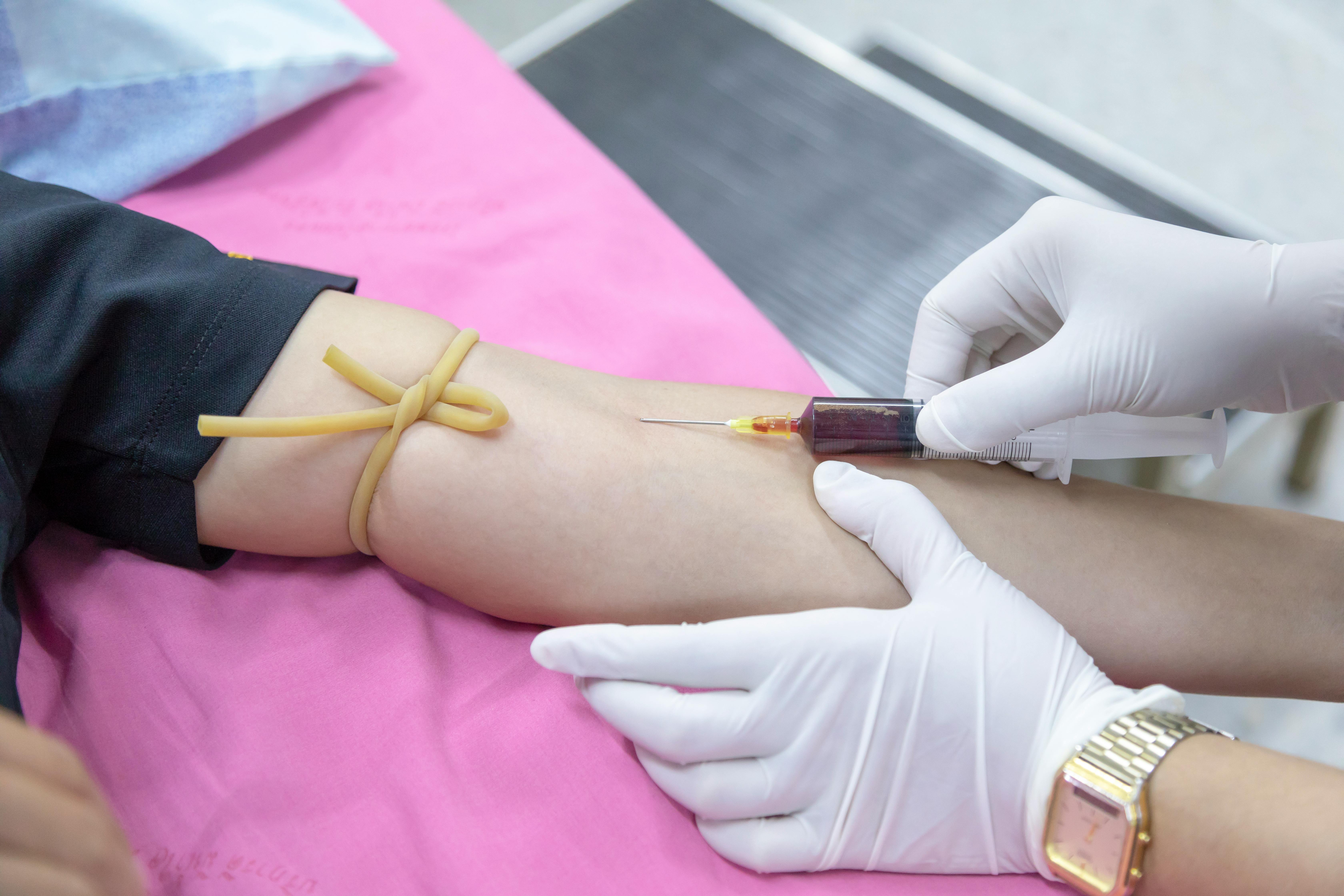
## Understanding Chemo Cycles and Rounds
You won't get chemo every day. There's a reason for that, and it's not just convenience. Chemo drugs work by killing fast-dividing cells — which includes cancer cells but also healthy cells in your bone marrow, your gut lining, and your hair follicles. Your body needs time between treatments to rebuild those healthy cells before the next round. That's why chemo is given in cycles.
### What "Cycle," "Round," and "Course" Actually Mean
The vocabulary here gets confusing fast, especially because different people use these words to mean different things. Let's nail it down:
- **A round or session** is one infusion day.
- **A cycle** is the full period from the start of one treatment to the start of the next — including the recovery days in between.
- **A course** is the complete prescribed sequence of cycles from start to finish.
So if your oncologist says "6 cycles of FOLFOX given every 2 weeks," that means six treatment days spread across roughly 12 weeks, with a recovery period built into each two-week cycle. The total course is the full 12-week run.
### Common Cycle Lengths and What They Look Like
Cycle length depends on the drugs you're getting and the cancer you're treating. Here are the patterns you're most likely to encounter:
**Weekly cycles** mean treatment every 7 days, often with smaller doses. This pattern is common for some breast cancer regimens like weekly Taxol.
**Bi-weekly cycles** (every 14 days) are the standard for many colorectal cancer protocols, including [FOLFOX](https://www.cancerresearchuk.org/about-cancer/treatment/drugs/folfox) and [FOLFIRI](https://www.cancerresearchuk.org/about-cancer/treatment/drugs/folfiri).
**Every-three-weeks cycles** are the most common pattern for breast, lung, and ovarian cancer regimens. You get treatment on day 1, then have 20 days to recover before day 1 of the next cycle.
**28-day cycles** are often used for oral chemotherapy regimens, where you might take pills for the first 14–21 days and then have a rest period before starting again.
Some treatment plans combine patterns. A common breast cancer approach, for example, is weekly chemo for 12 weeks followed by every-three-weeks chemo for another 12 weeks. Your oncologist will give you a printed calendar — keep it somewhere you can see it.
## How Many Rounds of Chemo Is Normal?
This is one of the most-asked questions among new patients, and it's worth answering directly: most curative chemo courses involve **4 to 8 cycles**, which works out to roughly **3 to 6 months** of total treatment. But "normal" is a slippery word in oncology. What's normal for early-stage breast cancer looks nothing like what's normal for metastatic pancreatic cancer or acute leukemia.
### Typical Cycle Counts by Cancer Type
These are general patterns, not prescriptions for your specific case. Your individual plan will depend on the exact drug regimen, the cancer's stage and biology, and the goal of treatment.
| Cancer type | Typical # of cycles | Cycle frequency | Total course length |
| --- | --- | --- | --- |
| Early-stage breast cancer | 4–8 | Every 2–3 weeks | 3–6 months |
| Colorectal cancer (adjuvant) | 8–12 | Every 2 weeks | 4–6 months |
| Non-small cell lung cancer | 4–6 | Every 3 weeks | 3–5 months |
| Hodgkin lymphoma | 4–8 | Every 2 weeks | 4–8 months |
| Acute leukemia (induction) | Continuous | Inpatient | Weeks to months |
| Ovarian cancer | 6 | Every 3 weeks | ~4.5 months |
| Maintenance / metastatic | Ongoing | Varies | Months to years |
### Why Your Plan Might Be Shorter — or Longer — Than Expected
Real-world chemo schedules almost never run exactly as printed. We don't tell you that to scare you; we tell you so you're not caught off guard when your "12-week course" turns into 14 weeks.
Treatment can be **shortened** if side effects are severe enough that continuing would do more harm than good, if your blood counts won't recover in time for the next cycle, or if scans show the cancer isn't responding to that particular drug combination.
Treatment can be **extended** if it's working well and your team wants to add maintenance therapy, if you need a dose delay because of an infection or low counts, or if your protocol includes a "wait and watch" period before restarting.
Most patients experience at least one delay during their course. A skipped or postponed week isn't a failure — it's the system working as intended to keep you safe.
## How Long Does Chemo Take to Shrink a Tumor?
Here's a question patients often hesitate to ask out loud, but Google constantly: how long until chemo actually starts working? You want a number. The realistic answer is that most oncologists won't scan to assess tumor response until after **2 to 3 cycles** — which means roughly **6 to 12 weeks** of treatment before you have any imaging confirmation that chemo is doing its job.
Some patients notice physical signs sooner. A palpable lump might soften. A swollen lymph node might shrink. Tumor markers in your blood might start dropping. But for most people, the early weeks of chemo feel like you're getting sicker without any visible reward, and that's emotionally brutal. Knowing it's normal helps.
### When the First Response Scan Typically Happens
The standard practice goes like this: a **baseline scan** before chemo starts to map exactly what's there, a **mid-treatment scan** after 2–4 cycles to see if the drugs are working, and an **end-of-treatment scan** to assess the final result.
For someone on every-three-weeks chemo, that mid-treatment scan usually lands around week 9–12. For someone on weekly chemo, it might be around week 8. Ask your oncologist specifically when your response scan is scheduled — it gives you a concrete date to anchor your hope to.
### What "Response" Actually Means on a Scan
When your scan results come back, you'll hear one of four words. They mean specific things, and it's worth knowing them:
- **Complete response:** No detectable cancer on imaging. The best possible result.
- **Partial response:** Significant shrinkage — typically defined as a 30%+ reduction in tumor size.
- **Stable disease:** No growth, no shrinkage. This is often a treatment success, especially for slower-growing or metastatic cancers where keeping things steady is the goal.
- **Progressive disease:** The cancer is growing despite treatment, which usually means it's time to consider a different approach.
Stable disease can feel like bad news because nothing's "improving," but for many patients — particularly those on palliative or maintenance therapy — it's exactly what success looks like.
### "The Tumor Isn't Shrinking Yet — Should I Panic?"
Probably not. We say "probably" because every situation is different, but here's what your oncologist already knows: tumors take time to respond. Some chemo regimens work by stopping growth before causing measurable shrinkage. Some tumors actually appear larger on early scans because of inflammation around the dying cancer cells, before they shrink later.
Response speed varies wildly by tumor type. Testicular cancer often responds within weeks. Some breast and colorectal cancers respond more gradually over multiple cycles. Pancreatic and certain lung cancers can be slower still.
If you're between scans and panicking, reach out to your team. They'd rather answer a worried message than have you spiral alone.
> **Questions to ask your oncologist about response timing:**
>
> - When will my first response scan be scheduled?
> - What would constitute a good response for my type of cancer?
> - What happens if the scan shows stable disease instead of shrinkage?
> - Are there any blood markers we can track between scans?
> - At what point would you consider changing my treatment?
## How Long Do Chemo Side Effects Last?
Most people search this question with mounting dread, and you deserve a straight answer. Side effects fall into three time frames: **immediate** (during and right after infusion), **short-term** (days to weeks within each cycle), and **long-term** (months to permanent). Most acute side effects fade within 2–6 weeks after your final treatment, but some can persist or even surface later.
### The Within-Cycle Pattern
Once you've been through a cycle or two, you'll start to recognize a rhythm — and that rhythm is genuinely useful for planning your life.
For a typical 21-day cycle, here's what a lot of patients experience:
- **Days 1–3:** Steroid-fueled energy, then crash. Nausea peaks. You'll often feel "wired but tired."
- **Days 4–10:** Fatigue deepens. Blood counts drop to their lowest point (the "nadir"), making infection risk highest. Mouth sores often appear.
- **Days 10–14:** Recovery starts. Energy returns. You start to feel more like yourself.
- **Days 14–21:** Often your "good days." This is when you can plan birthday parties, important meetings, or just feel human — right before the next cycle resets the clock.
Cumulative fatigue is real. By cycle 4 or 5, even your "good days" might not feel as good as cycle 1's did. That doesn't mean treatment is failing; it means your body is working hard.
### Side Effects That Resolve Quickly vs. Those That Linger
| Side effect | Typical timeline |
| --- | --- |
| Nausea | 1–5 days post-infusion, per cycle |
| Fatigue | Throughout cycle, peaks days 3–10; cumulative across cycles |
| Hair loss | Begins 2–3 weeks in; regrowth 1–3 months after final treatment |
| Mouth sores | 5–14 days post-infusion, per cycle |
| Low blood counts | Nadir around day 7–14; recover by next cycle |
| Neuropathy (numbness/tingling) | Can persist months to years; sometimes permanent |
| "Chemo brain" | Weeks to years post-treatment |
| Fertility effects | Can be permanent — discuss preservation before starting |
### When to Call Your Care Team Immediately
Most side effects are uncomfortable but manageable. A few are emergencies. Call your oncology team — or go to the ER — if you experience:
- A fever of 100.4°F (38°C) or higher
- Uncontrolled vomiting or diarrhea
- Signs of infection (chills, redness around your port, painful urination)
- Severe shortness of breath or chest pain
- Unusual bruising or bleeding
Most cancer centers have a 24-hour nurse line. Save the number in your phone before cycle 1.
## At What Stage of Cancer Is Chemotherapy Used?
Here's a misconception worth clearing up: chemo is not just a last resort for late-stage cancer. It's used at every stage, from 0 to IV, depending on the cancer type and the goal of treatment. Some early-stage cancers absolutely require chemo. Some late-stage cancers don't use it at all.
### Chemo by Treatment Goal, Not Just Stage
Your oncologist isn't just asking "what stage is this?" They're asking "what is chemo trying to accomplish here?" There are four main goals, and they shape everything about your treatment plan:
- **Curative chemo** is given with the intent to eliminate cancer entirely. This is the goal for testicular cancer, many leukemias and lymphomas, and some early breast cancers.
- **Neoadjuvant chemo** is given before surgery or radiation. It shrinks tumors so they can be removed more easily and helps doctors see in advance how your cancer responds to specific drugs.
- **Adjuvant chemo** is given after primary treatment (usually surgery) to kill any remaining cancer cells you can't see and reduce the risk of recurrence.
- **Palliative chemo** is given to control cancer growth and ease symptoms when cure isn't realistic — often in metastatic or advanced disease. The goal here is quality of life and time, not eradication.
### Why Stage Alone Doesn't Determine Whether You Need Chemo
A Stage I aggressive triple-negative breast cancer often requires chemo. A Stage III prostate cancer often doesn't. The difference comes down to tumor biology, genetic markers, your overall health, and what other treatments are on the table.
If you're not sure why chemo is being recommended in your case, ask your oncologist directly: "What's the goal of chemo for me — cure, prevention of recurrence, or symptom control?" The answer changes how you should think about everything else, including how aggressively you tolerate side effects and how you measure success.

## Planning Work, Family, and Life Around Treatment
Clinical timelines are only half of what you actually need. The other half is figuring out how to keep your life running for the next several months while your body is in a different gear. Most cancer center information sheets won't help you with this part. We're going to.
### Building a Treatment Calendar
Before your first cycle, sit down with your oncology team's printed schedule and map out your entire course on a calendar — paper or digital, whichever you'll actually look at. Mark every infusion day, every scan, every expected nadir week, and every recovery window.
Color-code your "good days" — typically days 10–21 of a 21-day cycle. Those are the days to schedule your kid's school play, your work presentation, your anniversary dinner. Planning around your cycle rhythm is far more useful than trying to plan despite it.
### Work and Income Planning
How chemo affects your ability to work depends heavily on the regimen, the side effects you personally experience, and the kind of job you have. Some patients work full-time throughout treatment. Some take medical leave for the full course. Most fall somewhere in the middle, working light schedules during recovery weeks and taking treatment days off.
Talk to HR before treatment starts. Ask about FMLA protections, short-term disability options, remote work arrangements, and how to use sick leave strategically. It's much easier to set this up before cycle 1 than to scramble during cycle 4 when you're exhausted.
### Childcare, Caregivers, and Household Logistics
Build a support team before you need one. You'll want:
- **A primary caregiver** to drive you to and from treatment, especially for the first few sessions when reactions to pre-medications are unpredictable.
- **A backup caregiver** for nadir-week emergencies — fevers, sudden illness, a kid getting sick at the worst possible moment.
- **Meal and household help** for the first 5–7 days of each cycle, when fatigue and nausea are worst.
Asking for help up front is much easier than asking when you're already underwater. Most friends and family genuinely want to help but don't know how — give them specific tasks (bring dinner Tuesday, drive me Thursday, fold laundry on Sunday) and you'll get more useful support.
Nurses also play a vital role in day-to-day care, and if you'd like to thank them as well, this guide on _[Thank You Messages for Nurses](https://beatcancer.eu/resources/thank-you-messages-for-nurses/)__ offers thoughtful ways to express your appreciation.
### A Practical DO and DON'T List for Your First Cycle
| ✓ DO | ✗ DON'T |
| --- | --- |
| Arrange a ride to and from your first treatment | Plan to drive yourself home after session one |
| Pack snacks, water, a blanket, and entertainment | Assume you'll be hungry during infusion |
| Tell your employer your schedule early | Try to "power through" without telling anyone |
| Ask about pre-medications and their side effects | Schedule major commitments in your nadir week |
| Keep a symptom journal between sessions | Compare your timeline to other patients' |
| Set up a caregiver rotation before cycle 1 | Wait until you're exhausted to ask for help |
| Save your team's after-hours number | Ignore a fever because "it's probably nothing" |
### Travel, Holidays, and Milestone Events
Life doesn't stop for chemo. A wedding, a graduation, a long-planned trip — these things still matter, and your oncology team understands that. Most oncologists will work with you to shift treatment by a few days for important events, as long as the delay is short and your blood counts allow it.
Air travel during your nadir week (days 7–14 of most cycles) is generally not recommended because of infection risk in crowded airports and recycled cabin air. Travel during your "good days" window — late in each cycle, before the next treatment — is usually safer. Bring up specific dates with your team early so they can plan around them.
## The Bottom Line: Ask Your Care Team the Right Questions
We've thrown a lot of numbers at you, and we want to be clear about what they're actually for. Chemo timelines really do depend on dozens of variables — your cancer type, your specific drugs, how you respond, how your blood counts behave, whether you get an infection halfway through. "It depends" isn't a cop-out. It's the truth.
But you don't have to accept vague answers from your care team. Armed with the framework in this article, you can ask the specific questions that turn "it depends" into a real plan you can actually live around.
> **Questions to bring to your next oncology appointment:**
>
> - How long will each infusion session take, including pre-medications?
> - How many cycles am I scheduled for, and how often will they be?
> - When will my first response scan be scheduled?
> - What does a "good response" look like for my type of cancer?
> - Which side effects should I expect, and when in the cycle?
> - What would cause you to delay, change, or stop my treatment?
> - What's the goal of my chemo — curative, adjuvant, neoadjuvant, or palliative?
> - Who do I call after hours if something feels wrong?
Every chemo journey is individual. Timelines shift. Plans change mid-course. The patients who navigate this best aren't the ones with perfect schedules — they're the ones who stay flexible, ask questions, and let their team adjust as the road unfolds. That's the mindset to bring with you into cycle 1.
---
_Medical disclaimer: This article is for educational purposes and does not replace personalized medical advice from a qualified oncology team. Treatment plans vary widely based on individual diagnosis, cancer type, stage, and overall health. Always discuss your specific situation with your oncologist._
## Sources
* [Chemotherapy to Treat Cancer — National Cancer Institute](https://www.cancer.gov/about-cancer/treatment/types/chemotherapy)
* [Chemotherapy — NHS](https://www.nhs.uk/tests-and-treatments/chemotherapy/)
* [Chemotherapy — MedlinePlus Medical Encyclopedia (NIH/NLM)](https://medlineplus.gov/ency/article/002324.htm)
* [FOLFOX — National Cancer Institute](https://www.cancer.gov/about-cancer/treatment/drugs/folfox)
* [Comparison of Solid Tumor Treatment Response Observed in Clinical Practice With Response Reported in Clinical Trials — PMC (NIH/NLM)](https://pmc.ncbi.nlm.nih.gov/articles/PMC7907955/)
* [Cancer Chemotherapy, StatPearls — NCBI Bookshelf (NIH/NLM)](https://www.ncbi.nlm.nih.gov/books/NBK564367/)
* [Infection and Neutropenia during Cancer Treatment — National Cancer Institute](https://www.cancer.gov/about-cancer/treatment/side-effects/infection)
* [Hair Loss (Alopecia) and Cancer Treatment — National Cancer Institute](https://www.cancer.gov/about-cancer/treatment/side-effects/hair-loss)
* [A Comparative Review of Chemotherapy-Induced Peripheral Neuropathy (CIPN) — PMC (NIH/NLM)](https://pmc.ncbi.nlm.nih.gov/articles/PMC6917839/)
* [Fertility Issues in Girls and Women with Cancer — National Cancer Institute](https://www.cancer.gov/about-cancer/treatment/side-effects/fertility-women)
---
# How Long Does It Take for Hair to Grow Back After Cancer? Timeline & Tips for Recovery
URL: https://beatcancer.eu/resources/how-long-does-it-take-for-hair-to-grow-back-after-cancer/ | Topic: Survivorship | Published: 2025-04-16 | Updated: 2026-08-17
Losing your hair during cancer treatment can feel like losing a part of yourself. It’s one of the most visible reminders of the battle you’re fighting, and you may find yourself wondering how long it’ll take for your hair to grow back once treatment ends. While the process varies for everyone, understanding what to expect can help you feel more prepared and hopeful.
Hair regrowth after cancer isn’t just about time—it’s also about patience and care. Your body needs to heal from the effects of chemotherapy or radiation, which can temporarily halt hair growth. The good news is that regrowth often begins within weeks of finishing treatment, though the texture and color may surprise you at first. Knowing what’s normal and how to support healthy growth can make this journey a little easier.
## Key Takeaways
* Hair regrowth after cancer treatment typically begins 2-4 weeks after therapy ends, with noticeable growth around 2-3 months and full recovery taking 6-12 months.
* Factors like the type and duration of treatment, individual health, and genetics significantly influence the hair regrowth timeline and quality.
* Proper post-treatment hair care, such as using gentle products, avoiding heat styling, and maintaining a nutrient-rich diet, can support healthy regrowth.
* Initial hair regrowth may appear different in texture or color due to treatment effects but often stabilizes over time.
* Emotional challenges during hair loss and regrowth are common; coping strategies such as using wigs, practicing self-compassion, and celebrating regrowth milestones can help.
* Consulting specialists like dermatologists or trichologists is advisable for persistent regrowth issues or scalp concerns.
## Understanding [Hair Loss During Cancer Treatment](https://www.cancer.gov/about-cancer/treatment/side-effects/hair-loss)
Hair loss during cancer treatment occurs as a side effect of therapies targeting rapidly dividing cells. Understanding the reasons behind this process can help you manage its emotional and physical impacts.
### [Causes of Hair Loss](https://medlineplus.gov/hairloss.html)
Hair loss stems from damage to hair follicles caused by treatment. Chemotherapy, radiation, and certain medications harm these cells as they target cancer's rapid growth. This disruption weakens follicle structures, resulting in shedding.
Factors like the specific drug, dosage, and treatment duration determine severity. Scalp sensitivity, patchy loss, or complete baldness may occur depending on these parameters. Hair typically regrows once follicle health improves after treatment ends.
### Types Of Cancer Treatments Impacting Hair Growth
**Chemotherapy**
Drugs like doxorubicin or paclitaxel attack cancer cells but also damage healthy follicles. Hair loss varies based on the agent but is often most significant during intensive regimens.
**Radiation Therapy**
Radiation impacts hair only in the treated area. Its intensity determines whether loss is temporary or permanent. For example, high-dose radiation to the scalp may delay regrowth.
**Targeted Therapy And Immunotherapy**
Some targeted drugs and immunotherapy agents, such as bevacizumab or checkpoint inhibitors, can cause thinning or slower growth. These effects are usually reversible after stopping treatment.
**Hormonal Therapies**
Treatments like tamoxifen for hormone-sensitive cancers may induce thinning but rarely complete baldness, as the follicle impact is milder.
## Phases Of Hair Regrowth After Cancer
Hair regrowth after cancer treatment typically begins shortly after therapies end. The process involves stages where growth patterns, texture, and timing vary depending on treatment type and individual recovery.
### Initial Growth After Treatment Ends
Within 2-4 weeks post-treatment, initial hair regrowth often starts with soft, fine strands emerging. These early growths may feel different in texture or color due to the impact of treatments like chemotherapy or radiation. If scalp irritation occurred during treatment, the regrowth process might feel sensitive.
### Timeframe For Noticeable Hair Growth
Notable hair thickness usually becomes evident around 2-3 months after treatment completion. The rate can differ based on factors such as age, health status, and specifics of the therapies used. For some, growth averages around 0.5 inches (1.25 cm) per month, consistent with normal rates.
### Full Hair Recovery Expectations
Complete hair restoration often takes 6-12 months, with growth dependent on consistent follicle activity and healing from treatment effects. Curliness or a different hair type can initially occur but may stabilize over time. Certain areas impacted by harsher treatments, like high-dose radiation, might experience slower or limited recovery.
## Factors Influencing Hair Regrowth
Hair regrowth after cancer treatment depends on various factors that affect the recovery of hair follicles. These factors determine the timeline and quality of new hair growth.
### Individual Health And Genetics
Your overall health and genetic makeup play an essential role in hair regrowth. Conditions like nutrient deficiencies, hormonal imbalances, or underlying medical issues can prolong regrowth time. Genetics determine both the pace of hair recovery and the texture or thickness of regrown hair. For instance, individuals with a family history of slower hair growth may experience delayed recovery.
### Type And Duration Of Treatment
The type of cancer treatment and its length greatly affect hair regrowth. Chemotherapy drugs that target a wide range of cells typically cause more extensive follicle damage, delaying regrowth. With radiation therapy, regrowth varies by the treated area and radiation dose. Shorter treatment durations or therapies with less impact on hair follicles, such as targeted therapy or hormonal treatments, often result in faster recovery.
### Post-Treatment Hair Care Practices
Proper hair care after treatment helps support the regrowth process. Using gentle, sulfate-free shampoos, avoiding heat styling tools, and minimizing scalp irritation can protect delicate new hair. Massaging the scalp improves circulation, promoting healthier growth. Maintaining a balanced diet rich in vitamins like biotin, zinc, and vitamins A and E can also enhance follicle health and regrowth speed.
## Tips To Support Hair Regrowth
Hair loss during cancer treatment can affect your self-image and emotional well-being, while regrowth may bring mixed emotions of hope and anxiety. Understanding coping strategies and confidence-building techniques can ease this transition.
### Coping Mechanisms During Hair Loss
Adopting coping mechanisms helps manage the emotional toll of hair loss. Explore head coverings like wigs, scarves, or turbans to regain a sense of normalcy. Look for options that suit your comfort and personal style.
Practice self-compassion to acknowledge the physical and emotional challenges without self-criticism. Engage in stress-reducing activities like meditation or journaling to enhance mental resilience. Sharing your journey with supportive people, whether through loved ones or cancer support groups, can alleviate isolation.
### Building Confidence During Regrowth
Rebuilding confidence as your hair regrows involves patience and proactive steps. Celebrate milestones like the first signs of new growth or restored volume to focus on progress. Styling options for shorter hair, like layered cuts or accessories, can help you feel more positive about its evolving appearance.
Focus on overall self-care by maintaining a healthy lifestyle, which includes balanced nutrition and physical activity to boost self-esteem. Seek guidance from hair care professionals to style and nurture regrowth effectively.
## Conclusion
Hair regrowth after cancer treatment is a journey that requires patience, care, and self-compassion. While the process may feel slow at times, each stage brings you closer to reclaiming a part of yourself. Remember to celebrate small milestones and embrace the changes as your body heals.
Surround yourself with support, whether through loved ones or communities who understand what you're going through. Focus on nurturing your overall well-being and giving your hair the care it needs to thrive. With time, recovery, and resilience, you’ll find confidence in your new growth and the strength you’ve shown throughout this journey.
## Frequently Asked Questions
### What causes hair loss during cancer treatment?
Hair loss occurs as a side effect of treatments like chemotherapy and radiation, which target rapidly dividing cells, including hair follicles. The severity depends on the type, dosage, and duration of treatment.
### When does hair typically start regrowing after cancer treatment?
Hair usually begins regrowing 2-4 weeks after treatment ends. Initial strands are soft and fine, with noticeable thickness emerging around 2-3 months.
### How long does it take for hair to fully grow back?
Full hair restoration often takes 6-12 months, but texture and curliness may differ initially before stabilizing over time.
### Why does new hair sometimes look different?
Post-treatment hair may initially grow with a different texture or color due to changes in hair follicles caused by cancer therapies.
### Can hair loss during cancer treatment be prevented?
While complete hair loss prevention isn’t guaranteed, cooling caps during chemotherapy may reduce hair loss in some individuals.
### How can I care for new hair growth after cancer treatment?
Be gentle with new hair; use mild shampoos, avoid harsh chemicals or heat styling, and consult a professional for nurturing tips.
### How can I manage the emotional impact of hair loss?
Coping mechanisms include using wigs or scarves, practicing self-compassion, joining support groups, and engaging in stress-reducing activities.
### Are there ways to boost confidence during regrowth?
Celebrate milestones, experiment with short hairstyles, maintain a healthy lifestyle, and seek styling advice from hair professionals to rebuild confidence.
### Will all hair affected by treatment regrow?
Most hair regrows, but areas exposed to more intense radiation or harsher therapies may take longer, and in rare cases, regrowth may be incomplete.
### What lifestyle changes can aid hair regrowth?
Prioritize a balanced diet, stay hydrated, reduce stress, and avoid smoking to promote healthy hair regrowth and recovery.
## Sources
* [Hair Loss (Alopecia) and Cancer Treatment — National Cancer Institute](https://www.cancer.gov/about-cancer/treatment/side-effects/hair-loss)
* [Anagen Effluvium (StatPearls) — NCBI Bookshelf, NIH](https://www.ncbi.nlm.nih.gov/books/NBK482293/)
* [Hair Loss — MedlinePlus, NIH](https://medlineplus.gov/hairloss.html)
* [Hair disorders in cancer patients (CME Part 1) — PubMed Central](https://pmc.ncbi.nlm.nih.gov/articles/PMC6186204/)
* [Persistent chemotherapy- and radiotherapy-induced alopecia and endocrine therapy hair disorders (CME Part 2) — PubMed Central](https://pmc.ncbi.nlm.nih.gov/articles/PMC6186205/)
* [Physiology, Hair (StatPearls) — NCBI Bookshelf, NIH](https://www.ncbi.nlm.nih.gov/books/NBK499948/)
* [Prevention and Treatment of Chemotherapy-Induced Alopecia — PubMed Central](https://pmc.ncbi.nlm.nih.gov/articles/PMC7319796/)
---
# How Often Should You Get a Colonoscopy? A Complete Guide to Screening Frequency
URL: https://beatcancer.eu/resources/how-often-should-you-get-a-colonoscopy/ | Topic: Long-term Follow-up Care | Published: 2025-02-18 | Updated: 2026-09-14
> **Which programmes are you invited to?** Our [Cancer Screening Eligibility Check](/tools/screening-eligibility-check/) takes your country, age and sex and lists the organised programmes that apply to you, with the official source for each.
When it comes to your health, prevention is key, and a [colonoscopy](https://beatcancer.eu/cancer-dictionary/colonoscopy/) is one of the most effective tools for detecting colon cancer early. You might wonder how often you need this procedure and whether it’s necessary for you. The answer depends on factors like your age, family history, and overall health.
Understanding the right timing for a colonoscopy can save lives and spare you unnecessary stress. It’s not just about following a schedule—it’s about tailoring care to your unique needs. By staying informed, you can take control of your health and make decisions with confidence.
## Key Takeaways
* Routine colonoscopies are crucial for early detection of colorectal cancer and can significantly reduce cancer risk through polyp removal.
* Average-risk individuals should begin screening at age 45, with subsequent colonoscopies every 10 years if results are normal.
* High-risk groups, such as those with family history, inflammatory bowel disease, or genetic conditions, may require earlier and more frequent screenings, often starting in their 20s or 30s.
* Symptoms like rectal bleeding or unexplained weight loss warrant immediate evaluation, regardless of age or prior screening history.
* Proper preparation, including dietary adjustments and bowel cleansing, ensures accurate colonoscopy results.
* Colonoscopies are safe, minimally uncomfortable with sedation, and essential even if no symptoms are present. Tailored scheduling optimizes preventive care for individual needs.
## Understanding Colonoscopies
Colonoscopies are a key diagnostic tool used for screening and identifying potential issues in the colon and rectum. Understanding their purpose and importance helps you make informed decisions about your health.
### What Is A Colonoscopy?
A colonoscopy is a medical procedure that allows doctors to examine the inner lining of your colon and rectum. A flexible tube with a camera, called a colonoscope, is inserted into the rectum to visualize the entire colon. This procedure can detect abnormalities like polyps, inflammation, or tumors. Sedation is typically administered to ensure comfort during the process.
### Why Are Colonoscopies Important?
Colonoscopies identify changes or signs of disease, especially colorectal cancer, in its early stages when treatment is more effective. They also help remove precancerous polyps before they progress. For people with risk factors like a family history of colorectal cancer or inflammatory bowel disease, colonoscopies can play a lifesaving role by providing crucial insights into gastrointestinal health.
## Factors Affecting Colonoscopy Frequency
Colonoscopy frequency depends on various factors, including age, personal and family medical history, and the presence of symptoms or conditions. Understanding these factors helps you follow appropriate screening schedules.
### Age and General Recommendations
Routine screening begins at age 45 for those at average risk, as recommended by the American Cancer Society. After a normal result, screenings typically happen every 10 years until age 75. Risk increases with age, so individuals over 75 may require physician-guided decisions regarding continued screening.
### Personal and Family Medical History
Your medical history, such as inflammatory bowel diseases (e.g., Crohn's disease and ulcerative colitis), increases screening frequency. A family history of colorectal cancer or advanced polyps, particularly in a first-degree relative before age 60, necessitates earlier and more frequent screenings, often starting at age 40 or 10 years before the relative's diagnosis.
### Presence of Symptoms or Conditions
Symptoms like rectal bleeding, changes in bowel habits, or unexplained weight loss prompt immediate evaluation regardless of age. Conditions such as previous polyps or a history of colorectal cancer lead to tailored follow-up schedules, typically ranging from 3 to 5 years after the last colonoscopy.
## How Often Should You Get A Colonoscopy?
The frequency of colonoscopies depends on your risk factors and individual health profile. General guidelines and tailored recommendations help determine the appropriate intervals for screening.
### Guidelines for Average-Risk Individuals
For those at average risk of colorectal cancer, routine screenings start at age 45. If results show no abnormalities, screenings typically repeat every 10 years. This frequency aligns with recommendations from the American Cancer Society and the U.S. Preventive Services Task Force. If polyps are identified, follow-up intervals may shorten based on the polyp type and size.
### Recommendations for High-Risk Groups
People with higher risks, including a family history of colorectal cancer or genetic conditions like Lynch syndrome, need earlier and more frequent screenings. Screenings often begin in their 20s or 30s, with intervals of 1-5 years. A personal history of inflammatory bowel disease or previous polyps requires closer monitoring, with follow-ups scheduled every 1-3 years. Rectal bleeding, unexplained weight loss, or changes in bowel habits also call for immediate evaluation regardless of age or prior screening history. Always discuss specifics with your healthcare provider to develop a tailored screening plan.
## Preparing for a Colonoscopy
Proper preparation ensures accurate results during a colonoscopy. Following specific steps and understanding the procedure can help ease concerns and improve the effectiveness of the test.
### Steps to Follow Before the Procedure
Clear your colon completely by following your healthcare provider's preparation instructions. These may include dietary restrictions, bowel preparation solutions, and medication adjustments.
1. **Dietary Adjustments**: Consume a low-fiber diet two to three days before the procedure. Avoid seeds, nuts, and raw fruits or vegetables. On the day before, stick to clear liquids such as broth, tea, or plain water.
2. **Bowel Cleansing**: Use the prescribed laxative or bowel prep solution as directed. Begin this part of the preparation the day before the procedure to clean the colon thoroughly.
3. **Medications**: Inform your doctor about any medications or supplements you're taking, especially blood thinners, NSAIDs, or diabetes medications. Modify these based on their recommendations to ensure safety during the test.
### What to Expect During and After
During the procedure, expect to be sedated while a colonoscope examines your colon. The device checks for abnormalities, including polyps, which may be removed if necessary. The process typically lasts 30 to 60 minutes.
After the procedure, rest until the sedation wears off. Mild bloating or cramping may occur but usually resolves quickly. Avoid driving for 24 hours due to lingering sedative effects. You'll receive results and follow-up instructions based on the findings.
## Common Myths and Misconceptions
Misconceptions about colonoscopies often hinder people from prioritizing these vital screenings. Understanding the truth dispels fears and promotes informed health decisions.
### Debunking Popular Misunderstandings
1. **Colonoscopy Is Painful**
Colonoscopies are not inherently painful. Modern procedures involve sedation, ensuring you feel minimal to no discomfort. Post-procedure symptoms like bloating are typically mild and short-lived.
2. **It's Only Necessary if You Have Symptoms**
Routine screenings target early detection of polyps or cancer before symptoms arise. Waiting for symptoms, such as rectal bleeding, can delay crucial diagnosis and treatment.
3. **It's Only for Older Adults**
While individuals 45+ at average risk are advised to start screenings, high-risk groups may require earlier and more frequent colonoscopies. For example, those with Lynch syndrome or a family history of colorectal cancer might begin in their 20s or 30s.
4. **Screenings Are Too Frequent**
Average-risk individuals generally undergo screenings every 10 years. Tailored intervals depend on risk factors or past findings, ensuring screening frequency matches your specific health profile.
5. **Early Cancer Detection**
Periodic colonoscopies allow for the early identification of colorectal cancer, significantly increasing survival rates. Studies support early detection as crucial, with a 90% 5-year survival rate for early-stage diagnoses.
6. **Prevention Through Polyp Removal**
The procedure removes potentially cancerous polyps. Regular screenings reduce colorectal cancer risk by up to 68%, as research indicates.
7. **Tailored Risk Management**
Regular colonoscopies provide comprehensive insights into your colon health. Your healthcare provider uses findings to adjust your screening schedule, ensuring proactive and individualized care.
## Conclusion
Taking charge of your health means understanding when and how often you should get a colonoscopy. This crucial screening tool not only detects potential issues early but also helps prevent serious conditions like colorectal cancer. By working closely with your healthcare provider, you can develop a screening plan tailored to your unique risk factors and health needs.
Remember, staying proactive with routine screenings and following preparation guidelines ensures accurate results and peace of mind. Your health is worth the effort, and regular colonoscopies play a vital role in maintaining it.
## Frequently Asked Questions
### What is a colonoscopy?
A colonoscopy is a medical procedure used to examine the inner lining of the colon and rectum for abnormalities like polyps, inflammation, or tumors. A flexible tube with a camera is inserted into the colon to detect issues and remove precancerous polyps if necessary.
---
### At what age should I begin colonoscopy screenings?
For average-risk individuals, routine colonoscopies should start at age 45. However, those with higher risk factors, like a family history of colorectal cancer, may need to begin earlier, typically in their 20s or 30s.
---
### How often should I get a colonoscopy?
If no abnormalities are found and you’re at average risk, colonoscopies are usually recommended every 10 years. Individuals with higher risks or previous polyps may need screenings every 1 to 5 years.
---
### What are the risk factors that require earlier colonoscopy screenings?
Family history of colorectal cancer, inflammatory bowel diseases like Crohn's or ulcerative colitis, genetic conditions like Lynch syndrome, or personal history of polyps or cancer may require earlier and more frequent colonoscopies.
---
### How do I prepare for a colonoscopy?
Preparation includes following a low-fiber diet, avoiding certain foods, and using bowel cleansing solutions as instructed. Inform your doctor about medications you’re taking to ensure safety during the procedure.
---
### Is a colonoscopy painful?
No, colonoscopies are not painful. Modern procedures use sedation, making the process comfortable. You may feel mild bloating or cramping afterward, but these symptoms typically resolve quickly.
---
### What happens during a colonoscopy?
During the procedure, a sedated patient undergoes an examination using a colonoscope to visualize the colon. It typically lasts 30 to 60 minutes, and abnormalities, if found, can be addressed during the same session.
---
### How do I know if I need a colonoscopy earlier than 45?
If you experience symptoms such as rectal bleeding, changes in bowel habits, or abdominal pain, consult your doctor for an evaluation. Personal or family medical history also plays a key role in determining earlier screenings.
---
### Are colonoscopies effective in detecting colorectal cancer early?
Yes, colonoscopies are one of the most effective tools for early detection of colorectal cancer. They can identify precancerous polyps and allow for removal, reducing the risk of cancer development.
---
### Can I resume normal activities after a colonoscopy?
You should avoid driving or heavy activities for 24 hours due to sedation effects. Mild bloating or cramping may occur but will resolve quickly. Follow-up instructions will depend on your results.
## Sources
* [Colonoscopy — NIDDK, National Institutes of Health](https://www.niddk.nih.gov/health-information/diagnostic-tests/colonoscopy)
* [Colorectal Cancer Screening (PDQ) Patient Version — National Cancer Institute](https://www.cancer.gov/types/colorectal/patient/colorectal-screening-pdq)
* [Colorectal Cancer: Screening — U.S. Preventive Services Task Force](https://www.uspreventiveservicestaskforce.org/uspstf/recommendation/colorectal-cancer-screening)
* [Colon cancer screening — MedlinePlus](https://medlineplus.gov/ency/article/002071.htm)
* [Genetics of Colorectal Cancer (PDQ) Health Professional Version — National Cancer Institute](https://www.cancer.gov/types/colorectal/hp/colorectal-genetics-pdq)
* [Colorectal polyps — MedlinePlus](https://medlineplus.gov/ency/article/000266.htm)
* [Colonoscopy — MedlinePlus](https://medlineplus.gov/colonoscopy.html)
* [Cancer Stat Facts: Colorectal Cancer — NCI SEER Program](https://seer.cancer.gov/statfacts/html/colorect.html)
---
# How Serious Are Precancerous Cells? Understanding Risks, Treatment, and Prevention
URL: https://beatcancer.eu/resources/how-serious-are-precancerous-cells/ | Topic: Science | Published: 2025-02-24 | Updated: 2026-08-18
Hearing the term "precancerous cells" can feel overwhelming, but understanding what they mean is the first step toward managing your health. These cells aren't cancer, but they aren't entirely normal either. They represent changes in your body that could potentially lead to cancer if left untreated. Knowing how serious they are depends on their type, location, and how early they're detected.
Your body often gives you a chance to act before things progress, and that's where the importance of regular screenings and follow-ups comes in. While not all precancerous cells develop into cancer, ignoring them isn't an option. Taking the right steps now can make all the difference in preventing future complications.
## Key Takeaways
* Precancerous cells are abnormal, non-cancerous cells that carry the potential to develop into cancer if left untreated, making early detection essential.
* Common causes include [Genetic Mutations](https://medlineplus.gov/genetics/understanding/mutationsanddisorders/genemutation/), chronic inflammation, exposure to carcinogens, infections (e.g., HPV), hormonal imbalances, and aging.
* Types of precancerous conditions vary, with examples including cervical [dysplasia](https://beatcancer.eu/cancer-dictionary/dysplasia/), colorectal polyps, actinic keratosis, Barrett’s esophagus, and endometrial hyperplasia.
* Risk levels depend on factors like cell type, location, and progression grades; [high-grade](https://beatcancer.eu/cancer-dictionary/high-grade/) precancerous cells have a greater likelihood of becoming cancerous.
* Regular screenings, like Pap smears, colonoscopies, and biopsies, are key to identifying precancerous changes early and enabling effective intervention.
* Preventative measures, including healthy lifestyle habits, proper sun protection, and avoiding smoking or excessive alcohol, can significantly lower risks.
## Understanding Precancerous Cells
Precancerous cells refer to abnormal changes in cells that could progress to cancer if not identified and managed. These changes don't signify cancer but indicate potential risks that demand medical evaluation.
### What Are Precancerous Cells?
Precancerous cells are altered cells that differ from normal, healthy ones. They often appear abnormal under a microscope and may grow or divide in an uncontrolled manner. These cells don't invade surrounding tissues or spread to other body parts, distinguishing them from cancerous cells. However, their persistence or worsening increases the likelihood of transformation into cancer.
### Common Causes And Risk Factors
Various factors contribute to the development of precancerous cells, ranging from environmental exposures to underlying medical conditions. Below are common causes and risk factors:
* **Genetic Mutations**: DNA alterations disrupt normal cell growth and division.
* **Chronic Inflammation**: Prolonged inflammation damages tissues and promotes abnormal cell changes.
* **Exposure To Carcinogens**: Substances like tobacco, alcohol, and ultraviolet radiation impact cellular DNA.
* **Infections**: Persistent infections, such as human papillomavirus (HPV) or Helicobacter pylori, increase risk.
* **Hormonal Imbalances**: Conditions causing elevated estrogen levels influence certain tissue changes.
* **Age**: Risk of cellular abnormalities increases with age.
* **Impaired Immune System**: A weakened immune response limits the body's ability to eliminate abnormal cells.
### Types Of Precancerous Conditions
Precancerous conditions are categorized based on the tissues or organs involved. Below are several types:
* **Cervical Dysplasia**: Abnormal cells in the cervix often associated with HPV infection.
* **Colorectal Polyps**: Growths in the colon or rectum that may evolve into colorectal cancer.
* **Barrett’s Esophagus**: Changes in the esophageal lining caused by gastroesophageal reflux disease (GERD).
* **Actinic Keratosis**: Rough, scaly patches on sun-exposed skin, indicating increased skin cancer risk.
* **Endometrial Hyperplasia**: Thickening of the uterine lining, especially due to hormonal changes.
Recognizing these conditions facilitates timely intervention, reducing progression to [invasive cancer](https://beatcancer.eu/cancer-dictionary/invasive-cancer/).
## How Serious Are Precancerous Cells?
Precancerous cells carry varying levels of risk depending on their type, location, and the underlying factors causing the abnormal changes. Addressing these cells promptly reduces the likelihood of progression to cancer.
### Potential Risks And Complications
Precancerous cells can lead to severe health complications, including the risk of invasive cancer. For instance, cervical dysplasia can develop into cervical cancer without treatment. Additionally, untreated colorectal polyps might progress to colorectal cancer. Chronic inflammation and the persistence of risk factors, such as carcinogen exposure or infections, often exacerbate the condition, possibly increasing its severity.
Delays in addressing precancerous conditions can result in physical complications, such as organ damage, ulcers, or obstructions, depending on the affected area. Psychological stress stemming from a precancerous diagnosis can also disrupt well-being. Regular monitoring minimizes these complications.
### Chances Of Progression To Cancer
The progression of precancerous cells to cancer depends on attributes like the grade of abnormality and how long they remain untreated. High-grade precancerous cells, such as high-grade squamous intraepithelial lesions in cervical dysplasia, show higher cancer development risks. Conversely, low-grade alterations like mild dysplasia may regress with lifestyle changes or medical treatment.
Certain conditions have documented progression rates. For instance, advanced adenomatous polyps have a 25% or higher risk of turning cancerous. In Barrett's esophagus, 0.5%-1% of patients annually develop [esophageal cancer](https://beatcancer.eu/cancer-dictionary/esophageal-cancer/). Environmental factors, genetic predispositions, and a lack of timely intervention influence these probabilities.
## Identifying And Diagnosing Precancerous Cells
Recognizing and diagnosing precancerous cells involve targeted screenings and identifying potential symptoms. Early detection helps in adopting preventive measures to lower cancer risks.
### Screening Methods
Health professionals perform regular screenings to detect abnormal cellular changes before they progress to cancer. The methods used depend on the specific area of concern:
* **Pap Smear**: Used to identify cervical dysplasia or other precancerous changes in cervical cells.
* **[Colonoscopy](https://beatcancer.eu/cancer-dictionary/colonoscopy/)**: Detects precancerous polyps in the colon or rectum and allows for immediate removal.
* **Mammography**: Identifies breast calcifications or abnormalities that could indicate early changes.
* **Skin Biopsy**: Confirms the presence of actinic keratosis or other precancerous skin lesions.
* **Endoscopy**: Detects Barrett’s esophagus in the esophageal lining that may develop into esophageal cancer.
Regular screenings, particularly for high-risk groups or individuals with a family history of cancer, enhance early detection and treatment effectiveness.
### Symptoms To Watch For
Precancerous conditions often show early signs, but they vary by location. Look for these symptoms and consult your doctor if they persist:
* **Cervical Dysplasia**: Abnormal vaginal bleeding or unusual discharge.
* **Colorectal Polyps**: Daily changes in bowel habits, rectal bleeding, or unexplained abdominal pain.
* **Barrett’s Esophagus**: Persistent acid reflux, chest pain, or difficulty swallowing.
* **Actinic Keratosis**: Rough or scaly skin patches, particularly in sun-exposed areas.
* **Endometrial Hyperplasia**: Heavy or irregular menstrual bleeding.
Symptoms don't always appear during early stages; consistent screenings are crucial for high-risk individuals.
## Treatment And Management Options
Addressing precancerous cells involves tailored strategies based on their type, location, and potential for progression. Early intervention reduces the risk of developing invasive cancer.
### Non-Invasive Treatments
Non-invasive treatments are a common approach for managing precancerous cells, particularly in early detection cases. Topical medications, such as fluorouracil (5-FU) or imiquimod, are used to target skin-related conditions like actinic keratosis. Chemical peels and [cryotherapy](https://beatcancer.eu/cancer-dictionary/cryotherapy/), which involve removing abnormal cells through chemical or freezing methods respectively, are highly effective for surface-level lesions.
Likewise, hormonal therapies are applied for conditions such as endometrial hyperplasia, where specific hormone medications regulate abnormal cell growth. Ablative techniques, including laser ablation, are another option for targeting localized areas, like in cervical dysplasia, to remove altered tissue without cutting deeper layers.
### When Surgery Is Required
Surgery becomes necessary when precancerous cells are extensive, persistent, or have a higher chance of progression into cancer. In cases such as colorectal polyps, polypectomy is performed during a colonoscopy to remove polyps before they become invasive. Larger or numerous polyps may require segmental resection to excise portions of the colon.
For high-grade cervical dysplasia, procedures like loop electrosurgical excision (LEEP) or cold knife conization effectively remove abnormal cervical tissue while preserving reproductive functions. In severe cases or recurrent conditions, more invasive surgeries, like hysterectomy for endometrial hyperplasia or esophagectomy for advanced Barrett’s esophagus, are critical to prevent future malignancy.
## Preventive Measures And Lifestyle Changes
Proactive approaches can significantly reduce the risk of precancerous cells progressing to invasive cancer. Incorporating regular screenings and healthy lifestyle habits can help detect and manage these changes effectively.
### Regular Health Screenings
Screenings play a critical role in early detection and prevention. You can identify abnormalities in their initial stages through tests like Pap smears, colonoscopies, mammograms, and skin examinations. For cervical dysplasia, routine Pap smears every 3 years for women aged 21-65 enhance early detection. Colonoscopies, performed every 10 years beginning at age 45 for average-risk individuals, help identify colorectal polyps. Regular skin checks are essential for detecting actinic keratosis, especially if you're often exposed to the sun. For those with Barrett’s esophagus, upper endoscopy every 3-5 years ensures ongoing monitoring. If you have a family history or other risk factors, following enhanced screening schedules increases detection efficiency.
### Healthy Lifestyle Habits
Adopting sustainable habits supports cellular health and minimizes risk. Maintain a balanced diet rich in fruits, vegetables, and whole grains to provide antioxidants that combat cellular damage. Avoid smoking, including secondhand smoke exposure, as tobacco use directly contributes to abnormal cell changes. Limit alcohol intake, as excessive consumption is linked to various precancerous conditions like Barrett’s esophagus. Exercise regularly for at least 150 minutes per week to strengthen your immune system and regulate hormone levels. Use sunscreen daily with SPF 30+ to protect against ultraviolet-induced skin changes. Manage chronic conditions like obesity, diabetes, or inflammation promptly, as they can influence cellular function. By reducing stress through mindfulness or other techniques, you can support hormonal balance and immune response.
Together, these measures optimize your long-term health and reduce precancerous risks effectively.
## Conclusion
Understanding the seriousness of precancerous cells empowers you to take control of your health. While these cells aren’t cancerous, they signal potential risks that shouldn’t be ignored. Early detection, regular screenings, and timely intervention are your best tools to prevent progression and protect your well-being.
By staying informed and adopting healthy habits, you can reduce your risks and support long-term cellular health. Precancerous cells don’t have to define your future—proactive care and vigilance ensure you’re taking the right steps toward a healthier life.
## Frequently Asked Questions
### What are precancerous cells?
Precancerous cells are abnormal cells that show changes in their structure and behavior but have not yet developed into cancer. If left untreated, these cells can sometimes progress to invasive cancer. They are often identified during regular screenings and vary in risk depending on their type and location.
---
### Are precancerous cells cancer?
No, precancerous cells are not cancer. However, they indicate abnormal cellular changes that could, over time, develop into cancer if not monitored or treated appropriately.
---
### What causes precancerous cells to develop?
Common causes include genetic mutations, chronic inflammation, infections, exposure to carcinogens (like tobacco or UV rays), hormonal imbalances, age, and a weakened immune system.
---
### Can all precancerous cells progress to cancer?
Not all precancerous cells will turn into cancer. The risk depends on factors like the type of abnormality, its severity, and how long the cells remain untreated. High-grade abnormalities are more likely to progress.
---
### How are precancerous cells detected?
Precancerous cells are usually identified through regular screenings, such as Pap smears for cervical dysplasia, colonoscopies for colorectal polyps, or biopsies for skin conditions like actinic keratosis.
---
### What are some examples of precancerous conditions?
Examples include cervical dysplasia, colorectal polyps, Barrett’s esophagus, actinic keratosis, and endometrial hyperplasia. Recognizing and addressing these conditions early reduces the risk of cancer development.
---
### Are there symptoms of precancerous cells?
In many cases, precancerous cells do not present obvious symptoms. That’s why routine screenings are critical for early detection. When symptoms do occur, they vary based on the location and type of the affected cells.
---
### How are precancerous cells treated?
Treatment depends on the type and risk. Options include non-invasive methods like topical therapies or cryotherapy, hormonal treatments, or surgical procedures like polypectomy or LEEP for high-risk conditions.
---
### Can I prevent precancerous cells from developing?
You can reduce the risk by adopting a healthy lifestyle—eating a balanced diet, exercising, avoiding tobacco and excess alcohol, protecting your skin from UV rays, and staying up-to-date on recommended screenings.
---
### Why are regular screenings important?
Regular screenings enable early detection of precancerous cells before they can develop into cancer. Early intervention significantly reduces the risk of invasive cancer and improves long-term health outcomes.
## Sources
* [Definition of precancerous — National Cancer Institute](https://www.cancer.gov/publications/dictionaries/cancer-terms/def/precancerous)
* [Risk Factors for Cancer — National Cancer Institute](https://www.cancer.gov/about-cancer/causes-prevention/risk)
* [HPV and Cancer — National Cancer Institute](https://www.cancer.gov/about-cancer/causes-prevention/risk/infectious-agents/hpv-and-cancer)
* [Cervical dysplasia — MedlinePlus](https://medlineplus.gov/ency/article/001491.htm)
* [Colonic Polyps — MedlinePlus](https://medlineplus.gov/colonicpolyps.html)
* [Barretts Esophagus — NIDDK, National Institutes of Health](https://www.niddk.nih.gov/health-information/digestive-diseases/barretts-esophagus)
* [Actinic keratosis — MedlinePlus](https://medlineplus.gov/ency/article/000827.htm)
* [Cervical Cancer: Screening — US Preventive Services Task Force](https://www.uspreventiveservicestaskforce.org/uspstf/recommendation/cervical-cancer-screening)
* [Colorectal Cancer: Screening — US Preventive Services Task Force](https://www.uspreventiveservicestaskforce.org/uspstf/recommendation/colorectal-cancer-screening)
* [Management of nondysplastic Barretts esophagus: When to survey? When to ablate? — PMC](https://pmc.ncbi.nlm.nih.gov/articles/PMC9008814/)
---
# How Soon Can Intimacy Resume After an Orchiectomy? Recovery Timeline & Emotional Tips
URL: https://beatcancer.eu/resources/how-soon-can-intimacy-resume-after-an-orchiectomy/ | Topic: Quality of Life | Published: 2025-01-07 | Updated: 2026-08-18
Undergoing an orchiectomy can bring a mix of emotions and questions, especially when it comes to resuming intimacy. It's natural to wonder how this procedure might affect your physical and emotional connection with your partner. While recovery is a personal journey, understanding what to expect can help you feel more prepared.
Your body needs time to heal after surgery, but intimacy is about more than just physical readiness. Factors like emotional comfort, communication with your partner, and your overall health all play a role in determining the right time to reconnect. By focusing on recovery and open dialogue, you can navigate this transition with confidence.
Whether you're eager to resume intimacy or feeling uncertain, knowing the typical recovery timeline and what to consider can help you make informed decisions. Let’s explore the key aspects that can guide you toward a healthy and fulfilling return to intimacy.
## Key Takeaways
* Healing after an orchiectomy typically takes 2-4 weeks, and intimacy should only resume once medical clearance is obtained.
* Physical recovery, including incision healing and reduced swelling, plays a crucial role in determining readiness for intimacy.
* Emotional readiness, body image concerns, and open communication with your partner are equally important in rebuilding intimacy post-surgery.
* Professional guidance from healthcare providers ensures a safe and individualized approach to resuming physical connection.
* Gradual reintroduction of intimacy, starting with non-physical bonding activities, can help rebuild confidence and emotional closeness.
* Patience, understanding, and proactive steps, such as counseling or support groups, can assist in navigating physical and emotional changes.
## Understanding Orchiectomy And Recovery
Orchiectomy involves surgical removal of one or both testicles. Recovery plays a key role in determining when you can resume daily activities, including intimacy.
### What Is An Orchiectomy?
An orchiectomy removes one or both testicles for medical reasons such as testicular cancer, trauma, or hormone therapy. The procedure can be unilateral or bilateral, depending on the condition being treated. Doctors typically perform it through a small incision in the groin under general or local anesthesia.
This surgery affects your physical and hormonal balance. A unilateral procedure may cause minor hormonal shifts, while a bilateral procedure often requires hormone replacement therapy to maintain normal levels of testosterone.
### Typical Recovery Timeline
Recovery time after an orchiectomy varies but often spans 2-4 weeks. Initial healing begins with managing pain and swelling, typically subsiding within the first week. Most patients resume light activities after 1-2 weeks, depending on their comfort level.
Intimacy and strenuous physical tasks are generally delayed until at least the third or fourth week to allow incision sites to heal completely. Follow-up consultations with your doctor help monitor progress and guide safe reintegration of regular activities.
## Factors Affecting Resumption Of Intimacy
Understanding the factors that influence the return to intimacy after an orchiectomy ensures a smoother transition. These factors often include physical recovery and emotional readiness, both of which play vital roles.
### Physical Recovery Milestones
Physical recovery primarily determines how soon you can engage in intimacy. The initial healing process focusing on incision site recovery typically spans 2-4 weeks. Pain, swelling, and tenderness usually reduce significantly by the third week if post-operative care instructions are followed. Monitoring for complications like infections, as well as adhering to activity restrictions during this time, helps prevent setbacks.
Medical clearance from your doctor is essential before resuming intimacy. In most cases, your healthcare provider evaluates incision healing, pain levels, and overall recovery progress at follow-up appointments before providing guidance.
### Emotional And Psychological Considerations
The emotional impact of an orchiectomy can influence your readiness for intimacy. Many individuals experience changes in body image, self-esteem, or concerns about sexual function post-surgery. Open communication with your partner about these feelings fosters understanding and helps rebuild confidence.
Seeking professional counseling or joining support groups may provide resources for addressing emotional challenges. Feeling emotionally secure and supported creates a foundation for intimacy to resume naturally as you rebuild physical health.
## Medical Recommendations On Resuming Intimacy
Healthcare providers emphasize a patient-specific approach when determining safe timelines for resuming intimacy after an orchiectomy. Understanding professional guidelines and prioritizing individualized assessments ensures a safe and comfortable return to intimate activities.
### Guidelines From Healthcare Providers
Doctors typically recommend waiting 2-4 weeks before engaging in intimate activities to allow sufficient healing of the surgical site. During this period, attention focuses on reducing swelling, managing pain, and monitoring incision healing. Follow-up appointments provide an opportunity for your doctor to assess your recovery progress and confirm readiness for increased physical activity, including intimacy.
If complications arise, such as infections or delayed healing, your doctor may extend the recovery timeline. They may also advise using protection during intimacy to prevent the risk of infection at the site and ensure safe practices while adjusting to any changes in sexual function.
### Importance Of Individual Assessment
Individual recovery varies depending on factors such as your overall health, age, and the complexity of the surgery. While physical recovery milestones like reduced tenderness and healed incisions are necessary, emotional readiness is equally important. Concerns about self-image or sexual function after an orchiectomy often influence your confidence to reconnect with your partner.
Discussing these concerns with your healthcare provider, partner, or a counselor can provide support and guidance. Providers may recommend gradual reintroduction of intimacy, starting with non-physical means, to rebuild emotional closeness while respecting physical boundaries. Prioritizing your unique recovery pace ensures a healthy and informed transition.
## Tips For Rebuilding Intimacy After Orchiectomy
Rebuilding intimacy after an orchiectomy requires both patience and proactive steps to address physical and emotional changes. Focusing on open communication and gradual progress fosters confidence and comfort.
### Communication With Your Partner
Discussing your feelings and concerns with your partner strengthens trust and emotional connection. Clearly explain how the surgery has affected you, including any physical limitations or anxieties about intimacy. Encourage your partner to share their thoughts and feelings to ensure mutual understanding.
Set realistic expectations for resuming intimacy by aligning on timelines and comfort levels. Use affirming language to foster a supportive environment, reducing potential stress or misunderstandings. For example, you might express how you value their patience as you gradually rebuild closeness.
### Taking It Slow And Ensuring Comfort
Gradually reintroduce intimacy to respect physical recovery and emotional readiness. Begin with non-sexual activities, such as holding hands or cuddling, to restore emotional bonding before transitioning to more physical forms of intimacy. If discomfort occurs, adjust your pace and activities accordingly.
Create a comfortable setting for intimacy by addressing potential sources of stress. Ensure ample time, privacy, and a mutually relaxed atmosphere to reduce anxiety. Specialist-recommended positioning or additional cushions may also help accommodate physical recovery.
## Conclusion
Resuming intimacy after an orchiectomy is a deeply personal journey that requires patience, understanding, and open communication. By prioritizing both your physical recovery and emotional well-being, you can create a supportive foundation for reconnecting with your partner.
Take the time to listen to your body, follow your doctor’s recommendations, and address any concerns about self-image or sexual function with a trusted professional. Remember, rebuilding intimacy isn’t just about physical readiness—it’s about fostering emotional closeness and mutual understanding.
With the right approach and support, you can navigate this transition confidently and strengthen the bond with your partner as you heal.
## Frequently Asked Questions
### 1. How long does it take to resume intimacy after an orchiectomy?
The typical recovery timeline for resuming intimacy ranges between 2-4 weeks. Physical healing, such as reducing swelling and allowing incision sites to heal, is crucial before engaging in intimate activities. Always consult your doctor to ensure you’re medically cleared before resuming intimacy.
### 2. What are the key physical milestones for recovery?
Key milestones include reduced pain and swelling, usually around the third week, and the closure of incision sites. Strenuous activities, including intimacy, should only resume after proper healing and a follow-up consultation with your healthcare provider.
### 3. How can an orchiectomy affect emotional readiness for intimacy?
An orchiectomy can impact self-esteem, body image, and concerns about sexual function, which may delay emotional readiness for intimacy. Open communication with your partner, professional counseling, or joining support groups can help address these challenges and foster emotional comfort.
### 4. Can an orchiectomy change sexual function?
While an orchiectomy may affect hormone levels or ejaculation depending on its extent, many individuals retain the ability to engage in and enjoy intimacy. Consult with your doctor about any changes and discuss concerns openly with your partner to rebuild confidence.
### 5. What role does communication play during recovery?
Open communication is essential for rebuilding intimacy. Discuss your feelings, concerns, and progress with your partner. This helps strengthen trust, manage expectations, and create an environment of mutual support, aiding both physical and emotional recovery.
### 6. Are there safety precautions to observe when resuming intimacy?
Yes, using protection can help prevent infections during intimacy, especially if recovery is ongoing. Follow your doctor’s advice and postpone intimate activities if complications such as prolonged pain or swelling arise.
### 7. What’s a good way to rebuild intimacy emotionally?
Start gradually with non-sexual activities, such as spending quality time together, cuddling, or talking about shared feelings. Emotional bonding can help ease the transition into physical intimacy while respecting physical boundaries during recovery.
### 8. Should I seek professional counseling after an orchiectomy?
If the emotional impact, such as changes in self-esteem or worries about intimacy, feels overwhelming, professional counseling can be highly beneficial. Therapists or support groups can provide tailored advice and encouragement during your recovery journey.
### 9. What factors affect individual recovery timelines?
Recovery timelines vary depending on your overall health, age, and the complexity of the surgery. Factors like complications, fitness level, and mental readiness also influence when you can safely resume intimacy.
### 10. How can I support my partner during their recovery?
Be patient, understanding, and willing to communicate openly. Listen to your partner’s needs and concerns, and participate in activities that rebuild emotional closeness. Creating a supportive and comfortable environment can significantly aid their recovery process.
---
# How To Talk To Someone With Cancer
URL: https://beatcancer.eu/resources/how-to-talk-to-someone-with-cancer/ | Topic: Quality of Life | Published: 2023-05-24 | Updated: 2026-08-17
In this video, Dr Katie Deming, a radiation oncologist and healthcare leader, talks about language and [communication in the context of cancer](https://beatcancer.eu/resources/the-power-of-dialogue-5-communication-tips-for-patients-and-their-loved-ones/). She points out what she herself did not realise for years: How people talk about cancer often has very negative connotations and can therefore have a negative impact on the healing of patients.
In particular, the use of the word “survivor” in everyday language should be questioned. The National Cancer Institute defines a person who has cancer as a “survivor” from the time of diagnosis until the end of their life, even if their cancer is sometimes terminal. Dr Deming is now sensitive to this use of the word because she has heard from many patients that they do not like the term because many of the comments about the word “survivor” are of a negative tone. Many feel that the word “survivor” is dismissing the disease – dismissing the individual experience of each patient, dismissing the fear of getting sick again, dismissing the negative consequences after recovery and also dismissing the fact that not everyone survives the disease. The term “survivor” also reminds many people of the difficult phases of life during the disease and the high risk of mortality.
First of all, it is important to understand that language can have a great influence on the emotional state and subsequently even on the immune system of patients – so-called “battle language” is therefore usually not helpful or even harmful for them. But in what words and in what manner should cancer and topic-related content be talked about? Dr. Deming summarises the most important points as follows:
1. Get curious and ask, how can I best support you? What words can I use?
2. Recognize that your loved one’s experience of your interactions goes beyond your words. So ask yourself, what do you want them to feel?
3. Ask for feedback on what you’re already doing. Ask them, what can I do even better to support you?
What words should I use?
2. Recognise that the experience the person is having in the interactions with you goes beyond your spoken words. So ask yourself what you want the person to feel and how you can make them feel that way (with words and
3. Ask for feedback on what you are already doing and saying. Ask the person: What can I do better to support you?
You can find more thought-provoking ideas and important tips for using language in the context of cancer by watching the video.
---
# How to Communicate with Someone Battling Cancer: Tips for Empathy and Support
URL: https://beatcancer.eu/resources/how-to-communicate-with-someone-battling-cancer/ | Topic: Psychosocial Care | Published: 2025-04-10 | Updated: 2026-08-18
Navigating conversations with someone battling cancer can feel overwhelming, but your words and presence can make a profound difference. You might worry about saying the wrong thing or not knowing how to offer support, but genuine communication starts with empathy and understanding. It's not about having all the answers—it's about showing you care.
When someone you care about is facing cancer, your role as a listener becomes just as important as what you say. Small gestures, thoughtful words, or even silent companionship can provide comfort during an incredibly challenging time. By learning how to approach these conversations with sensitivity, you can foster a connection that helps them feel seen and supported.
## Key Takeaways
* Communicating with someone battling cancer requires empathy, active listening, and thoughtful word choices to provide emotional support.
* Avoid clichés and focus on meaningful, sensitive language, showing care through phrases like "I'm here for you" or "How can I help today?"
* Acknowledge both emotional and physical challenges, providing specific, practical assistance like transportation or meal preparation to ease their burden.
* Non-verbal communication, such as attentive body language, comforting gestures, or shared silences, can convey deep support and understanding.
* Consistent and reliable actions, like regular check-ins or fulfilling commitments, strengthen trust and emotional connection during a challenging time.
## Importance Of Communication In Cancer Care
Effective communication fosters trust and emotional support during cancer care. It helps reduce feelings of isolation and provides patients with a sense of understanding and connection. Open dialogues encourage individuals to express their emotions and needs, creating a supportive environment.
Clear communication also ensures that practical needs are met. Patients often require assistance with logistics like transportation, meal preparation, or medical appointments. Asking direct questions or offering specific help reduces guesswork and helps address immediate concerns.
Listening actively strengthens your connection. By focusing fully on what the other person shares, you're showing that their feelings and experiences matter. Avoid interrupting, and offer simple affirmations like “I’m here for you.”
Empathy bridges gaps in understanding. Even if you haven't experienced cancer yourself, acknowledging their challenges and emotions validates their journey. Using phrases like “That sounds incredibly hard” can help them feel heard without needing similar personal experiences.
Effective communication benefits care teams. Relaying accurate updates about the patient's condition or preferences helps family members, caregivers, and medical professionals collaborate seamlessly.
## Understanding Emotional And Physical Needs
Comprehending both emotional and physical needs is critical when communicating with someone battling cancer. Acknowledging these needs helps you provide meaningful support.
### Recognizing Emotional Challenges
Emotional challenges can include fear, anxiety, and sadness. These emotions may arise from uncertainties about treatment, changes in daily life, or concerns about the future. Listen actively and avoid minimizing their feelings to show respect for their experience. Create a safe space where they feel comfortable sharing their emotions without fear of judgment.
Use encouraging words, but avoid clichés like "stay positive" as they might seem dismissive of how they're feeling. Instead, say, "I'm here for you in whatever way you need." Compassionate communication can reduce feelings of isolation and foster emotional well-being.
### Acknowledging Physical Struggles
Physical struggles often include fatigue, pain, or side effects like nausea and hair loss from treatments such as chemotherapy or radiation. Understanding these challenges allows you to tailor support to their unique needs. Rather than offering unsolicited advice, ask specific questions like, "Would it help if I assisted with errands or meal prep?"
Be mindful of visible and invisible symptoms. For example, they may look fine but experience significant fatigue. Respect their limits and avoid encouraging activities that could worsen their condition. Practical help like driving them to appointments shows awareness of their physical well-being while alleviating added stress.
## Tips For Meaningful Conversations
Meaningful conversations with someone battling cancer require intentionality and compassion. Focusing on active listening, thoughtful word choices, and balanced support fosters trust and connection.
### Listen Actively And Empathetically
Demonstrate full attention when engaging in conversation. Make eye contact, avoid interruptions, and respond thoughtfully. Validate their emotions if they're expressing fear, anger, or hope by acknowledging what they're sharing instead of dismissing it. Phrases like "I can see why you'd feel that way" can show empathy without assuming to fully understand their experience.
### Choose Words Carefully
Use clear, sensitive language to convey support. Avoid clichés like "everything happens for a reason," which can feel dismissive. Instead, say things like "I'm here for you" or "How can I help today?" Tailor your words to reflect their feelings and preferences, focusing on encouragement without forcing positivity.
### Offer Support Without Overwhelming
Provide manageable help without intruding on their autonomy. Offer specific assistance, such as preparing meals or driving them to appointments, and follow through if accepted. Respect their boundaries and let them guide the frequency and extent of support to avoid adding to their stress.
## Non-Verbal Communication Strategies
Non-verbal communication plays a vital role in connecting with someone battling cancer, especially when words might feel insufficient. Your gestures, expressions, and presence can convey support and empathy without needing to verbalize feelings.
### Utilizing Body Language
Use attentive posture to show engagement and care. Sit facing the person with open body language, keeping arms relaxed and uncrossed to avoid appearing defensive or disinterested. Maintain gentle eye contact to express attentiveness, but avoid prolonged stares that might cause discomfort.
Offer comforting gestures like a light touch on the hand or shoulder, but ensure consent beforehand to respect personal boundaries. A warm, understanding smile can convey compassion and reassurance, even during emotionally challenging conversations.
### Respecting Silence And Space
Let moments of silence communicate understanding and support. Silence can give them space to process emotions or gather thoughts, providing a meaningful pause in otherwise intense discussions. Avoid rushing to fill the quiet, as its presence often holds value.
Maintain awareness of their need for physical and emotional space. Stay nearby without feeling intrusive, ensuring your presence feels comforting rather than overwhelming. Allow them to initiate closeness or distance, depending on their comfort level, to demonstrate respect for their personal needs.
## Supporting Through Actions
Providing tangible support strengthens your connection with someone battling cancer. Actions often communicate care more effectively than words.
### Offering Help With Daily Tasks
Assist with daily tasks to ease the burden of managing routine responsibilities. Offer practical help like preparing meals, grocery shopping, or handling household chores. For example, you might cook a meal in advance or clean their home to create a comfortable environment. Volunteer specific assistance rather than asking open-ended questions like "How can I help?"
Provide transportation for medical appointments or treatments, as frequent visits can be exhausting. Additionally, help with childcare or pet care if applicable, as these needs often go overlooked. By alleviating logistical stress, you allow the patient to focus on their recovery.
### Being Consistent And Reliable
Show your support consistently to build trust and provide stability during an uncertain time. Instead of occasional gestures, maintain regular contact through visits, calls, or texts to assure the person they're not alone. Follow through on commitments, as reliability conveys respect and strengthens emotional connection.
Avoid overpromising or offering more help than you can deliver, as unmet expectations may strain your relationship. Even small, predictable actions, like checking in weekly or scheduling routine meet-ups, demonstrate genuine care while respecting their boundaries.
## Conclusion
Supporting someone battling cancer through thoughtful communication and actions can make a profound difference in their journey. Your empathy, patience, and willingness to listen create a safe space for them to share their feelings and needs. Small, consistent gestures of care show that you're present and dependable, even during challenging times.
Every conversation or action you take has the power to strengthen your connection and provide comfort. By approaching these moments with sensitivity and respect, you can help foster trust and emotional support while honoring their boundaries. Your genuine efforts can remind them they're not alone in their fight.
## Frequently Asked Questions
### What are the key elements of effective communication with a cancer patient?
Effective communication involves empathy, active listening, and sensitivity. Speak thoughtfully, avoid clichés, and create a safe space for patients to share their feelings. Non-verbal cues, such as eye contact and comforting gestures, also play an essential role.
### How can I support a cancer patient emotionally?
Support emotional needs by validating their feelings, being a trustworthy listener, and offering a judgment-free space. Avoid dismissive remarks or advice, and instead, show compassion by being present and understanding.
### What should I avoid saying to someone battling cancer?
Avoid clichés like "Stay strong" or "Everything happens for a reason." These phrases can feel dismissive. Instead, focus on listening and offering genuine words of comfort that show understanding and care.
### How can I help a cancer patient with practical needs?
Offer specific help like preparing meals, running errands, or driving to appointments. Tailor your support to their needs and respect their boundaries to avoid overwhelming them.
### Why is non-verbal communication important for cancer patients?
Non-verbal communication, like attentive posture and gentle gestures, can convey care and understanding when words fall short. It fosters connection while respecting the patient's emotional needs and personal space.
### How does empathy improve communication with cancer patients?
Empathy helps bridge gaps in understanding, validates the patient’s emotions, and ensures they feel supported. It allows you to connect even if you haven’t personally experienced cancer.
### What action-based support is most helpful for cancer patients?
Practical, consistent help with daily tasks like grocery shopping, household chores, or managing appointments can alleviate stress. Follow through on commitments to build trust and offer stability.
### Why is active listening so important when talking to a cancer patient?
Active listening demonstrates that their feelings matter, reduces isolation, and strengthens trust. It shows you're present and engaged, which can be deeply comforting during a challenging time.
### How can I avoid overwhelming a cancer patient with support?
Provide manageable help by offering clear, specific assistance rather than vague promises. Respect the patient’s autonomy, and don’t overextend commitments you may be unable to fulfill.
### What role does silence play in conversations with cancer patients?
Silence can be powerful, allowing moments for reflection and emotional processing. Respecting silence communicates understanding and gives the patient space to take the lead in the conversation.
---
# How to Cope With the Heat Wave
URL: https://beatcancer.eu/resources/how-to-cope-with-the-heat-wave/ | Topic: OACCUs | Published: 2024-11-19 | Updated: 2026-08-17
> **Things to keep in mind when exercising outdoors in hot temperatures**
A healthy lifestyle is important - no matter the weather. But especially when temperatures get extreme, we need to pay attention to what our bodies need. To build a good foundation and stay safe in the heat in all aspects of life, we focused on the 4 pillars of a healthy lifestyle.
**Here are some recommendations that might help you during the hot season:**
**Pillar 1:** Physical Activity & Outdoor Sports
**Can I exercise during the heatwave?**
- You shouldn’t exercise for more than one hour at a light-to-moderate intensity and avoid the hottest hours of the day. [1]
- Try to exercise in cool, shady and well-ventilated places. Wear sunscreen, sunglasses and cover your head with a cap or similar.
- Important: Wear breathable clothing that facilitates thermoregulation. Think: light and bright.
- Drink water in proportion to the fluid loss you have suffered during exercise (when exercising, increase total fluid intake to ensure the body loses less than 2%).
**Pillar 2:** Balanced nutrition
**Ensure Euhydration status (= normal level of hydration)**
- In addition to normal water, include isotonic beverages if you perform moderate physical activity for more than 45 minutes or 30 minutes if it is vigorous.
- Avoid diuretic drinks such as alcohol and others because of its inhibitory effect on the antidiuretic hormone (ADH). [2]
- Foods rich in water can help to ensure Euhydration status. Summer fruits such as (water)melons are good options, as well as frozen desserts like ice pops and sorbets (homemade in a healthy way).
- If you don't have another option, *sweetened beverages will also hydrate.* Although drinks with high sugar content are not the best nutritional option, sweetened beverages are just as good as water when it comes to providing fluids to the body. [3]
- Within 2 hours after exercise, it is advisable to consume food rich in mineral salts (e.g. dried fruits, nuts and seeds) to recover the loss through sweat.
**Pillar 3:** Sustainability & Nature
**Prevent additional heat stress**
- If you want to prevent the so-called “*Fry now, pay later*”, use sunscreen, wear special sun-protective clothing and, if it is not strictly necessary, avoid staying on the street during the hottest hours of the day.
- Take your water bottle with you whenever you leave the house.
**Pillar 4:** Physical & Mental Well-Being
**Keep your mind *fresh***
- During these days, swap strenuous physical activities for light to moderate intensity exercises, such as meditation, stretching and activities that benefit your mental well-being.
*Authors: Ana Carbonell-Baeza, David Jiménez Pavón, Javier S. Morales-Rojas, Jesús G. Ponce-Gonzalez (UCA)*
**References:**
[1] Martin-Conty, J.L.; Martin-Rodríguez, F.; Criado-Álvarez, J.J.; Castillo-Sarmiento, C.A.; Maestre-Miquel, C.; Mohedano-Moriano, A.; Polonio-López, B.; Durantez-Fernández, C.; Castro-Villamor, M.Á.; Viñuela, A. How Health Habits Influence the Physiological Response During a Physical Activity in Extreme Temperatures? *Int. J. Environ. Res. Public Health* 2020, *17*, 6374. [https://doi.org/10.3390/ijerph17176374](https://doi.org/10.3390/ijerph17176374)
[2] ROBERTS KE. Mechanism of Dehydration Following Alcohol Ingestion. *Arch Intern Med.* 1963;112(2):154–157. doi:10.1001/archinte.1963.03860020052002, [https://jamanetwork.com/journals/jamainternalmedicine/article-abstract/568848](https://jamanetwork.com/journals/jamainternalmedicine/article-abstract/568848)
[3] Ganio, M.S., Tucker, M.A. (2014). Sugar-Sweetened Beverages and Hydration. In: Rippe, J. (eds) Fructose, High Fructose Corn Syrup, Sucrose and Health. Nutrition and Health. Humana Press, New York, NY. [https://doi.org/10.1007/978-1-4899-8077-9_17](https://doi.org/10.1007/978-1-4899-8077-9_17); Ronald J Maughan, Phillip Watson, Philip AA Cordery, Neil P Walsh, Samuel J Oliver, Alberto Dolci, Nidia Rodriguez-Sanchez, Stuart DR Galloway, A randomized trial to assess the potential of different beverages to affect hydration status: development of a beverage hydration index, *The American Journal of Clinical Nutrition*, Volume 103, Issue 3, March 2016, Pages 717–723, [https://doi.org/10.3945/ajcn.115.114769](https://doi.org/10.3945/ajcn.115.114769)
---
# How to Cope with the Fear of Relapse: Living Beyond the Shadow
URL: https://beatcancer.eu/resources/how-to-cope-with-the-fear-of-relapse-living-beyond-the-shadow/ | Topic: Mental Health | Published: 2023-09-17 | Updated: 2026-08-17
You’ve battled cancer, you’ve ridden the rollercoaster of emotions, and now you’re on the other side, hopefully feeling victorious.
But there’s a shadow that sometimes threatens to dampen the sunshine – the fear of relapse.
While this fear is natural, it doesn’t have to dominate your life. Let’s journey through understanding and conquering this fear, so you can live your life in full color again.
## **1. Knowledge is Power**
While the unknown can be terrifying, getting a grip on the known can be empowering. Sit down with your medical team and discuss your specific risks.
Understanding the [statistics](https://beatcancer.eu/resources/european-cancer-statistics-a-comprehensive-overview/), however daunting they might be, can provide a certain level of clarity and control.
## **2. Understanding Anxiety: It’s Not Just You**
The fear of cancer returning can manifest as a form of post-traumatic stress. Recognize that these feelings are completely valid.
According to a study by [Cancer Research](https://www.cancerresearchuk.org), a significant number of cancer survivors experience this anxiety. So, while your feelings are unique, know that you’re not alone in them.
## **3. Triggers & Tackling Them Head-On**
Maybe it’s the annual medical check-up, or perhaps it’s seeing someone else go through an illness – triggers for your anxiety can vary.
Identifying what specifically reignites your fears can be the first step to addressing them.
Once you know your triggers, you can develop coping mechanisms, whether that’s speaking to someone, practicing mindfulness, or simply taking a day off to care for your mental well-being.
## **4. Mental Fitness Workouts**
Just as you’d hit the gym to build physical strength, exercising [your mind](https://beatcancer.eu/resources/self-love-through-cancer-diagnosis/) can be pivotal.
Practices like meditation, deep breathing exercises, and journaling can be powerful tools. Regularly engaging in these can train your mind to respond to anxiety with calmness and clarity.
## **5. Building a Strong Support System**
Lean on your loved ones, join [a support group](https://beatcancer.eu/community/), or consider seeing a therapist.
Sharing your fears and hearing [others’ stories](https://beatcancer.eu/resources/appreciating-present-discoveries-and-inspirations-of-24-year-old-ausrine-kevalaite/) can bring both comfort and perspective.
Remember, it’s not a sign of weakness to seek help; it’s a step towards resilience.
## **6. Living in the Present**
One of the most effective ways to combat the fear of the future is to immerse yourself in the present.
Engage in [activities](https://beatcancer.eu/resources/the-power-of-exercise-for-cancer-patients-your-guide-to-a-healthier-journey/) you love, spend quality time with loved ones, or take up a new hobby. Every moment enjoyed is a triumph over fear.
## **7. Celebrate Milestones**
Every day, week, month, or year that passes is a victory.
Celebrate these milestones.
They’re reminders of your strength and resilience.
Whether it’s a quiet evening with a [book](https://beatcancer.eu/resources/cancer-books/) or a small gathering with loved ones, cherishing these moments can reignite hope and joy.
## **Lighting Up the Shadows**
The fear of relapse is real, but it’s only a fragment of the vast canvas of emotions and experiences that you’ll navigate post-cancer.
With the right tools, support, and mindset, you can ensure that this fear doesn’t overshadow the brilliant colors of your life.
*If you ever feel overwhelmed, remember, there’s an entire* [*community*](https://beatcancer.eu/community/) *out here that understands, supports, and stands with you. Reach out, share, and let’s chase away the shadows together.*
---
# How to Deal with Cancer Recurrence Anxiety: Tips for Emotional Resilience and Support
URL: https://beatcancer.eu/resources/how-to-deal-with-cancer-reccurence-anxiety/ | Topic: Mental Health | Published: 2025-02-12 | Updated: 2026-08-18
Facing the fear of cancer recurrence can feel overwhelming, especially when it lingers in the back of your mind during moments meant for joy and peace. It’s natural to worry about the possibility of the disease returning, but letting that anxiety control your life can be emotionally draining. You’re not alone in these feelings, and there are ways to manage them effectively.
Understanding how to cope with this specific type of anxiety is key to regaining your sense of balance and hope. By focusing on practical strategies and emotional resilience, you can take steps to reduce fear and focus on living fully in the present. It’s not about ignoring your concerns but learning how to navigate them with confidence and strength.
## Key Takeaways
* [cancer recurrence anxiety](https://www.cancer.gov/about-cancer/coping/survivorship/new-normal) is a common and natural concern among survivors, often triggered by medical follow-ups, physical changes, significant dates, or health discussions.
* Recognizing emotional, physical, and behavioral symptoms is essential to identifying and managing anxiety effectively.
* Mindfulness practices, such as meditation, deep breathing, and relaxation techniques, can help ground you in the present and reduce worry.
* Accessing professional support, such as therapy, counseling, or medication, provides targeted tools to address persistent anxiety.
* Building a strong support network with family, friends, or cancer survivor groups fosters emotional reassurance and reduces isolation.
* Prioritizing self-care, including physical health, enjoyable activities, and a positive mindset, enhances resilience and overall well-being.
## Understanding Cancer Recurrence Anxiety
Cancer recurrence anxiety refers to the persistent fear or concern that cancer might return after treatment. This fear is common among [cancer survivors](https://www.cdc.gov/cancer/survivors/index.htm) and can manifest as emotional distress, intrusive thoughts, or heightened awareness of physical sensations. Recognizing that these feelings are a normal response to a traumatic experience helps in addressing them effectively.
This anxiety often arises from uncertainty about future health and lingering memories of the initial diagnosis. It can become more intense during routine check-ups or when experiencing unexplained symptoms. Understanding the specific triggers of your anxiety helps in developing targeted coping mechanisms.
The psychological effects of cancer recurrence anxiety can impact your daily life, relationships, and overall well-being. For example, you might avoid planning for the future or feel constant worry about your health. Addressing these feelings with self-awareness and professional support promotes emotional stability.
Acknowledging the role of both psychological and physical factors in triggering this anxiety is essential. Periods of hormonal changes, fatigue, or even seasonal shifts in mood may exacerbate these fears. Differentiating between normal bodily sensations and serious symptoms helps break the cycle of overthinking.
## Recognizing Triggers And Symptoms
Understanding what triggers your anxiety and identifying related symptoms helps in managing cancer recurrence anxiety effectively. Awareness allows you to focus on appropriate coping strategies.
### Common Triggers For Recurrence Anxiety
* **Medical Follow-Ups**: Scans, blood tests, or physical exams often reignite fears of recurrence. These routine appointments can remind you of past uncertainties and lead to heightened anxiety.
* **Physical Changes**: Persistent or unexplained aches, fatigue, or other bodily sensations can lead to worry about cancer returning.
* **Anniversaries**: Significant dates, such as diagnosis anniversaries or the date of completing treatment, might bring back memories of the initial experience.
* **Symptoms of Recurrence**: New or familiar symptoms perceived as cancer-related can increase doubts and fears, even if they're unrelated.
* **Health Discussions**: Conversations about cancer, in the media or among friends, can be a potent anxiety trigger.
Recognizing these situations helps reduce their impact through preparation and mindfulness.
* **Emotional Symptoms**: Anxiety might present as excessive worry, intrusive thoughts, difficulty concentrating, or irritability. You may also experience feelings of hopelessness or fear about future health.
* **Physical Symptoms**: Physical signs often follow emotional distress, such as headaches, muscle tension, increased heart rate, and sleep disturbances. Heightened body awareness might also magnify normal sensations and amplify concerns.
* **Behavioral Signs**: Avoiding follow-up appointments, excessive reassurance-seeking, or frequent self-checking for symptoms may signal heightened anxiety.
Tracking these symptoms in context with triggers helps you differentiate between emotional responses and physical conditions.
## Practical Strategies For Managing Anxiety
Dealing with cancer recurrence anxiety requires proactive steps to manage emotional distress. Incorporating effective strategies can provide relief and improve your quality of life.
### Mindfulness And Relaxation Techniques
Engaging in mindfulness and relaxation can reduce anxiety by grounding you in the present. Practices like deep breathing, progressive muscle relaxation, and meditation help you focus on the moment rather than fears of recurrence. Guided imagery, for example, can create a sense of calm during stressful moments. Yoga or tai chi enhances both physical and emotional resilience. Using mobile apps like Headspace or Calm provides accessible tools if you’re new to these practices.
### Seeking Professional Support
Accessing professional support aids in addressing persistent anxiety. Counseling or therapy, including cognitive-behavioral therapy (CBT), helps reframe negative thoughts and develop coping skills. Oncologists or primary care practitioners can refer you to therapists specializing in cancer-related anxiety. Medication may also be an option if anxiety significantly impacts daily life. Psychiatrists can evaluate whether certain treatments, such as antidepressants or anti-anxiety medication, align with your needs.
### Building A Strong Support Network
Relying on a robust support network fosters emotional stability. Connecting with family, close friends, or support groups provides outlets for sharing fears. Cancer survivor groups, available through organizations like the American Cancer Society, allow you to learn from others’ experiences. Online forums or virtual groups can offer alternatives if in-person meetings aren’t feasible. Choose individuals who listen without judgment and encourage open, constructive conversations. A strong support network boosts reassurance and diminishes feelings of isolation.
## Establishing A Healthier Mindset
Dealing with cancer recurrence anxiety involves developing a mindset that prioritizes emotional well-being. Shifting your focus and making proactive changes can help reduce overwhelming thoughts and enhance your overall resilience.
### Focusing On The Present Moment
Grounding yourself in the present moment can ease fears about the future. Mindfulness practices like deep breathing and guided meditation redirect your thoughts away from "what-ifs" and toward the here and now. Engaging in activities you find fulfilling—like reading, gardening, or exploring nature—anchors your attention in daily experiences. Replacing worry with gratitude strengthens emotional balance, so you might benefit from keeping a journal to note positive aspects of your day.
### Creating A Plan For Actionable Steps
Having a structured plan enhances control and reduces uncertainty. Start by scheduling regular check-ups and recording any symptoms to discuss with your doctor. Maintain a healthy lifestyle by following a nutritious diet, exercising regularly, and prioritizing sleep. Include stress-reducing practices in your routine, such as yoga or hobbies that bring you joy. Reach out to support groups or counselors for guidance when needed, ensuring you have a network to rely on for emotional reinforcement.
## Embracing Self-Care And Wellness
Addressing cancer recurrence anxiety involves nurturing both your body and mind. Focusing on self-care routines enhances overall well-being and reinforces emotional resilience.
### Prioritizing Physical Health
Maintaining physical health plays a crucial role in managing anxiety. Regular exercise, such as walking, yoga, or swimming, improves mood by reducing stress hormones and releasing endorphins. A balanced diet rich in fruits, vegetables, whole grains, and lean proteins supports energy levels and immune function. Adequate sleep, ideally 7-9 hours per night, helps regulate emotional responses and reduces fatigue.
Staying proactive about your health, like attending routine check-ups and discussing ongoing symptoms with your doctor, fosters a sense of control. Avoid harmful habits, including smoking or excessive alcohol consumption, to minimize health risks and support your overall recovery.
### Engaging In Enjoyable Activities
Engaging in hobbies and activities you love distracts you from worry and improves your mental state. Creative outlets, such as painting, gardening, or playing music, divert focus and promote relaxation. Social activities, like joining clubs or spending time with loved ones, provide emotional connection and reduce feelings of isolation.
Scheduling time for enjoyable experiences helps establish balance and fills your life with positive moments. Reinforce these moments by setting small, achievable goals, like learning a new skill or planning a trip, to maintain enthusiasm and a forward-looking perspective.
## Conclusion
Facing cancer recurrence anxiety is undoubtedly challenging, but it doesn’t have to control your life. By understanding your triggers, practicing mindfulness, and seeking support when needed, you can regain a sense of balance and emotional strength. Remember that prioritizing your well-being through self-care, healthy habits, and meaningful connections can make a significant difference.
You have the power to take proactive steps toward managing your fears and embracing the present. With the right tools and support, you can navigate these emotions with confidence and focus on living a fulfilling life.
## Frequently Asked Questions
### What is cancer recurrence anxiety?
Cancer recurrence anxiety is the fear that cancer may return after treatment. It’s a common emotional response among survivors, often triggered by follow-up appointments, physical sensations, or memories of the initial diagnosis.
---
### What are the common signs of cancer recurrence anxiety?
Emotional signs include excessive worry, difficulty concentrating, and feelings of hopelessness. Physical symptoms may include headaches, sleep disturbances, or fatigue. Behavioral responses like avoiding check-ups or seeking constant reassurance can also indicate anxiety.
---
### How can mindfulness help manage cancer recurrence anxiety?
Mindfulness techniques, such as meditation, deep breathing, and grounding exercises, help redirect focus to the present moment. They reduce anxious thoughts about the future and provide emotional balance.
---
### Should I seek professional support for cancer recurrence anxiety?
Yes, professional support like counseling or Cognitive Behavioral Therapy (CBT) can be very effective. If anxiety severely impacts your daily life, consulting a psychologist or therapist is highly recommended.
---
### How do triggers contribute to cancer recurrence anxiety?
Triggers like medical appointments, anniversaries, or perceived symptoms can intensify fears of recurrence. Identifying these triggers helps develop targeted coping strategies to reduce their impact on emotional well-being.
---
### What role does a support network play in managing anxiety?
A support network of family, friends, or cancer survivor groups provides emotional outlets for sharing fears and experiences. This reduces feelings of isolation and promotes emotional stability.
---
### Can physical health impact emotional resilience against anxiety?
Yes, maintaining physical health through exercise, a balanced diet, and good sleep supports emotional resilience. A healthy body contributes to a healthier mindset, reducing feelings of anxiety.
---
### Are there any practical steps to reduce cancer recurrence anxiety?
Proactive steps include scheduling regular check-ups, practicing mindfulness, connecting with support groups, avoiding harmful habits, and engaging in enjoyable hobbies. Setting small, achievable goals also builds a sense of control.
---
### Is medication an option for managing cancer recurrence anxiety?
For severe anxiety that disrupts daily life, medication prescribed by a healthcare provider may be considered. This is often combined with therapy for comprehensive care.
---
### How can I shift my mindset to cope with cancer recurrence anxiety?
Focus on the present moment through mindfulness, gratitude, and fulfilling activities. Replace worry with positive practices like journaling, spending time with loved ones, or engaging in hobbies to foster emotional well-being.
---
---
# How to Eat Healthy With A Busy Schedule
URL: https://beatcancer.eu/resources/how-to-eat-healthy-with-a-busy-schedule/ | Topic: OACCUs | Published: 2024-08-15 | Updated: 2026-08-18
A balanced diet supplies the fuel your body needs to work effectively. Without balanced nutrition, your body is more prone to illnesses such as heart disease, diabetes, and cancer.
The scientific connection between food and health is well documented, with substantial evidence showing that following a healthy diet can help to achieve and maintain good health. A healthy diet is something we all deserve and can achieve, but it sometimes requires coordinated planning as we tend to be busy in today’s world. Let’s have a look at some tips and recipes that may be suitable when time is of the essence.
**TIPS:**
1. Prepare your meals the night before or on the weekend. This makes it so much easier to eat healthy when you don’t have the time to freshly prepare something.
2. Drink plenty of water to stay hydrated. When dehydrated, your cognitive function will decline and your brain will not be working efficiently. Carry a reusable water bottle with you all the time and refill it often.
3. Pack your own snacks. You can pack fruits, vegetables or nuts to eat during the day and avoid having to buy plastic-packaged, unhealthy products. Snacking throughout the day can prevent overeating or eating less nutrient dense meals later.
4. If you don’t have the time to cook yourself, consciously make healthier choices in restaurants. Try to choose dishes that contain mostly vegetables, whole grains, and lean protein. Consider adding various side dishes to create a balanced meal.
For those of you who are looking for healthy snacks and meals that you can take on the go, we got you covered. This not only guarantees a healthy nutrition but also prevents you from spending money on highly processed and plastic-wrapped, unsustainable snacks.
**HEALTHY SNACKS**
**1) Raspberry-beetroot smoothie**
Servings: 2 small glasses
Ingredients:
- 1 cup of raspberries
- 1 banana
- 1 tablespoon of chia seeds
- ½ beetroot (fresh or pre-boiled)
- ½ cup of orange juice
- 100ml of yogurt (can be substituted with a plant yogurt)
- For extra protein add 1 raw egg or a tablespoon of hempseeds
Mix all the ingredients in a blender and serve.
**2) Buckwheat porridge with figs, apple and cinnamon**
Ingredients:
- 1 dl of buckwheat groats
- 1 tablespoon of flaxseeds
- 2 dl of water
- 1 tablespoon of salt
- 2 dried figs
- 1/2 apple
- 1 dl skimmed milk or plant milk of your choice
- Cinnamon
Put buckwheat groats, flaxseeds, water, and salt in a saucepan and bring to a boil. Cut the figs and 1/4 of the apple into small pieces and mix into the porridge. Let it boil for about 10 minutes.
Place the porridge in a bowl and sprinkle with cinnamon. Cut the rest of the apple into small pieces and sprinkle over the porridge. Serve with skimmed milk or plant milk of your choice (we recommend oat milk).
**HEALTHY MAIN DISHES**
**1) Noodle wok with vegetables and pre-cooked chicken or tofu, 2 servings**
Time: 15 minutes
Ingredients:
- 250g of frozen stir-fry vegetables
- 2 packs of instant noodles, 85g each
- 1.5 cloves of garlic, pressed
- 1cm of fresh ginger, grated
- 1 tablespoon of soy
- 1 tablespoon of sweet chili sauce
- Rapeseed oil for frying
- 200g of chicken/tofu, fried and diced
1. Boil a pot of water. Turn off the heat and put the noodles in together with the contents of included spice bags. Let the noodles stand for 4 minutes and then strain off the water.
2. Fry the wok vegetables together with garlic and grated ginger on high heat for 5 minutes.
3. Put the cooked noodles together with chicken/tofu, soy and sweet chili sauce into the pan and mix well. Fry for a minute so that the chicken/tofu is warm and then serve.
**2) Pasta with lentil stew and tomato sauce, 2 servings**
Time: 15 minutes
Ingredients:
- 150g of pasta
- 420g pasta sauce basil
- 230g of boiled green lentils
- 230g of boiled black beans
- 60g of fresh spinach
- 1 yellow onion
- 1 clove of garlic
- Rapeseed oil for frying
1. Cook the pasta according to the instructions on the package.
2. Finely chop the onion. Heat a little oil in the bottom of a pan and fry the onion for one minute. Squeeze in a clove of garlic and add the spinach. Stir and fry for another minute.
3. Add the pasta sauce, lentils, beans and bring to a boil. Taste with additional spices if necessary.
4. Serve the lentil stew with freshly cooked pasta.
Enjoy!
Recipes: Elsa Christenson + added options
*Author: Luyolo Mazomba-Karlsson, Region Västerbotten*
**Sources:**
[1] [World Health Organization](https://www.who.int/initiatives/behealthy/healthy-diet#:~:text=A%20healthy%20diet%20is%20essential,are%20essential%20for%20healthy%20diet)
[2] [University Health Services, Berkeley](https://uhs.berkeley.edu/news/tips-eating-healthy-busy-schedule)
---
# How to Embrace Your Evolution: Navigating Appearance Changes and Body Image After Cancer
URL: https://beatcancer.eu/resources/how-to-embrace-your-evolution-navigating-appearance-changes-and-body-image-after-cancer/ | Topic: Quality of Life | Published: 2023-12-01 | Updated: 2026-08-18
Body Image After Cancer" width="1667" height="1421" />
In the sprawling tapestry of our life’s experiences, few events rival the profound impact of a cancer diagnosis.
As we traverse the challenging landscape of treatments, the physical changes — scars, [chemotherapy side effects, hair loss](https://beatcancer.eu/resources/dealing-with-hair-loss-during-and-after-chemotherapy/), or other visible reminders — can reshape our relationship with our reflection in the mirror. But rather than allowing these shifts to erode our confidence, we can learn to embrace our evolving appearance and find empowerment in our resilience. Let’s explore how.
### **1. Understand the ‘Why’ Behind the Changes**
First and foremost, it’s crucial to grasp the reasons behind these physical alterations. Treatments like chemotherapy, radiation, or surgery are, at their core, weapons against cancer.
[Hair loss](https://www.mayoclinic.org/tests-procedures/chemotherapy/in-depth/hair-loss/art-20046920), for example, is a side effect of these therapies targeting rapidly dividing cells, including those in our hair follicles. Recognizing the purpose can help mentally reframe these changes from undesirable side effects to the battle scars of a warrior.
### **2. Reclaim Your Narrative**
Your body tells a story, one of strength, endurance, and survival. Embrace it.
If you’ve lost your hair, consider experimenting with different headwraps, scarves, or bold [hats](https://beatcancer.eu/resources/headwear-options-during-chemotherapy/). If you have scars, remember that every mark is a testament to a battle you’ve faced and conquered.
### **3. Connect with Others**
Find support groups or [online communities](https://beatcancer.eu/community/) where individuals share their journeys with appearance changes post-cancer.
Sometimes, hearing someone else’s story or seeing how they’ve embraced their new look can provide comfort and inspiration.
### **4. Seek Professional Guidance**
If your feelings about your body image are leading to heightened distress, consider seeking therapy. Professionals well-versed in [body dysmorphia](https://pubmed.ncbi.nlm.nih.gov/24804298/) or post-cancer experiences can provide valuable coping mechanisms and perspectives.
### **5. Focus on What Your Body Can Do, Not Just How It Looks**
Remember the strength your body has shown throughout the treatment. Celebrate its capabilities. Take up a new [physical activity,](https://beatcancer.eu/resources/the-power-of-exercise-for-cancer-patients-your-guide-to-a-healthier-journey/) even a gentle exercise like yoga or walking, to connect with your body positively.
### **6. Remember, Beauty is Fluid**
Society’s standards of beauty constantly evolve. What’s more, beauty transcends physical attributes. Your experiences, your courage, your stories — they all contribute to your unique form of beauty.
### **7. Educate and Empower**
[Share your journey](https://beatcancer.eu/community/). By talking openly about your experiences and how you’ve grappled with appearance changes, you not only process your feelings but also pave the way for others to [navigate their oncology journeys](https://beatcancer.eu/resources/oncology-podcasts/).
In conclusion, while the road to accepting and loving your post-cancer body might be paved with challenges, it’s also an opportunity to rediscover yourself, craft a narrative of strength and resilience, and celebrate the incredible journey you’ve undertaken. Remember, every sunrise offers a renewed chance to love ourselves a little more, scars and all.
*When the weight becomes too heavy to bear alone, know that there’s a vast* [*online cancer discord community*](https://beatcancer.eu/community/) *ready to stand beside you. Connect, share your journey, and together, we’ll illuminate the path ahead*
---
# How to Give to Youth Cancer Research: Top Ways to Make a Difference Today
URL: https://beatcancer.eu/resources/how-to-give-to-youth-cancer-research/ | Topic: Science | Published: 2025-05-05 | Updated: 2026-08-18
Supporting youth cancer research is one of the most impactful ways you can make a difference in the fight against childhood cancer. Every contribution, no matter the size, helps fund innovative treatments, improve survival rates, and bring hope to families facing this devastating challenge. Your generosity fuels breakthroughs that could save countless young lives.
You might wonder how to get involved or ensure your donations truly make an impact. From trusted charities to creative fundraising ideas, there are countless ways to support this vital cause. By taking action, you're not just giving money—you’re giving hope, strength, and a chance at a brighter future for children battling cancer.
## Key Takeaways
* Supporting youth cancer research helps fund innovative treatments, improves survival rates, and provides hope to families facing childhood cancer.
* Less than 5% of the federal cancer research budget in the US is allocated to [pediatric cancers](https://www.cancer.gov/research/areas/childhood), highlighting the urgent need for dedicated funding.
* You can contribute through direct donations, fundraising events, corporate sponsorships, or legacy giving, with reputable organizations ensuring your impact.
* Prioritize donating to trustworthy charities, nonprofit organizations, and hospital-based initiatives like St. Jude or the National Pediatric Cancer Foundation.
* Beyond monetary contributions, volunteering your time and spreading awareness are impactful ways to support youth cancer research and inspire others.
## Understanding The Importance Of Youth Cancer Research
Youth cancer research focuses on finding targeted treatments and improving outcomes for children and teenagers affected by cancer. Childhood cancers are biologically distinct from adult cancers, requiring specialized research to develop safe and effective therapies tailored to young patients.
[Over 400,000 children and adolescents are diagnosed with cancer worldwide each year](https://www.who.int/news-room/fact-sheets/detail/cancer-in-children), according to the World Health Organization. Despite advancements, cancer remains a leading cause of disease-related death among children. Investing in research can lead to early detection methods, innovative treatments like immunotherapy, and reduced long-term side effects.
Public and private funding supports discoveries that improve survival rates. For example, survival rates for certain leukemias have significantly increased due to research-backed interventions. However, less than 5% of the federal cancer research budget in the US is allocated to pediatric cancers, highlighting the urgent need for dedicated contributions.
Supporting youth cancer research addresses gaps in funding, accelerates breakthroughs, and ensures access to life-saving care. Your involvement enables progress that gives hope to families impacted by these devastating diseases.
## Ways To Give To Youth Cancer Research
Supporting youth cancer research can take various forms, each offering crucial funding to advance treatments and improve survival rates. By choosing the method that works best for you, your contributions help bring hope to young patients and their families.
### Direct Donations
Make an immediate impact by donating directly to organizations dedicated to youth cancer research. Reputable charities like St. Jude Children’s Research Hospital and the American Childhood Cancer Organization allocate funds toward innovative treatment development. You can give online, via mail, or through monthly contribution plans to sustain ongoing research efforts.
### Fundraising Events
Participate in or organize fundraising events to support research initiatives. Events like charity runs, silent auctions, or bake sales raise funds while spreading awareness about pediatric cancer. Platforms like GoFundMe or Facebook Fundraisers let you create campaigns targeting youth cancer research, ensuring funds go directly to credible organizations.
### Corporate Sponsorships
Engage your workplace in contributing through corporate sponsorships. Companies can sponsor research programs, match employee donations, or launch corporate social responsibility (CSR) campaigns. Partnering with nonprofits allows businesses to make sizable contributions while enhancing community impact and brand awareness.
### Legacy Giving
Consider including youth cancer research in your estate plans through legacy giving. Bequests, charitable trusts, or beneficiary designations in life insurance policies ensure long-term support for groundbreaking research. Consulting with a financial advisor helps structure these contributions to maximize the impact and align with your philanthropic goals.
## Choosing The Right Organizations To Support
Identifying trustworthy organizations ensures your contributions genuinely impact youth cancer research. Focus on entities with proven transparency and effective programs.
### Research Foundations
Research foundations prioritize groundbreaking studies to advance targeted cancer treatments. Look for foundations like the National Pediatric Cancer Foundation or Alex’s Lemonade Stand Foundation, which specifically fund innovative research projects. Verify their accountability by reviewing financial reports and success stories.
### Nonprofit Organizations
Nonprofits aim to bridge funding gaps and amplify awareness. Options like the American Childhood Cancer Organization or CureSearch for Children’s Cancer consistently advocate for youth cancer research. Choose nonprofits with recognized accreditations, such as a high Charity Navigator rating, to confirm efficient use of donations.
### Hospital-Based Initiatives
Hospital initiatives directly impact patients while driving crucial research. Hospitals like St. Jude Children’s Research Hospital and Dana-Farber/Boston Children’s Cancer and Blood Disorders Center often have dedicated cancer programs. Support their specific campaigns or research endeavors to ensure funds go toward advancing treatments and patient care.
## Making An Impact Beyond Monetary Contributions
You can support youth cancer research in meaningful ways beyond financial donations. Volunteering and raising awareness are key actions that create lasting change.
### Volunteering Your Time
Devote time to organizations supporting youth cancer research to directly contribute to the cause. Join events like charity runs, marathons, or community fundraisers. Assist with administrative tasks if you prefer behind-the-scenes roles that keep nonprofit operations running smoothly. Hospitals and care centers often seek volunteers for patient engagement programs, offering emotional support or organizing activities for young patients undergoing treatment. Your time enhances these crucial efforts.
### Spreading Awareness
Amplify the message of youth cancer research by educating others and sharing impactful stories. Use social media platforms to highlight funding gaps or spread information about successful research initiatives. Advocate through local events, school programs, or workplace discussions to inspire contributions from a broader audience. Partner with institutions or businesses to reach larger communities, increasing visibility and support for the fight against childhood cancer. Awareness drives action, leading to greater funding and attention for life-saving research.
## Conclusion
Supporting youth cancer research is a powerful way to make a lasting impact on the lives of children and families facing this devastating disease. Your efforts, whether through donations, volunteering, or raising awareness, play a crucial role in advancing treatments and offering hope to those in need.
By choosing trusted organizations and exploring creative ways to contribute, you’re helping bridge critical funding gaps and driving progress in pediatric cancer care. Every action you take brings us closer to a future where no child has to face cancer alone.
## Frequently Asked Questions
### Why is youth cancer research important?
Youth cancer research is crucial because childhood cancers are biologically different from adult cancers, requiring specialized treatments and studies. Advancing research leads to early detection, innovative therapies, and improved survival rates, offering hope to families affected by pediatric cancer.
### How can I support youth cancer research?
You can support youth cancer research by donating to reputable organizations, participating in fundraising events, engaging in corporate sponsorships, or contributing through legacy giving. Volunteering and raising awareness are also impactful ways to help.
### Which charities should I donate to for youth cancer research?
Trusted organizations include St. Jude Children’s Research Hospital, National Pediatric Cancer Foundation, Alex’s Lemonade Stand Foundation, and CureSearch for Children’s Cancer. These groups prioritize impactful research and patient support.
### What percentage of federal cancer research funding goes to pediatric cancers?
Less than 5% of the federal cancer research budget in the United States is allocated to pediatric cancers, highlighting the need for additional funding through donations and advocacy.
### Can I help without donating money?
Yes, you can support youth cancer research by volunteering your time, participating in charity events, helping with administrative tasks, or spreading awareness through social media and community outreach.
### What are some innovative treatments developed through youth cancer research?
Innovative treatments like immunotherapy and precision medicine have emerged from youth cancer research. These treatments are designed to target specific biological features of childhood cancers, improving outcomes and reducing long-term side effects.
### How can I ensure my donation makes an impact?
To ensure your donation supports youth cancer research, choose reputable organizations with transparent financial records. Look for foundations that prioritize cancer research and programs directly benefiting children with cancer.
### How many children are diagnosed with cancer each year?
Over 400,000 children and adolescents are diagnosed with cancer worldwide annually, making investments in research essential for early detection and life-saving treatments.
### Are there hospital-specific programs for youth cancer research?
Yes, hospitals like St. Jude Children’s Research Hospital and Dana-Farber/Boston Children’s Cancer and Blood Disorders Center have dedicated pediatric cancer programs that prioritize treatment advancements and research.
### Why should I raise awareness about youth cancer research?
Raising awareness helps educate others about the importance of youth cancer research, inspiring more financial contributions and advocacy efforts to accelerate breakthroughs and improve survival rates.
---
# How to Involve Patients in Research: An Example of Patient and Public Involvement and Engagement (PPIE) With an AYA Cancer Survivor
URL: https://beatcancer.eu/resources/how-to-involve-patients-in-research-an-example-of-patient-and-public-involvement-and-engagement-ppie-with-an-aya-cancer-survivor/ | Topic: Survivorship | Published: 2023-11-04 | Updated: 2026-08-18
One of the Ambassadors for EU-CAYAS-NET, Oriana Sousa, is actively involved in Public and Patient Involvement and Engagement (PPIE). Since the end of 2020, she is in the Patient Advisory Committee for the Eatris-Plus\* project ([eatris.eu/projects/eatris-plus](https://eatris.eu/projects/eatris-plus/)). For that reason, she was invited by The European Patients Forum to record an episode for the EU Patients’ Podcast to discuss meaningful patient engagement that took shape throughout all the activities of the Project.
One of the contributions of PAC’s work in the project was the launch of the PERC- Patient Engagement Resource Center, which works as an easy to navigate platform to support patient engagement in research (a toolkit for researchers but also patient advocates: [patient-engagement.eu](https://patient-engagement.eu/))
During the podcast, Oriana also comments generically on what her journey has been like as a patient advocate and how being part of EU-CAYAS-NET is very meaningful to her. She also reflects on the future: she hopes that in the future more patients will feel supported, educated and empowered to make their own health decisions and that as a society Youth Cancer Survivors must take an active role in health literacy.
Note: EATRIS-Plus Project aimed to build further capabilities and deliver innovative scientific tools to support the long-term sustainability strategy of European Advanced Translational Research Infrastructure in Medicine (EATRIS).
---
# How to Lower Glucose Levels Naturally: Tips for Balanced Blood Sugar
URL: https://beatcancer.eu/resources/how-to-lower-glucose-level/ | Topic: Nutrition | Published: 2025-03-03 | Updated: 2026-08-25
Managing your glucose levels is essential for maintaining overall health and [preventing complications like diabetes](https://www.niddk.nih.gov/health-information/diabetes/overview/preventing-type-2-diabetes). Whether you're looking to improve your energy, support your metabolism, or simply take control of your well-being, keeping your blood sugar in check is a vital step. The good news? Small, consistent changes can make a big difference.
You don't need to overhaul your entire lifestyle to see results. By focusing on simple habits like balanced eating, regular activity, and mindful choices, you can effectively lower your glucose levels and feel your best. It’s all about understanding what works for your body and making informed decisions that fit your daily routine.
## Key Takeaways
* Adopting a balanced diet with fiber-rich foods, portion control, and avoiding high glycemic index items can effectively stabilize blood sugar levels.
* Regular physical activity, including aerobic exercises and strength training, enhances insulin sensitivity and aids in glucose management.
* Staying hydrated by drinking sufficient water helps flush excess glucose and supports overall blood sugar control.
* Natural remedies, like herbal supplements (e.g., cinnamon, fenugreek) and stress management practices, can complement lifestyle changes for steady glucose levels.
* Persistent high glucose levels may require medical intervention, including medications or insulin therapy, managed through collaboration with healthcare professionals.
## Understanding Blood Glucose Levels
Blood glucose levels refer to the amount of sugar in your bloodstream at any given time. Your body uses glucose as its primary energy source, derived from carbohydrates in food. Maintaining stable levels is essential for overall health.
Normal fasting blood glucose levels range from 70 to 99 mg/dL. Post-meal levels typically stay below 140 mg/dL in healthy individuals. If levels frequently exceed these ranges, there may be a risk of developing insulin resistance or diabetes.
Several factors influence glucose levels. Food choices, physical activity, stress, and hormonal changes directly impact blood sugar. For instance, consuming high glycemic index foods, like white bread or sugary snacks, can cause rapid spikes. Regular monitoring and adjustments help improve long-term control.
Understanding patterns in your blood sugar fluctuations supports better decision-making. Continuous glucose monitoring devices or routine blood tests provide valuable data, allowing you to identify trends and triggers. Using this information, you can create a tailored plan to maintain optimal glucose levels.
## Causes Of High Glucose Levels
High glucose levels result from various factors that disrupt your body's ability to manage blood sugar effectively. Understanding these causes can help you identify and address the underlying issues.
### Common Risk Factors
Certain risk factors increase the likelihood of high glucose levels. Genetics, obesity, and age are major contributors. A family history of diabetes raises your chances of experiencing elevated glucose levels. Being overweight, especially with fat concentrated around your abdomen, impairs insulin sensitivity. Age-related changes in metabolism also affect how your body processes glucose.
Chronic conditions, such as poly[cyst](https://beatcancer.eu/cancer-dictionary/cyst/)ic ovary syndrome (PCOS) or hypertension, often correlate with high blood sugar. Medications like corticosteroids and hormonal imbalances, such as those related to thyroid disorders, can also cause spikes. Stress and illnesses, through hormonal releases, further strain glucose regulation.
### Lifestyle and Dietary Choices
Your daily habits significantly impact glucose levels. High intake of processed, sugary, or high-glycemic index foods leads to rapid blood sugar spikes. Insufficient dietary fiber reduces glucose absorption stability. Skipping meals or irregular eating patterns can also disrupt blood sugar control.
Sedentary behavior contributes to insulin resistance, while excessive alcohol consumption impairs liver function and glucose metabolism. Poor sleep quality weakens insulin sensitivity and increases hunger hormone levels, further destabilizing blood sugar.
## Effective Ways To Lower Glucose Levels
Managing blood sugar effectively involves consistent, science-backed strategies. Adopting targeted dietary, physical, and hydration practices can significantly lower glucose levels over time.
### Balanced Diet Strategies
Focus on whole, nutrient-dense foods to stabilize glucose levels. Include fiber-rich foods like vegetables, whole grains, and legumes in meals to slow sugar absorption. Pair carbohydrates with protein or healthy fats to prevent rapid blood sugar spikes. Limit processed foods containing refined sugars or high glycemic index ingredients, such as white bread, sugary drinks, and candy. Opt for portion control, consuming smaller, frequent meals to maintain steady glucose levels throughout the day.
### The Role Of Exercise
Engage in regular physical activity to improve insulin sensitivity and aid glucose uptake by cells. Aerobic exercises like brisk walking, swimming, or cycling for 150 minutes per week are effective in lowering glucose levels. Incorporate strength training twice a week to build muscle mass, which enhances glucose storage and usage. Avoid prolonged inactivity by adding short activity breaks, such as light stretching or standing, during sedentary periods.
### Importance Of Hydration
Maintain adequate hydration to support kidney function and flush out excess glucose through urine. Drink water regularly, aiming for at least 8 cups (64 ounces) daily. Avoid sugary beverages, as they can lead to rapid glucose level increases. Monitor hydration needs based on factors such as physical activity, climate, and individual health conditions. Ensure clear or light-colored urine as an indicator of proper hydration.
## Natural Remedies For Lowering Glucose
Incorporating natural remedies into your routine can support glucose management effectively. By adopting specific strategies, you can promote steadier blood sugar levels.
### Herbal Supplements
Certain herbal supplements help regulate glucose levels. For example, cinnamon extract may enhance insulin sensitivity and lower fasting blood sugar, supported by research such as a study published in *Diabetes Care*. Fenugreek seeds, rich in soluble fiber, may slow carbohydrate absorption and improve glucose tolerance. Bitter melon, often used in traditional medicine, mimics insulin's effects and lowers glucose levels in some cases.
Consult a healthcare provider before using herbal supplements, especially if you take diabetes medications, to avoid potential interactions or side effects.
### Stress Management Techniques
Stress can raise glucose levels by triggering cortisol release, which affects insulin activity. Practicing relaxation techniques helps mitigate this impact. Deep breathing exercises, yoga, and meditation can reduce stress and improve glucose regulation. Regular physical activities like walking or swimming also alleviate stress while benefiting insulin sensitivity.
Setting aside 10-15 minutes daily for mindfulness or stress-relieving activities provides consistent benefits for managing blood sugar.
## When To Seek Medical Intervention
Persistent high glucose levels or symptoms like fatigue, frequent urination, or unexplained weight loss may indicate the need for medical attention. Consulting a healthcare provider ensures appropriate strategies to manage glucose levels effectively.
### Medication Options
Medications can help regulate glucose levels when lifestyle changes alone aren’t sufficient. Common options include Metformin, which improves insulin sensitivity, and Sulfonylureas, which stimulate insulin production. Other options, such as SGLT2 inhibitors, facilitate glucose removal via urine, while GLP-1 receptor agonists slow digestion and curb appetite. Insulin therapy may also be necessary for individuals with advanced diabetes or critically high glucose levels. A healthcare professional tailors the choice of medication based on your health profile, glucose patterns, and any underlying conditions.
### Working With A Healthcare Professional
Collaboration with a healthcare provider ensures a personalized plan for glucose management. Regular checkups help monitor blood sugar trends and assess the effectiveness of interventions. Dieticians or endocrinologists can offer specialized guidance on meal planning, portion control, and maintaining a balanced diet. Physicians may also recommend routine lab tests, such as HbA1c, to track long-term glucose control. Open communication about symptoms, treatment outcomes, and lifestyle changes enables adjustments to your care plan for optimal results.
## Conclusion
Managing your glucose levels is a vital step toward better health and preventing long-term complications. By making thoughtful lifestyle adjustments and staying informed about your body’s needs, you can take control of your blood sugar effectively.
Remember that small, consistent efforts can lead to meaningful results over time. Whether it’s through balanced nutrition, regular exercise, stress management, or seeking medical guidance, you have the tools to support your well-being and maintain healthy glucose levels.
## Frequently Asked Questions
### What are normal blood glucose levels?
Normal fasting blood glucose levels range from 70 to 99 mg/dL, and post-meal levels should remain below 140 mg/dL for healthy individuals.
### What can cause high blood glucose levels?
High glucose levels can result from poor diet, sedentary lifestyle, stress, hormonal imbalances, chronic conditions like PCOS, or certain medications. Genetics, age, and obesity can also increase the risk.
### How can I naturally lower my blood sugar levels?
You can lower blood sugar by eating a balanced diet rich in fiber and protein, staying hydrated, exercising regularly, managing stress, and considering herbal supplements like cinnamon or fenugreek.
### How does stress affect glucose levels?
Stress can spike glucose levels by triggering the release of stress hormones like cortisol, which disrupts blood sugar regulation. Managing stress with yoga, meditation, or deep breathing can help.
### Which foods help maintain healthy glucose levels?
Focus on whole foods like vegetables, whole grains, lean proteins, healthy fats, and fiber-rich options. Avoid high-glycemic, sugary, or processed foods to stabilize your glucose levels.
### What is the role of exercise in managing glucose?
Regular exercise, such as aerobic activities and strength training, improves insulin sensitivity and helps lower blood sugar levels effectively over time.
### How much water should I drink to support glucose control?
Aim to drink at least 8 cups of water daily. Proper hydration supports kidney function and helps regulate blood sugar levels. Avoid sugary drinks.
### When should I seek medical advice for high glucose levels?
Consult a healthcare provider if you experience persistent high blood sugar, fatigue, frequent urination, or unexplained weight loss. Early medical intervention can prevent complications.
### What are common medications for controlling high blood sugar?
Medications like Metformin, Sulfonylureas, SGLT2 inhibitors, GLP-1 receptor agonists, and insulin may be prescribed when lifestyle changes are insufficient.
### Can herbal remedies help lower blood glucose levels?
Yes, herbs like cinnamon, fenugreek, and bitter melon can help manage glucose levels naturally. Always consult a healthcare professional before using them, especially if you’re on medication.
### How often should I monitor my glucose levels?
It’s ideal to monitor regularly using blood tests or continuous glucose monitors to understand patterns and adjust lifestyle or treatment plans accordingly.
### Can lack of sleep affect blood sugar levels?
Yes, poor sleep can negatively impact insulin sensitivity and glucose regulation, increasing the risk of high blood sugar. Prioritize 7-9 hours of quality sleep daily.
### What is the glycemic index, and why does it matter?
The glycemic index ranks foods based on how quickly they raise blood sugar. Low-GI foods cause slower glucose spikes, helping maintain stable blood sugar levels.
### Is it possible to reverse high glucose levels with lifestyle changes?
In many cases, consistent lifestyle changes like a balanced diet, regular exercise, and stress management can help lower high glucose levels and improve overall health.
## Sources
* [Blood sugar test — MedlinePlus (NIH/NLM)](https://medlineplus.gov/ency/article/003482.htm)
* [Diabetes Diagnosis & Tests — American Diabetes Association](https://diabetes.org/about-diabetes/diagnosis)
* [Risk Factors for Type 2 Diabetes — NIDDK (NIH)](https://www.niddk.nih.gov/health-information/diabetes/overview/risk-factors-type-2-diabetes)
* [Healthy Living with Diabetes — NIDDK (NIH)](https://www.niddk.nih.gov/health-information/diabetes/overview/diet-eating-physical-activity)
* [Managing Diabetes — NIDDK (NIH)](https://www.niddk.nih.gov/health-information/diabetes/overview/managing-diabetes)
* [Diabetes and Dietary Supplements — NCCIH (NIH)](https://www.nccih.nih.gov/health/diabetes-and-dietary-supplements)
* [Insulin, Medicines, & Other Diabetes Treatments — NIDDK (NIH)](https://www.niddk.nih.gov/health-information/diabetes/overview/insulin-medicines-treatments)
* [The A1C Test & Diabetes — NIDDK (NIH)](https://www.niddk.nih.gov/health-information/diabetes/overview/tests-diagnosis/a1c-test)
* [Healthy Sleep — MedlinePlus (NIH/NLM)](https://medlineplus.gov/healthysleep.html)
* [Glycemic index and diabetes — MedlinePlus (NIH/NLM)](https://medlineplus.gov/ency/patientinstructions/000941.htm)
---
# How to Prevent Cancer Recurrence: Expert Tips for a Healthier, Stronger Future
URL: https://beatcancer.eu/resources/how-to-prevent-cancer-recurrence/ | Topic: Survivorship | Published: 2025-04-22 | Updated: 2026-08-18
Hearing the words "cancer-free" is a moment of relief and hope, but it often comes with a lingering concern—what if it comes back? Preventing [cancer recurrence](https://www.cancer.gov/about-cancer/understanding/statistics) is a journey that requires proactive steps and a commitment to your health. While no one can guarantee it won’t return, there are ways to lower the risks and take control of your well-being.
Your lifestyle choices, routine check-ups, and overall mindset play a significant role in staying healthy after treatment. By focusing on nutrition, physical activity, stress management, and regular screenings, you can create a strong foundation to keep cancer at bay. It’s not just about avoiding recurrence; it’s about thriving and living your best life.
## Key Takeaways
* Early detection and monitoring are crucial: Regular follow-ups, imaging tests, and tracking warning signs like fatigue, weight changes, or pain can significantly improve outcomes if cancer recurs.
* Healthy lifestyle changes lower recurrence risk: Maintain a nutrient-rich diet, engage in regular exercise, avoid tobacco, and limit alcohol to improve overall well-being and reduce inflammation.
* Stress management supports recovery: Practices like mindfulness, yoga, and emotional support from loved ones or therapists enhance mental health and boost immune function.
* Advanced therapies improve treatment precision: Targeted treatments and immunotherapy offer personalized approaches, enhancing effectiveness and reducing side effects for recurrent cases.
* A proactive mindset is key to thriving: Making health-focused choices and staying informed empowers long-term cancer prevention and recovery success.
## Understanding Cancer Recurrence
Cancer recurrence occurs when cancer returns after treatment due to remaining cancer cells that were undetected or dormant. Recurrence can happen in the same location as the original cancer, known as local recurrence, or in different areas, called regional or distant recurrence.
Several factors influence cancer recurrence, including the cancer type, its stage at diagnosis, initial treatment efficacy, and individual health conditions. For example, aggressive cancers or those diagnosed at advanced stages have a higher recurrence risk.
Early detection of recurrence improves treatment outcomes. Routine screenings, follow-up tests, and monitoring symptoms like unexplained pain, fatigue, or weight changes help identify recurrence promptly. Always consult your healthcare team for specific advice or clarifications based on your medical history.
## Importance Of Early Detection And Monitoring
Early detection and consistent monitoring play critical roles in managing the risk of cancer recurrence. Detecting recurrence at an early stage enhances treatment options and leads to better outcomes.
### Regular Follow-Ups With Medical Professionals
Scheduling follow-up appointments ensures that your healthcare team can monitor your recovery progress. Medical professionals perform routine exams, imaging tests, and blood work to detect any signs of recurrence. For example, tumor marker tests and scans like CT or MRI are often used based on your cancer type and history. Adhering to a personalized follow-up plan helps address concerns promptly and provides reassurance.
### Recognizing Early Warning Signs
Tracking unusual physical or health changes can signal a potential recurrence. Symptoms like unexplained weight loss, persistent fatigue, swelling, or new pain should be reported to your doctor. Identifying these signs early enables timely medical intervention. Keep a record of symptoms to help your doctor assess whether they indicate recurrence or other health issues.
## Lifestyle Changes To Reduce Cancer Recurrence Risk
Adopting healthy lifestyle habits can help lower the risk of cancer recurrence. Focus on evidence-based strategies to improve your overall well-being and enhance your recovery process.
### Maintaining A Balanced Diet
Choose a variety of nutrient-dense foods to support your body's immune system. Include plenty of fruits, vegetables, whole grains, lean proteins, and healthy fats. Prioritize foods rich in antioxidants, such as berries, spinach, and nuts, to counteract free radicals. Limit processed foods, added sugars, and red or processed meats to reduce inflammation and cancer-promoting factors. Consult a registered dietitian for individual dietary recommendations based on your cancer type and treatment history.
### Incorporating Regular Exercise
Engage in physical activities suited to your fitness level to promote recovery and reduce recurrence risk. Aim for at least 150 minutes of moderate aerobic exercise, such as brisk walking or cycling, or 75 minutes of intense activity per week. Include strength training exercises twice weekly to rebuild muscle mass lost during treatment. Physical activity improves immune function, reduces inflammation, and helps maintain a healthy weight. Obtain clearance from your healthcare provider before starting a new exercise routine.
### Avoiding Tobacco And Limiting Alcohol
Eliminate tobacco in all forms, as its carcinogenic effects significantly increase recurrence risk. Exposure to secondhand smoke also poses a threat, so create a smoke-free environment. For alcohol, limit intake to one standard drink per day for women and two for men, or avoid it altogether if recommended by your healthcare team. Excessive alcohol consumption correlates with increased risk of certain cancer types returning due to its harmful effects on DNA repair mechanisms and cellular health.
## Role Of Stress Management And Mental Health
Effective stress management and maintaining mental health play essential roles in reducing the risk of cancer recurrence. Chronic stress and unresolved emotional issues can negatively affect immune function and overall well-being.
### Techniques For Stress Reduction
Incorporate mindfulness into daily life to alleviate stress levels. Practices such as meditation, deep breathing exercises, and yoga help regulate cortisol levels and foster relaxation. Engage in hobbies or creative outlets like art, music, or writing to shift focus away from stressors and encourage positive emotions. Prioritize physical activity, as exercise not only improves physical health but also releases endorphins that combat stress.
Establish a consistent sleep routine to support mental wellness, as poor sleep can exacerbate stress and hinder recovery. Limit exposure to stress triggers by setting boundaries in personal and professional life and using time management techniques. Consider professional counseling if stress persists, to explore cognitive strategies tailored to your needs.
### Seeking Emotional Support
Build a support network by connecting with family, friends, or cancer support groups who understand your journey. Sharing concerns with trusted individuals reduces feelings of isolation and provides a sense of reassurance. Involve yourself in community or peer-led programs for emotional encouragement and practical coping advice.
Explore therapy options for deeper emotional healing, including psychologists or licensed therapists who specialize in post-cancer recovery. If you're struggling with anxiety or depression, consult healthcare providers to address mental health concerns through appropriate interventions.
## Advancements In Medical Treatments And Therapies
Recent medical innovations have transformed cancer recovery, paving the way for improved prevention of recurrence. From targeted therapies to immunotherapy, these advancements offer tailored approaches to address cancer at its core.
### Targeted Therapies And Medications
Targeted therapies focus on specific molecules or pathways that drive cancer growth. These treatments, such as monoclonal antibodies and small-molecule inhibitors, act on cancer cells without harming surrounding healthy tissue. For example, HER2-targeted drugs like trastuzumab are highly effective for certain types of breast cancer. Genetic profiling enables doctors to tailor medications based on the unique characteristics of your cancer, improving precision and minimizing side effects. Consistent monitoring of treatment response ensures these therapies remain effective over time.
### Immunotherapy And Its Benefits
Immunotherapy leverages your immune system to fight cancer more effectively. Checkpoint inhibitors, such as pembrolizumab, block proteins that prevent immune cells from attacking cancer, while CAR T-cell therapy engineers T-cells to target cancer directly. This approach offers benefits for recurrent or treatment-resistant cancers, especially melanoma and lung cancer. Immunotherapy often results in longer-lasting responses, as your immune system recognizes and remembers cancer cells. Side effects, such as fatigue or inflammation, vary but are manageable under medical supervision.
## Conclusion
Preventing cancer recurrence requires a proactive approach that prioritizes your physical, emotional, and mental well-being. By adopting healthy habits, staying vigilant with regular check-ups, and embracing advancements in medical care, you can take control of your recovery journey.
Every step you take toward a healthier lifestyle and consistent monitoring strengthens your resilience and reduces the likelihood of recurrence. Remember that your healthcare team is a vital partner in this process, so don’t hesitate to seek their guidance and support.
Your journey doesn’t end with being cancer-free—it’s an ongoing commitment to living a vibrant and fulfilling life. Stay empowered, stay informed, and focus on what you can control to nurture your long-term health.
## Frequently Asked Questions
### What does being "cancer-free" mean?
Being "cancer-free" means that no detectable signs of cancer remain in your body after treatment. However, it does not guarantee the cancer will never return, so regular follow-ups and a healthy lifestyle are essential.
### What is cancer recurrence?
Cancer recurrence occurs when cancer returns after treatment. It can happen locally (same area as the initial cancer) or in different areas (regional or distant). Early detection of recurrence improves treatment outcomes.
### How can I reduce the risk of my cancer coming back?
You can reduce the risk of recurrence by eating a healthy diet, exercising regularly, avoiding tobacco and alcohol, managing stress, and staying consistent with routine medical check-ups.
### What are the warning signs of cancer recurrence?
Common warning signs include unexplained weight loss, persistent fatigue, new or worsening pain, swelling, or changes in appetite. If you notice any unusual symptoms, contact your healthcare provider promptly.
### Why are routine screenings important after cancer treatment?
Routine screenings help detect any signs of recurrence early and monitor your recovery progress. Early detection allows for timely intervention and better treatment outcomes.
### Can lifestyle changes really help prevent cancer recurrence?
Yes, lifestyle changes like eating nutrient-rich foods, exercising regularly, managing stress, and avoiding harmful habits like smoking or excessive drinking can significantly reduce the risk of recurrence and improve overall health.
### How can stress management aid in cancer recovery?
Reducing stress through techniques like mindfulness, meditation, and deep breathing helps strengthen mental health, which plays a critical role in recovery and lowering cancer recurrence risk.
### What types of advanced treatments are available to prevent recurrence?
Targeted therapies and immunotherapies, such as HER2-targeted drugs and CAR T-cell therapy, are cutting-edge treatments that focus on specific cancer pathways, enhancing precision and improving outcomes for recurrent cancers.
### How much exercise is recommended to lower the risk of recurrence?
Experts recommend at least 150 minutes of moderate aerobic activity per week, along with strength training exercises, to support overall health and reduce cancer recurrence risk.
### What role does nutrition play in preventing cancer recurrence?
A balanced diet rich in fruits, vegetables, whole grains, and lean proteins supports your immune system, reduces inflammation, and improves overall well-being, lowering the risk of cancer returning.
---
# How to Sleep with a Chemo Port: Comfort Tips That Actually Work
URL: https://beatcancer.eu/resources/how-to-sleep-with-a-chemo-port-comfort-tips-that-actually-work/ | Topic: Quality of Life | Published: 2026-06-06 | Updated: 2026-08-17
> **Key Takeaways**
>
> - **Back sleeping is your best friend.** It keeps pressure off the port, reduces friction, and is the position recommended by virtually every oncology team. If you're not a natural back sleeper, a few pillow tricks can help you adjust.
> - **The first week is the hardest — and it does get better.** Most patients find a workable sleep routine within two to three weeks. By month two, many barely notice the port at night.
> - **Small changes make a big difference.** A body pillow to stop you rolling, soft button-free pajamas, a folded towel cushioning the port site — these low-cost adjustments solve most sleep problems.
> - **Your port will not fall out while you sleep.** It's sutured under the skin and designed to stay put for months or even years.
> - **If you're connected to a chemo pump overnight, there are ways to manage the tubing.** This is a common scenario that nobody talks about enough, and it's completely manageable with a few practical strategies.
> - **Some discomfort is normal, but certain signs need medical attention.** Increasing pain after the first week, redness, swelling, drainage, or fever — call your care team. They'd rather hear from you early.
If you're reading this at midnight, propped up on three pillows and wondering how you're supposed to sleep with a chemo port poking into your chest — you're not alone, and you're not doing anything wrong. Figuring out how to sleep with a chemo port is one of those challenges nobody warns you about until you're living it. Your oncology team probably gave you instructions about keeping the incision clean and watching for infection. But the practical stuff — how to actually lie down and fall asleep without wincing — often gets skipped.
If you're also navigating other parts of treatment, like hair loss prevention, this guide on _[Cold Cap Therapy During Chemo: How It Works, Costs, and What to Expect](https://beatcancer.eu/resources/cold-cap-therapy-during-chemo-how-it-works-costs-and-what-to-expect/)_ can help you understand what to expect and whether it's worth considering.
That's what this guide is for. We'll walk through the sleeping positions that work best, the pillow and clothing hacks that make a real difference, what the first week actually feels like versus month two, and when discomfort crosses the line into something your doctor needs to know about. Everything here comes from oncology professionals and the hard-won experience of patients who've already figured this out through trial and error.
You'll sleep again. Let's get you there faster.
## What Is a Chemo Port and Why Does It Make Sleep Harder?
A chemo port — sometimes called a port-a-cath, [Mediport](https://nyimaging.com/mediport/port/placement/), or [PowerPort](https://cstsetup.com/understanding-power-port/) — is a small, round device about the size of a quarter that's surgically placed under your skin, usually in the upper chest just below the collarbone. It connects to a thin tube (catheter) that feeds into one of your large veins. The port gives your care team a reliable access point for delivering chemo drugs, drawing blood, and administering fluids — without sticking your arm veins over and over again.
It's a genuinely useful device. But it also creates a hard bump under your skin that you can feel whenever you press against it. And when you're lying in bed, gravity does the pressing for you.
In the first days and weeks after placement, the incision site is tender, possibly bruised, and covered with surgical dressing or Steri-Strips. Even after healing, the port sits right in the zone where your chest meets the mattress or your pajama fabric rubs. For side sleepers, it's directly in the path of where your arm naturally rests.
Then there's the psychological layer. Having a foreign object implanted in your body takes some getting used to. Many patients describe a hyperawareness of the port at bedtime — a feeling of not quite knowing how to relax around it. Add in the chemo side effects that often accompany treatment — nausea, steroid-fueled insomnia, night sweats, anxiety — and you've got a perfect recipe for disrupted sleep at the exact time your body needs rest the most.
The good news: every one of these problems has a practical solution. Let's start with the most fundamental one — how you position your body.
## Best Sleeping Positions with a Chemo Port
Here's the reassuring part first: no sleeping position is dangerous when you have a chemo port. Your port is secured under your skin and won't come loose from normal movement in bed. But some positions are significantly more comfortable than others, and finding the right one can mean the difference between lying awake for hours and actually getting rest.
### Back Sleeping: The Go-To Position
If your oncology nurse gave you one piece of sleep advice, it was probably this: sleep on your back. And they're right. Back sleeping distributes your weight evenly and keeps direct pressure off the port site entirely.
> _"The best position to sleep in is on your back. This position prevents pressure on the port which may cause pain,"_ explains Julie Lyon, RN, a patient education specialist at Banner MD Anderson Cancer Center.
If you're not a natural back sleeper, a couple of tweaks can make this position more sustainable. Place a pillow under your knees — this reduces lower back strain and makes lying on your back feel less like lying on a board. If you deal with reflux or post-chemo nausea, try a wedge pillow or an extra pillow to raise your upper body slightly. Even a mild incline can help.
The biggest challenge with back sleeping? Staying there. Most of us shift positions multiple times during the night without waking up. That's where strategic pillow placement comes in — and we'll cover that in detail in the pillows section below.
### Side Sleeping: How to Do It Safely
If back sleeping simply isn't happening for you — and for many people it's not — side sleeping is your next best option, with one key rule: sleep on the opposite side from your port.
If your port is on the right side of your chest, sleep on your left side. If it's on the left, sleep on your right. This keeps your body weight off the device entirely.
A few positioning details make side sleeping work better. Place a pillow between your knees to keep your spine aligned. Tuck a small cushion or folded towel against your chest on the port side — this creates a soft buffer in case you shift slightly toward the port during the night. And here's a trick that many patients swear by: put a firm body pillow behind your back so it acts as a wall. If you start to roll toward the port side, the pillow stops you before you get there. You might wake up leaning against it, but you won't wake up lying directly on the port.
### Why Stomach Sleeping Gets Complicated
Stomach sleeping puts direct, sustained pressure on the port — which is essentially pressing a hard disc into your mattress with the weight of your chest behind it. During the first few weeks after placement, when the incision site is still healing, this can range from uncomfortable to genuinely painful.
That said, stomach sleeping isn't permanently off the table for everyone. Some patients return to it after several weeks once the site has fully healed and the tenderness has resolved. But during the recovery period, it's worth avoiding.
If you're a lifelong stomach sleeper who can't imagine any other position, try what's sometimes called the "half-side" position. Lie mostly on your non-port side with one knee pulled up and your body leaning slightly forward. It gives you some of that face-down feeling without planting the port directly into the mattress. It's not a perfect substitute, but it can bridge the gap while your body adjusts.
### Elevated or Reclined Sleeping
Some patients find that lying completely flat is the problem, regardless of which direction they're facing. If that's you, sleeping in a reclined position — either with a wedge pillow, an adjustable bed, or even a recliner — can help.
An elevated position takes pressure off the chest, opens the airways, and reduces reflux. For patients who are dealing with post-chemo nausea or shortness of breath alongside port discomfort, this can be a practical option worth trying for at least a few nights.

### Sleeping Position Quick Reference
| Position | Do This | Avoid This | Notes |
| --- | --- | --- | --- |
| Back | Use a knee pillow; add slight incline for reflux | Sleeping fully flat if it causes lower back strain | Best option for most patients |
| Side (opposite) | Pillow between knees; cushion on port side; body pillow behind back | Sleeping on the same side as the port | Strong alternative to back sleeping |
| Stomach | Try the "half-side" compromise position | Lying directly on the port, especially first few weeks | May work again after full healing |
| Elevated | Use wedge pillow or adjustable bed | Stacking soft pillows that let you slide sideways | Great for nausea and reflux |
## Sleeping with a Chemo Pump Attached Overnight
This is the scenario that nobody seems to write about — but a lot of patients live it. Many chemo protocols, especially [FOLFOX](https://www.cancerresearchuk.org/about-cancer/treatment/drugs/folfox) and similar regimens used for colorectal cancer, involve continuous infusions that run for 46 to 48 hours through a portable pump. That pump goes home with you. Which means you're sleeping with a tube running from a device on your nightstand into the port in your chest.
It's manageable. But it takes a little setup.
**Where to put the pump.** Place it on a stable nightstand at roughly mattress height, or slightly above. Some patients use a small fabric bag or fanny pack clipped to their pajama top so the pump moves with them. Either approach works — the goal is keeping the pump secure so it doesn't fall off the bed and yank the line.
**How to route the tubing.** Run the tubing over your shoulder and behind your pillow, leaving enough slack that you can shift positions without pulling. Too much slack means tangles; too little means tension when you roll. A few inches of loose loop near your shoulder is usually the right balance. Some patients tape a small loop of tubing to their shirt with medical tape to prevent it from snagging.
**When the pump beeps at 3 AM.** It will probably happen at least once. The most common causes are a kink in the line, an air bubble, or the medication bag running low. Your infusion nurse should walk you through pump troubleshooting before you leave the clinic. If they didn't — or if you've forgotten — call your oncology team's after-hours line. That's exactly what it's there for.
Wearing a button-front top or a port-access shirt makes it easier to check the port site and tubing in the middle of the night without fully undressing.
## Pillows, Clothing, and Comfort Hacks
Sometimes the things that help the most are the simplest. This section is the practical stuff — the small adjustments that patients figure out through weeks of trial and error that we can pass along to you right now.
### Pillow Strategies That Work
Not all pillow solutions require a purchase. Here's what actually helps, from simplest to most specialized:
**A folded hand towel.** Place it next to the port area — not directly on it, but beside it — to create a gentle cushion that prevents the port from pressing into hard surfaces. This is free, works immediately, and you already own one.
**A body pillow or pregnancy pillow.** These are the single most recommended product by patients who've been through this. A body pillow along your side creates a physical barrier that prevents rolling. A C-shaped pregnancy pillow wraps around you and provides support on multiple sides at once. You don't need to be pregnant to benefit — the design just happens to be perfect for keeping a sleeping person gently locked in position.
**A chemo port pillow.** These are small, specially shaped cushions designed to pad the port area. They're also useful under a seatbelt during the day. They're worth trying, but if you're on a tight budget, the folded towel does a surprisingly good job.
**A wedge pillow.** If you need elevation for reflux, nausea, or breathing comfort, a wedge pillow is more stable than stacking regular pillows, which tend to shift and flatten overnight.
### What to Wear to Bed
Loose-fitting, soft-fabric pajamas are the standard recommendation, and it's good advice. Cotton, bamboo, and modal are all gentle on skin and breathable enough to handle night sweats.
Beyond fabric, pay attention to construction. Avoid buttons, snaps, or zippers that sit anywhere near the port area — they create pressure points that you'll definitely feel at 2 AM. A simple pullover sleep shirt or a button-front top that fastens low (below the port) tends to work best.
If you wear a bra or bralette to sleep, check where the straps sit. Straps that cross near the collarbone can rub directly against the port incision. During the healing period especially, going without or switching to a soft, wide-strap alternative can reduce a surprising amount of nighttime irritation.
For patients who are being accessed frequently or connected to a pump, port-access shirts — tops with a small discreet opening at the chest — can make life easier. You can check the site or manage tubing without pulling your shirt over your head in the dark.
### Mattress and Bedding Tips
You don't need to buy a new mattress because you got a chemo port. But if your mattress is old and saggy, this might be the push to address it — a supportive surface makes positional sleeping significantly easier.
A medium-firm mattress is generally ideal. If a new mattress isn't in the budget, a memory foam topper (even a 2-inch one) can add contouring that distributes pressure more evenly around the port area.
For sheets, soft and breathable beats everything else. Cotton and bamboo fabrics help regulate temperature, which matters more than usual during chemo — night sweats can turn a polyester sheet set into a sauna.
## The First Week vs. Long-Term: What to Expect
One of the most common unspoken questions after port placement is simply: how long will this be this uncomfortable? The honest answer is that it varies — but there's a predictable pattern that most patients follow.
### Days 1–3: The Sorest Period
The first few nights are the hardest. The incision site is fresh, the tissue around the port is swollen, and your chest may be bruised. You might still have surgical dressing or Steri-Strips over the incision.
Sleep will likely be fragmented during these nights, and that's completely normal. Use whatever over-the-counter pain relief your oncology team has approved, position yourself on your back with pillows blocking your sides, and give yourself permission to not sleep perfectly. Getting through these nights is the goal — optimizing them comes later.
### Weeks 1–3: Finding Your Rhythm
This is when most patients start to turn the corner. The acute soreness from surgery fades, the incision begins to close, and the area becomes less tender to the touch.
You may still wake up if you accidentally roll onto the port — but it shifts from "sharp pain that jolts you awake" to "mild discomfort that makes you reposition." By the end of week two or three, most people have found the pillow arrangement and position that works for them. The body pillow behind the back, the folded towel near the port, the opposite-side sleeping — one of these combinations clicks, and sleep starts to normalize.
### Month 1 and Beyond: The New Normal
For most patients, the port becomes background noise during sleep within four to six weeks. You know it's there, but it doesn't demand your attention anymore. Some people return to their pre-port sleeping position — including stomach sleeping — without issues. The port feels like a small, firm bump under the skin, but it no longer hurts.
One thing to watch for: if pain at the port site is increasing rather than decreasing as the weeks pass, that's not part of the normal trajectory. Mention it to your care team at your next visit — or sooner if it's significant.
### Recovery Timeline at a Glance
| Phase | What to Expect | Top Tips | Duration |
| --- | --- | --- | --- |
| Days 1–3 | Soreness, swelling, bruising; most disrupted sleep | Pain relief as approved; back sleeping only; extra pillows | First 72 hours |
| Weeks 1–3 | Soreness fading; waking when you roll onto port | Experiment with pillow arrangements; try body pillow "wall" | 1–3 weeks |
| Month 1+ | Port rarely noticeable during sleep | Gradually reintroduce preferred sleep positions | 4–6 weeks |
| Month 3+ | Sleep fully normalized for most patients | Report any new or returning pain to care team | Ongoing |
## 
## When Chemo Side Effects Make Sleep Even Harder
Here's something worth naming: the port itself is often only part of the sleep problem. Chemotherapy treatment brings its own set of side effects that independently wreck sleep — and when they stack on top of port discomfort, nights can feel impossible.
You don't have to solve everything at once. But knowing what's causing what can help you address the right problem.
### Nausea and Reflux
Post-chemo nausea often peaks at night, especially when you're lying flat. Keep your anti-nausea medication on schedule — don't skip the nighttime dose because you feel okay at 9 PM. Keep crackers, ginger chews, or whatever settles your stomach on the nightstand. And if reflux is part of the picture, even a slight incline (wedge pillow or an extra pillow under your upper body) can make a meaningful difference.
### Steroid-Induced Insomnia
If your chemo pre-medication includes dexamethasone or another steroid, you may have experienced the "steroid nights" — that wired, buzzing feeling where your body is exhausted but your brain refuses to turn off. This is temporary (usually 1–3 nights after infusion) and predictable. Once you know the pattern, you can plan for it. Some patients ask their oncologist about taking the steroid dose earlier in the day to reduce nighttime effects.
### Night Sweats and Temperature Regulation
Waking up drenched is a common chemo side effect, and it has nothing to do with your port — but it definitely doesn't help when you're already struggling to get comfortable. Moisture-wicking pajamas, breathable sheets, keeping the bedroom cool, and having a change of clothes within arm's reach can all help you get back to sleep faster after a sweat episode.
### Anxiety and Racing Thoughts
Cancer-related anxiety often hits hardest at night, when the distractions of the day fall away and you're left alone with your thoughts. This is deeply normal and nothing to be ashamed of. If you're trying to make sense of these shifting emotions, this guide on _[Emotional Stages of a Cancer Diagnosis: What to Expect](https://beatcancer.eu/resources/emotional-stages-of-a-cancer-diagnosis-what-to-expect/)_ can help you understand why these feelings often intensify at certain points in the journey. A short breathing exercise before bed — even just five slow breaths — can help downshift your nervous system. Some patients find that a sleep meditation app gives their mind something neutral to focus on instead of cycling through worries.
If anxiety is consistently keeping you awake, tell your care team. Short-term sleep support during treatment is common, reasonable, and nothing to feel embarrassed about requesting.
## When to Call Your Doctor
Most port discomfort is normal and temporary. But some signs mean something needs attention. Knowing the difference can save you from both unnecessary worry and unnecessary delay.
> **Call your care team if you notice any of these:**
>
> - Pain at the port site that is increasing rather than decreasing after the first week
> - Redness or warmth spreading outward from the port area
> - Swelling that wasn't there before, or that's getting worse
> - Any drainage or fluid leaking from the incision site
> - Fever (even low-grade — your care team will have a specific temperature threshold)
> - Difficulty breathing or swallowing that's new or worsening
> - A feeling that the port has shifted, flipped, or moved under the skin
> - Sudden sharp pain at the port site during movement or while lying down
When in doubt, call. Your oncology team handles these calls routinely, and they would always rather hear from you early than deal with a complication that had time to progress. No question is too small during treatment.
## Frequently Asked Questions
### Can your chemo port fall out while you sleep?
No. The port is surgically placed under your skin and sutured into position. Normal movement during sleep — including rolling over — will not dislodge it. Ports are designed to remain securely in place for months or even years of treatment. The concern is understandable, but you can rest assured that tossing and turning won't cause the port to come loose.
### Can you sleep on your stomach with a chemo port?
It's best to avoid stomach sleeping during the first few weeks after port placement, since it puts direct pressure on the device and the healing incision. After the site has fully healed (usually four to six weeks), some patients do return to stomach sleeping comfortably. But most find that back or opposite-side sleeping remains more comfortable long-term.
### How long does it take to sleep normally with a chemo port?
Most patients find a comfortable sleeping routine within two to three weeks. The first three to five days are typically the most uncomfortable. By one month post-placement, the majority of patients report that the port rarely affects their sleep. If your sleep isn't improving on that timeline, mention it to your oncology team.
### Is it safe to use a heating pad near the chemo port?
Avoid placing heat directly on or over the port area. Heat can increase swelling and potentially affect the device or the overlying skin. If you use a heating pad for general comfort elsewhere on your body, that's typically fine — just keep it away from the port site. Check with your care team for guidance specific to your situation.
### Can you take melatonin or sleep aids during chemo?
This depends entirely on your specific treatment protocol. Some supplements and over-the-counter sleep aids can interact with chemotherapy drugs, steroids, or other medications you're taking. Never start a new supplement during treatment without checking with your oncologist first — even something that seems as harmless as melatonin.
### What if you sleep with your arm raised above your head on the port side?
It's best to avoid this, especially in the weeks after placement. Raising the arm on the port side can pull on the catheter and create uncomfortable tension at the port site. If you tend to throw your arms up during sleep, a body pillow held against your chest can help keep your arms in a more neutral position.
## You Will Sleep Again
The first nights with a chemo port are genuinely hard. There's no sugarcoating that. You're adjusting to a device in your body that you didn't ask for, on top of a diagnosis you didn't ask for, during a treatment that takes everything out of you. Struggling to sleep on top of all that can feel like the final straw.
But here's what we hear from patients over and over again: it gets better. The soreness fades. You find your pillow arrangement. Your body adapts. And one night — probably sooner than you think — you'll fall asleep without thinking about the port at all.
In the meantime, be patient with yourself. Try the strategies that resonate with you and skip the ones that don't. Ask your care team every question that crosses your mind at 3 AM, even the ones that feel silly. Lean on other patients who've been through it — cancer support communities are full of people who've tested every pillow, every position, and every pajama set, and they're generous with what they've learned.
Your body is working hard right now. Give it the rest it needs, one night at a time.
## Sources
* [Central venous catheters - ports — MedlinePlus (NIH)](https://medlineplus.gov/ency/patientinstructions/000491.htm)
* [NCI Dictionary of Cancer Terms: port-a-cath — National Cancer Institute](https://www.cancer.gov/publications/dictionaries/cancer-terms/def/port-a-cath)
* [Phase I trial of everolimus with 5-FU/LV and mFOLFOX6 (46-hour 5-FU ambulatory-pump infusion) — PubMed Central (NIH)](https://pmc.ncbi.nlm.nih.gov/articles/PMC4517671/)
* [Dexamethasone — MedlinePlus (NIH)](https://medlineplus.gov/druginfo/meds/a682792.html)
* [Sleep Disorders (PDQ) — National Cancer Institute](https://www.cancer.gov/about-cancer/treatment/side-effects/sleep-disorders-pdq)
* [Hot Flashes and Night Sweats (PDQ) — National Cancer Institute](https://www.cancer.gov/about-cancer/treatment/side-effects/hot-flashes-pdq)
* [Nausea and Vomiting Related to Cancer Treatment (PDQ) — National Cancer Institute](https://www.cancer.gov/about-cancer/treatment/side-effects/nausea/nausea-pdq)
* [Melatonin — About Herbs, Memorial Sloan Kettering Cancer Center](https://www.mskcc.org/cancer-care/integrative-medicine/herbs/melatonin)
---
# How to Start a Prayer Chain for Someone With Cancer
URL: https://beatcancer.eu/resources/how-to-start-a-prayer-chain/ | Topic: Psychosocial Care | Published: 2026-08-27 | Updated: 2026-08-27
> **Key Takeaways**
>
> - **A prayer chain is a coordinated group of people** who commit to pray for a specific person or need. For someone facing cancer, it becomes a lifeline of spiritual and emotional support that stretches well past the first hard week.
> - **Always ask the patient first.** What to share, who to include, and how often to send updates are their decisions, not yours.
> - **Modern chains don't need a phone tree.** Texts, WhatsApp, email, and dedicated apps like Prayer Mate or Echo Prayer make coordination straightforward.
> - **Healthy chains have one coordinator, a clear rhythm, and a long-haul plan.** Cancer treatment is measured in months and years, not weeks.
> - **Mixed-faith and non-religious loved ones belong too.** Reframe it as a "circle of support" and let each person contribute in their own way.
> - **Copy-paste templates are included below.** You shouldn't have to write from scratch during one of the hardest seasons of your life.
Your phone buzzes with news you weren't ready for. A diagnosis. Someone you love, a sibling or a parent or your closest friend, has cancer, and in the space of a single sentence the map of your life changes. Now you're trying to figure out how to help while your own heart is still catching up.
One of the most meaningful things you can organise, right now, is a prayer chain. Spiritual and religious support is one of the recognised dimensions of psychosocial care in oncology, and reviews of the research consistently link it with better quality of life, reduced distress, and stronger coping for people going through cancer [\[1\]](https://doi.org/10.3390/healthcare12232349). A chain of prayer is a simple but powerful structure: a group of people who commit to pray for your person over the weeks and months ahead, carried along by a coordinator who keeps everyone gently informed.
This guide walks you through exactly how to set one up. Consent conversations. Tools. Templates you can copy. How to keep the chain going when treatment stretches into its second, third, or fifth month. You don't need to be a pastor. You don't need to be the most religious person in the family. You just need to be willing to organise the love that's already there.
## What Is a Prayer Chain and How Does It Work?
A prayer chain is a group of people who agree to pray for a specific person or need, passing requests along so that prayer happens quickly and continues over time. When someone you love is diagnosed with cancer, a prayer chain becomes one of the most practical forms of community care you can organise. It mobilises dozens of people around one person, keeps them informed through treatment, and holds the patient in steady, collective attention for as long as they need it.
The word "chain" here is about connection, not superstition. Each person is a link. The strength comes from sustained collective intention over time, not from hitting some magic number of participants or forwarding a message within 24 hours.
You may have seen two things that look similar to a prayer chain but aren't. The first is the forwarded chain prayer, those "send this to 12 people or something bad will happen" messages that land in your inbox. Those are superstitious chain letters dressed up in religious language, and they have nothing to do with what we're talking about. The second is the UCKG-style chain of prayer, a personal devotional practice of attending prayer services for consecutive weeks. That's a different thing entirely.
This guide is about the third and most common meaning: an organised group of people praying for someone going through cancer treatment.
Two groups make a prayer chain work. There's the inner circle (family, close friends, maybe a pastor or chaplain) who will organise and coordinate. And there's the wider community (church members, coworkers, extended family, small groups, online friends) who will participate. Your job as organiser is logistics, privacy, and consistency. Their job is to show up and pray when you ask.
**What a prayer chain is not:** It's not a gossip channel. It's not a guarantee of a specific outcome. It's not a replacement for practical help like meals, rides, or childcare. And it's definitely not permission to broadcast someone's diagnosis without asking them first.
## Getting the Patient's Consent and Preferences First
This is the section most articles skip, and it's the one that matters most. Nothing else in this guide works if you get this part wrong.
Health information is deeply personal, and European law is unusually clear about how sensitive it is.
Under the EU General Data Protection Regulation (GDPR), information about a person's physical or mental health falls into a special category of personal data, and sharing it requires the person's explicit consent [\[2\]](https://eur-lex.europa.eu/eli/reg/2016/679/oj/eng). The regulation is written for organisations rather than for a family group chat, but the underlying principle applies just as directly to a prayer chain: health information belongs to the patient, and it moves only where they've said it can.
Well-meaning prayer chains have caused real harm. Patients have had diagnoses reach their employers through leaky prayer networks. People have been outed to estranged family members they weren't ready to tell. Intimate medical details have been discussed in parking lots after church. The intentions were good. The execution wasn't. Before you send a single message, you need an explicit conversation with the patient.
If you sit down with your loved one, four questions cover almost everything:
- **What can we share?** Just "please pray for them," or the specific diagnosis, stage, treatment plan, and test results?
- **Who should be included?** Immediate family only, close friends, the whole congregation, coworkers, social media?
- **Who should not be included?** Any specific names to exclude: an ex, an estranged parent, a gossipy aunt, a boss who doesn't need to know yet?
- **How often do you want updates sent out?** Weekly? Only around scans and major treatment dates? Only when the patient specifically asks?
Write the answers down. Memory is unreliable during crisis weeks, and you want something to refer back to when you're tempted to share "just a little more" during a hard moment.
| ✓ DO | ✗ DON'T |
| --- | --- |
| Ask the patient to approve the exact wording before you send anything. | Assume "they'd want people praying" without asking first. |
| Let the patient set their own privacy level, even if it feels too restrictive to you. | Share lab results, scan findings, or prognosis without explicit permission. |
| Offer an easy way for the patient to pause or change what goes out. | Post the diagnosis on social media "to reach more people" without asking. |
| Re-check consent at major treatment transitions such as surgery, recurrence, or a move to palliative care. | Mention the patient's condition to anyone who isn't on the approved list. |
If the patient is too unwell or too overwhelmed to answer these questions, their designated health proxy or closest family member speaks for them. The principle doesn't change. Ask first. Share later. When in doubt, share less.
## How to Organise Your Prayer Chain: Step-by-Step
Here's the practical sequence. If you do these seven things in order, you'll have a functional prayer chain up and running within 48 hours.
### Step 1: Choose One Coordinator
Every prayer chain needs one person who receives updates from the patient, decides what goes out, and sends the messages. That's it. Trying to run a prayer chain by committee slows everything down and multiplies the risk of a consent slip.
The right coordinator is organised, discreet, available (meaning they check their phone regularly), and close enough to the patient to make judgment calls without being so enmeshed in the crisis that they're too emotionally overwhelmed to function. Often this is a sibling, a best friend, or an adult child rather than the spouse, who usually has their hands full just being at appointments.
### Step 2: Pick Your Communication Channel
The right channel depends on your group's age, tech comfort, and size. A group of 25 thirty-somethings might thrive on WhatsApp. Your grandma's parish circle probably needs email. A mixed group might need two channels running in parallel.
A full comparison is in the next section, but the short answer: pick the channel most people will actually check, not the one you think is most sophisticated.
### Step 3: Build Your List
Start with the people the patient specifically named. Then add close family and friends, the patient's small group or parish circle, close coworkers (only if the patient okayed it), and online community if relevant.
Aim for 20 to 50 people as a starting size. That's enough for real coverage during long treatment, and small enough that everyone stays connected to the actual human being at the centre rather than a prayer request floating in the abstract. Bigger isn't always better. A chain of 200 strangers is often less powerful than a chain of 30 people who love the patient by name.
### Step 4: Send the Invitation
Don't drop people into a prayer chain without asking. Send a clear invitation that explains the commitment, names the patient (with permission), and gives an easy way to decline. Template coming up in the samples section.
### Step 5: Set a Communication Rhythm
A weekly update, plus ad-hoc messages around big moments like scans, surgery, hospital admissions, and results, works for most situations. Avoid both extremes: silence for three weeks makes the chain fade, while five messages a day makes people mute the thread.
### Step 6: Establish a Response Norm
Decide upfront whether you want replies (quick "Praying" confirmations) or whether messages are one-way broadcasts. Both are fine. What matters is that everyone knows the norm, so quiet participants don't feel guilty for not replying and chatty ones don't flood the channel with their own updates.
### Step 7: Plan for the Long Haul
Cancer treatment often lasts 6 to 18 months, sometimes more. Design the chain to last. Name a backup coordinator from day one. Plan to refresh the list around the three-month mark. Commit to sending a "we're still here" message during the quiet stretches when nothing dramatic is happening but the patient still needs support.
> **Quick-Reference Checklist: 7 Steps to Start a Prayer Chain**
>
> 1. Choose one coordinator.
> 2. Pick your communication channel.
> 3. Build your list (aim for 20 to 50 people).
> 4. Send a clear invitation.
> 5. Set a communication rhythm.
> 6. Establish a response norm.
> 7. Plan for the long haul: backup coordinator and a 3-month list refresh.
## Tools and Apps That Make It Easier
Most articles stop at "email or text." You deserve a bit more than that. Here's an honest comparison of what's actually out there:
| **Tool** | **Best for** | **Pros** | **Cons** |
| --- | --- | --- | --- |
| **Group text (SMS/iMessage)** | Small groups under 20, immediate family | Everyone already has it; instant; good for urgent messages | Most carriers cap at 20; no threading; accidental "reply all" risk |
| **[WhatsApp](https://www.whatsapp.com/) or [Signal](https://signal.org/) group** | Medium groups, international reach | Free; end-to-end encrypted; threaded replies; easy media sharing | Requires the app; older participants may not use it |
| **Email list or [Google Group](https://groups.google.com/)** | Large groups, detailed updates | No size cap; long-form works; searchable archive | Slower; can land in spam; people check less often |
| **[Facebook](https://www.facebook.com/groups/) private group** | Wider church or community circles | Built-in community feel; photo and video sharing | Privacy concerns; algorithmic feed |
| **[Prayer Mate](https://www.prayermate.net/) (app)** | Structured personal prayer | Organized lists; reminders; no social clutter | Learning curve; not everyone will install |
| **[Echo Prayer](https://www.echoprayer.com/) (app)** | Church-wide coordination | Request management; push notifications; shared lists | Works best when the whole church adopts it |
| **[CaringBridge](https://www.caringbridge.org/)** | Medical updates and prayer together | Purpose-built for illness; centralized journal; strong privacy | One-way broadcast rather than back-and-forth |
For most cancer patients, the strongest combination is a WhatsApp group of 20 to 40 close people (for the immediate prayer chain) paired with a CaringBridge journal (for the wider circle who want updates but don't need to be in the core chain). The WhatsApp group handles the intimate, rapid communication. CaringBridge handles the broadcast to extended family and colleagues.
The best tool is the one the group will actually use. A sophisticated app no one opens is worse than a simple group text everyone reads.
## Sample Messages and Prayer Request Templates
Copy these. Adapt them. You shouldn't be writing from a blank page in the middle of a crisis week.
### Template 1: The Invitation Message
> **Invitation (send when first building the chain)**
>
> Hi. I'm reaching out because [Patient's first name] was recently diagnosed with cancer and has asked a small group of people to pray for them during treatment. I'm helping coordinate.
>
> If you're open to being part of this, I'll send updates roughly once a week plus short messages before scans, surgery, or hard days. No pressure to reply to each message. Just to hold [Patient] in your prayers when you can.
>
> If this isn't the right season for you, just let me know and I'll take you off the list, no explanation needed. If you're in, reply "in" and I'll add you to the group.
### Template 2: The First Update
> **First update (sent after everyone has confirmed they're in)**
>
> Thank you all for being part of this. [Patient] asked me to share a few specific things to pray for this week:
>
> - Clear results on Tuesday's biopsy.
> - Strength for [spouse/parent/caregiver] as they manage appointments.
> - Peace at night. Sleep has been hard.
>
> I'll send the next update on Sunday unless something comes up sooner. Thank you for walking this with us.
Notice how specific those prayers are. "Pray for clear scan results on Tuesday" lands harder than "pray for healing." Specifics help your people actually pray, and they help the patient feel seen in the particulars of what they're going through.
### Template 3: The Scan or Surgery Day Message
> **Morning of a big day**
>
> Quick note. [Patient] goes in for surgery at 7am tomorrow (Thursday). Please pray for:
>
> - Steady hands and focus for the surgical team.
> - That the operation goes smoothly, with no complications.
> - Calm and peace for [Patient] as they head into surgery.
>
> I'll send an update as soon as we know how it went. Thank you.
And the follow-up, in two versions:
> **Good news follow-up**
>
> Surgery went well. The surgeon was pleased with how it went and said it looks like they were able to remove everything they needed to. We'll know more once the full lab results come back next week. [Patient] is in recovery and comfortable. Thank you for every single prayer today. We felt them.
> **Hard news follow-up**
>
> The surgery was more complicated than we hoped. [Share only what the patient has okayed you to share.] [Patient] is stable and resting. The next step is [X]. We really need your prayers right now. Please keep praying. I'll update again once we know more.
### Template 4: The "We're Still Here" Message
> **Sent during the long quiet middle of treatment**
>
> I know it's been quiet from me. [Patient] is in the middle stretch of treatment where nothing dramatic is happening but the grind is real. Chemo round 4 is next Friday.
>
> If you're still praying, thank you. This is the part that's hardest to sustain, and it matters more than any of us realise. Please keep praying for endurance: [Patient]'s, and [caregiver]'s, and honestly mine too.
This is the message people forget to send. The chain goes quiet because nothing newsworthy is happening, and then participants drift away because they assume things must be fine. They're usually not fine. They're just not dramatic.
### What to Say and What Not to Say
A few principles from oncology chaplains and patients themselves. Avoid "God has a plan" language unless you know the patient's theology. Don't turn updates into mini-sermons. Skip comparisons to other cancer stories, especially ones that ended badly. Never promise outcomes. Keep messages focused on the patient's own words and their specific asks, not your interpretation of what they must be going through.
## Keeping the Prayer Chain Going During Long Treatments
Most prayer chains die somewhere around week six. Not from malice, from attention fatigue. The white-hot concern of diagnosis week fades, life reasserts itself, and the patient is still there, still in treatment, still needing support. Building a chain that survives that fade is the single hardest part of this work.
The pattern shows up in the research, too. In a UK cohort study following patients treated for colorectal cancer, around 29% experienced a measurable decline in perceived social support during the two years after diagnosis, and lower support was linked with poorer wellbeing, anxiety, and depression [\[3\]](https://doi.org/10.1002/pon.4556). Attention fades faster than treatment ends. That's what a well-run chain has to push back against.
Three tactics that actually work:
- **Rotate the ask.** Same person, different prayer focus each week. This week, pray for the patient's spouse. Next week, their kids. The week after, their oncologist. The week after that, their mental health. This keeps participants engaged and surfaces needs the patient might not articulate out loud.
- **Mark the milestones.** Chemo round four complete. Halfway through radiation. First clear scan. End of active treatment. These become rallying moments that re-energise the chain. Send a message. Name what you're celebrating. Let people feel the progress they've been part of.
- **Name the hard middle out loud.** Between diagnosis (intense) and end of treatment (cathartic) is a long middle stretch of scans-and-waiting that drains everyone. A message that simply says "This is the hard middle. We're all tired. Thank you for staying" is often more valuable than another prayer request. It tells participants that what they're feeling, the fatigue and the sense that they should be doing more, is normal.
One more thing: plan for coordinator burnout. The person running a prayer chain is often also driving the patient to appointments, wrangling insurance, or parenting alone while a spouse recovers. European data on informal cancer carers backs this up. A five-country survey (France, Germany, Italy, Spain, and the UK) found substantial impact on carers' quality of life, work productivity, and mental health compared with non-carers [\[4\]](https://doi.org/10.1007/s00520-014-2122-6). Build in a co-coordinator from day one, or designate a backup who can take over for two to four weeks when you need to step back.
And if you as the coordinator are finding you have no one to lean on, our guide on [Cancer Support Groups: How They Help and How to Find One](https://beatcancer.eu/resources/cancer-support-groups-how-they-help-and-how-to-find-one/) covers formats designed for family members and carers, not just patients. Some of the strongest support networks for people in your role are the ones you don't have to invent from scratch.
## Including People of Different Faiths (or No Faith)
Most cancer patients have loved ones across a range of beliefs. A Catholic grandmother. An evangelical sister. A Buddhist best friend. An atheist colleague. A Jewish neighbour. Someone who's spiritual but not religious. All of them want to help. Many articles on prayer chains pretend this reality doesn't exist. Let's not.
A small shift in language does most of the work. Call it a circle of support in your external messaging, with prayer as one form of contribution among several. This doesn't water down the patient's own faith. It respects the breadth of the support network and meets each person where they are.
Offer a menu people can choose from:
- **Prayer** in the tradition of their choice, whether Christian, Jewish, Muslim, Hindu, Buddhist, or interfaith.
- **Meditation** or sitting in silence with the patient in mind at a set time.
- **Lighting a candle,** keeping a photo on an altar, or visiting a sacred site.
- **Sending a direct message** of encouragement to the patient.
- **Practical support** such as meals, rides, childcare, or a handwritten note.
- **Simply holding the patient in their thoughts** at a set moment each week.
For concrete ideas on the practical side, our guide on [What to Put in a Cancer Care Package: Thoughtful Ideas That Actually Help](https://beatcancer.eu/resources/what-to-put-in-a-cancer-care-package-thoughtful-ideas-that-actually-help/) walks through what actually helps at each stage of treatment, from chemo comfort items to what to skip, so people who want to "do something" have a clear place to start.
Here's a single opening line that invites everyone in without excluding or presuming:
*"However you pray, meditate, or hold hope for someone, we'd love you to do that for [Patient] on a regular basis."*
That sentence lets a grandmother pray a rosary, a Buddhist friend light incense, and a secular colleague pause at their desk on a Friday afternoon, all under the same umbrella.
A note on mixed-faith family dynamics: the patient's own tradition sets the tone for explicitly religious moments (bedside prayers, chaplain visits, liturgical language). The outer circle of support can be as wide as the patient wants it to be. When in doubt, the answer is the same as in the consent section: what does the patient want?
## What to Do When Prayer Requests Feel Overwhelming
This one is for the participants, not just the coordinator.
Sometimes a prayer chain turns into an emotional firehose. The updates are relentless, the news is hard, and you're starting to feel like you can't carry it. This is especially true if you yourself are dealing with illness, grief, or burnout. If that's you, read this carefully: feeling overwhelmed doesn't mean you're failing at prayer.
Four permissions:
- **You don't have to read every message the moment it arrives.** Batch-reading on a set day (Sunday afternoon, say) is completely legitimate.
- **You can pray in thirty seconds.** A single sentence counts. Length isn't the metric. "God, be with [Patient] today" is a real prayer.
- **You can step back temporarily** without leaving the chain entirely. Tell the coordinator you need a pause. They'll understand. You can rejoin anytime.
- **You can grieve the hard updates** without it meaning your faith is failing. Sitting with difficulty, feeling it and letting it move through you, is itself a form of prayer in most traditions.
A note to coordinators: build in an occasional "this is heavy, thank you for staying" message every few months. The people praying need care too.
## Frequently Asked Questions
### How many people do I need to start a prayer chain?
You don't need a specific number. Even a handful of committed people works. Most effective chains land between 20 and 50 participants, which is big enough for coverage during long treatment and small enough that everyone stays connected to the patient as a real person rather than an abstract request.
### Do I need to be religious to organise a prayer chain for someone?
No. Plenty of people organise prayer chains for religious loved ones without sharing that faith themselves. Your job as coordinator is logistics, consent, and consistency. The participants bring the prayer.
### Is it okay to ask people to pray without telling them the person has cancer?
Yes, and it's often the right call. "Please pray for [name], they're going through something hard and have asked for prayer" respects privacy while still mobilising support. Share details only with the patient's explicit permission.
### How often should prayer chain updates go out?
Roughly weekly during ongoing treatment, plus short messages around major events such as scans, surgery, hospital stays, and results. More than every other day tends to feel like too much. Less than every two weeks, and the chain starts to fade.
### What's the difference between a prayer chain and a chain prayer?
A prayer chain is a coordinated group of people praying for a specific need over time. A "chain prayer" is a forwarded message claiming something bad will happen if you don't pass it to a set number of people. Those are superstitious chain letters and have nothing to do with legitimate prayer chains.
### Can I include people from different religions in the same prayer chain?
Absolutely. Most cancer patients have loved ones across traditions. Use inclusive language like "however you pray, meditate, or hold hope for someone," and let each participant contribute in the way that fits their own practice.
### How do I end a prayer chain respectfully when treatment is over?
Send a clear closing message. "[Patient] finished treatment last week and is doing well. They asked me to let you know how grateful they are. We're pausing regular updates. I'll reach out if something comes up." Then actually follow through during follow-up scan seasons, which are often when the patient needs prayer most.
### What if the patient dies?
Continue the chain briefly for the family. Grief prayer is real prayer, and the people left behind need the community too. Send a final, simple message when the family is ready. You don't need to be eloquent. You need to be honest.
## A Final Word
If you're organising a prayer chain for someone you love, you're probably exhausted and scared, doing this on top of appointments, insurance calls, casserole logistics, and trying to hold ordinary life together. The fact that you're reading this guide at all is already an act of love. Let that count for something.
Three things matter most. Ask the patient first. Pick one coordinator. Plan for the long haul. Everything else, which app, how many people, what the messages say, is secondary detail. A prayer chain is not really about logistics. It's about letting someone in crisis feel the weight of a community carrying them, week after week, through a stretch of life that no one should walk alone.
Here's your next step. Pick up your phone. Call or text the patient. Ask the four consent questions: what to share, who to include, who to exclude, how often to update. That conversation is chapter one of this chain. Everything in this guide follows from there.
## References
**[1]** Nagy, D. S., Isaic, A., Motofelea, A. C., Popovici, D. I., Diaconescu, R. G., & Negru, S. M. (2024). The role of spirituality and religion in improving quality of life and coping mechanisms in cancer patients. *Healthcare, 12*(23), 2349. [https://doi.org/10.3390/healthcare12232349](https://doi.org/10.3390/healthcare12232349)
**[2]** Regulation (EU) 2016/679 of the European Parliament and of the Council of 27 April 2016 on the protection of natural persons with regard to the processing of personal data and on the free movement of such data, and repealing Directive 95/46/EC (General Data Protection Regulation), Article 9. *Official Journal of the European Union, L 119*, 1-88. [https://eur-lex.europa.eu/eli/reg/2016/679/oj/eng](https://eur-lex.europa.eu/eli/reg/2016/679/oj/eng)
**[3]** Haviland, J., Sodergren, S., Calman, L., Corner, J., Din, A., Fenlon, D., Grimmett, C., Richardson, A., Smith, P. W., Winter, J., & Foster, C. (2017). Social support following diagnosis and treatment for colorectal cancer and associations with health-related quality of life: Results from the UK ColoREctal Wellbeing (CREW) cohort study. *Psycho-Oncology, 26*(12), 2276-2284. [https://doi.org/10.1002/pon.4556](https://doi.org/10.1002/pon.4556)
**[4]** Goren, A., Gilloteau, I., Lees, M., & daCosta DiBonaventura, M. (2014). Quantifying the burden of informal caregiving for patients with cancer in Europe. *Supportive Care in Cancer, 22*(6), 1637-1646. [https://doi.org/10.1007/s00520-014-2122-6](https://doi.org/10.1007/s00520-014-2122-6)
---
# How to Support Someone with Cancer: A Practical Guide
URL: https://beatcancer.eu/resources/how-to-support-someone-with-cancer-a-practical-guide/ | Topic: Mental Health | Published: 2026-04-15 | Updated: 2026-10-12
> **Key Takeaways**
>
> - The most helpful support is specific and ongoing, not a one-time "let me know if you need anything."
> - Practical help like coordinating meals, handling errands, and driving to appointments reduces real daily stress during treatment.
> - Long-distance friends can still make a meaningful difference through scheduled check-ins, delivery services, and digital coordination tools.
> - Support needs change as treatment progresses. What helps during chemo looks different from what helps during recovery or survivorship.
> - You don't have to do this alone. Free tools like MealTrain, CaringBridge, and shared calendars make coordination manageable.
> - You don't have to be perfect. You just have to keep showing up.
You want to help, but what does that actually look like, day after day, for months of treatment?
When someone you love gets a cancer diagnosis, there's this awful gap between how much you care and how little you know what to do with that feeling. You text "Let me know if you need anything" and mean it completely. But they never let you know, because they're barely keeping their head above water and adding "assign tasks to friends" to their list isn't going to happen.
So this guide is about closing that gap. It's not about finding the right words. If that's what you need, our guide [What to Say to Someone with Cancer: Words That Actually Help](https://beatcancer.eu/resources/what-to-say-to-someone-with-cancer/) will help. This is about the other stuff. The meals. The rides to chemo. The Tuesday text that says nothing important. The grocery run they didn't ask for but desperately needed. The kind of help that doesn't require eloquence, just willingness.
The truth is, most people don't freeze because they don't care. They freeze because they're afraid of getting it wrong. But the biggest mistake you can make isn't saying the wrong thing or bringing the wrong meal. It's disappearing. Everything in this guide comes down to one idea: pick something small, do it on purpose, and keep doing it. That's what support actually looks like.
> **Quick Start: 5 Things You Can Do This Week**
>
> 1. **Send a text right now.** "Thinking of you. No reply needed." That's it. That's enough.
> 2. **Order groceries to their door.** Most delivery apps let you send to someone else's address.
> 3. **Set a recurring phone reminder** to check in every two weeks. Don't rely on memory.
> 4. **Sign up for one task,** a meal, a ride, a lawn mowing, and put it on your calendar.
> 5. **Tell the caregiver you see them too.** "How are you holding up?" goes a long way.
> You don't need to do everything below. Start with one action from this list, and build from there.
## Practical Ways to Help That Actually Make a Difference
The single most useful shift you can make is moving from open-ended offers to specific ones. Instead of "Call me if you need anything," try "I'm dropping off dinner Thursday. Any foods you can't eat right now?" Instead of "I'm here for you," try "I'm free Saturday morning to mow your lawn. OK if I come by at 10?"
The National Cancer Institute's caregiver guidance emphasises anticipating needs rather than waiting to be asked. It specifically recommends that friends and family offer concrete help with daily tasks, including cooking, cleaning, shopping, transport to appointments, and childcare [\[1\]](https://www.cancer.gov/publications/patient-education/caring-for-the-caregiver.pdf).
A quick note on what to avoid: don't show up unannounced on treatment days, don't bring food without checking dietary restrictions first (chemotherapy can radically change what someone can tolerate), and don't reorganise their home without asking. Helpful intentions can backfire when they create more work or stress.

### Meals, Groceries, and Keeping the Kitchen Running
Food is the most universally helpful form of practical support, and it's worth doing well. Go beyond dropping off a single casserole. Set up a meal train using a free tool like MealTrain or TakeThemAMeal, where friends can sign up for specific dates and coordinate to avoid five lasagnas arriving on the same Tuesday.
Check in about what they can actually eat. Many chemotherapy regimens alter taste perception, a side effect known as dysgeusia that affects an estimated 45 to 77 per cent of patients receiving chemotherapy [\[2\]](https://doi.org/10.3109/0284186X.2011.633554). Bland, easy-to-reheat meals in freezer-safe containers are usually the safest bet. If cooking isn't your thing, a grocery delivery gift card is one of the highest-impact, lowest-effort things you can do.
> **Quick win:** Drop off a bag of groceries without being asked. Include easy snacks, electrolyte drinks, crackers, and something comforting. No cooking required.
### Rides, Appointments, and Errand Runs
Chemo and radiation appointments can happen weekly, sometimes more, and they often leave people too fatigued or medicated to drive themselves home. This adds up fast over months of treatment.
If you can, offer to be a regular driver, not just a one-time ride. Even better, create a shared calendar or simple spreadsheet among a few friends and divide the driving duties so no one person burns out. Include pharmacy pickups, lab appointments, and follow-up visits, not just the treatment days.
Then there are the invisible errands that pile up when someone barely has the energy to get off the couch: prescriptions, dry cleaning, returning packages, picking up pet food. These small tasks are easy for you and enormous for them.
### Household Tasks and Childcare
Laundry doesn't pause for cancer. Neither do dishes, lawn care, dog walks, or school pickups. One of the most valuable things you can offer is a single recurring task. "I'll handle your lawn every Saturday until you tell me to stop" is worth more than a one-time deep clean.
If your friend has kids, the need multiplies. Driving children to activities, hosting a weekend playdate, or helping with homework gives the patient (and their spouse or caregiver) breathing room. Don't forget the caregiver: they're often running on fumes too. Offering to step in so a spouse can sleep, exercise, or just sit alone for an hour is an act of support for the entire family. For more on supporting a friend's whole family, see our guide [How to Support a Family Member with Cancer](https://beatcancer.eu/resources/how-to-support-a-family-member-with-cancer/).
### A Note on Emotional Support
Emotional support matters just as much as practical help. But because this guide focuses on logistics and action, we cover the emotional side in depth elsewhere. For specific guidance on what to say, how to listen, and how to navigate difficult conversations, see the companion guide linked above. The most important principle worth repeating here: keep showing up consistently, long after the first few weeks.
Research from the UK ColoREctal Wellbeing (CREW) cohort study found that perceived social support dropped significantly in the months after diagnosis and treatment. Nearly 29 per cent of participants experienced declining support over two years, with the share reporting little or no companionship more than doubling during that period [\[3\]](https://doi.org/10.1002/pon.4556). Set a recurring reminder on your phone to check in every two weeks. You don't need a reason. The consistency is the point.
## How to Support a Friend with Cancer Long-Distance
To support a friend with cancer long-distance, focus on three things: scheduled check-ins that don't fizzle out, tangible gestures that arrive at their door, and coordinating local help from afar. Distance doesn't disqualify you from being one of the most important people in their support system.
### Scheduled Check-Ins and Digital Connection
Sporadic texting almost always fades. Instead, establish a predictable rhythm: a weekly call on the same day, a standing Tuesday voice memo, a text every Sunday night. The regularity matters more than the content. Sharing a funny link, a podcast recommendation, or a mundane update can feel like the most normal, welcome thing in their week.
Keep in mind that many people in treatment prefer asynchronous communication. Texts and voice notes let them respond when they have energy, without the pressure of a live conversation. Always add "no need to reply" when you're not sure.
Send Things That Show You're Thinking of Them
Care packages beat phone calls sometimes. Think practical comfort: cosy socks, good lip balm, puzzle books, ginger candies for nausea, a streaming service gift card for long hours in waiting rooms.
Recurring small gestures (a card every two weeks, a monthly snack box) often land harder than one large gift because they signal sustained attention. One note: flowers are a kind thought, but they can be risky for patients with compromised immune systems. When in doubt, go with something packaged.
### Coordinate Help From Afar
You may be far away, but you might be the best person to organise the local support effort. Centralise health updates so the patient isn't fielding the same questions from forty people, coordinate who's bringing meals and when, and manage a fundraiser if financial support is needed.
Position yourself as the care coordinator, the person managing the logistics so the patient and their primary caregiver don't have to. This is one of the most valuable roles in any support network, and it doesn't require being in the same postcode. (See the Tools and Apps section below for specific platforms that make this easier.)
## Supporting Through Different Stages of Treatment
Cancer treatment isn't a single event. It's a process that can stretch across months or years, and what someone needs shifts significantly along the way. Thinking of support in phases helps you stay relevant and useful instead of defaulting to the same gestures from week one.
### During Active Treatment
This is when practical help is most critical. Chemo, radiation, and surgery each bring different side effects (fatigue, nausea, immune suppression, cognitive fog) and all of them make daily life harder. Lean heavily into the logistics: frequent rides to appointments, meals that account for changing appetites, help around the house during recovery days after each infusion or procedure.
If your friend is on chemotherapy, be aware of immune-suppression precautions. Many chemo regimens cause neutropenia, a dangerous drop in white blood cells that leaves patients highly vulnerable to infection. According to Cancer Research UK, this typically begins around 7 to 14 days after each treatment, with levels usually returning to normal between 21 and 28 days after chemotherapy [\[4\]](https://www.cancerresearchuk.org/about-cancer/coping/physically/fever/causes/during-or-after-treatment). During neutropenic phases, follow these guidelines: always wash your hands before visiting, do not visit if you have any cold or flu symptoms, avoid bringing fresh flowers or uncooked food (both can harbour bacteria and fungi), and ask before bringing young children who may carry infections without showing symptoms [\[4\]](https://www.cancerresearchuk.org/about-cancer/coping/physically/fever/causes/during-or-after-treatment). NHS hospitals routinely ban fresh flowers and live plants from haematology and transplant wards because they are a recognised source of bacterial and fungal contamination [\[5\]](https://www.leedsth.nhs.uk/?p=24387). When in doubt, text first: "I'd love to visit. Is now a good time immunity-wise?"
Be flexible. Plans will get cancelled. Treatment days will shift. Your friend may feel fine one morning and be unable to get out of bed by afternoon. Don't take cancellations personally. Just offer again next week.
### Between Treatments and During Recovery
The gaps between treatment cycles are strangely difficult. Your friend may look better but still feel terrible, physically and emotionally. This in-between space brings a confusing mix of relief and anxiety: processing what just happened while bracing for what's coming next.
Keep checking in during the "quiet" weeks, not just on treatment days. A simple "How are you feeling this week, honestly?" during a gap week can mean more than a care package on infusion day.
### After Treatment Ends
When treatment finishes, everyone around the patient tends to celebrate and move on. But for the person who had cancer, it's rarely that simple. The shift from "patient" to "survivor" often brings an unexpected identity crisis, and the assumption from others that life is "back to normal" can feel deeply isolating.
One of the biggest challenges is scanxiety, the anxiety that builds before follow-up imaging and blood work. For most cancer survivors, follow-up appointments happen at regular intervals during the first few years, then gradually become less frequent. But the anxiety doesn't follow that schedule. A 2024 systematic review in the Annals of Surgical Oncology found that surveillance-associated anxiety is "nearly universal across multiple cancer types and patient populations," with 34 to 85 per cent of survivors reporting some level of scanxiety around follow-up appointments. Anxiety was most prevalent during the waiting period between the scan and receiving results [\[6\]](https://doi.org/10.1245/s10434-024-16287-5).
Here's how you can help: put their scan dates on your own calendar. Text them the week before to say "I know your scan is coming up, thinking of you." Check in the day results are expected. Don't assume "no news is good news." Ask how they're feeling about the upcoming appointment, even if they seem fine. And if the results are clear, celebrate with them, but understand that relief doesn't erase the anxiety. It just resets the clock until the next one.

## Tools and Apps That Make Coordination Easier
Throughout this guide, we've mentioned various platforms that help organise support. Here's a consolidated reference so you can pick the right tool for what you're trying to do.
| **Tool** | **Best For** | **What It Does** | **Cost** |
| --- | --- | --- | --- |
| **MealTrain** | Meal coordination | Friends sign up for specific dates to deliver meals; includes dietary notes and a calendar view. | Free (premium tier available) |
| **TakeThemAMeal** | Meal coordination | Similar to MealTrain with a simpler interface. Includes a recipient page with dietary needs and address. | Free |
| **CaringBridge** | Health updates | Centralised journal where the patient or caregiver posts updates, reducing repetitive questions from well-meaning friends. | Free (nonprofit) |
| **Lotsa Helping Hands** | Task coordination | Community calendar where supporters sign up for specific tasks: rides, errands, meals, childcare, pet care. | Free |
| **GoFundMe** | Financial support | Crowdfunding platform for medical bills, travel expenses, or lost income during treatment. | Free to create (platform fees apply) |
| **Google Calendar (shared)** | Appointment tracking | Create a shared calendar with treatment dates, scan appointments, and medication schedules. | Free |
You don't need all of these. If you're just getting started, a shared Google Calendar for appointments and MealTrain for food coordination will cover the two biggest logistical needs for most families.
## Frequently Asked Questions
### What is the most helpful thing to do for someone with cancer?
The most helpful thing is consistent, specific, practical support over time. Rather than making a one-time gesture, commit to a recurring task like a weekly meal, a regular ride to appointments, or a fortnightly check-in text. The National Cancer Institute recommends anticipating needs and offering concrete help, rather than waiting to be asked, as the most effective way to reduce the daily burden on both patients and their caregivers [\[1\]](https://www.cancer.gov/publications/patient-education/caring-for-the-caregiver.pdf).
### Should I visit someone during chemo?
It depends on where they are in their treatment cycle. During neutropenic phases (typically 7 to 14 days after an infusion, when white blood cell counts drop), patients are extremely vulnerable to infection [\[4\]](https://www.cancerresearchuk.org/about-cancer/coping/physically/fever/causes/during-or-after-treatment). Always text first to check whether it's a good time. If you do visit, wash your hands thoroughly, avoid going if you have any cold or flu symptoms, and keep the visit short if they seem fatigued. Many patients appreciate company during infusion sessions themselves; just ask in advance.
### How do I set up a meal train?
Go to MealTrain.com or TakeThemAMeal.com and create a free page for the patient. Add their address, dietary restrictions, preferred delivery times, and any notes about food sensitivities from treatment. Then share the link with friends and family so they can sign up for specific dates. The platform prevents overlap and keeps a calendar so the patient gets regular meals without five dishes arriving on the same day.
### What should I not bring to a cancer patient?
Avoid fresh flowers and live plants during chemotherapy. They can harbour bacteria and mould that pose a risk to immunocompromised patients, which is why many hospital haematology wards ban them entirely [\[5\]](https://www.leedsth.nhs.uk/?p=24387). Skip strong-smelling foods, as chemo often heightens smell sensitivity and can trigger nausea. Don't bring unsolicited supplements, vitamins, or alternative remedies, as these can interfere with treatment. When in doubt, ask what they can tolerate right now. Preferences can change from week to week during treatment.
### How can I help a cancer patient who lives alone?
Patients who live alone face a uniquely difficult situation because there's no built-in caregiver to handle daily tasks. Prioritise the basics: stock their fridge before treatment days, offer to drive them home from infusions (most clinics require a companion for certain procedures), and set up a check-in schedule so someone is in contact every day during the hardest stretches. Coordinate with other friends using a tool like Lotsa Helping Hands to spread the effort across multiple people so it's sustainable for everyone.
### How long should I keep supporting someone after their cancer treatment ends?
Longer than you think. The first one to two years after treatment are filled with follow-up appointments, and the anxiety around those scans can be intense [\[6\]](https://doi.org/10.1245/s10434-024-16287-5). Many survivors say the support drop-off after treatment ends, when everyone assumes life is "back to normal," is one of the loneliest parts of the entire experience [\[3\]](https://doi.org/10.1002/pon.4556). Keep their scan dates on your calendar, check in around those milestones, and don't assume that "done with treatment" means "done needing support."
## You just have to keep showing up
You're going to say the wrong thing at some point. You're going to feel awkward and unsure whether you're doing enough. That's not failure. It's what caring about someone through something this hard actually feels like.
The people who matter most during cancer aren't the ones who showed up perfectly. They're the ones who kept showing up.
## References
**[1]** National Cancer Institute. (n.d.). _Caring for the caregiver_ [Patient education booklet]. U.S. Department of Health and Human Services, National Institutes of Health. [https://www.cancer.gov/publications/patient-education/caring-for-the-caregiver.pdf](https://www.cancer.gov/publications/patient-education/caring-for-the-caregiver.pdf)
**[2]** Gamper, E.-M., Giesinger, J. M., Oberguggenberger, A., Kemmler, G., Wintner, L. M., Gattringer, K., Sperner-Unterweger, B., Holzner, B., & Zabernigg, A. (2012). Taste alterations in breast and gynaecological cancer patients receiving chemotherapy: Prevalence, course of severity, and quality of life correlates. _Acta Oncologica, 51_(4), 490-496. [https://doi.org/10.3109/0284186X.2011.633554](https://doi.org/10.3109/0284186X.2011.633554)
**[3]** Haviland, J., Sodergren, S., Calman, L., Corner, J., Din, A., Fenlon, D., Grimmett, C., Richardson, A., Smith, P. W., Winter, J., & Foster, C. (2017). Social support following diagnosis and treatment for colorectal cancer and associations with health-related quality of life: Results from the UK ColoREctal Wellbeing (CREW) cohort study. _Psycho-Oncology, 26_(12), 2276-2284. [https://doi.org/10.1002/pon.4556](https://doi.org/10.1002/pon.4556)
**[4]** Cancer Research UK. (n.d.). _Infection during or after cancer treatment._ [https://www.cancerresearchuk.org/about-cancer/coping/physically/fever/causes/during-or-after-treatment](https://www.cancerresearchuk.org/about-cancer/coping/physically/fever/causes/during-or-after-treatment)
**[5]** Leeds Teaching Hospitals NHS Trust. (n.d.). _Haematology and BMTU: General information._ [https://www.leedsth.nhs.uk/?p=24387](https://www.leedsth.nhs.uk/?p=24387)
**[6]** Khatri, R., Quinn, P. L., Wells-Di Gregorio, S., Pawlik, T. M., & Cloyd, J. M. (2024). Surveillance-associated anxiety after curative-intent cancer surgery: A systematic review. _Annals of Surgical Oncology, 32_(1), 47-62. [https://doi.org/10.1245/s10434-024-16287-5](https://doi.org/10.1245/s10434-024-16287-5)
---
# How to Support Your Child Who Has Cancer: Practical Tips and Emotional Guidance for Parents
URL: https://beatcancer.eu/resources/how-to-support-your-child-who-has-cancer/ | Topic: Psychosocial Care | Published: 2025-02-19 | Updated: 2026-10-02
Learning your child has cancer is one of the most challenging moments a parent can face. It’s natural to feel overwhelmed, scared, and unsure of how to help. While you can’t take away their illness, your love and support play a powerful role in their journey toward healing and resilience.
Your child needs you now more than ever—not just as a caregiver but as a source of comfort and strength. From managing their emotional well-being to navigating medical treatments, there are ways you can make this difficult road a little easier for them. By staying informed and present, you can provide the support they need to face this battle with courage.
## Key Takeaways
* Educate yourself about your child’s diagnosis and treatment options to provide informed, age-appropriate explanations that comfort and reassure them.
* Offer emotional support by fostering open communication, addressing fears, and maintaining routines to create a sense of stability and security during their cancer journey.
* Adapt daily life to your child’s energy levels and medical needs, while managing appointments and collaborating closely with healthcare providers for tailored care.
* Support siblings by involving them in discussions, maintaining their routines, and addressing their emotions, ensuring no family member feels neglected.
* Lean on professional help, support networks, and financial resources available through hospitals, organizations, and community groups to reduce stress and improve family resilience.
* Stay connected with educational and peer resources to empower yourself and your child with knowledge, emotional support, and practical advice throughout this challenging time.
## Understanding Your Child’s Diagnosis
Knowledge about your child’s cancer diagnosis helps you provide better emotional and practical support. Clear, age-appropriate communication builds trust and reduces fear.
### Explaining Cancer to Your Child
Break down the diagnosis into simple terms based on your child’s age and understanding. For younger children, use terms like “bad cells that doctors are helping to fix.” For older kids, explain that cancer happens when some cells grow uncontrollably. Reassure them that the medical team is working to make them feel better and answer questions honestly to address concerns.
Keep the conversation open to encourage your child to share feelings. Use children's books about illness, like *"Nowhere Hair"* or *"The Invisible String"*, to address fears and provide comfort. Stay calm to help your child feel safe during the discussion.
### Learning About Treatment Options
Understand the treatment plan by discussing it with the oncologist. Typical options include chemotherapy, radiation therapy, surgery, or a combination depending on the cancer type and stage. Ask questions about potential side effects, treatment duration, and expected outcomes.
Share details about the treatment with your child in manageable steps. For example, explain chemotherapy as "medicine that helps fight bad cells but might make you feel tired." Describe procedures like radiation or surgery in gentle, non-frightening language. Involve them in simple choices, such as selecting a comfort item for hospital visits, to give them some control.
## Emotional Support For Your Child
Providing emotional support helps your child cope with their cancer diagnosis and treatment. Focus on creating a safe, nurturing environment to address their emotional needs.
### Encouraging Open Communication
Foster open communication by letting your child express their thoughts and emotions. Ask open-ended questions like, "What are you feeling right now?" to better understand their perspective. Be honest when responding to their questions about cancer, tailoring your explanations based on their age. Validate their feelings and reassure them that it's okay to feel scared, sad, or angry.
### Helping Them Navigate Their Fears
Acknowledge your child's fears to help them process emotions constructively. Check if they're scared of pain, treatment, or being away from family. Reassure them with specifics, like explaining how doctors minimize discomfort during treatments. Offer tools, like books about other children fighting cancer or relaxation techniques, to empower them.
### Maintaining A Sense Of Normalcy
Preserve routines to maintain stability in their life. If possible, keep up with activities like schoolwork, hobbies, or family meals. Encourage connections with friends, whether through visits or virtual communication, to reduce isolation. These familiar patterns promote comfort and reduce emotional stress during treatment.
## Practical Ways To Provide Support
Supporting your child with cancer involves tangible actions to manage their care effectively. Focusing on routines, medical coordination, and open communication can help ease challenges.
### Managing Medical Appointments And Schedules
Organize medical appointments to minimize disruption to your child’s routines. Use a calendar or digital tool to track oncology visits, treatments, and follow-ups. Keep notes on symptoms or side effects to discuss with doctors during appointments. Ensure your child has time to rest after procedures, especially on intensive treatment days.
Limit missed appointments by coordinating with school schedules or extracurricular activities. If your child shares concerns about upcoming treatments, address those concerns in advance to help ease stress.
### Addressing Changes In Daily Life
Adapt daily routines to your child’s energy levels and medical needs. Maintain consistent habits like mealtimes, family activities, or schoolwork with flexibility to accommodate rest and treatment. If fatigue limits mobility, consider home-based alternatives for learning or play.
Help your child manage physical changes, like hair loss or weight variations, by discussing their feelings and offering suitable solutions like wigs or comfortable clothing. Provide support during social interactions by preparing your child to answer questions from peers.
### Collaborating With Medical Teams
Maintain open communication with your child’s oncologist and care team. Ask detailed questions about treatments, side effects, and progress to stay informed. Share updates about your child’s emotional and physical well-being to enable tailored care strategies.
Work with healthcare professionals to explore supportive therapies like counseling or occupational therapy that may improve your child’s quality of life. Participate actively in treatment planning by expressing your preferences and ensuring you understand medical recommendations.
## Support For The Entire Family
Supporting a child with cancer includes addressing the needs of the entire family. Ensuring a balanced approach helps maintain emotional stability and strengthens familial bonds during this challenging time.
### Caring For Siblings
Siblings often face emotional struggles when a child in the family has cancer. They may feel neglected or confused about the situation. Inform siblings about their brother's or sister's diagnosis using age-appropriate language. Encourage them to share their feelings and ask questions. Acknowledge their emotions, whether it's fear, jealousy, or sadness, and reassure them that their concerns matter.
Set aside quality time specifically for siblings, even if it's brief, to reinforce their importance within the family. Advocate for their normal routines, like school or extracurricular activities, to provide a sense of stability. Offer opportunities for them to participate in caregiving, such as helping with small tasks, if they wish, to foster connection and reduce feelings of helplessness.
### Seeking Professional Help When Needed
Family dynamics and emotions can feel overwhelming. Support services, such as family counselors or therapists, can provide a neutral space to address concerns. Seek professionals experienced in pediatric cancer to help you handle complex emotions or unresolved conflicts. These experts guide families in managing stress, grief, or communication breakdowns.
Look into hospital resources like social workers or psychologists who specialize in supporting families of cancer patients. They can also connect you with workshops, peer-[support groups](https://www.cancer.gov/about-cancer/coping/adjusting-to-cancer/support-groups), or educational material to help the family cope better. Pursue professional guidance when emotional or behavioral changes in family members persist or escalate.
### Building A Support Network
A strong support network can alleviate the burden on your family. Engage friends, relatives, or community groups who can assist with daily tasks, like household responsibilities or meal preparation. This reduces stress and allows you to focus on your child and other family needs.
Join parent support groups for families navigating pediatric cancer. These groups can provide emotional comfort, practical tips, and a sense of camaraderie. Many organizations, both local and national, offer tailored services, such as helping with financial concerns or connecting families with similar experiences. Use online platforms or hospital-sponsored events to expand your connections.
## Leaning On Resources And Communities
Accessing resources and connecting with communities can offer vital support for managing the challenges of your child's cancer journey. These tools provide emotional, informational, and financial aid when navigating complex situations.
### Utilizing Support Groups
Engage with support groups tailored to parents of children with cancer. These groups offer shared experiences, practical advice, and emotional support. Look for in-person groups at local hospitals or online communities hosted by organizations like the American Childhood Cancer Organization. Participating in these spaces can help you feel less isolated and more empowered as you learn from others facing similar situations.
### Finding Educational Materials
Access educational materials to better understand cancer and its treatment. Websites like St. Jude Children's Research Hospital and the National Cancer Institute provide detailed resources. [Pediatric oncology](https://beatcancer.eu/cancer-dictionary/pediatric-oncology/) departments may also offer reading materials, videos, or workshops designed for parents. Equip yourself and your child with age-appropriate information to build confidence in managing the diagnosis and treatment process.
### Exploring Financial Assistance Options
Seek financial assistance programs to alleviate the economic burden of medical care. Organizations such as the Leukemia & Lymphoma Society and Cancer Financial Assistance Coalition provide grants, travel aid, and other resources. Hospital social workers can guide you through insurance queries and applications for nonprofit or government aid programs like Medicaid or SSI. Accessing financial resources helps ensure you can focus more on your child's care and well-being.
## Conclusion
Supporting your child through their cancer journey is one of the most challenging roles you’ll ever face, but your love, strength, and presence make all the difference. By staying informed, fostering open communication, and creating a nurturing environment, you can help your child feel supported both emotionally and physically.
Remember to lean on your support network and access available resources to ease the burden on your family. You’re not alone in this journey, and seeking help when needed is a sign of strength. With compassion, patience, and a proactive approach, you can provide the care and reassurance your child needs to face this difficult time.
## Frequently Asked Questions
### What should parents do first after learning about their child’s cancer diagnosis?
The first step is to process your emotions and gather information. Stay calm and educate yourself about your child’s specific diagnosis by consulting the oncologist. This enables you to understand the treatment plan and provide emotional and practical support to your child effectively.
### How can parents explain cancer to their child?
Use age-appropriate language to explain the diagnosis. Be honest but gentle, and encourage the child to ask questions. Reassure them of your support and share information in simple terms to alleviate fear while fostering open communication.
### How can parents support their child emotionally during cancer treatment?
Focus on creating a nurturing and safe environment. Validate their feelings, address fears with honesty and reassurance, and encourage them to share their emotions. Open communication and maintaining routines can reduce stress and help them feel secure.
### What steps should parents take to manage their child’s medical care effectively?
Organize medical appointments to minimize disruptions and keep detailed records of symptoms and treatments. Maintain open communication with the care team, ask questions, and explore supportive therapies to enhance your child’s quality of life.
### How can parents help siblings cope with the cancer diagnosis?
Communicate openly and involve siblings in age-appropriate discussions about the diagnosis. Set aside special time with them to reinforce their importance and address their fears or concerns, letting them feel included and supported.
### What role does maintaining normal routines play during cancer treatment?
Maintaining routines can provide a sense of stability and normalcy for your child. This helps reduce emotional stress and ensures some continuity in their life, supporting their overall emotional well-being.
### How can parents handle physical changes like hair loss with sensitivity?
Acknowledge their feelings about physical changes and offer reassurance. Allow them to participate in decisions, like choosing hats or scarves, to help them feel more in control and comfortable with their appearance.
### How can families find support during their child’s cancer journey?
Engage with support groups, friends, and community resources for emotional and practical aid. Parent support groups can provide shared experiences, helpful tips, and encouragement, helping families feel less isolated.
### Are there financial aid programs for families dealing with pediatric cancer?
Yes, many organizations offer grants or financial assistance to help with medical expenses. Research reputable programs or ask your child’s care team for recommendations to alleviate economic stress.
### Why is seeking professional help beneficial for the family?
A family therapist or counselor experienced in pediatric cancer can help manage the emotional impact and improve family dynamics. Professional support can guide both parents and siblings through the challenges of this journey.
---
# How to Support Your Sibling Who Has Cancer: Practical Tips and Emotional Guidance
URL: https://beatcancer.eu/resources/how-to-support-your-sibling-who-has-cancer/ | Topic: Psychosocial Care | Published: 2025-02-20 | Updated: 2026-08-18
When your sibling is diagnosed with cancer, it can feel like your world has been turned upside down. You may feel overwhelmed, unsure of what to say, or how to truly help. While you can’t take away their pain, your support can make a significant difference in their journey.
Being there for your sibling means more than just showing up—it’s about understanding their needs, offering emotional comfort, and sometimes just sitting silently by their side. It’s not always easy, but your presence and actions can provide strength and reassurance during one of the toughest times of their life.
By learning how to navigate this challenging situation, you can create a supportive environment that helps your sibling feel loved and cared for. Taking small, thoughtful steps can have a lasting impact on their well-being and your bond as siblings.
## Key Takeaways
* Educate Yourself About the Diagnosis: Understand your sibling's specific cancer type, stage, and treatment plan to provide informed support. Use reliable sources and ask clarifying questions to better anticipate their needs.
* Offer Emotional Support: Be an empathetic listener, validate their feelings, and provide encouragement without using dismissive clichés. Create a safe space for them to share their emotions.
* Help With Practical Tasks: Lighten their load by assisting with chores, attending medical appointments, and helping manage their treatment plan to reduce daily stress.
* Take Care of Yourself: Prioritize self-care through stress management, healthy habits, and seeking counseling or support groups to maintain your own well-being.
* Build a Support Network: Coordinate with family, friends, and healthcare professionals to ensure your sibling receives consistent and comprehensive support.
## Understanding Your Sibling's Diagnosis
Learn about the specific type and stage of cancer affecting your sibling to grasp their medical situation better. Each type of cancer, such as leukemia or breast cancer, has distinct symptoms, treatments, and challenges. [staging provides insight](https://www.cancer.gov/about-cancer/understanding/statistics) into how advanced the disease is.
Ask your sibling or their healthcare team questions to clarify terms and procedures. Understanding common treatments like chemotherapy, radiation therapy, and immunotherapy helps you anticipate what your sibling might experience. Focus on reliable sources such as the American Cancer Society or the National Cancer Institute for accurate information.
Consider how their diagnosis impacts their physical and emotional health. Cancer and its treatments often cause fatigue, pain, or mood changes. Identifying these effects ensures your support aligns with their needs.
Acknowledge that your sibling's journey is individual. Two people with the same cancer type may experience it differently, based on factors like age, overall health, and response to treatment. Avoid making assumptions about their experiences.
## Emotional Support
Supporting your sibling emotionally during their cancer journey requires empathy, patience, and understanding. Focus on being present and creating a safe space for their feelings.
### Listening Without Judgment
Listen actively to your sibling's thoughts and emotions without passing judgment or offering unsolicited advice. Let your sibling express fear, sadness, or anger openly. Validate their emotions by acknowledging statements like, "That sounds really hard," or "I can see why you'd feel this way." Avoid interrupting or shifting the focus to your own experiences. Being a compassionate listener helps build trust and shows genuine care.
### Providing Encouragement
Offer positive reinforcement that bolsters your sibling's confidence and morale. Highlight their strength and resilience by sharing meaningful observations like, "I admire how you've handled this," or "You're stronger than you think." Support their goals, no matter how small, such as walking a short distance or attending appointments. Maintain a positive tone while avoiding clichés like "Everything happens for a reason," which may feel dismissive. Tailoring encouragement to their emotional and physical state builds support naturally.
## Practical Ways To Help
Supporting your sibling through their cancer journey involves practical actions that lighten their load. Helping with logistics and being present can make a significant difference.
### Assisting With Daily Tasks
Handle routine responsibilities to give your sibling more time to focus on their health. Offer to shop for groceries, prepare meals, or clean the house. These tasks can become overwhelming during treatment, and your help simplifies their daily life. Coordinate with other family members to divide responsibilities for consistency. If they have children, assist with childcare by picking them up from school or helping with homework.
### Accompanying Them To Medical Appointments
Attend medical appointments with your sibling to provide support. Take notes, ask the doctor clarifying questions, and help them remember medical advice. This ensures they don't miss critical information during overwhelming visits. Be prepared to assist with scheduling follow-ups or understanding treatment side effects. Your presence helps them feel less alone in navigating their care.
### Helping With Their Treatment Plan
Support your sibling's treatment plan by staying informed. Familiarize yourself with their medications, dietary needs, or physical restrictions. Help them organize pill schedules or set reminders for appointments. If dietary changes are required, plan and prepare meals that align with their needs. Offer encouragement to follow through with physical therapy or self-care routines that contribute to their recovery.
## Supporting Yourself While Supporting Them
Caring for a sibling with cancer can be emotionally and physically demanding. Prioritizing your own well-being ensures you can continue offering meaningful support.
### Managing Your Own Stress
Effectively managing stress improves your ability to support your sibling. Practice stress-relief techniques regularly, such as deep breathing, meditation, or journaling. Allocate time for activities that bring you joy, whether exercising, reading, or pursuing hobbies.
Maintain a healthy lifestyle by eating nutritious meals, staying hydrated, and getting 7-9 hours of sleep each night. Recognize early signs of burnout, like constant fatigue or irritability, and address them promptly to preserve your mental health.
### Seeking Support Groups Or Counseling
Joining a support group connects you with others facing similar situations. Look for groups focused on caregivers or families of cancer patients through hospitals or online platforms like CancerCare or the American Cancer Society.
Consider speaking to a licensed counselor if caregiving feels overwhelming. Therapists help process emotions, develop coping strategies, and manage anxiety. Seeking professional support benefits both you and your sibling, as their well-being often mirrors your emotional state.
## Building A Strong Support Network
Creating a solid support network is crucial when helping your sibling through their cancer journey. Involving others and maintaining clear communication can ease emotional and practical challenges.
### Involving Family And Friends
Coordinate efforts with family and friends to offer collective support. Assign specific tasks to individuals based on their strengths. For example, one person might handle meal planning, while another assists with transportation to medical appointments. Use tools like group chats or shared calendars to ensure everyone stays informed and organized.
Encourage open conversations to address concerns and share updates. If you're transparent about your sibling's needs, others are more likely to step in effectively. For example, if your sibling prefers quiet visits, convey this to visitors to prevent overwhelming them. By pooling resources and efforts, you can create a reliable and structured network.
### Communicating With Healthcare Professionals
Maintain an open line of communication with your sibling's healthcare team. Attend appointments if permitted, ask questions, and take detailed notes during discussions. Understanding treatment options, potential side effects, and care instructions can help you relay accurate information to other supporters.
Clarify any uncertainties about your sibling's care plan by reaching out to doctors, nurses, or patient support coordinators. Preparation is key when addressing healthcare concerns. For instance, having a list of questions ready can ensure you make the most of consultations. Clear communication with medical professionals fosters better decisions and a more comprehensive support network.
## Conclusion
Supporting your sibling through their cancer journey is a profound act of love and resilience. By offering emotional comfort, practical help, and clear communication, you can make a meaningful difference in their experience. Remember to stay informed, involve others when needed, and prioritize your own well-being to remain a strong source of support. Your presence, patience, and care can create a foundation of hope and strength for both you and your sibling.
## Frequently Asked Questions
### How can I emotionally support a sibling diagnosed with cancer?
You can emotionally support your sibling by being an active listener, showing empathy, and creating a safe space for them to express their feelings. Be patient, offer encouragement, and avoid making assumptions about their experiences. Simply being present can make a significant difference.
### Why is it important to understand my sibling's type and stage of cancer?
Understanding the specific type and stage of your sibling's cancer helps you comprehend their medical situation, treatment options, and potential challenges. This knowledge enables you to provide more informed and meaningful support.
### What practical ways can I help my sibling during their cancer journey?
Assist with tasks like grocery shopping, meal preparation, and household chores to reduce their stress. Attend medical appointments with them to offer emotional support, take notes, and help understand treatment plans. Encourage self-care and help coordinate support with family.
### How do I manage my own stress while supporting a sibling with cancer?
Practice stress reduction techniques such as meditation, deep breathing, or engaging in enjoyable activities. Prioritize self-care, maintain a healthy lifestyle, and seek support through caregiver groups or counseling when needed to avoid burnout.
### Why is open communication with healthcare professionals important?
Clear communication with healthcare professionals ensures you understand your sibling’s treatment plan, medications, and care instructions. Prepare questions in advance, take notes during appointments, and clarify any uncertainties to better support their recovery.
### How do I involve family and friends in caregiving efforts?
Coordinate with family and friends by assigning tasks based on their strengths. Use tools like shared calendars or group chats to organize responsibilities and keep everyone informed about the sibling's needs. Open communication helps maintain a strong support network.
### Why is building a strong support network essential for caregivers?
A strong support network reduces the emotional and physical burden on a single caregiver. It ensures consistent assistance for your sibling and allows everyone involved to share responsibilities, making caregiving more manageable and effective.
### How can I encourage my sibling to stay positive during treatment?
Focus on positive reinforcement by acknowledging their strength, offering words of encouragement, and celebrating small victories. Help them set achievable goals and emphasize their progress to boost confidence and morale.
### What signs of burnout should caregivers watch for?
Watch for signs like constant fatigue, irritability, feelings of hopelessness, or lack of motivation. Recognizing these symptoms early allows you to address them through self-care, support groups, or professional counseling.
### Why is self-care important for those supporting a sibling with cancer?
Self-care helps you maintain your physical and emotional well-being, ensuring you can offer consistent and meaningful support. Caring for yourself allows you to stay resilient and better equipped to assist your sibling through their journey.
---
# How to Support a Family Member with Cancer: What Helps and What Doesn't
URL: https://beatcancer.eu/resources/how-to-support-a-family-member-with-cancer/ | Topic: Psychosocial Care | Published: 2026-04-17 | Updated: 2026-10-18
When someone in your family is diagnosed with cancer, the ground shifts beneath you. You want to help, but the relationship makes everything harder than the advice articles suggest. The guilt, the fear, the arguments about treatment that came out of nowhere: none of this was in the plan.
Figuring out how to support someone with cancer in the family is different from supporting a friend or a colleague. You share a history, a household, maybe a genetic risk. You can't step back when you need a break, because this person is woven into the fabric of your daily life. And the emotions you're carrying (grief, resentment, exhaustion) are tangled up with decades of love and complicated history.
This article focuses on that emotional reality: the role reversals, the spouse who becomes a full-time caregiver overnight, the sibling friction, the guilt that nobody warns you about. Whether you're an adult child, a partner, or a brother or sister, the sections below address the specific dynamics of your relationship. We won't tell you to "stay positive" or "take time for yourself" without explaining how.
For guidance on what to say to someone with cancer, including the right words, the wrong words, and what to do when you don't know what to say, our article on [how to communicate with someone battling cancer](https://beatcancer.eu/resources/how-to-communicate-with-someone-battling-cancer/) is a good starting point. For day-to-day logistics like practical ways to help a cancer patient with meals, errands, and appointments, see our practical guide on [how to support someone with cancer](https://beatcancer.eu/resources/how-to-support-someone-with-cancer-a-practical-guide/).
> **Key Takeaways**
>
> - You're grieving and caregiving at the same time. That's why this feels so much harder than anyone told you it would.
> - Every family role carries a different weight. A spouse's experience is not a sibling's experience. This article addresses each.
> - Disagreements don't mean your family is broken. They mean everyone is scared and coping differently.
> - Guilt is the most common emotion caregivers describe. It doesn't mean you're doing anything wrong.
> - Protecting your own mental health isn't selfish. You can't sustain support for someone else if you're running on empty.
## 
## Why Supporting a Family Member with Cancer Feels Different
Most cancer support advice is written for friends. Be there. Listen. Bring a casserole. And that advice is fine, but it doesn't account for the emotional complexity of family.
When a friend has cancer, you can create distance if you need a breather. When it's your mother, your spouse, or your sibling, there is no breather. You're grieving the potential loss of someone who is central to your identity, not just your social circle. You're tangled in shared finances, childhood patterns, and years of unspoken dynamics that stress has a way of dragging to the surface.
Caregiving within families also falls unevenly, and everyone knows it. One sibling drives to every appointment while another sends a text once a week. One spouse absorbs the household while the other absorbs the diagnosis. That imbalance breeds resentment, even when nobody means it to.
And there's a layer of fear that friends rarely carry: you might share the same genes. If your parent has cancer, part of your brain is quietly calculating your own risk. That fear is real, and it's allowed to coexist with your concern for them.
If you're reading this and thinking "I should be handling this better," stop. The fact that you're looking for guidance means you care deeply. The difficulty you're feeling isn't a personal failing. It's the natural weight of loving someone through one of the hardest things a family can face.
## The Emotions Nobody Warns You About
Sadness and fear get all the attention. But family caregivers describe a much wider, messier range of feelings, many of them uncomfortable, most of them completely normal.
> **What You Might Be Feeling (and Why It's Normal)**
>
> - **Resentment.** Toward the person who's sick, toward siblings who aren't helping enough, toward the life you had before. This doesn't make you a bad person. It makes you human.
> - **Guilt.** For feeling resentful. For not doing enough. For still wanting your own life. Caregiver guilt is almost universal, and almost never deserved.
> - **Jealousy.** Of siblings who seem less affected, or friends whose families are healthy. You're allowed to grieve the normalcy you've lost.
> - **Relief.** When a hard day is over. When a scan isn't worse. Relief doesn't mean you don't care. It means you're exhausted.
> - **Anger.** At the diagnosis, at the healthcare system, at God, at the unfairness. Anger is grief's bodyguard.
> - **Loneliness.** Even in a full house. Being "the strong one" is isolating, because it means nobody asks how you're doing.
If any of these resonate, you're not broken. You're carrying a weight that most people will never understand unless they've carried it too. For a deeper look at how to be present without defaulting to empty reassurance, our article on [the subtle art of supporting cancer patients](https://beatcancer.eu/resources/the-subtle-art-of-supporting-cancer-patients/) explores this honestly.
## When It's Your Parent: Navigating the Role Reversal
Of all the family relationships cancer disrupts, the parent-child bond may be the most disorienting. Your parent was supposed to be the strong one. They drove you to school, held you when you were sick, told you everything would be okay. Now you're the one scheduling their appointments, interpreting their lab results, and trying to hold it together in the hospital car park before walking in with a brave face.
This role reversal, becoming the caretaker of the person who raised you, is one of the most commonly described experiences among adult children supporting a parent with cancer. It's profoundly disorienting, and it's okay to say so.
If you're figuring out how to deal with mom having cancer, or watching your father shrink in a hospital bed, you're navigating something that touches your oldest, deepest attachments. The grief isn't just about the diagnosis. It's about the shift in who your parent is to you, and who you now have to be for them.
> "I kept waiting for my mom to tell me it was going to be fine," one caregiver shared with us. "Then I realized I was the one who had to say that now. And I didn't believe it either."
### When Your Parent Won't Accept Help
This is one of the most frustrating dynamics in family caregiving. Your parent is clearly struggling, but they wave you off. "I'm fine." "You don't need to come." "Stop fussing."
Understand that their resistance usually isn't stubbornness. It's identity. Your parent has spent decades being the provider, the protector, the capable one. Accepting help from their child feels like admitting that version of themselves is gone. It's a loss within a loss.
A few strategies that tend to work better than direct offers:
- **Reframe help as companionship.** Instead of "Let me drive you to chemo," try "I'd love to keep you company on Thursday. I'll drive so we can chat on the way." Same outcome, different framing.
- **Bring in a trusted third party.** Sometimes a parent's doctor, a family friend, or a faith leader can say what a child cannot. "Your daughter is worried" lands differently coming from their oncologist.
- **Help in ways that preserve dignity.** Handle the things they can't see. Pay a bill quietly. Stock the fridge before they notice it's empty. Small, invisible acts of care let them keep their sense of control.
### Balancing Your Own Life with Their Needs
If you're an adult child with your own job, your own family, maybe your own kids, the maths doesn't add up. There aren't enough hours to be a present parent, a reliable employee, a good partner, and a full-time caregiver. Something gives, and then the guilt arrives.
We're not going to tell you to "make time for yourself." You already know that. What we will say is this: the guilt you feel about not being there every single day is not evidence that you're failing. It's evidence that you care more than one person can possibly act on.
If you live far away, consistent small contact often matters more than occasional big visits. A five-minute phone call every morning can anchor your parent's day in ways a quarterly trip cannot. And if distance caregiving is your reality, find a simple way to stay in the loop: a family group chat, a shared note, even a daily text thread, so no single sibling becomes the gatekeeper of information.
> **What to Say When You Can't Be There Today**
>
> - _"I can't make it today, but I'm thinking about you. I'll call you tonight."_
> - _"I wish I could be there. Can I set up a meal delivery for this week instead?"_
> - _"I need to take care of [my kids / a work deadline] today, and I'll be back Thursday. I love you."_
Setting a boundary is not abandonment. It's how you make sure you can keep showing up next week, and the week after that.
## When It's Your Spouse or Partner: Caregiver and Companion at Once
When your partner is diagnosed with cancer, you lose two things at once: the life you were building together, and the person you turn to when life falls apart. The cruel irony of spousal caregiving is that the person you'd normally lean on is the person who needs you to be strong.
Spouses and partners who become primary caregivers face a specific kind of isolation. Friends check on the patient. Colleagues send flowers to the patient. But the partner holding the household together, managing medications, absorbing the emotional weight of every scan result, and sleeping next to the fear every night: they often become invisible in the crisis they're managing.
Maintaining your identity as a partner, not just a caregiver, is one of the hardest parts. Treatment changes bodies, energy levels, and emotional availability. Intimacy shifts. Conversations that used to be about weekend plans become about platelet counts. It's a quiet grief for the partnership you had, even while the person is still beside you. And naming that grief can feel disloyal, which keeps most people silent about it.
What helps: protect small pockets of normalcy. Watch your show together. Hold hands during an appointment. Talk about something other than cancer for ten minutes before bed. These aren't trivial. They're how you remind each other that you're still partners, not just patient and caregiver. And if you need someone to talk to who isn't your partner (a therapist, a support group, a friend who won't make it about them) seek that out. Carrying it alone is not a requirement of love.
## When It's Your Sibling Dynamic: Shared Grief, Unequal Load
Cancer has a way of resurrecting every childhood role your family ever assigned. The responsible oldest child becomes the default care coordinator. The geographically closest sibling becomes the de facto daily caregiver. The baby of the family gets treated like they can't handle it. None of this is chosen. It just happens, and it breeds resentment on every side.
The most common source of sibling tension during a parent's cancer isn't a disagreement about treatment. It's an unequal caregiving load. One sibling lives twenty minutes from the hospital and ends up at every appointment, every crisis, every 2 AM phone call. Another lives in a different country and contributes with weekly check-in calls. Both are doing what they can. But the sibling who's physically present often doesn't feel that way, and the distant sibling often carries guilt they can't quite articulate.
The most effective approach we've seen is dividing responsibilities by strengths rather than proximity. Let the organized sibling handle insurance paperwork and medical records. Let the financially savvy one manage bills and research assistance programmes. The one who lives nearby takes the in-person appointments; the one who lives far away coordinates meal deliveries and keeps extended family updated. When every person has a defined role that matches what they're actually good at, the resentment of "I'm doing everything" starts to ease, because everyone is doing something visible and acknowledged.
If old dynamics are making this harder than it needs to be, name it. Say, "I know we're falling into our old roles and it's not working." That single sentence can break a pattern that's been running for decades.
## When Family Members Disagree About Care
Cancer has a way of turning families into pressure cookers. Decisions that feel life-or-death (because sometimes they are) get filtered through each person's fear, coping style, and relationship with the patient. The result is conflict, and it can get ugly fast.
Siblings argue about treatment options. Spouses disagree about how aggressively to pursue interventions. Adult children clash over who's carrying the heaviest load. These disagreements about family cancer treatment decisions are painful, but they don't mean your family is falling apart. They mean everyone is terrified and processing it differently.
Dr. Allison Applebaum, a psychologist who founded and directs the Caregivers Clinic at Memorial Sloan Kettering Cancer Center, has written extensively about how family conflict during cancer often stems from differing coping styles rather than genuine disagreement about values [\[1\]](https://doi.org/10.1093/med/9780190868567.001.0001). One sibling researches obsessively because information gives them a sense of control. Another avoids the topic because distance is how they survive. Neither is wrong, but without that understanding, each looks callous to the other.
### What This Looks Like in Real Life
Here's a scenario we see often: one adult child wants to pursue an experimental clinical trial at a major cancer centre four hours away. Another believes the travel would be too taxing on their parent and prefers to continue treatment locally, with a focus on comfort and quality of life. Both are motivated by love. Both are convinced they're right.
The deciding factor should not be the loudest voice in the room. It should be the patient's own wishes, clearly asked and genuinely heard. Ask your parent (or your spouse, or your sibling) directly: "What matters most to you right now?" And then respect the answer, even if it isn't the one you wanted.
### How to Have Hard Conversations Without Making Things Worse
When tensions are high, a few structural guardrails can prevent conversations from spiralling:
- **Hold a family meeting with an agenda.** Not a venting session, but a structured conversation with specific topics. Write them down beforehand. "We need to discuss who's driving Mum to radiation next month" is a meeting. "We need to talk about why you never help" is a fight.
- **Designate one medical point person.** The patient should not be fielding conflicting opinions from four family members who each talked to a different doctor. Choose one person to attend appointments, take notes, and share updates. Everyone else channels questions through them.
- **Use "I feel" instead of "you always."** "I feel overwhelmed by the number of appointments I'm managing" opens a door. "You never show up" slams one shut.
- **Ask for a social worker.** Most cancer centres have oncology social workers trained specifically to help families work through these dynamics. It's a free resource that the majority of families don't know exists. Ask the care team for a referral.
| ✓ DO | ✗ DON'T |
| --- | --- |
| Acknowledge that everyone's fear is driving their behaviour, including yours. | Keep score of who's doing more. Scorekeeping poisons families faster than anything. |
| Focus on the patient's wishes first. Ask them directly, and respect their answer. | Make major decisions in the heat of an argument. Sleep on it, then revisit. |
| Assign roles based on each person's strengths: logistics, finances, emotional support, coordination. | Expect everyone to grieve or cope the same way. Your brother's silence isn't indifference. It may be the only way he's getting through the day. |
| Involve a social worker or therapist if conversations keep spiralling. It's a smart use of resources, not a sign of failure. | Vent about a sibling to the patient. They're dealing with enough. Find another outlet. |
## 
## Protecting Your Own Mental Health as a Family Caregiver
Here's what most cancer support articles give you: a single paragraph at the end that says "Remember to take care of yourself." As if you hadn't thought of that. As if the problem is awareness and not the crushing guilt that comes with putting your own oxygen mask on first.
So let's be more honest about this. Mental health support for cancer patients gets a lot of attention, and rightfully so. But the people holding them up (the spouses, the adult children, the siblings running on caffeine and adrenaline) are often in just as much psychological distress, and far less likely to ask for help.
A systematic review and meta-analysis published in Psycho-Oncology pooled data from 35 studies involving over 11,000 caregivers and found that roughly two in five cancer caregivers screen positive for depression, a prevalence far exceeding the 9% rate reported in the general population [\[2\]](https://doi.org/10.1002/pon.6045). Research reviewed by the National Cancer Institute confirms that caregiver distress often persists well beyond the end of treatment, with depressive symptoms and stress remaining elevated for up to 18 months among those who started with high levels of psychological strain [\[3\]](https://www.cancer.gov/about-cancer/coping/family-friends/family-caregivers-hp-pdq). These aren't footnotes. They're findings that should change how we think about who needs support during cancer.
### Recognising Compassion Fatigue Before It Hits
Compassion fatigue is the emotional and physical exhaustion that comes from sustained caregiving. It's not burnout: burnout is about workload. Compassion fatigue is about the cost of caring deeply, day after day, for someone who is suffering.
Most family caregivers don't recognise it until they're deep in it. Here's what to watch for:
> **Signs You Might Be Running on Empty**
>
> - ▢ You feel emotionally numb, going through the motions without really feeling anything.
> - ▢ You're increasingly irritable with the patient, and then crushed by guilt about it.
> - ▢ You've pulled away from your own friendships and relationships.
> - ▢ You're neglecting your own health: skipping meals, not sleeping, ignoring symptoms.
> - ▢ You dread visits or phone calls, even though you love this person.
> - ▢ You catch yourself thinking "I just want this to be over," and then hating yourself for it.
> If two or more of these feel familiar, take one step today: reach out to a cancer support organisation like [Youth Cancer Europe](https://youthcancereurope.org/forms/contact/) for guidance. You don't need to be in crisis to ask for help. You just need to talk to someone who understands.
The guilt cycle in family caregiving is particularly vicious: you feel like you should be doing more, so you push harder, which leads to exhaustion, which leads to resentment, which leads to guilt about the resentment, which makes you push even harder. Breaking that cycle requires accepting (genuinely accepting, not just saying it) that you have limits, and those limits are not moral failings.
### Where to Find Support for Yourself
You don't have to be "in crisis" to deserve support. Here are specific, free or low-cost resources for family cancer caregivers:
- **[CancerCare](https://www.cancercare.org/) (cancercare.org):** Free professional counselling for caregivers via phone and online, plus support groups organised by diagnosis. Based in the United States; online resources and some support groups are accessible internationally.
- **[Cancer Support Community](https://www.cancersupportcommunity.org/) (cancersupportcommunity.org):** Peer support groups, a helpline, and an online community. All free. Helpline hours are weekdays (U.S. Eastern Time); the online community is available globally.
- **Your hospital's oncology social worker:** Most cancer centres across Europe and internationally have social workers on staff who can help with everything from family dynamics to benefits questions. You don't need a referral. Just ask the care team.
- **Employee Assistance Programmes (EAPs):** If you're employed, your company likely offers free short-term counselling through an EAP. Check with HR.
- **Journaling and mindfulness apps:** Lower-barrier starting points if you're not ready for therapy. Even 10 minutes of writing each night can create space between you and the overwhelm.
If your distress feels acute, or if you're having thoughts of self-harm or feel unable to function, reach out to a crisis line in your country. In the EU, the harmonised emotional support number 116 123 is available in many member states. In the UK, the Samaritans can be reached at 116 123 (free, 24/7). In the U.S., the 988 Suicide and Crisis Lifeline is available 24/7 by phone or chat.
## Talking to Children When a Family Member Has Cancer
Children are perceptive. They notice hushed phone calls, tearful adults, and disrupted routines long before anyone explains what's happening. And in the absence of honest information, they fill the gaps with their imagination, which is almost always scarier than the truth.
### How to Explain Cancer to a Child (by Age)
For young children (under six), keep it simple and concrete. "Grandma is sick. The doctors are giving her special medicine to help her feel better. It's not the kind of sick you can catch." Avoid metaphors like "fighting cancer." Young children take language literally, and "fighting" can sound frightening. Reassure them repeatedly that it's not their fault and that they are safe.
School-age children (six to twelve) understand more than adults expect. Answer their questions honestly without overloading them with clinical detail. They may ask the same questions repeatedly: this is how they process, not a sign that you explained it badly. Watch for changes at school. Falling grades, social withdrawal, or new behavioural issues can be grief responses rather than discipline problems. Consider telling their teacher what's happening at home so the school can offer support.
Teenagers may react with anger, withdrawal, excessive independence, or risky behaviour. Some take on a caretaker role and suppress their own grief. Others pull away entirely. Both responses are normal. Don't force conversations, but make it clear the door is open: "You don't have to talk about it, but I'm here when you want to." Peer support groups for teens, like those offered through CancerCare, can help them connect with others who understand what they're going through.
### When a Child Doesn't Want to Visit
This is common and shouldn't be forced. Hospitals and sick rooms can be scary, and children process fear differently than adults. Instead of insisting on a visit, offer alternatives: drawing a picture for Grandma, recording a short video message, or calling from a comfortable space at home. The goal is to maintain connection, not compliance. If a child's reluctance persists or is accompanied by anxiety symptoms, a school counsellor or child therapist can help.
## Helpful Resources for Family Caregivers
Bookmark this section. Whether you need someone to talk to tonight or help coordinating meals next month, these organisations exist specifically for people in your position.
| **Resource** | **What They Offer** | **Best For** |
| --- | --- | --- |
| **CancerCare** | Free counselling, support groups, financial assistance, and educational workshops | Caregivers and patients needing emotional or financial support |
| **Cancer Support Community** | Peer support groups (online and in-person), helpline, wellness programmes | Ongoing peer connection and community |
| **Eurocarers** | European network advocating for informal carers; country-by-country resources and policy updates | Carers across Europe seeking local support and advocacy |
| **European Cancer Patient Coalition (ECPC)** | White Papers on informal carers, policy advocacy, caregiver-focused projects | Understanding your rights as a carer in the EU |
| **CaringBridge** | Free personal websites for sharing health updates with family and friends | Reducing the burden of updating everyone individually |
| **Lotsa Helping Hands** | Care calendar for coordinating meals, rides, and errands among supporters | Organising practical help from your community |
| **EU Carers' Leave (Directive 2019/1158)** | Minimum five days' carers' leave per year for workers in EU member states; national laws may offer more | Working caregivers in the EU who need time off |
| **Crisis lines** | 116 123 (EU harmonised emotional support, available in many member states); Samaritans 116 123 (UK, 24/7); 988 Suicide and Crisis Lifeline (U.S., 24/7) | Moments of acute crisis or overwhelming distress |
The EU Carers' Leave Directive (2019/1158) establishes a minimum of five days' carers' leave per year across EU member states, though national legislation in many countries goes further [\[4\]](https://eur-lex.europa.eu/eli/dir/2019/1158/oj). Check your country's specific provisions, as entitlements vary.
If your loved one's prognosis has changed, or you're facing conversations about end-of-life care, our guide on [what to say to someone who is dying of cancer](https://beatcancer.eu/resources/what-to-say-to-someone-who-is-dying-of-cancer/) offers guidance written specifically for that stage.
## Frequently Asked Questions
### How do I support my mum with cancer without losing myself?
Start by accepting that you can't do everything. Set one boundary this week, even something small, like keeping Tuesday evenings for yourself, and practise letting go of the guilt. Your mum needs you present and sustainable, not burned out and resentful. If you're figuring out how to deal with mom having cancer, know that preserving your own wellbeing is part of taking care of her.
### Is it normal for families to fight when someone has cancer?
Completely normal. Cancer surfaces old tensions and creates new ones. Disagreements about treatment plans, caregiving load, and finances are among the most common sources of family conflict during serious illness. It doesn't mean your family is broken. It means everyone is scared and processing that fear differently. If conversations keep escalating, ask your cancer centre about oncology social workers who specialise in family mediation.
### What is compassion fatigue, and how do I know if I have it?
Compassion fatigue is the emotional and physical exhaustion that comes from sustained caregiving for someone who is suffering. Warning signs include emotional numbness, dreading visits, irritability with the patient, neglecting your own health, and guilt about wanting it to be over. If these feel familiar, it's a signal to seek support, not a sign that you've failed as a caregiver.
### How do I cope when my parent doesn't want to talk about their cancer?
Respect their boundary, but stay present. You don't need deep conversations to show support. Sitting together, watching a film, handling a grocery run, or just sending a good-morning text: these say "I'm here" without forcing a conversation they're not ready for. Many cancer patients report that the presence of family matters more than the words. For more on navigating these conversations, see our guide to [what to say to someone with cancer](https://beatcancer.eu/resources/what-to-say-to-someone-with-cancer/).
### How do I explain a family member's cancer to my children?
See our full section above on talking to children when a family member has cancer. The short version: be honest in age-appropriate language, reassure them it's not their fault, watch for behavioural changes as grief responses, and don't force hospital visits. Children handle difficult news better when they're informed than when they're left to imagine the worst.
## It happens to a family
Cancer doesn't just happen to one person. It happens to a family. And the people holding that family together (the ones managing appointments and absorbing grief and mediating arguments and lying awake at 2 AM) deserve more than a pat on the back and a reminder to "stay positive."
You deserve honest information, specific resources, and the permission to be imperfect at this. You're going to say the wrong thing sometimes. You're going to lose your patience. You're going to have days when you resent the whole situation and then feel terrible about it. All of that is part of being human in an inhuman circumstance.
The best thing you can do for your family member with cancer is also the hardest: keep showing up, keep being honest, and keep asking for help when you need it. Not because you're strong. Because you're willing.
## References
**[1]** Applebaum, A. J. (Ed.). (2019). _Cancer caregivers._ Oxford University Press. [https://doi.org/10.1093/med/9780190868567.001.0001](https://doi.org/10.1093/med/9780190868567.001.0001)
**[2]** Bedaso, A., Dejenu, G., & Duko, B. (2022). Depression among caregivers of cancer patients: Updated systematic review and meta-analysis. _Psycho-Oncology, 31_(11), 1809-1820. [https://doi.org/10.1002/pon.6045](https://doi.org/10.1002/pon.6045)
**[3]** National Cancer Institute. (2025, May 6). _Informal caregivers in cancer: Roles, burden, and support (PDQ®): Health professional version._ U.S. Department of Health and Human Services. Retrieved October 16, 2026, from [https://www.cancer.gov/about-cancer/coping/family-friends/family-caregivers-hp-pdq](https://www.cancer.gov/about-cancer/coping/family-friends/family-caregivers-hp-pdq)
**[4]** Directive (EU) 2019/1158 of the European Parliament and of the Council of 20 June 2019 on work-life balance for parents and carers and repealing Council Directive 2010/18/EU. (2019). _Official Journal of the European Union, L 188_, 79-93. [https://eur-lex.europa.eu/eli/dir/2019/1158/oj](https://eur-lex.europa.eu/eli/dir/2019/1158/oj)
---
# How to Support a Friend in a Hospital: Practical Tips for Comfort and Care
URL: https://beatcancer.eu/resources/how-to-support-a-friend-in-a-hospital/ | Topic: Psychosocial Care | Published: 2025-04-05 | Updated: 2026-08-18
When a friend is in the hospital, it can be tough to know how to help. You want to show you care, but you might worry about saying or doing the wrong thing. Your presence and support can make a world of difference during such a challenging time.
Supporting a hospitalized friend isn’t just about grand gestures—it’s the little things that matter most. Whether it’s offering a listening ear, bringing a comforting item, or simply being there, your actions can provide comfort and reassurance. It’s all about understanding their needs and showing up in meaningful ways.
Knowing how to navigate this situation can strengthen your friendship and offer them the emotional boost they need. By being thoughtful and intentional, you can be a source of comfort during their recovery journey.
## Key Takeaways
* Show your support by focusing on small, meaningful gestures that cater to your hospitalized friend's specific needs.
* Communicate effectively by asking open-ended questions, listening attentively, and respecting their privacy.
* [Offer practical help](https://medlineplus.gov/ency/patientinstructions/000455.htm), such as providing essential items or assisting with errands and logistics, to reduce their stress.
* Provide emotional support by being present and attentive while balancing positivity with empathy for their situation.
* Plan visits thoughtfully to avoid overstaying or disrupting their rest, prioritizing their comfort and recovery needs.
## Understanding Their Needs
Focusing on your friend's specific needs enhances your support while they're in the hospital. Observe their preferences and adapt your actions accordingly.
### Communicating Effectively
Ask open-ended questions to understand what they want and how you can assist. For instance, say, "What can I bring that would make you more comfortable?" rather than assuming. Listen attentively to their responses instead of offering unsolicited advice. Keep your tone calm and positive to provide encouragement without imposing.
Text or call before visiting to confirm they're ready for company. Avoid overwhelming them with frequent or long conversations, as rest and recovery often take precedence.
### Respecting Their Privacy
Avoid pressing for details about their condition they may not wish to share. Let them decide how much they want to disclose by following their lead. For example, if they provide minimal information, acknowledge it without pushing further.
Speak discreetly during visits, especially when others are present, to maintain their confidentiality. Never share their medical updates or personal concerns without explicit permission.
## Offering Practical Help
Offering tangible assistance can ease your friend's hospital stay and show your support in meaningful ways. Identifying their immediate needs ensures your help is both relevant and appreciated.
### Bringing Essentials
Providing essential items alleviates discomfort and makes their stay more bearable. Bring items like personal toiletries such as toothbrushes or combs, cozy socks, or a blanket to enhance their comfort. Include entertainment like books, magazines, or headphones if they're up for light activities. Choose practical items based on their preferences or ask if there's anything specific they require.
### Assisting With Logistics
Helping with logistics reduces stress and allows your friend to focus on recovery. Offer to take care of errands like picking up prescriptions, watering plants, or arranging pet care. Provide transportation if they need regular check-ups or follow-up appointments after discharge. Communicate clearly and ensure you're addressing critical tasks they prioritize.
## Providing Emotional Support
Providing emotional support helps your friend feel cared for and understood during their hospital stay. Your presence and thoughtful actions can significantly boost their morale and comfort.
### Being Present and Attentive
Staying present shows your friend that you're focused on their well-being. Make time to visit, even briefly, if it's appropriate. During your visit, give them your full attention by putting away distractions like your phone. Actively listen to their concerns or emotions without interrupting. If they seem tired or withdrawn, let them rest while staying quietly nearby. Demonstrating patience and attentiveness fosters a deeper sense of connection.
### Encouraging Positivity Without Dismissing Feelings
Boosting morale while respecting your friend's emotions is essential. Offer uplifting comments about their recovery progress or upcoming milestones. Avoid trivializing their feelings; if they're upset or scared, acknowledge their emotions before steering the conversation toward hope or encouragement. For example, saying, "I know this is tough, but I'm here for you, and you're doing great," validates their emotions while providing reassurance. Balance positivity with empathy to create meaningful emotional support.
## Managing Your Visits
Provide meaningful support to your friend in the hospital by managing your visits carefully. Thoughtful timing and consideration can make a difference in their comfort and recovery process.
### Scheduling Visits Thoughtfully
Plan your visits by coordinating with your friend or their caregiver. Check their availability and confirm when they're ready to receive visitors. Hospitals often have specific visiting hours, so align your plans accordingly to avoid disrupting their rest or medical routines.
Choose short, meaningful visits over lengthy ones to prevent fatigue. If others are visiting, space out your timings to ensure your friend gets adequate downtime. For example, prioritize quieter periods of the day if they mention feeling more energetic during morning hours.
### Avoiding Overstaying
Stay considerate of your friend's energy levels. Pay attention to verbal and non-verbal cues indicating that they need rest or privacy. Prolonged visits can exhaust or overwhelm someone recovering in a hospital environment.
Set a clear time limit for your visit and stick to it. For example, aim for 20-30 minutes unless they ask you to stay longer. Respect their need for quiet moments between treatments, especially in shared rooms where other patients also require peace.
## Conclusion
Supporting a friend in the hospital is about showing genuine care and being mindful of their needs. Your thoughtful actions, no matter how small, can provide comfort and reassurance during a challenging time. By being present, listening attentively, and respecting their boundaries, you can make a meaningful difference in their recovery journey.
Remember, it's not about doing everything perfectly but about showing up with kindness and understanding. Your efforts to provide emotional and practical support will not only help your friend feel cared for but also strengthen the bond you share.
## Frequently Asked Questions
### How can I best support a friend in the hospital?
You can support a hospitalized friend by being present, listening, and addressing their needs. Small gestures like bringing comforting items, running errands, or simply spending time with them can make a big difference. Respect their privacy and energy levels while ensuring they feel cared for.
### Should I ask for permission before visiting a friend in the hospital?
Yes, always confirm their readiness for visitors through a call or text. This ensures your visit doesn’t disrupt their rest or overwhelm them during recovery.
### What are some thoughtful items to bring to a hospitalized friend?
Bring practical and comforting items like toiletries, cozy socks, books, magazines, or entertainment options. These small gestures can help enhance their comfort during their hospital stay.
### How can I manage my hospital visits appropriately?
Schedule visits thoughtfully by aligning with hospital visiting hours and your friend's schedule. Keep visits short, around 20-30 minutes, and pay attention to their energy levels. Avoid overstaying to give them time to rest.
### How can I provide emotional support to a hospitalized friend?
Be present, listen attentively, and validate their feelings. Encourage positivity while respecting their emotions, balancing empathy with hope to help boost their morale and comfort.
### What should I avoid discussing during hospital visits?
Avoid pressing for detailed health information or discussing sensitive topics. Respect their privacy and keep the conversation light and supportive unless they initiate deeper conversations.
### How can I help with practical tasks while a friend is in the hospital?
Offer to run errands, pick up prescriptions, provide meals, or assist with transportation for follow-up appointments. These practical acts of support can help ease your friend's stress.
### What should I do if my friend seems tired during a visit?
If your friend appears tired, cut the visit short and let them rest. Pay attention to non-verbal cues that indicate they need downtime and thank them for spending time with you.
### Is it okay to bring other visitors?
Always ask your friend's permission before bringing additional visitors. They may not feel up to hosting multiple people, so respecting their preference is crucial.
### How can I stay connected if I can’t visit the hospital?
If visiting isn’t possible, send a thoughtful card, care package, or text message to let your friend know you’re thinking of them. Virtual calls can also be a great way to stay connected.
---
# How to Talk to Children About Cancer Recovery and Survival: A Guide for Caregivers
URL: https://beatcancer.eu/resources/how-to-talk-to-children-about-cancer-recovery-and-survival/ | Topic: Psychosocial Care | Published: 2025-02-07 | Updated: 2026-10-02
Talking to children about cancer recovery and survival can feel overwhelming, but it’s an essential step in helping them process complex emotions. Kids often sense when something significant is happening, and being open with them fosters trust and understanding. However, finding the right words and balancing honesty with reassurance can be challenging.
You don’t have to have all the answers to start the conversation. What matters most is creating a safe space where they feel heard and supported. By approaching the topic with empathy and clarity, you can help ease their fears and give them the tools to navigate this journey alongside you.
## Key Takeaways
* Open and Honest Communication is Crucial: Talking to children about cancer recovery fosters trust and understanding, allowing them to process emotions in a supportive environment.
* Tailor Conversations to the Child’s Age: Use age-appropriate language and explanations to help children understand cancer recovery without overwhelming them.
* Address Emotions and Misconceptions: Encourage children to express their feelings, clarify fears or misunderstandings, and validate their emotions with compassion.
* Balance Positivity with Realism: Highlight recovery milestones to foster hope while avoiding false assurances to maintain trust.
* Recognize and Support Emotional Well-Being: Monitor for signs of stress or anxiety, encourage open communication, and provide tools like art or journaling to help children process emotions.
* Seek Professional Support if Needed: Engage counselors, therapists, or support groups to equip children and families with effective emotional coping strategies during recovery.
## Understanding Children's Perspective On Cancer
Children process illness differently based on their age, emotional maturity, and prior experiences. Understanding their perspective helps you address their concerns more effectively.
### How Children Perceive Cancer and Recovery
Younger children may view cancer as something temporary or contagious due to limited comprehension. They often focus on visible changes, such as hair loss or hospital visits, without grasping the medical details. Older children and teens may understand the severity of cancer but struggle with the uncertainty of recovery. Both groups interpret cues from caregivers, so your behavior and explanations strongly influence their outlook.
### Common Fears and Misconceptions
Children often fear being abandoned or losing their loved one when they learn about a cancer diagnosis. Younger children might blame themselves for the illness due to magical thinking, while older children might worry about a recurrence or treatments failing. Misconceptions, such as cancer being always fatal or recovery guaranteeing no further issues, can dominate their thoughts. Clarify these points with age-appropriate information to replace fears with facts.
## Preparing For The Conversation
Approaching a conversation about cancer recovery with children requires thoughtful preparation. Creating a safe and supportive environment ensures open and honest communication.
### Choosing The Right Time and Place
Select a setting where distractions are minimal, like a quiet room or a familiar space, to focus on the discussion. Avoid times when children are likely to be tired, hungry, or overwhelmed, such as before bed or during a busy day. Ensure your own emotions are stable to convey confidence and calmness during the conversation.
### Tailoring Your Approach Based On Age
Adapt your language and level of detail to match your child's age and understanding. For children under 8, use simple, clear explanations and avoid medical jargon, focusing on tangible concepts like treatment steps and recovery progress. For preteens and teens, address their questions more directly while providing deeper context, including the emotional and social aspects of recovery. Always check their understanding by encouraging follow-up questions and clarifying misconceptions.
## Communicating Effectively About Recovery
Helping children understand cancer recovery requires clear and thoughtful communication. By using simple language, addressing their emotions, and balancing positivity with honesty, you can foster an open and supportive dialogue.
### Using Simple and Honest Language
Use clear, straightforward language to explain recovery concepts. For instance, say "the medicine is helping" instead of using complex medical terms. Avoid vagueness to reduce confusion and anxiety. Use metaphors carefully, ensuring they align with the child's understanding and do not distort reality. When sharing updates, focus on facts relevant to the child’s concerns, like explaining how the body is healing after treatment.
### Addressing Questions and Emotions
Encourage children to ask questions and express their feelings freely. Acknowledge their emotions by responding with validation, such as saying, "I understand why that’s upsetting." When addressing questions, prioritize accuracy without overwhelming them. If a child asks, "Will the cancer come back?" respond honestly while remaining age-appropriate, such as, "The doctors are doing everything they can to keep that from happening."
### Highlighting The Positives Without False Hope
Share positive aspects of recovery, like regained energy or hair growth, to build optimism. For instance, emphasize milestones achieved during recovery, like returning to school or participating in favorite activities. Avoid giving guarantees about outcomes to maintain trust. Saying, "We’re doing everything possible to keep you healthy," maintains encouragement while respecting uncertainty.
## Supporting Emotional Well-Being
Fostering emotional well-being involves recognizing and addressing children's feelings throughout the cancer recovery process. Understanding their emotions helps build resilience and ensures they feel supported.
### Recognizing Signs Of Stress or Anxiety
Identify signs of stress or anxiety to address children's emotions effectively. Look for changes in behavior, such as withdrawing from activities, trouble sleeping, excessive worrying, or sudden emotional outbursts. Younger children may exhibit regressive behaviors like bedwetting, while teens might show irritability or increased silence. Monitor these patterns consistently to detect underlying concerns.
If these signs appear, observe how they correlate with specific events or discussions. For example, children might display heightened anxiety after medical updates or upon seeing physical changes in their caregiver. Recognizing these triggers allows you to intervene and provide reassurance promptly.
### Encouraging Open Communication
Foster open communication to help children express their feelings safely. Create opportunities for candid conversations by asking open-ended questions like, "How are you feeling about everything?" Acknowledge their emotions without minimizing them. For example, if a child expresses fear, validate it by saying, "It's okay to feel scared; a lot is happening right now."
Keep the tone neutral and patient to encourage trust. If children struggle to articulate their feelings, provide tools such as art supplies or journals to help them express themselves in non-verbal ways. Model openness by sharing your feelings appropriately, showing that it's normal to talk about emotions. By maintaining dialogue, you reinforce their sense of security and understanding during recovery.
## Involving Professional Support When Needed
Bringing professionals into the conversation can provide children and families with the tools to navigate the emotional complexities of cancer recovery. Experts offer tailored strategies to address concerns, process emotions, and maintain a supportive environment.
### The Role of Counselors and Therapists
Counselors and therapists specialize in guiding children through challenging life events like cancer recovery. They create age-appropriate interventions to help children express feelings, reduce anxiety, and build resilience. Therapists may use play therapy for younger children or cognitive-behavioral techniques for older ones to manage stress and foster coping skills.
Professional support also benefits caregivers by offering strategies to communicate effectively and support their child’s emotional well-being. If children exhibit signs like persistent withdrawal, sleep disturbances, or overwhelming fear, consulting a licensed mental health provider can provide clarity and effective solutions.
### Resources for Parents and Families
Accessing reliable resources helps you understand cancer recovery and its emotional impact on children. Organizations like the American Cancer Society (cancer.org) and the National Cancer Institute (cancer.gov) provide detailed guides for talking to children about cancer and recovery. Local hospitals often offer psychosocial support programs or referrals to experienced therapists.
Support groups for families, both in person and online, offer a platform to share experiences and gain insights from others who’ve faced similar situations. Educational workshops led by oncology experts can equip you with strategies for fostering hope and stability while addressing ongoing concerns related to recovery.
## Conclusion
Talking to children about cancer recovery and survival is a delicate but essential process. By approaching these conversations with honesty, empathy, and age-appropriate information, you can help them feel supported and secure. Remember that you don’t have to have all the answers—what matters most is creating a safe space where their emotions are acknowledged and their questions are welcomed.
As you navigate this journey, lean on professional resources and support systems when needed. These tools can provide valuable guidance for both you and your child, ensuring you’re equipped to handle the challenges together. With patience and open communication, you can foster understanding, build resilience, and strengthen your bond through this shared experience.
## Frequently Asked Questions
### How should I approach talking to my child about cancer recovery?
Start by creating a safe, quiet, and familiar setting. Tailor the conversation to your child’s age and emotional maturity, using simple, straightforward language. Be open to their questions, validate their emotions, and provide reassurance without making false promises.
---
### What common fears do children have about cancer and recovery?
Children may fear abandonment, blame themselves, or worry about the severity of the illness. Younger kids often focus on visible changes, while older children may struggle with uncertainty. Address misconceptions with age-appropriate facts to alleviate their fears.
---
### How can I support my child’s emotional well-being during cancer recovery?
Recognize signs of stress, like behavioral changes or emotional outbursts, and validate their feelings. Monitor triggers, encourage open conversations, and provide tools for non-verbal expression, like drawing or journaling, to help them cope.
---
### Should I involve a professional to help my child process cancer recovery?
If your child struggles emotionally or has severe anxiety, consider involving a counselor or therapist. Professionals offer tailored strategies to help children understand and express their feelings while building resilience. They can also support caregivers with communication tips.
---
### How do I explain cancer recovery to children?
Use simple terms to describe recovery and focus on milestones achieved. Be honest about uncertainties but remain positive. Encourage your child to ask questions and address their emotions openly to help build understanding and trust.
---
### What resources are available to help families cope with cancer recovery?
Organizations like the American Cancer Society and the National Cancer Institute offer resources about cancer recovery. Support groups, counseling services, and educational workshops provide tools and shared experiences that can benefit both children and caregivers.
---
### Why do children process cancer differently based on their age?
Younger kids focus on visible changes and may not understand cancer’s complexity, while teens grasp its severity but may feel overwhelmed by uncertainty. Tailor conversations to their developmental level to address their unique concerns effectively.
---
### How do I ensure my child feels safe during these conversations?
Stabilize your own emotions before discussing cancer recovery. Create a calm and supportive environment, listen actively, and reassure your child that it’s okay to feel scared or unsure. Encourage dialogue to build trust and understanding.
---
### Can sharing too much information about cancer scare my child?
It’s essential to provide age-appropriate information. Too much detail can overwhelm younger kids, while older children may benefit from more context. Honesty builds trust, so focus on providing facts gently while addressing emotions sensitively.
---
### What are signs my child may need additional emotional support?
Look for behavior changes like withdrawal, trouble sleeping, or sudden emotional outbursts. If these persist or worsen, professional counseling may help your child work through their feelings and develop healthy coping strategies.
---
# How to Write a Short Positive Message to a Cancer Patient
URL: https://beatcancer.eu/resources/short-positive-message-for-cancer-patient/ | Topic: Mental Health | Published: 2024-11-04 | Updated: 2026-08-25
Cancer's a journey no one chooses, yet many brave souls find themselves navigating its challenges. In these moments, words can be powerful beacons of hope and strength. I've seen firsthand how a simple message can uplift spirits and remind someone they're not alone in their fight. Whether it's a reminder of their inner strength or a note of encouragement, positive messages can make a world of difference.

Crafting the right words might seem daunting, but it's all about sincerity and support. The goal is to inspire and inject a bit of light into their day. In this article, we'll explore how short, heartfelt messages can provide comfort and motivation to those battling cancer. These words can be a lifeline, offering reassurance and the courage to keep moving forward. Let's delve into how we can make every word count in bringing hope to those who need it most.
## Understanding the Impact of Positive Messages
Positive messages can significantly influence cancer patients and their emotional well-being. Words offer hope, especially during treatment or recovery. They inspire, providing comfort in the face of uncertainty. Studies including one from the National Institutes of Health indicate that positive reinforcement can lead to enhanced mental health, fostering a better quality of life. Encouragement boosts morale and acts as a buffer against stress.
Short messages, like "You've got this" or "Stay strong," bring immense reassurance. They not only create a connection between the sender and receiver but also remind patients they're not alone in their journey. This sense of support is crucial, offering a psychological lift that can be as vital as the treatment itself.
Positive affirmations, shared regularly, reinforce self-esteem and promote resilience. They challenge negative thoughts, helping patients maintain a constructive outlook. In environments where emotional and physical challenges persist, positive language can stimulate a more favorable mindset and aid recovery.
## Crafting Short Positive Messages
Creating impactful messages for cancer patients requires thoughtfulness and sensitivity. These messages uplift spirits and serve as reminders of hope.
### Key Elements to Include
In crafting messages, focus on sincerity and empathy. Mention the patient's strengths, utilizing specific traits like resilience or bravery. Avoid overly complex language to ensure clarity. Personalization enhances the connection; using the patient's name can make the message more meaningful. A positive tone with optimistic phrases reinforces hope and determination.
### Choosing the Right Words
Select words that inspire and motivate. Short sentences like "Keep fighting" or "You're not alone" convey support effectively. Words carry weight, so choose ones that evoke encouragement. Avoid clichés to maintain authenticity. Consider the patient's emotional state; gentle, affirming words can provide comfort and reassurance.
## Examples of Positive Messages for Cancer Patients
Crafting a thoughtful message can make a big difference in a cancer patient's journey. Here are some positive messages segmented into key themes to offer inspiration and support.
### Messages of Hope and Encouragement
1. **"Every day brings new possibilities."** Remind patients that each day is an opportunity for progress and healing.
2. **"You're never alone in this fight."** Reinforce the support and presence of loved ones and community, giving them hope.
3. **"Believe in the power of tomorrow."** Encourage them to have faith in the future and the potential for better days.
1. **"Your strength is incredible."** Acknowledge their perseverance and ability to face challenges with courage.
2. **"You’re doing amazing, keep pushing forward."** Highlight their continuous efforts and inspire them to maintain their determination.
3. **"This fight only makes you stronger."** Focus on how overcoming difficulties builds resilience and character.
Each message offers a unique blend of hope, strength, and positivity that can uplift a cancer patient emotionally.
## The Role of Positive Messaging in Cancer Care
Positive messaging plays a crucial role in cancer care by supporting emotional resilience and promoting psychological well-being. Communication tailored with care and empathy can directly improve a cancer patient's outlook during challenging times. According to a study cited by the American Cancer Society, positive affirmations and encouragement help patients better manage stress and contribute to a more optimistic perspective.
Research shows positive messages alleviate feelings of isolation, connecting patients with their support network. This connection fosters a sense of community, which is essential in sustaining motivation and combating mental fatigue during treatment. Words of encouragement can act as powerful tools to uplift spirits and reinforce the belief in recovery.
Positive communication also enhances adherence to treatment plans. Patients motivated by affirmative words often demonstrate higher engagement in their care, potentially leading to improved clinical outcomes. Optimistic language helps reduce anxiety, making the overall cancer journey less daunting.
Incorporating messages emphasizing hope and inner strength can lead to a shift in mindset. Short phrases like "One step at a time" or "Your courage inspires us all" reinforce a positive outlook, countering negative self-talk and fostering determination. Positive messaging ultimately acts as a therapeutic complement to medical treatment, nurturing the mind and spirit amidst physical challenges.
## Expert Opinions on Positive Messaging
Experts stress that positive messaging plays a crucial role in supporting cancer patients emotionally. Studies reveal that encouraging communication improves patients' well-being by fostering an optimistic outlook. Messages like "Stay positive" create a support structure essential for emotional resilience.
Psychologists emphasize the power of empathetic language. Renowned psychologist Dr. Susan Reynolds highlights that messages filled with empathy validate patients' feelings and experiences. Empathy nurtures a deeper connection, alleviating the sense of isolation often felt by patients.
Oncologists advise incorporating personalized elements in messages. Dr. John Miller, a leading oncologist, points out that using a patient's name or referencing personal anecdotes personalizes the support, making encouragement more meaningful. Such personalization can amplify the impact and provide comfort.
Behavioral therapists underscore the importance of recurrence. Frequent positive affirmations boost mental strength, reinforcing patients' self-esteem. Dr. Emily Carter suggests sending brief messages regularly to remind patients of their resilience and ability to overcome challenges.
## Conclusion
Crafting short positive messages for cancer patients is more than just offering words—it's about providing a lifeline of hope and strength. By focusing on sincerity and empathy, we can make a significant impact on their emotional well-being. Thoughtful communication not only uplifts spirits but also fosters resilience and a sense of connection. It's essential to remember that our words carry the power to inspire and motivate, offering comfort and reassurance when it's needed most. Let's continue to support cancer patients with messages that reinforce their inner strength and determination, helping them navigate their journey with courage and optimism.
## Frequently Asked Questions
### How can positive messages help cancer patients emotionally?
Positive messages offer hope, boost mental well-being, and combat negative thoughts. These messages provide reassurance, foster connection, and remind patients they are not alone, which can significantly improve their emotional state. By reinforcing self-esteem and promoting resilience, positive affirmations enhance the patient's outlook and aid recovery.
### What elements are important when crafting messages for cancer patients?
Important elements include sincerity, empathy, and personalization. Using the patient's name and recognizing their strengths helps create a strong connection. Opt for clear, positive language with motivational phrases, avoid clichés, and focus on words that inspire and provide gentle comfort and reassurance.
### Can positive communication impact treatment outcomes for cancer patients?
Yes, positive communication can improve treatment outcomes. Motivated patients are more likely to adhere to treatment plans and engage actively in their care, potentially leading to better clinical results. Positive communication fosters a supportive environment, reducing stress and promoting optimism.
### What are some examples of effective positive messages for cancer patients?
Examples include: "Every day brings new possibilities," "Believe in the power of tomorrow," "Your strength is incredible," and "This fight only makes you stronger." These messages offer hope, acknowledge the patient's strength, and provide emotional support, helping to uplift their spirits.
### Why is it important to avoid clichés in messages to cancer patients?
Avoiding clichés ensures authenticity and credibility. Clichéd phrases can feel impersonal and may not resonate with the patient's unique experience. Crafting messages thoughtfully with genuine empathy conveys sincerity, showing the patient that their journey is understood and respected.
---
# I've Beaten Cancer - How Do I Take Care of My Body Now?
URL: https://beatcancer.eu/resources/ive-beaten-cancer-how-do-i-take-care-of-my-body-now/ | Topic: Quality of Life | Published: 2023-10-18 | Updated: 2026-08-17
Beating cancer is a momentous victory, akin to scaling a mountain’s peak. But as you stand triumphant, a new horizon emerges: the journey of nurturing and cherishing the body that weathered the storm. Let’s pave a path of wellness, a sequel to your brave battle, filled with vitality and joy.
## **1. Embrace Movement with Joy**
**Redefine** [**Exercise**](https://beatcancer.eu/resources/the-power-of-exercise-for-cancer-patients-your-guide-to-a-healthier-journey/)**:** Don’t view exercise as a chore, but as a celebration of what your body can achieve. Start with gentle activities that you love—be it dancing, yoga, or even brisk walks. Celebrate every stretch, every step, every beat.
**Consistency over Intensity:** The goal isn’t to run a marathon immediately but to integrate movement into your daily life. Remember, **consistency trumps intensity.**
## **2. Nourish to Flourish**
**Colorful Plates, Colorful Life:** Embrace [a diet](https://beatcancer.eu/resources/nourishing-your-recovery-a-healthy-diet-after-radiation-therapy/) rich in colorful fruits and vegetables. Each color offers unique antioxidants and health benefits, forming a kaleidoscope of nourishment.
**The Hydration Equation:** Water isn’t just essential; it’s therapeutic. Aim for at least 8 cups daily, and remember, herbal teas and water-rich foods count too!
**Be Mindful of Portions:** [Listen to your body](https://www.cancer.org/cancer/survivorship/be-healthy-after-treatment/life-after-cancer.html). Eat when you’re hungry and stop when you’re satisfied. Make each meal an act of mindfulness and gratitude.
## **3. Cultivate Habits that Heal**
**Embrace Sleep:** Your body rejuvenates [during sleep](https://www.sleepfoundation.org/how-sleep-works/what-happens-when-you-sleep). Establish a routine that prioritizes 7-9 hours of quality rest each night. Think of it as nightly pampering for your cells.
**Take a stand against toxins:** Whether it’s smoking, excessive alcohol, or processed foods, it’s time to part ways. Surround yourself with positive influences and habits that foster growth.
**Sunshine and Fresh Air:** Nature is a healer. Spend time outdoors, soak up some [vitamin D](https://www.ncbi.nlm.nih.gov/pmc/articles/PMC2908269/), and let the breeze refresh your spirit.
## **4. Mental Wellness is Physical Wellness**
**Journaling Journey:** Document your feelings, aspirations, and milestones. It’s therapeutic and offers a space for reflection.
**Meditation and Mindfulness:** Even a few minutes of daily [meditation](https://www.ncbi.nlm.nih.gov/pmc/articles/PMC3679190/) can ground you, reducing stress and enhancing overall well-being.
## **5. Ongoing Medical Vigilance**
**Regular Check-ups:** Keep up with your post-treatment medical appointments. Regular screenings can ensure that you remain on a healthful trajectory.
**Stay Informed, Not Overwhelmed:** Knowledge is power, but ensure your sources are reliable. Staying informed without becoming obsessed is the key.
## **6. Skincare and External Nourishment**
**Skincare Routine:** Your skin may have become more [sensitive](https://www.dana-farber.org/for-patients-and-families/care-and-treatment/support-services-and-amenities/friends-place/services-and-programs/caring-for-skin-and-nails/) post-treatment. Opt for hypoallergenic, natural products. Keep your skin moisturized and protected, especially from the sun.
**Hair Care:**
Treat your regrowing hair with gentleness if you’ve experienced [chemotherapy side effects hair loss](https://beatcancer.eu/resources/dealing-with-hair-loss-during-and-after-chemotherapy/). Use natural oils and avoid harsh treatments.
## **7. Embrace a New Normal**
**Celebrate Milestones:** Every day post-cancer is a gift. Celebrate the big and small milestones, embracing gratitude and hope.
**Seek Feedback:** Regularly check in with loved ones about your physical and emotional state. Sometimes, an external perspective can provide invaluable insights.
## **8. Community and Connection**
Join support groups or [cancer communities](https://beatcancer.eu/community/) where you can share your journey, learn from others, and celebrate the tapestry of survivor stories.
Your victory over cancer is just the beginning of a vibrant journey. As you’ve transformed adversity into strength, now turn care into a daily celebration of life. Your body isn’t just a vessel but a testament to resilience and hope. Cherish it, for it has told and will continue to tell, a story of unparalleled courage.
*If you ever feel overwhelmed, remember that there’s an entire* [*online Discord cancer community*](https://beatcancer.eu/community/) *out here that understands, supports, and stands with you. Reach out, share, and let’s chase away the shadows together.*
---
# I've Been Diagnosed with Cancer - What’s Next?
URL: https://beatcancer.eu/resources/ive-been-diagnosed-with-cancer-whats-next/ | Topic: Mental Health | Published: 2023-09-02 | Updated: 2026-09-14
> **Trying to read your results?** The [Cancer Stage and TNM Decoder](/tools/cancer-stage-decoder/) explains the stage on your report, and the [Pathology Report Decoder](/tools/pathology-report-decoder/) the grade and receptor results, each in plain words.
When the doctor looks you in the eye and says, “You have cancer,” the room might seem to spin.
Is it lung cancer? [Breast cancer](https://beatcancer.eu/resources/breast-cancer-symptoms-prevention-diagnosis/)? Or something with a name so long and unfamiliar that it doesn’t even register?
In that chilling moment, those specific details blur into the background, overshadowed by that one heavy, all-consuming word: cancer.
It’s a terrifying, gut-wrenching moment, one filled with questions, fears, and uncertainty.
Images of treatments, family concerns, and the unknown future flash before your eyes. Your mind races with thoughts, and you’re left wondering, “What’s next?”
For those who find themselves grappling with this life-changing diagnosis, we will guide you, step by step, through the whirlwind of emotions and the practical steps that follow.
You are not alone; we are here with you.
[Join our online cancer support community](https://beatcancer.eu/community/) today and connect with others who understand what you’re going through.
## Take a Deep Breath
First things first, it’s okay to feel scared, angry, or confused.
Even if you feel nothing and just want to go straight to treatment, give yourself a few minutes.
Those are completely normal emotions to have when dealing with something so enormous.
It’s important to give yourself time to breathe, think, and process the information.
## Get Educated, But Stay Balanced
Knowledge is power, but Dr. Google is not your friend right now.
Stick to reputable sources like the [American Cancer Society](https://www.cancer.org) or [Cancer Research UK](https://www.cancerresearchuk.org) for accurate, up-to-date information.
Ask your healthcare team questions, take notes, and stay informed without overwhelming yourself.
## Assembling Your Support Team
You don’t have to face this alone. Cancer is a shared experience.
Gather your family, friends, and even supportive co-workers to be part of your [support community](https://beatcancer.eu/resources/community/).
People you love will want to help, whether it’s by offering a listening ear, cooking meals, or simply being there for you.
Don’t forget that there are many people like you, so try to find different support teams online like this [one](https://beatcancer.eu/community/).
[Relationships and cancer](https://beatcancer.eu/resources/the-power-of-dialogue-5-communication-tips-for-patients-and-their-loved-ones/) experiences are interconnected, so creating a network of care and compassion is vital during this challenging time.
## Finding the Right Doctors and Treatment Plan
It is essential to find a doctor you can trust.
Research oncologists, surgeons, and other specialists who have experience with your type of cancer.
Don’t be shy about seeking second opinions.
This is your life, your body, and you have the right to the best care available.
## Taking Care of Your Emotional Well-being
Cancer treatment can be physically and emotionally draining, often leading to [feelings of cancer and loneliness](https://beatcancer.eu/resources/cancer-and-the-accompanying-feeling-of-loneliness/).
Seeking support from therapists or support groups, and taking time for hobbies and activities you enjoy, can make a big difference in maintaining your mental health.
## Living Life to the Fullest
Yes, cancer is a serious illness, but it doesn’t mean life stops.
Spend time with loved ones, pursue your passions, and try to live life to the fullest. Many people with cancer find strength and inspiration in focusing on what they love.
## Believe Us, You Got This
A cancer diagnosis can feel like the world is crashing down around you, but remember, you’re not alone, and there’s a path forward.
Remember, you’re braver than you think, and you’ve got a world of support ready to back you up.
---
# Identity Issues & Emotional Mapping After Cancer
URL: https://beatcancer.eu/resources/identity-issues-body-image-lifeline-exercise/ | Topic: OACCUs | Published: 2024-12-01 | Updated: 2026-08-17
Body image, often a personal reflection of our identity, can undergo a profound transformation during the journey of cancer treatment. While the physical battle against cancer is widely recognized, the silent struggle with body image issues is a reality for many. This often overlooked aspect affects a significant number of individuals undergoing cancer treatment, altering their perception of self and impacting their emotional well-being.
In this short presentation, we aim to shed light on the complexities of body image challenges faced by cancer patients and to provide a few tips on how to best handle
[body image challenges](https://www.canva.com/design/DAF3mGThI9E/fv9lgCbJKYmTfEh7jC80nw/view?utm_content=DAF3mGThI9E&utm_campaign=designshare&utm_medium=link&utm_source=editor).
Once you have completed this presentation, you can move on to the presentation that focuses on
[Sexuality, Relationships and Body Image](https://www.canva.com/design/DAGAfok2--E/mltv6eDQ_DlbLQsPMb667A/view?utm_content=DAGAfok2--E&utm_campaign=designshare&utm_medium=link&utm_source=editor).
Whether you are a young cancer survivor looking for some theoretical background to better understand your experiences or a professional supporting young cancer survivors, we hope you find these resources useful!
---
## Identity Issues: Lifeline Exercise — Instructions

**_Experiential Exercise: “Life Line”_**
Sit comfortably in your chair. Close your eyes or look down and notice your breathing. Inhale… exhale… repeat 2–3 times.
As you breathe, focus on your shoulders. Notice if they are tense and let them relax.
Observe your hands—let them fall heavily without holding any weight…
Move to your pelvis—find your most comfortable position on the chair…
Then to your feet—let them fall heavily and rest on the floor.
---
### Drawing Your Life Line
Now, imagine a line that shows your path until now.
This line starts at the beginning of life and ends in the present.
Include significant incidents, periods, experiences, and situations that touched you—both difficult and beautiful moments.
Now **draw the line you imagined**.
Use any colors, materials, symbols, shapes, or short words that help you capture your memories.
Pause and **notice how you feel**. Write it on a piece of paper.
---
### Positive Relationships
Look back over your life line and think about the people and positive relationships that have supported you. These may be:
- People from the past
- People no longer present in your life
- Friends or family
- Individuals you knew well or only briefly
- People who supported you unexpectedly
Observe the memories as they arise. Remember faces, names, and feelings connected to these individuals. Note them above your life line.
Now notice how you feel.
You can now move to part two of the exercise:
👉 [Reflection Questions](https://toolbox.oac-connect.eu/avanta/collect/1397/edit)
---
# Identity Issues: Lifeline Exercise — Reflection Questions

**_Reflection Questions_**
- How is it now that your positive relationships have been imprinted?
- Are they the same as before?
- Has something changed?
- Keep the feeling you are having right now and write it down on the same paper.
- How easy was it for positive relationships to come to mind?
- Did any toxic relationships appear next to the positive ones?
---
# Impact of Childhood Cancer on Emerging Adult Survivors’ Romantic Relationships: A Qualitative Account
URL: https://beatcancer.eu/resources/impact-of-childhood-cancer-on-emerging-adult-survivors-romantic-relationships-a-qualitative-account/ | Topic: Quality of Life | Published: 2023-05-24 | Updated: 2026-08-17
Everyone strives for the highest possible quality of life – including young cancer survivors. Many areas of life affect the quality of life, one of them is a good social integration with other people. Especially in adolescence and young adulthood, first experiences with romantic relationships and love are an important aspect of development. The disease of cancer can have an impact on romantic relationships, as explained in this article.
The study interviewed young survivors between 18 and 25 years of age about their priorities and perspectives in life, their concerns about sharing their disease story with others, a sometimes negative body image as a result of the disease, and also side effects of treatment and concerns about their fertility. Relationship problems and difficulties in developing emotional and physical intimacy in relationships were also mentioned by survivors. Once again, it should therefore be pointed out that in many cases, cancer is a life-changing experience. Difficulties of various kinds do not end once treatment is completed – even in life “after cancer”, old difficulties can remain or new ones can arise that affect young people’s lives.
The article also calls for topics relevant to development, such as love and romance, to be addressed within aftercare, as they are important markers of long-term quality of life.
---
# Importance of Strength Training During and After Cancer Diagnosis
URL: https://beatcancer.eu/resources/importance-of-strength-training-during-and-after-cancer-diagnosis/ | Topic: OACCUs | Published: 2025-07-30 | Updated: 2026-08-18
**May the Force be with you!**
Although research on its benefits is relatively recent, there is growing evidence of the importance of strength training for health. The findings of a recent meta-analysis showed that muscle-strengthening exercise is associated with a 10–17% lower risk of mortality, including mortality from cardiovascular disease and cancer.[^1] Furthermore, just one strength training session per week reduces the likelihood of cancer by 9%, rising to 11% with two sessions.[^2]
**Strength training for cancer survivors**
On the benefits of strength training for cancer survivors, a large-scale study (including nearly 3,000 cancer survivors) examined the association between strength training and mortality. The authors concluded that performing muscle-strengthening exercises at least once a week reduces mortality in this population by 33%.[^3] Thus, the benefits of small efforts (_i.e._, a single session per week) for cancer survivors are clear.
As with a drug, some exercise doses may be more effective than others in inducing the necessary stimulus. A recent meta-analysis analyzed the duration, frequency, and type of exercise training needed to reduce cancer mortality.[^4] A 2022 systematic review and meta-analysis (Shailendra et al., American Journal of Preventive Medicine) found that performing at least two strength-training sessions per week was associated with approximately 14% lower cancer-specific mortality compared with once-weekly or no strength training. The same analysis reported a 19% reduction in cardiovascular mortality at the same dose. Furthermore, the greatest benefits of strength training appear to occur at 1–59 minutes and concurrent training (the combination of muscle-strengthening and aerobic activities in the same session) is the type of exercise that produces the greatest benefits on cancer mortality risk.
**Conclusions**
In summary, strength training emerges as an important tool for the population throughout the disease continuum (before, during, and after cancer). To maximize the benefits of training, healthcare and fitness professionals must be knowledgeable about the effective dose of exercise.
_Author: Javier S. Morales; University of Cadiz._
**Sources**:
1. Momma, H.; Kawakami, R.; Honda, T.; Sawada, S.S. Muscle-strengthening activities are associated with lower risk and mortality in major non-communicable diseases: a systematic review and meta-analysis of cohort studies. _Br. J. Sports Med._ **2022**, _56_, 755–763, doi:10.1136/BJSPORTS-2021-105061.
2. Bennie, J.A.; Lee, D. chul; Khan, A.; Wiesner, G.H.; Bauman, A.E.; Stamatakis, E.; Biddle, S.J.H. Muscle-Strengthening Exercise Among 397,423 U.S. Adults: Prevalence, Correlates, and Associations With Health Conditions. _Am. J. Prev. Med._ **2018**, _55_, 864–874, doi:10.1016/J.AMEPRE.2018.07.022.
3. Hardee, J.P.; Porter, R.R.; Sui, X.; Archer, E.; Lee, I.M.; Lavie, C.J.; Blair, S.N. The effect of resistance exercise on all-cause mortality in cancer survivors. _Mayo Clin. Proc._ **2014**, _89_, 1108–1115, doi:10.1016/j.mayocp.2014.03.018.
4. Nascimento, W.; Ferrari, G.; Martins, C.B.; Rey-Lopez, J.P.; Izquierdo, M.; Lee, D.H.; Giovannucci, E.L.; Rezende, L.F.M. Muscle-strengthening activities and cancer incidence and mortality: a systematic review and meta-analysis of observational studies. _Int. J. Behav. Nutr. Phys. Act._ **2021**, _18_, 1–10, doi:10.1186/S12966-021-01142-7/FIGURES/4.
---
# Improve Your Home Environment With Houseplants
URL: https://beatcancer.eu/resources/improve-your-home-environment-with-houseplants/ | Topic: OACCUs | Published: 2025-08-10 | Updated: 2026-08-17
Contact with nature has positive effects on our mental health. When we return home after a long day, having a green environment made of houseplants can have positive effects on our well-being, making us take a break from urban life. Combined with outdoor vegetation, houseplants may improve indoor air quality, making it healthier and giving relief to our lungs and organs.

---
# Improving Quality and Quantity of Life for Childhood Cancer Survivors Globally in the Twenty-First Century
URL: https://beatcancer.eu/resources/improving-quality-and-quantity-of-life-for-childhood-cancer-survivors-globally-in-the-twenty-first-century/ | Topic: Quality of Life | Published: 2023-11-04 | Updated: 2026-08-17
The contributions of cooperative groups to performing large-cohort clinical trials and long-term survivorship studies have facilitated advances in treatment, supportive care and, ultimately, survival for patients with paediatric cancers. As a result, the number of childhood cancer survivors in the USA alone is expected to reach almost 580,000 by 2040.
Despite these substantial improvements, childhood cancer survivors continue to have an elevated burden of chronic disease and an excess risk of early death compared with the general population and therefore constitute a large, medically vulnerable population for which delivery of high-quality, personalized care is much needed.
Data from large survivorship cohorts have enabled the identification of compelling associations between paediatric cancers, cancer therapy and long-term health conditions. Effectively translating these findings into clinical care that improves the quality and quantity of life for survivors remains an important focus of ongoing research. Continued development of well-designed clinical studies incorporating dissemination and implementation strategies with input from patient advocates and other key stakeholders is crucial to overcoming these gaps.
This Review highlights the global progress made and future efforts that will be needed to further increase the quality and quantity of life-years gained for childhood cancer survivors.
---
# Improving the Care of Children in Europe With Rare Cancer
URL: https://beatcancer.eu/resources/improving-the-care-of-children-in-europe-with-rare-cancer/ | Topic: Quality of Life | Published: 2023-05-03 | Updated: 2026-08-17
The European Society for Paediatric Oncology together with Coordinators for the PARTNER Project and ERN PaedCan highlight the importance of collaboration in order to improve the care of children in Europe with rare cancer.
The European paediatric oncology community, including all SIOP Europe members, have increasingly recognised the necessity to develop projects dedicated specifically to rare paediatric tumours to overcome all these obstacles.
---
# Inequality of Care of Adult Cancer Survivor in Sweden Depending on Geographical Location
URL: https://beatcancer.eu/resources/inequality-of-care-of-adult-cancer-survivor-in-sweden-depending-on-geographical-location/ | Topic: Survivorship | Published: 2023-05-03 | Updated: 2026-08-17
The care provided for adult cancer survivors in Sweden is unequal and dependent on geographical location.
Sweden is divided into 21 counties, which have formed six regions where several of these counties cooperate. Many locations are dependent on individual driven spirits to provide care, which make the system vulnerable. Further, there’s a need for the counties’ different digital systems for medical records to be able to communicate.
Eventually, there’s a hope that the Swedish systems would be able to communicate with other national systems as well. Prof. Hägglund is uncertain if the state should be involved more but feel that it’s a given to take joint decisions, and to implement them equally. Making use of the different national records for cancer survivors, like Salub’s register, is paramount as it allows the healthcare providers to see which treatments might cause a certain complication later, and potentially prevent it in future patients.
Although the new national care program was launched relatively recently, it’s also a matter of budgeting and priorities
---
# Information Film “A Letter From the Hospital”
URL: https://beatcancer.eu/resources/information-film-a-letter-from-the-hospital/ | Topic: Education | Published: 2023-10-17 | Updated: 2026-08-17
“A Letter from the Hospital” is a 15-minute informational film shot at the Austrian Children’s Hospital St. Anna. It is addressed to teachers, students, parents and anyone who wants to learn more about the situation of students with cancer. The film is in German but has English subtitles.
The film shows a school class receiving a letter from their classmate Hannah. Hannah has been diagnosed with cancer and is currently not at school, but in the hospital. In the letter she tells about her leukemia diagnosis and how she came to the hospital. It is explained very clearly and understandably what cancer is and how the treatment works. In addition, one learns what affected children and their families are burdened with, what life is like in the hospital and afterwards at home. For example, a teacher is shown coming into Hannah’s hospital room and teaching her.
It is very worthwhile to watch the film, because viewers get a realistic picture of the life of a school child with leukemia.
---
# Information Needs in Parents of Long-Term Childhood Cancer Survivors
URL: https://beatcancer.eu/resources/information-needs-in-parents-of-long-term-childhood-cancer-survivors/ | Topic: Psychosocial Care | Published: 2023-08-03 | Updated: 2026-08-17
Parents’ knowledge about cancer, treatment, potential late effects, and necessary follow-up is important to reassure themselves and motivate their children to participate in regular follow-up. The authors aimed to describe parents’ perception of information received during and after treatment; parents’ current needs for information today, and to investigate; and associations between information needs and socio-demographic and clinical characteristics.
As part of the Swiss Childhood Cancer Survivor Study, a follow-up questionnaire was sent to parents of survivors, diagnosed < 16 years and after 1990, and aged 11-17 years at the study. We assessed parents’ perception of the information received and information needs, concerns about the consequences of cancer and socio-demographic information.
Information on clinical data was available from the Swiss Childhood Cancer Registry. Of 309 eligible parents, 189 responded. Parents perceived to have received verbal information (on illness: verbal 91%, written 40%; treatment: verbal 88%, written 46%; follow-up: verbal 85% written 27%; late effects: verbal 75%, written 19%). Many parents reported current information needs, especially on late effects. The preferred source was written general or verbal information, less favored was online information. Parents reported that they received mainly verbal information.
However, they still needed further information especially about possible late effects, preferably in written format.
---
# Inspiring Cancer Survivor Stories: Journeys of Strength, Hope, and Resilience
URL: https://beatcancer.eu/resources/why-cancer-survivor-stories-are-important/ | Topic: Survivorship | Published: 2025-01-15 | Updated: 2026-08-18
Facing a cancer diagnosis can feel like stepping into the unknown, but stories of survival remind you that hope is always within reach. These powerful journeys showcase resilience, strength, and the human spirit’s ability to overcome even the toughest challenges. They’re not just tales of survival—they’re sources of inspiration for anyone navigating life’s hurdles.
When you hear about someone who’s battled cancer and come out stronger, it sparks a sense of possibility. Every survivor’s story is unique, filled with moments of fear, courage, and triumph. Whether you’re a patient, a loved one, or simply seeking motivation, these stories remind you that no matter how dark the road may seem, there’s light ahead.
## Key Takeaways
* [Cancer survivor stories](https://beatcancer.eu/resources/cancer-survivor-stories/) highlight resilience, determination, and the human spirit's capacity to overcome significant challenges.
* These narratives inspire hope and showcase the importance of emotional support, community, and shared experiences during recovery.
* Survivors emphasize the role of early detection, promoting regular screenings and proactive healthcare to improve outcomes.
* Support systems, including family, friends, and survivor-led groups, are crucial in fostering emotional well-being and reducing isolation.
* Many survivors turn their experiences into advocacy, raising awareness and contributing to meaningful changes in cancer prevention and care.
* These stories remind readers that recovery is possible and inspire both patients and their loved ones to find strength in adversity.
## The Power Of Cancer Survivor Stories
[Cancer survivor stories](https://beatcancer.eu/resources/cancer-survivor-stories/) highlight the resilience and determination needed to overcome adversity. These narratives showcase how individuals navigate physical, emotional, and social challenges during and after treatment. They provide real-life examples of triumph, such as returning to work, pursuing passions, or supporting others in similar situations.
Hearing survivor perspectives fosters hope by demonstrating that recovery is possible. For example, stories about individuals resuming active lifestyles or achieving milestones inspire confidence in patients battling cancer. These accounts can motivate you to stay focused on treatment goals and to keep faith in your journey.
Shared experiences from survivors build a sense of community. Reading or hearing these stories can help you connect with others who understand the struggles associated with cancer. Survivor-led groups or initiatives often encourage collaboration and emotional support, reducing feelings of isolation.
Cancer survivor stories influence awareness and advocacy efforts. Survivors often use their experiences to promote early detection, fund research, or encourage healthier lifestyles. By sharing their journeys, they contribute to educating the public and driving meaningful changes in cancer care and prevention.
## Inspirational Journeys Of Recovery
Cancer survivor stories shine a light on the extraordinary strength and determination individuals possess. These journeys provide insight into their tenacity, hope, and ability to rebuild their lives post-diagnosis.
### Overcoming Physical Challenges
Survivors frequently face formidable physical hurdles, including fatigue, limited mobility, and long-term side effects from treatments like chemotherapy and radiation. For example, individuals often work to regain strength through physical therapy or adopt new exercise routines specific to their needs. Many also navigate changes in their appearance, such as hair loss or surgical scars, by embracing their transformed bodies as symbols of their fight.
Nutrition plays a pivotal role during recovery. Survivors typically focus on balanced diets high in vitamins, proteins, and antioxidants. Specialized rehabilitation programs address key areas like lymphedema management, helping survivors restore function and confidence in their daily lives.
### Emotional Resilience Through The Fight
Emotional resilience is a cornerstone of every survivor's journey. Processing fear, grief, and uncertainty is integral to maintaining mental well-being throughout treatment and recovery. Survivors commonly rely on counseling or mental health therapies to navigate these emotions and build coping mechanisms. Mindfulness practices, such as meditation or yoga, also offer tools for managing stress.
Support networks are indispensable. Whether engaging in support groups, connecting with other survivors, or leaning on family and friends, these relationships form an emotional foundation. Survivors share how these connections reduce feelings of isolation and reinforce a sense of belonging. By channeling their challenges into acts of advocacy or creative outlets like writing, many find purpose and emotional renewal.
## The Role Of Support In Survivor Success
Support systems play a vital role in the success of cancer survivors. These connections contribute to emotional well-being, practical assistance, and a sense of community throughout the recovery journey.
### Family And Friends
Family and friends significantly impact a survivor's recovery. Consistent emotional support, such as listening or offering encouragement, helps alleviate stress during and after treatment. Practical help, including meal preparation or transportation to appointments, eases daily burdens. Strong relationships create a foundation of trust and comfort, fostering resilience and optimism. Survivors often rely on these close connections to rebuild their routines and handle challenges effectively.
### Support Groups And Mentorship
Support groups and mentorship programs provide vital connections for survivors. Group settings create a shared space where individuals discuss experiences and gain reassurance from others. Mentorship offers personalized guidance, pairing survivors with those further along in their journey for firsthand advice. These networks promote emotional healing and reduce feelings of isolation. In addition, connecting with others who share similar challenges reinforces hope, offering survivors the encouragement needed to pursue their goals.
## Lessons Learned From Cancer Survivor Stories
Cancer survivor stories reveal key insights about overcoming challenges and the transformative power of resilience. These lessons inspire action, foster awareness, and provide guidance to both patients and their support networks.
### Importance Of Early Detection
Early detection significantly improves outcomes for individuals with cancer. Survivor stories often highlight how regular screenings and paying attention to symptoms led to a timely diagnosis. For example, detecting breast cancer in Stage 1 increases the 5-year survival rate to 99% according to the American Cancer Society. These accounts stress the importance of proactive healthcare measures and prompt professional consultation for unusual changes.
### Advocacy And Spreading Awareness
Personal experiences empower survivors to advocate for change and educate others. Survivors frequently share their stories through campaigns, social media, or speaking events, raising awareness about prevention, early detection, and treatment options. For instance, many advocate mammograms, HPV vaccines, and smoking cessation programs, which are vital in cancer prevention. By contributing to research initiatives and community outreach programs, survivors amplify their impact, fostering public understanding and driving support for innovations in cancer care.
## How Survivor Stories Inspire Hope For Others
Cancer survivor stories provide a powerful source of inspiration for individuals facing similar challenges. These narratives highlight real-life examples of resilience and recovery, assuring others that overcoming obstacles is possible. By showcasing diverse experiences, they demonstrate that no single journey defines survivorship, offering hope to those navigating their own path.
Hearing firsthand accounts helps patients feel less isolated. Shared emotions and struggles form a connection, making others realize they're not alone in their fears or uncertainties. For example, survivors often discuss coping with treatment side effects or managing emotions, which provides encouragement to those undergoing similar hardships.
Personal victories shared through these stories instill confidence. Whether it's someone returning to a beloved hobby or celebrating remission, these moments exemplify the possibilities beyond a cancer diagnosis. Survivors who turn their experiences into advocacy or mentorship further inspire action and reinforce the idea of a fulfilling life post-treatment.
For families and caregivers, these stories bring clarity and comfort. Seeing how others have supported their loved ones builds understanding and shows practical ways to provide assistance. Shared knowledge about what helped during treatment or recovery can make caregiving more impactful and organized.
The broader influence of survivor stories extends to raising awareness and motivating preventive actions. When survivors discuss early detection or lifestyle changes that supported their recovery, they encourage others to prioritize their health proactively.
## Conclusion
Cancer survivor stories are a testament to the resilience of the human spirit. They remind you that even in the face of adversity, strength and hope can lead to incredible triumphs. These narratives not only inspire but also create a sense of connection and understanding, offering comfort to those navigating similar journeys.
By sharing their experiences, survivors pave the way for greater awareness, early detection, and meaningful advancements in cancer care. Their courage and determination serve as powerful motivators, showing you that challenges can be overcome and life can be rebuilt with purpose and passion.
## Frequently Asked Questions
### What is the main takeaway from the article about cancer survivor stories?
The article emphasizes the resilience and strength of cancer survivors, showing how their inspiring stories foster hope, raise awareness, and encourage others to overcome challenges. It highlights the importance of early detection, support systems, and emotional resilience in survivorship.
---
### How do cancer survivor stories benefit patients and their loved ones?
Cancer survivor stories provide guidance, comfort, and a sense of community for patients and their loved ones. They inspire hope, reduce feelings of isolation, and offer practical insights into coping with the emotional, physical, and social challenges of a cancer diagnosis.
---
### Why is early detection important in cancer treatment?
Early detection significantly improves cancer treatment outcomes. The article stresses how survivor stories underline the benefits of regular screenings and timely diagnosis, leading to better survival rates and improved recovery experiences.
---
### What role does emotional resilience play in the journey of cancer survivors?
Emotional resilience is vital for navigating the ups and downs of a cancer diagnosis and recovery. The article highlights how support systems, counseling, mindfulness, and shared experiences help survivors rebuild their lives emotionally and find renewed purpose.
---
### How do survivor stories help raise awareness about cancer?
By sharing personal stories, survivors advocate for early detection, healthier lifestyles, and research funding. Their experiences amplify public understanding and motivate preventive actions, contributing to advancements in cancer care and education.
---
### How do support systems impact the recovery of cancer survivors?
Support systems, including family, friends, support groups, and mentorship programs, provide emotional reassurance and practical assistance. They reduce stress, foster resilience, and create a shared space for survivors to connect and feel less isolated.
---
### What are key challenges cancer survivors face during recovery?
Survivors often face physical challenges like fatigue and body changes, as well as emotional hurdles such as anxiety and fear of recurrence. The article indicates that nutrition, rehabilitation programs, counseling, and mindfulness practices are essential for overcoming these challenges.
---
### How do survivors find purpose after their cancer journey?
Many survivors channel their experiences into advocacy, art, or support initiatives. This allows them to create meaningful impacts, share their knowledge, and find emotional renewal while raising awareness and empowering others.
---
### Why are shared survivor stories important for patients?
Hearing survivor stories reassures patients that they are not alone. These narratives offer practical insights, alleviate fears, and showcase examples of resilience and recovery, inspiring confidence and hope for the future.
---
### Can cancer survivors return to their normal lives post-diagnosis?
Yes, many cancer survivors successfully return to work, resume hobbies, and pursue passions after their diagnosis and treatment. Their stories illustrate how strength and determination play a crucial role in rebuilding a fulfilling life.
---
# Intimacy and Cancer: Nurturing Connection Beyond Treatment
URL: https://beatcancer.eu/resources/intimacy-and-cancer/ | Topic: Mental Health | Published: 2024-05-04 | Updated: 2026-08-17
Cancer treatment can bring about significant changes in a relationship, particularly when it comes to intimacy. From physical side effects to emotional strains, couples may find themselves facing new challenges as they seek to maintain closeness and connection after treatment. In this article, we'll explore the impact of cancer on intimacy and provide practical tips for couples on how to nurture their relationship in the aftermath of treatment.
## Understanding the Impact of Cancer on Intimacy
Cancer treatment can have a profound effect on intimacy, both physically and emotionally. Physical side effects such as fatigue, pain, and changes in body image can make it difficult for couples to engage in intimate activities. Additionally, the emotional toll of cancer diagnosis and treatment can lead to feelings of anxiety, depression, and fear, which can further strain the relationship.
## Practical Tips for Maintaining Intimacy
1. **Open Communication:** Communication is key to maintaining intimacy after cancer. [Talk openly](https://beatcancer.eu/resources/communication-during-cancer-treatment/) and honestly with your partner about your feelings, concerns, and needs. Be sure to listen actively and validate each other's experiences.
2. **Physical Touch:** Physical touch can be a powerful way to [maintain intimacy](https://www.cancer.org/cancer/managing-cancer/side-effects/fertility-and-sexual-side-effects/how-cancer-affects-sexuality.html), even in the face of bodily changes. Find ways to express affection through hugs, kisses, and cuddling, focusing on what feels comfortable and enjoyable for both partners.
3. **Exploration and Experimentation:** Cancer treatment may require couples to explore [new ways of being intimate](https://www.cancervic.org.au/get-support/living-with-cancer/sexuality-and-intimacy/a-note-to-partners#:~:text=If%20your%20partner%20is%20not,the%20changes%20to%20their%20body.). Be open to trying new activities and experimenting with different forms of physical and emotional connection. Remember that intimacy is about more than just sex – it's about feeling close and connected to your partner in whatever way feels suitable for you.
4. **Seeking Support:** Don't be afraid to seek support from healthcare professionals, support groups, or therapists who specialize in cancer and intimacy issues. They can offer guidance, resources, and [support](https://beatcancer.eu/community/) to help you navigate this challenging time together.
5. **Managing Expectations:** It's essential to manage expectations when it comes to intimacy after cancer. Recognize that things may not return precisely how they were before treatment, and that's okay. Focus on finding new ways to connect and enjoy each other's company rather than pressure yourself to meet unrealistic expectations.
6. **Taking Care of Yourself:** Remember to prioritize self-care as you navigate intimacy after cancer. This may involve relaxing, [engaging in activities](https://beatcancer.eu/resources/the-impact-of-physical-exercise-on-mental-health-among-cancer-survivors-a-promising-strategy-for-well-being/) you enjoy, and seeking support for your emotional well-being. Taking care of yourself will help you better support your partner and strengthen your relationship.
Navigating intimacy after cancer can be challenging, but it's also an opportunity for couples to deepen their bond and strengthen their relationship.
By communicating openly, exploring new ways of being intimate, and seeking support when needed, couples can nurture love and connection in the aftermath of treatment. Remember that intimacy is a journey, and with patience, understanding, and care, couples can find joy and fulfillment in their relationship, even in the face of adversity.
Join our vibrant [online cancer support Discord community](https://beatcancer.eu/community/), where individuals facing cancer, survivors, and caregivers come together to share experiences, offer support, and find solidarity in their journey. Whether seeking advice, a listening ear, or simply a space to connect with others who understand, our Discord community welcomes you with open arms.
---
# Introducing Youth Cancer Survivors Community: Empowering Young Cancer Survivors to Thrive Together
URL: https://beatcancer.eu/resources/community/ | Topic: Quality of Life | Published: 2023-07-18 | Updated: 2026-08-18
Welcome to [***EU-CAYAS-NET***](https://beatcancer.eu/), a groundbreaking project co-funded by the European Commission that brings together leading organizations from 18 countries in the childhood and youth cancer field. Our mission is to create a vibrant and supportive community for young cancer patients, survivors, and caregivers, providing support for caregivers of cancer patients and empowering them to advocate for their rights and needs.
#### An Interactive Hub for Support and Collaboration
We invite you to be part of our [thriving online community](https://beatcancer.eu/community/), an interactive hub designed exclusively for young adults aged 10 to 39 who have bravely battled cancer. Here you’ll discover a safe and inclusive space to connect with others. the ones who truly understand what you’ve been through. As well as:
#### Find Answers, Forge Collaborations, and Form Lifelong Bonds
In our community, you’ll find the answers you’ve been seeking. Whether you have questions about post-treatment care, want to explore [resources for cancer survivors](https://beatcancer.eu/resources/), or the [latest research](https://blog.23andme.com/articles/an-update-on-23andmes-clinical-trial-for-23me-00610-in-patients), or need a friendly ear to listen, our community members are here. Together, we’ll navigate the challenges and celebrate the triumphs that come with the journey of [beating cancer](https://beatcancer.eu/resources/ive-beaten-cancer-how-do-i-take-care-of-my-body-now/).

#### Experience the Power of Peer Support
Nothing compares to the bond formed between individuals who have faced similar challenges. Through our ambassador program, we connect you with remarkable individuals who have triumphed over cancer as young adults. These ambassadors serve as beacons of hope and inspiration, offering guidance, sharing personal experiences, and championing your cause.
You can get to know two of our community ambassadors through their insightful interviews below:
* *[Embracing a New Normal: The Journey of 35-year-old Erik Sturesson Through Cancer and Beyond](https://beatcancer.eu/resources/embracing-a-new-normal-the-journey-of-35-year-old-erik-sturesson-through-cancer-and-beyond/)*
* *[Living in a Moment: Cancer Experience and Lessons of 34-year-old Carmen Monge-Montero](https://beatcancer.eu/resources/living-in-a-moment-cancer-experience-and-lessons-of-34-year-old-carmen-monge-montero/)*
#### Advocate for Your Rights and Needs
At EU-CAYAS-NET, we firmly believe that your voice matters. We are dedicated to empowering young cancer survivors to become advocates for their rights and needs. By joining our community, you will gain the knowledge and tools necessary to confidently speak up, raise awareness, and drive positive change not only for yourself but also for others.
Our community is supported by prominent European youth cancer patient and survivor advocacy organizations such as [Youth Cancer Europe](https://www.youthcancereurope.org/), [Childhood Cancer International Europe](https://ccieurope.eu/), [PanCare](https://www.pancare.eu/), and [SIOPE](https://siope.eu/), among others. Together, we are committed to creating a platform where your voice can make a difference in shaping policies and improving the lives of young cancer survivors across Europe.
#### Join Our Community Today
Ready to embark on this empowering journey? **Don’t wait another moment**. Join our growing community on Discord and **unlock a world of support, friendship, and collaboration**. Together, we’ll create lasting connections and **make a difference** in the lives of young cancer survivors.
##### Remember, you are not alone. We are here for you every step of the way.
##### [Join our community on Discord](https://beatcancer.eu/community/) today and embrace the power of unity!
---
# Is Cancer Hereditary from Parents or Grandparents? Understanding Genetic Cancer Risks
URL: https://beatcancer.eu/resources/is-cancer-hereditary-from-parents-or-grandparents/ | Topic: Science | Published: 2025-02-02 | Updated: 2026-09-14
> **Worried about your family history?** Our [Family History Check](/tools/family-history-check/) takes two minutes and tells you whether you meet the criteria guidelines use for a referral to genetic counselling.
When you hear about cancer running in families, it’s natural to wonder if it could be passed down from your parents or even grandparents. Understanding the role genetics play in cancer can help you take control of your health and make informed decisions. While not all cancers are hereditary, certain types may be influenced by the genes you inherit.
You might be curious about how family history impacts your risk and whether lifestyle or environmental factors play a bigger role. By exploring the connection between genetics and cancer, you’ll gain clarity on what it means for you and your loved ones. Knowing the facts can empower you to take proactive steps toward prevention and early detection.
## Key Takeaways
* Hereditary cancers result from [genetic mutations](https://www.cancer.gov/about-cancer/causes-prevention/genetics) passed down from parents or grandparents, but only 5–10% of all cancer cases are hereditary.
* Key [gene mutation](https://ghr.nlm.nih.gov/primer/mutationsanddisorders/genemutation)s, such as BRCA1, BRCA2, and genes linked to [Lynch syndrome](https://beatcancer.eu/cancer-dictionary/lynch-syndrome/), significantly increase the risk of cancers like breast, ovarian, colorectal, and prostate.
* [Genetic testing](https://beatcancer.eu/cancer-dictionary/genetic-testing/) and counseling can identify inherited mutations, offering clarity on risks and enabling proactive prevention strategies tailored to individuals.
* Family history plays a vital role in assessing hereditary cancer risk, especially when multiple relatives or early-onset cancers are present within families.
* Preventive measures, such as healthy lifestyle choices and regular screenings, help lower cancer risks and support early detection, especially for those with genetic predispositions.
* [Sporadic cancer](https://beatcancer.eu/cancer-dictionary/what-is-sporadic-cancer-how-to-understand-and-manage-it/)s, caused by environmental or lifestyle factors, account for the majority of cases (90–95%), distinguishing them from hereditary cancers tied to family genetics.
## Understanding Hereditary Cancer
Hereditary cancer occurs due to genetic mutations passed down from parents or grandparents. Recognizing hereditary cancer helps you assess your risk levels and take preventive actions.
### What Does It Mean for Cancer to Be Hereditary?
Hereditary cancer results from inherited gene mutations, which increase the likelihood of developing specific cancers. These mutations exist in genes responsible for repairing DNA or controlling cell growth, such as BRCA1 and BRCA2. If a parent or grandparent carries these mutations, your risk of inheriting them rises. However, only 5-10% of all cancers are hereditary, according to the National Cancer Institute.
Genetic testing can identify inherited mutations in high-risk families. A personal or close family history of early-onset cancers or rare cancer types may indicate a hereditary cancer syndrome. Conditions like Li-Fraumeni syndrome and Lynch syndrome are examples of hereditary cancer syndromes linked to specific gene mutations.
### Types of Cancers Linked to Heredity
Certain cancers are strongly associated with hereditary factors:
1. **Breast and Ovarian Cancer**: Linked to BRCA1 and BRCA2 mutations, these cancers often occur at younger ages in families with a history of breast or ovarian cancer.
2. **[Colorectal Cancer](https://beatcancer.eu/cancer-dictionary/colorectal-cancer/)**: Lynch syndrome (HNPCC) significantly raises the risk of colorectal cancer and other cancers, such as [endometrial cancer](https://beatcancer.eu/cancer-dictionary/endometrial-cancer/).
3. **Prostate Cancer**: Inherited mutations in BRCA2 and HOXB13 genes have been connected to aggressive forms of prostate cancer.
4. **Melanoma**: Familial atypical multiple mole melanoma (FAMMM) syndrome arises from CDKN2A mutations, increasing your susceptibility to melanoma.
5. **Pancreatic Cancer**: BRCA2 and Lynch syndrome mutations are linked to higher pancreatic cancer risks.
Identifying hereditary cancers in your family can guide early screening and personalized prevention strategies.
## Role of Genetics in Cancer Inheritance
Genetics play a significant role in determining cancer risk, as inherited gene mutations can increase susceptibility to certain cancers. Understanding how genes contribute to cancer helps identify potential risks and implement early prevention strategies.
### How Genes Influence Cancer Risk
Genes impact cancer risk by regulating cell growth and repair processes. Mutations in specific genes disrupt these functions, leading to uncontrolled cell division and tumor formation. Germline mutations, inherited from parents, are present in all cells and can be passed down across generations. While most cancers result from acquired mutations due to environmental or lifestyle factors, hereditary cancers stem from changes in genes associated with cancer predisposition.
Families with multiple cases of the same or related cancers, particularly at a young age, often have a hereditary genetic influence. Monitoring these patterns in your family history aids in understanding risks and determining the necessity for genetic testing.
### Key Genetic Mutations Related to Cancer
Genetic mutations linked to cancer include changes in [tumor suppressor genes](https://beatcancer.eu/cancer-dictionary/tumor-suppressor-genes/) and DNA repair genes. Alterations in BRCA1 and BRCA2 increase the likelihood of breast, ovarian, and prostate cancers. Mutations in MLH1, MSH2, MSH6, and PMS2 cause Lynch syndrome, strongly linked to colorectal and endometrial cancers.
APC gene mutations lead to familial [adenoma](https://beatcancer.eu/cancer-dictionary/adenoma/)tous polyposis, significantly increasing colorectal cancer risks. Variants in CDKN2A are associated with melanoma, and ATM mutations correlate with pancreatic cancer development. Genetic testing identifies these mutations, particularly in high-risk families, facilitating tailored prevention and screening strategies.
## Inheritance Patterns in Cancer
Understanding inheritance patterns helps clarify how genetic mutations can influence cancer risk across generations. Hereditary cancer is tied to specific gene mutations passed through family lines.
### Is Cancer Passed Down from Parents?
Cancer linked to inherited mutations, such as BRCA1 or BRCA2, can be passed directly from parents. These mutations follow an autosomal dominant inheritance pattern, meaning one altered copy from either parent is enough to increase cancer risk. If a parent carries such a mutation, each child has a 50% chance of inheriting it.
Other examples include Lynch syndrome, caused by mutations in MLH1 or MSH2, which raises risks for colorectal, endometrial, and other cancers. Identifying these inherited risks through genetic testing supports personalized prevention.
### Can Cancer Be Inherited from Grandparents?
Gene mutations increasing cancer risk, like those in APC or CDKN2A, can skip a generation. If a grandparent carries a mutation but doesn't pass it to your parent, you won't inherit it directly. However, if the mutation transmits to your parent, inheritance can continue.
Family history, like multiple generations with similar cancers, suggests hereditary patterns. Conditions such as Li-Fraumeni syndrome, linked to TP53 mutations, exemplify inheritance across generations.
### Sporadic vs. Inherited Cancer Cases
Most cancers (about 90–95%) occur sporadically and result from acquired mutations through environmental or lifestyle factors. These cancers lack a familial link. Hereditary cancers, however, account for 5–10% of all cases and stem from inherited gene mutations.
In hereditary cases, cancers often develop at younger ages or repeatedly within families, such as early-onset breast cancer due to BRCA mutations. Sporadic cancers typically emerge later without recognizable family clustering. Genetic testing differentiates between sporadic and inherited risks, enhancing prevention strategies.
## Assessing Personal Cancer Risk
Understanding your personal cancer risk involves evaluating genetic factors and family history. Genetic testing and professional counseling offer clear insights, while assessing familial patterns provides essential context.
### Genetic Testing and Counseling
Genetic testing identifies mutations linked to hereditary cancer. Tests often target mutations in genes like BRCA1, BRCA2, MLH1, and APC, which correlate with higher cancer risks. For example, BRCA1 and BRCA2 mutations significantly increase breast and ovarian cancer risks. Testing is particularly relevant if you have a family history of early-onset cancers or multiple relatives with related cancers.
Genetic counseling ensures informed decision-making during and after testing. Counselors interpret results, explain inheritance patterns, and provide tailored recommendations for risk management. This guidance can include preventive measures like lifestyle changes, targeted screenings, or prophylactic treatments.
### Evaluating Family History
Family history analysis helps identify hereditary cancer risks. Patterns like multiple relatives with the same or related cancers, early cancer diagnoses (before 50), or rare cancer types suggest inherited mutations. For example, familial colorectal cancer may indicate Lynch syndrome, an inherited condition linked to DNA repair gene mutations.
Start by documenting a detailed family health history, focusing on two generations, including parents and grandparents. Note diagnoses, ages at diagnosis, and cancer types. Share this information with healthcare professionals to determine if genetic testing or surveillance measures are necessary.
## Preventative Measures and Early Detection
Understanding and addressing hereditary cancer risks helps you take proactive steps to lower the chances of developing cancer. Preventative measures combine lifestyle adjustments and consistent early detection strategies.
### Lifestyle Adjustments to Lower Risk
Making healthy lifestyle choices can reduce your overall cancer risk. Maintain a balanced diet rich in fruits, vegetables, and whole grains while limiting processed foods and red meat. Engage in regular physical activity, aiming for at least 150 minutes of moderate exercise weekly. Avoid tobacco products; smoking and chewing tobacco are significant risk factors for various cancers. Limit alcohol consumption to moderate levels, defined as up to one drink per day for women and up to two for men.
Protect your skin by wearing sunscreen and avoiding excessive UV exposure. Maintain a healthy weight since obesity is linked to cancers like breast and colorectal. Minimize environmental toxins when possible, such as by using protective gear if you're in contact with harmful substances.
### Importance of Regular Screenings
Regular cancer screenings identify potential issues early, improving treatment outcomes. Follow screening guidelines for your age, population group, and family history. If you've inherited genetic mutations like BRCA1 or BRCA2, doctors may recommend earlier or more frequent screenings, such as mammograms or MRIs for breast cancer. Similarly, individuals with Lynch syndrome should consider earlier colorectal screenings.
Specific tests like [Pap smear](https://beatcancer.eu/cancer-dictionary/pap-smear/)s detect cervical cancer, while low-dose CT scans may screen for [lung cancer](https://beatcancer.eu/cancer-dictionary/lung-cancer/) in high-risk individuals. Genetic counseling aids in creating a personalized screening schedule tailored to your hereditary risks. Share your family health history with your healthcare provider to ensure precise screening strategies.
## Conclusion
Understanding the hereditary nature of cancer can empower you to take control of your health. By recognizing genetic risks and evaluating your family history, you can make informed decisions about prevention, screenings, and lifestyle adjustments.
Genetic testing and counseling offer valuable insights for managing hereditary risks and creating personalized strategies to reduce your chances of developing cancer. Proactive measures like regular screenings and healthy habits play a crucial role in early detection and prevention.
Awareness of your genetic and family history is a powerful tool. It equips you to protect yourself and your loved ones, ensuring a healthier future for generations to come.
## Frequently Asked Questions
### What is hereditary cancer?
Hereditary cancer is caused by genetic mutations passed down from parents. These mutations increase the risk of developing specific cancers, such as breast, ovarian, or colorectal cancer. Unlike sporadic cancers, hereditary cancers are linked to family history and often occur at a younger age or in multiple generations.
---
### How common are hereditary cancers?
Hereditary cancers account for about 5-10% of all cancer cases. The remaining 90-95% are sporadic, caused by acquired mutations due to environmental or lifestyle factors.
---
### What gene mutations are linked to hereditary cancer?
Gene mutations like BRCA1, BRCA2, MLH1, MSH2, APC, and CDKN2A are strongly associated with hereditary cancer. These mutations affect processes like DNA repair and cell growth regulation, increasing the risk of tumor formation.
---
### How can I tell if cancer runs in my family?
Patterns such as multiple relatives with the same or related cancers, early-onset cancer, or cases of [rare cancers](https://beatcancer.eu/cancer-dictionary/what-is-rare-cancer-how-to-identify-and-manage-rare-cancers/) may indicate hereditary cancer. Documenting a detailed family health history is essential for understanding risks.
---
### What is genetic testing, and how can it help?
Genetic testing identifies inherited mutations in genes linked to cancer. If mutations are present, it helps assess cancer risk, guides preventive measures, and aids in designing personalized screening schedules.
---
### Who should consider genetic testing for cancer risk?
Genetic testing is recommended for individuals with a family history of early-onset, rare, or multiple related cancers. A healthcare provider or genetic counselor can help determine eligibility.
---
### Can hereditary cancer risk skip generations?
Yes, hereditary cancers can sometimes appear skipped if individuals in a family do not develop cancer despite carrying mutations. However, the mutation can still be passed to the next generation.
---
### How can I lower my risk if I have a genetic predisposition to cancer?
You can reduce risk through regular screenings, lifestyle changes (healthy diet, physical activity, limiting alcohol, avoiding tobacco), protecting skin from UV exposure, and consulting with healthcare providers for tailored prevention plans.
---
### What role does genetic counseling play in cancer prevention?
Genetic counseling helps interpret test results, explain inheritance patterns, assess cancer risks, and recommend personalized prevention strategies, such as screenings and lifestyle adjustments.
---
### Are there specific screenings for people with hereditary cancer risks?
Yes, individuals with hereditary cancer risks may need tailored screenings, such as earlier mammograms, colonoscopies, or specialized imaging tests, based on the genetic mutation and doctor's recommendations.
## Sources
* [Genetic Testing for Inherited Cancer Risk — National Cancer Institute](https://www.cancer.gov/about-cancer/causes-prevention/genetics/genetic-testing-fact-sheet)
* [The Genetics of Cancer — National Cancer Institute](https://www.cancer.gov/about-cancer/causes-prevention/genetics)
* [BRCA Gene Changes: Cancer Risk and Genetic Testing — National Cancer Institute](https://www.cancer.gov/about-cancer/causes-prevention/genetics/brca-fact-sheet)
* [What are the chances that a genetic condition will be passed on? — MedlinePlus Genetics](https://medlineplus.gov/genetics/understanding/inheritance/riskassessment/)
* [Lynch syndrome — MedlinePlus Genetics](https://medlineplus.gov/genetics/condition/lynch-syndrome/)
* [Genetics of Prostate Cancer (PDQ) — National Cancer Institute](https://www.cancer.gov/types/prostate/hp/prostate-genetics-pdq)
* [Genetics of Skin Cancer (PDQ) — National Cancer Institute](https://www.cancer.gov/types/skin/hp/skin-genetics-pdq)
* [ATM gene — MedlinePlus Genetics](https://medlineplus.gov/genetics/gene/atm/)
* [Familial adenomatous polyposis — MedlinePlus Genetics](https://medlineplus.gov/genetics/condition/familial-adenomatous-polyposis/)
* [Screening Tests — National Cancer Institute](https://www.cancer.gov/about-cancer/screening/screening-tests)
---
# Is Cancer a Disability? Legal Rights, Benefits and Support Options
URL: https://beatcancer.eu/resources/is-cancer-a-disability/ | Topic: Policy | Published: 2025-04-14 | Updated: 2026-08-25
When you or someone you care about is diagnosed with cancer, it’s natural to have questions about how it impacts daily life and legal rights. One common concern is whether cancer is considered a disability. Understanding this can be crucial for accessing support, workplace accommodations, and financial assistance during such a challenging time.
Cancer doesn’t just affect your health—it can disrupt your ability to work, perform routine tasks, or maintain the same quality of life. Whether it qualifies as a disability often depends on how it limits your daily activities and what laws or policies apply in your situation. By knowing your rights, you can better navigate the resources available to you.
This topic is more than just a legal question; it’s about ensuring you or your loved ones receive the support needed to focus on recovery and well-being. Let’s explore what makes cancer a potential disability and what that means for you.
## Key Takeaways
* **Cancer Qualifies as a Disability Under the ADA and EU Law**
Recognized as a disability in both the U.S. and EU if it substantially limits major life activities.
* **Legal Protections Exist Against Discrimination**
ADA and EU laws mandate reasonable accommodations and prevent workplace discrimination.
* **Disability Benefits Are Available**
SSA benefits in the U.S. and national disability benefits in the EU provide financial support.
* **Medical Documentation Is Essential**
Detailed records are required for disability claims in both regions.
* **Emotional and Social Support Is Crucial**
Counseling, support groups, and advocacy organizations help manage cancer’s long-term impacts.
* **Workplace Accommodations Are Legally Required**
Employers must provide reasonable accommodations unless it causes undue hardship.
* **Resources Are Available for Financial and Practical Support**
Organizations in the U.S. and EU offer financial aid, legal advice, and emotional support.
**Understanding Cancer As A Disability**
Cancer can qualify as a disability depending on how it affects daily life and work. This classification is crucial for accessing legal protections and necessary accommodations.
---
**Definition Of Disability**
A disability is a physical or mental impairment that substantially limits one or more major life activities. Under the Americans with Disabilities Act (ADA), these activities include tasks like walking, working, eating, and caring for oneself. Disabilities do not always need to be permanent but must significantly affect essential functions.
In the European Union (EU), disability is defined under the European Disability Strategy and the European Accessibility Act. The EU acknowledges that disabilities arise from physical, mental, intellectual, or sensory impairments that hinder full participation in society on an equal basis.
---
**How Cancer Meets Disability Criteria**
Cancer meets disability criteria if it limits major life functions due to the disease or its treatment. Side effects such as chronic fatigue, severe pain, or mobility issues often impact the ability to work or perform daily tasks. The Equal Employment Opportunity Commission (EEOC) considers cancer a disability under the ADA, even when in remission, because of the potential for recurrence and ongoing treatment side effects.
In the EU, the European Court of Justice has ruled that cancer can be considered a disability under the EU Employment Equality Directive (2000/78/EC). Employers must provide reasonable accommodations to workers affected by cancer to ensure equal treatment.
---
**Legal Perspectives On Cancer And Disability**
Understanding how cancer aligns with legal definitions of disability is essential for accessing rights and protections. Laws like the ADA in the U.S. and EU disability directives establish specific criteria to determine eligibility.
### **ADA (Americans With Disabilities Act) Overview**
The ADA protects individuals with disabilities from discrimination in employment, public services, and other areas. Cancer qualifies as a disability under the ADA if it substantially limits major life activities or creates a history or perception of impairment. Employers must provide reasonable accommodations unless doing so imposes an undue hardship on their operations. Examples include flexible work schedules, medical leave for treatments, and adjustments to workloads.
### **European Disability Laws and Protections**
The **EU Employment Equality Directive (2000/78/EC)** prohibits discrimination in employment based on disability, including cancer. Employers must make reasonable accommodations for employees affected by cancer, similar to the ADA.
Additionally, the **European Pillar of Social Rights** promotes equal opportunities, access to social protection, and work-life balance for individuals with disabilities, including those affected by cancer.
The **European Disability Strategy 2021-2030** aims to ensure that people with disabilities, including cancer patients, have equal rights in employment, healthcare, and social inclusion. Countries within the EU implement national laws based on these frameworks, ensuring protections against discrimination and providing necessary accommodations.
---
**Eligibility For Disability Benefits With Cancer**
Disability benefits provide financial assistance to individuals unable to work due to cancer.
### **United States (SSA Benefits)**
The Social Security Administration (SSA) determines eligibility under its definition of disability: impairments must be severe, expected to last at least 12 months or result in death, and prevent substantial gainful activity. Certain aggressive or advanced-stage cancers may qualify automatically under SSA's **Compassionate Allowances program**.
### **European Disability Benefits and Social Support**
In the EU, disability benefits vary by country but are generally provided through national social security systems. Cancer patients may be eligible for:
* **Disability pensions** for those unable to work.
* **Sick leave allowances** covering short-term work incapacity.
* **Medical and social support** such as home care and rehabilitation programs.
* **The European Health Insurance Card (EHIC)**, which provides access to necessary healthcare services across EU countries.
---
**Emotional And Social Impacts Of Cancer As A Disability**
A cancer diagnosis brings life-altering emotional and social challenges. These effects often persist long after physical recovery, significantly shaping daily experiences and interactions.
### **Challenges Faced By Cancer Survivors**
Emotional challenges include anxiety, depression, and fears of recurrence. Social isolation often affects survivors, as changes in energy levels or physical appearance may alter relationships and limit participation in community or recreational activities.
In the workplace, stigma and misconceptions about a cancer history can impact career progression. Legal protections under the ADA and EU disability directives help address these concerns.
---
**Navigating Disability Support For Cancer Patients**
Accessing disability support for cancer involves understanding the application process and utilizing resources that offer specialized assistance.
### **Applying For Disability Benefits**
In the **U.S.**, SSA benefits require medical documentation proving the impact of cancer. The **Compassionate Allowances program** fast-tracks applications for severe cases.
In the **EU**, national social security agencies handle disability claims, requiring similar documentation. The EU promotes the portability of disability benefits for individuals moving between member states.
### **Resources And Support Organizations**
* **U.S. Support:** American Cancer Society, CancerCare, National Disability Rights Network.
* **EU Support:** European Cancer Patient Coalition (ECPC), Eurodisability, and national cancer foundations.
---
**Conclusion**
Understanding cancer as a disability empowers individuals to access crucial rights, protections, and support systems. Whether navigating workplace accommodations, applying for benefits, or seeking emotional assistance, knowing legal standings under the ADA, EU laws, and national policies is essential.
By leveraging available resources and ensuring proper documentation, cancer patients can better manage the challenges of treatment and recovery. Support networks and organizations provide help every step of the way.
---
**Frequently Asked Questions**
* **Is cancer considered a disability under the ADA and EU law?**
Yes, cancer is considered a disability if it substantially limits major life activities. Both U.S. and EU laws provide protections.
* **What workplace accommodations can I request?**
Flexible work schedules, remote work, modified duties, and medical leave.
* **Can I apply for disability benefits?**
Yes, through SSA in the U.S. and national social security systems in the EU.
* **What is the SSA’s Compassionate Allowances program?**
A fast-track system for severe cancer cases to receive benefits quickly.
* **Are cancer survivors protected from workplace discrimination?**
Yes, under the ADA and EU employment laws.
* **What financial support exists outside SSA benefits?**
U.S. and EU organizations provide grants, transportation aid, and medical support.
* **What are key legal rights for cancer patients?**
Protection from discrimination, right to workplace accommodations, and access to disability benefits in the U.S. and EU.
---
# Iva Velkovska: Facing Fear, Finding Strength
URL: https://beatcancer.eu/resources/young-chondrosarcoma-survivor/ | Topic: Survivorship | Published: 2024-09-26 | Updated: 2026-08-18
Meet Iva, a 20-year-old survivor from Skopje, Macedonia. Her experience has been a mix of ups, downs, and unforgettable moments. Iva's story is about strength, finding your people, and embracing the good things life has to offer.
### Can you introduce yourself?
Hello, my name is Iva, I am 20 years old and I live in Skopje, Macedonia.
### What was your diagnosis?
I was diagnosed with grade 2 chondrosarcoma.
### Can you tell us how and when you found out about your diagnosis?
My first symptoms started when I was 14 years old. I started having constant pain in my left upper arm but I ignored it for a couple of months. I was practicing karate and taekwondo so I thought that the pain was from a bad hit or overusing my arm. Then on my summer vacation I noticed a lump right where the pain was the worst and as soon as I got back home my parents scheduled a doctor's appointment. It took us a couple of different doctors and a lot of appointments to confirm the diagnosis.
### What motivated you to become a part of EU-CAYAS-NET, and what does it mean to you?
When I found out about EU-CAYAS-NET I couldn’t believe that this kind of organization existed. I was so excited to meet people who share similar experiences, to be able to relate to someone but most importantly to learn about aftercare and transitioning into “normal” life.
### How has cancer changed your perspective on life?
There are many ways cancer has changed my life, some good and some bad. It made me realize how much people cared about me, how important health is, and why you shouldn’t take it for granted. But it also made me more careful, even scared, in certain situations regarding my health.
I remember going to an amusement park with my mom a couple of months after my last operation and looking at a rollercoaster. My mom asked if I was too scared to get on, and I just laughed and said, “I survived cancer, this has nothing on me.”
### What helped you during the treatment process?
Ever since I got my diagnosis, everyone around me showed me so much love and support, and I am forever thankful for that. My family never left my side. They came to every appointment, collected everything we needed for my last operation in Austria, and sacrificed their careers to stay with me for a couple of months. My friends did everything they could to make me happy. My best friend and sister even cut their hair with me when the doctors said the treatment would make mine fall out.
### How has your life shifted since your diagnosis?
I still struggle with acute pain, and my strength isn’t what it used to be, but I am grateful for the experience. Everything I went through shaped me into the person I am today. It made me fall in love with medicine, and I hope to one day be able to diagnose and help others like me. I also like to believe it made me a genuine and considerate person who is focused on the right path in life.
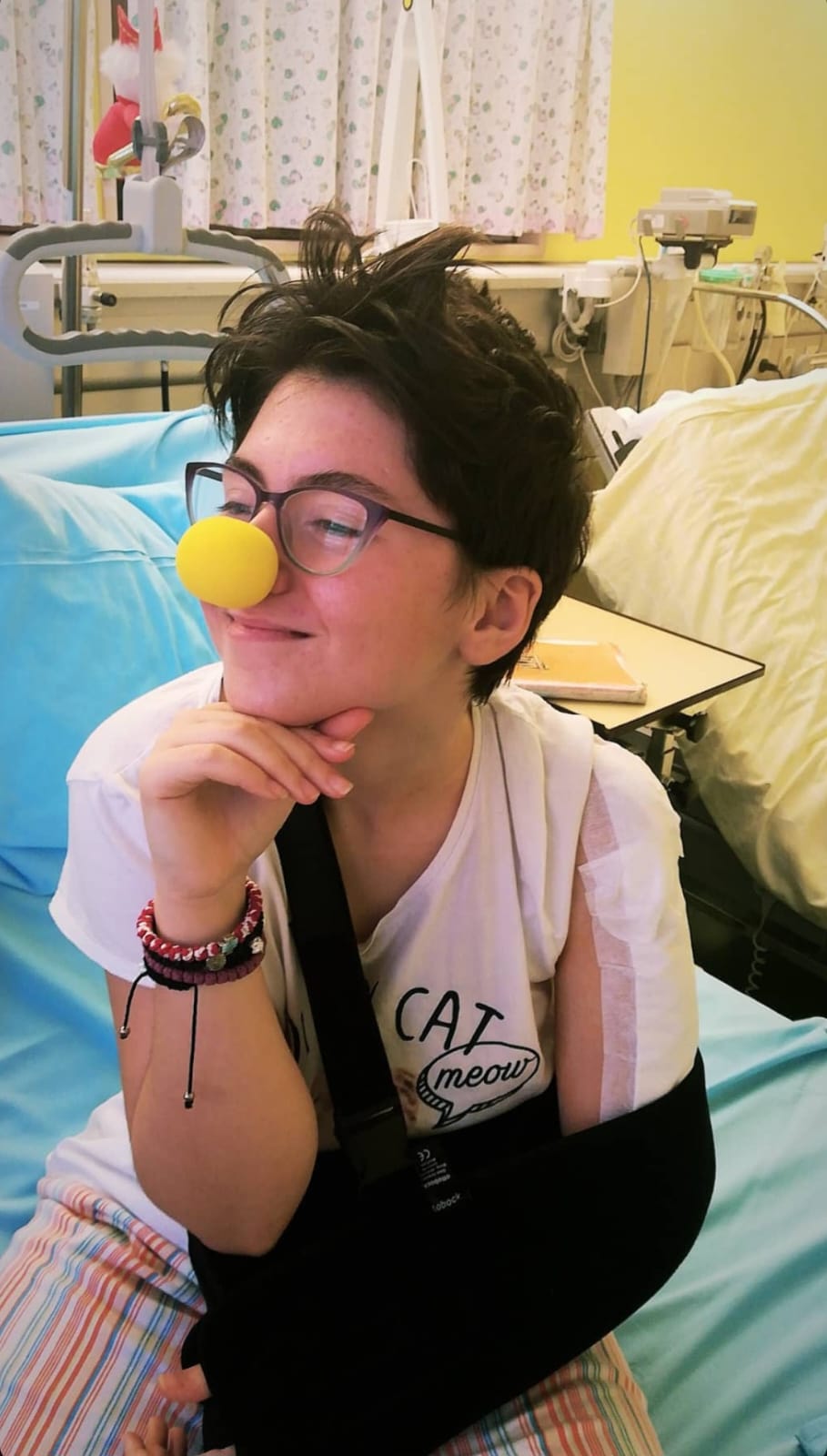
### If you could go back to the day you were diagnosed, what would you say to yourself then?
I would tell little Iva not to worry, and also to stop joking about the diagnosis because people are genuinely worried about her. On a serious note, I think all that information is a lot for a kid whose only concern should be starting high school. She should try to focus on the good things and the amazing new people she’ll meet.
### What is one thing you wish more people understood about being a young cancer survivor?
People should realize that young cancer survivors are still just young people trying to live their lives like everyone else. Some of us don’t like to talk about our experiences because it makes people see us differently, as fragile.
### How do you like to spend your free time?
Besides going out with friends and making my parents worry about whether I’ll show up on time, I love reading and hiking. I try to be more active in the community and recently started volunteering.
### If you could learn something new instantly, what would you want a crash course in?
I would love to learn to play an instrument. A friend of mine tried to teach me to play the guitar but after 20 min the only thing I learned was how to annoy her.
### Do you have a life motto? What quote or saying inspires you the most?
There is a saying in my language that translates to “It would scare a bear, but not me.” I changed it to “It would scare a bear, and me twice as much.” It started as a funny thing to say, but now it reminds me that fear is normal and that I should push through it.
### What’s on your bucket list? Is there something you’re dreaming of doing or accomplishing?
This year I started traveling, and I hope to continue seeing different places, meeting new people, and experiencing other cultures. I’m also planning to go to a Formula One race, which has been a big item on my bucket list for a long time.

### What personal goal are you working towards next?
My next goal is to finish my degree. I am starting my final year of my undergraduate degree in bioengineering and I hope to finish it on time.
### How do you cope when things get tough?
I try to think about the good things in life, happy memories, and genuine people. After a short meltdown, I focus on finding solutions to make the situation better. I write down a plan and try to check off every box.
### What app do you use the most on your phone?
Like everyone else, I can’t stop scrolling through Instagram, but recently I’ve become obsessed with the Health app and the step counter, and I’m trying to be more active day by day.
### What’s a book, movie, or song you'd recommend to everyone?
When I learned my diagnosis I started watching and reading all the hospital rom-coms for some kind of comfort and the book Five feet apart always made me smile.
---
# Karen Dowling on Celebrating Precious Life and Lifting Others Up
URL: https://beatcancer.eu/resources/cervical-and-breast-cancer-survivorship-story/ | Topic: Survivorship | Published: 2024-11-22 | Updated: 2026-08-18
In this interview, Karen Dowling opens up about her experience through two cancer diagnoses, reminding us all just how precious life truly is. She shares her ups and downs with raw honesty, highlighting the importance of community and connection for anyone facing tough times
### Can you introduce yourself?
My name is Karen Dowling, I’m 37 and from Limerick in Ireland.
### What was your diagnosis?
In 2010 I was diagnosed with Cervical cancer, and in 2022 I was diagnosed with triple negative Breast cancer, I also found out in 2023 that I carry the BRCA1 genetic mutation.
### When did you first learn about your diagnosis?
From 2008-2010, I was having irregular menstrual cycles, abdominal and lower back pain and I had been for a number of tests before finding out in Oct 2010.
In Oct 2022 I found a lump in my breast while doing a check and I got diagnosed in December 2022.

### What motivated you to become a part of EU-CAYAS-NET, and what does it mean to you?
I was eager to meet other young people who had been through diagnoses themselves to know I wasn’t alone in some of the after effects that I am going through. Since my first diagnosis in 2010 I wanted to help make changes to either prevent cancer through promotion, to be an advocate for other people affected by cancer or else to make a part of the cancer journey easier and a smoother process for others. I am now an [adolescent psychotherapist](https://www.instagram.com/karen_louise_therapies/) too and so I want to help change some of the services available with mental health in regards to cancer diagnoses as this can be often ignored or thought of as a luxury treatment.

### What helped you during the treatment process?
My 3 dogs; always happy to see me, not caring how sick I looked or how little hair I had. Always at my heels and up for a cuddle. Always forgiving when they couldn’t be walked and always grateful for whatever energy I had for them. Chick flick/ Rom com movies (same few favourites repeated); they were always on in the background when I was in treatment or unwell and provided a distraction when it was badly needed.
### How has your life shifted since your diagnosis?
My life has changed hugely, through both diagnoses. After my first diagnosis when I was 23, I wanted to be in a helping profession, it changed my course of life. I went out and partied a lot, I was worried that I wasn’t going to be around to enjoy life. This lasted a few years and I settled down, still enjoying life but I pursued my new career after travelling and enjoying myself a bit too much ;)
Then when I got diagnosed in 2022, it was a lot harder. There was a lot of treatment for cancer and with the BRCA1 diagnoses there were a lot of surgeries afterwards. I now have lots of risk for different types of cancer in the future and so my lifestyle has changed. I am in surgical menopause, I have regular screenings for 4-5 different types of cancer. Just a lot of anxiety. However, I have been enjoying my life to the MAX in a much healthier way. Spending time with the people that mean the most to me, my dogs, travelling and my career. I have a completely different outlook on life. Stress is kept at an all time low. I like to be around people who give me energy and me right back at them.
### If you could go back to the day you were diagnosed, what would you say to yourself then?
You will be OK. One day at a time. Time is precious so enjoy the small wins too 🙂
### What is one thing you wish more people understood about being a young cancer survivor?
I wish that people understood that for most people the illness doesn’t end once there is no evidence of disease (N.E.D). That there can be effects that last months, years or even a lifetime in all areas of health; physical and emotional. I wish they realised that life does not go “back to normal” after a cancer diagnosis, no matter how hard you try.
### How do you like to spend your free time?
Watching or playing sports. Most recently I’ve been playing tennis when my body allows. I spend most of my free time with my husband and dogs. I love our family. Going for walks and being out in nature is my favourite, especially by the sea. I love hanging out with my childhood best friend, reminiscing and enjoying our lives! Going to concerts and raves too.

### Do you have a life motto?
Your time is precious!
### What’s been the hardest lesson for you to learn?
Life is hard and not always fair.
### What’s a book, movie, or song you'd recommend to everyone?
I would recommend listening to EDM (Electronic dance music). It feels good, upbeat, energetic and recent research has shown that EDM as a genre can help improve mental health. I certainly think it’s emotion provoking music.
### What’s one thing everyone should know about you?
I am a proud feminist!! Personally, I have decided to fully embrace my changed body. I’m a double flattie 🙂 It has been a journey but I feel authentic and ME! I hate societal norms and I realised how harmful some of them can be over the last few years.
---
# Kindness as a Language: A Conversation with Iva Korović
URL: https://beatcancer.eu/resources/histiocytosis-survivor-iva-korovic/ | Topic: Survivorship | Published: 2024-03-15 | Updated: 2026-08-18
Meet Iva Korović, a 21-year-old from Montenegro. This interview dives into Iva’s experience living with and beyond histiocytosis on the bones of the skull, from facing challenges head-on to using kindness as her superpower.
### What is your name? How old are you? Where are you from?
My name is Iva Korović, I am 21 years old and I am from Montenegro.
### What’s your diagnosis?
Histiocytosis on the bones of the skull.
### How and when did you find out about your diagnosis?
The first time I was 4 years old, and I [relapsed](https://beatcancer.eu/resources/how-to-cope-with-the-fear-of-relapse-living-beyond-the-shadow/) at around 7 years old.
### What has the cancer experience taught you?
Most of all it taught me patience and faith.
### What helped you the most during the treatment process?
Knowing that I have a family that is eagerly waiting for me to return home.
### What has changed in your life since your cancer diagnosis?
Apart from the array of post-chemotherapy health issues that followed as its consequences, I became a lot more persistent, confident, and courageous. My view on life as a whole completely shifted.
### What would you like to accomplish within EU-CAYAS-NET?
I would love to spread the word on what we are doing globally, starting from my origins – the Balkan region, specifically Montenegro, as well as include more cancer survivors in this program.
### What are your achievements to date (formal or informal, education or hobby)?
International education, leading multiple projects, inter-regional engagement on reconciliatory issues in the Balkans, working and lecturing in human rights matters as well as the entirety of my 10-year-long cancer journey.

---
# Kyriakos Stenos: Exploring the World and Living Fully
URL: https://beatcancer.eu/resources/young-leukemia-survivor-from-greece/ | Topic: Survivorship | Published: 2024-12-06 | Updated: 2026-08-18
Meet Kyriakos Stenos, a 27-year-old from Athens who opens up about how cancer changed his view on time, making him value every single moment and laugh whenever he can. He talks about his love for adventure, connecting with others, and how he’s now part of a community that supports young survivors across Europe.
### Can you introduce yourself?
Aloha! I’m Kyriakos Stenos, I’m 27 years old and I live in Athens, Greece.
### What was your diagnosis?
I was diagnosed with leukemia at the age of 13.
### When did you first learn about your diagnosis? Can you tell us how and when you found out?
My parents immediately told me that I had leukemia but I didn’t know it was cancer until 2 years later in a random conversation. When I realized it was cancer, I said “OMG I beat cancer?”
### What motivated you to become a part of EU-CAYAS-NET, and what does it mean to you?
I wanted to be a part of EU-CAYAS because I wanted to meet and connect with survivors from all around Europe. My goal is to inspire more cancer survivors in Greece to take care of their health, both mental and physical and become a part of a bigger community.
### How has cancer changed your perspective on life? What’s the most important lesson you've learned from your experience?
The most important thing cancer has taught me is to enjoy the time that I spend. My time on Earth is limited and I really don’t want to regret how I spend it. Also, I think humor has saved my life so it’s a big part of my everyday life. I want to smile a lot.
### How has your life shifted since your diagnosis?
My life and the way I see things are still changing. I keep the focus more on the way I spend my time. Big or small, things change as long as I meet new survivors and hear their perspective in life.
### If you could go back to the day you were diagnosed, what would you say to yourself then?
I would wink and say “It’s gonna be alright, you’ll see”. I would also say this to mom.
### How would you describe yourself in three sentences? Give us a quick glimpse of who you are.
I am a human being that wants to enjoy my limited time on this Earth. I want to see as much of Earth as I can and connect with people from all around. There is no better thing than having a beloved friend in every corner of the Earth. Hopefully, I will leave this world a better place.
###
### 13 year old leukemia survivorHow do you like to spend your free time?
My favorite thing is going for a small hike or to a place with a view of Athens. Where I live, I have access to a lot of places with a nice view to see the sunset/rise.
### Do you have a life motto? What quote or saying inspires you the most?
We are not what life does to us. We are what we do, with what life does to us.
### What’s on your bucket list? Is there something you’re dreaming of doing or accomplishing?
I just visited my dream destination, Hawai'i. I’m at this point in my life where I feel capable of doing the things that I dream of.
### What keeps you motivated every day?
I try to live my life fully and end up fully tired at my bed. That’s when I know I have actually lived life. I know that time passes and I want to know when I grow up that I lived a full life.

### What are you most grateful for? What or who in your life makes you feel thankful?
I have put a lot of effort into myself, to become the person I want to be. I try to challenge myself, to make me go the extra mile and not settle. That helps me grow and it’s the thing I’m grateful for, because it brought me closer to my friends and to actually live the life that I want.
### What’s a book, movie, or song you'd recommend to everyone? Tell us why it’s a must!
The Lord of the Rings. You all know why.
---
# Lead the Change: Join the Youth Cancer Council
URL: https://beatcancer.eu/resources/youth-cancer-council/ | Topic: Survivorship | Published: 2025-07-28 | Updated: 2026-08-18
###
### [**Apply Now**](https://forms.gle/wWNGVhFRhpMKKNQm9)
The **Youth Cancer Council** is a bold, youth-led platform bringing together 100 young people across Europe who have lived experience of cancer and were diagnosed either in **childhood, adolescence, or as young adults**. Through the Council, you’ll have the chance to shape real change by influencing cancer policies, services, and support systems that impact **young people across Europe**.
This isn’t a one-off consultation. It’s a space for long-term involvement, real co-creation, and making sure that young people’s needs and ideas are heard where it matters most.
Whether you’re passionate about improving cancer care, want to meet others who understand what you’ve been through, or are simply curious about how your voice can drive change, this is your invitation to step in.
### **About YARN**
Just as yarn is made of individual threads woven together, the **European Youth Cancer Network (YARN)**unites the diverse voices, stories, and strengths of young people affected by cancer across Europe. YARN enhances social networking and peer support, improves access to psychosocial care, supports those facing relapse or long-term effects, and trains the next generation of patient advocates. The project promotes equality, diversity, and inclusion (EDI) in healthcare and will reach millions across Europe through campaigns, educational resources, and a strong community of empowered youth.
### **What You’ll Gain**
As a Youth Cancer Council member, you will:
* Join a diverse group of young people shaping a major European project for young people with cancer
* Participate in online meetings, co-creation sessions, and advocacy activities
* Access mentoring, training, and leadership opportunities
* Take part in local and international events, with travel costs covered where applicable
* Be recognised for your contributions in shaping meaningful tools, resources, and recommendations
### **What We’re Looking For**
We’re looking for young people aged **18–39**, from all across Europe, who:
* Have lived experience of cancer (diagnosed in childhood, adolescence, or young adulthood)
* Can contribute in **English** (reading materials, reviewing documents, giving feedback)
* Can commit to at least **six online or in-person activities** over the 3-year project
* Are ready to share honest perspectives and help improve cancer care for others
**We’re especially encouraging applications from underrepresented communities and those who have faced barriers to care or inclusion.**
### [**Submit You Expression of Interest Here**](https://forms.gle/wWNGVhFRhpMKKNQm9)
---
# Legal Rights for Cancer Patients: Protecting Access to Care, Employment, and Benefits
URL: https://beatcancer.eu/resources/legal-rights-for-cancer-patients/ | Topic: Policy | Published: 2025-04-20 | Updated: 2026-08-18
A cancer diagnosis can turn your life upside down, but it’s crucial to know you have legal rights that protect you during this challenging time. Whether it’s accessing proper healthcare, maintaining your job, or securing disability benefits, these rights are designed to ensure you’re treated fairly and with dignity.
You might face obstacles like workplace discrimination, denied insurance claims, or financial burdens, but understanding your rights empowers you to navigate these challenges. From federal laws like the Americans with Disabilities Act (ADA) to state-specific protections, there are resources to help you advocate for yourself and your needs.
Knowing your legal rights isn’t just about awareness—it’s about taking control of your journey. By understanding these protections, you can focus on your health and well-being without unnecessary stress.
## Key Takeaways
* **Workplace Protections**:
+ **U.S.:** The **ADA** prohibits workplace discrimination, and **FMLA** provides up to **12 weeks of unpaid leave** for medical treatment.
+ **Europe:** The **EU Equal Treatment Directive** ensures non-discrimination, with national laws offering paid sick leave and workplace accommodations.
* **Health Insurance Coverage**:
+ **U.S.:** The **ACA** guarantees coverage for cancer patients, prevents denial based on pre-existing conditions, and allows COBRA continuation coverage.
+ **Europe:** **Universal healthcare** ensures treatment access, supplemented by **private insurance** in some countries.
* **Disability Benefits and Financial Assistance**:
+ **U.S.:** Patients may qualify for **SSDI** or **SSI**, with fast-tracked processing for severe cancers.
+ **Europe:** **State-funded disability benefits** and financial aid programs vary by country, supporting patients unable to work.
* **Access to Second Opinions & Clinical Trials**:
+ **U.S.:** The **ACA** mandates coverage for second opinions and routine clinical trial costs.
+ **Europe:** **Public healthcare systems** allow **free second opinions** and access to EU-regulated **clinical trials**.
* **Legal Advocacy & Resources**:
+ **U.S.:** Organizations like **CLRC**, **EEOC**, and **Patient Advocate Foundation** help patients navigate legal and financial challenges.
+ **Europe:** **EU Disability Forum** and national cancer organizations provide legal guidance and patient support.
* **Importance of Knowing Your Rights**:
+ Understanding **workplace rights, insurance coverage, and financial benefits** helps cancer patients reduce stress and focus on recovery.
+ Advocacy groups offer legal support against **discrimination, denied claims, and employment challenges**.
## Understanding Legal Rights for Cancer Patients
Cancer patients possess specific legal protections aimed at ensuring access to healthcare, workplace security, and anti-discrimination measures. These protections vary between the U.S. and European countries, governed by federal, national, and EU-wide laws designed to support health and well-being.
---
## Workplace Protections: U.S. vs. Europe
### **United States: Workplace Protections Under ADA and FMLA**
The **Americans with Disabilities Act (ADA)** prohibits workplace discrimination based on disability, including cancer diagnoses. Employers with **15 or more employees** must provide reasonable accommodations like flexible work hours or medical leave unless it causes undue hardship.
The **Family and Medical Leave Act (FMLA)** grants eligible employees up to **12 weeks of unpaid, job-protected leave** annually for medical treatment or caregiving. This applies to public agencies, schools, and private employers with **50 or more employees**. To qualify, employees must have worked for their employer for **at least 12 months** and completed **1,250 work hours**.
### **Europe: Workplace Protections Under EU and National Laws**
European laws also ensure employment protection for cancer patients. The **European Equal Treatment Directive (2000/78/EC)** prohibits workplace discrimination based on disability, requiring reasonable accommodations to help affected employees remain at work.
Individual **EU member states** implement these protections through national labor laws. For example:
* **United Kingdom**: Under the **Equality Act 2010**, cancer is legally classified as a disability, meaning employees cannot be discriminated against and are entitled to reasonable workplace adjustments.
* **Germany**: The **General Equal Treatment Act (AGG)** protects against discrimination and allows for workplace accommodations, while statutory sick leave benefits ensure income continuity.
* **France**: Employees are protected under the **Code du Travail**, which requires companies to adapt working conditions and offer long-term sick leave options.
* **Spain**: The **Workers’ Statute** and disability laws ensure job protection and access to flexible work arrangements.
Employees across the EU may also benefit from **paid sick leave** and **disability pensions**, depending on their country’s regulations.
---
## Health Insurance Coverage Rights: U.S. vs. Europe
### **United States: Insurance Rights Under ACA**
The **Affordable Care Act (ACA)** prevents insurers from denying coverage based on pre-existing conditions like cancer. It also sets limits on **out-of-pocket costs** and provides **essential health benefits** such as hospital stays, prescription medications, and preventive services.
COBRA (**Consolidated Omnibus Budget Reconciliation Act**) allows individuals to **continue their employer-sponsored health insurance** after job loss, ensuring ongoing coverage during treatment.
### **Europe: Universal Healthcare and Private Insurance Protections**
Most European countries have **universal healthcare systems**, ensuring that cancer patients receive necessary treatment regardless of employment status. While healthcare systems differ, EU citizens have access to essential care through:
* **National Health Services (e.g., NHS in the UK, France’s Assurance Maladie, Germany’s GKV)**
* **EU Cross-Border Healthcare Directive**, allowing patients to seek treatment in other EU countries if better options are available.
* **Private health insurance protections**, which supplement public healthcare, particularly in countries like Germany and the Netherlands.
Cancer patients in **Europe generally do not face the risk of losing coverage due to job loss**, unlike in the U.S. However, additional private insurance may be required for certain treatments or faster access to specialists.
---
## Disability Benefits and Financial Assistance: U.S. vs. Europe
### **United States: Access to SSDI and SSI**
Social Security offers two main programs:
* **Social Security Disability Insurance (SSDI)**: Provides benefits based on work history.
* **Supplemental Security Income (SSI)**: Supports individuals with limited income and resources.
The **Compassionate Allowances Program** fast-tracks claims for aggressive cancers.
### **Europe: Disability Benefits and Social Support**
Most EU countries provide **state-funded disability benefits** for cancer patients who cannot work. Examples include:
* **United Kingdom**: **Personal Independence Payment (PIP)** and **Employment and Support Allowance (ESA)**.
* **Germany**: **Disability pensions** under the statutory pension system.
* **France**: **Allocation aux Adultes Handicapés (AAH)** for disabled individuals unable to work.
* **Spain**: **Incapacidad Permanente (permanent disability benefit)**.
Financial assistance programs also cover travel costs, prescriptions, and rehabilitation services in many European nations.
---
## Patient Advocacy and Access to Care
### **Right to a Second Opinion**
* **U.S.**: The **ACA requires most insurance plans to cover second opinions**.
* **Europe**: Many national health systems allow **second opinions at no extra cost** under universal healthcare policies.
### **Access to Clinical Trials**
* **U.S.**: The **ACA mandates that most insurance plans cover routine care costs** associated with clinical trials.
* **Europe**: The **EU Clinical Trials Regulation (536/2014)** ensures that patients have access to **safe and ethical** clinical research options.
---
## Legal Advocacy and Resources
Cancer patients in both the U.S. and Europe can access legal and advocacy resources for workplace discrimination, insurance disputes, and disability benefits.
### **United States**:
* **Cancer Legal Resource Center (CLRC)**: Free legal information on workplace rights and insurance.
* **Equal Employment Opportunity Commission (EEOC)**: Handles workplace discrimination claims.
* **Patient Advocate Foundation**: Assists with medical access and financial aid.
### **Europe**:
* **EU Disability Forum**: Advocates for disability rights and protections.
* **National cancer organizations** (e.g., Macmillan UK, Ligue Contre le Cancer in France, Deutsche Krebshilfe in Germany).
* **National health insurance bodies** that provide information on coverage rights.
---
## Conclusion
Understanding your legal rights as a cancer patient in the U.S. or Europe empowers you to navigate challenges with confidence. By leveraging national and regional protections, you can safeguard your **employment, access necessary healthcare, and secure financial support** during treatment.
Take advantage of **legal advocacy organizations and patient support groups** to ensure your rights are upheld. Whether dealing with **workplace accommodations, insurance disputes, or disability benefits**, knowing your options reduces stress and improves your quality of life.
---
## Frequently Asked Questions
**Are cancer patients protected against workplace discrimination?**
* **U.S.:** Yes, under the **ADA and FMLA**.
* **Europe:** Yes, under **EU labor laws and national disability acts**.
**Can cancer patients be denied health insurance coverage?**
* **U.S.:** No, under the **ACA**.
* **Europe:** No, due to **universal healthcare and patient rights**.
**Do insurance plans cover second medical opinions for cancer treatment?**
* **U.S.:** Yes, under the **ACA**.
* **Europe:** Yes, in most **public healthcare systems**.
**How can cancer patients maintain health insurance during job loss?**
* **U.S.:** Through **COBRA continuation coverage**.
* **Europe:** Universal healthcare ensures continuous access to treatment.
**Why is advocating for legal rights important for cancer patients?** Understanding these rights **protects against discrimination, ensures financial stability, and guarantees access to medical care**. Patients in both the **U.S. and Europe** should seek legal assistance and advocacy resources to uphold their rights effectively.
---
# Leukemia Rash, Petechiae, and Bruising: What Skin Signs Actually Mean
URL: https://beatcancer.eu/resources/leukemia-rash-petechiae-and-bruising-what-skin-signs-actually-mean/ | Topic: Late Effects of Treament | Published: 2026-04-30 | Updated: 2026-08-28
> **Key Takeaways**
>
> - **Petechiae** are tiny, flat, pinpoint red, purple, or brown spots caused by bleeding from broken capillaries under the skin. They can be a sign of leukemia, but far more often they are caused by something harmless.
> - The most useful at-home clue is the **press test**: real petechiae do not fade when you press on them, while most ordinary rashes turn pale.
> - **Easy or unexplained bruising** that shows up alongside petechiae can point to a low platelet count, the same mechanism behind leukemia-related skin signs.
> - **Leukemia cutis** is a rare, separate skin involvement that looks like raised bumps or plaques, not flat spots.
> - No skin sign on its own can confirm leukemia. A simple, fast, inexpensive **complete blood count (CBC)** is what actually answers the question.
> - Spots that come with fever, a stiff neck, confusion, or rapid spreading are a medical emergency. Don't wait, get urgent care.
If you're reading this, there's a good chance you just noticed something on your skin and your stomach dropped. A spray of tiny red dots on your shin. A bruise on your arm you can't explain. A rash that wasn't there yesterday. And then you typed "leukemia petechiae" into a search bar and your heart started racing.
First, take a breath. We've talked with a lot of frightened people who landed on exactly this kind of search, and here's the honest truth up front: the overwhelming majority of people who notice petechiae do not have leukemia. These spots have many causes, most of them minor.
That said, your instinct to look into it isn't wrong. Skin changes can be an early clue that something in your blood needs attention. So let's walk through this calmly and clearly: what these marks actually are, how to tell them apart from ordinary skin stuff, what bruising really means, and the one concrete step that turns anxious guessing into a real answer.

## Why leukemia can show up on the skin
To understand why a blood cancer would ever announce itself on your skin, it helps to know what leukemia does inside your body.
Leukemia starts in the bone marrow, the soft factory inside your bones that produces blood cells. In leukemia, that factory begins churning out abnormal white blood cells. These crowd out the healthy cells your body actually needs, including your **platelets**, the tiny cell fragments responsible for clotting.
Here's the key connection. When your platelet count drops, even the tiniest blood vessels can't seal themselves properly. A normal platelet count sits somewhere around 150,000 to 450,000 per microliter of blood. When it falls well below that, microscopic capillaries leak a little blood under the skin, and that's what you see as spots or bruises.
So the important point is this: leukemia skin symptoms like petechiae are usually an indirect sign. The cancer isn't growing in your skin. It's that low platelets, caused by the marrow being overwhelmed, leave your blood vessels unable to hold the line. Leukemia cutis, which we'll get to, is the rare exception where leukemia cells do involve the skin directly.
## What petechiae are (and what they look like)
Petechiae (pronounced puh-TEE-kee-ee, from an old Italian word for a small freckle) are tiny pinpoint spots of bleeding under the skin. People search for them under all kinds of names — "leukemia tiny red spots on skin," "leukemia spots," "leukemia red spots" — but they're all describing the same thing.
A few features define them. They're small, usually under two millimeters across, about the size of a pinhead. They're flat, not raised, so if you run a finger over them you won't feel any bumps. They're painless and they don't itch. And they tend to appear in clusters rather than as a single dot.
You'll most often find petechiae on the lower legs and arms, where blood naturally pools, as well as on the trunk. Less commonly they turn up in unexpected places like the eyelids or inside the mouth. As they fade, they often shift in color from bright red toward brown before disappearing.
### What petechiae look like on different skin tones
Here's something most articles skip entirely, and it matters. Petechiae don't look the same on every skin tone.
On lighter skin, they typically show up as bright red or purple dots that are fairly easy to spot. On Black and brown skin, they often look darker, more purplish or brown, and they can blend in enough that you might miss them at a glance.
If you have deeper skin and you're not sure, check the paler areas of your body where they're easier to see, like the inner forearm, the palms, or the skin just under and around your eyes. Use bright, natural light. The spots are still there; they just need a little more care to find.
## Leukemia petechiae vs. other causes of red spots
Now for the reassuring part, because this is where most worried searches deserve a softer landing.
Petechiae have a long list of causes that have nothing to do with cancer. Straining hard from violent coughing, vomiting, or even heavy weightlifting can pop tiny vessels in the face and chest. Intense exercise can do it. Plenty of medications can too, including blood thinners and some antibiotics. Infections like strep throat or Rocky Mountain spotted fever cause them. So does a vitamin C deficiency. Even crying or childbirth can leave petechiae around the eyes.
So how do you start to tell the difference between petechiae and an ordinary rash? Use the **press test**, the single most useful thing you can do at home.
Press a finger firmly over the spots, or press a clear drinking glass against them and look through the glass. With a normal rash, the skin blanches, meaning it turns pale or white under the pressure. With true petechiae, the spots stay red, purple, or brown because the blood has already leaked out of the vessels and into the surrounding tissue. A non-blanching rash is the kind worth taking seriously.
### Comparison: petechiae vs. common look-alikes
Here's a quick way to place what you're seeing:
| Skin sign | Blanches? | Size | Raised or flat? | Itchy? | Usual urgency |
| --- | --- | --- | --- | --- | --- |
| **Petechiae** | No | Under 2 mm (pinpoint) | Flat | No | Get checked, especially if spreading |
| **Purpura** | No | 4–10 mm (larger) | Flat | No | Get checked |
| **Cherry angioma** | Slightly / no | 1–5 mm | Slightly raised | No | Harmless, common with age |
| **Heat rash** | Yes | Tiny bumps | Raised | Often | Harmless, self-resolving |
| **Eczema / psoriasis** | Yes (often) | Patches | Raised, scaly | Usually | Manage with a doctor, not urgent |
The pattern to remember: flat plus non-blanching points toward petechiae or purpura, which are worth a doctor's look. Raised, itchy, and blanching usually points to an ordinary skin condition.
## When red spots are an emergency
> **Get emergency care now** if you have a non-blanching rash plus any of these: a fever, a severe headache, a stiff neck, confusion, drowsiness, or spots that are spreading quickly across your body.
This combination can signal [**meningococcal infection**](https://medlineplus.gov/meningococcaldisease.html) or [**sepsis**](https://medlineplus.gov/sepsis.html), which are life-threatening and move fast. This is completely different from the slow, painless petechiae more typical of a gradually dropping platelet count.
If you're ever unsure, treat it as urgent. A doctor would much rather see you for a rash that turns out to be nothing than have you wait at home with the one presentation that can't afford a delay. When in doubt, go in.
## Leukemia cutis: the rare skin form of leukemia
Earlier I mentioned an exception, and this is it. **Leukemia cutis** is a genuinely different thing from petechiae.
With leukemia cutis, actual leukemia cells move into and infiltrate the skin. So instead of flat, pinpoint spots of bleeding, you see raised bumps, firm nodules, or thickened plaques. They can look pink, red, purple, or brownish. This is the cancer involving the skin directly, not a clotting problem.
The reassuring context: leukemia cutis is uncommon, occurring in roughly 5 to 10 percent of people with leukemia, and it almost never shows up alone. It's typically accompanied by other clear, systemic signs of illness. A few other rare leukemia-associated skin conditions exist too, such as Sweet syndrome (tender red bumps, sometimes with fever) and chloroma (a localized greenish lump). You don't need to memorize these. The takeaway is simply that raised, persistent skin growths are a different category from flat petechiae, and either way the answer comes from a doctor, not a mirror.
## Easy bruising and leukemia: when to worry
Bruising shows up in nearly every anxious search alongside petechiae, and for good reason. They share the same root cause. In fact, you can think of petechiae as tiny micro-bruises. Both happen when low platelets let blood escape into the skin. Larger leaks make bruises; pinpoint leaks make petechiae.
So when is bruising normal, and when is it worth a second look? Most bruising is completely ordinary. If you can remember the bump, it's on a typical spot like a shin or forearm, and it fades through the usual green-and-yellow stages over a week or two, that's your body working exactly as it should.
What raises an eyebrow is bruising that doesn't fit that story: bruises you can't explain, in unusual places like your back, abdomen, or chest, that are unusually large, or that keep appearing for no reason. And crucially, it's the combination that matters most. A bruise on its own is rarely alarming. Bruising plus petechiae plus other symptoms is the pattern worth acting on.
### Normal vs. concerning bruising
| ✓ Usually nothing to worry about | ✗ Worth getting checked |
| --- | --- |
| You remember the knock or injury | No memory of any injury |
| On shins, knees, forearms | On your back, chest, or abdomen |
| Fades normally over 1–2 weeks | Lingers, recurs, or keeps appearing |
| One or two at a time | Frequent or in clusters |
| No other symptoms | Comes with fatigue, fever, petechiae, bleeding gums, or frequent nosebleeds |
If your bruising lives mostly in the right-hand column, that's your cue to book a blood test, not to panic, just to check.
## 
## How to recognize leukemia bruises
Leukemia-related bruises have recurring features that set them apart from everyday ones: they appear **without a remembered knock** or after minimal contact, they are **numerous and in unusual places** (trunk, back, face — not just shins and knees), they take **more than two weeks** to fade, and they often show up **together with petechiae** or bleeding gums and nosebleeds. The mechanism is the same as for the tiny red dots: a low platelet count weakening normal clotting.
Bruises on the legs are common and almost always harmless, because that is where we bump into things most. They become suspicious only when they are out of proportion to the knock, keep growing in number, or come with the other signs described above. When in doubt, a simple full blood count is enough to clarify things.
## Blood cancer rash — what patients actually describe
When people first notice these changes, they almost never use medical words. They describe a "blood cancer rash" or "cancer bruises" in the language of real life, and recognizing those descriptions can help you figure out where you fall.
People say things like "tiny red dots that won't go away," "a rash that comes and goes on my arms and torso," or "spots that look like freckles, or little blood blisters." Some describe them appearing on the legs and feet; others notice them turning up in odd, scattered patterns.
Here's the comforting reality in those descriptions: a rash that comes and goes, that itches, or that you can clearly tie to a new soap, plant, or fabric is far more likely to be an everyday skin issue than a sign of leukemia. Leukemia-related petechiae tend to be persistent, painless, non-itchy, and non-blanching, and they usually arrive with company — other symptoms like unusual fatigue, frequent infections, or easy bruising. If you want to read how early symptoms actually unfolded for one young leukemia survivor, hearing a real person's experience can be grounding when your own imagination is running ahead of the facts.
## Self-check: is this concerning enough to call the doctor?
Let's turn all of this into something you can actually do right now, instead of refreshing search results at 2 a.m. Walk through this short checklist:
- **Do the spots blanch?** Press on them. If they fade, that's reassuring. If they stay colored, note it.
- **Are they spreading?** Spots that are multiplying or moving across your body deserve attention.
- **Do you feel unwell?** Any fever, chills, or that bone-deep "something is off" feeling?
- **Any other signs?** Unexplained bruising, unusual tiredness, frequent infections, bleeding gums, or nosebleeds?
- **How long have they lasted?** A single cluster that's already fading is very different from spots persisting or recurring over days.
If you answered "yes" to the press test staying colored plus any of items 2 through 5, that's a clear signal to get a blood test. Not an emergency in most cases, just a sensible, timely doctor's visit.
### What to do — and what not to do — right now
| ✓ Do | ✗ Don't |
| --- | --- |
| Photograph the spots and note today's date | Scrub the area or apply harsh products |
| Circle the edges with a pen to track spreading | Self-diagnose by matching internet photos |
| Write down any other symptoms you notice | Panic over a single small, fading cluster |
| Book a GP appointment and ask for a CBC | Assume the worst before any testing |
| Go to the ER if fever or stiff neck appear | Ignore spots that spread, recur, or won't fade |
This is the calm middle path: take it seriously enough to document and act, but not so seriously that fear makes the decision for you.
Warning signs are not only on the skin. In our EU-CAYAS-NET community, [Iris — diagnosed with leukemia at age 10 — recalls](/resources/from-leukemia-to-medical-inspiration-iriss-journey-of-resilience-and-hope/) that her first signals were unusual tiredness and weight loss; it was a check-up with the family doctor that revealed the cause.
## What blood tests can confirm or rule out
Everything in this article has been building toward one practical step, and it's a genuinely easy one.
The single most informative first test is a **complete blood count (CBC)**. It's quick, inexpensive, available at virtually any clinic, and it's often the only test you'll need to feel reassured. A CBC measures your platelet count, your red blood cells, and your white blood cells — the exact numbers that would be off if low platelets were behind your skin signs.
If your CBC comes back normal, that's powerful reassurance, and it's the most common outcome by far. If something looks off, your doctor has clear next steps. Those might include a peripheral blood smear, where a lab examines your cells under a microscope, and in some cases a bone marrow biopsy. But please hold onto this: the vast majority of people who get a CBC for petechiae walk away with a benign explanation.
If you want to understand what those test results mean once you have them, reading up on values like hematocrit and platelet counts can help you have a more confident conversation with your doctor. Knowledge tends to quiet anxiety better than avoidance does.
Each key value on the blood count report has its own entry in our dictionary: what [platelets](/cancer-dictionary/platelets/) do and why a low count matters, what high or low [white blood cells](/cancer-dictionary/white-blood-cell/) mean, what a low [hematocrit](/cancer-dictionary/hematocrit/) indicates, and when doctors speak of [anemia](/cancer-dictionary/anemia/). If you already have a report in front of you, our [guide to understanding blood test results](/tools/blood-test-results/) compares each value with your lab's reference range. For the full clinical picture of leukemia itself, see the US National Cancer Institute's [leukemia overview](https://www.cancer.gov/types/leukemia).
## Frequently Asked Questions
### Are petechiae always a sign of leukemia?
No. Petechiae have many causes, including straining, infections, medications, and vitamin C deficiency. Leukemia is one of the less common reasons, and only a doctor with a blood test can determine the actual cause in your case.
### Do leukemia petechiae itch?
Generally not. Petechiae linked to low platelets are typically flat and painless, and they don't itch. An itchy rash is more likely an ordinary skin condition like eczema, hives, or contact dermatitis.
### Where do leukemia spots usually appear?
Most often on the lower legs, arms, and trunk, where blood tends to pool. Less commonly they appear on the eyelids or inside the mouth. They tend to show up in clusters rather than as a single dot.
### Can children get petechiae from leukemia?
Yes, and petechiae can be an early sign in childhood leukemia. But children also get petechiae from common viral infections and from straining. Any new, unexplained, or spreading petechiae in a child should be checked by a doctor promptly.
### How fast do leukemia petechiae appear?
There's no single timeline. They can appear gradually as platelet counts fall. Persistence matters more than speed — spots that linger or keep returning are more telling than how quickly the first ones showed up.
### Do the spots go away with treatment?
Yes. When the underlying cause is treated and platelet counts recover, petechiae stop forming and the existing spots fade, shifting from red to brown before disappearing.
### How long do leukemia bruises last?
A normal bruise heals within 1–2 weeks, changing color from purple to yellow-green. Bruises linked to leukemia often last longer, do not follow the usual color sequence and, as one fades, new ones appear without a knock to explain them.
### Do leukemia bruises hurt?
Usually not: they come from micro-bleeds caused by low platelets, not from an impact, so they can be completely painless. A painless bruise that appeared out of nowhere is in fact one of the useful details to mention to your doctor.
### Do leukemia bruises go away on their own?
An individual bruise may fade, but as long as the platelet count stays low, new ones will keep forming. They only clear up for good when the cause is treated: recurring, unexplained bruises deserve a blood test, not a wait-and-see approach.
## Conclusion: what to do next
Let's end where we started, with the most important message: noticing petechiae or easy bruising is frightening, but most people who find these signs do not have leukemia. Your skin is sending a signal worth checking, not a verdict.
So here's your clear, calm next step. If your spots don't blanch, keep spreading, recur, or arrive with bruising, fatigue, or feeling unwell, book a CBC with your doctor. If they come on suddenly with a fever, stiff neck, or confusion, treat it as an emergency and go in right away. Otherwise, document what you see and make an ordinary appointment.
That simple blood test is the thing that turns this whole anxious spiral into a real answer — usually a reassuring one, often within a day or two. You don't have to carry the not-knowing. You have a specific, doable action, and that's exactly where worry starts to lose its grip.
If you're looking for people who understand what you're going through, you're welcome to join the [Beat Cancer community](https://beatcancer.eu/community/) — a supportive space where you can connect with others navigating the same emotions, share your experience, and know that you're not carrying this alone.
---
_This article is for educational purposes only and cannot diagnose any individual. Only a qualified clinician and appropriate lab testing can determine what's causing your symptoms. If searching about cancer is weighing heavily on you, it's okay to lean on your doctor or someone you trust while you wait for answers — you don't have to sit with the fear alone._
## Sources
* [Petechiae — MedlinePlus, U.S. National Library of Medicine](https://medlineplus.gov/ency/article/003235.htm)
* [Sepsis — MedlinePlus](https://medlineplus.gov/sepsis.html)
* [Meningococcal Disease — MedlinePlus](https://medlineplus.gov/meningococcaldisease.html)
* [Leukemia — National Cancer Institute](https://www.cancer.gov/types/leukemia)
---
# Leukemia Survival Rate and Life Expectancy: What the Numbers Really Mean
URL: https://beatcancer.eu/resources/leukemia-survival-rate-and-life-expectancy-what-the-numbers-really-mean/ | Published: 2026-07-29 | Updated: 2026-08-17
> **Key Takeaways**
>
> - A leukemia survival rate is a group average built from people diagnosed years ago. It describes a population, not the person reading it.
> - The four main types behave like different diseases. CLL has a five-year survival near 88%, while AML sits around 30%.
> - Age changes everything. Children with ALL survive at rates around 90%, far above older adults with the same label.
> - The published statistics already lag behind reality. Targeted drugs, immunotherapy, and CAR T-cell therapy have moved faster than the data can catch up.
> - Most leukemia is not inherited. A family connection raises risk only slightly in the large majority of cases.
> - Your real prognosis comes from your hematologist, who knows your subtype, your genetics, and how your body responds to the first round of treatment.
If you are reading this in the first day or two after a leukemia diagnosis, I want to say something before we get to any numbers: looking up a leukemia survival rate right now is one of the hardest things a person ever does, and you are doing it while frightened and probably exhausted. That takes a kind of courage most people never have to find. So let's go slowly, and let's be honest, because honesty is more useful to you than false comfort.
Here is the first thing worth knowing. A survival rate is a statistic about thousands of strangers. It is not a prediction about you. By the end of this article you will understand what these numbers actually measure, why they vary so much between types of leukemia, and why the figure you saw a minute ago may already be out of date.
## What leukemia survival statistics actually tell you
Across Europe, five-year relative survival for leukemia has climbed steadily over recent decades, with the largest gains in blood cancers like chronic myeloid leukemia, where new treatments transformed the outlook — yet survival still varies widely by region, from roughly 59% in Northern Europe to about 54% in Southern Europe and around 45% in Eastern Europe ( [European Cancer Information System](https://ecis.jrc.ec.europa.eu/)). Even so, these are population averages that cannot predict any single person's outcome, and they differ enormously by subtype and age: survival for childhood acute lymphoblastic leukemia in Europe now exceeds 90%, while adult acute myeloid leukemia has historically been far lower, around 21–26% across European countries with comparable health spending ([EUROCARE-6, via The Lancet Regional Health – Europe](https://www.thelancet.com/journals/lanepe/article/PIIS2666-7762(25)00295-9/fulltext)).
A survival statistic looks backward, not forward. It tells you how a large group of people who were diagnosed years ago went on to fare. It cannot account for who you are, how your particular leukemia behaves, or what treatment you will receive next month.
We have watched many people read a single percentage and quietly decide it is their sentence. It almost never is. Two people with the same diagnosis on paper can have completely different outcomes, because leukemia is not one disease and no two patients are the same.
### What "five-year relative survival" really measures
The number you will see most often is the five-year relative survival rate. In plain terms, it is the share of people with a given leukemia who are still alive five years after diagnosis, compared with people of the same age who don't have it.
That last part matters. "Relative" survival strips out deaths from unrelated causes, so it isolates the effect of the cancer itself. You may also run into "net survival," which is the term used in the UK and Canada and is calculated slightly differently. That is why a figure from one country won't always match one from the US SEER program, and it's nothing to worry about when you compare sources.
One more thing. "Five-year" is a measuring stick, not a deadline. Doctors picked five years because it's a useful checkpoint, especially for acute leukemias, where being disease-free at that mark often means you are likely cured. It does not mean the clock stops at year five.
### Why today's numbers are already out of date
This is the point almost no one tells you, and it changes how you should read every statistic on this page.
The most current national survival figures come from people diagnosed roughly between 2017 and 2021. Treatment has moved quickly since then. A person diagnosed this week may benefit from drugs and approaches that simply weren't standard when the people behind today's numbers started treatment.
So when you see a leukemia survival rate, picture it with an asterisk: this reflects the past, and the trend has been upward. Your starting line is further ahead than the data suggests.

## Five-year survival rates by leukemia type
If you take one idea from this whole article, make it this: there is no single leukemia survival rate worth memorizing. The four main types respond to treatment so differently that lumping them together hides more than it reveals.
The overall five-year relative survival for leukemia in the US is roughly 65%. But look at how widely the subtypes spread out:
| Leukemia type | 5-year relative survival | Most common in | Worth knowing |
| --- | --- | --- | --- |
| **Chronic lymphocytic leukemia (CLL)** | ~88% | Older adults | Often slow-growing; sometimes monitored before any treatment |
| **Acute lymphocytic leukemia (ALL)** | ~72% overall (~90% in children) | Children, and adults over 50 | Childhood outcomes are among the best in all of oncology |
| **Chronic myeloid leukemia (CML)** | ~70% | Middle-aged and older adults | Transformed by targeted pills; many now live a near-normal lifespan |
| **Acute myeloid leukemia (AML)** | ~30% | Adults over 65 | Most aggressive of the four, but outcomes vary widely by genetics and age |
_Figures are drawn from US SEER data via the American Cancer Society and major cancer centers, based on diagnoses around 2017 to 2021. Read each one with the asterisk from the last section in mind._
### Chronic lymphocytic leukemia (CLL)
CLL has the highest survival of the four, around 88%. It tends to grow slowly, and many people live with it for years feeling well.
Here is something that surprises a lot of newly diagnosed patients. With early CLL, doctors often recommend "watch and wait" rather than immediate treatment, because starting too soon offers no benefit and treatment has side effects. If your hematologist suggests monitoring, it is not neglect. It is the standard of care.
### Acute lymphocytic leukemia (ALL)
ALL is the type where age splits the picture most sharply. For children, the five-year survival rate sits around 90%, one of the great success stories in cancer medicine. For adults, especially older ones, the figure is lower.
About half of ALL cases occur in people under 20, which is part of why pediatric outcomes weigh so heavily on the averages you read.
### Chronic myeloid leukemia (CML)
CML is my favorite example of why old statistics mislead. A generation ago, this was often a fatal disease. Then a class of targeted pills called tyrosine kinase inhibitors arrived, and the outlook changed almost overnight.
Today many people with CML take a daily tablet and live for decades. Their life expectancy can approach that of someone without the disease. If you are looking at a CML number that feels grim, check how recent it is, because the ground shifted fast here.
### Acute myeloid leukemia (AML)
I'll be straight with you, because you deserve that. AML is the most aggressive of the common leukemias, and its overall five-year survival is the lowest, around 30%.
But that single number buries enormous variation. Outcomes depend heavily on your age, your overall health, and the specific genetic changes in your leukemia cells. One subtype, acute promyelocytic leukemia (APL), is now one of the most treatable of all, with a high cure rate. If you have AML, the genetics of your particular case matter far more than the headline figure, and that is a conversation for you and your oncologist.
## Leukemia life expectancy by age group
People often search for "leukemia life expectancy" hoping for a personal timeline. I understand the impulse completely. But life expectancy here is another population statistic, not a countdown for any one person.
Younger patients generally do better, and there are real reasons why. Their bodies usually tolerate intensive treatment, including stem cell transplants, better than older patients. They tend to have fewer other health conditions competing for attention. And in some cases the biology of the disease itself is simply more treatable at a younger age.
Leukemia is most common in older adults, with rates climbing sharply after about age 55. It is also one of the more common cancers in people under 20. That combination is why the averages can feel contradictory: the same disease name covers a thriving nine-year-old and a frail eighty-five-year-old, and a blended number serves neither of them well.
So if you are older, please don't read the average as your fate. Your hematologist will weigh your fitness, your other conditions, and your goals, and will tailor treatment to you rather than to a spreadsheet.
## Why leukemia survival rates have improved so dramatically
It helps to know which direction the trend line points, especially on a hard day. It points up, and for some types it points up steeply.
A few advances did most of the work. Targeted therapies, like the CML pills mentioned earlier, attack specific molecular features of cancer cells and spare healthy ones. Immunotherapy trains the immune system to recognize leukemia. CAR T-cell therapy, where a patient's own immune cells are re-engineered to hunt cancer, has produced remissions in some people who had run out of other options.
Stem cell transplants have also become safer, with better donor matching and gentler conditioning for older patients. And supportive care, the unglamorous work of preventing infection and managing side effects, has quietly saved a great many lives.
The point for you is simple. Every number on this page was earned by people treated before these tools were widespread. You are starting from a better place than the statistics can show.
## Is leukemia genetic or hereditary?
This question comes up constantly, usually from a parent staring at their children across the kitchen table, terrified they've passed something on. Many people search "is leukemia genetic" and "is leukemia hereditary" every month, and the answer brings real relief: most leukemia is not inherited.
### The difference between genetic and hereditary
These two words get used as if they mean the same thing. They don't, and the distinction matters here.
Leukemia is genetic in the sense that it starts with changes (mutations) in the DNA of blood cells. But almost always, those mutations are acquired during a person's life, not present at birth and not passed down. Something damages a cell's genetic instructions, that cell starts multiplying out of control, and leukemia begins. That is very different from a condition handed down through a family.
So yes, leukemia involves genes. No, that does not mean your parents gave it to you or that your kids will inherit it.
### When family history does matter
There are exceptions, and honesty means naming them. A small number of inherited syndromes raise leukemia risk, and having a close relative with certain leukemias can modestly increase your own odds. "Modestly" is the operative word; the great majority of people with leukemia have no family history at all.
If several close relatives have had blood cancers, that's worth mentioning to your care team. They may suggest genetic counseling or testing to clarify whether an inherited risk is in play. For most families, though, this is reassurance rather than alarm.
## 
## What actually improves an individual's prognosis
Here is where you get some power back. A survival rate is fixed history, but several things that shape your outcome are still in motion, and some of them respond to the choices you and your team make now.
The big factors are your leukemia subtype, your age and overall health, the specific genetic and chromosomal features of your cancer, your white blood cell count at the time of leukemia diagnosis, and, above all, how well you respond to that first round of treatment. Early response is one of the strongest signals doctors have.
Access matters too. Treatment at a specialized center and eligibility for a clinical trial can open doors to options that haven't reached general practice yet. Trials are not a last resort; for many patients they are a way to get tomorrow's treatment today.
| ✓ Do | ✗ Don't |
| --- | --- |
| Ask for your exact subtype and the genetic markers of your leukemia | Apply a blended, all-types survival number to your own case |
| Ask whether a clinical trial fits your situation | Assume older statistics reflect the treatments available now |
| Consider a second opinion at a specialist cancer center | Treat online forums as a substitute for your care team |
| Write down questions and bring them to every appointment | Spiral on a single percentage at 2 a.m. |
| Tell your team about any strong family history of blood cancer | Hide symptoms or worries to seem "easy" as a patient |
## Understanding late-stage blood cancer symptoms
Some of you arrived here after searching for last stage of blood cancer symptoms or blood cancer stage 3, and I want to handle this gently, because that search usually comes from a frightened place.
First, an important clarification. Leukemia is not staged the way breast or colon cancer is. There is no universal "stage 4" leukemia, and no single "blood cancer stage 3." Different subtypes use entirely different systems. CLL, for instance, uses the Rai or Binet staging that describes how far the disease has progressed in the blood and lymph nodes, not a 1-to-4 scale.
Advanced disease can involve worsening anemia, frequent infections, easy bruising or bleeding, profound fatigue, and weight loss. But please don't map those symptoms onto yourself and conclude the worst. Many of them also appear early or during treatment, and only your team, with your leukemia blood test results and bone marrow findings in front of them, can tell you where you actually stand. If you're seeing symptoms that scare you, that is a phone call to your nurse line, not a verdict to face alone tonight.
## Living with uncertainty: how patients cope
Nobody hands you a manual for the in-between. You are not cured and not in crisis; you are waiting, watching counts, living between scans. That uncertainty is its own kind of hard, and it's worth saying out loud.
A few things genuinely help. Shrinking the frame is one. Instead of trying to predict the next five years, many people focus on the next decision: this cycle, this scan, this week. The future gets more manageable when you stop trying to swallow it whole.
Leaning on other people is another. Friends and family want to help and often don't know how, so giving them a concrete task (a ride to chemo, a meal on Thursday) is a gift to both of you. Support groups put you next to people who actually understand, in a way even the most loving outsider cannot.
And there is honest hope in the survivor stories. People do live long, full lives after leukemia, including young adults who were once exactly where you are now. [_Kyriakos's long-term survivorship story_](https://beatcancer.eu/resources/young-leukemia-survivor-from-greece/) and [_Amelia's account of living through ALL_](https://beatcancer.eu/resources/young-female-all-leukemia-survivor/) are two reminders that the outcome you fear is far from the only one on the table. If it helps to understand what life after treatment can look like, [_this guide to what being a cancer survivor means_](https://beatcancer.eu/resources/survivorship/article/what-is-a-cancer-survivor/) is a gentle place to start.
It also helps to ration the Googling. Reading survival statistics on a loop at midnight rarely brings peace; it just deepens the groove of the fear. Set the phone down. The numbers will still be there tomorrow, when you're less alone with them.
## Questions to ask your hematologist about your prognosis
Internet statistics take you only so far. The bridge from a generic leukemia survival rate to your real outlook runs straight through your hematologist's office. Bring this list to your next appointment:
- What is my exact subtype of leukemia?
- What genetic or chromosomal features does my disease have, and what do they mean for my prognosis?
- How do the published survival statistics apply, or not apply, to my situation specifically?
- What will my response to the first round of treatment tell us?
- Am I eligible for any clinical trials?
- Would a second opinion be worth getting, and can you help arrange one?
Write the answers down, or bring someone who can. In the fog after a diagnosis, almost nobody remembers what was said in the room.
## Frequently Asked Questions
### Is leukemia curable?
Some leukemias are considered curable, and many more can be driven into long-term remission, meaning no detectable cancer for years. Doctors often use the word "cured" for acute leukemias when someone stays disease-free past five years. The honest answer is that it depends heavily on your type and your response to treatment.
### Which type of leukemia is most serious?
AML is generally the most aggressive of the common types and has the lowest average survival. That said, outcomes vary widely with age and genetics, and some AML subtypes, like APL, are now highly treatable.
### Can you live a long life after leukemia?
Yes. Many people do, particularly with the slower-growing types like CLL and with CML now that targeted pills exist. Survivorship is real, and the share of people reaching it has been rising.
### How accurate are leukemia survival rates?
They are accurate for large populations and useful for spotting patterns. They are not accurate predictions for any single person, and they are built from data that predates the newest treatments.
### Is leukemia passed down in families?
In the large majority of cases, no. Leukemia usually comes from mutations acquired during life rather than inherited genes, and most patients have no family history of it.
## The number on the screen isn't your story
Remember where we started: you, frightened, looking up a leukemia survival rate in the worst week of your life. Hold onto three things from everything above.
The numbers are averages from the past. Your subtype and your response to treatment will tell you far more than any blended figure ever could. And the whole field has been moving in your favor.
So here is your next step, and it's a small one. Put your questions on paper, take them to your hematologist, and let that conversation, with a real doctor who knows your real case, define your outlook. Not a statistic. Not a search result. A percentage describes a crowd. It was never going to describe you.
---
_Medical disclaimer: This article is for general education and is not medical advice. Survival statistics are general and cannot predict an individual outcome. Your prognosis can come only from your own hematologist, who has your full clinical picture. If you are struggling emotionally after a diagnosis, that is a normal and human response, and your care team can connect you with support._
---
# Leukemia Symptoms: Early Signs in Adults, Women, and Children
URL: https://beatcancer.eu/resources/leukemia-symptoms-early-signs-in-adults-women-and-children/ | Published: 2026-06-26 | Updated: 2026-08-17
> **Key Takeaways**
>
> - Most leukemia symptoms are vague and look like ordinary problems. Persistent tiredness, frequent infections, easy bruising or bleeding, unexplained weight loss, and bone pain are the signs people notice most often.
> - The symptoms split by who you are. What stands out in an adult is different from what worries a parent watching a child, so this guide is organized that way.
> - Speed matters. Acute leukemia builds over days or weeks. Chronic leukemia can sit quietly for years, sometimes with no symptoms at all.
> - Having these signs almost never means leukemia. But symptoms that are unexplained, that won't go away, or that aren't normal for you are worth a simple blood test.
> - No symptom list can diagnose you. Only blood work and a hematologist can confirm or rule out leukemia. This article is here to help you decide when to ask for that test.
You came here because something feels off and you want a straight answer. Maybe you've been exhausted for weeks and coffee stopped helping. Maybe a bruise showed up on your shin and you can't remember bumping anything. Maybe your child keeps catching every bug going around and you've started to worry. Whatever brought you here, you want to understand leukemia symptoms without being told either that it's nothing or that it's the worst thing imaginable.
We talk with people in exactly this spot all the time, and the honest answer is somewhere in the middle. The signs and symptoms of leukemia overlap with dozens of harmless conditions, which is precisely why they're so easy to misread. Below, we'll walk through what these symptoms actually are, how they differ depending on whether you're an adult, a woman, or a parent watching a child, and how to tell when it's time to pick up the phone.
## What leukemia symptoms have in common
Leukemia is a cancer of the blood and bone marrow, the spongy tissue inside your bones where blood cells are made. In leukemia, the marrow starts producing abnormal cells that don't work properly and don't know when to stop multiplying. As those faulty cells pile up, they crowd out the healthy ones.
That crowding is the reason behind nearly every symptom on this page. When you understand it, the whole list stops feeling random and starts making sense.
Most of the common symptoms trace back to three shortages:
- Too few healthy **red blood cells** leaves you tired, weak, short of breath, and pale.
- Too few working **white blood cells** means infections that come often, hit hard, or refuse to clear.
- Too few **platelets** shows up as easy bruising, bleeding gums, nosebleeds, or tiny red dots under the skin.
Add in fever, night sweats, swollen lymph nodes, unexplained weight loss, and bone or joint pain, and you have the core picture. None of these is unique to leukemia, and that's the point to hold onto. The same symptoms turn up in iron deficiency, viral infections, thyroid problems, and plain exhaustion.
### How leukemia disrupts your blood
Picture your bone marrow as a factory running three production lines: red cells, white cells, and platelets. Leukemia is like one broken machine flooding the floor with defective parts until the working lines can't get space or supplies.
So the symptoms aren't mysterious. Low red cells means fatigue. Low platelets means bruising and bleeding. Disrupted white cells means infection. Knowing that link helps you describe what's happening to a doctor in a way that actually moves things forward.
## Early signs of leukemia (the first things people notice)
The early signs of leukemia rarely announce themselves. They creep in, and most people explain them away for weeks before something finally makes them pause. Studies of patients consistently show this delay, not because people are careless, but because the symptoms genuinely look like everyday life.
The pattern that matters is not any single symptom. It's symptoms that are unexplained, that stick around for weeks rather than days, or that feel different from how your body usually behaves.
### The most common early symptoms
Here are the signs people report first:
- **Persistent fatigue.** Not "I had a bad night" tired. This is the kind of exhaustion that rest doesn't fix and that starts interfering with normal days.
- **Frequent or stubborn infections.** Colds that drag on, wounds that heal slowly, or one infection after another with little gap between them.
- **Easy bruising or bleeding.** Bruises from nothing, gums that bleed when you brush, nosebleeds, or cuts that won't stop.
- **Tiny red or purple spots on the skin (petechiae).** These pinprick dots come from bleeding under the skin and don't fade when you press on them. We cover this in our guide to [leukemia rash and petechiae](https://beatcancer.eu/resources/).
- **Unexplained weight loss.** Pounds dropping off without any change to how you eat or move.
- **Night sweats.** Waking up with soaked sheets, unrelated to room temperature.
- **Bone or joint pain.** A deep ache, often in the long bones or back, where marrow is busiest.
### Why these signs are so easy to miss
Here's the part the medical pages often skip. You're a smart person living a full life, so when you're tired, you blame your schedule. When you bruise, you assume you knocked into something. That instinct is reasonable, and most of the time it's correct.
What changes the math is persistence and combination. One symptom for a few days is noise. Several of these signs together, lasting two weeks or more with no obvious cause, is a pattern worth checking. You don't need to diagnose yourself. You just need to notice the pattern and act on it.
## 
## What is the first sign of leukemia?
There is no single first sign that shows up in everyone. That said, the symptom people report earliest, more than any other, is **persistent fatigue that rest doesn't fix**, often alongside paleness or an infection that won't clear. For many, that unshakeable tiredness is the thing that eventually sends them to a doctor.
Why isn't there one universal answer? Because the first sign depends on which blood line drops first and on the type of leukemia. A child might show bone pain or bruising before anything else. An older adult with a slow-growing chronic type might have no symptoms at all, with the first "sign" being an odd result on a routine blood test. So if you're searching for what is the first sign of leukemia, the most useful takeaway is this: watch for the earliest unexplained change that lingers, whatever form it takes.
## Symptoms of leukemia in adults
Roughly 9 in 10 leukemia cases are diagnosed in adults, so if you're an adult reading this for yourself, you're in the most common group. The signs of leukemia in adults are the core set we've covered: fatigue, repeated infections, easy bruising, night sweats, swollen lymph nodes, and weight loss you can't explain.
What's distinctive about adults is how easy these symptoms are to attribute to something else. You're busy, you're stressed, you're getting older, so fatigue and the occasional infection feel like the cost of a full life. That's exactly why adult leukemia is sometimes caught late.
The type of leukemia also shapes how the symptoms of leukemia in adults appear. Acute types come on fast and force the issue within weeks. Chronic types, which are more common in adults, can simmer for months or years. With chronic lymphocytic leukemia, the most common adult form, many people feel well for a long time, and the disease turns up on a blood test done for an unrelated reason.
### Symptoms in older adults
If you're caring for an aging parent, this section is for you. Leukemia signs blur badly with normal aging and with other common conditions in older adults. Fatigue gets blamed on age. Bruising gets blamed on thin skin or blood thinners. Frequent infections get blamed on a weaker immune system.
Because chronic leukemias are more common later in life and often silent, routine bloodwork does a lot of the detection work here. That's a reason to take regular check-ups seriously rather than skip them. If an older adult has unexplained fatigue, repeated infections, or unusual bruising that doesn't fit their normal pattern, a complete blood count is a low-cost, sensible next step.
## Symptoms of leukemia in women
People search for symptoms of leukemia in women constantly, and most medical pages don't address it directly. So let's be clear and let's be useful.
The core symptoms of leukemia are the same regardless of sex. Fatigue, infections, bruising, night sweats, and weight loss don't change. What changes is how some of those signs show up in a woman's body and which ones tend to get misread.
The clearest example is bleeding. Because leukemia can drop your platelet count, it can cause heavier or longer menstrual periods, bleeding between periods, or a sudden change in what's normal for you. It's easy to chalk that up to hormones, stress, perimenopause, or a new birth control. Sometimes that's the right call. But a clear change in bleeding that lasts, especially paired with fatigue, bruising, or frequent infections, deserves a blood test rather than a shrug.
The other trap is fatigue. Women are often told their exhaustion is iron deficiency, anxiety, or simply doing too much. Frequently it is one of those things. The signal to act is when the usual explanations don't fit, the tiredness keeps building, and other symptoms join it.
## Symptoms of leukemia in children
If you're a parent who landed here after watching your child, take a breath. Leukemia is the most common childhood cancer, but the symptoms that worry you are far more often caused by ordinary childhood illnesses. Still, you know your child better than anyone, and that instinct is worth listening to.
The symptoms of leukemia in children skew toward visible, physical signs. The ones doctors see most often include:
- A pale complexion that develops over days or weeks
- Fever without a clear infection, or fevers that keep returning
- Easy bruising, or bruises in odd places like the trunk
- Tiny red spots on the skin (petechiae)
- A swollen belly, from an enlarged liver or spleen
- Frequent infections
- Unusual tiredness, irritability, or a child who suddenly wants to be carried more
- Bone or leg pain, sometimes with limping
Acute lymphoblastic leukemia is the most common type in children, and it tends to come on relatively quickly, which is part of why these signs can appear over a short stretch. Again, most children with these symptoms do not have leukemia. The point is to recognize the cluster and get it checked rather than to panic over any one item.
### Bone pain and limping in children
One sign trips up a lot of families because it doesn't look like illness at all. A child with leukemia may complain of pain in the legs or arms, start limping, or simply stop wanting to run and play. It can look like a sports injury or growing pains.
The tell is that this pain tends to linger even at rest and isn't tied to a specific fall or knock. If your child has unexplained bone or joint pain that hangs around, especially alongside paleness, bruising, or fevers, mention it to your pediatrician and ask whether a blood test makes sense.
## Acute vs. chronic leukemia: why symptoms differ
The single biggest reason two people's experiences of leukemia look nothing alike comes down to one word: speed. Leukemia is grouped into acute and chronic forms, and that distinction drives almost everything about how symptoms feel and how fast they arrive. For the full map of the different types, see our overview of the [types of blood cancer](https://beatcancer.eu/resources/).
Acute leukemia involves immature cells that multiply fast. Symptoms build over days to weeks, often hit harder, and need urgent treatment. Chronic leukemia involves more mature cells that accumulate slowly. It can cause mild symptoms, or none, for months or years, and is frequently found by accident on routine bloodwork.
| Acute leukemia | Chronic leukemia |
| --- | --- |
| **Onset speed** | Days to weeks | Months to years |
| **Typical early symptoms** | Sudden fatigue, fever, bruising, infections, bone pain | Often mild or none; vague tiredness, swollen lymph nodes |
| **Common age group** | Both children (ALL) and adults (AML) | Mostly older adults (CLL, CML) |
| **How it's often found** | Symptoms push the person to seek care | Frequently spotted on a routine blood test |
| **Urgency** | Needs prompt treatment | May be monitored before treatment begins |
If your symptoms came on fast and feel significant, that urgency is a reason to be seen sooner rather than later. If they've been mild and slow, that doesn't mean ignore them, it means get a blood test on the calendar.
## Leukemia symptoms vs. other conditions
Here's the reassuring truth that the symptom lists rarely say out loud: the overlap between leukemia and far more common conditions is enormous. The same fatigue, the same bruising, the same infections show up in problems that are ordinary and treatable.
You can't tell these apart by reading a list, and neither can we. That's not a cop-out, it's the actual medicine. The only way to separate leukemia from its look-alikes is a blood test. What follows isn't a way to self-diagnose, it's a way to understand why a doctor won't jump to the scariest conclusion, and why you shouldn't either.
| Condition | Symptoms it shares with leukemia | What tends to be different |
| --- | --- | --- |
| **Flu or viral infection** | Fatigue, fever, body aches | Resolves within days to two weeks; tied to an obvious illness |
| **Iron-deficiency anemia** | Fatigue, paleness, weakness | Improves with iron; no unexplained bruising or recurrent infections |
| **Mononucleosis** | Fatigue, swollen lymph nodes, fever | Usually clears over weeks; common in teens and young adults |
| **Stress or burnout** | Exhaustion, poor sleep, low energy | No bleeding, bruising, or infection pattern; eases with rest and recovery |
The pattern that points away from "ordinary" is the combination: several signs together, lasting beyond a couple of weeks, with no explanation that fits. When that's what you're seeing, a blood test settles the question quickly.
## When to see a doctor — today vs. this week
This is the part you actually need, so let's make it clear. Not every symptom calls for the emergency room, and not every symptom can wait for your annual physical. Use the split below.
**Call for care today if you have:**
- A high fever with signs of serious infection, especially if you feel very unwell
- Bleeding you can't control, or bleeding gums and nosebleeds that won't stop
- Sudden, severe, or widespread bruising with no cause
- New shortness of breath, chest pain, confusion, or a fast heartbeat
**Book an appointment this week or soon for:**
- Fatigue that's lasted more than two weeks and isn't improving
- Repeated infections that keep coming back
- Night sweats, unexplained weight loss, or swollen lymph nodes that persist
- Bone or joint pain that lingers without an injury
Here's a simple way to think it through:
| ✓ Do | ✗ Don't |
| --- | --- |
| Track how long each symptom has lasted and write it down | Panic over a single symptom that appeared yesterday |
| Book a blood test for anything unexplained beyond about two weeks | Try to diagnose yourself from a symptom list online |
| Get same-day care for uncontrolled bleeding or high fever with infection | Delay urgent care because you're hoping it passes |
| Tell the doctor about the full cluster of symptoms, not just one | Assume "it's probably nothing" and skip the visit entirely |
If you take one thing from this whole article, take this table. It turns a vague worry into a clear next step.
## 
## What happens at the diagnostic appointment
Fear of the unknown makes the decision to go harder, so let's remove some of it. The first visit is usually straightforward and far less dramatic than your imagination.
Your doctor will start with questions and a physical exam, checking for swollen lymph nodes and feeling whether your liver or spleen is enlarged. The key test is a **complete blood count (CBC)**, a standard blood draw that measures your red cells, white cells, and platelets. For reference, a healthy adult white blood cell count usually falls between about 4,500 and 11,000 per microliter, and leukemia can push that number unusually high or low.
If the CBC looks off, the next step may be a bone marrow test, where a small sample is taken from a bone (often the hip) to look directly at how cells are being made. This is what confirms a diagnosis. And this is the line we want you to hold onto: **a symptom list cannot diagnose leukemia, and neither can a search engine. Only blood work and a hematologist can do that.**
### Questions to ask your doctor
Walk in with these and you'll get more out of the visit:
- What could be causing these symptoms?
- Can I have a complete blood count done today?
- Do my results suggest I should see a hematologist?
- If this isn't leukemia, what else are we checking for, and what's the follow-up?
## Frequently Asked Questions
### Can you have leukemia for years without knowing?
Yes, with chronic leukemia. Slow-growing types like CLL can cause few or no symptoms for years and are often found by chance on a routine blood test. Acute leukemia is the opposite and tends to make itself known within weeks.
### What are the warning signs of leukemia in adults?
The main warning signs are persistent fatigue, frequent or stubborn infections, easy bruising or bleeding, night sweats, unexplained weight loss, and swollen lymph nodes. It's the combination lasting more than two weeks, not one symptom, that warrants a blood test.
### Are leukemia symptoms constant, or do they come and go?
They tend to persist and gradually worsen rather than vanish and return cleanly. Symptoms that clear up completely on their own are more typical of infections. Anything unexplained that lingers deserves attention.
### What can be mistaken for leukemia?
Plenty. Flu and other viral infections, iron-deficiency anemia, mononucleosis, thyroid problems, and ordinary burnout all share symptoms with leukemia. That's why a blood test, not self-assessment, is the only reliable way to tell.
### Is leukemia treatable if caught early?
Many leukemias respond well to treatment, and outcomes are often better when the disease is found and treated early. The specifics depend heavily on the type and the person, so it's a conversation for your care team. You can read more in our guide to [leukemia survival rates and prognosis](https://beatcancer.eu/resources/).
## Next steps
If you've read this far, you already know the most important thing: leukemia symptoms are common, vague, and usually caused by something far less serious. The flip side is just as true. Symptoms that are unexplained, that won't quit, or that aren't normal for you are not something to sit on.
So here's your concrete next step. If you've had a cluster of these signs for more than two weeks with no clear reason, book a blood test. Ask your doctor directly for a complete blood count, and ask whether you should see a hematologist. If you're dealing with uncontrolled bleeding or a high fever with infection, don't wait, get care today.
A blood test is cheap, fast, and almost always reassuring. On the chance it isn't, catching things early is exactly what you want. This guide is educational and can't diagnose anything, so let the bloodwork and a specialist do that job.
And if you or someone you love is facing a diagnosis, you don't have to do it alone. We've gathered real stories from people who've walked this road, like [Kyriakos, a young leukemia survivor from Greece](https://beatcancer.eu/resources/young-leukemia-survivor-from-greece/), and [Amelia, who survived ALL leukemia](https://beatcancer.eu/resources/young-female-all-leukemia-survivor/). If you want to talk to people who understand, our [community](https://beatcancer.eu/community/) is open to patients and families. We've also written about [the emotions that follow a diagnosis](https://beatcancer.eu/resources/) and [what to say to someone newly diagnosed](https://beatcancer.eu/resources/), for whenever you need them.
---
_This article is for general education and is not medical advice. Symptoms overlap with many ordinary conditions — only blood work and a hematologist can diagnose or rule out leukemia. If you are worried, talk with your doctor._
---
# Levelling Up AYA Cancer Care: Insights from Innovative Peer Visits Across Europe
URL: https://beatcancer.eu/resources/aya-cancer-care-insights-europe/ | Topic: Long-term Follow-up Care | Published: 2023-11-22 | Updated: 2026-08-17
### Adolescent and young adults cancer care peer visits general report
### Italy – Belgium – Netherlands
Leading the work on Adolescent and Young Adult Cancer Care (AYA oncology) in the EU co-funded European Network of Youth Cancer Survivors project, between May and July 2023 [Youth Cancer Europe facilitated Peer Visits](https://www.youthcancereurope.org/yce-conducts-5-hospital-peer-visits-in-europe/) by 30 young people from 16 countries with lived experience of cancer, visiting a total of 5 hospitals in Italy, Belgium and the Netherlands.
Peer Visits represent an innovative and creative approach to research that integrates both observational and participatory elements. In our specific context, young people living with and beyond cancer participating in Work Package 4 had the valuable opportunity to be physically present on-site, enabling them to closely observe, interact, and engage with healthcare professionals and other service providers.
Currently, specialized services for adolescents and young adults (AYAs) facing cancer are limited to a few major centers across Western and Northern Europe. In order to advocate and raise awareness for the unique needs of AYAs with cancer, [EU-CAYAS-NET](https://beatcancer.eu/) aims to unite a large spectrum of voices, including young people living with and beyond cancer, healthcare professionals, researchers, and patient support organizations, and outline the recommendations for minimum essential requirements for AYA [cancer centers across the European Union](https://beatcancer.eu/cancer-dictionary/cross-border-healthcare/) and beyond.
The primary goal of the Peer Visits was to better understand how care delivery models work, observe best practices, and identify any gaps in the already existing services. The overarching objective was to enhance our understanding of how [AYA](https://beatcancer.eu/cancer-dictionary/adolescents-and-young-adults-aya/) cancer care can be elevated and transformed across European countries. These valuable insights were meticulously gathered through structured peer observation forms, structured surveys, personal notes, and semi-structured interviews with both local patients and healthcare personnel.
Below are some of the statements shared by the Peer Visits participants:
* “Being able to take part in three peer visits was a privilege. First of all, having the chance to meet so many amazing people from across Europe who are all heavily motivated to observe and give their views, and what they see and hear is hard to put into words. Sharing knowledge and good practices is so important, especially when you hear from others that in their own country, AYA care is non-existent. I do believe we as EU-CAYAS-NET should take the next step with the outcome of these peer visits to address policymakers on a European level, but even on the different national levels so that AYA-care can be guaranteed for everybody”
* “Peer visits allowed us to gain a more comprehensive view of the best practices across Europe. These visits also allow us to strengthen our ties with the Adolescents and Young Adults (AYAs) who are involved in the network and gain a greater desire to remain active in the patient advocacy field. Moreover, I think to be a patient advocate it is crucial to have a vision beyond our personal, up-to-date experience. I hope all of this work will result in a push for rapid improvement in healthcare for cancer patients and survivors in Europe, minimizing disparities”
* “Being able to visit other institutions and observe best practices is highly educational and useful as a patient advocate. It gives a foundation for arguing for AYA’s special needs and for what we should be able to achieve locally”
* “I loved every single second of it. Being in a group of young cancer survivors who are engaging in a process to help others who are battling cancer is a wonderful and meaningful experience”
[Peer Visits](https://www.cambridge-community.org.uk/professional-development/gswpo/index.html) have proven to be highly effective in data gathering, significantly raising awareness about AYA initiatives, and building an extensive international network of patient advocates. This gathered data will directly contribute to the creation of a position paper and policy recommendations, reinforcing the efforts of EU-CAYAS-NET to improve the quality of life of AYA cancer survivors within the European Union and beyond.
[Download General Report Here](/wp-content/uploads/2023/11/General-Information-AYA-Care-Document.pdf)
---
# Life After Cancer Treatment: Navigating Recovery, Resilience, and Renewed Purpose
URL: https://beatcancer.eu/resources/life-after-cancer-treatment/ | Topic: Survivorship | Published: 2025-05-16 | Updated: 2026-08-18
Finishing cancer treatment is a monumental milestone, but it’s also the start of a new chapter in your life. You’ve fought hard, and now it’s time to navigate the journey of recovery and rediscovery. Life after treatment can feel overwhelming as you adjust to the physical, emotional, and mental changes that come with survivorship.
You might find yourself wondering how to rebuild your strength, manage lingering side effects, or regain a sense of normalcy. It’s not just about healing your body—it’s about finding balance and purpose in this next phase. Whether it’s reconnecting with loved ones, exploring new passions, or learning to embrace your new normal, this chapter is yours to shape.
## Key Takeaways
* [Life after cancer treatment](https://www.cancer.gov/about-cancer/coping/survivorship/new-normal) is a journey of recovery and rediscovery, involving adjustments to physical, emotional, and mental well-being.
* Survivors often face lingering side effects and emotional challenges, such as fatigue, anxiety about recurrence, and survivor guilt, highlighting the importance of a strong support system.
* Maintaining long-term health is essential, with regular medical check-ups, a balanced diet, and physical activity playing critical roles in recovery and reducing health risks.
* Adopting coping strategies like mindfulness, journaling, and connecting with support groups can help manage emotional well-being and foster resilience.
* Rebuilding life after treatment offers opportunities for growth, including redefining personal values, embracing new hobbies, and strengthening relationships.
* Survivor stories reflect hope and perseverance, showcasing the power of reclaiming strength, fostering emotional health, and inspiring others through advocacy and shared experiences.
## Understanding Life After Cancer Treatment
Life after cancer treatment introduces a complex mix of emotions and adjustments. This phase offers opportunities for growth and healing despite its challenges.
### The Emotional Impact
You're likely to experience a range of emotions, including relief, anxiety, and uncertainty. Survivors often face fears of recurrence, which can create stress in daily life. Building a strong support system with family, friends, or professional counselors helps manage these feelings. Survivor guilt may also arise if you've faced loss within your cancer community, making it important to confront and process these emotions.
Mindfulness practices, such as meditation or yoga, can provide effective ways to improve emotional well-being. Connecting with survivorship groups encourages open discussions and reduces feelings of isolation while empowering you to navigate this new phase.
### Physical Changes and Challenges
Post-treatment, your body may go through significant physical changes. Fatigue, lymphedema, and changes in weight or appearance are common side effects that may require ongoing management. To rebuild strength, incorporate regular physical activity approved by your healthcare team. Gentle exercises like walking or swimming help improve mobility and energy levels over time.
Persistent medical conditions, such as neuropathy or weakened immunity, need monitoring and targeted care. Establishing a healthy diet focused on nutrient-rich foods supports recovery and overall health. Regular follow-ups with your healthcare team ensure side effects are addressed and monitored effectively.
## Coping Strategies for Survivors
Life after cancer treatment presents unique challenges, but adopting effective coping strategies can help you navigate this phase. Focusing on emotional support and mental health plays a critical role in building resilience and finding stability.
### Building a Support System
A strong support system enhances recovery and offers emotional stability. Stay connected with family and friends by sharing your feelings and discussing concerns openly. If personal connections feel insufficient, join support groups designed for [cancer survivors](https://www.cdc.gov/cancer/survivors/index.htm). These groups provide an environment for sharing experiences and learning practical coping techniques. Seek professional counseling when deeper guidance is necessary for processing emotions and rebuilding confidence.
### Managing Emotional Well-being
Prioritize emotional health to better adapt to life after cancer treatment. Practice mindfulness daily, including activities like meditation or deep breathing, to reduce stress and improve focus. Physical activities such as yoga can enhance mood and strengthen your body simultaneously. Journaling helps organize thoughts and address lingering fears or anxieties about recurrence. Work with therapists to explore cognitive-behavioral techniques that effectively manage persistent emotional challenges. Engage in hobbies and creative pursuits to shift focus toward joy and personal fulfillment.
## Long-Term Health Considerations
After cancer treatment, maintaining your health becomes an integral part of your life. Prioritizing proactive care helps reduce risks and supports your overall well-being.
### Regular Medical Check-ups
Scheduled check-ups allow your healthcare team to monitor any recurring or new health issues. These visits usually include physical exams, blood tests, imaging scans, and discussions about any ongoing symptoms. Specific tests depend on the type of cancer you had and the treatments received. Tracking late effects, including heart issues or hormonal imbalances, helps manage long-term risks effectively. Keep a clear medical record to share accurate health information across providers.
### Maintaining a Healthy Lifestyle
Adopting healthy habits strengthens your body and aids long-term recovery. Eating a balanced diet rich in fruits, vegetables, lean protein, and whole grains improves overall energy levels and immune response. Exercise boosts physical strength and reduces treatment-related fatigue—daily walks or yoga are excellent options. Limiting alcohol and avoiding tobacco helps lower cancer recurrence risks. Prioritize adequate sleep and stress management through mindfulness techniques, ensuring your mental well-being aligns with your physical health.
## Rebuilding and Redefining Your Life
Adjusting to life after cancer treatment involves navigating changes and establishing new routines. It's an opportunity to define what matters most as you rebuild physical, emotional, and social aspects of life.
### Returning to Work or Daily Activities
Resuming work or daily responsibilities depends on your energy levels and any lingering side effects. Start with part-time hours or flexible schedules if your employer allows it. Gradually reintroduce tasks to avoid overexertion. Engaging in daily routines can restore a sense of normalcy. Prioritize tasks based on your capabilities, giving precedence to essential activities. If you're unable to return to your previous job, explore roles aligned with your current physical stamina and interests. For support, consult career counselors familiar with post-treatment adjustments.
### Embracing New Perspectives
Surviving cancer often reshapes your outlook on life. This transformation may bring heightened appreciation for meaningful relationships, hobbies, or personal goals. Reflect on experiences to understand how they've influenced your priorities. Focus on activities that align with your new values, whether it's volunteering, traveling, or pursuing a long-postponed passion. Journaling can help articulate these shifts, while connecting with others through support groups may offer insight into shared perspectives. Redirect your energy into pursuits that foster joy, purpose, and personal growth.
## Stories of Hope and Resilience
Survivor stories highlight the power of perseverance and adaptability after completing cancer treatment. Many individuals find strength in sharing their journeys, inspiring others facing similar challenges to approach recovery with confidence. These narratives often capture moments of triumph, showing how survivors overcome physical limitations, rebuild emotional health, and embrace new life chapters.
1. **Rediscovering Strength**: Survivors frequently describe reclaiming physical vitality over time through consistent activities like walking, yoga, or strength training. For instance, one survivor credited daily walks with gradually restoring their stamina while easing anxiety post-treatment.
2. **Building Emotional Well-Being**: Emotional recovery becomes a central theme, with survivors highlighting the impact of practicing gratitude, managing fears of recurrence, and reconnecting with loved ones. One individual noted how mindful journaling helped process emotions, allowing them to focus on positive milestones.
3. **Pursuing New Passions**: Life after cancer often inspires a commitment to personal growth. Survivors share stories of embracing hobbies like painting, gardening, or volunteering, which provide a renewed sense of purpose. One person found fulfillment in mentoring others in recovery programs, transforming their journey into a source of hope.
4. **Strengthening Relationships**: Resilience is reflected in stories about deepening connections with family and friends. Survivors often recount moments of vulnerability that led to stronger bonds, emphasizing the role of a reliable support system in their recovery.
5. **Advocating for Others**: Many share how their experiences have motivated them to advocate for cancer awareness and [survivorship care](https://beatcancer.eu/cancer-dictionary/what-is-survivorship-care-and-how-to-use-it-for-better-health/). For example, some survivors engage in community events or public speaking to support current patients and spread awareness about the importance of early detection and proactive health measures.
These firsthand accounts demonstrate that resilience and hope manifest uniquely for each person, offering varied but equally inspiring paths to recovery after cancer treatment.
## Conclusion
Life after cancer treatment is a journey of growth, resilience, and rediscovery. While challenges may arise, this phase offers a unique opportunity to redefine your priorities and embrace a fulfilling future. By focusing on your physical health, emotional well-being, and meaningful connections, you can navigate this new chapter with confidence and purpose.
Remember, every step forward is a testament to your strength. Celebrate your progress, lean on your support system, and allow yourself the grace to heal at your own pace. This is your time to thrive and create a life that reflects your courage and newfound perspective.
## Frequently Asked Questions
### What are the common emotional challenges after cancer treatment?
Many survivors experience relief, anxiety, fear of recurrence, and even survivor guilt. It's normal to feel a mix of emotions as you adjust to life post-treatment. Mindfulness practices, counseling, and support groups can help manage these feelings.
### How can I rebuild physical strength after cancer treatment?
Engage in regular, low-impact physical activities like walking or yoga. Combine exercise with a balanced, nutrient-rich diet to support recovery and regain energy. Always consult your healthcare team before starting any new fitness routine.
### How can I manage the fear of cancer recurrence?
Focus on mindfulness practices like meditation, regular medical follow-ups, and staying proactive about your health. Support groups and therapy can also help you cope with this fear by addressing it openly.
### Is it normal to experience fatigue after treatment?
Yes, post-treatment fatigue is common. Incorporate gentle physical activities, a nutritious diet, and sufficient rest to manage fatigue. Discuss persistent symptoms with your healthcare provider for tailored advice.
### How can I navigate [returning to work after cancer](https://beatcancer.eu/resources/returning-to-work-after-cancer/) treatment?
Start gradually based on your energy levels. Communicate openly with your employer about any accommodations you may need. Focus on setting realistic goals and pacing yourself as you transition back to work.
### Why is journaling beneficial after cancer treatment?
Journaling helps you process emotions, address fears, and reflect on your journey. It encourages gratitude and personal growth, offering clarity and purpose in this new phase of life.
### What are the benefits of joining a cancer survivor support group?
Support groups offer shared experiences, emotional comfort, and practical coping tips. They create a sense of community and give survivors a platform to connect with others who understand their journey.
### How can I maintain long-term health after cancer treatment?
Adopt a healthy lifestyle with regular exercise, a balanced diet, and stress management techniques. Schedule routine medical check-ups to monitor your health and address any late effects of treatment.
### What is survivor guilt, and how can it be managed?
Survivor guilt happens when someone feels undeserving of recovery while others didn’t survive. Manage it by talking to a counselor, joining support groups, or channeling your energy into advocacy or mentorship.
### How can survivors find a sense of purpose after treatment?
Focus on meaningful relationships, explore new hobbies, and set personal goals. Many survivors find fulfillment in mentoring others, advocating for awareness, or pursuing passions that bring joy and a sense of purpose.
---
# Life After Childhood Cancer: 24 Interviews
URL: https://beatcancer.eu/resources/life-after-childhood-cancer-24-interviews/ | Topic: Long-term Follow-up Care | Published: 2017-12-08 | Updated: 2026-08-17
The book ‘Life after childhood cancer’ (published October 2017) contains 24 stories of people who had cancer as a child. They talk about how they experienced the disease as a child and how the disease and treatments affect their lives. The interviewed survivors have had various forms of childhood cancer at various ages and in different years, between 1964 and 2008.
The interviews are both about the period of the illness itself and the period after it. The survivors talk about the impact the disease had on their families, their time at school, and their relationships with peers. They express how they experienced the treatments in the hospital and to what extent they have physical or mental health consequences. In addition, the interviews are about how the experience has shaped them, about willpower and zest for life.
---
# Life Insurance After Cancer Treatment: How Survivors Can Secure Coverage and Peace of Mind
URL: https://beatcancer.eu/resources/life-insurance-after-cancer-treatment/ | Topic: Financial Discrimination | Published: 2025-04-25 | Updated: 2026-08-18
A cancer diagnosis can feel like life’s ultimate curveball, but surviving it is a testament to your strength and resilience. As you move forward, planning for the future becomes essential, and life insurance might be at the top of your list. While securing coverage after cancer treatment can seem daunting, it’s far from impossible.
You might wonder how your medical history affects your options or if affordable policies are even within reach. The good news? Many insurers are willing to work with cancer survivors, and understanding the process can help you make informed decisions. With the right approach, you can protect your loved ones and achieve peace of mind for the road ahead.
## Key Takeaways
* Securing life insurance after cancer treatment is possible, though it may involve challenges like underwriting scrutiny and higher premiums.
* Factors such as cancer type, remission duration, and overall health significantly influence eligibility and policy terms.
* Options for survivors include term life insurance for affordable temporary coverage, whole life insurance for lifelong protection, and guaranteed issue policies for those with high-risk profiles.
* Maintaining a stable health profile, managing other medical conditions, and providing thorough documentation can improve your chances of approval.
* Working with specialized agents and comparing policy options can help find coverage tailored to your needs and financial goals.
* Life insurance offers vital financial security for cancer survivors, protecting loved ones and aiding in long-term financial planning.
## Understanding Life Insurance After Cancer Treatment
Life insurance providers assess your eligibility through underwriting, considering your medical history, type of cancer, and treatment outcomes. Insurers tend to evaluate factors such as the stage and grade of cancer, how long you've been in remission, and the results of post-treatment follow-ups. These elements help them determine your risk level and premium rates.
Your cancer type significantly impacts your application. For example, non-melanoma skin cancers might have minimal effect on premiums, while aggressive or metastatic cancers lead to higher scrutiny. A longer remission period generally increases approval chances and results in better terms. Many insurers prefer a remission period of 3-10 years, depending on the diagnosis.
Medical documentation plays a critical role. Expect to provide detailed records, including pathology reports, treatment summaries, and physicians’ notes. Up-to-date documentation demonstrates a stable health condition and strengthens your case for favorable terms.
Alternative insurance options exist for those not qualifying for standard plans. Guaranteed issue life insurance, which requires no medical exams or questions, offers basic coverage but at higher costs and lower limits. Simplified issue policies, which involve minimal underwriting, can also be suitable for immediate needs.
Understanding insurers' criteria and preparing accurate information increases your likelihood of securing coverage tailored to your circumstances.
## Challenges in Obtaining Life Insurance Post-Treatment
Securing life insurance after cancer treatment involves specific hurdles related to your medical history and perceived risk. Insurers carefully evaluate multiple factors to determine eligibility and premium costs.
### Medical Underwriting and Risk Assessment
Life insurance providers conduct thorough underwriting to assess your insurability and risk profile. They examine your type of cancer, its stage and grade, and treatment details. If your cancer was localized and successfully treated, you might face fewer challenges compared to those treated for advanced or metastatic cancers. Insurers also review your remission duration; longer remission periods typically reduce perceived risk. For instance, many companies prefer a 3-10 year remission timeline before offering standard rates.
Underwriters scrutinize follow-up care and documentation, including post-treatment results like CT scans or blood tests, to confirm a stable health status. Providing comprehensive and accurate records can positively influence underwriting decisions and improve approval chances.
### Pre-Existing Conditions and Their Impact
Insurers consider pre-existing conditions beyond cancer when evaluating applications. Conditions such as diabetes or heart disease, combined with a cancer history, can increase perceived risk and lead to higher premiums or application rejection. If your pre-existing conditions are well-managed, you can demonstrate improved health to potentially mitigate additional barriers.
The type of cancer also plays a critical role. For example, past non-aggressive cancers, such as basal cell [carcinoma](https://beatcancer.eu/cancer-dictionary/carcinoma/), often have minimal impact compared to aggressive cancers like pancreatic or lung cancer. Understanding how your entire medical history affects your risk assessment helps you navigate this process.
## Types of Life Insurance Options for Cancer Survivors
Cancer survivors can explore various life insurance options tailored to meet their circumstances. Each type of policy offers unique benefits and considerations based on your health history and financial goals.
### Term Life Insurance
Term life insurance provides temporary coverage for a specific period, typically 10, 20, or 30 years. For cancer survivors, this option often comes with lower premiums compared to permanent policies, though eligibility depends heavily on the type of cancer, stage, and remission duration. Insurers may require you to be in remission for at least 3-10 years for approval, depending on the severity and risk. This coverage is ideal for those seeking affordable protection over a defined period, such as covering mortgage payments or child-rearing years.
### Whole Life Insurance
Whole life insurance offers lifetime coverage with a cash value component that grows over time. While premiums are higher than term life policies, this option may work well if you're in good health post-treatment and looking for lifelong financial security. Approval can depend on the stability of your cancer recovery and overall health status. For survivors with localized or early-stage cancers who have achieved long remission periods, whole life insurance can be a practical solution for estate planning or long-term financial goals.
### Guaranteed Issue Policies
Guaranteed issue life insurance bypasses the traditional underwriting process and requires no medical exams. This option is available regardless of your cancer type or remission duration, though it typically comes with higher premiums and limited coverage amounts (often $5,000 to $25,000). These policies are best for covering final expenses or when conventional policies are unattainable due to advanced cancer stages or ongoing treatment. Keep in mind that most guaranteed issue plans include a graded death benefit for the first 1-2 years, limiting payouts to return-of-premium and interest during the initial period.
## Tips for Securing Life Insurance After Cancer
Securing life insurance after cancer involves planning and understanding the steps to improve your insurability. Focusing on your health, collaborating with experts, and evaluating suitable policy options can significantly enhance your chances.
### Improving Your Health Profile
Maintaining a stable health condition improves underwriting outcomes. Adopting healthy habits like regular exercise, balanced nutrition, and avoiding tobacco use shows insurers a commitment to long-term health. Consistently attending follow-up appointments and keeping medical records, including updated tests and reports, demonstrates proactive health management. If you're managing other conditions, like diabetes or hypertension, maintaining control over these can also benefit your application.
### Working with Specialized Agents
Specialized insurance agents understand carriers that cater to cancer survivors. They guide you to insurers experienced with cases like yours and help simplify the underwriting process. With access to niche markets and industry knowledge, they advocate for the best terms possible. Ensure your agent reviews your complete medical history, including remission duration and treatment outcomes, to target insurers likely to approve your application.
### Comparing Policy Options
Identifying the right policy streamlines your life insurance search. Compare term life, whole life, and guaranteed issue plans to match your health and financial needs. Term life offers affordable temporary coverage for 10-30 years, while whole life ensures lifetime protection with added cash value but higher premiums. Guaranteed issue policies, although costly with restricted payouts, provide an alternative if you're denied coverage elsewhere.
## Importance of Life Insurance for Cancer Survivors
Life insurance offers financial security and peace of mind for cancer survivors and their families. It ensures that your loved ones are protected from financial burdens in case of unforeseen circumstances. This is particularly vital if you’ve experienced significant treatment-related expenses or disruptions in income during your cancer journey.
By securing life insurance, you create a financial safety net that can cover expenses like outstanding debts, medical bills, or daily living costs. For survivors with dependents, such as children or aging parents, this protection is especially critical. It helps you ensure your family maintains financial stability without compromising their quality of life.
A life insurance policy can also reflect your improved health and resilience after treatment. If you're in remission or have completed follow-up care successfully, insurers may view your application more favorably. Many survivors qualify for plans tailored to their specific conditions, allowing them to secure appropriate coverage without excessive restrictions.
Life insurance can further serve long-term financial goals, especially if you've recovered well post-treatment. If you’re considering whole life insurance, the policy's cash value may be an asset for future needs, such as education expenses or retirement planning. This dual-purpose coverage aligns with both immediate and sustained security objectives, reinforcing why it’s essential for survivors.
## Conclusion
Securing life insurance after cancer treatment may feel overwhelming, but it’s a path worth exploring for your financial future and peace of mind. With the right preparation and understanding of your options, you can find coverage that aligns with your needs and circumstances.
Take the time to gather your medical records, maintain a healthy lifestyle, and consider working with an experienced insurance agent who can guide you through the process. Remember, life insurance is not just about protection—it’s a testament to your resilience and a way to provide lasting security for your loved ones.
## Frequently Asked Questions
### 1. Can cancer survivors get life insurance?
Yes, cancer survivors can qualify for life insurance. While obtaining coverage may involve more scrutiny, many insurers offer options tailored to survivors based on factors like cancer type, stage, remission length, and overall health.
---
### 2. How does a cancer diagnosis impact life insurance eligibility?
Eligibility depends on the cancer type, stage, treatment outcomes, and remission period. Survivors of localized cancers may face fewer challenges, while advanced or aggressive cancers typically result in higher premiums or limited options.
---
### 3. What is the best type of life insurance for cancer survivors?
The best option varies by individual needs. Term life insurance offers lower premiums, while whole life insurance provides lifelong coverage with cash value. Guaranteed issue policies are available for those unable to qualify otherwise.
---
### 4. How long after remission should cancer survivors wait to apply for life insurance?
Most insurers prefer a remission period of 3-10 years before providing favorable terms, though some policies, like guaranteed issue plans, are available sooner but at higher costs.
---
### 5. What documents do cancer survivors need for a life insurance application?
Survivors should prepare medical records, including pathology reports, treatment summaries, follow-up care results, and proof of stable health to improve their chances during underwriting.
---
### 6. Are there life insurance options that don’t require medical exams?
Yes, guaranteed issue life insurance and simplified issue policies don’t require medical exams. However, these options typically have higher premiums and lower coverage limits.
---
### 7. Can pre-existing conditions besides cancer affect life insurance approval?
Yes, other conditions, like diabetes or heart disease, can impact approval and premium rates, as insurers evaluate overall health risks during the application process.
---
### 8. How can cancer survivors improve their chances of getting life insurance?
Maintaining stable health, managing other medical conditions, and providing comprehensive medical documentation can improve eligibility. Working with a specialized insurance agent can also help find suitable policies.
---
### 9. Why is life insurance important for cancer survivors?
Life insurance offers financial security, covering expenses like debts, medical bills, and daily costs. It provides peace of mind for survivors and their loved ones, ensuring long-term stability.
---
### 10. Are premiums higher for cancer survivors?
Premiums may be higher due to increased risk, especially for recent or aggressive cancer histories. Longer remission periods and stable post-treatment health can lead to better rates.
---
# Living Life to the Fullest: A conversation with Nicola Unterecker
URL: https://beatcancer.eu/resources/conversation-with-burkitts-leukemia-lymphoma-survivor/ | Topic: Survivorship | Published: 2024-03-01 | Updated: 2026-08-18
Get to know Nicola Unterecker, a 29-year-old from southern Germany. Despite facing a challenging diagnosis of a crossed form of Burkitt’s lymphoma and Burkitt’s leukemia at the tender age of 11, Nicola’s zest for life knows no bounds: from outdoor escapades with her furry squad to jamming out on musical instruments and getting crafty – it’s all there.
 with a crossed form of Burkitt’s lymphoma and Burkitt’s leukemia.
### How and when did you find out about your diagnosis?
I was first diagnosed at age 11 after experiencing severe weight loss, itching arms and legs and flu-like symptoms for several weeks. After being sent to a psychologist for an eating disorder, he actually noticed a weird rash on my arm and sent me to my GP for labs. I relapsed several times and finally received a stem cell transplant in October 2022.
### What has the cancer experience taught you?
Living with cancer for more than half of my life taught me that both, life and death, can be cruel and beautiful – sometimes even at the same time. And that you’re never too sick or too broken to change something in this world. My power lies within me, not in what or how someone else sees me.
### What helped you the most during the treatment process?
That would definitely be music! Especially in my late teenage years and early 20s I’d spend most of my time in the hospital being on YouTube, browsing through songs and bands no one I knew had ever heard of. A lot of those songs still accompany me to this day.
### Try to describe yourself in 3 sentences
I’m a dreamer and a big kid at heart but also not afraid to face a challenge. While I enjoy being alone, in the right company I do become an extrovert – still I would choose the company of animals over people any day. I can remember song lyrics way better than names and there’s ALWAYS a song playing on my mind – yes sometimes it does get annoying.
---
# Living Life to the Fullest: Sonia Silva's Special Delights and Aspirations
URL: https://beatcancer.eu/resources/breast-cancer-journey/ | Topic: Survivorship | Published: 2023-08-18 | Updated: 2026-08-17
## What is your name? How old are you? Where are you from?
My name is Sonia, I’m 34 years old and I’m from Portugal (although I was born in Switzerland).
## What’s your diagnosis?
Triple Positive [Breast Cancer](https://beatcancer.eu/resources/breast-cancer-symptoms-prevention-diagnosis/)
## **How and when did you find out about your diagnosis?**
I noticed the lump myself back in July 2021 and immediately asked my doctor for exams and an appointment with a specialist. Diagnosis of breast cancer was confirmed August 30th.
## **What has the journey through cancer taught you?**
That I have amazing people in my life who truly love me and are available to help through thick and thin. Also, the clichês are clichês because they are true: live your life to the fullest, don’t wait around for perfect moments.
## **What helped you the most during the treatment process?**
Music, as always! I created a playlist on Spotify and asked my friends to add songs to it so that I could take them with me to the weekly chemo sessions in a way. I still listen to that playlist and I know my friends do too. I also bought myself a ticket to a music festival so that I could have something not cancer related to look forward to.
## **What has changed in your life since your cancer diagnosis?**
Believe it or not, my general sense of anxiety got better. Before cancer, I had general anxiety about all sorts of things. Nowadays, my anxiety is pretty much related to cancer ([scanxiety](https://beatcancer.eu/resources/tips-to-cope-with-visits-scans-tests-anxiety-scanxiety/)) which makes me deal much better with any other possible bad outcome in life not cancer related.

## **What would you like to accomplish within EU-CAYAS-NET?**
I joined the project in hopes that we get to make the lives of other AYA cancer patients and survivors better. If we manage to implement one thing in that direction, I’ll say it was a success.
## **What is your favorite motto in life?**
Other people don’t think about you the way you think about you. Which I should remind my anxiety about more often. Also, self-love is the basis of everything in this life!
## **What makes you instantly light up?**
Being sent a funny instagram reels by a friend and rainbows have equal power in lightening me up.
## **What defines you as a person?**
I am a feminist above all else. I believe in random acts of kindness and that being a good friend means saying hard things sometimes.
## **What personal goal would you like to achieve next?**
Going back to school and getting a degree in Psychology, that’s the plan for 2024.
## **What in your life do you feel most grateful for?**
For the people that helped me through the best and worst times of my life and for the people I’ve met despite this ugly disease.
## **How do you cope when things get hard?**
Get a good cry, mope around the house while watching one of my favorite sitcoms, regroup, and get back on my feet. It’s very much OK not to be OK and take your time to feel all your feelings.
---
# Living in a Moment: Cancer Experience and Lessons of 34-year-old Carmen Monge-Montero
URL: https://beatcancer.eu/resources/living-in-a-moment-cancer-experience-and-lessons-of-34-year-old-carmen-monge-montero/ | Topic: Survivorship | Published: 2023-06-08 | Updated: 2026-08-17
###
### **What is your name? How old are you? Where are you from?**
Carmen Monge-Montero, I am 34 years old. I was born in Costa Rica, but now I am Dutch as well.
### **What’s your diagnosis?**
I had Hodgkin lymphoma.
### **How and when did you find out about your diagnosis?**
I found out when I was 24 years old. I discovered some persistent lymph nodes in my neck, then I discovered I had two more behind my chest. The third one was the lucky one!
### **What the journey through cancer taught you?**
Many things! But now I cannot only think about slowing down and appreciate more time and space.
### **What helped you the most during the treatment process?**
I think I was so busy planning my wedding and travels that actually I didn’t think a lot about how bad I was feeling. So I think it was planning and having many things in my mind. Also, spending time with my family was fun.
### **What has changed in your life since your cancer diagnosis?**
Well, I had persistent [side effects,](https://beatcancer.eu/resources/managing-chemotherapy-side-effects-through-diet/) such as chemobrain, hemorrhoids and chronic fatigue. I can say 10 years later that I am better.
### **If you were to meet yourself the day you heard a diagnosis, what would you say to your younger self?**
Do not dare to look for cancer statistics and Hollywood movies, that is super pessimistic (maybe the movie 50/50 is a little bit better). Also, every cancer journey is different, but connecting with other patients is very important and nice.
### **What would you like to accomplish within EU-CAYAS-NET?**
I want to represent the migrant community. Normally cancer survivors do not live abroad after the diagnosis and stay in their home countries, but I want to show that actually we can do it. There is extra anxiety about getting cancer again and maybe health insurance overseas is an issue… But I think it is worth it if you are going to achieve your dreams.
### **Try to describe yourself in 3 sentences**
1. Food and travel are my passions.
2. I love to connect with people from around the world.
3. I am a highly creative person and I love planning.
### **What are your achievements to date (formal or informal, education or hobby)?**
1. I have my own YouTube Channel to support cancer survivors. My main achievement here is that I have uploaded more than 70 videos, and interviewed people from every country in Latin America. I am only missing El Salvador! *(Interested? Come and check out Carmen’s channel here:* *)*
2. I started my own consultancy 3 years ago, it has been difficult but very rewarding.
3. I completed a half marathon 3 years ago, now I am going for a full one.
4. The relationship I have with my family.
### Carmen - Hodgkin lymphoma survivor
### **What do you do in your free time?**
I paint, read, bake and repeat.
### **What do you need/want to have a crash course in?**
I would love to know more about social skills, and a course of any type of cuisine is always welcomed.
### **What is the best piece of advice you’ve ever received?**
We will never be as young as we are now.
### **What is your favorite motto in life?**
Is a piece of a song of La Sonora Matancera :
“Must live in the moment
What does the past matter to us?
Today we have time and maybe tomorrow
The occasion does not return”
### **What makes you instantly light up?**
New adventures and a good meal with people I love.
### **What is on your bucket list?**
First marathon and live in Asia for at least 6 months.
### **What do you do to relax?**
I love nature, so hiking or picnics. I also like to disconnect with a book.
### **What are some of your personal rules?**
Never waste a kiss, a hug or a smile of the people I love.
### **What defines you as a person?**
My positivism and maybe my way to see my life in a different way.
### **What keeps you going every day?**
My family and believing in magic.
### **What personal goal would you like to achieve next?**
I would love to publish my first book.
### **What in your life do you feel most grateful for?**
About my experience, all the learnings, getting out from my home country to immerse myself in other cultures.

### **What makes your life feel purposeful?**
The fact that there are still a lot of people that don’t want to talk about important topics.
### **How do you cope when things get hard?**
I don’t… well I didn’t hehe. Now I try to look for help. Therapy has been very useful and I have a very good [support network](https://beatcancer.eu/resources/the-subtle-art-of-supporting-cancer-patients/).
### **What lesson was hardest for you to learn?**
That I have to talk to myself as I would talk to a friend.
### **Which app do you use the most on your phone?**
Probably WhatsApp or Facebook. Lately, RunKeeper.
### **Are there any websites that you visit daily?**
Youtube and Instagram.
### **What is one book you would definitely recommend to read? Or a movie to watch? Or a song to listen to?**
I would recommend books like “Like Water for Chocolate” by Laura Esquivel or “The Vanishing Half” by Brit Bennett. I like mystery movies, so “Knives Out” is good. For the songs, I like “Desde la Raíz” by Natalia Lafourcade, “Malpaís” by Malpaís or “Mundo Paralelo” by Monsieur Periné.
### **What’s the last thing you watched on TV/internet/Netflix and why did you choose to watch it?**
I watched Indian MatchMaking just because I like to learn about other cultures and it’s a little bit of a guilty pleasure for me. I also watched the interview series with Pope Francis, just because the topics were relevant, but the answers were not very good.
### **And this is what you absolutely have to know about me too.**
I speak very fast! Especially when I am nervous, so there is a big possibility I make out words, or I reply in Spanish. I am super clueless and for me it is easy to think about other stuff while I am doing others.
---
# Living with Gratitude: a Conversation with Marie Gubi
URL: https://beatcancer.eu/resources/young-brain-tumor-survivor/ | Topic: Survivorship | Published: 2024-05-17 | Updated: 2026-08-17
Diagnosed with a brain tumor at a young age, Marie-Therese Gubi's experience had challenges yet also unwavering strength, strong family support, and a remarkable spirit. Today, Marie-Therese is an active advocate within EU-CAYAS-NET, drawing on her experience to inspire others facing similar challenges.
### What is your name? How old are you? Where are you from?
My name is Marie-Therese Gubi, but everyone is calling me Marie and I’m from Austria
### What’s your diagnosis?
I was diagnosed at the age of 3 with a brain tumor.
### How and when did you find out about your diagnosis?
My parents recognized some differences in my behavior and that I complained about headaches often.
### What has the cancer experience taught you?
I was diagnosed at a very young age, thus I haven’t really experienced a life before diagnosis and its consequences later on. But of course, I recognized later that I have to go more often to checkups than my peers. Above all it taught me that health isn’t a self-evident condition and to be better organized in daily life due to appointments.
### What keeps you going every day?
Knowing that my experience and commitment as a patient advocate can make a small contribution to improving the lives of other sufferers.
### What helped you the most during the treatment process?
My family and friends who make daily life easier, with whom you can make memories and have fun moments. But especially during my time of treatment my family was the most important company.
### What would you like to accomplish within EU-CAYAS-NET?
On the one hand, getting to know many incredibly impressive people and their stories, learning more about myself and, on the other hand, giving hope and confidence to sick people and giving back a little bit of what I have received.
### Try to describe yourself in 3 sentences:
I would describe myself as very disciplined and organized. New challenges are there to be overcome and to grow as a result. I like traveling and discovering new things.
### What do you do in your free time?
I like to spend my free time with friends and family. I also enjoy playing tennis in my free time and skiing in winter.

### What in your life do you feel most grateful for?
For the people who have supported and accompanied me on my journey. But above all to my family, who were always by my side during my treatment and to the whole team (doctors, nurses, psychosocial staff) who treated and supported me. Without them, I would not be doing so well today.
### What makes your life feel purposeful?
Because I know that I have overcome something that has made me who I am. I appreciate many things more than others and am happy that I can live the way I want to. And as stupid as it may sound, sometimes an illness like this also has its good sides: you get to know great people and it opens doors that you might not have experienced in this way.
### What is on your bucket list?
I would love to fly to Australia or New Zealand. Another thing on my bucket list is to fly in a hot air balloon.
### What do you do to relax?
I like to cook or bake, which helps me to relax. But I also like to go for a walk and listen to music.
### What are some of your personal rules?
Health is the greatest privilege you can have. The glass is always half full and where there's a will, there's a way.
---
# Long-Term Follow-up Program Resource Guide
URL: https://beatcancer.eu/resources/long-term-follow-up-program-resource-guide/ | Topic: Career | Published: 2023-10-17 | Updated: 2026-10-02
The “Long-term Follow-up Program Resource Guide,” provided by the Children’s Oncology Group, is a valuable resource available in English. This guide is designed to offer comprehensive information and educational materials for childhood and adolescent cancer survivors, with a specific focus on long-term follow-up care. Below is an expanded description of this resource:
### Comprehensive Survivorship Resource:
This guide is a comprehensive resource that serves as a one-stop reference for childhood and adolescent cancer survivors. It covers various aspects of long-term follow-up care and survivorship.
### Education Materials:
The guide includes educational materials that are essential for cancer survivors to understand the implications of their cancer journey. It may offer information about potential long-term side effects, health monitoring, and self-care.
### Existing Models and Programs:
The guide provides an overview of existing models and programs related to long-term follow-up care. This can help survivors and their healthcare providers choose the most appropriate approach for their specific needs.
### Research Insights:
It may also highlight the latest research findings and developments in the field of long-term follow-up care for childhood and adolescent cancer survivors. This ensures that the information provided is up to date and evidence-based.
### Career and Work-Related Section:
While the primary focus of the guide is on healthcare and survivorship, it may also include a dedicated section that addresses work-related topics. This section could provide advice and resources for cancer survivors looking to re-enter the workforce or make informed decisions about their careers.
### Accessibility:
The guide is available in a downloadable PDF format, making it easily accessible for cancer survivors, caregivers, and healthcare professionals who can refer to it as needed.
### Support and Guidance:
Beyond informational content, the guide may offer support and guidance for survivors as they navigate the unique challenges that come with being a childhood or adolescent cancer survivor. This can include emotional support and coping strategies.
### Collaboration with Healthcare Providers:
The guide may encourage collaboration between survivors and their healthcare providers to ensure the best possible care and support for long-term survivorship.
In summary, the “Long-term Follow-up Program Resource Guide” by the Children’s Oncology Group is an invaluable resource for childhood and adolescent cancer survivors. It provides comprehensive information on long-term follow-up care and survivorship, and it may also include a section dedicated to work-related topics. By offering educational materials, research insights, and practical advice, this guide empowers survivors to make informed decisions about their health and careers, ensuring a better quality of life after cancer.
---
# Long-Term Second Primary Cancer Risk in Adolescent and Young Adult (15-39 Years) Cancer Survivors: A Population-Based Study in the Netherlands Between 1989 and 2018
URL: https://beatcancer.eu/resources/long-term-second-primary-cancer-risk-in-adolescent-and-young-adult-15-39-years-cancer-survivors-a-population-based-study-in-the-netherlands-between-1989-and-2018/ | Topic: Late Effects of Treament | Published: 2024-03-08 | Updated: 2026-08-18
AYA cancer survivors have a higher cancer risk compared to the general population for most cancers up to 25 years after their initial cancer diagnosis. Additional studies that investigate risk factors for the specific cancer type combinations are needed to develop personalized follow-up strategies.
---
# Long-Term Side Effects of Cancer Treatment: What Survivors Need to Know
URL: https://beatcancer.eu/resources/long-term-side-effects-of-cancer-treatment/ | Topic: Late Effects of Treatment | Published: 2025-02-04 | Updated: 2026-08-18
Cancer treatment can be life-saving, but it often comes with challenges that extend beyond the initial recovery. While you may focus on beating the disease, it's essential to understand how treatments like chemotherapy, radiation, and surgery might affect your body in the long run. These side effects can vary widely, impacting physical health, emotional well-being, and even daily life.
You might notice changes months or even years after treatment ends. From fatigue and nerve damage to cognitive issues and heart health concerns, these effects can sometimes feel overwhelming. By staying informed, you can take proactive steps to manage them and improve your quality of life. Understanding what to expect empowers you to work closely with your healthcare team and make decisions that support your long-term health.
## Key Takeaways
* Long-term [side effects of cancer treatment](https://www.cancer.gov/about-cancer/treatment/side-effects) can impact physical health, emotional well-being, and cognitive function, sometimes appearing months or years after treatment ends.
* Common physical complications include persistent fatigue, cardiovascular issues, secondary cancers, chronic pain, and fertility challenges, requiring proactive health monitoring and management.
* Emotional and psychological effects, such as anxiety, depression, and "chemo brain," often disrupt daily life but can be mitigated with counseling, cognitive strategies, and support systems.
* Lifestyle adjustments, including a balanced diet, regular exercise, and stress management, play a crucial role in improving overall recovery and resilience.
* Regular medical follow-ups and screenings are essential for early detection of side effects and effective long-term health management.
* Building a strong network of healthcare providers, survivor support groups, and community resources can significantly enhance quality of life and recovery outcomes.
## Understanding Long-Term Side Effects Of Cancer Treatment
Cancer treatments may lead to side effects that appear long after initial recovery. These effects vary depending on treatment types, cancer stages, and individual factors.
* **Physical Health Complications** involve persistent fatigue, infertility, heart disease, and bone density loss. For example, chemotherapy may damage [bone marrow](https://beatcancer.eu/cancer-dictionary/bone-marrow/), causing [anemia](https://beatcancer.eu/cancer-dictionary/anemia/) or immune system impairments.
* **Neurological Impact** includes peripheral neuropathy, causing numbness or tingling in limbs, often linked to certain chemotherapy drugs.
* **Cognitive Changes** like memory issues or difficulty concentrating, often referred to as "chemo brain," can arise after treatment, disrupting daily tasks and work.
* **Emotional Well-Being** challenges range from anxiety to depression, often influenced by hormonal changes or the psychological effects of survivorship.
Understanding these effects enables you to monitor symptoms and collaborate with healthcare professionals for targeted interventions. Early recognition supports better outcomes for enduring health management.
## Common Physical Side Effects
Cancer treatments can lead to physical side effects that persist long after therapy ends. Understanding these effects helps you manage long-term health and maintain quality of life.
### Fatigue And Energy Levels
Persistent fatigue is one of the most common side effects after cancer treatment. Energy levels may remain low for months or years due to treatments like chemotherapy or radiation. Fatigue can also stem from anemia or thyroid dysfunction caused by treatment. Incorporate regular light exercise, a balanced diet, and adequate sleep to aid recovery.
### Cardiovascular Issues
Certain cancer treatments increase the risk of heart-related conditions. Chemotherapy drugs like anthracyclines and radiation to the chest area may damage the heart or blood vessels, leading to cardiomyopathy, arrhythmias, or coronary artery disease. Work with a cardiologist to monitor heart health and consider heart-healthy practices, including routine cardiovascular screenings, managing cholesterol, and maintaining a healthy weight.
### Secondary Cancers
Secondary cancers may develop years after initial treatment. Radiation therapy and chemotherapy drugs such as alkylating agents have been linked to an increased risk of cancers like [leukemia](https://beatcancer.eu/cancer-dictionary/leukemia/), bladder cancer, or thyroid cancer. Early detection efforts, such as regular screenings tailored to your treatment history, mitigate risks and enhance outcomes.
## Psychological And Emotional Impacts
Cancer treatment often leads to significant psychological and emotional challenges, affecting survivors' mental health and overall well-being. These impacts can persist for years, influencing daily activities and relationships.
### Anxiety And Depression
Long-term cancer survivorship increases the likelihood of developing anxiety and depression. Hormonal imbalances, fear of recurrence, and body image concerns often trigger these emotional responses. Feelings of isolation may occur when you perceive that others don’t fully understand your experience.
To manage anxiety and depression effectively, seek professional support through counseling or therapy. Evidence-based therapies, such as cognitive behavioral therapy (CBT), help cope with fear and stress. Joining [cancer survivor support](https://beatcancer.eu/resources/cancer-survivor-support/) groups offers peer connection and shared understanding. If prescribed, medications like antidepressants address severe emotional symptoms while complementing therapeutic interventions.
### Cognitive Changes
Many survivors experience cognitive difficulties, often referred to as "chemo brain," following treatment. These changes manifest as memory lapses, reduced attention span, and difficulty multitasking. Chemotherapy, radiation, and hormonal therapies are primary contributors, creating disruptions in brain function.
Adopt strategies to improve cognitive function, such as using planners and setting reminders for complex tasks. Engaging in puzzles or brain-training exercises supports better mental clarity. If cognitive challenges persist, consulting a neuropsychologist provides tailored strategies for management. Maintaining a healthy lifestyle through adequate sleep, hydration, and physical activity also aids cognitive recovery.
## Effects On Quality Of Life
Cancer treatment can impact multiple aspects of your quality of life, with side effects potentially affecting physical abilities, reproductive health, and overall comfort for years after treatment ends. These changes may require ongoing management strategies to maintain overall well-being.
### Fertility And Reproductive Health
Cancer treatments can interfere with fertility and reproductive health, depending on the type and intensity of interventions. Chemotherapy and radiation may damage eggs or sperm, while surgeries targeting reproductive organs may result in permanent infertility. For women, hormonal treatments or ovarian damage can also lead to early menopause or irregular menstrual cycles, which impact family planning. Men may experience reduced sperm count or erectile dysfunction due to treatment.
To address fertility concerns, consult a reproductive specialist before starting treatment. Options like egg or sperm preservation, ovarian tissue freezing, and embryo freezing can help safeguard your ability to conceive later. Hormone replacement therapy (HRT) may alleviate menopausal symptoms, but you should discuss its risks and benefits with your healthcare team. Regular follow-ups ensure early detection of ongoing reproductive challenges.
### Chronic Pain And Discomfort
Chronic pain is a common long-term consequence of cancer treatment, often stemming from nerve damage, surgical scars, or radiation effects. You may experience neuropathic pain, caused by damaged nerves, which manifests as tingling, burning, or stabbing sensations. Musculoskeletal discomfort, such as joint stiffness or muscle pain, may also arise due to prolonged immobility or treatment-related side effects. For some, lymph node removal may lead to lymphedema, causing painful swelling in affected areas.
Effective pain management includes physical therapy to improve mobility, medications such as nonsteroidal anti-inflammatory drugs (NSAIDs) for relief, and relaxation techniques like guided breathing or mindfulness. If nerve pain persists, advanced therapies like nerve blocks or spinal cord stimulation may provide relief. Collaborate with a pain specialist to tailor approaches that suit your specific needs. Regular monitoring helps adapt treatments as your body heals or if pain changes over time.
## Strategies For Management And Recovery
Effective management of long-term side effects from cancer treatment requires a combination of medical oversight, personal adjustments, and support networks. These strategies play a crucial role in helping you regain control and improve your overall well-being.
### Medical Follow-Ups And Monitoring
Regular follow-ups with your healthcare team help track long-term effects and address complications early. Schedule routine appointments with specialists like oncologists, cardiologists, or endocrinologists to manage issues such as heart health, bone density, or hormonal imbalances. Ensure you undergo recommended screenings, such as mammograms, colonoscopies, or scans for secondary cancers, depending on your treatment history. Blood tests can monitor organ function and detect conditions like anemia or thyroid dysfunction that may arise post-treatment.
### Lifestyle Adjustments
Adopting a healthy lifestyle supports recovery and reduces the risk of additional health problems. Engage in light to moderate physical activity, like walking or yoga, to combat fatigue and improve cardiovascular health. Focus on a nutrient-rich diet, including lean proteins, whole grains, fruits, and vegetables, to support immune and bone health. Stay hydrated and limit alcohol or processed foods. Prioritize 7-9 hours of quality sleep nightly to enhance energy and cognitive function. Incorporate stress management practices, such as meditation or deep breathing, to mitigate emotional distress and improve overall resilience.
### Support Systems And Resources
Utilizing available resources optimizes coping and recovery. Join cancer survivor support groups, either in person or online, for shared experiences and emotional connection. Access professional counseling or therapy to manage anxiety, depression, or adjustment challenges. Seek community programs offering exercise classes, wellness workshops, or nutritional guidance tailored for cancer survivors. Leverage national and local organizations, like the American Cancer Society or Livestrong Foundation, for educational materials, financial assistance, and survivorship-focused services. Engage with your personal support network, including family and friends, for encouragement and practical help in daily recovery.
## Conclusion
Navigating [life after cancer treatment](https://beatcancer.eu/resources/life-after-cancer-treatment/) comes with its own set of challenges, but with the right knowledge and support, you can take control of your long-term health. Understanding potential side effects empowers you to address them proactively and seek the care you need.
By staying connected with your healthcare team, adopting healthy habits, and building a strong support network, you can manage these effects and improve your overall well-being. Remember, your journey is unique, and there are resources and strategies available to help you thrive in survivorship.
## Frequently Asked Questions
### What are the common long-term physical side effects of cancer treatment?
Cancer treatment can lead to persistent fatigue, infertility, heart problems, bone density loss, and chronic pain. Neurological issues like peripheral neuropathy (numbness or tingling) may also occur. Regular follow-ups with healthcare professionals are essential for managing these complications.
### What is "chemo brain," and how can it be managed?
"Chemo brain" refers to cognitive issues like memory loss and difficulty concentrating after cancer treatment. It can be managed by using tools like planners, engaging in brain-training exercises, maintaining a healthy lifestyle, and consulting a neuropsychologist if symptoms persist.
### How can cancer survivors address chronic fatigue?
To manage fatigue, survivors should aim for regular light exercise, a balanced diet, adequate sleep, and treating underlying causes like anemia or thyroid dysfunction. Consulting a healthcare provider for individualized recommendations is also beneficial.
### Can cancer treatment affect fertility?
Yes, cancer treatments like chemotherapy and radiation can impact fertility by damaging eggs or sperm, leading to early menopause or erectile dysfunction. Consult a reproductive specialist to explore fertility preservation or treatment options like hormone replacement therapy.
### How can long-term cancer treatment affect emotional well-being?
Survivors may face anxiety, depression, or fear of recurrence due to hormonal changes or psychological challenges. Professional counseling, therapy (like CBT), and joining support groups can help manage these emotional effects effectively.
### Are cancer survivors at risk of secondary cancers?
Certain cancer treatments can increase the risk of developing secondary cancers years later. Regular screenings and follow-ups are crucial for early detection and improving outcomes.
### What steps can survivors take to maintain heart health after treatment?
Cancer treatments may elevate the risk of heart issues. Survivors should adopt heart-healthy habits like exercise, a nutritious diet, and regular cardiology check-ups to monitor cardiovascular health.
### How can chronic pain after cancer treatment be managed?
Chronic pain caused by nerve damage or surgical scars can be alleviated through physical therapy, medications, relaxation techniques, and working with pain management specialists for tailored solutions.
### What lifestyle changes can help survivors manage long-term side effects?
Survivors should prioritize a healthy lifestyle, including regular physical activity, stress management, and a nutrient-rich diet. Building support networks and maintaining medical follow-ups can also help optimize recovery.
### Why is regular medical follow-up important for cancer survivors?
Follow-up care helps monitor long-term side effects, detect secondary health issues early, and provide timely interventions. Regular collaboration with your healthcare team ensures better management of health and quality of life.
## Sources
* [Late Effects of Cancer Treatment — National Cancer Institute](https://www.cancer.gov/about-cancer/coping/survivorship/late-effects)
* [Anemia and Cancer Treatment — National Cancer Institute](https://www.cancer.gov/about-cancer/treatment/side-effects/anemia)
* [Nerve Problems (Peripheral Neuropathy) and Cancer Treatment — National Cancer Institute](https://www.cancer.gov/about-cancer/treatment/side-effects/nerve-problems)
* [Memory or Concentration Problems and Cancer Treatment — National Cancer Institute](https://www.cancer.gov/about-cancer/treatment/side-effects/memory)
* [Fatigue and Cancer Treatment — National Cancer Institute](https://www.cancer.gov/about-cancer/treatment/side-effects/fatigue)
* [Late Effects of Treatment for Childhood Cancer (PDQ) — National Cancer Institute](https://www.cancer.gov/types/childhood-cancers/late-effects-pdq)
* [Depression (PDQ) — National Cancer Institute](https://www.cancer.gov/about-cancer/coping/feelings/depression-pdq)
* [Fertility Issues in Girls and Women with Cancer — National Cancer Institute](https://www.cancer.gov/about-cancer/treatment/side-effects/fertility-women)
* [Cancer Pain Control — National Cancer Institute](https://www.cancer.gov/about-cancer/treatment/side-effects/pain)
* [Healthy Sleep — MedlinePlus](https://medlineplus.gov/healthysleep.html)
---
# Love Conquers All: Ilija and Jovana's Inspiring Journey from Cancer Diagnoses to Valentine's Day Celebration
URL: https://beatcancer.eu/resources/from-cancer-diagnoses-to-love/ | Topic: Survivorship | Published: 2024-02-14 | Updated: 2026-08-18
Join Ilija, a [mesothelioma](https://beatcancer.eu/cancer-dictionary/mesothelioma/) survivor, and Jovana, an ovarian cancer survivor, a remarkable couple who found love in the midst of their cancer battles, as they share their heartwarming story this Valentine’s Day.
From a chance meeting in the hospital to navigating the challenges of illness together, they discuss the importance of confidence, body positivity, and the beauty of their unique love story. Discover how their bond has grown stronger through shared experiences, and be inspired by their resilience, love, and commitment to each other.
Happy Valentine’s Day from a couple who truly understands the power of love in the face of adversity.
### Why are you doing this video? How important is it for you to share this with other AYAs cancer patients?
We wanted to share the story of how we’ve met during the hardest times of our lives and I think it’s important to bring up the topics about confidence, body positivity, dating after the treatment, and reproductive health. I once said to Ilija that I want the whole world to know our love story and I think that it’s actually manifesting – one continent at a time.
[Interview Video](https://www.facebook.com/reel/1053326489290526)
### Can you share with us the story of how you met each other during your cancer diagnosis?
We told this story to people we’ve met about 1000 times so I hope I’ll do it justice. 😄
We met one evening in the hospital hallway of our National Oncology Institute during the last cycle of my chemo / his first cycle. We were surrounded by old people only, so I came up to him and said “Hey, you’re young as well, how old are you?” – it wasn’t your typical “love at first sight” story because we were in pajamas, swollen from chemo, tired (I was also bald), but I swear it felt like there is something special about him since the start.
The funny thing is that we already had a mutual friend who had mentioned him to me and vice versa.
### What was your initial reaction when you first met each other in that challenging time?
I think we were both relieved to meet somebody around the same age because back then, we didn’t know anybody that we could relate to also since it was during covid, hospital visits were not allowed and I had to stay for 11 days per cycle (Ilija’s therapy lasted 2 days per cycle thankfully), so I felt like I was going crazy; it felt like a prison: you had certain rules that need to be followed every day, they didn’t recommend showering there because of the bacteria, food was horrible and there were a lot of sad things happening.
Ilija said that he wanted to give me a hug when we said goodnight to each other but didn’t because he was probably shy.
### How did your relationship develop from friendship to dating?
It was very spontaneous and fast, it happened in just 2 weeks since we first met; we were video chatting every single day and then just confessed feelings to each other while counting down the days of our first hangout (outside of the hospital of course).
### How did the medical team react to your relationship? Do they know about it? Did someone play Cupid?
The nurse in charge of my therapy was the first one to find out that we met each other there and started dating, and she told the story to Ilija’s nurse.
I also remember her one-time joking: “Look, I made your bed and folded your pajamas, the only thing left is for me to find you a boyfriend!” (little did we know that I would find him myself).
Their initial reaction was cute and they commented about the fact that they’d never seen this happen in their whole career! I think that this was God’s intention.
### What were some of the challenges you faced as a couple while dealing with your cancer diagnosis?
See each other, because we live in different cities and COVID made things difficult because of how rare the (health-safe) transportation options were back then.
Also, figuring out medical and other paperwork that we needed to submit to fulfill some rights (such as sick leave documentation), getting a proper diet that benefits both of us, also being worried more about each other than ourselves when one feels tired or has other chemo-related symptoms.
### How has your journey through illness strengthened your bond as a couple?
We learned a lot about each other’s needs and habits, to the point that we sometimes communicate without words, so crazy!
We have also established a strong bond that helped both of us grow and be more open to changes in our lifestyle and trying out new things, without the diagnosis holding us back. And whenever life takes us a step back, we push through it together.
### Can you tell us about a particularly memorable moment or experience you’ve shared during this time?
If somebody else told me about this I would think they’re just explaining the movie scenes. Long story short: 5 days before I met Ilija I posted a drawing from an unknown artist of the couple kissing in the hospital, and the girl in the drawing has red hair.

When my first chemo cycle began, I remember waiting in line thinking “Whoah, I’ll meet a boy here, I feel it for some reason but it might be just my mind playing games because I wrote in my journal that I would love to be in the arms of somebody who would understand my silence / internal screams.” Moral of the story: TRUST your intuition and keep manifesting.
When we started dating: I remember sneaking into the hospital multiple times at 6-7 PM when most of the staff went home, to bring Ilija basic supplies and nice food, he was on chemo then still. It was super risky and security caught me once but they were polite.
Also, one month into our relationship, we traveled to Budva, Montenegro, and stayed by the beach (it was safe because it was winter and the whole town was empty), we got a blessing to spend a few nights in the Monastery nearby, where Ilija has worked when he was younger.
### How do you support each other emotionally during difficult moments related to your health?
Reacting to difficulties ASAP, talking about them, taking appropriate actions, and figuring out the next steps. We NEVER miss each other’s MRIs and oncology appointments and treat ourselves with a cup of coffee or a nice meal (sometimes shopping) right after (thankfully we both have had good results).
### What role has love played in your journey through illness and recovery?
We have a saying here when somebody is on chemo treatment: “BUDI VEDAR!” (stay bright), and it does help with pushing through and maintaining a good blood image.
Honestly, it’s very hard to explain, but I know in my heart that it helped me (us) overcome heavy symptoms and even not notice some of them.
Having this most beautiful thing outshines all the negative ones. I still have negative emotions towards the cancer journey of course, but the good emotions are the ones that helped me overcome most of the sad feelings.
### Do you feel a difference between this relationship and previous relationships you’ve had? In what way?
Now I am more mature age-wise and with this entire palette of the experiences I didn’t ask for but had to go through, learning that “love” is not just a purely positive emotion – but also a discipline, motivation, acceptance, sacrifice, and a lot more than that.
To me, he feels as equal as any other family member so that’s what makes it different. We also live together on-off, if work/family-related stuff allows us to. Also physically taking care of each other is what makes it extremely different.
### Are there differences between what you two have and what others (like your friends) have?
Maybe just a little bit. I think we are all exposed to a lot of challenges (career, education, lifestyle, financial, political, individual, etc.) – but I think that in our position we have to work just a little bit harder in order for things to head in the direction we want them to.
I remember one person saying “Yeah, you survived cancer, everything else is easy.” and that is so incorrect!
### Have you ever felt some stigma or mean comments about your relationship?
Never, ever! At least not to our faces. We only felt love from everybody that we knew.
### Were you particularly worried about anything in your relationship? Did you have any concerns about getting involved, or being intimate? Were you able to discuss this with any healthcare professional (such as a sexuality specialist)?
There’s just that fear of relapse that we are afraid of and I hope that the cancer never comes back in either of our cases.
Ilija has a yearly checkup with his urologist and I appreciate him asking questions for mutual wellbeing. I have gynecological appointments every three months because of my diagnosis and I also do various tests.
I always feel free to express my concerns. I hate that I have to pay for it because our public healthcare gynecologists barely have normal, functioning conditions and they’re not as effective, lack modern education and not being very polite towards ladies.
However, not every healthcare professional is open to answering intimacy-related questions for some reason, like:
* “Can I have an orgasm after a partial/complete hysterectomy?”;
* “What if I feel some pain during intercourse and why is that?”;
* “What are the risks of becoming pregnant after my particular cancer treatment?”;
* “Can ejaculation cause ovarian cysts?”
These are pretty common questions amongst the ladies who have been treated for ovarian/uterine cancer, but the professionals would rather change the subject, and I think that Google doesn’t help with that.
What we don’t like is the fact that we don’t have follow-up care and rather have to put the puzzle pieces together ourselves; nobody spoke to us about the impact of the disease/treatment on fertility.
I became passionate about the topic of reproductive health and learned a lot throughout my experience with cancer which I think benefits other girls who need some encouragement, support, and advice for proper diagnostics, no matter if they are healthy or have some problems.
There’s a part of me that fears the sudden relapse or other reproductive health illnesses, but I managed to turn a good portion of that fear into simple curiosity for this medical knowledge and I love learning about it every day.
### Were any of your fears dispelled when you got involved, like: “It wasn’t anything like I thought; it was just like it always has been?
Oh absolutely, the fear of not being able to adapt to each other and relate on the same level after going back to “normal life”, the fear of him not liking me enough because of the various body changes that I found horrible (like being bald), or the fear that I might not be able to be there for him as much as I want to because of my problems – disappeared at the moment we openly talked about it at the beginning of our relationship.
### Will you make something special to celebrate your day?
Yes! Roses, wine, chocolates, and heart decorations are a must, I like that we celebrate it in the most cliché way! We might play some arcade games or go to a movie theatre since we’re both into movies.
---
# Loving People as They Are: A Conversation With Vanesa Karaivanova
URL: https://beatcancer.eu/resources/leukemia-survivor-vanesa-europe/ | Topic: Survivorship | Published: 2024-03-07 | Updated: 2026-08-17
Diagnosed with leukemia at a young age, Vanesa Karaivanova’s story is one of resilience and enduring spirit. Now 24, she not only dances through life but also uses her experiences to advocate for others facing similar challenges. This interview dives into her story, exploring the lessons learned, the unwavering support she found, and the goals that continue to fuel her passion.
### What is your name? How old are you? Where are you from?
I am Vanesa Karaivanova. I am 24 years old and I’m from Sofia, Bulgaria.
### What’s your diagnosis?
Acute lymphoblastic leukemia
### How and when did you find out about your diagnosis?
After a long time of feeling exhausted and having pain in the muscles and the whole body, I was diagnosed with acute lymphoblastic leukemia at the age of 7.
### What has the cancer experience taught you?
The [cancer treatment](https://beatcancer.eu/resources/successful-cancer-treatment-recovery-guidance/) experience taught me to never take for granted the life I have, to enjoy such simple things like the warmth of the sun, the scent of nature, and the time with my friends and family. It also taught me a nice dark humor, which I think is essential to overcome even the most painful situations in life 🙂
Another thing that I learned from my cancer experience is to always follow my heart and take risks.
None of us actually knows how much time left we have, so I really want to try everything I was dreaming about when I was in the hospital.
### What helped you the most during the treatment process?
What helped me the most during the treatment was the love and care from my family. I also never stopped dreaming of coming back to life and doing all the things I used to love before the treatment. As soon as I finished treatment, I started taking ballet classes.

### What has changed in your life since your cancer diagnosis?
The cancer experience gave me the aim to help other cancer patients during their treatment. I want all children and adolescents with cancer to know that they’re not alone in their battle. I really want to contribute to a better future for both patients and survivors in my country and in all of Europe. Addressing the unique challenges of [puberty cancer](https://beatcancer.eu/resources/puberty-cancer/) is essential in this mission.
After my cancer diagnosis, I also met a lot of other cancer survivors, some of them are my best friends till now.
### If you were to meet yourself the day you heard a diagnosis, what would you say to your younger self?
If I were to meet myself the day I heard a diagnosis, I would probably tell myself that I will be able to follow all my dreams and live my life to the fullest. I would also tell myself that the life after diagnosis and later after treatment will be difficult.
Nevertheless one day the pain and tears will fade away and I will give all my love and strength for the children who are now on the same path.
### What do you do in your free time?
I love dancing. In my free time I am always searching for a new dance class to enroll in.
### What do you need/want to have a crash course in?
I would like to take a crash course in cooking. I think cooking for your friends and family is a great way to express your love and care.
However, a lot of my experiments with cooking ended in disaster. A common mistake is to put salt in muffins. :0
### What is the best piece of advice you’ve ever received?
That we should love people as they are, not as what we want them to be.
### What is your favorite motto in life?
It’s a quote from the film “Amelie” -” So, little Amelie, your bones aren’t made of glass. You can take life knocks”.

### What makes you instantly light up?
What makes me instantly light up are the children’s smiles. Also, my brother.
### What personal goal would you like to achieve next?
My personal goal is to get my Master’s degree in Children’s Psychology, which I started a few months ago**.**
### What in your life do you feel most grateful for?
First of all, I feel very grateful for my family and friends.
Second, I feel very grateful for having the chance to have a beautiful life after cancer.
Unfortunately, not all of the patients have this chance, which is my biggest pain.
### Which app do you use the most on your phone?
For sure it’s Instagram. I really enjoy being able to communicate and feel closer to my friends who live far from me.
---
# Lower Body Strength Training During Cancer Recovery
URL: https://beatcancer.eu/resources/lower-body-strength-training-during-cancer-recovery/ | Topic: OACCUs | Published: 2025-12-06 | Updated: 2026-08-18
Strength training helps you rebuild muscle, improve daily function, and support long-term health during and after cancer treatment.
It is recommended to do strength training **at least 2 times per week**, using:
- At least **2 sets of 8–15 repetitions** per exercise
- A **moderate intensity**, around **60% of your one-repetition maximum** (you should feel effort, but still be able to perform the movement with good technique)
- A mix of **arm, leg and core exercises**, or full-body movements in each session
Always start with a gentle warm-up (for example, 5–10 minutes of walking or mobility exercises) and finish with light stretching.
---
## Squat

The squat is a fundamental lower-body exercise that strengthens the thighs, hips and glutes, helping with everyday movements like standing up from a chair or climbing stairs.
**How to use it in your session**
- Aim for **2–3 sets of 8–12 repetitions**.
- Start with **bodyweight squats** and progress by going deeper or holding light weights if you feel comfortable.
**Tips for good technique**
- Keep your feet about **hip to shoulder-width apart**.
- Push your hips back as if you’re sitting into a chair.
- Keep your chest lifted and knees pointing in the same direction as your toes.
---
## Wall Sit

Wall sits build endurance in the quadriceps and glutes while challenging your core stability.
**How to use it in your session**
- Hold the position for **15–30 seconds**, rest, and repeat **2–3 times**.
- Increase the hold time gradually as your strength improves.
**Tips for good technique**
- Slide down the wall until your knees are roughly at a **90° angle**, if comfortable.
- Keep your **lower back against the wall** and your weight evenly on both feet.
- If you feel pain in your knees, reduce the depth or shorten the hold time.
---
## Horse Stance

Horse stance is a static lower-body exercise that strengthens the thighs, hips and improves postural control.
**How to use it in your session**
- Hold the position for **20–40 seconds**, repeat **2–3 times**.
- Use it as a strength and stability exercise, especially on days when you feel slightly more tired.
**Tips for good technique**
- Stand with feet wider than hip-width, toes slightly turned out.
- Bend your knees and lower your hips, keeping your **torso upright**.
- Imagine spreading the floor apart with your feet to activate your hips and glutes.
---
## Sumo Squat

Sumo squats focus more on the inner thighs and glutes due to the wider stance.
**How to use it in your session**
- Perform **2–3 sets of 8–15 repetitions**.
- This can be a nice variation if regular squats feel comfortable and you want to challenge your hips differently.
**Tips for good technique**
- Place your feet wider than shoulders, toes turned out.
- Lower your hips straight down, keeping your knees aligned with your toes.
- Avoid letting your knees collapse inward; gently press them out.
---
## Goblet Squat

Goblet squats add resistance by holding a weight (like a dumbbell or kettlebell) close to your chest, strengthening the legs and core.
**How to use it in your session**
- Start with a **light weight** and perform **2–3 sets of 8–12 repetitions**.
- This is a good progression once bodyweight squats feel easy.
**Tips for good technique**
- Hold the weight close to your chest with your elbows pointed slightly down.
- Keep your core braced and your chest lifted as you squat.
- If you feel strain in your lower back, lighten the weight or reduce depth.
---
## Forward Lunge

Forward lunges strengthen the thighs and glutes and help improve balance and coordination.
**How to use it in your session**
- Perform **8–10 repetitions per leg**, for **2–3 sets**.
- Start by stepping less far forward and holding on to a support if needed.
**Tips for good technique**
- Step forward and bend both knees, lowering your back knee towards the floor.
- Keep your front knee aligned over your ankle, not pushed far past your toes.
- Push back to standing through the **heel of the front foot**.
---
## Reverse Lunge

Reverse lunges are often easier on the knees while still building leg and hip strength.
**How to use it in your session**
- Perform **8–10 repetitions per leg**, **2–3 sets**.
- Choose this variation if forward lunges feel unstable or uncomfortable.
**Tips for good technique**
- Step backward instead of forward, lowering into a lunge.
- Keep your chest upright and avoid leaning too far forward.
- Focus on a smooth step back and controlled return to standing.
---
## Split Squat

Split squats strengthen the legs one side at a time and improve balance and hip stability.
**How to use it in your session**
- Hold the stance and perform **8–12 repetitions per leg**, **2–3 sets**.
- Use a wall or chair for support if balancing in the staggered stance is challenging.
**Tips for good technique**
- Keep your feet in a “railroad track” stance (hip-width apart) rather than directly in line.
- Lower your hips vertically, bending both knees.
- Keep your front knee in line with your toes and your torso upright.
---
## Barbell Deadlift

Deadlifts work the back of the body — hamstrings, glutes, and lower back — and help improve strength for lifting objects in daily life.
**How to use it in your session**
- Start with **very light weight** or even a dowel to learn the movement.
- Aim for **2–3 sets of 6–10 repetitions**, focusing on technique first.
**Tips for good technique**
- Hinge at the hips, pushing them back while keeping your spine neutral.
- Keep the bar close to your body throughout the movement.
- If you have any back issues, ask a professional before including this exercise.
---
## Monster Walk with Band

Monster walks target the hip muscles (gluteus medius), which are important for knee and hip stability.
**How to use it in your session**
- Place a resistance band around your legs (above knees or ankles).
- Walk forward and backward for **10–15 steps**, repeat **2–3 times**.
**Tips for good technique**
- Keep a slight bend in your knees and your chest upright.
- Step wide enough to keep tension on the band but avoid dragging your feet.
- Focus on slow, controlled steps rather than speed.
---
## Glute Bridge

Glute bridges strengthen the glutes and hamstrings and gently engage the core, often in a comfortable lying position.
**How to use it in your session**
- Perform **2–3 sets of 10–15 repetitions**.
- Pause for 1–2 seconds at the top of the movement to feel the glutes working.
**Tips for good technique**
- Lie on your back with knees bent, feet flat on the floor.
- Press through your heels and lift your hips until your body forms a straight line from shoulders to knees.
- Avoid over-arching your lower back; focus on squeezing your glutes.
---
## Quadruped Kickbacks

Quadruped kickbacks strengthen the glutes and help with hip control and stability.
**How to use it in your session**
- From a hands-and-knees position, extend one leg back.
- Perform **10–12 repetitions per leg**, **2–3 sets**.
**Tips for good technique**
- Keep your core engaged and your back flat (avoid sagging or arching).
- Lift the leg only until it is in line with your body.
- Move slowly and avoid swinging the leg.
---
## Calf Raises

Calf raises strengthen the muscles in the lower leg, which support walking, balance, and stair climbing.
**How to use it in your session**
- Perform **2–3 sets of 12–15 repetitions**.
- Hold on to a wall or back of a chair for support if needed.
**Tips for good technique**
- Stand tall and slowly rise up onto your toes, then lower back down under control.
- Avoid bouncing; use a smooth up-and-down movement.
- You can progress by doing the exercise on one leg or on a step (if safe for you).
---
## Tib Raises

Tib raises work the muscles at the front of the lower leg (tibialis anterior), helping with ankle control and reducing shin discomfort.
**How to use it in your session**
- Perform **2–3 sets of 10–15 repetitions**.
- This is a good complement to calf raises for balanced lower-leg strength.
**Tips for good technique**
- Keep your heels on the ground while lifting your toes up towards your shins.
- Move slowly and avoid leaning too far backward.
- Can be done standing against a wall or seated, depending on comfort.
---
## General Safety Tips for Strength Training
- Start with **lighter loads** and increase gradually as you feel stronger.
- Rest **1–2 minutes** between sets to recover.
- Maintain **steady breathing**; avoid holding your breath.
- Stop the exercise if you feel sharp pain, dizziness, or unusual shortness of breath.
- If you have recent surgery, medical devices (such as a port or catheter), or treatment-related limitations, check with your healthcare team or physiotherapist before starting or progressing your program.
---
# MCED Tests: What Multi-Cancer Early Detection Means and How These Tests Compare
URL: https://beatcancer.eu/resources/mced-tests-what-multi-cancer-early-detection-means-and-how-these-tests-compare/ | Topic: Science | Published: 2026-06-19 | Updated: 2026-08-17
> **Key Takeaways**
>
> - MCED tests (multi-cancer early detection) are blood tests built to look for many cancers at once from a single sample. They're a category, not one product.
> - Galleri, made by GRAIL, is the test most people have heard of, but it's one of several. Others include [CancerSEEK-derived](https://www.ilcn.org/a-review-of-cancerseek/) assays and newer blood tests aimed at single cancers like breast and pancreatic.
> - These tests are meant to sit alongside your regular screenings, not replace them. You still need your mammogram, colonoscopy, Pap test, PSA check, and lung scan.
> - No MCED test carries a CE mark for population cancer screening in the EU yet, and in many European countries you can't simply buy one outside a research trial. Where private testing is available, you'll pay out of pocket, often around €880 to €1,000 or more.
> - A positive result is not a cancer diagnosis. It points your doctor toward more testing, and false alarms are common.
> - Medicare coverage is starting to move in 2026, so this is a field worth keeping an eye on.
## You heard "screen for over 50 cancers." Here's what that actually means.
A friend of mine got an email from her employer last year offering a blood test that, she was told, could "screen for over 50 cancers." She forwarded it to me with one line: "Is this real, or is it a scam?" That question sits underneath almost every conversation I have about **MCED tests**, or multi-cancer early detection. The technology is real. It's also early, oversold in some corners, and genuinely confusing if all you've seen is a single brand name in a TV ad.
So let's slow down and look at the whole picture. What multi-cancer early detection actually means, how the leading tests compare, where they fit next to the screenings you already get, and what's still being figured out. No hype, no doom. Just what you'd want a knowledgeable friend to tell you before you spend a dime.
For a reminder that cancer journeys are never defined by a single test result, [_Cancer Survivor Stories: Real People, Real Hope_](https://beatcancer.eu/resources/cancer-survivor-stories-real-people-real-hope/) shares experiences from people who have faced diagnosis, treatment, and recovery firsthand.
## What does MCED mean?
MCED stands for multi-cancer early detection. The idea is simple to say and hard to pull off: one blood draw, screened for signals from many different cancers, ideally before you'd ever feel a symptom.
Cancer cells shed material into your bloodstream. That can be fragments of DNA, distinct chemical tags on that DNA called methylation patterns, or certain proteins. An **MCED test** hunts for those traces. When it finds a pattern that looks like cancer, the lab calls it a "cancer signal."
Here's the part people miss. The test isn't reading your whole body like a scan. It's reading your blood for clues. Some of these tests also try to predict where the signal is coming from, which gives your doctor a head start on where to look next.
Age matters more than most people expect. Cancer risk climbs steeply after 50, which is why most of these tests are aimed at older adults rather than the general population. That's not marketing. It's just where the math of risk lands.
### MCED vs. MCD: why you'll see both terms
If you start reading around, you'll bump into a second acronym: MCD, for multi-cancer detection. The National Cancer Institute prefers that term. Companies tend to use MCED, with the "early" baked in.
They describe the same kind of test. The NCI's wording is a little more cautious, since "early" is exactly the thing researchers are still trying to prove. Don't let the two labels throw you. If you searched for one and landed on a page using the other, you're in the right place.
## 
## How MCED tests differ from traditional cancer screening
Think about the screenings you probably already know. A mammogram looks for breast cancer. A colonoscopy looks for colorectal cancer. A Pap test looks at the cervix. PSA checks the prostate. A low-dose CT scans the lungs of long-term smokers. Each one is tuned for a single disease, and each has decades of data behind it.
MCED flips that approach. Instead of going deep on one cancer, it goes wide across many from a single sample. That breadth is the whole appeal.
Why does breadth matter so much? Because roughly half the cancers diagnosed each year are types with no recommended screening test at all. Pancreatic, ovarian, esophageal, and many others usually get caught late, after symptoms show up, when they're harder to treat. A test that could flag even some of those earlier would fill a real gap.
The honest trade-off is this. A test built to detect one cancer, refined over years, tends to catch that cancer well. A test built to detect fifty is asking a lot more of a single blood tube, and its accuracy varies a great deal depending on the cancer type. Breadth and precision pull against each other.
### What MCED tests can and can't tell you
An MCED test screens. It does not diagnose. That distinction is the single most important thing to understand before you take one.
A positive result means the test picked up a signal that could be cancer. It triggers more testing. It is not a verdict. On the flip side, a negative result is reassuring but not a clean bill of health, because these tests miss cancers too. If you feel a new lump or a symptom that won't quit, a negative MCED result is not a reason to wait.
Here's how to keep that straight in practice.
| ✓ Do | ✗ Don't |
| --- | --- |
| Keep up with your recommended standard screenings on schedule | Treat an MCED test as a swap for your mammogram, colonoscopy, or Pap test |
| Talk through any result with your doctor before you act on it | Assume a positive result means you have cancer |
| Weigh the cost of the test and the follow-up before you order one | Skip a worrying symptom just because a test came back negative |
| Ask which specific cancers the test targets | Expect it to catch everything |
## The leading MCED tests compared
Most articles you'll find talk about one test and stop there. That's the gap I want to fill, because the moment you understand there are several players using different methods, the whole field makes more sense.
These tests don't all work the same way, and they don't all chase the same cancers. Knowing the differences helps you ask better questions if you're considering one.
### Galleri (GRAIL)
Galleri is the grail test most people mean when they say "the cancer blood test." GRAIL, the company behind it, built Galleri around methylation, those chemical tags on cancer DNA I mentioned earlier. It looks for a signal shared across more than 50 cancer types and, when it finds one, predicts the likely tissue of origin to guide the workup.
Galleri is generally aimed at adults 50 and older. In Europe its availability is patchy: in the UK it hasn't been available outside the NHS-Galleri trial, and elsewhere it's offered privately in some clinics but isn't a routine option. It doesn't carry a CE mark for screening, a regulatory point I'll come back to shortly.
### CancerSEEK / Cancerguard and similar blood-based assays
Galleri isn't the only approach. CancerSEEK, developed by researchers at Johns Hopkins, combined two signals: mutations in tumor DNA and a panel of proteins linked to cancer. Its commercial descendants, including a test marketed as Cancerguard, carry that lineage forward.
The takeaway isn't that one method beats another. It's that different tests detect different cancers with different levels of sensitivity. A test that's strong on one cancer type may be weak on another. "Multi-cancer" does not mean "all cancers equally."
### How these tests stack up
| Test | Approach | Cancers targeted | Regulatory status (EU) | Typical cost |
| --- | --- | --- | --- | --- |
| **Galleri (GRAIL)** | cfDNA methylation patterns | 50+ | No CE mark for screening; limited private availability | Around €880 (~£750) |
| **Cancerguard / CancerSEEK-type** | DNA mutations plus proteins | Varies | Not CE-marked; in studies | Varies |
| **Emerging assays** | Mixed biomarkers | Varies | Investigational | Not yet set |
One caveat on that table. These figures shift as new trial data comes out and as companies update their products. Treat it as a snapshot, and confirm the current details with the test maker or your doctor before you rely on any single number.
## Blood-based tests for specific cancers (breast and pancreatic)
There's a second category worth separating out, because it gets lumped in with MCED and shouldn't be. These are blood tests built to detect one cancer, not many.
The logic is different. By focusing on a single disease, an organ-specific test can sometimes reach higher sensitivity for that cancer than a broad fifty-cancer panel ever could. Depth instead of breadth.
### Breast cancer screening blood tests
A breast cancer screening blood test sounds like it could replace the mammogram nobody enjoys. Right now, it can't. The research is promising, and several groups are working on blood-based detection, but these tests are still investigational.
If you have breasts and you're due for a mammogram, get the mammogram. A blood test is not a substitute for imaging that already has strong evidence behind it.
### Pancreatic cancer screening blood tests
Pancreatic cancer is one of the reasons this whole field exists. There's no routine screening for it, and it's often found late, which is part of why outcomes have stayed grim for so long. A reliable pancreatic cancer screening blood test would be a genuine breakthrough.
That's the hope driving a lot of research. The reality is that these tests remain in development. Worth watching, not yet ready to bank on.
## MCED tests vs. standard screenings: which comes first?
If you take one message from this article, make it this. For cancers that already have a proven screening test, that test stays first.
Across Europe, breast, cervical, and colorectal cancer have organised national screening programmes with years of data behind them, and the EU has recommended extending screening toward lung and, in some settings, prostate and stomach cancer. An MCED test doesn't beat any of these at their own job. So the standard screening remains your primary tool, and MCED, if you choose it, layers on top.
Picture it as adding a wide net under the specific ones you already cast. You still get your mammogram and your colonoscopy on schedule. The MCED test is there to maybe catch something in the cancers that have no screening at all.
That's where the clearest near-term value sits. Not in replacing what works, but in reaching into the territory where, today, we have nothing.
## 
## What happens if your MCED test is positive?
This is the scenario people don't think about until they're in it, and it's the part I'd most want a friend to walk me through ahead of time. A positive result starts a process. It does not end one.
### The follow-up pathway, step by step
- **Your result comes back** flagging a possible cancer signal, sometimes with a predicted tissue of origin to point your doctor in a direction.
- **Your doctor orders confirmatory testing,** which usually means imaging like a CT or MRI, and sometimes a biopsy.
- **Those tests confirm a cancer, rule it out,** or come back inconclusive and send you into more testing.
Here's the sobering part. A positive result is far from a sure thing. In the large NHS-Galleri trial, just over half of people with a positive result were eventually diagnosed with cancer, which means a sizeable share were false alarms that still triggered scans, waiting, and worry. That's better than some earlier estimates feared, but it's still a real cost you should expect going in.
None of that means the tests are useless. It means a positive result is the beginning of a question, not the answer. Go in knowing that, and the waiting is at least a little easier to bear.
If testing ultimately leads to a diagnosis, family and friends often struggle with what to say next, and [_What to Say to Someone Going Through Chemo Treatments_](https://beatcancer.eu/resources/what-to-say-to-someone-going-through-chemo-treatments/) offers practical guidance.
## The regulatory and insurance landscape
Let's talk about the rules and the bill, because this is where a lot of the confusion (and the out-of-pocket pain) lives.
No MCED test has a CE mark for cancer screening in the EU. Diagnostic blood tests like these fall under the [In Vitro Diagnostic Regulation (IVDR)](https://www.tuvsud.com/en/industries/medical-devices/in-vitro-diagnostic-regulation), not the European Medicines Agency, which regulates medicines rather than tests. Some are offered privately as in-house laboratory tests under specific IVDR conditions, which is why a clinic in one country may offer something that isn't available in another. The rules, and the availability, vary a lot across Europe.
The cost is real and mostly yours. Galleri's list price works out to roughly €880, or about £750 in the UK, and follow-up diagnostics after a positive result can add a lot more. Public health systems generally don't fund these tests for screening yet, and most private insurers don't cover them either, so for now a new cancer screening test like this is an out-of-pocket decision.
### What the NHS-Galleri trial just told us
Europe has been running the most important MCED study in the world, and it just reported. The NHS-Galleri trial enrolled about 142,000 people aged 50 to 77 in England and tested annual Galleri screening alongside normal NHS care. Full results were presented at the ASCO conference at the end of May 2026.
The results are genuinely mixed, which is worth sitting with. On the trial's main goal — a clear cut in late-stage cancers across the whole study — early topline data in February 2026 fell short, and GRAIL is extending follow-up to gather more. But there were real positive signals too. Adding the test roughly quadrupled the cancer detection rate compared with standard screening alone, and for a set of 12 high-priority cancers, stage IV diagnoses dropped by 22% and 26% in the second and third years of screening.
The accuracy picture also looked better than some critics feared. Just over half of people who got a positive result were found to have cancer, with a false-positive rate under half a percent. NHS England has said it will weigh these full results before deciding whether to roll the test out more widely. So the next move on this side of the Atlantic rests on how those numbers are judged, not on a single law.
## What to watch in the next few years
I'll be honest about the open questions, because anyone who isn't is selling you something. The science here is genuinely promising and genuinely unfinished.
The biggest unknown is whether finding cancer earlier with these tests actually means fewer people die from it. Catching a signal sooner sounds obviously good, but medicine is full of screenings that found more cancer without changing how long people lived. That's the bar these tests still have to clear.
Other questions stack up behind it. How often should you test? Who benefits most, and who just gets needless scares? What's the right move when a result is inconclusive? Large trials, including work run through national cancer research networks, are designed to answer exactly these things over the next several years.
Watch for those results. They'll tell you far more than any ad will.
## Talking to your doctor about MCED testing
The decision to take an MCED test isn't really a yes-or-no. It's a fit question. It depends on your age, your risk, your budget, and how you'd feel handling an uncertain result.
Doctors call this shared decision-making, and it's the right frame here. You bring your values and your situation, your doctor brings the medical picture, and together you decide whether testing makes sense for you. If the thought of a possible false positive and a string of follow-up scans would wreck you, that's worth saying out loud before you test, not after.
### Questions to ask before you test
- Based on my age and risk factors, would I even be a good candidate?
- Which specific cancers does this test target, and how accurate is it for them?
- What's the total cost, and will any part be covered?
- If the result is positive, what happens next, and what will that cost me?
- How does this fit with the screenings I'm already supposed to get?
Bring that list to your appointment. A good clinician will welcome it.
## One test in a bigger picture
So, back to my friend's question: real, or scam? Real. Multi-cancer early detection is a legitimate and exciting direction for cancer screening, and it could one day catch cancers we currently have no way to look for. But it's early, the evidence that it saves lives isn't in yet, and it is not a replacement for the screenings that already work.
Here's the move. Keep getting your recommended screenings, no matter what. If MCED testing interests you, don't order one off a website on a whim. Take the five questions above to your doctor and have the conversation.
My friend, for the record, didn't take the test her employer offered. She booked the colonoscopy she'd been putting off instead. Some years from now, an MCED test might be the obvious next thing to add. Right now, the boring, proven screening was the better call, and she's glad she made it.
---
_Medical disclaimer: This article is for general information and support only. It is not medical advice, and it reflects information available as of its publication date in a field that's changing quickly. It cannot account for your specific situation. Please bring your questions to a qualified healthcare professional. Nothing here replaces a direct conversation with your own care team._
---
# Magnesium to Help Sleep for Cancer Survivors: Benefits, Tips, and Best Practices
URL: https://beatcancer.eu/resources/magnesium-to-help-sleep-for-cancer-survivors/ | Topic: Survivorship | Published: 2025-03-01 | Updated: 2026-08-18
Struggling with sleep after surviving cancer can feel overwhelming, but you're not alone. Many cancer survivors face challenges like insomnia or restless nights due to treatment side effects, stress, or lingering health issues. Sleep is essential for your recovery and overall well-being, yet finding natural ways to improve it can seem like a daunting task.
Magnesium, a vital mineral your body needs, might hold the key to better sleep. Known for its calming effects on the nervous system, magnesium can help relax your muscles and mind, making it easier to fall asleep and stay asleep. For cancer survivors, incorporating magnesium into your routine could be a gentle, effective way to support your sleep and healing journey.
## Key Takeaways
* Magnesium can help cancer survivors improve sleep quality by calming the nervous system, reducing stress, and stabilizing melatonin production.
* Common sleep challenges for cancer survivors, like insomnia or fatigue, often arise from treatment side effects, stress, or disruptions in circadian rhythms.
* Signs of magnesium deficiency, such as muscle cramps, restless legs, or difficulty concentrating, can exacerbate sleep problems if left unaddressed.
* Magnesium-rich foods (e.g., leafy greens, nuts, seeds, and fish) or supplements like magnesium glycinate can naturally support sleep and recovery.
* Consult a healthcare provider before starting magnesium supplements, especially if managing other treatments, to avoid interactions or potential side effects.
* Adequate magnesium intake benefits overall recovery by decreasing inflammation, enhancing immune health, and combating chronic fatigue while promoting restful sleep.
## Understanding Sleep Challenges In Cancer Survivors
Sleep challenges are common among cancer survivors, often affecting their physical and emotional recovery. Insomnia, characterized by difficulty falling or staying asleep, frequently arises due to treatment side effects like pain, hormonal changes, or fatigue. Anxiety and stress related to diagnosis or treatment may also disrupt your sleep patterns.
Changes in circadian rhythms, driven by chemotherapy or radiation, can make maintaining consistent sleep more difficult. Medications, such as steroids or antidepressants, may further interfere with your ability to achieve restful sleep. Persistent fatigue, prevalent in cancer survivors, doesn't always equate to better sleep and may exacerbate the problem.
Poor sleep impacts your immune function, cognitive health, and emotional well-being. Addressing these challenges is essential to support recovery, manage stress, and improve your quality of life. Recognizing the unique sleep disruptions cancer survivors face helps target effective solutions.
## The Role Of Magnesium In Sleep Regulation
[Magnesium plays a key role in promoting restful sleep](https://ods.od.nih.gov/factsheets/Magnesium-HealthProfessional/) by supporting various bodily functions. For cancer survivors facing sleep disruptions, its influence on the nervous system and hormone production can aid in achieving better sleep quality.
### How Magnesium Affects Sleep Quality
Magnesium helps your body regulate neurotransmitters that calm the nervous system and promote relaxation. It also binds to gamma-aminobutyric acid (GABA) receptors, which reduce brain activity and encourage sleep. Increased magnesium levels can lower cortisol production, minimizing stress and improving rest quality.
Low magnesium levels can disrupt melatonin regulation, the hormone managing your sleep-wake cycle. With poor melatonin production, falling asleep and staying asleep becomes challenging. Ensuring adequate magnesium intake improves these biochemical processes, fostering more consistent and restorative sleep for cancer survivors.
### Common Signs Of Magnesium Deficiency
A deficiency in magnesium often leads to symptoms that impact sleep. You might experience muscle cramps, restless legs, or frequent awakenings during the night as low magnesium impairs muscle relaxation. Chronic fatigue and elevated stress are also common signs, stemming from magnesium's role in energy and adrenal regulation.
Difficulty concentrating or mood disturbances, like anxiety or irritability, could indicate insufficient magnesium levels. These issues can compound sleep disruptions, worsening sleep quality over time. Identifying these signs and addressing them can lessen sleep challenges and support overall recovery.
## Benefits Of Magnesium For Cancer Survivors
Magnesium offers multiple benefits to cancer survivors, particularly in addressing sleep difficulties and promoting recovery. Its role in regulating the nervous system and easing stress makes it a valuable nutrient for improving overall well-being.
### Improved Sleep Patterns
Magnesium plays a critical role in enhancing sleep quality for cancer survivors. It regulates neurotransmitters like GABA, which reduce brain activity and support relaxation. By stabilizing melatonin production, magnesium helps maintain healthy circadian rhythms disrupted by cancer treatments, improving the ability to fall asleep and stay asleep. This effect is vital, as better sleep increases physical healing and emotional resilience.
### Reduced Stress And Anxiety
Magnesium lowers cortisol levels, mitigating stress and anxiety commonly experienced by cancer survivors. It also activates the parasympathetic nervous system, encouraging a calm state. Since high stress levels can exacerbate insomnia and fatigue, magnesium's calming properties help manage emotional well-being, reducing the mental burden of recovery and supporting deeper restorative sleep.
### Supporting Overall Recovery
Magnesium aids overall recovery by improving muscle function, reducing inflammation, and supporting immune health. Optimal magnesium levels improve energy production at the cellular level, combating chronic fatigue. Its role in promoting better sleep and lowering stress further supports the body’s repair processes, which are essential for cancer survivors aiming to regain strength and quality of life.
## How To Incorporate Magnesium Into A Sleep Routine
Incorporating magnesium into your sleep routine can support relaxation, regulate sleep cycles, and boost recovery for cancer survivors. Use dietary sources, supplements, and safe practices to maximize its benefits.
### Dietary Sources Of Magnesium
Include magnesium-rich foods in your meals to improve intake naturally. Leafy greens like spinach and kale, nuts such as almonds and cashews, seeds like pumpkin and sunflower, whole grains, and legumes including black beans and lentils are excellent choices. Fish like salmon and mackerel also provide significant amounts. Focus on incorporating these foods regularly to enhance mineral levels effectively.
### Magnesium Supplements: Types And Dosage
Consider supplements if dietary intake is insufficient. Options include magnesium citrate, magnesium glycinate, and magnesium oxide, each offering different absorption rates and effects. Magnesium glycinate, known for its calming properties, is ideal for promoting sleep and relaxation. Dosages often range from 200 mg to 400 mg per day, depending on your needs and healthcare provider's guidance. Avoid exceeding recommended doses to prevent side effects like diarrhea or nausea.
### Tips For Safe Use Of Magnesium
Prioritize consulting a healthcare professional before adding magnesium to your regimen, particularly if you're managing other medications or treatments. Take magnesium supplements 1-2 hours before bed for optimal sleep benefits. Combine magnesium with a balanced diet and lifestyle changes, like reducing caffeine and maintaining a consistent sleep schedule, to enhance overall results. Always monitor for potential side effects, adjusting intake if needed.
## Potential Side Effects And Considerations
While magnesium offers significant benefits for sleep, it may cause side effects or complications if misused. Common side effects include diarrhea, nausea, and abdominal discomfort, especially at higher doses. People using supplements like magnesium citrate or oxide often report these issues due to their laxative effects.
Interactions with medications can occur. Magnesium may reduce the effectiveness of drugs like [bisphosphonates](https://beatcancer.eu/cancer-dictionary/bisphosphonates/), antibiotics, or diuretics. If you're on medication, ensure you consult your healthcare provider before adding magnesium.
Excessive magnesium can result in hypermagnesemia, with symptoms like low blood pressure, irregular heartbeat, or confusion. This risk is higher for individuals with kidney issues, as reduced kidney function impairs magnesium excretion.
Magnesium supplements may not suit everyone. Specific medical conditions, such as kidney disease or heart arrhythmias, may require stricter magnesium monitoring. Always consider professional medical advice tailored to your health status.
Different magnesium forms vary in absorption. Magnesium glycinate is generally well-tolerated, while forms like magnesium oxide may cause more gastrointestinal discomfort. Matching the supplement type to your body's tolerance ensures better results with fewer side effects.
Pregnant or breastfeeding individuals should take extra precautions. While magnesium is typically safe during pregnancy, excessive intake or certain forms of supplements might pose risks. It's vital to confirm the appropriate dosage with a healthcare provider.
## Conclusion
Prioritizing sleep is essential for your recovery and overall well-being as a cancer survivor. Magnesium offers a natural and effective way to support better sleep while addressing stress and anxiety that may disrupt your rest. By incorporating magnesium-rich foods or supplements into your routine, you can promote relaxation, stabilize your sleep patterns, and enhance your body’s ability to heal.
Always consult your healthcare provider before making changes to your diet or starting supplements. With the right approach, magnesium can become a valuable tool in improving your sleep quality and helping you regain strength and resilience on your journey to wellness.
## Frequently Asked Questions
### What are common sleep issues faced by cancer survivors?
Cancer survivors often deal with insomnia, restless nights, or disrupted sleep patterns caused by treatment side effects, hormonal changes, stress, or anxiety. These sleep challenges can negatively affect recovery, immune function, cognitive health, and emotional well-being.
### How can poor sleep affect recovery for cancer survivors?
Poor sleep can hinder physical recovery, weaken the immune system, and impact emotional resilience and cognitive function. Addressing sleep issues is essential for improving quality of life and supporting overall recovery.
### How does magnesium help with sleep for cancer survivors?
Magnesium has calming effects on the nervous system. It promotes relaxation by regulating neurotransmitters like GABA, reducing brain activity, and stabilizing melatonin levels, which helps improve sleep quality. It also lowers cortisol to minimize stress.
### What are the benefits of magnesium beyond sleep?
Magnesium supports muscle function, reduces inflammation, and enhances immune health, all of which are crucial for cancer survivors’ recovery. It also reduces stress by activating the parasympathetic nervous system, promoting a calm state.
### What are good dietary sources of magnesium?
Foods rich in magnesium include leafy greens, nuts, seeds, whole grains, legumes, and fatty fish. Incorporating these into your daily diet can naturally boost magnesium levels.
### Should cancer survivors take magnesium supplements?
Magnesium supplements, such as magnesium citrate or glycinate, can improve sleep and recovery when dietary intake is insufficient. However, it’s important to consult a healthcare provider before starting supplementation.
### How should magnesium supplements be taken for better sleep?
Magnesium supplements are best taken 1-2 hours before bed to support relaxation. Combining them with a balanced diet and healthy habits maximizes their benefits.
### Are there potential side effects of magnesium supplements?
Common side effects include diarrhea, nausea, and abdominal discomfort, particularly at higher doses. Individuals with kidney issues or certain medical conditions should use magnesium cautiously.
### Can magnesium interact with medications?
Yes, magnesium may interact with drugs like antibiotics, bisphosphonates, or diuretics. Always consult a healthcare provider if you’re taking medications to ensure safe use.
### Are all magnesium supplements equally effective?
No, different forms of magnesium vary in absorption. Magnesium glycinate is well-tolerated and effective for improving sleep, while magnesium oxide may cause gastrointestinal discomfort for some people.
### Is magnesium safe for pregnant or breastfeeding individuals?
Pregnant or breastfeeding individuals should consult their healthcare provider before taking magnesium to confirm appropriate dosages and ensure safe usage.
## Sources
* [Sleep Disorders (PDQ) – Patient Version — National Cancer Institute](https://www.cancer.gov/about-cancer/treatment/side-effects/sleep-disorders-pdq)
* [The effect of magnesium supplementation on primary insomnia in elderly: A double-blind placebo-controlled clinical trial — PMC / J Res Med Sci](https://pmc.ncbi.nlm.nih.gov/articles/PMC3703169/)
* [Oral magnesium supplementation for insomnia in older adults: a Systematic Review and Meta-Analysis — PMC / BMC Complementary Medicine and Therapies](https://pmc.ncbi.nlm.nih.gov/articles/PMC8053283/)
* [Magnesium in diet — MedlinePlus Medical Encyclopedia](https://medlineplus.gov/ency/article/002423.htm)
* [Magnesium (About Herbs) — Memorial Sloan Kettering Cancer Center](https://www.mskcc.org/cancer-care/integrative-medicine/herbs/magnesium)
* [Others – vitamins and minerals — NHS](https://www.nhs.uk/conditions/vitamins-and-minerals/others/)
---
# Making the most of moments: a conversation with Amar Purišević
URL: https://beatcancer.eu/resources/acute-lymphoblastic-leukemia-survivor/ | Topic: Survivorship | Published: 2024-06-07 | Updated: 2026-08-17
In this interview, meet Amar Purišević, a young musician whose zest for life is as infectious as his music. Diagnosed with Acute Lymphoblastic Leukemia at 17, Amar battled through treatment with an unwavering spirit. Now, he uses his music to inspire others and find joy in every moment.
### What is your name? How old are you? Where are you from?
My name is Amar Purišević, I am 23 years old and I am from Bosnia and Herzegovina.

### What’s your diagnosis?
My diagnosis is Acute Lymphoblastic Leukemia.
### How and when did you find out about your diagnosis?
I was 17 when I was diagnosed back in 2018. It all started with a series of headaches and fatigue. I went to the doctor and we did all the analysis necessary, which had shown that I have the AL Leukemia type B.
### What would you like to accomplish within EU-CAYAS-NET?
Well, I would like to connect with people who have been through the same things as I have, hear their experiences and share mine. Also, I would love to give help and support to those new young people who have been recently diagnosed, just like I have been given a few years back when I was in their shoes. In short, I want to make something positive out of this bad experience that I’ve had while dealing with cancer.
### What has the cancer experience taught you?
Most of all, it has taught me to appreciate simple things in life and all the moments that may even seem insignificant, you never know what life has in store for you and you should live each day to the fullest.
### What helped you the most during the treatment process?
My family, friends and the positive and optimistic mindset that I‘ve had.
### What has changed in your life since your cancer diagnosis?
Not so many things in everyday life honestly, only in the way I perceive my existence now.
### If you were to meet yourself the day you heard a diagnosis, what would you say to your younger self?
To keep fighting and not to give up, it’s worth it. The sun must come after the rain.
### Try to describe yourself in 3 sentences:
I am very persistent in getting what I want, so if plan A fails, there are still 24 letters in the alphabet, you just have to keep pushing. Also, I am very extroverted and sociable, I get connected with people easily. My only flaw would be that sometimes I speak too much.

### What are your achievements to date (formal or informal, education or hobby)?
Well, I have finished ITAcademy, department of Audio and Video Design, I speak Bosnian, English, Spanish and a fair bit of German, so I work as a tourist guide here in Bosnia. I also play guitar, piano and I write my own music. [The YouTube channel](https://www.youtube.com/@gistro_bancho) where I post my music has almost 12 thousand subscribers and around 5 Million views in total as of April 2024.
### What do you do in your free time?
As previously mentioned I write music, learn languages and I also love to travel all around the world.

### What do you need/want to have a crash course in?
I was planning to take a course in the German language, I really love it but I need more practice to be able to speak it correctly and fluently.
### What is the best piece of advice you've ever received?
To never just chase the goal in life, chase the steps leading to the goal, and that goal will come to you.
### What is your favorite motto in life?
Trust the timing of your life. Different things come at different paces.
### What makes you instantly light up?
Simple things like seeing someone genuinely happy about something they love, or even hearing my favourite song on a radio for example.
### What is on your bucket list?
The first thing is to make my family happy, to return all that they’ve done for me when I needed them the most and second, to make myself happy. Other things on the list will follow naturally.
### What do you do to relax?
Play an instrument, listen to some music, watch a movie.
### What are some of your personal rules?
Don’t care what others think. As long as something that I do makes me happy and doesn’t bring harm to me or others in any way possible, I won’t stop doing it just because somebody else has a different opinion about it.
### What defines you as a person?
My friendliness, kindness and open-mindedness I would say, but that’s just my personal view.
### What keeps you going every day?
I would simply say the hope that there will be a better tomorrow, even if it’s a bad day.
### What personal goal would you like to achieve next?
Do a musical project which will receive even more popularity than the previous ones.
### What in your life do you feel most grateful for?
It would definitely be this second chance at life after surviving cancer, many people would give anything just to live one more day.
### What makes your life feel purposeful?
As someone whose biggest passion is music, I’d have to go with the ability to make someone happy, even if it’s just for a moment with a song, it means a lot to me.
### How do you cope when things get hard?
I just remember what I’ve already been through and if I was able to overcome that, I can overcome anything.
### What lesson was hardest for you to learn?
To stop caring what others think, I was really shy before, but as I grew older, I became more confident.
### Which app do you use the most on your phone?
I think Instagram, but I’m not sure.
### Are there any websites that you visit daily?
Mainly the ones where I practice the languages that I speak.
### What is one book you would definitely recommend to read?
One of my all-time favourites is Lord of the Rings by J. R. R. Tolkien, but everyone has a different opinion.
### What’s the last thing you watched on TV/internet/Netflix and why did you choose to watch it?
“One Love” movie about Bob Marley. Bob is my biggest inspiration because of his approach to music, life and, of course, his battle with cancer.
### And this is what you absolutely have to know about me too:
Well, basically I have told everything about myself in the previous answers, if you want to know more, why don’t you meet me in person ;)
---
# Managing Body Image Challenges in Adult Cancer Patients: Lessons from Research
URL: https://beatcancer.eu/resources/managing-body-image-difficulties-of-adult-cancer-patients-lessons-from-available-research/ | Topic: Mental Health | Published: 2023-08-03 | Updated: 2026-08-18
Every person has their own body image – not only does it include aspects of one’s appearance, but it is a multifaceted construct and thereby contains the perception of one’s own body, but also thoughts, feelings and behaviours that related to one’s body. When people suffer or have suffered from cancer, they often experience physical changes that result from the disease and treatment: Hair loss, weight changes, scarring, numbness in parts of the body, difficulty swallowing and impotence are some examples. That these changes can also affect the body image of (former) patients is obvious.
This article reports on scientific findings regarding the connection between cancer and body image, on interventions that can be helpful to improve body image and summarises tips and recommendations on how to communicate and interact with people affected by cancer.
Most research has focused on patients with breast cancer, however, other types of cancer have also been studied in terms of body image. Most concerns about body image are experienced by patients immediately after surgery or shortly after completing treatment. Younger patients, those with a high BMI and those who have had further complications after surgery are particularly likely to experience body image concerns. Taking special care of these patients is crucial to promote their quality of life in the best way possible.
Certain forms of therapy are promising, most notably cognitive behavioural therapy, a psychotherapeutic approach that focuses on dysfunctional thoughts, emotions and behaviours and aims to improve them through specific techniques. Other helpful interventions are for example Psychosexual Therapy, Education Interventions, Cosmesis-Focused Interventions or Massage, Yoga or Strength training and physical exercise to regain physical fitness.
However, prior to initiating special interventions, open communication with the patients about their body image, their complaints, concerns and thoughts is particularly important. It would of course be advisable to talk to every patient specifically about their body image – but in the often stressful daily routine in clinics, this is not always possible due to lack of time. Therefore, special attention should be paid to those patients who undergo major visible and perceived physical changes as a result of their illness and treatment. Because patients often feel ashamed of their physical changes and do not address them by themselves, it is crucial to address them proactively – with caution, empathy and patience. The following 3 Cs should be considered:
1. Common: Making it clear to patients that physical changes are common and frequent, therefore they are not alone.
2. Concern: Directly asking what exactly the patient’s concerns are.
3. Consequences: Directly asking what the direct consequences of their concerns might be in daily life, in social, professional and emotional situations and aspects.
Finally, we will summarise the five most important principles from the article that healthcare professionals should especially keep in mind – they focus on body image, but they are also fundamentally applicable to appropriate communication with patients. These principles should help them to not feel alone with their concerns.
1. Informing patients about what to expect in terms of changes in their physical appearance and functions, so that they are aware in advance.
2. Listening well, carefully and patiently as a particularly important part of communication – communicating often means simply letting the other person speak.
3. Asking open questions and formulations that invite patients to tell what is most important to them
4. Allowing silence and giving space to conversations, which can then often reveal particularly important information about the patient’s feelings, fears and goals – allowing sufficient time for this is crucial.
5. If necessary, referring patients to a psychological or psychotherapeutic practitioner for more intensive reflection on their concerns in order to promote their mental well-being in the best way possible.
---
# Managing Chemo Brain: Tips to Improve Memory, Focus, and Mental Clarity During Recovery
URL: https://beatcancer.eu/resources/managing-chemo-brain/ | Topic: Late Effects of Treatment | Published: 2025-01-10 | Updated: 2026-08-18
If you’ve undergone chemotherapy, you might’ve noticed moments where your memory feels foggy or concentration seems just out of reach. This mental cloudiness, often called "chemo brain," can be frustrating and impact your daily life. While it’s a common side effect of cancer treatment, it’s something you can manage with the right strategies.
Chemo brain doesn’t have to control your routine. By understanding its effects and taking proactive steps, you can regain focus and feel more in charge of your mental clarity. Small changes in your habits and lifestyle can make a big difference in how you navigate this challenge.
## Key Takeaways
* Chemo brain refers to cognitive challenges, such as memory issues, concentration difficulties, and mental fog, often experienced during or after chemotherapy.
* Symptoms like forgetfulness, slower processing, and trouble multitasking are temporary for most individuals but vary in intensity and duration.
* Effective management strategies include staying organized with tools like planners, prioritizing a healthy lifestyle with proper diet and exercise, and engaging in cognitive exercises.
* Lifestyle adjustments, such as maintaining quality sleep, eating brain-boosting foods, and incorporating regular physical activity, can significantly improve mental clarity.
* Professional help should be sought if symptoms persist, worsen, or interfere with daily life, as timely intervention can address underlying causes and provide tailored solutions.
## Understanding Chemo Brain
Chemo brain refers to cognitive changes that often occur during or after chemotherapy treatment. You might notice issues with memory, attention, multitasking, or the ability to process information quickly. These challenges are temporary for most individuals, though their duration and intensity can vary.
Symptoms of chemo brain may include forgetting appointments, losing train of thought during conversations, or struggling with familiar tasks. These concerns can impact work, daily routines, and emotional well-being, making it essential to recognize and address them.
The exact cause of chemo brain remains unclear, but experts attribute it to factors like chemotherapy drugs, stress, fatigue, and other coexisting medical conditions. You can manage these challenges effectively by understanding their sources.
## Common Symptoms Of Chemo Brain
Chemo brain commonly disrupts cognitive function, affecting daily activities and work. Recognizing its symptoms helps in addressing these challenges effectively.
### Memory Issues
Chemo brain often impairs short-term memory. You may forget names, dates, or tasks. For example, forgetting appointments or misplacing items are frequent occurrences.
### Difficulty Concentrating
You might find it harder to focus on tasks. Concentration issues can disrupt problem-solving and decision-making, like struggling to follow a conversation or complete a project.
### Mental Fog
Chemo brain can create a sense of mental cloudiness. This fog may lead to slower information processing, making even simple tasks feel overwhelming, such as reading or organizing thoughts.
## Effective Strategies For Managing Chemo Brain
Managing chemo brain involves adopting techniques to improve focus, memory, and overall mental clarity. Implementing practical strategies can reduce its impact on your daily life and enhance cognitive function.
### Staying Organized
Use tools like planners or digital apps to keep track of appointments, tasks, and important dates. Creating daily to-do lists helps prioritize responsibilities and ensures you don't overlook essential activities. Label items in your home or workspace to locate them quickly and reduce mental strain. Minimize multitasking by focusing on one task at a time for better efficiency and accuracy.
### Prioritizing Mental And Physical Health
Ensure adequate rest to help your brain recover and process information effectively. Sleep consistency, like going to bed at the same time nightly, supports cognitive repair. Engage in regular physical activity, such as walking, yoga, or light stretching, to boost blood flow and reduce fatigue. Maintain a balanced diet rich in antioxidants, vitamins, and omega-3 fatty acids. Consider mindfulness practices, including meditation and deep breathing, to relieve stress and enhance concentration.
### Cognitive Exercises And Therapies
Engage in puzzles, memory games, or brain-training apps to improve attention and memory skills. Repeat critical information aloud or write it down to reinforce retention. Therapies, like occupational therapy, provide personalized strategies to address [cognitive difficulties](https://medlineplus.gov/ency/patientinstructions/000882.htm). If symptoms persist, consult with healthcare professionals about cognitive rehabilitation to develop tailored coping mechanisms.
## Lifestyle Adjustments To Ease Symptoms
Adopting certain lifestyle adjustments can help minimize the cognitive challenges of chemo brain. Simple changes in diet, sleep, and exercise routines can significantly improve mental clarity and overall well-being.
### Healthy Diet And Nutrition
Eating nutrient-rich foods positively impacts brain health and cognitive function. Incorporate antioxidant-rich fruits like blueberries and oranges, omega-3 fatty acids from fish or walnuts, and whole grains like quinoa or oatmeal to improve focus. Stay hydrated to support optimal brain performance. Limit processed foods, refined sugars, and unhealthy fats, which can worsen fatigue and mental fog.
### Importance Of Quality Sleep
Sleep restores cognitive functions, playing a critical role in managing chemo brain. Develop a consistent sleep schedule by going to bed and waking up at the same times daily. Create a restful environment by keeping the bedroom dark, quiet, and cool. Avoid caffeine and electronic devices in the evening to prevent sleep disruptions.
### Regular Physical Activity
Exercise boosts blood circulation to the brain, enhancing memory and concentration. Aim for 20-30 minutes of moderate activity, like walking, swimming, or yoga, at least three times a week. Light activities like stretching or slow-paced walks can be beneficial if energy levels fluctuate. Consult your doctor for exercise recommendations suited to your condition.
## When To Seek Professional Help
Consider seeking professional help if chemo brain symptoms persist or worsen over time. While mild cognitive issues are common during or after chemotherapy, certain signs indicate a need for medical evaluation.
* **Prolonged Cognitive Impairment**: If memory trouble, confusion, or concentration difficulties continue beyond several months after treatment, consult a healthcare provider. Persistent symptoms may require specialized care.
* **Interference With Daily Life**: Seek help if cognitive challenges disrupt work responsibilities, personal relationships, or essential tasks like managing finances or maintaining personal hygiene.
* **Emotional Distress**: Contact a professional if chemo brain symptoms lead to significant stress, anxiety, or depression. These conditions can amplify cognitive difficulties if left unaddressed.
* **Worsening Symptoms**: Engage a healthcare expert if brain fog or related issues worsen, which may suggest factors beyond chemotherapy, such as nutritional deficits or other medical conditions.
u003c!-- wp:paragraph -->
Inform your oncologist or primary doctor about your concerns. They may recommend assessments, including neuropsychological tests, or refer you to specialists for tailored interventions like cognitive rehabilitation therapy. Early intervention helps identify underlying causes and supports improved mental clarity.
## Conclusion
Managing chemo brain may feel overwhelming at times, but with the right strategies and support, you can regain a sense of control over your daily life. By staying proactive and making small, meaningful adjustments, you can improve your mental clarity and ease cognitive challenges.
Remember to prioritize your well-being, stay patient with yourself, and seek professional help if needed. Chemo brain is a temporary phase for many, and with time and effort, you can navigate through it successfully.
## Frequently Asked Questions
### What is chemo brain?
Chemo brain refers to cognitive changes that occur during or after chemotherapy, including memory fog, difficulty concentrating, and mental cloudiness. It can impact tasks like multitasking, decision-making, and information processing.
---
### What are the common symptoms of chemo brain?
Symptoms include forgetfulness (e.g., names, appointments), trouble focusing, difficulty completing tasks, mental fog, slower information processing, and losing train of thought.
---
### Is chemo brain a permanent condition?
For most people, chemo brain is temporary. Its duration varies, but symptoms typically improve over time. If symptoms persist, consulting a healthcare provider is recommended.
---
### What causes chemo brain?
The exact cause is unclear, but factors like chemotherapy drugs, stress, fatigue, and other medical conditions may contribute to cognitive challenges.
---
### How can I manage chemo brain effectively?
Management strategies include staying organized with planners, minimizing multitasking, engaging in cognitive exercises, adopting a healthy lifestyle, practicing mindfulness, and prioritizing rest and exercise.
---
### Are there any dietary changes that help with chemo brain?
A nutrient-rich diet, including antioxidant-rich fruits, omega-3 fatty acids, and whole grains, can support cognitive health. Avoid processed foods and refined sugars when possible.
---
### Can exercise improve chemo brain symptoms?
Yes, regular physical activity enhances blood circulation to the brain, improving memory and concentration. Moderate exercise several times a week is recommended.
---
### When should I seek professional help for chemo brain?
Consult a healthcare provider if symptoms persist beyond a few months, worsen, or interfere with daily life. They may recommend cognitive rehabilitation or further evaluation.
---
### What are some tools to stay organized with chemo brain?
Use planners, digital apps, or sticky notes to track tasks, appointments, and deadlines. Creating daily to-do lists also helps manage cognitive challenges.
---
### How does mindfulness benefit chemo brain?
Mindfulness practices, such as meditation and deep breathing, reduce stress and improve focus, which can help manage chemo brain symptoms effectively.
---
---
# Managing Chemotherapy Side Effects through Diet
URL: https://beatcancer.eu/resources/managing-chemotherapy-side-effects-through-diet/ | Topic: Nutrition | Published: 2023-04-07 | Updated: 2026-08-18
Chemotherapy is a well-known and widely used cancer treatment involving drugs to destroy cancer cells. While chemotherapy can be an effective way to treat cancer, it often comes with side effects, including nausea, vomiting, and loss of appetite.
One of the best ways to manage these side effects is by paying close attention to your [diet](https://beatcancer.eu/resources/eat-and-avoid-during-cancer-treatment/) and [avoiding certain foods during cancer treatment](https://beatcancer.eu/resources/eat-and-avoid-during-cancer-treatment/) that can exacerbate these symptoms.
## **Foods to Avoid Throughout Treatment**

[American Cancer Society](https://www.cancer.org/content/dam/cancer-org/cancer-control/en/booklets-flyers/nutrition-for-the-patient-with-cancer-during-treatment.pdf) mentions some of the foods that cancer patients should avoid during chemotherapy:
* **Fried and fatty foods**: Fried and fatty foods can be difficult to digest, which can cause nausea and vomiting in patients undergoing chemotherapy. Additionally, these types of foods can also cause diarrhoea, which can further exacerbate dehydration in patients. Instead, patients should focus on eating lean proteins like chicken, fish, and tofu.
* **Spicy foods:** Spicy foods can cause inflammation in the digestive tract, which can lead to nausea and vomiting. Patients should avoid foods that are heavily spiced or seasoned and opt for milder flavours instead.
* **Acidic foods**: Acidic foods like tomatoes, citrus fruits, and vinegar can cause heartburn and indigestion in cancer patients. Instead, patients should focus on eating alkaline foods like leafy greens, nuts, and seeds.
* **Dairy products**: Dairy products can be difficult to digest for some cancer patients, particularly those who are lactose intolerant. Additionally, some cancer treatments can cause temporary lactose intolerance. Patients should opt for lactose-free dairy products or plant-based alternatives like almond milk and soy milk.
* **Sugary foods**: Sugary foods like candy, soda, and baked goods can cause a rapid rise in blood sugar levels, which can lead to fatigue and nausea. Instead, patients should focus on eating complex carbohydrates like whole grains and vegetables.
It’s important to note that every patient is different, and what works for one person may not work for another. So we always encourage you to talk to your doctor or a registered dietitian to develop [a diet after radiation therapy](https://beatcancer.eu/resources/nourishing-your-recovery-a-healthy-diet-after-radiation-therapy/) that considers your unique needs and preferences.
## What Should You Eat During Chemotherapy?

During chemotherapy, it’s important to focus on eating nutrient-dense foods that can help support your immune system and promote healing. According to the [American Cancer Society](https://www.cancer.org/treatment/survivorship-during-and-after-treatment/coping/nutrition/benefits.html), some good options include:
* **Fresh fruits and vegetables**
* **Whole grains like brown rice and quinoa**
* **Lean proteins like chicken, fish, and tofu**
* **Healthy fats like avocado and nuts**
* **Plant-based proteins like lentils and beans**
It’s important to talk to your doctor or a registered dietitian to develop an individualized meal plan that considers your unique needs and preferences, including [healthy snacks for cancer patients.](https://beatcancer.eu/resources/nourishing-snacks-for-cancer-patients-trying-to-boost-energy-and-well-being/)
## How Does Chemotherapy Affect Your Diet?
Chemotherapy can affect your diet in several ways. One of the most common side effects of chemotherapy is nausea and vomiting. This can make it difficult to eat and may cause you to lose weight. In addition, chemotherapy can cause changes in taste and smell, which can make food less appealing.
According to the [American Cancer Society](https://www.cancer.org/treatment/treatments-and-side-effects/treatment-types/chemotherapy/chemotherapy-side-effects.html), “Chemotherapy **can affect the way you taste and smell foods**. You may notice that **food tastes bland or metallic**, or that you have a **bitter or unpleasant taste** in your mouth. Some people find that they have a **decreased appetite or feeling full quickly**.”
## What to Eat After Chemotherapy and for the Next Few Days?
After chemotherapy, it’s important to eat a healthy diet to help your body heal and recover. Here are some tips on what to eat after chemotherapy and for the next few days:
* **Stay hydrated** – drink plenty of water, herbal tea, or other non-caffeinated beverages to help flush the chemotherapy drugs out of your system and prevent dehydration.
* **Eat small, frequent meals** – throughout the day this can help you maintain your energy levels and prevent nausea and vomiting.
* **Choose bland, easy-to-digest foods** – foods that are easy to digest, such as soup, crackers, and toast, that can help soothe your stomach and prevent nausea and vomiting.
* **Include protein-rich foods** – protein is essential for tissue repair and immune function. Choose lean proteins such as chicken, fish, and beans.
* **Avoid spicy, fatty, and fried foods** – these foods can be difficult to digest and may exacerbate nausea and vomiting.
According to [the National Cancer Institute](https://www.cancer.gov/about-cancer/treatment/side-effects/appetite-loss), “Eating a healthy diet after chemotherapy is important to help your body recover from the treatment. Your body needs nutrients to repair cells and tissues, fight infection, and maintain a healthy weight.”
Chemotherapy can affect your diet by causing side effects such as nausea, vomiting, loss of appetite, and changes in taste and smell. It’s essential to eat a healthy diet after chemotherapy to help your body heal and recover. This includes staying hydrated, eating small, frequent meals, choosing bland, easy-to-digest foods, including protein-rich foods, and avoiding spicy, fatty, and fried foods. For more tips, you can find our previous article [on what to eat and avoid during cancer treatment](https://beatcancer.eu/resources/eat-and-avoid-during-cancer-treatment/).
## Best Vitamins for Chemotherapy
Vitamins and supplements can interact with chemotherapy medication and may interfere with its effectiveness. It is important to speak with your doctor before taking any supplements during treatment. However, [some studies](https://www.ncbi.nlm.nih.gov/pmc/articles/PMC6566697/) suggest that vitamin C may help reduce chemotherapy side effects and improve immune function in cancer patients. **Foods high in vitamin C include citrus fruits, bell peppers, and broccoli**.
In summary, **during cancer treatment, it is best to avoid raw or undercooked meats, unpasteurized dairy products, alcohol, and caffeine**. For chemotherapy patients, it is also important to **avoid spicy, greasy, and fried foods**. However, it is important to **maintain a balanced diet consisting of a variety of healthy foods** to support your body’s recovery. Foods such as nut butter, fruit juice, and cooked vegetables can provide valuable nutrients and hydration. As registered dietitian nutritionist Laura Pole explains, “Eating a healthy diet is important to maintain the body’s resilience and optimize the immune system for better outcomes during and after cancer treatment.”
If you have any other questions regarding nutrition or chemotherapy side effect, you can inquire about them in our [online cancer community Discord](https://beatcancer.eu/community/), there are people that have already gone through all of this and can help you with your issues.
---
# Managing Crucial AYA Oncology Conversations
URL: https://beatcancer.eu/resources/managing-crucial-aya-oncology-conversations/ | Topic: Psychosocial Care | Published: 2023-11-04 | Updated: 2026-08-17
This article offers strategies for clinicians to initiate critical conversations with adolescent and young adult (AYA) patients on various challenging topics.
Fertility: To address infertility concerns, clinicians should assess the patient’s understanding of their diagnosis’s impact on fertility and their desire for future parenthood. They should explain the potential effects of cancer and treatment on fertility, provide information on fertility preservation options, discuss timelines for assessment and referrals to specialists, and offer support to make informed decisions.
Discussing Sexual Health: Initiating conversations about sexual health involves asking relevant questions, normalizing concerns, and creating a safe space for open dialogue. This ensures AYAs feel comfortable discussing their needs and issues related to sexual health.
Financial Concerns: Clinicians should not hesitate to inquire about financial concerns, emphasizing that many costs can be anticipated. They should integrate discussions about out-of-pocket expenses into their workflow, engage ancillary staff for assistance, and reassure AYAs that it becomes more manageable over time.
End-of-Treatment Transitional Concerns: Preparing AYAs for the transition from treatment to survivorship is essential. Clinicians should identify and refer them to age-appropriate resources, including peer support, to ease this transition and support their overall well-being.
Difficult Conversations About Prognosis and End of Life: These discussions should start early to improve prognostic understanding. Clinicians should address the possibility of death and, when prognosis is poor, deliver the news that cancer is incurable. They should assess the patient’s comprehension, share their understanding, express gratitude for the patient’s participation, and plan for next steps in the care journey.
Incorporating these strategies into clinical practice can help clinicians effectively communicate and address the unique needs and concerns of AYA patients, promoting their physical and emotional well-being throughout their cancer journey
---
# Managing Survivor Guilt: Effective Strategies to Cope and Find Emotional Healing
URL: https://beatcancer.eu/resources/managing-survivor-guilt/ | Topic: Psychosocial Care | Published: 2025-02-09 | Updated: 2026-08-18
Surviving a traumatic event can leave you grappling with a whirlwind of emotions, and among them, [survivor guilt](https://www.ptsd.va.gov/understand/types/survivor_guilt.asp) often feels the heaviest. It’s that nagging question of “Why me?” or the overwhelming sense of responsibility for those who didn’t make it. While it’s deeply personal, it’s also a common response, reminding you of your humanity.
You might feel stuck, replaying the event or questioning your choices. But managing survivor guilt isn’t about erasing these feelings—it’s about understanding them and finding a path forward. With the right tools and mindset, you can navigate this emotional weight and rediscover peace in your life.
## Key Takeaways
* Survivor guilt is a natural emotional response that often arises after experiencing a traumatic event where others did not survive.
* Common symptoms include self-blame, sadness, intrusive thoughts, and physical effects like sleep disturbances or fatigue.
* Professional support, including therapy methods like CBT or EMDR, can help process survivor guilt and develop effective coping mechanisms.
* Strategies such as mindfulness, journaling, physical activity, and building a strong support system foster healing and emotional resilience.
* Validating and supporting individuals experiencing survivor guilt can empower their recovery by promoting understanding and healthy coping methods.
## Understanding Survivor Guilt
Survivor guilt emerges when you've lived through a traumatic event that others did not. This complex emotional response can feel overwhelming yet is a natural reaction to crisis or loss.
### What Is Survivor Guilt?
Survivor guilt refers to the distressing feelings of unworthiness for surviving while others didn't. It's often linked with intense thoughts of responsibility, self-blame, or questioning why you were spared. Commonly seen in survivors of accidents, natural disasters, or combat zones, it's classified under [post-traumatic stress](https://www.nimh.nih.gov/health/topics/post-traumatic-stress-disorder-ptsd) responses by mental health experts.
### Common Causes and Triggers
Specific circumstances amplify survivor guilt, including close relationships with those who didn't survive or perceived control over the outcome. Triggers may involve reminders of the event, such as anniversaries, locations, or news coverage. Even external reinforcement, like societal or peer comments, can deepen these emotions.
### Emotional and Psychological Impact
Survivor guilt typically manifests as sadness, anger, or emotional numbness. It may lead to sleep disturbances, intrusive thoughts, or physical symptoms such as headaches or fatigue. If prolonged, these feelings can contribute to anxiety disorders, depression, or social withdrawal, straining mental health further.
## Strategies For Managing Survivor Guilt
Understanding and managing survivor guilt can help you regain emotional balance and improve your overall well-being. Adopting specific strategies supports the healing process and reduces the long-term emotional impact.
### Seeking Professional Help
Engaging with a licensed therapist or counselor allows you to explore your feelings in a safe space. Professionals who specialize in trauma can guide you toward understanding survivor guilt, identifying triggers, and developing coping mechanisms. Therapies like Cognitive Behavioral Therapy (CBT) or Eye Movement Desensitization and Reprocessing (EMDR) have shown effectiveness with trauma-related conditions.
### Building A Support System
Connecting with trusted individuals, such as family, friends, or support groups, provides emotional validation and reduces isolation. Survivor support groups, in particular, bring together people with similar experiences, fostering shared understanding and encouragement. Consistent social interaction strengthens resilience during the healing process.
### Practicing Self-Compassion
Acknowledging that survival isn't a fault helps you reduce feelings of self-blame. Focusing on what you can control, like self-care and positive behaviors, promotes emotional recovery. Techniques such as mindfulness meditation or journaling may help reframe negative thoughts and cultivate a forgiving mindset toward yourself.
## Coping Mechanisms For Daily Life
Incorporating effective coping mechanisms into your daily routine helps manage survivor guilt and fosters emotional stability. Consistency and intention are key when adopting these practices.
### Mindfulness And Meditation
Practicing mindfulness anchors your attention to the present moment, reducing intrusive thoughts linked to survivor guilt. Deep-breathing exercises or guided meditations can calm emotional distress and lower stress levels. Apps like Headspace or Calm offer structured meditation programs designed for emotional healing. Commit to short daily sessions to integrate mindfulness into your routine.
### Journaling And Reflective Practices
Journaling lets you articulate emotions and examine recurring thought patterns. Use prompts, such as "What am I grateful for today?" or "What would I tell a friend feeling this way?" to start. Writing clarifies inner conflicts and aids in reframing guilt into self-compassion. Reviewing entries can highlight progress over time, reinforcing emotional resilience.
### Staying Active And Engaged
Physical activity boosts mood-enhancing endorphins, countering feelings of sadness or guilt. Moderate exercises like walking or yoga support mental well-being. Staying socially engaged, such as volunteering or participating in hobbies, provides purpose and meaningful connections. Focus on activities that align with your interests to sustain motivation and fulfillment.
## Helping Others Manage Survivor Guilt
Supporting someone experiencing survivor guilt involves understanding their unique emotions and providing constructive assistance. Focus on recognizing their needs, validating their feelings, and promoting healthy coping strategies.
### Recognizing The Signs
Identify the emotional and behavioral patterns associated with survivor guilt. Look for signs such as excessive self-blame, persistent sadness, withdrawal from social interactions, and struggles with feelings of worthiness. Watch for physical indicators like changes in sleep or appetite as these may signify deeper emotional distress. Early recognition allows for timely and effective intervention.
### Providing Validation And Support
Offer empathy and affirm the validity of their emotions. Listen attentively without offering immediate solutions or judgments. Let them express guilt openly, and assure them that their feelings are a natural response to trauma, not a personal failure. Gently remind them that their survival does not diminish the value of those who didn’t. Avoid dismissive or overly rational responses that could invalidate their experience.
### Encouraging Positive Coping Methods
Support the adoption of coping techniques that promote emotional recovery and resilience. Suggest specific actions like journaling to process their feelings or engaging in mindfulness practices to manage intrusive thoughts. Encourage participation in structured activities, such as support groups or therapy sessions, to foster a sense of shared understanding and connection. Physical exercise, creative hobbies, or volunteering can also provide purposeful outlets for their energy and emotions.
## Conclusion
Managing survivor guilt is a journey that requires patience, self-compassion, and the right support. While the emotions you’re facing may feel overwhelming, they’re a natural response to a traumatic experience. By embracing healthy coping strategies and seeking help when needed, you can begin to navigate these feelings and find a renewed sense of balance.
Remember, you’re not alone in this process. Whether it’s through professional guidance or leaning on a supportive community, there are resources available to help you heal. Take one step at a time, and allow yourself the grace to move forward.
## Frequently Asked Questions
### What is survivor guilt?
Survivor guilt is an emotional response experienced by individuals who survive a traumatic event while others do not. It involves feelings of unworthiness, self-blame, and questioning why one survived. It is commonly observed in survivors of accidents, natural disasters, or combat zones and is classified as a symptom of post-traumatic stress.
---
### What are common symptoms of survivor guilt?
Symptoms include sadness, anger, self-blame, emotional numbness, and intrusive thoughts. If untreated, it may lead to anxiety, depression, or long-term emotional distress. Triggers like reminders of the event or significant anniversaries can intensify these feelings.
---
### How can survivor guilt be managed?
Managing survivor guilt involves seeking support from therapists, building a support system, and practicing self-compassion. Techniques such as mindfulness meditation, journaling, physical activity, and engaging in meaningful connections help in regaining emotional stability and resilience.
---
### Why is mindfulness effective for coping with survivor guilt?
Mindfulness practices, like meditation and deep breathing, help focus on the present moment and reduce intrusive thoughts. These techniques encourage emotional awareness, improve mental clarity, and foster self-compassion.
---
### How can I support someone dealing with survivor guilt?
You can support someone by listening empathetically, acknowledging their feelings, and avoiding judgment. Encourage them to join support groups, practice mindfulness, and engage in activities that help express emotions, such as journaling or creative hobbies.
---
### When should professional help be sought for survivor guilt?
Professional help should be sought if survivor guilt leads to persistent anxiety, depression, or prevents regular functioning. A therapist can offer tools and coping strategies to address complex emotions and foster recovery.
---
### Are support groups helpful for survivor guilt?
Yes, support groups provide a safe space for sharing experiences with others who understand similar emotions. They offer validation, reduce isolation, and promote collective healing through shared coping strategies.
---
### What role does self-compassion play in recovering from survivor guilt?
Self-compassion helps individuals acknowledge their survival is not a fault. By treating oneself with kindness, reframing guilt into understanding, and prioritizing self-care, individuals can work towards healing and emotional balance.
---
### Can journaling help with survivor guilt?
Yes, journaling allows individuals to express their feelings, process emotions, and reframe negative thoughts. It encourages self-reflection, helping to turn guilt into self-understanding and fostering emotional recovery over time.
---
### What activities can improve emotional well-being for survivors?
Physical activities, mindfulness practices, creative hobbies, or social engagement can boost mood, provide a sense of purpose, and improve overall emotional resilience for those managing survivor guilt.
---
# Mental Health Support for Cancer Patients: Boost Emotional Well-Being During Treatment
URL: https://beatcancer.eu/resources/mental-health-support-for-cancer-patients/ | Topic: Mental Health | Published: 2025-03-11 | Updated: 2026-08-18
A cancer diagnosis can turn your world upside down, impacting not just your body but your mind as well. The emotional toll of navigating treatments, uncertainties, and lifestyle changes often leaves you feeling overwhelmed or isolated. It's not just about fighting the disease—it’s about protecting your mental well-being too.
Prioritizing mental health support during your cancer journey is essential. Whether it’s through counseling, support groups, or mindfulness practices, the right resources can help you cope with stress, anxiety, and fear. You’re not alone, and understanding the importance of mental health can empower you to face challenges with resilience and hope.
## Key Takeaways
* Mental health support is crucial for cancer patients, as emotional well-being is deeply impacted during diagnosis, treatment, and recovery.
* Common mental health challenges for cancer patients include anxiety, depression, stress, and feelings of isolation or loneliness.
* Effective strategies like professional counseling, peer support groups, and mindfulness practices (e.g., meditation and journaling) promote emotional resilience and stress management.
* Caregivers and family play a vital role by providing emotional encouragement, practical support, and promoting the use of mental health resources.
* Comprehensive mental health care improves overall quality of life, fostering better coping, emotional stability, and even physical health benefits.
* Building social connections through support groups reduces isolation and creates a sense of community, enhancing the cancer journey experience.
## The Importance Of Mental Health Support For Cancer Patients
Cancer treatment affects your emotional well-being as much as your physical health. Emotional challenges like fear, anxiety, and sadness can impact your ability to cope and recover effectively. Mental health support helps you face these challenges by providing tools and strategies to manage these emotions.
Accessing counseling or therapy enables you to communicate feelings in a safe environment. Trained professionals guide you in handling stressors like treatment side effects or uncertainty about the future. Support groups connect you with others facing similar challenges, fostering a sense of understanding and reducing isolation.
Mindfulness practices like meditation or breathing exercises improve emotional resilience. These practices promote relaxation and help in controlling overwhelming thoughts. When mental support aligns with your care, your overall quality of life improves during treatment and recovery.
Families and caregivers also benefit from mental health resources. Providing them with support ensures they stay emotionally resilient, which positively impacts the care they offer you.
## Common Mental Health Challenges Faced By Cancer Patients
Cancer patients often face significant mental health challenges throughout their journey. Emotional and psychological hurdles can emerge due to the physical, social, and existential aspects of a cancer diagnosis.
### [Anxiety and Depression](https://www.cancer.gov/about-cancer/coping/feelings/depression-hp-pdq)
Feelings of anxiety and depression frequently affect cancer patients during diagnosis, treatment, and recovery. Anxiety may stem from concerns about treatment outcomes, side effects, or financial burdens. Depression often results from prolonged emotional distress or changes in physical health. Symptoms of both anxiety and depression might include difficulty sleeping, irritability, loss of interest in activities, or persistent feelings of sadness.
### Stress And Emotional Struggles
Stress levels can escalate during cancer treatment due to overwhelming schedules, physical discomfort, and life disruptions. Emotional struggles, such as fear of recurrence or frustration with treatment limitations, are also common. These challenges may create cycles of tension, interfering with both physical recovery and emotional stability.
### Social Isolation And Loneliness
Feelings of isolation may arise when cancer disrupts daily social interactions or limits participation in community activities. Loneliness can also occur if friends or family members struggle to understand your experience, leading to emotional detachment. Reduced access to social support directly impacts emotional well-being and increases the risk of mental health challenges.
## Effective Strategies For Mental Health Support
https://youtu.be/hCAlR7cll3s
Accessing effective strategies can help address the emotional challenges cancer patients often face. Mental health support improves resilience and enhances overall well-being during this journey.
### Professional Counseling And Therapy
Engaging with licensed counselors or therapists provides a structured way to process emotions. Therapy sessions focus on addressing anxiety, depression, or grief related to cancer diagnosis and treatment. Cognitive-behavioral therapy (CBT) is particularly useful, helping you reframe negative thoughts. Specialists in psycho-oncology can further tailor approaches to meet the unique psychological needs of cancer patients.
### Peer Support Groups
Joining peer support groups connects you with others facing similar experiences. These groups offer a sense of community, reducing feelings of isolation. Sharing challenges and victories fosters mutual understanding and emotional relief. Many support groups meet in person or virtually, providing flexible options to fit varying schedules. Organizations like Cancer Support Community and CancerCare facilitate these connections.
### Mindfulness And Stress Management Techniques
Incorporating mindfulness techniques cultivates emotional stability during treatment. Practices like meditation, deep breathing, or progressive muscle relaxation reduce stress and improve focus. Yoga and tai chi enhance physical health, while simultaneously supporting mental clarity. Guided imagery and journaling help you process emotions in a constructive way. Using mobile apps such as Headspace or Calm can integrate these techniques into daily life.
## Role Of Caregivers And Family In Providing Support
Caregivers and family members provide essential emotional and practical support during a cancer journey. Their involvement helps reinforce a sense of stability and reduces feelings of isolation commonly experienced by cancer patients.
+ **Emotional Support**: Family and caregivers contribute by offering encouragement and empathy. Listening to your concerns, acknowledging your fears, and providing reassurance can create a safe emotional space, reducing stress and anxiety.
+ **Practical Assistance**: Managing treatment schedules, medications, and daily tasks becomes more manageable with family support. For example, assisting with meal preparation, transportation, or household chores can alleviate everyday pressures, allowing you to focus on recovery.
+ **Advocacy In Healthcare**: Caregivers often accompany patients to medical appointments, ensuring information is accurately understood and communicated. They can help you navigate complex medical terms, ask questions, and make informed decisions about treatment.
+ **Encouragement Of Mental Health Resources**: Families can encourage utilizing mental health resources, such as therapy or support groups. Their proactive involvement in promoting these tools ensures you don't face emotional challenges alone.
+ **Sustaining Positivity**: A supportive environment fosters hope and resilience. Uplifting conversations, sharing positive stories, or maintaining normal family routines bring comfort and stability.
Caregivers and family play a pivotal role by strengthening emotional resilience and enhancing the quality of life for cancer patients through consistent support and engagement.
## Benefits Of Comprehensive Mental Health Support
Comprehensive mental health support significantly improves emotional well-being during cancer treatment. It reduces anxiety by addressing concerns about outcomes and treatment processes. This support helps manage depression caused by emotional distress or feelings of hopelessness.
Improved coping strategies arise through structured mental health care. Cognitive-behavioral therapy (CBT) develops resilience by helping you reframe negative thoughts. Mindfulness techniques, like meditation and yoga, foster relaxation and reduce stress hormones.
Enhanced social connections emerge through participation in support groups. Sharing experiences with others reduces isolation and builds a sense of belonging. These connections also provide practical advice and emotional encouragement unique to cancer journeys.
Physical health benefits occur when mental wellness is prioritized. Better stress management strengthens your immune response and aids recovery. Emotional stability encourages adherence to treatment plans, maximizing treatment effectiveness.
Support extends to loved ones and caregivers. When they access resources, caregivers remain emotionally resilient and maintain high-quality support. Their strengthened mindset improves your overall care experience and emotional foundation.
## Conclusion
Facing cancer is an emotional and physical journey that requires more than just medical treatment. Prioritizing mental health support empowers you to navigate challenges with resilience and strength. Whether through counseling, support groups, or mindfulness practices, there are tools to help you manage emotions and enhance your quality of life.
Remember, you're not alone in this journey. Seeking support not only benefits you but also strengthens the well-being of your loved ones and caregivers. By embracing available resources, you can foster emotional balance and build a supportive foundation for healing and recovery.
## Frequently Asked Questions
### How does a cancer diagnosis affect mental health?
A cancer diagnosis often triggers emotional challenges, such as anxiety, fear, sadness, and depression. Patients may feel overwhelmed, isolated, or uncertain about the future. These emotional struggles can impact overall well-being and even recovery if left unaddressed.
### Why is mental health support important during cancer treatment?
Mental health support is essential for managing stress, fear, and anxiety that arise during cancer treatment. It helps improve emotional resilience, enhances coping skills, and creates a better quality of life for patients and their families, ultimately supporting physical and emotional recovery.
### What are effective ways to manage emotional challenges during a cancer journey?
Effective strategies include counseling, joining support groups, and practicing mindfulness techniques like meditation and yoga. Cognitive-behavioral therapy (CBT) and relaxation methods are also helpful for reducing anxiety, depression, and stress.
### Can support groups help cancer patients cope emotionally?
Yes, support groups connect individuals with others facing similar experiences, fostering understanding and reducing feelings of isolation. They provide a sense of community, encouragement, and emotional relief during challenging times.
### How do mindfulness practices help cancer patients?
Mindfulness practices, such as meditation and deep breathing, improve emotional resilience, reduce stress, and enhance focus. These techniques promote a sense of calm and overall well-being, aiding cancer patients in coping with emotional challenges.
### What role do caregivers play in supporting cancer patients?
Caregivers provide emotional and practical support by managing daily tasks, treatment schedules, and offering encouragement. Their advocacy in healthcare and access to mental health resources ensure better care for the patient and reinforce emotional resilience for both.
### Is counseling effective for dealing with cancer-related emotional struggles?
Yes, counseling provides a safe space to process emotions and develop healthy coping mechanisms. Therapies like cognitive-behavioral therapy (CBT) are particularly effective in addressing anxiety, fear, and depression linked to cancer.
### How can families benefit from mental health resources during a loved one’s cancer treatment?
Mental health resources help families manage their stress, maintain emotional stability, and provide better support for the patient. Families can also learn coping strategies that enhance their ability to care for their loved ones effectively.
### Can mental health support improve physical health during cancer treatment?
Yes, prioritizing mental wellness can strengthen the immune system, reduce stress-related symptoms, and improve adherence to treatment plans, resulting in better physical and emotional health outcomes.
### Are emotional challenges common after cancer treatment ends?
Yes, many individuals experience ongoing anxiety, fear of recurrence, or depression after treatment. Continued access to mental health resources can help manage these emotions and support long-term recovery.
---
# Mesothelioma in Young Adults and Children
URL: https://beatcancer.eu/resources/mesothelioma-in-young-adults-and-children/ | Topic: Survivorship | Published: 2023-08-03 | Updated: 2026-08-17
At age 21, Tamron Little was diagnosed with mesothelioma. She was shocked not only because she was diagnosed with cancer at such a young age, but also because it is a cancer that affects mainly older people who have been exposed to asbestos for decades (e.g. at work).
Mesothelioma is extremely rare in children and young adults – accounting for less than 5% of all diagnoses. In a study published in Oncotarget in June 2015, 12,345 mesothelioma patients were studied.
Only 2% of patients were younger than 40 at the time of initial diagnosis. Although rare, mesothelioma also occurs in young people; its characteristics differ from those of older patients. Further studies are needed to understand the interplay between genetic susceptibility and mineral fibre carcinogenesis in the pathogenesis of mesothelioma in young people (Thomas et al., 2015).
Possible causes of mesothelioma in young adults and children:• Exposure to asbestos in products, in the environment or through a family member
• Radiation exposure, including radiation therapy for other cancers
• In-utero exposure to the antibiotic isoniazid
• Genetic predisposition to mesothelioma
---
# My Child Has Cancer: How To Discuss Cancer With Your Little One?
URL: https://beatcancer.eu/resources/how-to-discuss-cancer-with-your-child/ | Topic: Mental Health | Published: 2024-03-20 | Updated: 2026-08-17
Picture this: you’re sitting with your child, their innocent eyes wide with curiosity, as you try to find the right words to explain what’s happening.
It’s a scene that plays out in [countless homes worldwide](https://beatcancer.eu/resources/an-uninvited-guest-in-the-family-beating-cancer-together/), filled with equal parts fear and determination.
So, where do you start? When is the right time to have this conversation? And how do you even begin to explain something as complex and scary as [cancer to a young mind](https://www.cancer.org/cancer/survivorship/children-with-cancer.html)?
First things first, take a deep breath. You’ve got this.
## **Timing is everything.**
You know your child best, so trust your instincts when they’re ready for this conversation.
It might be when they start [asking questions](https://beatcancer.eu/resources/puberty-cancer/) about why they’re feeling unwell or when they notice changes in their body, [when cancer changes their appearance](https://beatcancer.eu/resources/how-to-embrace-your-evolution-navigating-appearance-changes-and-body-image-after-cancer/).
Whenever it is, make sure you choose when you can give them your full attention and when they’re feeling calm and relaxed.
Now, let’s talk about the elephant in the room: **how to broach the topic.**
It’s often helpful to begin by asking your child what they understand about what’s happening.
They may have spent time in the hospital undergoing tests and could have picked up more information than you realize.
If not…
## **Start by keeping it simple and age-appropriate.**
Use language that they can understand and be honest about what’s happening.
You don’t need to go into all the nitty-gritty details – just give them the basics in a way that won’t overwhelm them.
While some children may not vocalize their questions, it doesn’t mean they’re not curious or concerned.
It’s not uncommon for children to wonder if they’ve somehow caused the cancer by something they’ve done.
## **And here’s the thing: it’s okay to** [**show your emotions**](https://www.stanfordchildrens.org/en/topic/default?id=coping-with-a-diagnosis-of-cancer-in-children-90-P02723)**.**
It’s important for your child to see that it’s okay to feel scared or sad.
Let them know that it’s okay to ask questions and express how they’re feeling.
And remember, you’re their rock in all of this, so stay strong for them while also acknowledging your own fears and worries.
As for what kind of reaction to expect from your child, well, it can vary.
They might feel scared, confused, or even angry. And that’s okay.
Be patient with them and give them the space to process their emotions.
Reassure them that you’re there for them every step of the way and that [together](https://www.cancersupportcommunity.org/family-and-friends), you’ll get through this.
Don’t be afraid to seek [support for caregivers of cancer patients](https://beatcancer.eu/resources/caring-for-caregivers-providing-practical-and-emotional-support-to-caregivers-of-cancer-patients/) from friends, family, or professionals who can help you navigate this journey. You don’t have to go through it alone.
*Dive into our welcoming and understanding* [*online cancer community on Discord*](https://beatcancer.eu/community/)*, where fellow parents and patients offer support, empathy, and camaraderie.*
---
# Natural Ways to Prevent Hair Loss During Chemotherapy: Tips for Scalp Health & Well-Being
URL: https://beatcancer.eu/resources/natural-ways-to-prevent-hair-loss-during-chemotherapy/ | Topic: Quality of Life | Published: 2025-04-15 | Updated: 2026-08-18
Facing chemotherapy can be overwhelming, and the thought of losing your hair adds another layer of concern. While hair loss is a common side effect, it’s not something you have to accept without exploring options. Natural methods can help reduce the impact on your hair and give you a sense of control during this challenging time.
By focusing on gentle, holistic approaches, you can support your scalp and hair health throughout treatment. These methods aren’t just about preserving your hair—they’re also about boosting your confidence and well-being. With the right strategies, you can take proactive steps to care for yourself naturally.
## Key Takeaways
* [Chemotherapy-induced hair loss](https://www.cancer.gov/about-cancer/treatment/side-effects/hair-loss) occurs due to the treatment targeting rapidly dividing cells, including hair follicle cells, but natural approaches can help minimize its impact.
* Gentle scalp care, including sulfate-free shampoos, hydration, and light massages with natural oils, can promote scalp resilience and reduce irritation.
* Nutritional support, such as consuming [biotin-rich foods](https://ods.od.nih.gov/factsheets/Biotin-HealthProfessional/), omega-3 fatty acids, and proper hydration, is essential for maintaining hair health during chemotherapy.
* Herbal remedies and essential oils like aloe vera, coconut oil, lavender, and peppermint can soothe the scalp, nourish follicles, and support hair retention.
* Stress management techniques, such as meditation, yoga, and quality sleep, can help reduce emotional strain and promote overall scalp and hair wellness.
* Cooling caps are an effective option to protect hair follicles during chemotherapy sessions, though consulting with your healthcare provider is vital.
## Understanding Hair Loss During Chemotherapy
Hair loss occurs during chemotherapy because the treatment targets rapidly dividing cells, including hair follicle cells. These drugs disrupt the growth phase of your hair cycle, leading to thinning or complete loss. The extent of hair loss depends on factors like the type and dosage of chemotherapy used.
Hair on the scalp is most commonly affected, though eyelashes, eyebrows, and body hair may also be impacted. Loss typically begins two to three weeks after starting treatment and progresses throughout the cycle. Some people's hair thins, while others may experience total loss.
Hair loss isn't permanent for most people. Regrowth often begins within one to three months after completing treatment. Since new hair may initially differ in texture or color, this phase can take additional time to stabilize.
## Natural Scalp Care Techniques
Focusing on scalp health can reduce discomfort and minimize hair damage during chemotherapy. Gentle, natural methods support your scalp's resilience and encourage a sense of well-being.
### Gentle Cleansing and Hydration
Use mild, sulfate-free shampoos and conditioners to reduce irritation and dryness. Select products with natural ingredients like aloe vera or chamomile. Limit hair washing to 2-3 times weekly to preserve your scalp's natural oils. Pat your scalp dry gently with a soft towel instead of rubbing.
### Scalp Massages for Stimulation
Perform light massages daily to promote blood flow and maintain follicle health. Use your fingertips in circular motions for about 5-10 minutes. Enhance the process with natural oils like coconut or jojoba oil to soothe dryness and nourish the skin.
### Cooling Caps for Scalp Protection
Cooling caps reduce blood flow to scalp follicles, minimizing hair loss risk. Wear them during chemotherapy sessions, ensuring a snug fit for proper coverage. Studies, including those published by the National Cancer Institute, suggest cooling caps are effective in preserving hair. Consult your medical provider about their suitability for your treatment plan.
## Nutritional Support for Hair Health
Maintaining optimal nutrition helps support hair health and overall well-being during chemotherapy. A balanced diet provides the necessary foundation for promoting healthier hair growth and reducing further damage.
### Foods Rich in Vitamins and Minerals
Incorporate nutrient-dense foods to nourish hair follicles. Include leafy greens like spinach and kale for their folate, iron, and vitamin A content, which promote scalp health. Consume eggs and fatty fish, such as salmon, for biotin, proteins, and omega-3 fatty acids to enhance hair strength. Add nuts, especially almonds, and seeds like flaxseeds for zinc, selenium, and vitamin E, which protect hair from oxidative stress. Citrus fruits and bell peppers, with vitamin C, are essential for collagen production, a key structural component of hair.
### Importance of Hydration
Hydration directly impacts hair and scalp health by maintaining moisture levels. Drink at least 8 to 10 cups of water daily to combat dehydration from treatments. Add water-rich foods such as cucumbers, watermelons, and oranges to supplement fluid intake. Lack of hydration can lead to a dry scalp, increased brittleness, and potential hair damage, further underscoring the importance of consistent water consumption.
### Supplements to Consider
Certain supplements can fill nutritional gaps caused by restricted diets or treatment side effects. Discuss options like biotin, vitamin D, and zinc with your doctor to ensure safe use. Omega-3 fish oil supplements and collagen powder can improve hair strength and elasticity. Avoid overuse of supplements without medical supervision, as excessive doses may interfere with treatment.
## Herbal Remedies and Essential Oils
Herbal remedies and essential oils can support scalp health and promote hair retention during chemotherapy. Their natural properties soothe the scalp and nourish hair follicles.
### Benefits of Aloe Vera and Coconut Oil
Aloe vera hydrates the scalp and alleviates irritation, reducing dryness and itchiness caused by chemotherapy. Its enzymes help cleanse dead cells from hair follicles, potentially fostering a healthier environment for hair retention.
Coconut oil moisturizes deeply, protecting the scalp from damage and preventing hair breakage. Its lauric acid may reduce protein loss in the hair. Apply warmed coconut oil gently to the scalp 2–3 times weekly for moisture and protection.
### Use of Lavender and Peppermint Oils
Lavender oil improves scalp circulation, supporting follicle health and inducing relaxation. Its antimicrobial properties may also minimize infections, safeguarding your scalp during treatment.
Peppermint oil stimulates blood flow to hair roots with menthol’s cooling effect, possibly encouraging hair strength. Dilute a few drops of lavender or peppermint oil with a carrier oil, such as jojoba or almond oil, and massage onto the scalp. Use this mixture 1–2 times per week for optimal results.
## Stress Management and Relaxation
Managing stress effectively plays a crucial role in supporting hair and scalp health during chemotherapy. Relaxation techniques help maintain emotional balance and may minimize the stress-related impacts on hair loss.
### Practicing Meditation and Yoga
Incorporating meditation and yoga into your daily routine supports stress reduction. Meditation helps lower cortisol levels, improving overall well-being and aiding in hair retention. Consider guided meditations or mindfulness apps to develop a consistent practice. Yoga enhances blood flow and reduces tension; poses like child’s pose and downward dog improve circulation to the scalp. Even dedicating 15-20 minutes daily to these practices promotes relaxation and supports hair health.
### Impact of Sleep on Hair Health
Quality sleep helps regulate the body's stress response, indirectly benefiting hair retention. During sleep, cellular repair and hormone regulation occur, crucial for maintaining strong hair follicles. Aim for 7-9 hours of uninterrupted sleep per night. Create a calming bedtime routine, such as limiting screen time and drinking caffeine-free herbal tea, to improve sleep quality. Reducing stress through better rest contributes to overall scalp and hair wellness.
## Conclusion
Facing hair loss during chemotherapy can be an emotional journey, but there are natural ways to support your scalp and hair health while boosting your confidence. By adopting gentle care practices, nourishing your body with the right nutrients, and exploring holistic remedies, you can take proactive steps to feel empowered during this challenging time.
Remember to consult your healthcare provider before trying new methods or supplements to ensure they align with your treatment plan. With patience and self-care, you can navigate this phase with resilience and focus on your well-being.
## Frequently Asked Questions
### Why does chemotherapy cause hair loss?
Chemotherapy targets rapidly dividing cells to kill cancer, but it also affects healthy cells like those in hair follicles. This disruption causes hair thinning or loss, beginning about 2–3 weeks after treatment starts. The extent of hair loss varies based on drug type and dosage.
---
### Is hair loss from chemotherapy permanent?
No, hair loss from chemotherapy is usually temporary. Hair typically starts to regrow within 1–3 months after treatment ends, although new hair may initially differ in texture or color.
---
### Can natural methods help reduce hair loss during chemotherapy?
Yes, natural methods, such as using mild, sulfate-free shampoos and conditioners, daily scalp massages with natural oils, and cooling caps during sessions, can help minimize hair loss. These approaches support scalp health and promote hair retention.
---
### What foods support hair health during chemotherapy?
Nutrient-rich foods like leafy greens, eggs, fatty fish, nuts, and citrus fruits provide essential vitamins and minerals for hair and scalp health. Staying hydrated by drinking 8–10 cups of water daily is also important.
---
### Are supplements safe for boosting hair health during chemotherapy?
Certain supplements, like biotin or omega-3 fish oil, may help support hair health, but they should only be taken after consulting a doctor to avoid any interference with treatment or health risks.
---
### How does stress management help with hair retention during chemotherapy?
Stress-reducing practices like meditation and yoga lower cortisol levels and improve blood flow to the scalp, supporting hair retention. Quality sleep (7–9 hours) also helps regulate stress and strengthens hair follicles.
---
### Do essential oils improve scalp health during chemotherapy?
Yes, essential oils like lavender and peppermint, diluted with a carrier oil, can improve scalp circulation and nourish hair roots. Coconut oil and aloe vera are also great for moisturizing and soothing the scalp.
---
### What are cooling caps, and how do they help?
Cooling caps are worn during chemotherapy to reduce blood flow to the scalp, protecting hair follicles from damage. They are proven to reduce hair loss and should be discussed with your medical provider.
---
### How can I care for my scalp during chemotherapy?
Use mild, sulfate-free shampoos, wash hair gently, limit washing to preserve natural oils, and pat the scalp dry instead of rubbing. Regular scalp massages can further promote circulation and hair health.
---
### When will my hair grow back after chemotherapy?
Hair usually begins to regrow 1–3 months after treatment ends. Initially, the hair may be softer, curlier, or a different color, but it often returns to its normal texture and thickness over time.
## Sources
* [Chemotherapy to Treat Cancer — National Cancer Institute](https://www.cancer.gov/about-cancer/treatment/types/chemotherapy)
* [SACT side effects: Hair loss and/or hair thinning — NHS Gloucestershire Hospitals](https://www.gloshospitals.nhs.uk/our-services/services-we-offer/cancer/systemic-anti-cancer-therapies-home/sact-treatment/sact-side-effects-symptom-support/sact-side-effects-hair-loss-andor-hair-thinning/)
* [Hair Loss (Alopecia) and Cancer Treatment — National Cancer Institute](https://www.cancer.gov/about-cancer/treatment/side-effects/hair-loss)
* [Managing Hair Loss with Scalp Cooling During Chemotherapy for Solid Tumors — Memorial Sloan Kettering Cancer Center](https://www.mskcc.org/cancer-care/patient-education/managing-hair-loss-scalp-cooling)
* [Scalp cooling to prevent chemotherapy-induced alopecia — PubMed Central](https://pmc.ncbi.nlm.nih.gov/articles/PMC7563013/)
* [The Role of Vitamins and Minerals in Hair Loss: A Review — PubMed Central](https://pmc.ncbi.nlm.nih.gov/articles/PMC6380979/)
* [Antioxidants and Cancer Prevention — National Cancer Institute](https://www.cancer.gov/about-cancer/causes-prevention/risk/diet/antioxidants-fact-sheet)
* [Hair Cosmetics: An Overview — PubMed Central](https://pmc.ncbi.nlm.nih.gov/articles/PMC4387693/)
* [Meditation and Mindfulness: Effectiveness and Safety — NCCIH](https://www.nccih.nih.gov/health/meditation-and-mindfulness-what-you-need-to-know)
* [How Much Sleep Is Enough? — NHLBI](https://www.nhlbi.nih.gov/health/sleep/how-much-sleep)
---
# Navigating Cancer and Fentanyl Dependence: Resources for Coping and Harm Reduction
URL: https://beatcancer.eu/resources/navigating-cancer-and-fentanyl-dependence-resources-for-coping-and-harm-reduction/ | Topic: Mental Health | Published: 2023-11-04 | Updated: 2026-08-17
Cancer is overwhelming. While treatments have improved radically over the course of the last several decades, there are still many things to navigate when you receive a cancer diagnosis.
One of the issues that affect as many as 55% of cancer patients during treatment is pain. Even after treatment, moderate to severe pain can continue in nearly 40% of cancer patients. Fentanyl is a legal opioid that is a very effective treatment for cancer-related pain.
However, it is also highly addictive. Using fentanyl for an extended period can lead to opioid dependence. A person who becomes dependent on fentanyl may need to use higher doses of the drug or find illicit drugs once they can no longer access fentanyl. It was previously believed that cancer patients almost never developed an opioid use disorder from using opioids like fentanyl for cancer pain. But, doctors are now discovering that may not be true.
Nevertheless, the relationship between fentanyl and cancer can be complicated. Patterns of behavior normally associated with drug-seeking may mean something different when it concerns a cancer patient. When considering pain and how to manage it, there is still lack of knowledge. This article and the resources it contains provide thorough information on opioids, opioid treatment, managing pain through alternative methods, and other topics related to cancer pain and pain treatment.
---
# Navigating Fertility Preservation: A Step-by-Step Guide for Men Facing Cancer
URL: https://beatcancer.eu/resources/fertility-preservation-during-cancer-treatment/ | Topic: Fertility | Published: 2024-05-04 | Updated: 2026-08-17
In the daunting landscape of cancer, where every step forward is a battle against uncertainty, the weight of a million concerns presses upon the mind. Amidst the fight for survival, thoughts inevitably drift to the future – a future where dreams are not just deferred, but potentially denied. For men facing cancer, this future includes the profound [question of fertility](https://www.cancer.gov/about-cancer/treatment/side-effects/fertility-men#:~:text=Cancer%20treatments%20may%20affect%20your%20fertility,-Cancer%20treatments%20are&text=Chemotherapy%20(especially%20alkylating%20drugs)%20can,decrease%20the%20production%20of%20sperm.). Amidst the turmoil of treatment, the need to safeguard the possibility of fatherhood becomes a crucial consideration, adding another layer of complexity to an already arduous journey.
## Step 1: Understanding Your Options
Before diving into fertility preservation, it's essential to understand the available options. The most common method for men is [sperm banking](https://www.cancerresearchuk.org/about-cancer/coping/physically/sex/men/sperm-banking#:~:text=Sperm%20banking%20is%20also%20known,future%20if%20you%20want%20to.), where sperm is collected and stored for future use. This process allows you to preserve your reproductive potential before undergoing cancer treatment that may impact fertility. Take the time to learn about sperm banking and how it can benefit you.
## Step 2: Discussing Fertility Preservation with Your Healthcare Team
Once you've familiarized yourself with sperm banking, the next step is to discuss fertility preservation with your healthcare team. Schedule a consultation with a reproductive specialist or oncologist to explore your options and address any concerns you may have. They can provide personalized recommendations based on your medical history and treatment plan, helping you make informed decisions about your fertility.
Additionally, consider seeking a second opinion from a fertility specialist or reproductive endocrinologist who has experience working with cancer patients. They may offer alternative perspectives or additional treatment options that could better suit your needs. Remember, having open and honest communication with your healthcare providers is key to making informed decisions about your fertility preservation journey.
## Step 3: Addressing Concerns and Misconceptions
It's natural to have concerns and misconceptions about fertility preservation, but it's essential to address them openly and honestly. Educate yourself about the process and potential risks, and seek clarification from your healthcare team if anything is unclear. Remember, fertility preservation techniques have evolved significantly in recent years, offering greater success rates and fewer complications.
## Step 4: Taking Proactive Steps
With a clear understanding of your options and guidance from your healthcare team, it's time to take proactive steps towards fertility preservation. Schedule an appointment with a fertility clinic or sperm bank to begin the process of sperm banking. Be sure to follow any instructions provided by your healthcare provider to ensure the success of the procedure. Remember, taking proactive steps now can help you preserve your fertility and hope for the future.
* Consider Oncofertility Programs: Many cancer centers and fertility clinics offer specialized oncofertility programs designed to meet the unique needs of cancer patients. These programs may provide financial assistance, expedited services, and additional support to help you navigate the fertility preservation process more smoothly.
* Explore Experimental Techniques: In addition to traditional sperm banking, consider exploring experimental techniques that may offer alternative options for fertility preservation. Emerging technologies such as [testicular tissue freezing](https://www.ncbi.nlm.nih.gov/pmc/articles/PMC6554046/) and sperm retrieval from the testes ([testicular sperm extraction](https://my.clevelandclinic.org/health/treatments/16479-microscopic-testicular-sperm-extraction)) are being studied and may be available through clinical trials or specialized centers.
## Step 5: Seeking Emotional Support
Navigating fertility preservation can evoke a range of emotions, from anxiety to hope. It's essential to seek emotional support from loved ones, support groups, or mental health professionals during this time. [Share your feelings](https://beatcancer.eu/resources/communication-during-cancer-treatment/) and concerns with trusted individuals who can offer support and understanding. Remember, you're not alone in this journey, and seeking [emotional support](https://beatcancer.eu/resources/being-a-friend-in-the-time-of-cancer-practical-tips-for-supporting-your-loved-one-through-the-journey/) can help you cope with the challenges ahead.
Preserving fertility while facing cancer treatment may feel overwhelming, but by taking one step at a time and seeking [support](https://beatcancer.eu/resources/navigating-cancer-support-groups-for-patients-and-survivors/) from your healthcare team and loved ones, you can navigate this journey with confidence. From understanding your options to taking proactive steps, you have the power to safeguard your reproductive future. Remember, your fertility is worth fighting for, and we're here to support you every step of the way.
Join our [online cancer Discord community](https://beatcancer.eu/community/), where people facing cancer come together to share experiences, offer support, and navigate the journey of fertility preservation. Connect with others who understand your challenges and find solidarity in a safe and welcoming space.
---
# Navigating Financial Support for Cancer Patients
URL: https://beatcancer.eu/resources/navigating-financial-support-for-cancer-patients/ | Topic: Financial Discrimination | Published: 2023-04-12 | Updated: 2026-08-17
## Common Situation Related to an Increased Financial Burden
With a cancer diagnosis, we face a new reality, where we must not only [beat a cancer](https://beatcancer.eu/resources/an-uninvited-guest-in-the-family-beating-cancer-together/), but usually have to deal with a decrease in income and increased expenses.
At least in the beginning, when we learn the diagnosis of an oncological disease, usually we all get lost and don’t know where to start looking for help. We are facing an increased financial burden that we did not foresee and did not prepare for.
Many questions arise, for example – will my treatment be effective and free of charge, will I recover, will I be able to work, will I be able to finish my studies, will I get a job? These are all valid concerns, especially for those [returning to work after cancer.](https://beatcancer.eu/resources/returning-to-work-or-school-after-cancer-a-comprehensive-guide/)
If a child gets sick, one of the parents usually takes care of him, so it is natural that he cannot work for a while.
##### So how to survive, [where to find financial support](https://www.cancersupportcommunity.org/help-managing-cancer-costs) when suffering from cancer?
Below you will find advice that will help you to find out where you can apply for financial assistance if you or your child was diagnosed with cancer.
## What Payments Can You Get if You Have Cancer?
When you or your loved one has a cancer diagnosis, it is normal that first of all, you are focused on the disease, treatment, and doctors. Many people forget to ask questions that can help them to manage the costs associated with facing cancer. This article might help you understand the financial aspects of a cancer diagnosis and ways to search for this kind of [assistance](https://www.foundationforwomenscancer.org/gynecologic-cancers/financial-resources/).
* ##### Allowances of Social Insurance Institutions
If you are employed, you will get a sick allowance due to illness and disability to work. The period of getting a sick allowance depends on the particular country so it is best to check it in your country.
* ##### Gather All the Information Regarding the Possibility to Get a Disability and Incapacity Rate
From this point, you might get the basic allowances for your daily life while getting cancer treatment, care, and after.
* ##### Contact Your Local Department of Social Services
Usually, municipality offices provide information if there are any benefits for cancer patients. As a rule, all reimbursements and allowances depend on the patient’s life situation. For example, in Lithuania, every municipality provides different social benefits for habitants facing financial struggles related to hard diseases and the problematic financial situation of a household (annually). One can submit the application and get annual benefits paid.
* ##### Charities and Non-profit Organizations
Try contacting all possible charity funds that are working in your area and helping cancer patients to manage life during difficult situations. Cancer patient organizations are points of useful information and even some of them provide financial assistance through membership cards.
For example, in Lithuania, there is a [POLA card](https://pola.lt/en/pola-card/) program run by Lithuanian Cancer Patient Coalition POLA. With this card cancer patients are eligible to get discounts for relevant goods and services, an 80% discount on public transportation, and free legal, psychological, and nutrition counselling.
Charity funds might help you as they focus on financial assistance related to the need of travelling abroad to get treatment and buying some medical goods if they are not reimbursed by the government.
* ##### Ask Faith-Based Organizations and Some Hospitals May Also Provide Help
Organizations such as parish houses might be helpful or able to initiate fundraising regarding your situation when you need financial aid.
* ##### National Healthcare Systems Usually Cover the Basic Needs of Cancer Treatment
Nonetheless, we encourage you to not get shy and ask if you really have to pay for particular treatment costs or medical goods when you are asked.
* ##### Check Your Life Insurance Policy Agreement
If you have life insurance contact your manager and get all the information you need and find out if you are eligible to get any life insurance payment in case of critical illness. Pay attention that different options may vary depending on the type of policy you have.
* ##### Employer Benefits
In the case of cancer, it is rather often the situation that the employer can contribute to you and pay an allowance. It is best to ask the human resources division at your office and check their position.
So these mentioned ways might be helpful to get more acquaintance of possible financial assistance when dealing with a cancer diagnosis. We also encourage you to take advantage of available resources at [beatcancer.eu](https://beatcancer.eu/community/) – here you can find a friendly and supportive community whose members can share their own experiences while searching for financial assistance.
You can join our [online European cancer community on Discord](https://beatcancer.eu/community/), where individuals who have faced similar experiences may be able to guide you in navigating local financial support options in your native country.
---
# Navigating Life with a Proactive Spirit: a Conversation with Michael Severinac
URL: https://beatcancer.eu/resources/aml-survivor-michael-severinac/ | Topic: Survivorship | Published: 2024-02-08 | Updated: 2026-08-18
Meet Michael, a 31-year-old from Croatia who faced Acute Myeloid Leukemia in 2009. Join us as Michael discusses his proactive approach to life, his mission within EU-CAYAS-NET, and the simple pleasures that bring a smile to his face.
### **What is your name? How old are you? Where are you from?**
My name is Michael, 31 years old and coming from Croatia.
### **What’s your diagnosis?**
I was diagnosed with Acute Myeloid Leukemia (AML) in 2009.
### **How and when did you find out about your diagnosis?**
I found out about my diagnosis on the ward from the HP-s, month after my diagnosis, details about diagnosis and how it’s treated.
### **What the journey through cancer taught you?**
Journey through cancer taught me what is most important in life, how hard life is and that irrelevant things, difficulties don’t affect me so much. Now I’m proactive, if I face some problem, I won’t complain about it, I will find a way to resolve it.

### **What helped you the most during the treatment process?**
I was 17, extrovert and just laying on the bed and suffering wasn’t an option. Nurses, my second family, helped me a lot. Talking with them, joking, laughing, drinking coffee, trying to put a smile on children’s faces was my power to fight. And, of course, my lovely family and friends, who were such a support which impacts your strength and treatments. <3
### **What would you like to accomplish within EU-CAYAS-NET?**
To discover better standards of care for survivors and to implement those standards in my country.
### **Try to describe yourself in 3 sentences**
My experience is my strength. Even though it’s hard to live with it, I’m using it to enjoy my life and make it useful. Don’t like to complain and do nothing about it. Always trying to find a solution for every problem. And- smile on my face!
### **What do you do in your free time?**
I like to play my bass guitar, hanging out with my friends and sometimes, just laying and watching tv, what else, hahaha.
### **What is the best piece of advice you’ve ever received?**
Stop, think, react.
### **What is your favorite motto in life?**
It’s our decision if something bad is going to pull you down or be your power thru life.
### **What keeps you going every day?**
When I know that I can make some change when everything is gray, just waiting for a chance to react, it will come.

### **How do you cope when things get hard?**
I sit down alone, with some drink, and think about how it did happen, what are the solutions and what’s the next step.
### **What’s the last thing you watched on TV/internet/Netflix and why did you choose to watch it?**
My last thing on Netflix was Peaky Blinders. In that kind of [series](https://beatcancer.eu/resources/7-series-on-cancer-journeys/), you can see that your family is your power, everything is not what you see and things can change very quickly!
---
# Navigating Oncology: 10 Essential Podcasts for Professionals
URL: https://beatcancer.eu/resources/oncology-podcasts/ | Topic: Career | Published: 2024-02-01 | Updated: 2026-08-17
In the ever-evolving landscape of oncology, where medical advancements occur at a breakneck speed, and patient care complexities deepen, staying informed and inspired is crucial for professionals in the field.
Podcasts have emerged as a beacon in this quest for knowledge and perspective. They offer a dynamic way to keep abreast of the latest developments, explore patient care nuances, and connect with the broader oncology community.
Here are ten podcasts that are reshaping the way oncology professionals engage with their field – each a blend of insights, experiences, and breakthroughs tailored for the curious, the committed, and the compassionate in oncology.
### **1. Oncology Overdrive**
[Listen here](https://www.healio.com/authors/sjain/podcast)
Hosted by an oncologist, this podcast dives deep into the heart of oncology – discussing everything from groundbreaking treatments to the human stories behind the science. It’s a perfect mix of professional insights and personal reflections.
### **2. The Oncology Journal Club**
[Listen here](https://oncologynews.com.au/category/podcasts/the-oncology-journal-club/)
Imagine a dynamic discussion group dissecting the latest in oncology research. This podcast brings that experience to your ears, offering critical appraisals of recent journal articles and their practical implications.
### **3. JCO’s Cancer Stories: The Art of Oncology**
[Listen here](https://aoopodcast.libsyn.com)
Here, the focus is on the narrative behind the science. This podcast, by the [Journal of Clinical Oncology](https://ascopubs.org/journal/jco), delivers interviews with leading oncologists, unveiling the personal stories that fuel their dedication.
### **4. The ASCO Daily News Podcast**
[Listen here](https://dailynews.ascopubs.org/podcasts)
Stay updated with the latest news in oncology with this concise daily podcast. It’s like having a quick daily debriefing on the latest developments and breakthroughs in the field.
### **5. Cancer.Net**
[Listen here](https://www.cancer.net/blog/podcasts)
This podcast, curated by the [American Cancer Society](https://www.cancer.org), offers a unique blend of information, covering everything from treatment advancements to practical patient care tips, ensuring a holistic approach to oncology.
### **6. Research To Practice: Oncology Videos**
[Listen here](https://www.researchtopractice.com/)
Though primarily video-focused, the audio from these detailed discussions on the latest research findings is a goldmine for those seeking depth and detail in oncology topics.
### **7. PeerView Oncology & Hematology**
[Listen here](https://ww2.peerview.com/podcasts)
Offering in-depth analyses and discussions on the latest advancements in oncology and hematology, this podcast is like a master class, illuminating current and emerging issues in the field.
### **8. Oncology Soundbites**
[Listen here](https://www.clinicaloncologyonline.net/yclon/audio)
Perfect for the busy oncologist, this podcast offers quick updates and insights, covering a wide range of topics in a format that’s easy to digest between patients or on the go.
### **9. The Bloodline with LLS**
[Listen here](https://thebloodline.org/TBL/episodes/)
Hosted by The Leukemia & Lymphoma Society, this podcast delves into blood cancers, presenting a mix of patient stories, treatment updates, and research insights, adding a personal touch to the clinical aspects.
### **10. Two Onc Docs**
[Listen here](https://www.buzzsprout.com/1914796)
Join two seasoned oncologists as they dissect complex topics with ease. This podcast stands out for its deep dives into pressing issues in oncology. It’s a blend of expert analysis and practical insights.
For oncology professionals, these podcasts are more than just a source of information; they’re a window into the collective wisdom of the field. They offer a unique opportunity to learn, grow, and be inspired – all while on the move. Whether during a morning commute, a coffee break, or between patient consultations, let these podcasts bring the world of oncology to your fingertips, keeping you informed, connected, and endlessly curious.
P.S. If you’re looking for more patient-focused resources, don’t miss our article featuring a curated list of [podcasts for cancer patients](https://beatcancer.eu/resources/inspiring-podcasts-for-cancer-survivors/), offering support, insights, and stories to guide and comfort them through their journey.
*Join our* [*online cancer discord community*](https://beatcancer.eu/community/) *where we come together to support each other.*
---
# Navigating Sexuality and Romantic Relationships Among Adolescent and Young Cancer Survivors
URL: https://beatcancer.eu/resources/navigating-sexuality-and-romantic-relationships-among-adolescent-and-young-cancer-survivors/ | Topic: OACCUs | Published: 2024-12-02 | Updated: 2026-08-17
**Introduction**
A cancer diagnosis at a young age can create a series of unique challenges to one's sexuality and romantic relationships. Adolescent and young cancer survivors might be commencing a serious romantic relationship or considering the creation of a family of their own amidst a serious disease.[1]
**Sexuality**
When examining sexuality in AYAs, research indicates that it can be influenced by:
- the experiences of dealing with cancer,
- including undergoing treatments,
- coping with the fear of relapse and
- facing the potential risks of infertility.[3]
There is additionally a decrease in post-cancer sexuality across a spectrum of different cancer types, affecting both patients and their partners.[1] Compared to the general population, the motivation and ability for sexual activity among cancer patients can be influenced by medications prescribed for nausea which can have side effects such as changes in sexual organs, alterations in body image, as well as differences in the sexual response of the partner.[3] The ways in which the partner of the cancer patient reacts sexually to these changes can potentially influence motivation and ability for sexual activity. [3]
**Romantic relationships**
In a recent systematic review that explored the effects of cancer on romantic relationships among young adults, it was revealed that these individuals encounter challenges related to disclosing and discussing their cancer history with potential partners.[4] The same study's authors proposed that young adults with a history of cancer often experience a delay in the initiation of their first romantic relationship.[4] Moreover, in comparison to their peers, they have a reduced likelihood of getting married and engage in fewer romantic relationships.[4] Romantic relationships in these individuals showed an association with both positive aspects – for instance enhanced physical and emotional function – and negative ones such as the rise of new conflicts.[5]
**Conclusion**
There is, indisputably a need for additional support regarding sexuality/romantic relationships in the lives of young cancer survivors. AYAs specific support care needs should be addressed during their cancer journey. Finally, according to AYAs reports, maintaining positive and satisfying romantic relationships can have a positive impact on the psychological well-being and recovery of young cancer survivors. [1]
*Author*: Zoi Asimakopoulou
**Sources**:
[1]. Geue, K., Schmidt, R., Sender, A., Sauter, S., & Friedrich, M. (2015). Sexuality and romantic relationships in young adult cancer survivors: satisfaction and supportive care needs. *Psycho-oncology*, *24*(11), 1368–1376. [https://doi.org/10.1002/pon.3805](https://doi.org/10.1002/pon.3805)
[2]. Sexual Health, WHO. Retrieved from [https://www.who.int/health-topics/sexual-health#tab=tab_2](https://www.who.int/health-topics/sexual-health#tab=tab_2)
[3]. Fosså, S. D., & Dahl, A. A. (2008). Fertility and sexuality in young cancer survivors who have adult-onset malignancies. *Hematology/oncology clinics of North America*, *22*(2), 291–vii. [https://doi.org/10.1016/j.hoc.2008.01.002](https://doi.org/10.1016/j.hoc.2008.01.002)
[4]. Rabin C. (2019). Impact of Cancer on Romantic Relationships Among Young Adults: A Systematic Review. *Journal of clinical psychology in medical settings*, *26*(1), 1–12. [https://doi.org/10.1007/s10880-018-9566-7](https://doi.org/10.1007/s10880-018-9566-7)
[5]. Carpentier, M. Y., & Fortenberry, J. D. (2010). Romantic and sexual relationships, body image, and fertility in adolescent and young adult testicular cancer survivors: a review of the literature. *The Journal of adolescent health: official publication of the Society for Adolescent Medicine*, *47*(2), 115–125. [https://doi.org/10.1016/j.jadohealth.2010.04.005](https://doi.org/10.1016/j.jadohealth.2010.04.005)
---
# Neoadjuvant Chemotherapy: What It Is, How It Works, and Who Gets It
URL: https://beatcancer.eu/resources/neoadjuvant-chemotherapy-what-it-is-how-it-works-and-who-gets-it/ | Topic: Quality of Life | Published: 2026-06-01 | Updated: 2026-08-17
> **Key Takeaways**
>
> - Neoadjuvant chemotherapy is chemotherapy given **before** surgery — not instead of it. The order may feel backwards, but it has become standard care for several cancers because it shrinks tumors, makes surgery less invasive, and shows your medical team in real time whether the drugs are working.
> - It's most established for **breast, bladder, colon, and lung cancers**, though it's used for more than a dozen cancer types.
> - Treatment usually runs **3 to 6 months in 2–3 week cycles**, with surgery scheduled a few weeks after the final round.
> - A **pathologic complete response (pCR)** — no cancer cells found in the tissue removed at surgery — is linked to lower recurrence risk and better long-term survival.
> - The same chemotherapy drugs work the same way whether given before or after surgery. The timing doesn't reduce effectiveness, but it can change your **surgical options** (for example, lumpectomy instead of mastectomy).
> - Waiting months for surgery while doing chemo is emotionally hard. That feeling is normal, valid, and worth talking about with your care team.
## What Neoadjuvant Chemotherapy Actually Means
Most people we talk to ask the same question first: _"My doctor wants me to do chemo BEFORE surgery — isn't that backwards?"_
It feels backwards. The intuitive picture of cancer treatment is surgery first, then everything else to clean up afterward. So when your oncologist says they want to start with chemotherapy and operate later, your brain understandably files it under _something is wrong_.
Nothing is wrong. **Neoadjuvant chemotherapy** is simply chemotherapy given as the first step of treatment, before the main therapy — usually surgery. Your doctor might also call it preoperative chemotherapy or induction therapy. Different name, same idea.
This isn't experimental. For several common cancers, decades of clinical trials have shown that doing chemo first leads to better surgical options and equal or better long-term outcomes than the traditional surgery-first approach. The medical logic is solid, even when the order feels unfamiliar.
The rest of this guide walks you through that logic — why doctors recommend it, what it looks like for the cancer you've been diagnosed with, what your months of treatment will actually feel like, and the specific questions to bring to your next appointment.
## Neoadjuvant vs. Adjuvant Chemotherapy: The Real Difference
There are two main ways chemotherapy gets used around surgery, and the names tell you the timing.
**Neoadjuvant** = before surgery.
**Adjuvant** = after surgery.
The drugs themselves are often identical. What changes is what your medical team can learn from each approach, and what surgical options stay open to you.
Here's how they compare directly:
| Neoadjuvant Chemotherapy | Adjuvant Chemotherapy | Concurrent (Chemo + Radiation) |
| --- | --- | --- |
| **Timing** | Before surgery | After surgery | Often before or instead of surgery |
| **Main goal** | Shrink the tumor, test drug response, make surgery less invasive | Kill any cancer cells that might remain after surgery | Treat tumors that respond well to combined therapy (some rectal, head and neck, cervical cancers) |
| **Lets doctors test if drugs are working?** | Yes — visible tumor response | No — no tumor left to measure | Yes |
| **Common cancers** | Breast, bladder, rectal, lung, locally advanced colon, esophageal | Many types including breast, colon, ovarian | Rectal, anal, cervical, some head and neck |
| **Typical duration** | 3–6 months before surgery | 3–6 months after surgery | 5–7 weeks |
Here's the part that surprises a lot of patients: **for many cancers, large studies have shown similar long-term survival whether chemo is given before or after surgery.** A meta-analysis combining results from 12 breast cancer studies found no difference in recurrence rates or overall survival between neoadjuvant and adjuvant approaches.
So why pick one over the other? The choice usually comes down to whether shrinking the tumor first would change the surgery itself — or give your team information they can't get any other way.
## Why Some Doctors Recommend Chemo Before Surgery
There are five concrete reasons your oncologist might choose this path. You'll probably recognize one or two as relevant to your situation.
### Shrinking the Tumor for Easier Surgery
A smaller tumor means a smaller operation. That can mean smaller incisions, more healthy tissue preserved, and a less invasive surgery overall.
The clearest example is breast cancer: a tumor that initially looked like a mastectomy candidate may shrink enough during neoadjuvant chemo that you become eligible for a **lumpectomy** instead. Same cancer, same drugs, very different surgery. One 2017 review found neoadjuvant chemotherapy reduced mastectomy rates by 7–13%, with even higher conversion rates in triple-negative breast cancer trials.
### Turning Inoperable Cancers Into Operable Ones
Some tumors are simply too large, too invasive, or too tangled with nearby structures to remove safely at the time of diagnosis. **Locally advanced** disease, in medical language.
Neoadjuvant chemotherapy can downstage these tumors enough to make surgery possible — including for **inflammatory breast cancer** and certain non-small cell lung cancers that have spread to nearby lymph nodes. For these patients, neoadjuvant chemo isn't just preferable; it's often the only path to a curative operation.
### Testing How Your Cancer Responds to the Drugs
This is the benefit your oncologist is probably most excited about, even if they didn't explain it that way.
Think of neoadjuvant chemo as a **live test of drug sensitivity.** Your team can watch — through imaging and physical exams — whether the drugs are actually shrinking your tumor. If yes, that's strong evidence those drugs are working against your specific cancer, and they'll likely keep using them. If no, your team can pivot to a different regimen _before_ surgery rather than discovering the failure months down the road.
You don't get this information with adjuvant chemo, because there's no tumor left to measure once surgery is done. That's a meaningful clinical advantage.
### Treating Microscopic Cancer Cells Earlier
By the time most cancers are diagnosed, microscopic cells may have already spread beyond the visible tumor — too small to show up on any scan. **Systemic** treatments like chemotherapy circulate through your whole body and can reach those cells wherever they are.
Starting that systemic treatment earlier, rather than waiting until after surgery and recovery, may catch those microscopic cells sooner.

### Allowing Time for Other Planning
The months of neoadjuvant treatment aren't lost time. They're working time.
During those months, your team can complete genetic testing, you can meet with a fertility specialist if that matters to you, surgeons can plan a complex operation, and you can prepare emotionally and practically. For some patients, that breathing room is itself a benefit.
## Neoadjuvant Chemotherapy for Breast Cancer
Breast cancer is the most studied use of neoadjuvant chemotherapy and the one most patients have heard about. It's now standard care for several specific subtypes.
You're likely a candidate if you have:
- **Inflammatory breast cancer** — neoadjuvant chemo is essentially always used here
- **HER2-positive breast cancer**, especially with larger tumors or positive lymph nodes
- **Triple-negative breast cancer (TNBC)**, particularly Stage II or III
- A large tumor relative to your breast size, where shrinking it could allow a lumpectomy
- Cancer in the underarm (axillary) lymph nodes that needs downstaging before surgery
The treatment combinations depend heavily on your tumor's biology. Your biopsy report will list _[**hormone receptor status**](https://www.cancer.org/cancer/types/breast-cancer/understanding-a-breast-cancer-diagnosis/breast-cancer-hormone-receptor-status.html) (ER, PR_), _[**HER2 status**](https://www.cancer.org/cancer/types/breast-cancer/understanding-a-breast-cancer-diagnosis/breast-cancer-her2-status.html)_, and often _[**Ki-67**](https://www.cancer.gov/publications/dictionaries/cancer-terms/def/ki-67-proliferation-index)_ — these are biomarkers that tell your oncologist which drugs your specific cancer is most likely to respond to.
For HER2-positive cancers, neoadjuvant treatment usually combines chemotherapy with the **HER2-targeted drugs trastuzumab (Herceptin) and pertuzumab (Perjeta)**. For triple-negative breast cancer at high risk of recurrence, the immunotherapy drug **pembrolizumab (Keytruda)** is now often added to the chemo regimen.
> **Worth knowing:** Hormone receptor-negative tumors and HER2-positive tumors tend to have the highest pathologic complete response rates with neoadjuvant chemotherapy. Hormone receptor-positive (luminal A) tumors generally respond less dramatically — your team may recommend hormone therapy or surgery-first for those.
One small but important detail: when you have your biopsy, your radiologist will usually place a **tiny metal marker clip** in the tumor. This sounds odd but matters enormously. If your tumor shrinks completely during chemo (the best-case scenario), surgeons need that clip to find the original tumor location and remove the right tissue. The clip is removed during surgery. It causes no symptoms.
## Neoadjuvant Chemotherapy for Bladder Cancer
For **muscle-invasive bladder cancer** — bladder cancer that has grown into the muscle wall — cisplatin-based neoadjuvant chemotherapy before bladder removal surgery (cystectomy) has become the standard of care.
The reason is simple: clinical trials have repeatedly shown a survival benefit. Patients who get neoadjuvant chemo before cystectomy live longer, on average, than patients who go straight to surgery. The improvement is meaningful enough that major guidelines now recommend it for almost everyone who can tolerate it.
The key qualifier is _who can tolerate it._ Cisplatin is hard on the kidneys, and many bladder cancer patients are older and have reduced kidney function. If you're not eligible for cisplatin, your team will discuss alternatives — sometimes a different chemo regimen, sometimes proceeding directly to surgery, and increasingly **immunotherapy options** that have changed the landscape for cisplatin-ineligible patients in recent years.
If your oncologist has recommended neoadjuvant chemo for bladder cancer, ask specifically about kidney function tests, what regimen they're proposing, and whether you'd be eligible for any clinical trials combining chemo with immunotherapy.
## 
## Neoadjuvant Chemotherapy for Colon and Lung Cancer
These two cancers use neoadjuvant chemotherapy in distinct ways worth understanding separately.
### Colon and Rectal Cancer
For **rectal cancer** specifically, the field has shifted dramatically toward an approach called **total neoadjuvant therapy (TNT)** — delivering all the chemotherapy and radiation before surgery, rather than splitting it before and after.
Why the shift? Patients tolerate the full course better when they haven't just had major surgery. And in some cases, the response is so complete that select patients qualify for a **"watch-and-wait"** approach, avoiding rectal surgery altogether and being monitored closely instead. This is a significant change from how rectal cancer was treated even a decade ago.
For **colon cancer** that has spread to the liver, neoadjuvant chemotherapy before liver metastasis surgery has also become more common, helping shrink lesions and identify patients who'll benefit most from operating.
### Lung Cancer
For **non-small cell lung cancer (NSCLC)** that has reached nearby lymph nodes, neoadjuvant chemotherapy is a common first step before attempting surgical removal. The newest development here is **immunotherapy added to neoadjuvant chemo** — combinations including drugs like nivolumab have meaningfully improved outcomes in recent years and are now built into many treatment plans for resectable NSCLC.
If you have lung cancer and your oncologist mentioned neoadjuvant treatment, ask specifically whether immunotherapy is part of the proposed plan, and what staging tests will be repeated before surgery to confirm the cancer is operable.
## What to Expect During Treatment
Here's what the next several months will actually feel like, week by week. The unknowns are often scarier than the realities.
### Before Your First Cycle
You'll have a workup before any chemo starts. That typically includes:
- A biopsy with biomarker testing (if not already done)
- Blood work and imaging (CT, MRI, or PET as relevant)
- A **port placement** — a small device under the skin that makes IV chemo much easier than repeated arm sticks
- A **fertility consultation** if you're of reproductive age and might want children later (chemo can affect fertility, and some preservation options need to happen _before_ treatment starts)
- A dental check, since chemo can affect oral health
- Honest conversations with your team about what side-effect prevention looks like
If you're worried about eating well during treatment, see our guide on nutrition during chemo.
### Inside a Treatment Cycle
A "cycle" sounds clinical. In practice it means: an infusion day, then a rest period, then it repeats.
**Infusion day** can take anywhere from 30 minutes to 6+ hours depending on which drugs you're getting. You'll be in a recliner, often with other patients, with a nurse monitoring throughout. Most people bring a book, a tablet, snacks, and a friend or family member.
**The rest period** is usually 2 or 3 weeks. Your body uses this time to recover blood counts and rebuild healthy cells. You'll typically feel worst in the first few days after infusion, gradually improving until the next round.
Most neoadjuvant chemo courses run **4 to 8 cycles** total, taking **3 to 6 months**. For more on how the timing breaks down, see how long chemo takes and how many rounds.
### Common Side Effects and How to Handle Them
Side effects vary enormously depending on which drugs you're on, but the common ones across most regimens include:
- **Fatigue** — usually the most universal effect
- **Nausea** — modern anti-nausea drugs make this far more manageable than it used to be
- **Hair loss** — depends on the drug; for many neoadjuvant regimens it's likely. See our hair loss timeline for what to expect when
- **Low blood counts** — making you vulnerable to infection, bleeding, or anemia
- **Neuropathy** — tingling or numbness in fingers and toes, mostly from taxane-based drugs
- **"Chemo brain"** — mild concentration and memory effects
Most of these resolve in the months after treatment ends, though some — like neuropathy — can linger longer. If you're trying to keep working through treatment, our guide on working during chemotherapy has practical advice.
| ✓ DO | ✗ DON'T |
| --- | --- |
| Call your team immediately for a fever above 38°C / 100.4°F — even on a weekend | Skip a cycle without telling your oncologist first |
| Keep a side-effect journal between visits — what you felt, when, how bad | Start new vitamins or supplements without checking — many interact with chemo drugs |
| Ask about scalp cooling (cold caps) if hair loss matters to you | Push through severe symptoms thinking you're being "tough" — your team needs to know |
| Bring someone to infusion days when you can | Isolate yourself — both physically and emotionally |
| Drink fluids the day before and after infusion | Stop birth control without a conversation — pregnancy during chemo is dangerous to a baby |
| Ask which side effects mean "call right away" vs. "mention at next visit" | Self-medicate fevers with acetaminophen before calling — it can mask infection |
### Imaging Checkpoints: Is It Working?
You'll have scans partway through treatment — typically MRI, CT, or ultrasound depending on your cancer type — and again before surgery to measure how much the tumor has shrunk.
These checkpoints serve two purposes. First, they confirm the chemo is working, which is reassuring after weeks of side effects when you can't see what's happening inside. Second, if the tumor isn't responding, your team can change the regimen before you've spent your entire treatment course on drugs that aren't working for your cancer.
### From Final Cycle to Surgery
Surgery is usually scheduled **2 to 6 weeks after your last chemo cycle.** That gap gives your blood counts time to recover and your immune system time to rebuild before an operation.
You'll have one more set of scans during that window to plan the surgery itself, based on what the cancer looks like now rather than what it looked like four months ago.
### Understanding Your Response: pCR Explained
After surgery, a pathologist examines the tissue your surgeon removed. The best possible result is something called a **pathologic complete response**, or **pCR** — meaning no invasive cancer cells are found in the removed tissue at all.
Why does this matter so much? Because pCR is one of the strongest prognostic signs we have. Patients who achieve pCR after neoadjuvant chemotherapy have significantly lower rates of cancer recurrence and better long-term survival than those with residual disease.
A few honest qualifications:
- **pCR doesn't guarantee a cure.** It strongly suggests the cancer responded well, but cancer can still recur in some cases.
- **Not achieving pCR doesn't mean treatment failed.** Many patients with residual disease still do very well long-term. And we now have additional treatments specifically designed for patients with residual disease — like trastuzumab emtansine (T-DM1) for HER2-positive cancers and capecitabine for triple-negative cancers.
- **pCR rates vary by cancer subtype.** They're highest in HER2-positive cancers treated with combined chemo and HER2-targeted therapy, and in triple-negative breast cancer. They're typically lower in hormone receptor-positive cancers.
Your oncologist will explain what your specific pathology report means. Don't try to interpret it alone from internet research.
### The Emotional Side of Waiting for Surgery
Here's the part most medical websites won't say out loud: **doing chemotherapy for months while the cancer is still inside your body is psychologically brutal.**
Many patients we've talked with describe an ongoing tension between trusting the plan and just _wanting the tumor out, now._ You can intellectually understand the medical logic and still feel that pull. Both things are true. Both things are normal.
Some patients also struggle with the dissonance of feeling sick from treatment while not being able to _see_ the cancer shrinking. Your scans will show changes, but day to day, you mostly feel side effects without obvious progress. That's hard.
A few things that genuinely help:
- **Ask your hospital about an oncology social worker.** Most cancer centers have them, and most patients don't realize they're free.
- **Find a cancer support group** — in-person or online — specifically for people in active treatment. The shared experience matters.
- **Consider a counselor who specializes in oncology** if anxiety or depression are interfering with daily life. Don't wait until you're in crisis.
- **Tell your oncology team how you're feeling emotionally.** They have resources, and they'd genuinely rather know.
For an honest look at what comes after the treatment phase ends, see our resource on long-term side effects of cancer treatment.
If you're trying to make sense of these shifting emotions, this guide on _[Emotional Stages of a Cancer Diagnosis: What to Expect](https://beatcancer.eu/resources/emotional-stages-of-a-cancer-diagnosis-what-to-expect/)_ can help you understand why these feelings often intensify at certain points in the journey.
## Questions to Ask Your Oncology Team
Bring this list — actually printed, on paper — to your next appointment. Bring someone with you to take notes. You will not remember the answers as well as you think you will.
- Why are you recommending chemotherapy before surgery rather than after, for my specific cancer?
- What chemotherapy drugs will I receive, and why this combination?
- How many cycles, and how long will the whole course take?
- How will we know if it's working? When are the imaging checkpoints?
- What does it mean for my plan if the tumor doesn't shrink as expected?
- What side effects should I expect, and which ones mean I should call you immediately?
- Will this treatment affect my fertility, and should I see a specialist before starting?
- What kind of surgery will I likely need afterward, and how does the chemo change that?
- What is my realistic chance of achieving a pathologic complete response?
- If I have residual disease after surgery, what are the next steps?
- Are there clinical trials I should consider for my cancer type?
- Who do I call after hours if I'm worried about a side effect?
For more guides on cancer treatment, side-effect management, and life during and after therapy, see our full resource library.
## A Treatment Plan Built Around You
Three things are worth holding onto from everything above.
**First**, neoadjuvant chemotherapy isn't a delay or a downgrade. For breast, bladder, rectal, and many lung cancers, it's the most evidence-supported path forward — and often the path that gives you the best surgical options at the end.
**Second**, the order of treatment is chosen because it works. Doing chemo first lets your medical team see whether the drugs are working against your specific cancer, lets them adjust if they're not, and often lets you keep more of your body intact through surgery. The same drugs after surgery don't give them any of that information.
**Third**, your plan is yours. The right approach for someone else with the same diagnosis on paper may not be the right approach for you. Tumor biology, your overall health, your own priorities — all of these shape the plan. The questions in the previous section exist precisely so the plan reflects your situation, not a textbook.
If you've just been told you'll be doing chemo before surgery, you're not facing it alone, and you're not facing something experimental. You're following a path many thousands of patients have walked, with an approach refined over decades of careful research.
If you're looking for more structured support beyond one-on-one conversations, this guide on _[Cancer Support Groups: How They Help and How to Find One](https://beatcancer.eu/resources/cancer-support-groups-how-they-help-and-how-to-find-one/)_ explains how connecting with others in a similar situation can make a real difference.
---
_Medical Disclaimer: This article is for educational purposes and is not a substitute for personalized medical advice from your oncology team. Treatment decisions should always be made together with your doctors, based on your specific diagnosis, health status, and goals._
## Sources
* [Definition of neoadjuvant therapy — National Cancer Institute](https://www.cancer.gov/publications/dictionaries/cancer-terms/def/neoadjuvant-therapy)
* [Definition of adjuvant therapy — National Cancer Institute](https://www.cancer.gov/publications/dictionaries/cancer-terms/def/adjuvant-therapy)
* [Long-term outcomes for neoadjuvant versus adjuvant chemotherapy in early breast cancer: meta-analysis of ten randomised trials — EBCTCG, PubMed Central](https://pmc.ncbi.nlm.nih.gov/articles/PMC5757427/)
* [Breast Cancer Treatment (PDQ), Health Professional Version — National Cancer Institute](https://www.cancer.gov/types/breast/hp/breast-treatment-pdq)
* [Chemotherapy to Treat Cancer — National Cancer Institute](https://www.cancer.gov/about-cancer/treatment/types/chemotherapy)
* [Pathological complete response after neoadjuvant chemotherapy and impact on breast cancer recurrence and survival — PubMed Central](https://pmc.ncbi.nlm.nih.gov/articles/PMC7299787/)
* [Bladder Cancer Treatment (PDQ), Health Professional Version — National Cancer Institute](https://www.cancer.gov/types/bladder/hp/bladder-treatment-pdq)
* [Rectal Cancer Treatment (PDQ), Health Professional Version — National Cancer Institute](https://www.cancer.gov/types/colorectal/hp/rectal-treatment-pdq)
* [Nivolumab and Chemotherapy Before Surgery for Early-Stage Lung Cancer — National Cancer Institute](https://www.cancer.gov/news-events/cancer-currents-blog/2022/nivolumab-chemotherapy-neoadjuvant-lung-cancer)
* [Infection and Neutropenia during Cancer Treatment — National Cancer Institute](https://www.cancer.gov/about-cancer/treatment/side-effects/infection)
---
# New Study Reveals Optimal Exercise Combination for Dramatic Reduction in Mortality Risk
URL: https://beatcancer.eu/resources/new-study-reveals-optimal-exercise-combination-for-dramatic-reduction-in-mortality-risk/ | Topic: OACCUs | Published: 2024-09-10 | Updated: 2026-08-18
Physical activity (PA) guidelines for health have traditionally recommended moderate to vigorous aerobic activities (*e.g.*, walking, running, swimming...). Due to growing evidence of its health benefits, institutions such as the World Health Organisation have included muscle-strengthening exercises at least two days a week among their recommendations. Just doing aerobic exercise is not adequate. However, the optimal combination of these activities needed to lower mortality risk remained unknown.
This changed after a recent study published in JAMA Internal Medicine found that the optimal combination for reducing overall mortality risk was more than 0 to 75 minutes of moderate PA, more than 150 minutes of vigorous PA, and at least 2 sessions of muscle strengthening per week.[^1] To reduce the cardiovascular mortality risk, the optimal combination included more than 150 to 225 minutes of moderate PA, more than 0 to 75 minutes of vigorous PA, and 2 or more sessions of muscle strengthening per week. Additionally, for cancer mortality risk, the importance of more than 300 minutes of moderate PA, more than 0 to 75 minutes of vigorous PA, and 2 or more sessions of muscle-strengthening exercises per week was highlighted. In conclusion, balanced levels of moderate and vigorous aerobic PA, and muscle-strengthening PA combined may be associated with a 50% lower rate for overall and cancer mortality and a threefold lower rate for cardiovascular disease mortality. These findings may be used to fine-tune current PA guidelines for health.
*Author: Javier S. Morales; University of Cadiz.*
**Source:**
1. López-Bueno, R.; Ahmadi, M.; Stamatakis, E.; Yang, L.; del Pozo Cruz, B. Prospective Associations of Different Combinations of Aerobic and Muscle-Strengthening Activity With All-Cause, Cardiovascular, and Cancer Mortality. *JAMA Intern. Med.* **2023**, doi:10.1001/JAMAINTERNMED.2023.3093.
[^1]: López-Bueno, R.; Ahmadi, M.; Stamatakis, E.; Yang, L.; del Pozo Cruz, B. Prospective Associations of Different Combinations of Aerobic and Muscle-Strengthening Activity With All-Cause, Cardiovascular, and Cancer Mortality. *JAMA Intern. Med.* **2023**, doi:10.1001/JAMAINTERNMED.2023.3093.
---
# Newly Diagnosed Cancer Patients: Key Questions to Ask Your Health Care Team for Better Care
URL: https://beatcancer.eu/resources/newly-diagnosed-cancer-patients-questions-to-ask-your-health-care-team/ | Topic: Survivorship | Published: 2025-05-04 | Updated: 2026-09-14
> **Been given a stage?** Our [Cancer Stage and TNM Decoder](/tools/cancer-stage-decoder/) shows what the T, N and M on your report mean and which stage group they form, with the questions worth asking about it.
A cancer diagnosis can feel overwhelming, leaving you with more questions than answers. As you navigate this challenging time, understanding your condition and treatment options is crucial. Your health care team is there to guide you, but knowing the right questions to ask can make a significant difference in your journey.
By asking clear and thoughtful questions, you’ll gain a better grasp of your diagnosis, treatment plan, and what to expect moving forward. This empowers you to make informed decisions and take an active role in your care. Remember, no question is too small—your health and peace of mind matter.
## Key Takeaways
* Ask Clear Questions About Your Diagnosis: Understanding your cancer type, stage, and aggressiveness is vital for making informed decisions and planning your treatment.
* Review All Treatment Options Thoroughly: Discuss available therapies, their goals, and potential side effects to align your treatment plan with your priorities.
* Choose an Experienced Health Care Team: Ensure your team has expertise in your specific cancer type and includes all necessary specialists for comprehensive care.
* Plan for Lifestyle Changes and Support: Discuss how treatment might impact your daily life and explore resources, such as support programs, to manage challenges effectively.
* Understand Financial and Long-Term Implications: Clarify treatment costs, insurance coverage, and potential risks of recurrence or long-term side effects to prepare for future care.
## Understanding Your Diagnosis
A cancer diagnosis comes with questions that can help you make informed decisions. Understanding your condition ensures clarity and empowers you to actively participate in your care.
### What Type Of Cancer Do I Have?
Ask your health care team about the specific type of cancer you have. Confirm its origin, such as lung, breast, or colon cancer, and whether it involves subtypes like non-small cell lung cancer or invasive [ductal carcinoma](https://beatcancer.eu/cancer-dictionary/ductal-carcinoma/). Identifying your cancer type guides treatment options and prognosis.
### What Stage Is My Cancer In?
Request details about the [stage of your cancer](https://www.cancer.gov/about-cancer/diagnosis-staging/staging), which indicates how far it has spread. Staging typically ranges from 0 to IV and is determined using exams and imaging results. For example, stage I may indicate localized cancer, while stage IV suggests it has spread to other parts of the body. This information shapes your treatment approach.
### How Aggressive Is My Cancer?
Clarify how quickly your cancer is expected to grow or spread. Your health care team analyzes tumor grade, growth rate, and other factors like biomarkers. For instance, high-grade tumors often behave more aggressively. Understanding aggressiveness helps establish urgency and planning for treatment.
## Available Treatment Options
Understanding available treatments empowers decision-making and helps align care with your needs. Discuss treatment plans thoroughly with your healthcare team to gain clarity.
### What Are My Treatment Choices?
Ask about all treatment options for your cancer type and stage. These may include surgery, chemotherapy, radiation therapy, immunotherapy, targeted therapy, or hormone therapy. In some cases, a combination of treatments could be recommended. Inquire about clinical trials if standard options aren’t sufficient. Knowing the purpose of each choice ensures alignment with your situation.
### What Are The Goals Of Each Treatment Option?
Clarify the intended outcome of each treatment. Goals may include curing cancer, shrinking or controlling its growth, preventing recurrence, or alleviating symptoms. For metastatic cancer, treatments might focus on prolonging life and improving quality of life. Align treatment objectives with your priorities and health condition.
### What Are The Potential Risks And Side Effects?
Understand the side effects and health risks linked to each treatment. Chemotherapy, for instance, may cause nausea, hair loss, and fatigue, while surgery may carry risks like infection or bleeding. Ask about both short-term and long-term impacts, including infertility or secondary cancers, and explore ways to manage side effects. Knowing risks helps prepare for treatment and recovery effectively.
## Choosing A Health Care Team
Selecting the right health care team is crucial for effective cancer management. Your team should consist of skilled professionals who work together to provide comprehensive care tailored to your specific needs.
### Who Will Be My Primary Doctor?
Identify the doctor who will oversee your care. This is often a medical oncologist responsible for coordinating treatments and monitoring your progress. Ask about their role during each phase of treatment, including diagnosis, therapy, and follow-up care. Confirm their availability for consultations and communication throughout the process.
### How Experienced Is My Team In Treating This Type Of Cancer?
Inquire about the team's experience with your specific cancer type. Ask how many similar cases they’ve treated and the outcomes of those treatments. Experienced teams, particularly those affiliated with cancer centers or specialized facilities, are more likely to offer advanced treatment options and expertise suited to your condition.
### Are There Other Specialists I Should See?
Determine if your care requires additional specialists. For instance, a [surgical oncologist](https://beatcancer.eu/cancer-dictionary/surgical-oncologist/) may be needed for tumor removal, while a [radiation oncologist](https://beatcancer.eu/cancer-dictionary/radiation-oncologist/) handles radiation therapy. Other experts, like nutritionists for dietary support or palliative care specialists for symptom management, can also be integral to a holistic treatment plan. Confirm how your team coordinates care among these specialists to ensure seamless communication.
## Lifestyle And Support During Treatment
Effective cancer management involves addressing changes to daily life and exploring available support. Proactively discussing these aspects with your health care team can help you better navigate treatment challenges.
### How Will Treatment Affect My Daily Life?
Treatment affects daily life in varied ways, depending on the type of therapy and its intensity. Ask your team about potential physical changes, like fatigue, pain, or appetite loss. Inquire about adjustments you might need at home, such as additional help with household tasks, child care, or transportation. Discuss any recommendations for managing sleep disturbances, mental health, or nutrition to maintain a stable routine.
### Are There Support Programs Or Resources Available?
Cancer centers and organizations offer resources tailored for your needs. Ask about patient support programs that address emotional, financial, or logistical concerns, such as counseling, peer support groups, or financial assistance programs. Request information about community services, including meal delivery, transportation, or caregiving support. Learn about educational resources that provide tools for understanding your cancer journey.
### Can I Continue Working Or Exercising During Treatment?
Work and exercise often depend on individual treatment plans and side effects. Discuss with your care team whether adjustments, like part-time schedules or remote work options, are feasible. Clarify how treatment may impact your ability to concentrate or perform physical tasks. Regarding exercise, ask what level of physical activity is recommended, as moderate movement like walking or yoga may help manage fatigue and improve mental health.
## Financial And Long-Term Considerations
Cancer treatment involves various financial and long-term implications. Understanding costs, insurance coverage, recurrence risks, and potential side effects helps you plan effectively for the future.
### How Much Will Treatment Cost?
Treatment costs vary depending on factors such as the type of cancer, chosen therapies, and hospital facilities. Request a detailed breakdown of all expenses, including hospital stays, medications, diagnostic tests, and follow-up care. Discuss potential additional costs like travel for treatment or out-of-pocket expenses, and ask if financial counselors or resources are available to assist with planning.
### Is Treatment Covered By My Insurance?
Contact your insurance provider to confirm which treatments, medications, and procedures are covered. Share this information with your healthcare team to ensure they recommend options within your coverage. Ask your provider about co-pays, deductibles, and annual out-of-pocket limits. If coverage is limited, inquire about financial assistance programs or payment plans at your treatment facility.
### What Are The Chances Of Recurrence Or Long-Term Side Effects?
Understanding recurrence likelihood depends on cancer type, stage, and treatment outcomes. Ask your healthcare team for statistics or reports specific to your condition to assess risks. Discuss long-term side effects like neuropathy, heart issues, or fertility changes, which can result from certain treatments. Knowing this helps you address potential complications and plan any necessary follow-up care or lifestyle adjustments.
## Conclusion
Facing a cancer diagnosis can feel overwhelming, but taking an active role in your care empowers you to navigate this journey with confidence. By asking thoughtful questions and seeking clarity from your healthcare team, you can better understand your condition, treatment options, and the support available to you.
Remember, your health care team is there to guide you every step of the way. No question is too small when it comes to your well-being. Prioritize open communication, educate yourself about your diagnosis, and lean on the resources and support systems designed to help you through this process.
## Frequently Asked Questions
### What should I ask my doctor after a cancer diagnosis?
Start by asking about the type of cancer, its stage, and aggressiveness. Inquire about treatment options, their goals, and potential side effects. Also, ensure you understand the role of each healthcare team member and their experience with your specific cancer. Don’t hesitate to ask about the impact of treatment on daily life and financial considerations.
---
### Why is it important to know the stage and aggressiveness of cancer?
The stage of cancer determines how far it has spread, while aggressiveness indicates how fast it’s growing. These factors guide treatment plans and urgency, helping you and your healthcare team make informed decisions tailored to your condition.
---
### What are the main cancer treatment options?
Common treatment options include surgery, chemotherapy, radiation therapy, immunotherapy, targeted therapy, and hormone therapy. The choice depends on your cancer type and stage. Discuss with your doctor the benefits, risks, and side effects of each treatment to find the best approach.
---
### How do I choose the best healthcare team for my cancer treatment?
Select a team that includes experienced specialists like a medical oncologist, surgical oncologist, or nutritionist. Ask about their experience with your cancer type and check how they coordinate care. Seamless communication among your healthcare team is crucial for effective treatment.
---
### How might cancer treatment affect my daily life?
Cancer treatment can cause physical changes like fatigue, pain, or appetite loss. It may also impact your routines, work, or exercise. Talk to your doctor about managing side effects and adjustments you might need to make during treatment.
---
### Are there resources to support me during cancer treatment?
Yes, there are many support options, like counseling, peer support groups, and community services. These resources can help you navigate emotional, financial, or logistical challenges throughout your cancer journey. Ask your healthcare team for recommendations.
---
### How can I prepare for the financial impact of cancer treatment?
Request a detailed cost breakdown for treatments, including potential out-of-pocket expenses. Confirm insurance coverage with your provider and discuss co-pays or deductibles with your healthcare team. Planning ahead helps you manage treatment costs effectively.
---
### What should I know about the risk of recurrence and long-term side effects?
Ask about the chances of cancer returning and potential long-term side effects of treatment. Understanding these risks, along with follow-up care requirements, helps you prepare for future health and recovery. Always seek specific statistics and advice from your doctor.
---
---
# No Time to Exercise?
URL: https://beatcancer.eu/resources/no-time-to-exercise/ | Topic: OACCUs | Published: 2024-09-30 | Updated: 2026-08-18
> **Ways to integrate physical activity into your busy schedule**
You don't have the time or energy before or after a long day of work/school to exercise? Don't worry, we have all been there. The good news is, there are many easy ways to integrate physical activity into your busy schedule. Here are some ideas of how to make exercise part of your daily routine so you won't forget to keep moving:
**Start your day with a nice stretch**
Before you get up in the morning do these 5 stretches to wake up and mobilize your body. Hold each stretch for 15-30 seconds, then switch to the next exercise.
1. Start by reaching for your toes. This can be done while seated on the edge of the bed or with the legs stretched out on the mattress for a more advanced stretch.
2. Then sit up and pretend to hug a really big ball. Round your back pulling your shoulder blades away from each other.
3. To stretch the chest area, interlace your fingers behind your back and lift both arms softly towards the ceiling.
4. Next, reach your right hand over your head and lean to the left side. Repeat this with your other arm.
5. As a final move, twist your upper body and look over your right, then left shoulder.
You can also do these movements before going to sleep or throughout the day when you feel tense or have been sitting for a while.
**Incorporate movement in everyday activities**
While you **brush your teeth** in the morning and evening, get on your tiptoes and move up and down. You can even balance on one leg and switch halfway through. This will strengthen your calves and improve your body control and balance.
Start walking around when you’re **on the phone**. In the office, place the printer and telephone farther away from you so you have to get up when you need something.
**Watching TV** is the perfect time to do little workouts. Do a little arm workout by reaching them out on each side with your palms up and do little circles. Or challenge yourself by holding a plank or running in place during commercials.
**Consciously choose the longer way**
Instead of using the **elevator** - take the stairs! Even when there are only a few steps in your daily surroundings, you can jump up the steps with both feet together then walk down them backwards and up again. This also helps train your brain!
If you ride the **bus**, hop off one or two stops earlier or park your **car** further away from your destination and walk the rest of the way.
**Remind yourself to move**
When your job or studies require a lot of sitting, set yourself **a timer**. When you sit longer than an hour, get up and do 10 squats followed by the morning stretch routine. If you're lacking the motivation to stand up, try to push your feet against the floor. This activates your abs and glutes. Hold this for 15 sec and do 2-3 repetitions. After this try to push your forearms against the tabletop for the same amount of time.
With these little hacks you really have no more excuses not to move.
CHOOSE the HEALTHy way and step by step build up a routine that involves movement throughout your day.
*Author: Julia Urban, ESV*
---
# Nourishing Snacks for Cancer Patients: Trying to Boost Energy and Well-being
URL: https://beatcancer.eu/resources/nourishing-snacks-for-cancer-patients-trying-to-boost-energy-and-well-being/ | Topic: Nutrition | Published: 2023-05-24 | Updated: 2026-08-18
Living a journey through cancer is a serious set of particular challenges for patients. [Nutrition](https://beatcancer.eu/resources/managing-chemotherapy-side-effects-through-diet/) is not an exception for them.
We estimate that most patients are aware that good nutrition is important for good health. Unfortunately, cancer treatment makes us face difficulties when our bodies become unable to absorb foods properly.
Chemotherapy, radiation therapy, hormone therapy, surgery, immunotherapy, and stem cell transplant usually cause side effects such as weakness, nausea, vomiting, and diarrhoea, that changes patients’ life. So in this aspect, it is worth understanding the main advantages of [high calorie snacks](https://beatcancer.eu/resources/high-calorie-snacks-for-cancer-patients/) and small meals during treatment.

For most cancer patients, it becomes difficult to eat the proper amount of food they were used to. Also due to the side effects, one cannot absorb the nutrients properly. When lacking key nutrients, one can start suffering from malnutrition.
In this case, snacking during chemo is important for maintaining weight and energy levels during treatment, boosting the immune system as well as managing symptoms of treatment. For best results and safety always contact your healthcare team and dietitian for recommendations that suit you best.
You already might be familiar with the principle that it is very important not to lose but maintain a stable weight during cancer treatment. Dietitians recommend ensuring that you get enough calories. Always inform your doctor promptly if you are losing weight.
Your **diet should be organized so it covers the requirement to ensure the daily amount of calories**. Remember when choosing snacks choose them **rich in proteins**. Having in mind that **everyone is different**, take into account that calorie and protein requirements are also different.
#### These Small Tips for Having Snacks Might Be Helpful When Seeking to Maintain as Many Calories as Possible:
* **Try to eat often, but in small portions**, and have snacks. Keep eating frequently, every 2-3 hours to prevent weight loss.
* As chemotherapy might change your taste sensation, **do not hesitate to choose the food you like and enjoy it**. Keep eating foods you enjoy.
* **Select a quiet and cosy space where to eat**, and allow yourself to change the place where you eat.
* **Keep food next to you.** While travelling, keep your snacks with you in a bag so you can have something close when you get hungry.
* If you get nauseous, **eat a cracker or a piece of black bread before getting up**.
#### Choosing the Right Snacks During Chemotherapy

Most researches show that the **best snacks to eat during chemotherapy treatment are high-protein snac****ks** like:
* nuts and seeds;
* yoghurt and cheese;
* whole grain crackers and bread;
* energy bars;
* smoothies;
* fresh fruits;
* vegetables;
For example, you can try making a rich-in-calorie [shake](https://www.roswellpark.org/cancertalk/202105/food-ideas-cancer-patients-no-appetite) with whole milk as a base, and some add-ins, e.g. Greek yoghurt, ice cream, nut butter, avocado, frozen fruit, or honey.
When talking about drinking, remember that it is useful to drink more than just water, but also milk, fruit or vegetable juice, and dense soups. These fluids will not only provide the body with fluids but also will supplement it with nutrients.
If you have [constipation](https://digestivecancers.eu/publication/dietary-advice-booklet-for-patients-with-oesophageal-or-gastric-cancer/), drink more fruit juice, and eat more grated vegetables or cooked or canned fruits such as plums or apricots.
When feeling [nausea](https://digestivecancers.eu/publication/dietary-advice-booklet-for-patients-with-oesophageal-or-gastric-cancer/), you may choose dry snacks such as ordinary biscuits, crackers, roller, or roasted bread; ginger or peppermint can also help. Try ginger biscuits, ginger beer or peppermint tea.
When [vomiting](https://digestivecancers.eu/publication/dietary-advice-booklet-for-patients-with-oesophageal-or-gastric-cancer/), after it stops, try to eat breadcrumbs, roller, toast or bread, jelly, cooked rice, and soft cooked fruits such as apples, pears, or peaches.
You can also reach our other resource at [beatcancer.eu](https://beatcancer.eu/resources/) on the basics of [nutritional considerations during cancer treatment](https://beatcancer.eu/resources/eat-and-avoid-during-cancer-treatment/), many nice recipes for high-calorie snacks can be found [here](https://stanfordhealthcare.org/medical-clinics/cancer-nutrition-services/recipes/high-calorie-snacks.html). Avoid low-fat or so-called dietary products, and take the most high-calorie products.
#### Here Are Some More Simple Examples You Can Try for Snacks When Having Chemotherapy:

* Omelettes or scrambled eggs with cheese or cottage cheese
* Oatmeal or cereal with fruit and milk
* Peanut or almond butter
* Pasteurized yoghurt with berries and granola
* Soup with saltine crackers
* Pasta with sauce or cheese
#### **Conclusion**
On the whole, the main principle for solving nutritional problems caused by cancer treatment and side effects is to take step by step seeking to select what suits you best.
Try boosting your calories whenever you eat, consider the frequency of eating, size of portions, consistency and temperature of food, and surrounding and position where you eat.
It’s worth remembering that every snack can be a useful step and can help you maintain your energy level and ability to recover. Remember to contact your dietitian regularly, check your health condition, and consider [foods to reduce side effects of chemotherapy.](https://beatcancer.eu/resources/managing-chemotherapy-side-effects-through-diet/)
---
# Nourishing Your Recovery: A Healthy Diet After Radiation Therapy
URL: https://beatcancer.eu/resources/nourishing-your-recovery-a-healthy-diet-after-radiation-therapy/ | Topic: Nutrition | Published: 2023-07-21 | Updated: 2026-08-18
Radiation therapy is a common treatment for cancer patients. While it can be highly effective in destroying cancer cells, it can also cause side effects such as fatigue, skin irritation, and nausea. [Proper nutrition](https://beatcancer.eu/resources/nourishing-snacks-for-cancer-patients-trying-to-boost-energy-and-well-being/) is crucial to help the body recover after radiation therapy. A [balanced diet](https://beatcancer.eu/resources/healthy-eating-for-cancer-prevention-separating-myths-from-facts-reducing-risk-with-a-balanced-diet-and-lifestyle/) that is rich in essential nutrients can help promote healing, reduce side effects, and maintain overall health.
Radiation therapy is a common treatment for cancer patients. While it can be highly effective in destroying cancer cells, it can also cause fatigue, skin irritation, and nausea. Proper nutrition is crucial to help the body recover after radiation therapy. [Foods to reduce side effects of chemotherapy](https://beatcancer.eu/resources/managing-chemotherapy-side-effects-through-diet/) and a balanced diet that is rich in essential nutrients can help promote healing, reduce these effects, and maintain overall health.
## Protein
Protein is essential for repairing tissues and rebuilding muscle mass. Good sources of protein include lean meats, fish, poultry, eggs, beans, lentils, and tofu. Consuming enough [protein can help the body repair itself and maintain strength](https://cancer.osu.edu/blog/the-importance-of-protein-for-cancer-patients).
## Greens

Fruits and vegetables are packed with vitamins, minerals, and antioxidants that support the immune system and promote healing. A variety of colourful fruits and vegetables should be included in the diet to ensure that the body is receiving a range of essential nutrients. Citrus fruits such as oranges and grapefruits are especially rich in vitamin C, which can boost the immune system and reduce inflammation.
## Fiber
Whole grains are an excellent source of fibre, which can help support digestion and prevent constipation, a common side effect of radiation therapy. Whole grains include brown rice, quinoa, whole-wheat bread, and pasta. Incorporating these foods into the diet [can help support the body’s healing process and maintain regularity](https://www.mayoclinic.org/diseases-conditions/cancer/in-depth/radiation-therapy/art-20047292).
## Fats
Healthy fats, such as those found in nuts, seeds, avocados, and fatty fish like salmon, provide important nutrients and can help reduce inflammation in the body. Incorporating these foods into the diet can help support the body’s healing process and reduce inflammation, which is a [common side effect of radiation therapy](https://www.mayoclinic.org/diseases-conditions/cancer/in-depth/radiation-therapy/art-20047292).
## Liquids
Staying hydrated is important after radiation therapy. Drinking plenty of water and electrolyte-rich beverages, such as coconut water or sports drinks, can help replenish lost electrolytes and keep the body hydrated. Avoiding caffeinated beverages can help reduce dehydration and prevent further irritation to the mouth and throat.
[Eating small, frequent meals throughout the day](https://beatcancer.eu/resources/nourishing-snacks-for-cancer-patients-trying-to-boost-energy-and-well-being/) can help maintain energy levels and prevent nausea. Avoiding spicy or acidic foods can also help reduce nausea and irritation in the mouth and throat. It is important to listen to the body and adjust the diet as needed. If certain foods are causing discomfort or aggravating side effects, it may be necessary to eliminate them temporarily.
In conclusion, a balanced diet that includes a variety of protein-rich foods, fruits and vegetables, whole grains, healthy fats, and staying hydrated can help support healing and recovery after radiation therapy. It can be challenging to eat during this time, but focusing on small, frequent meals and avoiding spicy or acidic foods can help make the process easier. Consulting with a healthcare provider or registered dietitian can also provide personalized recommendations.
## Sources
* [Radiation Therapy Side Effects — National Cancer Institute](https://www.cancer.gov/about-cancer/treatment/types/radiation-therapy/side-effects)
* [Protein in diet — MedlinePlus (NIH)](https://medlineplus.gov/ency/article/002467.htm)
* [Antioxidants — MedlinePlus (NIH)](https://medlineplus.gov/antioxidants.html)
* [Vitamin C — MedlinePlus (NIH)](https://medlineplus.gov/vitaminc.html)
* [Dietary Fiber — MedlinePlus (NIH)](https://medlineplus.gov/dietaryfiber.html)
* [Omega-3 fats — MedlinePlus (NIH)](https://medlineplus.gov/ency/patientinstructions/000767.htm)
* [Nutrition During Cancer (PDQ, patient version) — National Cancer Institute](https://www.cancer.gov/about-cancer/treatment/side-effects/appetite-loss/nutrition-pdq)
* [Constipation and Cancer — National Cancer Institute](https://www.cancer.gov/about-cancer/treatment/side-effects/constipation)
---
# Nutrition for Cancer Recovery: Essential Foods and Tips to Boost Healing and Strength
URL: https://beatcancer.eu/resources/nutrition-for-cancer-recovery/ | Topic: Nutrition | Published: 2025-05-18 | Updated: 2026-08-25
Recovering from cancer is a journey that challenges your body and mind, and the food you eat plays a crucial role in this process. Nutrition isn’t just about fueling your body—it’s about helping you rebuild strength, boost immunity, and support healing after treatments like chemotherapy or surgery. The right nutrients can make a world of difference in how you feel and recover.
Your body’s needs change during recovery, and focusing on balanced meals packed with vitamins, minerals, and protein is essential. Whether you’re dealing with fatigue, loss of appetite, or digestive issues, understanding how to nourish yourself can empower you to take control of your health. With the right approach, food becomes more than just sustenance—it’s a powerful tool for healing.
## Key Takeaways
* Proper nutrition plays a vital role in cancer recovery by supporting healing, boosting immunity, and rebuilding strength.
* Include nutrient-dense foods like lean proteins, whole grains, healthy fats, leafy greens, berries, nuts, and fatty fish to promote recovery.
* Stay hydrated with water, herbal teas, and fluid-rich foods like cucumbers and watermelon to aid digestion and body functions.
* Avoid processed meats, sugary foods, refined carbs, fried items, and high-sodium foods to prevent complications and support healing.
* Tailor your diet to address specific recovery needs, side effects, and cultural preferences with guidance from a healthcare provider or dietitian.
* Regularly reassess your nutritional plan as recovery progresses to ensure it meets evolving health and energy demands.
## Understanding The Role Of Nutrition In Cancer Recovery
Nutrition influences your body's ability to recover from cancer by providing essential building blocks for repair and regeneration. Balanced diets rich in lean proteins, whole grains, healthy fats, vitamins, and minerals can enhance energy levels and promote tissue healing. During this phase, prioritizing nutrient-dense foods like leafy greens, berries, nuts, and fish ensures your body gets the fuel it needs.
Cancer treatments often weaken the immune system, making nutrition essential for restoring its function. Antioxidant-rich foods like spinach, carrots, and blueberries help protect cells from damage, while zinc-containing options like meat, beans, and seeds support immune repair processes.
Digestive health can also benefit from targeted nutrition during recovery. Fiber-rich foods like oats, legumes, and fresh fruits aid digestion and prevent treatment-induced constipation. Fermented options like yogurt or kefir introduce beneficial probiotics that balance gut bacteria.
Hydration further supports your body's recovery. Drinking sufficient water, herbal teas, or clear broths maintains energy, regulates body temperature, and flushes out toxins. Including fluid-rich foods like cucumbers and oranges can help meet hydration goals if drinking becomes challenging.
Understanding how each nutrient contributes to healing empowers you to create a recovery-focused eating plan that aligns with these needs.
## Essential Nutrients For Cancer Recovery
Nutrition plays a critical role in aiding your body's healing process after cancer treatments. Focusing on key nutrients helps meet your recovery needs and boosts overall strength and immunity.
### Proteins And Their Importance
Proteins support tissue repair, muscle maintenance, and immune function. They form the basis for rebuilding cells after surgery, radiation, or chemotherapy. Include lean sources like chicken, turkey, and eggs; plant-based options like lentils, tofu, and chickpeas; and seafood like salmon. Aim for at least 1.0 to 1.5 grams of protein per kilogram of body weight daily, depending on your medical team's recommendations, to meet recovery demands.
### Vitamins And Minerals For Healing
Vitamins and minerals accelerate the recovery process by enhancing the immune response and promoting tissue regeneration. Vitamin C supports wound healing and boosts immunity, while Vitamin D helps bone health and immune function. Include oranges, papaya, spinach, and fortified cereals. Minerals like zinc aid in cell repair, and magnesium helps reduce muscle cramps. Incorporate foods like pumpkin seeds, almonds, whole grains, and dark leafy greens to address these needs.
### The Role Of Healthy Fats
Healthy fats provide energy and reduce inflammation, aiding in recovery. Sources like avocados, olive oil, almonds, and walnuts supply monounsaturated and polyunsaturated fats, which support cell health. Omega-3 fatty acids found in fatty fish, chia seeds, and flaxseeds help combat inflammation caused by treatments. Aim to include healthy fats in moderate amounts across your daily meals to balance caloric intake effectively.
## Foods To Include In A Cancer Recovery Diet
A cancer recovery diet includes nutrient-dense foods to rebuild strength, support immune function, and aid the healing process. Incorporate diverse whole foods to meet your body's changing nutritional demands.
### Superfoods For Recovery
Superfoods deliver essential nutrients that enhance recovery and reduce inflammation. Focus on options like:
* **Leafy Greens**: Spinach, kale, and chard provide vitamins A, C, and K, plus antioxidants that protect cells during recovery.
* **Berries**: Blueberries, strawberries, and raspberries are loaded with antioxidants and phytonutrients that combat oxidative stress.
* **Nuts And Seeds**: Almonds, walnuts, chia, and flaxseeds offer healthy fats, protein, and anti-inflammatory properties.
* **Fatty Fish**: Salmon, mackerel, and sardines supply omega-3 fatty acids, supporting brain health and reducing inflammation.
* **Cruciferous Vegetables**: Broccoli, cauliflower, and Brussels sprouts are rich in sulforaphane, a compound with cancer-fighting benefits.
Incorporate a variety of these foods for optimal nutrient intake.
### Hydration And Its Benefits
Hydration is crucial for regulating body functions and expelling toxins, especially during cancer recovery. Aim for 8–10 cups of water daily, adjusting for your activity level and treatment side effects.
* **Hydrating Foods**: Include cucumbers, watermelon, and celery as these contain high water content and additional nutrients.
* **Herbal Teas**: Chamomile or ginger tea can provide fluids while soothing nausea or digestive discomfort.
* **Electrolyte-Balanced Drinks**: Opt for coconut water or low-sugar electrolyte beverages to replenish potassium and sodium lost during treatment.
Maintaining hydration improves digestion, supports immune health, and aids overall recovery.
## Foods To Avoid During Recovery
Avoiding certain foods during cancer recovery is critical to prevent complications and support healing. These foods may hinder recovery due to their impact on digestion, immunity, or overall health.
* **Processed Meats**: Items like bacon, sausages, and hot dogs contain preservatives, nitrates, and high sodium levels, which may promote inflammation and negatively affect recovery.
* **Sugary Foods**: Desserts, candy, and sweetened beverages can lead to spikes in blood sugar, potentially impairing immune function and contributing to fatigue.
* **Fried Foods**: Fried chicken, French fries, and doughnuts often contain unhealthy trans fats that can exacerbate inflammation and slow healing.
* **Refined Carbohydrates**: White bread, pastries, and other refined grains provide low nutritional value and may disrupt blood sugar stability.
* **High-Sodium Foods**: Canned soups, pickles, and salty snacks could lead to water retention, increasing discomfort and hindering recovery.
* **Alcohol**: Beer, wine, and liquor can weaken your immune system and interfere with nutrient absorption.
* **Unpasteurized Foods**: Unpasteurized milk, cheese, or juices pose a higher risk of foodborne infections when recovering from cancer treatments.
Choosing nourishing alternatives while avoiding these food categories can help the body recover more effectively. Always consult a healthcare provider or nutritionist tailored to your specific needs.
## Balancing Diet With Individual Needs
Tailoring your diet to fit your unique needs is vital during cancer recovery. Factors like treatment type, stage of recovery, and side effects can significantly influence your nutritional requirements. While some individuals might need high-protein diets to rebuild tissue, others may benefit from low-fat or low-fiber options to address specific digestive issues.
### Consider Medical Guidance
Consulting your healthcare team or a registered dietitian ensures that your diet aligns with your medical treatment plan. Personalized recommendations help you mitigate side effects like nausea, fatigue, or appetite loss while meeting your energy and nutrient demands. For example, if chemotherapy causes taste changes, strategies like flavor enhancements or small, frequent meals can improve food intake.
### Adapt to Side Effects
Adjusting your meals based on side effects aids both comfort and recovery. If swallowing becomes difficult due to treatments like radiation, include soft or blended foods such as smoothies or pureed soups. For digestive concerns like diarrhea, opt for easily digestible, low-fiber choices like bananas, rice, and applesauce. Each adjustment should prioritize nutrient density and ease of consumption.
### Address Cultural and Personal Preferences
Incorporating foods that align with your cultural traditions or personal preferences while maintaining nutritional value ensures sustainability. For instance, if you prefer plant-based proteins, include foods like lentils, tofu, and quinoa to meet your protein needs. Balancing these preferences with your recovery goals helps create satisfying meal plans.
### Monitor Portion Sizes and Caloric Needs
Balancing portion sizes prevents unintended weight changes, which could impact recovery. If you're underweight, high-calorie nutrient-rich foods such as nuts, avocados, and full-fat dairy may be suitable. Conversely, maintaining weight without overconsuming unhealthy fats or sugars is essential if weight gain is a concern.
### Frequent Adjustments
As recovery progresses, your nutritional needs and tolerances may change. Regularly reassess your diet based on evolving health conditions, physical activity levels, and energy demands. For example, increasing protein and calorie intake after surgery or reducing dietary restrictions post-treatment can support ongoing recovery goals.
## Conclusion
Your journey to recovery is unique, and nutrition is a powerful ally in rebuilding your strength and supporting your health. By focusing on nutrient-dense foods, staying hydrated, and avoiding harmful choices, you can create a diet that works with your body’s needs.
Remember to listen to your body, adapt to its changes, and seek guidance from healthcare professionals to ensure your meals align with your recovery goals. Every small step you take toward nourishing yourself helps lay the foundation for healing and long-term well-being.
## Frequently Asked Questions
### Why is nutrition important during cancer recovery?
Nutrition plays a crucial role in cancer recovery by providing the essential nutrients needed to rebuild strength, boost immune function, and promote tissue healing. A balanced diet supports your body's ability to handle treatment side effects and aids in restoring overall health.
---
### What are the best foods to eat for cancer recovery?
Nutrient-dense foods like leafy greens, berries, nuts, seeds, fatty fish, and whole grains are excellent for recovery. These foods provide vital vitamins, minerals, protein, and healthy fats that help with healing, energy levels, and immune support.
---
### How much protein do I need during cancer recovery?
Cancer recovery often requires 1.0 to 1.5 grams of protein per kilogram of body weight daily. Lean meats, seafood, eggs, and plant-based proteins like beans and lentils are great options to meet protein needs for tissue repair and immune health.
---
### Which foods should I avoid during cancer recovery?
Avoid processed meats, sugary foods, fried items, refined carbohydrates, high-sodium products, alcohol, and unpasteurized foods. These can negatively impact digestion, immunity, and your overall recovery process.
---
### Can hydration affect cancer recovery?
Yes, staying hydrated is crucial during recovery. Drinking 8–10 cups of water daily and consuming hydrating foods (e.g., cucumbers, watermelon) support digestion, immunity, and overall health. Herbal teas and electrolyte-balanced drinks can also help.
---
### How can I manage eating if I have side effects from treatment?
Adapt your diet to address side effects like loss of appetite, fatigue, or digestive issues. Small, frequent meals, soft or easy-to-digest foods, and nutrient-rich smoothies can help. Consult a nutritionist for personalized strategies based on your needs.
---
### What are some "superfoods" for cancer recovery?
Leafy greens, berries, cruciferous vegetables, nuts, seeds, and fatty fish are considered "superfoods" for cancer recovery. They are rich in antioxidants, vitamins, and anti-inflammatory properties that enhance healing and immunity.
---
### Should I consult a doctor or nutritionist about my recovery diet?
Yes, consulting a healthcare provider or nutritionist is essential for creating a personalized recovery plan. They can tailor dietary recommendations to your treatment, side effects, and nutritional needs for optimal healing.
---
### Are healthy fats important during cancer recovery?
Absolutely. Healthy fats like those found in avocados, olive oil, and omega-3-rich fish reduce inflammation and provide energy. They play a key role in supporting overall recovery and maintaining a balanced diet.
---
### Can fiber-rich foods improve my digestive health during recovery?
Yes, fiber-rich foods like whole grains, fruits, and vegetables improve digestion, alleviate constipation, and support gut health. They assist in managing treatment-related digestive issues and enhance overall recovery.
## Sources
* [Nutrition in Cancer Care (PDQ) – Patient Version — National Cancer Institute](https://www.cancer.gov/about-cancer/treatment/side-effects/appetite-loss/nutrition-pdq)
* [Antioxidants and Cancer Prevention — National Cancer Institute](https://www.cancer.gov/about-cancer/causes-prevention/risk/diet/antioxidants-fact-sheet)
* [Zinc in diet — MedlinePlus (NIH/NLM)](https://medlineplus.gov/ency/article/002416.htm)
* [Fiber — MedlinePlus (NIH/NLM)](https://medlineplus.gov/ency/article/002470.htm)
* [Nutrition in Cancer Patients — PMC (NIH/NLM)](https://pmc.ncbi.nlm.nih.gov/articles/PMC6723589/)
* [Vitamin C — MedlinePlus (NIH/NLM)](https://medlineplus.gov/ency/article/002404.htm)
* [Vitamin D — MedlinePlus (NIH/NLM)](https://medlineplus.gov/vitamind.html)
* [Cancer: Carcinogenicity of the consumption of red meat and processed meat — WHO/IARC](https://www.who.int/news-room/questions-and-answers/item/cancer-carcinogenicity-of-the-consumption-of-red-meat-and-processed-meat)
* [Alcohol and Cancer Risk — National Cancer Institute](https://www.cancer.gov/about-cancer/causes-prevention/risk/alcohol/alcohol-fact-sheet)
* [Nutrition in Cancer Care (PDQ) – Health Professional Version — National Cancer Institute](https://www.cancer.gov/about-cancer/treatment/side-effects/appetite-loss/nutrition-hp-pdq)
---
# OACCUs Project Trailer: Four Pillars, One Mission
URL: https://beatcancer.eu/resources/oaccus-project-trailer-four-pillars-one-mission/ | Topic: OACCUs | Published: 2024-10-12 | Updated: 2026-08-17
# OACCUs Project Trailer: Four Pillars, One Mission

**Our mission at Outdoor Against Cancer Connects Us (OACCUs):**
Our project advocates for a healthy lifestyle among young cancer survivors:
1. **Physical Activity & Outdoor Sports**: We encourage young cancer survivors and their communities to stay active and engage in outdoor sports to support and maintain their physical health and well-being.
2. **Balanced Nutrition**: We raise awareness about balanced nutrition to promote overall health and recovery.
3. **Sustainability & Nature**: We emphasize the importance of sustainability and connection to nature for mental and emotional well-being.
4. **Physical & Mental Well-being**: Our goal is to promote young cancer survivors in a holistic way.
In our project trailer, you'll learn about the four pillars of a healthy lifestyle through the stories of four remarkable young cancer survivors. Their strength vividly demonstrates the positive impact of a healthy lifestyle, even in the most challenging moments.
We firmly believe that collective initiatives are a crucial part of educating and supporting young cancer survivors. The more, the better: Our project team welcomes all supporters.
**How you can make a difference too?**
Join us in supporting young cancer survivors. Share our trailer with your network. Only together can we make a difference.
Stay updated with the [OACCUs newsletter](mailto:contact@oac-connect.eu).
*Concept, Idea & Production: Petra Thaller (OAC)
Direction, Camera, and Editing: Bojan Hadžiabdić and Zoran Kubura from Bosnia and Herzegovina
Source: Outdoor Against Cancer (OAC)*
---
# OACCUs: Empowering Young Cancer Survivors for a Healthier and Sustainable Future in Europe
URL: https://beatcancer.eu/resources/oaccus-empowering-young-cancer-survivors-for-a-healthier-and-sustainable-future-in-europe/ | Topic: Quality of Life | Published: 2023-11-04 | Updated: 2026-08-17
OACCUs aims at improving survivors’ quality of life by connecting stakeholders at a European level and through a healthy lifestyle changes that are based on four core elements:
• physical activity and outdoor sports;
• balanced nutrition;
• sustainability and nature;
• physical and mental well-being.
With the help of the OACCUs Network Toolbox young Europeans who were once diagnosed with cancer will be able to live a mentally and physically healthy and future-oriented life.
OACCUs pursues the idea of establishing a network of young cancer survivors and of training them, their families and friends as well as professionals working with survivors as ambassadors in each of the participating countries. OACCUs’ main outputs will be:
• A lively and self-sustained youth network;
• Training of numerous ambassadors as facilitators to support and further develop the network;
• Provision of the OACCUs Network Toolbox to engage and connect youth participants.
13 partners from six EU Member States have come together to pursue this goal in a project co-funded by the European Union for an EU-wide Network for Young Cancer Survivors (Grant Agreement 101056984).
---
# ONCOSCREEN: Advancing Colorectal Cancer Detection and Prevention with Innovative Technologies and Personalized Strategies
URL: https://beatcancer.eu/resources/oncoscreen-advancing-colorectal-cancer-detection-and-prevention-with-innovative-technologies-and-personalized-strategies/ | Topic: Cross-border Healthcare | Published: 2023-11-04 | Updated: 2026-08-17
With Colorectal Cancer (CRC) being accountable for 12.4% of all deaths due to cancer, and with only 14% of EU citizens participating in screening programmes, there is an urgent need for accurate, non-invasive, cost-effective screening tests based on novel technologies and an increased awareness on the disease and its detection. Furthermore, personalized approaches for screening are needed, to consider genetic and other socioeconomic variables and environmental stressors that lead to different onsets of the disease.
ONCOSCREEN responds to these challenges by developing a risk-based, population-level stratification methodology for CRC, to account for genetic prevalence, socio-economic status, and other factors. It complements this methodology by a) developing a set of novel, practical, and low-cost screening technologies with high sensitivity and specificity, b) leveraging AI to improve existing methodologies for CRC screening, allowing for the early detection of polyps and provision of a personalized risk status stratification, and c) providing a mobile app for self-monitoring and CRC awareness raising.
Furthermore, ONCOSCREEN develops an Intelligent Analytics dashboard for policy makers facilitating effective policy making at regional and national levels. Through a multi-level campaign, the above-mentioned solutions are tested and validated. For the clinical solutions specifically, a clinical validation study has been planned with the participation of 4100 enrolled patients/citizens.
To ensure the adoption of the developed solutions by the healthcare systems, their cost-effectiveness and financial viability will be assessed. The 48-months duration project will be implemented by a multidisciplinary consortium comprising of 38 partners, including technical solutions providers, hospitals, Ministries of Health as policy makers, legal and ethics experts, Insurance companies, involving actively end-users/citizens in all phases of implementation through targeted workshops.
---
# Ongoing Health Monitoring for Cancer Survivors: Essential Tips for Post-Cancer Care
URL: https://beatcancer.eu/resources/ongoing-health-monitoring-for-cancer-survivors/ | Topic: Long-term Follow-up Care | Published: 2025-02-05 | Updated: 2026-08-18
Surviving cancer is a monumental achievement, but your journey to wellness doesn’t end there. As a survivor, ongoing health monitoring becomes a crucial part of maintaining your well-being and catching potential issues early. It’s not just about preventing recurrence—it’s about thriving in your new chapter of life.
Your body undergoes significant changes during and after treatment, and regular check-ups help track those changes. From managing long-term side effects to staying ahead of new health concerns, consistent monitoring empowers you to take control of your health. It’s an essential step toward living your best life post-cancer.
## Key Takeaways
* Ongoing health monitoring is essential for cancer survivors to ensure early detection of recurrence, manage long-term side effects, and prevent chronic illnesses.
* Regular physical and mental health assessments help track treatment-related changes, address emotional well-being, and reduce risks associated with cancer therapies.
* Adopting a healthy lifestyle and preventive care measures, such as balanced nutrition, regular exercise, and routine screenings, supports long-term wellness.
* Accessibility and education challenges may impede effective monitoring; improving health literacy and access to healthcare resources is critical.
* Advances in health monitoring technology, like wearable devices and [genetic testing](https://beatcancer.eu/cancer-dictionary/genetic-testing/), enable personalized care and proactive health management.
* Building a support system and collaborating with healthcare providers empowers survivors to navigate post-cancer challenges and maintain optimal health.
## Importance Of Ongoing Health Monitoring
Ongoing health monitoring plays a crucial role in post-cancer care. Regular evaluations detect possible recurrences early, improving treatment outcomes. Health screenings also identify secondary cancers, which survivors face increased risks for due to prior treatments like chemotherapy or radiation.
Tracking health over time helps manage long-term treatment side effects. Issues such as fatigue, neuropathy, or hormonal imbalances often persist years after initial recovery. Monitoring ensures these conditions are addressed promptly to maintain your quality of life.
Routine check-ups assess your overall well-being. Cancer treatments may increase risks for chronic illnesses like heart disease, diabetes, or osteoporosis. Proactive monitoring uncovers these risks, allowing for preventive measures or early intervention.
Psychological health is equally critical. You may experience anxiety, depression, or fear of recurrence. Health monitoring includes mental health assessments, offering access to necessary support resources.
## Key Components Of Health Monitoring For Cancer Survivors
Ongoing health monitoring includes various components that address physical, mental, and lifestyle factors. These key areas ensure you maintain optimal health and address potential risks after cancer treatment.
### Physical Health Assessments
Regular physical health evaluations identify lingering effects of treatments and detect new issues early. These assessments often include imaging scans, blood tests, and physical exams. For example, imaging scans like MRIs or CT scans check for cancer recurrence, while blood tests monitor organ function and detect abnormalities. Physicians also track treatment-related complications, such as lymphedema, cardiovascular conditions, or osteoporosis. Consistent records from these assessments allow tailored care plans to mitigate risks and manage chronic conditions effectively.
### Mental Health And Emotional Well-Being
Psychological well-being is an essential part of post-cancer care. Health providers often screen for anxiety, depression, and fear of recurrence using validated tools like the PHQ-9 or GAD-7. Counseling and support groups can help you process emotions related to survivorship. Some survivors benefit from cognitive-behavioral therapy or mindfulness exercises to reduce stress. By addressing mental health, you're better equipped to navigate daily life and maintain a positive outlook.
### Lifestyle And Preventative Care
Healthy lifestyle adjustments can significantly impact your long-term health. Focus areas include balanced nutrition, regular exercise, and maintaining a healthy weight. For example, physical activity helps improve energy levels and reduces the risk of secondary cancers. Preventative care includes vaccinations, such as the flu shot or pneumococcal vaccine, that protect compromised immune systems. Routine screenings for chronic diseases like diabetes or high cholesterol are critical, especially when cancer treatments heighten these risks. Adopting these habits creates a foundation for sustained well-being.
## Challenges In Implementing Effective Monitoring
Implementing effective health monitoring for cancer survivors often encounters multiple obstacles. These barriers can hinder the consistency and quality of post-treatment care.
### Accessibility And Affordability
Limited access to healthcare services and high costs can prevent consistent monitoring. Survivors in rural areas, for example, may lack nearby facilities offering specialized care. Insurance coverage gaps often fail to include necessary screenings or follow-up tests, leaving survivors with financial burdens. Transportation difficulties and time commitments also add to accessibility challenges, especially for those with demanding schedules or mobility issues.
### Awareness And Education
Many survivors remain unaware of the necessity of ongoing health monitoring or its benefits. A lack of clear communication from healthcare providers about what to monitor—such as recurrence symptoms, late side effects, or overall health risks—can contribute to this gap. Additionally, insufficient educational resources on lifestyle changes or symptom management can lead to neglecting care, exacerbating long-term health risks. Addressing this requires targeted efforts to improve health literacy and survivor education programs.
## Advances In Monitoring Technology
Ongoing developments in health monitoring technology provide cancer survivors with more tools to manage their health effectively. These innovations enable precise tracking of physical changes, offering personalized care and early intervention.
### Wearable Devices And Apps
Wearable devices, like fitness trackers and smartwatches, assist in monitoring vital health metrics such as heart rate, sleep patterns, and physical activity levels. Many of these devices integrate with mobile apps to provide real-time data, which helps you track progress and identify irregularities. For example, some apps alert you to changes in heart rate variability, a potential sign of stress or illness. Remote monitoring options also allow healthcare providers to access your data and offer timely recommendations without the need for frequent in-person visits.
Certain wearables now monitor more advanced metrics, like oxygen saturation or blood glucose levels, which can be crucial for those managing treatment side effects or chronic conditions linked to cancer therapy. This helps you detect issues early and address them promptly, reducing long-term health risks.
### Genetic And [Biomarker](https://beatcancer.eu/cancer-dictionary/biomarker/) Testing
Genetic testing identifies specific mutations or risk factors that increase your chances of recurrence or secondary cancers. For instance, BRCA mutations can indicate a higher risk for breast or ovarian cancer. Understanding your genetic profile enables your healthcare team to craft tailored surveillance plans and preventive strategies that suit your unique needs.
Biomarker testing analyzes specific molecules in your blood or tissues to assess your cancer status or response to treatments. By identifying markers such as CA-125 or PSA levels, you can detect disease recurrence earlier than standard imaging would allow. Advances in liquid [biopsy](https://beatcancer.eu/cancer-dictionary/biopsy/) techniques now make it possible to track these biomarkers through simple blood tests, providing a less invasive and more frequent monitoring option.
These cutting-edge technologies empower you to take a proactive role in maintaining your health, focusing on personalized care and early intervention.
## Tips For Survivors To Stay Proactive
Adopting proactive measures enhances your long-term health and prevents future complications. Focus on building networks and effective communication to ensure comprehensive care.
### Building A Support System
###
Creating a robust support system helps you navigate the physical and emotional challenges post-cancer. Surround yourself with family, friends, and cancer survivor networks. Joining support groups, either in-person or online, connects you with individuals who share similar experiences and offer valuable advice. These groups often provide emotional encouragement, practical tips, and updates on medical advancements. Additionally, involve caregivers or trusted individuals in your healthcare journey to assist with appointments or medication management when needed.
### Working Closely With Healthcare Providers
Collaborating closely with your healthcare team ensures effective monitoring and timely interventions. Schedule and attend regular follow-ups as advised by your oncologist or primary care physician. Discuss any new or lingering symptoms, including physical or mental health concerns. Share updates about your lifestyle, diet, and exercise routines to receive personalized recommendations. If you're using wearable devices or tracking apps, share data insights with your providers for more precise assessments. Keep a detailed record of your medications and treatment history to streamline consultations and avoid potential drug interactions.
## Conclusion
Your journey as a cancer survivor is a testament to your strength and resilience, but maintaining your health requires ongoing attention. By prioritizing regular monitoring and staying proactive in your care, you can address potential risks early and enhance your overall well-being.
Embrace the tools and resources available to you, from advanced technologies to support networks, to take control of your health. With the right strategies and a committed approach, you can continue to thrive and lead a fulfilling life post-cancer.
## Frequently Asked Questions
### Why is ongoing health monitoring important for cancer survivors?
Ongoing health monitoring is essential for cancer survivors because it helps detect potential recurrences, manage long-term side effects, and address new health risks, such as chronic illnesses. Regular check-ups enable early intervention, improving overall quality of life.
### What health issues are common in cancer survivors after treatment?
Cancer survivors often experience fatigue, neuropathy, hormonal imbalances, and a higher risk of chronic illnesses like heart disease, diabetes, and osteoporosis. Monitoring helps manage these conditions promptly.
### How can survivors monitor their mental health?
Survivors can monitor their mental health through regular screenings for anxiety and depression, counseling, and participating in support groups to address emotional well-being.
### What role do lifestyle changes play in post-cancer health?
Lifestyle changes like balanced nutrition, regular exercise, and maintaining a healthy weight play a crucial role in improving overall health and reducing the risk of chronic diseases for cancer survivors.
### What are some challenges cancer survivors face in health monitoring?
Access to healthcare, affordability, and lack of awareness about the importance of monitoring are significant challenges. Limited communication from healthcare providers can also hinder consistent care.
### How can technology help cancer survivors with health monitoring?
Wearable devices, mobile apps, and genetic testing empower survivors to track vital health metrics, detect irregularities early, and create personalized care plans for proactive health management.
### What strategies can help survivors stay proactive in their health?
Survivors can stay proactive by scheduling regular follow-ups, building a strong support system, keeping detailed medical records, and sharing results from wearable devices with their healthcare team.
### Are cancer survivors at risk for secondary cancers?
Yes, cancer survivors are at an increased risk for secondary cancers due to treatments like chemotherapy and radiation. Regular health monitoring can detect these early and improve outcomes.
### How can healthcare providers improve survivor care?
Healthcare providers can improve survivor care by communicating the importance of ongoing monitoring, creating tailored care plans, and providing resources for managing long-term health challenges.
### Why is health literacy crucial for cancer survivors?
Health literacy empowers survivors to understand the importance of monitoring, adopt healthier lifestyles, and address symptoms promptly, reducing long-term health risks. Education programs are key to improving this literacy.
---
# Oriana Sousa: Shaping Change and Thriving Through Vulnerability
URL: https://beatcancer.eu/resources/oriana-sousa-thriving-through-ovarian-cancer-vulnerability/ | Topic: Survivorship | Published: 2023-11-30 | Updated: 2026-08-17
In this interview, Oriana shares her unique coping mechanisms, from introspection and emotional expression to the therapeutic power of furry companion. Oriana imparts the best advice she ever received, the moments that instantly light up her life, and what makes her purposeful, both personally and as a psychotherapist.
### What is your name? How old are you? Where are you from?
My name is Oriana, 34 years old and I am from Portugal!

### What’s your diagnosis?
Small cells [Ovarian cancer](https://beatcancer.eu/cancer-dictionary/ovarian-cancer/) – hypercalcemic Type, a rare type of ovarian cancer that mainly occurs in girls, adolescents and young women. It is so rare that when I was diagnosed only 300 cases were known worldwide.
### How and when did you find out about your diagnosis?
I learned my diagnosis on 24.12.2011, at the age of 22, while I was hospitalized to recover from surgery. I went into this surgery knowing that I would have a tumor, but there was no confirmation that it would be cancer. This after a few months of going to the emergency room to repeatedly be told that everything was fine, that it was anxiety or an atypical urinary infection.
### What has the journey through cancer taught you?
The key takeaways are the power of knowledge and hope, and learning how to deal better with uncertainty, as in the blink of an eye what we take for granted can change drastically. Fortunately, hope helps you to build resilience and gives you space to thrive and rebuild yourself 🙂.
### What helped you the most during the treatment process?
Introspection and emotional ventilation were always there- spoken, written, shouted, or cried! Reading [books about cance](https://beatcancer.eu/resources/7-books-on-cancer-journey/)r [AYAs survivors](https://beatcancer.eu/cancer-dictionary/adolescents-and-young-adults-aya/), watching TED talks, and chatting in cancer online communities. Researching cancer treatments and holistic approaches, establishing routines of meditation, [exercise for cancer patients](https://beatcancer.eu/resources/the-power-of-exercise-for-cancer-patients-your-guide-to-a-healthier-journey/), and cooking. I also volunteered in foster care while I was doing immunotherapy.
### What has changed in your life since your cancer diagnosis?
It changed everything because it changed my perspective on life, my ambitions, my motivation, and my relationship with myself (my self-perception and the way I manage my self-care). I guess one of the most visible changes relates to my involvement in “Patient Advocacy”.
### If you were to meet yourself the day you heard a diagnosis, what would you say to your younger self?
I would like to hold my younger self’s hands and say “This is not the way you expected, it’s hard to process and will be long and tough. You will doubt yourself, you may want to give up, but you will find an enormous resilience and passion for life. The resources you need are in you, in your family, and even in strangers. One day you will give meaning to all of this”.
### What would you like to accomplish within EU-CAYAS-NET?
I wish that through this network we could mitigate the feeling of loneliness that many cancer AYAs face and that our work can contribute to educating the general population, politicians, healthcare professionals and other stakeholders about cancer AYAs needs during and post-treatment, to equitable responses to AYAs health and [psychosocial needs](https://beatcancer.eu/resources/aya-cancer-care-insights-europe/), across Europe.
### What are your achievements to date (formal or informal, education or hobby)?
I can list all “adult milestones” that happened in my life – finishing my master’s degree, starting working, dating, and marrying- as I saw those things slip away from me and I felt I had to strive to achieve them. However, my greatest achievements were recovering my self-confidence to make plans ahead and cooking my first Christmas dinner for my family 10 years after the diagnosis.
### What is the best piece of advice you’ve ever received?
“Sometimes we need to make risky decisions and for you, this is the time!” This was told to me by a doctor while I was reading the immunotherapy informed consent. I was overwhelmed by the possible side effects and his words were what I needed to feel empowered and take my decision!
### What makes you instantly light up?

My feline soulmate – my cat Paxá 😀! He has been by my side since the chemo phase and continues to melt me in the same charming way every day (he makes my husband jealous)! Delicious food also works or looking at photos/videos of a trip I took with my husband or from our wedding day.
### What makes your life feel purposeful?
Apart from the love I feel for and from my family and other meaningful relationships, embracing my vulnerability and making sense of it completely transformed my purpose, so trying to contribute to changes I would like to happen makes me feel grounded. I also feel purpose in my work as a psychotherapist, it is very rewarding to see improvements in the well-being of others.

### What lesson was hardest for you to learn?
Losing innocence about life by facing mortality, mourning myself and the future I imagined, and feeling segregated from everything and everyone! Then I felt I had changed and did not see “the world around me” accompanying this change. It’s like you have one foot in “two worlds”, and you need to balance this transition, not to mention you need to cope with side effects forever.
### What’s the last thing you watched on Netflix and why did you choose to watch it?
“[Live to 100: Secrets of the Blue Zones](https://www.netflix.com/lu-en/title/81214929)” I was interested because I generally feel inspired by people and I’m curious about what people do and how it impacts their quality of life. It helps me to think I have choices and that there are things I can focus on to improve my well-being. I also wanted to understand if the findings were in line with other things I had already read and seen.
---
# Outcome Indicators Make Quality of Life After Pediatric Cancer Measurable
URL: https://beatcancer.eu/resources/outcome-indicators-make-quality-of-life-after-pediatric-cancer-measurable/ | Topic: Late Effects of Treament | Published: 2023-08-03 | Updated: 2026-08-17
The aim of treating childhood cancer remains to cure all. As survival rates improve, long-term health outcomes increasingly define the quality of care. The International Childhood Cancer Outcome Project developed a set of core outcomes for most types of childhood cancers involving relevant international stakeholders (survivors; pediatric oncologists; other medical, nursing or paramedical care providers; and psychosocial or neurocognitive care providers) to allow outcome-based evaluation of childhood cancer care.
A survey among healthcare providers (n = 87) and online focus groups of survivors (n = 22) resulted in unique candidate outcome lists for 17 types of childhood cancer (five haematological malignancies, four central nervous system tumours and eight solid tumours).
In a two-round Delphi survey, 435 healthcare providers from 68 institutions internationally (response rates for round 1, 70–97%; round 2, 65–92%) contributed to the selection of four to eight physical core outcomes (for example, heart failure, subfertility and subsequent neoplasms) and three aspects of quality of life (physical, psychosocial and neurocognitive) per pediatric cancer subtype. Measurement instruments for the core outcomes consist of medical record abstraction, questionnaires and linkage with existing registries.
This International Childhood Cancer Core Outcome Set represents outcomes of value to patients, survivors and healthcare providers and can be used to measure institutional progress and benchmark against peers.
---
# PARADIGM - Patients Active in Research and Dialogues for an Improved Generation of Medicines
URL: https://beatcancer.eu/resources/paradigm-patients-active-in-research-and-dialogues-for-an-improved-generation-of-medicines/ | Topic: Policy | Published: 2023-11-04 | Updated: 2026-08-17
PARADIGM’s mission was to provide a unique framework that enables structured, effective, meaningful, ethical, innovative, and sustainable patient engagement and demonstrates the ‘return on the engagement’ for all players.
The project developed much needed processes and tools for three key decision-making points: research priority setting, design of clinical trials and early dialogue. Building on advances at international level, PARADIGM integrated the needs, perspectives and expectations of all actors (including vulnerable populations) involved and also produced a set of metrics to measure the impact of patient engagement. Throughout the project, activities maximised synergies with other initiatives focusing on the patient’s voice in the life cycle of medicines, such as the Patient Focussed Medicines Development (PFMD) or the European Patient Academy on Therapeutic Innovation (EUPATI).
A free Patient Engagement Toolbox was created, centralising access to all of PARADIGM’s co-created recommendations, tools and background information to make patient engagement in medicines development easier for all, from planning to conducting to reporting and evaluation.
PARADIGM was a public-private partnership and co-led by the European Patients’ Forum (EPF) and the European Federation of Pharmaceutical Industries and Associations (EFPIA) (Grant Agreement 777450).
---
# PSA Fact Cheat: Simplify Prostate Health Insights & Take Control of Your Health
URL: https://beatcancer.eu/resources/psa-fact-cheat/ | Topic: Education | Published: 2025-01-23 | Updated: 2026-09-14
> **Have a PSA or other marker value?** The [Tumour Marker Interpreter](/tools/tumour-marker-interpreter/) compares it with the typical upper limit and lists what else can raise it; the [PSA Doubling Time Calculator](/tools/psa-doubling-time-calculator/) follows it over time.
When it comes to understanding PSA (Prostate-Specific Antigen), the facts can feel overwhelming. Whether you're navigating a recent test result or just trying to stay informed, knowing the essentials about PSA is crucial for making confident health decisions. It’s not just a medical term—it’s a key indicator that could help detect potential prostate issues early.
You don’t need to be a medical expert to grasp the basics. A PSA fact cheat can simplify the science and arm you with the knowledge you need to discuss your health with your doctor. From what PSA levels mean to when you should consider testing, having the right information empowers you to take control of your well-being.
## Key Takeaways
* PSA (Prostate-Specific Antigen) is a Key Marker for Prostate Health: Understanding PSA levels can help detect potential issues like prostatitis, [benign](https://beatcancer.eu/cancer-dictionary/benign/) prostatic [hyperplasia](https://beatcancer.eu/cancer-dictionary/hyperplasia/) (BPH), or prostate cancer early.
* PSA Fact Cheat Simplifies Complex Information: It provides clear, concise details about PSA levels, thresholds, and their potential implications, empowering individuals with essential knowledge.
* Discuss PSA Levels with Healthcare Professionals: While PSA Fact Cheat is a helpful resource, professional medical input is crucial for accurate diagnosis and interpretation.
* Stay Updated with Evolving Guidelines: PSA standards and recommendations may change; ensure your cheat or resource reflects the latest evidence-based medical research.
* Consider Personal Health Context: Factors like age, family history, and prior medical conditions significantly influence PSA test results and their interpretation.
## What Is PSA Fact Cheat?
PSA Fact Cheat refers to a concise guide that outlines key details about [Prostate-Specific Antigen (PSA)](https://www.cancer.gov/types/prostate/psa-fact-sheet) testing and its relevance to prostate health. It provides simplified yet essential information about how PSA levels are measured, what those levels might indicate, and when further medical attention is advisable.
PSA, a protein produced by the prostate gland, is found in small amounts in the blood. Elevated PSA levels can signal conditions like prostatitis, benign prostatic hyperplasia (BPH), or prostate cancer. The PSA Fact Cheat helps you understand typical PSA thresholds, often measured in ng/mL, and their potential implications.
For example:
| PSA Level (ng/mL) | Common Implications |
| --- | --- |
| Below 4 | Considered normal for most individuals. |
| 4 to 10 | Possible sign of benign or malignant issues. |
| Above 10 | Higher likelihood of prostate cancer. |
This guide emphasizes consulting a healthcare professional for accurate interpretation, particularly if levels fall outside normal ranges. By using a PSA Fact Cheat, you can engage confidently in health discussions and understand the steps in prostate health assessment.
## Key Features Of PSA Fact Cheat
PSA Fact Cheat serves as an essential resource for understanding PSA testing and its role in prostate health. It combines clarity, depth, and immediate relevance to empower your health decisions.
### Simplicity And Accessibility
The PSA Fact Cheat distills complex medical data into plain language. It uses straightforward explanations for PSA levels, related conditions, and testing procedures to make information accessible. This means you don't require a medical background to grasp its details. It simplifies engagement with health professionals and aids in clear communication during consultations.
### Comprehensive Information
The guide provides thorough details on PSA testing and implications without unnecessary complexity. It covers PSA thresholds, typical ranges, causes of elevated levels, and differentiates between conditions like prostatitis, BPH, and prostate cancer. This breadth of detail ensures you gain a robust understanding of how PSA levels affect your health choices.
### Real-Time Updates
The PSA Fact Cheat accounts for evolving medical guidelines and research. It includes up-to-date PSA standards and diagnostic practices to reflect the latest evidence. By relying on it, you ensure that your health knowledge remains current and aligned with modern medical insights.
## Benefits Of Using PSA Fact Cheat
PSA Fact Cheat enhances your understanding of PSA testing by simplifying complex medical information. It ensures you're well-informed for discussions about prostate health.
### Improved Awareness
PSA Fact Cheat broadens your knowledge of PSA levels and their implications. By summarizing key details about thresholds and possible indications, it helps you identify when to seek medical advice. For example, understanding the connection between elevated PSA and conditions like prostatitis or prostate cancer reduces uncertainty and promotes proactive health management. The guide enables you to confidently track PSA changes and engage in informed health planning with professionals.
### Reliable And Trusted Data
The PSA Fact Cheat delivers accurate and up-to-date information backed by medical research. The guide aligns with current medical guidelines, offering clarity on PSA testing processes and condition-specific variations. By relying on evidence-based insights, such as standard ranges and evolving recommendations, it ensures you access dependable data. This consistency builds your trust in the guide as a credible resource for navigating prostate health decisions.
## Limitations To Consider
While the PSA Fact Cheat is a valuable tool, understanding its limitations ensures you use the information effectively and accurately.
### Potential For Misinterpretation
PSA levels alone don't provide a definitive diagnosis. Elevated PSA may indicate benign prostatic hyperplasia, prostatitis, or prostate cancer, but it does not confirm the presence of any condition without further testing. Relying solely on PSA levels can lead to unnecessary anxiety or incorrect assumptions if contextual factors, such as age or family history, are not considered. Always cross-reference PSA results with a healthcare professional to avoid misinterpretation.
### Dependence On Sources
The accuracy of PSA insights depends on the reliability of the underlying medical sources. Outdated or generalized data may not apply to specific cases, especially given differences in individual risk profiles and evolving medical guidelines. Use only up-to-date, evidence-based resources when interpreting PSA levels, and consult healthcare providers to validate findings. Accurate interpretation requires both current data and professional input to avoid misinformation.
## How To Use PSA Fact Cheat Effectively
Using the PSA Fact Cheat enhances your understanding of PSA testing and supports informed health discussions. To gain the maximum benefit, focus on ensuring accuracy and avoiding common mistakes.
### Tips For Maximizing Accuracy
Ensure that your PSA Fact Cheat information is up-to-date and evidence-based. Medical guidelines evolve, so rely on credible sources or current versions of the cheat for accurate data. Check thresholds for PSA levels in the guide, particularly age-specific ranges, when interpreting results. Cross-reference insights from the cheat with professional medical opinions for validation. Track your PSA test trends over time, comparing them against the cheat's range details, for a clearer picture of your health status.
Focus on considering personal health factors like age, family history, and pre-existing conditions, as these significantly influence PSA testing outcomes. If you’ve received a PSA test result, review the cheat for clear details on potential conditions correlated with your level. Highlight specific concerns from the cheat during your discussions with healthcare providers to facilitate informed, targeted consultations.
### Avoiding Common Pitfalls
Avoid using the PSA Fact Cheat as a standalone diagnostic tool, as it’s not a substitute for medical evaluation. Assume further tests are required to confirm any abnormalities detected by PSA testing. Over-reliance on the guide without consulting a healthcare professional can lead to unnecessary worry or neglect of other vital health checks.
Don’t generalize PSA level interpretations without considering factors, such as medications or recent medical procedures, which can temporarily elevate PSA levels. Overlooking these contexts may result in misinterpretation of test results. Be cautious of outdated PSA data in older cheat versions, as this may not reflect current medical research. Always verify the information in the cheat against recent guidelines and adjust your health plans accordingly to avoid misinformation.
## Conclusion
Understanding PSA levels and their implications is a vital step in managing your prostate health. The PSA Fact Cheat equips you with clear, reliable information to navigate this process confidently and effectively. By combining this resource with professional medical advice, you can make informed decisions that align with your health needs.
Remember to keep the guide updated and use it as a tool to enhance, not replace, discussions with your healthcare provider. With the right knowledge and proactive approach, you’re better prepared to take control of your health journey.
## Frequently Asked Questions
### What is PSA, and why is it important for prostate health?
PSA, or Prostate-Specific Antigen, is a protein produced by the prostate gland. Monitoring PSA levels is vital because elevated levels may indicate prostate issues such as prostatitis, benign prostatic hyperplasia (BPH), or prostate cancer. Understanding PSA helps individuals make informed health decisions and discuss prostate health proactively with their doctors.
---
### When should I consider getting a PSA test?
You should consider a PSA test if you have symptoms like difficulty urinating, a family history of prostate issues, or if your doctor recommends it based on age or risk factors. Regular testing is especially important for men over 50 or those with higher risk profiles.
---
### What are normal and abnormal PSA levels?
Typical PSA levels are usually below 4 ng/mL. Levels above this threshold may require further investigation, but normal ranges can vary by age and other health factors. Always consult a healthcare provider for accurate interpretation if PSA levels fall outside the expected range.
---
### Can elevated PSA levels mean something other than prostate cancer?
Yes, elevated PSA levels do not always indicate prostate cancer. They can also signal benign prostatic hyperplasia (BPH), prostatitis, or other non-cancerous conditions. Further tests are necessary to determine the underlying cause of elevated PSA levels accurately.
---
### How does the PSA Fact Cheat help with understanding PSA levels?
The PSA Fact Cheat simplifies complex medical information into plain language. It explains typical PSA thresholds, conditions that may affect PSA, and when to seek medical advice. It empowers users to track PSA changes and engage confidently in discussions with healthcare professionals.
---
### Is the PSA Fact Cheat a substitute for medical advice?
No, the PSA Fact Cheat is not a diagnostic tool and should not replace medical advice. It is a guide to help you understand PSA testing and its implications. Always consult a healthcare provider for a complete evaluation and personalized guidance.
---
### Does age or family history affect PSA test results?
Yes, age and family history can significantly influence PSA levels. Older men typically have higher PSA levels, and a family history of prostate conditions can increase your risk. These factors should always be considered during PSA test evaluations with your doctor.
---
### What are the limitations of using the PSA Fact Cheat?
The PSA Fact Cheat cannot provide a definitive diagnosis. PSA results can be influenced by various factors like age or other medical conditions. Misinterpreting results without professional consultation may lead to unnecessary anxiety or misunderstandings about health status.
---
### How do I ensure accurate PSA test interpretation?
To ensure accurate PSA test interpretation, consult your healthcare provider. Consider factors like age, family history, and overall health. Use updated, evidence-based resources like the PSA Fact Cheat as a supplemental guide, but verify all findings with a medical professional.
---
### How often should PSA levels be tested?
The frequency of PSA testing depends on individual risk factors, including age, family history, and any symptoms you may experience. Discuss with your doctor to create a personalized PSA testing schedule based on your health needs.
---
# Pack-Years Explained: Formula, Examples and Health Risks
URL: https://beatcancer.eu/resources/how-to-calculate-pack-years/ | Topic: Science | Published: 2025-02-26 | Updated: 2026-09-07
> **Want your number now?** Use our [Pack-Year Calculator and Screening Check](/tools/pack-year-calculator/): enter cigarettes per day and years smoked, and see whether you meet the USPSTF or NELSON lung cancer screening criteria. This article explains what the result means.
If you've ever discussed smoking history with a healthcare provider, you've likely heard the term "pack years." It's a simple yet effective way to measure your smoking exposure over time. Understanding this calculation can help you and your doctor assess potential health risks tied to smoking habits.
Whether you're tracking your own smoking history or trying to understand its impact, knowing how to calculate pack years is essential. The formula is straightforward and provides valuable insights into the cumulative effects of smoking on your lungs and overall health. By learning this, you take an important step toward informed decision-making about your well-being.
## Key Takeaways
* Pack years quantify smoking exposure over time, serving as a vital metric to assess cumulative health risks from smoking.
* The pack year formula is straightforward: divide the number of cigarettes smoked daily by 20 (cigarettes per pack), then multiply by the total years smoked.
* Accurate pack year calculations require consistency, but variability in smoking habits or other factors can affect precision.
* Pack years are crucial for medical risk assessments, helping healthcare providers evaluate risks of conditions like COPD, lung cancer, and cardiovascular diseases.
* Our pack-year calculator does the arithmetic and checks the result against lung cancer screening criteria.
* Higher pack years typically correlate with increased health risks, highlighting the importance of tracking and understanding long-term smoking habits.
## What Are Pack Years?
Pack years quantify smoking exposure over time and help measure the cumulative impact of smoking on health. Medical professionals frequently use this term to assess smoking-related risks.
### Definition Of Pack Years
Pack years express the total amount of cigarette consumption based on quantity and duration. Calculating pack years involves multiplying the average number of cigarettes smoked daily (divided by 20, as a pack contains 20 cigarettes) by the number of years smoked. For example, smoking 10 cigarettes per day for 20 years equals 10 pack years.
### Importance Of Calculating Pack Years
Knowing your pack years helps identify smoking-related health risks, including lung diseases like COPD and cancer. Doctors use this metric to evaluate disease probability, determine diagnostic needs, and guide treatment options. Higher pack years often correlate with increased health risks, offering critical data for preventive care and risk management strategies.
## The Pack-Year Formula
You can calculate pack years to determine the exposure to smoking in a standardized way. This metric simplifies evaluating smoking-related health risks.
### Formula For Pack Year Calculation
The formula involves multiplying the number of cigarette packs smoked daily by the number of years smoked. Each pack contains 20 cigarettes, so if you smoke fewer than 20 cigarettes a day, divide the number of cigarettes smoked by 20 to get the daily pack count.
#### Pack Years = (Cigarettes per Day ÷ 20) × Years Smoked
This calculation provides a consistent and quantifiable measurement of smoking exposure.
1. Smoking 15 cigarettes daily for 10 years equals 7.5 pack years:
**(15 ÷ 20) × 10 = 7.5**
2. Smoking 20 cigarettes daily for 5 years equals 5 pack years:
**(20 ÷ 20) × 5 = 5**
3. Smoking 40 cigarettes daily for 25 years equals 50 pack years:
**(40 ÷ 20) × 25 = 50**
4. Smoking 10 cigarettes daily for 2 years equals 1 pack year:
**(10 ÷ 20) × 2 = 1**
These examples demonstrate how the formula applies to varying smoking habits. For your own history, the [calculator](/tools/pack-year-calculator/) does the arithmetic and adds the screening check.
## Factors That Can Affect Pack Years
Understanding the variables influencing pack years ensures accurate assessment of smoking exposure. Factors like inconsistencies in smoking habits and inherent limitations in the calculation impact the reliability of this metric.
### Variability In Smoking Habits
Smoking intensity and consistency significantly affect pack year calculations. If your smoking rate fluctuates over time, the total exposure might not align with the pack year estimation. For instance, smoking inconsistently—10 cigarettes daily some years and 20 on others—complicates an average calculation. Switching between regular and light cigarettes or taking breaks from smoking also introduces variability. Accurately tracking these changes improves the precision of pack year assessments.
### Limitations Of Pack Year Estimation
Pack year calculations provide a generalized measure but may not reflect individual health risk profiles. This metric assumes uniform exposure effects but ignores factors like inhalation depth, cigarette type, and genetic susceptibility. For example, smoking low-tar cigarettes may differ in impact compared to regular cigarettes, despite identical pack years. Environmental factors, such as secondhand smoke exposure, aren't considered, making the metric incomplete for comprehensive risk evaluation.
## Where To Calculate Your Pack-Years
Our [Pack-Year Calculator and Screening Check](/tools/pack-year-calculator/) takes cigarettes or packs per day and years smoked, returns your pack-years and, if you add your age and quitting date, tells you whether you meet the criteria the US Preventive Services Task Force (2021) and the European NELSON trial use for low-dose CT lung cancer screening. Everything you type stays in your browser, and the page lists its sources and review date.
Clinicians reach the same figure inside electronic medical records and clinical reference apps, so the number you bring to an appointment should match what your doctor calculates.
## Implications Of Pack Years On Health
Pack years significantly influence your health risk profile by quantifying smoking exposure. This measurement provides critical insights into potential smoking-related conditions.
### Understanding Risk Assessment
Pack years help estimate the likelihood of developing smoking-related diseases. Increased pack years correlate with heightened risks for conditions like chronic obstructive pulmonary disease (COPD), lung cancer, and cardiovascular issues. For example, individuals with 30+ pack years face a substantially higher lung cancer risk compared to those with fewer pack years. Clinicians also use pack year data to assess cumulative exposure and evaluate overall respiratory health.
### Role In Medical Diagnosis
Medical professionals rely on pack years to support disease diagnosis and management. This metric facilitates early detection of diseases like emphysema or interstitial lung disease, particularly in long-term smokers. For instance, a patient with high pack years may undergo spirometry or imaging tests to diagnose conditions at an earlier stage. Pack years also influence clinical decisions, such as determining eligibility for lung cancer screenings or tailoring treatment plans to match exposure levels.
## Conclusion
Understanding pack years gives you valuable insight into your smoking history and its potential impact on your health. Whether you're a smoker or a healthcare professional, this metric serves as a critical tool for evaluating risks and making informed decisions about prevention and treatment.
By accurately calculating pack years, you can better assess your exposure and take proactive steps toward protecting your well-being. Our [calculator](/tools/pack-year-calculator/) gives you the figure and the screening check in seconds; this article is here to help you understand what it means.
## Frequently Asked Questions
### What does "pack years" mean in smoking?
Pack years measure an individual’s smoking exposure by combining the average number of cigarettes smoked daily with the number of years a person has smoked. It is a widely used healthcare metric to assess smoking-related health risks such as COPD or lung cancer.
---
### How do you calculate pack years?
To calculate pack years, use the formula:
**Pack Years = (Cigarettes per Day ÷ 20) × Years Smoked**.
For example, smoking 10 cigarettes daily for 20 years equals 10 pack years.
---
### Why is calculating pack years important?
Calculating pack years helps assess health risks like lung cancer, COPD, or emphysema caused by smoking. Medical professionals use this data to guide diagnostic, preventive, and treatment decisions tailored to smoking exposure.
---
### What are examples of pack year calculations?
* Smoking 15 cigarettes daily for 10 years = 7.5 pack years.
* Smoking 40 cigarettes daily for 25 years = 50 pack years.
This shows how long-term smoking grows cumulative exposure.
---
### Are pack year results 100% accurate?
No, pack year calculations are generalized. Factors like inhalation depth, cigarette type, or secondhand smoke exposure aren’t considered. While useful, they don’t provide a fully detailed health risk profile.
---
### Can online tools help with pack year calculations?
Yes. Our [Pack-Year Calculator and Screening Check](/tools/pack-year-calculator/) gives the figure instantly from cigarettes per day and years smoked, and checks it against lung cancer screening criteria. Electronic medical records and clinical reference apps calculate the same number for your doctor.
---
### How do pack years impact health?
Higher pack years correlate with increased risks of lung cancer, COPD, and cardiovascular diseases. For example, individuals with 30+ pack years carry significantly greater lung cancer risks than lighter smokers.
---
### Do doctors use pack years in patient care?
Yes, clinicians rely on pack year data to assess smoking exposure, make diagnoses, and create personalized treatment plans. It helps identify patient eligibility for screenings, such as low-dose CT scans for lung cancer.
---
### What factors complicate pack year calculations?
Fluctuating smoking rates, switching cigarette types, and environmental factors like secondhand smoke complicate accurate pack year estimation. Such variables can affect actual smoking exposure.
---
### Can you reduce health risks after high pack years?
Yes, [quitting smoking](https://www.cancer.gov/about-cancer/causes-prevention/risk/tobacco/cessation-fact-sheet) can reduce certain risks over time, even after years of smoking. Early cessation improves overall health and lowers the chance of developing smoking-related illnesses. Consult a healthcare provider for guidance.
## Sources
* [NCI Dictionary of Cancer Terms: pack year — National Cancer Institute](https://www.cancer.gov/publications/dictionaries/cancer-terms/def/pack-year)
* [Lung Cancer: Screening — Final Recommendation Statement (2021) — U.S. Preventive Services Task Force](https://www.uspreventiveservicestaskforce.org/uspstf/recommendation/lung-cancer-screening)
* [Lung Cancer Screening (PDQ) — Patient Version — National Cancer Institute](https://www.cancer.gov/types/lung/patient/lung-screening-pdq)
* [Harms of Cigarette Smoking and Health Benefits of Quitting — National Cancer Institute](https://www.cancer.gov/about-cancer/causes-prevention/risk/tobacco/cessation-fact-sheet)
* [COPD (Chronic Obstructive Pulmonary Disease) — MedlinePlus (NIH/NLM)](https://medlineplus.gov/copd.html)
* [That the effects of smoking should be measured in pack-years: misconceptions 4 — PubMed Central](https://pmc.ncbi.nlm.nih.gov/articles/PMC3405232/)
---
# Palliative Care vs Hospice: The Real Difference (And Why It Matters Now, Not Later)
URL: https://beatcancer.eu/resources/palliative-care-vs-hospice-the-real-difference-and-why-it-matters-now-not-later/ | Topic: Quality of Life | Published: 2026-06-10 | Updated: 2026-08-17
If your oncologist mentioned "palliative care" or "hospice" and your stomach dropped, take a breath. You're in the right place, and asking what these words mean is one of the smartest, most loving things you can do right now — for yourself or for someone you love.
That initial fear, confusion, or sense of being overwhelmed is incredibly common, and [Emotional Stages of a Cancer Diagnosis: What to Expect](https://beatcancer.eu/resources/emotional-stages-of-a-cancer-diagnosis-what-to-expect/) explains why these reactions are a normal part of processing difficult medical news.
Here's the short version before anything else: when people compare **palliative care vs hospice**, the real difference comes down to timing. Palliative care can start at any stage of a serious illness, even the day you're diagnosed, and it can run right alongside treatment meant to cure or control your cancer. Hospice care is for the final months of life, when the goal shifts fully to comfort. That's it. Everything else in this article just unpacks that one idea so you can walk back into that doctor's office knowing exactly what you're being offered.
> **Key Takeaways**
>
> - **Palliative care can begin at any stage** of a serious illness — even right after diagnosis — and it works alongside treatments like chemotherapy, not instead of them.
> - **Hospice care is a specific type of palliative care** for people whose doctor estimates six months or less to live, when curative treatment has stopped.
> - **Palliative care does not mean you are dying.** It means you're getting an extra layer of support to feel better and live as fully as possible.
> - **The two differ mainly on** timing, treatment goals, eligibility, who pays, and how long they last.
> - **Research links early palliative care** to better quality of life, fewer hospital stays, and — in some cancers — even longer survival.
> - **Asking your oncologist about either option is proactive, not premature.** It won't change how hard your team fights for you.
## The One-Sentence Answer: Palliative Care vs Hospice
Most articles bury this under three paragraphs of jargon. We're not going to do that to you.
**Palliative care is specialized support for symptoms, stress, and quality of life that can be given at any stage of a serious illness, alongside treatment aimed at curing or controlling it. Hospice care is comfort-focused care for the last six months of life, after curative treatment has stopped.**
Read that twice if you need to. The thing to hold onto is the timing. Palliative care is something you can have while you're still fighting the illness. Hospice is for when fighting the illness is no longer the goal, and comfort becomes everything.
There's one more sentence worth memorizing, because it clears up almost every bit of confusion people have: **all hospice care is palliative, but not all palliative care is hospice.** Hospice is one room inside the larger house of palliative care — the room you only enter near the end. Plenty of people receive palliative care for years and never set foot in it.
## What Is Palliative Care for Cancer?
So what is palliative cancer care, exactly? It's an added layer of support, delivered by a specialized team, that focuses on how you feel and live while your oncology team focuses on treating the cancer itself.
It is not a replacement for your cancer treatment. It runs in parallel. You can be on your second round of chemotherapy and seeing a palliative care nurse the same week — the two teams talk to each other, and both are working for you.
Palliative care is for any age and any stage. You don't have to be advanced, terminal, or out of options to qualify. In fact, the people who benefit most are often those who start it early, while they're still deep in active treatment.
### What palliative care actually helps with
This is where it stops being abstract. Palliative care helps manage the things that make serious illness so exhausting:
- **Physical symptoms:** pain, nausea, fatigue, shortness of breath, appetite loss, and constipation.
- **Treatment side effects:** the misery that chemo, radiation, and surgery can bring.
- **Emotional weight:** anxiety, depression, fear, and the sheer mental load of being sick.
- **The logistics:** coordinating appointments, explaining your options in plain language, and helping you and your family make decisions.
Here's a real example of how quietly useful it is. A woman in chemotherapy develops [anemia](https://www.who.int/news-room/fact-sheets/detail/anaemia) and crushing [fatigue](https://www.medicalnewstoday.com/articles/sudden-extreme-fatigue). Her palliative care specialist arranges a blood transfusion to manage it. Her energy returns enough that she can stay on her chemotherapy schedule instead of pausing it. Treating that fatigue was palliative care — and it helped her keep going, not stop.
### Who's on a palliative care team
You're not handed off to one stranger. Palliative care is interdisciplinary, which is a clinical way of saying "a whole team shows up for you." That usually includes:
- Palliative care doctors and nurses who specialize in symptom relief
- Social workers who help with practical and emotional needs
- Dietitians, chaplains, and counselors as needed
Most often your oncologist makes the referral. But if no one has offered it and you think it might help, you are completely within your rights to ask for one.
## 
## What Is Hospice Care?
Hospice care is comfort-focused care for the final stage of a serious illness — the point where curative treatment is no longer working, or where its burdens have come to outweigh its benefits, or where someone simply decides they no longer want to pursue it.
The goal here shifts. Instead of trying to cure or slow the disease, the entire focus becomes comfort, dignity, and quality of time. That includes the patient and the family — hospice wraps support around everyone, not just the person who's ill.
And it's not a place so much as an approach. Most hospice care happens at home, where people most often want to be, surrounded by the people they love. It can also be provided in nursing homes, hospitals, or dedicated hospice centers when that's what someone needs.
### The six-month prognosis rule, explained simply
You've probably heard the "six months" figure. Here's what it really means: to qualify for hospice, a doctor generally has to estimate that a person has six months or less to live if the illness follows its usual course.
Notice the word estimate. This is not a countdown clock, and it is not a deadline. Doctors are honest about how hard it is to predict how long a seriously ill person will live.
Two things people rarely get told, and both are reassuring. First, plenty of people live longer than six months and simply stay enrolled — as long as the doctor keeps certifying they're eligible, the care continues. Second, **hospice is not a one-way door.** You can leave hospice if your condition improves or if you decide you want to try treatment again, and you can return later. People do exactly this.
### What hospice includes
Hospice is comprehensive, and in many places much of it comes at little or no extra cost to the family. It typically covers:
- Regular nursing visits and expert pain and symptom management
- Medications and equipment related to the illness (a hospital bed, wheelchair, oxygen)
- A 24/7 phone line so you're never alone with a crisis at 3 a.m.
- Coaching for family caregivers on how to care for their loved one
- Spiritual support and counseling
- Bereavement support for the family after a death
## Side-by-Side: Palliative Care vs Hospice Comparison
Sometimes you just need to see it laid out. Here's how the two compare across the dimensions that matter most.
| Palliative care | Hospice |
| --- | --- |
| **Main goal** | Relieve symptoms and improve quality of life | Comfort and dignity at the end of life |
| **Eligibility** | Any serious illness, any stage, any age | Doctor estimates ~6 months or less to live |
| **Keep treating the cancer?** | Yes — runs alongside chemo, radiation, surgery | No curative treatment; comfort care only |
| **What's included** | Symptom management, counseling, care coordination | Nursing, meds, equipment, 24/7 support, bereavement care |
| **Where it happens** | Home, hospital, clinic, nursing home | Mostly home; also facilities and hospice centers |
| **Care team** | Doctors, nurses, social workers, chaplains | Nurses, doctors, social workers, aides, chaplains, volunteers |
| **Who pays** | Varies by plan; some out-of-pocket costs | Largely covered (hospice benefit, Medicaid, insurance) |
| **How long** | As long as you need it | While the prognosis remains eligible; renewable |
The two biggest practical differences are right there in the top rows: when the care starts, and whether you keep treating the disease. Hold onto those two and the rest falls into place.
## Does Palliative Care Mean Dying? (No — Here's Why)
Let's name the fear directly, because almost everyone has it: **no, palliative care does not mean you're dying.**
I understand exactly why people believe it does. The words "palliative" and "hospice" get used interchangeably in casual conversation, and palliative care is too often introduced late — sometimes only when things are already grim. So people connect the dots and assume the dots mean the end. They don't.
Palliative care is an added layer of support. It's there to make you more comfortable and your life more livable while your medical team treats your illness. Accepting it doesn't change your prognosis, doesn't signal that your doctors have given up, and doesn't mean you have.
We've sat with many people who refused palliative care for months because they thought saying yes meant surrendering. It doesn't. There's no surrender here — there's just more support. Choosing comfort and choosing to keep going are not opposites. You're allowed to want both.
## Why Starting Palliative Care Early Matters
This is the part the subtitle is about — the "now, not later."
For a long time, palliative care was treated as a last resort, something you called in once everything else had failed. That thinking has changed, and the research is the reason why.
A landmark study of patients with metastatic lung cancer found that those who received palliative care early — right alongside their standard cancer treatment — reported better quality of life and less depression than those who didn't. Remarkably, they also lived longer on average, even though they often chose less aggressive treatment near the end. Studies since then have echoed the pattern across several serious illnesses: better symptom control, fewer unnecessary hospital trips, and care that lines up more closely with what patients actually want.
The takeaway isn't that palliative care is a treatment for cancer — it isn't, and you should always talk through specifics with your own care team. The takeaway is that waiting until you're desperate may mean missing the window where this support does the most good. Earlier tends to be better.
## When Is Palliative Care Recommended?
People often ask when palliative care is recommended, expecting the answer to be some dire milestone. It usually isn't. Here are the common, entirely normal moments it gets offered:
- **At or shortly after diagnosis** of a serious or advanced illness
- **When symptoms or side effects are hard to control** and starting to wear you down
- **During demanding treatment,** to keep you strong enough to continue it
- **When you or your family need help** weighing options, planning, or coordinating care
If your oncologist recommends it, try not to read it as a warning. More and more, it's simply considered good, standard care for anyone living with a serious illness. Being offered support is not the same as being out of time.
## When Does Hospice Become the Right Choice?
This is a harder, more personal turn, and there's no formula for it. But there are signs that a shift toward hospice may be worth discussing with your care team:
Curative treatment has stopped working, or the side effects have come to cost more than the treatment gives back. Hospital and ER visits are becoming more frequent. Or — and this one matters as much as the medical signs — the person's own priorities have quietly shifted toward comfort, presence, and time at home rather than more procedures.
Choosing hospice is a decision you make with your team and your family, not a verdict handed down to you. And remember what we said earlier: it's reversible. Saying yes to hospice now doesn't lock you in forever.
### A short checklist for thinking it through
These aren't questions with a "right" answer or a score. They're just things worth sitting with, honestly, when the time comes:
- What matters most right now — more treatment, or more comfortable time?
- Where does this person want to be? Home? Somewhere else?
- Are the current treatments helping more than they're hurting?
- Has the person told me, in words or in actions, what they want?
If you're unsure, that's normal. Bring these questions to your care team and let them help you think it through.
## Who Pays for Palliative Care vs Hospice?
Here's where most articles wave their hands and say "insurance may cover it." You deserve more specifics than that.
**Hospice is broadly covered.** In the United States, the great majority of hospice care is paid through the Medicare hospice benefit, which covers nursing, medications related to the illness, medical equipment, and support services — often at little to no out-of-pocket cost. Medicaid and many private plans cover hospice too.
**Palliative care coverage is more of a patchwork.** Because palliative care happens alongside regular treatment, its pieces get billed like other medical care — so office visits, consultations, and prescriptions may carry copays or out-of-pocket costs depending on your plan. It's worth asking specifically what your insurer covers before you assume anything.
One detail to know: when you elect the hospice benefit, it changes how your other care is billed, since the focus moves away from curative treatment. Veterans may have specific pathways, and Medicaid recipients have their own routes. The honest bottom line is that coverage varies by country, plan, and situation — so confirm the details with your own insurer and care team rather than guessing.
## How to Ask Your Oncologist About Palliative Care or Hospice
You don't need perfect words. You just need to start the conversation, and starting it is a sign of strength, not defeat.
Here's the reassurance worth repeating: **raising either topic will not change how your oncologist treats your cancer.** They won't pull back. Asking about comfort does not signal that you're quitting on the treatment.
Try opening with something simple and specific:
- "Could palliative care help me manage these side effects?"
- "What would palliative care look like alongside my current treatment?"
- "I want to understand all my options — can we talk about what's ahead?"
- "If treatment stops working, how would we know it might be time for hospice?"
Bring a family member or caregiver if you can. Bring a written list of your hardest symptoms. And give yourself permission to take the information home and think — you don't have to decide anything in the room.
### Do's and Don'ts for the conversation
| ✓ Do | ✗ Don't |
| --- | --- |
| Ask early — even right after diagnosis | Wait for a crisis to bring it up |
| Bring a list of your hardest symptoms | Assume palliative care means stopping treatment |
| Bring a family member or caregiver | Feel you have to decide on the spot |
| Ask exactly what your insurance covers | Confuse "palliative" with "hospice" |
| Write down your questions beforehand | Stay quiet because you're afraid of the answer |
## 
## Frequently Asked Questions
### Is palliative care the same as end-of-life care?
No. Palliative care can be given at any stage of a serious illness, including alongside treatment meant to cure it. End-of-life care is just one part of what palliative care can include, much later on.
### Can I keep getting chemotherapy during palliative care?
Yes. That's the whole point — palliative care runs alongside your cancer treatment to help you tolerate it and feel better while you receive it.
### What are the signs it's time for hospice?
When curative treatment is no longer working or its burdens outweigh its benefits, when hospital visits keep increasing, or when comfort and time at home have become the priority. It's a conversation to have with your care team.
### Can you leave hospice and go back to treatment?
Yes. Hospice is not permanent. If your condition improves or you choose to pursue treatment again, you can leave — and return later if you become eligible again.
### Does palliative care mean I'm dying?
No. It means you're getting extra support to manage symptoms and live better, at any stage of your illness.
### Who pays for each?
Hospice is largely covered, mostly through the Medicare hospice benefit in the U.S. Palliative care coverage varies more by plan and may involve some out-of-pocket costs.
### Is hospice only for the last few days of life?
No, and waiting that long is a common mistake. Hospice is designed to support people for the final months, and starting earlier often means more meaningful, comfortable time.
## A Calm, Clear Path Forward
One more time, because it's worth carrying with you: palliative care can start at any stage and works alongside treatment, while hospice is comfort care for the final months once treatment stops. That single distinction is the heart of the whole palliative care vs hospice question.
The most useful next step isn't a big decision — it's one honest conversation with your care team about what you're feeling, what you're afraid of, and what matters most to you right now. Today, not "later." That conversation tends to give people something they were missing: a sense of control, and a little more room to breathe.
You don't have to navigate this alone, either. Connecting with others who are walking the same road — through support communities and trusted resources — can make a heavy season lighter. Understanding these two words was the hard part, and you've already done it.
If you're looking for people who understand what you're going through, you're welcome to join the [Beat Cancer Discord community](https://beatcancer.eu/community/) — a supportive space where you can connect with others navigating the same emotions, share your experience, and know that you're not carrying this alone.
---
_Medical disclaimer: This article is for educational purposes only and is not medical advice. Eligibility, insurance coverage, and clinical recommendations vary by country, insurer, and individual circumstances. Please consult your own physician and care team for guidance specific to your situation._
---
# PanCareFollowUp - Better, Person-Centred Survivorship Care
URL: https://beatcancer.eu/resources/pancarefollowup-better-person-centred-survivorship-care/ | Topic: Quality of Life | Published: 2023-11-04 | Updated: 2026-10-02
Thanks to better cancer treatments, more than 80% of children and adolescents in Europe who get cancer will now survive more than 5 years. There are currently over 300,000 survivors of childhood and adolescent cancer across Europe, and this number is growing. But cancer treatments are harsh and there are long-term effects that mean that survivors require closer health monitoring than the average population. There are clinical guidelines that tell healthcare professionals what care is needed, but it’s challenging to put them into practice in routine survivorship care.
PanCareFollowUp is an EU-funded project (Grant Agreement 824982) looking at how to best deliver survivorship care to survivors of childhood and adolescent cancer in Europe. The project will:
• Develop the PanCareFollowUp Care intervention, based on state-of-the-art knowledge about what regular screening individual survivors need and how it can be best delivered using person-centred care approaches,
• Test the PanCareFollowUp Care intervention in four countries (Belgium, Czech Republic, Italy and Sweden) in partnership with 800 survivors, measuring effectiveness, value and cost-effectiveness,
• Test the feasibility of using the European Survivorship Passport in delivering the PanCareFollowUp Care intervention in Italy and explore the development of an App,
• Develop the PanCareFollowUp Lifestyle intervention, a person-centred eHealth lifestyle intervention tailored to meet the individual needs of survivors,
• Test the PanCareFollowUp Lifestyle intervention in the Netherlands in partnership with 60 survivors, looking at effectiveness, acceptability and feasibility,
• Develop materials to support replication of the PanCareFollowUp Care and Lifestyle interventions in new countries across Europe in the future, and
• Widely disseminate and communicate the project’s results to survivors and their families, researcher, healthcare professionals, healthcare decision makers and policy makers.
---
# PanCareLIFE - Impact of Treatment on the Long-Term Health of Childhood Cancer Survivors
URL: https://beatcancer.eu/resources/pancarelife-impact-of-treatment-on-the-long-term-health-of-childhood-cancer-survivors/ | Topic: Late Effects of Treament | Published: 2023-11-04 | Updated: 2026-08-17
Survival rates after childhood cancer now reach nearly 80% in developed European countries as a result of more effective therapies and better supportive care, leading to a steady increase in the number of survivors in the population. However, the treatments that have improved survival are harsh and cause serious side-effects that can greatly impact survivors’ quality of life in the long term. The goal of the EU-funded PanCareLIFE project (Grant Agreement 602030) was that survivors of cancer diagnosed before age 25 should enjoy the same quality of life and opportunities as their peers who have not had cancer. Using observational studies and molecular genetic investigations PanCareLIFE investigated late effects that impact fertility and hearing impairment (ototoxicity), and will assess health-related quality of life.
As the number of survivors with late effects in any one country is small, large cohorts are required for accurate estimation of risk. PanCareLIFE assembled a team of prominent investigators from across Europe who contributed over 14,000 well-characterised research subjects to identify risk factors, both genetic and non-genetic, linked to decrements in fertility and ototoxicity. Quality-of-life studies evaluated the impact of fertility and ototoxicity. PanCareLIFE advanced the state-of-the-art in survivorship studies by evaluation of large cohorts with observational and genetic tools that will provide better knowledge of individual risk factors. This type of information will make it possible in future to stratify survivors into groups for more personalised, evidence-based care, and plans for a seamless transition to long-term follow-up care can be made. These approaches will result in better quality of life for survivors of cancer diagnosed at a young age.
---
# PanCareSurPass - Digital Survivorship Passport
URL: https://beatcancer.eu/resources/pancaresurpass-digital-survivorship-passport/ | Topic: Long-term Follow-up Care | Published: 2023-11-04 | Updated: 2026-10-02
Thanks to better cancer treatments, more than 80% of children and adolescents in in Europe who get cancer will now survive more than 5 years. It’s estimated there are currently more than 500,000 survivors of childhood and adolescent cancer across Europe, and this number is growing. But cancer treatments are harsh and there are long-term affects that mean that survivors require closer health monitoring than the average population. There are clinical guidelines that tell healthcare professionals what care is needed, but it’s challenging to put them into practice in routine survivorship care. The digital Survivorship Passport (SurPass) can help!
PanCareSurPass is an EU-funded project (Grant Agreement 899999) looking at how to more widely implement the SurPass to improve survivorship care for survivors of childhood and adolescent cancer in Europe. The project will:
• Conduct stakeholder consultations, literature surveys and more to develop a practical Implementation Strategy that addresses challenges faced when scaling up digital health solutions, including issues related to care, ethics, legal requirements, interoperability, IT requirements and more.
• Develop, test and launch the digital SurPass version 2.0, with translations into German, French, Italian, Lithuanian and Spanish.
• Implement the digital SurPass version 2.0 in clinics in Austria, Belgium, Germany, Italy, Lithuania and Spain as part of a multi-country implementation study, looking at survivor empowerment, satisfaction with the digital tool and much more.
Using data from the implementation study, develop a Prediction Model to help healthcare decision-makers to assess the suitability and costs of using the digital SurPass in their context and predict the impact of the digital SurPass on their health system performance.
• Develop materials to support implementation of the digital SurPass in new countries across Europe in the future.
• Widely disseminate and communicate our research to survivors and their families, researcher, healthcare professionals, healthcare decision makers and policy makers.
---
# Parent-Reported Health-Related Quality of Life in Pediatric Childhood Cancer Survivors and Factors Associated With Poor Health-Related Quality of Life in Aftercare
URL: https://beatcancer.eu/resources/parent-reported-health-related-quality-of-life-in-pediatric-childhood-cancer-survivors-and-factors-associated-with-poor-health-related-quality-of-life-in-aftercare/ | Topic: Quality of Life | Published: 2023-11-04 | Updated: 2026-08-17
The study examined how parents assess the health-related quality of life (HRQoL) of child cancer survivors approximately 2.5 years after diagnosis, and aimed to identify risk factors for poor HRQoL as reported by parents. The research involved 305 child and adolescent survivors of leukemia or central nervous system tumors. Fathers tended to rate their children’s HRQoL more positively than mothers, particularly in domains related to family, friends, and the disease itself.
The study revealed significant associations between poor HRQoL in survivors and specific factors, including a diagnosis of central nervous system tumors, older age at diagnosis, and non-participation in rehabilitation. These findings underscore the importance of healthcare professionals recognizing differences in parental perceptions of aftercare for childhood cancer survivors. Early identification of high-risk patients for poor HRQoL and providing support to families post-diagnosis is crucial for safeguarding survivors’ HRQoL during aftercare. Future research should delve into the characteristics of childhood cancer survivors and families with limited participation in rehabilitation programs.
---
# Participation in Patients Treated for Paediatric Posterior Fossa Tumours
URL: https://beatcancer.eu/resources/participation-in-patients-treated-for-paediatric-posterior-fossa-tumours/ | Topic: Late Effects of Treament | Published: 2023-04-14 | Updated: 2026-08-17
This study investigates the severeness of participation barriers in patients surviving paediatric posterior fossa tumours (PFT) many years after treatment. In the past, aetiological studies on adverse outcome have primarily focused on pathobiological risk factors. The current analysis aims to investigate the importance of environmental variables.
On average, 10 years after diagnosis, the educational and social difficulties of 42 patients surviving paediatric PFT (mean age 17 years) were inquired about using a self-constructed questionnaire following the Psychosocial Resource-Orientated Assessment (PREDI). Educational or social participation barriers were defined by self-and/or proxy-reported difficulties in school or in peer relationships. Accordingly, the children and adolescents were categorized into groups of adequate and limited participation. Subsequently, the study identified potential pathobiological (treatment type, hydrocephalus, tumour relapse, gender, age at diagnosis, seizures and cerebellar mutism) and environmental (parental and maternal education, siblings, main language, discrepancies between personal and environmental values, regular physical activity and private living space) risk factors and investigated whether patients with adequate and limited participation differed in the number of risk factors.
Almost one decade after treatment, two-thirds of patients experienced educational and/or social difficulties. Patients with limited participation were more frequently associated with environmental factors such as low maternal education degree, siblings, a main language other than German, discrepancies between societal and personal values and irregular physical activity, as well as the pathobiological risk factors treatment type, hydrocephalus, tumour relapse, cerebellar mutism and seizures. These variables significantly discriminated between patients with and without limited participation. Limited participation in patients treated for paediatric PFT is common. Next to pathobiological, also environmental risk factors play a major role in educational and social participation barriers.
This highlights the fact that solely considering pathobiology is not sufficient when investigating risk factors for the emergence of late sequelae. Future aetiological studies must adopt a biopsychosocial perspective.
---
# Patient Engagement Travels: Engaging Young Cancer Patients in Research
URL: https://beatcancer.eu/resources/patient-engagement-travels-engaging-young-cancer-patients-in-research/ | Topic: Survivorship | Published: 2023-05-24 | Updated: 2026-08-17
Young Cancer survivors and caregivers are those who experience how to live with the disease and for that reason, they can disclose specific needs that a researcher might not be aware of. By targeting the unmet needs, patients and caregivers can drive research and enhance the outcomes. In this webinar held by [Infinity Communications](https://infinitycommunications.ch/), interviews are held with a young adult cancer survivor, Maria Lawal, and a researcher, Rachel Taylor, – who have been working together for 12 years.
They shared how they met over a youth-focused branding cancer study ([BRIGHTLIGHT](https://www.brightlightstudy.com/category/user-involvement/) Young advisory panel), embodying inspirational patient engagement of teenagers and young adult cancer patients. Today, Maria is part of the team, and co-applicant in research projects. Maria’s testimony showcases how adolescents and young adult cancer patients and survivors can become true partners, playing a fundamental role by being involved in research and making a meaningful difference in shaping the healthcare system.
As Maria advocates: “Involving patients from the beginning opens a room for a positive change (…) We need each other to work as a community.”
---
# Patient in Program A10! Transition to Adult Hospital
URL: https://beatcancer.eu/resources/patient-in-program-a10-transition-to-adult-hospital/ | Topic: Transition | Published: 2023-05-24 | Updated: 2026-08-17
Learn about the program that prepares, accompanies and carries out the transfer of paediatric patients to their referral adult hospital.
The SJD Barcelona Hospital A10 transversal program plans the route to the adult centre for all patients, with particular attention to complex chronic diseases. Learn, through its professionals and one of the patients in transit, how the route works.
Given its status as a highly specialised maternal and child health centre, SJD Barcelona Children’s Hospital has a pioneering programme on the transition of paediatric patients to the adult system, which it carries out with the collaboration of the major hospitals in Catalonia.
As a result of advances in health care, chronic pathologies have increased in recent decades, and so too has complexity. It was therefore necessary to create a structured and homogeneous system to respond to the diversity of needs of patients and families and to their degree of clinical complexity.
The transition of patients affected by rare diseases to adult centres is one of the priority objectives of SJD Barcelona Children’s Hospital’s internal health-care model, led by the Hospital’s Advisory Commission on Rare Diseases (CAMM-SJD).
---
# Perceived barriers and facilitators to health behaviors in European childhood cancer survivors: A qualitative PanCareFollowUp study
URL: https://beatcancer.eu/resources/perceived-barriers-and-facilitators-to-health-behaviors-in-european-childhood-cancer-survivors-a-qualitative-pancarefollowup-study/ | Topic: Quality of Life | Published: 2023-08-03 | Updated: 2026-08-17
Background: Healthy behaviours, that is, engaging in regular physical activities, maintaining a healthy diet, limiting alcohol consumption, and avoiding tobacco and drug use, decrease the risk of developing late adverse health conditions in childhood cancer survivors. However, childhood cancer survivors may experience barriers to adopting and maintaining healthy behaviours. This study aimed to assess these barriers and facilitators to health behaviour adoption and maintenance in childhood cancer survivors.
Methods: A focus group ( n =12) and semi-structured telephone interviews (n =20) were conducted with European and Dutch childhood cancer survivors, respectively. The Theoretical Domains Framework (TDF) was used to inform the topic guide and analysis. Inductive thematic analysis was applied to identify categories relating to barriers and facilitators of health behaviour adoption and maintenance.
Results: Ten TDF domains were identified in the data of which “Knowledge,” “Beliefs about consequences,” “Environmental context and resources,” and “Social influences” were most commonly reported. Childhood cancer survivors expressed a need for knowledge on the importance of healthy behaviours, possibly provided by healthcare professionals. They indicated physical and long-term benefits of healthy behaviours, available professional support, and supporting and health-consciously minded work and social environment to be facilitators.
Barriers were mostly related to a lack of available time and an unhealthy environment. Lastly, (social) media was perceived as both a barrier and a facilitator of healthy behaviours.
### Conclusion
This study has identified education and available professional support in health behaviours and the relevance of healthy behaviours for childhood cancer survivors as key opportunities for stimulating health behaviour adoption in childhood cancer survivors. Incorporating health behaviour support and interventions for this population should therefore be a high priority.
---
# Plant-Based Nutrition for A Healthier Lifestyle
URL: https://beatcancer.eu/resources/plant-based-nutrition-for-a-healthier-lifestyle/ | Topic: OACCUs | Published: 2025-03-01 | Updated: 2026-08-18
> **Reasons why a plant-based diet is beneficial for you and the planet**
Going plant-based is a general eating approach. There is no need to count calories or stress about meeting certain macronutrient goals each day. In essence, it’s about eating more foods that are plants or come from plants and fewer animal-based products.[2] Eating more plant-based food has multiple benefits for your health, as well as for the environment. In this article, we will highlight what some of those benefits are and hopefully inspire you to start exploring more plant-based meals.
**Plant-based? What does that mean?**
Eating plant-based food does not mean that you must become vegan. Any small efforts that you make to eat fewer meat products make a difference, and it is important to listen to your body’s needs and nourish it properly. Going plant-based means that your meals are comprised mostly of plants i.e., vegetables, whole grains, and fruits. A plant-based diet also includes beans, seeds, and nuts as sources of various nutrients. [1]
**Benefits for YOU:**
1. It supports your immune system. The vitamins and minerals, phytochemicals and antioxidants in plants help keep your cells healthy and your body in balance so that your immune system can function at its best.
1. Plant foods reduce inflammation. The same tiny phytochemicals and antioxidants that boost your immune system also go around your body neutralizing toxins from pollution, processed food, bacteria, viruses and more.
1. A plant-based diet helps maintain a healthy weight. Maintaining a healthy weight is an important thing you can do to reduce your risk for cancer. Excess weight causes inflammation and hormonal imbalance. If you are overweight or obese, your risk is higher for 12 different types of cancer including colorectal, post-menopausal breast, uterine, esophageal, kidney and pancreatic cancers.
1. Plants are high in fiber. Fiber is present in all unprocessed plant foods. If you eat more fiber, you access a whole host of benefits.
1. A plant-based diet also has been shown to reduce your risk for heart disease, stroke, diabetes and some mental health illnesses. [1]
**Benefits for the PLANET:**
Meat and dairy products affect the climate almost as much as all the world’s cars, buses, boats and airplanes combined. In 2016, meat, dairy products, and animal feed production accounted for 13 percent of the total greenhouse gas emissions, while the transport sector accounted for 15 percent. [5] People who only eat plant-based, make a big contribution to the environment, but so does anyone who cuts down on meat and dairy products and chooses a diet with greater care. [5]. What we eat is one of the biggest contributors to our individual carbon footprint and going plant-based can ease our burden on the planet. [3]
1. **Reduces fossil fuel emissions**
Meat requires a lot of processing before it is suitable for human consumption, and meat processing requires a lot of energy. It takes about 31.5 kilowatt-hours of energy to produce one pound of beef—a little under the amount of energy your fridge uses to run for a whole month. Plant-based sources of protein, like beans and nuts, require much less processing and are therefore much more energy-efficient than meat. Making the switch to plant-based saves energy consumption and reduces fossil fuel emissions. [3]
2. **It preserves our water resources**
Many studies have shown that livestock farming consumes a significant amount of water to produce meat. For instance, 13.500 liters of water are used to produce 1kg of beef meat whereas 238 liters of water are required to produce 1kg of corn. In addition to consuming a lot of water to produce meat, livestock farming also pollutes water sources because the waste produced by the livestock ends up in waterways. [4]
3. **It preserves nature and the diversity of species**
In 2016, Greenpeace revealed in its study “Amazon: an inestimable ecological heritage in danger” that cattle farming was responsible for 63% of the Amazon rainforest destruction. The Amazon rainforest is destroyed to allow soy cultivation, soy produced to feed the livestock from which meat is produced. Adopting a vegan diet preserves nature’s territory that is crucial for our survival. [4]
There are many reasons to choose plant-based foods over meat products. It may be a big change for many, but a tip is to start by making small changes. Have fun while exploring new recipes and get your friends and family involved in the process. Plant-based food is not only good for you and the planet, but it also tastes good, so enjoy!
*Author: Luyolo Mazomba-Karlsson, Region Västerbotten*
**Sources:**
[1] [https://www.mdanderson.org/publications/focused-on-health/5-benefits-of-a-plant-based-diet.h20-1592991.html#:~:text=Why%20plant%2Dbased%3F,can%20function%20at%20its%20best](https://www.mdanderson.org/publications/focused-on-health/5-benefits-of-a-plant-based-diet.h20-1592991.html#:~:text=Why%20plant%2Dbased%3F,can%20function%20at%20its%20best).
[2] [https://www.everydayhealth.com/diet-nutrition/scientific-benefits-following-plant-based-diet/](https://www.everydayhealth.com/diet-nutrition/scientific-benefits-following-plant-based-diet/)
[3] [https://thehumaneleague.org/article/environmental-benefits-of-veganism](https://thehumaneleague.org/article/environmental-benefits-of-veganism)
[4] [https://refillmybottle.com/how-a-plant-based-diet-can-impact-our-environment/](https://refillmybottle.com/how-a-plant-based-diet-can-impact-our-environment/)
[5] [https://www.naturskyddsforeningen.se/artiklar/fragor-och-svar-om-kott-och-miljo/?gclid=CjwKCAiA9qKbBhAzEiwAS4yeDSM03RrLGVbI8SKUFH0Uh8osz-v-j5tDo4Xuo4dgQ2Zg2Jw8KhFxBxoC93YQAvD_BwE](https://www.naturskyddsforeningen.se/artiklar/fragor-och-svar-om-kott-och-miljo/?gclid=CjwKCAiA9qKbBhAzEiwAS4yeDSM03RrLGVbI8SKUFH0Uh8osz-v-j5tDo4Xuo4dgQ2Zg2Jw8KhFxBxoC93YQAvD_BwE)
---
# Please Help Us Find Out About Mental Health and Psychosocial Survivorship Care!
URL: https://beatcancer.eu/resources/mental-health-survey/ | Topic: Mental Health | Published: 2023-11-07 | Updated: 2026-08-18
#### **Did you get support for your mental health after your treatment?**
Cancer in childhood, adolescence, and young adulthood can carry a number of risk factors to a person’s mental health: confrontation with a severe (and potentially deadly) disease, long and toxic treatments, and the disruption of social life, education, and career are only a few examples. Even though all those risk factors exist, mental health and psychosocial challenges are often underestimated or neglected and the quality of psychosocial care can vary considerably.
This survey aims to gain knowledge about current existing Follow-Up care, with a special focus on mental health and psycho-social care for Childhood, Adolescent, and Young Adult (CAYA) cancer survivors within Europe. Furthermore, to identify best practices and gaps in those areas.
You have already filled out [the survey for LTFU care](https://beatcancer.eu/resources/ltfu-survey/). ***That’s wonderful – thank you very much!***
As a second and very important step, we now want to look even more closely at mental health and psychosocial care.
#### Who can participate?
**Childhood, adolescent, or young adult cancer survivor**: Your experience with mental health and psychosocial care in follow-up care is essential to help us improve survivorship care across Europe.
**Healthcare professionals**: who work or have worked in a follow-up care service for Childhood, Adolescent, and/or Young Adult Cancer Survivors. To get the most comprehensive picture, we kindly ask you to complete the survey as a team, consisting of healthcare professionals involved in follow-up care at your institution.
---
# Please Help Us Improve Survivorship Care Across Europe
URL: https://beatcancer.eu/resources/ltfu-survey/ | Topic: Long-term Follow-up Care | Published: 2023-09-14 | Updated: 2026-08-18
**Update: this survey has closed.** Thank you to everyone who took part — the page below is kept for reference.
Did you know that most childhood, adolescent, and young adult (CAYA) cancer survivors do not receive appropriate long-term follow-up (LTFU) care which can significantly impact their quality of life? **Please help us improve survivorship care across Europe!**
The main aim of this survey is to gain knowledge about current existing LTFU care for childhood, adolescent, and young adult cancer survivors within Europe and identify best practices, facilitators, and barriers in those areas.
To get the most comprehensive picture possible, **your input and experience are essential to us**.
By gathering data from both CAYA cancer survivors and healthcare professionals, these results can identify key areas for improvement in survivorship care and ultimately improve the overall well-being of survivors and their quality of life.
Are you a **childhood**, **adolescent**, or **young adult cancer survivor**? We want to hear from you! **Your experience** with long-term follow-up care **is valuable** to help us improve survivorship care within Europe. **Please fill out the ‘survivor’ survey**. We also encourage parents/caregivers to fill out this survey in order to share their reflections upon LTFU care.
Are you a **healthcare professional working in Long-Term Follow-Up** (LTFU) **care**? **Your input** about your institution **is valuable** to help us improve LTFU care for Childhood, Adolescent, and Young Adult (CAYA) cancer survivors within Europe. **Please** **fill out the ‘HCP’ survey**. You can fill out the survey **together as a team**. If you fill out this survey by yourself then **please share this survey with other health care professionals** within your team.
---
# Plogging: Combining Ecology and Sport
URL: https://beatcancer.eu/resources/plogging-combining-ecology-and-sport/ | Topic: OACCUs | Published: 2025-07-13 | Updated: 2026-08-18
If you put together *pick* and *jog*, from the Swedish word *plocka upp* (means; picking up) and *jogga* (means; jogging) you get *plogga* (SE) or plogging (EN). A new fitness trend which is also good for the environment and society.
**What is Plogging?**
A plastic bag, comfortable clothes, and a pair of running shoes are all you need to improve your physical condition and make the world a cleaner place. *Plogging* combines physical activity with litter picking and the average user burns about 288 calories in 30 minutes. [1]
Although the activity originated in Sweden, plogging has since 2016 spread almost all over the world [2]. The success of the initiative is certainly due to its simplicity, but also due to its social usefulness. The act of litter picking is very simple, but at the same time it is very important because it keeps the environment cleaner and prevents soil and water pollution, which can have serious consequences for animals, plants, and human beings. [1]
Anyone can *plogga* whenever and wherever they want. You don't need an organised event, all it takes is a runner to grab a bin bag and a pair of gloves when you leave and get involved in this environmental action. [1] If you don't like jogging, you can just as easily choose to walk, skateboard, cycle, swim or something else. The main idea is that you are picking up trash while practicing any form of physical activity, and then gain both health and environmental benefits. [2]
**How to “Plogga”?**
- Plogga in a group - This activity can be more fun if you join in with others to do it.
- Combine it with other exercises - As well as walking and running, plogging involves other movements such as bending your legs.
- Swap the bag between arms - Do this often to avoid strains from constantly carrying all the weight on one side. Use gloves too to keep your hands clean.
- Do sprints - To improve cardiovascular performance it's good to run less than 10 kilometres and intensify the session by climbing, jumping or changing speed.
- Get involved - For your health and the environment's health, plogga daily.
- Separate and recycle waste correctly - After the activity, put the rubbish in the appropriate places.
- Take photos of your sessions and share them on social media with the hashtag #Plogging or #Plogga. This can inspire others and help to spread the movement.
*Authors: Cidália Gonçalves1, Sónia Silva1, Nádia Moura1 and Rebekka Mannelqvist2*
*1Liga Portuguesa Contra o Cancro, 2Region Västerbotten.*
**Sources:**
[1] [www.plogging.org](https://www.plogging.org/)
[2] [https://www.plogga.se/](https://www.plogga.se/), 2023-10-13
---
# Preferences for Exercise and Physical Activity Support in Adolescent and Young Adult Cancer Survivors: A Cross Sectional Survey
URL: https://beatcancer.eu/resources/preferences-for-exercise-and-physical-activity-support-in-adolescent-and-young-adult-cancer-survivors-a-cross-sectional-survey/ | Topic: Physical activity | Published: 2023-11-04 | Updated: 2026-08-17
Many survivors of cancer in adolescence or young adulthood are affected by or at increased risk of late effects (e.g. cardiovascular disease) due to the disease and its treatment. There is growing evidence that exercise is one of the most effective therapies to mitigate the negative effects associated with cancer and its treatment.
Due to their age and stage of life, young people in particular have unique preferences and barriers that influence their participation in health-promoting behaviours such as exercise. Yet few studies have been conducted with young people and there is insufficient understanding of individual physical activity needs. As a result, health promotion interventions are insufficiently adapted to the preferences of young people.
This study, conducted by Scott Adams and colleagues, investigates the physical activity behaviours and desires of young survivors. For this purpose, participants (average age 32) were asked about their current physical activity, sport-related goals and wishes regarding support programmes. Exciting results emerged from this:
1. Current physical activity behaviour
The majority of adolescents and young adults meet the guidelines for physical activity and report exercising an average of five hours a week. People who identify as male and are not in treatment perform significantly more vigorous and intense sport. Only 5% report having previously participated in hospital- or community-based sports programmes for cancer suvivors.
2. Interest in physical activity programmes
The majority has interest in physical activity promotion programmes and has a goal to increase their physical activity.
3. Start of physical activity programmes
80% of young adults say they would prefer to start physical activity programmes within the first year after their treatment.
4. Location of physical activity programmes
Home-based, online and university/college programmes are preferred over hospital-based programmes, with home-based exercise being the most popular.
5. Type of physical activity programmes
Young people prefer programmes that are individual or combined (individual and group). Exclusively group-based programmes are less preferred. Individual sports are slightly preferred over team sports and recreational sports are more favoured than competitive sports. Strength training, walking and flexibility are the most popular exercise modalities. Boot camp workouts are least preferred. A larger proportion of women say they prefer individual exercise (including yoga, flexibility, walking). People who are still undergoing treatment prefer yoga more than people who are not undergoing treatment.
6. Participation restriction
Young people mostly prefer programmes that are age-specific. This is followed by programmes that are restricted to the type of cancer and gender and include only survivors of cancer. Women in particular prefer programmes that are limited to age, gender, cancer type and cancer survivors.
7. Duration of physical activity programmes
The majority prefer more than 30 minutes of exercise more than three days a week.
Conclusion
It becomes clear that preferences for physical activity promotion programmes are very individual. Most often, preferences differ by gender, treatment status and current physical activity. The preferences of young people also differ from those of older survivors known from research to date. Programmes and interventions should therefore be adapted within these specific groups. Although most respondents indicate a strong interest in physical activity programmes, only 5% have used support services. This suggests that existing programmes are not well adapted to the individual needs and preferences of survivors of adolescent or young adult cancer.
---
# Psychoeducation for Young Cancer Survivors
URL: https://beatcancer.eu/resources/psychoeducation-tips-communication-decision-making/ | Topic: OACCUs | Published: 2024-11-12 | Updated: 2026-08-17
## Psychoeducation: Tips for Collecting Reliable Information
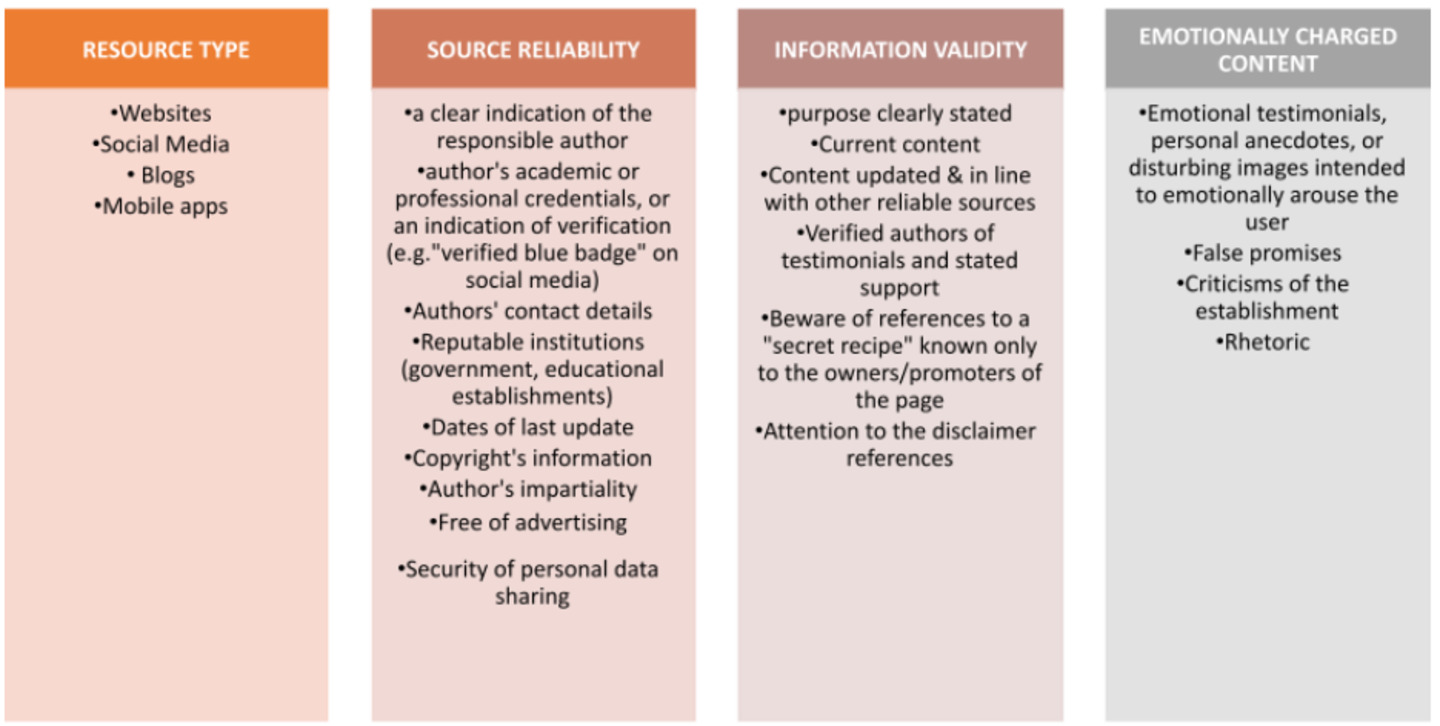
### Tips for Collecting Reliable Information
Among cancer survivors, the **Internet** is a popular choice for obtaining information, with twice as many people preferring it over consulting healthcare providers. While the Internet can be useful, it also has **risks**.
The vast amount of information online can **overwhelm** and **confuse** young adults, and there's a chance of encountering **misleading information** from non-healthcare sources.
Information is crucial for helping cancer survivors make decisions and cope with their illness, especially since young adults primarily use the internet for information. Therefore, understanding the sources upon which AYA (Adolescents and Young Adults) rely for obtaining information is of paramount importance.
If you want to learn more about how to collect reliable information online, take a look at the graph!
---
## Psychoeducation: Talking to Your Healthcare Professional

During your cancer experience, it is very likely that you'll have many conversations with the team caring for you. Working as a team with healthcare professionals and sharing the same goals can help you receive the best possible care.
The information presented in this article will help you take an active part in conversations with healthcare professionals.
---
### **What Can Make Communication Difficult?**
Effective communication with your healthcare team is crucial for your well-being. Yet, discussions with doctors, nurses, and other healthcare providers might seem rushed or brief at times.
Patients often receive an overwhelming amount of information, which can be challenging to absorb during such a stressful period. Medical terminology can further complicate understanding cancer care.
---
### **Helpful Tips**
### **Before the Appointment**
- Make sure you know the exact time and place of your appointment.
- If you have a disability, notify the hospital so they can accommodate your needs.
- Prepare your questions ahead of time—write them down.
- Consider sending your questions to your doctor in advance.
- Bring a trusted friend or relative to help remember key points.
- Use a notepad (or have your companion take notes).
### **At the Appointment**
- You may meet many professionals throughout your treatment; keep a record of names and roles.
- Communicate openly and honestly in your own words.
- Discuss how much detail you want about your diagnosis and treatment.
- Share whether you are comfortable with information being shared with your family.
- Ask for clarification anytime something feels unclear.
- Request visual aids like diagrams or notes.
- You may refuse medical student observers if you prefer privacy.
- Ask whom to contact for follow-up questions, including availability and preferred method of communication.
Building a relationship based on open communication and mutual respect can help alleviate the psychological burden associated with cancer.
If you would like to strengthen your communication skills, view our post on
[Assertive Communication](https://www.canva.com/design/DAF2_Qrh51k/Y7kK3O46KB1EjjBJuwPr_A/view?utm_content=DAF2_Qrh51k&utm_campaign=designshare&utm_medium=link&utm_source=editor).
---
Sources: Ideas inspired by the UK Cancer Charity **Maggie's — Everyone’s Home for Cancer**
More resources: https://www.cancer.org/cancer/managing-cancer/finding-care/the-doctor-patient-relationship.html
---
## Psychoeducation: Assertive Communication and Decision-Making Strategies

### **How to Communicate Assertively**
Do you find yourself struggling to communicate your needs and wishes effectively?
Would you like to be more assertive in your communication with others?
Have you heard the term **Assertive Communication**?
This presentation includes:
- A short introduction to assertive communication
- Practical examples
- Realistic scenarios to practice
Learn more at:
[Assertive Communication Guide](https://www.canva.com/design/DAF2_Qrh51k/Y7kK3O46KB1EjjBJuwPr_A/view?utm_content=DAF2_Qrh51k&utm_campaign=designshare&utm_medium=link&utm_source=editor)
---
## **How to Effectively Make Decisions**
During your cancer journey, you will often need to make important choices. Examples include:
- Selecting among treatment options
- Reassessing career paths after treatment
- Exploring fulfilling hobbies
- Setting new goals for the future
Knowing how to make effective decisions is an essential skill.
Learn more here:
[Decision-Making Strategies](https://www.canva.com/design/DAF2_gWkcgE/VlcJ-TaZz_7JNM-fluPfdw/view?utm_content=DAF2_gWkcgE&utm_campaign=designshare&utm_medium=link&utm_source=editor)
---
# Psychosocial Benefit and Adherence of Adolescents With Chronic Diseases Participating in Transition Programs: A Systematic Review
URL: https://beatcancer.eu/resources/psychosocial-benefit-and-adherenceof-adolescents-with-chronic-diseases-participating-in-transition-programs-a-systematic-review/ | Topic: Long-term Follow-up Care | Published: 2023-04-14 | Updated: 2026-08-18
The transition from child-centred paediatric care to adult health care service is not simply limited to the change from familiar structures to something unknown but includes the entire process of growing up, of individuals becoming independent from their parents and taking responsibility for their own disease management.
Young people are at particular risk of losing the connection to medical care during this phase and the transition of young people with chronic conditions is associated with a high risk of declining adherence and worsening health status.
Studies suggest that transition programs might be helpful, yet there is no evidence as to whether risks can be reduced, or which intervention components are particularly conducive to a better outcomes.
Therefore, this study conducted a systematic literature search resulting in 40 studies. Transition interventions used several program components, such as transition coordinators, patient education programs or web-based interventions.
Outcomes included quality of life, transition-specific knowledge, adherence and loss to follow-up. Thirty-eight studies showed beneficial effects in the intervention group, respectively after the intervention. The overall study quality was low. A large number of studies evaluating transition-specific interventions were included.
Transition-specific interventions seem to have beneficial effects on psychosocial outcomes and adherence. The promotion of health literacy, appointment arrangement service and the use of technical elements (websites, SMS) seem to be particularly helpful in the transition process. As the patient population was diverse, the results can be transferred to other diseases. Even though the overall study quality was poor, it is possible to draw some conclusions.
Future studies should aim to include large numbers of patients over extended periods of time in order to assess long-term outcomes.
---
# Putting Yourself First: a Conversation with Lasma Nikolaisone
URL: https://beatcancer.eu/resources/young-colorectal-cancer-survivor/ | Topic: Survivorship | Published: 2024-05-04 | Updated: 2026-08-17
Lasma Nikolaisone, a colorectal cancer survivor from Latvia, knows the importance of prioritizing yourself. Diagnosed young, Lasma found strength in knowledge and self-care. In this interview, Lasma shares her story, the power of listening to your body, and her mission to build a community for young cancer patients in Latvia.
### What is your name? How old are you? Where are you from?
My name is Lāsma, I'm 38 years old and I'm from Latvia.
### What’s your diagnosis?
I’m a colorectal cancer survivor.
### How and when did you find out about your diagnosis?
I was diagnosed with colorectal cancer at the age of 33. It took some time to be diagnosed because bowel cancer is typically associated with older people. Despite the apparent increase in the number of young adults affected by this disease, five years ago, doctors did not really expect someone as young as me, with no known hereditary issues, to have bowel cancer. However, due to the severity of my bowel problems, I was eventually referred for the necessary scans, which led to the diagnosis.
### What would you like to accomplish within EU-CAYAS-NET?
This is a nice opportunity to interact with young people and feel part of them again. Having a ‘senior disease' at a young age, but at the same time not being young enough to consider myself part of the youth anymore, I always felt like an outsider. The young spirit of this project has taught me a lot about the importance of survivorship care, and I'm very inspired to work on this issue to ensure that this void is filled with the care that survivors need. I also want to build a community of young cancer patients and survivors in Latvia and initiate an NGO for them.
### What has the cancer experience taught you?
To make myself the first priority in my life. And to listen to and hear myself. I'm still learning, and sometimes I should be more compassionate with myself and my needs. But I'm very aware of how important it is.
### What helped you the most during the treatment process?
I was very lucky that I already had a degree in nursing and some basic medical knowledge when I was diagnosed. It helped me a lot to rationalise the disease and the experience I was going through. I firmly believe that knowledge is the most powerful tool for fighting fear. By immersing myself in medical literature, I was able to not only learn about the disease but also actively participate in my treatment by asking targeted questions.

### Try to describe yourself in 3 sentences
I am a naturally curious person, always enthusiastic about learning new things. I am not afraid to embark on unfamiliar journeys, even if it means starting from scratch. Despite being very patient and hardworking, I am also a hedonist who can find a way to enjoy life even in the most challenging circumstances.
### What do you do in your free time?
I love movement and being on the move. When I have a little free time, I go for a walk or ride my bike. If it's a night out, I like to go dancing. When there are one or more days off, I make shorter or longer trips, hikes, or both.
### What do you need/want to have a crash course in?
I'm passionate about mountains, hiking and outdoors in general. I would love to take a course in climbing. Improving my skills and knowledge would take me to new heights and enable me to reach new peaks.
### What is your favourite motto in life?
Carpe diem. For me, real life is now and only now. I live one day at a time and always try to live it to the fullest, being authentic to myself and others. Every day is special because I have a unique opportunity to experience it.
### What is on your bucket list?
My own little house somewhere warm, close to the mountains. After cancer, the cold and wet climate of Latvia's non-summer seasons is no longer for me. And I want to see the mountains and reach them more often and more easily than I can when I live in Latvia all the time.

### What do you do to relax?
The most helpful and quickest way is to get lost in the music while listening to it. If I have time, I go for a walk in nature – by the sea or in the woods. If I need to talk to someone, I go out and meet my friends.
### What keeps you going every day?
The fact that life is incredibly interesting because of its immense diversity and unpredictability. It includes moments that are beautiful, surprising, crazy, frightening, joyful, heartbreaking, and so on and so forth, but it's never boring as long as I live fully in the moment and find meaning in each experience.
### What makes your life feel purposeful?
Life itself. An opportunity to be here and now, to experience and learn, to meet, to feel and sense, to gather impressions, knowledge and feelings. An opportunity to live.
---
# Questionnaire And Linkage-Based Outcomes in Dutch Childhood Cancer Survivors: Methodology of the Dccss Later Study Part 1
URL: https://beatcancer.eu/resources/questionnaire-and-linkage-based-outcomes-in-dutch-childhood-cancer-survivors-methodology-of-the-dccss-later-study-part-1/ | Topic: Late Effects of Treament | Published: 2023-08-03 | Updated: 2026-08-18
Childhood cancer survivors are at risk for developing long-term adverse health outcomes. To identify the risk of and risk factors for specific health outcomes, well-established cohorts are needed with detailed information on childhood cancer diagnosis, treatment, and health outcomes. We describe the design, methodology, characteristics, and data availability of the Dutch Childhood Cancer Survivor Study LATER cohort (1963-2001) part 1; questionnaire and linkage studies.
The LATER cohort includes 5-year childhood cancer survivors, diagnosed in the period 1963-2001, and before the age of 18 in any of the seven former pediatric oncology centers in the Netherlands. Information on health outcomes from survivors and invited siblings of survivors was collected by questionnaires and linkages to medical registries.
In total, 6165 survivors were included in the LATER cohort. Extensive data on diagnosis and treatment have been collected. Information on a variety of health outcomes has been ascertained by the LATER questionnaire study and linkages with several registries for subsequent tumors, health care use, and hospitalizations.
Conclusion: Research with data of the LATER cohort will provide new insights into risks of and risk factors for long-term health outcomes. This can enhance [risk stratification](https://beatcancer.eu/cancer-dictionary/what-is-risk-stratification-how-to-implement-it-and-how-to-use-it-in-healthcare/) for childhood cancer survivors and inform surveillance guidelines and development of interventions to prevent (the impact of) long-term adverse health outcomes. The data collected will be a solid baseline foundation for future follow-up studies.
---
# Rebuilding Life After Cancer: The Unique Challenges and Needs of Adolescent and Young Adult Survivors
URL: https://beatcancer.eu/resources/cancer-survivors-life-after-treatment/ | Topic: Survivorship | Published: 2024-11-12 | Updated: 2026-08-18
For [adolescents and young adults (AYA)](https://beatcancer.eu/cancer-dictionary/adolescents-and-young-adults-aya/) who have survived cancer, life after treatment often involves more than medical recovery. These young survivors face significant and complex hurdles as they work to rebuild both their personal and professional lives. In addition to grappling with ongoing health concerns, they often encounter career disruptions, job loss, reduced work capacity, and, in many cases, workplace discrimination. These challenges make it difficult for young survivors to resume education, enter the workforce, and achieve financial stability—necessities that are critical for creating a fulfilling and independent life.
### **Financial Instability and Career Setbacks: The Economic Impact on AYA Survivors**
Financial strain is a common burden, as many AYA survivors find themselves needing to reorient their careers or delay their education, with some requiring extensive periods of rehabilitation. Compounding these issues, many survivors face discrimination or stigma in the workplace, which can make securing stable employment or advancing their careers even more difficult. This constellation of challenges highlights the urgent need for targeted support systems designed to help young survivors navigate their lives post-treatment.
### **The Role of Family and Social Security: Vital but Insufficient**
While family and social support systems play essential roles in helping young survivors adjust, these alone are often insufficient. Many survivors would benefit from specialized programs that address the unique pressures they face, including career counseling, financial assistance, and advocacy for workplace accommodations. Tailored support services can also provide essential resources for mental health care and skill-building, allowing survivors to regain their confidence and pursue their goals with renewed purpose.
### **Tailored Support Programs: Paving the Way for AYA Survivors to Thrive**
The healthcare community, in partnership with nonprofit organizations and advocacy groups, has a critical role to play in developing age-specific, long-term support strategies. By creating programs that address the financial, emotional, and professional needs of young cancer survivors, healthcare providers can empower this population to not only survive but also thrive. In doing so, we can foster financial security, resilience, and a renewed sense of purpose among young survivors as they redefine their goals and rebuild their lives.
Braun, I., Friedrich, M., Morgenstern, L., Sender, A., Geue, K., Mehnert-Theuerkauf, A., & Leuteritz, K. (2023). Changes, challenges and support in work, education and finances of adolescent and young adult (AYA) cancer survivors: A qualitative study. European journal of oncology nursing: the official journal of European Oncology Nursing Society, 64, 102329. [https://doi.org/10.1016/j.ejon.2023.102329](https://doi.org/10.1016/j.ejon.2023.102329 "https://doi.org/10.1016/j.ejon.2023.102329")
---
# Rebuilding Self-Esteem and Self-Worth After Cancer: Tips for Confidence and Emotional Healing
URL: https://beatcancer.eu/resources/self-esteem-and-self-worth-after-cancer/ | Topic: Psychosocial Care | Published: 2025-01-20 | Updated: 2026-08-18
Facing cancer changes your life in ways you never expected. Beyond the physical challenges, it can leave lasting marks on your self-esteem and self-worth. You might find yourself questioning your identity, your body, or even your value in the world. These feelings are more common than you think, and they don’t define your strength or resilience.
Rebuilding your confidence after cancer is a journey, not a destination. It’s about rediscovering who you are and embracing the new version of yourself. Whether you’re struggling with scars, fatigue, or emotional hurdles, know that you’re not alone. With time, patience, and the right tools, you can reclaim your sense of self and thrive in ways you never imagined.
## Key Takeaways
* Cancer can significantly impact self-esteem and self-worth, bringing physical, emotional, and psychological challenges.
* Rebuilding confidence after cancer is a journey that involves self-compassion, setting achievable goals, and embracing your new identity.
* Addressing body image changes through affirmations, therapy, or support groups can help improve self-acceptance.
* Emotional healing benefits from mindfulness, therapy, and connecting with survivor communities for mutual support and encouragement.
* Professional counseling aids in managing anxiety, fear, and insecurity while fostering resilience and positive growth.
* [Success stories of cancer survivors](https://beatcancer.eu/resources/success-stories-of-cancer-survivors/) demonstrate the power of perseverance, highlighting how individuals rediscover purpose, strength, and a sense of belonging after treatment.
## Understanding Self-Esteem And Self-Worth After Cancer
Cancer treatments and their aftermath often leave physical and emotional changes that can impact how you see yourself. Scars, hair loss, and shifts in physical abilities may lead to feelings of vulnerability or insecurity. Emotional struggles like anxiety and fear of recurrence can further challenge your sense of worth.
Self-esteem relates to how you view your abilities and achievements, while self-worth is about recognizing your inherent value as a person. After cancer, you might question both due to changes in appearance, energy levels, or roles in relationships and work. Acknowledging these feelings is the first step toward healing.
Rebuilding these aspects begins with self-compassion. Practice affirming your identity beyond physical attributes or societal roles. Surround yourself with loved ones and supportive networks that validate your journey. Engage in activities that align with your values and bring you joy, such as volunteering, creative hobbies, or mindfulness exercises. These actions reinforce your intrinsic worth, apart from external circumstances.
## Psychological Impact Of Cancer On Self-Worth
Cancer profoundly affects how you perceive your self-worth. Both physical and emotional changes during and after treatment contribute significantly to these challenges.
### Dealing With Body Image Changes
Body image shifts affect your confidence and self-acceptance. Visible changes like scars, hair loss, or weight fluctuations can challenge how you see yourself. Reconstructive surgeries, prosthetics, or cosmetic solutions might help if these changes create distress. For example, breast cancer survivors often explore options for mastectomy reconstruction. Embracing support from therapists or body-positive groups aids in rediscovering a sense of comfort with your new appearance.
Practicing self-affirmation daily strengthens resilience. Repeating affirmations like "I am more than my scars" focuses attention on internal qualities rather than external alterations. Small steps, such as choosing clothing that makes you feel good, reinforce confidence in your body.
### Coping With Emotional Vulnerability
Emotional shifts, including anxiety or feelings of inadequacy, stem from the trauma of cancer. Fears of recurrence or feelings of helplessness often disrupt your sense of safety. Engaging in mindfulness practices or therapy can build emotional strength. Techniques like deep breathing, journaling, or meditation offer practical tools for managing overwhelming feelings.
Connecting with cancer survivors' groups provides solidarity. Discussing shared experiences with others eases feelings of isolation and reinforces emotional recovery. Activities like volunteering or skill-building workshops shift focus to meaningful contributions, encouraging self-worth based on actions and interactions rather than circumstances.
## Strategies To Rebuild Self-Esteem
Recovery after cancer involves more than physical healing. Rebuilding self-esteem requires intentional actions that foster confidence and self-worth.
### Practicing Self-Compassion
Treat yourself with kindness and understanding during this period of change. Acknowledge the emotional and physical challenges you've faced without judgment. Speak to yourself using affirming language; instead of focusing on perceived flaws, recognize your resilience and strength. Use daily reminders like journaling positive affirmations or meditating to nurture self-acceptance.
### Setting Achievable Goals
Establish realistic goals that align with your current abilities and energy levels. Start small, such as engaging in gentle physical activities or exploring hobbies that interest you. Celebrate progress without comparing it to past achievements. For example, completing a short walk or learning a simple skill can build confidence and momentum to pursue larger goals over time.
### Building Support Networks
Surround yourself with individuals who provide encouragement and positivity. Join [cancer survivor support](https://beatcancer.eu/resources/cancer-survivor-support/) groups to share experiences with those who understand your journey. Collaborate with friends, family, or therapists to build emotional resilience. Actively participating in community groups or workshops focused on wellness can help develop meaningful connections, strengthening your sense of belonging.
## Role Of Therapy And Counseling
Therapy and counseling play a significant role in addressing the emotional and psychological challenges cancer survivors face. These interventions provide a structured environment for you to explore feelings, restore self-esteem, and rebuild a sense of self-worth.
### Benefits Of Professional Guidance
Professional guidance offers tools to navigate the emotional toll of cancer and its aftermath. Therapists help you process feelings of grief, anxiety, or insecurity that may arise from body image changes or fear of recurrence. They also equip you with strategies to manage stress and build resilience in a safe, judgment-free space. According to the American Psychological Association, therapy improves emotional regulation through techniques like cognitive behavioral therapy, which can reframe negative thought patterns into constructive ones. Professional support enhances your capacity to view personal challenges as part of growth, not as defining limitations.
### Group Therapy For Survivors
Group therapy creates a sense of connection and shared understanding among cancer survivors. Sharing experiences with others who've faced similar struggles reduces isolation and fosters a supportive community. In these sessions, you exchange coping strategies, validate emotions, and learn from collective experiences, strengthening emotional well-being. The Cancer Support Community underscores that participating in group therapy builds confidence and helps you rediscover a positive self-image through mutual encouragement and discussion. Structured group interactions also create opportunities to focus on shared goals, like celebrating resilience and embracing life post-treatment.
## Success Stories And Personal Triumphs
Stories of individuals overcoming challenges after cancer can inspire and motivate. Real-life accounts highlight the resilience and determination that have helped many regain confidence and rediscover their self-worth.
* **Reclaiming Passion Through Art**
Some cancer survivors channel their experiences into creative outlets like painting, writing, or music. For example, one survivor used photography to document the beauty of everyday life after recovery, finding new purpose and confidence through their art.
* **Physical Feats That Redefine Strength**
Many survivors set fitness goals to push beyond perceived limitations. A notable example includes a breast cancer survivor completing a marathon post-treatment, proving determination can overcome physical and emotional setbacks.
* **Career Comebacks And Pursuits**
Returning to work or starting a new career is often a symbol of structural and emotional recovery. One individual, after beating [leukemia](https://beatcancer.eu/cancer-dictionary/leukemia/), chose to start a coaching business focused on supporting others facing adversity.
* **Transforming Pain Into Advocacy**
Survivors frequently advocate for cancer awareness or mental health. For instance, a survivor launched a nonprofit promoting body positivity, aiming to support those grappling with post-cancer physical changes.
* **Relationships Strengthened Through Adversity**
The cancer journey often reshapes personal relationships. Some survivors share stories of strengthened bonds with family or making lifelong friendships through support groups, fostering a deeper sense of connection and belonging.
Each success showcases unique journeys of resilience, reflecting how identity and worth evolve after cancer. These triumphs remind you that it's possible to overcome obstacles and thrive in ways you might not have imagined.
## Conclusion
Your journey to rediscover self-esteem and self-worth after cancer is deeply personal and transformative. While the challenges may feel overwhelming at times, remember that healing is not about returning to who you were but embracing who you are now. Every step you take toward self-compassion, connection, and growth reinforces your strength and resilience.
You are more than your scars, fears, or doubts. By leaning on support systems, engaging in meaningful activities, and honoring your intrinsic value, you can rebuild a sense of confidence and purpose. Trust in your ability to thrive and redefine what it means to live fully and authentically after cancer.
## Frequently Asked Questions
### How does cancer impact self-esteem and identity?
Cancer can significantly affect self-esteem and identity due to physical and emotional changes. Scars, hair loss, and shifts in abilities can alter body image, while emotional challenges like anxiety and fear of recurrence may lead to feelings of vulnerability. Acknowledging these struggles and embracing a new self are key steps toward healing and self-acceptance.
### What is the difference between self-esteem and self-worth?
Self-esteem is about how you view your abilities and achievements, while self-worth reflects your inherent value as a person. Both can be impacted by cancer, but rebuilding these involves practicing self-compassion and affirming your identity beyond physical attributes.
### How can I rebuild confidence after cancer?
Rebuilding confidence involves setting small, achievable goals, practicing self-kindness, and surrounding yourself with supportive people. Engaging in activities that align with your values and seeking therapy or joining cancer survivor groups can strengthen resilience and promote healing.
### What role does therapy play in recovering from cancer’s emotional impact?
Therapy provides tools to process grief, anxiety, and insecurity in a safe environment. Techniques like cognitive behavioral therapy and group therapy help survivors reframe negative thoughts, build emotional resilience, and connect with others facing similar experiences.
### How can body image challenges after cancer be addressed?
Body image struggles can be managed through self-affirmations, joining body-positive groups, or exploring reconstructive surgeries or cosmetic solutions if desired. Practicing self-compassion and engaging in activities that promote body positivity also foster confidence and self-acceptance.
### What activities can help rebuild self-worth after treatment?
Engaging in hobbies, volunteering, or pursuing creative outlets like art or writing can help focus on meaningful contributions. These activities reinforce self-worth by highlighting your actions and values instead of external circumstances.
### How can connecting with others help during this journey?
Building a support network and joining cancer survivor groups provide emotional support, reduce isolation, and foster shared understanding. Talking with others who have faced similar challenges can encourage positivity and boost overall confidence.
### Why is self-compassion important after cancer?
Self-compassion helps you embrace your journey without judgment. It encourages self-kindness, acceptance of your struggles, and recognition of your inner strength, laying the foundation for rebuilding both self-esteem and self-worth.
### Are there success stories of survivors rebuilding their lives post-cancer?
Yes, many survivors have achieved incredible milestones post-cancer, such as completing marathons, starting new careers, or pursuing creative passions. These triumphs remind us that it’s possible to overcome adversity and rediscover a meaningful, fulfilling life.
### How long does it take to rebuild confidence after cancer?
The journey to rebuilding confidence varies for each individual and depends on personal experiences and circumstances. It’s a gradual process that requires patience, self-compassion, and the right resources to support emotional and physical healing.
---
# Recommendations for Equitable, Diverse, and Inclusive Cancer Care Launched at the European Parliament
URL: https://beatcancer.eu/resources/recommendations-for-equitable-cancer-care/ | Topic: Equality, Diversity and Inclusion | Published: 2024-04-30 | Updated: 2026-08-18
The European Parliament event organised by [Youth Cancer Europe](https://www.youthcancereurope.org/) and hosted by [MEP Stelios Kympouropoulos](https://www.linkedin.com/in/stelios-kympouropoulos-63201042/) brought into focus issues of equity, diversity, and inclusion and addressed the needs of minorities, vulnerable groups and disenfranchised communities like Roma, LGBTQ+, migrants, and other underserved populations in the cancer care settings across Europe.

The Recommendations were developed collaboratively and the process was led by young people living within and beyond cancer in the Equity, Diversity, and Inclusion (EDI) workstream overseen by Youth Cancer Europe, as part of the European Commission co-funded [European Network of Youth Cancer Survivors](https://beatcancer.eu/) project.
Based on the findings, four important areas were highlighted in order to ensure fairness and inclusivity in cancer care:
### Race, ethnicity, culture, refugee, or migrant status
To address disparities and ensure equitable access to cancer care for individuals from diverse racial, ethnic, and cultural backgrounds, including refugees and migrants.
### Gender identity and sexual orientation
To promote awareness and support for LGBTIQ+ individuals affected by cancer, ensuring they receive respectful and inclusive care regardless of their gender identity or sexual orientation.
### Age, physical and mental development, and wellbeing
To recognize the unique needs of individuals at different stages of life, including children, adolescents, and young adults, and recognise mental health status and neurodiversity as important determinants of health outcomes.
### Education, career, and socioeconomic status
To address social determinants of health and ensure that individuals from all socioeconomic backgrounds have access to quality cancer care, regardless of their education level, career status, or living conditions.

### RECOMMENDATIONS
#### Our recommendations for strengthening EDI in research: improving patient data collection and enhancing research team diversity
EU member states should systematically and within legal bounds improve
the data they hold for ethnicity, LGBTIQ+ identity, psychosocial development, quality of life, physical and mental health, education, socioeconomic status and employment rights of cancer patients. The EU should work towards a standardised data collection that is shared via the EU Health Policy Platform alongside other major EU initiatives. An equal weight should be given to efforts to increase diversity and inclusion in healthcare and research personnel.
#### Our recommendations for improving EDI in cancer services: providing culturally sensitive care and promoting diverse representation in care teams
Cancer services should develop, improve, and implement culturally sensitive care, ensuring that patients receive support that respects their cultural, psychosocial, financial, educational, reproductive, and sexual needs. Inclusive cancer services also require the promotion of diverse representation in care teams to better reflect the communities they serve. Patients with lived experience should be actively engaged in health strategy development, funding decisions and building services and the co-creation of new policies related to their care, fostering a collaborative approach that prioritises their unique perspectives and needs.
### Our recommendations for fostering diversity and inclusion within patient organisations
Patient organisations should have a more proactive approach to achieving diversity and inclusion by actively recruiting individuals from diverse backgrounds, providing training on cultural competency and sensitivity, and implementing policies and practices that promote inclusivity and equity within the organisation. By embracing diversity and inclusion, patient organisations can better serve their communities and advocate for more equitable healthcare policies and services.
| |
| --- |
| We also urge the Commission to prioritise the integration of equity, diversity, and inclusion (EDI) principles throughout all EU health initiatives with dedicated funding and resources for research, programs, and interventions aimed at addressing disparities in cancer prevention, diagnosis, treatment, and survivorship among marginalised and underserved populations, and look at social determinants beyond the currently captured data in the Inequalities Register. Additionally, the Commission should promote the development and implementation of EDI-focused policies, guidelines, and best practices across EU member states to ensure equitable access to quality cancer care for all individuals, regardless of their socio-economic status, ethnicity, gender identity, sexual orientation, age, or other factors. |
The European Network of Youth Cancer Survivors project demonstrates how multi-stakeholder engagement can inform practical steps towards more equitable and inclusive cancer care.

Read the full Policy Paper in English **[here](/wp-content/uploads/2024/04/EDI-Policy-Recommendations.pdf)**
Below you can also find the translations of the Policy Paper in
* [Croatian](/wp-content/uploads/2024/04/Croatian_EDI-Policy-Recommendations-Final-version-in-English_HR.docx)
* [Spanish](/wp-content/uploads/2024/04/Spanish_EDIPolicyRecommendations.pdf)
* [Swedish](/wp-content/uploads/2024/04/Swedish_EDI-Policy-Recommendations.pdf)
* [Romanian](/wp-content/uploads/2024/04/Romanian_EDI-Policy-Recommendations.pdf)
* [Portuguese](/wp-content/uploads/2024/04/Portuguese_EDIPolicyRecommendations.pdf)
* [Polish](/wp-content/uploads/2024/04/Polish_EDI-Policy-Recommendations.pdf)
* [German](/wp-content/uploads/2024/04/German_EDI-Policy-Recommendations.pdf)
* [French](/wp-content/uploads/2024/04/French_EDI-Policy-Recommendations.pdf)
* [Dutch](/wp-content/uploads/2024/04/Dutch_EDI-Policy-Recommendations.pdf)
* [Lithuanian](/wp-content/uploads/2024/04/EDI-Lithuanian.docx)
* [Italian](/wp-content/uploads/2024/04/Italian-Policies-recommendations-info_CLEAN.docx)
Building on the findings that informed our recommendations, [Youth Cancer Europe](https://www.youthcancereurope.org/) organised together with Inclusive Employers the **”Equity, Diversity and Inclusion Principles in Cancer Care”** **Training Event** while launching the [**Train-the-Trainer Toolkit**](/wp-content/uploads/2024/04/Equity-Diversity-and-Inclusion-Principles-in-Cancer-Care-Train-the-Trainer-Toolkit_compressed.pdf) as part of the **European Network of Youth Cancer Survivors European Commission** co-funded project.
The face-to-face training and in-person workshops were tailored for three distinct audiences, featuring dedicated sessions for each:
* **Researchers, Academics, and Educational Institutions:** Effective research requires diversity monitoring. Excluding individuals from vulnerable groups risks under-serving those most affected and perpetuating biases that devalue their experiences.
* **Clinicians and Healthcare Providers:** the Train-the-Trainer Toolkit aims to improve individual healthcare interactions, patient experience and thereby improve overall health outcomes.
* **Patient and Community Organisations:** EDI training for these organisations is a way of avoiding a “one size fits all” approach. Successful patient-facing organisations offer tailored support for cancer patients and survivors from minority groups.
All training sessions, incorporating the **Train-the-Trainer Toolkit**, were developed in partnership with patients, academics, and healthcare providers to ensure they tackle real-world challenges and offer practical strategies for promoting Equity, Diversity, and Inclusion in cancer care.

The event organised by [Youth Cancer Europe](https://www.youthcancereurope.org/) served as a pilot for a **Train-the-Trainer Toolkit** designed to suit the participants’ specific roles within the healthcare system. Having a strong focus on the unique needs of groups that are underrepresented, this Toolkit aims to empower participants to return to their institutions, disseminate the information, and actively contribute to more equitable and comprehensive cancer care outcomes.
All participants received a workbook to support their learning during the training sessions and provide additional information. This will enable clinicians, researchers, healthcare providers, and patient advocates to incorporate different tools and techniques into their daily work to ultimately improve the quality of care for young people living with and beyond cancer. The training sessions covered a wide variety of topics like cultural awareness, recognizing inequality, inclusive communication, creating a safe environment, supporting families, empowering patients, addressing discrimination, conducting comprehensive needs assessments, employing inclusive research techniques, effective advocacy, and much more.
Access the full English version of the “Equity, Diversity and Inclusion Principles in Cancer Care” Train-the-Trainer Toolkit **[HERE](/wp-content/uploads/2024/04/Equity-Diversity-and-Inclusion-Principles-in-Cancer-Care-Train-the-Trainer-Toolkit_compressed.pdf).**
#### Access the Train-the-Trainer Toolkit in other languages:
* [Croatian translated by CCI Europe](/wp-content/uploads/2024/04/HR-Equity-Diversity-and-Inclusion-Principles-in-Cancer-Care.pdf)
* [Dutch translated by Princess Máxima Center](/wp-content/uploads/2024/04/NL-Equity-Diversity-and-Inclusion-Principles-in-Cancer-Care.pdf)
* [German translated by Medical University of Vienna](/wp-content/uploads/2024/04/DE-Equity-Diversity-and-Inclusion-Principles-in-Cancer-Care.pdf)
* [Italian translated by SIOP Europe](/wp-content/uploads/2024/04/IT-Equity-Diversity-and-Inclusion-Principles-in-Cancer-Care.pdf)
* [French translated by SIOP Europe](/wp-content/uploads/2024/04/FR-Equity-Diversity-and-Inclusion-Principles-in-Cancer-Care.pdf)
* [Lithuanian translated by POLA](/wp-content/uploads/2024/04/LT-Equity-Diversity-and-Inclusion-Principles-in-Cancer-Care.pdf)
* [Spanish translated by Youth Cancer Europe](/wp-content/uploads/2024/04/ES-Equity-Diversity-and-Inclusion-Principles-in-Cancer-Care.pdf)

Click [**here**](/wp-content/uploads/2025/02/EDI-Pocket-Card.pdf) for the Pocket Cards.

---
# Recommendations for the Surveillance of Cancer-Related Fatigue in Childhood, Adolescent, and Young Adult Cancer Survivors
URL: https://beatcancer.eu/resources/recommendations-for-the-surveillance-of-cancer-related-fatigue-in-childhood-adolescent-and-young-adult-cancer-survivors/ | Topic: Long-term Follow-up Care | Published: 2023-04-14 | Updated: 2026-08-17
Cancer-related fatigue (CRF) negatively affects the lives of childhood, adolescent, and young adult (CAYA) cancer survivors. We aimed to provide an evidence-based clinical practice guideline (CPG) with internationally harmonized CRF surveillance recommendations for CAYA cancer survivors diagnosed < 30 years.
This CPG was developed by a multidisciplinary panel under the umbrella of the International Late Effects of Childhood Cancer Guideline Harmonization Group. After evaluating the concordances and discordances of four existing CPGs, we performed systematic literature searches. We screened articles for eligibility, assessed quality, and extracted, and summarized the data from included articles. We formulated recommendations based on the evidence and clinical judgment. Of 3647 articles identified, 70 articles from 14 countries were included. The prevalence of cancer-related fatigue in CAYA cancer survivors ranged from 10–85%. The use of so many different assessments for fatigue and heterogeneity in study populations likely contributed to the large differences in the prevalence of fatigue in CAYA cancer survivors. We recommend that healthcare providers are aware of the risk of CRF, implement regular screening with validated measures, and recommend effective interventions for fatigued survivors.
Future studies should focus on high-quality research to investigate the risk of and risk factors for fatigue in CAYA cancer survivors using scientifically validated fatigue measures (preferably PROMIS Pediatric Fatigue Measure or PedsQL MFS) in CAYA cancer survivors and especially in older adult survivors of CAYA cancers. In addition, a longitudinal assessment of fatigue in CAYA cancer patients and survivors is needed to identify the change in fatigue patterns over time.
---
# Red Light Therapy for Cancer Patients: Benefits, Uses and Safety
URL: https://beatcancer.eu/resources/red-light-therapy-for-cancer-patients/ | Topic: Quality of Life | Published: 2025-02-28 | Updated: 2026-08-25
When facing cancer, every treatment option matters, and innovative therapies can offer new hope. Red light therapy, a non-invasive treatment using low-level light wavelengths, is gaining attention for its potential to support cancer patients. While it’s not a cure, its ability to promote healing and reduce side effects makes it a valuable complementary approach.
You might wonder how a simple light can make a difference. Red light therapy works by stimulating cellular repair and reducing inflammation, which can be especially beneficial during or after cancer treatments like chemotherapy or radiation. It’s painless, quick, and increasingly accessible, offering a promising option for improving quality of life.
As more research unfolds, understanding how red light therapy fits into cancer care could empower you or your loved ones to explore its benefits safely and effectively. Let’s uncover what makes this therapy a growing topic in the fight against cancer.
## Key Takeaways
* Red light therapy is a non-invasive treatment using low-level light wavelengths that can complement cancer care by promoting healing and reducing treatment side effects.
* It works by stimulating cellular repair, reducing inflammation, and supporting tissue regeneration, benefiting patients undergoing chemotherapy or radiation.
* The therapy can provide advantages such as pain relief, improving skin healing, and boosting mental well-being, making it a holistic supportive option.
* Scientific studies highlight its effectiveness in managing side effects like oral mucositis and radiation-induced skin burns, though standardized protocols are still under review.
* Safety precautions, such as consulting healthcare professionals and using FDA-approved devices, are essential to avoid risks and ensure effective outcomes.
* Incorporating red light therapy into cancer care should align with a patient's treatment plan, with regular monitoring to optimize results and minimize complications.
## What Is Red Light Therapy?
Red light therapy uses low-level wavelengths of light to interact with your tissues and cells. It's applied through devices like LED panels or laser systems that emit red and near-infrared light. These wavelengths range between 600-900 nanometers, penetrating the skin to stimulate cellular repair while promoting healing.
The therapy supports biological processes like ATP production by targeting mitochondria in cells. ATP, or adenosine triphosphate, is the primary energy source for cellular activity. By enhancing energy generation, red light therapy aids tissue regeneration and reduces inflammation.
This non-invasive modality is commonly used in dermatology, pain management, and wound care. For cancer patients, it addresses symptoms like skin irritation or oral mucositis resulting from treatments, offering relief without causing additional discomfort.
## Benefits Of Red Light Therapy For Cancer Patients
Red light therapy offers several advantages for cancer patients undergoing treatment. It enhances comfort and supports recovery by addressing physical and emotional challenges associated with traditional therapies.
### Pain Relief And Inflammation Reduction
Red light therapy reduces pain and inflammation through cellular stimulation. The light wavelengths improve circulation and promote the release of anti-inflammatory compounds, lowering discomfort in affected areas. For cancer patients dealing with radiation-induced pain or inflammatory conditions, this non-invasive approach provides targeted relief without additional strain on the body.
### Enhancing Skin Healing Post-Treatment
Red light therapy accelerates skin recovery after radiation-induced burns or lesions. It enhances collagen production and supports cellular repair, enabling faster healing for damaged tissues. Skin conditions, such as dryness or irritation caused by chemotherapy or radiation, also improve, minimizing further complications during recovery.
### Boosting Mental Health And Well-Being
Red light therapy positively influences mental health by increasing serotonin and reducing stress levels. It aids in regulating sleep patterns by stimulating melatonin production, crucial for emotional balance. For cancer patients dealing with anxiety or depression, this therapy offers a supportive tool to enhance overall well-being alongside clinical care.
## Scientific Research On Red Light Therapy For Cancer Patients
Extensive research has investigated the use of red light therapy as a complementary approach for cancer patients. Though not a standalone treatment for cancer, its therapeutic potential is backed by promising studies and ongoing investigations.
### Studies Supporting Its Effectiveness
Several studies highlight the positive outcomes of red light therapy in managing cancer treatment side effects. Research published in the *Supportive Care in Cancer* journal demonstrated significant reductions in oral mucositis severity in patients undergoing chemotherapy when treated with low-level light therapy. Another study from *Photomedicine and Laser Surgery* noted accelerated healing of radiation-induced skin burns among breast cancer patients using red light therapy. Additionally, trials have observed improvements in pain relief, reduced inflammation, and faster tissue repair, validating its role in supportive cancer care.
Clinical data also suggests its effectiveness in mitigating fatigue and improving general well-being, with studies highlighting increased mitochondrial function and ATP production that support cellular energy. These findings underline the therapy's ability to enhance recovery and provide meaningful relief from common cancer treatment symptoms.
### Limitations And Ongoing Research
Despite its benefits, red light therapy faces limitations. Most studies focus on small sample sizes or specific cancer treatment complications, limiting generalizability. The lack of standardized protocols, including optimal wavelength, dosage, and treatment duration, complicates its widespread adoption. Furthermore, while studies confirm safety in certain contexts, its potential role in unintended tumor stimulation remains under investigation.
Ongoing research explores red light therapy's interactions with different cancers, aiming to refine application guidelines and confirm long-term safety. Emerging studies are also exploring combination therapies, such as red light therapy with photodynamic treatments, to enhance effectiveness while mitigating risks. Continued research efforts are critical to fully understand and optimize its role in comprehensive cancer care.
## Safety And Potential Risks
Red light therapy is considered non-invasive and generally well-tolerated when used correctly. Its low-level wavelengths minimize the risk of burns or thermal damage, making it safe for most users. However, cancer patients undergoing this therapy must consult healthcare professionals to address any unique medical concerns, as individual conditions vary widely.
Potential risks arise from improper usage or device quality. High-intensity or unregulated devices may emit unsuitable wavelengths, leading to adverse effects like skin irritation or discomfort. Always use FDA-cleared devices and adhere to recommended protocols to avoid complications.
Specific risks for cancer patients include the possibility of stimulating tumor growth in certain conditions. Although no conclusive evidence supports this concern in red light therapy, ongoing studies focus on understanding its interaction with active tumors. This makes professional supervision critical, especially given cancer's complexity and treatment variability.
Patients with photosensitivity disorders or those taking light-sensitizing medications may experience heightened sensitivity. Inform your medical provider about any pre-existing conditions or medications before starting therapy to ensure safety and effectiveness.
## How To Incorporate Red Light Therapy Into Cancer Care
### Consultation With Healthcare Professionals
Discuss red light therapy with your oncology team before starting. They can evaluate your medical history, current treatment plan, and potential risks. This step ensures compatibility and safety, particularly if you're undergoing light-sensitive treatments or taking medications that could impact therapy outcomes.
### Selecting Certified Devices
Use FDA-cleared red light therapy devices designed for medical use. Certified devices, such as LED panels or handheld lasers, deliver consistent and safe wavelengths between 600-900 nanometers. Avoid uncertified products to reduce safety risks and ensure therapeutic efficacy.
### Scheduling Sessions
Incorporate therapy sessions at intervals advised by a healthcare professional. Typical sessions last 10-20 minutes and occur 3-5 times weekly, depending on your condition. Maintain consistent scheduling for optimal results in alleviating pain, reducing inflammation, and supporting skin healing.
### Targeting Specific Areas
Focus the therapy on affected regions. For example, direct light to radiation-induced burns or areas experiencing oral mucositis. Targeting improves localized effects like enhanced cellular repair, reduced pain, and accelerated tissue recovery.
### Combining With Existing Treatment
Align red light therapy timings with your current cancer treatment plan. For instance, consider sessions after [radiation therapy](https://www.cancer.gov/about-cancer/treatment/types/radiation-therapy) to manage burns or skin irritation. This approach enhances recovery without interfering with primary treatments.
### Monitoring And Adjusting
Track your progress and symptoms during therapy. Share updates with your medical team to adjust the protocol if needed. Monitoring ensures you achieve maximum benefits while minimizing potential side effects.
### Ensuring a Controlled Environment
Use therapy devices in a quiet, clean area to avoid distractions or contamination. A controlled environment reduces external risks and enhances session efficacy by promoting relaxation and focus.
## Conclusion
Red light therapy offers a promising avenue for improving the well-being of cancer patients by addressing both physical and emotional challenges. Its ability to enhance healing, reduce inflammation, and support recovery makes it a valuable complementary option alongside traditional treatments.
While the therapy is generally safe, professional guidance is essential to ensure it aligns with your specific needs and medical history. As research continues to expand, red light therapy holds the potential to become an even more integral part of comprehensive cancer care. Always consult your healthcare provider before incorporating it into your treatment plan.
## Frequently Asked Questions
### What is red light therapy, and how does it work?
Red light therapy is a non-invasive treatment that uses low-level wavelengths of light (600-900 nm) to penetrate the skin, stimulate cellular repair, and reduce inflammation. It enhances energy production (ATP) in cells, promoting tissue regeneration and overall healing.
---
### Can red light therapy cure cancer?
No, red light therapy cannot cure cancer. It serves as a complementary therapy that helps alleviate side effects of cancer treatments, such as pain, inflammation, and skin irritation, while improving recovery and overall quality of life.
---
### Is red light therapy safe for cancer patients?
Red light therapy is generally safe and non-invasive for cancer patients when used under medical supervision. It’s important to use FDA-cleared devices and avoid misuse to prevent potential risks, especially for those with photosensitivity or specific conditions.
---
### What are the benefits of red light therapy for cancer patients?
Red light therapy reduces inflammation, improves circulation, alleviates pain, promotes skin healing, and supports mental health by increasing serotonin and regulating sleep. It helps manage side effects of treatments like radiation and chemotherapy.
---
### Does red light therapy have any risks for cancer patients?
Risks are minimal but may include photosensitivity reactions or improper use leading to skin irritation. Some concerns include potential stimulation of tumor growth, although no conclusive evidence supports this. Always consult a doctor before starting.
---
### Who should avoid red light therapy?
Patients with photosensitivity disorders, those taking light-sensitizing medications, or individuals with specific medical conditions should consult their healthcare provider to determine if red light therapy is appropriate.
---
### What types of cancer treatment side effects can red light therapy address?
Red light therapy can help reduce skin irritation, oral mucositis, inflammation, radiation burns, and fatigue. It also promotes tissue repair and supports recovery from radiation-induced skin damage.
---
### Can red light therapy improve mental health in cancer patients?
Yes, red light therapy may improve mental health by increasing serotonin production, reducing stress, and regulating sleep patterns, which are especially beneficial for patients dealing with anxiety or depression.
---
### Are there studies supporting red light therapy for cancer care?
Yes, studies have shown red light therapy’s potential to reduce chemotherapy-induced oral mucositis severity, accelerate healing of radiation burns, and improve general well-being by boosting cellular energy.
---
### How can I incorporate red light therapy into my cancer care plan?
Consult your healthcare provider to ensure it aligns with your treatment plan. Use FDA-cleared devices, target affected areas, follow recommended session intervals, and monitor progress to tailor therapy to your needs.
---
### How long does it take to see results from red light therapy?
Results vary by individual, but many users notice improvements in inflammation, pain relief, and skin healing after several sessions. Consistency and adherence to recommended protocols are key.
---
### Are there devices I can use for red light therapy at home?
Yes, FDA-cleared LED panels or handheld red light therapy devices are available for home use. It's crucial to choose high-quality products and consult a healthcare professional before use.
---
### Can red light therapy be used with other cancer treatments?
Yes, red light therapy can complement treatments like chemotherapy and radiation by managing side effects and supporting recovery. Always consult your doctor to ensure proper integration into your care plan.
## Sources
* [Low level laser therapy/photobiomodulation in the management of side effects of chemoradiation therapy in head and neck cancer: part 1: mechanisms of action, dosimetric, and safety considerations — PMC](https://pmc.ncbi.nlm.nih.gov/articles/PMC4846477/)
* [Mechanisms and applications of the anti-inflammatory effects of photobiomodulation — PMC](https://pmc.ncbi.nlm.nih.gov/articles/PMC5523874/)
* [Oral Complications of Cancer Therapies (PDQ) - Health Professional Version — National Cancer Institute](https://www.cancer.gov/about-cancer/treatment/side-effects/mouth-throat/oral-complications-hp-pdq)
* [Low-level laser (light) therapy (LLLT) in skin: stimulating, healing, restoring — PMC](https://pmc.ncbi.nlm.nih.gov/articles/PMC4126803/)
* [Photobiomodulation therapy in management of cancer therapy-induced side effects: WALT position paper 2022 — PMC](https://pmc.ncbi.nlm.nih.gov/articles/PMC9468822/)
* [Radiation Therapy to Treat Cancer — National Cancer Institute](https://www.cancer.gov/about-cancer/treatment/types/radiation-therapy)
---
# Redefining Beauty
URL: https://beatcancer.eu/resources/redefining-beauty/ | Topic: OACCUs | Published: 2024-11-17 | Updated: 2026-08-17
# Overcoming Body Image Challenges as a Young Cancer Survivor
## Introduction
A cancer diagnosis profoundly impacts young individuals' lives who are still in the early stages of their physical and emotional development. In addition to battling the disease, they confront body image challenges. Yet, with resilience and support, they courageously redefine beauty and embrace their distinctive paths.
## Understanding Body Image
The concept of body image encompasses one's perception, thoughts, and feelings about their physical appearance, including aspects such as size, shape, and overall attractiveness. Body image is a multifaceted construct that can be influenced by cultural, social, and psychological factors. [1] For young cancer survivors, the experience of battling cancer and undergoing treatments often leads to physical changes that can significantly impact their body image perception. [2,3,4]
## Physical Appearance Changes and Self-Perception
Physical changes resulting from cancer treatments like hair loss, scars, and weight fluctuations greatly affect the self-perception of young cancer survivors. [2,3,4] These alterations are particularly challenging for them as appearance and acceptance hold significant value during this life stage. Survivors long to restore their previous appearance, seeking a sense of normalcy, but may experience emotional struggles, embarrassment, and a loss of identity. [2,5]
## Emotional Struggles and Body Image
Young cancer survivors may experience a wide range of emotions related to their changed appearance. They may feel self-conscious, alienated, or anxious about how others perceive them. [2] The pressure to conform to societal beauty standards can intensify these negative emotions. Many young cancer survivors find it difficult to adjust to their new bodies and may struggle with accepting themselves as they are. [2,4,6]
## Redefining Beauty Standards
Young cancer survivors challenge society's narrow beauty standards by sharing their stories and embracing their scars. [7] Feminist theorists explore how female cancer survivors embrace physical consequences, challenging conventional views of the aesthetic effects of cancer treatments (e.g., hair loss and loss of body parts) as tragic or in need of correction. Instead, they emphasize empowering narratives and agency of the female body. [8,9] Finally, engaging in exercise and sports helps enhance their body image, fostering acceptance, physical control, and a stronger connection with their bodies. [2]
Raising awareness of body positivity breaks down social stereotypes and fosters a culture of acceptance. By fostering a culture that celebrates diversity and promotes self-love [8,9], young cancer survivors can be better supported in life after treatment and in positive body image. [2,4]
*Author: Maria Vasilopoulou - UPATRAS*
## Sources:
1. Alebachew, F., & Ashagrie, M. (2017). The body-image concept analysis of youth and adolescent. *American Journal of Biomedical and Life Sciences, 5*, 130. 10.11648/j.ajbls.20170506.14
2. Brierley, M. E., Sansom-Daly, U. M., Baenziger, J., McGill, B., & Wakefield, C. E. (2019). Impact of physical appearance changes reported by adolescent and young adult cancer survivors: A qualitative analysis. *European journal of cancer care*, *28*(4), e13052. [https://doi.org/10.1111/ecc.13052](https://doi.org/10.1111/ecc.13052)
3. Dunne, S., Fitch, M., & Semple, C. (2022). Editorial: Body image following cancer treatment. *Frontiers in psychology*, *13*, 1068977. [https://doi.org/10.3389/fpsyg.2022.1068977](https://doi.org/10.3389/fpsyg.2022.1068977)
4. Saris, L. M. H., et al. (2022). A Negative Body Image among Adolescent and Young Adult (AYA) Cancer Survivors: Results from the Population-Based SURVAYA Study. *Cancers*, *14*(21), 5243. [https://doi.org/10.3390/cancers14215243](https://doi.org/10.3390/cancers14215243)
5. Rasmussen, D. M., Hansen, H. P., & Elverdam, B. (2010). How cancer survivors experience their changed body encountering others. *European Journal of Oncology Nursing*, *14*(2), 154–159. [https://doi.org/10.1016/j.ejon.2009.10.001](https://doi.org/10.1016/j.ejon.2009.10.001)
6. Vani, M. F., et al. (2021). Body image among adolescents and young adults diagnosed with cancer: A scoping review. *Psycho-oncology*, *30*(8), 1278–1293. [https://doi.org/10.1002/pon.5698](https://doi.org/10.1002/pon.5698)
7. Lewis, P., & Weston, K. M. (2019). Representations of Young Cancer Survivorship: A Discourse Analysis of Online Presentations of Self. *Cancer Nursing*, *42*(1), 79-85.
8. Tetteh, D. A. (2022). “I just re-evaluated what was beautiful when I went through treatment:” an analysis of Elly Mayday’s ovarian cancer narrative. *Feminist Media Studies*, 22(8), 1853-1868.
9. Trachtenberg, L. J., Esplen, M. J., & Piran, N. (2019). The embodied identities of young women diagnosed and treated for breast cancer. *Women's Reproductive Health*, *6*(3), 182-203.
---
# Redefining Normalcy: A Conversation With Aloysius Nydegger
URL: https://beatcancer.eu/resources/redefining-normalcy-a-conversation-with-aloysius-nydegger/ | Topic: Survivorship | Published: 2023-09-19 | Updated: 2026-08-17
### 16 year old brain cancer survivor Aloysius
### What is your name? How old are you? Where are you from?
Aloysius Nydegger, 31 years old.
### What’s your diagnosis?
Oligodendroglioma, Grade II.
### How and when did you find out about your diagnosis?
When I was 16 years old I was told the ‘spot’ on my brain was water. It wasn’t, and fifteen years later I passed out and got a scan and a craniotomy, cancer.
### What has the journey through cancer taught you?
That life can change in a blink of an eye, and you have no control over it. It doesn’t punish belittle, or judge by race, sexual orientation, gender identity, or creed.
### What has changed in your life since your cancer diagnosis?
Well, I can’t walk normally anymore. Cancer claimed my ability to walk correctly and coming to terms with that has been almost as big of a journey as my cancer is. Things can’t just ‘go back to normal’ because my ‘normal’ changes often.

This is Pepsi, he’s my medical companion bear. Been with me for every surgery and [cancer treatment](https://beatcancer.eu/resources/successful-cancer-treatment-recovery-guidance/).
### What is your favorite motto in life?
Be who you are, hold yourself accountable, and enjoy what life can bring you.
### What do you do to relax?
Watch TV shows that I can relate to the most. ER is a big one for me. The two characters that stuck out the most for me were Mark Greene and Ray Barnett.
### What are some of your personal rules?
The biggest one is don’t treat others badly if you don’t want to be treated that way, and if you like mistreatment, consider being better to them than yourself.
### What defines you as a person?
That’s hard, but I think what defines a person is how they treat others. You are, at the end of the day, your actions. Can you look back and smile at your day’s work, or do you feel like you did wrong by someone? Tomorrow and today are gifts we have to be better than yesterday.

The grey is for brain cancer. Something I have. The lavender is for all cancers, and the flowers are just for decoration. I spent a lot of time thinking about what I was going to do with it. The idea to paint it came naturally to me as I do art to express myself. It has a special meaning to me that life moves on and to keep on working for my goals.
### What keeps you going every day?
My best friend. He’s always been there, and the only person I could tell anything to. He’s always been there for me when I needed him, even when he didn’t feel good. He’s my rock.
### What personal goal would you like to achieve next?
I want to go to college and go into the medical or therapy field. Maybe working as a PT, maybe an oncologist counselor, or working on mental health for amputees and the like.
### How do you cope when things get hard?
I cry. I stay home, I let it out. I watch Lord of the Rings, ER, or something that will make me start going. I express myself in my safe place.
### What lesson was hardest for you to learn?
That life doesn’t dish out justice the same way it dishes out hard lessons. Bad things happen to good people, and good things happen to bad people. That’s just how things are. Don’t get hung up on who deserves what, focus on what drives you and makes you happy.
### And this is what you absolutely have to know about me too
I don’t give up. I cry, I have a bit of a ‘feel sorry for myself’ party and then I get up and go. My life might be far too short to sweat about the small stuff, and I won’t let the loss of function ruin the life I’ve worked hard to build for myself.
---
# Regaining Strength After Cancer: Strategies for Energy, Exercise, and Emotional Well-being
URL: https://beatcancer.eu/resources/regaining-strength-after-cancer/ | Topic: Physical activity | Published: 2024-10-27 | Updated: 2026-08-18
Emerging from the shadows of a cancer diagnosis can feel like stepping into a new world. As someone who's experienced this journey, I understand the blend of relief and uncertainty that follows treatment. Regaining strength isn't just about physical recovery; it's an empowering process that reconnects us with our vitality and zest for life.
The path to rebuilding strength after cancer is unique for everyone, but some principles are universal. It's about setting realistic goals, embracing patience, and celebrating small victories. Whether you're just beginning this journey or well on your way, it's important to remember that regaining strength is possible and within reach.
In this article, I'll share insights and strategies to help you reclaim your energy and confidence. By focusing on holistic approaches, including nutrition, exercise, and mental well-being, we can create a roadmap to recovery that respects your body's pace and honors your resilience.
## Understanding the Impact of Cancer on Strength
Cancer impacts strength both physically and mentally. Treatment processes, such as chemotherapy, often result in muscle loss and fatigue, leading to decreased physical energy. Many individuals, including me, experience a reduced physical capacity due to muscle atrophy and overall weakness. This decline makes regaining strength after chemo a critical aspect of recovery.
Immune function and energy levels also suffer during cancer treatments. Chemotherapy targets rapidly dividing cells, which harms not only cancerous cells but also healthy ones, like those in muscles. This targeting contributes to muscle weakness and fatigue. The challenge lies in how to build muscle after chemo while managing energy depletion.
Emotional stress from a cancer diagnosis complicates the physical effects. Coping with anxiety and fear, alongside physical symptoms, places an added strain on the body. Finding the balance between rest and activity can feel overwhelming during this vulnerable period. However, physical exercise, like strength training routines, proves beneficial in enhancing both physical and mental recovery.
Survivors often ask, what is the best exercise for cancer patients? Low-impact activities such as walking, swimming, or yoga typically provide safe ways to start. Incorporating these into daily routines helps strengthen legs and other muscle groups gradually. It's crucial to tailor exercises to individual capacity, maintaining awareness of changing physical limits.
The path to regaining strength involves understanding the multifaceted effects of cancer and treatment. By addressing these impacts, I focus on crafting a recovery plan that combines patience and persistence.
## Nutrition and Diet for Recovery
Nutrition plays a crucial role in regaining strength after cancer treatment. I focus on a balanced diet to maintain energy levels and support the body's healing process.
### Importance of Balanced Meals
Balanced meals provide essential nutrients that aid recovery. I include lean proteins like chicken and fish to help build muscle, particularly after chemo. Whole grains such as brown rice and quinoa offer necessary carbohydrates for energy. Vegetables and fruits supply vitamins, antioxidants, and fiber, which are vital for overall health and strengthening muscles. Healthy fats from sources like avocados and nuts support brain health and hormone regulation.
### Supplements and Superfoods
Certain supplements and superfoods can enhance recovery when integrated with a balanced diet. I consider supplements like vitamin D and omega-3 fatty acids, which may offer anti-inflammatory benefits and improve immune function. Including superfoods such as berries, turmeric, and leafy greens can provide extra antioxidants. These foods might support the body's resilience during the recovery phase.
Incorporating a balanced diet filled with nutritious options can significantly contribute to regaining strength after cancer treatment.
## Exercise and Physical Therapy
Engaging in regular exercise and physical therapy serves as a cornerstone in regaining strength after chemo. The focus isn't just on increasing physical activity but on enhancing overall quality of life by boosting energy and aiding recovery.
### Starting With Low-Impact Activities
I recommend beginning with low-impact activities; they offer significant benefits without overstraining the body. Walking is excellent for building stamina, and yoga improves flexibility and balance. Swimming provides a full-body workout while being gentle on joints. These subtle yet effective activities aid in how to strengthen legs after chemo by gradually increasing muscle endurance and improving circulation.
### Incorporating Strength Training
To effectively build muscle after chemo, incorporating strength training becomes essential. Start with bodyweight exercises like squats and lunges to improve leg strength gradually. Use resistance bands or light weights to enhance upper body and core strength. Regular strength training not only supports muscle rebuilding but also counters muscle loss caused by treatments. Personalizing these exercises ensures they meet individual capacities, fostering steady progress in physical rehabilitation.
## Mental and Emotional Resilience
Maintaining mental and emotional resilience is crucial when regaining strength after cancer. This process often involves dealing with stress and cultivating supportive relationships.
### Mindfulness and Stress Management
Practicing mindfulness aids in managing stress and improving emotional well-being. Activities like meditation, deep breathing, and guided imagery help reduce anxiety and promote relaxation. By focusing on the present, mindfulness minimizes stress and enhances mental clarity. Such techniques are valuable for cancer survivors who face ongoing challenges after treatment.
### Building a Support System
Creating a strong support system is essential for emotional resilience. Engaging with friends, family, and support groups offers encouragement and understanding. Sharing experiences and emotions with others who have faced similar challenges provides a sense of belonging. Mental health professionals, if included, can offer additional guidance and support during the recovery process.
## Monitoring Progress and Setting Goals
Tracking progress and establishing goals are vital for regaining strength after cancer treatment. Structured monitoring aids in recognizing achievements and refining recovery strategies.
### Recording Improvements
I recommend keeping a detailed journal to note physical and emotional changes. Regular entries about energy levels, muscle gains, or adjustments in mood offer a comprehensive view of the recovery journey. Observing these records helps identify patterns and milestones, ensuring efforts lead to tangible progress.
### Adjusting Routines
Modifying exercise routines based on recorded data fosters continued improvement. If fatigue lessens over time, increasing the intensity or duration of activities like walking or yoga might be beneficial. Conversely, if excessive fatigue persists, reducing exercise load is crucial to prevent overexertion. Incorporating a mix of cardiovascular and strength exercises supports muscle rebuilding while accommodating energy fluctuations.
## Conclusion
Regaining strength after cancer is a deeply personal journey that requires a holistic approach. By focusing on balanced nutrition, tailored exercise routines, and emotional resilience, I've discovered a path to reclaiming my energy and confidence. It's important to listen to my body, set realistic goals, and celebrate each small victory along the way. With patience and persistence, I've learned that recovery is not just about physical strength but also about nurturing my mental and emotional well-being. As I continue this journey, I remain committed to honoring my pace and resilience, knowing that every step forward is a testament to my strength.
## Frequently Asked Questions
### How long does it typically take to regain strength after cancer treatment?
Recovery time varies greatly among individuals. It can take weeks to months, depending on the type of cancer, treatment, and each person's unique health factors. Setting realistic goals and celebrating small milestones are essential strategies in this journey.
### What types of exercises are recommended for cancer survivors?
Low-impact exercises such as walking, swimming, and yoga are recommended. These activities help build stamina and flexibility without overstraining the body. Gradually incorporating strength training can also aid in muscle rebuilding.
### How important is nutrition in recovering strength post-cancer treatment?
Nutrition plays a crucial role in recovery. Balanced meals with lean proteins, whole grains, fruits, and vegetables can support energy levels and the healing process. Including supplements like vitamin D and omega-3 fatty acids may enhance recovery.
### What mental health strategies can help cancer survivors regain resilience?
Mindfulness practices such as meditation and deep breathing can reduce anxiety and promote relaxation. Building a strong support system through friends, family, and support groups provides emotional support and encouragement.
### How should progress be monitored during recovery from cancer treatment?
Keeping a detailed journal to track physical and emotional changes is beneficial. Adjust exercise routines based on recorded data and listen to your body's signals to balance activity and rest effectively, paving the way for steady progress.
### Are there specific foods or supplements that are particularly beneficial?
Incorporating superfoods and supplements like berries, turmeric, leafy greens, and omega-3 fatty acids can boost the immune system and aid recovery. Consult with a healthcare provider to determine what best suits your needs.
### Can cancer survivors safely return to their normal activity levels?
Gradually increasing activity levels is safe, but it should be done thoughtfully. Tailor exercises to individual capacity and consider fatigue levels, adjusting activities when necessary to ensure a sustainable recovery plan.
---
# Relationship with Yourself: Navigating Self-Love Through a Cancer Diagnosis
URL: https://beatcancer.eu/resources/self-love-through-cancer-diagnosis/ | Topic: Quality of Life | Published: 2023-09-05 | Updated: 2026-08-17
A cancer diagnosis is a shocking event that shakes the very foundations of life. Among the upheavals is a profound alteration in one’s relationship with oneself. Your body may seem alien to you now compared to the one you grew up with.
Emotions explode and flow in ways they never have before. The image in the mirror might seem like a stranger. As the reflection confronts you with changes you never anticipated, it becomes paramount to reconnect and find solace within. This article delves into how to foster self-love, accept yourself in this challenging phase, and practice self-compassion.
## Acknowledging the Change
Cancer can transform your body, mind, and emotions. These changes are real, and acknowledging them is the first step toward healing.
Give yourself permission to grieve the life and body you had and to feel all the emotions that accompany such a profound shift.
## Embracing Your New Normal
[When cancer changes your appearance](https://beatcancer.eu/resources/how-to-embrace-your-evolution-navigating-appearance-changes-and-body-image-after-cancer/), your body is different, but it’s still yours, and it’s still beautiful. Recognizing and accepting the new normal can help you forge a loving relationship with your post-cancer body.
[Activities](https://beatcancer.eu/resources/the-power-of-exercise-for-cancer-patients-your-guide-to-a-healthier-journey/) like yoga, meditation, or simply spending time with your body can nurture this connection.
## Practicing Self-Compassion
Treat yourself with the same compassion you’d offer a dear friend facing a similar struggle. [Compassion](https://self-compassion.org/exercises/) can heal wounds, ease pain, and build resilience.
Write yourself a love letter, indulge in things you enjoy, and forgive yourself for any perceived shortcomings.
## Finding Support in the Community
Sometimes, we need others to hold a mirror to our worth. Support groups, therapists, and friends can help you see yourself with love and compassion.
Online communities provide a sense of belonging and understanding that can be an essential part of the healing process. If you feel like you’re ready, [begin here](https://beatcancer.eu/community/).
## Building a Positive Relationship with Your Body
Take care of your body as you would a cherished friend. Feed it [nourishing foods](https://beatcancer.eu/resources/nourishing-your-recovery-a-healthy-diet-after-radiation-therapy/), move it in ways that feel good, and rest when needed.
Celebrate what it can do and thank it for carrying you through this journey.
## Creating a Self-Love Routine
A self-love routine can reinforce your relationship with yourself. This could include journaling, affirmations, mindfulness practices, or whatever feels nurturing and affirming to you.
## Embracing a Mind-Body Connection
[Mindfulness practices](https://www.mayoclinic.org/healthy-lifestyle/consumer-health/in-depth/mindfulness-exercises/art-20046356#:~:text=Mindfulness%20is%20a%20type%20of,mind%20and%20help%20reduce%20stress.) can deepen your connection with your body, leading to a more integrated, holistic sense of self.
Mind-body therapies like meditation and breathwork can help you reconnect with your body.
## You Are Enough, Just as You Are
Cancer can disrupt your relationship with yourself, but it doesn’t have to sever it. By practicing self-love, acceptance, and compassion, you can rebuild and deepen this most vital of connections. Remember, you are enough, just as you are.
*If you feel lonely or need additional support, our* [*online community*](https://beatcancer.eu/community/) *is here for you. Connect with others who understand what you’re going through, share your experiences, and find strength in numbers.*
---
# Report on Strengthening Europe in the Fight Against Cancer – Towards a Comprehensive and Coordinated Strategy
URL: https://beatcancer.eu/resources/report-on-strengthening-europe-in-the-fight-against-cancer-towards-a-comprehensive-and-coordinated-strategy/ | Topic: Policy | Published: 2022-02-02 | Updated: 2026-08-17
On 16 February 2022, the European Parliament adopted its final recommendations for a comprehensive and coordinated EU strategy to fight cancer. It focuses on cancer prevention, Equal access to cancer care across borders, and A European approach to addressing medicine shortages. This adoption of this recommendation is the result of 15 months of an unprecedented consultation process through a series of public hearings and exchanges between Members, national parliaments, international organisations and experts.
Youth Cancer Europe, Childhood Cancer International – Europe and many other members of the EU-CAYAS-NET project consortium have spoken at public hearings and contributed to the BECA committee’s work and report, especially addressing topics of mental health and quality of survivorship.
As a direct result of YCE’s advocacy work, the Report, for the first time, addressed topics that were completely ignored by the Beating Cancer Plan, such as — Fertility: the Report “calls on the Commission and the Member States to plan actions that promote, in the context of care and treatment, greater attention to the protection of patients’ fertility, in particular in the case of paediatric and juvenile cancers” & “strongly urges the Member States to ensure that all cancer patients are fully informed about the possibility of fertility preservation procedures prior to the start of active treatment; calls for the development of guidelines at EU level for health professionals, defining the age at which cancer patients should be informed about the availability of reproductive health procedures; encourages, furthermore, the Member States to make provision for all cancer patients covered by compulsory national health insurance to be reimbursed for such services by national health insurance schemes” — Adolescents and Young Adults as a special population: the Report “calls for adolescents and young adults (AYAs) with cancer to be recognised at EU level as a particular group with specific medical and psychosocial needs, and for the creation of school programmes dedicated to them”
---
# Resilience in Rhythm: A Conversation with Ana Maria Totovina
URL: https://beatcancer.eu/resources/surviving-leukemia-a-conversation-with-ana-maria-totovina/ | Topic: Survivorship | Published: 2023-12-18 | Updated: 2026-08-17
Get to know Ana Maria living with and beyond her cancer experience– from her achievements in academia to her passion for dance, gaming, and spreading positivity. Discover the elements that define her, from her infectious smile to her love for magical tales and Minions.
### What is your name? How old are you? Where are you from?
My name is Ana Maria Totovina. I’m 29 years old and I’m from Romania.
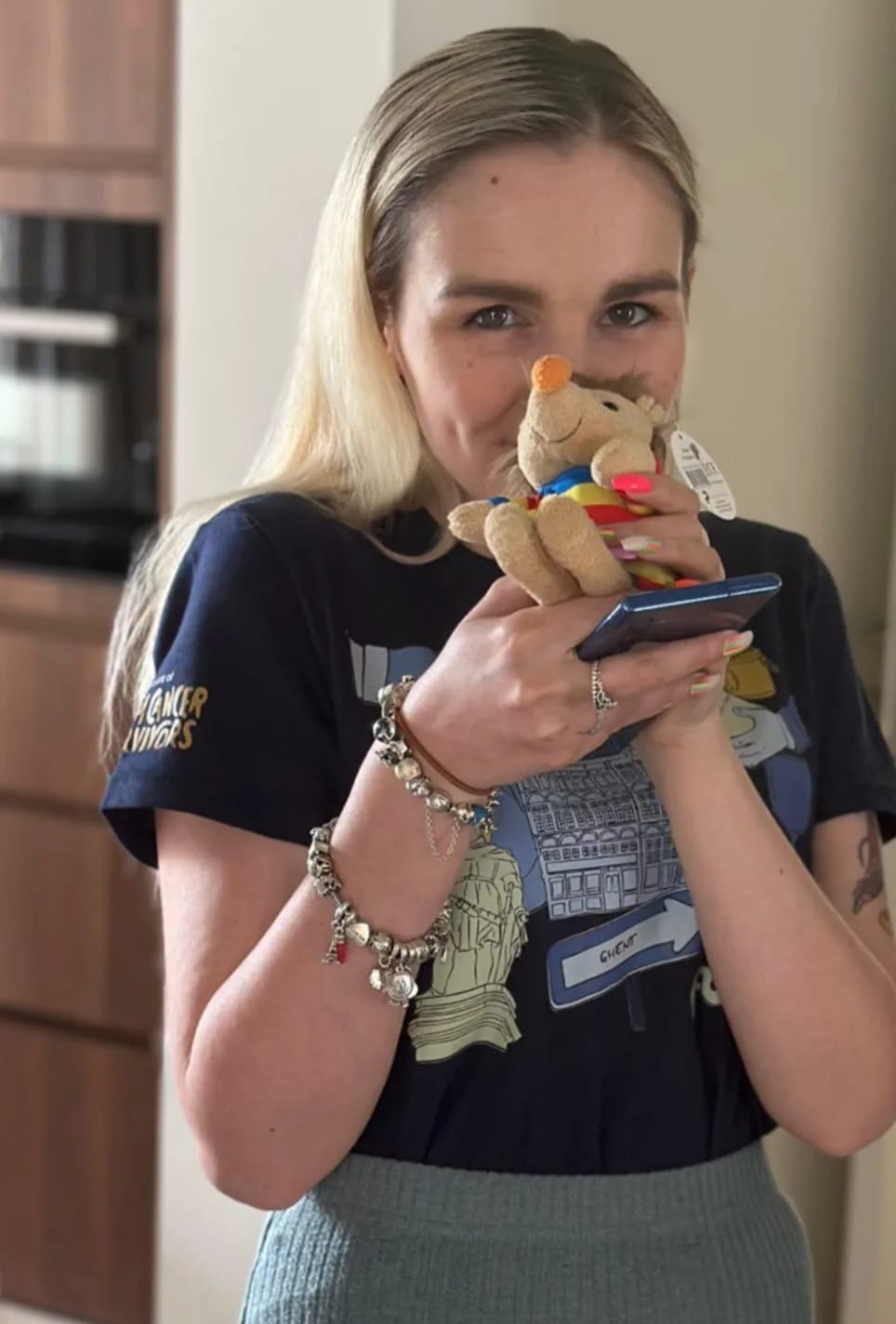
### What’s your diagnosis?
Acute lymphoblastic leukemia.
### How and when did you find out about your diagnosis?
I was diagnosed with acute lymphoblastic leukemia at the age of 16.
I had been dancing since I was 6 years old, and at some point, I began experiencing excruciating pain in the joints of my knees and ankles. Initially, I thought the pain was a result of dancing, but later, after more detailed tests, I found out that it was actually leukemia.
I remember the doctor coming into the ward and informing me and my mom that the diagnosis was indeed leukemia. He mentioned that I would undergo further specialized tests to determine the specific type of leukemia and the treatment required.
### What has the cancer experience taught you?
There’s a movie named Collateral Beauty, where there’s a quote that I liked so much: “Just make sure you notice the collateral beauty”. I started to see the positive side in a negative situation, to be calmer and more rational in my decision, to help more and be more empathic with the people. It makes me stronger, but at the same time more emotional. I have a joke with my friends, every time when they receive their blood test, I tell them that I learned to read the numbers, because of my many blood tests during the treatment.

### What helped you the most during the treatment process?
During the treatment I had a lot of support from my family. Especially my mom, who stayed by my side throughout the treatment. My dad and other family members were coming almost every day to visit me and bring me cooked food. Also, my classmates came to visit me all the time and told me about what happened at the high school. And there was also Little People, the special trained volunteer that visited me daily, and asked me if I needed any peer support, or just get out of the ward to draw, or craft, or read something. Little People gave me the chance to feel happy at a time when I was mostly sad, bored, and weak.
### What has changed in your life since your cancer diagnosis?
Since my cancer diagnosis, I have had the luck to have not too many chances, or maybe this is what I feel now.
I remember, the first time I received the diagnosis, I had to learn from the hospital or home. By that time it was a big tragedy for me, but now it doesn’t look that bad. I managed to finish my study at the same time as my classmates and finished studies at the college that I desire.
Another change that happened was that I had to stop dancing. It was again a big tragedy for me, because I wanted to be a dancing teacher for children. But by that time, I started to volunteer in the hospital, and work with children, and I started to dance again, as a hobby. So, I learn to adapt my goals in life and still do what I like.
### What would you like to accomplish within EU-CAYAS-NET?
Within the [EU-CAYAS-NET](https://beatcancer.eu/resources/european-network-of-youth-cancer-survivors/) I would like to make a change in my country, bring together more young survivors and advocate for our rights. I would like the position paper about the minimum standards of care for AYA people with lived experience to be considered a start of change for each country in Europe and abroad. I, as an AYA survivor, can say that during the treatment I felt that my place was not neither in the children ward, nor in the adult ward. It is not necessary to start with big changes, but small changes can be made, and I hope that our voices will be heard.

### What are your achievements to date (formal or informal, education or hobby)?
I finished my master degree in management and leadership, but this is not exactly an achievement for me. The achievement is that during my college and master study I managed a charity project. With a team of 10 students, every year around holidays, we do fundraising for the children that are in the hospital for treatment and make packages and deliver them. Even though I finished the studies, this charity project is still running and managed by the actual students, and I have the opportunity to help them with the contact from the hospital.
Every year, I’m going to talk about the project for the new students, bring awareness about the situation in the hospital and advocate about what is right and good to do.
### What do you do in your free time?
As I said before, I like to dance. So, this is what I do in my free time, 4 days/week, 3 hours/day. I take kizomba, bachata and sometimes salsa classes. I also like to participate in dancing festivals. I’m a bit of a gamer, so every time there’s a new game on the market, I like to try it and spend some time playing it. I like to go to the cinema, in the past I had a rule of going to see a movie every week. Now I’m still trying to find time to follow that rule, but it is hard when you have that many dance classes, not that I complain.
### What is the best piece of advice you’ve ever received?
“Everyone thinks differently. Try not to understand everyone’s thoughts and try not to have high expectations from people.”
### What makes you instantly light up?
Music always makes me light up. If I had a bad day, music would give me energy and happiness to finish it on a good vibe, always.
### What defines you as a person?
I’m kind and always smiling. I’m childish sometimes, and I think I will always be. I like to help people, to meet new people, to learn new things, to be a good example for others. I’m a calm person, and it is hard to get me mad, or nervous. I don’t like spiders and snakes, and I love both cats and dogs. I’m a big fan of the Minions, and the magic word of Harry Potter. And I always say that I will visit Disneyland in California, because I’m in love with fairytales and happy endings.
### What is one book you would definitely recommend to read? Or a movie to watch? Or a song to listen to?
Book would be: [The Fault in Our Stars](https://amzn.to/3RNkc9p)
Movie would be: Collateral Beauty
Song to listen: All of me – John Legend
***Editor’s Note:** Embark on a journey of strength and support! Join [our thriving online cancer survivorship community on Discord](https://beatcancer.eu/community/). Connect with fellow survivors, share stories of triumph, and find comfort in a network that understands. Together, we are resilient. [Click here](https://beatcancer.eu/community/) to join and embrace a community of hope and healing. 🌟*
---
# Returning to Work After Cancer: Tips, Strategies, and Legal Rights for a Smooth Transition
URL: https://beatcancer.eu/resources/returning-to-work-after-cancer/ | Topic: Transition | Published: 2025-04-19 | Updated: 2026-08-18
Returning to work after cancer can feel like stepping into uncharted territory. You’ve faced one of life’s toughest battles, and now you’re navigating the path back to a routine that once felt so familiar. It’s natural to have questions about balancing your health, energy, and professional responsibilities as you transition back into the workplace.
This journey isn’t just about resuming your career—it’s about rediscovering your confidence and redefining what works best for you. Whether you’re concerned about physical limitations, emotional readiness, or workplace accommodations, there are ways to make this transition smoother. With the right mindset and resources, you can regain your footing and thrive in your professional life once again.
## Key Takeaways
* Returning to work after cancer requires balancing physical, emotional, and professional challenges, including addressing fatigue, cognitive issues, and mental health struggles.
* Open communication with your employer and understanding workplace accommodations can help create a supportive and flexible work environment.
* Gradual return-to-work programs, time management strategies, and prioritizing tasks are essential for a smoother and less stressful transition.
* Building a strong support network of colleagues, HR personnel, and cancer support organizations can provide valuable emotional and professional guidance.
* Understanding your legal rights under the **Equality Framework Directive (2000/78/EC)** and national labor laws ensures you are protected and can request reasonable accommodations without fear of discrimination.
* Sharing your cancer experience at work is a personal decision; focus on disclosing relevant details while maintaining boundaries that feel comfortable to you.
## Understanding The Challenges Of Returning To Work After Cancer
Cancer recovery often comes with physical, emotional, and psychological challenges that can impact your workplace reintegration. Recognizing these obstacles is vital to prepare for a smoother transition.
### Physical Limitations And Fatigue
Physical changes like fatigue, reduced stamina, or ongoing treatment side effects can affect your daily work routine. Tasks that were once simple, like standing for long periods or lifting light objects, may now require more effort. For example, chemotherapy can lead to neuropathy, which might hinder your ability to perform fine motor tasks.
### Cognitive Impairments
You may experience cognitive challenges, such as difficulty concentrating or memory lapses, often referred to as "chemo brain." These can impact productivity, make problem-solving harder, and lead to feelings of frustration. Adjusting workloads or implementing organizational tools can help manage these difficulties.
### Emotional And Mental Health Struggles
Returning to work may stir anxiety about job performance, stigmas, or health relapse. Depression and post-traumatic stress symptoms often emerge as residual effects of cancer treatment. Seeking support through therapy or workplace mental health programs can help alleviate these emotional burdens.
### Workplace Dynamics
Changes in workplace roles, relationships, or expectations during your absence may create a sense of alienation or uncertainty. Coworkers may avoid conversations about your experience, either out of discomfort or fear of saying the wrong thing. Open communication with trusted colleagues and supervisors helps rebuild a supportive environment.
### Balancing Health And Work
Balancing medical follow-ups, dietary needs, and energy levels alongside professional commitments may feel overwhelming. Flexible schedules or hybrid work arrangements can help you accommodate ongoing health priorities while fulfilling job duties.
## Preparing To Return To Work
Successfully returning to work after cancer involves thorough preparation. Focusing on your physical readiness, open communication with your employer, and understanding workplace accommodations can make your transition smoother.
### Physical And Emotional Readiness
Assess your physical condition before resuming work. Monitor signs of fatigue, pain, or cognitive challenges, such as memory lapses. Engage in regular physical activity suited to your stamina, like light walking or yoga, to rebuild strength. Emotional readiness also plays a key role. Consult a mental health professional to address anxiety or stress related to re-entering the workplace. Joining a cancer support group can provide additional emotional support.
### Communicating With Your Employer
Initiate a transparent conversation with your employer. Discuss your health status, potential limitations, and any adjustments you might need. Sharing details, such as medical restrictions or required rest breaks, helps set realistic expectations. If you’re comfortable, involve your Human Resources department to formalize plans, ensuring alignment with workplace policies. Clear communication fosters understanding and support.
### Researching Workplace Accommodations
Identify accommodations available for your situation. These may include adjustable work hours, remote work options, or ergonomic adjustments, like specialized chairs or standing desks. Under the **European Employment Equality Directive (2000/78/EC)** and national labor laws, employees with disabilities, including cancer survivors, are entitled to reasonable accommodations. Research your rights and consult with your doctor to outline necessary adjustments based on your recovery needs.
## Legal Rights And Workplace Protections in Europe
### Understanding Disability Laws
European legislation, particularly the **Equality Framework Directive (2000/78/EC)**, prohibits discrimination against employees with disabilities, including those recovering from cancer. Each EU country has its national laws implementing these protections, ensuring that employees are safeguarded from unfair treatment due to their medical condition.
The **European Pillar of Social Rights** reinforces workers' rights to fair working conditions and access to social protection, emphasizing the importance of inclusive workplaces for individuals recovering from long-term illnesses like cancer.
### Requesting Reasonable Accommodations
Employees returning to work after cancer treatment can request reasonable accommodations such as:
* **Flexible working hours**
* **Remote or hybrid work arrangements**
* **Adapted workloads or job responsibilities**
* **Additional breaks for medical needs**
Employers in the EU must provide reasonable adjustments unless they can prove that doing so would impose a disproportionate burden on the business. Requests should be documented and discussed with HR to find the best solutions for both employee and employer.
## Frequently Asked Questions
### What are common challenges when returning to work after cancer treatment?
Common challenges include physical fatigue, cognitive issues ("chemo brain"), emotional struggles, and adjusting to workplace dynamics. Managing medical appointments and maintaining work-life balance can also be difficult.
### Do I have to disclose my cancer diagnosis to my employer?
No, disclosure is not mandatory. However, if you require accommodations, discussing relevant aspects of your condition with HR or your manager may help facilitate necessary support.
### What legal protections do I have in the workplace as a cancer survivor?
Under the **Equality Framework Directive (2000/78/EC)**, discrimination against employees due to health conditions is prohibited across the EU. National laws further protect the rights of employees with long-term illnesses.
### What workplace accommodations can I request?
You may request flexible hours, remote work options, workload adjustments, ergonomic office setups, and additional rest breaks. These must be reasonable and not place an undue burden on your employer.
### How can I make my return to work smoother?
Consider a gradual return-to-work plan, communicate openly with your employer, and seek support from workplace resources and professional networks. Prioritizing self-care is also crucial.
## Conclusion
Returning to work after cancer is a deeply personal journey that requires patience, preparation, and self-compassion. It’s an opportunity to redefine your professional goals while prioritizing your health and well-being. By taking proactive steps, seeking support, and advocating for your needs, you can create a work environment that aligns with your new reality.
---
# Returning to Work or School After Cancer: A Comprehensive Guide
URL: https://beatcancer.eu/resources/returning-to-work-or-school-after-cancer-a-comprehensive-guide/ | Topic: Survivorship | Published: 2023-11-25 | Updated: 2026-08-17
Walking through those familiar doors after months, perhaps years, of battling cancer is no small feat. The rhythm of the professional or academic world might seem alien after a hiatus filled with treatments, doctors, and emotional upheaval. But, as many survivors will attest, this journey is not just about finding your old self but embracing the evolution that has occurred within you. As you plan this return, here’s a guide to making the transition smoother, professional, and with a touch of well-earned grace.
### **1. Mindset Shift: From Patient to Professional/Student**
Firstly, it’s vital to shed the ‘patient’ label mentally. While your journey has undoubtedly changed you, now is the time to embrace your role as a professional or a student.
**Expert Insight:** [Returning to a routine](https://www.cancer.org/cancer/survivorship/be-healthy-after-treatment/returning-to-work-after-cancer-treatment.html) often accelerates emotional recovery. It brings back a sense of ‘normalcy’ many survivors with [complex emotions](https://beatcancer.eu/resources/survivors-guilt-complex-emotions-of-beating-cancer/) yearn for.
### **2. Structured Communication: Crafting Your Narrative**
Should you choose to share your story, consider framing it in a manner that empowers you and educates your audience. It’s not about seeking sympathy but building understanding.
**Pro Tip:** Structure your narrative. Start with your diagnosis, highlight your journey, and end with your return. This format, often recommended by communication experts, offers a clear and concise account.
### **3. Tailored Integration: Adjusting Your Work or Study Environment**
Your previous setup – be it at your desk or your study group – might need adjustments. Perhaps an ergonomic chair, or a more flexible schedule. Don’t shy away from seeking these accommodations.
**Expert Advice:** A [tailored work or study environment](https://www.ncbi.nlm.nih.gov/pmc/articles/PMC6518012/) can greatly reduce physical strain and mental stress for returning survivors.
### **4. Wellness Breaks: Not Just a Luxury**
Beyond the usual breaks, consider wellness intervals – moments where you engage in deep breathing, short walks, or mindfulness exercises.
**Relevance:** A study by the [*National Cancer Institute*](https://www.cancer.gov/rare-brain-spine-tumor/living/self-care/work) highlighted the marked improvement in concentration and overall well-being of survivors who incorporated regular wellness breaks.
### **5. Leverage Support Systems: Professional and Peer-based**
Beyond family, there are support systems specifically designed for [cancer survivors](https://beatcancer.eu/project-outcomes/) to integrate back into work or school. Explore these resources.
**Consider:** Universities often have dedicated counselors, and many workplaces now incorporate employee wellness programs catering to such specific needs.
### **6. Continuous Education: Staying Updated**
The world moves quickly. Depending on your hiatus length, there might be updates in your field of work or study. Dedicate time to catch up, enroll in short courses if needed, or chat with colleagues or classmates.
**Note:** Websites like [*Cancer and Careers*](https://cancerandcareers.org/) offer resources and courses tailored for professionals returning to the workplace after battling cancer.
### **7. Embrace Flexibility: The Power of Adaptive Thinking**
One of the profound lessons from battling adversity is the power of adaptability. Use this in your professional or academic life. If a method isn’t working, be flexible enough to try a different approach.
Your journey back into work or education, post-cancer, is a testament to your resilience. While the terrain might seem unfamiliar at first, remember that you’re armed with a depth of experience and wisdom that few possess. Every challenge you face is surmountable. With the right strategies, resources, and mindset, this next chapter can be as fulfilling, if not more so, than before your diagnosis.
*When the burden feels overwhelming, remember that an expansive* [*online cancer discord community*](https://beatcancer.eu/community/) *is poised to support, empathize, and join hands with you. Reach out, share, and together, we’ll light the way through the shadows.*
---
# Rūta Dvylytė: Finding Strength and Turning Challenges into Purpose
URL: https://beatcancer.eu/resources/high-grade-osteosarcoma-survivor-story/ | Topic: Survivorship | Published: 2024-10-21 | Updated: 2026-08-18
In this interview, Ruta Dvylyte opens up about the twists and turns she’s faced after being diagnosed with a high grade osteosarcoma—twice. She talks about the ups and downs, what helped her stay strong, and how these experiences pushed her to get involved in projects that bring joy and support to others, like her “Gratitude Box” initiative.
### Can you introduce yourself?
I am Ruta Dvylyte, I am 32 years old, and I am from Lithuania. I live in a small town Kalvarija near the border with Poland.
### What was your diagnosis?
I was diagnosed with high grade (G3) osteosarcoma twice.
### When did you first learn about your diagnosis?
I first heard the diagnosis of cancer in the fall of 2014 when I suffered a pathological fracture in my left arm at the elbow joint. Many tests were performed before the final diagnosis was confirmed, and this process took several months.

The second time it happened, in September 2022,when I felt a severe pain in my leg, and it seemed like the bone could break while walking. However, I didn’t think about the possibility of the disease coming back, as it seemed there was such a small chance of it coming back—around 5%, as far as I know. I called my doctor, we ran some tests, and it was diagnosed as a recurrence of the disease.
### What motivated you to become a part of EU-CAYAS-NET, and what does it mean to you?
I often felt lonely. You are an adult, but your life is just beginning, and we face so many challenges. Being part of this community I met young people who know what cancer is at a young age. This helps me a lot. Their stories are important to me. It’s important for me also to share my story and for it to reach those who need to hear it because I once really needed that myself.
The idea of this project and the work being done are very important, not only for those personally affected by the illness but also for healthcare institutions and others.
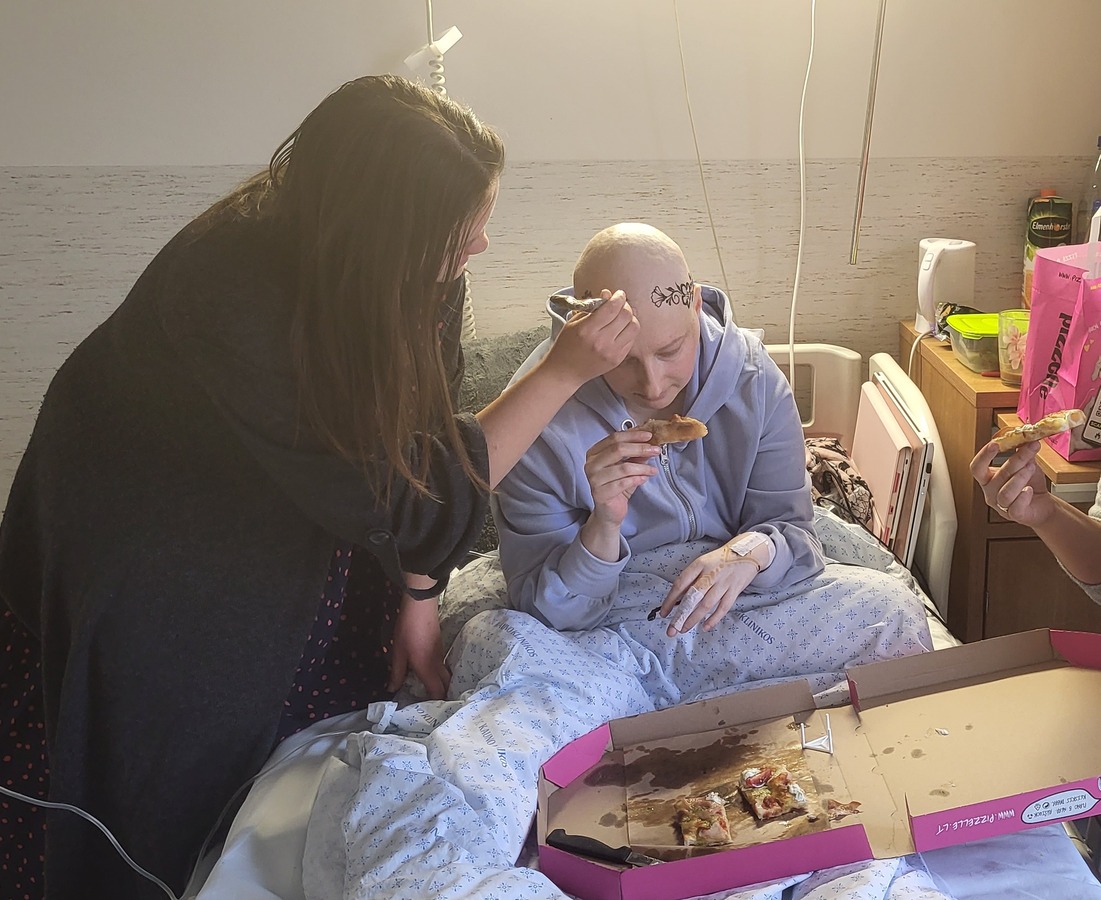
### What helped you during the treatment process? Was there something or someone that made a big difference?
After being diagnosed with cancer for the second time, I started writing [a diary on Instagram](https://www.instagram.com/dekingumodezute_dienorastis). It was public and accessible to everyone. It helped me in my fight with my own thoughts, helped me understand myself better, and taught me to accept help. Many people prayed for me and sent words of support. By sharing my experience, I helped others find the support they needed. Writing is like therapy for me.
### How has your life shifted since your diagnosis? How have things changed for you, both big and small?
I started volunteering with people who have cancer. For several years now, I have run my own project called the ["Gratitude Box"](https://www.instagram.com/dekingumodezute_dienorastis) through which I bring joy to other cancer patients with small gifts. This project was inspired by my own story. I also represent patients as a member of the Patient Council at a healthcare institution. One of the proposals we implemented was wheelchair stations. Anyone in need can borrow a wheelchair to move more easily between the university hospital buildings and then return it. This idea came from personal experience. In 2022, I had to use crutches for half a year, but covering the long distances within the hospital was difficult. Patients are grateful for the implementation of this initiative.
### If you could go back to the day you were diagnosed, what would you say to yourself then?
I got sick for the first time when I was 22, knowing very little about what cancer truly is. Many things brought fear and uncertainty. I wish I could have told myself that there would be moments of helplessness and sadness, but there would also be joy—like having a pizza party with friends in the hospital. There would be moments when you would feel proud of yourself. You have to keep going, step by step, and live in the present moment.
### What is one thing you wish more people understood about being a young cancer survivor?
When you should be having fun, making lifelong friends, and creating future plans, you suddenly find yourself set apart from your peers, who don’t know what it’s like to have cancer. We want to communicate; we need you to be able to talk not only about cancer but also about other things. Support us.

### What are some of your proudest achievements so far?
When I first got sick, I was about to start my final year at university. The doctors said that I wouldn’t be able to study and that I should pause my studies because it would be too difficult. But they didn’t know me. I spent a lot of time in the hospital during chemotherapy; it was incredibly hard, but it didn’t stop me from writing my bachelor's thesis, receiving the highest grade, and graduating from university. I received great support from my university professors, who helped me a lot on this journey. I am a social worker. It’s one of the best things that reminds me every day that we are the ones responsible for the boundaries we set in life, not others.
### How do you like to spend your free time? What are your favorite hobbies or activities?
I enjoy attending basketball games, not just watching, but actively participating in the support. I also love traveling; during my travels, I enjoy observing people, nature, and experiencing the way cities live. I really enjoy listening to music and attending concerts of my favorite artists. I like dark humor and stand-up performances.Volunteering is a part of my life.
### Do you have a life motto? What quote or saying inspires you the most?
Have the courage to want more. Fear is what helps us move forward. To feel afraid but still take action gives you a sense of pride for doing something you didn’t think you could.
### What’s on your bucket list? Is there something you’re dreaming of doing or accomplishing?
Both times, my treatment lasted 1.5 years. I finished the treatment in February 2024. I miss traveling, meeting people and exploring the world.
Now for my bucket list: to attend a Coldplay concert (and while answering questions, I managed to buy a ticket!). I also want to visit a Christmas market in one of the European cities and walk through the streets of cities I've seen in my favorite movies or TV shows (like Paris in "Emily in Paris“ and others).
### What keeps you motivated every day? Is there something that drives you forward, even on tough days?
Every day, I have the chance to write my own story. In the toughest moments, my family supports me by being there for me. This diagnosis has brought many difficult moments, including times when I almost lost my arm—first due to cancer, and later because of treatment complications. During all those times, my doctors were by my side, doing everything they could to help me recover. I learned from them the importance of not giving up. It’s okay to pause for a moment, but as long as there is even a minimal chance, you have to keep holding on. In my toughest moments, I remind myself that many wonderful things are still waiting for me.
### What’s one thing everyone should know about you? Feel free to share something unique or important!
I'm a highly sensitive person (HSP). This means I have a more sensitive nervous system: to sounds, smells, pain, and lights, but I also have strong intuition. Being a highly sensitive person helps me in interacting with others, as I am empathetic. I enjoy having deep connections with people. I enjoy focusing on important matters and analyzing them from different perspectives, allowing me to approach situations with greater insight and clarity. I often notice that I see the world not as it is, but as it should be.
---
# SIOP Europe Strategic Plan Update (2021-2026)
URL: https://beatcancer.eu/resources/siop-europe-strategic-plan-update-2021-2026/ | Topic: Survivorship | Published: 2021-12-08 | Updated: 2026-08-18
Each year, more than 35,000 children and young people are diagnosed with cancer and more than 6,000 die of cancer. Over 500,000 long-term survivors of childhood cancer live in Europe today and two thirds of them experience long-term health and psycho-social problems due to their disease.
SIOP Europe is the only pan-European organisation representing clinical professionals working in the field of childhood cancers, currently counting over 2,300 members across 35 European countries and continues to grow.
SIOP Europe’s Mission is to ensure the best possible care and outcome for all children and adolescents with cancer in Europe. To achieve this goal, SIOP Europe is addressing the main challenges faced in European paediatric oncology through a multidisciplinary and pan-European perspective.
”SIOP Europe’s Strategic Plan Update (2021-2026) is an important refresh of our key objectives and I am enthusiastic to engage with our community in its delivery. Our Board Members are eager to collaborate with all our members and partners to accomplish our mission for our community of children and young patients with cancer”. — Prof Pamela Kearns (SIOP Europe President).
Main Objective: Beating childhood cancer: tackle inequalities and increase the quality of life for survivors.
---
# STRONG-AYA - Improving the Future of Adolescents and Young Adults With Cancer
URL: https://beatcancer.eu/resources/strong-aya-improving-the-future-of-adolescents-and-young-adults-with-cancer/ | Topic: Quality of Life | Published: 2023-11-04 | Updated: 2026-08-17
STRONG-AYA is a new, interdisciplinary, multi-stakeholder European network aiming to improve healthcare services, research and outcomes for Adolescents and Young Adults (AYA) with cancer aged 15-39 years at cancer diagnosis.
AYAs with cancer form a unique group; they face age-specific issues (e.g. infertility, unemployment, financial problems) and decreased quality of life due to cancer and its treatment. Unlike dedicated healthcare and trials for pediatric cancer patients, AYA-specific healthcare services are scarce and vary across Europe.
The specific objectives of the project include: (1) Development of a Core Outcome Set (COS) for AYAs with cancer; 2) Implementation of the COS in five national healthcare systems (France, Italy, Netherlands, United Kingdom, Poland) and establishment of national infrastructures for outcome data management and clinical decision-making and a pan-European ecosystem; 3) Dissemination of outcomes and facilitation of interactions between national and pan-European stakeholders to develop data-driven analysis tools to process and present relevant outcomes, establish feedback loops for AYA cancer patients and the healthcare systems, and improve the reporting and assessment of outputs towards policy-makers.
STRONG-AYA is funded by the European Union (Grant Agreement 101057482) and by Innovate UK (10038931, 10039273, 10041045, 10044189).
---
# Safe Mobility Exercises During Cancer Recovery
URL: https://beatcancer.eu/resources/safe-mobility-exercises-during-cancer-recovery/ | Topic: OACCUs | Published: 2025-12-03 | Updated: 2026-08-18
Mobility exercises are recommended at the beginning of each session as part of the warm-up. Move through your range of motion **only as far as is comfortable**, and never into sharp or intense pain. Include **both upper- and lower-body** mobility exercises.
When needed, you can also perform separate mobility sessions during the week. A general guideline is **2 sets of 8–10 repetitions per exercise**, moving slowly and with control.
> **Important:** If you are a cancer survivor, always follow the advice of your healthcare team. If any movement causes pain, dizziness, shortness of breath, or unusual fatigue, stop and seek professional guidance.
---
## General recommendations for mobility training
- Warm up first with 3–5 minutes of gentle walking or marching in place.
- Move **slowly and smoothly**, never bouncing or forcing the stretch.
- Breathe normally; avoid holding your breath.
- Start with a **small range of motion** and increase gradually.
- Aim to do mobility work **2–4 times per week**, or even daily if it feels good.
You can select 4–6 of the exercises below for a short warm-up routine.
---
## Shoulder rolls

Shoulder rolls are a simple upper-body mobility drill to release tension in the neck and shoulders and prepare the shoulder joints for exercise.
### How to do it
1. Stand or sit tall with your arms relaxed by your sides.
2. Gently roll your shoulders **up toward your ears**, then **back and down**.
3. Make smooth circles, as if you’re drawing circles with your shoulders.
4. Perform 8–10 rolls backwards, then 8–10 rolls forwards.
### Tips and variations
- Keep your neck long and your chin slightly tucked.
- If you have shoulder discomfort, make the circles smaller.
- You can do this several times per day when working or studying to reduce stiffness.
---
## “No money” (external rotation drill)

The “no money” exercise trains gentle external rotation of the shoulders and opens up the chest muscles, which often become tight after long periods of sitting.
### How to do it
1. Stand or sit tall with your elbows bent to 90° and tucked close to your sides.
2. Palms face up, as if you’re holding a small tray in front of your body.
3. Keeping your elbows glued to your ribs, gently rotate your forearms outward, opening your hands away from each other.
4. Pause briefly when you feel a gentle stretch across your chest, then slowly return to the starting position.
5. Repeat for 8–10 controlled repetitions.
### Tips and variations
- Imagine someone gently pulling your shoulders **down and back**.
- Stop before any pain—this should feel like a mild stretch, not a strain.
- You can perform this against a wall to help keep your posture upright.
---
## Gorilla squat

The gorilla squat is a dynamic lower-body mobility exercise that targets hips, ankles, and the lower back.
### How to do it
1. Stand with your feet slightly wider than hip-width apart, toes turned slightly out.
2. Hinge at your hips, reaching your hands down to lightly hold your ankles or shins.
3. From there, **drop your hips into a deep squat** while keeping your chest lifted as much as possible.
4. Then gently lift your hips again toward the ceiling, feeling a stretch in the back of your legs.
5. Move slowly between the bottom squat position and the hip-lifted position for 8–10 repetitions.
### Tips and variations
- If you can’t reach your ankles, hold your shins or place your hands on a stable support in front of you.
- Keep your heels on the floor as much as possible.
- Only go as low in the squat as feels comfortable for your knees and hips.
---
## Cossack squat

The Cossack squat improves hip, groin, and ankle mobility while also gently strengthening the legs.
### How to do it
1. Stand with your feet much wider than shoulder-width apart.
2. Shift your weight to one side and **bend that knee**, sitting your hips down toward that heel.
3. Keep the other leg straight, with your toes pointing slightly upward if comfortable.
4. Your chest stays upright as you move into the side squat.
5. Return to the middle and repeat on the other side.
6. Perform 6–8 reps per side.
### Tips and variations
- Hold onto a chair, wall, or rail for balance and to reduce load.
- Work within your comfortable depth; the movement can be quite shallow at first.
- If your hips feel tight, move slowly and pause at the bottom for 1–2 seconds.
---
## 90/90 hip mobility

The 90/90 exercise helps improve internal and external rotation of the hips and is excellent for reducing stiffness.
### How to do it
1. Sit on the floor with one leg in front of you, knee bent at 90°, and the other leg out to the side, also bent at 90°.
2. Both knees point in the same direction, creating a “zig-zag” shape with your legs.
3. Keeping your chest tall, gently lean your torso forward over the front shin until you feel a stretch in the hip.
4. Hold the position briefly, then return upright.
5. Slowly rotate your knees to the other side to switch legs and repeat.
6. Perform 6–8 repetitions per side.
### Tips and variations
- Use your hands on the floor for support behind you or in front of you.
- Sit on a cushion or yoga block if your hips feel very tight.
- Keep your movements controlled to avoid any strain in the knees.
---
## Half-kneeling groin stretch in movement

This dynamic stretch targets the groin and hip flexors, improving mobility for walking, squatting, and daily activities.
### How to do it
1. Start in a half-kneeling position: one knee on the floor, the other foot in front with the knee bent at 90°.
2. Turn your front foot slightly outward and shift your weight gently toward that side, feeling a stretch along the inner thigh.
3. Move slowly in and out of the stretch, rocking your hips forward and slightly sideways.
4. Repeat for 8–10 smooth repetitions, then switch sides.
### Tips and variations
- Place a folded towel or mat under your back knee for comfort.
- Keep your torso tall and your core engaged to support your lower back.
- The stretch should feel gentle—avoid bouncing or forcing the movement.
---
## Shoulder rotation in lying supine position

This exercise improves shoulder mobility while supported in a lying position, which is often more comfortable if you are fatigued.
### How to do it
1. Lie on your back with your knees bent and feet flat on the floor.
2. Bring your arms out to the side, elbows bent 90°, so your hands point toward the ceiling (like a goalpost position).
3. Slowly rotate your hands backward toward the floor above your head, then forward toward your hips, keeping elbows in place.
4. Move within a pain-free range, feeling only a gentle stretch in the chest and shoulders.
5. Perform 8–10 repetitions.
### Tips and variations
- Place a small pillow under your head if your neck feels strained.
- If touching the floor is too much, stop wherever you feel a mild stretch.
- Focus on slow, controlled movements and steady breathing.
---
## Half-kneeling arm rotation

This is a spine and shoulder mobility exercise that also challenges balance and core stability.
### How to do it
1. Get into a half-kneeling position (one knee down, one foot forward).
2. Extend your arms in front of your chest, hands together.
3. Rotate your upper body and arms toward the side of the front knee, opening your chest.
4. Follow your hands with your eyes as you rotate.
5. Return to the starting position and repeat 8–10 times, then switch legs and rotate to the other side.
### Tips and variations
- Keep your hips facing forward; let the movement come from your upper back and shoulders.
- Use a wall or chair for support if balance is challenging.
- Move gently—this is about mobility, not speed.
---
## Kneeling dorsiflexion stretch in movement

This exercise targets ankle mobility, especially dorsiflexion (bringing the knee over the toes), which is important for squatting and walking up stairs.
### How to do it
1. Kneel on one knee with the other foot flat on the floor in front of you.
2. Keeping your heel down, gently drive your front knee forward over your toes.
3. Hold briefly at the point of a light stretch, then move back.
4. Repeat 8–10 times, then switch legs.
### Tips and variations
- Use a wall or chair for balance if needed.
- If your heel lifts, shorten the movement range.
- This can be done close to a wall by lightly touching your knee to the wall for a target.
---
## Quadruped hip rotation

This drill mobilizes the hips while your spine is supported on hands and knees.
### How to do it
1. Start on all fours with your hands under your shoulders and knees under your hips.
2. Keeping your spine neutral, lift one knee slightly off the floor and move it in a slow circular motion—out to the side, up slightly, then back down.
3. Think of drawing small circles with your knee.
4. Perform 6–8 circles in one direction, then 6–8 in the opposite direction.
5. Switch legs and repeat.
### Tips and variations
- Keep your weight evenly distributed through your hands and supporting knee.
- Only lift the knee as high as feels comfortable.
- If your wrists are sensitive, you can place your hands on a raised surface (bench or step).
---
## Quadruped T-spine rotation

This exercise improves upper back (thoracic spine) rotation, which is important for comfortable turning and reaching.
### How to do it
1. Start on all fours (hands under shoulders, knees under hips).
2. Place one hand lightly behind your head or on your neck.
3. Rotate your upper body so that your elbow moves toward the hand on the floor (downward).
4. Then rotate upward, bringing your elbow toward the ceiling and opening your chest.
5. Move slowly for 8–10 reps, then switch sides.
### Tips and variations
- Keep your hips as still as possible to focus the movement on your upper back.
- Look toward your moving elbow to encourage more rotation.
- If putting your hand behind your head is uncomfortable, place it on your shoulder instead.
---
## Good morning with fitness stick

This movement trains hip hinging and gently mobilizes the posterior chain (hamstrings, glutes, and lower back).
### How to do it
1. Stand tall holding a light stick, broom, or dowel along your back (touching head, upper back, and tailbone).
2. With a soft bend in your knees, hinge at your hips, sending your hips back while your chest leans slightly forward.
3. Keep the stick in contact with your body as a reminder to keep your spine long and neutral.
4. Go only as far as you can while maintaining a flat back, then return to standing.
5. Repeat for 8–10 controlled repetitions.
### Tips and variations
- Imagine closing a car door with your hips—this is a hip movement, not a big knee bend.
- If balance is an issue, stand near a wall or chair.
- Start with a small range and gradually increase as your mobility improves.
---
## Cat-camel (cat-cow)

The cat-camel mobilizes the entire spine and can help reduce stiffness in the back.
### How to do it
1. Start on all fours with your hands under shoulders and knees under hips.
2. Slowly round your back toward the ceiling, tucking your tailbone and dropping your head (cat position).
3. Then gently arch your back, lifting your chest and tailbone while looking slightly forward (camel/cow position).
4. Move smoothly between these two positions for 8–10 repetitions.
### Tips and variations
- Move gently and avoid pushing into pain, especially if you have a history of spinal issues.
- Coordinate the movement with your breathing: exhale as you round, inhale as you arch.
- Keep your hands and knees firmly rooted on the floor.
---
## Crossed prayer

This upper-body mobility drill stretches the upper back and shoulders and may relieve tension from sitting.
### How to do it
1. Sit or stand tall. Bring your arms in front of you and cross one arm over the other at the elbows.
2. Press the backs of your hands together, or if comfortable, wrap your forearms so your palms touch (similar to an “eagle” arm position in yoga).
3. Lift your elbows slightly and feel a stretch between your shoulder blades.
4. Hold briefly, then slowly return and switch the crossing of your arms.
5. Perform 6–8 repetitions per side, moving in and out of the stretch.
### Tips and variations
- If the full arm wrap is too intense, simply cross your forearms and hold opposite shoulders instead.
- Keep your shoulders down away from your ears.
- Focus on gentle stretching, not forcing the position.
---
## Scapular retraction

Scapular retraction targets the muscles between your shoulder blades and encourages good posture.
### How to do it
1. Sit or stand tall with your arms by your sides or holding a light resistance band in front of you.
2. Gently squeeze your shoulder blades together, as if you’re trying to hold a pencil between them.
3. Keep your shoulders down and away from your ears.
4. Hold for 2–3 seconds, then relax.
5. Repeat for 8–12 repetitions.
### Tips and variations
- Do not arch your lower back—keep your chest lifted but ribs soft.
- You can perform this against a wall to help maintain good alignment.
- If using a band, gently pull it apart as you squeeze your shoulder blades.
---
## Putting it all together
You don’t need to do every exercise in one session. A simple warm-up for young cancer survivors might include:
- **Upper body:** Shoulder rolls, “no money”, scapular retraction, crossed prayer.
- **Spine:** Cat-camel, quadruped T-spine rotation, good morning with fitness stick.
- **Lower body:** Gorilla squat, kneeling dorsiflexion stretch, Cossack squat, 90/90 hip mobility.
Start with 1–2 sets of 6–10 repetitions per exercise, 2–3 times per week, and build gradually as you feel stronger and more confident.
> If you are unsure whether an exercise is safe for you, discuss it with your physiotherapist, exercise professional, or medical team before starting.
---
# Safety of Complementary and Alternative Medicine: Risks, Benefits, and Expert Tips
URL: https://beatcancer.eu/resources/safety-of-complementary-and-alternative-medicine/ | Topic: Science | Published: 2025-01-10 | Updated: 2026-08-18
When it comes to your health, exploring complementary and alternative medicine (CAM) might feel like an appealing option. From herbal remedies to acupuncture, these practices often promise natural solutions and holistic healing. But how safe are they really? Understanding the safety of CAM is crucial to making informed decisions about your well-being.
You might assume that because something is labeled "natural," it’s automatically safe. However, not all CAM therapies are risk-free, especially when combined with conventional treatments. Knowing what to look for and how to evaluate these options can help you avoid potential pitfalls while reaping their benefits.
## Key Takeaways
* Complementary and Alternative Medicine (CAM) encompasses diverse therapies, including herbal remedies, acupuncture, and yoga, offering holistic approaches to wellness.
* Safety concerns with CAM include adverse effects, product quality inconsistencies, and potential interactions with conventional treatments.
* Proper research into evidence-based practices and credible sources, such as clinical studies and reliable institutions, is essential for informed decisions.
* CAM regulation varies by region, making it vital to verify practitioner credentials and product certifications before use.
* Always consult healthcare providers about CAM therapies to ensure their safe and effective integration into your treatment plan.
* Taking precautions, such as avoiding self-prescription and using licensed practitioners, helps maximize CAM's benefits while minimizing risks.
## Understanding Complementary And Alternative Medicine (CAM)
Complementary and Alternative Medicine (CAM) includes diverse medical practices and products not typically part of conventional medicine. Its focus lies in holistic approaches to enhance well-being and address health conditions.
### Definition And Types Of CAM
CAM consists of therapies used either alongside (complementary) or instead of (alternative) conventional treatments. These include:
1. **Herbal Medicine**: Use of plant-based remedies like echinacea and ginkgo biloba.
2. **Acupuncture**: Traditional Chinese technique involving needles to stimulate specific points.
3. **Homeopathy**: Treatment using highly diluted substances.
4. **Chiropractic Care**: Manipulation of the spine to address musculoskeletal issues.
5. **Mind-Body Practices**: Approaches like meditation and yoga focusing on mental and physical connection.
Each type aims to promote health differently, depending on the condition and method.
### Popularity And Use Cases
CAM's popularity has grown globally, driven by the demand for natural and personalized treatments. A 2020 survey by the [National Center for Complementary and Integrative Health](https://nccih.nih.gov/health/integrative-health) found over 30% of adults in the US use some form of CAM.
1. **Chronic Pain Management**: Acupuncture and chiropractic care are common for back and neck pain.
2. **Stress Relief**: Practices like yoga and meditation reduce anxiety and improve mental well-being.
3. **Digestive Disorders**: Herbal remedies such as peppermint oil assist with issues like irritable bowel syndrome.
4. **Supplementary Cancer Treatments**: CAM methods, including aromatherapy and massage, alleviate the side effects of [chemotherapy](https://beatcancer.eu/cancer-dictionary/chemotherapy/).
CAM offers various solutions tailored to individual needs, contributing to its increasing integration with conventional healthcare.
## Assessing The Safety Of CAM
Evaluating the safety of complementary and alternative medicine (CAM) involves understanding its benefits, risks, and interactions with conventional treatments. Safety concerns arise due to CAM's diverse practices and varying levels of regulation.
### Common Safety Concerns
Adverse effects, quality inconsistencies, and treatment interactions are major safety concerns for CAM. Adverse effects, like allergic reactions to herbal remedies or infections from acupuncture, require attention. Quality issues occur when products, such as supplements, contain harmful contaminants or inconsistent ingredient dosages. Interaction risks are significant for patients using conventional medicine alongside CAM; for instance, St. John's Wort can interfere with antidepressants, contraceptives, or blood thinners. Informed decision-making is essential to mitigate these concerns.
### Regulatory Challenges And Standards
CAM regulation varies widely, complicating product and therapy safety assurance. In the US, dietary supplements like herbal medicines fall under the FDA's guidelines, but oversight is less stringent compared to pharmaceuticals. Practices like chiropractic care and acupuncture follow state-level licensure requirements but lack universal enforcement of standards. Limited standardization in manufacturing and varying credentials among CAM practitioners often leave you responsible for thoroughly researching treatments and providers to ensure safety and effectiveness.
## Evaluating Evidence-Based Practices
Assessing the evidence behind complementary and alternative medicine (CAM) ensures safer and more effective choices. Focus on credible data and scientific validity when exploring treatments.
### Research And Clinical Studies
Clinical studies validate CAM practices by examining their efficacy and safety. Randomized controlled trials (RCTs) offer the most reliable evidence, comparing CAM treatments to [placebo](https://beatcancer.eu/cancer-dictionary/placebo/)s or conventional therapies. For instance, trials on acupuncture for chronic pain have demonstrated positive outcomes in pain reduction. Observational studies, while less rigorous, provide additional insights into long-term effects and real-world applications.
Systematic reviews and meta-analyses aggregate existing research to offer comprehensive evaluations of specific therapies. A 2018 meta-analysis, for example, showed moderate effectiveness of mindfulness meditation for reducing anxiety. Ensure the studies you reference come from peer-reviewed journals to avoid misinformation.
### Reliable Sources For CAM Information
Accessing trustworthy information prevents reliance on unregulated or unsupported claims. Use established sources like the National Center for Complementary and Integrative Health (NCCIH), which evaluates CAM practices through scientific research. The [World Health Organization](https://www.who.int/traditional-complementary-integrative-medicine/en/) (WHO) also provides global data and recommendations for traditional medicine.
Medical institutions with integrative health departments, such as the Mayo Clinic or Cleveland Clinic, offer evidence-based insights. Online resources like PubMed and Cochrane Library house extensive databases of peer-reviewed CAM research. Verify claims with these reliable platforms before considering any CAM intervention.
## Risks And Precautions
Understanding the risks and taking precautions are essential for the safe use of Complementary and Alternative Medicine (CAM). While many CAM therapies aim to improve your well-being, improper use can lead to adverse outcomes.
### Adverse Effects And Interactions
CAM therapies can cause adverse effects, particularly when combined with conventional treatments. Herbal remedies, for instance, may lead to allergic reactions, liver damage, or cardiovascular issues. St. John’s Wort, often used for depression, can reduce the effectiveness of medications like oral contraceptives and blood thinners. Acupuncture may pose risks such as infection or organ puncture if sterile techniques are not observed.
Treatment interactions are another critical concern. The simultaneous use of CAM and prescription drugs may alter absorption rates or impact the metabolism of medications. For example, ginseng could diminish the efficacy of blood pressure medications, and high doses of vitamin C may interfere with chemotherapy treatments. Always disclose CAM use to your healthcare provider to prevent these complications.
### Guidelines For Safe Use
Following guidelines ensures CAM’s benefits while minimizing risks. Verify the credentials of practitioners before beginning any therapy. Licensed or certified professionals reduce the likelihood of errors or unsafe practices in acupuncture, chiropractic care, and other hands-on treatments.
Use high-quality, evidence-based products. Check for third-party testing and certifications on supplements, as some may contain contaminants or inconsistent active ingredient levels. Reliable sources like USP or NSF International can help identify safer options.
Consult reputable resources like the National Center for Complementary and Integrative Health (NCCIH) for information on CAM therapies. Avoid self-prescribing, especially if you're on medications, pregnant, or have underlying health conditions. Regular communication with healthcare providers is essential for safely integrating CAM into your treatment plan.
## Choosing A Qualified Practitioner
Selecting a qualified practitioner is crucial for ensuring the safe and effective use of complementary and alternative medicine (CAM). Careful evaluation of credentials and experience helps you minimize risks associated with improper or unsafe practices.
### Importance Of Proper Training And Certification
Proper training and certification ensure that a CAM practitioner has the skills and knowledge to administer treatments safely and effectively. Specific CAM practices, such as chiropractic care and acupuncture, often require practitioners to hold licenses or certifications issued by recognized organizations or governing bodies. For example, licensed acupuncturists in the US must typically meet standards established by the National Certification Commission for Acupuncture and Oriental Medicine (NCCAOM).
Training and certification processes often include rigorous coursework, clinical experience, and examinations to validate competence. Without these qualifications, untrained individuals may perform therapies that increase the risk of injury, infection, or other adverse outcomes. Always request evidence of a practitioner's credentials and confirm their licensing status through local health departments or verified databases.
### Questions To Ask A CAM Provider
Asking specific questions helps you assess a CAM provider's qualifications and suitability. Consider the following inquiries:
* **What is your training and certification?** Verify their education, licenses, and whether they maintain certification through continuing education.
* **How long have you been practicing this therapy?** Request details about their experience with the therapy you're seeking.
* **Can you provide references or reviews from past patients?** Ensure credible testimonials exist for their services.
* **How do you ensure safety during treatments?** Determine if they follow hygiene and sterility protocols, especially for procedures like acupuncture or massage.
* **Do you collaborate with conventional healthcare providers?** Confirm they support integrative care to align CAM therapies with your medical needs effectively.
u003c!-- wp:paragraph -->
Keep records of their responses, and consult your primary healthcare provider before starting treatments to ensure compatibility with your current medical conditions or medications.
## Conclusion
Understanding the safety and effectiveness of complementary and alternative medicine is essential for making informed choices about your health. While CAM offers promising benefits, it's crucial to approach these therapies with care, ensuring they align with your individual needs and medical conditions.
By prioritizing credible information, consulting qualified practitioners, and maintaining open communication with your healthcare provider, you can confidently explore CAM as part of your wellness journey. Taking these steps helps you minimize risks while maximizing the potential benefits of these holistic approaches.
## Frequently Asked Questions
### What is complementary and alternative medicine (CAM)?
Complementary and alternative medicine (CAM) refers to medical practices and products not typically part of conventional medicine. "Complementary" therapies are used alongside standard treatments, while "alternative" therapies are used instead. Examples include acupuncture, herbal medicine, homeopathy, and yoga.
### Why do people use CAM?
People turn to CAM for various reasons, including chronic pain management, stress relief, digestive disorders, and as supplementary treatments for conditions like cancer. CAM is appealing for its natural and holistic approach to health and well-being.
### Is CAM safe to use?
The safety of CAM depends on the therapy and its application. While many CAM practices are low-risk, some can cause adverse effects or interact with conventional treatments. Always consult a healthcare provider before starting CAM.
### How can I ensure that CAM treatments are safe?
Ensure CAM safety by choosing licensed practitioners, using high-quality products, and consulting reputable sources like the NCCIH or WHO. Regularly communicate with healthcare providers to integrate CAM safely into your treatment plan.
### How is CAM regulated?
CAM regulation varies widely. In the US, dietary supplements are subject to FDA guidelines but face less stringent oversight than pharmaceuticals. Check the credentials of practitioners and the quality of products you use for added safety.
### What are the potential risks of CAM?
Potential risks include allergic reactions to herbal remedies, complications from improper acupuncture techniques, and product quality issues. Additionally, CAM may interact with conventional treatments, reducing their effectiveness or causing harm.
### How do I choose a qualified CAM practitioner?
Choose a CAM practitioner by verifying their training, experience, certifications, and safety protocols. Ask about their qualifications, whether they collaborate with conventional healthcare providers, and if they follow hygiene and safety standards.
### Can CAM be used alongside conventional medicine?
Yes, many CAM therapies are used as complementary treatments to standard care. However, it’s crucial to inform your healthcare provider about all CAM practices you use to avoid potential interactions or side effects.
### Where can I find reliable information about CAM?
Trustworthy CAM information can be found through reputable organizations like the National Center for Complementary and Integrative Health (NCCIH), the World Health Organization (WHO), and peer-reviewed medical journals.
### How can I evaluate the effectiveness of a CAM therapy?
To evaluate CAM effectiveness, review credible scientific evidence such as randomized controlled trials (RCTs), systematic reviews, and meta-analyses. Seek data from reputable medical institutions and research databases.
---
# Savouring Life: Sadhbh Carmody on Slowing Down, Big Dreams, and Simple Joys
URL: https://beatcancer.eu/resources/stage-2a-lymphoma-cancer-survivor/ | Topic: Survivorship | Published: 2024-11-15 | Updated: 2026-08-18
Meet Sadhbh Carmody, a 26-year-old from Ireland who shares her unique perspective on embracing every moment, finding laughter in the little things, and the powerful connections she’s made along the way.
### Can you introduce yourself?
My name is Sadhbh Carmody, I’m 26 years old and I’m from Ireland.

### What was your diagnosis?
I was diagnosed with Hodgkin’s Lymphoma, stage 2A.
### Can you tell us how and when you found out about your diagnosis?
I was breaking out in rashes and slightly lethargic. My cat usually slept by my waist but moved up towards my pillow a bunch, I scratched the side of my neck he slept on and noticed a lump.
### What motivated you to become an ambassador for this network, and what does it mean to you?
To meet people who can find humour and joy in things, despite it all. To find people who weren’t scared of saying “the C word”. We can get heavy when we need to, we make room for it, learn from it and move forward with hope. Community is everything to me.

### How has cancer changed your perspective on life?
Show love unconditionally, every single moment matters!!
### What helped you during the treatment process?
My cat, video games and my family. My sister was amazing, she’d call me silly names to try to make me laugh when I was upset and it usually worked hahah.
### How has your life shifted since your diagnosis? How have things changed for you, both big and small?
I think it’s made me realise that we have a lot more time than we think we do. I feel people get caged into expected roles far too soon. Take your time and savour things. There’s a lot of life to live.
### If you could go back to the day you were diagnosed, what would you say to yourself then?
“Thank you, Dr. Gupta.” “I can do this, mom and dad.” “I love you.”
### What is one thing you wish more people understood about being a young cancer survivor?
It’s okay to ask questions about it!!! Curiosity is nature and there are some cool things to learn :)
### How would you describe yourself in three sentences? Give us a quick glimpse of who you are.
Devoted dweeb. Lover of all things cat and technology. Concerningly weird mix of music genres.
### What's the best advice you’ve ever received? Who gave it to you, and how did it impact you?
“I used to hate until I was illuminated by the joyous whimsical nature in everyday life”. Little things bring just as much happiness as big things, you just gotta look a little harder ! :)

### What quote or saying inspires you the most?
“You can change your life at any time”, my mom. She did her masters degree while I was unwell and that really made me proud of her. It also assured me that I can do whatever I put my mind to, as long as I trust in myself.
### What’s on your bucket list? Is there something you’re dreaming of doing or accomplishing?
I want to walk the Camino de Santiago pilgrimage with my father in Galacia, Portugal :D
### What’s a book, movie, or song you'd recommend to everyone?
The song [Zelda by KevinKempt](https://www.youtube.com/watch?v=nDkFOMFQKFc). It’s a song by a person, dedicated to his friend and his friends' love for their cat. It makes me think of all the people I surround myself with in my life.
---
# School and Educational Support Programmes for Paediatric Oncology Patients and Survivors: A Systematic Review of Evidence and Recommendations for Future Research and Practice
URL: https://beatcancer.eu/resources/school-and-educational-support-programmes-for-paediatric-oncology-patients-and-survivors-a-systematic-review-of-evidence-and-recommendations-for-future-research-and-practice/ | Topic: Education | Published: 2023-05-24 | Updated: 2026-08-17
When children, adolescents or young adults suffer from cancer, in many cases they can only attend their school or education to a limited extent or, at times, not at all. Therefore, special programmes are needed to provide targeted educational support to these young affected people during and after an illness.
In a systematic study, such support programmes were closely examined: 20 programmes were studied, of which 12 were school re‐entry
programmes (SRPs). Out of these, only three programmes met all the important evaluation criteria and it is not yet clear whether these programmes bring evident support – nevertheless, they are promising and further development work in this direction is needed in order to be able to offer the best possible programmes.
These following points, which the authors recommend, are particularly important:
Ensure education support services are available to all cancer patients
Provide details about programme content, timing, and materials to enhance implementation
Ground programmes in appropriate theory and modelled outcomes and utilise rigorous methods of evaluation
Adapt programmes to local contexts to support implementation
---
# Screening for Psychological Late Effects in Childhood, Adolescent and Young Adult Cancer Survivors: A Systematic Review
URL: https://beatcancer.eu/resources/screening-for-psychological-late-effects-in-childhood-adolescent-and-young-adult-cancer-survivors-a-systematic-review/ | Topic: Long-term Follow-up Care | Published: 2023-08-03 | Updated: 2026-10-02
This publication was inspired by increasing evidence in the past years, indicating that many childhood cancer survivors suffer from psychological distress long after treatment ended. However, psychosocial issues are often neglected during follow-up care. Including screening for psychological distress before follow-up appointments might help address the topic in survivors who need support. The aim of this publication was to systematically review the available evidence on screening for psychological distress in childhood cancer survivors.
The authors found eight studies that investigated different screening tools for their utility in detecting psychological distress in childhood cancer survivors. The Brief Symptom Inventory-18 with an adapted cutoff score for childhood cancer survivors, and the newly developed short form of the Beck Depression Index were both shown to be of potential benefit as brief screening tools in follow-up care.
As a conclusion, the authors identified promising screening tools to be used to detect psychological distress in childhood cancer survivors. However, there is still a lack of studies addressing applicability and effectiveness when screening is routinely implemented into follow-up care. To improve the quality of follow-up care, and identify and treat survivors with psychological distress, screening tools should now be implemented and their adequacy further tested in day-to-day clinic life.
---
# Sessile Serated Lession (a type of flat colon polyp): What it means for You (Patient Guide)
URL: https://beatcancer.eu/resources/sessile-serrated-lesion-what-it-means-for-you/ | Topic: Science | Published: 2026-08-19 | Updated: 2026-09-07
**_Medical disclaimer:_** _This article is for educational purposes only and does not replace personalized advice from a qualified gastroenterologist_
> **Key Takeaways**
> A sessile serrated lesion (SSL) is not cancer. It is a flat, precancerous growth in the colon that can be fully removed during a colonoscopy.
> SSLs used to be called sessile serrated polyps (SSPs) or sessile serrated adenomas (SSAs). The World Health Organization changed the name in 2019, but all three terms describe the same thing.
> Most SSLs form in the right side of the colon and can be harder to spot than regular polyps because they are flat, pale, and often hidden under a thin layer of mucus.
> Once an SSL is completely removed, that specific lesion cannot turn into cancer. Removal is curative.
> Your next colonoscopy will likely be scheduled sooner than the standard 10 years, usually at 3 or 5 years, depending on size, number of lesions, and whether dysplasia was found.
> Roughly 15 to 30 percent of colorectal cancers arise through the serrated pathway, which is why catching and removing SSLs matters so much.
If you are reading this, chances are you (or someone you love) just got a pathology report back from a colonoscopy, and the words "sessile serrated lesion" were in it. Your stomach probably dropped. Maybe you went straight to Google. Maybe you are still sitting with the report in your hand.
Take a breath. A sessile serrated lesion is not cancer, and in most cases, finding one is genuinely good news. It means the screening worked. The growth was caught early, it has been removed or is about to be, and your doctor now has a clearer picture of how to protect you going forward.
I will walk you through exactly what a sessile serrated lesion is, how it differs from regular polyps, what happens during removal, and what your follow-up will look like. By the end, you will have a clear list of questions to bring to your gastroenterologist so you are not left guessing.
## What is a sessile serrated lesion?
A sessile serrated lesion is an abnormal flat growth on the inner lining of your colon. It is made of cells that have started to grow in a disorganized, sawtooth-shaped pattern that pathologists can see under a microscope.
The word breaks down like this. "Sessile" means flat or broad-based, as opposed to a polyp that grows on a stalk like a mushroom. "Serrated" describes the sawtooth pattern of the cells. "Lesion" is a general medical word for any abnormal area of tissue. It sounds scarier than it is. In this context, it just means "growth."
SSLs are considered precancerous. That does not mean they are cancer, and it does not mean they will become cancer. It means that if left in place for many years, a small percentage of them could eventually turn into colorectal cancer. Removing them is what prevents that.
### Why the name keeps changing
This trips up almost everyone reading their pathology report. You might see any of these terms:
- Sessile serrated polyp (SSP)
- Sessile serrated adenoma (SSA)
- Sessile serrated lesion (SSL)
They all mean the same thing. The WHO officially updated the name to "sessile serrated lesion" in 2019 because pathologists decided the older terms were causing confusion [\[1\]](https://doi.org/10.1111/den.14273).
Some reports will add the phrase "with dysplasia" or "without dysplasia." More on what that means in a moment.
## Where SSLs form in the colon
Most sessile serrated lesions show up in the right side of your colon, in the area called the proximal colon [\[2\]](https://doi.org/10.1053/j.gastro.2020.03.025). That includes the cecum (where the small and large intestine meet) and the ascending colon, the part that runs up the right side of your abdomen.
This matters for two reasons. First, the right colon is farther from the anus, which is where every colonoscopy starts. The scope has to travel the full length of the colon to check that area, so good bowel prep and an experienced endoscopist make a real difference. Second, right-sided polyps have historically been missed more often than left-sided ones, which is part of why SSLs went underappreciated for so long.
Regular polyps (conventional adenomas) can form anywhere but are distributed more evenly throughout the colon. Hyperplastic polyps, a harmless cousin of the SSL, mostly show up on the left side near the rectum.
## Are sessile serrated lesions cancer?
No. A sessile serrated lesion is not cancer. It is precancerous, which means it has the potential to turn into cancer over many years if left alone. Complete removal during a colonoscopy eliminates that risk for the lesion that was removed.
That is the short answer. Here is the fuller picture.
### The serrated pathway, simplified
Most colon cancers start as a conventional adenoma (a different kind of polyp) and follow what pathologists call the adenoma-to-carcinoma pathway. SSLs take a different route called the serrated pathway. Think of it as two separate roads that can lead to the same destination if no one intervenes.
The serrated pathway is driven by a specific gene change called a BRAF mutation, along with a process called CpG island methylation [\[3\]](https://doi.org/10.1053/j.gastro.2019.06.041). You do not need to memorize the genetics. The practical point is that SSLs are biologically distinct from regular polyps, they can sometimes progress to cancer faster once they start progressing, and they account for roughly 15 to 30 percent of all colorectal cancers [\[3\]](https://doi.org/10.1053/j.gastro.2019.06.041).
### What "with dysplasia" means on your report
Some SSLs show a finding called dysplasia, which is pathology shorthand for "the cells have started to look abnormal under the microscope." SSLs with dysplasia are further along on the road to cancer than SSLs without it.
Seeing "dysplasia" on your report is not a diagnosis of cancer. It means the lesion was caught at a later precancerous stage than a plain SSL. Your follow-up interval will likely be shorter, and your gastroenterologist will want to make sure the lesion was fully removed. The encouraging part: even SSLs with dysplasia are still treated the same way, by complete removal, and complete removal is still curative.
## How SSLs differ from regular polyps
Not every polyp is the same, and knowing which type you have shapes what happens next. Here is how the three most common types compare:
| Feature | Hyperplastic Polyp | Sessile Serrated Lesion | Tubular Adenoma |
| --- | --- | --- | --- |
| Cancer risk | None, benign | Precancerous | Precancerous |
| Typical location | Left colon, rectum | Right (proximal) colon | Anywhere in colon |
| Shape | Flat, usually small | Flat, often mucus-capped | Raised, sometimes on a stalk |
| Ease of detection | Moderate | Harder, blends with tissue | Easier, more distinct |
| Pathway to cancer | Does not progress | Serrated pathway (BRAF) | Adenoma-carcinoma (APC) |
| Removal needed? | Usually no | Yes, always | Yes |
Hyperplastic polyps are essentially harmless and do not require the same follow-up. SSLs and tubular adenomas are both precancerous but travel different biological roads. If your report lists more than one type, your surveillance interval will usually be based on the highest-risk finding.
## What causes sessile serrated lesions?
The honest answer: researchers do not know exactly why some people develop SSLs and others do not. What they do know is that a mix of genetic and lifestyle factors raises the odds.
### Things you cannot change
Age matters. SSLs become more common as people get older. Family history of colorectal cancer also raises risk [\[3\]](https://doi.org/10.1053/j.gastro.2019.06.041). Sex distribution appears roughly similar between men and women in pooled data, though findings vary between individual studies [\[2\]](https://doi.org/10.1053/j.gastro.2020.03.025).
### Things you can change
Smoking is the most strongly linked modifiable risk factor for serrated polyps, with a meta-analysis estimating roughly a 2.5-fold higher risk in smokers [\[4\]](https://doi.org/10.1053/j.gastro.2016.09.003). Heavy alcohol use is also associated with higher rates, as is obesity, a diet high in red and processed meat, and a generally low-fiber eating pattern [\[4\]](https://doi.org/10.1053/j.gastro.2016.09.003).
None of this is a finger-wag. If you smoke or drink heavily, you did not cause your SSL with certainty. But if you are looking at the report and asking "what can I do," these are the levers research actually supports. Quitting smoking and cutting back on alcohol are the two that carry the most weight.
## Do sessile serrated lesions cause symptoms?
In almost every case, no. SSLs are silent. Most people who have them never feel anything at all, which is the whole reason screening colonoscopy exists. The goal is to find these growths before they get big enough to make themselves known.
On the rare occasion that an SSL does cause symptoms, it is usually because it has grown large. Possible signs include:
- Blood in your stool (bright red or dark and tarry)
- Unexplained changes in bowel habits that last more than a few weeks
- Iron-deficiency anemia showing up on routine blood work
- Persistent abdominal discomfort (uncommon)
If you are having any of these symptoms, do not wait for your next screening. Call your doctor. And if you have none of them, do not take that as a sign you can skip screening. The whole point of colonoscopy is that it finds what you cannot feel.
## How SSLs are found and diagnosed
### During the colonoscopy
SSLs are famously hard to see. They are flat, often the same color as the surrounding tissue, and many are covered by a thin mucus cap that makes their borders vague. An experienced endoscopist learns to look for subtle clues: a patch of mucosa that is slightly paler, a tiny disruption in the normal vascular pattern, a faint rim of debris or bubbles that suggests a mucus-coated lesion underneath.
This is why bowel prep quality matters so much. If your colon is not thoroughly cleaned out, small amounts of retained stool can completely hide a flat SSL. Good prep is not a polite suggestion. It is directly tied to whether a lesion gets found.
Modern tools help. High-definition colonoscopes and narrow-band imaging (a light-filter technology that makes vessels and surface patterns more visible) improve detection and characterization of SSLs [\[5\]](https://doi.org/10.1053/j.gastro.2019.12.018). AI-assisted detection systems are being actively studied and show promise, though pooled results for SSL detection specifically remain mixed. If you are choosing a facility for your next colonoscopy, it is reasonable to ask about their adenoma detection rate and whether they use these technologies.
### What happens to the tissue
After your doctor removes the lesion, it goes to a pathologist who looks at it under a microscope and makes the formal diagnosis. That pathology report is what tells you definitively whether you had an SSL, a hyperplastic polyp, or something else.
Your report will usually include:
- The type of lesion (sessile serrated lesion, hyperplastic polyp, tubular adenoma, etc.)
- Size in millimeters
- Location (cecum, ascending colon, transverse, etc.)
- Whether dysplasia is present, and if so, low-grade or high-grade
- Whether the margins were clear (meaning the entire lesion was removed with a rim of normal tissue around it)
If anything on your report does not make sense, ask for a plain-English translation at your follow-up appointment. You have the right to understand your own health records.
## How sessile serrated lesions are removed
The removal procedure has a clinical name, polypectomy, but the experience is usually uneventful. Most SSLs are taken out during the same colonoscopy where they are found, so you do not need a second procedure. Here are the common techniques.
**Cold snare polypectomy** is the standard for most SSLs under 10 mm [\[5\]](https://doi.org/10.1053/j.gastro.2019.12.018). A thin wire loop is passed through the scope, looped around the base of the lesion, and tightened to cleanly slice it off. No electricity is used, which reduces the risk of bleeding and deeper tissue injury. You will not feel it.
**Endoscopic mucosal resection (EMR)** is used for larger or flatter SSLs, and the US Multi-Society Task Force recommends considering EMR for serrated lesions in the 10 to 19 mm range and strongly recommends it for lesions 20 mm or larger [\[5\]](https://doi.org/10.1053/j.gastro.2019.12.018). A saline solution (often tinted blue) is injected beneath the lesion to lift it away from the deeper muscle layer. The raised lesion is then removed with a snare. The injection also helps the endoscopist see the borders more clearly, which is important for SSLs because their edges are so vague.
**Endoscopic submucosal dissection (ESD)** is a more advanced technique for unusually large or complex lesions. It is more common in Japan and parts of Europe than in the US, but availability is growing.
### Why complete removal is a big deal
Here is something most patient-facing articles do not mention. SSLs have historically had higher rates of incomplete removal than other polyp types. The landmark CARE study found that around 31 percent of SSLs had residual tissue left behind after standard snare polypectomy, compared with about 7 percent of conventional adenomas [\[6\]](https://pubmed.ncbi.nlm.nih.gov/23022496/).
That sounds alarming until you understand what is done about it. A good endoscopist will often inject blue dye to mark the lesion boundaries, use EMR rather than a plain snare for larger SSLs, and recommend a shorter follow-up interval (sometimes 6 months) specifically to check the resection site. If your SSL was large, it is worth asking your doctor how confident they are that it was fully removed, and whether a short-interval recheck is warranted.
### What to do and what not to do after removal
| Do | Don't |
| --- | --- |
| Follow your doctor's post-procedure instructions on diet and activity | Skip or postpone your next scheduled colonoscopy |
| Ask for a copy of your pathology report for your records | Assume no symptoms means no follow-up needed |
| Tell your first-degree family members about the finding | Panic. SSLs are highly treatable when caught at this stage |
| Call the office if you have new rectal bleeding, fever, or severe pain | Resume heavy exercise before your doctor clears you |
| Stay current on colorectal screening guidelines | Rely on stool tests as a replacement for surveillance colonoscopy |
Minor bleeding in the first 24 to 48 hours after polypectomy is common and usually stops on its own. Heavy bleeding, persistent severe pain, or fever should prompt a call to your doctor.

## Your follow-up colonoscopy schedule
Once an SSL has been found and removed, you move into what is called surveillance. That just means your future colonoscopies will happen on a tighter schedule than the standard screening interval of 10 years. The logic is simple: people who develop one SSL are statistically more likely to develop another, and catching the next one early is the whole game.
The current recommendations come from the US Multi-Society Task Force on Colorectal Cancer 2020 consensus update [\[7\]](https://pubmed.ncbi.nlm.nih.gov/32044092/). Your gastroenterologist will tailor the interval to your specific findings, but here is the general framework:
| Your findings | Recommended next colonoscopy |
| --- | --- |
| 1 to 2 SSLs under 10 mm, no dysplasia | 5 to 10 years |
| 3 to 4 SSLs under 10 mm, no dysplasia | 3 to 5 years |
| 5 to 10 SSLs under 10 mm | 3 years |
| Any SSL 10 mm or larger | 3 years |
| SSL with dysplasia | 3 years |
| Traditional serrated adenoma | 3 years |
| Serrated polyposis syndrome | 1 year |
| Large SSL with concern about incomplete removal | 6 months |
These intervals assume your colonoscopy was high quality and your bowel prep was adequate. If either was suboptimal, your doctor may shorten the interval.
One practical tip: ask your gastroenterologist's office to put you in their recall system. A good practice will reach out automatically when you are due. Do not rely on your own memory for a 3-year reminder.
## Serrated polyposis syndrome: when more than one SSL matters
If your report shows a single SSL, or even two or three, you almost certainly do not have serrated polyposis syndrome. But it is worth knowing what it is, because a small number of readers will.
Serrated polyposis syndrome (SPS) is a rare condition where someone develops many serrated polyps throughout the colon. The WHO 2019 criteria for diagnosing SPS are [\[8\]](https://doi.org/10.1016/j.cgh.2021.05.057):
- At least 5 serrated lesions found above the rectum, all 5 mm or larger, with at least 2 that are 10 mm or larger, OR
- More than 20 serrated lesions of any size distributed throughout the colon, with at least 5 above the rectum
The lifetime colorectal cancer risk in SPS was estimated at approximately 20 percent overall by a 2022 systematic review and meta-analysis, with substantial variation depending on WHO subtype and surveillance status [\[8\]](https://doi.org/10.1016/j.cgh.2021.05.057). This is why people with SPS are typically screened annually and often referred for genetic counseling. First-degree relatives of people with SPS should also start screening earlier than the general population, usually around age 40 or 10 years before the age the affected family member was diagnosed.
If your doctor mentioned SPS or raised the possibility, ask about a genetics referral. It is not a scary conversation. A genetic counselor can help you understand what it means for you and your family and whether additional testing is worth doing.
## Can you prevent sessile serrated lesions?
You can lower your risk, but you cannot guarantee you will never develop one. The strongest evidence-backed steps are the ones you have already seen listed as risk factors, read in reverse [\[4\]](https://doi.org/10.1053/j.gastro.2016.09.003):
- Quit smoking. Of everything on this list, this has the most consistent evidence behind it.
- Limit alcohol. Heavy drinking is linked to higher rates of serrated polyps.
- Maintain a reasonable body weight.
- Eat less red and processed meat.
- Eat more fiber (fruits, vegetables, whole grains, legumes).
There is emerging but not yet definitive evidence on regular aspirin use, calcium supplementation, and vitamin D for polyp prevention [\[4\]](https://doi.org/10.1053/j.gastro.2016.09.003). If you are curious whether any of these are right for you, have the conversation with your doctor rather than starting something on your own. Aspirin in particular has real bleeding risks that need to be weighed against potential benefits.
The single most effective prevention tool is not a pill or a diet. It is screening. The US Preventive Services Task Force lowered the recommended starting age for routine colorectal cancer screening to 45 in 2021 for average-risk adults [\[9\]](https://doi.org/10.1001/jama.2021.6238). If you have a family history or other risk factors, you may need to start earlier.
### Is a sessile serrated lesion cancer?
No. An SSL is precancerous, not cancerous. It can slowly turn into colorectal cancer over many years if left in place, which is why removal during colonoscopy is the standard treatment. Once it is out and the margins are clear, that specific lesion cannot become cancer.
### Should I be worried about a sessile serrated lesion?
Worry is not really the right frame. Attention is. Most SSLs are caught early, removed completely, and never cause problems. The most protective thing you can do right now is book your next recommended colonoscopy and keep the appointment.
Some readers find that a precancerous finding brings on the same wave of shock, worry, and "what does this actually mean" that people describe after a full cancer diagnosis. If that is where you are right now, our[ guide to the emotional stages of a cancer diagnosis](https://beatcancer.eu/resources/emotional-stages-of-a-cancer-diagnosis-what-to-expect/) walks through that arc honestly and offers practical ways to move through it.
### Can a sessile serrated lesion come back after removal?
The specific lesion that was fully removed cannot regrow. New SSLs can develop elsewhere in the colon over time, which is why follow-up screening matters. If a large SSL was not completely removed, tissue can regrow at that site, which is why your doctor may recommend a short-interval recheck.
### How fast does an SSL turn into cancer?
The serrated pathway is typically slow, usually unfolding over many years or even decades. This gradual timeline is why regular screening catches the vast majority of SSLs long before they ever progress.
### Do I need to tell my family about my SSL?
Yes, especially first-degree relatives (parents, siblings, adult children). A family history of precancerous polyps can affect the age they should start screening and how often they need it. A short conversation now could genuinely change a family member's life down the road.

## Questions to ask your gastroenterologist
Print this list, screenshot it, or type it into your phone before your next appointment. Asking these will make the conversation about five times more useful.
- Was my sessile serrated lesion completely removed, or is there any concern about residual tissue?
- Did my pathology report show dysplasia? If so, was it low-grade or high-grade?
- How many SSLs were found, what size, and in what parts of my colon?
- Based on today's findings, when should my next colonoscopy be?
- Should my siblings, children, or parents start screening earlier than the standard age?
- Are there specific lifestyle changes you would recommend based on what you saw?
- Do my findings meet the criteria for serrated polyposis syndrome, or should I see a genetic counselor?
- What symptoms should prompt me to call the office before my next scheduled appointment?
- Can I get a copy of my pathology report and the images from my colonoscopy for my records?
- If I change doctors or insurance, what is the best way to transfer this information?
## One last thing
Getting an SSL diagnosis feels scary the first time you read the words. It helps to reframe what actually happened. A growth that had the potential, over years, to become cancer was found before it ever got the chance. It was removed. You now have more information about your colon than most people will ever have about theirs.
The work from here is straightforward. Put your next colonoscopy date on the calendar. Bring the questions list above to your follow-up. Tell your family. If you smoke, this is a reasonable nudge to quit.
You caught it. The system worked.
## References
**[1]** Murakami, T., Sakamoto, N., & Nagahara, A. (2022). Sessile serrated lesions: Clinicopathological characteristics, endoscopic diagnosis, and management. _Digestive Endoscopy, 34_(7), 1096–1109. [https://doi.org/10.1111/den.14273](https://doi.org/10.1111/den.14273)
**[2]** Meester, R. G. S., van Herk, M. M. A. G. C., Lansdorp-Vogelaar, I., & Ladabaum, U. (2020). Prevalence and clinical features of sessile serrated polyps: A systematic review. _Gastroenterology, 159_(1), 105–118.e25. [https://doi.org/10.1053/j.gastro.2020.03.025](https://doi.org/10.1053/j.gastro.2020.03.025)
**[3]** Crockett, S. D., & Nagtegaal, I. D. (2019). Terminology, molecular features, epidemiology, and management of serrated colorectal neoplasia. _Gastroenterology, 157_(4), 949–966.e4. [https://doi.org/10.1053/j.gastro.2019.06.041](https://doi.org/10.1053/j.gastro.2019.06.041)
**[4]** Bailie, L., Loughrey, M. B., & Coleman, H. G. (2017). Lifestyle risk factors for serrated colorectal polyps: A systematic review and meta-analysis. _Gastroenterology, 152_(1), 92–104. [https://doi.org/10.1053/j.gastro.2016.09.003](https://doi.org/10.1053/j.gastro.2016.09.003)
**[5]** Kaltenbach, T., Anderson, J. C., Burke, C. A., Dominitz, J. A., Gupta, S., Lieberman, D., Robertson, D. J., Shaukat, A., Syngal, S., & Rex, D. K. (2020). Endoscopic removal of colorectal lesions—Recommendations by the US Multi-Society Task Force on Colorectal Cancer. _Gastroenterology, 158_(4), 1095–1129. [https://doi.org/10.1053/j.gastro.2019.12.018](https://doi.org/10.1053/j.gastro.2019.12.018)
**[6]** Pohl, H., Srivastava, A., Bensen, S. P., Anderson, P., Rothstein, R. I., Gordon, S. R., Levy, L. C., Toor, A., Mackenzie, T. A., Rösch, T., & Robertson, D. J. (2013). Incomplete polyp resection during colonoscopy—Results of the complete adenoma resection (CARE) study. _Gastroenterology, 144_(1), 74–80.e1. [https://pubmed.ncbi.nlm.nih.gov/23022496/](https://pubmed.ncbi.nlm.nih.gov/23022496/)
**[7]** Gupta, S., Lieberman, D., Anderson, J. C., Burke, C. A., Dominitz, J. A., Kaltenbach, T., Robertson, D. J., Shaukat, A., Syngal, S., & Rex, D. K. (2020). Recommendations for follow-up after colonoscopy and polypectomy: A consensus update by the US Multi-Society Task Force on Colorectal Cancer. _Gastroenterology, 158_(4), 1131–1153.e5. [https://pubmed.ncbi.nlm.nih.gov/32044092/](https://pubmed.ncbi.nlm.nih.gov/32044092/)
**[8]** Muller, C., Yamada, A., Ikegami, S., Haider, H., Komaki, Y., Komaki, F., Micic, D., & Sakuraba, A. (2022). Risk of colorectal cancer in serrated polyposis syndrome: A systematic review and meta-analysis. _Clinical Gastroenterology and Hepatology, 20_(3), 622–630.e7. [https://doi.org/10.1016/j.cgh.2021.05.057](https://doi.org/10.1016/j.cgh.2021.05.057)
**[9]** US Preventive Services Task Force, Davidson, K. W., Barry, M. J., Mangione, C. M., Cabana, M., Caughey, A. B., Davis, E. M., Donahue, K. E., Doubeni, C. A., Krist, A. H., Kubik, M., Li, L., Ogedegbe, G., Owens, D. K., Pbert, L., Silverstein, M., Stevermer, J., Tseng, C. W., & Wong, J. B. (2021). Screening for colorectal cancer: US Preventive Services Task Force Recommendation Statement. _JAMA, 325_(19), 1965–1977. [https://doi.org/10.1001/jama.2021.6238](https://doi.org/10.1001/jama.2021.6238)
---
# Setting Realistic Goals: Guidance on Achieving Success During Treatment and Recovery
URL: https://beatcancer.eu/resources/successful-cancer-treatment-recovery-guidance/ | Topic: Quality of Life | Published: 2024-03-13 | Updated: 2026-08-17
[After cancer diagnosis](https://beatcancer.eu/resources/ive-been-diagnosed-with-cancer-whats-next/)the path ahead may seem uncertain and daunting. Yet, within the whirlwind of doctor’s appointments, treatments, and recovery, setting realistic goals can be a beacon of light and hope. In this article, we’ll explore the importance of setting achievable goals during your cancer journey and how they can help you regain control, boost your spirits, and pave the way to a brighter future.
## **The Power of Setting Goals**
[**Goal-setting**](https://www.ncbi.nlm.nih.gov/pmc/articles/PMC4653098/) **isn’t just for athletes or high achievers—it’s a tool that can empower anyone, including cancer patients and survivors.**
When you set clear, attainable objectives, you provide yourself with direction, purpose, and motivation. Goals can help you:
* **Regain Control:** In the face of a cancer diagnosis, life can feel chaotic. Setting goals allows you to take charge of certain aspects, giving you a sense of order.
* **Boost Self-Esteem:** Even small goals can boost your self-esteem and remind you of your capabilities.
* **Stay Focused:** Goals keep you focused on the present and the future, helping you move beyond the challenges of the moment.
* **Enhance Emotional Well-being:** Working toward and achieving goals can contribute to a more positive outlook and reduce anxiety.
## **Setting Realistic Goals**
While setting goals is a powerful tool, it’s essential to ensure they are realistic and tailored to your unique circumstances. Here are some steps to help you set achievable objectives during your cancer journey:
### **1. Understand Your Limitations**
Acknowledge the physical and emotional limitations that cancer and its treatment may impose. Setting goals that are too ambitious can lead to frustration. Be realistic about what you can comfortably accomplish.
### **2. Break Goals into Smaller Steps**
Rather than focusing solely on long-term goals, break them down into smaller, more manageable steps. Achieving these smaller milestones can provide a sense of progress and satisfaction.
### **3. Prioritize Goals**
Identify your most important goals and prioritize them. Concentrate your efforts on what truly matters to you, whether it’s physical recovery, emotional well-being, or personal achievements.
### **4. Seek Support**
Don’t hesitate to involve your healthcare team and [loved ones](https://beatcancer.eu/resources/an-uninvited-guest-in-the-family-beating-cancer-together/) in your goal-setting process. They can provide valuable guidance and encouragement.
### **5. Be Flexible**
Cancer journeys can be unpredictable. Be prepared to adjust your goals as needed to accommodate any unexpected challenges or changes in your condition.
## **Types of Goals to Consider**
When setting goals during your cancer journey, consider these various areas of your life:
* [**Physical Goals**](https://beatcancer.eu/resources/the-power-of-exercise-for-cancer-patients-your-guide-to-a-healthier-journey/)**:** These can include regaining strength, managing side effects, or incorporating physical activity into your routine.
* **Emotional Goals:** Focus on strategies to reduce stress, improve mental health, and enhance emotional well-being.
* **Social Goals:** [Reconnect](https://beatcancer.eu/resources/friendships-through-your-cancer-journey/) with friends and loved ones, maintain social connections, and find [cancer support groups](https://beatcancer.eu/resources/navigating-cancer-support-groups-for-patients-and-survivors/) in your community.
* **Personal Goals:**Pursue hobbies, education, or projects that bring joy and fulfillment.
## **Celebrate Your Achievements**
As you progress along your cancer journey, don’t forget to celebrate your achievements, no matter how small they may seem.
Recognize your resilience and determination in the face of adversity. Each goal achieved is a victory worth acknowledging.
Remember, setting realistic goals is not about the destination; it’s about the journey. Your path to recovery is uniquely yours, and every step forward is a testament to your strength and resilience.
*Join our* [*online discord cancer community*](https://beatcancer.eu/community/) *as we explore the power of setting realistic goals during your cancer journey and discover how they can be your allies in reclaiming control, finding hope, and achieving success.*
---
# Sexual Function in Adolescent and Young Adult Cancer Survivors—a Population-Based Study
URL: https://beatcancer.eu/resources/sexual-function-in-adolescent-and-young-adult-cancer-survivors-a-population-based-study/ | Topic: Quality of Life | Published: 2023-05-24 | Updated: 2026-08-17
A [study conducted in Sweden](https://link.springer.com/article/10.1007/s11764-018-0684-x) with 540 adolescent and young adult cancer survivors (15–29 years) aimed to investigate patient-reported physical and psychosexual complications after they have undergone treatment for cancer. A study-specific questionnaire was constructed and validated in several steps including comments from experts, researchers, clinicians, and adolescents and young cancer patients.
The questionnaire included 98 questions on demographics, quality of life, well-being, psychosocial health, social life, education, work, leisure, fertility, body image, and sexuality. It could be shown that adolescent and young adult cancer survivors perceived themselves as being less satisfied with their sexual function than matched population-based controls. In addition, female cancer survivors reported a lower frequency of orgasms than the controls, that may have been related to vaginal pain and lack of vaginal lubrication. Depression was linked to these feelings of dissatisfaction with sex. Male cancer survivors reported a lower sexual desire than their peers, mainly due to erectile dysfunction.
The results highlight the need of a multidisciplinary team of professionals to support this target-population to enhance the quality of sex life during and after cancer by addressing psychological aspects or by offering solutions to specific sex problems from a physical cause (Olsson et al. [Journal of Cancer Survivorship](https://www.springer.com/journal/11764) 2018).
---
# Sexual Health Issues for the Young Adult With Cancer: An International Symposium Held During the First Global Adolescents and Young Adults Cancer Congress
URL: https://beatcancer.eu/resources/sexual-health-issues-for-the-young-adult-with-canceran-international-symposium-held-duringthe-first-global-adolescents-and-young-adultscancer-congress/ | Topic: Quality of Life | Published: 2023-08-03 | Updated: 2026-08-17
Adolescents and young adults (AYA) diagnosed with cancer have distinctive psychosocial and medical needs, in part due to their transition through significant life milestones at the time of diagnosis (Gupta et al, 2013 cited in Mitchell et al, 2018). One of the main needs is around sexuality, as forming a sexual identity is a key developmental task for a young adult (YA) (D’Agostino, Penney, Zebrack, 2011 cited in, Mitchell at al., 2018). As YA cancer survivors may experience challenges or dissatisfaction around sexual relations and intimacy, it is imperative to increase attention from healthcare professionals (HCP) for AYA’s sexual health (Bolte & Zebrack, 2008 cited in Mitchell et al., 2018).
On the other hand, the inability of HCP to access training and resources related to sexual health makes it extremely challenging for them to optimally address the sexual healthcare needs of AYA, creating the risk of compromising patients’ quality of life during cancer treatment and survivorship.
Thereby, a group of professionals in oncology who voiced similar concerns regarding AYA sexual health, needs, and gaps in care delivery at their healthcare institutions, established a multidisciplinary working group, connected with international colleagues, and decided to hold a one-day international Sexual Health Symposium at the Global AYA Cancer Congress (Edinburgh, December 2016). The goals of the symposium were to (1) provide a forum, where international AYA experts had the opportunity to share their knowledge regarding AYA sexual health and (2) develop a guideline for healthcare professionals to screen for and intervene in sexual health issues.
The two highlighted aspects that gathered consensus are that care for sexual health in AYAs should not be overlooked and that HCP is required within oncology programs to ensure that conversations regarding sexual health be incorporated into the mainstream dialogue of patients.
---
# Share4Rare - Improving Quality of Life for Those Affected by a Rare Disease
URL: https://beatcancer.eu/resources/share4rare-improving-quality-of-life-for-those-affected-by-a-rare-disease/ | Topic: Quality of Life | Published: 2023-11-04 | Updated: 2026-08-17
No one is alone in Share4Rare. The EU-funded project (Grant Agreement 780262) is building a community to gather patients, carers, clinicians and researchers to join forces and make a difference in rare diseases, such as childhood cancer. By working together, the community aims to transform rare diseases into known diseases by advancing research and sharing knowledge. The vision is to improve patients’ lives by promoting better science with a mission to boost research in rare diseases through new knowledge generated from connecting patients, carers and researchers.
The Share4Rare platform is a safe space where patients and carers can connect, share knowledge and get involved in scientific research. Rare diseases research is usually hampered by the few number of patients and geographic and language barriers. Importantly, the Share4Rare platform allows patients to get involved from anywhere in the world, connect with people like them and push together to advance research. Anyone can join the community to create awareness, empower patients and their carers and foster science for social change.
---
# Shining a Light: a Conversation with Tim Van Hoorenbeke
URL: https://beatcancer.eu/resources/osteosarcoma-survivor-story/ | Topic: Survivorship | Published: 2024-04-05 | Updated: 2026-08-17
Diagnosed with osteosarcoma at a young age, Tim Van Hoorenbeke had a tough experience. But instead of letting it define him, Tim leveled up his life. Join us as he shares his story of resilience, his fight for better AYA care, and the sunshine that keeps him going.
### What is your name? How old are you? Where are you from?
My name is Tim Van Hoorenbeke, 28 years old and I have lived in the beautiful city of Antwerp, located in the north of Belgium, for my entire life.
### What’s your diagnosis?
I was diagnosed with osteosarcoma, a rare form of bone cancer. It is mostly found within the AYA-population as it strikes people in their teen years in most cases. The original tumor was located in my left knee, alas I also [relapsed](https://beatcancer.eu/resources/how-to-cope-with-the-fear-of-relapse-living-beyond-the-shadow/) three times with metastasis in my lungs and vertebrae.

### How and when did you find out about your diagnosis?
At the end of 2014 I felt some discomfort in my left knee, as I was sporting a lot at first, I thought it was a sports related injury and it would get better with some rest. Unfortunately, during the exam period in January of 2015 I also felt pain while I was studying and sitting still. I contacted my general practitioner and he ordered an MRI. I had to wait a while to get hold of an appointment to get the MRI done. In the beginning of February the MRI was taken and then it was clear what was wrong, a tumor was growing inside of my left knee.
### What helped you the most during the treatment process?
The two most important things were my parents and my friends. I was treated in Leuven in one of the biggest hospitals in the country. Although this was not near Antwerp my parents came to visit me every day while I was in the hospital, I believe this made our bond even stronger than it already was. My friends also did some crazy things like bringing a microwave to the hospital so we could eat pancakes, reserving a table in the cafeteria on my birthday so we could all eat cake (there were about 15 of us).

### If you were to meet yourself the day you heard a diagnosis, what would you say to your younger self?
I would love to say two things. ‘Don’t go googling stuff’ and ‘I know it feels like your life is falling apart right now, but just keep your head held high and it will all get better’. I think the first one speaks for itself as we all know what a bad doctor Google is. I always had the mentality of pushing through everything that came my way and looking back it was the right one for me so that is why I would say the second thing too.
### What would you like to accomplish within EU-CAYAS-NET?
I think the main goal of all the people involved is to improve care for the ones who will unfortunately be confronted with cancer in the future. For me there are two important topics: the right to be forgotten and the minimum standards of care for AYA care. Belgium is one of the first countries in Europe to implement the right to be forgotten and we are even improving the way it works. I hope we can bring this to every European country. For me the minimum standards of care is about working bottom up, so our point of view can be implemented into policy that will drive change across Europe.
### What do you do in your free time?
Since I have two prostheses, one in my knee and one in my upper back it was hard to find a sport that suited me. Recently I have started golfing and I have to say I love it! You can focus on the ball and everything around you just disappears and it does feel good to whack a ball a few 100 meters away (hopefully in the right direction). Also, the small element of competition makes it extra fun.
### What is your favorite motto in life?
“You always have a choice”, it comes from a show I love called Suits, but I just love the message behind these 5 words. Whatever life throws at you, you have a choice on how to respond and nobody can take that away from you.
### What makes you instantly light up?
Sunshine! I love summery weather and it always gives me an extra boost. When I know the weather will be good, I get up easier in the morning. Unfortunately, in Belgium we have a lot of rain and as stupid as it sounds it does affect my mood, I need to learn to let that go.
### What makes your life feel purposeful?
I do a lot of voluntary work for [Kom op tegen Kanker](https://www.komoptegenkanker.be/) which is a local NGO where I use my cancer experience to improve AYA care in Belgium and I do the same for EU-CAYAS-NET. Just being able to share my story and be the voice for others gives me a huge boost and keeps me highly motivated to do better every day.

### Which app do you use the most on your phone?
I am not a very big social media person, but I believe Facebook is my most used app. I never post anything but some mindless scrolling helps me relax after a busy day at work. I also love watching those short videos and often share the funny ones with friends.
### What is your one song to listen to?
I am a big EDM fan and people will link one song to me [‘Sun is shining’ by Axwell Λ Ingrosso](https://www.youtube.com/watch?v=nbXgHAzUWB0). Every time I hear this song it gives me shivers because it takes me back to Tomorrowland, standing in the middle of a crowd feeling connected and all singing the lyrics of this amazing song. I believe the music video is also shot in my hometown so that makes the connection even bigger. This song just always brings a smile to my face.
### What’s the last thing you watched on TV/internet/Netflix and why did you choose to watch?
I just finished [‘The Rookie’](https://www.netflix.com/lt/title/81666165) on Netflix. I love the actor who plays the main character Nathan Fillion so when there was some advertisement for this show I quickly pressed play. I was hooked immediately and finished the show in about a month or so.
---
# Short And Long-Term Impact of Cancer on Employment and Financial Outcomes of Adolescents and Young Adults (AYAS): A Large Population-Based Case-Control Registry Study in the Netherlands
URL: https://beatcancer.eu/resources/short-and-long-term-impact-of-cancer-on-employment-and-financial-outcomes-of-adolescents-and-young-adults-ayas-a-large-population-based-case-control-registry-study-in-the-netherlands/ | Topic: Education | Published: 2023-11-04 | Updated: 2026-08-17
Employment is considered a key aspect of a healthy life after cancer. Among other things, it enables adolescents and young adults to have a sense of normality (daily structure), regain their sense of identity and financial security, which has a positive impact on their overall health and quality of life. Unfortunately, many survivors report undesirable consequences of cancer disease and treatment. These include unemployment, lower income and career reorientation. As young survivors are at the beginning of their professional careers and may have little or no work experience, (re)integration into working life can be a major challenge for them.
To take a closer look at the professional and financial situation of survivors, researchers around Silvie Janssen compared survivors of cancer with age- and gender-matched people from the general population in the Netherlands. The individuals were compared in the year of cancer diagnosis, one year after and five years after to examine the short-term and long-term effects of cancer (and treatment). Special about this study is that the researchers did not use self-reported data of the survivors regarding their occupational and financial situation, but used objective register data from the Dutch Statistical Office.
What are the findings of the present study?
The study was able to show that young survivors of cancer are significantly less likely to be employed compared to the general population, both in short and long term. Survivors are also more likely to receive disability benefits. However, personal and household income did not differ between people with and without a history of cancer. It also showed that women are significantly more likely to be long-term unemployed than men. The type of treatment also has an influence on the occupational situation: more invasive therapies (chemotherapy, radiotherapy and hormone therapy) are associated with unemployment. This suggests that a greater treatment burden may also affect survivors in the long term. The results of this study are consistent with other international studies on survivors of cancer in adolescence or young adulthood that show impaired employment and financial situation.
What does this study not tell us?
Because this is registry data and the survivors were not interviewed themselves, we do not learn specific reasons for unemployment. Some may be forced into it because of the negative impact of their cancer (and treatment) or face employment discrimination, while others may consciously choose to change their employment status because their life and career perspectives have changed as a result of their experiences. The only thing that is certain is that survivors of cancer are more likely to be affected by unemployment than comparable people without a history of the disease.
What is the conclusion of the researchers?
Even on the basis of objective register data, it can be seen that survivors of cancer in adolescence or young adulthood are more likely to be unemployed than comparable people from the general population. Although financial support is available and taken up, the unemployed have a significantly lower income. Therefore, proactive, tailored guidance and counselling should be provided to survivors. Providing support in terms of employment and financial situation from the time of diagnosis could help survivors to find their way (back) into employment.
---
# Sibling Bonds in Testing Times: Supporting Your Brother or Sister Through Cancer
URL: https://beatcancer.eu/resources/sibling-bonds-in-testing-times-supporting-your-brother-or-sister-through-cancer/ | Topic: Quality of Life | Published: 2024-01-10 | Updated: 2026-08-17
When cancer invades the life of your sibling, it’s like a storm that suddenly appears on a clear day, unannounced and unforgiving. You’re thrust into a world of hospital visits, medical terms you never thought you’d need to understand, and a whirlwind of emotions. But amidst this chaos, remember, you – as a sibling – have a unique and powerful role. Let’s explore how you can be the lighthouse in this storm for your sibling, while also taking care of your own emotional seas.
### **Be the Listener They Need**
Your brother or sister might need to talk, to vent, to just be heard. Listen. Truly listen. It’s not about offering solutions or advice, but about providing a safe harbor for their thoughts and feelings. Sometimes the most valuable [support](https://www.cancercare.org/tagged/caregiving) is simply being present and attentive.
### **Communicate Openly, Communicate Often**
Don’t shy away from talking about the hard stuff. Ask them how they’re feeling, about their fears, their hopes. And share your feelings too. This two-way communication can strengthen your bond in these turbulent times. Remember, [honest conversations](https://www.cancer.org/cancer/caregivers/when-someone-you-know-has-cancer.html) can alleviate misunderstandings and build trust.
### **Small Gestures, Big Impact**
Sometimes, it’s the little things that count. Bring them their favorite snack, watch a movie together, or just hang out in silence. These small acts of kindness can be a soothing balm on the rough days.
### **Stay Informed**
Understand what they’re going through. Research their type of cancer, the treatments, and side effects. Knowledge is power – it equips you to offer better support and builds empathy.
### **Be Their Normal**
Amidst the chaos of cancer, try to maintain some normalcy. Joke around, talk about regular stuff – school, friends, that new movie. It reminds them, and you, that cancer isn’t the entirety of your lives.
### **Encourage Their Independence**
Respect their need for independence. Let them do what they can for themselves. It’s empowering and helps maintain a sense of control, a sentiment echoed by many healthcare professionals.
### **Join Them in Their Battles**
Accompany them to a treatment session or a doctor’s appointment, if they want. It shows solidarity and gives you a firsthand understanding of their experience.
### **Take Care of You**
You can’t pour from an empty cup. Acknowledge and address your own emotions. It’s okay to seek [support for yourself](https://beatcancer.eu/resources/taking-care-of-yourself-caring-for-a-patient/), to talk to a counselor or join [a support group](https://beatcancer.eu/community/). Your well-being is just as important.
*If you don’t know of any support groups, join* [*ours*](https://beatcancer.eu/community/)*.*
### **Celebrate the Victories**
Big or small, celebrate the wins. A successful treatment session, a good day, and a shared laugh. These moments of joy and the [healing power of laughter](https://beatcancer.eu/resources/the-healing-power-of-laughter-a-helpful-tool-for-cancer-patients/) are precious.
### **Prepare for the Long Haul**
Remember, this is a marathon, not a sprint. Be patient, with them and with yourself. The journey might be long and unpredictable, but your support is a constant in their lives.
In conclusion, as you navigate these waters as a sibling of a cancer patient, remember that your support, your love, your presence – it’s a beacon of hope and strength. Stay strong, stay together, and remember, even the mightiest storms eventually run out of rain.
*In those moments when the waves seem too high and the journey too daunting, know that you’re not navigating these waters alone. An expansive* [*online cancer community*](https://beatcancer.eu/community/) *for siblings of cancer patients awaits you on Discord, ready to offer support, empathy, and understanding.*
---
# Simplifying Cancer Terms: Welcome to CancerTerminology.com
URL: https://beatcancer.eu/resources/simplifying-cancer-terms/ | Topic: Education | Published: 2024-09-03 | Updated: 2026-08-18
Facing cancer can be tough, and the medical jargon doesn't make it any easier. That's where [CancerTerminology.com](https://CancerTerminology.com) comes in. Our site is all about breaking down complicated cancer terms into plain, understandable language. Whether you're a patient, a family member, or a healthcare professional, we're here to help make sense of it all.

#### Understanding Made Easy
Medical terms related to cancer can be [daunting](https://www.rogelcancercenter.org/living-with-cancer/advocacy/language-cancer), but knowing what they mean is important. At [Cancer Terminology](https://cancerterminology.com/), we provide clear definitions and simple explanations of complex cancer terms. Our aim is to take the mystery out of medical jargon so you can feel more in control.
#### A Helpful Resource for Everyone
Cancer Terminology isn't just a glossary—it's a lifeline. By offering accurate and easy-to-understand information, we help you get a better grasp of your diagnosis, explore [treatment options](https://www.mdanderson.org/patients-family/diagnosis-treatment/treatment-options.html), and have more meaningful conversations with your healthcare team. Knowledge is power, and we want to empower you on your journey.
#### Making Informed Choices
Being well-informed is key to making the best decisions about your health. With the resources at Cancer Terminology, you can navigate your cancer care with confidence. Whether you're trying to understand a specific term or just want a clearer picture of your treatment plan, we're here to help.
#### Check Us Out
Dive into our site and find the information you need to make your cancer journey a bit easier. Empower yourself with the knowledge to face your care head-on.
For more details, visit [CancerTerminology.com](https://CancerTerminology.com).
---
We're here to support you every step of the way, making the complex world of cancer care a little simpler.
---
# Sleep and Rest: Embracing the Night in Times of Treatment
URL: https://beatcancer.eu/resources/sleep-and-rest-during-cancer/ | Topic: Quality of Life | Published: 2024-01-20 | Updated: 2026-08-17
In the quiet of the night, when the world slows down and the hustle of the day fades into silence, sleep should come easily.
But when you’re in the throes of cancer treatment, sleep – that gentle, restorative friend – can become elusive.
It’s ironic, isn’t it?
At a time when your body craves rest more than ever, sleep plays hard to get.
Yet, understanding and reclaiming your sleep during treatment isn’t just a luxury; it’s a crucial pillar of your healing journey.
Let’s unwrap the secrets to better sleep, backed by science, empathy, and practical wisdom.
### **The Why: Sleep’s Role in Healing**
Sleep isn’t just a pause from daily activities; it’s an active state where healing and restoration occur.
[During sleep](https://www.sleepfoundation.org/how-sleep-works/what-happens-when-you-sleep), your body repairs cells, rejuvenates tissues, and consolidates memories – all vital processes, especially when undergoing treatment.
### **The Hurdles: Why Sleep Eludes**
Cancer treatments, along with the emotional toll of the diagnosis, can disrupt sleep patterns.
Side effects like pain, anxiety, and medication impacts can turn restful nights into restless ones. It is noted that addressing these [disruptions](https://www.cancer.org/cancer/managing-cancer/side-effects/sleep-problems/managing-sleep-problems.html) is key to overall well-being during treatment.
### **Technique 1: Ritualize Relaxation**
Create a pre-sleep ritual. Maybe it’s a warm bath, a cup of herbal tea, or a few pages of a calming book. According to the [*Mayo Clinic*](https://www.mayoclinic.org/healthy-lifestyle/adult-health/in-depth/sleep/art-20048379), routines signal your brain that it’s time to wind down.
### **Technique 2: Embrace the Dark**
Make your bedroom a sanctuary for sleep.
Keep it dark, cool, and quiet. The [*National Cancer Institute*](https://www.cancer.gov/about-cancer/treatment/side-effects/sleep-disorders-hp-pdq) suggests that a sleep-conducive environment can significantly improve sleep quality.
### **Technique 3: Mindful Movements**
[Gentle exercises for cancer patients](https://beatcancer.eu/resources/sleep-and-rest-during-cancer/) during the day can promote better sleep at night.Yoga, tai chi, or a leisurely walk can help. However, as [*Cancer Research UK*](https://www.cancerresearchuk.org/about-cancer/coping/physically/exercise-guidelines) advises, avoid vigorous exercise close to bedtime.
### **Technique 4: Unplug to Recharge**
In our digital age, screens are everywhere, but their blue light can interfere with sleep. Try to disconnect from screens at least an hour before bed, a tip echoed by sleep experts worldwide.
### **Technique 5: Nourish to Slumber**
What you eat can affect your sleep.
Opt for light, [nutritious meals](https://beatcancer.eu/resources/nourishing-your-recovery-a-healthy-diet-after-radiation-therapy/) in the evening.
Foods rich in magnesium and potassium, like bananas or almonds, can promote relaxation, as per dietary recommendations for cancer patients.
### **Technique 6: Seek Professional Guidance**
If sleep disturbances persist, consider speaking to a sleep specialist. Sometimes, therapies like cognitive-behavioral therapy for insomnia (CBT-I) can be effective, as suggested by various sleep studies.
As you navigate the challenging waters of treatment, remember that sleep is your ally, waiting each night to envelop you in its restorative embrace.
By understanding its importance and adopting techniques to improve it, you’re not just closing your eyes to rest; you’re opening a door to healing.
So tonight, as you lay down, let go of the day’s worries and sail into the tranquil seas of sleep, knowing that each restful night is a step towards recovery.
*In the silent hours of the night, when sleep seems like a distant shore and your thoughts like endless waves, remember you’re not alone in this voyage. There’s a haven awaiting you – an expansive* [*online cancer community*](https://beatcancer.eu/community/) *on Discord.*
---
# Social Media and the Adolescent and Young Adult (AYA) Patient with Cancer
URL: https://beatcancer.eu/resources/social-media-and-the-adolescent-and-young-adult-aya-patient-with-cancer/ | Topic: Quality of Life | Published: 2023-11-04 | Updated: 2026-08-17
Adolescents and young adults (AYA) diagnosed with cancer between the ages of 15 and 39 represent a unique group. Because of their age, they face particular challenges. In particular, issues of fertility, relationships, loss of autonomy, interruptions in school and work, and financial concerns are significant. At the same time, they are the group that uses social networks the most. 90% of adults between 18 and 29 use social networks. For health issues, too, the internet is an important source of information for adolescents and young adults. A 2001 survey of tenth graders showed that almost half of the students had used the Internet to obtain health information. In another study, teenagers reported that they were attracted to both official websites and user-generated content, but also expressed concerns about the reliability of the content.
Given the almost universal use of social media in this age group, it is not surprising that many young cancer patients use social media to gather and share information. The following is a brief description of the types of media that adolescents and young adults with cancer have successfully used.
Personal websites or blogs
Blogs are a form of web-based diaries that allow young people with cancer to express their feelings and describe their experiences with cancer. Blogs are also an effective form of communication with many others, from friends and families of those affected to visitors who have been affected by cancer in other ways. These blogs are often very personal, provocative and deeply moving. The Stupid Cancer Organisation has set up a directory of several blogs by young people with cancer at the following URL: https://stupidcancer.org/stupid-cancer-stories/.
Hashtags and Tweet Chats
This form of media is mostly used on Twitter and allows people to interact with each other and other members of the community. A commonly used hashtag is #ayacsm and stands for AYA cancer societal movement. It can be used by anyone who wants to share information relevant to the AYA cancer community. Hashtags are a reliable way to build virtual communities and to organise content, information and chats. Many of these hashtags are used in disease-specific chats, such as #bcsm (breast cancer) or #mmsm (multiple myeloma), but these are not specific to adolescents and young adults.
Online information for and from AYAs
The table below provides an overview of organisations for adolescents and young adults with cancer. Many of these organisations grew out of the efforts of individual survivors who recognised an unmet need for information and sharing and were determined to develop solutions. It should be noted that this overview is not comprehensive and does not include recently emerged organisations.
As can be seen in the table, many organisations also have their own social media channels. Organisations regularly participate in tweet chats and organise online events. Examples of current topics in chats are recommendations for books, articles and magazines or support for young LGBTQIA+ adults with cancer.
Interactions between doctors and patients on social media
Increasingly, medical professionals are integrating social media into their professional lives. The presence of clinicians, either through organisations (as described above) or through personal accounts, provides opportunities for direct interaction with patients. Several doctors also participate in disease-specific tweet chats.
---
# Soft Food Ideas for Cancer Patients: Nourishing, Easy-to-Eat Meals for Healing & Comfort
URL: https://beatcancer.eu/resources/soft-food-ideas-for-cancer-patients/ | Topic: Nutrition | Published: 2025-04-02 | Updated: 2026-08-18
Eating can feel like a challenge when you're undergoing cancer treatment. Chemo, radiation, or surgery often leave you dealing with side effects like mouth sores, difficulty swallowing, or nausea. That’s where soft foods come in—they’re gentle on your mouth and throat while still providing the nourishment your body needs to heal and stay strong.
You might think soft foods are boring, but there’s a wide variety of options to keep your meals both nutritious and enjoyable. From creamy soups to smooth purees and tender proteins, you can create a menu that’s comforting and easy to eat. With the right choices, you’ll be able to maintain your energy and support your recovery without sacrificing flavor.
## Key Takeaways
* Soft foods are essential for cancer patients, providing nourishment while being gentle on the mouth and throat, especially during treatment side effects like mouth sores or difficulty swallowing.
* Nutrient-rich options include creamy soups, bone broths, blended legume soups, and comforting grain-based dishes like oatmeal, soft pasta, and rice pudding.
* Smoothies and shakes offer a versatile way to pack in protein, calories, and essential nutrients, with dairy and non-dairy options available for varying dietary needs.
* Soft fruits, mashed vegetables, scrambled eggs, silken tofu, and tender proteins like fish or ground meats ensure balanced nutrition while being easy to consume.
* Hydrating treats like gelatin desserts, popsicles, and herbal teas provide soothing and refreshing options to combat dry mouth or soreness.
* Proper preparation techniques, such as blending, pureeing, and avoiding irritating foods, are crucial for creating safe, comforting meals tailored to cancer patients' needs.
## Nutrient-Rich Soups And Broths
Soups and broths are comforting, easy-to-eat options that can be packed with nutrients to support your recovery. These warm, soothing meals can help you get essential vitamins, minerals, and hydration while being gentle on your mouth and throat.
### Creamy Vegetable Soups
Choose creamy vegetable soups like butternut squash, tomato bisque, or carrot ginger for a flavorful way to include vegetables. Cook vegetables until they're soft, then blend with broth or cream for a silky texture. Add healthy fats, like olive oil or coconut milk, to boost calories if needed. These soups are rich in antioxidants and vitamins, which can strengthen your immune system.
### Bone Broths For Recovery
Drink bone broths to provide nutrients like collagen, amino acids, and minerals that aid in healing. Simmer beef, chicken, or turkey bones for hours to extract their nutrients into the broth. Bone broths are gentle on digestion and help with hydration, especially beneficial during treatment-related nausea or fatigue. Add soft ingredients, like pureed vegetables or noodles, to make it more filling.
### Blended Legume Soups
Enjoy blended legume soups for a protein-packed option. Try lentil, split pea, or black bean soups that can be pureed for a smooth texture. Legumes are excellent sources of plant-based protein, fiber, and iron, supporting your energy levels and overall health. Flavor with mild spices, like cumin or turmeric, which may also have anti-inflammatory properties.
## Smoothies And Shakes
Smoothies and shakes offer a soothing, nutrient-packed option for cancer patients, especially when chewing is difficult. They're highly customizable and can be tailored to fit your dietary needs and preferences.
### High-Protein Smoothies
Include protein-rich ingredients to promote healing and maintain muscle mass. Use Greek yogurt, protein powder, or silken tofu as your base. Blend these with soft fruits like bananas, peaches, or berries for flavor, and add a splash of milk or a milk alternative for consistency. Peanut butter or almond butter is another great addition for extra protein. For example, a classic option is a banana and peanut butter smoothie blended with Greek yogurt.
### Dairy-Free Options
For those avoiding dairy, there are plenty of alternatives. Use almond milk, coconut milk, or oat milk as a base for creamy consistency. Pair these with fruits like mango, pineapple, or avocado to create a rich, smooth blend. Add in plant-based protein powders or nut butters for added nutrients. A dairy-free mango coconut smoothie, for instance, combines coconut milk, mango chunks, and a sprinkle of flaxseed for extra fiber.
### Calorie-Boosting Add-ins
Cancer treatment often increases calorie needs, and smoothies can help you meet them. Add high-calorie ingredients like avocado, full-fat yogurt, or coconut cream. Sweeten naturally with honey, maple syrup, or dates if needed. Try adding chia seeds or ground flaxseeds for a calorie and omega-3 boost. For example, a chocolate avocado shake with cocoa powder, coconut cream, and a touch of honey offers a delicious high-calorie treat.
## Soft Fruits And Vegetables
Soft fruits and vegetables are gentle on your digestive system and provide essential vitamins and minerals during treatment. They're easy to prepare in ways that minimize chewing while maximizing nutrition.
### Mashed Potatoes And Root Vegetables
Mashed potatoes, sweet potatoes, and other root vegetables like parsnips provide a comforting and nutritious option. Their creamy texture makes them easy to eat, especially when mixed with butter, cream, or olive oil for added calories and flavor. You can also blend carrots or turnips into a smooth mash for variety, ensuring a balance of nutrients and taste.
### Pureed Apples, Pears, And Other Fruits
Pureeing ripe apples, pears, or peaches creates a soft, hydrating snack that's easy to digest. For added flavor, simmer them with a touch of cinnamon or honey before blending. Bananas can also be pureed effortlessly without cooking, offering a potassium-rich option that's naturally sweet. Opt for fruits like mangos or papayas, which are naturally soft and blend well into smooth, velvety purees.
### Steamed And Blended Greens
Steaming spinach, kale, or zucchini softens them significantly before blending into smooth purees or soups. You can add a drizzle of olive oil or mix with a starchy base like potatoes for a nutrient-rich vegetable blend. Incorporating these greens ensures you're getting vitamins A and C while keeping the textures gentle for easy swallowing.
## Protein-Packed Soft Foods
During cancer treatment, nourishing your body with protein is essential for strength and recovery. Protein-packed soft foods provide the necessary nutrients while being gentle on your mouth and easy to swallow.
### Scrambled Eggs And Omelets
Scrambled eggs are soft, easy to digest, and loaded with protein. You can prepare them with milk or cream to make them fluffier and add extra calories if needed. Omelets are another versatile option; include finely chopped vegetables like spinach or soft cheeses for added nutrients and flavor. These dishes are quick to cook and customizable to suit your taste preferences.
### Softened Tofu Or Silken Tofu Recipes
Silken tofu is an excellent source of plant-based protein that's naturally soft and soothing. You can blend it into smoothies, soups, or even desserts like tofu pudding for a creamy texture. For savory options, prepare softened tofu in mild broths, or mash it with light seasonings like soy sauce or ginger for a flavorful side dish. Its ability to absorb different flavors makes it a great addition to various meals.
### Ground Meat And Well-Cooked Fish
Ground meats, like turkey or chicken, are easy to chew and can be cooked until tender. Use them in dishes like meatloaf, stuffed peppers, or soft meatballs in creamy sauces. Well-cooked fish, such as salmon or cod, flakes easily and is packed with omega-3 fatty acids to support overall health. Pair fish with smooth mashed potatoes or soft steamed veggies for a complete, nourishing meal.
## Dairy And Non-Dairy Alternatives
Soft, nutrient-dense dairy and non-dairy options can be comforting and versatile choices for cancer patients. These foods provide essential nutrients while being gentle on the mouth and stomach.
### Greek Yogurt And Cottage Cheese
Include Greek yogurt and cottage cheese in your meals for their high protein and creamy texture. Greek yogurt provides probiotics, aiding digestion and gut health, while cottage cheese offers calcium and essential vitamins like B12. You can enhance flavors by adding soft fruits like mashed bananas or pureed berries. Both options can be blended into smoothies for an even softer consistency.
### Plant-Based Yogurts And Puddings
Use plant-based yogurts, like almond or coconut yogurt, as a delicious dairy-free alternative. These options are rich in calcium and often fortified with essential nutrients like vitamin D. Pair these with natural sweeteners, such as honey or pureed dates, for added taste. Offer plant-based puddings made from ingredients like chia seeds or silken tofu for variety, ensuring creamy and easy-to-swallow meals.
### Milk Alternatives For Better Digestion
Switch to milk alternatives like almond, oat, or soy milk if dairy causes discomfort. These alternatives are lactose-free, reducing the risk of digestive issues during treatment. Fortified plant milks can provide nutrients like calcium and vitamin D, supporting bone health. Use these in smoothies, cereal, or creamy soups for added nutrition and ease of eating.
## Comforting Grain-Based Options
Grain-based dishes can be a comforting and nutritious addition to meals for cancer patients. These options are soft, easy to eat, and versatile to suit varying tastes and nutritional needs.
### Creamy Oatmeal And Porridge
Prepare oatmeal or porridge with milk or a dairy-free alternative like almond or oat milk for a creamy texture that's easy to swallow. Add soft, nutrient-rich toppings like mashed bananas, applesauce, or a dollop of creamy nut butter for enhanced flavor and nutrition. Ready-to-eat instant oats can be a convenient option, but make sure to cook them thoroughly for an extra-soft consistency. For a touch of sweetness, use natural sweeteners such as honey or maple syrup.
### Softened Pasta Or Noodles
Cook pasta or noodles until they’re very soft and easy to chew. Use small shapes like orzo, macaroni, or elbow pasta, which are easier to manage. Combine with creamy, mild sauces such as alfredo, butternut squash, or pureed tomato for added moisture and flavor. You can also incorporate blended vegetables or finely chopped tender proteins like ground chicken or fish to create a well-rounded, soft meal.
### Rice Puddings And Soft Quinoa
Rice pudding offers a silky-smooth comfort food that’s gentle on the mouth and throat. Use milk or plant-based alternatives to create a creamy consistency and enhance it with cinnamon or vanilla extract for added flavor. Soft quinoa is another excellent option—cook it in broth or milk until very tender and combine it with mashed vegetables like sweet potatoes or pureed carrots. Both dishes provide a nourishing mix of fiber and protein, catering to your dietary needs during treatment.
## Hydrating And Soothing Treats
Cancer treatments can often leave you feeling dehydrated or with a sore mouth, making it hard to enjoy regular meals. Hydrating and soothing options like gelatin desserts, popsicles, and herbal teas can offer comfort while keeping you nourished and refreshed.
### Gelatin Desserts
Gelatin desserts provide hydration and are easy to swallow, making them a favorite for many undergoing treatment. You can prepare basic gelatin with fruit juice for added vitamins or mix in pureed fruits like peaches or berries for extra flavor. Sugar-free options are available if you're managing sugar intake, and these desserts can be served chilled to soothe discomfort.
### Popsicles And Ice Cream Alternatives
Popsicles help alleviate dry mouth and can ease mouth sores with their cooling effect. Look for fruit-based or electrolyte-infused varieties to boost hydration. For a creamy option, dairy-free ice creams made from almond, coconut, or cashew milk can be gentle on digestion. Homemade fruit popsicles, blended with soft fruits like mango or watermelon, are fun to make and packed with nutrients.
### Herbal Teas And Infusions
Herbal teas offer hydration and can provide relief from nausea and inflammation. Chamomile tea is soothing for the stomach, while ginger tea can help manage nausea. For variety, infuse warm water with fresh mint, lemon, or cucumber slices for a refreshing and caffeine-free treat. Serve cooled teas for a gentle option that won't irritate sensitive mouths.
## Tips For Preparing Soft Foods For Cancer Patients
Ensuring food is easy to eat while providing essential nutrients is key when preparing meals for cancer patients. Focus on textures, ingredients, and techniques to create comforting and nourishing options.
### Blending And Pureeing Techniques
Use a high-quality blender or food processor to achieve smooth textures. For creamy soups or purees, add broth, milk, or dairy-free alternatives like almond milk for a silky consistency. Blend cooked vegetables like zucchini, carrots, or cauliflower with seasonings for extra flavor. When preparing protein-rich options, puree tender meats or cooked fish with gravies or sauces. Smooth out fruits like bananas, mangoes, or berries for dessert-style dishes or nutritious smoothies. Always test the texture to ensure it's soft and easy to swallow.
### Incorporating Nutrient Supplements
Add powdered protein or collagen to soups, mashed potatoes, or smoothies for an extra nutrient boost. Use fortified milk alternatives like soy or oat milk to increase calcium and vitamin D intake. Include high-calorie options like full-fat yogurt, nut butters, or avocado to support energy needs during treatment. When sweetening foods, opt for natural enhancers like honey or maple syrup. Consider incorporating medical-grade supplements under a healthcare provider's guidance for added nutrition.
### Avoiding Foods That May Irritate
Avoid spicy, acidic, or rough foods to reduce irritation to the mouth and throat. Steer clear of citrus fruits like oranges and grapefruits or juices that may cause discomfort. Limit dry or crunchy options, such as crackers or chips, even if softened with liquids. Minimize the use of alcohol, caffeine, and heavily seasoned ingredients, which can worsen symptoms like nausea or dry mouth. Focus instead on mild, soft, and soothing foods that are easy to digest.
## Conclusion
Navigating nutrition during cancer treatment can be challenging, but soft, nourishing foods offer a practical and comforting solution. By focusing on gentle textures and nutrient-rich ingredients, you can create meals that support healing, boost energy, and provide much-needed comfort.
Remember, every patient’s needs are unique, so don’t hesitate to experiment with flavors and textures that work best for you or your loved one. With thoughtful preparation and creativity, soft foods can be both enjoyable and deeply nourishing throughout the treatment journey.
## Frequently Asked Questions
### What are the best soft foods for cancer patients during treatment?
Soft foods like creamy soups, purees, mashed potatoes, scrambled eggs, and smoothies are ideal for cancer patients. They are easy to chew and swallow, while providing essential nutrients to support recovery.
### Why are soups and broths recommended for cancer patients?
Soups and broths are comforting, hydrating, and easy to digest. Options like creamy vegetable soups or bone broths deliver vitamins, minerals, and healing properties, making them beneficial during treatment.
### Can smoothies help meet dietary needs during cancer treatment?
Yes, smoothies are nutrient-dense and customizable. High-protein smoothies with Greek yogurt, silken tofu, or protein powder, along with soft fruits, can help meet increased calorie and nutrient needs.
### What are good protein sources for a soft food diet during cancer treatment?
Protein sources like scrambled eggs, silken tofu, cottage cheese, ground meats, and well-cooked fish are soft, easy to eat, and support healing and energy levels.
### Are dairy-free options suitable for cancer patients?
Absolutely, dairy-free options like almond or oat milk, plant-based yogurts, and coconut-based puddings provide nourishment and are gentle on the stomach.
### How can grains be incorporated into a soft food diet?
Soft grains such as oatmeal, rice pudding, or pasta cooked until very soft are excellent. These can be enriched with mashed fruits or blended vegetables for added nutrition.
### What are some soothing treats for cancer patients?
Hydrating treats like gelatin desserts, popsicles, and herbal teas can alleviate discomfort, soothe nausea, and keep the patient hydrated.
### What cooking techniques are best for preparing soft foods?
Blending, pureeing, or steaming are ideal methods. Soft textures ensure ease of chewing and swallowing while preserving nutrients in meals.
### Are there any foods to avoid during cancer treatment?
Yes, avoid spicy, acidic, or rough foods as they may irritate the mouth and throat. Stick to mild, soft, and soothing options.
### How can I add extra calories to soft foods for energy?
Incorporate natural calorie boosters like full-fat yogurt, avocado, olive oil, nut butters, or honey into recipes to enhance energy intake.
## Sources
* [Mouth and Throat Problems and Cancer Treatment — National Cancer Institute](https://www.cancer.gov/about-cancer/treatment/side-effects/mouth-throat)
* [Protein in diet — MedlinePlus (NIH)](https://medlineplus.gov/ency/article/002467.htm)
* [Turmeric, About Herbs — Memorial Sloan Kettering Cancer Center](https://www.mskcc.org/cancer-care/integrative-medicine/herbs/turmeric)
* [Nutrition During Cancer Treatment (PDQ), Patient Version — National Cancer Institute](https://www.cancer.gov/about-cancer/treatment/side-effects/appetite-loss/nutrition-pdq)
* [Potassium — MedlinePlus (NIH)](https://medlineplus.gov/potassium.html)
* [Vitamin A — MedlinePlus (NIH)](https://medlineplus.gov/vitamina.html)
* [Omega-3 Supplements: What You Need To Know — NCCIH (NIH)](https://www.nccih.nih.gov/health/omega3-supplements-in-depth)
* [Calcium — MedlinePlus (NIH)](https://medlineplus.gov/calcium.html)
* [Lactose Intolerance — MedlinePlus (NIH)](https://medlineplus.gov/lactoseintolerance.html)
* [Ginger — NCCIH (NIH)](https://www.nccih.nih.gov/health/ginger)
* [Chamomile, About Herbs — Memorial Sloan Kettering Cancer Center](https://www.mskcc.org/cancer-care/integrative-medicine/herbs/chamomile-german)
---
# Staying Connected: Nurturing Friendships Through Your Cancer Journey
URL: https://beatcancer.eu/resources/friendships-through-your-cancer-journey/ | Topic: Quality of Life | Published: 2023-12-27 | Updated: 2026-08-17
“Hey, I can’t hang out today, got a date with my chemo,” might be a text you never imagined sending. Yet here you are, in the thick of cancer treatment, wondering if your social life is on an indefinite pause. Spoiler alert: It’s not. Keeping the flame of friendship burning bright during this time isn’t just doable; it’s a vital ingredient in your journey. Let’s dive into some lively, real-talk strategies to keep your social life as vibrant as ever, even when treatment becomes your unexpected plus-one.
## **1. Open Communication: The Gateway to Understanding**
First up, communication is key. Your friends might not know what you’re going through or how to help. Be open about your experience, your limitations, and [expressing needs](https://beatcancer.eu/resources/communication-during-cancer-treatment/) needs. A study by the [*American Cancer Society*](https://www.cancer.org/cancer/caregivers/what-a-caregiver-does/communication.html) suggests that open communication can significantly improve psychological well-being in cancer patients.
## **2. Virtual Hangouts: Party in PJs?**
Who said you need to step out to party? Bring the party home. Virtual game nights, movie watch-parties, or just group FaceTimes – the digital world is your oyster. As [*Cancer Research UK*](https://www.cancerresearchuk.org) notes, these interactions can be your lifeline to the outside world, keeping [cancer and loneliness](https://beatcancer.eu/resources/cancer-and-the-accompanying-feeling-of-loneliness/) at bay and [laughter](https://beatcancer.eu/resources/the-healing-power-of-laughter-a-helpful-tool-for-cancer-patients/) in ample supply.
## **3. Low-Key but High-Spirit Gatherings**
Not feeling 100%? No problem. Host a chill evening. Think pajama party meets deep talks, or perhaps, a ‘come as you are’ potluck. Remember, it’s less about the energy you spend and more about the memories you make.
## **4. Social Media: Your Stage, Your Rules**
[Broadcast your journey](https://beatcancer.eu/community/), share your highs and lows, or just stay in the loop with your friends’ lives. Social media is your stage. Shine on it, laugh on it, be real on it. It’s your script, write it with flair.
## **5. Consistency is Comforting**
Scheduled calls or meet-ups create islands of predictability in the unpredictable sea of treatment. They’re like checkpoints that keep you anchored, as per [*The Mayo Clinic*](https://www.mayoclinic.org/tests-procedures/cancer-treatment/about/pac-20393344). Plus, having regular plans gives you something awesome to look forward to.
## **6. Honesty: Your New Best Friend**
Feeling crummy? Say it. Not up for visitors? That’s cool too. Authenticity is magnetic – it draws people in. Your true friends? They’ll stick around for the unfiltered, unedited version of you.
## **7. Help: Accept It, Relish It**
When [friends](https://beatcancer.eu/resources/an-uninvited-guest-in-the-family-beating-cancer-together/) offer help, they’re throwing you a lifeline. Grab it. Let them be there for you. It’s their way of rowing alongside your boat, even if they can’t be in it.
## **8. ‘Cancer-Free’ Chats: A Breath of Fresh Air**
Declare some days as ‘cancer-free zones’. Talk movies, gossip, the cute barista’s latest hairstyle – anything but the C-word. It’s a refreshing dip in the pool of normalcy.
## **9. Milestone Parties: Because Why Not?**
Every completed treatment, every small win – it’s party time! Celebrate with your crew, because every victory deserves its spotlight moment.
## **10. Educate, Illuminate, Elevate**
Sharing knowledge isn’t just enlightening; it’s empowering. Recommend resources that shed light on your journey. As they learn, empathy grows, and bonds deepen.
## **11. Cherish the Keepers**
Finally, remember, cancer has a way of showing you who your real friends are. Cherish these golden relationships. They’re the ones who stick around, who weather the storm with you.
Remember, undergoing cancer treatment doesn’t mean putting your social life on hold. It’s about adapting and finding new ways to stay connected. These friendships and social interactions are not just a part of your life; they are a vital support system, providing laughter, comfort, and a sense of normalcy in an otherwise tumultuous time. So keep those group chats lively, those virtual hangouts buzzing, and let the warmth of friendships light your way through.
*In those moments when the burden feels like a solo trek through a heavy storm, remember, there’s an entire online galaxy of fellow travelers ready to share the load. Picture an ever-present* [*cancer discord community*](https://beatcancer.eu/community/)*, a virtual constellation of support and understanding, just a click away. Join in, share your story, and together, let’s turn this journey into a shared adventure, lighting up each step with collective strength and camaraderie.*
---
# Strength Training During Cancer Recovery
URL: https://beatcancer.eu/resources/strength-training-young-cancer-survivors/ | Topic: OACCUs | Published: 2025-12-05 | Updated: 2026-08-18
Strength training is recommended **at least 2 times per week**, using **at least 2 sets of 8–15 repetitions** at around **60% of your one repetition maximum** (moderate intensity).
Combine **arm, leg, and core exercises** or perform **full body exercises** in your sessions. The goal is to feel your muscles working, but still be able to breathe and talk.
> **Important:** Always follow guidance from your healthcare team. Stop if you feel sharp pain, dizziness, unusual shortness of breath, or strong fatigue.
---
## General recommendations for strength training
- Train **2–3 days per week**, with at least one rest day between strength sessions.
- Choose **6–8 exercises** that cover the whole body (upper body, lower body, and core).
- Start with **1–2 sets of 8–12 reps**, then progress up to 2–3 sets as you feel stronger.
- Use **light to moderate resistance** (dumbbells, bands, or bodyweight).
- Move with **control**, not speed; focus on technique and posture.
- Breathe out as you lift or pull, and breathe in as you lower or return.
---
## Front raise with dumbbells

This exercise strengthens the front part of your shoulders and helps with daily tasks like lifting objects in front of you.
### How to do it
1. Stand tall with a dumbbell in each hand, arms down by your sides, palms facing your thighs.
2. With a slight bend in your elbows, raise both arms straight in front of you to shoulder height.
3. Pause briefly, then slowly lower the weights back down.
4. Perform 8–15 repetitions for 1–3 sets.
### Tips and variations
- Keep your core engaged and avoid leaning back.
- If two dumbbells feel too heavy, start with **one arm at a time** or use lighter weights.
- You can also perform this seated if you feel unsteady standing.
---
## Bicep curl with dumbbells

Bicep curls strengthen the front of your upper arm, which you use when lifting, carrying, or pulling objects.
### How to do it
1. Stand or sit tall with a dumbbell in each hand, arms by your sides, palms facing forward.
2. Keeping your elbows close to your body, bend your elbows to bring the weights toward your shoulders.
3. Pause, then slowly lower the weights back down.
4. Perform 8–15 repetitions for 1–3 sets.
### Tips and variations
- Avoid swinging your body; let your **arms do the work**.
- If both arms together are too tiring, alternate one arm at a time.
- You can use **lighter weights** or even water bottles if needed.
---
## Overhead pull-apart with band

This exercise strengthens your shoulders and upper back, improving posture and shoulder stability.
### How to do it
1. Stand tall holding a resistance band with both hands, arms straight overhead, hands slightly wider than shoulder-width.
2. Gently pull the band apart by moving your hands away from each other, keeping your arms mostly straight.
3. Pause when you feel your upper back and shoulders working, then slowly return to the start.
4. Perform 8–15 repetitions for 1–3 sets.
### Tips and variations
- Keep your ribs down and avoid arching your lower back.
- If overhead is uncomfortable, perform the pull-apart **in front of your chest** instead.
- Choose a band with light–moderate resistance to allow proper control.
---
## Pull-apart with band

Band pull-aparts strengthen the muscles between your shoulder blades and support good posture.
### How to do it
1. Hold a resistance band with both hands at chest height, arms straight in front of you.
2. Keeping your arms level, pull the band apart by moving your hands out to the sides.
3. Squeeze your shoulder blades together, then slowly return to the starting position.
4. Perform 8–15 repetitions for 1–3 sets.
### Tips and variations
- Keep your shoulders **down and relaxed**, not up by your ears.
- If the band is too strong, hold it closer to the ends or use a lighter band.
- This is a great **“posture break”** during long sitting or screen time.
---
## Bicep curl with resistance band

This is a band version of the bicep curl, ideal if you don’t have dumbbells.
### How to do it
1. Stand with one or both feet on the middle of the resistance band.
2. Hold one end of the band in each hand, arms by your sides, palms facing forward.
3. Bend your elbows, bringing your hands toward your shoulders.
4. Slowly lower back down with control.
5. Perform 8–15 repetitions for 1–3 sets.
### Tips and variations
- Adjust resistance by standing with **one foot** (easier) or **two feet** (harder) on the band.
- Keep your elbows close to your body throughout the movement.
- Move slowly to feel the muscles work both on the way up and down.
---
## Front raise with resistance band

This band exercise targets the front of your shoulders without needing weights.
### How to do it
1. Stand on the middle of the band with one or both feet.
2. Hold the ends of the band with your arms down in front of your thighs, palms facing your body.
3. Raise your arms forward to shoulder height, keeping a slight bend in the elbows.
4. Pause briefly, then lower slowly.
5. Perform 8–15 repetitions for 1–3 sets.
### Tips and variations
- Start with a **shorter range of motion** if your shoulders feel tight.
- If it’s too hard, hold the band **closer to its ends** to reduce tension.
- Keep your neck relaxed and face looking forward, not up.
---
## Overhead press with resistance band

The overhead press strengthens your shoulders and triceps and helps with tasks like reaching overhead.
### How to do it
1. Stand on the middle of the band and hold the ends at shoulder height, palms facing forward or in.
2. From this “goalpost” position, press your hands up toward the ceiling until your arms are nearly straight.
3. Slowly lower back down to shoulder height.
4. Perform 8–15 repetitions for 1–3 sets.
### Tips and variations
- If full overhead range is difficult, press the band to **slightly above head level** instead.
- Keep your core engaged to avoid arching your lower back.
- This can also be done **seated** if you feel more stable that way.
---
## Shoulder Y raises

Y raises target the muscles around your shoulder blades and upper back, supporting shoulder health and posture.
### How to do it
1. Stand with a light weight in each hand or no weight if you’re just starting.
2. Hinge slightly at the hips with a flat back, or perform standing tall depending on the version.
3. Raise your arms in a “Y” shape (diagonal up and out) to about shoulder level.
4. Pause, then lower slowly.
5. Perform 8–12 repetitions for 1–3 sets.
### Tips and variations
- Use **very light weights** or no weight; this exercise is about control, not heavy loading.
- Focus on feeling the muscles between your shoulder blades working.
- Avoid shrugging your shoulders toward your ears.
---
## Push-up adapted with knees

This version of the push-up reduces load while still strengthening the chest, shoulders, and triceps.
### How to do it
1. Start on your hands and knees with your hands slightly wider than shoulder-width.
2. Walk your hands forward so your body forms a straight line from knees to head.
3. Bend your elbows to lower your chest toward the floor, keeping your elbows at about a 45° angle from your body.
4. Push through your hands to return to the starting position.
5. Perform 6–12 repetitions for 1–3 sets.
### Tips and variations
- Keep your core engaged to avoid sagging at the hips.
- If floor push-ups are too hard, start with **push-ups against a wall or table**.
- Only go as low as feels comfortable for your shoulders and wrists.
---
## Couch dips

Couch dips strengthen the triceps (back of the upper arm) and can be done with a sturdy chair or sofa.
### How to do it
1. Sit on the edge of a stable couch or chair, hands next to your hips.
2. Walk your feet slightly forward and slide your hips off the edge, supporting your weight with your arms.
3. Bend your elbows to lower your body down a short distance.
4. Push back up through your hands to straighten your arms.
5. Perform 6–12 repetitions for 1–3 sets.
### Tips and variations
- Keep your shoulders away from your ears and your chest lifted.
- Bend your knees more and keep your feet closer to make it easier; straighten your legs to make it harder.
- Go only as low as your shoulders feel comfortable—small movements are fine.
---
## Triceps kickback with band

This exercise targets the triceps using a resistance band.
### How to do it
1. Anchor the band under one foot or behind you (depending on the version) and hold one end in your hand.
2. Hinge slightly at the hips with a flat back, elbow bent at 90° close to your side.
3. Straighten your elbow to extend your arm backward until it is straight.
4. Slowly return to the starting position.
5. Perform 8–15 repetitions on each arm for 1–3 sets.
### Tips and variations
- Keep your upper arm still; only the forearm moves.
- Choose a band that lets you complete the reps without straining.
- You can rest your free hand on a chair or thigh for extra support.
---
## Triceps kickback with dumbbells

This is the dumbbell version of the triceps kickback, focusing on the back of the upper arm.
### How to do it
1. Hold a dumbbell in one hand, hinge forward at the hips with a flat back.
2. Bend your elbow to 90°, keeping your upper arm close to your body.
3. Extend your elbow to straighten your arm backward.
4. Pause, then slowly return to the bent position.
5. Perform 8–15 reps per arm for 1–3 sets.
### Tips and variations
- Use **light weights** to ensure you can control each rep.
- Keep your head in line with your spine, looking slightly down.
- You can support yourself by resting your free hand on a bench, chair, or thigh.
---
## Barbell row

The barbell row strengthens the upper back, lats, and rear shoulders, supporting posture and pulling strength.
### How to do it
1. Stand with your feet hip-width apart, holding a barbell in front of you with both hands.
2. Hinge forward at the hips with a flat back, letting the bar hang near your shins or knees.
3. Pull the bar toward your midsection, squeezing your shoulder blades together.
4. Lower the bar back down with control.
5. Perform 8–12 repetitions for 1–3 sets.
### Tips and variations
- Keep your back **flat and supported**; avoid rounding your spine.
- Start with a very light bar or even a stick until you master the technique.
- If a barbell feels too heavy or awkward, use **dumbbells or a band row** instead.
---
## Bent over row with resistance band

This band row is a joint-friendly way to strengthen your back when equipment is limited.
### How to do it
1. Stand on the middle of a resistance band with your feet hip-width apart.
2. Hold the ends of the band, hinge at the hips with a flat back.
3. Pull your hands up toward your ribcage, squeezing your shoulder blades together.
4. Slowly lower your hands back down.
5. Perform 8–15 repetitions for 1–3 sets.
### Tips and variations
- Keep your neck relaxed and your gaze slightly downward.
- Adjust resistance by standing wider (more tension) or closer (less tension) on the band.
- This can be performed **single-arm** if you want to focus on one side at a time.
---
## Putting your strength session together
For a simple full-body strength session for young cancer survivors, you might choose:
- **Upper body pushing:** Push-up adapted with knees, overhead press with band, couch dips
- **Upper body pulling:** Band pull-apart, barbell or band row, shoulder Y raises
- **Arms:** Bicep curls (dumbbells or band), triceps kickbacks (band or dumbbells)
Start with **1 set of each exercise**, 8–12 repetitions, 2 times per week. As you feel stronger and your recovery allows, progress to **2–3 sets** and/or slightly heavier resistance, always listening to your body.
> When in doubt, choose **lighter resistance and perfect form** rather than more weight. Check with your physiotherapist or medical team if you’re uncertain about any exercise.
---
# Strength, Mobility & Core Exercise Library for Young Cancer Survivors
URL: https://beatcancer.eu/resources/strength-mobility-core-exercises-young-cancer-survivors/ | Topic: OACCUs | Published: 2025-12-02 | Updated: 2026-08-18
This collection of videos offers **mobility, strength, endurance, core, and stretching** exercises tailored for young cancer survivors. You can mix and match these routines based on your energy levels, equipment available, and guidance from your healthcare or exercise professional.
> Always check with your healthcare team before starting or changing your exercise routine, especially during or after cancer treatment.
---
## Mobility 1

Includes:
- **Cat-camel**
- **Good morning with fitness stick**
- **No money**
**Exercise explanations:**
- **Cat-camel:** Performed on hands and knees, gently alternate between rounding your back up like a cat and dropping your belly toward the floor. This mobilizes your **spine** and helps ease stiffness.
- **Good morning with fitness stick:** Standing tall with a stick resting lightly across your upper back, hinge forward at the hips with a straight back, then return to standing. This improves **hamstring and hip mobility** while gently activating your back muscles.
- **No money:** Usually done with elbows bent at your sides, rotating your forearms outward while squeezing the shoulder blades together. It promotes **shoulder external rotation** and **posture awareness**, especially helpful after long periods of sitting.
---
## Mobility 2

Includes:
- **Scapular retraction**
- **Crossed prayer**
- **90/90 hip mobility**
**Exercise explanations:**
- **Scapular retraction:** Gently drawing the shoulder blades back and down, either standing or seated, to strengthen the **mid-upper back** and improve posture.
- **Crossed prayer:** Arms crossed in front, hands together in a “prayer” position, moving gently to stretch the **upper back and shoulders**.
- **90/90 hip mobility:** Sitting with both legs bent at 90 degrees (one in front, one to the side) and rotating between sides. This enhances **hip rotation and mobility**, useful for walking, squatting, and daily activities.
---
## Upper Body Strength 1

Includes:
- **Push-ups (adapted with knees)**
- **Bent over row with band**
- **Front raise with band**
**Exercise explanations:**
- **Push-ups (knees):** Performed from a kneeling position, lowering your chest toward the floor and pushing back up. This targets the **chest, shoulders, and triceps** with reduced load compared to full push-ups.
- **Bent over row with band:** Hinging at the hips, pulling a resistance band toward your body. This strengthens the **upper back and rear shoulders**, supporting posture.
- **Front raise with band:** Lifting the band in front of you to shoulder height with straight or slightly bent arms. This trains the **front of the shoulders** and helps with tasks like lifting or reaching.
---
## Upper Body Strength 2

Includes:
- **Shoulder Y raises**
- **Triceps kickback with dumbbells**
- **Bicep curl with dumbbells**
**Exercise explanations:**
- **Shoulder Y raises:** Lifting the arms in a “Y” shape (slightly out to the sides) to strengthen the **upper back and shoulder stabilizers**.
- **Triceps kickback with dumbbells:** Leaning forward and extending the elbows to move the dumbbells back, working the **triceps** on the back of the arms.
- **Bicep curl with dumbbells:** Bending the elbows to lift the weights toward your shoulders, targeting the **biceps** and assisting with daily lifting tasks.
---
## Lower Body Strength (No Equipment)

Includes:
- **Squat**
- **Forward lunge**
- **Glute bridge**
**Exercise explanations:**
- **Squat:** Sitting back as if into a chair and standing back up, working the **thighs, hips, and glutes**.
- **Forward lunge:** Stepping forward and lowering both knees, then pushing back. Great for **leg strength, balance, and coordination**.
- **Glute bridge:** Lying on your back with knees bent, lifting your hips. This focuses on **glutes and lower back**, helpful for posture and reducing back strain.
---
## Lower Body Strength (With Equipment)

Includes:
- **Barbell deadlift**
- **Goblet squat**
- **Monster walk with band**
**Exercise explanations:**
- **Barbell deadlift:** Lifting a barbell from the ground by hinging at the hips. It strengthens the **back, glutes, and hamstrings**. Technique is very important—use light weight and guidance at first.
- **Goblet squat:** Holding a weight (e.g., dumbbell or kettlebell) at chest level while squatting. This adds **core engagement** and helps keep your chest upright.
- **Monster walk with band:** Walking side-to-side or diagonally with a resistance band around the legs. This activates the **hip abductors and glute muscles**, supporting knee and hip stability.
---
## Core Strength 1

Includes:
- **Frontal plank on forearms**
- **Bear squat**
- **Dead bug**
**Exercise explanations:**
- **Frontal plank on forearms:** Holding a straight line from head to heels or knees while supported on forearms. This trains the **deep core** and supports spine stability.
- **Bear squat:** From a “bear” position (hands and feet on the ground, hips elevated), shifting weight back and forward. It challenges the **shoulders, core, and legs**.
- **Dead bug:** Lying on your back, moving opposite arm and leg while keeping the lower back stable. Excellent for **core control and coordination**.
---
## Core Strength 2

Includes:
- **Mountain climber**
- **Bird dog**
- **Side plank on forearm**
**Exercise explanations:**
- **Mountain climber:** From a plank, alternating knees toward the chest. It combines **cardio and core** work.
- **Bird dog:** From all fours, extending opposite arm and leg, then switching. This improves **balance, back stability, and core strength**.
- **Side plank on forearm:** Supporting your body on one forearm and the side of one foot or knee, working the **side core (obliques)**.
---
## Full Body Strength 1

Includes:
- **Walkout push-up (adapted with knees)**
- **Row with band and squat**
- **Thruster**
**Exercise explanations:**
- **Walkout push-up (knees):** Walking your hands out from standing into a plank, performing a knee push-up, then walking hands back. This works the **shoulders, chest, core, and hamstrings**.
- **Row with band and squat:** Combining a squat with a band row to train **legs, back, and posture** at the same time.
- **Thruster:** A squat followed by a press overhead with weights, providing a **full-body strength and power** movement.
---
## Full Body Strength 2

Includes:
- **Front raise with dumbbells and squat**
- **Biceps curl with dumbbells and reverse lunge**
- **Barbell row and deadlift**
**Exercise explanations:**
- **Front raise with dumbbells and squat:** Squatting while lifting dumbbells in front to shoulder height combines **leg and shoulder strength**.
- **Biceps curl with dumbbells and reverse lunge:** Stepping backward into a lunge while curling the weights, training **arms, hips, and balance** together.
- **Barbell row and deadlift:** Alternating or combining rowing and deadlifting patterns to strengthen the **entire posterior chain** (back side of the body).
---
## Endurance 1

Includes:
- **Jumping jacks**
- **Skipping**
- **Aerobics V step**
**Exercise explanations:**
- **Jumping jacks:** A classic full-body cardio move to raise **heart rate**.
- **Skipping:** Can be done with or without a rope, improving **coordination and stamina**.
- **Aerobics V step:** Stepping forward wide into a “V” and back to center, a lower-impact **aerobic step pattern**.
---
## Endurance 2

Includes:
- **Pop squat**
- **Skater**
- **Scissor drills**
**Exercise explanations:**
- **Pop squat:** Jumping or stepping feet out into a squat and back in, training **legs and cardio**.
- **Skater:** Side-to-side “skating” jumps or steps to improve **lateral movement and balance**.
- **Scissor drills:** Fast forward-backward foot switches, enhancing **speed, coordination, and endurance**.
---
## Stretching 1

Includes:
- **Half-spinal twist**
- **Pigeon**
- **Doorway stretch**
**Exercise explanations:**
- **Half-spinal twist:** A seated or lying twist to gently mobilize the **spine** and stretch the **back and hips**.
- **Pigeon:** A hip-opening stretch (often from the floor) targeting the **glutes and hip rotators**.
- **Doorway stretch:** Using a doorway to stretch the **chest and shoulders**, counteracting rounded posture.
---
## Stretching 2

Includes:
- **Frontal and side-to-side prayer**
- **Psoas stretch**
- **Triceps and lat arm stretch**
**Exercise explanations:**
- **Frontal and side-to-side prayer:** Hand/arm positions that stretch the **shoulders, upper back, and chest**.
- **Psoas stretch:** A hip flexor stretch (often in a lunge or half-kneeling position) to relieve tightness from sitting.
- **Triceps and lat arm stretch:** Overhead or side stretches for the **back of the arms and sides of the torso**, helpful after upper-body work.
---
## Mobility and Core Strength

Includes:
- **Gorilla squat**
- **Standing Pallof press**
- **Travelling crab**
**Exercise explanations:**
- **Gorilla squat:** A deep squat with hands possibly on the floor, encouraging **hip mobility and leg strength**.
- **Standing Pallof press:** Pressing a band straight out in front while resisting rotation, a powerful **anti-rotation core exercise**.
- **Travelling crab:** Moving in a crab-walk position, working **shoulders, triceps, core, and hips**.
---
## Mobility and Stretching

Includes:
- **Quadruped T-spine rotation**
- **Half-kneeling arm rotation**
- **Triangle**
**Exercise explanations:**
- **Quadruped T-spine rotation:** From all fours, rotating one arm up toward the ceiling. This improves **upper back (thoracic) mobility**.
- **Half-kneeling arm rotation:** In a half-kneeling stance, rotating or sweeping the arm to open the **chest and shoulders**.
- **Triangle:** A standing yoga-inspired pose that lengthens the **side body, hips, and hamstrings**.
---
## Upper & Lower Body and Core Strength 1

Includes:
- **Pull-apart with band**
- **Wall sit**
- **Static beast and shoulder taps**
**Exercise explanations:**
- **Pull-apart with band:** Pulling a band apart at chest level to strengthen the **upper back and rear shoulders**.
- **Wall sit:** Sitting against a wall with knees bent, holding the position to build **thigh and glute endurance**.
- **Static beast and shoulder taps:** In a low quadruped or bear position, tapping alternating shoulders. This challenges **core stability, shoulders, and coordination**.
---
## Upper & Lower Body and Core Strength 2

Includes:
- **Overhead press with band**
- **Calf raises**
- **Plank cross-knee alternation**
**Exercise explanations:**
- **Overhead press with band:** Pressing a band overhead from shoulder height to strengthen the **shoulders and upper back**.
- **Calf raises:** Rising up onto the balls of your feet to build **calf strength and ankle stability**.
- **Plank cross-knee alternation:** From a plank, bringing one knee toward the opposite elbow, combining **core strength and mobility**.
---
## Strength and Endurance 1

Includes:
- **Pull-apart with band and squat**
- **Biceps curl with band**
- **Butt kicks**
**Exercise explanations:**
- **Pull-apart with band and squat:** Combining upper-back work with squats to train **back, hips, and legs** together.
- **Biceps curl with band:** Curling the band toward the shoulders for **arm strength**.
- **Butt kicks:** Jogging or marching in place while kicking heels toward the glutes, a light **cardio and hamstring** drill.
---
## Strength and Endurance 2

Includes:
- **Barbell row**
- **Lateral lunge with a biceps curl with dumbbells**
- **Squat jump**
**Exercise explanations:**
- **Barbell row:** Pulling a barbell toward the body from a bent-over position to build **upper and mid-back strength**.
- **Lateral lunge with biceps curl:** Stepping to the side into a lunge while curling the weights, training **inner/outer thighs, hips, and arms**.
- **Squat jump:** An explosive squat to jump movement that improves **power and cardiovascular fitness** (can be modified to a regular squat if jumping is too intense).
---
## General Tips for Using This Library
- Start with **short sets** (e.g., 20–30 seconds or 8–10 repetitions) and build up gradually.
- Mix **mobility**, **strength**, **endurance**, and **stretching** across the week.
- Choose **lower-impact options** on days when you feel more fatigued.
- Stop and seek medical advice if you experience chest pain, severe shortness of breath, dizziness, or unusual symptoms.
---
# Stretching Training for During Recovery
URL: https://beatcancer.eu/resources/stretching-training-during-cancer-recovery/ | Topic: OACCUs | Published: 2025-12-04 | Updated: 2026-08-18
Regular stretching can help reduce stiffness, improve mobility, and support recovery during and after cancer treatment.
- It is recommended to stretch **at least twice a week**.
- Hold each stretch for **10–30 seconds** and repeat as tolerated.
- Include both **upper and lower body** stretching exercises.
- Use these stretches as a **cool-down** after your exercise sessions, focusing on the muscles that worked the most, without forcing or bouncing.
Listen to your body and stay within a comfortable range of movement.
---
## Shoulder Stretch

This stretch focuses on the shoulders and upper back, helping to reduce tension that often builds up from sitting, typing, or protective posture during treatment.
**How to use it:**
- Use this stretch before or after upper-body exercise, or whenever your shoulders feel tight.
- Keep your neck relaxed and shoulders away from your ears.
---
## Standing Bicep Stretch

This stretch targets the front of the upper arm (biceps) and the front of the shoulder.
**How to use it:**
- Great after lifting, pushing, or resistance band work that involves the arms.
- Keep the stretch gentle; you should feel a mild pulling sensation, not pain.
---
## Triceps and Lat Arm Stretch

This exercise stretches the muscles at the back of the upper arm (triceps) and the side of the upper body (latissimus dorsi).
**How to use it:**
- Useful after any overhead or pushing movements, like pressing exercises.
- Helps maintain shoulder mobility and reach for daily activities such as dressing and lifting.
---
## Doorway Stretch

The doorway stretch opens the chest and the front of the shoulders by using a door frame for support.
**How to use it:**
- Ideal after long periods of sitting or when your shoulders feel rounded forward.
- Lean gently into the stretch and keep breathing steadily; avoid forcing your chest too far through the doorway.
---
## Quadriceps Stretch (Standing)

This standing stretch targets the front of the thigh (quadriceps), which can feel tight after walking, climbing stairs, or cycling.
**How to use it:**
- Hold onto a wall or chair for balance if needed.
- Keep your knees close together and gently pull your foot towards your glutes without arching your lower back.
---
## Triangle

Triangle is a yoga-inspired stretch that lengthens the sides of the body, hips, and hamstrings.
**How to use it:**
- Move into the position slowly, focusing on length through the spine rather than how far you can reach.
- This is a good choice when you want to stretch both your legs and your torso in one movement.
---
## Frontal and Side-to-Side Prayer

This stretch gently mobilizes the wrists, forearms, and shoulders, as well as the upper back.
**How to use it:**
- Perfect as a light stretch during breaks from computer work or writing.
- Keep movements slow and controlled, using your breath to guide the range of motion.
---
## Half-Spinal Twist

Half-spinal twist is a gentle rotational stretch for the spine and the muscles around the back and hips.
**How to use it:**
- Use this after walking or when your lower back feels stiff.
- Twist only as far as is comfortable and keep your breathing relaxed throughout the movement.
---
## Single Leg Forward Fold

This stretch focuses on the hamstrings (back of the thigh) of one leg at a time, while also gently lengthening the lower back.
**How to use it:**
- Keep a soft bend in the knee if your hamstrings feel tight.
- Ideal after walking, running, or standing for longer periods.
---
## Frog Stretch

Frog stretch opens the inner thighs and hips with a floor-based position.
**How to use it:**
- Move into the stretch slowly and use padding under your knees if needed.
- This can be an intense stretch; back out slightly if you feel discomfort rather than a gentle pull.
---
## Lying Hamstring Stretch

This hamstring stretch is done lying on your back, reducing strain on the spine while lengthening the back of the thigh.
**How to use it:**
- A good choice if you feel tired or prefer floor-based exercises.
- You can use a towel or band around your foot if reaching your leg is difficult.
---
## Pigeon

Pigeon is a hip-opening stretch that targets the glutes and deep hip muscles.
**How to use it:**
- Useful when your hips or lower back feel tight from sitting or walking.
- If the position feels too intense, you can place cushions under your hips for extra support.
---
## Psoas Stretch

This stretch focuses on the hip flexors (psoas muscle) at the front of the hip.
**How to use it:**
- Helpful if you spend a lot of time sitting or if your hips feel stiff when you stand up.
- Gently shift your weight forward without arching your lower back.
---
## Calves Stretch

The calves stretch targets the muscles at the back of the lower leg, which can become tight after walking or endurance training.
**How to use it:**
- Place your hands on a wall or stable surface and step one foot back.
- Keep the back heel on the floor and lean forward gently until you feel a stretch in the calf.
---
## Neck Stretch

This simple stretch releases tension in the sides and back of the neck.
**How to use it:**
- Ideal during breaks from screens or reading.
- Move slowly, avoiding any sudden or large movements, and stop if you feel dizziness or pain.
---
## General Safety Tips
- Move into each stretch **slowly** and avoid bouncing.
- Aim for a feeling of **gentle pulling**, not sharp pain.
- Keep breathing steadily and avoid holding your breath.
- If you notice unusual symptoms (dizziness, nausea, strong pain), **stop and consult** your healthcare team.
- If you are unsure whether a stretch is safe for you, especially after surgery or specific treatments, ask your medical team or physiotherapist first.
---
# Success Stories of Cancer Survivors: Inspiring Journeys of Hope, Resilience, and Determination
URL: https://beatcancer.eu/resources/success-stories-of-cancer-survivors/ | Topic: Survivorship | Published: 2025-01-18 | Updated: 2026-08-18
Facing a cancer diagnosis can feel like an insurmountable challenge, but countless individuals around the world have proven that hope, resilience, and determination can lead to extraordinary outcomes. These success stories not only inspire but also remind you of the strength within the human spirit to overcome even the toughest battles.
Whether it's through groundbreaking treatments, unwavering support systems, or sheer willpower, cancer survivors have shown that life after cancer is not only possible but can be filled with purpose and joy. Their journeys offer valuable lessons, encouraging you to believe in possibilities and embrace hope, no matter the odds.
## Key Takeaways
* [Cancer survivor stories](https://beatcancer.eu/resources/cancer-survivor-stories/) highlight the power of resilience, hope, and determination in overcoming life's toughest challenges.
* Early detection and timely treatment play a critical role in improving survival rates, emphasizing the importance of regular screenings and preventive measures.
* Innovative therapies like immunotherapy, targeted treatments, and precision medicine have revolutionized cancer care, providing long-term remission and better quality of life for survivors.
* Emotional and practical support from family, friends, and community significantly enhances the recovery journey for cancer survivors.
* Survivors often transform their challenges into opportunities to inspire others, advocate for awareness, and foster impactful societal change.
* Maintaining positivity, practicing mindfulness, and celebrating small victories are key lessons shared by survivors to navigate the road to recovery.
## Inspiring Success Stories Of Cancer Survivors
Discover remarkable stories of individuals who defied the odds and found strength in their battles with cancer. These narratives highlight determination, hope, and the human spirit's resilience.
### Overcoming The Odds: Stories Of Triumph
Survivors who defied grim prognoses demonstrate the power of advanced treatments and perseverance. A woman diagnosed with stage IV breast cancer survived over a decade, crediting her success to targeted therapies and early clinical trials. Similarly, a young man with metastatic colon cancer achieved remission with a combination of immunotherapy and dietary changes. Their stories show how a mix of medical innovation and resolve can lead to unexpected victories.
### Transforming Challenges Into Strength
Many survivors turn their hardships into sources of empowerment for themselves and others. A leukemia survivor launched a nonprofit to support pediatric cancer patients, using her experience to drive change. Another survivor of throat cancer utilized his recovery journey to become a motivational speaker, inspiring thousands to find gratitude in adversity. These individuals illustrate how personal struggles can evolve into impactful, community-driven initiatives.
## The Role Of Early Detection And Treatment
Early detection and timely treatment are pivotal in improving [cancer survival rates](https://beatcancer.eu/resources/cancer-survival-rates/). Detecting cancer at its initial stages increases the likelihood of successful outcomes and can drastically enhance the quality of life for survivors.
### Importance Of Screening And Diagnosis
Screening and accurate diagnosis enable cancer to be identified before symptoms appear. For example, mammograms have a proven track record of reducing breast cancer mortality by up to 40%. Colonoscopies also play a crucial role, decreasing deaths from colorectal cancer by catching polyps early. The American Cancer Society recommends age-specific cancer screenings, as they significantly impact survival rates.
Beyond routine checkups, genetic testing helps high-risk individuals, such as those with BRCA mutations, to take preventive measures. Timely identification through diagnostic imaging, biomarkers, and biopsies ensures treatment plans are initiated before the disease advances.
### Breakthrough Therapies That Changed Lives
Innovative treatments transform outcomes for many cancer survivors. Immunotherapy, which stimulates the immune system to attack cancer cells, has led to long-term remission in cases like advanced melanoma and non-small cell lung cancer. Targeted therapies, designed to interfere with specific proteins or genetic markers, have shown remarkable success, as seen in chronic myeloid leukemia treatments using tyrosine kinase inhibitors.
Precision medicine, which tailors treatments based on genetic profiles, has revolutionized oncology by reducing side effects and improving survival rates. For instance, CAR T-cell therapy achieves remission in specific types of leukemia and lymphoma. Advances in [radiotherapy](https://beatcancer.eu/cancer-dictionary/radiotherapy/) and minimally invasive surgeries also shorten recovery times and preserve organ functions, ensuring better survivorship experiences.
## Support Systems That Made A Difference
Support systems significantly impact a cancer survivor's journey. They provide emotional strength, practical assistance, and a sense of belonging during challenging times.
### Family, Friends, And Community Support
Family and friends serve as a primary source of emotional and physical support. Close relatives often manage caregiving tasks, such as attending appointments or preparing meals, while friends offer distraction and comfort. For example, survivors frequently recall how consistent encouragement from a spouse or parent helped them overcome feelings of isolation. Community involvement is another vital factor. Neighbors, local organizations, or faith-based groups frequently assist by organizing meal trains, transportation, or fundraisers. This collective effort creates a nurturing environment that helps survivors stay motivated.
### Role Of Support Groups In Recovery
Support groups connect individuals experiencing similar challenges, fostering understanding and shared learning. Group meetings, whether in-person or virtual, help survivors express emotions they might otherwise hide. For instance, survivors of breast cancer often join specialized groups like those offered by the American Cancer Society, finding solace in exchanging coping mechanisms. Structured programs, led by mental health professionals or experienced survivors, also empower you with information on treatments, side effects, and emotional well-being. This collective resilience often plays a critical role in sustaining hope and accelerating recovery.
## Lessons Learned From Survivors
Stories of cancer survivors reveal valuable insights into overcoming adversity. These lessons emphasize the importance of mindset, advocacy, and shared responsibility in battling cancer.
### Maintaining Positivity And Hope
Staying positive helps many survivors manage their mental and emotional health. Focusing on small victories, such as completing treatment cycles, builds confidence. Surrounding yourself with supportive individuals fosters hope, helping you persevere through setbacks. Survivors also stress the value of practicing mindfulness and drawing strength from hobbies or spiritual beliefs to maintain emotional balance. Recognizing that recovery isn't linear encourages resilience and helps you stay motivated.
### Advocating For Cancer Awareness
Many survivors contribute to awareness efforts, emphasizing the need for early detection and education. Promoting screenings like mammograms and colonoscopies ensures more cases are caught early, improving survival rates. Sharing personal experiences with cancer educates communities, reduces stigma, and inspires others to prioritize preventive care. Survivors' advocacy work, such as participating in fundraisers or joining awareness campaigns, amplifies the importance of research and community support in combating cancer.
## Conclusion
The stories of cancer survivors remind you that even in the face of adversity, hope and resilience can lead to extraordinary outcomes. These journeys showcase the power of innovation, early detection, and unwavering support in transforming lives.
As you reflect on these narratives, you're encouraged to embrace the importance of preventive care and the role of community in fostering strength. Whether through advocacy, shared experiences, or personal perseverance, every step forward contributes to a brighter future for those affected by cancer.
Let these success stories inspire you to believe in the possibilities of recovery, growth, and making a lasting impact.
## Frequently Asked Questions
### What are the main challenges faced by cancer patients?
Cancer patients often face physical, emotional, and financial challenges. These include coping with treatment side effects, managing stress, and dealing with high medical costs. Emotional challenges like fear, anxiety, and isolation are also common. Having a strong support system and access to proper care can help navigate these issues.
### How do cancer survivors inspire hope and resilience?
Cancer survivors inspire hope by sharing their personal stories of overcoming adversity through determination and advanced treatments. Their journeys demonstrate that survival is possible, even in advanced stages, and that difficulties can lead to empowerment and advocacy for others.
### What role does early detection play in cancer survival?
Early detection is critical for cancer survival as it allows for timely intervention when the disease is most treatable. Techniques such as mammograms, colonoscopies, and genetic testing can identify cancer in its early stages, significantly reducing mortality rates.
### What are some breakthrough cancer treatments mentioned in the article?
The article highlights treatments like immunotherapy, targeted therapies, and precision medicine. These approaches personalize care based on genetic profiles, offering improved outcomes, long-term remissions, and better quality of life for many cancer patients.
### How can support systems help cancer survivors?
Support systems provide emotional strength, practical help, and encouragement throughout a survivor’s journey. Family, friends, and community involvement create a nurturing environment, while support groups connect individuals with shared experiences for mutual learning and healing.
### What lessons can be learned from cancer survivors?
Survivors emphasize the importance of hope, positivity, and resilience. They stress the value of mindfulness, hobbies, spiritual practices, and advocacy in maintaining emotional well-being and fostering recovery. Their experiences teach the importance of living with purpose and determination.
### How do survivors contribute to cancer awareness and advocacy?
Survivors often share their stories to reduce stigma, promote awareness, and encourage early detection. Many participate in education campaigns, fundraisers, and nonprofit initiatives, helping communities prioritize cancer prevention, research, and improved care.
### Can cancer survivors lead fulfilling lives after recovery?
Yes, many survivors live fulfilling lives after recovery. They continue pursuing goals, rebuild relationships, and often find new meaning through advocacy or helping others. Advances in treatments and robust support networks enable survivors to enjoy improved quality of life post-treatment.
### Why is mindfulness important for cancer survivors?
Mindfulness helps cancer survivors manage emotional health by reducing stress and anxiety. Practices like meditation, journaling, or engaging in hobbies can foster positivity, providing grounding and emotional resilience during the recovery process.
### How does the article emphasize hope in battling cancer?
The article emphasizes hope by showcasing survivor stories, highlighting advanced treatments, and stressing the importance of strong support systems. It reinforces that with determination, innovative care, and community support, life after cancer is possible and meaningful.
---
# Supplements to Avoid in Cancer Remission for a Safe Recovery
URL: https://beatcancer.eu/resources/supplements-to-avoid-in-cancer-remission/ | Topic: Nutrition | Published: 2025-01-22 | Updated: 2026-08-25
When you're in cancer remission, maintaining your health becomes a top priority. It’s natural to consider supplements as part of your recovery journey, but not all of them are as beneficial as they seem. Some may even interfere with your body’s healing process or the treatments you've undergone.
Understanding which supplements to avoid is crucial for supporting your recovery and long-term well-being. While certain vitamins and herbal remedies are marketed as "safe" or "natural," they can sometimes have unintended side effects or interact negatively with medications. Staying informed helps you make choices that truly benefit your health.
## Key Takeaways
* Avoid high-dose antioxidant supplements like vitamin C and E, as they may reduce the effectiveness of treatments like chemotherapy or radiation.
* Steer clear of hormonal supplements, including DHEA and phytoestrogens, which can stimulate the growth of hormone-sensitive cancer cells.
* Limit high-dose vitamins (e.g., vitamin B6, folic acid) to reduce the risk of upsetting your body’s balance or encouraging cancer [recurrence](https://beatcancer.eu/cancer-dictionary/recurrence/).
* Refrain from using unregulated herbal remedies such as St. John’s Wort or kava, which may interfere with treatments or harm overall health.
* Always consult your healthcare provider before taking any supplements to avoid harmful drug-supplement interactions and ensure safety during remission.
* Focus on evidence-based, low-dose supplements like omega-3s or [vitamin D](https://ods.od.nih.gov/factsheets/VitaminD-HealthProfessional/) under professional supervision to support recovery and long-term health.
## Understanding Cancer Remission And Supplements
Cancer remission involves the reduction or disappearance of cancer signs after treatment. Supplements may seem beneficial during recovery, but their effects vary depending on the individual and the supplement type.
### The Role Of Supplements During Remission
Supplements can provide essential nutrients when dietary intake is insufficient. They support immune function, help repair tissue, and manage post-treatment fatigue. For example, vitamin D aids bone health, and omega-3 fatty acids reduce inflammation. However, not all supplements serve the same purpose, and some may interfere with recovery or ongoing monitoring.
### Potential Risks Of Certain Supplements
Certain supplements can disrupt your remission and treatment balance. High-dose antioxidants like vitamin C or E might reduce the effectiveness of treatments like chemotherapy or radiation. Herbal products, such as St. John’s Wort, may interact with medications, altering drug efficacy or leading to adverse effects. Supplements containing hormones, like DHEA, could potentially stimulate cell growth, including cancer cells, making them risky. Always consult healthcare providers to assess the safety of any supplement.
## Supplements To Avoid In Cancer Remission
Certain supplements may interfere with recovery or increase cancer risk during remission. Understanding which ones to avoid helps support your health and prevent complications.
### Antioxidants And Their Controversies
Antioxidants like vitamin C, vitamin E, and beta-carotene are often perceived as beneficial. However, in high doses, they may protect cancer cells from oxidative damage caused by treatments like chemotherapy or radiation. A study published in the *Journal of the National Cancer Institute* reported that excessive antioxidant use could reduce treatment efficacy, especially in aggressive cancer types. Consult your healthcare provider before taking antioxidant supplements.
### Hormonal Supplements And Cancer Risk
Hormonal supplements, including DHEA, testosterone, and phytoestrogens found in soy isoflavones, can affect hormone-sensitive cancers like breast or [prostate cancer](https://beatcancer.eu/cancer-dictionary/prostate-cancer/). Research from the *National Cancer Institute* indicates that these supplements may stimulate cancer cell growth or recurrence in hormone-dependent cancers. Avoid taking hormonal products unless prescribed and monitored by a medical professional.
### High-Dose Vitamins: A Double-Edged Sword
Vitamins like vitamin B6, vitamin A, and folic acid can support health in proper dosages. However, high-dose supplements may disrupt your body's balance or potentially increase cancer recurrence risk. For example, an overabundance of folic acid could promote the growth of [precancerous](https://beatcancer.eu/cancer-dictionary/precancerous/) cells, based on findings from *Cancer Research*. Stick to dietary sources or low-dose medical-grade multivitamins as advised by your doctor.
### Herbal Remedies With Unproven Safety
Herbal remedies like St. John’s wort, ginseng, and kava are often marketed as natural, yet they can have serious interactions with cancer treatments. St. John’s wort can reduce the effectiveness of chemotherapy medications by speeding up drug metabolism. Kava may harm the liver, increasing strain on your body during remission. Researchers from *Mayo Clinic Proceedings* have stressed the need for rigorous evaluation of herbal products in cancer care. Avoid unregulated herbal remedies without a professional’s approval.
## Understanding Drug-Supplement Interactions
Drug-supplement interactions can significantly impact your body during cancer remission. Combining certain supplements with medications might lead to reduced treatment effectiveness or unexpected side effects.
### How Supplements Might Interfere With Medications
Supplements can change how your body absorbs, metabolizes, or eliminates medications. Antioxidants like vitamin C and E, for instance, may counteract chemotherapy's oxidative stress mechanism, lowering its effectiveness. Herbal products such as St. John's Wort can accelerate drug metabolism, reducing medication levels in your body and diminishing their therapeutic effects. Other supplements, like calcium or magnesium, may bind to medications, impairing their absorption and reducing efficacy.
Interactions might also lead to harmful side effects. Blood-thinning supplements like ginkgo biloba or fish oil could increase bleeding risks if combined with anticoagulant medications. Always disclose supplement use to your healthcare provider to avoid these risks.
### Long-Term Effects Of Questionable Supplements
Questionable supplements may have long-lasting effects on your health during remission. High-dose vitamin supplements can upset cellular balance, potentially increasing the risk of cancer recurrence. Hormonal-based supplements such as DHEA or estrogen-mimicking compounds may promote cellular growth in hormone-sensitive cancers, posing a long-term threat.
Chronic use of certain herbs like kava or comfrey might lead to liver toxicity, impairing your body's ability to process medications or recover effectively from treatments. Even supplements marketed as "natural" can create cumulative toxic effects over time if misuse occurs. Prioritize discussions with your healthcare provider before continuing any supplement regimen.
## How To Choose Safe Supplements During Remission
Selecting appropriate supplements during cancer remission is essential to support recovery and avoid potential risks. Ensuring safety requires an informed approach under professional guidance.
### Consulting Healthcare Providers
Start by discussing supplement plans with your healthcare team. Physicians and [oncologist](https://beatcancer.eu/cancer-dictionary/oncologist/)s can evaluate your medical history, treatment effects, and remission status to determine safe options. Some supplements interact negatively with medications or mimic the actions of hormonal therapies, potentially complicating recovery. If you're considering herbal supplements, a healthcare provider can check for contraindications or toxicity risks. Prioritize expert guidance when introducing or discontinuing any supplement.
### Prioritizing Evidence-Based Choices
Focus on supplements supported by clinical research. Nutritional needs in remission vary, so select products with proven effectiveness in cancer recovery. Omega-3 fatty acids, for example, may support inflammation reduction, while vitamin D could help improve bone health with professional supervision. Avoid products with unverified claims or high doses of vitamins, minerals, or herbs. Use trusted sources like research publications or recommendations from certified dietitians to affirm a supplement’s safety and validity.
## Conclusion
Navigating supplements during cancer remission requires careful consideration and professional guidance. Your health and recovery depend on making informed decisions that align with your unique medical history and treatment journey. By avoiding potentially harmful supplements and prioritizing evidence-based options, you can support your long-term well-being and reduce risks. Always work closely with your healthcare provider to ensure any supplement you take is safe and beneficial for your recovery.
## Frequently Asked Questions
### What does cancer remission mean?
Cancer remission refers to the reduction or disappearance of signs and symptoms of cancer after treatment. It indicates that the cancer is under control, but regular monitoring is still essential.
### Are supplements safe during cancer remission?
Not all supplements are safe during cancer remission. Some may interact negatively with treatments or medications. Always consult a healthcare provider before adding any supplement to your routine.
### Which supplements should be avoided during cancer remission?
Supplements like high-dose antioxidants, hormonal supplements, and certain herbal remedies should be avoided, as they may interfere with recovery or increase the risk of complications.
### Can antioxidants hinder cancer recovery?
Yes, high-dose antioxidants might reduce the effectiveness of cancer treatments. It’s best to discuss appropriate doses with your healthcare provider.
### How do supplements interact with medications during remission?
Certain supplements can alter how medications work, potentially reducing their effectiveness or causing side effects. Always review supplement plans with a professional for safety.
### Are there safe supplements to use during remission?
Yes, evidence-based supplements like omega-3 fatty acids and vitamin D, under professional guidance, may support overall health during remission.
### Why is it important to consult a healthcare provider about supplements?
Healthcare providers evaluate your medical history and ensure that supplements won't interact negatively with past treatments or pose risks during remission.
### How can I choose the right supplements during remission?
Prioritize evidence-supported options and avoid products with unverified claims. Consulting a healthcare provider is crucial for a safe and effective supplement plan.
### What are the potential risks of taking unsafe supplements?
Unsafe supplements may lead to drug interactions, liver toxicity, increased cancer recurrence risk, or hinder your recovery process.
### Should I stop taking all supplements during remission?
Not necessarily. Some supplements may be beneficial, but it’s vital to consult your healthcare provider to determine what’s safe based on your condition and treatment history.
## Sources
* [Antioxidants and Cancer Prevention — National Cancer Institute](https://www.cancer.gov/about-cancer/causes-prevention/risk/diet/antioxidants-fact-sheet)
* [Dehydroepiandrosterone (DHEA), About Herbs — Memorial Sloan Kettering Cancer Center](https://www.mskcc.org/cancer-care/integrative-medicine/herbs/dehydroepiandrosterone)
* [Soy, About Herbs — Memorial Sloan Kettering Cancer Center](https://www.mskcc.org/cancer-care/integrative-medicine/herbs/soy)
* [Folate, About Herbs — Memorial Sloan Kettering Cancer Center](https://www.mskcc.org/cancer-care/integrative-medicine/herbs/folate)
* [St. John's Wort — NIH National Center for Complementary and Integrative Health](https://www.nccih.nih.gov/health/st-johns-wort)
* [Kava, About Herbs — Memorial Sloan Kettering Cancer Center](https://www.mskcc.org/cancer-care/integrative-medicine/herbs/kava)
* [Ginkgo, About Herbs — Memorial Sloan Kettering Cancer Center](https://www.mskcc.org/cancer-care/integrative-medicine/herbs/ginkgo)
* [Omega-3, About Herbs — Memorial Sloan Kettering Cancer Center](https://www.mskcc.org/cancer-care/integrative-medicine/herbs/omega-3)
* [Comfrey, About Herbs — Memorial Sloan Kettering Cancer Center](https://www.mskcc.org/cancer-care/integrative-medicine/herbs/comfrey)
* [Vitamin D — MedlinePlus (NIH/NLM)](https://medlineplus.gov/vitamind.html)
---
# Supplements to Avoid with Cancer: What to Know for Safe Treatment and Recovery
URL: https://beatcancer.eu/resources/supplements-to-avoid-with-cancer/ | Topic: Nutrition | Published: 2025-01-24 | Updated: 2026-08-18
When you're navigating a cancer diagnosis, every choice about your health feels critical. While supplements often promise to boost energy or strengthen your immune system, not all of them are safe during cancer treatment. Some can interfere with medications, reduce the effectiveness of therapies, or even worsen side effects.
It’s essential to understand that natural doesn’t always mean harmless. Certain supplements may seem beneficial but could pose risks when combined with chemotherapy, radiation, or other treatments. Knowing what to avoid can help you make informed decisions and protect your health during this challenging time.
By being cautious and consulting your healthcare team, you can avoid potential complications and focus on treatments that truly support your recovery. Let’s explore the supplements you should steer clear of to ensure your journey to wellness stays on the right track.
## Key Takeaways
* Avoid certain supplements during cancer treatment, including high-dose antioxidants, iron, and herbal products like St. John’s Wort and ginseng, as they may interfere with therapies or promote tumor growth.
* Natural doesn’t always mean safe; some "harmless" supplements may reduce the effectiveness of chemotherapy, radiation, or [immunotherapy](https://beatcancer.eu/cancer-dictionary/immunotherapy/).
* Consulting a healthcare professional is crucial to assess potential supplement-drug interactions and ensure compatibility with specific treatments.
* Focus on whole-food nutrition with balanced meals that include nutrient-dense options like proteins, antioxidant-rich fruits and vegetables, and omega-3 fatty acids from natural sources.
* Stay hydrated and seek advice from a registered dietitian specialized in [oncology](https://beatcancer.eu/cancer-dictionary/oncology/) to create a safe and personalized nutrition plan during cancer treatment.
## Understanding Supplements And Cancer
Certain supplements can interact with cancer treatments. Dietary supplements like vitamins, minerals, and herbal products may seem beneficial but can influence how your body responds to chemotherapy, radiation, or immunotherapy. For example, high-dose antioxidants like vitamin C or E can reduce the effectiveness of treatments designed to generate oxidative stress in cancer cells.
Not all supplements are safe for those undergoing cancer therapy. Herbal supplements, such as St. John’s Wort or echinacea, may alter drug metabolism, reducing the effectiveness of cancer medications. Others like ginseng or green tea extract might activate pathways that promote tumor growth or interfere with treatment objectives.
Healthcare providers consider supplement usage carefully during cancer care. Without adequate evidence, taking unverified products may lead to reduced treatment efficacy or additional side effects. Always verify the compatibility of any supplement with your healthcare team before introducing it into your care regimen.
## Supplements To Avoid With Cancer
Certain supplements can negatively impact cancer treatment by reducing effectiveness, promoting tumor growth, or causing harmful interactions. Understanding which supplements to avoid helps in managing treatments more safely.
### Antioxidants And Tumor Growth
Antioxidants like vitamins C and E may interfere with therapies like chemotherapy or radiation that target cancer cells using oxidative stress. Avoid high-dose antioxidant supplements, as they may shield cancer cells and reduce treatment efficacy.
### High-Dose Vitamin E
High-dose vitamin E supplements can disrupt blood clotting and interfere with therapies. Limit use unless prescribed, especially during treatments involving blood-thinning agents or radiation.
### Iron Supplements And Cancer Risk
Iron supplements can enhance cancer cell growth in some cases, as these cells often utilize iron for proliferation. Avoid iron supplementation unless your healthcare provider confirms iron-deficiency [anemia](https://beatcancer.eu/cancer-dictionary/anemia/) through tests.
### St. John's Wort And Chemotherapy
St. John’s Wort impacts drug metabolism by activating liver enzymes, which may reduce the effectiveness of chemotherapy drugs. Refrain from taking this herb during treatment to avoid compromised therapeutic outcomes.
### Herbal Supplements With Hormonal Effects
Herbal supplements like ginseng, soy isoflavones, and red clover have hormonal effects that might stimulate hormone-sensitive tumors, such as certain breast or prostate cancers. Avoid these unless cleared by your healthcare provider.
## The Role Of Consultation With A Healthcare Professional
Engaging your healthcare professional is essential before introducing or discontinuing supplements during cancer treatment. Oncologists and dietitians can assess potential risks and benefits based on your specific diagnosis, treatment plan, and overall health status.
Consulting a healthcare provider helps identify supplement-drug interactions. For example, supplements like garlic or ginkgo biloba may thin the blood, complicating treatments involving anticoagulants. A thorough consultation ensures tailored advice, minimizing the risk of adverse effects.
Specialized guidance addresses treatment-specific concerns. Certain therapies, such as chemotherapy or immunotherapy, interact differently with supplements. Vitamin C in high doses can reduce chemotherapy effectiveness, while some herbal products may impact targeted therapies. Professional consultation allows for adjustments as needed.
Healthcare professionals evaluate supplement dosages. Even safe supplements can become harmful in excessive quantities. For instance, excess zinc might suppress immune function, while excessive calcium may lead to [hypercalcemia](https://beatcancer.eu/cancer-dictionary/hypercalcemia/). Guided recommendations ensure proper nutrient balance.
Regular communication with your healthcare team ensures informed decisions. Before starting, altering, or stopping any supplement, share a detailed list of all dietary products, including over-the-counter items, to avoid unintended interactions.
## Safe Alternatives And Nutritional Considerations
Focus on whole foods and nutrient-dense options to support your body's needs during cancer treatment. Balanced meals incorporating a variety of vegetables, fruits, whole grains, lean proteins, and healthy fats ensure essential nutrient intake without relying on supplements with potential risks.
* **Protein Sources:** Include eggs, fish, poultry, tofu, beans, and nuts to help maintain muscle mass and repair tissues during treatment.
* **Antioxidant-Rich Foods:** Consume blueberries, spinach, and carrots instead of high-dose antioxidant supplements. These provide natural compounds that may support overall health without interfering with therapy.
* **Omega-3 Fatty Acids:** Focus on natural sources like salmon, walnuts, and flaxseeds. These promote heart health and do not pose the same risks as concentrated fish oil supplements.
* **Probiotics From Foods:** Opt for yogurt or kefir instead of probiotic supplements, as they offer beneficial bacteria that support gut health.
Hydration is critical for managing side effects of cancer treatments. Aim to drink sufficient water, herbal teas, or broths, avoiding excessive caffeine.
Work with a registered dietitian specializing in oncology to create a meal plan tailored to your treatment. This professional guidance ensures your nutritional strategies align with medical recommendations and avoid supplement-related risks.
## Conclusion
Navigating cancer treatment is challenging, and staying informed about the impact of supplements is vital for your safety and recovery. While some products may seem beneficial, their potential to interfere with treatments or worsen side effects cannot be overlooked.
By prioritizing open communication with your healthcare team and focusing on a nutrient-rich diet, you can support your body’s needs without unnecessary risks. Always approach supplements cautiously and rely on professional guidance to make the best decisions for your health journey.
## Frequently Asked Questions
### Can I take supplements during cancer treatment?
It's essential to consult your healthcare team before taking any supplements during cancer treatment. Some supplements can interfere with medications or therapies, potentially reducing their effectiveness or causing harmful interactions.
### Why are high-dose antioxidants risky during cancer treatment?
High-dose antioxidants like vitamins C and E may protect cancer cells by counteracting treatments that rely on oxidative stress, such as chemotherapy and radiation, making these therapies less effective.
### Are herbal supplements safe during cancer treatment?
Not all herbal supplements are safe. For example, St. John’s Wort can reduce chemotherapy effectiveness, while supplements like ginseng or soy isoflavones may stimulate hormone-sensitive tumors.
### Should I stop taking vitamins and minerals entirely during cancer treatment?
You don’t need to avoid all vitamins or minerals, but high doses can be harmful. Always discuss with your healthcare provider to determine safe doses based on your specific treatment.
### What are safer alternatives to supplements during cancer treatment?
Focus on whole foods like vegetables, fruits, whole grains, lean proteins, and healthy fats. Foods such as blueberries, spinach, salmon, walnuts, and yogurt provide essential nutrients without the risks associated with high-dose supplements.
### Why is consultation with a healthcare team crucial for supplement use?
Healthcare professionals can identify potential interactions between supplements and cancer treatments, ensuring your safety. They’ll also recommend safe alternatives and appropriate dosages tailored to your treatment plan.
### Are there specific supplements I should avoid?
Supplements to avoid include high-dose antioxidants, high-dose vitamin E, iron (unless prescribed), St. John’s Wort, and any herbal products with hormonal effects, like soy isoflavones or ginseng.
### How can I maintain gut health without supplements?
Probiotics from natural sources such as yogurt, kefir, or fermented foods are safer options for gut health compared to probiotic supplements during cancer treatment.
### Is hydration important during cancer treatment?
Yes, staying hydrated is vital for managing side effects of cancer treatment. Drink plenty of water and herbal teas, but limit caffeine intake to avoid dehydration.
### Can I create a nutrition plan without supplements?
Yes, working with a registered dietitian who specializes in oncology can help you create a balanced meal plan tailored to your treatment. This ensures adequate nutrition while avoiding supplement-related risks.
## Sources
* [Antioxidants and Cancer Prevention — National Cancer Institute](https://www.cancer.gov/about-cancer/causes-prevention/risk/diet/antioxidants-fact-sheet)
* [Vitamin C (About Herbs) — Memorial Sloan Kettering Cancer Center](https://www.mskcc.org/cancer-care/integrative-medicine/herbs/vitamin-c)
* [St. John's Wort (About Herbs) — Memorial Sloan Kettering Cancer Center](https://www.mskcc.org/cancer-care/integrative-medicine/herbs/st-john-wort)
* [Ginseng, Asian (About Herbs) — Memorial Sloan Kettering Cancer Center](https://www.mskcc.org/cancer-care/integrative-medicine/herbs/ginseng-asian)
* [Green Tea (About Herbs) — Memorial Sloan Kettering Cancer Center](https://www.mskcc.org/cancer-care/integrative-medicine/herbs/green-tea)
* [Vitamin E (About Herbs) — Memorial Sloan Kettering Cancer Center](https://www.mskcc.org/cancer-care/integrative-medicine/herbs/vitamin-e)
* [Ironing Out Cancer — PMC (NIH/NLM)](https://pmc.ncbi.nlm.nih.gov/articles/PMC3079335/)
* [Red Clover (About Herbs) — Memorial Sloan Kettering Cancer Center](https://www.mskcc.org/cancer-care/integrative-medicine/herbs/red-clover)
* [Garlic (About Herbs) — Memorial Sloan Kettering Cancer Center](https://www.mskcc.org/cancer-care/integrative-medicine/herbs/garlic)
* [Zinc (About Herbs) — Memorial Sloan Kettering Cancer Center](https://www.mskcc.org/cancer-care/integrative-medicine/herbs/zinc)
---
# Supporting Educational and Career Pathways for AYA Cancer Survivors: A Train-the-Trainer Manual
URL: https://beatcancer.eu/resources/educational-career-pathways-cancer-survivors/ | Topic: Career | Published: 2024-07-23 | Updated: 2026-08-18
We are pleased to present our latest project: a manual for the Train-the-Trainer programme for educational and career support.
Childhood, Adolescent and Young Adult (CAYA) cancer survivors face unique challenges on their education and career pathways. At the same time, schools and workplaces are often unaware of the needs associated with the disease and treatment and there is usually a lack of knowledge about what additional support can be offered. So, it is important to learn more about the needs of CAYA cancer survivors and to be able to provide appropriate support.
With our Train-the-Trainer programme, we want to promote educational and vocational situations that match the skills, personality, passion and future plans of survivors.
The manual comprises 9 modules (e.g. Personal factors: Reflection on education- and work-related strengths and weaknesses, Environmental factors: Analysis of school and workplace conditions and social network), always describing the goal, method and necessary materials for each module. The manual also contains theoretical information on the background of Train-the-Trainer and aspects of developmental psychology as well as examples for input and group work.
With the manual, anyone who has already taken part in the Train-the-Trainer can lead a Train-the-Trainer themselves. The training should be co-lead by patient advocates and healthcare professionals.
The programme is aimed at:
* People already working in the field of education and career support
* Anyone who wants to set up something in this field
* Anyone who is interested and wants to work with us to increase awareness in this field
We are confident that this manual will be a valuable resource for anyone interested in supporting cancer survivors in their educational and career development. [Download the manual now and get ready to learn more](/wp-content/uploads/2024/07/Train-the-Trainer-Manual.pdf)!
---
# Sustainable Holiday Guide
URL: https://beatcancer.eu/resources/sustainable-holiday-guide/ | Topic: OACCUs | Published: 2025-09-01 | Updated: 2026-08-18
# Tipps for a more sustainable Christmas
December is here and with it all the lights, decorations, and the mood for our favorite celebrations! Christmas is a season of giving and loving - as we like to say - but at what cost? Experts claim that holiday paper waste alone is estimated at 5-12 million liters of biofuel, which could fuel a shuttle to go to the moon 20 times.
Don’t you think that we can combine all the glitter and sparkle of the holidays with a more ethical attitude as consumers? The answer is: Of course, we can! Let this be the year we see these holidays in a new light! Let this be the year that we approach them with more mindfulness, let us say "Merry Christmas" and “Happy New Year” with a good conscience and sustainable gifts of emotional fullness.
We collected some suggestions and ideas that let us enjoy the festive season while leaving the smallest possible footprint on society and the environment. Pick one or pick multiple – every little change you make to be more earth-friendly these holidays have a positive impact!
## Avoid Plastic Packaging
The wrapping and unwrapping of gifts is one of the favorite activities around Christmas! Unfortunately, most of the wrapping items used - and especially those with glitter and other pretty decorations - have a high content of plastic. These items burden the environment during production and in most cases are not being recycled. And beware: Even the simplest wrapping papers have a thin film of plastic. Therefore, prefer packaging made from recyclable or recycled paper, or use your imagination and wrap the gifts with pieces of fabric or fabric bags!
## Choose Environmentally Friendly Gifts
When making our shopping and gift list, it's a good idea to do some research beforehand and choose quality over quantity. Let's try to ensure that your gifts are environmentally friendly. Even for children, there are gifts that are made from environmentally friendly materials and are almost 100% plastic free! And usually, they are the ones that are most educational and constructive. Also, why not consider making gifts for your loved ones instead of buying? These gifts are going to have an even greater emotional value!
## Consider Intangible Gifts
Christmas presents don't always have to take the form of physical gifts; sometimes gifting someone an experience can be more personal and meaningful. The options are unlimited: a day trip, an organized outdoor adventure tour or activities like hiking, biking, and rafting, a spa or massage session, theater, and cinema tickets or even a subscription to an informative, educational or entertainment channel. Think about what your loved ones like, and you will surely come up with many ideas for "intangible" gifts.
## Buy a Real Tree
If you don’t own a fake Christmas tree but have been contemplating it, don’t buy one! You might be surprised to know that buying plastic trees for Christmas is not more eco-friendly than using a natural tree. Artificial Christmas trees need to be used for decades before they become more environmentally friendly than using a real tree. That’s because the way fake Christmas trees are produced makes them usually unrecyclable, and when being thrown away they end up in landfills.
Therefore, purchasing a real Christmas tree instead of a fake tree can reduce your environmental impact. The process of growing real trees is natural and by purchasing it you are most likely supporting a local tree farmer. When tree farmers cut down trees for Christmas, they’ll keep planting more. This helps to keep our forests growing which helps fight climate change.
Once the holidays are over there are various ways you can get rid of it in an environmentally friendly manner. You can recycle the tree, return it, compost it, mulch it, make potpourri, use the branches for decor, use it as firewood, and more. Another option for a real tree is a living Christmas tree which is essentially a potted tree. Using live trees for Christmas is one of the most sustainable options for a Christmas tree, especially if you love having that real tree smell. After holidays you may return it to the outdoors and plant it outside. Planting the living Christmas tree afterwards would be the low-maintenance way to extend the tree’s lifecycle as well. You’re simply letting nature take its course.
## Get Creative with Eco-Friendly Decoration Options
The big chapter: we decorate the house! The options are endless. Without having to be a great artist, you can make beautiful ornaments from paper, cardboard, dried plants, and many other materials. All you need is to search a little online and you will find endless ideas and instructions for all tastes. If this isn’t an option for you, you can choose to buy ornaments made of natural materials or ornaments that have resistance to time and timeless style so that you can use them for years to come. You can also think about exchanging ornaments with family and friends. This way you can all change things up without having to buy anew.
When it comes to energy and emission saving, consider using a timer for your string lights, that automatically turns your lights off during the day and the late-night hours. This will save you money spent on electricity, but also reduce some of the major energy waste that happens over the holidays. For outdoor decorations try using LED mini lights and turn them off when you go to sleep. It’s also worth checking out if [solar-powered lighting](https://www.energy.gov/articles/how-do-holiday-lights-work) is an option for you.
## Shop Locally and Support Sustainable Companies
Try to shop ethically and locally: prefer small businesses and your neighborhood shops to large chains. Support local businesses that need it more than ever. Also select companies with a clear environmentally friendly policy and products.
## Make Sustainable Fashion Choices
We don't need to wear completely different outfits every year! Especially in the last years with the crisis of the pandemic and the lockdowns, we have had clothes left in our wardrobe that we haven't worn much or at all lately. Smart combinations or even swapping clothes with friends can solve our dilemmas and this seasonal "problem". Even if we end up shopping a new outfit, let's choose correctly where to buy it and what it will be.
## Reduce Food Waste
An even bigger chapter: the food! First, choose to buy products organically and from certified companies regarding their environmental policy. Let's put aside the "better to have than not to have" mindset to avoid food waste. Consider choosing a menu that suits all dietary requirements and provide add-ons if necessary. Finally, if you can't escape your "urge" for large quantities, at least let's ask your guests to bring their own lunchbox (or equip yourself with some – made of environmentally friendly materials always!) so that you can give them a "package" to take home! And, of course, the all-time-classic and one of the basic principles in food management: be creative and use what is left of the previous days food to make a new, “fresh” dish!
## Donate and Spread the True Meaning of Christmas
Teach yourself, your family, friends, and little ones about the power of sharing and donating! Ask them to put aside toys and books they’re no longer interested in, and the clothing and shoes that don’t fit so great anymore. By learning the impact that giving can have on others, we can all go into the holidays season with a greater appreciation for what we do have and maybe for the new presents we get. And remember, donating to others is important all year round, not just during holiday season!
Let’s choose to enjoy the holidays with mindfulness and love for the environment, animals and people! After all, isn't that the message of this season?
*Author: Sofia Papakonstantinou, CreThiDev*
**References:**
- [WWF Sustainable Christmas Tips](https://www.wwf.org.uk/top-tips-sustainable-christmas)
- [ESG News Sustainable Holiday Tips](https://esgnews.com/11-tips-for-a-sustainable-holiday-season/)
- [Mindful of the Home Sustainable Christmas Guide](https://mindfulofthehome.com/sustainable-christmas-guide/)
- [Green Citizen Holiday Tips](https://greencitizen.com/blog/sustainable-holiday-tips/)
- [Man Body Spirit Sustainable Christmas](https://manbodyspirit.com/12-ways-to-make-your-christmas-more-sustainable-this-holiday/)
- [Good On You Ethical Christmas Guide](https://goodonyou.eco/ultimate-ethical-christmas-guide/)
---
# Tailored Rehabilitation Program Improves Quality of Life, Physical Health in Young Adult Cancer Survivors
URL: https://beatcancer.eu/resources/tailored-rehabilitation-program-improves-quality-of-life-physical-health-in-young-adult-cancer-survivors/ | Topic: Quality of Life | Published: 2023-11-04 | Updated: 2026-08-18
The study explored the effectiveness of various elements within a complex rehabilitation program tailored for young adult cancer survivors (YACS). Although it’s challenging to isolate the impact of individual program elements, combining the study results with existing theory and research provides insight into key components.
Setting Individual Goals: Rehabilitation should be goal-oriented. Assisting YACS in setting achievable goals, as seen in this study, helps structure their rehabilitation, fosters motivation, and enhances their sense of responsibility.
Physical Exercise: Physical activity plays a crucial role in cancer rehabilitation. YACS are interested in programs focusing on physical activity, which, when tailored effectively, can significantly improve overall health-related quality of life (HRQOL).
Psychoeducation: Tailored psychoeducational programs, such as those addressing exercise and fatigue management, can positively impact psychological dimensions (e.g., coping and emotional functioning) and overall HRQOL.
Individual Follow-Up: Rehabilitation must be individualized, addressing YACS’s multifaceted challenges and needs. Individual appointments with various cancer rehabilitation specialists and personalized goal setting contribute to improved HRQOL.
Peer Support: YACS benefit greatly from peer support. Interacting closely with peers during rehabilitation programs fosters supportive exchanges, empowerment, and improved social functioning.
Next-of-Kin Weekend: While this component had limited impact in this study due to low compliance, its success may be hindered by the unique challenges faced by YACS, including concerns related to privacy and family dynamics.
These findings suggest that a holistic approach, incorporating these elements into complex rehabilitation programs tailored to YACS, can lead to positive outcomes, including enhanced HRQOL and physical capacity. Further research and larger studies are needed to validate these results and guide the development of effective rehabilitation interventions for YACS.
---
# Taking Care of Yourself While Caring for a Patient: A Memo for Caregivers to Maintain Balance
URL: https://beatcancer.eu/resources/taking-care-of-yourself-caring-for-a-patient/ | Topic: Psychosocial Care | Published: 2023-08-22 | Updated: 2026-08-17
Nursing an oncology patient around the clock and without any days off is emotionally, physically, and psychologically [challenging](https://www.cancer.gov/about-cancer/coping/caregiver-support).
Stress becomes increasingly debilitating due to a much heavier than usual burden of everyday difficulties. Anxiety caused by worry, sadness, and irritability becomes a constant companion. The worst-case scenario is developing depression, depriving you of the ability to eat, sleep, and do the things that used to bring you joy.
And there are many reasons for similar problems: Starting with the double amount of anxiety of facing the reality that you may lose someone you love while at the same time trying to quell your own fears of an uncertain future.
Besides, while a cancer diagnosis can bring you closer together in the long run during the most difficult moments, it is likely to strain relationships with the patient and people close to them.
Crushing doubts can also stem from a lack of financial strength and thoughts that you will not be able to take care of someone who is ill, other family members, or even yourself. Seeking [financial help for cancer patients](https://beatcancer.eu/resources/navigating-financial-support-for-cancer-patients/) can alleviate some of these concerns and provide the necessary support.
Or, by trying to meet the patient’s needs as much as possible, you will have less and less time and inclination to socialise, leading to feelings of loneliness and isolation.
Finally, you may develop this feeling of having no choice, where even if you genuinely want to take care of someone diagnosed with cancer, in some situations, the role of caregiver makes you feel like you are trapped.
#### **Feeling irritated, lost or gained weight, having sleep problems?**
#### **Don’t ignore these signs.**
It’s completely normal you’re facing some difficulties when taking care of a loved one who is fighting cancer. However, there are some [signs](https://www.cxbladder.com/us/blog/self-care-tips-for-cancer-caregivers/) indicating that it’s time to pay more attention to yourself. Otherwise, it might lead you to burnout or even depression.
If you’ve noticed that you’re not sleeping well, it becomes hard for you to fall asleep, stay asleep, or you’re sleeping longer than normally consider it as a red flag.
Feeling stressed out might be one of the main reasons disrupting the sleep rhythm. Keep in mind that our physical health and emotional well-being are closely related, which means if you’re facing sleep problems it might lead to worse psychological health and vice versa.
Weight changes are another indicator that you may need help. When looking after someone with cancer, increased stress can cause weight loss or, conversely, weight gain. Stress has a huge impact on our digestive system, so track your weight, and if there are noticeable changes take it as a clear message to ask for help.
Another sign you shouldn’t ignore is mood swings, increased anger or irritation, feeling of helplessness. It may mean that you’re facing burnout. We understand that it might be hard to admit you’re carrying too much but remember – asking for help is a sign of strength.
## **Keep your well-being in mind**
The first step towards greater self-love is realising that it is not something you nurture out of selfish reasons but with the aim of remaining a strong pillar for the one who needs you.
We invite you to follow this approach and read our advice to help you prioritise and strike a win-win balance.
## **Take care of your physical health**
Caring for someone battling cancer requires comprehensive endurance, which comes from a balanced diet, sufficient hours of quality sleep, and regular engagement in physical activities.
Exercise not only improves your physical well-being but also lifts your mood, adds variety to your routine, and maybe even gives you a new hobby that brings positive emotions.
In case of health problems, you should seek professional advice as soon as possible, take the prescribed medicines responsibly, and pay attention to other medical advice.
## **Seek emotional support**
People who are willing to listen, compassionate, and understanding help you stay strong in difficult circumstances. There’s a reason why people say there is no such thing as someone else’s pain.
So strengthen your ties within your immediate family and other people close to you, and keep in touch with supportive friends as often as possible.
Perhaps you should even consider joining a [support group](https://beatcancer.eu/community/) for [emotional support for cancer caregivers](https://beatcancer.eu/resources/caring-for-caregivers-providing-practical-and-emotional-support-to-caregivers-of-cancer-patients/)?
[Communities](https://beatcancer.eu/resources/community/) going through similar experiences are there to share everyday concerns, give advice, and empathetic comfort.
## **Share responsibilities**
There is nothing wrong with admitting that it’s difficult to provide quality care for a cancer patient on your own, which is why we encourage you to express this in the aforementioned circle of close people. And, of course, seek specific help as soon as you need it, whether it’s for household chores or doctor’s appointments or to get away from it all for a while and focus on yourself.
Sharing responsibilities will help you recharge and protect you from burning out.
If you feel like everything is becoming too overwhelming, share [this article](https://beatcancer.eu/resources/caring-for-caregivers-providing-practical-and-emotional-support-to-caregivers-of-cancer-patients/) with people close to you. It might help them better understand how they can help.
Remember, others might have no idea what you’re going through, so speaking up and asking for help is very important not only for your own good, but also for the person you’re taking care of.
## **Have me time**
Don’t forget who you were before your loved one’s illness, what brought you joy, and happiness.
We know your priorities have changed, but it is crucial you find at least a few minutes for your own hobbies. Even better, add new rituals to your list of favorite activities.
Whatever it is, be it the aforementioned sports, a ceramics group class, reading, nature walks, or mindfulness and meditation practices, you will create moments of respite that will balance your inner world.
## **Self-educate**
Learning more about the form of the disease and advances in treatment methods from reliable sources (scientific articles, specialized books, etc.) will help you pose the right questions to the medical professionals, better understand your loved one’s condition, and provide them with effective care.
However, every case of cancer is unique, so you should share any information you gather with professionals.
Once you’ve been given the go-ahead to act on the knowledge you have acquired, feel free to use it to quell your anxiety and more confidently accompany your loved one on their extraordinary journey.
## **Accept your emotions**
Probably the majority of caregivers will agree that taking care of your loved one is challenging, to say the least, and it’s absolutely normal that this experience brings a range of emotions, including guilt, frustration, and sadness.
Try to recognize each emotion and accept it without beating yourself up about how you feel; they are a natural response to the difficult circumstances you are currently facing. And sometimes, the easiest way to “process” your feelings is by expressing them in a safe and understanding environment (see “Seek emotional support”).
Remember, you have to put on your own oxygen mask first before helping those around you.
You should never feel guilty for [taking care of yourself](https://beatcancer.eu/resources/caring-for-caregivers-providing-practical-and-emotional-support-to-caregivers-of-cancer-patients/), your emotional and physical health. Keep in mind warning signs, like insomnia or weight changes, and if you’ve noticed any of them be wise and ask for help. It will only help you to become an even better caregiver.
If sometimes you are so full of it and just want to rant out, you are always welcome to join our **[online cancer support community](https://beatcancer.eu/community/)**, we would be happy to help you out!
---
# Thank You Gift for a Doctor: A Thoughtful Patient's Guide to Showing Gratitude
URL: https://beatcancer.eu/resources/thank-you-gift-for-a-doctor/ | Topic: Quality of Life | Published: 2025-10-09 | Updated: 2026-10-09
> **Key Takeaways**
>
> - The most treasured thank you gift for a doctor isn't expensive. It's a heartfelt, handwritten note that names the specific care you received.
> - Most European hospitals follow ethical guidelines (in the UK, the GMC's conflicts of interest guidance) that encourage doctors to decline gifts over roughly €50 to €75, so modest is always safer.
> - Gifts meant for the whole care team (a food tray, a fruit basket, flowers for reception) are almost universally welcomed and sidestep awkwardness.
> - Skip cash, alcohol at the workplace, expensive items, and anything too personal such as jewellery, perfume or clothing.
> - Timing matters: a final appointment, a recovery follow-up, or your country's doctor-appreciation day feels more natural than a random drop-off.
> - Non-material gestures (a Google or Doctolib review that names your doctor, a letter to hospital administration, a donation to their favourite cause) often land deeper than any wrapped gift.
If you're here, someone took very good care of you or someone you love, and now you want to say thank you in a way that actually lands. Finding the right thank you gift for a doctor feels oddly stressful for a gesture that's meant to be simple. You don't want to cross a line. You don't want it refused. And you definitely don't want it to feel transactional, as though you're paying for kindness after the fact.
Take a breath. You're not alone in any of this. There are plenty of meaningful ways to show appreciation while respecting the professional relationship between you and your doctor. This guide walks you through what doctors actually welcome, what hospital policies usually allow, what to skip, and (a piece most gift guides leave out) when and how to hand the gift over without awkwardness. The tone here is practical and warm, because the best thank you gifts for doctors are personal and thoughtful, not expensive.
## Is it appropriate to give your doctor a thank you gift?
Yes, with a few common-sense guardrails. Most doctors genuinely welcome modest thank you gifts, and many keep patient cards and notes for years. What makes things tricky isn't the gesture itself but the ethics around it.
In the UK, the General Medical Council's guidance on identifying and managing conflicts of interest tells doctors they must not accept any fee, gift, hospitality or other incentive that may affect, or be seen to affect, the way they treat, refer or prescribe for patients [\[1\]](https://www.gmc-uk.org/professional-standards/the-professional-standards/identifying-and-managing-conflicts-of-interest/identifying-and-managing-conflicts-of-interest). Similar professional codes apply across European jurisdictions, from France's Code de déontologie médicale to Germany's Musterberufsordnung-Ärzte. Translation: a small, sincere thank you after treatment is almost always appropriate. A gold watch is not.
If you're worried about overstepping, you're already thinking about this the right way. Thoughtfulness is the whole point.
### What hospital gift policies usually look like
Every practice, clinic and hospital system has its own gift-acceptance rules, and they vary more than patients realise. Private practices tend to be the most flexible. Public health systems (the NHS in the UK and Ireland, the SSN in Italy, the SNS in Portugal and Spain, the German statutory system) and academic medical centres often enforce stricter written policies.
To take one worked example: NHS England's guidance treats gifts over £50 (roughly €58) with particular caution and requires formal declaration above that threshold [\[2\]](https://www.england.nhs.uk/publication/managing-conflicts-of-interest-in-the-nhs-guidance-for-staff-and-organisations/). UK General Medical Services contract regulations go further, requiring practices to maintain a register of gifts from patients worth £100 or more [\[1\]](https://www.gmc-uk.org/professional-standards/the-professional-standards/identifying-and-managing-conflicts-of-interest/identifying-and-managing-conflicts-of-interest). The GMC itself notes that Public Health Wales sets the caution threshold even lower at £25.
Before you shop, do one of three easy things. Call reception and ask, _"Does your practice have a gift policy I should know about?"_ Staff field this question regularly. Check the hospital's website for a Patient Advice and Liaison Service (PALS, in the UK) or your country's equivalent patient-relations page. Or skip the policy question altogether and pick a universally safe option: food for the team, a donation, or a handwritten note. These are welcome nearly everywhere.
### The informal €50 rule of thumb
Informally, most people in medicine treat €50 as a comfort threshold and €75 as the outer edge of what still feels appropriate. The NHS England figure sits at exactly this level once converted [\[2\]](https://www.england.nhs.uk/publication/managing-conflicts-of-interest-in-the-nhs-guidance-for-staff-and-organisations/). Context matters, though. A €50 gift from a long-term patient of modest means can feel deeply meaningful. A €500 gift from anyone can feel uncomfortable, and in some jurisdictions it can legally resemble payment for services, which creates real problems for the doctor.
Keep your gift modest, and the gesture stays warm. The doctor doesn't have to wrestle with whether to accept it.
## The most meaningful thank you gift doesn't cost a thing
Here's the honest truth every doctor will tell you if you ask them: the gift they remember isn't the basket or the bottle. It's the card.
A specific, handwritten note cuts through a career's worth of patients and appointments. Many doctors keep a drawer or a folder of letters from patients and pull them out on hard days. Ask physicians across specialties what they treasure, and the answer is remarkably consistent: _the cards are what they keep._ If you do nothing else, write the note.
What makes a thank you note for a doctor actually land is specificity. Don't write _"thank you for everything."_ Write the moment. The day they called you after hours. The way they explained the scan. The fact that they treated your mum like a person, not a chart. For more wording ideas and worked examples by situation, see our guide to [heartfelt thank you messages for doctors](https://beatcancer.eu/resources/thank-you-messages-for-doctors).
### What to write: three short templates you can adapt
Staring at a blank card is its own challenge. Here are three short scripts to get you moving. Edit freely.
> **After cancer treatment or a long illness**
> _Dr. [Name], I don't know how to say thank you for what you did for me this year. The day you sat with me after the [diagnosis/scan/procedure] and explained everything without rushing, that's the moment I stopped being terrified and started believing I could get through this. I'm [in remission / feeling like myself again / home with my family], and I owe a huge part of that to you. Thank you, from all of us._
> **After surgery**
> _Dr. [Name], I wanted to write rather than just say thank you in clinic. Walking into an operating theatre is one of the most frightening things a person can do, and you made me feel steady when I couldn't steady myself. My [recovery / scan / follow-up] went beautifully. Thank you for the skill and the kindness. Both mattered._
> **For a long-term GP or primary care doctor**
> _Dr. [Name], I've been your patient for [X] years, and I've never properly said what it means to have a doctor who actually knows me. You've caught things, talked me down, and kept my family healthy through [specific stretch]. I'm so grateful. Thank you for all of it._
Short, specific, signed. That's the whole formula.
### Other free or nearly-free gestures that matter
If you want to go beyond a card without opening your wallet, these gestures are often appreciated even more than a physical gift.
Leave an honest, detailed Google review, or a review on your country's main patient-facing platform (Doctolib in France and Germany, Jameda in Germany, iwantgreatcare.org in the UK, Dottori in Italy). Name your doctor. Reviews directly affect a physician's reputation and the number of patients who can find them. Write a letter to the hospital's chief executive or Patient Advice service naming your doctor. These often trigger internal recognition, which can matter for appraisals and promotions. Submit a patient-experience story through the hospital's own portal if they have one. Many large European academic centres run them.
If your treatment was especially long or emotional, record a short video message as a family and send it to the practice. Paediatricians, oncologists and surgeons often say these are the gifts that stop them in their tracks. A photograph of you recovered and smiling, sent with a short note, is another quietly powerful option.
## Thoughtful thank you gifts under €25
This is the sweet spot for most patients: small, shareable, and low-friction. Every option below is the kind of thing a doctor in almost any European setting can comfortably accept.
### Food for the whole team
A box of bakery biscuits, a tray of homemade brownies, a pastry selection, or a fruit basket. Medical care is a team effort, so food turns your thank you into a morale boost for everyone involved: nurses, healthcare assistants and reception staff all cared for you too. If you can, arrange early-morning delivery so the team catches it before the day runs away from them. For a dedicated nurses' version of this gesture, see our companion piece on [thank you messages for nurses](https://beatcancer.eu/resources/thank-you-messages-for-nurses).
Ask the receptionist how many people are on the team so you can order the right amount. That tiny question alone signals thoughtfulness.
### A low-maintenance office plant
A pothos, snake plant, ZZ plant or small succulent will survive indoor office lighting and the occasional missed watering. Plants outlast flowers by months (or years) and quietly remind the doctor of you every time they see the greenery on their desk.
### A small bouquet of flowers
Sunflowers, tulips, a mixed seasonal bouquet. All safe choices. Skip lilies, gardenias, and anything strongly fragranced, which can bother patients and staff with allergies or sensitivities.
### Quality hand cream or lip balm
Doctors wash or sanitise their hands constantly throughout the day, and their skin pays for it. A tube of rich hand cream from a European maker like L'Occitane, Weleda or Nuxe is genuinely used, not shelved.
### A coffee shop gift card
A €15 to €20 card to the coffee shop closest to the practice. Practical, shareable, and guaranteed to get used. Drop it off and let the team decide who runs for the order.
### A handmade gift
A child's drawing, a knitted scarf, a painted mug, a small piece of pottery you made yourself. Handmade gifts are personal, non-monetary, and almost entirely outside the ethical grey zones around gift value. Paediatricians especially treasure art from the children they've cared for.
## Thank you gifts in the €25 to €50 range
When the care was significant (a long treatment course, a complex surgery, years of primary care), this tier lets you be a little more generous while staying well inside most European hospital policies [\[2\]](https://www.england.nhs.uk/publication/managing-conflicts-of-interest-in-the-nhs-guidance-for-staff-and-organisations/).
### A curated snack basket for the whole office
Build or order a basket with mixed nuts, dried fruit, trail mix, premium popcorn, granola bars, and individually wrapped biscuits or chocolates. The phrase _"for the whole office"_ is magic here. It transforms a potentially awkward solo gift into a shared gesture nobody has to feel uncomfortable about.
### A nice chocolate assortment
A Belgian box (Neuhaus, Pierre Marcolini, Leonidas), a Swiss selection (Lindt, Sprüngli), or a gift from a local chocolatier. Easy to share at the nurses' station, universally enjoyed, and the packaging does the presentation work for you.
### Specialty coffee or tea
A bag of freshly roasted beans from a well-known European roaster, a loose-leaf tea sampler, or a small gift set paired with a nice mug. Keep it simple. You're not buying them an espresso machine.
### A donation in their name
This is one of the most meaningful options in any price range. Ask the reception whether your doctor supports a particular cause, or pick a widely respected one: Médecins Sans Frontières, a national cancer charity, their medical school's scholarship fund, or a foundation tied to the care you received (a research foundation after oncology treatment, say, or a paediatric research fund after your child's care).
Slip the donation receipt into your card. No product, pure gesture, and fully outside any gift-value concerns [\[1\]](https://www.gmc-uk.org/professional-standards/the-professional-standards/identifying-and-managing-conflicts-of-interest/identifying-and-managing-conflicts-of-interest).
### A local artisan gift
A hand-thrown ceramic mug, a locally crafted coaster set, a small hand-poured candle from a neighbourhood maker. These gifts carry a sense of place and feel personal without feeling intrusive.
### A small experience gift card
A cinema card, a museum membership, or a card for a casual restaurant near the practice. You're essentially giving the doctor permission to take a real break, which for most physicians is a quiet luxury.
## When is the right moment to give the gift?
Awkwardness usually isn't about _what_ you give. It's about _when_. Here's when gift-giving feels natural and when it doesn't.
### Best moments to give
**The final appointment of a treatment course.** The most natural, most emotionally resonant moment. Treatment is ending, the relationship is shifting, and a small gift fits the arc.
**A follow-up visit after recovery.** Bringing a small thank you to a post-op or post-treatment check-in, ideally with a brief update on how you're doing, hits beautifully.
**End-of-year holidays.** Widely accepted and often expected by practice culture. A food basket for the team in December is a classic across most European countries.
**A major milestone.** Remission confirmation, a clean scan, the one-year anniversary of a successful surgery. If you're still thinking about your doctor years later, they'll be genuinely moved to hear from you.
**A doctor-appreciation day (where observed).** There is no pan-European Doctors' Day, though several countries have their own observances (Croatia on 26 February, for example). The United States marks National Doctors' Day on 30 March, with the red carnation as its symbolic flower [\[3\]](https://www.doctorscouncil.org/news/national-doctors-day-march-30-2024). If your country or hospital marks a particular doctor-appreciation moment, that's a ready-made, low-pressure moment to send a card.
### How to actually hand it over
For a team gift (food, flowers, basket), drop it with reception and say something like, _"This is a thank you for Dr. [Name] and everyone who took care of me. Please share it with the team."_ Reception will make sure it gets where it needs to go.
For a personal gift (a note, a small plant, a book), bring it to an appointment and hand it over at the end of the visit. Keep the moment brief. You don't need a speech.
If you can't be there in person, post it to the practice with a clear _Attn: Dr. [Name]_ label. And if the doctor politely declines the physical gift (which happens, especially at stricter institutions like NHS trusts or academic centres), don't take it personally. The card always lands. The gesture is what they'll remember.

## What NOT to give your doctor
Some gifts create more problems than they solve. Here's what to skip and what to reach for instead.
| ✗ Skip this | Why | ✓ Try this instead |
| --- | --- | --- |
| **Cash or cash equivalents** | Can legally resemble payment for services [\[1\]](https://www.gmc-uk.org/professional-standards/the-professional-standards/identifying-and-managing-conflicts-of-interest/identifying-and-managing-conflicts-of-interest) | A handwritten note or a donation in their name |
| **Expensive watches, electronics, luxury goods** | Violates most hospital gift policies; creates discomfort | A €25 to €50 team food gift |
| **Alcohol (wine, spirits)** | Inappropriate for a workplace; assumes preferences | Specialty coffee or loose-leaf tea |
| **Jewellery, perfume, clothing** | Too personal; blurs professional boundaries | Compression socks (work-related and neutral) |
| **Prescription or medical items** | Liability and quality-control concerns | A low-maintenance office plant |
| **Gifts hinting at future care** | Ethical concern; looks like influence [\[1\]](https://www.gmc-uk.org/professional-standards/the-professional-standards/identifying-and-managing-conflicts-of-interest/identifying-and-managing-conflicts-of-interest) | A charity donation or an honest online review |
| **Overly lavish gestures** | Can feel burdensome for the doctor | A simple card naming a specific moment |
### A quick note on tipping
Tipping doctors isn't part of medical culture in Europe, and handing cash directly to a physician tends to make everyone uncomfortable. A card plus a small shared food gift accomplishes the same goal without the awkwardness. In the UK's NHS, much of continental Europe, and especially the Nordic countries, giving cash directly to a physician can actively breach workplace rules [\[1\]](https://www.gmc-uk.org/professional-standards/the-professional-standards/identifying-and-managing-conflicts-of-interest/identifying-and-managing-conflicts-of-interest), [\[2\]](https://www.england.nhs.uk/publication/managing-conflicts-of-interest-in-the-nhs-guidance-for-staff-and-organisations/).
## Gifts by situation: matching the gift to the moment
The _"right"_ thank you gift depends a lot on what kind of care you received and what your relationship with the doctor looks like.
### After cancer treatment or a long illness
Reach for gifts that carry weight without being extravagant. A handwritten letter naming specific moments in your care. A donation to a research foundation tied to your diagnosis (breast cancer, leukaemia, paediatric oncology, and so on). A framed photo marking a milestone. A warm food gift shared with the whole infusion team. You know as well as anyone that your nurses cared for you just as deeply as your oncologist did.
### After surgery
Surgeons often operate under strict hospital policies and have less day-to-day contact with patients than GPs or specialists do. A letter to the hospital's chief executive naming the surgeon and the operating theatre team lands harder than a personal object. Food for theatres or the recovery unit is almost always welcome.
### For your long-term GP or primary care doctor
Relationship-forward gifts work here. A handmade item. A photo update of your family. A heartfelt card referencing years of shared history and small moments of care. A small plant for their desk is a classic for a reason: quiet, lasting, easy.
### For a paediatrician (from a grateful family)
Let the child take the lead. A drawing, a thank you card in crayon or shaky print, a small framed photo of the child healthy and smiling. Paediatricians keep these forever, in a drawer, on a wall, tucked into their office somewhere. It's the genre of gift they treasure most.
### For a retiring doctor
Retirement is the one context where slightly more personal gifts often fit: an engraved pen, a bound memory book of patient letters collected through a waiting-room or online callout, a custom illustration of their practice building, a framed thank you from the community. Strict policies tend to soften at retirement, and the moment calls for a keepsake.
## Frequently asked questions
### Is it appropriate to give a doctor a thank you gift?
Yes. Most doctors welcome modest gifts expressing genuine gratitude after good care. The UK's GMC and similar European professional codes encourage physicians to decline gifts that are expensive or that could look like they're influencing treatment [\[1\]](https://www.gmc-uk.org/professional-standards/the-professional-standards/identifying-and-managing-conflicts-of-interest/identifying-and-managing-conflicts-of-interest). Keep the gift modest, sincere, and ideally shareable with the team, and you'll be on safe ground.
### How much should I spend on a thank you gift for my doctor?
Most European hospital policies treat gifts above around €50 with particular caution and require formal declaration above that threshold [\[2\]](https://www.england.nhs.uk/publication/managing-conflicts-of-interest-in-the-nhs-guidance-for-staff-and-organisations/). Many patients spend €15 to €40. The amount matters far less than the thought behind it. A €5 card with a specific, heartfelt message often means more to a doctor than a €100 object.
### Can doctors legally accept gifts from patients?
Yes, within limits. The GMC and most European hospital policies allow modest, non-influential gifts [\[1\]](https://www.gmc-uk.org/professional-standards/the-professional-standards/identifying-and-managing-conflicts-of-interest/identifying-and-managing-conflicts-of-interest). Cash, expensive items, and anything resembling payment for services are usually declined. When in doubt, gift the whole team or choose something non-material like a donation or a thoughtful letter.
### Are gift cards okay for doctors?
Small gift cards (a coffee shop, a local bookstore) under €25 are generally fine and get widely used. Larger gift cards or anything close to cash are typically declined by hospital policy. A coffee card addressed to the whole practice is the safest version of this idea.
### What do doctors appreciate most from patients?
A specific, handwritten note naming what the doctor did and how it mattered. Ask physicians across specialties what they keep, and the answer is remarkably consistent: the cards and letters from patients are what they treasure most.
### Should I give a gift to the whole office or just the doctor?
When in doubt, go broader. A gift addressed to the whole team acknowledges that medical care is a collective effort (your nurses, healthcare assistants and reception staff all mattered too), and it sidesteps almost every ethical concern around solo gifts.
### Is there a European Doctors' Day?
Not a single unified one. The United States observes National Doctors' Day on 30 March [\[3\]](https://www.doctorscouncil.org/news/national-doctors-day-march-30-2024), but European countries vary. Croatia marks its own Doctors' Day on 26 February, for example, and other states have their own dates. If your country or hospital marks a particular doctor-appreciation moment, that's a natural time to send a card.

## The bottom line
You came here looking for the right thank you gift for a doctor because someone took very good care of you or someone you love. That alone tells you something: you're paying attention, and you want to do this thoughtfully.
Sincerity always beats price tag. A modest gift paired with a specific, handwritten note lands harder than any expensive object you could buy. A donation in your doctor's name, a food gift for the whole team, a detailed online review that names them. These are the gestures physicians genuinely treasure, and none of them require you to stress about crossing a line.
The fact that you're reading a guide like this already tells your doctor everything they need to know about the kind of patient you are. Trust the gesture. They'll feel it.
## References
**[1]** General Medical Council. (2024). _Identifying and managing conflicts of interest._ GMC. [https://www.gmc-uk.org/professional-standards/the-professional-standards/identifying-and-managing-conflicts-of-interest/identifying-and-managing-conflicts-of-interest](https://www.gmc-uk.org/professional-standards/the-professional-standards/identifying-and-managing-conflicts-of-interest/identifying-and-managing-conflicts-of-interest)
**[2]** NHS England. (2017, updated 2024). _Managing conflicts of interest in the NHS: Guidance for staff and organisations._ NHS England. [https://www.england.nhs.uk/publication/managing-conflicts-of-interest-in-the-nhs-guidance-for-staff-and-organisations/](https://www.england.nhs.uk/publication/managing-conflicts-of-interest-in-the-nhs-guidance-for-staff-and-organisations/)
**[3]** Doctors Council SEIU. (2024). _National Doctors Day, March 30, 2024._ Doctors Council. [https://www.doctorscouncil.org/news/national-doctors-day-march-30-2024](https://www.doctorscouncil.org/news/national-doctors-day-march-30-2024)
---
# Thank You Messages for Doctors: Examples, Templates and Etiquette
URL: https://beatcancer.eu/resources/thank-you-messages-for-doctors/ | Topic: Quality of Life | Published: 2025-04-07 | Updated: 2026-08-25
> **Key Takeaways**
>
> - **A good thank you note to doctor messaging is short, specific, and real** — name one moment that mattered, not a list of generic compliments.
> - **Use a simple four-part formula:** greeting, the specific thing they did, how it made you feel, and a warm close. Handwritten notes still carry the most weight for life-changing care.
> - **Email is fine for brief gratitude,** and a letter to the hospital administrator can actually help your doctor's career.
> - **Skip cash and expensive gifts.** Most hospitals cap individual gifts at $25–$50, so a shared treat for the whole team is almost always the safest choice.
> - **Include the nurses, infusion staff, techs, and schedulers.** They often read the notes addressed to "Dr. [Name] and team," and they did the daily work of getting you through treatment.
> - **You'll find ready-to-use messages below** for after a diagnosis, for your oncologist, for your surgeon, for the end of treatment, and for the harder moments, including a loved one's final weeks.
## Why a Thank You Note to Your Doctor Matters More Than You Think
If you're looking up how to write a thank you note to your doctor, you've probably been rehearsing it in your head for weeks. Maybe months. Cancer care does that — it compresses a year of emotion into rushed appointments, and somewhere around the fourth infusion or the post-op follow-up, you realize you never actually told them what their care meant.
Here's something most people don't know: doctors keep these notes. Oncologists and surgeons, especially, have described reading patient thank-yous during hard weeks — the weeks when someone else's scan came back bad, or they lost a patient they'd gotten close to. Your note doesn't get filed away. It gets kept in a drawer, pinned to a wall in the break room, or read again on a Tuesday in February when they needed it.
So this isn't a formality. It isn't a social nicety. A sincere thank you to doctor is one of the few things a patient can give that a clinician actually holds onto. That's why the words matter, and why getting them right — even simply right — is worth ten minutes of your time.
This guide gives you real examples, a simple formula, and honest guidance on what to avoid. You can copy any of it.
If you're writing a note early in the journey, understanding the _[Emotional Stages of a Cancer Diagnosis: What to Expect](https://beatcancer.eu/resources/emotional-stages-of-a-cancer-diagnosis-what-to-expect/)_ can help you better reflect on what that moment meant.
## The 4-Part Formula for a Thank You Note That Actually Lands
Most thank-you notes fail for the same reason: they're too general. "Thank you for your excellent care" could be written to any doctor, anywhere, about anything. Doctors read a lot of those. They appreciate them, and they forget them.
Here's the structure we'd use instead. It works for a three-line card or a two-page letter.
### Step 1: Open with Their Name — and a Real Greeting
"Dear Dr. [Last Name]" works almost everywhere and almost always. Use their full surname even if you've been on a first-name basis during appointments — a written note is a slightly more formal register, and they'll appreciate the small show of respect.
Skip anything cute. "Dear Doc" or "Hey Doctor!" reads warmly in conversation, but on paper it can come across as casual in a way the moment doesn't call for.
### Step 2: Name One Specific Moment
This is the single most important line in the entire note. Compare these two openings:
_"Thank you for your excellent care during my treatment."_
_"Thank you for calling my husband from the parking lot after my MRI — I was too scared to drive home and tell him myself."_
The second one will be remembered for years. The first one will blur into every other card on the desk. Think back through your care and pick one small moment — the conversation where they drew a diagram on a napkin, the night they called you back at 8 p.m., the way they asked about your dog by name.
Specific beats elegant. Always.
### Step 3: Say How It Made You Feel — Then and Now
Competitors' examples stop at "you made me feel safe." Don't stop there.
Add the long shadow: "You made me feel safe that day, and six months out of treatment I still think about that when I'm scared." Or: "I came home and cried, but it was the first time I'd cried out of relief instead of fear."
Doctors remember the moment of care. They almost never learn what it meant a year later. That piece — the "and now" — is the part only you can give them.
### Step 4: A Warm Close and Your Name
Acceptable sign-offs: With gratitude, Warmly, Sincerely, With thanks. Any of them are fine.
One practical tip: sign with your full name and, in parentheses, something that jogs their memory. "Sarah Jensen (the patient who brought her daughter to every Tuesday appointment)." Doctors see hundreds of faces. This small kindness saves them a moment of guilt when they can't place the name.

## Short Thank You Messages for Your Doctor (Perfect for a Card)
When a card has three lines of space and you want something that doesn't sound like it came from the greeting aisle at Walgreens, use one of these. Each is designed to be copied and adjusted with one specific detail of your own.
- Thank you for never making me feel like a number. I know how busy your clinic gets — your attention meant everything to me.
- You answered every question I was too embarrassed to ask. Thank you for that.
- I walked in terrified. I walked out trusting you. Thank you.
- Thank you for explaining my scan in a way I could repeat to my family that night. It made the hardest dinner of the year easier.
- I don't know if you remember, but you sat with me for an extra ten minutes the day of my diagnosis. I've thought about that many times since.
- Thank you for being honest with me when honesty was what I needed, and kind with me when I needed that instead.
- Your nurses told me you fought to get my scan moved up. I don't have words for what that meant. Thank you.
- Thank you for treating me like a person and not a chart.
- You've been the calmest person in every room I've been scared in this year. Thank you.
- I'm writing this from my kitchen, which I wasn't sure I'd see again six months ago. Thank you.
- Thank you for making me laugh on the day I thought I'd forgotten how.
- I brought my mother to every appointment. She says you're the reason she could sleep at night. Thank you for that, too.
- Thank you for telling me what I needed to know, not what I wanted to hear.
## Thank You Messages After a Cancer Diagnosis
These are the hardest notes to write, and almost no online resource handles them well. You may be writing within days of the appointment that changed your life, to the doctor who delivered the news.
They didn't cure anything yet. But if they told you gently, sat with you in silence, wrote the plan down because they saw you'd stopped hearing them — that is worth thanking them for, even now.
- Thank you for the way you told me. I don't know exactly what you said — I couldn't hold onto the words — but I remember feeling like you were on my side from the first minute.
- I wasn't ready to say thank you in your office. I'm writing this three weeks later, from the chair where I'm waiting for my first appointment with the oncologist you referred me to. Thank you for moving quickly, and for not making me feel rushed.
- You wrote everything down for me when I stopped being able to listen. My husband has read that page maybe fifty times. Thank you for knowing I needed it.
- Thank you for catching this. I know you're the reason I'm still in the conversation.
- I want you to know that the way you handled the moment you told me changed how I've handled every hard conversation since. Thank you for modeling how to be kind and honest at the same time.
- Thank you for not filling the silence. You let me react. That mattered more than anything you said.
- I came to you with a symptom my last doctor brushed off. Thank you for not brushing it off. Thank you for trusting me about my own body.
## Heartfelt Thank You Messages for Your Oncologist
The relationship with an oncologist is unlike any other in medicine. It can last six months, two years, ten. It's marked by the most frightening conversations of your life, a strange intimacy, and — if you're lucky — a slow shift from crisis to routine to survivorship.
These messages are grouped by where you are in that arc. Pick the one that matches, and change the details.
_For a note written partway through treatment, before the end is in sight:_
- Thank you for running this with me. I know we're not done yet, but I wanted to tell you now, while I'm still in it, that your steadiness is the thing I hold onto between appointments.
- I'm halfway through, and I wanted you to know I've stopped dreading Tuesdays. That's because of you and your team.
- Thank you for explaining my scan results in language I could repeat to my kids. Whatever happens next, you gave me the words to talk to them.
_For notes at the end of active treatment — the moment many patients call "ringing the bell":_
- I rang the bell today. You were the one who told me, back in the first appointment, that I'd get here. I didn't believe you then. Thank you for believing enough for both of us.
- Thank you for every appointment, every dose adjustment, every call you didn't have to make. I'm going home cancer-free. I know that phrase is because of the work you did, quietly, in the background, for every one of these months.
- I finished chemo last week. I wanted you to know I'm still here, and I'm planning to be here for a long time, because of you.
- Thank you for being the calmest person in every hard room I sat in this year.
_For the survivorship thank-yous — the notes that arrive a year or five years later, often on a cancerversary:_
- It's been two years today. I'm writing from a hotel in Rome, on a trip I didn't think I'd take. Thank you.
- My daughter just graduated from high school. I'm here because you were. That's the whole note.
- I know you probably don't remember me — I was one of a thousand patients you've had since. But I remember you. I remember everything. Thank you.
- Five years out. Scan clear. I think about you often.
A note on tone: oncologists live inside fear and bad news. "You saved my life" is true, and it's okay to say it, but gratitude that names something specific — "you explained my scan in language I could repeat to my kids" — often lands harder than something grand. Save "you saved my life" for one line, and earn it with the rest of the note.
## Thank You Notes for Your Surgeon After Cancer Surgery
There's something odd about the surgeon relationship: you may have met them twice before they cut cancer out of your body. A thank-you note closes a loop that the clinical timeline never leaves room for.
- Thank you for your hands. I don't know what you did in that room. I only know I woke up, and I'm still here, and that's because of you.
- I know you came out to talk to my family afterward. They said you were kind to them. Thank you for that — it's not in your job description, and it meant everything.
- Thank you for explaining, the night before, exactly what you'd be doing. I slept because of that conversation.
- Your team was incredible. The anesthesiologist who told me a bad joke before the count, the scrub nurse who squeezed my hand — please thank them for me.
- It's been six weeks. I'm walking a mile a day. Thank you for giving me my body back.
- I know the outcome wasn't what any of us hoped for. I want you to know I don't blame anyone, and I'm grateful for how hard you tried. You treated me like a person through all of it.
For a surgeon who went above and beyond, here's a longer note you can adapt:
> _Dear Dr. [Name],_
> _I'm writing this two months after my surgery, from my kitchen table on a Saturday morning. I couldn't have written it any sooner — I needed the time._
> _I wanted you to know that the way you handled the week before the operation is the reason I got through it. You answered my emails on a Sunday. You drew the procedure out on a piece of paper when I couldn't picture what you were describing. You told me, honestly, what could go wrong, and you told me what you'd do if it did._
> _I'm healing well. I'm back at work. I'm planning a trip with my wife for the fall. None of that is something I'd have put on a calendar in January. Thank you for what you did in the OR, and thank you for everything that came before it._
> _With deep gratitude,_
> _The patient in room 4_
## Thank You Messages at the End of Cancer Treatment
The last-day-of-chemo or final-radiation note is often the one people most want to send and least know how to write. It's almost always going to more than one person — the oncologist, the nurses, the radiation therapists, the scheduler who fit you in.
Write one note addressed to the whole team. It gets passed around, pinned up, and read.
- To the entire infusion team at [Clinic]: I don't know how to thank you for eighteen rounds of the kindest hours of my year. You made an infusion chair feel, somehow, like a safe place. I will miss you, which is a strange thing to say, and also true.
- Today was my last radiation appointment. I walked in scared thirty times. I walked out grateful every single one. Thank you, all of you.
- I'm done. I can't believe I just typed that. Thank you for getting me here.
- To Dr. [Name] and the team: the chemo is over, and I'm shifting into the next chapter. I wanted to tell you, before the appointments get less frequent, that you were the best thing about the worst year. Thank you.
- I brought bagels for the nurses' station. It's not enough — nothing would be — but I wanted to say thank you in more than words.
If you can't write this on the day, it's okay. Many patients can only write this note six months later, when the adrenaline fades and they can actually feel what happened. A late note is still a good note.

## Thank You Notes for the People Around the Doctor
In cancer care, your most consistent relationships are often not with the doctor. They're with the infusion nurse who found your vein every Tuesday, the patient navigator who untangled your insurance, the front-desk person who knew your name by the second visit.
These people get thanked less. Thank them.
- To [Name], my infusion nurse: you got my port on the first try, every single time. You told me about your kids. You made me laugh during the Benadryl push. Thank you.
- Thank you to the team at the front desk — you squeezed me in more times than I can count, and you always remembered who I was.
- To our patient navigator: I don't know how you untangled my insurance, but you did, and I didn't have to, and that is a gift I will never forget.
- To the radiation therapists at [Clinic]: you saw me more than my family did for six weeks. Thank you for the small talk, the playlists, and the steadiness.
In most practices, a note addressed to "Dr. [Name] and the team at [Clinic]" gets read by everyone who helped — which is often what you actually wanted to say in the first place.
## A Thank You Note to Your Doctor After the Death of a Loved One
If you're reading this as a widow, a partner, an adult child — not as the patient — the note you want to write is one of the most meaningful a doctor can receive. Physicians often don't learn what happened after a patient leaves their care. Your letter fills in a silence they carry.
- Dear Dr. [Name], my mother passed away last month. I wanted you to know. I also wanted you to know that she trusted you, and she was calm in her last weeks because of how you handled her care. Thank you for giving us that.
- I'm writing this six months after my husband died. I couldn't write it sooner. I wanted to tell you that the honesty you gave us in those last appointments let us spend the time we had well. We are grateful.
- You treated my father like a whole person, not a disease. Our family will remember that for the rest of our lives. Thank you.
- Thank you for sitting with us when there was nothing left to do. We didn't need you to fix it. We needed you to be there, and you were.
Mail these to the clinic, addressed with the doctor's full name and title. You don't need to hand-deliver anything. You don't owe anyone a full letter. A short note is enough, and it is enough.
## Should You Send a Gift? Etiquette and Hospital Rules
Most thank-you guides skim this. We won't.
Here's what you should actually know. Most U.S. hospitals cap individual gifts at around €25–€50 per person, and that policy is usually published in the patient handbook or on the hospital's website. Cash, gift cards, and expensive personal items are almost always prohibited. Giving one can put your doctor in an awkward position — they may have to refuse it or send it back, and that's the opposite of what you wanted.
Food for the whole team is almost always welcome. Bagels, a fruit basket, a coffee run, a box of good chocolates for the nurses' station. Shared gifts sidestep individual-gift rules and also match what your gratitude probably actually is — thanks for all of them, not just the doctor.
A charitable donation in the doctor's name, made to the hospital foundation or to a cancer research organization, is meaningful, policy-clean, and often more impactful than any gift. Mention it in your note. Tell the charity to notify the physician.
| **Do** | **Don't** |
| --- | --- |
| Write a handwritten note | Send cash or a gift card |
| Bring a shared treat for the whole team | Give something personal or expensive |
| Check the hospital's gift policy first | Assume a bigger gift means more gratitude |
| Address the note to the doctor and the team | Thank only the doctor when nurses did the daily work |
| Donate to a charity or foundation in their name | Share private medical details in a public review |
## How to Deliver the Note: Card, Email, Review, or Letter to Admin
Most guides stop at "send a card." There are actually four or five good options, and the best one depends on what you're trying to say.
### Handwritten Card, Mailed or Dropped Off
This is the right choice for life-changing care — your oncologist after treatment, your surgeon, the doctor who caught the diagnosis. Mail it to the clinic, addressed to the doctor by full name and credentials. Sending it one to two weeks after the event, rather than the day of, gives you time to write with real perspective instead of adrenaline.
### Email or Patient Portal Message
Shorter gratitude, or gratitude you want delivered fast, works well over email or the patient portal. Portal messages are read — they're also part of your record, which some patients appreciate. Keep it under 150 words, and don't expect a reply. Not replying isn't rudeness; it's how their inbox works.
### An Online Review on Google, Healthgrades, or Zocdoc
A thoughtful review is a real professional gift. Reviews follow physicians across their careers, and future patients read them when they're scared. The key is specificity: mention behaviors ("took time to explain options," "called to check on me the day after my procedure") without naming your diagnosis, procedure, or private medical details. Keep yourself anonymous if you want to — the review still helps.
### A Letter to the Department Chief or Hospital Administrator
This is the move most patients don't know to make, and it's the highest-leverage thank-you you can write.
A short letter to the chief of oncology, the chief of surgery, or the hospital's patient-relations office goes into the doctor's file. It can influence awards, promotions, and scheduling. A template:
> _To the Chief of [Department] at [Hospital],_
> _I'm writing to tell you about my experience with Dr. [Name]. [One or two specific sentences about what they did.] I want their file to reflect the kind of care they provide. Thank you._
> _[Your name]_
Copy your doctor on it. They deserve to see it.
### Charitable Donation in Their Name
Donate to the hospital foundation or a cancer-focused charity. Tell the organization to notify the doctor. Mention it in your card. It's quick, clean, and meaningful — and for doctors involved in research, it directly supports the work they care about.
## What Not to Write in a Thank You Note to a Doctor
A few things to avoid, each of which makes a note weaker:
- Generic praise that could apply to any doctor, anywhere. "Excellent care" is filler. Replace it with something only your doctor did.
- A full recap of your medical history. They were there. They know.
- "You're my hero" type superlatives, unless you anchor them to a specific moment. Otherwise they can feel uncomfortable to receive.
- Forgetting the team. A note to the doctor that skips the nurses is a note that misses most of your actual care.
- Waiting for the perfect words. A short, imperfect note you actually send beats a perfect note that lives in your head for a year.
- Sharing private details about yourself or your family in a public review. You can't take those back.
## Frequently Asked Questions
### How long should a thank you note to a doctor be?
Three to five sentences is ideal for a card. A letter can run 150–250 words. Shorter and specific beats longer and generic every time. If you're writing more than half a page, you're writing partly for yourself — which is fine, but trim it before you send.
### When is the best time to send it?
Anytime. Two weeks after treatment ends is a natural moment, and so is the one-year anniversary of your diagnosis or surgery. Late notes are often the most meaningful — they arrive when you're well and living your life again, which is the thing your doctor most wanted to hear.
### Is it okay to email a thank you note instead of handwriting it?
Yes. Email and the patient portal are both fine for brief gratitude. For life-changing care — a cancer diagnosis, surgery, a long oncology relationship — a handwritten card still carries more weight. The physical object sits on a desk. Emails get archived.
### Can I give my doctor a gift?
Small, shared, and non-cash is the rule. Food for the team, flowers for the clinic desk, or a donation in the doctor's name are almost always welcome. Check your hospital's gift policy — most cap individual gifts at €25–€50 and prohibit cash and gift cards.
### What if I want to thank a doctor whose patient — my loved one — passed away?
Write it anyway. Doctors rarely hear from families after a death, and these notes are often the ones they remember longest. Mail it to the clinic. A short note is enough. You don't owe anyone a long letter, and you don't need to explain why you waited.
### Should I thank the doctor or the whole care team?
Both. Address the envelope to the doctor, and open the note with "Dr. [Name] and the team at [Clinic]." In most practices, that note is read by everyone who helped with your care — which is usually what you actually meant to say.
### Is National Doctors' Day a good time for this?
National Doctors' Day is March 30 every year in the United States. It's a convenient occasion if you need one, but any day works. Don't wait for March if you've been meaning to write.
---
## A Final Word
Stop drafting it in your head and write it today. A three-sentence card, imperfectly worded, sent now, is worth more than a perfect letter you never finish.
One last time, because it's the only rule that matters: **be specific.** Name one moment. The doctor will remember it too.
If you're stuck, use this as a starting point and change the brackets:
> _Dear Dr. [Name], I don't know if I ever said this out loud during treatment, but the way you [specific moment] changed how I got through it. I'm [describe where you are now — "back at work," "walking my daughter to school again," "still here"]. Thank you._
> _— [Your name]_
That's the whole note. That's enough.
If you're looking to connect with others who truly understand what you're going through, consider joining the _[Beat Cancer community](https://beatcancer.eu/community/)_ — a supportive space to share, listen, and not feel alone..
---
# The ART of Healing
URL: https://beatcancer.eu/resources/the-art-of-healing/ | Topic: OACCUs | Published: 2024-11-20 | Updated: 2026-08-17
After cancer treatment, the journey to recovery is not just physical; it is also deeply emotional and psychological. Young Cancer Survivors often face a myriad of emotional challenges, including stress, anxiety, and depression. One powerful and transformative way to navigate these emotional waters is through the creative expression of art.
**Unlocking Emotions Through Art**
Art has a unique ability to help individuals explore and express complex emotions. Many cancer survivors find that creating art, whether it's painting, drawing, sculpting, or other forms of creative expression, becomes a therapeutic outlet for their thoughts and feelings (1). Through art, they can confront their fears, reflect on their experiences, and find solace in the process of creation.
**A Therapeutic Channel**
The act of creating art provides a sense of control and empowerment that may have been lost during the cancer journey. It allows survivors to focus on their inner selves, fostering a sense of mindfulness and presence in the moment (2). This shift in focus can be deeply healing, enabling survivors to disconnect from the worries of the past and the uncertainties of the future.
**Building Resilience**
Art also helps survivors build resilience. It teaches them that it's okay to make mistakes and that these mistakes can often lead to something beautiful. The process of trial and error in art-making mirrors the resilience required in the post-cancer journey (3). It reinforces the idea that one can recover and rebuild after adversity.
**Fostering Connections**
Art is a bridge to connections and support. Many cancer survivors participate in art therapy groups. In these groups, survivors can share their creations and experiences, fostering a sense of community and understanding (4). These connections help combat the isolation that cancer survivors can sometimes feel.
**Finding Meaning**
Through art, survivors often discover a new sense of meaning in their lives (5). They may develop a fresh perspective, valuing life more deeply and finding beauty in the world around them. Art helps them redefine themselves beyond the "cancer survivor" label, emphasizing their identity as creative individuals with unique stories to tell.
**Conclusions**
The journey of healing after cancer goes beyond physical recovery; it encompasses emotional and psychological healing. The creative expression of art offers a powerful pathway to navigate this journey. It provides survivors with a therapeutic outlet, fosters resilience, and connects them to a supportive community. By embracing art as a tool for mental wellbeing, survivors can embark on a profound and transformative healing process, finding new meaning and hope in their lives post-cancer.
Author: Sara Vivirito (CEIPES)
**References**
1. Tang, Y., Fu, F., Gao, H., Shen, L., Chi, I., & Bai, Z. (2019). Art therapy for anxiety, depression, and fatigue in females with breast cancer: A systematic review. *Journal of psychosocial oncology*, *37*(1), 79-95.
2. Prioli, K. M., Pizzi, L. T., Kash, K. M., Newberg, A. B., Morlino, A. M., Matthews, M. J., & Monti, D. A. (2017). Costs and effectiveness of mindfulness-based art therapy versus standard breast cancer support group for women with cancer. *American Health & Drug Benefits*, *10*(6), 288.
3. Öster, I., Tavelin, B., Thyme, K. E., Magnusson, E., Isaksson, U., Lindh, J., & Åström, S. (2014). Art therapy during radiotherapy–A five-year follow-up study with women diagnosed with breast cancer. *The arts in psychotherapy*, *41*(1), 36-40.
4. Agnese, A., Lamparelli, T., Bacigalupo, A., & Luzzatto, P. (2012). Supportive care with art therapy, for patients in isolation during stem cell transplant. *Palliative & Supportive Care*, *10*(2), 91-98.
5. Collie, K., Prins Hankinson, S., Norton, M., Dunlop, C., Mooney, M., Miller, G., & Giese-Davis, J. (2017). Online art therapy groups for young adults with cancer. *Arts & Health*, *9*(1), 1-13.
---
# The Childhood Cancer Biobank in Sweden That Helps Improve Understanding of Tumours
URL: https://beatcancer.eu/resources/the-childhood-cancer-biobank-in-sweden-that-helps-improve-understanding-of-tumours/ | Topic: Science | Published: 2023-05-03 | Updated: 2026-08-17
The childhood cancer biobank (Swedish: Barntumörbanken, BTB) was established 10 years ago (2011). The goal was to collect samples of child tumours, in hopes of improving understanding of tumours, to improve diagnostics and prognosis, and improve quality of life. To begin with, only samples from brain tumours and neuroblastoma were collected. In 2015, samples from other solid tumours were being collected as well.
Today, samples are collected from over of 90 % of all cases of solid tumours. In the remaining cases, the samples are too small to both donate and diagnose. In 2021, the biobank had accumulated 900 tissue samples. The biobank also performs whole genome sequencing, where the entirety of the genetic material can be shared as data files once a research project has been approved.
This data could allow scientists to investigate how genetic mutations arise in for instance signal pathways in the tumour, as well as improve understanding of subgroups of tumours. Another goal is to digitize the database, make a catalogue of available samples and enable researchers to apply for access online. They are aware live samples of tumours are sought after and can now supply this material as well.
---
# The Effects of Tobacco on Health and the Environment
URL: https://beatcancer.eu/resources/the-effects-of-tobacco-on-health-and-the-environment/ | Topic: OACCUs | Published: 2025-07-16 | Updated: 2026-08-18
**The effects of tobacco on health are well known. However, the environmental impact of tobacco is often overlooked.**
**Does the use of tobacco cause cancer?**
Tobacco is the world's leading cause of preventable disease and death. Tobacco use is also a major cause of cancer and cancer-related death. People who use tobacco products or are regularly exposed to environmental tobacco smoke (also called second-hand smoke) have an increased risk of cancer because tobacco products and second-hand smoke contain many chemicals that damage DNA.
There is no safe level of tobacco use. People who quit smoking, regardless of their age, can expect to live longer than those who continue to smoke.
In addition to these direct effects of tobacco on health, smoking also has a negative impact on the environment and nature.
**Environmental Impact of the Tobacco Lifecycle**
Tobacco production destroys forests, damages soil, and depletes water supplies, while manufacturing contributes to the production of toxic waste. The environmental impact of tobacco occurs at several stages, including growing, manufacturing, distributing, using, and disposing of tobacco products. Each of these stages has a negative impact on the environment, including the use of valuable resources such as water and trees, and the production of pollutants during the manufacturing process. Tobacco production and consumption also contribute to global warming.
Concerns about the environmental costs associated with tobacco production and consumption are growing with the increasing use of electronic smoking devices. These devices contain metals, plastics, and batteries that are classified as hazardous toxic waste.
**Stop smoking, we all win**
It is up to everyone to contribute to a healthier environment free from tobacco waste. If you smoke, the decision to quit is not only good for your health, but also for the health of the planet.
*Authors:*
*Liga Portuguesa Contra o Cancro: Cidália Gonçalves, Sónia Silva, Nádia Moura*
*Region Västerbotten: Peter Hägglöf*
**References:**
1. Zafeiridou M, Hopkinson NS, Voulvoulis N. Cigarette Smoking: An Assessment of Tobacco’s Global Environmental Footprint Across Its Entire Supply Chain. Environ Sci Technol. 2018; 52(15):8087–94
2. World Health Organization. (2022). Tobacco: poisoning our planet. World Health Organization, [https://www.who.int/publications/i/item/9789240051287](https://www.who.int/publications/i/item/9789240051287)
---
# The European Network of Youth Cancer Survivors signs Vilnius Declaration on Transition from Pediatric to Adult Cancer Care
URL: https://beatcancer.eu/resources/vilnius-declaration-on-transition-from-pediatric-to-adult-cancer-care/ | Topic: Transition | Published: 2024-05-27 | Updated: 2026-08-17
On 27th May, 2024 the Vilnius Declaration was signed at the [Parliament of the Republic of Lithuania](https://www.lrs.lt/), pledging to work together for a smoother transition of cancer care from child to adult healthcare.
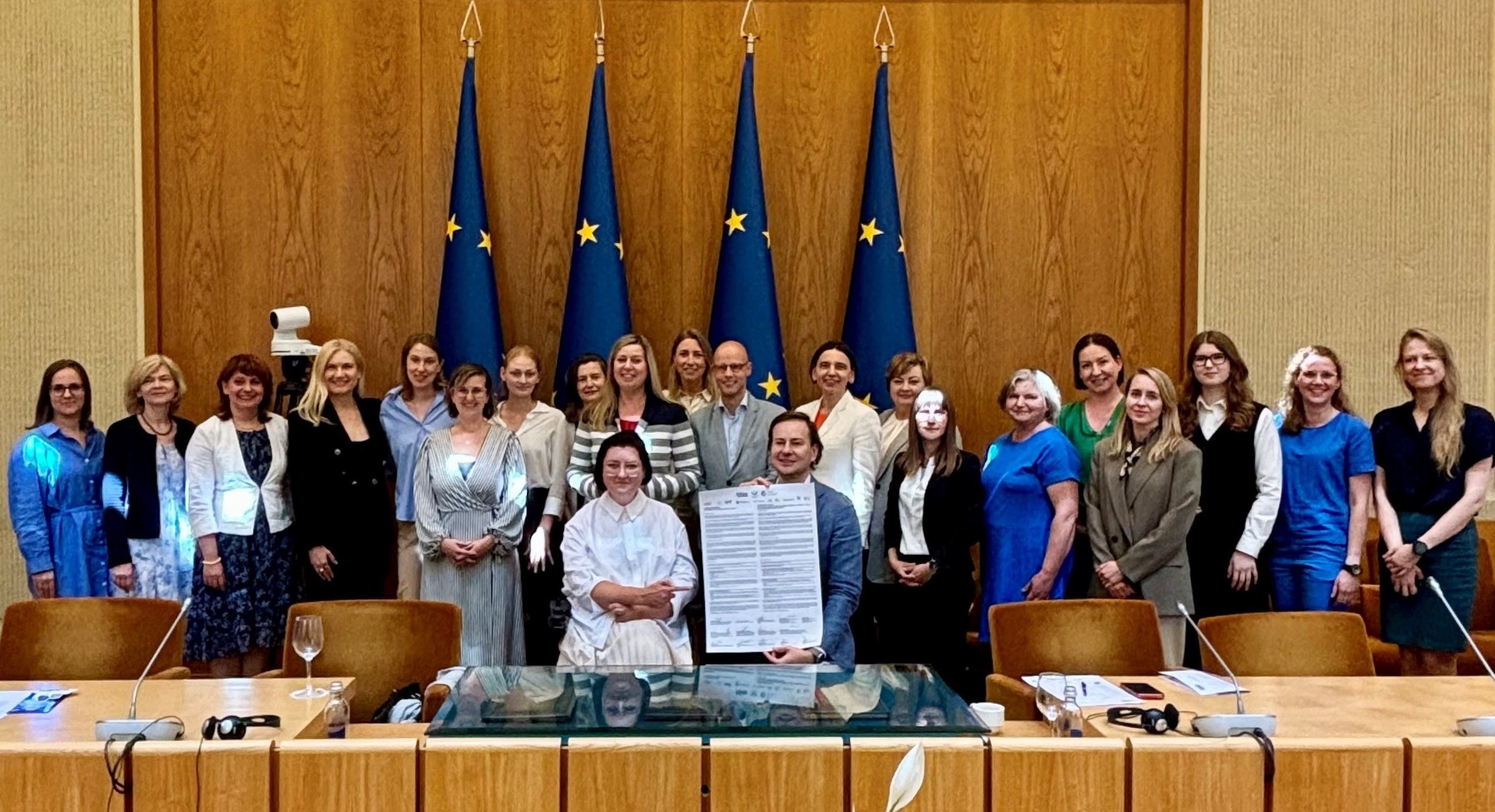
This event, co-organized by [POLA](https://www.pola.lt) and the EU-CAYAS-NET project and hosted by member of the Parliament of the Republic of Lithuania [Monika Ošmianskienė](https://www.linkedin.com/in/monika-o%C5%A1mianskien%C4%97/), focused on improving the transition of care for young cancer survivors from pediatric to adult healthcare. It has brought together key stakeholders including policymakers, healthcare professionals, patient advocates, and young people living with and beyond cancer themselves to discuss best practices, government initiatives, and developed action plans for a smoother transition for young cancer survivors.
The Vilnius Declaration on Transition from Pediatric to Adult Cancer Care commits to address the fundamental gaps in transitional care for young cancer survivors, ensuring they receive the necessary support as they transition from paediatric to adult healthcare systems:
**1. A section on transition of care must be included in the National Cancer Control Plans as an integral part of life-long follow-up care of young cancer survivors.**
**2. National healthcare systems must adhere to the European evidence-based clinical practice guidelines to ensure a minimum standard of good transitional care.**
* The European guidelines is one of the major outputs of the EU-CAYAS-NET project, which is co-funded by the European Commission.
* The European guidelines serve as a blueprint for healthcare providers, outlining best practices and protocols for supporting young cancer survivors.
* Drawing on the latest research and expert consensus, the guidelines offer clear recommendations on the key elements of transitional care.
**3. Transition programs must be designed and implemented to provide tailored support to young cancer survivors.**
* In order to comply with the latest European standards, these programs need to be designed in accordance with the transition guidelines recommendations, ensuring consistency and quality across different healthcare settings in the European Union.
* Provision of comprehensive support services that addresses the diverse needs of young cancer survivors must be at the core of these programs.
* National and cultural context must be considered during the implementation.
**4. The development and implementation of transition programs must be supported via joint action programs between the European Commission and national governments.**
* State of the art transition programs offer comprehensive support services, including age-appropriate psychosocial support, education on managing long-term effects of cancer and its treatment, as well as guidance on navigating the adult healthcare system.
* Public funding is a key-factor for implementing and running successful and effective transition programs. The lack of dedicated funding is a critical barrier in many European Union Member States resulting in lack of transition programs in place.
* Training and upskilling of the healthcare providers to deliver standard of care transitional programs must be an integral part of funding.
By implementing these solutions, young cancer survivors will receive the support they need to navigate the transition from paediatric to adult healthcare systems successfully. This will improve their quality of life and will contribute to better health outcomes, long-term wellbeing, and a smoother reintegration to the society.
The Parties that are signatories, expressed their support for the proposed set of actions and committed to work together towards their implementation. EU-CAYAS-NET project partners, including Lithuanian Cancer Patient Coalition (POLA) undertakes to submit the proposed set of actions to the European Commission with the aim of forming the European standards on transition from paediatric to adult cancer care.
The Vilnius Declaration was signed by a distinguished group of individuals representing various organizations dedicated to supporting young cancer patients and survivors.
* **Monika Ošmianskienė**: Chair of the Commission for People with Disabilities, Member of Parliament of the Republic of Lithuania.
* **Laura Pėkienė**: National Contact Point, Research Council of Lithuania.
* **Jelena Rascon**: Head of the Centre for Paediatric Oncology and Haematology, Vilnius University Hospital Santaros Klinikos, Children's Hospital.
* **Giedrė Rutkauskienė**: Head of the Paediatric Oncology and Haematology Centre, the Hospital of Lithuanian University of Health Sciences Kauno Klinikos.
* **Birutė Brasiūnienė**: Head of Chemotherapy Department, National Cancer Institute.
* **Emilija Gimžauskaitė-Česlevičienė** & **Aušrinė Kėvalaitė**: Ambassadors of the European Network of Youth Cancer Survivors.
* **Katie Rizvi**: Founder and Executive Director, Youth Cancer Europe.
* **Carina Schneider**: Managing Director, Childhood Cancer International Europe.
* **Jikke Wams** & **Jaap den Hartogh**: Researcher and Project Leader, respectively, at Prinses Máxima Centrum.
* **Šarūnas Narbutas**: Founder and Chairman, Youth Cancer Europe.
* **Neringa Čiakienė**: Managing Director, Lithuanian Cancer Patient Coalition (POLA).
* **Jūra Smilgaitė**: Director, The Innovative Pharmaceutical Industry Association (IFPA).
* **Žana Andrejeva**: Director, Vilnius Division of the Lithuanian Nursing Specialists Organisation (LSSO).
Read the full [Vilnius Declaration on Transition from Pediatric to Adult Cancer Care in English](/eu-cayas-net/vilnius-declaration-en.pdf).
Recording of the event can be accessed at your convenience: [Link to YouTube video.](https://www.youtube.com/watch?v=YPtmHGo3UZg)
---
# The European Network of Youth Cancer Survivors: Empowering the Future
URL: https://beatcancer.eu/resources/the-european-network-of-youth-cancer-survivors-empowering-the-future/ | Topic: Survivorship | Published: 2024-07-02 | Updated: 2026-08-17
Cancer in young individuals poses unique challenges, and the European Network of Youth Cancer Survivors ([EU-CAYAS-NET](https://beatcancer.eu/)) aims to address these with innovative solutions and support systems. As part of the broader [European Union's Beating Cancer initiative](https://beatcancer.eu/cancer-dictionary/europe-beating-cancer-plan/), EU-CAYAS-NET focuses on the survivorship phase, providing resources, guidelines, and a platform for survivors to share their experiences and support each other.

### Key Initiatives and Resources
One of the critical resources provided by EU-CAYAS-NET is their comprehensive guidelines for youth cancer survivorship, available on the Beat Cancer website . These guidelines are instrumental in helping survivors navigate life post-treatment, addressing issues such as mental health, physical rehabilitation, and social reintegration.
Additionally, EU-CAYAS-NET has produced a series of videos and webinars to educate and support young cancer survivors. These materials include full-length webinars and highlights that cover a range of topics from personal stories to expert advice on managing life after cancer.
#### Webinars & Highlights
https://www.youtube.com/watch?v=2qR2eeDP5dU
https://www.youtube.com/watch?v=Qx1e-E6N6y0
https://www.youtube.com/watch?v=yW4-3Yb7rck
https://www.youtube.com/watch?v=CrLE0fvgCJ0
https://www.youtube.com/watch?v=97H5KSD\_Fu4
https://www.youtube.com/watch?v=3eQ5i9-Wlrs
https://www.youtube.com/watch?v=29UHI5shXXw
https://www.youtube.com/watch?v=KqOyuEC-vyI
https://www.youtube.com/watch?v=qI2Rossn-GE
https://www.youtube.com/watch?v=09oa7bVfgqs
https://www.youtube.com/watch?v=nDUzh0Zb73Y
https://www.youtube.com/watch?v=QnuaNw7f9rM
https://www.youtube.com/watch?v=m8xi1ZhVS\_g
https://www.youtube.com/watch?v=vfyVVWccIbs
https://www.youtube.com/watch?v=h\_gtIvjbjZI
https://www.youtube.com/watch?v=0MnyliwZ66Q
https://www.youtube.com/watch?v=kXl-Yms38sk
https://www.youtube.com/watch?v=Ab7DKyjELNw
https://www.youtube.com/watch?v=iJDvLqEhggk
https://www.youtube.com/watch?v=xy\_m7zl5W6E
https://www.youtube.com/watch?v=lc3jxb1Q7og
https://www.youtube.com/watch?v=lO\_pZFDr97Q
https://www.youtube.com/watch?v=cbJ1\_bc8uQ0
https://www.youtube.com/watch?v=P-CjOwc9KMo
###
### Deliverables and Achievements
EU-CAYAS-NET has also released key deliverables such as D2.1 and D6.1, which outline the project's achievements and future directions. These documents highlight the network's commitment to ongoing support and innovation in survivorship care. The detailed reports, accessible online, provide insights into the methodologies and outcomes of various initiatives, ensuring transparency and continuous improvement .
* ***D2.1 Network Platform***: [Access Network Platform Review](/eu-cayas-net/eu-cayas-net-d2-1-network-platform-submission.pdf)
* ***D6.1 Communication and Dissemination Plan***: [Access the Project Communication and Dissemination Plan](/eu-cayas-net/eu-cayas-net-communication-plan-update-24aug2023.pdf)
* ***Promotional Material For the Project:*** [Access EU-CAYAS-NET Promotional Material](https://beatcancer.eu/resources/european-network-of-youth-cancer-survivors/)
### Community Engagement and Support
The network emphasizes the importance of community support, organizing events that bring together survivors from across Europe. These events offer a platform for networking, sharing experiences, and learning from each other. The videos from these events capture the essence of these gatherings, showcasing the strength and resilience of the youth cancer survivor community.
* [Online European Youth Cancer Discord Server](https://beatcancer.eu/community/)
### Looking Forward
As EU-CAYAS-NET continues to grow, it remains dedicated to enhancing the quality of life for young cancer survivors. The network's future initiatives will build on the success of its existing programs, incorporating feedback from survivors and healthcare professionals to ensure that the resources provided are both relevant and effective.
For more information on the European Network of Youth Cancer Survivors, including access to guidelines, webinars, and community event details, search around [EU-CAYAS-NET Project Outputs page](https://beatcancer.eu/project-outcomes/).
---
# The Future of Food Labelling
URL: https://beatcancer.eu/resources/the-future-of-food-labelling/ | Topic: OACCUs | Published: 2024-08-30 | Updated: 2026-08-18
**Informed eating for a healthier tomorrow**
In an era where conscious consumer choices and health-conscious living are on the rise, the future of food labelling is continuously undergoing transformation. As part of the new [EU Farm to Fork Strategy](https://food.ec.europa.eu/horizontal-topics/farm-fork-strategy_en), the Regulations described in the article "[Food Labels - What you should know](https://oac-connect.eu/toolbox/crethidev/food-labels-what-you-should-know)" are currently under revision.
The aim of this revision is to provide better labelling information to help consumers make healthier and more sustainable food choices and tackle food waste.
**Proposed changes in food labelling:**
- Introducing harmonised mandatory front-of-pack nutrition labelling (Nutriscore) and setting nutrient profiling criteria to restrict claims made on foods.
- Extending mandatory origin or provenance information for certain products.
- Revising the rules on date marking (‘use by’ and ‘best before’ dates).
**Nutrient profiling** is one of the “hot” topics under this revision. Despite the fact that the use of nutrient profiles in making nutrition and health claims was regulated under Regulation 1924/2006, the relevant provisions never applied and stayed inactive. The nutrient profiling philosophy is that you cannot allow the use of nutrition and/or health claims in a food product where the threshold of fat, sugar and salt, exceeds a specified limit. The setting of nutrient profiles will facilitate the shift to healthier diets and stimulate food reformulation.
**Alignment with Europe's Beating Cancer Plan**
In addition, the proposed revision of the FIC Regulation will follow up on **Europe's Beating Cancer Plan**. Click [here](https://health.ec.europa.eu/system/files/2022-02/eu_cancer-plan_en_0.pdf) to download the pdf document. One of the 4 key action areas of this Plan is **Prevention** through actions addressing key risk factors such as tobacco (with the aim to ensure that less than 5% of the population uses tobacco by 2040), **harmful alcohol consumption**, environmental pollution and hazardous substances. Additionally, a ‘**HealthyLifestyle4All' campaign** will promote healthy diets and physical activity.
The suggested proposal for revision mentions the introduction of mandatory indications of the list of ingredients and the nutrition declaration for all alcoholic beverages.
As food labeling evolves to empower consumers with better information and promote healthier, more sustainable choices, it becomes clear that these revisions are not just about what we see on packages but also about the impact they can have on our well-being, our environment, and the future of our food system.
*Author: Sofia Papakonstantinou, CreThiDev*
**References:**
- EUFIC – Healthy living, [https://www.eufic.org/en/healthy-living](https://www.eufic.org/en/healthy-living)
- EUROPEAN COMMISSION - DG SANTE Labelling & Nutrition, [https://food.ec.europa.eu/safety/labelling-and-nutrition_en](https://food.ec.europa.eu/safety/labelling-and-nutrition_en)
- Hellenic Food Authority, [www.efet.gr](https://www.efet.gr/)
- Regulation 1924/2006 – Nutrition and health claims, [https://eur-lex.europa.eu/legal-content/EN/TXT/?uri=CELEX%3A02006R1924-20141213](https://eur-lex.europa.eu/legal-content/EN/TXT/?uri=CELEX%3A02006R1924-20141213)
- Regulation 1169/2011 – Food information to consumers, [https://eur-lex.europa.eu/legal-content/EN/TXT/?uri=CELEX%3A02011R1169-20180101](https://eur-lex.europa.eu/legal-content/EN/TXT/?uri=CELEX%3A02011R1169-20180101)
---
# The Healing Power of Laughter: A Helpful Tool for Cancer Patients
URL: https://beatcancer.eu/resources/the-healing-power-of-laughter-a-helpful-tool-for-cancer-patients/ | Topic: Psychosocial Care | Published: 2023-10-04 | Updated: 2026-08-17
Laughing in the face of adversity, even when diagnosed with cancer, might be the best advice you’ll ever receive. Ancient Greek physician Hippocrates recognized the health benefits of laughter, and modern scientific research has unequivocally confirmed the effectiveness of laughter therapy. But what makes sincere laughter a panacea for various problems? Let’s explore the physical and emotional benefits of laughter and its potential to foster resilience in cancer patients.
## **The Physical Benefits of Laughter**
Laughter serves as a catalyst for numerous physiological responses within the human body. By activating the cardiovascular system, it enhances blood circulation, reducing the risk of high blood pressure and ensuring essential organs like the brain, heart, kidneys, and liver receive vital oxygen. Additionally, laughter strengthens the immune system, helping you combat health challenges more effectively.
Scientific studies, [including one conducted by psychiatrist Margaret Stuber from the University of California](https://www.ncbi.nlm.nih.gov/pmc/articles/PMC2686629/), have shown that a positive and cheerful environment triggers the release of endorphins—the body’s natural feel-good chemicals. These endorphins not only help you relax but also alleviate pain, as evident from children who could endure freezing water for longer periods while watching funny videos. The significance of laughter therapy in improving pain tolerance and overall well-being for cancer patients cannot be understated.
## **Reducing Stress and Enhancing Emotional Well-being**
Experts emphasize not just the positive effects of laughter but also the detrimental impact of stress on overall well-being. Chronic feelings of sadness, frustration, and anger can lead to health challenges due to the stress hormone cortisol. Laughter, however, provides a powerful antidote. When you laugh, your facial muscles transmit special impulses that positively affect the nervous system and brain, effectively relieving stress—a constant companion on the extraordinary journey of battling [cancer and loneliness.](https://beatcancer.eu/resources/cancer-and-the-accompanying-feeling-of-loneliness/)
## **Strengthening Relationships and Fostering Resilience**
Humor holds incredible power in forging connections and deepening relationships. Spending time with individuals who share fun conversations and enjoyable experiences fosters friendships, a sense of community, and socialization—critical for maintaining internal resources during a health challenge like cancer.
Laughter becomes a vital tool for staying emotionally connected and empathizing with others, offering support not only to patients but also to their [families who equally need empathy](https://beatcancer.eu/resources/the-power-of-dialogue-5-communication-tips-for-patients-and-their-loved-ones/) during this challenging time.
## **Boosting Cognitive Function and Unleashing Creativity**
Beyond its physical benefits, laughter acts as a workout for the brain, stimulating cognitive processes and sharpening the mind. Laughter activates chemical compounds that aid in encoding and recalling information, thereby improving memory and the ability to focus on the present moment. Furthermore, laughter’s playful nature stimulates imagination and originality. In essence, it unlocks our true potential for creativity and innovative thinking.
As a result, laughter’s influence extends far beyond physical health benefits. Its ability to enhance cognitive function and creativity positions it as a valuable tool in managing neurodegenerative diseases such as Alzheimer’s or dementia. It can even serve as a complementary approach in addressing mental health issues like depression and anxiety.
## **Embracing Laughter in Everyday Life**
The key to experiencing the transformative power of laughter lies in consciously incorporating it into your daily routine. Surround yourself with people who possess a good sense of humor and create a joyful atmosphere, even in challenging times. Engage in enjoyable activities such as watching funny films, attending stand-up comedy shows, or hosting joke championships with loved ones or new acquaintances. Professional laughter therapy sessions can also provide an additional avenue for embracing laughter as a valuable tool for managing cancer and other health challenges.
In a nutshell, seize every opportunity to experience the transformative power of laughter. Like essential life sustenance—food, water, oxygen, sleep, and physical activity—it plays a vital role in our lives. For someone diagnosed with cancer, laughter can be as crucial as innovative medicines or the unwavering support of dedicated individuals around you. By embracing laughter even in the simplest of circumstances, you’ll soon find it becomes an invaluable ally in coping with what is arguably life’s most difficult challenge.
*Join our vibrant [Discord cancer community](https://beatcancer.eu/community/) today and discover the healing power of laughter in your battle against cancer. Connect with individuals who understand your challenges, forge deep connections, and find strength in smiles. Join us now and let’s laugh our way through this journey together.*
---
# The Impact of Physical Exercise on Mental Health among Cancer Survivors: A Promising Strategy for Well-being
URL: https://beatcancer.eu/resources/the-impact-of-physical-exercise-on-mental-health-among-cancer-survivors-a-promising-strategy-for-well-being/ | Topic: Quality of Life | Published: 2023-05-24 | Updated: 2026-08-17
The COVID-19 pandemic has increased the prevalence of mental health – mainly depression- issues among the general population and the same tendency has been observed in cancer patients (Wang al, 2020).
Increased physical activity levels help to prevent depression in youths, adults, and elderly persons (10%, 22% and 21% lower risk, respectively, Schuch et al. 2018).
Moreover, [exercise](https://beatcancer.eu/resources/the-power-of-exercise-for-cancer-patients-your-guide-to-a-healthier-journey/) has beneficial effects on depression among cancer survivors and a study conducted by Chekroud et al (2011-2015) with 1.2 million participants, showed that exercise was associated with reduced self-reported mental health burden.
Being active, even if it is only 30 minutes a day, has a protective effect on the general population and cancer survivors. Exercise can be a useful strategy to manage mental health in people undergoing cancer treatment and recovering from side effects (Fuller et al., 2018)
In conclusion, a 30-minute routine of physical exercise can be a useful strategy to manage mental health among cancer survivors.

**Source:** Produced in the framework of the Outdoor Against Cancer Connects Us (OACCUs) Project, co-funded by the European Union
---
# The Importance of Outdoor Physical Activity for Cancer Survivor
URL: https://beatcancer.eu/resources/the-importance-of-outdoor-physical-activity-for-cancer-survivor/ | Topic: OACCUs | Published: 2024-09-02 | Updated: 2026-08-18
**Get outdoors and explore stand-up paddle (SUP) and SUP Yoga activities**
A cancer diagnosis is an experience that transforms a person’s life. In addition to the physical, psychological, and emotional challenge, the journey of survival depends on a holistic approach for recovery and maintaining health. A crucial part of this approach is outdoor physical activity, which can have a great impact on the live quality of cancer survivors [1], being one of the essential pillars of the OACCUs project.
Among activities that are gaining prominence in this context, are stand-up paddle boarding (SUP) and yoga on a stand-up paddle board (SUP Yoga). SUP is a water activity that involves paddling with a one blade paddle, while standing on a board. According to the level of experience and participant proficiency, the SUP boards can be stable or more challenging for balance.
This sport offers a range of physical and psychological benefits for cancer survivors:
1. **Connection with Nature:** SUP exposes individuals to the calming hues of nature, surrounded by greenery and blue waters, along with safe sunlight exposure. This exposure is crucial for mental well-being and bone immune health [2].
2. **Physical Rehabilitation:** SUP practice contributes to enhancing muscle strength, balance, and coordination [3]. These aspects are often compromised during cancer treatment, making such activities instrumental in the recovery process.
3. **Stress Reduction:** Beyond its physical benefits, SUP creates a tranquil environment for cancer survivors. The serene waters foster a peaceful atmosphere, aiding in stress and anxiety reduction—common challenges faced by individuals post-cancer treatment [4].
4. **Emotional Well-being:** The sensation of floating on the water imparts a profound sense of freedom and well-being. This, in turn, contributes to the holistic recovery of individuals, addressing not only the physical but also the psychological and emotional aspects of their well-being.
Yoga on a stand-up paddle board combines the benefits of SUP with ancient yoga practice, enhancing the mind-body connection. This unique activity strengthens core muscles, improves stability, and helps cancer survivors reconnect with their bodies, relieve tension, and find peacefulness.
Enjoy a sunny day and go practice outdoor in nature, try SUP and/or SUP Yoga!
For more information on the OACCUs project, check out the social media accounts on [Instagram](https://www.instagram.com/oac_connects_us/), [Twitter](https://twitter.com/OACconnectsUS), [Facebook](https://www.facebook.com/OACConnectsUs/) or [LinkedIn](https://www.linkedin.com/in/oac-outdoor-against-cancer-1225b1125/)!
*Author: Beatriz Gomes, Faculty of Sport Sciences and Physical Education, University of Coimbra*
**Sources:**
[1] Lesser, I. A., Nienhuis, C. P., & Belanger, L. (2021). Active by nature: exploring cancer survivors' exercise barriers, facilitators, preferences, and psychosocial benefits of engaging in outdoor physical activity. Supportive care in cancer: official journal of the Multinational Association of Supportive Care in Cancer, 29(7), 4095–4103. [https://doi.org/10.1007/s00520-020-05938-4](https://doi.org/10.1007/s00520-020-05938-4)
[2] González Maglio, D. H., Paz, M. L., & Leoni, J. (2016). Sunlight Effects on Immune System: Is There Something Else in addition to UV-Induced Immunosuppression? BioMed research international, 2016, 1934518. [https://doi.org/10.1155/2016/1934518](https://doi.org/10.1155/2016/1934518)
[3] Schram, B., Hing, W., & Climstein, M. (2016). Profiling the sport of stand-up paddle boarding. Journal of sports sciences, 34(10), 937–944. [https://doi.org/10.1080/02640414.2015.1079331](https://doi.org/10.1080/02640414.2015.1079331)
[4] Yi, J. C., & Syrjala, K. L. (2017). Anxiety and Depression in Cancer Survivors. The Medical clinics of North America, 101(6), 1099–1113. [https://doi.org/10.1016/j.mcna.2017.06.005](https://doi.org/10.1016/j.mcna.2017.06.005)
---
# The Organisation Ung Cancer Provides Support to Young Adults Living With or Close to Someone With Cancer
URL: https://beatcancer.eu/resources/the-organisation-ung-cancer-provides-support-to-young-adults-living-with-or-close-to-someone-with-cancer/ | Topic: OACCUs | Published: 2024-10-02 | Updated: 2026-08-17
As a young adult cancer survivor, or co-survivor, it is common to feel lonely and lost. That’s why Ung Cancer exists. We provide the opportunity to connect with others in a similar situation, participate in rehabilitation activities on your own terms, read the stories of others or share your own, or apply for financial support.
*“It helps so much to meet and speak to others in a similar situation, Ung Cancer really provides this opportunity”* - A member of Ung Cancer.
**What type of support can Ung Cancer offer me?**
Some examples:
- Connecting with others in a similar situation.
- Digital rehabilitation courses about strengthening your mental and physical health, dealing with fear of recurrence and how to take care of yourself as a co-survivor.
- Physical and digital rehabilitation camps.
- Possibility to apply for financial aid to cover your expenses or access rehabilitation support.
Ung Cancer's range of support includes the digital courses "Cancer hangover" and "Rehabstart”- a digital health program. "Cancer hangover" is a course for all Ung Cancer's members who are affected and recognize that worry or fear of recurrence is part of the Cancer hangover. The course will help to find new ways to deal with the fear of relapse, so that it becomes easier to bear and dominates less of your life. "Rehabstart - a digital health program" is Ung Cancer's digital health program with the goal of strengthening your physical and mental well-being. Participants complete the program on their own, with the support of Ung Cancer's staff if necessary.
In addition to this, Ung Cancer also offers physical and digital rehabilitation support such as "Training on your terms", which is a six-week training and health program with a focus on strengthening you both physically and mentally according to your conditions. The course is for cancer sufferers as well as their relatives. In the program, participants get to take part in lectures on nutrition, stress and motivation together with individually tailored coach talks and training programs. Live online workouts with a focus on strength, conditioning, yoga, mindfulness and relaxation help you kick start your workout wherever you are. Live coffee and contact with the other participants provides community, encouragement and support together with the opportunity to ask questions to Young Cancer's experts in the field.
You can find more information (in Swedish) at: [https://ungcancer.se/fa-stod/](https://ungcancer.se/fa-stod/)
*“I love this organisation! It is really the only organisation which I personally feel has helped me and supported me. They are also adapted to my age group which felt really good for me, because I often felt like a “kid” at the hospital ward among all the older women who already had kids and a family and were far along in their careers, maybe they had even retired! And there I was, 25 years old and ready to start my life”* - One of Ung Cancer’s members.
**About Ung Cancer**
Ung Cancer is a Swedish non-profit organisation supporting young adults who live with or is close to someone with cancer. We have thousands of members between the ages of 16 and 30, and the membership is free of charge. You can remain a member up until the age of 35. Ung Cancer is an independent organisation, with no political or religious affiliation.
**How do I become a member?**
Anyone between the ages of 16 and 30 and is living in Sweden, who is either themself a cancer survivor, or who has had someone close to them living with cancer, is welcome as a member. You can become a member at [www.ungcancer.se](https://www.ungcancer.se). The membership is free of charge, as are all our activities.
*Author: Ung Cancer*
*Photo: Johan Bävman*
**Source:** Ung Cancer
---
# The Power of Creativity: a Conversation with Aoife Moggan
URL: https://beatcancer.eu/resources/young-spinal-tumor-survivor/ | Topic: Survivorship | Published: 2024-05-24 | Updated: 2026-08-18
Diagnosed with a spinal tumor at a young age, Aoife Moggan has turned to creativity as a source of strength and expression. In this interview, Aoife discusses her journey through cancer, the importance of advocacy, and the ways art has helped her find purpose. You'll be inspired by her resilience, her passion for helping others, and her zest for life.
### What is your name?
Aoife Moggan.
### How old are you?
38
### Where are you from?
Co. Meath, Ireland.
### What's your diagnosis?
Spinal [Astrocytoma](https://beatcancer.eu/cancer-dictionary/astrocytoma/)

### How and when did you find out about your diagnosis?
My symptoms first presented themselves in the form of back pain at the age of 12. I was extremely sporty so initially the pain was diagnosed as an injury and then ‘growing pains’. However, it persisted and intensified for more than a year. My parents brought me to all types of medical professionals both traditional and alternative and eventually after an MRI the tumour was detected.
I was told I had cancer once the doctor’s suspicions were confirmed upon performing their first resection of the tumour. In extracts from my diary at the time I know that on the day I was told “I was sort of scared, sad and worried” and felt “having cancer is going to be so weird. I’m going to find it hard to tell my friends, I don’t know how I’m going to react or how they’re going to react. At the moment it’s like a big rock in my stomach, I can’t believe it”.
### What the journey through cancer taught you?
I got onboard the cancer train 25 years ago now (not voluntarily!) so I like to think that I’ve learned a lot along the way. However, the biggest lesson I’ve learned has been how resilient I am. Learning this at a young age stood to me throughout my life as I was able to draw on this strength time and time again when life would inevitably throw challenges my way.
This journey has also taught me that the human body is capable of unbelievable things, both good and bad. It has an amazing ability to heal and another to hurt, sometimes all happening within the space of the same day.
### What helped you the most during the treatment process?
The steadfast support of my family and friends. As I mentioned above I was 13 when I was first hospitalised. A stage where your hormones are going haywire, your body is doing things it never did before and your relationships take on a different role in your life (so pretty similar to an AYA cancer experience I suppose so unfortunately you’re getting twice the fun!).

So I was very lucky because my friends really showed up for me. They walked alongside me throughout it all and like my family they still do so to this day. I know it is a great privilege to have that safety net of support beneath you when going out into the world and it’s not something I take for granted.
On a more practical level being creative helped me during treatment as in the absence of any professional psychosocial care being available, it allowed me to express myself. It also helped me to explore a developing sense of self as I came to terms with my ‘new normal’ as well as bringing an element of individuality into the sterile surroundings of the hospital environment.
### What has changed in your life since your cancer diagnosis?
Given that I have now spent almost twice as many years post-diagnosis as opposed to pre-diagnosis a great many things have changed! In the early days my identity and the way I viewed myself was certainly challenged and I believe this is one of the changes that had the biggest impact on me . I had identified myself as the ‘sporty’ one for so long and needed to work through the loss of this version of myself, the Aoife that could run, jump and simply move with ease. However, once I accepted that that was no longer going to be an option I began to explore new avenues within myself such as writing, photography and art until this became an area that brought me joy, sanctuary and support.
One of the many positive changes that have occurred since diagnosis has been my introduction to the world of advocacy! My creative work actually helped me to fall into this serendipitously and during my first meeting I heard about late effects for the first time and so much fell into place for me straight away. This immediately lit a fire in my belly. I have learned so much on this advocacy journey but have so much yet to do, people to meet, barriers to break, services improved and so much more!
### If you were to meet yourself the day you heard a diagnosis, what would you say to your younger self?
I would tell her that yes, there is a tough road ahead, it’s not gonna be an easy ride but I’d remind her of her resilience and ask that she trust in that and in herself. I’d also remind her that it’s not her responsibility to manage the experiences and emotions of those around her. Finally I’d remind her that she has a strong mind so step into that and advocate for herself as daunting as that may seem as a nervous 13 year old in a sea of intimidating HCPs.
### What would you like to accomplish within EU-CAYAS-NET?
As an advocate of nearly a decade and having navigated my way through the medical system for twice that there has been an issue repeatedly brought to the table throughout that time in many different forums. Patients, survivors, parents, HCPs alike have shouted from rooftops, hospital beds, focus groups, zooms and panel discussions that there is a lack of psychosocial support for those both undergoing treatment and in follow-up care.
Highlighting these issues has been a mission of EU-CAYAS-NET and one I’ve been proud to be a part of and look forward to continuing the work to help disseminate the important information we have collated.

### Try to describe yourself in 3 sentences
I’m Empathetic.
I’m Creative.
I have a desire to connect with those I love and build new connections with others around me.
### What do you do in your free time?
I like to spend time with my family and friends. I love eating out, exploring new places, meeting new people. I also love going to the movies. Sitting in the cinema eating a movie salad (popcorn and galaxy minstrels) is one of my happy places! I also like art and musical theatre. I spend a lot of my free time on walks, coffee in hand, podcasts playing in my ears while taking in the world around me.
### What do you need/want to have a crash course in?
Discord!!!
### What is the best piece of advice you've ever received?
Comparison is the thief of joy.
---
# The Power of Dialogue: 5 Communication Tips for Patients and Their Loved Ones
URL: https://beatcancer.eu/resources/the-power-of-dialogue-5-communication-tips-for-patients-and-their-loved-ones/ | Topic: Quality of Life | Published: 2023-07-26 | Updated: 2026-08-17
“Communication is key” – a rule that people, being social creatures and tending to form strong and supportive relationships, often bring up. We recommend that you take an even more responsible approach when [supporting a friend with cancer](https://beatcancer.eu/resources/being-a-friend-in-the-time-of-cancer-practical-tips-for-supporting-your-loved-one-through-the-journey/), as open and [quality communication](https://beatcancer.eu/resources/how-to-talk-to-someone-with-cancer/) is a source of comfort, strength, and hope for both sides. Try these five tips to help you strengthen your relationships during a difficult time and face the uncertainty of disease with greater resilience.
#### Have open conversations
Create a safe and compassionate environment for open dialogue, encouraging a discussion where both sides feel comfortable expressing their thoughts, concerns, and emotions (especially if the patient is very sensitive about the diagnosis or naturally tends to withdraw). In other words, try to incorporate regular deeper conversations into your daily routine as a priority of the utmost importance, at a pre-scheduled time and without undue postponements.
We also recommend that you prepare for dialogue responsibly, ready to actively listen and really hear out each other’s feelings. (For more on why this step is important and how to implement it, see the next section.) You’ll soon find that regularly checking in on each other’s well-being will become a habit that strengthens your relationship. Besides, you’ll have more opportunities to deal with pressing problems or a new fear that has suddenly arisen right here and now.
#### Practice active listening and empathy
Listening to the person you’re talking to and not just hearing what they have to say is not easy. Even studies show that when we communicate effectively, we only listen about 20-30% of the time, missing the opportunity to build a deeper connection and not giving the other person a chance to reveal what is left between the lines. However, when faced with a cancer diagnosis, efforts to learn how to be an active listener should be sincere – when there is a need to talk, both the patient and the loved one expect understanding.
What methods do experts recommend to practice active listening? First of all, of course, is focusing on the person you’re talking to and allowing them to talk without interrupting them. Body language or gestures (e.g., a smile or a nod), short verbal interjections (e.g., “I understand you”). There should be no fear of asking to repeat if you didn’t catch or understand something. Paraphrasing what you’ve heard, thus showing the other how you understood the situation, or asking additional questions to clarify.
This is not a complete list, but it is important to remember that communication is a two-way process. Therefore, both sides should try to understand each other’s perspectives with empathy. There should be no personal judgements or advice if the person does not ask for it.
#### **Set forth expectations**
Knowing each other’s expectations and individual needs will make the treatment and care process smoother. For example, if you have the disease, you are likely to receive support, such as physical help with everyday tasks or the basic empathetic listening mentioned above. Therefore, be clear about what would make you feel more comfortable, or what aspects of the current situation seem difficult to cope with. It’s likely that even the people closest to you may not have a clear understanding of your experiences for a while until you share them openly.
Meanwhile, a family member may have a need to map out their options. Having a disease and caring for someone with the disease are two completely different experiences, but the latter also poses its own challenges to physical and psychological well-being. If you feel it’s getting too hard, don’t judge yourself in order to share it with the ill person and other relatives.
An extraordinary diagnosis of a health condition sometimes brings unforeseen changes, which is why assessing expectations should be a dynamic process. Reassess and adjust them. Flexible and understanding cooperation makes it easier to adapt, avoid misunderstandings or serious conflicts, and allow relationships to flourish even in the face of adversity.
#### Seek support
This is equally true for the patient and their immediate environment, so encourage each other to join support groups, attend therapy sessions or special counseling sessions, either individually or with the whole family.
Practising activities of this sort will not only help you learn how to develop critical communication skills even more effectively but also make you realize you are not alone on your journey. It’s easier to share your story with people with similar experiences, discover new coping strategies for dealing with stress and problems, hear valuable insights into the impact of the disease on your life, etc. Ultimately, feelings of isolation are reduced while emotional well-being increases.
#### See things as victorious moments, not meaningless trifles
In the face of serious disease, it’s necessary to consciously celebrate achievements. There are no insignificant things in this situation. The end of another phase of treatment, the realization of a personal goal, rest after another hard day are real victories, right? Taking the time to recognize these moments will inspire each other to feel stronger than yesterday and to look forward with more positivity.
Reinforce this approach by proactively creating moments of joy yourself. [The healing power of laughter](https://beatcancer.eu/resources/the-healing-power-of-laughter-a-helpful-tool-for-cancer-patients/) is incredible when it comes to relieving stress, lifting your mood, and improving your overall well-being, so join together in an activity that gives you a sense of fulfillment and refreshment, and distracts you from depressing thoughts. From time together watching a movie or playing board games to sharing fun memories, bright plans for the future, or creative activities.
In the particularly complicated stages of the disease, it may seem like nothing else exists apart from it. There may be a growing lack of time for cozy conversations, and when you do sit down to chat, the subject will turn back to your worries. Or you’ll stop celebrating even major achievements, let alone the attempts to lift your spirits. Don’t give up! It is during this challenging period of your life that the strengthened relationship will become a legacy of unconditional love, deep understanding, and an unbreakable bond.
---
# The Power of Exercise for Cancer Patients: Your Guide to a Healthier Journey
URL: https://beatcancer.eu/resources/the-power-of-exercise-for-cancer-patients-your-guide-to-a-healthier-journey/ | Topic: Physical activity | Published: 2023-08-24 | Updated: 2026-08-17
We are well aware that [physical activity](https://beatcancer.eu/resources/the-impact-of-physical-exercise-on-mental-health-among-cancer-survivors-a-promising-strategy-for-well-being/) is not the first thought that comes to mind upon hearing a cancer diagnosis. However, research shows that exercise contributes to treatment, so we want to give you an overview of the benefits of physical activity, practical advice on recommended exercises and frequency, proper ways to start exercising, and things to avoid. Whether you’ve been exercising before or not, we encourage you to put on your workout shoes and spend at least a few minutes exercising.
#### **Taking time to exercise will improve your physical health and emotional well-being.**
We’ve all probably heard about the benefits of physical activity, which releases endorphins, serotonin, oxytocin, and dopamine, the “happy hormones.” However, that’s not the only benefit.
Latest [research](https://www.cancervic.org.au/get-support/living-with-cancer/exercise/exercise-overview) shows that regular physical activity has a positive effect on cancer treatment and, in some cases, can even improve treatment outcomes and reduce the risk of recurrence. Experts note that exercising has a positive effect on mental health, reducing the side effects of treatment and the resulting fatigue.
For example, one [study](https://scholar.google.com/scholar_lookup?journal=Acta+Med.+Mediterr.&title=Effects+of+combined+exercise+on+psychological+and+physiological+variables+in+cancer+patients:+A+pilot+study&author=S.+Cataldi&author=A.+Amato&author=G.+Messina&author=A.+Iovane&author=G.+Greco&volume=36&publication_year=2020&pages=1105-1113&doi=10.19193/0393-6384_2020_2_174&) found that an 8-week physical activity program consisting of 60 minutes of varied exercise twice a week improved patients’ mood, general well-being, and physical performance and had a positive effect on their psychological well-being.
## **Start off easy**
The benefits of exercise in cancer are obvious, but if you decide to take the time to exercise, you should start off slowly. Go for easy workouts and don’t ask too much of yourself. Monitor your well-being and increase the intensity of your exercise slowly. Remember, you are exercising to feel better, not to prepare for a competition.
Experts at the [Dana-Farber Cancer Institute](https://www.dana-farber.org/health-library/articles/tips-for-exercising-during-and-after-cancer-treatment/) (USA) recommend starting off with light, low-intensity exercises and then progressing to more intense workouts. For example, you could start with regular walks, yoga, or stretching exercises.
Once you feel like you’re ready, you can start doing more intense workouts like cycling, swimming, and speed walking.
Impaired balance can be one of the side effects of cancer and its treatment. If that is the case, take time to do exercises that improve your balance as this can help prevent injuries like falls.
During cancer treatment, reduced physical activity can lead to a loss of muscle mass, which is why experts recommend making time for [strength training](https://www.cancer.net/survivorship/healthy-living/exercise-during-cancer-treatment). Increased muscle mass can help prevent or resolve impaired balance as well as reduce fatigue and help fight osteoporosis, which can be caused by some cancer treatments.
## **Exercise for at least 150 minutes a week**
Experts at the [American College of Sports Medicine](https://www.mskcc.org/cancer-care/patient-education/exercise-during-after-cancer-treatment-level-1) and American Cancer Society recommend at least 150-300 minutes of moderate-intensity exercise a week. For example, you could do one 30-minute workout a day, or you could do 10 minutes of exercise in the morning, at lunchtime, and in the evening.
For strength training, experts recommend 2-3 workouts a week, focusing on the main muscle groups: chest, shoulders, arms, back, abdomen, and legs. This can include push-ups, crunches using resistance bands, or weightlifting.
There are no sports that are recommended exclusively for cancer patients, so choose what you like best, enjoy it, don’t be afraid to try something new, and [drink enough water](https://www.cancernutrition.org/resources/why-hydration-is-so-important/) and don't forget [healthy snacks for cancer patients](https://beatcancer.eu/resources/nourishing-snacks-for-cancer-patients-trying-to-boost-energy-and-well-being/)!
## **Things to avoid**
While there are benefits to regular physical activity in cancer, there are a few things you should look out for.
If your bones are affected by the disease, you should avoid exercises that put a lot of strain on them as there is a higher risk of fractures or breaks. You can try swimming, water exercise, or yoga instead.
If your immunity is severely affected, avoid exercising in public gyms or other places that gather a lot of people.
Also, stop exercising and consult your doctor if you experience any of the following [symptoms](https://www.macmillan.org.uk/cancer-information-and-support/treatment/preparing-for-treatment/physical-activity-and-cancer/exercising-safely): dizziness, chest pain, difficulty breathing, nausea, unusual back, bone, or muscle pain.
Discover the benefits firsthand and don't lose heart [when cancer changes your appearance](https://beatcancer.eu/resources/how-to-embrace-your-evolution-navigating-appearance-changes-and-body-image-after-cancer/). Find the best time to exercise, choose the sport you enjoy most, experiment, and watch your well-being transform.
---
# The Power of Perspective: Zuzana Tomášiková on Facing Challenges and Finding Joy
URL: https://beatcancer.eu/resources/young-female-osteosarcoma-survivor/ | Topic: Survivorship | Published: 2024-04-12 | Updated: 2026-08-17
Zuzana Tomášiková's life took an unexpected turn at 19 when she was diagnosed with osteosarcoma, a bone tumor. But Zuzana didn't let cancer define her. In this interview, she shares her story of resilience, the importance of [community](https://beatcancer.eu/resources/beat-cancer-discord-community/), and how she finds joy in the everyday.
### What is your name? How old are you? Where are you from?
Zuzana Tomášiková, soon to be 38, originally from Slovakia, living in German speaking countries for more than 20 years, first in Vienna, Austria and now in Zurich, Switzerland.
### What’s your diagnosis?
When I was 19 years old, I was diagnosed with osteosarcoma, a bone tumor, in my left leg.

### How and when did you find out about your diagnosis?
Fortunately, the tumor had started to grow outside the bone, so I noticed a bump under my knee that became tender when pressure was applied. It was several weeks to months to get the correct diagnosis.
### What helped you the most during the treatment process?
Unconditional support and presence of my parents and my brother, and an unrequited teenage love which helped me to focus on the future, day-dreaming how it will be once I finish treatment and we meet and I will have short hair after [chemo hair loss](https://beatcancer.eu/resources/dealing-with-hair-loss-during-and-after-chemotherapy/). It's an incredibly powerful tool, the affirmations and the positive thinking of life beyond cancer. It helped me without knowing the theory behind, being a teenager diagnosed with cancer seemed to have at least some advantage for me.
### What has changed in your life since your cancer diagnosis?
It's a difficult question, I have grown up meanwhile… so probably everything. It’s impossible to say what would have been different if I didn’t go through this experience and fortunately I haven’t spent much time thinking of “what if…”.
There is no possibility to enter/ spy on a parallel universe in which I was not confronted with the cancer diagnosis and went through the treatment & survivorship journey…
What I know is I play with the cards I got, and so far I manage to enjoy the game, at least most of the time…
Sometimes I have the impression recognized earlier what really does matter in life in comparison to my peers. Although saying that out loud, it sounds quite arrogant.
Finally, when it comes to “what doesn’t kill you makes you stronger…” I prefer the narrative that it is NOT the “bad thing” itself that teaches you/ empowers you, BUT the way and ability you learn to manage go along with that. Either finding the inner strength in yourself and or from the ones surrounding you who help you cope with that…
### What would you like to accomplish within EU-CAYAS-NET?
I want to strengthen the community, bring interested people together, raise awareness and motivate at least some young people to take better care of themselves and/or get active.
I also want to help develop all the much needed materials we are all waiting for. Personally, I am also looking for real connection and quality time in an incredibly emotionally strong community.
### What makes you instantly light up?
Mountains, lakes, hot chocolate or a well-deserved beer after a hike (preferably with a panoramic view of a snowy landscape), quality time with my friends and family, playtime with my nephew, good food, my aquafit training, dancing, wellness, singing (especially without knowing the words properly and so driving my best friend crazy), and lots of other little things in life.

### What in your life do you feel most grateful for?
My family, my friends and the pure “randomness” where I am living and that I got diagnosed early enough & got treated in one of the best places in Europe. This allows me to survive, and meet & join an incredibly dedicated, inspiring and powerful community with an unbelievably high number of strong personalities.
### What makes your life feel purposeful?
Connections with other people, family & friends, but also colleagues & sometimes even strangers when gathered accidently somewhere. Also my engagement within [Childhood Cancer International Europe](https://ccieurope.eu/), seeing and co-developing what we can achieve and how we can help (future) patients with our advocacy based on lived experience.
### How do you cope when things get hard?
Definitely often (over-)thinking and dealing with myself first, until I reach a point and involve some of my very good friends. Depending on the topic I know whom to turn to. I am very grateful to have such incredible people in my life. I also procrastinate by rearranging small things in my flat, which helps me to sort my thoughts as well and "process" the next steps.

### What is one book you would definitely recommend to read? Or a movie to watch? Or a song to listen to?
There are too many books that have appealed to me; one of the latest ones was Where You Come From by Saša Stanišić. I also liked Mari Kondo's Magic Cleaning, it had something calming, almost meditative about it. Last but not least, I enjoy good Scandinavian and now also German and Swiss thrillers.
---
# The SIOPE Strategic Plan: A European Cancer Plan for Children and Adolescents
URL: https://beatcancer.eu/resources/the-siope-strategic-plan-a-european-cancer-plan-for-children-and-adolescents/ | Topic: Survivorship | Published: 2015-09-08 | Updated: 2026-08-17
Cancer in young people is rare, but it is still a major health issue in Europe. Each year, more than 6,000 young people in Europe die of cancer. There are more than 300,000 European childhood cancer survivors (in 2020, they will be nearly half a million): two-thirds of them have some late side effects of treatment, that are severe and impact on the daily life of half of those affected.
Within the European Network for Cancer research in Children and Adolescents (ENCCA), SIOPE and the European paediatric haematology-oncology community have established a longterm sustainable Strategic Plan to increase the cure rate and the quality of survivorship for children and young people with cancer over the next ten years. The ultimate goal is to increase the disease- and late-effect- free survival after 10 years from the disease, and beyond.
---
# The Truth About Superfoods
URL: https://beatcancer.eu/resources/the-truth-about-superfoods/ | Topic: OACCUs | Published: 2025-07-01 | Updated: 2026-08-18
# The Truth about Superfoods
Superfoods is a popular marketing term used to describe foods that are nutrient-dense and may have health benefits. However, it's important to understand that the concept of "superfoods" is not a scientific classification, and there is no official list of superfoods. The term is often used to promote the idea that certain foods have exceptional health-promoting properties, but the scientific evidence supporting these claims can vary widely.
**Truths about Superfoods:**
1. **Nutrient Density:** Many foods commonly referred to as superfoods are indeed rich in essential nutrients such as vitamins, minerals, fibers, and antioxidants. Examples include berries, leafy greens, nuts, and seeds.
2. **Health Benefits:** Some superfoods have been shown to offer health benefits when consumed as part of a balanced diet. For instance, foods like blueberries and salmon are rich in antioxidants and omega-3 fatty acids, respectively, which can promote heart and brain health.
3. **Diverse Options:** There is a wide variety of superfoods to choose from, so individuals can incorporate a range of nutrient-rich foods into their diet.
**Myths about Superfoods:**
1. **Miracle Foods:** One of the biggest myths about superfoods is that they can cure or prevent serious illnesses like cancer or diabetes on their own. While some superfoods are packed with beneficial nutrients, they should not be seen as magical cure-alls. Good health is the result of a combination of factors, including an overall diet, physical activity, genetics, and lifestyle choices.
2. **Expensive and Exotic:** Some people believe that superfoods must be exotic and expensive. In reality, many superfoods are readily available and affordable, such as oats, beans, and sweet potatoes.
3. **Superior to Other Foods:** Another common misconception is that superfoods are inherently superior to other foods. Incorporating nutrient-dense foods into your diet is a good practice, but it's essential to maintain a balanced and varied diet. No single food or group of foods can provide all the nutrients your body needs.
4. **Unlimited Consumption:** Eating superfoods in excessive amounts doesn't necessarily lead to better health. It's important to practice moderation and maintain a balanced diet.
5. **Quick Fixes:** Some marketing claims suggest that consuming superfoods will lead to rapid weight loss or other quick health fixes. Sustainable health improvements typically require long-term dietary and lifestyle changes.
While superfoods can be part of a healthy diet, it's crucial to view them as one component of a balanced and varied eating plan. In fact, relying solely on a few superfoods may lead to nutritional imbalances. The health benefits attributed to superfoods often come from small-scale studies, and the results may not always be replicable or generalizable to everyone. So, it is essential to critically evaluate the scientific evidence behind these claims. Also, the term "superfood" is often used in marketing to boost sales and may not accurately reflect the actual nutritional content or benefits of a particular food.
No single food can replace the benefits of a well-rounded diet that includes a variety of nutrient-rich foods. A balanced diet that includes a variety of whole foods from different food groups is generally considered the best approach to nutrition. Relying solely on a few superfoods may lead to nutritional imbalances.
Furthermore, it is crucial to know that what may be considered a superfood for one person may not have the same benefits for another due to individual health conditions and dietary preferences. It's important to tailor our diet to our specific needs. For that reason, we should always consult with a healthcare professional or registered dietitian to create a personalized nutrition plan tailored to our unique needs and goals.
So, if you are looking to improve your wellbeing, including some “super foods” in your balanced diet, complementing it with physical activity and adequate hydration, is a great idea!
**References:**
- [Benefits of Healthy Eating](https://www.cdc.gov/nutrition/resources-publications/benefits-of-healthy-eating.html)
- [Do superfoods exist?](https://www.bhf.org.uk/informationsupport/heart-matters-magazine/nutrition/superfoods)
- [Get Smart About Superfoods Infographic](https://www.heart.org/en/healthy-living/healthy-eating/eat-smart/nutrition-basics/get-smart-about-superfoods-infographic)
- [Health](https://www.eatright.org/health)
- [Health benefits of eating well](https://www.nhsinform.scot/healthy-living/food-and-nutrition/)
- [Healthy diet](https://www.who.int/initiatives/behealthy/healthy-diet)
- [Healthy diet](https://www.who.int/news-room/fact-sheets/detail/healthy-diet)
- [Healthy Eating Plate](https://www.hsph.harvard.edu/nutritionsource/healthy-eating-plate/)
- [Superfoods or Superhype?](https://www.hsph.harvard.edu/nutritionsource/superfoods/)
- [Weight Loss Superfoods: Fact or Fiction?](https://www.webmd.com/diet/ss/slideshow-diet-superfoods)
- [What's so super about superfoods?](https://newsroom.unsw.edu.au/news/science-tech/whats-so-super-about-superfoods)
*Author: Sofia Papakonstantinou, CreThiDev*
---
# The Use of the Telepresence System Avatar AV1 as a Therapeutic Tool for Social Inclusion in a 10-Year-Old Girl Treated for a Brain Tumor
URL: https://beatcancer.eu/resources/the-use-of-the-telepresence-system-avatar-av1-as-a-therapeutic-tool-for-social-inclusion-in-a-10-year-old-girl-treated-for-a-brain-tumor/ | Topic: Education | Published: 2024-03-08 | Updated: 2026-08-18
Sarah (10 years) is suffering from a brain tumor (medulloblastoma). Due to her medical condition, she had a reduced ability to attend to school, so she received a telepresence system. Telepresence systems like robots or avatars are currently being discussed as a promising approach to improve the sense of belonging, social participation, and subsequently academic performance for children with chronic illnesses. One of these telepresence systems specifically designed for chronically ill children is called the avatar and shown in the image below.

The avatar is connected to the tablet of the child by an app and can transmit sound in both directions. Video transmission only works in one direction, so that the user can see their class or classmates but not vice versa. The avatar is handy, can easily be carried and taken along on school trips. The use and possible effects of avatar are examined by Thomas Pletschko and colleagues using the case of Sarah as an example.
### Experiences with avatar
Sarah remained an integral part of class and could continue to participate in academic and social life. Switching on the avatar for the first time in a music lesson worked without any problems. Both she and her mother were particularly enthusiastic about the fact that the avatar transmitted Sarah’s voice rather than a robot voice. The teacher reported that getting used to the avatar took only a short time and it was easy to use from the beginning. According to all participants, the assumption of responsibility for the avatar by a classmate was particularly important to draw the teachers’ attention to visual signals and to ensure that the teacher notices Sarah wanting to say something. In terms of social participation, Sarah reported that she “was actually there just like the other students” and “didn’t feel different from the others”. She felt as if “she still belonged to the class” and stated that through the avatar she did not miss anything and could even whisper or chat with her seat neighbors without the teachers noticing. When asked if it is different to be at school with the avatar, Sarah stated that “of course it’s different”, but “it’s both cool and I’m happy on both sides”, meaning she is happy to be at school with the avatar as well as in real life.”.
### Challenges with avatar
According to the teacher, a possible challenge arose from the additional preparation for the lessons and the matching of the material to the avatar, as she had to consider “whether this is feasible for Sarah”. Another challenge were technical difficulties, for example when the picture was distorted or the connection broke.
### Summary
In summary, all parties (Sarah, her mother and teacher) described predominantly positive experiences with the avatar. Identification with the avatar was strongly present and the avatar was mainly used to stay in contact with classmates, to participate in class activities and also school lessons, which becomes an extraordinary experience in the context of chronic illnesses. Sarah’s experiences with the avatar show that she could stay in contact with her classmates and maintaining her sense of belonging to school, despite not being able to attend classes physically.
Recommended requirements for the implementation
- To maintain social participation, it is necessary that the users have already met their classmates and teachers and gained insight into everyday school life before using an avatar.
- Define people who are in charge of the avatar (e.g. classmates) whose task is to recharge it and take it to different classrooms.
- Additional preparation time for the teachers besides their willingness to implement the avatar into daily routine may be necessary.
---
# The “Right to Be Forgotten” Creating Ripples Across Europe
URL: https://beatcancer.eu/resources/the-right-to-be-forgotten-creating-ripples-across-europe/ | Topic: Financial Discrimination | Published: 2024-03-08 | Updated: 2026-08-18
After Youth Cancer Europe's [White Paper](https://www.youthcancereurope.org/wp-content/uploads/2018/10/YouthCancerEurope_Brussels_2018_WhitePaper-sm.pdf) was presented at the European Parliament in Brussels in 2018 it created ripples, all over Europe. YCE’s call to end financial discrimination against cancer survivors, labeled as the "Right To Be Forgotten," urged national governments and financial regulators in Europe, to extend and implement legal rights.
Due to the tireless efforts of patient advocates who lobbied for implementation on national levels, as of 2024, eight Member States have taken legal measures to counter financial discrimination against cancer survivors: France (January 2016), Belgium (March 2018), the Netherlands (January 2021), Portugal (January 2022), Romania (July 2022), Spain (July 2023), Cyprus (November 2023) and Italy (December 2023).
The White Paper had also a huge influence on the wording of the European Commission's [Beating Cancer Plan](https://beatcancer.eu/cancer-dictionary/europe-beating-cancer-plan/) as well as the European Parliament Report 2020/2267(INI) ‘Strengthening Europe in the fight against cancer’ and the European Commission’s current initiative to develop a Code of Conduct for fair access to financial services.
YCE was invited to the [BBC](https://www.bbc.com/news/uk-45968505) to talk about the issue of financial discrimination against cancer survivors, which was also echoed by [The Independent](https://www.independent.co.uk/news/health/cancer-right-forgotten-health-childhood-mortgage-insurance-loan-youth-europe-a8596146.html) and the Daily Mirror newspaper.
---
# There Is Life Beyond Running and Weight Training
URL: https://beatcancer.eu/resources/there-is-life-beyond-running-and-weight-training/ | Topic: OACCUs | Published: 2024-09-01 | Updated: 2026-08-18
# Unveiling the Vital Role of Flexibility on Cancer Survivors!
While the influence of exercise training on cancer survivors is well-documented, it is crucial to delve into the facets of health-related physical fitness (such as cardiorespiratory fitness, muscle strength and endurance, body composition, and flexibility). Cancer treatments can curtail the range of motion, thereby limiting physical capabilities due to surgical procedures that induce scarring and tissue damage. In this context, tailored exercises are indispensable. Mobility and stretching — training methods used to improve flexibility — play an essential role, providing a holistic approach to address these challenges.
## Flexibility for cancer survivors
In 2010, a panel of experts convened by the American College of Sports Medicine published the first guidelines to develop exercise testing and prescription tailored for cancer survivors.[^1] The panel emphasized that, in addition to classical aerobic and strength training modalities, cancer survivors should incorporate flexibility exercises into their routines. More recently, the Exercise and Sports Science Australia position statement recommended incorporating flexibility training to enhance the ability to perform daily activities with reduced risk of falls, discomfort, pain, or concern.[^2] Furthermore, for patients who are severely deconditioned or nearing the end of life, prioritizing mobility training in their exercise prescription may be essential. These exercises, involving specific upper and lower-body movements with minimal or no external load, aim to systematically improve cardiovascular and respiratory function, neuromuscular strength and endurance, and flexibility capacities as deemed appropriate.[^2]
## Conclusions
Variety is key. Integrating mobility, stretching, and complementary exercises could maximize the benefits of training. Combining strength, aerobic, and flexibility training has been shown to amplify positive outcomes.
*Author: Javier S. Morales; University of Cadiz.*
### Sources:
1. Schmitz, K.H.; Courneya, K.S.; Matthews, C.; Demark-Wahnefried, W.; Galvão, D.A.; Pinto, B.M.; Irwin, M.L.; Wolin, K.Y.; Segal, R.J.; Lucia, A.; et al. American college of sports medicine roundtable on exercise guidelines for cancer survivors. *Med. Sci. Sports Exerc.* **2010**, *42*, 1409–1426, doi:10.1249/MSS.0b013e3181e0c112.
2. Hayes, S.C.; Newton, R.U.; Spence, R.R.; Galvão, D.A. The Exercise and Sports Science Australia position statement: Exercise medicine in cancer management. *J. Sci. Med. Sport* **2019**, *22*, 1175–1199, doi:10.1016/j.jsams.2019.05.003.
---
# Thoughtful Cancer Gifts: Comfort, Care, and Inspiration for Your Loved Ones
URL: https://beatcancer.eu/resources/cancer-gifts/ | Topic: Quality of Life | Published: 2025-03-24 | Updated: 2026-08-18
Finding the right gift for someone facing cancer can feel overwhelming. You want to offer something meaningful that shows your love and support, but it’s not always easy to know what they truly need or will appreciate. The right gift can provide comfort, brighten their day, and remind them they’re not alone in their journey.
Whether it’s a cozy blanket for chemo sessions, a journal for reflection, or a thoughtful care package, your gift can make a real difference. It’s not about extravagance—it’s about showing you care in a way that feels personal and uplifting. With a little thought, you can choose something that speaks to their heart and helps them through tough times.
## Key Takeaways
* Thoughtful gifts for cancer patients can provide comfort, support, and encouragement during their journey, helping them feel loved and cared for.
* Comfort-oriented items like cozy blankets, supportive pillows, and stylish headscarves can ease physical and emotional challenges.
* Practical gifts such as reusable water bottles, comfortable loungewear, and functional tote bags can simplify daily routines and improve convenience.
* Self-care gifts, including skincare products, aromatherapy tools, and relaxing bath items, help promote relaxation and wellness.
* Personalized and meaningful gifts, like custom jewelry, inspirational art, or monogrammed items, add a personal touch and lasting significance.
* Subscription services, hobby kits, and engaging books provide ongoing entertainment and uplifting experiences to pass the time during recovery.
## Thoughtful Comfort Items For Cancer Patients
Choosing comfort-oriented gifts can make a significant difference for someone undergoing cancer treatment. These items help provide relaxation, warmth, and a sense of care during a challenging time.
### Cozy Blankets And Throws
Offer soft, high-quality blankets to bring comfort. Therapeutic blankets like weighted ones or fleece throws can provide warmth while reducing stress. Look for breathable fabrics such as cotton or sherpa for added coziness during chemotherapy sessions or restful nights at home.
### Supportive Pillows And Cushions
Provide ergonomic pillows designed for better rest. Neck pillows or wedge cushions can ease discomfort from prolonged sitting or lying down. Consider memory foam options for adaptable support or pillows with inspirational quotes for a personal touch.
### Stylish Headscarves And Caps
Gift fashionable and functional headwear for confidence. Cotton or bamboo fiber scarves are gentle on sensitive skin, while soft caps offer warmth and style. Choose vibrant patterns or neutral tones to suit their preferences, ensuring breathable and lightweight materials for comfort.
## Practical Gifts For Everyday Use
Practical gifts can make life a little easier for someone facing cancer. These items help with everyday tasks and bring convenience during treatments and recovery.
### Reusable Water Bottles
Staying hydrated is essential during cancer treatment. A durable, insulated water bottle with a straw or wide mouth makes drinking easier and keeps beverages at the preferred temperature. Look for bottles made from BPA-free or stainless steel materials to ensure safety. Brands like Hydro Flask or Yeti offer reliable options that are perfect for a busy day filled with treatments or rest.
### Comfortable Clothing And Loungewear
Soft, breathable clothing provides comfort during long hospital visits and recovery at home. Choose items like cotton lounge pants, loose-fitting tops, or zip-up hoodies that are gentle on sensitive skin. Adaptive clothing, such as button-front shirts, can make dressing easier for those with mobility challenges. Neutral colors and cozy fabrics, such as fleece or jersey, are ideal for creating an inviting and relaxing wardrobe.
### Functional Tote Bags And Organizers
Tote bags and organizers are practical for carrying personal items to appointments. Opt for bags with multiple compartments to keep everything like medical reports, snacks, and gadgets organized. Look for lightweight options with sturdy straps or wheels to reduce strain. Brands like Vera Bradley or L.L.Bean offer thoughtful designs with ample space and durability, perfect for navigating treatment days.
## Gifts To Help Pass The Time
Finding ways to stay engaged during treatment or recovery can provide a much-needed distraction. Thoughtful gifts that entertain or encourage creativity are perfect for helping someone relax and pass the time.
### Journals And Coloring Books
Offer journals for personal reflection or guided prompts to make writing easier. Many find journaling therapeutic, helping them process emotions or document their journey. Adult coloring books with intricate designs paired with quality colored pencils or markers can bring a calming and creative escape from daily stress.
### Engaging Books And Magazines
Choose inspirational books, uplifting fiction, or lighthearted reads to match their preferences. If they prefer short reads, magazines geared toward their hobbies or topics like mindfulness, travel, or health can capture their interest and provide entertainment without being overwhelming.
### Puzzles And Brain Games
Gift crossword puzzles, sudoku books, or jigsaw puzzles to keep their mind active. Look for puzzles in varying difficulty levels, so they can choose based on their energy. Brain game apps or small tabletop puzzles can also offer fun ways to stay mentally engaged while resting or waiting at appointments.
## Self-Care And Wellness Gifts
Offering self-care gifts can bring comfort and relaxation to someone battling cancer. They help reduce stress and promote overall wellness during a challenging time.
### Skincare Products For Sensitive Skin
Choose gentle skincare products designed for sensitive skin. Cancer treatments can cause dryness or irritation, so look for fragrance-free moisturizers, soothing balms, or hydrating creams with ingredients like aloe vera or shea butter. Consider brands like Aveeno or Cetaphil known for their dermatologist-recommended formulas.
### Aromatherapy And Essential Oils
Select calming aromatherapy diffusers and essential oils to create a soothing environment. Lavender oil promotes relaxation, peppermint relieves nausea, and eucalyptus can invigorate. Pair these with an easy-to-use diffuser for a thoughtful touch.
### Relaxing Bath And Body Items
Give bath bombs, mineral salts, or unscented soaps made for sensitive skin to encourage relaxation. Look for Epsom salts to soothe sore muscles or oatmeal-based bath products to calm irritation. Include a soft, absorbent towel or bath pillow for added comfort.
## Personalized Gifts With Meaning
Choosing a personalized gift shows thoughtfulness and can provide a lasting source of comfort and encouragement. These meaningful items can remind your loved one of their strength and support network during challenging times.
### Custom Jewelry And Bracelets
Opt for custom jewelry that carries a significant message. Items like engraved bracelets or necklaces with words like "Hope," "Strength," or the recipient's initials can offer a daily reminder of resilience. Consider charm bracelets with meaningful symbols, such as a ribbon charm for cancer awareness or a birthstone representing a cherished month. These pieces can be stylish yet deeply sentimental, making them priceless to the wearer.
### Inspirational Quote Art Pieces
Give the gift of uplifting words with art pieces that feature inspirational quotes. Canvas prints or framed art with phrases like "You are stronger than you think" or "Keep going, you’ve got this" can inspire positivity. Choose designs that align with their taste, whether it’s minimalist, vibrant, or nature-inspired. These pieces can brighten their space and act as a visual reminder of encouragement at every glance.
### Monogrammed Items
Personalize everyday essentials with monogrammed details to add a unique touch. Items like cozy blankets, tote bags, or journals embroidered or printed with their initials create a thoughtful and practical gift. You could also pick items they’ll use regularly, such as a custom-engraved water bottle or a monogrammed set of soft towels. These personalized touches make each item feel special while enhancing their comfort and daily routine.
## Food And Drink Treats
Food can be a source of comfort and nourishment, especially during a challenging time. Thoughtful treats can lift spirits, provide energy, and show you care.
### Healthy Snack Boxes
Provide nutrient-packed snacks to fuel energy between treatments. Choose curated boxes filled with items like dried fruits, nuts, granola bars, or whole-grain crackers. Look for options free of artificial additives and packed with vitamins, making them ideal for promoting overall wellness. Brands often offer customizable boxes tailored to dietary needs, allowing you to select snacks that suit your loved one’s preferences and requirements.
### Gourmet Teas And Coffees
Treat them to artisanal teas or rich coffees that bring a comforting ritual into their day. Herbal teas, like chamomile, ginger, or peppermint, can help soothe nausea or promote relaxation. If they enjoy coffee, opt for low-acid or infused varieties, ensuring gentleness on the stomach. Pair these with a stylish mug or tea infuser for a complete gift that adds warmth and mindfulness to their routine.
### Nutritious Meal Delivery Services
Gift them the convenience of healthy, chef-prepared meals tailored to their nutritional needs. Many services cater to cancer patients by offering meals rich in protein and essential vitamins while being easy to digest. Companies like Freshly or Snap Kitchen provide options for specific dietary restrictions, ensuring every bite is both nourishing and delicious. These services can ease the burden of cooking, giving them more time to focus on rest and recovery.
## Subscription Boxes And Services
Subscription boxes and services can provide continuous comfort and joy, ensuring your loved one receives thoughtful surprises throughout their journey. These gifts offer convenience, personalization, and uplifting experiences.
### Monthly Care Packages
Monthly care packages deliver curated items designed to bring comfort and positivity. You can choose boxes tailored for cancer patients, featuring wellness products, snacks, and self-care essentials like soothing teas, soft socks, or uplifting note cards. Services like Hopebox focus on inspiring content and gifts to spread encouragement regularly.
### Streaming Service Subscriptions
Streaming service subscriptions, such as Netflix, Hulu, or Disney+, offer endless entertainment during recovery or treatment. They’re a perfect way to help your loved one relax and enjoy favorite shows, movies, or documentaries at their own pace. For music lovers, consider Spotify or Pandora subscriptions to provide calming playlists or energizing tunes.
### Craft Or Hobby Kits
Craft or hobby kits inspire creativity and provide a relaxing distraction. Options like knitting sets, watercolor painting kits, or adult DIY projects encourage mindfulness and engagement. Subscription services, such as KiwiCo, offer monthly kits tailored to various skill levels and interests, bringing joy through hands-on activities and personal achievements.
## Conclusion
Choosing the right gift for someone battling cancer is an opportunity to show your love, support, and care in a deeply personal way. By focusing on comfort, practicality, and thoughtfulness, you can offer meaningful items that brighten their journey and make a lasting impact. Whether it’s a cozy blanket, a personalized keepsake, or a subscription box filled with surprises, your gift can bring moments of joy and comfort during a challenging time. Remember, it’s the thought and intention behind the gift that truly matters.
## Frequently Asked Questions
### What are some thoughtful gift ideas for someone battling cancer?
Cozy blankets, journals, care packages, stylish headscarves, and essential skincare products are all thoughtful options. These items provide comfort, support, and relaxation, helping to uplift someone during treatment or recovery.
### What types of gifts offer comfort during cancer treatment?
Gifts like soft blankets, supportive pillows, loungewear, aromatherapy diffusers, and bath essentials create a cozy and relaxing atmosphere, easing physical and emotional discomfort.
### How can I choose practical gifts for someone going through cancer?
Consider gifts that make daily life easier, such as insulated water bottles, functional tote bags, adaptive clothing, or meal delivery services tailored to their dietary needs.
### Are there any creative gift options to help pass the time during treatment?
Engaging gifts like adult coloring books, puzzles, journals, brain games, or inspirational books provide distraction, relaxation, and entertainment during appointments or recovery.
### What are some self-care gift suggestions for cancer patients?
Fragrance-free skincare products, soothing balms, aromatherapy oils, bath bombs, and soft towels or bath pillows help reduce stress, promote wellness, and create a pampering experience.
### Can personalized gifts have a positive impact on someone facing cancer?
Yes, personalized items like engraved jewelry, inspirational quote art, or monogrammed blankets and bags carry special meaning and offer encouragement, making the recipient feel cherished.
### What food and drink gifts are suitable for cancer patients?
Consider healthy snack boxes, gourmet teas or coffees, and nutritious meal delivery services. These options provide nourishment, energy, and comfort while showing thoughtfulness.
### Are subscription boxes good gifts for someone with cancer?
Absolutely! Monthly care packages, streaming service subscriptions, or craft and hobby kits ensure ongoing comfort, entertainment, and joy throughout their journey.
### How do I ensure my gift is meaningful and supportive?
Focus on the recipient's needs and preferences. Choose items that provide comfort, relaxation, and positivity while demonstrating your care and thoughtfulness.
---
# Thoughtful Gifts After Cancer Treatment: Celebrate Strength and Support Recovery
URL: https://beatcancer.eu/resources/gifts-after-cancer-treatment/ | Topic: Survivorship | Published: 2025-01-06 | Updated: 2026-08-18
Finding the perfect gift for someone who’s completed cancer treatment can feel overwhelming. You want to celebrate their strength and resilience while offering something meaningful that acknowledges their journey. It’s not just about the gift itself but the thought and care behind it that truly matter.
Whether it’s something to help them relax, regain energy, or simply bring a smile to their face, your gesture can make a big difference. Thoughtful gifts can remind them of how far they’ve come and help them embrace the next chapter of their life with positivity and hope.
## Key Takeaways
* Celebrate Strength and Resilience: Thoughtful gifts after cancer treatment should acknowledge the recipient's journey and celebrate their remarkable strength.
* Prioritize Self-Care and Comfort: Options like spa kits, soft loungewear, or aromatherapy help promote relaxation, well-being, and recovery.
* Inspire and Motivate with Books: Inspirational memoirs, guided journals, and meditation workbooks offer emotional support and encouragement throughout their recovery.
* Focus on Health and Nourishment: Nutritional gift baskets, herbal teas, and meal delivery services can contribute to their overall wellness and energy restoration.
* Make It Personal and Meaningful: Personalized mementos, custom jewelry, or photo albums can deeply honor their journey and create lasting memories.
* Encourage Creativity and Joy: Gifts like art kits, gardening supplies, or music-related tools foster healing through hobbies and creative expression.
## Thoughtful Self-Care Gifts After Cancer Treatment
Self-care is essential after completing cancer treatment. Thoughtful gifts can provide comfort, relaxation, and a sense of well-being during recovery.
### Relaxing Spa Kits
Pamper the recipient with a luxurious spa kit. Include items like soothing bath salts, body scrubs, and moisturizing creams to promote relaxation. Look for products with natural, gentle ingredients to ensure they’re safe for sensitive skin. Adding a fluffy bathrobe or calming face mask can make the set feel extra indulgent.
### Soft and Comfortable Loungewear
Offer comfort with cozy loungewear. Choose fabrics like cotton or bamboo that are soft and breathable. Items like loose-fitting pajamas, wrap cardigans, or fuzzy socks can allow for all-day relaxation. Neutral or pastel tones add a calming touch, making the gift both practical and stylish for their downtime.
### Aromatherapy and Essential Oils
Elevate their space with aromatherapy essentials. Essential oils such as lavender, chamomile, or eucalyptus can help reduce stress and promote better sleep. Pair a set of oils with a diffuser for a complete gift. Consider pre-made relaxation blends or roll-ons that are easy to use and transport.
## Encouraging Books and Journals As Gifts
Gifting books or journals can be a meaningful way to inspire and support someone after cancer treatment. They provide comfort, motivation, and an outlet for reflection during recovery.
### Inspirational Books and Memoirs
Choose uplifting memoirs or stories that highlight overcoming challenges. Books like "Radical Remission" by Kelly A. Turner or "The Cancer Survivor's Companion" by Dr. Frances Goodhart can help them find strength in shared experiences. These works often blend inspiration with practical advice, making them both motivational and relatable.
### Gratitude and Wellness Journals
Give them a guided journal to focus on gratitude and self-care. Options like "The Five-Minute Journal" or "Start Where You Are" encourage daily reflections and mindfulness. Writing about positive moments helps them appreciate progress and build resilience.
### Guided Meditation Workbooks
Opt for workbooks that teach relaxation techniques through guided activities. Titles like "Meditation for Relaxation" by Athena Perrakis or "The Mindfulness Workbook for Self-Healing" can introduce breathing exercises and visualization practices. These guides promote emotional balance and help manage stress post-treatment.
## Healthy Food and Beverages Gift Ideas
Gifts that focus on nourishment and hydration can play a meaningful role in supporting recovery after cancer treatment. They're a thoughtful way to promote wellness and encourage a healthier lifestyle.
### Nutritional Snack Baskets
Pack baskets with nutrient-dense snacks designed to boost energy and support recovery. Include items like mixed nuts, air-popped popcorn, dried fruit, and whole-grain crackers. Add options like protein bars or fiber-rich granola to provide convenient and satisfying choices. Opt for organic or minimally processed options to align with health-focused goals.
### Herbal Teas and Infused Water Bottles
Choose a variety of herbal teas like chamomile, ginger, or peppermint, which can help with relaxation, digestion, and nausea. Pair the teas with a stylish loose-leaf strainer or tea pot for an added touch. Infused water bottles make an excellent addition, encouraging hydration with fresh flavors like lemon, mint, or cucumber, which can easily be added to water.
### Meal Delivery Services
Arrange for balanced meal delivery subscriptions tailored to recovery and nutrition. Look for companies offering plant-based, organic, or high-protein meal plans, such as Sunbasket or Freshly. Many services cater to specific dietary needs, allowing for customized solutions that ease the burden of meal prep and provide restorative meals.
## Personalized Mementos for Thoughtful Giving
Personalized gifts carry deeper meaning, making them a wonderful way to celebrate someone's journey after cancer treatment. These keepsakes honor their resilience while creating lasting memories.
### Custom Jewelry with Empowering Messages
Gift custom jewelry engraved with empowering words or symbols. Choose bracelets, necklaces, or rings featuring phrases like "Survivor", "Strength", or "Hope". Incorporate gemstones linked to healing like amethyst or turquoise to add significance. Consider companies like Etsy or Uncommon Goods, which offer personalized options to reflect their unique story.
### Personalized Photo Albums
Create a photo album capturing special moments from their treatment journey and recovery milestones. Include photos of loved ones, encouraging notes, and uplifting quotes. Opt for digital photo book services like Shutterfly or Snapfish to design a high-quality keepsake. Adding captions or dates can make each memory even more meaningful.
### Engraved Keepsake Boxes
An engraved keepsake box provides a cherished space for storing valuable mementos. Choose a wooden or metal box engraved with a personal message, such as their name, a meaningful date, or an inspirational quote. They can use it to hold letters, small gifts, or tokens from their recovery journey. Websites like Things Remembered offer customizable options for this thoughtful gift.
## Activities and Experiences to Celebrate Recovery
Experiences that emphasize joy and relaxation can be deeply meaningful to someone who's completed cancer treatment. Consider these activity-based gifts to help celebrate their resilience and recovery.
### Yoga or Fitness Class Passes
Gift yoga or fitness class passes that promote physical well-being and mental relaxation. Look for beginner-friendly programs or restorative yoga classes designed for relaxation and flexibility. Many studios offer packages or online options, letting them practice at their own pace.
### Relaxing Weekend Getaways
Plan a relaxing weekend getaway to help them unwind and recharge. Choose peaceful destinations like cozy cabins, beach retreats, or spa resorts where they can disconnect and focus on self-care. Opt for locations that offer nature walks, massages, and serene environments ideal for recovery.
### Tickets to a Favorite Show or Event
Offer tickets to a concert, theater performance, or sports game they love. Attending an event they’ve missed out on during treatment can lift their spirits. Personalize the experience by picking a show from their favorite artist, team, or genre to make the day truly unforgettable.
## Digital and Tech Gifts for Convenience and Comfort
Technology can play a significant role in enhancing comfort and convenience during recovery. Thoughtful digital and tech gifts can offer entertainment, relaxation, and tools to support wellness.
### E-Readers and Audiobook Subscriptions
E-readers, such as the Kindle Paperwhite, provide access to thousands of books in a lightweight, portable design. They’re perfect for long periods of rest and relaxation. Pair an e-reader with a Kindle Unlimited subscription or credit for eBooks, so they can enjoy their favorite genres or discover inspiring new reads. Audiobook subscriptions, like Audible, offer a hands-free option to listen to uplifting memoirs or meditative works, making them ideal for moments when reading feels too tiring.
### Noise-Canceling Headphones
Quality noise-canceling headphones, like the Bose QuietComfort or Sony WH-1000XM5, can create a peaceful environment by blocking out external distractions. These headphones are excellent for listening to calming music, meditation sessions, or audiobooks without interruptions. They can also enhance focus during mindfulness practices or provide an immersive experience for streaming shows and podcasts.
### Fitness and Wellness Trackers
Fitness and wellness trackers, like the Fitbit Charge or Apple Watch, are great for monitoring health and promoting physical recovery. These devices can track steps, heart rate, sleep patterns, and even mindfulness sessions. Set activity goals or reminders through these trackers to encourage gentle movement and relaxation exercises, personalized to suit their recovery needs.
## Artistic and Hobbies-Based Gift Ideas
Artistic and hobby-related gifts can be great for encouraging creativity and emotional expression after cancer treatment. These thoughtful presents offer a sense of purpose, relaxation, and joy during recovery.
### Art And Craft Kits
Art kits are perfect for fostering creativity and reducing stress. Consider gifting watercolor painting sets, adult coloring books paired with high-quality colored pencils, or craft kits for activities like jewelry-making or knitting. For a personalized touch, look for subscription boxes like ArtSnacks or Maker Crate that deliver monthly creative supplies tailored to specific interests.
### Gardening Supplies
Gardening gifts can be therapeutic and rewarding. Choose easy-to-use kits for indoor herb gardens, succulent arrangements, or flower planting. Include essentials like gloves, watering cans, and hand tools to make the process smooth. You could also gift a subscription to a seed or plant delivery service, such as Urban Organic Gardener, to inspire long-term cultivation.
### Music Or Creative Writing Tools
Musical and writing gifts help channel emotions and encourage artistic exploration. For music lovers, consider gifting beginner-friendly instruments like a ukulele, digital keyboard, or hand drums, along with online lessons. Creative writers might enjoy leather-bound journals, digital writing apps like Scrivener, or membership to writing workshops. These tools allow them to express their thoughts and emotions in a therapeutic way.
## Charitable Donations and Community Support Gifts
These gifts not only honor their cancer journey but also create a ripple effect of positivity by supporting others in similar circumstances. Choose meaningful gestures that reflect compassion and encourage community-driven impact.
### Donations to Cancer Research in Their Name
Contribute to cancer research organizations in their honor to celebrate their recovery while aiding advancements in treatment. Options like donating to the American Cancer Society or Stand Up To Cancer allow you to make a lasting difference. Personalize it with a donation certificate or a heartfelt note sharing the impact of their name on the cause.
### Volunteer-Led Support Services
Gift access to community support programs led by volunteers who specialize in helping survivors. Look into meal delivery programs, rides to follow-up appointments, or home care assistance through organizations like CancerCare. These services can relieve stress, offering practical help and emotional comfort.
### Membership in Survivor Networks
Provide them with a membership to survivor networks that offer connection and shared experiences. Groups like the National Coalition for [cancer survivors](https://www.cdc.gov/cancer/survivors/index.htm)hip or Cancer Support Community create a space where survivors can share advice, resources, and encouragement. This fosters belonging and empowers them during their continued recovery.
## Conclusion
Choosing a thoughtful gift after cancer treatment is a powerful way to celebrate resilience and show your support. Whether it’s something relaxing, inspiring, or deeply personal, your gesture can bring comfort and joy while encouraging continued healing. By offering meaningful gifts, you’re not just acknowledging their journey—you’re helping them embrace the bright future ahead.
## Frequently Asked Questions
### What are some thoughtful gift ideas for someone after cancer treatment?
Consider gifts that promote relaxation, self-care, and emotional well-being. Examples include spa kits, comfortable loungewear, aromatherapy essentials, uplifting books or journals, healthy snacks, and personalized mementos like engraved jewelry or photo albums.
---
### Why are self-care gifts recommended after cancer treatment?
Self-care gifts help the recipient relax, regain energy, and focus on their emotional and physical recovery. These gifts remind them of their progress and encourage a positive outlook for the future.
---
### What types of books are suitable for cancer survivors?
Uplifting and inspiring books, such as "Radical Remission" by Kelly A. Turner, or wellness journals like "The Five-Minute Journal," are great options. They provide comfort, motivation, and mindfulness techniques.
---
### Are healthy food-based gifts a good choice?
Yes, healthy food gifts support recovery by aiding nourishment and hydration. Energy-packed snack baskets, herbal teas, infused water bottles, and meal delivery services with balanced plans are excellent ideas.
---
### How can personalized gifts celebrate a cancer survivor’s journey?
Personalized gifts, like custom jewelry with empowering messages or photo albums of special moments, honor their resilience and achievements, creating lasting and meaningful memories.
---
### What are activity-based gift ideas for cancer survivors?
Yoga or fitness class passes, weekend getaways, and tickets to concerts or performances are activity-based gifts that promote physical recovery, relaxation, and joy during recovery.
---
### What tech gifts can support cancer recovery?
E-readers, audiobook subscriptions, noise-canceling headphones, and fitness or wellness trackers such as the Fitbit or Apple Watch provide entertainment, relaxation, and tools for tracking health progress.
---
### What hobby-related gifts are suitable after cancer treatment?
Art supplies like watercolor kits, adult coloring books, gardening kits, musical instruments, and writing tools are great for encouraging creativity, emotional expression, and joyful activities.
---
### How can charitable gifts honor a cancer survivor?
Donating to cancer research in their name or supporting volunteer services like meal programs and survivor networks can honor their journey while helping others in similar circumstances.
---
### Why are gratitude and wellness journals great gifts?
These journals, like "Start Where You Are," encourage mindfulness, daily reflections, and a positive mindset, which are vital for emotional balance and recovery after treatment.
---
---
# Thoughtful Thank You Gifts for Nurses: Ideas to Show Your Appreciation
URL: https://beatcancer.eu/resources/thank-you-gifts-for-nurses/ | Topic: Quality of Life | Published: 2025-04-02 | Updated: 2026-08-18
Nurses are the unsung heroes who go above and beyond to care for others, often putting their own needs aside. Whether it’s a small gesture or a heartfelt token, showing your appreciation with a thoughtful thank-you gift can mean the world to them. It’s a simple way to acknowledge their hard work and let them know how much their dedication truly matters.
Finding the perfect gift doesn’t have to be overwhelming. From practical items that make their long shifts a bit easier to personalized keepsakes that celebrate their compassion, there are countless ways to express your gratitude. A meaningful gift can brighten their day and remind them that their efforts don’t go unnoticed.
Before selecting a gift, it's important to check whether your country’s laws and regulations allow such gestures. In some regions, giving gifts to nurses may be considered a form of bribery or corruption, especially if given before or during treatment. To avoid ethical concerns, always present gifts after the treatment is complete, ensuring that your gratitude is seen as a genuine token of appreciation rather than an attempt to influence medical decisions.
## Key Takeaways
* Nurses deserve appreciation for their hard work and selflessness, and thoughtful thank-you gifts can help show gratitude.
* Personalized gifts like custom badges, engraved pens, or tote bags add a meaningful, unique touch while being functional.
* Practical items such as comfortable shoes, high-quality stethoscopes, or multitool gadgets can ease nurses’ demanding routines.
* Relaxation gifts including spa baskets, essential oil diffusers, or weighted blankets provide much-needed self-care for nurses.
* Snacks, beverages, and hydration gifts such as gourmet coffee, snack packs, or personalized tumblers offer refreshing pick-me-ups during busy shifts.
* Budget-friendly options like handwritten cards, DIY care packages, or small gift cards are thoughtful ways to express appreciation without overspending.
## Personalized Thank You Gifts For Nurses
Personalized gifts show thoughtfulness and make nurses feel truly special. Adding their name or a heartfelt note can turn a practical item into a cherished keepsake.
### Custom Name Badges
Upgrade their standard badge with a custom design. Include their name, title, and a touch of creativity like colorful patterns, healthcare symbols, or humorous quotes. Personalized badges not only make them feel unique but also bring a bit of joy to their everyday routine.
### Engraved Pens Or Accessories
Gift high-quality pens or accessories like keychains, stethoscope tags, or bracelets engraved with their name or a meaningful phrase. These items are both functional and memorable, offering a daily reminder that they’re appreciated for their hard work and dedication.
### Custom Tote Bags Or Backpacks
Provide practicality with a personalized tote bag or backpack. Choose sturdy materials and add their name, initials, or a nursing-related design. These bags are perfect for carrying essentials during their long shifts or personal items when they’re off duty.
## Practical Thank You Gifts For Nurses
When considering thank-you gifts for nurses, practicality is key. These items not only make their daily tasks easier but also show how much you value their hard work and dedication.
### Comfortable Shoes Or Insoles
Support their long hours with high-quality shoes or insoles. Nurses spend most of their shifts on their feet, so comfortable footwear can make a world of difference. Popular brands like Dansko or Brooks offer clogs and sneakers designed for extended wear. Alternatively, memory foam insoles can provide added cushioning to their existing shoes.
### High-Quality Stethoscopes
Upgrade their essential tools with a reliable stethoscope. Brands like Littmann are highly regarded among medical professionals for their durability and acoustics. Choose one in their favorite color or opt for a model with personalized engraving to add a thoughtful touch. A high-quality stethoscope enhances both their work efficiency and experience.
### Multitool Pens Or Gadgets
Gift them versatile gadgets like multitool pens. These innovative tools often combine a pen, screwdriver, ruler, and stylus in one compact design. They're perfect for nurses who constantly juggle different tasks. You can find stylish and practical options from brands like Lever Gear or KeySmart, making their workday a bit easier and more organized.
## Relaxation And Self-Care Gifts For Nurses
Nurses often sacrifice their own well-being to care for others, so self-care gifts can give them much-needed moments of relaxation. These thoughtful items help them recharge after long, demanding shifts.
### Spa Gift Baskets
Pamper nurses with spa gift baskets filled with luxuries like scented candles, bath bombs, and body scrubs. Look for baskets with calming scents like lavender or eucalyptus to promote relaxation. You can also include face masks, soothing lotions, or even a plush towel set to elevate their self-care routine.
### Essential Oil Diffusers
Help nurses create a calming atmosphere with essential oil diffusers. These devices disperse scents like peppermint, chamomile, or citrus to boost mood or relieve stress. Look for sleek, portable models that can fit their home or workspace. Pair the diffuser with a starter pack of high-quality essential oils for added convenience.
### Weighted Blankets Or Cozy Throws
Provide ultimate comfort with weighted blankets or cozy throws. Weighted blankets help reduce anxiety and promote better sleep by mimicking the sensation of a gentle hug. Soft, warm throws can be perfect for quick couch naps or relaxation on colder days. Choose blankets in neutral tones or their favorite colors to make this gift feel personalized.
## Snack And Beverage Gifts For Nurses
Long shifts and busy schedules often leave nurses reaching for quick pick-me-ups. Snack and beverage gifts are practical and thoughtful ways to show appreciation for their hard work and energy.
### Gourmet Coffee Or Tea Sets
Provide energy and comfort with gourmet coffee or tea sets. Choose premium options like specialty beans from a local roastery or diverse tea sampler sets that include green, herbal, and black teas. Consider adding flavored syrups, honey sticks, or reusable filters to enhance the experience. These sets give nurses an opportunity to enjoy a warm, rejuvenating break during their hectic days.
### Healthy Snack Packs
Keep their energy levels up with healthy snack packs. Opt for variety boxes of granola bars, mixed nuts, dried fruits, or individually packaged protein snacks. Brands like Kind and NatureBox are great choices for delicious yet nutritious options. Pre-packed assortments are easy for nurses to grab on the go and ensure they have wholesome snacks within reach during demanding shifts.
### Personalized Water Bottles Or Tumblers
Help nurses stay hydrated with personalized water bottles or tumblers. Insulated tumblers from brands like YETI or Hydro Flask can keep beverages hot or cold for hours, while custom engravings, names, or inspirational quotes make them unique gifts. These practical items allow nurses to enjoy their drinks throughout long shifts and also serve as a constant reminder of your gratitude.
## Creative And Fun Thank You Gifts For Nurses
Fun and creative gifts can uplift a nurse's spirits while providing a touch of humor or inspiration during their hectic days. These thoughtful gestures show you truly appreciate their hard work and dedication in a delightful way.
### Nursing-Themed Apparel
Gift t-shirts, hoodies, or socks designed specifically for nurses. Look for items with witty slogans like "Scrub Life" or "Nurse Fuel" or designs featuring medical icons such as stethoscopes or heartbeats. These wearable gifts let them showcase their pride in their profession while adding a fun twist to their wardrobe.
### Inspirational Journals Or Planners
Offer beautifully designed journals or planners filled with motivational quotes and room to jot down thoughts or organize schedules. Choose options tailored for healthcare workers with features like gratitude prompts, daily affirmations, or goal trackers. These gifts promote mindfulness and encouragement amidst their busy routines.
### Unique Coffee Mugs With Nurse Quotes
Find quirky mugs featuring relatable phrases like "Coffee, Scrubs, and Saving Lives" or "Nursing is a Work of Heart." Personalized options with their name or title add an extra special touch. These mugs offer a mix of humor and appreciation, serving as constant reminders of how much they're valued.
## Budget-Friendly Thank You Gifts For Nurses
Expressing gratitude doesn't have to strain your wallet. These budget-friendly options show thoughtfulness while keeping costs manageable.
### Handwritten Thank You Cards
Write a heartfelt note to show your genuine appreciation. A handwritten thank-you card feels personal and meaningful, especially when tailored to a nurse's specific acts of kindness. You can use decorative stationery or create your own design for added charm. Including a quote about caring or a message of encouragement can make the card even more special.
### DIY Care Packages
Assemble a care package with simple yet useful items. Include travel-sized lotions, lip balms, or hand sanitizers for practicality, along with snacks like chocolate, granola bars, or instant coffee. Personalize it further by adding a handwritten tag or wrapping the items in a cute box or bag. DIY care packages combine affordability with thoughtfulness, making them a memorable gesture.
### Small Gift Cards To Favorite Stores
Opt for small-value gift cards that go a long way. Purchase cards for popular retailers like Amazon, Starbucks, or Target, depending on the nurse's preferences. Even a $10 card can brighten their day and provide something they truly enjoy. Gift cards are versatile and effortless, ensuring the nurse can use them as they wish.
## Conclusion
Showing gratitude to nurses through thoughtful gifts is a meaningful way to acknowledge their hard work and dedication. Whether it’s a personalized keepsake, a practical tool, or a self-care treat, your gesture can make a lasting impact. Even small, budget-friendly options can convey genuine appreciation and brighten their day.
By choosing a gift that reflects their compassion and commitment, you’re not just saying thank you—you’re reminding them how much their efforts truly matter. A little thoughtfulness can go a long way in making nurses feel valued and supported.
## Frequently Asked Questions
### Why is it important to show appreciation for nurses?
Showing appreciation for nurses acknowledges their hard work, dedication, and sacrifices. It boosts their morale and reminds them that their efforts are valued, ultimately enhancing their motivation and job satisfaction.
### What are good personalized gift ideas for nurses?
Personalized gifts like custom name badges, engraved pens, or monogrammed tote bags are meaningful options. These items add a personal touch, making nurses feel special and appreciated for their compassion and dedication.
### What practical gifts can help nurses in their daily routines?
Comfortable shoes, high-quality stethoscopes, and multitool gadgets are practical gifts that make nurses' shifts easier. These items improve their work efficiency while showing gratitude for their commitment.
### How can relaxation gifts benefit nurses?
Relaxation gifts like spa baskets, essential oil diffusers, and weighted blankets help nurses unwind after demanding shifts. These thoughtful items promote self-care and provide much-needed comfort and relaxation.
### Are snack and beverage gifts suitable for nurses?
Yes, gourmet coffee or tea sets, healthy snack packs, and personalized water bottles are great choices. These gifts support energy and hydration during long shifts while expressing appreciation.
### What are some creative gift ideas to uplift nurses?
Nursing-themed apparel, inspirational journals, and unique coffee mugs are fun, creative gifts. These thoughtful items add humor, motivation, and pride to nurses’ daily lives, uplifting their spirits.
### Can you recommend budget-friendly thank-you gifts for nurses?
Handwritten thank-you cards, DIY care packages, and small gift cards are budget-friendly options. They are affordable yet meaningful gestures that show genuine gratitude without breaking the bank.
### What makes personalized gifts more impactful for nurses?
Personalized gifts show thoughtfulness and a deeper level of care. They make nurses feel uniquely appreciated, recognizing their individual contributions and adding a special sentiment to your gratitude.
### Why are self-care gifts important for nurses?
Nurses often put others before themselves, neglecting self-care. Self-care gifts encourage them to prioritize their well-being, helping them recharge and maintain balance amidst their demanding roles.
### Are thank-you gifts for nurses mandatory to show gratitude?
While thank-you gifts are not mandatory, they are a thoughtful way to express appreciation. Even simple gestures, like a thank-you card, can significantly impact a nurse’s morale and sense of value.
---
# Tips to Cope with Visits/Scans/Tests Anxiety (Scanxiety)
URL: https://beatcancer.eu/resources/tips-to-cope-with-visits-scans-tests-anxiety-scanxiety/ | Topic: Survivorship | Published: 2023-11-27 | Updated: 2026-08-17
The fluorescent lights of the clinic buzz softly overhead. The scent of antiseptic is faint but unmistakable. You’re waiting for your name to be called, and with each passing second, anxiety ratchets up another notch. Welcome to the world of “scanxiety.”
Facing the uncertainty of medical scans and tests, even if routine, can be nerve-wracking. But, as someone who understands this path, let us share a few tips to help you navigate these choppy waters.
### **1. Preparation is Your Best Ally**
Before the scan/test day:
* Make a list of questions or concerns and discuss them with your medical team. Sometimes, just understanding the process can alleviate much of the anxiety.
* Have a [light meal](https://beatcancer.eu/resources/nourishing-your-recovery-a-healthy-diet-after-radiation-therapy/), and wear comfortable clothing. This can have a surprisingly calming effect.
* Consider [a mild relaxation technique,](https://www.cancer.org/cancer/latest-news/6tipsformanagingstress.html#:~:text=Exercise%20regularly%20and%20get%20plenty,call%20a%20mental%20health%20professional.) such as meditation or deep-breathing exercises. These methods are ways to reduce stress and anxiety.
### **2. Pack a ‘Comfort Kit’**
What soothes you? Maybe it’s a soft blanket, your favorite playlist, or a book that transports you to another world. Packing a small bag with comfort items can be your touchstone of normalcy in an unfamiliar environment.
### **3. Plan Your Day**
Having a structure can create a sense of control. Plan what time you’ll arrive, where you’ll park, or how you’ll get there. Perhaps even plan a treat for yourself after the appointment. According to [Cancer Research UK](https://www.cancerresearchuk.org), having post-appointment plans can give patients something positive to look forward to and focus on.
### **4. Bring a Friend or Family Member**
Having [supporting friend](https://beatcancer.eu/resources/being-a-friend-in-the-time-of-cancer-practical-tips-for-supporting-your-loved-one-through-the-journey/) by your side can be a significant source of comfort. They can help distract you, offer support, or even just hold your hand. If in-person support isn’t possible, consider a virtual companion through a video call.
### **5. Engage in Mindful Activities While Waiting**
The waiting can sometimes be the hardest part. Instead of watching the clock, engage in an activity. Listen to calming music, try a coloring book, meditate, or watch a light-hearted video. Distraction can be a powerful tool.
### **6. Remember, It’s Okay to Seek Professional Help**
If your anxiety becomes overwhelming, remember there’s no shame in seeking help. Therapists and counselors, especially those specializing in chronic illnesses or health anxiety, can provide coping strategies. Many cancer support organizations also offer [resources](https://beatcancer.eu/resources/) and counseling services for this very reason.
### **7. Connect with Communities**
[Online forums](https://beatcancer.eu/community/) often have threads dedicated to ‘scanxiety’. Reading about others’ experiences or sharing your feelings can be therapeutic.
### **8. Keep the Big Picture in Mind**
While it’s natural to fear the results, remember that these scans and tests are there to help monitor your health. They’re tools in your arsenal, ensuring you stay ahead and informed.
And lastly, always remind yourself: You are more than just a patient waiting for a scan result. You are a story of resilience, of battles won, and of challenges overcome. In the vast narrative of your life, this is but a single page.
It’s a moment, and like all moments, it too shall pass.
*When the weight becomes too heavy to bear alone, know that there’s a vast* [*online cancer discord community*](https://beatcancer.eu/community/) *ready to stand beside you. Connect, share your journey, and together, we’ll illuminate the path ahead.*
---
# Top 10 Exercises for Cancer Patients: Boost Recovery and Well-Being Safely
URL: https://beatcancer.eu/resources/top-10-exercise-for-cancer-patients/ | Topic: Physical activity | Published: 2024-11-13 | Updated: 2026-08-18
Navigating a cancer diagnosis can be overwhelming, but incorporating exercise into daily life offers numerous benefits for those undergoing treatment. As someone who's seen the transformative power of physical activity, I know it can enhance both physical and mental well-being. Exercise helps combat fatigue, improve strength, and boost mood, which are crucial during such challenging times.
With so many exercise options, it's essential to focus on ones that are safe and effective for cancer patients. Whether you're a patient yourself or supporting a loved one, understanding the top exercises can make a significant difference. By tailoring activities to individual needs and capabilities, we can ensure a positive impact on recovery and overall quality of life.
In this article, I'll share the top 10 exercises that have been shown to benefit cancer patients. These exercises are designed to be gentle yet effective, helping individuals regain control and confidence on their journey to wellness.
## Understanding the Benefits of Exercise for Cancer Patients
Exercise plays a crucial role in the journey to wellness for those battling cancer. It's not just about staying active; it's about improving overall health and enhancing quality of life during treatment.
### Enhancing Physical Health
Exercise enhances physical health by boosting cardiovascular fitness, strengthening muscles, and improving flexibility. For those wondering, “is exercise good for cancer?” the answer is a resounding yes. It can help combat fatigue, a common side effect of both chemotherapy and radiation therapy. Chair exercises for cancer patients offer a gentle way to keep moving without overwhelming the body. Tailored workouts, like using breast cancer workout gear for women, ensure comfort and safety, addressing specific needs and limitations.
### Boosting Mental Well-being
Staying active significantly boosts mental well-being, providing a sense of normalcy and control. Regular exercise releases endorphins, which help reduce anxiety and depression often experienced during cancer treatment. For those asking, “can you work out with cancer?” incorporating light activities, like yoga or tai chi, can enhance mood and provide a much-needed escape from stress.
### Improving Treatment Outcomes
Exercise improves treatment outcomes by reducing the side effects of cancer treatments. Engaging in physical activity during chemotherapy or radiation therapy might not only enhance strength but also aid in faster recovery. Activities tailored for cancer patients, such as low-impact aerobics, are shown to support the immune system, potentially leading to better treatment responses. People often ask, “can you build muscle while on chemo?” With appropriate adjustments, muscle strength can indeed be maintained or improved.
Considering various adjustments for different cancers is vital. For example, women might benefit from specialized breast cancer workout gear that offers both support and flexibility during exercise. These adaptations ensure exercises remain both beneficial and safe, no matter the cancer type.
## Consulting with Healthcare Providers
Engaging in exercise while undergoing cancer treatment can be beneficial, but it's essential to collaborate with healthcare providers for guidance tailored to individual needs.
### Importance of Professional Guidance
Consulting professionals ensures exercise safety and effectiveness. They understand your medical history and current condition, which helps in identifying what level and type of activity might suit you best. I always emphasize that professional guidance answers questions like "is exercise good for cancer?" or "can you exercise while having chemotherapy?". They can provide valuable insights on what's appropriate, ensuring you safely maximize the benefits, like boosting mood and managing fatigue.
### Creating a Personalized Exercise Plan
Developing a personalized exercise plan involves adapting routines to suit each cancer type and treatment phase. For instance, chair exercises offer a safe option for those with limitations. When considering how to strengthen legs after chemo or if you can build muscle while on chemo, a tailored approach is crucial. Professionals help adjust intensity and duration based on your current health status. For women, using specific breast cancer workout gear might be recommended to enhance comfort and support. By considering these adjustments, we can make exercise an empowering part of the cancer journey.
## Top 10 Exercise for Cancer Patients
Staying active is crucial for cancer patients, even during treatment. Engaging in the right exercises can boost mood, strengthen muscles, and improve overall quality of life. Here's a list of gentle yet effective exercises suitable for cancer patients.
### Walking
Walking offers low-impact cardiovascular benefits and can be easily adjusted to fit any fitness level. Patients can start with short strolls and gradually increase duration and pace as endurance builds. It's a convenient choice for incorporating physical activity into daily life, even during cancer treatment.
### Yoga
Yoga is fantastic for enhancing flexibility and reducing stress. Poses can be modified to accommodate different abilities, making it accessible to almost everyone. It aids in relaxation, improves breathing, and can be a gentle way to incorporate movement while focusing on the mental benefits of exercise during treatment.
### Swimming
Swimming provides a full-body workout that minimizes strain on joints. The buoyancy of water supports the body, making it an excellent choice for those experiencing fatigue or joint pain. Swimming can improve cardiovascular health and overall muscle tone without excessive effort, supporting cancer fitness goals.
### Tai Chi
Tai Chi promotes balance and coordination through slow, controlled movements. It's ideal for improving mental focus and reducing anxiety while gently increasing muscle strength. As a meditative practice, Tai Chi offers both physical and psychological benefits, making it a valuable addition to a cancer patient's exercise regimen.
### Light Weight Training
Light weight training helps maintain muscle mass and bone density. It can be particularly beneficial for those wondering, "Can you build muscle while on chemo?" Using small weights or resistance bands allows safe strength-building exercises to improve overall health and combat muscular atrophy.
### Stretching
Stretching improves flexibility and reduces tension in muscles, which can be crucial for cancer patients experiencing stiffness. Simple routines can be done at home to ease discomfort and maintain a range of motion, supporting activity for cancer patients in a gentle way.
### Dancing
Dancing combines fun with fitness, helping to boost mood and cardiovascular health. It can be modified for different energy levels and physical abilities, offering a dynamic alternative to traditional exercises and engaging the body and mind.
### Cycling
Cycling offers low-impact aerobic exercise, which can be done on stationary bikes or outdoors. It's a great way to stay active without putting undue stress on joints, providing a cardiovascular workout that's easily adjustable to match individual capacities.
### Pilates
Pilates focuses on core strength and stability, benefiting those seeking to improve muscle tone while reducing injury risk. Modified exercises can be tailored to accommodate fatigue or weakness, enhancing cancer fitness and supporting overall wellness goals.
### Resistance Band Exercises
Resistance band exercises are versatile and can help improve muscle strength and endurance. They're convenient for home use and can easily be adapted to various fitness levels, offering a full-body workout that's both effective and safe for cancer patients.
### Consideration for Different Cancers
When designing an exercise routine, taking into account specific cancer types is essential. For instance, women with breast cancer can benefit from specialized breast cancer workout gear offering additional support and comfort. Adjustments in exercise intensity and types should align with individual medical conditions, enhancing safety and effectiveness during treatment.
## Adapting Exercises to Individual Needs
When adapting exercises for cancer patients, it's crucial to consider individual needs and conditions. Customizing workouts can enhance safety and effectiveness, making exercise a valuable part of treatment and recovery.
### Considering Different Cancer Types
For different cancer types, the exercise approach must be personalized. For instance, women with breast cancer may benefit from specialized breast cancer workout gear that offers support and comfort during physical activity. This provides ease of movement and can help manage lymphedema risk. For those undergoing chemotherapy, gentle movements are essential to combat fatigue and maintain muscle tone. People with blood cancers might need low-impact exercises to prevent overexertion. Considering these nuances ensures exercise contributes positively to overall health.
### Modifying Exercises for Limited Mobility
When modifying exercises for limited mobility, it's important to focus on accessibility and comfort. Chair exercises for cancer patients offer a practical solution, enabling movement without strain. These workouts can strengthen muscles and improve flexibility, allowing patients to stay active. For those experiencing leg weakness from chemotherapy, seated leg lifts and ankle circles can aid in leg strengthening. Using resistance bands from a sitting position can also enhance upper body strength without putting undue stress on the body. Customizing routines like these helps patients maintain mobility and improve their quality of life during treatment.
## Recognizing Signs of Overexertion
Staying active is crucial for cancer patients, but it's equally important to avoid pushing too hard. Overexertion can lead to fatigue and other complications during treatment. Understanding the signs is vital for maintaining a balanced exercise regimen.
### Identifying Warning Signs
Recognizing overexertion starts with monitoring how you feel during and after workouts. Noticeable fatigue, dizziness, or shortness of breath can indicate you've overdone it. For example, if you're unable to talk comfortably during exercise, that's a sign to ease back. Pain in joints or muscles that persists beyond 24 hours is another warning flag. Keeping track of these signs can help adjust your activity levels and prevent harm.
### Knowing When to Rest
Understanding your body's signals is key to knowing when rest is necessary. If you experience unusual weakness or muscle cramping, it's time to give your body a break. Energy levels fluctuate significantly during cancer treatment, so learning when to pause is essential. Resting doesn't mean halting all movement; incorporating gentle activities like chair exercises for cancer patients can maintain mobility without strain. Listen to your body and respond to its needs to enhance recovery.
### Consideration of Various Adjustments
Adjustments to exercise routines might be necessary depending on your cancer type. For instance, women with breast cancer can benefit from specialized breast cancer workout gear designed for comfort and support. Tailoring exercises to accommodate surgery or treatment-related limitations can make a huge difference. Adapting workouts can include focusing on specific areas, like learning how to strengthen legs after chemo, ensuring exercises align with your personal health journey.
## Conclusion

Incorporating exercise into the lives of cancer patients offers a multitude of benefits that extend beyond physical health. By choosing the right activities and tailoring them to individual needs, patients can enhance their well-being and support their recovery journey. It's crucial to consult healthcare providers to create a personalized plan that ensures safety and effectiveness. With the right guidance and a focus on gentle yet impactful exercises, cancer patients can experience improved quality of life and a more positive treatment experience.
## Frequently Asked Questions
### Why is exercise important for cancer patients?
Exercise is crucial for cancer patients as it helps improve physical health by increasing cardiovascular fitness, muscle strength, and flexibility. It also boosts mental health by reducing anxiety and depression through endorphin release. Regular physical activity can mitigate side effects of cancer treatments, support the immune system, and enhance overall treatment outcomes, leading to improved quality of life and recovery.
### What type of exercises are recommended for cancer patients?
Cancer patients are advised to engage in gentle and low-impact exercises such as walking, yoga, swimming, Tai Chi, light weight training, and stretching. These exercises are effective in improving cardiovascular health, flexibility, and reducing stress without causing strain. It's important for individuals to consult healthcare providers to tailor these exercises to their specific needs and conditions.
### How can exercise be tailored for different cancer types?
Exercise routines should be customized based on the type of cancer and the patient's individual limitations. This can include using specialized gear, like breast cancer workout gear, or focusing on gentle movements for those undergoing chemotherapy. Tailored exercises ensure safety and effectiveness, allowing patients to maintain strength and enjoy the mental health benefits of staying active.
### What should cancer patients do if they experience signs of overexertion during exercise?
Patients should be attentive to signs of overexertion such as noticeable fatigue, dizziness, or persistent pain during exercise. It’s vital to listen to the body and rest when needed, as energy levels can vary greatly during treatment. Incorporating gentle activities and allowing for breaks ensures that exercise remains beneficial without causing harm or additional fatigue.
### Can cancer patients with limited mobility still benefit from exercise?
Yes, cancer patients with limited mobility can still benefit from exercises adapted to their capabilities. Chair exercises, seated leg lifts, and resistance band workouts are excellent options to maintain strength and flexibility while reducing strain. These adaptations help patients stay active and support their wellness journey despite mobility challenges.
### Is professional guidance essential for cancer patients starting an exercise routine?
Absolutely, professional guidance is essential for developing a personalized exercise plan for cancer patients. Healthcare providers can assess medical histories and current conditions to determine safe activity levels. This ensures that the exercise routine is effective, minimizes risks, and aligns with the patient’s treatment and recovery goals.
## Sources
* [Physical Activity and Cancer Fact Sheet — National Cancer Institute](https://www.cancer.gov/about-cancer/causes-prevention/risk/obesity/physical-activity-fact-sheet)
* [Fatigue and Cancer Treatment — National Cancer Institute](https://www.cancer.gov/about-cancer/treatment/side-effects/fatigue)
* [Benefits of Exercise — MedlinePlus](https://medlineplus.gov/benefitsofexercise.html)
* [Yoga: What You Need To Know — NCCIH (NIH)](https://www.nccih.nih.gov/health/yoga-what-you-need-to-know)
* [Physical activity guidelines for adults aged 19 to 64 — NHS](https://www.nhs.uk/live-well/exercise/physical-activity-guidelines-for-adults-aged-19-to-64/)
* [Coping with cancer - managing fatigue — MedlinePlus](https://medlineplus.gov/ency/patientinstructions/000916.htm)
* [Tai Chi and Qi Gong: In Depth — NCCIH (NIH)](https://www.nccih.nih.gov/health/tai-chi-and-qi-gong-in-depth)
* [Lymphedema (PDQ) — National Cancer Institute](https://www.cancer.gov/about-cancer/treatment/side-effects/lymphedema/lymphedema-pdq)
---
# Top 10 Heartfelt Movies About Cancer and Love You Need to See
URL: https://beatcancer.eu/resources/top-10-movies-about-cancer-and-love/ | Topic: Survivorship | Published: 2024-11-20 | Updated: 2026-08-18
Cancer and love might seem like an unlikely pair, yet they form the heart of some of the most poignant and powerful films. As someone who's always been captivated by stories that tug at the heartstrings, I find movies exploring these themes offer a unique blend of hope, resilience, and the human spirit. They remind us of the strength found in vulnerability and the beauty in life's fleeting moments.
In this article, I'll take you through my top 10 movies that beautifully intertwine cancer and love. These films not only highlight the challenges and triumphs faced by those battling illness but also celebrate the enduring power of love. Whether you're seeking inspiration, comfort, or a good cry, these cinematic gems promise to deliver an unforgettable experience. Join me as we explore stories that have left an indelible mark on audiences, offering both solace and a deeper understanding of life's complexities.
## Exploring Cinematic Stories of Cancer and Love
When I dive into films about cancer and love, I find myself drawn to how these narratives balance sorrow and joy. By showcasing characters who face such daunting challenges, these stories offer a poignant portrayal of human resilience and the power of love in the face of adversity. Each film uniquely explores these themes, making them relatable and transformative.
1. **Choosing the Right Films**
I always start by picking films that genuinely represent the struggles of dealing with cancer intertwined with love stories. Think of movies where love itself becomes a character, driving the narrative and underscoring emotional arcs and depth.
2. **Spotlighting Realistic Portrayals**
Authenticity is key in these films. I look for titles that handle the subject matter with care and accuracy. They often feature actors whose performances bring an earnest vulnerability, capturing the trials and triumphs of life with cancer.
3. **Showcasing Human Connection**
What stands out most for me are moments of connection. It’s those powerful instances when characters lean on each other, revealing strengths and vulnerabilities. Films that highlight bonding through shared experiences in this journey resonate deeply.
4. **Balancing Hope and Heartache**
Crafting a narrative that doesn’t shy away from tough realities but still leaves room for hope is essential. I appreciate films that depict love as both a comforting presence and a source of healing amid the chaos of illness.
5. **Evoking Emotional Responses**
Finally, I’m always moved by films that evoke strong emotions, be it tears or laughter. These stories remind us of life's preciousness, echoing the sentiment that love, even in the darkest times, is a guiding light.
By exploring these cinematic stories, I hope to bring attention to films that beautifully weave cancer's hardships with the transformative power of love, offering viewers a chance to see life's complex beauty through a different lens.
## Understanding the Impact of Cancer in Film
Examining films about cancer reveals not just individual stories but also broader societal themes. These movies offer a window into the realities faced by those living with cancer, providing insight and compassion. Storytellers often craft narratives that highlight the resilience and strength of individuals and their loved ones, emphasizing authentic human experiences.
Experiencing the emotional journey of characters often mirrors real-life struggles, helping audiences to empathize and understand the profound impact of the disease. Love, as a pivotal element, is intricately woven into these stories, showing its power to heal as much as it can uplift during the darkest times. Through the lens of love, films about cancer reach deeper levels of emotional engagement.
Emphasizing vulnerability and courage, directors and actors bring authenticity to these portrayals by showcasing genuine connections. Performance becomes an avenue to explore the full range of human emotions, creating compelling stories that draw viewers in and leave lasting impressions.
Exploring the intersection of love and illness in cinema serves to spark important conversations about empathy, mortality, and the human condition. By addressing complex emotions, these films enable audiences to reflect on their relationships and life priorities. They remind us of our shared humanity and the enduring power of love to light even the darkest days.
## Identifying Top Movies Combining Cancer and Romance
Exploring films that blend cancer and romance led me to some truly memorable stories. Each film captures the complexity of human emotions amidst the challenges of illness and the power of love. Here’s how I identified these cinematic gems:
**1. Examining Realism in Storytelling**
Authenticity is key when dealing with sensitive topics. I looked for movies that present realistic experiences of cancer — from diagnosis to treatment. Films like "The Fault in Our Stars" excel in depicting poignant love stories grounded in the reality of illness.
**2. Evaluating Emotional Depth**
Emotions drive these narratives. I prioritized movies that evoke a genuine emotional response. "P.S. I Love You" perfectly balances heartache and affection, drawing viewers into an emotional journey alongside the characters.
**3. Analyzing Character Development**
Strong character arcs enhance the story. Movies that showcase growth, resilience, and vulnerability rank high on my list. "Love Story" stands out with its beautifully developed characters who face cancer with dignity and strength.
**4. Considering Impactful Performances**
Powerful acting brings these films to life. I included movies where actors portray the gravity of cancer and the nuances of love with exceptional skill. Performances in "A Walk to Remember" leave a lasting impression.
**5. Assessing Critical Acclaim**
I noted films recognized by critics or awarded for their representation of these themes. "50/50" gained praise for its unique blend of humor and tenderness in portraying a young man's battle with cancer.
By focusing on these elements, I curated a list of films that not only portray the hardships of cancer but also celebrate the enduring force of love in the face of adversity.
## Movie 1: The Fault in Our Stars
["The Fault in Our Stars"](https://en.wikipedia.org/wiki/The_Fault_in_Our_Stars_(film)) is a poignant exploration of love and illness, immersing viewers in a world where romance blooms amidst life's fragility.
### Synopsis and Themes
"The Fault in Our Stars" follows the story of Hazel Grace Lancaster, a teenager living with cancer, who forms a deep bond with Augustus Waters, another cancer survivor. Both grapple with their mortalities, yet find solace and strength in each other's company. The movie explores themes of young love, the search for meaning, and the acceptance of life's imperfections. The narrative dives deep into the characters' vulnerabilities and aspirations, offering a heartfelt journey of love and resilience.
### Impact on Audience
This movie resonated with audiences for its raw portrayal of love's ability to transcend challenging circumstances. Many viewers found themselves moved by the authentic performances and the balance of humor and heartache. "The Fault in Our Stars" encourages conversations about the delicate nature of life and love, leaving a lasting impression that reminds us of the enduring power of human connection, even when faced with inevitable loss.
## Movie 2: A Walk to Remember
### Synopsis and Themes
I was deeply moved by ["A Walk to Remember"](https://en.wikipedia.org/wiki/A_Walk_to_Remember), a heartfelt story that intertwines themes of love and illness. The film follows Jamie Sullivan, a compassionate high school student with leukemia, and Landon Carter, a popular but troubled teenager. They form an unexpected bond when Landon is assigned community service, where he meets Jamie—a relationship blossoming into profound love. As Jamie’s condition deteriorates, the film beautifully captures the transformative power of love, highlighting themes of redemption, faith, and personal growth. By juxtaposing youthful romance with the harsh realities of cancer, it delivers a poignant narrative on how love can be both tender and healing.
### Impact on Audience
The film's emotional depth resonates with viewers, leaving a lasting impact long after the credits roll. Many audience members, including myself, find inspiration in the sincere portrayal of Jamie and Landon’s relationship. The realism in their journey fosters empathy, encouraging us to appreciate life's fleeting nature and the strength found in love. The film's ability to ignite conversations about love, loss, and faith speaks to its power in depicting genuine human experiences. Its enduring message encourages audiences to reflect on their personal connections, underscoring how love, even amidst adversity, can illuminate and enrich our lives.
## Movie 3: Me and Earl and the Dying Girl
### Synopsis and Themes
["Me and Earl and the Dying Girl"](https://en.wikipedia.org/wiki/Me_and_Earl_and_the_Dying_Girl_(film)) tells the story of Greg, an awkward high school senior who spends his time making low-budget films with his friend Earl. His world changes when his mother forces him to befriend Rachel, a classmate recently diagnosed with leukemia. The film explores the themes of friendship, creativity, and the impact of mortality on youth. It deftly balances humor and pathos as Greg's bond with Rachel grows stronger, emphasizing the healing power of human connection. The narrative reveals how art and friendship provide solace and understanding amidst life's unpredictabilities.
### Impact on Audience
The film's unique blend of humor and heartfelt emotion resonates deeply with audiences, offering a fresh perspective on the classic coming-of-age tale. Viewers appreciate its honest portrayal of teenage life, celebrating personal growth and empathy in the face of adversity. The movie's innovative storytelling and quirky aesthetic create a relatable experience, leaving audiences with a poignant reminder of the transient beauty of life and love. It encourages viewers to cherish meaningful relationships and reflect on their capacity to bring light to others during life's darkest moments.
## Movie 4: Now Is Good
### Synopsis and Themes
Centered around Tessa, a headstrong teen with terminal leukemia, "Now Is Good" captures the urgency of life as she creates a bucket list of experiences. Her defiance against her illness fuels a poignant exploration of adolescent love, friendship, and the race against time. Tessa’s journey is peppered with heartfelt interactions and tender moments, particularly her budding romance with Adam, a compassionate neighbor who becomes her source of strength and joy.
### Impact on Audience
["Now Is Good"](https://en.wikipedia.org/wiki/Now_Is_Good) resonates deeply, highlighting the preciousness of fleeting moments. It encourages viewers to embrace life fully, despite inevitable challenges. Audience members find themselves drawn to Tessa’s resilience and are often moved by the raw portrayal of youthful love under dire circumstances. This film sparks a renewed appreciation for life’s simple joys, emphasizing love's capacity to bring light, even in the darkest times.
## Movie 5: My Sister's Keeper
### Synopsis and Themes
In ["My Sister's Keeper,"](https://en.wikipedia.org/wiki/My_Sister%27s_Keeper_(film)) the film follows Anna, a young girl conceived to be a genetic match for her sister Kate, who suffers from leukemia. As Anna matures, she begins to question her role in her sister's life, ultimately taking legal action against her parents for medical emancipation. Themes of family dynamics, moral dilemmas, and the struggle for autonomy intersect as the story delves into love's complexities within familial bonds. It poignantly depicts the sacrifices and emotional challenges faced by those entwined in a loved one’s battle with cancer, balancing love and ethical considerations.
### Impact on Audience
Viewers often find themselves deeply moved by "My Sister's Keeper," which resonates due to its raw exploration of ethical and emotional conflicts. The film's portrayal of family relationships evokes strong empathetic responses, inviting audiences to reflect on the nature of love and responsibility. It challenges our understanding of personal sacrifice and autonomy, encouraging meaningful conversations about life’s difficult choices. The powerful performances and emotional depth leave a lasting impression, illustrating how love can both bind and liberate individuals amid life's toughest trials.
## Movie 6: The Bucket List
### Synopsis and Themes
["The Bucket List"](https://en.wikipedia.org/wiki/The_Bucket_List) is a heartwarming story about two terminally ill men, Carter Chambers and Edward Cole, who embark on a road trip to complete a list of things they want to do before they 'kick the bucket'. The film beautifully intertwines themes of friendship, self-discovery, and living life to its fullest. Carter, a reserved mechanic, and Edward, a wealthy corporate executive, form an unlikely bond as they pursue their wishes. This contrast between the characters highlights the universal desire for meaningful experiences and the importance of human connection, even in the face of mortality.
### Impact on Audience
The film resonated with audiences by showcasing the power of friendship and the pursuit of life’s pleasures despite impending death. Viewers are drawn to the magnetic performances of Jack Nicholson and Morgan Freeman, whose chemistry brings authenticity to the narrative. The movie's blend of humor and poignancy evokes a wide range of emotions, prompting reflections on personal goals and relationships. It encourages audiences to appreciate life's moments and the impact of love and friendship in enriching our journey, leaving a lasting impression on all who watch it.
## Movie 7: Dying Young
### Synopsis and Themes
["Dying Young,"](https://en.wikipedia.org/wiki/Dying_Young) directed by Joel Schumacher, stars Julia Roberts as Hilary O'Neil, a young woman who becomes a caregiver for Victor Geddes, played by Campbell Scott, a wealthy but terminally ill man with leukemia. The film presents an intimate storyline of two individuals from different worlds who form an unexpected romantic bond amid illness. Underpinning themes include hope, self-discovery, and the transformative power of love, illustrating how emotional connections can flourish even in the face of mortality. The narrative explores the complexities of caring for someone with cancer, bringing to light the emotional rollercoaster experienced by both patient and caregiver.
### Impact on Audience
The movie resonates with audiences through its heartfelt portrayal of tender affection amidst life's uncertainties. Viewers are captivated by the chemistry between the lead characters, while the film's raw depiction of vulnerability encourages reflection on the meaningfulness of human connection. Julia Roberts' performance brings depth to the character of Hilary, allowing audiences to empathize with the challenges faced by caregivers. "Dying Young" sparks important discussions about love's enduring strength and the courage required to embrace life completely, leaving viewers with a deeper appreciation for the profound impact of compassion and companionship.
## Movie 8: Sweet November
### Synopsis and Themes
["Sweet November"](https://en.wikipedia.org/wiki/Sweet_November_(2001_film)) tells the story of Nelson Moss, a high-powered executive, and Sara Deever, a free-spirited woman he meets in a chance encounter. After losing his license at a DMV test, Nelson reluctantly accepts Sara's offer to live with her for a month, during which she aims to transform his life. Unbeknownst to Nelson, Sara has a terminal illness and lives in a carefully managed way to make a meaningful impact on others without complicated attachments. The film explores themes of love, redemption, and transformation as Nelson learns to appreciate life's simple pleasures and uncovers the depths of Sara's selfless love.
### Impact on Audience
"Sweet November" leaves a lasting impression on audiences by highlighting the power of unconditional love and the importance of living in the moment. Viewers are moved by the characters' emotional journey and the realization that love can transform even the most cynical of hearts. The film resonates deeply as it reminds us that true love often requires letting go, and that the most profound connections are forged through shared experiences and genuine understanding, even in the face of life's unpredictable challenges.
## Movie 9: The Big C
### Synopsis and Themes
["The Big C](https://en.wikipedia.org/wiki/The_Big_C_(TV_series))" takes us on a poignant journey with Cathy Jamison, a reserved high school teacher diagnosed with stage 4 melanoma. Unlike other portrayals, Cathy's story unfolds through humor and grit as she confronts her terminal illness. Her journey is about shedding societal expectations and embracing life’s chaos. I find it mesmerizing how the film delves into themes of self-discovery, family intrigue, and the courage to redefine one's life amid impending mortality.
### Impact on Audience
This film leaves a profound mark on viewers, offering a unique blend of heartbreak and laughter. It prompts introspection about life choices and relationships, encouraging audiences to find humor and humanity in dire circumstances. One can’t help but admire Cathy’s boldness and vulnerability, which resonate deeply, sparking conversations around seizing the moment and the transformative force of love and acceptance. It’s a testament to the resilience of the human spirit, holding a mirror to our own lives and inviting us to cherish every fleeting moment.
## Movie 10: Five Feet Apart
### Synopsis and Themes
["Five Feet Apart"](https://en.wikipedia.org/wiki/Five_Feet_Apart) follows the lives of Stella and Will, two teenagers with cystic fibrosis, who meet during their extended hospital stays. The film tackles the theme of "love against odds," as the couple's budding romance faces unique challenges, including the need to maintain a physical distance of five feet due to their shared illness. Despite the constraints, Stella and Will discover joy in their connection, exploring themes of teenage love, self-discovery, and the desire to live life to the fullest even amid limitations. The film poignantly illustrates the balance of intimacy and isolation in relationships affected by illness, offering a raw look at young romance in extraordinary circumstances.
### Impact on Audience
Audiences are deeply moved by "Five Feet Apart" as it sheds light on the often-unseen world of cystic fibrosis, evoking empathy and awareness. The film resonates through its authentic portrayal of the emotional and physical challenges that accompany love in the face of health constraints. Many viewers find inspiration in Stella and Will's determination to live for the moment and the tender, yet cautious love they share. The film opens important conversations about the intersection of illness and intimacy, leaving audiences reflecting on the nature of their relationships and the importance of cherishing closeness in every form.
## Conclusion
Exploring these films has been a journey through the intertwined themes of cancer and love, revealing the depth of human emotion and resilience. Each movie offers a unique perspective on how love becomes a beacon of hope, even in the darkest times. These stories are not just about illness; they're about the enduring power of love to heal, transform, and inspire. As I reflect on these cinematic experiences, I'm reminded of the profound impact they have on our understanding of life's complexities. I hope this list encourages you to delve into these narratives, finding inspiration and comfort in their heartfelt portrayals.
## Frequently Asked Questions
### What is the main theme of the article?
The main theme of the article is the exploration of the connection between cancer and love as depicted in films. It highlights how these themes evoke deep emotions and showcase the resilience of the human spirit, celebrating love's enduring power amidst the challenges of illness.
### Why are films about cancer and love important?
Films about cancer and love are important because they offer inspiration, comfort, and emotional depth to viewers. By highlighting real-life struggles and the power of love, these films foster empathy and understanding, reminding audiences of life's preciousness and the enduring power of human connection.
### What types of films are highlighted in the article?
The article highlights films that authentically depict the intersection of love and illness, emphasizing realism, emotional depth, and impactful performances. Examples include "The Fault in Our Stars," "P.S. I Love You," "Love Story," and "50/50," among others.
### How do the films mentioned balance sorrow and joy?
The films mentioned in the article balance sorrow and joy by portraying love as a driving force that offers comfort and healing. They depict characters’ emotional journeys with authenticity, using moments of connection to reveal both strengths and vulnerabilities, thereby balancing heartache with hope.
### What message do these films convey about love and illness?
These films convey the message that love can be a powerful source of strength and healing, even in the face of illness. They emphasize the importance of cherishing every moment and show how love can illuminate the darkest days, fostering resilience and inspiring reflection on life's preciousness.
### How do the films depict realistic portrayals of cancer and love?
The films depict realistic portrayals by focusing on genuine human experiences, showcasing actors who bring vulnerability to their roles, and emphasizing the emotional journeys of characters. This authenticity allows audiences to empathize with and understand the challenges and triumphs faced by those living with illness.
### Which film is highlighted the most in the article?
"The Fault in Our Stars" is highlighted significantly in the article. It explores themes of young love, the search for meaning, and acceptance of life's imperfections, resonating with audiences through its raw portrayal of love's ability to transcend challenging circumstances.
### Why is "A Walk to Remember" mentioned in the article?
"A Walk to Remember" is mentioned for its heartfelt exploration of love and illness. The film follows the transformative bond between Jamie Sullivan, a high school student with leukemia, and Landon Carter, highlighting themes of redemption and personal growth, which move and inspire audiences.
### What societal themes do these films address?
These films address broader societal themes such as empathy, mortality, and the human condition. By exploring the intersection of love and illness, they spark important conversations about life's challenges, the resilience of individuals, and the power of love to overcome adversity.
### How do these films influence viewers' perspectives on love and illness?
These films influence viewers' perspectives by offering profound emotional experiences that encourage introspection and empathy. They prompt reflection on personal connections and inspire conversations about the nature of relationships, life's fragility, and the enduring power of love to bring light even in dark times.
---
# Top 15 Comfort Foods for Chemo Patients: Nourishing and Delicious Choices
URL: https://beatcancer.eu/resources/top-15-comfort-food-for-chemo-patients/ | Topic: Nutrition | Published: 2024-11-25 | Updated: 2026-08-18
Navigating the challenges of chemotherapy can be daunting, and finding comfort in food becomes essential for both physical and emotional well-being. As someone who's witnessed the journey of many undergoing this treatment, I've seen how the right foods can make a significant difference. Comfort foods, with their soothing qualities and nourishing properties, offer more than just sustenance—they provide a sense of familiarity and warmth during trying times.

In this article, I'll explore the top 15 comfort foods that not only cater to the unique dietary needs of chemo patients but also bring a touch of joy to their meals. These selections are carefully chosen to support the body, ease treatment side effects, and uplift the spirit. Whether it's a warm bowl of soup or a simple serving of mashed potatoes, these foods can play a pivotal role in enhancing the overall chemo experience.
## Understanding Chemotherapy and Comfort Foods
Navigating chemotherapy can be daunting. By relying on comfort foods, patients find solace and satisfaction even when appetite and taste are affected.
### Defining Comfort Foods
Comfort foods aren't just about cravings. They evoke memories and emotions, providing a sense of warmth and security. For me, it's those childhood favorites like creamy mac and cheese or warm chicken soup that bring comfort and normalcy during turbulent times. The right comfort foods can offer both emotional support and nutritional benefits essential for chemo patients.
### The Impact of Chemo on Appetite and Taste
Chemotherapy often leaves a mark on appetite and taste. It can lead to a metallic taste, reduced appetite, or an aversion to certain foods. In my experience, these changes make eating unappealing, yet proper nutrition is crucial. Opting for easily digestible and palatable comfort foods ensures you get the necessary nutrients while still indulging familiar flavors. Prioritizing these foods can make a big difference in managing the treatment journey.
## Nourishing Soups and Broths
Soups and broths offer both comfort and nourishment that can soothe the body and spirit. They're easy on the stomach and packed with essential nutrients.
### Chicken Noodle Soup
Chicken noodle soup is a reliable go-to. It delivers proteins and carbohydrates, which are crucial for energy. The warmth of the broth can help relieve nausea and improve hydration. I love how the tender chicken and soft noodles make it easy to eat, even on days when my appetite's low.
### Vegetable Broth
Vegetable broth provides a lighter option that’s still nutrient-rich. It supports hydration and offers a gentle flavor for sensitive taste buds. The natural vitamins and minerals found in simmered vegetables can boost immunity. I often use vegetable broth as a base for other soups or enjoy it alone for its soothing properties.
## Protein-Packed Favorites
When dealing with the effects of chemotherapy, maintaining energy and muscle mass is crucial. That's why protein-rich comfort foods are essential. Here are some nourishing options to consider:
### Scrambled Eggs
Scrambled eggs deliver a comforting mix of simplicity and nutrition. They're easy on the stomach and packed with high-quality protein. I often find scrambled eggs to be versatile as they can be made with added ingredients like cheese or soft vegetables, adjusting the flavors to suit my preferences. Their fluffy texture can be soothing when other foods feel heavy.
### Baked Salmon
Baked salmon offers a delightful combination of flavor and health benefits. It's rich in omega-3 fatty acids, which can help reduce inflammation and support heart health. The tender, flaky texture of baked salmon makes it an ideal option even on days when appetite wanes. I sometimes season it lightly or add a squeeze of lemon to enhance its appeal without overwhelming my taste buds.
## Soft and Easy-to-Digest Foods
When undergoing chemotherapy, I know the significance of choosing foods that are both comforting and gentle on the digestive system. Eating soft, easy-to-digest foods can make meals more enjoyable and manage treatment-induced digestive challenges.
### Mashed Potatoes
Mashed potatoes offer a comforting texture that's smooth and appealing. With their creamy and fluffy consistency, they’re easy for me to swallow, especially during days when my throat feels sore or dry. Adding a small amount of butter or milk enriches the flavor without being too heavy, helping to provide necessary calories when my appetite isn't at its best. Mashed potatoes can also be infused with herbs for added taste, yet remain gentle on my stomach.
### Creamy Oatmeal
Creamy oatmeal is another comforting choice that I regularly turn to, as it's soothing and can be easily customized. Made warm and thick, oatmeal provides a mild taste and is highly nutritious, containing fiber that aids digestion without being harsh. Simple toppings like honey or banana slices enhance the flavor, making it a delightful start to the day when my palate craves something mild. Its versatility also allows me to switch things up with cinnamon or berries, keeping it interesting yet easy to digest.
## Nutrient-Rich Smoothies

Smoothies can be a game-changer for chemo patients, offering nutrition packed in a glass with delicious flavors and simple preparation. They're a perfect way to include essential vitamins and minerals, ensuring you get the nourishment you need, even on tough days.
### Banana and Spinach Smoothie
Blending bananas with spinach creates a nutrient-dense smoothie that's both creamy and energizing. I find the natural sugars in bananas add just the right sweetness, while the spinach delivers vital minerals like iron and magnesium, essential for combating chemo-related fatigue. Adding a scoop of protein powder can boost muscle maintenance, and a splash of almond milk keeps the texture smooth. I suggest a spoonful of peanut butter for healthy fats and a touch of indulgence.
### Berry Blast Smoothie
Combining various berries results in a vibrant smoothie that's as delicious as it is nutritious. Blueberries, strawberries, and raspberries bring a dose of antioxidants, known for fighting inflammation and supporting your immune system. I prefer using Greek yogurt as a base—it adds creaminess and provides probiotics, which can aid digestion. For extra flavor, a drizzle of honey or a few mint leaves can be delightful. Freezing the berries beforehand gives it a thicker, more refreshing consistency, ideal for soothing a sore mouth.
## Tummy-Friendly Snacks
Chemotherapy can take a toll on the digestive system, making it crucial to choose snacks that are gentle and nourishing. These tummy-friendly snacks can provide comfort and essential nutrients without overwhelming sensitive stomachs.
### Greek Yogurt with Honey
Greek yogurt provides a creamy, soothing snack option rich in probiotics. I love that it supports gut health and enhances digestion, which is essential during treatment. Adding a drizzle of honey not only sweetens the tangy yogurt but also offers natural antioxidants. Together, this duo helps soothe my digestive system and provides a much-needed energy boost. Greek yogurt is packed with protein, too, which aids in maintaining strength and muscle mass, making it an ideal snack for those undergoing chemotherapy.
### Rice Cakes with Avocado
Rice cakes deliver a light and crunchy base, perfect for sensitive stomachs. I find them great to pair with smooth avocado, which provides healthy fats and vital nutrients. Avocado's creamy texture makes it easy to digest, offering the right mix of flavor and sustenance. With their subtle taste, rice cakes don't overwhelm taste buds altered by chemotherapy. Topped with a sprinkle of lemon juice and salt, this snack becomes refreshing and fulfilling, keeping my energy levels steady.
## Hydrating and Refreshing Options
Navigating chemotherapy can be tough on the body, especially when it comes to staying hydrated. I've found some top choices that are not only refreshing but also nourishing.
### Watermelon Cubes
Watermelon cubes, with their high water content, are fantastic for rehydrating. Packed with vitamins A, B6, and C, these juicy cubes provide vital nutrients while delighting the taste buds. They're sweet without being overwhelming, making them perfect for when flavors are hard to tolerate. Eating watermelon cubes is like a small burst of refreshment in challenging times.
### Cucumber Salad
Cucumber salad offers a crisp, hydrating snack that's both filling and invigorating. With cucumbers being 95% water, they're excellent for combating dehydration. I often mix them with a splash of vinegar and a sprinkle of fresh herbs like dill to enhance taste without heavy seasonings. This simple salad is cooling and gentle on the stomach, making it an ideal choice for chemo days when a light, refreshing meal is needed.
## Revitalizing Pasta Dishes
Comfort and nourishment unite in pasta dishes, bringing warmth and joy to those undergoing chemotherapy. These revitalizing recipes are not only delicious but also tailored to meet dietary needs.
### Macaroni and Cheese
Macaroni and cheese offers a creamy, comforting meal that's easy on sensitive taste buds. I love that it's packed with calcium and protein when made with milk and cheese. Adding a touch of pureed pumpkin or butternut squash not only boosts the nutritional value but also offers a subtle sweetness that can be particularly appealing. It's a versatile dish that allows for customization, ensuring it remains palatable even during treatment.
### Pasta Primavera
Pasta primavera brings color and nutrients into one dish. Filled with fresh vegetables like bell peppers, zucchini, and carrots, it provides essential vitamins and minerals. I find that tossing the vegetables with olive oil and a sprinkle of Parmesan creates a satisfying flavor without overwhelming the senses. Using whole-grain pasta can also add fiber, aiding digestion while ensuring necessary nourishment.
## Conclusion
Navigating the challenges of chemotherapy is no easy feat, and finding comfort in food can make a world of difference. These top 15 comfort foods offer not just nourishment but also a sense of familiarity and warmth, helping to ease both physical and emotional burdens. From soothing soups to protein-packed favorites and refreshing snacks, each dish is thoughtfully selected to cater to the unique needs of chemo patients. By embracing these comforting and nourishing options, we can enhance the treatment journey, providing both solace and strength when it's needed most.
## Frequently Asked Questions
### How can comfort foods benefit individuals undergoing chemotherapy?
Comfort foods for chemotherapy patients provide both physical and emotional support. They offer essential nourishment and evoke a sense of familiarity, helping patients manage treatment side effects like reduced appetite and altered taste. These foods can be soothing, making it easier for patients to maintain nutrition and emotional well-being during challenging times.
### What are some recommended comfort foods for chemo patients?
Recommended comfort foods for chemo patients include creamy mac and cheese, warm chicken soup, scrambled eggs, baked salmon, mashed potatoes, and creamy oatmeal. These foods are easy to digest, gentle on sensitive palates, and provide essential nutrients needed during treatment.
### Why are soups and broths beneficial during chemotherapy?
Soups and broths like chicken noodle soup and vegetable broth provide hydration, essential nutrients, and are easy to digest. They can alleviate nausea, improve hydration, and offer comfort to the body and spirit, especially when appetite is low.
### What role do protein-rich foods play in chemotherapy diets?
Protein-rich foods like scrambled eggs and baked salmon help maintain energy and muscle mass during chemotherapy. They provide necessary nutrients to combat treatment-related fatigue and support the body's healing process, while their tender texture makes them easier to consume.
### How can smoothies be a game-changer for chemotherapy patients?
Smoothies offer a convenient way to obtain essential vitamins and minerals. Options like the Banana and Spinach Smoothie and Berry Blast Smoothie are nutritious, easy to prepare, and can help combat fatigue and comfort sensitive mouths with their natural sugars and antioxidants.
### Why are soft and easily digestible foods highlighted for chemo diets?
Soft and easily digestible foods like mashed potatoes and creamy oatmeal are essential for managing chemo-induced digestive challenges. They provide comfort, necessary calories, and can be customized for additional flavor without overwhelming sensitive stomachs.
### Are there any snacks specifically beneficial for chemotherapy patients?
Yes, tummy-friendly snacks like Greek yogurt with honey and rice cakes with avocado offer probiotics, protein, and healthy fats. These snacks are gentle on the stomach, providing essential nutrients without causing discomfort during treatment.
### What hydrating options are recommended for chemo patients?
Watermelon cubes and cucumber salad are highlighted as hydrating options. High in water content and packed with vitamins, they offer refreshing and nourishing choices to combat dehydration and support overall well-being during treatment.
### How can pasta dishes enhance the dietary experience for chemo patients?
Pasta dishes like macaroni and cheese and pasta primavera combine comfort with nourishment. These dishes provide essential nutrients and a satisfying experience, with additions like pureed vegetables enhancing both flavor and nutrition without overpowering sensitive senses.
## Sources
* [Mouth and Throat Problems: Cancer Treatment Side Effects — National Cancer Institute](https://www.cancer.gov/about-cancer/treatment/side-effects/mouth-throat)
* [Appetite Loss and Cancer Treatment — National Cancer Institute](https://www.cancer.gov/about-cancer/treatment/side-effects/appetite-loss)
* [Eating Hints: Before, during, and after Cancer Treatment — National Cancer Institute](https://www.cancer.gov/publications/patient-education/eating-hints)
* [Nutrition in Cancer Care (PDQ) Patient Version — National Cancer Institute](https://www.cancer.gov/about-cancer/treatment/side-effects/appetite-loss/nutrition-pdq)
* [Protein in diet — MedlinePlus](https://medlineplus.gov/ency/article/002467.htm)
* [Omega-3 fats: Good for your heart — MedlinePlus](https://medlineplus.gov/ency/patientinstructions/000767.htm)
* [Dietary Fiber — MedlinePlus](https://medlineplus.gov/dietaryfiber.html)
* [Iron in diet — MedlinePlus](https://medlineplus.gov/ency/article/002422.htm)
* [Probiotics: What You Need To Know — National Center for Complementary and Integrative Health](https://www.nccih.nih.gov/health/probiotics-what-you-need-to-know)
* [Facts about monounsaturated fats — MedlinePlus](https://medlineplus.gov/ency/patientinstructions/000785.htm)
---
# Top 7 Ovarian Cancer Myths Debunked: Know the Facts for Better Health Awareness
URL: https://beatcancer.eu/resources/ovarian-cancer-myths/ | Topic: Survivorship | Published: 2025-03-05 | Updated: 2026-08-18
When it comes to ovarian cancer, misinformation can spread just as quickly as concern. You’ve probably heard conflicting stories about symptoms, risk factors, or even who’s most likely to develop it. These myths can lead to unnecessary fear or, worse, prevent you from taking proactive steps for your health.
Understanding the truth about ovarian cancer is crucial for making informed decisions. Whether it’s misconceptions about family history or misleading claims about prevention, separating fact from fiction empowers you to prioritize your well-being. Let’s debunk some of the most common myths so you can focus on what truly matters—knowledge and early detection.
## Key Takeaways
- Ovarian cancer symptoms are subtle and often mistaken for everyday issues, making regular health check-ups crucial for early detection.
- Ovarian cancer can affect women of all ages, not just older individuals; younger women should also be aware of risk factors.
- Birth control pills reduce the risk of ovarian cancer, contrary to the myth that they increase it, offering significant long-term protective benefits.
- Family history is not the only risk factor for ovarian cancer; lifestyle choices, genetic mutations, and certain medical conditions also contribute to risk.
- Pap smears do not detect ovarian cancer, highlighting the need to monitor specific symptoms and explore targeted screening options based on risk factors.
- Ovarian cancer is not always fatal, with advancements in treatments and early detection significantly improving survival rates and outcomes.
## Myth 1: Ovarian Cancer Always Shows Obvious Symptoms
Many believe ovarian cancer reveals itself through unmistakable signs, but this isn't always true. Symptoms can be subtle, vague, or mistaken for common health issues.
### Subtle Symptoms Often Go Unnoticed
Ovarian cancer symptoms, like bloating, abdominal discomfort, or changes in appetite, often mimic everyday conditions such as indigestion or PMS. These signs can appear gradually, making it easy to overlook them. According to the American Cancer Society, early symptoms are typically mild and nonspecific, meaning you might dismiss them as minor or unrelated to a serious condition. Paying attention to persistent changes in your body's normal function can help identify when something's off.
### Importance of Regular Health Check-ups
Regular health check-ups play a vital role in detecting ovarian cancer early. Since there’s no reliable routine screening for ovarian cancer, pelvic exams and discussions with your healthcare provider about family history or symptoms become essential. These check-ups can help identify potential warning signs and ensure timely intervention. If you notice persistent symptoms, even if they seem minor, consult your doctor to rule out serious issues.
## Myth 2: Only Older Women Get Ovarian Cancer
It’s a common misconception that ovarian cancer only occurs in older women. This false belief can create a dangerous sense of immunity for younger individuals.
### Prevalence in Younger Women
While ovarian cancer is more frequently diagnosed in women over the age of 50, younger women are also at risk. Approximately 10% of ovarian cancer cases occur in women under 45, according to the American Cancer Society. Germ cell tumors, a less common type of ovarian cancer, tend to affect teenagers and women in their 20s. This shows that no age group is entirely exempt.
### Risk Factors Beyond Age
Age is just one of many risk factors for ovarian cancer. Others include genetic mutations like BRCA1 and BRCA2, family history of ovarian or breast cancer, endometriosis, or a history of infertility. Lifestyle factors such as smoking or obesity and exposure to hormone treatments can also contribute. Recognizing these risks, regardless of your age, is essential for proactive health monitoring.
## Myth 3: Birth Control Increases Ovarian Cancer Risk
Many believe that using birth control pills raises the risk of ovarian cancer, but this myth couldn't be further from the truth. In fact, research proves the opposite.
### Debunking the Birth Control Myth
Scientific studies show no link between birth control pills and an increased risk of ovarian cancer. This misconception may stem from confusion about hormonal medications and their broader effects. Birth control pills contain synthetic hormones to prevent pregnancy, and while hormonal changes can raise concerns, they don’t correlate with higher ovarian cancer risks. Instead, they have been extensively studied and proven safe for most users. If you're worried about specific health risks, talk to your doctor—they can address your concerns based on your medical history.
### Protective Benefits of Birth Control Pills
Birth control pills not only prevent pregnancy but also [reduce your ovarian cancer risk](https://www.cancer.gov/types/ovarian/patient/ovarian-prevention-pdq). Studies reveal that using combined [oral contraceptives](https://www.cancer.gov/types/ovarian/hp/ovarian-prevention-pdq) reduces the risk of ovarian cancer in a dose-dependent manner. Approximately 20-30% risk reduction is associated with five years of use, rising to around 50% with ten or more years of use, with the protective effect persisting for decades after discontinuation (Collaborative Group, Lancet 2008; Havrilesky et al., 2013). The protective effect continues for decades, even after you stop taking them. By suppressing ovulation repeatedly, birth control limits the chances of DNA damage in ovarian cells, which might otherwise contribute to tumor development. So, if you're using birth control, you're not increasing your risk—you're actually gaining long-term protection.
## Myth 4: Family History Is the Only Risk Factor
Many believe ovarian cancer only develops in those with a family history of the disease, but that's far from the truth. While family history is a significant factor, other genetic and lifestyle-related risks also play a role.
### Genetic vs. Lifestyle Risk Contributors
Family history and inherited genetic mutations like BRCA1 and BRCA2 do increase ovarian cancer risk, but they're not the sole contributors. In fact, only about 10-15% of ovarian cancer cases are linked to inherited mutations. Lifestyle factors such as smoking, obesity, and long-term use of talcum powder in the genital area can also raise your risk. Conditions like endometriosis and infertility further contribute, even in the absence of a family history.
It's crucial to understand that everyone has a risk of developing ovarian cancer, even if they don't inherit genetic predispositions. Managing lifestyle risks and maintaining regular communication with your doctor are essential in mitigating these non-genetic factors.
### The Role of BRCA Genes and Other Mutations
The BRCA1 and BRCA2 gene mutations are among the most well-known causes of hereditary ovarian cancer. Women with these mutations face a 15-50% lifetime risk of developing the disease, compared to a 1-2% risk in women without them. Genetic testing can help identify these mutations and guide preventive measures like enhanced screenings or risk-reducing surgeries.
Beyond BRCA genes, other mutations like those in the RAD51D, RAD51C, and Lynch syndrome-related genes also elevate ovarian cancer risk. Discussing genetic testing options with a healthcare provider can provide insights into your specific risks, especially if there's a family history of ovarian or related cancers.
Understanding that both genetic and non-genetic factors contribute to ovarian cancer risk empowers you to take informed steps for your health, regardless of family history.
## Myth 5: Pap Tests Detect Ovarian Cancer
Many people mistakenly believe that Pap smears can detect ovarian cancer. In reality, Pap tests are designed to screen for cervical cancer, not ovarian cancer, leading to confusion about early detection methods.
### The Difference Between Pap Smears and Ovarian Cancer Tests
Pap smears specifically detect abnormal cells in the cervix caused by HPV or other changes that could lead to cervical cancer. They do not assess your ovaries or identify tumors in that area. Ovarian cancer screening, on the other hand, involves different methods like transvaginal [ultrasound](https://beatcancer.eu/cancer-dictionary/ultrasound/)s (TVUs) or blood tests for tumor markers such as CA-125. However, these are used primarily for individuals at high risk or displaying symptoms, not as routine screening for the general population.
### Recommended Screening Options
Since no standard screening method for ovarian cancer exists, it's important to monitor any unusual or persistent symptoms such as bloating, pelvic pain, or changes in appetite. Individuals with a strong family history or genetic predisposition may benefit from genetic counseling or testing for BRCA mutations. If you’re in a higher-risk category, your doctor might recommend periodic TVUs, CA-125 blood tests, or other personalized surveillance strategies. Regular check-ups and open dialogue with your healthcare provider remain the best tools for early detection.
## Myth 6: Ovarian Cancer Is Always Fatal
Many people believe ovarian cancer is a death sentence, but this is far from the truth. Advances in medicine and the value of early detection have greatly improved outcomes for patients.
### Advances in Treatment and Survival Rates
Significant strides in ovarian cancer treatment over the years have increased survival rates. Targeted therapies, like PARP inhibitors, and advancements in chemotherapy regimens have improved patients' quality of life and survival prospects. For example, 5-year relative survival for ovarian cancer varies substantially by stage at diagnosis. For localised disease, 5-year relative survival is approximately 92%; for regional disease approximately 73%; for distant disease approximately 31% (American Cancer Society, 2024 data). Survival also varies by histological subtype, with high-grade serous carcinoma - the most common subtype - tending to present at later stages. Clinical trials and immunotherapies continue to provide new hope, offering innovative ways to treat even advanced cases. Modern medical advancements make ovarian cancer far more manageable than in previous decades.
### Importance of Early Detection and Treatment
Detecting ovarian cancer early substantially increases treatment success. For stage I ovarian cancer, the survival rate is over 90%, highlighting the importance of identifying symptoms early. Persistent bloating, pelvic pain, or changes in appetite shouldn’t be ignored. Proactively consulting a healthcare provider if symptoms persist can make a critical difference. Early intervention allows for less invasive procedures and better overall outcomes, reinforcing that ovarian cancer isn’t always fatal when addressed promptly.
## Conclusion
Understanding the facts about ovarian cancer empowers you to make informed decisions about your health. By debunking common myths, you can focus on proactive measures like recognizing subtle symptoms, discussing your risk factors with a healthcare provider, and staying vigilant about changes in your body.
Knowledge is your best tool for early detection and effective intervention. Don’t let misinformation create unnecessary fear or delay critical conversations about your health. Stay informed, prioritize regular check-ups, and take charge of your well-being with confidence.
## Frequently Asked Questions
### What are common symptoms of ovarian cancer that are often overlooked?
Symptoms of ovarian cancer can be subtle and include bloating, abdominal discomfort, difficulty eating, or frequent urination. These issues are often mistaken for common gastrointestinal or urinary problems. Paying attention to persistent or worsening symptoms is crucial for timely medical consultation.
### Is ovarian cancer only a concern for older women?
No, while ovarian cancer is more common in women over 50, it can also occur in younger women. Around 10% of cases affect women under 45, including teenagers and women in their 20s. Age is only one of many risk factors.
### Does birth control increase the risk of ovarian cancer?
No, in fact, using oral contraceptives for five or more years reduces the risk of ovarian cancer by approximately 50%. This protective effect can last for decades due to the suppression of ovulation.
### Can ovarian cancer develop without a family history?
Yes, most ovarian cancer cases are unrelated to family history. Only 10-15% of cases are due to inherited genetic mutations like BRCA1 or BRCA2. Lifestyle factors, infertility, and endometriosis also contribute to the risk.
### Does a Pap test detect ovarian cancer?
No, a Pap test is designed to detect cervical cancer, not ovarian cancer. Screening for ovarian cancer may involve transvaginal ultrasounds or CA-125 blood tests for high-risk individuals, but routine screening methods are not available.
### Is ovarian cancer always fatal?
No, early detection of ovarian cancer greatly improves survival rates. Stage I ovarian cancer has a survival rate of over 90%. Advances in targeted therapies and chemotherapy have significantly increased overall survival.
### What are some risk factors for ovarian cancer besides age and family history?
Risk factors include genetic mutations (BRCA1/BRCA2), endometriosis, infertility, smoking, obesity, and prolonged use of talcum powder. Recognizing and managing these factors can help in proactive health measures.
### Why is early detection of ovarian cancer important?
Early detection significantly increases the chances of successful treatment. 5-year relative survival for ovarian cancer varies substantially by stage at diagnosis. For localised disease, 5-year relative survival is approximately 92%; for regional disease approximately 73%; for distant disease approximately 31% (American Cancer Society, 2024 data). Survival also varies by histological subtype, with high-grade serous carcinoma - the most common subtype - tending to present at later stages. Monitoring persistent symptoms and consulting healthcare providers can lead to timely intervention.
### How can I lower my risk of developing ovarian cancer?
Adopting a healthy lifestyle, avoiding smoking, discussing genetic testing with your doctor for BRCA mutations, and using birth control pills (if appropriate) can reduce your risk. Regular check-ups and attention to symptoms are also essential.
---
# Top Benefits of Bone Broth for Cancer Survivors: Boost Recovery & Nourish Your Body
URL: https://beatcancer.eu/resources/benefits-of-bone-broth-for-cancer-survivors/ | Topic: Nutrition | Published: 2025-02-27 | Updated: 2026-08-18
Recovering from cancer takes a toll on your body, and finding ways to rebuild strength and nourish yourself is essential. Bone broth, a nutrient-packed elixir, has gained attention for its potential to support healing and overall well-being. Rich in vitamins, minerals, and collagen, it’s more than just a comforting bowl of warmth—it’s a powerhouse for recovery.
As a cancer survivor, your body needs extra care to repair tissues, boost immunity, and restore energy. Bone broth offers a natural way to support these needs, thanks to its unique blend of nutrients that promote gut health and reduce inflammation. Whether sipped on its own or added to meals, it’s an easy and effective addition to your recovery journey.
## Key Takeaways
* Bone broth is nutrient-dense and beneficial for cancer survivors, supporting recovery with essential compounds like collagen, amino acids, and minerals.
* Promotes gut health and digestion by strengthening the gut lining and aiding nutrient absorption, which is vital during recovery.
* Boosts immune function through anti-inflammatory amino acids and immunity-enhancing minerals, such as zinc and glutamine.
* Supports bone and joint health, improving mobility and restoring bone density with collagen, gelatin, and minerals like calcium and phosphorus.
* Easy to incorporate into your diet as a beverage, soup base, or cooking ingredient, with both homemade and high-quality store-bought options available.
* Consult a healthcare professional before adding bone broth to your diet, especially if you have allergies, dietary restrictions, or specific health concerns.
## Understanding Bone Broth
Bone broth serves as a nutrient-dense liquid rich in compounds that support recovery and overall health. This simple yet powerful food has gained recognition for its restorative properties, particularly for cancer survivors.
### What Is Bone Broth?
Bone broth is a liquid made by simmering animal bones, connective tissues, and optional seasonings in water for an extended period, typically 12-24 hours. Cooking extracts essential nutrients like collagen, gelatin, amino acids, and minerals from the bones. Commonly made from chicken, beef, or fish bones, it's easy to incorporate into soups, sauces, or consumed as a warm beverage.
### Nutritional Profile of Bone Broth
Bone broth contains proteins, vitamins, and minerals critical for recovery. Key components include:
* **Collagen and Gelatin:** Promote tissue repair and skin elasticity.
* **Amino Acids:** Glycine and proline support digestion and anti-inflammatory functions.
* **Minerals:** Calcium, magnesium, and phosphorus strengthen bones and aid cellular functions.
* **Electrolytes:** Sodium and potassium help maintain hydration and balance.
The nutrient combination in bone broth supports gut health, immune function, and energy restoration.
## Benefits of Bone Broth for Cancer Survivors
Bone broth offers essential nutrients that can aid cancer survivors in their recovery journey. Its rich nutritional profile supports various aspects of healing, including immune health, digestion, and tissue repair.
### Supporting Nutritional Recovery
Bone broth provides a concentrated source of vitamins, minerals, and amino acids critical for rebuilding strength. Collagen aids in repairing damaged tissues, while minerals like calcium, magnesium, and phosphorus contribute to cellular recovery. Including bone broth adds easily digestible nutrients to your diet, promoting better absorption during recovery.
### Boosting Immune Health
The amino acids in bone broth, such as arginine, glycine, and glutamine, help strengthen immune function by reducing inflammation and supporting [white blood cell](https://beatcancer.eu/cancer-dictionary/white-blood-cell/) production. Minerals like zinc bolster immunity, vital for cancer survivors recovering from treatment-induced immune suppression.
### Promoting Gut Health
Bone broth strengthens gut lining integrity through gelatin and glutamine, reducing digestive issues common after treatment. This nourishment aids in restoring healthy gut bacteria, improving nutrient absorption, and enhancing overall digestive health for smoother recovery.
### Enhancing Joint and Bone Strength
Collagen and gelatin in bone broth improve joint flexibility, while minerals like calcium and phosphorus support bone density. These compounds are essential for restoring joint mobility and skeletal strength, especially if treatment impacts bone health.
## How to Incorporate Bone Broth Into Your Diet
Including bone broth in your diet can be simple and flexible, enhancing both nutrition and flavor. Whether consumed on its own or used in recipes, it delivers essential nutrients to support your recovery.
### Homemade vs. Store-Bought Options
Homemade bone broth offers complete control over ingredients and nutrient content. You can choose high-quality bones, like beef, chicken, or fish, and add vegetables such as carrots, celery, and onion for additional flavor and nutrients. Simmer the ingredients for 12-24 hours to extract maximum collagen, gelatin, and minerals.
Store-bought options are convenient and widely available but vary in quality. Look for varieties labeled organic and grass-fed, which ensure better nutrient retention and fewer artificial additives. Choose brands with minimal sodium and transparent ingredient labeling to ensure you’re consuming a nutrient-rich product without unnecessary preservatives.
### Recipes and Serving Suggestions
Drink bone broth on its own as a warm, soothing beverage. A single cup daily provides a quick boost of collagen, amino acids, and electrolytes. Enhance flavor with herbs like parsley or thyme and season lightly with salt and pepper.
Use bone broth as a base for soups, such as chicken noodle or vegetable soup, to increase protein and nutrient content. Replace water with bone broth when cooking grains like rice or quinoa, adding depth and additional minerals. Incorporate it into sauces, stews, or braises for richer flavor and added health benefits. For a breakfast option, blend it into savory oatmeal or combine it with eggs to make a high-protein scramble.
## Potential Risks and Considerations
While bone broth offers numerous benefits for cancer survivors, it's essential to evaluate potential risks before incorporating it into your diet.
### Allergies and Dietary Restrictions
Bone broth may cause adverse reactions in individuals with specific allergies or dietary constraints. If you have a sensitivity to histamines, consuming bone broth could trigger symptoms like headaches, skin irritation, or digestive discomfort due to its extended cooking time. Individuals following low-sodium diets must choose or prepare bone broth with minimal added salts, as commercial varieties often contain high sodium levels. Additionally, for vegetarians or individuals avoiding animal-based products, bone broth may not align with your dietary preferences, although plant-based alternatives can serve as substitutes.
### Importance of Consulting a Healthcare Professional
Consulting a healthcare professional is crucial to ensure bone broth aligns with your dietary and recovery needs. If you're undergoing treatment or managing post-cancer complications, your healthcare provider can assess whether incorporating bone broth is suitable based on your individual health profile. They can also advise on appropriate serving sizes, specific nutrient requirements, and any ingredients to avoid if you have sensitivities or restrictions. This guidance helps you include bone broth safely as part of a balanced, restorative diet.
## Conclusion
Bone broth offers a unique blend of nutrients that can play a vital role in your recovery journey as a cancer survivor. Its ability to support tissue repair, boost immunity, and improve gut health makes it a valuable addition to your diet. Whether you enjoy it on its own or use it in your favorite recipes, bone broth provides a simple yet powerful way to nourish your body.
By choosing high-quality ingredients and consulting your healthcare provider, you can safely incorporate bone broth into your routine. It’s a versatile and restorative option that helps rebuild strength and promotes overall well-being during your recovery.
## Frequently Asked Questions
### 1. What is bone broth and why is it beneficial after cancer treatment?
Bone broth is a nutrient-dense liquid made by simmering animal bones and connective tissues. It’s packed with collagen, amino acids, and minerals that promote gut health, repair tissues, boost immunity, and reduce inflammation. These properties make it ideal for cancer recovery by supporting strength and healing.
---
### 2. How does collagen in bone broth help cancer survivors?
Collagen aids in repairing damaged tissues, improving joint flexibility, and supporting bone density. It plays a vital role in restoring mobility, healing, and overall skeletal strength during recovery.
---
### 3. Is bone broth safe for everyone recovering from cancer?
While bone broth is highly nutritious, individuals with allergies, histamine sensitivities, or dietary restrictions (e.g., low-sodium diets) should use caution. Consult your healthcare provider to ensure it aligns with your specific dietary needs.
---
### 4. Can vegetarians benefit from bone broth?
Traditional bone broth is animal-based, which may not suit vegetarians. However, plant-based alternatives made with vegetables and seaweed can offer some similar benefits, like minerals and nutrients, though not collagen or gelatin.
---
### 5. How does bone broth support gut health?
Bone broth strengthens the gut lining, restores healthy gut bacteria, and enhances nutrient absorption. These qualities help improve digestion and overall immunity, which are crucial during cancer recovery.
---
### 6. What’s the best way to incorporate bone broth into my diet?
You can drink bone broth on its own, use it as a base for soups, or add it to grains and sauces. Homemade broth offers control over ingredients, but high-quality store-bought options can also work.
---
### 7. Are there any risks to consuming store-bought bone broth?
Store-bought bone broth may contain additives, preservatives, or excessive sodium. Always read labels carefully. Choose options with minimal ingredients and no artificial additives for maximum benefits.
---
### 8. What nutrients in bone broth aid in immune support and inflammation reduction?
Bone broth contains amino acids like arginine, glycine, and glutamine, which are vital for strengthening immune function and reducing inflammation, key aspects of cancer recovery.
---
### 9. How long should I simmer homemade bone broth for maximum nutrients?
To extract maximum nutrients, simmer animal bones and connective tissues for 12–24 hours. This process ensures a nutrient-rich broth with collagen, gelatin, and minerals.
---
### 10. Can bone broth improve energy levels during cancer recovery?
Yes, bone broth is packed with electrolytes and essential nutrients that aid cellular function and hydration. These components help restore energy, making it ideal for those recovering from cancer.
---
# Top Benefits of Journaling for Cancer Survivors and Patients: Boost Healing and Emotional Health
URL: https://beatcancer.eu/resources/benefits-of-journaling-for-cancer-survivors-and-patients/ | Topic: Mental Health | Published: 2025-01-31 | Updated: 2026-08-18
Facing cancer can be one of the most challenging journeys of your life, filled with emotional, physical, and mental hurdles. While treatments focus on healing your body, it’s just as important to nurture your mind and spirit. That’s where journaling comes in—a simple yet powerful tool that can help you process your experiences and find clarity during this time.
When you put your thoughts and feelings on paper, you create a safe space to express emotions you might otherwise keep bottled up. Journaling isn’t just about writing; it’s about giving yourself the freedom to reflect, heal, and grow. For cancer patients and survivors, it can become a therapeutic outlet that promotes emotional resilience and mental well-being.
Whether you’re navigating treatment, adjusting to life post-cancer, or simply seeking peace of mind, journaling can be a transformative practice. It’s not just a habit—it’s a step toward reclaiming your inner strength.
## Key Takeaways
* Journaling provides cancer survivors and patients with a therapeutic outlet to process emotions, reduce stress, and promote mental clarity.
* Regular journaling supports emotional well-being, strengthens resilience, and enhances communication with loved ones and caregivers.
* Reflective writing aids in processing trauma, fostering post-traumatic growth, and improving psychological health, such as reducing anxiety and depressive symptoms.
* Physical health benefits of journaling include boosting immune function and improving sleep quality by reducing stress and promoting relaxation.
* Various journaling methods, such as expressive writing, gratitude journaling, and progress journaling, cater to diverse emotional and recovery needs during the cancer journey.
* Starting a journaling practice is easy with consistent routines, prompts for guidance, and combining it with complementary therapies to maximize healing benefits.
## Importance Of Emotional Well-being For Cancer Survivors And Patients
Emotional well-being significantly impacts your overall quality of life when navigating cancer treatment or survivorship. Addressing mental and emotional health enhances coping mechanisms, reduces anxiety, and improves recovery outcomes.
### Emotional Health Supporting Physical Healing
Your emotional health connects directly to physical recovery. High psychological stress can weaken immune function and slow healing processes. Positive emotional regulation, including practices like journaling, may reduce stress hormones and support better physical outcomes.
### Coping With Uncertainty
Managing uncertainty about [prognosis](https://beatcancer.eu/cancer-dictionary/prognosis/), treatment, or recurrence helps maintain stability. Journaling offers a way to acknowledge fears, process thoughts, and create a sense of control in uncertain circumstances, promoting emotional clarity.
### Strengthening Relationships
Understanding and expressing your emotions fosters better communication with loved ones and caregivers. Releasing feelings through journaling can lead to more meaningful conversations and stronger connections.
### Enhancing Resilience
Building emotional resilience equips you to face challenges more effectively. Reflective practices like journaling improve self-awareness, enabling you to adapt and thrive through the cancer journey.
## Benefits Of Journaling For Cancer Survivors And Patients
Journaling offers emotional, psychological, and therapeutic advantages for cancer survivors and patients. It fosters self-discovery, reduces psychological distress, and serves as a coping tool during and after cancer treatment.
### Reducing Stress And Anxiety
Journaling helps lower stress and anxiety by organizing thoughts and releasing pent-up emotions. When you write about your fears, concerns, or uncertainties, it creates mental clarity and reduces overwhelming feelings. According to a 2020 study in the *Journal of Psychosocial Oncology*, expressive writing improved psychological well-being and decreased anxiety levels in cancer patients. Writing daily or weekly can gradually ease emotional tension and restore a sense of calm.
### Enhancing Emotional Expression
Journaling enhances emotional expression by providing a private space to communicate thoughts and feelings that might be hard to verbalize. This process improves emotional regulation, enabling you to confront complex emotions such as fear, anger, or sadness. Expressing yourself in writing strengthens your emotional awareness, improving your ability to articulate emotions in personal relationships. Structured formats like gratitude journaling or prompts specific to your cancer journey can guide you in identifying positive moments and reinforcing hope.
### Assisting In Processing Trauma
Journaling assists in processing the trauma related to a cancer diagnosis and treatment. Exploring traumatic events through reflective writing helps you make sense of your experience and lessen its negative impact. Trauma-focused journaling, such as writing about the meaning of your illness or reflecting on how it has reshaped your perspective, encourages post-traumatic growth. Research published in *Health Psychology* highlights that such practices can lead to reduced depressive symptoms and stronger psychological resilience in cancer survivors.
## Physical Health Benefits Of Journaling
Journaling offers significant physical health benefits for cancer survivors and patients. It acts as a complementary practice that supports recovery and overall wellness.
### Boosting Immune Function
Journaling enhances immune response by reducing stress-induced inflammation. Research from APA (American Psychological Association) shows that expressive writing can improve immune markers such as T-lymphocyte activity. By processing emotions and reducing psychological stress, journaling contributes to a healthier immune system, which is especially vital for those undergoing treatment. For instance, consistently documenting your thoughts can help decrease cortisol levels, a stress hormone known to suppress immune function.
### Improving Sleep Quality
Journaling promotes better sleep by alleviating nighttime stress and anxiety. A 2018 study in the Journal of Experimental Psychology: Applied found that writing about tasks or concerns before bed improves sleep efficiency. For cancer patients experiencing treatment-related insomnia, journaling can help clear your mind, making it easier to fall and stay asleep. Focused gratitude journaling can further enhance sleep quality by fostering positive thoughts and lowering worry levels.
## Types Of Journaling Suitable For Cancer Survivors And Patients
Journaling offers personalized approaches to address emotional and mental health needs during and after cancer treatment. Choosing the right type of journaling helps you focus on your specific challenges and goals.
### Expressive Writing
Expressive writing helps you process complex emotions by encouraging the free flow of thoughts. This type of journaling allows you to explore fears, anger, grief, or uncertainty related to your diagnosis or treatment. For example, writing about your cancer journey or expressing your raw emotions regarding a difficult day provides a safe outlet for emotional release. Studies indicate that expressive writing can reduce psychological stress and improve mental health for cancer survivors.
### Gratitude Journaling
Gratitude journaling shifts your perspective by focusing on positive aspects of life. Documenting things that bring joy or comfort, such as supportive relationships or small daily victories, enhances emotional resilience. For example, listing three things you're thankful for at the end of each day fosters a sense of hope and positivity. Research highlights that practicing gratitude boosts psychological well-being and lowers stress levels, helping you navigate the challenges of cancer with a more optimistic outlook.
### Progress Journaling
Progress journaling tracks your milestones, personal achievements, and improvements over time. Recording physical recovery stages, emotional breakthroughs, or treatment goals met gives you a sense of accomplishment. For instance, noting improvements like managing a side effect better or completing a treatment cycle creates motivation. Progress journaling helps you reflect on growth and maintain focus during the cancer journey, supporting your long-term recovery.
## Tips For Starting A Journaling Practice
Starting a journaling practice can feel overwhelming, but simple steps make it manageable and effective. Focus on creating a routine, using structured methods, and incorporating complementary therapeutic activities.
### Keeping A Consistent Routine
Consistency builds momentum for journaling. Establish a specific time daily or weekly, like before bed or after treatment sessions. Dedicate 10-15 minutes to writing to create a habit without feeling overburdened. Start small to ensure sustainability and gradually increase frequency or duration as it feels natural. Use reminders, digital or physical, to maintain regularity.
### Using Prompts Or Guided Techniques
Structured prompts encourage reflection and ease writer’s block. Use specific questions, such as “How am I feeling today?” or “What am I grateful for?” Focused topics like coping strategies, personal goals, or milestones provide clarity and direction. Guided mindfulness journaling or using pre-designed templates also supports emotional expression for cancer-related challenges.
### Combining Writing With Other Therapeutic Activities
Integrating journaling with complementary therapies improves results. Pair writing with practices like meditation, art therapy, or aromatherapy to enhance relaxation. Write about insights gained from therapy sessions, physical activities like yoga, or support group discussions. This combination nurtures emotional and physical well-being while deepening journaling's impact on your healing journey.
## Conclusion
Journaling offers a meaningful way to navigate the emotional and physical challenges of cancer. By dedicating time to reflect and express your thoughts, you empower yourself to build resilience and foster healing. Whether you're seeking clarity, emotional release, or a deeper connection with your journey, journaling can be a transformative tool.
Embrace this practice as a step toward nurturing your mind, body, and spirit. Through consistent journaling, you can uncover strength, find peace, and enhance your overall well-being during and beyond your cancer journey.
## Frequently Asked Questions
### 1. Why is journaling helpful for cancer patients and survivors?
Journaling helps cancer patients and survivors by providing a safe space to express emotions, process fears, and reflect on experiences. It promotes emotional resilience, reduces stress and anxiety, and fosters a sense of control. Additionally, it aids in psychological well-being and can even support physical healing by improving immune function and sleep quality.
---
### 2. Can journaling improve emotional well-being during the cancer journey?
Yes, journaling enhances emotional well-being by allowing individuals to articulate their feelings, cope with uncertainty, and process trauma. It strengthens emotional regulation, lowers anxiety, and aids in building resilience, helping patients and survivors better navigate challenges.
---
### 3. How does journaling benefit physical recovery from cancer?
Journaling supports physical recovery by reducing stress-induced inflammation, boosting immune function, and enhancing sleep quality. Lower stress levels promote better healing outcomes, making journaling a complementary therapy for overall wellness.
---
### 4. What types of journaling are ideal for cancer patients and survivors?
Expressive writing helps process emotions related to a cancer diagnosis, while gratitude journaling fosters positivity. Progress journaling tracks milestones and achievements, providing motivation. Each type can be personalized to address specific emotional and mental health needs.
---
### 5. How can someone start a journaling practice during cancer treatment?
Start by setting a consistent routine and aiming for manageable durations. Use prompts or guided techniques to facilitate reflection and overcome writer’s block. Pair journaling with therapeutic practices like meditation or art therapy for enhanced healing benefits.
---
### 6. Can journaling improve relationships with caregivers and loved ones?
Yes, journaling helps individuals better understand and express their emotions, leading to more open communication and deeper connections with loved ones and caregivers. This strengthens emotional bonds and fosters mutual support during challenging times.
---
### 7. Does research support the benefits of journaling for cancer patients?
Yes, studies indicate that expressive writing can improve psychological well-being, lower anxiety, and enhance immune function in cancer patients. Research also shows that journaling reduces psychological distress and encourages post-traumatic growth after a cancer diagnosis.
---
### 8. What practical tips can help maintain a consistent journaling habit?
Stick to a specific time each day, even if it’s just a few minutes. Use structured practices like prompts or themed journaling to stay focused. Combine journaling with relaxing activities, such as meditation or music, for a more holistic experience.
---
### 9. Can journaling reduce nighttime stress and improve sleep?
Yes, journaling helps alleviate nighttime stress by organizing thoughts and releasing pent-up emotions. This mental clarity promotes better relaxation, making it easier for individuals to fall asleep and stay asleep.
---
### 10. Is journaling suitable for individuals at any stage of the cancer journey?
Absolutely. Journaling can be beneficial during treatment, recovery, and survivorship. It helps individuals process emotions, track progress, and adapt to life changes, offering support at every stage of the cancer journey.
---
# Top Benefits of Meditation for Cancer Survivors and Patients: Boost Healing and Well-Being
URL: https://beatcancer.eu/resources/benefits-of-meditation-for-cancer-survivors-and-patients/ | Topic: Mental Health | Published: 2025-01-13 | Updated: 2026-08-18
Facing cancer is a journey that challenges your body and mind in ways you never imagined. From the stress of treatments to the emotional toll of uncertainty, it’s easy to feel overwhelmed. That’s where meditation comes in—a simple yet powerful tool to help you regain a sense of calm and control during this difficult time.
Meditation isn’t just about relaxation; it’s about healing from the inside out. For cancer survivors and patients, it can [reduce stress](https://www.cancer.gov/about-cancer/coping/feelings/stress-fact-sheet), improve sleep, and even ease physical discomfort. By focusing on your breath and quieting your thoughts, you create a space for emotional balance and resilience. It’s a practice that supports not just your recovery but your overall well-being.
Whether you're newly diagnosed or navigating life after treatment, meditation offers a way to reconnect with yourself and find peace amid the chaos. It’s a small step that can make a big difference.
## Key Takeaways
* Meditation supports cancer patients and survivors by reducing stress, anxiety, and depression while fostering emotional resilience and positivity.
* Physical benefits of meditation include improved pain management, better sleep quality, and enhanced energy levels, aiding recovery and overall well-being.
* Regular meditation strengthens the immune system by lowering stress hormones and reducing inflammation, contributing to long-term recovery.
* Guided practices, such as [mindfulness meditation](https://www.nccih.nih.gov/health/meditation-in-depth), progressive relaxation, and visualization, provide targeted relief for emotional and physical challenges.
* Establishing a consistent meditation routine, even with just 10 minutes daily, improves mental clarity, emotional stability, and quality of life.
## Understanding Meditation And Its Role In Healing
Meditation uses focused practices to enhance mental clarity, promote relaxation, and support emotional stability. These techniques typically involve deep breathing, mindfulness, or visualization exercises, which increase self-awareness and reduce stress.
In healing, meditation engages the mind-body connection to activate physiological responses that aid recovery. It reduces cortisol levels, which helps counteract inflammation and stress often triggered by cancer treatments. Meditation also fosters neuroplasticity, enhancing brain function affected by prolonged psychological strain.
For cancer patients and survivors, meditation can significantly relieve anxiety, depression, and chronic pain. Studies, such as those from the National Cancer Institute, show that mindfulness-based interventions improve overall quality of life by enhancing psychological resilience and emotional regulation. This practice helps rebuild a sense of control during a period dominated by medical uncertainties.
Meditation techniques like guided imagery and progressive relaxation support physical repair. Guided imagery aids in stress reduction by encouraging positive mental visualization, while progressive relaxation decreases muscle tension contributing to physical discomfort. Using these methods, you may experience improved sleep patterns and reduced chemotherapy-induced fatigue.
By integrating meditation into daily routines, you're supporting both emotional well-being and the healing processes of the body.
## Emotional Benefits Of Meditation For Cancer Patients
Meditation offers significant emotional support for cancer patients by promoting inner balance and resilience. Its consistent practice addresses stress, anxiety, and emotional instability while fostering a positive outlook.
### Reducing Stress And Anxiety
Meditation reduces stress and anxiety by soothing the nervous system, which helps you respond more calmly to challenges. Practices like deep breathing and mindfulness decrease cortisol levels and improve emotional regulation. For example, progressive muscle relaxation mitigates panic responses, offering a sense of stability during uncertainty. Research shows that mindfulness-based stress reduction lowers anxiety in cancer survivors, improving their quality of life.
### Coping With Depression
Meditation supports coping with depression by altering negative thought patterns and enhancing emotional resilience. Techniques such as mindfulness meditation improve mood by increasing serotonin levels and encouraging self-awareness. Cognitive-focused practices like loving-kindness meditation reduce feelings of isolation, allowing you to reconnect with a supportive inner state. Studies highlight that consistent meditation practice can reduce symptoms of depression in cancer patients, especially when paired with other therapeutic activities.
### Enhancing Mood And Positivity
Meditation enhances mood and positivity by fostering gratitude and emotional clarity. Guided visualization and affirmation exercises shift focus from pain or fear to hope and progress. These practices stimulate dopamine release, which uplifts your emotional state. Regular meditation encourages optimism, helping you approach treatment and recovery with a more constructive mindset. Evidence from clinical research indicates that patients incorporating meditation report greater emotional satisfaction and reduced distress.
## Physical Benefits Of Meditation For Cancer Survivors
Meditation offers significant physical advantages for cancer survivors, aiding in symptom management and overall recovery. By integrating meditation into your routine, you can experience improved physical well-being and enhanced quality of life.
### Pain Management
Meditation helps in managing pain by reducing the brain's response to discomfort. Techniques like mindfulness and body scanning allow you to focus on the present moment, lowering tension and altering pain perception. Studies in pain management suggest that mindfulness-based practices can decrease chronic pain scores by up to 38%, providing relief for common discomforts associated with cancer or its treatments.
### Improving Sleep Patterns
Meditation contributes to better sleep by promoting relaxation and calming overactive thought patterns. Practices like progressive muscle relaxation and guided imagery prepare your body for restorative rest. Research indicates that cancer patients practicing meditation experienced up to a 42% improvement in sleep quality, leading to reduced fatigue and better recovery.
### Boosting Energy Levels
Meditation supports greater energy levels by reducing stress and improving oxygenation throughout your body. Techniques like deep breathing enhance cardiovascular function and increase energy reserves. A study involving cancer survivors reported that regular meditation resulted in noticeable improvements in fatigue, with participants feeling more revitalized during their daily activities.
## Supporting Long-Term Recovery
Meditation plays a key role in fostering sustainable recovery for cancer survivors and patients by addressing both physical and emotional health. It integrates practices that improve bodily functions, emotional resilience, and overall satisfaction with life.
### Strengthening The Immune System
Meditation enhances immune function by reducing stress hormones like cortisol, which suppress immune responses when elevated. By promoting relaxation and lowering perceived stress, meditation strengthens your body's natural defenses. Research from Psycho-Oncology highlights that mindfulness-based practices can increase lymphocyte activity, vital for combating infections and recovering from the effects of cancer treatments. Techniques like mindfulness meditation and body scanning help reduce inflammation markers, further aiding your immune system.
### Enhancing Overall Quality Of Life
Meditation contributes to a better quality of life by improving physical comfort, emotional stability, and mental clarity. By integrating mindfulness practices, you can experience reduced fatigue, improved energy, and greater self-awareness. The American Cancer Society notes that consistent meditation decreases anxiety and depression, which significantly impacts life satisfaction. Guided imagery, gratitude practices, and deep breathing exercises allow you to focus on positive experiences, fostering peace and optimism during recovery.
## Practical Tips To Begin Meditation
Starting meditation can help you navigate the emotional and physical challenges associated with cancer. Follow these practices and guidelines to integrate meditation into your daily routine effectively.
### Types Of Meditation Practices
Explore meditation practices to find what suits your needs best.
* **Mindfulness Meditation**: Focus on the present moment while calmly acknowledging your thoughts and feelings. This helps reduce anxiety and promotes emotional clarity.
* **Guided Meditation**: Follow pre-recorded instructions or a live guide to visualize calming scenarios, easing stress and discomfort.
* **Loving-Kindness Meditation**: Cultivate compassion and positivity by repeating phrases to promote self-love and empathy. This technique can enhance emotional resilience.
* **Progressive Muscle Relaxation**: Gradually relax your muscle groups through guided instructions to alleviate physical tension and improve comfort.
* **Breath Awareness Meditation**: Concentrate on slow, deep breathing to regulate your nervous system. This practice helps reduce stress and improve energy.
Using different meditation methods allows you to address specific emotional or physical concerns.
### Creating A Meditation Routine
Consistency enhances the benefits of meditation over time.
* **Set a Schedule**: Choose a specific time each day, such as mornings or evenings, for uninterrupted meditation. Even 10 minutes daily can make a difference.
* **Designate a Space**: Create a quiet area with minimal distractions to establish a calming environment. Use comfortable seating and dim lighting if possible.
* **Start Small**: Begin with short sessions of 5–10 minutes, gradually increasing the duration as you adapt to the practice.
* **Use Resources**: Leverage apps like Headspace or Calm, or online videos, to guide your meditation exercises. These can help you stay focused and consistent.
* **Track Progress**: Keep a journal to record how you feel before and after each session. This helps reinforce the practice and track emotional and physical improvements.
Incorporating these steps ensures meditation becomes a sustainable and beneficial part of your recovery journey.
## Conclusion
Meditation offers a powerful way to support your healing journey, addressing both the physical and emotional challenges of cancer. By incorporating consistent meditation practices into your daily routine, you can nurture resilience, reduce stress, and enhance your overall well-being.
Whether you're seeking relief from pain, improved sleep, or greater emotional balance, meditation provides accessible tools to help you regain control and find peace. It’s a valuable addition to your recovery, empowering you to cultivate strength and positivity as you navigate this path.
## Frequently Asked Questions
### What are the main benefits of meditation for cancer patients and survivors?
Meditation helps alleviate stress, improve sleep, manage pain, and promote emotional resilience. It supports mental clarity, reduces inflammation, and enhances overall well-being, making it an effective tool for physical recovery and emotional stability.
### How does meditation improve sleep quality for cancer patients?
Meditation calms the nervous system and reduces stress, which aids in better sleep. Studies show cancer patients experience up to a 42% improvement in sleep quality through regular mindfulness practices.
### Can meditation help with pain management during cancer recovery?
Yes, meditation reduces the brain's response to discomfort, helping manage chronic pain. Research indicates mindfulness practices can reduce pain scores by up to 38% in cancer patients and survivors.
### How does meditation support emotional health during cancer recovery?
Meditation reduces anxiety, depression, and panic responses by improving emotional regulation and promoting relaxation. Techniques like loving-kindness meditation foster positivity, gratitude, and inner balance.
### Does meditation boost the immune system for cancer survivors?
Yes, meditation lowers stress hormones like cortisol, which can suppress immunity. Research highlights mindfulness practices can increase lymphocyte activity, aiding in infection recovery and overall immune function.
### What types of meditation are recommended for cancer patients?
Cancer patients can benefit from mindfulness meditation, guided meditation, loving-kindness meditation, progressive muscle relaxation, and breath awareness meditation. These techniques foster relaxation and healing.
### How often should cancer patients meditate?
Consistency is key. Starting with 5–10 minutes daily and gradually increasing the duration is recommended. Regular meditation sessions significantly enhance both emotional and physical recovery.
### Can meditation help reduce anxiety in cancer survivors?
Yes, mindfulness-based stress reduction techniques have been shown to lower anxiety levels, helping survivors manage stress and improve their overall quality of life.
### Can beginners start meditating without prior experience?
Absolutely. Beginners should start with short sessions, use resources like apps or guided videos, designate a quiet space, and slowly build a consistent routine.
### How does meditation foster long-term recovery for cancer patients?
Meditation reduces stress, promotes emotional stability, strengthens the immune system, and enhances physical comfort. Its holistic approach supports sustainable recovery and improves quality of life.
---
# Top Cancer Survivor Scholarships: Financial Aid and Support for Higher Education
URL: https://beatcancer.eu/resources/cancer-survivor-scholarships/ | Topic: Education | Published: 2025-01-27 | Updated: 2026-08-18
Overcoming cancer is a journey that takes immense strength, resilience, and determination. As a survivor, you’ve faced challenges that have shaped you into someone truly extraordinary. But when it’s time to focus on your future, like pursuing higher education, the financial burden can feel overwhelming.
That’s where cancer survivor scholarships come in. These scholarships are designed specifically for individuals like you who’ve battled cancer and are ready to take the next step in their lives. They’re not just about financial aid—they’re a celebration of your courage and a way to support your dreams. Whether you’re heading to college for the first time or returning after treatment, these opportunities can make a real difference.
## Key Takeaways
* **Eligibility Criteria:** Requires confirmed cancer diagnosis; additional factors may include age, financial need, academics, or community service.
* **Types of Scholarships:** Includes merit-based, need-based, disability-inclusive, one-time, and renewable awards.
* **Top U.S. Scholarships:** Cancer for College, Beyond the Cure, Patient Advocate Foundation, and American Cancer Society programs.
* **Top EU Scholarships:** ESO, Children’s Cancer Foundation (UK), German Cancer Aid, Fondazione Umberto Veronesi (Italy), AECC (Spain).
* **Application Process:** Requires medical proof, academic records, personal statement, recommendations, and adherence to deadlines.
* **Common Challenges:** Medical documentation, eligibility criteria, time management, and emotional strain.
* **Support Resources:** Includes medical professionals, scholarship databases, financial aid offices, and essay editing services.
* **Financial Impact:** Some scholarships cover tuition, books, and housing; others provide direct financial aid.
* **Target Demographics:** Varies by program—some focus on childhood survivors, others accept all cancer types.
* **Submission Deadlines:** Typically fall between January and April—early preparation is key.
**Understanding Cancer Survivor Scholarships in the U.S. and the European Union**
Cancer survivor scholarships provide critical support for individuals who have faced cancer. These scholarships aim to lessen the financial strain associated with higher education, which can be amplified by medical expenses and missed work during treatment. They also help bridge the gap for survivors seeking to rebuild their lives through education.
Eligibility often targets specific criteria like cancer diagnosis, treatment history, or post-treatment recovery status. Some programs prioritize survivors of childhood cancer, while others assist those affected during adulthood. Applicants may also need to demonstrate financial need, academic performance, or community involvement related to cancer awareness.
Scholarship awards vary widely in amount, ranging from a few hundred dollars to covering full tuition. This flexibility allows recipients to use funds for tuition, books, housing, or other college-related costs. Beyond monetary benefits, these programs recognize and celebrate the resilience and determination of survivors.
---
### **Eligibility Requirements**
Cancer survivor scholarships have specific criteria designed to ensure funds reach those who need them most. Programs assess factors like your medical history, education plans, and personal circumstances.
#### **Who Qualifies?**
Eligibility usually mandates a cancer diagnosis, confirmed by medical documentation. Some programs focus on specific cancers, such as childhood or rare forms, while others accept all cancer types. Most scholarships require you to be in remission, actively pursuing higher education, or planning to enroll soon.
Additional criteria may include age restrictions, financial need assessments, or academic achievements. For instance, scholarships targeting childhood cancer survivors often set an upper age limit, like 25 years, while others may evaluate GPA or community service participation.
---
### **Types of Scholarships Available**
Scholarships vary based on their focus and funding sources. Disability-inclusive programs often support cancer survivors with lasting treatment-related impairments. Other scholarships prioritize specific demographics, such as teenagers transitioning to college or professionals disrupted in their careers.
Some programs are merit-based, considering academic performance or extracurricular involvement. Need-based scholarships address financial burdens, factoring in medical expenses or family income levels. You can also find one-time awards for tuition fees and renewable scholarships that provide support throughout your degree program.
---
### **Top Cancer Survivor Scholarship Programs**
Cancer survivor scholarships provide vital support for students overcoming financial and personal challenges after cancer treatment. Several programs exist across the United States and the European Union.
#### **Nationally Recognized Scholarships in the U.S.**
* **Cancer for College Scholarship**
+ Offers scholarships ranging from $1,000 to $10,000 to U.S. cancer survivors enrolled in degree programs.
+ Selection criteria include scholarly merit and financial need.
* **National Children’s Cancer Society Beyond the Cure Scholarship Program**
+ Awards up to $3,500 annually to childhood cancer survivors under 35.
+ Requires enrollment in college and prior treatment for pediatric cancer at an approved medical center.
* **Patient Advocate Foundation Scholarships for Survivors**
+ Provides $3,000 annually, renewable for up to four years.
+ Requires proof of diagnosis and a personal essay.
* **American Cancer Society Youth Cancer Survivor Scholarships**
+ State-based scholarships available to young cancer survivors demonstrating academic commitment and financial hardship.
#### **Top Cancer Survivor Scholarships in the EU**
* **European School of Oncology (ESO) Scholarships** (EU-wide)
+ Provides financial support to cancer survivors pursuing medical or research degrees.
+ Prioritizes students engaged in oncology-related fields.
* **Children’s Cancer Foundation Scholarships (United Kingdom)**
+ Supports childhood cancer survivors transitioning to higher education.
+ Covers tuition, books, and accommodation costs.
* **German Cancer Aid Scholarships (Germany)**
+ Funds university tuition for cancer survivors facing financial hardships.
+ Requires proof of diagnosis and academic achievement.
* **Fondazione Umberto Veronesi Scholarships (Italy)**
+ Offers educational grants to young cancer survivors or those pursuing careers in medical research.
* **The Netherlands Cancer Institute Educational Grants (Netherlands)**
+ Provides tuition assistance for survivors and promotes post-treatment career development.
* **Spanish Association Against Cancer (AECC) Scholarships (Spain)**
+ Covers tuition fees for survivors enrolled in Spanish universities.
Local opportunities within both continents often have narrower eligibility criteria but provide equally impactful aid within their communities.
---
### **How to Apply for Cancer Survivor Scholarships**
Applying for cancer survivor scholarships requires careful preparation and attention to detail. By following specific steps and advice, you can increase your chances of securing these valuable forms of financial aid.
#### **Preparing Your Application**
Start by gathering all necessary documents for the application process. Most scholarships require proof of your cancer diagnosis, such as a letter from a healthcare provider, hospital records, or pathology reports. Include academic transcripts, a resume, and detailed financial information if needed.
Craft a compelling personal statement or essay. Many scholarships ask for a written account of your cancer journey, emphasizing how it has shaped your goals and resilience. Highlight your educational aspirations and your determination to overcome challenges.
Request strong recommendation letters. Choose individuals who can validate your character and achievements, such as teachers, counselors, or medical professionals who understand your journey. Provide them with sufficient time to write personalized and impactful references.
#### **Key Deadlines to Remember**
Track application deadlines for each scholarship to avoid missing opportunities. Deadlines often fall between January and April, but some programs may have unique timelines.
Prepare in advance by setting reminders for submission dates and giving yourself enough time to gather materials, write your essay, and follow up on recommendations. Late or incomplete applications are usually disqualified.
Some scholarships may require additional post-acceptance documents, such as proof of college enrollment, so ensure you remain attentive to follow-up deadlines as well.
---
### **Challenges and Support in the Application Process**
Navigating cancer survivor scholarships involves unique challenges, but numerous resources exist to support you through the process.
#### **Common Obstacles**
* **Gathering Documentation**: Some survivors struggle with obtaining complete medical records from different healthcare providers.
* **Meeting Eligibility Criteria**: Some scholarships focus on specific cancer types or impose age limits, restricting options.
* **Time Management**: Balancing academic responsibilities, medical appointments, and the application process can be overwhelming.
* **Writing Personal Statements**: Reliving past experiences for application essays can be emotionally challenging.
#### **Resources for Assistance**
* **Medical Teams**: Oncology social workers can help you collect medical records.
* **Online Databases**: Platforms like Scholarships.com and EU-specific databases help locate relevant scholarships.
* **University Financial Aid Offices**: Schools often provide additional guidance for applicants.
* **Essay Editing Services**: Tools like Grammarly and nonprofit writing centers can enhance your personal statements.
Using these resources strategically can simplify your experience and improve your chances of securing a scholarship.
---
### **Conclusion**
Pursuing higher education as a cancer survivor comes with unique challenges, but scholarships designed specifically for survivors can make this journey more manageable. These opportunities not only ease financial burdens but also honor your resilience and determination to move forward.
By taking the time to research and apply for these scholarships in both the U.S. and the EU, you’re investing in your future and opening doors to personal and professional growth. With the right preparation and resources, you can turn your experience into a powerful story that inspires others and helps you achieve your educational goals.
---
# Top Cancer Survivor Tattoo Ideas: Inspiring Symbols of Strength, Hope, and Resilience
URL: https://beatcancer.eu/resources/cancer-survivor-tattoo/ | Topic: Survivorship | Published: 2025-03-10 | Updated: 2026-08-18
> **Key Takeaways**
>
> - A meaningful cancer survivor tattoo is a deeply personal tribute — whether you're marking survival, healing, or the memory of someone you've lost. There's no single right reason.
> - Popular designs reach well beyond the classic ribbon: phoenixes, lotus flowers, semicolons, dates, coordinates, and custom script all carry weight when tied to your story.
> - Ribbon colors map to specific cancers — pink for breast, teal for ovarian, gold for childhood, lavender for all cancers — and most survivors don't realize how many options exist.
> - Scar cover-up tattoos and 3D nipple/areola tattoos are a specialty field. In the US, post-mastectomy nipple tattoos are often insurance-covered under the Women's Health and Cancer Rights Act.
> - Timing matters medically. Most oncology teams recommend waiting 6 to 12 months after chemotherapy, avoiding radiated skin for a year, and skipping the lymphedema-risk limb entirely.
> - Whether you're celebrating survival or honoring someone lost, this guide covers 40+ design ideas plus the medical and practical details most articles skip.
A friend of mine got her first tattoo three months after her last chemo infusion. It's a small lotus on the inside of her wrist, and she told me she looks at it every morning when she brushes her teeth — not to remember the cancer, but to remember the person she became because of it.
A meaningful cancer survivor tattoo is exactly that: a private conversation between you and your own skin about what you've been through. Some of you are reading this in remission, some of you are still in treatment thinking ahead, some of you are years out and finally ready. And some of you aren't survivors at all — you're here because you loved someone who fought cancer, and you want a way to carry them with you.
All of that is valid. This guide covers design ideas, symbolism, scar cover-ups, memorial tattoos, and — crucially — the medical safety piece that most articles on cancer survivor tattoo ideas skip entirely. Take your time with it. The tattoo will still be there when you're ready.
> **Before You Book: 5 Things to Do First**
>
> 1. **Get oncology clearance.** Don't book anything without your team confirming timing and placement are safe for you.
> 2. **Wait the full window.** Most teams recommend 6 to 12 months after your last chemo infusion — longer for stem cell transplants.
> 3. **Check your insurance.** If it's a nipple/areola tattoo after mastectomy, call your insurer — the WHCRA often covers it in the US.
> 4. **Vet the artist for scar work.** Not every tattoo artist can work on scar tissue or radiated skin. Ask to see healed examples.
> 5. **Give yourself time on the design.** Especially for memorial tattoos. The right design still feels right in ten years.
> _Start with one of these, not all at once. The rest of this guide walks you through everything else._
## Why a Cancer Survivor Tattoo Carries So Much Meaning
Cancer changes how you see your own body. For months or years, your skin has been something doctors access, needle, scar, and irradiate. A tattoo is one of the first things you choose to put on that skin yourself.
That's why these tattoos carry weight that other tattoos don't. You're not just decorating your body — you're reclaiming authorship of it. The scars are part of the story now, but so is whatever you choose to put next to them.
If you want to see how others make meaning out of that experience, these _[Cancer Survivor Stories: Real People, Real Hope](https://beatcancer.eu/resources/cancer-survivor-stories-real-people-real-hope/)_ show the many different ways people carry and express what they've been through.
People get these tattoos for three main reasons, and often more than one at once. Some mark their own survival. Some cover or integrate scars from surgery, ports, or radiation. Others honor someone they lost to cancer — a parent, a partner, a child, a friend.
None of those reasons is louder or braver than the others. And if you're not ready to "celebrate" anything yet, that's fine too. A meaningful survivor tattoo doesn't have to be a victory lap. Sometimes it's just a quiet acknowledgment that you're still here.
## Popular Symbols and What They Mean
Certain designs come up again and again in the cancer survivor tattoo world. Each one carries layered meaning you can customize — the symbol is the starting point, not the whole conversation.
### The Phoenix: Rebirth After Treatment
The phoenix rising from ashes is probably the single most-chosen symbolic design for cancer survivors, and for good reason. Treatment burns a lot away — hair, energy, certainty about the future, sometimes entire versions of yourself. The phoenix says: what came back isn't what went in.
Popular placements are the back, shoulder blade, or ribs, where there's room for detail. Many people pair a phoenix with their diagnosis or remission date, or with feathers that trail into a ribbon in their cancer color.

### The Lotus Flower: Growing Through Hard Ground
The lotus grows out of mud. It's hard to think of a cleaner metaphor for what a survivor does.
In Eastern symbolism, the lotus represents spiritual growth through suffering, which is why survivors across faith backgrounds gravitate toward it. Popular variations include fine-line lotus tattoos, watercolor lotuses with soft color bleeds, and lotuses paired with mandala work for a meditative, grounded feel.
### The Semicolon: Your Story Isn't Over
You've probably seen the semicolon tattoo. It started with Project Semicolon and mental health advocacy, but cancer survivors have adopted it widely — because a semicolon is the punctuation mark a writer uses when they could have ended a sentence but chose to continue it.
It's small, minimalist, and easy to place on a wrist, finger, or behind the ear. That makes it a popular first tattoo for survivors who want something meaningful but understated.
### The Butterfly: Transformation
The butterfly is a natural fit — it's the animal kingdom's clearest example of becoming something new through a destructive process. Inside the chrysalis, the caterpillar literally dissolves before it rebuilds. A lot of survivors will tell you that hits close to home.
Butterflies are also a frequent choice for childhood cancer survivors and for memorial tattoos honoring children lost to cancer. They pair beautifully with names, dates, and flowers.
### Animals, Birds, and Personal Totems
Many survivors choose an animal that feels tied to their specific story. Hummingbirds represent joy and resilience in something fragile. Doves symbolize peace and survival. Lions stand for courage. Wolves for family and pack loyalty through the hardest moments. Elephants for memory and strength. Dragonflies for change.
Sometimes the choice is based on a specific moment during treatment — a bird that showed up outside the hospital window, a pet who slept on the bed during chemo weeks, a deer you saw on the drive home from your last infusion. Those tattoos hit differently because they're rooted in a real memory.
### Words, Quotes, and Script
Word tattoos are simple and powerful. Common choices include "Survivor," "Warrior," "Still here," "Fearless," and "Fight like a girl."
Faith-based script is popular too — Philippians 4:13, Psalms 18:32, and Isaiah 40:31 come up often among Christian survivors. If you're secular or come from a different faith tradition, know that a line from a poem, a song lyric, a family saying, or a phrase you came up with during treatment can carry just as much weight.
One of the most powerful versions of this category: handwriting from a loved one who stayed with you through treatment, or from someone you've lost. A parent's note, a child's scrawled "I love you," a partner's signature — traced into your skin exactly as they wrote it.
### Dates, Coordinates, and Milestones
Sometimes you don't want an image at all. You just want the day.
Diagnosis dates, last-chemo dates, remission dates, and "cancer-free since" marks are often done in Roman numerals or minimalist line work. Some survivors use the GPS coordinates of the hospital where they were treated, or of a meaningful place — the home they went back to, the lake where they took their first real walk post-treatment. These tattoos are deeply personal without announcing themselves to anyone who doesn't already know the story.
## Cancer Ribbon Tattoos — Beyond the Basic Pink
The ribbon is the most recognizable cancer tattoo on earth, which is exactly why some people dismiss it as generic. I'd push back on that. A ribbon becomes meaningful the moment you customize it with color, context, or personal detail — and most survivors don't realize how much customization is possible.
### Cancer Ribbon Colors by Type
Here's the full color key. Save this one — it's the most common question I get from people starting to think about a meaningful cancer ribbon tattoo.
| Ribbon Color | Cancer Type / Awareness |
| --- | --- |
| Pink | Breast cancer |
| Teal | Ovarian, cervical |
| Gold | Childhood cancer |
| Gray | Brain cancer |
| Pearl / White | Lung cancer |
| Light Blue | Prostate cancer |
| Dark Blue | Colon cancer |
| Purple | Thyroid, pancreatic, testicular, and general survivors |
| Orange | Leukemia, kidney cancer |
| Lime Green | Non-Hodgkin's lymphoma |
| Violet | Hodgkin's lymphoma |
| Yellow | Bone cancer, sarcoma, bladder |
| Lavender | All cancers |
| Black | Melanoma |
| Burgundy | Multiple myeloma, head and neck cancer |
Some cancers share colors, and dual-color or split ribbons exist for people who've had multiple cancers or who want to honor both their own diagnosis and a loved one's.
### Creative Ways to Customize a Ribbon
If a plain ribbon feels too expected, try one of these. Watercolor ribbons with soft color bleeds feel modern and less clinical. Ribbons woven with a semicolon — the story isn't over. Ribbons shaped as an infinity loop. Ribbons dissolving into flowers, birds, or feathers at one end.
You can also have a ribbon formed from a loved one's handwritten word, or paired with a date, coordinates, or a heartbeat line running through it. A ribbon can become a bracelet, an ankle band, or part of a larger sleeve. It's only as generic as you let it be.
### When You're Honoring Someone Else
Many of you are reading this because you want a ribbon for a parent, partner, or child — not for yourselves. That's a whole category of its own, and I cover memorial tattoos in depth below.
## Tattoos That Cover Scars, Ports, and Radiation Marks
This is one of the biggest real-world reasons survivors get tattooed, and it's almost completely missing from most articles on cancer survivor tattoos. Treatment leaves marks, and a tattoo is one way people reclaim that skin.
Scar cover work is a specialty, though. Not every tattoo artist can or should do it — you need someone who understands how scar tissue takes ink, which is different from unaffected skin.
### Mastectomy Scar Cover-Ups
Florals across the chest, mandalas, vine work, and full "garden" pieces are the most common approaches to mastectomy scar cover-ups. The design choice is personal, but the technical rules are consistent: scar tissue accepts ink differently — sometimes lighter, sometimes unevenly, sometimes with more trauma than normal skin — and an experienced artist will usually do a consultation and a small patch test before committing.
Most survivors wait at least 12 months after surgery for scar tissue to fully mature. Rushing this part rarely ends well.
### 3D Nipple and Areola Tattooing After Mastectomy
This is a specialty unto itself, and it's one of the most important things to know about if you've had a mastectomy. Paramedical artists use careful shading to create a remarkably realistic 3D nipple and areola on a reconstructed breast — not an illusion, but close enough that most people don't realize it's tattooed.
Here's the part nobody tells you: in the US, nipple and areola tattooing is often covered by insurance under the Women's Health and Cancer Rights Act (WHCRA) when it's part of mastectomy reconstruction. Call your insurance directly with the CPT codes your reconstruction surgeon provides. In the UK, the NHS covers nipple tattooing as part of reconstruction. Always ask — many survivors pay out of pocket for a service their plan would have covered.
> **Quick win:** Before paying out of pocket, ask your reconstruction surgeon's office for the CPT codes and call your insurer. Most US survivors are surprised to learn this is covered.
### Port Scars and PICC Line Marks
The chest port scar is often the first thing a survivor sees in the mirror every morning, and it's emotionally loaded in a way people who haven't had one don't always understand. It's not a big scar — usually an inch or two near the collarbone — but it carries a lot.
Popular covers include small florals, a bird mid-flight, a single meaningful word, minimalist geometric designs, or a small ribbon. Just know the skin near the collarbone is sensitive, so the session will feel sharper there than on a forearm.
### Radiation Tattoo Dots — Covering or Removing
Here's something a lot of survivors don't realize: those small blue or black dots the radiation team gave you are permanent medical tattoos. They were used to line up the radiation beam precisely, and they don't fade.
You have three options. Cover them with a small design — a star constellation is a popular choice, literally connecting the dots. Have them laser-removed. Or leave them as part of your story. Whatever you choose, radiated skin needs extra time before being tattooed over, which brings us to the next section.

## Memorial Tattoos: Honoring Someone You've Lost to Cancer
Some of you are here because you lost someone. A parent, a child, a spouse, a sibling, a best friend. Memorial tattoos are every bit as meaningful as survival tattoos, and in some ways more — you're carrying someone who can't carry themselves anymore.
A gentle caution: grief tattoos often feel urgent in the weeks right after a loss. The impulse to mark it immediately, to do something, is real and understandable. But many people find that if they wait 6 to 12 months, the design they eventually choose reflects the enduring memory rather than the raw grief. Take your time. You won't forget them.
### Design Ideas for Memorial Tattoos
Some of the most meaningful memorial designs are also the simplest:
- Their actual handwriting — a signature from a birthday card, "I love you" from a note, a phrase they said often
- Their voice waveform — a saved voicemail converted into a sound-wave line tattoo
- Their favorite flower
- A portrait in fine-line realism (choose an artist with portrait experience for this)
- Birth and death dates in Roman numerals
- A song lyric that was theirs
- The ribbon color of the cancer that took them, sometimes combined with their initials
- An empty chair, empty swing, or empty bench silhouette
- Matching tattoos shared across family members who all loved the same person
### What Feels Different About Memorial Tattoos
Memorial tattoos tend to live in more private places — the rib cage, inner arm, over the heart, back of the neck. That's not a rule, just a pattern. These tattoos are for you first, the world second.
Some people incorporate ashes. Memorial tattooing with a small amount of cremated remains mixed into the ink is a real practice, usually called morning ink or commemorative tattooing. It's not widely advertised, and you'll need to find an artist who specifically offers it. If that resonates with you, know the option exists.
Grief is non-linear. Some people want their memorial tattoo within weeks; others need years. Both are right.
## When Is It Safe to Get a Tattoo After Cancer Treatment?
This is the question almost no other article answers well, and it matters more than any design question you'll make. Treatment changes your body's ability to handle a tattoo — immune function, skin healing, infection risk, and scar maturity all shift after what you've been through.
Every answer here ends with "talk to your oncology team," because individual circumstances vary a lot. But these are the general guidelines most oncologists work from.
### How Long to Wait After Chemotherapy
Most oncology teams recommend waiting 6 to 12 months after your last [chemotherapy](https://www.cancer.gov/about-cancer/treatment/types/chemotherapy) session before getting a tattoo. That window lets your white blood cell count, platelets, and general immune function recover. Tattooing while immunosuppressed significantly raises your infection risk.
Some chemo regimens have longer recovery windows, and blood cancer treatments — especially stem cell transplants — often require waiting 12 to 24 months. If you've had a transplant, get your hematologist to sign off specifically.
### Tattooing on Radiated Skin
Radiation permanently changes skin. Even when it looks healed, radiated skin is often thinner, more pigmented, more fragile, and slower to heal than the skin next to it.
Most radiation oncologists recommend waiting at least 12 months after radiation ends before tattooing radiated skin, and some advise against it on heavily irradiated areas entirely. A good tattoo artist will always want to see the skin in person before agreeing to work on it.
### Lymphedema Risk — Which Limbs to Avoid
If you've had lymph nodes removed — axillary dissection for breast cancer, groin dissection for melanoma, or similar procedures — the limb on that side has lifetime [lymphedema](https://pmc.ncbi.nlm.nih.gov/articles/PMC5508242/) risk. A tattoo on that limb can trigger lymphedema that may be permanent.
This is not a small risk, and it's not one most tattoo artists will know to ask about. Most oncology teams recommend avoiding tattoos on the at-risk limb entirely. If you've had bilateral node dissection, have a specific conversation with your team before any arm or leg tattoo.
### Questions to Ask Your Oncology Team Before Booking
Bring this list to your next appointment or call your oncology nurse line:
- Are my blood counts — white blood cells, platelets — in a safe range for a tattoo right now?
- How long after my last treatment do you recommend waiting?
- Are there any areas of my body I should avoid tattooing? (Lymphedema risk, radiation sites, near a port, near reconstruction.)
- Am I on any medications that affect bleeding or healing?
- Do I need prophylactic antibiotics?
- What specific signs of infection should I watch for given my history?
- Is there any reason I shouldn't get a tattoo at all right now?
## DO / DON'T — A Quick Reference for Survivors Getting Tattooed
Before you book, here's the condensed version of everything above. If nothing else sticks, this table should.
| ✓ DO | ✗ DON'T |
| --- | --- |
| Get clearance from your oncology team before booking | Book before your first post-treatment follow-up |
| Wait at least 6 to 12 months after chemotherapy ends | Get tattooed while immunosuppressed or neutropenic |
| Choose an artist with scar-work experience for cover-ups | Assume any tattoo artist can work on scar tissue |
| Avoid the lymphedema-risk limb entirely | Tattoo the arm or leg where lymph nodes were removed |
| Wait at least 12 months before tattooing radiated skin | Tattoo directly over fresh scars or a healing port |
| Ask about infection signs specific to your situation | Ignore redness, warmth, or swelling — call your team fast |
| Sit for a consultation before the appointment | Book same-day on a whim, especially for memorial tattoos |
| Protect the tattoo from sun long-term | Forget that radiated skin needs lifelong sun protection |
## How to Choose the Right Tattoo Artist
Getting the design right matters less than getting the artist right. And for cancer survivors, the standard "find someone clean and licensed" advice doesn't go far enough. You may need someone with specific training in scar tissue, paramedical work, or post-mastectomy tattooing.
### What to Look for in a Portfolio
Look for healed-work photos, not just fresh tattoos. Fresh tattoos always look good. Healed work — 6 months or a year on — is where you see how their lines hold, how their color ages, how the tattoo actually lives on skin over time.
Check for consistency in their line weight, color saturation, and — if relevant to your design — scar cover examples and variety of skin tones in their portfolio. If you can't find healed work on their page, just ask. A confident artist will send you photos.
### Red Flags: Hygiene, Licensing, and Attitude
The studio should be licensed per your local regulations, use single-use needles, sterilize non-disposable equipment in an autoclave, and have clear cross-contamination protocols. You can ask to see their setup. A professional won't be offended.
The attitudinal red flags matter just as much. An artist who dismisses your medical history, rolls their eyes at your oncologist's guidance, or pressures you into a bigger or different design than you wanted is not the right artist. Walk out. This is a permanent decision about your body, and you get final say.
### Finding a Paramedical or Scar-Work Specialist
Paramedical tattooing is its own discipline. These artists train specifically in 3D nipple and areola work, scar camouflage, stretch-mark blending, and surgical-scar cover.
Three good starting points for finding them:
- **Personal Ink (P.ink)** runs volunteer days across the US pairing breast cancer survivors with tattoo artists who donate their work for mastectomy cover-ups, free of charge.
- **The Association for Intradermal and Inclusive Cosmetics (AIIC)** maintains a directory of trained paramedical artists.
- **Your breast surgeon's office** — most have a list of local paramedical artists they share with patients. Ask. They won't be surprised by the question.
## Placement Considerations Specific to Survivors
Generic "wrist vs. shoulder" advice doesn't really cut it for cancer survivors. Placement intersects with lymphedema risk, radiation sites, scar maturity, and the visibility choices that mean something to you emotionally.
### Visible vs. Private — What You Want the Tattoo to Do
A visible placement — forearm, wrist, back of the hand — makes the tattoo a daily reminder for you and an open door for conversations with other survivors. You'll get asked about it. Some survivors love that. Others want nothing to do with it.
Private placements — ribs, inner bicep, over the heart, back of the neck, shoulder blade — keep the tattoo yours. It's not hidden out of shame; it's held close. Neither choice is braver than the other. It's about what you need the tattoo to do for you on a Tuesday morning five years from now.
### Medically Informed Placement
Avoid the lymphedema-risk limb. Avoid heavily radiated skin. Avoid skin directly over reconstruction unless a paramedical artist has cleared it. Be cautious with areas that have lost sensation post-surgery — you won't feel pain during the tattoo, but the skin may heal unpredictably.
Good placements for cover-up work include over mastectomy scars once healed, across the upper chest for port-scar covers, and across the décolletage for radiation-dot constellations. Ask your artist to mark the stencil in place, take a photo, and show your oncology team before you sit for the actual session. Five minutes of extra confirmation is worth it.
## Aftercare — What's Different When You're a Cancer Survivor
Standard tattoo aftercare is on every shop's handout. This is the aftercare-plus list that matters when your immune system has been through what yours has.
### Standard Aftercare, Briefly
Keep it clean with unscented soap and a fragrance-free moisturizer your artist recommends. No soaking — no pools, baths, hot tubs, or ocean — for 2 to 3 weeks. No direct sun. Don't pick at scabs. Follow your artist's specific written instructions, not a blog post.
### Survivor-Specific Aftercare
Watch for infection signs harder than the average person would. Call your oncology team — not just your tattoo artist — at the first hint of spreading redness, warmth, fever, or pus. Your threshold for "call the doctor" should be lower than theirs.
Expect healing to take longer than the standard 2 to 3 weeks, especially on radiated or scar tissue. Some survivors see full healing at 4 to 6 weeks. Sun protection matters for life on radiated skin, and on any new tattoo — SPF 50+, physical sunblock, and full coverage. If you're on immunosuppressants, biologics, or hormone therapy, ask your oncology team whether any of those change your aftercare plan.
## Cost, Insurance, and Free Mastectomy Tattoo Programs
Money is a real question, and a real barrier for many survivors — especially after the financial hit of treatment. The good news: some of the most common survivor tattoos are either free or insurance-covered, and almost nobody talks about this.
### Typical Tattoo Costs
In the US, small simple designs start around $80 to $150. Larger custom work typically runs $150 to $250 per hour, and full scar cover pieces can run $500 to $3,000 or more depending on size, detail, and artist reputation. Prices vary widely by country, city, and specialty.
### Insurance Coverage for Nipple and Areola Tattoos
In the US, the Women's Health and Cancer Rights Act (WHCRA) requires health plans that cover mastectomies to also cover all stages of reconstruction — and that includes nipple and areola tattooing. Call your insurance with the CPT codes from your reconstruction surgeon. In the UK, the NHS covers nipple tattooing as part of reconstruction. Ask. Don't assume you have to pay for this out of pocket.
### Free Programs
Personal Ink (P.ink) runs volunteer days across the US where tattoo artists donate full days of work for free mastectomy cover-ups. Their waiting lists move fast during awareness months. Some local tattoo shops also offer free or reduced-cost survivor tattoos, especially during October for Breast Cancer Awareness Month and during other awareness months throughout the year. It's worth asking your local shop — many want to give back and just don't advertise it.
## Frequently Asked Questions
### How long after chemotherapy can I get a tattoo?
Most oncology teams recommend waiting 6 to 12 months after your last chemotherapy session so your blood counts and immune function fully recover. Always confirm with your specific oncology team — some treatments, especially stem cell transplants, require longer.
### Can I get a tattoo during cancer treatment?
Most oncologists advise against it. Active treatment lowers your white blood cell count and slows healing, which significantly raises infection risk. Wait until you've completed treatment and your team has cleared you.
### Is it safe to tattoo over a mastectomy scar?
Yes, once the scar has fully matured — typically at least 12 months post-surgery. Work with an artist experienced in scar tissue, since scarred skin takes ink differently than unaffected skin.
### Does insurance cover nipple tattoos after mastectomy?
In the US, the Women's Health and Cancer Rights Act requires insurance that covers mastectomy to also cover reconstruction, including nipple and areola tattooing. Call your insurance with your surgeon's CPT codes. The UK's NHS also covers this as part of reconstruction.
### What's a paramedical tattoo?
A specialty tattoo focused on medical-related work: 3D nipple and areola tattooing, scar camouflage, stretch-mark blending, and cover-ups for surgical scars. Paramedical artists train specifically in these techniques and are different from most standard tattoo artists.
### Can I tattoo over my radiation marks?
Usually yes, but wait at least 12 months after radiation ends. Heavily radiated skin may be thinner and heal unpredictably, so consult your radiation oncologist and an experienced artist first.
### What ribbon color represents my type of cancer?
Colors vary by cancer type — pink for breast, teal for ovarian, gold for childhood, gray for brain, and many more. See the full ribbon color chart earlier in this guide.
### I want a memorial tattoo for someone I lost. How soon is too soon?
There's no "right" timeline, but many artists recommend waiting at least a few months so the design reflects enduring memory rather than raw grief. Take the time to settle on something that will still feel right in ten years.
### Will a tattoo trigger lymphedema?
It can, if it's placed on a limb where lymph nodes were removed. The risk is lifelong, so most oncology teams recommend avoiding tattoos on that limb entirely.
## Final Thoughts: It's Your Body and Your Story
There's no right way to get a meaningful cancer survivor tattoo. Some of you are marking survival. Some of you are reclaiming a body that treatment changed. Some of you are carrying someone you loved through every day that's left. All of it counts.
The tattoo isn't really about the image you choose. It's about the moment you decide what your body says about what you've been through — and who gets to decide that. The answer, finally, is you.
Two things are non-negotiable. Get your oncology team's clearance on timing and placement. Find an artist who understands your skin's history and respects it. Beyond that, take your time. The tattoo will still be there next month, next year, or whenever you're ready. The right design, the right artist, and the right moment are worth waiting for.
When you sit down in that chair, you'll know. If you're looking for people who understand what you're going through, you're welcome to join the [Beat Cancer community](https://beatcancer.eu/community/) — a supportive space where you can connect with others navigating the same emotions, share your experience, and know that you're not carrying this alone.
---
# Top High Calorie Snacks for Cancer Patients: Boost Energy and Nutrition
URL: https://beatcancer.eu/resources/high-calorie-snacks-for-cancer-patients-2/ | Topic: Nutrition | Published: 2024-11-01 | Updated: 2026-08-18
Navigating the nutritional needs of cancer patients can be challenging, especially when maintaining weight and energy levels becomes crucial. I've seen how vital it is to find the right balance between nourishment and taste, ensuring that every bite counts. High-calorie snacks play a pivotal role in providing the necessary energy and nutrients to support the body through treatment and recovery.
In my experience, the right snacks can make a world of difference, not just in physical health but also in boosting morale. When appetite wanes and fatigue sets in, having a selection of appealing, calorie-dense options can help patients meet their dietary needs without feeling overwhelmed. It's about offering choices that are both comforting and packed with the essential calories needed for strength and healing. Let me share some insights into the best high-calorie snacks that can support cancer patients on their journey to recovery.
## Importance Of High Calorie Snacks For Cancer Patients
High-calorie snacks play a vital role in cancer care. Treatment can increase energy needs due to the body's fight against the disease and its side effects. Consuming calorie-dense foods supports maintaining strength and stamina.
Weight loss is a common challenge for cancer patients. High-calorie snacks help individuals meet their caloric intake when they're unable to consume large meals. Protein bars for cancer patients are excellent options, offering compact nutrition that's easy to consume.
Fatigue can hinder food intake. High-calorie snacks provide an efficient way to intake necessary nutrients without requiring large meal portions. They maintain energy levels, bridging the gap between meals and preventing excessive weight loss.
Cancer treatments often lead to appetite changes, impacting nutrition intake. Calorie-dense snacks offer a balance of nourishment and taste, enhancing patient compliance. Selecting protein bars for cancer patients requires checking for natural ingredients and minimal added sugars, ensuring quality nutrients.
Incorporating these snacks can boost recovery by supporting nutritional goals. Whether battling nausea or fatigue, understanding the significance of high-calorie snacks enhances a patient's ability to cope with treatment demands, improving overall wellbeing.
## Nutritional Needs During Cancer Treatment
Cancer treatment significantly impacts nutritional requirements. Addressing caloric and nutrient needs becomes crucial to support recovery and overall health.
### Caloric Intake
Patients undergoing treatment often face increased caloric demands. To maintain energy levels and prevent weight loss, high-calorie snacks play a critical role. These snacks allow patients to gain essential calories without consuming large meals, which can be challenging when dealing with reduced appetite or nausea.
### Essential Nutrients
Beyond calories, essential nutrients support the body's resilience. Protein bars offer a compact source of protein and other key nutrients necessary for tissue repair and immune function. When selecting protein bars for cancer patients, look for options with high protein content and minimal added sugars to provide optimal nutrition efficiently.
## Recommended High Calorie Snacks
High-calorie snacks play a critical role in meeting the nutritional needs of cancer patients. They're essential for maintaining energy levels and preventing weight loss during treatment.
### Nut Butters and Spreads
Nut butters like almond, peanut, and cashew offer concentrated sources of calories and healthy fats. They're versatile, allowing easy incorporation into various foods. Spread them on toast or blend them into smoothies for a calorie boost. Select ones with minimal additives to ensure pure nutrition.
### Protein Bars and Shakes
Protein bars and shakes provide a convenient energy source for cancer patients, particularly when appetite wanes. Look for bars with high protein content and reduced added sugars to support muscle preservation and recovery. Shakes can supplement meals, offering both calories and essential nutrients. Bars and shakes specifically designed for nutritional needs aid in maintaining strength.
### Avocado-Based Snacks
Avocados offer a wealth of healthy fats and calories, making them an excellent snack option. Mash them on whole-grain bread or incorporate them into smoothies. Their creamy texture and subtle flavor make them adaptable to various dishes. Avocado-based dips or spreads can be paired with vegetables or crackers for added nutrient density.
## Snack Ideas And Recipes

Cancer patients often benefit from high-calorie snacks that are both nutritious and easy to consume. Creating snacks at home or exploring store-bought options can offer variety and convenience.
### Easy-to-Make Options
Energy balls provide a homemade, nutrient-dense option. Combine oats, nut butter, honey, and chia seeds, then roll them into balls for a quick high-calorie snack. Greek yogurt parfaits offer another excellent choice—layer yogurt with granola and fresh fruit to add healthy calories and antioxidants. Avocado toast, topped with slices of hard-boiled eggs or cottage cheese, provides healthy fats and proteins vital for energy and recovery.
### Store-Bought Alternatives
Several store-bought snacks cater to the needs of cancer patients, ensuring ease when preparing homemade snacks is challenging. Protein bars for cancer patients can be particularly helpful. I suggest looking for bars with high protein content and low added sugars to support muscle maintenance without excess sweetness. Other options include nut-based bars and small packs of trail mix containing dried fruits and nuts for a balanced, calorie-dense snack. Pre-packaged hummus with whole-grain crackers offers fiber and protein, essential to support digestive health and energy.
## Tips For Increasing Caloric Intake
Enhancing caloric intake is paramount for cancer patients to maintain energy and support treatment. Here are key strategies to boost energy through small, manageable portions.
### Meal Planning Strategies
Start by planning meals around high-calorie options, ensuring each includes a balanced mix of nutrients. Focus on incorporating calorie-dense foods like nuts and seeds. For instance, add a spoonful of almond butter to oatmeal or smoothies. Ensure every snack offers a nutritional punch by choosing those with protein and healthy fats. Opt for avocado slices added to salads or sandwiches for an easy caloric boost.
### Incorporating Snacks Into Daily Routine
Integrate snacks strategically throughout the day to meet caloric goals. Keep convenient high-calorie options like protein bars within reach, especially those tailored for cancer patients, which contain high protein levels and minimal sugars. Include energy-boosting snacks between meals, like trail mixes or nut-based bars, to sustain energy levels. Pair snacks with favorite beverages to enhance flavor and encourage regular intake.
## Potential Challenges And Solutions
Cancer treatments often lead to appetite loss and taste changes, affecting nutritional intake. Addressing these challenges is crucial for maintaining health during recovery.
### Appetite Loss
Loss of appetite requires innovative snack strategies. High-calorie snacks in small portions can help. Protein bars for cancer patients offer a concentrated nutrient source that makes ingestion easier. When incorporating protein bars, I always seek those with high protein levels and minimal sugar. These options support health without overwhelming the appetite. Keeping snacks like nut butters on hand also provides essential calories with minimal effort.
### Taste Changes
Changing taste preferences present another challenge. Selecting snacks that accommodate new tastes enhances nutritional intake. Avocado-based snacks, featuring mild flavors, can replace unappealing foods. Pairing snacks with a variety of healthy spreads adds taste variety. For protein bars, I choose options with natural flavors and textures that are less likely to offend sensitive taste buds. These adjustments help maintain critical calorie intake when usual foods become unpalatable.
## Conclusion
Navigating nutrition during cancer treatment can be challenging but incorporating high-calorie snacks is a practical approach to meet increased energy needs. These snacks offer a manageable way to maintain weight and support overall health when appetite is low. By focusing on nutrient-rich options like protein bars, nut butters, and avocado-based snacks, patients can find a balance between taste and nourishment. It's important to adapt to taste changes and strategically plan snack intake throughout the day. With the right choices and a bit of creativity, high-calorie snacks can play a vital role in supporting recovery and improving quality of life during treatment.
## Frequently Asked Questions
### Why is nutrition important for cancer patients during treatment?
Nutrition is crucial for cancer patients because it helps maintain energy levels, supports immune function, and aids in tissue repair. Proper nutrition can prevent weight loss and improve overall well-being during treatment when the body’s demands are increased.
### How do high-calorie snacks benefit cancer patients?
High-calorie snacks are beneficial because they provide essential calories and nutrients without requiring large meals. This is particularly helpful for patients with reduced appetite or nausea, helping them to maintain weight and energy levels.
### What are some recommended high-calorie snacks for cancer patients?
Recommended high-calorie snacks include nut butters and spreads, protein bars, shakes, avocado-based snacks, and trail mix. These options are calorie-dense and nutrient-rich, helping to meet increased nutritional needs.
### How can protein bars aid in a cancer patient’s diet?
Protein bars offer a compact source of protein, essential for muscle preservation, tissue repair, and immune support. When choosing protein bars, look for those with high protein and minimal added sugars to maximize nutritional benefits.
### What strategies can help manage appetite loss in cancer patients?
To manage appetite loss, consider high-calorie snacks in small portions, opt for snacks that accommodate new taste preferences, and integrate snacks strategically throughout the day. This approach helps ensure necessary calorie intake even when appetite is low.
### How do taste changes affect nutritional intake in cancer patients?
Taste changes can make usual foods unappealing, leading to decreased nutritional intake. Selecting snacks with natural flavors and accommodating new preferences can help maintain calorie and nutrient levels.
### What are some easy-to-make snack options for cancer patients at home?
Easy-to-make snack options include energy balls, Greek yogurt parfaits, and avocado toast. These snacks are nutrient-dense and customizable to accommodate taste changes and individual preferences.
### What should be considered when choosing store-bought snacks for cancer patients?
When choosing store-bought snacks, look for protein bars with high protein and low added sugars, nut-based bars, trail mix, and pre-packaged hummus with whole-grain crackers. These options are convenient and nutritious.
### How can cancer patients increase their caloric intake throughout the day?
To increase caloric intake, plan meals around high-calorie options, integrate calorie-dense snacks like nuts and seeds, keep convenient snacks nearby, and pair them with favorite beverages to enhance flavor and encourage regular consumption.
---
# Top Hobbies for Cancer Survivors to Boost Healing, Joy, and Wellness
URL: https://beatcancer.eu/resources/hobbies-for-cancer-survivors/ | Topic: Quality of Life | Published: 2025-05-13 | Updated: 2026-08-18
[Rediscovering joy and purpose](https://www.cancer.gov/about-cancer/coping/survivorship/new-normal) after a cancer journey can feel like a fresh start. Hobbies play a vital role in helping you heal, both physically and emotionally, by offering a sense of accomplishment and a way to reconnect with what makes you happy. Whether you're looking to relax, stay active, or explore something new, the right hobby can be a powerful tool in your recovery.
Engaging in activities you love not only boosts your mood but also helps rebuild strength and confidence. From creative outlets to mindful practices, there are countless hobbies that cater to your unique needs and interests. It's all about finding what resonates with you and brings a smile to your face.
## Key Takeaways
* Hobbies are essential for cancer survivors, offering emotional healing, physical recovery, and a sense of purpose.
* Creative pursuits like painting, journaling, and crafting help process emotions and foster inner peace.
* Physical activities such as yoga, dancing, and gardening improve strength, flexibility, and overall well-being.
* Social hobbies like group classes, volunteering, and book clubs build connections and combat isolation.
* Mind-stimulating activities, including puzzles, learning new skills, and playing instruments, enhance cognitive health.
* Starting with manageable steps, creating routines, and celebrating progress ensures sustainable engagement with hobbies.
## Benefits Of Hobbies For Cancer Survivors
Hobbies enhance both physical and emotional recovery for cancer survivors. Engaging in meaningful activities can lower stress levels, improve mental clarity, and promote a sense of accomplishment. Creative hobbies like painting or writing encourage self-expression, helping process complex emotions.
Physical hobbies, such as yoga or swimming, aid in rebuilding strength and endurance. These activities improve mobility and reduce fatigue while supporting overall well-being. Participating in group activities, like dance or gardening clubs, fosters social connections and battles feelings of isolation.
Structured hobbies help restore routine and focus. Activities like puzzles or knitting require concentration, sharpening cognitive functions often affected during treatment. By pursuing enriching hobbies, you can regain balance and discover renewed passions.
## Creative Hobbies For Emotional Healing
Creative hobbies engage your mind and emotions, offering an outlet for self-expression and emotional recovery. They can help you process feelings while fostering a sense of accomplishment and inner peace.
### Painting And Drawing
Painting and drawing encourage emotional expression through visual art. Using colors and shapes, you can channel complex emotions that may be hard to articulate. Watercolors, acrylics, or sketching with pencils are effective mediums to start. For a mindful approach, try creating abstract designs or nature scenes to focus on the present moment and reduce stress.
### Writing And Journaling
Writing and journaling enable reflection and emotional release. Structured prompts, gratitude journaling, or free writing allow you to process your cancer journey, record progress, or set future goals. Digital journaling apps or traditional notebooks provide flexibility. Expressive writing, in particular, promotes mental clarity and helps sort through lingering worries or fears.
### Crafting And DIY Projects
Crafting and DIY projects combine creativity with hands-on activity to enhance emotional well-being. Activities like crocheting, scrapbooking, or making home decor create tangible items that provide a sense of achievement. Easy-to-learn techniques, such as candle-making or knitting, help focus your mind on task completion, diverting attention from stress and fostering relaxation.
## Physical Hobbies For Strength And Wellness
Focusing on physical hobbies can help you regain strength, improve well-being, and enhance overall recovery. These activities combine gentle movement, endurance, and mindfulness, supporting a healthier body and mind after your cancer journey.
### Yoga And Meditation
Yoga and meditation improve flexibility, balance, and mental clarity. Yoga incorporates poses that promote physical strength and relaxation, while meditation supports mindfulness and reduces stress. You can start with beginner-friendly poses like Child’s Pose or Cat-Cow that require minimal strain. Consider attending local classes or following online guided sessions tailored for cancer survivors.
### Dancing
Dancing boosts cardiovascular health, coordination, and energy levels. Engaging in various styles such as salsa, ballroom, or freestyle allows you to select an intensity that matches your comfort level. Dance also fosters joy and self-expression, creating a connection between music and movement. Community classes or home routines can help you integrate dance into your recovery practices.
### Gardening
Gardening enhances physical activity through digging, planting, and weeding while promoting relaxation. This hobby strengthens muscles and supports hand coordination when handling tools or arranging plants. Spending time outdoors boosts vitamin D levels and lowers stress. Start with container gardening or small-scale projects, choosing flowers, vegetables, or herbs that match your environment. Explore community gardens if you enjoy social interactions while cultivating green spaces.
## Social Hobbies For Connection And Support
Finding social hobbies fosters meaningful connections and encourages emotional support during recovery. Engaging with others through shared activities can help rebuild confidence and create a sense of community.
### Group Classes And Workshops
Participating in group classes provides opportunities to learn new skills while forming connections. Options like cooking, photography, or fitness classes allow you to bond with others who share similar interests. Workshops also encourage collaboration, offering a blend of education and camaraderie in a supportive setting.
### Volunteering
Volunteering enables you to give back to your community while building relationships. Consider joining local initiatives like food banks, animal shelters, or mentoring programs. These activities offer purpose, create lasting friendships, and foster a sense of gratitude and positivity.
### Book Clubs And Discussion Groups
Joining book clubs or discussion groups stimulates the mind and builds connections. Sharing insights on books, topics, or experiences promotes meaningful conversations and emotional bonding with others. Virtual or in-person formats make these groups accessible, catering to diverse preferences.
## Mind-Stimulating Hobbies For Cognitive Health
Engaging in mind-stimulating hobbies supports cognitive function and fosters mental clarity, which can be especially valuable during recovery. These activities improve focus, memory, and problem-solving skills, promoting overall cognitive wellness.
### Puzzles And Brain Games
Puzzles and brain games enhance cognitive function by challenging your problem-solving abilities. Jigsaw puzzles improve visual-spatial reasoning, while crossword puzzles expand vocabulary and boost memory retention. Strategy games like chess or Sudoku help you maintain focus and sharpen logical thinking. Choose activities that are both stimulating and enjoyable to suit your interests.
### Learning A New Skill Or Language
Learning new skills builds neural pathways and keeps your brain active. Taking up a skill like photography develops creativity and technical knowledge through practice. Exploring a new language improves memory and cognitive flexibility as you learn vocabulary and sentence structures. Online platforms and mobile apps provide interactive tools, enabling you to learn at your own pace.
### Playing Musical Instruments
Playing musical instruments enhances brain activity by integrating auditory, motor, and visual skills. Practicing instruments like piano or guitar improves hand-eye coordination and memory through repetition of patterns. Joining local music groups or virtual classes can help you combine skill-building with social interaction, further enriching your mental health.
## Tips For Starting And Maintaining Hobbies
### Choose Activities That Align With Your Interests
Select hobbies that genuinely interest you to sustain long-term engagement. For example, if you're drawn to creativity, try painting, crafting, or writing. Physical activities like yoga or dancing work well if you're looking to rebuild strength and flexibility. By focusing on activities that resonate with your personality or recovery goals, you'll find it easier to remain motivated.
### Start With Small, Manageable Steps
Ease into hobbies by setting realistic expectations. For instance, commit to short 15-20 minute sessions at first, then gradually increase the duration as your energy improves. Avoid overexerting yourself in the beginning—prioritize pacing to prevent frustration or fatigue.
### Create A Dedicated Space
Set aside a comfortable, distraction-free area for your chosen hobby. For example, use a small desk for writing or a corner in your garden for planting. Having a designated space encourages regular practice and ensures you can focus on the activity.
### Incorporate Hobbies Into Your Routine
Treat hobbies as a regular part of your daily or weekly schedule. Allocate specific time slots, such as dedicating Saturday mornings to gardening or weekday evenings to reading. This consistency helps establish habits and keeps your hobbies a priority.
### Seek Support And Guidance
Connect with others who share your interests for inspiration and support. Join local clubs, attend workshops, or participate in online forums. For example, a painting group can provide ideas and motivate you to improve your skills, while a fitness class offers camaraderie during physical recovery activities.
### Celebrate Small Wins
Acknowledge progress—whether it's completing a knitting project or mastering a yoga pose. Tracking achievements, even small ones, builds confidence and encourages you to keep going. Use journals, photos, or even social media to document and celebrate your journey.
### Be Flexible And Patient
Adjust your activities as needed based on how you're feeling. For example, if fatigue strikes, shift from physically demanding hobbies like dancing to gentler ones like reading. Patience with yourself ensures a positive experience as you explore and evolve in your hobby journey.
## Conclusion
Embracing hobbies after your cancer journey can be a transformative way to heal, grow, and rediscover joy. Whether you're exploring creative outlets, engaging in physical activities, building meaningful connections, or stimulating your mind, these hobbies offer a path to renewed strength and purpose.
By choosing activities that resonate with you and approaching them with patience, you can create a fulfilling routine that supports your recovery. Each small step you take toward pursuing your passions brings you closer to a healthier, more balanced life filled with hope and possibility.
## Frequently Asked Questions
### 1. Why are hobbies important for cancer survivors?
Hobbies help cancer survivors rediscover joy and purpose by promoting emotional healing, reducing stress, and enhancing mental clarity. They also rebuild physical strength, boost confidence, and foster a sense of accomplishment, contributing to a more holistic recovery process.
### 2. What are some creative hobbies that support emotional healing?
Creative hobbies like painting, drawing, writing, journaling, and crafting help survivors express emotions, process their experiences, and set goals. These activities allow individuals to channel feelings, reflect on their journeys, and create meaningful, relaxing art.
### 3. How do physical hobbies improve recovery during or after cancer?
Physical hobbies like yoga, meditation, dancing, and gardening enhance overall wellness by boosting strength, flexibility, cardiovascular health, and mental clarity. They also reduce stress and encourage a connection with nature or one’s body, contributing to recovery.
### 4. Can social hobbies aid cancer survivors in recovery?
Yes, social hobbies like group classes, volunteering, and book clubs foster meaningful relationships, emotional support, and a sense of community. They help rebuild confidence and encourage personal growth through shared experiences.
### 5. How do mind-stimulating hobbies benefit cognitive health?
Mind-stimulating hobbies such as puzzles, brain games, learning new skills or languages, and playing instruments challenge the brain, improve focus, and enhance memory while maintaining neural activity and cognitive function.
### 6. What are the best hobbies for rebuilding physical strength after cancer?
Hobbies like yoga, dancing, and gardening are excellent for rebuilding physical strength. They engage the body in movement, enhance flexibility and balance, and improve overall health.
### 7. How can I stay motivated to maintain hobbies during recovery?
Choose hobbies that align with your interests, start small, set realistic goals, and create a dedicated space. Celebrate small milestones and connect with others who share your passions to stay inspired and committed.
### 8. What role does creativity play in emotional healing?
Creativity helps channel complex emotions, making it easier for cancer survivors to process their journeys. Activities like drawing, painting, and writing allow for self-expression, emotional release, and self-discovery.
### 9. Are group classes helpful for cancer survivors?
Yes, group classes offer opportunities to learn new skills, build friendships, and foster emotional support. Activities like cooking or fitness classes help create a sense of community and belonging, aiding in recovery.
### 10. Why is patience important when starting hobbies during recovery?
Recovery is a gradual process, and hobbies should be enjoyable, not overwhelming. Practicing patience allows survivors to progress at their own pace, avoid fatigue, and focus on the positive benefits of their chosen activities.
---
# Top Lung Cancer Myths Debunked: Separating Facts from Misconceptions for Better Awareness
URL: https://beatcancer.eu/resources/lung-cancer-myths/ | Topic: Education | Published: 2025-01-16 | Updated: 2026-08-18
Lung cancer is one of the most common and serious types of cancer, yet it's surrounded by countless myths that can lead to confusion and fear. These misconceptions often prevent people from seeking the right information or taking necessary steps for prevention and early detection. It's time to separate fact from fiction.
You might think lung cancer only affects smokers or that it's always a death sentence, but these are just a few of the widespread myths that need debunking. Understanding the truth about lung cancer empowers you to make informed decisions about your health and support others in doing the same. Let’s clear the air and tackle these myths head-on.
## Key Takeaways
* Lung cancer is not exclusive to smokers; non-smokers can develop it due to genetic predispositions, environmental factors, and workplace exposures.
* Early-stage lung cancer often lacks noticeable symptoms, making regular health screenings crucial for timely detection.
* A lung cancer diagnosis is not a death sentence; advancements in treatments like targeted therapy and immunotherapy have significantly improved survival rates.
* Preventative measures, including quitting smoking, avoiding secondhand smoke, testing for radon, and adopting a healthy lifestyle, can reduce lung cancer risk.
* Lung cancer affects people of all ages, not just older adults; younger individuals, including non-smokers, are increasingly diagnosed.
## Myth 1: Only Smokers Get Lung Cancer
It's a common misconception that lung cancer only affects those who smoke. While smoking is a significant risk factor, many non-smokers are diagnosed with lung cancer every year.
### Exploring the Role of Genetics and Environmental Factors
Genetics play a crucial role in determining lung cancer risk. Mutations in certain genes can increase your susceptibility, even if you've never smoked. Families with a history of lung cancer might pass on these genetic predispositions, making it important for you to stay vigilant.
Environmental factors like secondhand smoke, radon gas exposure, and air pollution are also major contributors. According to the American Cancer Society, prolonged exposure to radon gas at home is the second leading cause of lung cancer in the U.S., highlighting how factors beyond smoking can have an impact.
### Non-Smoking Causes of Lung Cancer
Non-smoking causes of lung cancer include exposure to hazardous chemicals like asbestos, arsenic, or diesel exhaust. Workplace settings with these substances can increase your cancer risk over time. Chronic respiratory infections or conditions such as fibrosis may also raise the likelihood of lung cancer in non-smokers.
Additionally, lifestyle choices like poor diet or a lack of physical activity can indirectly affect your overall lung health, compounding these risks. It's essential to understand that lung cancer doesn't discriminate and can develop from a variety of causes that extend far beyond tobacco use.
## Myth 2: Lung Cancer Always Shows Symptoms Early
Many believe lung cancer always presents noticeable symptoms in its early stages, but this is far from the truth. Often, the disease is silent until it reaches advanced stages, making awareness and proactive health measures crucial.
### Understanding Hidden Warning Signs
Early-stage lung cancer can develop without any clear symptoms. You might not experience coughing, chest pain, or breathing changes until the cancer has progressed. In some cases, mild symptoms like fatigue, minimal shortness of breath, or a slight cough can be misinterpreted as temporary illness or aging-related issues. These subtle signs often go unnoticed, leading many to delay seeking medical advice.
It’s essential to recognize that some "hidden" symptoms can include hoarseness, frequent pneumonia or bronchitis, unexplained weight loss, or persistent shoulder pain. Ignoring or dismissing these signs might allow cancer to advance undetected. Raising awareness about these subtle changes can empower you to take early action.
### Importance of Regular Health Screenings
Because lung cancer often lacks early symptoms, regular health screenings are critical. Annual low-dose CT scans can help detect lung cancer in its earliest stages, especially if you’re at higher risk due to factors like smoking history, family history, or prolonged exposure to pollutants. These screenings dramatically improve early detection rates and increase survival chances.
Even if you feel healthy and symptom-free, routine check-ups are vital. Early-stage detection through screenings can mean the difference between simple treatment options and facing advanced, more invasive interventions. By prioritizing prevention, you’re taking control of your lung health proactively.
## Myth 3: Lung Cancer Is a Death Sentence
Many people falsely believe that a lung cancer diagnosis is an automatic death sentence. While it’s a serious disease, advancements in medicine have vastly improved treatment options and survival rates.
### Advances in Lung Cancer Treatments
Medical advancements have revolutionized lung cancer treatment. Targeted therapy, which focuses on genetic mutations in cancer cells, allows for precision medicine tailored to your tumor's characteristics. Immunotherapy boosts your immune system to fight cancer more effectively and has shown promising long-term results. Additionally, surgical techniques, radiation therapies, and chemotherapy methods have become more refined, offering better outcomes with fewer side effects. Clinical trials provide access to cutting-edge treatments, giving hope to those who may not respond to conventional therapies.
### Survival Rates and Success Stories
Survival rates for lung cancer have improved significantly in recent years. For localized lung cancer, the five-year survival rate is about 60%, and early detection dramatically increases your chances of successful treatment. Many people with lung cancer live fulfilling lives during and after treatment. For example, public figures and everyday individuals have shared their stories of remission and perseverance, showing that survival against lung cancer is possible. These advancements and real-life examples prove that lung cancer is far from a guaranteed death sentence.
## Myth 4: Lung Cancer Cannot Be Prevented
Believing that lung cancer can't be prevented is a harmful misconception. While not all cases are avoidable, you can take meaningful steps to reduce your risk and protect your lung health.
### Steps to Minimize Risk Factors
Quit smoking and avoid tobacco. Smoking remains the leading cause of lung cancer. If you smoke, quitting reduces your risk almost immediately, and long-term benefits increase over time.
Limit exposure to secondhand smoke. Being around smokers regularly increases your lung cancer risk, so encourage smoke-free environments at home and work.
Test your home for radon gas. Radon is an odorless, radioactive gas contributing to lung cancer risk. Simple test kits are widely available to assess levels in your home.
Minimize air pollution exposure. Urban areas or industrial zones with heavy air pollution can impact lung health. Use air purifiers indoors and avoid outdoor activities on high-pollution days.
Follow workplace safety practices. If you work with hazardous materials like asbestos or diesel exhaust, ensure you're using proper protective equipment and following safety guidelines.
Adopt a healthy lifestyle. Eating a diet rich in fruits and vegetables, exercising regularly, and avoiding excessive alcohol consumption can boost overall immunity and reinforce lung health.
### Benefits of Early Prevention Programs
Access tailored risk-reduction plans. Many community health programs provide personalized action steps based on your specific risk factors, such as family history or environmental exposure.
Improve knowledge and awareness. Prevention programs often teach people about lesser-known risks, like radon exposure or occupational hazards, empowering you to make informed adjustments.
Increase early detection chances. Participating in preventive health services, including regular screenings, identifies potential problems before they develop into advanced lung cancer.
Strengthen long-term health outcomes. Early prevention reduces the likelihood of lung damage, ensures minor issues don't escalate, and supports overall well-being, allowing you to take proactive control of your health.
## Myth 5: Lung Cancer Only Affects Older Adults
Many believe lung cancer is a disease exclusive to older adults, but that's far from the truth. People of all ages can develop lung cancer, and overlooking this fact might delay awareness and prevention efforts.
### Statistics on Younger Patients
Younger individuals are not immune to lung cancer. According to the American Cancer Society, about 10-15% of lung cancer cases occur in patients under the age of 50. Additionally, studies reveal that lung cancer rates are rising among younger adults, particularly non-smokers and women. These findings highlight that age alone shouldn't determine your risk for the disease.
### Recognizing Risks Across All Age Groups
Risks for lung cancer are present at every age. Genetics can play a significant role, with mutations in family members increasing your susceptibility even if you're young. Environmental exposures, like radon gas, air pollution, or carcinogenic chemicals at work, are also dangers for younger populations. Lifestyle factors, including vaping or secondhand smoke exposure, can silently harm lung health as well. Being aware of your surroundings and proactive about your health can help you mitigate these risks.
## Conclusion
Understanding the truth about lung cancer is essential for breaking down harmful myths and empowering yourself with knowledge. By separating fact from fiction, you can take proactive steps to protect your health, support loved ones, and contribute to greater awareness of this complex disease.
Remember, lung cancer doesn’t discriminate by age, lifestyle, or smoking history, and early detection can make all the difference. Stay informed, prioritize regular screenings, and adopt preventive measures to reduce your risk. With advancements in treatment and growing awareness, there’s hope and progress in the fight against lung cancer.
## Frequently Asked Questions
### 1. Can non-smokers get lung cancer?
Yes, non-smokers can get lung cancer. While smoking is a major risk factor, genetics, environmental exposures like secondhand smoke, radon gas, and air pollution can also lead to lung cancer. Many non-smokers are diagnosed with the disease each year.
---
### 2. Is lung cancer always fatal?
No, lung cancer is not always fatal. Early detection significantly improves survival rates, with localized lung cancer having a 5-year survival rate of about 60%. Advances in treatments like immunotherapy and targeted therapies have also improved outcomes.
---
### 3. Does lung cancer show symptoms early?
Lung cancer often does not show symptoms in its early stages. Subtle signs, like fatigue or unexplained weight loss, can easily go unnoticed. Regular health screenings, like annual low-dose CT scans for high-risk individuals, are vital for early detection.
---
### 4. Can lung cancer be prevented?
Not all cases are preventable, but you can reduce your risk by quitting smoking, avoiding secondhand smoke, testing for radon, minimizing air pollution exposure, following workplace safety guidelines, and maintaining a healthy lifestyle.
---
### 5. Does lung cancer only affect older adults?
No, lung cancer can occur at any age. About 10-15% of cases happen in individuals under 50, with increasing rates among younger adults, especially women and non-smokers. Risks include genetics, vaping, and environmental exposures.
---
### 6. What are some non-smoking causes of lung cancer?
Non-smoking causes include secondhand smoke, radon gas, air pollution, hazardous chemical exposure, chronic respiratory infections, and certain genetic mutations. These factors can increase lung cancer risk regardless of smoking history.
---
### 7. What are early detection methods for lung cancer?
Annual low-dose CT scans are a recommended early detection method for individuals at high risk of lung cancer. These scans help identify the disease in its earliest stages, improving the chances of successful treatment.
---
### 8. Are there advancements in lung cancer treatments?
Yes, treatment advancements include targeted therapies, immunotherapy, and improved surgical and radiation techniques. These options have fewer side effects and have significantly boosted survival rates and quality of life for patients.
---
### 9. Is radon gas a significant risk for lung cancer?
Yes, radon gas is a leading cause of lung cancer among non-smokers. It’s an odorless, colorless radioactive gas that can build up indoors. Testing your home for radon and mitigating elevated levels is essential for lung cancer prevention.
---
### 10. How can I lower my lung cancer risk?
To lower your risk, quit smoking, avoid secondhand smoke, test your home for radon, reduce air pollution exposure, follow workplace safety precautions, exercise regularly, and eat a nutritious diet. Proactive steps can make a significant difference.
---
# Top Strategies for Reducing Cancer Recurrence Risk and Improving Long-Term Health
URL: https://beatcancer.eu/resources/reducing-cancer-recurrence-risk/ | Topic: Survivorship | Published: 2025-04-26 | Updated: 2026-08-18
Facing cancer is a life-changing journey, and once treatment ends, your focus often shifts to staying healthy and preventing recurrence. While no one can guarantee cancer won’t return, there are steps you can take to reduce the risk and regain control over your health. It’s about making informed choices and embracing habits that support your body’s resilience.
From nourishing your body with the right foods to staying active and managing stress, small changes can make a big difference. Understanding the factors within your control empowers you to build a lifestyle that prioritizes wellness and keeps you moving forward with confidence.
## Key Takeaways
* Adopting a nutrient-rich, plant-based diet and maintaining a healthy weight can significantly reduce cancer recurrence risk.
* Regular physical activity, including aerobic and strength training exercises, boosts immune function and lowers recurrence chances.
* Managing stress through techniques like meditation, yoga, or counseling enhances overall mental and emotional well-being, supporting recovery.
* [Quitting smoking](https://www.cancer.gov/about-cancer/causes-prevention/risk/tobacco) and limiting alcohol consumption are crucial steps in minimizing recurrence risk and improving long-term health.
* Consistent follow-up care, regular screenings, and targeted therapies are vital for early detection and addressing recurrence effectively.
* Accessing support groups and educational resources can provide emotional support and empower informed decisions for sustained health and wellness.
## Understanding Cancer Recurrence
Cancer recurrence refers to the return of cancer after treatment and a period of remission. It can occur when remnants of cancer cells remain in the body, undetected by initial treatment. These cells can grow over time, leading to a new manifestation of the disease. Recurrence isn’t the same as a new cancer diagnosis; it’s the reappearance of the same type of cancer.
Recurrence can be classified into three types: local, regional, and distant. Local recurrence happens in the same location as the original cancer. Regional recurrence occurs in nearby tissues or lymph nodes. Distant recurrence, or metastasis, happens when cancer spreads to other organs or distant parts of the body.
Factors influencing recurrence can include the type and stage of the original cancer, the effectiveness of treatments, and the presence of tumor-specific genetic factors. Lifestyle elements, such as smoking, diet, and inactivity, can also affect recurrence risk. Understanding these variables allows you to identify areas where intervention can make a measurable difference.
## Factors Affecting Recurrence Risk
Understanding the factors influencing cancer recurrence helps you identify actionable ways to reduce your risk. These factors encompass genetic, lifestyle, and medical history aspects.
### Genetic Influences
Your genetic makeup significantly impacts cancer recurrence risk. Mutations in genes like BRCA1 or BRCA2 increase susceptibility to certain cancers, such as breast and ovarian cancer. If you have a family history of cancer, consult a genetic counselor to assess inherited risks. Genetic testing can provide clarity on predispositions, guiding preventative strategies.
### Lifestyle Choices
Choices in daily habits directly affect recurrence risk. Smoking increases recurrence likelihood, particularly in lung and throat cancers. A diet rich in fruits, vegetables, whole grains, and lean proteins supports cellular health and reduces inflammation. Physical inactivity often correlates with higher recurrence risk, while regular exercise lowers it by improving immune function and maintaining healthy body weight. Limiting alcohol consumption is essential for reducing recurrence in cancers like breast and liver cancer.
### Medical History
Your original cancer type and stage, along with treatment response, influence recurrence. Aggressive cancers or those detected late carry higher risks. Treatments like surgery, chemotherapy, and radiation don't always eliminate every cancer cell, increasing recurrence potential. Previous radiation exposure or pre-existing conditions—such as obesity or diabetes—can further compound risks. Discussing your medical history with healthcare providers ensures personalized follow-up plans and early detection strategies.
## Strategies For Reducing Cancer Recurrence Risk
Adopting proactive strategies can lower the risk of cancer recurrence by addressing modifiable lifestyle factors and fostering overall health. Consistency in making mindful changes supports long-term wellness.
### Healthy Diet And Nutrition
Include nutrient-rich, plant-based foods such as fruits, vegetables, legumes, and whole grains in your diet. Focus on options like broccoli, tomatoes, berries, and spinach, which provide antioxidants and phytochemicals. Limit red and processed meats, sugary drinks, and refined grains to reduce inflammation and maintain a healthy weight. Consulting a registered dietitian can guide you in tailoring a cancer-preventive nutrition plan.
### Regular Physical Activity
Engage in at least 150 minutes of moderate aerobic exercise or 75 minutes of vigorous activity weekly. Activities like brisk walking, swimming, or cycling improve immune function and reduce estrogen and insulin levels linked to recurrence. Include strength training twice per week to build muscle and support bone health. If you're recovering from treatment, start with low-impact exercises under professional supervision.
### Stress Management And Mental Health
Incorporate techniques like meditation, deep breathing, or yoga to manage stress, which can negatively influence immune function and hormonal balance. Participate in support groups, counseling, or therapy to address emotional challenges. Set realistic goals to balance daily activities, maintain positive outlooks, and create resilience in handling recurrence-related concerns.
### Smoking Cessation And Alcohol Moderation
Quit smoking immediately, as it increases the risk of new cancers and negatively impacts recovery. Seek smoking cessation programs or nicotine replacement therapies for support. Limit alcohol to a maximum of one drink per day for women and two for men, or eliminate it entirely, as alcohol consumption can elevate recurrence risk, especially for hormone-related cancers.
## The Role Of Medical Interventions
Accessing support systems and resources provides essential emotional and practical assistance, helping you navigate the challenges of reducing cancer recurrence risk. Building a strong network equips you with tools and strategies to maintain a healthy lifestyle and stay informed.
### Importance Of Support Groups
Support groups connect you with others who share similar experiences, fostering emotional healing and reducing feelings of isolation. These groups provide a safe space to discuss concerns, share coping strategies, and exchange valuable advice. For example, cancer-specific groups like those for breast cancer or prostate cancer offer tailored resources and insights. Participation also helps you stay motivated in maintaining lifestyle changes critical for recurrence prevention.
Online platforms, such as Cancer Support Community and private social media groups, extend access to support for those who prefer virtual connections. Talking with peers who understand your journey can reinforce psychological resilience and improve overall quality of life.
### Education And Awareness Programs
Education and awareness programs keep you informed about cancer care advancements and post-treatment best practices. Through these initiatives, you gain knowledge about prevention strategies, recurrence risk factors, and available medical resources. For instance, workshops by organizations like the American Cancer Society often address early detection and healthy living habits.
Hospitals, cancer centers, and nonprofits frequently host seminars or webinars on topics like nutrition, physical activity, and stress management. Accessing these programs empowers you to make evidence-based decisions and collaborate effectively with your healthcare team.
## Conclusion
Reducing your risk of cancer recurrence is a journey that requires commitment and proactive choices. By focusing on your overall health, staying informed, and working closely with your healthcare team, you can take meaningful steps toward long-term wellness.
Every effort you make, from lifestyle adjustments to regular follow-ups, strengthens your resilience and empowers you to face the future with confidence. Remember, you’re not alone—support systems and resources are there to guide and uplift you every step of the way.
## Frequently Asked Questions
### What is cancer recurrence?
Cancer recurrence refers to the return of cancer after treatment and a period of remission. It can occur in the same area as the original cancer (local recurrence), nearby lymph nodes or tissues (regional recurrence), or in distant organs (distant recurrence). Recurrence is not a new cancer diagnosis but the re-emergence of the same type of cancer.
---
### Can cancer recurrence be prevented?
While no method guarantees cancer won’t return, individuals can lower their risk with a healthy lifestyle. Proactive steps include following a nutrient-rich diet, regular physical activity, quitting smoking, moderating alcohol consumption, and managing stress effectively.
---
### What are the risk factors for cancer recurrence?
Risk factors include the type and stage of the original cancer, treatment effectiveness, genetic predisposition (e.g., BRCA1/BRCA2 mutations), and lifestyle choices like diet, inactivity, and smoking. These factors may influence recurrence likelihood and require personalized attention.
---
### Why is follow-up care important after cancer treatment?
Follow-up care ensures early detection of changes or potential recurrence, allowing timely interventions. Regular screenings (e.g., mammograms, colonoscopies) are vital for tracking recovery, providing peace of mind, and minimizing risks of advanced recurrence.
---
### How can lifestyle changes reduce cancer recurrence risk?
Adopting a healthy lifestyle helps reduce recurrence risk. This includes eating a plant-based diet, exercising consistently, managing stress through meditation or support groups, quitting smoking, and limiting alcohol intake.
---
### Are genetic factors linked to cancer recurrence?
Yes, genetic mutations, such as BRCA1 or BRCA2, can increase susceptibility to certain cancers. Genetic counseling and testing can help assess risks and inform preventive actions tailored to your genetic profile.
---
### What role does diet play in reducing cancer recurrence risk?
A diet rich in fruits, vegetables, whole grains, and lean protein supports overall health and may lower recurrence risk. Avoiding processed foods and reducing sugar intake can also contribute to better outcomes.
---
### How can support groups help cancer survivors?
Support groups offer emotional and practical assistance to cancer survivors. They provide a safe space to share experiences, reduce isolation, and learn coping strategies, enhancing emotional well-being throughout the recovery journey.
---
### Are targeted therapies effective in preventing cancer recurrence?
Yes, targeted therapies focus on specific cancer markers, improving precision and reducing the risk of recurrence. These treatments, often combined with traditional methods, align with individual cancer types and genetic profiles for optimal outcomes.
---
### What resources are available for cancer survivors to stay informed?
Cancer organizations, like the American Cancer Society, offer workshops, seminars, and online resources to educate survivors about recurrence risks, prevention strategies, and advancements in post-treatment care. Staying informed empowers survivors to make evidence-based decisions.
---
# Top Things Not to Do While on Chemotherapy: Essential Tips for Patients
URL: https://beatcancer.eu/resources/things-not-to-do-while-on-chemotherapy/ | Topic: Quality of Life | Published: 2026-08-18 | Updated: 2026-08-18
Navigating the journey of chemotherapy can be daunting, but understanding what to avoid can make a significant difference in your experience. As someone who's seen the impact of chemotherapy on patients, I know that small choices can have big consequences. It's not just about what you should do to support your body during treatment; it's equally crucial to be aware of what to steer clear of.
Chemotherapy can be tough on the body, and certain activities or habits might exacerbate side effects or hinder recovery. From dietary choices to lifestyle adjustments, knowing what to avoid can empower you to take control of your health during this challenging time. Whether it's skipping certain foods or avoiding specific environments, these decisions can help you maintain your strength and well-being. Let's explore some key things you should definitely avoid while undergoing chemotherapy to ensure you stay on the path to recovery.
> ## Key Takeaways
>
> * Avoid Specific Foods: Refrain from consuming raw and undercooked foods to minimize infection risk due to weakened immunity. Limit high-sugar and processed foods to maintain blood sugar balance and reduce inflammation.
> * Steer Clear of Extreme Activities: Avoid intense workouts and physically demanding activities which can cause stress and injury. Opt for gentle exercises like walking or yoga, and consult with an oncologist before starting any new routine.
> * Don't Miss Medical Appointments: Skipping medical appointments can disrupt treatment progress. Regular check-ups help in monitoring side effects and adjusting chemotherapy regimens for optimal effectiveness.
> * Avoid Harmful Lifestyle Choices: Smoking and alcohol consumption can interfere with treatment, exacerbate side effects, and weaken the immune system. Ceasing these habits contributes to a healthier recovery process.
> * Ensure Adequate Rest: Inadequate rest can intensify fatigue, a common side effect of chemotherapy. Establishing a consistent sleep schedule and maintaining good sleep hygiene is vital for energy and recovery.
> * Manage Side Effects Proactively: Use prescribed anti-nausea medications and adopt dietary strategies to combat nausea. Balance rest and activity to handle fatigue effectively, and maintain oral health to prevent complications.
## Understanding Chemotherapy
Chemotherapy uses powerful drugs to target and destroy cancer cells. This treatment aims to eliminate malignant cells, although it can affect healthy cells too. These drugs are administered in various forms, such as oral pills or intravenous injections, based on individual needs. Side effects like nausea and fatigue occur as chemotherapy attacks cancer, as well as some healthy cells.
Different chemotherapy regimens exist, tailored to the specific type of cancer and stage. Dosage and scheduling rely on a tailored approach balancing efficacy and minimizing adverse effects. Patients often undergo treatment cycles with rest periods in between to allow the body to recover partially.
Close monitoring by healthcare professionals guides treatment adjustments responding to side effects or disease progression. If patients maintain regular communication with their oncologists, personalized care plans can enhance treatment effectiveness. Managing side effects through supportive care ensures a more tolerable experience.
## Importance Of Safe Practices During Treatment
Safe practices enhance the effectiveness of chemotherapy and minimize adverse effects. While undergoing treatment, maintaining open communication with healthcare providers ensures that any concerns or symptoms are promptly addressed. Avoiding certain activities, foods, and medications without professional guidance can prevent complications.
Dietary precautions reduce risk and improve nutrient absorption. It's crucial to follow tailored dietary recommendations, such as avoiding raw foods that might carry infection risks. Alcohol consumption can interfere with liver function, so it's typically advised to limit or avoid it.
Managing stress and fatigue supports the body's ability to handle chemotherapy. Gentle exercise promotes circulation and energy levels, but strenuous activities might be discouraged. Rest is critical, with proper sleeping habits aiding recovery.
Personal hygiene is essential to reduce infection risks. Regular handwashing and oral care prevent infections while allowing cuts and abrasions to heal properly. Recognizing when to contact healthcare providers about symptoms like fever or persistent pain strengthens proactive care.
Choosing the right clothing can enhance comfort during treatment. Loose-fitting garments accommodate potential swelling or skin sensitivities, contributing to an easier experience.
## Things To Avoid In Your Diet
Chemotherapy impacts not only cancer cells but also healthy ones, affecting the body's ability to absorb nutrients. Making careful dietary choices plays a crucial role in managing side effects and supporting recovery.
### Raw And Undercooked Foods
Avoid raw and undercooked foods, like sushi or rare meats, due to the increased risk of infection. Chemotherapy can weaken the immune system, making it harder for the body to fight off foodborne illnesses. Stick to thoroughly cooked foods and peel or wash fruits and vegetables properly to reduce the risk of contamination.
### High-Sugar And Processed Foods
Limiting high-sugar and processed foods, like sodas and packaged snacks, helps in maintaining blood sugar balance and reducing inflammation. These foods often lack essential nutrients and can lead to weight gain and decreased energy levels, which can exacerbate chemotherapy side effects. Focus on nutrient-dense options like whole grains, lean proteins, and fresh produce to support overall health.
## Activities To Steer Clear Of
When undergoing chemotherapy, it's crucial to avoid certain activities that can hinder recovery or exacerbate side effects. Awareness and precaution can significantly enhance the treatment experience.
### Extreme Physical Activities
Pursuing extreme physical activities can lead to undue stress and injury. Activities like intense workouts or contact sports put additional strain on the body already managing chemotherapy's impacts. Prioritize gentle exercises such as yoga or walking, which maintain fitness without overwhelming the system. Each patient's condition is unique, so consulting an oncologist before starting any new exercise routine is essential.
### Skipping Medical Appointments
Skipping medical appointments disrupts treatment progress and monitoring. These check-ups allow healthcare providers to track side effects, adjust dosages, and ensure the chemotherapy regimen's effectiveness. Missing appointments might result in complications going unnoticed, affecting recovery. Adhering to the scheduled visits strengthens the support network and facilitates timely interventions when necessary, contributing to a smoother treatment journey.
## Lifestyle Choices To Avoid
Making mindful lifestyle choices during chemotherapy can significantly affect treatment effectiveness and side effects. Avoiding certain habits can support a smoother recovery.
### Smoking And Alcohol Consumption
Continuing to smoke poses substantial risks, impairing lung function and overall immunity. Smoke exposure can hinder the healing process and exacerbate respiratory issues. Likewise, alcohol consumption can interfere with chemotherapy drugs, reduce effectiveness, and increase liver strain. Opting for alternatives to these substances supports a healthier treatment experience.
### Inadequate Rest And Sleep
Neglecting rest can exacerbate fatigue, a common side effect of chemotherapy. Quality sleep is crucial for cellular repair and immune function. Establishing a consistent sleep schedule and creating a relaxing nighttime routine improves sleep quality and overall well-being. Prioritizing rest enables better energy management throughout treatment.
## Managing Side Effects Carefully

Managing side effects during chemotherapy involves taking proactive steps to alleviate discomfort. Nausea, fatigue, and pain are among the most common side effects patients experience. Antiemetic medications help control nausea, and I benefit from taking them as prescribed by my doctor. Small, frequent meals with bland foods like crackers or toast can help settle the stomach.
Fatigue can be overwhelming, so balancing rest and activity is crucial. I schedule short naps during the day, avoiding prolonged rest periods that might disrupt my sleep at night. For pain management, my healthcare provider offers options including prescribed pain relievers or over-the-counter solutions, depending on the severity. It's essential I discuss any persistent pain with my doctor to adjust my pain management plan.
Maintaining oral health helps prevent complications like mouth sores. I brush gently with a soft-bristled toothbrush and use a non-alcoholic mouthwash. Hydration supports my body’s processes, so I drink plenty of water to avoid dehydration and its side effects. By managing side effects thoughtfully, I aim to maintain a semblance of normalcy during my treatment.
## Conclusion
Navigating chemotherapy involves understanding what to avoid to support your health and recovery. By making informed choices about diet, activities, and lifestyle, you can help manage side effects and enhance treatment effectiveness. It's crucial to maintain open communication with your healthcare team to address concerns and adjust your care plan as needed. Remember to prioritize gentle exercise, rest, and personal hygiene to mitigate risks and improve your overall well-being. By taking these proactive steps, you can aim for a smoother and more manageable chemotherapy journey, empowering yourself to take control of your health during this challenging time.
## Frequently Asked Questions
### What foods should be avoided during chemotherapy?
Avoid raw and undercooked foods as they can increase the risk of infection. Limit high-sugar and processed foods to maintain blood sugar balance and reduce inflammation. Focus on nutrient-dense foods like whole grains, lean proteins, and fresh produce to support your health during treatment.
### Is it safe to exercise during chemotherapy?
Yes, but opt for gentle exercises like yoga or walking. Avoid extreme physical activities that can strain your body. Always consult with your oncologist before starting any new exercise regimen to ensure it aligns with your treatment plan.
### How can side effects of chemotherapy be managed?
To manage side effects like nausea and fatigue, use prescribed antiemetic medications and schedule short naps. Discuss pain management options with your healthcare provider and stay hydrated to prevent complications. Maintaining oral health is also crucial during this time.
### Why is it important to avoid smoking and alcohol during chemotherapy?
Smoking and alcohol can impair lung function and overall immunity, potentially reducing the effectiveness of chemotherapy drugs. Avoiding these substances helps maintain drug efficacy and supports better health outcomes.
### What lifestyle adjustments can help during chemotherapy?
Establish a consistent sleep schedule for better rest, manage stress through gentle activities, and prioritize personal hygiene to prevent infections. Wear comfortable clothing to accommodate for potential skin sensitivities or swelling during treatment.
### How critical are regular medical appointments during chemotherapy?
Regular appointments are crucial for monitoring treatment progress and adjusting dosages. They help detect complications early and ensure the effectiveness of the chemotherapy regimen. Skipping appointments can lead to unnoticed complications affecting recovery.
### Should dietary supplements be used during chemotherapy?
Consult healthcare providers before using any dietary supplements during chemotherapy. Some supplements might interact with treatment or affect drug efficacy. Professional guidance ensures your supplement choices support rather than hinder your recovery.
### How can stress be managed effectively during chemotherapy?
Engage in gentle exercises, practice relaxation techniques, and maintain open communication with supportive friends and family. Developing a balanced routine can help manage stress, enhancing your overall well-being throughout the treatment process.
## Sources
* [Chemotherapy to Treat Cancer — National Cancer Institute](https://www.cancer.gov/about-cancer/treatment/types/chemotherapy)
* [Safe eating during cancer treatment — MedlinePlus](https://medlineplus.gov/ency/patientinstructions/000061.htm)
* [Infection and Neutropenia during Cancer Treatment — National Cancer Institute](https://www.cancer.gov/about-cancer/treatment/side-effects/infection)
* [Alcohol and Cancer Risk Fact Sheet — National Cancer Institute](https://www.cancer.gov/about-cancer/causes-prevention/risk/alcohol/alcohol-fact-sheet)
* [Harms of Cigarette Smoking and Health Benefits of Quitting — National Cancer Institute](https://www.cancer.gov/about-cancer/causes-prevention/risk/tobacco/cessation-fact-sheet)
* [Physical Activity and Cancer Fact Sheet — National Cancer Institute](https://www.cancer.gov/about-cancer/causes-prevention/risk/obesity/physical-activity-fact-sheet)
* [Fatigue and Cancer Treatment — National Cancer Institute](https://www.cancer.gov/about-cancer/treatment/side-effects/fatigue)
* [Sleep Problems and Cancer Treatment — National Cancer Institute](https://www.cancer.gov/about-cancer/treatment/side-effects/sleep-problems)
* [Nausea and Vomiting Related to Cancer Treatment (PDQ), Patient Version — National Cancer Institute](https://www.cancer.gov/about-cancer/treatment/side-effects/nausea/nausea-pdq)
* [Oral mucositis - self-care — MedlinePlus](https://medlineplus.gov/ency/patientinstructions/000047.htm)
---
# Trail to Tranquility
URL: https://beatcancer.eu/resources/trail-to-tranquility/ | Topic: OACCUs | Published: 2024-11-19 | Updated: 2026-08-17
# Exploring the Therapeutic Benefits of Outdoor Trails for Mental Wellbeing
Hiking, often revered for its physical benefits, unveils an equally impactful journey for mental resilience, particularly in the context of cancer recovery. Outdoor trails, far more than mere paths through nature, serve as therapeutic avenues fostering profound mental wellbeing among participants. (1)
## The Healing Power of Hiking
Beyond the crunch of leaves and the rhythm of footsteps, hiking offers a unique fusion of physical exertion and mental rejuvenation. Studies (2) reveal that engaging with nature through hiking stimulates the release of endorphins, reducing stress and anxiety—common challenges faced by those navigating the complexities of cancer recovery.
## Connecting with Nature for Mental Resilience
Outdoor trails provide a serene canvas for individuals to reconnect with nature, cultivating mental resilience. Amidst the rustling leaves and the gentle sway of trees, hikers often discover a space where the mind can recalibrate, finding solace and strength amid the challenges posed by cancer. (3)
## Mindful Steps: Hiking and Mental Wellbeing
Hiking promotes mindfulness—an anchor to the present moment. The rhythmic cadence of each step and the unfolding scenery create an immersive experience, allowing participants to momentarily detach from the burdens of the past and uncertainties of the future. This mindfulness, cultivated on the trail, becomes a valuable tool for mental wellbeing. (4)
## Nature's Therapeutic Dialogue
The symbiotic relationship between outdoor trails and mental resilience lies in the therapeutic dialogue they share. Nature, with its vast landscapes and changing vistas, provides a backdrop for introspection and self-discovery. (5) Hiking becomes a medium through which individuals can process emotions, confront fears, and ultimately embark on a transformative journey towards mental wellbeing.
## Community and Connection on the Trail
Hiking often takes place in a communal setting, fostering connections that contribute significantly to mental resilience. The shared experience of overcoming physical challenges on the trail translates into a support system where individuals feel understood, valued, and less isolated in their journey through cancer recovery. (6)
## Conclusion: Embracing the Therapeutic Essence of Hiking
In the midst of the natural symphony of the outdoors, hiking emerges as a powerful therapeutic activity, offering more than physical exercise. It becomes a journey towards mental resilience, a pathway to tranquility, and an integral part of the holistic approach to cancer recovery. As young cancer survivors navigate the trails, they not only enhance their physical strength but also fortify their minds finding solace, strength, and renewal in the embrace of nature.
*Author: Sara Vivirito – CEIPES*
### Sources
1. Harmon, J. (2018). Celebrate the Trail to Recovery: Power of the positive post-diagnosis of cancer. *International Journal of the Sociology of Leisure*, *1*, 215-226.
2. Harmon, J. (2019). Tell cancer to take a hike: post traumatic growth on the trail to recovery. *Leisure/Loisir*, *43*(4), 459-478
3. Harmon, J., & Kyle, G. (2022). Connecting to the trail: Natural spaces as places of healing. *Leisure Sciences*, *44*(8), 1112-1127
4. Wolsko, C., Lindberg, K., & Reese, R. (2019). Nature-based physical recreation leads to psychological well-being: Evidence from five studies. *Ecopsychology*, *11*(4), 222-235.
5. Park, E. Y., An, M. Y., & Sung, J. H. (2022). A present from the forest: Focus group interviews on cancer survivors’ forest experiences. *Asia-Pacific Journal of Oncology Nursing*, *9*(8), 100105.
6. Lesser, I. A., Prystupa, J., Belanger, L., Thomson, C., & Nienhuis, C. P. (2020). A mixed-methods evaluation of a group based trail walking program to reduce anxiety in cancer survivors. *Applied Cancer Research*, *40*(1), 1-10.
---
# Transatlantic Progress in Measurement of Cognitive Outcomes in Paediatric Oncology Trials
URL: https://beatcancer.eu/resources/transatlantic-progress-in-measurement-of-cognitive-outcomes-in-paediatric-oncology-trials/ | Topic: Quality of Life | Published: 2023-11-04 | Updated: 2026-08-17
It is now recognised that although cancer survival is the primary goal of treatment, it should not be the only outcome measured in paediatric trials. Consequently, more emphasis is being placed on measuring aspects of physical and psychosocial well-being that contribute to the quality of life of survivors. There is an emphasis (especially in brain tumours) on cognitive outcomes measured by neuropsychological tests. For paediatric patients, quality of life is often measured by proxy report questionnaires (parents answer the questions on behalf of their child) or, in the case of older children, self-report questionnaires (children answer the questions for themselves).
Traditional neurocognitive measures involve specific tasks that must be performed by trained psychologists. They are clinically useful in identifying needs and facilitating interventions, but often require lengthy on-site assessment procedures and can be a burden for patients and their parents. Even when cognitive assessments are clinically recommended, they are not consistently offered as standard treatment in parts of North America and Europe. An optimal approach to assessing cognitive outcomes requires a trade-off between the use of comprehensive testing, which requires a great deal of time, resources and patient burden, and shorter tests, which may be less useful for patient care. In this article, Sophie Thomas and her colleagues describe current approaches to resolving these difficulties recently employed in clinical trials in the USA and Europe.
The Children’s Oncology Group organisation developed two strategies for assessing neuropsychological functioning to meet the unique needs of assessing children with cancer in clinical trials: ALTE07C1 and the computer-based Cogstate battery.
ALTEC07C1 is a free-standing companion protocol designed for trials using traditional cognitive tests. Consensus was obtained from a panel of experts regarding the measures and timing of assessments at three time points (nine, 30 and 60 months after diagnosis). The selected measures are applicable across a wide age range, require relatively little time (60-90 minutes) and have proven relevance to patients’ ‘real-world’ functioning (e.g. academic performance). Areas assessed include global intellectual function, working memory, processing speed, and visual and verbal long-term memory. Parents also complete questionnaires related to health-related quality of life and psychosocial and adaptive functioning. This assessment strategy has proven feasible and successful.
Cogstate is a test battery for computer-based assessment of neuropsychological functioning. There is often a need to evaluate the onset and trajectory of cognitive deficits over the course of therapy and into survivorship in order to detect disease- or treatment-related changes. Cogstate includes tasks to measure cognitive abilities that may change after chemotherapy or radiation (e.g. attention, working memory, processing speed). For example, it is being used to identify the timing and trajectory of neurocognitive decline in children with high-risk leukaemia. Computerised forms of cognitive testing, such as Cogstate, have the potential to reduce testing time, patient and staff burden. It is deliverable by a range of clinic staff with minimal training and so far, there have been few technical problems and very few patients have felt uncomfortable taking the test.
The European branch of the International Society of Paediatric Oncology (SIOP-E) is an organisation that focuses on childhood cancer. SIOP-E has also introduced two new approaches measuring neuropsychological aspects: Core Plus and patient-reported outcomes (questionnaires).
Core Plus includes two versions, the relatively short, so-called Core measure of cognition and quality of survival, and a more comprehensive Plus measure. The two-tiered approach stems from a lack of resources in many centres. The minimum battery of cognitive tests (Core) is recommended for all studies and can be supplemented by the more comprehensive Plus battery. Core Plus is available in several languages and now also covers children under the age of five.
The battery of patient-reported outcomes is suggested for assessing and monitoring health and neuropsychological aspects of brain tumour treatment trials. The battery uses standardised questionnaires to assess behaviour, emotional functioning, health status and health-related quality of life. Recently, an education- and employment-related questionnaire has also been developed.
Creating study protocols to measure cognition and other aspects of quality of survival requires persistence, patience and often compromise. However, recent approaches have been successful in large collaborative studies. Combining both strategies (computerised batteries with approaches using traditional measures) may provide the ability to detect early signs of cognitive problems and describe acute neurotoxicities, whilst also determining the clinical and functional significance of those changes long after cancer treatment has ended. Continued monitoring of the benefits and challenges of these approaches will allow the protocols to be further developed and refined.
---
# Travel Insurance for Cancer Patients: What You Need to Know Before You Go
URL: https://beatcancer.eu/resources/travel-insurance-for-cancer-patients-what-you-need-to-know-before-you-go/ | Topic: Policy | Published: 2026-06-09 | Updated: 2026-08-17
> **Key Takeaways**
>
> - Travel insurance for cancer patients is available — but you must declare your diagnosis in full, every time, without exception. Excluding your cancer to save money can leave you unprotected even for side effects caused by your treatment.
> - Timing your purchase is critical. Buy your policy as soon as you make your first trip payment. Most specialist policies require this to activate the pre-existing condition waiver that makes your cancer coverable.
> - Coverage and cost depend on your cancer type, stage, current treatment status, and prognosis. Specialist insurers assess these individually — and will almost always offer better terms than a standard provider.
> - The longer you have been cancer-free, the better your options get. Patients in remission or post all-clear typically face a wider market and lower premiums than those in active treatment.
> - Your EHIC or GHIC card is not a substitute for travel insurance. It won't cover repatriation, air ambulance costs, or private emergency care abroad.
> - Always get written confirmation from your oncologist or GP that you are fit to travel before you leave. Without it, any claim you make could be challenged or denied.
You've been looking forward to this trip for months. Then the diagnosis changes everything — and somewhere between appointments and treatment plans, you start wondering whether getting away is even possible anymore.
Travel insurance for cancer patients is one of the first practical obstacles people hit, and it can feel defeating. Quotes come back impossibly expensive. Online forms reject you before you've finished filling them in. Some insurers won't engage at all.
But here's what most guides don't tell you upfront: cover is available for the vast majority of cancer patients, at every stage of their journey — during treatment, in remission, and years after an all-clear. The key is knowing how the system works, where to look, and what to do (and avoid) when you apply.
This guide covers all of it. We'll also go further than most: into how your specific cancer type affects your options, what travelling with cancer medication really involves, and what to do if you have a terminal diagnosis and still want — and deserve — that holiday.
## Why Getting Travel Insurance with Cancer Is Harder — and Why It's Getting Better
Insurance is, at its core, a bet. Companies collect premiums from people unlikely to claim and use those funds to pay out the smaller number who do. When you have cancer, insurers calculate — correctly, statistically — that you are more likely to need to cancel a trip, require emergency care abroad, or need repatriation home. That makes you a higher risk, and higher risk means higher premiums, more exclusions, or outright refusal.
It's not personal. But it can absolutely feel that way when you're already dealing with enough.
The good news is that the market has shifted meaningfully in the last decade. Across Europe, many insurers now assess cancer cases individually rather than applying blanket exclusions to anyone with a diagnosis in their history. Specialist providers have emerged whose entire model is built around people with pre-existing medical conditions. The landscape in 2025 looks considerably better than it did even five years ago — and shopping around properly will almost always turn up viable options.
Travel within Europe is often the safest and most accessible option — especially if you understand how _[Cross-border Healthcare](https://beatcancer.eu/cancer-dictionary/cross-border-healthcare/)_ works, allowing access to medically necessary treatment across EU countries under certain conditions.
## Can You Actually Get Travel Insurance with a Cancer Diagnosis?
Yes. In most cases, for most cancer types, at most stages of the journey — you can get covered.
That's the short answer, and it matters to say it clearly because the fear that insurance is simply out of reach stops many people from even trying.
The longer answer is that what's available to you, and at what cost, depends on several factors: whether you are currently in treatment, in remission, or post all-clear; your cancer type and stage; your prognosis; and your overall health picture including any other conditions.
> **Quick read — what to expect:**
>
> - **You are likely insurable if:** your cancer is stable or in remission, you have completed treatment, you have a confirmed fit-to-travel letter, or your cancer type carries a generally favourable prognosis.
> - **You may face more difficulty (but cover often still exists) if:** you are in active treatment, you have a terminal diagnosis, your cancer is at an advanced stage, or you have been declined by multiple standard providers.
> Being declined by one insurer is not the end of the road. It often just means you need a specialist.
## How Cancer Is Treated as a Pre-Existing Medical Condition
### What "Pre-Existing Condition" Actually Means in Insurance Terms
When an insurer uses the phrase "pre-existing medical condition," they mean any condition for which you have sought diagnosis, received treatment, or been given medical advice within a defined period before purchasing your policy. That look-back window varies — it's typically 90 to 180 days with most European providers, though some policies use a longer period.
Your cancer almost certainly qualifies as a pre-existing condition under this definition. That doesn't automatically exclude you from coverage, but it does mean you need to actively seek out policies designed to cover it — rather than assuming a standard holiday insurance policy will pick it up.
### The Pre-Existing Condition Waiver: How It Works and How to Qualify
The pre-existing condition waiver is the mechanism that allows your cancer to be covered despite meeting that pre-existing definition. Think of it as a clause that says: "We know about your condition, you've told us everything, and we're agreeing to cover you for it."
To qualify for this waiver, most specialist policies require you to meet all of the following:
- Purchase your policy within a set window of making your first trip payment — this varies by provider, so check the exact terms before you book.
- Be medically fit to travel at the time you purchase the policy.
- Insure the full non-refundable cost of your trip — not just part of it.
- Be a resident of the covered country at the time of purchase.
Miss any one of these and the waiver typically doesn't apply — which means your cancer-related claims may not be covered, even if everything else about your policy looks right. Timing your purchase is not a minor detail. It's one of the most important decisions you'll make in this process.
## What Travel Insurance for Cancer Patients Actually Covers
### Emergency Medical Treatment Abroad
The most critical benefit in any travel insurance policy is emergency medical cover — and for cancer patients, this is where specialist policies earn their premium.
A good specialist policy will cover sudden, unexpected medical emergencies while you're travelling, including complications related to your cancer that couldn't have been anticipated. The operative standard most policies apply is "sudden and unexpected" — meaning the complication arose without warning, not as a direct result of a progression your medical team had already flagged as likely.
Some specialist providers now offer unlimited emergency medical cover. If you're travelling outside the EU — to countries where private emergency care is expensive and state health systems are not accessible to you as a visitor — this isn't a minor feature. It's the difference between a medical emergency being stressful and being financially devastating.
### Trip Cancellation and Trip Interruption
These are two distinct benefits that often get conflated. Trip cancellation applies if you have to cancel before you leave; trip interruption applies if something goes wrong after you've already departed and you need to come home early.
In a cancer context, both are highly relevant. If your oncologist advises you not to travel — because of a change in your condition, a new treatment requirement, or a complication — trip cancellation cover can reimburse your non-refundable costs. The key word is "advises": most policies require documented medical advice to cancel, not just a personal decision.
Make sure you insure the full value of your pre-paid, non-refundable trip costs. If you cover €1,500 of a €3,000 trip and have to cancel, you'll only recover the amount you insured. This is a common and costly mistake.
### Lost, Stolen, or Delayed Cancer Medication
This is one of the most practically important topics for cancer patients travelling abroad, and almost no mainstream travel insurance guide covers it properly.
Most specialist policies include a personal assistance service for medication loss — meaning they'll help you locate a replacement or navigate local pharmacy systems. What they typically won't do is cover the cost of replacement medication directly. When comparing policies, ask specifically about medication assistance — not just medication cover. How a provider answers that question tells you a great deal about how well-equipped they are to actually help you in a real situation.
## 
## What Travel Insurance Will NOT Cover: A Clear Breakdown
Understanding exclusions is just as important as understanding what's included. Cancer patients are particularly vulnerable to a specific trap: excluding cancer from their policy to reduce the premium, without realising how wide-ranging that exclusion actually is.
If you exclude your cancer, you don't just lose coverage for cancer treatment. You lose coverage for anything that can be attributed to your cancer or its treatment. If you're taking Tamoxifen and develop a DVT abroad, that's excluded. If you're on immunotherapy and pick up a serious infection because your immune system is suppressed, that's excluded. The apparent saving becomes a very costly gap.
| ✓ Typically Covered | ✗ Typically NOT Covered |
| --- | --- |
| Emergency medical treatment for unexpected complications | Planned or routine cancer treatment abroad |
| Trip cancellation on documented medical advice | Cancellation decided without medical advice |
| Trip interruption due to sudden worsening of condition | Expected or foreseeable complications of current treatment |
| Emergency repatriation to your home country | Travelling abroad specifically to receive cancer treatment |
| Medication assistance services | Replacement cost of lost or stolen medication |
| Complications from treatment side effects (if declared) | Experimental or elective procedures |
| Cancer-related emergency if cancer was fully declared | Any claim if your cancer was not declared at purchase |
The bottom line: declare everything, exclude nothing. The premium difference rarely justifies the exposure you take on.
## How Your Cancer Type and Stage Affect Your Coverage
This is one of the most important factors in your application — and one that almost no mainstream guide addresses in any detail. The reality is that a breast cancer diagnosis and a pancreatic cancer diagnosis do not present the same insurance picture, even if both patients are the same age, travelling to the same destination, for the same length of time.
### Common Cancers with Generally Favourable Coverage Outcomes
Breast cancer, prostate cancer, and non-melanoma skin cancer are among the most commonly insured cancer types across Europe — in part because they're statistically the most prevalent, and in part because, particularly in earlier stages and post-treatment, survival rates are well-established.
If you have one of these diagnoses, have completed primary treatment, and have no evidence of active disease, you will generally find that specialist insurers are willing to offer cover — sometimes at premiums only moderately higher than standard rates. The key variables are time since treatment completion and whether there is any ongoing monitoring that suggests continued active concern.
### Blood Cancers, Lung Cancer, and Higher-Complexity Cases
Leukaemia, lymphoma, myeloma, and lung cancer present more underwriting complexity — primarily because prognosis can vary considerably within each category, and because treatment is often long-term or ongoing.
If you fall into this group, expect more detailed screening questions, longer application processes, and higher premiums. Specialist brokers — particularly those who deal exclusively in medical travel insurance — have access to insurers and policy structures that don't appear in standard comparison tools. In many European countries, national patient organisations and cancer charities also maintain lists of recommended specialist insurers worth consulting.
### Travelling with a Terminal Diagnosis: Your Real Options
This is the part of the conversation that most insurance guides avoid entirely. If you have a terminal diagnosis, the picture is harder — but it is not hopeless, and you deserve a straight answer.
Some specialist insurers will consider cover for patients with a terminal prognosis, typically for shorter trips, nearer destinations, and with a detailed understanding of your current health status. One approach worth knowing: splitting the cover. You take out a specialist policy tailored to your situation; your travelling companions take out a standard policy. This can meaningfully reduce the overall cost of insuring a family trip.
Across continental Europe, national insurance ombudsman services and patient advocacy organisations can help point you toward specialist providers in your country. In Germany, France, the Netherlands, and Scandinavia in particular, there are established specialist brokers operating in this space. The desire to travel when you are seriously ill is not a luxury — for many people, it is a vital part of living fully.
## Travelling During Active Treatment, in Remission, and Post All-Clear
Your treatment status is one of the biggest single variables in what cover is available to you and at what cost. Here's how the three main scenarios compare:
| Active Treatment | In Remission | Post All-Clear |
| --- | --- | --- |
| **Insurability** | Possible, but fewer providers | Good — most specialists will consider | Very good — widest market access |
| **Typical cost impact** | Significantly higher premiums | Moderate loading | Often near-standard rates over time |
| **Doctor clearance needed?** | Yes — essential | Recommended | Advisable |
| **Best approach** | Call specialist insurers directly | Online or phone quotes from specialists | Comparison tools + specialist options |
| **Policy type usually available** | Single trip only | Single or annual | Single or annual |
If you are in active treatment, don't rely on online quote tools — they are not designed for your situation and will often reject you or produce inaccurate quotes. Call a specialist insurer directly.
Post all-clear, your options tend to improve each year. If you were quoted a high premium two years ago, it is worth re-quoting now as your risk profile has likely improved.
## Travelling with Cancer Medication: The Practical Guide Most Articles Skip
Most travel insurance guides mention medication in passing, if at all. For many cancer patients, managing medication is one of the most complex parts of planning a trip abroad — and getting it wrong has real consequences.
> **Carry more than you think you need.** Pack at least one week's supply beyond your trip duration. Delays happen — flights get cancelled, luggage gets lost. Running out of essential cancer medication in a foreign country is a serious situation.
Get a letter from your oncologist before you travel. This letter should include your full name, your diagnosis, the names and dosages of all medications you're carrying, and a statement that these medications are medically necessary. You'll need this at customs and border control, and potentially at a foreign pharmacy or hospital.
Research your destination's rules for your specific medication. Even within Europe, regulations around controlled substances differ. Some opioid-based pain medications routinely prescribed in one EU country may require additional documentation in another. If you're travelling outside the EU, restrictions can be significantly tighter.
Plan carefully for refrigerated medications. If you're on biologics, immunotherapy, or other medications requiring cold storage, contact your airline in advance, in writing, and confirm what they will accommodate. Insulated medical travel cases are widely available and worth the investment.
Know what your insurer's medication assistance service actually covers. Most specialist policies include help locating replacement medication if yours is lost or stolen — but typically not the cost of that replacement. Factor this into your planning and don't rely solely on your insurer to resolve it on your behalf.
## What Insurers Will Ask: Be Ready Before You Apply
Walking into a travel insurance application unprepared means the process takes longer, you're more likely to make errors, and you're less likely to get an accurate quote. Most specialist insurers will ask you about:
- Your cancer type and location in the body
- The stage and grade at diagnosis, and whether it had spread
- The treatment you have had — surgery, chemotherapy, radiotherapy, immunotherapy, hormone therapy
- Any treatment you are currently undergoing or have planned
- Your most recent oncology appointment date and what it showed
- Your prognosis, as given by your medical team
- Any other medical conditions you have
> **Tip:** Ask your oncology nurse or specialist for a written summary of your diagnosis and treatment history before you start any application. It takes them minutes to prepare and saves you considerable time across multiple quotes. Keep a single document with all your medical details and update it after each significant appointment.
## How to Find the Right Policy: Specialist Insurers vs. Standard Providers
### Why Standard Insurers Often Fall Short
If you go to a mainstream comparison site and enter a cancer diagnosis, one of two things usually happens: the tool rejects you, or it returns a quote that excludes your cancer entirely. Neither is useful.
Standard travel insurance providers are built for the majority of travellers — healthy people making predictable claims. Their underwriting systems are not designed to handle the complexity of a cancer diagnosis, and their telephone teams often lack the training to discuss it meaningfully. Use a standard insurer as a last resort, not a starting point.
### What Specialist Providers Do Differently
Specialist medical travel insurers ask more questions upfront — which produces a more accurate quote and fewer surprises at claim time. They have underwriters who understand cancer, claims teams who've handled cancer-related emergencies, and policy features specifically designed for patients: high or unlimited emergency medical cover, medication assistance, and 24/7 medical support staffed by people who understand complex conditions.
Specialist insurers operate across Europe — in the UK, Ireland, Germany, France, the Netherlands, Belgium, and the Nordic countries among others. If you are unsure where to start in your country, your national cancer charity or patient advocacy organisation is often a good first call. Many maintain vetted lists of recommended providers.
### Single Trip vs. Annual Multi-Trip Policy After Diagnosis
In the early stages — particularly during or just after active treatment — most insurers will only offer single-trip policies. This is not a disadvantage. It means your premium is calculated based on your current situation, and as your situation improves, your next premium reflects that improvement rather than locking you into an earlier, higher-risk rate.
Once you've been in stable remission for a reasonable period, it's worth asking specialist insurers about annual cover. For patients who travel several times a year, the savings can be significant.

## Choosing Your Destination: How Location Affects Your Coverage and Risk
Where you're going matters — both to your insurer and to your practical safety as a patient.
Travel within the EU and EEA is generally the most accessible option for European cancer patients. Your [EHIC or GHIC](https://www.nhs.uk/using-the-nhs/healthcare-abroad/apply-for-a-free-uk-global-health-insurance-card-ghic/) card gives you access to state healthcare in participating countries at the same level as local residents — a useful baseline. However, this card does not cover repatriation, air ambulance transport, or private emergency care. Your travel insurance sits alongside it, not in place of it.
Healthcare quality and oncology infrastructure also varies across European destinations. Major cities throughout Western and Northern Europe generally have excellent specialist facilities. If you're travelling to more rural areas — or to destinations where specialist oncology services may be less readily available — knowing the location of the nearest well-equipped hospital is important practical planning.
Travel outside Europe requires closer attention to your emergency medical cover limits. In countries where there is no reciprocal healthcare agreement, costs can escalate rapidly. Prioritise policies with high or unlimited emergency medical cover limits for any travel beyond Europe.
Cruise travel deserves a specific mention. Cruise-specific policies often have different clauses around medical evacuation, and some cruise lines require proof of adequate travel insurance before they will allow you to board. If you are planning a cruise, check whether a cruise-specific policy is needed.
## Your Pre-Trip Checklist: 10 Things to Do Before You Travel with Cancer
Use this list every time, for every trip. It takes ten minutes and can prevent problems that would otherwise take weeks — and significant money — to resolve.
1. **Get written fit-to-travel confirmation from your oncologist or GP.** This is non-negotiable. Without it, any claim can be challenged.
2. **Gather your full medical information before requesting quotes.** Cancer type, stage, treatment history, current medications, prognosis — have it written down.
3. **Buy your travel insurance immediately after making your first trip payment.** Don't wait. The pre-existing condition waiver window is short and varies by provider.
4. **Declare every condition in full** — including your cancer and any other health conditions. Non-disclosure, even accidental, can void your entire policy.
5. **Check your destination country's customs rules for every medication you are carrying.** Don't assume what is straightforward at home applies everywhere.
6. **Pack at minimum one week's extra supply of all medications** beyond your trip duration.
7. **Carry an oncologist's letter** covering your diagnosis, medications, dosages, and medical necessity. Keep it in your hand luggage, not your checked bag.
8. **Research the nearest hospital with oncology capability** to your destination and write down the address and phone number before you leave.
9. **Save your insurer's 24/7 emergency assistance number to your phone before departure.** Don't wait until you need it to look it up.
10. **If you are carrying refrigerated medication, contact your airline in writing in advance** to confirm their medical refrigeration policy and what documentation or equipment you need on board.
## Frequently Asked Questions
### Can I get travel insurance if I am currently having chemotherapy?
Yes, though your options are narrower than for patients who have completed treatment. Standard insurers and online comparison tools are unlikely to help. Call specialist insurers directly — they have the underwriting capacity and trained staff to assess active treatment cases properly, and many across Europe can offer cover even during active treatment.
### Do I have to declare cancer that happened years ago?
Yes, always. Every travel insurance application requires you to declare your full medical history, and the definition of "pre-existing" may extend further back than you expect. Non-disclosure — even if you consider yourself fully recovered — can invalidate your entire policy and leave you unprotected for claims that have nothing to do with your cancer.
### Will travel insurance cover me if my cancer gets worse while I'm abroad?
If your policy includes your cancer as a declared condition and the worsening was sudden and unexpected rather than a predicted progression, emergency treatment is typically covered. Planned treatment abroad, or complications that your medical team had already identified as likely, are generally not.
### Is travel insurance more expensive with a cancer diagnosis?
Yes, in most cases. How much more depends significantly on your cancer type, stage, treatment status, and destination. Patients in stable remission with a favourable prognosis may find premiums only moderately higher than standard rates. Shopping multiple specialist providers almost always produces better results than accepting the first quote.
### Can I travel abroad if I have a terminal diagnosis?
In some cases, yes. Specialist insurers and brokers across Europe have experience placing cover for patients with terminal diagnoses, particularly for shorter, lower-risk trips. The process typically involves a telephone assessment rather than an online form. National cancer charities and patient organisations in your country can help point you toward appropriate specialist providers.
### What is the EHIC or GHIC, and does it replace travel insurance?
No. The [European Health Insurance Card (EHIC)](https://employment-social-affairs.ec.europa.eu/policies-and-activities/moving-working-europe/eu-social-security-coordination/european-health-insurance-card_en) or Global Health Insurance Card (GHIC) gives eligible residents access to state healthcare in European countries at the same level as local residents. It does not cover repatriation, air ambulance transport, or private emergency care — and it offers no protection for trip cancellation or lost belongings. It is a supplement to travel insurance, never a replacement.
## Don't Let Insurance Uncertainty Ground Your Plans
A cancer diagnosis changes a great deal. It shouldn't have to change the fact that travel is possible, meaningful, and worth the effort to arrange properly.
The three things that matter most in this process: buy early, declare everything, and use a specialist. Those three steps will take you further than any amount of browsing on a standard comparison site with a general policy.
If you've been declined, or quoted a premium that seems impossible, don't stop there. Contact a specialist broker. Reach out to your national cancer charity — organisations across Europe, from the Deutsche Krebshilfe in Germany to the Ligue contre le Cancer in France, often maintain insurer recommendations or can direct you to appropriate support.
And if you're looking for more support navigating the financial and practical side of a cancer diagnosis, our resources on financial assistance and employment rights for cancer patients are a useful next step.
You've already dealt with harder things than an insurance application. You can navigate this too.
If you'd benefit from real-time, peer-to-peer support, you can also join the _[BeatCancer community on Discord](https://beatcancer.eu/community/)_ to connect with others who understand what you're going through.
---
# Tuning into Resilience: A Conversation with Andrijana Serafimovska
URL: https://beatcancer.eu/resources/childhood-osteosarcoma-survivorship-story/ | Topic: Survivorship | Published: 2024-01-12 | Updated: 2026-08-17
Meet project’s ambassador Andrijana and discover how family and music became the pillars of [support during her cancer treatment](https://beatcancer.eu/resources/being-a-friend-in-the-time-of-cancer-practical-tips-for-supporting-your-loved-one-through-the-journey/). Learn how setting boundaries, cherishing small joys, and advocating for childhood cancer patients became her guiding principles.

### What is your name? How old are you? Where are you from?
My name is Andrijana Serafimovska. I am 26 years old and I am from Skopje, Macedonia.
### What’s your diagnosis?
At 12 years old I was diagnosed with osteosarcoma.
### How and when did you find out about your diagnosis?
When I turned 12 years old, I started having intense knee pain. In a couple of weeks, I got an X-ray and I was sent immediately to an orthopedic at the state clinic. In a matter of days, I had a biopsy which showed I had osteosarcoma and in August 2009 I started my chemotherapy treatment. My father, together with my mother, sat beside my bed in the hospital after the biopsy surgery and told me the diagnosis and the treatment.
### What has the journey through cancer taught you?
This journey taught me that I am more resilient than I believe and that miracles do happen. I learned that I am far more privileged to have had the support system I had from my family and the opportunities to have successful treatment and surgeries from experts from my country and Sweden, which gave me a better quality of life than I expected.
### What helped you the most during the treatment process?
Family and music. I used to listen to music all day and sing out aloud. I was known as the “singer” of the oncology department and sometimes the doctors would see me through the door and would not come in to visit to not interrupt my singing. It was the “singing during the day to keep the doctor away” type of situation I had going on 😀 (it worked some of the time, also I can’t sing).
### What has changed in your life since your cancer diagnosis?
I feel like I grew up overnight, I lost my childhood innocence and I never fully felt like I fit in with my friends. Over the years my survival mode was triggered in a lot of situations, so sometimes life feels more like surviving than living. But, I also learned how to set boundaries and stand up for what I believe and want. I am more aware of the little things that make me happy and I tend to enjoy and feel life a lot more because I am so grateful to have been given another chance in life.
###
### If you were to meet yourself the day you heard a diagnosis, what would you say to your younger self?
Actually, my younger self did everything she was supposed to. My parents did an amazing job creating a safe space and building the support system I needed, so immediately I believed I was going to be okay, never doubted myself, fought harder than I could, and trusted the process. Along the way, I feel like I lost those qualities. I wish my younger self would remind my older self of how strong I was and remember that everything is going to be okay.
### What are your achievements to date (formal or informal, education or hobby)?
One of my greatest achievements is the work I do for the childhood cancer patients in my country. I have been volunteering, managing projects, doing awareness raising campaigns since 2018. Along the way, I learned that the thing that makes me the happiest is when I visit the hemato-oncology department and spend time with the children who are battling cancer. I know that I have made a difference when the children, who are now healthy, call me or text me to tell me about their daily lives after the cancer treatment. This work was recognized by the city of Skopje, and I, together with 4 other volunteers, was given the “13th November” award in the humanitarian field for helping children who are battling cancer, an award which is one of the highest awards in my country.
### What is on your bucket list?
Right now, there are three things on my bucket list. Travel the world, do a master’s program and paragliding.
### What are some of your personal rules?
Never again do something you don’t want.
Family comes first.
No one can tell me what my limits are. But I can tell you my boundaries when it comes to my life.

### What keeps you going every day?
That I haven’t done my best achievement yet. I have so much more to learn, people to meet, to feel, to overcome, and to achieve in life. And music, friends, and family.
### What personal goal would you like to achieve next?
Find my purpose in life and unlock my best self.
### What lesson was hardest for you to learn?
The thing I learned the hard way was not to keep my emotions bottled up. They will come out years later when you least expect it and in a form that you can’t even imagine. It is okay not to feel okay and you do not need anyone to validate your feelings. And, one more thing I still have trouble learning is that I am enough.
---
# Turning Adversity into Adventure: a Conversation with Bojan Ristovski
URL: https://beatcancer.eu/resources/turning-adversity-into-adventure-a-conversation-with-bojan-ristovski/ | Topic: Survivorship | Published: 2024-04-19 | Updated: 2026-08-17
Diagnosed with cancer at a young age, Bojan shares his experiences and the profound impact they've had on his life. This interview delves into his journey, the unexpected silver linings he discovered, and his current mission to empower fellow young cancer survivors within the EU-CAYAS-NET.
### What is your name? How old are you? Where are you from?
Bojan, Boki. 28-year-old from Skopje, Macedonia.
### What’s your diagnosis?
Non-Hodgkin Lymphoma.
### How and when did you find out about your diagnosis?
On vacation with my parents, we noticed a lump on my right thigh but I discovered the true diagnosis about 5 years later.
### What would you like to accomplish within EU-CAYAS-NET?
My biggest goal here is to learn because the situation in Macedonia regarding this topic could be better. On the other hand, talking to people with lived experience over the years and all of the experiences we had together really positively changed my life so I want to do the same for others by raising awareness and promoting our [community](https://beatcancer.eu/resources/beat-cancer-discord-community/).. That way even more people would experience similar things and their lives would be changed by figuring out that some things are normal and that they are not alone.
### What has the cancer experience taught you?
This experience taught me that sometimes life needs to get a lot harder for your life to get better. For example, I spent 9 tough months in treatment but on the count of that in the past 11 years I got to travel all around Europe, participate in some life-changing events, and meet lifelong friends as a youth cancer advocate and ambassador
### What helped you the most during the treatment process?
Definitely, my parents created such a positive environment to be in during the treatment. Until this day I think of that as something that had to be passed to live my life the way that I live it right now.
### What has changed in your life since your cancer diagnosis?
Now with the help of the projects related to Young Cancer Survivors, I get to travel a lot more often than before. During these regional meetings, events, and workshops I get the chance to meet wonderful people who helped me a lot with my problems, but also be there and pass the knowledge to the next generation.
### What are your achievements to date (formal or informal, education or hobby)?
One of my proudest achievements is that my work was recognized and I got the “13th of November Award” which is the highest honor given by the mayor's office of the City of Skopje alongside 5 other volunteers for improving the living conditions of our fellow young cancer survivors. Being recognized in your hometown like that leaves me speechless every time I talk about it.
### What do you do in your free time?
In my free time, I walk, listen to podcasts or audiobooks, ride a bike, hang out with friends, and travel. I like to be on the go and do active things so I constantly find myself something to do. One of my favorite things in the past years is delivering training sessions about soft skills, but also self-promotion and improvement
### What makes you instantly light up?
Planning and solving problems. Oooh, I’m the happiest person alive when I’m challenged in any way whether it’s organizing an event, planning a trip, or giving advice to friends. Working with people and creating experiences are my favorite things that’s why I chose a career in Marketing.
### What is on your bucket list?
My brother moved to Shanghai to be a basketball trainer so in the next year I would like to visit him there and see the sights like the Great Wall. Also, I would like to use that chance to travel around that part of the world visiting Japan, South Korea, Singapore, Thailand, and Indonesia.
### What personal goal would you like to achieve next?
Become a digital nomad and have the opportunity to travel around the world. I know it’s cliche but I just want to be the guy with all of the cool travel stories. There is so much to see and experience in the world. I want to experience life not just to live day by day and wait for some vacation days and good weather once a year.
### How do you cope when things get hard?
Few things that let me blow off some steam in some hard times and not feel sorry for myself. I regularly go on walks, they keep me fit while thinking about things. I keep a journal where I write all of the happy things or the things that bother me which help me process things rationally. This is so effective that near the end I don’t remember why I was upset about it. Last but not least is just talking with friends. Their support helps me a lot.
### What is one book you would definitely recommend to read?
‘[Start With Why’](https://www.amazon.com/Start-Why-Leaders-Inspire-Everyone/dp/1591846447) by Simon Sinek. This is the core of marketing and decision-making and will evaluate why you do want to do some specific things or it will get you on the path of figuring out your purpose in life.
---
# Turning Isolation into Connection: Mila’s Story of Gratitude and Purpose
URL: https://beatcancer.eu/resources/young-colorectal-cancer-survivor-2/ | Topic: Survivorship | Published: 2024-10-31 | Updated: 2026-08-18
In this interview, we get to know Mila, a 30-year-old from Spain who faced colorectal cancer at just 26, right in the thick of the COVID-19 pandemic. She opens up about how this tough experience shifted her perspective on life and sparked a passion for building community and connection. Mila emphasizes the power of gratitude and support, showing us that even in the darkest times, we can find strength and purpose.
### Can you introduce yourself?
My name is Mila, I’m 30 years old and I’m from Spain.
### What was your diagnosis?
I was diagnosed with Colorectal Cancer when I was 26 years old. It happened in the middle of COVID, which made everything a little bit more difficult and isolating.
### When did you first learn about your diagnosis?
I found out about my diagnosis in August 2020, two weeks after my surgery. I had an Oncologist appointment, and I thought they were just going to talk to us through the different scenarios, because no one said a thing about cancer, but apparently even the surgeons and the hospital team knew what it was from the get go, they just didn’t say a word.
### What motivated you to become a part of EU-CAYAS-NET, and what does it mean to you?
I wanted to be part of the positive change, the new narrative that EU-CAYAS-NET is creating, I want to be part of the conversation. I want to help others and bring awareness. I want them to have the information, the knowledge, the emotional, mental and physical support that most of us didn’t have during nor after the treatment.
I wanted to connect with others survivors and share my story, while bringing awareness. It’s quite vulnerable to talk openly about it, but knowing that we are in a place where we won’t be judged, where no one will look at us with sadness, where we won’t feel afraid to share our experiences, knowledge and how much our lives have changed sounded like an absolute dream. You are creating a safe environment and platform for the survivors, our families and friends, while being supported by each other at the same time with the supervision of the right professionals.
### How has cancer changed your perspective on life? What’s the most important lesson you've learned from your experience?
Cancer has changed everything. From the way I think, feel and connect with others, to the way I act, communicate or live my life. It changed the way I perceive “time”, because now is the most valuable thing I could ever have. It changed the way I cope with the not so positive things that happen in my day to day life, because it opened my eyes so I could see how fast everything can change and that nothing is granted. I often find myself thinking about how I do not want to just live my life. I want to fully enjoy and experience every little thing that happens, I want to embrace and accept myself on this journey, I want to love with all my heart, I want to give my energy to the things I can control and those that really matters, to the people I love and care about.
I want to keep learning new things every single day, I want to keep doing the little and not so little things that brings me happiness and joy, I want to keep making connections with people that share a similar point of view about life or share a similar experience, I want to keep fighting to bring awareness so our voices are heard.

### What helped you during the treatment process? Was there something or someone that made a big difference?
The biggest difference was my support system. My friends and family were as supporting as they could be, or knew how to be, during those circumstances. I’m very grateful because we made the most out of WhatsApp and video calls on those good days, but it was really tough because I couldn’t spend time with them due to COVID and quarantine.
We did our best to keep the connection, watching films “together” through Netflix Party or Discord, playing games online and having daily conversations about whatever was going on that day. I also did my best to let them know that I was still me, that they could tell me about their crush or the fight they had with their parents, and that if it was important to them it was also important to me.
I’m very passionate about music, so it also played quite a big role during the treatment process. Because of the shift and changes I was going through during the treatment, I realized that I didn’t know (no one really knows) how much time I had left to do the things I love or always wanted to do. I started playing drums during my chemotherapy treatment, and practicing and spending my day learning how to properly do it was something that helped me more than I can explain. During those 2-3 good days between each IV treatment, where I felt energized and powerful, I would go for long walks, I would learn how to play drums, I would drive my car while singing to One Direction, I would bake… I was unstoppable on those days.
### What is one thing you wish more people understood about being a young cancer survivor?
How isolating and serious it is.
### How do you like to spend your free time? What are your favorite hobbies or activities?
I love to go for long walks, get a coffee and a pastry at some point and either have a chat with a friend or family member, or just enjoy the view and some alone time with myself and my favorite playlist on Spotify.
I love to bake and cook, so I’d do my best to find some time throughout the week to do it. It is like therapy, some sort of meditation, because it brings me back to the present and it makes me focus on just one thing instead of overthinking.
Going to the movie theater, practicing Yoga, playing drums, watching the sunset, visiting and discovering new places, spending time with my friends and family, learning new things, going to concerts, playing chess and football with my nephew…

### What lights you up? Tell us about the things that instantly make you feel happy or excited.
New opportunities and challenges, hearing the laugh of someone I love, the first sip of coffee in the morning, when my favorite artists releases new music, getting a concert ticket and having that concert and experience to look forward to, knowing I’m going to meet my friends and that I’m going to spend some quality time with them, going to my favorite place to have dinner, planning a trip or little getaway by myself.
### What’s on your bucket list? Is there something you’re dreaming of doing or accomplishing?
I currently cannot stop thinking and dreaming about the possibility of representing Youth Cancer Survivors and YCE in the EU, to be a Patient Advocate in Europe and in the rest of the world in the future. To advocate for prevention and ensure that every individual gets the quality care they deserve.
I’m eager to keep bringing hope and light to other patients and survivors, letting them know that their voices matter, they are being heard, that we recognize their experiences, and they are not alone.
I’d also love to go to Disneyland Paris with my nephew and niece, because they’ve been dreaming and talking about it for the longest time and I’d love to be able to surprise them in the future with a trip there for the 3 of us. They are the most precious and adorable things in my life, and they do not know how much I love them and admire them, and how much they’ve helped me since the day I got diagnosed. I’d also love to be able to surprise my mum with a girls trip to Rome, to spend some quality time together and to make unforgettable memories with her while discovering the city and its history.
### What keeps you motivated every day? Is there something that drives you forward, even on tough days?
There’s a few things that can definitely help me when I’m not feeling my best, but I’m also working towards accepting myself when I’m not feeling my best or I’m unmotivated. On those days, I focus a little bit more on consistency over perfectionism, on seeing the small wins and everything I have accomplished even if it was just getting out of bed, having a shower or brushing my teeth.
Most days what motivates me is the excitement, joy and happiness I get whenever I think about achieving my biggest dreams and goals. Whenever I think about everything that could go right, about random acts of kindness, about the possibility to change and reinvent myself.
The willingness and curiosity to learn new things, to make new connections and to discover different perspectives or points of view. The drive to make this world a better place, to help bring awareness, to keep an open and no judgmental conversation around cancer and young cancer survivors.

### What are you most grateful for? What or who in your life makes you feel thankful?
I work, every single day, to be in an almost constant state of gratitude. I work really hard to bring myself to that state everytime I realize I’m overthinking, I’m not fully present or I’m not savoring the moment.
When not everything goes according to our plans, or the way we expected or wanted, we tend to distance ourselves from that state, from that feeling of being grateful, and we tend to focus on the things we cannot change or control. That’s when I turn into gratitude, that’s when I focus on my breath for a little bit, that’s when I do my best to remember I am alive. That’s when I stop for a bit and think about all the wonderful people and things I have in my life, all the new beginnings ahead, all the new opportunities to grow, change and learn.
I just recently started taking gratitude a step forward, and before going to bed I write down on my phone 1 to 3 things I’m grateful about that day. It can be from being able to write these things down on my own phone, to having a deep conversation with a friend, to calling a family member just because I miss them, to meeting someone new, to being able to go for a walk, to go to the cinema and watch a film, to being able to have water on demand… It can go from the tiniest little things, to the bigger one.
I love to feel grateful, and I love to let everyone know how grateful I am to have them in my life and how much I appreciate their presence, love and support.
Right now, I’m incredibly grateful and thankful because I'm able to connect with other survivors after feeling quite lonely since I got diagnosed. The fact that we can connect, and feel supported, heard, safe and loved around each other, makes me feel incredibly happy and grateful.
### What’s been the hardest lesson for you to learn? Was there a challenge that really made you grow?
To experience, first hand, that we cannot take anything for granted, that our lives can change in a second, and that we might not be able to do certain things if we don’t say yes when the opportunity knocks on our doors. That not everyone is ready or really knows how to handle nor navigate through life when things get serious and tough. That you’d lose a lot of people and things because of cancer, which you cannot control nor do anything to prevent it, but you’d also learn a lot about yourself and you’d make deeper and healthier connections because of it.
### What app do you use the most on your phone? Is there a specific app you can’t live without?
Right now I feel safer on TikTok rather than IG. I feel less pressure to post there and I feel I can control what kind of content I see on my feed much easier.
I also do my best to not lose myself there and mindlessly scroll for too long.
Google Maps is also very handy and I use it almost every single day because I’m currently living in the city, and I love to make a list of the bakeries and coffee places I’d love to visit in the app.
Spotify
### Are there websites you visit daily? Where do you go online for inspiration or entertainment?
I visit YouTube daily because I do my Yoga lessons there, and I also use it to watch videoclips, Ted Talks, find new recipes and watch the content from the people I follow and get inspired by.
### What’s a book, movie, or song you'd recommend to everyone? Tell us why it’s a must!
Interstate 60.
It is the best and weirdest movie I’ve seen in a very long time. Entertaining, thrilling, enthusiastic and not predictable. It encourages you to reflect on your life and the choices you make. It is fun and quite inspirational at the same time.
---
# Types of Blood Cancer: Leukemia, Lymphoma, Myeloma, and MDS Explained
URL: https://beatcancer.eu/resources/types-of-blood-cancer-leukemia-lymphoma-myeloma-and-mds-explained/ | Published: 2026-06-29 | Updated: 2026-08-12
> **Key Takeaways**
>
> - The four main types of blood cancer are leukemia, lymphoma, multiple myeloma, and myelodysplastic syndromes (MDS). Almost every other diagnosis you'll hear is a subtype within one of these groups.
> - Doctors classify these cancers by which blood cell they affect and where they begin: the bone marrow, the lymphatic system, or the plasma cells.
> - Leukemia is sorted two ways at once, by speed (acute or chronic) and by cell line (myeloid or lymphocytic). That gives you its four core subtypes: AML, ALL, CML, and CLL.
> - Lymphoma splits into Hodgkin and non-Hodgkin, and that single distinction changes how it's treated.
> - Treatment ranges from simply monitoring the cancer to chemotherapy, targeted drugs, and stem cell transplant, depending entirely on the type.
> - Not every flagged blood result is cancer. Conditions like MGUS are watched closely but are not malignant, and knowing that can take a weight off your shoulders.
If you're reading this, there's a decent chance you just left an appointment with more questions than answers, or you're trying to make sense of a phone call from someone you love. The phrase "blood cancer" gets used like it means one thing. It doesn't. There are many different types of blood cancer, and they behave so differently that two people with the same broad label can have completely different treatments and outlooks.
This guide is here to slow things down and make the categories make sense. We'll start with the question people search for most — "what are the 4 types of blood cancer?" — answer it plainly, and then walk through each one. No statistics avalanche. Just a clear map you can bring into your next conversation with your care team.
## What counts as a blood cancer?
A blood cancer is a cancer that disrupts how your body makes or uses blood cells. Most begin in the bone marrow, the soft tissue inside your bones where blood cells are born. A few begin in the lymphatic system, which is part of your immune defenses.
The common thread is this: abnormal cells start multiplying out of control and crowd out the healthy ones. When that happens, your blood can't do its normal jobs as well, which is why fatigue, infections, and bruising show up so often across these diseases.
So "blood cancer" is an umbrella term, not a single illness. That's worth holding onto, because it explains why your experience might look nothing like the story you read in a forum from someone with a different diagnosis.
### How your blood and bone marrow normally work
Your bone marrow makes stem cells, and those stem cells mature into three things. Red blood cells carry oxygen. White blood cells fight infection. Platelets help your blood clot when you get a cut.
Each type of blood cancer hijacks a different point in this production line. Leukemia usually affects developing white cells. Lymphoma targets a specific white cell called a lymphocyte. Myeloma goes after plasma cells, which are a kind of white cell too.
That's the whole logic of how these cancers are named and grouped. Once you can picture where each one starts, the rest of this article clicks into place.
## What are the 4 main types of blood cancer?
Here's the direct answer. The four main types of blood cancer are leukemia, lymphoma, multiple myeloma, and myelodysplastic syndromes (MDS).
In one line each: leukemia affects the white cells made in your bone marrow, lymphoma affects lymphocytes in your lymphatic system, myeloma affects plasma cells, and MDS happens when your marrow keeps producing faulty, immature cells.
One note that trips people up. Some doctors and websites talk about three main groups (leukemia, lymphoma, and myeloma) and treat MDS and a related family called myeloproliferative neoplasms as a second tier. If your hematologist framed it as "three" and you read "four" somewhere, you're not getting contradictory information. People just draw the line in slightly different places. The table below lays all of them side by side.
| Type | Cell or system affected | Acute or chronic | Most commonly affects | Common early signs |
| --- | --- | --- | --- | --- |
| **Leukemia** | White cells in the bone marrow | Either | Children (some forms) and older adults | Fatigue, frequent infections, easy bruising |
| **Lymphoma** | Lymphocytes in the lymphatic system | Either | Teens through older adults, varies by subtype | Swollen lymph nodes, night sweats, weight loss |
| **Multiple myeloma** | Plasma cells in the bone marrow | Chronic | Adults over 60 | Bone pain, fatigue, frequent infections |
| **MDS** | Developing cells in the bone marrow | Chronic (can progress) | Adults over 70 | Fatigue, low blood counts found on a test |
## Leukemia and its subtypes
Leukemia is cancer of the blood-forming cells, almost always the white cells, and it starts in the bone marrow. It's the most common blood cancer in children, and it's also a major one in adults, just usually a different kind.
When you read about the different types of leukemia, two questions define everything. How fast is it growing? And which cell line did it come from?
Speed gives you acute versus chronic. Cell line gives you myeloid versus lymphocytic. Combine those two and you get the four names you'll hear most.
### Acute vs. chronic: what the difference means for you
This pair of words carries more weight than almost anything else in a leukemia diagnosis, so it's worth getting right.
Acute leukemia grows fast. The cancer cells stay immature and can't do their jobs, and their numbers climb quickly. Acute leukemia usually needs treatment soon after diagnosis, sometimes within days.
Chronic leukemia grows slowly. The cells are more mature and keep working for a while, so the disease can sit quietly for months or years. Some people with chronic leukemia start treatment right away, and others are placed on "active monitoring," sometimes called watch and wait, where the team tracks the cancer with regular blood tests before stepping in.
If your doctor used the word "chronic," that often means the situation is less of an emergency than the word "cancer" made you fear. That distinction is one of the most reassuring things we get to explain to families, and it's the first thing worth confirming with your team.
### The four main types of leukemia: AML, ALL, CML, and CLL
Here are the four, each in plain terms.
**Acute myeloid leukemia (AML)** comes from myeloid cells, grows quickly, and is more common in older adults. **Acute lymphoblastic leukemia (ALL)** comes from lymphoid cells, also grows quickly, and is the most common leukemia in children. **Chronic myeloid leukemia (CML)** is a slow-growing myeloid cancer that targeted drugs can keep controlled for many years. **Chronic lymphocytic leukemia (CLL)** is a slow-growing lymphoid cancer, and it's often found by accident on a routine blood test before any symptoms appear.
| Subtype | Cell line | Speed | Most common in |
| --- | --- | --- | --- |
| **AML** | Myeloid | Acute (fast) | Older adults |
| **ALL** | Lymphoid | Acute (fast) | Children |
| **CML** | Myeloid | Chronic (slow) | Middle-aged and older adults |
| **CLL** | Lymphoid | Chronic (slow) | Adults over 70 |
Your exact subtype matters far more than the word "leukemia" on its own. It shapes your treatment, your timeline, and what questions are even relevant for you.
## 
## Lymphoma: Hodgkin vs. non-Hodgkin
Lymphoma is cancer of the lymphatic system, and it starts in the white cells called lymphocytes. Unlike leukemia, lymphoma often forms solid lumps, which is why a swollen but painless lymph node in the neck, armpit, or groin is such a common first sign.
The single most important fork in the road is whether it's Hodgkin or non-Hodgkin lymphoma. That answer shapes the treatment plan and the outlook more than almost anything else.
### Hodgkin lymphoma
Hodgkin lymphoma is identified under the microscope by a specific abnormal cell called a Reed-Sternberg cell. It tends to show up in younger adults, often in their twenties and thirties, though it can appear at any age.
There's good news worth stating plainly here: Hodgkin lymphoma is one of the more treatable blood cancers, and many people go on to long remission. Your own outlook still depends on the stage and other details, so use that as encouragement rather than a promise.
### Non-Hodgkin lymphoma
Non-Hodgkin lymphoma (NHL) isn't one disease. It's an umbrella for more than 60 subtypes that come from B cells, T cells, or NK cells.
Some are slow-growing, like follicular lymphoma, and may not need treatment right away. Others are fast-growing, like diffuse large B-cell lymphoma, the most common NHL in adults, which is treated quickly but is often curable. If your diagnosis includes a long, specific subtype name, that's a good thing. It means your team knows exactly what they're aiming at.
| Feature | Hodgkin lymphoma | Non-Hodgkin lymphoma |
| --- | --- | --- |
| **Defining cell** | Reed-Sternberg cell present | No Reed-Sternberg cell |
| **Number of subtypes** | Few | More than 60 |
| **Typical age** | Often younger adults | Usually older adults |
| **Growth speed** | Usually predictable | Ranges from slow to fast |
| **General outlook** | Often highly treatable | Varies widely by subtype |
## Multiple myeloma
Multiple myeloma is cancer of the plasma cells, a type of white cell in your bone marrow whose normal job is making antibodies. When myeloma cells build up, they crowd the marrow and release substances that damage bone.
That's why myeloma shows up the way it does. You may hear your team mention bone pain or fractures, anemia, kidney trouble, and high calcium in the blood. Together those are sometimes summarized by the shorthand "CRAB," and they explain most of the symptoms.
One thing that surprises people: myeloma usually doesn't cause the high white-cell counts you might associate with leukemia. It's a different cell, behaving in a different way, which is exactly why it sits in its own category.
## Myelodysplastic syndromes (MDS)
Myelodysplastic syndromes are a group of conditions where your bone marrow keeps making blood cells that are faulty or don't fully mature. Because those cells don't work properly, people with MDS often have low counts and the fatigue, infections, or bruising that come with them.
MDS is a blood cancer. You may hear it described loosely as "pre-leukemia," and that label is only half true. In some people MDS does progress toward acute myeloid leukemia, but in many others it stays stable for a long time and is managed without ever becoming AML. If someone hands you that "pre-leukemia" phrase, it's fair to ask your doctor where your specific case falls on that spectrum.
## Rare blood cancers to know about
Beyond the big four, there's a long tail of less common diagnoses. You probably won't need all of these, but it helps to recognize the names if one turns up.
Myeloproliferative neoplasms (MPN) are a group where the marrow makes too many cells. This family includes polycythemia vera (too many red cells), essential thrombocythemia (too many platelets), and myelofibrosis (scarring of the marrow). Then there's Waldenström macroglobulinemia, a slow-growing lymphoma that thickens the blood, and hairy cell leukemia, a rare chronic leukemia named for how the cells look under a microscope.
Being told you have a rare blood cancer can feel isolating in a way the common ones don't, because you may not know anyone who's been through it. That's real, and it's one reason patient communities matter so much. Reading another survivor's story, like the young people who've come through ALL and shared it in our [resource library](https://beatcancer.eu/resources/), can make a rare diagnosis feel a lot less lonely.
### When it's not cancer: MGUS and other lookalikes
Here's something that gets skipped far too often. Some flagged blood results point to conditions that are not cancer at all.
The clearest example is MGUS (monoclonal gammopathy of undetermined significance). It involves abnormal plasma cells, and doctors keep an eye on it because a small percentage of cases can eventually progress to myeloma. But MGUS itself is not cancer, and most people who have it never develop one.
If your blood work came back "abnormal" and you've been sent for monitoring rather than treatment, this may be your situation. It's a genuinely different place to be than a cancer diagnosis, and we've watched that one fact bring a lot of relief to anxious people in a waiting room.
## Blood cancer symptoms, and which type they may point to
Most blood cancers share a core set of symptoms: ongoing fatigue, frequent or stubborn infections, swollen lymph nodes, easy bruising or bleeding, drenching night sweats, and unexplained weight loss.
What's less commonly explained is that the pattern can hint at the type. The table below shows the loose associations. Read it as a rough guide, not a diagnosis.
| Symptom | More often linked with |
| --- | --- |
| Painless swollen lymph nodes | Lymphoma |
| Bone pain, fractures | Multiple myeloma |
| Easy bruising, tiny red skin spots | Leukemia, MDS |
| Frequent infections with low counts | Leukemia, MDS |
| Night sweats and weight loss | Lymphoma (also others) |
Please don't use this to self-diagnose. Every one of these symptoms shows up far more often in ordinary, harmless conditions than in cancer. The reason to act isn't to label yourself, it's to get a proper test. If symptoms last more than a couple of weeks, see a doctor.
## How blood cancers are diagnosed
Diagnosis usually starts simple and gets more specific. The first step is often a complete blood count (CBC), a routine blood test that measures your red cells, white cells, and platelets. Counts that are too high or too low are what first raise a flag.
From there your team may add a blood chemistry panel, imaging like CT or PET scans to check lymph nodes and organs, and a bone marrow biopsy, where a small sample of marrow is taken and examined. The biopsy is often what confirms the type and subtype.
Increasingly, the marrow or blood is also sent for genetic and molecular testing. This isn't just academic. The specific mutations in your cancer can determine which [targeted treatments](https://beatcancer.eu/resources/) will actually work for you, so it's worth asking whether this testing is part of your workup.
## How blood cancer treatment differs by type
There's no single blood cancer treatment, and that's the most important thing to understand before you start reading about options. What's right for one type can be wrong, or simply irrelevant, for another.
The mental model that helps most: fast cancers usually need fast treatment, while slow ones are sometimes monitored before anything begins. Acute leukemia often means starting chemotherapy soon. Chronic CLL or a slow [MPN](https://my.clevelandclinic.org/health/diseases/24144-myeloproliferative-neoplasms) might mean months of watch and wait first. Neither approach is "doing nothing." Both are active medical decisions.
| Type | Common approaches | Watch and wait possible? |
| --- | --- | --- |
| **Acute leukemia (AML, ALL)** | Chemotherapy, sometimes stem cell transplant | Rarely, treatment is usually prompt |
| **Chronic leukemia (CML, CLL)** | Targeted drugs, monitoring | Often, especially early CLL |
| **Lymphoma** | Chemotherapy, immunotherapy, radiation | Sometimes for slow-growing types |
| **Multiple myeloma** | Targeted therapy, chemotherapy, stem cell transplant | Sometimes, depending on stage |
| **MDS** | Supportive care, drugs, transplant in some cases | Often, for lower-risk MDS |
A few approaches show up across many of these. [Stem cell transplant](https://beatcancer.eu/resources/) can reset the bone marrow for several blood cancers. Immunotherapy, including CAR-T cell therapy, retrains your immune system to attack the cancer. And the word "incurable," when you hear it, does not mean "untreatable." Plenty of blood cancers are managed for years as long-term conditions.
## Outlook and survival: what the numbers do and don't tell you
People want numbers, and that's completely human. So here are a few anchoring figures from the U.S. National Cancer Institute's SEER data, with a big caveat attached.
Five-year relative survival runs roughly 67% for leukemia overall, around 89% for Hodgkin lymphoma, about 74% for non-Hodgkin lymphoma, and roughly 61% for myeloma. Survival for leukemia has roughly quadrupled over the past forty years, and lymphoma survival has about doubled in that time.
Now the caveat, because it matters more than the numbers. These figures describe large groups of people, not you. They lump together every subtype, age, and stage, and they're always a few years behind, so they can't reflect the newest treatments that may already be helping people live longer. Use them for general orientation, then set them down and talk to your own team about your specific case. For more on what affects prognosis, our [resources on survival and recovery](https://beatcancer.eu/resources/) go deeper.
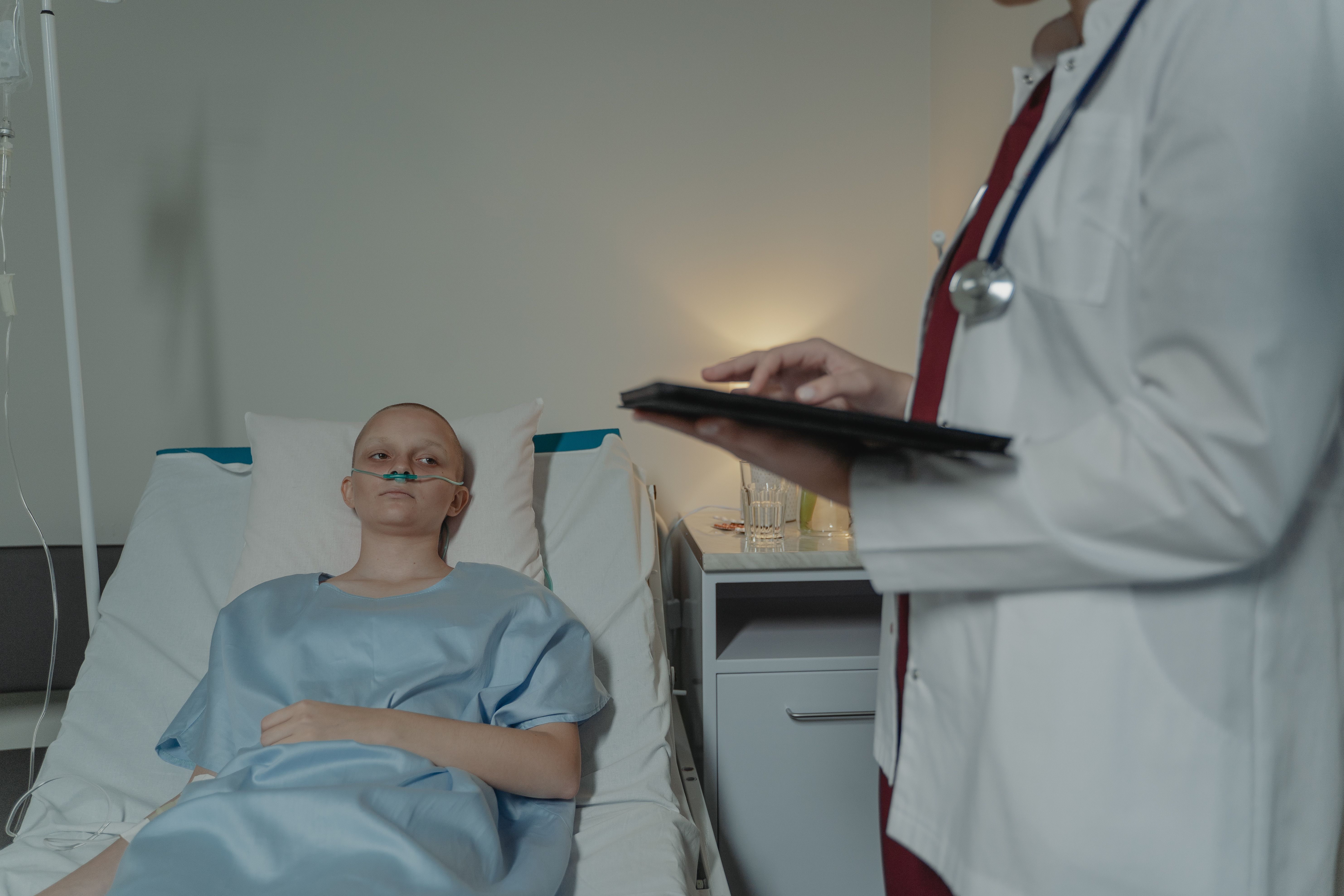
## What to ask your hematologist after diagnosis
When you're sitting across from your specialist, it's easy to freeze and forget every question you meant to ask. So bring a written list. Here's a starting set worth copying down.
What exact type and subtype do I have? Is it acute or chronic, fast or slow? What does my treatment timeline look like, and do we start now or monitor first? Should my cancer have genetic or molecular testing? Are there clinical trials I should consider? And who do I call between appointments if something changes?
The table below covers how to handle these appointments, based on what tends to help families the most.
| ✓ Do | ✗ Don't |
| --- | --- |
| Bring a second person to listen and take notes | Rely on your memory alone in a stressful room |
| Ask for your exact subtype in writing | Settle for just "leukemia" or "lymphoma" |
| Ask whether watch and wait applies to you | Assume treatment must start immediately |
| Compare your case only to your own test results | Compare your prognosis to general online statistics |
| Ask about genetic testing and clinical trials | Wait until later, when options may narrow |
## Frequently Asked Questions
### What is the most common type of blood cancer?
Leukemia is the most common blood cancer overall and the most common cancer in children. Among adults, non-Hodgkin lymphoma is one of the most frequently diagnosed. The "most common" answer shifts depending on whether you're counting children or adults.
### What's the difference between leukemia and lymphoma?
Leukemia starts in the bone marrow and usually involves white cells spilling into the blood. Lymphoma starts in the lymphatic system and often forms solid lumps in lymph nodes. They can share symptoms, but they begin in different places and are treated differently.
### Are blood cancers genetic?
Most blood cancers are not inherited. They usually come from gene changes that happen during a person's life, not ones passed down from a parent. A small number of families do carry higher risk, which is one reason genetic testing of the cancer itself is becoming routine.
### Can blood cancer be cured?
Some can be cured, and many others can be controlled for years even when a permanent cure isn't possible. The honest answer depends heavily on the type, subtype, and stage, so it's a question for your own care team rather than a general statistic.
### What does it mean if my blood work is abnormal but I don't have cancer?
Abnormal counts have many harmless causes, from infections to vitamin deficiencies. Some findings, like MGUS, are monitored because they carry a small risk of progressing, but they are not cancer. Your doctor can tell you whether your result needs watching or nothing at all.
### What is the rarest blood cancer?
There are several very rare types, including hairy cell leukemia, mast cell leukemia, and certain histiocytic disorders. "Rare" usually means fewer people are diagnosed and fewer doctors have seen it, which is exactly why a specialist center and a patient community can help.
## Next steps
Understanding how blood cancers are sorted is the foundation for every one of these conversations. Once you know your group, your subtype, and whether yours is fast or slow, you can finally ask the questions that are actually about your situation.
So take the one thing that matters most into your next appointment: your exact diagnosis, written down. Then bring someone with you, ask your list of questions, and connect with people who've walked this path through our [community](https://beatcancer.eu/community/). You don't have to figure this out alone, and the people around you, including your care team, are there for exactly this.
---
# UNICA4EU - Application of Artificial Intelligence to Paediatric Cancer
URL: https://beatcancer.eu/resources/unica4eu-application-of-artificial-intelligence-to-paediatric-cancer/ | Topic: Survivorship | Published: 2023-11-04 | Updated: 2026-08-17
The patient pathway in Childhood Cancer (from diagnosis to treatment and all through to survivorship) is extremely complex and individualised. Despite the tremendous efforts made to set up specific clinical and research frameworks that address the needs of children and young people with cancer, the fact remains that Childhood Cancer is a rare disease. As such, unconnected data silos still exist and this fragmentation is often caused by the lack of a common approach for the definition, application and interconnection of data in the healthcare realm. Artificial Intelligence can be key in bringing a solution to these challenges.
UNICA4EU‘s vision is to lay the foundation of an ecosystem that will facilitate the upscaling and wide-scale application of Artificial Intelligence to Paediatric Cancer in the next ten years, positioning Europe as the worldwide benchmark in the field. The initiative will bring together the multi-disciplinary networks of stakeholders required to strengthen the reference knowledge base for the Paediatric Cancer investigation and promotion. Collaboration is at the very core of UNICA4EU: the team brings together medical and research institutions working on Childhood Cancer, patient, parents and survivor advocacates, cutting-edge expertise in Artificial Intelligence, Machine Learning, bioinformatics and computational biology, and experts in community building and impact creation.
The UNICA4EU project (Grant Agreement 101052609) includes activities to ensure that patients’, survivors’ and parents’ rights regarding data sharing and data use are being protected, and that their needs regarding patient friendly information and education about the use of Artificial Intelligence technologies are met.
---
# Ultimate Cancer Survivorship Checklist: Essential Steps for Life After Treatment
URL: https://beatcancer.eu/resources/cancer-survivorship-checklist/ | Topic: Survivorship | Published: 2025-01-25 | Updated: 2026-10-02
Facing cancer is a journey that changes your life in profound ways, but survivorship is a chapter filled with hope and resilience. As you transition from treatment to recovery, it’s essential to prioritize your health and well-being. A survivorship checklist can help you navigate this phase with clarity, empowering you to take control of your future.
From managing follow-up care to addressing emotional and physical challenges, there’s a lot to consider. You might feel uncertain about what steps to take next, but having a clear plan ensures you’re prepared for what lies ahead. This checklist is designed to guide you through key areas of focus, helping you stay proactive and informed as you embrace life beyond cancer.
## Key Takeaways
* Survivorship is a hopeful phase after cancer treatment, and a structured checklist can help you navigate recovery with clarity and confidence.
* Prioritizing follow-up care, including regular checkups and monitoring long-term side effects, is essential for maintaining optimal health.
* Adopting a healthy lifestyle with balanced nutrition, regular physical activity, and stress management promotes long-term wellness and reduces the risk of recurrence.
* Staying organized with medical records, including treatment summaries and medication lists, ensures continuity and accuracy in your healthcare.
* Building a support network of loved ones and survivor groups provides emotional strength and practical encouragement during recovery.
* Planning for the future, including financial preparation and setting personal or career goals, helps create a secure and fulfilling life post-treatment.
## Understanding the Cancer Survivorship Checklist
A cancer survivorship checklist is a valuable tool to help you take charge of your recovery journey. It ensures you address key aspects of your health and well-being after treatment.
### What Is a Cancer Survivorship Checklist?
A cancer survivorship checklist is a structured guide designed to help you manage life after treatment. It includes actionable items like scheduling follow-up appointments, monitoring for late treatment effects, and creating a personalized wellness plan. This checklist keeps you organized while addressing physical, emotional, and practical needs, ensuring you stay proactive in regaining your health.
### Why Is a Checklist Essential for Survivors?
A checklist is essential because it helps you navigate the often-overwhelming post-cancer period. It provides clarity on necessary steps, such as adhering to medical follow-ups, maintaining healthy lifestyle habits, and seeking support for mental health challenges. Staying on track with key tasks minimizes gaps in care and empowers you to focus on long-term wellness and quality of life.
## Prioritizing Follow-Up Care
Follow-up care is a cornerstone of [cancer survivorship](https://beatcancer.eu/cancer-books/dancing-in-limbo-making-sense-of-life-after-cancer/) that ensures your ongoing health and well-being. Staying proactive helps you catch complications early and maintain optimal quality of life.
### Scheduling Regular Medical Checkups
Schedule follow-up appointments to monitor your recovery and detect potential recurrence. Most survivors need checkups every 3-12 months initially, depending on your cancer type and treatment plan. Discuss a tailored schedule with your oncologist and primary care physician to address your unique needs. Use a calendar or mobile app reminder to avoid missing appointments.
### Tracking Long-Term Side Effects
Track side effects from treatments like chemotherapy, radiation, or [surgery](https://beatcancer.eu/cancer-dictionary/surgery/) that might develop over time. Document symptoms such as fatigue, memory issues, or neuropathy to share with your healthcare team. Ask your doctor about potential late effects based on your treatment history and report any changes promptly. Keeping a journal or using health-tracking apps can make this process easier and more reliable.
## Maintaining a Healthy Lifestyle
Maintaining a healthy lifestyle plays a vital role in cancer survivorship, supporting your recovery and promoting long-term wellness. By focusing on key areas like nutrition, exercise, and mental health, you can build a strong foundation for your future health.
### Adopting a Balanced Diet
Focusing on nutrient-rich foods helps strengthen your body after treatment. Include fruits, vegetables, whole grains, lean proteins, and healthy fats in your meals. Limit processed foods, red meat, and sugary drinks to lower your risk of recurrence. Consider consulting a dietitian to create a personalized plan that matches your nutritional needs and energy levels. Staying hydrated is equally important, so aim for 8-10 cups of water daily unless advised otherwise by your doctor.
### Engaging in Regular Physical Activity
Participating in regular exercise boosts your energy, enhances mood, and reduces the likelihood of cancer recurrence. Aim for 150 minutes of moderate activity each week, like walking, swimming, or yoga. If you're new to exercise or recovering from treatment, start with shorter sessions and gradually increase intensity. Always check with your healthcare provider before starting a new fitness routine to ensure it's safe and suitable.
### Managing Stress and Mental Health
Addressing emotional well-being is essential in survivorship. Practice stress-reducing activities like meditation, deep breathing, or journaling to manage feelings of anxiety or overwhelm. Stay connected with loved ones and consider joining a support group to share experiences and gain encouragement. If you're struggling with ongoing challenges, seek guidance from a therapist or counselor specialized in cancer survivorship to help build resilience and maintain mental balance.
## Staying Informed About Medical Records
Staying on top of your medical records is a critical part of cancer survivorship. This ensures you have easy access to essential information when meeting healthcare providers or managing your health.
### Organizing Treatment Summaries
Organize your treatment summaries to create a clear history of your cancer care. Include detailed information about your diagnosis, treatments received (e.g., surgeries, chemotherapy, radiation), and dates of care. Cancer centers often provide [survivorship care](https://beatcancer.eu/cancer-dictionary/what-is-survivorship-care-and-how-to-use-it-for-better-health/) plans that include this information, so request copies from your provider. Store these records digitally and physically for quick retrieval. Keeping everything in one place helps you share accurate details with new doctors or specialists.
### Keeping a Record of Medications and Allergies
Track your current and past medications to ensure safety and continuity of care. List drug names, dosages, start and stop dates, and purposes (e.g., pain management, hormonal therapy). Don’t forget to record over-the-counter drugs and supplements. Include any known allergies or adverse reactions to treatments, such as chemotherapy agents or antibiotics. Having this record readily available can prevent duplicate prescriptions or unwanted side effects during follow-up care. Consider using a medical app or a dedicated notebook to keep this information updated.
## Building a Support Network
Creating a strong support network is essential for navigating cancer survivorship. Surrounding yourself with people who understand, encourage, and uplift you can significantly enhance your emotional and mental well-being.
### Connecting with Family and Friends
Lean on loved ones to share your feelings and experiences. Open communication with family and friends helps them understand what you're going through and allows them to provide meaningful support. Be honest about your needs, whether it's help with daily tasks or simply someone to listen. Encourage discussions about your care plan and progress to keep them involved and informed. Letting your inner circle offer their support can strengthen your bonds and ease feelings of isolation.
### Joining [Cancer Survivor Support](https://beatcancer.eu/resources/cancer-survivor-support/) Groups
Join support groups to connect with others who've had similar experiences. These groups provide a safe space to share challenges, exchange coping strategies, and gain inspiration from other survivors. Look for local or online cancer survivor networks that fit your needs, such as groups tailored to specific cancer types, stages, or demographics. Participating in these groups can reduce feelings of loneliness and give you access to valuable resources, including expert guest speakers or wellness workshops tailored to survivors.
## Monitoring Emotional Well-Being
Caring for your emotional health is just as important as managing your physical well-being after cancer treatment. Emotional challenges like depression, anxiety, or mood swings can affect your overall recovery and quality of life.
### Recognizing Signs of Depression or Anxiety
Pay attention to ongoing feelings of sadness, constant worry, or changes in sleep and appetite. Symptoms like irritability, fatigue, or feelings of hopelessness may signal depression, while restlessness, excessive fear, or trouble concentrating could indicate anxiety. If these feelings persist for more than two weeks or interfere with daily activities, it's essential to acknowledge them as part of your emotional health journey.
### Seeking Professional Mental Health Support
Consult licensed mental health professionals if emotional challenges feel overwhelming or persistent. Psychologists and counselors can provide therapy tailored to [cancer survivors](https://beatcancer.eu/resources/what-is-a-cancer-survivor/), helping you navigate your feelings. If necessary, psychiatrists may recommend medication to manage symptoms effectively. Don’t hesitate to ask your oncologist for referrals or connect with cancer-focused organizations that offer mental health resources.
## Planning for the Future
Looking ahead after cancer treatment means organizing key aspects of your life to build a secure and fulfilling future. Planning intentionally can help reduce stress and give you control over your next chapter.
### Financial Planning and Insurance Coverage
Evaluate your current financial situation to prepare for future expenses. Start by reviewing medical bills, reconciling them with insurance statements, and checking for errors. Speak with your healthcare provider or billing department about financial assistance programs if costs are overwhelming.
Ensure your health insurance covers ongoing care, including follow-up visits and any necessary screenings. Confirm coverage details for specialist consultations and prescription costs, and explore supplemental insurance options if gaps exist. Additionally, consider creating an emergency fund to handle unforeseen medical or personal expenses.
It’s also wise to consult a financial advisor who specializes in healthcare planning. They can guide you in managing debts, planning retirement savings, and understanding tax implications related to medical expenses. Having a clear financial roadmap can help you focus on your recovery and future goals.
### Setting Personal and Career Goals
Define what’s meaningful to you and set goals aligned with your values. Start with small, realistic objectives, like cultivating new hobbies or re-engaging in activities you enjoy. Break larger goals into manageable steps to make progress feel achievable.
If you're returning to work, determine if you need workplace accommodations during your transition. Communicate openly with your employer about your needs, whether it’s flexible hours or modified duties. Research local or online vocational rehabilitation services to help reskill or explore new career paths if your priorities have shifted.
Pursue personal growth by identifying areas you’d like to develop, such as learning new skills or deepening relationships. Whether it’s professional advancement or personal fulfillment, creating actionable plans can help you make the most of life post-treatment.
## Conclusion
Navigating [life after cancer](https://www.cdc.gov/cancer/survivors/index.htm) requires focus, resilience, and a proactive approach to your health and well-being. A survivorship checklist can be an invaluable tool to help you stay organized and empowered as you embrace this new chapter. By addressing your physical, emotional, and practical needs, you can build a strong foundation for long-term wellness and a fulfilling future.
Your journey is unique, but you’re not alone. With the right strategies, support, and mindset, you can confidently take charge of your survivorship and thrive in the years ahead.
## Frequently Asked Questions
### What is a cancer survivorship checklist?
A cancer survivorship checklist is a structured tool designed to guide survivors in managing life after treatment. It includes actionable steps such as scheduling follow-up care, monitoring for late side effects, creating a wellness plan, and addressing mental health. The checklist helps survivors stay proactive and organized to ensure long-term health and quality of life.
### Why is follow-up care important after cancer treatment?
Follow-up care is crucial for monitoring recovery, detecting recurrences, and managing long-term side effects. Most survivors should schedule appointments every 3-12 months, depending on their situation. Regular checkups ensure a proactive approach to health and prevent gaps in care.
### How can I track [long-term side effects of cancer treatment](https://beatcancer.eu/resources/long-term-side-effects-of-cancer-treatment/)?
Tracking long-term side effects involves documenting symptoms, such as fatigue or pain, and sharing these updates with your healthcare team. Using a journal or health-tracking app can help you stay organized and provide insights for managing potential late effects.
### What are the best ways to maintain a healthy lifestyle after cancer treatment?
Focus on balanced nutrition by eating more fruits, vegetables, whole grains, and lean proteins while avoiding processed foods. Aim for at least 150 minutes of moderate exercise weekly, and incorporate stress-management practices like meditation, journaling, or therapy to support overall well-being.
### How can I manage stress and mental health during cancer survivorship?
Managing stress involves activities like meditation, yoga, exercise, or journaling. Talk to loved ones about your feelings, join support groups for connection, and seek professional counseling if you experience persistent sadness or anxiety.
### Why is it important to organize my medical records as a cancer survivor?
Keeping detailed treatment summaries, medication lists, and diagnosis records ensures seamless follow-up care. Organized records help prevent duplicate treatments, manage allergies, and maintain continuity across healthcare providers, promoting your overall safety.
### How can I build a support network during cancer survivorship?
Build a network by sharing your needs with family and friends and staying open about challenges. Joining cancer survivor support groups can connect you with others who share similar experiences and offer valuable emotional and practical resources.
### What signs indicate that I need professional help for mental health concerns?
If you experience persistent sadness, anxiety, irritability, or changes in sleep or appetite lasting more than two weeks, it’s time to seek help. A licensed mental health professional can provide therapy or medication to address emotional challenges effectively.
### How can cancer survivors plan for their financial future?
Start by evaluating your financial situation, reviewing medical bills, and ensuring health insurance covers ongoing care. A financial advisor specializing in healthcare can help manage costs, handle debts, and plan for medical-related tax deductions.
### What steps can survivors take to set career or personal goals after treatment?
Define realistic goals aligned with your values, prioritize self-care, and communicate workplace needs with your employer. If necessary, explore vocational rehabilitation to adjust to career shifts. Set small, actionable steps to achieve personal growth and fulfillment.
---
# Understanding Cancer Caregiver Loneliness: Tips to Overcome Isolation and Find Support
URL: https://beatcancer.eu/resources/cancer-caregiver-loneliness/ | Topic: Psychosocial Care | Published: 2025-03-26 | Updated: 2026-08-18
Caring for a loved one with cancer is one of the most selfless roles you can take on, but it often comes with an overwhelming sense of isolation. While your focus is on supporting someone through their battle, your emotional and social needs can quietly take a backseat. The weight of this responsibility can leave you feeling like no one truly understands what you're going through.
You might find yourself withdrawing from friends, skipping social events, or even struggling to express your feelings. The loneliness of caregiving isn’t just about being physically alone—it’s the emotional toll of navigating this journey without enough support. Recognizing this challenge is the first step toward finding ways to reconnect and care for yourself while continuing to care for your loved one.
## Key Takeaways
* Cancer caregiving often leads to loneliness due to emotional isolation, lack of social support, and overwhelming responsibilities that limit personal time and connections.
* Caregiver loneliness can severely impact well-being, contributing to mental health challenges like depression, physical health issues such as fatigue and stress, and strained relationships.
* Building a support system is crucial—reaching out to friends, family, or caregiver groups can alleviate isolation and provide emotional relief.
* Prioritizing self-care enhances resilience—incorporating activities like exercise, proper nutrition, and relaxation boosts mental and physical health for better caregiving.
* Professional and community support can make a difference, with resources like counseling, respite care, and group discussions available through nonprofits and healthcare organizations.
* Finding balance is vital—addressing both personal needs and caregiving duties fosters emotional stability and strengthens relationships.
## Understanding Cancer Caregiver Loneliness
Cancer caregiver loneliness stems from the unique demands of caregiving that often isolate you from other aspects of life. Constant focus on your loved one’s health leaves little time to nurture social connections or engage in personal activities. This ongoing isolation can create emotional barriers, making it difficult to express your struggles or seek support.
Caregiver loneliness intensifies when others can't relate to your experiences. Conversations about cancer caregiving may feel one-sided if friends or family don’t fully understand your challenges. This lack of mutual understanding can lead to feelings of alienation, even in familiar social settings.
Role changes within relationships further contribute to this loneliness. As you take on responsibilities related to caregiving, the dynamics with your spouse, children, or friends may shift. Emotional distance can grow if communication about your needs diminishes under the weight of caregiving duties.
Internalized guilt often exacerbates this isolation. You may feel guilty about prioritizing personal time or seeking help, perceiving it as neglecting your loved one. This misplaced guilt can deepen your withdrawal from social and emotional outlets, reinforcing feelings of loneliness.
## Causes Of Loneliness In Cancer Caregivers
Cancer caregiving often results in loneliness due to emotional, social, and practical challenges. Understanding these underlying causes can help you address them effectively.
### Emotional Isolation
You may experience emotional isolation if you suppress your feelings to remain strong for your loved one. Sharing emotions becomes difficult when you fear being a burden to others or feel that no one can truly understand your situation. Over time, withholding your emotions can create a deeper disconnect from others, increasing loneliness.
### Lack Of Social Support
Support systems may diminish as you devote more time to caregiving. Friends and family might become less involved, assuming you can manage everything or feeling unsure of how to help. This reduced contact with your social circle limits opportunities for companionship and meaningful interactions.
### Overwhelming Responsibilities
The demands of caregiving dominate your time and energy, leaving little room for self-care or maintaining relationships. Tasks such as attending appointments, managing medications, and providing emotional support consume your focus. These responsibilities can isolate you further by reducing time for hobbies, socializing, or seeking external help.
## Effects Of Loneliness On Caregivers
Cancer caregiver loneliness affects multiple facets of your well-being. Prolonged isolation influences your mental health, physical health, and relationships in significant ways.
### Mental Health Challenges
Loneliness can lead to anxiety, depression, and chronic stress. You might experience overwhelming sadness, a sense of hopelessness, or constant worry about your caregiving role. A study by the National Alliance for Caregiving found that up to 40% of caregivers report high emotional stress. Persistent loneliness increases the risk of mood disorders, eroding your ability to cope with caregiving demands.
### Physical Health Impacts
Extended loneliness has adverse effects on your physical health. You may face fatigue, sleep disturbances, or weakened immunity due to chronic stress. According to the CDC, chronic loneliness is linked to higher risks of heart disease and high blood pressure. If you neglect your health while focusing on caregiving, the stress can manifest as long-term physical ailments.
### Strain On Relationships
Isolation impacts your connections with family, friends, and even the person you're caring for. Loneliness often reduces opportunities for meaningful interactions because caregiving consumes your time and energy. Social withdrawal and unspoken emotional needs can strain existing relationships. When communication gaps arise, misunderstandings or resentment may replace mutual support.
## Strategies To Overcome Caregiver Loneliness
Addressing caregiver loneliness involves intentional actions to rebuild social connections, maintain well-being, and seek assistance when needed. Implementing specific strategies can help foster emotional resilience and reduce isolation.
### Building A Support System
Create a dependable support network by reaching out to friends, family, or community groups. Let them know how they can assist with caregiving tasks or provide emotional support. Engage with local or online caregiver support groups, where members share relatable experiences. Platforms like CancerCare or the Family Caregiver Alliance offer dedicated resources for connecting with others facing similar challenges. Delegating responsibilities within your circle can also ensure you're not handling everything alone.
### Prioritizing Self-Care
Incorporate activities that nurture your own physical and emotional health. Schedule brief but consistent breaks to engage in hobbies, exercise, or relaxation techniques like meditation. Consistent physical activity, such as walking for 30 minutes daily, enhances mood and reduces stress. Maintain a well-balanced diet, and get at least 7-8 hours of sleep nightly to strengthen your resilience. Remember that caring for yourself enables you to provide better support for your loved one.
### Seeking Professional Help
Consult mental health professionals if loneliness feels overwhelming or persistent. Therapists or counselors can offer strategies tailored to caregivers' unique emotional challenges. Look into respite care services to take temporary breaks from caregiving responsibilities. Organizations like the National Respite Network or local hospice services provide short-term care solutions, giving you time to recharge. If depression or chronic stress symptoms emerge, discuss them with professionals to identify appropriate interventions.
## Role Of Communities And Organizations In Supporting Caregivers
Communities and organizations provide vital support to caregivers facing the challenges of cancer caregiving. Collaborative efforts from these groups can help reduce loneliness by fostering connections and offering tailored assistance.
### Community Support Groups
Community support groups create safe spaces for caregivers to share experiences and emotions. These groups, whether in-person or online, allow you to connect with others who understand the complexities of caregiving. Facilitated discussions in these settings can provide coping strategies, emotional validation, and practical advice. Local community centers, religious organizations, and online platforms such as Cancer Support Community or Caregiver Action Network often host these groups. Participation enables you to form bonds, exchange resources, and reduce feelings of isolation.
### Resources From Nonprofits And Healthcare Institutions
Nonprofits and healthcare institutions offer structured resources to support caregivers. National organizations like the American Cancer Society and Family Caregiver Alliance provide counseling services, educational materials, and caregiver hotlines. Healthcare systems often connect you with social workers or patient navigators for personalized guidance. Additionally, financial assistance programs, respite care services, and training workshops provided by these entities address the practical and emotional challenges of caregiving. Accessing these resources can enhance your sense of support and competence, easing the burden of caregiving.
## Conclusion
Caregiving for a loved one with cancer is a journey that challenges your emotional strength and resilience. It's important to recognize that your feelings of loneliness are valid and not a reflection of weakness. By taking steps to prioritize your well-being, seeking support, and utilizing available resources, you can navigate this role with greater balance and connection.
Remember, you're not alone in this experience. Reaching out to others, whether through support groups, friends, or professionals, can help lighten the emotional load. Caring for yourself is not selfish—it's essential for sustaining the care and love you provide.
## Frequently Asked Questions
### What causes loneliness in cancer caregivers?
Loneliness in cancer caregivers often arises from emotional isolation, lack of social support, and overwhelming responsibilities. Caregivers may suppress their feelings to stay strong for their loved ones, leading to a disconnect from others. Time-consuming caregiving duties also limit opportunities for self-care or maintaining social relationships, further isolating caregivers.
---
### How does loneliness affect cancer caregivers’ mental health?
Loneliness can lead to anxiety, depression, and chronic stress for caregivers. Studies show that up to 40% of caregivers experience high emotional stress due to isolation, which significantly impacts their overall mental well-being.
---
### Are there physical health impacts linked to loneliness in caregivers?
Yes, loneliness can negatively affect physical health. It’s associated with fatigue, sleep issues, a weakened immune system, and even heightened risks of heart disease and high blood pressure, particularly from prolonged stress.
---
### How can cancer caregivers rebuild their social connections?
Caregivers can rebuild social connections by engaging in caregiver support groups, reaching out to family and friends, or participating in community activities. Sharing experiences with others who understand caregiving challenges can provide emotional relief and reduce isolation.
---
### Why is self-care important for cancer caregivers?
Self-care is crucial because it helps caregivers maintain physical and emotional health. Activities like regular exercise, proper sleep, and setting aside time for hobbies can reduce stress, improve focus, and foster resilience in caregiving duties.
---
### What strategies can help combat caregiver loneliness?
Caregivers can combat loneliness by building a support system, engaging in self-care, and seeking professional help such as therapy or respite care. These steps create opportunities for socializing, emotional balance, and relief from caregiving demands.
---
### How can communities support caregivers to reduce loneliness?
Communities can support caregivers by creating safe spaces like support groups for sharing experiences. Nonprofits and healthcare institutions can provide counseling, educational resources, and financial aid programs to ease caregiving challenges and reduce isolation.
---
### What resources are available to help caregivers feel less isolated?
Caregivers can access resources like online and in-person support groups, counseling services, respite care, and educational guides from nonprofit organizations or healthcare providers. These tools can enhance their sense of support and competence.
---
### Is professional help recommended for overwhelmed caregivers?
Yes, professional help is highly recommended for caregivers feeling overwhelmed. Therapists and counselors can provide emotional guidance, while respite care services offer temporary relief by sharing caregiving responsibilities.
---
### Can caregiver loneliness strain relationships?
Caregiver loneliness can strain relationships due to reduced quality time and communication gaps. Misunderstandings or resentment may arise, but open dialogue and support systems can help repair and strengthen these connections.
---
# Understanding Cancer Gene Silencing: A Breakthrough in Targeted Cancer Therapy
URL: https://beatcancer.eu/resources/cancer-gene-silencing/ | Topic: Science | Published: 2025-05-10 | Updated: 2026-08-18
Imagine a world where the genes responsible for cancer could simply be switched off. Cancer [gene silencing](https://beatcancer.eu/cancer-dictionary/what-is-gene-silencing-how-to-understand-it-and-how-to-use-it-in-medicine/) is making this vision a reality by targeting the root cause of the disease—faulty or overactive genes. Instead of focusing solely on treating symptoms, this groundbreaking approach aims to stop cancer at its source.
You might wonder how this works. By using advanced techniques like RNA interference or [CRISPR](https://www.genome.gov/genetics-glossary/CRISPR), scientists can "silence" harmful genes, preventing them from triggering uncontrolled cell growth. This innovative strategy is opening doors to more precise and effective treatments, offering new hope in the fight against cancer.
Understanding cancer gene silencing not only helps you grasp its potential but also highlights how science is reshaping the future of medicine. Whether you're curious about cutting-edge research or exploring treatment options, this is a field that's changing lives and rewriting the rules of cancer care.
## Key Takeaways
* Cancer gene silencing targets faulty or overactive genes, addressing the root cause of cancer rather than just its symptoms.
* Cutting-edge techniques like RNA interference (RNAi) and CRISPR enable precise gene inactivation, preventing uncontrolled cell growth and [tumor progression](https://beatcancer.eu/cancer-dictionary/what-is-tumor-progression-how-to-recognize-it-and-how-to-manage-it/).
* Applications include overcoming drug resistance, reducing treatment side effects, and creating targeted therapies for specific cancer types.
* Advances in delivery systems, such as nanoparticles, enhance the effectiveness and safety of RNAi and CRISPR-based therapies.
* Challenges include achieving tissue-specific delivery, minimizing off-target effects, and addressing therapeutic resistance.
* Ongoing innovations in technology, AI, and clinical trials continue to shape the future of cancer gene silencing as a precision medicine tool.
## Understanding Cancer Gene Silencing
Cancer gene silencing refers to the targeted inactivation of genes that drive cancer progression. These genes, known as oncogenes, can become overactive or mutated, leading to abnormal cell division and tumor development. By silencing these genes, you can disrupt the molecular pathways that fuel cancer growth.
Techniques like RNA interference (RNAi) and CRISPR-Cas9 gene editing allow precise inhibition of oncogene activity. RNAi works through small interfering RNAs (siRNAs) or microRNAs (miRNAs) to degrade or block the translation of specific mRNA molecules. CRISPR, on the other hand, alters the DNA sequence to permanently inactivate faulty genes.
Silencing can target genes associated with chemotherapy resistance. For example, MDR1 overexpression, which contributes to drug resistance, has been addressed by RNAi to improve treatment efficacy. Additionally, silencing cancer-supportive genes like VEGF (vascular endothelial growth factor) can restrict angiogenesis, limiting blood supply to tumors.
Epigenetic modifications are another key area of gene silencing. You can regulate cancer-related gene expression by modifying DNA methylation or histone acetylation levels. For instance, hypermethylation of tumor suppressor genes can be reversed to restore normal cellular function.
Understanding how these mechanisms work helps develop cancer therapies with greater precision, potentially reducing side effects and improving patient outcomes.
## Mechanisms Involved in Gene Silencing
Gene silencing involves disrupting the expression of specific cancer-causing genes to suppress tumor growth or progression. Key mechanisms include epigenetic modifications, RNA interference, and CRISPR/Cas systems.
### Epigenetic Modifications
Epigenetic modifications regulate gene expression without altering the DNA sequence. In cancer, hypermethylation of tumor suppressor gene promoters often silences their protective functions. By reversing this hypermethylation, therapies can reactivate such genes, restoring their role in controlling cell growth. Additionally, modifying histones—protein structures around which DNA wraps—can either promote or inhibit gene activity. Compounds targeting enzymes like DNA methyltransferases (DNMTs) or histone deacetylases (HDACs) are being explored to correct aberrant epigenetic patterns in cancer cells.
### RNA Interference
RNA interference (RNAi) silences genes post-transcriptionally by targeting specific mRNA molecules. This mechanism uses small interfering RNAs (siRNAs) or microRNAs (miRNAs) to bind to complementary mRNA sequences, blocking translation or triggering their degradation. In cancer therapy, RNAi can lower the expression of oncogenes, such as MYC or KRAS, to prevent tumor progression. Advances in delivery systems, including lipid nanoparticles, enhance RNAi stability and uptake by cancer cells, making it a promising tool for targeted gene silencing.
### CRISPR/Cas Systems
CRISPR/Cas systems employ a guide RNA and Cas9 enzyme to edit genes by inducing double-strand breaks at specific genomic sites. This mechanism enables precise inactivation of oncogenic DNA sequences, such as mutated TP53 or EGFR genes, through insertions, deletions, or frame shifts. In addition to directly disrupting oncogenes, CRISPR can downregulate cancer-supporting genes responsible for chemotherapy resistance or angiogenesis. Its precision and versatility make CRISPR a powerful platform for permanent silencing of faulty cancer-related genes.
## Applications of Cancer Gene Silencing
Cancer gene silencing introduces transformative possibilities in oncology. Its ability to selectively target faulty cancer genes enables advancements in treatment precision and effectiveness.
### [Targeted Cancer Therapies](https://www.cancer.gov/about-cancer/treatment/types/targeted-therapies)
Gene silencing enhances the development of therapies tailored to cancer types. By targeting oncogenes like HER2 in breast cancer or KRAS in pancreatic cancer, you can disrupt the molecular drivers of tumor growth. RNA interference and CRISPR/Cas systems allow you to precisely inactivate these genes, reducing tumor proliferation and progression. These targeted interventions improve efficacy while minimizing harm to healthy cells.
### Overcoming Drug Resistance
Silencing genes linked to drug resistance can enhance chemotherapy outcomes. Genes such as MDR1, responsible for multidrug resistance, often result in treatment failure. Using RNAi to suppress MDR1 expression restores drug sensitivity in cancer cells, increasing the success of chemotherapy. Silencing other resistance-promoting genes like BCR-ABL in leukemia can also prevent cancer cells from evading targeted therapies.
### Reducing Side Effects
Cancer gene silencing mitigates treatment-associated side effects by focusing on specific molecular targets. Instead of affecting all rapidly dividing cells, this approach selectively impacts cancerous cells. For example, silencing VEGF to block angiogenesis limits tumor blood supply without disrupting normal vascular function. Precise targeting reduces damage to healthy tissues, minimizing side effects like nausea, fatigue, and immune suppression.
## Current Advances and Research
Significant progress in cancer gene silencing has been achieved through [preclinical](https://beatcancer.eu/cancer-dictionary/preclinical/) studies and human trials, along with the emergence of innovative technologies. These advances push the boundaries of precision oncology and open new avenues for effective cancer treatments.
### Clinical Trials
Clinical trials have validated the potential of gene silencing therapies in treating specific cancer types. For example, trials using siRNAs to target oncogenes like KRAS in pancreatic cancer have shown reduced tumor growth in preclinical models. Similarly, studies involving CRISPR/Cas9 for modifying HER2 in breast cancer are advancing towards clinical safety evaluations. Ongoing trials targeting VEGF-driven angiogenesis are exploring efficacy in restricting tumor vascularization, demonstrating promise in metastatic cancers.
Epigenetic therapies are undergoing clinical testing to reverse DNA hypermethylation, particularly in cancer types like leukemia. For instance, trial data from demethylating drugs have highlighted restored expression of silenced tumor suppressor genes, contributing to normal cell cycle regulation. Trials combining gene silencing methods with traditional chemotherapy or immunotherapy are gaining momentum, aiming to overcome resistance and enhance therapeutic outcomes.
### Emerging Technologies
Emerging technologies in cancer gene silencing focus on improving precision and delivery mechanisms. Advances in nanoparticle-based delivery systems enable targeted transport of siRNAs or CRISPR components to tumors while reducing off-target effects. Lipid nanoparticles (LNPs), already used in RNA-based vaccines, are now being adapted for clinical gene silencing applications, ensuring localized and efficient gene editing.
Artificial intelligence (AI) tools streamline the identification of oncogenic targets and optimize guide RNA sequences for CRISPR/Cas9 precision. Combining AI with high-throughput screening accelerates the discovery of new silencing candidates and therapeutic approaches. Base editing, a derivative of CRISPR, emerges as another promising tool, allowing single-nucleotide changes to deactivate cancer-related mutations without causing double-strand breaks in DNA.
These technologies drive the evolution of cancer gene silencing as a highly personalized treatment modality, offering safer, more effective options to address the complexities of cancer.
## Challenges and Limitations
Cancer gene silencing faces several technical and practical challenges, which impact its scalability and effectiveness in clinical applications. Delivery of gene-silencing agents, such as siRNAs or CRISPR components, remains a significant barrier. Targeting diseased cells without affecting healthy ones can be difficult due to challenges in achieving tissue-specific delivery and avoiding immune system activation.
Unintended effects complicate therapeutic development. Off-target interactions can lead to unintended gene silencing, potentially causing toxicity or disrupting essential cellular functions. For instance, CRISPR-induced edits may result in unintended alterations at non-target genomic sites, increasing the risk of adverse effects.
Therapeutic resistance may arise, especially in heterogeneous tumors with diverse genetic mutations. Cancer cells can develop mechanisms to bypass gene silencing effects or activate alternative pathways, diminishing the therapy's efficacy over time.
Regulatory and ethical considerations add complexity to the adoption of gene silencing in clinical settings. Long-term safety concerns, such as permanent genetic modifications or immunogenic reactions, must be addressed through rigorous testing. Balancing innovation with patient safety and ethical compliance is critical for widespread acceptance.
Manufacturing and cost challenges also limit accessibility. Advanced tools, like nanoparticle delivery systems, require specialized production processes, driving up costs and delaying broader availability. These factors emphasize the need for scalable, cost-effective strategies to make cancer gene silencing more practical for widespread use.
## Future Prospects of Cancer Gene Silencing
Cancer gene silencing shows potential to revolutionize cancer treatment through advancements in technology and research. Combining approaches like CRISPR with delivery innovations opens new possibilities for precision medicine.
1. **Integration of Artificial Intelligence (AI):** AI tools are enhancing the identification of gene targets and optimizing silencing strategies. Machine learning algorithms can predict gene-disease relationships and simulate treatment outcomes, accelerating therapeutic development.
2. **Advancements in Delivery Mechanisms:** Progress in nanoparticle-based systems and viral vectors improves the delivery of gene-silencing agents to cancer cells. These methods reduce off-target effects, enabling greater specificity and lowering toxicity risks.
3. **Focus on Minimizing Resistance:** Targeting gene networks rather than single genes could address therapeutic resistance. By silencing multiple pathways, you may improve the durability of treatment outcomes in heterogeneous tumors.
4. **Epigenetic Therapy Innovations:** Expanding understanding of epigenetics supports reactivating silenced tumor suppressor genes. Combining epigenetic drugs with RNAi or CRISPR enhances the ability to combat cancers with complex genetic traits.
5. **Personalized Medicine Approaches:** Advances in patient-specific genetic profiling refine gene-silencing therapies for individual cancer cases. Tailored treatments improve outcomes by targeting the unique molecular drivers in each tumor.
6. **Clinical Translation Initiatives:** Ongoing clinical trials incorporating technologies like siRNA and CRISPR are exploring their application for various cancers. Strategies aim to meet regulatory standards while demonstrating safety and efficacy at scale.
Research and innovation maintain momentum for cancer gene silencing, highlighting its transformative potential in oncology.
## Conclusion
Cancer gene silencing represents a groundbreaking shift in how you can approach cancer treatment. By targeting the genetic drivers of the disease, this innovative strategy offers the potential for more precise, effective, and personalized therapies. While challenges like delivery methods and resistance remain, ongoing advancements in technology and research continue to push the boundaries of what's possible.
As this field evolves, the promise of safer treatments with fewer side effects becomes increasingly tangible. Cancer gene silencing not only holds the potential to transform oncology but also provides new hope for improving patient outcomes and quality of life.
## Frequently Asked Questions
### What is cancer gene silencing?
Cancer gene silencing is an innovative approach to combat cancer by "switching off" faulty genes responsible for tumor growth. Techniques like RNA interference (RNAi) and CRISPR are used to target and deactivate oncogenes, preventing abnormal cell growth and tumor progression.
---
### How does RNA interference (RNAi) work in gene silencing?
RNA interference (RNAi) uses molecules like small interfering RNAs (siRNAs) or microRNAs (miRNAs) to degrade or block specific mRNA. This prevents the production of harmful proteins that contribute to cancer growth.
---
### What is CRISPR's role in gene silencing?
CRISPR-Cas9 is a gene-editing tool that induces precise changes in DNA. It creates double-strand breaks at targeted genes, allowing scientists to inactivate or "silence" cancer-causing sequences effectively.
---
### What are the advantages of cancer gene silencing over traditional treatments?
Cancer gene silencing targets the root cause of cancer, offering more precise treatments. It minimizes side effects by focusing on specific faulty genes and reduces harm to healthy cells compared to traditional therapies like chemotherapy or radiation.
---
### Can cancer gene silencing reverse chemotherapy resistance?
Yes, cancer gene silencing can target genes associated with drug resistance, such as MDR1, to restore chemotherapy sensitivity and improve treatment outcomes in resistant cancers.
---
### What role do epigenetics play in cancer gene silencing?
Epigenetic therapy reverses abnormal modifications, such as hypermethylation, to reactivate silenced tumor suppressor genes. This restores normal gene expression, helping to control cancer growth.
---
### Are there any challenges to cancer gene silencing?
Challenges include delivering gene-silencing agents specifically to diseased cells while avoiding healthy ones, minimizing off-target effects, overcoming therapeutic resistance, and addressing regulatory and cost barriers.
---
### Is cancer gene silencing safe?
While highly promising, cancer gene silencing still requires extensive testing to ensure safety. Potential risks include off-target effects and long-term impacts, which are being addressed in ongoing research and trials.
---
### What cancers can be treated with gene silencing?
Gene silencing has shown potential in treating various cancers, including breast, pancreatic, and drug-resistant cancers, by targeting specific oncogenes like HER2 and KRAS.
---
### How are new technologies improving cancer gene silencing?
Emerging innovations, like nanoparticle-based delivery systems and AI tools, are enhancing the precision, efficiency, and personalization of cancer gene silencing treatments. These advancements aim to reduce toxicity and increase effectiveness.
---
### What is the future of cancer gene silencing?
The future of cancer gene silencing lies in personalized medicine, AI-driven target identification, and improved delivery systems. Focused research and clinical trials continue to refine its application for safer, more effective cancer treatments.
---
# Understanding Cancer Genetic Testing: Benefits, Costs, and Personalized Healthcare
URL: https://beatcancer.eu/resources/cancer-genetic-testing/ | Topic: Science | Published: 2024-10-28 | Updated: 2026-09-14
> **Worried about your family history?** Our [Family History Check](/tools/family-history-check/) takes two minutes and tells you whether you meet the criteria guidelines use for a referral to genetic counselling.
Navigating the world of cancer can be daunting, but genetic testing offers a beacon of clarity and hope. As someone who's delved into the intricacies of cancer genetics, I find it fascinating how these tests can reveal crucial information about an individual's risk. By identifying specific genetic mutations, we can better understand our predisposition to certain types of cancer, allowing for more personalized healthcare strategies.
Cancer genetic testing isn't just about assessing risk—it's about empowerment. Knowing one's genetic makeup can lead to proactive measures, such as enhanced screening or preventive treatments. This knowledge not only aids individuals but also provides insights for family members who might share similar genetic traits. As we continue to unlock the secrets of our DNA, the potential for early intervention and tailored therapies grows, offering new hope in the fight against cancer.
## Understanding Cancer Genetic Testing
Cancer genetic testing analyzes specific genes to identify mutations linked to an increased cancer risk. These tests focus on hereditary cancers such as breast, ovarian, and colon cancer. While not all cancers are hereditary, knowing whether cancer in your family is passed from parents or grandparents helps manage personal health risks.
Genetic testing can detect hereditary breast and ovarian cancer syndrome (HBOC) or Lynch syndrome for colon cancer. It's crucial to understand that even though a portion of cancers is hereditary, lifestyle and environmental factors also play significant roles.
If someone considers genetic testing, they might wonder about the costs involved. Generally, the cost varies widely, often ranging from $300 to $5,000 without insurance. Many healthcare plans cover these tests if deemed medically necessary, but it's best to check specifics with providers.
The knowledge from genetic testing empowers individuals with information to make informed healthcare decisions. Advanced screenings and preventive treatments could be part of one's strategy after understanding their genetic risks. This valuable insight is indeed worth consideration for anyone with a significant family history of cancer, as it opens up options for early intervention.
## Benefits of Cancer Genetic Testing
Cancer genetic testing offers several advantages by identifying genetic mutations associated with hereditary cancers. This knowledge allows individuals to make informed health decisions for both themselves and their families.
### Early Detection
Genetic testing can facilitate the early detection of hereditary cancers by identifying mutations before any symptoms appear. By understanding these risks, I can pursue additional screenings that might detect cancer at an early, more treatable stage. For example, hereditary cancers like breast, ovarian, and colon are more manageable if diagnosed early, enhancing treatment options and outcomes.
### Personalized Treatment Plans
Knowing the specific genetic mutations influencing my cancer risk allows healthcare providers to tailor treatment strategies precisely to my needs. Personalized plans can optimize treatment efficacy, reduce side effects, and improve survival rates. These therapies might include hormone blockers for breast cancer or targeted drugs for specific mutations, ensuring treatments align closely with my genetic profile.
## Types of Cancer Genetic Tests
Genetic testing for cancer offers insights into the potential risks of developing hereditary cancers. These tests identify genetic mutations that can provide guidance for prevention and treatment.
### Germline Tests
Germline tests look for inherited genetic mutations. These mutations exist in every cell and can be passed from parents or grandparents to children. Testing can detect hereditary cancers like breast and colon cancer, aiding in early intervention. Such tests are crucial for individuals with a family history of cancer, as they help determine if specific genetic markers linked to cancer risks are present.
### Somatic Tests
Somatic tests focus on mutations acquired during a person's lifetime. Unlike inherited mutations, these occur in tumor cells and aren't passed on to offspring. Identifying mutations helps in tailoring treatment plans, as certain genetic alterations might require specific therapies. These tests provide critical information for oncologists to design personalized treatment strategies, potentially improving outcomes and reducing side effects.
## Eligibility for Cancer Genetic Testing
Evaluating eligibility for cancer genetic testing involves exploring specific criteria related to family history and medical conditions. These factors help determine who benefits most from testing.
### Family History
Individuals with a strong family history of certain hereditary cancers, such as breast or colon cancer, might consider genetic testing. If multiple family members have had the same type or related types of cancer, particularly at younger ages, it indicates a potential hereditary cancer syndrome. Testing becomes vital when cancers appear in successive generations or when an individual has multiple cancer diagnoses.
### Existing Medical Conditions
Current medical conditions or personal cancer history also contribute to eligibility. Those already diagnosed with cancer may undergo genetic testing to inform treatment decisions, as it aids in understanding tumor genetics and optimizing therapy. For individuals with conditions indicative of increased cancer risk, genetic testing offers valuable insights into potential hereditary links, guiding proactive healthcare measures.
## The Genetic Testing Process
Understanding the process of genetic testing for cancer aids in comprehending how hereditary cancers are detected and managed. It's a systematic approach involving several critical steps.
### Pre-Test Counseling
Pre-test counseling is the initial step in the genetic testing process. I discuss with a genetic counselor the potential results and implications of the tests, focusing on hereditary cancers possibly linked to known mutations. Evaluating family medical history is crucial to assess the likelihood of hereditary cancer risks. This conversation allows me to make an informed decision about moving forward.
### Sample Collection
Sample collection involves obtaining a biological sample for analysis. Blood draws and saliva samples are standard methods for collecting genetic material. In my experience, it's a straightforward procedure with minimal discomfort. Accurate sample collection is vital for identifying specific genetic mutations associated with cancer.
### Result Interpretation
Result interpretation requires a detailed analysis by professionals. Once testing is complete, the results determine the presence of genetic mutations linked to cancer. If positive, this information helps guide future healthcare steps, such as additional screenings or preventive measures. Consulting with genetic counselors and healthcare providers ensures accurate understanding and actionable insights from the test outcomes.
## Ethical Considerations
Cancer genetic testing brings several ethical concerns that affect individuals undergoing testing. These considerations shape decisions about privacy and the psychological impact, influencing choices regarding genetic testing.
### Privacy Concerns
Privacy is critical when it comes to genetic information. Patients may worry about who can access their results. Genetic data, if mishandled, could affect insurance eligibility and employment opportunities. Laws like the Genetic Information Nondiscrimination Act (GINA) restrict discriminatory use of genetic information, but gaps in coverage remain. Ensuring that genetic data is confidential and secure must be a priority for healthcare providers and testing companies.
### Psychological Impact
Receiving genetic testing results may cause anxiety and stress. Individuals learning about a predisposition for hereditary cancers like breast or colon cancer might experience emotional distress. The potential knowledge of passing hereditary risks to offspring adds to this burden. Pre-test counseling helps manage these emotions by preparing individuals for possible outcomes, facilitating informed decision-making in the testing process.
## Conclusion
Cancer genetic testing stands as a transformative tool in modern healthcare, offering insights that empower individuals and families to make proactive health decisions. By pinpointing genetic mutations linked to hereditary cancers, these tests provide a pathway to early detection and personalized treatment strategies. The financial aspect, while significant, is often mitigated by insurance coverage, making these crucial insights more accessible. Understanding the ethical implications and potential emotional impacts is vital, underscoring the importance of professional guidance throughout the testing process. As we continue to advance in genetic research, the potential for tailored cancer prevention and treatment grows, offering hope and clarity in navigating cancer risks.
## Frequently Asked Questions
### What is the purpose of cancer genetic testing?
Cancer genetic testing helps identify specific genetic mutations linked to hereditary cancers such as breast, ovarian, and colon cancer. By understanding these genetic risks, individuals can make informed decisions regarding enhanced screenings, preventive treatments, and personalized healthcare plans.
### How does genetic testing benefit family members?
Genetic testing can reveal inherited mutations that may be shared among family members. This information provides opportunities for relatives to take proactive measures, undergo early screenings, and consider preventive treatments, potentially lowering their cancer risks.
### What is the cost of genetic testing for cancer?
The cost of genetic testing for cancer can range from $300 to $5,000 without insurance. Many healthcare plans may cover these tests if they are deemed medically necessary, reducing out-of-pocket expenses for patients.
### Who should consider cancer genetic testing?
Individuals with a strong family history of hereditary cancers or those diagnosed with cancer may benefit most from genetic testing. It can guide treatment decisions and proactive healthcare measures to manage cancer risk more effectively.
### What types of cancer genetic tests are available?
There are two main types of cancer genetic tests: germline tests, which look for inherited mutations, and somatic tests, which identify mutations acquired during a person's lifetime. Germline tests are crucial for those with a family history of cancer, while somatic tests help tailor treatment plans.
### What is involved in the genetic testing process?
The genetic testing process involves pre-test counseling, sample collection (typically through blood or saliva), and result interpretation by professionals. This process ensures accurate analysis and provides guidance for future healthcare decisions based on test outcomes.
### What are the ethical concerns surrounding genetic testing?
Ethical concerns include privacy issues and the psychological impact of test results. Patients may worry about data handling and potential discrimination. Laws like GINA offer protection, but gaps exist, emphasizing the need for security and [informed consent](https://beatcancer.eu/cancer-dictionary/informed-consent/) in genetic data management.
### How can pre-test counseling help individuals considering genetic testing?
Pre-test counseling helps individuals understand potential outcomes, manage emotions, and make informed decisions about their health. It provides insights into hereditary cancer risks and prepares individuals for the implications of test results, fostering informed and proactive healthcare choices.
---
# Understanding Cancer Survival Rates: Key Factors, Trends, and Advances in Treatment
URL: https://beatcancer.eu/resources/cancer-survival-rates/ | Topic: Survivorship | Published: 2025-02-14 | Updated: 2026-08-18
Facing a cancer diagnosis can feel overwhelming, but understanding survival rates offers a clearer picture of what to expect. These rates provide valuable insights into treatment outcomes and advancements in medical care, giving you a sense of hope and perspective during a challenging time.
Survival rates vary widely depending on the type of cancer, its stage, and the treatments available. While they’re not a guarantee, they reflect how far cancer research has come and how much progress continues to be made. By exploring these statistics, you can make more informed decisions about your health and treatment options.
## Key Takeaways
* Cancer survival rates provide insights into treatment outcomes, offering hope and perspective for patients and families.
* Survival rates vary based on cancer type, stage, and factors like early detection and access to advanced treatments.
* Advancements in medical technologies, including targeted therapies and immunotherapy, have significantly improved survival outcomes.
* Global disparities exist in survival rates, with high-income countries benefiting from better healthcare infrastructure and early detection programs.
* Preventive measures like screenings, vaccinations, and healthy lifestyle choices play a crucial role in improving cancer survival rates.
* Survival rates are population-based statistics and not guarantees of individual outcomes but help guide treatment decisions.
## Understanding Cancer Survival Rates
Cancer survival rates are statistical measures that indicate the percentage of people who survive a specific type of cancer for a defined period after diagnosis. These rates highlight progress in cancer treatment and provide perspective on patient outcomes.
### What Are Cancer Survival Rates?
Survival rates refer to the proportion of individuals living after a cancer diagnosis, commonly expressed as a percentage over a set period, such as five years. For instance, a five-year survival rate of 80% means that 80 out of every 100 patients are alive five years after diagnosis. Rates vary depending on factors like cancer type, stage, age, and available treatments.
Databases like [SEER (Surveillance, Epidemiology, and End Results)](https://seer.cancer.gov/) provide population-based statistics to help standardize survival rate metrics. Relative survival rates account for deaths due to unrelated causes, focusing solely on cancer’s impact.
### Importance of Tracking Survival Rates
Tracking survival rates enables improved assessment of treatment effectiveness and advances in cancer research. These rates help identify trends over time, revealing how medical innovations contribute to extended life expectancy. If you’re discussing treatment options, survival rates offer valuable context for weighing the benefits and risks.
When comparing rates across demographics, disparities in access to care become evident. This data can guide policymakers in prioritizing resources to reduce inequities. For individuals, survival rates help manage expectations and plan for necessary support during and after treatment.
## Factors Influencing Cancer Survival Rates
Several factors affect cancer survival rates, impacting how long individuals live after a diagnosis. These factors help you understand the variations in survival outcomes and identify areas of focus for better prognosis.
### Type and Stage of Cancer
The type and stage of cancer are critical determinants of survival rates. Types like thyroid cancer have five-year survival rates exceeding 98%, while pancreatic cancer rates remain below 12%. Early-stage cancers often show higher survival rates since treatment is more effective at localized stages. Advanced stages, involving [metastasis](https://beatcancer.eu/cancer-dictionary/metastasis/), substantially lower survival potential.
### Advancements in Treatment
Improvements in cancer treatments have significantly boosted survival rates. Targeted therapies, immunotherapy, and precision medicine have reshaped outcomes for many cancers. For example, advancements in HER2-targeted drugs have increased breast cancer survival rates. Access to clinical trials and newer drugs also enhances survival prospects.
### Early Detection and Diagnosis
Diagnosing cancer early greatly improves survival chances. Screening programs for cervical and colorectal cancers have demonstrated markedly better outcomes when abnormalities are detected early. Tools like mammograms and low-dose CT scans for high-risk groups reduce mortality by identifying cancers at treatable stages.
## Global Trends in Cancer Survival Rates
Cancer survival rates show significant variation globally, influenced by healthcare systems, access to treatment, and early detection programs. Advances in medicine have led to higher survival rates in some regions, while challenges persist in others.
### High-Income Countries
High-income countries report higher cancer survival rates due to advanced healthcare infrastructure and widespread access to early detection and treatment options. For example, five-year survival rates for breast cancer exceed 85% in the United States, Canada, and parts of Western Europe. Investments in technology like precision medicine and immunotherapies have reduced mortality for cancers such as melanoma and prostate cancer. National screening programs, like mammograms for breast cancer and colonoscopies for colorectal cancer, contribute to early-stage identification, improving outcomes.
Equity in care delivery has also improved survival disparities within populations. However, differences still exist among socioeconomic groups, with underserved communities often experiencing lower survival rates due to barriers like delayed diagnosis and insufficient healthcare access.
### Low- and Middle-Income Countries
Low- and middle-income countries face lower cancer survival rates due to limited healthcare resources, fewer oncologists, and restricted access to advanced treatments. For lung and colorectal cancer, survival rates often fall below 20%, compared to 55% or higher in wealthier nations. Gaps in early detection programs increase late-stage diagnoses, when treatment is less effective. For example, cervical cancer, preventable through HPV vaccination and screening, remains a major cause of cancer death in these regions.
Global health initiatives, including funding for affordable chemotherapy and scaling up cancer screening, are working to improve outcomes. Collaborative efforts, such as public-private partnerships and knowledge-sharing programs, aim to address disparities and enhance care.
## Improving Cancer Survival Rates
Advancements in technology, healthcare accessibility, and lifestyle adjustments play crucial roles in enhancing cancer survival rates. Focusing on these areas helps reduce disparities and improve patient outcomes.
### Role of Technology and Research
Innovations in technology and ongoing research drive significant improvements in cancer survival rates. Enhanced imaging techniques like PET scans enable precise tumor detection and [staging](https://beatcancer.eu/cancer-dictionary/staging/). [Genomic testing](https://beatcancer.eu/cancer-dictionary/genomic-testing/) identifies specific genetic mutations in cancers, allowing tailored treatments through precision medicine. Research in immunotherapies boosts survival outcomes by utilizing the immune system to target cancer cells. Continuous clinical trials expand the availability of novel therapies, improving effectiveness for various cancer types. For example, CAR-T cell therapy has shown promise in increasing survival in certain blood cancers.
### Accessibility to Healthcare
Accessible healthcare directly impacts cancer survival rates. Early detection initiatives, like community-based screening programs, increase the chances of catching cancers in localized stages where treatment is more effective. Removing healthcare barriers, including financial costs and logistical challenges, ensures timely access to diagnostic tests and therapies. National and international policies improve survival outcomes by subsidizing essential treatments, such as chemotherapy and radiation therapy. In underserved regions, mobile health units and telemedicine reduce gaps caused by limited oncology specialists, enabling improved care for remote populations.
### Lifestyle and Preventive Measures
Lifestyle choices and preventive strategies contribute significantly to reducing cancer risk and improving survival rates. Adopting a nutrient-rich diet, engaging in regular physical activity, and avoiding smoking or excessive alcohol consumption help lower cancer incidence. Vaccination programs, like those for HPV and hepatitis B, prevent cancers associated with these infections, reducing the disease burden. Promoting awareness about self-exams and risk factors empowers individuals to seek medical evaluation early, increasing odds of successful outcomes. For instance, skin cancer detection improves through campaigns encouraging routine skin checks and sun protection measures.
## Common Misconceptions About Cancer Survival Rates
### Survival Rates Represent Individual Outcomes
Survival rates indicate averages based on historical data, not individual predictions. You might think a 70% survival rate means a 70% chance of survival, but it reflects a population-level overview. Factors like age, overall health, and specific treatments significantly influence personal outcomes.
### Higher Survival Rates Mean a Cure
Higher survival rates often suggest improved treatment effectiveness, not complete cures. For cancers like breast and prostate, survival rates surpass 90%, yet ongoing treatments and monitoring remain essential for many patients due to risks of recurrence or secondary cancers.
### All Cancers Have Similar Survival Rates
Survival rates differ widely by cancer type and stage at diagnosis. A localized melanoma has a nearly 100% five-year survival rate, while advanced pancreatic cancer shows rates below 5%. Assuming all cancers have equal prognosis oversimplifies a complex reality.
### Older Data Is Irrelevant
Some believe statistics are outdated, dismissing their relevance. Although rates typically reflect studies from several years ago, they remain valuable for understanding trends and treatment advancements up to that time frame. Current treatments often build on these historical insights.
### Survival Rate Improvements Are Universal
Survival rate increases often highlight progress in specific regions or demographics. High-income countries see advancements due to accessible healthcare and innovations, while underserved populations may not experience similar benefits due to disparities in care and resources.
## Conclusion
Understanding cancer survival rates offers you a clearer perspective on the progress being made in cancer research and treatment. These statistics can guide your decisions, provide hope, and highlight the importance of early detection and equitable access to care. While survival rates aren’t definitive predictions, they reflect advancements that continue to improve outcomes for many. By staying informed and proactive, you can navigate your journey with greater confidence and awareness.
## Frequently Asked Questions
### What are cancer survival rates?
Cancer survival rates indicate the percentage of people who survive a specific type of cancer for a defined time, often five years post-diagnosis. For example, an 80% five-year survival rate means 80 out of 100 patients are alive five years after their diagnosis.
---
### Do cancer survival rates guarantee outcomes?
No, cancer survival rates are statistical averages based on historical data. They do not predict individual outcomes but provide a general understanding of treatment effectiveness and prognosis trends.
---
### Why do survival rates vary by cancer type?
Survival rates differ based on the cancer type and stage. For example, thyroid cancer has high survival rates (over 98%), while pancreatic cancer rates remain significantly lower (below 12%), emphasizing the role of early detection and advancements in treatment.
---
### How does early detection improve cancer survival rates?
Early detection identifies cancer in treatable stages, allowing for more effective interventions. Tools like mammograms and low-dose CT scans play a vital role in boosting survival outcomes by catching cancers early.
---
### How do global trends affect cancer survival rates?
Global survival rates vary due to disparities in healthcare access and detection programs. High-income countries report higher rates due to advanced treatments and early detection, while low-income areas face challenges like delayed diagnosis and fewer resources.
---
### How do treatment advancements improve survival rates?
Innovations like targeted therapies, immunotherapies, and genomic testing enhance treatment effectiveness, improving survival outcomes. These advancements have revolutionized care for cancers previously considered difficult to treat.
---
### Do lifestyle changes influence cancer survival rates?
Yes, lifestyle changes like maintaining a healthy diet, regular physical activity, and avoiding smoking can reduce cancer risk and enhance survival rates. Preventive measures, including vaccination and awareness, also play key roles.
---
### How do socioeconomic factors impact cancer survival rates?
Underserved communities often face lower survival rates due to barriers like delayed diagnosis, limited healthcare access, and fewer resources. Bridging these gaps is essential for improving global cancer care outcomes.
---
### Are cancer survival rate statistics always accurate?
Survival rate data is based on historical information and may be slightly outdated, but it remains valuable for understanding trends, treatment advancements, and overall progress in cancer care.
---
### What misconceptions exist about cancer survival rates?
A common misconception is that survival rates guarantee a cure. In reality, they reflect averages and treatment effectiveness, not individual outcomes, and significant disparities exist based on healthcare access and demographics.
---
# Understanding Cancer Survivorship Loneliness: Overcoming Isolation After Recovery
URL: https://beatcancer.eu/resources/cancer-survivorship-loneliness/ | Topic: Survivorship | Published: 2025-03-25 | Updated: 2026-08-18
Surviving cancer is a monumental achievement that reshapes your life in ways you never imagined. While the world celebrates your strength and resilience, you might find yourself grappling with an unexpected and isolating reality—loneliness. It's a complex emotion that often lingers long after the treatments end, leaving you feeling disconnected from others who may not fully understand your journey.
You’re not alone in this experience, even if it feels that way. Many survivors face challenges in reconnecting with loved ones or finding a sense of normalcy. The physical and emotional toll of cancer can create a gap between you and those who haven’t walked the same path. Understanding why this loneliness occurs and how to navigate it is a crucial part of your healing process.
## Key Takeaways
* [Cancer survivorship loneliness](https://www.cancer.gov/about-cancer/coping/survivorship/new-normal) is a common emotional experience driven by physical, emotional, and social shifts experienced post-treatment.
* Survivors often feel isolated due to unmet expectations, strained relationships, and a lack of shared understanding from loved ones.
* Factors like lingering physical limitations, personal relationship changes, and societal stigma can deepen feelings of disconnection.
* Coping strategies such as building support networks, seeking therapy, and engaging in survivor groups can help foster connection and emotional healing.
* Healthcare providers and caregivers play a pivotal role by offering education, practical support, and emotional guidance to ease isolation for survivors.
## Understanding Cancer Survivorship Loneliness
Cancer survivorship loneliness refers to the emotional isolation many survivors face after completing treatment. While recovery marks a significant milestone, the aftermath often brings feelings of disconnection. Survivors may struggle to find people who truly understand their experiences.
Emotional challenges, like fear of recurrence or coping with physical changes, contribute to this isolation. Friends or family may unintentionally distance themselves due to a lack of comprehension or discomfort addressing the survivor's past. Survivors might withdraw, believing others cannot relate to their journey.
Physical limitations, such as lingering fatigue or treatment-induced complications, can restrict social and community engagement. These barriers reduce opportunities for meaningful interactions, deepening feelings of loneliness.
Unmet expectations add complexity. Survivors often anticipate a return to “normalcy” but encounter a new reality where personal relationships shift and their emotional needs evolve. This disconnect between expectation and experience perpetuates loneliness and hinders long-term recovery.
## The Emotional Impact Of Cancer Survivorship
Experiencing emotional challenges after surviving cancer is common, often leaving you feeling isolated or misunderstood. These feelings stem from the psychological and social shifts that occur during and after the recovery period.
### Psychological Challenges Faced By Survivors
Fear of recurrence is a significant psychological hurdle in cancer survivorship. Even after successful treatment, intrusive thoughts about the cancer returning can disrupt your sense of peace. The stress often leads to sleep disturbances, reduced focus, or anxiety in daily life.
Coping with identity changes also affects your self-esteem. Physical alterations, like hair loss or scarring, and feelings of vulnerability can shift how you view yourself. Survivors frequently face difficulty reconciling their pre-cancer identity with their current self.
Survivor's guilt may arise if you reflect on others who didn’t survive similar diagnoses. This guilt can prevent you from fully embracing your recovery and add an emotional burden that intensifies feelings of isolation.
### Social Isolation During Recovery
Strained relationships often develop when loved ones struggle to understand your experience. Your journey as a survivor can create a gap in shared understanding, making conversations about your emotions or needs challenging.
Fatigue or physical limitations post-treatment can restrict social engagement. If you’re unable to attend gatherings or keep up with social commitments, others may misinterpret your absence, worsening feelings of loneliness.
Changes in social roles and expectations shift how others interact with you. While you may expect a "return to normalcy," some relationships could feel different due to altered dynamics or your evolved needs post-treatment.
## Factors Contributing To Loneliness In Survivors
Cancer survivors face various challenges that contribute to feelings of loneliness. These factors stem from physical, emotional, and social changes that occur during and after treatment.
### Physical Symptoms And Limitations
Physical aftereffects of cancer treatment, including fatigue, pain, and mobility issues, disrupt daily activities and social interactions. Persistent fatigue can prevent you from engaging in gatherings or hobbies. Pain from surgeries or treatments may limit your comfort in social settings, reducing participation. Restricted mobility impacts your ability to visit others or attend events, creating barriers to maintaining connections.
### Shifts In Personal Relationships
Changes in relationships following cancer can deepen isolation. Friends and family may struggle to understand your emotional needs, leading to strained communication. Loved ones may inadvertently minimize your experience, causing you to hold back feelings. Role adjustments, like becoming more dependent or relinquishing prior responsibilities, alter dynamics and challenge emotional closeness.
### Stigma And Misunderstanding
Misconceptions about cancer recovery create additional emotional barriers. People may wrongly assume that completing treatment means you're fully recovered, dismissing ongoing struggles. Others may avoid sensitive topics, fearing discomfort, which leaves you feeling unseen. Social stigmas about vulnerability or weakness can discourage you from sharing your challenges openly, compounding the sense of isolation.
## Coping Strategies For Cancer Survivorship Loneliness
Addressing cancer survivorship loneliness involves adopting strategies that promote emotional connection and mental well-being. Various approaches help reduce isolation and foster a sense of belonging.
### Building A Support Network
Cultivate a strong support network by maintaining open communication with trusted individuals. Share your thoughts and feelings with loved ones who show understanding and empathy. Strengthen existing relationships by setting boundaries and expressing specific emotional needs to foster trust and connection.
Seek out supportive friends or family members who respect your journey. If immediate loved ones struggle to relate, build a network outside your close circle. For instance, neighbors, colleagues, or fellow survivors with shared experiences can become vital sources of support.
### Accessing Professional Help And Therapy
Consult mental health professionals to address emotional challenges tied to survivorship. Therapists specializing in oncology or survivorship counseling guide you in processing fear of recurrence, trauma, and loneliness. They provide coping mechanisms that enhance resilience and emotional stability.
Explore individual or group therapy settings to find what resonates with your needs. Professional guidance offers structure, helping you navigate complex emotions caused by physical and social changes.
### Engaging In Community And Support Groups
Join cancer-specific support groups or survivorship-focused community activities. Connecting with individuals who share similar experiences reduces isolation and fosters mutual understanding. Such groups encourage meaningful discussions that address shared struggles, providing comfort and solidarity.
Engage in online forums or in-person meetings organized by established organizations like the American Cancer Society or Cancer Support Community. These platforms offer spaces to share advice, hear others' stories, and reclaim a sense of community tailored to survivorship.
## The Role Of Healthcare Providers And Caregivers
Healthcare providers and caregivers play a crucial role in addressing the loneliness experienced by cancer survivors. Focused efforts in education, practical assistance, and emotional support can significantly improve a survivor's quality of life.
### Educating About Loneliness In Survivors
Education equips you to recognize the emotional struggles cancer survivors face, including isolation and disconnection. Providers and caregivers should learn about the psychological effects of survivorship, like fear of recurrence and identity shifts, to better understand your needs. Sharing insights on how these challenges manifest helps foster empathy and tailored care.
Offering specialized training for caregivers ensures they understand the emotional and social complexities of cancer recovery. Encourage the dissemination of resources, such as workshops or guides, to facilitate informed conversations around loneliness. Clear communication about the likelihood of post-treatment isolation can help set realistic expectations for survivors and their loved ones.
### Providing Practical And Emotional Support
Practical and emotional support directly addresses the barriers to connection that survivors often face. Healthcare providers can help you access counseling, support groups, or programs designed to manage after-treatment challenges. Caregivers can assist with everyday tasks, easing physical burdens and enabling you to engage in social activities.
On the emotional front, caregivers should actively listen, validate your feelings, and ensure open channels of communication. Providers can guide families and friends on how to offer meaningful support, ensuring they adapt to your emotional and relational dynamics. Emphasizing reliable, consistent care strengthens your sense of connection and reduces feelings of isolation.
## Conclusion
Cancer survivorship comes with unique challenges, and feelings of loneliness can be one of the most profound hurdles to overcome. Recognizing the emotional and social struggles you face is a crucial step toward healing and reclaiming your sense of connection.
By building a supportive network, seeking professional guidance, and leaning on trusted individuals, you can begin to bridge the gap between isolation and understanding. Your journey is valid, and with the right tools and support, you can navigate these challenges and find meaningful connections that enrich your recovery.
## Frequently Asked Questions
### Why do cancer survivors often feel lonely after treatment?
Cancer survivors may feel lonely due to emotional and physical changes after treatment. Survivors often struggle with disconnection, as loved ones may not fully understand their journey. Shifts in relationships, fear of recurrence, and unmet expectations of "normalcy" further contribute to feelings of isolation.
### What is cancer survivorship loneliness?
Cancer survivorship loneliness refers to the emotional isolation survivors experience after treatment. It includes feelings of disconnection from others, strained relationships, and challenges in relating to loved ones due to their unresolved emotional and physical struggles.
### How do physical changes impact cancer survivors’ social lives?
Physical changes, such as fatigue, pain, or mobility issues, can limit survivors' ability to engage in social events or hobbies. These limitations often lead to reduced interactions and a heightened sense of isolation over time.
### Can loved ones unintentionally add to a survivor’s loneliness?
Yes, loved ones may unintentionally contribute by misunderstanding the survivor's needs or assuming life is back to normal after treatment. This lack of shared understanding can create emotional distance and strain relationships.
### How can survivors cope with fear of cancer recurrence?
Survivors can manage fear of recurrence by seeking therapy, practicing mindfulness, and connecting with support groups. Professional help can provide coping strategies, while sharing experiences with others can ease emotional burdens.
### What role do healthcare providers play in addressing loneliness?
Healthcare providers are crucial in identifying emotional struggles like loneliness. They can offer counseling, direct survivors to support groups, and educate families and caregivers to better understand the survivor’s journey.
### Are support groups helpful for cancer survivors?
Yes, support groups can be highly beneficial. They provide a safe space to connect with individuals who have similar experiences, fostering understanding, shared empathy, and a sense of community.
### How can caregivers help cancer survivors combat loneliness?
Caregivers can help by offering emotional support, validating the survivor’s feelings, and assisting with everyday tasks to ease physical burdens. Open communication and active listening are vital for building trust and connection.
### What strategies can reduce cancer survivorship loneliness?
Building a strong support network, seeking therapy, joining support groups, and maintaining open communication are key strategies. Engaging in activities that bring joy can also reduce isolation and promote mental well-being.
### Is full recovery after cancer treatment always expected?
No, recovery is a complex process that involves not just physical healing but also emotional and social adjustments. Survivors often face lasting effects of treatment, making it important to manage expectations and focus on holistic healing.
---
# Understanding Cytogenetics Testing for Cancer: Diagnosis, Treatment, and Breakthroughs
URL: https://beatcancer.eu/resources/cytogenetics-testing-for-cancer/ | Topic: Science | Published: 2025-05-09 | Updated: 2026-08-18
When it comes to understanding cancer at its core, [cytogenetics](https://beatcancer.eu/cancer-dictionary/what-is-cytogenetics-how-to-understand-it-and-how-to-use-it-in-medicine/) testing plays a crucial role. This advanced diagnostic tool dives deep into your genetic blueprint, identifying chromosomal changes that could be driving cancer development. By uncovering these genetic abnormalities, doctors can create more precise treatment plans tailored to your unique needs.
You might not realize it, but small changes in your DNA can have a big impact on your health. Cytogenetics testing helps pinpoint these changes, offering insights into cancer types, progression, and potential responses to therapy. It's not just about diagnosing—it’s about empowering you with the knowledge to make informed decisions about your care.
## Key Takeaways
* Cytogenetics testing for cancer identifies chromosomal aberrations, enabling precise cancer diagnoses and tailored treatment strategies.
* Techniques like karyotyping, FISH, and CGH detect structural changes such as translocations, deletions, or amplifications driving [tumor progression](https://beatcancer.eu/cancer-dictionary/what-is-tumor-progression-how-to-recognize-it-and-how-to-manage-it/).
* This testing supports personalized medicine by guiding targeted therapies based on unique genetic mutations like HER2 amplifications or ALK rearrangements.
* Recent advances like NGS, single-cell analysis, and liquid biopsies enhance sensitivity and improve the detection of subtle genetic abnormalities.
* Despite its benefits, limitations include testing complexity, need for specialized expertise, and potential gaps in detecting low-frequency mutations.
* Cytogenetics testing plays a pivotal role in cancer classification, early detection, and improving treatment outcomes through precision-based approaches.
## What Is Cytogenetics Testing For Cancer?
Cytogenetics testing for cancer examines chromosomal structures and changes to identify genetic abnormalities linked to cancer. This testing focuses on detecting structural alterations, such as translocations, deletions, amplifications, and inversions, which may disrupt normal cell function and contribute to tumor development.
By analyzing chromosomes in cancer cells, cytogenetics testing helps classify cancer types, measure disease progression, and predict treatment responses. Techniques, including karyotyping, fluorescence in situ hybridization (FISH), and comparative genomic hybridization (CGH), provide detailed views of these abnormalities, aiding precise diagnoses.
Doctors often use results from this testing to tailor treatment plans to target specific genetic features in tumors. Cytogenetics testing offers critical insights into cancers like leukemia, lymphomas, and solid tumors.
## Importance Of Cytogenetics Testing In Cancer Diagnosis
Cytogenetics testing plays a vital role in diagnosing cancer by identifying genetic abnormalities and guiding personalized treatment strategies. This testing provides critical insights into the genetic profile of cancers, enhancing diagnostic precision and improving outcomes.
### Role In Identifying Genetic Abnormalities
Cytogenetics testing identifies chromosomal changes that drive cancer development. Techniques like karyotyping detect structural alterations, including translocations like the Philadelphia chromosome in chronic myeloid leukemia. Fluorescence in situ hybridization (FISH) can spot duplications such as HER2 gene amplifications in breast cancer, while comparative genomic hybridization (CGH) uncovers deletions or inversions in tumor DNA. Identifying these specific changes helps classify cancer types and stage diseases accurately.
### Impact On Personalized Cancer Treatments
Cytogenetics testing aids in tailoring treatments by understanding unique genetic mutations. For example, identifying ALK gene rearrangements in non-small cell lung cancer informs the use of targeted therapies like tyrosine kinase inhibitors. Testing results predict responses to chemotherapy or immunotherapy, ensuring optimal medications are selected for patients. Monitoring genetic changes over time also assesses treatment effectiveness and detects potential drug resistance, refining patient care strategies further.
## Types Of Cytogenetics Testing Methods
Cytogenetics testing employs various specialized methods to analyze chromosomal abnormalities in cancer. Each technique provides unique insights into genetic changes, supporting accurate diagnosis and treatment planning.
### Karyotyping
Karyotyping visually examines the entire set of chromosomes inside a cell. It identifies structural changes, such as translocations or deletions, at the chromosomal level. For example, in [chronic myeloid leukemia (CML)](https://beatcancer.eu/cancer-dictionary/chronic-myeloid-leukemia-cml/), karyotyping detects the Philadelphia chromosome, characterized by a translocation between chromosomes 9 and 22. This method is widely used to analyze large chromosomal alterations and abnormalities contributing to cancer.
### Fluorescence In Situ Hybridization (FISH)
FISH uses fluorescently labeled DNA probes to target and visualize specific genetic sequences within chromosomes. It locates mutations, deletions, or amplifications, offering a higher resolution than karyotyping. For instance, FISH is instrumental in identifying HER2 gene amplification in breast cancer and ALK rearrangements in lung cancer. This targeted approach enhances the precision of cancer diagnoses and helps predict therapy responses.
### Comparative Genomic Hybridization (CGH)
CGH compares genetic material from normal and cancerous cells to detect chromosomal copy number variations. These variations include gains, losses, and amplifications across the genome. In cases like neuroblastoma, CGH can reveal MYCN gene amplification, indicating aggressive tumor behavior. This comprehensive analysis enables the discovery of subtle and complex genetic changes critical for classification and risk assessment in oncology research.
## Advantages And Limitations Of Cytogenetics Testing
Advancements in cytogenetics testing have enhanced precision in detecting genetic abnormalities linked to cancer. Emerging technologies now combine traditional cytogenetic methods with molecular tools, improving the accuracy of chromosomal analysis. Techniques like digital karyotyping and array-based comparative genomic hybridization (aCGH) offer higher resolution than conventional methods, enabling the identification of subtle genetic changes.
Next-generation sequencing (NGS) complements cytogenetics by providing detailed genetic profiles. When used alongside fluorescence in situ hybridization (FISH) or aCGH, NGS increases sensitivity in identifying point mutations and structural variations. This integration helps uncover hidden genetic drivers of cancer that were previously undetectable.
Single-cell analysis represents another breakthrough. By analyzing genetic information at the cellular level, this method identifies intra-tumor [heterogeneity](https://beatcancer.eu/cancer-dictionary/what-is-heterogeneity-in-medicine-and-how-to-understand-its-implications/), revealing diverse genetic profiles within a tumor. Understanding these differences enables more tailored treatment options.
The development of CRISPR-Cas9-based tools for chromosome editing introduces potential diagnostic applications. In preclinical studies, CRISPR enhances understanding of chromosomal rearrangements, paving the way for novel cancer therapies.
Liquid biopsies also impact cytogenetics testing. These minimally invasive tests utilize circulating tumor DNA (ctDNA) to detect chromosomal changes in real time, facilitating early diagnosis and monitoring of treatment responses.
Recent findings highlight that combining cytogenetics and advanced molecular diagnostics leads to better classification of cancers like leukemias, carcinomas, and sarcomas, uncovering rare mutations and improving targeted therapy strategies.
## Conclusion
Cytogenetics testing plays a transformative role in cancer care, offering unparalleled insights into genetic abnormalities that drive the disease. By leveraging advanced techniques and emerging technologies, you can access more precise diagnoses and personalized treatment strategies.
This innovative approach not only enhances your understanding of cancer but also empowers you to make informed decisions about your health. With continuous advancements, cytogenetics testing remains a cornerstone in the fight against cancer, paving the way for improved outcomes and tailored therapies.
## Frequently Asked Questions
### What is cytogenetics testing in cancer diagnosis?
Cytogenetics testing analyzes chromosomal structures and changes to identify genetic abnormalities associated with cancer. It provides insights into mutations such as translocations, deletions, and amplifications, helping doctors diagnose cancer accurately and guide personalized treatments.
---
### How does cytogenetics testing help in cancer treatment?
Cytogenetics testing detects specific genetic alterations, allowing doctors to classify cancer types and predict responses to treatments. This information supports the development of targeted therapies, improving treatment effectiveness and outcomes for patients.
---
### What are common techniques used in cytogenetics testing?
Common techniques include karyotyping, fluorescence in situ hybridization (FISH), and comparative genomic hybridization (CGH). These methods provide detailed visualizations of chromosomal abnormalities to aid in cancer diagnosis and treatment planning.
---
### Which cancers can cytogenetics testing detect?
Cytogenetics testing is commonly used for diagnosing leukemia, lymphomas, and solid tumors. It identifies genetic changes, such as the Philadelphia chromosome in chronic myeloid leukemia or HER2 gene amplifications in breast cancer.
---
### Why is early detection through cytogenetics testing important?
Early detection using cytogenetics testing helps identify genetic abnormalities at an early stage, enabling timely and precise treatment. It enhances the success of targeted therapies and improves long-term patient outcomes.
---
### What recent advancements have improved cytogenetics testing?
Emerging technologies like digital karyotyping, array comparative genomic hybridization (aCGH), next-generation sequencing (NGS), and single-cell analysis offer higher resolution and precision. These advancements provide deeper insights into genetic abnormalities, improving cancer diagnosis and treatment planning.
---
### Can cytogenetics testing be combined with other diagnostic methods?
Yes, cytogenetics testing is often integrated with molecular diagnostics like next-generation sequencing (NGS) and liquid biopsies. This combination allows for a comprehensive analysis of genetic changes, refining cancer classification and therapeutic strategies.
---
### Are there challenges associated with cytogenetics testing?
Yes, challenges include the complexity of testing procedures, variability in result interpretation, and the need for specialized expertise. Despite these limitations, advancements in technology continue to enhance accuracy and reliability.
---
### What is the role of cytogenetics in personalized cancer care?
Cytogenetics testing enables personalized care by identifying specific genetic mutations driving cancer. This guides the selection of tailored treatments, such as targeted therapies, and helps monitor genetic changes over time to adjust care strategies.
---
### Is cytogenetics testing suitable for monitoring treatment progress?
Yes, cytogenetics testing can track genetic changes in real-time, helping doctors assess treatment efficacy and disease progression. Liquid biopsies using circulating tumor DNA (ctDNA) are particularly useful for ongoing monitoring.
---
# Understanding Post Caregiver Syndrome After Cancer: Symptoms, Causes, and Recovery Tips
URL: https://beatcancer.eu/resources/post-caregiver-syndrome-cancer/ | Topic: Psychosocial Care | Published: 2025-03-30 | Updated: 2026-10-02
Caring for a loved one with cancer is an emotional journey that demands strength, patience, and resilience. While you focus on their needs, it’s easy to overlook your own well-being. Once the caregiving role ends, whether due to recovery or loss, you might find yourself grappling with unexpected emotions, exhaustion, and even a sense of identity loss. This is often referred to as post-caregiver syndrome.
You may feel relief, guilt, or a mix of emotions that are hard to process. The toll of caregiving—physically, emotionally, and mentally—doesn’t just disappear overnight. Understanding post-caregiver syndrome is essential for recognizing its impact and taking steps toward healing. It’s not uncommon, and you’re not alone in facing these challenges.
## Key Takeaways
* Post-caregiver syndrome refers to the emotional, mental, and physical toll caregivers experience after their responsibilities end, often marked by fatigue, anxiety, depression, or identity loss.
* The intense demands of caring for cancer patients amplify stress levels, making caregivers more susceptible to long-term psychological effects like PTSD-like symptoms.
* Common symptoms include chronic fatigue, emotional exhaustion, guilt, sadness, and social withdrawal, which can leave lasting impacts on overall well-being.
* Causes include prolonged stress, emotional trauma, and burnout experienced during caregiving, particularly in high-pressure cancer care environments.
* Effective recovery strategies involve seeking therapy, building support networks, and practicing self-care techniques like regular exercise, healthy eating, and mindfulness practices.
* Healthcare professionals play a crucial role by providing resources, recognizing symptoms early, and facilitating recovery through personalized interventions and support systems.
## Understanding Post Caregiver Syndrome Cancer
Post-caregiver syndrome refers to emotional and physical challenges faced after caregiving ends. For caregivers of cancer patients, these challenges often develop due to prolonged stress and emotional strain.
### What Is Post Caregiver Syndrome?
Post-caregiver syndrome describes a combination of mental, emotional, and physical symptoms experienced after caregiving responsibilities cease. These symptoms include fatigue, depression, anxiety, social withdrawal, and identity loss. For instance, a caregiver might feel guilt despite relief or struggle to adjust to a routine without caregiving tasks. The prolonged focus on another person’s needs can leave lasting effects on your personal well-being.
### The Connection Between Caregiving and Cancer
Cancer caregiving amplifies stress due to the high emotional demands and uncertainty of the disease's progression. You’re managing complex medical needs, scheduling treatments, and offering emotional support, which can lead to burnout. Studies have shown caregivers of cancer patients are more likely to experience long-term psychological effects, such as PTSD-like symptoms, because of their intensified caregiving roles.
## Common Symptoms and Signs
Post-caregiver syndrome after cancer caregiving often presents a variety of symptoms. These can affect your physical health, emotional well-being, and mental state due to prolonged stress and emotional exhaustion.
### Physical Manifestations
Physical symptoms frequently emerge due to the prolonged demands of caregiving. These may include chronic fatigue, headaches, sleep disturbances, and muscle tension. For example, you'll often feel persistently tired even after adequate rest or experience insomnia stemming from anxiety and stress. Recurring back and neck pain, weakened immunity leading to frequent illnesses, and changes in appetite or weight may also arise.
### Emotional and Mental Health Impact
Emotional symptoms often include feelings of guilt, sadness, and anger, especially if you’re struggling to adjust to life without caregiving responsibilities. Many experience heightened anxiety, often characterized by persistent worry and racing thoughts. Depression symptoms, such as a constant sense of hopelessness or lack of motivation, are also common. Mentally, you may notice difficulty concentrating, decision-making challenges, and even intrusive thoughts or flashbacks related to the caregiving experience, which are similar to PTSD symptoms. Without support, these can lead to social isolation and a loss of identity.
## Causes and Risk Factors
Post-caregiver syndrome is linked to prolonged exposure to stress and the emotional toll of caregiving. Understanding its root causes and associated risk factors can aid in early identification and support.
### Prolonged Stress and Burnout
Continuous stress during caregiving significantly impacts your physical and mental health. Managing medical appointments, treatment schedules, and emotional care for someone with cancer often creates an overwhelming burden. This sustained pressure can lead to chronic stress, impairing your body's ability to recover and causing long-term burnout. Statistics show higher cortisol levels and weakened immunity in caregivers under prolonged stress.
### Emotional Trauma from Cancer Caregiving
Providing care for a cancer patient often involves witnessing intense suffering and uncertainty, which contributes to emotional trauma. You may relive distressing situations, feel powerless, or experience anticipatory grief, especially if the patient’s prognosis deteriorates. These factors heighten the risk of PTSD-like symptoms, depression, and persistent anxiety, which are closely tied to post-caregiver syndrome.
## Coping Strategies and Support
Addressing post-caregiver syndrome is key to improving your emotional and physical well-being after caregiving. Practical coping approaches and building support systems play a significant role in your recovery process.
### Professional Help and Therapy
Consulting therapists or counselors can provide structured support for processing complex emotions. Professionals trained in grief counseling or trauma-focused therapy can help you manage feelings of guilt, anxiety, and identity loss. Cognitive-behavioral therapy (CBT), for example, is effective in alleviating depression and anxiety symptoms. If symptoms like PTSD, chronic stress, or deep emotional distress persist, psychiatrists may recommend medication alongside therapy.
### Building a Support Network
Engaging with family, friends, and community groups creates a reliable emotional safety net. Reach out to cancer support groups or caregiver networks where members share similar experiences and challenges. Online communities and forums can also facilitate connection when in-person support isn't available. Establishing regular communication with these networks helps reduce social withdrawal and fosters a sense of belonging during recovery.
### Self-Care Techniques for Recovery
Incorporate self-care into your daily routine to rebuild mental and physical resilience. Engage in activities like yoga, meditation, or regular exercise to alleviate stress and improve focus. Prioritize proper nutrition and establish consistent sleep patterns for physical restoration. Dedicate time to hobbies or creative outlets that bring joy and personal fulfillment. Monitoring your limits and setting boundaries for rest and reflection ensures a balanced pathway to recovery.
## Role of Healthcare Professionals
Healthcare professionals play a central role in supporting caregivers during and after their caregiving journey. Their expertise helps in recognizing symptoms, providing resources, and guiding recovery.
### Recognizing and Addressing Symptoms
Healthcare professionals identify symptoms of post-caregiver syndrome early. Signs such as chronic fatigue, persistent anxiety, depression, and social withdrawal are monitored through screenings and evaluations. Addressing these symptoms involves personalized interventions, including counseling referrals, psychiatric evaluations, or stress management programs. If your providers actively engage in assessing emotional and physical impacts, they help mitigate long-term consequences.
### Providing Resources for Caregivers
Professionals ensure caregivers access relevant resources. They connect you with support networks, community groups, and educational workshops focused on post-caregiving challenges. Many healthcare providers recommend evidence-based therapies, such as CBT, or highlight wellness practices like relaxation techniques. Offering resources tailored to your needs helps streamline recovery and fosters a healthier transition post-caregiving.
## Conclusion
Post-caregiver syndrome is a challenging yet manageable experience that requires understanding, patience, and proactive care. By acknowledging your emotions and seeking support, you can begin to heal and rebuild your life. Remember to prioritize your well-being, explore coping strategies, and lean on healthcare professionals and support networks when needed.
Your caregiving journey may have been demanding, but it’s vital to give yourself the same compassion and care you provided to your loved one. Recovery takes time, but with the right tools and resources, you can find balance and rediscover a sense of purpose beyond caregiving.
## Frequently Asked Questions
### What is post-caregiver syndrome?
Post-caregiver syndrome refers to the physical, emotional, and mental challenges caregivers may experience after their caregiving role ends. These challenges can include fatigue, guilt, depression, anxiety, social withdrawal, and identity loss due to prolonged stress and emotional strain.
---
### What are common symptoms of post-caregiver syndrome?
Symptoms include chronic fatigue, sleep disturbances, headaches, muscle tension, guilt, sadness, anxiety, depression, and difficulty concentrating. It may also lead to social isolation and persistent feelings of identity loss.
---
### Why is caregiving for cancer patients particularly challenging?
Cancer caregiving is emotionally demanding due to the uncertainty, extensive treatment schedules, and the emotional trauma of witnessing a loved one’s suffering. This increases the likelihood of prolonged stress and post-caregiving psychological effects.
---
### Can caregiving lead to mental health issues?
Yes, prolonged caregiving stress can contribute to depression, anxiety, burnout, and in some cases, PTSD-like symptoms. These impacts may linger even after caregiving ends, requiring attention and support for recovery.
---
### How can caregivers manage post-caregiver syndrome?
Caregivers can manage symptoms by seeking therapy (e.g., CBT), building supportive networks, practicing self-care (e.g., meditation, exercise, hobbies), and setting boundaries to prioritize rest and recovery.
---
### Why is self-care important for caregivers?
Self-care is essential as caregiving can lead to exhaustion and emotional strain. Practices like proper nutrition, sleep, exercise, and relaxation techniques help rebuild resilience and prevent burnout.
---
### What role do healthcare providers play in post-caregiving recovery?
Healthcare providers identify symptoms of post-caregiver syndrome early and offer resources, counseling, and stress management programs. They connect caregivers with support systems and recommend evidence-based therapies for recovery.
---
### Are there support groups for former caregivers?
Yes, many community and online support groups exist for former caregivers. These groups offer a safe space to share experiences, reduce isolation, and gain emotional support from others facing similar challenges.
---
### Can post-caregiver syndrome be prevented?
While it may not be fully preventable, early recognition of stress, maintaining a strong support system, and practicing consistent self-care can reduce the severity of post-caregiver syndrome symptoms.
---
### What is anticipatory grief, and how does it affect caregivers?
Anticipatory grief is the emotional pain experienced while expecting a loved one’s loss. It can heighten stress and contribute to feelings of sadness, guilt, and anxiety, especially for cancer caregivers.
---
---
# Understanding Secondary Cancer: Causes, Symptoms and Treatment
URL: https://beatcancer.eu/resources/secondary-cancer/ | Topic: Quality of Life | Published: 2025-05-11 | Updated: 2026-08-25
Learning about secondary cancer can feel overwhelming, but understanding it is an important step in managing your health. Unlike primary cancer, which starts in one part of your body, secondary cancer occurs when cancer cells spread to other areas. This process, known as metastasis, can create new challenges that require a different approach to treatment and care.
You might wonder why secondary cancer develops or how it affects your body. Knowing the signs, risk factors, and available treatments can empower you to make informed decisions. Whether you're facing a diagnosis or supporting someone who is, understanding secondary cancer helps you navigate this journey with clarity and confidence.
## Key Takeaways
* Secondary cancer, also known as metastatic cancer, occurs when cancer cells spread from the primary site to other areas of the body through the bloodstream or lymphatic system.
* Common symptoms of secondary cancer include unexplained weight loss, persistent pain, fatigue, swelling, and organ-specific issues like difficulty breathing or neurological deficits.
* Risk factors for secondary cancer include advanced cancer stages, aggressive tumor types, weakened immune systems, and tumors located near lymph nodes or blood vessels.
* Diagnosis relies on imaging techniques, biopsies, and molecular tests to determine the location, type, and source of metastasis, guiding treatment plans effectively.
* Treatment options include surgery, chemotherapy, radiation therapy, targeted therapy, and immunotherapy, tailored to the type and extent of the disease.
* Managing secondary cancer involves a combination of medical care, emotional support, and lifestyle adjustments such as balanced nutrition, physical activity, and stress management.
## What Is Secondary Cancer?
Secondary cancer, or metastatic cancer, forms when cancer cells spread from the primary site to another part of your body. These cells travel through your bloodstream or lymphatic system, establishing tumors in areas such as your liver, bones, lungs, or brain.
The characteristics of secondary cancer align with the primary cancer's type. For example, if breast cancer spreads to your bones, the secondary cancer in your bones is made up of breast cancer cells, not bone cancer cells.
Secondary cancer often indicates an advanced stage of the disease. Common symptoms include unexplained weight loss, persistent pain, fatigue, or swelling, depending on the affected area. Diagnosis relies on imaging tests, biopsies, and understanding the original cancer type.
Treatment focuses on controlling cancer's spread and relieving symptoms. Options may include surgery, chemotherapy, radiation therapy, targeted therapy, or immunotherapy, tailored to the type and extent of the cancer. Understanding secondary cancer helps you make informed decisions about care and treatment.
## Causes Of Secondary Cancer
Secondary cancer develops when cancer cells spread from the primary site to other organs or tissues. Understanding how it occurs and identifying contributing factors can help with early detection and prevention.
### How It Develops
Cancer cells detach from the primary tumor and invade nearby tissues or travel through the bloodstream or lymphatic system to reach distant organs. This process, called metastasis, enables these cells to form new tumors. These secondary tumors retain the original cancer's characteristics, affecting how they are treated. For example, if lung cancer cells spread to the brain, the resulting tumor remains lung cancer rather than becoming a brain tumor.
### Common Risk Factors
Several factors increase the likelihood of secondary cancer.
* **Advanced Cancer Stages:** Cancers diagnosed at later stages have a higher chance of spreading to other areas.
* **Aggressive Tumor Types:** Certain cancers, such as lung or pancreatic cancer, are more likely to metastasize due to their aggressive nature.
* **Weakened Immune System:** Conditions like HIV/AIDS or medications like chemotherapy lower the body’s ability to fight off spreading cancer cells.
* **Tumor Location:** Tumors near lymph nodes or blood vessels create easier pathways for cancer cells to move to distant organs.
Identifying these risks early can guide monitoring and assist in planning effective treatments.
## Symptoms Of Secondary Cancer
Recognizing symptoms of secondary cancer is vital for early detection and effective treatment. Symptoms vary depending on the location and extent of the spread.
### Early Warning Signs
Early symptoms often appear mild but shouldn't be overlooked. Common early indicators include:
* **Unexplained Weight Loss**: Losing more than 10% of your body weight without changes in diet or exercise can signal metastasis.
* **Persistent Fatigue**: A constant feeling of tiredness even after adequate rest might suggest cancerous cell activity in the body.
* **Localized Pain**: Pain that persists or worsens in a specific area, such as bones or organs, can be an early clue.
* **Swelling**: Swelling or lumps in areas like the abdomen, neck, or lymph nodes often indicate cancer spread.
* **Skin Changes**: Darkening, reddening, or other abnormalities in the skin over or near the affected area may arise.
Seek medical evaluation for these symptoms, particularly if combined with a history of cancer.
### Advanced Symptoms
Advanced secondary cancer symptoms signal wider bodily involvement. These include:
* **Severe Pain**: Intense, progressive pain in bones or affected organs, resistant to standard treatments.
* **Organ-Specific Issues**: Symptoms like difficulty breathing (lungs), jaundice (liver), or neurological changes (brain) indicate specific organ impacts.
* **Fractures**: Weakening bones due to metastatic spread can lead to unexpected fractures.
* **Severe Fatigue**: Worsened fatigue, interfering significantly with daily activities, is common in later stages.
* **Neurological Deficits**: Symptoms such as seizures, confusion, or numbness suggest brain or spinal cord involvement.
Advanced symptoms demand urgent medical attention to address complications and manage disease progression effectively.
## Diagnosis Of Secondary Cancer
Detecting secondary cancer involves identifying the presence of metastasis and determining its location. A combination of diagnostic tests and imaging techniques helps confirm the diagnosis and guide treatment planning.
### Diagnostic Tests
Doctors use specific diagnostic tests to analyze tissue and assess secondary cancer. A biopsy confirms whether cancer is secondary by examining tissue under a microscope. Blood tests measure tumor markers like CA-125 for ovarian cancer or PSA for prostate cancer, which help track cancer-related activity. Fluid aspiration, such as extracting cerebrospinal or pleural fluid, identifies cancer in specific anatomical areas.
Genomic and molecular tests detect genetic mutations in cancer cells, aiding in selecting targeted therapies. These tests offer detailed data for determining the nature and source of secondary cancer.
### Imaging Techniques
Imaging scans play a crucial role in locating and evaluating secondary cancer. CT scans provide cross-sectional images to identify tumors in the chest, abdomen, and pelvis. MRI scans visualize soft tissues, such as the brain and spinal cord, offering clarity on tumor size and extent. PET scans detect metabolic activity in cancerous tissue, often combined with CT for detailed results.
X-rays reveal abnormalities in bones and lungs, while ultrasound uses sound waves to detect tumors in organs like the liver or pelvis. Bone scans identify cancer spread to bones, essential for monitoring skeletal-related metastasis. These imaging methods assist doctors in staging cancer and formulating the best treatment strategies.
## Treatment Options For Secondary Cancer
Treatment for secondary cancer depends on the type, location, and extent of spread. The approach is often personalized to maximize effectiveness and minimize side effects.
### Surgery
Surgery removes secondary tumors if they're localized and accessible. It often plays a role in reducing [tumor burden](https://beatcancer.eu/cancer-dictionary/what-is-tumor-burden-how-to-measure-it-and-how-to-use-this-information/), alleviating symptoms, or preventing complications. For example, surgeons may extract isolated metastases in organs like the liver or lungs. Surgery might also combine with other treatments for comprehensive cancer control.
### Chemotherapy
Chemotherapy uses drugs to destroy cancer cells or slow their growth. It's effective for cancers that are widespread or unamenable to surgery. Depending on the specific cancer type, it may involve single agents or combination regimens. For instance, specific chemotherapies target breast cancer that has metastasized to bones.
### Radiation Therapy
Radiation therapy shrinks tumors or alleviates pain caused by secondary cancer. High-energy beams target specific metastatic regions, like the brain or spine, to provide localized control. For cancers like prostate metastases involving bones, radiation often provides significant relief while limiting impact on surrounding tissues.
### Targeted Therapy
Targeted therapy blocks specific molecules driving cancer progression. For example, HER2 inhibitors treat secondary cancer stemming from HER2-positive breast cancer. These therapies are often selected through genomic or molecular tests, ensuring a precise approach that spares healthy cells and focuses on tumor-specific abnormalities.
## Coping With Secondary Cancer
Managing secondary cancer involves addressing emotional, physical, and lifestyle challenges. Building resilience and seeking targeted support can enhance your quality of life during treatment.
### Emotional Support
Secondary cancer can bring significant emotional strain. Accessing professional counseling, support groups, or therapy can provide a safe space to express feelings and gain perspective. Discuss concerns with your care team to mitigate stress and anxiety linked to treatment or progression. Engage family and friends in open communication to strengthen your emotional network. Explore relaxation techniques, such as mindfulness or meditation, to help manage feelings of fear or uncertainty.
### Lifestyle Adjustments
Adapting your daily habits can support physical well-being during treatment. Focus on balanced nutrition with foods rich in vitamins, minerals, and proteins to energize your body. Incorporate physical activity, like short walks or gentle yoga, to boost stamina, but consult your medical team to ensure safety. Improve sleep quality by establishing consistent bedtime routines and creating a calming environment. Avoid smoking and excessive alcohol, as these can impact your immunity and overall health. Plan activities around your energy levels to conserve strength while maintaining a sense of normalcy.
## Conclusion
Understanding secondary cancer equips you with the knowledge to recognize symptoms, explore treatment options, and make informed decisions about your care. While a diagnosis can feel overwhelming, advancements in medical treatments and supportive care offer hope and improved quality of life.
By staying proactive about your health, seeking timely medical advice, and leaning on emotional support systems, you can navigate the challenges of secondary cancer with resilience. Remember, you're not alone in this journey, and resources are available to guide and support you every step of the way.
## Frequently Asked Questions
### What is secondary cancer?
Secondary cancer, or metastatic cancer, occurs when cancer cells spread from their original site to other parts of the body through the bloodstream or lymphatic system. The secondary tumor retains the characteristics of the primary cancer.
---
### How does secondary cancer develop?
It develops through metastasis, where cancer cells detach from the primary tumor, invade nearby tissues, or travel to distant organs. Risk factors include advanced cancer stages, aggressive tumors, and weakened immunity.
---
### What are the common symptoms of secondary cancer?
Symptoms may include unexplained weight loss, persistent pain, fatigue, swelling, and skin changes. Advanced symptoms like severe pain, fractures, and neurological issues indicate widespread involvement.
---
### How is secondary cancer diagnosed?
Doctors use imaging tests like CT scans, MRIs, and PET scans, along with biopsies and blood tests for tumor markers. Molecular tests may guide personalized treatment.
---
### What are the treatment options for secondary cancer?
Treatment may include surgery, chemotherapy, radiation therapy, targeted therapy, or immunotherapy. The approach depends on the cancer type, location, and extent of spread.
---
### Can secondary cancer be cured?
Cure is challenging but not impossible, depending on factors like cancer type and spread. Treatments aim to manage symptoms, slow progression, and improve quality of life.
---
### What causes secondary cancer?
Secondary cancer is caused by metastasis. Factors like tumor aggressiveness, advanced cancer stages, or proximity to blood vessels or lymph nodes increase the risk of spread.
---
### How can I cope with the emotional challenges of secondary cancer?
Seek emotional support through counseling, support groups, and open communication with loved ones. Lifestyle changes like balanced nutrition, exercise, and quality sleep may reduce stress.
---
### Are lifestyle changes beneficial during secondary cancer treatment?
Yes, healthy habits like balanced meals, regular physical activity, and avoiding smoking or excessive alcohol enhance resilience, improve energy, and support overall well-being during treatment.
---
### Why do secondary tumors retain the characteristics of the primary cancer?
Secondary tumors arise from the same type of cells as the primary cancer, so their characteristics, including cell type, remain the same. This helps guide appropriate treatment strategies.
## Sources
* [Metastatic Cancer: When Cancer Spreads — National Cancer Institute](https://www.cancer.gov/types/metastatic-cancer)
* [Definition of secondary cancer, NCI Dictionary of Cancer Terms — National Cancer Institute](https://www.cancer.gov/publications/dictionaries/cancer-terms/def/secondary-cancer)
* [Symptoms of Cancer — National Cancer Institute](https://www.cancer.gov/about-cancer/diagnosis-staging/symptoms)
* [How Cancer Is Diagnosed — National Cancer Institute](https://www.cancer.gov/about-cancer/diagnosis-staging/diagnosis)
* [Tumor Marker Tests in Common Use — National Cancer Institute](https://www.cancer.gov/about-cancer/diagnosis-staging/diagnosis/tumor-markers-list)
* [Targeted Therapy to Treat Cancer — National Cancer Institute](https://www.cancer.gov/about-cancer/treatment/types/targeted-therapies)
* [Surgery to Treat Cancer — National Cancer Institute](https://www.cancer.gov/about-cancer/treatment/types/surgery)
* [Chemotherapy to Treat Cancer — National Cancer Institute](https://www.cancer.gov/about-cancer/treatment/types/chemotherapy)
* [Radiation Therapy to Treat Cancer — National Cancer Institute](https://www.cancer.gov/about-cancer/treatment/types/radiation-therapy)
* [Physical Activity and Cancer — National Cancer Institute](https://www.cancer.gov/about-cancer/causes-prevention/risk/obesity/physical-activity-fact-sheet)
---
# Understanding the Cancer Grading System: Types, Importance, and Future Advancements
URL: https://beatcancer.eu/resources/cancer-grading-system/ | Topic: Science | Published: 2025-01-28 | Updated: 2026-09-14
> **Have your report in hand?** Our [Pathology Report Decoder](/tools/pathology-report-decoder/) restates the grade, Gleason score, HER2, hormone receptors, Ki-67, margins and BI-RADS on your report in plain words. This article explains what grading is and why it matters.
When you hear about cancer, you might think of its severity or how it progresses, but have you ever wondered how doctors determine its aggressiveness? This is where the [cancer grading](https://beatcancer.eu/cancer-dictionary/grading/) system comes in. It’s a critical tool that helps medical professionals evaluate how abnormal cancer cells look under a microscope and predict how quickly they might grow or spread.
Understanding the grading system empowers you to make informed decisions about treatment options and prognosis. Each grade provides valuable insight into the behavior of the cancer, helping to guide personalized care plans. Whether you're navigating a diagnosis or simply seeking knowledge, knowing how this system works can make a significant difference in understanding the disease.
## Key Takeaways
* The [cancer grading system](https://www.cancer.gov/about-cancer/diagnosis-staging/prognosis) evaluates tumor cells' appearance under a microscope to predict growth rate and aggressiveness, offering critical insights into cancer behavior.
* Grading differs from staging; while grading focuses on cellular characteristics, staging assesses the cancer's spread in the body.
* Low-grade tumors are less aggressive and resemble normal cells, whereas high-grade tumors grow and spread quickly, requiring more intensive treatment.
* Common grading systems like TNM, Gleason Score, and Bloom-Richardson cater to specific cancer types, aiding in diagnosis, treatment planning, and prognosis.
* Current challenges in grading include subjective assessments by [pathologist](https://beatcancer.eu/cancer-dictionary/pathologist/)s and limitations in addressing [rare cancers](https://beatcancer.eu/cancer-dictionary/what-is-rare-cancer-how-to-identify-and-manage-rare-cancers/) or incorporating molecular profiles.
* Emerging advancements, such as AI, molecular diagnostics, and personalized medicine, aim to improve accuracy, consistency, and treatment customization in cancer grading.
## Overview Of Cancer Grading System
The cancer grading system evaluates the biological behavior of cancer cells. Pathologists examine a tumor's microscopic structure to assign a grade. It reflects the tumor's differentiation level, growth rate, and potential for spread.
Grades typically range from 1 to 3 or 4. Low-grade tumors (grade 1) resemble normal cells and grow slowly, such as certain types of breast or prostate cancers. High-grade tumors (grades 3 or 4) have significantly abnormal cells and tend to grow and spread rapidly, like aggressive lung or pancreatic cancers.
This system differs from cancer staging, which describes the extent of cancer in the body. The grading system solely focuses on the tumor's cellular characteristics. Both grading and staging are crucial for creating targeted treatment plans and estimating prognosis.
## Importance Of Cancer Grading
Cancer grading is crucial for understanding a tumor's behavior and determining how it might progress. This information directly influences the decisions made during diagnosis and treatment planning.
### Impact On Diagnosis
Grading provides insights into a tumor's aggressiveness by evaluating how closely cancer cells resemble normal cells. Low-grade tumors show minimal abnormality and slower growth, helping doctors categorize them as less aggressive. In contrast, high-grade tumors, with highly abnormal and rapidly growing cells, indicate more severe cases. This classification supports accurate diagnosis, allowing you to understand the cancer's nature and potential risks.
### Role In Treatment Planning
Grading guides doctors in selecting appropriate treatments by predicting how likely a tumor is to grow or spread. For low-grade cancers, treatments like surgery or localized therapies may suffice. High-grade cancers often require aggressive interventions such as chemotherapy or radiation. By aligning treatment approaches with the tumor's grade, you receive a personalized care plan designed to address your cancer's specific characteristics.
## Common Cancer Grading Systems
Cancer grading systems categorize tumors based on cellular differences to predict their behavior. Three commonly used systems—TNM, Gleason Score, and Bloom-Richardson—focus on different cancer types and characteristics.
### TNM System
The TNM system evaluates cancer based on Tumor size (T), lymph Node involvement (N), and Metastasis (M). Numbers accompany each letter to indicate severity. For example, T1 refers to a small tumor, while M1 shows that cancer has spread to distant sites. This system provides standardized criteria, aiding in diagnosis and treatment planning.
### Gleason Score
The Gleason Score primarily grades prostate cancer by assessing glandular patterns in tissue samples. Scores range from 6 to 10, derived by adding two pattern grades on a scale of 1 to 5. Scores of 6 indicate low-grade cancer with slow progression, while 8 to 10 suggest aggressive tumors that may require intensive treatment.
### Bloom-Richardson Grading
Bloom-Richardson grading applies to breast cancer and evaluates tumor differentiation, nuclear pleomorphism, and mitotic rate. Scores range from 3 to 9 by summing these metrics. Grades 1 to 3 correspond to cell appearance, with Grade 1 indicating well-differentiated, less aggressive tumors and Grade 3 identifying poorly differentiated, fast-growing tumors.
## Challenges In Cancer Grading
Understanding the cancer grading system empowers you to make informed decisions about treatment and care. By recognizing how grading reflects a tumor's behavior and aggressiveness, you can better comprehend your diagnosis and collaborate with your healthcare team. Advances in technology and personalized medicine continue to improve grading accuracy, offering hope for more precise and effective treatment strategies. Staying informed about these developments ensures you're equipped to navigate your cancer journey with confidence and clarity.
## Frequently Asked Questions
### What is cancer grading, and why is it important?
Cancer grading is the process of analyzing cancer cells under a microscope to determine their behavior, growth rate, and potential for spread. It’s important because it helps doctors assess a tumor’s aggressiveness and plan personalized treatments based on how abnormal the cells appear compared to normal ones.
---
### How is cancer grading different from cancer staging?
Cancer grading evaluates the appearance and aggressiveness of cancer cells under a microscope. Staging, on the other hand, describes the extent of cancer in the body, such as tumor size, lymph node involvement, and metastasis.
---
### What are the common cancer grading systems?
Common cancer grading systems include:
* **TNM System**: Focuses on Tumor size (T), lymph Node involvement (N), and Metastasis (M).
* **Gleason Score**: Grades prostate cancer based on glandular patterns.
* **Bloom-Richardson Grading**: Evaluates breast cancer based on differentiation, nuclear pleomorphism, and mitotic rate.
---
### What is a low-grade tumor?
A low-grade tumor (grade 1) has cells that closely resemble normal cells, tends to grow slowly, and is considered less aggressive compared to higher-grade tumors.
---
### What is a high-grade tumor?
A high-grade tumor (grades 3 or 4) contains cells that appear very abnormal, grow rapidly, and are more likely to spread, requiring more intensive treatment.
---
### How does cancer grading influence treatment decisions?
Cancer grading helps doctors tailor treatments. Low-grade cancers often require less aggressive treatment, while high-grade cancers may need more intensive approaches like chemotherapy or radiation.
---
### What are the challenges in cancer grading?
Cancer grading can face challenges such as subjectivity in pathologist interpretation, inconsistency in results, and lack of compatibility with rare cancer types or newer genetic data.
---
### How is technology improving cancer grading?
Technologies like AI-driven image analysis, [digital pathology](https://beatcancer.eu/cancer-dictionary/what-is-digital-pathology-and-how-to-use-it-effectively/) platforms, and molecular diagnostics are enhancing accuracy and consistency in cancer grading. They provide deeper insights into tumor behavior and genetic profiles for personalized treatment planning.
---
### Can cancer grading predict outcomes?
Yes, cancer grading provides insights into how aggressive a tumor may be, which helps predict possible outcomes and guides doctors in planning effective treatment strategies.
---
### Is cancer grading the same for all cancer types?
No, cancer grading varies by type. For instance, the Gleason Score is specific to prostate cancer, while Bloom-Richardson grading applies to breast cancer, focusing on unique cellular characteristics of each type.
---
# Unique and Heartfelt Celebration of Life Ideas to Honor Your Loved One
URL: https://beatcancer.eu/resources/celebration-of-life-ideas/ | Topic: Quality of Life | Published: 2025-04-09 | Updated: 2026-08-18
Losing a loved one is never easy, but celebrating their life can be a beautiful way to honor their memory. A celebration of life focuses on joy and gratitude, offering a chance to reflect on the moments that made them special. It’s a heartfelt way to bring family and friends together to share stories, laughter, and love.
You don’t have to follow traditional rules when planning such an event. Whether it’s a casual gathering, a creative tribute, or something deeply personal, there are countless ways to make it unique. By tailoring the celebration to their personality and passions, you can create a meaningful experience that truly captures their spirit.
## Key Takeaways
* Celebrations of life focus on joy and gratitude, offering unique, personal ways to honor a loved one’s memory.
* Creative ideas include hosting a memorial garden gathering, planning a tree planting tribute, or organizing a favorite meal potluck.
* Activities like a memory jar, tribute video, or artistic workshops foster connection while preserving cherished memories.
* Environmentally conscious options, such as lantern releases or planting trees, symbolize hope, renewal, and timeless remembrance.
* Virtual celebrations ensure loved ones from afar can participate, creating a heartfelt tribute accessible to all.
* Tailoring the celebration to the deceased’s personality, passions, or values makes it meaningful and deeply personal.
## Host A Memorial Garden Gathering
A memorial garden gathering offers a serene way to honor a loved one. Surrounded by nature, it creates a peaceful atmosphere for remembrance and connection.
### Include Personalized Flower Arrangements
Decorate the garden with flowers that had special meaning to your loved one. Use their favorite blooms, colors, or even plants they enjoyed tending. Arrange them in vases, wreaths, or as part of a living garden bed. Adding name tags or short notes about the significance of each flower can make it even more personal.
### Create A Dedication Space For Photos And Memories
Set up a small table or designated area as a tribute. Display framed photos, handwritten letters, or mementos that capture their spirit. Include a blank notebook or memory jar where guests can leave notes, stories, or messages. This space serves as a heartfelt focal point for sharing love and remembrance.
## Organize A Memory Jar Activity
A memory jar is a simple yet powerful way to connect people through shared memories and stories. It creates a special keepsake, preserving heartfelt moments of your loved one.
### Encourage Guests To Share Stories
Ask guests to write down their favorite memories or stories about the departed. Provide small pieces of paper and pens at the venue to make participation easy. Share examples, like a funny moment, a touching experience, or a favorite piece of advice they gave. Encourage everyone, even children, to contribute—it adds depth and variety to the jar. By including stories from different perspectives, you'll create a timeless treasure of shared love and laughter.
### Decorate The Jar With Meaningful Details
Personalize the memory jar by decorating it to reflect the loved one's personality. Use ribbons in their favorite color, add stickers with meaningful symbols, or tie a charm that represents their hobbies. Label the jar with a heartfelt title, such as "Memories of [Name]" or "Cherished Moments." Placing it on a table alongside framed photos or candles will create a warm, inviting display to draw guests' attention. Decorated thoughtfully, the jar becomes more than a container—it transforms into a beautiful memento.
## Plan A Favorite Meal Potluck
Coming together to share food is a comforting way to celebrate a loved one’s life. Hosting a potluck with their favorite dishes creates a heartwarming tribute while fostering connection among guests.
### Request Dishes The Honored Loved
Ask attendees to prepare dishes that your loved one enjoyed most. Whether it’s a signature recipe, a favorite dessert, or a go-to comfort meal, these foods can evoke cherished memories. Share a list of their favorites to give guests inspiration, such as homemade lasagna, fruit cobbler, or a specific cultural dish that had special meaning. Including a variety of meals ensures everyone can contribute something meaningful.
### Share Recipes With Attendees
Invite attendees to bring written recipes for the dishes they prepare. These can be compiled into a collection shared with family and friends after the potluck. A recipe booklet honoring the loved one’s favorite meals becomes a lasting keepsake for everyone involved. Consider adding anecdotes or short notes about why each dish was special to create a personal touch.
## Create A Tribute Video Or Slideshow
Creating a tribute video or slideshow is a heartfelt way to celebrate a loved one’s life. It weaves together cherished memories, offering a meaningful experience for everyone involved.
### Gather Photos And Videos From Family And Friends
Ask family and friends to share their favorite photos and video clips of your loved one. Include images that capture special moments, such as birthdays, vacations, or significant milestones, to illustrate the breadth of their life. Don’t forget candid moments or everyday memories, as these often resonate most deeply. Organize the media chronologically or by theme to tell a cohesive story.
### Incorporate Their Favorite Music And Quotes
Add a personal touch by including your loved one’s favorite songs in the background. Choose music that reflects their personality, such as their go-to artist, a beloved anthem, or a melody tied to a fond memory. Pair these with meaningful quotes, whether from literature, movies, or personal handwritten notes, to evoke their essence. Displaying their own words, like a phrase they often said, adds a poignant layer to the tribute.
## Hold A Lantern Release Ceremony
Releasing lanterns into the sky is a serene and symbolic way to celebrate a loved one’s life. This timeless tradition inspires hope, healing, and connection among those gathered.
### Choose A Scenic Location
Select a tranquil location with an open sky for the ceremony, such as a lakeside, a park, or a backyard with minimal light pollution. Scenic settings enhance the ambiance and allow everyone to watch the lanterns rise gracefully. Check local regulations and weather conditions to ensure a smooth and safe release.
### Provide Biodegradable Lanterns For Environmental Care
Opt for lanterns made from biodegradable materials like rice paper and bamboo to honor both your loved one’s memory and the environment. Avoid using plastic or metal components that could harm wildlife or ecosystems. Share instructions with attendees on safely lighting and releasing the lanterns to ensure an environmentally conscious and meaningful event.
## Arrange A Charity Event In Their Name
Organizing a charity event in their honor is a meaningful way to celebrate their life while giving back to the community. It reflects their passions and ensures their memory continues to inspire.
### Align With Causes They Supported
Focus on causes they cared about to create a personal connection. If they supported environmental conservation, you could host a cleanup drive or a fundraising walk in their name. For those who were passionate about education, consider organizing a book drive or scholarship fund. By aligning the event with their values, you ensure it resonates deeply and carries forward their legacy.
### Share Impact Stories From The Charity
Highlight how the event makes a difference by sharing stories of the charity’s positive impact. For example, if the event funds a local shelter, share testimonials from beneficiaries, showing how their memory benefits others. You could also invite representatives from the organization to speak or present real-life examples at the event. This not only honors your loved one but also inspires attendees to support the cause further.
## Honor Through An Artistic Workshop
Engaging in a creative activity is a touching way to honor your loved one’s memory while bringing people together. Hosting an artistic workshop can provide an outlet for emotional expression and a space for shared remembrance.
### Host A Painting Or Crafting Event
Organize a painting or crafting event that reflects your loved one’s personality and interests. Provide materials like canvases, paints, or crafting supplies, and encourage guests to create pieces inspired by the person being honored. For example, attendees could paint their loved one’s favorite scenery or craft items with meaningful themes. You can guide the activity by sharing prompts related to their values, passions, or cherished memories, turning the workshop into a personal and heartfelt experience.
### Display Completed Art As A Memorial Gallery
Transform the completed artworks into a beautiful memorial gallery. Arrange the pieces as a showcase during your celebration of life, allowing attendees to admire and reflect on the collective expressions of love and remembrance. If possible, add small plaques or cards with each piece, including titles or descriptions provided by the artists. This display not only creates a visual tribute but also fosters connection among guests as they share the meanings behind their creations.
## Plan A Tree Planting Tribute
Planting a tree is a lasting and meaningful way to honor your loved one’s life. It symbolizes growth, renewal, and a connection to nature, creating a living tribute that continues to thrive over time.
### Select A Meaningful Location
Choose a location that holds significance to your loved one’s life or values. This could be a family property, their favorite park, or a community garden. If they had a passion for environmental conservation or loved spending time outdoors, consider working with organizations that allow memorial tree plantings in natural or protected areas. Ensure the spot is accessible to family and friends, so they can visit and reflect whenever they want.
### Add A Commemorative Plaque Or Marker
Include a custom plaque or marker to personalize the tribute and share your loved one’s story. Engrave it with their name, birth and passing dates, and a heartfelt message, quote, or poem that reflects their personality or passions. Place the marker near the tree to provide a tangible connection for visitors and make the tribute even more special. This simple addition turns the site into a cherished place of remembrance for years to come.
## Design A Virtual Celebration Of Life
A virtual celebration of life allows you to honor your loved one while including friends and family from anywhere in the world. It’s a meaningful way to bring people together, no matter the distance.
### Host Online Gatherings For Distant Loved Ones
Use video conferencing platforms to host an online memorial event for those who can’t attend in person. Platforms like Zoom or Google Meet let you gather loved ones to share stories, memories, and support. Create a structured agenda, including moments for speeches, a slideshow, or a musical performance in honor of the deceased. Sending invitations with clear instructions ensures everyone can join seamlessly.
Include interactive elements like a memory-sharing session where attendees can recall special moments or display photos of the loved one. Encourage participation by creating a shared online folder for uploading tributes beforehand. Adding these personal touches fosters a deeper sense of connection for everyone involved.
### Share A Recorded Tribute For Easy Access
Create a recorded video tribute that celebrates your loved one’s life and share it online, ensuring everyone can view it at their convenience. Use easily accessible platforms like YouTube or Vimeo to upload the tribute, with privacy settings if desired. Incorporate a mix of personal photos, heartfelt messages, and video clips.
Adding background music, such as their favorite songs, and including thoughtful quotes adds a unique and personal touch to the tribute. Share the link via email or social media so people can revisit it whenever they wish, keeping your loved one’s memory alive long after the event.
## Conclusion
Celebrating a loved one’s life is a deeply personal journey that allows you to honor their memory in meaningful ways. Whether through creative gatherings, heartfelt tributes, or acts of kindness, these moments bring people together to reflect, share, and heal.
By choosing ideas that resonate with your loved one’s personality and passions, you create a celebration that truly reflects who they were. These thoughtful gestures not only preserve their legacy but also provide comfort and connection for everyone involved.
## Frequently Asked Questions
### What is a celebration of life?
A celebration of life is a gathering to honor and remember a loved one after their passing. Instead of a traditional funeral, it focuses on joy and gratitude by sharing stories, memories, and reflections about the deceased in a way that reflects their personality and passions.
---
### How can I make a celebration of life personal?
You can tailor the event to reflect the personality, interests, and values of your loved one. Ideas include personalized flower arrangements, a memory jar for shared stories, a tribute video, or hosting activities they enjoyed, like a potluck with their favorite meals.
---
### What is a memory jar?
A memory jar is a simple yet meaningful way to preserve stories and memories of a loved one. Guests write down their favorite memories, anecdotes, or messages, creating a shared collection of heartfelt moments to cherish forever.
---
### Why is hosting a potluck meaningful?
A potluck allows attendees to bring your loved one’s favorite dishes, evoking cherished memories. It fosters connection among guests, while sharing recipes can create a lasting keepsake that celebrates the deceased’s life through food.
---
### How do I create a tribute video or slideshow?
Gather photos and videos of your loved one that capture their life story. Organize them chronologically or thematically, and pair them with meaningful music, quotes, or personal messages. The video can be shared during the event or online.
---
### What is a lantern release ceremony?
A lantern release ceremony is a symbolic way to honor a loved one by releasing biodegradable lanterns into the sky. It represents hope and healing, and can be held in a serene location to create a peaceful and memorable experience.
---
### How can I honor a loved one through charity?
You can organize a charity event that aligns with your loved one’s values or causes they cared about. Donate proceeds to a meaningful organization, and share impact stories to create a tribute that supports others in their memory.
---
### What is an artistic workshop for a celebration of life?
An artistic workshop involves activities like painting or crafting that reflect your loved one’s interests. Guests create personal artwork inspired by the deceased, which can be displayed as a memorial gallery, fostering connection and remembrance.
---
### Why is tree planting a significant tribute?
Planting a tree creates a lasting and meaningful memorial. It provides a physical place for family and friends to reflect, and the commemorative marker or plaque can share the loved one’s story while symbolizing growth and continuity.
---
### How can I host a virtual celebration of life?
Use video conferencing platforms to bring loved ones together from anywhere. Plan an agenda with speeches, tributes, and interactive moments like memory-sharing. You can also share recorded videos, photos, and messages for lasting memories.
---
### What is a recorded video tribute?
A recorded video tribute is a compilation of photos, messages, and music celebrating a loved one’s life. This digital memorial allows family and friends to revisit shared memories and keeps the deceased’s memory alive over time.
---
# Unmasking Survivor's Guilt: The Complex Emotions of Beating Cancer
URL: https://beatcancer.eu/resources/survivors-guilt-complex-emotions-of-beating-cancer/ | Topic: Survivorship | Published: 2023-10-09 | Updated: 2026-08-17
In the quiet corners of victory, where relief and gratitude reside, a haunting specter often lurks—the unsettling feeling of guilt.
You survived cancer, and while confetti and cheers surround you, a voice whispers, “Should I even be celebrating?” This is survivor’s guilt, and it’s a surprisingly common but seldom discussed emotion. This article is your roadmap to navigating this complex terrain, offering compassionate yet actionable insights.
## **1. The Existential Quandary: “Why Me, Why Not Others?”**
Survivor’s guilt often kicks off with this agonizing question. The reality is there’s no simple answer, nor should there be. [Your survival isn’t a zero-sum game](https://www.mayoclinic.org/diseases-conditions/cancer/in-depth/cancer-survivor/art-20047129); your living hasn’t stolen someone else’s chance. Acknowledge the emotional weight, but don’t let it anchor your spirit.
## **2. The Illusion of Being a Burden: Dissecting Emotional Debt**
Feeling like an emotional or financial load on your family? The term ‘burden’ is often a mirage, seen through lenses fogged with guilt. Open dialogues with loved ones usually reveal that your ‘burden’ is their chosen labor of love.
## **3. The Past Is Not Prologue: Shattering the Retrospective Illusion**
Thoughts like, “I should’ve been more careful,” often serve as emotional quicksand. While self-reflection is healthy, self-flagellation is not.
Your past actions didn’t invite cancer; they merely coexisted. Forgive your past self to liberate your present self.
## **4. Building Emotional Resilience: The Inner Gym**
Think of emotional [resilience](https://beatcancer.eu/resources/a-full-fledged-life-following-successful-treatment-how-to-enjoy-it-in-remission/) as a muscle that needs training. Mindfulness, journaling, and speaking openly in a judgment-free zone—a therapist’s office or a support group—help you build this strength.
## **5. A Choir of Voices: The Transformative Power of Shared Stories**
[Communities](https://beatcancer.eu/community/)—whether in person or online—offer a chorus of voices that validate and soothe your guilt. There’s healing in the collective, knowing that your feelings aren’t an isolated case but a shared human experience.
## **6. Authoring Your Saga: The Storytelling**
Turning your journey into a narrative—through blogs, social media, or even intimate conversations—can be cathartic. Incorporating [dialogue in communication](https://beatcancer.eu/resources/the-power-of-dialogue-5-communication-tips-for-patients-and-their-loved-ones/) adds depth to these narratives, making them more engaging and relatable.
It’s not just your story; it becomes a beacon for others, proving that guilt can coexist with and eventually be overshadowed by triumph.
## **7. From Guilt to Gratitude: The Transformation**
Imagine transmuting your guilt into something as life-affirming as [gratitude](https://www.health.harvard.edu/topics/positive-psychology). Volunteer, mentor, or simply be there for someone else in their time of need. Transform your guilt into actionable kindness.
## **Your Survival Is a Symphony, Not a Solo**
Although rarely spotlighted, survivor guilt is a poignant undercurrent in the sea of emotions that is cancer recovery. Confront it, understand it, and most importantly, let it propel you into a life that honors your survival, rather than questioning it.
*If you ever feel overwhelmed, remember that there’s an entire [cancer community](https://beatcancer.eu/community/) out here that understands, supports, and stands with you. Reach out, share, and let’s chase away the shadows together.*
---
# Unstoppable Karolina: How Challenges Sparked Her Passion
URL: https://beatcancer.eu/resources/young-ovarian-cancer-survivor/ | Topic: Survivorship | Published: 2024-10-25 | Updated: 2026-08-18
Introducing Karolina, a spirited 27-year-old who embodies resilience and the power of gratitude. In this interview, she shares her insights on turning struggles into strength and the importance of connection in navigating life’s ups and downs.
### Can you introduce yourself? What's your name, how old are you and where are you from?
Hi! I'm Karolina, I am 27 years old and my background is complex - Mom is from Poland and Dad is from Armenia ;)
### What was your diagnosis?
I had ovarian cancer, it was Lymphoma.
### When did you first learn about your diagnosis?
I was 12 years old.
### Can you tell us how and when you found out?
Many times I ended up in the hospital with abdominal pain, without an ultrasound it was thought to be appendicitis and I was released home, eventually during a school handball competition, I lost consciousness, ended up in the hospital once again - only then my parents acted.
### What motivated you to join EU-CAYAS-NET and what does it mean to you?

I would answer this question with more of a "Who motivated me to join" - it happened because of [Magdalena](https://beatcancer.eu/resources/young-hodgkin-lymphoma-survivor/), who has been talking about you guys for a long time now, how much is happening and why it is so important.
I would like people who are sick / Survivors to have access to knowledge, people, care that I once did not have, and I believe immensely that the awareness of how every aspect raised by you is hugely important will spread with each day of your activities.
### How has cancer changed your outlook on life? What is the most important lesson you learned from your experience?
Whenever the slogan of my illness falls in my environment I hear to this day: it's impossible, I'm very sorry, etc. "Unfortunately" I am happy about it today. It's been a long process to grasp it and get the good out of it, to work on what happened. But I feel that I am on the right track.
Today I can say that thanks to this experience I am more mature, more aware of what I want, more courageous, a little impulsive or sometimes crazy- BUT! What's most important for me: celebrating life every day, whatever it may be! Every day is important.
### What helped you during the treatment process? Was there something or someone that made a big difference?
Grandma and Music, from heavy metal to electric or sung poetry.
### How has your life changed since your diagnosis? How have things changed, both big and small?
First of all, I have grown up, matured and see the world and life a little differently. I find it easier to get in touch with older people than with my peers - it can be difficult. Sometimes I can't understand their simple problems, which came to me quite quickly at a young age.
I look more broadly at everything, analyze a lot and notice details.
### If you could go back to the day you were diagnosed, what would you say to yourself then?
Remember, you are unstoppable, you have the right to be weak, angry and helpless, you have the right to give up just to take a run and give yourself another chance.

### What is one thing you wish more people understood about being a young cancer survivor?
Cancer is a disease like any other, let's not contagious, we don't need to be handled like an egg, we don't need to be excluded from parties, birthdays or other social issues if we have the strength and space to do so. We just want to live, without isolation or put on shades of care by loved ones-it's overwhelming.
### How would you describe yourself in three sentences? Give us a quick glimpse of who you are.
I am very emotional, I delight in sunshine, rain or snow up to my waist.
I love naturalness, simplicity and everything that comes from the soul.
I love physical activity in any form, I love mountains with infinite love - climbing is like a road I had to take to catch my breath and the peace of the infinite at the top - freedom !
### What achievements are you most proud of so far? It can be anything - school, work or hobbies!
I am most proud of the crossfit training that is with me regularly. To be able to overcome my barriers / fears is heartening. I regularly have the opportunity to throw away whatever is weighing me down, it has given me a tremendous amount of motivation and desire to live this simple, free most ordinary life, it has given me a tremendous amount of good people around me who motivate me in every aspect of life, crossfit has helped me to set my limits and fight for myself,
I feel tremendous gratitude - [Ms. Annie's Foundation](https://fundacjapaniani.org/) - today we are doing things we dreamed of 15 years ago! The projects that are coming up are amazing- the people who join are wonderful - it makes us feel the energy and the motor for action.
### How do you like to spend your free time? What are your favorite hobbies or activities?
I like activity, I don't like to spend my free time doing nothing, from walking in the woods to swimming on a board !
### If you could learn something new immediately, what would you want to learn?
Good speak englisch
### What is the best advice you have ever received? Who gave it to you and how did it affect you?
“Żyj ! Nie bierz tego co nie Twoje, nie zatracaj się w przyszłości, ciesz się każdym dniem.” - “Live! Don't take what's not yours, don't lose yourself in the future, enjoy every day” - from a friend - it gave me a completely different perspective on everything going on around me, it gave me freedom.
### Do you have a life motto? What quote or saying inspires you the most?
„Nothing has changed except my attitude - therefore EVERYTHING has changed".
### What is on your dream list? Is there anything you dream about?
So that the actions I take give my loved ones and me what they need most. So that they can also benefit from it.
### How do you relax? What helps you relax and de-stress?
Music, long walks with headphones, cycling, high-intensity training.
### What defines you as a person? What qualities or values are most important to you?
Family, trust, support, determination, self-development, action in everything.
### What are you most grateful for? What or who in your life makes you feel grateful?
To the people who have appeared in my life, who have been around for years and those who have been and gone-their stories are valuable clues to me, their words and deeds. All the memories with them are what shaped my character.

### What makes your life meaningful? Is there something that gives your life a strong sense of purpose?
Personal development, I can't imagine life without development, without investing in myself.
### How do you cope when things get difficult? What is your strategy for dealing with challenges?
I gain distance, analyze what went wrong, why it is not as I would like or as it should be. Sometimes I take a step back and try again, sometimes another way.
### What app do you use most often on your phone? Is there a particular app that you can't live without?
I try to use my phone as little as possible in general- it's a waste of our time.
---
# Unveiling the “Recommendation and Implementation Roadmap for Minimum Standards of Specialist Adolescent and Young Adult (AYA) Cancer Care Units” Position Paper
URL: https://beatcancer.eu/resources/recommendation-and-implementation-roadmap-for-minimum-standards-of-specialist-adolescentand-young-adult-aya-cancer-care-units-position-paper/ | Topic: Quality of Life | Published: 2024-06-28 | Updated: 2026-08-18
After visiting 5 European hospitals last year to learn and observe the best practices in Adolescent and Young Adult Cancer Care (AYA oncology) as part of the European Union Co-funded project **[European Network of Youth Cancer Survivors](https://beatcancer.eu/), our “**[**Recommendation and Implementation Roadmap for Minimum Standards of Specialist Adolescent and Young Adult (AYA) Cancer Care Units” Position Paper**](/wp-content/uploads/2024/07/Minimum-Standards-of-Specialist-Adolescent-and-Young-Adult-AYA-Cancer-Care-Units-Position-Paper-3.pdf) is ready to be unveiled!
Read the full English version of our **“Recommendation and Implementation Roadmap for Minimum Standards of Specialist Adolescent and Young Adult (AYA) Cancer Care Unit”** Position Paper **[HERE](/wp-content/uploads/2024/07/Minimum-Standards-of-Specialist-Adolescent-and-Young-Adult-AYA-Cancer-Care-Units-Position-Paper-3.pdf)**.
Adolescents and young adults (AYAs) facing cancer represent a unique and often underserved population within Europe's healthcare landscape. [Adolescents and Young Adults (AYA)](https://beatcancer.eu/cancer-dictionary/adolescents-and-young-adults-aya/) with cancer, aged between 15 and 39 years at the time of diagnosis, experience distinct biological and psychosocial needs, but despite their increasing recognition, AYAs still encounter inequitable access to age-appropriate oncology services. Specialised services often remain limited to major centres in Western and Northern Europe, large urban areas, or private settings. As a result, smaller centres, rural areas or non-specialist services contribute to disparities in Adolescents’ and Young Adults’ (AYAs’) access, the care offered, and outcomes, underscoring the critical need for a concerted effort to advocate for and establish Minimum Standards of Specialist Adolescent and Young Adult (AYA) Cancer Care Units.
Leading the Adolescent and Young Adult (AYA) Cancer Care Work Package within the European Network of Youth Cancer Survivors project, [Youth Cancer Europe](https://www.youthcancereurope.org/) facilitated three Peer Visits between May and July 2023.

Peer Visits represent an innovative and creative approach to research that integrates both observational and participatory elements. In our project, 30 young people living with and beyond cancer - members and ambassadors of the European Network of Youth Cancer Survivors - had the opportunity to be physically present on-site and visit the hospitals. This enabled them to closely observe, interact, engage with healthcare professionals and other service providers, conduct interviews, and note specific aspects of care for Adolescents and Young Adults (AYAs) with cancer. They focused on specific aspects of care, including long-term follow-up of late effects and transition from paediatric to adult oncology.
#### Below are some of the statements shared by the Peer Visits participants:
“Peer visits allowed us to gain a more comprehensive view of the best practices across Europe. These visits also allow us to strengthen our ties with the Adolescents and Young Adults (AYAs) who are involved in the network and gain a greater desire to remain active in the patient advocacy field. Moreover, I think to be a patient advocate it is crucial to have a vision beyond our personal, up-to-date experience. I hope all of this work will result in a push for rapid improvement in healthcare for cancer patients and survivors in Europe, minimising disparities”
“Being able to visit other institutions and observe best practices is highly educational and useful as a patient advocate. It gives a foundation for arguing for AYA’s special needs and for what we should be able to achieve locally”.

Three types of observation were used:
1. **naturalistic observation** where the peer visit participants observed the environment where the healthcare professionals were working;
2. **participatory observation** where the participants conducted interviews, took notes and photographs;
3. **structured observation**, where the participants observed specific aspects of AYA care, filling in a Peer Observation Form.
The primary goal of the Peer Visits was to observe best practices, and identify any gaps in the already existing services. The overarching objective was to enhance our understanding of how AYA cancer care can be elevated and transformed across European countries. All the insights were gathered through structured Peer Observation Forms, structured surveys, personal notes, and semi-structured interviews with both local patients and healthcare personnel.
This gathered data contributed to the creation of the our “**[Recommendation and Implementation Roadmap for Minimum Standards of Specialist Adolescent and Young Adult (AYA) Cancer Care Units” Position Paper](/wp-content/uploads/2024/07/Minimum-Standards-of-Specialist-Adolescent-and-Young-Adult-AYA-Cancer-Care-Units-Position-Paper-3.pdf)**, reinforcing the efforts of EU-CAYAS-NET to improve the quality of life of AYA cancer survivors within the European Union and beyond. This Position Paper resulted from a mixed-method and interdisciplinary approach, integrating insights from Adolescents and Young Adults, healthcare providers, researchers, and other stakeholders. It calls on policymakers, healthcare professionals, and advocacy groups to prioritise the specific needs of Adolescents and Young Adults (AYAs), ensuring they have access to high-quality care that addresses all aspects of their health and well-being.
After each visit, a structured report was completed, which enabled us to write specific recommendations that are comprehensive, evidence-based, and actionable, described in two parts:
* A Checklist for Minimum Standards of Care organised into three chapters:
1. Age-Appropriate Built Environment
2. Clinical Care Organization and Patient Pathways
3. Support Services
* An Implementation Roadmap with eight recommendations
1. Develop a National Knowledge Hub
2. Invest in Training, Education, and Resource Optimization
3. Integrate Adolescent and Young Adult (AYA) - specific Care Across All Cancer Treatment Settings
4. Expand Access to Mental Health Services
5. Empower Adolescents and Young Adults (AYAs) Through Participation in Care Discussions
6. Enhance Integration and Interoperability of Healthcare Systems and Digital Health Platforms
7. Promote Research and Innovation
8. Advocate for Policy and Practice Changes
Read the full English version of our **“Recommendation and Implementation Roadmap for Minimum Standards of Specialist Adolescent and Young Adult (AYA) Cancer Care Unit”** Position Paper [**HERE**](/wp-content/uploads/2024/07/Minimum-Standards-of-Specialist-Adolescent-and-Young-Adult-AYA-Cancer-Care-Units-Position-Paper-3.pdf).

Read more on our General Report on Adolescent and Young Adult (AYA) Cancer Care [HERE](https://beatcancer.eu/resources/aya-cancer-care-insights-europe/).
Watch the video from the “Peer Visit as Research Method” Training in Brussels [HERE.](https://www.youtube.com/watch?v=oby1YOxrCDc&ab_channel=YouthCancerEurope)
Watch the video from our Peer Visits [HERE.](https://www.youtube.com/watch?v=3_-ZyX4jJ4k&list=PLitnOttC-M8zVhLd2z_4aCPmm2z6RBiYT&ab_channel=YouthCancerEurope)
Below you can also find the translations of the Position Paper in:
* [German](/wp-content/uploads/2024/07/Minimum-Standards-of-Specialist-Adolescent-and-Young-Adult-AYA-Cancer-Care-Units-Position-Paper_German.pdf)
* [French](/wp-content/uploads/2024/07/Minimum-Standards-of-Specialist-Adolescent-and-Young-Adult-AYA-Cancer-Care-Units-Position-Paper_French.pdf)
* [Lithuanian](/wp-content/uploads/2024/07/Minimum-Standards-of-Specialist-Adolescent-and-Young-Adult-AYA-Cancer-Care-Units-Position-Paper_Lithuanian.pdf)
* [Spanish](/wp-content/uploads/2024/07/Minimum-Standards-of-Specialist-Adolescent-and-Young-Adult-AYA-Cancer-Care-Units-Position-Paper_Spanish.pdf)
* [Dutch](/wp-content/uploads/2024/07/Minimum-Standards-of-Specialist-Adolescent-and-Young-Adult-AYA-Cancer-Care-Units-Position-Paper_Dutch.pdf)
* [Italian](/wp-content/uploads/2024/07/Minimum-Standards-of-Specialist-Adolescent-and-Young-Adult-AYA-Cancer-Care-Units-Position-Paper_Italian.pdf)
* [Serbo-Croatian](/wp-content/uploads/2024/07/Minimum-Standards-of-Specialist-Adolescent-and-Young-Adult-AYA-Cancer-Care-Units-Position-Paper_Serbo-Croatian.pdf)
* [Romanian](/wp-content/uploads/2024/11/Minimum-Standards-of-Specialist-Adolescent-and-Young-Adult-AYA-Cancer-Care-Units-Position-Paper_Romanian.pdf)
* [Greek](/wp-content/uploads/2025/07/Minimum-Standards-of-Specialist-Adolescent-and-Young-Adult-AYA-Cancer-Care-Units-Position-Paper_Greek.pdf)
Deliverable 4.1 - “Specialist AYA Units Minimum Standards” Position Paper - Read [HERE](/wp-content/uploads/2024/11/EU-CAYAS-NET-D4.1-submission-21Jul2024.pdf).
Click **[here](/wp-content/uploads/2025/02/AYA-Pocket-Card.pdf)** for the Promotional Cards for the AYA Position Paper.

---
# Uplifting Gifts and Actions: Thoughtful Ideas for Supporting Loved Ones Battling Cancer
URL: https://beatcancer.eu/resources/gifts-and-actions-for-supporting-ones-battling-cancer/ | Topic: Quality of Life | Published: 2023-03-31 | Updated: 2026-08-17
Cancer patients have a lot of physical and emotional needs. Family and friends want to make the treatment period and recovery a little easier by finding something that brings comfort and peace to their loved ones who are beating cancer. **Giving your loved one a gift can show them that they are loved and surrounded in this difficult time.**
## Gifts to Send a Child with Cancer
Having one’s child be diagnosed with cancer is a very scary time. Cancer diagnosis and the idea of starting chemotherapy or radiation therapy can be overwhelming. Of course, you may want to send a positive message to a sick child and his parents when the patient has to undergo painful treatments.
It is **not easy to find something helpful to say during this difficult time**, but here are some gifts to consider giving to a sick child.
* **Stuffed animals**. Give the child or teenager a plush toy or stuffed animal to hold when needed. Use this opportunity to buy something that the child would love – whether a dinosaur, stuffed Spider-Man or Cinderella.
* **Gift certificates for restaurants**. Certainly, parents who have a sick kid don‘t have time to cook lots of meals.
* **Streaming video service**. Check with the family to see whether or not they have a streaming video service. Consider purchasing one for all the members of the family to enjoy.
* **Pyjamas or robes**. It is important to make sure the child is as comfortable as possible. Comfortable clothes to wear in bed are a very good choice to make it happen.
* **Games and activities**. Some good ideas are:
+ **Books and magazines**
+ **Colouring books and crayons**
+ **Deck of cards**
+ **Note pad or journal**. This can be helpful if your child wants to doodle or write down their feelings. It also helps you write questions for your child’s treatment team.
+ **Puzzles**
+ **Word games**
## 3 Things You Can Do for Someone That is Battling Cancer

One of [the most important gifts you can give](https://www.bannerhealth.com/healthcareblog/advise-me/gift-ideas-for-someone-going-through-chemo) someone **are gifts of comfort, gifts of time, and gifts of easing stress**. Your time and attention, not a purchased item would always be the way to express how precious the person is to you. Here are 3 things you can do for someone going through a cancer journey:
1. **Cooking**. It may be the last thing on patient’s mind while they are going through treatment. They may feel tired and nauseous and not be up for it. Their family members may be too overwhelmed to provide [a nourishing meal](https://beatcancer.eu/resources/eat-and-avoid-during-cancer-treatment/). In this [bookshop](https://uk.bookshop.org/lists/recipe-books-for-cancer-patients), you can find some useful recipe books for cancer patients.
2. **Cleaning the apartment**. It might be hard even to rise from bed for someone having cancer. You can help them by making an apartment or house clean.
3. **Regular visits**. One of the most important gifts you can give someone is your time and attention. Conversations, games, and if they are up for it, some food and the [healing power of laughter.](https://beatcancer.eu/resources/the-healing-power-of-laughter-a-helpful-tool-for-cancer-patients/) Make your loved one feel special and cared for during this tough time in their life.
## **Gift Basket for Someone Starting Chemotherapy**
A person undergoing chemotherapy faces a range of challenges, both physically and mentally. A thoughtfully curated chemotherapy care package may help individuals cope with unpleasant side effects, improve their sense of well-being, and help make them busy during long treatment. [What to add to a thoughtful gift basket for someone going through chemotherapy](https://www.verywellhealth.com/gifts-for-a-cancer-patient-430521)? Here are some ideas:
1. [**Headwear for cancer patients**](https://beatcancer.eu/resources/headwear-options-during-chemotherapy/). People going through treatment frequently lose their hair. Some of them choose to wear wigs, but others find it more comfortable to wear hats and scarves.
2. **Ginger Root Tea Bags**. For tea to reduce nausea. Ginger can be an effective treatment for nausea and vomiting due to chemotherapy. These organic ginger tea bags are free from caffeine and additives.
3. **Sugar-Free Sherbert Lemons**. Hard candy, such as lemon drops or mints, may help remove the unpleasant metallic taste in the mouth from chemotherapy. However, it is important to note that sugar-free candy may cause gastrointestinal upset and diarrhoea for some people.
4. **Soft clothing**. A soft and cosy blanket, a pair of fleece pyjamas, slippers, or a robe feels like a luxurious treat during the winter months, and they’re especially useful for treatment rooms any time of the year since they’re often on the cooler side.
5. **Pocket puzzle book.** Giving a person a puzzle or activity to pass the time while they receive treatment can be a welcome distraction from treatment.
6. **Facial cleanser, facial moisturizer, or hand cream.** The NCITrusted Source states chemotherapy treatment can cause the skin to become dry, itchy, or red. It may even cause the skin to darken in appearance or peel, while the [nails may also become cracked and dark](https://www.cancer.gov/about-cancer/treatment/side-effects/skin-nail-changes).
7. [**Home-made food**](https://beatcancer.eu/resources/eat-and-avoid-during-cancer-treatment/). Cooking may be the last thing on your loved one’s mind while they are going through treatment. They may feel tired and nauseous and not be up for it.
Chemotherapy can be a long and challenging process. Receiving gifts that bring comfort, ease side effects, and provide distractions from treatment, may help make the process a bit easier for patients going through a cancer journey.
## **What Should Not Be Put in a Care Package**
Some things are prohibited or avoided during treatment because they may trigger negative reactions.
According to verywellhealth.com, when it comes to selecting gifts for cancer patients, there are some items that in most cases **you should avoid**, including:
* Gifts that **focus on how cancer has changed a person’s body** (e.g., hair products for someone experiencing hair loss from chemotherapy)
* **Items with strong fragrances** that can be overpowering or even trigger nausea (such as toiletries or candles)
* **Flowers and balloons** (floral arrangements and plants can carry fungal spores that are dangerous for patients with weakened immune systems, and balloons—particularly ones made of latex—[can trigger allergic reactions](https://www.verywellhealth.com/gifts-for-a-cancer-patient-430521).
Unless you are aware of specific dietary restrictions (which are common for patients undergoing cancer treatment), refrain from sugar-containing products. One alternative might be to offer a gift certificate that would allow them to choose the most appropriate treat.
Gifts and services are showing care and help for your loved one who has cancer. Sometimes, **all people need is someone who could just hear them out**. A loving, empathetic listener can make all the difference. Understand that they may need some alone time for rest and healing. Honour their wishes, look for hints that it’s time to go, and don’t take it too personally.
---
# Upscaling AYA Cancer Care: Towards Establishing Minimum Standards of Care for Adolescents and Young Adults (AYA) Across Europe
URL: https://beatcancer.eu/resources/minimum-standards-of-care-for-adolescents/ | Topic: Quality of Life | Published: 2024-03-04 | Updated: 2026-08-17
### **Objective**
The virtual roundtable on December 11th, 2023, brought together leading experts and stakeholders under the theme “Upscaling AYA Cancer Care: Towards Establishing Minimum Standards of Care for Adolescents and Young Adults (AYA) Across Europe.” The focus was on addressing the burden of disease in the 15-39 age group and advocating for improved standards of care.
### **Key Highlights**
* **Burden of Disease:** The discussion commenced with a sobering acknowledgment of the global impact of cancer on the AYA population. In 2019 alone, 1.19 million incident cancer cases and 396,000 deaths were reported among individuals aged 15-39 worldwide. Notably, disparities in incidence and mortality rates were observed based on Socio-Demographic Index (SDI) levels.
### **Distinguished Panelists**
The roundtable featured esteemed panellists representing diverse fields and institutions, including:
1. **Ulrike Leiss** – Medical University of Vienna
2. **Johan De Munter** – University Hospital Ghent Cancer Centre
3. **Carina Schneider** – CCI Europe, CEO
4. **Andrea Ferrari** – Fondazione IRCCS Istituto Nazionale Tumori of Milan
5. **Tim Van Hoorenbeke, Sonia Silva, Erik Sturesson, Elena Arsenie-Constantinescu, Ana Totovina, Nicola Unterecker, and Oriana De Sousa** – Youth Cancer Europe
### Special Contributor
* **Dr Jan-Willem Van-de-Loo** – Special Contributor, DG Research and Innovation, European Commission
### **Chairs**
* **Daniel Stark** – University of Leeds
* **Katie Rizvi** – Chair, Youth Cancer Europe
### **Key Takeaways**
1. **Unified Funding Approach:** Advocacy for unified funding strategies for both paediatric and adult oncology units.
2. **Collaborative Care:** Promoting collaborative efforts between paediatric and adult oncology units for comprehensive AYA care.
3. **Structured Staff Recruitment:** Advocating for structured funding to recruit qualified staff dedicated to AYA care.
4. **EU Support:** Utilizing European partnership and EU funding for transforming health and care systems.
5. **Harmonized Age Range:** Stakeholders unanimously emphasized the need to harmonize the AYA age range across Europe, challenging the current 15-39 age bracket.
6. **Legislative Advocacy:** Encouraging legislative changes at various levels to ensure life-saving therapies for AYA patients.
7. **Patient Involvement:** Advocating for increased AYA patient involvement in decision-making processes and clinical trials.
8. **Knowledge Exchange:** Promoting knowledge exchange and benchmarking studies among European centers.
9. **Transparency and Research:** Emphasizing the importance of transparent treatment options, synergy with adult treatments, and fostering research development.
### **Conclusion**
The virtual roundtable concluded with a call to action, urging collective efforts for legislative changes, increased funding, and collaborative initiatives to enhance AYA cancer care across Europe. The outlined takeaways provide a comprehensive roadmap for advancing the standards of care, underscoring the commitment of stakeholders to prioritize the well-being of AYA individuals facing cancer.
---
# Use of Telepresence Systems to Enhance School Participation in Pediatric Patients With Chronic Illnesses Involving the CNS
URL: https://beatcancer.eu/resources/use-of-telepresence-systems-to-enhance-school-participation-in-pediatric-patients-with-chronic-illnesses-involving-the-cns/ | Topic: Education | Published: 2024-03-08 | Updated: 2026-08-17
Due to hospitalization, medical treatment and/or rehabilitation stays, children and adolescents with diseases of the central nervous system (e.g. tumors) often cannot participate in everyday school life. To counteract social isolation and its negative consequences (e.g. lack of a sense of belonging, reduced well-being and self-esteem or low educational attainment), telepresence systems are increasingly being discussed. But what are telepresence systems and how can they contribute to social inclusion and school reintegration in children and adolescents with tumors in the central nervous system?
Telepresence systems can be defined as “the experience of presence in an environment by means of a communication medium”. In the school context, one speaks of virtual inclusion, an educational practice that provides the homebound student a physical presence in school via virtual means. To enable this presence despite physical absence, various telepresence robots or telepresence systems are available, two of which are described here in more detail.
### Virtual Learning Environment (VLE)
A virtual learning environment is computer software that provides virtual access to classes, class content, tests, homework, and other learning resources. Additionally, it is a social space connecting remote students with their classmates and teachers, providing a two-way audio and video connection between the patient’s home or hospital room and the classroom. An example of such a VLE is Bednet, which is mainly used in Belgium (see Figure 1). It consists of a rotating camera, a keyboard, a microphone, and a tablet/Chromebook on which the child can be seen in class. In addition, there is Bednet software with which the child can connect to the class via a computer or a laptop and, if necessary, request IT support from Bednet.

### Telepresence Robots
Telepresence robots consist of a robot-like unit placed in the classroom, which can usually be remotely controlled by the student from home or the hospital, and allows for real-time, two-way/one-way audio and video transmission via a connection with a tablet or computer. Models differ in their range of mobility, remote-controlled features, type of communication medium, and overall design. While most telepresence robots currently in use are off-the-shelf telepresence robots originally developed for adult use in office settings, newly developed telepresence systems are specifically designed for children and adolescents with chronic illnesses. One example is the Avatar AV1, which can be controlled by the remote student, allowing it to be rotated completely on its own axis, while not transmitting video material of the remote student into the classroom. Some of the well-known telepresence systems are illustrated below (see Figure 2).

### Advantages and Disadvantages of Different Systems

### Conclusion and recommendations
Virtual inclusion of students with chronic illnesses via telepresence systems has proved to reduce feelings of social isolation, anxiety, and depression, whereas an increase in social interactions facilitates a sense of belonging and normalcy and improves motivation and performance in school. However, some important aspects must be considered when using telepresence systems:
- High levels of acceptance of the telepresence system and commitment from teacher, classmates and remote student contribute to a successful experience.
- A technical support service that communicates with individuals and resolves technical issues is of particular importance.
- Training of school staff for using the telepresence system and education of classmates are recommended.
---
# Voices of Resilience: Sharing Stories of Childhood Cancer Survival and Support
URL: https://beatcancer.eu/resources/voices-of-resilience-sharing-stories-of-childhood-cancer-survival-and-support/ | Topic: Cross-border Healthcare | Published: 2023-11-04 | Updated: 2026-08-18
The strength of the golden ribbon is the campaign of the Spanish Federation of Parents of Children with Cancer carried out in September: [Childhood Cancer Awareness Month](https://beatcancer.eu/resources/childhood-cancer-awareness-month/).
Fathers, mothers and survivors of childhood cancer explain what a diagnosis of childhood cancer meant and how it impacted them.
The aim of the project is to bring this reality closer to society.
This conversation includes the participation of Andrea Ruano, a childhood cancer survivor, and Lola Sazón, an affected mother and member of the Federation’s Board of Directors.
---
# Walking Meditation
URL: https://beatcancer.eu/resources/walking-meditation/ | Topic: OACCUs | Published: 2024-11-15 | Updated: 2026-08-17
**Benefits for Physical & Mental Well-Being**
Walking meditation, also known as mindful walking, is a practice that combines the principles of mindfulness with the simple act of walking. It involves intentionally paying attention to the sensations and experiences of walking, bringing a heightened sense of awareness to each step and the environment around you [1]. This practice can be a wonderful way to cultivate mindfulness, promote relaxation, and connect with the present moment [2].
During mindful walking, the focus is on the experience of walking itself. It involves engaging all the senses and bringing your attention fully to the present moment. In the practice, it’s important to become aware of the experiences through each sense – the feeling of the feet touching the ground, the movement of the body, the rhythm of the breath, and the sights, sounds, and smells [2].
**Research has shown that mindful walking can have numerous benefits for mental and physical well-being [3]:**
- **Stress reduction:** Walking meditation can help reduce stress levels by promoting relaxation and calming the mind [4].
- **Mood improvement:** Engaging in mindful walking has been shown to improve mood and increase positive emotions [5].
- **Increased physical fitness:** Mindful walking serves as a form of physical exercise, contributing to increased fitness and improved cardiovascular health [6].
- **Enhanced mindfulness:** Walking meditation is a powerful way to develop and deepen mindfulness skills, as it encourages the integration of mindfulness into everyday activities [7].
- **Connection with nature:** If practiced outdoors, walking meditation allows you to connect with nature and appreciate the beauty of the surrounding environment, which can have a positive impact on mental well-being [8].
- **Cultivation of self-awareness:** Through mindful walking, you can develop a deeper understanding of your body, emotions, and thoughts, fostering self-awareness and self-discovery [9].
Authors: Francisca Pacheco, Sónia Silva, Nádia Moura, Cidália Gonçalves (Portuguese Cancer League)
References:
[1] Hanh, T. N. (2006). Walking Meditation. Sounds True.
[2] O'Donovan, H. (2017). Mindful Walking: Walk Your Way to Mental and Physical Well-Being. Gill Books.
[3] Engler, R. (2021). Mindful Walking: Walk Your Way to Mental and Physical Well-Being with Mindfulness. Independently published.
[4] Beauchemin, J., Hutchins, T. L., & Patterson, F. (2008). Mindfulness meditation may lessen anxiety, promote social skills, and improve academic performance among adolescents with learning disabilities. Complementary Health Practice Review, 13(1), 34-45.
[5] Morone, N. E., & Greco, C. M. (2007). Mind-body interventions for chronic pain in older adults: a structured review. Pain Medicine, 8(4), 359-375.
[6] Taimini, K. S. (1975). The science of yoga. The Theosophical Publishing House.
[7] Jha, A. P., Krompinger, J., & Baime, M. J. (2007). Mindfulness training modifies subsystems of attention. Cognitive, Affective, & Behavioral Neuroscience, 7(2), 109-119.
[8] Hicks, J. T., & Conner, B. T. (2019). Beneficial effects of mindfulness-based interventions on cognition, academic achievement, and resilience: A meta-analytic review. School Psychology Quarterly, 34(3), 347-362.
[9] Verplanken, B., & Fisher, N. (2014). Habitual worrying and benefits of mindfulness. Mindfulness, 5(5), 566-573.
---
# Walking Towards Health
URL: https://beatcancer.eu/resources/walking-towards-health/ | Topic: OACCUs | Published: 2024-09-19 | Updated: 2026-08-18
As the name implies, endurance training (ET) is a prolonged type of exercise (≥10 mins of sustained effort) that has low-to-medium impact on the body. If performed regularly, this form of exercise can induce numerous benefits such as improved metabolism, mitochondrial proliferation, circulation, joint health, mood, and memory. This also holds true for cancer patients both during the pre and post-operative phase. ET has been also shown to be more pleasant for cancer patients and easier to adhere to when compared to resistance training (RT) [1]. Even during chemotherapy, ET of modest intensity induces significant increases in leg strength and endurance capacity, but when combined with interval training performed on a cycle ergometer the results are even better, indicating a potential dose-response relationship [1].
However, the latest evidence indicates that the greatest impact of ET is when it is combined with resistance training. These findings largely corroborate with physical guidelines for the overall population put forth by eminent institutions such as the [American College of Sports Medicine and Center for Disease Control](https://www.acsm.org/education-resources/trending-topics-resources/physical-activity-guidelines) who advocate for at least 150 minutes of ET per week and 2-3 sessions of RT weekly.
Preoperative ET and RT improved physical capacity, muscle strength, and some domains of quality of life, shortened the length of stay in hospitals, and reduced postoperative pulmonary complications [2]. Postoperative training can also effectively improve both exercise performance and quality of life in cancer patients, but requiring a longer training period when compared to preoperative training [3].
In sum, ET is a potent tool to improve cancer patients’ health and fitness regardless of the stage of the disease. Moreover, ET is easy to conduct. There is no need for fancy equipment or gear. Just a simple act of walking can be a great way to meet your [weekly PA recommendations](https://acsm.org/education-resources/trending-topics-resources/cancer/). To progress, gradually increase your pace of walking while making sure that the ground is flat and non-slippery. To make it more challenging, find a nearby hill and walk up the hill when you feel confident that you can reach the top. Of course, other forms of ET such as cycling, swimming, running, rowing, and hiking are excellent ways to improve your fitness and health overall. Changing types of ET can lead to better adherence over time while also enabling the patient to target different major muscle groups. To make it more fun, find a fitness partner or join a fitness class which will ultimately make you more accountable towards your fitness goals. Lastly, use your smartphone or smartwatch to track your progress. There are numerous apps that can help you track your fitness goals.
*Author: Nemanja Lakicevic*
**References**
1. Van Rooijen, S. J., Engelen, M. A., Scheede‐Bergdahl, C., Carli, F., Roumen, R. M. H., Slooter, G. D., & Schep, G. (2018). Systematic review of exercise training in colorectal cancer patients during treatment. *Scandinavian journal of medicine & science in sports*, *28*(2), 360-370.
2. Piraux, E., Caty, G., & Reychler, G. (2018). Effects of preoperative combined aerobic and resistance exercise training in cancer patients undergoing tumour resection surgery: A systematic review of randomised trials. Surgical oncology, 27(3), 584-594.
3. Ni, H. J., Pudasaini, B., Yuan, X. T., Li, H. F., Shi, L., & Yuan, P. (2017). Exercise training for patients pre-and postsurgically treated for non–small cell lung cancer: a systematic review and meta-analysis. Integrative cancer therapies, 16(1), 63-73.
---
# Warmth in Winter: 6 Must-Watch Movies About Cancer Journeys This Christmas
URL: https://beatcancer.eu/resources/6-movies-about-cancer-journeys/ | Topic: Survivorship | Published: 2023-12-04 | Updated: 2026-08-17
As the snow gently settles on the window sills and the festive lights twinkle, Christmas is a time for stories that touch our hearts, remind us of the resilience of the human spirit, and bring us closer together. This season, we’ve handpicked six remarkable movies about cancer journeys that do just that. These films, each a blend of emotions, challenges, and triumphs, are not just about cancer – they’re about life, love, and the indomitable human spirit. Curl with a warm blanket and explore these tales that promise to stir, inspire, and offer a new perspective.
\*Give our project a boost – by viewing movies through our links you will support this project financially!
### **“Life As A House” (2001)**
In this deeply moving film, Kevin Kline plays George, an architect [diagnosed](https://beatcancer.eu/resources/ive-been-diagnosed-with-cancer-whats-next/) with terminal cancer who uses his remaining time to rebuild his strained relationship with his son. Set against the backdrop of building a house, it’s about mending bonds, facing mortality, and finding beauty in unexpected places. As they work together, they rebuild a home and their relationship.
Explore the journey of rebuilding and reconciliation in ‘Life As A House’ – watch it on [Amazon prime](https://amzn.to/3GqAiPZ)
For French viewers – watch it [here](https://www.primevideo.com/-/fr/detail/Life-as-a-House/0OFM4P3OISMWXU4PZBQOHEJ0O9).
If you’re in the UK region – watch it [here](https://amzn.to/3RrFMAh).
### **“50/50” (2011)**
This film, inspired by a true story, balances humor and heartache. It follows 27-year-old Adam as he navigates the ups and downs of a cancer diagnosis with the [support](https://beatcancer.eu/resources/an-uninvited-guest-in-the-family-beating-cancer-together/) of his best friend, mother, and a young therapist. “50/50” is about finding [laughter](https://beatcancer.eu/resources/the-healing-power-of-laughter-a-helpful-tool-for-cancer-patients/) in unexpected places and strength in vulnerability.
Explore the unique blend of humor and heartache in ’50/50′ – watch it on [Amazon Prime](https://amzn.to/3RqOoa7)
For French viewers – watch it [here](https://www.primevideo.com/-/fr/detail/5050/0IJZUTCKWGE9PVGA8CS7NFBCVL).
If you’re in the UK region – watch it [here](https://amzn.to/3NdUUia).
### **“A Walk to Remember” (2002)**
Adapted from Nicholas Sparks’ [novel](https://amzn.to/3TbZBg6), this movie is a beautiful and heart-wrenching story of Jamie and Landon, two young people who find love and meaning in each other’s company, facing Jamie’s cancer diagnosis. It’s a reminder of how love can transform lives.
Immerse yourself in the transformative power of love with ‘A Walk to Remember,’ now streaming on [Amazon Prime](https://amzn.to/3NbfDTE).
For French viewers – watch it [here](https://www.primevideo.com/detail/A-Walk-To-Remember/0PZ1ZPJ2IF60OF9W9SGOB3CR62/ref=atv_nb_lcl_fr_FR?language=fr_FR&ie=UTF8).
### **“My Sister’s Keeper” (2009)**
Based on Jodi Picoult’s [novel](https://amzn.to/3T4iW2R), this compelling film explores family, love, and ethical dilemmas. It follows Anna, who was conceived to be a donor for her sister Kate, suffering from leukemia. A story of family bonds, sacrifices, and life’s complex choices.
Delve into the emotional depths of [sister bonds](https://beatcancer.eu/resources/sibling-bonds-in-testing-times-supporting-your-brother-or-sister-through-cancer/), family, and ethical choices in ‘My Sister’s Keeper,’ available on [Amazon Prime Video](https://amzn.to/47DlnOr).
If you’re in the UK region – watch it [here](https://amzn.to/47ELB2J).
### **“The Bucket List” (2007)**
A heartwarming tale of two men with cancer who decide to [fulfill](https://beatcancer.eu/resources/a-full-fledged-life-following-successful-treatment-how-to-enjoy-it-in-remission/) their wish list of things to do before they “kick the bucket.” This film, starring Jack Nicholson and Morgan Freeman, is about embracing life’s adventures and the bonds of friendship.
Join in the adventure and celebrate life with ‘The Bucket List,’ now on [Amazon Prime Video](https://amzn.to/3Nb95EL).
For French viewers – watch it [here](https://www.primevideo.com/detail/The-Bucket-List/0M6LHYIAWZNW9IKHT2KVPA0FRT).
### **“Me and Earl and the Dying Girl” (2015)**
It is a unique and heartwarming tale of an unlikely friendship between a high school senior, his “co-worker” Earl, and Rachel – a classmate diagnosed with leukemia. This film beautifully blends humor and heartache, capturing the essence of [teenage life,](https://beatcancer.eu/resources/puberty-cancer/) the impact of cancer, and the power of connection.
Discover the heartfelt and unique story of friendship in ‘Me and Earl and the Dying Girl,’ now on [Amazon Prime Video](https://amzn.to/3Ndw4yK).
If you’re in the UK region – watch it [here](https://www.amazon.co.uk/Earl-Dying-Girl-Alfonso-Gomez-Rejon/dp/B019ZUWNTQ).
As you immerse yourself in these stories, let them remind you of the strength, courage, and hope within all of us. Each film is not just a viewing experience but an invitation to explore deeper themes of life, resilience, and the magic of human connections.
So, as you gather with loved ones this Christmas, share in the spirit of these stories. Snuggle up, pass the popcorn, and let these movies illuminate your holiday season with warmth, laughter, and inspiration.
Maybe movies are not your cup of tea at the moment… It is perfectly fine. We prepared some recommendations for book and TV series enthusiasts. Look here to learn more:
If you want some fantastic stories for this Holiday season: *[7 Books on Cancer Journeys](https://beatcancer.eu/resources/7-books-on-cancer-journey/)*
Or maybe you are a soul TV series lover – search here: [7 Series on Cancer Journeys](https://beatcancer.eu/resources/7-series-on-cancer-journeys/)
*Join our* [*online cancer discord community*](https://beatcancer.eu/community/) *where we come together to support each other. We’ll host a Christmas movie-viewing event to share joy and companionship during this journey.*
---
# We Are Done! Now What? Exploring End of Treatment Needs of Childhood Cancer Survivors and Their Parents
URL: https://beatcancer.eu/resources/we-are-done-now-what-exploring-end-of-treatment-needs-of-childhood-cancer-survivors-and-their-parents/ | Topic: Late Effects of Treament | Published: 2024-03-08 | Updated: 2026-10-02
Increased childhood [cancer survival rates](https://beatcancer.eu/resources/cancer-survival-rates/) have spurred a new body of research pertaining to the cancer-survivorship continuum. Literature suggests a lack of research and guidelines for care at the end of treatment. To improve the transition to survivorship and determine any posttreatment challenges, this study explored the experiences of childhood cancer survivors (CCSs), parents/caregivers, and pediatric oncology health care professionals (HCPs) at the end of treatment.
---
# Webinar: Education and Career Support For Young Cancer Survivors
URL: https://beatcancer.eu/resources/education-and-career-support-for-young-cancer-survivors/ | Topic: Education | Published: 2025-01-01 | Updated: 2026-08-18
Dive into our webinar focusing on educational and professional journeys.
https://www.youtube.com/watch?v=09oa7bVfgqs&t=27s
Young cancer survivors face significant challenges in their educational and professional journeys. Late effects of treatment—such as fatigue, cognitive impairments (“chemo brain”), and emotional distress—can create barriers that hinder their full engagement in school or work. A recent EU-[CAYAS](https://beatcancer.eu/cancer-dictionary/what-is-cayas-understanding-its-context-and-usage/)-NET webinar explored these issues and proposed actionable solutions, emphasizing the importance of collaboration among survivors, educators, employers, and policymakers to build a supportive ecosystem.
### **Challenges in Education and Careers**
Survivors often encounter physical, cognitive, and emotional hurdles that complicate their return to education or work. Misconceptions about their abilities can lead to frustration, exclusion, and stigma. Survivors share stories of being underestimated or overestimated, highlighting the need for survivor-centered approaches that address individual needs while dismantling stereotypes.
Opaque hiring processes and workplace discrimination are common challenges, underscoring the importance of fostering inclusive practices and raising awareness about the realities of survivorship.
### **Tailored Support Programs**
Personalized support is essential for young cancer survivors to thrive. The webinar recommended the following key strategies:
* **Psycho-social counseling**: Emotional support to address stress, trauma, and self-esteem.
* **Flexible arrangements**: Reduced hours, remote work, or extended deadlines to accommodate health needs.
* **Practical resources**: Tools to help survivors manage their conditions while excelling in their roles.
Mentorship programs were highlighted as especially impactful, provided mentors are carefully matched to ensure empathy and relevance.
### **Combating Stigma and Raising Awareness**
Stigma remains a major barrier, often resulting in discrimination or isolation. Survivors emphasized the importance of awareness campaigns to educate employers, educators, and peers about the challenges of survivorship.
Training programs for teachers, career counselors, and employers were identified as crucial for fostering understanding and reducing stigma. Survivors also stressed the value of peer awareness in creating supportive environments that encourage belonging and inclusion.
### **Systemic Change and Policy Recommendations**
Gaps in educational and workplace policies leave many survivors without sufficient support. Key recommendations included:
* **Training healthcare providers and career counselors**: Ensure professionals understand the long-term effects of cancer on survivors’ academic or professional performance.
* **Holistic career counseling**: Address survivors’ well-being alongside productivity.
* [**Accessible resources**:](https://beatcancer.eu/resources/quality-of-life-project-outputs/) Develop clear, user-friendly tools available in multiple formats and languages.
Focus group discussions revealed common obstacles, such as employers’ lack of awareness and survivors’ difficulties finding tailored programs. Expanded training for career advisors, better use of technology, and survivor-specific resources were proposed as solutions.
### **Collaboration for a Better Future**
Improving outcomes for young cancer survivors requires collaboration across sectors. Healthcare providers, educators, employers, and policymakers must work together to address systemic gaps and foster empathy. Survivors themselves play a vital role in driving change by sharing their experiences and shaping initiatives.
**For more insights and actionable recommendations, watch the full webinar here**:
---
# Webinar: Equity, Diversity, and Inclusion in Cancer Care
URL: https://beatcancer.eu/resources/equity-diversity-and-inclusion-in-cancer-care/ | Topic: Equality, Diversity and Inclusion | Published: 2024-12-20 | Updated: 2026-08-18
Explore the role of equity, diversity, and inclusion in reshaping cancer care for a more inclusive care in this EU-CAYAS-NET webinar.
https://www.youtube.com/watch?v=xy\_m7zl5W6E
Despite advances in cancer care, disparities in access and quality continue to disadvantage marginalized groups. Equity, Diversity, and Inclusion (EDI) in healthcare are critical to addressing these inequities and ensuring compassionate, inclusive care for all survivors. Our webinar explored these pressing issues, focusing on barriers to inclusivity, their impact on survivors, and actionable solutions.
### The State of EDI in Cancer Care
EDI seeks to create culturally competent healthcare systems that address the needs of diverse populations. Yet, many young cancer survivors report exclusion and bias during their care.
A recent survey revealed that 41% of young patients feel healthcare resources are not inclusive, and 16% have experienced discriminatory language. Factors such as socioeconomic status, ethnicity, sexual orientation, and cultural barriers further amplify these challenges. Many survivors face stigma, inadequate support, and a lack of representation in healthcare leadership, perpetuating gaps in care.
### Barriers to Inclusive Care
Systemic obstacles continue to hinder equitable care, including:
* **Cultural norms:** Taboos around mental health and sexuality discourage open discussions.
* **Lack of training:** Providers are often unprepared to address the unique needs of diverse patients.
* **Leadership gaps:** Healthcare decision-makers often fail to reflect the diversity of the populations they serve.
These barriers disproportionately affect underrepresented groups, such as LGBTQ+ survivors, who often encounter judgment or ignorance about their healthcare needs, further isolating them.
### Pathways to More Inclusive Care
#### 1. Training and Education
[Embedding EDI](https://beatcancer.eu/resources/recommendations-for-equitable-cancer-care/) into healthcare training is essential. Programs must equip providers with cultural competence, communication skills, and strategies to deliver patient-centered care. Collaborative, interdisciplinary approaches involving doctors, nurses, and social workers can foster more inclusive practices. Our initiative focuses on improving communication, supporting neurodiverse and linguistically diverse patients, and promoting inclusivity across care settings.
#### 2. Representation and Collaboration
Healthcare leadership must reflect patient diversity. Co-creating resources with survivors and minority groups can improve accessibility and trust while addressing specific needs.
#### 3. Inclusive Policies
Policymakers must prioritize EDI by introducing cultural competence toolkits, gathering data on healthcare disparities, and advocating for reforms that ensure equitable care for all survivors.
EDI is essential to building a compassionate and inclusive healthcare system. By addressing disparities, fostering cultural competence, and implementing inclusive policies, we can create a future where every survivor feels respected and supported.
Watch the full webinar to learn more and join the movement toward equitable cancer care:
---
# Webinar: How an Online Platform Can Improve Care for Caya Cancer Survivors
URL: https://beatcancer.eu/resources/how-online-platform-can-improve-care-for-young-cancer-survivor/ | Topic: Survivorship | Published: 2025-01-03 | Updated: 2026-08-18
Learn more about our online platform for youth cancer survivors.
https://www.youtube.com/watch?v=3eQ5i9-Wlrs
Cancer doesn’t just impact the body—it disrupts every aspect of life. For young adults, it’s a journey through medical treatments, emotional turmoil, and profound personal transformation. This was the focus of a recent webinar hosted by EU-[CAYAS](https://beatcancer.eu/cancer-dictionary/what-is-cayas-understanding-its-context-and-usage/)-NET, where survivors, experts, and advocates came together to discuss the challenges and opportunities in reimagining support for young cancer survivors.
### More Than a Website: A Digital Lifeline
[beatcancer.eu](https://beatcancer.eu/) is more than a website; it’s a place where personal stories become tools for healing and advocacy. Born from the European Cancer Plan, this initiative bridges gaps in survivorship care, offering a digital space where survivors can feel seen, supported, and empowered. It is a growing community of survivors and advocates working together to redefine thriving after cancer.
Ambassador Program
At the heart of beatcancer.eu is the Ambassador Program, a network of changemakers who’ve turned their cancer experiences into collective strength. These ambassadors, from all walks of life—graphic designers, policy analysts, artists—provide a unique support system.
Their home base? A dedicated [Discord server](https://discord.gg/ZNCndAHy3D), a safe and anonymous space for sharing experiences. Here, survivors can connect across borders—like a designer in Lisbon finding solidarity with a student in Helsinki—through multilingual resources and shared stories.
### Technology as a Bridge
Through virtual workshops, interactive webinars, and online spaces, beatcancer.eu ensures that support is accessible anytime, anywhere. Survivors aren’t just connecting digitally; they’re driving systemic change by challenging societal perceptions and reshaping healthcare policies. For young adults balancing medical recovery and life’s ambitions, this platform offers the nuanced and compassionate support they deserve.
Hear directly from experts, survivors, and advocates by watching the full webinar:
[Watch the full Webinar Here](https://www.youtube.com/watch?v=3eQ5i9-Wlrs)
---
# Webinar: Long-term Survivorship Care: Navigating Fertility and Intimacy Challenges
URL: https://beatcancer.eu/resources/long-term-survivorship-care-navigating-fertility-and-intimacy-challenges/ | Topic: Fertility | Published: 2024-12-24 | Updated: 2026-08-18
Dive into our webinar on Long-term Survivorship Care to explore expert insights and survivor stories on navigating fertility and intimacy challenges after cancer.
https://www.youtube.com/watch?v=Ab7DKyjELNw
For young cancer survivors, life after treatment brings unique challenges that go beyond physical recovery. Among the most personal are concerns about fertility and intimacy—topics that often receive too little attention but are vital for emotional and physical well-being.
Our webinar explored these issues, offering survivors practical advice and hope for reclaiming control over their lives.
### Fertility Concerns: Planning for the Future
Fertility is a major concern for many survivors. While 20% face direct fertility issues, 80% report anxiety about their ability to conceive. Treatments like chemotherapy and radiation often impact fertility differently, making early planning essential.
Healthcare experts emphasized the importance of discussing fertility preservation options—such as egg or sperm freezing and hormonal therapies—before treatment begins. Survivors shared their journeys navigating these decisions pointing out that these proactive approaches highlighted the value of early conversations and personalized fertility plans.
### Navigating Intimacy and Body Image
Cancer survivorship often disrupts intimacy and sexuality, as physical changes—scars, fatigue, or medical devices—are compounded by emotional challenges like anxiety and low self-esteem. Survivors in the webinar described struggles with body image, feeling disconnected from their pre-cancer selves due to weight fluctuations, hair loss, or surgical scars.
Open communication emerged as a critical tool for rebuilding intimacy. Survivors shared the importance of honest discussions with partners about insecurities and desires. One couple explained how open dialogue deepened their emotional bond, turning intimacy into a shared journey of healing.
Cultural taboos around sexuality further complicate these issues, often leaving survivors hesitant to seek help. The webinar called on healthcare providers to normalize discussions about intimacy and create safe spaces for survivors to feel supported.
### Communication: A Path to Healing
Proactive and open communication with healthcare providers and partners is essential for addressing fertility and intimacy concerns. Survivors stressed the need for providers to approach these topics with compassion and survivor-centered language. Holistic care models, integrating psychosocial support and access to specialists like sex therapists, were identified as vital to addressing survivors’ multifaceted needs.
### A Call to Action
Healthcare providers and policymakers must recognize fertility and intimacy as integral parts of survivorship care. Providers should initiate discussions early, normalize intimacy-related topics, and offer fertility preservation options. Policymakers should ensure equitable access to survivorship resources, including fertility preservation and sex therapy, while supporting awareness campaigns to reduce stigma.
### Practical Advice for Survivors
We discussed practical strategies to regain confidence and rebuild intimacy:
* **Be proactive:** Initiate discussions about fertility and intimacy with healthcare providers early.
* **Rebuild confidence:** Take gradual steps, like engaging in activities that challenge insecurities.
* **Foster open dialogue:** Honest conversations with partners about fears and boundaries can strengthen relationships.
* **Seek support:** Connect with specialists, peer groups, or fellow survivors for guidance and encouragement.
To learn more, watch the full webinar:
---
# Webinar: Mental Health; Psychosocial Care for Young Cancer Survivors
URL: https://beatcancer.eu/resources/mental-psychosocial-care-for-cancer-survivors/ | Topic: Mental Health | Published: 2024-12-30 | Updated: 2026-08-18
Watch our webinar about mental health & psychosocial care.
https://www.youtube.com/watch?v=KqOyuEC-vyI
For young cancer survivors, the journey doesn’t end with treatment. Emotional and psychological challenges often linger, requiring ongoing attention and care. A recent EU-[CAYAS](https://beatcancer.eu/cancer-dictionary/what-is-cayas-understanding-its-context-and-usage/)-NET webinar explored the complex mental health needs of survivors, emphasizing the importance of addressing emotional recovery as part of holistic survivorship care.
### Understanding Mental Health in Survivorship
Mental health for young cancer survivors exists on a spectrum, ranging from healthy coping mechanisms to persistent stress and clinical disorders. Survivors often experience a mix of emotions—relief, gratitude, fear, and guilt—shaped by their personal experiences and social environments.
The webinar highlighted the need to move beyond simplistic labels like “resilient” or “fragile.” Mental health is a dynamic, evolving process, and survivors’ needs require nuanced, individualized approaches.
### The Duality of Hope and Fear
Hope and fear coexist in the lives of cancer survivors. Hope brings optimism for the future, while fear of recurrence or life’s uncertainties post-treatment can feel overwhelming.
During the webinar, survivors shared how these emotions are often intertwined. Optimism may bring guilt, and societal pressures to appear “strong” or “positive” can feel burdensome. Embracing the coexistence of hope and fear allows survivors to process their emotions more authentically.
### Barriers to Mental Health Care
Despite growing awareness, barriers to mental health care for survivors remain significant. Survivors face:
* Limited Access: Psycho-oncologists are scarce, and waiting lists are long.
* Funding Gaps: Services are often underfunded and unavailable.
* Cultural Stigma: Many avoid seeking help due to fears of judgment.
* Toxic Positivity: Social expectations to “stay positive” often invalidate survivors’ struggles, creating feelings of isolation.
### Breaking Down Barriers
#### Normalizing Emotional Complexity
Survivors should feel empowered to express their emotions—both positive and negative—without fear of judgment.
#### Increasing Access to Resources
Advocacy efforts must focus on improving access to mental health services, training healthcare providers in sensitivity, and addressing funding shortages.
#### Building Peer Support Networks
Survivor-led groups foster belonging and validation, creating safe spaces for shared experiences and emotional resilience.
### Navigating Hope and Fear
Acknowledging the coexistence of hope and fear is key to emotional recovery. Caregivers and healthcare providers can help by creating safe spaces for open dialogue, avoiding toxic positivity, and practicing empathetic communication.
### Toward a Better Future
#### Integrating Psychosocial Support
Holistic care must include regular mental health assessments, therapy, and long-term follow-up tailored to survivors’ needs.
#### Empowering Survivors
Workshops, survivor-led initiatives, and educational programs can equip survivors with tools to advocate for their emotional recovery.
#### Policy Advocacy
Policymakers must close funding gaps and prioritize mental health in survivorship care to ensure equitable access for all.
### A Call to Action
Emotional recovery is just as vital as physical recovery. Collective efforts are needed to address survivors’ mental health challenges and improve quality of life.
#### For Survivors
* Embrace the coexistence of hope and fear.
* Seek support through professional services and peer networks.
* Advocate for your mental health and practice self-compassion.
#### For Healthcare Providers
* Normalize mental health as a standard part of survivorship care.
* Listen actively and provide tailored support.
#### For Society
* Challenge stigma around mental health and cancer survivorship.
* Support open conversations about survivors’ emotional complexities.
Mental health is an integral part of the survivorship journey and should never be overlooked. By normalizing emotional complexity, reducing stigma, and improving access to care, we can ensure that every young survivor receives the support they need to thrive.
To hear directly from survivors and experts, [watch the full webinar here](https://www.youtube.com/watch?v=KqOyuEC-vyI).
---
# Webinar: Sexuality and Intimacy and Young Cancer Survivors
URL: https://beatcancer.eu/resources/sexuality-and-intimacy-and-young-cancer-survivors/ | Topic: Survivorship | Published: 2025-01-02 | Updated: 2026-08-18
Explore the topic of sexuality and intimacy for young cancer survivors in our insightful webinar.
https://www.youtube.com/watch?v=lc3jxb1Q7og
For young cancer survivors, intimacy and sexuality often become silent casualties of treatment. While physical recovery is the primary focus, the emotional and relational complexities surrounding intimacy are rarely addressed. Our webinar shed light on these critical issues, offering a platform for open dialogue and practical solutions to help young survivors reclaim this vital part of their lives.
### Sexuality in Survivorship: Why It Matters
Intimacy and sexuality are essential to personal identity and emotional well-being, yet they remain taboo in cancer care. Survivors shared how their treatment disrupted their sense of self, body image, and relationships.
Physical changes like scars, hair loss, and side effects such as early menopause or erectile dysfunction leave many survivors feeling disconnected from their bodies. One participant described their body as merely a "vehicle" for survival, devoid of ownership or self-expression.
The lack of open dialogue in healthcare settings exacerbates these struggles, often leaving survivors to navigate feelings of isolation and frustration alone.
### Challenges of Rebuilding Intimacy
#### Body Image and Confidence
Cancer treatments often result in profound physical changes that affect how survivors perceive themselves. For young survivors, these changes complicate feelings of attractiveness and self-worth, creating significant barriers to intimacy.
#### Relationships and Vulnerability
Survivors spoke about the physical discomfort, loss of libido, and emotional challenges that make intimacy intimidating. Many noted societal pressures to be “grateful to be alive,” which dismiss deeper needs for connection, love, and sexual fulfillment.
Dating and relationships are further complicated by fears of stigma or rejection, making openness and vulnerability even harder to achieve.
### Tools and Support for Survivors
#### Innovative Approaches
The webinar showcased resources like workshops designed to help survivors discuss and reclaim their sexuality. Tools such as pelvic therapy, mindfulness techniques, and sex toys were highlighted as practical ways to address issues like discomfort or low libido.
#### Healthcare's Role
Healthcare providers are pivotal in addressing these issues but often lack training or avoid the topic altogether. The webinar emphasized the need for sexual health to become an integral part of survivorship care, ensuring providers are equipped to address these conversations sensitively and proactively.
#### Survivor-Led Initiatives
Projects like [Just Ask Us](https://www.justaskus.ch/) empower survivors by fostering open dialogue and providing resources like podcasts, Q&A platforms, and survivor testimonials. These initiatives help create a community where survivors feel heard and supported.
### Breaking the Taboo
Cultural taboos surrounding sexuality often prevent survivors from seeking help. The webinar emphasized redefining intimacy to include emotional connection, open communication, and mutual respect.
The experiences of LGBTQ+ survivors and those with disabilities highlighted the need for inclusive approaches that reflect diverse realities, further emphasizing the importance of normalizing conversations about sexuality post-cancer.
#### Moving Forward: Steps for Change
Rebuilding confidence involves accessing tailored tools and resources while fostering open, honest conversations about intimacy and sexuality.
Healthcare systems should integrate intimacy and sexuality into survivorship care, ensuring providers have the resources and training to address these issues effectively.
Societal change is also essential—challenging taboos and fostering inclusive environments can help normalize conversations about sexuality after cancer, reflecting the diversity of survivor experiences.
Intimacy and sexuality are not luxuries—they are integral to the quality of life for young cancer survivors. As highlighted in the webinar, reclaiming these aspects of life requires education, open dialogue, and survivor-driven advocacy.
For more insights and survivor stories, watch the full webinar here:.
---
# Webinar: Social Challenges in Cancer Follow-up Care
URL: https://beatcancer.eu/resources/webinar-social-challenges-in-cancer-follow-up-care/ | Topic: Long-term Follow-up Care | Published: 2024-12-28 | Updated: 2026-08-18
Watch the webinar and hear what’s important about social challenges in follow-up care.
https://www.youtube.com/watch?v=09oa7bVfgqs
Young cancer survivors face unique challenges that go beyond physical health, deeply affecting their quality of life. Emotional, social, and financial hurdles often make it difficult to reintegrate into society. This webinar by the European Network of Youth Cancer Survivors brought together survivors, advocates, and healthcare professionals to address these issues and propose actionable solutions. Collaboration among policymakers, patient organizations, and healthcare providers was highlighted as essential to building a more inclusive, supportive environment.
### The Challenges Survivors Face
Young survivors often struggle with education, employment, and financial security. Late effects of treatment, such as cognitive impairments, fatigue, and physical limitations, can disrupt academic or professional pursuits, leading to stalled careers and financial dependency.
Workplace stigma and limited opportunities further compound these issues. Survivors frequently find navigating insurance systems, such as securing disability coverage, to be a significant challenge. Many hesitate to disclose health changes for fear of discrimination, intensifying stress and financial strain.
A Holistic Approach to Care
The webinar emphasized the importance of a biopsychosocial approach that addresses survivors’ physical, emotional, and social well-being. Integrating social workers into follow-up care teams was suggested as a way to provide guidance on navigating legal and financial systems, finding employment, and connecting survivors with community resources.
### International Models and Innovations
Examples from countries like the Netherlands showcased how comprehensive follow-up systems can support survivors. These programs offer education on legal rights, financial planning, and vocational reintegration—templates for broader adoption.
Innovative tools like telepresence robots enable young survivors to stay connected with school and peers during treatment, reducing isolation. Research initiatives like Switzerland’s Shadow Project focus on the financial and legal challenges survivors face, offering evidence-based insights to inform policy improvements.
### A Vision for the Future
The webinar outlined a future where young cancer survivors receive accessible, stigma-free, and personalized care. Key priorities for the next decade include:
* **Increased Accessibility:** Ensuring universal access to psychosocial resources, regardless of geographic or financial barriers.
* **Reduced Stigma:** Educating employers, educators, and policymakers to foster empathy and inclusion.
* **Personalized Care:** Developing tailored programs to address individual physical, cognitive, and emotional needs.
Achieving this vision requires sustained advocacy, research, and collaboration across sectors. By implementing practical solutions, raising awareness, and driving systemic change, stakeholders can create a more inclusive environment where young cancer survivors feel empowered to thrive in all areas of life.
To learn more and support these efforts, watch the full webinar here:
---
# Webinar: Specialist Adolescent and Young Adults Units Minimum Standard
URL: https://beatcancer.eu/resources/specialist-adolescent-and-young-adults-units-minimum-standard/ | Topic: Transition | Published: 2024-12-16 | Updated: 2026-08-18
Learn more about the essential minimum standards for specialist Adolescent and [Young Adult cancer](https://beatcancer.eu/cancer-dictionary/young-adult-cancer/) care units in this insightful webinar.
https://www.youtube.com/watch?v=P-CjOwc9KMo
For young cancer survivors, transitioning from pediatric to adult healthcare is a pivotal yet challenging phase. This shift marks not only a change in medical care but also a transformation encompassing physical, emotional, and social hurdles. Adolescents and young adults (AYAs), aged 15 to 39, face unique needs often overlooked in traditional cancer care systems.
Our webinar brought together healthcare professionals, survivors, and advocates to address these challenges, offering recommendations for creating inclusive, effective healthcare systems across Europe. The discussions emphasized collaboration, education, and systemic change to empower AYAs to thrive beyond survival.
### Why AYAs Need Specialized Care
AYAs represent only 3–4% of cancer diagnoses in adult oncology, yet their cases are uniquely complex due to the diversity of cancer types they face—from pediatric-like leukemias to adult-onset cancers like breast or colorectal cancer. This spectrum demands care from multidisciplinary teams experienced in both pediatric and adult oncology.
Beyond medical complexity, AYAs often contend with long-term treatment effects, including infertility, mental health struggles, and risks of secondary cancers. Balancing these challenges with education, careers, and relationships underscores the need for holistic, age-specific care.
### Challenges in AYA Cancer Care
#### Fragmented Healthcare Systems
Pediatric care emphasizes holistic, family-centered support, while adult systems prioritize individual treatment. This disconnect often leaves AYAs unsupported during transitions.
#### Lack of Specialized Training
Many adult oncology providers lack training to address AYA-specific needs, such as fertility preservation and survivorship planning.
#### Limited Access to Resources
Access to essential services like mental health counseling, survivorship care, and fertility preservation is often inadequate, particularly for marginalized groups.
### Transforming AYA Care: Key Recommendations
A unique feature of this initiative was peer visits, where young survivors evaluated hospitals across Europe. Their findings highlighted the importance of peer support, holistic services, and dedicated multidisciplinary teams in reducing isolation and improving care quality. This gathered data contributed to the creation of the [position paper “Recommendation and Implementation Roadmap for Minimum Standards of Specialist Adolescent and Young Adult (AYA) Cancer Care Units”](https://beatcancer.eu/resources/recommendation-and-implementation-roadmap-for-minimum-standards-of-specialist-adolescentand-young-adult-aya-cancer-care-units-position-paper/), reinforcing the efforts of EU-CAYAS-NET to improve the quality of life of AYA cancer survivors within the European Union and beyond.
For more insights, watch the full webinar here:
---
# Webinar: Transition of Care for Childhood, Adolescent and Young Adult Cancer Survivors
URL: https://beatcancer.eu/resources/webinar-transition-of-care-for-childhood-adolescent-and-young-adult-cancer-survivors/ | Topic: Transition | Published: 2024-12-18 | Updated: 2026-08-18
Watch our webinar and discover how young cancer survivors can navigate the critical transition from pediatric to adult healthcare.
https://www.youtube.com/watch?v=lc3jxb1Q7og
Transitioning from pediatric to adult healthcare is a critical phase for young cancer survivors, encompassing physical, emotional, and logistical challenges. Our webinar explored these issues, highlighting the hurdles, survivor experiences, and actionable recommendations for smoother transitions.
### What is Healthcare Transition?
Healthcare transition is a structured process helping childhood cancer survivors move from pediatric care to adult-oriented systems. It aims to address survivors’ medical, emotional, and social needs while fostering independence and self-advocacy. More than transferring medical records, this transition empowers survivors to understand their medical history, advocate for their unique needs, and take ownership of their health.
### Challenges in Transitioning
#### Mismatch of Expectations
Survivors often expect life to normalize after treatment, but late effects like fatigue, chronic pain, and cognitive challenges frequently persist, leaving many feeling isolated.
#### Parental Struggles
Parents play a crucial role in navigating fragmented healthcare systems. Without adequate resources, they often feel overwhelmed trying to ensure continuity of care.
#### Gaps in Healthcare Systems
Disconnects between pediatric and adult care systems create barriers. Many adult providers lack training to address the long-term effects of childhood cancer, leading to gaps in care and frustration for survivors and families.
#### Survivor and Parent Perspectives
Survivors emphasized the importance of self-advocacy—understanding their medical history and taking charge of their care. However, many struggle with isolation, depression, and reintegration challenges. Peer support networks can help survivors feel understood and supported.
Parents are vital in guiding their children through the transition but often lack support. Peer networks for parents can provide shared experiences and resilience during this challenging phase.
### Recommendations for Improving Transitions
#### Education and Awareness
Train healthcare providers about transition care and the unique needs of survivors. Provide resources to empower survivor independence.
#### Communication and Collaboration
Encourage open dialogue between survivors, families, pediatric teams, and adult providers. Improve coordination between healthcare systems to reduce the burden on parents.
#### Standardized Guidelines
Develop a European-wide transition framework to close care gaps and provide equitable, long-term follow-up for survivors.
#### Support Networks
Strengthen peer support systems and multidisciplinary care teams to address medical, psychological, and social needs holistically.
### Developing European Transition Guidelines
A multi-year initiative is underway to standardize healthcare transitions across Europe. Key elements include:
* Early introduction of transition planning.
* Readiness tools to measure survivor preparedness.
* Survivor feedback to ensure practical and effective solutions.
These guidelines aim to provide equitable, comprehensive support to all survivors and are set to be finalized by the end of the year.
The transition from pediatric to adult healthcare is transformative for young cancer survivors. By fostering collaboration, empowering survivors, and implementing standardized guidelines, we can turn this experience into an opportunity for growth.
To learn more, watch the full webinar [here](https://www.youtube.com/watch?v=lc3jxb1Q7og).
---
# Webinar: We Proudly Present: The European Network of Youth Cancer Survivors
URL: https://beatcancer.eu/resources/the-european-network-of-youth-cancer-survivors/ | Topic: Survivorship | Published: 2025-01-05 | Updated: 2026-08-18
Watch our webinar introducing the European Network of Youth Cancer Survivors.
https://www.youtube.com/watch?v=yW4-3Yb7rck
Adolescents and young adults (AYAs), aged 18 to 39, face unique challenges during and after cancer treatment. This critical stage of life—marked by self-discovery, education, and building relationships—is often disrupted by a lack of specialized care, leaving survivors to navigate fragmented systems with limited resources for their mental, physical, and social well-being. Recognizing these unmet needs, a European Network of Youth Cancer Survivors has been launched to transform cancer care for AYAs through collaboration, advocacy, and empowerment.
This initiative, highlighted during our [webinar](https://www.youtube.com/watch?v=yW4-3Yb7rck), brings together survivors, healthcare professionals, and advocates to foster inclusivity and equality in cancer care. By addressing the gaps in existing healthcare systems, the project ensures that young survivors are equipped with the tools and support needed to rebuild fulfilling lives after treatment.
### **Tailoring Care for Adolescents and Young Adults**
Cancer during adolescence and young adulthood is a profoundly different experience compared to other life stages. While older adults often have well-established lives and younger children receive highly specialized care, AYAs find themselves in a grey area of healthcare. They face unique medical, psychological, and social challenges. Many AYAs report struggling with fragmented care systems that fail to provide adequate support for mental health, education, and reintegration into society.
To address these challenges, the EU-[CAYAS](https://beatcancer.eu/cancer-dictionary/what-is-cayas-understanding-its-context-and-usage/)-NET emphasizes a holistic approach that prioritizes the physical and emotional needs of AYAs. By studying hospital models in countries such as Italy, Belgium, and the Netherlands, the initiative has established a [position paper advocating for patient-centered care](https://beatcancer.eu/resources/recommendation-and-implementation-roadmap-for-minimum-standards-of-specialist-adolescentand-young-adult-aya-cancer-care-units-position-paper/) that is consistent and inclusive. These recommendations include the development of dedicated hospital units equipped to provide comprehensive services tailored to this age group.
### **Focusing on Mental Health and Social Reintegration**
A critical area of focus is mental health. AYAs often experience anxiety, depression, and feelings of isolation due to a lack of systematic psychosocial care. Recognizing this, the initiative has worked closely with survivors to create resources like [patient-driven guidelines and practical toolkits](https://beatcancer.eu/resources/quality-of-life-project-outputs/). These tools help young survivors navigate issues such as returning to work, continuing education, and managing emotional well-being. Survivors have shared how these resources foster resilience and reduce feelings of isolation, making the reintegration process smoother.
Equitable care is another cornerstone of the initiative. Systemic biases related to race, gender, or socioeconomic status often lead to disparities in healthcare. [The initiative is committed to addressing these inequities](https://beatcancer.eu/resources/recommendations-for-equitable-cancer-care/) by advocating for inclusive policies and providing training to healthcare professionals, ensuring that all AYAs receive compassionate and fair care.
**Empowering Survivors and Building a Supportive Community**
The empowerment of young survivors is a key aspect of this initiative. Survivors are encouraged to take active roles in advocacy and community-building. Digital platforms like [Discord](https://discord.gg/ZNCndAHy3D) and [BeatCancer.eu](https://beatcancer.eu/) have become central hubs for connecting survivors, sharing experiences, and accessing resources. These platforms also foster collaboration and learning, creating a vibrant network where survivors can support one another and drive change.
This European initiative represents a transformative step forward in cancer care for AYAs. By advocating for specialized, inclusive, and patient-driven approaches, EU-CAYAS-NET is paving the way for a future where every young cancer survivor receives the care and support they need.
To learn more or get involved, visit [www.beatcancer.eu](https://beatcancer.eu/) and watch the full webinar [here](https://www.youtube.com/watch?v=yW4-3Yb7rck).
---
# Weight Changes During and After Cancer Treatment: What’s Normal and What Helps
URL: https://beatcancer.eu/resources/weight-changes-during-and-after-cancer-treatment-what-s-normal-and-what-helps/ | Topic: Psychosocial Care | Published: 2026-04-29 | Updated: 2026-08-17
> **Key Takeaways**
>
> - **Weight gain after cancer treatment is extremely common** — research suggests 50–96% of women undergoing chemotherapy experience it. It affects men on prostate and colorectal treatment too. This is not a personal failure.
> - **Steroids, hormone therapy, chemotherapy-induced menopause, crushing fatigue, and emotional eating all play a role.** Understanding the medical reasons helps you respond with self-compassion instead of self-blame.
> - **Weight loss during treatment is equally common and can become dangerous** if it's rapid or unintentional — your care team needs to know about it.
> - **The number on the scale misses what matters most.** Body composition shifts — losing muscle while gaining fat — can happen even when your weight stays the same.
> - **Small, sustainable nutrition and movement habits matter far more than restrictive dieting,** which can actually harm recovery.
> - **Your care team should be part of any weight conversation.** Talk to them before making major changes.
You finished treatment. You rang the bell, hugged your nurses, and expected your body to start returning to something familiar. Instead, the number on the scale crept in a direction you didn't anticipate — or your clothes hang differently, or you barely recognize your reflection some mornings. If this sounds like your experience, you're far from alone. Weight gain after cancer treatment is one of the most common and emotionally loaded surprises survivors face. And weight loss during treatment can be just as alarming.
This article is here to explain why cancer treatment changes your weight in both directions, what's medically normal, and what you can realistically do about it — without diet-culture shame or impossible standards. Whether you're dealing with breast, prostate, colorectal, ovarian, or blood cancer, these changes cross every diagnosis. Your body carried you through something enormous. Let's talk about what's happening and how to support it going forward.
## Why Cancer Treatment Changes Your Weight
Cancer treatment doesn't limit its effects to cancer cells. It reshapes your hormonal environment, your metabolism, your energy levels, and your entire relationship with food. Weight changes in either direction are a physiological response to powerful medical interventions — not evidence that you're doing something wrong.
We find that once people understand the mechanisms driving their weight changes, they stop blaming themselves and start making choices from a more grounded place. So let's break this down.
### Chemotherapy, Steroids, and Metabolism
Chemotherapy can alter your metabolic rate in ways that persist well after your final infusion. It also causes bone-deep fatigue — the kind that makes walking to the kitchen feel like a marathon — which dramatically reduces the calories your body burns through movement each day.
Then there are steroids. Medications like prednisone and dexamethasone, commonly prescribed alongside chemo to manage nausea and inflammation, increase appetite significantly. They also promote fluid retention and encourage your body to store fat, particularly around the midsection and face. Many patients describe a constant, gnawing hunger on steroids that feels nothing like normal appetite — because it isn't. It's drug-driven.
Here's what surprises many survivors: these metabolic effects don't always switch off when treatment ends. Your body may need months to recalibrate.
### Hormone Therapy and Menopause
Hormone therapies used in breast cancer — tamoxifen and aromatase inhibitors like letrozole and anastrozole — alter your body's hormonal balance in ways that directly affect weight and body composition. For pre-menopausal women, chemotherapy can trigger early menopause, which shifts the body toward storing more fat and losing muscle, even without any change in eating habits.
Men experience a parallel process. [Androgen deprivation therapy](https://www.cancer.gov/publications/dictionaries/cancer-terms/def/androgen-deprivation) for prostate cancer reduces testosterone levels, leading to muscle loss, increased fat storage, and a slower metabolism. The result looks and feels a lot like what women experience with treatment-induced menopause.
In both cases, these are drug-driven changes. Understanding that helps you stop searching for what you did "wrong" — because the answer is nothing.
### Fatigue, Emotional Eating, and Reduced Activity
Beyond the direct metabolic effects, there's the behavioral side — and it deserves compassion, not judgment. Treatment-related fatigue can make physical activity feel genuinely impossible on some days. Emotional distress — the anxiety, depression, grief, and uncertainty that come with a cancer diagnosis — often changes eating patterns. Food may become one of the few reliable sources of comfort during a period when everything else feels out of control.
Stress eating during cancer treatment is a completely understandable human response. Even positive changes can contribute: if you quit smoking during treatment (a genuinely healthy decision), your appetite and sense of taste may return, leading to increased food intake.
Knowing _why_ you've gained weight is the first step toward managing it — without the added burden of guilt.
## Weight Gain During and After Treatment: What's Actually Happening
Now that you understand the causes, let's get specific. How much weight gain is typical? Who's most affected? And what's happening inside your body that the scale can't show you?
### Which Cancers and Treatments Are Most Affected
Weight gain during and after treatment is most commonly reported in breast, prostate, colorectal, and ovarian cancers — but it can occur with any treatment regimen involving steroids or hormonal manipulation. Research shows that 50–96% of women receiving adjuvant chemotherapy for breast cancer gain weight, with averages ranging from roughly 2.5 to 6 kg during treatment. Some studies report even higher figures.
Younger patients and those with hormone receptor–positive tumors tend to be more affected. Patients with blood cancers on prolonged steroid courses also experience significant weight shifts that often go unacknowledged in survivorship conversations.
| **Cancer Type** | **Treatments Linked to Weight Gain** | **Typical Pattern** |
| --- | --- | --- |
| Breast | Chemotherapy, tamoxifen, aromatase inhibitors, steroids | Most common; average 2.5–6 kg; often continues post-treatment |
| Prostate | Androgen deprivation therapy, steroids | Gradual muscle loss and fat gain over months |
| Colorectal | Chemotherapy, steroids | Less pronounced (~5–6% of patients gain >5%) |
| Ovarian | Chemotherapy, hormone therapy, steroids | Similar pattern to breast cancer |
| Blood cancers | Prolonged steroid courses, reduced mobility | Significant but under-discussed; often rapid |
### Body Composition: Why the Scale Doesn't Tell the Full Story
Here's something most articles on this topic skip — and it matters a lot. Your weight is only one number, and it doesn't distinguish between muscle, fat, and fluid. During and after cancer treatment, many people experience what researchers call sarcopenic obesity: simultaneous loss of muscle mass and gain of fat mass.
This means your scale might barely move while your body composition shifts dramatically underneath. Or the number goes up, but you're actually losing the very muscle tissue that protects your metabolic health, your bone density, and your physical function.
Muscle mass is the single strongest predictor of your resting metabolic rate. Less muscle means fewer calories burned at rest, which makes future weight gain easier and weight loss harder. It's a cycle, and it starts during treatment.
Rather than stepping on the scale every morning, consider tracking how your clothes fit, your energy levels, and your strength. If you want a more precise picture, waist circumference is a useful and simple home measure. DEXA scans, if available through your care team, provide a detailed breakdown of fat, muscle, and bone.
### How Long Does It Last? Setting Realistic Expectations
This is the question almost everyone asks and almost no one answers directly: _when does this stop?_
Treatment-related weight gain typically begins during active treatment and can continue for one to two years afterward — especially if you're on ongoing hormone therapy like tamoxifen or an aromatase inhibitor. Weight generally stabilizes once hormone therapy ends or your body fully adjusts, but here's the honest truth: without some form of intervention, the gained weight usually doesn't reverse on its own.
That's not meant to discourage you. It's meant to help you set realistic expectations so you don't feel like a failure six months post-treatment when the scale hasn't magically reset. Gradual, sustainable changes — the kind we'll cover in the next sections — absolutely make a meaningful difference. But they take time, and that's okay.
## Weight Loss During Treatment: When It's a Concern
Weight changes during cancer aren't a one-direction story. Many patients experience the opposite problem — unintentional weight loss driven by appetite suppression, nausea, taste changes, mouth sores, and the increased metabolic demands of a body fighting cancer. Some degree of weight fluctuation during treatment is expected. But significant, unplanned loss needs attention.
### When Weight Loss Becomes Dangerous
> **Talk to your care team if any of these apply:**
>
> - You've lost more than 5% of your body weight within six months without trying.
> - You've lost more than 3 pounds in a single week — this can signal dehydration.
> - You feel too weak or fatigued to handle daily activities.
> - You're consistently unable to eat or drink as much as usual.
In advanced cancers — particularly gastrointestinal and lung cancers — a condition called cachexia can develop. This is a complex muscle-wasting syndrome that affects up to 80% of patients with upper gastrointestinal cancers and requires specific medical management beyond simple dietary changes. Your team should be monitoring for it, but don't hesitate to raise the conversation yourself.

### Protecting Your Nutrition During Active Treatment
When appetite is low and eating feels like a chore, the goal isn't perfection — it's nourishment. Think of it as giving your body fuel to get through treatment, not following a diet.
A few approaches that work for many patients: eat small amounts frequently throughout the day (five to six mini-meals rather than three large ones), lean on calorie-dense, nutrient-rich foods when you can manage them (nut butters, avocado, smoothies with Greek yogurt, eggs), and drink fluids between meals rather than during them so your stomach doesn't fill up before you've eaten enough.
If eating becomes consistently difficult, ask your care team for a referral to a registered dietitian who specializes in oncology nutrition. They can create a plan tailored to your treatment side effects and your specific needs. This is what they're trained for — use them.
## What You Can Do — Without Obsessing Over the Scale
This is the practical core of the article. Everything here is framed around one principle: support your recovery and long-term health through sustainable habits, not through restriction or punishment. If a strategy makes you feel deprived, anxious, or guilty, it's not the right strategy.
### Building a Recovery-Friendly Plate
You don't need a complicated meal plan. A simple mental framework works: aim for roughly half your plate as vegetables and fruits, a quarter as lean protein (chicken, fish, legumes, tofu, eggs), and a quarter as whole grains (brown rice, quinoa, whole wheat bread). This gives your body the fiber, vitamins, and sustained energy it needs without requiring calorie counting.
Protein deserves special emphasis. Cancer survivors generally benefit from roughly 1.2 to 1.5 grams of protein per kilogram of body weight daily, spread across meals rather than loaded into one. This supports muscle preservation — the single most protective factor for your metabolism and physical function. Think a couple of eggs at breakfast, some chicken or chickpeas at lunch, and fish or lentils at dinner.
Anti-inflammatory foods also support recovery: berries, leafy greens, fatty fish like salmon, nuts, and olive oil. You don't need to overhaul everything at once. Adding one more serving of vegetables to your day is a meaningful start.
| **Do** | **Don't** |
| --- | --- |
| Eat on a regular schedule, even if you're not hungry | Skip meals hoping to "save" calories — this backfires |
| Include protein at every meal and snack | Rely on supplements instead of whole foods |
| Fill half your plate with fruits and vegetables | Eliminate entire food groups (carbs aren't the enemy) |
| Stay hydrated between meals | Drink large amounts during meals (it reduces appetite when you need to eat) |
| Allow yourself comfort foods in moderation | Label foods as "good" or "bad" — that language creates shame |
| Prep simple meals when your energy is good | Wait until you're exhausted to figure out dinner |
### Movement That Supports Recovery, Not Punishment
Let's reframe exercise entirely. After cancer treatment, movement isn't about burning calories or earning food. It's about preserving muscle mass, improving energy, reducing recurrence risk, and supporting your mental health. Research consistently shows that physical activity after cancer treatment is one of the most protective things you can do.
The general target: 150 minutes of moderate-intensity aerobic activity per week (walking, swimming, cycling), plus resistance training at least twice weekly. But if you're starting from zero — and many survivors are — that target is where you're heading, not where you have to begin.
Start with what's honest. A ten-minute walk around the block. A few bodyweight squats while holding the kitchen counter. Five minutes of gentle stretching. Build from there. Add a minute or two each week. The consistency matters far more than the intensity.
> **Why resistance training is non-negotiable for cancer survivors**
> Resistance training is the most effective way to maintain and rebuild muscle mass, which drives your metabolic rate and makes weight management genuinely easier over time. Yet only about 20% of survivors meet the recommendation of resistance exercise twice a week. Bodyweight exercises, resistance bands, or light dumbbells all count. If you can work with a physiotherapist or a cancer-exercise specialist, even better — they'll design a program that accounts for your treatment history and any physical limitations.
### Working with Your Care Team
Before making significant changes to your diet or exercise routine, have a conversation with your oncologist, GP, or a registered dietitian. They can factor in your specific treatment, current medications, any existing health conditions, and your weight history before diagnosis.
A good weight management conversation with your care team might include blood tests to check thyroid function, blood sugar, and cholesterol — all of which can be affected by treatment and all of which influence weight. Your team can rule out medical contributors you might not have considered.
One guideline worth knowing: if weight loss is recommended for you, the safe target is generally no more than 0.5 to 1 kg (about 1 to 2 pounds) per week, or 5–10% of body weight over three to six months. Losing weight faster than this during or shortly after treatment can compromise your recovery, reduce muscle mass, and weaken your immune system. Slow and steady isn't just a cliché here — it's medically sound.
## Medications, Weight, and What's on the Horizon
One of the most practical things you can do is understand exactly _which_ medications in your treatment plan may be contributing to weight changes. Here's a straightforward breakdown:
> **Medications commonly linked to weight gain:**
>
> - **Tamoxifen** (breast cancer): Alters estrogen activity; associated with gradual weight gain and shifts in fat distribution.
> - **Aromatase inhibitors** (letrozole, anastrozole): Reduce estrogen production; linked to increased body fat and joint stiffness that can limit activity.
> - **Prednisone and dexamethasone** (various cancers): Increase appetite, promote fluid retention, and encourage abdominal fat storage. Effects can be dramatic and rapid.
> - **Androgen deprivation therapy** (prostate cancer): Reduces testosterone; leads to muscle loss, fat gain, and metabolic slowdown.
If a medication on your treatment plan is driving significant weight gain, talk to your oncologist — but never stop or adjust a prescribed cancer treatment on your own. Treatment effectiveness always comes first. Your doctor may be able to adjust the timing, dosage, or specific drug while maintaining your treatment's integrity.
You may also be wondering about GLP-1 receptor agonist drugs — semaglutide, sold as Ozempic and Wegovy — which have transformed weight management for many people. Researchers at [Memorial Sloan Kettering](https://www.mskcc.org) and other centers are actively studying whether these drugs are safe and effective specifically for cancer survivors. Early-stage research is promising but not yet conclusive. There are no established oncology guidelines for their use, and they should only be considered under direct medical supervision. Think of this as an area to watch, not a recommendation to act on yet.

## The Emotional Weight of Weight Changes
We'd be doing you a disservice if we only talked about calories and exercise. For many survivors, weight gain after cancer treatment isn't just a physical challenge — it's an emotional one that cuts deep. Your body changed without your permission during treatment, and seeing a different reflection in the mirror can feel like one more thing cancer took from you.
Body image after cancer is complicated. You may feel self-conscious in clothes that used to fit. You might dread social situations where people comment on how you look — even when they mean well. You might feel frustrated that you "should" be grateful to be alive, yet you're grieving the body you had before. All of these feelings are legitimate and common. If you're trying to make sense of these reactions, our guide `_[Emotional Stages of a Cancer Diagnosis: What to Expect](https://beatcancer.eu/resources/emotional-stages-of-a-cancer-diagnosis-what-to-expect/)_ can help you understand why these feelings arise and how they evolve over time.
### When Food Becomes a Coping Mechanism
During and after treatment, food may become one of the few things that feels comforting and controllable. That's understandable. But when eating becomes the primary way you manage anxiety, sadness, loneliness, or boredom, it can create a cycle that's hard to break on your own — and that cycle often comes loaded with shame, which only makes things worse.
Gentler alternatives exist. Talking to a counselor or psychologist — particularly one experienced in oncology — can help you develop new coping strategies. Survivor support groups (in person or online) connect you with people who genuinely understand. Journaling, mindfulness practices, and even brief breathing exercises can create a pause between the emotional trigger and the automatic reach for food. Seeking this kind of help isn't weakness. It's one of the smartest things you can do for your recovery.
### Communicating with Partners and Family
Weight comments from loved ones — even well-intentioned ones like "should you be eating that?" or "you look so healthy now!" (code for "you've gained weight") — can be deeply hurtful. If you're struggling with this, you're allowed to set boundaries.
Something simple can work: "I'm working on my health with my care team. What helps me most right now is your support, not food advice." Most people will respect that if you say it clearly.
For partners and caregivers reading this: the most helpful thing you can do is focus on shared healthy habits — cooking together, going for evening walks, asking "how can I support you?" — rather than monitoring what your loved one eats or commenting on their weight. Your role is teammate, not food police.
## When to Talk to Your Care Team
Some weight changes warrant a direct conversation with your medical team. Here are clear signals:
**For weight gain:** You've gained more than 5% of your pre-treatment body weight and it's affecting your mobility, mood, or health markers like blood pressure or blood sugar. Also watch for new swelling or sudden puffiness — this could indicate fluid retention rather than fat gain and may need different management.
**For weight loss:** You've lost more than 5% of your body weight unintentionally, you can't eat or drink normally for more than a few days, or you feel persistently weak in a way that rest doesn't fix.
**In either direction:** Signs of depression affecting your eating patterns, persistent fatigue that isn't improving, or new symptoms like shortness of breath or dizziness.
Your oncology team has seen this thousands of times. They won't judge you. Weight is a medical conversation, not a moral one — and it's one worth having.
## Frequently Asked Questions
### How much weight gain is "normal" after cancer treatment?
Research shows that 50–96% of women undergoing adjuvant chemotherapy gain weight, with averages ranging from 2.5 to 6 kg. The amount varies significantly depending on cancer type, treatment regimen, age, and pre-treatment weight. There's no single "normal" — but if you've gained weight during or after treatment, you're in the majority, not the exception.
### Will the weight come off on its own after treatment ends?
For most people, no. Treatment-related weight gain can continue for one to two years post-treatment, particularly for those on ongoing hormone therapy. Without intentional lifestyle changes, the weight typically stabilizes but doesn't reverse. The good news: gradual, sustainable changes in nutrition and movement can make a meaningful difference over time.
### Is it safe to diet during or right after treatment?
Restrictive dieting during or immediately after cancer treatment is generally not recommended. Your body needs adequate calories, protein, and nutrients to recover and maintain immune function. If weight loss is recommended for you, your care team can help you develop a safe plan — typically targeting no more than 0.5 to 1 kg per week. Never start a restrictive diet without medical guidance.
### Can weight gain affect my cancer coming back?
Research suggests that significant weight gain and obesity after treatment are associated with increased risk of cancer recurrence in some cancer types, particularly breast cancer. Maintaining a healthy weight may also reduce the risk of cardiovascular disease and diabetes — conditions that become leading health concerns for many cancer survivors. This is why weight management is considered part of survivorship care, not a cosmetic concern.
### Are weight loss drugs like Ozempic safe for cancer survivors?
Research is ongoing. Investigators at major cancer centers are studying whether GLP-1 receptor agonists (semaglutide/Ozempic/Wegovy) are safe and effective for cancer survivors, but there are no established oncology guidelines yet. These medications should only be considered under direct supervision from your oncology team. Do not start any weight loss medication without consulting your cancer care provider first.
---
## Your Body Carried You Through Treatment — Now Support It
Weight changes during and after cancer treatment are a near-universal experience with real medical explanations. They are not a reflection of your character, your discipline, or your worth. Your body did something extraordinary — it got you through treatment. Now it's asking for patience and support, not punishment.
Three things to carry forward from this article: First, talk to your care team about any significant weight changes — they can help in ways you might not expect. Second, focus on nourishing food and gradual, consistent movement rather than restriction or extreme exercise. Third, be as patient with yourself as you would be with a friend going through the same thing.
Recovery is a process, not a finish line. You've already proven you can get through hard things. This is just the next chapter — and you don't have to navigate it alone. If you're looking for connection and shared experience along the way, our guide _[Cancer Support Groups: How They Help and How to Find One](https://beatcancer.eu/resources/cancer-support-groups-how-they-help-and-how-to-find-one/)_ can help you explore supportive spaces where others understand what you're going through.
## Sources
* [Post-diagnosis weight trajectories and mortality among women with breast cancer — PMC (npj Breast Cancer)](https://pmc.ncbi.nlm.nih.gov/articles/PMC10693588/)
* [Weight Changes and Cancer — National Cancer Institute](https://www.cancer.gov/about-cancer/treatment/side-effects/appetite-loss)
* [Hormone Therapy for Prostate Cancer — National Cancer Institute](https://www.cancer.gov/types/prostate/prostate-hormone-therapy-fact-sheet)
* [Weight gain after quitting smoking: What to do — MedlinePlus](https://medlineplus.gov/ency/patientinstructions/000811.htm)
* [Weight Gain Among Cancer Patients Receiving Chemotherapy — Facts and Numbers — PMC](https://pmc.ncbi.nlm.nih.gov/articles/PMC11839733/)
* [Sarcopenic obesity in cancer — PMC](https://pmc.ncbi.nlm.nih.gov/articles/PMC10878777/)
* [Weight loss - unintentional — MedlinePlus](https://medlineplus.gov/ency/article/003107.htm)
* [Incidence of cachexia in patients with advanced gastrointestinal cancer — PMC](https://pmc.ncbi.nlm.nih.gov/articles/PMC7008023/)
* [Physical Activity and Cancer Fact Sheet — National Cancer Institute](https://www.cancer.gov/about-cancer/causes-prevention/risk/obesity/physical-activity-fact-sheet)
* [Controlling Weight Gain During Breast Cancer, Including New Research Into Ozempic and Related Weight-Loss Drugs — Memorial Sloan Kettering Cancer Center](https://www.mskcc.org/news/breast-cancer-and-weight-gain-how-to-control-it-during-and-after-treatment)
* [Tips to help you lose weight — NHS](https://www.nhs.uk/live-well/healthy-weight/managing-your-weight/tips-to-help-you-lose-weight/)
---
# Wellbeing and Emotional Distress: Worksheet on Negative Thoughts
URL: https://beatcancer.eu/resources/wellbeing-and-emotional-distress-worksheet-on-negative-thoughts/ | Topic: OACCUs | Published: 2024-11-13 | Updated: 2026-08-17
**_A journey within cancer_**
During your personal journey with cancer, the emotional ups and downs might feel like a roller coaster ride with unexpected twists. The uncertainty can make you wonder when, or if, the ride will ever end. Many people share these feelings, and there are times when you might wish you could pause the journey and go back to your normal routine.
The literature highlights the challenges faced by Adolescents and Young Adults (AYAs) in survivorship, spanning from physical and cognitive changes to shifts in relationships, fertility concerns, emotional struggles, body image issues, and existential viewpoints. The impact reverberates across social interactions with peers and the broader network, coupled with disruptions to independence, education, and career trajectories. Mental health challenges, including anxiety and depression, notably impact AYAs. These struggles interconnect with fostering a positive body image and grappling with autonomy loss. Additionally, these challenges intersect with the complexities of adolescence and young adulthood tasks, encompassing independence, identity formation, and relationship development. Even without formal diagnostic criteria met, cancer experience adversely affects mood often leading to feelings of anger, reduced self-assurance, and lower self-esteem among AYAs.
Some of the difficulties faced among AYAs can be manifested like this:
> ''It’s so hard to explain, especially in our age group. When I say I’m tired, I don’t mean the same thing as someone who hasn’t had cancer says they’re tired, or who hasn’t had treatment or surgery says they’re tired. Because I’ll say I’m tired and they’ll be like-- oh me too! I’m like, ’No you know, you don’t get it…''
> “You are different any way you look at it, but you don't want other people to see you as different. You want simply to be the person that you want to be, just like any other person.”
> ''…I only did it for six months, my chemo. But I felt like I was a whole year behind my friends. … All my friends are engaged, some of my friends are married and have kids, I’m still living at home -I live part of the time with my boyfriend -….You’re like, ugh, I missed out on that, now I’m stuck. And you move two steps forward, and ten steps back...
Getting a cancer diagnosis brings emotional challenges, but knowing about the potential difficulties beforehand can make the journey a bit easier. Having access to practical information can help you feel more in control. This sense of control might not change the experience of having cancer, but it can help you find your own purpose and navigate your way forward in your own unique path.
If you find yourself frequently delving into negative thoughts during your journey with cancer you can read further and download this worksheet which focuses on managing [Negative Thoughts](https://www.canva.com/design/DAF2_mUmveI/vBby12bO_G2EHWA9t2WuiQ/view?utm_content=DAF2_mUmveI&utm_campaign=designshare&utm_medium=link&utm_source=editor).
---
# What Are Food Labels Hiding?
URL: https://beatcancer.eu/resources/what-are-food-labels-hiding/ | Topic: OACCUs | Published: 2025-06-10 | Updated: 2026-08-18
Food labels are essential tools for consumers to make informed dietary decisions, yet they can sometimes obscure vital information. This tool highlights the importance of understanding how to interpret food labels, particularly concerning sugars, salt, fat, and other less conspicuous ingredients. It delves into deceptive practices used by manufacturers, such as the use of terms like "sugar-free" and "low-fat" to conceal high levels of added sugars, sodium, and less nutritious fats. Furthermore, it emphasizes the significance of comprehending serving sizes to accurately assess nutritional content.
By advocating for clearer, standardized labelling regulations and promoting consumer education, individuals can gain the skills needed to navigate food labels effectively, enabling them to make healthier food choices and improve overall well-being.
Follow this [link to the "What are food labels hiding" tool](https://ikt.humlab.umu.se/OACCUS/WhatFoodLabelsHiding)
---
# What Cancer Screenings Should You Get? A Practical Guide by Age, Sex, and Risk
URL: https://beatcancer.eu/resources/what-cancer-screenings-should-you-get-a-practical-guide-by-age-sex-and-risk/ | Topic: Quality of Life | Published: 2026-06-22 | Updated: 2026-09-14
> **Which programmes are you invited to?** Our [Cancer Screening Eligibility Check](/tools/screening-eligibility-check/) takes your country, age and sex and lists the organised programmes that apply to you, with the official source for each.

> **Key Takeaways**
>
> - There's no universal checklist. What cancer screenings you should get depends on your age, your sex, your family history, and whether you smoke — not on a single schedule that fits everyone.
> - Most adults at average risk need three core screenings over their lifetime: breast, cervical, and colorectal. Breast and colorectal usually start around 40 to 45.
> - Lung cancer screening is only for a specific group: people 50 to 80 with a heavy smoking history who still smoke or quit within the last 15 years.
> - For men, prostate screening isn't an automatic yes. It's a conversation you have with your doctor, weighing real trade-offs.
> - Guidelines differ between countries and change as new evidence comes in. Use this as a script for your next appointment, not a substitute for one.
## Why cancer screening advice feels so confusing
Here's the strange thing about trying to work out what cancer screenings you should get: almost no one gives you a straight answer. Your doctor mentions a colonoscopy. A news headline says mammograms start later now, or earlier, depending on the week. Your aunt swears by a full-body scan. An online quiz wants your email before it tells you anything.
We get this question constantly, and the confusion is reasonable. National screening programmes across Europe run on their own schedules. None of them are being careless. They are all weighing the same two things against each other: how many lives a test saves, and how much harm it causes through false alarms and overtreatment.
The other reason it feels muddy is that "average risk" and "high risk" follow completely different rules. A 42-year-old with no family history and a 42-year-old whose mother had breast cancer at 45 should not be doing the same things.
So instead of dumping every guideline on you, this guide is built around your situation. Find your age. Layer on your sex and your family history. That is how you will know which screenings apply to you.
## The screenings recommended for most adults
A handful of screenings have strong enough evidence that nearly every guideline body recommends them for average-risk adults. These are the ones to build your plan around. The table below is the fast version; the sections after it explain each one.
| Cancer | Who it's for | Typically starts | Main test | How often |
| --- | --- | --- | --- | --- |
| **Breast** | Women / people assigned female at birth | Around 40 | Mammogram | Every 1–2 years |
| **Cervical** | People with a cervix | 21–25 | Pap test, HPV test, or both | Every 3–5 years |
| **Colorectal** | All adults | 45 | Colonoscopy or stool-based test | Colonoscopy every 10 yrs; stool tests yearly |
| **Lung** | Heavy smokers, current or former | 50 (if eligible) | Low-dose CT scan | Yearly |
| **Prostate** | Men / people assigned male at birth | 45–55 (discuss) | PSA blood test | Discuss interval with doctor |
### Breast cancer screening
The standard test is a mammogram, a low-dose X-ray of the breast. Across Europe, most countries run national breast screening programmes that invite women for a mammogram every two years, traditionally from age 50 to 69. The EU has been moving to widen that window: updated European guidance now recommends offering screening from 45 to 74, and a number of countries are extending their programmes to match.
The practical takeaway for you: somewhere around your mid-to-late 40s, find out what your country's programme offers and when your first invitation is due. If your breasts are dense or your personal risk is above average, your doctor may add a breast MRI or suggest screening more often than the standard schedule.
### Cervical cancer screening
Cervical screening looks for abnormal cells before they ever turn into cancer, which is part of why it works so well. The tools are the Pap test and the HPV test, used alone or together.
Most guidelines start screening between 21 and 25. From your late 20s through 65, you have options: a Pap test every three years, an HPV test every five years, or both together every five years. One point people miss — the HPV vaccine doesn't replace screening, and neither does not being sexually active. You still need the tests.
### Colorectal cancer screening
This is the one a lot of people dread and then describe as anticlimactic. Average-risk screening now starts at 45, lowered from 50 after rates of colorectal cancer in younger adults kept climbing.
You have a real menu here. A colonoscopy every 10 years is the most thorough, because it can find and remove precancerous polyps in the same visit. If that's a barrier, stool-based tests done at home (a FIT test yearly, or a stool DNA test every one to three years) are legitimate alternatives. The best test, bluntly, is the one you will actually do. Just know that any abnormal home test needs a colonoscopy to follow up.

## Cancer screenings by age, decade by decade
If the cancer-type breakdown feels like a lot, age is the simpler way in. Here is roughly what to think about in each decade, assuming average risk. Adjust upward if your family history says so.
### In your 20s
Cervical screening is the main event, usually starting around 21 to 25. Beyond that, this is the decade to actually find out your family history while your relatives are around to ask. Know what runs in your family. That single conversation shapes everything that comes later.
### In your 30s
Keep up with cervical screening on whatever interval you and your doctor chose. If a close relative was diagnosed young with breast or colon cancer, this is when you talk about starting those screenings early rather than waiting for the standard age.
### In your 40s
This is the pivot. Breast screening typically begins, and colorectal screening starts at 45 for everyone. If you don't have a regular doctor, your early 40s are the moment to get one, or to find a clinic, specifically so you have someone to coordinate this with.
### In your 50s
Often the fullest decade. Breast, cervical, and colorectal screening are all likely in play. Lung screening enters the picture if you have a heavy smoking history. And for men, the prostate conversation usually starts here, if it hasn't already.
### In your 60s and beyond
Now some screenings start winding down. Cervical screening can usually stop at 65 if your recent results have been normal. Colorectal screening continues to 75, then becomes an individual decision between 76 and 85. The deciding factor shifts from your age to your overall health and how many years of good life the screening could realistically protect.
## Cancer screening for men: what's recommended and when
Men get less clear messaging about screening, partly because there is no male equivalent of the mammogram or Pap test as a near-universal routine. Searches for cancer screening for men and cancer screening tests for males run high precisely because the answer is scattered.
Here is the clean version. Colorectal screening applies to you exactly as it does to everyone, starting at 45. Lung screening applies if you have the smoking history. Skin checks matter, especially if you've had a lot of sun or a blistering sunburn history. And then there is the prostate.
### Prostate screening (PSA): a decision, not a default
The [PSA test](https://www.cancer.gov/types/prostate/psa-fact-sheet) is a simple blood test, but the decision behind it isn't simple. The USPSTF recommends that men 55 to 69 make an individual choice about PSA testing after talking through the trade-offs, and it recommends against routine PSA testing after 70. The American Cancer Society suggests starting that conversation at 50 for average risk, and at 45 (or even 40) if you are higher risk.
Why all the hedging? Because PSA screening catches some aggressive cancers early and saves lives, but it also flags a lot of slow-growing cancers that would never have hurt you. That can lead to biopsies, surgery, and side effects like incontinence for a cancer that was never a threat. Black men and men with a father or brother who had prostate cancer carry higher risk, and the math tilts more toward testing for them. This is genuinely a talk-to-your-doctor situation, and anyone who tells you it's obvious in either direction is oversimplifying.
### Testicular and skin awareness for men
There is no routine population screening for testicular cancer. But it tends to hit younger men, so knowing what your body normally feels like and flagging changes early is the move. The same logic applies to skin: you are often the first to notice a mole that has changed.
## Lung cancer screening: who actually qualifies
Lung screening confuses people because it sounds like it should be for everyone who has ever smoked, and it isn't. Searches for the [USPSTF](https://www.uspreventiveservicestaskforce.org/uspstf/home) lung cancer screening criteria are some of the highest-volume terms on this whole topic, so let's make the rules concrete.
The test is a low-dose CT scan (LDCT), done once a year. Under USPSTF guidance, you qualify if you check all three boxes:
- You're between 50 and 80.
- You have at least a 20 pack-year smoking history.
- You currently smoke, or you quit within the past 15 years.
A pack-year is the part that trips people up. One pack-year means smoking one pack a day for one year. So 20 pack-years could be one pack a day for 20 years, or two packs a day for 10 years. Add up your own history and see where you land.
If you qualify, talk with your doctor about what the scan can and can't tell you before you book it. And if you still smoke, ask about quitting support in the same visit. Screening lowers your risk of dying from lung cancer; quitting lowers it far more.
> **Quick self-check:** Are you 50–80? Do you have roughly 20+ pack-years? Did you smoke within the last 15 years? Three yeses means lung screening is worth raising at your next appointment.
## 
## When family history changes the plan
Most screening advice assumes you are at average risk. Family history is the most common thing that pulls you out of that bucket, and it is where a lot of people either panic unnecessarily or miss a real warning sign.
Certain inherited mutations raise risk sharply. BRCA1 and BRCA2 affect breast and ovarian cancer risk. Lynch syndrome raises colorectal and several other risks. If a known mutation runs in your family, screening may start years earlier, happen more often, or add tests like breast MRI.
A useful rule of thumb for breast cancer: if a close relative was diagnosed, many doctors suggest your first mammogram about 10 years before the age they were diagnosed. So if your sister was diagnosed at 41, a conversation about starting around 31 makes sense. (Our guide to cancer risk factors and prevention goes deeper on what actually moves your risk.)
The table below sorts the signal from the noise.
| ✓ Start earlier or screen more often if… | ✗ You probably don't need extra screening just because… |
| --- | --- |
| A parent, sibling, or child had cancer before 50 | A grandparent had cancer in their 80s |
| Several relatives on the same side had the same cancer | One distant relative had a common cancer late in life |
| A known mutation (BRCA, Lynch) runs in your family | A friend or coworker was recently diagnosed |
| You've had chest radiation, or a prior cancer | You "feel" at risk but have no family or personal history |
| You're in a higher-risk group for a specific cancer | You read one alarming article online |
If your left column has a check in it, genetic counseling is worth asking about. A counselor can tell you whether testing makes sense and what your real numbers look like, which beats guessing.
## What screening can and can't do for you
We owe you honesty here, because the glossy version of screening leaves out half the story. Screening saves lives by catching cancer early, when treatment is easier and more likely to work. That part is real and well documented.
It also has downsides, and pretending otherwise does you no favors. Tests produce false positives that send you for follow-ups you didn't need. They miss some cancers (false negatives) and can give false reassurance. And they sometimes find slow cancers that never would have caused harm, leading to treatment you didn't actually need. Researchers call this overdiagnosis, and it is the main reason guidelines are so specific about who should screen and when.
None of this is an argument to skip screening. It is the reason the recommendations are tailored by age and risk instead of being "more is always better." When a doctor hesitates to order a test for you, this balance is usually why.
## Newer tests you'll hear about: multi-cancer blood tests
You may have seen ads for a single blood test that screens for many cancers at once. The best known is the Galleri test, part of a category called multi-cancer early detection (MCED) tests.
The honest status: promising, not proven. These tests are still being studied in large trials, and they are not yet a guideline-recommended replacement for standard screening. Regulatory approval and insurance coverage vary by country, and in most places these tests are paid for out of pocket. They are something to ask your doctor about, not a reason to skip your mammogram or colonoscopy. If the trials hold up, that picture could change in the next few years.
## How much do cancer screenings cost?
Cost is the part most health sites skip, and it is a top question for good reason. The honest answer is that prices vary enormously by country, facility, and your insurance or public health system. In much of Europe, the core screenings are delivered free through national programmes; in the United States and other countries, costs depend heavily on coverage.
As a rough guide to the relative cost of each test if you were paying out of pocket: a PSA blood test is usually the cheapest, a mammogram and a low-dose lung CT sit in the middle, and a colonoscopy is typically the most expensive because it is a procedure rather than a simple test or scan.
The trap to watch for: a routine screening that is free or cheap can turn into a real bill if it finds something and triggers diagnostic follow-up, because diagnostic tests are often billed differently from screening ones. If money is the barrier between you and a screening, that is usually solvable. Community health centres, hospital financial-aid programmes, and nonprofit initiatives exist specifically for this; our guide to financial help for screening costs walks through the options.
## Is cancer screening covered by insurance?
Often, yes, but the details matter. In the United States, screenings the USPSTF grades highly (its A and B recommendations) are generally covered with no out-of-pocket cost when you are at average risk and in-network. That includes the core screenings most people need. Across much of Europe, national programmes invite eligible residents and run the core screenings free at the point of care, on country-specific schedules.
The catch is the same one as above: the screening is covered, but the follow-up after an abnormal result may not be, and that is where surprise bills come from. Before you book anything, take five minutes to confirm what your specific plan or national programme covers. (Our insurance coverage guide has the exact questions to ask.) It is the cheapest insurance against a bill you didn't see coming.
## How to find cancer screening tests near you
If you have read this far and thought "okay, but where do I actually go," here is the practical path.
Start with a primary care doctor or GP. They coordinate screenings, know your history, and can refer you. If you don't have one, that is the first thing to set up. If you live in a country with a national screening programme, watch for the invitation letters and respond to them; that is the simplest route there is. Beat Cancer keeps a [country-by-country overview of EU screening initiatives](https://beatcancer.eu/project-outcomes/) if you want to see how your own system works.
No regular doctor and no programme? Community health centres, public health clinics, and mobile mammography units fill exactly this gap, often on a sliding fee scale. When you call to book, ask three things: whether the visit is a screening or a diagnostic test, what it will cost you, and how you will get results. Those questions prevent most of the confusion and most of the billing surprises. For more on screening and early detection, [Beat Cancer's resource hub](https://beatcancer.eu/resources/) is a good starting point.
## Questions to bring to your next appointment
This is the section to screenshot or print. When you are in the room, it is easy to forget what you meant to ask, so bring these with you.
- Which cancer screenings do you recommend for someone my age, sex, and history — and why?
- Am I at average risk, or is there something in my history that changes the plan?
- When should I start each one, and how often?
- What are the benefits and the downsides of this screening for someone like me?
- Do I qualify for lung cancer screening based on my smoking history?
- Is this test covered, and could the follow-up cost me anything?
- When can I stop a given screening?
You don't have to ask all of them. Pick the ones that matter most for you, and bring someone along if it helps you remember the answers.
## Your next move
You don't need to memorize guidelines. You need four facts about yourself: your age, your sex, your family history, and your smoking history. Write them down. Match them against the sections above. Then book one appointment, or respond to one screening invitation, and bring your questions.
If you take nothing else from this, take this: the most useful thing you can do is turn "what cancer screenings should I get" into a specific conversation with someone who knows your history. This guide gets you ready for that conversation. It can't replace it.
For a reminder that cancer journeys are never defined by a single test result, [_Cancer Survivor Stories: Real People, Real Hope_](https://beatcancer.eu/resources/cancer-survivor-stories-real-people-real-hope/) shares experiences from people who have faced diagnosis, treatment, and recovery firsthand.
---
_Medical disclaimer: This article is for information and support only. It is not medical advice, and it cannot account for your specific health history or circumstances. Cancer screening guidelines differ between countries and continue to evolve as new evidence emerges, so the ages, intervals, and tests described here may not match the current recommendations where you live. Please confirm what applies to you with a qualified healthcare professional and your local or national screening programme. Nothing here replaces a direct conversation with the people caring for you._
---
# What Cancers Can Be Detected Through Genetic Testing? A Complete Guide to Genetic Risks
URL: https://beatcancer.eu/resources/what-cancers-can-be-detected-through-genetic-testing/ | Topic: Science | Published: 2025-04-02 | Updated: 2026-09-14
> **Worried about your family history?** Our [Family History Check](/tools/family-history-check/) takes two minutes and tells you whether you meet the criteria guidelines use for a referral to genetic counselling.
Genetic testing has revolutionized how you can approach cancer prevention and early detection. By analyzing your DNA, these tests can reveal inherited mutations that may increase your risk for certain types of cancer. This cutting-edge technology empowers you to take control of your health and make informed decisions about screenings and preventive measures.
You might wonder which cancers are linked to genetic mutations and detectable through testing. From breast and ovarian cancers to colorectal and prostate cancers, genetic testing can uncover risks tied to your family history. Understanding these connections could be the key to catching cancer early or even reducing your chances of developing it altogether.
## Key Takeaways
* Genetic testing helps identify inherited mutations that increase the risk for several cancers, including breast, ovarian, colorectal, prostate, pancreatic, and melanoma.
* Testing focuses on specific genes, such as BRCA1, BRCA2, MLH1, and CDKN2A, linked to various cancer types, enabling informed prevention and early detection strategies.
* Candidates for genetic testing include individuals with personal or family histories of cancer, early-onset cancer, rare or multiple cancers, and specific ethnic backgrounds like Ashkenazi Jewish descent.
* Benefits of genetic testing include tailored prevention plans, early detection, and improved survival rates, but it also comes with challenges like false negatives, psychological impacts, and cost barriers.
* Genetic counseling is crucial for interpreting results, managing emotional concerns, and developing personalized healthcare approaches.
* Discuss genetic testing with a healthcare provider to evaluate personal and family cancer history, understand potential outcomes, and explore next steps.
## Understanding Genetic Testing
Genetic testing examines your DNA to identify mutations linked to an increased risk of certain cancers. It helps assess hereditary risks, enabling personalized prevention and early detection strategies.
### What Is Genetic Testing?
Genetic testing involves analyzing your genetic material to detect specific inherited alterations in genes. These alterations, called mutations, can indicate a predisposition to certain cancers. Tests commonly focus on known cancer-related genes, such as BRCA1, BRCA2, and MLH1. Identifying these mutations provides insights into inherited cancer risks. Healthcare providers often recommend it based on personal or family history of cancer.
### How Genetic Testing Works
Genetic testing requires a sample from your blood, saliva, or cells. Specialized labs analyze the sample to identify mutations in targeted genes. Results indicate whether harmful gene changes are present and their potential link to cancer types. For example, BRCA mutations may signify a higher breast and ovarian cancer risk, while APC mutations can indicate colorectal cancer susceptibility. Genetic counseling often accompanies testing to help interpret results and guide your next steps.
## Cancers Detectable Through Genetic Testing
Genetic testing can identify inherited mutations that increase your risk for several types of cancer. These tests target specific genes associated with various cancers, enabling early detection and more personalized preventive strategies.
### Breast and Ovarian Cancers
Mutations in [BRCA1 and BRCA2](https://www.cancer.gov/about-cancer/causes-prevention/genetics/brca-fact-sheet) genes are strongly linked to increased risks of breast and ovarian cancers. Testing for these genes can help estimate your likelihood of developing these cancers. Other genes, such as TP53, PALB2, and RAD51C, are also associated with these cancer types.
### Colorectal Cancer
Genetic testing can detect mutations in genes like MLH1, MSH2, and APC. These alterations are linked to conditions like [Lynch syndrome](https://ghr.nlm.nih.gov/condition/lynch-syndrome) and familial adenomatous polyposis, both of which significantly raise colorectal cancer risk.
### Prostate Cancer
Mutations in BRCA2, HOXB13, and ATM genes are associated with prostate cancer risk. Testing is particularly recommended if there’s a family history of prostate or related cancers.
### Pancreatic Cancer
Inherited mutations in BRCA2, CDKN2A, and STK11 can increase your risk of pancreatic cancer. Genetic testing helps identify these risks, especially for individuals with personal or family histories of the disease.
### Melanoma
Genetic testing can reveal mutations in the CDKN2A gene, the most common genetic link to cutaneous melanoma. Family members may also benefit from testing if familial melanoma is suspected.
### Other Rare Cancers
Testing can detect risks for rarer cancers like medullary thyroid cancer (RET gene mutations) and adrenal gland cancer (SDH gene mutations). These tests are essential when such cancers cluster in families or occur at an unusually young age.
## Benefits And Limitations Of Genetic Testing
Genetic testing offers significant insights into cancer risk, enabling preventive strategies and early interventions. However, understanding its advantages and challenges ensures informed decision-making.
### Advantages of Early Detection
Identifying inherited mutations enables proactive healthcare decisions. Genetic testing detects predispositions to cancers like breast, ovarian, colorectal, and others, often before symptoms appear. Early detection elevates survival rates by allowing timely interventions, such as increased screenings or preventative treatments like risk-reducing surgeries. For example, individuals with BRCA1 or BRCA2 mutations can opt for intensified breast cancer monitoring or preventive mastectomies. Additionally, family members can benefit from knowing shared risks and planning personalized care.
Tailored prevention plans, based on genetic results, can reduce the likelihood of cancer development. Screening schedules like annual colonoscopies for those with Lynch syndrome or frequent skin exams for melanoma risks are crafted according to your genetic profile. These measures not only detect early cancer signs but also provide peace of mind.
### Potential Challenges And Risks
Testing accuracy depends on the comprehensiveness of the genetic panel analyzed. False negatives, due to untested mutations, might provide unwarranted reassurance, while false positives can cause unnecessary anxiety. For instance, not all gene mutations tied to cancer are currently known, limiting deterministic results.
Psychological effects, including stress or guilt, may arise from uncovering hereditary cancer risks. If your results reveal a mutation, the emotional impact of sharing this risk with loved ones can be complex. Insurance discrimination concerns also exist, although laws like the Genetic Information Nondiscrimination Act (GINA) provide protections against health insurance and employment bias in the U.S.
Genetic counseling mitigates some challenges by interpreting complex data and guiding next steps. However, limited access to professional counseling or high testing costs might deter individuals.
## Who Should Consider Genetic Testing?
Genetic testing can identify inherited cancer risks, guiding decisions about preventive care and early detection. Specific groups and considerations may indicate whether testing is appropriate for you.
### High-Risk Groups
Some individuals face a higher likelihood of hereditary cancer due to their personal or familial history. You might consider genetic testing if:
* **Family History Includes Cancer**: Multiple relatives with the same or related cancers, such as breast and ovarian cancers, or early occurrences of diseases like colorectal cancer.
* **Early-Onset Cancer Diagnosis**: Cancer detected before age 50, such as breast, colorectal, or prostate cancer.
* **Rare or Multiple Cancers**: Personal history of rare cancers (e.g., ovarian or pancreatic cancer) or multiple primary cancers.
* **Ethnic Background**: Being of Ashkenazi Jewish descent, which has a higher prevalence of BRCA1 and BRCA2 mutations.
* **Confirmed Genetic Mutations in Relatives**: Family members diagnosed with cancer caused by inherited genetic mutations (e.g., BRCA, MLH1).
Testing benefits these groups by identifying genetic mutations linked to higher cancer risks.
### Factors to Discuss With a Healthcare Provider
Your decision to pursue genetic testing should involve a detailed discussion with a healthcare provider or genetic counselor. Key topics to address include:
* **Personal Cancer History**: Review your own cancer diagnosis, treatment history, and risk for future cancers based on detected mutations.
* **Family Health History**: Evaluate patterns of cancer in your family, including types, ages of onset, and any known genetic mutations.
* **Testing Outcomes**: Understand potential results, including positive, negative, or variant of uncertain significance findings, and how they guide risk management.
* **Psychological Implications**: Consider emotional impacts, such as anxiety or guilt, and how results might affect family dynamics.
* **Insurance and Legal Protections**: Review protections under GINA, which safeguards against discrimination, and confirm test costs and coverage with your insurer.
By discussing these considerations, you can determine whether genetic testing aligns with your healthcare needs.
## Conclusion
Genetic testing serves as a powerful tool in understanding your cancer risk and taking control of your health. By identifying inherited mutations, you can make proactive decisions about screenings and preventive measures tailored to your unique genetic profile.
While the process offers invaluable insights, it’s essential to weigh the benefits and challenges, including emotional and financial considerations. Consulting with a genetic counselor can provide the guidance you need to navigate this journey with confidence.
Empowering yourself with knowledge through genetic testing can lead to earlier detection, targeted prevention, and ultimately a better chance at reducing your cancer risk.
## Frequently Asked Questions
### What is genetic testing for cancer risk?
Genetic testing analyzes DNA to identify inherited mutations that increase the risk of certain cancers. It involves examining blood, saliva, or cell samples to detect abnormalities in specific genes, such as BRCA1 and BRCA2, which are linked to hereditary cancer syndromes.
---
### How does genetic testing help in cancer prevention?
Genetic testing identifies inherited mutations that may increase cancer risk, enabling early detection and personalized preventive strategies. This can include enhanced screenings, lifestyle changes, or even preventive surgeries to reduce the likelihood of developing cancer.
---
### Which cancers can be detected through genetic testing?
Genetic testing can assess risks for several cancers, including breast, ovarian, colorectal, prostate, and pancreatic cancer. It can also evaluate rarer cancers, such as melanoma, medullary thyroid cancer, and adrenal gland cancer, based on specific gene mutations.
---
### Who should consider genetic testing for cancer?
Those with a family history of cancer, early-onset cancer diagnoses, rare or multiple cancers, specific ethnic backgrounds (like Ashkenazi Jewish descent), or known genetic mutations in relatives should consult with a healthcare provider or genetic counselor about testing.
---
### What are the benefits of genetic testing for cancer?
Genetic testing provides insights into cancer risk, enabling tailored prevention plans and early intervention, which can improve survival rates. It empowers individuals to make informed healthcare decisions based on their genetic predisposition.
---
### Are there any risks associated with genetic testing?
Yes, genetic testing may lead to emotional stress, anxiety, or guilt upon discovering cancer risks. False negatives or positives can also occur. Concerns about insurance discrimination exist, although laws like GINA offer some protection.
---
### What is the role of a genetic counselor in testing?
A genetic counselor helps interpret test results, assesses family history, explains testing implications, and provides guidance on preventive actions or next steps. They help individuals navigate the emotional and medical complexities of testing.
---
### How accurate is genetic testing for cancer risk?
Genetic testing is generally accurate, but false negatives or positives can occur. A false negative might miss a mutation, while a false positive might suggest a risk that doesn’t exist. Always review results with a healthcare provider or counselor.
---
### Is genetic testing covered by insurance?
Many insurance providers cover genetic testing if medically necessary, such as when there’s a strong family history of cancer. Check coverage details with your insurer and inquire about genetic counseling sessions as well.
---
### Can genetic testing predict cancer with certainty?
No, genetic testing identifies risks but cannot predict cancer with certainty. A mutation increases the likelihood of developing cancer but does not guarantee it. Lifestyle, environment, and other factors also play a role in cancer development.
---
### What should I discuss with my doctor before genetic testing?
Discuss your personal and family cancer history, the potential outcomes of testing, emotional considerations, and insurance coverage. Your doctor or a genetic counselor can help you determine if genetic testing is the right step for you.
---
# What Causes Cancer? Understanding Genetic, Lifestyle, and Environmental Risk Factors
URL: https://beatcancer.eu/resources/what-causes-cancer/ | Topic: Science | Published: 2025-05-08 | Updated: 2026-08-18
Cancer is a word that sparks fear and curiosity, but understanding its causes can empower you to make informed choices. At its core, cancer begins when cells in your body grow uncontrollably, disrupting normal functions. But what triggers this abnormal growth? The answer lies in a complex mix of genetic, environmental, and lifestyle factors.
You might not realize it, but everyday habits and exposures can play a significant role in cancer development. From smoking and poor diet to prolonged sun exposure, certain behaviors increase your risk. Additionally, inherited genetic mutations and environmental toxins can contribute to the process. While some causes are beyond your control, others are directly tied to the choices you make.
By exploring what causes cancer, you can take steps to reduce your risk and protect your health. Understanding the factors at play is the first step toward prevention and early detection.
## Key Takeaways
* Cancer arises from abnormal cell growth triggered by genetic mutations, lifestyle choices, and environmental exposures.
* Genetic factors, including inherited mutations or DNA damage, contribute to [cancer risk](https://www.cancer.gov/about-cancer/causes-prevention/risk), with some cancers linked to family history.
* Lifestyle behaviors like smoking, poor diet, obesity, and alcohol consumption significantly influence cancer development.
* Environmental exposures, such as UV radiation and carcinogens (e.g., tobacco smoke, industrial chemicals), increase DNA damage and cancer risk.
* Biological factors, including certain viruses, bacteria, and chronic inflammation, play a critical role in cancer progression.
* Prevention strategies, such as healthy living, reducing harmful exposures, and understanding your genetic risks, can lower the likelihood of developing cancer.
## Understanding Cancer
Cancer develops when cells in your body undergo abnormal changes, leading to uncontrolled growth and division. These changes typically occur due to mutations in genetic material. While your body has mechanisms to repair or eliminate damaged cells, certain factors may bypass these safeguards, allowing mutated cells to proliferate.
Genetic mutations can result from inherited traits, acquired DNA damage, or a combination of both. Inherited mutations are passed down from your parents, increasing susceptibility to specific cancer types, such as breast or colorectal cancer. Acquired mutations often occur over time, influenced by external factors, including carcinogen exposure or aging.
Environmental and lifestyle elements also affect cancer development. Prolonged exposure to harmful substances such as tobacco smoke, ultraviolet radiation, and industrial chemicals can damage DNA. Personal habits like diet, alcohol consumption, and physical activity levels further influence cancer-related risks. Frequent or long-term engagement in unhealthy behaviors amplifies the likelihood of cellular abnormalities.
Cancer development follows a step-by-step progression. From initial genetic alterations, cells accumulate changes that impact their growth regulation, evasion of apoptosis (cell death), and ability to spread. Understanding this process provides insight into potential prevention and early detection strategies. Recognizing how these factors interact equips you to take proactive steps toward reducing risk.
## Genetic Factors Behind Cancer
Genetic factors influence cancer development through mutations in DNA and inherited genetic predispositions. These factors shape how cells grow, divide, and respond to damage.
### Mutations in DNA
Mutations in DNA alter the structure or function of genes that regulate cell activity. These changes disrupt normal cell processes, often causing unchecked growth. Mutations may occur spontaneously during cell division or from external influences like carcinogen exposure (e.g., tobacco or UV radiation). Key gene types involved include:
1. **Oncogenes** – Accelerate cell division when mutated.
2. **Tumor Suppressor Genes** – Fail to regulate or stop cell growth when damaged.
3. **DNA Repair Genes** – Allow further mutations by mishandling genetic errors.
Each contributes to cancer progression when malfunctioning.
### Hereditary Cancer Risks
Inherited genetic mutations heighten cancer risk by programming cells to function abnormally from birth. About 5-10% of all cancers link to hereditary mutations passed from parents. Conditions like BRCA1/BRCA2 mutations increase breast and ovarian cancer likelihood, while APC mutations raise colorectal cancer risks. Recognizing family medical histories and seeking genetic testing can help identify these risks early.
## Lifestyle and Environmental Causes
Certain lifestyle choices and environmental exposures can significantly impact your cancer risk. Identifying these factors helps you take preventive measures and make informed decisions about your health.
### Tobacco Use
Tobacco use is responsible for approximately 30% of all cancer-related deaths, according to the American Cancer Society. Cigarette smoking contains over 70 known carcinogens, such as benzene, formaldehyde, and arsenic, which increase your chances of developing lung, throat, mouth, bladder, and pancreas cancers. Chewing tobacco and secondhand smoke also contribute to cancer risks. Limiting tobacco exposure reduces the likelihood of these outcomes.
### Diet and Obesity
Excess weight accounts for about 13 [types of cancer](https://www.who.int/news-room/fact-sheets/detail/cancer), including breast, colorectal, and liver cancers, as reported by the World Health Organization. Diets high in processed foods, red meats, and added sugars can increase inflammation, insulin resistance, and cell growth abnormalities, raising cancer risk. Conversely, consuming fruits, vegetables, whole grains, and lean proteins supports your body’s natural defenses. Maintaining a healthy weight and balanced nutrition are key preventive strategies.
### Exposure to Carcinogens
Regular exposure to carcinogens increases your risk of DNA mutations, which can lead to cancer. Workplace chemicals like asbestos, formaldehyde, and benzene are common culprits in occupational settings. Environmental toxins, such as air pollution and industrial waste, also contribute to cancer development. Monitoring chemical exposure in your daily environment can play a critical role in prevention.
### Radiation Exposure
Radiation exposure, both natural and artificial, poses a cancer risk when persistent or at high doses. Ultraviolet (UV) rays from sunlight contribute to skin cancers, including melanoma. Medical procedures like X-rays and CT scans, though beneficial, slightly elevate risks if exposure becomes excessive. Radon gas, emitted from soil and rocks, is a leading cause of lung cancer after smoking. Using sunscreen, limiting sun exposure, and ensuring regulated medical radiation help minimize risks.
## Biological and Medical Influences
Biological and medical factors contribute significantly to cancer development. These influences often interact with genetic, environmental, and lifestyle elements, further increasing the risk.
### Viruses and Bacteria
Certain viruses and bacteria can lead to cancer by causing persistent infections or altering cellular functions. Human papillomavirus (HPV), for example, is linked to cervical, throat, and anogenital cancers, while chronic hepatitis B and C infections contribute to liver cancer. Helicobacter pylori, a bacterium that infects the stomach lining, can lead to [gastric cancer](https://beatcancer.eu/cancer-dictionary/gastric-cancer/) if left untreated. Understanding these pathogens' role is crucial for prevention, particularly through vaccination and early treatment.
### Hormonal Factors
Hormonal imbalances or prolonged exposure to specific hormones can influence cancer risk. Elevated estrogen levels, due to hormone replacement therapy or prolonged exposure during one's lifetime, can raise the likelihood of breast and endometrial cancers. Similarly, increased [androgen](https://beatcancer.eu/cancer-dictionary/androgen/) activity links to prostate cancer. Recognizing hormonal influences helps in managing risks through lifestyle changes and medical interventions.
### Chronic Inflammation
Chronic inflammation damages tissues over time, promoting cancer development. Diseases like Crohn's disease or ulcerative colitis, which cause prolonged inflammation, increase the risk of colorectal cancer. Persistent inflammation, whether caused by infections or autoimmune issues, leads to DNA damage and cellular changes conducive to cancer growth. Addressing inflammatory conditions with appropriate treatments reduces these risks effectively.
## Conclusion
Understanding what causes cancer empowers you to take control of your health. While some factors, like inherited genetic mutations, are beyond your control, many risks can be managed through informed choices. By adopting healthier habits, minimizing exposure to carcinogens, and staying vigilant with regular screenings, you can significantly reduce your risk.
Awareness is your strongest tool in prevention. Recognizing the interplay between genetic, environmental, and lifestyle factors allows you to make decisions that promote long-term well-being. Small, proactive steps today can make a big difference in protecting your future health.
## Frequently Asked Questions
### What causes cancer?
Cancer is caused by uncontrolled cell growth resulting from genetic mutations. These mutations can be inherited or acquired due to factors such as aging, lifestyle choices, environmental toxins, and exposure to carcinogens like tobacco smoke or radiation.
### Can lifestyle choices increase cancer risk?
Yes, habits like smoking, poor diet, lack of exercise, excessive alcohol consumption, and sun exposure can significantly increase cancer risk. Maintaining a healthy lifestyle can help lower this risk.
### How does obesity contribute to cancer?
Obesity increases inflammation, hormone imbalance, and cellular stress, which are linked to about 13 types of cancer. Maintaining a healthy weight through diet and exercise lowers cancer risk.
### Is cancer hereditary?
Around 5-10% of cancers are hereditary, caused by inherited genetic mutations like BRCA1 or BRCA2. Identifying family medical history helps assess genetic predisposition.
### What are common environmental causes of cancer?
Environmental causes include exposure to carcinogens such as tobacco smoke, pollution, workplace toxins, and radiation. Reducing exposure to these factors can lower cancer risk.
### How can diet impact cancer risk?
A healthy diet rich in fruits, vegetables, and whole grains can lower cancer risk by supporting the immune system, while a poor diet and processed foods increase the likelihood.
### What is the role of viruses in cancer development?
Certain viruses, such as human papillomavirus (HPV) and hepatitis B/C, can cause persistent infections that lead to cancer. Vaccination and early treatment reduce these risks.
### Are genetic mutations always inherited?
No, genetic mutations can be inherited or acquired. Acquired mutations occur due to factors like aging, exposure to carcinogens, and unhealthy habits.
### Can early detection reduce cancer risk?
Early detection doesn't reduce risk but increases the likelihood of successful treatment. Regular screenings and recognizing early symptoms are critical for better outcomes.
### What preventive measures lower cancer risk?
Preventive measures include not smoking, maintaining a healthy weight, eating a balanced diet, exercising, minimizing sun exposure, managing stress, and getting regular screenings.
---
# What Does Remission Mean in Cancer? Types, Impact and What Comes Next
URL: https://beatcancer.eu/resources/what-does-remission-mean-in-cancer/ | Topic: Survivorship | Published: 2025-04-11 | Updated: 2026-08-25
When you or someone you care about is facing cancer, hearing the word "remission" can bring a mix of hope and questions. It's a term that's often used in the journey of cancer treatment, but its meaning isn't always clear. Understanding what remission truly means can help you feel more informed and empowered during this challenging time.
In simple terms, remission refers to a significant reduction or disappearance of cancer signs and symptoms. It doesn't necessarily mean the cancer is cured, but it’s a step in the right direction. Whether you're navigating your own diagnosis or supporting a loved one, knowing the nuances of remission can make a big difference in how you view progress and next steps.
## Key Takeaways
* Cancer remission refers to a significant reduction or disappearance of cancer symptoms, though it doesn't always mean the disease is cured.
* There are two types of remission: partial remission, where some cancer signs persist but improve, and [complete remission](https://beatcancer.eu/cancer-dictionary/what-is-complete-remission-how-to-understand-and-use-this-medical-term/), with no detectable signs of cancer.
* Remission is determined using diagnostic tools like imaging scans and blood tests to monitor cancer activity and treatment progress.
* Achieving remission offers physical improvements (reduced symptoms like pain and fatigue) and emotional benefits (reduced anxiety and increased hope), playing a key role in long-term recovery.
* Factors like effective treatment plans, healthy lifestyle changes, and strong emotional support systems improve the chances of achieving and maintaining remission.
* Regular follow-up care and monitoring are essential to catch potential recurrence early and address long-term health challenges.
## Understanding Cancer Remission
Cancer remission signifies a critical phase when there are significant improvements in your condition, with noticeable reductions or complete disappearance of symptoms. While remission represents progress, it's essential to recognize its distinctions and criteria.
### Definition Of Remission In Cancer
Remission refers to the reduction or elimination of cancer's presence in your body. It doesn't necessarily mean the disease is cured but indicates a response to treatment. For example, tumors may shrink or cancer-related symptoms may lessen. Diagnostic tests, such as imaging or bloodwork, confirm these improvements.
### Types Of Remission: Partial Vs Complete
* **Partial Remission**: In partial remission, some cancer signs remain, though they've significantly reduced. For instance, a tumor may become smaller but not completely vanish.
* **Complete Remission**: Complete remission means no detectable signs or symptoms of cancer. Lab tests and imaging scans show no evidence of disease, though dormant cancer cells could still exist.
### How Is Remission Determined?
Doctors use various diagnostic tools to assess remission. Imaging tests like CT scans or MRIs monitor tumor size and location. Blood tests measure tumor markers or detect cancer-related changes. If you're responding well to treatment, your medical team evaluates these results to classify your remission type.
## Importance Of Cancer Remission
Cancer remission represents a pivotal milestone in treatment, offering patients improved well-being and hope for a better prognosis. Understanding its significance goes beyond medical outcomes, encompassing both physical and emotional dimensions.
### Physical And Emotional Impact Of Remission
Remission often brings noticeable changes to your physical and mental health. Physically, it reduces or eliminates symptoms like pain, fatigue, and abnormal weight loss that cancer might cause. This improvement helps restore your strength and ability to perform daily tasks.
Emotionally, achieving remission frequently reduces stress and anxiety linked to cancer's uncertainties. Patients often experience a renewed sense of optimism and control over their lives. However, some individuals might face fear about recurrence. Support from healthcare teams and mental health resources becomes essential if such feelings arise.
### Role Of Remission In Long-Term Recovery
Remission provides a critical foundation for achieving sustained recovery. It serves as an indicator of treatment success, guiding decisions for follow-up care or additional therapies. For those in complete remission, regular monitoring through imaging or lab tests helps detect any recurrence at an early stage.
For long-term recovery, remission promotes the possibility of improved quality of life. With reduction or absence of cancer, patients can rebuild their physical health, strengthen immune response, and return to activities previously impacted by the disease. Staying proactive with lifestyle changes, such as healthy eating and exercise, contributes significantly to maintaining remission status.
## Factors Influencing Cancer Remission
Cancer remission depends on various interrelated factors that affect treatment outcomes and the likelihood of reduced disease activity. Understanding these factors helps you navigate treatment options and make informed decisions.
### Treatment Approaches And Their Effectiveness
The type and stage of cancer, combined with tailored treatment approaches, significantly influence remission. For example, chemotherapy and radiation can shrink tumors, while surgery often removes them entirely in localized stages. Targeted therapies and immunotherapies address molecular or immune-related cancer growth drivers, improving remission rates for certain cancers like melanoma or lung cancer. The effectiveness of treatments also depends on cancer's resistance to therapies and how early it's detected.
### Lifestyle Changes And Support Systems
Healthy lifestyle changes improve your chances of sustaining remission. Balanced diets rich in vegetables, fruits, and lean proteins, along with regular exercise, strengthen your body's ability to recover and maintain health. Avoiding smoking and limiting alcohol intake are equally essential.
Support systems, including caregivers, counselors, or support groups, enhance emotional resilience and mental health. This support is critical in managing stress, already linked to better immune function and overall well-being, which can indirectly contribute to maintaining remission.
## Challenges And Uncertainties In Remission
Navigating cancer remission presents both relief and ongoing concerns. Challenges often arise from uncertainties about the future, requiring careful attention and support.
### Risk Of Recurrence
Recurrence remains one of the most significant challenges in remission. Cancer can potentially return even after complete remission, depending on factors like cancer type, stage, and treatment history. For instance, recurrence rates for certain cancers, such as lung or ovarian cancer, may be higher than others like thyroid cancers. Risks often increase if microscopic cancer cells remain undetected in the body. Understanding your specific recurrence risk requires regular consultations with your healthcare provider, who may use imaging, tumor markers, and other diagnostic tools to assess probabilities.
### Ongoing Monitoring And Follow-Up Care
Consistent follow-up care plays a vital role in addressing uncertainties in remission. Care plans often include routine check-ups, blood tests, and imaging to monitor for any signs of recurrence. Frequency varies but typically involves visits every 3 to 6 months initially, decreasing over time if no recurrence occurs. Monitoring also helps identify and manage late treatment-related side effects, such as heart or lung problems, ensuring long-term health. Adhering to your care plan and maintaining open communication with your healthcare team offers the best chance to address any emerging issues promptly.
## Conclusion
Understanding what remission means in cancer is vital for navigating the complexities of treatment and recovery. It represents a significant milestone, offering hope and a sense of progress while reminding you of the importance of ongoing care and monitoring.
Whether you're in partial or complete remission, staying proactive with follow-up appointments, lifestyle adjustments, and emotional support can make a meaningful difference. While uncertainties may remain, remission provides an opportunity to focus on improved well-being and a renewed outlook on life.
## Frequently Asked Questions
### What does cancer remission mean?
Cancer remission refers to a significant reduction or complete disappearance of signs and symptoms of cancer. It indicates that the treatment has been effective in controlling the disease, but it does not always mean the cancer is cured.
---
### What is the difference between partial and complete remission?
Partial remission occurs when cancer signs and symptoms are significantly reduced but not completely gone. Complete remission means there are no detectable cancer signs or symptoms, although microscopic traces could still be present.
---
### How is cancer remission determined?
Doctors determine remission by using diagnostic tools like imaging scans, blood tests, and biopsies to assess the effectiveness of treatments and classify the type of remission.
---
### Does remission mean the cancer is cured?
No, remission does not guarantee a cure. While complete remission means no detectable signs of cancer, there is still a possibility of recurrence, so regular follow-ups are essential.
---
### How can I maintain cancer remission?
Maintaining remission involves adhering to medical advice, following a healthy lifestyle with a balanced diet and regular exercise, reducing stress, and attending regular medical check-ups for monitoring.
---
### Can cancer come back after remission?
Yes, there is a risk that cancer may recur even after complete remission. Recurrence likelihood depends on the type and stage of cancer, making ongoing monitoring essential.
---
### What are the emotional effects of cancer remission?
Cancer remission can bring relief, hope, and reduced anxiety. However, some patients may experience fear of recurrence, making mental health support and communication with healthcare teams crucial.
---
### What is the importance of follow-up care after remission?
Follow-up care ensures early detection of recurrence and management of any late treatment-related side effects. Routine check-ups and tests help maintain long-term health during and after remission.
---
### Do lifestyle changes help in maintaining remission?
Yes, adopting a healthy lifestyle, including balanced nutrition, regular physical activity, limiting alcohol, and avoiding smoking, can help sustain remission and improve overall well-being.
---
### How do support systems help during remission?
Support systems, such as family, friends, caregivers, and support groups, provide emotional resilience, reduce stress, and contribute to better coping during the remission phase.
## Sources
* [NCI Dictionary of Cancer Terms — remission — National Cancer Institute](https://www.cancer.gov/publications/dictionaries/cancer-terms/def/remission)
* [NCI Dictionary of Cancer Terms — complete remission — National Cancer Institute](https://www.cancer.gov/publications/dictionaries/cancer-terms/def/complete-remission)
* [When Cancer Returns (Recurrent Cancer) — National Cancer Institute](https://www.cancer.gov/types/recurrent-cancer)
* [Tumor Markers — National Cancer Institute](https://www.cancer.gov/about-cancer/diagnosis-staging/diagnosis/tumor-markers-fact-sheet)
* [Types of Cancer Treatment — National Cancer Institute](https://www.cancer.gov/about-cancer/treatment/types)
* [Immune Checkpoint Inhibitors — National Cancer Institute](https://www.cancer.gov/about-cancer/treatment/types/immunotherapy/checkpoint-inhibitors)
* [Follow-Up Medical Care — National Cancer Institute](https://www.cancer.gov/about-cancer/coping/survivorship/follow-up-care)
* [Late Effects of Cancer Treatment — National Cancer Institute](https://www.cancer.gov/about-cancer/coping/survivorship/late-effects)
* [ESMO Patient Guide on Survivorship — European Society for Medical Oncology](https://www.esmo.org/for-patients/patient-guides/survivorship)
* [Stress and Cancer — National Cancer Institute](https://www.cancer.gov/about-cancer/coping/feelings/stress-fact-sheet)
---
# What Helps Hair Growth After Chemo? Top Tips for Healthy Regrowth
URL: https://beatcancer.eu/resources/what-helps-hair-growth-after-chemo/ | Topic: Late Effects of Treatment | Published: 2025-01-08 | Updated: 2026-08-18
Losing your hair during chemotherapy can feel like losing a part of yourself. It’s a visible reminder of the battle you’re fighting, and waiting for it to grow back can be an emotional journey. The good news is your hair will likely return, and there are steps you can take to support its growth and health along the way.
Understanding what helps hair grow after chemo isn’t just about patience—it’s about giving your body the care it needs to recover. From nourishing your scalp to choosing the right products, small changes can make a big difference. By focusing on gentle practices and proven tips, you can encourage stronger, healthier hair as it begins to grow back.
## Key Takeaways
* Hair regrowth after chemotherapy typically begins within 1-3 months, but it may take time for texture, color, and thickness to normalize.
* Supporting hair growth involves a nutrient-rich diet that includes proteins, vitamins like biotin and vitamin A, and minerals such as zinc.
* Gentle scalp care, including massages with natural oils, can enhance circulation and create an ideal environment for regrowth.
* Hair growth products like Minoxidil and natural remedies such as essential oils and herbal supplements may help stimulate hair regrowth.
* Stress management, adequate sleep, and avoiding heat styling and harsh chemicals are critical for protecting fragile new hair during its recovery phase.
## Understanding [hair loss](https://www.cancer.gov/about-cancer/treatment/side-effects/hair-loss) After Chemo
Chemotherapy targets rapidly dividing cells, affecting both cancer and healthy cells like those in hair follicles. This disruption causes hair to fall out during treatment. Hair typically begins to shed within 1-3 weeks after starting chemotherapy.
The extent of hair loss depends on the chemotherapy type, dosage, and duration. Some individuals experience complete hair loss, while others may notice thinning or patchy areas. Eyebrows, eyelashes, and body hair might also be affected.
Regrowth often starts within 1-3 months after treatment ends, though the new hair may initially grow with changes in texture, color, or thickness. These differences usually normalize within a few months. Your scalp's sensitivity and dryness might persist during regrowth, requiring special care.
Awareness of these factors can help you prepare for the changes and manage expectations during recovery.
## What Helps Hair Growth After Chemo
Supporting hair growth after chemotherapy involves a combination of healthy lifestyle habits and specific treatments. These practices focus on nourishing the scalp, strengthening new hair, and encouraging regrowth.
### A Balanced Diet
Consuming nutrient-rich foods encourages hair regrowth. Focus on proteins, vitamins, and minerals. Include lean meats, eggs, and fish for protein, which supports the keratin structure of hair. Add leafy greens, carrots, and sweet potatoes for biotin and vitamin A, essential for healthy hair follicles. Zinc, found in nuts and seeds, reduces shedding and promotes growth.
### Scalp Care and Massages
Proper scalp care creates an ideal environment for new hair. Use gentle, sulfate-free shampoos to cleanse without irritation. Weekly scalp massages enhance circulation, delivering nutrients to hair follicles. Coconut or jojoba oil can be applied during massages to moisturize skin and prevent flakiness.
### Hair Growth Promoting Products
Apply products designed to encourage growth. Minoxidil, approved by the FDA, stimulates follicles for faster regrowth. Opt for serums with ingredients like biotin, peptides, and essential oils. Avoid harsh chemical treatments that can weaken delicate new strands.
### Medical Treatments and Therapies
Certain therapies enhance hair regrowth post-chemo. Low-level laser therapy (LLLT) improves blood flow to hair follicles. Platelet-rich plasma (PRP) treatments involve injecting nutrient-rich plasma to stimulate growth. Consult your dermatologist to explore these options based on your condition.
## Natural Remedies For Hair Regrowth
Natural approaches can complement medical treatments and enhance post-chemo hair regrowth. They focus on nourishing the scalp and stimulating follicle activity.
### Essential Oils
Essential oils, when used appropriately, may encourage hair regrowth. Rosemary oil is known for improving blood circulation in the scalp, which can stimulate hair follicles. Peppermint oil supports hair density and growth when massaged into the scalp. Mix these oils with carrier oils like coconut or jojoba to avoid irritation. Lavender oil, with its calming properties, also promotes healthy hair growth. Studies suggest using essential oil blends regularly can improve regrowth results over time.
### Herbal Supplements
Herbal supplements can provide vital nutrients that aid in hair regrowth. Saw palmetto may reduce hair thinning by blocking DHT, a hormone linked to hair loss. Ginseng enhances scalp health by improving blood flow and delivering nutrients. Other options like horsetail extract offer silica for stronger hair structure. Always consult your doctor before including supplements to prevent interactions with post-chemo medications.
## Tips For Supporting Hair Growth
Supporting hair growth after chemotherapy involves patience, care, and adopting healthy practices. Focus on creating a nurturing environment for your scalp and new hair.
### Patience and Stress Management
Hair regrowth after chemotherapy takes time, with visible changes often occurring 1-3 months after treatment ends. Stress can disrupt this process by affecting hormone levels and impeding regrowth. Incorporate stress reduction techniques like meditation, deep breathing, or yoga to support your body’s recovery. Engage in activities you enjoy to maintain emotional well-being and create a positive mindset as you await hair growth.
Adequate sleep is also important to regulate your stress hormones and cellular repair cycles. Aim for 7-9 hours of quality sleep, ensuring your body has enough time to heal and regenerate new hair.
### Avoiding Heat and Harsh Chemicals
Protecting your hair and scalp from heat and harsh chemicals is essential during regrowth. Avoid hot tools like straighteners, curling irons, and blow dryers, as they can damage fragile new hair strands. If you need to use a blow dryer, set it to the cool setting to minimize harm.
Choose hair products labeled sulfate-free, silicone-free, and alcohol-free to avoid irritation and dryness. Refrain from using harsh dyes or chemical treatments like perms and relaxers, as these can weaken regrowing hair. Opt for natural alternatives like henna for light coloring, avoiding heavy processing entirely.
Keep the focus on gentle practices and protective steps to promote a healthy hair restoration journey.
## Conclusion
Regrowing your hair after chemotherapy is a journey that requires care, patience, and a positive mindset. While the process may feel slow at times, focusing on nurturing your scalp, maintaining a healthy lifestyle, and exploring supportive treatments can make a significant difference.
Remember to be gentle with your new hair and prioritize products and practices that protect its fragile state. By staying consistent with your efforts and giving your body the time it needs to heal, you'll create the best environment for healthy, strong hair growth.
## Frequently Asked Questions
### Why does chemotherapy cause hair loss?
Chemotherapy targets rapidly dividing cells, including cancer cells and healthy cells like those in hair follicles. This disrupts the hair growth cycle, leading to hair shedding or loss. The extent of hair loss depends on the type, dosage, and duration of chemotherapy.
### When does hair start growing back after chemotherapy?
Hair regrowth typically begins 1-3 months after completing chemotherapy. New hair may initially be different in texture, thickness, or color, but it often normalizes over time.
### Can I speed up hair regrowth after chemotherapy?
Yes, you can [support hair regrowth](https://medlineplus.gov/ency/patientinstructions/000882.htm) by maintaining a balanced diet, massaging the scalp to improve circulation, using gentle shampoos, and consulting a dermatologist about treatments like minoxidil or low-level laser therapy.
### Are there natural remedies for hair regrowth after chemotherapy?
Natural remedies like rosemary or peppermint oil can promote blood circulation when massaged into the scalp. Herbal supplements, such as ginseng and saw palmetto, may support scalp health but should only be taken after consulting a doctor.
### How can I care for my scalp after hair loss?
Use gentle, sulfate-free shampoos, avoid harsh chemicals, and keep the scalp moisturized. Regular scalp massages can improve circulation and create a healthier environment for new hair growth.
### Can stress affect hair regrowth after chemotherapy?
Yes, stress can hinder hair regrowth as it impacts overall health. Reducing stress through meditation, mindfulness, and adequate sleep can create favorable conditions for recovery and hair growth.
### Should I avoid heat styling after hair regrowth starts?
Yes, avoid heat styling tools like hairdryers and straighteners, as they can damage fragile new hair. Instead, use protective products and allow hair to air dry whenever possible.
### Are medical treatments effective for post-chemo hair regrowth?
Yes, treatments like low-level laser therapy or platelet-rich plasma (PRP) injections may stimulate hair regrowth. Consult your dermatologist to determine if these options are suitable for you.
### What kind of diet supports hair regrowth?
A diet rich in proteins, vitamins (like Biotin and Vitamin E), and minerals (like zinc and iron) helps strengthen hair and promote regrowth. Include foods such as eggs, leafy greens, nuts, and lean meats.
### Is it normal for new hair to look different after chemotherapy?
Yes, it’s common for new hair to be different in texture, color, or thickness initially. These changes are often temporary, and your hair’s original characteristics may eventually return.
## Sources
* [Chemotherapy to Treat Cancer — National Cancer Institute](https://www.cancer.gov/about-cancer/treatment/types/chemotherapy)
* [Hair disorders in patients with cancer — PubMed Central (NIH/NLM)](https://pmc.ncbi.nlm.nih.gov/articles/PMC6186204/)
* [Hair Loss (Alopecia) and Cancer Treatment — National Cancer Institute](https://www.cancer.gov/about-cancer/treatment/side-effects/hair-loss)
* [Hair loss — MedlinePlus (NIH/NLM)](https://medlineplus.gov/ency/article/003246.htm)
* [Pantothenic acid and biotin — MedlinePlus (NIH/NLM)](https://medlineplus.gov/ency/article/002410.htm)
* [Zinc in diet — MedlinePlus (NIH/NLM)](https://medlineplus.gov/ency/article/002416.htm)
* [Minoxidil Topical — MedlinePlus (NIH/NLM)](https://medlineplus.gov/druginfo/meds/a689003.html)
* [Low-level laser (light) therapy (LLLT) for treatment of hair loss — PubMed Central (NIH/NLM)](https://pmc.ncbi.nlm.nih.gov/articles/PMC3944668/)
* [Platelet-Rich Plasma in the Management of Alopecia: A Systematic Review and Meta-Analysis — PubMed Central (NIH/NLM)](https://pmc.ncbi.nlm.nih.gov/articles/PMC12550094/)
* [Saw Palmetto, About Herbs — Memorial Sloan Kettering Cancer Center](https://www.mskcc.org/cancer-care/integrative-medicine/herbs/saw-palmetto)
* [Healthy Sleep — MedlinePlus (NIH/NLM)](https://medlineplus.gov/healthysleep.html)
---
# What Is Balanced Nutrition?
URL: https://beatcancer.eu/resources/what-is-balanced-nutrition/ | Topic: OACCUs | Published: 2024-08-21 | Updated: 2026-08-18
> **The first steps towards a healthier diet**
Nutrition trends are constantly changing - but generally speaking, the best way to eat healthy is to eat and drink everything in moderation. Carbonated and non-carbonated water, generally unsweetened beverages, plenty of vegetables and fruits, legumes, whole-food carbohydrates, proteins, high-quality fats, nuts, and minimal amounts of processed, high-fat or high-sugar snacks and beverages. [1]
By the way, even a vegetarian or vegan diet can be balanced, so malnutrition is ruled out in any case. [2]
For the vegetarians and vegans among you to be able to recreate our culinary European journey, we have made an effort to suggest balanced vegetarian and vegan recipe variations.
**Breakfast first**
If you've been starting your day with a nutrient-poor white bread with butter and cheese, a cornetto or other cake-like pastry, you can switch to a whole-food bread with delicious virgin olive oil and cheese as a first step, or replace your sweet breakfast with a muesli consisting of whole spelt flakes, fruit and nuts from your region.
**Lunch and dinner**
The same goes for hot meals at lunch and dinner - the time you spend sitting around the table together with friends and family.
Instead of white flour pasta with ready-made tomato sauce, a homemade sauce made from fresh tomatoes, zucchini, peppers and other vegetables you like to eat is much healthier. And cooking together is also a lot of fun.
Of course, you shouldn't miss out on your favorite pasta. Just switching from pasta made from white flour to a delicious whole-grain version made from spelt flour will turn your pasta dish into a balanced meal.
**Fats and carbohydrates**
A balanced diet includes, among other things, carbohydrates in complex form (whole grain products). As for fats [3], saturated fats should be reduced and attention should be paid to the intake of omega-3 and omega-6 fatty acids. Therefore, you should avoid convenience products and look for high-quality oils (olive, walnut, linseed, pumpkin seed oil, etc.) as well as fish or algae products.
**Sweets & Co.**
It's okay to give into a "sweet temptation" now and then. Don't miss out on one or two pieces of chocolate, a little bit of your favorite cake or a tasty ice cream, as long as this does not constitute the main part of your nutrition.
But sweets can also be made healthier: For example, whole spelt flour can be used for cakes - it tastes deliciously nutty and is significantly more nutritious than white flour. In addition, you can use far less sugar when making your own cakes.
And let's face it: fruit is always good, preferably seasonal and regional. [4]
The best thing to do is to try to change your diet step by step to a balanced and wholesome version. If you replace the ingredients of your usual diet with healthier options, this should be much easier for you at first. Very important: You have to feel comfortable with it!
**Are dietary supplements necessary?**
If you eat a balanced diet, you will get almost all the substances your body needs in sufficient quantities.
Food supplements are only advisable if you suffer from a proven deficiency (e.g. iron, selenium, vitamin D). However, you should consult your doctor and have your blood values evaluated beforehand. Especially vegetarians and vegans can be deficient in omega-3 fatty acids and vitamin B12[5].
**How does an unbalanced diet affect your health?**
According to Isabel Drake, an epidemiology researcher at Lund University, it is not only the risk of type 2 diabetes and cardiovascular diseases that is reduced for those who eat healthily but there is also a clearly reduced risk of several forms of cancer. What you eat and drink affects your risk of cancer, but pointing out individual foods that cause cancer is usually difficult, and scientific support for an argument is often lacking[6].
The organization World Cancer Research Fund, WCRF, compiles and evaluates research on diet and cancer from many studies. WCRF assesses that there is strong scientific evidence that being overweight, and obesity increase the risk of 12 different types of cancer[7].
Therefore, the most important recommendation from the WCRF is to maintain a healthy weight.
*Author: Petra Thaller, OAC*
**Sources:**
[1] Cena; Calder. (2020). Defining a Healthy Diet: Evidence for the Role of Contemporary Dietary Patterns in Health and Disease. [https://www.ncbi.nlm.nih.gov/pmc/articles/PMC7071223/](https://www.ncbi.nlm.nih.gov/pmc/articles/PMC7071223/)
[2] Harvard T.H. Chan. (2022). Healthy plant-based diets better for the environment than less healthy plant-based diet. [https://www.hsph.harvard.edu/news/press-releases/healthy-plant-based-diets-better-for-the-environment-than-less-healthy-plant-based-diets/](https://www.hsph.harvard.edu/news/press-releases/healthy-plant-based-diets-better-for-the-environment-than-less-healthy-plant-based-diets/)
[3] Harvard Health Publishing. (2022). The truth about fats: the good, the bad, and the in-between. [https://www.health.harvard.edu/staying-healthy/the-truth-about-fats-bad-and-good](https://www.health.harvard.edu/staying-healthy/the-truth-about-fats-bad-and-good)
[4] American Society of Clinical Oncology (ASCO). (2021). Does Sugar Cause Cancer? [https://www.cancer.net/blog/2021-11/does-sugar-cause-cancer#:~:text=You%20might%20be%20wondering%20whether,too%20much%20sugar%20causes%20cancer](https://www.cancer.net/blog/2021-11/does-sugar-cause-cancer#:~:text=You%20might%20be%20wondering%20whether,too%20much%20sugar%20causes%20cancer).
[5] Cambridge University; Kent, Kehoe, Flynn, Walton. (2021). Plant-based diets: a review of the definitions and nutritional role in the adult diet. [https://www.cambridge.org/core/journals/proceedings-of-the-nutrition-society/article/abs/plantbased-diets-a-review-of-the-definitions-and-nutritional-role-in-the-adult-diet/91C165CA3ABFAD9003AA42C1C0D49C89](https://www.cambridge.org/core/journals/proceedings-of-the-nutrition-society/article/abs/plantbased-diets-a-review-of-the-definitions-and-nutritional-role-in-the-adult-diet/91C165CA3ABFAD9003AA42C1C0D49C89)
[6] Cancerfonden. (2020). Så säger forskningen om kost och cancer. [https://www.cancerfonden.se/nyhet/sa-sager-forskningen-om-kost-och-cancer](https://www.cancerfonden.se/nyhet/sa-sager-forskningen-om-kost-och-cancer).
[7] World Cancer Research Fund International. (2020) CO-CREATE. [https://www.wcrf.org/policy/co-create/](https://www.wcrf.org/policy/co-create/)
---
# What Is Palliative Care at Home? A Complete Guide for Patients and Families
URL: https://beatcancer.eu/resources/what-is-palliative-care-at-home-a-complete-guide-for-patients-and-families/ | Topic: Psychosocial Care | Published: 2026-06-12 | Updated: 2026-08-17
> **Key Takeaways**
>
> - Palliative care at home is specialized support for anyone living with a serious illness — it focuses on relieving symptoms and stress and improving quality of life, and it can run alongside treatments meant to cure or control the illness.
> - It is not the same as hospice. Hospice is one option near the end of life; palliative care can start the day you are diagnosed and continue for years.
> - A team typically comes to you — a doctor or nurse practitioner, nurses, and a social worker — with in-person visits, telehealth check-ins, and around-the-clock phone support.
> - Cost is the question competitors gloss over: Medicare, Medicaid, private plans, and VA benefits all cover at least some services, but there is no single bundled benefit, so the details matter.
> - You can keep your own doctors. Your palliative team coordinates with them rather than replacing them.
> - Family caregivers are part of the care, not an afterthought — the team supports you too.
If you or someone you love is living with a serious illness, the idea of getting expert care without leaving home can feel like a relief. That is exactly what palliative care at home is built to do: bring symptom relief, emotional support, and clear guidance to where you are most comfortable, while you continue any treatment you choose.
This guide covers what the service is, how it differs from hospice and home health care, what it actually costs, what to expect from the first visit onward, and how to choose a provider you can trust — including the practical details most pages skip.
If the person receiving care is a parent, spouse, sibling, or another close relative, _[How to Support a Family Member with Cancer: What Helps and What Doesn't](https://beatcancer.eu/resources/how-to-support-a-family-member-with-cancer-what-helps-and-what-doesn-t/)_ offers practical guidance on navigating the unique challenges that families often face.
## What is palliative care at home?
Palliative care (pronounced PAL-ee-uh-tiv) is specialized medical care for people living with a serious illness. The goal is to relieve the symptoms and stress of that illness and to improve quality of life for both the patient and the family. "At home" simply means this care is delivered where you live — a house, an apartment, or a care community — through visits and telehealth rather than requiring trips to a clinic or hospital.
It is appropriate at any age and at any stage of a serious illness, and it can be provided alongside treatments aimed at curing or controlling the disease. People receive it for many conditions, including **cancer, heart failure, [COPD](https://www.mayoclinic.org/diseases-conditions/copd/symptoms-causes/syc-20353679) and other lung diseases, kidney disease, [advanced dementia](https://www.medicalnewstoday.com/articles/advanced-dementia), and progressive neurological conditions**.
## Palliative care vs. hospice vs. home health care
These three services overlap, which is why they get confused. The simplest way to tell them apart: palliative care is about living as well as possible with a serious illness at any stage; home health care is short-term skilled medical care after a hospital stay or new need; and hospice is comfort-focused care at the end of life.
| **Palliative care at home** | **Home health care** | **Hospice care** |
| --- | --- | --- |
| **Main purpose** | Relieve symptoms and stress of a serious illness; improve quality of life | Short-term skilled medical care (e.g., nursing, wound care, rehab) at home | Comfort-focused care at the end of life |
| **Stage of illness** | Any stage, from diagnosis onward | Usually after a hospital stay or new medical need | Life expectancy generally of six months or less |
| **Curative treatment alongside?** | Yes | Yes | No — treatment shifts to comfort |
| **Typical setting** | Private home (plus telehealth) | Private home | Home, hospice facility, or hospital |
| **Typical duration** | Months to years | Weeks to a few months | Days to months |
The clearest dividing line is curative treatment. With palliative care and home health care, you can keep pursuing treatment. With hospice, the focus shifts entirely to comfort.
## What services are included?
A home-based palliative team is multidisciplinary, and the support is both medical and personal. Typical services include:
- In-home and virtual visits from a physician, nurse practitioner, nurse, and social worker
- Symptom management for pain, shortness of breath, nausea, fatigue, poor appetite, trouble sleeping, anxiety, and depression
- Medication review and management
- Emotional, psychological, and spiritual support for the patient and family
- Advance care planning, so your care reflects your values and goals
- Care coordination with your existing doctors and help accessing community resources and benefits
- Around-the-clock phone support for urgent concerns
- Caregiver support and education
## What to expect — from referral to ongoing care
People often picture something dramatic. In practice, the path is steady and predictable:
- **Referral.** Your primary care doctor or a specialist refers you. You can ask for this directly — you do not have to wait for a crisis.
- **Eligibility review.** The team reviews your medical history to confirm the service fits your needs and that you are in their service area.
- **Initial home visit and assessment.** A clinician comes to you, learns what matters most, and reviews symptoms, medications, and goals.
- **Personalized care plan.** Together you build a plan for managing symptoms and planning ahead.
- **Ongoing visits and telehealth.** Regular home visits and virtual check-ins continue, with phone support between visits, for as long as you need — often months to years.
> **Quick tip: questions to ask before your first visit**
> Write these down and keep them by the door:
>
> - Who will visit, and how often?
> - How do I reach the team after hours?
> - Which symptoms should prompt a call versus a 911 trip?
> - How will you coordinate with my regular doctors?
> - What will this cost me out of pocket?
> A good team welcomes every one of these.
## Who is it for, and when should you start?
Consider palliative care at home if any of the following sound familiar: a serious illness is making daily life harder; symptoms keep sending you to the emergency room; travel to appointments is difficult; or you want help making sense of complex treatment decisions. You can start as early as the day of diagnosis. Earlier is generally better — starting sooner tends to mean better symptom control and fewer hospital trips, not less treatment.
## How much does palliative care at home cost?
This is the question most guides avoid, because the honest answer is "it depends." There is no single bundled "palliative care benefit" the way hospice has one. Instead, the individual services — a doctor visit, a nurse practitioner consultation, symptom management — are usually billed and covered like other medical care. What you pay depends on your insurer, your plan, your location, and which services you use.
Here is how the major payers generally fit together. Treat this as a map for the conversation with your team and insurer, not a guarantee:
| Payment source | What it may cover | Key caveat |
| --- | --- | --- |
| **Medicare Part B** | Doctor and nurse-practitioner visits, symptom-management consultations, and some related services billed as regular medical care | There is no single bundled "palliative care benefit" the way hospice has one; you may owe normal deductibles and coinsurance |
| **Medicare Part A** | Hospital, skilled nursing, and the separate hospice benefit | Generally does not cover ongoing home palliative care on its own |
| **Medicaid** | Varies; many states cover palliative-related services | Coverage and eligibility differ by state — check your state program |
| **Private insurance / Medicare Advantage** | Often covers visits and consultations; some plans add home-based palliative programs | Verify in-network providers and prior-authorization rules with your plan |
| **VA benefits** | Palliative and hospice services for eligible veterans | Eligibility depends on discharge status and enrollment |
**Two practical steps:** first, ask the palliative care program directly what it bills for and what patients with your coverage typically pay. Second, call the number on your insurance card and ask specifically about home-based palliative care, in-network providers, and any prior authorization. If cost is a barrier, ask the program's social worker about financial assistance — helping with exactly this is part of their job.
## How to find and choose a provider
Start with a referral from your family doctor (GP) or the specialist treating your illness — in most European health systems, that referral is how you access home-based palliative care, whether through the public health service or a local provider. To find services near you, look up your country's national palliative care association, which usually maintains a directory of local teams; the [European Association for Palliative Care](https://eapcnet.eu/?gadsource=1&gadcampaignid=23054087162&gbraid=0AAAAAqDMjHah5vqx2JwRJ9GCdwvIcyjqK&gclid=Cj0KCQjw54nRBhDCARIsAMcYSAfAPsqUUKuIlLOY0ejE9zCXN6zCQsJGlaEHy-R8nfzNNbNiH9k5CMaArLWEALwwcB) lists these national associations across Europe and is a good starting point. Once you have a few options, vet them. Good questions to ask:
- Who is on the team, and is a physician or nurse practitioner directly involved in my care?
- How quickly can you start, and how often will someone visit?
- What does after-hours support look like — a real clinician, or an answering service?
- How will you communicate with my existing doctors?
- Are you in network with my insurance, and what will I owe?
- Do you offer caregiver support and help with benefits or financial questions?
A red flag worth noting: a provider that cannot explain its team, its after-hours coverage, or its billing in plain terms. The good ones make all three easy to understand.

## Support for family caregivers
If you are the one caring for a loved one, this service is for you as well as for them. Caregiving is demanding work, and palliative teams are set up to share the load: they teach you how to manage symptoms and medications at home, they are a phone call away when something worries you at 2 a.m., and a social worker can connect you with respite options and community resources.
Practical things that help: keep a single notebook or app with medications, questions, and the team's contact details; ask the team which symptoms warrant a call rather than a panic; and accept help when it is offered. Looking after yourself is not a distraction from caregiving — it is part of doing it well.
If you're looking for additional practical advice, _[How to Support Someone with Cancer: A Practical Guide](https://beatcancer.eu/resources/how-to-support-someone-with-cancer-a-practical-guide/)_ covers everyday ways to help without becoming overwhelmed yourself.
## Myths vs. facts about palliative care
A few persistent misunderstandings stop people from getting help that could make their lives easier. Here is the reality:
| Common myth | The reality |
| --- | --- |
| Palliative care means I'm dying | It is for any serious illness at any stage — many people receive it for years while still in active treatment |
| It's the same as hospice | Hospice is one option at the end of life; palliative care is a broader service that can run alongside curative treatment |
| I have to stop seeing my own doctors | Your palliative team works with your existing doctors, not instead of them |
| Choosing it means giving up | It is about living as well as possible — better symptom control often helps people tolerate treatment |
| It's only for cancer | It helps with heart failure, COPD, kidney disease, dementia, neurological conditions, and more |
| Insurance won't pay for it | Medicare, Medicaid, and most private plans cover at least some services; coverage varies, so confirm specifics |
## 
## Frequently Asked Questions
### What is the difference between palliative care and hospice?
Palliative care is available at any stage of a serious illness and can be provided alongside treatments meant to cure or control the disease. Hospice is specifically for people near the end of life — generally a life expectancy of six months or less — who have chosen to focus on comfort rather than curative treatment.
### Does Medicare cover palliative care at home?
Often, yes — but indirectly. Medicare typically covers the individual services (such as doctor and nurse-practitioner visits and symptom management) as regular medical care, usually under Part B, with normal cost-sharing. There is no single bundled palliative care benefit the way there is for hospice, so confirm specifics with Medicare or your plan.
### Can I keep my own doctor?
Yes. Your palliative team works alongside your existing doctors and specialists and keeps them informed, rather than replacing them.
### Does starting palliative care mean I'm giving up on treatment?
No. You can continue any treatment you and your doctors choose. Palliative care is about feeling better and living as fully as possible — and better symptom control often helps people tolerate treatment.
### How do I get palliative care at home?
Talk to your primary care doctor or specialist and ask for a referral. You can also search the provider directories at getpalliativecare.org and nhpco.org and bring options to your doctor.
### How long can someone receive palliative care at home?
As long as there is an ongoing need — often months to years. If your condition improves, the team can step back and your regular doctors can refer you again later if needed.
### Is palliative care only for older adults?
No. It is available at any age, including for children, and for many conditions beyond cancer.
## Next steps
Palliative care at home exists so that a serious illness does not have to mean constant hospital trips, unmanaged symptoms, or facing hard decisions alone. If it sounds like it could help, the first step is small: ask your doctor for a referral, or look up a provider near you and start the conversation.
Bring your questions about visits, after-hours support, coordination, and cost — a good team will answer all of them. The goal is simple: more comfort, more clarity, and more good days at home.
---
_This article is for general education and is not medical, legal, or financial advice. Coverage and eligibility vary — confirm details with your care team and insurer._
---
# What Is Tumor Heterogeneity? Understanding Cancer Diversity and Its Impact on Treatment
URL: https://beatcancer.eu/resources/what-is-tumor-heterogeneity/ | Topic: Science | Published: 2025-01-14 | Updated: 2026-08-18
When it comes to understanding cancer, tumor heterogeneity is a term you’ll often encounter. It refers to the diversity found within a single tumor or between tumors in the same individual. This complexity plays a significant role in how cancers grow, spread, and respond to treatment, making it a critical concept in modern oncology.
You might wonder why some treatments work for one patient but fail for another. Tumor heterogeneity holds the answer. It highlights the genetic, molecular, and cellular differences that exist even within the same tumor, creating unique challenges for diagnosis and therapy. Understanding this variability is key to advancing personalized medicine and improving outcomes.
By diving deeper into tumor heterogeneity, you’ll uncover how it influences cancer progression and why it’s a focus for researchers aiming to develop more effective treatments. It’s a fascinating and essential topic that sheds light on the complexities of cancer biology.
## Key Takeaways
* Tumor heterogeneity refers to the diversity within a single tumor (intratumoral) or between multiple tumors in the same individual (intertumoral), impacting cancer progression and treatment responses.
* Intratumoral heterogeneity arises from genetic mutations, metabolic differences, and cellular variations within a single tumor, contributing to treatment resistance and adaptability.
* Intertumoral heterogeneity involves differences between tumors in the same individual, influenced by factors like tumor location and microenvironment, requiring tailored treatment approaches.
* Tumor heterogeneity complicates diagnosis due to diverse genetic and molecular markers, often requiring advanced technologies like multi-regional biopsies and imaging.
* It poses challenges for treatment, with single-agent therapies often ineffective. Combination therapies and personalized strategies are critical to addressing tumor diversity.
* Advances in research, such as single-cell sequencing, AI technologies, and personalized cancer vaccines, offer promising paths for understanding and targeting tumor heterogeneity effectively.
## What Is Tumor Heterogeneity?
Tumor heterogeneity refers to the variability that exists within a single tumor or between tumors among the same individual. This variability can involve genetic mutations, protein expressions, or cellular behaviors, making tumors complex and diverse entities.
You can observe two types of tumor heterogeneity: intratumoral and intertumoral. Intratumoral heterogeneity arises within a single tumor and involves differences in cancer cells, such as genetic alterations or metabolic profiles. For example, a tumor may have subclones with distinct mutations, impacting treatment resistance. Intertumoral heterogeneity occurs between separate tumors in one patient and includes variations like location-specific biological traits or differing responses to therapies.
This heterogeneity often complicates cancer management. Treatments effective for one tumor type may fail for others due to these underlying differences. Personalized medicine relies on understanding tumor heterogeneity, enabling tailored therapeutic approaches for improved outcomes.
## Types Of Tumor Heterogeneity
Tumor heterogeneity can be broadly divided into two main categories: intratumoral and intertumoral heterogeneity. Each type provides unique challenges and insights into cancer progression and treatment strategies.
### Intratumoral Heterogeneity
Intratumoral heterogeneity refers to the diversity found within a single tumor. Cancer cells within the same tumor can exhibit genetic mutations like single-nucleotide variants or chromosomal abnormalities. Metabolic differences, such as varying glucose usage, further add to this complexity. These variations allow cancer cells to adapt to treatment, leading to potential resistance. Cellular subsets may also differ in their ability to metastasize or evade immune responses. Addressing intratumoral heterogeneity requires therapies targeting multiple tumor cell populations.
### Intertumoral Heterogeneity
Intertumoral heterogeneity describes differences between separate tumors within the same individual. Tumors located in distinct tissues, such as the lung or liver, can develop unique characteristics influenced by their microenvironment and origin. Genetic mutations or protein expression levels might vary between these tumors, impacting how they respond to specific treatments. For example, one tumor might respond to immunotherapy while another shows resistance. Recognizing intertumoral heterogeneity is critical for designing location-specific therapeutic strategies.
## Causes Of Tumor Heterogeneity
Tumor heterogeneity stems from complex factors that influence diversity within and between tumors. These factors are primarily genetic and environmental, driving unique cancer cell variations.
### Genetic Factors
Genetic mutations play a central role in tumor heterogeneity. Alterations in DNA, such as point mutations, copy number variations, and chromosomal rearrangements, lead to diverse cell populations. For example, variations in oncogenes or tumor suppressor genes like TP53 result in different growth rates and therapeutic responses. Clonal evolution further contributes as cancer cells with advantageous mutations dominate over time, increasing intratumoral diversity.
### Environmental Influences
Tumor microenvironments significantly affect heterogeneity. Factors such as oxygen levels, nutrient availability, and immune cell interactions create diverse cellular behaviors. For instance, hypoxia in tumor cores may promote more aggressive and therapy-resistant cancer cells compared to well-oxygenated regions. External influences, including smoking, diet, and exposure to carcinogens, also shape intertumoral differences across body sites, enhancing complexity.
## Implications For Cancer Diagnosis And Treatment
Recent advancements in tumor heterogeneity research are transforming the understanding of cancer and its treatment. Researchers are focusing on new technologies and therapies to address the complex nature of tumor diversity.
### Emerging Technologies
Cutting-edge technologies are enhancing the analysis of tumor heterogeneity at unprecedented levels. Single-cell sequencing allows you to study individual cancer cells, offering insights into genetic and molecular variations within tumors. Spatial transcriptomics provides a detailed map of gene expression, helping you understand how tumor cells interact with their microenvironment. Additionally, CRISPR-based tools enable precise genetic editing to study the functional role of specific mutations in tumor development.
Advanced imaging techniques, such as multiplex immunohistochemistry and mass spectrometry imaging, improve visualization of heterogeneity in tumor tissues. AI and machine learning algorithms analyze large datasets from these technologies, identifying patterns that were previously undetectable. These innovations are helping you characterize tumor complexities more accurately, paving the way for targeted interventions.
### Potential Therapies
Therapies designed to address tumor heterogeneity aim to overcome challenges posed by treatment resistance and variable responses. Combination therapies targeting multiple pathways simultaneously show promise in managing intratumoral diversity. For example, pairing immunotherapy with targeted therapies can address both immune evasion and specific genetic mutations. Adaptive therapy approaches adjust treatment plans dynamically based on tumor evolution, helping you maintain control over cancer progression.
Development of bispecific antibodies is another advancement targeting multiple tumor cell populations simultaneously. Personalized cancer vaccines are emerging as a strategy to stimulate an immune response specific to diverse tumor antigens. By leveraging genomic data, you can also identify drugs tailored to individual tumor profiles, enhancing therapy precision. These approaches focus on creating personalized and adaptable treatment regimens that improve outcomes for patients with heterogeneous tumors.
## Conclusion
Understanding tumor heterogeneity is key to unlocking more effective cancer treatments and improving patient care. By recognizing the diverse nature of tumors, you can appreciate the importance of personalized approaches in both diagnosis and therapy. Advances in technology and research are paving the way for innovative solutions that address the complexities of tumor diversity. As the field continues to evolve, these efforts bring hope for more precise and adaptable cancer treatments tailored to individual needs.
## Frequently Asked Questions
### What is tumor heterogeneity?
Tumor heterogeneity refers to the diversity within a single tumor (intratumoral heterogeneity) or between different tumors in the same individual (intertumoral heterogeneity). This includes variations in genetic, molecular, and cellular traits, affecting how cancers grow, spread, and respond to treatments.
### Why is tumor heterogeneity important in cancer treatment?
Tumor heterogeneity influences treatment effectiveness and resistance. Understanding this diversity allows doctors to design personalized treatments targeting specific tumor characteristics, leading to improved outcomes for patients.
### What are the main types of tumor heterogeneity?
The two main types are intratumoral heterogeneity, which occurs within a single tumor, and intertumoral heterogeneity, between tumors in the same patient. Both types influence cancer diagnosis and treatment strategies.
### What causes tumor heterogeneity?
Tumor heterogeneity arises from genetic mutations (e.g., point mutations, chromosomal changes), environmental factors (oxygen levels, nutrient availability), and lifestyle factors like smoking and diet. These drivers lead to cellular and molecular diversity within and between tumors.
### How does tumor heterogeneity affect cancer diagnosis?
Intratumoral heterogeneity can result in biopsies that fail to represent the entire tumor, reducing diagnostic accuracy. Advanced imaging and multi-regional biopsies are necessary but increase complexity and cost.
### How does tumor heterogeneity contribute to treatment resistance?
Intratumoral heterogeneity allows cancer cells to adapt and develop resistance to single-agent therapies. This diversity requires combination therapies targeting multiple cell populations to improve treatment outcomes.
### Can personalized medicine help address tumor heterogeneity?
Yes, personalized medicine uses genomic profiling, tailored treatments, and adaptive monitoring to address tumor heterogeneity. This approach aims to improve therapy effectiveness by targeting specific tumor characteristics.
### What are some recent advancements in tumor heterogeneity research?
Technologies like single-cell sequencing, spatial transcriptomics, advanced imaging methods, and AI are helping researchers better analyze tumor heterogeneity. These innovations enhance understanding and enable new therapeutic strategies.
### What are potential therapies for heterogeneous tumors?
Emerging therapies include combination treatments, adaptive therapies, bispecific antibodies, and personalized cancer vaccines. These approaches aim to overcome treatment resistance by addressing tumor diversity.
### How does intertumoral heterogeneity affect treatment planning?
Intertumoral heterogeneity means different tumors respond differently to therapies. Tailored approaches that account for the unique characteristics of each tumor improve the chances of successful treatment.
---
# What Is a Cancer Survivor? Understanding the Journey, Challenges, and Resilience
URL: https://beatcancer.eu/resources/what-is-a-cancer-survivor/ | Topic: Survivorship | Published: 2025-03-09 | Updated: 2026-08-18
Surviving cancer is more than just a medical milestone—it's a deeply personal journey that reshapes your perspective on life. When you hear the term "cancer survivor," you might wonder what it truly means. Is it someone who’s completed treatment? Someone living with cancer? Or simply anyone who’s faced the diagnosis and continues to move forward?
A cancer survivor is often defined as anyone who has been diagnosed with cancer, from the moment of diagnosis through the rest of their life. But the experience is unique to each individual. It's not just about physical recovery; it’s about navigating emotional, mental, and even spiritual challenges. Understanding what it means to be a cancer survivor can help you connect with the strength and resilience that defines this remarkable group of people.
## Key Takeaways
* A cancer survivor is anyone diagnosed with cancer, starting from the moment of diagnosis and continuing through their lifetime.
* Survivorship is a holistic journey, encompassing physical, emotional, mental, and social challenges, not just completing treatment.
* Modern definitions of [cancer survivorship](https://www.cancer.gov/about-cancer/coping/survivorship) recognize long-term impacts like side effects, recurrence risks, and psycho-social adjustments.
* Survivors are often categorized as short-term, long-term, or survivors of recurrence, reflecting unique stages and challenges in their journey.
* Emotional resilience, physical rehabilitation, and financial/social support are key to navigating post-treatment life effectively.
* Support systems, resources, and organizations like the American Cancer Society and Cancer Support Community play a vital role in improving survivors' quality of life.
## Defining A Cancer Survivor
Cancer survivorship transcends the end of treatment, encompassing anyone diagnosed with cancer from the moment of diagnosis through their lifetime. This term reflects a dynamic process involving physical, emotional, and social aspects.
### Historical Perspectives On Cancer Survivorship
Survivorship was once limited to those who completed treatment and showed no signs of cancer. Until the mid-20th century, survival often focused on the five-year remission benchmark, aligning with limited medical advancements. Emotional and psychological impacts were rarely acknowledged during this period, with attention confined to physical recovery. Societal stigma surrounding cancer further shaped a narrow understanding of survivorship.
### Modern Definition Of A Cancer Survivor
The modern definition includes all individuals diagnosed with cancer, regardless of stage or prognosis. Survivors are recognized from diagnosis through treatment and beyond, as outlined by institutions like the National Cancer Institute. This broader perspective highlights survivorship's continuum, addressing challenges like long-term side effects, recurrence, and psycho-social well-being. Key aspects include advocating for holistic care and understanding survivorship as an evolving journey, rather than a fixed endpoint.
## The Journey Of A Cancer Survivor
Your journey as a cancer survivor begins the moment you're diagnosed and continues through an evolving process of treatment, recovery, and adapting to life post-treatment. It's more than a medical experience; it's a path shaped by emotional endurance, mental resilience, and personal growth.
### From Diagnosis To Recovery
From the time you're diagnosed, you may face significant physical and emotional hurdles. Diagnostic tests, biopsies, and staging create an overwhelming reality, often accompanied by anxiety and uncertainty. Treatments like surgery, chemotherapy, or radiation may lead to side effects such as fatigue, nausea, or hair loss, making day-to-day life challenging.
Recovery introduces a new set of complexities. Your body starts healing, but it may take months or years to regain full strength. Rehabilitation may involve managing pain, restoring mobility, or addressing treatment-induced side effects like neuropathy or cognitive changes. Beyond physical healing, emotional recovery often requires addressing fears of recurrence and rebuilding confidence.
### The Challenges Of Post-Treatment Life
Once initial treatment ends, you may encounter challenges that redefine survivorship. Long-term side effects, such as hormonal imbalances, heart conditions, or lymphedema, can arise unexpectedly. Regular medical check-ups become a crucial part of managing health and monitoring for recurrence.
Life post-treatment often brings psycho-social challenges. Adjusting to daily routines, tackling workplace reintegration, and rebuilding relationships may test your resilience. Persistent feelings of isolation and survivor's guilt may necessitate seeking support through counseling or survivor groups. Finding a "new normal" might feel daunting, yet it's integral to reclaiming quality of life and moving forward with purpose.
## Categories Of Cancer Survivors
Cancer survivors fall into several categories based on the stage and progression of their journey. Each category reflects unique experiences and challenges tied to survivorship.
### Long-Term Survivors
Long-term survivors include individuals who have lived several years post-diagnosis. These survivors often navigate lasting physical effects like fatigue, nerve damage, or secondary health issues caused by treatment. Emotional aspects like fear of recurrence or survivor’s guilt are common. Regular follow-ups and managing chronic conditions play critical roles in sustaining health. For example, survivors of childhood cancer may face developmental delays or fertility concerns in adulthood.
### Short-Term Survivors
Short-term survivors are those in the first few years following diagnosis. This stage focuses heavily on treatment and initial recovery. Short-term survivors may experience intense side effects like nausea and immune weakness from chemotherapy or radiation. Emotional challenges often surface, including anxiety and adjusting to life with a chronic illness. Effective support systems and communication with healthcare providers are essential during this period.
### Survivors Of Recurrence
Survivors of recurrence have faced a return of cancer after remission. They often deal with the physical toll of additional treatments and the emotional strain of renewed uncertainty. Survivors in this category may require longer-term care plans and integrated therapies to balance physical recovery and emotional resilience. For instance, those with recurring breast cancer might undergo further surgeries or experimental treatments.
## The Impact Of Survivorship
Survivorship impacts every aspect of your life, shaping not only physical health but also emotional, social, and financial well-being. Each survivor's journey is unique, but common challenges often arise across key areas of life.
### Emotional And Mental Health
Survivorship deeply influences your emotional and mental health. Anxiety about recurrence, depression, and PTSD-like symptoms often emerge after treatment. Reconnecting with your identity beyond the disease is another significant challenge, as cancer leaves a lasting psychological imprint. Mindfulness, counseling, and support groups can help you navigate these effects and restore emotional equilibrium.
### Physical Changes And Challenges
Survivorship frequently brings ongoing physical changes and challenges. These include fatigue, pain, scarring, and long-term side effects from treatments like chemotherapy or radiation. Conditions such as lymphedema or neuropathy may develop, limiting mobility or daily functioning. Regular follow-ups and tailored rehabilitation programs can address these impacts and improve your quality of life.
### Social And Financial Considerations
Survivorship often alters your social relationships and financial stability. You might face difficulties reintegrating into professional or social settings due to stigma or lingering health issues. Financial strain from prolonged treatments and follow-ups can also feel overwhelming. Open communication with loved ones and access to financial aid programs can ease these burdens.
## Supporting Cancer Survivors
Cancer survivors benefit greatly from a supportive network that addresses their holistic needs. Various strategies, resources, and organizations play a vital role in improving quality of life during and beyond survivorship.
### Importance Of A Support System
A robust support system enhances both emotional and physical well-being for cancer survivors. Friends and family offer emotional stability, helping you process fears, stress, and uncertainty. Peer support groups, such as survivorship networks, facilitate shared experiences, reducing feelings of isolation. Health professionals, including oncologists, counselors, and rehabilitation specialists, provide critical guidance for managing side effects, maintaining healthy habits, and addressing mental health concerns. Access to this diverse network ensures survivors like you navigate the challenges of survivorship more effectively.
### Resources And Organizations For Survivorship
Numerous resources offer specialized support for cancer survivors. National organizations, such as the American Cancer Society (ACS) and Cancer Support Community (CSC), provide counseling, education, and [survivorship care](https://beatcancer.eu/cancer-dictionary/what-is-survivorship-care-and-how-to-use-it-for-better-health/) planning. Online platforms, like Livestrong and CancerCare, offer virtual support groups and financial assistance. Local hospitals and clinics often provide survivorship programs tailored to your specific diagnosis and needs, addressing long-term physical and psychological impacts. Leveraging these resources strengthens your ability to reclaim quality of life and access professional expertise.
## Conclusion
Being a cancer survivor is a deeply personal and transformative journey that extends far beyond the medical aspects of treatment. It’s about navigating the physical, emotional, and social complexities that come with a diagnosis and finding strength in the face of adversity. Survivorship is not a one-size-fits-all experience; it’s an evolving process shaped by your unique challenges and triumphs.
As you move forward, embracing support systems and accessing resources can make a significant difference in reclaiming your quality of life. Whether it’s connecting with loved ones, joining support groups, or seeking professional guidance, you don’t have to face this journey alone. Survivorship is a testament to your resilience and an opportunity to rediscover purpose and joy in life.
## Frequently Asked Questions
### Who is considered a cancer survivor?
A cancer survivor is anyone diagnosed with cancer, starting at the moment of diagnosis, regardless of treatment status or disease progression. Survivorship extends throughout their lifetime.
### What does the journey of survivorship involve?
The survivorship journey involves physical recovery, emotional and mental challenges, spiritual growth, and adapting to a "new normal." It begins at diagnosis and continues through treatment, recovery, and life post-treatment.
### Are there different types of cancer survivors?
Yes, survivors are categorized based on their journey: short-term survivors focus on treatment and early recovery, long-term survivors manage long-lasting effects, and survivors of recurrence face renewed treatments and challenges.
### What emotional challenges do cancer survivors face?
Survivors often experience anxiety, fear of recurrence, depression, PTSD-like symptoms, and survivor's guilt. Emotional support and mental health resources are essential for navigating these challenges.
### How does cancer survivorship impact social relationships?
Survivorship can alter social dynamics as individuals reintegrate into daily life. Survivors may face changes in personal relationships, workplace reintegration, and social roles due to emotional and physical recovery.
### What are common long-term physical challenges for survivors?
Long-term challenges include fatigue, pain, and side effects from treatments like chemotherapy or radiation. Regular follow-ups and rehabilitation can help manage these issues effectively.
### How can cancer survivors manage financial strain?
Financial aid programs, insurance navigation, and nonprofit organizations can assist with medical expenses. Open communication with employers and loved ones may also ease the burden.
### What is "survivor's guilt," and how can it be addressed?
Survivor’s guilt occurs when survivors feel undeserving of their recovery, especially when others with cancer did not survive. Support groups and therapy can help process and alleviate these feelings.
### What role do support networks play for cancer survivors?
Support networks, including family, friends, peer groups, and healthcare professionals, provide emotional stability, practical advice, and resources to improve overall well-being and quality of life.
### Where can cancer survivors find support programs?
Survivors can access resources from organizations like the American Cancer Society, Cancer Support Community, and local hospitals. These programs offer counseling, education, and survivorship care planning.
---
# What It Means to Be 5 Years Cancer-Free: Why This Milestone Matters
URL: https://beatcancer.eu/resources/what-does-it-mean-to-be-cancer-free-for-5-years/ | Topic: Survivorship | Published: 2026-08-27 | Updated: 2026-08-27
> - Reaching 5 years cancer-free is a meaningful statistical milestone, but it is not a guaranteed finish line. Recurrence risk drops significantly after year 5 for most cancers, though it never reaches zero.
> - "Cancer-free," "remission," and "no evidence of disease" (NED) are not interchangeable terms. Understanding the difference helps you ask your oncologist the right questions.
> - The 5-year benchmark was created as a research and surveillance tool, not as a medical verdict on whether you are cured.
> - Timelines vary dramatically by cancer type. Breast, prostate, and some hormone-sensitive cancers can recur 10 to 20 years after treatment, while others rarely return after 5 years.
> - The emotional experience of reaching 5 years is often more complicated than patients expect. Celebration, relief, guilt, and lingering fear can all coexist.
> - Long-term follow-up care matters even after the 5-year mark. Surveillance frequency usually decreases, but vigilance should not stop entirely.
## Why 5 Years Cancer-Free Is Considered a Medical Milestone
If you or someone you love is approaching the 5-year cancer-free mark, you already know how much weight that number carries. It shows up in research papers, oncology appointments, support group conversations, and quiet moments at 2 a.m. when you are counting backward from your last scan. Understanding why 5-year cancer-free status is important can help you hold the milestone with both gratitude and clear eyes.
Here is what we want you to take away from this guide: the 5-year mark genuinely matters, but not quite in the way most people think. It is a statistical landmark that helps doctors measure treatment success and adjust your follow-up care. It is not a magical point where your body flips a switch and permanently closes the chapter.
We are going to walk through both sides of this milestone, the medical reality and the emotional reality. You will come away understanding what "cancer-free" really means, why 5 years became the standard, how timelines differ across cancer types, what changes in your care after you cross the line, and how to navigate the complicated feelings that often come with it.
### Where the "5-Year Rule" Actually Comes From
The 5-year benchmark did not come from a biological discovery. It came from researchers needing a consistent way to compare treatments, studies, and survival rates across different cancer types and patient populations.
The European EUROCARE-5 population study, which analysed data from more than 10 million patients across 29 European countries, uses the same 5-year window that appears in national statistics from Cancer Research UK, the UK Office for National Statistics, and comparable European registries [\[3\]](https://doi.org/10.1016/S1470-2045(13)70546-1), [\[5\]](https://www.cancerresearchuk.org/health-professional/cancer-statistics/statistics-by-cancer-type/cancer-types-compared).
For a large share of common cancers, the recurrence curve drops steeply in the first 2 years, continues to fall through year 5, and then flattens considerably. That flattening is where the 5-year convention came from. It is a practical tool, not a finish line.
### Why This Milestone Feels So Significant
For most survivors, reaching 5 years is not just a data point. It is a deeply personal moment.
You may have counted down to it through hundreds of scan appointments, blood draws, and anxious waits for results. Your family may have been counting too. When you finally reach it, the relief can feel almost physical. That emotional weight is real and worth honouring, even as we get into the medical nuance.
## What "Cancer-Free" Actually Means Medically
Here is where language starts to matter. The words doctors use around this milestone sound similar but carry very different meanings, and mixing them up can lead to confusion, false reassurance, or unnecessary worry.
In clinical practice, the most precise terms are "remission" and "no evidence of disease" (NED). "Cancer-free" is a broader, more everyday term that some oncologists use and others deliberately avoid. "Cured" is the most cautious word of all, and many oncologists will not use it even after 5 years of clean scans.
Understanding these distinctions is not about being pedantic. It is about knowing what your doctor is actually telling you when they share your results.
### Cancer-Free vs. Remission vs. No Evidence of Disease (NED)
These three terms get used interchangeably in everyday conversation, but they are not the same thing in a medical context.
**Remission** is defined by the US National Cancer Institute as a decrease in or disappearance of signs and symptoms of cancer. It can be partial, when some but not all signs have gone, or complete, when no cancer is currently detectable [\[1\]](https://www.cancer.gov/publications/dictionaries/cancer-terms/def/45867).
**No evidence of disease (NED)** is the clinical term many oncologists prefer. It means that based on scans, bloodwork, biopsies, or other tests, no cancer can be detected in your body right now. It is an honest, precise statement about what the tests show at this moment.
**Cancer-free** is the most aspirational of the three. The NCI notes that some doctors may describe a person as "cured" or "cancer-free" after remaining in complete remission for 5 or more years, but they cannot promise the cancer will never return, because a small number of cancer cells can persist in the body long after treatment [\[2\]](https://www.cancer.gov/about-cancer/diagnosis-staging/prognosis). Because microscopic cells can hide without showing up on any test, most oncologists use "cancer-free" carefully.
| **Term** | **What it means** | **How doctors typically use it** |
| --- | --- | --- |
| **Remission** | Signs and symptoms have decreased or disappeared | Common after treatment; can be partial or complete |
| **No Evidence of Disease (NED)** | No cancer is detectable on current tests | Preferred clinical term; honest and precise |
| **Cancer-Free** | No detectable cancer and no residual cells believed to remain | Used more cautiously, often after years of clean follow-up |
| **Cured** | Cancer is gone permanently and will not return | Rarely used; some oncologists avoid it entirely |
### Partial Remission vs. Complete Remission
Within remission itself, there are two important subcategories.
**Partial remission** means your cancer has shrunk significantly or stopped growing, but it is still detectable. Treatment is working, but the cancer has not fully disappeared from scans or other tests.
**Complete remission** means all detectable signs of cancer are gone. Scans are clear, bloodwork looks normal, and any biopsies come back clean. This is the stage at which your oncologist might also describe you as having "no evidence of disease".
Complete remission does not mean every cancer cell in your body has been eliminated. It means none can currently be found with available testing.
### When Doctors Will Say You Are "Cured"
"Cured" is a word most oncologists use carefully, if at all.
The NCI's own patient guidance describes "cure" as no traces of your cancer after treatment, with the cancer never coming back, a standard that is genuinely hard to meet in practice [\[2\]](https://www.cancer.gov/about-cancer/diagnosis-staging/prognosis). Many oncologists prefer "long-term remission" over "cured," even after 5 or 10 years of clean follow-up. If your doctor uses the word, it is reasonable to ask what they specifically mean by it, because the definition varies between physicians. If you are wrestling with what "no evidence of disease" and finishing treatment feel like day to day, our guide [When the Oncologist Says No More Chemo: What It Means and What Comes Next](https://beatcancer.eu/resources/when-the-oncologist-says-no-more-chemo-what-it-means-and-what-comes-next/) walks through those exact conversations.

## Why Doctors Use 5 Years as the Benchmark
So why 5 years specifically? Why not 3 or 7 or 10? The answer is a mix of statistics and tumour biology.
The 5-year window was not chosen because cancer cells have a 5-year lifespan or because something biologically resets at that point. It was chosen because it captured the majority of recurrences for most cancers while being short enough to be practical for research and follow-up care.
### The Statistical Logic: Recurrence Curves
When researchers plot recurrence rates over time, they see a recognisable pattern for many cancers. The risk is highest in the first 2 years after treatment, declines steadily through year 5, and then drops off significantly for most cancer types.
By year 5, the curve has flattened enough that the annual risk of recurrence becomes much smaller than it was in those early months. That is the statistical foundation of the 5-year rule, and why surveillance is usually most intensive in the first 2 years, when risk is highest [\[2\]](https://www.cancer.gov/about-cancer/diagnosis-staging/prognosis).
This is also why your scan and appointment schedule typically starts to ease up as you move past those early years. The frequency of follow-up is calibrated to the risk curve, not to an arbitrary timeline.
### How Tumour Biology Affects the Timeline
Not all cancers follow the same curve. Tumour biology, specifically how quickly cancer cells divide and how they behave, shapes whether the 5-year rule fits a given cancer type.
Fast-growing tumours tend to reveal themselves quickly if they are going to come back. By contrast, some cancers have much slower doubling times, which means microscopic cells can linger in the body for years before they grow detectable. These slow-growing cancers can recur long after the 5-year mark.
This is why oncologists think about the 5-year rule as a helpful default, not a universal law. The biology of your specific cancer matters more than the calendar.
## 5-Year Survival Rates Vary Significantly by Cancer Type
One of the most important things to understand about the 5-year milestone is that it does not mean the same thing for every cancer. Survival rates and recurrence patterns differ dramatically depending on the type and stage at diagnosis.
The table below shows approximate 5-year net or relative survival for major cancer types in Europe and the UK, drawing on data from EUROCARE-5 and Cancer Research UK. These numbers are averages across large populations and do not predict what will happen to any individual. They are also slightly lagging indicators, because the data has to be collected and published, so real-world outcomes for people diagnosed today are usually a little better than the published figures suggest [\[3\]](https://doi.org/10.1016/S1470-2045(13)70546-1), [\[5\]](https://www.cancerresearchuk.org/health-professional/cancer-statistics/statistics-by-cancer-type/cancer-types-compared).
| **Cancer Type** | **Early Stage (5-yr survival)** | **Late Stage (5-yr survival)** |
| --- | --- | --- |
| **Breast (female)** | Around 99% | Around 30% |
| **Prostate** | Around 95% or higher | Around 30 to 35% |
| **Thyroid** | Above 95% | Around 50 to 55% |
| **Melanoma of the skin** | Above 95% | Around 30 to 35% |
| **Testicular** | Above 95% | Around 70% |
| **Colorectal** | Around 90% | Around 15% |
| **Lung** | Around 60% | Below 10% |
| **Pancreatic** | Around 40% | Below 5% |
The gap between early and late-stage survival in this table is one of the clearest arguments for early detection and regular screening. It also shows why the same 5-year milestone can feel very different for a stage 1 breast cancer survivor and a stage 4 pancreatic cancer survivor.
### Cancers Where 5 Years Strongly Suggests Long-Term Cure
For some cancers, reaching 5 years without recurrence is a strong signal that you are likely in the clear for the long term.
Certain thyroid cancers, testicular cancer, early-stage colorectal cancer, and many childhood cancers fall into this category. Their biology, combined with how effectively current treatments remove or destroy cancer cells, means that late recurrence is relatively uncommon once a patient has passed the 5-year mark.
If your cancer falls into this group, your oncologist may start using stronger language, including, sometimes, "cured", once you reach 5 years with clean scans. It is a fair thing to ask about directly.
### Cancers That Can Return 10 or 20 Years Later
Other cancers have documented patterns of late recurrence, and this is where the 5-year rule starts to break down.
Hormone receptor-positive breast cancer is the most striking example. In a landmark 2017 New England Journal of Medicine analysis of more than 74,000 women, Pan and colleagues showed that recurrences continued to appear at a steady rate for the full 20 years of follow-up after 5 years of endocrine therapy, with even low-risk T1N0 patients facing around a 10% risk of distant recurrence between years 5 and 20 [\[4\]](https://doi.org/10.1056/NEJMoa1701830).
Melanoma is another cancer with a well-documented late-recurrence pattern. A European cohort study of 1,881 melanoma patients followed for at least 10 years found that a subset of survivors relapse a decade or more after diagnosis, sometimes with very different clinical features from earlier recurrences [\[12\]](https://doi.org/10.1111/jdv.16106). Renal cell carcinoma and some lymphomas show similar late patterns.
If you have one of these cancer types, your follow-up care plan may extend much longer than 5 years. That is not a reason for alarm, it is a reason for continued, informed vigilance.
## What Changes at Your 5-Year Cancer-Free Milestone
One thing most articles about the 5-year mark skip entirely is what actually changes in practice when you reach it. Here is what to expect.
### Changes in Surveillance and Scanning
For many survivors, the 5-year mark is when the rhythm of follow-up care shifts noticeably.
The NCI's patient guidance notes that after treatment, patients typically move from check-ups every 3 to 4 months in the first 2 to 3 years to once or twice a year further out [\[2\]](https://www.cancer.gov/about-cancer/diagnosis-staging/prognosis). You may transition from every 6 months to annual visits, imaging frequency usually decreases, and some patients have treatment-related devices like ports removed around this time.
Your oncologist will calibrate these changes to your specific cancer type, stage, and treatment history. The goal is to keep surveillance strong enough to catch any recurrence early, without subjecting you to unnecessary tests that carry their own costs and risks.
### Transitioning From Oncology to Survivorship Care
Many European cancer centres now have dedicated survivorship programmes, and the 5-year mark is often when patients formally transition into them.
The ESMO Expert Consensus Statements on Cancer Survivorship recommend that follow-up care be delivered through hybrid models that include oncology teams, primary care, and community support, with the exact configuration adjusted to each survivor's risk of late effects and recurrence [\[13\]](https://doi.org/10.1016/j.annonc.2022.07.005). If your cancer centre offers a survivorship programme, ask about joining it. If it does not, ask your oncologist for a written survivorship care plan that your primary care doctor can follow.
### Practical Life Impacts: Insurance, Employment, and Clinical Trials
There are practical, real-world implications of the 5-year mark that rarely get discussed.
Life and travel insurance eligibility often improves at 5 years cancer-free, and premiums may drop. Some mortgage and financial underwriting rules ease as well. For clinical trials, the common exclusion criterion of "no active cancer within the last 5 years" no longer applies to you, which may open up research participation opportunities.
At the European level, several member states have introduced or are introducing "right-to-be-forgotten" laws that limit how long insurers and lenders can factor in a past cancer diagnosis. France, Belgium, the Netherlands, Luxembourg, Portugal, Spain, Romania, Cyprus and Ireland now have such measures on the books, and the EU Cancer Plan is pushing for wider adoption. If you are shopping for a loan or life cover, it is worth asking a broker specifically about the right-to-be-forgotten rules in your country.
These are not the reasons you fought for 5 years of clean scans. But they are real, meaningful side effects of the milestone that can make everyday life a little easier.
| ✓ DO | ✗ DON'T |
| --- | --- |
| Ask your oncologist specifically what "cancer-free" or "NED" means in your case | Assume every oncologist uses these terms the same way |
| Request a written survivorship care plan | Stop all follow-up care on your own |
| Update your primary care doctor about your cancer history and treatment | Skip age-appropriate screenings for other cancers |
| Ask about late effects of your specific treatment | Ignore new symptoms because you assume the cancer is gone |
| Re-shop travel and life insurance at 5 years, rates may improve | Assume your previous insurance terms still reflect your current risk |
| Mark the milestone in whatever way feels right for you | Feel guilty if you do not want to celebrate |
## The Emotional Reality of Reaching 5 Years Cancer-Free
Here is the part of the conversation that often gets left out of medical articles. Reaching 5 years cancer-free is not just a statistical event. It is an emotional one, and it can be far more complicated than you expect.
### Why Mixed Emotions Are Normal
You might have imagined the 5-year mark as a moment of pure relief. For many survivors, it is not.
Survivors often describe a strange mix of feelings: joy and relief alongside renewed fear, gratitude alongside survivor's guilt for people who did not make it, pride alongside grief for the person you were before diagnosis. A 2013 systematic review by Simard and colleagues, which pooled data from 130 studies, identified fear of cancer recurrence as one of the most common and persistent unmet needs among adult cancer survivors, often continuing well beyond the end of active treatment [\[11\]](https://doi.org/10.1007/s11764-013-0272-z).
All of these responses are normal. Reaching 5 years does not require you to feel any particular way. If you are experiencing a wave of emotions you did not expect, you are not alone, and you are not doing survivorship wrong.
### Scanxiety Does Not Always End at Year 5
If you have lived with cancer, you probably already know the word "scanxiety," the anxiety that builds before scans and follow-up appointments.
A 2024 systematic review by Khatri and colleagues, covering 22 studies and 8,693 patients who had undergone curative-intent cancer surgery, found that scanxiety is common across cancer types and tends to be most intense in the waiting window between the scan and the results [\[10\]](https://doi.org/10.1245/s10434-024-16287-5). Reported rates decrease as time passes since surgery, but they do not disappear at the 5-year mark. Milestone appointments can actually intensify scanxiety, because the stakes feel higher.
This is not a sign that something is wrong with you. It is a completely understandable response to living through a serious illness. Naming it, and talking about it, often helps.
### When to Seek Support
If the emotional side of the 5-year milestone is bigger than you expected, it is worth reaching out for support.
Cancer survivorship support groups, both in-person and online, connect you with people who understand the specific texture of this experience. Psycho-oncology services within European cancer centres, national cancer leagues, and organisations like the European Cancer Organisation and national patient federations offer counselling, peer support, and structured programmes for fear of recurrence.
Reaching out is a sign of strength, not weakness. You spent years managing a serious medical condition. It makes sense to have support as you figure out who you are on the other side.
## Why Follow-Up Care Still Matters After 5 Years
We want to land this point carefully. The goal is not to scare you or undercut the meaning of the 5-year milestone. It is to help you stay informed and proactive without being paralysed by worry.
### Late Recurrence Is Rare but Possible
For most cancers, the risk of recurrence drops significantly after 5 years. But it does not drop to zero.
Certain cancer types, particularly hormone-sensitive ones, can recur much later, as the Pan and Sarac studies cited earlier show. Even for cancers considered low-risk after 5 years, ongoing follow-up, even if it is just annual check-ins, helps catch any late recurrence early, when it is most treatable. Think of it as a maintenance relationship with your care team, not as active surveillance.
### Watching for Secondary Cancers
Cancer survivors have a slightly elevated risk of developing a different primary cancer later in life. This can be due to genetics, long-term effects of prior treatment, or shared lifestyle risk factors.
A Swiss population-based cohort study by Feller and colleagues, covering more than a decade of cancer registry data, found that cancer survivors carry a modestly increased risk of developing a second primary cancer compared with the general population, with the pattern varying by first cancer type [\[8\]](https://doi.org/10.1186/s12885-019-6452-0). A Dutch registry study of nearly 100,000 adolescent and young adult survivors found a two-fold higher long-term cancer risk in male survivors and a 1.3-fold higher risk in female survivors, with cumulative second cancer incidence reaching around 9% in males and 10% in females at 25 years of follow-up [\[9\]](https://doi.org/10.1016/j.esmoop.2023.102203).
Age-appropriate screenings matter especially for survivors. Mammograms, colonoscopies, skin checks, and other routine cancer screenings should stay on your calendar. Our guide [What Cancer Screenings Should You Get? A Practical Guide by Age, Sex, and Risk](https://beatcancer.eu/resources/what-cancer-screenings-should-you-get-a-practical-guide-by-age-sex-and-risk/) walks through what applies at each decade of adult life, including what changes when you have a personal cancer history.
### Managing Long-Term Treatment Side Effects
Some effects of cancer treatment show up years after treatment ends.
The 2022 European Society of Cardiology guidelines on cardio-oncology, developed with the European Hematology Association and the European Society for Therapeutic Radiology and Oncology, set out long-term cardiovascular surveillance recommendations for people treated with anthracyclines, HER2-targeted therapy, radiotherapy to the chest, and other cardiotoxic regimens [\[6\]](https://doi.org/10.1093/eurheartj/ehac244). Certain chemotherapies can affect heart function years down the line, some treatments contribute to bone density loss, and hormonal therapies may cause ongoing changes to bone, cardiovascular, and metabolic health.
Cognitive changes, sometimes called "chemo brain," are also well documented. A 2024 systematic review by Amani and colleagues of 26 studies in breast cancer survivors reported that chemotherapy is linked to lasting impairments in attention, working and short-term memory, and executive function, with some studies showing persistence years after treatment [\[7\]](https://doi.org/10.1002/cnr2.1989). A good survivorship care plan actively monitors for these late effects. If you are not sure whether your treatment history carries specific long-term risks, ask your oncology team for a clear summary.
## How to Talk About Reaching 5 Years Cancer-Free
The 5-year milestone often prompts conversations with family, friends, colleagues, and strangers. Sometimes these conversations feel good. Sometimes they are awkward, intrusive, or loaded. Having some language ready can help.
### Sharing the Milestone Without Overclaiming
You do not owe anyone a more optimistic version of your story than the truth.
Phrases like "I just hit 5 years cancer-free," "I am 5 years in remission," or "I have had no evidence of disease for 5 years" are all accurate and honest. If people ask whether you are "completely cured," it is okay to say something like, "My doctors are really happy with where I am, and recurrence risk is low, I still do regular follow-ups." That is true, graceful, and does not overclaim.
You also do not have to explain any of it if you do not want to.
### Celebrating Without Tempting Fate
Survivors mark the 5-year cancer-free anniversary, sometimes called a cancerversary, in all kinds of ways. Some get tattoos. Some make charitable donations. Some throw parties. Some light a candle alone. Some do nothing at all and prefer not to name the day.
There is no right way to observe the milestone. If celebrating feels joyful, celebrate. If it feels superstitious or overwhelming, skip it or mark it quietly. If your feelings are mixed, that is completely normal too.

## Frequently Asked Questions About 5-Year Cancer-Free Status
### Is 5 years cancer-free the same as being cured?
Not exactly. Five years cancer-free is a statistical milestone indicating that recurrence risk has dropped significantly. "Cured" implies that cancer is gone permanently and will not return. The NCI notes that some doctors may say a patient is cured after 5 or more years of complete remission, but they cannot rule out late recurrence entirely [\[2\]](https://www.cancer.gov/about-cancer/diagnosis-staging/prognosis).
### Can cancer come back after 5 years cancer-free?
Yes, though less commonly. For most cancer types, the risk drops substantially after 5 years but does not reach zero. Late recurrence is well documented in cancers like hormone-receptor-positive breast cancer [\[4\]](https://doi.org/10.1056/NEJMoa1701830), melanoma [\[12\]](https://doi.org/10.1111/jdv.16106), renal cell carcinoma, and certain lymphomas, which can recur 10 to 20 years after original treatment.
### What cancer has the highest 5-year survival rate?
Early-stage thyroid, prostate, breast, melanoma, and testicular cancers have among the highest 5-year survival rates in European data, often at or above 95% when caught early [\[3\]](https://doi.org/10.1016/S1470-2045(13)70546-1), [\[5\]](https://www.cancerresearchuk.org/health-professional/cancer-statistics/statistics-by-cancer-type/cancer-types-compared). Late-stage survival rates for the same cancers are much lower, which is why early detection matters so much.
### Why is the first 2 years after treatment the riskiest?
Most cancer recurrences happen within the first 2 years because any remaining microscopic cancer cells typically grow to detectable size within that window. Surveillance is usually most intensive during this period for that reason, with scans and check-ins happening every few months.
### Do all cancers follow the 5-year rule?
No. The 5-year benchmark is a general convention that works well for most cancers but not all of them. Some cancers are considered low-risk after just 2 years, while others, especially hormone-sensitive cancers, require 10 or 20 years of follow-up because late recurrence is a known pattern.
### How should I prepare for my 5-year appointment?
Write down your questions in advance and bring them with you. Ask about transitioning to survivorship care. Request a written survivorship care plan if you do not already have one. Review any new symptoms or concerns you have noticed. Ask specifically about late effects of your treatment and what screenings you should continue.
### Should I still get screenings after 5 years cancer-free?
Yes. Continue age-appropriate screenings for other cancers, mammograms, colonoscopies, skin checks, and others relevant to your health history. Also follow your oncologist's recommendations for ongoing surveillance of your original cancer, which will usually become less frequent but should not stop entirely.
## The Bottom Line on Being 5 Years Cancer-Free
Reaching 5 years cancer-free is a real milestone worth acknowledging. The statistics are on your side: recurrence risk drops meaningfully, follow-up care often becomes less intensive, and many survivors find that this is when they start feeling less like a patient and more like someone who happens to have a cancer history.
At the same time, this milestone is not a permanent all-clear. The biology of your specific cancer, your treatment history, and your individual risk factors all shape what the next years of your care look like. Ongoing surveillance, attention to late treatment effects, and age-appropriate screening continue to matter.
Use this milestone as a prompt. Ask your oncologist what your individual recurrence risk looks like at this point. Ask whether your care should transition to a survivorship programme. Ask what new symptoms should prompt a call to the office, and what is safe to watch at home. Ask what life insurance, screening, and follow-up decisions might change now.
Most of all, give yourself permission to feel whatever you feel about reaching 5 years. Joy, relief, grief, fear, pride, exhaustion, and gratitude can all coexist here. They often do.
## References
**[1]** National Cancer Institute. (n.d.). Remission. In NCI Dictionary of Cancer Terms. Retrieved April 15, 2026, from [https://www.cancer.gov/publications/dictionaries/cancer-terms/def/45867](https://www.cancer.gov/publications/dictionaries/cancer-terms/def/45867)
**[2]** National Cancer Institute. (n.d.). Cancer prognosis. Retrieved April 15, 2026, from [https://www.cancer.gov/about-cancer/diagnosis-staging/prognosis](https://www.cancer.gov/about-cancer/diagnosis-staging/prognosis)
**[3]** De Angelis, R., Sant, M., Coleman, M. P., Francisci, S., Baili, P., Pierannunzio, D., Trama, A., Visser, O., Brenner, H., Ardanaz, E., Bielska-Lasota, M., Engholm, G., Nennecke, A., Siesling, S., Berrino, F., & Capocaccia, R. (2014). Cancer survival in Europe 1999-2007 by country and age: Results of EUROCARE-5, a population-based study. _The Lancet Oncology, 15_(1), 23-34. [https://doi.org/10.1016/S1470-2045(13)70546-1](https://doi.org/10.1016/S1470-2045(13)70546-1)
**[4]** Pan, H., Gray, R., Braybrooke, J., Davies, C., Taylor, C., McGale, P., Peto, R., Pritchard, K. I., Bergh, J., Dowsett, M., & Hayes, D. F. (2017). 20-year risks of breast-cancer recurrence after stopping endocrine therapy at 5 years. _New England Journal of Medicine, 377_(19), 1836-1846. [https://doi.org/10.1056/NEJMoa1701830](https://doi.org/10.1056/NEJMoa1701830)
**[5]** Cancer Research UK. (n.d.). Cancer types compared statistics. Retrieved April 15, 2026, from [https://www.cancerresearchuk.org/health-professional/cancer-statistics/statistics-by-cancer-type/cancer-types-compared](https://www.cancerresearchuk.org/health-professional/cancer-statistics/statistics-by-cancer-type/cancer-types-compared)
**[6]** Lyon, A. R., Lopez-Fernandez, T., Couch, L. S., Asteggiano, R., Aznar, M. C., Bergler-Klein, J., Boriani, G., Cardinale, D., Cordoba, R., Cosyns, B., Cutter, D. J., de Azambuja, E., de Boer, R. A., Dent, S. F., Farmakis, D., Gevaert, S. A., Gorog, D. A., Herrmann, J., Lenihan, D., . . . van der Pal, H. J. H. (2022). 2022 ESC guidelines on cardio-oncology developed in collaboration with the European Hematology Association (EHA), the European Society for Therapeutic Radiology and Oncology (ESTRO) and the International Cardio-Oncology Society (IC-OS). _European Heart Journal, 43_(41), 4229-4361. [https://doi.org/10.1093/eurheartj/ehac244](https://doi.org/10.1093/eurheartj/ehac244)
**[7]** Amani, O., Mazaheri, M. A., Moghani, M. M., Zarani, F., & Choolabi, R. H. (2024). Chemotherapy-induced cognitive impairment in breast cancer survivors: A systematic review of studies from 2000 to 2021. _Cancer Reports, 7_(1), e1989. [https://doi.org/10.1002/cnr2.1989](https://doi.org/10.1002/cnr2.1989)
**[8]** Feller, A., Matthes, K. L., Bordoni, A., Bouchardy, C., Bulliard, J. L., Herrmann, C., Konzelmann, I., Maspoli, M., Mousavi, M., Rohrmann, S., Staehelin, K., Arndt, V., & the NICER Working Group. (2020). The relative risk of second primary cancers in Switzerland: A population-based retrospective cohort study. _BMC Cancer, 20_(1), 51. [https://doi.org/10.1186/s12885-019-6452-0](https://doi.org/10.1186/s12885-019-6452-0)
**[9]** Van der Meer, D. J., van der Graaf, W. T. A., van de Wal, D., Karim-Kos, H. E., & Husson, O. (2024). Long-term second primary cancer risk in adolescent and young adult (15-39 years) cancer survivors: A population-based study in the Netherlands between 1989 and 2018. _ESMO Open, 9_(1), 102203. [https://doi.org/10.1016/j.esmoop.2023.102203](https://doi.org/10.1016/j.esmoop.2023.102203)
**[10]** Khatri, R., Quinn, P. L., Wells-Di Gregorio, S., Pawlik, T. M., & Cloyd, J. M. (2025). Surveillance-associated anxiety after curative-intent cancer surgery: A systematic review. _Annals of Surgical Oncology, 32_(1), 47-62. [https://doi.org/10.1245/s10434-024-16287-5](https://doi.org/10.1245/s10434-024-16287-5)
**[11]** Simard, S., Thewes, B., Humphris, G., Dixon, M., Hayden, C., Mireskandari, S., & Ozakinci, G. (2013). Fear of cancer recurrence in adult cancer survivors: A systematic review of quantitative studies. _Journal of Cancer Survivorship, 7_(3), 300-322. [https://doi.org/10.1007/s11764-013-0272-z](https://doi.org/10.1007/s11764-013-0272-z)
**[12]** Sarac, E., Amaral, T., Keim, U., Leiter, U., Forschner, A., Eigentler, T. K., & Garbe, C. (2020). Late recurrence of melanoma after 10 years, is the course of the disease different from early recurrences? _Journal of the European Academy of Dermatology and Venereology, 34_(5), 977-983. [https://doi.org/10.1111/jdv.16106](https://doi.org/10.1111/jdv.16106)
**[13]** Vaz-Luis, I., Masiero, M., Cavaletti, G., Cervantes, A., Chlebowski, R. T., Curigliano, G., Felip, E., Ferreira, A. R., Ganz, P. A., Hegarty, J., Jeon, J., Johansen, C., Joly, F., Jordan, K., Koczwara, B., Lambertini, M., Lenihan, D., Linardou, H., Loprinzi, C., . . . Pravettoni, G. (2022). ESMO expert consensus statements on cancer survivorship: Promoting high-quality survivorship care and research in Europe. _Annals of Oncology, 33_(11), 1119-1133. [https://doi.org/10.1016/j.annonc.2022.07.005](https://doi.org/10.1016/j.annonc.2022.07.005)
---
---
# What Stops Cancer Cells From Growing? Key Insights, Natural Defenses, and Breakthrough Treatments
URL: https://beatcancer.eu/resources/what-stops-cancer-cells-from-growing/ | Topic: Science | Published: 2025-04-12 | Updated: 2026-08-18
Cancer is one of the most complex challenges in modern medicine, but understanding what stops its growth offers hope and direction. You might wonder why some treatments work while others don’t or how your body has natural defenses against these rogue cells. The answer lies in a fascinating interplay of biology, medicine, and cutting-edge research.
From targeted therapies to your immune system’s role, there are mechanisms designed to halt cancer cells in their tracks. Scientists are uncovering ways to disrupt their growth signals, cut off their energy supply, and even trigger their self-destruction. By understanding these processes, you gain insight into how breakthroughs are shaping the fight against cancer.
## Key Takeaways
* Cancer cell growth occurs due to genetic mutations disrupting regulatory mechanisms, leading to uncontrolled proliferation and tumor formation.
* The body's natural defenses, including apoptosis, senescence, and immune responses, are crucial in identifying and eliminating abnormal cells.
* Treatments like chemotherapy, radiation, targeted therapies, and immunotherapy work by attacking cancer cell vulnerabilities while minimizing harm to normal cells.
* Lifestyle changes, such as maintaining a balanced diet and regular physical activity, can support immune function and regulate cell growth, reducing cancer risk.
* Advancements in research, including gene editing and emerging drug therapies, hold promise for more precise and effective approaches to inhibit cancer cell growth.
## Understanding Cancer Cell Growth
Cancer cell growth occurs when cells multiply uncontrollably due to genetic mutations. These mutations disrupt normal regulatory mechanisms, leading to tumor formation and potential metastasis.
### The Basics of Cancer Cell Proliferation
Cancer cell proliferation is driven by mutations affecting cell division and death. Genetic changes in oncogenes and [tumor suppressor genes](https://beatcancer.eu/cancer-dictionary/tumor-suppressor-genes/) allow cancer cells to bypass normal growth restraints. This uncontrolled division consumes resources, damages tissues, and facilitates tumor development. Unlike normal cells, cancer cells can resist apoptosis, the [programmed cell death](https://beatcancer.eu/cancer-dictionary/apoptosis/) mechanism that removes damaged or abnormal cells.
### How Normal Cells Differ From Cancer Cells
Normal cells grow, divide, and die through a regulated lifecycle. They respond to signals that control division and stop replicating under conditions like tissue damage or overcrowding. Cancer cells, by contrast, ignore growth-inhibitory signals and bypass checkpoints. They acquire features like sustained growth signaling, evasion of apoptosis, and the ability to invade other tissues. This loss of regulatory control enables their continuous, unchecked propagation.
## Factors That Stop Cancer Cells From Growing
Various mechanisms and interventions prevent cancer cells from growing uncontrollably. These include natural processes, immune responses, and the regulation of genetic and cellular functions.
### Natural Body Mechanisms
Your body has built-in systems to regulate cell growth and prevent cancerous activity. Apoptosis, or programmed cell death, eliminates damaged or unnecessary cells to protect against uncontrolled growth. Senescence, where aging cells stop dividing, also prevents unwanted proliferation. Growth-inhibitory signals ensure cells don't divide when conditions are unfavorable. These mechanisms, when functioning correctly, create a robust defense against cancer cell development.
### Role of Immune System
The immune system identifies and destroys abnormal cells, including cancer cells. Natural killer (NK) cells, a type of white blood cell, target and kill cells showing signs of tumor formation. Cytotoxic T lymphocytes recognize and attack cells expressing abnormal proteins on their surfaces. Immune checkpoints regulate immune activity to prevent overreaction, but therapies like checkpoint inhibitors help reinvigorate your immune system's ability to fight cancer when evasion occurs. A healthy immune response significantly limits cancer cell growth.
### Genetic and Cellular Regulatory Processes
Genetic and cellular regulation plays a critical role in controlling cancer cell growth. Tumor suppressor genes, such as TP53, repair DNA damage and trigger apoptosis in unrepairable cells. Oncogenes control cell division but remain inactive unless mutated; this inactivity prevents uncontrolled replication. DNA repair mechanisms fix genetic errors during cell division to maintain genomic stability. When these regulatory processes operate effectively, they suppress tumor development and ensure normal cellular function.
## Treatments to Inhibit Cancer Cell Growth
Various treatments focus on stopping cancer cells from growing by attacking their vulnerabilities or enhancing natural defenses. These therapies work by targeting specific mechanisms essential for cancer cell survival and proliferation.
### Chemotherapy and Radiation
Chemotherapy and radiation target rapidly dividing cells, including cancer cells, to inhibit their growth. Chemotherapy uses cytotoxic drugs to disrupt cell division and induce cell death by damaging DNA or interfering with mitosis. Common agents include alkylating agents and [antimetabolites](https://beatcancer.eu/cancer-dictionary/antimetabolites/). Radiation therapy employs high-energy particles or waves to break DNA strands in cancer cells, rendering them incapable of replication. Both treatments can affect normal tissues but are crucial for controlling cancer progression.
### Targeted Therapy
Targeted therapy blocks specific molecules involved in cancer cell growth and survival. Examples include tyrosine kinase inhibitors like imatinib, which halt signaling pathways in oncogenes, and monoclonal antibodies like trastuzumab, which bind to proteins such as HER2 to stop tumor growth. These therapies minimize damage to normal cells by focusing on molecular abnormalities unique to cancer.
### Immunotherapy
Immunotherapy boosts the immune system's ability to detect and destroy cancer cells. Checkpoint inhibitors like pembrolizumab remove immune system "brakes," allowing T cells to attack tumors. CAR-T cell therapy genetically engineers T cells to recognize and kill cancer cells. Additionally, therapeutic [cancer vaccines](https://beatcancer.eu/cancer-dictionary/cancer-vaccines/) help stimulate an anti-tumor immune response, aiding in long-term defense against recurrence.
## Lifestyle Changes That Can Help
Ongoing advancements in science and technology are driving innovative approaches to stop cancer cell growth. Research is focusing on gene editing, novel drug therapies, and cutting-edge tools to improve cancer treatment and prevention outcomes.
### Gene Editing Technologies
Gene editing technologies, such as CRISPR-Cas9, offer precision in altering cancer-driving genetic mutations. With CRISPR, you can target and disable oncogenes or repair tumor suppressor genes, restoring normal cell growth. Researchers are exploring how to improve delivery methods for these edits, especially in solid tumors, to ensure safety and efficacy.
Epigenetic editing also shows promise by reversing abnormal gene expression without altering DNA sequences. Tools like dCas9 enable you to rewrite epigenetic marks, potentially silencing genes that promote cancer or activating those that suppress tumor formation. These strategies, combined with next-generation sequencing, allow for personalized interventions tailored to specific cancer profiles.
### Emerging Drug Therapies
Emerging drug therapies focus on targeting cancer-specific vulnerabilities and enhancing treatment precision. PARP inhibitors, for example, exploit cancer cells' defective DNA repair mechanisms, selectively killing them while sparing normal cells. These drugs benefit patients with BRCA mutations and are expanding to other cancer types.
[Antibody-drug conjugates (ADCs)](https://beatcancer.eu/cancer-dictionary/antibody-drug-conjugates-adcs/) represent another innovation, combining monoclonal antibodies with cytotoxic agents. This approach delivers potent drugs directly to cancer cells, reducing harm to healthy tissues. Immunomodulatory drugs, such as bispecific T-cell engagers (BiTEs), are also being developed to link immune and cancer cells, enhancing immune responses against tumors.
Researchers are intensifying efforts to discover new [molecular targets](https://beatcancer.eu/cancer-dictionary/molecular-target/) and refine existing therapies to address drug resistance and improve long-term effectiveness.
## Conclusion
Understanding what stops cancer cells from growing is key to advancing treatment and prevention strategies. By focusing on the intricate balance between genetic regulation, immune defenses, and targeted therapies, you can better appreciate the progress being made in combating this complex disease. As research continues to uncover innovative solutions, the combination of medical advancements and proactive lifestyle choices offers hope for improved outcomes and healthier lives.
## Frequently Asked Questions
### What causes cancer cell growth?
Cancer cell growth is primarily caused by genetic mutations that disrupt normal regulatory processes. These mutations activate oncogenes, deactivate tumor suppressor genes, and enable cancer cells to evade apoptosis and continue dividing uncontrollably.
---
### How does the immune system fight cancer?
The immune system identifies and destroys abnormal cells through natural killer cells, cytotoxic T lymphocytes, and other components. Therapies like checkpoint inhibitors can enhance the immune response when cancer evades detection.
---
### What are targeted therapies?
Targeted therapies use drugs or molecules to specifically attack mechanisms essential for cancer cell survival, such as tyrosine kinase inhibitors or monoclonal antibodies, minimizing damage to normal cells.
---
### How does chemotherapy work?
Chemotherapy uses cytotoxic drugs to target rapidly dividing cells, including cancer cells, disrupting their ability to replicate and grow.
---
### What lifestyle changes can help reduce cancer risk?
Eating a balanced diet rich in fruits, vegetables, and whole grains, engaging in regular physical activity, and minimizing exposure to carcinogens can lower cancer risk and support natural defenses.
---
### What role does apoptosis play in cancer prevention?
Apoptosis is the process of programmed cell death that eliminates abnormal cells. When disrupted, cancer cells evade this mechanism, allowing uncontrolled growth.
---
### Are there advancements in cancer treatment research?
Yes, ongoing advancements include gene-editing technologies like CRISPR, epigenetic editing, and emerging treatments like PARP inhibitors and antibody-drug conjugates to enhance treatment precision.
---
### How does radiation therapy target cancer cells?
Radiation therapy uses high-energy particles or waves to damage the DNA of cancer cells, preventing them from growing and dividing.
---
### What foods are beneficial for preventing cancer?
Consuming antioxidant-rich foods, like fruits, vegetables, and cruciferous vegetables (e.g., broccoli, kale), can help reduce cancer risk by neutralizing harmful free radicals.
---
### How does exercise contribute to cancer prevention?
Regular exercise strengthens the immune system, reduces inflammation, and regulates cell growth, helping to lower cancer risk. Aim for at least 150 minutes of moderate aerobic activity weekly.
---
## Sources
* [What Is Cancer? — National Cancer Institute](https://www.cancer.gov/about-cancer/understanding/what-is-cancer)
* [Definition of apoptosis, NCI Dictionary of Cancer Terms — National Cancer Institute](https://www.cancer.gov/publications/dictionaries/cancer-terms/def/apoptosis)
* [Definition of senescence, NCI Dictionary of Cancer Terms — National Cancer Institute](https://www.cancer.gov/publications/dictionaries/cancer-terms/def/senescence)
* [Definition of natural killer cell, NCI Dictionary of Cancer Terms — National Cancer Institute](https://www.cancer.gov/publications/dictionaries/cancer-terms/def/natural-killer-cell)
* [Immune Checkpoint Inhibitors — National Cancer Institute](https://www.cancer.gov/about-cancer/treatment/types/immunotherapy/checkpoint-inhibitors)
* [Definition of TP53 gene, NCI Dictionary of Genetics Terms — National Cancer Institute](https://www.cancer.gov/publications/dictionaries/genetics-dictionary/def/tp53-gene)
* [Chemotherapy to Treat Cancer — National Cancer Institute](https://www.cancer.gov/about-cancer/treatment/types/chemotherapy)
* [Radiation Therapy to Treat Cancer — National Cancer Institute](https://www.cancer.gov/about-cancer/treatment/types/radiation-therapy)
* [Targeted Therapy to Treat Cancer — National Cancer Institute](https://www.cancer.gov/about-cancer/treatment/types/targeted-therapies)
* [Physical Activity and Cancer Fact Sheet — National Cancer Institute](https://www.cancer.gov/about-cancer/causes-prevention/risk/obesity/physical-activity-fact-sheet)
---
# What Sweets Can Cancer Patients Eat? A Practical Guide
URL: https://beatcancer.eu/resources/what-sweets-can-cancer-patients-eat/ | Topic: Nutrition | Published: 2026-08-27 | Updated: 2026-08-27
> **Key Takeaways**
>
> - Most cancer patients can safely enjoy sweets during treatment. The "sugar feeds cancer" claim is a widely repeated myth, not an evidence-based guideline.
> - The right dessert depends on which side effects you're managing on a given day, not a universal list of banned foods.
> - Fruit-based treats, plain yoghurt desserts, dark chocolate with a high cocoa content, and smooth puddings are the most versatile safe options for most patients.
> - If you're losing weight during treatment, higher-calorie sweets like full-fat ice cream and milkshakes are often clinically helpful, not something to feel guilty about.
> - Patients with low white blood cell counts need to avoid raw honey, unpasteurised dairy, and raw-egg desserts like traditional tiramisu or mousse.
> - Always personalise dessert choices with your oncology team, ideally an oncology-trained dietitian.
If you're wondering what sweets cancer patients can eat during treatment, you're asking the right question, and for a good reason. Cravings, taste changes, mouth sores, and appetite swings are part of daily life for most people going through chemotherapy or radiotherapy, and figuring out what actually works is harder than most nutrition articles make it sound.
This guide walks you through the whole picture: the sugar-and-cancer myth that causes so much unnecessary fear, which sweets help with specific side effects, a quick-reference table you can come back to, and clear notes on what to limit and why. We've included real dessert ideas, the exact questions to ask your oncology dietitian, and a section specifically for caregivers.
One note before we start: this is general information, not individualised medical advice. Your specific diagnosis, treatment plan, and current blood counts matter, so always run significant dietary decisions past your care team.
## Can Cancer Patients Eat Sweets? The Short Answer
Yes, most cancer patients can safely enjoy sweets during treatment. The right choices depend on your treatment type, current side effects, and individual nutritional needs, not on eliminating sugar from your diet. Fruit-based desserts, yoghurt, and dark chocolate are usually well-tolerated, while raw-egg or unpasteurised options should be avoided during low-immunity periods. [\[1\]](https://doi.org/10.1016/j.clnu.2021.02.005), [\[3\]](https://news.cancerresearchuk.org/2023/08/16/sugar-and-cancer-what-you-need-to-know/)
That's the short version. The more honest version is that the answer changes based on context: whether you have mouth sores today, whether you're losing weight, whether your white blood cell counts are low this week. The rest of this article unpacks those contexts so you can make the call that fits your situation.
## The "Sugar Feeds Cancer" Myth: What the Evidence Really Says
You've probably heard someone say that cancer cells "feed on sugar," and that cutting out sweets will help you fight the disease. It's one of the most persistent myths in cancer nutrition, and it causes real harm when patients restrict their diets during treatment. [\[3\]](https://news.cancerresearchuk.org/2023/08/16/sugar-and-cancer-what-you-need-to-know/)
Here's what the evidence actually shows. Every cell in your body uses glucose for energy, not just cancer cells. There's no way to tell your body to give glucose to healthy cells while withholding it from cancer cells. Cutting sugar doesn't selectively starve tumours; it just makes it harder for you to maintain weight and strength during a time when your body needs calories. [\[3\]](https://news.cancerresearchuk.org/2023/08/16/sugar-and-cancer-what-you-need-to-know/)
The European Society for Clinical Nutrition and Metabolism (ESPEN) is clear on this point: their practical guideline recommends against dietary provisions that restrict energy intake in patients at risk of malnutrition, and states plainly that no diets are known to reliably cure or prevent cancer recurrence. [\[1\]](https://doi.org/10.1016/j.clnu.2021.02.005)
The real concern with sugar is indirect. Long-term high intake of added sugars contributes to weight gain, and being overweight or obese is linked to a higher risk of developing at least 13 types of cancer. [\[2\]](https://www.wcrf.org/research-policy/our-research/grants-database/how-many-cancers-are-actually-linked-to-obesity-and-physical-activity/) That's a prevention conversation, not a treatment conversation, and it's a different issue from whether you can enjoy a biscuit during chemo.
It helps to know the difference between two types of sugar. **Free sugars** are added to foods during processing (the sugar in sweets, fizzy drinks, cakes, flavoured yoghurts, and many sauces). **Intrinsic sugars** are locked inside the cells of whole fruits, vegetables, and plain dairy. Your body digests them differently, and intrinsic sugars come bundled with fibre, vitamins, and minerals that support you through treatment. If you want to think through the broader picture of what to eat and what to skip during treatment, our practical companion piece [Cancer Diet and Nutrition: What to Eat, What to Avoid, and What Actually Matters](https://beatcancer.eu/resources/cancer-diet-and-nutrition-what-to-eat-what-to-avoid-and-what-actually-matters/) covers the same evidence base at the level of full meals rather than treats.
### Why "Enjoy Sweets in Moderation" Is Actually Medical Advice
Oncology dietitians routinely recommend enjoyable foods during treatment because maintaining calorie intake and mental wellbeing affects how well you tolerate chemotherapy and how quickly you recover. Quality of life isn't a soft concern; it's a clinical outcome that affects everything from treatment adherence to immune function. [\[1\]](https://doi.org/10.1016/j.clnu.2021.02.005)
Put another way: a slice of cake on a hard day sits closer to medicine than indulgence.
## How Cancer Treatment Changes What Sweets Work for You
The reason you might need to adjust dessert choices has much more to do with side effects than with sugar content. A treat that was your favourite before treatment might taste strange, or hurt your mouth, or turn your stomach, and a different treat might feel like the only thing that helps.
### Chemotherapy and Taste Changes
Chemo changes taste in three common ways: a metallic taste, heightened bitterness, and dulled sweetness. In one questionnaire-based study, 46% of patients on systemic therapy reported taste changes in the previous week, and around a third of those described a metallic taste specifically. [\[7\]](https://doi.org/10.1080/01635581.2017.1250922) If food tastes metallic, cold desserts tend to work better than warm ones (a fruit sorbet beats a warm fruit pie). Using plastic cutlery instead of metal also helps.
If everything tastes bitter, lean toward mild flavours like vanilla, caramel, and banana, and go easier on dark chocolate and coffee-flavoured desserts until the effect passes. If sweetness is dulled, you may find extra-sweet options (like honey-drizzled yoghurt or ripe tropical fruit) taste closer to normal. Citrus-forward desserts, a lemon sorbet or a lime ice lolly, often cut through metallic taste better than anything else.
### Radiotherapy, Especially Head and Neck
If you're going through head-and-neck radiotherapy, your constraints are different from a chemo-only patient. Mucositis (inflammation of the mouth lining), xerostomia (dry mouth), and swallowing difficulty change what's physically possible to eat. Mucositis is recognised in international guidelines as a significant treatment toxicity that needs proactive supportive care. [\[9\]](https://doi.org/10.1002/cncr.33100)
Smooth, cool, moist desserts are your friends: custards, pudding, yoghurt, very ripe banana, plain jelly, and melting-style sorbets that don't require much chewing. Skip acidic fruit sorbets (lemon, orange, pineapple) during active mucositis, because they sting. Also skip anything crunchy like biscuits, biscotti, or granola-based energy balls until your mouth heals.
### Nausea and Appetite Loss
When you're nauseated, rich sweetness often triggers more than plain sweetness. Cold, bland options work best: plain ice lollies, jelly, frozen grapes, simple fruit sorbet, and crystallised ginger. Ginger has some evidence behind it: a 2022 systematic review found that ginger supplementation at doses up to 1 g per day for more than four days significantly reduced acute chemotherapy-induced vomiting, although effects on nausea itself were less consistent. [\[4\]](https://doi.org/10.3390/nu14234982) Dairy at room temperature tends to be easier than ice-cold dairy for some patients, so experiment with what your body tells you.
Keep portions small. A few bites of something you can keep down is better than a full serving you can't.
### Digestive Side Effects: Low-Fibre vs. High-Fibre Days
The right dessert flips depending on whether you have diarrhoea or constipation on a given day, and this changes more often than you'd think during treatment.
On diarrhoea days, stick to low-fibre, low-fat options: smooth puddings, plain biscuits, jelly, ripe banana, rice pudding. On constipation days, lean into fibre: chia pudding, fruit compote, wholegrain baked goods, prunes, pear-based desserts. The same patient might need both in the same week, which is why flexible guidance beats a rigid list.
## Sweets by Side Effect: Quick-Reference Table
This is the table to bookmark. When you're not sure what to reach for, come back here and match your current side effect to the middle column.
| **Side effect** | **Sweets that usually help** | **Sweets to avoid** |
| --- | --- | --- |
| **Metallic taste** | Cold sorbets, citrus lollies, berries, mint chocolate | Warm chocolate desserts, rich creamy puddings |
| **Mouth sores or mucositis** | Plain jelly, vanilla pudding, non-acidic ice lollies, soft yoghurt | Citrus sorbets, crunchy biscuits, hot desserts, salted caramels |
| **Dry mouth** | Fruit sorbets, frozen grapes, smooth yoghurt | Dry cakes, crackers, biscotti, dense brownies |
| **Nausea** | Cold ice lollies, crystallised ginger, plain jelly, simple banana | Rich cheesecakes, fried pastries, heavy cream desserts |
| **Diarrhoea** | Plain biscuits, rice pudding, banana, smooth custard | High-fibre bran muffins, dried fruit, sugar-free sweets containing sorbitol |
| **Constipation** | Chia pudding, prune-based desserts, wholegrain baked goods | Highly processed white-sugar sweets, low-fibre pastries |
| **Weight loss or low appetite** | Full-fat ice cream, milkshakes, nut-butter energy balls, yoghurt with honey | Low-calorie "sugar-free" versions |
| **Low white blood cell count** | Commercially pasteurised dairy desserts, cooked-fruit desserts, packaged biscuits | Raw honey, unpasteurised ice cream, raw-egg desserts, unwashed fresh berries |
Use this as a starting point, not a rulebook. Your symptoms will shift from day to day, and the table is meant to give you a shortcut when you don't have the energy to figure it out from scratch.

## Safe Sweet Options Cancer Patients Usually Tolerate Well
These are the dessert categories that work for the majority of patients in active treatment. Knowing which family your craving falls into (fruit, dairy, chocolate, nut-based, or spiced) makes it easier to find a version that fits the day.
### Fruit-Based Treats
Fresh fruit salads, baked apples with cinnamon, fruit compote, homemade sorbets and ice lollies, smoothies, and blended frozen banana "nice cream" all deliver natural sweetness from intrinsic sugars. They also provide hydration, fibre, and antioxidants that support you through treatment.
Homemade ice lollies made from puréed fruit are particularly useful for mouth sores: the cold soothes irritated tissue, and the smooth texture doesn't require chewing. Blend fruit with a splash of water or juice, pour into ice-lolly moulds, and freeze.
### Dairy and Yoghurt Desserts
Yoghurt parfaits, yoghurt with honey or fruit, rice pudding, vanilla custard, and crème caramel are all excellent choices. The protein helps fight treatment-related fatigue, and the soft texture works well when mouth sores or swallowing issues are in the picture. If your white blood cell counts are low, stick to commercially pasteurised dairy products rather than anything homemade from raw milk or anything artisanal and unlabelled. [\[8\]](https://doi.org/10.3389/fmicb.2023.1136887)
### Dark Chocolate, and Exactly How Much
Dark chocolate contains cocoa flavanols, which the European Food Safety Authority has recognised as helping to maintain normal endothelium-dependent vasodilation and blood flow. The EFSA claim applies to 200 mg of cocoa flavanols per day, an amount that can be provided by around 10 g of high-flavanol dark chocolate consumed in the context of a balanced diet. [\[5\]](https://doi.org/10.2903/j.efsa.2012.2809) Practically, that's one to two small squares of a high-cocoa dark chocolate: a real, specific amount you can follow.
You'll notice that's a specific number, which is deliberate. "A little bit" is useless advice. One or two squares after dinner is a real plan you can actually follow.
### Nut Butter and Seed-Based Treats
Chia pudding, flaxseed-oat energy balls, peanut butter banana bites, and almond butter on apple slices combine protein, healthy fats, and natural sweetness. This combination supports energy levels and helps stabilise blood sugar, which is useful when you're eating less than usual.
One caution: if your counts are low, skip no-bake recipes that include raw flour or raw egg. Baked versions are safer during neutropenic periods. [\[8\]](https://doi.org/10.3389/fmicb.2023.1136887)
### Warm-Spice Sweets
Cinnamon-spiced baked goods, ginger biscuits (ginger can help settle the stomach), and turmeric-infused puddings add flavour and gentle warmth. These aren't miracle foods, but they add pleasure to desserts without relying on heavy sweetness.
## When Higher-Calorie Sweets Are Actually the Right Choice
Here's the part most cancer nutrition articles miss. If you're experiencing unintentional weight loss, cachexia, or appetite crises during treatment, the standard "healthier = lower sugar, lower calorie" framework flips completely. ESPEN's practical guideline is explicit that patients at nutritional risk should be offered energy- and protein-dense foods, not restricted diets. [\[1\]](https://doi.org/10.1016/j.clnu.2021.02.005)
In practice, that means full-fat ice cream, milkshakes with added protein powder or peanut butter, rich rice pudding, cream-based custards, and oral nutrition supplements blended into smoothies are actively useful. Adding olive oil, nut butters, or full-fat coconut cream to blended fruit desserts can quietly boost calories without changing the taste you're craving.
If a well-meaning family member is pushing sugar-free, low-fat, or "clean" desserts on you while you're losing weight, you have permission to say no. A bowl of full-fat ice cream during treatment can do more for your recovery than a "healthy" low-calorie alternative. The clinical goal during active cancer treatment is usually to hold your weight steady, and calorie-dense enjoyable food is how you do that.
## Sweets to Limit or Avoid During Treatment
This isn't a forbidden-foods list. It's a list of things that tend to make specific side effects worse or pose specific safety risks during treatment, and knowing what they are saves you a bad afternoon.
### Raw or Unpasteurised Ingredients (Neutropenia Safety)
If your neutrophil count is low, certain ingredients that are fine for most people become genuinely risky. Ghent University Hospital's microbiological review of neutropenic diets flags the same categories most European centres avoid: raw or uncooked meat and eggs, unpasteurised milk and soft cheeses, unwashed fresh fruit and vegetables, raw nuts, raw oats, and unpasteurised juices. [\[8\]](https://doi.org/10.3389/fmicb.2023.1136887) In dessert terms, that means no raw-egg tiramisu, classic mousse, homemade eggnog, some artisanal ice creams, or cookie dough. Raw honey belongs on the same caution list because it can carry bacterial spores.
Safer alternatives include commercial pasteurised ice cream, shelf-stable puddings, and baked goods made with properly heated ingredients. Your care team may give you a formal "neutropenic diet" or "low-microbial diet" handout; if they don't, ask for one. [\[8\]](https://doi.org/10.3389/fmicb.2023.1136887)
### Very Fatty or Rich Desserts When Nauseated
Dense cheesecakes, fried pastries, and heavy cream-based desserts commonly trigger or worsen nausea. Save these for good-appetite days rather than bad ones. When your stomach is unsettled, lighter textures win.
### Artificial Sweeteners and Sugar Alcohols
Sorbitol, mannitol, xylitol, and erythritol (common in "sugar-free" sweets, chewing gum, and packaged treats) can cause diarrhoea and bloating. That effect is well enough established that EU Regulation 1169/2011 requires any food with more than 10% added polyols to carry the warning "excessive consumption may produce laxative effects." [\[6\]](https://eur-lex.europa.eu/legal-content/EN/TXT/?uri=CELEX:32011R1169) If you're already managing digestive side effects from treatment, sugar-free versions can quietly make things worse.
Artificial sweeteners aren't a magic safer swap. A small amount of real sugar is usually better tolerated than a sugar-free equivalent, especially if your gut is already sensitive.
### Alcohol-Containing Desserts
Rum cake, tiramisu, liqueur-filled chocolates, bourbon pecan pie: these can interact with chemotherapy drugs and other medications. Check with your oncology team before consuming any dessert with alcohol, even a small amount. Our companion article [Top Things Not to Do While on Chemotherapy: Essential Tips for Patients](https://beatcancer.eu/resources/things-not-to-do-while-on-chemotherapy/) covers this in more depth, including why alcohol during active treatment is worth pausing rather than pushing through.
### Large Portions of Anything
Portion size often matters more than food type. Small, frequent sweet snacks are usually better tolerated than one large dessert, especially if you're managing nausea or early-satiety issues.
## Five Easy, Cancer-Friendly Dessert Ideas
These aren't strict recipes. They're flexible ideas chosen for different side-effect scenarios, so you can adapt them based on what your body is doing today.
- **1. Frozen yoghurt bark with berries.** Spread a thin layer of pasteurised yoghurt on baking paper, drizzle with honey, and scatter washed berries across the top. Freeze for two hours, break into pieces, and store in the freezer. Good for mouth sores and dry mouth. If your counts are low, use commercially pasteurised honey only.
- **2. Banana "nice cream."** Blend two frozen bananas with a splash of milk until creamy. Good for nausea, taste changes, and low appetite. Add a spoonful of peanut butter for extra calories on weight-loss days.
- **3. Chia pudding with maple syrup.** Mix three tablespoons of chia seeds with one cup of milk and a tablespoon of maple syrup. Refrigerate overnight. Good for constipation and steady energy.
- **4. Baked apples with cinnamon.** Core two apples, fill with a teaspoon of brown sugar and a generous shake of cinnamon, and bake at 180 °C for 30 minutes. Good for diarrhoea-prone days: soft, low-fat, comforting.
- **5. Dark chocolate-dipped strawberries.** Wash strawberries thoroughly, dry them completely, and dip each one in melted high-cocoa dark chocolate. Set on baking paper and refrigerate until firm. Good for everyday enjoyment and special occasions.
Use the side-effect table above to pick the right option, and swap ingredients as your symptoms shift.
## What to Ask Your Oncology Dietitian
"Consult your team" is easy to say and hard to act on if you don't know what to ask. Bring these questions to your next appointment:
- Are there foods I should avoid right now because of my blood counts?
- I've lost weight: should I actually be eating more sweets, and which kinds?
- I have mouth sores: what desserts would be easier on them?
- Are my medications affected by any specific foods or ingredients?
- Is it safe for me to eat raw honey, soft-serve ice cream, or fresh fruit right now?
- Can I drink alcohol in small amounts, like in a dessert or sauce?
- My family keeps bringing me "healthy" desserts I don't want: is that okay for me to push back on?
In most European countries you can ask your oncology team for a referral to a registered dietitian with oncology experience. National dietetic associations (many of which are members of the European Federation of the Associations of Dietitians, EFAD) can also help you find a qualified professional locally. A 30-minute appointment with an oncology-trained dietitian is worth more than hours of Googling.
## A Word for Caregivers
If you're the spouse, parent, or adult child of someone going through treatment, a significant amount of the mental load around food probably falls on you. Three pieces of guidance that actually help.
First, ask what the patient actually wants on any given day rather than guessing. Cravings shift hour to hour during treatment, and the thing they loved yesterday might turn their stomach today.
Second, keep a small variety stocked in the freezer: ice lollies, sorbet, a tub of ice cream, frozen fruit, a few pre-made energy balls. Having options ready means you can meet the moment when it happens, without a grocery run at 9 p.m.
Third, don't impose your own "healthy eating" framework on their treatment window. Their calorie, comfort, and texture needs are not yours. Bringing someone in active treatment a dessert they actually enjoy is a real act of care, and you don't need to apologise for it.

## Frequently Asked Questions
### Can cancer patients eat chocolate?
Yes. Dark chocolate with a high cocoa content is generally well-tolerated, and around 10 g of high-flavanol dark chocolate a day fits within the amount EFSA associates with maintaining normal blood flow. [\[5\]](https://doi.org/10.2903/j.efsa.2012.2809) Milk chocolate is fine in moderation. One caveat: during mucositis or active mouth sores, avoid chocolate with nuts or hard inclusions that can irritate.
### Is honey safe for cancer patients?
It depends on your immune status. For most patients, commercially pasteurised supermarket honey is fine. Raw or unprocessed honey should be avoided during periods of low white blood cell count, because it can contain bacterial spores that a healthy immune system handles easily but a compromised one may not. [\[8\]](https://doi.org/10.3389/fmicb.2023.1136887)
### Can cancer patients eat ice cream during chemo?
Yes, and for patients dealing with mouth sores, taste changes, or weight loss, ice cream is often actively recommended by oncology dietitians. Stick to commercially pasteurised products rather than homemade ice cream made with raw eggs if your counts are low.
### Should cancer patients cut out sugar completely?
No. There is no evidence that a sugar-free diet improves cancer outcomes, and severe dietary restriction during treatment can cause harmful weight loss and nutrient gaps. Moderating free sugars as part of a balanced diet is the evidence-based approach, not elimination. [\[1\]](https://doi.org/10.1016/j.clnu.2021.02.005), [\[3\]](https://news.cancerresearchuk.org/2023/08/16/sugar-and-cancer-what-you-need-to-know/)
### What's the best dessert for mouth sores?
Cold, smooth, non-acidic options: plain jelly, vanilla pudding, ice cream, frozen yoghurt, smooth milkshakes, and non-citrus ice lollies. Avoid anything crunchy, hot, spicy, salty, or acidic (including lemon, orange, and pineapple sorbets) while sores are active.
### Are sugar-free sweets better for cancer patients?
Not necessarily. Sugar alcohols like sorbitol and xylitol, common in sugar-free products, can cause diarrhoea and bloating, which may worsen digestive side effects from treatment. [\[6\]](https://eur-lex.europa.eu/legal-content/EN/TXT/?uri=CELEX:32011R1169) A small amount of real sugar is often better tolerated than a sugar-free equivalent.
### Can I have a birthday cake during chemo?
Yes. Celebrating meaningful moments during treatment matters for quality of life and mental health, and a slice of cake is not going to affect your cancer outcomes. If you're in a low-immune period, make sure the cake is freshly prepared and avoid buttercream made with raw egg whites.
## Enjoy What You Can, When You Can
There is no single list of forbidden sweets that applies to every cancer patient. Knowing what sweets cancer patients can eat is really about matching the right option to your treatment, your current side effects, your weight trajectory, and your immune status, and those change over time.
The four most useful things to take away from this guide: use the side-effect table as your daily reference, don't fear calories if you're losing weight, respect the neutropenic-diet rules when your counts are low, and work with an oncology dietitian to personalise everything. Most of the "rules" you've heard are either outdated or too generic to apply to your specific treatment.
Treatment already asks you to give up a lot. A dessert you genuinely enjoy is not an indulgence to feel guilty about; it's part of getting through this well. Small pleasures count, and choosing something sweet on a hard day is a perfectly reasonable thing to do.
## References
**[1]** Muscaritoli, M., Arends, J., Bachmann, P., Baracos, V., Barthelemy, N., Bertz, H., et al. (2021). ESPEN practical guideline: Clinical Nutrition in cancer. _Clinical Nutrition, 40_(5), 2898-2913. [https://doi.org/10.1016/j.clnu.2021.02.005](https://doi.org/10.1016/j.clnu.2021.02.005)
**[2]** World Cancer Research Fund (2025). _How many cancers are actually linked to obesity and physical activity?_ WCRF International. [https://www.wcrf.org/research-policy/our-research/grants-database/how-many-cancers-are-actually-linked-to-obesity-and-physical-activity/](https://www.wcrf.org/research-policy/our-research/grants-database/how-many-cancers-are-actually-linked-to-obesity-and-physical-activity/)
**[3]** Cancer Research UK (2023). _Sugar and cancer: what you need to know._ Cancer News. [https://news.cancerresearchuk.org/2023/08/16/sugar-and-cancer-what-you-need-to-know/](https://news.cancerresearchuk.org/2023/08/16/sugar-and-cancer-what-you-need-to-know/)
**[4]** Choi, J., Lee, J., Kim, K., Choi, H.K., Lee, S.A., and Lee, H.J. (2022). Effects of ginger intake on chemotherapy-induced nausea and vomiting: A systematic review of randomized clinical trials. _Nutrients, 14_(23), 4982. [https://doi.org/10.3390/nu14234982](https://doi.org/10.3390/nu14234982)
**[5]** EFSA Panel on Dietetic Products, Nutrition and Allergies (NDA) (2012). Scientific Opinion on the substantiation of a health claim related to cocoa flavanols and maintenance of normal endothelium-dependent vasodilation pursuant to Article 13(5) of Regulation (EC) No 1924/2006. _EFSA Journal, 10_(7), 2809. [https://doi.org/10.2903/j.efsa.2012.2809](https://doi.org/10.2903/j.efsa.2012.2809)
**[6]** European Parliament and Council (2011). Regulation (EU) No 1169/2011 on the provision of food information to consumers, Annex III. _Official Journal of the European Union, L 304/18_. [https://eur-lex.europa.eu/legal-content/EN/TXT/?uri=CELEX:32011R1169](https://eur-lex.europa.eu/legal-content/EN/TXT/?uri=CELEX:32011R1169)
**[7]** van Oort, S., Kramer, E., de Groot, J.W., and Visser, O. (2017). Taste alterations and cancer treatment. _Nutrition and Cancer, 69_(1), 1-8. Metallic taste in cancer patients treated with systemic therapy: A questionnaire-based study. [https://doi.org/10.1080/01635581.2017.1250922](https://doi.org/10.1080/01635581.2017.1250922)
**[8]** De Bock, T., Jacxsens, L., Maes, F., Van Meerhaeghe, S., Reygaerts, M., and Uyttendaele, M. (2023). Microbiological profiling and knowledge of food preservation technology to support guidance on a neutropenic diet for immunocompromised patients. _Frontiers in Microbiology, 14_, 1136887. [https://doi.org/10.3389/fmicb.2023.1136887](https://doi.org/10.3389/fmicb.2023.1136887)
**[9]** Elad, S., Cheng, K.K.F., Lalla, R.V., Yarom, N., Hong, C., Logan, R.M., et al. (2020). MASCC/ISOO clinical practice guidelines for the management of mucositis secondary to cancer therapy. _Cancer, 126_(19), 4423-4431. [https://doi.org/10.1002/cncr.33100](https://doi.org/10.1002/cncr.33100)
---
---
# What Type of Cancers Are Hereditary? A Guide to Genetic Risks and Prevention
URL: https://beatcancer.eu/resources/what-type-of-cancers-are-hereditary/ | Topic: Science | Published: 2025-04-03 | Updated: 2026-09-14
> **Worried about your family history?** Our [Family History Check](/tools/family-history-check/) takes two minutes and tells you whether you meet the criteria guidelines use for a referral to genetic counselling.
Cancer can feel like a mysterious and unpredictable disease, but did you know some types may run in families? While most cancers develop from lifestyle or environmental factors, certain [genetic mutations](https://www.cancer.gov/about-cancer/causes-prevention/genetics) passed down through generations can increase your risk. Understanding which cancers are hereditary can help you take proactive steps for your health.
You might wonder if a family history of cancer means you're destined to face the same diagnosis. The truth is, not all cancers are hereditary, but some—like breast, ovarian, and colorectal cancers—are more likely to have a genetic link. Knowing your family's medical history and recognizing these patterns can be a powerful tool in prevention and early detection.
By learning about hereditary cancers, you can better understand your risks and explore options like [genetic testing](https://medlineplus.gov/genetics/understanding/testing/genetictesting/) or tailored screenings. Knowledge is key to taking control of your health and staying one step ahead.
## Key Takeaways
* Hereditary cancers are caused by inherited genetic mutations that increase the risk of developing specific cancer types, representing 5-10% of all cancer cases.
* Common hereditary cancers include breast, ovarian, colorectal, prostate, and pancreatic cancers, often linked to mutations in genes like BRCA1, BRCA2, APC, and others.
* Genetic syndromes such as Lynch syndrome and familial adenomatous polyposis (FAP) heighten the risk of various cancers, highlighting the importance of identifying family medical history patterns.
* Genetic testing can confirm the presence of hereditary cancer-related mutations, guiding personalized prevention strategies and increased screening for at-risk individuals.
* Early detection through regular tailored screenings and lifestyle changes plays a crucial role in managing hereditary cancer risks effectively.
* Targeted therapies, such as PARP inhibitors and immunotherapy, provide advancements in treating cancers linked to genetic mutations.
## Understanding Hereditary Cancers
Hereditary cancers result from genetic mutations passed down through families. These mutations impact genes that regulate cell growth, repair DNA, or suppress tumors. While hereditary cancers represent only 5-10% of all cancer cases, identifying their presence is crucial for assessing risk.
Some key genetic mutations, such as BRCA1 and BRCA2, significantly increase the likelihood of certain cancers. For instance, BRCA mutations are strongly linked to breast and ovarian cancers. Similarly, mutations in the APC, MLH1, and MSH2 genes are associated with a higher risk of colorectal cancer.
Hereditary cancer syndromes further classify cancers with a genetic basis. Examples include Lynch syndrome, which heightens risks for colorectal, endometrial, and stomach cancers, and Li-Fraumeni syndrome, which is linked to various cancers like sarcoma and breast cancer. Knowing these syndromes helps guide tailored prevention strategies.
Family medical history often reveals patterns of hereditary cancers. Clusters of the same or related cancers, diagnoses at younger ages, or multiple cancers in one individual may indicate a genetic predisposition. Genetic testing validates these links, aiding precise diagnosis and targeting prevention. Researchers continue to uncover genes tied to hereditary cancer, offering more options for early detection and treatment planning.
## Common Types Of Hereditary Cancers
Certain cancers have a stronger hereditary component, caused by genetic mutations passed through families. Recognizing these cancers helps you assess risks and take preventive measures.
### Breast And Ovarian Cancer
Hereditary breast and ovarian cancers are often linked to mutations in the BRCA1 and BRCA2 genes. Women with these mutations may face up to a 72% lifetime risk of breast cancer and up to a 44% risk of ovarian cancer. BRCA mutations are also linked to male breast cancer, though at lower frequencies. Other associated gene mutations include PALB2, CHEK2, and RAD51C. Family patterns of breast or ovarian cancer, especially diagnoses at younger ages, are significant indicators.
### Colorectal Cancer
Mutations in genes like APC, MLH1, MSH2, MSH6, and PMS2 increase susceptibility to hereditary colorectal cancer. Conditions such as Lynch syndrome and familial adenomatous polyposis (FAP) arise from these mutations. Lynch syndrome, the most common cause, raises colorectal cancer risk to 50-80% over a lifetime. Identifying polyps early in families with FAP and genetic testing for Lynch syndrome aid in tailored prevention strategies.
### Prostate Cancer
Hereditary prostate cancer is linked to BRCA1, BRCA2, and other genes like HOXB13 and ATM. Men with these mutations face a higher risk of developing prostate cancer, often at younger ages or in more aggressive forms. A family history of early-onset prostate cancer, or other associated cancers, may signify a genetic predisposition, making genetic counseling valuable for at-risk individuals.
### Pancreatic Cancer
Hereditary pancreatic cancer is associated with BRCA1, BRCA2, PALB2, CDKN2A, and STK11 mutations, among others. Familial pancreatic cancer, defined by two or more cases among close relatives, often involves these genetic variations. Such mutations increase your lifetime risk of pancreatic cancer compared to the general population, necessitating focused monitoring and early intervention in families with a history of the disease.
## Genetic Mutations Linked To Hereditary Cancers
Certain genetic mutations increase the risk of developing hereditary cancers by disrupting normal cellular functions like DNA repair and tumor suppression. These mutations are commonly inherited and play a key role in several well-studied hereditary cancers.
### BRCA1 And BRCA2
Mutations in BRCA1 and BRCA2 significantly raise the risk of breast and ovarian cancers. Women with these mutations face a lifetime breast cancer risk of 55-72% (BRCA1) and 45-69% (BRCA2), along with up to a 44% lifetime risk for ovarian cancer. Men carrying BRCA1 mutations see a heightened risk for prostate cancer, while BRCA2 mutations connect to male breast, prostate, and pancreatic cancers. BRCA gene mutations are also associated with hereditary pancreatic cancer, underlining their broad impact across cancer types.
### Lynch Syndrome
Lynch syndrome, stemming from mutations in DNA mismatch repair genes like MLH1, MSH2, MSH6, and PMS2, increases the risk of colorectal, endometrial, ovarian, and stomach cancers. Colorectal cancer risk can be as high as 80% for carriers, with endometrial cancer risk reaching up to 60%. These mutations prevent effective DNA repair, facilitating unchecked cellular growth. Lynch syndrome-related cancers may develop earlier than their non-hereditary counterparts, making vigilant screening essential.
### APC Gene Mutations
Mutations in the APC gene, linked to familial adenomatous polyposis (FAP), cause colorectal cancer. FAP leads to hundreds or thousands of polyps in the colon, which, if untreated, almost always progress to cancer by the age of 40. Individuals with APC mutations may also face risks for stomach, small intestine, and thyroid cancers. Surveillance, including regular colonoscopies, plays a crucial role in managing risks associated with APC mutations.
## Identifying Your Risk For Hereditary Cancers
Understanding your risk for hereditary cancers involves evaluating your family history and exploring genetic testing. Recognizing these factors enables early detection and tailored prevention strategies.
### Family History And Patterns
Your family history provides critical clues about hereditary cancer risks. Look for multiple relatives diagnosed with the same or related cancers, such as breast and ovarian cancers, across successive generations. Pay attention to early-age cancer diagnoses, since cancers diagnosed under age 50 often suggest a genetic link. Occurrences of rare cancers, such as male breast cancer, can also indicate hereditary factors. Using family medical records to track patterns, including first-degree (parents, siblings) and second-degree relatives (aunts, uncles), helps refine your risk assessment.
### Genetic Testing Options
Genetic testing identifies mutations linked to hereditary cancers, confirming whether you're at increased risk. Testing often focuses on high-risk genes, such as BRCA1, BRCA2, and mismatch repair genes like MLH1, associated with Lynch syndrome. Genetic counseling prior to testing ensures you understand the benefits and limitations. If a mutation is found, proactive steps like increased cancer screenings or risk-reducing surgeries may be recommended. Tests like multi-gene panels allow comprehensive analysis when there are no obvious [familial cancer](https://beatcancer.eu/cancer-dictionary/familial-cancer/) syndromes. Consult a healthcare provider to determine if testing aligns with your personal and family history.
## Preventive Measures And Treatment Options
Minimizing risks and managing hereditary cancers involves a combination of early detection, lifestyle adjustments, and advanced medical therapies. Understanding and implementing these strategies can improve health outcomes significantly.
### Early Detection Strategies
Identifying hereditary cancers early is vital for successful intervention. Regular screenings, such as mammograms, colonoscopies, or prostate-specific antigen (PSA) tests, can help detect cancers before symptoms develop. High-risk individuals might require tailored screenings, such as breast MRIs for BRCA mutation carriers or endometrial biopsies for Lynch syndrome cases. Genetic testing provides actionable insights by pinpointing mutations associated with these cancers, enabling precise risk management.
### Lifestyle Changes
Certain lifestyle modifications can lower the risk of hereditary cancers. Adopting a nutrient-rich diet, maintaining a healthy weight, and engaging in regular physical activity support overall health. Avoiding smoking and limiting alcohol intake further reduces cancer risks. Environmental risk factors, such as exposure to harmful chemicals or UV radiation, should also be minimized. Combining these changes with medical guidance creates a holistic preventive approach.
### Targeted Therapies
Targeted therapies are valuable for treating cancers linked to genetic mutations. Treatments focus on specific genetic abnormalities, such as PARP inhibitors for BRCA mutation-associated cancers or immunotherapy for Lynch syndrome-related tumors. These therapies improve effectiveness, sparing healthy cells and reducing side effects. Discussing treatment options with specialists ensures personalized care aligned with genetic profiles and disease progression.
## Conclusion
Understanding hereditary cancers empowers you to take control of your health. By learning about your family medical history and considering genetic testing, you can identify potential risks early and explore proactive prevention strategies. With advancements in genetic research and targeted treatments, you have more tools than ever to manage hereditary cancer risks effectively. Staying informed and working closely with healthcare professionals ensures you're better equipped to protect yourself and your loved ones.
## Frequently Asked Questions
### 1. What percentage of cancers are hereditary?
Hereditary cancers account for only about 5-10% of all cancer cases. Most cancers are influenced by lifestyle, environmental factors, or random mutations.
### 2. What are common hereditary cancers?
Common hereditary cancers include breast, ovarian, colorectal, prostate, and pancreatic cancers. These are often linked to mutations in specific genes, such as BRCA1, BRCA2, APC, and MLH1.
### 3. How can I determine if I’m at risk for hereditary cancer?
You can evaluate your risk by reviewing your family medical history for cancer clusters or early-age diagnoses and considering genetic testing to identify inherited mutations.
### 4. What is genetic testing for hereditary cancers?
Genetic testing looks for mutations in genes like BRCA1, BRCA2, and those associated with Lynch syndrome to assess cancer risk and guide preventive measures.
### 5. What are hereditary cancer syndromes?
Hereditary cancer syndromes, such as Lynch syndrome and Li-Fraumeni syndrome, involve genetic mutations that increase the risk of specific cancers, often affecting multiple family members.
### 6. Can lifestyle changes reduce hereditary cancer risks?
While you can’t change inherited genes, lifestyle changes like eating a balanced diet, exercising, maintaining a healthy weight, and avoiding smoking may help lower overall cancer risk.
### 7. What preventive measures are recommended for hereditary cancers?
Preventive measures include regular screenings (e.g., breast MRIs for BRCA mutation carriers), genetic counseling, and risk-reducing surgeries, such as mastectomy or hysterectomy, for high-risk individuals.
### 8. Are there treatments tailored to hereditary cancers?
Yes, targeted therapies like PARP inhibitors for BRCA-related cancers are available. These treatments focus on genetic abnormalities specific to hereditary cancers.
### 9. Is genetic counseling necessary for genetic testing?
Genetic counseling is highly recommended to understand the implications of genetic testing results and explore prevention or treatment strategies if a mutation is identified.
### 10. Why is early detection important for hereditary cancers?
Early detection allows for timely interventions, personalized screenings, and treatment planning, significantly improving outcomes for individuals with hereditary cancer risks.
---
# What Youth Cancer Services Exist? Comprehensive Guide to Support & Care Options
URL: https://beatcancer.eu/resources/what-youth-cancer-services-exist/ | Topic: Survivorship | Published: 2025-05-06 | Updated: 2026-08-18
Facing a cancer diagnosis as a young person can feel overwhelming, but you're not alone. Across the globe, specialized youth cancer services are designed to provide the support, care, and resources you need during this challenging time. These services go beyond medical treatment, focusing on your emotional well-being, education, and social connections.
Whether you're seeking guidance on treatment options, [peer support groups](https://www.cancer.gov/about-cancer/coping/adjusting-to-cancer/support-groups), or programs tailored to your age group, there are organizations and initiatives dedicated to helping you navigate this journey. Understanding what’s available can empower you to make informed decisions and find a community that truly understands your experience.
## Key Takeaways
* Specialized youth cancer services provide medical, emotional, and social support tailored to the unique needs of young people facing cancer.
* These services include diagnosis, treatment options, psychological counseling, educational assistance, and peer support programs to improve overall well-being.
* National organizations like the POLA (Lithuania) and Childhood Cancer International – Europe (CCI Europe) offer resources such as guidance on financial aid, housing, and age-specific care initiatives.
* Localized networks, such as Gilda's Club and regional hospitals, provide community-based support, reducing strain from travel and fostering social connections.
* Accessing these services involves consulting healthcare providers, utilizing online directories, and joining peer support groups to find comprehensive and age-appropriate care.
* Financial aid and tailored educational or career support ensure young cancer patients can navigate challenges while maintaining long-term goals.
## Understanding Youth Cancer Services
Youth cancer services address the unique needs of young people with cancer, combining medical care with emotional and social support. These services focus on improving quality of life while navigating the complexities of cancer diagnosis and treatment.
### Why Specialized Services Are Important
Specialized services recognize that young cancer patients differ significantly from children and adults in their needs. These services provide age-appropriate care, ensuring medical treatments align with your developmental stage and lifestyle. Multidisciplinary teams, including oncologists, psychologists, and social workers, offer integrated care, addressing physical and mental health. Services often include fertility counseling, educational support, and tailored rehabilitation programs, ensuring you're equipped for long-term wellness. For example, programs like Teen Cancer America focus on creating designated spaces and resources for young people.
### Common Challenges Faced By Young Cancer Patients
Young cancer patients frequently encounter challenges that extend beyond medical treatment. Disrupted education, social isolation, and financial strain can affect your mental and emotional well-being. You might struggle with balancing relationships or managing the long-term effects of treatment, like fatigue or fertility concerns. Accessing age-specific support groups and resources, such as CancerCare or Stupid Cancer, helps you connect with peers who understand similar experiences, reducing feelings of isolation and providing valuable coping strategies. Medical teams also address treatment side effects and assist in transitioning back to school or work.
## Types Of Youth Cancer Services
Youth cancer services provide comprehensive support to address the diverse needs of young individuals facing cancer. These services focus on medical treatment, emotional well-being, and personal development.
### Diagnosis And Treatment Options
Accessing accurate diagnosis and customized treatment plans serves as the foundation of youth cancer services. Oncology specialists evaluate your condition to recommend treatments like chemotherapy, radiation therapy, or surgery based on your cancer type and stage. Advanced technologies, such as precision medicine and targeted therapies, are often integrated to enhance effectiveness. Multidisciplinary teams ensure that treatment plans align with your age, lifestyle, and long-term health considerations.
### Psychological Support And Counseling
Emotional resilience and mental health are critical during cancer treatment and recovery. Dedicated psychologists and counselors help you navigate feelings like anxiety, fear, or depression through therapy sessions. These services may include individual counseling, family therapy, and peer support groups, offering coping mechanisms and platforms to share experiences. Addressing psychological health alongside physical treatment contributes to improved overall well-being and a better quality of life.
### Educational And Career Assistance
Maintaining educational progress and career goals often becomes challenging with a cancer diagnosis. Specialized advisors collaborate with schools or employers to provide tailored support. Such assistance might include flexible scheduling for classes or job responsibilities, remote learning options, or skills training for future opportunities. Tutoring services and career counseling help you stay on track academically and professionally while managing your health.
## Notable Organizations Providing Youth Cancer Services
Various organizations deliver specialized services to address the diverse needs of young individuals with cancer. These groups focus on holistic care, encompassing medical treatment, emotional support, and social integration.
### National Programs And Initiatives
Major organizations across Europe implement wide-reaching programs focused on childhood and adolescent cancer care. Childhood Cancer International – Europe (CCI Europe) collaborates with national groups to provide support, advocacy, and research funding. Children with Cancer UK offers financial assistance, research grants, and family support services, while Fondation Imagine for Margo (France) funds innovative treatments and advocacy campaigns. Kinderkrebsstiftung (Germany) provides aid for affected families and supports scientific research to improve survival rates.
Cancer-specific advocacy groups also play a vital role. Teenage Cancer Trust (UK) and Fondation K (France) create dedicated spaces in hospitals for adolescent and young adult patients, ensuring specialized care and peer support. The European Society for Paediatric Oncology (SIOP Europe) drives policy initiatives and research efforts to improve treatment standards and survivorship programs across the continent. Additionally, LIVESTRONG at the European level partners with organizations to support survivorship programs, including fertility preservation, psychological recovery, and post-treatment life planning.
### Localized Support Networks And Centers
Local organizations and cancer centers deliver age-specific services at the community level. Gilda's Club and Cancer Support Community establish local chapters that provide free support groups, counseling, and social activities for young people with cancer and their families. Ronald McDonald House Charities offer housing near treatment centers, ensuring families remain close during care.
Regional hospitals and cancer centers emphasize youth-focused care. Children’s Hospitals and regional cancer institutes, such as Dana-Farber Cancer Institute, house dedicated adolescent and young adult (AYA) programs. These programs integrate age-appropriate treatment, educational support, and social activities to enhance your care experience. Localized initiatives ensure that medical and emotional needs are met without the strain of travel.
## How To Access Youth Cancer Services
Accessing youth cancer services involves identifying the right resources and addressing potential barriers to ensure you receive comprehensive care and support.
### Steps To Find The Right Resources
1. **Contact National Organizations**
Reach out to groups like the Childhood Cancer International – Europe (CCI Europe), Youth Cancer Europe (YCE), Children with Cancer UK, Fondation Imagine for Margo (France), Kinderkrebsstiftung (Germany) or the Leukemia & Lymphoma Society for information about available services. These organizations provide directories, financial aid options, and connections to nearby cancer centers.
2. **Consult Healthcare Providers**
Ask your oncologist or care team about youth-specific services. Specialists often have partnerships with cancer support programs offering tailored resources for young patients.
3. **Utilize Online Directories**
Explore specialized online platforms, such as Cancer.net or Livestrong, which provide searchable tools to help locate local and national services for young cancer patients.
4. **Engage With Social Support Groups**
Join age-specific peer networks through organizations like Gilda’s Club. These groups help connect you with others undergoing similar experiences, providing emotional support and shared resources.
5. **Address Cost Concerns**
Seek financial support through grants and scholarships offered by national cancer organizations. Many services provide free or subsidized care for young patients facing monetary challenges.
6. **Locate Regional Services**
If traveling to a major hospital is difficult, explore local centers like the Cancer Support Community that offer age-appropriate services nearby. Some programs collaborate with community hospitals to reduce travel burdens.
7. **Bridge Communication Gaps**
Work with oncology teams to coordinate care and ensure you understand available options. Translators, social workers, and patient navigators can help mitigate language or knowledge barriers.
8. **Ensure Continuity in Education and Work**
Take advantage of educational and employment advisors within youth cancer programs. These specialists offer guidance to maintain academic progress and career planning during treatment.
## Conclusion
Navigating a cancer diagnosis as a young person can be overwhelming, but youth cancer services are designed to provide the support you need. These specialized services address not just your medical needs but also your emotional, social, and educational challenges, ensuring a holistic approach to care.
By connecting with the right resources and seeking guidance from dedicated professionals, you can access age-appropriate care tailored to your unique circumstances. Remember, you’re not alone in this journey—there are organizations, support groups, and healthcare teams ready to help you every step of the way.
## Frequently Asked Questions
### What are youth cancer services?
Youth cancer services are specialized programs designed to address the unique needs of young cancer patients. They provide a combination of medical care, emotional support, social assistance, and educational resources tailored to the developmental stage and lifestyle of young individuals.
### Why are specialized services important for young cancer patients?
Specialized services are essential because they offer age-appropriate care that focuses on not only medical treatment but also emotional and social well-being. This holistic approach ensures that young patients receive comprehensive support to improve their quality of life.
### What challenges do young cancer patients face?
Young cancer patients often face challenges like disrupted education, social isolation, financial strain, and emotional distress. These issues can impact their mental health and hinder their ability to maintain normal routines like school or work.
### How can peer support groups help young cancer patients?
Peer support groups connect young cancer patients with others facing similar experiences. This helps reduce feelings of isolation, provides emotional support, and offers coping strategies through shared understanding and advice.
### What role does psychological support play in cancer recovery?
Psychological support is critical for young cancer patients as it helps them navigate feelings of anxiety, depression, and stress. Professional counseling offers tools for emotional resilience and improves mental well-being during treatment and recovery.
### How can young patients continue their education during treatment?
Specialized advisors collaborate with schools and tutors to create flexible educational plans for young cancer patients. These services help patients maintain academic progress through tailored support, online learning, or adjusted schedules.
### Are there resources available for financial assistance during cancer treatment?
Yes, many organizations, such as the Childhood Cancer International – Europe (CCI Europe), Youth Cancer Europe (YCE), Children with Cancer UK, Fondation Imagine for Margo (France), Kinderkrebsstiftung (Germany) or [beatcancer.eu](https://beatcancer.eu/) offer guidance on financial aid programs to help young cancer patients manage the cost of treatment and related expenses.
### Which organizations provide youth cancer support services?
Notable organizations include Teen Cancer America, St. Jude Children’s Research Hospital, and the Livestrong Foundation. They offer resources like survivorship programs, counseling, educational support, and cutting-edge treatments.
### How can young cancer patients find local support services?
Young patients can find support services by consulting healthcare providers, using online directories, or contacting organizations like Gilda’s Club or the Cancer Support Community, which offer free local resources and counseling.
### What is the role of multidisciplinary teams in youth cancer care?
Multidisciplinary teams consist of oncologists, psychologists, social workers, and other specialists who provide integrated care. They address physical health, emotional support, fertility concerns, and educational needs, ensuring holistic care for young patients.
### Are there specific treatments designed for young cancer patients?
Yes, oncology specialists design customized treatment plans tailored to the patient’s age, cancer type, and stage. Advanced technologies like precision medicine are integrated to improve the effectiveness of these treatments.
### How can young cancer patients prepare for transitioning back to school or work?
Specialized advisors work with schools and employers to ease the transition for young patients. Flexible schedules, tutoring, and career guidance focus on helping them reintegrate successfully into their routines.
### What steps can young individuals take to access youth cancer services?
Young patients should contact national organizations, consult their healthcare providers, use online directories, and explore peer support groups. It's also helpful to inquire about financial aid and local care options to minimize travel burdens.
### How do youth cancer services improve quality of life?
Youth cancer services combine personalized medical care with emotional, social, and educational support, addressing the diverse needs of young patients to enhance their overall quality of life during and after treatment.
---
# What is CAYAs (Children, Adolescents, and Young Adults)? Understanding Their Growth and Needs
URL: https://beatcancer.eu/resources/what-is-cayas-children-adolescents-and-young-adults/ | Topic: Education | Published: 2025-02-01 | Updated: 2026-08-18
Navigating the journey from childhood to adulthood comes with its own set of challenges and milestones. You’ve probably heard the term "CAYAs" used in discussions about health, education, or social development, but what does it really mean? CAYAs refers to children, adolescents, and young adults—a diverse group spanning critical stages of growth and change.
This group represents a pivotal period in life when physical, emotional, and social development all intersect. Whether you're a parent, educator, or healthcare professional, understanding the unique needs of CAYAs can help you support them more effectively. From mental health to career preparation, this phase shapes the foundation for their future.
## Key Takeaways
* CAYAs Definition: CAYAs stands for children, adolescents, and young adults, encompassing individuals aged 0-24 who experience critical developmental stages shaping their physical, emotional, and cognitive growth.
* Developmental Stages: Childhood focuses on foundational growth; adolescence emphasizes identity formation and emotional resilience; young adulthood revolves around independence and career readiness.
* Key Needs: CAYAs require accessible education, emotional guidance, and healthcare tailored to their unique life stages to ensure their holistic development and future success.
* Mental Health Focus: Addressing mental health is crucial across all stages, with early interventions and accessible resources significantly improving long-term outcomes.
* Support Systems: Families, educational institutions, and community programs play pivotal roles in fostering stability, providing guidance, and facilitating growth for CAYAs.
* Future Trends: Technology, environmental awareness, mental health innovations, and cultural inclusivity will increasingly shape the future development and challenges of CAYAs.
## Understanding Cayas (Children, Adolescents, And Young Adults)
CAYAs represent a broad age group encompassing individuals from early childhood through young adulthood, typically between 0 and 24 years. This group experiences distinct developmental stages that influence their physical, emotional, and cognitive growth. Recognizing these differences helps address their unique needs effectively.
Children focus on foundational growth including motor skills, basic learning, and emotional attachment. For example, ages 0-12 often involve rapid neurological and physical development essential for creating secure environments and learning frameworks.
Adolescents, usually defined as ages 13-18, face critical identity formation and heightened emotional experiences. They grapple with peer influence, academic pressure, and self-awareness. Addressing mental health concerns, like anxiety, during this period significantly improves long-term outcomes.
Young adults, typically aged 19-24, transition into independence, requiring guidance in employment and higher education. This stage includes navigating complex responsibilities like financial management and career planning. Providing mentorship fosters stability and confidence.
CAYAs' diverse experiences emphasize their collective value in shaping resilient communities. Understanding these stages equips you to support their development comprehensively.
## The Characteristics Of Cayas
CAYAs encompass children, adolescents, and young adults aged 0-24, each experiencing unique developmental milestones. Their characteristics vary based on age and environmental influences, shaping their physical, emotional, and social growth.
### Age Range And Developmental Stages
CAYAs span different developmental stages tied to distinct age ranges. During childhood (0-12 years), rapid motor skill development, basic cognitive learning, and emotional connections dominate. Adolescents (13-18 years) navigate self-identity, hormonal changes, and peer dynamics, requiring robust mental health strategies. Young adults (19-24 years) emphasize independence, career focus, and personal responsibility while transitioning into adulthood.
### Common Needs And Challenges
CAYAs share overlapping needs and challenges across life stages. Access to education and healthcare supports foundational growth and resilience. Emotional guidance becomes critical during adolescence due to heightened social pressures and mental health vulnerabilities. Young adults often face challenges managing new responsibilities, such as financial planning and professional development, while pursuing personal aspirations.
## Importance Of Focusing On Cayas
Addressing the needs of children, adolescents, and young adults (CAYAs) is critical in supporting their growth and fostering a healthier, more resilient society. Their unique developmental stages require targeted attention in areas such as emotional well-being, education, and healthcare.
### Social And Emotional Development
Promoting social and emotional development among CAYAs encourages confidence and resilience. During childhood, fostering emotional regulation and social bonds helps create a secure foundation for future relationships. Adolescents require support in managing peer influences, navigating identity formation, and building emotional intelligence. For young adults, providing guidance enables the development of productive interpersonal relationships and equips them to manage stress effectively.
An emphasis on mental health plays a crucial role across all stages. Children benefit from early interventions addressing emotional needs, such as anxiety or attachment difficulties. Adolescents face heightened risks of mental health challenges, including depression, requiring accessible counseling and peer support. Young adults often encounter workplace stress and social demands, necessitating mental health resources to maintain balance.
### Educational And Healthcare Perspectives
Access to quality education and healthcare lays the groundwork for the success of CAYAs. During childhood, you can ensure proper motor-skill development and cognitive growth through robust early learning programs and pediatric care. Adolescents benefit from comprehensive educational support systems and health services addressing academic stress and physical changes, including reproductive health.
Young adults require skill-based education aligned with workforce demands and healthcare focusing on preventive measures and chronic disease management. Support systems addressing career-readiness and accessible health services improve outcomes in this transitional phase. Prioritizing these aspects for CAYAs ensures their preparedness to contribute positively to society.
## Key Support Systems For Cayas
Support systems play a vital role in addressing the developmental, emotional, and social needs of children, adolescents, and young adults (CAYAs). Family, education, and community resources provide stability and aid growth during these critical stages.
### Role Of Family And Guardians
Family and guardians form the primary support network for CAYAs. Consistent emotional support, such as listening to concerns and validating feelings, fosters strong mental health foundations. Financial assistance, including access to basic needs like food, clothing, and education, ensures security. Clear communication about expectations, boundaries, and responsibilities guides CAYAs in developing independence and accountability. Guardians should also identify and address developmental delays or emotional struggles with professional intervention when needed.
### Influence Of Education And Community Programs
Education and community programs offer structured environments that promote learning, skill development, and socialization. Early learning programs enhance problem-solving and cognitive skills in children. Adolescents benefit from academic guidance services and extracurricular activities, which reduce stress and improve social connectedness. Young adult initiatives like mentorships and internships bridge the gap between education and career readiness. Community services, including counseling centers and recreational initiatives, ensure access to support regardless of socioeconomic background, further aiding CAYAs' holistic development.
## Future Considerations For Cayas
Future planning for CAYAs requires addressing evolving societal needs and leveraging advancements in technology and innovation. Anticipating trends and challenges helps create environments that promote holistic development.
### Emerging Trends And Issues
CAYAs face growing mental health concerns, with increasing rates of anxiety and depression seen in adolescents and young adults. Social pressures, academic demands, and economic uncertainties often amplify these challenges. Mental health resources and early interventions are essential in mitigating these issues.
Environmental sustainability is gaining relevance, as CAYAs show heightened awareness of climate change impacts. Education systems are incorporating environmental studies to align with their eco-conscious mindset, empowering them to advocate for global change.
Cultural diversity and social inclusion are paramount, with globalization influencing identity and self-expression among CAYAs. Providing platforms for cultural exchange fosters inclusivity and respect for differences, enriching their social and emotional growth.
### The Role Of Technology And Innovation
Technology reshapes CAYAs' development by influencing education, communication, and entertainment. E-learning platforms improve access to education, particularly in remote and underprivileged regions, enhancing academic achievements.
Social media shapes peer interactions, self-identity, and mental health both positively and negatively. Balanced usage and digital literacy initiatives help mitigate adverse effects while promoting its benefits for connection and engagement.
Innovative healthcare solutions, like telemedicine and mental health apps, address accessibility gaps in physical and emotional care for CAYAs. These advancements enable quicker interventions and personalized support, ensuring their overall well-being.
## Conclusion
Understanding the unique needs of children, adolescents, and young adults is essential for fostering their growth and resilience. By addressing their developmental, emotional, and social challenges, you contribute to shaping a healthier and more capable generation.
As a parent, educator, or professional, your role in providing guidance, access to resources, and emotional support is invaluable. Prioritizing education, mental health, and community involvement ensures CAYAs are equipped to navigate their journey confidently and successfully.
By investing in their well-being, you're not just supporting individuals but also building stronger, more resilient communities for the future.
## Frequently Asked Questions
### What does "CAYAs" stand for?
CAYAs stands for Children, Adolescents, and Young Adults. It refers to individuals aged 0-24, encompassing crucial stages of physical, emotional, and social development.
### Why is understanding CAYAs important?
Understanding CAYAs is essential because their development impacts their future. Addressing their unique needs fosters emotional well-being, resilience, and societal growth.
### What are the key stages of CAYAs' development?
CAYAs include children (0-12) focused on foundational growth, adolescents (13-18) forming identities, and young adults (19-24) transitioning to independence.
### What challenges do CAYAs face?
CAYAs face challenges like peer pressure, emotional struggles, mental health concerns, responsibility management, and access to education and healthcare.
### How can families support CAYAs?
Families can support CAYAs by providing emotional guidance, financial assistance, and helping them build confidence, independence, and accountability.
### What role do educational programs play for CAYAs?
Educational programs help CAYAs by promoting academic success, skill-building, socialization, and preparation for careers through mentorships and internships.
### Why is mental health support crucial for adolescents?
Adolescents face heightened emotional and social pressures. Mental health support helps them manage stress, build resilience, and form healthy relationships.
### How can young adults navigate financial and career responsibilities?
Young adults benefit from mentorship, internships, financial literacy education, and accessible resources that guide them in planning careers and managing budgets.
### What are the benefits of technology for CAYAs' development?
E-learning platforms enhance education, telemedicine improves healthcare access, and social media influences peer interaction and self-expression.
### How can communities contribute to supporting CAYAs?
Communities can offer counseling, recreational programs, and equitable access to education and healthcare, building a supportive environment for all CAYAs.
### What future trends should we consider for supporting CAYAs?
Key trends include prioritizing mental health, promoting environmental sustainability, fostering inclusion, and leveraging advancements in technology like telemedicine and e-learning.
---
# What to Bring to Someone in the Hospital: Thoughtful Gift Ideas
URL: https://beatcancer.eu/resources/what-to-bring-to-someone-in-the-hospital/ | Topic: Quality of Life | Published: 2025-04-06 | Updated: 2026-08-25
Visiting someone in the hospital can feel overwhelming, especially when you're unsure what to bring. A thoughtful gift or practical item can brighten their day and show you care, but choosing the right thing requires a little consideration. You want to bring something that’s comforting, useful, and appropriate for their situation.
Whether it’s a small token of support or something to help pass the time, your gesture can make a big difference. From personal items to entertainment, the options are endless, but it’s important to keep their needs and hospital rules in mind. With the right choice, you can help make their stay a little easier and more enjoyable.
## Key Takeaways
* Thoughtful items like warm blankets, non-slip socks, and neck pillows can provide comfort and ease during a hospital stay.
* Entertainment options such as books, puzzles, or preloaded movies and music can help patients pass time and stay uplifted.
* Practical essentials like toiletries, phone chargers, and notebooks offer convenience and make daily hospital routines smoother.
* Small gifts, including flowers, personalized cards, or favorite snacks (if allowed), show care and can brighten someone’s day.
* Items like adjustable bed trays, compression socks, or reusable tote bags can improve mobility, organization, and overall comfort.
## Comfort Items to Bring to Someone in the Hospital
Bringing comfort items can make a hospital stay more bearable and even improve a patient's mood. Thoughtfully chosen items help create a sense of warmth and care during an often stressful time.
### Warm Blanket or Throw
A soft, warm blanket or throw provides both physical comfort and a sense of security. Hospitals can be cold, and having their own blanket adds warmth while personalizing their space. Choose washable materials like fleece or cotton to ensure it's easy to maintain. Opt for calming colors or patterns that brighten their surroundings without being overwhelming.
### Comfortable Socks or Slippers
Hospitals often have slick floors, and feet can get cold easily. Non-slip socks or soft-soled slippers give a practical and cozy option for staying warm or going for short walks. Look for options with rubber grips for safety and soft, breathable fabrics to prevent discomfort. These small touches can make mobility around their room more pleasant.
### Neck Pillow for Better Rest
Rest can be elusive in a hospital setting, but a supportive neck pillow helps. It eases tension, reduces strain, and allows for more comfortable naps in sitting or reclining positions. Memory foam or travel neck pillows are great choices, as they are compact and designed for proper support. Select hypoallergenic options for added consideration of the hospital environment.
## Entertainment Options to Brighten Their Day
A hospital stay can feel long and monotonous, so bringing entertainment gifts can help pass the time and lift the patient’s spirits. Thoughtful, engaging activities are a great way to distract them from discomfort and make their experience more enjoyable.
### Books or Magazines
Choose books or magazines tailored to their interests and reading preferences. A light novel, an inspiring memoir, or a magazine related to hobbies like gardening or cooking can be perfect. For shorter attention spans, consider puzzle-themed magazines or short-story collections to keep them entertained without requiring long periods of focus.
### Puzzles or Sudoku
Bring a small puzzle book with options like Sudoku, crosswords, or word searches. These activities stimulate the mind and provide a much-needed mental escape. A handheld or compact puzzle set, like a mini jigsaw puzzle, is also a fun, stress-relieving option that doesn’t take up much space.
### Downloaded Movies or Music Playlist
Preload their device with a curated collection of uplifting movies or their favorite music. Comedy films or nostalgia-filled playlists can brighten their mood and help them feel more at ease. If you’re unsure of their preferences, apps like Spotify or Netflix offer plenty of selections for relaxation and entertainment. Always ensure devices are charged and include headphones for easier use in shared hospital rooms.
## Practical Essentials to Make Their Stay Easier
Providing practical essentials can ease challenges during a hospital stay. These items help the patient stay organized, comfortable, and connected.
### Toiletries and Personal Care Items
Offer travel-sized essentials like toothpaste, toothbrush, deodorant, and face wipes. These make freshening up easier without relying solely on hospital supplies. Pack items like lip balm for hydration, dry shampoo for convenience, and hand lotion to combat dry air. For enhanced comfort, include a comb or brush and unscented products to avoid overwhelming scents in shared spaces.
### Phone Charger or Power Bank
Ensure their devices stay powered with a long charging cable or portable power bank. Hospital outlets may not be conveniently located, so a 6-10 foot charger can be a lifesaver. A fully charged power bank provides flexibility, especially during extended periods in waiting areas or when outlets aren’t accessible.
### Notebook and Pen for Notes
Provide a small notebook and easy-to-use pen for keeping track of medications, doctor instructions, or personal thoughts. This can also double as a space for jotting down well-wishes or messages from visitors. A pocket-sized option is ideal for convenience and easy portability.
## Thoughtful Gifts to Show You Care
When visiting someone in the hospital, a thoughtful gift can brighten their day and lift their spirits. Here are a few heartfelt ideas to consider:
### Flowers or Small Plants
Bring a touch of nature to their space with fresh flowers or a small, low-maintenance plant. Bright bouquets with cheerful colors like yellow or orange can boost their mood. If flowers aren't allowed, consider a small potted succulent or peace lily that’s easy to care for and doesn’t require much sunlight. Choose hypoallergenic varieties to avoid causing discomfort or irritation in a shared hospital environment.
### Personalized Get-Well Card
Create a meaningful connection by giving a personalized get-well card. Add an uplifting message, share a happy memory, or include an inside joke to make it unique. You can also involve others by asking family and friends to contribute their well-wishes or signatures, turning the card into a keepsake full of love and support.
### Favorite Snacks or Drinks (if allowed)
Offer comfort by bringing their favorite snacks or drinks, but always check hospital dietary restrictions first. Individually packaged treats like trail mix, granola bars, or crackers are convenient and mess-free. If beverages are permitted, consider bringing herbal tea bags, flavored water, or a favorite bottled drink that isn’t too acidic or caffeinated. These small indulgences can provide a sense of normalcy during their stay.
## Items to Improve Their Comfort and Mobility
Providing items to enhance comfort and mobility can make a significant difference during a hospital stay. These thoughtful additions can help the patient feel more relaxed and supported while addressing practical needs.
### Adjustable Bed Tray
An adjustable bed tray can make eating, reading, or using devices much easier. Look for a lightweight tray with a sturdy surface that can accommodate meals, a laptop, or books. This helps reduce strain and provides a comfortable setup for daily activities, especially for patients with limited mobility.
### Compression Socks or Comfortable Clothing
Compression socks can aid blood circulation, reducing the risk of swelling or discomfort from being immobile. Choose ones with mild compression and soft fabric for long-term wear. Comfortable clothing, such as loose-fitting pajamas or a cozy cardigan, can also promote relaxation and keep the patient at ease during their recovery.
### Reusable Tote Bag for Hospital Essentials
A reusable tote bag is practical for keeping personal items and hospital essentials organized. Opt for a spacious, easy-to-carry design with compartments to store toiletries, snacks, reading materials, or other necessities. This helps the patient access their belongings quickly and stay better prepared throughout their stay.
## Conclusion
Choosing the right items for someone in the hospital is a meaningful way to show you care and provide comfort during a challenging time. By focusing on thoughtful, practical, and uplifting gifts, you can make their stay a little brighter and more manageable.
Every small gesture, from a cozy blanket to a personalized card, can have a lasting impact on their mood and well-being. Remember to consider their needs and preferences while keeping hospital guidelines in mind. Your efforts will undoubtedly bring them comfort and remind them they’re not alone.
## Frequently Asked Questions
### What are the best gifts to bring to someone in the hospital?
The best gifts are thoughtful and practical items like a warm blanket, comfortable socks, neck pillows, light books, puzzle games, or a personalized get-well card. Fresh flowers or plants (if allowed) and snacks (checking dietary restrictions) are also great choices to brighten their day.
### Are entertainment options good hospital gift ideas?
Yes, entertainment options such as light novels, magazines, puzzle books, or preloaded devices with uplifting music or movies can provide engaging distractions and lift the patient’s spirits during their stay.
### What practical essentials should I consider bringing?
Practical items like travel-sized toiletries, a long phone charger, a power bank, or a small notebook and pen can be highly useful. These items help ease the challenges of a hospital stay and keep the patient comfortable.
### Are snacks or drinks appropriate gifts for hospital visits?
Yes, snacks or drinks can be great hospital gifts, but ensure they align with the patient’s dietary restrictions or hospital guidelines. Small indulgences like favorite treats can bring comfort and a sense of normalcy.
### Can I bring flowers to a hospital patient?
Fresh flowers or low-maintenance plants can brighten a patient’s space, but always check the hospital’s policy on flowers, as some wards, like ICUs, may not allow them due to hygiene concerns.
### What items can improve comfort during a hospital stay?
Items such as loose-fitting pajamas, compression socks, and an adjustable bed tray for eating or reading can greatly improve comfort. Additionally, a reusable tote bag for organizing belongings can be very helpful.
### Is it okay to bring personal care items to a hospital patient?
Yes, personal care items like toothpaste, deodorant, and lip balm are thoughtful and practical gifts. They can help the patient freshen up and feel more comfortable during their stay.
### How can I ensure my gift doesn’t violate hospital regulations?
Always review the specific hospital’s rules regarding items like flowers, food, or electronics. Confirm dietary or allergy restrictions with the patient or their family before bringing gifts.
### Should I personalize my gift?
Yes, personalizing your gift with a get-well card or adding touches like shared memories, favorite snacks, or tailored book genres can show extra care and make the patient feel special.
### Are there mobility-friendly gift options for hospital patients?
Absolutely! Items like an adjustable bed tray, comfortable clothing, compression socks, and a tote bag for organizing essentials are excellent gifts to enhance mobility and comfort during their recovery.
---
# What to Do During Chemotherapy: Tips for Health, Emotional Well-Being, and Preparedness
URL: https://beatcancer.eu/resources/what-to-do-during-chemotherapy/ | Topic: Mental Health | Published: 2025-01-26 | Updated: 2026-08-18
Facing chemotherapy can feel overwhelming, but knowing how to navigate this journey can make a big difference. It’s not just about the medical treatments—it’s about taking care of your body, mind, and emotions during this time. With the right strategies, you can feel more in control and better equipped to handle the challenges ahead.
From managing side effects to staying active and connected, small steps can lead to big improvements in your overall well-being. Whether it’s preparing for your sessions, adjusting your daily routine, or finding ways to stay positive, there are practical actions you can take to support yourself. Remember, this is your journey, and you have the power to make it as manageable as possible.
## Key Takeaways
* Understand the basics of chemotherapy: Familiarize yourself with how chemotherapy works, its purpose, and potential side effects to feel more prepared for the journey.
* Prepare effectively for treatments: Organize essentials like snacks, warm clothing, and entertainment for appointments, and build a reliable support system for emotional and logistical help.
* Focus on physical health: Maintain a balanced diet, stay hydrated, and engage in light physical activities to support your body and reduce fatigue during treatment.
* Prioritize emotional well-being: Address mental health through therapy, relaxation techniques, or joining support groups to manage stress and maintain a positive mindset.
* Utilize practical strategies: Keep a treatment journal, set realistic expectations, and openly communicate with your medical team to stay organized and informed throughout your treatment.
* Stay connected and supported: Lean on friends, family, and support communities to create a strong foundation for navigating the challenges of chemotherapy.
## Understanding Chemotherapy
Chemotherapy is a common treatment used to target and destroy cancer cells. Understanding its purpose and effects can help you prepare for the journey ahead.
### [What Is Chemotherapy?](https://www.cancer.gov/about-cancer/treatment/types/chemotherapy)
Chemotherapy refers to the use of drugs to eliminate or slow the growth of cancer cells. These drugs can be administered orally, intravenously, or through injections, depending on your treatment plan. The therapy often targets rapidly dividing cells, which includes both cancerous and some healthy cells.
### How Chemotherapy Works
Chemotherapy drugs disrupt the process of cancer cell division and replication. They attack cancer cells at different stages of their growth cycle, preventing them from spreading. Since cancer affects various organs and body systems, chemotherapy can work systemically, impacting cells throughout your body.
### Common Side Effects
Chemotherapy commonly leads to side effects due to its impact on healthy cells. Examples include fatigue, hair loss, nausea, and a weakened immune system. You might also experience issues like mouth sores, changes in appetite, or skin-related reactions. These effects vary based on the specific drugs and duration of treatment.
## Preparing For Chemotherapy
Preparing effectively for chemotherapy enhances your confidence and helps manage the process better. Focus on understanding your treatment, organizing essentials, and building a support network.
### Learn About Your Treatment Plan
Understanding your chemotherapy regimen reduces uncertainty. Speak with your oncologist about the type of drugs you'll receive, how they're administered, and the duration of each session. Ask about potential side effects, timelines for their onset, and strategies to mitigate them. Use reliable sources or educational materials provided by your healthcare team to familiarize yourself with terms and procedures.
### Pack Essentials For Your Appointments
As chemotherapy sessions can last a few hours, bringing key items helps you stay comfortable. Include warm clothing, a blanket, or socks to counter cooler temperatures. Bring water, healthy snacks, and any required medications. Add entertainment, like books or a tablet with headphones, to pass the time and reduce stress. Carrying a journal can also be useful to track symptoms or thoughts during treatment.
### Talk To Your Support System
Communicating with your support network fosters emotional stability and practical help. Share your treatment schedule and describe how they can assist, such as providing transportation, meal preparation, or childcare. Join cancer support groups, either locally or online, to connect with individuals who understand your experience and exchange advice. Discuss your feelings openly with trusted friends or therapists to maintain mental health.
## Managing Your Health During Chemotherapy
Taking care of your physical and emotional well-being is essential during chemotherapy. Focus on key aspects like diet, activity, and managing energy levels to maintain resilience.
### Maintaining A Nutritious Diet
Consume nutrient-dense foods to support your body during treatment. Focus on fruits, vegetables, lean proteins (like fish and poultry), whole grains, and healthy fats. Limit processed foods and sugary snacks, as they can cause energy crashes and contribute little to recovery. Stay hydrated by drinking at least 8 cups (64 ounces) of water daily unless advised otherwise by your healthcare team. If nausea reduces your appetite, eat smaller, more frequent meals and include easy-to-digest options like bananas or rice.
### Staying Physically Active
Engage in light to moderate exercises, such as walking, yoga, or stretching, to improve circulation and overall energy. Regular activity can reduce treatment-related fatigue and enhance your mood. If you're feeling weak or experiencing treatment side effects, consult your care team to adapt activities to suit your comfort level. Aim for at least 150 minutes of activity weekly, split into manageable sessions.
### Coping With Fatigue
Prioritize rest by sleeping 7-9 hours nightly and incorporating short naps. Delegate tasks where possible and set realistic goals to conserve energy for essential activities. Engage in relaxation practices like meditation or deep breathing to manage stress, as it can exacerbate fatigue. If tiredness persists or disrupts daily life, discuss potential treatments or adjustments with your oncologist.
## Emotional Well-Being During Chemotherapy
Maintaining emotional well-being is essential during chemotherapy to navigate the challenges of treatment. Focusing on mental health, seeking support, and practicing relaxation can help sustain a positive mindset.
### Addressing Mental Health
Chemotherapy often triggers stress, anxiety, or depression. Identifying negative emotions early ensures they don’t escalate. Consulting a therapist or counselor specializing in oncology helps you develop coping mechanisms. Journaling your feelings can provide clarity and reduce emotional burdens. If frequent troubling thoughts arise, discuss these with your healthcare team for potential treatment options.
### Finding Support Groups
Joining support groups connects you with others facing similar challenges. These groups offer shared experiences, advice, and encouragement. Look for in-person or virtual groups through cancer organizations, hospital programs, or online forums. If you're unsure where to start, ask your oncologist or navigator for trusted recommendations. Sharing concerns in these settings reduces isolation and fosters a sense of community.
### Practicing Relaxation Techniques
Incorporating relaxation techniques minimizes stress and enhances emotional balance. Deep breathing exercises, mindfulness meditation, or progressive muscle relaxation can provide immediate relief from anxiety. Apps or guided videos make it easy to practice at home. Engage in activities like gentle yoga if approved by your doctor. Even short, daily practices promote a calmer, more resilient state of mind.
## Practical Tips For Chemotherapy
Navigating chemotherapy becomes more manageable with actionable strategies that promote organization, clarity, and preparedness. Implementing these practical tips can help you stay in control and improve your overall experience during treatment.
### Keeping A Treatment Journal
Tracking your experiences in a treatment journal provides valuable insights into patterns and changes in your health. Record daily symptoms, side effects, medications, and food intake to identify triggers or improvements. Include questions or concerns for your medical team to ensure effective follow-ups. Journals also help you monitor emotional well-being, offering a space to reflect and track progress over time.
### Communicating With Your Medical Team
Maintaining open communication with your oncologist and care team fosters a collaborative approach to treatment. Write down your questions and concerns before appointments to address critical topics efficiently. Discuss any new or worsening side effects immediately to explore remedies or adjustments to your treatment plan. Engage in honest conversations about physical and emotional health to ensure comprehensive care.
### Setting Realistic Expectations
Understanding the scope of chemotherapy enables you to set achievable goals and reduce unnecessary stress. Acknowledge potential changes in energy levels, appearance, or lifestyle to adapt expectations accordingly. Focus on prioritizing essential tasks and seeking support for less critical responsibilities. Celebrating small milestones during treatment helps maintain motivation and fosters a sense of accomplishment.
## Conclusion
Your chemotherapy journey is unique, and while it comes with challenges, there are many ways to navigate it with strength and resilience. By staying informed, prioritizing self-care, and leaning on your support network, you can create a path that feels more manageable and empowering.
Remember to listen to your body, embrace moments of rest, and celebrate small victories along the way. With the right mindset and strategies, you can take an active role in your treatment and maintain your well-being throughout the process.
## Frequently Asked Questions
### What is chemotherapy, and how does it work?
Chemotherapy is a cancer treatment that uses drugs to target and destroy cancer cells by stopping their ability to grow and divide. It can affect both cancerous and healthy cells, which often leads to side effects. Chemotherapy is administered in various forms, such as oral pills, injections, or intravenous infusions, depending on the specific treatment plan.
### What are the common side effects of chemotherapy?
Common side effects of chemotherapy include fatigue, hair loss, nausea, vomiting, weakened immune function, and changes in appetite. These occur because chemotherapy targets rapidly dividing cells, affecting both cancer cells and healthy cells in the process.
### How can I manage side effects during chemotherapy?
Managing side effects involves staying hydrated, eating a nutrient-rich diet, staying active with light exercises, and getting plenty of rest. Anti-nausea medication and discussing concerns with your doctor can also help. Keeping a treatment journal can track symptoms and identify effective coping strategies.
### What should I pack for chemotherapy appointments?
Bring items like warm clothing, a blanket, snacks, water, entertainment (books, headphones), and any medications prescribed by your doctor. Comfort items help make long sessions more manageable and create a positive environment.
### How can I prepare emotionally for chemotherapy?
Preparation includes building a support network, expressing feelings to trusted individuals, and considering professional counseling. Journaling and participating in support groups can also help process emotions and connect with others who share similar experiences.
### What should I eat during chemotherapy?
Focus on a nutritious diet rich in protein, whole grains, fruits, and vegetables. Stay hydrated by drinking water throughout the day. Eating small, frequent meals can help if you experience nausea or lack of appetite.
### Can exercise help during chemotherapy?
Light exercise, like walking or gentle yoga, can boost energy levels, improve mood, and reduce fatigue. Always consult your doctor before starting an exercise routine to ensure it’s safe for your situation.
### How can I maintain a positive mindset during chemotherapy?
Practice stress management techniques, such as deep breathing, mindfulness, or meditation. Set realistic goals, celebrate small wins, and focus on activities that bring joy. Connecting with a support group or therapist can also help maintain emotional balance.
### Is it normal to feel fatigued during chemotherapy?
Yes, fatigue is one of the most common side effects of chemotherapy. Manage it by pacing yourself, prioritizing rest, staying hydrated, eating well, and engaging in light activity to boost energy without overexertion.
### Why is communication with my oncologist important?
Maintaining open communication helps address concerns, track side effects, and adjust treatment as needed. Share any symptoms or difficulties to ensure your care plan is effective and tailored to your needs.
---
# What to Eat and What to Avoid During Cancer Treatment
URL: https://beatcancer.eu/resources/eat-and-avoid-during-cancer-treatment/ | Topic: Nutrition | Published: 2023-02-13 | Updated: 2026-08-17
## Diet for Chemotherapy
## Why is Your Diet Important During Cancer Treatment?
Everyone understands that it is important to pay attention to your nutrition and food intake.
During cancer treatment, nutrition plays an important role even more, especially in helping patients cope with the side effects of their treatment and boosting their overall health.
While there is no one-size-fits-all approach to [nutrition for cancer patients](https://beatcancer.eu/resources/nutrition-for-cancer-recovery/), there are a few basic principles that everyone should keep in mind.
We encourage you to **keep in mind the importance of working with a professional** while you are going through cancer treatment.
## Is There Such a Thing as a Healing Menu?
Research shows that when you have a cancer diagnosis, you don’t need a uniform diet, but a complex, balanced menu, of tasty food that ensures healing and protects against relapses.
Everyone should take into account the biological factors (vitamin content, nutritional value, calories), psychosocial, and cultural characteristics of food. Only then nutrition will become one of the factors in cancer therapy.
With the right dietary adjustments, **patients can also reduce the risk of infection, fatigue and other common side effects of cancer treatment**.
## The Basics of Nutritional Considerations During Cancer Treatment
* **Eat often in small portions**, 5-6 times a day: three main meals and 2-3 [healthy snacks for cancer patients](https://beatcancer.eu/resources/nourishing-snacks-for-cancer-patients-trying-to-boost-energy-and-well-being/) in between. During main meals, food should be freshly prepared and warm.
* While going out, **take your own food with you**. If you are going to a hospital, polyclinic, or other places where you will not be able to eat for more than 4 hours, put food in a box or a thermos and take it with you.
* **Eat more food rich in proteins** (poultry, fish, eggs, [vegetables](https://www.mdanderson.org/prevention-screening/manage-your-risk/diet.html), nuts, seeds, soy/tofu products) at least 3 times a day. If you do not [eat enough protein](https://www.mdanderson.org/cancerwise/nutrition-during-radiation-therapy-treatment--what-patients-should-know.h00-159465579.html), after consulting your doctor or dietitian, take additional nutritional supplements enriched with protein.
* Add flavorful spices and herbs to **make bland foods more palatable**.
* **Drink enough fluids**. It is recommended to drink 1.5-2 litres of liquid. Choose high-calorie liquids. You can also replace some clear liquids with caloric ones – juices, soups, milk, milkshakes, and soy drinks, or you can use them as snacks.
* Avoid cooking with large amounts of oil or other fats in the pan. It is **recommended that food be stewed, boiled, steamed, and baked** in the oven.
* **Check with your doctor** if you need to take additional nutrition drinks, protein supplements, vitamins and mineral preparations.
## Diet for Chemotherapy
## Common Nutritional Challenges During Cancer Treatment
When it comes to nutrition during cancer treatment, there are a [few common challenges](https://www.hopkinsmedicine.org/health/conditions-and-diseases/cancer/cancer-diet-foods-to-add-and-avoid-during-cancer-treatment) that patients may face. These include nausea, loss of appetite, food aversions, difficulty swallowing, and taste changes.
#### **Nausea**
Nausea is a common chemotherapy side effect, and it can make it difficult to maintain a healthy diet. **Eating small, frequent meals can help to reduce nausea and maintain your energy levels**.
#### **Loss of appetite**
Loss of appetite is another common side effect of cancer treatment. To combat this, it can be helpful to **focus on nutrient-dense foods that are easy to digest and high in calories**. Eating small, frequent meals throughout the day can also help to boost your energy levels.
#### **Food Aversions, Difficulty Swallowing, and Taste Changes**
Food aversions, difficulty swallowing, and taste changes are also common during cancer treatment. **Eating soft, bland foods can help to combat these issues** and make it easier to eat. Additionally, adding **flavorful spices and herbs can help to make bland foods more palatable.**
## **Conclusion**
It is important to remember that everyone’s nutritional needs are different, and it is **best to talk to your doctor or dietitian to determine your best plan**.
---
# What to Put in a Cancer Care Package: Thoughtful Ideas That Actually Help
URL: https://beatcancer.eu/resources/what-to-put-in-a-cancer-care-package-thoughtful-ideas-that-actually-help/ | Topic: Psychosocial Care | Published: 2026-07-16 | Updated: 2026-08-17
> **Key Takeaways**
>
> - The best cancer care packages address real side effects — dry skin, nausea, cold sensitivity, boredom during treatment — not just generic gift-basket filler.
> - Always tailor your package to the person's specific treatment. Chemo, radiation, and surgery recovery each come with different needs and sensitivities.
> - Avoid common mistakes that can make things worse: strong fragrances, petroleum-based skincare, flowers (bacteria risk), and unsolicited health advice.
> - You don't need a big budget to make an impact. A handwritten note, a curated playlist, or a specific offer to help with errands can mean more than an expensive gift basket.
> - When in doubt, ask. A quick check-in with the patient or their caregiver about dietary restrictions, scent sensitivities, and current needs makes everything you include more useful.
When someone you love gets a cancer diagnosis, the urge to do something is immediate. You want to help, but you're not sure how. You can't take the cancer away, but you can show up in ways that genuinely make their days a little easier.
That's where knowing what to put in a cancer care package becomes so valuable. The right package isn't about stuffing a basket with random gifts. It's about choosing items that address the very real, very specific challenges your person is facing — whether that's the bone-deep cold during a chemo infusion, the cracked lips from radiation, or the loneliness of yet another afternoon spent waiting in a treatment chair.
We put together this guide drawing on recommendations from oncology nurses, cancer social workers, and the people who've actually been on the receiving end. You'll find ideas organized by treatment type, a clear list of what to avoid, budget-friendly options, and the emotional gestures that patients say mattered most.
Every person's cancer experience is different. So the best care package is always a personalized one. This guide gives you the foundation — you add the personal touch.
## What Makes a Great Cancer Care Package
The care packages that patients remember and genuinely use tend to hit three areas at once: physical comfort, practical help, and emotional support.
Most people default to the first category. They grab a blanket and some lotion and call it done. Those items are wonderful — and we'll cover them — but the packages that truly land are the ones that also include something practical (a meal delivery gift card so they don't have to think about dinner) and something emotional (a handwritten note that says more than "get well soon").
The other thing that separates a great care package from a forgettable one is personalization. The treatment your person is going through, their personal preferences, even the time of year — all of it matters. A chemo patient dealing with nausea needs different snacks than a surgery patient who's mostly just tired and sore.
### Talk to Their Caregiver First
Before you buy a single thing, make one quick phone call or send one text — to the patient's partner, parent, close friend, or whoever is helping coordinate their care.
Ask a few simple questions: What treatment are they getting? Any food restrictions from their medications? Are they sensitive to smells right now? Do they already have a pile of blankets from other well-meaning friends?
This five-minute conversation is the difference between a care package that sits unused in a corner and one that makes someone cry with gratitude because you included the exact thing they needed.
## Care Package Ideas for Chemo Patients
[Chemotherapy](https://my.clevelandclinic.org/health/treatments/16859-chemotherapy) is probably the most common scenario you'll face when building a cancer care package. Chemo sessions can last several hours per visit, often recurring weekly or biweekly for months. The side effects are specific and well-documented: nausea, a metallic taste in the mouth, cold sensitivity, dry and irritated skin, fatigue, and neuropathy (nerve pain, especially in the hands and feet).
Every item in this section addresses at least one of those realities.
### Comfort and Warmth
If you only include one thing, make it something warm.
Chemotherapy can lower red blood cell counts, which makes patients feel cold even in a heated room. A soft lap blanket — fleece is ideal because it won't chafe sensitive skin — gives them warmth during infusion sessions, in the car on the way home, and on the couch during recovery days.
Pair it with a good pair of fuzzy socks with grip soles on the bottom. The grip matters because neuropathy can affect balance, and slippery socks on hospital floors are a fall risk nobody needs. Slippers work too, as long as they have a rubber sole.
A zip-front hoodie is another standout item. Chemo patients with a port — a small device implanted under the skin of the chest for IV access — can't easily pull a sweatshirt over their head during treatment. A hoodie that zips open in the front gives nurses easy access to the port without the patient having to change into a hospital gown.
If your person is experiencing hair loss, a soft knit cap can help with both warmth and self-consciousness. Skip anything scratchy or tight — go for stretchy, breathable cotton or bamboo fabric.
### 
### Skincare and Body Care
Chemo is rough on skin. Lips crack. Hands dry out. The immune system takes a hit, which means infection risk goes up.
Stock the care package with fragrance-free lotion, a gentle lip balm, travel-size hand sanitizer, and a sunscreen rated SPF 30 or higher (chemo increases sun sensitivity significantly). Every one of these items addresses a documented side effect, and oncology nurses consistently recommend them.
**One critical warning:** avoid anything containing petroleum jelly. While it feels moisturizing, petroleum-based products can trap bacteria against the skin. For someone whose immune system is already suppressed from treatment, that's a real infection risk. Stick to water-based or plant-based moisturizers instead.
> **Quick Rule:** If it has a strong scent, leave it out. Chemo can make patients hypersensitive to smells, and fragrances that used to be pleasant can trigger nausea or headaches during treatment.
### Snacks That Help With Side Effects
This is where a cancer care package can go from thoughtful to genuinely medicinal. The right snacks don't just give your person something to munch on — they directly counteract specific chemo side effects.
| Snack | Side Effect It Helps |
| --- | --- |
| Ginger chews or ginger candies | Nausea and upset stomach |
| Lemon drops or sour hard candy | Metallic taste in the mouth |
| Plain crackers or pretzels | Mild nausea and empty stomach |
| Electrolyte drink packets | Dehydration from vomiting or low appetite |
| Pre-packaged nutrition shakes (Ensure, Boost) | Inability to eat full meals |
| Peppermint candies or tea bags | Nausea and dry mouth |
Avoid anything spicy, heavily seasoned, or with a strong smell. Your homemade chili might be legendary, but right now it could send them running. Stick to bland, gentle, individually packaged options they can nibble on during or after treatment.
### Entertainment for Long Infusion Days
A chemo infusion can last anywhere from one to eight hours. That's a lot of time sitting in a chair, hooked up to an IV, staring at the same ceiling. Boredom and anxiety are constant companions during treatment sessions.
The best entertainment gifts offer options for different energy levels. Some days they'll feel alert enough to read or do a crossword. Other days, they'll barely have the energy to keep their eyes open.
Consider including an audiobook or streaming service gift card (Audible, Spotify, Netflix), a puzzle book or adult coloring book with colored pencils, a loaded e-reader if your budget allows, or simply a handwritten list of your favorite podcasts and shows with a note about why you love each one. That last one costs nothing and gives them a personal connection to you every time they press play.
Hobby-related gifts also shine here. If they knit, include a skein of soft yarn. If they love games, a travel-size card game or crossword collection. The goal is to help them feel like themselves during a process that can make them feel like someone else entirely.

## Care Package Ideas for Radiation and Recovery
Here's something almost no care package guide covers: chemo isn't the only cancer treatment, and the side effects of radiation therapy and surgery recovery are meaningfully different. If your person is going through either of these, a standard chemo care package will miss the mark.
### Radiation-Specific Items
[Radiation therapy](https://www.cancer.gov/about-cancer/treatment/types/radiation-therapy) usually involves short daily sessions — sometimes only 15 to 30 minutes — but they happen five days a week, often for several weeks straight. The side effects are more localized than chemo. The skin in the treatment area can become red, irritated, and painfully sensitive, similar to a severe sunburn.
For a radiation care package, focus on gentle, approved skin creams (check with their care team first — some oncologists have specific products they recommend), ultra-soft clothing that won't rub against the treated area, and a good water bottle to encourage hydration, which helps the body recover between sessions.
If radiation targets the head or neck area, your person may have difficulty swallowing. Include soft foods, smoothie mixes, broths, or a gift card to a smoothie shop. A sore throat doesn't pair well with crunchy snacks.
Since radiation patients go home after each session and deal with cumulative fatigue as the weeks progress, comfort items for the home — a cozy throw for the couch, an eye mask for napping, a good podcast recommendation — often matter more than infusion-day entertainment.
### Surgery Recovery Essentials
Post-surgery care packages are all about comfort during limited mobility. Your person might not be able to lift their arms, bend over easily, or get dressed the way they normally would.
Loose, elastic-waist pants are a practical gift — nothing that requires pulling over the head or buttoning up if they've had upper-body surgery. For mastectomy patients specifically, a soft front-closure camisole or bra can make a real difference during recovery. Meal delivery or restaurant gift cards are especially valuable here because cooking is often out of the question for weeks.
A wedge pillow can help them find a comfortable resting position, and a gift card for a housecleaning service addresses the reality that vacuuming is the last thing someone should be doing with fresh incisions. This is one of those underrated, deeply practical gifts for cancer patients that most people don't think of.
## Meaningful Gifts That Go Beyond the Physical
Ask cancer patients what meant the most to them during treatment, and the answer almost always centers on connection — not products. The blanket kept them warm, but the note inside made them cry.
This section is about the human side of a care package. The part that reminds your person they're not just a patient — they're still them, and people still see them.
### Words That Actually Help
A handwritten card is one of the most powerful things you can include. But what you write matters.
Skip the generic "stay strong" or "everything happens for a reason." Those phrases, however well-intentioned, can feel dismissive to someone in the middle of something terrifying. Instead, be specific and personal. Tell them about a memory you share that makes you smile. Tell them what they mean to you. Tell them you're thinking of them on Tuesdays at 2 p.m. because you know that's when their treatment is.
If you're unsure how to phrase it, this guide on _[What to Say to Someone with Cancer: Words That Actually Help](https://beatcancer.eu/resources/what-to-say-to-someone-with-cancer/)_ offers examples that feel genuine without adding pressure.
If you want to go further, try "open when" letters — a small set of sealed envelopes labeled for different moments: "Open when you can't sleep." "Open when you need a laugh." "Open when you're having a rough day." Each one contains a short note, a memory, a joke, or an encouraging thought. It gives them something to reach for during the moments when they feel most alone.
A journal can also be a meaningful inclusion. Some patients use it to track symptoms and appointments. Others use it to process emotions they're not ready to say out loud. Either way, it puts something in their hands that's entirely theirs in a season when so much feels out of their control.
### Practical Support Offers
Sometimes the most important thing you put in a cancer care package isn't a thing at all — it's a specific, concrete offer of help.
Write it on a card and tuck it into the package: "I'm bringing dinner Thursday — pasta or soup? Text me which one." Or: "I'm picking your kids up from school every Wednesday for the next month. Already cleared it with [spouse's name]."
Vague offers like "let me know if you need anything" sound generous but rarely get taken up. They put the burden on the patient to ask for help, which most people hate doing. Specific offers remove that friction. Grocery delivery, driving them to appointments, mowing their lawn, walking their dog — pick one thing you can actually commit to and offer it directly.
These practical acts of support often outlast any physical gift in a patient's memory.
## What NOT to Include in a Cancer Care Package
This section might save you from an embarrassing misstep. Every item below is something people regularly include in cancer care packages with the best of intentions — and every one can cause real problems.
| ✗ Don't Include | Why | ✓ Include Instead |
| --- | --- | --- |
| Fresh flowers or live plants | Carry bacteria and fungal spores that threaten immunocompromised patients | A framed photo, a plant-themed card, or a high-quality artificial succulent |
| Scented candles or perfume | Can trigger nausea, headaches, and skin irritation during treatment | An unscented soy candle, or skip candles entirely |
| Petroleum jelly-based products | Traps bacteria on skin, risking infection | Water-based or plant-based fragrance-free lotion |
| Alcohol or wine | Interacts with medications, worsens dehydration, strains the liver | A specialty tea sampler or sparkling water variety pack |
| Supplements or vitamins | Can interfere with treatment; undermines their medical team's guidance | A gift card to let them choose their own food |
| Strongly spiced or aromatic foods | Smells can trigger nausea; spice can irritate compromised digestive systems | Bland, gentle, individually wrapped snacks |
| Metal water bottles or utensils | Chemo can cause metallic taste; metal amplifies it | Glass, ceramic, or bamboo alternatives |
| Diet or weight-related products | Deeply insensitive given treatment-related body changes | Cozy loungewear in a flexible size |
| Unsolicited "miracle cure" advice | Dismissive of their medical team; emotionally exhausting | A note saying "I trust you and your doctors. I'm here." |
> **Simple filter:** Does this address a real need they have right now, or does this make me feel better about helping? If it's the second one, reconsider.
## Budget-Friendly Care Package Ideas
A meaningful cancer care package doesn't require a big budget. Some of the items patients remember most cost almost nothing. Here's how to put together something genuinely helpful at every price point.
### Under €15
A heartfelt handwritten card paired with one or two practical items can outshine any expensive gift basket. Pick up a pair of fuzzy socks (€3–5), a roll of ginger chews (€4), and a pack of lemon hard candies (€2). Write a real note — not a greeting card platitude, but something specific and personal. Tuck everything into a brown paper bag you've decorated yourself, or a simple gift bag.
Other near-free options: make a curated playlist on Spotify and print out the QR code with a note about why you chose each song. Print a few of your favorite photos together and slide them into a cheap frame. Write out a list of your favorite comfort-TV shows and podcasts with one-line descriptions.
Cost doesn't determine impact. Thoughtfulness does.
### €15–€50
This range lets you combine several categories. A soft blanket (€15–20) plus a lip balm, unscented lotion, and a couple of snack packs creates a well-rounded chemo care package that covers comfort, skincare, and nausea relief.
You could also do a journal with a set of colored pens (€10–15), a streaming gift card (€15–25), or a restaurant delivery gift card (€20–30). The goal is to cover two or three of the pillars — physical comfort, practical help, emotional support — without stretching your budget.
A reusable tote bag makes a great container. It costs a few euros and becomes something they can bring to treatment sessions to carry their own essentials.
### €50 and Up
At this tier, you can assemble a comprehensive care package or go big on one premium item. A curated gift box with a blanket, skincare set, snacks, a journal, and entertainment covers nearly every need. Alternatively, a month of meal delivery service, a housecleaning gift card, or a high-quality robe and loungewear set each make a serious impact as a single gift.
Group gifting is your friend here. If coworkers, friend groups, or extended family want to chip in together, you can pool funds for something none of you could afford individually — like a month of prepared meal delivery or a full care package with premium items.
## How to Assemble and Deliver Your Care Package
The container matters more than you think. A reusable tote bag is the most practical option — your person can take it to appointments, fill it with their own essentials, and use it long after the original contents are gone. A sturdy gift box or basket works too, but a tote gives them something functional beyond the initial unboxing.
Put the handwritten note on top. Make it the first thing they see when they open the package.
Timing-wise, sending a care package just before their first treatment session is ideal — it gives them supplies and a morale boost when everything still feels overwhelming and new. But don't overlook the mid-treatment window. The first few weeks after a diagnosis, support tends to pour in. By week six or eight, the calls slow down and the casseroles stop showing up, but the treatment hasn't stopped. A mid-treatment care package that says "I'm still here, I'm still thinking about you" can mean more than the first one.
If you're shipping the package rather than delivering it in person, avoid including anything fragile or perishable. Stick to shelf-stable snacks and durable items. And check with the treatment center if you plan to deliver directly to the hospital — some facilities have policies about outside items.
## Don't Forget the Caregiver
While you're thinking about your person with cancer, spare a thought for the person standing next to them through every appointment, every sleepless night, and every hard conversation.
Caregivers — spouses, parents, adult children, close friends — are often running on fumes. They pour everything into supporting their loved one and neglect their own needs completely. A small care package just for them can be unexpectedly emotional, because nobody thinks to do it.
It doesn't need to be elaborate. A coffee shop gift card, a note that says "What you're doing matters, and I see how hard you're working," a restaurant gift card so they don't have to cook one night this week, or a small self-care item like a nice hand cream. The gesture itself — the recognition that they're going through something hard too — is the gift.
## Frequently Asked Questions
### Can I send flowers to someone with cancer?
It's best to avoid fresh flowers and live plants. They can harbor bacteria and fungal spores, which pose a real risk to patients with weakened immune systems from treatment. A framed photo, a cheerful card, or a small artificial plant are safer alternatives that last longer anyway.
### What are good snacks for chemo patients?
Ginger chews help with nausea. Lemon drops and sour hard candy counteract the metallic taste that chemo causes. Plain crackers and pretzels are gentle on the stomach. Electrolyte packets help with hydration, and pre-packaged nutrition shakes like Ensure or Boost provide calories on days when eating a full meal feels impossible.
### When is the best time to send a care package?
Right before their first treatment is great for practical preparation. But mid-treatment — around week six or later — is when support from others often fades and loneliness sets in. A "still thinking of you" package at that point can be even more impactful.
### What should I write in a card for someone with cancer?
Be specific and personal. Share a memory, tell them what they mean to you, or acknowledge what they're going through without trying to fix it. Avoid clichés like "stay positive" or "everything happens for a reason." A simple "I love you, I'm here, and I'm not going anywhere" is almost always the right thing to say.
### Is it okay to ask what they need?
Absolutely — and it's one of the most helpful things you can do. Ask the patient directly, or check with their caregiver. A quick "Hey, I'm putting together a little care package — is there anything you're wishing you had right now?" takes the guesswork out entirely.
---
The fact that you're reading this — that you searched for what to put in a cancer care package and made it all the way to the end — already says something about the kind of person you are. You care enough to get this right.
So start small if you need to. Pick two or three items from this guide. Write a real note. Show up with something that says, "I can't fix this, but I'm here."
That's the whole point. Not fixing it. Just being there.
And that gift — your presence, your thoughtfulness, your refusal to look away — is one no care package can fully contain, but every care package can carry.
If you're looking for people who understand what you're going through, you're welcome to join the _[Beat Cancer community](https://beatcancer.eu/community/)_ — a supportive space where you can connect with others navigating the same emotions, share your experience, and know that you're not carrying this alone.
---
# What to Say to Someone Going Through Chemo Treatments: Supportive Phrases and Tips
URL: https://beatcancer.eu/resources/what-to-say-to-someone-going-through-chemo-treatments/ | Topic: Psychosocial Care | Published: 2025-03-04 | Updated: 2026-08-18
> **Key Takeaways**
>
> - What to say to someone going through chemo depends on when you're saying it. A message before the first infusion should sound nothing like one sent mid-treatment.
> - The best phrases are short, specific, and place no burden on the patient to respond or perform gratitude.
> - Skip "you're so strong" and "stay positive." These well-meaning phrases can make patients feel they can't admit how bad things actually are.
> - Specific offers ("I'm dropping off soup Tuesday at 6 — leave the cooler out") land far better than open-ended ones ("let me know if you need anything").
> - Texting is often kinder than calling. A "no reply needed" tag removes the social weight of responding.
> - When you truly don't know what to say, say that. "I don't have the right words, but I'm here" is one of the most loving things you can send.
Figuring out what to say to someone going through chemo can leave you staring at your phone for twenty minutes, typing and deleting. You're not being dramatic — you're being careful, because chemo isn't like other illnesses and the usual scripts don't quite fit.
Most "what to say to someone with cancer" guides treat the whole experience as one long moment. But chemo happens in cycles. It's cumulative. Patients often look and feel sicker in month three than month one. The emotional landscape shifts with every infusion, every scan, every crash day.
If you've been searching for what to say to someone starting chemo, or what to text when your friend is deep in the grind of treatment, this guide is built for that. You'll find scripted phrases for specific moments, copy-paste text templates, a clear list of what to avoid, and practical help that speaks louder than any message.
One thing to hold onto before we start: showing up imperfectly is always better than staying silent out of fear.
## Why Chemo Is Different — and Why Generic Cancer Advice Falls Short
[Chemotherapy](https://www.nhs.uk/tests-and-treatments/chemotherapy/) isn't a single event. It's a cycle, usually repeated every two to three weeks, and each cycle has its own rhythm. If you want your words to land, you have to understand what your person is actually going through the day you send them.
Here's the shape of a typical cycle. Infusion day itself is often the easiest — premedications blunt the worst of it, and adrenaline carries people through. The crash usually hits days two through five, when fatigue, nausea, mouth sores, and bone aches peak. Days six through ten are a partial recovery. Then the next round starts and the cycle resets, usually a little harder than the last one because side effects build up.
Now layer on the things most supporters never think about. [Chemo brain](https://www.cancerresearchuk.org/about-cancer/treatment/cancer-drugs/side-effects/chemo-brain) makes long text messages hard to read. Metallic taste turns beloved foods into torture. Immune suppression makes fresh flowers, live plants, and drop-in visitors genuinely risky. Hair loss typically begins two to three weeks after the first infusion, and it's often more emotionally difficult than people expect. Before every scan — and there are a lot of scans — scanxiety sets in hard.
Your job isn't to memorize all of this. It's to remember that your words should match where your person is in their cycle, not where you assume they are.
### The Emotional Cycle Most People Don't See
Patients often describe the emotional arc of chemo in stages. First there's hope on diagnosis. Then dread before round one. Shock during early side effects. The grinding exhaustion of mid-treatment rounds. A complicated mix of relief and fear at the end.
Patients often move through these shifts in ways that aren't obvious from the outside — this breakdown of _[Emotional Stages of a Cancer Diagnosis: What to Expect](https://beatcancer.eu/resources/emotional-stages-of-a-cancer-diagnosis-what-to-expect/)_ can help you better understand what's happening beneath the surface.
Each stage needs different language. A pep talk that would have felt welcome in week one can feel cruel in week twelve. Read on for scripts tuned to each stage.

## What to Say Before Their First Chemo Treatment
The days leading into round one are often the most anxious part of the whole journey. Your friend has already been poked, scanned, and consulted for weeks. Now the actual treatment is about to begin and every horror story they've ever heard is probably running in the background of their mind.
The worst thing you can send right now is a motivational speech. They don't need coaching. They need to feel accompanied.
If you're unsure how to phrase it, this guide on _[What to Say to Someone with Cancer: Words That Actually Help](https://beatcancer.eu/resources/what-to-say-to-someone-with-cancer/)_ offers more examples of messages that feel supportive without adding pressure.
Try one of these:
- "I'm thinking about you tomorrow. You don't need to reply — I just wanted you to know."
- "Whatever tomorrow looks like, I'm here before, during, and after."
- "No pep talk, no advice. Just sending love."
- "I packed you a little infusion bag — I'll drop it at your door tonight. Unscented lotion, soft socks, ginger chews, a dumb novel."
- "You don't have to be brave tomorrow. You just have to show up. That's it."
Notice what these messages share. They're short. They don't ask questions. They don't promise outcomes. They don't require the patient to reassure you that they'll be fine.
### What to Put in a Pre-Chemo Text
Keep it under three sentences. Avoid anything that requires energy to answer. End with "no reply needed" or a similar tag.
Two copy-paste templates you can send tonight:
> **Template 1:** "Thinking of you tomorrow. Nothing you need to do with this message — just wanted you to feel my hand on your shoulder from over here."
> **Template 2:** "First round is tomorrow. I'll be sending you quiet good energy all day. No need to update me — I'll check in later this week."
## What to Say During the Middle of Treatment (The Grind)
This is where most social support quietly disappears, and it's where this article earns its keep.
By round three or four, the friends who showed up for the diagnosis have moved on with their lives. Your person is exhausted, often bald, often nauseous, and often feeling forgotten. The casseroles have stopped arriving. The phone has gone quiet. And they've stopped updating people because it's too tiring to keep having the same conversation.
This is when short, consistent, unconditional check-ins matter most.
Try:
- "Still thinking about you. Still here. Nothing's changed on my end."
- "I don't need an update — just wanted you to know I haven't gone anywhere."
- "Sitting down with coffee and thought of you."
- "You don't have to be okay today."
- "Month three is the hardest one people warn you about. You're doing it."
The principle is simple: consistency beats intensity. A short text every Tuesday is worth more than a long, emotional message once a month.
### What to Say on a Bad Chemo Day
When nausea, mouth sores, fatigue, or despair are at their peak, upbeat messages land as pressure. "Stay strong!" when you can't keep water down is not encouraging — it's exhausting.
Validating phrases give permission to feel terrible:
- "This part is supposed to feel impossible."
- "You don't owe anyone positivity today."
- "Rest is the whole job right now."
- "Crash days are brutal. I'm sorry."
Here's a counterintuitive tip: don't ask "how are you feeling?" on a crash day. The honest answer is "awful" and now they have to perform for you. Send something that requires no response at all.
### What to Say When They Say "I Can't Do This Anymore"
Somewhere in the middle of treatment, a lot of patients have a moment — or several moments — when they tell someone they can't keep going. It's frightening to hear. Your instinct will be to problem-solve, cheerlead, or quote survival statistics.
Resist all of that.
Instead, try:
- "That makes sense. This is brutal."
- "You don't have to figure out tomorrow right now."
- "I'm here. I'm not going anywhere."
- "Tell me what would make the next hour even one percent easier."
If the despair feels heavy or persistent, gently encourage them to mention it to their oncology team. Most cancer centers have a social worker on staff whose entire job is this exact moment. A sentence like "I wonder if your nurse navigator could point you to someone to talk to — no pressure, just a thought" opens a door without pushing.
## What to Say Before a Scan or Results Appointment
Scanxiety is real and almost nobody outside the cancer world talks about it. In the 48 hours before a scan or results call, a lot of patients can't sleep, eat, or focus on anything. Then there's the wait for results, which can stretch days.
This window calls for quiet, steady messages:
- "Thinking of you this week. No need to reply until you're ready."
- "Whatever the scan shows, I'm here for what comes next."
- "Sending you calm for Thursday."
- "I'm on standby for good news, bad news, or just silence."
Avoid "I'm sure it'll be fine." It dismisses a very real fear, and if the news isn't fine, you've boxed your friend into consoling you about being wrong. Don't predict outcomes you can't control.
After results land, follow their lead. If the news is good, celebrate at their pace — some people want fireworks, others want a quiet text. If the news isn't good, don't rush to silver linings. "I'm so sorry. I'm right here," repeated as often as needed, is usually the whole job.
## What to Say at the End of Chemo — "Congrats, You Beat It!" Is Often Wrong
Ringing the bell is not the uncomplicated finish line most people assume. A lot of patients describe the end of chemo as disorienting. The safety net of frequent care suddenly disappears. Fear of recurrence begins in earnest. The body takes months, sometimes years, to recover. And after months of being held by a medical team, being told "you're done!" can feel more like being dropped.
Many patients feel grief or numbness, not joy. Some feel guilty for not feeling more triumphant.
So swap "congrats, you beat it!" for something gentler:
- "However you're feeling about being done, I'm here for it."
- "Take the time you need to land."
- "Proud of you — and also no pressure to feel anything specific right now."
- "Ready to celebrate whenever, if ever, you want to."
- "The end of treatment is weirder than people warn you about. I've got you."
One more thing that matters enormously: keep showing up for at least six months after the last infusion. That's when most friends vanish — they assume the crisis is over — and it's often when your person needs you most. Post-treatment depression, scanxiety about every follow-up scan, and a body still recovering all quietly pile up. A weekly "still here, still thinking of you" text in month eight is a gift.
## What Not to Say to Someone Going Through Chemo
Most of the phrases that hurt come from a good place. They're the supporter's attempt to manage their own discomfort about cancer — to put a bow on it, to find the silver lining, to make themselves feel useful. The trouble is, that discomfort becomes a small weight the patient has to carry on top of everything else.
Here's a cheat sheet for the most common misfires and what to say instead.
### The "Avoid This / Say This Instead" Table
| Avoid saying this | Why it stings | Say this instead |
| --- | --- | --- |
| "You're so strong." | Makes them feel they can't admit it's crushing them. | "You don't have to be strong today." |
| "You look great!" (when they don't) | Reads as a kind lie; highlights how sick they feel. | "It's good to see you." |
| "My aunt had chemo and was fine in a month." | Every cancer and every body is different; comparisons raise fear. | "I'd love to hear how you're doing, if you feel like sharing." |
| "At least it's a treatable kind." | "At least" minimizes real suffering. | "I'm so sorry you're going through this." |
| "Have you tried turmeric / keto / a juice cleanse?" | Implies they aren't doing enough; dismisses their medical team. | "Is there anything I can drop off to make eating easier?" |
| "Everything happens for a reason." | Suggests their suffering is somehow deserved or purposeful. | "This isn't fair. I'm here." |
| "Stay positive!" | Positivity as obligation is exhausting. | "Feel however you need to feel." |
| "Let me know if you need anything." | Puts all the work on them. | "I'm dropping off dinner Thursday — leave the cooler out." |
| "I know how you feel." | You don't, even if you've had cancer yourself. | "I can't imagine, but I want to understand." |
| "Fight hard! You've got this!" | Battle language implies losing is a failure of will. | "I'm with you through whatever this looks like." |
_Print this, screenshot it, or just keep it in the back of your mind next time you go to type a message._
## Texting Someone in Chemo: Why It's Often Better Than Calling
Phone calls feel more personal, so your instinct is probably to call. But chemo brain makes phone calls genuinely hard. Following a conversation takes energy. There's an unspoken expectation to "sound okay" on a call, which is draining when you're anything but.
Texts, on the other hand, can be read when the patient has energy, reread later on a bad day, and ignored without guilt. A well-crafted text is often the kindest channel.
A few rules of good chemo texting: keep messages short, avoid questions that require essay answers, use the magic phrase "no reply needed," and pick a rhythm of consistency. Same day every week works beautifully — your person starts to expect and look forward to your Tuesday check-in.
### 12 Text Messages You Can Copy and Send Right Now
Here's a bank of ready-to-send texts covering a range of moods and moments. Personalize them — but you don't have to overthink it.
- "Thinking of you. No reply needed."
- "I don't know what to say, but I didn't want to say nothing. I love you."
- "Sending you a very quiet hug."
- "I'm at the grocery store — what can I grab for you?"
- "No update needed. Just letting you know you're on my mind."
- "Rooting for you today. And tomorrow. And next Tuesday."
- "I made too much soup. Okay if I leave some on your porch?"
- "Whenever you want company, say the word. Whenever you want silence, same deal."
- "Your only job today is rest."
- "Thinking of you before your appointment tomorrow."
- "Saw this and thought of you." (Attach a photo of their dog, a sunset, a dumb meme.)
- "Still here. Still not going anywhere."
_Save these somewhere. Send one tonight._
## What to Write in a Chemo Card
Physical cards are quietly underrated. Unlike a text, a card sits on the kitchen counter. It can be picked up and reread on a hard day. It's a small, permanent object that says "I thought about you for more than thirty seconds."
Three short templates in different tones:
**Warm and direct:** "Just a note to say I'm thinking of you. You don't have to write back, call, or update me on anything. I'm with you in this — for as long as it takes. Love, [name]"
**Gently funny (only if it fits your relationship):** "Rule: this card does not require a reply. Second rule: chemo is stupid. Third rule: you're allowed to nap through any and all social obligations, including this card. Love you."
**Quiet and grounding:** "Holding you in my thoughts this week. Sending strength, softness, and permission to feel whatever you feel. I'll keep writing."
Write by hand if you can. Keep it short. Don't end with a question. And avoid "get well soon" — it subtly frames being sick as a problem they're failing to solve fast enough. "With you in this" or "Thinking of you always" lands better.
## When Words Aren't Enough: Practical Help That Speaks Louder
Sometimes the most meaningful "message" is a casserole on the porch. Language matters, but action matters more, and the two work together.
Here are specific, chemo-aware ways to help:
- **Meals that survive neutropenia and metallic taste.** Mild flavors, freezable, labeled with reheat instructions. Think brothy soups, pasta bakes, congee, lemon rice. Skip anything with strong spices, raw ingredients, or unpasteurized cheese.
- **Rides to infusion.** And company during it if they want it — some people love a chatty friend in the chair next to them; others want to nap.
- **Childcare on crash days.** Days two through five of each cycle are when parents really need backup.
- **The invisible stuff.** Lawn care, snow shoveling, dog walking, taking out the trash on Tuesday.
- **Groceries with a no-choice system.** Instead of "what do you need?" send a short list: "I'm doing a Costco run. Which of these are useful: eggs, bread, bananas, yogurt, toilet paper?"
- **The admin nobody talks about.** Offer to sit on hold with insurance, organize pharmacy refills, or help sort medical bills.
- **A chemo care package.** Soft blankets, unscented lip balm (chemo dries everything), ginger chews, cozy socks for cold infusion rooms, a kindle gift card, non-scratchy sleep caps.
- **Just sitting there.** Movie on the couch, hand to hold during an infusion, quiet presence at the kitchen table. You don't have to talk.
Here's the principle that changes everything: replace "let me know if you need anything" with "I can do Tuesday grocery runs or Thursday school pickup — which is more useful?" A yes/no choice is something a depleted person can actually answer. An open question is a task.
### What NOT to Bring to Someone in Chemo
This list is rarely written down, and it matters.
- **Strong perfumes or scented candles.** Classic nausea trigger. Even your laundry detergent can set someone off.
- **Fresh flowers or live plants during neutropenic phases.** Real infection risk in low-immunity windows. Ask before sending.
- **Home remedies, supplements, or "miracle" teas.** Many interact with chemo in dangerous ways. Don't put your friend in the position of declining a gift that could genuinely hurt them.
- **Anything requiring a thank-you note.** The social labor of acknowledging gifts is exhausting. Say "no thanks needed" on every delivery.
- **Yourself, if you're even slightly sick.** A mild cold can be a hospital admission for someone neutropenic. Do a health check on yourself the morning of any visit.
## How to Support the Caregiver Too
Caregivers are often the unseen casualties of chemo. Spouses, parents, adult children — they're running the logistics, managing other people's anxiety, and usually running on fumes. They don't get cards. Nobody sends them soup.
Change that.
A few scripts for checking in on caregivers:
- "How are you holding up through all this?"
- "What would a free afternoon look like for you this week?"
- "I know you're holding everything. What can I take off your plate?"
And specific offers aimed at them:
- "I'll take [patient's name] to Thursday's infusion so you can sleep in."
- "Coffee run — black, two sugars, I remember. On your porch at 8am."
- "I'm doing school pickup for the next two weeks. Don't argue."
- "Let me bring dinner that's just for you and the kids. No cancer-friendly diet rules, just comfort food."
Asking about the caregiver doesn't take anything away from the patient. It adds support to the whole household, which is what your person actually needs.
## What to Say When You're Not Close — Coworkers, Distant Relatives, Acquaintances
Not everyone reading this is a best friend or family member. If you're a coworker, a neighbor, or a distant cousin, your support still matters — it just needs to be calibrated differently.
### For Coworkers
Keep it simple and respect boundaries. Don't treat them as fragile at work unless they've asked you to. A quiet "I'm glad to see you today — happy to take the Thursday meeting if you want" beats a dramatic declaration of support in the open office. Never discuss their diagnosis with other coworkers unless they've made it clear it's public.
### For Distant Friends and Extended Family
A card or a single thoughtful text is plenty. Don't push for medical updates. Don't show up unannounced. If you haven't been close for years, now is not the moment to reignite the friendship on your terms.
A good message: "I heard what you're going through and I just wanted to send love. No need to reply. Thinking of you."
### For Acquaintances and Neighbors
A porch drop-off with a note is ideal. "I made extra lasagna — no need to reply, just wanted you to have it." No expectation, no social cost, real help.
Across all three: respect what they've chosen to share publicly, don't ask probing medical questions, and don't comment on how they look.

## Faith, Prayer, and Spiritual Language
This is a topic most guides quietly skip. Here's a simple framework.
If you know your person shares your faith, saying "I'm praying for you" can be deeply welcome. Name it specifically: "You're on my prayer list every night."
If you don't know what they believe, or you know they don't share your framework, use universal language instead. "I'm thinking of you," "I'm holding you in my heart," and "sending you love" all carry the same warmth without assumption.
Avoid phrases like "God has a plan" or "this is a test," even with people of faith. Those framings can make suffering feel assigned — like there's a meaning they're supposed to extract or they're failing. If your person brings up their own beliefs, follow their lead, not yours.
## Frequently Asked Questions
### What do you say to someone starting chemo for the first time?
Keep it short and low-pressure. A single sentence like "Thinking of you tomorrow — no need to reply, I just wanted you to know" is plenty. Skip the pep talks, outcome predictions, and stories about other people's chemo experiences. The night before round one, the kindest message is one that makes them feel accompanied, not coached.
### What should I text someone going through chemo?
Short, warm, and tagged "no reply needed." Consistency matters more than content — a quick weekly check-in beats one long heartfelt message a month later. Share small things like a photo, a song, or a memory that don't require an essay in response. When in doubt: "Still thinking about you. Still here."
### Is it rude to ask how their treatment is going?
Not inherently, but let them lead the conversation. Try "I'd love to hear how you're doing, whenever and however much you want to share" instead of specific medical questions. Never ask about tumor markers, scan results, white blood cell counts, or prognosis unless they've opened that door first.
### What if they don't respond to my messages?
Don't take it personally and don't stop texting. Chemo brain, bone-deep fatigue, and low mood all make replies hard. Keep your messages tagged "no reply needed" and keep them coming. Most patients say the friends who kept texting without needing responses were the ones who mattered most in hindsight.
### Should I visit someone in chemo?
Ask first, and always do a health check on yourself that morning — no visit if you have any cold symptoms, sore throat, or upset stomach. Keep visits short (30 minutes is usually plenty), skip perfume and scented products, and let them set the pace. Sometimes the best visit is sitting on the couch watching a movie in companionable silence.
### What do you say to someone who just finished chemo?
Resist the "congrats, you beat it!" instinct. Try "However you're feeling about this, I'm here for it." Many patients feel grief, fear, numbness, or complicated relief at the end of treatment, not pure joy. Keep checking in for at least six months — the support vacuum after chemo ends is one of the hardest parts of the whole experience, and almost nobody is prepared for it.
## Show Up Imperfectly
Here's what I want you to take from all of this: you don't need the perfect words. The search for them has probably kept you silent longer than it should have, and silence hurts more than almost anything you could say wrong.
The friends patients remember aren't the ones who said something poetic. They're the ones who kept showing up with short messages, dropped-off soup, and a willingness to sit in the hard parts without trying to fix them.
So pick one phrase from this guide. Send it to your person today. Send another next Tuesday. Drop off soup next week. Keep going when the diagnosis stops being new and everyone else has drifted back to their own lives.
That's the whole job. That's what to say to someone going through chemo — not the perfect sentence, but the steady, specific, imperfect presence of somebody who didn't disappear.
---
# What to Say to Someone Who Is Dying of Cancer
URL: https://beatcancer.eu/resources/what-to-say-to-someone-who-is-dying-of-cancer/ | Topic: Psychosocial Care | Published: 2026-04-29 | Updated: 2026-10-13
> **Key Takeaways**
>
> - **Your presence matters more than your words.** You don't need a perfect script. Showing up honestly and consistently is the most comforting thing you can do when someone's time is limited.
> - **Avoid denial, toxic positivity, and battle language.** Phrases like "You're going to be fine" or "Keep fighting" dismiss the reality of what the dying person is living through. Honest, gentle language works better.
> - **What helps changes as death approaches.** The right words after a terminal diagnosis are different from what helps when treatment stops or during someone's final hours.
> - **Small, specific actions speak louder than grand gestures.** Dropping off a meal, sending a short text, or sitting together in silence often means more than a long emotional speech.
> - **Anticipatory grief is real and valid.** You're grieving someone who is still here. That's not giving up. It's a natural response to an unbearable situation, and you deserve support too.
There's a particular kind of paralysis that comes when you know someone is dying. Not the abstract awareness that we all die someday, but the concrete, specific knowledge that this person you love has limited time left, and the words you say to them now might be among the last things they hear.
If you're searching for what to say to someone who is dying of cancer, you're carrying that weight right now. And you're doing something that matters, because you care enough to try, even when the words feel impossibly inadequate.
We've worked alongside families navigating end-of-life cancer care for years, and we've learned something consistent: there is no single perfect sentence that makes any of this easier. But there are words, actions, and approaches that bring genuine comfort, and common mistakes that are easy to avoid once you know what they are.
This guide is specifically about what to say when the prognosis is terminal, when cure is no longer the goal and the focus has shifted to comfort, dignity, and making the most of the time that remains. We'll walk you through comforting phrases for every stage of the journey, what to avoid, and how to take care of yourself through anticipatory grief. Whether you're a spouse, a friend, or a colleague, you'll find something here that helps.
## Why End-of-Life Conversations Feel So Hard
Most of us were never taught how to talk about death. We learned to change the subject, to "stay positive," and to treat grief as something to get through quickly and quietly. So when someone you care about is dying of cancer, your emotional vocabulary suddenly feels completely inadequate.
End-of-life cancer conversations carry a weight that other difficult conversations don't. Unlike a sudden loss, a terminal cancer diagnosis stretches grief across weeks or months, sometimes years. You're mourning someone who is still here, navigating a disorienting space where you don't know whether to talk about the future, live in the present, or acknowledge what's coming.
There's also a specific fear unique to these conversations: the worry that you'll remind them they're dying, as if they could somehow forget. Palliative care professionals hear this concern constantly. Dr. Ira Byock, a palliative care physician, professor emeritus at Dartmouth's Geisel School of Medicine, and author of _The Four Things That Matter Most_, has spent decades helping families through end-of-life care. His core message is direct: don't wait to say the things that need to be said [\[1\]](https://www.simonandschuster.com/books/The-Four-Things-That-Matter-Most-10th-Anniversary-Edition/Ira-Byock/9781476748535). The person who is dying already knows their prognosis. What they're often waiting for is someone willing to be honest rather than pretend everything is fine.
One study of final conversations between loved ones found that people commonly reported avoiding important topics with a terminally ill person, citing reasons such as protecting each other emotionally and the dying person's condition. But the researchers noted that conversations people wished they'd had often went unspoken [\[2\]](https://doi.org/10.1080/07481187.2016.1236850). Your discomfort is normal. But silence hurts more than imperfect words.
## Comforting Things to Say to Someone Dying of Cancer
The best things to say to someone at the end of life tend to share a few qualities: they're honest, they're short, and they don't try to fix what can't be fixed. Think of your words as a door you're opening, an invitation, not a demand.
### Words That Show You're Present
Sometimes the most powerful thing you can say is the simplest: I'm here.
Presence-based language takes the pressure off the person who is dying. It doesn't ask them to perform gratitude, optimism, or strength. It just says: you are not alone, and I'm not going anywhere.
- "I don't know the right words, but I want you to know I'm here."
- "You don't have to talk if you don't want to. I'm happy just sitting with you."
- "I'm not going anywhere."
### Words That Honor Their Life and Experience
Cancer patients nearing the end of life can feel reduced to their diagnosis, as if the disease has eclipsed everything they've ever been. Words that remind them of their full identity can be profoundly comforting.
- "Do you remember when we [specific memory]? That's one of my favorite memories with you."
- "You've had such an impact on my life, and I want you to know that."
- "Thank you for being the kind of person who [specific quality]."
- "I was telling [person] about the time you [story], and we both couldn't stop laughing."
- "You taught me [specific lesson]. I carry that with me every day."
- "I want you to know that the way you've lived, the kindness, the humor, all of it, that doesn't go away."
Notice that the strongest phrases reference something specific. Generic praise ("You're so great") doesn't land the same way as a concrete detail that shows you truly see them.
Consider legacy activities, too. Many palliative care programs now encourage activities that give the dying person agency and a sense of purpose in their remaining time. These might include writing letters to loved ones to be opened at milestones (graduations, weddings, birthdays), recording voice messages or short videos, creating a memory book with photos and stories, or curating a playlist of songs that meant something to them. A 2024 concept analysis by nursing researchers in Portugal, drawing on 30 publications, describes legacy as leaving behind something of value that transcends death. The authors link it with better spiritual wellbeing, less suffering at the end of life, and an easier adjustment for the people left behind [\[3\]](https://doi.org/10.3390/nursrep14030177).
You can gently open this door: "Would you ever want to record a message for [grandchild's name]? I could help you with that." Not everyone will want to, and that's OK. But for those who do, these projects offer a way to extend their presence into the lives of people they love long after they're gone.
### Words That Offer Real, Specific Support
Vague offers put the burden on the person who is sick to figure out what they need and then ask for it. At the end of life, that takes energy they often don't have. Instead, offer something specific:
- "I'm picking up groceries tomorrow morning. What can I grab for you?"
- "I'd love to sit with you on Thursday so [caregiver's name] can get some rest."
- "I made a double batch of soup. I'm dropping some off today, no visit required unless you want one."
The key is making your offer easy to accept. The less they have to think, organize, or feel guilty about, the better.
## What Not to Say to Someone Who Is Dying of Cancer
Most of these phrases come from a place of love. You're not a bad person for having said them, almost everyone has. But understanding why they land poorly in an end-of-life context helps you replace them with something that actually comforts.
| ✗ Instead of this... | ✓ Try this instead... |
| --- | --- |
| **"You're going to be fine."** Denying the reality of a terminal prognosis forces the dying person to either correct you or pretend along with you. | "I'm here with you, no matter what happens." |
| **"Stay positive! / Keep fighting."** Implies that dying means not trying hard enough. | "You don't have to be strong around me. However you're feeling is OK." |
| **Premature eulogizing:** talking about the person in the past tense or giving farewell speeches while they're alert and present. | Stay in the present. Talk to them, not about them. "What sounds good for lunch?" is more dignifying than a premature goodbye. |
| **"I'll take care of everything" without specifics.** A sweeping promise you may not be able to keep adds anxiety rather than comfort. | Be concrete: "I'll handle the pharmacy run this week" or "I'll make sure the dog is walked every morning." |
| **Avoiding all visits because "I want to remember them the way they were."** This centres your comfort, not theirs. | Show up. Even briefly. "I'd love to stop by for 15 minutes if you're up for it." Your presence matters more than your discomfort. |
| **"God has a plan" / "Everything happens for a reason."** Religious assumptions can feel dismissive if they don't align with the person's beliefs. | "I'm thinking of you and wishing you peace." Follow their spiritual lead; don't impose your own. |
| **Comparing their cancer to someone else's:** "My aunt had the same thing and she..." Every cancer journey is unique, and comparisons minimise theirs. | "Your experience is yours alone. I'm here to listen to yours." |
A note on "battle" language. Phrases like "keep fighting" and "lost the battle" are deeply embedded in how our culture talks about cancer. But they carry an unintended implication: that dying means the person wasn't strong enough, brave enough, or willing enough to survive. That's a weight no one should carry at the end of their life.
This isn't just a personal preference. Researchers at Lancaster University built a 1.5-million-word collection of interviews and online forum posts from people with advanced cancer, family carers, and healthcare professionals. They found that battle metaphors can be harmful for some patients, although both battle and journey metaphors could empower one person and disempower another [\[4\]](https://doi.org/10.4324/9781315629834). In 2019, the Canadian Cancer Society formally moved away from "fight" and "battle" language in its campaigns, stating that "people with cancer are more than their disease" [\[5\]](https://cancer.ca/en/about-us/media-releases/2019/reframing-the-cancer-conversation). If the person you love uses battle language themselves, follow their lead. But don't introduce it.
And if you've already said the wrong thing? That's fixable. A simple "I've been thinking about what I said the other day, and I don't think it came out the way I meant it. I'm sorry" goes a long way. One awkward moment doesn't erase a relationship.
## How to Support Someone with Stage 4 or Terminal Cancer
Cancer isn't one conversation. It's a long series of evolving ones. What someone needs to hear shifts as their journey progresses, and understanding those shifts helps you show up in the right way at the right time.
### After a Terminal Diagnosis
The days and weeks following a terminal diagnosis are often a blur of shock, medical appointments, and emotional whiplash. Your friend or family member may swing between tears and dark humour in the same hour. Both are normal. If the intensity of those early emotions feels familiar, our article [Emotional Stages of a Cancer Diagnosis: What to Expect](https://beatcancer.eu/resources/emotional-stages-of-a-cancer-diagnosis-what-to-expect/) walks through that arc honestly and offers practical ways to move through it.
During this phase, don't rush to action. Resist the urge to immediately research treatment centres, recommend doctors, or start organising. What they often need most is someone who can sit in the heaviness of the news without trying to make it lighter.
An invitation to something ordinary, a walk, a coffee, a film on the couch, can be more grounding than any emotional conversation. It says: you're still you, and I'm still here.
### When Treatment Stops or Shifts to Palliative Care
This is the stage where many friends and family members quietly disappear. The shift from active treatment to comfort care can feel like a signal that "there's nothing left to do," and people don't know how to show up when the goal is no longer recovery.
But this is exactly when your presence matters most. A text, a visit, even a voicemail that says "Just thinking about you" tells them they haven't been forgotten.
Don't avoid the topic. You can acknowledge the shift without making it the entire conversation: "I know things have changed, and I want you to know that doesn't change anything between us."
### In the Final Days and Hours
When someone is actively dying, the rules of conversation change completely. They may be non-verbal, semi-conscious, or sleeping most of the time. This doesn't mean they can't hear you. A 2020 study published in Scientific Reports used EEG recordings of hospice patients who were unresponsive and found that their brains still showed responses to auditory stimuli, similar to those of healthy participants. The researchers concluded that hearing may persist even in the final hours of life [\[6\]](https://doi.org/10.1038/s41598-020-67234-9).
Speak softly. Keep it simple: "I love you." "You've lived a beautiful life." "It's OK to rest." "We're going to be OK."
You don't need to fill the silence. Sitting beside them, holding their hand, and breathing calmly can be the most profound gift you ever give. These moments are not about what you say. They're about the love you carry into the room.
## What to Say Based on Your Relationship
Your relationship to the dying person shapes what they need from you. A spouse's role in end-of-life care is fundamentally different from a coworker's, and the same words can land completely differently depending on who's speaking.
### If You're a Spouse or Partner
You're carrying a weight that no one else in the room fully understands. You're the caregiver, the logistics coordinator, the emotional anchor, and you're also grieving.
Give yourself permission to be honest with your partner. It's OK to say "I'm scared too." It's OK to talk about practical things like finances, the kids, or the future. Many couples navigating end-of-life find that the conversations they were afraid to have actually brought them closer.
And if the words won't come, that's OK too. Climbing into bed beside them, holding their hand during an appointment, or making their favourite meal says everything that needs to be said.
### If You're a Close Friend or Family Member
The biggest mistake friends and family make is showing up strong in the first week after a terminal diagnosis and then slowly fading as weeks turn into months. Your friend doesn't need a grand gesture. They need you to still be texting in month four.
Send a message that doesn't require a response: "No need to reply, just want you to know I'm thinking of you." Offer standing, recurring support: a weekly visit, a regular meal drop-off, a ride to an appointment. Consistency beats intensity every time.
### If You're a Coworker or Acquaintance
Keep it brief, genuine, and low-pressure. A short note ("I heard your news and I'm thinking of you. No need to respond.") is almost always welcome. Don't probe for details or ask about prognosis.
If you want to do something tangible, organise a meal train with other colleagues, offer to cover a project, or send a gift card for a food delivery service. Practical support from acquaintances is often more meaningful than a long emotional conversation from someone the person isn't close to.
## Helping Children and Teens Talk to a Dying Loved One
This is one of the hardest things a family can face, and it's one almost no one talks about publicly. The guidance below focuses specifically on the end-of-life context.
Young children need simple, concrete language. Avoid euphemisms like "going to sleep" or "going away," as they can create confusion and fear around bedtime or travel. Something like "Grandma's body is very sick, and the doctors can't make it better" is age-appropriate and honest.
Teenagers may respond with anger, withdrawal, or an unsettling appearance of not caring. All of these are normal grief responses in adolescents. Give them permission to feel whatever they feel, and offer connection without pressure: watching a show together, driving in comfortable silence, or simply saying "I'm here if you ever want to talk about Grandma."
What if the child wants to visit but the person looks very different? Prepare them honestly and gently before the visit. You might say: "Grandpa looks different than you remember. He's thinner and he sleeps a lot. That's because his body is very tired. But he's still Grandpa, and he still loves you." Let the child ask questions, and answer them simply and truthfully. Children are often more resilient than we expect. What frightens them most is not knowing what to expect.
What if the child refuses to visit? Don't force it. A child who is pushed into a visit they're not ready for may carry that as a traumatic memory rather than a comforting one. Instead, explore other ways they can connect: drawing a picture to send, recording a short video message, choosing flowers, or writing a note. Let them know the door is open if they change their mind, and reassure them that it's OK to feel scared or unsure.
Should children attend the funeral or memorial? In most cases, yes, if they want to. Grief counsellors generally recommend including children in age-appropriate death rituals, as it helps them process loss rather than leaving it as a confusing abstraction. Prepare them for what the service will look and feel like, let them choose their level of participation, and have a trusted adult available to step outside with them if they need a break. Never force attendance, but don't exclude them to "protect" them either.
Consider activities that allow children to connect with the dying person without relying on words: drawing together, reading aloud, playing a simple card game at the bedside, or creating a memory book. These shared experiences become treasured memories for both the child and the person who is dying.
## What to Write in a Card, Text, or Message When You Can't Be There
Not everyone can visit in person. You might live far away, have health limitations of your own, or simply not know whether a visit is welcome. That doesn't mean you can't provide comfort, and for many people, writing is easier than speaking when emotions are this raw.
The key to a good written message is brevity and sincerity. A few honest sentences mean more than pages of overwrought prose.
**In a card or letter:**
- "Thinking of you every day. You've meant more to me than you probably know, and I want you to carry that with you."
- "I keep remembering [specific memory] and it makes me smile. Thank you for that."
**In a text message:**
- "No need to reply. Just want you to know you're on my mind today."
- "Drove past [place] and thought of you. Sending love."
**In an email or voicemail:**
- "I wanted to reach out even though I don't know the right words. I care about you, and I'm here."
A short, heartfelt text you actually send is infinitely better than a perfect letter you never write.
## When the Conversation Gets Difficult
Not every interaction at the end of life will go smoothly. Knowing how to handle difficult moments gives you the confidence to keep showing up even when things feel uncomfortable.
### If They Don't Want to Talk About It
Respect it. Some people process the end of their life internally, and silence doesn't mean rejection. You can leave the door open without forcing it: "I'm here whenever you want to talk, and I'm just as happy sitting here watching something together."
Then follow through. Sit with them. Watch the show. Eat the meal. Being there without an agenda is its own kind of conversation.
### If They're Angry, Scared, or Pushing You Away
Anger is one of the most common, and most misunderstood, responses to a terminal diagnosis. It's not about you. Don't try to talk them out of it or take it personally.
A simple validation can defuse a tense moment: "You have every right to feel angry." If they're pushing you away, keep showing up gently. A note that says "No need to respond, just want you to know I'm still here" lets them know the door is open without adding pressure.
### If You've Already Said the Wrong Thing
You probably will at some point. So will everyone else. What matters is what you do next.
Come back to it directly: "I've been thinking about what I said the other day, and I don't think it came out right. I'm sorry." That kind of honesty strengthens a relationship. One clumsy sentence doesn't erase years of love.
## The Power of Just Being There, When Words Aren't Enough
There's a reason the phrase "I don't know what to say" can actually be one of the most comforting things someone dying of cancer hears. It's honest. It's vulnerable. And it opens the door without pretending to have answers.
Non-verbal communication carries enormous weight in end-of-life conversations. A hand on theirs. Eye contact that says "I see you." Leaning in rather than pulling back. Sitting in silence together, not rushing to fill it.
If they're open to it, shared experiences can replace the need for words entirely: looking through old photos together, listening to music they love, watching their favourite show, or simply sitting in comfortable quiet while the afternoon light moves across the room.
People may forget the exact words you said. They will not forget how you made them feel.
## Taking Care of Yourself Through Anticipatory Grief
If someone you love is dying of cancer, you are grieving right now, even though they're still here. This is called anticipatory grief, and it's as real and valid as the grief that comes after a loss.
Anticipatory grief can begin months or even years before the actual death. It is not a sign of "giving up" or abandoning hope. It is a natural, healthy response to watching someone you love move through a terminal illness. A meta-analysis of studies on caregivers of people with life-threatening illness found a pooled prevalence of anticipatory grief of about 25%, though individual studies reported rates as high as 50% or more depending on the population and assessment tool used [\[7\]](https://doi.org/10.1136/bmjspcare-2021-003338). Those who received emotional and practical support during this phase have been shown to cope better after the death as well [\[8\]](https://doi.org/10.3389/fpsyg.2022.1020517).
Anticipatory grief can include sadness, anger, guilt, numbness, exhaustion, and even moments of relief, sometimes all in the same day. If you've felt guilty for crying, for laughing, or for wishing it were over, you're not a bad person. You're a human being carrying an enormous weight.
A few things that can help:
- **Talk to someone who isn't in the middle of it.** A trusted friend, a therapist, or a support group for caregivers and families can give you a space to process without feeling like you're burdening the person who's sick.
- **Let yourself step away.** Taking a walk, watching something mindless, or sleeping in your own bed for a night doesn't make you disloyal. You cannot pour from an empty cup.
- **Write it down.** Journaling, even messily, gives your emotions somewhere to go when talking feels like too much.
- **Accept that grief comes in waves.** You might feel fine for hours and then break down in the supermarket. This is normal. Let the wave come, and let it pass.
**Where to find support:** If your loved one is receiving hospice or palliative care, ask about family support services. Most hospice programmes offer counselling and support groups for family members, and many begin these services before the death, not after. In the UK, the Marie Curie Support Line offers free, confidential support for anyone dealing with terminal illness, dying, or bereavement. In other European countries, your national cancer society or palliative care association can connect you with local resources. The [European Association for Palliative Care (EAPC)](https://eapcnet.org/) maintains a directory of national associations at eapcnet.org. You deserve support too, and reaching out is not a sign of weakness. It's how you stay strong enough to be there.
## Related Reading: Our Cancer Support Series
This article is part of our cancer support series. Each guide focuses on a different situation, so you can find the advice that fits where you are right now:
- [**What to say to someone who has cancer**](https://beatcancer.eu/resources/what-to-say-to-someone-with-cancer/): General guidance for any stage of a cancer diagnosis, from the moment you hear the news.
- [**How to support a friend with cancer**](https://beatcancer.eu/resources/how-to-support-someone-with-cancer/): Practical, everyday ways to be there for a friend going through treatment and beyond.
- [**Talking to kids about cancer in the family**](https://beatcancer.eu/resources/how-to-support-a-family-member-with-cancer/): Age-appropriate guidance for helping children and teens understand and cope with a family member's cancer.
## Frequently Asked Questions
### Is it OK to cry in front of someone who is dying of cancer?
Yes. Your tears show that the relationship matters and that you're being genuine. Many people who are dying say that honest emotion makes them feel less alone and reassures them that they mattered. Just be mindful not to shift the focus entirely to your distress. If they reach out to comfort you, let that happen naturally, but don't expect it. A few shared tears are a sign of love, not weakness.
### Should I bring up death directly, or wait for them to mention it?
Follow their lead, but it's OK to gently open the door. You might say "Do you want to talk about how you're feeling?" rather than "How are you feeling?" This gives them the choice to engage or deflect without pressure. Many people who are dying want to discuss it but are waiting for someone else to go first. If they decline, respect it, and let them know the door stays open.
### What do you say to someone who has stopped cancer treatment?
Acknowledge their decision without judgement: "I respect your choice, and I'm here for you no matter what comes next." Resist the urge to suggest alternative treatments or question their reasoning. The decision to stop treatment is deeply personal, often made with their medical team over time. Focus on comfort, presence, and honouring what they want for their remaining time.
### What should I text someone who is dying of cancer?
Keep it short, warm, and free of any obligation to reply. "Thinking of you today, no need to respond" or "Drove past [place] and smiled thinking about [shared memory]" are both excellent. Avoid asking questions that require energy to answer. The best text is the one you actually send. Don't let the search for perfect words keep you silent.
### How do I say goodbye to someone dying of cancer?
You don't have to use the word "goodbye." Express love, share a meaningful memory, and let them know they mattered. "I love you," "Thank you for everything you've given me," or "You have made my life better" are all enough. In the final hours, simple words spoken softly carry all the weight in the world. If you're unsure, "I love you" is never the wrong thing to say.
### How do I support someone whose loved one is dying of cancer?
Supporting the supporter is just as valuable as supporting the patient directly. Check in on the caregiver regularly. They're often so focused on their loved one that they forget to eat, sleep, or process their own grief. Offer specific help: bring food, cover an errand, or give them permission to take a break. Avoid telling them to "stay strong." Instead, let them know it's OK to not be OK. For deeper guidance on supporting a family navigating cancer, see our guide on [talking to kids about cancer in the family](https://beatcancer.eu/resources/how-to-support-a-family-member-with-cancer/), which also covers family dynamics and caregiver wellbeing.
## You Don't Have to Get It Perfect, You Just Have to Show Up
There is no magic sentence that takes away cancer. No combination of words will fix this. And that's OK, because the person you love isn't asking you to fix it.
They're asking you to be there. To be honest. To let them be sad, or angry, or quiet, or funny, whatever they need to be in any given moment. To not disappear when things get hard.
Be present. Be specific in your support. Let them lead. And take care of yourself along the way.
The person you love doesn't need you to have all the answers. They need you to walk beside them. And by reading this far, you're already showing up.
## References
**[1]** Byock, I. (2014). _The four things that matter most: A book about living_ (10th anniversary ed.). Atria Books. [https://www.simonandschuster.com/books/The-Four-Things-That-Matter-Most-10th-Anniversary-Edition/Ira-Byock/9781476748535](https://www.simonandschuster.com/books/The-Four-Things-That-Matter-Most-10th-Anniversary-Edition/Ira-Byock/9781476748535)
**[2]** Generous, M. A., & Keeley, M. P. (2017). Wished for and avoided conversations with terminally ill individuals during final conversations. _Death Studies, 41_(3), 162-171. [https://doi.org/10.1080/07481187.2016.1236850](https://doi.org/10.1080/07481187.2016.1236850)
**[3]** Timóteo, C., Vitorino, J., Ali, A. M., & Laranjeira, C. (2024). Legacy in end-of-life care: A concept analysis. _Nursing Reports, 14_(3), 2385-2397. [https://doi.org/10.3390/nursrep14030177](https://doi.org/10.3390/nursrep14030177)
**[4]** Semino, E., Demjén, Z., Hardie, A., Payne, S., & Rayson, P. (2017). _Metaphor, cancer and the end of life: A corpus-based study._ Routledge. [https://doi.org/10.4324/9781315629834](https://doi.org/10.4324/9781315629834)
**[5]** Canadian Cancer Society. (2019, April 24). _Reframing the cancer conversation_ [Media release]. [https://cancer.ca/en/about-us/media-releases/2019/reframing-the-cancer-conversation](https://cancer.ca/en/about-us/media-releases/2019/reframing-the-cancer-conversation)
**[6]** Blundon, E. G., Gallagher, R. E., & Ward, L. M. (2020). Electrophysiological evidence of preserved hearing at the end of life. _Scientific Reports, 10_, 10336. [https://doi.org/10.1038/s41598-020-67234-9](https://doi.org/10.1038/s41598-020-67234-9)
**[7]** Kustanti, C. Y., Chu, H., Kang, X. L., Pien, L.-C., Chen, R., Tsai, H.-T., & Chou, K.-R. (2023). Anticipatory grief prevalence among caregivers of persons with a life-threatening illness: A meta-analysis. _BMJ Supportive & Palliative Care, 13_(e3), e1074-e1083. [https://doi.org/10.1136/bmjspcare-2021-003338](https://doi.org/10.1136/bmjspcare-2021-003338)
**[8]** Li, C., Tang, N., Yang, L., Zeng, Q., Yu, T., Pu, X., Wang, J., & Zhang, H. (2023). Effect of caregiver burden on anticipatory grief among caregivers of elderly cancer patients: Chain mediation role of family functioning and resilience. _Frontiers in Psychology, 13_, 1020517. [https://doi.org/10.3389/fpsyg.2022.1020517](https://doi.org/10.3389/fpsyg.2022.1020517)
---
# What to Say to Someone with Cancer (and What Not to Say)
URL: https://beatcancer.eu/resources/what-to-say-to-someone-with-cancer/ | Topic: Mental Health | Published: 2026-04-11 | Updated: 2026-10-12
> **Key Takeaways**
>
> - You don't need the perfect words. Showing up with honesty and empathy matters far more than eloquence. A stumbling "I don't know what to say, but I'm here" beats silence every single time.
> - Simple, specific phrases work best. This guide gives you ready-to-use examples for face-to-face conversations, text messages, greeting cards, and every stage of treatment.
> - What you don't say matters just as much. Avoid toxic positivity ("You'll beat this!"), other people's cancer stories, and vague offers like "Let me know if you need anything."
> - Adapt your words to the moment. What helps at initial diagnosis is different from what someone needs during chemo, in remission, or when the prognosis is serious.
> - Support is a long game, not a single conversation. Check in regularly, offer concrete help, and keep showing up long after the initial shock fades.
A coworker pulls you aside after a meeting. A friend calls on a Tuesday afternoon. Your sister's name lights up your phone with a text that starts, "I have some news." Suddenly, you need to respond to three words that change everything: I have cancer.
What do you say? What do you text back? What do you write in the card you've been staring at for twenty minutes?
Figuring out what to say to someone with cancer is one of the most common, and most stressful, communication challenges adults face. The fear of choosing the wrong words keeps good people quiet when the people they care about need them most.
The reassuring truth, backed by decades of psychosocial oncology research, is that you don't need a perfect script. "There is no perfect script," says Dr. Valentina Ogaryan, clinical psychologist and clinical director of the Simms/Mann UCLA Center for Integrative Oncology [\[1\]](https://www.uclahealth.org/news/article/what-say-someone-with-cancer). "What matters is just showing up and being willing to listen."
That's the foundation of this guide: genuine care, a few guiding principles, and specific language you can lean on for every channel and every stage, from the first conversation to the hundredth check-in. Whether you're talking face to face, writing a card, or staring at a blinking cursor on a text message, you'll find something here you can use today.

What to say when someone tells you they have cancer
The first conversation after a diagnosis sets the tone for everything that follows. You don't need to be eloquent. You need to be present, honest, and willing to sit with discomfort instead of rushing to fix it.
Research in psychosocial oncology consistently shows that the most helpful responses are surprisingly simple [\[1\]](https://www.uclahealth.org/news/article/what-say-someone-with-cancer). They acknowledge reality without trying to solve it. They leave space for whatever the person is feeling, whether that's fear, anger, numbness, or even dark humor, without judgment.
Here are phrases that consistently land well, along with why they work:
- **"I'm so sorry. I'm here for you."** Simple, direct, and impossible to get wrong. It acknowledges the weight of the news without adding to it.
- **"Thank you for telling me. I know that wasn't easy."** Honors the vulnerability it takes to share a diagnosis. Many people agonize over how and when to tell others.
- **"I don't know what to say right now, but I care about you and I'm not going anywhere."** Honesty about your own discomfort builds trust. It also releases them from feeling like they need to manage your emotions.
- **"That sounds incredibly hard. I'm so sorry you're dealing with this."** Validates their experience without minimizing or silver-lining it.
- **"Do you want to talk about it, or would you rather just hang out?"** Gives them control. Some people want to process out loud; others desperately want a conversation that isn't about cancer.
- **"I'm not going to pretend I understand what you're going through, but I'm here to listen whenever you want to talk."** Avoids the trap of false empathy while keeping the door wide open.
- **"You don't have to be brave or positive around me. Whatever you're feeling is OK."** Gives explicit permission to drop the performance many cancer patients feel pressured to maintain.
- **"I love you. That's all I've got right now, and it's a lot."** For close relationships. Sometimes raw emotion lands better than any carefully crafted sentence.
Notice the pattern: none of these phrases try to fix, predict, or reframe. They simply say I see you, this is hard, and I'm not leaving.
### How to adjust your words by relationship
The right words for your best friend aren't the right words for a coworker you see at quarterly meetings. Tone, depth, and boundaries should all shift depending on your relationship.
| **Relationship** | **Tone** | **Example phrase** |
| --- | --- | --- |
| **Close friend or family** | Emotionally direct, open, personal | "I'm gutted. I love you. Tell me what you need and I'll be there." |
| **Partner or spouse** | Intimate, collaborative, grounding | "We're in this together. I'm not going anywhere. Let's take it one day at a time." |
| **Coworker** | Warm but boundaried, brief, low-pressure | "I heard the news and I'm thinking of you. No pressure to discuss it at work, but I'm here if you ever want to." |
| **Acquaintance or neighbor** | Kind, respectful, non-intrusive | "I was sorry to hear what you're going through. If there's anything practical I can help with, groceries, yard work, just say the word." |
A quick principle: the closer you are, the more emotional you can be. The more distant, the more practical and boundaried. But regardless of relationship, never pretend you didn't hear the news. Avoidance stings more than awkwardness.
## Thoughtful messages for cards, texts, and social media
Not every conversation happens face to face. Many people learn about a friend's diagnosis through a text, a group message, or a social media post. If you're wondering what to write to someone who has cancer, here's the truth: a heartfelt message in any format is better than a perfectly worded silence.
### What to write in a card
Cards are permanent. People re-read them on their hardest days. Keep your message sincere and avoid clichés.
- "Thinking about you every single day. You matter to me more than words can say."
- "I'm not sure a card can hold everything I feel, but please know, I'm in your corner."
- "You don't need to respond to this. Just know I'm here, I care, and I'm not going anywhere."
### A thoughtful note on flowers and plants
Patients undergoing chemotherapy often have weakened immune systems, which means both fresh-cut flowers and potted plants can pose a quiet risk. Standing water in vases and damp soil can harbor bacteria and mold that a healthy body shrugs off but a compromised one cannot [\[3\]](https://doi.org/10.1093/cid/cir073). This doesn't mean you can't send something beautiful. Dried flower arrangements, high-quality artificial blooms, a cozy blanket, or a curated care package are all wonderful alternatives that brighten a room without the worry. If you're looking for ideas, our guide on [What to Put in a Cancer Care Package: Thoughtful Ideas That Actually Help](https://beatcancer.eu/resources/what-to-put-in-a-cancer-care-package-thoughtful-ideas-that-actually-help/) walks through gifts that patients and caregivers say truly made a difference. If you're unsure what's safe, a quick check with the patient or their family is always a kind move.
### What to text someone with cancer
Texting is often preferred because it lets the person respond on their own time, or not at all. Keep it short, warm, and pressure-free.
- "Hey, just thinking of you. No need to reply. ❤️"
- "Saw [something funny/relevant] and thought of you. Sending it your way."
- "I'm dropping off food Thursday. Allergies or things you can't stomach right now?"
### How to respond on social media
If someone shares their diagnosis publicly, follow their lead on tone. A brief, supportive comment is fine. But save the deeper, more personal words for a private message or a phone call. Public comment sections aren't the place for long, emotional paragraphs.
- **Public comment:** "Sending you so much love. I'm reaching out privately."
- **Private DM:** "I just saw your post and my heart sank. I don't want to overwhelm you, but I want you to know I'm here. Can I help with anything specific this week?"
## What to say to someone going through chemo
The day someone is diagnosed is a crisis. But treatment? Treatment is a marathon: weeks and months of exhaustion, nausea, fear, and identity loss. And it's often when support drops off most sharply. One longitudinal study of cancer survivors in the UK found that perceived social support declined significantly over time, with roughly 29% of participants reporting a clinically meaningful drop within two years of diagnosis [\[4\]](https://doi.org/10.1002/pon.4556).
The people going through chemo, radiation, or surgery don't need you to have answers. They need you to still be showing up in month three, month six, and beyond. Here's how to support a cancer patient emotionally during the hardest stretch:
- **"How are you feeling today?"** "Today" is the key word. It's specific and manageable, unlike the overwhelming "How are you?"
- **"You don't have to be brave with me."** Many patients feel pressured to perform positivity. This gives them permission to exhale.
- **"I'm bringing dinner Thursday, any foods you can't stomach right now?"** Practical, specific, and shows you understand that treatment changes what someone can eat.
- **"Want to watch something terrible on Netflix together? I hear reality TV heals all."** Normalcy is medicine. Sometimes the best thing to say has nothing to do with cancer.
- **"I'm going to keep checking in. You never have to reply."** Removes the pressure to respond while confirming you're not going to vanish.
One thing patients mention repeatedly: people flood them with support at diagnosis, then slowly disappear. Set a recurring reminder on your phone to check in once a week or every other week. Consistency matters more than grand gestures.
### A note on "chemo brain" and communication
Many people undergoing chemotherapy experience cognitive changes, often called "chemo brain," that can include difficulty concentrating, memory lapses, and trouble following long conversations. Research suggests roughly one in three breast cancer survivors report ongoing cognitive impairment after chemotherapy, and rates may be similar across other cancers treated with systemic therapy [\[5\]](https://doi.org/10.1038/s41598-022-05682-1). This is a real, documented side effect, not a personality flaw.
What this means for you: keep messages shorter during active treatment. If they forget a conversation you had last week, don't take it personally; just gently repeat the important parts. Avoid multi-part questions that require processing. And if they seem foggy or distracted, give them grace. A simple "No worries, I'll remind you later" goes a long way. For a broader view of what to expect (and avoid) during treatment, our article on [Top Things Not to Do While on Chemotherapy: Essential Tips for Patients](https://beatcancer.eu/resources/things-not-to-do-while-on-chemotherapy/) covers the practical side of daily life on chemo.

## What NOT to say to someone with cancer
Most of the harmful things people say are well-intentioned. They come from a place of love, discomfort, or a desperate need to make things feel less scary. That doesn't make them less painful to hear.
Knowing what not to say to someone with cancer is just as important as finding the right words. Here's a side-by-side guide:
| ✗ Don't say this | ✓ Say this instead |
| --- | --- |
| **"You'll beat this! Stay positive!"** Creates pressure to perform optimism and dismisses legitimate fear. | **"I'm here for you no matter what happens."** Unconditional support with zero false promises. |
| **"Let me know if you need anything."** Puts the burden on the person who's already overwhelmed to figure out and ask for help. | **"I'm picking up groceries Saturday. What do you need?"** Specific, concrete, easy to say yes to. |
| **"My cousin had that same cancer and she..."** Every case is different. Other people's stories, especially scary ones, don't help. | **"I don't know anyone in your exact situation, but I care about you."** Honest and personal. |
| **"At least they caught it early."** Minimizes their lived experience. "At least" sentences almost always invalidate. | **"That sounds incredibly hard. I'm so sorry."** Validates without silver-lining. |
| **"I know exactly how you feel."** Unless you've had the same diagnosis, you don't. And even then, every experience is unique. | **"I can't imagine what this is like, but I'm here to listen."** Humble and open. |
| **"You don't look sick!"** Feels dismissive of what they're going through internally, even if it's meant as a compliment. | **"It's really good to see you."** Warm and genuine without commenting on appearance. |
| **"Did you smoke?" / "Was it your diet?"** Implies blame. Nobody needs to justify their cancer. | **"This shouldn't be happening to you."** Takes their side unequivocally. |
| **"Have you tried [alternative treatment]?"** Unsolicited medical advice adds stress and undermines their decisions. | **"I trust you and your doctors. I'm here to support whatever you decide."** Respects their autonomy. |
| **Saying nothing at all.** Silence hurts the most. Avoiding someone because you're uncomfortable sends the message that they're alone. | **Anything genuine.** Even "I'm so sorry, I don't know what to say" is a thousand times better than disappearing. |
The bottom line: if you're about to start a sentence with "At least," "You should," or "I know someone who," stop and redirect. Lead with listening.
## How to show up beyond words
Words open the door. Actions walk through it. Once you've said the right thing, the most meaningful next step is concrete, practical support: meals, rides to appointments, household help, coordinated schedules so the burden doesn't fall on one person.
For a complete guide to practical support, including meal coordination, care packages, errands, and tools like Meal Train and CaringBridge, see our companion article, [How to Support a Family Member with Cancer, What Helps and What Doesn't](https://beatcancer.eu/resources/how-to-support-a-family-member-with-cancer/).
One communication-specific point worth keeping here: keep inviting them to things. They might say no. Invite them anyway. Being excluded "for their own good" feels isolating. The invitation itself is a message: you're still part of our world.
### The 2-minute check-in template
Set a recurring weekly or biweekly reminder on your phone, and send some version of this:
> "Hey, thinking of you. No need to reply. I'm [bringing/sending/doing] [specific thing] this week. Love you."
Three sentences. Thirty seconds. The consistency of this small gesture can mean more than you realize.
### Supporting someone with cancer from a distance
If you don't live nearby, the most important thing you can do is stay consistently present in their inbox. Send regular texts with the "no reply needed" framing, mail a handwritten card every few weeks, and schedule short video calls when they're up for it. Physical distance doesn't have to mean emotional distance.
For practical long-distance support ideas, including delivery services, care packages, and coordination tools, see our full guide on [How to Support a Family Member with Cancer, What Helps and What Doesn't](https://beatcancer.eu/resources/how-to-support-a-family-member-with-cancer/).
## When they don't want to talk about it
Not everyone processes out loud. Some people withdraw. They stop answering texts. They change the subject whenever cancer comes up. This isn't rejection; it's self-preservation.
If the person in your life doesn't want to discuss their diagnosis, respect it. Here's how:
- **If they explicitly ask for space:** Honor it. Let them know you'll check back, and then do. "Completely understand. I'll reach out again next week. No pressure ever."
- **If they change the subject:** Follow their lead. Talk about movies, work, mutual friends, the weather, anything normal. That's not avoiding the issue; it's giving them what they need.
- **If they stop responding:** Keep sending brief, no-pressure messages. "No reply needed, just want you to know I'm here." Consistency without expectation is a profound form of love.
Remember: sometimes the most supportive thing you can say is nothing at all. Sitting quietly beside someone, holding their hand, or simply being in the room together can speak louder than any words.
## How to navigate sensitive situations
### If the diagnosis is terminal
When a cure isn't the goal, future-focused language ("You're going to get through this") stops being comforting and starts feeling hollow. The communication shift is toward present-focused presence:
- "I'm here with you right now. That's where I want to be."
- "I wish this weren't happening. I'm so glad I know you."
- "You don't have to protect me from what you're feeling. I can handle it."
Let them lead. Listen more than you speak. It's OK to cry together.
For deeper guidance on end-of-life conversations, see our dedicated guide, [What to Say to Someone Who Is Dying of Cancer](https://beatcancer.eu/resources/what-to-say-to-someone-who-is-dying-of-cancer/).
### Talking to a child about a loved one's cancer
Children are perceptive. They pick up on whispered conversations, worried glances, and unexplained absences. Gentle honesty is better than evasion.
With young children, use simple language: "Mommy is sick, and the doctors are working very hard to help her. She might be tired and need lots of rest." With teenagers, you can be more open and invite their questions: "Your dad was diagnosed with cancer. I want to be honest with you about what's happening. What do you want to know?"
In both cases, reassure them: they didn't cause it, they're still safe, and they're still loved.
If the person with cancer is in your own family and you're navigating the emotional weight of caregiving, or trying to find the right words to explain a diagnosis to your children, our guide, [How to Support a Family Member with Cancer, What Helps and What Doesn't](https://beatcancer.eu/resources/how-to-support-a-family-member-with-cancer/), covers it all, including age-by-age advice for talking to kids and teens about what's happening at home.
### Cultural and religious considerations
Cancer communication norms vary widely across cultures and faith traditions. What feels deeply comforting in one community can feel intrusive, insensitive, or even harmful in another. Being a good supporter means paying attention to these differences rather than defaulting to your own instincts.
In some East Asian cultures, for example, directly discussing a serious diagnosis with the patient may be avoided to protect them emotionally [\[6\]](https://doi.org/10.2147/CMAR.S166437). Family members may prefer to receive medical information on the patient's behalf and make decisions collectively. If you're not sure whether to bring up the diagnosis directly with the person, ask a close family member how the family is handling communication.
In many Latino communities, family-centered decision-making, sometimes called familismo, means the whole family may be actively involved in conversations about care, treatment decisions, and emotional support [\[7\]](https://doi.org/10.3389/fpsyg.2023.1052229). Don't be surprised if your friend defers to family consensus on questions you'd expect them to answer individually. Respect the structure they're drawing strength from.
Religious framing requires particular sensitivity. In some faith traditions, language like "This is part of God's plan" offers genuine comfort and connection. In others, or for people who aren't religious, the same words feel dismissive, as if their suffering is being minimized or justified. The safest approach: let the person with cancer bring up faith first, and then match their language. If they say "We're praying through this," you can engage. If they don't, don't impose a spiritual framework.
The universal principle: take cues from the person and their family, not from your own assumptions. A culturally neutral phrase that works across almost every context: "I'm sorry you're going through this. I'm here for whatever you need." It's warm, it's open, and it puts them in control.
## Taking care of yourself while supporting someone with cancer
We've spent this entire article focused on the person with cancer. But you're hurting too. Supporting someone through cancer brings up fear, grief, helplessness, and sometimes guilt for being healthy. Those feelings are valid, and they deserve attention.
- Talk to someone about your own emotions, a friend, a therapist, or a caregiver support group. The person with cancer shouldn't be your only outlet.
- Set honest boundaries about what you can realistically offer. Burning out helps no one.
- Share responsibilities with other friends or family members. You don't have to carry this alone.
- Give yourself permission to feel whatever comes up, anger, fear, sadness, even resentment. These are human responses to an impossibly hard situation.
Taking care of yourself isn't selfish. It's what makes sustained, meaningful support possible.
If you're a family member navigating caregiving alongside your own grief, our guide, [How to Support a Family Member with Cancer, What Helps and What Doesn't](https://beatcancer.eu/resources/how-to-support-a-family-member-with-cancer/), covers caregiver mental health in depth. And if you're navigating the emotional side of relationships after treatment, our guide to [dating as a cancer survivor](https://beatcancer.eu/resources/dating-as-a-cancer-survivor/) offers honest, compassionate advice for that journey too.
## You don't have to be perfect, you just have to show up
The fear of saying the wrong thing stops too many good people from saying anything at all. And silence, as every cancer patient, survivor, and caregiver will tell you, hurts more than any bumbled sentence ever could.
You don't need a perfect script. You need five words: I'm here. I love you.
Follow their lead. Keep it simple. Keep showing up. That's enough. That's everything.
## Frequently Asked Questions
### Is it OK to cry in front of someone with cancer?
Yes. Tears show that you care deeply, and most patients find them validating rather than burdensome. You don't need to hold it together perfectly; forced composure can actually feel more uncomfortable than honest emotion. Just make sure the conversation doesn't become about comforting you. A few tears are fine; collapsing into extended grief shifts the emotional labor onto someone who's already carrying too much.
### Should I bring up their cancer or wait for them to mention it?
A brief, caring acknowledgment is almost always welcome: "I've been thinking about you since I heard." Then let them decide how much they want to share. Pretending their diagnosis isn't happening feels dismissive, and many patients say that being ignored was more painful than hearing something awkward. You don't need to launch into a long conversation. A single sentence of acknowledgment opens the door and gives them permission to walk through it or not.
### What do you write in a card to someone with cancer?
Keep it sincere and short. Something like, "You're in my thoughts every day. I'm here whenever you need me, no reply necessary." Avoid clichés like "Everything happens for a reason" or "What doesn't kill you makes you stronger." Cards are re-read on hard days, so write something that will still feel comforting the fifth time they pick it up. A specific memory or inside joke can add a personal touch that generic sentiments can't.
### How do you comfort someone with cancer over text?
Send a brief, warm message and explicitly remove the pressure to respond: "Just thinking of you, no reply needed." Funny memes, photos, or links to things they enjoy are also great low-pressure ways to stay connected. The key is consistency over intensity: a short text every week means more than one long, emotional message followed by weeks of silence. If they don't reply, don't stop sending. Your silence might be read as abandonment.
### What should you never say to a cancer patient?
Avoid toxic positivity ("You'll beat this!"), blame ("Did you smoke?"), comparing their cancer to someone else's, unsolicited medical advice, and vague offers of help. Phrases that start with "At least" almost always minimize their experience. Don't comment on their appearance, even if you mean it as a compliment ("You don't look sick!" feels dismissive). Most importantly, don't say nothing at all. Silence is consistently reported as the most painful response.
### How can I support a friend with cancer if I live far away?
Stay consistently present through communication: send regular texts with the "no reply needed" framing, mail a handwritten card every few weeks, and schedule short video calls when they're up for it. Share small things, a song, a meme, a photo that reminded you of them, to show you're thinking of them between calls. Distance doesn't diminish the value of your support; what matters is that you keep showing up, even from afar.
### Is it OK to send funny memes or jokes to someone with cancer?
Usually, yes. Many patients say humor is one of the most healing things friends can offer. Laughter provides a break from the heaviness of treatment and reminds them they're still a whole person, not just a patient. Take your cue from them: if they're someone who uses humor to cope, lean into it. If they seem to want more serious support, follow that lead. When in doubt, start light and let them set the tone.
### How do I talk to someone with cancer about their appearance changes?
Tread gently. Hair loss, weight changes, surgical scars, and other visible effects of treatment are deeply personal, and many patients feel self-conscious about them. Don't comment on their appearance unless they bring it up first. If they do, follow their lead: some people joke about it, others grieve openly. Phrases like "You look great!" can feel dismissive of what they're going through internally, while "You look terrible" is obviously off-limits. A safer approach: "It's really good to see you." It's warm, it's honest, and it focuses on your relationship rather than their body.
## References
**[1]** UCLA Health. (2026). _What to say to someone with cancer._ UCLA Health. [https://www.uclahealth.org/news/article/what-say-someone-with-cancer](https://www.uclahealth.org/news/article/what-say-someone-with-cancer)
**[2]** International Psycho-Oncology Society. (n.d.). _Member profile: Dr. Valentina Ogaryan._ IPOS. [https://ipos-society.org/News/13381183](https://ipos-society.org/News/13381183)
**[3]** Freifeld, A. G., Bow, E. J., Sepkowitz, K. A., Boeckh, M. J., Ito, J. I., Mullen, C. A., Raad, I. I., Rolston, K. V., Young, J.-A. H., & Wingard, J. R. (2011). Clinical practice guideline for the use of antimicrobial agents in neutropenic patients with cancer: 2010 update by the Infectious Diseases Society of America. _Clinical Infectious Diseases, 52_(4), e56-e93. [https://doi.org/10.1093/cid/cir073](https://doi.org/10.1093/cid/cir073)
**[4]** Haviland, J., Sodergren, S., Calman, L., Corner, J., Din, A., Fenlon, D., Grimmett, C., Richardson, A., Smith, P. W., Winter, J., & Foster, C. (2017). Social support following diagnosis and treatment for colorectal cancer and associations with health-related quality of life: Results from the UK ColoREctal Wellbeing (CREW) cohort study. _Psycho-Oncology, 26_(12), 2276-2284. [https://doi.org/10.1002/pon.4556](https://doi.org/10.1002/pon.4556)
**[5]** Whittaker, A. L., George, R. P., & O'Malley, L. (2022). Prevalence of cognitive impairment following chemotherapy treatment for breast cancer: A systematic review and meta-analysis. _Scientific Reports, 12_, Article 2135. [https://doi.org/10.1038/s41598-022-05682-1](https://doi.org/10.1038/s41598-022-05682-1)
**[6]** Liu, Y., Yang, J., Huo, D., Fan, H., & Gao, Y. (2018). Disclosure of cancer diagnosis in China: The incidence, patients' situation, and different opinions between patients and their family members and related factors. _Cancer Management and Research, 10_, 2173-2181. [https://doi.org/10.2147/CMAR.S166437](https://doi.org/10.2147/CMAR.S166437)
**[7]** Villegas, N., & Song, L. (2023). The role of familismo in cancer care among Latino families: A systematic review. _Frontiers in Psychology, 14_, Article 1052229. [https://doi.org/10.3389/fpsyg.2023.1052229](https://doi.org/10.3389/fpsyg.2023.1052229)
---
# When "Stay Positive" Isn't Enough: The Subtle Art of Supporting Cancer Patients
URL: https://beatcancer.eu/resources/the-subtle-art-of-supporting-cancer-patients/ | Topic: Psychosocial Care | Published: 2023-10-16 | Updated: 2026-08-17
In the grand mosaic of human experience, some tiles are darker than others. [Supporting a friend with cancer](https://beatcancer.eu/resources/being-a-friend-in-the-time-of-cancer-practical-tips-for-supporting-your-loved-one-through-the-journey/) can feel like tip-toeing on those darker tiles, each step carefully measured to avoid hurting or offending.
But here’s the truth — and let’s not sugarcoat it: Cancer sucks. And in our attempts to be the rock for our loved ones, sometimes we wobble. We say the wrong things. We lean too much into blind optimism, or we shy away, not knowing how to deal with the enormity of it all.
So, how does one be there for someone without overshadowing their experience with misplaced pep talks? Let’s dive into the intricacies.
## **1. The Gift of Listening — Truly Listening**
We’re often so eager to fill the silence that we forget the value of simply listening. And by listening, I mean [*truly* listening](https://connect.mayoclinic.org/blog/mindfulness-in-health/newsfeed-post/4-mindful-communication-in-healthcare/). It’s not about waiting for your turn to speak but immersing in their words, feelings, and fears.
**Pro Tip:** React to their words, not your own thoughts. Responses like, “I’m right here, feeling it with you,” can be golden.
## **2. Avoid Comparative Conversations**
Avoid phrases like, “My cousin had cancer and she’s fine now!” While meant to be encouraging, it can minimize the patient’s unique journey.
**Tip:** Instead, say, “Every experience is different, and I’m here with you on yours.”
## **3. Steer Clear of Unbridled Optimism**
Statements like, “Stay positive!” or “Everything happens for a reason” can sound dismissive. That [blind optimism](https://www.health.harvard.edu/blog/a-positive-mindset-can-help-your-heart-2019021415999) can be counter-productive. People with cancer are entitled to their full spectrum of emotions.
**Tip:** Opt for, “It’s okay to feel how you do. I’m here, no matter what.”
## **4. Give the Control Back**
Always remember it’s their battle. Whether it’s about treatment options or daily choices, empower them to make decisions.
**Tip:** Instead of saying, “You should try this therapy,” ask, “Is there any way I can help with your treatment decisions or research?”
## **5. Be Specific in Your Offers to Help**
Broad statements like “Let me know if you need anything” can be overwhelming. Offer specific assistance.
**Tip:** “I’m free on Tuesdays. Can I help with groceries or drive you to a treatment session?”
## **6. Respect Their Privacy**
Everyone’s openness about their health varies. Always allow them to lead [conversations](https://beatcancer.eu/resources/the-power-of-dialogue-5-communication-tips-for-patients-and-their-loved-ones/) about their health, and be sure not to share their diagnosis with others unless they’ve given permission.
**Tip:** Ask, “How would you like me to handle questions from others?”
## **7. Educate Yourself**
Familiarize yourself with their type of cancer and treatment. This shows you care and makes you a more effective supporter.
**Tip:** Reputable sources such as the [American Cancer Society](https://www.cancer.org) or [Cancer Research UK](https://www.cancerresearchuk.org) can provide reliable information.
## **8. Celebrate Small Victories**
Cherish the small moments — a successful round of treatment, or a day free from nausea. But remember to gauge their mood. Not everyone may want to celebrate in the same way. [Thoughtful gifts for someone with cancer](https://beatcancer.eu/resources/gifts-and-actions-for-supporting-ones-battling-cancer/) can also help show your support and care.
**Tip:** A simple, “I’m proud of how strong you’ve been today,” can go a long way.
## **9. Let Silence Do the Talking**
There might be times when words fail. Sitting silently next to them, holding their hand, or just being in the same room can be profoundly comforting.
**Tip:** Non-verbal cues like a gentle touch or simply being present can convey more than words ever could.
## **10. Engage in Supportive Communities**
For friends and family, participating in [online cancer discord communities](https://beatcancer.eu/community/) tailored for supporters of cancer patients can be enlightening. Groups like those provide crucial insights and shared experiences.
**Pro Tip:** “I joined a community to understand how best to support you,” can highlight your commitment.
Being supportive to someone with cancer is a experience of its own, filled with learning and unlearning. The key lies in genuine empathy and recognizing the power of presence over words. After all, it’s not about fixing the situation but about walking alongside them, come what may. Remember, true support often lies in the subtleties of understanding and the quiet gestures of genuine care.
*When the weight feels too heavy to bear, know that a vast* [*cancer community*](https://beatcancer.eu/community/) *stands ready to uplift, understand, and unite with you. Connect, confide, and together, we’ll dispel the darkness.*
---
# When Cancer Strikes During Adolescence: Finding Strength, Connections, and Hope Amidst the Turbulence of Puberty
URL: https://beatcancer.eu/resources/puberty-cancer/ | Topic: Mental Health | Published: 2023-09-25 | Updated: 2026-08-17
The teen years: a whirlwind of late-night hangouts, self-exploration, and the iconic rite of passage into adulthood. But what happens when something as overwhelming as cancer punctuates this already turbulent time? Let’s unravel the puberty cancer-tangled web together and find our way to acceptance, understanding, and hope.
## **1. A Detour, Not a Full Stop**
First things first, a cancer diagnosis isn’t the end of your teenage journey. It’s a detour, even if a challenging one. Remember the resilience you showed when you aced that impossible math test? Or when you stood up for a friend? That same spirit will guide you through this.
## **2. The Emotional Rollercoaster: It’s Okay to Scream**
Shock, anger, confusion—these emotions are natural. It’s okay to feel a chaotic mix of emotions. Let them out, whether through journaling, talking to a friend, or screaming into your pillow. It’s therapeutic.
## **3. The Changing Canvas: Embracing the New You**
Cancer treatments can result in physical changes. [Chemotherapy side effects, such as hair loss](https://beatcancer.eu/resources/dealing-with-hair-loss-during-and-after-chemotherapy/), scars, or weight changes might seem intimidating. But remember, these are your battle scars, a testament to your strength. Share your feelings with others, engage in [body-positive](https://beatcancer.eu/resources/self-love-through-cancer-diagnosis/) activities, and remember, that your worth isn’t tied to your appearance.
## **4. Staying Connected: Your Squad Matters**
While you might need to take a break from certain activities, staying connected to your friends and [nurturing friendships i](https://beatcancer.eu/resources/friendships-through-your-cancer-journey/)s essential. Whether it’s online gaming, group video chats, or simple texting, these connections provide solace and normalcy.
## **5. Seek Expert Company**
Apart from medical experts, consider speaking to a counselor or therapist. They offer strategies to cope, heal, and understand your emotions. Additionally, joining a [support group](https://beatcancer.eu/community/) can be invaluable. Knowing someone your age understands exactly how you feel can be an immense relief.
## **6. Learning the Ropes: Knowledge as Armor**
Knowing more about your condition can provide a sense of control. Ask your doctor questions, attend workshops, and be curious. The more you know, the less scary it becomes.
## **7. Focus on the Future: Dreams Don’t Die**
Yes, you have cancer. No matter what name it has: skin cancer, colon cancer, or other. But you also have dreams, aspirations, and goals. Whether it’s college, traveling, or starting a TikTok channel, hold onto those dreams. They’ll be the beacon that guides you through the darkest nights.
## **The Rebel with a Cause**
Puberty with cancer is like a track with hurdles. Each leap takes you closer to the finish line. And though the race might seem long and exhausting, remember the cheer squad on the sidelines—family, friends, and countless others rooting for your win.
*If you ever feel overwhelmed, remember, that there’s an entire* [*cancer Discord community*](https://beatcancer.eu/community/) *out here that understands, supports, and stands with you. Reach out, share, and let’s chase away the shadows together.*
---
# When the Oncologist Says No More Chemo: What It Means and What Comes Next
URL: https://beatcancer.eu/resources/when-the-oncologist-says-no-more-chemo-what-it-means-and-what-comes-next/ | Topic: Long-term Follow-up Care | Published: 2026-06-08 | Updated: 2026-08-17
> **Key Takeaways**
>
> - When your oncologist says no more chemo, it isn't one message. It's one of three very different ones: the chemo worked and you don't need more, it stopped working, or your body needs a break. Figuring out which one you just heard matters more than almost anything else.
> - Feeling stunned, confused, or unable to think straight in that appointment is normal. Most people walk out without asking the questions they later wish they had.
> - Stopping chemo is not the same as stopping care. Maintenance treatment, targeted drugs, clinical trials, palliative care, and watchful waiting are all real paths forward.
> - "No more chemo" almost never means "nothing more can be done."
> - Palliative care and hospice are not the same thing, and palliative care is not only for the end of life. You can receive it while still getting treatment.
> - This article is here to help you think clearly between appointments. It supplements the conversation with your care team. It does not replace it.
## You heard "no more chemo." Here's what that actually means.
When your oncologist says no more chemo, the room can go quiet in a way you weren't ready for. Maybe you nodded. Maybe you wrote something down. Maybe you got to the car before the questions started flooding in, and by then there was no one to ask.
You're not sure if you just got good news or the worst news of your life. That uncertainty is its own kind of pain, and you're allowed to feel it.
Here's the part almost no one tells you in that moment: doctors stop chemotherapy for three completely different reasons. One of them can mean you're doing well. One means the plan is changing. One means it's time to focus on comfort and the time you have. They can sound nearly identical across a desk, and they are not.
In the next few minutes, I want to help you sort out which conversation you're actually in, and what tends to come next in each case. We'll go slowly. You can come back to any part of this when you're ready.
If someone you care about is currently going through chemotherapy, this guide on [_What to Say to Someone Going Through Chemo Treatments_](https://beatcancer.eu/resources/what-to-say-to-someone-going-through-chemo-treatments/) can help you find words that feel supportive without adding pressure.
## The three reasons an oncologist stops chemotherapy
Before anything else, hold onto this frame, because it will quietly organize everything that follows.
Chemo gets stopped for one of three reasons. It worked and you don't need more. It's no longer working, and the harm now outweighs the benefit. Or your body needs to recover, either as a planned pause or because it can't safely tolerate more right now.
The trouble is that patients tend to hear all three as the same thing: "I'm dying." We've sat with many people who assumed the worst when their doctor was actually telling them the treatment had done its job. The words "we're going to stop the chemo" carry the whole emotional weight of cancer, so the brain fills in the scariest meaning.
Your first job, then, isn't to be brave or to plan anything. It's just to find out which of the three you're in. Everything else depends on that answer.
| What your doctor might mean | What it usually signals | What tends to come next | The one question to ask |
| --- | --- | --- | --- |
| The chemo worked | Treatment finished its planned course; tests show little added benefit from more | Monitoring, sometimes hormonal or other ongoing therapy, survivorship care | "Are we stopping because the treatment did what we hoped?" |
| The chemo isn't working | The cancer progressed, or side effects now outweigh any benefit | A switch in goals, other treatments, trials, or palliative care | "Has the goal changed from controlling the cancer to keeping me comfortable?" |
| Your body needs a break | Toxicity is too high, or a planned pause makes sense | A pause, a gentler maintenance regimen, or watchful waiting | "Is this a pause, or a stop, and what would change it?" |
### How to tell which conversation you're in
You can often pick up the reason from the words your team uses and the test results sitting alongside them.
If your doctor mentions finishing your planned cycles, a clear scan, or a low recurrence score, you're likely in the good-news version. If you hear "progression," "the cancer is growing," or "the treatment isn't holding it back anymore," you're in the second conversation. If you hear "your counts are too low," "let's give your body time," or "we'll watch and wait," that points to a pause.
But the only way to know for certain is to ask out loud. I'll give you exact wording for that later, so you don't have to invent it in a moment when your mind has gone blank.
## "We're stopping because it worked"
This is the version people rarely brace for, and it's real.
In early-stage cancer treated with the goal of a cure, chemo runs for a set number of cycles. When that course is done, it's done. Sometimes a genomic test, like the [Oncotype DX](https://breastcancernow.org/about-breast-cancer/diagnosis/oncotype-dx) recurrence score used in some breast cancers, shows that more chemo wouldn't meaningfully lower your risk, so your team doesn't put you through it. That's not them giving up on you. That's them protecting you from harm you don't need.
You might also hear "no evidence of disease." It's a wonderful phrase and a confusing one. It means scans and tests can't find cancer right now. It doesn't always mean "cured," and your doctor may still recommend years of hormonal therapy or other treatment to keep it that way.
So why does finishing chemo so often feel like falling, not flying?

### Why finishing treatment can still feel frightening
For months, chemo was the thing standing between you and the cancer. The infusions were grueling, but they were also proof you were doing everything possible. When they stop, that scaffolding disappears.
A lot of people feel more anxious after treatment ends than during it. The fear of recurrence moves in. Every ache becomes a question. This is one of the most common and least discussed parts of survivorship, and it deserves real support rather than a cheerful "you're done, go celebrate." If this is where you are, Beat Cancer has [survivorship resources](https://beatcancer.eu/resources/) and a mental health in survivorship video aimed exactly at this stretch, when active treatment ends and the rest of your life has to start again.
## "We're stopping because it's not working"
This is the hardest version, so I'll be honest with you, and I won't dress it up.
Chemo gets stopped when the cancer keeps growing despite it, or when the side effects are taking more from you than the treatment is giving back. Cancer cells adapt. Over time, some learn to survive a drug that used to control them, and they're the ones that keep multiplying. Doctors call this progression or resistance. It is not a sign you did anything wrong, and it is not a sign you didn't fight hard enough.
When this happens, your oncologist is weighing benefit against cost. A treatment that might add a few weeks but steals most of those weeks to side effects is a different proposition than one that buys real, livable time. That math, and your values, drive the decision.
Stopping here often means the goal is shifting. Instead of trying to shrink or control the cancer, the focus may move toward protecting how you feel and how you live. That shift can still include treatment. It is a change in direction, not the end of the road.
### Stopping chemo is not "giving up"
I want to say this plainly, because the guilt around it is so heavy.
Choosing to stop a treatment that's hurting you more than helping is not surrender. It's a decision about how you want to spend your time and energy, made with the same courage as starting treatment in the first place. The language of "fighting" and "battles" can quietly turn a medical decision into a moral test you can fail. You can't fail at this.
If a friend told you they were stopping a treatment that made them miserable and wasn't working, you'd understand. Extend yourself that same understanding.
### What counts as "worth it"? Balancing benefit and side effects
People often ask, at what point is chemo not worth it? There's no single number, but there is a real way to think about it.
The honest version of the question is: does this treatment give me more good days than bad ones? Doctors look at response rates, how much time a drug realistically adds, and what it does to your daily life. You get to put your own values on the scale too. Some people will accept harsh side effects for a chance at more time. Others decide that quality matters more than quantity. Both are legitimate.
Age and other health conditions, like heart disease or diabetes, can factor in too, because they affect how well the body handles treatment. Age by itself doesn't decide anything. A healthy 78-year-old and a frail 78-year-old are not the same patient.
## "Your body needs a break"
There's a third reason that gets lost almost entirely, and it's the one people most often mishear as a death sentence.
Sometimes chemo stops because your body needs to recover. Your blood counts may be too low to safely continue, or the cumulative toxicity has built up, and pushing through would do more damage than good. This can be a temporary pause, with treatment picking back up once you've recovered. It can also mean stepping down to a gentler maintenance regimen designed to keep things stable with fewer side effects.
For some slow-growing cancers, your team may suggest watchful waiting, also called active surveillance. You stay off treatment and get monitored closely, starting again only if and when the cancer shows signs of moving. That can feel counterintuitive when every instinct says "do something," but for the right cancer it's often the smartest, safest plan.
A pause is not the same as a stop. The single most useful thing you can do here is get clear on which one you're being offered.
| ✓ Do | ✗ Don't |
| --- | --- |
| Ask directly: "Is this a pause or a permanent stop?" | Assume a break means the cancer has won |
| Ask what specific result would mean restarting treatment | Stop your other medications on your own |
| Get the next scan or check-up date written down before you leave | Skip follow-up appointments because you feel fine |
| Ask who to call if symptoms change before that date | Fill the silence with worst-case stories from the internet |
| Write down the plan, or have someone with you do it | Pretend you understood if you didn't, instead of asking again |
## What comes after chemo: maintenance, palliative care, or hospice
Whatever the reason chemo stopped, "after chemo" is rarely empty. The path depends on which conversation you're in.
If treatment is continuing in a different form, that might mean maintenance therapy, a targeted drug aimed at a specific mutation in your tumor, immunotherapy, or a clinical trial. Resistance to one drug doesn't mean you've run out of options, and many people with advanced cancer stay on some form of treatment for years, switching as needed.
If the focus is shifting toward comfort, that's where palliative care and hospice come in. And here's where one of the biggest, most damaging misunderstandings lives: palliative care is not a synonym for hospice, and it is not only for people who are dying. You can get palliative care on day one of treatment, alongside chemo, purely to manage pain, nausea, fatigue, and stress. Studies have found that people who get palliative care early often feel better and sometimes live longer.
### Palliative care vs. hospice: what's the difference?
These two get used interchangeably, and it causes real fear. Let me untangle them.
[Palliative care](https://my.clevelandclinic.org/health/articles/22850-palliative-care) can start at any stage of any serious illness, and you can receive it while still pursuing treatment meant to control or cure the cancer. Its whole job is to help you feel as well as possible. Hospice is a specific kind of care for when treatments aimed at curing the cancer have stopped, and when prognosis is generally measured in months rather than years. Choosing hospice doesn't mean death is imminent the day you sign up, and many people are surprised to learn that hospice patients sometimes stabilize or even improve once aggressive treatment stops and symptom control takes over.
| Palliative care | Hospice |
| --- | --- |
| **When it's used** | Any stage, from diagnosis onward | When curative treatment has stopped, prognosis usually in months |
| **Main goal** | Comfort and quality of life | Comfort and dignity at the end of life |
| **Can you still get cancer treatment?** | Yes, alongside it | No curative treatment; the focus is symptom relief |
| **Who provides it** | A specialized team working with your oncologist | A dedicated hospice team, often at home |
| **What it covers** | Pain, nausea, fatigue, emotional and practical support | All of that, plus end-of-life and family support |
If you take one thing from this section: asking about palliative care does not mean you're choosing to die. It means you'd like to feel better. Those are different requests.
### When a clinical trial or second opinion makes sense
When one treatment stops working, two doors worth knocking on are clinical trials and a second opinion.
Clinical trials aren't a last resort for people out of options, even though that myth persists. Trials run at every stage now, sometimes early in the course of advanced disease, and they can offer access to drugs you couldn't otherwise get. Ask your oncologist whether any trials fit your cancer and your situation.
A second opinion is also reasonable, and good doctors expect it. Another specialist might confirm the plan, which brings its own peace of mind, or spot an option your team hadn't raised. Asking for one is not an insult to your oncologist. It's you taking your own care seriously.
## 
## Questions to ask your oncologist right now
This is the section to screenshot, print, or hand to whoever comes with you. When you're overwhelmed, you can't generate questions, you can only answer or recognize them. So bring these in your pocket.
Group them by what you're trying to figure out.
**To find out which conversation you're in:**
- "Are we stopping because the treatment worked, because it's not working, or because my body needs a break?"
- "Has the goal of my care changed?"
**To understand where you stand:**
- "What does this mean for my prognosis, in plain terms?"
- "If the chemo isn't working, what is the cancer doing now?"
**To know your options:**
- "Are there other treatments, targeted drugs, or clinical trials I'm eligible for?"
- "Would palliative care help me feel better, and can I start it now?"
**To make the next move:**
- "What happens if we do nothing?"
- "What would make us restart or change treatment?"
- "Who do I call, and when, if something changes before my next visit?"
You don't have to ask all of these. Pick the ones that matter most, ask the team to slow down, and bring someone whose only job is to take notes. There's no prize for getting through the appointment quickly.
## How to talk to your family about this news
You may still be reeling, and now there are people who need to hear it from you. That's a lot to carry at once.
You get to decide what to share and when. You don't owe everyone a full briefing the same afternoon. It's fine to tell one trusted person first and let the news spread from there, or to say to others, "I'm still processing this, and I'll tell you more when I can."
Expect different reactions. Some people will go quiet, some will cry, some will immediately try to fix it with supplements and articles. None of that is about you. When someone asks how to help, give them something concrete: a ride to an appointment, a few meals, an afternoon where they just sit with you and don't mention cancer at all.
### Supporting someone who has been told no more chemo
If you're the one reading this for someone else, here's what tends to help most.
Listen more than you fix. Resist the urge to fill silences with forced positivity or to insist they "stay strong." Drop the battle language. People in this moment often say the pressure to be brave is exhausting, and that what they actually want is permission to be scared and still be loved.
Follow their lead on hope and honesty. Some days they'll want to talk about what's coming. Some days they'll want to talk about anything else. Both are okay. And offer specific help, not the vague "let me know if you need anything," which puts the work back on them. Beat Cancer's [community](https://beatcancer.eu/community/) can also connect you with others who've stood exactly where you're standing, which sometimes lands differently than support from people who haven't.
## Finding support when the plan changes
When the routine of treatment ends, a lot of people are surprised by the grief that follows, no matter which of the three reasons brought them here. The infusion chair, the schedule, the team you saw every week, all of it gave shape to your days. Losing that structure can feel like losing ground, even when the news is good.
You don't have to white-knuckle this alone. Counseling helps. So do support groups, especially ones for people in the same phase, whether that's survivorship or advanced cancer. Palliative care teams support your emotions and your symptoms, not just your pain levels. And practical help matters too, including guidance on the financial and logistical side when treatment changes and income or costs shift.
If you're not sure where to begin, [Best Cancer Support Apps, Books, and Wellness Tools ](https://beatcancer.eu/resources/best-cancer-support-apps-books-and-wellness-tools-2/)rounds up practical resources that can help you find support, structure, and reliable guidance during the next phase of the journey.
Needing this kind of support isn't weakness. After what you've been through, it's the most reasonable thing in the world. Beat Cancer's full [resource library](https://beatcancer.eu/resources/) is one place to start when you're ready to look.
## One conversation at a time
Here's where we started, and it's still true at the end: when your oncologist says no more chemo, that's the beginning of a conversation, not the close of one.
It means one of three things. The treatment worked. It stopped working. Or your body needs a break. The bravest, most useful thing you can do isn't to brace for the worst. It's to go back to your team with the questions above and find out which conversation you're actually in.
Whatever the answer, stopping chemo is not giving up, and it almost never means nothing more can be done. There are still choices to make, comfort to protect, and people who want to walk this with you. Take it one appointment, one question, one day at a time. That's not a lesser way through. Most of the time, it's the only way through.
---
_Medical disclaimer: This article is for information and support only. It is not medical advice, and it cannot account for your specific diagnosis, treatment, or circumstances. Please bring your questions to your own oncologist, palliative care team, or other qualified healthcare provider. Nothing here replaces a direct conversation with the people caring for you._
## Sources
* [Chemotherapy to Treat Cancer — National Cancer Institute](https://www.cancer.gov/about-cancer/treatment/types/chemotherapy)
* [Oncotype DX Breast Recurrence Score test, NCI Dictionary — National Cancer Institute](https://www.cancer.gov/publications/dictionaries/cancer-terms/def/oncotype-dx-breast-recurrence-score-test)
* [Coping With Your New Normal After Cancer Treatment — National Cancer Institute](https://www.cancer.gov/about-cancer/coping/survivorship/new-normal)
* [Drug resistance, NCI Dictionary — National Cancer Institute](https://www.cancer.gov/publications/dictionaries/cancer-terms/def/drug-resistance)
* [Low white blood cell count and cancer — MedlinePlus](https://medlineplus.gov/ency/patientinstructions/000675.htm)
* [Watchful waiting, NCI Dictionary — National Cancer Institute](https://www.cancer.gov/publications/dictionaries/cancer-terms/def/watchful-waiting)
* [Targeted Therapy to Treat Cancer — National Cancer Institute](https://www.cancer.gov/about-cancer/treatment/types/targeted-therapies)
* [Palliative Care in Cancer — National Cancer Institute](https://www.cancer.gov/about-cancer/advanced-cancer/care-choices/palliative-care-fact-sheet)
* [Hospice Care — National Cancer Institute](https://www.cancer.gov/about-cancer/advanced-cancer/care-choices/hospice-fact-sheet)
* [What Are Clinical Trials? — National Cancer Institute](https://www.cancer.gov/about-cancer/treatment/clinical-trials/what-are-trials)
---
# Why Some Cancer Survivors Don't Lose Their Hair: Treatments and Innovations Explained
URL: https://beatcancer.eu/resources/why-some-cancer-survivors-dont-loose-their-hair/ | Topic: Late Effects of Treatment | Published: 2025-02-13 | Updated: 2026-08-18
When you think of cancer treatment, hair loss often comes to mind as one of its most visible side effects. Chemotherapy, known for targeting rapidly dividing cells, doesn’t just attack cancer but also affects your hair follicles, leading to hair loss for many. However, not every cancer survivor experiences this, leaving you wondering why some retain their hair through treatment.
The answer lies in the type of cancer, the specific treatment plan, and even advancements in medical technology. Certain therapies are more targeted, sparing healthy cells like those in your scalp, while innovations like scalp cooling aim to protect hair follicles. Understanding these factors can help you feel more informed and less uncertain about what to expect during treatment.
## Key Takeaways
* Chemotherapy-induced hair loss occurs due to the targeting of rapidly dividing cells, including hair follicles, but not all cancer survivors experience this side effect.
* Factors like the type of treatment, specific chemotherapy drugs, and individual biological differences influence whether hair loss occurs.
* Scalp cooling therapy can significantly reduce the risk of hair loss by protecting hair follicles during chemotherapy.
* Targeted therapies, such as [monoclonal antibodies](https://beatcancer.eu/cancer-dictionary/monoclonal-antibodies/) and tyrosine kinase inhibitors, are less likely to cause hair loss because they focus specifically on cancer cells while sparing healthy tissues.
* Retaining hair during treatment can greatly improve emotional well-being, boosting self-confidence and reducing psychological stress associated with visible signs of illness.
* Advances like gene editing, AI-driven personalized treatment planning, and chemoprotectants offer hope for minimizing hair loss in future cancer therapies.
## Understanding Hair Loss During Cancer Treatment
Hair loss during cancer treatment often occurs due to the effect of certain therapies on rapidly dividing cells. While common in chemotherapy, some individuals may retain their hair based on various factors.
### How Chemotherapy Affects Hair Follicles
Chemotherapy targets fast-growing cells, including cancer and other rapidly dividing cells like those in hair follicles. Hair follicles in the growth phase, or anagen phase, are especially vulnerable since chemotherapeutic agents disrupt cell division. This disruption weakens the follicle's function, leading to thinning or complete hair loss. The extent of hair loss depends on drug dosage, frequency, and individual tolerance.
### Differences Between Chemotherapy Drugs
Chemotherapy drugs vary in their specificity and potency, influencing their impact on hair follicles. Agents like doxorubicin and paclitaxel frequently cause hair loss due to their broad targeting of dividing cells. Others, such as vincristine or [cisplatin](https://beatcancer.eu/cancer-dictionary/cisplatin/), may have a reduced likelihood of inducing [alopecia](https://beatcancer.eu/cancer-dictionary/alopecia/). Targeted drugs like monoclonal antibodies or tyrosine kinase inhibitors often preserve hair because they primarily attack cancer cells while sparing normal ones. Depending on your treatment plan, these differences may play a role in determining whether hair loss occurs.
## Why Some Cancer Survivors Don't Lose Their Hair
Variations in hair loss among cancer survivors depend on treatment approaches, biological factors, and innovations in medical care. These variables help explain why some individuals retain their hair despite undergoing cancer therapies.
### Role of Scalp Cooling Therapy
Scalp cooling therapy reduces hair loss by constricting blood vessels in the scalp, minimizing the delivery of chemotherapy drugs to hair follicles. It involves wearing a specially designed cooling cap during treatment. Studies show scalp cooling can lower the risk of hair loss by up to 70%, depending on the type of chemotherapy drug used. If drugs like anthracyclines or taxanes are administered, results may vary due to their high potential for causing alopecia.
### Genetic and Biological Factors
Individual genetic differences and biological attributes significantly influence hair retention during cancer treatment. Certain genes regulate how hair follicles react to chemotherapy drugs, impacting susceptibility to damage. For example, genetic polymorphisms in enzymes affecting drug metabolism might reduce the severity of hair loss. The natural hair growth cycle also plays a role, as follicles in the resting phase experience less disruption than those in the active growth phase.
### Advances in Targeted Cancer Therapies
Targeted cancer therapies focus on specific molecules or pathways in cancer cells, sparing normal cells like hair follicles. Drugs such as trastuzumab and imatinib typically preserve hair since they don’t impact rapidly dividing cells indiscriminately. Innovations in [immunotherapy](https://beatcancer.eu/cancer-dictionary/immunotherapy/) and hormone-based treatments further reduce hair loss risks, making them favorable options for specific cancer types. These advancements contribute to improved quality of life for patients undergoing treatment.
## Emotional Impact of Retaining Hair
Keeping your hair during cancer treatment can significantly affect your emotional well-being. Retaining hair often helps improve your self-image and reduces the mental burden associated with visible signs of illness.
### Boosting Self-Confidence
Your appearance remains largely unchanged when you retain your hair, helping you maintain a sense of normalcy. Hair plays a crucial role in self-identity, and preserving it can help you feel more like yourself during treatment. This can positively affect your social interactions, as individuals often report feeling less self-conscious around others when their physical appearance is intact.
### Reducing Psychological Stress
Avoiding hair loss can decrease feelings of vulnerability that come with cancer treatment. Visible side effects, such as baldness, can serve as constant reminders of your illness, potentially amplifying fear or anxiety. By retaining hair, you're less likely to experience this heightened psychological stress, leading to a more stable emotional state and an improved ability to focus on recovery.
## Real-Life Stories of Survivors
Not all cancer survivors lose their hair during treatment. Real-life accounts reveal how treatment choices and innovative therapies impact their experiences.
### Personal Accounts of Hair Retention
Some survivors share how they retained their hair due to targeted therapies like monoclonal antibodies or tyrosine kinase inhibitors. For example, patients undergoing HER2-targeted therapy for breast cancer have reported minimal hair loss since these treatments focus on specific cancer cells. Others highlight the benefits of scalp cooling devices during chemotherapy, explaining how they successfully reduced hair thinning by constricting scalp blood flow.
A leukemia survivor explained how using vincristine caused no significant hair loss, helping them maintain their self-image throughout treatment. Another individual undergoing low-dose cisplatin treatment shared their relief at experiencing mild hair thinning instead of complete loss, positively impacting their emotional well-being.
### Perspectives from Oncologists
Oncologists emphasize the growing importance of customizing cancer treatment to reduce side effects, including hair loss. Many report success with scalp cooling, which lowers the risk of hair loss by up to 70% in eligible patients. They also note that targeted therapies preserve healthy tissues, significantly decreasing the likelihood of hair follicle damage.
Experts often discuss how using less hair-damaging drugs like carboplatin instead of doxorubicin can help patients retain more hair. Oncologists frequently advise patients that retaining hair depends on their specific treatment plan, type of cancer, and physical response to therapy. Their insights underscore the role of personalized medicine in improving the quality of life for cancer patients.
## Future Innovations in Cancer Treatment and Hair Preservation
Advances in cancer treatment are increasingly focusing on minimizing side effects, including hair loss. Emerging therapies aim to target cancer cells more precisely while sparing healthy cells, further reducing the likelihood of hair follicle damage. Researchers are developing drugs with enhanced selectivity and lower toxicity profiles, making treatments less invasive.
Gene editing tools like CRISPR are being explored to modify the biological pathways involved in cancer cell growth while preserving normal cells, including hair follicles. These innovations hold the potential for more efficient treatment outcomes with fewer cosmetic and emotional costs.
Artificial intelligence (AI) is improving treatment planning, enabling oncologists to predict hair loss risks based on individual genetic data and treatment protocols. AI-driven models can recommend personalized therapies, optimizing effectiveness and minimizing adverse effects such as alopecia.
Combination therapies that integrate immunotherapy with advanced hair preservation techniques are showing promise. By boosting the immune system to combat cancer cells and employing scalp cooling systems, this integrated approach may improve hair retention rates without compromising the efficacy of cancer treatments.
Creating specialized protective agents, known as chemoprotectants, is another promising area. These agents shield healthy cells from chemotherapy damage, including those in the scalp, minimizing hair loss while allowing the therapy to remain aggressive against cancer cells.
## Conclusion
Understanding why some cancer survivors don’t lose their hair highlights the incredible advancements in cancer treatment and personalized care. From targeted therapies to scalp cooling and innovative technologies, these developments not only preserve hair but also enhance emotional well-being during a challenging time.
By focusing on treatments that protect healthy cells and reduce side effects, you can feel more empowered and informed when navigating your journey. As research continues to evolve, the future holds even greater promise for minimizing treatment burdens while prioritizing your quality of life.
## Frequently Asked Questions
### Why does chemotherapy cause hair loss?
[Chemotherapy targets rapidly dividing cells](https://www.cancer.gov/about-cancer/treatment/types/chemotherapy), which include cancer cells and hair follicle cells. This disruption in hair follicle cell division leads to thinning or complete hair loss during treatment.
---
### Does everyone undergoing cancer treatment lose their hair?
No, not everyone experiences hair loss. Factors like the type of cancer, treatment plan, drug type, and individual biological differences play a role in determining whether hair loss occurs.
---
### Are there cancer treatments that don’t cause hair loss?
Yes, targeted treatments such as monoclonal antibodies and tyrosine kinase inhibitors often spare hair by specifically attacking cancer cells without affecting hair follicles.
---
### What is scalp cooling, and how does it help prevent hair loss?
Scalp cooling constricts blood vessels in the scalp, reducing chemotherapy drug delivery to hair follicles. It can lower the risk of hair loss by up to 70%.
---
### Can genetics impact the likelihood of hair loss during cancer treatment?
Yes, individual genetic differences influence how the body and hair follicles respond to cancer drugs, affecting the extent of hair retention.
---
### What drugs are most likely to cause hair loss during chemotherapy?
Drugs like doxorubicin and paclitaxel are more likely to cause hair loss, while others, such as vincristine or cisplatin, may have a lower likelihood.
---
### How does preventing hair loss affect cancer patients emotionally?
Retaining hair helps improve emotional well-being by maintaining self-image, reducing the visible signs of illness, and fostering a greater sense of normalcy during treatment.
---
### Are there real-life success stories of people retaining their hair during cancer treatment?
Yes, many cancer survivors have successfully retained their hair using scalp cooling and targeted therapies. Their stories demonstrate the benefits of personalized and innovative treatment options.
---
### What advancements are being developed to further reduce hair loss in cancer treatments?
Emerging therapies focus on targeting cancer cells precisely, using technologies like gene editing, AI-driven treatment planning, chemoprotectants, and advanced combination therapies to minimize hair damage.
---
### Should patients consult their doctor about hair loss prevention methods?
Yes, it is essential to discuss hair preservation strategies, such as scalp cooling and personalized treatment plans, with your oncologist to improve quality of life and emotional well-being during treatment.
## Sources
* [Chemotherapy to Treat Cancer — National Cancer Institute](https://www.cancer.gov/about-cancer/treatment/types/chemotherapy)
* [Hair Loss (Alopecia) and Cancer Treatment — National Cancer Institute](https://www.cancer.gov/about-cancer/treatment/side-effects/hair-loss)
* [CME Part 1: Hair disorders in cancer patients — PMC / Journal of the American Academy of Dermatology](https://pmc.ncbi.nlm.nih.gov/articles/PMC6186204/)
* [Targeted Therapy to Treat Cancer — National Cancer Institute](https://www.cancer.gov/about-cancer/treatment/types/targeted-therapies)
* [Scalp hypothermia, NCI Dictionary of Cancer Terms — National Cancer Institute](https://www.cancer.gov/publications/dictionaries/cancer-terms/def/scalp-hypothermia)
* [Prevention and Treatment of Chemotherapy-Induced Alopecia — PMC / Skin Appendage Disorders](https://pmc.ncbi.nlm.nih.gov/articles/PMC7319796/)
* [Vincristine Injection — MedlinePlus](https://medlineplus.gov/druginfo/meds/a682822.html)
---
# Wigs for Cancer Patients: How to Choose, Where to Buy, and Financial Help
URL: https://beatcancer.eu/resources/wigs-for-cancer-patients-how-to-choose-where-to-buy-and-financial-help/ | Topic: Psychosocial Care | Published: 2026-05-06 | Updated: 2026-08-17
> **Key Takeaways**
>
> - **Wigs for cancer patients come in two main categories — synthetic and human hair** — and the right choice depends on your budget, lifestyle, and how much styling flexibility you want.
> - **Shop before treatment begins,** while you still have energy and your natural hair to match against.
> - **Many European cancer centres, charities, and national health systems offer free or subsidised wigs** — you may be entitled to financial help you don't yet know about.
> - **Using the term "cranial prosthesis"** on prescriptions and claims significantly improves your chances of insurance coverage.
> - **Chemo hats with hair and scarves for hair loss** are comfortable, affordable alternatives worth considering alongside — or instead of — a full wig.
> - **Hair loss from chemotherapy is almost always temporary.** Whatever you choose to wear (or not wear) on your head during treatment is the right choice for you.
Losing your hair during cancer treatment can feel like losing a piece of your identity. For many people, it's the side effect that makes everything feel suddenly, visibly real — not just to you, but to everyone around you. If you're reading this, you're likely facing that reality right now, or you're a caregiver helping someone you love navigate it.
This guide to wigs for cancer patients is here to walk you through every option — from premium human hair wigs to free programmes and non-wig alternatives like chemo hats with hair. We'll cover how to choose, how to get fitted, where to buy, and exactly how to access the financial help that exists across Europe and beyond. No one should feel priced out of feeling like themselves.
Whatever you decide — wig, scarf, hat, or bare head — it's a valid choice. This guide is simply here to make sure you have all the information you need to make it confidently.
## Understanding Hair Loss During Cancer Treatment
### When and Why Hair Loss Happens
Not every cancer treatment causes hair loss, but many chemotherapy regimens do. The drugs are designed to target rapidly dividing cells — which includes cancer cells, but also hair follicle cells. That's why hair tends to fall out across the entire body, not just the scalp.
Hair loss typically begins two to four weeks after the first chemotherapy cycle. For some people it happens gradually; for others, it seems to come out in clumps almost overnight. The extent depends on the specific drugs, the dosage, and your individual biology. Some regimens cause thinning rather than complete loss, which affects whether you'll need a full wig, a hair topper, or simply a volumising solution.
According to [ESMO](https://www.esmo.org/) (European Society for Medical Oncology) patient guidelines, chemotherapy-induced alopecia remains one of the most frequently reported and most distressing side effects of treatment — and yet it's often under-discussed during pre-treatment consultations. If your oncology team hasn't raised the topic, don't hesitate to ask.
### The Emotional Impact — and Why It Matters
Let's be honest about this: hair loss during chemo is not a small thing. Research using the [EORTC Quality of Life questionnaires](https://qol.eortc.org/questionnaires/) consistently shows that body image concerns — especially hair loss — rank among the top psychosocial burdens reported by cancer patients. [Cancer Research UK](https://www.cancerresearchuk.org/) patient surveys echo this, with a significant majority of women identifying hair loss as the single most distressing physical side effect of chemotherapy.
This is precisely why choosing what to wear on your head during treatment isn't vanity. It's a wellbeing decision. Studies suggest that patients who feel in control of their appearance during treatment report better overall quality of life and lower rates of anxiety and depression.
So whether you choose a wig, a scarf for hair loss, a hat, or nothing at all — that choice matters, and it deserves real thought and real support.
## Types of Wigs for Cancer Patients
When you start shopping, you'll quickly discover that not all wigs are created equal. Understanding the differences will save you time, money, and frustration.
### Synthetic Wigs
Synthetic wigs are made from artificial fibres — typically polyester, acrylic, or modacrylic — and they're the most popular choice among cancer patients for good reason. They come pre-styled (so they look good straight out of the box), they're lightweight, and they require very little maintenance.
Price-wise, you're typically looking at €80–€350, which makes them the most accessible option. Most NHS and European public health wig provisions default to synthetic wigs. The main trade-offs: they offer less styling flexibility (you generally can't use heated tools on standard synthetic fibres), and they have a shorter lifespan of roughly four to six months with regular wear.
That said, modern heat-friendly synthetic wigs have narrowed the quality gap considerably. If someone told you they were wearing a good synthetic wig, you probably wouldn't know it.
### Human Hair Wigs
Human hair wigs offer the most natural look and feel. You can wash, blow-dry, curl, straighten, and even colour them — just like your own hair. For patients who want to feel as close to "normal" as possible, or who enjoy changing up their style, human hair is hard to beat.
The downsides are cost and maintenance. Human hair wigs typically range from €500 to €3,000 or more. They're heavier than synthetic options (which can matter if your scalp is sensitive from treatment), and they require regular washing, conditioning, and restyling — much like natural hair. With proper care, though, they last one to three years.
### Blended Wigs
Blended wigs combine synthetic and human hair fibres, offering a middle ground — more natural movement than pure synthetic, with less cost and maintenance than full human hair. They're worth considering if you want a step up in quality without the full investment.
### Quick Comparison: Synthetic vs. Human Hair vs. Blended
| **Feature** | **Synthetic** | **Human Hair** | **Blended** |
| --- | --- | --- | --- |
| Price range | €80–€350 | €500–€3,000+ | €200–€800 |
| Lifespan | 4–6 months | 1–3 years | 6–12 months |
| Styling flexibility | Limited (pre-styled) | Full (heat, colour, cut) | Moderate |
| Maintenance | Very low | High (like natural hair) | Moderate |
| Weight | Lightest | Heaviest | Medium |
| Best for | Budget-conscious, first-time wig wearers | Maximum realism, style lovers | Balance of quality and practicality |
### Wig Construction Types Explained
Beyond the hair material, you'll also encounter different cap constructions. Here's what the jargon actually means:
**Lace front** wigs have a sheer lace panel along the front hairline, creating the illusion of hair growing naturally from your scalp. They're the most popular choice for a natural-looking hairline.
**Full lace** wigs extend that lace across the entire cap, allowing you to part your hair anywhere and even wear updos or ponytails. They're more versatile but also more expensive.
**Monofilament** wigs feature a fine mesh at the crown that mimics the appearance of a real scalp where the hair is parted. They look extremely realistic from above.
**Hand-tied** wigs have each hair individually knotted to the cap by hand, making them the lightest and most comfortable option — particularly good for patients experiencing scalp sensitivity from treatment.
If comfort is your top priority (and during chemo, it probably should be), hand-tied and monofilament caps are generally the best choices.

## How to Choose and Get Fitted for a Wig
### Start Shopping Before Treatment Begins
This is the single most practical piece of advice we can offer: if possible, visit a wig specialist before your first chemotherapy cycle.
You'll have more energy, your natural hair will still be there to match against, and you can get used to wearing the wig in trial sessions before you actually need it. Many people find that having their wig ready and waiting before hair loss begins makes the transition far less jarring.
Bring a couple of photos of your current hairstyle. Bring a trusted friend or family member whose opinion you value. And ask your oncology nurse whether your cancer centre has an on-site wig consultant or can recommend a specialist — many European centres do.
### Getting Measured and Fitted
A proper fitting makes all the difference between a wig that feels like a helmet and one that feels like hair. The key measurement is your head circumference: measure from the centre of your forehead, over one ear, around the back of your head at the nape, over the other ear, and back to where you started.
One detail that catches many people off guard: your head can shrink by up to a full size once your hair falls out. An adjustable wig — one with hooks, straps, or an elastic band inside the cap — is essential so you can tighten the fit as needed.
In-person fitting is ideal, but if you can't travel easily, many reputable online retailers now offer virtual consultations and generous return windows specifically for cancer patients.
### Choosing Colour, Length, and Style
Chemotherapy can make your complexion appear paler, more sallow, or slightly grey. Because of this, going one shade lighter than your natural hair colour often looks more flattering during treatment than an exact match.
Some people want their wig to replicate their usual look as closely as possible — and that's a perfectly reasonable choice that preserves a sense of normalcy. Others see wig shopping as an unexpected chance to experiment: a fringe they've always wondered about, a colour they'd never have committed to permanently. Both approaches are valid, and you might even end up owning two wigs for exactly this reason.
### The DO/DON'T Guide to Wig Shopping
| **✅ DO** | **❌ DON'T** |
| --- | --- |
| Choose an adjustable cap — your head will change size during treatment. | Buy your very first wig online without trying at least one in person first. |
| Try the wig in natural daylight, not just shop lighting. | Feel pressured to decide on the spot — a good specialist will never rush you. |
| Ask about the return and exchange policy before purchasing. | Forget to ask whether the retailer handles insurance paperwork on your behalf. |
| Bring photos of your current hair to the fitting. | Assume the most expensive wig is automatically the best choice for you. |
| Ask your oncology team for wig specialist recommendations. | Wait until you've lost all your hair to start looking — shop while you have energy. |
## Where to Buy Wigs for Cancer Patients
### Hospital and Cancer Centre Wig Services
Many European cancer centres operate their own wig fitting services or maintain wig banks. In the UK, NHS patients are typically referred to an approved wig fitter by their oncology team, and the wig may be provided free or at a subsidised cost depending on the region.
Similar programmes exist across Europe. In Germany, many hospitals have partnerships with wig suppliers who work directly with oncology departments. In France and the Netherlands, oncology social workers can connect patients with approved wig services. Your first step should always be asking your cancer care team what's available at your treatment centre — the answer may surprise you.
### Specialist Wig Retailers and Salons
If you're shopping independently, look for retailers who specialise in medical wigs or cranial prostheses rather than cosmetic or fashion wigs. These specialists have direct experience fitting wigs for cancer patients with sensitive scalps and understand the emotional weight of the process in ways that general retailers often don't.
In-person salons typically offer private fitting rooms and a level of personal support that online shops can't replicate. That said, reputable online retailers with try-before-you-buy programmes and free returns are a perfectly valid option — especially for patients in rural areas or those who prefer the privacy of shopping from home.
### Free and Low-Cost Wig Programmes
You may have more options than you realise:
**NHS wig services (UK):** Wigs are available on prescription. In England, patients pay a fixed charge (currently around £75.50 for an acrylic wig), but those with a medical exemption certificate, low income, or certain benefits receive them free. In Scotland and Wales, wigs are provided free of charge.
**Little Princess Trust (UK and Ireland):** Provides free real-hair wigs to children and young people experiencing hair loss from cancer treatment or other conditions.
**Local cancer charity wig banks:** Many regional cancer charities maintain stocks of new and gently-used wigs available at no cost. Ask your oncology social worker or check with organisations like Macmillan Cancer Support.
**Hospital donation and exchange programmes:** Some treatment centres run wig exchange schemes where patients donate wigs they no longer need.
For readers outside Europe, organisations like CancerCare and the American Cancer Society's EverYou programme also offer free or low-cost wig access.
## Insurance, Financial Help, and Tax Considerations
### How Insurance and Public Health Systems Cover Wigs
Coverage varies significantly across Europe, and it's worth understanding your entitlements because many patients miss out simply because they don't ask.
In the **UK**, NHS coverage differs by nation. England charges a fixed fee per wig with exemptions for low-income patients; Scotland and Wales provide wigs free. In **Germany**, statutory health insurance (gesetzliche Krankenversicherung) covers a substantial portion of wig costs when prescribed by a treating physician. In **France**, the Sécurité sociale reimburses wig costs up to a set ceiling (the amount has been increasing in recent years as part of broader oncology quality-of-life reforms).
The single most valuable tip: always use the term **"cranial prosthesis"** (or the equivalent medical term in your language) on prescriptions and insurance claims. This medical classification — rather than the word "wig" — dramatically improves reimbursement prospects across virtually every European health system and private insurer. It frames the wig as a medical device, which is exactly what it is.
### Step-by-Step: Making a Wig Insurance Claim
> 1. Get a prescription from your oncologist or GP using the term "cranial prosthesis" with your cancer diagnosis code.
> 2. Purchase from an approved supplier and keep the full itemised receipt, including the supplier's tax/VAT identification number.
> 3. Submit your claim — send the prescription, receipt, and any required claim forms to your insurer or national health service.
> 4. Keep copies of everything and note the expected reimbursement timeline.
> 5. In most systems, you pay upfront and are reimbursed afterwards, though some approved suppliers will bill the insurer directly.
If any of this feels overwhelming, ask your hospital's oncology social worker for help. Processing wig claims is something they do regularly, and they can guide you through the paperwork specific to your country and insurer.
### Charity Grants and Financial Assistance
Beyond insurance, several avenues of financial support exist. In the UK, Macmillan Cancer Support offers grants to help cover the cost of wigs and other essentials during treatment. Many local cancer charities and hospital foundations maintain hardship funds for exactly this purpose.
Check whether your employer offers a cancer support benefit — some workplace health plans include a wig allowance. And in several European countries, the cost of a medically prescribed wig can be claimed as a health-related tax deduction. Ask your oncology social worker or a tax adviser whether this applies in your situation.

## Chemo Hats with Hair: A Comfortable Alternative
### What Are Chemo Hats with Hair?
Chemo hats with hair are exactly what they sound like — soft hats, beanies, or headbands with synthetic or human hair attached, creating the look of hair peeking out without the commitment of a full wig. They range from beanies with a natural-looking fringe to baseball caps with hair extensions attached at the sides and back.
They're lighter, cooler, and often more comfortable than full wigs, making them especially popular for everyday wear at home, running errands, or casual outings. Most cost between €30 and €120 — a fraction of a full wig.
### When a Hat with Hair Might Be the Better Choice
If you find full wigs too warm, heavy, or itchy — particularly during the summer months or in heated hospital environments — a hat with hair can be a welcome relief. They're also ideal for active patients, for anyone on a tighter budget, or simply as a second option to rotate with your wig on lower-energy days.
We've seen many patients who own a wig for more formal occasions and a hat with hair for day-to-day comfort. Having both gives you flexibility without breaking the bank.
### Scarves, Turbans, and Head Wraps
Scarves for hair loss, turbans, and head wraps deserve a mention here too. They're breathable, easy to use, endlessly versatile in colour and pattern, and many cancer patients find them the most comfortable option of all. They're also an opportunity for genuine self-expression — a splash of colour or a bold pattern can feel surprisingly uplifting on a hard day.
Many European cancer charities include scarves and head coverings in their support programmes at no cost. Ask your treatment centre or search your national cancer charity's website.
## Caring for Your Wig and Headwear
### Wig Washing and Storage
How you care for your wig directly affects how long it lasts and how natural it continues to look.
**Synthetic wigs** should be washed every 15–20 wears (or roughly every two weeks with daily use). Use cold water and a wig-specific shampoo — never regular shampoo, which can strip the fibres. Swirl gently, soak for a few minutes, rinse in cold water, and lay the wig on a towel to air dry. Never wring it or use a hairdryer.
**Human hair wigs** follow a similar washing process but benefit from conditioner as well. They can be gently blow-dried on a low heat setting and restyled as needed.
For storage, always place your wig on a wig stand — never crumple it in a drawer or bag. When travelling, a silk-lined wig case or a sturdy box will keep it protected.
### Protecting Your Scalp
Your scalp may be tender, dry, or sensitive during treatment. A soft wig liner or cap made from bamboo or cotton can act as a barrier between your scalp and the wig cap, absorbing moisture and reducing irritation. Avoid adhesive-based wig attachment methods if your scalp is irritated — a well-fitted adjustable wig shouldn't need glue or tape.
Give your scalp breathing days too. Alternating between your wig and a softer head covering (or going bare at home) helps keep the skin healthy.
## Hair Regrowth After Treatment: What to Expect
Here's the good news: for the vast majority of chemotherapy patients, hair loss is temporary.
Soft fuzz typically appears within three to six weeks of finishing your final chemotherapy cycle. By two to three months, most people have recognisable hair growth. By four to six months, many feel comfortable going without a wig or head covering entirely.
For a more detailed timeline and practical tips, our guide _[Hair Regrowth After Chemotherapy: Timeline, Tips, and Emotional Support for Recovery](https://beatcancer.eu/resources/hair-regrowth-after-chemotherapy/)_ walks through what to expect at each stage of recovery.
One thing to prepare for: your hair may grow back a different colour, texture, or curliness than before treatment. "Chemo curls" — a temporary wave or curl pattern in regrowth hair — are extremely common and usually settle within the first year. Some people end up loving the new texture; others find it takes some getting used to.
The transition from wig to natural hair is gradual for most people. Many patients alternate for a few weeks, wearing their wig in some settings and their natural hair in others, until they feel ready to make the full switch.
For more detail on recovery timelines, read our guide on _[How Long Does It Take for Hair to Grow Back After Cancer? Timeline & Tips for Recovery](https://beatcancer.eu/resources/how-long-does-it-take-for-hair-to-grow-back-after-cancer/)_.
## Frequently Asked Questions
### When should I buy my wig — before or after I start losing hair?
Before, if possible. You'll have more energy, your natural hair to match against, and time to get comfortable wearing the wig before you actually need it. Many wig specialists recommend shopping at least a week or two before your first treatment cycle.
### Will my insurance pay for a cancer wig?
Coverage varies by country and plan. In many European countries, wigs are partially or fully covered by public health systems when prescribed as a "cranial prosthesis." Your oncology team or hospital social worker can advise on your specific entitlements.
### How long does a chemo wig last?
Synthetic wigs typically last four to six months with daily wear. Human hair wigs can last one to three years with proper care. Blended wigs fall somewhere in between at six to twelve months.
### Can I exercise or swim in my wig?
You can exercise in a wig — a wig grip band adds security. For swimming, a dedicated synthetic wig is better since chlorine damages both wig types. It's best to remove your wig for sleeping to extend its lifespan and give your scalp a rest.
### What is the difference between a wig and a cranial prosthesis?
They're the same product. "Cranial prosthesis" is the medical term used by healthcare providers and insurers. Using this term on prescriptions and claims dramatically improves your likelihood of getting the cost covered.
### Are there wigs designed specifically for children?
Yes. Organisations like the Little Princess Trust (UK and Ireland) provide free real-hair wigs to children and young people experiencing hair loss from cancer treatment. Your child's oncology team can help arrange a referral.
---
## Your Hair, Your Choice
Choosing what to wear on your head during cancer treatment is a deeply personal decision, and there is no wrong answer. A perfectly matched lace front wig, a bold-coloured scarf, a cosy hat with hair, or nothing at all — each is a valid expression of who you are during a time when so much feels out of your control.
If there's one thing to take away from this guide, it's this: ask for help. Ask your oncology nurse about wig services at your treatment centre. Ask your hospital social worker about financial entitlements. Ask a wig specialist for a fitting. Many patients miss out on support — including free wigs and insurance coverage — simply because they didn't know it existed.
Hair loss from chemotherapy is almost always temporary. Whatever you choose to wear during treatment is a bridge to the other side — not a permanent change. And on the other side, your hair will be waiting for you.
If you're looking for people who understand what you're going through, you're welcome to join the _[Beat Cancer community](https://beatcancer.eu/community/)_ — a space where you can connect with others navigating the same journey and know that you're not carrying this alone.
---
# Win a FREE Trip to UNTOLD and Join Us at the Biggest Meeting of the European Network of Youth Cancer Survivors
URL: https://beatcancer.eu/resources/free-trip-to-untold/ | Topic: Survivorship | Published: 2024-04-30 | Updated: 2026-08-17
### Registration Deadline: 30th April 2024
EU-CAYAS-NET Project closing event in Cluj-Napoca, Romania with UNTOLD Festival
**Join us between August 7th-12th 2024** in Cluj-Napoca, Romania, at **[UNTOLD Festival](https://untold.com/ro?gad_source=1&gclid=CjwKCAjwoa2xBhACEiwA1sb1BOTOG1zM1Opgs6kbYJtpr1qoSO8CbAENDIUDcteXhNfORiK8RyN-phoC0_sQAvD_BwE)**, for the grand finale of our EU-CAYAS-NET project. The event is organised by **[Youth Cancer Europe](https://www.youthcancereurope.org/)** and will gather all project participants and associated partners to celebrate the accomplishments of the two-year EU co-funded project.
To take things up a notch and turn it into a real celebration, we’ll be taking 150 participants to UNTOLD, Eastern Europe’s largest electronic music festival, headlined by some of the biggest names in music including **Dimitri Vegas & Like Mike, Martin Garrix, Sam Smith, Swedish House Mafia, Lost Frequencies, Purple Disco Machine, Alok and the legendary Lenny Kravitz!**
And all of this **FOR FREE**! Flights to Cluj-Napoca from wherever you are in Europe, accommodation, tickets to the festival, and full access to our closing event for the dates between **7th and 12th August**.
To be in a chance to win one of the 150 available spots, **YOU MUST REGISTER YOUR INTEREST BY APRIL 30th [HERE](https://www.cognitoforms.com/YouthCancerEurope1/ExpressionOfInterest) OR VIA THE FORM BELOW!**
To qualify, you must be a young person living with or beyond cancer, aged between 18 and 39, and a resident of a European country (and by that we mean Europe, not just the EU). Travel expenses and accommodation in student dorms are provided by Youth Cancer Europe. While registration is open to the public, spots are limited. Selection will be made on a first come first served basis - so don’t delay, and apply today!
We’re preparing a very exciting program that will feature festival participation, networking events, and workshops aimed at exchanging knowledge and showcasing project outcomes. Topics covered will include adolescent and young adult cancer care, mental health, quality of life, cancer survivorship, health equity, and more.
Don’t miss the chance to get together with fellow participants and experience a once-in-a-lifetime event that you’ll cherish forever.
Register now by completing the form below. (If the form below doesn’t work, use this **[registration link](https://www.cognitoforms.com/YouthCancerEurope1/ExpressionOfInterest)**) For more information or if you have any questions, please email contact@youthcancereurope.org
---
# World Cancer Day: Unite for Awareness, Prevention, and Global Action Against Cancer
URL: https://beatcancer.eu/resources/world-cancer-day/ | Topic: Policy | Published: 2025-04-29 | Updated: 2026-08-18
Every year, World Cancer Day reminds you of the global fight against one of humanity's most challenging diseases. Observed on February 4th, this day unites people, organizations, and communities to raise awareness, inspire action, and push for advancements in cancer prevention, detection, and treatment.
You play a vital role in this movement. Whether it's learning about risk factors, supporting loved ones, or advocating for better healthcare access, your efforts contribute to a world with fewer cancer-related struggles. World Cancer Day isn't just about statistics—it's about hope, resilience, and the power of collective action to make a difference.
## Key Takeaways
* World Cancer Day is observed annually on February 4th to raise awareness about cancer, promote prevention, and support equitable access to care.
* Established in 2000 by the Union for International Cancer Control (UICC), it unites individuals, organizations, and governments in the global fight against cancer.
* Annual themes, like "Close the Care Gap" (2022–2024), emphasize addressing health inequities and driving global conversations about cancer care and prevention.
* The day highlights the importance of early detection, healthy lifestyle changes, and collective action in reducing the global cancer burden.
* Participation includes individual efforts like learning about risk factors, sharing awareness on social media, or joining community-driven events and campaigns.
* World Cancer Day inspires resilience and hope by sharing survivor stories, mobilizing global action, and encouraging everyone to contribute to the fight against cancer.
## What Is World Cancer Day?
World Cancer Day, observed annually on February 4th, is a global initiative led by the Union for International Cancer Control (UICC). It serves as an international platform to raise awareness about cancer, encourage its prevention, and promote equitable access to care. Established in 2000 during the World Summit Against Cancer for the New Millennium in Paris, it highlights the ongoing efforts and commitments to fight cancer worldwide.
The day's focus spans four key areas: understanding cancer risks, implementing preventive measures, increasing early detection, and ensuring accessible treatment. By facilitating education and inspiring collective action, it reinforces the message that everyone can contribute to reducing the global cancer burden. Through campaigns and events, World Cancer Day unites communities, policymakers, and healthcare providers under a shared cause.
## The History Of World Cancer Day
World Cancer Day, marked every February 4th, carries a legacy of global solidarity and commitment to combating cancer. It provides a platform to educate, mobilize, and empower individuals in addressing one of the world's leading health challenges.
### The Origins And Purpose
World Cancer Day was officially established on February 4, 2000, during the World Summit Against Cancer for the New Millennium in Paris. This summit culminated in the signing of the Charter of Paris Against Cancer, which emphasized the need for international cooperation in raising awareness, enhancing research, and reducing cancer-related deaths. Organized by the Union for International Cancer Control (UICC), the day fosters global initiatives to encourage prevention, facilitate equitable access to treatment, and support survivors.
The primary purpose is to create awareness about cancer's widespread impact, advocate for early detection, and highlight prevention measures. By uniting stakeholders, World Cancer Day channels efforts toward reducing cancer mortality and improving overall care.
### Evolution Over The Years
World Cancer Day has grown in scope and influence since its inception in 2000. The UICC has consistently developed impactful annual themes and campaigns, such as "I Am and I Will" (2019-2021) and "Close the Care Gap" (2022-2024), to focus on specific challenges. These themes have driven conversations around patient equity, survivor experiences, and policy changes.
Participation has expanded globally, with thousands of events, including seminars, walks, fundraisers, and policy discussions. Social media campaigns have also amplified the day’s reach, generating millions of engagements. This evolution reflects the increasing collective effort to address cancer disparities and improve survival rates worldwide.
## Themes And Campaigns
World Cancer Day uses annual themes and key campaigns to focus public attention on crucial cancer-related issues. These themes and initiatives guide global actions and foster a unified approach to combating cancer.
### Annual Themes
Each year introduces a unique theme to amplify specific messages and priorities for cancer awareness. Themes like 2019–2021's "I Am and I Will" emphasized individual commitment to reducing cancer impact, while the 2022–2024 "Close the Care Gap" theme sheds light on health inequities in cancer care and access. These themes help spark global conversations, inspire personal actions, and promote policy development aligned with universal cancer prevention and treatment goals.
### Key Campaigns And Initiatives
Key campaigns reinforce World Cancer Day's vision of a united fight against cancer. Initiatives such as "21 Days to Impact Challenge" encourage behavioral changes through small, daily actions, while large-scale social media campaigns raise awareness using hashtags like #WorldCancerDay and #CloseTheCareGap. Community-driven events, partnerships with healthcare providers, and governmental collaborations support these campaigns, creating a collective impact that strengthens the global cancer care framework.
## The Impact Of World Cancer Day
World Cancer Day strengthens global unity in tackling cancer by raising awareness, mobilizing efforts, and sharing inspiring stories. Through its campaigns and initiatives, it resonates with individuals and communities worldwide.
### Raising Awareness
World Cancer Day amplifies knowledge about cancer's causes, prevention, and treatment. It encourages you to engage in discussions, reducing stigma and fostering informed decisions. Campaigns, such as #WorldCancerDay, educate through social media, interactive tools, and events, ensuring accessible information for a wider audience. By promoting early detection and preventive actions, the day directly addresses misconceptions that hinder timely care.
### Mobilizing Global Efforts
This day catalyzes action by aligning global stakeholders, including governments, healthcare providers, and non-governmental organizations. It fosters collaboration for policy development, resource allocation, and research funding. Thousands of events, conferences, and grassroots initiatives coordinated worldwide draw attention to gaps in care, advocate for equity, and advance unified strategies to reduce cancer incidence. Through community events like fundraisers and awareness walks, you contribute to a collective fight.
### Stories Of Hope And Survival
Survivors and advocates share powerful narratives during World Cancer Day, emphasizing resilience and breakthrough achievements. These stories inspire you and others to support early diagnosis, treatment innovations, and emotional recovery. Testimonials of overcoming barriers to receive care, achieving remission, or creating supportive networks highlight the success of global initiatives. By celebrating advancements and personal triumphs, these stories foster hope and determination against cancer.
## How To Participate In World Cancer Day
World Cancer Day addresses the global impact of cancer, which is a leading cause of death, claiming nearly 10 million lives annually according to the WHO. It highlights the urgent need for awareness, prevention, and equitable access to care. By uniting individuals, communities, and organizations, this day creates a worldwide platform to confront cancer-related challenges collaboratively.
You play a significant role in reducing cancer's burden through education, advocacy, and support. World Cancer Day empowers you to engage in meaningful actions, whether sharing facts about risk factors, supporting research funding, or promoting early detection. With over 30-50% of cancers preventable through lifestyle changes like avoiding tobacco and maintaining a healthy weight, this day emphasizes the importance of proactive measures.
Global inequities in cancer care remain stark, with limited access to diagnosis and treatment disproportionately affecting low- and middle-income countries. Through themes like "Close the Care Gap," World Cancer Day focuses on reducing these disparities by advocating for systemic change and resource allocation. It calls on stakeholders, including policymakers, healthcare providers, and NGOs, to address barriers to equitable care.
Shared stories of survival and resilience add a human dimension to World Cancer Day, creating hope and inspiring collective commitment. Personal narratives from survivors and advocates remind you of the progress in cancer treatments and the importance of early detection. These stories encourage unity in achieving advancements while celebrating milestones in the fight against cancer.
## Conclusion
World Cancer Day reminds you of the power of unity and action in the fight against cancer. It’s a day to reflect on the progress made, the challenges ahead, and the role you can play in creating a cancer-free future. Every effort, whether big or small, contributes to raising awareness, promoting prevention, and ensuring equitable care for all.
By embracing the spirit of this global initiative, you join millions in fostering hope, resilience, and change. Together, we can continue to make strides toward reducing the global cancer burden and supporting those impacted by this disease.
## Frequently Asked Questions
### What is World Cancer Day?
World Cancer Day is observed annually on February 4th to raise awareness, inspire action, and promote global efforts to prevent, detect, and treat cancer. It is led by the Union for International Cancer Control (UICC) and unites individuals and organizations in the fight against cancer.
### Why is World Cancer Day important?
World Cancer Day highlights the [global burden of cancer](https://www.cancer.gov/about-cancer/understanding/statistics), which causes [nearly 10 million deaths annually](https://www.who.int/news-room/fact-sheets/detail/cancer). It emphasizes prevention, early detection, equitable care, and collective action to address disparities and reduce cancer-related challenges worldwide.
### What is the theme for World Cancer Day 2022–2024?
The theme for 2022–2024 is "Close the Care Gap," which focuses on addressing health inequities and ensuring access to high-quality cancer care for everyone, regardless of location, income, or background.
### How can individuals participate in World Cancer Day?
People can participate by raising awareness on social media using hashtags like #WorldCancerDay, organizing or attending events, donating to cancer research, adopting healthier lifestyles, or volunteering with cancer-focused organizations.
### What role does the Union for International Cancer Control (UICC) play?
The UICC leads World Cancer Day by organizing global campaigns, promoting cancer awareness, and advocating for equitable access to prevention, diagnosis, and treatment worldwide.
### What are some key campaigns associated with World Cancer Day?
Key campaigns include "I Am and I Will," which emphasizes individual commitment, and "21 Days to Impact Challenge," which encourages positive habits. Social media initiatives using hashtags amplify the movement globally.
### How did World Cancer Day begin?
World Cancer Day was established in 2000 at the World Summit Against Cancer for the New Millennium in Paris. The Charter of Paris Against Cancer was signed, emphasizing international efforts to reduce cancer’s impact.
### How does World Cancer Day foster global unity?
World Cancer Day unites stakeholders such as individuals, communities, governments, and healthcare providers to collaborate on awareness campaigns, grassroots initiatives, and policy development to reduce cancer’s global impact.
### What are some ways to reduce the risk of cancer?
Making lifestyle changes such as avoiding tobacco, maintaining a healthy diet, limiting alcohol consumption, exercising regularly, and protecting against harmful UV radiation can significantly reduce the risk of cancer.
### How does World Cancer Day address inequities in cancer care?
Themes like "Close the Care Gap" advocate for systemic changes to address disparities in cancer prevention, detection, and treatment, especially in low- and middle-income countries with limited healthcare access.
### What impact does World Cancer Day have globally?
The day mobilizes communities and organizations to share knowledge, raise awareness, and collaborate on combating cancer. It inspires actions that improve care, support policy change, and foster hope in the fight against cancer.
---
# Worst Gifts for Cancer Patients and Survivors: What to Avoid
URL: https://beatcancer.eu/resources/worst-gifts-for-cancer-patients-and-survivors/ | Topic: Survivorship | Published: 2025-03-23 | Updated: 2026-08-25
Choosing a gift for someone battling cancer or [celebrating survivorship](https://www.cancer.gov/about-cancer/coping/survivorship/new-normal) can feel tricky. You want to show support and care, but some well-meaning gifts can unintentionally miss the mark. It’s not just about the thought—it’s about understanding their unique journey and avoiding items that might bring discomfort or stress.
While certain gifts may seem thoughtful, they could carry unintended messages or practical challenges. From overly sentimental items to products that clash with their health needs, the wrong choice can create awkward moments. By knowing what to avoid, you can focus on giving something that truly uplifts and comforts them.
## Key Takeaways
* Avoid gifting products with strong scents, sarcastic humor, or direct references to cancer, as these can be emotionally or physically overwhelming for cancer patients and survivors.
* Prioritize gifts that consider comfort and practicality, steering clear of tight clothing, restricted food items, and high-effort DIY sets that may cause discomfort or stress.
* Stay away from generic or thoughtless options like impersonal greeting cards, cheap souvenirs, or last-minute trinkets, which may lack meaning or sensitivity.
* Refrain from overly sentimental or pessimistic gifts, such as tragic books, cancer-themed jewelry, or items implying negative outcomes, to prevent evoking unnecessary sadness or pressure.
* Skip stress-inducing presents like high-maintenance houseplants, unassembled DIY kits, or tickets for physically demanding activities that may not suit energy levels or recovery needs.
* Instead, opt for thoughtful, personalized, and uplifting gifts that provide comfort, practicality, and emotional support during their healing journey.
## Items That Fail To Show Sensitivity
Certain gift choices, though well-meaning, can come across as thoughtless or even harmful to someone dealing with cancer. It's essential to consider how the recipient might feel when receiving these items.
### Strongly Scented Products
Avoid gifting perfumes, candles, or skincare products with overpowering scents. Cancer treatments, like chemotherapy, can heighten sensitivity to smells, causing nausea or headaches. For example, even a highly-rated lavender candle might overwhelm, rather than soothe. Opt for unscented or hypoallergenic alternatives if you're considering personal care items.
### Humor-Based or Sarcastic Gifts
Steer clear of gag gifts, sarcastic books, or merchandise with jokes about illness. What some find funny, others may perceive as dismissive or offensive during a challenging time. For instance, a mug reading "Chemosabe" might not land well with someone navigating their diagnosis. Focus on gifts that convey care and support without risking emotional discomfort.
### Gifts Mentioning "Cancer" Directly
Skip items that explicitly call out cancer, such as awareness bracelets or books with the word "cancer" in the title, unless the recipient has expressed interest in such things. These can serve as unwanted reminders when they're seeking moments of joy or normalcy. A journal titled "My Cancer Journey," for example, could feel burdensome rather than empowering. Choose neutral, uplifting gifts instead, like a beautiful notebook or a comforting novel.
## Gifts That Overlook Practical Needs
Some gifts can unintentionally miss the mark by ignoring the practical needs of cancer patients and survivors. These items may seem useful at first but can create unnecessary challenges or discomfort.
### Clothing or Accessories Without Proper Consideration
Gifting clothing or accessories without considering comfort or fit can be problematic. Treatments like chemotherapy, radiation, or surgery can leave skin sensitive or cause swelling, making tight or scratchy fabrics unsuitable. Items like scarves or hats are thoughtful, but be mindful of material and size since lightweight, soft fabrics are often preferred. Avoid anything that requires frequent adjustments or layering, as it can add to daily discomfort.
### Food Items Restricted By Health Needs
Food gifts can be tricky, especially if the recipient has dietary restrictions or struggles with appetite changes. Many cancer patients avoid certain ingredients like sugar, alcohol, or processed foods. Gifting chocolates, wine, or baked goods without checking their dietary needs could make your gesture harmful rather than helpful. Instead, consider non-perishable, nutrient-rich options if you're unsure, but always ask about preferences first.
### Items Requiring Excessive Energy To Use
Gifts demanding too much effort, such as complex DIY kits or intricate gadgets, can quickly become burdensome. Energy levels often fluctuate during and after treatment, so an elaborate craft project or high-maintenance appliance might go unused. Stick to simple, low-effort items that provide comfort or relaxation, like soft blankets, soothing teas, or easy-to-use tech devices. This ensures your gift adds joy rather than stress.
## Thoughtless or Generic Options
Generic or thoughtless gifts can feel impersonal and may fail to convey the care and understanding that cancer patients or survivors deserve. Steer clear of these options to ensure your gift feels meaningful and supportive.
### Last-Minute Store-Bought Trinkets
Avoid grabbing random items like coffee mugs with generic quotes, keychains, or pre-packaged gift sets from the nearest store. These often lack thought or relevance to the recipient's situation. For someone battling cancer, such gifts may come across as dismissive, as though minimal effort was made to consider their unique needs or journey.
### Unpersonalized Greeting Cards
Skip generic greeting cards that simply say "Get Well Soon" or have impersonal platitudes. These can feel hollow and miss the opportunity to express genuine care or encouragement. Instead, choose blank cards and write a heartfelt, personalized message to show you are truly thinking of them and understand their circumstances.
### Cheap or Inappropriate Souvenirs
Don't gift inexpensive knick-knacks like magnets, shot glasses, or novelty figurines picked up from tourist destinations. These items are often irrelevant to the person’s life and may feel like an afterthought. Similarly, avoid souvenirs with inappropriate imagery or sarcastic humor, as they could feel insensitive to someone dealing with a serious health challenge.
## Overly Pessimistic or Sentimental Gifts
When choosing a gift for a cancer patient or survivor, avoid items that evoke sadness or excessive sentimentality. These can unintentionally create uncomfortable emotions or reinforce fears, which isn't helpful during their healing process.
### Books or Movies With Sad Themes
Skip novels or films centered on tragedy, illness, or loss. Stories like tear-jerking dramas or tales of terminal illness can be emotionally draining when someone is navigating their own health challenges. For example, gifting a cancer memoir or a movie like *The Fault in Our Stars* may seem thoughtful but could lead to unnecessary stress. Instead, choose uplifting, lighthearted, or motivational materials that promote positivity.
### Overly Sentimental Jewelry
Avoid jewelry with heavy emotional undertones, like pieces engraved with "stay strong" or cancer ribbons. Although meant to inspire, such gifts may remind the recipient of their struggles every time they see it. For example, a bracelet etched with phrases like "fight on" can feel like constant pressure to remain optimistic. Opt for neutral, meaningful designs that spark happiness without drawing attention to their condition.
### Gifts That Imply a Negative Outcome
Steer clear of presents that suggest worry, fear, or poor prognosis. Items like "bucket list" journals or anything referencing end-of-life planning can feel deeply insensitive. While these might come from a place of concern, they send the wrong message. Focus instead on gifts that empower and celebrate life, like personalized memory books or practical items that support their recovery journey.
## Stress-Inducing or Inconvenient Presents
Certain gifts can create unnecessary stress or inconvenience for cancer patients or survivors, even if they're well-intentioned. Steering clear of these types of presents ensures your gift is truly supportive and thoughtful.
### Houseplants or Pets Requiring Maintenance
Avoid giving houseplants or pets that demand ongoing care. While greenery or animal companions might seem comforting, they can become burdensome for someone undergoing treatments or experiencing fatigue. For example, a high-maintenance plant like an orchid or a new pet requiring training could add unwanted responsibilities. Instead, consider low-maintenance options, such as an artificial plant or other calming decor.
### Unassembled or Complicated DIY Sets
Skip gifts that include DIY sets or require extensive assembly. Items like intricate crafting kits, furniture requiring tools, or difficult puzzles may feel overwhelming when energy levels and patience are low. For instance, a paint-by-numbers canvas with hundreds of details may feel daunting rather than enjoyable. Opt for simple, pre-made gifts that offer relaxation or ease of use.
### Tickets or Invitations For Intense Activities
Avoid giving tickets to physically demanding events or activities. These might include amusement parks, fitness classes, or long hikes, which could prove too exhausting for someone recovering from treatment. For example, a pass to an escape room or a concert with hours of standing might cause undue stress. Instead, choose tickets for low-key experiences, like a movie night or virtual event they can enjoy from home.
## Conclusion
Choosing the right gift for a cancer patient or survivor requires thoughtfulness and sensitivity. By avoiding items that might unintentionally cause discomfort or stress, you can focus on offering meaningful gestures that truly uplift and support. Remember, the most impactful gifts are those that show genuine care and understanding of the recipient's journey. Thoughtful choices can make all the difference in bringing comfort and positivity to someone facing a challenging time.
## Frequently Asked Questions
### What are some types of gifts to avoid for cancer patients and survivors?
Avoid gifts with strong scents, like perfumes or candles, as they can overwhelm sensitivities caused by treatment. Steer clear of humor-based or sarcastic gifts, as well as items that directly reference cancer, which may be triggering or inappropriate. It’s best to opt for neutral and uplifting presents.
### Why should I avoid gifting food to cancer patients?
Food gifts can be tricky because cancer patients may have dietary restrictions or appetite changes due to treatment. If you choose food, focus on non-perishable, nutrient-rich options and ensure they align with the recipient’s needs.
### Are practical gifts better than sentimental ones?
Practical gifts are often better because they provide comfort and ease rather than evoking heavy emotions or stress. Avoid overly sentimental items, like jewelry with emotional undertones, and focus on items that support recovery or celebrate life.
### Why are generic gifts considered inappropriate for cancer patients?
Generic gifts, like store-bought trinkets or unpersonalized cards, may feel impersonal and dismissive of the recipient’s journey. Instead, choose thoughtful, personalized items or write a meaningful message to show genuine care and support.
### Should I avoid gifts that require effort or maintenance?
Yes, gifts like houseplants, DIY kits, or pets can feel like burdens for someone undergoing treatment. Choose low-maintenance options, such as artificial plants or simple ready-made items, that don’t create extra stress or responsibilities.
### Can sad-themed books or movies be a good gift?
No, it’s best to skip sad-themed books or movies, including cancer memoirs, as they can evoke negative emotions. Instead, consider uplifting or motivational materials that promote positivity and joy during the healing process.
### Why are "bucket list" gifts not recommended?
"Bucket list" gifts may imply pessimism or a negative outcome, which can unintentionally upset the recipient. Opt for gifts that celebrate life and empower the individual, such as personalized memory books or practical items that support recovery.
### Are tickets to events a good gift for cancer patients?
Generally, tickets to physically demanding events or activities should be avoided. Cancer patients may not have the energy or ability to attend. Instead, consider low-stress experiences that can be enjoyed at home or with minimal effort.
### How can I make my gift more thoughtful?
Focus on the recipient’s unique journey and needs. Personalized, neutral, and uplifting gifts, paired with a heartfelt note, show understanding and care. Avoid anything that seems thoughtless or might unintentionally cause discomfort.
### What are the best alternatives to traditional gifts?
Simple and thoughtful alternatives include cozy blankets, inspirational books, journals, or low-maintenance items like artificial plants. You can also offer experiences, like streaming service subscriptions or relaxing at-home spa kits, to promote comfort and relaxation.
---
# YCE Speaks at the European Parliament’s Hemicycle at the Launch of the Beating Cancer Plan
URL: https://beatcancer.eu/resources/yce-speaks-at-the-european-parliaments-hemicycle-at-the-launch-of-the-beating-cancer-plan/ | Topic: Policy | Published: 2020-02-05 | Updated: 2026-08-18
[World Cancer Day](https://beatcancer.eu/resources/world-cancer-day/) event that saw the European Commission launch the EU-wide public consultation on Europe's Beating Cancer Plan. nnHis powerful speech received a standing ovation from an audience that included Ursula von der Leyen (President of the European Commission), Stella Kyriakides (European Commissioner for Health and Food Safety) and numerous cancer stakeholders.nnSpeaking at the event, Gîrbu said: “Patients are also lawyers, scientists, media specialists, economists and politicians. We can see the lacks and the needs, but we are motivated to offer solutions and help solve these problems. We don’t just sit back and wait for the officials to solve them for us and then criticise them if they fail; we offer our knowledge and expertise and commit to solve problems together. Europe is made up of some really smart people who also have first-hand experience of serious diseases, and if we call for anything, it is for closer collaboration with The Commission, stronger dialogue and a more honest recognition of the strength of the patient community.Victor Gîrbu, a 26-year-old lawyer and cancer survivor from Romania, spoke at the European Parliament’s hemicycle on behalf of Youth Cancer Europe, at the February 4th 2020 World Cancer Day event that saw the European Commission launch the EU-wide public consultation on Europe’s Beating Cancer Plan.
His powerful speech received a standing ovation from an audience that included Ursula von der Leyen (President of the European Commission), Stella Kyriakides (European Commissioner for Health and Food Safety) and numerous cancer stakeholders.
Speaking at the event, Gîrbu said: “Patients are also lawyers, scientists, media specialists, economists and politicians. We can see the lacks and the needs, but we are motivated to offer solutions and help solve these problems. We don’t just sit back and wait for the officials to solve them for us and then criticise them if they fail; we offer our knowledge and expertise and commit to solving problems together. Europe is made up of some really smart people who also have first-hand experience with serious diseases, and if we call for anything, it is for closer collaboration with The Commission, stronger dialogue and a more honest recognition of the strength of the patient community.”
---
# YCE in a Policy Dialogue on Mental Health With EU Health Commissioner
URL: https://beatcancer.eu/resources/yce-in-a-policy-dialogue-on-mental-health-with-eu-health-commissioner/ | Topic: Mental Health | Published: 2024-03-08 | Updated: 2026-08-18
Youth Cancer Europe's patient advocates [Nicola Unterecker](https://www.linkedin.com/in/nicola-u-60865318b/) and [Mariana Coutinho](https://www.linkedin.com/in/marianasfcoutinho/) took part in a youth policy dialogue towards a comprehensive approach to mental health together with Commissioner [Stella Kyriakides](https://twitter.com/SKyriakidesEU), in Brussels.
Nicki and Mariana shared their personal stories and highlight the struggles faced by young people living with and beyond cancer, talking about loneliness, isolation, health anxiety, concerns about returning to work, changes to family dynamics, and more, all the while emphasizing the need for free and specialized mental health services for all young adults with cancer, before and after treatment.
“I tried to seek the help of a psycho-oncologist in a public hospital, but I would have needed to wait for several months, so I ended up paying out of pocket for private appointments”, stated Mariana. She called on the European Commission “to improve access to mental health services, through funds allocations and more innovative services” that would enable cancer patients and survivors across the EU to receive appropriate and free mental health care.
“The fear of reoccurrence, depression, PTSD, isolation, body image issues due to changes caused by medications, loss and grief are daily struggles for many cancer fighters and survivors, including me. There are so many burdens on us already. Finding mental health support and being able to afford it should not be an additional one” said Nicola in her powerful intervention.
---
# YCE’s Ana Amariutei Speaks at the Swedish Presidency EU Event for World Cancer Day 2023
URL: https://beatcancer.eu/resources/yces-ana-amariutei-speaks-at-the-swedish-presidency-eu-event-for-world-cancer-day-2023/ | Topic: Cross-border Healthcare | Published: 2023-05-24 | Updated: 2026-08-17
[Ana Amariutei](https://www.linkedin.com/in/ana-amariutei/), [Youth Cancer Europe](https://www.youthcancereurope.org/) patient advocate spoke in February at the conference titled “[Equity, Excellence and Innovation: Modern Cancer Care for All](https://health.ec.europa.eu/events/equity-excellence-and-innovation-modern-cancer-care-all-2023-02-01_en)” held in Stockholm and organised by the Swedish Presidency, together with the European Commission.
Patient advocate addressed problems faced by young cancer patients and survivors that relate to late detection, late diagnosis, no access to modern treatment or clinical trials, no access to fertility preservation services and ART as well as issues surrounding mental health support. She asked the Swedish Presidency of the Council of the European Union and the European Commission to provide a sense of unity and security by ensuring appropriate access to medical care to every single cancer patient in Europe regardless of their gender, race, socio-economical status, sexual orientation, place of birth, residency, & religious or spiritual beliefs, as all stakeholders work towards eradicating inequalities in cancer care.
In EU-CAYAS-NET, YCE is leading Work Package 5 addressing Equity, Diversity and Inclusion. Stay tuned for more materials on the subject, including an EDI training programme, a conference in 2024, and a policy paper published reflecting the collective opinion of European young people with cancer on EDI.
---
# YCE’s Patient Advocate Nicola Unterecker Speaks at the 2023 World Mental Health Day Conference
URL: https://beatcancer.eu/resources/yces-patient-advocate-nicola-unterecker-speaks-at-the-2023-world-mental-health-day-conference/ | Topic: Mental Health | Published: 2024-03-08 | Updated: 2026-08-18
On the World Mental Health Day, 10th of October 2023, [Youth Cancer Europe](https://www.youthcancereurope.org/)'s patient advocate, [Nicola Unterecker](https://www.linkedin.com/in/nicola-u-60865318b/) spoke at the European Commission World Mental Health Day Conference hosted by [Stella Kyriakides](https://twitter.com/SKyriakidesEU), European Commissioner for Health and Food Safety.
Her words resonated deeply as she highlighted the need for tailored mental health support and discussed the unspoken battles fought by young people living with and beyond cancer.
Sharing her own journey, Nicola talked about how she discovered Youth Cancer Europe, the community she never asked to be a part of, but that has become her strength to help her not just to survive but thrive. "Surviving cancer at a young age is a whole different battle altogether. Once treatment finishes, reality hits like a truck. The support system we had during treatments evaporates into thin air. Once on a battlefield, our body starts to heal, but our mind grapples with the aftermath. We find ourselves face-to-face with cancer's profound impact on our lives. Today, I stand here as living proof that cancer does not define us; it unites us. It brings us together in ways we never thought possible. And with organizations like Youth Cancer Europe and the European Network of Youth Cancer Survivors, we are not only surviving; but thriving. I urge all of you to join forces with this remarkable community, to stand up against cancer, and to create a world where no one feels alone in their battle. Together, we can make a difference, hand in hand, heart to heart" said Nicola in her powerful intervention.
This event united passionate patient advocates, representatives from EU institutions, national governments, and international organisations.
Three vital topics were discussed during the event:
✅ Mental health across all policies,
✅ Promotion & Prevention
✅ Equal access for all
---
# Yellow Scarves
URL: https://beatcancer.eu/resources/yellow-scarves/ | Topic: Survivorship | Published: 2022-10-20 | Updated: 2026-08-17
The “Pañuelos Amarillos” are the people who experienced cancer in childhood or adolescence. Within this group, there is room for everyone and all kinds of experiences. Not only the patients themselves but also their relatives or health personnel.
The “Pañuelos Amarillos” program offers free activities for survivors, their families as well as increases awareness and provides support in educational centres.
If you are a survivor or family member, you can share your experience on social networks using the hashtags #PañuelosAmarillos and #survivientescancerinfantil. You can also search Instagram for the “Pañuelos Amarillos” filter and support the community of survivors.
---
# Young Adult Cancer Survivors’ Experiences With a Mindful Self-Compassion Video-Chat Intervention
URL: https://beatcancer.eu/resources/young-adult-cancer-survivors-experiences-with-a-mindful-self-compassion-video-chat-intervention/ | Topic: Mental Health | Published: 2024-03-08 | Updated: 2026-08-17
Mindful Self-Compassion (MSC) is a program with high potential to increase the coping skills of survivors of adolescent or young adult cancer. The MSC intervention consists of eight weekly 90-minute online sessions and is led by a qualified instructor. A series of exercises are carried out to cultivate self-compassion in the participants. For example, mindful eating, writing a compassionate letter to oneself, meditations and discussions.
### MSC focuses on three components:
1. Self-kindness (treating oneself with care and compassion in the face of failure or perceived inadequacy).
2. Common humanity (recognizing that suffering is not in isolation, but is part of the shared human experience)
3. Mindfulness (awareness and acceptance of difficult emotions, thoughts or physical sensations).
The three components of MSC, which together comprise the definition of self-compassion, may be particularly useful in addressing the common and unique stressors of coping with a life-threatening illness during the developmentally vulnerable adolescent and young adult periods.
### What are survivors' stressors?
Young adults express three categories of psychosocial stress:
* Social isolation (feeling misunderstood, being unsupported and feeling developmentally “of track” from peers).
* Body concerns (how the body functions and looks)
* Health-related anxiety (getting sick again)
### How does MSC helps to cope with stressors?
#### Social isolation
To counteract peer isolation, the MSC curriculum appears useful and relevant as it promotes self-reliance in emotional support, common humanity in the survivor community and awareness of positive support.
#### Self-reliance for support
Participants are empowered to comfort themselves without relying on others. To do this, they need to develop an awareness of their emotional suffering and then respond to these difficulties with words of kindness and compassion. This is not an easy task and takes time and continuous practice. Some participants noted that they had difficulty finding and trusting their compassionate voice, or noticed that self-kindness made them uncomfortable. However, these challenges are typical for people learning self-compassion for the first time.
#### Common humanity in the survivor community
Participants should gain comfort and strength by recognizing that they are not alone in suffering and build a sense of connection with the survivor community. Through mediations, awareness of similarities with others and human connectedness are fostered. The intervention group itself also becomes closer over time and is perceived as a source of support.
#### Mindfulness for positive support
Finally, the course also aims to highlight positive relationships and create awareness of support received. For example, in an exercise in an exercise where participants were guided in imagining a compassionate friend who speaks comforting words, one participant became aware of the positive influence a friend had in her life.
#### Body concerns
Concerns about how one's body functions and looks are addressed through self-kindness, gratitude, acceptance and awareness.
#### Self-kindness towards limitations
The course prompts participants to face their physical symptoms or limitations with kindness and warmth, rather than viewing them as signs of weakness or inadequacy. Accepting one's own difficulties or inadequacies is encouraged through an exercise in which participants imagine what a compassionate friend might say.
#### Gratitude for working body parts
Meditations and exercises that involve paying loving attention to body parts evoke a sense of appreciation for one's own body. Despite all that the body has been through, there are many parts working well and have done hard work in coping with cancer. Body scan exercises allow people to value the working aspects of their body.
#### Acceptance of the body
Participants are encouraged to notice sensations related to their body without judgement. Particularly body scans encourage to feel connected with one's own body in its current state without harsh judgment. There may also be mixed feelings of resistance and acceptance towards a body changed by cancer. At best, the exercise is recognized as a journey in which participants gradually become more able to accept their body’s current.
#### Awareness of difficult emotions
Exercises that bring attention on the physical self can lead participants to become aware of difficult emotions. However, MSC is intended for these very situations, when difficult emotions are present, as it provides a way to cope with emotional pain, to practice self-care and to start the process of healing through acceptance. In these cases, instructors respond to difficult emotions by encouraging participants to be gentle and patient with their negative emotions and to be open to the possibility of acceptance and healing without expecting it to happen right away.
#### Health-related anxiety
Many survivors talk about the fear of cancer recurrence and the challenge of trying to live in the now and not worry about tomorrow. Mindfulness practices appear useful in combating health-related anxiety.
#### Mindfulness exercises
"In the moment" mindfulness exercises are trained to shift the focus away from worries about the future and towards the present moment. An example of this is the here-and-now stone, which draws attention to the stone and the present moment as soon as you hold it in your hand.
#### Body awareness triggers health-related anxiety
On the other hand, some practices (especially bodyscans) also triggered feelings of anxiety or discomfort due to the increased body awareness. Thus, physical sensations or lack of sensations during the exercise were seen as possible signs of recurrence of cancer or other illness. In these moments, the MSC facilitator encourages not to connect or try to explain sensations that occur (or not occur) with a "storyline" and to focus on other parts of the body if necessary.
Mindful Self-Compassion is a valuable intervention to address the psychosocial needs of survivors and support the acquisition of helpful coping skills. It is important to learn and exercise the practices with qualified instructors, as painful emotions may become aware and unpleasant sensations may arise.
---
# Youth Cancer Europe Presents Fertility Round Table at WCC 2022
URL: https://beatcancer.eu/resources/youth-cancer-europe-presents-fertility-round-table-at-wcc-2022/ | Topic: Quality of Life | Published: 2023-04-14 | Updated: 2026-08-17
Youth Cancer Europe was invited to host a round-table for the world’s largest international community of cancer experts at the Union for International Cancer Control (UICC) World Cancer Congress (WCC 2022) in Geneva.
In the session we discussed findings and clinical implications of a pan-European survey of young people and presented novel evidence on fertility preservation access and awareness. The session provided pragmatic, evidence-based, acceptable and scalable solutions to reduce cancer-related fertility inequalities among young people.
Round table panellists included Dr. Richard Anderson Professor of Clinical Reproductive Science, University of Edinburgh; Max Williamson medical student at University of Oxford, BSc in Biomedical Sciences at UCL, patient advocate and representative for the NCRI Teenage and Young Adult/ Germ Cell Tumour Research Group; Katie Rizvi founder of Youth Cancer Europe; Dr Anja Borgmann-Staudt professor and medical doctor.
The session was chaired by Dr Urška Košir, scientific advisor and advocate with Youth Cancer Europe, lecturer at the University of Oxford.
---
# Youth Cancer Europe's Research and Advocacy on Fertility and Cancer
URL: https://beatcancer.eu/resources/youth-cancer-europes-research-and-advocacy-on-fertility-and-cancer/ | Topic: Quality of Life | Published: 2023-04-14 | Updated: 2026-08-17
In 2022 [Youth Cancer Europe](https://www.youthcancereurope.org/) launched a Survey on Awareness and Accessibility to Fertility Preservation Procedures in Europe, to better understand young people’s awareness of fertility preservation and its relationship to quality of life and mental health.
The respondents were over 600 cancer patients and survivors, aged 15 to 39 at diagnosis, recruited across a wide European region.
The study reveals that about 28 % of cancer patients did not discuss medical options for fertility preservation with their healthcare provider, with the Eastern European Countries reporting the lowest rates of involvement in fertility discussions.
Furthermore, respondents who were not informed about available fertility services reported the lowest quality of life, fertility-related concerns greatly impacting their level of anxiety and depression.
---
# justASKus: Breaking Taboos, Empowering Cancer Survivors
URL: https://beatcancer.eu/resources/justaskus-empowering-cancer-survivors/ | Topic: Survivorship | Published: 2025-02-11 | Updated: 2026-08-18
### Just ask us cancer
### Just ASK?
Sounds so easy and is yet so difficult.. especially when it comes to intimate topics like body image, sexuality and fertility. Despite the fact that these are core topics of young cancer survivors they are rarely addressed and do leave young survivors with the feeling of being left alone, unheard and even weird! That was the reason why we wanted to close this gap and address the unmet needs, by breaking tabus about youth cancer!
### The Aim
The aim of our project is to close the gap in follow-up care for adolescents and young adults on the subjects of body image, sexuality and fertility, address unmet needs in terms of sex education and support, and, in the long run, reduce the development of psychosexual issues and improve the overall quality of life of those affected by cancer. Every fate, every life story is different. That is why we would like to respond to survivors’ needs as individually as possible and support our cancer patients in finding their own way in life.
### What is our project about?
The basic idea of the “[justASKus](https://www.justaskus.ch/)” project is to create a holistic follow-up care concept focussing on body image, sexuality and fertility, which should offer both easy-to-access information and the possibility to share stories with others affected by cancer as well as physical experiences in practical exercises. Furthermore, we would like to improve the training of health care personnel on these subjects so as to extend the group of possible contacts for patients. In order to integrate as many points of view as possible in the design of our project and thus meet the needs of adolescents and young adults affected by cancer as well as possible, we put together an interdisciplinary team with representatives from various areas of care for those affected by cancer as well as one survivor, and, in December 2021, we founded the justASKus association. We also want to make our patients’ voices heard and include them in the development of our services because our services should not only be defined **FOR** but also **WITH** our cancer patients!
We want to achieve this as follows:
* Access to suitable information (website)
* Podcast series: the sofa without plusch and the ASK Force, where we talk about tabu topics with other survivors and experts in the fields to provide an idea how to improve your quality of life
* Personal support (ASK Clinic, workshops)
* Opportunities to share information and stories with others affected by cancer in a protected setting (website, workshops)
* Improvement in handling the relevant issues and increasing the number of partners by training medical personnel (communication workshops)
So feel free to visit our website, our instagram profile and tiktok account and especially write to us your questions, needs, suggestions etc etc. Every voice counts and we are very much looking forward to hear from you!
---
# smartCARE: Improving Cancer Survivors’ Quality of Life
URL: https://beatcancer.eu/resources/smartcare-improving-cancer-survivors-quality-of-life/ | Topic: Quality of Life | Published: 2023-11-04 | Updated: 2026-08-17
While cancer survival rates have increased significantly, cancer survivors still suffer from a wide range of issues, often significantly decrementing their quality of life. Beyond the need for health systems to address these issues, cancer survivors also deserve to receive relevant and adapted information to help them meet the challenges they face. Such information should cover all aspects of their cancer survivorship, including access to specialist care and support services addressing both physical and psycho-social impacts of cancer. In this respect, the smartCARE project aims at developing a Cancer Survivor Smart Card to improve the quality of life and health status of cancer survivors, in the form of a mobile application, embracing the core attributes of patient-centred care. smartCARE will run an extensive user’s need assessment to achieve the fullest understanding of the range of survivors, caregiver & healthcare professionals’ needs associated to the development of a cancer Survivor Smart Card.
In doing so, particular understanding will be gained in respect to paediatric and adult cancer survivor needs and the needs of cancer survivors with co-morbidities. smartCARE will conceptualise specifications and develop the overarching long-term vision of a Cancer Survivor Smart Card. In addition, smartCARE will run a technical proof of concept through the development and piloting of an application by defining an interoperable Smart Card solution usable across a variety of healthcare infrastructures and readily available to survivors and their families.
The Smart Card will facilitate patient empowerment, allowing survivors to have an easy access to their treatment summary, being able to share it with relatives and professionals but also having access to a broad range of resources and functionalities enhancing quality of life. The application will comprise three main elements: treatment summary, resources functions & follow-up care plan and self-management tools.
---
# “I Don’t Take for Granted That I Am Doing Well Today”: A Mixed Methods Study on Well-Being, Impact of Cancer, and Supportive Needs in Long-Term Childhood Cancer Survivors
URL: https://beatcancer.eu/resources/i-dont-take-for-granted-that-i-am-doing-well-today-a-mixed-methods-study-on-well-being-impact-of-cancer-and-supportive-needs-in-long-term-childhood-cancer-survivors/ | Topic: Psychosocial Care | Published: 2023-08-03 | Updated: 2026-08-17
With increasing numbers of childhood cancer survivors (CCS), it is important to identify the impact of cancer and CCS’ need for support services that can mitigate the long-term impact on psychosocial well-being, including health-related quality of life (HRQOL). This publication aimed to describe survivors’ well-being, the impact of cancer, and supportive care needs and to determine how socio-demographic or clinical characteristics and the impact of cancer relate to survivors’ unmet needs.
In this mixed methods study, a quantitative survey was used to assess health-related quality of life HRQOL, psychological distress, impact of cancer, and supportive care needs. Qualitative interviews were conducted to explore the meaning of well-being, health, and the impact of cancer.
Overall, 69 CCS participated in the survey of which 28 participated in qualitative interviews. Health was considered to encompass both: physical and emotional aspects of well-being. Cancer positively impacted CCS’ ability to care and attitude towards life, whereas relationships and insurance were negatively impacted. Risks for unmet needs increased in CCS with self-reported low health status, late effects, psychological distress, with older age at study or longer time since the end of treatment.
In this study, many CCSs experienced various psychosocial, psychological and informational unmet needs, indicating that survivors’ needs are currently not duly addressed. Current efforts to provide supportive psychosocial care should be further operationalized to provide adequate support.
---
# “I Wish Someone Had Once Asked Me How I’m Doing”: Disadvantages and Support Needs Faced by Parents of Long-Term Childhood Cancer Survivors
URL: https://beatcancer.eu/resources/i-wish-someone-had-once-asked-me-how-im-doing-disadvantages-and-support-needs-faced-by-parents-of-long-term-childhood-cancer-survivors/ | Topic: Psychosocial Care | Published: 2023-08-03 | Updated: 2026-08-17
Childhood cancer affects the whole family and can have a lasting impact on parents of childhood cancer survivors (CCS). The authors aimed to describe parents’ perspectives of currently experienced disadvantages and of their support needs during treatment, after treatment, and today; to identify characteristics associated with disadvantages and support needs; and to describe the use of existing support services.
In this population-based study, the authors identified parents of CCS through the Swiss Childhood Cancer Registry (SCCR). Parents completed a questionnaire on perceived disadvantages (e.g., job-related, financial, etc.), support needs (e.g., job-related, financial, etc.), and socio-demographics. Cancer-related characteristics were available from the SCCR. The authors used multivariable multilevel logistic regression to identify characteristics associated with disadvantages and support needs.
As a result, an average of 24 years after diagnosis, one-fifth of parents reported disadvantages, and 7.1% reported support needs. Many parents desired more support during or after their child’s cancer treatment. Parents whose child experienced late effects or was dependent on parents reported greater current need for more support. Almost half of parents reported having used existing support services.
Many parents need more support during and after active treatment of their child’s cancer, and some experience support needs and disadvantages long into survivorship. Better promotion of existing services for parental and familial support and setting up new services, where needed, may help parents in the long term.
---
# Cancer dictionary
## Acinar Cell Carcinoma
URL: https://beatcancer.eu/cancer-dictionary/what-is-acinar-cell-carcinoma-and-how-to-recognize-its-symptoms/
Acinar cell carcinoma is a rare type of cancer that originates in the acinar cells of the pancreas, which are responsible for producing digestive enzymes. It is characterized by the abnormal growth of these cells, leading to the formation of a tumor in the pancreas.

## Overview
Acinar cell carcinoma is a rare form of pancreatic cancer that arises from acinar cells, which are responsible for producing digestive enzymes. This type of cancer accounts for about 1% to 2% of all pancreatic cancers. Despite its rarity, understanding acinar cell carcinoma is crucial due to its aggressive nature and the challenges it presents in diagnosis and treatment.
## Key Information
Acinar cell carcinoma can occur at any age but is most commonly diagnosed in adults. Symptoms may include abdominal pain, weight loss, nausea, and jaundice. Unlike other pancreatic cancers, acinar cell carcinoma may also lead to excess production of digestive enzymes, causing additional symptoms such as skin rashes or joint pain.
## Clinical Significance
The medical importance of acinar cell carcinoma lies in its unique behavior and response to treatment compared to other types of pancreatic cancer. It can sometimes be confused with other pancreatic tumors, making accurate diagnosis essential for effective treatment. Early detection is crucial, as the cancer can spread quickly to other parts of the body.
## Treatment & Management
Treatment options for acinar cell carcinoma typically include surgery, chemotherapy, and radiation therapy. Surgical removal of the tumor is often the first line of treatment if the cancer is localized. Chemotherapy and radiation may be used to shrink the tumor before surgery or to eliminate any remaining cancer cells afterward. Due to its rarity, treatment protocols are often based on case studies and the experience of specialized medical teams.
## Patient Resources
Patients diagnosed with acinar cell carcinoma can access various resources for support and education. Organizations such as the Pancreatic Cancer Action Network and the American Cancer Society provide information on treatment options, support groups, and financial assistance. It is important for patients and families to seek out these resources to better understand the disease and manage its impact on their lives.
#### Frequently Asked Questions
* **What are the symptoms of acinar cell carcinoma?**
Symptoms may include abdominal pain, weight loss, nausea, jaundice, and sometimes skin rashes or joint pain due to excess enzyme production.
* **How is acinar cell carcinoma diagnosed?**
Diagnosis typically involves imaging tests such as CT scans or MRIs, followed by a biopsy to confirm the presence of cancerous cells.
* **What is the prognosis for acinar cell carcinoma?**
The prognosis depends on the stage at diagnosis and the success of treatment. Early-stage cancers have a better prognosis, while advanced cancers may be more challenging to treat.
## Acquired Resistance
URL: https://beatcancer.eu/cancer-dictionary/what-is-acquired-resistance-how-to-identify-it-and-how-to-use-this-knowledge-in-treatment/
Acquired resistance refers to the ability of a disease-causing organism, such as bacteria or cancer cells, to develop resistance to a drug or treatment that was previously effective. This change occurs over time, often due to genetic mutations or adaptations that allow the organism to survive despite the presence of the treatment.

## Overview
Acquired resistance is a phenomenon where disease-causing organisms, such as bacteria or cancer cells, evolve to withstand treatments that were once effective against them. This resistance develops over time, often due to genetic mutations or adaptations that enable the organism to survive despite the presence of drugs or therapies.
## Key Information
Acquired resistance can occur in various contexts, including antibiotic resistance in bacteria and resistance to chemotherapy in cancer cells. It poses a significant challenge in treating infections and cancer, as it can lead to treatment failure and disease progression. Understanding the mechanisms behind acquired resistance is crucial for developing new strategies to overcome it.
## Clinical Significance
The medical importance of acquired resistance lies in its impact on treatment efficacy. For example, antibiotic resistance can lead to longer hospital stays, higher medical costs, and increased mortality. In cancer, resistance to chemotherapy can result in tumor recurrence and metastasis, complicating treatment plans and reducing survival rates.
## Treatment & Management
Managing acquired resistance involves various strategies, such as rotating different drugs, using combination therapies, and developing new medications that target resistant strains or cells. Monitoring and early detection of resistance are also critical, allowing healthcare providers to adjust treatment plans promptly.
## Patient Resources
Patients can access educational materials and support groups to better understand acquired resistance and its implications. Resources may include information on how to adhere to prescribed treatments, the importance of completing antibiotic courses, and updates on new therapies and clinical trials.
#### Frequently Asked Questions
* **What causes acquired resistance?**
Acquired resistance is caused by genetic mutations or adaptations in disease-causing organisms that enable them to survive despite the presence of a drug or treatment.
* **How can acquired resistance be prevented?**
Prevention strategies include using medications responsibly, avoiding unnecessary antibiotic use, and adhering to prescribed treatment regimens.
* **What are the consequences of acquired resistance?**
Consequences include treatment failure, prolonged illness, increased healthcare costs, and higher mortality rates in severe cases.
* **Are there new treatments for acquired resistance?**
Research is ongoing to develop new drugs and therapies that can overcome acquired resistance, including novel antibiotics and targeted cancer treatments.
## Acute Lymphoblastic Leukemia (ALL)
URL: https://beatcancer.eu/cancer-dictionary/acute-lymphoblastic-leukemia-all/
Acute Lymphoblastic Leukemia (ALL) is a rare type of cancer characterized by the rapid production of abnormal white blood cells in the bone marrow. These cells impede the production of normal blood cells, triggering symptoms like fatigue, fever, and bleeding. ALL is most common in children but can also occur in adults. Treatment often involves chemotherapy, radiation, targeted therapy, or stem cell transplant.

### Context and Significance of ALL
Acute Lymphoblastic Leukemia (ALL), despite being less prevalent, constitutes a significant fraction of serious health problems worldwide. Not only does it disrupt physical health, but it also poses immense mental and emotional challenges for patients and their families. Its ramifications stretch beyond the biological sphere and infiltrate social, psychological, and economic aspects of life.
The purpose of this discussion is to shed light on this critical disease, clarify its technicalities, and broaden the understanding of our readers about its dynamics.
### Brief Overview of the Article
In this article, we will delve into the definition of ALL, its biological processes, the role of gene mutations, and its different types. Furthermore, we will explore the symptoms, diagnostic procedures, and treatment plans for ALL. Lastly, we will provide emotional support together with some guiding words for people living with ALL.
## Understanding the Definition of Acute Lymphoblastic Leukemia
### Definition of Acute Lymphoblastic Leukemia
Acute Lymphoblastic Leukemia (ALL) is a type of blood cancer that originates in the bone marrow, where blood cells are produced. In ALL, the body produces a large number of abnormal lymphocytes, a type of white blood cell, which hampers the production of healthy blood cells.
### Explanation of the Term ‘Acute’ in the Context of Cancer
The term “acute” in cancer denotes a condition that progresses rapidly and requires prompt treatment. This contrasts with “chronic” conditions, which develop slowly and can be managed over a long period of time.
## The Science Behind Acute Lymphoblastic Leukemia
### The Biological Process of ALL
ALL starts when the DNA of a lymphocyte in the bone marrow mutates. This mutation stimulates the abnormal growth and multiplication of these cells, which eventually overtake the bone marrow and spill into the bloodstream.
### Gene Mutations and How They Contribute To ALL
Gene mutations, or changes in the DNA sequence, contribute significantly to the development of ALL. These changes can result in abnormal proteins that lead to uncontrolled cell growth, or they can deactivate the proteins that normally prevent cancer.
### The Role of Bone Marrow and Blood Cells in ALL
Bone marrow, the spongy tissue inside your bones, makes stem cells. These stem cells produce red cells, white cells, and platelets. In ALL, the bone marrow starts producing abnormal, immature versions of lymphocytes. It prohibits the production of healthy cells, disrupting the immune system and leading to symptoms like fatigue, infection, and bruising.
## Different Types of Acute Lymphoblastic Leukemia
### Common Types of ALL
The most common type of ALL is known as B-cell ALL, comprising about 85% of all cases. The next common type is T-cell ALL, representing around 15% of cases.
### Uncommon Types of ALL
Other less prevalent types of ALL include Burkitt-type ALL and Early T-cell precursor ALL.
### The Significance of Identifying the Type of ALL
Identifying the specific type of Acute Lymphoblastic Leukemia a person has is vital. This helps doctors determine appropriate treatment methods and provides a more accurate prognosis.
## Symptoms and Early Indications of Acute Lymphoblastic Leukemia
### Common Symptoms
Symptoms of ALL vary depending upon the number of abnormal cells and where they gather in the body. Frequently observed symptoms include weakness or fatigue, fever, easy bruising or bleeding, and frequent infections.
### When to Consult a Doctor
If you notice an unusual increase in bleeding tendencies, persistent infections, or fatigue, it would be wise to consult a doctor immediately. Though these symptoms can often be related to less serious conditions, it’s still essential to rule out the possibility of life-threatening diseases, such as ALL.
## Diagnosing Acute Lymphoblastic Leukemia
### Importance of Timely Diagnosis
The sooner ALL is detected, the earlier it can be treated, improving the odds of survival. Moreover, early diagnosis also means the condition is likely to be less advanced and easier to manage.
### Available Diagnostic Procedures for ALL
Diagnostic procedures for ALL usually start with a blood count test, followed by bone marrow tests if warranted by the results. Other tests may include a lumbar puncture and gene tests.
### Understanding Test Results and Next Steps
A high number of lymphoblasts (immature white blood cells) during a blood test might indicate ALL. Further diagnostic procedures will confirm these suspicions. If a diagnosis is confirmed, treatment will typically involve various types of chemotherapy.
## Treating Acute Lymphoblastic Leukemia
### Current Treatments Available for ALL
The current treatment primarily involves chemotherapy. It’s designed to kill cancer cells and facilitate the production of healthy cells. Additional treatments might include other drugs, radiation therapy, targeted therapy, or a stem cell transplant.
### Research and Emerging Therapies for ALL
Research is constantly underway to develop more effective treatments for ALL. These include CAR T-cell therapy, new targeted therapies, and better strategies for treatment resistance and late effects of therapy.
## Living With Acute Lymphoblastic Leukemia
### Coping Mechanisms and Support
ALL demands significant psychological resilience. Support from friends, family, and dedicated support groups can go a long way. Also, maintaining a healthy lifestyle and staying active can boost your physical and mental well-being.
### Lifestyle Adjustments and Strategies
Living with ALL necessitates adjustments. These range from attending frequent doctor visits, adjusting to physical alterations brought about by the disease and its treatment, and managing psychological effects. It is crucial to practice stress management, engage in gentle physical activities, and maintain a balanced diet.
## Conclusion
### Summary of Key Concepts
Acute Lymphoblastic Leukemia is a form of blood cancer that manifests when the bone marrow produces a great number of abnormal white blood cells. It involves complex biological processes, with gene mutations playing a crucial role. Identifying the disease type, symptomatic recognition, and timely diagnosis are pivotal in ALL management. Coping mechanisms and lifestyle adjustments also play a significant role for those living with ALL.
### Encouraging Words for People Affected with ALL
It is essential to remember that each person’s journey with ALL will be different. Despite the challenges, there is hope. Newer, better treatment options are continually being developed, and the potential for improved outcomes is ever-present. Stay strong and hold onto hope.
## FAQs:
**1. What are the risk factors for developing Acute Lymphoblastic Leukemia?**
The exact cause of Acute Lymphoblastic Leukemia (ALL) is not fully understood, but some known risk factors include:
* Age: ALL is more common in children and adults over 70.
* Genetic predisposition: Individuals with certain genetic syndromes are at higher risk.
* Radiation exposure: High doses of ionizing radiation increase the risk.
* Previous cancer treatment: Some chemotherapy drugs may increase the risk.
* Down syndrome: People with Down syndrome have a higher risk of ALL.
It’s important to note that most cases of ALL occur in individuals with no known risk factors, and the disease remains relatively rare. Regular medical check-ups can help detect and manage leukemia early.
**2. Is Acute Lymphoblastic Leukemia genetic?**
Acute Lymphoblastic Leukemia (ALL) can have a genetic component, but it is not typically considered a hereditary or purely genetic disease. While some genetic syndromes and family history may increase the risk of developing ALL, most cases are not directly inherited like Mendelian genetic disorders. Instead, the exact cause of ALL is often multifactorial and not fully understood.
**3. How does Acute Lymphoblastic Leukemia progress without treatment?**
Without treatment, Acute Lymphoblastic Leukemia (ALL) typically progresses rapidly. It is an aggressive cancer of the blood and bone marrow, and the uncontrolled growth of abnormal lymphoblasts can quickly lead to severe symptoms and complications. Untreated ALL can be life-threatening within weeks to months after diagnosis, making prompt medical intervention crucial for management and survival.
**4. Are there any preventative measures for Acute Lymphoblastic Leukemia?**
There are no known specific preventive measures for Acute Lymphoblastic Leukemia (ALL). Since the exact cause of ALL is often not well understood and genetic factors play a role in some cases, it is challenging to prevent. However, early detection and prompt medical treatment are essential for improving outcomes, so regular medical check-ups can help identify and manage the disease at an earlier stage. Additionally, avoiding known risk factors like high-dose radiation exposure is advisable when possible.
**5. How effective are the current treatments for Acute Lymphoblastic Leukemia?**
Current treatments for Acute Lymphoblastic Leukemia (ALL) can be highly effective, especially in children and young adults. The overall cure rate for pediatric ALL is around 90% due to advances in chemotherapy and targeted therapies. In adults, the cure rate is lower but has improved significantly in recent years.
Treatment approaches may include chemotherapy, targeted therapy, stem cell transplantation, and sometimes radiation therapy. The specific treatment plan depends on factors like age, subtype of ALL, and individual patient characteristics. Early diagnosis and access to specialized care are crucial for optimizing treatment outcomes.
## Acute Myeloid Leukemia (AML)
URL: https://beatcancer.eu/cancer-dictionary/acute-myeloid-leukemia-aml/
Acute Myeloid Leukemia (AML) is a rapid-developing type of blood cancer that affects the myeloid line of cells in the bone marrow. Marked by an overproduction of immature white blood cells known as blasts, AML interferes with the production of normal blood cells, leading to anemia, infection, and bleeding complications. Fast diagnosis and treatment are essential due to its aggressive nature.
With the ever-evolving medical innovations in today’s world, knowledge is power. Herein lies the importance of understanding acute myeloid leukemia (AML), a common form of leukemia, impacting people globally. This comprehensive guide aims to shed light on this disease, detailing everything from its definition and causes to its symptoms, treatment options, and what living with AML entails.
### Acute Myeloid Leukemia (AML) Defined
#### Definition and Identification
Acute Myeloid Leukemia, commonly known as AML, is a severely aggressive type of blood cancer originating from the myeloid cells in the bone marrow. At the most basic level, it is identified by the rapid growth of abnormal cells which hinder the production of normal blood cells.
#### Differentiating AML from Other Types of Leukemia
AML is primarily differentiated from other forms of leukemia by the cells it affects—myeloid cells. Other types of leukemia, such as [acute lymphoblastic leukemia (ALL)](https://beatcancer.eu/cancer-dictionary/acute-lymphoblastic-leukemia-all/), affect lymphoid cells. Furthermore, AML progresses rapidly and demands immediate intervention compared to its chronic counterparts.
### The Anatomy of AML
#### How AML Affects the Blood Cells
AML’s development starts in the bone marrow. Here, the abnormal growth of immature myeloid cells, or blasts, compete for space, inhibiting the production of healthy red and white blood cells and platelets.
#### Understanding the Myeloid Line of Blood Cell Production
The myeloid line of blood cell production is responsible for developing various blood cells, including red blood cells, platelets, and some white blood cells. Interference with this mechanism results in AML, delineating the need for optimal functioning of the myeloid line.
### Causes of Acute Myeloid Leukemia
#### Genetic Factors
It is crucial to recognize that AML isn’t a genetically inherited disease. However, certain genetic mutations can increase the likeliness of acquiring AML. Additionally, specific syndromes caused by inherited mutations, such as Down syndrome, are associated with a heightened risk.
#### Environmental exposures
Various environmental aspects, notably prolonged exposure to high levels of radiation and certain chemicals, like benzene, can significantly increase the risk of AML.
#### Other Health Conditions leading to AML
Existing health conditions, such as blood disorders and some genetic conditions, can advance to AML over time. Moreover, previous cancer treatments might pose a risk of developing AML later on.
### Symptoms and Diagnosis of AML
#### Symptoms That Indicate AML
Typical symptoms of AML include incessant fatigue, frequent infections, easy bruising or bleeding, excessive weight loss, and more. In some cases, though, symptoms might not appear until the disease has progressed.
#### Diagnostic Tests for AML
AML is typically diagnosed through blood tests, bone marrow tests, and cytogenetic analysis. In certain cases, lumbar puncture tests may also be needed.
#### Importance of Early Detection and Diagnosis
Early detection and diagnosis of AML is crucial due to the rapid progression of the disease. Timely diagnosis enables prompt treatment, increasing the chances of remission.
### Treatment Options for Acute Myeloid Leukemia
#### Traditional Treatment Methods
Treatments for AML typically include chemotherapy, radiation therapy, and stem cell transplantation. The choice of treatment depends on various factors, particularly the patient’s age and overall health.
#### Recent Advances in AML treatment
Recent medical advancements have seen the introduction of targeted therapy and immunotherapy in treating AML. These novel approaches aim to destroy cancer cells with minimal damage to healthy cells.
#### Coping strategies and Mental Health Considerations
Managing AML necessitates a robust mental framework. Psychological help and support can often assist in alleviating stress and fostering a positive approach towards the disease.
### Living with Acute Myeloid Leukemia
#### Lifestyle Adaptations for AML Patients
Patients living with AML may need to make certain lifestyle changes, such as altering their diet and activity levels, managing stress, and ensuring regular check-ups and medication intake.
#### Sources of Support and Encouragement
Support from friends, family, support groups, and professional counselors can be fundamentally encouraging for AML patients, helping foster mental strength and resilience.
### Prevention and Future Research of AML
#### Preventive Measures
Although AML can’t be wholly prevented due to unavoidable risk factors, certain measures can be taken, like avoiding exposure to radiation and harmful chemicals. A healthy lifestyle may also lessen the risk.
#### Current Research Trends and Future Possibilities
Research in AML is ongoing, with scientists studying new treatment methods, the effectiveness of existing treatments, and ways to minimize side effects. Such work paves the way towards more promising outcomes for AML patients.
### Conclusion
#### Recap and Summary of Key Points
This comprehensive guide sheds light on AML, from its origin, symptoms, diagnosis, and treatment options, to living with AML.
#### Importance of Continual Medical Advancements in AML
Progressive medical research plays a pivotal role in enhancing the prospects for AML patients, emphasizing the importance of continued scientific investigations and breakthroughs.
### FAQs
**1. What is the most common age group diagnosed with AML?**
AML is primarily diagnosed in older adults, particularly those aged 75 years and above.
**2. How is AML different from Acute Lymphatic Leukemia (ALL)?**
The primary difference lies in the cells they affect, with AML impacting the myeloid cells and ALL affecting the lymphoid cells.
**3. Do genetic factors play a decisive role in AML?**
While certain genetic mutations can increase the risk of AML, it is not a genetically inherited disease.
**4. How effective are the most recent treatments for AML?**
The effectiveness varies by individual; however, recent techniques like targeted therapies and immunotherapy have shown promising results with fewer side effects.
**5. Can AML be prevented?**
While certain measures can be taken to decrease risk, AML cannot be completely prevented due to unavoidable genetic and environmental risk factors.
## Acute promyelocytic leukemia (APL)
URL: https://beatcancer.eu/cancer-dictionary/acute-promyelocytic-leukemia-apl/
Acute promyelocytic leukemia (APL) is a subtype of acute myeloid leukemia, a fast-growing cancer of the blood-forming cells in the bone marrow. In APL, immature blood cells called promyelocytes accumulate in the bone marrow, reducing the production of healthy white and red blood cells and platelets. This can lead to fatigue, susceptibility to infections, and increased bleeding.

Acute promyelocytic leukemia (APL) is a subtype of acute myeloid leukemia (AML), a cancer that impacts the white blood cells called promyelocytes. Globally, APL represents about 10%-15% cases of AML, making it relatively rare but significant within the group of blood cancers. This article provides a thorough understanding of APL, including its biology, symptoms, diagnosis, and treatment options.
### Understanding Acute promyelocytic leukemia (APL)
APL is distinguished by the growth of abnormal promyelocytes, immature white blood cells. These anomalies obstruct the production of healthy blood cells causing complications such as anemia, challenges in routine blood clotting, and susceptibility to infections.
Unlike other types of leukemia, APL is characterized by a unique [chromosomal translocation](https://beatcancer.eu/cancer-dictionary/what-is-chromosomal-translocation-how-to-identify-and-manage-it/) involving the retinoic acid receptor alpha (RAR?) gene and promyelocytic leukemia (PML) gene. This signature feature differentiates APL from other leukemias.
### The Science behind Acute Promyelocytic Leukemia (APL)
The biology of APL provides an insight into its unique functionality. A majority of APL cases are caused by a translocation between chromosomes 15 and 17, resulting in the PML-RAR? fusion gene.
This aberrant fusion gene plays a central role in the pathogenesis of APL as it interrupts the maturation of white blood cells in the bone marrow, resulting in the accumulation of immature promyelocytes. This consequently compromises the body’s immune function.
### Signs and Symptoms of Acute Promyelocytic Leukemia (APL)
Common symptoms of APL can range from fatigue, weight loss, and fever to more specific indications such as easy bruising or bleeding due to blood clotting abnormalities. These symptoms may vary among individuals depending on the stage and severity of the disease.
Interestingly, APL can trigger a life-threatening disorder called Disseminated Intravascular Coagulation (DIC), where abnormal clotting leads to severe bleeding, which can be a diagnostic clue for physicians.
### Diagnosis of Acute Promyelocytic Leukemia (APL)
APL is diagnosed employing various tests such as blood tests, bone marrow biopsy, and cytogenetic analysis. Doctors usually look for the unique PML-RAR? fusion gene during the cytogenetic analysis, which confirms the presence of APL.
Early diagnosis is critical for appropriate and effective therapeutic intervention, highlighting the importance of recognizing the symptoms timely and consulting the physician when they persist.
### Treatment options for Acute Promyelocytic Leukemia (APL)
Over the years, treatments for APL have evolved substantially. Traditionally, chemotherapy was the cornerstone of APL management. However, today, targeted therapies using All-trans Retinoic Acid (ATRA) and Arsenic Trioxide (ATO), which specifically target the PML-RAR? fusion gene, are standard first-line treatments.
Early detection and prompt treatment of APL significantly improve prognosis, with cure rates exceeding 80% following appropriate treatment. Thus, raising awareness about the disease and its symptoms is of critical importance.
### Living with Acute Promyelocytic Leukemia (APL)
Day-to-day management of APL includes adhering to the prescribed treatment plan, regular follow-ups with the healthcare provider, maintaining a balanced diet and healthy lifestyle.
Living with APL can be challenging, both physically and psychologically. Emotional and psychological support, thus, plays a vital role in managing the disease. It is important for patients and their families to seek support from mental health professionals or support groups to cope better with the disease.
### Conclusion
In conclusion, Acute Promyelocytic Leukemia (APL) is a rare but important subtype of Acute Myeloid Leukemia. Understanding its unique molecular biology, recognizing symptoms, timely diagnosis, and appropriate treatment are the keys to managing APL effectively and improving the patient’s prognosis.
### FAQs:
* **What is Acute Promyelocytic Leukemia (APL)?**
APL is a subtype of Acute Myeloid Leukemia, characterized by an abnormal growth of immature white blood cells called promyelocytes. It’s marked by a unique chromosomal translocation involving the PML and RAR? genes.
* **How is Acute Promyelocytic Leukemia different from other types of leukemia?**
The presence of the PML-RAR? fusion gene, caused by a chromosomal translocation between chromosomes 15 and 17, differentiates APL from other types of leukemia.
* **What are the common signs and symptoms of Acute Promyelocytic Leukemia (APL)?**
Common symptoms include fatigue, weight loss, fever, easy bruising or bleeding due to abnormal blood clotting. Life-threatening coagulation disorder, Disseminated Intravascular Coagulation (DIC), can also occur.
* **How is Acute Promyelocytic Leukemia (APL) diagnosed?**
Diagnosis is made through blood tests, a bone marrow biopsy, and a cytogenetic analysis that particularly looks for the unique PML-RAR? fusion gene.
* **What are the available treatment options for Acute Promyelocytic Leukemia (APL)?**
Treatment options have evolved from traditional chemotherapy to targeted therapies such as All-trans Retinoic Acid (ATRA) and Arsenic Trioxide (ATO), which specifically focus on the PML-RAR? fusion gene.
## Adenocarcinoma
URL: https://beatcancer.eu/cancer-dictionary/adenocarcinoma/
Adenocarcinoma is a type of cancer that starts in the glandular cells, which are found in various organs of the body. These cells secrete mucus, digestive enzymes, or hormones, among other substances. Adenocarcinomas can occur in different parts of the body, most commonly in the lungs, colon, prostate, and breasts. It is a malignant tumor and treatment varies depending on the location and stage of the disease.

Adenocarcinoma, a term often used in the vast landscape of oncology, stands as a beacon marking the intersection of complex medical jargon and life-altering personal reality. To traverse this challenging terrain, an understanding of the basic terminology plays a crucial role.
Beyond the leading edges of scientific knowledge, adenocarcinoma connotes waves of confusion and concern for diagnosed patients and their loved ones. However, being informed about the disease, its origins, development, diagnosis and available treatments clears the fog of uncertainty to some extent, shedding a light on the various steps towards healing and health.
## Adenocarcinoma: A Comprehensive Definition
### Root Origin of Adenocarcinoma
The term adenocarcinoma springs from two Greek words: ‘adeno’ meaning gland and ‘carcinoma’ referring to a malignant growth or cancer. Thus, this term essentially denotes cancer that initiates within glandular tissues found scattered throughout the human body.
### Modern Medical Interpretation
In contemporary medical parlance, adenocarcinoma is described as a type of cancer arising from glandular cells, often present in epithelial tissue that lines certain internal organs and body cavities. This cancerous growth can occur in different parts of the body like the colon, lungs, pancreas, esophagus, prostate or breasts.
## The Pathophysiology of Adenocarcinoma
### How Adenocarcinoma Develops
Adenocarcinoma develops when glandular cells begin to grow out of control, disobeying the body’s normal regulations on cell life and death. Certain triggers like genetic mutations or environmental factors could ignite this uncontrolled growth, ultimately leading to a cancerous tumor.
### Role of Genes and Cellular Changes
Genetic mutations, either inherited or acquired, significantly contribute to the development of adenocarcinoma. These mutations can cause normal and healthy cells to transform into abnormal cells, which proliferate rapidly to form a mass or tumor. Over time, additional cellular changes may lead to the development of a particularly aggressive, invasive adenocarcinoma.
## Types of Adenocarcinoma
**Colon Adenocarcinoma**: This type of adenocarcinoma starts in the colon or large intestine’s cells. It is the most common form of colorectal cancer.
**Lung Adenocarcinoma**: Arising from the lung’s small air sacs or alveoli, this is one of the most common types of lung cancer, particularly among non-smokers.
**Prostate Adenocarcinoma**: As the most prevalent type of prostate cancer, this adenocarcinoma initiates in the prostate’s glandular cells.
**Other Common Types of Adenocarcinoma**: In addition to the types mentioned above, adenocarcinomas can also develop in other areas, such as the pancreas, esophagus, and ovaries.
## Symptoms and Diagnosis of Adenocarcinoma
### Common Symptoms of Adenocarcinoma
The symptoms of adenocarcinoma vary greatly, dependent on the location of the tumor. Typical symptoms may include abdominal discomfort, blood in stool for colon adenocarcinoma; coughing, chest pain, or breathing difficulties for lung adenocarcinoma; and urinary problems for prostate adenocarcinoma.
### The Path to Diagnosis: Tests and Procedures
Diagnosing adenocarcinoma typically involves a thorough analysis of the patient’s medical history, a physical examination, and specialized diagnostic tests. These may include blood tests, imaging scans such as MRI or CT, and biopsies where small tissue samples are extracted for laboratory analysis.
## Treatment Options for Adenocarcinoma
### Considerations Before Treatment
Treating adenocarcinoma entails individualized plans based on a multitude of factors, including the cancer’s type and stage, the patient’s general health status, age, and personal preferences. A multidisciplinary team of medical oncologists, surgeons, radiologists and other healthcare professionals usually collaboratively devise the patient’s treatment plan.
### Conventional Treatments
Common treatment options for adenocarcinoma involve surgery to remove the tumor, chemotherapy to kill cancer cells, and radiation therapy to destroy the cancerous tissue. Targeted therapies or immunotherapy may also be considered to exploit specific weaknesses in the cancer cells.
### Breakthroughs and Innovations in Adenocarcinoma Treatment
From advances in genomic medicine to innovations in AI-driven diagnostics, there are continuous efforts in the field of oncology to improve the prognosis and treatment of adenocarcinoma. Innovative medicines like immune checkpoint inhibitors and personalized therapies are promising, transforming the treatment landscape for adenocarcinoma patients.
## Living with Adenocarcinoma
### The Role of Lifestyle Changes and Support
Living with adenocarcinoma requires a strategic blend of medical treatment and lifestyle adaptations. These may include adopting a healthier diet, getting regular exercise, minimizing stress, and maintaining regular follow-up appointments with the healthcare team. Emotional support from counseling and support groups can also prove beneficial.
### The Importance of Early Detection
Early detection of adenocarcinoma can significantly affect the success of treatment and survival rates. Regular screenings and being aware of the possible symptoms are crucial to catching the disease early. Patients with a genetic predisposition for adenocarcinoma should also consider genetic counseling.
## Conclusion
Adenocarcinoma can be a life-changing diagnosis but understanding the nature of the disease, its pathophysiology, and continuing developments in diagnostics and treatment options can empower patients in their journey towards health and resilience.
## Frequently Asked Questions (FAQs)
**1. What is Adenocarcinoma and how common is it?**
Adenocarcinoma is a type of cancer that starts in the glandular cells of various organs. Its prevalence varies depending on the organ involved, but it includes some of the most common cancers such as breast, colon, and lung cancer.
**2. What are the early warning signs of Adenocarcinoma?**
The early signs vary greatly depending on where the cancer starts. However, common symptoms may include unexplained weight loss, fatigue, and changes in bowel or bladder habits.
**3. How is Adenocarcinoma diagnosed?**
Adenocarcinoma is usually diagnosed based on the patient’s medical history, physical examination, and specific diagnostic tests such as blood tests, imaging scans, and biopsies.
**4. What are the treatment options available for Adenocarcinoma?**
Treatment options may include surgery, chemotherapy, radiation therapy, targeted therapies, and immunotherapy. The choice of treatment is largely determined by the type and stage of cancer and the patient’s overall health status.
**5. Can lifestyle changes affect the course of Adenocarcinoma?**
Yes, lifestyle changes such as eating healthier, getting regular exercise, stress management, and regular medical check-ups can impact the course of the disease and contribute to an overall improved quality of life.
## Adenocarcinoma in Situ
URL: https://beatcancer.eu/cancer-dictionary/what-is-adenocarcinoma-in-situ-how-to-detect-it-and-how-to-use-this-knowledge-for-better-health/
Adenocarcinoma in situ is a type of cancer where abnormal cells are found in the glandular tissue lining but have not spread to nearby tissues. It is considered an early form of cancer and is often treatable if detected early.
, which is often detected through screening tests such as Pap smears for cervical cancer or low-dose CT scans for lung cancer.
## Clinical Significance
The significance of detecting adenocarcinoma in situ lies in its potential for full recovery if treated promptly. It underscores the importance of regular screenings and early detection strategies in preventing the progression to invasive cancer. Early intervention can significantly reduce morbidity and mortality associated with more advanced cancer stages.
## Treatment & Management
Treatment for adenocarcinoma in situ typically involves surgical removal of the affected tissue. For example, in the case of cervical adenocarcinoma in situ, a procedure such as a cone biopsy or loop electrosurgical excision procedure (LEEP) may be performed. In cases where the condition is detected in the lungs, a segmentectomy or [wedge resection](https://beatcancer.eu/cancer-dictionary/what-is-a-wedge-resection-how-to-prepare-and-how-to-use-it-for-treatment/) may be recommended. Regular follow-up is essential to monitor for recurrence.
## Patient Resources
Patients diagnosed with adenocarcinoma in situ can access a variety of resources, including support groups, educational materials, and counseling services. Organizations like the American Cancer Society and Cancer Research UK offer valuable information on managing the condition and understanding treatment options.
#### Frequently Asked Questions
* **What are the symptoms of adenocarcinoma in situ?**
Adenocarcinoma in situ often does not present any symptoms, which is why regular screenings are essential for early detection.
* **How is adenocarcinoma in situ diagnosed?**
Diagnosis typically involves imaging tests and biopsies to confirm the presence of cancerous cells confined to the glandular tissue.
* **Can adenocarcinoma in situ be cured?**
Yes, when detected early, adenocarcinoma in situ can often be cured with appropriate surgical interventions and follow-up care.
## Adenoma
URL: https://beatcancer.eu/cancer-dictionary/adenoma/
Adenoma is a type of non-cancerous (benign) tumor that originates from glandular tissue. While most adenomas are non-threatening, they have the potential to become malignant (cancerous). Adenomas can form in any gland in the body, including the lungs, adrenal glands, colon, and pituitary glands, among others. The symptoms and treatment vary depending on their location.
Adenomas are noncancerous growths often found in the tissue of various glands in your body, such as the thyroid, colon, or pituitary. Such growths may cause health challenges and concerns, but with a greater understanding of their nature, one can actively participate in preventive and treatment plans. This comprehensive guide aims to equip you with essential knowledge about adenoma, from its definition to its preventive measures.
### What is Adenoma?
#### Definition of Adenoma
Adenomas are benign, or non-cancerous, tumors that originate from glandular epithelial tissue. Despite being benign, they may still pose health risks due to their potential to become malignant, hormone production, or position in the body.
#### Categories and Types of Adenoma
Adenomas can occur in any gland in the body and are categorized based on where they develop. The most common types include pituitary adenomas, thyroid adenomas, and adenomas of the adrenal, parathyroid, and liver.
### The Causes and Risk Factors of Adenoma
#### The Biological Mechanism Behind Adenoma Formation
While the specific causes behind adenoma formation are still unknown, they develop when cells in a particular gland of the body start to grow out of control. Genetic mutations may play a significant role in adenoma formation, leading to abnormal growth and division of glandular cells.
#### Who is More Prone to Developing Adenoma?
Factors such as family history, age, obesity, and hormone balance may contribute to increased risk for adenoma. However, it’s essential to note that the presence of risk factors doesn’t ensure the development of adenoma.
### Recognizing Symptoms of Adenoma
#### Common Symptoms Across All Adenoma Types
While specific symptoms vary based on the adenoma’s location, some general indicators may include a noticeable lump, unexplained weight loss or gain, and hormonal imbalances leading to changes in bodily functions.
#### Type-Specific Symptoms and How They Differ
For instance, a pituitary adenoma may lead to vision problems, whereas a thyroid adenoma could cause swallowing difficulties. Each type of adenoma presents with its unique set of symptoms, thus accurate diagnosis is paramount for effective medical intervention.
### Clinical Diagnosis of Adenoma
#### Tests and Procedures Used in Adenoma Diagnosis
Diagnosing adenoma typically involves a combination of medical history evaluation, physical examination, imaging tests, and, in some cases, biopsy. Imaging tests such as CT or MRI can help visualize the tumor, and a biopsy can confirm the diagnosis definitively.
#### What To Expect During Your Doctor’s Visit
During your doctor’s visit, they will likely ask about your symptoms, take a comprehensive medical history, and carry out a meticulous physical examination. They may also recommend further tests as necessary.
### Available Treatment Options for Adenoma
#### Deciding Between Surgical and Non-Surgical Options
Management methods for adenoma depend on factors such as the adenoma type and size, patient’s overall health, and preference. Treatment options could range from close monitoring, medication, to surgery.
#### Effectiveness of Current Treatment Methods
Current treatment methods are generally effective in managing adenomas. However, the success rates and possible side-effects differ between surgical and non-surgical options, thus discuss all possible outcomes with your healthcare provider.
### Living With Adenoma: What To Expect
#### Quality of Life with Adenoma
With prompt diagnosis and effective treatment, people with adenomas can lead normal, healthy lives. Nevertheless, it’s essential to engage in regular checkups and follow your healthcare provider’s advice.
#### Steps Towards Long-Term Management of Adenoma
Long-term management may involve regular monitoring, possible medication, maintaining a healthy lifestyle, and creating a supportive network of healthcare providers, family, and friends to cope with the psychological aspects of dealing with adenoma.
### Preventive Measures for Adenoma
#### Lifestyle Modifications to Reduce Risk of Adenoma
Maintaining a healthy weight, consuming a rich and balanced diet, regular exercise, and reducing alcohol intake are crucial lifestyle modifications which could considerably decrease the risk of developing adenomas.
#### The Role of Regular Screenings in Adenoma Prevention
Regular screenings can help detect adenomas early, particularly in individuals with a high risk due to family history or age. Early detection leads to better treatment outcomes.
## Conclusion
In conclusion, adenomas are benign tumors that can occur in various glands of the body and, although usually not life-threatening, require medical attention. Recognition of symptoms, early diagnosis, effective treatment, and sustainable lifestyle changes play crucial roles in managing and preventing adenoma effectively.
### Frequently Asked Questions
* **What is the prognosis for individuals with Adenoma?**
Most individuals have a positive prognosis, but this largely depends on factors such as the adenoma’s size, location, and the individual’s overall health.
* **Is Adenoma considered a form of cancer?**
No, adenomas are benign. However, in rare cases, they can become malignant.
* **How is Adenoma differentiated from other similar conditions?**
Diagnosis involves a series of tests, and it is the biopsy that finally differentiates adenoma from other conditions.
* **What are the chances of Adenoma recurring after treatment?**
Recurrence rates are generally low but may depend on the size and type of adenoma.
* **Can lifestyle changes alone suffice to prevent Adenoma?**
A healthier lifestyle significantly reduces the risk, but one must also consider genetic factors and conduct regular screenings to ensure early detection if adenoma does develop.
## Adenopathy
URL: https://beatcancer.eu/cancer-dictionary/adenopathy/
Adenopathy refers to the medical condition characterized by the abnormal enlargement of the lymph nodes, which are vital parts of the immune system. The swelling may be due to infections, chronic inflammatory conditions, or malignancies. It's often detected through physical examination or imaging studies.
As the medical world advances, our understanding of various conditions and ailments also continue to deepen. One such condition that demands attention and understanding is Adenopathy or swollen lymph nodes. Adenopathy is not uncommon, but its implications can be serious, making it crucial to understand this medical condition fully.
### Unraveling the Meaning of Adenopathy
#### Basic Definition Of Adenopathy
Adenopathy is a medical condition characterized by the abnormal enlargement or swelling of our body’s lymph nodes, which serve as a component of the body’s immune system. The swelling occurs as a result of an inflammatory reaction in response to active pathogens such as bacteria, viruses, or even cancerous cells.
#### Prevalence And Incidence Of Adenopathy
Adenopathy is prevalent across the world and can occur in any individual, regardless of age and gender. The incidence rate, however, escalates with specific risk factors such as exposure to infections or development of particular types of cancers.
### The Science Behind Adenopathy
#### Pathophysiology Of Adenopathy
The pathophysiology of adenopathy involves the proliferation of lymphocytes or white blood cells within the lymph nodes in reaction to an underlying infection or malignancy. This lymphocytic multiplication results in the palpable enlargement of the lymph nodes, commonly known as lymph node inflammation.
#### Subtypes Of Adenopathy
Adenopathy is not a one-size-fits-all condition. It can be categorized into different subtypes, such as “localized,” implying the swelling of a single group of lymph nodes, or “generalized,” indicating the inflammation of multiple lymph node groups. Identifying the subtype plays a significant role in diagnosing the underlying cause and subsequently tailoring the treatment.
### Signs And Symptoms Of Adenopathy
#### How Adenopathy Presents Itself
Adenopathy manifests itself through several signs and symptoms. The most common display is an abnormal lump or swelling in areas where lymph nodes are abundant, like the neck, groin, and armpits. Other presentations may include fever, night sweats, weight loss, or localized pain.
#### Connection Between Symptoms And Lymph Node Inflammation
The connection between symptoms and lymph node inflammation is direct. The body’s immune response to fighting pathogens causes an overproduction of lymphocytes, which eventually leads to lymph node swelling and the onset of noticeable symptoms.
### Diagnosis of Adenopathy
#### Physical Examination
Suspected adenopathy typically begins with an initial physical examination where a health professional may palpate the lymph node regions to detect any noticeable swelling or sensitivity.
#### Imaging Techniques
Imaging techniques such as ultrasound or CT scans are used to get a detailed view of the affected lymph nodes, assess the extent of swelling, and aid in identifying any suspicious characteristics suggesting an underlying malignancy.
#### Laboratory Findings
Several laboratory tests can help in confirming adenopathy. These might include complete blood count, immunologic tests, or specific tests for infectious diseases based on the patient’s symptoms and history.
#### Differential Diagnosis
A diagnostic approach called differential diagnosis is frequently employed to differentiate adenopathy from similar lymphatic disorders or malignancies.
### Management And Treatment of Adenopathy
#### Commonly Used Treatment Modalities
Treatment of adenopathy is primarily directed towards addressing the underlying cause. It may entail antibiotics for infections, antiviral medications for viral causes, or even chemotherapy and radiation therapy for malignancies.
#### Emerging Treatment Strategies
Emerging treatment strategies show significant promise in handling adenopathy. These may include targeted therapy for specific types of cancers, advances in immunotherapy, or lymph node surgery in more complicated cases.
#### Management Approaches For Different Subtypes
The management of adenopathy varies widely based on the subtype. For example, localized adenopathy typically calls for a more localized treatment approach, while generalized adenopathy usually requires a more systemic treatment modality.
#### Prognosis of Adenopathy
The prognosis of adenopathy is heavily dependent on the underlying cause and the stage at which the disease is diagnosed. Early intervention generally provides a more favorable prognosis.
### Common Myths And Misconceptions Surrounding Adenopathy
#### Debunking Myths
A common myth surrounding adenopathy is that it always indicates cancer. The truth, however, is that adenopathy often arises from benign infections and only sometimes signifies malignancies. A swollen lymph node should never be ignored, but it is not always indicative of life-threatening disease.
#### Clarifying Misconceptions
A significant misconception is that adenopathy equates to a contagious disease. While the condition can originate from infectious causes, the swelling of the lymph nodes itself isn’t contagious.
### Conclusion
Understanding adenopathy as a vital player in our body’s defense system underlines the importance of early detection and treatment. Regular health check-ups and being aware of changes in our bodies can aid in early diagnosis and potentially lifesaving interventions.
#### Frequently Asked Questions
* **What is Adenopathy and how does it affect the body?**
Adenopathy refers to a condition where the body’s lymph nodes become enlarged or swollen, typically in response to an infection or disease. This swelling is often a sign that the body is working to combat pathogens and could impact your health depending on the underlying cause.
* **How is Adenopathy diagnosed?**
Adenopathy is diagnosed through a combination of physical examination, imaging techniques like ultrasound or CT scans, and laboratory findings. A technique known as differential diagnosis is also used to differentiate adenopathy from other similar conditions.
* **What are the treatment options for Adenopathy**
The treatment for adenopathy is usually focused on addressing the root cause. This could range from antibiotics for infections to chemotherapy or radiation therapy for malignancies. Emerging treatments like targeted therapies are also considered based on the severity and specifics of the case.
* **Can Adenopathy be prevented?**
As adenopathy is often a body’s response to infection or disease, it might not be entirely preventable. However, maintaining a robust immune system through a healthy lifestyle can help overall wellbeing and may aid in resilience against potential causes of lymph node inflammation.
* **How does one cope with Adenopathy?**
Coping with adenopathy involves addressing any associated discomfort or pain, following the prescribed treatment regimen and maintaining a healthy lifestyle. Also, regular follow-ups with your healthcare provider will ensure that you are on the right track to recovery.
## Adenosis
URL: https://beatcancer.eu/cancer-dictionary/adenosis/
Adenosis refers to a medical condition where there is an abnormal growth or development in glandular tissues in the body. It results from an alteration in the normal cells of a gland, which may lead to benign or malignant tumors. Its manifestation greatly varies, depending on the location in the body and its histological type.

Adenosis, a relatively obscure term, yet an important one to understand when it comes to healthcare. This article aims to shed light on what Adenosis is, the different types, causes, signs, and symptoms, as well as diagnostic procedures and treatment options. By understanding this condition and how to manage it, we could cultivate a more proactive approach towards our health.
### Understanding the Medical Terminology: What does Adenosis mean?
Adenosis fundamentally pertains to any disease condition that affects the glands. In medical jargon, it depicts an abnormal increase in the number of glandular cells in an organ or tissue. Hence, it is categorized as a type of hyperplasia, or an increase in the amount of a tissue that results from cell proliferation.
It is crucial not to confuse adenosis with adenitis, which refers to gland inflammation, and adenoma, a benign tumor of glandular tissue. Notably, adenosis is an aberrant growth pattern rather than a specific disease, which will be discussed later.
### The Different Types of Adenosis
There are multiple types of adenosis, but the most common ones include sclerosing adenosis, fibrotic adenosis, and atypical adenosis.
* **Sclerosing Adenosis** is a benign condition of the breast that can present similarly to breast cancer on mammograms and palpation. This condition consists of an overgrowth of tissues in the breast’s lobules, resulting in discomfort and possible lump formations.
* **Fibrotic Adenosis**, in comparison, is not a specific pathological entity but represents the spectrum of fibrocystic changes causing distorted architecture and clinical symptoms eliciting fears of malignancy.
* **Atypical Adenosis** is a situation where adenosis cells, upon examination under a microscope, differ in appearance from typical cells. They may be indicative of precancerous changes.
### Causes and Risk Factors of Adenosis
Various underlying factors contribute to Adenosis. Some underlying health conditions, particularly hormonal imbalances, may trigger adenosis, considering that hormones regulate cell growth. Lifestyle factors such as diet, exercise habits, and even stress levels can also influence its onset. Additionally, certain types of adenosis are heritable; hence, a family history of the condition can increase your risk of developing it.
### Signs and Symptoms of Adenosis
Adenosis symptoms can vary significantly depending on the affected organ. However, common physical symptoms of adenosis might include lumps or bumps in the involved organ, pain or discomfort in the area, and potential hormonal imbalances. It is crucial to seek medical consultation when such symptoms persist or intensify over time.
### Diagnostic Procedures for Adenosis
Diagnosis of adenosis typically involves a triad approach. The first step is acquiring the patient’s medical history and conducting a comprehensive physical examination. Following this, imaging tests such as mammograms or ultrasounds may be employed to visualize the affected tissue. Finally, a biopsy may be performed to take a sample of the abnormal tissue for microscopic examination to confirm the diagnosis.
### Treatment Options for Adenosis
Various treatment options are available for adenosis, ranging from medications to manage symptoms, therapy for hormonal regulation, and, in more severe cases, surgical options to remove the abnormal tissue. The chosen treatment path often depends on the severity and type of adenosis as well as the patient’s overall health status.
### Living with Adenosis: Management and Coping Mechanisms
Living with adenosis involves lifestyle adjustments such as maintaining a healthy diet and active lifestyle, managing stress levels, and regularly monitoring any physical changes. Moreover, it is essential to cultivate a supportive environment around the person with adenosis. Friends and family members must understand the physical, emotional, and psychological impacts of living with this long-term health condition.
### Conclusion
In conclusion, understanding and recognizing Adenosis is critical not just for individuals affected by the condition but for anyone invested in their health. An early diagnosis often translates to more effective treatment interventions, leading to better patient outcomes.
#### Frequently Asked Questions:
* **What is the main cause of Adenosis?**
Adenosis is usually caused by a combination of factors, including certain health conditions, lifestyle habits, and genetics. However, hormonal imbalances are a significant contributor.
* **How does Adenosis affect daily life?**
The effects on daily life can range from mild discomfort to significant pain and physical limitations, primarily depending on the type and severity of adenosis.
* **Can Adenosis be cured or just managed?**
The condition can be effectively managed with medications, therapies, and lifestyle adjustments. In some cases, surgery could potentially cure the condition.
* **Are there preventive measures for Adenosis?**
While you can’t prevent adenosis entirely, maintaining a healthy lifestyle, keeping a close watch on hormonal health, and addressing predominate health conditions can lower your risk.
* **What is the relationship between genetics and the risk of developing Adenosis?**
Certain types of adenosis have hereditary components, and a family history of adenosis can increase an individual’s risk of developing the condition.
Finally, by spreading awareness and fostering understanding, we can collectively tackle adenosis and reaffirm the importance of health-conscious decisions.
## Adjuvant Endocrine Therapy
URL: https://beatcancer.eu/cancer-dictionary/what-is-adjuvant-endocrine-therapy-and-how-to-use-it-effectively/
Adjuvant endocrine therapy is a treatment used to reduce the risk of cancer coming back after primary treatments like surgery. It involves using hormone-blocking drugs to prevent cancer cells from growing, particularly in hormone-sensitive cancers like breast cancer.

## Overview
Adjuvant endocrine therapy is a crucial component in the treatment plan for certain types of cancers, particularly hormone receptor-positive breast cancer. This therapy involves the use of medications that block or lower the amount of hormones in the body to prevent cancer cells from growing. It is typically used after primary treatments such as surgery to reduce the risk of cancer recurrence.
## Key Information
Adjuvant endocrine therapy is most commonly associated with breast cancer treatment, especially in cases where the cancer is estrogen receptor-positive (ER+). The therapy can include medications such as tamoxifen or aromatase inhibitors, which work by interfering with the cancer cell's ability to use hormones like estrogen for growth.
Research has shown that adjuvant endocrine therapy can significantly decrease the risk of cancer recurrence and improve survival rates. The duration of therapy can vary, often ranging from five to ten years, depending on individual patient factors and the type of medication used.
## Clinical Significance
Adjuvant endocrine therapy is medically significant because it addresses the hormonal aspects of cancer growth, which are pivotal in hormone-sensitive cancers. By targeting these pathways, the therapy helps to prevent the spread and recurrence of cancer, making it a vital part of comprehensive cancer care.
Clinical trials and studies have consistently demonstrated the effectiveness of adjuvant endocrine therapy in improving long-term outcomes for patients with hormone receptor-positive cancers. This has led to its widespread adoption in clinical practice.
## Treatment & Management
The treatment protocol for adjuvant endocrine therapy typically involves a thorough assessment of the patient's [hormone receptor status](https://beatcancer.eu/cancer-dictionary/hormone-receptor-status/). Based on this, healthcare providers can determine the most appropriate medication and treatment duration.
Commonly used medications include:
* **Tamoxifen:** Often prescribed for premenopausal women, tamoxifen works by blocking estrogen receptors on cancer cells.
* **Aromatase Inhibitors:** These are typically used in postmenopausal women and work by reducing the amount of estrogen produced in the body.
Patients undergoing adjuvant endocrine therapy are closely monitored for side effects and treatment efficacy. Side effects can include hot flashes, joint pain, and an increased risk of osteoporosis, among others.
## Patient Resources
Support and educational resources are available for patients undergoing adjuvant endocrine therapy. These resources can help patients understand their treatment options, manage side effects, and connect with support groups. Healthcare providers often offer educational materials and may refer patients to organizations like the American Cancer Society or Breastcancer.org for additional support.
#### Frequently Asked Questions
* **What are the side effects of adjuvant endocrine therapy?**
Common side effects include hot flashes, fatigue, joint pain, and an increased risk of osteoporosis. It's important to discuss any side effects with your healthcare provider.
* **How long does adjuvant endocrine therapy last?**
The duration of therapy can vary but typically lasts between five to ten years, depending on individual patient factors and the specific medication used.
* **Can men receive adjuvant endocrine therapy?**
Yes, men with hormone receptor-positive breast cancer can also receive adjuvant endocrine therapy, although this is less common than in women.
## Adjuvant chemotherapy
URL: https://beatcancer.eu/cancer-dictionary/adjuvant-chemotherapy/
Adjuvant chemotherapy is a treatment approach using drugs to kill cancer cells left in the body after primary treatments, such as surgery or radiation. This method is typically employed to lower the risk of cancer recurrence and improve the patient's overall survival rate.

Chemotherapy, a cornerstone of cancer treatment, utilizes potent drugs aimed at eradicating cancer cells. It comes in various applications, one of which is adjuvant chemotherapy. This subset of chemotherapy aims to remove any remaining cancer cells post-surgery, reducing the risk of a resurgence.
## Definition of Adjuvant Chemotherapy
### The Meaning of Adjuvant Chemotherapy
Adjuvant chemotherapy, a common treatment approach in oncology, is provided after primary treatment like surgery to eliminate any microscopic disease that might remain. It acts as complementary therapy, augmenting the primary treatment to ensure total eradication of the disease.
### Its Role in Cancer Treatment
The Rationale behind adjuvant chemotherapy lies in its capacity to control micro-metastatic diseases. It reduces the chance of residual cancer cells replicating, bringing the likelihood of a cure closer. Its application is commonly seen in breast, colon, lung, and ovarian cancers.
## The Process of Adjuvant Chemotherapy
### Preparation and Pre-evaluation
A suite of assessments precedes adjuvant chemotherapy, which includes evaluation of the patient’s general health, the type of cancer, and its stage. The acquired information helps in tailoring the best therapeutic approach for each individual.
### The Administration Procedure
Adjuvant chemotherapy can be administered orally, intravenously, or through a mix of both, depending on the specific drugs in the regimen. The frequency of the cycles, usually between 2 to 3 weeks, is dictated by the type of drugs used.
### Monitoring and Follow-up
Throughout the treatment, patients are closely monitored for responses and side effects. Regular blood tests and imaging are performed to verify the effectiveness of the therapy. Post-treatment, patients typically have regular follow-up appointments for continuous monitoring.
## Types of Adjuvant Chemotherapy
### Specific Drugs and Combinations Used
A range of drugs is available for adjuvant chemotherapy, including but not limited to, Paclitaxel, Cyclophosphamide and Doxorubicin. The choice of drugs depends on the cancer type and stage, patient’s medical history and the likely side effects.
### Factors Influencing Choice
The choice of a suitable drug or combination of drugs is influenced by several factors: the type and stage of cancer, patient’s overall health, potential side effects, and the primary treatment received.
## Benefits of Adjuvant Chemotherapy
### Increase in Survival Rates
Adjuvant chemotherapy significantly enhances survival rates by eliminating microscopic diseases and preventing cancer recurrence. It has been instrumental in improving 5-year survival rates across various types of cancer.
### Prevention of Recurrence
By ridding the body of any remaining cancer cells post-surgery, adjuvant chemotherapy significantly lowers the likelihood of cancer recurrence, offering patients the chance at a cancer-free life.
## Potential Side Effects / Risks of Adjuvant Chemotherapy
### Physical Side Effects
While adjuvant chemotherapy offers significant benefits, it carries potential physical side effects including nausea, fatigue, hair loss, and prolonged bruising. These are generally temporary and retract once the treatment is over.
### Emotional and Psychological Impact
The emotional and psychological implications, such as anxiety and depression, shouldn’t be overlooked. Coping strategies and psychological support could mitigate these effects substantially.
## Case Studies on Adjuvant Chemotherapy
### Patient’s Experiences
Each cancer patient’s journey with adjuvant chemotherapy is individual and unique. Compiling and studying these experiences will help health professionals develop better tailored treatment plans and patient care strategies.
### Success Stories and Challenges
There are numerous success stories of patients living cancer-free after adjuvant chemotherapy, attesting to its effectiveness. However, the journey has its share of challenges, including dealing with side effects and emotional impacts, which require comprehensive patient care and support.
## The Future of Adjuvant Chemotherapy
### Research and Developments
Research is continually evolving, lending way to more simplified regimens, targeted therapies, and drug combinations, thereby enhancing effectiveness and mitigating side effects.
### Emerging Trends
Emerging trends like immunotherapy and personalised medicine are providing new avenues for adjuvant therapy and hold great promise in furthering cancer treatment.
## Conclusion
Although Adjuvant chemotherapy may bring along a host of challenges, the benefits it provides in terms of increasing survival rates and reducing recurrence risks are irrefutable. As research progresses, we could look forward to more effective and personalised regimens, elevating the scope and success rates of cancer treatment.
## FAQs:
* **What is the main purpose of Adjuvant Chemotherapy?**
The main purpose of adjuvant chemotherapy is to eliminate any remaining cancer cells post-surgery, thereby reducing the likelihood of cancer recurrence and increasing the chance of a cure.
* **When is Adjuvant Chemotherapy typically administered?**
Adjuvant chemotherapy is generally administered after surgery once the patient has recuperated well enough to withstand the treatment.
* **What are the common side effects of Adjuvant Chemotherapy?**
Common side effects of adjuvant chemotherapy include nausea, fatigue, hair loss, a decreased immunological response, and temporary changes to body functions.
* **Are there any alternatives to Adjuvant Chemotherapy?**
Radiotherapy and targeted therapies could serve as alternatives or complements to adjuvant chemotherapy, depending on the type and stage of the cancer.
* **How effective is Adjuvant Chemotherapy in preventing cancer reoccurrence?**
Adjuvant chemotherapy has significantly proven effective at reducing the risk of cancer recurrence. The specific rate varies across different types of cancer and stages.
## Adjuvant therapy
URL: https://beatcancer.eu/cancer-dictionary/adjuvant-therapy/
Adjuvant therapy is a treatment given in addition to the primary (main) treatment, commonly used in cancer care to kill hidden or potential cancer cells and reduce the risk of the cancer returning. It can include chemotherapy, radiation therapy, hormone therapy, targeted therapy, or biological therapy.
The term ‘adjuvant therapy’ holds significant importance in the healthcare industry, particularly in the realm of cancer treatment. But what does it mean? In medical jargon, ‘adjuvant’ refers to an additional or secondary, yet supportive treatment given after the primary treatment to enhance its effectiveness and prevent chances of recurrence. Embarking upon its etymology, ‘adjuvant’ comes from the Latin word ‘adjuvare’, meaning ‘to help’.
### The Meaning of Adjuvant Therapy
Adjuvant therapy is an integral part of the treatment regimen aimed at fighting cancer and other severe infectious diseases. It supplements the primary treatment, typically surgery, to boost its effects and destroy any leftover disease cells undetectable by existing diagnostic techniques. This post-primary treatment is paramount in limiting or entirely eliminating the prospects of disease recurrence.
### The Core Purpose of Adjuvant Therapy in Healthcare
The prime purpose of adjuvant therapy is to heighten the efficacy of primary treatment, reduce the chances of disease recurrence, and enhance patients’ survival rates. In the healthcare sector, adjuvant therapy can include chemotherapy, radiation therapy, immunotherapy, or hormonal therapy – all aiming to suppress or destroy micro-reminiscent disease cells.
## The Role of Adjuvant Therapy in Cancer Treatment
### Explaining How Adjuvant Therapy Works in Cancer Treatment
Adjuvant therapy plays a crucial role in cancer treatment. After the removal of the cancerous tumor during surgery, there’s a risk that some cancer cells might have been left behind unintentionally. These remnant cells can lead to cancer recurrence. This is where adjuvant therapy steps in; these therapies aim at destroying these leftover, undetected cancer cells, thus reducing the likelihood of recurrence.
### Types of Adjuvant Therapies Used in Oncology
The type of adjuvant therapy used largely depends on the type and stage of cancer, as well as the overall health of the patient. From chemotherapy and hormone therapy to radiation therapy, and targeted or biological therapies – Oncology has a diverse range of adjuvant treatments. These therapies, while potent and beneficial, also come with their fair share of side effects.
## Benefits of Adjuvant Therapy
### Reduction in Cancer Recurrence
The most significant benefit of adjuvant therapy is reducing the chance of cancer recurrence. By targeting and eliminating any small deposits of cancer cells that couldn�t be removed surgically, they greatly increase the chance of a patient’s survival.
### Enhancement of Primary Treatment Efficacy
Adjuvant therapies enhance the effectiveness of primary treatments, increasing their odds of success. They act as a supporting tool that bolsters the primary treatment’s potency, making it more likely to achieve a disease-free state.
## Potential Side Effects and Risks of Adjuvant Therapy
### Common Side Effects Experienced by Patients
Like any other medical intervention, adjuvant therapies come with potential side effects. Some of the most commonly experienced ones include fatigue, nausea, and hair loss. Some patients also encounter changes in weight, appetite, and cognitive abilities, among other symptoms.
### Managing and Mitigating these Side effects
Side effects can often be managed with subsequent medication or procedural adjustments. Regular exercise, optimal nutrition, and sufficient rest can also help mitigate these side effects to a certain extent. Always, it’s essential to have an open and honest discussion with your healthcare provider regarding potential symptoms and proactive steps to manage them.
## Noteworthy Advancements and Research in Adjuvant Therapy
### The Evolution of Adjuvant Therapy Over Time
Adjuvant therapy has evolved significantly over the years, with remarkable advancements in technology and understanding of disease pathologies aiding its development. Targeted therapies using specially-designed drugs have also come to the forefront, offering precision treatment with lesser side effects.
### The Future of Adjuvant Therapy: New Research Developments
Current research in the field is promising, with several new forms of adjuvant therapies under examination. Among these are advancements in immunotherapy and personalized treatments that will optimize therapy while minimizing harm.
## Decision-Making and Adjuvant Therapy: Should You Consider It?
### Understanding Who is Suitable for Adjuvant Therapy
Decision-making for adjuvant therapy is complex. Not every patient is a perfect candidate for these therapies. Factors like the type and stage of cancer, overall health, and personal preferences play a key role. The suitability of adjuvant therapy is a discussion that should happen between the patient and their healthcare provider.
### When Adjuvant Therapy is Not Recommended
Despite its benefits, adjuvant therapy may not be a suitable choice for all patients. Individuals with certain pre-existing conditions, elderly patients, or those who may not withstand potential side effects may not be deemed suitable for adjuvant therapy. Again, a meaningful conversation with a healthcare provider is essential for making an informed choice.
## Conclusion: The Value Adjuvant Therapy in Modern Healthcare
Adjuvant therapies are a game-changer in modern healthcare, particularly in cancer treatment. While not void of potential side effects, their role in enhancing primary treatment efficacy and reducing disease recurrence couldn’t be overstated. With ongoing research and technological advancements, the future of adjuvant therapy looks promising.
## FAQs:
* **What does adjuvant therapy mean in medical terms?**
Adjuvant therapy refers to additional treatment given after the primary treatment to bolster its effect and prevent disease recurrence.
* **How is adjuvant therapy utilized in the treatment of cancer?**
Adjuvant therapy is used after the surgical removal of a cancerous tumor to destroy any undetected leftover cancer cells, thereby reducing the chances of cancer recurrence.
* **What benefits can patients expect from adjuvant therapy?**
Patients can expect a reduction in cancer recurrence and an increase in the efficacy of the primary cancer treatment from adjuvant therapy.
* **What are the typical side effects of adjuvant therapy, and how can they be managed?**
Typical side effects include fatigue, nausea, and hair loss, among others. These can be managed with medication, lifestyle adjustments, and regular check-ins with the healthcare provider.
* **Who is the right candidate for adjuvant therapy, and when is it not advised?**
Decision-making for adjuvant therapy is dependent on cancer type and stage, overall health, and personal preferences. It’s not advised for patients with certain pre-existing conditions, those who are frail, or those who might not withstand the potential side effects.
## Adolescents and Young Adults (AYA)
URL: https://beatcancer.eu/cancer-dictionary/adolescents-and-young-adults-aya/
Adolescents and Young Adults (AYA) is a term typically used in healthcare to denote a specialized group ranging from ages 15 to 39. This group experiences unique health issues, including specific cancers and mental health disorders, which may require distinct treatment strategies and healthcare models.

The term ‘Adolescents and Young Adults’ (AYA) is increasingly being used in healthcare and developmental studies to refer to a unique age group with distinct health needs. As societies develop and the complexities of life increase, there is a greater need for specialized attention and care for this population cohort. While there are some variations in defining the age range according to different regions and cultures, it is generally accepted to include teenagers and young adults transitioning into adulthood.
This article will provide an understanding of the term AYA, discuss the unique health needs and challenges this group faces, and explore the transformative role of healthcare in their lives. Let’s dive into it.
### Definition of Adolescents and Young Adults (AYA)
#### The Age Group Defined by WHO
According to the World Health Organization (WHO), ‘adolescents’ describes those in the 10-19 age group, while ‘young adults’ refers to individuals aged 20-24. However, more broadly, the AYA population often includes those aged 15-25, acknowledging the transitional aspect of this phase of life.
#### Perspectives from Different Regions
While the WHO definition provides a global perspective, interpretations can sometimes vary across different cultures and societies. For instance, in some Asian contexts, the age of young adulthood may extend to late twenties due to the extended education and later entry into the workforce. The circumstances and cultural norms of a region distinctly shape the life stages and thus influence defining age sets.
### Adolescents and Young Adults (AYA) in Health Context
#### The Unique Health Needs of AYA
AYAs have unique health needs, primarily because they are at a critical stage of physical, mental, and socio-emotional development. It is a time of rapid growth, identity formation, and lifestyle experimentation. AYAs need guidance on nutrition, physical activity, sexual and reproductive health, mental health, and substance use prevention. They also require support to develop positive coping skills and resilience for life’s challenges.
#### The Common Health Challenges seen in AYA
The health challenges AYAs face include both physical and mental health issues. Concerns like obesity, diabetes, and sexually transmitted infections are increasingly impacting this age group. Also, mental health problems, including depression, anxiety, and drug addiction, are alarmingly prevalent. These realities emphasize the need for age-appropriate health services and prevention strategies tailored to AYAs.
### The Role of Healthcare in Adolescents and Young Adults (AYA) Lives
#### Importance of Regular Health Check-Ups
Regular health check-ups play a crucial role in maintaining and improving the health of AYAs. Detecting and managing potential health problems early on can prevent severe issues in the future. Regular screenings and vaccinations, a balanced diet, physical exercise, sufficient sleep – All these areas must be covered in routine health check-ups for AYAs.
#### Mental Health Awareness and Support for AYA
The mental and emotional well-being of AYAs is a critical aspect of their overall health. Rising stress levels, challenges with self-identity, peer pressure, and adapting to societal norms make AYAs more susceptible to mental health disorders. Therefore, professionals need to equip AYAs with the tools they need to maintain good mental health, helping them build resilience and coping mechanisms.
### Current Trends in AYA Healthcare
#### The Transformation of Healthcare for AYA
AYA healthcare is rapidly transforming thanks to advances in medical research, technology, and a better understanding of the group’s unique health needs. There is a global movement towards creating safe, youth-friendly healthcare spaces where AYAs feel comfortable seeking help and advice. Additionally, healthcare providers receive training to better communicate and understand AYAs.
#### Innovations and Solutions in AYA Healthcare
From the advent of telemedicine and digital health platforms to the design of AYA-focused health interventions and wellness programs, innovations are shaping the future of AYA healthcare. Social media campaigns, gamified health education, wellness apps, and online counselling services are some of the exciting developments making healthcare more accessible and appealing to AYAs.
### Conclusion
#### The Future of AYA Health
The future of AYA health looks optimistic as we begin to acknowledge and address the unique needs and challenges of this demographic. By developing responsive, youth-friendly healthcare systems, we can ensure that AYAs are equipped to lead healthy, fulfilling lives. As we continue to innovate and transform health services, it’s crucial to keep AYAs at the heart of these developments, involving them in creating solutions that truly meet their needs.
## FAQs
**1. Who are considered Adolescents and Young Adults (AYA)?**
Adolescents and Young Adults (AYA) are individuals in their teenage years and early adulthood, typically within the age range of 15-25. However, definitions can vary, with the World Health Organization defining adolescents as those aged 10-19 and young adults as those between 20-24.
**2. What unique health needs are present in AYAs?**
AYAs are at a crucial stage of physical, mental, and emotional development, thus requiring distinct healthcare focus. Among their unique needs are guidance on nutrition, physical activity, sexual and reproductive health, mental health, and substance use prevention.
**3. Why is mental health significant in the context of AYA healthcare?**
The AYA phase is a time of significant mental and emotional development and change, making mental health a key concern. Stress, identity exploration, peer pressure, and societal expectations can make AYAs more susceptible to mental health disorders, so providing support and tools to maintain emotional well-being is vital.
**4. How are the healthcare needs of AYA different from other age groups?**
The healthcare needs of AYAs differ from other age groups due to the unique development and growth they experience during adolescence and early adulthood. The need for age-appropriate health services and prevention strategies also makes their healthcare requirements distinctive.
**5. What changes or transformations are being seen in AYA healthcare in recent years?**
Recent years have seen significant advancements in AYA healthcare, largely driven by research, technological innovations, and a greater understanding of AYA’s needs. There is a global move towards creating youth-friendly healthcare spaces, and advances like telemedicine, digital health platforms, and AYA-tailored interventions are shaping the future of AYA healthcare.
## Affinity Chromatography
URL: https://beatcancer.eu/cancer-dictionary/what-is-affinity-chromatography-and-how-to-use-it-in-medical-research/
Affinity chromatography is a laboratory technique used to purify and separate proteins or other molecules from a mixture based on their specific interactions with a ligand attached to a stationary phase.
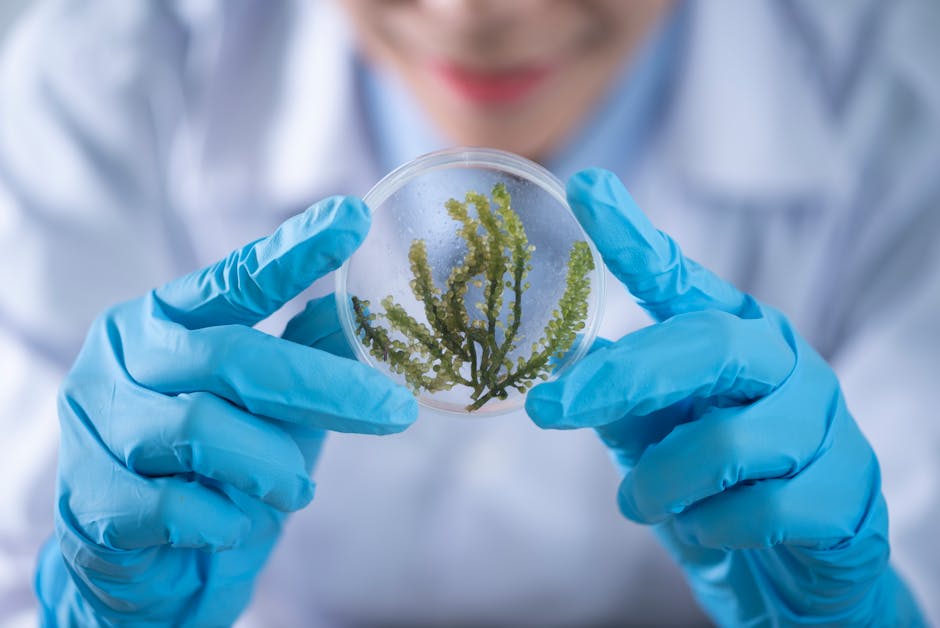
## Overview
Affinity chromatography is a powerful technique used in laboratories to purify proteins, enzymes, antibodies, and other biomolecules. This method takes advantage of the specific binding interactions between a molecule of interest and a ligand attached to a stationary phase, allowing for the selective isolation of the target molecule from a complex mixture.
## Key Information
The principle of affinity chromatography relies on the specific affinity between the target molecule and a ligand. The ligand is immobilized on a solid support, such as agarose or cellulose beads, forming the stationary phase. When a mixture containing various molecules is passed through this column, only those with a high affinity for the ligand will bind, while others are washed away. This selective binding allows for the purification of the target molecule.
Affinity chromatography is highly versatile and can be adapted for various applications, including purifying antibodies, enzymes, and nucleic acids. The method is characterized by its high specificity, efficiency, and ability to purify molecules in a single step.
## Clinical Significance
In the medical field, affinity chromatography is invaluable for purifying therapeutic proteins and antibodies used in treatments. It plays a crucial role in the production of biopharmaceuticals, ensuring that these products are pure and safe for clinical use. The technique is also used in diagnostic applications, such as the development of assays and tests that require high specificity and sensitivity.
## Treatment & Management
While affinity chromatography itself is not a treatment, it supports therapeutic approaches by providing highly purified biomolecules necessary for drug development and production. Researchers and pharmaceutical companies use this technique to isolate proteins that can be used in treatments for various diseases, including cancer, autoimmune disorders, and infectious diseases.
## Patient Resources
Patients interested in learning more about how affinity chromatography impacts their treatments can access resources provided by research institutions and pharmaceutical companies. Educational materials often explain the role of this technique in ensuring the safety and efficacy of biopharmaceuticals.
#### Frequently Asked Questions
* **What are the advantages of affinity chromatography?**
The main advantages are its high specificity, efficiency, and ability to purify molecules in a single step, making it ideal for producing highly pure biomolecules.
* **Can affinity chromatography be used for DNA purification?**
Yes, affinity chromatography can be adapted for nucleic acid purification by using specific ligands that bind to DNA or RNA molecules.
* **Is affinity chromatography used in vaccine production?**
Yes, it is often used to purify proteins and antigens that are essential components of vaccines, ensuring their safety and effectiveness.
## Allogeneic
URL: https://beatcancer.eu/cancer-dictionary/allogeneic/
Allogeneic refers to cells, tissues, or organs that are sourced from a genetically different individual of the same species. In healthcare, it often describes donor material for transplants such as Allogeneic Stem Cell Transplant, where donor stem cells are introduced to the recipient to aid disease treatment.

Often used in biological, genetic, and medical contexts, ‘Allogeneic’ is a term that you might have come across quite frequently. Derived from the Greek word ‘Allos’ meaning ‘other’ and ‘geneis’ meaning ‘born’, ‘Allogeneic’ refers to biological samples that share a common origin but differ in respect to their genetic composition. As science advances, the term is finding greater usage, particularly in the medical field.
In simpler terms, Allogeneic means being from the same species but genetically different. This term is typically used in transplantation when the donor and recipient belong to the same species but are not genetically identical.
## Details on Allogeneic in Medical Field
Allogeneic in a medical context primarily refers to the usage of tissues or cells originating from a genetically-different donor of the same species for the purpose of medical treatments like transplantation. One of the key areas where this concept plays a significant role is organ and tissue transplant.
This brings us to the difference between Autologous and Allogeneic. Autologous refers to using cells, tissues, or even organs from the same individual for transplantation. In contrast, Allogeneic involves using cells, tissues, or organs from a different individual of the same species.
The relevance and use of ‘Allogeneic’ are especially noteworthy in organ and tissue transplants. Here, the graft or transplant is taken from a genetically non-identical member of the same species. Organ transplants like heart, kidney, or liver transplants, and tissue transplants like bone marrow transplants are common forms of allogeneic transplants.
## Understanding [Allogeneic Stem Cell Transplant](https://beatcancer.eu/cancer-dictionary/what-is-an-allogeneic-stem-cell-transplant-and-how-to-use-it-in-treatment/)ation
At the forefront of medical advancements, Allogeneic stem cell transplantation is a therapeutic procedure wherein healthy stem cells are derived from a donor and then transplanted into a patient suffering from disease or injury. The new cells then grow and multiply, potentially curing the disease or aiding in recovery.
The process of Allogeneic stem cell transplantation involves a series of stages. Firstly, a suitable donor is identified, and stem cells are harvested from them, often from peripheral blood but sometimes from bone marrow. The patient is then prepared for the transplant. This usually involves high doses of chemotherapy, and sometimes radiation, to eliminate diseased cells and dampen the immune response. The collected stem cells are then administered to the patient intravenously. Over time, they grow and develop into a full, healthy blood system.
The benefits of Allogeneic stem cell transplantation are immense. It provides a chance for a cure or long-term disease control for several life-threatening diseases like leukaemia and other blood disorders. However, it does come with its risks. These include Graft vs Host Disease (GVHD), where the transplanted cells could attack the recipient’s body, infection, organ damage, and relapse of disease.
## Use of Allogeneic Therapies in Healthcare
Allogeneic therapies are on the verge of revolutionizing medical treatment. They involve the use of healthy, functionally active cells from a donor to replace, regenerate, or augment diseased or under-functioning cells in patients.
A classic example of the usage of Allogeneic therapies in disease treatment is in treating severe burns. Instead of waiting for the patient’s skin to regrow, doctors can use allogeneic skin transplant to speed up the recovery process. Another example is the use of Allogeneic heart valve replacements in cardiac surgeries.
The concept of Allogeneic therapies not only holds significant therapeutic potential in the present, but it also has vast future prospects. With ongoing research in stem cell transplantation and regenerative medicine, we are likely to witness immense growth and advancements using Allogeneic therapies.
## Conclusion
Understanding ‘Allogeneic’ is integral to note the vast strides that healthcare and medical science are making towards crafting advanced, donor-driven therapies and treatments. Whether it’s about organ transplants, Allogeneic stem cell transplants, or the broad vista of Allogeneic therapies, the role and impact of ‘Allogeneic’ in healthcare are proving to be profound, promising and game-changing.
### FAQs
* **What is the definition of Allogeneic?**
Allogeneic pertains to two or more genetically different individuals or tissues from the same species.
* **How is the term Allogeneic used in the field of medicine?**
In medical context, Allogeneic is used to refer to cells, tissues or organs that are transferred from a genetically different individual of the same species.
* **What is Allogeneic stem cell transplantation and how does it work?**
Allogeneic stem cell transplantation is a procedure where healthy stem cells from a donor are transplanted into a patient’s body to stimulate new bone marrow growth, suppress the disease, and reduce the possibility of a relapse.
* **What are some examples of Allogeneic therapies used in healthcare?**
Examples of Allogeneic therapies include treatments using donated cells, tissues, or organs such as heart, skin, or bone marrow transplants.
* **What are the benefits and risks associated with Allogeneic therapies?**
The benefits of Allogeneic therapies involve potential cures for life-threatening diseases and faster recovery. Risks include potential for rejection by the recipient’s body, or Graft versus Host Disease (GVHD) in which transplanted cells attack the recipient’s body.
## Allogeneic Bone Marrow Transplant
URL: https://beatcancer.eu/cancer-dictionary/what-is-an-allogeneic-bone-marrow-transplant-and-how-to-use-it/
An allogeneic bone marrow transplant is a medical procedure where a patient receives healthy blood-forming stem cells from a genetically similar, but not identical, donor to replace their damaged or diseased bone marrow.
 (GVHD), infections, and organ dysfunction.
## Patient Resources
Patients can access resources through organizations like the National Marrow Donor Program and the Leukemia & Lymphoma Society. These provide educational materials, support groups, and financial assistance information.
#### Frequently Asked Questions
* **What is the success rate of allogeneic bone marrow transplants?**
The success rate varies depending on the disease being treated, the match between donor and recipient, and other factors. Generally, survival rates range from 50% to 70% for many conditions.
* **How long does recovery take after a transplant?**
Recovery can take several months to a year. Patients need regular follow-up visits to monitor for complications and ensure the new marrow is functioning properly.
* **What are the risks associated with this procedure?**
Risks include GVHD, infections, bleeding, and organ damage. Close medical supervision is necessary to manage these risks effectively.
## Allogeneic Stem Cell Transplant
URL: https://beatcancer.eu/cancer-dictionary/what-is-an-allogeneic-stem-cell-transplant-and-how-to-use-it-in-treatment/
An allogeneic stem cell transplant is a medical procedure where a patient receives blood-forming stem cells from a genetically similar, but not identical, donor. This treatment is often used for conditions affecting the bone marrow or blood, such as leukemia and lymphoma.

Alopecia is a medical condition that affects millions of men and women worldwide. Being aware of this condition is not only beneficial for those who have it, but it also helps others to understand their condition and situation. This article provides a comprehensive understanding of alopecia – its types, causes, how it’s diagnosed, treatment options, and how to live with Alopecia.
The significance of understanding alopecia goes beyond the superficial. It is essential to know not just for those who suffer from it, but also for their loved ones, to help them understand what their friends or family members are going through.
## Understanding Alopecia
### Definition of Alopecia
Alopecia, most commonly known as hair loss, is a condition that results in loss of hair from the head or body. However, it is more complicated than just hair loss. It can occur in different patterns and for different reasons.
### Types of Alopecia
There are several types of Alopecia, each with unique characteristics and causes. A few of the most common include Alopecia Areata, Androgenetic Alopecia, Alopecia Totalis, and Alopecia Universalis.
#### Alopecia Areata
This form of Alopecia is characterized by bald patches that randomly appear on the scalp or other body parts. It is often recurrent and unpredictable, and its severity varies from person to person.
#### Androgenetic Alopecia
Commonly known as male or female pattern baldness, Androgenetic Alopecia is a hereditary form of hair loss and is the most common type of hair loss for both men and women.
#### Alopecia Totalis
This type of Alopecia results in complete hair loss from the scalp. It can occur rapidly or happen after bouts of Alopecia Areata.
#### Alopecia Universalis
The most severe form of Alopecia, Universalis leads to hair loss across the entire body, including eyebrows, eyelashes, and even pubic hair.
## What Causes Alopecia
### Genetic Factors
Genetics play a huge role in the development of Alopecia, especially Androgenetic Alopecia.
### Hormonal Changes
Hormonal changes in the body can also contribute to hair loss. This can be due to aging, pregnancy, or certain medical conditions.
### Stress and Psychological Factors
Extreme psychological stress can lead to temporary hair loss, often referred to as Telogen Effluvium.
### Other Medical Conditions
Certain medical conditions can also lead to hair loss, such as Anemia, Thyroid disease, and Lupus.
## How is Alopecia Diagnosed
### Physical Examination
Diagnosis often starts with a physical examination, including a detailed inspection of the scalp and hair.
### Biopsy of the Scalp
A biopsy can be performed if the cause isn’t apparent. This involves taking a small sample of skin from the scalp for analysis.
### Blood Tests
Blood tests to check for underlying medical conditions, such as Thyroid disease, are another option for diagnosis if the cause of the Alopecia remains unclear.
## Treatment Options for Alopecia
### Topical Treatments
These include solutions or foams that are applied directly to the scalp. Minoxidil and corticosteroids are commonly used topical treatments.
### Oral Medication
Oral medications, such as Finasteride and immunosuppressants, can also be used to treat Alopecia.
### Hair Transplant Surgery
In cases of severe hair loss, hair transplant surgery may be an effective treatment option.
## Living with Alopecia
### How Alopecia Affects Mental Health
Living with Alopecia can significantly affect one’s psychological well-being. Many people suffering from hair loss experience low self-esteem, anxiety, and depression.
### Coping Strategies and Support
Psychological counseling, engaging in support groups, and open communication with loved ones can help manage the psychological impacts of Alopecia.
## Conclusion
In summary, understanding Alopecia is the first step towards coping with the condition. It’s fundamental to know that it’s a medical condition requiring professional medical consultation. Only a healthcare professional can prescribe treatment according to your specific type of Alopecia, underlying cause, and overall health condition.
## Frequently Asked Questions
**1. What age can alopecia start?**
Alopecia can start at any age, but it is more common in teenagers and young adults.
**2. Can diet influence the progress of alopecia?**
Yes, a balanced diet rich in certain vitamins such as Vitamin D and E can help maintain healthy hair.
**3. Is alopecia a sign of another underlying condition?**
It can be. Alopecia may be associated with autoimmune diseases, thyroid problems, or other medical conditions.
**4. Can alopecia lead to complete baldness?**
In some cases, yes. If not managed properly or in serious cases, alopecia can lead to complete baldness.
**5. Is there a cure for alopecia or is it a lifelong condition?**
While there is currently no known cure for Alopecia, there are treatments available to help manage the condition and promote hair growth.
## Alpha-fetoprotein (AFP)
URL: https://beatcancer.eu/cancer-dictionary/alpha-fetoprotein-afp/
Alpha-fetoprotein (AFP) is a specific protein produced primarily in the fetus's liver and is present in both the amniotic fluid and mother's blood. Post-birth, its production usually stops, with high levels in adults often associated with liver diseases, germ cell tumors, or an indication of certain cancers. AFP, hence, serves as a bio-marker in medical diagnostic procedures.
Health and medicine, though vast, are astonishingly intertwined. As we delve into the complexity of the human body, one element stands out for its critical role – proteins. A particularly noteworthy one is Alpha-Fetoprotein (AFP), an often-underestimated protein with significant implications.
Alpha-fetoprotein serves as a biomarker in several health conditions and is especially crucial in disease diagnosis and pregnancy screening. Understanding AFP could be the key to unlock significant medical advancements. This article takes you on a journey through the intricate world of Alpha-Fetoprotein (AFP).
### The Science Behind Proteins
Before discussing AFP, it’s essential to understand what proteins are. Formally, proteins are large, complex molecules required for the structure, function, and regulation of your body’s tissues and organs. They are made up of hundreds or thousands of smaller units called amino acids, linked in long chains.
Proteins are much more than the building blocks of our bodies. They facilitate chemical reactions, carry signals between cells, and fight against diseases. Every protein in your body has a unique role that allows your body to function properly.
### Definition and Role of Alpha-fetoprotein (AFP)
Alpha-fetoprotein (AFP) is a particular type of protein produced in the liver of a developing fetus. During pregnancy, AFP levels can also be detected in the mother’s blood.
AFP production begins early in fetal development and plays a crucial role in forming the fetus’s organs. After birth, the AFP levels in babies decrease rapidly and remain low throughout life, except in specific medical conditions.
### The Medical Significance of AFP
AFP serves a dual function. Firstly, during fetal development, it protects the fetus from the mother’s immune system. This protection extends to the development of the fetus’s brain, heart, and other organs.
Secondly, AFP levels can serve as a diagnostic tool. Abnormal AFP levels can indicate certain health conditions, such as liver diseases, certain cancers, and neural tube defects in unborn babies. Thus, AFP testing forms an integral part of prenatal screening and cancer diagnosis.
### AFP Testing
An AFP test is a blood test where a small blood sample is drawn from a vein in your arm. This sample is then analyzed in a lab to determine your AFP level. This test is essential in the detection of various diseases, especially liver cancer.
AFP tumor markers testing is an invaluable tool in the early detection of specific cancers. AFP is produced in large amounts in liver cancer cells. Therefore, an elevated AFP could be suggestive of liver cancer, requiring further examination.
### Interpreting AFP Test Results
AFP test results usually come in the form of a numerical value indicating the amount of AFP in your blood. Normal levels in adults are typically less than 10 ng/mL. However, normal values may differ between labs.
In certain situations, higher AFP levels may be detected, indicating potential health conditions. These could range from liver diseases and certain cancers to neural tube defects in unborn babies.
### AFP Levels in Pregnancy
AFP screening during pregnancy plays a significant role in prenatal care. It assists in the detection of potential birth defects, chromosomal anomalies, and other conditions in the fetus.
Abnormal AFP results can be alarming for expecting parents. However, it’s crucial to understand that abnormal levels do not necessarily indicate a problem. More precise diagnostic tests would be needed to confirm any disorders or diseases.
### Conditions Associated with High AFP Levels
High AFP levels are linked to several diseases. These include liver diseases, like cirrhosis and hepatitis, as well as cancers, such as liver cancer and germ cell tumors.
In dealing with high AFP levels, the treatment usually targets the underlying condition rather than the elevated AFP per se. The course of treatment will depend on the diagnosed condition and the patient’s overall health.
### Conclusion
AFP, though complex, holds great importance in health and medicine, serving vital roles in fetal development and disease diagnosis. There is still much to uncover about AFP, and continued research promises exciting medical advances.
Here are some FAQs to help further your understanding:
#### Frequently Asked Questions (FAQs)
* **How often should I get checked for AFP levels?**
This mostly depends on your medical history and current health condition. Your doctor will recommend the appropriate frequency for AFP testing.
* **What health conditions could affect my AFP levels?**
Conditions linked to high AFP levels include certain cancers, and liver diseases, and in pregnant women, it may indicate potential birth defects in the fetus.
* **Is an AFP screening necessary for all pregnancies?**
AFP screening is generally a part of routine prenatal care. However, whether to undergo this screening is ultimately the decision of the expectant parents, guided by the advice of their healthcare provider.
* **What is the normal range for AFP levels in a healthy individual?**
In healthy adults, AFP levels are typically less than 10 ng/mL. This can vary slightly between labs.
* **When would doctors recommend an AFP test?**
Doctors would recommend an AFP test if they suspect certain cancers or liver diseases. It’s also used in prenatal screening for genetic disorders and birth defects.
## Ameloblastoma
URL: https://beatcancer.eu/cancer-dictionary/what-is-ameloblastoma-how-to-identify-and-manage-this-rare-jaw-tumor/
Ameloblastoma is a rare, benign tumor that typically occurs in the jaw near the molars. It originates from cells involved in tooth development and can cause swelling and pain in the affected area. Although benign, it can be aggressive and invade nearby bone and tissue.

## Overview
Ameloblastoma is a benign but locally aggressive tumor that forms in the jaw, primarily affecting the lower jaw near the molars. It originates from the remnants of the dental lamina, which are involved in tooth development. Despite being non-cancerous, ameloblastomas can grow quite large and cause significant disruptions to the jaw and surrounding structures.
## Key Information
Ameloblastomas are rare, accounting for about 1% of all jaw tumors. They are most commonly diagnosed in adults between the ages of 30 and 60. The tumor can present as a painless swelling in the jaw, but as it grows, it may cause pain, facial asymmetry, and difficulty in chewing or swallowing.
## Clinical Significance
The clinical significance of ameloblastoma lies in its potential to cause extensive local damage despite its benign nature. It can lead to severe jaw deformities and functional impairment if not treated promptly and effectively. While it rarely metastasizes, its aggressive local growth necessitates careful management.
## Treatment & Management
Treatment typically involves surgical removal of the tumor, which may include resection of the affected portion of the jaw. In some cases, reconstructive surgery is necessary to restore function and appearance. Regular follow-up is essential to monitor for recurrence, as ameloblastomas have a tendency to recur if not completely excised. Adjunctive therapies, such as radiation, are generally not used because ameloblastomas are resistant to such treatments.
## Patient Resources
Patients diagnosed with ameloblastoma can benefit from resources that provide support and education. The American Dental Association and the [Oral Cancer](https://beatcancer.eu/cancer-dictionary/oral-cancer/) Foundation offer information on oral tumors and guidance on treatment options. Support groups and counseling can also be valuable for emotional support and coping strategies during treatment and recovery.
#### Frequently Asked Questions
* **What causes ameloblastoma?**
The exact cause of ameloblastoma is not well understood, but it is believed to originate from the remnants of tooth-developing tissues.
* **Is ameloblastoma cancerous?**
No, ameloblastoma is a benign tumor, meaning it is not cancerous. However, it can be locally aggressive and cause significant damage.
* **Can ameloblastoma recur after treatment?**
Yes, ameloblastomas can recur, especially if the tumor is not completely removed. Regular follow-up is crucial to detect and manage any recurrence early.
## Anal cancer
URL: https://beatcancer.eu/cancer-dictionary/anal-cancer/
Anal cancer is a rare type of malignancy arising from the anal canal or rectum. It starts when healthy cells in or around the anus change and grow out of control, forming a mass. Risk factors include increasing age, history of HPV infections, and smoking. Symptoms may include rectal bleeding, pain, or changes in bowel movements. Treatment often involves chemotherapy, radiation, or surgery.
One of the most challenging health conditions to discuss is cancer. Uncertainty, fear, and stigma often surround it, discouraging open conversations.
Here we focus specifically on anal cancer, a type less talked about, with the aim of dispelling misconceptions and spreading awareness about anal cancer’s impact, causes, and treatments.
### Understanding Anal Cancer: The Basics
#### What is Anal Cancer? – Comprehensive Definition
Anal cancer is a form of cancer that arises from the anal canal, the short tube at the end of the rectum through which stool leaves the body. It occurs when cells within this region begin to grow uncontrollably, forming a malignant tumor. It can affect any part of the anus, from the squamous cells lining the anus to the glandular cells farther inside.
#### How Common is Anal Cancer?
The American Cancer Society estimates that about 8,590 new anal cancer cases will be diagnosed in 2021, with slightly more in women than in men. Anal cancer is rare in comparison to other cancers but its incidence is rising, particularly in individuals who are at risk.
#### Differentiating Between Anal Cancer and Other Forms of Cancer
An important distinction to make is that anal cancer is not the same as colorectal cancer. Both originate in the lower part of our gastrointestinal tract but affect different cell types and areas and have different risk factors and treatment options. Therefore, understanding this difference is crucial.
### The Anatomy of the Anus
#### Importance of the Anus
The anus, though often overlooked, plays a critical role in our digestion and waste elimination process. Any interference due to disease, including cancer, can cause serious health implications and affect the quality of life.
#### Anus: A Potential Hub for Cancer
The anatomical position and function of the anus make it a potential site for cancerous growth. It is constantly exposed to various pathogens, impacted by diet, and affected by lifestyle choices, such as sexual activity, making it susceptible to cellular changes that may lead to cancer.
### Symptoms and Signs of Anal Cancer
#### Early Warning Signs
At the earliest stages, anal cancer may present with bleeding, pain or pressure in the anal area, itching, and changes in bowel habits. These symptoms, while non-specific, can indicate a problem.
#### Progressed Symptoms
In advanced stages, symptoms can include enlarged lymph nodes in the anal or groin area, unexplained weight loss, and the formation of a lump or mass near the anus.
#### Role of Regular Check-ups
Because early symptoms can be mistaken for less serious conditions, such as hemorrhoids, regular check-ups are essential. Medical examination can help detect any abnormalities and facilitate early intervention.
### Causes and Risk Factors of Anal Cancer
#### Known Causes
Although the exact causes of anal cancer remain uncertain, it’s associated with the Human Papillomavirus (HPV). Researchers suggest that HPV infection can cause changes in the anal cells, leading to cancer over time.
#### Potential Risk Factors
Other potential risk factors include age, with anal cancer more common in people over 50, a history of anal warts or fissures, smoking, and a weakened immune system.
#### Reducing the Risk
HPV vaccination, condom use during sex, not smoking and regular screenings may help reduce the risk of anal cancer. However, it’s crucial to note that these measures are preventive and not completely protective.
### Methods of Diagnosis for Anal Cancer
#### Role of Regular Screenings
Regular screenings are instrumental in early detection of anal cancer. They can identify abnormal cell growth before it becomes malignant, offering a window for early treatment.
#### Diagnostic Techniques
Several techniques, such as digital rectal exam (DRE), anoscopy and biopsy, are used to diagnose anal cancer. These procedures can detect abnormalities and confirm a cancer diagnosis.
#### Interpretation of Results
A firm diagnosis of anal cancer is confirmed by a pathologist who interprets the biopsy results. The findings aid in staging the cancer and designing the treatment plan.
### Treatment Options for Anal Cancer
#### Available Treatments
Depending on the stage and location of the cancer, treatments may include radiation therapy, chemotherapy, surgeries or a combination of these. The objective is to eliminate the cancer cells and prevent recurrence.
#### Factors Influencing Choice of Treatment
Age and overall health, extent of cancer, patient preference, and potential side effects are some of the factors taken into consideration while choosing treatment.
#### Success Rates and Survivor Stories
Survival rates can give a general idea of the outcome, however, every individual’s experience differs. Personal stories from survivors often prove more comforting and relatable, as they provide first-hand experiences.
### Living with Anal Cancer: Coping Strategies and Support
#### Mental and Emotional Health
A cancer diagnosis can be emotionally overwhelming. Incorporating stress management techniques and seeking help from a mental health professional may assist in maintaining mental and emotional stability.
#### Support Networks and Communities
Support networks can provide comfort and encouragement during treatment. They can be in the form of family and friends, online forums, or local support groups for cancer patients.
#### Survivor’s advice
Survivors have unique insights and advice that can be especially beneficial for those newly diagnosed or undergoing treatment.
### Conclusion: A Path Towards Anal Cancer Awareness
#### Importance of Early Detection
Early detection of anal cancer can significantly improve treatment outcomes and survival rates. Awareness of symptoms, regular check-ups, and screenings aid in early detection.
#### Remaining Vigilant and Empowered
Anal cancer is an emerging health concern that requires vigilance from all of us. Let’s continue to educate ourselves and others about it, thus empowering everyone to take proactive steps toward prevention and early detection.
### Frequently Asked Questions (FAQs)
* **Can anal cancer be prevented completely?**
No, but certain lifestyle changes and preventive measures can significantly reduce the risk.
* **What are the chances of survival if diagnosed with anal cancer?**
Survival rates vary depending on the stage of the cancer at diagnosis, the patient’s overall health, treatment response, and other factors.
* **Can someone without any risk factors develop anal cancer?**
Yes, while risk factors increase the chance of developing cancer, having no risk factors isn’t a complete guarantee against cancer.
* **How frequently should one undergo screenings for anal cancer?**
Regular screenings are recommended, but the frequency depends on individual risk factors. Discuss this with your healthcare provider to determine the best approach.
* **If diagnosed once, can anal cancer return in the future?**
Yes, like all cancers, there is a risk of recurrence. Regular follow-ups after treatment are recommended to monitor for any signs of recurrence.
## Anaplastic
URL: https://beatcancer.eu/cancer-dictionary/anaplastic/
"Anaplastic" is a term often used in the medical field, particularly in oncology, to describe cancer cells that have lost their distinct characteristics and appear undifferentiated. These cells exhibit irregular growth and lack the typical specialized features of healthy cells, often making the disease more aggressive and harder to treat.

Anaplasia, a term with Greek roots, is a phenomenon observed in various medical contexts, primarily carrying significance in cancer research and diagnosis. The term’s use and implications intertwine deep within the biological realm, specifically related to cell growth and differentiation. In this comprehensive guide, we delve into understanding anaplastic and its relevance in various medical arenas.
### Introduction
#### Brief explanation of Anaplastic
Anaplastic refers to cells that have lost their structural differentiation. They often lose their specific appearances and functions. In simple terms, anaplastic cells are ones that have regressed to a more immature form.
#### Relevant medical contexts of Anaplastic
Medical contexts mainly include the diagnosis of different types of cancer. Anaplastic cells often hint at high-grade malignancies that tend to proliferate rapidly and respond less effectively to treatment.
### Understanding Cells and Their Functions
#### Defining what cells are
Cells are the fundamental building blocks of life, tasked with carrying out specific functions to maintain overall system efficiency. They are responsible for everything from energy conversion, nutrient processing, to waste disposal.
#### Role of cells in the human body
Each cell has a unique role, contributing to the body’s overall function. Some cells help in the absorption of nutrients; some are responsible for fighting infections, while some take up the responsibility of transmitting sensory information to the brain.
### In-Depth Understanding of Anaplastic
#### Definition and explanation of Anaplastic
Anaplastic cells are those that have lost their differentiation – their functional identity. In the state of anaplasia, cells revert to a more primitive form, often indicating rapid, uncontrolled growth typical of cancer.
#### The difference between normal and Anaplastic cells
Normal cells have distinctive shapes and functions specific to the body tissue concerned. Anaplastic cells, however, have a lack of differentiation, proliferate rapidly, and funcitonally contribute little to the body’s mechanism.
### Anaplastic in Medical Context – Tumors and Thyroid Cancer
#### Introduction to Anaplastic tumors and how they develop
Anaplastic tumors are a result of the abnormal growth of undifferentiated cells. This form of tumor is aggressive, growing rapidly, tending to invade surrounding tissues, and may also metastasize to different body parts.
#### The role and treatment of Anaplastic in thyroid cancer
[Anaplastic thyroid cancer](https://beatcancer.eu/cancer-dictionary/anaplastic-thyroid-cancer/) is a rare, aggressive form of thyroid cancer, constituting only about 2% of thyroid cancers. Treatment mainly involves surgery, radiation therapy, and chemotherapy, often in a multimodal approach.
### How Anaplastic Disorders Are Diagnosed
#### Diagnostic process
The diagnostic process for anaplastic disorders involves physical examinations, a detailed medical history assessment, imaging studies, and biopsy analysis. The gold standard diagnosis generally involves a microscopic examination of the suspected tissue.
#### Types of tests and procedures required
Imaging tests like CT scans, MRIs, and PET scans are essential in diagnosis, assessing the local invasion and metastatic spread. Biopsy involves collecting tissue samples for microscopic examination, while blood tests may help identify any biochemical markers
### Treatment Methods for Anaplastic Disorders
#### Medication and therapy
Medications may include targeted therapies, depending on the genetic makeup of the tumor. Chemotherapy and radiation therapy are also cornerstone treatments for managing anaplastic disorders.
#### Surgical methods
Surgical resection is often necessary to remove the tumor, followed by adjuvant therapy to eliminate any remaining malignant cells.
#### New treatments and research
Research is ongoing in the field of immunotherapy and genetic alteration manipulation, promising a new treatment horizon for anaplastic disorders.
### Living with Anaplastic Disorders
#### Life changes and accommodations
Living with anaplastic disorders often involves significant life changes, ranging from managing chronic pain to adjusting to physical limitations. Psychological support may also be needed to cope with emotional distress.
#### Support groups and resources
Support groups play a crucial role in navigating this journey, offering emotional backing and practical advice. Various resources can also aid patients in better understanding their diagnosis and treatment.
### Conclusion
#### Recap of understanding anaplastic
We’ve discussed the concept, cell nature, diagnosis, and management of anaplastic disorders. Anaplastic cells are undifferentiated cells that hint at aggressive growth, being key markers for cancer grading, with implications in therapy planning.
#### Its importance and impact on health
Anaplasia signifies an advanced, aggressive disease state with a profound impact on health. Understanding this can guide therapeutic decisions and patient counseling.
### FAQs
* **What does anaplastic mean in medical terms?**
In medical terms, anaplastic refers to cells that have lost their structural and functional differentiation.
* **What is the difference between anaplastic and differentiated cells?**
Differentiated cells are mature, having a distinctive shape and function. Anaplastic cells, however, are undifferentiated, largely functionless, and devoid of specific characteristics.
* **How is anaplastic cancer diagnosed?**
Anaplastic cancer is diagnosed using imaging studies, biopsy, and microscopic examinations of the tissue.
* **What treatment options are available for anaplastic disorders?**
Treatment options include surgical resection, chemotherapy, radiation therapy, and targeted therapies based on the tumor’s genetic makeup.
* **What are the survival rates for those with anaplastic thyroid cancer?**
The survival rates are considerably lower due to the aggressive nature of this type of cancer; however, the precise survival rate may vary based on factors such as patient’s age, overall health, and response to treatment.
## Anaplastic Ependymoma
URL: https://beatcancer.eu/cancer-dictionary/what-is-anaplastic-ependymoma-how-to-recognize-and-manage-this-aggressive-brain-tumor/
Anaplastic ependymoma is a rare and aggressive type of brain tumor that originates from ependymal cells lining the ventricles of the brain and the central canal of the spinal cord. It is characterized by rapid growth and a tendency to spread within the central nervous system.
## Overview
Anaplastic ependymoma is a highly aggressive form of ependymoma, a brain tumor that arises from ependymal cells. These cells line the ventricles in the brain and the central canal of the spinal cord, playing a crucial role in the production and circulation of cerebrospinal fluid. Anaplastic ependymomas are considered grade III tumors, indicating their rapid growth and malignant nature.
## Key Information
Anaplastic ependymomas are most commonly diagnosed in children, but they can also occur in adults. Symptoms often depend on the tumor's location and may include headaches, nausea, vomiting, balance issues, and changes in behavior. Diagnosis typically involves imaging studies like MRI and biopsy to confirm the tumor type and grade.
## Clinical Significance
The clinical significance of anaplastic ependymoma lies in its aggressive behavior and potential to spread within the central nervous system. Early detection and treatment are crucial for improving outcomes. Understanding the tumor's genetic and molecular characteristics can also aid in developing targeted therapies.
## Treatment & Management
Treatment usually involves a combination of surgery, radiation therapy, and sometimes chemotherapy. The primary goal is to remove as much of the tumor as possible while preserving neurological function. Post-surgical radiation is often recommended to target residual tumor cells. Clinical trials may offer additional treatment options, exploring novel therapeutic approaches.
## Patient Resources
Patients and families can access resources through organizations like the American Brain Tumor Association and the National Brain Tumor Society. These organizations provide support groups, educational materials, and guidance on navigating treatment and recovery.
#### Frequently Asked Questions
* **What are the symptoms of anaplastic ependymoma?**
Symptoms can include headaches, nausea, vomiting, and balance problems, depending on the tumor's location.
* **How is anaplastic ependymoma diagnosed?**
Diagnosis typically involves MRI imaging and a biopsy to determine the tumor type and grade.
* **What treatment options are available?**
Treatment may include surgery, radiation therapy, and chemotherapy, with the approach tailored to the individual case.
## Anaplastic Oligodendroglioma
URL: https://beatcancer.eu/cancer-dictionary/what-is-anaplastic-oligodendroglioma-and-how-to-manage-it/
Anaplastic oligodendroglioma is a rare and aggressive type of brain tumor that originates from oligodendrocytes, which are cells that support nerve cells in the brain. It is characterized by its rapid growth and tendency to spread, making it more challenging to treat compared to other types of brain tumors.
## Overview
[Anaplastic](https://beatcancer.eu/cancer-dictionary/anaplastic/) [oligodendroglioma](https://beatcancer.eu/cancer-dictionary/oligodendroglioma/) is a malignant brain tumor that arises from oligodendrocytes, the cells responsible for producing the protective myelin sheath covering nerve fibers. This tumor is classified as a grade III glioma, indicating its aggressive nature and potential to infiltrate surrounding brain tissue. Although it is a rare condition, accounting for a small percentage of all brain tumors, it is significant due to its challenging treatment and management.
## Key Information
Anaplastic oligodendrogliomas are most commonly diagnosed in adults between the ages of 30 and 50, but they can occur at any age. The exact cause of these tumors is not well understood, but genetic mutations, particularly in the IDH1 and IDH2 genes, as well as deletions in chromosomes 1p and 19q, are often associated with the condition. These genetic markers can influence the tumor’s behavior and response to treatment.
## Clinical Significance
The clinical significance of anaplastic oligodendroglioma lies in its aggressive growth and poor prognosis if not treated effectively. Diagnosis typically involves imaging studies such as MRI and CT scans, followed by a biopsy to confirm the presence and type of tumor. Genetic testing can provide additional insights into the tumor's characteristics, helping to guide treatment decisions.
## Treatment & Management
Treatment for anaplastic oligodendroglioma usually involves a combination of surgery, radiation therapy, and chemotherapy. Surgical resection aims to remove as much of the tumor as possible, while radiation and chemotherapy help to target remaining cancerous cells. Temozolomide is a commonly used chemotherapy drug for this type of tumor. The presence of 1p/19q co-deletion often predicts a better response to chemotherapy.
## Patient Resources
Patients diagnosed with anaplastic oligodendroglioma can access various resources for support and information. Organizations such as the American Brain Tumor Association and the National Brain Tumor Society offer educational materials, support groups, and connections to clinical trials. Additionally, consulting with a multidisciplinary team of healthcare professionals can provide comprehensive care and support tailored to individual needs.
#### Frequently Asked Questions
* **What are the symptoms of anaplastic oligodendroglioma?**
Symptoms may include headaches, seizures, changes in personality or behavior, and neurological deficits depending on the tumor's location in the brain.
* **How is anaplastic oligodendroglioma diagnosed?**
Diagnosis involves imaging studies such as MRI and CT scans, followed by a biopsy to confirm the tumor type and genetic testing for specific markers.
* **What is the prognosis for patients with anaplastic oligodendroglioma?**
The prognosis varies based on factors such as the tumor's genetic profile, patient age, and response to treatment. The presence of 1p/19q co-deletion is associated with a more favorable outcome.
## Anaplastic thyroid cancer
URL: https://beatcancer.eu/cancer-dictionary/anaplastic-thyroid-cancer/
Anaplastic thyroid cancer is a rare, aggressive type of thyroid cancer characterized by uncontrolled growth of cells in the thyroid, a gland located at the base of the neck. This cancer often grows quickly and spreads to other parts of the body, making it difficult to treat. Despite its severity, it accounts for only about 1-2% of all thyroid cancers.

Thyroid cancer, a disease characterized by an abnormal and uncontrolled growth of cells in the thyroid gland, occurs in several forms. Among them, Anaplastic thyroid cancer stands out because of its rarity and severity.
### A brief overview of Thyroid Cancer
The thyroid gland, located at the base of your neck, is responsible for producing vital hormones that regulate numerous metabolic processes throughout the body. While there are several types of thyroid cancers, the four most common forms are papillary, follicular, medullary, and anaplastic. Each derives its name from the type of cells involved.
### A Highlight on Anaplastic Thyroid Cancer
Anaplastic Thyroid Cancer (ATC) is a form of thyroid cancer that progresses very quickly. It is also the least common type, representing less than 2% of all thyroid cancers. However, its impact is significant, being one of the most lethal forms of cancer due to its rapid spread and resistance to therapy.
## Understanding the Thyroid Gland
### Anatomy of the Thyroid Gland
The thyroid gland is a small, butterfly-shaped gland situated at the base of the neck, just below Adam’s apple. It consists of two lobes, connected by a thin piece of tissue called the isthmus. The microscopic follicular cells within the thyroid produce important hormones—thyroxine (T4) and triiodothyronine (T3)—that play a significant role in the body’s metabolism, growth, and development.
### Function of the Thyroid Gland
The hormones produced by the thyroid gland regulate vital body functions. They control metabolism, influence heart rate, regulate body temperature, and even contribute to protein synthesis. The thyroid also produces calcitonin, a hormone that helps control calcium levels in the body.
## Definition: Anaplastic Thyroid Cancer
### Detailed Explanation of Anaplastic Thyroid Cancer
Anaplastic thyroid cancer (ATC) is an invasive type of thyroid cancer that grows rapidly and spreads to other body parts, including the lungs and bones. It starts in the follicular cells of the thyroid and its cells look very different from normal cells under a microscope. Despite being rare, ATC is very aggressive and often difficult to treat effectively.
### Comparing Anaplastic Thyroid Cancer to other Thyroid Cancers
Compared to other forms of thyroid cancers such as papillary and follicular, anaplastic thyroid cancer is more aggressive and has a poorer prognosis. While other thyroid cancers grow slowly and can often be successfully treated with surgery or radioactive iodine, ATC often spreads quickly to other parts of the body and is usually resistant to therapy.
## Causes and Risk Factors of Anaplastic Thyroid Cancer
### Genetic Mutations Associated with Anaplastic Thyroid Cancer
Genetic mutations are a significant factor associated with anaplastic thyroid cancer. Specific gene changes recognized in ATC include alterations in the BRAF, RAS, and p53 genes. Possessing these mutations does not guarantee the development of ATC, but their presence considerably heightens the risk.
### Environmental and Lifestyle Risk Factors
Particular risk factors increase the likelihood of developing ATC. Exposure to high levels of radiation, especially during childhood, is a known inducer of thyroid cancers. Age, gender, and a past history of goiter or other thyroid diseases also play a considerable role. ATC is more prevalent among females and those above 60 years.
## Signs and Symptoms of Anaplastic Thyroid Cancer
### Early Warning Signs
Early detection of ATC is often challenging. Some of the initial symptoms can include a rapidly increasing, painless lump in the front of the neck, trouble swallowing or breathing, changes in the voice, or persistent cough.
### Progression of Symptoms as the Disease Advances
As anaplastic thyroid cancer progresses, the symptoms become more severe, and can include voice changes due to vocal cord paralysis, difficulty swallowing or breathing, neck pain, cough, and sometimes symptoms related to metastasis to other body parts.
## Diagnosis and Staging of Anaplastic Thyroid Cancer
### Methods Used in Diagnosing Anaplastic Thyroid Cancer
The diagnosis of ATC involves several steps, commencing with a detailed medical history and physical examination. If suspicions arise, additional tests such as blood tests, imaging studies (like CT, MRI or PET scans), and a biopsy- where a sample of thyroid tissue is removed for examination under a microscope- may be carried out.
### Understanding the Staging Process of the Cancer
Cancer staging is crucial to determine the extent of cancer spread and to plan the most effective treatment strategy. ATC is often studied using the TNM system (Tumour, Nodes, Metastasis). However, most detected ATC cases are already in advanced stages, causing a direct impact on the possible treatment options and survival rates.
## Treatment Options for Anaplastic Thyroid Cancer
### Overview of Current Treatment Protocols
The treatment plan for ATC is typically multidisciplinary, involving combinations of surgery, chemotherapy, and radiation therapy. Due to ATC’s aggressive nature, patients may need to start treatment immediately after diagnosis.
### Breakdown of Specific Treatments: Surgery, Radiation, Chemotherapy, etc.
Surgery for ATC aims to remove as much of the tumor as possible. In some cases, the whole thyroid may need removal. Post-surgery, radiation therapy is commonly applied to kill remaining cancer cells. Chemotherapy, often used in combination with radiation, also plays a role when surgery isn’t an option or when the cancer has spread to other parts of the body. In some select cases, targeted drug therapy may be effective.
## Living with Anaplastic Thyroid Cancer: Prognosis and Life Expectancy
### The Impact of Anaplastic Thyroid Cancer on Quality of Life
Living with ATC can be challenging due to its aggressive nature and fast progression. It frequently affects fundamental processes like swallowing and breathing, reducing patients’ quality of life. The subsequent emotional and psychological impact can also be significant. Consulting mental health and support groups can be highly beneficial.
### Statistics on Survival Rates and Life Expectancy
Typically, the prognosis for anaplastic thyroid cancer patients is severe. Still, survival rates vary depending on factors like age, overall health, and how far the cancer has spread at the time of diagnosis. The average survival for patients with ATC is usually under one year.
## Recent Advancements and Research on Anaplastic Thyroid Cancer
### Overview of Ongoing Research and Clinical Trials
Robust research efforts are underway to understand better and treat ATC. Numerous clinical trials are investigating novel therapeutic strategies including targeted therapies and immunotherapies. These seek to maximize cancer cell eradication while minimizing damage to regular cells.
### Potential Future treatments on the Horizon
Recent advancements have seen the development of drugs that target specific genetic alterations in ATC cells. Immunotherapy, where the body’s immune system is stimulated to combat the cancer cells, also shows promising outlooks and is currently under investigation in many clinical trials.
## Conclusion
Anaplastic thyroid cancer, while rare, is a severe form of cancer which requires aggressive treatment and comprehensive medical attention. While the overall prognosis is typically grim, ongoing research and increasing knowledge about the disease provide hope for improving these survival rates and offer better treatments. Intensive supportive care is essential to managing symptoms and maintaining the quality of life for ATC patients.
### Frequently Asked Questions
* **Is Anaplastic thyroid cancer common?**
No, anaplastic thyroid cancer is rare, comprising less than 2% of all thyroid cancers. However, it is one of the most severe forms.
* **What differentiates Anaplastic thyroid cancer from other types of thyroid cancer?**
Anaplastic thyroid cancer is different from other types due to its extremely aggressive nature. Unlike other thyroid cancers that grow slowly, ATC grows rapidly and often spreads to other parts of the body.
* **Can Anaplastic thyroid cancer be prevented?**
While there is no surefire way to prevent ATC, minimizing exposure to known risk factors such as radiation can lower the risk. Additionally, living a healthy lifestyle can significantly decrease the chances of developing most cancers, including ATC.
* **How is Anaplastic thyroid cancer treated?**
Treatment for ATC generally involves a combination of surgery, radiation therapy, and chemotherapy. Some patients may also benefit from targeted drug therapy.
* **What is the life expectancy of someone diagnosed with Anaplastic thyroid cancer?**
Life expectancy for patients with ATC varies considerably depending on the stage of the disease at diagnosis and the patients’ overall health. On average, the survival period is usually under one year. However, ongoing advancements and research are working towards improving these figures.
## Androgen
URL: https://beatcancer.eu/cancer-dictionary/androgen/
Androgen is a type of hormone that plays a crucial role in the development and maintenance of male characteristics in mammals. It includes hormones like testosterone and dihydrotestosterone, which are produced primarily in male testes and female ovaries to regulate sexual development, muscle mass, bone density, and hair growth.

The human body is an intricate system with numerous hormones steering its functions, and one of these hormones is Androgen. This piece investigates what Androgen is and why it is so crucial to the human body.
The primary purpose of this article is to explore the term ‘androgen’ in depth, it’s significance inside the human body, the role it plays in both males and females, and the implications of androgen imbalance.
### Understanding the Term – Androgen
Androgens are a group of hormones that play a pivotal role in male reproductive activity and physical development. They primarily characterise traditionally masculine traits such as facial hair, a deep voice and muscle mass. Although they are dubbed ‘male hormones’, androgens are present and significant in both males and females.
The importance of androgens in the human body cannot be underestimated. They orchestrate the development of male sexual features, stimulate growth and changes in the skeleton, and influence mood and libido. Even in women, androgens assist in puberty, influence mood, and play a vital role in overall health and well-being.
### Types of Androgens
There are several types of androgens present in our body, some of which include:
* **Dihydrotestosterone (DHT)**: This is a potent form of testosterone that stimulates the development of male secondary sexual characteristics.
* **Dehydroepiandrosterone (DHEA)**: Produced by our adrenal glands, DHEA is a progenitor to both male and female sex hormones.
* **Androstenedione**: This androgen is a precursor of testosterone and estrogens, and it originates from the adrenal glands and the gonads.
* **Testosterone**: This principal male sex hormone plays an essential role in the growth and development of male reproductive tissues and the promotion of secondary sexual characteristics.
### Role of Androgens in Males
Androgens have a substantial impact on male physical development. They’re responsible for the maturation of male sexual organs during fetal development and modifications during puberty like the enlargement of the penis and testes.
Androgens also drive the growth of body hair, including facial, pubic, and body hair, deepening of the voice, and increased muscle and bone mass. This transformation distinguishes the male physique from the female and is hence termed secondary sexual characteristics.
### Role of Androgens in Females
Even though androgens are predominantly associated with males, these hormones are also indispensable in female physical development. During puberty, androgens support the growth of pubic and underarm hair, and are involved in the regulation of the menstrual cycle and libido.
Moreover, androgens contribute to bone strength, cognitive health, and influence overall mood and well-being in women. Furthermore, they also play a role in female reproductive health, with imbalances often causing issues like polycystic ovary syndrome (PCOS).
### Androgen Imbalance in the Body
Androgen imbalance refers to disproportionate levels of androgens in the body. This imbalance can be brought about by several causes like adrenal diseases, tumors, genetic disorders and various lifestyle factors.
Signs and symptoms of androgen imbalance differ in males and females. In men, symptoms can include reduced sexual desire, impotence, infertility, loss of body hair, or development of breast tissues. In females, these imbalances can manifest symptoms such as hair loss, irregular periods, infertility, acne, and hirsutism (excess body hair).
Androgen imbalance can cause numerous health complications in men and women. But, they can be managed or treated through lifestyle changes, medication or hormone therapy.
## Conclusion
This article sheds light on the term androgen, its significance in the human body, and its different types. It further explicates the role androgens play in the physical development of both males and females, and underscores the implications of androgen imbalance.
While this article covers a broad scope of information, it is essential to note that the human body’s hormonal balance and functions are complex and multi-faceted. If you suspect any issues or have any concerns, it’s always recommended to seek professional medical advice.
### FAQ
* **What are Androgens?**
Androgens are a group of hormones, primarily testosterone, that play a crucial role in the development and maintenance of male characteristics. They are also found in smaller quantities in females and have various physiological functions in both sexes.
* **What Are the Main Functions of Androgens?**
Androgens have multiple functions, including promoting the development of male secondary sexual characteristics (such as facial hair and deepening of the voice), regulating sexual function, contributing to muscle and bone growth, and influencing mood and energy levels.
* **What Conditions Are Associated with Androgen Imbalances?**
Imbalances in androgen levels can lead to various health issues. High androgen levels may be linked to conditions like polycystic ovary syndrome (PCOS) in females, while low levels can result in conditions such as hypogonadism.
* **How Are Androgen Levels Measured or Assessed?**
Androgen levels are typically measured through blood tests that analyze the concentration of specific androgens, such as testosterone or dihydrotestosterone (DHT). These tests help diagnose and monitor conditions related to androgen imbalances.
* **Can Androgen Levels Be Altered or Controlled?**
Yes, in some cases, androgen levels can be altered or controlled with medical interventions. For example, hormone replacement therapy (HRT) can be used to manage low androgen levels, while medications and lifestyle changes may be employed to address high androgen levels in certain conditions like PCOS. These interventions are usually prescribed and monitored by healthcare professionals.
## Androgen deprivation therapy (ADT)
URL: https://beatcancer.eu/cancer-dictionary/androgen-deprivation-therapy-adt/
Androgen Deprivation Therapy (ADT) is a treatment approach primarily used for prostate cancer. It works by reducing or blocking the production or action of androgens, male sex hormones like testosterone, which can promote the growth of cancer cells. ADT can be administered through surgery, medications, or hormone therapy and is effective in slowing down or stopping cancer progression.

As scientists continue their quest to understand the mechanics of human diseases better, various cutting-edge treatments have emerged. Among them is Androgen Deprivation Therapy (ADT), a pivotal player in the management of specific health conditions, notably prostate cancer. This article underscores the importance of understanding ADT—its objectives, workings, potential side effects, and effectiveness.
### Defining Androgen Deprivation Therapy (ADT)
Androgen Deprivation Therapy, known abbreviatedly as ADT, pertains to a treatment primarily designed to diminish the levels of androgens in the human body. Androgens are male sex hormones, the most familiar of which are testosterone and dihydrotestosterone. Although referred to as “male hormones,” they are present in both men and women, albeit at different scales.
Androgens play a fundamental role in the body, facilitating essential processes such as sexual and reproductive function, bone health, muscle mass, and body hair growth. However, when their levels surge excessively, they may stimulate certain diseases by speeding up the growth of abnormal cells.
ADT, therefore, becomes necessary for people grappling with health conditions that thrive on high levels of androgens, notably prostate cancer. By slashing these hormone levels, ADT can curb or slow down disease progression.
### Understanding the Purpose and Need for ADT in Disease Management
The frontline application of ADT lies in managing prostate cancer, a malady whose progression is directly fuelled by androgens. By curtailing androgen production or obstructing their receptor sites, ADT can decelerate tumor growth or shrink the tumors altogether, thereby augmenting patients’ quality of life and survival rates.
Apart from prostate cancer, other conditions like certain types of breast cancer, polycystic ovary syndrome (PCOS), and hyperplasia can also benefit from ADT due to their hormone sensitivity.
### Different Types of ADT and How They Work
ADT can be executed medically or surgically. Medical ADT employs drugs to control androgen production, and includes methods like hormone therapy, antiandrogens, and gonadotropin-releasing hormone (GnRH) agonists and antagonists. Each approach works uniquely to thwart the androgen production or activity in the body,
Surgical ADT, on the flip side, involves the direct removal of androgen-producing organs like testes through a procedure known as orchiectomy. This is an irreversible, one-time process with the advantage of no need for repeat treatments.
Recent advancements in ADT research are exploring new strategies to make this therapy more efficient and patient-friendly. A prominent example is intermittent ADT, which aims to reduce side effects while retaining treatment effectiveness.
### The Process of Undergoing ADT
Before commencing ADT, several diagnostic tests are necessary to ascertain the patient’s health status and suitability for the treatment. These tests generally focus on cancer staging, androgen levels, overall health status and other specifics based on the medical history of the patient.
Once confirmed as suitable, the patient embarks on an ADT regime that largely hinge on the type and size of tumors, treatment goals, and patient preference. ADT treatment could span months or years, encompassing regular monitoring to assess progress.
The specific procedures of ADT treatments vary widely, depending on whether they are medical or surgical. While medical methods require regular drug administrations, surgical ADT entails a one-off orchiectomy surgery.
### Potential Side Effects and Management of ADT
Like any other medical intervention, ADT has possible side effects. These may include fatigue, hot flashes, reduced sexual desire, erectile dysfunction, memory problems, bone loss, depression, and weight gain. The exact side effects experienced are subject to individual patients and the type of ADT applied.
To manage such side effects, physicians usually propose various coping strategies such as regular exercise, maintaining a healthy diet, emotional therapy, and supplemental treatments like bone-strengthening therapy.
Long-term ADT use may contribute to persistent and potentially more severe side effects such as cardiovascular complications, diabetes, and profound bone loss, necessitating constant monitoring and appropriate intervention.
### The Effectiveness of ADT
ADT has shown substantial success in managing prostate cancer and other hormone-sensitive conditions. The terrain of success depends on various variables including disease type and stage, overall health, and treatment goals.
Nevertheless, treatment response varies, hence frequent monitoring and outcome evaluation are vital to ensure optimal benefits from the therapy.
### Conclusion
Our understanding of androgen function and ADT’s role has significantly evolved, helping clinicians and patients better navigate therapeutic decisions in hormone-sensitive conditions, particularly prostate cancer. Simultaneously, continuous research is vital to keep advancing ADT treatment, enhancing its efficiency, safety, and patient-friendliness.
### FAQs:
* **What is the goal of Androgen deprivation therapy (ADT)?**
The primary aim of ADT is to inhibit or lower the levels of androgens in the body, thereby stalling the growth and progression of hormone-sensitive diseases, chiefly prostate cancer.
* **What kinds of diseases or conditions usually require ADT?**
ADT is predominantly applicable in treating prostate cancer. Additionally, it can be deployed in handling other conditions like certain types of breast cancer, PCOS, and hyperplasia, that are also driven by increased androgen levels.
* **How does ADT affect the quality of life of patients undergoing treatment?**
ADT can significantly improve the quality of life for patients by slowing disease progression, reducing symptoms, and elevating survival rates. However, potential side effects like fatigue, reduced sexual desire, and memory problems may also impact the patients’ lifestyle and emotional well-being.
* **Are the effects of ADT permanent or reversible after therapy?**
The effects of ADT can be both permanent and reversible. It largely depends on the type of therapy used. For instance, the results of surgical ADT like orchiectomy are permanent, while those of medical ADT are typically reversible following therapy cessation.
* **What are the potential risks and side effects associated with the long-term use of ADT?**
Long-term use of ADT might escalate to severe side effects, such as profound bone loss, cardiovascular issues, and diabetes. Consequently, patients on ADT have to be under constant observation to interfere with any side effects promptly and effectively.
## Anemia
URL: https://beatcancer.eu/cancer-dictionary/anemia/
Anemia is a medical condition characterized by a deficiency in red blood cells or hemoglobin in the blood, leading to a lack of oxygen reaching the body's tissues. Hemoglobin is responsible for carrying oxygen, so any insufficiency can cause fatigue, weakness, and shortness of breath. Anemia can be temporary or long-term, and range from mild to severe. It's important to diagnose and treat anemia to handle any underlying causes and to prevent further health problems.
Anemia is a common health condition characterized by a lack of healthy red blood cells in the body. This results in inadequate oxygen supply to the body’s tissues, affecting its functionality and causing a range of symptoms. With a wide array of underlying causes, anemia is more than a singular disease. Its pervasiveness underscores the importance of understanding this health condition.
## Defining Anemia
### Medical Definition of Anemia
From a medical standpoint, anemia is defined as a deficiency in the number or quality of red blood cells in the body. Clinically, it is diagnosed when the hemoglobin levels in the blood are below the standard range.
### Simplifying the Definition of the Lay Person
In simpler terms, anemia means your body doesn’t have enough healthy red blood cells to supply oxygen to your tissues. Consequently, you will feel tired and weak, which are the tell-tale signs of anemia.
### The Role of Red Blood Cells in Anemia
Red blood cells play an essential role in the existence of anemia. Produced in the bone marrow, these cells carry oxygen from the lungs to other body tissues. When the body lacks enough healthy red blood cells, tissues are starved of the oxygen necessary for their proper function, leading to anemia.
## Causes of Anemia
### Nutrient Deficiency as a Cause
Nutrition plays a significant role in the development of anemia. Deficiencies in iron, vitamin B12, and folate can result in decreased red blood cell production, leading to anemia.
### Chronic Diseases and Anemia
Chronic diseases, like kidney disease and cancer, can interfere with the production of red blood cells, potentially causing anemia. Inflammatory diseases can also lead to anemia of chronic disease (ACD).
### Genetic Factors Leading to Anemia
Genetic factors can also lead to anemia. Conditions such as sickle cell anemia and thalassemia are genetic disorders that affect the structure and production of hemoglobin, causing anemia.
## Symptoms and Diagnosis of Anemia
### Common Symptoms in Adults and Children
Common symptoms of anemia include fatigue, weakness, pale or yellowish skin, irregular heartbeats, and shortness of breath. In children, symptoms of anemia can also manifest as slowed growth and development, along with behavioral problems.
### How is Anemia Diagnosed?
Diagnosis of anemia generally involves a complete blood count (CBC) test, which measures the number of red blood cells and hemoglobin in the blood. Additional tests may be conducted based on the suspected underlying cause.
### Importance of Early Diagnosis
Early diagnosis of anemia is crucial. Prolonged anemia can cause serious complications like heart problems due to the heart working harder to pump more oxygen-rich blood.
## Treatment Options for Anemia
### Nutritional Interventions
Treatment for anemia often involves dietary changes. Consuming iron-rich foods, folic acid, and vitamin B12 can help increase the red blood cell count.
### Medication and Medical Treatments
Depending on the cause, medications like iron supplements, vitamin B12 injections, or specific drugs for chronic disease-induced anemia may be prescribed.
### Surgical Procedures and Other Interventions
In severe cases, treatment for anemia can involve surgical procedures such as blood transfusions or a bone marrow transplant.
## Living with Anemia
### Daily Life and Management
Managing anemia involves adhering to treatment, avoiding triggers, and maintaining a balanced diet. Regular medical check-ups are also vital.
### Precautions to Take
People with anemia should avoid activities that can exacerbate symptoms like heavy exertion, high altitudes, and smoking.
### Tips for Coping with Anemia
Regular exercise can aid in improving symptoms of fatigue and weakness. Eating small, frequent meals can also help combat the lack of appetite that sometimes accompanies anemia.
## Conclusion
An understanding of anemia and its various underlying causes can greatly assist in its management and help prevent further complications. Facing anemia with knowledge and persistence can help ensure optimum health and well-being.
## Frequently Asked Questions
* **What is the most common type of Anemia?**
Iron deficiency anemia is the most common type.
* **Can you die from Anemia?**
Severe cases of anemia, if left untreated, can lead to serious health complications that can be fatal.
* **What foods should I avoid if I have Anemia?**
People with anemia should avoid foods that inhibit iron absorption, like coffee, tea, and foods high in calcium.
* **Can Anemia be completely cured?**
Depending on the cause, anemia can often be managed effectively with treatment but not always cured.
* **How does Anemia affect the body’s function?**
Anemia can affect the body’s function by reducing the amount of oxygen that reaches the tissues, which can lead to fatigue and weakness.
Checking your own report? Our [guide to understanding blood test results](/tools/blood-test-results/) compares each value with your lab's reference range and explains what a low or high result can mean during treatment.
Noticed unexplained bruises or tiny red dots on your skin alongside unusual results? Our guide to [leukemia rash, petechiae and bruising](/resources/leukemia-rash-petechiae-and-bruising-what-skin-signs-actually-mean/) explains when skin signs point to a blood-count problem and when to see a doctor.
## Aneuploidy
URL: https://beatcancer.eu/cancer-dictionary/aneuploidy/
Aneuploidy refers to an abnormality in the chromosome number in a cell, where there's either an excess or a deficiency of one or multiple chromosomes. This variation from the normal chromosome number (diploid) often leads to various genetic disorders. The most common example is Down syndrome, caused by an extra copy of chromosome 21.

Aneuploidy refers to a condition characterized by an abnormal number of chromosomes in a person’s cell. Humans usually have 46 chromosomes in each cell, divided into 23 pairs. However, in an aneuploid state, this balanced count is disrupted, leading to various health complications based on the specific chromosome that is affected.
The connection between aneuploidy and human health is undeniable. The presence of an extra or missing chromosome can dramatically alter the organism’s developmental course, contributing to a host of diseases and disorders, many of which are explored further in this article.
### The Definition and Biological Implication of Aneuploidy
Digging deeper into the concept, the scientific definition of aneuploidy helps us understand its biological implications better. In the simplest terms, aneuploidy is an irregularity in the number of chromosomes present in a cell. This is contrasted with euploidy, where the chromosomal count aligns with the standardized norm.
From a biological perspective, aneuploidy can sometimes offer evolutionary advantages for some organisms by increasing genetic diversity. However, in humans, it often leads to severe health impacts such as developmental disorders or cancer.
### The Chromosomal Basis of Aneuploidy
A deeper understanding of aneuploidy requires exploring the crucial role played by chromosomes. Chromosomes can be envisioned as the biological ‘blueprint’ that determines our physical traits. Any alterations in these structures can therefore have far-reaching implications.
Chromosomal dysfunctions, such as those occurring during cellular replication, can cause aneuploidy. The most common disorders caused by aneuploidy result from meiotic non-disjunction, an error in cell division that leads to the production of gametes with an abnormal number of chromosomes.
### The Types of Aneuploidy and its Effects on Human Health
Monosomy and trisomy represent the two broad types of aneuploidy. In monosomy, a chromosome in a pair is missing, while trisomy indicates the presence of an additional one.
The health implications of each type of aneuploidy can differ drastically. Common conditions include Turner syndrome, a result of monosomy, where females have only one X chromosome instead of two, leading to unique developmental and physical traits. On the other hand, conditions like Down syndrome, Patau syndrome, and Edwards syndrome arise from trisomy, where an extra chromosome 21, 13, or 18 is present, respectively. These lead to distinctive physical features and developmental delays.
### Aneuploidy and Genetic Disorders
Many genetic disorders stem from aneuploidy, as it implicates a significant alteration in the genetic information relayed to the body. Down syndrome, one of the most recognized forms of aneuploidy, is characterized by an extra chromosome, resulting in varying degrees of physical and intellectual disabilities.
Similarly, Turner syndrome, resulting from a missing X chromosome in females, can lead to various complications such as underdeveloped female sexual characteristics, cardiac issues, and shorter stature. As such, an understanding of aneuploidy is essential for understanding these disorders.
### Current Research and Discoveries on Aneuploidy
Progressive research on aneuploidy has shed light on its impact on human health and potential treatment avenues. Breakthroughs in clinical genomics have enabled better detection and analysis of aneuploidy, leading to improved diagnostic accuracy and early intervention possibilities.
Furthermore, researchers are exploring ways to manipulate the process of cellular replication and correction mechanisms as a potential treatment for conditions caused by aneuploidy.
### Conclusion
In conclusion, the importance of understanding aneuploidy and its implications cannot be overemphasized. This knowledge deepens our understanding of various genetic disorders, thereby enhancing early diagnosis and management possibilities.
Moreover, the exciting progress in aneuploidy research kindles hope for improved therapeutic interventions. Thus, continued exploration in this domain holds promise for a future where the effects of aneuploidy are better managed, if not entirely mitigated.
### FAQs:
* **What is Aneuploidy, and how does it affect human biology?**
Aneuploidy is a genetic condition characterized by an abnormal number of chromosomes, which can lead to various health disorders with significant impacts on human biology.
* **How does Aneuploidy differ from other genetic disorders?**
Aneuploidy is a type of chromosomal disorder, in contrast to genetic disorders caused by mutations in a single gene or sets of genes.
* **Can Aneuploidy be detected before birth?**
Yes, Aneuploidy can often be diagnosed prenatally through techniques like amniocentesis or chorionic villus sampling.
* **What are some common health complications associated with Aneuploidy?**
Common health complications linked to Aneuploidy include physical and developmental disabilities, heart defects, learning difficulties, and more.
* **Is there a cure or treatment for Aneuploidy?**
Currently, there is no cure or specific treatment for Aneuploidy, but its effects can be managed. Ongoing medical research aims to improve detection, management, and potentially discover treatments in the future.
## Angiogenesis
URL: https://beatcancer.eu/cancer-dictionary/angiogenesis/
Angiogenesis is a physiological process involving the growth of new blood vessels from pre-existing ones. Predominantly occurring during development, wound healing, and the formation of granulation tissue, it's also a critical step in the transition of tumors from a benign state to a malignant one.

Angiogenesis, a vital biological process, is the formation of new blood vessels from pre-existing ones. It plays a critical role in a range of natural events, from embryonic development to wound healing. But angiogenesis is not always beneficial; when it goes unchecked, it can spur the growth of diseases like cancer. In this article, we’ll delve deeper into what angiogenesis is, how it occurs and the role it plays in both health and disease.
## Angiogenesis Defined Unveiled
### Understanding The Term
Derived from the Greek words “angio,” meaning vessel, and “genesis,” meaning creation, angiogenesis literally translates to the formation of new blood vessels. This process is a crucial component of the body’s repair mechanism and is regulated by various growth factors in the body to ensure balance.
### The Science Behind Angiogenesis
Angiogenesis starts when the body needs additional nutrients and oxygen, usually in response to injury or growth. It is controlled by a balance of pro- and anti-angiogenic signaling molecules, which either stimulate or inhibit the process accordingly. When the balance is tipped towards pro-angiogenic molecules, the process is initiated.
## The Process of Angiogenesis
### Pre-angiogenic Phase
Before angiogenesis begins, the body undergoes hypoxia or an insufficient supply of oxygen. This triggers the release of pro-angiogenic factors that respond to the need for more blood vessels to ferry nutrients and oxygen to tissues.
### Angiogenic Phase
In the angiogenic phase, these signaling molecules initiate the sprouting of new blood vessels. Endothelial cells, which form the inner lining of blood vessels, start to proliferate and migrate towards the source of angiogenic signals.
### Post-angiogenic Phase
Once the required blood vessels have been formed, the anti-angiogenic factors turn off the process. The new blood vessels stabilize, blood flow begins, and tissues receive the necessary nutrients and oxygen.
## The Significance of Angiogenesis in Human Health
### Normal Angiogenesis: Body Development & Repair
Angiogenesis plays a crucial role in our formation and development, sustaining us from embryonic periods to adulthood. It also repairs our bodies, aiding in wound healing by delivering necessary blood components to injured areas, promoting tissue growth and regeneration.
### Angiogenesis in Diseases: Uncontrolled Cell Growth
While angiogenesis is typically well-regulated in response to bodily needs, abnormal angiogenesis can contribute to various disease states. Uncontrolled angiogenesis can result in excessive blood vessel growth, leading to diseases such as cancer, diabetic retinopathy, and arthritis.
## Angiogenesis in Cancer
### Role of Angiogenesis in Cancer Growth
In cancer, angiogenesis sustains tumor growth by supplying it with nutrients and oxygen, it also provides a route for the cancerous cells to invade other areas. This process is often hijacked by the tumor, causing an excess of pro-angiogenic factors and leading to rapid, uncontrolled blood vessel growth.
### Targeting Angiogenesis in Cancer Treatments
Given the role of angiogenesis in cancer, efforts have been made to develop treatments that target this process. Anti-angiogenic therapies aim to cut off the blood supply to tumors, starving them of the necessary nutrients for growth. These include drugs like bevacizumab (Avastin) and sunitinib (Sutent), which have shown promise in improving cancer treatment outcomes.
## Clinical Applications and Future Directions of Angiogenesis Research
### Angiogenesis-inhibiting Therapeutics in Contemporary Medicine
Today, anti-angiogenic drugs are used in treating a variety of conditions where excessive angiogenesis occurs. In addition to cancer, these include wet age-related macular degeneration and proliferative diabetic retinopathy. These drugs inhibit angiogenesis by blocking the action of pro-angiogenic factors.
### Ongoing Research and Potential Future Applications of Angiogenesis
While anti-angiogenic therapies have proven beneficial, research is still ongoing to explore the potential of angiogenesis further. This includes developing more effective angiogenesis inhibitors, studying diseases where angiogenesis is inhibited, and even using it for regenerative medicine and tissue engineering.
## Conclusion
### Recap of Key Points on “What is Angiogenesis?”
In recap, angiogenesis is a highly regulated biological process that forms new blood vessels from existing ones, enabling body growth, development, and repair. Although it plays a crucial role in human health, abnormal angiogenesis can lead to a variety of diseases. Therefore, understanding and effectively manipulating angiogenesis has significant implications for healthcare and medicine, particularly in creating new treatments for a multitude of conditions.
### FAQs
* **What is the difference between normal and abnormal Angiogenesis?**
Normal angiogenesis is a growth-regulated process essential for growth and repair, whereas abnormal angiogenesis involves unregulated growth of new blood vessels, potentially leading to various diseases.
* **How does angiogenesis contribute to the spread of cancer?**
Angiogenesis provides the necessary nutrients and oxygen for tumor growth. Moreover, it allows cancer cells to invade other tissues by using the newly formed blood vessels.
* **What are the potential treatments that target angiogenesis in diseases like cancer?**
Several anti-angiogenic drugs, such as bevacizumab and sunitinib, are being used to inhibit blood vessel formation in tumors, thus starving them of the nutrients necessary for their growth and survival.
* **How is the process of angiogenesis regulated in the human body?**
Angiogenesis is regulated by a balance of pro-angiogenic and anti-angiogenic factors. Whenever the body needs more oxygen and nutrients, pro-angiogenic factors are released. Once that need is met, anti-angiogenic factors shut off the process.
* **How does angiogenesis contribute to wound healing?**
Angiogenesis helps in wound healing by forming new blood vessels that deliver essential nutrients and oxygen to the injured site, promoting tissue growth and regeneration.
## Angiosarcoma
URL: https://beatcancer.eu/cancer-dictionary/angiosarcoma/
Angiosarcoma is a rare, malignant tumor that originates from endothelial cells, the cells that line the interior surface of blood vessels. It can occur anywhere in the body, but is most commonly found in the skin, breast, liver, spleen, and deep tissue. Due to its aggressive nature, it often leads to a poor prognosis. This tumor presents unique challenges due to its high recurrence rate and resistance to treatment.

There are several types of cancer that affect individuals worldwide, each possessing unique characteristics and challenges. One such condition is Angiosarcoma, a rare but aggressive form of cancer.
### Introduction to Angiosarcoma
#### Understanding the Basics of Cancer
Cancer, in its most basic definition, is the overgrowth of cells in a specific part of the body. When the body’s natural ability to regulate cell growth is disrupted, it can result in the formation of a tumor, which can be harmless (benign) or potentially fatal (malignant). One such malignant tumor is Angiosarcoma.
#### Unearthing Angiosarcoma
Among the many types of cancer, angiosarcoma stands as one of the rarest. Angiosarcoma targets the endothelial cells lining the inner part of a person’s blood vessels, causing an abnormal and uncontrolled cell growth.
### Angiosarcoma Defined
#### Definition and Overview of Angiosarcoma
In medical terminology, angiosarcoma is a high-grade malignancy of endothelial cells. It’s invasive, spreads rapidly, and often exhibits extensively infiltrative borders. This cancer can develop anywhere in the body, but it most often found in the skin or the soft tissues beneath.
#### Exploring its Classification and Types
Angiosarcoma is classified into several types, depending on where it originates from within the body. Subcategories include cutaneous, breast, hepatic, and primary angiosarcoma of the spleen.
### Etiology and Pathophysiology of Angiosarcoma
#### The Genetic Factors and Unknown Risk Factors
Scientific research has linked angiosarcoma to several genetic mutations. However, the exact cause is yet to be pinpointed. It’s clear, however, that environmental and lifestyle factors may increase the risk of developing this malignancy.
#### Unraveling How Angiosarcoma Develops
The precise mechanism by which angiosarcoma develops is still unknown. However, it’s generally understood that mutations cause endothelial cells to grow uncontrollably, thereby forming a tumor. Over time, some of these cells may break off and spread to other parts of the body, leading to metastasis.
### Symptoms and Diagnosis of Angiosarcoma
#### Various Symptoms of Angiosarcoma
Symptoms of angiosarcoma may vary greatly, depending on the area of the body affected. They may present as skin lesions that change in size, shape, and color. In more severe cases, there may be internal bleeding or pain.
#### The Critical Role of Diagnosis in Angiosarcoma
Due to its aggressive nature, early diagnosis of angiosarcoma is paramount. Diagnostic procedures often include imaging tests, blood analysis, and possibly biopsy for histopathological examination.
### Treatment and Prognosis of Angiosarcoma
#### Overview of Angiosarcoma Treatment Modalities
The treatment of angiosarcoma often involves a combination of surgery, chemotherapy, and radiation therapy. The choice of treatment modality depends on the location, size, and extent of the cancer.
#### Angiosarcoma Prognosis: What Can Patients Expect?
Angiosarcoma has an unpredictable prognosis, with survival rates varying significantly. Factors that determine prognosis include the size of the tumor, its location, and whether it has spread to other parts of the body.
### Living with Angiosarcoma: Patient’s Perspective
#### Real-life Stories and Experiences
Living with angiosarcoma presents its unique set of challenges. This journey resonates through the testimonies of individuals who’ve braved angiosarcoma, giving insights into their fights against this disease.
#### Ways to Cope and Support Available
Supportive care is essential for angiosarcoma patients. Through psychotherapy and counseling, and the gathering of support from friends and family, patients can better cope with this challenging condition.
### Conclusion
#### Summarizing Angiosarcoma: A Recount
Angiosarcoma is a rare, high-grade malignancy with a varying and often unpredictable prognosis. Despite its aggressive nature, early detection, and comprehensive treatment strategies can provide hope for those diagnosed with this disease.
#### The Future of Angiosarcoma: Hope for Cure
Medical research continues to make strides towards finding a cure for angiosarcoma. With advancements in genomics and other scientific domains, there is hope for more effective treatments and better prognoses in the future.
### FAQs:
* **What is Angiosarcoma and how common is it?**
Angiosarcoma is a rare type of cancer that forms in the lining of blood vessels. It represents a small percentage of soft tissue sarcomas.
* **Are there different types of Angiosarcoma?**
Yes, angiosarcoma is classified depending on where it originates from within the body. This includes cutaneous, breast, hepatic, and primary angiosarcoma of the spleen.
* **What should we expect in terms of diagnosis and treatment if diagnosed with Angiosarcoma?**
Diagnosis often involves imaging tests, blood analysis, and biopsy. Treatment strategies include surgery, chemotherapy, and radiation therapy.
* **Is Angiosarcoma genetic or hereditary?**
Research has linked angiosarcoma to certain genetic mutations, but it’s not typically considered hereditary.
* **What are the survival rates of patients diagnosed with Angiosarcoma?**
Survival rates vary significantly and depend on factors such as the size and location of the tumor and whether it has metastasized.
## Anorexia
URL: https://beatcancer.eu/cancer-dictionary/anorexia/
Anorexia, medically known as Anorexia Nervosa, is a serious and potentially life-threatening mental health disorder characterized by self-starvation and excessive weight loss. Individuals with this condition have an irrational fear of weight gain and a distorted body image. Treatment typically involves a multidisciplinary approach integrating medical, nutritional, and therapeutic components.

Anorexia, a perplexing and life-threatening mental health disorder, has become a topic of intense concern. While the complexities of this disorder can be daunting, it is crucial to understand and acknowledge its prevalence for better diagnosis, treatment and support for the affected. This article aims at disseminating knowledge about Anorexia, shining light on root causes, consequences, and potential treatment strategies. Understanding this disorder in depth can help foster a climate of empathy and support for those grappling with it.
### Comprehensive Definition of Anorexia
**Anorexia Nervosa**, typically referred to as Anorexia, is a severe mental health disorder characterized by an intense fear of gaining weight coupled with a distorted body image. Individuals suffering from anorexia often go to extreme lengths to restrict their calorie intake leading to significantly low body weight. Symptoms include but are not limited to excessive dieting, self-induced starvation, hyperactivity, and obsessive exercise routines.
Anorexia is categorized into two types: the *Restricting Type*, where weight loss is achieved primarily through dieting, fasting or excessive exercise, and the *Binge-Eating/Purging Type*, where the individual self-induces vomiting or misuses laxatives, diuretics, or enemas.
### Root Causes of Anorexia
While no single cause can be ascribed to Anorexia, it typically arises from a complex interplay of genetic, environmental, and psychological factors. **Genetic Factors** play a substantial role – those with a family history of eating disorders are at higher risk.
**Environmental Factors**, including societal pressures promoting thinness and media influence, could also drive an individual towards developing anorexia. Certain professions and activities that emphasize slender body types may also heighten the risk.
Anorexia can also be a coping mechanism to deal with **Psychological and Emotional Issues** such as anxiety, depression, or traumatic experiences. It is often associated with feelings of control or perfectionism.
### Consequences of Anorexia
**Anorexia** has dire consequences on physical health, psychological well-being, and wider societal aspects. On a physical level, it can lead to severe malnutrition, heart and kidney problems, osteoporosis, or even death due to starvation. The **Psychological Impacts** include anxiety, depression, obsessive-compulsive disorder, and increased suicide risk.
Anorexia and other eating disorders also carry a significant societal impact, with immense direct and indirect healthcare costs, decreased productivity, and increased burden on caregivers and healthcare systems.
### Diagnosing Anorexia
Diagnosing Anorexia includes assessment of physical symptoms, psychological screening, and fulfillment of specific diagnostic criteria outlined in the Diagnostic and Statistical Manual of Mental Disorders (DSM-5). **Health Professionals**, including psychiatrists, psychologists, and dieticians play a crucial role in diagnosis and treatment planning.
### Treatment Strategies for Anorexia
Effective treatment of Anorexia is multifaceted and requires addressing medical, psychological and nutritional needs. Approaches include **Therapeutic Treatments**, such as Cognitive Behavioral Therapy (CBT), Dialectical Behavior Therapy (DBT), Family-Based Treatment (FBT), among others.
Medically, treatment focuses on weight restoration and addressing co-occurring medical issues like osteoporosis. The *Role of Family and Support Groups* is elemental in creating a safe and supportive environment for recovery.
### Recovery and Moving Forward
Recovery from Anorexia is possible with persistent efforts, medical interventions, and solid support systems. Some milestone tips for recovery include maintaining a nutritionally balanced diet, regular counseling, fostering positive self-image, and practicing stress management techniques. **Ongoing care** is critical to prevent relapses and ensure continued progress.
### Conclusion
Anorexia is a severe, often life-threatening, mental health disorder that affects millions worldwide. With comprehensive understanding, early diagnosis, personalized treatments, and continuous support, recovery from this condition is possible. Stigma and misconceptions can be eradicated through increased awareness, leading to a safer, more supportive society for those combating Anorexia.
### FAQs
* **What is the primary age group affected by Anorexia?**
Anorexia often develops during adolescence or young adulthood, but it can also occur later in life.
* **Does anorexia only affect females?**
Anorexia can affect anyone, regardless of gender, although it is more commonly diagnosed in females.
* **Can anorexia be cured or is it a lifelong disorder?**
With appropriate treatment and support, persons suffering from anorexia can recover and lead a healthy life. However, it’s an ongoing struggle and requires long-term management.
* **What is the difference between anorexia and bulimia?**
Both are eating disorders, but they exhibit differently. Anorexics restrict food intake leading to severe weight loss, while bulimics undergo cycles of binge eating followed by self-induced vomiting, fasting, or extreme exercise.
* **How can I help a loved one who may be struggling with anorexia?**
Offer non-judgmental support, promote treatment, listen empathetically, and encourage healthy behaviours, all while seeking professional help.
## Anterior Resection
URL: https://beatcancer.eu/cancer-dictionary/anterior-resection/
"Anterior Resection" refers to a surgical procedure typically performed on patients with rectal or colon cancer. It involves the removal of the affected part of the rectum or colon and then reattaching the remaining sections to restore digestive function. The procedure involves delicate and complex surgery aiming at retaining bowel function while removing the cancer.
Anterior resection is a surgical procedure that has become increasingly common in the treatment of various colorectal disorders. This article delves into the intricacies of anterior resection, exploring its indications, techniques, benefits, and potential risks.
#### Understanding Colorectal Disorders
[Colorectal disorders](https://intermountainhealthcare.org/services/gastroenterology/conditions/colorectal-conditions/) encompass a wide range of medical conditions that affect the colon and rectum. These disorders can be both benign and malignant, with conditions like [colorectal cancer](https://beatcancer.eu/cancer-dictionary/colorectal-cancer/), diverticulitis, and inflammatory bowel disease (IBD) being prominent examples. Anterior resection primarily addresses issues in the lower part of the colon and upper part of the rectum.
###
### Indications for Anterior Resection
Before considering anterior resection, it’s crucial to understand when this surgical procedure is recommended:
#### Colorectal Cancer
[Colorectal cancer](https://beatcancer.eu/cancer-dictionary/colorectal-cancer/) is a malignant growth that develops in the colon or rectum, two vital components of the digestive system. When diagnosed with colorectal cancer, the choice of treatment depends on various factors, including the stage of cancer, the [tumor’s](https://beatcancer.eu/cancer-dictionary/tumor/) location, and the patient’s overall health. In cases where the tumor is situated in the upper or middle rectum, anterior resection emerges as a valuable surgical solution. Here’s a closer look at how this procedure plays a crucial role in treating colorectal cancer:
1. **Preserving Anal Sphincter:** One of the key goals of anterior resection when treating colorectal cancer in the upper or middle rectum is to preserve the anal sphincter. The anal sphincter is a muscular structure that controls bowel movements. By sparing it during surgery, patients can maintain better control over their bowel function after the procedure.
2. **Tumor Removal:** The primary objective of anterior resection in colorectal cancer treatment is the complete removal of the cancerous portion of the colon or rectum. This is done to eliminate the source of cancer and prevent its spread to nearby tissues or organs.
3. **Functional Outcome:** By removing the affected part of the colon and skillfully reconnecting the healthy sections (anastomosis), anterior resection aims to restore normal bowel function as much as possible. This contributes significantly to the patient’s post-surgery quality of life.
4. **Minimizing Complications:** Anterior resection is designed to minimize the risk of complications associated with colorectal cancer, such as bowel obstruction or perforation. It helps in preventing the disease from advancing to a more critical stage.
5. **Comprehensive Treatment:** In many cases, anterior resection is part of a comprehensive treatment plan that may also include chemotherapy and radiation therapy. This multi-pronged approach enhances the chances of successful cancer management.
6. **Tailored Approach:** The decision to perform anterior resection for colorectal cancer is individualized and based on the patient’s specific circumstances. Factors like the stage of cancer, the patient’s overall health, and their preferences are considered when determining the most appropriate treatment strategy.
7. **Postoperative Care:** After anterior resection, patients receive postoperative care and support to aid in their recovery. This may include dietary adjustments and monitoring for any potential complications.
#### Diverticulitis
[Photo Composite by Amelia Manley for Verywell Health](https://www.verywellhealth.com/diverticulitis-self-care-7376281); Getty Images
Diverticulitis is a condition characterized by inflamed or infected pouches, known as diverticula, that can form in the walls of the colon. When diverticulitis becomes recurrent and severe, it can significantly impact a patient’s quality of life. In such cases, medical management alone may not suffice. This is where anterior resection comes into play.
Anterior resection is a surgical procedure that involves the removal of the affected portion of the colon. When applied to diverticulitis, it aims to address the root cause of recurrent flare-ups. Here’s how it helps:
1. **Preventing Future Episodes:** By removing the segment of the colon with diverticula, anterior resection eliminates the source of recurrent inflammation. This significantly reduces the likelihood of future episodes of diverticulitis.
2. **Reducing Complications:** Severe diverticulitis can lead to complications such as abscesses, fistulas, or bowel obstructions. Anterior resection can mitigate these risks by eliminating the problematic segment of the colon.
3. **Improving Quality of Life:** Patients who undergo anterior resection often experience an improved [quality of life](https://beatcancer.eu/cancer-dictionary/quality-of-life-qol/). With the removal of the inflamed colon segment, symptoms like abdominal pain, cramping, and irregular bowel movements can be alleviated.
#### Inflammatory Bowel Disease (IBD)
Inflammatory Bowel Disease (IBD) encompasses conditions like Crohn’s disease and ulcerative colitis, both of which involve chronic inflammation of the gastrointestinal tract. While many individuals with IBD can manage their symptoms with medication and lifestyle changes, there are cases where conservative treatments prove ineffective.
In severe cases of IBD, where the inflammation is localized to specific sections of the colon, anterior resection may become a necessary intervention. Here’s how it is applied:
1. **Removing Inflamed Sections:** Anterior resection targets the affected parts of the colon afflicted by IBD. By surgically removing these inflamed sections, the procedure aims to control the disease’s progression and alleviate debilitating symptoms.
2. **Disease Management:** Anterior resection can be a crucial part of managing severe IBD. While it may not cure the condition, it can provide substantial relief, reduce the need for medications with potential side effects, and prevent complications such as strictures or perforations.
3. **Improving Quality of Life:** For individuals struggling with the debilitating symptoms of IBD, anterior resection can offer an improved quality of life. It may help alleviate symptoms like persistent diarrhea, abdominal pain, and rectal bleeding.
### The Anterior Resection Procedure
#### Preoperative Preparation
Before anterior resection, thorough preoperative preparation is essential to ensure the patient’s safety and the success of the surgery. This preparation typically involves:
* **Thorough Evaluation:** Patients undergo a comprehensive evaluation, which includes a medical history assessment, physical examination, and various diagnostic tests. [Imaging studies](https://beatcancer.eu/cancer-dictionary/), such as CT scans or MRI, are conducted to precisely locate the affected area within the colon.
* **Blood Tests:** Blood tests are performed to assess the patient’s overall health, check for any underlying medical conditions, and ensure they are fit for surgery.
* **Bowel Preparation:** Bowel preparation is a critical step to ensure that the colon is clean and free from fecal matter. This is usually achieved through dietary restrictions and the use of laxatives or enemas. A clean colon provides the surgeon with a clear view and reduces the risk of infection during the procedure.
#### Incision and Access
Anterior resection can be carried out using two primary approaches: open surgery or minimally invasive techniques, such as laparoscopy. The choice of approach depends on various factors, including the patient’s condition and the surgeon’s expertise.
* **Open Surgery:** In open surgery, the surgeon makes a traditional abdominal incision, typically in the lower abdomen. This incision provides direct access to the affected area of the colon. Open surgery may be necessary in complex cases or when laparoscopic methods are not suitable.
* **Laparoscopy:** Laparoscopic anterior resection is a minimally invasive technique that involves making several small incisions in the abdominal wall. The surgeon inserts a laparoscope (a thin, flexible tube with a camera) and specialized instruments through these small incisions to access and operate on the colon. Laparoscopy often results in shorter recovery times and less scarring compared to open surgery.
#### Resection and Anastomosis
Once access to the affected area is established, the surgeon proceeds with the resection and anastomosis:
* **Resection:** The damaged or diseased portion of the colon is carefully removed. This removal is precise, ensuring that all cancerous tissue or the affected segment is completely excised.
* **Anastomosis:** After the resection, the healthy ends of the colon are meticulously rejoined or reconnected. This surgical procedure is known as anastomosis. The precise alignment of the healthy bowel is critical to maintaining normal bowel function post-surgery. Proper anastomosis enables the flow of stool through the colon without interruption.
#### Stoma Creation (if necessary)
In some cases, a stoma may be necessary to divert stool away from the anastomosis site. A [stoma](https://beatcancer.eu/cancer-dictionary/stoma/) is a surgically created opening in the abdominal wall through which stool can exit the body. The decision to create a stoma, whether temporary or permanent, depends on factors such as the overall health of the colon, the extent of the resection, and the patient’s individual needs.
* **Temporary Stoma:** A temporary stoma, either [colostomy](https://beatcancer.eu/cancer-dictionary/colostomy/) or ileostomy, may be created to allow the anastomosis site to heal properly. This diversion of stool reduces stress on the newly joined sections of the colon, promoting healing. It can be closed in a subsequent surgery when the surgeon determines that it’s no longer necessary.
* **Permanent Stoma:** In some cases, when the affected portion of the colon is extensive or severely damaged, a permanent stoma may be required for long-term management of bowel function. This decision is carefully considered by the surgical team, and the patient is educated on stoma care and management.
### Benefits of Anterior Resection
Anterior resection offers several advantages:
#### **Improved Quality of Life:**
* **Preservation of the Anal Sphincter:** One of the key benefits of anterior resection is its focus on preserving the [anal sphincter](https://en.wikipedia.org/wiki/External_anal_sphincter). The anal sphincter is a group of muscles that control bowel movements. By retaining this essential function, patients experience improved control over their bowel movements post-surgery.
* **Reduction of Fecal Incontinence:** Preservation of the anal sphincter greatly reduces the risk of fecal incontinence, which can be a distressing and socially challenging condition. Patients can lead a more normal life without the fear of unexpected bowel movements.
#### **Effective Treatment:**
* **Treatment for Colorectal Disorders:** Anterior resection is a highly effective treatment option for various colorectal disorders. It is particularly notable in the management of two common conditions: colorectal cancer and diverticulitis.
* **Colorectal Cancer:** When colorectal cancer is located in the upper or middle rectum, anterior resection is often chosen as it not only removes the cancerous portion but also preserves bowel function, leading to a better quality of life for the patient.
* **Diverticulitis:** Patients with recurrent and severe diverticulitis can benefit from anterior resection, which removes the affected part of the colon and reduces the risk of future episodes and complications.
#### **Minimally Invasive Options:**
* **Laparoscopic Techniques:** Advancements in surgical techniques have introduced minimally invasive options for anterior resection. Laparoscopy, for instance, involves making small incisions and using specialized instruments with a camera for precise surgical procedures.
* **Shorter Hospital Stays:** Minimally invasive procedures often result in shorter hospital stays compared to traditional open surgeries. Patients can return home sooner, reducing healthcare costs and improving overall patient satisfaction.
* **Faster Recovery Times:** The minimally invasive approach also leads to faster recovery times. Patients experience less pain and scarring, allowing them to resume their daily activities more quickly.
* **Reduced Complications:** Minimally invasive techniques are associated with fewer postoperative complications, such as infections and wound healing issues. This contributes to a smoother recovery process.
### Risks and Complications
While anterior resection has many benefits, it also carries some risks:
Anterior resection is a surgical procedure that offers numerous benefits, but like any surgery, it comes with inherent risks and potential complications. It’s crucial for patients and healthcare providers to be aware of these risks to ensure proper management and a safe recovery. Some of the key risks and complications include:
#### **Infection:**
* **Incision Site Infection:** As with any surgical procedure, there is a risk of infection at the incision site. This risk can be minimized through proper sterile techniques during surgery and vigilant wound care postoperatively. Infections can typically be treated with antibiotics.
* **Intra-abdominal Infection:** In rare cases, infection can occur within the abdominal cavity, which can be more serious. Signs of intra-abdominal infection may include fever, abdominal pain, and increased white blood cell count. Prompt diagnosis and treatment are crucial to prevent complications.
#### **Anastomotic Leakage:**
* **Definition:** Anastomotic leakage refers to the escape of bodily fluids, including intestinal contents, from the surgical connection (anastomosis) between the healthy ends of the colon. This can occur due to a breakdown in the integrity of the anastomosis.
* **Consequences:** Anastomotic leakage is a serious complication that can lead to peritonitis (inflammation of the abdominal lining), abscess formation, and sepsis (a systemic infection). It may require additional surgical interventions to address.
* **Risk Mitigation:** Surgeons take meticulous care to create a secure anastomosis, and patients are closely monitored after surgery to detect early signs of leakage. Timely intervention is crucial in managing this complication.
#### **Bowel Obstruction:**
* **Postoperative Adhesions:** After anterior resection, it’s possible for adhesions to form within the abdominal cavity. [Adhesions](https://www.betterhealth.vic.gov.au/health/conditionsandtreatments/adhesions) are fibrous bands of tissue that can bind together different structures in the abdomen, potentially leading to bowel obstructions.
* **Symptoms:** Bowel obstructions can cause symptoms such as severe abdominal pain, bloating, vomiting, and an inability to pass gas or have bowel movements.
* **Treatment:** If a bowel obstruction occurs, it may require medical or surgical intervention, such as the placement of a nasogastric tube to decompress the bowel or surgery to release the adhesions.
#### **Other Potential Complications:**
* **Hemorrhage (Bleeding):** While relatively uncommon, there is a risk of bleeding during or after anterior resection. Surgical techniques, including the use of cautery or sutures, are employed to minimize this risk.
* **Urinary Complications:** Some patients may experience urinary issues, such as difficulty urinating, after surgery. These are typically temporary and resolve with time.
* **Adverse Reactions to Anesthesia:** As with any surgical procedure, there is a risk of adverse reactions to anesthesia, which can include nausea, vomiting, or allergic reactions. Anesthesia providers carefully monitor patients during surgery to manage these risks.
* **Long-Term Effects:** Long-term complications, such as changes in bowel habits or function, are possible but not universal. Patients should communicate any ongoing concerns with their healthcare providers.
### Conclusion
Anterior resection is a valuable surgical procedure for treating various colorectal disorders, offering improved quality of life and effective treatment options. While it carries some risks, the benefits often outweigh them, especially when performed by skilled surgeons. If you or a loved one is facing a colorectal disorder, consult with a healthcare professional to explore the suitability of anterior resection as a treatment option.
## FAQs
* **What is Anterior Resection, and when is it performed?**
Anterior resection is a surgical procedure used to treat conditions affecting the rectum, such as rectal cancer, severe ulcerative colitis, or complicated diverticulitis. It involves the removal of a portion of the rectum while preserving the rest of the colon.
* **How is Anterior Resection performed?**
During the procedure, the surgeon makes an incision in the abdomen, accesses the affected area of the rectum, and removes the diseased portion. The remaining healthy colon is then reconnected to the remaining rectum or anus, restoring normal bowel function. In some cases, a temporary or permanent colostomy may be necessary.
* **What are the potential complications of Anterior Resection?**
While anterior resection is generally safe, there are risks, including infection, bleeding, damage to nearby structures, and bowel function changes. Temporary or permanent stoma formation (colostomy) can also be a possibility.
* **What is the recovery process like after Anterior Resection?**
Recovery varies depending on the individual and the specific condition. Generally, patients may stay in the hospital for several days and gradually resume eating, walking, and other activities. Full recovery can take several weeks to months.
* **Will I need a colostomy bag after Anterior Resection?**
The need for a colostomy bag depends on the extent of the surgery and the specific condition being treated. In some cases, a temporary colostomy may be created to allow the surgical site to heal, but it can often be reversed in a subsequent procedure. Your surgeon will discuss this with you before the surgery.
* **Is anterior resection a cure for colorectal cancer?**
No, anterior resection is not a cure for colorectal cancer on its own. It is typically part of a comprehensive treatment plan that may include chemotherapy and radiation therapy.
* **How long does it take to recover from anterior resection surgery?**
Recovery time varies from person to person but typically ranges from a few weeks to a few months. Minimally invasive procedures often result in shorter recovery times.
* **Are there dietary restrictions after anterior resection?**
In the immediate postoperative period, there may be dietary restrictions, but these are usually temporary. Your healthcare provider will provide guidance on your specific dietary needs.
* **Can anterior resection be performed on elderly patients?**
Yes, anterior resection can be performed on elderly patients, but the decision should be made on a case-by-case basis after considering the patient’s overall health and medical history.
* **What is the success rate of anterior resection for diverticulitis?**
The success rate of anterior resection for diverticulitis is generally high, with a low risk of recurrence when the affected part of the colon is removed. However, individual outcomes may vary.
## Anti-emetic
URL: https://beatcancer.eu/cancer-dictionary/anti-emetic/
Anti-emetic refers to a type of medication used primarily to prevent or treat nausea and vomiting, symptoms often associated with motion sickness, chemotherapy, radiation, and surgery. Such drugs work by blocking neurotransmitters that trigger these unpleasant sensations. Thus, they are critical in the management of postoperative and chemotherapy-induced nausea and vomiting.

Anti-emetics, a class of medications that are essential to contemporary healthcare, play a crucial role in alleviating and controlling vomiting. They act through a variety of mechanisms to control the body’s emetic response, curbing the discomfort and potential health hazards linked to it. This article presents a deep-dive understanding of these vital medications, focusing on their definition, different types, mechanism of action, uses, potential side effects, and future prospects.
### Understanding Emesis
Commonly referred to as vomiting, emesis is an involuntary action that results in the forceful ejection of stomach content through the mouth. It’s an intricate biological process regulated by the body’s central nervous system. Emesis can be triggered by an array of factors, including gastrointestinal issues, infections, pregnancy, certain medications, and even motion sickness.
Additionally, certain chemotherapeutic agents and radiation therapy, common in cancer treatments, are known to trigger emesis, which can significantly hamper the effectiveness of the treatment and the patient’s quality of life.
### Definition of Anti-emetics
Anti-emetics are medications designed to combat and prevent nausea and vomiting. They’re typically employed in situations where these symptoms are expected, such as post-surgery, or during cancer treatment. Additionally, they may be used to manage conditions where vomiting is frequent, such as in gastroenteritis.
There’s a range of anti-emetics available today, including Dopamine antagonists like Metoclopramide, 5-HT3 antagonists like Ondansetron, H1 antagonists like Promethazine, and NK1 antagonists such as Aprepitant.
### The Mechanism of Action of Anti-emetics
The working mechanism of anti-emetics varies depending on their type. However, the general principle involves blocking the signal transmission in the brain that triggers the urge to vomit.
For instance, anti-emetics such as Ondansetron block the action of serotonin, a neurotransmitter associated with nausea and vomiting. By inhibiting the activity of serotonin receptors in the brain and the gut, these anti-emetics minimize the urge to vomit. Likewise, Dopamine antagonists act by blocking Dopamine receptors in the brain, reducing nausea and vomiting, primarily arising out of gastrointestinal problems or following surgery.
### Applications of Anti-emetics
Modern healthcare systems frequently use anti-emetics to combat nausea and vomiting in diverse scenarios. From oncology to gastroenterology and anesthesiology, these medications have proven time and time again their indispensable nature for patient care.
Several studies have displayed the transformative impact of these medications. For instance, one research revealed that using Ondansetron resulted in a significant decrease in post-operative vomiting in children undergoing tonsillectomy. The widespread use and efficacy of anti-emetics in healthcare can’t be emphasized enough.
### Side Effects and Precautions of Anti-emetics
Like most medications, anti-emetics carry potential side effects. These can range from mild effects like constipation, dry mouth, and fatigue to more severe ones like tremors and abnormal muscle movements. Additionally, anti-emetics can provoke mental status changes, including restlessness, anxiety, and depression.
With these potential side effects, it’s crucial to follow healthcare provider’s guidelines and usage precautions when taking anti-emetics. That includes informing doctors of any existing medical conditions, other medication use, and adhering to the prescribed dose.
### Future Directions for Anti-emetic Treatments
Existing research and ongoing studies are opening up exciting possibilities for the future of anti-emetic treatments. For example, the discovery and development of drugs targeting more specific receptor sites can lead to more effective and safer anti-emetics.
Additionally, there’s potential for the use of naturally occurring anti-emetics from plant sources. Such advancements could greatly improve patient care, particularly regarding those struggling with chronic or severe conditions causing persistent emesis, and make anti-emetic usage safer in the long run.
### Conclusion
Anti-emetics have for a long time been central to managing and preventing nausea and vomiting. Through diverse mechanisms of action, they offer relief for patients across different medical fields, from general practice to specialized areas such as oncology and anesthesiology.
While they carry potential side effects, the benefits and relief provided generally outweigh the risks, particularly when used appropriately under professional guidance. With the ongoing research, we can reasonably hope for even more efficient and safer anti-emetic treatments in the future.
### Frequently Asked Questions (FAQs)
* **What are some examples of Anti-emetics?**
Examples of anti-emetics include Ondansetron, Metoclopramide, Promethazine, and Aprepitant.
* **How do Anti-emetics work to prevent vomiting and nausea?**
Anti-emetics work by blocking signal transmissions that trigger the urge to vomit in the brain.
* **Can I take Anti-emetics without a prescription?**
While some anti-emetics can be bought over the counter, it’s crucial to consult with a healthcare professional before usage to prevent potential side effects.
* **What are some typical side effects of Anti-emetics?**
Side effects can range from mild, like fatigue and dry mouth, to severe, such as tremors and severe mental status changes.
* **Can Anti-emetics be used to treat other conditions apart from vomiting and nausea?**
Primarily, anti-emetics are designed to alleviate nausea and vomiting. However, in some cases, they may be used to manage symptoms of other conditions. Always seek professional advice before usage.
## Anti-estrogen
URL: https://beatcancer.eu/cancer-dictionary/anti-estrogen/
Anti-estrogen refers to a substance that blocks the production or utilization of estrogens, or inhibits their effects. They are commonly used in treatments for hormonal imbalances, such as those related to menopause, or for certain types of hormone-receptor-positive breast cancer.

Estrogen plays a fundamental role in various bodily functions, and any imbalance can lead to different health problems. This is where Anti-estrogens play an integral role. Gaining an understanding of the function, impact, and importance of these crucial compounds is vital for healthcare education and awareness.
### The Definition of Anti-estrogen
The Anti-estrogens refer to substances or drugs that inhibit the effects or activities of estrogen, a primary female hormone. These powerful agents block the estrogen receptors in the body, mitigating the hormone’s effects on particular tissues. This technique is particularly useful in treatments for certain estrogen-related diseases such as breast cancer.
The development of Anti-estrogens has been a game-changer in the medical community, with Tamoxifen, a Selective Estrogen Receptor Modulator (SERM) being among the first approved by the FDA in the 1970s for breast cancer treatment.
### Types of Anti-Estrogens
Anti-Estrogens are categorized into three main types: Selective Estrogen Receptor Modulators (SERMs), Aromatase Inhibitors (AIs), and Estrogen Receptor Antagonists.
SERMs selectively inhibit or stimulate estrogen’s actions, depending upon the target tissue. Some examples of SERMs include Tamoxifen and Raloxifene. AIs block the conversion of androgens to estrogens, reducing the overall level of estrogen in the body. Some commonly prescribed AIs include Anastrozole and Letrozole. Estrogen Receptor Antagonists, such as Fulvestrant, work by degrading the estrogen receptor and have no estrogen agonist effects.
### How Anti-Estrogens Work
The mechanism of Anti-estrogens action varies depending on their type. For instance, SERMs bind to the estrogen receptors, blocking estrogen from attaching to these receptors, which can inhibit the growth of cancer cells in breast tissue. Conversely, AIs counter the effects of estrogen by blocking the enzyme aromatase, which is involved in the formation of estrogen within the body. This process reduces the overall volume of estrogen available in the body.
Anti-Estrogens play a significant role in the human body. From managing the growth of specific types of breast cancer to regulating hormone levels in those going through hormone therapy, Anti-Estrogens are potentially life-saving medicines.
### Applications of Anti-Estrogens
One of the most well-known uses for Anti-Estrogens is in the treatment of hormone receptor-positive breast cancer. These compounds work by either lowering the amount of estrogen in the body or blocking its effects, both of which can slow or stop the growth of cancer cells.
Additionally, Anti-Estrogens play a significant role in managing Hormonal Imbalances. They can be used to treat conditions like polycystic ovary syndrome (PCOS), endometriosis, and uterine [fibroid](https://beatcancer.eu/cancer-dictionary/fibroid/)s, which are often associated with an excess of estrogen.
Beyond these applications, Anti-Estrogens are also used in fertility treatments, postmenopausal osteoporosis, and even in male breast cancer.
### Potential Side Effects and Risks of Anti-Estrogens
As with any medication, the use of Anti-Estrogens comes with some potential risks and side effects. The common ones include hot flashes, fatigue, mood swings, and joint pain.
The long-term use of Anti-Estrogens can also lead to more serious side effects, like increased risk of uterine cancer, stroke, or blood clots in some patients. But, with careful monitoring and appropriate management, these risks can be mitigated.
It’s always important for patients to discuss potential side-effects and any health concerns with their healthcare provider before starting treatment with Anti-Estrogens.
### Conclusion
An understanding of Anti-Estrogens is crucial due to their vast range of medical applications, particularly in treating breast cancer and managing hormonal imbalances. The potential side effects, while concerning, can be managed with proper medical guidance.
With ongoing research and advancements in the field, the future of Anti-Estrogens looks promising, with more effective and selective treatments expected to emerge, possibly with lesser side effects.
### Frequently Asked Questions
* **What exactly are Anti-estrogens?**
Anti-Estrogens are substances or drugs that inhibit the effects or activities of estrogen, a primary female hormone.
* **Can Anti-Estrogens be used for medical conditions other than Breast Cancer?**
Yes. Anti-Estrogens are also used in treating conditions like polycystic ovary syndrome (PCOS), endometriosis and uterine fibroids. They are also used in fertility treatments and in treating postmenopausal osteoporosis.
* What are the possible side effects of using Anti-Estrogen medications?
Anti-Estrogens can cause side effects like hot flashes, fatigue, mood swings, and joint pain. Long-term use may lead to more serious issues like an increased risk of uterine cancer, stroke, or blood clots in some patients.
* **How do Anti-Estrogens work in the human body?**
Anti-Estrogens work by either lowering the amount of estrogen in the body or blocking its effects, which can slow or stop the growth of certain types of cancer cells.
* **Are there natural ways to increase Anti-Estrogens in the body?**
While there are no direct natural methods for increasing Anti-Estrogens, maintaining a balanced diet and regular physical activity can help manage hormone levels in general.
## Antibody-Dependent Cellular Cytotoxicity (Adcc)
URL: https://beatcancer.eu/cancer-dictionary/what-is-antibody-dependent-cellular-cytotoxicity-adcc-and-how-to-use-it-in-treatment/
Antibody-dependent cellular cytotoxicity (ADCC) is a process where immune cells target and destroy cells that are marked by antibodies. This mechanism is crucial for eliminating infected or cancerous cells in the body.

## Overview
Antibody-dependent cellular cytotoxicity (ADCC) is a vital immune response mechanism where antibodies bind to target cells, such as virus-infected or cancer cells, marking them for destruction by immune cells. This process involves the recognition of the antibody-coated cells by natural killer (NK) cells, which then release cytotoxic substances to eliminate the target.
## Key Information
ADCC is a critical component of the immune system's ability to control infections and tumor growth. It involves three main players: antibodies, target cells, and effector cells like NK cells. The antibodies bind to antigens on the surface of the target cells, and the effector cells recognize the Fc region of these antibodies, initiating the cytotoxic response.
## Clinical Significance
In clinical settings, ADCC plays a significant role in the efficacy of therapeutic antibodies used in cancer treatment. Monoclonal antibodies, such as rituximab and trastuzumab, rely on ADCC to target and kill cancer cells. Enhancing ADCC activity is a major focus in the development of new immunotherapies.
## Treatment & Management
ADCC can be harnessed in treatment protocols to improve patient outcomes. By using monoclonal antibodies designed to enhance ADCC, clinicians can effectively target and destroy cancer cells. Ongoing research aims to optimize these therapies and explore combinations with other treatment modalities.
## Patient Resources
Patients seeking more information on ADCC and related treatments can access resources from cancer organizations and support groups. Educational materials are available through healthcare providers and online platforms, offering insights into how ADCC-based therapies work and their potential benefits.
#### Frequently Asked Questions
* **What role does ADCC play in cancer treatment?**
ADCC is crucial in cancer treatments involving monoclonal antibodies, as it helps target and eliminate cancer cells.
* **How is ADCC measured in clinical research?**
ADCC activity is often measured using in vitro assays that assess the ability of immune cells to kill antibody-coated target cells.
* **Can ADCC be enhanced for better therapeutic outcomes?**
Yes, researchers are exploring ways to enhance ADCC through modifications in antibody design and combination therapies.
## Antibody-drug conjugates (ADCs)
URL: https://beatcancer.eu/cancer-dictionary/antibody-drug-conjugates-adcs/
Antibody-drug conjugates (ADCs) are targeted cancer therapeutics that combine an antibody specific to a tumor-associated antigen with a cytotoxic drug designed to kill cancer cells. They allow precise drug delivery, reducing damage to healthy tissues and potentially improving treatment effectiveness and reducing side effects.

Antibody-drug Conjugates (ADCs) represent one of the forefront breakthroughs in targeted cancer therapy. Based on a simple yet profound concept of delivering lethal drugs directly to tumor cells, ADCs have emerged as a promising option for anti-cancer therapy.
#### Brief Understanding of ADCs
ADCs are a class of biopharmaceutical drugs engineered to leverage the specificity of monoclonal antibodies to deliver cytotoxic drugs selectively to antigen-bearing cells.
#### The History and Evolution of ADCs
The inception of ADCs dates back to the late 20th century, with early models laying the foundation for the current generation of ADCs. Despite the initial setbacks, sustained research efforts have led to significant progress in ADCs, with several now approved for clinical use by the FDA.
### Defining Antibody-drug Conjugates (ADCs)
#### What Exactly Are ADCs
ADCs are complex molecules designed for targeted cancer therapy. They consist of three main components – a monoclonal antibody, a cytotoxic drug and a linking molecule – all working in harmony to obliterate cancerous cells with minimal damage to healthy tissues.
#### Components of ADCs
The monoclonal antibody in ADCs is engineered to target a specific antigen present on the surface of the cancer cells. The cytotoxic drug, carried by the antibody, is activated once inside the cell, causing cell death. The linker molecule connects the antibody and drug, ensuring stability and controlling drug release.
### The Mechanism of Action: How ADCs Work
#### ADCs Targeting Process
ADCs specifically recognize and bind to antigens expressed on the cancer cells. This binding then triggers internalization of the ADCs into the cells.
#### Drug Release and Kill
Once ADCs are inside the cell, the cytotoxic drug is released. These drugs would then interrupt cell division and proliferation, leading to cell death and consequently shrinking the tumor.
### The Role of ADCs in Cancer Treatment
#### Tumor-specific Drug Delivery
ADCs pioneered the concept of tumor-specific drug delivery. They deliver a cytotoxic payload directly to the malignant cell, thereby overcoming drug resistance and enhancing therapeutic efficacy.
#### Reducing Side Effects of Traditional Chemotherapy
ADCs come with the advantage of reducing collateral damage to healthy cells, thereby reducing the serious side effects associated with traditional chemotherapy.
### Developments and Innovations in ADCs
#### Current Pipeline of ADCs
There are several ADCs in the pipeline, some in the late stages of clinical trials. Many of these ADCs are being developed to treat a variety of cancers, providing hope for patients where conventional therapies proved unsuccessful.
#### Future Directions for ADCs
The next step for ADCs development is to improve their efficacy and safety profiles, hone their precision, and decrease their manufacturing costs. This can be achieved through better understanding of tumor biology, advances in antibody engineering, and innovations in drug payload and linker technology.
### The Challenges and Limitations of ADCs Implementation
#### Challenges in Developing Successful ADCs
The development of ADCs is not without its challenges. These include the choice of the right antibody, drug, and linker; manufacturing complexity; and controlling drug-to-antibody ratio, among others.
#### Overcoming Obstacles in ADCs Therapies
There is considerable global effort to overcome these obstacles. Sophisticated techniques and advanced technologies are being applied to manufacture, optimize and validate ADCs for patient use.
### Conclusion
#### ADCs and Future of Medicine
ADCs have the potential to reshape the current cancer therapeutic landscape. With the ability to deliver potent drugs directly to tumor cells, they could revolutionize medicine and bring hope to millions of patients worldwide.
#### The Impact of ADCs on Healthcare
From a healthcare perspective, ADCs could drastically alter how we manage and treat cancer. They offer a targeted approach that promises to improve anti-cancer therapy’s effectiveness and reduce side effects, providing a better quality of life for patients.
### Frequently Asked Questions
* **What are the specific components of an ADC?**
An ADC comprises three key components: a specific monoclonal antibody, a potent cytotoxic drug, and a robust linking molecule.
* **How are ADCs different from traditional chemotherapy?**
Traditional chemotherapy indiscriminately targets dividing cells, leading to multiple side effects. ADCs, on the other hand, selectively deliver drugs to cancer cells, sparing healthy cells and reducing side effects.
* **What are the major challenges in the development of ADCs?**
Challenges in ADC development include choosing the appropriate antibody, drug, and linker, controlling drug-to-antibody ratios, acknowledging the complexity of production, and dealing with potential resistance and toxicity issues.
* **What recent advancements have been achieved in ADC therapies?**
Recent advancements include approval of several ADCs for clinical use, optimization of linker technology, and enhanced understanding of tumor biology to improve the precision of ADCs.
* **How do ADCs selectively target cancer cells without harming healthy cells?**
ADCs bind to specific antigens present on the surface of cancer cells. This specificity allows them to deliver the drug payload to cancer cells while sparing healthy cells.
## Antimetabolites
URL: https://beatcancer.eu/cancer-dictionary/antimetabolites/
Antimetabolites are a class of drugs that inhibit the function of natural metabolites, vital substances for cellular processes, leading to cell destruction. Commonly used in chemotherapy, these drugs target rapidly dividing cancer cells, slowing or stopping their growth. They mimic natural substances, interfering with DNA synthesis, which hinders cell replication.
As advancements in medicine continue to revolutionize healthcare, one cannot fail to acknowledge the contributions of antimetabolites. These remarkable compounds play a significant role in the treatment of various diseases, transforming how healthcare providers combat illness.
Understanding antimetabolites is crucial for healthcare professionals, and its importance cannot be overstated. With an in-depth understanding, professionals can utilize them more effectively, thereby improving treatment outcomes. This article aims to explore the concept, functionality, and significance of antimetabolites in healthcare today.
### Definition of Antimetabolites
#### The Basic Meaning of Antimetabolites
Antimetabolites are a type of drug that interrupts cell growth and division. They achieve this by mimicking the natural molecules within a cell, eventually intervening in its metabolic activities. As a result, they inhibit the development and proliferation of disease-causing cells, making them crucial tools in the healthcare sector.
#### The Medical Context of Antimetabolites
In a medical context, antimetabolites are used mainly in two fields: chemotherapy and immunosuppression. As chemotherapy agents, they interfere with the growth of cancer cells, while as immunosuppressive drugs, they hinder immune cell functioning. Therefore, the role they play in healthcare is critical.
### How Antimetabolites Work
#### The Biological Process
Antimetabolites work by disrupting the biological processes within a cell. They mimic the structure of natural metabolites – the molecules engaged in metabolic reactions – thus allowing them to infiltrate the cell. Once inside, instead of supporting cell growth and division like real metabolites, they stunt these processes, effectively controlling the emergence and spread of malignant cells.
#### The Desired Effects of Antimetabolites
The ultimate goal of antimetabolites is to curb the development and propagation of disease-causing cells. By doing so, they manage the progression of diseases, offering patients a fighting chance. With proper administration, they can bring about significant improvements in the health status of patients.
### The Use and Benefits of Antimetabolites in Healthcare
#### Treatment of Specific Diseases and Conditions
Antimetabolites are utilized in the treatment of a wide array of diseases. Their primary use lies in cancer treatment, where they impede the rapid growth and division of cancer cells. They are also used in treating autoimmune diseases, where they slow down the overactive immune response.
#### The Potential Side Effects and Risks
While antimetabolites offer numerous benefits, they also carry potential side effects and risks. Common side effects can include fatigue, nausea, and low blood counts. They might also increase the susceptibility to infections due to their immunosuppressive nature. It’s important for healthcare professionals to monitor patients closely for possible side effects when administering these drugs.
### Different Types of Antimetabolites
#### Major Classes and Categories of Antimetabolites
Antimetabolites fall into several classes, each having distinctive properties and uses. These include folic acid analogs, pyrimidine analogs, and purine analogs among others. Each class targets various aspects of cellular metabolism, effectively contributing to the successful treatment of different diseases.
#### Examples and Uses of Specific Antimetabolites
A common example of an antimetabolite drug is methotrexate, which falls under the category of folic acid analogs. It is used widely in treating various types of cancer and rheumatoid arthritis. Another notable antimetabolite, 5-Fluorouracil, is typically used to treat colon and breast cancers.
### Recent Developments and Future Prospects of Antimetabolites
#### Latest Research Findings
Recent advancements in research have uncovered more potential uses and benefits of antimetabolites. Recent findings suggest possible roles in targeted cancer therapies, nutritional therapies, and even the control of parasitic infections.
#### Future Innovation and Possibility
As research into antimetabolites continues, the scope for their vaster application in healthcare broadens. The ongoing developments in nanotechnology, bioengineering, and gene therapy offer exciting potential for the future use of antimetabolites in medicine.
### Conclusion: The Impact and Significance of Antimetabolites
In a nutshell, antimetabolites represent a vital tool in modern-day healthcare. Through their capacity to control cell growth and proliferation, these compounds offer hope in the battle against some of today’s most challenging health conditions including cancers and autoimmune diseases.
As our understanding deepens and technology advances, the efficacy and scope of application for antimetabolites will likely increase, augmenting their importance in the medical field.
### FAQs
* **What are antimetabolites and why are they important?**
Antimetabolites are drugs that mimic natural cell molecules, disrupting cell growth and division. They are crucial in healthcare due to their role in treating a range of diseases, like cancer and autoimmune conditions.
* **How do antimetabolites work in relation to the treatment of diseases?**
Antimetabolites work by infiltrating cells and interfering with their growth and division processes. This halts the progression and spread of disease-causing cells, thus providing treatment.
* **Can you elaborate on the possible side effects and risks of using antimetabolites?**
Antimetabolites can pose side effects such as fatigue, nausea, and low blood counts. They may also lead to increased susceptibility to infections due to their immunosuppressive nature.
* **Are different types of antimetabolites used for different diseases?**
Yes, different classes of antimetabolites target various aspects of cellular metabolism, making them effective in treating a variety of diseases.
* **Have there been recent advancements in the field of antimetabolites?**
Yes, recent research into antimetabolites has revealed potential roles in target-cancer therapies, nutritional therapies, and even the control of parasitic infections.
## Aplastic anemia
URL: https://beatcancer.eu/cancer-dictionary/aplastic-anemia/
Aplastic anemia is a rare, serious blood disorder in which the body's bone marrow fails to produce enough new blood cells, leading to a deficiency in all three blood cell types: red blood cells, white blood cells, and platelets. This condition can lead to uncontrolled bleeding, increased susceptibility to infections, and constant fatigue. It can occur at any age, sometimes without known cause.

Aplastic anemia is a rare, but potentially life-threatening blood disorder. Yet, a comprehensive understanding of this condition, its symptoms, and available treatments could help improve the quality of life for patients. This article provides insights into the disease’s characteristics, risk factors, and management strategies.
### Understanding Anemia
Anemia often gets misunderstood as a single disease. However, it is a condition that develops when your blood lacks enough healthy red blood cells or [hemoglobin](https://beatcancer.eu/cancer-dictionary/hemoglobin/), a component of red blood cells that binds oxygen. This lack often leads to generalized body weakness, fatigue, and shortness of breath.
Several types of anemia exist, including iron-deficiency anemia, sickle cell anemia, and Aplastic anemia. The symptoms generally include fatigue, weakness, pale or yellowish skin, irregular heartbeats, shortness of breath, dizziness, cold hands or feet, and headache. Recognizing the type of anemia is critical in planning effective treatment interventions.
### Definition of Aplastic Anemia
Aplastic anemia is a form of anemia caused by a failure in the bone marrow – the body’s blood cell ‘factory.’ Unlike other types of anemia caused by insufficient iron, vitamin B12 or folic acid, Aplastic anemia results from the bone marrow’s inability to produce enough of all three types of blood cells: red, white, and [platelets](https://beatcancer.eu/cancer-dictionary/platelets/).
The exact cause of Aplastic anemia is not yet known. However, it is suspected to often result from an autoimmune disease where the body mistakenly attacks its bone marrow cells. This disease differs from other types of anemia due to its cause, the inadequate production of blood cells, and its potentially severe effects if left untreated.
### Risk Factors and Causes of Aplastic Anemia
While genetic factors influence some cases of Aplastic anemia, cases are more commonly linked to environmental factors. These factors include exposure to radiation, pesticides, and benzene, a chemical used in various industries.
Medical treatments and drugs, such as chemotherapy and certain antibiotics, can also potentially lead to Aplastic anemia. In these cases, the anemia can be an unintended side effect of otherwise life-saving treatments.
### Symptoms of Aplastic Anemia
Early signs of Aplastic anemia might initially appear mild, with symptoms such as fatigue, shortness of breath, and irregular heartbeat. Over time, these symptoms can progress to include frequent or prolonged infections, unexplained or easy bruising, skin rash, and dizziness or headaches.
If you or a loved one experiences these symptoms, it is crucial to seek immediate medical attention. Early detection and treatment can drastically improve the prognosis for Aplastic anemia.
### Diagnosis and Treatment Options for Aplastic Anemia
A diagnosis of Aplastic anemia often involves a thorough medical history, a physical examination, and laboratory tests, including a complete blood count and [bone marrow biopsy](https://beatcancer.eu/cancer-dictionary/bone-marrow-biopsy/). Once a diagnosis is confirmed, treatment options range from supportive care, such as blood transfusions and medication, to more aggressive therapies like bone marrow or stem cell transplants.
The prognosis for patients with Aplastic anemia varies widely. It can depend on several factors, including the patient’s age, overall health, and response to treatment.
### Living With Aplastic Anemia
Adapting to life with Aplastic anemia involves managing symptoms and the side effects of treatment effectively. This management could mean making dietary changes, dealing with fatigue, and keeping up with medical appointments, among other factors.
Emotional and psychological support is equally essential. Patient support groups and mental health professionals can provide much-needed assistance for patients and their families as they navigate through this life-changing diagnosis.
### Conclusion
In conclusion, Aplastic anemia is a serious form of anemia arising from the bone marrow’s inability to produce blood cells adequately. While the cause often remains unknown, several risk factors, such as environmental exposure and specific medical treatments, have been identified. Early detection and effective management of the condition significantly improve patients’ prognosis, enabling a better quality of life.
### FAQs
* **What is the difference between regular anemia and Aplastic anemia?**
Regular anemia refers to a condition where there’s a deficiency of red blood cells or hemoglobin, often due to factors such as iron deficiency. In contrast, Aplastic anemia is due to the bone marrow failing to produce enough of all types of blood cells.
* **Can one live a normal life with Aplastic anemia?**
With proper treatment and management, individuals with Aplastic anemia can live a quality life, though adjustments might be necessary to manage symptoms and maintain health.
* **What types of treatments are available for Aplastic anemia?**
Treatments for Aplastic anemia range from supportive care, such as blood transfusions and medications, to more aggressive interventions like bone marrow or stem cell transplants.
* **Are there ways to prevent Aplastic anemia?**
Given that the cause often remains unknown, it can be challenging to prevent Aplastic anemia. However, avoiding known risk factors such as radiation and exposure to certain chemicals can help reduce the risk.
* **How is Aplastic anemia diagnosed?**
Aplastic anemia is diagnosed through a combination of a thorough medical history, a physical examination, and laboratory tests, including a complete blood count and a bone marrow biopsy.
## Apoptosis
URL: https://beatcancer.eu/cancer-dictionary/apoptosis/
Apoptosis is a programmed cell death mechanism in the body, operating as a natural process of destructing old, faulty, or harmful cells. It's crucial for maintaining the balance in various bodily functions, from embryonic development to adult homeostasis. It's often subject to research in disease contexts, notably cancer, where apoptosis regulation fails.
One of the chief processes that occur at the cellular level in all organisms is Apoptosis. It performs a crucial role in maintaining overall cellular function. But what exactly is Apoptosis, and why is it so essential? This article sheds light on this fascinating process.
In essence, Apoptosis can be considered the phenomenon of cellular suicide – an auto-destruct sequence embedded within the blueprints of life. It is a necessary and regulated pathway for cell death that plays a quintessential role in the growth, development, and survival of an organism.
### Understanding the Concept of Apoptosis
To grasp the full reach of apoptosis, a detailed definition is required. Apoptosis is a form of programmed cell death characterized by key biochemical events leading to characteristic cell changes and death. These changes may include blebbing, cell shrinkage, nuclear fragmentation, and eventual destruction of the cell into [apoptotic bodies](https://beatcancer.eu/cancer-dictionary/what-are-apoptotic-bodies-and-how-to-understand-their-role-in-health/) that are cleared away by phagocytic cells. The plan is meticulously crafted and enacted to its conclusion, where the cell’s existence is no more.
It’s crucial to differentiate between Apoptosis and Necrosis. While both are forms of cell death, they are starkly different processes. Apoptosis is a controlled, regulated, energy-dependent mechanism that ‘recycles’ cellular components. In contrast, Necrosis is a more chaotic, unregulated process that results from a cell’s inability to maintain its vital functions, usually due to external factors or damage.
### The Process of Apoptosis
The pathway to apoptotic cell death is a complex interplay of various factors. Usually, it starts with an external or internal trigger. External triggers may include elements such as toxins, hormones, growth factors, or even radiation, while internal triggers may involve DNA damage, oxidative stress, and threats from viral infections.
Intricacies of the apoptotic pathway revolve around enzyme caspases – the agents of destruction within the cell. Once activated, these enzymes set a course of events into motion, ultimately leading to the cell’s dismantlement and death, whether the cause is genetic damage, disease stress, or age decay.
### The Role of Apoptosis in Human Health
The impact of apoptosis extends beyond cellular mechanisms and plays an influential role in human health and development. Apoptosis contributes to human development in numerous ways, such as tissue sculpting during embryonic development, maintaining adult tissue homeostasis, and mediating the immune response.
Moreover, apoptosis is closely linked to various diseases. Defective or excessive apoptosis can contribute to cancer, autoimmune diseases, neurodegenerative disorders, and many other medical conditions. Understanding the dynamics of apoptosis can, therefore, offer insights into disease mechanism and potential treatment strategies.
### Emphasizing the Significance of Apoptosis in Medical Research
Apoptosis is pivotal in medical research. Its role in cancer research and treatment is of particular significance. Uncontrolled cell proliferation, a hallmark of cancer, can often be traced back to dysfunctional apoptosis. Modern cancer therapies aim to exploit this very Achilles heel, striving to reactivate apoptosis in cancer cells and halt their rampant growth.
Future medical research perspectives are progressively focusing on apoptosis for potential therapeutic uses. Identification of novel apoptotic pathways, development of apoptosis-modulating drugs, and devising approaches to sensitize resistant cells to apoptosis are some vivo areas of study. Apoptosis is thus increasingly becoming a key target in disease intervention strategies across healthcare.
### Conclusion
Apoptosis has an integral role in cellular biology and medicine. As we continue to unravel the complex mechanisms governing apoptosis, its potential expands in therapeutic validity and clinical relevance. The very dance of life and death at a microscopic level underscores the fundamental balance of existence and evokes a profound appreciation of the delicate harmony in cellular physiology. Thus, understanding apoptosis is not merely pivotal for scientific pursuits but also aids in our quest to comprehend the broader web of life.
### FAQs:
* **What is the definition of Apoptosis?**
Apoptosis is a form of regulated cell death that plays a crucial role in the growth, development, and survival of an organism. It’s characterized by a series of biochemical events leading to specific cell changes and death.
* **How does Apoptosis differ from Necrosis?**
Apoptosis is a controlled, regulated cell death process, while Necrosis is an uncontrolled, unregulated process that results from a cell’s inability to maintain its vital functions, usually due to external factors or damage.
* **What triggers the process of Apoptosis?**
Apoptosis can be triggered by both external factors such as toxins, hormones, or radiation, and internal factors like DNA damage or oxidative stress.
* **How does Apoptosis contribute to human health and development?**
Apoptosis plays a significant role in human development and maintaining adult tissue homeostasis. It also mediates the immune response. Defective or excessive apoptosis can contribute to various diseases, including cancer, autoimmune diseases, and neurodegenerative disorders.
* **Why is research on Apoptosis crucial in medical science?**
Research on apoptosis is crucial in understanding disease mechanisms and devising potential treatment strategies—especially in the case of diseases like cancer where dysfunctional apoptosis often leads to uncontrolled cell proliferation.
## Apoptosis Inhibitors
URL: https://beatcancer.eu/cancer-dictionary/what-are-apoptosis-inhibitors-and-how-to-use-them-in-treatment/
Apoptosis inhibitors are substances that prevent or delay the process of apoptosis, which is the programmed cell death essential for maintaining healthy cell turnover and development in the body. These inhibitors can be used in medical treatments to protect cells from premature death, especially in diseases where cell survival is compromised.
## Overview
Apoptosis inhibitors are critical tools in the medical field, particularly in the treatment of diseases characterized by excessive cell death. Apoptosis, or [programmed cell death](https://beatcancer.eu/cancer-dictionary/apoptosis/), is a natural process that removes unwanted cells. However, in certain conditions, this process can become dysregulated, leading to diseases such as neurodegenerative disorders and some forms of cancer. Apoptosis inhibitors help to regulate this process, offering potential therapeutic benefits.
## Key Information
Apoptosis is a highly regulated process that involves a series of biochemical events leading to cell death. It is crucial for maintaining cellular homeostasis and development. Inhibitors of apoptosis work by targeting specific proteins that regulate this process, such as caspases, which are enzymes that play a key role in the execution phase of cell apoptosis. By inhibiting these proteins, apoptosis inhibitors can delay or prevent cell death.
## Clinical Significance
The medical importance of apoptosis inhibitors is evident in their potential to treat a variety of conditions. In neurodegenerative diseases like Alzheimer's and Parkinson's, apoptosis leads to the loss of neurons, contributing to disease progression. Similarly, in conditions like myocardial infarction, apoptosis inhibitors can help in reducing cell death, thereby preserving tissue function. In cancer therapy, while apoptosis is generally desirable to eliminate cancer cells, in some instances, protecting healthy cells from apoptosis during chemotherapy is crucial.
## Treatment & Management
Therapeutic approaches using apoptosis inhibitors are still under extensive research. Some drugs, like Bcl-2 inhibitors, are being explored for their ability to protect cells from apoptosis. Clinical protocols often involve careful monitoring and dosing to balance the inhibition of apoptosis without promoting uncontrolled cell proliferation. Researchers continue to study these inhibitors to optimize their use in clinical settings, ensuring they are both safe and effective.
## Patient Resources
For patients interested in learning more about apoptosis inhibitors, resources are available through healthcare providers and patient advocacy groups. Educational materials can provide insights into how these inhibitors work, their potential benefits, and any associated risks. Patients are encouraged to discuss any questions or concerns with their healthcare team to understand how these treatments might fit into their overall care plan.
#### Frequently Asked Questions
* **What are apoptosis inhibitors used for?**
Apoptosis inhibitors are used to prevent or delay cell death in conditions where excessive apoptosis is detrimental, such as neurodegenerative diseases and during certain cancer treatments.
* **Are apoptosis inhibitors safe?**
While apoptosis inhibitors have potential therapeutic benefits, their safety depends on the specific drug and condition being treated. Ongoing research aims to ensure they are used safely and effectively.
* **Can apoptosis inhibitors cure diseases?**
Apoptosis inhibitors are not cures but can be part of a treatment strategy to manage symptoms and slow disease progression in some conditions.
## Apoptotic Bodies
URL: https://beatcancer.eu/cancer-dictionary/what-are-apoptotic-bodies-and-how-to-understand-their-role-in-health/
Apoptotic bodies are small, membrane-bound vesicles that form when a cell undergoes apoptosis, which is a type of programmed cell death. During this process, the cell's components are broken down and packaged into these bodies, which are then typically engulfed and digested by nearby cells.

## Overview
Apoptotic bodies are the result of a natural process called apoptosis, where cells systematically break down and die as part of the body's normal functioning. This is essential for maintaining healthy tissues by removing old, damaged, or potentially harmful cells.
## Key Information
Apoptosis is a highly regulated process that involves a series of biochemical events leading to characteristic cell changes and death. During apoptosis, the cell's components are condensed and packaged into apoptotic bodies. These bodies are then recognized and consumed by phagocytes, which are cells that engulf and digest cellular debris and pathogens.
* Apoptosis is crucial for development and maintaining cellular homeostasis.
* Disruptions in apoptosis can lead to diseases such as cancer, where cells avoid programmed death, or neurodegenerative disorders, where excessive apoptosis occurs.
* Apoptotic bodies are distinguished from necrotic cell debris by their intact membranes and organized structure.
## Clinical Significance
The study of apoptotic bodies is important in understanding diseases where apoptosis is dysregulated. In cancer, for example, the failure of cells to undergo apoptosis can lead to uncontrolled cell growth. Conversely, excessive apoptosis can contribute to conditions like Alzheimer's disease.
Researchers are exploring how manipulating apoptotic pathways can be used in therapies, such as triggering apoptosis in cancer cells to halt tumor growth.
## Treatment & Management
While apoptotic bodies themselves are not treated, understanding their formation and clearance is vital in developing treatments for diseases linked to apoptosis. Therapies that modulate apoptotic pathways include drugs that mimic pro-apoptotic signals or inhibit anti-apoptotic factors.
## Patient Resources
Patients seeking more information about apoptosis and its implications can consult resources from reputable medical organizations and research institutions. Educational materials often include information on cell biology, cancer research, and neurodegenerative diseases.
#### Frequently Asked Questions
* **What triggers the formation of apoptotic bodies?**
Apoptotic bodies form during apoptosis, which can be triggered by various signals including DNA damage, oxidative stress, or developmental cues.
* **Are apoptotic bodies harmful?**
No, apoptotic bodies are part of a controlled process that helps maintain tissue health by removing unwanted cells without causing inflammation.
* **Can apoptotic bodies be detected in the body?**
Apoptotic bodies are typically cleared quickly by phagocytic cells, but they can be detected in tissue samples using specific staining techniques in research and diagnostic settings.
## Aromatase inhibitor
URL: https://beatcancer.eu/cancer-dictionary/aromatase-inhibitor/
An "Aromatase Inhibitor" is a class of drugs used in the treatment of breast cancer and ovarian cancer in postmenopausal women. These drugs work by blocking the enzyme aromatase, which the body utilizes to produce estrogen, a hormone that can stimulate the growth of certain types of cancer cells. Therefore, by reducing estrogen levels, these inhibitors can slow or halt the growth of cancers.

Aromatase inhibitors, also referred to as AIs, are drugs predominantly used in the treatment of breast cancer in post-menopausal women. Rapidly advancing scientific research continues to underscore the crucial role of these unique drugs in medicine, specifically oncology.
The term ‘aromatase inhibitors’ references a class of drugs that works by reducing the levels of estrogen – a hormone in the human body. Estrogen is known to stimulate certain types of breast cancer cells to grow, and by lowering levels of this hormone, AIs help to slow or stop the growth of these cancer cells.
### Understanding the Role of Aromatase Enzyme
The aromatase enzyme is an integral part of our body’s hormonal system. It transforms [androgen](https://beatcancer.eu/cancer-dictionary/androgen/)s, male sex hormones, into estrogens, female sex hormones. While this is a natural and essential process, sometimes the balance can be skewed.
Imbalances in aromatase can lead to health issues, particularly when the enzyme results in high estrogen levels. In women, too much estrogen can contribute to the development of breast cancer. In men, it can lead to issues such as gynecomastia (enlarged breasts), infertility, and increased prostate cancer risk.
### Definition of Aromatase Inhibitors
Aromatase inhibitors are a class of drugs that play a crucial part in the management of estrogen receptor-positive breast cancer in postmenopausal women. These drugs inhibit the action of the aromatase enzyme, slowing the conversion of androgens into estrogen.
The scientific and medical implications of these drugs are wide, particularly in the field of oncology. AIs are key in hormonal therapy for certain types of breast cancer and have played a pivotal role in improving survival rates amongst cancer patients.
### The Mechanism of Action of Aromatase Inhibitors
Aromatase inhibitors work by blocking the production of estrogen in postmenopausal women. They bind to the aromatase enzyme and prevent it from converting androgen into estrogen. By decreasing estrogen levels, these drugs starve hormone receptor-positive breast cancer cells, slowing or stopping their growth.
So integral are these drugs to hormone regulation that they are often a mainstay of therapy courses, particularly in managing hormone-sensitive conditions like certain types of breast cancer.
### Uses of Aromatase Inhibitors in Healthcare
Aromatase inhibitors have found significant use in treating hormone-receptor-positive breast cancer. They can be used alone or in combination with other treatments, and they have been proven effective in reducing the risk of breast cancer recurrence in postmenopausal women.
Other than breast cancer, AIs have shown promise in treating endometriosis and gynecomastia in men, as well as fertility issues. They are also currently being investigated for potential use in treating other types of cancers and medical conditions.
### The Effectiveness and Potential Side Effects of Aromatase Inhibitors
Studies have shown aromatase inhibitors to be highly effective in treating hormone-receptor-positive breast cancers, often more so than tamoxifen, a drug that works similarly, but has a different mechanism of action.
While AIs are generally well-tolerated, they do carry potential side effects. These may include hot flashes, joint pain, and an increased risk of bone thinning. It’s important to have a candid discussion with the healthcare provider about these potential side effects and ways they can be managed effectively.
### Conclusion
Understanding aromatase inhibitors is crucial to appreciating the strides made in oncology and women’s health in particular. These powerful drugs have transformed breast cancer treatment by regulating hormonal balance and targeting hormone-receptor-positive cancer cells.
Aromatase inhibitors underscore the dazzling and intricate interplay of hormones within our bodies and how subtle disruptions can lead to significant consequences. Their continued use and research promise to bolster future medical interventions, reinforcing the importance of hormonal therapy in healthcare.
### Five Unique FAQs
* **What exactly are aromatase inhibitors and how do they work?**
Aromatase inhibitors are drugs that inhibit the action of the aromatase enzyme, which transforms androgens into estrogens. By inhibiting this enzyme, these drugs reduce estrogen levels, useful in treating estrogen-sensitive conditions like certain types of breast cancer.
* **Who is a suitable candidate for treatment with aromatase inhibitors?**
Aromatase inhibitors are typically prescribed to postmenopausal women with hormone receptor-positive breast cancer. However, they may also be used in treating other conditions in consultation with a healthcare provider.
* **What types of medical conditions can be treated with aromatase inhibitors?**
Besides breast cancer, aromatase inhibitors have also been used to treat conditions like endometriosis, fertility issues, and gynecomastia in men.
* **Are there any side effects in taking aromatase inhibitors and how can they be managed?**
Yes, aromatase inhibitors may have side-effects, including hot flashes, joint pain, and a higher risk of bone thinning. It’s crucial to discuss potential side effects with your healthcare provider, who will recommend strategies to manage them.
* **Are aromatase inhibitors beneficial only in healthcare or do they have other applications?**
While their primary use is in healthcare, particularly oncology, ongoing research is investigating their potential use in other medical and perhaps non-medical applications.
## Asbestos
URL: https://beatcancer.eu/cancer-dictionary/asbestos/
Asbestos is a naturally occurring mineral that has heat-resistant properties. It was widely used in construction and manufacturing due to its strength and fire-resistant qualities. However, its fibers can cause serious health issues, like lung cancer and mesothelioma, when inhaled or ingested, leading to its ban in many countries.

Asbestos is not an unfamiliar term, it has long been in the news and public mind for its renowned harmful effects on human health. However, the need to get a comprehensive understanding of asbestos, its origins, its types, its potential dangers, and the various misconceptions around it remain pertinent. Therefore, this article seeks to bridge the knowledge gap for everyone.
### Understanding Asbestos: Definition and Origin
#### Definition of Asbestos
Asbestos refers to a group of naturally occurring silicate minerals characterized by long, thin fibrous crystals. These minerals are acclaimed for their impressive heat and chemical resistance, tensile strength, and insulating properties.
#### Historical Overview of Asbestos Usage
The usage of asbestos dates back to thousands of years ago. Historically, it was used in clay pots and also for wicking in ancient lamps. However, its use escalated during the Industrial Revolution, where it was incorporated in numerous products for its durability and fire resistance.
#### Natural Occurrence and Properties of Asbestos
Asbestos is formed in the earth’s crust through metamorphic processes, where rocks with high silicate content are subjected to extreme heat and pressure. These crystals have unique properties, including incredible fire resistance, electric and thermal insulation, and chemical resilience.
### The Different Types of Asbestos
#### Chrysotile Asbestos
The most commonly used asbestos type is Chrysotile, also referred to as white asbestos. Its fibers are notably curly and flexible, which makes it easy to weave them into fabrics.
#### Amosite Asbestos
Amosite, or brown asbestos, exhibits straighter and shorter fibers. It was primarily used for its exceptional heat resistance properties in construction materials.
#### Crocidolite Asbestos
Recognized as blue asbestos, Crocidolite holds the reputation of being the most lethal. Its remarkably thin fibers can easily penetrate lung tissue, leading to severe health issues.
#### Tremolite, Anthophyllite, and Actinolite Asbestos
Although these types are not commercially used, they coincide with other mined minerals and thus can contaminate other types of asbestos.
### The Dangers and Health Hazards of Asbestos Exposures
#### What Happens When You Inhale Asbestos
Asbestos fibers’ characteristic tiny size allows them to be inhaled easily. Once inhaled, these fibers can lodge themselves deep into the lungs’ tissues, triggering an inflammatory reaction that can ultimately lead to the formation of deadly diseases.
#### Diseases Linked to Asbestos Exposure
Asbestos-related diseases are progressive and often fatal. They include Mesothelioma, a rare but aggressive form of cancer that affects the linings of the lungs or abdomen; Asbestosis, a chronic respiratory disease that causes lung tissue scarring and Lung cancer.
#### How Asbestos Exposure Can Occur
Asbestos exposure can occur by breathing in airborne asbestos fibers in workplaces, homes, or buildings that contain asbestos materials. Construction workers, miners, and others in similar professions are at the highest risk of exposure.
### Debunking Common Misconceptions About Asbestos
#### Myth vs. Fact about Asbestos
One prevailing myth is that asbestos is banned worldwide. However, the reality shows that asbestos mining and use are still permitted in several countries. Another misconception is that everyone exposed to asbestos will suffer from health issues, which is not always the case.
#### Debunking the Misconception That Small Exposures are Safe
There is no safe level of asbestos exposure. Even brief, small exposures can lead to the onset of asbestos-related diseases several years or decades later.
### The Legal Aspect of Asbestos
#### Laws and Regulations Surrounding Asbestos
Diverse laws and regulations have been initiated to regulate the use of asbestos. For instance, the United States Environmental Protection Agency (EPA) has instituted several bans for particular forms of asbestos and their uses.
#### How Asbestos is Managed and Regulated
Regions with regulations have set up guidelines for the management of asbestos, including its removal, handling, and disposal by licensed professionals who follow proper safety measures to protect themselves and the general public.
### Conclusion
In summary, asbestos is a mineral with unique properties that led to its extensive usage. But its lethal impacts on health, especially lung diseases, are noteworthy. Therefore, it’s vital to unravel the misconceptions and reinforce the adequate measures to safeguard against its hazards.
Lives can be saved through knowledge and due diligence. Hence, we should endeavor to increase awareness about asbestos and its associated risks, an effort that starts with each one of us.
### FAQs
* **What is Asbestos and where is it commonly found?**
Asbestos is a group of naturally occurring silicate minerals. It is often found in buildings, including homes, factories, and offices as it was extensively used in construction materials.
* **What are the main types of asbestos and how do they differ?**
The main types of asbestos include Chrysotile, Amosite, and Crocidolite. They primarily differ in their physical characteristics and the level of harm they can cause to human health.
* **What health risks are associated with asbestos exposure?**
Asbestos exposure can result in several serious diseases including Mesothelioma, Asbestosis, and Lung cancer.
* **Are there safe levels of asbestos exposure?**
No level of asbestos exposure is safe. Even minor exposures can result in the illness or death of someone who comes into contact with asbestos particles.
* **What precautions can be taken to avoid exposure to asbestos?**
Precautions can involve regular and thorough inspections of buildings, following rules for the handling and disposal of asbestos, and reaching out to professionals if asbestos is suspected to be present.
## Ascites
URL: https://beatcancer.eu/cancer-dictionary/ascites/
Ascites refers to an abnormal accumulation of fluid in the abdominal cavity, often resulting from severe liver disease, like cirrhosis. The excess fluid causes discomfort and can make breathing difficult. It's usually treated by diet alterations, diuretics, or drainage procedures.

Ascites, a medical condition characterized by the unusual accumulation of fluid within the peritoneal cavity, often pertains to severe liver issues, such as cirrhosis. As one of the important health dilemmas that requires comprehensive understanding, Ascites can significantly impact an individual’s daily living, thus stressing the significant role of early intervention, lifestyle changes, and regular medical follow-up.
### Defining Ascites
From the medical perspective, Ascites is defined as the abnormal accumulation of fluid in the abdominopelvic cavity, more specifically, within the peritoneal space. The condition usually emerges as a consequence of severe liver diseases but can also be driven by malignancy or congestive heart failure.
The risk factors include chronic hepatitis, heavy alcohol consumption, and nonalcoholic steatohepatitis (NASH). Conversely, patients with Ascites often manifest symptoms like abdominal distension, rapid weight gain, reduced appetite, and discomfort or pain in the abdomen.
### Mechanism of Ascites
Ascites materializes due to a complex physiological process involving increased pressure in the liver’s blood vessels and reduced albumin levels, which help retain fluid within the blood vessels. Furthermore, the liver, along with the kidneys and heart, significantly influences Ascites development due to their roles in fluid balance and blood vessel pressure.
The impact of Ascites on the body is profound, as it can cause severe abdominal discomfort, breathing difficulties, and susceptibility to infections.
### Diagnosis of Ascites
Establishing Ascites diagnosis entails a careful medical history review and physical examination initially, followed by diagnostic procedures like ultrasound or CT scans. Key sign to look for during physical examination includes fluid wave or shifting dullness on percussion.
Lab tests, including liver function tests, kidney function tests, and ascitic fluid analysis, are also critical in diagnosing Ascites. Diagnostic results require careful interpretation as they guide further management and therapeutic approaches.
### Treatment and Management of Ascites
Management of Ascites usually involves a combination of prescription medications such as diuretics, sodium restriction, and occasionally, therapeutic paracentesis. In refractory cases, surgical procedures like transjugular intrahepatic portosystemic shunt (TIPS) may be applied.
Long-term strategies encompass substantial lifestyle changes like dietary modifications, alcohol abstinence, and maintaining a healthy body weight, coupled with regular medical monitoring.
### Prognosis and Complications of Ascites
The prognosis of Ascites is variable, greatly dictated by the underlying condition and patient’s adherence to treatment. Complications can range from spontaneous bacterial peritonitis (SBP) to hepatorenal syndrome, highlighting the necessity of prompt medical intervention and regular follow-ups.
The quality of life for patients with Ascites may be compromised, underscoring the importance of psychological support, lifestyle adjustments, and effective coping mechanisms.
### Prevention of Ascites
Prevention of Ascites heavily leans on lifestyle modifications, such as reducing alcohol consumption, maintaining a balanced diet, and regular exercise. Regular medical check-ups are pivotal in picking up early signs of Ascites.
### Case Study: Living with Ascites
Chronicles of individuals living with Ascites reveal marked effects on daily life and challenges, such as limitations in physical activities, chronic discomfort, and the ongoing need for medical management. Overcoming these hurdles usually involves persistent adherence to treatment, lifestyle alterations, and emotional resilience.
### Conclusion
Capturing the complexity of Ascites, this article underscores the critical nature of early detection, effective treatment, and regular medical follow-up. Owing to its potent impact on quality of life, managing Ascites necessitates comprehensive understanding and integrated care approach.
### Frequently Asked Questions (FAQs)
* **What are the earliest symptoms of Ascites?**
Early symptoms usually include unexplained weight gain, bloating, and discomfort in the abdomen.
* **Can Ascites be cured completely?**
Ascites can be managed effectively, and complete recovery is possible if the underlying cause is effectively treated and lifestyle changes are implemented.
* **What lifestyle changes can help manage Ascites?**
Lifestyle changes such as maintaining a low-salt diet, reducing alcohol intake, and regular exercise are essential in managing Ascites.
* **How do Ascites affect overall health and life expectancy?**
Ascites can lead to complications like infections and kidney dysfunction, which can potentially hamper overall health and life expectancy if not managed effectively.
* **Are there any home remedies for Ascites?**
While there’s no definitive home remedy for Ascites, following a low-salt diet, staying well-hydrated, and exercising regularly can aid in managing the condition.
## Asparaginase
URL: https://beatcancer.eu/cancer-dictionary/asparaginase/
Asparaginase is a therapeutic enzyme used in medical treatment, particularly in the management of acute lymphoblastic leukemia (ALL). It functions by breaking down asparagine, an amino acid crucial for cell growth, thereby inhibiting the proliferation of malignant cells that rely heavily on asparagine.
A robust understanding of the human body’s chemistry and its interaction with different biochemical substances underscores effective disease control and treatment. Asparaginase, a naturally occurring enzyme, stands out among these substances for its clinical relevance, especially in oncology. This article provides a comprehensive explanation of Asparaginase, its role in the human body, medical use, and a brief overview of how it’s manufactured in labs.
### Comprehensive Definition of Asparaginase
#### Scientific Explanation of Asparaginase
Asparaginase is an enzyme produced primarily by E. Coli and other bacteria strains. The enzyme carries out a critical biochemical reaction that breaks down asparagine, an amino acid, into aspartic acid and ammonia. In essence, Asparaginase deprives certain cells of asparagine, a necessary nutrient for protein synthesis and survival.
#### The Role of Asparaginase in the Human Body
The human body naturally produces Asparaginase to manage the concentration of asparagine and subsequently influence protein synthesis. However, its medical significance stretches beyond this metabolistic role.
### Medical Use of Asparaginase
#### The Role of Asparaginase in Cancer Treatment
Asparaginase represents a crucial weapon to combat cancer, particularly [Acute Lymphoblastic Leukemia (ALL)](https://beatcancer.eu/cancer-dictionary/acute-lymphoblastic-leukemia-all/). Cancer cells, particularly leukemia cells, are deficient in an enzyme that produces asparagine. Consequently, they depend solely on the asparagine present in the blood, which Asparaginase effectively breaks down, starving these cells of a vital survival protein, leading to their death.
#### Effectiveness of Asparaginase in Treating Leukemia
Asparaginase treatment has revolutionized leukemia treatment leading to significant improvements in the survival rate. It has been effective in adult and pediatric patients and forms part of the first line of defense in the treatment of ALL.
### Understanding Asparaginase Injections
#### Procedure of Administering Asparaginase
Asparaginase is predominantly administered through injections either intramuscularly or intravenously in a medical setting by a healthcare professional. The dosage and treatment duration significantly depends on the patient’s condition.
#### Side Effects of Asparaginase
While Asparaginase has proven to be effective, like other chemotherapeutic medications, it can come with some side effects. While some patients experience mild side effects like nausea, vomiting, or allergic reactions, others may record severe issues like pancreatic inflammation or blood clotting disorders. Therefore, healthcare providers monitor patients closely throughout the treatment.
### The Asparaginase Manufacturing Process
#### How Asparaginase Is Produced in Laboratories
In the lab, specialized E.coli bacteria strains are cultured and grown to produce asparaginase. The enzyme is then purified using centrifugation and filtration methods to isolate it from the bacterial cells.
#### Quality Control Measures in Asparaginase Production
Stringent quality control measures are in place to maintain the purity and activity of Asparaginase. These include rigorous testing of each production batch for bacterial contaminants, enzyme activity, and protein content. Standardized procedures are in place to ensure the product’s safety and efficacy.
### Clinical Studies and Research on Asparaginase
#### Recent Advancements in Asparaginase Research
Current research seeks to improve the effectiveness and safety of Asparaginase. This includes the development of new derivatives and formulations, reducing side effects, and investigating potential resistance mechanisms.
#### Current Medical Debate on Asparaginase
The field continually debates Asparaginase’s benefits and risks, addressing concerns regarding its side effects and effectiveness. How to optimally use Asparaginase and to tailor its dosage remains a critical discussion.
### Conclusion
While there are ongoing investigations to enhance the usage and effectiveness of Asparaginase in cancer treatment, it’s undeniable that the enzyme plays a significant role in managing leukemia. Continued research, detailed understanding, and effective use of this enzyme can change the prognosis for many patients worldwide.
#### Future Outlook on Asparaginase Applications
With the advancement in biotechnology and pharmaceutical science, Asparaginase’s future role in cancer therapy seems promising. Therefore, continued understanding and research into its application, production, and potential risks are imperative.
### FAQs:
* **What is asparaginase and what is its primary function in the human body?**
Asparaginase is a naturally occurring enzyme that breaks down asparagine into aspartic acid and ammonia, thus regulating the concentration of asparagine in the body.
* **How does asparaginase help in the treatment of leukemia?**
Asparaginase targets and breaks down asparagine in the bloodstream. Cancer cells, particularly in leukemia, rely on this external supply of asparagine for survival because they cannot synthesize it themselves. Asparaginase starvation effectively kills these cells, making it a powerful tool in leukemia treatment.
* **Are there any potential side effects of asparaginase injections?**
Yes, there can be side effects ranging from mild nausea and vomiting to severe effects such as inflammation of the pancreas and blood clotting disorders. Patients undergo close monitoring during treatment to manage these side effects.
* **How is asparaginase manufactured in the lab and how is its quality controlled?**
Asparaginase is produced in labs using specialized bacterial strains, primarily E.coli. It is then purified and rigorously tested for bacterial contaminants, enzyme activity, and protein content under strict quality control measures to ensure safety and efficacy.
* **What are the latest advancements in the research related to asparaginase?**
Current research is focused on improving safety and effectiveness, developing new asparaginase formulations, and understanding the mechanisms of potential resistance to Asparaginase treatment in cancer patients.
## Astrocytoma
URL: https://beatcancer.eu/cancer-dictionary/astrocytoma/
Astrocytoma is a type of brain tumor that originates from astrocytes, the star-shaped cells that make up the supportive tissue of the brain. These tumors can occur in various parts of the brain and spinal cord. Astrocytomas vary in their level of aggressiveness, ranging from benign (non-cancerous) to malignant (cancerous).
Astrocytoma is a type of malignant brain tumor that originates from star-shaped cells called astrocytes, a type of glial cell that support and protect the nerves in the brain and spinal cord. These tumors can occur in various parts of the brain and spinal cord.
The classification of Astrocytoma is often done by their nature of growth and spread in the brain, determining how threatening they are. The aggression of these tumors helps in choosing effective treatment options and also conveys the prognosis expectations.
### Prevalence of Astrocytoma
Astrocytomas account for nearly half of all primary brain tumors, making it one of the most common forms of brain cancer. The American Brain Tumor Association reveals that gliomas, including Astrocytoma, account for around 75% of malignant brain tumors in adults.
In pediatric cases, Astrocytoma also marks significant prevalence as they make up almost half of all brain and central nervous system tumors in children.
## The Science Behind Astrocytoma
### Definition and Detailed Explanation of Astrocytoma
Astrocytoma is a formidable type of brain cancer, but understanding its science becomes crucial to comprehend its behavior. Astrocytomas are, indeed, types of gliomas derived from astrocytes – star-shaped cells that support nerve cells.
Sometimes translucent and often undetectable in early stages, Astrocytomas grow within the brain, disrupting normal function by invading nearby tissue and causing inflammation and pressure within the skull.
### Origin and Development of Astrocytoma Cells
The formation of an astrocytoma is a complex process influenced by several factors, both genetic and environmental. It begins with changes in the DNA of a single astrocyte, causing it to multiply uncontrollably, leading to the formation of a tumor.
The exact causes remain unknown, but genetic mutations and certain environmental factors like exposure to radiation may increase the risk.
## Classification of Astrocytoma
### Low-Grade Astrocytomas
Low-grade astrocytomas are typically slow-growing, less aggressive, and confined to a particular area in the brain. These are usually classified as grade I or grade II astrocytomas. Treatment for low-grade astrocytomas may involve surgery, but minimally invasive procedures are often feasible.
### High-Grade Astrocytomas
High-grade astrocytomas are more aggressive and fast-growing, often infiltrating surrounding brain tissue, making complete surgical removal challenging. These are normally categorized as grade III (anaplastic astrocytoma) or grade IV (glioblastoma).
The treatment of high-grade astrocytomas is often more complicated involving surgery, radiation, and chemotherapy.
## Causes and Risk Factors of Astrocytoma
### Defining Genetic and Environmental Factors
Several underlying factors can contribute to the development of an astrocytoma, but it’s generally believed that a combination of genetic and environmental factors play a role. While certain inherited syndromes may increase the likelihood of astrocytomas, high-dose radiation exposure is also associated with its occurrence.
### Exploring Age and Other Risk Factors
Age is a significant risk factor in the occurrence of Astrocytoma. Children and older adults are more susceptible. Also, individuals with a family history of gliomas are at a higher risk of developing Astrocytoma.
## Diagnosis and Imaging Techniques for Astrocytoma
### Initial Symptoms and Physical Examination
Diagnosis of an astrocytoma begins with evaluating the patient’s symptoms and a thorough physical examination. Symptoms can vary from headaches, seizures, and issues related to brain function like memory loss and personality changes.
### Advanced Technology in Astrocytoma Detection
The real confirmation of the diagnosis comes from advanced imaging techniques like magnetic resonance imaging (MRI) and computerized tomography (CT) scans. These can show the exact location and size of the tumor, helping doctors plan treatment.
## Treatment Modalities for Astrocytoma
### Surgical and Non-Surgical Approaches
Treatment of Astrocytoma primarily involves surgery to remove as much of the tumor as possible. However, the location and grade of the Astrocytoma often dictate the invasiveness of the surgical approach. Other non-surgical treatments include radiation therapy and chemotherapy.
### Efficacy and Risks of Different Treatments
While surgical treatment is often effective in case of low-grade astrocytomas, challenges in removing high-grade astrocytomas require adjuvant radiation and chemotherapy. Despite multiple risks involved like potential side effects, the goal is always to improve the patient’s overall quality of life.
## Prognosis and Future Perspectives for Astrocytoma
### Expectations After Diagnosis of Astrocytoma
Astrocytoma prognosis primarily depends on the grade of the tumor, patient’s age, and general health. Low-grade astrocytomas have a better prognosis, while high-grade ones are challenging, requiring aggressive treatment and have a shorter survival rate.
### Advances in Astrocytoma Research and Treatment
Research is ongoing aiming to develop new and improved therapeutic strategies to treat Astrocytoma. Promising advancements in therapies such as targeted treatment, immunotherapy along with novel imaging techniques are progressively changing the landscape of Astrocytoma management.
## Conclusion
### Recap of Astrocytoma Definition, Causes, Diagnosis, and Treatment
Astrocytoma, a common form of brain cancer, affects both adults and children, with numerous factors contributing to its development. Understanding its biology aids in appropriate classification, specific diagnosis, and effective treatment.
### Impact of Astrocytoma on Quality of Life
Astrocytoma has a significant impact on an individual’s quality of life. However, continuous research to provide optimal personalized treatment might hopefully decrease the mortality rate and improve the quality of life of patients.
## Frequently Asked Questions
* **What is the life expectancy of someone with Astrocytoma?**
The life expectancy for a person with astrocytoma depends on several factors such as the grade of the tumor, age of the patient, general health, and response to treatment.
* **Can Astrocytoma be cured completely?**
Complete cure for astrocytoma can be challenging, especially in higher grades. However, early detection and innovative treatments can significantly increase the odds towards a successful outcome.
* **How is Astrocytoma different from other forms of brain cancer?**
Astrocytoma differs in its origin, as it arises from astrocytes, which are star-shaped cells that support nerve cells.
* **What is the major breakthrough in Astrocytoma research in recent years?**
Recent research has identified several genetic markers that can predict astrocytoma progression and response to treatment, promising more personalized treatment strategies.
* **Can children also develop Astrocytoma?**
Yes, in fact, Astrocytoma is one of the most common types of brain tumors found in children.
## Atypical ductal hyperplasia (ADH)
URL: https://beatcancer.eu/cancer-dictionary/atypical-ductal-hyperplasia-adh/
Atypical ductal hyperplasia (ADH) is a non-malignant condition where breast duct cells are multiplying abnormally, creating a higher risk for breast cancer. Although it isn't cancer itself, finding ADH prompts further diagnostic evaluation and possibly more frequent breast cancer screening.
Atypical Ductal Hyperplasia (ADH) may sound like an intimidating term, but it is an essential aspect of breast health with which every individual should be familiar. In this article, we will break it down for you – from the meaning of the term to its significance, causes, diagnosis, treatment, and prevention strategies.
### Understanding Atypical Ductal Hyperplasia
Atypical Ductal Hyperplasia, often abbreviated as ADH, is a term used to describe unusual cell growth within the milk ducts of the breast, which can potentially increase a person’s risk of developing breast cancer.
In the realm of medical science, Atypical Ductal Hyperplasia is considered a pre-cancerous condition. To dissect the term, “atypical” refers to irregularity in cell structure, “ductal” pertains to the ducts of the breast where the change happens, and “hyperplasia” refers to an increase in the number of cells. Hence, ADH involves unusual growth in the cells within the breast ducts.
### Causes of Atypical Ductal Hyperplasia
The exact cause of ADH is yet to be known. However, genetic factors and a history of similar conditions in the family could increase the risk of developing ADH.
Besides genetics, environmental factors and lifestyle choices might also play a role. Factors like late childbearing, hormonal influences, obesity, or having a diet high in saturated fat could contribute to ADH.
Other medical conditions associated with ADH include benign breast conditions like fibrocystic changes and hyperplasia without atypia, among others.
### Symptoms and Diagnosis of Atypical Ductal Hyperplasia
Most individuals with ADH do not show any external symptoms, making it difficult to diagnose until a routine mammography is done, which would then show calcifications or changes that could prompt further testing.
The diagnostic procedures for ADH usually involve a core needle biopsy, followed by a microscopic examination of the tissue samples. An earlier diagnosis could significantly enhance the prognosis and treatment outcomes.
### Treatment Options and Prevention Strategies
There is no one-fits-all treatment for ADH due to the diversity in each individual’s body reactions and the nature of the changes. Conservative management may be sufficient depending on the extent of atypia and other associated risk factors.
However, in other instances, surgical intervention to remove the area of atypical cells or chemoprevention using specific drugs may be necessary. Whichever the case, continuous follow-up with regular mammograms is crucial.
Leading a healthy lifestyle, including regular exercise and a healthy diet, can help to reduce the risk of breast cancer and, consequently, ADH. Limiting alcohol intake, maintaining a healthy weight, and early childbearing could also be beneficial.
### Risks Involved in Atypical Ductal Hyperplasia
ADH is strongly associated with an increased risk of breast cancer, making it a condition that needs serious attention. It is crucial to manage this risk with proper follow-up care and regular breast cancer screenings.
### Conclusion
Understanding the nature and potential risks involved in Atypical Ductal Hyperplasia is a crucial step towards breast health awareness. The importance of regular check-ups and early detection cannot be overemphasized.
### FAQs
* **What is the difference between typical ductal hyperplasia and atypical ductal hyperplasia?**
Typical ductal hyperplasia refers to an increase in cells in the breast ducts, while Atypical ductal hyperplasia involves unusual changes and growth in these cells.
* **Can Atypical ductal hyperplasia develop into breast cancer?**
Yes. ADH is associated with an increased risk of developing breast cancer later in life.
* **What are some lifestyle adjustments I can make to prevent ADH?**
Leading a healthy lifestyle, including maintaining a healthy weight, regular exercise, limiting alcohol intake, and having a diet low in saturated fats could decrease your risk.
* **How is Atypical ductal hyperplasia diagnosed?**
ADH is usually diagnosed through routine mammography followed by a core needle biopsy of the area showing changes.
* **Are there any targeted therapies for patients with Atypical ductal hyperplasia?**
Yes. Depending on individual cases, surgical intervention or chemoprevention using specific drugs can be part of the treatment plan.
## Axillary Node Dissection
URL: https://beatcancer.eu/cancer-dictionary/what-is-axillary-node-dissection-and-how-to-use-it-in-cancer-treatment/
Axillary node dissection is a surgical procedure to remove lymph nodes from the armpit area (axilla) to check for the spread of breast cancer or other diseases.
## Overview
Axillary node dissection is a surgical procedure typically performed to assess the extent of breast cancer spread. During the procedure, lymph nodes in the axilla, or armpit area, are removed and examined for cancer cells. This helps determine the stage of cancer and guides further treatment decisions.
## Key Information
The axillary lymph nodes are a key part of the lymphatic system, which helps fight infections and diseases. In breast cancer, these nodes are often the first location where cancer cells spread outside the breast. The procedure can be performed as part of a mastectomy or as a standalone surgery.
## Clinical Significance
Axillary node dissection provides crucial information about cancer staging, which is vital for planning treatment. It helps oncologists decide on the necessity of additional treatments such as chemotherapy or radiation. The procedure has become less common with the advent of [[sentinel lymph node](https://beatcancer.eu/cancer-dictionary/sentinel-lymph-node/) biopsy](https://beatcancer.eu/cancer-dictionary/what-is-a-sentinel-lymph-node-biopsy-how-to-prepare-and-how-to-use-the-results/), which is less invasive.
## Treatment & Management
Axillary node dissection is usually recommended when a sentinel lymph node biopsy indicates cancer presence. Post-surgery, patients may experience swelling, pain, or limited arm movement, which can be managed with physical therapy and medications. The risk of lymphedema, a condition of localized fluid retention, is a potential complication.
## Patient Resources
Patients undergoing axillary node dissection can access various resources for support and education. Organizations like the American Cancer Society provide detailed guides and support groups. Rehabilitation services are also available to help manage post-surgical symptoms and improve quality of life.
#### Frequently Asked Questions
* **What is the purpose of axillary node dissection?**
It is performed to determine if breast cancer has spread to the lymph nodes, helping to stage the cancer and guide treatment.
* **What are the risks associated with axillary node dissection?**
Risks include infection, bleeding, lymphedema, and reduced range of motion in the shoulder.
* **How does axillary node dissection differ from sentinel lymph node biopsy?**
Sentinel lymph node biopsy is less invasive and involves removing fewer nodes, while axillary node dissection involves removing more nodes for a thorough examination.
## Axillary dissection
URL: https://beatcancer.eu/cancer-dictionary/axillary-dissection/
Axillary dissection is a surgical procedure used to remove lymph nodes found in the armpit region or "axilla", primarily performed on patients with breast cancer. This operation helps determine the stage of the cancer and guides treatment decisions by revealing if the cancer has spread to these lymph nodes.
The surgical process of removing potentially cancerous lymph nodes from the axilla or armpit area is referred to as axillary dissection. This is a procedure performed alongside mastectomy or lumpectomy, primarily to prevent the spread of breast cancer. A patient’s axilla harbors a cluster of lymph nodes that play a crucial role in fighting infections and filtering out harmful substances from the body, hence its significance in body functions.
### Understanding the Axillary Region
The axillary or underarm area is a pyramidal space located between the upper part of the arm and the chest wall. Within this region, the axillary lymph nodes, a group of about 20 nodes located in the armpit, play a key role in the body’s immune function. These nodes drain lymph – a clear fluid containing white blood cells that protect against viruses and bacteria – from the arms, the wall of the chest and the breast.
The nodes are part of a much larger lymphatic system that circulates lymph fluid, nutrients, and waste material between the body tissues and the bloodstream. They serve as mini-biological filter stations, trapping foreign particles like viruses and bacteria and then alerting immune cells to destroy them.
### Detailed Definition of Axillary Dissection
Axillary dissection is a surgical procedure involving the removal of axillary lymph nodes. It is primarily performed when a specific type of cancer, such as breast cancer, has spread to these nodes. Removing these nodes can help limit the spread of cancer to other parts of the body.
There are two types of axillary dissection procedures: sentinel lymph node dissection (SLND) and axillary lymph node dissection (ALND). The former is performed when there is no evidence of cancer in the axillary lymph nodes, while the latter is conducted when there is noticeable infection of these nodes.
### When is Axillary Dissection Necessary?
Symptoms such as swelling in the underarm area, arm pain, and numbness may lead a doctor to recommend an axillary dissection. Various disease conditions, including breast cancer, melanoma, and lymphoma, may necessitate the procedure. The sentinel node biopsy is a crucial aspect of axillary dissection because it helps determine if cancer has spread beyond the primary tumor site to the lymphatic system. If cancer cells are present in the sentinel nodes, it implies the disease may have metastasized to other parts of the body.
### The Axillary Dissection Procedure
Preparing for an axillary dissection involves detailed preoperative imaging tests and possible use of a local anesthetic to numb the area. The surgeon then makes an incision in the armpit and removes lymph nodes, which are subsequently tested for cancer. After surgery, patients may experience some discomfort, but medication is available to manage pain. Potential complications include lymphedema, seromas, and changes in arm mobility.
### Impact of Axillary Dissection
Axillary dissection can have long-term implications, including chronic pain, restricted shoulder motion, and lymphedema, which is swelling caused by obstructed lymphatic circulation. Dealing with these complications often involves physiotherapy, medication, and in some cases, further surgery. Despite these potential drawbacks, the procedure is a crucial weapon in the battle against the spread of cancer.
### Conclusion
Axillary dissection has a critical role in preventing the spread of various types of cancer, monitoring disease progression, and influencing the choice of adjuvant [systemic therapy](https://beatcancer.eu/cancer-dictionary/what-is-systemic-therapy-how-to-understand-it-and-how-to-use-it-effectively/). New research and developments into minimally invasive procedures and techniques aim to reduce the post-surgical complications and improve patients’ quality of life post-surgery.
### FAQs
* **What is Axillary Dissection?**
It’s the surgical removal of lymph nodes from the armpit area.
* **How is the Axillary Dissection procedure performed?**
It involves making an incision in the underarm area and removing the lymph nodes.
* **Are there any complications after an Axillary Dissection?**
Yes, some people experience lymphedema, pain, and limited arm mobility.
* **Does Axillary Dissection impact arm mobility long-term?**
It can, but physiotherapy and other treatments can help restore mobility.
* **Can the lymph nodes in the axillary region grow back after being removed?**
No, lymph nodes do not regrow after removal.6. How long does it take to recover from an Axillary Dissection procedure? Recovery varies with each person, but on average, it takes several weeks.
## B-Cell Maturation Antigen
URL: https://beatcancer.eu/cancer-dictionary/what-is-b-cell-maturation-antigen-and-how-to-use-it-in-cancer-treatment/
B-cell maturation antigen (BCMA) is a protein found on the surface of B cells, which are a type of white blood cell involved in the immune response. BCMA plays a crucial role in the growth, survival, and differentiation of these cells.
In the realm of immunology, B-cells, also known as B-lymphocytes, hold a significant position. These form an integral part of the white blood cells and play a crucial role in the immune response to foreign substances, such as bacteria and viruses, in our bodies. B-cells majorly contribute to the humoral component of the adaptive immune system by producing antibodies to neutralize pathogens.
The discovery of B-cells traces back to the 1960s with the contributions of several pioneering immunologists. Increased understanding of these cells has led to monumental advancements in health and disease management.
## The Biology of B-cells
### Understanding B-Cell Physiology
B-cells play a protean role in the immune system. They originate and mature in the bone marrow and then circulate in the peripheral bloodstream and secondary lymphoid tissues. In response to antigens, they generate specific antibodies.
### The Lifespan and Growth of B-Cells
The lifespan of B-cells varies; some immune responses may last for decades, while others could be short-lived. While the molecular mechanism controlling their lifespan is still a topic of research, scientists have found that the growth and development of B-cells undergo several controlled stages marked by various gene expressions.
### The Role of B-Cells in the Immune System
B-cells serve as the body’s defense mechanism by generating millions of different antibodies, each capable of binding to a unique antigenic determinant. Furthermore, they remember previously encountered pathogens and respond faster and more robustly when these reappear.
## The Function of B-cells
### How B-Cells Respond to Pathogens
When a foreign pathogen enters the body, B-cells spring into action by producing specific antibodies against the intruder, subsequently neutralizing the threat. This process forms the backbone of the humoral immune response.
### The Critical Role of B-Cell Activation in Immune Response
B-cell activation is a critical step in the immune response as it prompts the production of the appropriate antibodies and memory B-cells. This activation occurs when a B-cell receptor binds to foreign antigens and presents these antigens to T-cells, facilitating a sustained immune response.
### Interaction of B-Cells with other Immune Cells
B-cells interact and cooperate with other immune cells, primarily T-cells, to provide a comprehensive immune response. This interaction helps in the production of an array of cytokines, which orchestrate the immune response.
## B-cell Disorders and Diseases
### Common Diseases associated with B-Cells
A variety of diseases are linked with anomalies in B-cells, such as multiple sclerosis, lupus, and rheumatoid arthritis. Dysregulated B-cell responses could lead to the overproduction of self-reactive antibodies, resulting in autoimmunity.
### Understanding B-Cell Lymphoma
B-cell lymphomas are types of cancer that originate in B-cells. With numerous subtypes, these are predominantly characterized by the unchecked growth and proliferation of B-cells, leading to swollen lymph nodes and other symptoms.
### Significance of B-Cells in Autoimmune Diseases
While B-cells are crucial for a healthy immune system, alterations in their functions can lead to autoimmune diseases. In such scenarios, they produce autoantibodies that mistakenly target the body’s own tissues.
## The Future of Cancer Treatment: Targeting B-cells
### The Role of B-Cells in Cancer Research
B-cells have taken center stage in cancer research due to their dual role. On one hand, they contribute to tumour progression, and on the other, they can stimulate anti-tumour immunity. Understanding these mechanisms can lead to novel therapeutic interventions.
### Recent Advances in B-Cell Therapies
Recent years have seen significant growth in understanding B-cell biology and this has propelled advancements in targeted B-cell therapies. These come in the form of monoclonal antibodies (mAbs), antibody-drug conjugates (ADCs), and chimeric antigen receptor (CAR) T-cells, all of which are redefining cancer treatment paradigms.
### Clinical Trials Targeting B-Cells for Treatment
There is a growing number of clinical trials investigating the use of B-cell targeting therapies. Many of these therapies are doing exceptionally well, with some already approved for common types of B-cell lymphoma and autoimmune disorders.
## Conclusion: The Significance of B-Cells in Health and disease
B-cells have a profound impact on our health. They not only defend our bodies from foreign pathogens but also serve as invaluable tools for the treatment and potentially even the cure of various diseases. The future of B-cells in therapeutic development seems promising, with researchers relentlessly working to exploit their full potential.
## Frequently Asked Questions
* **What makes B-cells unique in the Immune System?**
B-cells are unique in their ability to produce antibodies against a virtually limitless array of antigens. They also possess the ability to remember previously encountered antigens leading to quicker and more robust responses upon reinfection.
* **How are B-cells activated?**
B-cells are activated when B-cell receptors recognize and bind to foreign antigens, which are then internalized and presented to T-cells, leading to the production of antibodies.
* **What is the relationship between B-cells and cancer?**
B-cells can both hinder and aid in tumour progression. However, they can also be prime sources of cancer, such as B-cell lymphomas. Furthermore, understanding the roles of B-cells in cancer has led to the development of cutting-edge targeted therapies.
* **What are some diseases associated with B-cell dysfunctions?**
B-cell dysfunctions are associated with a variety of diseases such as lupus, rheumatoid arthritis, multiple sclerosis, and B-cell lymphomas.
* **How are researchers using B-cells to develop new treatments?**
The understanding of B-cell biology has led to the development of targeted therapies such as mAbs, ADCs, and CAR T-cells. These hold promise in treating diseases like autoimmune disorders and cancers.
## B-cell lymphoma
URL: https://beatcancer.eu/cancer-dictionary/b-cell-lymphoma/
"B-cell lymphoma" is a type of cancer that forms in B cells, a type of white blood cell that helps the body fight off infections. It is mainly characterized by the abnormal growth and division of B cells, often leading to the development of tumors, commonly in lymph nodes, but possibly anywhere the lymph system exists.

The field of oncology is complex and continually evolving, presenting researchers with new challenges and breakthroughs. One disease that continues to warrant significant attention is B-cell lymphoma. This comprehensive guide aims to deepen your understanding of B-cell lymphoma, exploring its definition, causes, types, symptoms, treatments and how to cope with the diagnosis.
### Detailed Definition of B-Cell Lymphoma
So, what exactly is B-cell lymphoma? B-cell lymphoma is a type of cancer that develops in B lymphocytes (B-cells), which are vital components of the immune system responsible for producing antibodies to fight off infections. Under normal circumstances, these cells play a crucial role in maintaining our health.
However, when these cells mutate and become abnormal, they rapidly multiply, resulting in what is known as B-cell lymphoma. The key difference between normal B-cells and lymphoma B-cells is that the latter are malignant and interfere with the normal functions of the immune system, often leading to severe health complications.
### Causes and Risk Factors of B-Cell Lymphoma
The precise causes of B-cell lymphoma remain unknown. However, several key drivers may influence its development. These include certain viral infections, immune system diseases, and exposure to chemicals or radiation. Additionally, genetics and lifestyle choices may also play contributing roles.
The risk factors for B-cell lymphoma vary, with some being unique to specific types of the disease. Age, gender, ethnicity, family history of lymphomas, and weakened immune systems are some known risk factors. To mitigate this risk, maintaining a healthy lifestyle and timely medical check-ups are essential, especially for those with a family history of the disease.
### Different Types of B-Cell Lymphoma
Within the umbrella of B-cell lymphoma, there are several types, each characterized by unique features. The most common types include Diffuse Large B-cell Lymphoma (DLBCL), Follicular Lymphoma (FL), and [Chronic Lymphocytic Leukemia (CLL)](https://beatcancer.eu/cancer-dictionary/chronic-lymphocytic-leukemia-cll/). Each type presents its own set of symptoms and requires a specific treatment approach.
For instance, DLBCL is an aggressive type typically present as large tumors in the body, while FL, a less aggressive type, often involves slowly growing lymph nodes. Understanding these distinctions can help guide treatment decisions and impact prognosis.
### Understanding the Symptoms and Diagnosis of B-Cell Lymphoma
Symptoms of B-cell lymphoma can vary greatly, ranging from common signs like fatigue, fever, and swollen lymph nodes, to less common symptoms such as weight loss, night sweats, and skin rashes. Early detection is crucial to improving patient outcomes, making awareness of these symptoms essential.
Diagnosis typically involves medical history, physical examination, biopsies, and imaging tests. Further genetic testing may help identify the specific type of B-cell lymphoma, thereby aiding in creating a personalized treatment plan.
### Current Treatments Available for B-Cell Lymphoma
The management of B-cell lymphoma encompasses varied therapeutic approaches, including chemotherapy, radiotherapy, immunotherapy, and stem cell transplantation. Specific treatment plans are individualized based on the lymphoma type, disease stage, patient’s age, and overall health status.
While chemotherapy remains a mainstay of treatment, recent advancements in immunotherapy demonstrate promising results in harnessing the body’s immune response to fight the disease.
### Living with B-Cell Lymphoma: Coping and Support
Living with B-cell lymphoma can be challenging, and having a robust support system is crucial. Sharing stories from survivors can offer comfort and hope, while resources like support groups and counselling can provide emotional and psychosocial assistance.
Healthcare professionals and advocacy organizations can also offer resources and information to help patients and caregivers navigate this journey. A patient-centered approach that respects each person’s unique experiences is key to managing this disease.
### Conclusion
B-cell lymphoma is a disease with many intricacies. Understanding its definition, causes, types, symptoms, and treatment options can equip individuals and their loved ones to navigate this complex landscape. The importance of ongoing research and innovation in improving diagnosis and treatment options cannot be understated.
#### FAQs about B-cell lymphoma
* **What is the main difference between B-cell lymphoma and other types of lymphoma?**
The main distinction lies in the type of lymphocyte (white blood cell) involved. B-cell lymphoma stems from B-cells, while T-cell lymphoma originates in T-cells. Different types of lymphoma also possess unique characteristics, symptoms, and treatments.
* **Are there any specific lifestyle modifications that can reduce the risk of B-cell lymphoma?**
While a direct cause-and-effect relationship is not established, adopting a healthy lifestyle that includes a balanced diet, regular physical activity, adequate sleep, and avoiding exposure to harmful substances can potentially lower the risk.
* **How often should individuals with a family history of B-cell lymphoma get screened?**
The frequency of screenings would depend on several factors, including age, overall health, and specific familial risk. Consultation with a healthcare provider can clarify individual screening recommendations.
* **What are some of the new treatment avenues being explored for B-cell lymphoma?**
Emerging treatments include targeted therapies, CAR-T cell therapy, and immunotherapy drugs, which are designed to boost the immune system’s ability to fight cancer. Many clinical trials are underway to explore these treatments’ effectiveness.
* **If diagnosed with B-cell lymphoma, what should be my next steps?**
First, gather as much information as possible about your specific type of lymphoma. Then discuss treatment options, potential side effects, and pricing with your healthcare provider. Consider seeking a second opinion, and don’t hesitate to ask for emotional and psychological support.
## BRCA1/BRCA2
URL: https://beatcancer.eu/cancer-dictionary/brca1-brca2/
BRCA1/BRCA2 are genes that produce proteins suppressing tumor growth. Mutations in these genes can lead to increased risk of certain cancers, primarily breast and ovarian in women. BRCA genetic testing helps identify these mutations, crucial for cancer prevention and treatment strategies.
Our genes play a crucial role in our health and well-being. They not only define our unique physical characteristics but are also responsible for managing the fundamental life processes within our bodies. One such crucial set of genes are the BRCA1 and BRCA2. Understanding these genetic markers and their mutations can provide invaluable insights into our individual health risks, specifically those related to cancer.
### A Brief Overview Of BRCA1/BRCA2
BRCA1 and BRCA2, short for Breast Cancer genes 1 and 2, are human genes that produce proteins responsible for repairing damaged DNA. They function as tumor suppressors, protecting our cells from growing and dividing too rapidly or in an uncontrolled manner.
### Importance Of Understanding Genetic Mutations
Occasionally, changes or mutations occur in our genes that interfere with their normal function. Understanding these genetic mutations is key to predicting certain health risks, devising a personalized health strategy, and adopting preventive measures to improve outcomes.
## Understanding Genes: BRCA1/BRCA2
### Definition and Explanation Of BRCA1/BRCA2
BRCA1 and BRCA2 are types of genes known as tumor suppressors. In normal cells, BRCA1 and BRCA2 help ensure the stability of the cell’s genetic material (DNA) and prevent uncontrolled cell growth. Mutation of these genes has been linked to the development of hereditary breast and ovarian cancer.
### Normal Functions Of BRCA1/BRCA2 Genes
In normal cells, BRCA1 and BRCA2 help repair damaged DNA, playing a vital role in maintaining the genetic stability of cells. When either of these genes is mutated, or altered, the DNA damage repair may not work properly, leading to further genetic changes that can lead to cancer.
### Explanation Of Gene Mutations
Gene mutations are changes that occur in our DNA sequence. While some mutations are harmless, others can cause errors in the coding, leading to the production of a faulty protein – resulting in diseases such as cancer.
## BRCA1/BRCA2 Mutations And Cancer
### The Correlation Between BRCA1/BRCA2 Mutations And Cancer Risk
Specific inherited mutations in BRCA1 and BRCA2 increase the risk of female breast and ovarian cancers. These mutations may also increase the risk of several additional types of cancer, including pancreatic and prostate cancers.
### The role of BRCA1/BRCA2 mutations in breast and ovarian cancer
BRCA1 and BRCA2 gene mutations increase the risk of developing breast and ovarian cancer. The lifetime risk can be about five to twelve times the average risk for breast cancer and up to thirty times the average risk for ovarian cancer.
### Other cancers associated with BRCA1/BRCA2 mutations
Although these mutations are best known for their link to breast and ovarian cancer, they have also been associated with several additional types of cancer such as high-grade prostate cancer in men and, pancreatic cancer.
## How Are BRCA1/BRCA2 Mutations Passed Down Through Generations?
### Genetic Inheritance And BRCA1/BRCA2 Mutations
BRCA1 and BRCA2 mutations can be passed down to you from either parent. They are inherited in an autosomal dominant manner, meaning every child of a parent who carries the mutation has a 50% chance of inheriting it.
### Factors That Influence The Inheritance
The inheritance of these mutations takes into account various factors, including medical history, especially the type and age of onset of cancer in the family, the presence of tumors in multiple generations, and ethnicity or geographic origin.
## BRCA1/BRCA2 Mutations Testing
### Importance Of Genetic Testing For BRCA1/BRCA2 Mutations
Genetic testing for BRCA1 and BRCA2 mutations is crucial as it allows for a more precise cancer risk assessment and aids in making informed medical and lifestyle decisions to manage this risk.
### Who Should Consider Testing
BRCA1 and BRCA2 testing is usually offered to individuals who have a family history of breast and ovarian cancer and to people who are of Ashkenazi Jewish descent, as they have a 1 in 40 chance of carrying these gene mutations.
### Benefits, Risks, And Limitations Of BRCA1/BRCA2 Testing
Benefits of genetic testing include the opportunity to make informed decisions about managing cancer risks, deciding on treatment options, and identifying other family members at risk. Conversely, risks include psychological stress, potential insurance or employment discrimination, and potential but uncertain benefits. Testing can also result in a sense of uncertainty, especially when test results are ambiguous or unclear.
## Treatment And Preventive Measures For BRCA1/BRCA2 Mutation Carriers
### Managing The Risk Associated With BRCA1/BRCA2 Mutations
Individuals who possess mutations in BRCA1/BRCA2 can manage their risk through enhanced screening, prophylactic (risk-reducing) surgery, chemoprevention, or a combination of these strategies.
### The Role Of Lifestyle Modifications
A balanced lifestyle that involves a nutritious diet, physical activity, limited alcohol intake, and avoiding tobacco could help in maintaining general health and reducing the overall cancer risk.
### Medical Treatment Options
Medical treatment options could range from more frequent screenings and checkups to preventive surgeries such as mastectomies or oophorectomies. In the event of a positive diagnosis, appropriate and timely therapeutic intervention can significantly improve the prognosis.
## Conclusion
### Summary Of Key Findings
The understanding of BRCA1/BRCA2 and their mutations provide significant insights into individual cancer risks. These markers guide both genetic testing strategies and treatment procedures, further enabling personalized health strategies and interventions.
### Personal Perspective On The Significance Of BRCA1/BRCA2 Understanding
The knowledge of BRCA1/BRCA2 is empowering. It allows individuals to understand their genetic predisposition to cancer, helping them take control of their health through informed lifestyle modifications and medical decisions.
## FAQs
**1. What does it mean if you have a BRCA1/BRCA2 mutation?**
Having a BRCA1/BRCA2 mutation means you have a higher risk of developing breast and ovarian cancer over your lifetime. However, it doesn’t guarantee that you will develop these cancers.
**2. How can I know whether I have a BRCA1/BRCA2 mutation or not?**
Genetic tests can help identify whether you have a BRCA1/BRCA2 mutation. These tests should be considered if you have a strong family history of breast or ovarian cancer.
**3. Do BRCA1/BRCA2 mutations automatically mean you will get cancer?**
Not necessarily. While the mutations increase the risk of certain types of cancer, they do not guarantee that you will develop the disease. Other factors, such as your lifestyle choices and environmental influences, also play a role.
**4. Are men affected by BRCA1/BRCA2 mutations?**
Yes, men can carry BRCA1/BRCA2 mutations. These mutations may increase the risk of developing certain types of cancer, including breast cancer and prostate cancer.
**5. What types of prevention measures can be taken if I carry a BRCA1/BRCA2 mutation?**
Prevention measures include regular screenings, lifestyle modifications such as maintaining a healthy diet and regular exercise, and in some cases, preventive surgery.
## Basal Cell Nevus Syndrome
URL: https://beatcancer.eu/cancer-dictionary/what-is-basal-cell-nevus-syndrome-and-how-to-manage-it/
Basal cell nevus syndrome, also known as Gorlin syndrome, is a rare genetic condition that increases the risk of developing basal cell carcinoma, a type of skin cancer, along with other abnormalities in the skin, bones, and nervous system.

## Overview
Basal cell nevus syndrome, or Gorlin syndrome, is an inherited disorder characterized by the development of multiple [basal cell carcinoma](https://beatcancer.eu/cancer-dictionary/basal-cell-carcinoma/)s, jaw cysts, and skeletal abnormalities. It is caused by mutations in the PTCH1 gene, which is part of the hedgehog signaling pathway crucial for cell growth and development.
## Key Information
Basal cell nevus syndrome affects about 1 in 31,000 people worldwide. The condition is autosomal dominant, meaning a single copy of the mutated gene can cause the disorder. Symptoms often appear in childhood or early adulthood and can vary widely among individuals.
## Clinical Significance
The syndrome is medically significant due to its association with basal cell carcinomas, which can be numerous and require frequent monitoring and treatment. Other complications may include jaw cysts, skeletal abnormalities, and increased risk for other tumors such as [medulloblastoma](https://beatcancer.eu/cancer-dictionary/medulloblastoma/), a type of brain cancer.
## Treatment & Management
Treatment for basal cell nevus syndrome focuses on managing symptoms and preventing complications. Regular skin examinations are crucial for early detection of basal cell carcinomas. Surgical removal, topical treatments, and in some cases, radiation therapy may be used to treat skin cancers. Genetic counseling is recommended for affected individuals and their families.
## Patient Resources
Organizations such as the Gorlin Syndrome Alliance provide support and information for patients and families. Educational materials and resources are available through dermatology clinics and genetic counseling services.
#### Frequently Asked Questions
* **What causes basal cell nevus syndrome?**
It is caused by mutations in the PTCH1 gene, affecting the hedgehog signaling pathway.
* **How is basal cell nevus syndrome diagnosed?**
Diagnosis is based on clinical evaluation, family history, and genetic testing to identify PTCH1 mutations.
* **Can basal cell nevus syndrome be cured?**
There is no cure, but symptoms can be managed with regular monitoring and treatment.
## Basal cell carcinoma
URL: https://beatcancer.eu/cancer-dictionary/basal-cell-carcinoma/
Basal cell carcinoma refers to a type of skin cancer that originates in the basal cells, which produce new skin cells to replace old ones. It often manifests as a waxy or shiny bump, or as a red, scaly patch on skin regularly exposed to the sun. Being the most common type of skin cancer, early detection and treatment can prevent complications.

The complex world of dermatology encompasses a wide variety of skin conditions, many of which affect a significant percentage of the global population. Among these conditions, one of the most common and often misunderstood is Basal Cell Carcinoma (BCC). Understanding not just what the condition is but the profound effects it can have on people’s lives is crucial in our collective healthcare knowledge base.
The importance of fully comprehending BCC underscores the need for comprehensive awareness and suitable action in both the prevention and treatment of this condition. This article will delve into the various aspects of BCC, its causes, symptoms, diagnosis, treatment, and ways to protect oneself from it.
### Definition of Basal Cell Carcinoma
Basal Cell Carcinoma is the most common type of skin cancer that occurs in the basal cells – a type of cell in the skin that produces new skin cells as old ones die off. Structurally, it is often observed as a seemingly unimposing white, waxy lump or a brown, scar-like lesion.
Biologically, BCC is a form of non-melanoma skin cancer, arising from the abnormal and uncontrollable growth of basal cells in the skin. Unlike other forms of skin cancer, BCC rarely spreads beyond the original tumor site, making early detection and treatment essential for a positive outcome.
### Causes and Risk Factors of Basal Cell Carcinoma
A plethora of factors can trigger the onset of BCC, but the most common one is prolonged and repeated exposure to ultraviolet (UV) radiation from sunlight or tanning beds. However, the risk of developing BCC is not limited to UV exposure alone.
Individuals who have a family history of skin cancer, who are over 50 years old, or who have light-colored or freckled skin, are at a statistically higher risk of developing BCC. Other factors, such as a history of radiation treatments, a weakened immune system, or exposure to certain chemicals, can also increase the risk.
### Recognizing The Early Signs of Basal Cell Carcinoma
Basal Cell Carcinomas often appear as a small, shiny bump on the skin, primarily on sun-exposed areas such as the face, ears, or neck. They may also present as flat, firm, pale areas similar to a scar or red, swollen spots. In some cases, they may even bleed after minor injury.
Having visual examples of BCC available — such as those provided by a dermatologist or accessible online — can assist in early self-recognition of this condition.
### Diagnosis and Testing for Basal Cell Carcinoma
An initial diagnosis of BCC can often be made by a dermatologist during a routine skin check. If a suspicious skin lesion is found, a biopsy (removal of cells for testing) may be performed to confirm BCC.
Several types of biopsies can be used to test for BCC, including shave biopsy, punch biopsy, and [excisional biopsy](https://beatcancer.eu/cancer-dictionary/excisional-biopsy/). The choice of biopsy often depends on the size, location, and suspected type of Basal Cell Carcinoma.
### Treatment Options for Basal Cell Carcinoma
Various treatment options for BCC exist, such as surgical procedures, creams, radiotherapy, and oral treatments. The choice of treatment, much like the biopsy, greatly depends on the size, location, and type of BCC, as well as the patient’s overall health.
While surgical options generally offer a high success rate, they may leave scars. Conversely, creams and [photodynamic therapy](https://beatcancer.eu/cancer-dictionary/photodynamic-therapy/) are less invasive but may not be as effective at treating larger or more invasive BCCs. It’s crucial to discuss these pros and cons with a healthcare provider.
### Preventive Measures Against Basal Cell Carcinoma
Preventing Basal Cell Carcinoma primarily involves lifestyle changes. These include regular use of a broad-spectrum sunscreen, reducing exposure to the sun during peak intensity times, wearing protective clothing, and avoiding tanning beds.
Additionally, regular check-ups with a dermatologist, especially for those at high risk, can aid in the early identification and treatment of BCC.
### Living with Basal Cell Carcinoma
BCC may affect the quality of life, particularly if it occurs on the face or another prominent location. However, understanding and accepting the diagnosis can help manage the emotional impact of BCC.
Adopting coping strategies such as connecting with others through support groups, focusing on a healthy lifestyle, and adhering to the prescribed treatment can greatly help those living with BCC.
## Conclusion
In conclusion, Basal Cell Carcinoma is a profound skin condition that affects a broad range of people. Being informed about BCC, its symptoms, risk factors, diagnosis, treatments, and prevention methods can massively aid in the fight against this common form of skin cancer.
### FAQs
* **Is Basal Cell Carcinoma life-threatening?**
Though it seldom becomes life-threatening, untreated BCC can result in significant disfigurement and morbidity if not treated properly.
* **How common is Basal Cell Carcinoma compared to other skin cancers?**
BCC is the most common form of skin cancer and accounts for about 80% of all non-melanoma skin cancers.
* **Can using sunscreen reduce the risk of Basal Cell Carcinoma?**
Yes, regular use of a broad-spectrum sunscreen can significantly reduce the risk of BCC.
* **Can Basal Cell Carcinoma spread to other parts of the body?**
BCC rarely metastasizes or spreads to other parts of the body. However, it can invade neighboring tissue and bone if left untreated.
* **What is the recurrence rate of Basal Cell Carcinoma after treatment?**
The recurrence rates can vary, but studies have shown a recurrence rate of approximately 1% per year.
## Basal cells
URL: https://beatcancer.eu/cancer-dictionary/basal-cells/
Basal cells are a type of cell found at the bottom layer of the skin, known as the epidermis. These cells are responsible for skin regeneration, producing new skin cells and pushing older cells upward. Abnormal growth of basal cells can lead to basal cell carcinoma, the most common type of skin cancer.

Basal cells, part and parcel of our body’s cellular structure, may seem inconsequential at first glance, their role however, is anything but. Providing an essential service on a multitude of cellular processes, they serve as a silent guardian of our skin health. Understanding the purpose of basal cells and related conditions opens a window into the microscopic world that sustains our daily lives, while broadening our comprehension of skin health.
### Introduction to Basal Cells
In essence, basal cells are miniature building blocks. These cells form a single layer at the bottom of the epidermis, the outermost layer of the skin, acting as the foundation upon which our skin is built. By constantly dividing and pushing older cells toward the surface, they serve as a decisive component of our body’s cellular structure. Their unremitting cycle of division and maturation ensures the skin’s perpetual regeneration, contributing to its crucial role of protecting us from the environment.
### Detailed Explanation of Basal Cells
To appreciate the part basal cells play, it’s crucial to understand their function. Basal cells are essentially progenitor cells- cells that, like stem cells, have a tendency to change into various kinds of cells.
Primarily, they serve as a ready reserve of new cells to replace those that are lost through routine shedding from the skin’s surface. In essence, basal cells act as factories routinely churning out new skin cells, contributing significantly to many cellular processes.
### Anatomy of Basal Cells
In the broad map of cellular categories, basal cells carve out an important niche. They are categorized as keratinocytes, which are the most prevalent type of cell in the epidermis.
Basal cells display typical characteristics of a cell in a state of division: a large nucleus, scant cytoplasm (the cell’s internal material surrounding the nucleus), and are typically cuboidal or column-like in their physical form. These physical characteristics have a significant impact on the cells’ function as the primary producers of new skin cells.
### Understanding Basal Cell Conditions
A disorder resulting from the uncontrolled growth of basal cells leads to the most common form of skin cancer, predominantly referred to as basal cell carcinoma (BCC). Sun exposure is the main risk factor, with cumulative sun exposure over many years resulting in the development of BCC in older adults.
While BCC is the most common, there are several other conditions associated with basal cells, such as [Basal Cell Nevus Syndrome](https://beatcancer.eu/cancer-dictionary/what-is-basal-cell-nevus-syndrome-and-how-to-manage-it/) and Rombo Syndrome. These disorders are considerably rarer but increase the risk of development of basal cell cancers and other unique physical characteristics.
### Basal Cells Research Developments
In the pursuit of improved therapies and treatments, researchers are directing their focus toward basal cells. Modern molecular biology provides tools to manipulate these cells in a lab setting, offering valuable insights into their behavior and potential treatments for conditions like basal cell carcinoma.
Existing research is forming a comprehensive understanding of basal cells, while the translational application of this research is unveiling new potential treatments for associated conditions.
## Conclusion: Basal Cells – A Cornerstone of Skin Health
In essence, our understanding of basal cells is continuously evolving. They are not to be overlooked as mere specimens under a microscope; they serve as an important pillar sustaining the health of our skin. By learning about basal cells, we get a glimpse into the fascinating world of the microscopic, while also possibly mitigating potential adverse conditions arising from their disorder.
### FAQs:
* **What are the functions of basal cells?**
They function to regenerate the skin, routinely generating new cells to replace those lost to environmental exposure and natural shedding.
* **How are basal cells related to skin cancer?**
Uncontrolled growth of basal cells can lead to the formulation of basal cell carcinoma, the most common form of skin cancer.
* **What are the symptoms of disorders associated with basal cells?**
It varies widely depending on the specific condition; however, common symptoms can include changes in skin appearance, formation of unusual growths or lesions, and potential alterations in sensation.
* **How are conditions affecting basal cells diagnosed and treated?**
These conditions are typically diagnosed through skin examination and biopsy. Treatment also varies, with common options including surgical removal, topical treatments, radiation therapy, and in some cases, targeted drug therapies.
* **Are there ways to prevent diseases associated with basal cells?**
A primary preventive measure includes protection from sun exposure, in addition to regular skin checkups, particularly for individuals with a genetic predisposition.
## Benign
URL: https://beatcancer.eu/cancer-dictionary/benign/
"Benign" refers to a condition, tumor, or growth that is not harmful in effect and not malignant. It is non-cancerous and does not spread to other parts of the body. It denotes a mild form or consequence that does not typically become life-threatening or seriously damaging. In healthcare, benign is often associated with a positive prognosis.

In medical parlance, the term ‘benign’ is more than just hospitable or friendly. It is a classification that can release someone from a daunting medical verdict or, conversely, highlight the need for swift intervention. Hence, understanding medical terminology is not merely academic; it can be a matter of life and death.
The agility and precision of today’s health conversation necessitate an informed patient base, capable of distinguishing between different terms, implications and procedures. In the spirit of expanding understanding, we take a closer look at the term ‘benign’ and its important implications in this article.
## Understanding Medical Terminology: The term ‘Benign’
### Definition of Benign in a Medical Context
In medical terminology, ‘benign’ refers to conditions that are not harmful in effect. They are typically not life-threatening and do not spread to other parts of the body, unlike malignant conditions. A benign tumor, for example, is one that grows only in one place and does not invade nearby tissues or spread to other areas.
### How Benign Differs from Malignant
The line between benign and malignant often dictates a patient’s trajectory and overall prognosis. While benign conditions are not harmful in effect, malignant conditions are often deadly. They can spread throughout the body and cause considerable damage, leading to life-threatening situations.
### Importance of Distinguishing Benign from Malignant
Distinguishing between benign and malignant conditions is crucial to defining the treatment plan and predicting the prognosis. It informs the urgency, aggressiveness, and scope of the treatment, ultimately determining the patient’s journey towards recovery.
## Types of Benign Conditions
### Benign Tumors: Description and Examples
Benign tumors are localized growths that do not spread or interfere considerably with bodily functions. They grow slowly and stay in one place. Examples include fibroids (tumors in the uterus), lipomas (fat tissue tumors), and adenomas (noncancerous tumors in the glandular tissues of the body).
### Benign Skin Conditions: Description and Examples
Benign skin conditions generally refer to noncancerous disorders of the skin, such as warts, moles, and certain types of dermatitis. While they can cause discomfort and cosmetic concerns, they do not spread or endanger life.
### Benign Internal Conditions: Description and Examples
Multiple internal conditions fall under the benign category. These include gallstones, benign prostatic hyperplasia (a condition where the prostate gland gets larger), and ovarian cysts.
## Causes of Benign Conditions
### Genetic Factors
Genetic predisposition can play a substantial role in the predisposition towards benign conditions. If a person has a family history of certain benign diseases, their risk of suffering from a similar condition increases.
### Environmental Influences
Exposure to certain environmental factors can trigger benign conditions. For instance, excessive sun exposure can lead to benign skin lesions, while exposure to certain chemicals can increase the risk of benign respiratory conditions.
### Lifestyle Choices
Unhealthy lifestyle choices, like obesity, smoking, and alcohol, can significantly contribute to the development of benign conditions, including benign tumors.
## Diagnosis and Treatment of Benign Conditions
### Interpretation of Medical tests
A variety of medical tests are employed to diagnose benign conditions. Biopsy, blood tests, and imaging scans like MRI or ultrasound are common options. Understanding the interpretation of these tests can help patients make informed decisions about their health.
### Common Treatment Options
Typically, treatment for benign conditions depends on the location and size of the problem. Common treatment methods include surgery, medication, and lifestyle changes. Certain benign tumors might not require treatment unless they cause symptoms.
### Quality of Life Implications
While benign conditions are generally not life-threatening, they can significantly impact a patient’s quality of life. They might cause pain, discomfort, or cosmetic concerns that necessitate management and remediation. Consequently, understanding and managing benign conditions are critical to maintaining a patient’s quality of life.
## Preventing Benign Conditions
### Importance of Regular Medical Check-Ups
Regular medical check-ups can play a pivotal role in preventing benign conditions as early detection often leads to more effective intervention. Periodic screening enables early treatment, which could help prevent benign conditions from progressing or worsening over time.
### Healthy Lifestyle Choices
Embracing healthy lifestyle choices such as balanced nutrition, regular exercise, avoiding smoking and alcohol, could also lower the risk of various benign conditions, including benign tumors.
### Potential Role of Genetics in Prevention
Understanding the genetic factors that may predispose you to benign conditions could influence prevention strategies. Genetic counseling and testing might aid individuals with a strong family history of certain benign conditions.
## Conclusion
### Recap of the Term Benign and Its Implications
In a medical context, ‘benign’ is a crucial classification indicating conditions that are generally not harmful or life-threatening. It is vital to distinguish benign from malignant to define the correct treatment course and outcomes. Multiple benign conditions exist, varying from benign tumors to skin and internal conditions, with genetic, environmental, and lifestyle factors influencing their development.
### Final Thoughts on the Importance of Understanding Benign Conditions
Understanding benign conditions is key to effective healthcare, informing diagnoses, treatment strategies, and patient experiences. Given their potential to impact a person’s quality of life, recognizing symptoms, prevention strategies, and treatment options for benign conditions is paramount.
## FAQs
* **What does it mean if a condition is benign?**
If a condition is benign, it is generally not life-threatening and does not spread to other parts of the body.
* **Is a benign condition dangerous?**
While not typically dangerous in terms of life expectancy, benign conditions can disrupt a person’s quality of life.
* **Can a benign condition become malignant?**
Although rare, some benign conditions have the potential to transform into malignant, or cancerous, conditions.
* **What types of benign conditions are most common?**
Some common benign conditions include benign tumors, like fibroids and lipomas, and benign skin conditions like moles and warts.
* **How are benign conditions diagnosed?**
Biopsy, blood tests, and imaging scans are common diagnostic tests for benign conditions. The type of test depends on the location and nature of the condition.
## Beta human chorionic gonadotropin (Beta HCG)
URL: https://beatcancer.eu/cancer-dictionary/beta-human-chorionic-gonadotropin-beta-hcg/
Beta Human Chorionic Gonadotropin (Beta HCG) is a hormone produced by cells that are associated with pregnancy. It's usually detected in blood tests or urine tests to confirm pregnancy or as part of a screening test for certain birth defects. It can also be used in medical diagnostics to detect some cancers.

## Introduction
As the journey to life starts with a single cell and evolves into a complex human body, the role of hormones in this incredible journey can’t be overstated. chief among them is the hormone that signals the initial stages of pregnancy, commonly referred to as Beta Human Chorionic Gonadotropin (Beta HCG). This hormone is crucially important for the successful progression of early pregnancy and plays a pivotal role in various stages of fetal development.
A better understanding of the workings of Beta HCG can offer valuable insights for expecting mothers regarding their pregnancy and guide them on recognizing potential problems. Additionally, the relevance of this hormone extends beyond pregnancy as it is involved in the detection and monitoring of certain types of cancer and plays a role in fertility treatments.
### Understanding Beta Human Chorionic Gonadotropin (Beta HCG)
Beta HCG is a hormone produced during pregnancy. It is created by cells that form the placenta, which nourishes the egg after it has been fertilized and attached to the uterine wall. It can be detected in blood and urine samples as early as 10 days after conception, making its detection one of the earliest signs of pregnancy.
In addition to signaling pregnancy, Beta HCG promotes the development of the corpus luteum. This structure in the ovaries secretes the hormone progesterone, which maintains the lining of the uterus and makes it suitable for the growing fetus. Without sufficient levels of Beta HCG, the corpus luteum may fail, leading to a miscarriage.
### Beta HCG and Its Significance in Early Pregnancy
The detection of Beta HCG serves as a reliable test for pregnancy. This finding is commonly used in both home pregnancy tests and clinical settings, making Beta HCG the primary means by which pregnancies are confirmed. High or low levels of this hormone can indicate certain conditions, such as a miscarriage or ectopic pregnancy, and can serve to predict the risk of complications during pregnancy.
It’s also important to note that there is a wide range of normal levels for Beta HCG during pregnancy. These levels can vary from woman to woman and from pregnancy to pregnancy. Nonetheless, the progression of Beta HCG levels is usually a better indicator of a healthy pregnancy than the absolute level itself, which is why doctors often perform multiple tests over time.
### Other Clinical Uses of Beta HCG
Besides tracking pregnancies, Beta HCG tests have other clinical uses. For instance, some types of cancer produce HCG, which means that its presence in the blood can be an indication of a malignancy. In such cases, testing for Beta HCG helps in cancer detection and monitoring.
Furthermore, fertility specialists also track HCG levels during certain fertility treatments. In treatments such as in-vitro fertilization (IVF), the level of this hormone can provide valuable information about the success of the procedure and the likelihood of achieving a viable pregnancy.
### Misconceptions and Myths about Beta HCG
Despite its importance, Beta HCG is often surrounded by unfounded beliefs and misconceptions. One common myth associates high Beta HCG levels during pregnancy with the gender of the baby. However, scientific research has consistently debunked this assumption because the levels of Beta HCG are not influenced by the baby’s sex.
Another common misunderstanding is the use of HCG for weight loss. Some diet plans advocate for the use of HCG supplements for boosting metabolism and promoting weight loss. Yet, the U.S. Food and Drug Administration (FDA) has announced that these HCG weight-loss products are illegal and potentially harmful. Beta HCG has a role in maintaining pregnancy and has no established role in weight regulation.
### Conclusion
In the grand scheme of pregnancy and beyond, Beta Human Chorionic Gonadotropin stands as a crucial player. From signaling the dawn of a new life to supporting the fetus through early development, its significance cannot be ignored. Gain a thorough understanding of this hormone and dispelling associated myths offers a more informed perspective to all stakeholders, from expectant mothers to healthcare providers and researchers.
In conclusion, as we continue to unravel the many roles of Beta HCG, its importance in pregnancy and other fields of clinical medicine becomes ever more apparent.
#### FAQs
**1. Can high Beta HCG levels in early pregnancy indicate a problem?**
High levels of Beta HCG can be indicative of multiple pregnancies such as twins or triplets. It could also indicate a molar pregnancy, a rare condition where abnormal tissue grows in the uterus instead of a baby. However, each individual and pregnancy is unique, so it’s best to speak with a healthcare professional to fully understand the implications.
**2. Is there any truth to the belief that Beta HCG can reveal the baby’s sex?**
No, this is a common misconception. The level of Beta HCG is not influenced by the sex of the baby.
**3. How does low Beta HCG impact pregnancy?**
Low levels of Beta HCG can indicate a potential risk for problems during pregnancy such as a miscarriage or ectopic pregnancy.
**4. How frequently should Beta HCG levels be tested during pregnancy?**
The frequency of Beta HCG testing depends on the specific circumstances of the individual and her pregnancy. However, in early pregnancy, it may be monitored every 48 to 72 hours.
**5. Does the value of Beta HCG levels have implications on fertility issues?**
Yes, Beta HCG levels serve as a crucial parameter in fertility treatments like IVF. They can provide reliable information about the success of the procedure and the likelihood of a viable pregnancy. Elevated levels can even indicate a pregnancy before ultrasound confirmation.
## Bevacizumab
URL: https://beatcancer.eu/cancer-dictionary/bevacizumab/
Bevacizumab, marketed under the name Avastin, is a monoclonal antibody used in cancer treatment. It inhibits angiogenesis by blocking the action of vascular endothelial growth factor (VEGF), a substance that helps tumor growth and spread. Bevacizumab is used for various types of cancers, including colorectal, lung, breast, kidney, and eye.

In the realm of cancer treatments, certain drugs have been successful in paving a pathway towards better patient outcomes. Among such medical breakthroughs, Bevacizumab stands as a testament to the enormous strides made in the field of oncology. **A. Brief introduction to Bevacizumab** Bevacizumab is a specialist drug used primarily in the treatment of multiple forms of cancer. Its primary function is to inhibit the growth of blood vessels that feed tumours, thus limiting their growth potential. **B. Its importance in the medical field** This drug is critically important in the medical field as it offers a way to control and limit the growth and spread of cancerous cells, dramatically affecting patient outcomes.
#### **The scientific definition of Bevacizumab**
Bevacizumab is a monoclonal antibody that binds to and inhibits the biological activity of human vascular endothelial growth factor (VEGF).
#### **The role it plays in cancer treatment**
It plays a crucial role in cancer treatment by inhibiting the growth of blood vessels that nourish tumors, hence limiting their growth and subsequent spread.
#### **Historical development and discovery of Bevacizumab**
Bevacizumab was first approved by the Food and Drug Administration (FDA) in 2004. The discovery has since revolutionized the treatment of several types of cancers.
## How Bevacizumab Works: An Insight
#### **The mechanism of Bevacizumab**
Bevacizumab works by binding to VEGF, a chemical signal that stimulates the growth of blood vessels. Once bound to VEGF, Bevacizumab stops the signal to form new blood vessels, effectively starving the tumor of nutrients.
#### **Interactions with the human body and cancer cells**
It gets circulated in the bloodstream, where it finds and attaches itself to VEGF molecules, thereby preventing them from activating the process to create new blood vessels.
### Uses of Bevacizumab in Healthcare
#### **Listed use cases in contemporary medicine**
Bevacizumab is used in the treatment of various cancers such as colorectal cancer, lung cancer, renal cell carcinoma, glioblastoma, and cervical cancer.
#### **Types of cancer treatment that utilizes Bevacizumab**
Bevacizumab is typically used in combination with other medications as part of chemotherapy.
#### **Examining Bevacizumab effectiveness in different cancer treatments**
Various studies have shown that bevacizumab, when used in conjunction with other cancer treatments, can significantly improve survival rates.
### Risks and Side Effects: What Patients Need to Know
#### **Identifying the common side effects**
Bevacizumab does come with a constellation of potential side effects. These can range from mild headache, nosebleeds, and dry mouth, to more severe like high blood pressure, kidney problems, and severe bleeding.
#### **Serious risks or complications that could occur**
Rare, but serious complications can include heart attack or stroke, gastrointestinal perforation, and serious bleeding.
#### **How to manage side effects**
Side effects, while serious, are usually rare and can be managed through timely medical intervention and changes to the treatment plan.
### Future of Bevacizumab
#### **Research studies on Bevacizumab**
Extensive research is currently being conducted on the future applications of Bevacizumab.
#### **Prospective use and potentials**
Its potential use in treating other forms of cancer and diseases, such as eye diseases like macular degeneration, is being explored.
### Conclusion
#### **Summation of the importance and role of Bevacizumab in cancer management**
In conclusion, Bevacizumab boasts an impressive potential in the management and treatment of cancer. Its mechanism of starving tumours through the inhibition of new blood vessels growth opens new avenues for cancer therapy.
#### **Encouragements for further research and studies**
Given the current success and future potential, extensive research and studies on Bevacizumab would only benefit our understanding and implementation of effective cancer treatments further.
### FAQ
* **What is Bevacizumab?**
Bevacizumab is a medication classified as a monoclonal antibody. It is used in cancer therapy and works by inhibiting the growth of new blood vessels, a process known as angiogenesis. This helps slow down or shrink tumors.
* **Which Types of Cancer is Bevacizumab Used to Treat?**
Bevacizumab is commonly used to treat various types of cancer, including colorectal cancer, lung cancer, [kidney cancer](https://beatcancer.eu/cancer-dictionary/kidney-cancer/), ovarian cancer, and glioblastoma (a type of brain cancer). It is often used in combination with other cancer treatments like chemotherapy.
* **How Does Bevacizumab Work?**
Bevacizumab works by targeting a protein called vascular endothelial growth factor (VEGF), which is responsible for promoting the growth of new blood vessels in tumors. By inhibiting VEGF, Bevacizumab helps to deprive tumors of their blood supply, slowing down their growth.
* **What Are the Common Side Effects of Bevacizumab?**
Bevacizumab can have side effects, which may include high blood pressure, bleeding or clotting issues, fatigue, loss of appetite, and gastrointestinal problems. Patients receiving Bevacizumab should be closely monitored by healthcare professionals.
* **Is Bevacizumab a Cure for Cancer?**
Bevacizumab is not a cure for cancer, but it can be an essential part of cancer treatment regimens. It is often used to control the growth of tumors, manage symptoms, and potentially improve the effectiveness of other cancer therapies. The treatment’s success depends on various factors, including the type and stage of cancer and individual patient responses.
## Bioluminescence Imaging
URL: https://beatcancer.eu/cancer-dictionary/what-is-bioluminescence-imaging-and-how-to-use-it-in-medical-research/
Bioluminescence imaging is a non-invasive technique used to study biological processes in living organisms by detecting light emitted from chemical reactions within the body. This method is often used in research to track cellular and molecular events in real-time.

## Overview
Bioluminescence imaging (BLI) is a powerful tool in biomedical research, allowing scientists to visualize and track processes within living organisms. By using genetically engineered cells or organisms that emit light through enzymatic reactions, researchers can observe biological activities without the need for invasive procedures.
## Key Information
Bioluminescence is a natural phenomenon where living organisms produce light through chemical reactions. In BLI, this property is harnessed by introducing genes that code for luminescent proteins, such as luciferase, into cells. When these proteins interact with their substrate, light is emitted, which can be captured using sensitive cameras. This technique is particularly useful in small animal models like mice, where it allows for the real-time monitoring of disease progression, gene expression, and treatment effects.
## Clinical Significance
Bioluminescence imaging holds significant promise in the field of oncology, as it enables the tracking of tumor growth and metastasis in live models. It is also used in infectious disease research to monitor the spread of pathogens and in [gene therapy](https://beatcancer.eu/cancer-dictionary/gene-therapy/) studies to evaluate the expression of therapeutic genes. The ability to observe these processes in vivo provides valuable insights that can accelerate the development of new treatments.
## Treatment & Management
While BLI itself is not a treatment method, it plays a crucial role in the development and testing of new therapies. By providing real-time feedback on the efficacy of drugs or genetic interventions, researchers can make informed decisions about treatment strategies. This accelerates the path from research to clinical application, ultimately benefiting patient care.
## Patient Resources
Patients interested in learning more about bioluminescence imaging can access a variety of resources. Educational websites, scientific journals, and patient advocacy groups often provide information on the latest research and developments in this field. Additionally, healthcare providers can offer guidance on how this technology might impact future treatment options.
#### Frequently Asked Questions
* **What is the primary advantage of bioluminescence imaging?**
The primary advantage of BLI is its ability to non-invasively monitor biological processes in real-time, providing dynamic insights that are not possible with traditional imaging techniques.
* **Is bioluminescence imaging used in human patients?**
Currently, BLI is primarily used in preclinical research with animal models. Its application in human patients is limited due to the need for genetic modification to produce luminescent proteins.
* **How does bioluminescence differ from fluorescence imaging?**
Bioluminescence relies on light produced by a chemical reaction, while fluorescence involves the emission of light by a substance that has absorbed light or other electromagnetic radiation. Bioluminescence typically offers higher sensitivity and less background interference.
## Biomarker
URL: https://beatcancer.eu/cancer-dictionary/biomarker/
A biomarker, short for biological marker, is a measurable indicator of some biological state or condition. It refers to a broad category of medical signs that can be observed from outside the patient, which can indicate the presence, severity, or progression of a disease or the effectiveness of treatment.
The intricacies of the human body have long baffled researchers, and it is through such curiosities that groundbreaking scientific discoveries, such as the concept of biomarkers, are born. Biomarkers are like the body’s own secret language, and understanding this language can provide invaluable insights into diagnosing, predicting, and treating various diseases. This article delves into the fascinating world of biomarkers, exploring their definition, types, roles, and how they are identified and validated. We will also touch upon the current research and advancements in this field and consider its promising future potential.
#### Brief Overview of Biomarkers
Biomarkers, or biological markers, are measurable indicators of biological processes, conditions, or diseases. This broad term encapsulates an array of indicators, from heartbeat and blood pressure to complex laboratory findings. They give us insights into the functioning of organs, presence of diseases, response to treatment, and the likelihood of disease development.
#### Importance of Understanding Biomarkers
Discovering and understanding biomarkers can revolutionize the healthcare sector. Biomarkers provide vital biological information that can predict disease risk, assist in early diagnosis, monitor illness progression, and guide the choice of treatment. Biomarkers also hold the key to personalized medicine, where the treatment is tailored to the patient’s unique biomarker profile.
### Defining Biomarkers
#### Detailed Definition of Biomarkers
A biomarker refers to a naturally occurring molecule, gene, or characteristic by which a particular physiological or pathological process, disease, etc., can be identified. This may include substances released by tumor or specific responses of the body to a disease condition.
#### The Evolution of Biomarker Concept
The concept of biomarkers has evolved over the decades. Initially, biomarkers were mostly physical signs, such as blood pressure, that could indicate the body’s overall well-being. Modern science has expanded this concept to include genetic, cellular, and molecular parameters serving as precise and predictive tools for health diagnosis and prognosis.
### Types of Biomarkers
#### Biomarkers of Exposure
These biomarkers indicate exposure to certain substances or environments that might lead to disease. For instance, the presence of certain toxic substances in blood can be an exposure biomarker indicating environmental pollution exposure.
#### Biomarkers of Effect
These biomarkers signify biological effects or changes in the body due to exposure. They can range from changes in organ functions to variations in genetic structures.
#### Biomarkers of Susceptibility
These biomarkers identify individual vulnerabilities to disease. Certain genetic markers, for example, denote a higher risk for developing specific diseases like cancer or Alzheimer’s.
#### Prognostic and Predictive Biomarkers
Prognostic markers provide information about the likely course of a disease, regardless of the treatment. Predictive markers, on the other hand, give insights into how a disease might respond to a specific treatment.
### Roles and Functions of Biomarkers
#### Biomarkers in Disease Diagnosis
Biomarkers can aid in early diagnosis, significantly improving treatment outcomes. For instance, prostate-specific antigen (PSA) levels in blood can help diagnose prostate cancer.
#### Biomarkers in Disease Progression
Biomarkers can also track disease progression, providing valuable information on the effectiveness of the treatment plan. For example, elevated levels of HbA1c are indicative of poorly managed diabetes.
#### Biomarkers in Treatment Response
Assessing biomarkers can predict and monitor a patient’s response to treatment, allowing for adjustments in their treatment plan. For example, decreasing tumor marker levels may indicate a positive response to cancer treatment.
#### Biomarkers in Drug Development
Biomarkers also play a pivotal role in drug development, often serving as surrogate endpoints in clinical trials. They can offer insights into drug effectiveness, predict adverse reactions, and guide dosage decisions.
### Identifying and Validating Biomarkers
#### The Process of Biomarker Discovery
Biomarker discovery involves an organized screening process, where thousands of molecules are examined and investigated through various high-throughput technologies such as genomics, proteomics, and metabolomics.
#### Techniques used in Biomarker Identification
A host of analytical techniques, including mass spectrometry, high-performance liquid chromatography, and nuclear magnetic resonance spectroscopy, are typically deployed in biomarker identification.
#### Biomarker Validation: Importance and Methods
Biomarker validation is the crucial step of confirming that the identified biomarker correlates correctly with the biological process or condition. It lends legitimacy to the study findings and ensures their applicability in the clinical setting. The validation process often involves analytic validation and clinical validation.
### Current Research and Advancements in Biomarkers
#### Recent Breakthroughs in Biomarker Research
The domain of biomarker research has witnessed multiple breakthroughs in recent times. New biomarkers for conditions like cancer, Alzheimer’s, and heart disease have been discovered. Advanced technologies like next-generation sequencing and deep learning are being applied to expedite the process of biomarker discovery.
#### Future Trends in Biomarker Studies
The future trends of biomarker studies pertain to refining the discovery and validation of processes further. The focus is to enhance the precision of biomarkers, along with their speed, to facilitate prompt and personalized treatment decisions.
### Conclusion: The Future of Biomarker Exploration
#### Understanding the Challenges
Biomarker exploration, despite its immense potential, is fraught with challenges. These range from the high cost of discovery and validation processes to difficulties in translating research findings into clinical practice. Overcoming these obstacles necessitates concerted efforts from researchers, clinicians, and policymakers.
#### The potential for Biomarkers in Personalized Medicine
The potential of biomarkers in advancing personalized medicine is immense. They could enable individualized treatment plans tailored to each patient’s unique biological profile, significantly improving healthcare outcomes.
### FAQs:
* **What exactly is a Biomarker?**
A biomarker refers to a naturally occurring molecule, gene, or characteristic that can be accurately measured and evaluated as an indicator of normal or pathological processes, or responses to therapeutic interventions.
* **What are some examples of Biomarkers?**
Biomarkers can be as simple as pulse rate or blood pressure or as complex as gene mutations in cancer cells, levels of specific proteins in blood, or findings on an MRI.
* **How are Biomarkers used in diagnosing diseases?**
Biomarkers can indicate conditions such as high cholesterol or high blood sugar levels, which are risk factors for diseases like heart disease or diabetes. For example, an increase in PSA levels in blood could indicate prostate cancer.
* **What is the importance of Biomarkers in drug development?**
Biomarkers are pivotal in drug development as they serve as surrogate endpoints in clinical trials, offer insights into drug effectiveness, predict adverse reactions, and guide dosage decisions.
* **What are the latest advancements in Biomarker research?**
The domain of biomarker research has witnessed multiple breakthroughs, with the discovery of new biomarkers for conditions like cancer, Alzheimer’s, and heart disease. Advanced technologies like next-generation sequencing and deep learning are also being applied.
## Biopsy
URL: https://beatcancer.eu/cancer-dictionary/biopsy/
A biopsy is a medical procedure in which a small sample of tissue is removed from the body for examination under a microscope to detect and diagnose diseases, specifically cancer. This diagnostic tool helps doctors understand the extent of the disease and determine the best treatment plan.

The human body is a marvel, a well-coordinated structure made up of trillions of cells working together harmoniously. However, just like a sophisticated machine, the body can sometimes break down due to diseases and conditions. It is in such situations that medical interventions, such as biopsies, play a critical role in diagnosing the problem early enough. In this article, we delve into one such important medical procedure. Let’s explore what a biopsy is, why it matters and how it aids in diagnosing certain diseases.
### Overview of the Topic
A biopsy is a medical procedure essential in examining body tissues or cells thoroughly to diagnose diseases, especially cancer. Advanced medical research has led to an improved understanding and refinement of biopsy techniques. They have become crucial for diagnosing a variety of diseases, guiding treatment, and predicting prognosis.
### Brief Explanation of the Term “Biopsy”
Derived from Greek words ‘bios’ (life) and ‘opsis’ (view), a biopsy involves the extraction of a sample of cells or tissues for examination under a microscope. It is a diagnostic tool utilized to establish the nature and extent of an abnormality or disease.
## Defining Biopsy: An In-depth Look
### Detailed Definition of Biopsy
A biopsy procedure entails the removal of cells or tissues from the body for detailed laboratory analysis. This process helps detect the presence of diseases or abnormalities, allowing physicians to formulate an appropriate treatment plan based on the results.
### Procedure: What Happens during a Biopsy?
A clinician or a surgeon carries out a biopsy procedure using a specialized needle to extract sample tissues. Depending on the area under investigation, they may use imaging techniques like ultrasound, computed tomography (CT) scans, or magnetic resonance imaging (MRI) to guide the needle’s placement.
### Understanding the Types of Biopsy
The type of biopsy varies depending on the body tissue involved. For instance, one might undergo a bone marrow biopsy to check for disorders or infections that affect the blood. Another type is the endoscopic biopsy, which allows clinicians to view tissues inside the body like the lungs or the digestive tract. Skin biopsies identify skin conditions or diseases, while needle biopsies target lumps or masses.
## Importance of Biopsy in Medical Diagnosis
### Role of Biopsy in Identifying Diseases
Biopsies play a critical role in the diagnosis of many diseases. They are most commonly used to diagnose cancer, but they can also identify other conditions, such as infections, inflammation, or autoimmune disorders.
### How Biopsy Contributes to Disease Management
It’s not just about identifying diseases; biopsies can also help manage them. By studying the tissue samples, physicians can determine the stage and grade of cancer, for example, gaining critical information for creating a targeted treatment plan.
### The Timeline: When Should One Consider a Biopsy?
A physician might recommend a biopsy if physical examinations, medical history, or other tests suggest an area of concern. For instance, mammograms or other imaging tests may reveal a lump or a suspicious area that requires further testing.
## Preparing for a Biopsy: What You Need to Know
### Steps to Take Before Undergoing a Biopsy
Preparation for a biopsy usually entails fasting for a certain period before the procedure, not taking certain medications, and arranging for someone to drive you home after the procedure. Your doctor will provide detailed instructions based on your specific circumstances.
### The Process of Getting a Biopsy: What to Expect?
The biopsy process entails a consultation, the procedure itself, and a post-procedure follow-up. It would be best if you prepared mentally for possible discomfort or mild pain at the injection site during the procedure. Fortunately, clinicians use local anesthesia to reduce any discomfort.
### After-care: What Comes After the Procedure
After a biopsy procedure, it’s crucial to follow the instructions provided by your physician, which may include wound care and limitations on physical activity. You may require follow-up appointments to remove sutures or check the biopsy site and discuss the results of the tests.
## Risks and Limitations of Biopsy
### Understanding the Potential Risks of a Biopsy
Like any medical procedure, biopsies come with potential risks, which may include pain, infection, bleeding, and bruising at the biopsy site. However, under a trained doctor, these risks are minimized.
### Limitations of Biopsy in Disease Diagnosis
While biopsies are an effective diagnostic tool, they have limitations. For instance, a negative result doesn’t always rule out a disease. Depending on the type and location of the suspected condition, a biopsy might not always provide a definitive diagnosis.
## Recent Innovations and Technology in Biopsy Procedures
### Technological Advancements Improving Biopsy Procedures
Steady advancements in technology have made biopsies safer and more precise. Modern techniques like image-guided biopsy employ ultrasound, CT scans, or MRI to guide biopsy needles. Liquid biopsy, a non-invasive procedure that checks for cancer cells in blood samples, is yet another revolutionary development.
### Breakthrough Research and Future Trends
Future research trends point towards improving the sensitivity and accuracy of biopsy procedures. Scientists are exploring new methods to make biopsies less invasive and improve the accuracy of biopsy analysis.
## Conclusion
### Recap of Key Points
Biopsies play a critical role in diagnosing and managing diseases, particularly cancers. As a patient, understanding the whole process, its importance, preparations, and aftercare measures is key. It’s equally essential to know about its inherent risks and limitations, although advancements in technology are making the procedure safer and more accurate.
### Closing Remarks
Continuous developments in medical technology provide hope for better and more reliable procedures in the future. For now, a well-executed biopsy remains one of our most potent weapons against various diseases as it allows for early detection and administration of targeted treatments. Understanding this simple yet exceptional medical procedure can help alleviate fears and anxiety, encouraging more people to take preventative medical action.
## FAQs:
**1. What is a biopsy and why is it important?**
A biopsy is a medical procedure wherein a small sample of tissue or cells is taken from the body for careful examination in a laboratory. It is extremely important as it helps in diagnosing various diseases, including cancer, so that proper treatment can be implemented.
**2. What types of diseases can biopsy help detect?**
Biopsies are instrumental in diagnosing a wide range of diseases including different types of cancers, infections, inflammation, autoimmune disorders and blood disorders.
**3. How should I prepare for a biopsy?**
Preparation for a biopsy typically includes fasting for a particular duration, stopping certain medicines, and arranging for a responsible adult to drive you home after the procedure. Your physician will provide detailed preparation steps based on your particular case.
**4. What are the risks associated with a biopsy?**
Potential risks of a biopsy include pain, infection, bleeding, and bruising at the biopsy site. However, these risks are generally rare and can be minimized under the care of a trained medical professional.
**5. How have technological advancements improved biopsy procedures?**
Progress in technology have enhanced the safety and precision of biopsy procedures. Contemporary techniques like image-guided biopsy use ultrasound, CT scans, or MRI to guide biopsy needles for precise extraction. Moreover, liquid biopsy, a non-invasive procedure that examines blood samples for cancer cells, signals even more innovation in this field.
## Biopsy punch
URL: https://beatcancer.eu/cancer-dictionary/biopsy-punch/
A "Biopsy Punch" is a medical device commonly used in dermatological procedures to obtain tissue samples for biopsy. It is typically a cylindrical, knife-like instrument, operated manually or spring-loaded, that is pressed into the skin to cut a small, round piece of tissue for microscopic examination. Designed with various sizes, it ensures a less invasive procedure with less discomfort for patients while providing accurate and rapid sampling.

In medical diagnosis, precision, timeliness, and accuracy are of utmost importance. With the advent of modern tools and advanced technology, healthcare professionals can now attain these much needed diagnostic qualities more effectively. One such indispensable tool in the realm of modern medicine is the Biopsy Punch.
The process of diagnosing diseases has been drastically improved by the introduction of biopsy, a procedure that involves the removal of a small amount of tissue for diagnostic examination. The biopsy procedure significantly simplifies the diagnosis of various diseases, particularly cancer, by providing a glimpse into the internal state of the patient’s body without resorting to more invasive methods. This way, diseases can be detected at their early stages, increasing the chances of successful treatment.
The efficacy of biopsy as a diagnostic tool lies not just in its non-invasiveness, but also in its compatibility with various medical instruments, such as the Biopsy Punch. This article will delve into the importance of the Biopsy Punch in modern medicine.
### Definition of Biopsy Punch
The Biopsy Punch is a hand-held, pen-shaped instrument used to remove a small sample of tissue from the patient’s body. This diagnostic tool comprises a cylindrical blade fixed to a slender rod, with a mechanism to advance and retract the blade as required.
Biopsy punches can be categorized based on a variety of factors, including size (diameter), shape of the blade, type of handle, and whether or not they are disposable. The selection of the appropriate Biopsy Punch is dependent on the nature of the biopsy.
In the field of medical diagnosis, the Biopsy Punch holds immense significance. Its primary function is the extraction of a tissue sample from the patient’s body, an important part of the biopsy procedure that allows for microscopic examination, identification of disease, and determination of the best treatment options.
### How a Biopsy Punch Works
The use of a Biopsy Punch involves a number of carefully executed steps that must be carried out with utmost precision. This begins with the application of local anesthesia to numb the area to be biopsied, after which the Biopsy Punch is introduced into the tissue to remove a cylindrical sample.
The role of the healthcare professional in this process is integral, as the successful operation of the Biopsy Punch rests heavily on their skill, precision, and judgement. It is their responsibility to ensure that the biopsy sample is extracted in a manner that causes the least discomfort to the patient, while also providing the most accurate insights into the patient’s health status.
### Different Types of Biopsy Punch
When it comes to selection, Biopsy Punches offer an array of options based on size, ranging from 1mm to 10mm in diameter. The choice of size depends on the area to be biopsied and the requirement of the sample size for histological examination.
The selection of Biopsy Punch type plays a significant role in securing an accurate diagnosis. A suitable punch size and design enables a larger, more representative tissue sample to be extracted, minimizing the risk of missing the lesion and improving the quality of the diagnostic results.
### Risks and Benefits of Using a Biopsy Punch
Like every medical procedure, the use of a Biopsy Punch carries a certain degree of risk. These potential risks include infection, bleeding, or an allergic reaction to the local anesthesia. Nonetheless, these risks are generally low, and are greatly outweighed by the benefits.
The value of a Biopsy Punch in today’s healthcare industry is immeasurable. This tool enables non-invasive diagnosis of diseases at their earliest stage, thereby increasing the chance of successful intervention and treatment. It simplifies the diagnostic process, eases the patient’s experience, and aids in establishing a prompt and precise treatment plan.
### Recent Advances in Biopsy Punch Technology
Over the years, technological innovations have significantly improved the design of the Biopsy Punch. Modern adaptations now include features for enhanced handling, ergonomic design for comfort, and advanced blade technology for increased precision and efficiency.
Biopsy Punch technology has a crucial role in advanced healthcare. Amid rapid technological progress, this tool is evolving to deliver quicker, safer, and more precise diagnosis, for a more targeted approach to treatment. The future of Biopsy Punch technology promises even more efficient, safe, and accurate diagnostic solutions.
### Conclusion
Overall, the Biopsy Punch is a vital tool in modern healthcare, playing a significant role in disease detection and diagnosis. Its different types, technological advances, and benefits make it indispensable in the medical field. With continued innovation and advancement, the future of Biopsy Punch technology stands to contribute significantly to the evolution of healthcare diagnostic processes.
### FAQs
* **What is a Biopsy punch and how does it work in diagnosing diseases?**
A Biopsy punch is a device used to remove small samples of tissues for examination. It works by extracting representative samples from the patient’s body, which are then analyzed under a microscope to diagnose diseases.
* **What are the different types of Biopsy punches available and how are they different?**
Biopsy punches come in different sizes ranging from 1mm to 10mm. The differences lie in the size of the cylindrical blade, which determines the size of the tissue sample that can be removed. The selection depends on the area of the body to be biopsied and the requirement of the sample size for examination.
* **What factors determine the selection of Biopsy punch type for a procedure?**
The selection of the Biopsy punch type depends on several factors, including the size and nature of the tissue to be sampled, the location of the lesion, and the requirement of the histological examination.
* **What are the potential risks and benefits of using a Biopsy punch in diagnosis?**
Potential risks of using a Biopsy punch include infection, bleeding, and allergic reactions to anesthesia. However, the benefits significantly outweigh the risks. It allows for early disease detection, non-invasive diagnosis, easing of patient experience, and aiding in formulating a precise treatment plan.
* **How has the Biopsy punch technology evolved over the years and what are its future prospects?**
Biopsy punch technology has seen significant advancements over the years, including improved ergonomic designs, advanced blade technology, and better handling features. The future perspective of this technology lies in providing more efficient, safer, and accurate diagnoses, thereby contributing significantly to the advancement of healthcare diagnostics.
## Bisphosphonates
URL: https://beatcancer.eu/cancer-dictionary/bisphosphonates/
Bisphosphonates are a class of drugs used to treat osteoporosis and similar bone diseases. They work by slowing down the process of bone breakdown, thus preserving bone mass and preventing fractures. Also used to treat high levels of calcium in the blood caused by certain cancers.
The scientific and medical terminologies can be a tad challenging to navigate for those without a background in the field. However, it’s essential to make sense of these terms to understand various health conditions and treatments better. This article will focus on a crucial category of medications, known as bisphosphonates, used comprehensively in maintaining bone health.
Bones are living tissues that constantly remodel in response to the wear and tear of everyday life. Ensuring optimal bone health is crucial for functions ranging from movement to organ protection. Nevertheless, specific diseases compromise this bone remodeling mechanism, causing a loss of bone mass and eventually leading to conditions like osteoporosis. That’s where bisphosphonates play a significant role.
### Unraveling Bisphosphonates: What Are They?
Bisphosphonates are a class of drugs specifically designed to slow or halt the loss of bone mass. They function by decreasing the activity of osteoclasts, the cells responsible for bone breakdown, thus aiding in preserving bone strength and integrity.
The science behind bisphosphonates dates back to the 1960s when they were first utilized for their detergent properties. However, it was quickly discovered that they had the ability to bind to bone mineral surfaces, influencing bone remodeling and formation in the process.
### The Origins of Bisphosphonates and Their Scientific Validation
The discovery and eventual clinical employment of bisphosphonates presented a landmark moment in bone health therapeutics. Their bone-preserving properties were first discovered in studies involving rats and cement workers, leading to further examination of their potential medical application.
Over the years, multiple rigorous scientific studies have definitively supported the use of bisphosphonates in several bone health conditions. They have been proven beneficial in managing osteoporosis, Paget’s disease, [bone metastasis](https://beatcancer.eu/cancer-dictionary/bone-metastasis/), and other related conditions.
### The Functionality and Crucial Medical Applications of Bisphosphonates
Understanding how bisphosphonates work requires a brief excursion into the mechanics of our skeletal system. Our bones are not static, but dynamic, fluctuating entities undergoing continuous cycles of construction and destruction, involving cells called osteoclasts and osteoblasts. By inhibiting osteoclast activity, bisphosphonates ensure that the construction phase prevails, thus preserving and even increasing bone density.
Given this mechanism, the list of medical conditions where bisphosphonates are used is extensive. They’re highly effective in treating osteoporosis, myeloma, Paget’s disease, and certain cancers that have spread to the bone, to mention a few.
### Decoding the Different Types of Bisphosphonates
Bisphosphonates come in various forms, each designed for specific medical conditions and patient needs. Some common types include Alendronate (Fosamax), Risedronate (Actonel), Ibandronate (Boniva), and [Zoledronic acid](https://beatcancer.eu/cancer-dictionary/zoledronic-acid/) (Reclast).
Despite all essentially functioning to enhance bone strength, each of these bisphosphonates differs in their potency, dosage, route of administration, and specific clinical indication.
### The Risks and Side Effects of Bisphosphonates
Despite their therapeutic value, bisphosphonates do carry potential side effects. Common reactions may include gastrointestinal troubles, joint pain, and infrequent allergic responses. More serious, albeit rare, risks such as osteonecrosis of the jaw and atypical femur fractures have also been reported with long-term usage.
As with any medication, the balance between benefits and risks must be individually assessed based on the patient’s condition, overall health, and other risk factors.
### Zooming Into the Research on Bisphosphonates
A wealth of research studies have substantiated the role of bisphosphonates in managing a plethora of bone disorders.
Major findings emphasize bisphosphonates’ efficiency in reducing fracture risks, managing cancer-induced bone disease, and improving survivors’ quality of life. This holds immense implications for global healthcare, given the vast number of individuals living with bone health issues.
### Bisphosphonates: Exploring the Present and Future
Recent advancements in bisphosphonate-based healthcare have unearthed promising paths beyond traditional bone health. Noteworthy examples include their potential role in cardiovascular health and dental applications.
The future of bisphosphonates seems richly promising, with ongoing research exploring further applications and improved therapeutic modalities. The evolution of this class of drugs and its impact is poised to revolutionize a substantial part of healthcare services.
## FAQs:
* **What are Bisphosphonates and why might I need them?**
Bisphosphonates are a type of medication that slows or stops the loss of bone mass. They are often used in the treatment of conditions that affect bone health, such as osteoporosis or bone metastases from cancer.
* **Are Bisphosphonates safe to use long-term?**
While bisphosphonates are generally safe, they can have side effects with long-term use, including gastro-intestinal issues, joint pain, and rare but serious complications like osteonecrosis of the jaw or atypical femur fractures. It’s crucial to discuss the risk-benefit ratio with your healthcare provider.
* **What are the most common side effects of Bisphosphonates?**
The most common side effects include nausea, abdominal pain, and heartburn. Most side effects are mild and manageable with adjustments in dosage or administration methods.
* **What should I know about the different types of Bisphosphonates?**
There are various types of bisphosphonates, each created for specific health conditions and patients’ needs. Your healthcare provider will help decide which bisphosphonate is best suited for your condition based on potency, dosage, and route of administration.
* **How are Bisphosphonates used in modern medicine?**
Bisphosphonates are used extensively in modern medicine to treat various bone diseases, including osteoporosis, Paget’s disease, certain cancers, and more. They’re valued for their ability to slow down bone breakdown, thereby improving bone strength and density.
## Bladder cancer
URL: https://beatcancer.eu/cancer-dictionary/bladder-cancer/
Bladder cancer is a malignant growth within the bladder, an organ that stores urine. The most common type, transitional cell carcinoma, originates from cells lining the bladder. Risk factors include smoking, chemical exposure, and chronic infections. Symptoms often include hematuria, discomfort during urination, and lower back pain. Early detection and treatment are vital.

Bladder cancer is a common but often overlooked type of cancer that affects thousands of people every year. As with any disease, early detection and understanding play a crucial role in addressing the condition and improving the chances of recovery. This detailed guide will provide an overview of bladder cancer, its causes, symptoms, diagnoses, and treatment options.
### Understanding Bladder Cancer: Definition and Causes
**Definition of Bladder Cancer**
Bladder cancer is a malignant growth that forms in the tissues of the bladder. The bladder, part of the urinary system, is a hollow, muscular organ that stores urine before it is excreted from the body.
**Leading Causes and Risk Factors**
While the exact cause of bladder cancer is not known, several risk factors increase its probability. These include smoking, exposure to certain chemicals, chronic bladder inflammation, past radiation exposure, and parasitic infections. Age, race, and certain genetic mutations are considered risk factors as well.
### The Anatomy of the Bladder
**Function of the Bladder**
The bladder, an essential organ in the urinary tract system, stores and releases urine. It does not just hold urine but also alerts you when it needs to be emptied, thereby regulating the urinary system.
**How Bladder Cancer Affects the Organ**
Bladder cancer primarily affects the cells that line the bladder. As it progresses, it can invade the muscular bladder wall and potentially spread to other areas of the body, disrupting normal function and causing complications.
### Types of Bladder Cancer
**Urothelial Carcinoma**
This is the most common type of bladder cancer that begins in the urothelial cells lining the inside of the bladder.
**Squamous Cell Carcinoma**
This comes into existence when squamous cells form in the bladder as a response to infection or prolonged irritation.
**Adenocarcinoma**
Adenocarcinoma is a rare type of bladder cancer that starts in the cells that make and release mucus and other fluids.
**Differences and Similarities Among the Types**
The primary difference lies in the kind of cell that turns cancerous in the bladder. The treatment, prognosis, and progression might change based on the type of bladder cancer.
### Signs and Symptoms of Bladder Cancer
**Early Signs to Watch Out For**
Early signs of bladder cancer include blood in the urine and frequent urination. Pain during urination is another symptom to look out for.
**Progressing Symptoms**
As the disease progresses, the signs become more severe. These can include back pain, pelvic pain, weight loss, and fatigue.
**When to Seek Medical Advice**
If you have one or more of the mentioned symptoms, particularly blood in the urine, it’s crucial to seek medical advice to clarify the cause.
### Diagnosis and Tests for Bladder Cancer
**Physical Exams and Medical History**
A physician usually starts with a physical examination, followed by a detailed patient history, which includes asking about symptoms and risk factors, including smoking and exposure to chemicals.
**Laboratory Tests**
Tests like urinalysis and urine cytology are used to detect signs of bladder cancer.
**Imaging Studies**
Several imaging studies such as ultrasounds, CT scans, and MRI scans help identify bladder tumors.
**Procedures Like [Cystoscopy](https://beatcancer.eu/cancer-dictionary/cystoscopy/) and Biopsy**
A cystoscopy allows doctors to view the bladder from the inside, while a biopsy provides a tissue sample for further examination and confirmation of bladder cancer.
### Available Treatments and Therapies for Bladder Cancer
**Surgical Procedures**
Surgery is a common treatment approach and is carried out based on the stage and type of bladder cancer.
**Non-Invasive Treatments**
For non-invasive tumors, intravesical therapy is quite common.
**Role of Chemotherapy and Radiation Therapy**
Chemotherapy and radiation therapy play a considerable role in the management of bladder cancer. These may be used before or after surgery or as primary treatments for certain patients.
**Talking to Your Doctor About Treatment Options**
It’s essential to discuss the advantages and disadvantages of each treatment option with your healthcare provider so that you can make an informed decision.
### Preventive Measures and Healthy Lifestyle Tips
While one cannot fully negate the risk of getting bladder cancer, certain lifestyle alterations and dietary changes can help minimize the risk.
### Living With Bladder Cancer
Living with bladder cancer brings various challenges, especially in managing daily life activities. Support systems like counseling, and help from family and friends can make living with the condition more manageable.
### Conclusion
Understanding key aspects of bladder cancer -including the causes, symptoms, types, and treatments- can help in the journey towards recovery. Lifestyle changes and adequate support systems allow one to cope with and manage the disease effectively.
### Five Unique FAQs:
* **What is the most common age group affected by bladder cancer?**
Bladder cancer primarily affects older adults, particularly those aged 55 and above.
* **Are there any notable signs of bladder cancer in its early stages?**
Blood in urine and frequent urination are common signs of bladder cancer in its early stages.
* **How accurate are the current diagnostic procedures in detecting bladder cancer?**
Modern diagnostic procedures for bladder cancer are significantly accurate. However, like any medical test, they are not infallible and occasional inaccuracies might occur.
* **What is the likelihood of bladder cancer recurring after treatment?**
Bladder cancer has a high recurrence rate, this is why regular follow-ups post-treatment are crucial.
* **Can lifestyle modifications and diet prevent the onset of bladder cancer?**
While no strategy guarantees complete prevention, a healthy lifestyle with physical activity, maintaining a balanced diet, and refraining from smoking can significantly reduce the risk.
## Bleomycin
URL: https://beatcancer.eu/cancer-dictionary/bleomycin/
Bleomycin is a potent medication primarily used as a chemotherapy drug for the treatment of various cancers, including testicular cancer, Hodgkin's disease, and certain types of lymphoma. It works by interfering with the growth and spread of cancer cells in the body. However, it comes with risks, such as potential lung toxicity. It's usually administered intravenously or under the skin.

In the world of oncology and medical research, Bleomycin stands as a notable name. As an intriguing antibiotic, Bleomycin, having a unique dual functionality, can both cure and kill. It plays a crucial role in the management of various health conditions, especially cancer.
Bleomycin’s journey is marked with significant milestones since its discovery in the 1960s from a fungus. Its valuable cytotoxic characteristics were quickly realized, and it was embraced in the battle against cancer, making it a beneficial addition to the medical field.
### Digging Deep: The Definition of Bleomycin
Scientifically, Bleomycin is a glycopeptide antibiotic that exerts a cytotoxic effect on cells. It comprises a mixture of cytotoxic glycopeptides isolated from the fungus, Streptomyces verticillus.
Primarily, Bleomycin is used as an anti-cancer drug, given its ability to induce apoptosis, or intentional self-destruction of cells. This property is particularly useful in the management of various neoplasms, such as lymphomas, testicular cancer, and several other health conditions.
### Unveiling The Composition: The Chemical Structure of Bleomycin
Bleomycin as a compound is constituted by a complex assembly of amino acids and a metal-binding domain. This peptide holds a unique bithiazole moiety and binds to iron, making the complex highly reactive and able to introduce breaks in DNA molecules.
Each component within Bleomycin plays a role in dictating the antibiotic’s cytotoxic properties. For example, the bithiazole ring enhances its DNA affinity, and the iron-binding region governs DNA cleavage, thus contributing to the overall anti-tumor action.
### Delving Further: The Mechanism of Action
Bleomycin elicits its cytotoxic effect by interacting with DNA and causing strand breaks. With the metal ion Fe (II), Bleomycin forms activated complexes that bind DNA and generate free radicals. These free radicals destroy the DNA backbone, causing cell death.
Routinely used in chemotherapy, Bleomycin’s cytotoxic actions specifically exterminate fast-growing cancer cells, making it an essential weapon in the battle against various malignancies.
### The Spectra of Effectiveness: Applications of Bleomycin
Bleomycin is a versatile agent, functional in managing cancer such as Hodgkin lymphoma, testicular carcinoma, and squamous cell carcinomas. It’s also effective in treating wart, keloid – a raised scar after an injury, and fluid accumulation due to cancer (malignant effusions).
In the context of cancer treatment, Bleomycin, as part of a combination chemotherapeutic regimen, has significantly improved patient survival rates. Despite challenges, its potent cytotoxic action maintains its relevance in the fight against cancer.
### Understanding Side Effects: The Dark Side of Bleomycin
Just as any medication, Bleomycin comes with its share of side effects. The common ones include fever, chills, skin changes, loss of appetite, weight loss, and temporary hair loss. These are usually manageable and may disappear with time.
However, Bleomycin can also pose severe effects like lung toxicity, which can lead to a scarring disease known as pulmonary fibrosis. Monitoring and managing these side-effects is crucial, and any discomfort ought to be reported to a healthcare provider immediately.
### Surviving Bleomycin Treatment: Tips and Healthcare Strategies
During Bleomycin treatment, patients can encounter various challenges. Therefore, knowing what to expect, staying physically active, maintaining a nutritious diet, and adhering to medication schedules can help ensure optimal treatment outcomes.
Furthermore, regular check-ups, lung function monitoring, avoiding smoking and other lung irritants can contribute significantly to a safer and more effective treatment period. Emotional support and counseling can also help cope with treatment-related stress and anxiety.
### Conclusion: Wrapping It Up, The Role and Impact of Bleomycin
Bleomycin continues to prove its worth in the medical field, notably in cancer treatment. It’s a quintessential example of the power harnessed from nature to improve human health. Despite potential side effects, the benefits of Bleomycin to patients around the globe cannot be underestimated.
### Five FAQs:
* **How is Bleomycin administered in medical settings?**
Bleomycin is typically administered through intravenous infusion or injection, either into a muscle or under the skin.
* **What precautions should someone using Bleomycin be aware of?**
Apart from following dosage instructions, regular lung function evaluations, avoiding exposure to cold temperature, and immediate reporting of any discomfort is advisable.
* **Are there any potential drug interactions to be mindful of with Bleomycin?**
Yes, certain medications can interact with Bleomycin, such as phenytoin, digoxin, and some vaccines. Therefore, your healthcare provider should be aware of all prescribed or over-the-counter medications.
* **How long does it usually take before noticeable effects of Bleomycin can be observed?**
The effects of Bleomycin are dependent on several factors, but generally, improvements may begin to appear within a few weeks of therapy.
* **What potential advancements are researchers exploring to enhance the benefits and reduce the side effects of Bleomycin?**
Researchers are exploring various tactics including development of Bleomycin analogues targeting specific cell types, topical or localized delivery systems, and artful combinations with other therapies.
## Bone marrow
URL: https://beatcancer.eu/cancer-dictionary/bone-marrow/
Bone marrow is soft, spongy tissue found within the central cavities of bones. It is responsible for producing different types of blood cells, including red blood cells that carry oxygen, white blood cells that fight infections, and platelets that help with blood clotting. Essentially, the bone marrow serves as a vital part of the body's immune system and overall health.

Bone marrow, the spongy soft tissue found in the hollow interior of bones, plays a crucial role in many bodily processes. Despite its seemingly small part in our overall anatomy, it carries significant impact on our world inside. This article delves into the basics of understanding bone marrow, its types, relevance, and implications for human health.
Encompassing the importance of bone marrow in the human body, it cannot be overemphasized – bone marrow is responsible for producing most of our body’s blood cells, making it indispensable in maintaining steady and robust health.
## Defining Bone Marrow
Bone marrow is a semi-solid tissue that occupies the interior of our bones. It primarily functions to produce blood cells – red blood cells, white blood cells, and platelets – making it a fundamental part of our circulatory and immune systems.
From the perspective of its components, bone marrow is made up of stem cells, platelets, plasma, and red and white blood cells, all of which exhibit unique characteristics and functions in our body. Notably, the responsibility of producing new blood cells gives bone marrow a significant role – it is our body’s very own cell factory, outputting a constant supply of new cells to replace those naturally lost over time.
## Types of Bone Marrow
### Red Bone Marrow
Red bone marrow is essential for hematopoiesis, the process of producing new blood cells. The role and functions of red bone marrow are indispensable to human life – without it, the circulatory and immune functions would systematically shut down.
From an anatomical standpoint, red bone marrow is located in flat bones, such as our hip and breast bones, and the ends of long, tubular bones like those found in our arms and legs.
### Yellow Bone Marrow
Primarily composed of adipose cells, yellow bone marrow’s primary role is to serve as a storage unit for fats, offering our bodies a source of reserve energy. As we age, some of our red bone marrow converts to yellow marrow.
When it comes to its location, yellow marrow is found in the central cavity of long bones.
## Bone Marrow and Disease
Bone marrow disorders or diseases, such as leukemia, significantly affect the body’s ability to produce new blood cells effectively. Other disorders include aplastic anemia, myeloproliferative disorders, and myelodysplastic syndromes which interfere with the normal function of bone marrow.
Symptoms of bone marrow disorders vary but may include fatigue, frequent infections, easy bruising or bleeding, or feelings of weakness. In severe cases, life-threatening symptoms can occur, emphasizing the necessity for effective treatment strategies.
These may range from pharmaceutical drugs to more rigorous medical procedures, like radiation therapy or bone marrow transplants, depending on the severity and nature of the disease.
## Understanding Bone Marrow Transplants
A bone marrow transplant refers to a medical procedure used to replace damaged or destroyed bone marrow with healthy bone marrow stem cells. It serves as a formidable form of treatment for conditions that affect the production of bone marrow cells.
The procedure starts with a specialist extracting marrow from a healthy donor, or, in some cases, the individual themselves if the marrow is healthy. The patient is then treated with chemotherapy or radiation therapy to kill the existing marrow before the new stem cells are introduced into their bloodstream, from where they travel to the bone marrow to begin producing new blood cells.
While bone marrow transplants carry certain risks, including infections and complications due to immune reactions, they save countless lives each year by offering a chance to reset the body’s ability to produce healthy blood cells.
## Conclusion
Bone marrow’s role in creating blood cells underscores its importance to our health and well-being. Its impact on our vitality becomes evident when disorders affect its ability to function properly, identifying the need for advanced treatments to manage or cure these conditions.
As we navigate through the intricate world of bone marrow, it is clear that the health of our bone marrow contributes significantly to our overall health, making its care and understanding all the more essential.
### FAQs
**1. What are the common diseases that can affect the bone marrow?**
Common diseases include leukemia, aplastic anemia, and multiple myeloma, among others.
**2. What is the role of bone marrow in our immune system?**
Bone marrow produces white blood cells that form a vital part of our immune system.
**3. How is a bone marrow transplant performed?**
A bone marrow transplant involves replacing damaged bone marrow with healthy stem cells from a donor.
**4. How can I keep my bone marrow healthy?**
A healthy diet, exercise, and regular check-ups can contribute to keeping your bone marrow healthy.
**5. What is the difference between red and yellow bone marrow?**
Red marrow produces blood cells, while yellow marrow stores fats.
## Bone marrow biopsy
URL: https://beatcancer.eu/cancer-dictionary/bone-marrow-biopsy/
A bone marrow biopsy is a medical procedure where a small sample of bone marrow, usually from the hip bone, is extracted for testing. It's often used to diagnose a variety of diseases, such as cancer, anemia, and infections. This procedure is generally done under a local anaesthetic to minimize discomfort.

In the realm of healthcare and medical diagnostic procedures, some are more easily understood and familiar than others. Bone marrow biopsy, despite its crucial role, often remains somewhat enigmatic to the average person. This article aims to shine a light on this significant, yet least understood medical technique. The importance of discussing this lies in providing a comprehensive understanding of the procedure, the reasons behind its application, and its relevance in modern medicine.
### Understanding Bone Marrow Biopsy
A bone marrow biopsy is a medical procedure that entails extracting a small amount of solid bone marrow tissue for laboratory analyses. The primary purpose of a bone marrow biopsy is to assess the health of your bone marrow and the blood cells it manufactures. It is an invaluable tool in the medical field and plays a considerable role in diagnosing various health conditions, such as anemia, infections, and different types of cancer.
### Procedure for a Bone Marrow Biopsy
The procedure essentially involves two steps: preparation and the biopsy itself, followed by an assessment of size effects post-procedure. Prior to the procedure, patients may undergo a physical examination, discussions about medical history and possible anesthesia options.
During the procedure, the patient will usually lie on their stomach or side, and the skin over the biopsy site is cleaned and numbed. Using a specialized biopsy needle, the doctor will withdraw the bone marrow tissue, usually from the hip bone. Following this, the sample will be sent to a laboratory for testing.
Post-procedure, patients might experience some discomfort or slight bruising at the biopsy site. Any prolonged pain or discomfort should prompt a consult with the doctor.
### Types of Bone Marrow Biopsy
Bone marrow biopsies can be divided into two main types: aspiration and trephine biopsy. The former involves extracting the liquid part of the marrow, while the latter obtains a solid piece of bone marrow tissue. Each type has its purpose and procedure, depending on the requirements of the clinical diagnosis.
Although both ultimately aim to obtain tissue sample, there are differences with regard to the sample details provided and the degree of discomfort or pain experienced by patients.
### Risks and Complications in Bone Marrow Biopsy
Like any medical procedure, bone marrow biopsy is not without risk. While the most common side effects are temporary pain and slight bruising, more severe complications may include bleeding, infection or long-lasting discomfort. To manage and prevent complications, doctors often inform patients about the risks, prescribe painkillers, and advise careful observation of the biopsy site post-procedure.
### The Relevance of Bone Marrow Biopsy in Modern Medicine
Despite being invasive, bone marrow biopsy remains greatly imperative in contemporary healthcare. It is undeniably a cornerstone procedure in diagnosing a variety of diseases and conditions. Currently, research is exploring new techniques and potential applications of the procedure, foreseeing its continued significance in the healthcare landscape.
### Conclusion
A comprehensive understanding of bone marrow biopsy is a key step towards promoting awareness about this essential medical tool. Grasping the procedure, its types, risks, and its pivotal role in healthcare can lead to making informed clinical decision-making and nurturing the importance of research in this domain.
### Frequently Asked Questions
* **What conditions can a Bone marrow biopsy help diagnose?**
A bone marrow biopsy can diagnose conditions like anemia, infections, and types of cancer such as leukemia and lymphoma.
* **How long does it take to recover from a Bone marrow biopsy?**
Recovery time varies, but most people can return to normal activities within a day or two. Prolonged discomfort should be reported to a healthcare professional.
* **What should one expect during a Bone marrow biopsy?**
You may experience some discomfort or pressure during the procedure. Afterwards, you may feel sore at the biopsy site which can be managed with over-the-counter pain relievers.
* **What makes someone ineligible for a Bone marrow biopsy?**
Certain health conditions, such as severe osteoporosis, a bleeding disorder or a severe infection could make a person ineligible for the procedure.
* **Are there alternatives to Bone marrow biopsy?**
In some cases, imaging tests, blood tests or other types of biopsy may serve as alternatives. However, this largely depends on the symptoms and condition needing diagnosis.
## Bone metastasis
URL: https://beatcancer.eu/cancer-dictionary/bone-metastasis/
Bone metastasis refers to the condition wherein cancer cells from the primary site (like breast, lung, or prostate) spread to the bones. This is a common occurrence in advanced stages of cancer, causing pain, fractures and other complications. The occurrence of bone metastasis often indicates a poorer prognosis for cancer patients.

At the most basic level, bone metastasis is a severe and complicated condition. In the simplest terms, it refers to cancer that initiates in one area of the body but then spreads to invade the bone. Fear and a lack of understanding often surround this health condition, but gaining knowledge about it plays a crucial role in facilitating effective management and finding potential cures.
### Understanding Metastasis: The Root of Bone Metastasis
#### Definition of Metastasis
Metastasis refers to the scientific term for the process whereby cancer proliferates from the area in which it initially appeared (the primary site) to distant areas within the body. In other words, it’s the method cancer uses to spread across the body.
#### How Cancer Spreads in the Body
To understand bone metastasis, it’s imperative first to comprehend how cancer propagates in the body. Initially, cancer cells may penetrate into the circulatory system or the lymph system. From there, it can travel to other areas of the body, infiltrating various organs and tissues. This is where cancer can form metastatic tumors, thereby establishing secondary sites.
### Definition and Explanation of Bone Metastasis
#### What is Bone Metastasis?
Bone metastasis is when cancer cells from the primary site relocate and develop in the bones, disrupting normal bone renovation.
#### Common Cancers that Lead to Bone Metastasis
Certain types of cancers are more prone to metastasizing to the bone. These include cancers of the breast, lung, thyroid, kidney, and prostate.
#### The Process of Bone Metastasis
The process of bone metastasis commences when cancer cells infiltrate the bone marrow, the soft, spongy tissue found within the bones. This intrusion disrupts the standard bone remodeling process, leading to bone loss or excessive bone formation.
### Symptoms and Diagnosis of Bone Metastasis
#### Recognizing the Symptoms of Bone Metastasis
If you are experiencing unfamiliar pain, particularly if it persists or grows more severe over time, it could be symptomatic of bone metastasis. Other symptoms may include fractures, fatigue, or weight loss.
#### Diagnostic Procedures for Bone Metastasis
Diagnostic processes for bone metastasis typically involve various tests that may include blood tests, bone scans, MRI scans, PET scans, or even biopsies.
### Treatment and Management of Bone Metastasis
#### Different Treatment Approaches for Bone Metastasis
Treatment options for bone metastasis vary greatly and depend on the type and stage of the cancer, symptoms, and the patient’s overall health. These treatments may consist of radiation therapy, surgery, chemotherapy, or different medications designed to control the symptoms.
#### Management and Care for Bone Metastasis Patients
Aside from treatment, the management of bone metastasis requires comprehensive care to control pain and maintain mobility. This can involve physical therapy, pain medications, dietary changes, and regular check-ups.
### The Impact of Bone Metastasis on Quality of Life
#### Physical and Emotional Challenges Faced by Patients
Living with bone metastasis poses significant physical and emotional challenges. Adjusting to the physical discomfort may also cause stress, anxiety, and depression.
#### Supportive Care and Improving Quality of Life
Offering supportive care is crucial. This may include counseling, pain management, psychological support, and liaising with dietitians, physiotherapists, and social workers to improve the overall quality of life.
### Conclusion
#### Summary of Key Points
While bone metastasis is a severe condition, understanding its nature, recognizing its symptoms, and knowing how to manage it goes a long way towards ensuring patients receive adequate care.
#### The Future of Bone Metastasis Research
With ongoing research, the hope is to refine current treatments further and develop new strategies to combat this complex disease, improving the outlook for patients with bone metastasis.
### FAQs:
* **What is bone metastasis?**
Bone metastasis is a condition that occurs when cancer cells from the primary site (such as the breast, lung, or prostate) spread (metastasize) to the bone.
* **How do cancer cells spread to the bones?**
Cancer cells can infiltrate the circulatory or the lymph system, travel through the body and settle in various organs and tissues, including the bones. Here, they can form metastatic tumors and disrupt the normal bone remodeling process.
* **What are the typical signs and symptoms of bone metastasis?**
Signs and symptoms of bone metastasis include persistent bone pain, fractures, fatigue, or unexplained weight loss.
* **How is bone metastasis diagnosed?**
Bone metastasis is diagnosed through various tests such as blood tests, bone scans, MRI scans, PET scans, or bone biopsies.
* **What are the available treatment options for bone metastasis?**
Treatment options for this condition may include radiation therapy, surgery, chemotherapy, or different medications. The entire treatment approach depends on the type and stage of cancer, symptoms, and overall health of the patient.
## Bone scan
URL: https://beatcancer.eu/cancer-dictionary/bone-scan/
A bone scan is a nuclear imaging test that helps diagnose and track several types of bone diseases and conditions. It involves injecting a small amount of radioactive material, which then travels through the bloodstream and is absorbed by the bones. A scanner detects and measures the radiation, creating images or "maps" of bone metabolism for analysis.

The modern medical industry has seen a plethora of advances in diagnostic technologies over the years, significantly enhancing our understanding and treatment of various health conditions. One of the most crucial diagnostic tools available to healthcare practitioners today is the Bone Scan.
Understanding this crucial healthcare procedure, its importance, the conditions it can detect, and how to interpret the results can go a long way in promoting proactive health measures. It equips you with the knowledge to take timely and informed decisions about your health.
### Decoding Bone Scans: The Basic Definition
A bone scan is a nuclear imaging procedure that provides detailed insights into the health and condition of your bones. This exceptionally sensitive test offers a visualization of how your bones are functioning in real time, making it useful in detecting a variety of bone-related abnormalities and conditions.
It stands apart from other medical scans like MRIs and CT scans. The other scans predominantly provide information about the internal structures of the body, while a bone scan specifically targets bone health and its associated disorders.
### The Procedure: Unravelling the Mystery of Bone Scans
#### Pre-Bone Scan Preparations
Before the bone scan, the healthcare provider will give you instructions on the pre-scan preparations. This usually includes consuming plenty of fluids and temporarily withholding certain medications.
#### Understanding the Bone Scanning Procedure
The scanning procedure involves two main stages: the injection of a tracer and the scanning itself. The tracer, typically a radioactive substance, is injected into a vein. The scanning is conducted a few hours later, allowing the tracer to accumulate in the areas of the bone where there’s unusual activity. These areas, known as ‘hot spots’, can reveal bone disorders.
#### Post Bone Scan Procedures
After the scan, it’s recommended to continue drinking fluids to help flush the tracer from your body. The healthcare provider will provide additional post-scan guidelines specific to your situation.
### Knowing When to Undergo a Bone Scan
#### Common Conditions Detected Through Bone Scans
Bone scans can detect an array of conditions, including but not limited to bone cancer, infections, fractures, and arthritis. It is also utilized to determine the cause of unexplained bone pain.
#### The Importance of Early Detection
Early detection is pivotal in treating many bone conditions. The sooner a diagnosis is made, the higher the chances of implementing effective treatment plans, resulting in better patient outcomes.
### Risks and Side Effects
#### Common Side Effects of Bone Scans
Overall, bone scans are considered safe. Nevertheless, like any procedure, potential side effects may occur. These may include a small likelihood of allergic reaction to the tracer or temporary discomfort at the injection site.
#### Evaluating the Risks versus Benefits
It’s essential to weigh the benefits against potential risks with your doctor. In many cases, the benefits far outweigh the minimal risks, particularly when early diagnosis and treatment can radically improve prognosis.
### Interpreting Bone Scan Results
#### Understanding Your Bone Scan Results
Your healthcare provider will interpret your bone scan results. Hot spots indicate increased bone activity, which could suggest potential bone issues. Your provider will consider these results in the context of your overall health and other diagnostic test outcomes.
#### What Irregularities in a Bone Scan Could Mean
An abnormal bone scan may mean several things. For instance, hot spots could indicate areas of fast bone growth or repair. Conversely, cold spots, which show up as darker areas, could reveal areas of less bone activity.
## Conclusion: The Role of Bone Scans in Modern Healthcare
Bone scans play a vital role in modern healthcare, offering advanced diagnostic capabilities for a wide array of conditions. Enabling early detection and diagnosis, they allow for more effective treatment plans and potentially improved patient outcomes.
Understanding bone scans, the conditions they can detect, potential risks, and how to interpret results encourages proactive health measures. Knowledge is indeed power, particularly when it comes to healthcare, helping us make informed and timely decisions to maintain optimum health.
### Frequently Asked Questions
* **What exactly is a Bone scan and why is it performed?**
A bone scan is a specialized medical procedure that helps detect bone disorders. It’s performed to diagnose conditions like bone cancer, infections, fractures, and to find the cause for unexplained bone pain.
* **How is the Bone scanning procedure conducted?**
A bone scan involves injecting a radioactive tracer into a vein. A few hours later, your bones are scanned, and the hot spots indicate unusual bone activity, which may suggest a bone disorder.
* **What conditions can a Bone scan detect and why is early detection important?**
A bone scan can detect conditions like bone cancer, fractures, infections, and arthritis. Early detection is critical as it allows for timely treatment, improving chances of a successful treatment outcome.
* **Are there any potential risks or side effects to having a Bone scan done?**
Side effects are minimal, but may include a small likelihood of an allergic reaction to the tracer or temporary discomfort at the injection site. However, the benefits of a bone scan usually far outweigh the risks.
* **How can I understand and interpret my Bone scan results?**
Your healthcare provider will interpret your bone scan results. Hot spots indicate increased bone activity, potentially suggesting a bone issue. Cold spots may indicate less bone activity. The interpretation will, however, be considered in the context of your overall health and other diagnostic tests.
## Brachytherapy
URL: https://beatcancer.eu/cancer-dictionary/brachytherapy/
Brachytherapy is a form of cancer treatment where radioactive seeds or pellets are directly inserted into the cancerous tissue, enabling a high radiation dose while reducing exposure to surrounding healthy tissues. It's often used for prostate, cervical, and breast cancers.

In this article, we delve into the world of Brachytherapy – a life-saving treatment regimen beneficial to many cancer patients. We will explore the multiple facets of this therapy, including its workings, the benefits and potential side effects, eligibility for treatment, and future advancements in the field.
### What Is Brachytherapy?
#### Defining Brachytherapy
Brachytherapy, coined from the Greek word ‘brachys’ meaning ‘short distance’, is a form of internal radiation therapy where radioactive material is directly placed in or near the tumor. The goal is to deliver a high dose of radiation directly to cancer cells, thereby diminishing the damage to surrounding healthy tissues.
#### Historical Background of Brachytherapy
Brachytherapy’s roots trace back to the early 20th century, coinciding with the discovery of radium. Pioneers in radiology, like Marie and Pierre Curie, paved the way for what has become an essential method in modern cancer treatment.
### Types of Brachytherapy
#### Low-Dose Rate (LDR) Brachytherapy
LDR brachytherapy involves placing small radioactive seeds permanently in the body. The radiation dose is delivered slowly, over several days to months.
#### High-Dose Rate (HDR) Brachytherapy
In HDR brachytherapy, the radioactive source is temporarily placed for few minutes at a time. This process may be repeated over days or weeks for a few sessions.
#### Pulse Dose Rate (PDR) Brachytherapy
PDR brachytherapy is a blend of LDR and HDR, where radiation is given in pulses, typically once an hour over 12-24 hours.
#### Temporary and Permanent Brachytherapy
Temporary brachytherapy involves placing a radioactive source temporarily, whereas in permanent brachytherapy, the radioactive seeds remain in the body and gradually lose their radioactivity.
### How Does Brachytherapy Work?
#### Explaining the Process
In brachytherapy, radioactive material is delivered directly to the tumor via a specially designed applicator. This decreases the travel distance of radiation, increasing its efficacy and decreasing exposure to healthy tissues.
#### Role of Radiation
Radiation destroys the DNA of cancer cells, inhibiting their ability to divide and grow. This is crucial in preventing cancer from spreading or recurring.
### Benefits of Brachytherapy
#### Advantages Over Other Cancer Treatments
Brachytherapy’s key advantage is its precision. By placing radiation directly into the tumor, it maximizes damage to cancer cells while sparing surrounding healthy tissues. This often results in fewer side effects and a shorter recovery time.
#### Success Rates
Brachytherapy success rates vary depending on the cancer type, stage, and patient’s overall health. However, it has shown significant success, particularly in treating prostate, breast, and gynecological cancers.
### Downsides and Side Effects of Brachytherapy
#### Possible Risks
While brachytherapy is usually well-tolerated, potential risks may include infection, bleeding, pain, and damage to surrounding tissues and organs. Some may experience fatigue or localized side effects related to the treatment area.
#### How to Manage With Side Effects
Most side effects are temporary and can be managed with medications or other supportive care. Regular follow-up appointments will ensure any issues are promptly addressed.
### Who Is A Good Candidate For Brachytherapy?
#### Eligibility Criteria
Primarily, a good candidate for brachytherapy is one with localized cancer that has not spread to distant body parts. The patient’s overall health, age, and ability to tolerate anesthesia could also influence their eligibility.
#### Contraindications for Brachytherapy
However, patients with severe medical conditions, those sensitive to radiation, or have large, inaccessible or previously treated tumors may not be suitable for brachytherapy.
### The Future of Brachytherapy
#### Innovative Technological Advances
As technology advances, so do the possibilities for brachytherapy. Innovations like 3D imaging techniques and real-time treatment planning are dramatically improving the precision and efficacy of treatments.
#### Treatment and Research Developments
Future research in the field aims at improving radioactive sources, enhancing radiation delivery techniques, and exploring better ways to mitigate side effects.
### Conclusion
Brachytherapy has emerged as a vital player in cancer treatment, providing many patients with renewed hope. As we continue to advance in technology and research, it will undoubtedly play an even more prominent role in the battle against cancer.
### FAQs:
* **What conditions is Brachytherapy commonly used to treat?**
Brachytherapy is commonly used to treat various types of cancers, including prostate, breast, cervical, and skin cancer.
* **How long does a Brachytherapy session usually take?**
A session’s duration can vary depending on the type of brachytherapy, usually ranging from a few minutes to 20-30 minutes.
* **Can Brachytherapy be used in conjunction with other cancer treatments?**
Absolutely. Brachytherapy can be used alongside chemotherapy, external beam radiation, and surgery as part of a comprehensive treatment plan.
* **What should I expect after undergoing Brachytherapy?**
Patients might experience localized side effects in the treatment area or fatigue. These side effects usually resolve over time.
* **Are there any dietary restrictions or guidelines to follow after receiving Brachytherapy?**
Specific guidelines depend on the treatment area. For instance, prostate brachytherapy patients are advised to follow a laxative diet before and after the procedure. Detailed guidelines will be provided by the healthcare team.
## Brain metastasis
URL: https://beatcancer.eu/cancer-dictionary/brain-metastasis/
Brain metastasis refers to the condition where cancer cells spread from their original site to the brain. This usually occurs when cancer from other parts of the body propagates through the bloodstream to the brain tissue, leading to secondary brain tumors. Brain metastasis is a serious and often late-stage complication of cancer.
Metastatic tumors are notorious for their ability to spread and infiltrate vital body organs, and the brain is no exception. Brain metastasis refers to the spread of cancerous cells to the brain from another part of the body. It’s a topic worth discussing given the grave prognosis and the complexity involved in its management. It’s vital for us to understand it in depth, comprehend its causes, symptoms, diagnosis methods, and available treatment options.
### The Anatomy and Functionality of the Brain
The human brain, the sheriff of our nervous system, is a sophisticated organ with a distinct cellular structure. Divided into two hemispheres, it consists of different regions, each assigned with specific functions ranging from sensory perception to motor control and even cognition. The brain’s main components include the cerebrum, cerebellum, and brainstem.
The brain is the maestro, coordinating inputs and outputs from and to diverse parts of the body. It processes sensory information, dictates motor functions, and controls vital functions like breathing and heartbeat. It’s the powerhouse of thought, memory, emotion, speech, and conscious activity.
### Defining Brain Metastasis
Brain metastasis refers to the condition where cancerous cells travel from a primary site of cancer and infiltrate the brain. This intrusion involves the movement of cancer cells through the bloodstream or lymph system.
Different cancer types can cause brain metastases, with lung cancer, breast cancer, melanoma, kidney, and colorectal cancer being the most common culprits. Notably, these metastases can affect any part of the brain. The term brain metastases reveals the stark reality of multiple tumors occurring simultaneously in different parts of the brain.
### The Causes and Risk Factors of Brain Metastasis
Primary cancers cause brain metastasis. Cancers naturally harbor the potential to metastasize; this ability is highest in malignant or more aggressive forms. Cancer cells detach from the primary tumor, invade lymph nodes or enter the bloodstream, and spread to the brain.
While not everyone with cancer will experience brain metastases, certain elements heighten the risk. These risk factors encompass age, specific types of primary tumors, stage and grade of the primary cancer, and absence or presence of other metastases.
Brain metastasis does not occur in isolation; it’s intimately related to cancer. The more aggressive the cancer, the higher the risk of developing metastases, including brain ones.
### Symptoms and Signs of Brain Metastasis
Brain metastasis symptoms often depend on the size and location of the tumor. Common signs include headaches, seizures, nausea or vomiting, memory loss, and changes in personality or behavior. Also, a person may experience difficulty with movement or coordination, such as stumbling or feeling weak on one side of the body.
The brain region affected by the tumor dictates the type of symptoms. For instance, a tumor in the frontal lobe might cause personality changes, while one in the temporal lobe could lead to language and speech difficulties. Progression of the symptoms could lead to complications such as hydrocephalus (a buildup of fluid in the brain).
### Diagnosing Brain Metastasis
Doctors employ several tests, like physical exams, CT scans, MRI, PET scans, and, occasionally, a biopsy to diagnose brain metastasis.
Early diagnosis of brain metastasis improves the prognosis and allows more effective treatment. It may help control the spread, alleviate symptoms, and enhance the quality of life.
### Treatment Options for Brain Metastasis
Treatment options for brain metastasis include chemotherapy, radiation therapy, surgery, targeted therapies, and immunotherapy. The choice depends on several factors such as patient’s overall health, type, location and size of the metastasis, and the primary cancer’s type and control.
Besides, palliative care forms a critical part of management, focusing on symptom relief, preventing complications, and enhancing comfort and quality of life. It may involve medications, physical therapy, familial support, and other approaches.
### Preview of Current Research and Developments
Today’s brain metastasis research is bent on improving diagnosis methods and optimizing the therapeutic measures. Some promising research fronts include the application of artificial intelligence in diagnostic imaging, development of more potent chemotherapeutic drugs, and better genetically targeted therapies.
Interestingly, these advancements are already having notable impacts. Healthcare providers are better suited at detecting and managing brain metastasis, ultimately enhancing the patient’s life expectancy and quality.
### Living With Brain Metastasis
Living with brain metastasis can be challenging, necessitating strong support from healthcare providers, family, and friends. Various resources, including therapists and support groups, can provide help and guidance. Patients can learn effective coping strategies like maintaining regular daily activities, managing stress, staying active, and keeping a balanced diet.
### Conclusion
In conclusion, brain metastasis is a complex condition linking to cancer’s malignancy. It is crucial for everyone, whether in the healthcare arena or beyond, to understand its dynamics, symptoms, diagnoses, and treatment options. Conversely, both in scientific research and among patients, hope prevails as we continue to make significant strides in understanding and managing brain metastasis.
### FAQ for Understanding Brain Metastasis
* **What exactly is Brain metastasis?**
Brain metastasis refers to cancer that has spread to the brain from a primary location elsewhere in the body.
* **Who is at risk of developing Brain metastasis?**
People with specific types of primary cancers like lung, breast, melanoma, kidney, and colorectal cancers are at an elevated risk of developing brain metastasis, especially if they are advanced stages.
* **Can Brain metastasis be prevented?**
As brain metastasis is usually a progression of an existing cancer, the best prevention methods involve early detection and effective treatment of the primary cancer.
* **What are the signs I need to look out for Brain Metastasis?**
Signs to watch out for include headaches, seizures, nausea or vomiting, memory loss, personality or behavior changes, and coordination problems.
* **What are the potential treatments for Brain metastasis?**
Treatment options for brain metastasis include chemotherapy, radiation therapy, surgery, targeted therapies, and at times, immunotherapy. Palliative care is also a crucial part of management.
## Understanding Brain Metastasis – Causes, Symptoms, Diagnosis, and Treatment Options
Metastatic tumors are notorious for their ability to spread and infiltrate vital body organs, and the brain is no exception. Brain metastasis refers to the spread of cancerous cells to the brain from another part of the body. It’s a topic worth discussing given the grave prognosis and the complexity involved in its management. It’s vital for us to understand it in depth, comprehend its causes, symptoms, diagnosis methods, and available treatment options.
### The Anatomy and Functionality of the Brain
The human brain, the sheriff of our nervous system, is a sophisticated organ with a distinct cellular structure. Divided into two hemispheres, it consists of different regions, each assigned with specific functions ranging from sensory perception to motor control and even cognition. The brain’s main components include the cerebrum, cerebellum, and brainstem.
The brain is the maestro, coordinating inputs and outputs from and to diverse parts of the body. It processes sensory information, dictates motor functions, and controls vital functions like breathing and heartbeat. It’s the powerhouse of thought, memory, emotion, speech, and conscious activity.
### Defining Brain Metastasis
Brain metastasis refers to the condition where cancerous cells travel from a primary site of cancer and infiltrate the brain. This intrusion involves the movement of cancer cells through the bloodstream or lymph system.
Different cancer types can cause brain metastases, with lung cancer, breast cancer, melanoma, kidney, and colorectal cancer being the most common culprits. Notably, these metastases can affect any part of the brain. The term brain metastases reveals the stark reality of multiple tumors occurring simultaneously in different parts of the brain.
### The Causes and Risk Factors of Brain Metastasis
Primary cancers cause brain metastasis. Cancers naturally harbor the potential to metastasize; this ability is highest in malignant or more aggressive forms. Cancer cells detach from the primary tumor, invade lymph nodes or enter the bloodstream, and spread to the brain.
While not everyone with cancer will experience brain metastases, certain elements heighten the risk. These risk factors encompass age, specific types of primary tumors, stage and grade of the primary cancer, and absence or presence of other metastases.
Brain metastasis does not occur in isolation; it’s intimately related to cancer. The more aggressive the cancer, the higher the risk of developing metastases, including brain ones.
### Symptoms and Signs of Brain Metastasis
Brain metastasis symptoms often depend on the size and location of the tumor. Common signs include headaches, seizures, nausea or vomiting, memory loss, and changes in personality or behavior. Also, a person may experience difficulty with movement or coordination, such as stumbling or feeling weak on one side of the body.
The brain region affected by the tumor dictates the type of symptoms. For instance, a tumor in the frontal lobe might cause personality changes, while one in the temporal lobe could lead to language and speech difficulties. Progression of the symptoms could lead to complications such as hydrocephalus (a buildup of fluid in the brain).
### Diagnosing Brain Metastasis
Doctors employ several tests, like physical exams, CT scans, MRI, PET scans, and, occasionally, a biopsy to diagnose brain metastasis.
Early diagnosis of brain metastasis improves the prognosis and allows more effective treatment. It may help control the spread, alleviate symptoms, and enhance the quality of life.
### Treatment Options for Brain Metastasis
Treatment options for brain metastasis include chemotherapy, radiation therapy, surgery, targeted therapies, and immunotherapy. The choice depends on several factors such as patient’s overall health, type, location and size of the metastasis, and the primary cancer’s type and control.
Besides, palliative care forms a critical part of management, focusing on symptom relief, preventing complications, and enhancing comfort and quality of life. It may involve medications, physical therapy, familial support, and other approaches.
### Preview of Current Research and Developments
Today’s brain metastasis research is bent on improving diagnosis methods and optimizing the therapeutic measures. Some promising research fronts include the application of artificial intelligence in diagnostic imaging, development of more potent chemotherapeutic drugs, and better genetically targeted therapies.
Interestingly, these advancements are already having notable impacts. Healthcare providers are better suited at detecting and managing brain metastasis, ultimately enhancing the patient’s life expectancy and quality.
### Living With Brain Metastasis
Living with brain metastasis can be challenging, necessitating strong support from healthcare providers, family, and friends. Various resources, including therapists and support groups, can provide help and guidance. Patients can learn effective coping strategies like maintaining regular daily activities, managing stress, staying active, and keeping a balanced diet.
### Conclusion
In conclusion, brain metastasis is a complex condition linking to cancer’s malignancy. It is crucial for everyone, whether in the healthcare arena or beyond, to understand its dynamics, symptoms, diagnoses, and treatment options. Conversely, both in scientific research and among patients, hope prevails as we continue to make significant strides in understanding and managing brain metastasis.
### FAQ for Understanding Brain Metastasis
1. **What exactly is Brain metastasis?**
Brain metastasis refers to cancer that has spread to the brain from a primary location elsewhere in the body.
2. **Who is at risk of developing Brain metastasis?**
People with specific types of primary cancers like lung, breast, melanoma, kidney, and colorectal cancers are at an elevated risk of developing brain metastasis, especially if they are advanced stages.
3. **Can Brain metastasis be prevented?**
As brain metastasis is usually a progression of an existing cancer, the best prevention methods involve early detection and effective treatment of the primary cancer.
4. **What are the signs I need to look out for Brain Metastasis?**
Signs to watch out for include headaches, seizures, nausea or vomiting, memory loss, personality or behavior changes, and coordination problems.
5. **What are the potential treatments for Brain metastasis?**
Treatment options for brain metastasis include chemotherapy, radiation therapy, surgery, targeted therapies, and at times, immunotherapy. Palliative care is also a crucial part of management.
## Brain tumor
URL: https://beatcancer.eu/cancer-dictionary/brain-tumor/
A brain tumor is an abnormal growth or mass of cells within the brain. These tumors can be either benign (non-cancerous) or malignant (cancerous) and can originate from the brain tissue itself or from other parts of the body, spreading to the brain. The presence of a brain tumor can disrupt normal brain function by compressing surrounding structures, causing neurological symptoms, and potentially leading to serious health issues. Diagnosis and treatment of brain tumors involve various medical interventions, such as imaging studies, surgery, radiation therapy, and chemotherapy, depending on the type, location, and characteristics of the tumor.
In the intricate landscape of neurological health, a brain tumor emerges as a formidable challenge. This article delves into the intricacies of brain tumors, exploring their types, symptoms, diagnosis, treatment options, and the human experiences intertwined with these conditions.
## What is brain tumor? Can it be fully healed?
## Types of Brain Tumors
### Primary Tumors
Primary tumors originate within the brain, posing unique challenges and requiring tailored approaches to treatment.
### Secondary Tumors ([Brain Metastasis](https://beatcancer.eu/cancer-dictionary/brain-metastasis/))
Brain metastasis tumors, originating outside the brain, often present distinct characteristics and complexities in diagnosis and treatment.
## Symptoms of Brain Tumors
The manifestation of symptoms varies based on the tumor’s size and the specific region of the brain it affects. From headaches to seizures, the array of symptoms underscores the diversity of the impact.
## Diagnosis and Testing
Accurate diagnosis is pivotal. Modern imaging techniques such as MRI and CT scans, coupled with biopsies, play a crucial role in unraveling the nature of brain tumors.
## Treatment Options
### Surgery
Surgical interventions, ranging from tumor resection to intricate procedures, form the frontline in combating brain tumors.
### Radiation Therapy
Precision in treatment is paramount, and radiation therapy emerges as a powerful tool against the invasive nature of tumors.
### Chemotherapy
In the arsenal against brain tumors, chemotherapy plays a vital role, often in conjunction with other treatment modalities.
## Living with Brain Tumors
Coping with the challenges of brain tumors involves not just medical interventions but also the resilient spirit of individuals and the support systems surrounding them.
## Prevention and Risk Factors
Understanding the genetic and environmental factors contributing to brain tumors is crucial for preventive measures.
## Advancements in Brain Tumor Research
The dynamic field of research constantly unveils new insights and promising developments, offering hope for improved treatments and outcomes.
## Personal Stories
Real-life narratives shed light on the profound impact of brain tumors, emphasizing the resilience and strength of individuals facing this journey.
## Impact on Mental Health
Beyond the physical realm, the psychological effects of brain tumors underscore the need for comprehensive support for patients and their families.
## Pediatric Brain Tumors
Children facing brain tumors encounter unique challenges, necessitating specialized approaches and innovations in treatment.
## Holistic Approaches
Complementary therapies and lifestyle changes contribute to holistic well-being, addressing not just the physical but also the emotional aspects of the journey.
## Awareness and Advocacy
Raising awareness through campaigns and initiatives is paramount, fostering understanding and empathy for those navigating the complexities of brain tumors.
## Resources for Brain Tumor Patients
Support groups and information hubs form a vital network, providing assistance and guidance to individuals and families affected by brain tumors.
## Conclusion
In the labyrinth of brain tumors, this article has unraveled the layers of symptoms, diagnosis, and treatment options. As we navigate the maze of uncertainty, awareness, support, and ongoing research illuminate the path towards hope and resilience.
### FAQs
1. **Can brain tumors be completely cured?**
* The prognosis depends on various factors, and complete cure is not always guaranteed. Early detection and advancements in treatment enhance outcomes.
2. **Are there lifestyle changes that can reduce the risk of brain tumors?**
* While no foolproof prevention exists, maintaining a healthy lifestyle and minimizing exposure to environmental risks may contribute to reducing the risk.
3. **What challenges do pediatric brain tumor patients face?**
* Pediatric patients encounter unique challenges, including developmental concerns and specialized treatment protocols.
4. **How can individuals support brain tumor awareness?**
* Participating in awareness campaigns, sharing information, and supporting organizations dedicated to brain tumor research are impactful ways to contribute.
5. **Are there alternative therapies for managing symptoms?**
* Complementary therapies, such as mindfulness and acupuncture, may complement traditional treatments, providing relief from symptoms.
## Breast Cancer
URL: https://beatcancer.eu/cancer-dictionary/breast-cancer-understanding-symptoms-prevention-diagnosis-and-treatment/
Breast cancer is a malignancy originating in the breast tissue, where cells begin to grow uncontrollably, forming a tumor. This tumor can potentially invade nearby tissues and, if left untreated, can spread to distant parts of the body through the bloodstream or lymphatic system. It is the most common cancer among women globally. Detecting breast cancer early through regular screenings like mammograms and employing a range of treatments such as surgery, chemotherapy, radiation, and targeted therapies can significantly improve the chances of successful treatment and recovery.
### What is Breast Cancer?
Breast cancer is a type of cancer that originates in the breast tissue, primarily the ducts or lobules. It occurs when abnormal cells in the breast multiply uncontrollably, forming a tumour or lump.
While breast cancer is more commonly diagnosed in women, it is essential to recognize that [men can also develop this condition](https://www.nhs.uk/conditions/breast-cancer-in-men/), though at a much lower rate.
### Signs and Symptoms

If you experience any of the signs and symptoms associated with breast cancer, it’s essential not to panic. While these symptoms should never be ignored, it’s crucial to remember that [they don’t always indicate cancer](https://www.verywellhealth.com/nipple-and-areola-changes-430663).
There can be various reasons for changes in the breasts, such as hormonal fluctuations or benign conditions. However, it’s always best to seek guidance from a healthcare professional. Consulting a doctor for further evaluation and examination can provide clarity and peace of mind.
Early detection and prompt medical attention are key to addressing any health concerns effectively, and your doctor can guide you through the necessary steps for a comprehensive assessment of your breast health.
#### Common Symptoms
* **Lump in the Breast:** The most prevalent early sign of breast cancer is the presence of a painless lump or thickening in the breast or underarm area. Although not all lumps are cancerous, it is essential to get them examined promptly. (See video below on how to detect them)
* **Changes in Breast Size or Shape:** Unexplained changes in breast size or shape could be an indicator of breast cancer. This may include swelling, dimpling, or asymmetry.
* **Skin Changes:** Redness, warmth, puckering, or skin dimpling on the breast’s surface may be a sign of an underlying issue.
#### Less Common Symptoms
* **Nipple Discharge:** Discharge from the nipple, other than breast milk, warrants further investigation by a healthcare professional.
* **Nipple Inversion:** Sudden inversion of the nipple, especially if it was not previously inverted, should be evaluated by a medical expert.
### Preventive Measures
#### Embracing a Healthy Lifestyle
While there are no foolproof methods to prevent breast cancer, leading a [healthy lifestyle](https://www.health.harvard.edu/blog/healthy-lifestyle-5-keys-to-a-longer-life-2018070514186) can significantly reduce the risk. The following habits are beneficial:
* **Regular Exercise:** Engaging in regular physical activities, such as walking, swimming, or yoga, can contribute to overall well-being and [reduce breast cancer risk](https://beatcancer.eu/resources/staying-healthy-through-your-diet-and-physical-activities/).
* **[Balanced Diet](https://beatcancer.eu/resources/healthy-eating-for-cancer-prevention-separating-myths-from-facts-reducing-risk-with-a-balanced-diet-and-lifestyle/):** Consuming a diet rich in fruits, vegetables, whole grains, lean proteins, and healthy fats supports the body’s immune system and reduces cancer risk.
* **Limiting Alcohol Intake:** Excessive alcohol consumption has been linked to an increased risk of breast cancer. Moderation or avoiding alcohol altogether is advisable.
#### Regular Screening and Check-ups
Early detection is critical for favourable breast cancer outcomes. Women should undergo regular screening and check-ups, which include:
* **Mammography:** Women above the age of 40 should have regular mammograms to detect any abnormalities in the breast tissue.
* **Clinical Breast Examination:** An annual breast examination conducted by a healthcare professional can aid in early detection.
* **Breast Self-Examination (BSE):** Regular self-examination is an essential practice that empowers individuals to recognize changes in their breasts and seek medical attention if necessary (see video below for BSE example).
#### Genetic Testing for Higher-Risk Individuals
Genetic testing is recommended for individuals with a family history of breast cancer or specific risk factors. It identifies gene mutations linked to higher breast cancer risk, enabling personalized risk assessment and early intervention. Positive results can lead to increased surveillance, risk-reducing medications, or prophylactic surgeries. Genetic counselling is crucial for understanding the implications of test results. Overall, genetic testing empowers higher-risk individuals to make informed decisions and take proactive steps in managing their breast cancer risk.
### Diagnosis
Early and accurate diagnosis plays a crucial role in determining the most effective treatment plan. The following diagnostic methods are commonly used:
#### Mammography: A Vital Screening Tool
[Mammography](https://www.nibib.nih.gov/science-education/science-topics/mammography) is a low-dose X-ray examination of the breast tissue, allowing for the detection of potential abnormalities, even in the absence of visible signs or symptoms.
#### Biopsy: Confirming the Presence of Cancerous Cells

A [biopsy](https://my.clevelandclinic.org/health/diagnostics/15458-biopsy-overview) involves the removal of a small tissue sample from the suspicious area in the breast. This tissue is then examined under a microscope to confirm whether cancerous cells are present.
#### MRI and Ultrasound: Assessing Tumor Characteristics
[Magnetic Resonance Imaging (MRI)](https://www.mayoclinic.org/tests-procedures/mri/about/pac-20384768) and ultrasound are imaging techniques that provide detailed information about the tumour’s size, location, and characteristics.
#### PET-CT Scan: Detecting Metastasis

[Positron Emission Tomography-Computed Tomography (PET-CT)](https://www.cancer.net/navigating-cancer-care/diagnosing-cancer/tests-and-procedures/positron-emission-tomography-and-computed-tomography-pet-ct-scans) scan is used to identify whether cancer has spread to other parts of the body, a process known as metastasis.
### Stages of Breast Cancer
Breast cancer is classified into different stages based on the extent of tumour growth and spread:
#### Stage 0: Ductal Carcinoma In Situ (DCIS)
Stage 0 breast cancer, known as Ductal Carcinoma In Situ (DCIS), is the earliest form of breast cancer. The abnormal cells are limited to the milk ducts and haven’t spread to nearby tissues. DCIS is detected through mammograms and is non-invasive, making it highly treatable. Treatment options include surgery, radiation therapy, and hormone therapy if necessary. The prognosis for long-term survival is excellent with early detection and prompt treatment. Regular follow-up is [essential to monitor](https://beatcancer.eu/resources/ighg-breast-cancer-surveillance-recommendations/) for any signs of recurrence or progression.
### Stage I: Early-Stage Localized Cancer
Stage I breast cancer is an early and localized form of the disease. The cancer remains confined to the breast and hasn’t spread to nearby tissues or lymph nodes. Treatment options include surgery, radiation therapy, and hormone therapy if necessary. With timely intervention, the prognosis is favourable for long-term survival. Regular follow-up is crucial to monitor for any recurrence. Early detection through mammograms and self-examinations is essential for better outcomes and improved quality of life.
### Stage II: Advanced Localized Cancer
Stage II breast cancer is an advanced localized stage with larger tumours and possible spread to nearby lymph nodes. Detected through mammograms and clinical examinations, it is still confined to the breast. Treatment options include surgery, radiation therapy, chemotherapy, and hormone therapy if needed. Prognosis varies based on factors like tumour size and lymph node involvement. Regular follow-up is vital for monitoring and early detection.
### Stage III: Locally Advanced Cancer
Stage III breast cancer is locally advanced, involving nearby tissue invasion and potential spread to multiple lymph nodes. Early detection is crucial. Treatment options include neoadjuvant therapy, surgery, radiation therapy, chemotherapy, hormone therapy, and targeted therapy. Prognosis varies based on tumour extent and response to treatment. Regular follow-up is essential for monitoring and early intervention.
### Stage IV: Metastatic Breast Cancer
Stage IV breast cancer, or metastatic breast cancer, is the most advanced stage. Cancer has spread to distant organs or bones in the body. Treatment aims to manage the disease, alleviate symptoms, and improve quality of life. Options include [systemic therapy](https://beatcancer.eu/cancer-dictionary/what-is-systemic-therapy-how-to-understand-it-and-how-to-use-it-effectively/), radiation, and palliative care. Prognosis varies based on response to treatment and overall health. Regular monitoring and support are vital for patients. Awareness and research efforts are crucial in the fight against metastatic breast cancer.
### Treatment Options
Breast cancer treatment is multidisciplinary, and the approach depends on factors like cancer stage, tumour characteristics, and the individual’s overall health. Common treatment options include:
#### Surgery: Removing Tumor and Affected Tissues
Surgery involves removing the tumour and surrounding tissues to eliminate cancer cells and prevent further spread. The options may include:
* **Lumpectomy:** Removal of the tumour and a small margin of surrounding healthy tissue, preserving most of the breast.
* **Mastectomy:** Surgical removal of the entire breast.
* **Lymph Node Removal:** If cancer has spread to nearby lymph nodes, it may be removed.
#### Radiation Therapy: Targeting Cancer Cells with Precision
Radiation therapy uses high-energy rays to destroy cancer cells or prevent their growth. It is often used after surgery to target any remaining cancer cells in the affected area.
#### Chemotherapy: Systemic Cancer Cell Eradication
Chemotherapy involves using powerful drugs to kill or inhibit the growth of cancer cells throughout the body. It is administered orally or intravenously.
#### Hormone Therapy: Controlling Hormone Receptor-Positive Cancers
Hormone therapy is used for hormone receptor-positive breast cancers and aims to block the hormones that fuel cancer growth.
#### Targeted Therapy: Focusing on Specific Cancer Cell Components
Targeted therapies target specific molecules involved in cancer growth and progression, sparing healthy cells from damage.
#### Immunotherapy: Enhancing the Immune System’s Response
Immunotherapy aims to stimulate the body’s immune system to recognize and attack cancer cells more effectively.
### Supportive Care
Supportive care focuses on managing the side effects of treatment and enhancing the patient’s well-being during and after breast cancer therapy. Some aspects of supportive care include:
#### Managing Treatment Side Effects
Patients can actively manage [treatment side effects during breast cancer care](https://beatcancer.eu/resources/managing-chemotherapy-side-effects-through-diet/).
* Stay hydrated and eat small, bland meals to combat nausea.
* Prioritize rest and light exercise for fatigue.
* Use prescribed pain medications for pain relief.
* [Consider head coverings for hair loss](https://beatcancer.eu/resources/dealing-with-hair-loss-during-and-after-chemotherapy/).
* Protect skin from radiation and seek emotional support when needed.
* Maintain a healthy diet and follow medical advice closely.
Open communication with the healthcare team is essential for prompt support and adjustments to enhance well-being throughout the breast cancer journey.
#### Providing Psychological Support
[](https://beatcancer.eu/community/)
Receiving a breast cancer diagnosis can be emotionally challenging. Psychological support, including counselling, [effective communication](https://beatcancer.eu/community/) and therapy, can help patients cope with anxiety, depression, and other emotional issues.
#### Improving Overall Well-being with Lifestyle Support
Lifestyle support includes dietary counselling, exercise programs, and complementary therapies like yoga and meditation. These practices can aid in physical and emotional healing.
### Living with Breast Cancer
Receiving a breast cancer diagnosis can be overwhelming, but adopting certain strategies can help individuals navigate their journey more effectively:
#### Adopting Effective Coping Strategies
Coping with a breast cancer diagnosis and its treatment requires resilience. Adopting coping strategies such as mindfulness techniques, journaling, and engaging in creative pursuits can help alleviate stress and anxiety.
#### Finding Solace and Understanding in Support Groups
[](https://beatcancer.eu/community/)
Support groups and communities such as the one we run on [Discord](https://beatcancer.eu/community/) provide a safe space for individuals to share experiences, receive emotional support, and exchange valuable insights into living with breast cancer.
#### Prioritizing Emotional Well-being
Maintaining emotional well-being is crucial throughout the breast cancer journey. Seeking professional counselling or therapy can be beneficial in managing the emotional toll of the disease.
### Promising Research and Innovations
The field of breast cancer research is continually advancing, with promising developments on the horizon:
#### Immunotherapies Advancements: Empowering the Immune System
Immunotherapies, such as immune checkpoint inhibitors, are showing promise in empowering the immune system to recognize and eliminate cancer cells more effectively.
#### Targeted Therapies Developments: Precision Medicine in Action
Targeted therapies are becoming more precise, targeting specific genetic mutations or proteins present in cancer cells, leading to more effective and personalized treatments.
#### Gene Therapies: Correcting Genetic Aberrations
Gene therapies are being explored as a potential approach to correct genetic abnormalities in cancer cells, offering new avenues for treatment.
### Conclusion
Breast cancer is a complex disease that requires comprehensive understanding, early detection, and a holistic treatment approach. By recognizing the signs and symptoms, adopting preventive measures, and staying informed about available treatment options, individuals can take charge of their breast health. Moreover, supporting ongoing research and awareness initiatives is crucial in the fight against breast cancer. Together, we can work towards a future where breast cancer is diagnosed at its earliest stages, treated effectively, and survivors lead fulfilling lives.
## Frequently Asked Questions (FAQs)
* **Is breast cancer only found in women?**
+ While breast cancer is more common in women, men can also develop this condition, albeit at a lower frequency.
* **At what age should women start regular mammograms?**
+ Women above the age of 40 should start getting regular mammograms to screen for breast cancer.
* **What are the risk factors for breast cancer?**
+ Risk factors include age, family history of breast cancer, genetic mutations, hormonal factors, and lifestyle choices.
* **Can breast cancer be prevented entirely?**
+ While complete prevention is not possible, adopting a healthy lifestyle and undergoing regular screenings can significantly reduce the risk of breast cancer.
* **Are there alternative treatments for breast cancer?**
* Complementary therapies like acupuncture, yoga, and meditation may help manage treatment side effects, but they should not be considered as standalone replacements for standard medical treatments.
## Breast Conservation Surgery
URL: https://beatcancer.eu/cancer-dictionary/what-is-breast-conservation-surgery-and-how-to-use-it-for-treating-breast-cancer/
Breast conservation surgery, also known as lumpectomy, is a surgical procedure aimed at removing a tumor or abnormal tissue from the breast while preserving as much of the breast as possible. It is often used in the treatment of early-stage breast cancer and is typically followed by radiation therapy to minimize the risk of cancer recurrence.

## Overview
Breast conservation surgery, often referred to as a [lumpectomy](https://beatcancer.eu/cancer-dictionary/lumpectomy/), is a common procedure for treating breast cancer. The goal is to remove cancerous tissue while retaining the appearance and function of the breast. This surgery is typically an option for women with early-stage breast cancer and is followed by radiation therapy to ensure any remaining cancer cells are destroyed.
## Key Information
Breast conservation surgery involves the removal of the tumor and a margin of surrounding healthy tissue. This procedure is less invasive compared to a mastectomy, where the entire breast is removed. The decision to opt for breast conservation surgery depends on several factors, including the size and location of the tumor, the size of the breast, and patient preference.
## Clinical Significance
Medically, breast conservation surgery is significant because it offers a treatment option that can effectively manage breast cancer while preserving the breast. Studies have shown that when followed by radiation therapy, breast conservation surgery has survival rates comparable to mastectomy, making it a viable option for many patients. It also offers psychological benefits as it helps maintain body image and self-esteem.
## Treatment & Management
After breast conservation surgery, patients typically undergo radiation therapy to eliminate any remaining cancer cells. The treatment plan may also include chemotherapy, hormone therapy, or targeted therapy, depending on the cancer's characteristics. Regular follow-up appointments are crucial for monitoring recovery and detecting any signs of recurrence.
## Patient Resources
Patients considering or undergoing breast conservation surgery can access numerous resources for support and education. Organizations like the American Cancer Society and Breastcancer.org provide detailed information about treatment options, recovery, and support groups. Additionally, consulting with a healthcare team can help patients make informed decisions about their care.
#### Frequently Asked Questions
* **What are the risks of breast conservation surgery?**
Risks include infection, changes in breast shape, and the possibility of cancer recurrence. Discussing these with a healthcare provider can help patients weigh the benefits and risks.
* **How long is the recovery period?**
Recovery time varies, but most patients can resume normal activities within a few weeks. It's important to follow post-operative care instructions to ensure proper healing.
* **Is breast conservation surgery suitable for all breast cancer patients?**
Not all patients are candidates for this surgery. Factors such as tumor size, location, and patient health play a role in determining eligibility.
## Breast Duct Papilloma
URL: https://beatcancer.eu/cancer-dictionary/what-is-a-breast-duct-papilloma-and-how-to-manage-it/
A breast duct papilloma is a small, benign tumor that forms in the milk ducts of the breast. It is often characterized by a wart-like growth and can cause nipple discharge or discomfort. While not cancerous, it may require removal to alleviate symptoms or rule out cancer.

## Overview
A breast duct papilloma is a non-cancerous growth that occurs within the milk ducts of the breast. These growths are typically small and resemble warts. They can occur singly or in multiples and are most commonly found in women aged 35 to 55. While they are benign, they can sometimes cause symptoms like nipple discharge or discomfort, leading to further medical evaluation.
## Key Information
Breast duct papillomas are made up of fibrous tissue and blood vessels. They are considered benign, meaning they are not cancerous, but they can occasionally harbor or develop into cancerous cells. The most common symptom associated with a breast duct papilloma is a spontaneous, clear or bloody nipple discharge. Some women may also experience a palpable lump near the nipple.
* Breast duct papillomas are most common in women aged 35 to 55.
* They can be solitary or multiple, with solitary papillomas being more common.
* Diagnosis often involves imaging tests like mammograms or ultrasounds, and sometimes a biopsy is needed.
## Clinical Significance
While breast duct papillomas themselves are benign, their presence can be significant because they may mimic breast cancer symptoms. They can also occasionally contain atypical cells that might increase the risk of developing breast cancer in the future. Therefore, medical evaluation is important to rule out malignancy and to decide on appropriate management.
## Treatment & Management
Treatment for breast duct papillomas depends on the symptoms and the results of any tests conducted. If the papilloma is causing symptoms or if there is any suspicion of cancer, surgical removal is often recommended. This procedure, known as an [excisional biopsy](https://beatcancer.eu/cancer-dictionary/excisional-biopsy/), involves removing the papilloma and a small margin of surrounding tissue. For asymptomatic papillomas that are confirmed to be benign, regular monitoring may be sufficient.
## Patient Resources
Patients diagnosed with breast duct papillomas can access various resources for support and information. These include breast cancer support groups, educational materials from organizations like the American Cancer Society, and consultations with healthcare providers specializing in breast health.
#### Frequently Asked Questions
* **What causes breast duct papillomas?**
The exact cause of breast duct papillomas is not well understood, but they are believed to be related to hormonal changes and possibly genetic factors.
* **Are breast duct papillomas cancerous?**
No, breast duct papillomas are benign; however, they can sometimes contain atypical cells, which may increase cancer risk.
* **How are breast duct papillomas diagnosed?**
Diagnosis typically involves imaging tests such as mammograms or ultrasounds, and a biopsy may be performed to confirm the diagnosis.
## Breast reconstruction
URL: https://beatcancer.eu/cancer-dictionary/breast-reconstruction/
Breast reconstruction is a type of surgery performed on women who have had all or part of a breast removed. The procedure restores the breast to near normal shape, appearance, symmetry and size following mastectomy or lumpectomy. It's often carried out by a plastic surgeon using either implants or tissue from another area of the body. It plays a significant role in improving the quality of life and self-esteem of women who have undergone breast cancer treatment.

Throughout history, relentless medical research and technological advancements have contributed immensely to the field of healthcare. One such contribution is the advent of breast reconstruction, a procedure critical for many women post-mastectomy or for those wishing to correct congenital deformities. Brought about by a necessity to recreate the natural form after breast removal or tissue damage due to cancer treatment, the process of breast reconstruction has been a pivotal medical development.
The aim of this particular surgical advance is twofold: restoring physical wholeness and promoting mental well-being. Understanding what breast reconstruction entails, the types, the process, aspects to consider before opting for the surgery, and potential risks involved is crucial for anyone considering this procedure. This article serves as a comprehensive guide providing insights into these areas.
### Definition of Breast Reconstruction
Offering a fundamental understanding, breast reconstruction is a surgical procedure primarily aimed at restoring a breast’s shape, appearance, and size subsequent to a mastectomy. It involves creating a breast mound that matches the opposite breast. If both breasts are removed, the procedure entails creating two symmetrical, natural-looking breasts.
Clinically speaking, breast reconstruction may involve several procedures carried out in stages, often beginning at the time of mastectomy and continuing later on. It can be accomplished by two primary methods: using breast implants (silicone or saline) or autologous (the patient’s own) tissue flap, or a combination of both.
### Types of Breast Reconstruction
Implant reconstruction involves using saline or silicone gel-filled implants to recreate the breast mound. This procedure may involve a two-stage process, where a tissue expander is initially used to stretch the skin and chest muscle to accommodate the implant. The expander is then replaced with a permanent implant in a subsequent surgery.
Autologous or ‘flap’ reconstruction, on the other hand, uses tissue from another part of the patient’s body, usually the belly, back, buttocks, or thigh, to form a new breast mound. In some cases, implant and flap reconstruction can be combined to achieve the desired result.
### Process of Breast Reconstruction
The first step towards breast reconstruction is a thorough consultation and planning session involving the patient and the breast surgeon. Detailed discussions include the type of reconstruction, surgical techniques, potential risks, and expected outcomes.
The operation is then performed under general anesthesia and can take two to six hours, depending on the chosen reconstruction type. Recovery periods differ depending on the surgical technique and the patient’s overall health, with the healing process generally taking weeks to months. The final result is usually a reconstructed breast that resembles the natural breast in appearance and form, helping to restore body image and boost self-confidence.
### Factors to Consider Before Going for Breast Reconstruction
Several factors come into play when deliberating breast reconstruction. Personal health and medical conditions, such as age and overall health status, are prime considerations, as certain medical conditions can affect surgical outcomes and risk profiles.
Lifestyle choices also hold weight, regarding aspects such as the patient’s willingness for follow-up surgeries, downtime acceptance, and body image expectations. Importantly, emotional readiness and mental preparedness for the transformation post-reconstruction can play a significant role in decision-making and recovery.
### The Potential Risks and Complications of Breast Reconstruction
As with any surgical procedure, breast reconstruction comprises potential short and long-term risks. Short-term risks include bleeding, infection, poor wound healing, and adverse reaction to anesthesia. Long-term risks can consist of implant complications, like rupture or deflation, flap complications, like partial or complete flap loss, and dissatisfaction with aesthetic results.
### Conclusion
In summary, breast reconstruction is a significant decision that necessitates thorough understanding, effective consultation, and careful personal contemplation. The benefits of restored body appearance and improved self-esteem are considerable, but recognising the possible surgical risks and complications is imperative for informed decision-making.
Reach out to healthcare providers for a thorough discussion before embarking on this transformative journey. Ensuring you’re in trusted hands matters. Remember, this is not just a medical decision but one that has profound psychological implications as well. Making the best decision for you, guided by expert medical advice, is crucially important.
### FAQs:
* **What exactly is breast reconstruction?**
Breast reconstruction is a surgical procedure that aims to restore a breast’s shape, appearance, and size after a mastectomy or lumpectomy.
* **Are there different methods of carrying out breast reconstruction?**
Yes, it can be carried out using breast implants (silicone or saline), autologous (the patient’s own) tissue flap, or a combination of both.
* **What does the process of breast reconstruction involve?**
The process involves consultation, planning, operation, recovery, and achieving the final result. It can be carried out at the time of mastectomy or at a later stage.
* **What should one consider before deciding on breast reconstruction?**
Considerations include personal health and medical conditions, lifestyle preferences, and emotional readiness for the transformation post-reconstruction.
* **What are some potential risks and complications of breast reconstruction?**
Potential risks include bleeding, infection, poor wound healing, adverse reaction to anesthesia, implant complications and dissatisfaction with aesthetic results.
## Bronchoscopy
URL: https://beatcancer.eu/cancer-dictionary/bronchoscopy/
Bronchoscopy is a medical procedure that allows doctors to examine the patient's lungs and airways. It involves passing a thin viewing instrument called a bronchoscope through the patient's nose or mouth, down the throat, into the trachea, and into the bronchi. This procedure helps to diagnose lung diseases, tumors, infections, or blockages. It enables the collection of tissue or mucus samples for further testing.

Revealing the curtain on medical mysteries, the scope of medical advancements introduces tools that significantly augment the diagnosis and treatment procedures of the human body. One such development is the bronchoscopy, offering promising results in the arena of pulmonary conditions. This article offers a comprehensive overview of bronchoscopy, its technicalities, implications, and enormous importance in today’s medical landscape.
Although bronchoscopy is less commonly spoken about than procedures such as colonoscopy or endoscopy, statistics indicate that millions of these procedures are carried out annually worldwide. They play an indispensable part in helping physicians diagnose various respiratory conditions and treat specific lung diseases.
### The Definition of Bronchoscopy
A bronchoscopy is a medical procedure where a doctor inspects the lungs and airways of a patient using a bronchoscope—a thin, flexible tube equipped with a light and camera. It allows doctors to visualize the respiratory system up close, without resorting to invasive procedures.
They say that necessity is the mother of invention, and the history of bronchoscopy is no exception. Bronchoscopy’s advent began near the latter part of the 19th century with Gustav Killian’s innovative endeavors. Over the years, the development of bronchoscopy has been synonymous with significant advancements in pulmonary medicine.
### The Types of Bronchoscopy
#### Flexible Bronchoscopy
The flexible bronchoscope is the most widely used tool for this procedure. It’s designed to navigate easily through the winding paths of the bronchial tree. More importantly, the procedure causes minimal discomfort to patients and does not require general anesthesia.
Its common uses encompass a vast horizon, including diagnosing lung cancer, pneumonia, and chronic cough, along with retrieving samples from patients’ lungs for further examination.
#### Rigid Bronchoscopy
While less commonly used today due to the advent of flexible bronchoscopy, the rigid bronchoscope holds its unique niche. It provides a wider channel for removing large objects or treating significant bleeding in the airways.
Rigid bronchoscopy is primarily used to clear airways, treat bleeding or administer radiation treatment, and remove tumors or foreign bodies. This technique requires general anesthesia.
### Indications for Bronchoscopy
#### Diagnostic Indications
Bronchoscopy is perhaps most commonly used to investigate abnormal X-ray results. The procedure provides visual confirmation and biopsy capabilities for anomalies discovered while performing imaging procedures.
Moreover, bronchoscopy is a substantial help in diagnosing various lung diseases, including lung cancer, bronchitis, tuberculosis, and interstitial lung disease, to name a few.
#### Therapeutic Indications
Beyond diagnostics, bronchoscopy offers therapeutic applications such as clearing blocked airways. Be it mucus plugs, excessive secretions, or foreign objects causing obstructions, bronchoscopy can handle them all.
In addition, bronchoscopy plays a vital role in treating conditions such as asthma, chronic obstructive pulmonary disease (COPD), and lung cancer. It assists in effective delivery of therapies to the lungs, including medication, radiation, or heat to shrink tumors.
### The Bronchoscopy Procedure
#### Pre-procedure Preparation
Preparation for bronchoscopy typically involves fasting for 6-12 hours before the procedure. Clear instructions about other details, including medication and anesthesia, are usually provided by the doctor.
#### The Procedure Itself
The bronchoscopy procedure begins with the administration of local anesthesia or sedation. The bronchoscope is then inserted through the nose or mouth into the lungs. Although the procedure may cause some discomfort, it is generally painless. The procedure typically lasts between 30-60 minutes, depending on the specifics of each case.
#### Post-procedure Follow-up
Care following the procedure predominantly involves rest and recovery. A brief period of observation for possible complications is usual. Interpretation of results usually happens within a few days post the corresponding procedure.
### The Risks and Complications of Bronchoscopy
#### Potential Risks
Some potential risks of bronchoscopy include bleeding, particularly if a biopsy is involved, and infection. Such risks are generally low but should not be overlooked.
#### How to Minimize the Risks
To minimize risks, pre-procedure guidelines should be strictly followed, including fasting instructions and information regarding medication. Moreover, post-procedure follow-up ensures that any complications, if they arise, are promptly addressed.
### Conclusion
Bronchoscopy plays a critical role in diagnosing and treating various pulmonary conditions. As with any medical procedure, being well-informed is a stepping stone to optimal results.
The implications of bronchoscopy are vast and indispensable in pushing the boundaries of lung-related medicine. By offering a non-invasive way to diagnose and treat numerous conditions, it is indeed a boon to modern healthcare.
### FAQs
* **What is the main purpose of performing a Bronchoscopy?**
The main purpose of performing bronchoscopy is to investigate, diagnose, and treat conditions related to the lungs and bronchial tubes.
* **How should I prepare for a Bronchoscopy procedure?**
Generally, patients are advised to fast for 6-12 hours before the procedure to reduce the risk of aspiration. Consult your doctor for specific instructions based on your health condition.
* **Can there be any complications during a Bronchoscopy?**
Yes, the procedure carries a small risk of complications such as bleeding, particularly if a biopsy is performed, or infection. However, these risks are generally low.
* **How long does it take to recover from a Bronchoscopy?**
The recovery period can vary, but most patients can go home the same day and return to normal activities within a day or two.
* **What are the different types of Bronchoscopy and when are they used?**
The two primary types of bronchoscopy are flexible and rigid bronchoscopy. Flexible bronchoscopy is commonly used for diagnostic and minor therapeutic procedures. In contrast, rigid bronchoscopy is used when larger instrumentation is required, such as for removing large objects or controlling significant bleeding.
## Burkitt lymphoma
URL: https://beatcancer.eu/cancer-dictionary/burkitt-lymphoma/
Burkitt lymphoma is a type of non-Hodgkin's lymphoma, a fast-growing and aggressive cancer of the lymphatic system. It predominantly affects children and is named after Denis Burkitt, who first identified this disease in African children in 1958. Common symptoms include fever, night sweats, and significant weight loss.
Hailed as a rare but aggressive subtype of non-Hodgkin’s lymphoma, Burkitt lymphoma warrants an in-depth exploration and understanding. This article intends to shed light on its definition, causes, symptoms, diagnostic methods, treatment options, and prognosis, with the primary goal of raising awareness and sparking a broader conversation about this specific type of cancer.
#### Brief Overview of Burkitt Lymphoma
Named after surgeon Denis Burkitt, who first identified the disease in African children in 1958, Burkitt lymphoma is characterized as high-grade, rapidly proliferating, non-Hodgkin’s lymphoma. While it is predominantly found in children, it can affect adults too. This condition has three known types – Endemic, Sporadic, and Immunodeficiency-related, each associated with a distinct geographic distribution and risk factors.
#### Importance of Understanding What Burkitt Lymphoma Is
Grasping the concept of Burkitt lymphoma contributes to early detection, timely treatment, and improved patient outcomes. It also sheds light on prevention methods, current research, and potential future developments in its therapy.
### Defining Burkitt Lymphoma
#### Burkitt Lymphoma According to Medical Experts
Medically, Burkitt lymphoma is defined as a form of non-Hodgkin’s lymphoma that specifically affects B-lymphocytes, cells that form an integral part of our immune system. This cancer is renowned for its rapid growth rate which necessitates immediate diagnosis and treatment.
#### Why is It Named Burkitt Lymphoma? The History Behind the Name
The naming “Burkitt Lymphoma” is a tribute to Denis Burkitt, a British surgeon working in Africa. He first discovered this lymphoma in 1958 when he observed its high prevalence in African children and associated it with a particular fly-biting pattern.
### The Causes and Risk Factors of Burkitt Lymphoma
#### Primary Causes of Burkitt Lymphoma
The primary cause of Burkitt lymphoma is still unclear. Nonetheless, it has been linked to specific genetic mutations, particularly affecting the gene MYC – a gene that regulates cell growth.
#### Identifiable Risk Factors That Can Heighten Susceptibility
Several factors increase the risk of developing Burkitt lymphoma, such as being male, having the Epstein-Barr Virus (EBV), HIV/AIDS or a weak immune system. Certain geographic locations play a role too, with endemic Burkitt lymphoma primarily occurring in malaria-endemic regions of Africa.
#### The Relation Between Epstein-Barr Virus and Burkitt Lymphoma
Epstein-Barr Virus (EBV), a herpes virus, has been specifically linked with Burkitt lymphoma, as evidence shows most patients have had an EBV infection prior to developing the disease. The exact mechanism of how EBV contributes to Burkitt lymphoma emergence remains under study.
### Symptoms of Burkitt Lymphoma and Its Manifestations
#### Common Physical Symptoms
Physical symptoms vary depending on the body area affected by the lymphoma but may include abdominal pain, loss of appetite, night sweats, fatigue, and rapidly enlarging lymph nodes.
#### Cognitive and Psychological Signs
Unlike physical symptoms, psychological signs are not unique to Burkitt lymphoma but can result from cancer fatigue, depression, anxiety, or the side effects of treatment. Behaviour changes, confusion, or memory problems may also occur if the lymphoma has spread to the central nervous system.
#### Understanding the Progression of Symptoms
Given its growth rate, symptoms of Burkitt lymphoma can advance rapidly within a few weeks or even days, requiring immediate medical attention.
### Diagnostic Procedures for Burkitt Lymphoma
#### Role of Medical History and Physical Examination
In diagnosing Burkitt lymphoma, physicians consider the patient’s medical history and conduct a comprehensive physical examination to detect any enlarged lymph nodes or abnormal organ enlargement.
#### Laboratory Tests Used in Diagnosis
Certain laboratory tests, including blood tests, lumbar puncture, and tissue biopsies, can help establish a diagnosis. Biopsies—particularly bone marrow and lymph node biopsies—are crucial in confirming Burkitt lymphoma.
#### Imaging Procedures and Their Effectiveness
Imaging techniques, such as computed tomography (CT) scans, magnetic resonance imaging (MRI), and positron emission tomography (PET) scans, can help identify the extent of disease spread.
### Treatment Options for Burkitt Lymphoma
#### Overview of Standard Treatment Approaches
Due to its aggressiveness, standard treatment approaches involve intensive chemotherapy, often combined with rituximab, a monoclonal antibody targeting B-cells, and central nervous system prophylaxis to prevent cancer from spreading to the brain and spinal cord.
#### Breakdown on Chemotherapy for Burkitt Lymphoma
Chemotherapy protocols for Burkitt lymphoma are combinatorial and involve multiple drugs administered in high doses over a short time. Due to the high toxicity of these drugs, supportive care, including anti-nausea medications and blood transfusions, is necessary.
#### The Role of Immunotherapy and Bone Marrow Transplant
Immunotherapy, particularly the use of rituximab, has shown promise in improving patient outcomes. For patients who do not respond to initial treatment or relapse, bone marrow (stem cell) transplant may be considered.
### Prognosis and Living with Burkitt Lymphoma
#### Expected Prognosis for Burkitt Lymphoma Patients
The prognosis of Burkitt lymphoma varies based on factors such as patient age, the spread of the disease, and the individual’s general health. However, with early diagnosis and prompt treatment, survival rates have increased significantly in recent years.
#### Impact on Quality of Life and Adjustments to Make
Living with Burkitt lymphoma can significantly impact quality of life due to both the disease and its intensive treatments, requiring substantial adjustments. Following a healthful diet, maintaining physical activity, seeking psychological support, and regular medical follow-ups can aid in managing these impacts and improving life quality.
### Conclusion
#### Recap of Key Points on Burkitt Lymphoma
Burkitt lymphoma, an aggressive form of non-Hodgkin lymphoma, boasts rapid proliferation and complex biochemical mechanics. Having dense clinical understanding and early detection can dramatically improve the patient’s prognosis.
#### The Importance of Early Diagnosis and Treatment
Given its fast growth rate, it’s critical to diagnose and treat Burkitt lymphoma early to enhance survival rates and minimise treatment side effects.
### Frequently Asked Questions
* **What Is the Incidence Rate of Burkitt Lymphoma in Adults and Children?**
The incidence rate of Burkitt lymphoma varies globally. In the United States, it accounts for 1-2% of all adult lymphomas, and about 40% of pediatric lymphomas.
* **Can Burkitt Lymphoma Be Prevented?**
Given that its exact cause is unknown, prevention of Burkitt lymphoma is challenging. However, early detection through regular medical check-ups can improve prognosis.
* **What Is the Survival Rate for Burkitt Lymphoma Patients?**
The survival rate for Burkitt lymphoma differs based on age, disease stage, and response to treatment. However, in children, cure rates can exceed 90% with intensive chemotherapy.
* **Are There Specific Populations or Geographic Areas More Prone to Burkitt Lymphoma?**
The endemic variant of Burkitt lymphoma is more common in certain areas of Africa. Meanwhile, the sporadic form can occur anywhere, albeit at lower rates. Populations with weakened immune systems or living with HIV/AIDS are at higher risk.
* **How Is Burkitt Lymphoma Different from Other Types of Lymphoma?**
Burkitt lymphoma is distinguished by the speed of its growth and its association with genetic mutations, specifically in the MYC gene. Additionally, it primarily targets B-lymphocytes, a type of white blood cell, and can manifest in various parts of the body.
## CA 125
URL: https://beatcancer.eu/cancer-dictionary/ca-125/
CA 125, or Cancer Antigen 125, is a protein that is often elevated in the blood of women with ovarian cancer. It's used as a biomarker in medical tests to monitor treatment response or detect recurrence in patients with this type of cancer. It is also used as a diagnostic tool, although it's not specific, since other conditions can also raise CA 125 levels.

The medical world is rife with various biomarkers, abbreviations, and clinical methods, all aimed at enhancing our understanding of health or disease. One such terminus that has gained attention in recent years is CA 125. This article offers an in-depth examination of CA 125, enabling readers to understand its foundational role in healthcare, particularly in detecting ovarian cancer.
The journey of deciphering CA 125 will touch on its interplay with various bodily functions, its correlation with ovarian cancer, and other possible health complexities related to its levels. We will consider the process of CA 125 testing, its clinical applications, and those all-important FAQs that often baffle most patients.
### Demystifying CA 125: A Comprehensive Definition
CA 125, or Cancer Antigen 125, is a protein best known as a tumour marker abundantly found on the surface of cancer cells, particularly ovarian cancer cells. While it can be present in healthy individuals under normal circumstances, its levels may rise significantly due to severe health challenges.
This protein plays a crucial role in mediating cell adhesively within the body. While an understood necessity in the normal function of organs, an excess presence can link to a variety of health conditions, most notably diseases related to the female reproductive system.
### The Link Between CA 125 and Ovarian Cancer
Research has linked elevated levels of CA 125 with ovarian cancer, a malignancy that predominantly affects women over the age of 50. CA 125 is one of the key markers of this type of cancer; hence, an increase can sometimes point to its presence or recurrence.
However, it’s crucial to understand that an elevation of CA 125 levels does not confirm ovarian cancer definitively. Several other health issues, such as endometriosis, pelvic inflammatory disease, and even menstruation, can cause similar spikes. Other cancers, including those occurring within the lung, breast, and pancreas, can also cause elevated CA 125 levels.
### The Ins and Outs of CA 125 Testing
The first step towards the CA 125 test is to prepare yourself adequately. This involves discussing your medical history with your healthcare provider, who may offer specific guidelines based on your individual circumstances.
The actual test involves a simple blood draw, similar to other basic blood tests. A healthcare professional will collect a blood sample, which is then sent to the laboratory for analysis.
Understanding your CA 125 test results can be complex due to the numerous factors that can influence CA 125 levels. Interpreting these results requires a complete understanding of your health history and potential risk factors. Consult your healthcare provider for an in-depth analysis of your results.
### Beyond Cancer: Other Conditions Indicated by CA 125 Levels
It’s worth noting that fluctuations in CA 125 levels are not exclusive to cancer. Conditions like menstruation and pregnancy can cause temporary spikes in CA 125. Also, liver diseases can cause substantial increases in CA 125 levels due to the reaction of the liver’s immune system.
### The Role of CA 125 in Guiding Treatment and Monitoring Progress
Among its vital roles, CA 125 serves as a valuable prognostic tool. Doctors use this biomarker to inform treatment decisions, particularly for ovarian cancer patients. Once treatment begins, tracking the fluctuations in CA 125 levels can reveal the efficacy of the treatment approach, notifying doctors and the patient on progress.
### Conclusion
In conclusion, CA 125 plays a multifaceted role within healthcare. Its significant elevation usually points at some form of health abnormality or sickness, particularly those relating to the ovaries. Thus, understanding your CA 125 levels is crucial for your health, especially in early cancer detection and monitoring treatment progress.
### Frequently Asked Questions (FAQs)
* **What is CA 125 and why is it important?**
CA 125 is a significant biomarker in the medical field. It serves as a tumour marker in ovarian cancer detection, aids in monitoring treatment progress, and provides insight into other health conditions.
* **How do CA 125 levels relate to ovarian cancer diagnosis?**
Elevated levels of CA 125 often indicate the presence or recurrence of ovarian cancer. However, it’s crucial to note that this test is not definitive, as various health issues can cause similar spikes.
* **Can I trust the results of a CA 125 test?**
The results of a CA 125 test require careful interpretation considering your health history and potential risk factors. Therefore, it is essential to discuss these results with a healthcare professional.
* **Are there other health conditions that can alter CA 125 levels?**
Yes. Besides cancer, conditions like menstruation, pregnancy, and liver diseases can cause an increase in CA 125 levels.
* **How can CA 125 levels inform treatment decisions and monitor progress?**
Doctors use CA 125 levels to guide treatment decisions and monitor the effectiveness of treatments. Significant reductions in CA 125 levels post-treatment can indicate that the body is responding well to therapy.
## CA 19-9
URL: https://beatcancer.eu/cancer-dictionary/ca-19-9/
CA 19-9, or Carbohydrate Antigen 19-9, is a tumor marker primarily used to monitor treatment response and disease recurrence in pancreatic cancer patients. It can also be elevated in other gastrointestinal cancers and conditions such as cirrhosis and pancreatitis. It's not recommended for cancer screening in asymptomatic individuals due to non-specific findings.

As our medical knowledge base continues to grow, our understanding of complex biological markers such as the carbohydrate antigen 19-9 (CA 19-9) continues to evolve. This specific biomarker plays an essential role in diagnosing and monitoring certain types of cancer, particularly pancreatic cancer. This article aims to shed light on this essential biomarker, its significance, and its future potential in cancer detection and treatment.
In the following sections, we will explore the acronym CA 19-9, understand its role as a tumor marker, delve into its association with specific cancers, and shed light on how testing for this marker works. Moreover, we’ll look at how test results influence treatment planning and discuss possible limitations of CA 19-9 tests.
### Decoding the Acronym: CA 19-9
#### **Full Form and Origin of CA 19-9**
CA 19-9, an abbreviation for Carbohydrate Antigen 19-9, is a complex sugar structure found on the surface of cells. It was first identified in the late 1970s by scientists studying the antigenic properties of colorectal and pancreatic cancer cells.
#### **The Role and Impact of CA 19-9 in the Medical Field**
CA 19-9 has a crucial role in the medical field as a biomarker or ‘tumor marker’. When found in significant amounts in the blood, it can signal the presence of certain types of cancer, prompting further investigation and early diagnosis, and potentially improving patient outcomes.
### Understanding the Use of CA 19-9 as a Tumor Marker
#### **The Definition of a Tumor Marker**
A tumor marker is a substance found in the body that may be elevated in certain situations, such as the presence of cancer. When utilized correctly, these markers can provide valuable information about diagnosis, prognosis, and the response to treatment.
#### **How is CA 19-9 Used as a Tumor Marker?**
CA 19-9 is proficiently used as a tumor marker, primarily for pancreatic cancer. When present in high concentrations, CA 19-9 can indicate the existence or recurrence of pancreatic cancer. Moreover, it assists in gauging the effectiveness of a given treatment and could potentially portend the disease’s progression.
### The Connection Between CA 19-9 and Specific Cancers
#### **The Association of CA 19-9 with Pancreatic Cancer**
CA 19-9 is most closely associated with pancreatic cancer. Elevated levels of this biomarker are often detected in individuals diagnosed with pancreatic cancer. As such, this marker is frequently used for diagnosis, monitoring the treatment response, and detecting possible recurrence.
#### **Other Types of Cancer Detected through CA 19-9**
Alongside its indication for pancreatic cancer, high levels of CA 19-9 can also be detected in colorectal, stomach, bile duct, and [gallbladder cancer](https://beatcancer.eu/cancer-dictionary/gallbladder-cancer/)s, among others. However, these are less common, and the primary focus remains on pancreatic cancer.
### The Process of Testing for CA 19-9
#### **CA 19-9 Test: A Comprehensive Guide**
CA 19-9 test is a simple blood test. A sample of blood is drawn, typically from a vein in the arm, and then analyzed to measure the levels of CA 19-9. The test doesn’t require special preparation, and it usually takes only a few minutes to complete.
#### **Understanding the Test Results: Normal and Abnormal Levels**
Normal levels of CA 19-9 in the blood are generally below 37 units per milliliter (U/mL). Elevated CA 19-9 levels often suggest the existence of certain cancers, but can also be seen in noncancerous conditions like liver and gallbladder diseases.
### The Significance of CA 19-9 Test Results in Treatment Planning
#### **How CA 19-9 Levels Guide Clinical Decision Making**
CA 19-9 levels offer valuable insight to clinicians. They can guide clinical decision making by helping to confirm a diagnosis, monitor treatment effectiveness, and detect potential disease recurrence. However, it’s important to remember that this marker is only one piece of the puzzle and must be considered within the context of other diagnostic information.
#### **CA 19-9 Test Results: Predicting Prognosis and Monitoring Treatment**
In cases of pancreatic cancer, CA 19-9 test results provide information about the prognosis. Higher levels suggest a more aggressive disease and a less favorable prognosis. During treatment, decreasing levels often indicate a positive response, while increasing levels may suggest disease progression or recurrence.
### Possible Limitations and Accuracy Concerns of CA 19-9 Tests
#### **Debunking Misconceptions About CA 19-9**
Despite its usefulness, CA 19-9 is not a standalone diagnostic tool for cancer. Elevated levels can also be seen in benign diseases, and not all cancer patients present with high CA 19-9 levels. It should therefore be used in conjunction with other diagnostic methods.
#### **When CA 19-9 Test Results May Not be Reliable**
It’s important to note that CA 19-9 test results may not always be reliable. Age, genetic factors, and the existence of other diseases can all impact CA 19-9 levels in the body, potentially skewing the results. For instance, individuals with cystic fibrosis routinely have elevated CA 19-9 levels unrelated to cancer.
### Conclusion
#### **Recap of Key Information about CA 19-9**
CA 19-9, recognized as a valuable biomarker in the medical field, has ushered in new possibilities for cancer diagnosis and treatment, particularly for pancreatic cancer. Despite its benefits, it’s imperative to understand that its use should be incorporated with other diagnostic procedures to ensure accuracy.
#### **Future Perspectives of CA 19-9 in Cancer Detection and Treatment**
The search for effective biomarkers in cancer is ongoing, and CA 19-9 continues to play a central role in our understanding of pancreatic cancer. Future research is expected to elucidate more about this essential marker and could lead to innovative strategies that improve early detection, prognosis evaluation, and treatment of pancreatic cancer, and potentially other cancers as well.
### FAQ
* **What does a high level of CA 19-9 indicate?**
A high level of CA 19-9 in the blood could indicate the presence of certain cancers, particularly pancreatic cancer. However, elevations can also occur due to benign diseases.
* **Can CA 19-9 be used to detect other diseases apart from cancer?**
Yes, elevated CA 19-9 levels can also occur in conditions like liver and gallbladder diseases, cystic fibrosis, and certain gastrointestinal diseases.
* **How accurate is the CA 19-9 test?**
The accuracy of the CA 19-9 test can vary based upon individual factors. While it’s helpful in diagnosing and monitoring pancreatic cancer, it should not be used as a standalone diagnostic tool.
* **Can a person with normal CA 19-9 levels still have cancer?**
Yes, it’s possible. Not all cancer patients, even those with pancreatic cancer, will have elevated CA 19-9 levels. Hence, normal levels do not necessarily rule out cancer.
* **Should people without symptoms get tested for CA 19-9?**
Routine testing for CA 19-9 is not recommended unless there’s a high risk of developing pancreatic or other associated cancers based on family history or identified genetic mutations.
## CAYAs
URL: https://beatcancer.eu/cancer-dictionary/what-is-cayas-understanding-its-context-and-usage/
"CAYAs" is an acronym referring to "Children, Adolescents, and Young Adults," particularly in medical studies focusing on cancer patients under the age of 39.
## Overview
The acronym "CAYAs" refers to "Children, Adolescents, and Young Adults," a demographic often studied in medical research, particularly in the context of cancer. This group typically includes individuals under the age of 39 and is a critical focus for understanding age-specific cancer impacts, treatment responses, and survivorship challenges.
## Key Information
"CAYAs" is a well-recognized term within medical literature. It highlights a unique patient population with diverse biological, psychological, and social needs. Research in this area seeks to address gaps in knowledge and provide age-appropriate care for individuals in this group.
## Clinical Significance
The CAYA population faces distinct challenges in cancer care, including delayed diagnosis, unique tumor biology, and treatment protocols that may not be tailored to their specific needs. Addressing these challenges is essential for improving outcomes and quality of life for young cancer patients.
## Treatment & Management
Treatment and management strategies for CAYAs often require a multidisciplinary approach. This includes:
* **Tailored Therapies:** Ensuring that treatment regimens account for the unique biological characteristics of tumors in this age group.
* **Psychosocial Support:** Addressing mental health, fertility preservation, and social integration concerns.
* **[Survivorship Care](https://beatcancer.eu/cancer-dictionary/what-is-survivorship-care-and-how-to-use-it-for-better-health/):** Developing long-term care plans to monitor for late effects of treatment and promote healthy lifestyles.
## Patient Resources
CAYA patients and their families are encouraged to seek support from specialized programs that focus on young individuals with cancer. Trusted resources include:
* **Healthcare Providers:** Oncologists, pediatric specialists, and survivorship programs.
* **Organizations:** Groups such as Stupid Cancer and Teen Cancer America, which advocate for and support young cancer patients.
* **Medical Literature:** Peer-reviewed articles and studies focusing on CAYAs.
#### Frequently Asked Questions
* **What does "CAYAs" mean in a medical context?**
CAYAs stands for "Children, Adolescents, and Young Adults," a group studied in oncology to address the unique needs of cancer patients under 39.
* **What makes the CAYA population unique in cancer treatment?**
This group often faces challenges such as delayed diagnoses, distinct tumor types, and a lack of age-specific treatment protocols.
* **Where can I find reliable information about CAYA-focused care?**
Reliable information is available through oncology specialists, survivorship programs, and reputable organizations dedicated to young cancer patients.
## Cachexia
URL: https://beatcancer.eu/cancer-dictionary/cachexia/
Cachexia is a severe, complex medical condition characterized by extreme weight loss and muscle atrophy, generally observed in individuals suffering from chronic illnesses such as cancer, HIV/AIDS, and heart failure. It's linked with poor response to therapy, decreased quality of life, and increased mortality.

In this comprehensive guide, we will delve into the complex world of cachexia, a condition often misunderstood yet prevalent in various clinical scenarios. By discussing all facets of cachexia – what it is, its causes, symptoms, diagnosis, treatment, coping strategies as well as answering frequently asked questions, we aim to present a holistic perspective on this condition.
#### Brief Overview of Cachexia
Cachexia, derived from the Greek words ‘kakos’ and ‘hexis’ meaning bad condition, is a complex metabolic syndrome associated with underlying illnesses and characterized by a loss of muscle mass, with or without loss of fat mass. This condition leads to progressive functional impairment, and its pathophysiology is characterized by a negative protein and energy balance, driven by a mix of reduced food intake and abnormal metabolism.
#### Importance and Relevance of Understanding Cachexia
The importance of understanding cachexia lies in its prevalence: it is often associated with various illnesses, including cancer, chronic obstructive pulmonary disease (COPD), heart failure, HIV/AIDS, and kidney disease, and reportedly affects around 9 million people worldwide. Knowledge about cachexia supports early detection, aids appropriate intervention, and improves the overall quality of life of patients and caregivers.
### Understanding Cachexia: An In-depth Definition
#### Detailed Medical Definition of Cachexia
Cachexia is a multi-factorial syndrome defined as an ongoing loss of skeletal muscle mass leading to progressive functional impairment. This condition cannot be fully reversed by conventional nutritional support and leads to progressive functional impairment due to a combination of reduced food intake and abnormal metabolism.
#### Differences Between Cachexia and Similar Conditions
Cachexia differs from similar conditions like malnutrition and wasting syndrome, primarily in causation and reversibility. Malnutrition is caused by inadequate nutrient intake, and can be reversed by improved nutrition. Wasting syndrome, seen in conditions such as AIDS, consumes both muscle and fat mass, whereas cachexia particularly attacks muscle mass. Additionally, cachexia’s impact is more severe because of its underlying disease and heightened inflammation.
### The Underlying Causes of Cachexia
#### Overview of the Most Common Diseases Associated with Cachexia
Cachexia is often seen in the advanced stages of serious illnesses such as cancer, COPD, heart failure, HIV/AIDS, and kidney disease. Beyond these, it can also be a symptom of rheumatoid arthritis, multiple sclerosis, tuberculosis, and other chronic conditions.
#### Discussion on How These Diseases Lead to Cachexia
These diseases lead to cachexia by inducing an inflammatory response that negatively impacts appetite, absorption of nutrients, and metabolism, leading to muscle wasting. Furthermore, some illnesses like cancer produce substances that break down fats and proteins, accelerating the process.
#### Role of the Body’s Response to Illness in Cachexia Development
The body’s response to chronic disease plays a significant role in cachexia development. During a disease, the body’s metabolism increases, triggering an inflammatory response. This elevated metabolism and inflammation further results in increased energy demands and muscle protein breakdown thus contributing to cachexia development.
### Recognizing the Symptoms of Cachexia
#### List of Common Cachexia Symptoms
Common symptoms of cachexia include unexpected weight loss, loss of appetite, fatigue, weakness, anemia, and edema. The reduced muscle mass may cause difficulty in performing daily activities, leading to decreased mobility and added fatigue.
#### Understanding How These Symptoms Affect a Patient’s Daily Life
Decreased mobility due to muscle wasting can have a profound effect on the daily life of a cachexia patient. Potential consequences include decreased independence, reduced ability to engage in physical activity, and increased difficulty in performing routine tasks, impacting their overall quality of life.
#### Why Early Detection is Important in Managing Cachexia
Early detection of cachexia allows interventions to be administered at the point when they can be most effective, which is crucial for improving the patient’s prognosis, quality of life, and survival rate.
### The Diagnostic Process for Cachexia
#### Explanation of the Tests Used in Diagnosing Cachexia
The diagnostic process for cachexia may involve body composition analyses, lab tests such as blood count, liver, kidney, and thyroid function tests, and assessments of food intake and physical activity. Other tests may be ordered based on the underlying disease.
#### The Role of Healthcare Professionals in Diagnosing Cachexia
Healthcare professionals’ role is vital in diagnosing cachexia. They assess the patient’s physical condition, review medical history, perform necessary tests, and integrate these data to diagnose cachexia, as well as distinguish it from similar conditions.
#### Understanding the Diagnostic Criteria for Cachexia
The diagnostic criteria for cachexia includes involuntary weight loss exceeding 5% of body weight over past 6-12 months, a BMI less than 20 kg/m² with any degree of weight loss greater than 2%, or appendicular skeletal muscle index consistent with sarcopenia (muscle loss) in the presence of chronic disease and systemic inflammation.
### Treatment and Management Strategies for Cachexia
#### Overview of Current Cachexia Treatments
Presently, the primary approach to treating cachexia is addressing the underlying disease while simultaneously managing the symptoms. Medications such as appetite stimulants, anti-inflammatory drugs, and drugs to inhibit muscle wasting can be given. Nutritional support and physical therapy are also often recommended.
#### Description of How These Treatments Work
These treatments work in combination to reduce inflammation, slow muscle wasting, stimulate the appetite, increase nutrient intake, and enhance muscle strength, thereby slowing the progression of the syndrome and improving quality of life.
#### Role of Diet, Exercise, and Lifestyle Changes in Managing Cachexia
Dietary interventions help increase calorie and protein intake to offset the impact of cachexia. Exercise, particularly resistance training, helps improve muscle strength and function. Lifestyle changes such as quitting smoking, limiting alcohol, and maintaining healthy sleep habits contribute to overall health and wellness.
#### Discussion on Future Potential Treatments for Cachexia
Future potential treatments for cachexia include drugs that directly inhibit the muscle degeneration process. Gene therapy, modifying metabolic pathways, and using new technology like electrical muscle stimulation are also being studied. Although these potential treatments are in various stages of clinical trials, their promise for future care is optimistic.
### Living with Cachexia: Coping Strategies for Patients and Families
#### Tips for Individuals Diagnosed with Cachexia
For those diagnosed with cachexia, regular medical reviews are essential. Adhering to the treatment plan, maintaining a balanced diet, and participating in physical activity as tolerated can enhance wellbeing. Psychological and social support are also crucial.
#### Advice for Families and Caregivers
For caregivers, it’s vital to offer support, encourage medical adherence, provide balanced meals, and facilitate safe physical activity. Attending to the physical needs of the patient should be complemented with emotional support for them to confidently cope with the illness.
#### Importance of Mental and Emotional Support
Mental and emotional support is crucial as individuals with cachexia may experience emotional distress due to their physical decline. Support from family, friends, and mental health professionals can help patients cope better and improve their quality of life.
### Conclusion: A Summary of Cachexia and Its Impact
#### Recap of the Key Points About Cachexia
As we have explored, cachexia is a complex, multifactorial syndrome characterized by involuntary weight loss and muscle wasting primarily due to underlying chronic diseases. It affects a crucial number of people, particularly those with serious illnesses, and significantly impacts their quality of life.
#### Statement About the Future of Cachexia Research and Treatment
Research into understanding the complex interplay of factors resulting in cachexia continues. By targeting various aspects of the syndrome, including inflammation, metabolism, and appetite regulation, new treatment strategies are being devised that could revolutionize the way we approach this condition.
### FAQs:
* **What are the early signs of cachexia?**
The early signs of cachexia include unexpected weight loss, decreased appetite, fatigue, and weakness. Loss of muscle mass can also be a sign, leading to difficulties in maintaining balance and performing routine tasks.
* **How does cachexia differ from general weight loss?**
Cachexia differs from general weight loss as it is usually associated with serious illnesses and involves a loss of muscle mass, not just fat mass. Furthermore, it’s not reversible by nutritional support, unlike general weight loss.
* **What types of diseases are most often associated with cachexia?**
Cachexia is often found in advanced stages of cancer, heart failure, HIV/AIDS, chronic obstructive pulmonary disease (COPD), and kidney disease. It can also occur in other chronic conditions like rheumatoid arthritis and multiple sclerosis.
* **Are there any effective treatments for cachexia?**
Treatment for cachexia involves addressing the underlying disease and managing the symptoms. This includes medications, nutritional support, and physical therapy. As research progresses, there are promising new treatment approaches on the horizon.
* **How can caregivers support someone living with cachexia?**
Caregivers can support individuals living with cachexia by ensuring they comply with medical and nutritional plans, promoting safe physical activity, providing emotional support, and helping them maintain their dignity and independence as much as possible.
## Cancer Cachexia
URL: https://beatcancer.eu/cancer-dictionary/what-is-cancer-cachexia-how-to-recognize-it-and-how-to-manage-its-effects/
Cancer cachexia is a complex syndrome characterized by severe weight loss, muscle wasting, and loss of appetite, often seen in patients with advanced cancer. It is not simply a result of reduced food intake but involves metabolic changes that make it difficult for the body to maintain weight and muscle mass.

## Overview
Cancer organoids are an innovative tool in cancer research, offering a three-dimensional model that closely resembles the patient's original tumor. By growing these organoids in the lab, scientists can study the unique characteristics of an individual's cancer, leading to more personalized treatment approaches.
## Key Information
Cancer organoids are developed by taking a small sample of a patient's tumor and cultivating it under specific laboratory conditions. This process allows the cells to grow and form structures similar to the original tumor. Organoids maintain the genetic and histological characteristics of the tumor, providing a reliable model for research.
These models are particularly valuable because they allow for high-throughput drug screening, genetic analysis, and the study of tumor behavior in a controlled environment. Unlike traditional two-dimensional cell cultures, organoids offer a more accurate representation of how tumors grow and respond to treatments in the human body.
## Clinical Significance
The clinical significance of cancer organoids lies in their potential to revolutionize personalized medicine. By testing various treatments on an individual's organoid, doctors can predict which therapies are most likely to be effective. This approach reduces the trial-and-error aspect of cancer treatment, potentially leading to better outcomes and fewer side effects.
Research using organoids has already provided insights into drug resistance mechanisms and the identification of novel therapeutic targets. As the technology advances, it is expected to play a crucial role in the development of new cancer therapies.
## Treatment & Management
While cancer organoids themselves are not a treatment, they are a tool that can enhance treatment strategies. By using organoids to test different drugs and combinations, oncologists can tailor treatment plans to the specific needs of the patient. This personalized approach can lead to more effective management of cancer, with treatments that are more precisely targeted to the tumor's characteristics.
## Patient Resources
Patients interested in learning more about cancer organoids can access resources from cancer research organizations and medical institutions. Many cancer centers offer educational materials that explain the role of organoids in research and how they might impact future cancer treatments. Patients can also speak with their healthcare providers to understand how organoid research might relate to their specific case.
#### Frequently Asked Questions
* **What are cancer organoids used for?**
Cancer organoids are used for studying tumor biology, testing drug responses, and developing personalized cancer treatment plans.
* **How are cancer organoids created?**
They are created by isolating tumor cells from a patient's biopsy and cultivating them in a lab to form three-dimensional structures.
* **Can cancer organoids replace animal testing?**
While organoids provide a more accurate model than traditional cell cultures, they complement rather than replace animal testing in research.
## Cancer Stage (I, II, III, IV)
URL: https://beatcancer.eu/cancer-dictionary/cancer-stage-i-ii-iii-iv/
Cancer Stage (I, II, III, IV) refers to the extent of cancer spread in the body, determined by the size and location of the tumor, lymph node involvement, and whether the disease has metastasized. Stage I usually indicates a small tumor confined to the origin site. Stage II and III show larger tumors or greater spread to nearby tissues and nodes. Stage IV symbolizes advanced cancer that has spread to distant parts of the body.
## Introduction
Cancer is a broad term often used to depict abnormal cell growth with the potential to penetrate or spread to other parts of the body. This trait differentiates cancerous cells from benign tumors which are limited to one area and do not spread. Understanding the different stages of cancer vital in knowing potential treatment options and prognosis.
Typically, cancer stages are denoted by Roman numerals – ranging from stage I, which denotes the smallest tumors, to stage IV, where cancer cells have spread to other parts of the body. This article delves into each stage of cancer, including symptoms, treatment options, and prognosis.
### Understanding the Concept of Cancer Staging
Cancer staging is a system used to describe the extent of cancer within a person’s body. It involves the size of the tumor, the number of lymph nodes affected, and whether the cancer has spread to other parts of the body.
The importance of determining the cancer stage cannot be understated. The stage of cancer informs doctors on how serious the cancer is and helps in devising the best treatment plan. It also provides a prediction of the patient’s survival prognosis.
### What is Cancer Stage I?
Cancer stage I, often referred to as early-stage cancer, is when the tumor is small and only present in the area it started. At this stage, the cancer has not spread to lymph nodes or other organs.
Symptoms at this stage may vary depending on the location of the cancer but are generally less severe. Common symptoms may include a lump in the breast or testicles, persistent cough, changes in bowel movements, or unexplained fatigue.
Treatment options at this stage may include surgery to remove the tumor, radiation therapy, chemotherapy, or a combination of these. The chosen treatment will depend on the type and location of the cancer, as well as the patient’s overall health condition.
### What is Cancer Stage II?
Cancer stage II is when the tumor is larger than in stage I but has not yet spread to the lymph nodes. Alternatively, it might also be when the cancer is in one or a few lymph nodes but has not impacted any other part of the body.
Symptoms at this stage become more noticeable and may include unexplained weight loss, changes in appetite, or an increase in fatigue. The specific symptoms will still depend on the type of cancer and its location.
Treatment at this stage may still include surgery, radiation therapy, and chemotherapy. More aggressive treatment measures may be pursued depending on the size and location of the tumor, as well as the individual’s health.
### Understanding Cancer Stage III
Cancer stage III, also known as locally advanced cancer, is when the tumor is larger and may have spread to several lymph nodes or surrounding tissues, but not to distant body parts.
The symptoms can be severe, including constant pain, significant changes in body functions, evident lumps, persistent infections, or severe fatigue. Such symptoms necessitate immediate medical intervention.
The treatment options at this stage may include a combination of surgery, radiation therapy, chemotherapy, and potentially targeted therapies. The specific treatment plan will depend on the type, location, and extent of the cancer.
### Deeper Insight into Cancer Stage IV
Cancer stage IV, commonly known as metastatic cancer, is the most advanced stage. At this stage, the cancer has spread beyond the primary location to more distant parts of the body.
Symptoms at this stage are severe and can significantly affect the individual’s quality of life. Prognosis at this stage is often poor, with the primary aim of treatment being to prolong life and alleviate symptoms.
Treatment at stage IV often involves palliative therapies, which aim to relieve symptoms and improve the patient’s quality of life. This can include a combination of radiation therapy, chemotherapy, or targeted therapies.
### The Correlation between Cancer Stage and Prognosis
Cancer stages play a pivotal role in predicting the potential survival rates of cancer patients. Lower cancer stages typically have higher survival rates as the prognosis is usually better. Conversely, higher stages have lower survival rates due to the extensive spread of cancer cells.
Early detection also plays an important role in the prognosis and treatment outcomes. The sooner cancer is discovered and treated, the better the chances of survival.
## Conclusion
Understanding the stages of cancer is paramount to early detection, determining treatment options, and predicting survival prognosis. By recognizing cancer’s alarm signals, individuals and health professionals can collaboratively work to diagnose, stage, and treat cancer promptly for the best possible outcomes.
#### FAQs:
**1. How do doctors determine the stage of cancer?**
Doctors usually determine the cancer stage by performing physical exams, biopsy, or imaging tests like CT scans, MRI, PET scans, and more.
**2. Can a cancer patient’s stage change during treatment?**
Yes, the stage of cancer can change during treatment if the cancer progresses or responds to the treatment.
**3. Are the symptoms of cancer different in each stage?**
Yes, symptoms often become more noticeable and severe as the stage of cancer increases.
**4. How does the treatment differ from one stage to another?**
Treatment plans differ based on the stage of cancer. Early-stage cancers might be treated with surgery or radiation, while advanced stages often involve chemotherapy and other systemic treatments.
**5. What is the survival rate for each stage of cancer?**
The survival rate for each stage of cancer can vary drastically depending on the type, location of the cancer, and the individual’s overall health. Generally speaking, lower stages have higher survival rates.
## Cancer vaccines
URL: https://beatcancer.eu/cancer-dictionary/cancer-vaccines/
Cancer vaccines are biological substances that are administered to stimulate or restore the immune system's ability to fight against cancer. They come in two forms: preventive vaccines that protect against viruses known to cause cancer, for instance HPV vaccine, and treatment vaccines that help the immune system target and destroy cancer cells. Cancer vaccines can be of synthetic or natural origin, and work either individually or hand in hand with other treatment options.

The healthcare industry has progressed remarkably over the years. One of the most innovative advancements has been in the realm of cancer research, particularly, the development of cancer vaccines. This technology has opened new doors of potential in combatting this ravaging disease. In this article, we delve into what cancer vaccines are, how they work, and their future prospects.
### Defining Cancer Vaccines
For clarity’s sake, it is essential to define what cancer vaccines are. Broadly speaking, cancer vaccines are biological substances designed to enhance the immune system’s capacity to fight cancer. They can prevent or treat cancer, thereby playing a crucial role in medical science.
There are multiple types of cancer vaccines, which include but not limited to, preventive (prophylactic) vaccines and treatment (therapeutic) vaccines. The former aid in preventing cancer in healthy people, while the latter help treat existing cancer by strengthening the body’s natural defenses. Contrastingly, standard vaccines work by preventing infectious diseases, making them different from cancer vaccines.
### How Cancer Vaccines Work
Delving deeper into how cancer vaccines work, they operate by stimulating the immune system to attack and eradicate cancer cells. They work either by introducing antigens (substances that the immune system views as foreign) into the body, which provokes an immune response, or by enhancing the immune system’s response to antigens already present in the body.
It is important to differentiate between preventive and treatment-focused cancer vaccines. As aforementioned, preventive vaccines aim to prevent cancer from developing in the body, such as the Human Papilloma Virus (HPV) vaccine, which prevents cervical cancer. On the other hand, treatment vaccines, such as Sipuleucel-T (used to treat prostate cancer), aim to eliminate existing cancer cells.
### Various Cancer Vaccines Available in the Market
Several FDA-approved cancer vaccines are making strides in the medical field. These include HPV vaccines (Gardasil, Gardasil 9, and Cervarix) and Hepatitis B vaccines (Engerix-B and Recombivax-HB), which are considered preventive vaccines. On the therapeutic front, Sipuleucel-T (Provenge) is a prominent example. Each vaccine plays a unique role and has proved effective to a certain extent in the fight against cancer.
### The Process of Cancer Vaccine Development
Cancer vaccine research and development is a complex process. It involves several stages such as preclinical testing, clinical trials, and post-market surveillance. Each stage demands extreme precision, adherence to regulations, and time.
Clinical trials play an indispensable role in vaccine development, assessing the safety, efficacy, and optimal dosage of the vaccines. They are meticulously reviewed and regulated to ensure the protection of human participants.
### Benefits and Risks Associated with Cancer Vaccines
There are several potential benefits of cancer vaccines. They work with the body’s natural defenses, target only cancer cells, and may reduce the chances of cancer recurrence. Further, preventive cancer vaccines can inhibit the onset of cancer altogether in some individuals.
However, like any medical intervention, cancer vaccines carry a degree of risk and possible side effects. These may range from mild symptoms like fever and fatigue, to severe, such as allergic reactions, inflammation, and autoimmune responses. Hence, it’s crucial to assess the risk-versus-benefit ratio before an individual receives the vaccine.
### Future Prospects of Cancer Vaccines
Research in the field of cancer vaccines is rapidly progressing. Scientists across the world continue to explore new ways to leverage this technology in treating cancer more effectively. The future of cancer vaccines appears promising, bringing hope to transform patient care and cancer treatment strategies for the better.
### Conclusion
In conclusion, cancer vaccines present a significant breakthrough, providing a ray of hope for patients and researchers. Though the journey is challenging, with continuous efforts and advances in the medical field, the future holds many possibilities.
### Frequently Asked Questions
* **What exactly are cancer vaccines?**
They are biological responses designed to stimulate the body’s immune system to prevent or fight cancer.
* **How are cancer vaccines developed?**
They go through a complex process that involves multiple stages, including preclinical testing, clinical trials, and post-market surveillance.
* **What different types of cancer vaccines are there?**
There are primarily preventive vaccines, which prevent cancer, and treatment vaccines, which aim to treat existing cancer.
* **What are some potential risks or negatives of cancer vaccines?**
The negatives range from mild side effects such as fever, fatigue, to severe effects like allergic reactions, inflammation, and autoimmune responses.
* **What does the future hold for cancer vaccines?**
The future looks promising with several ongoing research initiatives exploring new ways to enhance the effectiveness of cancer vaccines.
## Capsule endoscopy
URL: https://beatcancer.eu/cancer-dictionary/capsule-endoscopy/
Capsule endoscopy is a non-invasive diagnostic procedure involving a patient swallowing a small, pill-sized camera. The camera travels through the gastrointestinal tract, capturing images that help detect abnormalities such as polyps, inflammatory disease, or ulcers. It's typically used when traditional endoscopy is inconclusive or impractical.

### Introduction to Capsule Endosonomy
Capsule endoscopy, a novel advancement in medical technology, offers an innovative means of visualizing the gastrointestinal tract. This miniature camera technology allows physicians to gain a more detailed understanding of the inner structure and workings of the human digestive system, paving the way for improvements in diagnostic procedures and treatments for various diseases.
Capsule endoscopy came into life following a quest to better understand the human gut. Hailing from the early 2000s, this technology has revolutionized gastroenterology, providing superior diagnostic capabilities while ensuring patient safety and comfort.
### Understanding Capsule Endoscopy – The Definition
In capsule endoscopy, a pill-sized capsule fitted with a camera, light source, and transmitter is ingested by the patient. As it travels through the digestive system over an 8-hour period, it snaps thousands of pictures, which are transmitted to a device worn by the patient. These images provide in-depth details of the digestive tract, especially in areas which are difficult to reach with standard endoscopic procedures.
Compared to traditional endoscopy, capsule endoscopy is non-invasive and eliminates the need for sedation. It is also much more detailed, covering larger portions of the gut that were previously challenging or impossible to visualize.
### The Science behind Capsule Endoscopy
The capsule used in this procedure is an engineering marvel, equipped with several microcomponents that work in synchrony. It contains a tiny camera, an illuminating LED, a battery source, and a wireless transmitter. These components send back images to a data recorder worn around the patient’s waist that captures images from the esophagus to the rectum.
As the capsule naturally navigates through the digestive tract, the camera captures about two pictures per second. The transmitter then sends these images wirelessly to the recorder, which also measures variables such as temperature and pH to monitor the capsule’s progression through the gut.
### Why Capsule Endoscopy? – Importance and Benefits
Capsule endoscopy is an invaluable tool in diagnosing numerous diseases of the gastrointestinal tract. It is commonly used for detecting abnormalities such as gastrointestinal bleeding, inflammatory bowel diseases, polyps, tumors, and celiac disease. This technology can offer insights into the cause of unexplained anemia or abdominal pain, allowing for more targeted treatments.
The pros of capsule endoscopy extend beyond its diagnostic capabilities. It’s a patient-friendly procedure – merely swallowing a pill – that doesn’t require sedation or invasive procedures. It minimizes discomfort, eliminates risk associated with sedatives, and allows patients to go about their everyday activities during the examination.
### The Procedure of Capsule Endoscopy
Prior to the test, the patient may be instructed to follow certain dietary restrictions and perform bowel cleansing process recommended by the doctor. On the day of the test, the patient swallows the capsule with a glass of water. Post capsule ingestion, the patient can drink and eat after specified intervals.
During the test, the capsule works its way through the digestive track, capturing and sending images to the recorder. The patient is free to carry out normal activities but should avoid strenuous exercise and heavy lifting. Post 8 hours, the recording device is removed and the data analyzed. The capsule is excreted naturally and does not need to be retrieved.
### Potential Risks and Limitations of Capsule Endoscopy
Despite its numerous benefits, capsule endoscopy has potential risks. The most significant is capsule retention, where the capsule remains in the digestive tract due to narrowing or blockages. Despite being rare, this may require surgical intervention. Other minor side effects such as nausea, vomiting, and abdominal pain may occur.
Furthermore, although it provides detailed images, certain limitations still exist. It cannot obtain tissue samples for biopsy, dilate strictures, or administer therapeutic intervention unlike standard endoscopies. Its use is also limited in patients with swallowing disorders or who are at risk of aspiration.
### Conclusion
Undoubtedly, capsule endoscopy has opened up new diagnostic frontiers in gastroenterology. With its minimally invasive nature, patient-centered focus, and superior imaging capabilities, it has become a critical tool in diagnosing and managing gastrointestinal tract diseases.
While acknowledging its limitations, further research and technological advancements promise to streamline its utility, truly revolutionizing the art and science of endoscopic exploration.
### FAQs
* **What is Capsule Endoscopy and how does it work?**
Capsule endoscopy is a non-invasive diagnostic procedure, where the patient swallows a pill-sized camera. This camera takes pictures of the digestive tract as it naturally travels through it, thereby helping doctors spot abnormalities.
* **How is Capsule Endoscopy different from traditional endoscopy procedures?**
Traditional endoscopy is a more invasive procedure, where a long, flexible tube with a light and camera is inserted through the patient’s mouth or rectum. In contrast, capsule endoscopy involves swallowing a pill-sized camera, causing minimal discomfort.
* **What are the benefits and potential risks of Capsule Endoscopy?**
The procedure is non-invasive and painless, but the most significant risk is capsule retention. It’s a rare condition where the capsule remains in the digestive tract due to narrowing or blockages, and this might need surgical intervention.
* **What types of diseases can Capsule Endoscopy identify?**
It can detect a wide range of abnormalities such as gastrointestinal bleeding, inflammatory bowel diseases, polyps, tumors, and celiac disease.
* **How should one prepare for a Capsule Endoscopy procedure?**
This would generally involve fasting for around 12 hours before the test. Your doctor may also recommend you to follow certain dietary restrictions and a bowel cleansing process.
## Carcinogen
URL: https://beatcancer.eu/cancer-dictionary/carcinogen/
A carcinogen refers to any substance, radionuclide, or radiation that promotes carcinogenesis, the formation of cancer. It works by altering the cellular metabolism or damaging DNA directly in cells, which in turn can induce the development of cancerous growths. Hence, exposure to carcinogens increases cancer risk. Examples include tobacco smoke, asbestos, and certain chemicals.

Carcinogens are substances that tend to promote the formation of cancer, one of the leading causes of death worldwide. These substances, which can be found in a variety of environments, pose a significant health risk due to their inherent ability to alter the DNA structure in our cells, leading to uncontrolled growth and the formation of malignant tumors.
There are widespread misconceptions about carcinogens, the most common being that carcinogen exposure always results in cancer development. Although substantial exposure to a carcinogen escalates the risk, it does not conclusively guarantee the onset of cancer. The development of cancer is a multifaceted process involving genetic factors, lifestyle, and exposure to carcinogens.
## Understanding Carcinogens: Going Beyond the Definition
### The Role of Carcinogens in Cancer Development
Carcinogens contribute to cancer development by causing DNA mutations or abnormalities within cells. When our bodies fail to repair these alterations, it leads to uncontrollable cell division and subsequently the formation of tumors.
### Frequency and Duration of Exposure: Key Factors in Carcinogenesis
The frequency and extent of exposure to carcinogens are significant factors influencing the risk of cancer. Chronic, heavy exposure heightens the risk compared to occasional contact. Also, a longer duration of exposure can increase mutation chances, escalating the risk of cancer development.
### Classification of Carcinogens
The International Agency for Research on Cancer (IARC) classifies carcinogens into five distinct groups based on their carcinogenic potential:
#### Group 1: Carcinogenic to Humans
This group includes substances proven to cause cancer in humans. Examples include tobacco smoke and asbestos.
#### Group 2A: Probably Carcinogenic to Humans
Substances under this category have been linked to cancer in humans but lack strong evidence. Examples include UV radiation and red meat.
#### Group 2B: Possibly Carcinogenic to Humans
This group contains substances for which there is limited evidence of carcinogenicity in humans. An example is coffee.
#### Group 3: Unclassifiable as to Carcinogenicity in Humans
This category includes substances for which there is insufficient evidence to determine their carcinogenic potential. For instance, caffeine falls under this group.
#### Group 4: Probably Not Carcinogenic to Humans
This group is reserved for substances with evidence suggesting they do not cause cancer in humans, though this evidence is not entirely conclusive.
## Common Sources of Carcinogens
### Carcinogens in Everyday Life
Unfortunately, carcinogens are ubiquitous, found in the air we breathe (pollution), the foods we eat (processed meats), and the products we use (cosmetics with certain chemicals).
### Job-related Carcinogen Exposure
Occupational exposure to carcinogens is also a concern. Workers in industries such as mining, manufacturing, and construction may frequently encounter carcinogens like coal tar, silica dust, and asbestos.
### Diet and Carcinogens
Our diet can significantly influence our exposure to carcinogens. Processed foods, some meats, and alcoholic beverages contain carcinogens or result in their formation during digestion.
## Prevention and Control of Exposure to Carcinogens
### Risk Mitigation Strategies
To mitigate risk, individuals can adopt certain lifestyle changes such as maintaining a balanced diet, quitting smoking, avoiding sun exposure, and using protective equipment when in contact with potential carcinogens.
### Government Regulations and Their Role in Carcinogen Control
Government bodies worldwide establish regulations limiting carcinogen exposure in work environments and monitor the content of carcinogenic substances in food, drugs, cosmetics, and environmental pollutants.
## The Definition of Carcinogen: A Recap
To reiterate, carcinogens are substances that instigate the development of cancer by causing genetic mutations within cells. The risk posed by carcinogens depends on their classification, duration, and frequency of exposure. Reducing contact and adhering to a balanced lifestyle can lessen cancer risk.
### FAQ’s:
* **What are some everyday items that contain carcinogens?**
Everyday items such as processed meats, tobacco products, alcohol, and cosmetics with certain chemicals can contain carcinogens.
* **Can you lower your risk for cancer by avoiding carcinogens?**
Yes, reducing exposure to known carcinogens can effectively lower the risk for developing cancer.
* **Are all substances classified as carcinogens equally dangerous?**
No, the danger posed by a carcinogen depends on its IARC classification, as well as frequency and duration of exposure.
* **How are substances tested and classified as carcinogens?**
The IARC classifies substances based on evidence from laboratory experiments, human studies, and animal studies.
* **What role does diet play in our exposure to carcinogens?**
Certain foods and drinks are known to contain carcinogens or result in their formation during digestion, thereby making diet a significant factor in carcinogenic exposure.
## Carcinoid tumor
URL: https://beatcancer.eu/cancer-dictionary/carcinoid-tumor/
A carcinoid tumor is a rare, slow-growing type of neuroendocrine tumor that primarily originates in the digestive tract or lungs. It often takes years to display symptoms, which may vary depending on the tumor’s location. Though most carcinoid tumors are benign, some can spread to other parts of the body and become malignant. Early diagnosis and proper treatment can manage the tumor effectively.
A Carcinoid Tumor is a rare kind of cancer developing from neuroendocrine cells, which are special cells acting as nerve cells or hormone-producing cells. They can grow in different parts of the body, such as the lungs, pancreas, or gastrointestinal tract, but most commonly develop in the appendix.
### Classification of Carcinoid Tumor
Carcinoid tumors are classified based on the part of the body where they originate. Some of the most common types involve lung, gastrointestinal, pancreatic, and ovarian carcinoid tumors. Also, these tumors may be benign (non-cancerous) or malignant (cancerous), which is determined through diagnostic tests.
### Detailed Explanation about Carcinoid Tumor
#### What is Carcinoid Syndrome?
Carcinoid Syndrome refers to a group of specific symptoms that occur as a result of carcinoid tumors. When these tumors secrete excess amounts of hormones into the bloodstream, it results in symptoms like diarrhea, skin flushing, and rapid heartbeat.
#### Causes and Risk Factors of Carcinoid Tumor
The exact cause of carcinoid tumors is still unknown. However, some risk factors can predispose an individual to develop this condition. These include family history, age, smoking, alcohol abuse, diet, and certain inherited conditions.
### Diagnosis of Carcinoid Tumor
#### Common Symptoms of Carcinoid Tumor
The symptoms of carcinoid tumors are often vague and can be easily confused with other conditions. Symptoms may include fatigue, difficulty breathing, weight loss, skin flushing, diarrhea, and abdominal pain. In exceptional cases, carcinoid syndrome may occur, which is characterized by heart disease and flushing.
#### Diagnostic Tests for Carcinoid Tumors
Diagnostic tests for carcinoid tumors typically involve lab testing, imaging studies, endoscopy, and biopsy. Blood and urine tests are done to check hormone levels. Imaging tests like CT or MRI scans are used to identify the tumor’s location and size. A biopsy is performed to examine the tumor cells and confirm the diagnosis.
### Treatment Options for Carcinoid Tumor
#### Surgery for Carcinoid Tumors
Surgery is the primary treatment for carcinoid tumors, as it removes the tumors successfully in many cases. The procedure depends on the tumor’s size, location, and the patient’s overall health.
#### Medication and Therapies for Carcinoid Tumors
Pharmacological treatment for carcinoid tumors often involves hormonal therapy to control the symptoms of carcinoid syndrome. Also, targeted therapies and immunotherapies may be used to slow tumor growth.
#### Radiotherapy and Chemotherapy for Carcinoid Tumors
Radiotherapy and chemotherapy are used if the carcinoid tumors have spread or if surgery isn’t an option. Radiotherapy uses high-energy rays to kill cancer cells, while chemotherapy involves drugs that destroy them.
### Living with Carcinoid Tumor
#### Importance of Regular Monitoring and Follow-up
Regular monitoring and follow-up are essential for people living with carcinoid tumors. This allows for the early detection of any new tumors or recurrence and enables timely intervention.
#### Lifestyle Changes after Carcinoid Tumor Diagnosis
After a carcinoid tumor diagnosis, lifestyle changes may be necessary, including alterations in diet, exercise, and stress management. Regular check-ups, medication compliance, and maintaining a healthy lifestyle are crucial for managing this condition.
### Conclusion
#### The Future of Carcinoid Tumor Treatment Research
As research continues to progress, the future for carcinoid tumor treatment looks promising with new therapies being developed. The ultimate goal is to improve survival rates and enhance the quality of life for patients with carcinoid tumors.
## FAQs
* **What is a Carcinoid Tumor and where do they commonly develop?**
A carcinoid tumor is a rare type of cancer that usually develops in the gastrointestinal tract or the lungs. These tumors originate from hormone-producing cells.
* **What is Carcinoid Syndrome and why does it occur?**
Carcinoid Syndrome is a set of symptoms caused by carcinoid tumors. It occurs when these tumors secrete excessive amounts of hormones into the bloodstream.
* **What are some of the common symptoms of a Carcinoid Tumor?**
Common symptoms include fatigue, difficulty breathing, weight loss, skin flushing, diarrhea, and abdominal pain.
* **How can a Carcinoid Tumor be accurately diagnosed?**
Accurate diagnosis involves lab testing, imaging studies, endoscopy, and biopsy.
* **What types of treatment options are available for Carcinoid Tumors?**
Treatment options include surgery, hormonal therapy, targeted therapy, radiotherapy, and chemotherapy.
## Carcinoma
URL: https://beatcancer.eu/cancer-dictionary/carcinoma/
Carcinoma is a type of cancer that starts in cells making up the skin or the tissue lining organs, such as the liver or kidneys. Unlike sarcomas, carcinomas originate in epithelial cells, including those in glandular tissues. These cancers can affect many parts of the body, often leading to specific symptoms based on their location and stage. Treatment typically involves a combination of surgery, radiation, and chemotherapy.

You have probably heard the term ‘Carcinoma’, but have little understanding of what it means or its implications. It’s a ubiquitous and at times bewildering term in the landscape of medical jargon. This is mainly due to the reason that Carcinomas encompass a wide array of cancers. Knowing more about them is not only enlightening but can potentially save your life.
The importance of understanding Carcinoma can’t be overstated. Fear and misunderstanding about health issues often result from unfamiliar medical terms. This article aims to enlighten you with comprehensive information about Carcinoma – its origins, types, symptoms, diagnosis, treatments and more.
## Definition of Carcinoma
Carcinoma is carcinogenic, i.e., cancerous in character. It is the most common type of cancer. It originates from the cells that form the skin or the tissues lining the internal organs, such as your liver or lungs.
Unlike other forms of cancer that might manifest in bones, blood, or connective tissue, Carcinomas spring to life within the epithelial tissue- tissue that lines the outer surface of your body or your organs. Successfully identifying such cancers is a vital step towards diagnosis and, eventually, treatment.
## Origins and Causes of Carcinoma
Carcinoma typically begins when a series of genetic mutations occur within a cell, causing the cell to grow and divide faster than normal cells, eventually leading to the formation of a tumor.
Carcinoma, like other cancers, can have numerous causes. Some common causes encompass genetic issues, a variety of environmental factors such as exposure to certain harmful chemicals and prolonged exposure to sunlight, and certain lifestyle choices such as smoking, alcohol, diet, and inadequate physical activity.
## Different Types of Carcinoma
There are several types of Carcinoma, including Basal Cell Carcinoma, Squamous Cell Carcinoma, Renal Cell Carcinoma, and Invasive Ductal Carcinoma.
Basal Cell Carcinoma is the most prevalent type of skin cancer, frequently caused by continuous exposure to sunlight. Squamous Cell Carcinoma, another skin cancer type, happens in the squamous cells that cover the surface of the skin, digestive tract, and organs. Renal Cell Carcinoma, the most common form of kidney cancer in adults, occurs in the lining of the tiny tubes inside your kidneys. Invasive Ductal Carcinoma, the most common form of breast cancer, starts in a milk duct, spreads into the fatty tissue of the breast and can metastasize.
There are also numerous other types of Carcinomas, such as Adenocarcinoma and Transitional Cell Carcinoma, each unique in their manifestation and effects on the body.
## Symptoms of Carcinoma
Symptoms of Carcinoma can vary depending on the type. However, some general symptoms may include persistent coughs, changes in bowel movements, chronic dyspepsia or difficulty swallowing, fatigue, or unexplained weight loss.
Specific symptoms also exist for different types of Carcinoma. For instance, Basal Cell Carcinoma often presents as a waxy bump, while Squamous Cell Carcinoma typically presents as a firm, red nodule, or a flat lesion with a scaly surface.
## Diagnosis procedure of Carcinoma
Diagnostic methods for Carcinoma are legion and include medical imaging (like X-Rays, CT scans, and MRI), lab tests, and biopsy. Sometimes, invasive procedures like endoscopy and laparoscopy may be required for diagnosis.
Early detection of any cancer, including Carcinoma, is crucial. It could mean the difference between a relatively minor treatment and an intensive one, and in some cases, life and death.
## Treatment options for Carcinoma
Treatment for Carcinoma largely depends on the type, stage, and location, as well as the person’s overall health. Common treatment options include surgery, radiation therapy, chemotherapy, immunotherapy, and targeted therapies.
Surgery can be effective in cases where Carcinoma is localized, while Radiation and Chemotherapy are used to kill the cancerous cells. Immunotherapy, the newest treatment form, uses drugs to prompt the body’s immune system to kill the cancer cells.
## Prevention of Carcinoma
There’s no sure-shot way to prevent Carcinoma. However, leading a healthy lifestyle can lower the risk. A balanced diet, regular exercise, adequate sleep, avoiding smoking and tobacco coupled with moderate alcohol consumption can assist in preventing various types of Carcinoma.
Regular check-ups or screenings should never be downgraded in priority. There are numerous success stories where early detection by regular check-up saved lives. It’s a small investment with monumental rewards.
## Conclusion
In nutshell, Carcinoma is a broad term for the most common type of cancer that occurs in cells which line the skin and internal organs. A multitude of types have been identified, each displaying different symptoms and requiring unique treatment strategies. Early detection coupled with immediate action is paramount in effectively combating Carcinoma.
The importance of raising public awareness about Carcinoma is indisputable. From understanding the intricacies of the disease to the methods of prevention, there isn’t an area that doesn’t demand our attention. By arming ourselves with valuable knowledge that empowers us towards prevention and early detection, we can contribute significantly to the fight against Carcinoma.
## FAQ:
**1. What is carcinoma, and how does it differ from other types of cancer?**
Carcinoma is a type of cancer that originates in the epithelial cells, which make up the body’s surface and lining tissues. It is the most common type of cancer and can occur in various organs, such as the skin, lungs, breast, prostate, and colon. Carcinomas are characterized by their tendency to form solid tumors and are often categorized into subtypes based on their specific cell characteristics.
**2. What are the common risk factors associated with carcinoma?**
Risk factors for carcinoma can vary depending on the specific organ affected, but some common factors include:
* **Tobacco use:** Smoking is a significant risk factor for lung and oral carcinomas.
* **Exposure to UV radiation:** Sun exposure increases the risk of skin carcinoma.
* **Genetics:** Family history of cancer can contribute to an increased risk.
* **Diet:** Poor dietary choices and obesity can be risk factors for certain carcinomas.
* **Environmental exposures:** Exposure to carcinogens, such as asbestos or chemicals, can increase the risk.
**3. What are the common signs and symptoms of carcinoma?**
The signs and symptoms of carcinoma can vary widely depending on the organ affected and the stage of the cancer. Common symptoms may include:
* Unexplained weight loss
* Persistent pain or discomfort
* Changes in the skin, such as new moles or skin lesions
* Persistent cough or hoarseness
* Changes in bowel or bladder habits
* Fatigue
* Changes in breast tissue, such as lumps or nipple discharge
* Blood in urine or stool
It’s essential to consult a healthcare provider if you experience any persistent or unusual symptoms.
**4. How is carcinoma diagnosed, and what diagnostic tests are commonly used?**
The diagnosis of carcinoma typically involves several steps, including:
* **Medical history and physical examination:** A healthcare provider will review the patient’s medical history and conduct a physical examination to assess symptoms and examine any visible abnormalities.
* **Imaging tests:** Various imaging tests such as X-rays, CT scans, MRI scans, ultrasound, and PET scans may be used to visualize tumors and determine their location and extent.
* **Biopsy:** A biopsy is often necessary for a definitive diagnosis. It involves the removal of a small tissue sample from the tumor, which is then examined under a microscope by a pathologist.
* **Blood tests:** Blood tests can provide information about the overall health of the patient and may detect certain tumor markers associated with specific carcinomas.
**5. What are the treatment options for carcinoma, and how is the choice of treatment determined?**
The treatment options for carcinoma depend on factors such as the type of carcinoma, its stage, location, and the patient’s overall health. Common treatment modalities include:
* **Surgery:** Surgical removal of the tumor is often the primary treatment for localized carcinomas.
* **Radiation therapy:** High-energy radiation is used to target and destroy cancer cells or shrink tumors. It can be used alone or in combination with other treatments.
* **Chemotherapy:** Chemotherapy drugs are used to kill cancer cells or stop their growth. They can be administered orally or through intravenous infusion.
* **Targeted therapy:** Targeted drugs are designed to specifically target cancer cells, minimizing damage to healthy tissue.
* **Immunotherapy:** Immunotherapy drugs enhance the body’s immune system to recognize and attack cancer cells.
* **Hormone therapy:** Hormone therapy is used for hormone-sensitive carcinomas, such as breast or prostate cancer, to block or reduce hormone production.
The choice of treatment(s) is determined by a multidisciplinary team of healthcare professionals and is tailored to the individual patient’s case.
## Carcinoma in situ
URL: https://beatcancer.eu/cancer-dictionary/carcinoma-in-situ/
"Carcinoma in situ" is a medical term referring to a group of abnormal cells that remain in their original location. These cells have the potential to become cancerous, but they haven't spread to surrounding tissues or other parts of the body. It's the earliest stage of cancer, often highly treatable when detected promptly.
Within the broad spectrum of cancer classifications, carcinoma in situ (CIS) takes its unique spot. The term might sound complex to many, but its comprehension is crucial, especially in the field of proactive cancer prevention and early detection. Therefore, it is essential to delve deep into this topic to acquire an exhaustive understanding.
In order to accentuate the significance and complexity of carcinoma in situ, this article offers an in-depth overview of this type of cancer. It will detail its meaning, differentiate it from other carcinomas, and explore its causes, risk factors, and types. It will also outline the diagnosis process, treatment options, and preventive measures.
### Definition of Carcinoma in situ
#### Meaning of Carcinoma in situ
Carcinoma in situ is a term used to describe cancer that is currently confined to the cells where it started, not having spread to neighboring tissues or anywhere else in the body. The word “in situ” originates from Latin and translates as “in its original place.”
#### Difference between Carcinoma in situ and Other Carcinomas
Unlike invasive or infiltrative carcinomas, which invade the tissue around the area of origin or other parts of the body, carcinoma in situ exists solely where it began. Therefore, cis is typically linked to a better prognosis since it lacks the metastatic potential of other carcinomas.
### Causes and Risk Factors of Carcinoma in situ
#### Common Causes
The exact causes leading to carcinoma in situ are not fully known; however, it could be due to various genetic mutations in the cells that cause them to grow uncontrollably and accumulate, forming a tumor.
#### Potential Risk Factors
Age, lifestyle habits such as smoking and excessive alcohol consumption, family history, and exposure to certain types of human papillomavirus (HPV) can amplify the chances of developing carcinoma in situ.
### Types of Carcinoma in situ
The category of carcinoma in situ further splits into multiple individual types, including:
#### Ductal Carcinoma in situ (DCIS)
DCIS is positioned within the breast’s milk ducts and is the most common type of non-invasive breast cancer.
#### [Lobular Carcinoma](https://beatcancer.eu/cancer-dictionary/lobular-carcinoma/) in situ (LCIS)
LCIS is found within the lobules, the parts of the breast that produce milk. Despite its name, it’s not a true cancer but rather a marker of increased breast cancer risk.
#### Squamous Cell Carcinoma in situ (SCCIS)
Also known as Bowen’s disease, SCCIS is a form of skin cancer that stays confined to the squamous cells in the skin’s upper layers.
#### Others
There are several other types of carcinoma in situ, including cervical intraepithelial neoplasia (CIN), which pertains to the cervix, and [melanoma in situ](https://beatcancer.eu/cancer-dictionary/what-is-melanoma-in-situ-and-how-to-recognize-and-treat-it/) residing within the skin.
### Diagnosis of Carcinoma in situ
#### Common Diagnostic Procedures
Tests used to diagnose carcinoma in situ often depend on the organ in which the carcinoma is suspected to be present. For example, a mammogram or biopsy might be used to identify breast CIS, while a Pap test or colposcopy may be employed to detect cervical CIS.
#### Challenges & Solutions in Diagnosis
One of the significant challenges in detecting CIS is its asymptomatic nature in early stages. This issue can be overcome with regular check-ups, especially for high-risk individuals, and advancements in diagnostic technologies.
### Treatment Options for Carcinoma in situ
#### Surgical Methods
Surgery is typically used to meticulously remove the tumor and a margin of healthy tissue around it. Depending on the cancer’s location and size, different surgical methods may be employed.
#### Radiotherapy and Chemotherapy
These treatments may be used pre or post-surgery, either to shrink the tumor before surgical removal or to kill any remaining cancer cells after surgery.
#### Follow-up treatments
Following the initial treatment, additional therapies may be necessary, particularly hormone therapy for CIS related to the breast or immunotherapy for skin-related CIS.
### Prevention and Proactive Measures for Carcinoma in situ
#### Lifestyle Changes
Prudent lifestyle choices, such as avoiding smoking, limiting alcohol intake, practicing safe sex, and maintaining a balanced diet and regular exercise can help lower the risk of developing CIS.
#### Regular Check-ups and Early Detection
Regular screenings and check-ups, especially for high-risk individuals, can lead to early detection and prompt treatment of CIS before it progresses further.
### Conclusion
#### Recap of Key Points on Carcinoma in situ
Carcinoma in situ remains a crucial topic within the cancer spectrum, providing valuable insights for proactive cancer prevention and early detection. It uniquely positions itself amongst other carcinomas by remaining localized to the point of origin.
#### Importance of Awareness and Knowing the Signs
Recognizing the potential risk factors and being aware of regular screening benefits can serve as powerful tools in combatting carcinoma in situ. Public and professional awareness are indispensable elements towards timely detection and effective treatment.
### FAQ Section:
* **What exactly is Carcinoma in situ?**
Carcinoma in situ is a form of cancer that has not spread beyond the cells where it initially formed. The term “in situ” means “in its original place.”
* **How is Carcinoma in situ different from other types of carcinoma?**
Unlike other carcinomas, carcinoma in situ has not spread to surrounding tissues or other parts of the body. Therefore, it usually has a more favorable prognosis because it lacks the metastatic potential of other carcinomas.
* **What are the most common causes and risk factors for Carcinoma in situ?**
The exact causes of carcinoma in situ are unclear but may involve genetic mutations leading to uncontrolled cell growth. Potential risk factors include age, lifestyle choices such as smoking and excessive alcohol consumption, and exposure to certain types of HPV.
* **How is Carcinoma in situ diagnosed?**
Diagnosis often depends on the suspected location of the carcinoma. A mammogram or biopsy may be used for breast carcinoma in situ, while a Pap test or colposcopy may be used for cervical carcinoma in situ.
* **What are the available treatment options for someone diagnosed with Carcinoma in situ?**
Carcinoma in situ is usually treated surgically. Additional treatments, including chemotherapy, radiation therapy, hormone therapy, and immunotherapy, may also be used, depending on the specific type and location of the CIS.
## Carcinoma of unknown primary (CUP)
URL: https://beatcancer.eu/cancer-dictionary/carcinoma-of-unknown-primary-cup/
Carcinoma of unknown primary (CUP) is a rare disease where cancer cells are found in the body but the place the cancer began, known as the primary site, cannot be determined. Often, the cancer is already advanced by the time it's diagnosed. Early detection and accurate diagnosis of the primary site can aid in targeted treatment.

Health care advancements have substantially increased our understanding of various diseases, yet, some remain shrouded in mystery. Carcinoma of Unknown Primary (CUP), a rarely discussed form of cancer, continues to baffle medical professionals due to its obscure nature. This article delves deep into the realm of CUP, exploring its definition, prevalence, impact, symptoms, diagnostic techniques, and treatment options, to provide a comprehensive understanding of this mysterious disease.
### Understanding Carcinoma: A Brief Overview
#### Understanding the Basics of Carcinoma
Carcinomas are a group of cancers derived from epithelial cells, which form our body’s external and internal surfaces. These can originate in a multitude of organs, such as the lungs, breasts, colon, and prostate. As the most common type of cancer, they represent the vast majority of cancer cases globally.
#### The Different Types of Carcinoma
Carcinomas can be further categorized based on their shape and cell type of origin. This gives rise to subtypes like squamous cell carcinoma, originating from squamous epithelial cells, and adenocarcinoma, emerging from glandular cells. Other carcinoma types include basal cell carcinoma and transitional cell carcinoma, among others.
### The Definition of Carcinoma of Unknown Primary (CUP)
#### What is Carcinoma of Unknown Primary?
Carcinoma of Unknown Primary (CUP) is a unique subtype of cancers where malignant cells are detected in the body, but the origin, the primary site from where these cells emerged remains unknown, even after thorough examination.
#### Primary and Secondary Carcinoma: A Distinction
In primary carcinoma, the initiating site of cancer growth is identified, whereas in secondary carcinoma or metastatic cancer, the cancer cells have migrated from the primary site to other body parts. In the case of CUP, the secondary metastatic sites are known, but the primary site remains elusive.
### The Mystery Behind Unknown Primary
#### Why is the Primary Site Unknown?
The exact reason why the primary site remains unidentified in CUP is not fully understood. In some cases, the primary tumor might have regressed, being too small to detect, or might have been entirely eliminated by the body’s immune system.
#### The Challenges in Identifying the Primary Site
The primary site’s identification is crucial for treatment plan formulation. However, in CUP, this is challenging due to the advanced stage at the presentation, the myriad potential originating sites, and the tumor [heterogeneity](https://beatcancer.eu/cancer-dictionary/what-is-heterogeneity-in-medicine-and-how-to-understand-its-implications/) complicating pathological evaluation.
### The Impact and Prevalence of Carcinoma of Unknown Primary (CUP)
#### Global Impact and Statistics: How Common is CUP?
Despite being under-recognized, CUP accounts for 3-5% of all cancer diagnoses worldwide, making it one of the top ten most frequent cancers. It’s estimated that more than 30,000 individuals are diagnosed with CUP annually in the United States alone.
#### The Demographics Most Affected by CUP
While CUP can affect people of any age, it is more common in older adults, particularly those aged 60 and above. Furthermore, there seems to be a slight predominance in males compared to females.
### Symptoms and Clinical Presentation of CUP
#### Common Symptoms and Signs of CUP
The signs and symptoms of CUP vary widely depending on the secondary cancer site. Common manifestations include unexplained weight loss, fatigue, pain based on the metastatic location, and other nonspecific symptoms such as fever and malaise.
#### How CUP Differs from Other Cancer Types in Symptomatology
Unlike other cancers, which may present with organ-specific symptoms, CUP typically exhibits generalized symptoms due to its widespread nature. Moreover, because CUP is often detected at an advanced stage, symptoms are often severe and appear abruptly.
### Diagnostic Techniques Used for Detecting CUP
#### The Role of Biopsy in Diagnosing CUP
A biopsy, particularly an excisional biopsy, where the entire lump or suspicious area is removed, is often required for diagnosing CUP. The biopsy samples are analyzed under a microscope to understand the nature and type of cancer cells.
#### Imaging Techniques and Their Importance in CUP Detection
Advanced imaging techniques such as CT scans, PET scans, and MRIs help ascertain the extent of cancer spread and seek out potential primary sites. Consequently, they play a monumental role in detecting, staging, and managing CUP.
### Treatment Options for Carcinoma of Unknown Primary (CUP)
#### Choosing the Right Treatment: Balancing Efficacy and Side Effects
Treatment for CUP is tailored according to the patient’s overall health, cancer type, and tumor location. Common approaches include chemotherapy, targeted therapy, hormonal therapy, immunotherapy, radiation, and occasionally, surgery.
#### First-Line and Second-Line Treatments for CUP
First-line treatment typically involves chemotherapy, either alone or combined with other therapies. Second-line treatment may be considered if the cancer doesn’t respond to first-line therapy or if it recurs.
### Living with Carcinoma of Unknown Primary (CUP)
#### The Role of Palliative Care in Managing CUP
Palliative care is crucial for managing symptoms, ensuring comfort, and improving the quality of life in patients living with CUP. It can be provided in conjunction with other treatments and addresses physical, psychological, and social needs.
#### Support and Resources for Patients with CUP
Support groups, counseling services, online resources, and financial aid programs are available to help patients and their families cope with a CUP diagnosis. These resources can provide emotional support, financial assistance, and useful information about the disease and treatment options.
### Conclusion
While medical science has yet to fully decipher Carcinoma of Unknown Primary, ongoing research strives to understand its mystery better. With advancements in diagnostic and therapeutic strategies, there is hope for improved patient outcomes and effective disease management. The key lies in timely diagnosis, appropriate treatment, and comprehensive care for those affected.
#### Five Unique FAQs
* **What makes Carcinoma of Unknown Primary (CUP) different from other types of cancer?**
The primary distinction lies in the mystery of the origination site. In CUP, the cancer cells are detected, but their primary site remains elusive, making it uniquely challenging to treat.
* **How is Carcinoma of Unknown Primary (CUP) diagnosed?**
CUP is diagnosed using a combination of a thorough physical examination, biopsy, and imaging tests like CT scans, PET scans, and MRIs.
* **What are the possible treatment options for Carcinoma of Unknown Primary (CUP)?**
The treatment options vary and could include chemotherapy, targeted therapy, hormonal therapy, immunotherapy, radiation, and occasionally surgery.
* **What is the prognosis for patients with Carcinoma of Unknown Primary (CUP)?**
Prognosis varies greatly depending on a patient’s overall health, cancer type, and location. Earlier detection and treatment generally result in better outcomes.
* **What resources are available for people living with Carcinoma of Unknown Primary (CUP)?**
Several resources, such as support groups, counseling services, and online platforms, can provide emotional support, financial aid, and much-needed information about the condition and its treatment options.
## Cell cycle
URL: https://beatcancer.eu/cancer-dictionary/cell-cycle/
The cell cycle is a sequence of events that a cell undergoes, encompassing the period from its formation to its division into two daughter cells. It involves stages such as the growth phase (G1), DNA synthesis (S phase), second growth phase (G2), and mitosis (M phase). This process ensures both growth and repair of tissues across multicellular organisms.

Our comprehension of the cellular landscape has dramatically evolved since the first microscopic examination of a cell by Robert Hooke in 1665. Now an established field, the study of cellular biology has informed our understanding of what constitutes life itself, delving into the essential functions of a cell – the fundamental unit of life.
Cells not only form the body’s structural basis but are also involved in essential functions like nutrient processing, energy conversion, waste disposal and more. A basic understanding of cell functions therefore provides necessary grounding for studying the underappreciated yet crucial process known as the cell cycle.
### An Introduction to the Cell Cycle: The Life of a Cell
The cell cycle represents a series of events that culminate in cell growth and division into two daughter cells. This process is indispensable for the proliferation of cells, a fundamental attribute of life.
Various cellular activities fall within this cell cycle, including DNA replication, the division of chromosomes, and cytoplasm, and subsequently, cell growth. Consequently, understanding the cell cycle illuminates our comprehension of how cells function, renew, and contribute to the larger bodily system.
### A Closer Look at the Cell Cycle: A Symphony of Phases
Intricately intertwined, the cell cycle is composed of various stages, namely interphase (incorporating G1, S, and G2 phases), mitosis or meiosis (subdivided into prophase, metaphase, anaphase, telophase), and cytokinesis.
The interphase is typically the longest phase in the cell cycle, witnessing significant cell growth and DNA replication. The G1 phase is characterized by general cell growth and the accumulation of materials needed for DNA synthesis. In the S phase, actual DNA replication occurs, where each chromosome duplicates, yielding two sister chromatids. The G2 phase then prepares the cell for division, including the synthesis of proteins involved in this process.
Following interphase, mitosis/meiosis allows for cell division. Sub-phases like prophase, metaphase, anaphase, and telophase intricately handle the chromosomal alignment, separation, and movement towards opposite poles, concluding with the separation into two nuclei during telophase. Finally, cytokinesis finishes the process by effectively splitting the cytoplasm.
### The Cell Cycle and Cancer: Understanding the Connection
The cell cycle’s action lies at the core of the mechanism of cancer development. Any disruption of the cell cycle can lead to uncontrolled cell proliferation, which in turn fosters the development of tumors.
Two key classes of genes—tumor suppressor genes and oncogenes—influence this process. Oncogenes push cells towards division, whereas tumor suppressor genes apply the brakes. Thus, ongoing research efforts aim to understand this delicate interplay to develop more effective cancer treatments.
### Navigating the Cell Cycle: Regulation and Control
The cell cycle is not a random process; it’s tightly regulated by proteins like cyclins and cyclin-dependent kinases. These proteins ensure that cells only proceed through the various phases when conditions are optimal, thus averting potential missteps.
Checkpoints also play a key role, serving as critical junctures in the cell cycle whereby progress is assessed, and any errors detected can be repaired. Regulating these checkpoints can therefore help in managing cell proliferation and preventing cancerous growth.
### Future Perspectives in Cell Cycle Research
As our understanding of the cell cycle deepens, we stand at the cusp of potential breakthroughs in understanding diseases, developing therapies, and manipulating cellular processes for beneficial outcomes.
Current research initiatives are focusing on many aspects, including the molecular basis of the cell cycle, its alteration in diseases, the interaction with various cellular processes, and how these can be leveraged for therapeutic interventions.
### Conclusion
A closer examination of the inner workings of cells unveils the intricate orchestra that is the cell cycle. This crucial process not only explicates how life propagates at a microscopic level but also offers insights into diseases like cancer and potential avenues for treatment.
### FAQs
* **What is the role of the cell cycle in human growth and development?**
The cell cycle plays a pivotal role in human growth and development by regulating cell growth, reproduction, and renewal, all crucial for ensuring a healthy, fully functional body.
* **How does the cell cycle contribute to the formation of cancerous cells?**
Disruption in the cell cycle can trigger uncontrolled cell proliferation, which can lead to the formation of tumors and, subsequently, cancer.
* **What are the key points of regulation in the cell cycle?**
Cyclins, cyclin-dependent kinases and checkpoints form the principal machinery regulating the cell cycle.
* **How is the cell cycle affected by external environmental factors?**
External factors, like exposure to radiation or certain chemicals, can damage the DNA, affecting the regular functioning of the cell cycle and potentially leading to diseases like cancer.
* **Can understanding the cell cycle lead to targeted cancer treatment strategies?**
Absolutely, the more we understand about the cell cycle, the better equipped we are to develop more effective and targeted therapies for diseases, including cancer.
## Central Nervous System Lymphoma
URL: https://beatcancer.eu/cancer-dictionary/what-is-central-nervous-system-lymphoma-and-how-to-recognize-its-symptoms/
Central nervous system lymphoma is a rare type of cancer that occurs in the lymph tissue of the brain and spinal cord. It involves the uncontrolled growth of lymphocytes, a type of white blood cell, within the central nervous system.
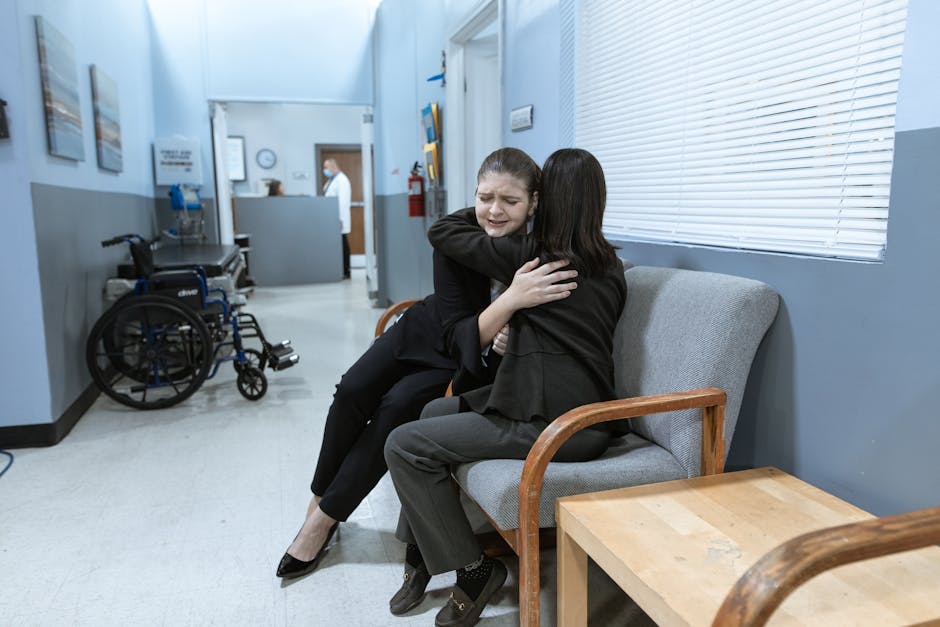
## Overview
Central nervous system lymphoma (CNS lymphoma) is a rare and aggressive form of cancer that occurs in the lymphatic tissue of the brain and spinal cord. This condition is characterized by the unchecked proliferation of lymphocytes, a type of white blood cell, within the central nervous system. CNS lymphoma can occur as a primary condition, originating in the central nervous system, or as a secondary condition, spreading from other parts of the body.
## Key Information
CNS lymphoma represents a small percentage of all brain tumors, but it is a serious condition due to its location and potential impact on neurological function. The exact cause of CNS lymphoma is not well understood, but it is more common in individuals with weakened immune systems, such as those with HIV/AIDS or those who have undergone organ transplantation. Symptoms can vary widely but often include headaches, seizures, changes in personality or behavior, and neurological deficits such as weakness or vision problems.
## Clinical Significance
The medical importance of CNS lymphoma lies in its challenging diagnosis and treatment. Due to its rarity and the complexity of the central nervous system, CNS lymphoma requires specialized medical care. Early detection and treatment are crucial for improving outcomes. Imaging studies, such as MRI, and biopsy are typically used to diagnose the condition. CNS lymphoma is often treated with a combination of chemotherapy, radiation therapy, and in some cases, targeted therapies or immunotherapy.
## Treatment & Management
Treatment for CNS lymphoma typically involves high-dose methotrexate-based chemotherapy, which is the cornerstone of therapy. Radiation therapy may be used in conjunction with chemotherapy or as a standalone treatment in certain cases. Recent advances in targeted therapies and immunotherapy are being explored to improve treatment outcomes. Management of CNS lymphoma also involves supportive care to address symptoms and side effects, including corticosteroids to reduce swelling and manage neurological symptoms.
## Patient Resources
Patients diagnosed with CNS lymphoma can access a variety of resources for support and education. Organizations such as the American Cancer Society and the Leukemia & Lymphoma Society offer information on treatment options, clinical trials, and support groups. Patients are encouraged to speak with their healthcare provider about available resources and to seek support from family, friends, and cancer support communities.
#### Frequently Asked Questions
* **What are the common symptoms of CNS lymphoma?**
Common symptoms include headaches, seizures, changes in personality or behavior, and neurological deficits such as weakness or vision problems.
* **How is CNS lymphoma diagnosed?**
Diagnosis typically involves imaging studies, such as MRI, and a biopsy to confirm the presence of lymphoma cells in the central nervous system.
* **What treatment options are available for CNS lymphoma?**
Treatment options include high-dose methotrexate-based chemotherapy, radiation therapy, targeted therapies, and immunotherapy, depending on the specific case and patient health.
* **Can CNS lymphoma be cured?**
While CNS lymphoma can be challenging to treat, early detection and aggressive therapy can improve outcomes, and some patients achieve remission.
## Cervical cancer
URL: https://beatcancer.eu/cancer-dictionary/cervical-cancer/
Cervical cancer is a type of cancer that begins within the cells of the cervix, the lower part of the uterus that connects to the vagina. It occurs when abnormal cells on the cervix grow out of control. Mostly caused by specific strains of the Human Papillomavirus (HPV), it can often be successfully treated when detected early through regular screenings like the Pap test.
Cervical Cancer, a grave health concern for millions of women around the globe, strikes confusion and fear. This powerful narrative aims to remove these misconceptions and provide an in-depth understanding of the disease, its implications, and the ways to cope effectively.
### What is Cervical Cancer?
Cervical Cancer arises in the cells of the cervix, the lower part of the uterus that connects to the vagina. The primary factor contributing to the prevalence and incidence of Cervical Cancer is the Human Papillomavirus (HPV). While there are various types of HPV, not all cause cervical cancer.
### Understanding Cervical Cancer: Defining the Disease
Beyond the superficial understanding of Cervical Cancer as an HPV-related ailment, it’s crucial to understand the complexities it entails. A few misconceptions surrounding this cancer are the belief that it’s hereditary or that it only affects older women. It’s crucial to know that any woman sexually active, regardless of age, can contract HPV and, therefore, stands at risk.
### The Causes and Risks of Cervical Cancer
Understanding the major roles play in increasing a woman’s risk for developing cervical cancer: HPV exposure, specific lifestyle choices, and genetic predispositions. Smoking, long-term use of oral contraceptives, and a weak immune system compound the risk factor.
### The Different Stages of Cervical Cancer
The progression of cervical cancer is categorized into four distinct stages, each depicting specific advancements of the disease, ranging from localized to extensive spread. Each stage uniquely influences the choice of treatment for the patient.
### Symptoms and Diagnosis of Cervical Cancer
Early symptoms usually go unnoticed as they mirror other common health conditions. However, consistent pelvic pain, vaginal bleeding, and an increase in vaginal discharge may signal the onset of cervical cancer. Screening and diagnostic tests such as a Pap Smear or HPV tests are crucial for early detection.
### Treatment Options for Cervical Cancer
Based on the stage of advancement, standard treatments include surgery, chemotherapy, and radiation therapy. Newer treatment modalities include immunotherapy and targeted therapy, showing promise in treating cervical cancer more effectively and with fewer side-effects.
### Living with Cervical Cancer: A Closer Look at Patient Life
The journey of a cervical cancer patient gripped with the disease extends well beyond receiving a diagnosis. Survivors often recount a roller-coaster of emotions, relationship dynamics changes, and financial implications.
### The Prevention of Cervical Cancer
Regular screenings and getting vaccinated against HPV are the two crucial steps one can take towards prevention. Lifestyle modifications and awareness about the disease also play significant roles in mitigating risks.
### Conclusion
This article has outlined comprehensive insights into cervical cancer, its causes, symptoms, treatment, and necessary preventative measures. Armed with knowledge, women can win the fight against cervical cancer.
## FAQs
* **What is cervical cancer and how does it develop?**
Cervical cancer is a type of cancer that begins in the cells of the cervix. It primarily develops through exposure to the HPV virus.
* **Who is at risk of developing cervical cancer?**
Any sexually active woman of any age stands at risk. Additional risk factors include smoking, long-term use of oral contraceptives, and a weakened immune system.
* **What are the potential symptoms of cervical cancer?**
Early symptoms include pelvic pain, vaginal bleeding, and increased vaginal discharge.
* **How is cervical cancer diagnosed and treated?**
It is diagnosed through comprehensive screening tests such as a Pap Smear or HPV tests. Treatment varies from surgery, radiation, and chemotherapy to more advanced treatments like immunotherapy and targeted therapy.
* **How can cervical cancer be prevented?**
Regular screenings, getting vaccinated against HPV, and making healthy lifestyle choices are key prevention methods.
## Chemotherapy
URL: https://beatcancer.eu/cancer-dictionary/chemotherapy/
Chemotherapy is a medical treatment involving the use of powerful drugs to target and inhibit the rapid growth of cancer cells within the body. This approach aims to stop or slow down the progression of cancer by disrupting the cell division process and damaging the DNA of cancer cells, ultimately preventing their ability to replicate and spread. While chemotherapy's effectiveness can vary depending on the type and stage of cancer, it plays a crucial role in the comprehensive treatment of cancer, often used in conjunction with other therapies like surgery, radiation, and targeted therapies.
Cancer, a complex group of diseases characterized by the uncontrolled growth of abnormal cells, is a formidable health challenge worldwide. Chemotherapy, often simply referred to as “chemo,” is a mainstay in the battle against cancer. It involves the use of powerful drugs to kill or slow down cancer cells. While chemotherapy can be a crucial tool, it’s essential to understand its mechanics, potential side effects, and the benefits it can offer.
## Understanding Chemotherapy
### The Mechanism of Chemotherapy
Chemotherapy disrupts the life cycle of rapidly dividing cancer cells, preventing them from multiplying further. It targets various stages of the cell cycle, aiming to eliminate cancerous cells.
### Types of Chemotherapy Drugs
Chemotherapy drugs come in different forms, including cytotoxic drugs that directly attack cells and targeted therapies that focus on specific molecular markers in cancer cells.
### Administration Methods
Chemotherapy can be administered orally, through injections, or intravenously. The delivery method depends on the type of cancer, the drugs used, and the patient’s overall health.
## Side Effects of Chemotherapy
### Common Side Effects
Chemotherapy’s impact on healthy cells can lead to a range of side effects, such as nausea, hair loss, fatigue, and weakened immunity.
### Managing Side Effects
Medical advancements have led to better management of side effects. Anti-nausea medications, supportive care, and lifestyle adjustments can alleviate many of these issues.
### Long-Term Effects
Some side effects, such as cognitive changes and fertility issues, may persist even after treatment ends. Regular follow-ups are crucial to monitor and address long-term effects.
## Benefits of Chemotherapy
### Targeting Cancer Cells
Chemotherapy’s primary advantage lies in its ability to target cancer cells throughout the body, which is especially valuable in cancers that have spread.
### Adjuvant Therapy
In some cases, chemotherapy is used after surgery to eliminate any remaining cancer cells, reducing the risk of recurrence.
### Palliative Care
For advanced cancers, chemotherapy can improve quality of life by shrinking tumors and alleviating symptoms.
## Personalized Chemotherapy
### Genetic Testing and Treatment
Advancements in genetics allow doctors to tailor chemotherapy to a patient’s genetic makeup, increasing its effectiveness.
### Tailored Treatment Plans
Medical teams create individualized treatment plans, considering the type of cancer, its stage, and the patient’s overall health.
## Combination Therapies
### Chemotherapy and Radiation
Combining chemotherapy with radiation therapy can enhance treatment outcomes in certain cancers.
### Immunotherapy and Targeted Therapy
Chemotherapy is often used in combination with immunotherapy or targeted therapy to create a synergistic effect against cancer cells.
## Life During Chemotherapy
### Lifestyle Adjustments
Maintaining a healthy lifestyle through balanced nutrition and light exercise can support the body during treatment.
### Emotional Support
Counseling and support groups play a crucial role in helping patients cope with the emotional challenges of chemotherapy.
## Choosing Chemotherapy
### Medical Considerations
Doctors consider factors such as the type and stage of cancer, overall health, and patient preferences when recommending chemotherapy.
### Shared Decision-Making
Patients and their medical teams collaborate to make informed decisions about treatment, considering potential benefits and risks.
## Conclusion
Chemotherapy is a multifaceted treatment modality that has revolutionized cancer care. While it comes with its challenges and side effects, its benefits are invaluable in the fight against cancer. Patients now have more personalized treatment options, and advancements in medical science continue to refine and enhance chemotherapy’s effectiveness. As you navigate the world of cancer treatment, remember that you are not alone—medical teams, support groups, and resources are available to guide you on your journey.
## Frequently Asked Questions (FAQs)
* **Is chemotherapy the only treatment option for cancer?**
Chemotherapy is one of several treatment options available for cancer, depending on the type and stage of the disease.
* **Can chemotherapy cure cancer?**
While chemotherapy can lead to remission or significantly reduce tumor sizes, its ability to cure cancer depends on various factors.
* **Are there alternatives to traditional chemotherapy?**
Yes, targeted therapies and immunotherapies are alternatives that offer different approaches to treating cancer.
* **Do all chemotherapy drugs cause hair loss?**
Not all chemotherapy drugs cause hair loss. However, many do affect hair follicles, leading to temporary hair loss.
* **How can I manage chemotherapy-induced nausea?**
Your doctor can prescribe anti-nausea medications, and certain dietary adjustments may also help manage nausea.
## Cholangiocarcinoma
URL: https://beatcancer.eu/cancer-dictionary/cholangiocarcinoma/
Cholangiocarcinoma, commonly known as bile duct cancer, is a rare and aggressive type of cancer that occurs in the tiny, tube-like bile ducts within the liver. These ducts carry bile, a fluid that aids in the digestion of fat, to the gallbladder. This cancer is often hard to diagnose and usually discovered at an advanced stage.
A robust understanding of our body’s functions and how diseases affect them is crucial in the process of disease management. This article provides in-depth insight into Cholangiocarcinoma, a form of cancer that affects the bile ducts. We’ll critically unpack the foundation of this life-threatening illness, offering an overview of its causes, common symptoms, diagnostic methods, treatment options, and the importance of early detection.
### Understanding Your Body: The Biliary System
#### Definition and Explanation of the Biliary System
The biliary system, also known as the biliary tract, consists of several organs and ducts that convey bile from the liver to the small intestines. This essential compound aids in breaking down fats during digestion.
#### Role of Bile Ducts in the Body
Bile ducts are small, tube-like structures that transport bile from the liver to the gallbladder and gut. Their primary function is to assist in food digestion and the removal of waste products from the body.
### What is Cholangiocarcinoma: The Definition
#### Medical Definition of Cholangiocarcinoma
Cholangiocarcinoma, also known as bile duct cancer, is a form of cancer that initiates in the cells lining the bile ducts. The disease is classified as a relatively rare and often lethal type of cancer.
#### The Categorization of Cholangiocarcinoma Based on Location
Cholangiocarcinoma can be categorized based on its location in the biliary system: intrahepatic (within the liver), perihilar (in the upper part of the bile ducts), and distal (in the lower part of the bile ducts). Each type displays different characteristics and symptoms.
#### Brief Explanation of Bile Duct Cancer
When the cells within the bile ducts grow uncontrollably, they can form a tumor leading to bile duct cancer. This abnormal growth can obstruct the flow of bile, causing a variety of health problems such as liver damage and jaundice.
### Unpacking Cholangiocarcinoma: Causes and Symptoms
#### Underlying Causes of Cholangiocarcinoma
Various factors can facilitate the development of Cholangiocarcinoma including bile duct abnormalities, chronic biliary inflammation, liver cirrhosis or infections like liver fluke. Aging also appears to increase the risk of this disease.
#### Common Symptoms Associated with Cholangiocarcinoma
Symptoms of Cholangiocarcinoma often include but are not limited to abdominal discomfort, unexplained weight loss, loss of appetite, jaundice, and itchiness. However, in the early stages, patients may not exhibit any noticeable symptoms.
### Diagnosing Cholangiocarcinoma
#### Commonly Used Diagnosis Methods
Key methods for diagnosing Cholangiocarcinoma include blood tests, imaging tests like CT scan, MRI or Ultrasound, and Cholangiography. Also, a biopsy may be performed to confirm the diagnosis.
#### Important Aspects of Accurate Diagnoses
An accurate diagnosis involves thorough patient history, careful physical examination, and apposite diagnostic tests. Early detection is essential for successful treatment and can significantly increase survival rates.
### Treatment Options for Cholangiocarcinoma
#### Surgical Procedures
Surgical intervention is often the most recommended course of action in Cholangiocarcinoma cases deemed operable. The objective is to remove the tumor and some healthy tissue around it to ensure complete excision.
#### Non-Surgical Treatment Methods
Non-surgical treatment methods can include radiation therapy, chemotherapy, targeted drug therapy, or immunotherapy. The choice often depends on the stage of the disease, patient’s general health, and their personal choices.
#### Role of Palliative Care
Palliative care becomes crucial when the cancer is advanced and cannot be cured. It involves not only treating the symptoms but also providing psychological, social, and spiritual support to the patient and their family.
### Living with Cholangiocarcinoma: Prevention and Management
#### Useful Tips for Preventing Cholangiocarcinoma
Prevention strategies may involve lifestyle changes such as maintaining a healthy weight, avoiding alcohol or tobacco, adopting a nutritious diet, and conducting regular screenings, especially for high-risk individuals.
#### Ways to Manage and Live with Cholangiocarcinoma
Living with Cholangiocarcinoma necessitates ongoing treatment, constant monitoring, adequate social support, and positive life adaptations. It’s advised to regularly communicate with healthcare providers and to lean on the support of loved ones.
### Conclusion
This comprehensive guide serves to provide a basic understanding of Cholangiocarcinoma. The importance of early detection cannot be overstated, as diagnosis in the initial stages leads to more treatment options and improved survival rates. It’s vital to stay informed and proactive in managing our health for optimal outcomes.
### FAQs
* **What is the main cause of Cholangiocarcinoma?**
The main causes include bile duct abnormalities, chronic biliary inflammation, liver cirrhosis, or infection such as liver fluke. Aging also increases the risk of this disease.
* **How is Cholangiocarcinoma diagnosed?**
It is diagnosed through a combination of blood tests, imaging tests, and often a biopsy to confirm the diagnosis.
* **What types of treatment are available for Cholangiocarcinoma?**
Treatment options include surgical removal of the tumor, radiation therapy, chemotherapy, targeted drug therapy, immunotherapy, and palliative care in advanced cases.
* **What symptoms should I look out for if I suspect Cholangiocarcinoma?**
Common symptoms include abdominal discomfort, unexplained weight loss, loss of appetite, jaundice, and itchiness. However, in early stages, patients may not exhibit any noticeable symptoms.
* **How can I prevent or lessen my risk for Cholangiocarcinoma?**
Preventive strategies include maintaining a healthy weight, avoiding alcohol or tobacco, leading a nutritious diet, and conducting regular screenings.
## Chondrosarcoma
URL: https://beatcancer.eu/cancer-dictionary/chondrosarcoma/
Chondrosarcoma is a type of cancer that predominantly affects the cartilage cells. The disease often manifests in the bones of the upper arms, legs, pelvis, or the spine. The condition typically progresses slowly and carries a higher risk factor for adults and older individuals. Treatment commonly includes surgery or radiation therapy.

Chondrosarcoma is a rare and complex type of cancer that begins in the cells that produce cartilage, the connective tissue that cushions joints. While the disease affects a relatively small number of people each year, understanding it is critical because of its potential fatal implications.
#### What is Chondrosarcoma?
Chondrosarcoma, in its simplest form, is a bone cancer originating from the cartilage cells. Chondrosarcomas are generally slow-growing tumors and are the second most frequent type of bone cancer after osteosarcoma.
#### The Vital Statistics
According to the American Cancer Society, chondrosarcoma accounts for about 20% of all malignant bone tumors. The median age at diagnosis is around 51 years, making it largely an adulthood disease.
#### Significance of Understanding Chondrosarcoma
Early detection and treatment of chondrosarcoma can significantly improve prognosis and survival rates. Thus, knowledge about this condition is crucial to facilitate early recognition and timely intervention.
### The Medical Definition of Chondrosarcoma
From a more clinical viewpoint, understanding the nature of chondrosarcoma can provide in-depth insights into its biology, contributing factors, and treatment options.
#### Chondrosarcoma: A Clinical Perspective
Medically defined, chondrosarcoma is a malignant neoplasm that produces cartilage. It is often resistant to chemotherapy and radiation, making surgical removal preferred option for treatment.
#### Differentiating Chondrosarcoma from Other Types of Bone Cancer
Chondrosarcoma differs from other bone tumors in several aspects, both pathological and clinical. Unlike osteosarcoma, which arises in the bone-building cells, chondrosarcoma originates in cartilage cells. Also, it’s less likely to spread to different parts of the body than other types of bone cancer.
### Origin and Development of Chondrosarcoma
Determining the genesis and development of chondrosarcoma is a major step towards understanding the disease fully, which can help in developing better therapeutic strategies.
### The Genesis of Chondrosarcoma
#### **How Does Chondrosarcoma Develop?**
Chondrosarcoma develops when mutations occur in healthy cartilage cells, causing them to proliferate uncontrollably. The mutated cells create a mass or tumor, developing into cancerous chondrosarcoma. The cause of this mutation is currently unknown.
#### **Factors Contributing to Chondrosarcoma’s Occurrence**
While the exact cause is unknown, a few risk factors link with the development of chondrosarcoma. These include genetic disorders, radiation exposure, and pre-existing benign bone conditions.
### Demographics Mostly Affected
#### Age and Gender Prevalence
Chondrosarcoma typically occurs in mid to late adulthood. Despite this, it can develop at any age and have some predilection for males over females.
#### Geographical Impact on the Disease
This cancer occurs worldwide, with no clear geographical predilection.
### Clinical Manifestations and Complications of Chondrosarcoma
Pain and swelling in the affected bone region represent the most common symptoms of chondrosarcoma. However, other signs can emerge as the disease progresses or if complications arise.
#### Symptoms and Signs
Symptoms usually include persistent bone pain, swelling or tenderness near the affected area, and difficulty moving. Symptoms vary depending on the site of the tumor.
#### Long-term Impact on Health and Lifestyle
The long-term impact of chondrosarcoma can be significant, depending on the tumor’s location and the individual’s overall health. Complications can include physical disability, emotional trauma, and reduced life expectancy.
### Finding Chondrosarcoma: Diagnostic Methods and Assessments
Accurate diagnosis of chondrosarcoma involves a combination of medical history evaluation, physical examination, imaging studies, and biopsy. Utilizing advanced diagnostic technologies enhances precision and facilitates timely treatment.
#### Essential Preliminary Tests and Evaluations
Aside from physical examination, imaging tests like X-rays, CT scans, or MRI are instrumental in detecting the presence of a bone tumor. Blood tests can also provide valuable insights about the patient’s overall health.
#### Advanced Diagnostic Technologies for Enhanced Precision
If initial tests suggest chondrosarcoma, a biopsy may be necessary for final confirmation. This involves removing a small sample of tissue for laboratory analysis.
### Battle Against Chondrosarcoma: Treatment Approaches and Management Strategies
Once diagnosed with chondrosarcoma, there are various treatment approaches available.
#### Surgical Interventions
The most common and effective treatment for chondrosarcoma is a surgical removal of the tumor. The aim of the surgery is to remove all of the cancerous tissue while preserving as much normal bone and adjacent tissue as possible.
#### Radiation and Chemotherapy
Despite their limited effectiveness against chondrosarcoma, radiation and chemotherapy are occasionally used, especially when surgical removal isn’t possible.
#### Novel Therapies and Employing Multidisciplinary Approaches
In advanced cases, therapies targeting specific molecular pathways involved in chondrosarcoma might be used. Additionally, an interdisciplinary team approach is crucial in managing this disease due to the complex nature of the cancer.
#### The Role of Rehabilitation and Supportive Care
Rehabilitation and supportive care play a key role in improving patient outcomes and maintaining physical function after treatment. This may include physiotherapy and psychological therapy.
### Living with Chondrosarcoma: Stories of Survival and Hope
While understanding the disease and its associated challenges are critical, the power of personal narratives from patients who have lived with the disease can’t be underestimated.
#### Patient Narratives
Patients’ stories paint a vivid picture of the journey, encapsulating the struggles, triumphs, and resilience of those facing this disease. Their stories are a source of hope and support for others going through a similar battle.
#### Lessons from their Journey
One of the key lessons from their journey is the necessity of early detection and seeking prompt medical attention. Also, the importance of support from loved ones, healthcare teams, and communities cannot be overstated.
### Conclusion: The Path Ahead in Chondrosarcoma Research
Chondrosarcoma continues to be a puzzling and challenging disease. However, continual research holds the promise of improving our understanding and fighting the battle against this affliction.
#### Progress in Medical Research and What it Means for Future Patients
Research advancing the understanding of chondrosarcoma’s etiology, molecular biology, genetics, and immunology has the potential to revolutionize screening methods, early detection, and treatment protocols.
#### The Importance of Continual Learning and Awareness
Constant learning and awareness-building about the disease are crucial for patients, families, medical professionals, and the larger community to understand, detect, and manage this cancer better.
### FAQs
* **What is the cause of Chondrosarcoma?**
Chondrosarcoma is thought to result from mutations in the genes of normal cartilage cells that trigger them to multiply uncontrollably, forming a tumor. The exact cause of these mutations is unknown.
* **How common is Chondrosarcoma, and who is at most risk?**
Chondrosarcoma statistics indicate that it makes up about 20% of all bone cancers diagnosed. It’s more prevalent in adults, particularly in males, and the risk increases with age.
* **Can Chondrosarcoma be fully cured?**
Chondrosarcoma can often be cured if detected early and treated promptly with surgery. However, the outcome can vary depending on the disease stage, tumor grade, and patient’s health status at diagnosis.
* **How can I prevent the development of Chondrosarcoma?**
As the exact cause is unknown, definitive prevention strategies don’t exist. Nevertheless, maintaining a healthy lifestyle and being aware of any unusual symptoms can contribute to early detection and better outcomes.
* **Are there any lifestyle modifications that can help manage Chondrosarcoma?**
While there’s no specific lifestyle modification to manage chondrosarcoma, a balanced diet, regular exercise, healthy sleep patterns, and stress management techniques can promote overall wellbeing and aid recovery during and after treatment.
## Chromosomal Translocation
URL: https://beatcancer.eu/cancer-dictionary/what-is-chromosomal-translocation-how-to-identify-and-manage-it/
Chromosomal translocation is a genetic abnormality where a segment of one chromosome is transferred to another chromosome. This can disrupt gene function and lead to various medical conditions, including certain types of cancer.
## Overview
Chromosomal translocation refers to a situation where a piece of one chromosome breaks off and attaches to another chromosome. This genetic anomaly can lead to disruptions in the way genes function, potentially causing health issues like cancer or genetic disorders. Understanding chromosomal translocation is crucial for diagnosing and managing associated conditions.
## Key Information
Chromosomes are structures within cells that contain DNA, the building blocks of genetic information. Humans typically have 23 pairs of chromosomes. During chromosomal translocation, parts of these chromosomes can mistakenly swap places, leading to genetic abnormalities. Translocations can be balanced, where no genetic material is lost, or unbalanced, where there is a gain or loss of genetic material.
## Clinical Significance
Chromosomal translocations are significant in the medical field, particularly in oncology. They are often associated with cancers such as leukemia, lymphoma, and sarcomas. For instance, the Philadelphia chromosome, a result of translocation between chromosomes 9 and 22, is commonly found in chronic myeloid leukemia (CML). Identifying translocations can help in diagnosing specific cancers and determining the best course of treatment.
## Treatment & Management
The management of conditions caused by chromosomal translocations depends on the specific health issues they cause. In cancer, treatment may include targeted therapy, chemotherapy, radiation, or surgery. Genetic counseling is often recommended for families affected by translocations to understand the risks of inherited genetic disorders and make informed decisions about family planning.
## Patient Resources
Patients and families dealing with chromosomal translocations can access various resources for support and education. Organizations such as the Genetic and Rare Diseases Information Center (GARD) and the American Cancer Society provide valuable information and support networks. Genetic counselors can also offer personalized guidance and support.
#### Frequently Asked Questions
* **What causes chromosomal translocations?**
Chromosomal translocations can occur due to errors during cell division, exposure to radiation, or certain chemicals. Some translocations may be inherited.
* **Can chromosomal translocations be prevented?**
While inherited translocations cannot be prevented, reducing exposure to harmful environmental factors may lower the risk of developing translocations linked to cancer.
* **How are chromosomal translocations detected?**
Translocations are often detected through genetic testing, including karyotyping and fluorescence in situ hybridization (FISH), which can visualize chromosomal changes.
## Chromosome Aberrations
URL: https://beatcancer.eu/cancer-dictionary/what-are-chromosome-aberrations-how-to-identify-them-and-how-to-use-genetic-testing/
Chromosome aberrations are changes in the normal structure or number of chromosomes, which can lead to genetic disorders or diseases. These changes can occur naturally or be induced by environmental factors, affecting how cells function or develop.
## Overview
Chromosome aberrations refer to alterations in the normal number or structure of chromosomes within a cell. These changes can lead to various genetic disorders, affecting an individual's health and development. Chromosomes are structures within cells that contain DNA, the material that carries genetic information. Aberrations can occur naturally or due to environmental factors such as radiation or chemicals.
## Key Information
Chromosome aberrations can be classified into two main types: numerical and structural. Numerical aberrations involve changes in the number of chromosomes, such as trisomy 21, which causes Down syndrome. Structural aberrations involve changes in the chromosome's structure, such as deletions, duplications, inversions, or translocations. These abnormalities can lead to a variety of health issues, including developmental delays, congenital malformations, and increased risk of certain cancers.
## Clinical Significance
Understanding chromosome aberrations is crucial for diagnosing and managing genetic disorders. Genetic testing can identify these aberrations, allowing for early intervention and management of potential health issues. In prenatal testing, detecting chromosome aberrations can help expectant parents make informed decisions about their pregnancy. Moreover, research into chromosome aberrations has led to advancements in personalized medicine, particularly in cancer treatment, where identifying specific genetic changes can guide targeted therapies.
## Treatment & Management
While some chromosome aberrations cannot be corrected, management focuses on treating symptoms and improving quality of life. For example, individuals with Down syndrome may benefit from early intervention programs, physical therapy, and specialized educational support. In cases where chromosome aberrations are linked to cancer, targeted therapies and personalized treatment plans are developed based on the specific genetic changes involved.
## Patient Resources
Numerous resources are available for patients and families affected by chromosome aberrations. Genetic counseling services can provide support and information about the implications of genetic testing results. Organizations such as the National Society of Genetic Counselors and Genetic Alliance offer educational materials and support networks for individuals and families dealing with genetic disorders.
#### Frequently Asked Questions
* **What causes chromosome aberrations?**
Chromosome aberrations can result from errors during cell division, exposure to environmental factors like radiation, or inherited genetic mutations.
* **Can chromosome aberrations be prevented?**
While not all chromosome aberrations can be prevented, reducing exposure to harmful environmental factors and seeking genetic counseling can help manage risks.
* **How are chromosome aberrations detected?**
Chromosome aberrations are typically detected through genetic testing methods such as karyotyping, FISH (fluorescence in situ hybridization), or DNA sequencing.
## Chronic Lymphocytic Leukemia (CLL)
URL: https://beatcancer.eu/cancer-dictionary/chronic-lymphocytic-leukemia-cll/
Chronic Lymphocytic Leukemia (CLL) is a type of cancer that initiates in the bone marrow, leading to an overproduction of abnormal, mature lymphocytes (a type of white blood cell). It's identified by gradual progression, typically affecting older adults. Symptoms often include swollen lymph nodes, fatigue, and weight loss.

Across the globe, millions of individuals are living with various forms of cancer, one of the most common being Chronic Lymphocytic Leukemia (CLL). As we traverse the complex realms of healthcare and gain more knowledge on this condition, it becomes increasingly significant for both patients and the general public to understand CLL. This article provides an in-depth analysis of CLL, lifting the veil from this serious and oft-misunderstood disease.
### Unraveling the Definition: What is Chronic Lymphocytic Leukemia (CLL)?
Chronic Lymphocytic Leukemia, often abbreviated as CLL, is a type of cancer that starts from lymphocytes, a type of white blood cell, in the bone marrow. Over time, these abnormal lymphocytes accumulate in the blood and certain organs, where they can interfere with the function of normal cells. CLL primarily affects older adults and is usually slow-progressing; however, there are more aggressive forms of the disease.
One distinguishing feature of CLL is its gradual progression. In contrast to other forms of Leukemia that require immediate treatment, CLL often allows patients more time before therapeutic intervention is needed.
### Understanding the root cause of CLL
Like many cancers, CLL is thought to be driven by a combination of genetic and environmental factors. Alterations in certain genes, such as TP53 and ATM, can predispose an individual to CLL. Additionally, environmental elements such as exposure to certain chemicals or radiation may also play a role. Despite these associations, the origin of CLL remains a complex medical mystery that continues to be explored by researchers worldwide.
The development of CLL follows a multistep process that involves the gradual accumulation of abnormal lymphocytes. Over time, these cells can crowd out healthy cells in the bone marrow and other organs, leading to the signs and symptoms characteristic of CLL.
### Identifying the Symptoms of Chronic Lymphocytic Leukemia
Although symptoms of CLL can vary, common signs include fatigue, fever, weight loss, and swollen lymph nodes. In some cases, individuals can live for years without any symptoms, making CLL a challenging condition to diagnose early.
Some of these signs, like minor fatigue or unintended weight loss, can be easily overlooked or attributed to general illness. Hence, raising awareness about these often-misunderstood symptoms is crucial in promoting early diagnosis and effective treatment planning.
### Diagnosing CLL
Diagnosing CLL often begins with an attentive primary care doctor or specialist who can spot potential signs and symptoms during routine checkups. Blood tests are a primary diagnostic method, but depending on the specific case, imaging techniques and bone marrow tests can also be employed.
Different types of tests facilitate a comprehensive understanding of the disease’s extent and nature, paving the way towards an effective treatment strategy.
### Available treatment options for CLL
Treatment for CLL has undergone major advancements in recent years. Traditional chemotherapy and targeted therapies have shown promising results, but there’s a continuous effort to develop more effective treatments with fewer side effects.
Focusing on individual patients, personalized treatment plans are becoming a growing practice in CLL management. These plans consider the patient’s genetics, disease progression, and lifestyle factors, offering a holistic and efficient approach to treatment.
### Living with CLL
Living with CLL entails necessary lifestyle changes and adaptations. These may include regular follow-ups with healthcare providers, maintaining a healthy lifestyle, and sometimes, making accommodations for treatment side effects.
Having a supportive community is integral for CLL patients, and numerous support groups exist for this purpose. Rehabilitation practices like physiotherapy and psychological counselling can also play a crucial role in managing CLL’s physical and emotional impact.
### Conclusion
Chronic Lymphocytic Leukemia, though common, is a complex disease that calls for comprehensive understanding, early detection, and effective personalized treatment. With advancements in modern healthcare, patients of CLL can look forward to a future with promising new treatment options and a higher quality of life.
### Frequently Asked Questions (FAQs)
* **What are early signs of Chronic Lymphocytic Leukemia?**
Early signs of CLL may include fatigue, fever, weight loss, and swollen lymph nodes.
* **Can CLL be cured or only treated?**
While there isn’t a known cure for CLL, it can often be controlled for many years with proper treatment.
* **What is the average lifespan of someone with CLL?**
The life expectancy for someone with CLL varies broadly and can be influenced by the stage of the disease, the patient’s overall health, and the treatment plan.
* **Does CLL run in families?**
Yes, having a first-degree relative with CLL increases one’s risk of developing the condition.
* **Is it safe to interact with CLL patients?**
Yes, CLL is not a contagious disease, so direct interaction with patients is considered safe.
## Chronic Myeloid Leukemia (CML)
URL: https://beatcancer.eu/cancer-dictionary/chronic-myeloid-leukemia-cml/
Chronic Myeloid Leukemia (CML) is a type of cancer that starts in the blood-forming cells of the bone marrow and gradually invades the blood. It's characterized by the excessive growth of white blood cells. CML typically develops slowly, but can shift to a more aggressive phase, known as blast crisis, if untreated.

Leukemia is an encompassing term representing several subgroups of cancer that primarily affect the blood and bone marrow. Amongst these, Chronic Myeloid Leukemia (CML) stands out as a rather distinctive entity. It is a type of cancer that starts in certain blood-forming cells of the bone marrow. Unlike acute forms of leukemia that progress relatively fast, CML is a slowly progressing disease commonly observed in adults.
### Digging Deeper: Chronic Myeloid Leukemia (CML)
CML is distinct due to its relationship with a specific chromosomal abnormality in leukemic cells. It is a clonal bone marrow stem cell disorder characterized by a particular genetic mutation— the Philadelphia chromosome—resulting in an abnormal protein (BCR-ABL1) that leads to the production of too many disease-facilitating cells. CML spreads into the blood and can infiltrate other parts of the body, like the spleen, causing it to swell.
The prevalence of Chronic Myeloid Leukemia varies across the globe, but it accounts for around 10-15% of all leukemia cases. It has been found more frequently in males than females and has a higher rate amongst adults over 60 years.
### Understanding the Causes of Chronic Myeloid Leukemia
The chief cause of Chronic Myeloid Leukemia is a specific genetic mutation—the Philadelphia chromosome. This mutation is not inherited but occurs spontaneously. In an adult patient, some genetic rearrangement happens within bone marrow cells, leading to an exchange of genetic material between chromosome 9 and chromosome 22. This results in an abnormally short chromosome 22 — the Philadelphia chromosome — which causes BCR-ABL1 protein production and triggers the overproduction of white blood cells, causing CML.
Environmental factors, such as being exposed to high levels of radiation, can possibly increase the risk of developing CML, though they are not direct causes.
### Symptoms Associated with Chronic Myeloid Leukemia
Early indicators of CML are often subtle and easily overlooked. Some patients report fatigue, weight loss, pale complexion, frequent infections, or joint/bone pain. As the disease progresses, symptoms may include fever, night sweats, and swollen lymph nodes. At an advanced stage, patients may suffer from an enlarged spleen, leading to a feeling of fullness and discomfort in the left upper abdomen.
### Chronic Myeloid Leukemia from Diagnosis to Treatment
To diagnose CML, doctors usually turn to complete blood count tests, bone marrow tests, and cytogenetic testing for the Philadelphia chromosome. Other methods, like [flow cytometry](https://beatcancer.eu/cancer-dictionary/flow-cytometry/) and immunophenotyping, may also be used to distinguish CML from other types of leukemia.
Treatment for CML has been revolutionized by tyrosine kinase inhibitors (TKIs), medicines that target the BCR-ABL1 protein, slowing and even stopping the progression of the disease. Alongside this, stem cell transplants offer hope to some patients. Each case of CML is different, and current treatment approaches must be personalized accordingly.
Modern medical advancements have significantly improved the prognosis of CML. Survival rates have increased drastically in the past two decades, particularly due to the advent of TKIs. The estimated five-year survival rate is now around 70%.
### Living with Chronic Myeloid Leukemia: Rediscovering Normalcy
Life post-treatment of CML can indeed regain some normalcy. With regular check-ups, people with CML can lead meaningful lives. It is crucial, however, for patients to stay in regular consultation with their healthcare providers and keep their treatment regimen.
Support systems play a major role in navigating the post-treatment phase. Emotional support from family, friends, patient support groups, and mental health professionals is as vital as medical support in dealing with CML.
### Conclusion
Chronic Myeloid Leukemia, though a serious illness, can be managed effectively through personalized treatment regimens, regular monitoring, emotional support, and patient resilience. With continuous advancement in medical research, the prognosis continues to improve, offering patients hope for a better future.
### Frequently Asked Questions
* **What is the chief cause behind the development of Chronic Myeloid Leukemia?**
The primary cause is a particular genetic mutation known as the Philadelphia chromosome.
* **Is Chronic Myeloid Leukemia a hereditary form of Cancer?**
No, CML is not a hereditary cancer. The genetic mutation causing it usually occurs spontaneously.
* **How does Chronic Myeloid Leukemia affect the body specifically?**
CML leads to an overproduction of white blood cells, which can crowd out healthy cells and infiltrate other parts of the body, leading to various symptoms.
* **What are the expected survival rates for patients with Chronic Myeloid Leukemia?**
Recent advancements in treatment have significantly improved the five-year survival rate for CML, which currently stands around 70%.
* **Can a patient with Chronic Myeloid Leukemia ever regain a normal life post-treatment?**
Yes, with regular monitoring and adherence to their treatment plan, patients can indeed regain a meaningful and productive life after treatment.
## Circulating tumor cells (CTCs)
URL: https://beatcancer.eu/cancer-dictionary/circulating-tumor-cells-ctcs/
Circulating tumor cells (CTCs) are cancer cells that have detached from a primary tumor and circulate in the bloodstream. These cells have the potential to spread cancer to other parts of the body through a process known as metastasis, making them a significant focus of cancer research and diagnosis.
Cancer remains one of the most pressing healthcare challenges of the 21st century. A key problem is metastasis, the spreading of cancer cells from the original tumor to other organs. Understanding this process is crucial for improving diagnostic and therapeutic strategies. In this context, circulating tumor cells (CTCs) have emerged as a key player. Let’s dive deeper into the world of CTCs and explore their relevance in cancer progression and therapy.
### Defining Circulating Tumor Cells (CTCs)
#### The Meaning of Circulating Tumor Cells (CTCs)
Circulating tumor cells (CTCs) are cancer cells that have detached from a primary tumor and circulate in the bloodstream. They constitute the “seeds” for the subsequent growth of additional tumors (metastases) in different body parts. Through the blood vessels, these cells can reach virtually any organ in the body, leading to a generalized spread of the disease.
#### The Origin and Nature of CTCs
CTCs originate from solid tumors, such as breast, lung, or prostate cancer. They are present in different stages, from precancerous lesions to advanced malignant tumors. Despite being a tiny fraction of the total number of blood cells, their role in cancer progression could be significant.
#### The Role of CTCs in Cancer Progression
CTCs are not merely passive bystanders in cancer metastasis; rather, they actively participate in the process. They can adapt to survive in the blood, evade the immune system, and create a conducive microenvironment in the target organ, facilitating new tumor formation.
### The Detection and Analysis of CTCs
#### Methods for Identifying and Isolating CTCs
Given their major implications in cancer progression, early detection and analysis of CTCs are crucial. Multiple methods have been devised for this: blood sample analysis (liquid biopsy), specialized lab techniques such as CellSearch®, or innovative technologies like microfluidic devices.
#### Challenges in CTC Detection
Despite the advancements, detecting CTCs remains a challenge. Their rarity, differing shapes and sizes, and the difficulty isolating them from healthy blood cells pose significant hurdles. Improvements in detection methods are an active area of research.
### The Clinical Relevance of CTCs
#### Predictive Value of CTC Count in Cancer Prognosis
Research has revealed a correlation between the number of CTCs and the prognosis of cancer patients. Higher counts suggest a more aggressive disease and worse prognosis. Hence, CTC count could serve as a powerful predictive tool in disease management.
#### CTCs as Biomarkers for Personalized Therapy
CTCs offer promise as biomarkers for personalized therapy. By analyzing the molecular properties of CTCs, clinicians can tailor cancer treatments to individual patients, resulting in improved outcomes and reduced side effects.
### The Potential of CTCs in Cancer Therapy
#### Targeting CTCs for Therapy: Current Researches and Developments
CTCs are a potential therapeutic target in cancer treatment, focusing on hindering their ability to seed metastases. Researchers are investigating strategies to neutralize CTCs, such as blocking the pathways they use to enter target organs, or developing drugs that specifically target CTCs.
#### Limitations and Future Directions
While the potential of CTCs in cancer therapy is immense, numerous challenges persist, including their identification, isolation, and targeting. However, with continuous research, we can hope for new and innovative applications of CTCs in the fight against cancer.
### Conclusion
CTCs mark a breakthrough in our understanding of cancer metastasis and therapy. Their detection and analysis potentially revolutionize disease prognosis and treatment, offering a light at the end of the tunnel for patients navigating this devastating illness.
### Frequently Asked Questions
* **What are circulating tumor cells and why are they important?**
Circulating tumor cells (CTCs) are cancer cells that have detached from a primary tumor and circulate in the bloodstream. They are important as they can lead to metastasis, the spreading of cancer cells to different body parts.
* **How are circulating tumor cells detected in a patient’s body?**
CTCs are commonly detected with a blood sample analysis, known as a liquid biopsy. Other methods include specialized lab techniques like CellSearch® or innovative technologies like microfluidic devices.
* **Do higher levels of circulating tumor cells mean a worse prognosis for cancer patients?**
Yes, higher numbers of CTCs in the bloodstream are often associated with a more aggressive disease state and worse prognosis.
* **How can circulating tumor cell count influence the choice of therapy in cancer treatment?**
By analyzing the molecular properties of CTCs, clinicians can design personalized treatments that are more likely to be effective, thus improving patients’ outcomes and reducing side effects.
* **What future developments can we expect in the research and application of circulating tumor cells?**
The future may see improvements in the detection and isolation methods of CTCs, the development of drugs that specifically target CTCs, and advancements in personalized therapies based on CTC profiles.
## Cisplatin
URL: https://beatcancer.eu/cancer-dictionary/cisplatin/
Cisplatin is a platinum-containing chemotherapy drug used to treat various types of cancers, including testicular, bladder, lung, and ovarian. It kills cancer cells by binding to and damaging their DNA, thereby inhibiting their growth and multiplication. Despite its side effects, Cisplatin has been a cornerstone in cancer therapy for decades.

Cancer is a complex disease that poses a significant challenge to modern medicine. Among the host of drugs that have been developed to combat this menace is a compound known as Cisplatin. This article delves into the detailed aspects of Cisplatin’s workings and its critical role in the field of medicine.
### Introduction
Cisplatin, or cis-diamminedichloroplatinum (II), is a platinum-containing anti-cancer drug that has played an integral role in cancer treatment since its approval in 1978. It stands as a cornerstone in the chemotherapy arsenal due to its efficacy in treating various forms of cancer.
### Detailed Definition of Cisplatin
Cisplatin comprises platinum surrounded by two chloride atoms and two ammonia molecules. Its unique chemical composition enables it to interact directly with the DNA of cancer cells, thereby disrupting their replication and growth.
The discovery of Cisplatin’s anti-cancer properties was somewhat fortuitous. In the 1960s, researchers observed that cells exposed to an electric field in the presence of a platinum electrode exhibited halted division. This led to the development and eventual harnessing of Cisplatin as a potent anti-cancer agent.
### How Cisplatin Works
Upon administration into the patient’s body, Cisplatin undergoes a series of transformations due to the body’s slightly acidic environment. The chloride atoms are replaced by water molecules, thereby allowing Cisplatin to bind with DNA of mutating cancer cells.
Its interaction with the cellular genetic material forms a structure that prevents DNA replication, thus stopping cancer cells’ division and growth. Concurrently, this DNA modification triggers cellular processes that steer the cell towards programmed cell death (apoptosis), further curbing cancer propagation.
### Usage of Cisplatin
Cisplatin is versatile in its application, demonstrating efficacy against numerous types of malignancies, including testicular, ovarian, bladder, lung, and head and neck cancers.
Apart from oncological application, Cisplatin’s DNA-altering properties have also been useful in treating certain non-malignant diseases, where overactive cell proliferation is an issue, such as psoriasis and rheumatoid arthritis.
Multiple case studies document Cisplatin’s remarkable successes in cancer treatment, often providing a lifeline to patients for whom other treatments have failed.
### Side Effects and Risks of Using Cisplatin
While Cisplatin is effective against cancer, patients can experience side effects that range from mild to severe. Common side effects include nausea, vomiting, hair loss, and decreased kidney function.
More severe risks involve irreversible kidney damage, nerve damage leading to neuropathy, and deafness. Measures such as hydration strategies and co-administration with protective agents have been used to mitigate these effects.
### The Current Research and Future Prospects of Cisplatin
Recent research on Cisplatin is exploring ways of refining its use to minimize side effects and maximize efficacy. Innovations in drug delivery techniques, for instance, are showing promise in reducing the systemic toxicity of Cisplatin while enhancing tumor targeting.
The future outlook for Cisplatin remains promising, with ongoing research potentially improving its efficiency and expanding its application scope in the battle against cancer and other diseases.
### Conclusion
Cisplatin’s impressive track record and vital role in treating various types of cancers solidify its position as a key weapon in the world of chemotherapy. It is critical that research into Cisplatin and similar compounds continues, broadening our arsenal against the widespread and devastating disease that is cancer.
### FAQs
* **What is the role of Cisplatin in cancer treatment?**
Cisplatin works by interacting and binding with the DNA of cancer cells, thereby inhibiting their replication and growth, and steering them towards programmed cell death.
* **How is Cisplatin administered to patients?**
Cisplatin is administered intravenously, typically as part of a broader treatment regimen that may include other chemotherapy drugs. The dosage and schedule are customized based on various factors such as the type of cancer, the patient’s health status, and the response to treatment.
* **What are the possible side effects following Cisplatin treatment?**
Possible side effects range from nausea and vomiting to more severe consequences such as irreversible kidney damage, nerve damage leading to neuropathy, and even hearing loss. Protective measures are used to mitigate these effects.
* **Can Cisplatin be used in combination with other cancer treatments?**
Yes, Cisplatin is often used alongside other drugs to enhance the overall effectiveness of treatment. It is also commonly combined with radiation treatment in what is known as chemoradiation.
* **What is the significance of recent research on Cisplatin?**
Current research is exploring ways to refine Cisplatin usage to minimize side effects and maximize efficacy. Innovative drug delivery techniques are being investigated to reduce toxicity while enhancing tumor targeting, which could greatly improve Cisplatin’s clinical application.
## Clinical Endpoints
URL: https://beatcancer.eu/cancer-dictionary/what-are-clinical-endpoints-and-how-to-use-them-in-clinical-trials/
Clinical endpoints are specific events or outcomes in a clinical study that are used to determine the effect of a treatment. They are measurable and objective, such as survival rates, symptom improvement, or the occurrence of a disease.

## Overview
Clinical endpoints are crucial components of clinical trials, serving as indicators to assess the efficacy and safety of a treatment. They are predefined events or outcomes that researchers monitor to determine the impact of an intervention, such as a new drug or therapy.
## Key Information
Clinical endpoints must be measurable and objective, allowing researchers to gather reliable data. Common examples include overall survival, disease progression, and symptom relief. These endpoints help ensure that the results of a clinical trial are meaningful and scientifically valid.
## Clinical Significance
In clinical research, endpoints are vital for evaluating the success of a treatment. They provide a standardized way to compare different interventions and make informed decisions about patient care. By focusing on specific outcomes, researchers can better understand a treatment's benefits and risks.
## Treatment & Management
When designing a clinical trial, selecting appropriate endpoints is essential. Researchers must consider the disease being studied, the patient population, and the expected effects of the treatment. Clear endpoints help guide the study's methodology and ensure that the results are applicable to real-world settings.
## Patient Resources
Patients participating in clinical trials can benefit from understanding the endpoints of the study. Educational materials and support groups can provide valuable information about what to expect during the trial and how the results may impact their treatment options.
#### Frequently Asked Questions
* **What is a clinical endpoint?**
A clinical endpoint is a specific event or outcome measured in a clinical trial to assess the effect of a treatment.
* **Why are clinical endpoints important?**
They provide measurable outcomes to determine a treatment's efficacy and safety, guiding healthcare decisions.
* **How are clinical endpoints selected?**
Endpoints are chosen based on the disease, patient population, and treatment goals to ensure relevant and reliable results.
## Clinical trial
URL: https://beatcancer.eu/cancer-dictionary/clinical-trial/
A clinical trial is a scientific research process involving volunteers that tests the efficacy and safety of new medical treatments, drugs, and prevention strategies. It's a part of biomedical research designed to add to the medical knowledge base. The trials are usually carried out in successive phases, each with different objectives and testing different variant of the treatment.

### What is a Clinical Trial?
A clinical trial is a research investigation involving human participants, designed to answer specific health-related questions. These trials are vital for evaluating the effectiveness and safety of new methods of diagnoses, treatments, and prevention of diseases, often involving new pharmaceuticals, intervention strategies, or medical devices.
While involving real-world settings and patients, clinical trials are closely supervised by experts from the medical and scientific community to safeguard the participants’ health and integrity and assure the validity of the findings.
### Importance of Clinical Trials
Clinical trials are immensely critical in understanding diseases and developing novel methods to prevent, diagnose, and cure them. They are at the core of all medical advancements and contribute significantly to improving public health and patient care.
Without clinical trials, there would be no valid way of determining whether new medicines or treatments are safe or effective. Consequently, these trials play an integral part in the approval process of new drugs, medical procedures, and devices.
### The Role of Participants
Participants or subjects in a clinical trial play a fundamental role. They are volunteering to be a part of a scientific research process that could potentially benefit not just themselves, but the larger community. Their health outcomes, experiences and feedback provide invaluable data to the trial teams.
Without participants willing to be involved in clinical trials, it would be impossible to advance medical science, find new treatments or vaccines, or enhance patient care quality.
## Definition of Clinical Trial
### Detailed Explanation of Clinical Trial
A clinical trial is an organized study conducted by medical researchers to test the effects and safety of various health interventions on individuals. These interventions may include but are not limited to, drugs, medical devices, surgical procedures, behavioral therapies, and preventive measures.
The premise of a trial involves gathering a group of participants that either receive the new therapy or a placebo, depending upon the trial’s design. The researchers then compare the health outcomes of these groups to determine if the new intervention is more effective or safer than existing treatments.
### Different Types of Clinical Trials
There are mainly four types of clinical trials- Observational trials where researchers observe participants in their natural settings without any interference; Randomized Controlled Trials (RCTs) where participants are randomly assigned to receive different treatments and the outcomes are later compared; Interventional trials where researchers introduce new treatments or change in lifestyle and assess the effects; and Diagnostic trials aimed at finding better tests or procedures for diagnosing a particular disease or condition.
### Clinical Trial Procedures
Clinical trials follow a pre-defined plan known as a protocol. This plan outlines the trial’s objectives, design, methodology, statistical considerations, and organization. It also provides details on participant eligibility, the interventions to be administered, and the duration of the study.
Clinical trials tend to have stringent operational procedures to ensure the highest levels of safety, ethics, and reliability in the trial results.
## Stages of a Clinical Trial
### Preclinical Testing
Before a clinical trial even begins, there is a preclinical testing stage, which involves laboratory tests and animal studies, to evaluate the safety and efficacy of a new drug or treatment. It’s during this stage that promising treatment methods are identified for further testing in human trials.
### Phase I Trials
Phase I trials are the first stage of testing in humans and mainly aim to determine a new drug or treatment’s safety profile. These trials involve a small number of participants, typically 20-80 healthy volunteers, and help determine the method’s dosage, side effects, and how it metabolizes and exits the body.
### Phase II Trials
Phase II trials involve more participants (around 100-300) and continue to assess the treatment’s safety while beginning to evaluate its effectiveness. This phase also helps identify the best dosage and further understand the potential side effects.
### Phase III Trials
When treatments reach Phase III trials, they are tested on a larger group of participants (approximately 1,000-3,000). They aim to confirm the treatment’s effectiveness, monitor its side effects, compare it with standard treatments, and collect data to ensure the drug or treatment can be used safely.
### Phase IV Trials
Phase IV trials occur after the treatment has been approved for consumer use. These trials involve thousands of participants and continue to monitor the effectiveness and safety of the drug on the general population over extended periods. Phase IV trials may also explore additional uses or applications of the treatment.
## Risks and Benefits of Participating in a Clinical Trial
### Understanding the Pros and Cons
Participants in clinical trials can access new and potentially more effective treatments before they are widely available. Participating in a trial also contributes to advancing medical knowledge that could help others in the future.
On the other hand, risks may involve side effects of the treatment, the treatment may not work for the participant, or the participant may be allocated to the control group and receive placebo instead of the active treatment. It’s crucial for potential participants to discuss these potential risks and benefits with their healthcare providers or the trial team before participation.
### Informed Consent Process
Before participating in a clinical trial, individuals must go through an informed consent process. This process ensures that they understand the trial’s purpose, procedures, potential risks and benefits, and their rights as a participant, allowing them to make an informed decision about participating.
### Participant’s Rights and Safety
Participants in a clinical trial have certain rights, including the right to privacy and confidentiality, the right to withdraw from the trial at any time, and the right to receive any new information about their treatment during the trial. Additionally, several regulatory bodies and ethics committees protect participants’ rights, ensuring that every trial is conducted ethically and safely.
## Impact of Clinical Trials in the Healthcare Industry
### Pivotal Role of Clinical Trials in Drug Discovery
Clinical trials play a pivotal role in bringing new drugs to the market. They provide the necessary data on safety and efficacy needed by regulatory authorities for drug approval, and they pave the way for further research and improvements in treatment methodologies.
### Clinical Trial Contributions to Medical Advancements
Every major advance in medicine, from the discovery of antibiotics to the development of cancer therapies and vaccines, has depended on clinical trials. Without clinical trials, many of the treatments we take for granted today would not exist, and our understanding of diseases and how to treat them would be vastly different.
### Looking at the Future: Evolving Trends in Clinical Trials
The future holds exciting possibilities for clinical trials, from increased personalization of treatments to the integration of advanced technologies like AI and machine learning. These evolving trends will likely contribute to increased trial efficiency, better patient engagement, and overall improved healthcare quality.
## Conclusion
### Summary of Key Points
In essence, clinical trials are an integral part of medical progress and improved patient care. They allow researchers to evaluate the safety and effectiveness of new treatments, pave the way for treatments to become readily available to the public, and contribute to furthering our understanding of diseases.
### Why Understanding Clinical Trials Matter
Understanding clinical trials is vital for anyone who might participate in one or for those who want to gain insights into the process of healthcare advancements. Knowledge about clinical trials can empower individuals to make informed decisions and take active roles in their healthcare journeys.
Moreover, healthcare professionals, academia, pharmaceutical industry, and policy-makers, heavily rely on clinical trial data to make informed decisions, further research, and dictate healthcare policies respectively.
## FAQs:
**1.** **What is a clinical trial and why is it necessary?**
A clinical trial is a research study that evaluates the safety and effectiveness of health interventions on humans. They are vital to approve new drugs, procedures, and devices, and they contribute to overall medical advancements.
**2.** **How safe are clinical trials for participants?**
Clinical trials adhere to strict protocols and are closely monitored by medical experts and regulatory bodies to ensure safety. All potential risks are disclosed to participants during the informed consent process, but like with any medical treatment, there are inherent risks.
**3.** **What are the different stages of a clinical trial and what does each stage mean?**
There are typically four stages- Phase I assesses a new treatment’s safety on a small group; Phase II evaluates its safety and effectiveness on a larger group; Phase III confirms its efficacy on an even larger group and compares it with current treatments; Phase IV trials occur after market approval and monitor long-term safety and effectiveness.
**4.** **What rights do I have as a participant in a clinical trial?**
A participant has the right to privacy and confidentiality, the right to know all pertinent information, the right to withdraw at any time, and the right to receive new important information about the treatment.
**5.** **How have clinical trials contributed to advancements in healthcare?**
Clinical trials have been instrumental in every significant medical discovery. They provide robust data on the safety and effectiveness of new treatments, which leads to the approval of new drugs, development of novel therapies, and a better understanding of diseases.
## Colon cancer
URL: https://beatcancer.eu/cancer-dictionary/colon-cancer/
Colon cancer, also known as colorectal cancer, is a malignant disease that starts in the cells of the colon or rectum. It typically begins as small, noncancerous cells (polyps) that may over time develop into cancer. Symptoms can include changes in bowel habits, blood in stool, and persistent abdominal discomfort. Early detection through screening can often lead to successful treatment.

In our daily bustling lives, personal health often takes a backseat. However, with the rising prevalence of diseases such as colon cancer, it becomes paramount not just to react to the diagnosis, but also understand, prevent, and be prepared. This comprehensive guide will enlighten you about colon cancer from its basics to the challenges faced while living with it.
Understanding colon cancer helps us appreciate the significance of a healthy lifestyle and reinforces the role of regular checkups, thus nipping the deadly disease in the bud. Let’s delve deeper into the world of colon cancer.
### Understanding the Basics: What is Colon Cancer?
Colon cancer refers to abnormal and uncontrolled cell growth in the colon or the large intestine, the final part of the digestive tract. Life-threatening if not diagnosed and treated early, it mostly begins as small, benign clumps of cells, known as adenomatous polyps. Over time these polyps turn malignant, causing colon cancer.
Why does the colon matter so much? It is pivotal in absorbing water and sodium from the matter that passes through the digestive tract. It also stores waste material before it is excreted. Unarguably, the colon holds an integral role in maintaining the body’s hydration and electrolyte balance.
### Overview of Colon Cancer: Getting to the Root of It
Most colon cancers originate as small, non-cancerous (benign) clumps of cells called adenomatous polyps. Although not all polyps turn into cancer, the adenomatous ones carry a high risk of transforming, necessitating regular screening tests to prevent colon cancer.
There are several types of colon cancer, including adenocarcinomas, carcinoid tumors, gastrointestinal stromal tumors, lymphomas, and sarcomas. Adenocarcinomas form the lion’s share of colon cancer types, making up about 95% of cases.
### The Causes & Risk Factors of Colon Cancer
Colon cancer usually arises from inherited gene changes. Still, only 5-10% of colon cancers result from genetic disorders like Familial Adenomatous Polyposis and Lynch syndrome.
Several modifiable factors contribute to the remaining cases. These include but are not limited to, a diet low in fruit and vegetables, sedentary lifestyle, obesity, smoking, alcohol consumption, and type 2 diabetes. Age, race, and personal or family history of colon cancer or polyps also factor into the risk equation.
### Symptoms & Early Warning Signs of Colon Cancer
Early-stage colon cancer often resided in silence within the body, exhibiting no symptoms. As the disease advances, signs such as changes in bowel habits, rectal bleeding, persistent abdominal discomfort, feeling that the bowel does not empty completely, weakness or fatigue, and unexplained weight loss begin to show.
Apart from physical manifestations, colon cancer can also cause psychological disturbances. Anxiety and depression are common amongst patients and have been linked to both disease onset and progression.
### Colon Cancer: Methods of Diagnosis & Treatment
The diagnostic process includes a review of the patient’s medical history, physical examination, and laboratory tests such as fecal occult blood test, sigmoidoscopy or colonoscopy, and imaging studies like CT colonography or barium enema X-rays. Biopsy is typically performed to confirm the diagnosis.
Treatment options depend on the stage of the cancer. Therapies include surgery, chemotherapy, radiation, targeted therapies, and immunotherapies. Each treatment comes with its efficiency and side effect profile and is personalized based on the patient’s health status and preferences.
### Preventive Measures Against Colon Cancer
Recognizing the importance of early detection is the key to cancer prevention. Regular health check-ups and colon cancer screenings can detect polyps before they turn cancerous. Lifestyle changes such as including plenty of fruits, vegetables, and whole grains in your diet, maintaining a healthy weight, regular exercises, and quitting smoking and drinking also go a long way in preventing colon cancer.
### Living With Colon Cancer: Challenges and Coping Mechanisms
Living with cancer is a painful journey, marred with physical, mental, and social roadblocks. Patients often grapple with debilitating symptoms, side effects of treatments, and an unpredictable disease course.
Effective coping strategies include fostering a supportive network of family and friends, regular counseling, leaning on support groups, and resorting to practices like yoga and meditation. Harnessing one’s strengths and adopting a fighting spirit can ease the journey significantly.
### Conclusion
Early detection and prompt treatment remain the cornerstone in managing colon cancer. Living a healthier lifestyle goes hand in hand with regular screenings for the disease. It’s time for us to prioritize our health and well-being and act against colon cancer.
### Frequently Asked Questions
* **What age group is most at risk for colon cancer?**
Individuals aged 50 and above are at a higher risk. However, an increasing number of younger adults are being diagnosed with colon cancer.
* **Can colon cancer be completely treated?**
Colon cancer can be treated successfully if detected early. However, the prognosis decreases with the advancing stages of the disease.
* **What is the difference between colon cancer and other types of cancer?**
In addition to the affected body part, colon cancer varies in terms of causes, symptoms, risk factors, and treatment options from other forms of cancer.
* **What is the survival rate for colon cancer?**
The five-year relative survival rate for colon cancer is around 64%. However, it can vary widely based on the stage of cancer at diagnosis.
* **Can lifestyle modifications prevent colon cancer?**
Lifestyle changes, including a healthy diet, physical activity, alcohol moderation, and quitting smoking, can significantly reduce the risk of developing colon cancer.
## Colonoscopy
URL: https://beatcancer.eu/cancer-dictionary/colonoscopy/
A colonoscopy is a medical procedure that enables a doctor, usually a gastroenterologist, to examine the inner lining of the large intestine (colon and rectum). It involves inserting a long, flexible tube (colonoscope) into the rectum. This tube has a small video camera on the end, which sends images to a display monitor allowing for the detection of abnormalities or early signs of cancer.
The human body, specifically the digestive system, is a marvelous network of interconnected organs, which can sometimes present numerous mysteries. Among the most efficient ways to explore these mysteries and sustain human health is through modern medical procedures like colonoscopy. This article aims to shed light on the context, application, and relevance of colonoscopies in comprehensive healthcare.
### Understanding Colonoscopy
A colonoscopy is a diagnostic procedure that allows medical practitioners to view the inner lining of the large intestine, particularly the rectum and colon. The procedure employs a flexible, elongated tube- a colonoscope, which is inserted into the rectum, granting a clear visualization of the intestinal lining.
Colonoscopy as a practice traces its origins back to the 1960’s. It was pioneered by an American gastroenterologist named [William Wolff](https://www.gastrolondon.co.uk/the-history-and-future-of-colonoscopy/) and his collaborator [Hiromi Shinya.](https://en.wikipedia.org/wiki/Hiromi_Shinya) Over the years, colonoscopy has evolved, incorporating advancements in technology, thus increasing its accuracy and efficiency in diagnosing digestive disorders.
### The Importance of Colonoscopy
Colonoscopy serves a threefold purpose in the healthcare realm. Firstly, it is vital in identifying various digestive disorders such as irritable bowel syndrome, Crohn’s disease, and diverticulosis, among others. This aids in targeted treatment, consequently enhancing patients’ quality of life.
Secondly, colonoscopy has a vital role in the timely detection of [colon cancer](https://beatcancer.eu/cancer-dictionary/colon-cancer/) – one of the leading causes of cancer-related deaths in the world today. Colonoscopy can not only identify but also remove polyps (abnormal growths in the colon), which can develop into cancer if left unchecked.
Lastly, colonoscopy offers a preventive approach against the growth and development of polyps. Regular screenings allow accurate tracking of [polyp](https://beatcancer.eu/cancer-dictionary/polyp/) development stages and timely intervention, significantly reducing the risk of colon cancer progression.
### The Colonoscopy Procedure
The colonoscopy procedure can be broken down into three main phases. The first phase involves preparation, which might require several days. Patients are advised to follow a special diet and maybe prescribed laxatives or enemas. This ensures the colon is empty and ready for examination.
During the procedure, the patient lies on their side, and the colonoscope is gently inserted. The instrument provides a live video feed to a monitor, enabling the gastroenterologist to examine the colon. Sedation is commonly used to ensure patient comfort.
After the procedure, there is a recovery period. Patients are usually observed for a short while to ensure there are no immediate complications such as excessive bleeding. Rest is advised for the remaining part of the day, considering the effects of the sedative.
### Risks and Limitations of Colonoscopy
Like any medical procedure, colonoscopy has its share of risks. These may be relatively minor, like gas, bloating, and cramping, or more serious, such as infection, bleeding, or perforation of the colon. Moreover, there is a rare possibility of an adverse reaction to the sedative used.
In terms of limitations, a colonoscopy may not always detect smaller polyps. Furthermore, it relies on the quality of the bowel preparation and the skill and experience of the gastroenterologist, making it subject to human error.
### Colonoscopy vs. Other Digestive System Tests
While several other tests can assess the digestive tract, colonoscopy holds several advantages. For example, unlike [CT](https://beatcancer.eu/cancer-dictionary/computed-tomography-ct/) colonography or stool testing, a colonoscopy can remove polyps during the same procedure. Furthermore, it provides a more detailed and comprehensive view of the entire colon compared to sigmoidoscopy or barium enema.
### Conclusion
In essence, colonoscopy is an indispensable tool in modern healthcare – for the timely diagnosis, treatment of digestive disorders, and early detection and prevention of colon cancer. However, it’s essential to remember that while it’s deemed the gold standard in colon cancer screening, it is not without risks and limitations.
The bottom line is that regular check-ups and preventive health care are critical in maintaining a healthy, disease-free life. A colonoscopy is one such preventive measure that has undoubtedly proven its worth in safeguarding our collective health.
### FAQs:
* **What is the duration of a Colonoscopy procedure?**
On average, a colonoscopy procedure lasts between 30 to 60 minutes.
* **Can I eat normally before a Colonoscopy?**
No. You’ll need to follow a special diet prescribed by the doctor and possibly use laxatives to ensure your colon is clean for the procedure.
* **Is it possible to feel pain during the Colonoscopy procedure?**
Since sedation is used during the procedure, discomfort or pain is typically minimal to none.
* **How often should a person get a Colonoscopy?**
Typically, a person should get a colonoscopy every 10 years starting at age 50. However, this can vary based on personal and familial medical history.
* **What happens if the Colonoscopy reveals a problem like polyps or cancer?**
If a problem is found during the procedure, depending on its nature, the doctor may remove it immediately or might take a biopsy to be analyzed further. A treatment plan will then be developed based on these results.
## Colorectal Adenoma
URL: https://beatcancer.eu/cancer-dictionary/what-is-colorectal-adenoma-and-how-to-manage-it/
Colorectal adenoma is a type of non-cancerous (benign) tumor that forms in the lining of the colon or rectum. These growths are considered precursors to colorectal cancer, meaning they have the potential to become cancerous over time if not removed.
## Overview
Colorectal adenomas are benign tumors found in the colon and rectum. While they are not cancerous, they are important because they can develop into colorectal cancer if left untreated. Understanding these growths, their risks, and how they are managed is crucial for maintaining colon health.
## Key Information
Colorectal adenomas, also known as polyps, are common in adults and are detected during routine screenings like colonoscopies. They vary in size and shape, with some being flat (sessile) and others having a stalk (pedunculated). The risk of an adenoma becoming cancerous increases with its size and the presence of certain cellular changes, known as dysplasia.
## Clinical Significance
The detection and removal of colorectal adenomas are vital in preventing colorectal cancer, which is one of the leading causes of cancer-related deaths worldwide. Regular screenings and early intervention can significantly reduce the risk of progression to cancer.
## Treatment & Management
The primary treatment for colorectal adenomas is removal, usually performed during a [colonoscopy](https://beatcancer.eu/cancer-dictionary/colonoscopy/). This procedure is minimally invasive and allows for the complete excision of the polyp. Following removal, regular surveillance is recommended to monitor for new adenomas. Lifestyle changes, such as a healthy diet and regular exercise, can also help reduce the risk of developing new adenomas.
## Patient Resources
Patients can access a variety of resources for support and education, including national cancer organizations, online forums, and support groups. These resources provide valuable information on prevention, treatment options, and lifestyle changes that can help manage colorectal health.
#### Frequently Asked Questions
* **What causes colorectal adenomas?**
Genetic factors and lifestyle choices, such as diet and smoking, can contribute to the development of adenomas.
* **Are colorectal adenomas always cancerous?**
No, they are benign but can become cancerous if not treated.
* **How often should I be screened for colorectal adenomas?**
Screening frequency depends on individual risk factors, but generally, a colonoscopy is recommended every 10 years starting at age 50 for average-risk individuals.
## Colorectal cancer
URL: https://beatcancer.eu/cancer-dictionary/colorectal-cancer/
Colorectal cancer is a type of cancer that begins in the colon or rectum, parts of the large intestine in the digestive system. It typically starts as small, benign clumps of cells called polyps that can, over time, develop into cancers. Early detection through routine screenings can help prevent the progression of colorectal cancer.
Colorectal cancer is a serious medical condition that, despite its severity, is frequently misunderstood or overlooked. Colorectal cancer, which encompasses both colon and rectal cancers, is the third most prevalent cancer worldwide and the second leading cause of cancer-related deaths. Understanding what colorectal cancer is, knowing its causes, symptoms alongside the varied diagnostic and treatment methods, is crucial to the early detection and prevention of this life-threatening ailment.
## Understanding Colorectal Cancer: What Does It Mean?
Colorectal cancer is a type of cancer that starts in the colon (the large intestine) or the rectum (the last segment of the colon). Cells in these regions grow uncontrollably, forming a mass known as a tumor. Not all tumors are cancerous, but those that are pose strong health risks as they can spread to other parts of the body.
The colon, which makes up most of the large intestine, has a significant role in the body’s digestion process. Conversely, the rectum plays a crucial part in the excretion of waste. In determining whether it’s colon or rectal cancer, the location of the tumor within the colon or rectum differentiates the two.
## The Causes and Risk Factors of Colorectal Cancer
Several factors increase the risk of colorectal cancer, including aging, a personal or family history of colorectal polyps or cancer, inflammatory intestinal conditions, diet low in fiber and high in fat, sedentary lifestyle, smoking, heavy alcohol consumption, obesity, diabetes, and radiation therapy for cancer.
Lifestyle and dietary choices significantly influence the risk of contracting colorectal cancer. Regular physical activity and eating a diet rich in vegetables, fruits and whole grains can reduce the risk. Equally, genetic predisposition to the disease due to inherited gene mutations or a family history of the disease can greatly increase the risk.
## Symptoms and Early Warning Signs to Watch Out For
Common symptoms of colorectal cancer range from changes in bowel movements, including diarrhea or constipation, a feeling that the bowel doesn’t empty completely, rectal bleeding, blood in stool, persistent abdominal discomfort, feeling tired or weak and unexplained weight loss.
Knowing when to seek medical attention is critical. If these symptoms persist, it’s essential to consult a healthcare professional. Early detection can significantly improve the chances of successful treatment and survival.
## Diagnostic Methods for Colorectal Cancer
Colorectal cancer diagnosis involves a series of tests. The process may start with a colonoscopy or sigmoidoscopy, where a tiny camera is used to view the entire colon and rectum. During these procedures, growths known as polyps can be removed and analyzed for cancer.
A biopsy might also be conducted if abnormalities are detected. This involves taking a small sample of tissue for laboratory testing. The resulting diagnosis gives healthcare professionals valuable information about the development and progression of the disease.
## Current Treatment Options for Colorectal Cancer
Standard treatment procedures for colorectal cancer involve surgery, chemotherapy, and radiation therapy. These treatments aim to remove or kill cancer cells. However, the choice will depend on the stage and advancement of the disease.
Emerging treatment trends and medical advancements are providing new hope in the fight against colorectal cancer. Immunotherapy, targeted therapy, and advancements in surgical procedures offer more tailored and less invasive treatment options. It’s important to remember that your healthcare provider will work with you to establish the best treatment plan considering your situation.
## Living with Colorectal Cancer: Management and Quality of Life
Coping with colorectal cancer involves dealing with the disease both physically and emotionally. This includes managing treatment side effects, making lifestyle changes, and seeking support from friends, family, or support groups.
Support systems play a vital role in managing this disease. Patient networks, family, and friends can assist with physical and emotional strain. Survivor stories and experiences can also serve as a source of encouragement and inspiration.
## Conclusion
Understanding colorectal cancer, its causes, symptoms, diagnostic, and treatment methods can greatly improve your chances of early detection and successful treatment. Leading a healthy lifestyle and staying vigilant about your health can help lower your risk. Always remember to seek medical advice if you experience any persistent symptoms related to colorectal cancer.
## FAQs
* **How common is colorectal cancer and who can get it?**
Colorectal cancer is the third most common cancer worldwide. Although it can affect anyone, it’s more common in individuals over 50, those with a family history of the disease, and those with certain genetic syndromes.
* **Does having colorectal cancer symptoms automatically mean I have the disease?**
Not necessarily. Many symptoms of colorectal cancer can be caused by other diseases. It is crucial to consult with a healthcare provider if symptoms persist.
* **What is the survival rate for individuals with colorectal cancer?**
The survival rate varies widely depending on the stage of detection. Early detection before the cancer has spread significantly improves the survival rate.
* **Can colorectal cancer be prevented?**
There isn’t a guaranteed method to prevent colorectal cancer, but you can lower your risk by maintaining a healthy weight, eating a nutritious diet, exercising regularly, and limiting alcohol intake and smoking.
* **Is there a link between colorectal cancer and diet?**
Yes, diets high in red and processed meats have been linked to an increased risk of colorectal cancer. A diet rich in fruits, vegetables, and whole grains can help lower the risk.
## Colostomy
URL: https://beatcancer.eu/cancer-dictionary/colostomy/
A colostomy is a surgical procedure where a portion of the large intestine, or colon, is brought through the abdominal wall to create a stoma. It's done in response to various diseases or injuries to bypass a damaged part of the colon. The stoma serves as an alternative exit point for body waste, which is collected in an external pouch.

Facing a colostomy can be daunting. The thoughts of living with a stoma and managing a colostomy bag may seem overwhelming. However, understanding what a colostomy is, why it’s needed, and how it impacts daily life can provide comfort, facilitate acceptance and foster resilience. This comprehensive overview aims to demystify colostomy, address common concerns, and provide reassurance for individuals embarking on this life-altering journey.
### Understanding Colostomy: Definition and Brief Explanation
Firstly, a colostomy refers to a surgical procedure that creates an alternative pathway for waste elimination from the body. This is accomplished by forming a stoma, a surgically created opening on the abdomen, which connects to the colon. The opening allows waste to exit the body into an externally attached bag.
There are three primary types of colostomies, each with a distinct surgical technique and intended purpose:
* An **End colostomy** is often permanent, usually performed when a part of the colon or rectum is removed due to a disease such as colorectal cancer.
* In **Loop colostomy**, a loop of the colon is pulled out onto the abdomen. This is typically a temporary measure made to divert stool from a healing area lower in the colon.
* Differentiating from an End and Loop, a **Double-Barrel colostomy** brings out two ends of the colon as separate stomas and usually serves a temporary role.
The colostomy procedure largely involves general anesthesia, surgical incision on the abdomen, and formation of a stoma. The time to complete the surgery can vary from 1-4 hours depending on the complexity of the patient’s condition and the procedure type.
### Why is a Colostomy Needed?
A colostomy becomes necessary due to various medical conditions that impede or prevent normal bowel functioning. These might include colon or rectum cancer, bowel obstruction, inflammatory bowel disease, diverticulitis, trauma, or congenital defects.
Whether a colostomy is temporary or permanent largely depends on the underlying condition that necessitates the surgery. A temporary colostomy serves a protective role, allowing the diseased or injured portion of the bowel to heal. Once healing is complete, the colostomy can be reversed in another operation. A permanent colostomy is required when the lower part of the colon or rectum has been removed and cannot be reconnected.
### Life After a Colostomy: The Impact on Quality of Life
Anyone adjusting to life with a colostomy is bound to experience some changes. However, ample resources and support are available to manage these changes and ensure a continued good quality of life.
Daily care primarily involves managing and emptying the colostomy bag, as well as maintaining hygiene to prevent infection. With time, these tasks typically become routine.
### Potential Complications and Risks of Colostomy
As with any surgery, colostomy has potential complications. In the short term, these could include surgical site infection or issues with the stoma, such as irritation, bleeding or a blockage. Long-term risks can include hernias, prolapse of the stoma, or skin problems around the stoma.
### Conclusion: Understanding and Adapting to Life with a Colostomy
While an adjustment, life with a colostomy can still be rich and fulfilling. The key lies in understanding the procedure, knowing what to expect, and learning how to manage daily life post-surgery. Through education, resilience, and a supportive healthcare team, individuals with a colostomy can navigate this significant life change confident of maintaining their quality of life.
### FAQs About Colostomy
* **Can a person live a normal life after a Colostomy?**
Yes, a person can live a regular life after a colostomy, which includes working, exercising, and participating in social activities.
* **What changes in diet and lifestyle may come after a Colostomy?**
Dietary adjustments largely depend on the individual and the state of their digestive system after the operation. Some people might need to follow a low-fiber diet initially with the gradual reintroduction of higher-fiber foods with time.
* **How does a Colostomy affect physical activities like exercise or travel?**
With some planning, exercise, and travel are possible and even encouraged. For exercise, a protective belt or an ostomy support garment can secure the colostomy bag. For travel, bringing extra supplies is usually sufficient.
* **Is it possible to reverse a Colostomy?**
Whether a colostomy can be reversed or not largely depends on the reason for the initial surgery. Temporary colostomies are often reversed once the underlying area has healed.
* **How does a patient manage hygiene with a Colostomy pouch?**
Maintaining stoma and skin hygiene typically involves regular cleaning of the stoma, skin, and equipment within a scheduled routine.
## Combination Therapy
URL: https://beatcancer.eu/cancer-dictionary/what-is-combination-therapy-and-how-to-use-it-effectively/
Combination therapy refers to the use of more than one medication or treatment approach to treat a disease or condition. This method is often used to enhance the effectiveness of treatment, reduce side effects, and prevent drug resistance.

## Overview
Combination therapy is a treatment strategy that involves using multiple medications or therapeutic approaches to manage a single disease or condition. This method is commonly employed in the treatment of complex diseases such as cancer, HIV/AIDS, and hypertension. By combining different treatments, healthcare providers aim to enhance efficacy, reduce the likelihood of resistance, and improve patient outcomes.
## Key Information
Combination therapy can involve various types of treatments, including pharmaceuticals, lifestyle changes, and other medical interventions. The rationale behind this approach is to target different pathways or mechanisms of a disease, thereby maximizing therapeutic benefits. For example, in cancer treatment, combination therapy might include chemotherapy, radiation, and immunotherapy.
## Clinical Significance
The clinical significance of combination therapy lies in its ability to improve treatment outcomes. In oncology, for instance, using multiple drugs can help overcome tumor resistance, a common challenge in cancer treatment. Similarly, in infectious diseases like HIV, combination antiretroviral therapy (cART) is the standard of care because it effectively suppresses viral replication and reduces the risk of resistance.
## Treatment & Management
Combination therapy requires careful planning and monitoring by healthcare professionals. Treatment regimens are often tailored to the individual needs of the patient, considering factors such as disease stage, patient health status, and potential drug interactions. Regular follow-ups and adjustments to the treatment plan are crucial to ensure optimal outcomes.
## Patient Resources
Patients undergoing combination therapy can benefit from various resources, including educational materials, support groups, and counseling services. These resources help patients understand their treatment plan, manage side effects, and maintain adherence to their therapy.
#### Frequently Asked Questions
* **What are the benefits of combination therapy?**
Combination therapy can increase treatment effectiveness, reduce side effects, and prevent drug resistance.
* **Are there risks associated with combination therapy?**
While combination therapy can be highly effective, it may also increase the risk of drug interactions and side effects. Regular monitoring by healthcare providers is essential.
* **How is combination therapy different from monotherapy?**
Monotherapy involves using a single medication or treatment, whereas combination therapy uses multiple approaches to treat the condition.
## Complete Remission
URL: https://beatcancer.eu/cancer-dictionary/what-is-complete-remission-how-to-understand-and-use-this-medical-term/
Complete remission is a term used in medicine to describe the absence of all signs of cancer in response to treatment. While the disease is undetectable, it does not necessarily mean the cancer is cured, as it may still be present at a microscopic level.

## Overview
Complete remission is a medical term used to describe a state in which all signs and symptoms of cancer have disappeared following treatment. It is important to note that complete remission does not equate to a cure, as cancer cells may still exist in the body at undetectable levels. This term is often used in the context of cancer treatment to indicate a successful response to therapy.
## Key Information
Complete remission is a critical milestone in cancer treatment. It is determined through various diagnostic tests, such as imaging scans and blood tests, which show no evidence of disease. The duration of remission can vary, and while some patients may remain in remission for years, others may experience a recurrence.
## Clinical Significance
The concept of complete remission is significant in oncology as it guides treatment decisions and helps assess the effectiveness of therapies. Achieving complete remission can improve a patient's prognosis and quality of life, but it requires ongoing monitoring to detect any signs of recurrence.
## Treatment & Management
Treatment strategies aimed at achieving complete remission typically involve a combination of surgery, chemotherapy, radiation therapy, and targeted therapies. Once in remission, patients may continue to receive maintenance therapy to help prevent recurrence and are closely monitored with regular follow-up appointments.
## Patient Resources
Patients in complete remission can access various resources for support, including cancer support groups, educational materials, and counseling services. These resources provide emotional support and information to help patients manage their health and well-being during and after treatment.
#### Frequently Asked Questions
* **What is the difference between complete remission and cure?**
Complete remission means no detectable signs of cancer, but it does not guarantee that cancer cells are entirely eliminated. A cure implies that the cancer has been eradicated and will not return.
* **How long does complete remission last?**
The duration of complete remission varies among individuals. Some may remain in remission for many years, while others may experience a recurrence sooner.
* **What happens after achieving complete remission?**
After achieving complete remission, patients typically undergo regular monitoring and may receive maintenance therapy to prevent recurrence.
## Complete response
URL: https://beatcancer.eu/cancer-dictionary/complete-response/
A "Complete response" in a healthcare context typically refers to the total disappearance of all detectable signs and symptoms of disease, often as a result of treatment. It indicates a positive outcome where the individual shows no further evidence of the illness. However, it doesn't guarantee that the disease is permanently cured. It's an important effect reported in clinical trials and cancer treatment.
Medical terminology can often seem like a different language, and for many people, it is. These intricate combinations of Latin and Greek words, prefixes, and suffixes can be daunting, but they are a crucial part of understanding the health industry. A good understanding of medical terms can be beneficial to everyone, ranging from those involved in healthcare professions to ordinary individuals looking to better understand their health.
A familiar term in the healthcare field that frequently causes some confusion is “complete response”. To help dispel this ambiguity, we delve deep into the meaning of complete response in this comprehensive article, examining how it differs from a [partial response](https://beatcancer.eu/cancer-dictionary/partial-response/), the conditions under which it may occur, and why post-complete response follow-up is essential.
### Defining Complete Response in Healthcare
Complete response is a term commonly used within health and medical settings, specifically in the context of cancer treatment. In simple terms, a complete response implies that after medical intervention, no trace of the disease can be detected in the body.
This term is often applied after treatments such as chemotherapy, radiation, or surgery and is indicative of the treatment’s effectiveness. However, it’s worth mentioning that a complete response does not always equate to a cure, as undetectable traces of the disease could potentially still exist within the body.
### Differentiating Complete and Partial Response
Understanding the difference between a complete response and a partial response is pivotal for anyone involved in a healthcare journey. A partial response describes a situation where the disease, such as cancer, has significantly decreased in size but is still measurable or detectable after treatment.
The fundamental dissimilarity between a complete and partial response thus lies in the post-treatment detection of the disease. A complete response denotes no identifiable disease, whereas a partial response indicates a reduced yet present disease. These terms are critical in gauging the effectiveness of treatment strategies and determining the next steps in a patient’s care plan.
### Conditions Leading to a Complete Response
Several health conditions utilize the concept of complete response, most notably those involved with cancer and some types of infectious diseases. For instance, in leukemia patients, a complete response signifies successful treatment where no cancer cells are detectable in the blood or bone marrow.
Identifying a complete response varies depending on the disease in question. It may involve numerous physical examinations, laboratory tests, imaging studies, or biopsies for confirmation. Each of these diagnostic tools plays a significant role in detecting the absence or presence of a disease, thus determining whether a complete response has been achieved.
### The Role of Medication and Treatment in Achieving Complete Response
Medication and treatment modalities play a foundational role in achieving a complete response. Ranging from chemotherapy drugs, radiation therapy, surgical intervention, to different types of immunotherapies, all these options have the potential to eradicate observable disease.
The type and stage of the disease, individual health variables, and response to the treatment intervention significantly influence the likelihood of achieving a complete response. Therefore, a personalized treatment plan is crucial in pursuit of this desired outcome.
### The Importance of Monitoring and Follow-up After A Complete Response
Once a complete response is achieved, diligent monitoring and routine follow-ups are of utmost importance. They provide an opportunity for healthcare providers to detect potential recurrence at its inception, promoting the best possible outcomes.
Failure to adhere to follow-up protocols could increase the risk of unnoticed disease recurrence, potentially causing severe complications. Follow-up visits usually involve physical exams, laboratory tests, and sometimes imaging studies—all designed to ensure the disease has not returned or reestablished itself in the body.
### Case Studies Illustrating Complete Response
Case studies play a crucial role in illustrating complete responses, offering valuable insights into how various treatments work in real-life scenarios. These detailed narratives often capture patients’ journey from diagnosis to achieving a complete response, tracing the effectiveness of different treatment interventions, and their side effects.
From these case studies, healthcare practitioners can derive crucial lessons. They often provide prompts for further research, inspire improvements in treatment methodologies, and furnish invaluable resources for educating both professionals and individuals embarking on similar health journeys.
### Conclusion
We hope this article provides a better understanding of the medical term “complete response,” its implications, how it differs from a partial response, and the role of medication and treatment in achieving it. Ensuring sufficient and consistent monitoring after declaring a complete response is also paramount, as it aids in detecting any potential recurrence of the disease.
Continued research around complete response will undoubtedly provide more precise treatment methods, more fine-tuned monitoring tools, and ultimately, more successful patient outcomes. Let’s all continue to strive for that complete response, one treatment at a time.
#### FAQs
* **What does a complete response mean in the context of cancer treatment?**
A complete response in cancer treatment signifies that no traces of the disease can be detected in the body post-treatment.
* **How does a complete response differ from a partial response?**
A complete response means no visible disease post-treatment, while a partial response suggests a reduced but still detectable presence of the disease.
* **What conditions can result in a complete response?**
Malignancies like cancer and some infectious diseases often use the term complete response when treatment successfully eradicates detectable disease.
* **What role do medications play in achieving a complete response?**
Medications, along with other treatment modalities like surgery and radiation, play a crucial role in eradicating the disease, thus achieving a complete response.
* **Why is monitoring and follow-up important after a complete response declaration?**
Post-complete response monitoring is essential to detect potential recurrence at its earliest and to ensure the disease has not re-established itself in the body.
## Computational Oncology
URL: https://beatcancer.eu/cancer-dictionary/what-is-computational-oncology-and-how-to-use-it-in-cancer-treatment/
Computational oncology is a field of medicine that uses computer-based models and simulations to understand cancer development, progression, and treatment. It combines data from various sources, such as genetic information and medical imaging, to create personalized treatment plans and improve patient outcomes.

## Overview
Computational oncology is an emerging field that leverages computer science, mathematics, and engineering to study cancer. By analyzing large datasets, researchers and clinicians can gain insights into cancer biology, predict disease progression, and tailor treatments to individual patients.
## Key Information
At its core, computational oncology involves the use of algorithms and models to interpret complex biological data. This data can include genomic sequences, imaging results, and clinical records. The goal is to understand the mechanisms driving cancer and to develop predictive models that can guide treatment decisions.
## Clinical Significance
Computational oncology has significant implications for personalized medicine. By analyzing a patient's unique genetic makeup and tumor characteristics, clinicians can identify the most effective therapies. This approach can lead to better outcomes, fewer side effects, and more efficient use of healthcare resources.
## Treatment & Management
Treatment protocols in computational oncology often involve the integration of various data types to create a comprehensive picture of the patient's condition. Machine learning algorithms can predict how a tumor will respond to certain drugs, allowing for more targeted and effective treatment plans.
## Patient Resources
Patients can access a variety of resources to better understand computational oncology. These include educational websites, support groups, and counseling services that provide information on how computational tools can be used in cancer care.
#### Frequently Asked Questions
* **What is the role of artificial intelligence in computational oncology?**
Artificial intelligence plays a crucial role by analyzing complex datasets and identifying patterns that may not be apparent to human researchers.
* **How does computational oncology improve treatment outcomes?**
By tailoring treatments to the individual characteristics of a patient's cancer, computational oncology can improve the effectiveness of therapies and reduce unwanted side effects.
* **Is computational oncology widely used in clinical practice?**
While still a developing field, computational oncology is increasingly being integrated into clinical practice, particularly in research institutions and specialized cancer centers.
## Computed tomography (CT)
URL: https://beatcancer.eu/cancer-dictionary/computed-tomography-ct/
Computed tomography (CT) is a medical imaging technique used to visualize internal structures of the body in detail. It combines a series of X-ray images taken from different angles and uses computer processing to create cross-sectional images, or slices, of bones, blood vessels, and soft tissues. CT provides more detailed information than standard X-rays.

## Introduction and Explanation of Medical Imaging
Medical imaging, a scientific field that allows the visualization of body structures and functions to boost diagnosis and therapeutic procedures, has made tremendous strides since its inception. Emerging from its humble origins grounded on medical photography and basic radiography, it is today a highly specialized field incorporating a diverse array of imaging modalities, owing much to dramatic advancements in digital and information technology.
Medical imaging, without a doubt, has transformed the diagnostic landscape, standing at the core of modern medical therapeutics. The ability to visualize the complex structures and functioning of the body in high resolution, and in real-time, empowers healthcare professionals to detect, diagnose, and treat diseases more effectively, ensuring better patient care.
## Understanding Computed Tomography (CT): Definition and Basics
Computed Tomography (CT) is a sophisticated medical imaging technique that employs computers and X-rays to generate detailed images of the body. Unlike conventional X-ray images that yield flat images, a CT scan furnishes cross-sectional images of the body parts, allowing a more precise and comprehensive view.
The science behind CT scans is ingenious, centered around a rotating X-ray machine that circles the patient’s body, creating several different angled images. These images are processed by a powerful computer to create a 3-D representation, thus capturing even the tiniest details.
Contrary to conventional X-rays depicting a composite of structures in an image, CT isolates images of individual body layers – a distinct advantage garnering sharp, clear diagnostic images. The use of CT over traditional X-rays drastically improves diagnostic accuracy.
## An In-depth Look Into the Working Procedure of a CT Scan
A CT scan is a relatively straightforward yet advanced diagnostic procedure. It commences with the patient lying on a motorized examination table that slides into a circular opening of the CT imaging system.
As the examination table moves, the X-ray machine rotates around the patient’s body, taking images from different angles. These images are simultaneously processed by an onboard computer creating highly detailed cross-section images of the body part being scanned. This process is repeated until the desired section of the body is fully covered.
## Benefits and Risks of Computed Tomography
CT scanning, with its ability to offer detailed, clear views of different body parts, has significant benefits. It provides accurate data, aids in guiding interventions such as biopsy and surgeries, improves cancer diagnosis and treatment, and helps in monitoring therapy. Additionally, the non-invasive nature of CT scans makes them patient-friendly.
Despite its benefits, CT scans are not without risks. Concerns revolve around exposure to radiation, potential allergic reaction to contrast materials, and possible injuries due to remaining metal objects in the body. However, the clinical benefits of a CT scan often outweigh these risks.
## Uses and Applications of CT Scanners in Healthcare
From diagnosing cancers, infectious diseases, and cardiovascular conditions to guiding surgical procedures, the uses of CT scanners in healthcare are far-reaching. With the advent of novel applications pushing the boundaries of diagnostic precision, CT’s role is set to be more prominent.
Evolving trends include 4D CT scans providing unrivaled motion views, dual-energy CTs delivering more detail, and AI-powered CT systems revolutionizing predictive analyses. These advancements are set to revolutionize the diagnostic landscape, ensuring better patient care.
## Key Misconceptions About Computed Tomography
Several misconceptions surround CT scanning, mostly stemming from fear and misinformation. Common ones include the belief that CT scans are prohibitively expensive, that they expose patients to harmful radiation, or that they are painful procedures.
In reality, CT scans are affordable, especially given their diagnostic value. Furthermore, while CT scans do expose patients to radiation, the amount is marginal and controlled, posing minimal risk. Finally, CT scans are completely painless, non-invasive diagnostic methods.
## Conclusion: The Role of CT Scans in Modern Healthcare
CT scans indeed play a significant role in modern healthcare, striking the right balance between optimum patient care and clinical efficiency. By champions cutting-edge technology, CT scanners allow healthcare professionals to diagnose and treat medical conditions more effectively, positively impacting patient outcomes.
### FAQs:
**1. What is Computed Tomography (CT), and how does it contribute to medical diagnosis and treatment?**
Computed Tomography (CT) is a medical imaging method that uses X-rays and advanced computers to generate detailed, cross-sectional images of the body, aiding in better diagnosis and treatment.
**2. What sets CT scans apart from other imaging techniques like X-rays and MRIs, and how does this benefit diagnosis?**
Unlike other imaging techniques like X-rays or MRIs, CT scans provide high-resolution cross-sectional (3D) images, delivering even minute details which enhance diagnostic accuracy.
**3. What is the general procedure during a CT scan, and what can patients expect during the process?**
During a CT scan, one should expect to lie on a motorized examination table that moves into the CT scanner’s circular opening. The procedure is quick, non-invasive, and generally painless.
**4. Are there any risks associated with CT scans, and if so, how do they compare to the diagnostic benefits?**
Some risks associated with a CT scan include exposure to minimal radiation and potential allergic reactions to contrast materials. However, these risks are significantly outweighed by the diagnostic benefits of a CT scan.
**5. In what medical conditions have CT scans proven to be reliable, and why are they considered a crucial part of modern healthcare?**
CT scans have proven exceptionally reliable in diagnosing a host of medical conditions, from various types of cancer to heart diseases and brain disorders, making them a crucial part of modern healthcare.
## Contrast-Enhanced Ultrasound
URL: https://beatcancer.eu/cancer-dictionary/what-is-contrast-enhanced-ultrasound-and-how-to-use-it-effectively/
Contrast-enhanced ultrasound is a medical imaging technique that uses sound waves and special contrast agents to create detailed images of the body's internal organs and blood flow. It enhances the clarity and detail of ultrasound images, helping doctors diagnose and monitor various conditions more effectively.
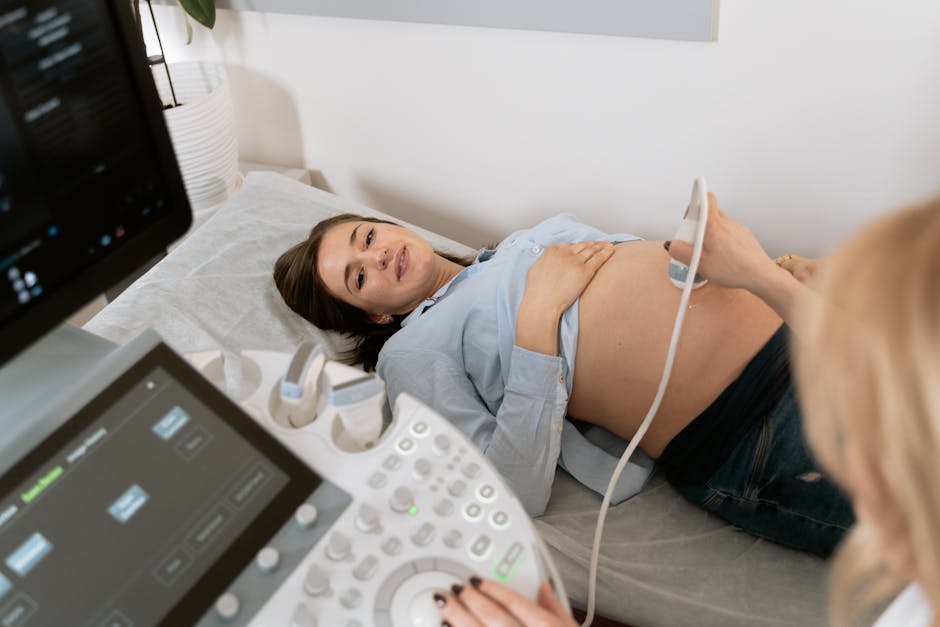
## Overview
Contrast-enhanced ultrasound (CEUS) is an advanced imaging technique that combines traditional ultrasound technology with the use of contrast agents. These agents are typically microbubbles that improve the visualization of blood flow and organ structures. CEUS is non-invasive, does not involve ionizing radiation, and is used to enhance the diagnostic capabilities of standard ultrasound.
## Key Information
CEUS involves the injection of contrast agents into the bloodstream. These agents are usually gas-filled microbubbles that reflect ultrasound waves, providing clearer and more detailed images. The procedure is often used to evaluate organs such as the liver, kidneys, and heart, as well as to assess blood vessels and detect tumors.
## Clinical Significance
CEUS is particularly valuable in detecting liver lesions, characterizing tumors, and assessing blood flow in real-time. It helps differentiate between benign and malignant lesions and can guide biopsies and other interventions. CEUS is also used in cardiology to assess heart function and detect vascular diseases.
## Treatment & Management
While CEUS itself is not a treatment, it plays a crucial role in the management of various conditions by providing accurate diagnostic information. This allows for better planning of therapeutic approaches, such as surgery or targeted therapies. The use of CEUS can reduce the need for more invasive procedures and minimize patient exposure to radiation.
## Patient Resources
Patients can access a variety of resources to learn more about CEUS. These include informational brochures from healthcare providers, online educational videos, and support groups for those undergoing diagnostic imaging. Discussing concerns and questions with healthcare professionals is also encouraged.
#### Frequently Asked Questions
* **What are the risks of contrast-enhanced ultrasound?**
CEUS is generally safe, with minimal risk of allergic reactions to the contrast agents. It is less risky compared to other imaging techniques that use ionizing radiation.
* **How should I prepare for a contrast-enhanced ultrasound?**
Preparation may vary depending on the organ being examined. Patients are usually advised to fast for a few hours before the procedure. Specific instructions will be provided by the healthcare provider.
* **How long does a contrast-enhanced ultrasound take?**
The procedure typically takes 30 to 60 minutes, depending on the complexity of the examination and the area being studied.
## Core needle biopsy
URL: https://beatcancer.eu/cancer-dictionary/core-needle-biopsy/
A core needle biopsy is a medical procedure where a needle is used to extract a small sample of tissue from an organ or mass in the body. The sample is examined under a microscope to diagnose diseases, like cancer. It is generally less invasive and causes less scarring than a surgical biopsy.

A biopsy is a crucial medical procedure that entails collecting a small sample of cells or tissue for careful examination under a microscope. It’s a diagnostic method used by doctors to investigate suspicious abnormalities or detect various health conditions, notably cancer. Out of the different kinds of biopsies, this article focuses on one particular technique: the Core Needle Biopsy (CNB).
Core Needle Biopsy is a minimally invasive procedure used to remove small samples of tissue from the body using a hollow core needle. Its value in medical diagnostics is quickly rising due to its improved accuracy, safety, and cost-effectiveness compared to older biopsy methods such as surgical biopsy.
## Deep Dive: The Core Needle Biopsy Definition
Core Needle Biopsy (CNB) is an invasive diagnostic procedure where a physician uses a biopsy needle – which is wider than that used in a fine needle biopsy (FNA) – to obtain a larger, cylindrical sample (core) of tissue or cells from an organ or mass. By analyzing the core, physicians can accurately diagnose, classify, and plan the treatment for various medical conditions.
The key component used in this procedure is the core needle – a hollow, cylindrical needle designed to collect a ‘core’ of tissue from the body. This needle type allows the removal of a larger amount of tissue than fine needle, granting a better sample for pathologists to examine. The importance of CNB in healthcare is reflected in its part in diagnosing various types of cancers and other serious health conditions early and efficiently.
## Procedure of Core Needle Biopsy
Prior to a CNB procedure, certain preparations might be necessary, such as blood tests or avoiding certain medications. The procedure itself usually involves anesthesia to numb the area, followed by the insertion of the biopsy needle to collect tissue samples. Though this may cause mild discomfort, it’s typically quick and the patient can usually go home the same day.
After the procedure, it’s crucial that patients follow their doctor’s instructions regarding wound care, medication, and any physical restrictions. Post-procedure care varies widely based on the biopsy site, the patient’s general health, and specific personal factors.
## Risks and Benefits of Core Needle Biopsy
As with any medical procedure, CNB comes with potential risks and challenges. These include the chance of infection, bleeding, or an adverse reaction to anesthesia. However, these risks are generally low and are far outstripped by the benefits of CNB.
Compared to other biopsy procedures, CNB offers numerous benefits including lesser invasiveness, faster recovery, lower cost, and most importantly, a larger sample for analysis, which increases diagnostic accuracy.
## Decoding a Core Needle Biopsy Report
A good understanding of the medical terminology used in a core needle biopsy report could help you better comprehend your medical condition and its implications. A few common terms might include benign, malignant, and in situ, among others.
Biopsy results vary widely based on the examined tissue and the suspected condition. Generally, a diagnosis of ‘benign’ indicates non-cancerous tissue, while ‘malignant’ signifies cancer.
## The Role of Core Needle Biopsy in Diagnosing Different Health Conditions
While most commonly associated with cancer diagnosis, the use of CNB extends to many non-cancerous conditions as well. For instance, it can detect conditions like liver cirrhosis, lung fibrosis, or kidney disease.
In cancer diagnostics, CNB serves as an invaluable tool for diagnosing various types including but not limited to breast, lung, and prostate cancer. It aids in staging cancer and planning the course of treatment.
## Conclusion
In summary, Core Needle Biopsy is an extremely important tool in modern medical diagnostics. Despite the risks, its benefits significantly outweigh them, reaffirming its status as an efficient, cost-effective, safe, and minimally invasive procedure. As medical technology continues to advance, we can look forward to further developments in biopsy procedures, enhancing diagnostic accuracy and patient comfort.
## Frequently Asked Questions
* **What conditions can core needle biopsy be used to diagnose?**
Core Needle Biopsy can diagnose various health conditions, especially types of cancer, including breast, lung, and prostate cancer. It’s also effective in diagnosing some non-cancerous conditions such as liver cirrhosis, lung fibrosis, or kidney disease.
* **How accurate is the core needle biopsy procedure?**
CNB is generally very accurate due to the larger sample size it collects for analysis. However, its accuracy can depend on factors like the area’s accessibility and the type of cell or tissue being investigated.
* **What should one expect during a core needle biopsy procedure?**
During a CNB procedure, local anesthesia is usually administered to numb the area, followed by the insertion of the core needle to obtain tissue samples. Although some discomfort may occur, it’s usually minimal and endurable. Patients typically go home the same day.
* **What is the recovery timeline after undergoing a core needle biopsy?**
Although the recovery period varies depending on the patient’s individual health conditions and biopsy site, most patients can resume their normal activities within a few days following the procedure. It’s essential to follow the doctor’s instructions about wound care to avoid complications.
* **Can a core needle biopsy lead to the spread of cancerous cells?**
The risk of cancer cells spreading due to a core needle biopsy is very low. This risk is mitigated through careful handling and procedure execution. It’s very rare that cancer spreads along the biopsy path.
## Cribriform
URL: https://beatcancer.eu/cancer-dictionary/cribriform/
"Cribriform" is a term used in anatomy and histology, referring to a structure that appears perforated or sieve-like. The term is frequently used to describe a structural pattern characterized by numerous round, small openings - resembling a sieve. This term is often mentioned with the cribriform plate of the ethmoid bone in the skull or in pathological processes like cribriform carcinoma.

In the vast field of healthcare, an understanding of minute body structures and functions such as the cribriform plate is of the essence. This nuanced knowledge can provide profound insight into diagnosing and treating numerous health conditions, some of which may exhibit an elusive pattern. This article delves into the comprehensive study of the cribriform plate.
With a pivotal role in the nervous system, it’s integral to understand the anatomy, pathologies related to the cribriform and its integral role within the human body. With growing advancements in medicine, the significance of the cribriform plate is gaining more attention, notably in understanding diseases and advancing diagnostic processes.
### Defining Cribriform
The term ‘cribriform’ is typically used in anatomy to describe perforated body structures. It is derived from the Latin root word ‘cribrum,’ meaning sieve. Such structures, like the cribriform plate, exhibit sieve-like features with multiple tiny holes.
The etymology of cribriform provides valuable insight into the structure and function of such anatomical components. It accounts for the nature of substances passing through it while implying a critical role in the body’s dynamic systems.
### Anatomy and Physiology of the Cribriform Plate
Located in the anterior cranial fossa of the skull, the cribriform plate is part of the ethmoid bone. It’s punctuated by many tiny foramina, which allow the olfactory nerve fibers to pass through, connecting the brain with the nasal epithelium. Its perforated, sieve-like structure facilitates the sense of smell.
The cribriform plate acts as a crucial pathway within the nervous system. Thus, any damage or alteration to this structure could impair the olfactory system or potentially open a pathway for infections to reach the brain, given its critical location.
### Conditions Affecting the Cribriform Plate
Several conditions can affect the cribriform plate, such as congenital defects, traumatic brain injury, and inflammation caused by infections. These conditions can hinder olfactory function or even lead to ulterior health consequences like meningitis.
An in-depth look at cribriform breast cancer reveals it as a distinctive subtype of invasive breast cancer, characterized by nest-like tumor formations with perforations similar to the cribriform structure. This type underscores the need for specialized diagnostic and therapeutic strategies.
### Diagnostic Processes Related to the Cribriform Plate
Clinical examinations regarding sense of smell, especially in instances of persistent nasal issues or following trauma, can point to potential issues with the cribriform plate. Neurological evaluations, including testing the olfactory reflexes, may also provide critical diagnostic information.
Imaging techniques such as MRI and CT scans offer further insight into potential anomalies, injuries, or tumors surrounding this area. Histopathology remains an essential diagnostic tool for determining conditions like cribriform breast cancer.
### Treatment and Management of Cribriform Conditions
Treatment strategies for cribriform conditions vary immensely based on the nature and severity of the condition. Traditional therapeutic approaches might encompass antibiotics for combating infections or surgery to manage tumors or traumatic injuries.
Advanced therapies, including targeted pharmacotherapy or specialized surgical interventions, are used in cases like cribriform breast cancer. Prognosis varies, and long-term care typically involves regular follow-up examinations and potential adjustments in the treatment protocol.
### Recent Research and Future Directions in the Study of Cribriform
Research into the cribriform plate and its related conditions continues to make strides. The better understanding of the genetic and molecular basis of conditions like cribriform breast cancer is shedding light on potential targeted treatments.
The future of cribriform studies holds tremendous promise, with advancements in technology and insights into the profound intricacies of the human body. It’s highly anticipated that these developments will refine diagnostic and treatment approaches further.
### Conclusion
In conclusion, grasping the complexities of the cribriform plate can profoundly impact our understanding of multiple health conditions, their diagnostics, and management. Its pivotal role within the nervous system underscores its significance in healthcare.
Through comprehensive knowledge of cribriform, healthcare professionals are better equipped to accurately diagnose and treat numerous conditions, improving patient prognosis and quality of life.
#### FAQs:
* **What is the function of the cribriform plate?**
The cribriform plate serves as a crucial passage for nerve fibers from the olfactory epithelium to the brain, facilitating the sense of smell.
* **How does cribriform breast cancer differ from other types of breast cancer?**
Cribriform breast cancer is a distinct subtype characterized by nest-like tumor formations with perforations, resembling the cribriform structure. It calls for specific diagnostic and therapeutic approaches.
* **What are the common symptoms of conditions affecting the cribriform plate?**
Symptoms can range from smell disturbances to severe conditions like meningitis, depending on the exact pathology affecting the cribriform plate.
* **How are these conditions diagnosed?**
Diagnosis involves clinical examination, neurological evaluation, and advanced imaging methods. Histopathological examination remains crucial in conditions like cribriform breast cancer.
* **What treatment options are available for cribriform-related conditions?**
Treatments options span from traditional methods like antibiotics and surgery to advanced targeted therapies, depending on the nature and severity of the condition.
## Cross-border Healthcare
URL: https://beatcancer.eu/cancer-dictionary/cross-border-healthcare/
"Cross-border healthcare" refers to a phenomenon wherein individuals seek medical care beyond their home country's borders. This often occurs due to cost differences, availability of advanced treatments, shorter waiting periods, or quality of care considerations. It incorporates elements of healthcare policy, patient rights, international laws, and healthcare quality standards. It's a key component of the global healthcare system.
The concept of healthcare systems has seen dramatic evolution with the advancement of technology, emergence of novel diseases, and the need for specialized care. Health is without a doubt a global concern. Therefore, understanding how healthcare systems work, not just domestically, but also at an international level, is incredibly essential.
One prominent feature of international healthcare that has seen an increased focus in recent times is cross-border healthcare. It is a phenomenon born from the interconnectedness of the modern world, and typifies the fluidity, flexibility, and complexity of present-day healthcare systems.
### Definition of Cross-Border Healthcare
Cross-border healthcare refers to situations where patients travel from their home country to another country to seek medical care. This medical tourism may arise due to various reasons, including but not limited to, specialized care, lower costs, or shorter waiting periods.
The role of cross-border healthcare in the industry cannot be overstated. It brings much-needed dynamism and options for patients who might otherwise be limited by their domestic healthcare system. For instance, countries like India and Thailand are popular destinations for people seeking high-quality yet affordable treatments, while nationals from lower-income countries often travel to developed countries for specialized treatments often not available at home.
### Background and Origin of Cross-Border Healthcare
Historically, cross-border healthcare arose more from necessity than choice. It was driven by the natural movement of people, such as migrants, refugees, or travelers seeking medical attention while abroad. Today, it is an integrated and intentional part of the global healthcare industry.
Legal regulations supporting cross-border healthcare vary globally. In the European Union (EU), the directive for cross-border healthcare establishes patients’ rights to access safe and high-quality medical care across its member states. This legal grounding supports the growth and institutionalization of cross-border healthcare.
### Cross-Border Healthcare Dynamics
On the spectrum of cross-border healthcare participation, we find entities such as patients, healthcare providers, governments, insurance companies, and even the tourism industry. Each party has a role in shaping the dynamics of cross-border healthcare.
The process involved in cross-border healthcare includes researching for the best healthcare providers in the intended country, managing financial aspects like health insurance compatibility or out-of-pocket expenses, comprehending legal scenarios, and arranging travel and accommodation. It’s a multi-layered process that requires careful planning.
### Advantages of Cross-Border Healthcare
The primary benefit of cross-border healthcare is access to specialized treatments unavailable or limited in the home country. For many, it may also provide quicker access to medical procedures, bypassing long waiting times in their home country.
Additionally, cross-border healthcare can offer financial advantages. Many countries provide quality healthcare services at a fraction of the price compared to developed countries. For instance, surgeries, dental care, or cosmetic procedures are popular healthcare services sought by people abroad.
### Disadvantages and Challenges of Cross-Border Healthcare
Despite its advantages, cross-border healthcare also presents drawbacks and challenges. The legal implications of seeking treatment abroad can be complex and may differ vastly from domestic healthcare regulations, adding to the pressures of dealing with a medical condition.
Concerns over healthcare quality exist as well. Not all healthcare abroad meets the standard patients are accustomed to in their home country. Furthermore, cultural and language barriers may add another layer of complexity to the healthcare-seeking process abroad.
### Cross-Border Healthcare: The Future
Current trends indicate a rising inclination towards cross-border healthcare. This increase is driven by factors like technological advancements in medicine, global connectivity, and the quest for cost-efficient treatments.
The impact of technology on cross-border healthcare is profound. From telemedicine consultations to digital health records, technology aids in seamless care across borders. Looking ahead, further integration of artificial intelligence and data analytics could revolutionize this aspect of healthcare even more.
### Conclusion
In a globalized world, cross-border healthcare has emerged as a potent facet of international healthcare. Its importance lies in enriching the scope of medical treatments available to individuals, while its implications for the global healthcare industry are vast and continue to evolve.
### Frequently Asked Questions
**What exactly is cross-border healthcare?**
Cross-border healthcare refers to the phenomenon where patients travel beyond their home country’s borders to seek medical care abroad.
**What drives the demand for cross-border healthcare?**
The demand for cross-border healthcare is driven by the need for specialized treatments, waiting time for certain procedures, and the cost of healthcare services.
**What are the major challenges facing cross-border healthcare?**
Challenges include legal complexities, healthcare quality concerns, and cultural and language barriers.
**How does cross-border healthcare impact healthcare costs?**
In many cases, cross-border healthcare can reduce healthcare costs significantly, though it depends on the country and specific medical procedure involved.
**Is cross-border healthcare legal and what are the implications?**
Yes, cross-border healthcare is legal. However, the legal implications and regulations differ from country to country, and must be thoroughly investigated before proceeding with the cross-border healthcare process.
## Cryotherapy
URL: https://beatcancer.eu/cancer-dictionary/cryotherapy/
Cryotherapy is a therapeutic technique involving the application of extreme cold to treat various medical conditions such as skin diseases, sports injuries, or to promote overall wellness. It is also utilized in surgical procedures to destroy abnormal tissues. Regular sessions of cryotherapy are believed to boost immunity and metabolism, improve skin health and reduce inflammation.

### What Is Cryotherapy?
Cryotherapy, also known as cold therapy, is a medical technique that involves exposing the body to extremely cold temperatures for therapeutic purposes. This can be achieved through various methods, including whole-body cryotherapy (WBC), localized cryotherapy, and ice baths. The goal is to reduce inflammation, alleviate pain, and promote healing.
### Historical Background
The concept of cryotherapy isn’t new. It dates back to ancient times when civilizations like the Egyptians and Greeks used cold baths to treat various ailments. However, modern cryotherapy as we know it has evolved significantly and is now used in diverse fields, including cancer treatment and sports medicine.
## Cryotherapy in Cancer Treatment
### Freezing Out Cancer Cells
Cryotherapy, also known as cryoablation or cryosurgery, is a [cutting-edge treatment](https://www.cancer.gov/about-cancer/treatment/types/surgery/cryosurgery) method that harnesses extreme cold to target and eliminate cancer cells. This approach is particularly applicable to cases of localized prostate cancer, where the disease has not spread beyond the prostate gland.
Additionally, cryotherapy can be considered a viable option for individuals whose prostate cancer has recurred within the prostate following radiotherapy. It’s important to note that access to cryotherapy for [prostate cancer in the UK](https://www.cancerresearchuk.org/about-cancer/prostate-cancer/treatment/cryotherapy) is limited and primarily available at specialized centers or as part of clinical trials, highlighting its status as an innovative and specialized medical intervention.
### Cryotherapy vs. Traditional Cancer Treatments
Cryoablation offers several advantages over traditional cancer treatments. It is less invasive, requires shorter recovery times, and can often be performed on an outpatient basis. Moreover, it has shown promising results in treating certain types of [tumors](https://beatcancer.eu/cancer-dictionary/tumor/), especially in the [early stages](https://beatcancer.eu/cancer-dictionary/cancer-stage-i-ii-iii-iv/).
## The Role of Cryotherapy in Medical Sports
### Enhancing Athletic Performance
Athletes are perpetually in pursuit of strategies that can provide them with a competitive edge, and cryotherapy has emerged as a favored solution among many.
By subjecting their bodies to subzero temperatures, athletes aim to unlock a range of benefits that can elevate their performance on the field, track, or court. Cryotherapy offers a multi-faceted approach to enhancing athletic prowess.
### Post-Workout Recovery
After enduring strenuous workouts and rigorous training regimens, athletes often grapple with muscle soreness and fatigue. Cryotherapy steps in as a post-workout recovery ally, helping athletes bounce back more rapidly.
By subjecting their bodies to freezing temperatures, cryotherapy effectively reduces muscle inflammation and accelerates the healing process. This swift recovery not only minimizes downtime but also allows athletes to maintain their training consistency.
It’s no wonder that many sports professionals have wholeheartedly integrated cryotherapy into their routines, recognizing its potential to aid in their quest for peak performance.
## The Science Behind Cryotherapy
### How Does Cryotherapy Work?
Cryotherapy’s effectiveness hinges on its ability to temporarily constrict blood vessels, which leads to a reduction in blood flow to the treated area. This constriction, in turn, helps alleviate inflammation and pain—a crucial aspect of both recovery and performance optimization.
Additionally, cryotherapy prompts the release of endorphins, the body’s natural painkillers, further contributing to the overall sense of well-being.
### Cryotherapy and Inflammation
Inflammation is a shared element in both cancer and sports-related injuries, and this is where cryotherapy truly shines. By targeting and mitigating inflammation, cryotherapy becomes an invaluable asset in the context of injury recovery and performance enhancement.
The cold exposure’s ability to curb inflammation helps athletes recuperate more swiftly and perform at their best.
## Benefits of Cryotherapy
### Pain Relief
Cryotherapy serves as a natural analgesic, offering pain relief without the need for medications. Whether individuals are grappling with cancer-related discomfort or post-workout soreness, cryotherapy can provide effective relief.
This makes it an appealing option for those looking to manage pain in a non-pharmaceutical manner.
### Improved Circulation
The exposure to extreme cold temperatures during cryotherapy sessions induces a temporary constriction and subsequent dilation of blood vessels. This phenomenon significantly enhances circulation, facilitating improved oxygen and nutrient delivery to various parts of the body. This heightened blood flow plays a crucial role in the healing and recovery processes.
### Enhanced Immune Function
Regular cryotherapy sessions have been associated with a notable boost in immune function. This translates to a more robust defense against illnesses and infections.
A strengthened immune system is especially valuable for athletes, as it helps reduce the risk of illness-related disruptions to their training and performance schedules.
## Risks and Side Effects
### Frostbite and Skin Damage
While cryotherapy is generally considered safe, it’s not without risks. Overexposure or improper use can lead to frostbite and skin damage.
To minimize these risks, it is imperative to adhere to guidelines and seek guidance from trained professionals who can ensure safe and effective cryotherapy sessions.
### Hypothermia
In exceptionally rare cases, excessive cold exposure during cryotherapy can lead to hypothermia, a potentially life-threatening condition.
To prevent such occurrences, it is imperative to have trained professionals oversee cryotherapy sessions, closely monitoring the individual’s response to the treatment and ensuring their well-being throughout the process.
## Cryotherapy’s Growing Popularity
The phenomenon of cryotherapy’s rising popularity is underscored by two significant trends: the endorsement of this therapy by celebrities and top athletes, as well as the proliferation of specialized cryotherapy clinics.
### Celebrities and Athletes on the Cryotherapy Bandwagon
Cryotherapy’s journey from an innovative medical technique to a mainstream wellness practice owes much to its endorsement by influential celebrities and elite athletes.
Countless notable figures from the entertainment and sports industries have publicly attested to the manifold benefits of cryotherapy. They often share their personal experiences, crediting cryotherapy for enhancing their health and performance.
This powerful celebrity endorsement has not only demystified cryotherapy but has also spurred interest among the general public. When individuals see their favorite actors, musicians, or sports icons embracing cryotherapy as a key part of their health and fitness routines, it resonates with them, sparking curiosity and driving the adoption of this therapy on a broader scale.
### Cryotherapy Clinics on the Rise
As the demand for cryotherapy continues to surge, specialized cryotherapy clinics are cropping up in cities worldwide. These clinics are equipped with cutting-edge technology and staffed by trained professionals who ensure safe and effective cryotherapy sessions.
This trend reflects the growing recognition of cryotherapy as a valuable wellness and medical intervention. These clinics provide controlled environments that prioritize client safety while offering a wide range of cryotherapy treatments, including whole-body cryotherapy, localized cryotherapy, and cryofacials.
As access to cryotherapy becomes more convenient through these dedicated centers, more individuals can experience the potential benefits of this innovative therapy, further cementing its position in the realm of modern health and well-being practices.
## Case Studies: Real-Life Success Stories
### Cancer Remission through Cryotherapy
The compelling success stories of cancer patients who have undergone cryoablation paint a picture of hope and progress in the realm of oncology. For many individuals grappling with this relentless disease, cryotherapy has emerged as a ray of optimism.
These remarkable cases reveal instances where tumors, once formidable adversaries, have succumbed to the freezing power of cryotherapy. In some instances, tumors have dramatically shrunk, and in others, they have disappeared entirely.
These outcomes underscore the potential of cryoablation as an alternative or adjunctive treatment for various types of cancer, offering new possibilities and renewed hope on the journey to remission.
### Athletes Bouncing Back with Cryotherapy
The stories of countless athletes who have harnessed the benefits of cryotherapy in their pursuits are nothing short of inspiring. Cryotherapy has carved out a significant role in sports medicine, enabling athletes to rebound swiftly from injuries and elevate their performance to new heights.
These athletes testify to the pivotal role cryotherapy plays in their recovery journeys, whether it’s recuperating from sports-related injuries like sprains and strains or optimizing their overall physical condition.
Cryotherapy’s ability to reduce muscle soreness, enhance endurance, and expedite recovery has become an integral part of many athletes’ training regimens, emphasizing its status as a game-changer in the world of sports and fitness.
## Precautions and Contraindications
### Who Should Avoid Cryotherapy?
When considering cryotherapy, it’s crucial to recognize that this therapy may not be suitable for everyone. Individuals with certain conditions, such as cold sensitivity, circulatory issues, or uncontrolled hypertension, should exercise caution or avoid cryotherapy altogether.
Furthermore, individuals with severe cardiovascular conditions, Raynaud’s disease, or a history of frostbite should consult with a healthcare professional before embarking on cryotherapy sessions.
Safety should always be a top priority, and a thorough assessment by a medical expert will help determine whether cryotherapy is an appropriate choice.
## The Future of Cryotherapy
### Ongoing Research
As the popularity of cryotherapy continues to grow, ongoing research is at the forefront of exploring its potential applications. Beyond its already established role in cancer treatment and sports medicine, scientists are investigating the therapy’s efficacy in addressing various other medical conditions. These endeavors hold the promise of expanding the scope of cryotherapy’s benefits, potentially offering novel and effective solutions in the field of healthcare.
### Expanding Applications
With the surge in interest surrounding cryotherapy, it’s reasonable to anticipate its application in innovative and diverse ways. This could potentially lead to a revolution in how we approach health and wellness. From addressing chronic pain and autoimmune disorders to exploring its potential in mental health and anti-aging treatments, the expanding applications of cryotherapy offer an exciting glimpse into the future of medical and holistic therapies.
As research progresses and safety protocols improve, cryotherapy may emerge as a cornerstone in the pursuit of overall well-being.
## Conclusion
Cryotherapy’s journey from ancient cold baths to cutting-edge cancer treatment and sports recovery is nothing short of remarkable. Its ability to alleviate pain, reduce inflammation, and enhance overall well-being is opening new doors in medicine and sports.
However, it’s essential to approach cryotherapy with caution, seeking professional guidance and understanding its limitations. As the science behind cryotherapy continues to evolve, so too will its applications, promising a chillier, brighter future.
## FAQs About Cryotherapy
* **What are the risks of cryotherapy?**
Cryotherapy is generally safe but can pose risks like frostbite and hypothermia if not used correctly. Professional supervision is advised.
* **How does cryotherapy help athletes?**
Cryotherapy reduces muscle soreness, enhances endurance, and promotes quicker recovery, making it a valuable tool for athletes.
* **Can cryotherapy cure cancer?**
Cryotherapy, specifically cryoablation, has shown promise in treating certain types of cancer, but it’s not a guaranteed cure. Consult with a medical professional for personalized advice.
* **Is cryotherapy suitable for everyone?**
Not everyone should undergo cryotherapy, especially individuals with cold sensitivity or certain medical conditions. Consult with a healthcare professional before trying it.
* **Are there any long-term effects of cryotherapy?**
Long-term effects are still being studied, but cryotherapy has shown potential benefits like improved immune function and pain relief.
## Cyclophosphamide
URL: https://beatcancer.eu/cancer-dictionary/cyclophosphamide/
Cyclophosphamide is a chemotherapy medication mainly used to treat various types of cancer, including leukemia, lymphoma, and breast cancer. It interferes with cell growth, preventing the rapid multiplication of cancerous cells. It can also be used in lower doses to suppress the immune system in autoimmune diseases.
In the milieu of medical science, understanding the pharmaceutical agents that doctors prescribe is crucial for patients. One such medication is Cyclophosphamide, a powerful drug used in the treatment of various medical conditions. This article aims to provide an in-depth understanding of Cyclophosphamide, its mechanisms, uses in healthcare, potential side effects, and the emerging research on its applications.
### Defining Cyclophosphamide: Unveiling the Medical Terminology
Cyclophosphamide is a chemotherapy medication falling under the class of drugs known as alkylating agents, primarily used to treat several types of cancer. As an alkylating agent, it works by inhibiting the multiplication of rapidly growing cancer cells, thereby slowing or stopping their growth.
This drug distinguishes itself from others by its ability and versatility to treat a range of medical conditions. Apart from cancer treatment, it is also employed in managing certain cases of nephrotic syndrome (a kidney ailment), and other autoimmune diseases.
### The History Behind Cyclophosphamide
The use of Cyclophosphamide in medical treatments dates back to the 1950s, with it being one of the earliest chemotherapy drugs to be discovered. Since its inception, the usage and understanding of the drug have undergone significant advancements.
Progresses in usage and understanding of Cyclophosphamide over the years have highlighted its efficacy not just as a standalone treatment, but also in combination with other therapies for a comprehensive approach to disease management.
### How Does Cyclophosphamide Work?
The impact of Cyclophosphamide on the body is a two-step process. Initially, the drug is in a non-active form (prodrug). The liver then metabolizes it into its active form to exert its effects. It targets rapidly multiplying cells, changing their DNA structure and inhibiting their further growth and multiplication.
Various factors can influence how Cyclophosphamide works in the body, such as the rate of metabolism, individual patient history, and even genetic factors. This underscores the importance of physician guidance in its usage.
### Clinical Uses of Cyclophosphamide
Cyclophosphamide is mainly used in the treatment of various forms of cancer, including leukemia, lymphoma, and breast cancer. Additionally, it has shown efficacy in the treatment of lupus, rheumatoid arthritis, and certain kidney diseases like nephrotic syndrome.
The potential benefits of Cyclophosphamide in these treatments are extensive. By targeting fast-growing cells, it provides a strategic approach to disease management. However, monitoring by healthcare professionals is crucial due to the potent nature of the drug.
### Potential Side Effects and Precautions with the Use of Cyclophosphamide
Like all potent drugs, Cyclophosphamide comes with a risk of side effects. These may include nausea, hair loss, and changes in blood counts. More severe side effects involve damage to the bladder and infertility.
Safety measures are paramount when taking Cyclophosphamide. Regular follow-ups, blood tests, and maintaining hydration can help mitigate some of the side effects. Informing the doctor of any other ongoing medication is also necessary to prevent interactions.
### Emerging Research and Applications of Cyclophosphamide
Current research is exploring novel applications for Cyclophosphamide, including potential uses in the treatment of other autoimmune diseases and even certain viral infections.
The future outlook of Cyclophosphamide in medical treatment is immensely promising. Innovative studies are paving the way for its use beyond cancer and autoimmune diseases, with the hope to unlock further therapeutic potentials of this powerful medication.
### Conclusion
Cyclophosphamide continues to be a cornerstone medication in treating various medical conditions, primarily cancer. Understanding this potent drug, its actions, benefits, and potential risks are of utmost importance for healthcare providers and patients alike.
Despite its significant benefits, caution is paramount. Regular monitoring, stringent follow-ups, and awareness of potential side effects are integral to effective and safe treatment with Cyclophosphamide.
### FAQs:
* **What exactly is Cyclophosphamide?**
Cyclophosphamide is a potent chemotherapy drug used primarily in the treatment of various types of cancer. It works by targeting and inhibiting the growth of rapidly multiplying cells.
* **How does Cyclophosphamide work in the body?**
Cyclophosphamide works by interfering with the DNA of rapidly multiplying cells, specifically cancer cells, inhibiting their growth and multiplication.
* **What are the most common uses of Cyclophosphamide in healthcare?**
Besides being utilized in multiple types of cancer treatment, Cyclophosphamide is also used in the management of certain autoimmune diseases and certain kidney ailments.
* **Are there any known side effects or risks associated with the use of Cyclophosphamide?**
Yes, like all potent drugs, Cyclophosphamide may cause side effects ranging from nausea, hair loss to more significant effects like bladder damage and infertility.
* **Are there any new research or developments in the application of Cyclophosphamide in treatments?**
Current research is ongoing to explore novel uses for Cyclophosphamide, including potential applications in treating other autoimmune diseases and specific viral infections.
## Cyst
URL: https://beatcancer.eu/cancer-dictionary/cyst/
A cyst is a sac-like pocket of membranous tissue that contains fluid, air, or other substances. They can form anywhere within the body as a result of various causes such as infections, genetical conditions, or blockages in ducts. Though most cysts are benign, they can sometimes lead to serious complications, and as such, medical advice should be sought when one is discovered.

Healthcare, being a complex area of study, encompasses a lot of terms and conditions that might be challenging to comprehend. A better understanding of these medical terms can provide a more transparent insight into our health and daily lives. One such fundamental term requiring focus is the “cyst.” Despite its prevalence, the subject remains unfamiliar to most people.
We delve deeper into the world of cysts, offering a comprehensive guide on what they are, their types, causes, symptoms, diagnoses, treatments, and prevention approaches. We highlight its importance to facilitate early detection, better management, and increased public awareness regarding cysts.
### What Is a Cyst? An In-Depth Explanation
In the simplest terms, a cyst can be defined as a closed sac-like pocket of tissue that contains fluid, air, or other substances. They can form anywhere in the body, vary in size, and are usually non-cancerous (benign).
However, many confuse cysts with other types of body growth. While tumors, abscesses, and even pimples share similar characteristics with cysts such as abnormal growth containing fluid or semi-solid substance, a distinguishing feature is that a cyst is encapsulated within a distinct membrane separate from the surrounding tissue, unlike other growths.
### Understanding the Various Kinds of Cysts
Cysts can be broadly categorized into various types based on their location, cause, and content. Some of the common forms include ovarian cysts, breast cysts, sebaceous cysts (skin or scalp), kidney cysts, and ganglion cysts (hand or wrist). These are often harmless and can sometimes resolve on their own.
But lesser-known types like dermoid cysts (a type of teratoma that may contain a range of cell types including hair, teeth, or bone) or pilonidal cysts (a painful cyst that develops near the tailbone) should not be overlooked. Although rare, these cysts may sometimes become problematic if left unchecked.
### Exploring the Causes of Cyst Formation
The causes of cyst development vary according to their type. Hormonal imbalances can cause ovarian cysts, while blocked hair follicles can lead to sebaceous cysts. Some cysts may also be congenital, where individuals are born with them.
The risk factors for cyst formation include being female, due to the higher incidence of ovarian and breast cysts, and having a history of prior cysts. Individuals with certain genetic disorders like polycystic ovarian syndrome (PCOS) are also more susceptible to cyst formation.
### Identifying Cysts: Common Symptoms to Look out For
Most cysts are benign and don’t cause noticeable symptoms. However, if the cyst is large or causes secondary effects like inflammation or hormone production, symptoms including pain, skin redness or swelling may occur. Certain cysts may also lead to visible lumps or changes in organ function.
As for cyst detection, doctors may palpate manually for lumps or use imaging techniques like ultrasounds, CT scans, or MRI. In some cases, a biopsy might be conducted to rule out malignancy.
### The Medical Route: How are Cysts Treated?
The treatment approach for cysts depends on their type, size, location, and if they are causing any symptoms. Observation is often sufficient for small, asymptomatic cysts. However, interventional procedures like aspiration or surgical removal may be necessary for larger, symptomatic, or potentially malignant cysts.
For prevention, maintain a healthy lifestyle and regularly examine your own body for lumps or changes in organ function. Regular check-ups and screenings are essential for early detection and management.
### Cysts: A Recap of What We’ve Learned
Cysts are a common medical condition that can occur in various parts of the body. Though mostly benign, proper understanding, early detection, and appropriate management play a crucial role in minimizing complications and enhancing health outcomes.
Emphasizing the importance of regular check-ups provides a higher chance for early cyst detection, a better therapeutic approach, and overall superior disease management.
### FAQs:
* **Are all cysts cancerous?**
No, most cysts are benign and not cancerous. However, some cysts may have the potential to become cancerous if left unchecked. Therefore, any new or changing lumps should be evaluated by a doctor.
* **Can cysts go away on their own?**
Yes, certain types of cysts can resolve on their own over time. However, some may require medical intervention, especially if they are large, causing symptoms, or potentially cancerous.
* **How can I tell if I have a cyst?**
In many cases, you would not be aware of a cyst unless it’s large enough to cause a noticeable lump, pain, or discomfort. Imaging tests performed for other reasons can sometimes accidentally discover cysts.
* **What is the most common type of cyst?**
There are many types of cysts, with one of the most common types being an epidermoid cyst, which forms when the top layer of skin cells gets trapped underneath the skin and starts to grow in a sac.
* **Are there any home remedies to treat cysts?**
Home remedies aren’t typically recommended without medical supervision. But in some instances, warm compresses can help relieve discomfort caused by some cysts. However, any new or changing cyst should be evaluated by a healthcare professional.
## Cystoscopy
URL: https://beatcancer.eu/cancer-dictionary/cystoscopy/
Cystoscopy is a medical procedure that allows a doctor to examine the lining of the bladder and the tube that carries urine (urethra). It utilizes a hollow tube equipped with a lens (cystoscope), enabling the doctor to diagnose, monitor, and treat conditions affecting the urinary system. The procedure is typically conducted in a hospital or specialized clinic.

In the healthcare world, medical terminologies and procedures often tend to overwhelm patients. Understanding these terms and what they entail is the first step towards reclaiming control over your health. This article focuses on Cystoscopy, a common healthcare procedure – its purpose, history, risks, and recovery process.
### Understanding Medical Procedure Terms
Medical procedures constitute a series of actions conducted by healthcare professionals to identify, prevent, or treat an illness. For instance, surgeries, diagnostic tests, and therapy sessions fall under this umbrella. Medical procedure terms are the language used to label these actions explicitly. Understanding these words is vital in comprehending your health conditions and the medical interventions employed to address them.
### What is Cystoscopy?
A Cystoscopy is a diagnostic procedure where a device, known as a cystoscope, is used to examine the urinary bladder and the urethra. The cystoscope is a thin, flexible instrument equipped with a light and camera. This tool allows doctors to observe these regions and identify any abnormalities.
The practice of Cystoscopy dates back to ancient Rome, but significant advancements have been made over centuries. The flexible cystoscope, a groundbreaking development, was introduced in the 1980s, resulting in a less invasive and more comfortable procedure for patients.
### Why is a Cystoscopy performed?
A physician may recommend a Cystoscopy for a variety of reasons including recurring urinary tract infections, blood in urine, irregular urination, overactive bladder, or to investigate a patient’s frequent discomfort. Cystoscopy is useful in diagnosing conditions such as bladder inflammations, bladder stones, urinary tract blockages, bladder cancer and even birth defects in the urinary tract.
### What to expect during a Cystoscopy
Before the procedure, patients are instructed to empty their bladder. Anesthesia is administered to reduce discomfort. Following this, the cystoscope is gently inserted into the urethra and advanced into the bladder. The physician may fill the bladder with a sterile solution to get a better view. The whole process typically takes 15 to 30 minutes.
### Risks and Complications of Cystoscopy
Though generally safe, a few risks are associated with Cystoscopy. These may include minor bleeding, infections, pain during urination, and complications from anesthesia. To mitigate these risks, patients are often prescribed antibiotics. Drinking plenty of fluids post-procedure can also help by flushing out bacteria.
### Post-Cystoscopy: Recovery and Results
Most individuals recover swiftly from a Cystoscopy. Normal activities can often be resumed the day after the procedure. However, it is not uncommon to experience slight discomfort or blood in urine for a few days. The results of a Cystoscopy can be discussed immediately after the procedure unless further laboratory analysis is required.
### Conclusion
While the idea of a Cystoscopy can seem daunting, understanding the process, purpose, risks, and recovery can alleviate some concerns. Remember, communication with your healthcare provider is vital in ensuring a smooth procedure and recovery.
### Frequently Asked Questions
* **Is Cystoscopy a painful procedure?**
While patients may experience discomfort, pain is usually controlled with local, spinal, or general anesthesia.
* **How long does it take to recover after a Cystoscopy?**
Most individuals recover and can resume normal activities the day after the procedure. However, minor side effects can persist for a day or two.
* **What are the potential complications of Cystoscopy?**
Some possible complications include minor bleeding, infections, pain during urination, and reaction to anesthesia.
* **Can I eat or drink before a Cystoscopy?**
Unless anesthetized, patients can eat and drink normally before the procedure. If anesthesia is used, your doctor will provide detailed instructions.
* **How soon will I know the results of my Cystoscopy?**
Generally, your doctor can discuss the results immediately post-procedure unless further laboratory analysis is needed.
## Cytogenetics
URL: https://beatcancer.eu/cancer-dictionary/what-is-cytogenetics-how-to-understand-it-and-how-to-use-it-in-medicine/
Cytogenetics is the branch of genetics that studies the structure and function of cells, especially the chromosomes. It involves the examination of chromosomal abnormalities and their relation to disease, particularly genetic disorders and cancers.
## Overview
Cytogenetics is a field of genetics that focuses on the study of chromosomes, the structures within cells that contain DNA. This branch of science is crucial for understanding genetic diseases, as it examines the number and structure of chromosomes to identify abnormalities that may lead to various health conditions.
## Key Information
Chromosomes are thread-like structures located in the nucleus of each cell. Humans typically have 46 chromosomes, arranged in 23 pairs. Cytogenetics involves techniques such as karyotyping and fluorescence in situ hybridization (FISH) to detect chromosomal abnormalities. These abnormalities can include [aneuploidy](https://beatcancer.eu/cancer-dictionary/aneuploidy/), translocations, deletions, duplications, and inversions.
## Clinical Significance
Cytogenetics plays a vital role in diagnosing genetic disorders such as Down syndrome, Klinefelter syndrome, and Turner syndrome. It is also essential in cancer research, as certain chromosomal changes can indicate the presence of specific cancers, such as chronic myeloid leukemia (CML), which is associated with the Philadelphia chromosome.
## Treatment & Management
In clinical practice, cytogenetic analysis helps guide treatment decisions, particularly in oncology. For example, identifying specific chromosomal abnormalities can help determine the most effective chemotherapy or targeted therapy for a patient. Genetic counseling is often recommended for individuals with identified chromosomal abnormalities to understand the implications and management options.
## Patient Resources
Patients can access various resources to learn more about cytogenetics, including genetic counseling services, educational materials from organizations like the National Society of Genetic Counselors, and support groups for specific genetic disorders. These resources provide valuable information and support for individuals and families affected by genetic conditions.
#### Frequently Asked Questions
* **What is the purpose of cytogenetic testing?**
Cytogenetic testing is used to detect chromosomal abnormalities that may cause genetic disorders or contribute to cancer development. It helps in diagnosing conditions and guiding treatment decisions.
* **How is cytogenetic testing performed?**
Testing typically involves collecting a sample of blood, bone marrow, or other tissues, which is then cultured and analyzed under a microscope to examine the chromosomes.
* **Who should consider cytogenetic testing?**
Individuals with a family history of genetic disorders, unexplained developmental delays, or certain types of cancer may benefit from cytogenetic testing to understand their genetic risk factors.
## Cytokines
URL: https://beatcancer.eu/cancer-dictionary/cytokines/
Cytokines are small proteins released by cells that have a specific effect on the interactions, communication or behavior of cells. They are key players in health and disease, particularly in immune responses. Cytokines aid cell to cell communication in immune responses and stimulate the movement of cells towards sites of inflammation, infection, and trauma.
In the vast world of medical biology, one group of proteins stands out for its crucial role and complexity – cytokines. Their importance in human health cannot be overstated as they influence various aspects of disease and immunity.
#### Brief Overview of Cytokines
Cytokines are small proteins released by specific cells in your body. They serve as molecular messengers that help your body’s immune system, among many other things, interact and communicate with each other. They play a pivotal role in many bodily processes, including inflammation, immunity, and hematopoiesis.
#### Historical Insight into the Discovery of Cytokines
The discovery of cytokines wasn’t a sudden event, but rather a gradual accumulation of understanding over time. Scientists first identified these substances in the 1950s and 1960s during research into cells and the immune system. This research led to advances in how we understand and treat various diseases, including cancer and autoimmune disorders.
### Defining Cytokines: Understanding the Basics
#### Definition of Cytokines
Cytokines are a broad category of proteins that are primarily involved in cell signaling. They are crucial components in intercellular communication, orchestrating a diverse array of cellular functions, including cell proliferation, differentiation, and migration.
#### The Role of Cytokines in the Human Body
Cytokines play various roles in the human body, including regulating immune and inflammatory responses. They can promote or inhibit the growth and differentiation of different cell types, and their actions can be autocrine (acting on the same cell that produces them), paracrine (acting locally on nearby cells), or endocrine (acting systemically on distant cells).
### Different Types of Cytokines
#### Classification of Cytokines
The cytokines universe includes over one hundred distinct molecules, which have been classified into several families: the interferons, the interleukins, the tumor necrosis factors, and more.
#### In-Depth Analysis of Various Cytokines
Different cytokines have various functions depending upon the cellular context and the particular concerted action with other cytokines or stimuli. For instance, interferons are antiviral cytokines that help control infections. Interleukins mediate communication between white blood cells, and tumor necrosis factors can cause cell death and regulate immune cells.
### The Role of Cytokines in Immunological Response
#### The Interaction between Cytokines and Immune Cells
Cytokines orchestrate the immune response by directing the movement and actions of immune cells. They coordinate the body’s responses against infections, injuries, and diseases by recruiting, activating, and regulating immune cells.
#### Cytokines and Disease: How our Bodies Respond
The inherent complexity of cytokines lies in their ability to either amplify or suppress immune responses, depending on the context. While beneficial in fighting infections, an abnormal cytokine release syndrome, also known as a cytokine storm, can be harmful and damaging, as seen in sepsis or severe COVID-19 cases.
### The Impacts of Cytokines on Health and Disease
#### Active Cytokines in Health
Under normal circumstances, cytokines maintain health by enabling cell-cell communication and managing immune responses. Their balanced interaction is essential in maintaining homeostasis and immune surveillance in the body.
#### Cytokines in the Progression of Disease
Conversely, imbalances in cytokine production or regulation can lead to diseases. For instance, excessive pro-inflammatory cytokine production can lead to autoimmune diseases, such as rheumatoid arthritis and lupus, while a weak cytokine response can result in persistent infections or cancer.
### Cytokines: Current Research and Future Directions
#### Frontiers in Cytokine Research
Current cytokine research extends across numerous disciplines and aims to understand how we can harness cytokine function to improve health, combat diseases, and delay aging. It’s a growing field with a profound impact on immunology, oncology, and infectious diseases.
#### The Future: Therapeutic Potential of Cytokines
Potentially, cytokines could be manipulated to treat a wide variety of conditions. By adjusting cytokine levels or blocking certain cytokine actions, scientists hope to develop new therapies for diseases such as cancer, autoimmune disorders, and infectious diseases.
### Conclusion
#### Summarizing the Importance of Cytokines
Cytokines are fundamental to life as they play vital roles in the maintenance of health and the development of diseases. As we unlock more aspects of their functionalities, we inch closer to transforming our understanding of biology and medicine.
#### Brief Synopsis of the Unexplored Aspects of Cytokines
There’s still much to explore in cytokine research, including understanding their interactions with various cells and body systems, figuring out ways to manipulate them therapeutically, and deciphering why cytokine responses vary among individuals.
### FAQs
* **What are the primary roles of cytokines in the human body?**
The primary roles of cytokines include regulating immune and inflammatory responses, promoting or inhibiting the growth of cells, coordinating cell-to-cell interaction, and managing immune responses.
* **How do cytokines contribute to the immune response during disease progression?**
Cytokines coordinate the body’s responses against infections, injuries, and diseases by regulating immune cells. However, an abnormal cytokine response can lead to harmful conditions, such as a cytokine storm.
* **Can we control or modify cytokine response as a therapeutic strategy?**
Yes, potentially we can. By adjusting cytokine levels or blocking certain cytokine actions, scientists hope to develop new therapies for a variety of conditions.
* **What are the potential risks or side effects of manipulating cytokines in the human body?**
While cytokine manipulation has therapeutic potential, it also has risks, such as triggering an immune system overreaction or causing off-target effects. Also, each person’s cytokine responses are unique, posing challenges for developing one-size-fits-all therapies.
* **What are the latest advancements in cytokine research?**
Recent advancements in cytokine research include the identification of new cytokine families, uncovering novel roles of known cytokines, and the development of cytokine-based treatments such as cancer immunotherapies.
## Cytology
URL: https://beatcancer.eu/cancer-dictionary/cytology/
Cytology is a branch of biology that deals with the study of cells - their structures, functions, and behavior. It is crucial in understanding diseases at a cellular level, forming the foundation for medical practices such as cancer detection through the study of cell samples.

Rooted within the vast and complex universe of medicine is the intriguing science of cytology. The dynamic study of individual cells may seem minute in proportion to the overall anatomy, yet its significance and influence permeate various fields from medicine to forensics, creating a profound impact.
Understanding cytology provides a deeper perspective on how our bodily functions work at the very core, allowing us to comprehend crucial processes, and the effects of diseases, that dictate our health and well-being. This article aims to unravel the essence, applications, and potentials of cytology, offering clues to its past, present, and future relevance.
## Understanding the Science of Cytology
### Definition and Meaning of Cytology
Literally translating to “the study of cells,” cytology is a branch of life science involving the observation and analysis of cells from plants and animals. It delves into the structure, function, chemistry, and pathology of cells, helping scientists understand the basic building blocks of life.
### Origin and History of Cytology
The roots of cytology trace back to the 17th century following Robert Hooke’s groundbreaking discovery of cells. The invention of the microscope and the advent of staining techniques brought significant advances, allowing scientists to visualize cellular structures and processes. Modern cytology now leverages advanced technologies, heralding a new era of discovery and understanding.
### Fields and Specializations in Cytology
Fields and specializations in cytology are aplenty, encompassing areas such as clinical cytology, exfoliative cytology, ultrastructural cytology, and [cytogenetics](https://beatcancer.eu/cancer-dictionary/what-is-cytogenetics-how-to-understand-it-and-how-to-use-it-in-medicine/). Each of these specializations offer unique insights into cell behavior, function, and morphology, paving the way to new discoveries and large strides in healthcare advancement.
## Delving into the Cellular World
### The Basic Components of a Cell
Cells, though microscopic, are alive with complex activities. Key components include the nucleus, cytoplasm, and organelles such as mitochondria and endoplasmic reticulum. Each part plays specific roles vital for cell function and survival, forming the crux of life itself.
### Understanding Cell Function and Behavior
Cells are dynamic microcosms, engaging in numerous processes like cell growth, communication, metabolism, and death. By understanding cellular functions and behavior, we gain critical insights into how our bodies operate, and how diseases can disrupt these delicate processes.
### Common Cellular Processes
Common cellular processes range from basic to complex, including cell division, DNA replication, protein synthesis, and apoptosis or programmed cell death. Each process is tightly regulated, contributing to homeostasis, growth, and development of an organism.
## The Applications and Relevance of Cytology
### Cytology in Medicine – Diagnostic Cytology
One of cytology’s most valuable applications lies in disease diagnosis and study. Diagnostic cytology is a cornerstone in detecting a variety of conditions, particularly cancers.
### Pap Smear – Cytological Screening for Cervical Cancer
The Pap smear (Papanicolaou test) is a prime example of cytology’s efficacy in disease diagnosis. This non-invasive procedure lodges cells from the cervix for cytological examination, playing a pivotal role in detecting precancerous cells and cervical cancer.
### Fine Needle Aspiration – Cytology for Oncologic Purposes
[Fine Needle Aspiration (FNA)](https://beatcancer.eu/cancer-dictionary/fine-needle-aspiration-fna/), a cytology-based technique, has proven instrumental in diagnosing and monitoring various types of cancers. It involves the extraction of cell samples using a fine needle, aiding pathologists in identifying malignant cells.
### Cytology in Research – Cell Studies and Discoveries
Cytology fuels important research strides, unlocking secrets within cells, and generating discoveries about diseases, genetics, and cellular processes. Its influence spans modeling diseases, studying cell behavior, understanding genetic variations, and promoting therapeutic advancements.
### Cytology in Other Fields – Forensics, Paleobotany, and the likes
Moreover, cytology extends its imprint to fields including forensics where it aids in identifying victims or perpetrators, and paleobotany for studying ancient plants and deciphering past climatic conditions.
## The Future of Cytology
### The Emerging Techniques in Cytology
Growing advancements in machine learning, AI, and biotechnology herald a promising future, with new cytology techniques having potential to boost diagnostic precision, automate processes, and facilitate research advancements.
### How Cytology Could Shape the Future of Medicine and Science
As the science propelling personalized medicine, cytology could potentially reshape healthcare by enabling improved diagnostics, targeted therapies, and better patient outcomes. With its extensive reach, cytology could also foster discoveries in diverse scientific domains.
### Potential Challenges and Ethical Issues Surrounding Cytology
Despite its potential, cytology poses challenges such as the necessity for high-cost technologies, technical expertise, and quality control in procedures. Ethical issues, particularly in genetic testing and biobanks, also need addressing to ensure privacy, consent, and equitable resource use.
## Conclusion
### Summary of Key Points Discussed
We have traversed cytology’s rich historical origins to its pivotal role in modern medicine and research. The understanding of cell biology offers invaluable diagnostic, therapeutic, and research applications across medical and non-medical fields.
### Final Thoughts About the Importance and Relevance of Cytology
With its pivotal role in enhancing our understanding of life at the cellular level, cytology stands as an indomitable pillar of science and medicine, holding promising potential for the future.
### Frequently Asked Questions (FAQs)
* **What is the difference between histology and cytology?**
While both focus on microscopic structures, histology studies tissue organization, while cytology concentrates on individual cells.
* **How does cytology contribute to the field of medicine, particularly in diagnostics?**
Cytology contributes by identifying abnormal cell structures potentially indicative of diseases, such as cancer, in diagnostic procedures like Pap smear and FNA.
* **Can cytology be used in the research for chronic and degenerative diseases?**
Yes, cytology can aid in understanding cellular mechanisms involved in these diseases, paving the way for therapeutic developments.
* **What are some significant discoveries that owe their success to cytology?**
From the initial discovery of cells to significant advances in cancer detection, cytology has been at the heart of numerous scientific breakthroughs.
* **What promising developments in cytology should we look forward to?**
Rapid advancements in biotechnology, AI, and machine learning predict exciting developments in cytology, potentially revolutionizing diagnostics, research, and personalized medicine.
## Cytotoxic Granules
URL: https://beatcancer.eu/cancer-dictionary/what-are-cytotoxic-granules-and-how-to-use-them-in-immunology/
Cytotoxic granules are specialized structures found in certain immune cells, such as cytotoxic T lymphocytes and natural killer cells. These granules contain proteins that can destroy infected or cancerous cells, helping the immune system to protect the body from disease.

## Overview
Cytotoxic granules are an essential component of the immune system's arsenal. Found in cytotoxic T cells and natural killer (NK) cells, these granules contain potent molecules that help eliminate harmful cells, such as those infected by viruses or transformed into cancer cells. Understanding their function is crucial for appreciating how the immune system maintains health and combats disease.
## Key Information
Cytotoxic granules are packed with proteins like perforin and granzymes. Perforin forms pores in the target cell's membrane, allowing granzymes to enter and induce programmed cell death, or apoptosis. This process is vital for controlling infections and preventing the spread of cancerous cells. These granules are released upon recognition of a target cell, ensuring a precise and effective immune response.
## Clinical Significance
The role of cytotoxic granules is significant in various medical contexts. In cancer therapy, enhancing the function of cytotoxic cells can improve the body's ability to combat tumors. Conversely, overactivity of these granules can lead to tissue damage, as seen in autoimmune diseases. Understanding their balance is key for developing therapies that harness their power while minimizing potential harm.
## Treatment & Management
Therapeutic strategies involving cytotoxic granules focus on boosting their activity in cancer patients or modulating their function in autoimmune disorders. Immunotherapy, such as CAR T-cell therapy, aims to enhance the cytotoxic capabilities of T cells against specific cancer cells. Ongoing research seeks to refine these approaches, improving their efficacy and safety.
## Patient Resources
Patients seeking to understand more about cytotoxic granules and their role in health can access resources from reputable organizations such as the American Cancer Society and the National Institutes of Health. Educational materials, support groups, and consultations with healthcare providers can offer guidance and support for those affected by related conditions.
#### Frequently Asked Questions
* **What are cytotoxic granules?**
Cytotoxic granules are structures in immune cells containing proteins that can destroy harmful cells.
* **How do cytotoxic granules work?**
They release proteins like perforin and granzymes to induce cell death in target cells.
* **Are cytotoxic granules involved in cancer treatment?**
Yes, they play a role in immunotherapies that enhance the body's ability to fight cancer.
* **Can cytotoxic granules cause damage?**
Overactivity can lead to tissue damage in autoimmune diseases, highlighting the need for balance.
## DNA
URL: https://beatcancer.eu/cancer-dictionary/dna/
DNA, short for Deoxyribonucleic Acid, is a vital molecule found in all living organisms. It contains the unique genetic code that determines the traits of a living being. Structured in a double helix shape, DNA contains pairs of nucleotides, which form genes, the basic units of heredity.

The study of biology and life begins with a fascinating and intricate molecule, DNA. As the blueprint for life, it holds the keys to the existence and functions of all organisms, from the simplest bacteria to the most complex human beings. Recognizing and understanding DNA’s role and its intricacies allows us to uncover the wonders of life processes and harness this knowledge in numerous ways.
The role that DNA plays in human health and disease has always been under the microscope due to its undeniable impact. This article will take you through the fundamental aspects of DNA, its position in life’s processes, and its pupose in the medical and healthcare field.
## The Science Behind DNA
At the heart of DNA lies its basic components, called nucleotides. A single nucleotide is made up of a sugar called deoxyribose, a phosphate group, and a nitrogenous base. The base can be any one of four varieties – adenine (A), guanine (G), cytosine (C), or thymine (T).
Speaking of its structure, DNA possesses a unique property deriving from its double-helical nature. The phosphate and sugar groups form the helix’s backbone, while the nitrogen bases work like rungs on a ladder. The bases specifically interact with each other in a complementary manner, i.e., A pairs with T while C pairs with G.
## What Exactly is DNA? – Defining the Blueprint of Life
DNA, or deoxyribonucleic acid, is essentially the molecular manual for all life. It carries the set of instructions needed by all organisms for growth, development, function, and reproduction. Thus, it’s referred to as the blueprint of life.
Every organism, despite the number of differences, carries a unique DNA structure that separates them from the rest. This distinctness lies in the unique arrangement of base pairs that contribute to the uniqueness of DNA in individuals.
## The Role and Function of DNA
In terms of growth and development, DNA holds all the necessary codes required for the production of different proteins. These proteins, in turn, carry out a variety of tasks in the organisms, from forming body structures to catalyzing chemical reactions.
When it comes to reproduction, DNA copies itself to pass on the genetic information to offspring. This process ensures the continuity of traits from parents to progeny, a concept known as heredity.
## The Importance of DNA in Medicine and Healthcare
DNA takes a central role in genetic studies due to its hereditary nature. Genetic variability, brought about by minor changes or mutations in DNA sequences, often leads to genetic disorders. Recognizing these changes aids in early disease detection and even prevention.
Furthermore, contemporary medicine is heavily reliant on DNA. From using DNA for disease diagnosis to developing genetic therapies, DNA’s role in medicine and healthcare is undeniable.
## Real-World Applications and Impact of DNA
One of the most popular uses of DNA is in forensics, specifically DNA fingerprinting. This technique is instrumental in solving various criminal cases.
Genetic engineering, a field centred around manipulating DNA sequences, holds incredible potential. From creating genetically modified organisms (GMOs) that can withstand harsh environmental conditions, to gene therapy in treating various genetic disorders, the implications of genetic engineering are enormous.
## Conclusion
To summarize, DNA’s uniquity, structure, and function make it quintessential to life. From reproduction to development, its role is critical. It remains a central aspect of medical research and holds immense potential in advancing healthcare.
Understanding DNA aids in deciphering the complexities of life, leading us towards groundbreaking discoveries, undeniably influencing everyday life in numerous ways.
## Frequently Asked Questions (FAQs)
**1. What does DNA stand for?**
Deoxyribonucleic Acid.
**2. Why is DNA important to human health?**
It carries the genetic instructions for the development, function, growth, and reproduction of all known organisms, including humans. Its study can aid in early disease detection and treatment.
**3. How does DNA work?**
It works by encoding information in its sequence of bases, which is then used to produce various proteins needed for numerous bodily functions.
**4. Can DNA be changed or manipulated?**
Yes, DNA can be manipulated using specific tools and techniques, mainly in the field of genetic engineering.
**5. What is the connection between DNA and heredity?**
DNA carries genetic information from parents to offspring, forming the basis of heredity.
## Debulking
URL: https://beatcancer.eu/cancer-dictionary/debulking/
Debulking is a medical procedure used primarily in the treatment of cancer. It refers to the surgical removal of as much of the malignant tumor as possible, to lessen the bulk or reduce the total number of cancer cells. The goal is to increase the effectiveness of subsequent therapies (e.g., radiation, chemotherapy) or to alleviate symptoms.

In the continuously evolving field of healthcare, certain terms become integral to our understanding of particular procedures. One such term is 'Debulking.' This article will dive deep into the idea of debulking in healthcare, its meaning, purpose and the role it plays in improving patient outcomes.
### The Definition of Debulking in Healthcare
Debulking is a surgical procedure where part, although not all, of a malignant tumor is removed. In medical parlance, it's often referred to as 'cytoreduction.' Debulking plays a significant role in healthcare and is considered a standard procedure, particularly in treating solid tumors, such as ovarian, bowel, or stomach cancers.
The goal of this process is to limit the tumor's size and decrease the number of cancer cells. This surgical procedure aims to create a microenvironment that's more conducive for other treatments like chemotherapy or radiation, which can then efficiently target and destroy the remaining cells.
### The Purpose of Debulking Surgery
Debulking surgery is not the same as regular surgery. While regular surgical procedures aim at complete removal of the tumor, debulking, on the other hand, involves removing as much tumor as possible while leaving some remaining.
The main purpose is essentially to alleviate the symptoms caused by the tumor and improve the effectiveness of subsequent treatments. It is performed when removing an entire tumor might cause too much damage to an organ or nearby tissues.
### The Procedure of Debulking in Healthcare
The debulking operation varies depending on the location and size of the tumor. Generally, a surgeon will remove as much of the tumor as possible without endangering the patient's life or causing unnecessary harm.
Before the surgery, the patient undergoes comprehensive preoperative assessments. This is to ensure the patient is fit enough for the procedure and to identify any potential complications. Post-surgery, the patient receives carefully monitored care, and the progress, as well as recovery, is closely followed-up.
### Types and Applications of Debulking
Debulking isn't limited to any specific health situation. Variations of this take place when dealing with different health issues - most notably, cancers of the colon or ovaries, stomach and other solid tumors. This procedure can also have significant impacts on health conditions by reducing tumor-related symptoms and complications, making subsequent treatments more responsive.
### The Risks and Complications Involved in Debulking
Like every other surgical procedure, debulking carries its share of risks. Potential complications may include infection, bleeding, and reactions to anesthesia. However, a highly skilled surgical team and appropriate preoperative and postoperative care significantly manage these risks.
### Conclusion
In conclusion, debulking is a crucial procedure in healthcare, particularly in cancer treatment. While it comes with its risks, the role it plays in enhancing patient outcomes cannot be overstated. As healthcare continues to advance, we can anticipate more precise and effective debulking procedures in the future.
### FAQs
* **What is the primary purpose of Debulking in health care?**
The primary purpose of debulking in healthcare is to reduce the size of a tumor as much as possible, without causing undue harm to the patient. This can improve the effectiveness of subsequent treatments like chemotherapy, and contribute to better overall patient outcomes.
* **Are there any alternatives to Debulking?**
Alternatives to debulking depend on the type and stage of cancer, as well as the patient's overall health. Radiation and chemotherapy are common alternatives but are often used in conjunction with debulking.
* **What are some of the risks associated with Debulking?**
Some risks may include infection, bleeding, and reactions to anesthesia. However, such risks can be managed effectively under the right surgical team and with proper pre and postoperative care.
* **How does the process of Debulking surgery work from start to end?**
Debulking surgery begins with preoperative assessments to determine the patient's fitness for the procedure and potential complications. During surgery, the surgeon will try to carefully remove as much of the tumor as possible. Post-surgery care includes careful monitoring of the patient's recovery and follow-up appointments to track progress.
* **5How long is the recovery period following Debulking surgery?**
The recovery period following debulking surgery varies greatly from patient to patient. Factors such as the patient's overall health, age, and the complexity of the surgery play a significant role in recovery time. However, generally, patients may expect a recovery period of a few weeks to several months.
## Density-Gradient Centrifugation
URL: https://beatcancer.eu/cancer-dictionary/what-is-density-gradient-centrifugation-how-to-use-this-technique-in-the-lab/
Density-gradient centrifugation is a laboratory technique used to separate particles, such as cells or molecules, based on their density. By spinning a sample in a centrifuge with a gradient of densities, different components settle at different levels, allowing for their isolation and analysis.

## Overview
Density-gradient centrifugation is a powerful laboratory method that separates particles based on their density. This technique is widely used in biological and medical research to isolate specific cells, organelles, or nucleic acids from a mixture. By creating a gradient of densities within a centrifuge tube, different components of a sample migrate to the position in the gradient where their density matches that of the surrounding medium.
## Key Information
The principle behind density-gradient centrifugation is the use of a medium that varies in density, such as sucrose or cesium chloride. During centrifugation, particles move through the medium until they reach a point where their density equals that of the gradient. This allows for precise separation and analysis of complex mixtures.
There are two main types of density-gradient centrifugation: isopycnic and rate-zonal. Isopycnic centrifugation separates particles based on their buoyant density, while rate-zonal centrifugation separates based on size and shape as well as density.
## Clinical Significance
Density-gradient centrifugation has significant applications in clinical and research settings. It is commonly used to purify viruses, isolate organelles like mitochondria, and separate different types of blood cells. In clinical diagnostics, this technique aids in the preparation of samples for further analysis, such as in the detection of viral infections or genetic disorders.
## Treatment & Management
While density-gradient centrifugation itself is not a treatment, it plays a crucial role in the preparation and analysis of samples that inform treatment decisions. For example, isolating specific cell types can help in developing targeted therapies or understanding disease mechanisms.
## Patient Resources
Patients interested in learning more about the role of density-gradient centrifugation in diagnostics and research can explore resources provided by medical research institutions and universities. Educational materials often explain how this technique contributes to advancements in medical science and patient care.
#### Frequently Asked Questions
* **What is the purpose of density-gradient centrifugation?**
The purpose is to separate particles based on density, allowing for the isolation and analysis of specific components in a mixture.
* **What are common applications of this technique?**
Common applications include isolating viruses, purifying organelles, and separating blood cells for research and diagnostic purposes.
* **What materials are used to create the density gradient?**
Materials like sucrose and cesium chloride are often used to create the gradient in which particles are separated.
## Dental Oncology
URL: https://beatcancer.eu/cancer-dictionary/what-is-dental-oncology-and-how-to-use-it-in-cancer-care/
Dental oncology is a specialized field of dentistry that focuses on the oral health care of patients who have cancer. It involves the diagnosis, prevention, and management of oral complications related to cancer and its treatment.

## Overview
Dental oncology is a crucial aspect of comprehensive cancer care. It addresses the oral health needs of cancer patients, who often experience a range of oral complications due to their illness and its treatments. This field aims to improve the quality of life and treatment outcomes for these patients.
## Key Information
Oral complications are common in cancer patients, especially those undergoing chemotherapy, radiation, or stem cell transplants. These complications can include mucositis, infections, dry mouth, and changes in taste. Dental oncologists work to prevent and manage these issues, ensuring that patients can continue their cancer treatments with minimal discomfort.
## Clinical Significance
The medical importance of dental oncology lies in its ability to mitigate oral health problems that can affect a patient's overall health and cancer treatment efficacy. Oral complications can lead to treatment delays, reduced treatment doses, and a decrease in the patient's ability to maintain proper nutrition, all of which can impact the success of cancer therapy.
## Treatment & Management
Dental oncologists employ various strategies to manage oral health in cancer patients. These include pre-treatment dental evaluations, regular oral hygiene practices, and the use of medications to control pain and infections. Coordination with oncologists is essential to tailor oral care plans that align with the patient's cancer treatment regimen.
## Patient Resources
Patients can access numerous resources for support and education regarding dental oncology. These include patient advocacy groups, cancer support organizations, and online platforms offering information on managing oral health during cancer treatment. Educational materials often cover topics such as oral hygiene tips, managing side effects, and finding specialized dental care.
#### Frequently Asked Questions
* **What are common oral side effects of cancer treatment?**
Common side effects include mucositis, dry mouth, infections, and taste changes. These can vary depending on the type of cancer treatment.
* **How can dental care improve cancer treatment outcomes?**
Proper dental care can prevent oral complications that might otherwise lead to treatment interruptions or dose reductions, thereby supporting better overall treatment outcomes.
* **Why is it important to see a dental oncologist?**
A dental oncologist specializes in managing the unique oral health needs of cancer patients, helping to prevent and treat complications that can arise from cancer therapies.
## Desmoplastic Small Round Cell Tumor
URL: https://beatcancer.eu/cancer-dictionary/what-is-desmoplastic-small-round-cell-tumor-and-how-to-recognize-it/
Desmoplastic small round cell tumor (DSRCT) is a rare and aggressive type of cancer that typically occurs in the abdomen. It primarily affects adolescents and young adults and is characterized by small, round cancer cells surrounded by dense fibrous tissue.

## Overview
Desmoplastic small round cell tumor (DSRCT) is a rare and aggressive form of cancer that primarily affects adolescents and young adults. It is most commonly found in the abdomen, but can also occur in other parts of the body. DSRCT is characterized by the presence of small, round cancer cells surrounded by dense fibrous tissue, which gives it its name.
## Key Information
DSRCT is an aggressive tumor that is challenging to diagnose and treat. It is more common in males than females and often presents with nonspecific symptoms such as abdominal pain, a palpable mass, or gastrointestinal disturbances. The tumor is associated with a specific [chromosomal translocation](https://beatcancer.eu/cancer-dictionary/what-is-chromosomal-translocation-how-to-identify-and-manage-it/), t(11;22)(p13;q12), which results in the EWS-WT1 gene fusion, a hallmark of this cancer.
## Clinical Significance
DSRCT is clinically significant due to its aggressive nature and poor prognosis. Early diagnosis is challenging as symptoms are often vague and can be mistaken for other conditions. The tumor's tendency to spread within the abdominal cavity and to other organs can complicate treatment and worsen outcomes.
## Treatment & Management
Treatment for DSRCT typically involves a combination of surgery, chemotherapy, and radiation therapy. Surgical removal of the tumor is often attempted, but complete resection can be difficult due to the tumor's location and spread. Chemotherapy regimens may include agents such as vincristine, doxorubicin, and cyclophosphamide, among others. Radiation therapy may be used to target [residual disease](https://beatcancer.eu/cancer-dictionary/what-is-residual-disease-how-to-detect-it-and-how-to-use-this-knowledge-in-treatment/) or in cases where surgery is not feasible. Clinical trials and newer targeted therapies are also being explored.
## Patient Resources
Patients diagnosed with DSRCT and their families can access a variety of resources for support and information. Organizations such as the American Cancer Society and Cancer.net provide educational materials, support groups, and guidance on managing the disease. It is important for patients to discuss all available treatment options with their healthcare team and consider seeking a second opinion from a specialist experienced in treating rare cancers.
#### Frequently Asked Questions
* **What are the symptoms of DSRCT?**
Symptoms often include abdominal pain, a palpable mass, and gastrointestinal issues. Due to its rarity, symptoms can be mistaken for other conditions.
* **How is DSRCT diagnosed?**
Diagnosis typically involves imaging studies such as CT or MRI scans, followed by a biopsy to confirm the presence of the tumor and the characteristic genetic mutation.
* **What is the prognosis for DSRCT?**
The prognosis for DSRCT is generally poor due to its aggressive nature and tendency to spread. Early detection and comprehensive treatment can improve outcomes.
## Digital Pathology
URL: https://beatcancer.eu/cancer-dictionary/what-is-digital-pathology-and-how-to-use-it-effectively/
Digital pathology is the practice of using digital imaging technology to analyze and interpret pathology slides. This method allows pathologists to view, share, and store high-resolution images of tissue samples, enhancing diagnostic accuracy and collaboration.

## Overview
Digital pathology is revolutionizing the way pathological diagnoses are made by using digital imaging to analyze tissue samples. This technology allows [pathologist](https://beatcancer.eu/cancer-dictionary/pathologist/)s to view slides on a computer screen rather than through a microscope, facilitating easier analysis and collaboration.
## Key Information
Digital pathology involves scanning traditional glass slides to create digital images that can be viewed on a computer. These images can be easily shared with other medical professionals, enabling remote consultations and second opinions. The technology also allows for the integration of artificial intelligence to assist in diagnosing diseases more accurately.
## Clinical Significance
The use of digital pathology is significant in the medical field as it enhances the speed and accuracy of diagnoses. It is particularly useful in cancer diagnostics, where precise interpretation of tissue samples is crucial. Digital pathology also supports research and education by providing a vast library of digital slides that can be accessed by medical professionals worldwide.
## Treatment & Management
While digital pathology itself is not a treatment, it plays a critical role in the management of diseases by improving diagnostic processes. Accurate and timely diagnoses are essential for effective treatment planning and patient management, particularly in oncology.
## Patient Resources
Patients can benefit from digital pathology as it allows for quicker diagnosis and more accurate treatment plans. Many hospitals and clinics provide educational materials to help patients understand how digital pathology is used in their care. Online resources and support groups are also available for patients seeking more information.
#### Frequently Asked Questions
* **What are the benefits of digital pathology?**
Digital pathology offers improved diagnostic accuracy, faster results, and the ability to easily share images for second opinions.
* **Is digital pathology widely used?**
Yes, it is increasingly being adopted in hospitals and laboratories worldwide, especially in cancer diagnostics.
* **How does digital pathology improve patient care?**
By providing more accurate and faster diagnoses, digital pathology helps in planning effective treatment strategies, leading to better patient outcomes.
## Dna Fragmentation
URL: https://beatcancer.eu/cancer-dictionary/what-is-dna-fragmentation-how-to-understand-it-and-how-to-use-it-in-medicine/
DNA fragmentation refers to the breaking or splitting of DNA strands into pieces. This can occur naturally or be induced artificially and is often used in research and clinical settings to study genetic material or assess sperm quality.

## Overview
DNA fragmentation is a process involving the breaking of DNA strands into smaller pieces. This can happen naturally within cells as part of normal biological processes, or it can be induced through external factors such as radiation, chemical exposure, or enzymatic actions. In medical and research contexts, understanding DNA fragmentation is crucial for various applications, including genetic testing and fertility assessments.
## Key Information
DNA fragmentation can occur due to several reasons, including oxidative stress, apoptosis (programmed cell death), or external damage. In laboratories, scientists often induce DNA fragmentation to study genetic material more efficiently. This process is essential for techniques such as polymerase chain reaction (PCR) and next-generation sequencing, where fragmented DNA is necessary for analysis and replication.
## Clinical Significance
In clinical settings, DNA fragmentation is particularly significant in the field of reproductive medicine. High levels of DNA fragmentation in sperm cells are linked to male infertility, as they can affect the sperm's ability to fertilize an egg and lead to unsuccessful pregnancies. Tests measuring DNA fragmentation in sperm are used to evaluate male fertility and guide treatment options such as in vitro fertilization (IVF) or intracytoplasmic sperm injection (ICSI).
## Treatment & Management
Managing DNA fragmentation involves addressing its underlying causes. For instance, lifestyle changes such as reducing exposure to environmental toxins, improving diet, and managing stress can help reduce DNA fragmentation. In cases where high DNA fragmentation is detected, assisted reproductive technologies (ART) may be recommended to increase the chances of successful conception.
## Patient Resources
Patients concerned about DNA fragmentation, especially in the context of fertility, can access resources such as counseling services, support groups, and educational materials provided by fertility clinics and healthcare providers. These resources can help individuals understand their options and make informed decisions about their reproductive health.
#### Frequently Asked Questions
* **What causes DNA fragmentation in sperm?**
DNA fragmentation in sperm can be caused by oxidative stress, lifestyle factors, and environmental toxins.
* **How is DNA fragmentation measured?**
DNA fragmentation is measured using specialized tests such as the Sperm Chromatin Structure Assay (SCSA) or the TUNEL assay.
* **Can DNA fragmentation be reversed?**
In some cases, lifestyle changes and medical interventions can reduce DNA fragmentation levels, potentially improving fertility outcomes.
## Ductal Lavage
URL: https://beatcancer.eu/cancer-dictionary/what-is-ductal-lavage-how-to-perform-it-and-how-to-use-the-results/
Ductal lavage is a medical procedure used to collect cells from the milk ducts of the breast. It involves flushing the ducts with a saline solution to obtain samples for analysis, primarily to assess the risk of breast cancer.
## Overview
Ductal lavage is a minimally invasive procedure aimed at collecting cells from the milk ducts of the breast. This method is primarily used to detect abnormal cells that could indicate an increased risk of breast cancer. By introducing a saline solution into the ducts and then retrieving it, healthcare providers can analyze the collected cells for signs of precancerous changes or cancer.
## Key Information
The procedure is typically performed on women who are at high risk for breast cancer, such as those with a family history or genetic predisposition. Ductal lavage is not a diagnostic tool for breast cancer but rather a risk assessment method. It is often used alongside other screening methods like mammography or MRI.
## Clinical Significance
Ductal lavage helps in identifying women who may benefit from more intensive surveillance or preventive strategies. By detecting atypical cells early, it provides an opportunity for early intervention. The procedure is particularly useful in cases where traditional imaging might not provide clear results.
## Treatment & Management
While ductal lavage itself is not a treatment, the results can guide management decisions. If atypical cells are found, doctors may recommend increased monitoring, lifestyle changes, or preventive medications. In some cases, more invasive procedures like biopsies may be advised to get a clearer diagnosis.
## Patient Resources
Patients considering ductal lavage can access a variety of resources, including educational materials from cancer organizations, support groups for high-risk individuals, and consultations with genetic counselors. These resources can help patients understand their risk and make informed decisions about their care.
#### Frequently Asked Questions
* **Is ductal lavage painful?**
The procedure is generally well-tolerated, though some women may experience mild discomfort or a sensation of pressure during the lavage.
* **How long does the procedure take?**
Ductal lavage usually takes about 30 to 60 minutes, including preparation and recovery time.
* **What are the risks associated with ductal lavage?**
Risks are minimal but may include infection, bleeding, or ductal injury. These are rare and usually minor.
* **Can ductal lavage detect all types of breast cancer?**
No, ductal lavage is not a diagnostic test for cancer. It is used to assess risk and detect atypical cells that may indicate a higher risk of developing cancer.
## Ductal carcinoma
URL: https://beatcancer.eu/cancer-dictionary/ductal-carcinoma/
Ductal carcinoma refers to a common type of breast cancer that begins in the cells lining the milk ducts, which act as transport channels from the lobules, where milk is made, to the nipple. It can remain within the ducts as a non-invasive cancer (ductal carcinoma in situ) or it can spread beyond the ducts into the breast tissue (invasive ductal carcinoma).
Ductal carcinoma is a form of breast cancer that starts from the milk ducts. As one of the most common and significant women’s health issues globally, understanding this form of cancer is vital for prevention, early detection, and treatment. The discussion around ductal carcinoma carries immense importance due to its prevalence and the increased recovery chances with early detection.
### Definition of Ductal Carcinoma
The medical definition of ductal carcinoma is a type of breast cancer developed in the cells lining the milk ducts, the pathways that transport milk from the lobules (where milk is produced) to the nipple. Its defining hallmark is its origin, distinguishing it from other types of cancer that may occur in different areas of the breast or body. This specificity in classification assists healthcare professionals in determining the most suitable treatment plan.
### Physiology of the Breast
The breast is a complex structure comprising various components, including glands, ducts, and fatty and fibrous tissues. Its primary function is milk production for breastfeeding. In particular, the ducts play a crucial role as they transport milk from the glandular structures to the nipple. However, these ducts can become cancerous, leading to ductal carcinoma as abnormal cells grow uncontrolled within the duct lining.
### Types of Ductal Carcinoma
Ductal carcinoma can be broadly categorized into two types: Ductal Carcinoma in Situ (DCIS) and Invasive Ductal Carcinoma (IDC). DCIS is the initial stage where cancer cells are confined to the inner lining of the ducts. If these cells proliferate beyond the ducts into the adjacent breast tissue, it progresses into IDC. The key difference rests in their spread, which impacts the treatment approach and prognosis.
### Risk Factors and Causes for Ductal Carcinoma
Several factors contribute to the risk of developing ductal carcinoma. Genetics strongly influences the susceptibility with certain mutations like BRCA1 and BRCA2 significantly increasing the risk. Long-term hormonal factors, including early menstruation or late menopause, use of hormone replacement therapy or contraceptive pills, also contribute to the risk. Lifestyle and environmental factors such as alcohol consumption, obesity, and radiation exposure are associated with heightened risk too.
### Diagnosis, Stages, and Treatments of Ductal Carcinoma
Ductal carcinoma is typically detected through mammography, though a biopsy provides a definitive diagnosis. Staging of the cancer, based on its size, lymph node involvement, and metastasis, guides treatment options. These options may include surgery to remove the tumor, radiation therapy, chemotherapy, hormone therapy, or targeted therapy. The treatment plan is tailored based on the patient’s specific condition and overall health.
### Living with Ductal Carcinoma
Living with ductal carcinoma involves utilizing effective coping mechanisms such as engaging in regular exercise, maintaining a healthy diet, having adequate sleep, and seeking psychological support. Additionally, a robust support network comprising family, friends, healthcare providers, and support groups is crucial in managing the physical and emotional challenges associated with ductal carcinoma.
### Preventive Measures
While some risk factors such as genetics are uncontrollable, lifestyle modifications can reduce the risk of ductal carcinoma. Regular exercise, a nutritious diet, limiting alcohol consumption, and avoiding or limiting hormone therapies after menopause can be beneficial. Regular screening through mammography can enable early detection, increasing the likelihood of successful treatment.
### Conclusion
Ductal carcinoma, being a prevalent form of breast cancer that originates from the ducts, can significantly impact women’s lives worldwide. Early detection through regular screening greatly enhances the prognosis, making it essential to stay aware and proactive about breast health.
### Frequently Asked Questions
* **What is the main cause of Ductal Carcinoma?**
The exact cause of ductal carcinoma is not entirely clear; however, a combination of genetic, hormonal, lifestyle and environmental factors contribute to the risk.
* **How common is Ductal Carcinoma?**
Ductal Carcinoma is the most prevalent type of breast cancer, accounting for around 80% of all breast cancer cases.
* **Is Ductal Carcinoma curable?**
Yes, especially when detected early, the success rate of treatment is high. However, the prognosis varies depending on the specific characteristics of the cancer and the individual’s overall health.
* **What is the difference between Invasive Ductal Carcinoma and Ductal Carcinoma In Situ?**
DCIS is contained within the duct, while IDC spreads beyond the duct, invading surrounding breast tissues.
* **What are some preventive measures for Ductal Carcinoma?**
Maintaining a healthy lifestyle, including regular exercise, a balanced diet, limiting alcohol intake, avoiding radiation exposure where possible, and having regular mammograms can help prevent and detect ductal carcinoma early.
## Ductal carcinoma in situ (DCIS)
URL: https://beatcancer.eu/cancer-dictionary/ductal-carcinoma-in-situ-dcis/
Ductal Carcinoma In Situ (DCIS) refers to a type of early-stage breast cancer where abnormal cells are found in the lining of the breast milk duct, confined to the area where they started and haven't invaded surrounding tissues. Though non-invasive, it can progress to invasive cancer if untreated.

The world of oncology, specifically breast cancer, comprises an array of differing types. Understanding these distinctions is crucial for both awareness and treatment. Among these types, Ductal Carcinoma, a subtype of breast cancer, holds a significant place. A deeper analysis of this entity, particularly Ductal Carcinoma in situ (DCIS), will boost the understanding on the subject.
### Brief Overview of Breast Cancer Types
There are several different types of breast cancer. These can be classified based on their origin, namely the ducts or the lobules, the two key parts of the breast. These types range from the fairly common to the extremely rare, and include invasive ductal carcinoma, invasive lobular carcinoma, medullary carcinoma, and Paget disease of the breast.
### Ductal Carcinoma as a Subgroup of Breast Cancer
Ductal Carcinoma, as the name suggests, originates from the ducts of the breast, which transport milk from the lobules to the nipple. It is further divided into two, [Invasive Ductal Carcinoma (IDC)](https://beatcancer.eu/cancer-dictionary/invasive-ductal-carcinoma-idc/), which spreads to surrounding breast tissues, and Ductal Carcinoma in Situ (DCIS) which does not invade beyond the ductal wall.
### Significance of Understanding Ductal Carcinoma in Situ (DCIS)
Being privy to DCIS is pivotal because it is the most common form of non-invasive breast cancer. DCIS is often deemed as a precursor to invasive breast cancer and thereby, early detection and proper understanding can potentially prevent its progression.
## Understanding Ductal Carcinoma in Situ (DCIS)
### Definition of Ductal Carcinoma in Situ (DCIS)
Ductal Carcinoma in Situ (DCIS) refers to the condition where abnormal cells are found exclusively within the lining of the breast ducts, and have not spread to nearby tissues. Being a non-invasive type, it is considered an early form of breast cancer.
### The Relevance of the Term “in Situ”
The term “in situ” comes from Latin, meaning “in its place”. In medical oncology, it’s used to describe cancer in which abnormal cells have not crossed the boundaries of their origin. In context of DCIS, it means the abnormal cells remain contained within the ducts.
### Anatomical perspective: Where does DCIS occur?
DCIS occurs in the milk ducts of the breast. These are the pathways that bring milk from the lobules, where it’s made, to the nipple. The carcinoma is termed ‘in situ’ because the cancerous cells remain ‘in place’, that is, within the ducts, without spreading to nearby tissue.
## Epidemiology and Risk Factors of Ductal Carcinoma in Situ (DCIS)
### Prevalence of DCIS
The prevalence of DCIS has seen a significant rise over the past few decades, largely due to the increased usage of mammographic screening. It accounts for approximately 20-25% of all breast cancer cases diagnosed.
### General Risk Factors
General risk factors for breast cancer, inclusive of DCIS, range from age, gender, family history and genetics, to lifestyle factors such as alcohol consumption, obesity, and lack of physical activity.
### Specific Risk Factors for DCIS
For DCIS, in particular, hormone replacement therapy, especially combined estrogen-progestin therapy, and past radiation therapy to the chest area are considered influential risk factors.
## Clinical Manifestations and Diagnosis of DCIS
### Signs and Symptoms
Often, DCIS does not present with any evident symptoms. Occasionally, a lump or bloody nipple discharge might be noticed. Mostly, DCIS is picked up during routine mammogram screenings even before any symptoms appear.
### Diagnosis Process:Mammography and Biopsy
DCIS is usually diagnosed during a routine mammogram which often highlights microcalcifications, small deposits of calcium that may indicate the presence of DCIS. After the mammogram, if DCIS is suspected, a biopsy sampling the suspicious tissue is performed to confirm the diagnosis by analysing the cells for cancerous changes.
### Staging and Grading of DCIS
DCIS is classified according to the amount of cell growth and variation from normal cells. Known as grading, DCIS can fall into three categories: low, intermediate, or high grade. While it is not typically staged (as it is non-invasive), its size, growth rate, and cell characteristics guide treatment decisions.
## Treatment Modalities for Ductal Carcinoma in Situ (DCIS)
### Overview of Treatment Options
The primary treatments for DCIS include surgery—either a lumpectomy or mastectomy—often combined with radiation therapy or hormone therapy. These usually depend on the grade, size, and location of the DCIS, as well as patient preferences and overall health status.
### Surgical Procedures: Lumpectomy and Mastectomy
Lumpectomy involves removing the DCIS and a small area of normal tissue around it, whereas mastectomy entails the removal of the entire breast containing DCIS. A [sentinel lymph node biopsy](https://beatcancer.eu/cancer-dictionary/what-is-a-sentinel-lymph-node-biopsy-how-to-prepare-and-how-to-use-the-results/) may also be done to see if the cancer has spread to the lymph nodes.
### Radiation Therapy
Following a lumpectomy, radiation therapy is often used to eliminate any remaining DCIS cells. It reduces the risk of recurrence, but it comes with a potential set of side effects including skin changes and fatigue.
### Hormone Therapy
If the DCIS cells are found to be hormone-receptor-positive (which most are), hormone therapy using drugs like Tamoxifen might be advised to block the effects of hormones on the breast cancer cells. This helps in preventing the recurrence of DCIS or the development of invasive breast cancers.
## The Prognosis and Future of DCIS Management
### Survival Rates and Overall Prognosis
The survival rate of DCIS is extremely high due to its non-invasive nature, and timely and effective treatments. Nearly all patients with DCIS can expect to live a normal life span.
### Clinical Trials and Advancements in Treatment
Clinical trials are continuously investigating novel ways to treat DCIS, including the development of new drugs, surgical techniques and more targeted radiation therapies. These aim to improve the benefits of treatment and reduce side-effects.
### Post-recovery: Follow-up care and Lifestyle Modifications
Post DCIS treatment, regular follow-up care including mammograms, breast exams, and other tests are crucial to monitor recovery and watch for a recurrence. Embracing a healthier lifestyle such as a balanced diet, regular physical activity and cessation of smoking can markedly help in recovery and prevention of recurrence.
## Conclusion
### Recap on the Importance of Early Detection
Early detection and understanding of DCIS is pivotal. Timely mammograms and awareness about the symptoms are key to early identification and successful treatment of DCIS, thereby preventing its possible progression to invasive cancer.
### Support and Resources for Patients with DCIS
A diagnosis of DCIS, just like any other form of cancer, can be challenging. There are resources available that provide support, including counseling services, online communities, and cancer support groups. Your healthcare provider can provide information on these resources.
## Frequently Asked Questions (FAQs):
**1. What is the primary difference between Ductal Carcinoma in Situ (DCIS) and Invasive Ductal Carcinoma (IDC)?**
The primary difference lies in how far the cancer cells have spread. In DCIS, the cancer cells remain within the ducts, whereas in IDC, the cells have spread beyond the ducts into the surrounding breast tissue.
**2. Is Ductal Carcinoma in Situ (DCIS) considered pre-cancer or actual cancer?**
DCIS is considered a form of non-invasive or pre-invasive cancer. While the cells are cancerous, they remain contained within the ducts and haven’t yet invaded surrounding tissues.
**3. Are there any lifestyle changes that can help prevent DCIS?**
While there’s no sure way to prevent DCIS, certain changes like maintaining a healthy weight, regular exercise, limiting alcohol and not smoking can lessen your overall risk of breast cancer.
**4. If I have DCIS, does it mean I will definitely develop invasive cancer?**
Not necessarily. While DCIS can sometimes progress to invasive cancer, it doesn’t always do so. Timely treatment can often eliminate DCIS and reduce the risk of invasive cancer.
**5. How often should I get a mammogram if I’ve been diagnosed with DCIS?**
Your healthcare provider will guide you, but typically, you should have a mammogram every six to twelve months after treatment.
**6. What are the side effects of treatment for Ductal Carcinoma in Situ (DCIS)?**
Side effects vary depending on the treatment. Surgery may cause pain and impact body image. Radiation therapy can cause skin changes, swelling and fatigue. Hormone therapy may lead to menopausal symptoms.
## Dyskeratosis
URL: https://beatcancer.eu/cancer-dictionary/what-is-dyskeratosis-understanding-its-impact-and-management/
Dyskeratosis is a medical condition characterized by the abnormal development of keratin in the skin, leading to changes in skin texture and appearance. It can be associated with various skin disorders and may involve genetic factors.
## Overview
Dyskeratosis refers to a condition where there is an abnormality in the keratinization process of the skin, leading to changes in skin texture and appearance. Keratin is a key structural protein in the skin, and its proper development is crucial for maintaining skin integrity. Dyskeratosis can manifest in various forms and may be associated with certain skin disorders.
## Key Information
The term dyskeratosis encompasses a range of skin conditions where keratinization is disrupted. This can occur due to genetic mutations, environmental factors, or as part of a broader dermatological condition. It is often seen in conditions like dyskeratosis congenita, a rare genetic disorder that affects not only the skin but also nails and mucous membranes.
## Clinical Significance
Dyskeratosis is significant in the medical field as it can serve as a marker for underlying genetic disorders. It is often associated with conditions that may have systemic implications, such as bone marrow failure or increased cancer risk. Understanding the presence of dyskeratosis can help in diagnosing and managing these broader health issues.
## Treatment & Management
The management of dyskeratosis depends on its underlying cause. In cases linked to genetic disorders, treatment may involve addressing the broader symptoms and complications, such as blood transfusions for bone marrow failure. Skin-specific treatments can include topical medications to improve skin texture and appearance. Regular monitoring and supportive care are essential.
## Patient Resources
Patients with dyskeratosis can benefit from resources that provide education and support. Organizations and support groups for genetic disorders often offer valuable information and community support. Educational materials on skin care and management of associated symptoms can also be helpful.
#### Frequently Asked Questions
* **What causes dyskeratosis?**
Dyskeratosis can be caused by genetic mutations, environmental factors, or as part of certain skin disorders.
* **Is dyskeratosis a serious condition?**
While it can range from mild to severe, dyskeratosis may indicate underlying genetic disorders that require medical attention.
* **How is dyskeratosis diagnosed?**
Diagnosis typically involves a clinical examination and may include genetic testing to identify underlying causes.
## Dysplasia
URL: https://beatcancer.eu/cancer-dictionary/dysplasia/
"Dysplasia" refers to the abnormal growth or development of cells, tissues, or organs. It is often associated with an increased risk of cancer. It can occur anywhere in the body, such as in the cervix (cervical dysplasia) or hip (hip dysplasia). This condition doesn't necessarily mean you have cancer but it's significant in identifying pre-cancerous changes.
Dysplasia, a medical term that bewilders many, holding significant implications regarding cellular health, necessitates a more comprehensive understanding. This article breaks down dysplasia, exploring its causes, impact on the human body, diagnosis approaches, and potential treatments.
Given its links to various health conditions, and in certain cases a precursor to cancer, understanding dysplasia is not merely beneficial for medical professionals but also advantageous for laypeople aiming to keep health at its peak.
### Understanding the Basics of Dysplasia
#### Definition of Dysplasia
Dysplasia refers to the abnormal growth, size, or appearance of a group of cells. Akin to a cog slipping out of the machine’s well-oiled mechanism, dysplastic cells disrupt the harmony of cellular reproduction. They can appear anywhere, affecting people of all age groups, with some types of dysplasia present at birth.
#### The Anatomy of a Normal Cell vs. a Dysplastic Cell
Contrasting a normal cell with a dysplastic one illustrates dysplasia’s ramifications. Normal cells mature, function, and reproduce efficiently in a well-controlled manner. Dysplastic cells, however, are immature, with irregular cell structure and organization, leading to abnormal functioning and proliferation.
### Causes and Types of Dysplasia
#### Common Causes of Dysplasia
The precise causes of dysplasia may vary. Genetic factors often contribute, with certain inherited disorders increasing the risk. Environmental factors, such as exposure to certain toxins or infections, can also induce dysplasia.
#### The Different Types of Dysplasia
Dysplasia is usually classified as mild, moderate, or severe, indicating the cells’ degree of abnormality—mild dysplasia involves minor changes, while severe dysplasia denotes extensively abnormal cells, potentially precursors to cancer.
### The Impact of Dysplasia on the Human Body
#### Effect on Organ Systems
Dysplastic cells, due to their aberrant structure and function, can significantly affect organ systems. Depending on their number, location, and severity, they can hinder organ functions and lead to various health issues.
#### Impact on the Body’s Function
Dysplasia can impact the body’s overall function. This is particularly true with severe dysplasia, influencing how tissues and organs function, potentially leading to conditions like respiratory difficulties, mobility issues, or even cancer, in severe cases.
### Diagnosing Dysplasia
#### Screening and Early Detection
Detecting dysplasia early is crucial to manage and treat it effectively. Various screening methods like investigative biopsies, cytology tests, imaging studies, or endoscopic examinations are employed. The earlier dysplasia is detected, the broader the treatment options and the better the outcomes.
#### Role of Medical Imaging and Pathology
Medical imaging plays a pivotal role in identifying dysplastic cells, while pathology evaluates the extent of the abnormality, providing valuable insights helping to define the best treatment approach.
### Treatment Approaches for Dysplasia
#### Conservative Management
Diagnosed at an early stage, mild to moderate dysplasia can be managed conservatively through observation and lifestyle changes, such as exercise or dietary modifications.
#### Advanced Treatments
For severe dysplasia or when conservative management isn’t effective, advanced treatments like surgical removal of the dysplastic cells and medication therapy may be required.
### Living with Dysplasia
#### Handling the Physical Impact
Physical impacts of dysplasia can be managed effectively with proper medical treatment, combined with supportive therapies like physiotherapy or occupational therapy, if required.
#### Managing the Psychological Impact
Living with dysplasia can also have psychological implications. Access to psychological support and counseling can be instrumental in managing these aspects.
### Conclusion
Understanding dysplasia, its impact, and management is crucial. Significant advancements in dysplasia research hold promise for more effective detection and treatment strategies, offering hope to those diagnosed with this condition.
### Frequently Asked Questions (FAQs)
* **Is Dysplasia the same as cancer?**
No, dysplasia is not cancer. However, severe dysplasia can potentially progress into cancer if not treated.
* **Can Dysplasia be reversed?**
In some cases, mild to moderate dysplasia can be reversed or managed effectively with treatment. However, severe dysplasia might require more aggressive treatments.
* **What are the symptoms of Dysplasia?**
Symptoms of dysplasia can vary depending on the location and severity. They can range from being asymptomatic to causing pain, inflammation, or altered organ function.
* **How is Dysplasia diagnosed?**
Dysplasia is diagnosed through various methods like biopsies, cytology tests, medical imaging, or endoscopic examinations.
* **What are the treatment options for Dysplasia?**
Treatment options for dysplasia range from conservative management techniques to advanced treatments like surgery or medication therapy, based on the severity of the condition.
## EU4H - European Union for Health
URL: https://beatcancer.eu/cancer-dictionary/eu4h-european-union-for-health/
EU4H, or European Union for Health, refers to the collective health initiatives, policies, and regulations managed by the European Union. It encompasses a diverse range of topics, such as public health, health education, disease prevention, and healthcare services across European nations to foster better health outcomes for its inhabitants.

The European Union for Health, often abbreviated as EU4H, is a solid structure established by the European Union to enhance and harmonize health policy, healthcare research, and social inclusion efforts across its member states. The formation of EU4H is rooted in the belief that by working together, EU states can tackle healthcare challenges more efficiently.
Founded in the early 90s, EU4H has grown steadily to become an influential body driving health policy decisions in the region. It came into existence as part of the broader mandate to integrate European societies. Over time, it’s grown and expended its reach, becoming an embodiment of unity in addressing health issues.
The purpose of EU4H is to leverage collective resources, knowledge, and initiatives to create robust health strategies. It aims to address pervasive health inequities, enhance healthcare service delivery, and drive medical research. With a vision of providing comprehensive healthcare services, EU4H plays a vital role in shaping health policy legislation and strengthening health care systems across Europe.
### Understanding the Structure of EU4H
The EU4H follows a hierarchical structure with various roles and responsibilities divided among its members. This structure ensures the efficient execution of its mandate. The EU4H engages with key stakeholders in healthcare – governments, healthcare institutions, research bodies, and non-profit organizations. This level of interaction fosters productive dialogues and concerted efforts towards health transformation.
Essentially, EU4H is composed of a council of health ministers from EU member states, a secretariat, and several committees and working groups. Each of these bodies works together to craft policies, engage in constructive dialogues, manage resources and play a central role in ensuring the implementation of strategic health interventions.
### Key Areas of Focus for EU4H
EU4H chiefly focuses on three significant areas. These are public health policy strategies, medical and healthcare research initiatives, and advocating for social inclusion and equity in healthcare.
Policy formation is an integral part of the EU4H mandate. It involves developing frameworks that guide health practices across EU states. Medical and healthcare research is another area of emphasis. EU4H fosters collaborative research, encourages the sharing of knowledge and promotes advancements in medical technology and therapies.
Lastly, EU4H prioritizes addressing disparities in access to healthcare. It champions for affordable and quality healthcare provisions for all regardless of social position and strives to ensure social inclusion in healthcare matters.
### Detailed Examination of EU4H Initiatives
Over the years, EU4H has spearheaded numerous health initiatives. These initiatives target different aspects of healthcare and are designed to bring about positive transformations in the health sector.
One prominent initiative is the “transformation of health and care in the Digital Single Market”. This initiative aims to harness digital solutions to provide patient-centered care across EU states. It has reported success regarding enhanced patient data management and improved healthcare delivery effectiveness.
Another initiative concerns addressing anti-microbial resistance, a critical global public health issue. The EU4H’s efforts have encouraged prudent antibiotic usage, enhanced surveillance of antimicrobial resistance and improved infection control practices.
### Exploring EU4H’s Influence on International Health Policy
EU4H’s influence is felt beyond Europe’s borders as it collaborates with international health bodies, governments, and NGOs. EU4H has making significant contributions in different health crises, including HIV/AIDS, Ebola, and most recently, the COVID-19 pandemic.
Through collaborative research efforts and timely health interventions, the EU4H’s influence in international health policy is indisputable. Its contributions have led to significant progress in global health endeavors and will continue to shape international health policies in the future.
### Conclusion: The Future of EU4H
As we look into the future, EU4H is set to keep playing a central role in healthcare transformations across Europe and the globe. Key to its future will be how it navigates emerging health challenges such as pandemics, climate change-related health issues, and the mental health crisis, among others.
Undoubtedly, the EU4H faces a complex and demanding future. However, with its commitment to fostering unity, advancing health research and championing for equitable healthcare, it is well-equipped to fulfill its mandate and contribute significantly to global health.
### FAQs
* **What is the primary function of EU4H, the European Union for Health?**
The primary function of EU4H is to coordinate health policy among EU member states, foster health research initiatives, and advocate for social inclusion and equity in healthcare services.
* **How does EU4H collaborate with other health organizations?**
EU4H collaborates with other health organizations on both a European and global scale through joint healthcare initiatives, exchanging information and resources, and working together to tackle health emergencies.
* **Can you provide examples of key initiatives implemented by EU4H?**
Some key initiatives that EU4H has implemented include the “transformation of health and care in the Digital Single Market” and an initiative to combat antimicrobial resistance.
* **How does EU4H contribute to public health policy strategies?**
EU4H contributes to public health policy strategies by providing frameworks and guidance to EU member states, driving consensus on important health-related issues, and facilitating the exchange of best practices.
* **What is the future direction of EU4H?**
The future direction of EU4H is towards tackling emerging health crises, promoting digital healthcare solutions, and addressing health inequities. It is committed to continuing to shape health policies and systems in Europe and globally.
## Echocardiogram
URL: https://beatcancer.eu/cancer-dictionary/echocardiogram/
An echocardiogram is a non-invasive diagnostic test that uses ultrasound waves to create an image of the heart. It allows doctors to see the heart's size, shape, and motion, and evaluate its chambers, valves, and blood flow. This test aids in diagnosing heart diseases and determining treatment courses.

Navigating the realm of cutting-edge medical technology often feels like traversing a landscape marked by constant evolution and innovation. One such technology that has revolutionized the way cardiovascular health is assessed is the Echocardiogram. This non-invasive, diagnostic tool uses sound waves to create detailed, moving pictures of the heart, allowing healthcare professionals to gain valuable insight into the heart’s functioning and structure. Let’s venture into the fascinating science behind it and shed light on its integral role in heart health.
### The Science behind Echocardiogram
#### Understanding the Physics of Ultrasound and Echo Imaging
Echocardiograms hinge upon the properties of ultrasound waves. These are high-frequency soundwaves (>20,000 hertz), which are transmitted into the body and bounce back after hitting an interface. The returning ‘echoes’ are converted into images – a process called ‘echo imaging’.
#### The Sophisticated Technology: Transducers
The echocardiogram’s central element is the transducer, the handheld device that sends and receives ultrasound waves. It converts the electrical signals into ultrasound waves and reciprocally converts the returning echoes into electrical signals that the echocardiogram machine translates into images.
### What is an Echocardiogram?
#### Definition of Echocardiogram
An echocardiogram, often known as a cardiac echo or simply “echo,” is a sonographic image of the heart that aids in assessing the organ’s structure and function.
#### The Functionality and Purposes of an Echocardiogram
The echocardiogram evaluates the heart’s chambers, valves, walls, and the blood vessels attached to it. This assessment reveals invaluable data about the heart’s health, including the detection of heart diseases, evaluation of damage after a heart attack, or monitoring heart conditions and the effectiveness of treatment options.
### Types of Echocardiogram
#### Transthoracic Echocardiogram (TTE)
The most common type, TTE, involves a transducer moving over the chest to catch ultrasound waves echoing off the heart.
#### Transesophageal Echocardiogram (TEE)
During TEE, a probe is advanced down the patient’s throat to get closer images of the heart. It provides a detailed examination of the heart’s structure and function.
#### Stress Echocardiogram
This version involves taking echocardiograms before and immediately after exercise to assess how well the heart handles physical exertion.
#### Three-dimensional (3D) Echocardiography
The latest innovation in the field, 3D echocardiography, captures three-dimensional images of the heart, offering a comprehensive view of the heart’s structure and function.
### The Process of an Echocardiogram
#### The Role of Cardiac Sonographers
Cardiac sonographers play a crucial role as medical professionals who specialize in obtaining and interpreting sonographic images, including echocardiograms.
#### What to Expect: Before, During, and After an Echocardiogram
Before the procedure, you will undress from the waist up and lie on an examination table. While conducting the echocardiogram, the sonographer will apply a special gel to your chest and then move the transducer smoothly over your chest, capturing images of your heart. After the procedure, you can resume regular activities with no restrictions.
### Understanding the Results of an Echocardiogram
#### Echocardiogram Parameters: Ventricular Size, Wall Thickness, and Function
The results of an echocardiogram allow healthcare professionals to investigate the dimensions of the heart, the thickness of the heart walls, and how effectively the heart is pumping blood.
#### Diagnosing with Echocardiography: Common Heart Conditions Unveiled
Echocardiograms can identify a wide array of heart conditions, including heart failure, coronary artery disease, valve disorders, and congenital heart defects among others.
### Risks and Limitations of an Echocardiogram
#### Potential Physical Risks
Echocardiograms are generally safe with no known risks. However, a Transesophageal Echocardiogram may cause transient discomfort or difficulties swallowing.
#### The Limitations and Alternatives to Echocardiography
Whilst the echocardiogram is a powerful tool, it may not provide sufficient information in some cases. In such situations, other tests such as CT scans, MRI, or cardiac catheterization may be required.
### Conclusion
Echocardiograms are pivotal in the early detection and management of numerous heart conditions, playing an instrumental role in safeguarding cardiovascular health. It symbolizes the medical industry’s remarkable advancements in utilizing sound waves to explore the complex intricacies of the human heart.
### Frequently Asked Questions
* **What does an echocardiogram show that an EKG doesn’t?**
An EKG records the heart’s electrical activity, whereas an echocardiogram provides visual images of the structure and function of the heart.
* **Can I eat or drink before an echocardiogram?**
Yes, you can eat, drink, and take all your regular medications before a standard echocardiogram.
* **How should I prepare for an echocardiogram?**
No specific preparation is required. Dress in loose and comfortable clothing and be ready to undress from the waist up.
* **How long does it take to get results from an echocardiogram?**
Results can generally be discussed with your doctor shortly after the examination. However, in some cases, a more detailed study and consultation may be required before discussing the results.
* **Can an echocardiogram detect heart disease?**
Yes, the echocardiogram is a key tool in diagnosing a wide range of heart diseases, including structural abnormalities, valve diseases, and coronary heart disease.
## Ectopic Acth Syndrome
URL: https://beatcancer.eu/cancer-dictionary/what-is-ectopic-acth-syndrome-and-how-to-manage-it-effectively/
Ectopic ACTH syndrome is a condition where a tumor outside the pituitary gland produces adrenocorticotropic hormone (ACTH), leading to excessive cortisol production and symptoms of Cushing's syndrome.
## Overview
Ectopic ACTH syndrome is a rare medical condition characterized by the production of adrenocorticotropic hormone (ACTH) by tumors located outside the pituitary gland. This overproduction of ACTH leads to an increase in cortisol levels in the body, resulting in a condition known as Cushing's syndrome. Cushing's syndrome is marked by symptoms such as weight gain, high blood pressure, and skin changes.
## Key Information
ACTH is a hormone that stimulates the adrenal glands to produce cortisol, a hormone crucial for stress response, metabolism, and immune function. In ectopic ACTH syndrome, non-pituitary tumors, often in the lungs or pancreas, secrete ACTH. This causes the adrenal glands to produce excessive cortisol, disrupting the body's normal hormonal balance.
* Most commonly associated with small cell lung cancer and carcinoid tumors.
* Symptoms include muscle weakness, high blood pressure, and diabetes.
* Diagnosis often involves imaging studies and hormone level testing.
## Clinical Significance
Ectopic ACTH syndrome is significant due to its association with various types of tumors, particularly malignant ones. It presents a diagnostic challenge as its symptoms overlap with other conditions. Early detection and treatment are crucial to manage symptoms and address the underlying tumor.
## Treatment & Management
Treatment of ectopic ACTH syndrome focuses on reducing cortisol levels and addressing the tumor causing the hormone imbalance. Options include:
* Surgical removal of the tumor, if possible.
* Medications to inhibit cortisol production, such as ketoconazole or metyrapone.
* Radiation therapy or chemotherapy for malignant tumors.
Management also involves monitoring and treating complications like hypertension and diabetes.
## Patient Resources
Patients with ectopic ACTH syndrome can benefit from resources that provide information and support. These include:
* Endocrinology specialists who can offer tailored treatment plans.
* Support groups for individuals with Cushing's syndrome.
* Educational materials from reputable health organizations.
#### Frequently Asked Questions
* **What causes ectopic ACTH syndrome?**
It is caused by tumors outside the pituitary gland that produce ACTH, leading to excess cortisol.
* **How is ectopic ACTH syndrome diagnosed?**
Diagnosis involves hormone tests, imaging studies, and possibly a biopsy to identify the tumor.
* **Can ectopic ACTH syndrome be cured?**
If the tumor causing the syndrome is benign and removable, surgery can be curative. Otherwise, treatment focuses on managing symptoms.
## Electrochemotherapy
URL: https://beatcancer.eu/cancer-dictionary/what-is-electrochemotherapy-how-to-use-it-for-cancer-treatment/
Electrochemotherapy is a medical treatment that combines chemotherapy and electrical pulses to enhance the effectiveness of anti-cancer drugs, primarily used for treating skin and subcutaneous tumors.
## Overview
Electrochemotherapy is an innovative cancer treatment that combines the use of chemotherapy drugs with electrical pulses. This method aims to increase the permeability of cancer cell membranes, allowing chemotherapy drugs to enter cells more effectively. It is mainly used for treating skin and subcutaneous tumors, offering a non-invasive option with minimal side effects.
## Key Information
Electrochemotherapy involves the administration of chemotherapy drugs, such as [bleomycin](https://beatcancer.eu/cancer-dictionary/bleomycin/) or [cisplatin](https://beatcancer.eu/cancer-dictionary/cisplatin/), followed by the application of short, intense electric pulses directly to the tumor. These pulses temporarily open pores in the cell membrane, a process known as electroporation, enhancing drug uptake and increasing the treatment's efficacy.
Developed in the 1990s, electrochemotherapy has been increasingly adopted in clinical settings due to its targeted approach and reduced systemic toxicity. It is particularly beneficial for patients with inoperable tumors or those who cannot undergo traditional chemotherapy.
## Clinical Significance
The medical importance of electrochemotherapy lies in its ability to treat tumors that are resistant to conventional therapies. It is often used for melanoma, basal cell carcinoma, and metastatic cancers affecting the skin and soft tissues. Clinical studies have shown high response rates, with some reporting complete tumor regression in a significant number of cases.
Electrochemotherapy is also being explored for use in other types of cancers, including head and neck tumors, due to its precise targeting and minimal damage to surrounding healthy tissues.
## Treatment & Management
The treatment protocol for electrochemotherapy typically involves a multidisciplinary team, including oncologists and dermatologists. The process begins with the administration of the chemotherapy drug, either intravenously or directly into the tumor. After a short waiting period, electric pulses are applied using electrodes placed on the skin or inserted into the tumor.
Each session lasts about 30 minutes, and patients may require multiple sessions depending on the tumor's size and response to treatment. Side effects are generally mild and may include localized pain, swelling, or redness at the treatment site.
## Patient Resources
Patients considering electrochemotherapy can access various resources for support and information. Cancer support groups, online forums, and educational materials provided by cancer organizations can offer valuable insights and help patients connect with others undergoing similar treatments.
#### Frequently Asked Questions
* **What types of cancer can be treated with electrochemotherapy?**
Electrochemotherapy is primarily used for skin and subcutaneous tumors, including melanoma and basal cell carcinoma. It is also being investigated for other cancer types.
* **Is electrochemotherapy painful?**
Patients may experience mild discomfort or pain during the procedure, but it is generally well-tolerated. Local anesthesia is often used to minimize discomfort.
* **How effective is electrochemotherapy?**
Clinical studies have shown high response rates, with some cases achieving complete tumor regression. Effectiveness varies depending on the tumor type and stage.
* **Are there any side effects?**
Side effects are typically mild and localized, such as pain, swelling, or redness at the treatment site. Systemic side effects are rare due to the targeted nature of the treatment.
## Endometrial Stromal Sarcoma
URL: https://beatcancer.eu/cancer-dictionary/what-is-endometrial-stromal-sarcoma-how-to-recognize-and-manage-it/
Endometrial stromal sarcoma is a rare type of cancer that originates in the connective tissue cells of the endometrium, which is the lining of the uterus. It is characterized by abnormal and uncontrolled growth of these cells, which can invade surrounding tissues and spread to other parts of the body.
## Overview
Endometrial stromal sarcoma (ESS) is a rare form of [uterine cancer](https://beatcancer.eu/cancer-dictionary/uterine-cancer/) that arises from the stromal tissue of the endometrium. Unlike more common types of uterine cancer that originate in the glandular tissue, ESS develops in the connective tissue that supports the endometrium. It accounts for less than 1% of all uterine cancers, making it a rare but significant condition.
## Key Information
ESS is classified into different types based on the growth rate and behavior of the cancer cells: low-grade and high-grade. Low-grade ESS tends to grow slowly and may recur after treatment, while high-grade ESS grows rapidly and is more aggressive. The exact cause of ESS is unknown, but it is believed to be associated with genetic mutations and hormonal factors.
## Clinical Significance
The medical importance of ESS lies in its rarity and the challenges it presents in diagnosis and treatment. Symptoms may include abnormal uterine bleeding, pelvic pain, and a mass in the pelvis. Due to its uncommon nature, it is often diagnosed at a later stage, which can complicate treatment. Early detection and accurate diagnosis are crucial for effective management.
## Treatment & Management
Treatment options for ESS typically involve surgery to remove the tumor, often including a hysterectomy. Depending on the stage and grade of the cancer, additional treatments such as hormone therapy, radiation, or chemotherapy may be recommended. Ongoing follow-up care is essential to monitor for recurrence and manage any side effects of treatment.
## Patient Resources
Patients diagnosed with ESS can access various resources for support and education. Organizations like the American Cancer Society and the National Cancer Institute offer comprehensive information and support networks. Joining support groups can also provide emotional and practical support from others who have experienced similar challenges.
#### Frequently Asked Questions
* **What are the symptoms of endometrial stromal sarcoma?**
Common symptoms include abnormal uterine bleeding, pelvic pain, and a palpable mass in the pelvic area.
* **How is endometrial stromal sarcoma diagnosed?**
Diagnosis typically involves imaging tests such as ultrasound or MRI, followed by a biopsy to confirm the presence of cancerous cells.
* **What are the treatment options for ESS?**
Treatment usually involves surgery, and may also include hormone therapy, radiation, or chemotherapy depending on the specific case.
* **Can endometrial stromal sarcoma recur after treatment?**
Yes, especially in low-grade cases, ESS can recur after initial treatment, necessitating regular follow-up care.
## Endometrial cancer
URL: https://beatcancer.eu/cancer-dictionary/endometrial-cancer/
Endometrial cancer is a type of cancer that starts in the inner lining of the uterus, known as the endometrium. It is the most common form of uterine cancer and is typically diagnosed in postmenopausal women. Symptoms may include abnormal vaginal bleeding, pelvic pain, and pain during intercourse. Early detection is crucial for successful treatment.

Endometrial cancer is a complex disease that begins in the uterus’s lining, known as the endometrium. This vitally important topic merits serious consideration due to the increasing number of cases worldwide, necessitating increased public awareness for early detection and intervention. This comprehensive guide will help you understand the dynamics of endometrial cancer, from its causes and symptoms to the latest treatment options available.
### Introduction to Endometrial Cancer
Typically, when we refer to cancer, we allude to the rampant growth of abnormal cells that invade or spread to other parts of the body. Endometrial cancer follows a similar pattern, with abnormal cell growth originating in the endometrium, a layer that lines the uterus’s inner side. It’s predominantly a type of uterine cancer, although other cancers can also develop within the uterus.
### Causes and Risk Factors of Endometrial Cancer
The precise cause of Endometrial cancer remains unknown. However, a number of risk factors can contribute to its development, including genetic factors, hormonal imbalance, lifestyle, dietary factors, and underlying health conditions.
Genetic factors and hormonal imbalance play a significant role in causing endometrial cancer. The disease is often linked to an excess of estrogen hormones without the balancing effect of progesterone. This hormonal imbalance can lead to abnormal growth in the endometrium.
There’s a notable relationship between Endometrial cancer and lifestyle habits, particularly those involving diet and physical activity. Eating a diet high in fat, for example, is seen as a significant risk. Equally, a lack of exercise or physical activity can also increase the risk.
### Various Types of Endometrial Cancer
The major types of endometrial cancer are divided into two categories: Type I and Type II.
* **Type I Endometrial Cancer** also referred to as endometrioid cancer or estrogen-dependent cancer, is often associated with a balance of estrogen. This type tends to develop slowly and fortunately, it’s often detected early.
* **Type II Endometrial Cancer** or non-endometrioid cancer is not directly related to estrogen and is comparatively rare. This type grows quicker and is often more advanced when detected, hence it has a poorer prognosis compared to Type I.
### Understanding Symptoms of Endometrial Cancer
Recognizing the symptoms of endometrial cancer is crucial for early detection and successful treatment. Anyone noticing these symptoms should seek immediate medical attention.
Common symptoms may include abnormal vaginal bleeding or discharge, pain during intercourse, and pelvic pain. These are the warning signs and should be considered seriously.
In advanced stages, symptoms may include dramatic weight loss, the feeling of a mass in the pelvic area, and general fatigue. It is recommended to seek medical advice if these symptoms appear.
### Diagnostic Methods for Endometrial Cancer
Endometrial cancer is generally diagnosed using a combination of thorough physical examination, medical history, pelvic ultrasound, biopsy, imaging tests, and [surgical staging](https://beatcancer.eu/cancer-dictionary/what-is-surgical-staging-how-to-perform-it-and-how-to-use-it-in-cancer-treatment/).
### Available Treatments for Endometrial Cancer
There are several treatment options available for patients with endometrial cancer, including surgical procedures, radiation therapy, hormone therapy, chemotherapy, and targeted therapy. The choice of treatment heavily depends on the stage of cancer, general health, and the patient’s personal preferences.
### Conclusion
The importance of early detection cannot be stressed enough. A healthy lifestyle, regular exercise, and a balanced diet can significantly lower the chances of developing endometrial cancer and other health issues.
### FAQs:
* **What are the early signs of endometrial cancer?**
Early signs include abnormal vaginal bleeding or discharge and pelvic pain.
* **Can endometrial cancer be prevented and how?**
While there’s no surefire way to prevent endometrial cancer, maintaining a balanced diet, regular exercise, and maintaining a healthy body weight may reduce the risk.
* **What lifestyle changes can help reduce the risk of endometrial cancer?**
A lifestyle incorporating regular exercise, a healthy diet, and body weight management can lower the risks.
* **Is endometrial cancer curable?**
If detected early, endometrial cancer is highly treatable. Success rates diminish with the progression of the disease.
* **Are there any types of endometrial cancer that are more common or aggressive than others?**
Type I is more common, while Type II is often more aggressive.
## Endoscope
URL: https://beatcancer.eu/cancer-dictionary/endoscope/
An endoscope is a medical instrument used for visual examination of internal body structures that are not visible to the naked eye. It comprises a flexible or rigid tube fitted with lens systems and a light source, allowing doctors to diagnose, monitor and surgically treat various conditions. It's regularly used to examine organs such as the stomach, colon, or lungs.

An endoscope, a familiar term to many in the medical field, stands as a fundamental tool involved in diagnostics and several other procedures. However, the understanding of this medical device is not yet widespread. In this article, we take a comprehensive look at the endoscope, from its definition, functionality, and types, to the procedures wherein it’s used, and potential risks associated with it.
## Definition And Explanation of Endoscope
### Detailed Definition of Endoscope
An endoscope is a medical instrument designed to examine and view the internal structure of the body without making large incisions. It’s a long, flexible tube with a light and a lens or a small video camera on one end, which projects images on a screen.
### Overview of How It Works
The endoscope is carefully inserted into the body through natural openings such as the mouth, nose, rectum, or through minor surgical cuts. It navigates through various organs and vessels, sending images to an external monitor, guiding the doctor to locate and fix the problem.
### Description of Its Components
An endoscope is composed of an eyepiece, a flexible or rigid tube, a light source, and a series of lenses for magnification. The laparoscope, a type of endoscope, may contain channels to allow passage of instruments to perform certain procedures.
### Its Discovery and Evolution
The endoscope was first developed in 1806 by Philipp Bozzini. However, it has undergone several technological enhancements over the years, transforming from simple optical devices to complex electronic apparatuses with high-resolution imaging capabilities.
## Types of Endoscopes
There are several types of endoscopes, each designed for its unique purpose. Here are a few of them:
### Gastroscopes
A gastroscope is specifically designed to inspect the lining of the stomach and upper small intestine. It is instrumental in diagnosing ulcers, tumors, inflammation, and other gastrointestinal complications.
### Colonoscopes
A colonoscope is used to investigate possible disorders in the colon or rectum, such as colon cancer, inflammatory bowel disease, or diverticulosis.
### Bronchoscopes
This type of endoscope is used to examine the airways and lungs, providing vital information about conditions like chronic obstructive pulmonary disease, lung cancer, or pneumonia.
### Rhinoscopes
Rhinoscopes focus on the nasal and sinus cavities, contributing to the diagnosis of sinusitis, polyps, and infection.
### Other Types of Endoscopes and Their Uses
Other types include arthroscopes used for joints, cystoscopes for the bladder, and laparoscopes for the abdomen or pelvic region.
## Procedures in Which Endoscopes are Used
Endoscopy plays a critical role in the diagnosis, treatment, and prevention of a host of medical conditions.
### Gastrointestinal Procedures
These include gastroscopy, colonoscopy, and ERCP (endoscopic retrograde cholangiopancreatography) used in diagnosing and treating conditions of the pancreas and bile ducts.
### Respiratory Procedures
Respiratory endoscopy like [bronchoscopy](https://beatcancer.eu/cancer-dictionary/bronchoscopy/) is used to detect lung diseases.
### ENT Procedures
Otolaryngologists use endoscopes to diagnose and treat conditions of the ear, nose, and throat.
### Other Procedures
This category includes laparoscopic surgeries, arthroscopic procedures, and many more.
## The Process of an Endoscopic Exam
### Preparing for the Exam
Preparation for an endoscopic procedure may involve fasting, temporarily stopping certain medications or taking laxatives.
### During the Examination
During the procedure, the endoscope is inserted into the body, and images are transmitted to a screen. This process is usually painless, but sedation may be used for comfort.
### Post-Examination Process
Post-procedure recovery involves monitoring of vital signs until the anesthesia wears off. Patients may experience slight discomfort, which typically subsides in a few hours.
### Understanding the Results
Results are usually available immediately or within a few days. The doctor discusses the findings and any necessary treatment approaches.
## Risks and Complications of Using an Endoscope
### Common Side Effects
Common side effects include minor soreness, bloating, and cramping, which usually go away after a few hours or days.
### Potential Complications
Although rare, complications like infection, bleeding, or a tear in the area being examined can occur.
### Tips for Managing Side Effects
Most side effects can be managed with over-the-counter medication, plenty of rest, and hydration. If symptoms persist, immediate consultation with a healthcare provider is recommended.
## Future and Technological Advancements of Endoscopes
### Latest Technological Developments
New advancements like [capsule endoscopy](https://beatcancer.eu/cancer-dictionary/capsule-endoscopy/) and high-definition imaging are revolutionizing the field of endoscopy.
### The Future Outlook for Endoscopes
With ongoing research and breakthroughs in medical technology, the future of endoscopy holds immense potential for non-invasive diagnosis and treatment options.
## Conclusion
Endoscopy has drastically transformed the medical field, providing less invasive, safer, and more accurate diagnostic procedures. Whether it’s examining the gastrointestinal tract with a gastroscope, investigating the respiratory system with a bronchoscope, or employing an arthroscope to examine joints, the use of endoscopes has enabled immense strides in medical treatment.
### FAQs
**1. Why are Endoscopes Important in Medical Diagnostics?**
Endoscopes allow healthcare practitioners to visually examine internal organs without the need for invasive surgery, thus providing an efficient diagnosis and timely treatment.
**2. Can an Endoscopic Procedure Be Dangerous?**
While complications are possible, they are generally rare. Endoscopic procedures are considered safe and are carried out by highly trained professionals.
**3. What Should I Expect During an Endoscopic Procedure?**
You might feel slight discomfort but generally, endoscopic procedures are not painful. Sedatives can be used for relaxation and easing discomfort.
**4. How Long Does an Endoscopic Procedure Take?**
The length of the procedure depends on the type of endoscopy but generally ranges from 15 minutes to an hour.
**5. What Are the Recent technological Advancements in Endoscope Technology?**
New advancements like robotic endoscopy and capsule endoscopy are some of the latest breakthroughs, offering non-invasive, highly efficient examination techniques.
## Eosinophil
URL: https://beatcancer.eu/cancer-dictionary/eosinophil/
Eosinophil is a type of white blood cell that plays a crucial role in the immune system. These cells are created in the bone marrow and can be found in the bloodstream and gut lining. Eosinophils are known for combating parasites and controlling mechanisms associated with allergy and asthma. An increase in eosinophils, known as eosinophilia, often indicates a parasitic infection or an allergic reaction.

The human body operates a vast and complex network of cells, each with specialized functions. Among these cells are the little-known, but immensely important, eosinophils. These unsung heroes of the microscopic universe maintain our health by playing active roles in infection control and immune response. In this comprehensive exploration, we delve into the fascinating world of eosinophils and their crucial role in the human body.
#### Brief Overview of the Importance of White Blood Cells
Often referred to as the body’s internal army, white blood cells are an essential part of our immune system. They protect the body against both infectious disease and foreign invaders. One of these potent defenders are Eosinophils, a type of white blood cell that plays a significant role in battling various health challenges.
#### Definition and General Explanation of Eosinophils
Eosinophils are specialized cells that form part of the body’s immune system. Primarily, their role is to combat parasites and participate in allergic reactions. Unfortunately, an imbalance, either having too many or too few, can lead to health concerns.
### The Nature of Eosinophils: What Are They?
#### Origin and structure
Eosinophils originate within the bone marrow, before being circulated throughout the body. Structurally, they are granular cells filled with [cytotoxic granules](https://beatcancer.eu/cancer-dictionary/what-are-cytotoxic-granules-and-how-to-use-them-in-immunology/), small sacs containing enzymes and proteins that help fight off invaders.
#### Function and importance
Eosinophils have a dual function in controlling infections and moderating inflammation. They eradicate invading parasites and also have a significant role in the inflammatory pathway, especially during allergic responses.
### The Unique Characteristics of Eosinophils
#### Unique structure
The hallmark characteristic of eosinophils is their structure. Stuffed with granules, which are high in proteins and enzymes, these cells can directly combat foreign entities.
#### Life cycle
Eosinophils are born in the bone marrow, circulate within the bloodstream and ultimately take residence in tissues, particularly in the gut, lungs, and skin. Typically, they have a lifespan of 8-12 days, although this can vary.
#### Presence in bodily tissues
Eosinophils are mostly found in the tissues of the body. Their activity increases when the body signals an invader has breached the human body’s defense system.
### The Role of Eosinophils in the Immune System
#### How eosinophils battle parasites and bacteria
Eosinophils are natural parasite killers. Once a parasite invades the body, eosinophils swarm the site of infection releasing their granules loaded with toxic proteins that kill the invader.
#### Their role in immune response
Eosinophils also lay the groundwork for other immune responses. They produce chemical signals to recruit other immune cells to the site of infection or inflammation, orchestrating a comprehensive immune response.
### The Impact of Eosinophils on Inflammation and Allergic Reactions
#### Impact on inflammatory processes
Eosinophils play a significant role in the generation of inflammation by releasing substances that attract other immune cells to the inflammation site, perpetuating the state of inflammation.
#### Connection with allergic diseases
Eosinophils are key players in allergic reactions. During an allergic reaction, eosinophils release inflammatory chemicals, which can cause symptoms like redness, swelling, and itching.
### Eosinophils and Disease: What Happens When There Are Too Many or Too Few
#### Eosinophilia: Too Many Eosinophils
* **Causes of eosinophilia:** Eosinophilia can be caused by a range of factors, including parasitic and fungal infections, allergies, adrenal conditions, and certain types of leukemia or autoimmune disorders.
* **Symptoms and detriments:** Common symptoms of eosinophilia include abdominal pain, diarrhea, coughing, and fatigue. If left untreated, excessive eosinophils can cause tissue damage.
#### Eosinopenia: Fewer Eosinophils
* **Causes of eosinopenia:** Causes of low eosinophil counts or eosinopenia include certain medications, excess production of certain hormones, and a rapid response to severe infection or inflammation.
* **Symptoms and risks:** Eosinopenia does not typically show symptoms, but those with extremely low counts are more vulnerable to infections.
### Diagnostic and Therapeutic Approaches Related to Eosinophil Levels
#### Detecting Abnormal Eosinophil Levels through Blood Tests
Abnormal eosinophil levels can be identified through blood tests as part of a complete blood count (CBC). An increase or decrease in this count can help diagnose underlying conditions.
#### Medical Treatments to Regulate Eosinophil Levels
Depending on the cause, treatments to regulate eosinophil levels may include antiviral medications, antifungal drugs, chemotherapy for cancer patients, or corticosteroids to help control inflammation and lower eosinophil counts.
#### Lifestyle Changes and Prevention Tips
Lifestyle modifications like availing a balanced diet, maintaining hygiene to prevent infection, and routine health checks can help maintain normal eosinophil levels.
### Conclusion
#### Summary of Key Points
Understanding the critical role that eosinophils play in our health is vastly important. Defending the body against parasitic infections, orchestrating immune responses, and mediating inflammation, and allergies are the main roles of these unique cells, and maintaining their optimal level is key.
#### The Significance of Eosinophils to Human Health
Eosinophils are essential to human health. Dysfunction in their number or performance can increase predisposition to diseases or reflect an underlying condition. Therefore, understanding our body’s silent warriors helps us understand our health better.
### FAQs:
* **What are eosinophils and why are they important?**
Eosinophils are a type of white blood cell that primarily combat parasites and moderate inflammation. The healthy function of eosinophils is crucial to human health.
* **How do eosinophils fight off infections and diseases?**
Eosinophils respond to infections, especially from parasites, by releasing toxic granules that eliminate these foreign invaders. They also signal other immune cells to boost the body’s defense.
* **What could cause an increase or decrease in eosinophil levels in the body?**
An increase in eosinophils, called eosinophilia, can be due to parasitic and fungal infections, allergies, adrenal conditions, and certain cancers. A decrease in eosinophils, known as eosinopenia, can be a result of certain medications, hormonal imbalances, and severe infections.
* **What are some common symptoms and risks associated with abnormal eosinophil levels?**
Eosinophilia can cause symptoms like abdominal pain, diarrhea, cough, and fatigue. Eosinopenia usually does not display symptoms, but it can make the person more susceptible to infections.
* **How are abnormal eosinophil levels diagnosed and treated?**
Abnormal eosinophil levels are detected through blood tests. Treatments may include anti-infective medications, anti-inflammatory drugs, and lifestyle modifications.
Checking your own report? Our [guide to understanding blood test results](/tools/blood-test-results/) compares each value with your lab's reference range and explains what a low or high result can mean during treatment.
## Epidermal Carcinoma
URL: https://beatcancer.eu/cancer-dictionary/what-is-epidermal-carcinoma-and-how-to-recognize-and-treat-it/
Epidermal carcinoma is a type of skin cancer that originates in the epidermis, the outermost layer of the skin. It involves the uncontrolled growth of abnormal cells in this layer, leading to the formation of tumors. This condition is often associated with prolonged exposure to ultraviolet (UV) radiation from the sun or tanning beds.

## Overview
Epidermal carcinoma refers to a group of skin cancers that develop in the epidermis, the outermost layer of the skin. This type of cancer includes basal cell carcinoma and squamous cell carcinoma, which are among the most common forms of skin cancer. Epidermal carcinoma is primarily caused by prolonged exposure to ultraviolet (UV) rays from sunlight or artificial sources like tanning beds.
## Key Information
Epidermal carcinoma is one of the most prevalent types of cancer worldwide. Basal cell carcinoma accounts for approximately 80% of all skin cancer cases, while squamous cell carcinoma makes up about 20%. These cancers are more common in individuals with fair skin, a history of sunburns, or those who spend significant time outdoors without sun protection.
* Basal cell carcinoma typically appears as a pearly or waxy bump on sun-exposed areas.
* Squamous cell carcinoma often presents as a firm, red nodule or a flat lesion with a scaly, crusted surface.
## Clinical Significance
Epidermal carcinoma, if detected early, is highly treatable and usually not life-threatening. However, if left untreated, it can grow larger, invade surrounding tissues, and in some cases, metastasize to other parts of the body. Regular skin checks and early diagnosis are crucial for effective management.
## Treatment & Management
The treatment of epidermal carcinoma depends on the type, size, location, and depth of the tumor, as well as the patient's overall health. Common treatment options include:
* **Surgical excision:** Removing the tumor and some surrounding healthy tissue.
* **Mohs surgery:** A precise surgical technique used to remove the cancerous tissue layer by layer, minimizing damage to surrounding healthy tissue.
* **Cryotherapy:** Freezing the cancer cells with liquid nitrogen.
* **Radiation therapy:** Using high-energy rays to destroy cancer cells, often used when surgery is not an option.
## Patient Resources
Patients diagnosed with epidermal carcinoma can benefit from a variety of resources, including support groups, educational materials, and counseling services. Organizations such as the American Cancer Society and the Skin Cancer Foundation provide valuable information and support for those affected by skin cancer.
#### Frequently Asked Questions
* **What are the early signs of epidermal carcinoma?**
Early signs include new growths, sores that do not heal, or changes in existing moles or lesions.
* **How can I reduce my risk of developing epidermal carcinoma?**
Limit sun exposure, use sunscreen with a high SPF, wear protective clothing, and avoid tanning beds.
* **Is epidermal carcinoma hereditary?**
While most cases are related to UV exposure, a family history of skin cancer can increase risk.
## Epidermoid carcinoma
URL: https://beatcancer.eu/cancer-dictionary/epidermoid-carcinoma/
Epidermoid carcinoma, also known as squamous cell carcinoma, is a type of cancer that primarily originates from the squamous cells found in the skin or the mucous membranes. It's commonly seen on sun-exposed areas like face and hands but can occur in other body parts. It often appears as a scaly, crusty, or warty growth or a non-healing sore. Regular medical checkups are essential for early detection and treatment.
Epidermoid Carcinoma, also commonly known as squamous cell carcinoma, is the second most common form of skin cancer. This type of cancer is characterized by the abnormal growth of cells that form the skin’s outermost layer – the epidermis. It arises from squamous cells, which are thin and flat, and under normal circumstances, they constantly shed and replace dead skin cells.
Contrary to popular belief, Epidermoid Carcinoma is not confined only to the skin. It can also develop in any organs and tissues that have squamous cells, such as the lungs, esophagus, cervix, and other parts of the body. This versatile nature of the disease has led to widespread concern globally.
### Understanding Epidermoid Carcinoma – The Definition
Epidermoid Carcinoma denotes a type of cancer that forms within squamous cells. These are the thin, flat cells that make up the epidermis or the outermost layer of the skin. However, its reach is not confined to the skin; it can affect organs like the mouth, throat, lungs, and more.
This form of cancer is distinct from other skin cancers due to its ability to spread to the fatty tissues underneath the skin, and sometimes, to various parts of the body. This makes it more dangerous compared to other non-melanoma skin cancers.
### The Causes and Risk Factors Associated with Epidermoid Carcinoma
Epidermoid Carcinoma is usually the result of prolonged exposure to the ultraviolet (UV) rays of the sun. People who regularly use indoor tanning beds or lamps are also at risk. However, it’s not just exposure to UV rays. The risk is even greater for those carrying human papillomavirus (HPV) or anyone with weakened immune systems, presenting the disease’s multi-causal nature.
Risk factors include age, as the chances of developing this cancer multiplies with advancing age. Individuals who have fair skin, light hair, or blue or green eyes are more prone. Previous exposure to specific chemicals, radiation therapy, or enduring certain inflammatory skin conditions also heightens the risk.
### Symptoms and Signs of Epidermoid Carcinoma
The symptoms of [epidermal carcinoma](https://beatcancer.eu/cancer-dictionary/what-is-epidermal-carcinoma-and-how-to-recognize-and-treat-it/) can vary from person to person. However, some common signs include a firm, red nodule on the skin, a flat sore with a scaly crust, new sore or raised area on an old scar, a rough, scaly patch on the lip, and a red sore or rough patch inside the mouth.
Understanding the progression of the disease is pivotal. An untreated squamous cell carcinoma can grow deep into the skin, causing damage and disfigurement. And at an advanced stage, it’s even capable of spreading to other parts of the body.
### The Diagnostic Process for Epidermoid Carcinoma
Diagnosing Epidermoid Carcinoma commences with a detailed examination of the patient’s medical history, followed by a thorough physical examination. Dermatologists may utilize a dermatoscope, a special magnifying lens for viewing skin lesions.
Skin biopsies are a common method of confirming the diagnosis. This involves removing a small sample of the skin for scrutiny by a pathologist under a microscope. At times, imaging tests, like CT scans, maybe recommended to verify if cancer has spread to other regions.
### Treatment Options for Epidermoid Carcinoma
Treatment for Epidermoid Carcinoma involves a range of options depending on the stage, location, and severity of the disease. This can include procedures like excision, cryotherapy, radiation therapy, topical medication, or a combination of these treatments.
The success rate of each modality can vary. Factors like the size, depth, and location of the tumor, and whether it has metastasized, have a bearing on the overall effectiveness of the treatment.
### Importance of Early Detection and Prevention of Epidermoid Carcinoma
Early detection of Epidermoid Carcinoma can significantly improve prognosis and reduces the complexity of the treatment. It also lessens the chances of metastasis – where the cancer spreads to other parts of the body.
Preventing Epidermoid Carcinoma majorly involves limiting exposure to harmful UV rays. Regular self-examination can also aid in early detection and prompt consultation with a medical professional if any worrying signs are observed.
### Living with Epidermoid Carcinoma
Living with Epidermoid Carcinoma can pose numerous physical and emotional challenges. Coping mechanisms will invariably differ from person to person, but most will need to make lifestyle adjustments. They will also need to comply with regular medical checkups, adhere to skin protection measures, and lead a healthy lifestyle to mitigate any chance of recurrence.
A steadfast support system, both from family and professional counselors, can make the journey a lot more bearable.
### Conclusion
In conclusion, Epidermoid Carcinoma is a severe skin condition that warrants attention and treatment. The key to combating this disease effectively is by understanding it – recognizing its causes, risks, symptoms, and treatment options.
It’s also crucial to seek medical consultation at the earliest sign of abnormality. On the whole, proactive prevention, early detection, appropriate treatment, and living as healthily as possible are the best strategies in navigating this disease.
### Frequently Asked Questions
* **What is Epidermoid carcinoma and who is at risk?**
Epidermoid carcinoma is a type of skin cancer that originates in the squamous cells, which form the outermost layer of the skin. It can also affect organs lined with squamous cells like the lungs, throat, and more. The risk is particularly high for individuals who are regularly exposed to UV rays, have light hair, blue or green eyes, or carry the human papillomavirus (HPV).
* **How do I know if I have Epidermoid carcinoma?**
Typical symptoms can include firm red nodules, a flat sore with a scaly crust, a rough patch on your lip, or a red sore inside your mouth. If you notice any similar signs, contact a healthcare professional promptly.
* **How is Epidermoid carcinoma diagnosed and treated?**
Epidermoid carcinoma is usually diagnosed with a skin biopsy where a small skin sample is examined under a microscope. Treatment options can include surgery, cryotherapy, radiation therapy, or topical medication.
* **What’s the difference between Epidermoid carcinoma and other forms of skin cancer?**
Unlike other skin cancers that largely remain on the skin’s surface, Epidermoid carcinoma can spread to the fatty tissues underneath, and at an advanced stage, to other parts of the body.
* **Can Epidermoid carcinoma be prevented?**
While there are no guaranteed ways, measures can be taken to lower your risk. These can include reducing exposure to UV rays, avoiding tanning beds and lamps, practicing regular self-examination, and seeking prompt medical help at the onset of any alarming signs.
## Epithelial cells
URL: https://beatcancer.eu/cancer-dictionary/epithelial-cells/
Epithelial cells are a type of cell that lines the outer surfaces of organs and blood vessels throughout the body, as well as the inner surfaces of cavities in many internal organs. They serve as a barrier between the inside and outside of your body and have specialized functions including secretion, selective absorption, protection, transcellular transport and detection of sensation.

Epithelial cells, largely recognized as one of the primary types of cells present in our bodies, harbor great importance. They effectively form the covering or lining of nearly all types of organs and structures in the body, including skin, blood vessels, and organs. The significance of these cells lies in their excellent ability to carry out a variety of functions such as providing physical protection, controlling permeability, offering sensation, and producing secretions.
## Understanding the Structure of Epithelial Cells
Existing under a microscope, the structure of epithelial cells varies with their functionality. Their microscopic characteristics involve a distinct polarity, tight cell-to-cell adhesion, basement membrane attachment, and no blood vessels (avascular).
Epithelial cells are categorized into three types: simple, stratified, and pseudostratified. Simple epithelial cells exist in a single layer and are instrumental in absorption, secretion, and filtration processes. Stratified epithelial cells, composed of two or more cell layers, primarily serve a protective role. Lastly, pseudostratified epithelial cells project an appearance of multiple layers due to the distinct placement of their nuclei, but in actuality they are a single-layered structure.
## Definition and Functions of Epithelial Cells
Epithelial cells signify a type of cells forming the epithelium, which serves as a barrier for environmental exposure preventing invaders from entering the body and also keeping bodily contents intact.
The primary functions of epithelial cells revolve around protection, absorption, secretion, excretion, filtration, and sensory reception. They play a crucial role in safeguarding underlying tissue and organs, aiding in digestion, producing various biological substances, eliminating wastes, and delivering sensory information to the brain.
Thus, the role of epithelial cells spans across several biological functions, which highlights their relevance and indispensability within the body.
## Epithelial Cells and Tissue Regeneration
Described as the process that replaces or restores lost or damaged cells and tissues, tissue regeneration embodies an essential biological process.
Epithelial cells play a pivotal role in tissue regeneration. They facilitate the healing process by proliferating and migrating to the site of injury. They form a barrier to prevent further damage or infection. They coordinate with other cells, instructing them to participate in the healing process, while undergoing changes in their structure and function to aid in tissue regeneration.
## Epithelial Cells in Disease Diagnosis and Health
Epithelial cells are fundamentally important for disease diagnosis. Their structure and function can be indicative of several physiological and pathological conditions. Diseases such as cancer, asthma, and a range of infections are often detected through changes in epithelial cells.
Analysis of epithelial cells involves pathologists examining cell samples under a microscope. The process is employed to investigate changes in size, shape, and arrangement of cells, aiding in the detection of diseases and abnormalities.
## Conclusion
In summation, epithelial cells carry immense importance. They not only form the frontline of defense against foreign invaders, assist in essential bodily functions, but also play significant roles in disease detection and tissue regeneration.
### FAQs:
* **What are the different types of Epithelial cells and where can they be found?**
Epithelial cells are of three types: simple, stratified, and pseudostratified. They are found lining most organs and structures in the body such as skin, blood vessels, and various glands.
* **How do Epithelial cells contribute to our overall health?**
Epithelial cells provide physical protection, control permeability, offer sensation, and produce secretions, thereby playing a crucial role in maintaining our overall health.
* **Why are Epithelial cells important in disease diagnosis?**
Epithelial cells are used in disease diagnoses due to their indicative structure and function related to several pathological conditions. Detection of diseases like cancer, asthma, and many infections are made possible through changes in these cells.
* **How does the structure of Epithelial cells impact their function?**
The structure of Epithelial cells heavily influences their function. For instance, single-layered simple epithelial cells are ideal for absorption and secretion, whereas multi-layered stratified cells provide protection.
* **What is the role of Epithelial Cells in tissue regeneration?**
Epithelial cells facilitate tissue regeneration by proliferating and migrating to the site of injury, forming a barrier against further damage or infection, and coordinating with other cells to partake in the healing process.
## Erythrocyte
URL: https://beatcancer.eu/cancer-dictionary/erythrocyte/
An erythrocyte, also known as a red blood cell, plays a fundamental role in the body's circulatory system by transporting oxygen from the lungs to body tissues. These biconcave-shaped cells, packed with hemoglobin, allow them to bind with and carry oxygen and carbon dioxide. They lack nuclei, making more room for hemoglobin. Erythrocytes, a vital component of blood, give it a characteristic red color.

## Understanding Erythrocytes: Their Meaning and Importance
### Introduction
The key to gaining a comprehensive understanding of human health and biology often lies in understanding our smallest components– our cells. Today, we delve into one such critical component: erythrocytes, commonly known as red blood cells. The study of these unique cells offers numerous insights into not only basic human biology but also a plethora of diseases and disorders.
This article aims to shed light on the nature of erythrocytes, their role in the human body, and their connection to various health conditions. So, whether you are a health professional looking to refresh your knowledge or a curious individual interested in understanding the body better, continue reading to expand your awareness on this crucial cell type.
### The Definition of Erythrocytes
#### What Are Erythrocytes?
Packed full of hemoglobin, erythrocytes or red blood cells are one of the most crucial components of our blood. Unlike other cells, these are shaped distinctly – they are round, biconcave and lack a nucleus. Their unique structure enables them to perform their primary function, transporting oxygen from the lungs to various body tissues.
#### Understanding the Science Behind Erythrocytes
Erythrocytes originate from stem cells in the bone marrow through a process called erythropoiesis. Essential elements for this process include iron, vitamin B12, and folic acid. Once mature, erythrocytes are released into the bloodstream where they circulate for approximately 120 days before they are broken down and replaced.
### The Structure of an Erythrocyte
#### Anatomy of Erythrocytes
Erythrocytes, resembling a donut without a hole, are unusually simple in structure due to their lack of organelles and nucleus. Despite this simplicity, they house a complex protein known as hemoglobin that binds to oxygen and enables efficient gas exchange.
#### Unique Features and Characteristics
The erythrocyte’s biconcave shape offers a higher surface area to volume ratio, allowing quicker absorption and release of oxygen. Its flexibility helps it navigate the narrowest of blood vessels, ensuring every cell receives the oxygen it requires. Moreover, the absence of a nucleus and other organelles means more space for carrying hemoglobin and, in turn, oxygen.
### The Function of Erythrocytes in the Human Body
#### Vital Role in Oxygen Transport
Transporting oxygen via hemoglobin from the lungs to every cell in our body is the primary function of erythrocytes. Upon reaching body tissues, erythrocytes release oxygen and collect carbon dioxide, a waste product for removal.
#### Other Functions of Erythrocytes
Beyond oxygen transport, erythrocytes play vital roles in maintaining the body’s pH balance and controlling blood’s viscosity or thickness. They also interact with the immune system through various receptors on their surface.
### Erythrocytes and Health Conditions
#### Link Between Erythrocytes and Anemia
Anemia, a common health disorder, arises when erythrocyte count is too low or they carry insufficient hemoglobin. Anemic individuals often experience fatigue and weakness because their cells are not receiving enough oxygen.
#### Other Erythrocyte-Related Health Disorders
Besides anemia, other conditions related to erythrocytes include polycythemia, where there are too many erythrocytes, and sickle cell anemia, where the red blood cells are misshapen and dysfunction. These disorders are typically diagnosed through blood tests and can sometimes be managed through medications or dietary changes.
### Conclusion
#### Summary of Erythrocytes and Their Impact on Health
In summary, erythrocytes play an integral role in human health and well-being. Apart from their primary task of oxygen transport, their influence extends to pH balance and the immune system, highlighting their diverse functionality.
#### Future Research Directions on Erythrocytes
Despite our understanding of erythrocytes, scientific exploration continues for newer clinical applications and disease treatments. The future of biomedical research holds great promise for further harnessing the potential of these essential cellular components.
### FAQs
**1. What is the primary function of erythrocytes in the human body?**
The primary function of erythrocytes is to transport oxygen from the lungs to various body tissues.
**2. How can abnormalities in erythrocytes affect overall health?**
Abnormalities in erythrocytes, such as a low count or inadequate hemoglobin content, can lead to conditions like anemia, causing fatigue, weakness, and other health issues.
**3. What are common disorders linked to erythrocytes and how are they diagnosed?**
Common disorders tied to erythrocytes include anemia, polycythemia, and sickle cell anemia. Diagnosis commonly involves blood tests.
**4. How is the count of erythrocytes maintained in our body?**
The count of erythrocytes is maintained by a process called erythropoiesis, which occurs in the bone marrow.
**5. What is the link between erythrocytes and anemia?**
Anemia is caused when there is a low count of erythrocytes or when the erythrocytes carry insufficient hemoglobin. Both scenarios lead to inadequate oxygen supply to the body cells, leading to anemia.
## Esophageal cancer
URL: https://beatcancer.eu/cancer-dictionary/esophageal-cancer/
Esophageal cancer is a type of malignancy that originates in the esophagus, the long, hollow tube that connects your throat to your stomach. It generally starts in the cells lining the esophagus and can occur anywhere along the esophagus. The disease is often symptomatic with difficulty swallowing, weight loss, or chest discomfort. The two primary types are squamous cell carcinoma and adenocarcinoma.

Esophageal cancer is a type of cancer that occurs in the esophagus, the long hollow tube that connects your throat to your stomach. Despite its brisk rise in incidence rates and its lethal nature, esophageal cancer often does not receive the widespread attention it deserves. By gaining a deeper understanding of esophageal cancer, its types, causes, symptoms, and management strategies, individuals can take proactive steps to safeguard their health and add quality years to their lives.
### Definition and Types of Esophageal Cancer
Esophageal cancer involves the growth of malignant cells within the lining of the esophagus. These cancerous cells can develop in any part of the esophagus and often spread to other parts of the body.
The two primary types of esophageal cancer are: squamous cell carcinoma, which springs from the squamous cells lining the esophagus, and adenocarcinoma, which originates in the glandular cells present at the junction of the stomach and esophagus. Identifying the type of esophageal cancer plays a crucial role in devising an effective treatment plan.
### Causes and Risk Factors of Esophageal Cancer
Like most cancers, esophageal cancer does not have a single, definitive cause. However, several factors can enhance the risk of its development. Factors such as smoking, heavy alcohol consumption, chronic gastroesophageal reflux disease (GERD), obesity, and a diet low in fruits and vegetables all contribute to the risk.
Personal lifestyle choices can also significantly impact the risk of developing esophageal cancer. Duration and intensity of tobacco and alcohol usage, dietary habits, and control of acid reflux are all critical components in esophageal cancer risk.
### Symptoms of Esophageal Cancer
Identifying the early warning signs of esophageal cancer can be challenging, as symptoms often do not surface until the disease has progressed. Some potential symptoms include difficulty swallowing, unexplained weight loss, persistent heartburn or indigestion, hoarseness, chronic cough, and in severe cases, chest pain.
As the disease progresses, the symptoms become more severe and frequent. An understanding of these changes can hasten the diagnosing process, leading to early treatment and better outcomes.
### Diagnosis and Staging of Esophageal Cancer
The diagnosis of esophageal cancer involves various tests such as endoscopy, biopsy, and imaging tests. Following diagnosis, staging is carried out to comprehend the cancer’s extent and progression, which critically influences treatment decisions.
Staging defines the size of the tumor, its location, whether it has spread to surrounding tissues or distant organs, and its effect on the body’s functions. This step is crucial in devising an effective treatment strategy.
### Treatment Options for Esophageal Cancer
Several treatment modalities are available for esophageal cancer, including surgical options, radiation therapy, chemotherapy, and other drug therapies. The treatment route depends on the type and stage of the cancer, along with the patient’s overall health.
Along with clinical treatments, making lifestyle changes and adopting home remedies also play a significant role in managing esophageal cancer. Increasing fruit and vegetable intake, controlling acid reflux, maintaining a healthy weight, and abstaining from smoking and excessive alcohol can make a considerable difference.
### Living with Esophageal Cancer
Living with esophageal cancer can significantly impact an individual’s quality of life, posing emotional, physical, and mental challenges. Dealing with these struggles requires emotional resilience, the support of loved ones, and professional help.
Navigating the healthcare system while managing esophageal cancer can be daunting. However, various support resources are available, including patient navigators, social workers, and online forums, to help individuals take control of their healthcare.
### Prevention and Early Detection of Esophageal Cancer
While some risk factors for esophageal cancer are unavoidable, lifestyle modifications can significantly reduce the risk. Regular health checks aid in the early detection of esophageal cancer, drastically improving the chances of effective treatment and survival.
Routine check-ups combined with maintaining a healthy lifestyle can reduce the risk of esophageal cancer, making prevention and early detection crucial to overcoming this formidable disease.
### Conclusion
Understanding esophageal cancer and ways to manage it effectively is crucial. While the disease poses severe health risks, knowledge, prevention, early detection, and appropriate treatment interventions can enhance survival chances and improve the quality of life for those affected.
### FAQs about Esophageal Cancer
* **What is the main cause of Esophageal Cancer?**
While there is no single cause for esophageal cancer, several risk factors like smoking, heavy alcohol consumption, chronic GERD, obesity, and a diet low in fruits and vegetables can increase its likelihood.
* **How is Esophageal Cancer detected in the early stages?**
Esophageal cancer in its early stages may not present noticeable symptoms. Through routine health checks and screenings, especially for those at risk, esophageal cancer can be detected early.
* **What are the possible side effects of Esophageal Cancer treatments?**
Common side effects of esophageal cancer treatments can include fatigue, pain, changes in appetite, digestive issues, and emotional distress. Specific side effects depend on the type of treatment administered.
* **How can lifestyle changes help prevent Esophageal Cancer?**
Lifestyle changes such as quitting smoking, limiting alcohol consumption, eating a diet rich in fruits and vegetables, maintaining a healthy weight, and controlling acid reflux can significantly help in preventing esophageal cancer.
* **What support resources are available for individuals living with Esophageal Cancer?**
Support resources for individuals with esophageal cancer include professional help from patient navigators, social workers, medical professionals, cancer support groups, and online communities.
## Estrogen receptor (ER)
URL: https://beatcancer.eu/cancer-dictionary/estrogen-receptor-er/
The estrogen receptor (ER) is a protein within cells that binds to the estrogen hormone. There are two types: ER-alpha and ER-beta. Upon binding, these receptors can alter gene expression, influencing cell growth and differentiation. They play significant roles in reproductive and non-reproductive systems, and can be involved in certain diseases, including breast cancer.

Understanding the intricate biological systems of the human body can be a complex but fascinating journey. One of these crucial systems is the relationship of hormones and their receptors, a primary factor that influences body functions and impacts human health.
Of particular importance is the interaction between Estrogen, the primary female sex hormone, and its receptors (ER). This interaction plays a crucial role in vital bodily processes, affecting everything from the reproductive system to bone health.
### Setting the Context: Hormones and their Receptors
Hormones act as messengers in the body, signaling cells and tissues to perform certain functions. They bind to specific areas on the cells called receptors, similar to a lock and key mechanism.
These hormone-receptor interactions are vital for maintaining homeostasis and overall health, influencing biological processes such as growth, metabolism, and reproduction. We will now dive deep into the intricacies of one such hormone-receptor pair, the Estrogen and its receptor.
### Brief Overview of Estrogen: The Female Sex Hormone
Often referred to as the ‘female sex hormone’, estrogen plays a crucial role in the development of female secondary sexual characteristics. This hormone is also present in males, albeit in lesser amounts, and contributes to sperm production and bone health.
Estrogen operates by binding with specific estrogen receptors (ERs) located within cells, thereby triggering cellular functions. Let’s delve deeper into exactly what these ERs are and how they function.
## Definition of Estrogen Receptor (ER)
### Detailed Explanation of Estrogen Receptor (ER)
Estrogen receptors (ERs) are proteins within cells, specifically designed to bind with estrogen. Upon binding, they act as transcription factors, regulating gene expression and influencing cellular functions such as cell growth and proliferation.
There are two primary types of estrogen receptors, ER-alpha, and ER-beta, each serving different functions across various tissues.
### Functions and Roles of ER in the Human Body
The roles of ER are diverse and vital within the human body. These receptors are essential for several physiological functions, including the regulation of the female reproductive system, the development and strength of the skeletal system, and cardiovascular function, to name a few.
In essence, ERs serve as the ‘gateway’ through which estrogen exerts its influence on the human body.
## The Structure of Estrogen Receptors
### ER-alpha and ER-beta: Understanding the Difference
ER-alpha and ER-beta, although genetically and structurally similar, have different functional roles. ER-alpha primarily influences cell growth and proliferation, particularly in the mammary gland and uterus. ER-beta, on the other hand, operates within the central nervous system, cardiovascular system, and lungs.
The differences in the distribution of these receptors within the body have significant implications for health and disease.
### The Significance of the Binding Site of ER
The binding site of ER is essential in its interaction with estrogen. Steroidal ligands like estrogen bind to these sites, triggering a change in the receptor’s conformation, enabling it to regulate gene expression.
The precise nature of this interaction between the hormone and its receptor can greatly impact its physiological effects.
## Importance of ER in Human Physiology
### Role of ER in Female Reproductive System
The estrogen receptor plays a pivotal role in the female reproductive system. It helps regulate the menstrual cycle, controls the growth of the uterine lining during the first part of the menstrual cycle, and prepares the body for pregnancy.
The interaction between estrogen and its receptor is not only essential for female fertility but also impacts sexual behavior and other secondary sexual characteristics.
### Influence of ER on Bone Health
Estrogen receptors are critical for maintaining bone health. They help control bone density by regulating the balance between bone formation and resorption, keeping our bones strong and healthy throughout life.
A decrease in estrogen levels as seen in menopause can trigger bone loss, highlighting the vital role these receptors play in maintaining bone health.
### Other Key Roles of ER in the Body
ERs also play significant roles in the cardiovascular system, enhancing arterial flexibility and reducing plaque formation. Furthermore, they help maintain skin tone and texture, regulate body temperature and enhance cognitive functions.
Clearly, the functions of estrogen receptors extend far beyond just reproductive health.
## ER and its Implication in Disease Condition
### ER and Breast Cancer: The Connection
Estrogen receptors play a vital role in the development of some forms of breast cancer. ER-positive breast cancers grow in response to estrogen. This understanding has led to the development of therapies that block or reduce the production of estrogen, thereby controlling the growth of these tumors.
Therefore, the ER status of a tumor can guide the selection of suitable therapies in breast cancer treatment.
### Role of ER in Osteoporosis
As mentioned earlier, ER plays a crucial role in maintaining bone health. A deficiency in estrogen, as observed in post-menopausal women, can trigger osteoporosis, a condition characterized by porous, fragile bones.
Thus, therapies that target estrogen receptors are employed in the management and treatment of osteoporosis.
### ER and Cardiovascular Diseases
ERs influence the overall cardiovascular health by regulating blood pressure, inflammation and plaque formation. Dysfunction of this hormone-receptor interaction can lead to cardiovascular diseases.
Thus, ER and its interaction with estrogen are crucial in maintaining cardiovascular health, and aberrations in these may contribute to cardiometabolic disorders.
## Therapeutic Implications and Drugs Targeting ER
### Popular Medications That Target ER
Given the critical role ERs play in various disease conditions, many drugs target these receptors. In breast cancer, for instance, drugs like Tamoxifen and Raloxifene block estrogen’s ability to bind to ER, inhibiting tumor growth. In osteoporosis, hormone replacement therapy involving estrogen helps restore bone density.
These therapeutic interventions underscore the vital role that ER plays in human health and disease.
### The Effectiveness of These Drugs in Treating Diseases
Drugs targeting ER have proven effective in managing and treating various conditions. In breast cancer, ER-targeting drugs have improved survival rates and reduced recurrence. In osteoporosis, they have helped slow down bone loss and decrease fracture risks.
Through a better understanding of the roles of ERs, researchers can develop more targeted and effective drugs to address these health conditions.
## Conclusion
### Summary of Key Points
Estrogen receptors serve as a critical link in the signaling pathway of one of the most important hormones in the human body. Understanding their structure, function, and roles they play in our body’s physiology is essential for understanding many aspects of human health and disease.
The implications of ERs in disease conditions like breast cancer and osteoporosis have paved the way for the development of effective therapeutics that target these receptors.
### Relevance of ER in Modern Medical Science
Understanding the roles and implications of ERs in health and disease is significant for modern medical science. This knowledge not only helps us comprehend the biochemical machinery of our bodies but also aids in the development of effective, targeted therapies for a range of diseases.
So, in conclusion, Estrogen receptors, small as they may be, serve a critical function in the grand scheme of human health, reaffirming the credo that ‘small is indeed mighty’.
## FAQs:
**1. What is the key function of Estrogen Receptors?**
Estrogen Receptors (ERs) are proteins within cells that bind to estrogen and act as transcription factors, regulating gene expression. They play vital roles in regulating body functions such as the female reproductive system, bone health, and cardiovascular function.
**2. How does the Estrogen Receptor influence female reproduction?**
The estrogen receptor plays a crucial role in the female reproductive system. It regulates the menstrual cycle, controls the growth of the uterine lining, and prepares the body for pregnancy.
**3. What is the connection between ER and diseases like breast cancer?**
Some forms of breast cancer grow in response to estrogen. These ER-positive breast cancers can be treated by therapies aimed at blocking or reducing the production of estrogen, and thus inhibiting tumor growth.
**4. Are there drugs that specifically target Estrogen receptors?**
Yes, several drugs target estrogen receptors. Tamoxifen and Raloxifene, for example, are used in the treatment of ER-positive breast cancers, while hormone replacement therapies involving estrogen are used in osteoporosis treatment.
**5. How does an understanding of ER contribute to advancements in modern medical science?**
Understanding the roles and implications of ERs in health and disease is significant for modern medical science. It aids in the development of effective, targeted therapies for a range of diseases, making it an integral part of medical research and therapeutic advancements.
## Europe Beating Cancer Plan
URL: https://beatcancer.eu/cancer-dictionary/europe-beating-cancer-plan/
The "Europe Beating Cancer Plan" is a strategic initiative by the European Union aiming to facilitate cooperation among Member States, optimizing resources to effectively prevent, diagnose, and treat cancer. It accentuates the importance of research, quality of care, innovation, and reducing inequalities in tackling cancer across the region.
In today’s health-focused environment, the fight against cancer remains a top priority. A vital weapon in this battle is Europe’s Beating Cancer Plan. With its comprehensive approach to prevention, early detection, diagnosis, and treatment, the plan proposes a seismic shift in Europe’s attempt to combat this deadly disease.
Europe’s escalating cancer rates make such a plan not just desirable but necessary. With around 40% of EU citizens likely to be diagnosed with cancer in their lifetimes under current conditions, countering the cancer epidemic is essential for Europe’s societal and economic well-being.
### Understanding Europe’s Beating Cancer Plan
The Beating Cancer Plan is a stratagem conceptualised by the European Union. It’s a manifestation of political commitment to combating the disease, backed by €4 billion of European funding. The primary objective is to reduce the cancer burden for patients, their families, and health systems. By promoting cancer prevention, enhancing patient care, and maximising research efforts, the plan hopes to save lives and improve the quality of life for cancer survivors.
The motivation behind the plan stems from alarming cancer incidence rates and the need to create a more health-oriented environment. It offers hope—a vision of a cancer-free Europe, by promoting healthier environments, lifestyles, and more advanced treatments and care models.
### Structuring Victory: Key Pillars of the Beating Cancer Plan
The Europe’s Beating Cancer Plan is built on four crucial pillars: Prevention, Early Detection, Diagnosis and Treatment, and Improving the quality of life for cancer patients and survivors.
* **Prevention** is the proverbial worth of an ounce, more valuable than the pound of cure— a key element in reducing Europe’s cancer burden. It encompasses actions to reduce exposure to cancer risk factors and promoting healthier lifestyles.
* **Early Detection** focuses on improving both the accessibility and effectiveness of early detection programmes, especially for cancers with the highest impact and potential for improvement.
* Effective **Diagnosis and Treatment** require adequate and modern infrastructure, as well as an ambitious research and innovation agenda. The plan champions photon and [proton therapy](https://beatcancer.eu/cancer-dictionary/proton-therapy/) and improved diagnosis standards.
* The final pillar, **Improving Quality of Life**, emphasises the importance of comprehensive care for cancer patients and survivors. It includes psychosocial support, rehabilitation, palliative care, and addressing inequalities in cancer care.
All these pillars are interconnected; the success of one influences the other. Together, through these pillars, the Beating Cancer Plan assures a holistic approach to battling cancer.
### On the Road to Implementation
Key stakeholders in implementing the plan include healthcare professionals, researchers, patient organisations, industry, and the wider society. Their collaboration is paramount to turning these policy guidelines into practical actions.
The implementation is an on-going process, already started in 2021 and extending over the years to come. The Plan signifies a long-term commitment to building a future where lives are no longer lost to preventable cancers.
### For Impact and Significance: Unpacking the Beating Cancer Plan
While it’s still early to gauge the statistical success of the Plan, its implementation could potentially save around 3 million lives by 2030. It’s not just about survival—it’s about a ripple effect on European healthcare, envisaging a brighter future for patients, survivors, and their families.
The significance of the Plan extends beyond healthcare to society and economy; It aims to transform approaches to cancer, citing an extensive societal impact that could revolutionise the European health landscape.
### Negotiating Challenges and Limitations
Despite its ambitious goals, critiques argue that Europe’s Beating Cancer Plan could be more effectively drafted and implemented. Some fear that the plans to prevent and control cancer may be under-resourced and under-coordinated.
The plan understandably faces implications; Cancer care is a complex landscape, and policies must balance numerous sometimes conflicting objectives. Future initiatives must continually address these shortcomings to further strengthen the Plan.
### A Closing Overview
Europe’s Beating Cancer Plan represents a beacon of hope; its comprehensive approach promises a healthier Europe, emphasising improved cancer management. It encapsulates the power of collective action harnessed for the common good.
Its future lies perhaps not in its perfection, but in its journey; fostering dialogue, underlining priorities, crystallising commitments, and signalling a united stand against cancer.
### Frequently Asked Questions
* **What is the primary aim of Europe’s Beating Cancer Plan?**
The primary aim is to reduce the cancer burden for patients, their families, and health systems by ensuring healthier environments and lifestyles, better treatment and care.
* **How is Europe’s Beating Cancer Plan structured?**
The plan is structured around four main pillars: Prevention, Early Detection, Diagnosis and Treatment, and improving the quality of life for cancer patients and survivors.
* **Who are the key stakeholders in implementing the Beating Cancer Plan?**
Key stakeholders include healthcare professionals, researchers, patient organisations, industry, and the wider society.
* **What impact has the Beating Cancer Plan had on European Healthcare so far?**
While it’s still early for concrete figures, the plan promises to potentially save around 3 million lives by 2030 and significantly reshape European healthcare.
* **What are some critiques or potential areas of improvement for the Beating Cancer Plan?**
Critiques suggest that the plan’s prevention and control efforts might be under-resourced. An emphasis on better coordination and resource allocation can improve future initiatives.
## Excisional biopsy
URL: https://beatcancer.eu/cancer-dictionary/excisional-biopsy/
An excisional biopsy is a medical procedure where an entire lump or suspicious area is removed for diagnostic examination, primarily to rule out or confirm cancer. It is often performed under local anesthesia. The excised tissue is then analyzed by a pathologist for signs of disease.

The field of modern medicine has a myriad of diagnostic procedures and techniques, with one of the most common yet vital techniques being the biopsy. A biopsy is a medical procedure that entails removing a small sample of tissue or cells from a particular part of the body for further microscopic examination. This enabled physicians to diagnose a variety of medical conditions, predominantly cancer. Given the role of biopsies in healthcare, this article will delve into a specific type of biopsy, the Excisional Biopsy, exploring its definitions, purpose, procedure, preparation, risks, aftercare, and significance in today’s healthcare landscape.
### Definition of Excisional Biopsy
An Excisional Biopsy is a detailed diagnostic procedure where an entire lump or suspicious area (lesion) is removed, predominantly for cancer testing. This procedure is contrary to other biopsy approaches, such as core needle biopsy or incisional biopsy, where only a part of the lesion is removed. The distinguishing factor lies in the nature of tissue removal, with excisional biopsy providing a complete tissue sample, contributing to a comprehensive analysis and accurate diagnosis.
### The Purpose of an Excisional Biopsy
Critical medical conditions such as cancer, dermatological conditions, or lymphoma often necessitate the use of Excisional Biopsy. Moreover, when other biopsy procedures leave a diagnosis unclear or when a lump is small enough to be entirely removed, an Excisional Biopsy is the go-to diagnostic procedure. Its defining characteristic is its thorough nature, enabling the biopsy to provide a definitive diagnosis.
### The Procedure of Excisional Biopsy
The Excisional Biopsy begins with the administration of local or general anesthesia. A surgeon then makes an incision in the skin and removes the whole lump or abnormal tissue area using surgical tools. The surrounding margin of healthy tissue is also extracted to ensure no abnormal cells remain. The ensuing role of medical professionals is vital, involving pathologists who carefully investigate the sample under a microscope to deduce the presence of any disease.
### Preparation for an Excisional Biopsy
Preparation for this procedure involves an initial consultation with the surgeon to discuss medical history, allergies, and current medications. Patients should refrain from taking certain medicines and substances that can interfere with clotting. Adequate hydration and a good night’s sleep are also recommended before the procedure.
### Possible Risks and Aftercare of Excisional Biopsy
While Excisional Biopsy is largely safe, it may entail a few risks such as infection, bleeding, or an allergic reaction to anesthesia. Post-procedure aftercare is crucial to expedite the healing process and prevent complications, involving wound care, pain management, and possibly, follow-up treatments depending on the biopsy results.
### The Role of Excisional Biopsy in Modern Healthcare
Excisional Biopsy indisputably contributes to diagnosing serious health conditions, particularly cancers. Medical advancements have refined this procedure, rendering it increasingly accurate and more comfortable for patients. This diagnostic tool has proven instrumental in early disease detection and ensuring timely, effective treatment.
## Conclusion
The Excisional Biopsy remains a cornerstone in diagnostic medicine, renowned for its accuracy and comprehensive nature. It enables medical professionals to diagnose a plethora of health conditions, improving patient outcomes significantly.
### Frequently Asked Questions
* **What makes an excisional biopsy different from other types of biopsies?**
Unlike other biopsies that remove only a part of the lump, an excisional biopsy involves removing the entire lump or suspicious area.
* **Is it painful to have an excisional biopsy?**
While pain is subjective, the procedure is done under local or general anesthesia, thereby minimizing discomfort. Mild pain can be experienced post-procedure and is usually managed with over-the-counter painkillers.
* **How long does the recovery process take after an excisional biopsy?**
The recovery time varies from patient to patient, based on the biopsy site and individual health conditions. However, most patients recover within one to two weeks.
* **What are the potential risks of having an excisional biopsy?**
The risks associated with an excisional biopsy include infection, bleeding, and allergic reactions to anesthesia. These risks are minimal and managed by careful aftercare.
* **How significant is excisional biopsy in diagnosing diseases?**
Excisional biopsy is highly significant in diagnosing various diseases, particularly cancers. It provides a thorough diagnosis, enabling early detection and treatment of formidable health conditions.
## Exon
URL: https://beatcancer.eu/cancer-dictionary/exon/
Exon is a segment of a DNA or RNA molecule containing information coding for a protein or peptide sequence. It is essential for genetic expression, in which these coded sequences are translated to enable protein synthesis. Exons can also be referred to as "coding sequences" as they are transcribed into mRNA.

When you delve into the world of genetics, you are inevitably confronted by a plethora of complex genetic terms. Unraveling these terminologies can sometimes seem like cracking a hard nut, but understanding what terms like exons actually mean can take us a long way in comprehending the intricate world of genetics. In this contextual framework, exon stands out as a crucial component. Here is a discourse about the prevalence and importance of exons in genetic research.
Recent years have seen a phenomenal interest in the study of exons, considering their profound influence on our health and well-being. With advancements in genetic research, it’s becoming increasingly clear that understanding exons isn’t just essential for scientists and researchers; it’s equally relevant to everyone, given how pivotal they are to human health.
### The Core of Genes: Definition of Exon
#### Scientific Definition of Exon
In scientific parlance, an exon is a sequence of DNA or RNA that codes information for protein synthesis. In other words, it’s a segment of a DNA or RNA molecule containing information coding for a protein or peptide sequence.
#### Simplified Explanation of Exon for Layman
To understand it in simpler terms, imagine a two-kilometer-long beaded necklace, where each bead represents a specific trait like eye color, hair type, height, etc. In this scenario, the exon can be compared to the bead that holds the specific coded information needed to express that trait. Exons hold the recipe, the blueprint if you will, needed to assemble the tiny protein machines that power our bodies.
#### Importance of Exon in Genetic Research
Exons are crucial to genetic research as they contribute significantly to the diversity of proteins despite the limited number of genes. Disruptions or errors in exon sequences can lead to genetic disorders, highlighting their importance in understanding disease pathogenesis and developing therapeutic targets.
### The Origin of Exons
#### Discovery of Exons: Tackling the History
The discovery of exons marks a significant milestone in the field of genetics. The existence of these gene sections was first proposed in the 1970s in studies carried out by American molecular biologists Richard J. Roberts and Phillip A. Sharp. Their research led to a better understanding of gene structure, highlighting that genes were not continuous but split into sections.
#### Notable Researchers and Contributions
Richard J. Roberts and Phillip A. Sharp, disregarding the initially accepted continuous gene hypothesis, theorized that genes consisted of two distinct segments: exons and introns. Their seminal work, which ultimately earned them the Nobel Prize in 1993, revolutionized the understanding of gene structure and paved the way for exponential advancements in genomics and genetic engineering.
### Functionality of Exons
#### Understanding Exon Function in Genes
Exons play a pivotal role in the functionality of genes. They provide the blueprint for the machines inside our cells.Known as proteins, these molecular machinery are synthesized following the sequence instructions in the exons.
#### Role of Exons in DNA and RNA
The DNA molecule contains all the biological instructions needed by organisms for growth, development, functioning, and reproduction. The exons in DNA molecules are the regions that are transcribed into RNA and then translated into the protein. In eukaryotic cells, messenger RNA (mRNA) is created from the pre-mRNA intron-removed transcripts in a process called RNA splicing. This allows a single gene to code for multiple proteins, adding to biological diversity.
#### How Exons Affect Protein Synthesis
Exons drive protein synthesis through their encoded genetic information. The mRNA carries these exon-encoded instructions to the ribosomes where it is translated into a chain of amino acids – this sequence of amino acids forms a specific protein. The protein thus formed decides the characteristics or traits of an individual.The process underscores how modifications in exon can result in the production of multiple variations of proteins, thereby contributing to genetic diversity.
### Exons Vs Introns
#### Basics of Introns: Differences and Similarities with Exons
While exons carry the coding sequence for proteins, introns are non-coding sequences found within genes. They separate the coding sequences, and although they do not provide instructions for proteins, they play a critical role in gene expression control, regulating how the gene functions. Similar to exons, these introns are also transcribed into RNA, but they do not remain in the mRNA molecule and are cut out or ‘spliced’ during RNA processing.
#### Significant Role of Exons and Introns in Gene Expression
Exons and introns collectively contribute to gene expression, with exons providing the actual coding sequence and introns helping regulate gene activity. The alternation of exon and intron sequences in a gene is central to the process of alternative splicing, which allows a single gene to code for multiple proteins. This splicing results in an incremental number of diverse proteins synthesized from the same gene, contributing to the complex network of proteins functioning within our bodies.
### Exons in Genome Research
#### Impact of Exon Mapping in Genome Sequencing
Exon mapping has now become a mainstay of genome sequencing and has helped make significant strides in the field of genomics. Through exon mapping, scientists can identify the position and structure of exons in genes. This data is vital to understand the nature of genetic diseases and formulate potential treatments.
#### Necessary Roles of Exons in Genetic Engineering
The role of exons extends beyond genetic diseases into the broader field of genetic engineering. By manipulating the exon sequences in DNA, scientists can facilitate or bar the production of specific proteins. Such genetic modifications can help enhance desirable traits or eliminate detrimental ones in organisms, contributing immensely to food production, agriculture, and medicine.
### Conclusion
Exons, being key players in gene expression, genetic research, and genetic engineering, offer a vast scope for future research. With the understanding of exons, we can comprehend the genetic basis of life better and pair this understanding with technological advancements to revolutionize the field of genetics.
The detailed mapping of exons and enhancement of exon manipulation techniques can provide us with better control over biological processes and the treatment of genetic disorders. Hence, the future direction of exon research holds promising prospects with potential global benefits.
### FAQs
* **What is an exon?**
An exon is a sequence of DNA that codes information for protein synthesis, essentially forming the blueprint needed to assemble the proteins that power our bodies.
* **Why are exons important in genetics and genome research?**
Exons are crucial in genetics and genome research because they contain the coding sequences for proteins. Disruptions or alterations in exon sequences can lead to genetic disorders, emphasizing their importance in devising therapeutic targets.
* **How are exons different from introns?**
Exons contain coding sequences for proteins, while introns are non-coding sequences within genes. Introns, though not having coding sequences, play a critical role in controlling gene expression.
* **What role do exons play in protein synthesis?**
Exons provide the genetic instructions for protein synthesis. The sequence in the mRNA molecule, coded by the exons, is translated into a chain of amino acids that forms a specific protein.
* **How has the understanding of exons contributed to genetic engineering and genome mapping?**
Exon mapping contributes significantly to genome sequencing, allowing scientists to understand the position and structure of exons within genes. In genetic engineering, manipulating exon sequences in DNA can regulate the production of specific proteins, thus allowing the enhancement of beneficial traits or elimination of harmful ones in organisms.
## Extramedullary
URL: https://beatcancer.eu/cancer-dictionary/extramedullary/
"Extramedullary" refers to the process or occurrence happening outside the bone marrow. It typically pertains to the production of blood cells in locations other than the bone marrow, a process known as extramedullary hematopoiesis. It may indicate certain medical conditions including anemia, leukemia, or myelofibrosis.

Grasping the intricacies of medical terminologies can significantly streamline healthcare delivery systems and facilitate more accurate clinical diagnoses. One important term that physicians and healthcare providers often encounter is “Extramedullary”. This extensive article aims to simplify the concept of Extramedullary, explain its role in healthcare, and update you on recent breakthroughs associated with it. Understanding Extramedullary and its applications can collectively contribute towards improved patient care.
### Understanding the Basics: Defining Extramedullary
Extramedullary, within the field of medical science, is an adjective referring to the occurrence or formation of bodily tissues or processes taking place outside the bone marrow. The term can be broken down into two root words: “extra,” a Latin term for “outside,” and “medullary,” originating in the late Latin term “medullaris,” meaning “pertaining to the marrow.” Consequently, extramedullary activities take place outside the bone marrow.
The concept of Extramedullary is fundamental to comprehending numerous physiological and pathological processes. It aids in understanding unusual clinical manifestations, improving disease diagnosis, and developing personalized treatment approaches.
### The Role and Relevance of Extramedullary in Healthcare
The term Extramedullary is pervasive throughout diverse medical procedures and health conditions. It is integral to interpreting the growth of blood cells outside the bone marrow, a phenomenon commonly observed in certain diseases.
Examples of health conditions associated with Extramedullary include some forms of leukemia, myelofibrosis, and other myeloproliferative disorders. Myelofibrosis, for instance, is characterized by the proliferation of abnormal hematopoietic stem cells outside the bone marrow, a classic manifestation of Extramedullary hematopoiesis.
### Extramedullary in Hematopoiesis
Hematopoiesis is the physiological process that leads to the formation and development of blood cells. Under normal conditions, hematopoiesis predominantly occurs within the bone marrow. However, in certain pathological conditions, this process can happen outside the bone marrow, a phenomenon referred to as Extramedullary Hematopoiesis.
Understanding Extramedullary Hematopoiesis is crucial for clinicians. It aids in recognizing distinct disease-related symptoms, interpreting laboratory results, and adjusting treatment strategies.
### Case Studies on Extramedullary Conditions
Observing Extramedullary conditions in real-world scenarios enhances our understanding and equips us to tackle these conditions more effectively. Several evidential stories underscore the complexity, diagnosing, and management of Extramedullary conditions. These cases illuminate the manifesting symptoms, steps of diagnosis, and potential treatment interventions that cater to each patient’s unique needs.
One documented case involved thalassemia major in a patient exhibiting an extramedullary hematopoietic mass in the thoracic spinal canal. Early identification and surgical intervention effectively managed the condition, emphasizing the importance of understanding extramedullary phenomena.
### Recent Scientific Research and Advancements Related to Extramedullary
Continuous medical research and technological advancements have remarkably augmented our understanding of Extramedullary conditions. Recent research developments have divulged genetic mutations responsible for myelofibrosis, a disease linked with Extramedullary hematopoiesis.
Similarly, advancements in imaging technologies have enhanced the detection of extramedullary hematopoietic masses, which can impede our understanding and treatment of numerous conditions. These continuous strides underline the importance of ongoing research in broadening our comprehension and enhancing Extramedullary-related healthcare practices.
### Conclusion
The seemingly complex term, Extramedullary, is instrumental in healthcare, providing insights into physiological and pathological processes such as hematopoiesis. Having a comprehensive understanding of its role in specific medical conditions can refine diagnosis and treatments, optimizing overall patient care.
With the perpetual evolution of medical technology and research, our grasp on Extramedullary-related conditions continually improves, paving the way for better, more tailored treatment options. Hence, it is evident that the pursuit of knowledge in this area is critical for augmenting healthcare standards.
### FAQs:
* **What does extramedullary mean in simple terms?**
Extramedullary refers to the occurrence or formation of bodily tissues or processes that happen outside the bone marrow.
* **How does understanding Extramedullary contribute to healthcare practices?**
Understanding Extramedullary can aid in diagnosing diseases, developing personalized treatment methods, and understanding unusual clinical manifestations.
* **What specific conditions or diseases are associated with Extramedullary?**
Diseases such as certain forms of leukemia, myelofibrosis, and other myeloproliferative disorders are often associated with Extramedullary.
* **What is the role of Extramedullary in Hematopoiesis?**
Extramedullary Hematopoiesis refers to the formation and development of blood cells, which occurs outside the bone marrow in response to certain pathological conditions.
* **Are there any recent scientific breakthroughs related to Extramedullary?**
Yes, recent breakthroughs have unveiled genetic mutations responsible for diseases associated with Extramedullary. Additionally, advancements in imaging technologies have improved the detection of extramedullary hematopoietic masses.
## Extranodal Lymphoma
URL: https://beatcancer.eu/cancer-dictionary/what-is-extranodal-lymphoma-how-to-recognize-and-manage-it/
Extranodal lymphoma is a type of cancer that originates in lymphocytes, a kind of white blood cell, but occurs outside the lymph nodes. It can affect organs such as the stomach, skin, and brain.
## Overview
Extranodal lymphoma refers to a form of lymphoma that arises in areas of the body outside the lymphatic system. Unlike traditional lymphomas that typically develop within the lymph nodes, extranodal lymphomas can occur in various organs such as the stomach, skin, lungs, or brain. This condition is part of the broader category of non-[Hodgkin lymphoma](https://beatcancer.eu/cancer-dictionary/hodgkin-lymphoma/)s, which are characterized by the uncontrolled growth of lymphocytes.
## Key Information
Extranodal lymphoma accounts for about 30-40% of all [non-Hodgkin lymphoma](https://beatcancer.eu/cancer-dictionary/non-hodgkin-lymphoma/) cases. It can vary significantly in its presentation, depending on the organ involved. For instance, gastric extranodal lymphoma may cause abdominal pain and digestive issues, while skin involvement might present as unusual rashes or lesions. The exact cause of extranodal lymphoma is not well understood, but factors such as viral infections, immune system deficiencies, and certain genetic mutations are thought to contribute to its development.
## Clinical Significance
The medical importance of extranodal lymphoma lies in its diverse manifestations and the challenges it poses in diagnosis and treatment. Since it can affect various organs, symptoms may mimic other conditions, leading to potential delays in diagnosis. Early detection and accurate diagnosis are crucial for effective treatment and management.
## Treatment & Management
Treatment for extranodal lymphoma typically involves a combination of chemotherapy, radiation therapy, and in some cases, immunotherapy. The specific treatment plan depends on factors such as the type of lymphoma, its location, stage, and the patient's overall health. For localized extranodal lymphomas, radiation therapy may be particularly effective. In contrast, systemic treatments like chemotherapy are often used for more widespread disease. Advances in targeted therapies and immunotherapy are also providing new options for patients.
## Patient Resources
Patients diagnosed with extranodal lymphoma can access various resources for support and education. Organizations such as the Leukemia & Lymphoma Society and the American Cancer Society offer information on treatment options, clinical trials, and support groups. Additionally, patients can find educational materials and connect with others facing similar challenges through online forums and local support networks.
#### Frequently Asked Questions
* **What are the symptoms of extranodal lymphoma?**
Symptoms vary depending on the organ affected but may include abdominal pain, skin rashes, or neurological symptoms.
* **How is extranodal lymphoma diagnosed?**
Diagnosis typically involves imaging studies, biopsies, and laboratory tests to identify the presence and type of lymphoma.
* **Can extranodal lymphoma be cured?**
Treatment can be highly effective, especially when detected early, but the prognosis depends on various factors including the lymphoma type and stage.
## Extrathyroidal Extension
URL: https://beatcancer.eu/cancer-dictionary/what-is-extrathyroidal-extension-and-how-to-manage-it/
Extrathyroidal extension refers to the spread of thyroid cancer beyond the thyroid gland into surrounding tissues. This can affect treatment options and prognosis.
## Overview
Extrathyroidal extension (ETE) is a term used to describe the situation when thyroid cancer spreads beyond the thyroid gland itself into nearby tissues. This condition can influence the staging of thyroid cancer and subsequently affect treatment decisions and outcomes. Understanding ETE is crucial for both patients and healthcare providers to determine the most effective management strategies.
## Key Information
ETE is often detected through imaging studies or during surgical procedures. It is classified into two types: minimal ETE, where the cancer spreads to nearby structures like the strap muscles, and extensive ETE, where it invades more distant tissues such as the trachea or esophagus. The presence of ETE is an important factor in staging thyroid cancer and can indicate a more aggressive disease.
## Clinical Significance
The presence of extrathyroidal extension is a critical factor in the prognosis of thyroid cancer. It often correlates with a higher risk of recurrence and may necessitate more aggressive treatment, including surgery, radioactive iodine therapy, and in some cases, external beam radiation therapy. ETE is considered when determining the stage of thyroid cancer, which helps guide treatment plans.
## Treatment & Management
Treatment for thyroid cancer with ETE typically involves a comprehensive approach. Surgery is often the first step, aiming to remove the tumor and any affected surrounding tissues. Post-surgical treatments may include radioactive iodine therapy to target any remaining cancer cells. In cases of extensive ETE, additional therapies such as external radiation or chemotherapy may be considered. Regular follow-up is essential to monitor for recurrence.
## Patient Resources
Patients diagnosed with thyroid cancer and ETE can access a variety of resources for support and education. These include patient advocacy groups, informational websites, and support networks. Healthcare providers can offer guidance on where to find reliable information and connect patients with counseling services if needed.
#### Frequently Asked Questions
* **What does extrathyroidal extension mean for my treatment?**
Extrathyroidal extension can mean a more aggressive treatment approach is needed, including surgery and possibly additional therapies like radioactive iodine.
* **How is extrathyroidal extension detected?**
It is typically detected through imaging studies or observed during surgery.
* **Does extrathyroidal extension affect my prognosis?**
Yes, ETE can indicate a higher risk of recurrence and may affect the overall prognosis, necessitating a more aggressive treatment plan.
## Extrinsic Apoptosis
URL: https://beatcancer.eu/cancer-dictionary/what-is-extrinsic-apoptosis-and-how-does-it-work/
Extrinsic apoptosis is a process where cells are programmed to die as a way to control cell growth and maintain balance in the body. This process is triggered by external signals that activate death receptors on the cell surface, leading to a series of events that result in cell death.
## Overview
Extrinsic apoptosis is a crucial biological process that involves the programmed death of cells. It is one of the two main pathways of apoptosis, the other being intrinsic apoptosis. This process is initiated by external signals that bind to specific receptors on the cell surface, triggering a cascade of events that lead to cell death. This mechanism is essential for maintaining cellular homeostasis and eliminating harmful or unnecessary cells.
## Key Information
Extrinsic apoptosis is primarily mediated by death receptors, which are a part of the tumor necrosis factor (TNF) receptor family. When these receptors bind to their respective ligands, such as TNF-alpha or Fas ligand, they activate a series of intracellular signaling pathways. This leads to the activation of caspases, which are enzymes that play a critical role in executing cell death.
One of the key features of extrinsic apoptosis is its ability to regulate immune responses and remove cells that are infected or damaged. This pathway is tightly regulated to prevent excessive cell death, which can lead to tissue damage and diseases.
## Clinical Significance
Extrinsic apoptosis has significant implications in various medical conditions, including cancer, autoimmune diseases, and neurodegenerative disorders. In cancer, the evasion of apoptosis is a hallmark that allows cancer cells to survive and proliferate uncontrollably. Therapeutic strategies that target the extrinsic apoptosis pathway are being explored to enhance cancer treatment by promoting the death of cancer cells.
In autoimmune diseases, dysregulation of apoptosis can lead to the survival of self-reactive immune cells, contributing to tissue damage. Understanding the mechanisms of extrinsic apoptosis can aid in developing treatments that restore balance in the immune system.
## Treatment & Management
Current therapeutic approaches targeting extrinsic apoptosis focus on modulating death receptor signaling. Drugs that mimic natural ligands or enhance the sensitivity of cancer cells to apoptosis are being investigated. Additionally, inhibitors of proteins that block apoptosis are also being explored as potential treatments.
Managing conditions related to extrinsic apoptosis involves a combination of pharmacological interventions and supportive care. It is essential to tailor treatments to individual patients based on their specific medical conditions and the underlying mechanisms of apoptosis dysregulation.
## Patient Resources
Patients can access various resources to better understand extrinsic apoptosis and its role in health and disease. Educational materials provided by healthcare providers, patient advocacy groups, and online platforms can offer valuable insights. Support groups and counseling services may also be beneficial for patients dealing with conditions related to apoptosis dysregulation.
#### Frequently Asked Questions
* **What triggers extrinsic apoptosis?**
Extrinsic apoptosis is triggered by external signals that bind to death receptors on the cell surface, initiating a cascade of events leading to cell death.
* **How is extrinsic apoptosis different from intrinsic apoptosis?**
While extrinsic apoptosis is initiated by external signals, intrinsic apoptosis is triggered by internal stress signals, such as DNA damage or oxidative stress, leading to mitochondrial dysfunction.
* **Can extrinsic apoptosis be targeted for cancer therapy?**
Yes, targeting extrinsic apoptosis pathways is a promising approach in cancer therapy to induce the death of cancer cells and enhance treatment efficacy.
## Eyelid cancer
URL: https://beatcancer.eu/cancer-dictionary/eyelid-cancer/
Eyelid cancer refers to a variety of malignancies that affect the eyelid. These are usually skin cancers, which develop from cells lining the eyelid. Its common types include basal cell carcinoma, squamous cell carcinoma, and melanoma. The condition may cause symptoms like a persistent lump, red eye, or irritation. Diagnosis and treatment are crucial to prevent complications such as vision loss.

When it comes to cancer, there is no such thing as a small or insignificant diagnosis. Each type of cancer presents its own challenges, and eyelid cancer is no exception. The disease, although relatively rare, can have a significant impact on one’s life. This article aims to equip you with important knowledge about eyelid cancer, highlighting its causes, symptoms, treatments, and preventative measures.
### What is Eyelid Cancer?
Eyelid cancer is a form of malignancy that affects the tissues of your eyelid. It typically begins in the skin of your eyelids but can spread to the underlying muscle, connective tissues, or even the eye itself. Let’s delve a bit deeper into its different types and the ones most commonly encountered.
We can largely categorize eyelid cancer under five main types, namely: Basal cell carcinoma, Squamous cell carcinoma, Melanoma, Sebaceous gland carcinoma, and [Merkel cell carcinoma](https://beatcancer.eu/cancer-dictionary/merkel-cell-carcinoma/). Among these, Basal cell carcinoma is the most common type found, especially in people with fair skin or those with considerable exposure to sunlight.
### Causes and Risk Factors of Eyelid Cancer
While the definitive causes of eyelid cancer are still under study, several factors are believed to increase one’s risk of developing the condition. Ultraviolet (UV) radiation from the sun or tanning beds is a well-documented risk factor. Prolonged exposure can lead to noticeable changes in the skin cells of your eyelid, potentially triggering cancerous growth.
Interestingly, lifestyle choices such as smoking or consuming alcohol can have broader health implications, including an increased likelihood of developing eyelid cancer. Furthermore, genetic factors like having a family history of the condition, or certain skin abnormalities, can put some individuals at a higher risk.
### Symptoms and Diagnosis of Eyelid Cancer
Typically, the initial signs of eyelid cancer go unnoticed, mainly because they may resemble benign conditions like styes or chalazia. However, such symptoms as an eyelid lump, redness, persistent itchiness, loss of eyelashes, or a change in the eyelid’s shape, should not be overlooked. Bleeding or a spreading ulcer on the eyelid could be a more alarming sign.
Eyelid cancer is diagnosed through a physical examination of the eye and eyelid, followed by a biopsy. An Early diagnosis of Eyelid Cancer is paramount as it results in a wider range of treatment options and a higher likelihood of success.
### Treatment Options for Eyelid Cancer
The most common treatment for eyelid cancer is surgery, where the surgeon removes the cancerous tissues along with a small portion of healthy skin to ensure all cancer cells are eliminated. In certain cases, radiation therapy may follow to kill any remaining cancerous cells.
Medications like chemotherapy are generally reserved for more advanced or aggressive types of eyelid cancer. Upcoming research in targeted therapies and immunotherapies for treating all types of skin cancers, including eyelid cancer, shows promising potential.
### Living with Eyelid Cancer
Being diagnosed with Eyelid Cancer can be emotionally challenging. Looming anxiety, the fear of the unknown, and physical changes can burden patients with considerable distress. However, numerous support groups can provide emotional assistance, resources, and practical advice.
But having a positive mindset is critical for coping with the situation. Regular exercise, a balanced diet, persistent interaction with dear ones, meditation, and relaxation can also significantly help in managing the condition.
### Prevention and Early Detection of Eyelid Cancer
While no foolproof method can prevent eyelid cancer, certain steps can be undertaken to reduce its risk. One should avoid direct exposure to sunlight, especially during peak hours, use UV-protective sunglasses, and wear hats to protect your eyelids from the harmful rays. Regular visits to an ophthalmologist can help with early detection and effective treatment of the disease.
### Conclusion
In conclusion, being aware of eyelid cancer’s ins and outs, practicing preventive measures, and getting regular check-ups play a crucial role in combating this rare yet impactful disease. While it is certainly a challenging course, with the right attitude, support, and medical help, one can lead a fulfilling life even after diagnosis.
### FAQs
* **Wat is Eyelid Cancer and how common is it?**
Eyelid cancer is a type of cancer that affects your eyelid tissues. Although considered rare compared to other types of cancer, it still significantly affects a percentage of individuals, especially fair-skinned ones exposed to excessive sunlight.
* **Are there any visible signs of Eyelid Cancer?**
Yes, some signs include redness, itchiness, bleeding, an eyelid lump, and a change in the eyelid’s shape or loss of eyelashes.
* **What are the potential complications if Eyelid Cancer is left untreated?**
If left untreated, eyelid cancer could spread to surrounding tissues, or even to other parts of your body leading to more severe health conditions.
* **Can Eyelid Cancer be prevented?**
While no guaranteed prevention method exists, steps like limiting sunlight exposure, wearing UV-protective glasses and regular screening can dramatically reduce the risk.
* **What kind of support is available for patients diagnosed with Eyelid Cancer?**
There are numerous support groups, online communities, and resources to help patients cope with their diagnosis emotionally and provide practical advice for living with the condition.
## Familial cancer
URL: https://beatcancer.eu/cancer-dictionary/familial-cancer/
Familial cancer refers to cancer that occurs significantly more frequently within a family compared to the general population, often due to a genetic predisposition. Despite sharing common environmental factors, these cancers primarily result from inherited gene mutations that are passed on from generation to generation, increasing susceptibility to specific cancer types.
Familial cancer, a term that may sound unfamiliar to some, is an important area of study in the medical field. This article seeks to demystify the concept of familial cancer, its implications, and how it features in the broader context of cancer as a whole.
## Understanding Cancer
### Definition of Cancer
Cancer is a general term for a broad group of diseases characterized by the uncontrolled growth and spread of abnormal cells. The body is constantly creating new cells to replace those that have died or become old. Sometimes, however, this process goes wrong and cells begin to grow out of control, creating a mass known as a tumor or cancerous growth.
### Types of Cancer
There are over 100 types of cancer identified to date, categorized based on the organ or tissue where they originate. They include but are not limited to, breast cancer, lung cancer, prostate cancer, colon cancer, skin cancer, and lymphoma.
### Causes of Cancer
Cancer can be caused by both genetic factors and environmental factors. This includes exposure to certain harmful chemicals and substances, lifestyle choices such as smoking, diet, and sun exposure, and certain types and amounts of infections and diseases.
## Deep Dive into Familial Cancer
### Definition of Familial Cancer
Familial cancer refers to cases where a higher than expected number of cancer cases occur among family members. Some families have a genetic predisposition to specific types of cancer due to inherited gene mutations, which can significantly increase the risk of developing cancer.
### Differences between Familial Cancer and [Sporadic Cancer](https://beatcancer.eu/cancer-dictionary/what-is-sporadic-cancer-how-to-understand-and-manage-it/)
A major difference between familial and sporadic cancer lies in their causes. While sporadic cancers occur due to gene mutations accumulated over a person’s lifetime, familial cancers result from a specific hereditary predisposition due to gene mutations that have been inherited from parents.
### Statistics on Familial Cancer
Both the incidence and mortality of familial cancers are significant. In the US, familial cancers account for approximately 5-10% of all cancer cases.
## Genetics and Familial Cancer
### Role of Genetics in Familial Cancer
In familial cancer, specific mutations in certain genes are passed down through generations, increasing the likelihood of developing certain types of cancer. These mutations can be present in every cell of the body, and although they do not guarantee the development of cancer, they significantly elevate the risk.
### Common Familial Cancer Syndromes
There are several well-known familial cancer syndromes, such as Hereditary Breast and Ovarian Cancer syndrome (associated with alterations in the BRCA1 and BRCA2 genes), Lynch Syndrome (linked to increased risks of colorectal and other types of cancer), and Familial Adenomatous Polyposis (gene mutation leads to increased likelihood of colorectal cancer).
### Genetic testing for Familial Cancer
Genetic testing can identify inherited mutations and help assess a person’s risk of developing familial cancer. It involves blood or saliva tests to look for specific changes in genes, chromosomes, or proteins that indicate a genetic mutation linked to cancer.
## Screening and Diagnosis of Familial Cancer
### Diagnosis process for Familial Cancer
Familial cancer is diagnosed using a combination of family history assessment, genetic testing, and targeted medical examinations when a particular familial cancer syndrome is suspected.
### Available Screening Methodologies
Screening for familial cancer depends on the specific syndrome and can include routine examinations, imaging studies, or molecular tests. For example, for hereditary breast and ovarian cancer, mammography, or breast MRI may be recommended.
### Psychological effects of Diagnosis
A diagnosis of familial cancer can exert a significant psychological impact, inducing anxiety about developing cancer or passing the mutation to children. However, counseling and familial cancer support groups can provide valuable emotional and psychological support.
## Treatment and Prevention of Familial Cancer
### Treatment options for Familial Cancer
The course of treatment depends on the type of cancer and individual case, but may include surgery, radiation therapy, chemotherapy, targeted therapy, or a combination of these.
### Prevention Strategies
Preventive measures include behavior modifications and proactive medical interventions. Regular physical activity, a balanced diet, avoiding carcinogenic substances, and regular screenings can reduce the risk.
### Coping and living with Familial Cancer
Living with a familial cancer diagnosis or predisposition can be challenging. However, counseling, support from loved ones, and stress management techniques can make managing this journey easier.
## Conclusion
Understanding familial cancer is equally important as knowing sporadic cancer. It’s essential to remember that carrying a gene mutation that increases cancer risk doesn’t guarantee a cancer diagnosis. Early detection, proactive management, communication, and emotional support are key in managing familial cancer.
The article has addressed several questions on the role of genetics in familial cancer, common syndromes, genetic testing, treatment options, and the psychosocial impact of a familial cancer diagnosis. By bringing this knowledge into the light, we can work to demystify familial cancer and ultimately bolster the fight against this pervasive disease.
## FAQ
**1. What is familial cancer, and how does it differ from sporadic or non-familial cancer?**
Familial cancer refers to a situation in which certain types of cancer appear to run in families due to a shared genetic predisposition. Unlike sporadic or non-familial cancer, where the risk is primarily influenced by environmental factors and random genetic mutations, familial cancer indicates that there is an inherited genetic susceptibility within the family that increases the risk of developing specific cancers.
**2. What are some common signs that a family may have a hereditary predisposition to cancer?**
Common signs that a family may have a hereditary predisposition to cancer include:
* Multiple family members with the same or related types of cancer.
* Cancer diagnoses occurring at a younger age than usual for that cancer type.
* Multiple primary cancers in the same individual.
* Certain rare or uncommon cancer types occurring within the family.
These signs may indicate the presence of a hereditary cancer syndrome and warrant further genetic testing and evaluation.
**3. What are hereditary cancer syndromes, and what are some well-known examples?**
Hereditary cancer syndromes are genetic conditions that significantly increase an individual’s risk of developing specific types of cancer. Well-known examples of hereditary cancer syndromes include:
* **BRCA1 and BRCA2 mutations:** These mutations increase the risk of breast, ovarian, and certain other cancers.
* **Lynch syndrome (hereditary nonpolyposis colorectal cancer or HNPCC):** It predisposes individuals to colorectal cancer and other cancers, including endometrial, ovarian, and stomach cancers.
* **Familial adenomatous polyposis (FAP):** This syndrome leads to numerous colorectal polyps and a high risk of colorectal cancer.
* **Li-Fraumeni syndrome:** It increases the risk of several cancer types, including breast cancer, soft tissue sarcoma, and brain tumors.
* **Cowden syndrome:** This syndrome raises the risk of breast, thyroid, and endometrial cancers.
**4. How is familial cancer diagnosed, and what steps should individuals with a family history of cancer take to assess their risk?**
Familial cancer is typically diagnosed through a combination of family history assessment, genetic counseling, and genetic testing. Individuals with a family history of cancer should:
* Gather detailed information about family cancer history, including the types of cancer, age at diagnosis, and any known genetic testing results within the family.
* Consult with a genetic counselor or healthcare provider for a risk assessment based on the family history.
* Consider genetic testing if indicated by the assessment, as it can identify specific genetic mutations that increase cancer risk.
* Develop a personalized cancer risk management plan, which may include increased surveillance, preventive measures, or prophylactic surgeries depending on the individual’s risk and the identified mutation.
**5. What are some preventive measures and risk-reduction strategies for individuals with a hereditary predisposition to cancer?**
Preventive measures and risk-reduction strategies for individuals with a hereditary predisposition to cancer may include:
* Regular cancer screenings and surveillance tailored to the specific cancer risk associated with the genetic mutation.
* Prophylactic surgeries, such as mastectomy or oophorectomy, to reduce the risk of breast or ovarian cancer in high-risk individuals.
* Lifestyle modifications, including maintaining a healthy diet, regular exercise, and avoiding smoking and excessive alcohol consumption.
* Chemoprevention, which involves using medications to lower cancer risk in certain cases.
* Continued genetic counseling and staying informed about advancements in cancer risk management and treatment options.
These strategies aim to detect cancer at an earlier, more treatable stage or reduce the risk of developing cancer altogether in high-risk individuals.
## Fecal occult blood test (FOBT)
URL: https://beatcancer.eu/cancer-dictionary/fecal-occult-blood-test-fobt/
A fecal occult blood test (FOBT) is a non-invasive medical screening exam used to detect the presence of hidden (occult) blood in the stool, not visible to the naked eye. This test is often used as an early detection method for colorectal cancer, as abnormal bleeding may be an indication of polyps or tumors.

## Understanding Medical Tests: The Fecal Occult Blood Test (FOBT)
Medical tests serve as a window into the health status of individuals. They enable physicians to identify diseases or conditions, evaluate their severity, and guide further treatment plans. Particularly, early detection of health conditions has revolutionized the healthcare sector, highlighting the gravity of regular check-ups and early intervention.
Among numerous medical examinations, the Fecal Occult Blood Test (FOBT) has earned its place as a vital tool in healthcare. This article will delve into what an FOBT is, the nature and purpose of this test, how it is conducted, interpreting the results, related risks, and precautions, and the role of FOBT in the broader field of gastroenterology.
### Definition: Fecal Occult Blood Test (FOBT)
A Fecal Occult Blood Test, commonly known as FOBT, is a non-invasive diagnostic test used to detect hidden (occult) blood in the feces. The term ‘occult’ in medical diagnosis refers to something that is hidden or not visibly apparent. Hence, an FOBT can identify blood in the stool that is otherwise not visible to the naked eye, an indication of specific conditions within the gastrointestinal tract.
The FOBT plays a significant role in healthcare, especially in screening for colorectal cancer. It serves as a proactive measure, allowing for early detection and treatment of potentially life-threatening conditions.
### The Nature and Purpose of FOBT
An FOBT is primarily used to detect early signs of colorectal cancer. Conditions such as polyps, hemorrhoids, ulcers, diverticulosis, or colorectal cancer can cause blood to be present in feces. By identifying the presence of occult blood in stool samples, the FOBT aids physicians in determining the necessity of further invasive diagnostic measures like a colonoscopy.
What sets FOBT apart as a diagnostic tool is its non-invasive nature and its ability to detect problems well before any symptoms appear, thereby increasing the success rate of treatment.
### How is a Fecal Occult Blood Test (FOBT) Conducted?
An FOBT typically involves collecting several stool samples at home over the course of a few days, which are then evaluated in a lab. The patients should avoid certain foods and medications that can interfere with the test results.
During the procedure, the stool samples are applied on a specific area of a test card and then sent to a lab for analysis. It is crucial to follow the instructions correctly to ensure accurate results.
### Interpreting the Results: Positive and Negative FOBT Results
An FOBT can result in either positive or negative interpretation. A positive outcome means that blood has been found in the stool sample and further tests like a colonoscopy might be recommended to determine the exact cause. However, it does not necessarily confirm the presence of colorectal cancer.
A negative FOBT, on the other hand, indicates no trace of blood in the feces. Nevertheless, if the individual possesses other symptoms of gastrointestinal issues or a high risk of colorectal cancer, further screening may still be advised.
### Risks and Precautions Associated with FOBT
An FOBT is generally safe. However, a risk exists in misinterpreting the results. Consuming certain foods or medications can cause false-positive or false-negative results, underscoring the importance of following preparatory advice. Adherence to safety practices and precautions ensures an accurate and effective FOBT procedure.
### The Role of FOBT in the Broader Field of Gastroenterology
FOBT contributes significantly to the field of gastroenterology by facilitating early detection of colorectal cancer and other gastrointestinal conditions. The test has recorded advancements in recent years, with efforts being made to increase its sensitivity and specificity.
### Conclusion: The Vital Role of FOBT in Modern Medicine
Overall, FOBT stands as a pivotal diagnostic tool in modern healthcare. It emphasizes the importance of early detection and upholds the relevance of regular check-ups, contributing significantly to preventative medicine and public health.
### Frequently Asked Questions (FAQs)
#### 1. Is there any special preparation needed before taking an FOBT?
Yes, certain dietary and medication restrictions are necessary before an FOBT to ensure no interference with the test results. Your physician will provide specific instructions.
#### 2. How is a fecal occult blood test different from other types of fecal tests?
Unlike other fecal tests that check for parasites, bacteria, or dietary issues, an FOBT specifically seeks to detect hidden blood in the stool, which can indicate certain gastrointestinal conditions.
#### 3. Can I conduct an FOBT at home or do I need to go to the hospital?
Yes, the FOBT is usually done at home with a kit provided by your physician. The collected samples are then sent to a laboratory for analysis.
#### 4. Is it possible to have a false positive result in an FOBT?
Yes, certain foods, medications, or even heavy exercise can cause false positive results. This is why following the preparation instructions is critical.
#### 5. What do I do if I have a positive FOBT result?
A positive result does not necessarily mean you have cancer. However, it does signal the need for further investigation, such as a colonoscopy, to determine the cause of bleeding.
## Fibroid
URL: https://beatcancer.eu/cancer-dictionary/fibroid/
A fibroid is a noncancerous growth that often develops in or around the uterus during a woman's childbearing years. They can range in size from tiny, barely visible masses to large tumors that can distort and enlarge the uterus. Although fibroids are usually benign, they can cause pelvic pain and heavy menstrual bleeding.
The medical world is vast, complex with diverse elements from diseases to procedures. In this article, our focus is on fibroids, a condition affecting millions of women globally. The information provided here will offer a broad understanding of the condition right from its definition, types, symptoms, causes, to diagnosis and treatments.
### Understanding Fibroids: A Definition
Fibroids, medically known as Uterine Leiomyomas, are non-cancerous tumors that develop within or on the muscular walls of the uterus. They vary in size, ranging from small undetectable growths to large masses that may distort the uterus’s shape and size. Despite their intimidating description, fibroids are quite common and often don’t lead to severe health complications. However, their presence can still cause discomfort and certain health issues if not treated in due time.
How fibroids develop is still under research, but it’s generally believed that each tumor develops from a single muscle cell that continually grows. Factors like genetics and hormones such as estrogen and progesterone (female reproductive hormones produced in the ovaries) seem to have a significant influence on their development.
### Different Types of Fibroids
There are four primary types of fibroids, classified based on their location in the uterus: Submucosal, Intramural, Subserosal, and Pedunculated fibroids.
Submucosal fibroids grow inside the uterine cavity, often causing heavy menstrual bleeding and fertility problems. Intramural fibroids, the most common type, develop in the uterine wall and can expand, causing the uterus to feel larger than usual. Subserosal fibroids tend to grow outward from the uterus into the abdominal cavity, while Pedunculated fibroids grow on a stalk either into the uterine cavity or outside the uterus.
### Common Symptoms of Fibroids
While many women with fibroids do not experience symptoms, the situation varies from person to person. Common physical symptoms include heavy and painful periods, pain in the lower back, frequent urination, constipation, and sometimes pain during intercourse. Fibroids can also lead to emotional stress, including anxiety and feelings of fear or flashbacks to negative medical experiences.
### Risk Factors and Causes of Fibroids
The exact cause of fibroids is not known, but several factors may influence their formation, such as hormonal (estrogen and progesterone) imbalance and genetic changes. Factors like age, pregnancy, and health conditions like obesity also contribute. Women in their childbearing years are at the highest risk. The growth of fibroids seems to be connected to an increase in a woman’s exposure to estrogen.
### The Impact of Fibroids on Women’s Health
Fibroids can impact pregnancy in several ways, including causing pain and leading to cesarean sections. They may also lead to other complications such as placental abruption, fetal growth restriction, and preterm delivery. Furthermore, they may coexist with endometriosis, increasing infertility risks.
### Diagnosing Fibroids
The most common method for diagnosing fibroids is ultrasound, but other methods like MRI and hysterosonography are used, depending on the situation. The diagnosis process often includes a pelvic examination and a detailed menstrual history.
### Treatment Options for Fibroids
Several treatment options for fibroids are available, ranging from conservative watchful waiting to more invasive procedures. Medications like GnRHa (Gonadotropin-releasing hormone agonists) can help shrink fibroids. Some women may require surgical treatments like a hysterectomy, myomectomy, or Uterine Fibroid Embolization (UFE). There are also natural and home remedy approaches, such as dietary changes and certain herbs which can assist in managing fibroids.
### Living and Coping with Fibroids
Coping with fibroids involves implementing lifestyle changes like a balanced diet. Having support networks such as online communities or local groups can provide emotional assistance. Acupuncture, yoga, and therapies can also be part of a holistic approach to manage fibroids.
### Conclusion
To conclude, fibroids are a widespread and treatable condition in women. Though their exact cause is not precise, hormonal imbalances, genetics, and lifestyle choices play a crucial role. While they can cause discomfort and complications, early diagnosis and appropriate treatment can efficiently manage them.
### FAQs:
* **What is the average age for fibroid development?**
The majority of women develop fibroids during their childbearing years, typically between the ages of 16 and 50 when estrogen levels are at their highest. However, they can occur at any age.
* **How can I reduce my risk of developing fibroids?**
Maintaining a healthy weight, consuming a balanced diet, and regular exercise may help reduce the risk. Also, regular check-ups enable early detection and management.
* **What diet is most beneficial for managing fibroids?**
A diet high in fruits, vegetables, lean protein, and low-fat dairy helps manage fibroids. Avoiding alcohol, caffeine, and processed foods is also beneficial.
* **Are fibroids cancerous or can they become cancerous?**
Fibroids are benign or non-cancerous. It is very rare for fibroids to become cancerous.
* **What is the recovery process post-fibroid removal surgery?**
Recovery varies with the type of surgery but generally, rest, a healthy diet, and avoiding intense physical activities are recommended post-surgery.
## Fibrosarcoma
URL: https://beatcancer.eu/cancer-dictionary/fibrosarcoma/
Fibrosarcoma is a rare type of cancer that originates from fibrous tissue, typically affecting the legs, arms, or trunk. Characterized by the rapid growth of spindle-shaped cells, it is most common in middle-aged adults. With early detection and treatment - often a combination of surgery, radiation, and chemotherapy - the prognosis can be improved.

Fibrosarcoma is a rare but severe form of cancer that primarily initiates from the fibrous tissues of bones and muscles. It is associated with the broader class of cancers known as sarcomas, which originate from connective tissues.
### Defining Fibrosarcoma
Fibrosarcoma generally presents as a hard, mass or lump of cells that displays abnormal and aggressive growth patterns. These tumours invade and destroy surrounding structures, causing significant pain and discomfort to affected individuals.
### A Look at Sarcomas: Understanding the Context
Sarcomas, inclusive of fibrosarcomas, are relatively rare, constituting less than 1% of adult malignancies. Their rarity often leads to late diagnoses, necessitating a greater understanding and awareness of these conditions among the general public and healthcare providers.
### Common Myths and Misconceptions about Fibrosarcoma
It is a common myth that fibrosarcoma only affects older adults. Contrarily, it can occur at any age, including infancy and childhood, although its prevalence is higher in middle-aged and older adults. Another misconception is linking fibrosarcoma to lifestyle factors like diet and exercise. While these elements are crucial for overall health, their direct correlation to fibrosarcoma is not evident.
## Anatomical Exploration of Fibrosarcoma
### Combating Fibrosarcoma: Where it Begins
Fibrosarcoma begins in the body’s fibrous tissues, commonly those sandwiched between bones and muscles. These include tendons, ligaments, fasciae, and the periosteum, amongst others.
### Analyzing the Tumors: Understanding the Formations
The tumors in fibrosarcoma display interconnected bundles of immature fibroblasts, the cells responsible for producing connective tissues. These tumors can range in size and often metastasize, or spread, to surrounding and distant parts of the body.
### The Affected Regions: An Overview
While fibrosarcoma can potentially develop anywhere in the body, some regions are more predominantly affected. These include the long bones of the arms and legs, the spine, and the mandible or lower jaw.
## What are the causes of Fibrosarcoma?
### Delving into the Genetics: Protein Anomalies and Predispositions
Genetic anomalies, particularly the alterations of specific proteins, are often implicated in the development of fibrosarcoma. Mutations in the COL1A1 gene, encoding the alpha-1 chain of type 1 collagen, is one such example.
### The Impact of Environmental Factors
Environmental factors such as radiation exposure might increase the risk of fibrosarcoma development. However, more research is required to definitively establish such relationships.
### Injury and Other Triggering Factors of Fibrosarcoma
Various factors could potentially increase the risk of developing fibrosarcoma, including previous injuries leading to chronic inflammation. However, these are not causative factors but merely associations requiring further investigation.
## Symptoms and Diagnosing Fibrosarcoma
### Recognizing Fibrosarcoma: Common Symptoms
Fibrosarcoma often presents as a hard, painless lump. As it progresses, it might cause pain or swelling, affect normal functioning, or cause systemic symptoms like unexplained weight loss and fatigue.
### Diagnostic Procedures for Identifying Fibrosarcoma
The diagnostic process involves careful medical history evaluation, physical examination, and different testing modalities. These include imaging techniques like X-rays, CT scans, MRIs, and PET scans.
### The Crucial Role of Radiological Imaging and Biopsies
Radiological imaging is crucial for visualizing the tumor and its surrounding structures, while biopsies confirm the diagnosis by examining the tissue under a microscope. In several scenarios, they can also provide information about the tumor’s grade(degree of abnormality), helping in treatment planning.
## Treatment Options for Fibrosarcoma
### Surgery: The First Line of Defence
The primary treatment for most cases of fibrosarcoma is surgery. The goal is to remove the entire tumor along with a safety margin of healthy tissue to minimize the chances of recurrence.
### A Crucial Role for Radiotherapy
Radiotherapy uses high-energy radiation to kill cancer cells. It is often used after surgery to kill any remaining cancerous cells or in palliative scenarios to manage symptoms.
### Chemotherapy and Targeted Therapy Options
Chemotherapy utilizes drugs to kill cancer cells throughout the body and is often used if there’s a high risk of recurrence or metastasis. More recently, targeted therapies exploiting the genetic anomalies of cancer cells are being increasingly utilized.
## Future Perspectives and Research on Fibrosarcoma
### Latest Advances in Treating Fibrosarcoma
Newer approaches to fibrosarcoma treatment, including targeted therapies and biologics, are showing promise in recent studies. For instance, therapies targeting the CDK4 pathway, which is often disrupted in sarcomas, are currently under investigation.
### The Potential of Gene Therapy and Immunotherapy
Gene therapy and immunotherapy, intended to use the body’s immune system to fight cancer, represent future directions in fibrosarcoma treatment. However, these are still in the research and trial stages of development.
### The Role of Clinical Trials in Fibrosarcoma’s Future
Clinical trials are integral to advancements in fibrosarcoma treatment. They offer an avenue to test newer approaches, paving the way for improvements in survival and quality of life for affected individuals.
## Conclusion
### The Importance of Awareness and Early Diagnosis
Increasing awareness, early detection and a multi-disciplinary approach to treatment are integral to improving outcomes. Fibrosarcoma, like several other cancers, can only be cured when caught and treated early.
### Coping with Fibrosarcoma: The Importance of Support Systems
Coping with fibrosarcoma diagnosis and treatment is challenging, and a strong support system of family, friends and medical professionals is crucial. Numerous support groups, both online and offline, can help affected individuals and their families navigate through the difficult journey.
## Frequently Asked Questions
* **What is Fibrosarcoma and how common is it?**
Fibrosarcoma is a malignant, aggressive form of cancer originating from fibrous tissues. It is rare, making up less than 1% of adult malignant tumors.
* **Who is most at risk of developing Fibrosarcoma?**
Fibrosarcoma can affect individuals of any age, although its incidence is higher amongst middle-aged and older adults. Those with certain genetic mutations or exposure to radiation might be at an increased risk.
* **What are the potential symptoms of Fibrosarcoma?**
Common signs include a painless, hard mass that may later cause pain and swelling. Systemic symptoms like unexplained weight loss and fatigue might also be present in advanced stages.
* **How can Fibrosarcoma be diagnosed?**
Diagnosis involves a careful medical history, physical examination, and a variety of tests ranging from imaging modalities like X-rays and MRIs to tissue biopsies.
* **What treatment options are available if diagnosed with Fibrosarcoma?**
Treatment depends on the tumor’s size, location, and grade, and it often involves surgery, followed by radiotherapy and chemotherapy. Emerging therapies targeting specific genetic changes in the tumor are also being explored.
## Fine Needle Aspiration (FNA)
URL: https://beatcancer.eu/cancer-dictionary/fine-needle-aspiration-fna/
Fine Needle Aspiration (FNA) is a medical procedure where a thin, hollow needle is inserted into a lump or suspicious area to extract a sample of cells or fluid for microscopic examination. Typically used in cancer diagnostics, it helps physicians accurately identify any abnormalities.

In the realm of healthcare, early detection and diagnosis of diseases significantly impact the prognosis and treatment possibilities. This article aims to provide an in-depth understanding of one such diagnostic procedure, Fine Needle Aspiration (FNA). We will delve into its definition, history, procedure, advantages, disadvantages, and compare it with other diagnostic procedures.
### Understanding the Fundamentals: A Definition of Fine Needle Aspiration (FNA)
Fine Needle Aspiration, commonly known as FNA, is a diagnostic procedure where a narrow gauge needle is used to extract cells from a lump or mass for microscopical examination. Initiated in the early 19th century, this minimally invasive procedure has seen technological advancements over the years, leading to more accurate and efficient results.
### The Procedure of Fine Needle Aspiration (FNA)
The FNA process is relatively straightforward and performed under local anesthesia. Initially, the doctor identifies the target area by palpation or imaging guidance. Once the mass is located, a fine needle attached to a syringe is passed through the skin and into the mass. The syringe then collects a sample of cells and fluid.
The procedure typically lasts for only about 15-30 minutes and can be conducted in a doctor’s office or a hospital setting, depending on the location of the mass.
### Uses of Fine Needle Aspiration
FNA is primarily used for diagnostic purposes, crucial in distinguishing between benign (non-cancerous) and malignant (cancerous) cells. It is most commonly implemented on lumps or abnormalities in breast tissue, thyroid gland, lymph nodes, lungs, abdomen, and prostate.
By providing essential information on cellular changes, FNA plays a significant role in the early diagnosis of various diseases, including different types of cancers.
### Advantages and Disadvantages of Fine Needle Aspiration
The benefits of FNA lie in its relative simplicity, quick turnaround, minimal invasiveness, cost-effectiveness, and lower risk of complications. However, it isn’t without its challenges. There can be instances where the FNA might not extract enough cells for a diagnosis, leading to inconclusive results. This procedure might also miss some cancerous cells, presenting a false negative, and can sometimes cause minor bleeding or infection.
### Comparing Fine Needle Aspiration with Other Diagnostic Procedures
When compared with other diagnostic procedures such as biopsies, FNA is less invasive and has a shorter recovery time. However, in scenarios where the doctor needs a larger tissue sample, a biopsy might be more suitable.
### After the Procedure: Results and Possible Outcomes of Fine Needle Aspiration
After the FNA procedure, the collected sample undergoes a pathological examination. The results can either be positive (suggesting the presence of cancerous cells), negative (suggesting no presence of cancer), or inconclusive (suggesting an indeterminate result). In the case of an inconclusive result, the doctor might recommend further testing or monitor the lump closely.
### Conclusion
Fine Needle Aspiration is a pivotal medical test that aids in the quick and effective diagnosis of various diseases. With its advantages outweighing its disadvantages, it remains a popular choice amongst healthcare professionals.
### FAQs
* **What does FNA stand for in medical terms, and what does it mean?**
FNA stands for Fine Needle Aspiration. It’s a diagnostic procedure that involves using a fine needle to extract cell samples from a lump or a mass for examination.
* **What kind of diseases can be detected using Fine Needle Aspiration?**
FNA is primarily used to detect cancerous growths or abnormalities in various body parts, including the breast, thyroid, lymph nodes, lungs, abdomen, and prostate.
* **What are the risk factors to consider before opting for an FNA procedure?**
Besides the general risk of infection and minor bleeding, potential complications can include false negatives and inadequate sample collection leading to inconclusive results. Always consult with your healthcare provider to understand the risks fully.
* **How is Fine Needle Aspiration different from a biopsy?**
An FNA is less invasive than a biopsy and typically has a faster turnaround time. However, a biopsy might be chosen when a larger tissue sample is needed for diagnosis.
* **What are the steps involved in an FNA procedure?**
The steps include locating the mass, inserting a fine needle into the mass, extracting tissue sample, and sending the sample for pathological examination.
## Flow cytometry
URL: https://beatcancer.eu/cancer-dictionary/flow-cytometry/
Flow cytometry is a biophysical technology used in cell counting, cell sorting, biomarker detection, and protein engineering. It allows simultaneous multi-parametric analysis of physical and chemical characteristics of up to thousands of particles per second. This technique is widely used in diagnosing health disorders, especially those related to the immune system and blood.

Flow cytometry, a groundbreaking instrument, plays a crucial role in modern biology and medicine. This comprehensive guide will take you through a deep dive into the world of Flow Cytometry, its working mechanism, and its profound applications across various fields in science and medicine.
### Definition & Function
#### What Is Flow Cytometry?
Flow cytometry is a powerful analytical method used in cell biology, hematology, immunology, and cancer research. It employs the principles of light scattering, light absorption, and fluorescence excitation to analyze the physical and chemical characteristics of particles in a fluid as it passes through a laser.
#### The Root of Flow Cytometry: Amateur Microbiology to Advanced Biophysics
The birth of flow cytometry could be traced back to the late 1960s when it emerged as a result of advances by amateur microbiologists, biophysicists, and engineers. By using a highly focused beam of light, they were able to observe and measure the properties of single cells, paving the way for what we know as modern flow cytometry.
#### The Role of Flow Cytometry in Modern Biology and Medicine
Flow cytometry plays a significant role in modern biology and clinical medicine. It is primarily used to examine microscopic particles, like cells and chromosomes. With flow cytometry, scientists and doctors can analyze multiple parameters simultaneously in a cell sample, making diagnostics and research more efficient and accurate.
### The Working Mechanism of Flow Cytometry
#### The Inner Workings of a Flow Cytometry System
The key to flow cytometry’s accuracy is its unique operating mechanism. Each cell is diffused in a liquid stream, isolated, and passed through a laser beam. The interaction of the laser light with the cells provides information about the physical and chemical characteristics of the cells.
#### Components of a Flow Cytometer and Their Roles
A flow cytometer is composed of three main parts: a fluidic system, an optics system, and an electronic system. The fluidic system transports the sample. The optics system excites particles and gathers the emitted or scattered light. Finally, the electronic system translates this gathered light into digital information.
#### Comprehensive Process: From Sample Preparation to Data Analysis
Flow cytometry involves a multi-step process, including sample preparation (cell or particle selection), staining, measurement, and data analysis. Each step plays a crucial role in delivering accurate results.
### Applications of Flow Cytometry
#### Flow Cytometry in Clinical Research and Diagnostics
Flow cytometry has transformed clinical research and diagnostics. It offers a rapid and detailed analysis of cell populations, which is vital in diagnosing and monitoring immunological disorders, blood cancers, and infectious diseases. The data it produces can help accelerate drug development processes and establish new therapeutic strategies.
#### Flow Cytometry as a Tool in Cell Biology and Immunology
Flow cytometry’s capacity to provide detailed phenotypic and functional information about individual cells makes it an essential tool in cellular research and immune system study. It provides invaluable data for understanding cellular processes, immune responses, and genetic aberrations.
#### Current and Future Applications of Flow Cytometry
Flow cytometry continues to be a powerful tool in fields beyond medicine. Its potential applications extend to food science, marine biology, plant biology, and more. Future developments in flow cytometry technologies are expected to make the instrument more sensitive, affordable, and accessible, thus expanding its role in both basic biology and clinical diagnostics.
### Advantages and Limitations of Flow Cytometry
#### Distinguishing Features That Make Flow Cytometry Indispensable
Flow cytometry’s ability to rapidly analyze multiple characteristics of thousands of particles per second – be it cells, bacteria, or subcellular particles – makes it a vital tool in any biological lab. It offers high statistical reliability due to the large number of particles that can be examined.
#### Understanding the Limitations and Challenges in Flow Cytometry
Despite its benefits, flow cytometry also has its limitations. Complex cell populations can be a challenge to analyze accurately. Furthermore, the process of sample preparation can influence the consistency and reliability of the data.
### Cutting Edge Developments in Flow Cytometry
#### The Evolving Landscape of Flow Cytometry Technology
Flow cytometry is continually evolving. Advances in technologies, such as cell sorting, multi-parameter analysis, and spectral cytometry, are expanding its capabilities and applications.
#### Exploring the Future Prospects of Flow Cytometry
The future of flow cytometry holds immense promise. From miniaturized “lab-on-a-chip” systems to high-throughput cytometers, scientists are developing new ways to leverage this technology in disease diagnosis, drug discovery, and basic biological research.
### Conclusion
Flow cytometry, a versatile, efficient, and powerful tool in the world of modern biology and medicine, holds immense potential. Its role in clinical diagnostics, research, and overall healthcare is expected to grow as scientists continue to push technological boundaries.
#### FAQs:
* **How does Flow Cytometry work in identifying various types of cells?**
Flow cytometry identifies different types of cells based on their properties. When a sample containing cells is passed through a laser beam, properties like size, shape, and internal complexity scatter the light in unique ways. This information can indicate cell types and states.
* **What types of samples can be analyzed using Flow Cytometry?**
Flow Cytometry can analyze any particle that can be suspended in a liquid, including cells, bacteria, and subcellular particles. It is frequently used with blood, bone marrow, tissue samples, and cultured cells.
* **What is the potential of Flow Cytometry in Cancer research?**
Cancer research benefits immensely from flow cytometry’s ability to distinguish between normal and cancer cells and characterize tumours. Flow cytometry can also monitor the efficacy of cancer treatments by tracking changes in cell populations during therapy.
* **How are data analyzed and interpreted in Flow Cytometry?**
Flow cytometry data are analyzed through specialized statistical software that interprets each measured event as a single data point. The output, a dot plot or histogram, visualizes the characteristics of each cell, making it possible to decipher complex cell populations.
* **What are the current advancements in Flow Cytometry technology?**
Current advancements in flow cytometry technology include spectral cytometry, which improves accuracy by reading the entire light spectrum, and high-throughput cytometers, which increase the speed of analysis. Furthermore, efforts to miniaturize flow cytometry systems for point-of-care diagnostics are ongoing.
## Follicular Carcinoma
URL: https://beatcancer.eu/cancer-dictionary/what-is-follicular-carcinoma-how-to-identify-and-treat-it/
Follicular carcinoma is a type of thyroid cancer that arises from the follicular cells of the thyroid gland. It is generally slow-growing and often has a good prognosis when detected early.
## Overview
Follicular carcinoma is a form of thyroid cancer that originates from the follicular cells of the thyroid gland, which are responsible for producing thyroid hormones. It is the second most common type of thyroid cancer, following papillary carcinoma. Follicular carcinoma is typically slow-growing and has a favorable prognosis if diagnosed and treated early.
## Key Information
Follicular carcinoma accounts for approximately 10-15% of all thyroid cancer cases. It is more prevalent in women and usually occurs in individuals over the age of 40. The exact cause of follicular carcinoma is not well understood, but factors such as radiation exposure and iodine deficiency may increase the risk.
## Clinical Significance
Follicular carcinoma is medically significant due to its potential to invade blood vessels and spread to other parts of the body, such as the lungs and bones. Early detection and accurate diagnosis are crucial for effective treatment and management. Regular monitoring and follow-up care are essential to prevent recurrence and manage any complications.
## Treatment & Management
The primary treatment for follicular carcinoma is surgical removal of the thyroid gland, known as a thyroidectomy. Depending on the extent of the cancer, a partial or total thyroidectomy may be performed. Post-surgery, patients may require radioactive iodine therapy to eliminate any remaining cancerous cells. Lifelong thyroid hormone replacement therapy is also necessary to maintain normal metabolic function. Regular follow-up with healthcare providers is vital to monitor for recurrence and adjust treatment as needed.
## Patient Resources
Patients diagnosed with follicular carcinoma can access various resources for support and education. Organizations such as the American Thyroid Association and ThyCa: Thyroid Cancer Survivors' Association offer valuable information, support groups, and educational materials to help patients and their families navigate the challenges of thyroid cancer.
#### Frequently Asked Questions
* **What are the symptoms of follicular carcinoma?**
Common symptoms include a lump in the neck, difficulty swallowing, and changes in voice. However, many cases are asymptomatic and discovered incidentally during routine examinations.
* **How is follicular carcinoma diagnosed?**
Diagnosis typically involves a combination of physical examination, imaging tests such as ultrasound, and fine-needle aspiration biopsy to analyze thyroid tissue.
* **What is the prognosis for follicular carcinoma?**
The prognosis is generally favorable, especially when detected early. The 10-year survival rate is high, with many patients achieving remission following treatment.
## Gallbladder cancer
URL: https://beatcancer.eu/cancer-dictionary/gallbladder-cancer/
"Gallbladder cancer is a relatively rare form of cancer that originates in the gallbladder, an organ located under the liver that stores bile. This disease often goes undetected due to its hidden location and lack of early symptoms. The specific cause of gallbladder cancer is unknown, but some factors like gallstones, bile duct abnormalities, and certain liver diseases may increase its risk."
Gallbladder cancer, though relatively rare, can be a life-threatening illness that warrants our attention. Increasing awareness of this condition and understanding its intricacies may guide early diagnosis, effective treatment strategies, and improve survival rates. In this article, we embark on a detailed journey to grasp the complexity of gallbladder cancer, its types, symptoms, risk factors, testing protocols, and available treatment options.
### What is Gallbladder Cancer?: Definition and Explanation
Gallbladder cancer is a type of malignancy that originates in the gallbladder, a small, pear-shaped organ located beneath the liver. Its primary function is the storage and release of bile, a digestive fluid produced by the liver. This form of cancer is particularly aggressive and is often diagnosed at a late stage, making it challenging to treat effectively.
Cancer in the gallbladder starts when healthy cells in the lining undergo genetic mutations, leading them to grow uncontrollably and forming a tumor. Over time, these cancerous cells invade surrounding tissues and may spread to other body parts, a process known as metastasis.
### Types of Gallbladder Cancer
Understanding the different types of gallbladder cancer can play a crucial role in determining the course of treatment. The most common type is Adenocarcinoma, accounting for about 90% of cases. This type of cancer starts in the glandular cells of the organ’s inner lining.
Other less common types include Squamous Cell Carcinoma, beginning in the surface cell layer of the gallbladder, and rare types like adenosquamous carcinomas, sarcomas, and neuroendocrine tumors.
### Symptoms and Indicators of Gallbladder Cancer
Like most types of cancer, gallbladder cancer symptoms may vary among individuals and often mimic other health conditions. Key symptoms to note include abdominal discomfort or pain, particularly in the upper right section, loss of appetite, unexplained weight loss, jaundice (a condition leading to yellowing of the skin and eyes), nausea, and vomiting.
It’s essential to note that these symptoms do not necessarily confirm the presence of cancer and could indicate other health issues such as gallstones. Thus, seeking medical attention is crucial for accurate diagnosis and treatment.
### Risk Factors and Causes of Gallbladder Cancer
Although the exact cause of gallbladder cancer is not known, certain risk factors have been linked to an increased likelihood of developing the disease. These include age, gender (it is more common in women), a history of gallstones, chronic gallbladder inflammation, and certain genetic syndromes.
It is important to understand that having one or more risk factors does not guarantee the development of gallbladder cancer and vice versa. Many people with several risk factors never develop the disease, while others with no known risk factors do.
### Diagnosing Gallbladder Cancer: Tests and Procedures
The diagnosis begins with the doctor conducting a comprehensive physical examination, assessing symptoms, and analyzing patient’s medical history. They may then perform imaging tests such as ultrasound, CT scan, or MRIs to detect abnormalities in the gallbladder.
Bile duct and liver function tests may also be done to assess the overall health of the gallbladder and liver. A biopsy, where a small tissue sample is collected and examined under a microscope, provides a definitive diagnosis.
### Treatment Options for Gallbladder Cancer
Once diagnosed, the treatment plan heavily depends on the stage and type of gallbladder cancer. In its early stages, surgical options like cholecystectomy (removal of gallbladder) might be explored. For advanced stages, chemotherapy, radiation therapy, or a combination of the two may be deemed more appropriate. Chemotherapy and radiation therapy work by killing or slowing the growth of cancer cells.
In recent years, targeted therapy has shown promise. It works by selectively attacking specific characteristics of cancer cells, thus reducing damage to healthy cells. This therapy is still under investigation and isn’t yet routinely used to treat gallbladder cancer.
### Living with Gallbladder Cancer: Lifestyle Changes and Support
Life after a gallbladder cancer diagnosis can be challenging. Making certain lifestyle changes such as adopting a balanced diet, incorporating regular exercise, and quitting unhealthy habits like smoking can help improve overall well-being and the body’s ability to cope with treatment.
Emotional support is highly crucial during this period. Joining support groups and speaking with a mental health professional can be extremely beneficial. These groups provide a safe space where one can share experiences and learn from others facing similar struggles.
## Conclusion
The journey with gallbladder cancer can indeed be strenuous. However, with increasing advancements in medical science and robust support networks, it doesn’t have to be lonely. Greater awareness leads to early detection and timely treatment, which are key in combating this condition. It’s crucial to approach every suspected symptom seriously and seek timely professional help.
### FAQs
* **What are the early signs of gallbladder cancer?**
Early signs include discomfort or pain in the abdomen and unexplained weight loss.
* **Can gallbladder cancer be detected in a routine checkup?**
Gallbladder cancer is rarely detected during routine checkups, primarily because it doesn’t show any symptoms in the early stages.
* **What is the survival rate of gallbladder cancer?**
The survival rate for gallbladder cancer varies depending on the stage at diagnosis and the patient’s overall health.
* **Can gallbladder cancer be prevented?**
There’s typically no guaranteed way to prevent gallbladder cancer. However, a healthy lifestyle can reduce the risk.
* **Is gallbladder cancer hereditary?**
While a family history of gallbladder cancer can increase the risk, it does not necessarily mean the condition is hereditary.
## Gamma knife surgery
URL: https://beatcancer.eu/cancer-dictionary/gamma-knife-surgery/
Gamma knife surgery is a type of non-invasive procedure used in neurosurgery. Utilizing targeted radiation beams, it accurately treats small to medium-sized lesions or abnormalities in the brain without any physical incision, hence minimizing collateral damage to the surrounding healthy tissues. It’s commonly used to treat brain tumors, epilepsy, trigeminal neuralgia, and Parkinson's disease.

The advances in medical technology have always been in a continuous trajectory, shaping healthcare in ways only imagined a few decades ago. One such revolutionary technology is the invention of Gamma Knife Surgery. This article aims to provide a detailed and comprehensive understanding of Gamma Knife Surgery, its historical evolution, subsequent gains in the healthcare industry, and the numerous conditions it treats today.
### What is Gamma Knife Surgery?
Gamma Knife Surgery isn’t actual surgery in the conventional sense. Contrarily, it is a type of high-precision, non-invasive, radiation therapy designed to treat and manage various brain conditions. Despite its name, the procedure uses no scalpel or knife. Instead, it employs concentrated gamma radiation beams to target and dissolve the abnormal cells.
### Historical Background of Gamma Knife Surgery
The conception of Gamma Knife Surgery dates back to the early 1950s in Sweden. A Swedish neurosurgeon, Professor Lars Leksell, envisioned a non-invasive method to treat lesions and abnormalities in the brain, leading to the birth of Gamma Knife Surgery. The first Gamma Knife procedure was performed in 1951. Since then, with technological evolution and intensive research, it has progressively grown to be an innovative treatment option for brain disorders.
### How Gamma Knife Surgery Works
The process of Gamma Knife Surgery encompasses several stages: planning, treatment delivery, and postoperative care. Prior to the surgery, detailed brain imaging is utilized to identify the target area. During the procedure, the patient’s head is immobilized, and computer-controlled gamma rays are directed to the target site without harming surrounding healthy tissues. Post-surgical care typically includes monitoring and periodic follow-ups. The science behind this treatment can be summed up as the precise and localized delivery of radiation.
### The Role of Gamma Knife Surgery in Healthcare
Over time, Gamma Knife Surgery has proven to be a significant advancement in the field of healthcare. It has become an effective treatment option for numerous brain conditions, such as tumors, vascular malformations, and certain neurological conditions like Trigeminal Neuralgia and Parkinson’s disease. The treatment’s success rates for different conditions vary, yet they consistently demonstrate higher effectiveness than most traditional procedures.
### Benefits and Risks of Gamma Knife Surgery
The highlights of Gamma Knife Surgery include its non-invasive nature, high precision, lower risk of complications, and quicker recovery times compared to traditional surgery. However, it’s not without risksand potential side effects that might include swelling, nausea, fatigue, and rarely, neurological complications. When compared with other treatment options, such as conventional surgery or whole brain radiation, Gamma Knife Surgery maintains a strong advantage due to its targeted treatment and fewer long-term side effects.
### A Step-by-Step Guide to the Gamma Knife Surgery Process
Preparation for Gamma Knife Surgery involves preoperative assessment, imaging studies, and consent process. On the day of the procedure, after immobilizing the head, the treatment is delivered, usually lasting between one to four hours. Post surgery, the patient may require a short period of observation before discharge home, and follow-up appointments are scheduled.
### Patient’s Perspective on Gamma Knife Surgery
Patients who have undergone Gamma Knife Surgery often report a positive experience. Many describe it as a painless procedure with a minimal impact on their daily lives. Studies show that, post treatment, many patients experience an improvement in their quality of life due to effective disease control.
### Conclusion
Gamma Knife Surgery represents a monumental progression in the field of healthcare. Its precision, non-invasive nature, and effective treatment outcomes make it an evolving alternative to traditional brain surgery for numerous conditions. As healthcare technology continues to advance, the potential of Gamma Knife Surgery continues to show a promising future.
### Frequently Asked Questions (FAQs)
* **What conditions can Gamma Knife Surgery treat?**
Gamma Knife Surgery can treat various brain conditions, including tumors, vascular malformations, and specific neurological conditions such as Trigeminal Neuralgia and Parkinson’s disease.
* **How long does a Gamma Knife Surgery session last?**
Treatment time varies with individual case complexities, yet generally, a Gamma Knife Surgery procedure lasts between one to four hours.
* **What are the potential side effects of Gamma Knife Surgery?**
While most people do not experience serious side effects, some may experience swelling, nausea, or fatigue. Rarely, neurological complications may occur.
* **How does Gamma Knife Surgery differ from traditional surgery?**
Unlike traditional surgery, Gamma Knife Surgery is non-invasive and employs concentrated beams of Gamma radiations to treat brain conditions, ensuring precise intervention and minimal harm to surrounding tissues.
* **Is Gamma Knife Surgery covered by insurance?**
Coverage for Gamma Knife Surgery varies among providers, so it’s important to check with your specific insurance provider for precise details.
## Gastric cancer
URL: https://beatcancer.eu/cancer-dictionary/gastric-cancer/
Gastric cancer, also known as stomach cancer, is a disease characterized by abnormal and uncontrolled growth of cells in the stomach lining, forming a mass or tumor. Its symptoms include indigestion, unintended weight loss, stomach pain, bloating, and nausea. Risk factors include Helicobacter pylori infection, smoking, certain dietary factors, and genetic conditions.
In the vast field of healthcare and medical science, our attention is often directed towards those diseases that are prevalent, have a high fatality rate, or impact our lives in a significant way. One such disease is gastric cancer – a type of cancer that is quite common and poses a significant health risk globally. Here, we aim to delve deep into the nuances of gastric cancer in order to broaden our understanding and awareness of this disease.
### What is Gastric Cancer?
Gastric cancer, also known as stomach cancer, is a type of cancer that begins in the stomach – the muscular sac located in the upper middle part of your abdomen. The stomach is responsible for the early stages of food digestion.
The development of gastric cancer is a complex and gradual process that starts when healthy cells in the stomach become abnormal and grow uncontrollably, forming a mass or tumor. These cells can invade and destroy other tissues, spread to other parts of the body and cause injury to various organs.
### Types of Gastric Cancer
#### Adenocarcinoma
The most common type of gastric cancer is adenocarcinoma, which starts in the mucus-producing cells on the inner lining of the stomach, accounting for about 90% of all gastric cancer cases.
#### Gastrointestinal Stromal Tumors
Gastrointestinal stromal tumors (GISTs) occur in the wall of the stomach but are relatively rare.
#### Lymphomas
Stomach or gastric lymphomas are a type of cancer that starts in the lymphatic tissue of the stomach. This tissue is part of the body’s immune system.
#### Carcinoid Tumors
Carcinoid tumors start in hormone-producing cells of the stomach and typically don’t spread beyond the stomach.
### Causes and Risk Factors of Gastric Cancer
#### Infection with Helicobacter Pylori
Chronic infection with Helicobacter pylori bacteria can cause inflammation and pre-cancerous changes to the stomach lining, leading to gastric cancer.
#### Unhealthy Diet and Lifestyle
Diets high in salted, smoked or pickled foods, smoking, and alcohol increase the risk of stomach cancer. Conversely, diets rich in fruits and vegetables may have a protective effect.
#### Certain Gastric Conditions
Gastric polyps, gastritis, stomach surgery for other conditions, and certain inherited cancer syndromes can raise the risk of developing gastric cancer.
### Symptoms and Detection of Gastric Cancer
Easy fatigue, feeling bloated after eating, severe and persistent heartburn, persistent nausea and vomiting, and unexplained weight loss are all early signs of gastric cancer.
Advanced gastric cancer often includes symptoms like stomach pain, jaundice (yellowing of the eyes and skin), ascites (accumulation of fluid in the abdomen), dysphagia (difficulty swallowing), and anemia.
For accurate diagnosis, several procedures may be used such as Endoscopy, Biopsy, Imaging tests like CT scan, MRI, PET scan, Ultrasound, and Laparoscopy.
### Treatment Options for Gastric Cancer
#### Surgery
Surgery is typically the first line of treatment if the cancer is resectable. It may involve removing part or all of the stomach depending on the extent of the disease.
#### Radiation Therapy
This therapy uses targeted, high-energy rays to kill cancer cells. It can be used before surgery to shrink a tumor, or after to kill remaining cells.
#### Chemotherapy
Chemotherapy utilizes powerful drugs to kill cancer cells and can be administered orally or through a vein. It’s often used before or after surgery.
#### Targeted Therapy
This treatment targets specific abnormalities in cancer cells, inhibiting their growth. It can be used alone or combined with chemotherapy or surgery.
### Living with Gastric Cancer
Living with gastric cancer requires managing side effects like nausea, vomiting, and fatigue. There may also be psychological and emotional impacts such as feelings of shock, fear, or depression that need to be addressed with professional assistance.
### Prevention and Control
Proactive measures include adopting a healthy diet low in processed foods and high in fruits and vegetables, avoiding smoking, limiting alcohol intake, and treating infections such as Helicobacter pylori. Regular screening and early detection are necessary for those at risk, as gastric cancer is curable when caught early.
### Conclusion
Gastric cancer, with its diverse types and causes, poses a significant health concern. However, greater awareness about causes, preventive measures, and early detection significantly contributes to improved prognosis. Therein lies the importance of understanding this disease in depth.
### FAQ’s
* **What can I do to reduce my risk of developing gastric cancer?**
Maintaining a healthy lifestyle, adopting a balanced diet, avoiding smoking, limiting alcohol, exercising regularly, and treating stomach infections can all contribute to reducing your risk.
* **Is gastric cancer a genetic disease?**
While most gastric cancers are sporadic, some have a hereditary component. If you have a family history of the disease, genetic counseling and testing may be advised.
* **How is gastric cancer diagnosed?**
Diagnosis often involves an endoscopy, biopsy, and imaging tests. Blood tests, including tumor marker tests, may also be used.
* **What treatments are generally recommended for gastric cancer?**
Treatment options depend on the stage and location of the cancer, the patient’s overall health and potential side effects. They may involve surgery, radiation therapy, chemotherapy or targeted therapy.
* **Can gastric cancer be cured if detected early?**
Yes, early detection significantly improves the prognosis for gastric cancer. The survival rate is higher in cases where cancerous growths are discovered and treated early.
## Gene Expression Profiling
URL: https://beatcancer.eu/cancer-dictionary/what-is-gene-expression-profiling-and-how-to-use-it-in-medicine/
Gene expression profiling is a technique used to measure the activity of thousands of genes at once to understand their involvement in various cellular processes. This information helps scientists and doctors determine how genes are turned on or off in different types of cells, which can be crucial for diagnosing diseases, understanding cancer progression, and personalizing treatments.

## Overview
Gene expression profiling is a powerful tool in modern medicine and research that allows scientists to analyze the activity of thousands of genes simultaneously. This technique helps in understanding how genes are expressed in different conditions, such as in healthy versus diseased tissues. By examining these patterns, researchers can gain insights into the underlying mechanisms of diseases, including cancer, and develop targeted therapies.
## Key Information
Gene expression profiling involves extracting RNA from a sample, converting it into complementary DNA (cDNA), and then using techniques like [microarray](https://beatcancer.eu/cancer-dictionary/microarray/)s or next-generation sequencing to measure gene activity. The resulting data provides a snapshot of which genes are active, and to what extent, in a particular cell or tissue at a given time. This information is crucial for identifying biomarkers and understanding disease mechanisms.
## Clinical Significance
In clinical settings, gene expression profiling is used to identify specific gene signatures associated with different types of cancer. This can help in diagnosing the type of cancer, predicting its aggressiveness, and selecting the most effective treatment plan. For example, in breast cancer, gene expression profiling can determine the likelihood of recurrence and guide decisions on chemotherapy.
## Treatment & Management
Gene expression profiling is integral to the development of personalized medicine. By understanding the unique gene expression patterns of a patient's tumor, doctors can tailor treatments that are more likely to be effective. This approach minimizes unnecessary side effects and improves outcomes. Additionally, ongoing research is exploring the use of gene expression data to develop new drugs and treatment protocols.
## Patient Resources
Patients can access various resources to understand gene expression profiling, including educational websites, support groups, and consultations with genetic counselors. These resources can provide valuable information on how gene expression data is used in their care and what it means for their treatment options.
#### Frequently Asked Questions
* **What is the purpose of gene expression profiling?**
The purpose is to measure gene activity to understand cellular functions and disease mechanisms, aiding in diagnosis and treatment.
* **How is gene expression profiling performed?**
It involves extracting RNA, converting it to cDNA, and using techniques like microarrays or sequencing to analyze gene activity.
* **What are the benefits of gene expression profiling in cancer treatment?**
It helps in identifying cancer types, predicting outcomes, and personalizing treatment plans for better efficacy.
* **Is gene expression profiling covered by insurance?**
Coverage varies; it's best to check with individual insurance providers regarding specific tests and conditions.
## Gene Silencing
URL: https://beatcancer.eu/cancer-dictionary/what-is-gene-silencing-how-to-understand-it-and-how-to-use-it-in-medicine/
Gene silencing is a process through which a gene's expression is reduced or entirely prevented, meaning the gene is not used to make its protein product. This can occur naturally in cells or be induced artificially, and is a crucial mechanism for regulating gene activity and maintaining cellular function.

## Overview
Gene silencing is a biological process where the expression of a gene is turned off or significantly reduced. This can happen naturally within the body as a way to regulate genes or can be artificially induced using various technologies. Gene silencing is crucial in maintaining normal cellular functions and is used in research and medicine to study gene function and treat diseases.
## Key Information
Gene silencing can occur through several mechanisms, including RNA interference (RNAi), DNA methylation, and histone modification. RNA interference involves small RNA molecules that bind to messenger RNA (mRNA) and prevent it from being translated into a protein. DNA methylation adds a methyl group to DNA, which can block gene expression. Histone modification alters the proteins around which DNA is wound, affecting gene accessibility.
## Clinical Significance
Gene silencing has significant implications in medicine, particularly in treating genetic disorders, cancers, and viral infections. By turning off specific genes, it is possible to stop the production of harmful proteins. For example, in some cancers, silencing oncogenes can inhibit tumor growth. Gene silencing is also being explored in therapies for conditions such as Huntington's disease and amyloidosis.
## Treatment & Management
Therapies based on gene silencing are still largely experimental but show promise. Techniques like RNA interference have been used in clinical trials for various diseases. These therapies involve delivering small interfering RNA (siRNA) molecules to cells to target and degrade specific mRNA molecules. Managing treatment involves careful consideration of delivery methods and potential off-target effects.
## Patient Resources
Patients interested in learning more about gene silencing can find resources through medical research institutions, genetics counseling services, and patient advocacy groups. Educational materials are available online, providing insights into ongoing research and potential therapeutic applications.
#### Frequently Asked Questions
* **What is the purpose of gene silencing?**
Gene silencing is used to regulate gene expression, study gene function, and develop treatments for diseases by preventing the production of specific proteins.
* **How does RNA interference work?**
RNA interference works by using small RNA molecules to bind to mRNA, preventing it from being translated into proteins, effectively silencing the gene.
* **Is gene silencing safe?**
While gene silencing holds promise, it is still under research. Safety depends on precise targeting and minimizing off-target effects, which are current areas of study.
## Gene therapy
URL: https://beatcancer.eu/cancer-dictionary/gene-therapy/
Gene therapy is a medical procedure that utilizes genes to prevent or treat diseases. It involves introducing, altering, or suppressing genetic material within a person's cells to mitigate illness. The technique can target somatic (body) cells or germline (egg or sperm) cells, but currently, only therapies targeting somatic cells are considered for treatment, as changes are non-heritable.

The landscape of healthcare is ever-changing, and in the last few decades, we have seen remarkable strides in the area of genetic manipulation. One innovative technology that has emerged from this evolution is gene therapy, a method that grants hope to many grappling with life-long genetic disorders.
The relevance of this field in today’s healthcare settings is indisputable. It carries an immense potential to shift the paradigm of treating diseases, offering promising prospects in combating genetic disorders, cancer, and more.
### The Phenomena That Underpin Gene Therapy
The essence of gene therapy lies in the manipulation of genes, nature’s blueprint for life. Simply put, genes are segments of DNA that carry instructions to make proteins, the building blocks of our bodies. They determine the visible traits, like eye color, and the invisible, such as the predisposition to certain diseases.
Gone amiss, these genes cause genetic disorders. Mutations, or changes in the genetic code, can cause genes to function improperly or stop working altogether. This leads to a plethora of genetic disorders, from inheritable diseases like cystic fibrosis to conditions like cancer, driven by acquired mutations.
### Demystifying Gene Therapy
Gene therapy is a cutting-edge therapeutic technique that entails the replacement, manipulation, or supplementation of a disease-causing gene with a healthy one. Broadly, it works through two techniques; replacing a mutated gene that causes disease with a healthy copy, inactivating a mutated gene that functions improperly, or introducing a new gene into the body to fight disease.
It’s like using a biological “cut and paste” tool. With this technique, scientists can transplant healthy genes into a patient’s cells, potentially eradicating the root cause of a genetic disease.
### The Intricacies of Gene Therapy: Somatic vs. Germline
Gene therapy splits into two categories: somatic and germline. Somatic gene therapy involves the transfer of a section of DNA into any cell of the body that does not produce offspring. Only the patient experiences the effects, and the changes do not pass on to future generations. It is the most commonly used type, with treatments in progress for diseases like Hemophilia B and Leber’s congenital amaurosis.
On the other hand, germline gene therapy involves changes made to the germ cells—sperm or eggs. It’s more controversial as the modifications affect the patient and their future descendants. Consequently, it brings about a myriad of ethical concerns and is not currently practiced in humans due to these uncertainties and potential risks.
### Gene Therapy in Modern Medicine
Gene therapy has been revolutionary in treating a variety of genetic disorders. For instance, Luxturna, a gene therapy for a rare form of blindness, delivers a normal copy of the gene to retinal cells, restoring their ability to produce the required protein for vision.
Moreover, gene therapy shows promise in treating some forms of cancer. Kymriah and Yescarta are gene therapies that modify a patient’s own immune cells to fight cancer. Additionally, there are ongoing research and clinical trials assessing the potential effectiveness of gene therapy in a broader spectrum of diseases.
### Walking the Tightrope: Ethical and Safety Concerns in Gene Therapy
While gene therapy opens a new paradigm in healthcare, it also introduces difficult ethical dilemmas, especially when it comes to germline gene therapy. Modifying human DNA stirs questions about the extent of our right to alter nature’s course.
Moreover, gene therapies require stringent safety evaluations. Unintended effects, such as triggering an immune response or causing mutations in the wrong spot, are potential risks. Therefore, regulatory measures are in place to ensure safety and efficacy. In the U.S, the Food and Drug Administration regulates gene therapy products to safeguard public health.
### Gazing into the Future of Gene Therapy
There is a burgeoning interest in gene therapy research, opening doors to novel applications in the near future. Promising trends include Crispr-cas9, a simpler and more efficient method for gene editing. This tool holds promise for correcting even single-mutation genetic disorders.
The future seems bright for gene therapies. Although many challenges need addressing, their potential to transform modern medicine is undeniable. As research continues to evolve, we can look forward to more breakthroughs in this captivating field of genetic medicine.
### Conclusion
Gene therapy signifies a monumental shift in healthcare, bridging the gap between disease treatment and eradication. Its sheer potential to rewrite destiny and free countless individuals from the chains of genetic disorders is magical. It is, no doubt, a work in progress, and as with any pioneering advances in medicine, it continues to challenge our collective intellect, values, and courage. The journey of gene therapy, fraught with excitement, possibilities, and quandaries, is a testament to human beings’ relentless pursuit of knowledge and desire to alleviate suffering.
### Frequently Asked Questions
* **What exactly is gene therapy?**
Gene Therapy involves the replacement, manipulation, or supplementation of a faulty gene within a cell with a functioning one.
* **What types of diseases can be treated with gene therapy?**
Gene therapy has been used to treat diseases, including genetic disorders like Hemophilia B, certain types of cancer, and a rare type of inherited blindness called Leber’s Congenital Amaurosis.
* **How safe and effective is gene therapy?**
Gene therapy is a fairly new form of treatment and is subject to extensive safety and efficacy testing. The safety and effectiveness vary based on the type of gene therapy, the disease being treated, and the patient’s overall health.
* **What are the ethical considerations in applying gene therapy?**
Ethical considerations for gene therapy apply broadly to two areas: the potential for “enhancement” versus treatment, and issues with informed consent. Particularly, germline gene therapy, which affects future generations, brings about significant ethical concerns.
* **Where can I get gene therapy, and what does the process look like?**
Gene therapies are highly specialized treatments and are currently available in select hospitals and clinics. The process typically involves an in-depth screening and preparation phase, the administration of the gene therapy, followed by monitoring and follow-up care.
* **What’s the future of gene therapy?**
The future of gene therapy looks promising with ongoing advancements in gene-editing tools and techniques. It holds potential to revolutionize the treatment for a broad range of diseases, including many currently deemed incurable.
## Genetic testing
URL: https://beatcancer.eu/cancer-dictionary/genetic-testing/
Genetic testing is a type of medical test that identifies changes in chromosomes, genes, or proteins. These changes can confirm or rule out a suspected genetic condition or help determine a person's chance of developing or passing on a genetic disorder. This advanced science aids in the detection and prevention of multiple health conditions, making it a key component in personalized medicine.
With advancements in medical biotechnology, genetic testing has emerged as pivotal in healthcare, serving as a cornerstone for diagnosis, planning treatment, making informed decisions, and understanding one’s health risks.
## Detailed Explanation: What is Genetic Testing?
### Breaking Down the Concept: Decoding the Genetic Testing
Genetic testing works by isolating DNA from your cells, then using laboratory techniques to read the genetic codes within your DNA. This process can reveal mutations that may lead to genetic disorders. It’s akin to reading a book to find typos that alter the story’s meaning.
### Various Types of Genetic Testing
There are several types of genetic tests, including diagnostic testing, predictive and pre-symptomatic testing, carrier testing, prenatal testing, newborn screening, and pharmacogenomic testing. Each serves a different purpose and can provide valuable information about genetic health.
## Behind the Scenes: How is Genetic Testing Performed?
### Step by Step Analysis of the Process
The process of genetic testing involves collecting a DNA sample, extracting the DNA, analyzing the genetic material, and providing a detailed report of the findings. The DNA sample can be collected from the blood, hair, skin, amniotic fluid (for prenatal testing), or other tissue types.
### Understanding Results: Interpreting Genetic Testing Outcomes
The results of genetic tests can often be complex and require professional interpretation. A positive result usually indicates that the person has a genetic mutation that is associated with a certain disease or condition. Whereas, a negative result means the person doesn’t have the specific mutation being tested.
## Why is Genetic Testing Important?
### Detection of Genetic Disorders
Genetic testing plays a significant role in the detection of genetic disorders, enabling clinicians to make an accurate diagnosis and select the most beneficial treatment.
### Role in Fertility and Parenthood Decisions
Carrier screening, a type of genetic test, can identify individuals who carry genetic mutations that could potentially be passed on to their children. This information may be crucial for families or couples planning for pregnancy.
### Impact on Treatment and Intervention Plans
Genetic testing can also guide therapeutic decisions by identifying which treatments are likely to be most effective or harmful based on individual’s genetic profiles.
## Ethical and Emotional Implications of Genetic Testing
### Navigating the ethical dilemmas
Although genetic testing has immense benefits, it also raises ethical issues such as privacy and confidentiality, potential discrimination, and informed consent. Healthcare professionals and genetic counselors can aid people in understanding these implications.
### Emotional Considerations and Support
Understanding our genetic predispositions can also lead to emotional stress. It’s important for individuals and families seeking genetic testing to have access to psychological support and counseling.
## Conclusion
### Key Takeaways about Genetic Testing
With its capacity to forecast potential health risks, assist in disease diagnosis, and guide therapeutic approaches, genetic testing is revolutionizing healthcare. However, the ethical and emotional considerations remain crucial aspects to manage.
### Future Trends in Genetic Testing
As technology advances, we foresee a time when each person’s genetic makeup can be quickly and affordably sequenced, interpreted, and used to guide healthcare throughout life.
### Frequently Asked Questions (FAQs)
* **What are the risks and limitations of genetic testing?**
Generally, genetic testing poses minimal physical risk. However, it may carry emotional, social, or financial consequences or lead to potential discrimination based on genetic information.
* **Can Genetic Testing predict future health conditions?**
Yes. Depending on the type of testing, a variety of diseases or conditions can be predicted, including certain cancers, neurodegenerative diseases, and genetic disorders.
* **Who should consider having Genetic Testing, and why?**
Individuals with a family history of certain diseases, couples planning a family, or those showing symptoms of a genetic disorder should consider genetic testing. It helps predict, diagnose, or even manage certain health conditions.
* **How reliable is Genetic Testing?**
The reliability varies with the type and quality of the test, and the specific gene mutation being tested. It is generally highly reliable under ideal conditions.
* **Does insurance typically cover Genetic Testing?**
Insurance coverage for genetic tests varies widely. It often depends on the type of test and individual insurance policies. It’s always best to check with your health insurance provider.
## Genomic testing
URL: https://beatcancer.eu/cancer-dictionary/genomic-testing/
Genomic testing is a type of medical test that decodes the information within an individual's DNA. It examines the genetic makeup to identify genetic variants, which can help predict susceptibility to certain diseases, guide treatment plans, or evaluate how an individual might respond to certain drugs.
The surge in technological advancements and knowledge in the field of genetics has led to an increase in genomic testing. Yet, many people are still unaware of its significance in healthcare and disease management. This article will shed light on genomic testing, its need, types, importance, and concerns associated with it. Moreover, we will take a glance at its future prospects.
#### Brief about the Increase in Genomic Testing
Genomic testing has significantly increased over the past few years. The introduction of new technologies, discoveries, and increasing public awareness are some factors responsible for this surge. Genomic testing provides in-depth information about our genetic makeup and can predict disease risks, which is another reason for its increasing popularity.
#### Why there is a Need for Genomic Testing
Every individual has a unique set of genes that can predispose them to certain diseases. Genomic testing helps in identifying these gene variants. It aids in understanding and predicting disease risks, tailoring personalized treatment plans, and preventing disease onset in high-risk individuals.
### Definition and Explanation of Genomic Testing
#### What is Genomic Testing?
Genomic testing, also known as genetic testing, is a type of medical test that identifies changes or alterations in genes that may lead to illness or disease. It’s a way of understanding an individual’s genetic makeup or genome.
#### How Genomic Testing Works
Genomic testing uses various laboratory techniques to examine our genes or specific parts of our genes. It analyzes DNA sequences to identify genetic differences or mutations that might be associated with a disease or disorder.
#### The Role of DNA in Genomic Testing
DNA, or Deoxyribonucleic acid, serves as a blueprint for genetic information. It is the key player in genomic testing as it contains genes which carry the instructions for different proteins that determine our physical traits and influence our health. Any changes in these genes can cause diseases, which genomic testing helps identify.
### Types of Genomic Tests
#### Single-Gene Testing
Single-gene testing is used to assess a particular gene for specific mutations or variations known to cause a disease. It’s primarily used when a person has a family history of a certain genetic disease, such as cystic fibrosis or Huntington’s disease.
#### Chromosomal Testing
Chromosomal testing analyzes whole chromosomes to identify large genetic changes, such as an extra copy of a chromosome. This type of testing can help detect conditions like Down syndrome or Turner syndrome.
#### Multifactorial Testing
Multifactorial testing is performed to identify genetic variations associated with diseases that involve more than one gene or environmental factors, like heart disease or diabetes. This type of testing plays a significant role in personalized medicine.
### The Importance of Genomic Testing
#### Personalized Medicine
Genomic testing laid the foundation for personalized medicine by providing insights into how a person’s genes can influence their response to treatment. It allows doctors to tailor treatments based on an individual’s genetic makeup, improving the effectiveness of therapy while reducing side effects.
#### Predictive Testing
Genomic testing provides predictive information about whether a person has an increased risk of developing certain diseases. These insights empower individuals and healthcare providers with the knowledge needed to implement preventative measures, enhancing health outcomes.
#### Diagnostic Testing
Genomic testing can detect genetic abnormalities that lead to diseases, enabling early diagnosis and timely intervention. This is crucial for illnesses where early detection can significantly impact the disease course and survival rates, such as certain cancers.
### Risks and Concerns Associated with Genomic Testing
#### Ethical Issues
Genomic testing raises numerous ethical questions, including issues related to informed consent, disclosure of test results, and potential misuse of genetic information for discrimination or stigmatization. Balancing the benefits of genomic testing with these ethical considerations is a fundamental challenge facing the field.
#### The Accuracy of Genomic Tests
While genomic tests generally provide accurate results, there can be false positives or negatives. Often, the test results may be ambiguous with uncertain clinical significance, creating confusion and anxiety for patients.
#### Data Privacy and Security Concerns
Genomic data are both personal and sensitive. Ensuring the privacy and security of the data is crucial to protect individuals from potential misuse or discrimination based on their genetic information. Genomic testing providers need to implement stringent data protection measures.
### The Future of Genomic Testing
#### Advancements in Technology
With continuous advancements in technology, genomic testing is becoming more efficient, affordable, and accessible. Innovative technologies like next-generation sequencing and bioinformatics tools are promising a greater ability to interpret and apply genomic data.
#### The Increasing Popularity and Accessibility
As awareness about the potential of genomic testing increases, its demand is surging. Genomic tests that previously required specialized medical facilities are now available in the form of direct-to-consumer tests, making it more accessible to the public.
#### Integration in the Healthcare System
Genomic testing is increasingly being integrated into healthcare systems for disease management, risk prediction, and personalized treatment. As healthcare moves towards a more personalized approach, the role of genomic testing is likely to grow significantly.
### Conclusion
#### Reinstate the Importance of Genomic Testing
Genomic testing is a powerful tool in modern medicine. It allows for personalized treatment, early disease detection, and risk prediction, making it a valuable resource for managing health.
#### Future Prospects
The future of genomic testing looks promising. With continued advancements and growing acceptability, it has the potential to revolutionize healthcare, creating an era of personalized and precision medicine.
### FAQ (Frequently Asked Questions)
* **What does a genomic test reveal about a person’s health?**
A genomic test reveals genetic variations and mutations that may increase your risk of certain diseases. It can also provide insights into how you might respond to certain medications.
* **How is genomic testing used in personalized medicine?**
Genomic testing is used to analyze an individual’s genetic makeup, which helps doctors tailor treatments specifically for the patient. It can inform doctors about a patient’s potential response to certain medications, enabling them to optimize treatments.
* **Is genomic testing accurate?**
Genomic testing is generally accurate, but it can occasionally produce false positive or false negative results. More research and standardization are required to increase the accuracy and interpretability of genomic testing results.
* **What are the ethical concerns surrounding genomic testing?**
Ethical concerns around genomic testing include issues about informed consent, disclosure of test results, and the potential misuse of genetic information. It’s crucial to address these concerns to ensure the ethical application of genomic testing.
* **How does data privacy work in genomic testing?**
Genomic test providers must adhere to strict regulations and standards to ensure the privacy and security of genetic data. This includes secure storage, encrypted transmission, and restricted access to data.
## Glioblastoma
URL: https://beatcancer.eu/cancer-dictionary/glioblastoma/
Glioblastoma is a malignant, aggressive type of brain cancer that arises from star-shaped cells (astrocytes) forming the supportive tissue of the brain. Known for its fast growth and spread, it is the most lethal of brain cancers. Symptoms usually include headaches, seizures, and neurological deficits. Despite available treatments like surgery, radiation, and chemotherapy, prognosis remains poor.

Unveiling the mysteries behind complex medical conditions such as glioblastoma is crucial. This aggressive brain tumor affects many individuals worldwide, thereby making its understanding an essential task. Let’s start by breaking down exactly what this condition is, how it is classified and distinguished from other brain tumors, its causes along with risk factors, symptoms, diagnostic methods, treatment options, and prognosis.
### What is Glioblastoma?
Glioblastoma, sometimes referred to as glioblastoma multiforme, is a high-grade glioma and the most aggressive cancer that originates from the supportive tissue of the brain, called the glial cells. This deadly condition progresses rapidly, usually in the form of malignant tumors that invades the brain’s normal tissue, disrupting vital neurological functions.
#### Classification of Glioblastoma
A classification system called the World Health Organization (WHO) grading system classifies glioblastomas as grade IV tumors based on their behavior, growth rate, and histological characteristics. This classification communicates the inherent severity and aggressiveness of this brain cancer type.
#### Difference between Glioblastoma and Other Brain Tumors
Glioblastomas stand out from other brain tumors due to their highly malignant nature, which makes treatment and control difficult. Moreover, the distinctive microscopic appearance where the tumor cells closely resemble normal glial cells set glioblastomas apart from other brain tumor types.
### What Causes Glioblastoma?
#### Genetic Mutations Leading to Glioblastoma
Like other forms of cancer, glioblastomas are primarily caused by genetic mutations, either inherited or sporadic. Certain chromosomal abnormalities have been significantly associated with glioblastomas. Genetic conditions like neurofibromatosis can also increase the risk of the development of glioblastomas.
#### Environmental and Lifestyle Risk Factors
Environmental and certain lifestyle factors like exposure to ionizing radiation, use of tobacco, and certain infections have been studied for their potential links to glioblastoma. Although not definitive, there is the suggestion of a risk association.
#### Existing Health Conditions
Certain pre-existing health conditions such as epileptic seizures and neurodegenerative conditions like Alzheimer’s disease can increase the likelihood of developing glioblastoma.
### Symptoms and Diagnosis of Glioblastoma
#### Typical Signs and Symptoms
Common symptoms associated with glioblastoma often include headaches, seizures, mood and personality changes, memory problems, and even neurologic deficits like speech or vision difficulties. The symptoms usually depend on the location of the tumor.
#### Diagnostic Methods
Diagnosing glioblastomas involves a thorough neurological examination, supplemented by imaging studies such as CT scans and MRIs. These tests help detect the size, location, and tumor growth rate.
#### Role of Imaging and Biopsy in Diagnosis
While imaging tests provide a preliminary sense of tumor presence and its characteristics, a biopsy is essential to confirm the diagnosis. A biopsy involves removing a tissue sample from the suspected area and examining it under a microscope to identify the tumor type and grade.
### Treatment Options for Glioblastoma
Treatment of glioblastoma usually involves a combined approach of surgery, radiation therapy, and chemotherapy. Each treatment alternative has its own pros and cons.
#### Surgery, its Pros and Cons
Surgical resection, an option often adopted, aims to remove as much of the tumor as possible. However, the risks include potential infection and other complications, along with the reality that complete removal is often not achievable due to the invasive nature of glioblastoma.
#### Radiation Therapy, its Pros and Cons
Radiation therapy utilizes highly energized particles or waves to kill cancer cells. Despite its effectiveness, the general side effects of radiation treatment, such as fatigue, skin problems, and memory difficulties, are notable downsides.
#### Chemotherapy, its Pros and Cons
Chemotherapy involves the use of drugs to kill or impede the growth of cancer cells. A commonly used drug is Temozolomide. Despite chemotherapy’s potential benefits, it may screw up the balance of bodily functions and cause a wide range of side effects.
#### Novel Treatments and Advancements in Glioblastoma Treatment
Recent advancements have brought innovative methods, such as targeted therapy, immunotherapy, and even the possibility of personalized medicine. As promising as these sound, they are currently in varying stages of research and trial.
### Prognosis and Survival Rates for Glioblastoma
Prognosis varies significantly among patients due to factors such as age, functional status, and the molecular profile of the tumor.
#### General Survival Rates
Glioblastoma has a relatively low five-year survival rate. Most median survival time spanned between twelve and fifteen months. However, individual survival times may differ wildly depending on several factors.
#### Factors Influencing Prognosis
Prognosis can be influenced by factors such as age, the overall health of the patient, tumor characteristics, and extent of resection. Genetic mutations such as IDH1 mutation and MGMT methylation status are beginning to be recognized for their roles in prognosis.
#### Personal Experiences and Case Studies
While statistics can provide a general expectation, it is vital to remember that every individual is unique. Personal experiences and anecdotal information may often deviate from the norm.
### Conclusion
Understanding glioblastoma helps to better manage this complex condition due to genetic, environmental, and lifestyle factors. Our knowledge about its symptoms, diagnosis, and treatment options is continually evolving, and it is hopeful that with ongoing research, much needed effective treatment strategies will soon be unearthed.
### FAQs
* **What is the difference between Glioblastoma and other types of brain tumors?**
Glioblastoma is a highly aggressive type of brain tumor that differentiates from others due to its malignancy, which makes treatment and control difficult.
* **What are the possible causes and risk factors of Glioblastoma?**
The primary cause of glioblastoma is genetic mutation either inherited or sporadic. Other factors contributing to its development include exposure to ionizing radiation, lifestyle factors like smoking, and certain pre-existing health conditions.
* **How is Glioblastoma diagnosed?**
Diagnosing glioblastoma typically involves a neurological examination, imaging tests such as CT scans and MRIs, and a biopsy.
* **What are the different treatment options available for Glioblastoma?**
Common treatment modalities include surgery, radiation therapy and chemotherapy. Moreover, advancements in treatment options have introduced targeted therapy, immunotherapy, and the potential for personalized treatment strategies.
* **What is the prognosis for someone diagnosed with Glioblastoma?**
Various factors play a role in making up the prognosis. Generally, glioblastoma has a low five-year survival rate. However, certain factors like patient age, overall health, tumor characteristics and genetic mutations may influence the prognosis.
## Glioma
URL: https://beatcancer.eu/cancer-dictionary/glioma/
"Glioma" is a type of tumor that occurs in the brain and spinal cord. It begins in the glial cells, which provide support and protection for neurons in the brain. Gliomas can set in across different forms and severity, ranging from benign to highly malignant. Symptoms typically vary and depend on the tumor's location and size.

We often hear about common types of cancer, such as breast or lung cancer. However, there are rarer forms of cancer that often get overlooked, such as glioma. This article provides an overview of glioma, explaining its cause, symptoms, diagnosis, and treatment options. By understanding these aspects of this unique form of cancer, we can become better at supporting those who are affected and contribute to the current efforts to discover more effective treatment options.
## What is Glioma?
A glioma is a type of tumor that originates in the glial cells, or support cells, of the brain and spinal cord. These tumors can variably affect the functioning of the nervous system, from causing no noticeable effects to becoming life-threatening.
## Types of Glioma
Gliomas can be broadly categorized into [low-grade glioma](https://beatcancer.eu/cancer-dictionary/what-is-a-low-grade-glioma-how-to-recognize-and-manage-it/)s (slow-growing and less aggressive) and high-grade gliomas (fast-growing and aggressive). The World Health Organization classifies gliomas based on the type of glial cell from which they originate. These include astrocytomas, oligodendrogliomas, and glioblastomas, to name a few.
## Exploring the Causes and Risk Factors of Glioma
### Genetic Factors
While the exact cause of glioma is still unknown, research points toward genetic factors playing a significant role. Certain inherited genetic syndromes and mutations have been associated with an increased risk of glioma.
### Environmental Factors
Environmental elements such as exposure to radiation can contribute to the development of gliomas. However, the extent and significance of these risk factors are still under investigation.
### Medical History
A person’s medical history can influence their risk of glioma. Those with a history of certain conditions like neurofibromatosis, tuberous sclerosis, or Li-Fraumeni syndrome have an increased risk.
## Signs and Symptoms of Glioma
### Physical manifestations
The physical symptoms of glioma depend mainly on the size and location of the tumor. They can include headaches, seizures, nausea, vomiting, and visual disturbances.
### Cognitive and emotional signs
Gliomas can also have cognitive and emotional impacts, leading to personality changes, difficulty thinking, and mood swings.
## Diagnosis: Identifying Glioma
### Medical History Examination
A diagnosis usually begins with a detailed examination of the patient’s medical history, including the presence of typical symptoms and investigation for any familial history of neurological disorders.
### Imaging Tests
Imaging tests such as magnetic resonance imaging (MRI) or computed tomography (CT scan) are applied next to locate any abnormal growth.
### Biopsy
A biopsy, obtained either during surgery or through a less invasive needle procedure, is necessary to confirm the type and grade of the glioma.
## Prognosis and Survival Rates for Glioma
### Factors affecting prognosis
Factors such as the type, grade, and location of the glioma, the patient’s age, and general health status can all influence the prognosis.
### Latest Statistics
While survival rates for glioma vary widely depending on these factors, the median survival rate is around 14 months for high-grade gliomas and 5-10 years for low-grade gliomas.
## Current Treatments for Glioma
### Surgery
Surgery is commonly the first option to treat gliomas. It involves removing as much of the tumor as possible without causing damage to normal brain tissue.
### Radiation Therapy
Radiation therapy utilizes high-energy beams to kill cancer cells. It’s typically used after surgery and sometimes in combination with chemotherapy.
### Chemotherapy
Chemotherapy uses drugs to kill rapidly growing cells, including cancer cells. It can be administered in different ways, including orally or through injection.
### Clinical Trials
Clinical trials aiming to discover new therapies or improve existing treatments may also be an option for some glioma patients.
## Living with Glioma: Self-Care and Lifestyle Changes
### Physical Activity and Nutrition
Maintaining a healthy lifestyle through regular physical activity and a nutritious diet can help manage the side effects of treatment and improve overall wellbeing.
### Psychological support
Psychological support, in the form of mental health professionals or support groups, is fundamental to maintaining emotional wellbeing during and after treatment.
### Follow-up Care
Routine follow-up care involving physical and neurological examinations, along with regular imaging tests, is crucial in evaluating the recurrence or progression of the disease.
## Conclusion
### Summary of Key Points
Glioma is a distinct type of cancer with diverse manifestations and outcomes, which warrants dedicated attention. By understanding the causes, symptoms, and current treatments, better support can be provided to those affected by this disease. It’s equally important to highlight the role of a healthy lifestyle, psychological support, and frequent follow-ups in managing the condition.
### Encouraging Message
Even as we emphasize the importance of understanding this disease, it’s equally vital that we cultivate hope and resilience in combating it. Each day brings us closer to advancements in science and medicine, and there’s every reason to believe in a future where glioma is not a life-threatening condition.
## Frequently Asked Questions
* **Is glioma a form of cancer?**
Yes, glioma is a form of cancer that starts in the glial cells of the brain and spinal cord.
* **What’s the difference between a malignant and benign glioma?**
Benign gliomas are typically slow-growing and less likely to spread, while malignant gliomas are fast-growing, aggressive and can spread to other parts of the brain.
* **Can gliomas be cured?**
The potential for a cure depends on various factors, including the type, grade, and location of the glioma, but some gliomas can be effectively treated and controlled.
* **How common is glioma?**
Gliomas constitute about 30% of all brain and central nervous system tumors and 80% of all malignant brain tumors.
* **Can children get glioma?**
Yes, children can get glioma. However, it’s more common in adults, especially in older age groups.
## Gliosarcoma
URL: https://beatcancer.eu/cancer-dictionary/what-is-gliosarcoma-understanding-diagnosing-and-managing-this-rare-brain-tumor/
Gliosarcoma is a rare and aggressive type of brain tumor that contains both glial and sarcomatous components. It is a variant of glioblastoma and typically occurs in adults, often presenting with symptoms such as headaches, seizures, and neurological deficits.
## Overview
Gliosarcoma is a rare and aggressive brain tumor that is considered a variant of [glioblastoma](https://beatcancer.eu/cancer-dictionary/glioblastoma/) multiforme (GBM). It is characterized by the presence of both glial and mesenchymal (sarcomatous) components, making it distinct from other types of brain tumors. Gliosarcomas are typically found in the cerebral hemispheres of adults and are associated with poor prognosis due to their aggressive nature.
## Key Information
Gliosarcoma accounts for approximately 2% of all glioblastomas. The tumor is composed of two types of tissue: glial tissue, which is derived from the supportive cells of the brain, and sarcomatous tissue, which is derived from connective tissue. This dual composition can make diagnosis and treatment challenging. Common symptoms include headaches, seizures, and focal neurological deficits, depending on the tumor's location.
## Clinical Significance
Gliosarcoma is clinically significant due to its aggressive behavior and poor prognosis. The presence of both glial and sarcomatous components can complicate treatment, as these tumors may not respond well to conventional therapies used for other gliomas. Early diagnosis and comprehensive treatment planning are crucial for managing the disease and improving patient outcomes.
## Treatment & Management
Treatment for gliosarcoma typically involves a combination of surgery, radiation therapy, and chemotherapy. Surgical resection aims to remove as much of the tumor as possible, but complete removal is often challenging due to the tumor's invasive nature. Radiation therapy and chemotherapy, such as temozolomide, are used to target residual tumor cells. Clinical trials and experimental therapies may also be considered for eligible patients.
## Patient Resources
Patients diagnosed with gliosarcoma can access various resources for support and information. Organizations such as the American Brain Tumor Association and the National Brain Tumor Society provide educational materials, support groups, and advocacy resources. Connecting with a healthcare team that specializes in neuro-oncology can also offer guidance and support throughout treatment.
#### Frequently Asked Questions
* **What are the symptoms of gliosarcoma?**
Common symptoms include headaches, seizures, and neurological deficits, which vary depending on the tumor's location.
* **How is gliosarcoma diagnosed?**
Diagnosis typically involves imaging studies such as MRI or CT scans, followed by a biopsy to confirm the presence of glial and sarcomatous components.
* **What is the prognosis for gliosarcoma?**
The prognosis for gliosarcoma is generally poor, with median survival times similar to those of glioblastoma. However, outcomes can vary based on factors such as age, overall health, and response to treatment.
* **Are there any new treatments for gliosarcoma?**
Research is ongoing, and new treatments such as targeted therapies and immunotherapies are being explored in clinical trials.
## Grading
URL: https://beatcancer.eu/cancer-dictionary/grading/
Grading in healthcare often refers to a system used to categorize the severity or progression of diseases, including cancer. It helps clinicians in determining the aggressiveness of the disease, its prognosis, and the most appropriate treatment approach. In broader terms, grading can also imply evaluating or assessing something in terms of quality, standard or performance.
[Grading system](https://beatcancer.eu/cancer-dictionary/what-is-a-grading-system-in-medicine-how-to-understand-it-and-how-to-use-it-effectively/)s present a quantifiable measure for evaluating performance, be it in education, career competency, or health care. They serve various purposes and are implemented through different approaches. However, the utility and impact of grading systems have been subjects of both considerable praise and criticism. This comprehensive guide aims to delve into the understanding, types, importance, and criticisms of grading systems and addresses their relevance in real-world contexts, including healthcare.
### Understanding the Concept of Grading
Grading implies assigning values, often in terms of letters or numbers, to indicate the performance level of an individual. It is mainly used in academic settings as an evaluation parameter to determine learners’ understanding, accountability, and competency about a subject.
The primary purpose of grading, in general, is to provide feedback on performance. In a scholarly situation, it offers a useful measure for students and their mentors to evaluate and monitor the skill and knowledge acquired, thereby facilitating continuous growth and development.
### Overview of Different Types of Grading Systems
There are several types of grading systems, each having its own set of standards, strengths, and drawbacks. The most commonly used are Absolute Grading, Relative Grading, and Hybrid Grading Systems.
#### Absolute Grading
In Absolute Grading, learners are evaluated based on predefined standards without considering the performance of other students. The focus here is on individual achievement and knowledge application.
#### Relative Grading
Also known as Grading on a Curve, Relative Grading uses the performance of a group of learners to assess individuals. It helps identify high performers in a batch but may not objectively measure individual learning and comprehension.
#### Hybrid Grading Systems
Hybrid Grading Systems combine elements of both absolute and relative grading. They provide an all-encompassing approach, taking into account individual performances and comparative assessment. However, the variance in standards can make the grading process complex.
### Importance of Grading
Grading plays a crucial role in the education system, not only as a means of evaluation but also as a motivator for enhanced performance and growth. When used constructively, grades can motivate students to strive for excellence. They can help identify areas of strength and highlight areas needing improvement, thereby guiding self-development and progress.
The impact of graded evaluation extends beyond academic accomplishments. Grades can help shape a learner’s attitude towards learning and influence their self-perception, which can significantly impact their overall cognitive, emotional, and social growth.
### Grading and Its Relevance in the Real World
Grading isn’t confined to educational settings; its principles apply to various facets of the real world, including job competency evaluations and healthcare. In a work environment, grading can help assess employees’ competence, set performance expectations, and identify areas for development.
#### Grading in Healthcare – Medical Diagnosis and Treatments
In healthcare, grading plays a critical role in diagnosis and treatment. Grading systems such as those used for tumors, help physicians classify the severity of a disease, dictate therapeutic strategies, and predict patient outcomes. These grading scales effectively contribute to informed clinical decisions and patient-centric care.
### Criticisms of Grading Systems
Despite their benefits, grading systems have received their fair share of criticism. Detractors argue that grading can create unhealthy competition, induce stress, and affect psychological well-being. A low grade might demotivate and discourage learners, potentially leading to a negative self-image and decreased enthusiasm for learning.
Alternative evaluations like competency-based assessments, self-assessments, or peer assessments are proposed as substitutes to grading. These alternatives focus on comprehensive feedback and development rather than mere evaluation, thereby promoting a more nurturing learning environment.
### Conclusion
In conclusion, grading plays a pivotal role in various fields, from education to healthcare. While it serves as an essential tool for evaluating performance and aiding growth, its application warrants careful and constructive approach. Future methodologies should consider integrating grading with alternative assessments, to provide a holistic developmental framework and mitigate potential drawbacks associated with grading.
### FAQs
* **What does the term “grading” mean?**
Grading refers to the process of assigning values to individual performance based on predefined criteria or standards.
* **What are the different types of grading systems?**
The three main types are Absolute Grading, Relative Grading, and Hybrid Grading Systems.
* **How does grading influence student performance and growth?**
Grading can help identify strengths and areas needing improvement, acting as a guide and motivator for student growth. However, it may also create pressure, influencing students’ attitude and self-perception.
* **What’s the relevance of grading in healthcare assessments?**
In healthcare, grading helps in disease classification, defining therapeutic strategies, and predicting patient outcomes. It plays a crucial role in making informed clinical decisions.
* **Are there any potential drawbacks to the grading system? Can they be mitigated?**
Grading might induce stress, create unhealthy competition, and negatively impact psychological well-being. Possible mitigation strategies involve integrating grading with alternative assessments like competency-based evaluations or self and peer assessments.
## Grading System
URL: https://beatcancer.eu/cancer-dictionary/what-is-a-grading-system-in-medicine-how-to-understand-it-and-how-to-use-it-effectively/
A grading system is a method used by healthcare professionals to classify the severity or stage of a disease, particularly cancer, based on certain criteria such as cell appearance and behavior. This helps in determining the appropriate treatment plan and predicting the disease outcome.

## Overview
A grading system in medicine is a tool used to assess the severity or stage of a disease, most commonly cancer. It evaluates the appearance and behavior of cells under a microscope to provide a prognosis and guide treatment decisions. Understanding how grading systems work can help patients and healthcare providers make informed decisions about treatment options.
## Key Information
Grading systems vary depending on the type of disease. In cancer, for instance, the grading system assesses how much cancer cells differ from healthy cells. The most common grading system is the Gleason score for prostate cancer, which ranges from 2 to 10, with higher scores indicating more aggressive cancer. Other systems like the Nottingham grading system are used for breast cancer.
## Clinical Significance
Grading systems play a crucial role in the diagnosis and treatment of diseases. They help in predicting the aggressiveness of a disease, its likely response to treatment, and overall prognosis. In cancer, a higher grade often means a more aggressive tumor that may require more intensive treatment.
## Treatment & Management
Treatment plans are often based on the grade of the disease. For example, low-grade cancers might be managed with less aggressive treatments, while high-grade cancers may require surgery, radiation, or chemotherapy. Regular monitoring and follow-ups are essential to adjust treatment plans as needed.
## Patient Resources
Patients can access various resources to understand grading systems better. These include educational materials from healthcare providers, support groups, and reputable online resources like the American Cancer Society or Cancer Research UK. Understanding the grading system can empower patients to participate actively in their treatment planning.
#### Frequently Asked Questions
* **What is the purpose of a grading system in cancer?**
The purpose is to classify the tumor based on cell appearance and behavior, which helps in determining the treatment and predicting the disease outcome.
* **How does a grading system affect treatment options?**
The grade of a tumor can influence the choice of treatment, with higher-grade tumors often requiring more aggressive treatment approaches.
* **Can a grading system predict the prognosis?**
Yes, the grading system can provide insights into the likely progression of the disease and its potential response to treatment.
## Granulocyte
URL: https://beatcancer.eu/cancer-dictionary/granulocyte/
A granulocyte is a type of white blood cell characterized by the presence of granules in its cytoplasm. There are three types: neutrophils, eosinophils, and basophils. Granulocytes play a crucial role in the body's immune system, primarily dealing with invading bacteria and infections.###

A closer look at the components of the human immune system reveals a complex network of cells and proteins that work together to defend the body against harmful invaders. A central player in this defense network is the granulocyte, a fascinating cell type with unique characteristics and functions. This article delves into the structure and function of granulocytes, types of granulocytes, disorders associated with them, and current research being undertaken in this field.
#### A Brief Overview of Granulocytes
Granulocytes are a subset of white blood cells that contain conspicuous granules in their cytoplasm when observed under a microscope. These granules are pockets of potent enzymes and proteins that help the cell carry out its tasks.
#### The Importance of Understanding Granulocytes
Granulocytes play vital roles in promoting the body’s immune responses against infections, damage or diseases. Understanding granulocytes in depth could open doors to improved diagnostic tools and treatments for numerous conditions.
### Understanding the Cellular Structure
#### The Detailed Anatomy of the Cell
Granulocytes are unique in their cellular build. Large granules visible in their cytoplasm are the defining characteristic, filled with proteins and enzymes. The central nucleus of these cells is multi-lobed, unlike other cells with a uniform nucleus.
#### The Role of Different Cellular Components in the Function of a Granulocyte
The granules in the granulocytes contain potent chemicals that aid in the destruction of invading pathogens. The unusual nuclear structure offers flexibility, allowing granulocytes to move through tight tissue spaces to sites of infection or inflammation.
### What is a Granulocyte: Definition and Types
#### Definition of Granulocyte
Granulocytes are white blood cells characterized by the presence of granules in their cytoplasm. They form part of the innate immune system, providing the first line of defense against foreign pathogens.
#### Various Types of Granulocytes and Their Unique Characteristics
There are three primary types of granulocytes: [Neutrophil](https://beatcancer.eu/cancer-dictionary/neutrophil/)s, [Eosinophils](https://beatcancer.eu/cancer-dictionary/eosinophil/), and Basophils. Neutrophils are the most abundant and are efficient bacterial killers. Eosinophils are involved in combating parasitic infections and regulating hypersensitivity reactions. Basophils, although fewer in number, play roles in allergy and asthma reactions.
#### Importance of Each Type of Granulocyte in the Immune System
Each type of granulocyte has unique roles in maintaining the body’s immune balance. Their collective function aids in immediate immune reactions, contributing to the overall health and defense of the body.
### The Role of Granulocytes in the Immune System
#### Involvement of Granulocytes in Immune Responses
Granulocytes are involved primarily in the innate immune responses. They respond rapidly to invading pathogens, and their granules contain various chemical weapons that directly kill invaders or amplify other immune responses.
#### The Part Each Type of Granulocyte Plays in Health and Disease
Neutrophils are well-known for their bacterial-killing ability, Eosinophils provide essential defense against parasites, while Basophils modulate allergic reactions. In certain pathological conditions, these cells may become overactive or improperly regulated, leading to illness.
### Disorders Associated with Granulocytes
#### Conditions linked to Overproduction or Underproduction of Granulocytes
Conditions such as leukemia are linked to the overproduction of granulocytes, while conditions such as neutropenia involve an underproduction. Both scenarios can result in severe health complications.
#### Symptoms and Complications of These Conditions
Symptoms of granulocyte disorders vary widely, from fatigue and increased infections in neutropenia to fevers, fatigue and visible lumps in leukemia.
#### Available Treatments and Their Effectiveness
Treatments for granulocyte disorders include medications to increase or decrease the production of cells, chemotherapy, and stem cell transplants. The effectiveness of treatment depends on various factors, including disease stage and patient health.
### Conclusion
#### Recap of the Fundamental Meaning and Importance of Granulocytes
Granulocytes are integral white blood cells in the immune system, characterized by their granules and multi-lobed nucleus. Their significance lies in their participation in immune responses, with each type playing a unique role.
#### Current Research on Granulocytes and Future Prospects
Current research on granulocytes focuses on understanding these cells better to develop effective treatments for related disorders. Scientists also explore using granulocytes in applications like cancer immunotherapy, with hopes for significant breakthroughs in the future.
### Frequently Asked Questions
* **What is a granulocyte and what role does it play in the immune response?**
A granulocyte is a type of white blood cell, characterized by granules in its cytoplasm. It plays a major role as part of the first line of defense in the immune response, helping to destroy invading pathogens.
* **How many types of granulocytes are there and how does each type differ from another?**
There are three types of granulocytes; Neutrophils, Eosinophils, and Basophils. Neutrophils are mainly involved in combating bacteria. Eosinophils play a role in fighting parasites and regulating hypersensitivity reactions, while Basophils trigger allergic reactions and asthma.
* **Can granulocytes be counted and, if so, what is a normal granulocyte count?**
Yes, granulocytes can be counted. They are typically part of a routine complete blood count (CBC). A normal granulocyte count varies, but typically falls between 1.5 and 8.0 x 10^9 cells per liter.
* **What are the diseases associated with alterations in granulocyte counts?**
Various diseases are linked to alterations in granulocyte counts, including leukemia (overproduction) and neutropenia (underproduction).
* **How are disorders related to granulocyte counts diagnosed and treated?**
Diagnosis often involves blood tests, bone marrow tests, and genetic studies. Treatment options include medications to regulate cell count, chemotherapy, and stem cell transplants.
## Growth Factor Receptor
URL: https://beatcancer.eu/cancer-dictionary/what-is-a-growth-factor-receptor-and-how-to-use-this-knowledge-in-medicine/
A growth factor receptor is a protein found on the surface of certain cells that binds to specific growth factors. These receptors play a crucial role in regulating cell growth, division, and survival by transmitting signals from outside the cell to the inside.

## Overview
A growth factor receptor is a type of protein located on the surface of cells. These receptors are essential for cellular communication, as they bind to growth factors—molecules that signal cells to grow, divide, or survive. Understanding how these receptors work is crucial in many medical fields, particularly in cancer research and treatment.
## Key Information
Growth factor receptors are part of a larger family of proteins known as receptor tyrosine kinases (RTKs). They are activated when a growth factor binds to them, initiating a cascade of cellular processes. There are several types of growth factor receptors, each specific to certain growth factors. For example, the epidermal growth factor receptor (EGFR) is involved in the regulation of cell growth and differentiation.
## Clinical Significance
Growth factor receptors are critically important in cancer, as mutations or overexpression of these receptors can lead to uncontrolled cell proliferation. For instance, mutations in the HER2 receptor are associated with aggressive forms of breast cancer. Targeting these receptors with specific drugs can inhibit cancer growth, making growth factor receptors a focal point in targeted cancer therapies.
## Treatment & Management
Targeted therapies that focus on growth factor receptors include monoclonal antibodies and tyrosine kinase inhibitors. These treatments are designed to block the receptor's function, slowing down or stopping cancer cell growth. Patients undergoing such treatments are often monitored closely to manage side effects and assess the effectiveness of the therapy.
## Patient Resources
Patients can access various resources to better understand growth factor receptors and their role in treatment. Educational materials provided by healthcare providers, patient advocacy groups, and online platforms can offer valuable insights. Support groups and counseling services may also help patients cope with the emotional and psychological aspects of their diagnosis and treatment.
#### Frequently Asked Questions
* **What role do growth factor receptors play in cancer?**
Growth factor receptors can contribute to cancer development when they are mutated or overexpressed, leading to uncontrolled cell growth.
* **How are growth factor receptors targeted in cancer therapy?**
They are targeted using drugs like monoclonal antibodies and tyrosine kinase inhibitors that block their activity.
* **Are there side effects to treatments targeting growth factor receptors?**
Yes, patients may experience side effects such as fatigue, nausea, and skin reactions, which should be managed under medical supervision.
## Growth factor
URL: https://beatcancer.eu/cancer-dictionary/growth-factor/
A growth factor is a naturally occurring substance, often a protein, that plays a crucial role in stimulating cellular growth, proliferation, and differentiation. They are essential for regulating various cellular processes and maintaining the health and vitality of the body. Growth factors specifically function by binding to receptors on the cell surface, triggering cellular changes.

Growth factors, although adrenaline-evoking among many biology enthusiasts, are nevertheless a complex and fascinating area of study. These proteins play pivotal roles in the development, maintenance, and survival of cells and tissues. Their far-reaching impact on human health and medicine extends from accelerating wound healing to being possible game-changers in cancer treatment.
In this article, we will delve into the nuts and bolts of growth factors, defining them and then progressing into understanding their role in cell biology, the different types of growth factors, their applications in medicine and healthcare, and their potential risks and controversies.
### Defining Growth Factor
#### The Technical Definition of Growth Factor
Growth factors are complex molecules, often proteins or hormones that stimulate cell growth, proliferation, healing, and cellular differentiation. They bind to specific receptors on the cell surfaces, activating signals that lead to relevant cellular responses.
#### Understanding Growth Factor in Layman’s Terms
To simplify, imagine growth factors as ‘instructional proteins’. They communicate with cells, giving orders to grow, divide, or differentiate into another type of cell. This way, they guide the cells and help in body functions and repair.
### The Role of Growth Factors in Cell Biology
#### The Impact of Growth Factors on Cell Division
Growth factors play a powerful role in instructing cells when and where to divide. When released they attach to specific receptors on a cell, which leads to a series of changes within the cell, triggering it to divide.
#### How Growth Factors Influence Cell Differentiation
Beyond cell division, growth factors also dictate cell differentiation. They guide cells to change and develop into more specialized types as per the body’s needs, which is critical during growth stages and healing processes.
### Different Types of Growth Factors and Their Functions
#### Epidermal Growth Factor (EGF): Role and Importance
EGF plays a key role in the growth and repair of epidermal tissues and cell differentiation. It promotes cell growth and differentiation by binding to its receptor, EGFR, which is instrumental in wound healing.
#### Platelet-Derived Growth Factor (PDGF): Function and Significance
PDGF is recognized for its role in blood clotting, wound healing, and the reproduction of smooth muscle cells in the walls of blood vessels. It holds promise in the field of regenerative medicine due to its healing properties.
#### Nerve Growth Factor (NGF): Its Role in the Nervous System
NGF is vital for the growth, maintenance, and survival of nerve cells. It serves as a signaling molecule, helping repair damaged neurons and even preventing neuronal death.
### Use of Growth Factors in Medicine and Healthcare
#### Growth Factors in Wound Healing and Tissue Repair
Growth factors have the potential to speed up the healing process of wounds by increasing cell proliferation, migration, and differentiation. They also stimulate angiogenesis, the formation of new blood vessels, further aiding in tissue repair.
#### The Role of Growth Factors in Cancer Treatment
A unique approach to cancer treatment involves utilizing growth factors’ ability to differentiate, making them potent tools to alter cell behavior or even, theoretically, change cancerous cells back to normal cells.
#### Potential Future Applications of Growth Factors in Medicine
Scientists are exploring the application of growth factors in regenerative medicine, potentially growing tissues or organs in laboratories to replace injured or defective body parts. Indeed, their role in medicine looks promising, although much research is still necessary.
### The Dark Side of Growth Factors: Potential Risks and Controversies
#### The Link Between Growth Factors and Cancer
Paradoxically, while growth factors can aid in cancer treatment, they can also spur the growth of cancer cells. Since they stimulate cell growth and proliferation, any imbalance could lead to uncontrolled cell growth, which is the foundation of cancer.
#### The Ethical Dilemma Surrounding the Use of Growth Factors
With the potential use of synthetic growth factors, there comes the question of ethical boundaries. The furor frequently arises from its possible misuse, such as enhancing athletic performance or for cosmetic purposes.
### Conclusion
The world of growth factors is a labyrinth of wonder, bearing immense potential for the advancement of biological and medical sciences. Their potential application in everything from wound healing to the treatment of cancer is especially exciting. However, more studies are essential before these applications can fully integrate into routine medical treatments.
While the potential benefits are numerous, it’s important to be cautious about the risks and ethical implications. Ultimately, the proper and controlled use of growth factors could open a new frontier in human health and longevity, making each exploration of these ‘instructional proteins’ worth the increment.
### FAQs
* **What is a Growth Factor and why is it crucial for cell development?**
A growth factor is a protein or a hormone that signals cells to grow, divide, or differentiate. They are crucial for cell development as they guide cells to change and develop into more specialized types, which is essential during body growth or repair.
* **How do Growth Factors influence wound healing and tissue repair in medical practice?**
Growth factors accelerate the healing process by enhancing cell proliferation, migration, and differentiation during wound healing. They also stimulate the formation of new blood vessels, which aids in tissue repair.
* **Can an imbalance of Growth Factors lead to diseases or disorders?**
Indeed, an imbalance of growth factors can lead to various diseases and disorders, most notably cancer since their primary role involves cell growth and proliferation. An excess can trigger uncontrolled cell growth, leading to the formation of tumors.
* **What are some specific examples of Growth Factors and their roles in the human body?**
Some examples include Epidermal Growth Factor (EGF), which helps in repairing epidermal tissues; Platelet-Derived Growth Factor (PDGF), involved in wound healing; and Nerve Growth Factor (NGF), which aids in the growth and survival of nerve cells.
* **How is the research and application of Growth Factors changing the field of medicine?**
Research in growth factors is opening new frontiers in healthcare, from potentially accelerating wound healing to being potential game-changers in cancer treatment, offering a new therapeutic approach. The possibility of their application in regenerative medicine also holds incredible promise.
## HER2 positive
URL: https://beatcancer.eu/cancer-dictionary/her2-positive/
"HER2 positive" refers to a type of breast cancer that tests positive for a protein called Human Epidermal growth factor Receptor 2 (HER2). This protein promotes the growth of cancer cells, and its presence indicates a more aggressive form of the disease. Treatment generally includes targeted therapies, which specifically affect HER2 cells.

In the dynamic world of medical science, understanding the nuances of different disease markers is a stepping stone to better health outcomes. One such important common term encountered in cancer terminology is the phrase “HER2 Positive.” But what does it mean, and why is it essential? This comprehensive guide aims to shed light on HER2 positive, its meaning, relation to cancer, and treatment strategies.
### Understanding HER2: Definition and Importance
#### What is HER2?
HER2, short for Human Epidermal [growth factor Receptor](https://beatcancer.eu/cancer-dictionary/what-is-a-growth-factor-receptor-and-how-to-use-this-knowledge-in-medicine/) 2, is a protein that plays a fundamental role in cell growth and division. Produced by the HER2 gene, it acts as a receptor on the surface of cells, primarily involved in cell signaling processes for growth and repair.
#### The Role of HER2 in Cell Growth
As a part of a family of four receptors, HER2 has a unique ability – it does not need to bind to a growth factor to activate. It can either pair up with other receptors or even form groups, triggering a signaling cascade that promotes cell proliferation and survival.
#### The Link Between HER2 and Cancer
However, this growth-promoting function can become a problem when the HER2 gene mutates or overexpresses, leading to an overly active HER2 receptor. This scenario paves the way for uncontrolled and rapid cell growth, a precursor to cancerous growths.
### HER2 Positive Meaning: A Comprehensive Explanation
#### What Does It Mean to Be HER2 Positive?
A HER2 positive result indicates that a patient has an abnormally high number of HER2 receptors due to mutations or gene amplification. In essence, it defines cancer that grows and spreads due to excessive HER2 proteins.
#### How Does HER2 Positive Influence the Behavior of Cancer Cells?
HER2 status largely determines the growth rate and spread of cancer. Generally, HER2 positive cancers tend to be aggressive, grow rapidly, and are likely to recur. They may also be less responsive to hormonal therapy.
#### The Role of HER2 Positive Status in Treatment Strategy
HER2 status is a critical factor in crafting a treatment strategy because some therapies specifically target HER2 positive cancer cells. Thus, knowing a tumor’s HER2 status helps oncologists to tailor custom treatment protocols for improved patient outcomes.
### HER2 Positive: Impact on Different Types of Cancer
#### HER2 Positive in Breast Cancer
In breast cancer, around 20 percent of tumors are HER2 positive. These cancers are more aggressive, recur frequently, and historically, they had a poor prognosis. However, with the advent of targeted therapies, the outlook has significantly improved.
#### HER2 Positive in Stomach (Gastric) Cancer
Stomach cancers also frequently express HER2 positive status. Similar to breast cancer, targeted therapies have revolutionized the management of these aggressive tumors, offering patients a chance at longer survival and improved quality of life.
#### HER2 Positive in Other Types of Cancer
Besides breast and stomach cancer, HER2 positive status is also seen in some ovarian, bladder, and uterine cancers. These forms of cancer are becoming the focus of ongoing research in HER2 targeted therapies.
### Testing for HER2 Positive Status
#### The Importance of HER2 Testing in Cancer Diagnosis
Given the critical role of HER2 in cancer behavior and management, testing for HER2 status is a prerequisite in cancer diagnosis. This information arms physicians with valuable insights into course planning and prognosis.
#### Different Techniques for HER2 Testing
HER2 testing is typically done through two main techniques: ImmunoHistoChemistry (IHC) and Fluorescence In Situ Hybridization (FISH). IHC measures the protein’s presence on cell surfaces, while FISH detects excessive copies of the HER2 gene in cells.
#### Understanding Your HER2 Test Results
Test reports usually categorize tumors as negative, equivocal, or positive based on HER2 protein or gene levels. Your oncologist will interpret these results and explain what they mean for your treatment and prognosis.
### Treatment Options for HER2 Positive Cancer
#### Targeted Therapy for HER2 Positive Cancer
Targeted therapies for HER2 positive cancers aim to exploit the overly active HER2 receptor to treat the cancer. Drugs like Trastuzumab, Pertuzumab, and others bind to the HER2 receptor and inhibit its excessive activity, slowing down cancer growth.
#### Chemotherapy and HER2 Positive Status
HER2 positive cancers were historically treated with chemotherapy. While still a component of treatment, it is nowadays combined with targeted therapies for enhanced efficacy and diminished toxicity.
#### Future Directions for HER2 Positive Cancer Treatment
The field of HER2 targeted therapy is ever-evolving, with a plethora of drugs in the pipeline. Advances in immunotherapy and [combination therapy](https://beatcancer.eu/cancer-dictionary/what-is-combination-therapy-and-how-to-use-it-effectively/) represent promising paths forward.
### Conclusion
In summary, being HER2 positive is a crucial element in the treatment and prognosis of many types of cancer, particularly breast and stomach cancer. With advances in HER2 targeted therapy, the previously dismal outcomes are gradually improving.
### Frequently Asked Questions (FAQs)
* **What Does Being HER2 Positive Mean?**
Being HER2 positive means that a cancer grows and spreads due to excessive amounts of HER2 protein.
* **How Can I Find Out If I am HER2 Positive?**
You can determine HER2 status via specific tests like IHC or FISH, carried out on the biopsied tumor tissue.
* **What are the Treatment Options for Someone with HER2 Positive?**
Options include HER2 targeted therapy, chemotherapy, and a combination of the two.
* **Is HER2 Positive a Good or Bad Thing?**
Historically, HER2-positive tumors were associated with a poor prognosis. However, with advances in targeted therapy, the outlook is improving.
* **What is the Relationship Between HER2 Positive and Breast Cancer?**
Approximately 20 percent of breast cancer cases are HER2 positive, which are typically more aggressive and have a higher chance of recurrence.
## HER2/neu
URL: https://beatcancer.eu/cancer-dictionary/her2-neu/
HER2/neu is a gene that produces HER2 proteins, often associated with aggressive types of cancer, notably breast cancer. An overexpression of this gene can lead to rapid cell growth and division, contributing to tumor development. HER2-positive cancers are typically more advanced at diagnosis and require specific treatment approaches.

### Brief Overview of HER2/neu
Human epidermal growth factor receptor 2 (HER2/neu) is a gene that plays a key role in the development of various cells in the human body. Encoded by the ERBB2 gene, HER2/neu is a protein that can promote cell growth and division when functioning normally. However, when the HER2/neu gene is amplified or over-expressed, it can result in abnormal cell division and growth, leading to the development of cancer cells.
### Importance of HER2/neu in Healthcare
In healthcare, HER2/neu carries enormous significance. It is principally used in cancer diagnostics, particularly in breast and [gastric cancer](https://beatcancer.eu/cancer-dictionary/gastric-cancer/)s, as an important bio-marker to guide treatment and prognosis. Understanding the role of HER2/neu helps doctors tailor cancer treatments to an individual patient’s needs, thereby practicing personalized medicine.
## The In-Depth Definition of HER2/neu
### What is HER2/neu: A Detailed Explanation
HER2/neu is a receptor protein on the surface of cells, which usually aids in normal cell function such as growth and repair. Over-expression of the HER2/neu protein pushes the cells to divide and multiply uncontrollably, leading to the formation of tumors.
### Biological Role of HER2/neu
Under normal, healthy conditions, HER2/neu helps regulate the growth and division of cells in response to changes in the body’s environment. The protein transduces growth signals from outside the cell to the inside, encouraging cell proliferation and survival. However, when multiplied or overexpressed, HER2/neu can lead to cancerous growth and metastasis.
## History and Discovery of HER2/neu
### The Scientific Journey to Discover HER2/neu
The discovery of HER2/neu traces back to the early 1980s with the groundbreaking work of Dr. Robert Weinberg’s lab. Upon investigating viral oncogenes in rats, they discovered a new gene, neu, with a similar structure to the Human epidermal growth factor receptor (EGFR) family. The human counterpart was soon identified and appropriately named HER2 (Human Epidermal growth factor Receptor 2).
### The Impact of HER2/neu Discovery on Medical Science
The identification of HER2/neu revolutionized cancer therapy by introducing the concept of targeted treatments. HER2/neu status is now a routine part of breast and gastric tumor diagnosis, and targeted therapies have shown remarkable efficacy in improving outcomes for patients with HER2-positive cancers.
## How Does HER2/neu Influence Cancer?
### Understanding the Connection between HER2/neu and Cancer
Remember, cancer is caused by uncontrolled cell growth, and HER2/neu promotes cell growth. So, an overexpression of HER2/neu causes cells to divide and proliferate abnormally, thereby increasing the risk of tumors and cancer development.
### HER2/neu as a Marker in Cancer Diagnosis and Treatment
HER2/neu plays a crucial role in specifying treatment regimens for many cancer types. Oncologists use it not only as a predictive biomarker to guide therapy decisions but also as a prognostic factor to evaluate the likelihood of cancer recurrence and survival.
## The Significance of HER2/neu in Breast Cancer
### Role of HER2/neu in Breast Cancer Development
The presence of an elevated number of HER2/neu receptors in breast tissue is a common feature in aggressive forms of breast cancer. An estimated one in five breast cancer cases are HER2-positive, correlating with a higher grade and poorer prognosis.
### Breast Cancer Treatment Based on HER2/neu Status
If breast cancer is HER2-positive, targeted therapies such as trastuzumab (Herceptin) and pertuzumab (Perjeta) can be employed. These drugs bind to the HER2/neu protein, interrupting its growth signals and stopping cancer progression.
## HER2/neu in Other Types of Cancer
### The Influence of HER2/neu in Gastric Cancer, Lung Cancer, and Others
Aside from breast cancer, HER2/neu is also implicated in other malignancies including gastric, lung, and ovarian cancer. The role of HER2/neu in these cancers varies, but it generally correlates with a more aggressive disease and poorer prognosis.
### The Future of Cancer Therapy: Targeting HER2/neu
Targeting HER2/neu in cancer treatment has shown promising results. The development of drugs that specifically target this protein is an active area of research, with promising developments like T-DM1 already in clinical use.
## Conclusion
### Summary of Key Points
HER2/neu is an invaluable biomarker in cancer healthcare, from diagnosis to treatment guidance. Its overexpression can lead to aggressive cancers, but targeted therapies have been developed with promising results.
### Importance of Ongoing and Future Research on HER2/neu
While we have made substantial strides in our understanding of HER2/neu and its role in cancer, research is ongoing to find new ways to target and exploit this protein for cancer treatments. Continued research in this direction promises new treatments and improved patient outcomes.
## Frequently Asked Questions (FAQs)
* **What does it mean if I’m HER2/neu-positive?**
Being HER2/neu-positive means that your cancer cells overexpress the HER2/neu protein. This usually correlates with more aggressive forms of cancer, and therefore a poorer prognosis. However, there are now effective treatments available that specifically target HER2/neu-positive cancers.
* **How is the HER2/neu status determined?**
HER2/neu status is determined using a range of laboratory tests that can identify the overexpression or amplification of the HER2/neu gene or protein in a tumor. These tests can include immunohistochemistry (IHC) or fluorescence in situ hybridization (FISH).
* **What treatment options exist for HER2/neu-positive cancer patients?**
For HER2/neu-positive cancers—most notably, breast and gastric—targeted treatments like trastuzumab (Herceptin), pertuzumab (Perjeta) and T-DM1 are currently available. Researchers are also continually developing new drugs to more effectively target HER2/neu.
* **What are the advancements in medical research regarding HER2/neu?**
Recent years have seen the introduction of HER2/neu targeted therapies and the development of new drugs that enhance the effectiveness of these treatments. Research into HER2/neu and its role in cancer biology continues to progress, promising even better therapies in the future.
* **How HER2/neu provides insight into the cancer prognosis?**
Overexpression of HER2/neu is typically associated with an aggressive disease and a poor prognosis. However, treatments targeting HER2/neu have significantly improved the outlook for these patients. Thus, determining HER2/neu status is a critical aspect in defining the appropriate treatment approach and understanding the disease progression.
## Haploidentical Donor
URL: https://beatcancer.eu/cancer-dictionary/what-is-a-haploidentical-donor-and-how-to-use-them-in-transplants/
A haploidentical donor is a family member whose tissue type matches exactly half of the recipient's human leukocyte antigen (HLA) markers, used often in bone marrow transplants when a fully matched donor is not available.

## Overview
A haploidentical donor refers to a family member who shares exactly 50% of the human leukocyte antigen (HLA) markers with the recipient. This type of donor is often considered in bone marrow or stem cell transplants when a fully matched donor is not available. Haploidentical transplants have become more common due to advancements in medical techniques and understanding of immune system compatibility.
## Key Information
In the context of bone marrow and stem cell transplants, finding a suitable donor is crucial. Typically, a perfect match is preferred, but this is not always possible. A haploidentical donor offers a viable alternative, especially when immediate family members, such as siblings or parents, can serve as donors. The process involves matching at least half of the HLA markers, which are proteins on cell surfaces that play a role in immune system regulation.
## Clinical Significance
Haploidentical donors have gained prominence in the medical field due to their accessibility and the potential to provide life-saving treatment options. The use of haploidentical donors has been particularly significant in treating blood-related cancers such as leukemia and lymphoma. The ability to use a partially matched donor expands the pool of potential donors, increasing the chances of successful transplantation for patients who may not have a fully matched donor available.
## Treatment & Management
The process of using a haploidentical donor involves several critical steps. Initially, both the donor and recipient undergo HLA typing to confirm the partial match. The recipient often undergoes conditioning therapy to prepare the body for the transplant, which may include chemotherapy or radiation. Post-transplant, patients receive immunosuppressive therapy to prevent graft-versus-host disease (GVHD), a common complication where the donor's immune cells attack the recipient's body.
## Patient Resources
Patients considering a haploidentical transplant can access various resources for support and information. Many hospitals and cancer centers offer counseling services, educational materials, and support groups to help patients and their families understand the process and manage expectations. Online resources from reputable organizations like the National Marrow Donor Program provide valuable insights into donor matching and transplant procedures.
#### Frequently Asked Questions
* **What is the success rate of haploidentical transplants?**
The success rate of haploidentical transplants has improved significantly, with many studies showing comparable outcomes to fully matched sibling transplants, especially with advancements in post-transplant care.
* **Are there risks associated with haploidentical transplants?**
Like all transplants, haploidentical transplants carry risks, including graft-versus-host disease, infections, and transplant rejection. However, careful monitoring and advances in immunosuppressive treatments have mitigated many of these risks.
* **How long does recovery take after a haploidentical transplant?**
Recovery time varies per individual, but patients typically spend several weeks in the hospital post-transplant, followed by months of outpatient care and monitoring to ensure successful engraftment and manage complications.
## Hedgehog Pathway Inhibitors
URL: https://beatcancer.eu/cancer-dictionary/what-is-the-hedgehog-pathway-how-to-understand-and-use-hedgehog-pathway-inhibitors/
Hedgehog pathway inhibitors are a class of drugs that block the Hedgehog signaling pathway, which is involved in cell growth and development. These inhibitors are primarily used in treating certain types of cancer where this pathway is abnormally activated.

## Overview
The Hedgehog pathway is a critical signaling pathway that plays a significant role in regulating cell growth, differentiation, and tissue patterning during embryonic development. In adults, this pathway is generally inactive, but it can become reactivated in certain types of cancer, leading to uncontrolled cell proliferation. Hedgehog pathway inhibitors are drugs designed to block this pathway, thereby inhibiting tumor growth.
## Key Information
The Hedgehog signaling pathway was first identified in fruit flies and is named after the 'hedgehog' gene. It involves a series of interactions between proteins that transmit signals from the cell surface to the DNA in the cell nucleus. This pathway is crucial for normal development but can lead to cancer when mutated or dysregulated.
Commonly targeted by these inhibitors are proteins such as Smoothened (SMO), which plays a pivotal role in transmitting the Hedgehog signal. Inhibitors like Vismodegib and Sonidegib have been developed to target this protein.
## Clinical Significance
The medical importance of Hedgehog pathway inhibitors lies in their ability to treat cancers such as basal cell carcinoma and medulloblastoma, where the pathway is frequently activated. These inhibitors represent a targeted cancer therapy, offering a treatment option for patients with limited alternatives.
## Treatment & Management
Hedgehog pathway inhibitors are typically administered orally and are used in cases where surgery or radiation is not viable. The treatment protocol depends on the type and stage of cancer, and the patient’s overall health. Side effects can include muscle spasms, hair loss, and taste changes, which require careful management by healthcare providers.
## Patient Resources
Patients undergoing treatment with Hedgehog pathway inhibitors can access resources such as support groups, educational materials from cancer organizations, and counseling services to manage both the physical and emotional aspects of their treatment.
#### Frequently Asked Questions
* **What types of cancer are treated with Hedgehog pathway inhibitors?**
These inhibitors are primarily used for basal cell carcinoma and medulloblastoma, but research is ongoing for other cancer types.
* **How do Hedgehog pathway inhibitors work?**
They block the Hedgehog signaling pathway, preventing abnormal cell growth and proliferation associated with cancer.
* **What are the common side effects?**
Common side effects include muscle spasms, hair loss, and changes in taste, which should be discussed with a healthcare provider.
## Hematocrit
URL: https://beatcancer.eu/cancer-dictionary/hematocrit/
Hematocrit refers to a blood test that determines the proportion of red blood cells in your blood. It is often used to diagnose conditions such as anemia, dehydration, or diseases affecting red blood cell production. A higher or lower than normal hematocrit level may indicate medical conditions that need further evaluation.

## Understanding Hematocrit: Significance, Measurement, and Practical Applications
The human body is a complex system, and understanding its intricacies helps us protect our health. One fundamental concept worth understanding is hematocrit – a term that, while scientific, has significant ramifications for our health. This article aims to demystify the concept of hematocrit, explain its function in the body, and highlight its practical applications, particularly in the medical field.
### What is Hematocrit and Why Is It Important?
Hematocrit, etymologically derived from the Greek words for ‘blood’ and ‘to judge’, encapsulates a critical aspect of our health. It is a blood test that gauges the proportion of red blood cells (RBCs) to the total blood volume. RBCs, carriers of oxygen from our lungs to the rest of our body, are vital. Thus, knowing the percentage of RBCs is crucial in diagnosing certain diseases and understanding one’s general health.
### Understanding Hematology and Hematocrit: The Basic Concepts
To understand hematocrit, we need to delve into Hematology, the study of blood, and its components. Blood, fundamentally, is composed of two types of elements: cells and plasma. The former includes RBCs, white blood cells, and platelets, while plasma is a fluid packed with nutrients, hormones, and more. Among these, RBCs, also known as [erythrocyte](https://beatcancer.eu/cancer-dictionary/erythrocyte/)s, are the most abundant, taking on the essential task of transporting oxygen.
The hematocrit value, thus, is the volume percentage of these erythrocytes in blood. Much like any other value in your blood report, it should fall within a specific range to be considered normal. Too high or too low, and it could indicate multiple health issues.
### The Process: How Does Hematocrit Work?
Understanding hematocrit necessitates exploring hematopoiesis, the process of blood cell production. It transpires in the bone marrow, the soft, spongy tissue inside bones. The marrow generates stem cells which mature to become RBCs, carrying oxygen anchored to a molecule called hemoglobin.
The hematocrit test measures the volume proportion of these RBCs. For example, a hematocrit of 40% means that there are 40 milliliters of red blood cells in 100 milliliters of blood.
### Practical Applications of Hematocrit Measurement
Hematocrit serves as an essential diagnostic tool in medicine. Abnormal hematocrit levels can help diagnose conditions like anemia (low hematocrit) or polycythemia (high hematocrit). Furthermore, substantial shifts in these levels may indicate diseases like heart disease, liver disease, or kidney disease.
Interpreting hematocrit levels revolves around recognizing these levels’ normal range. In adults, the average range for men is 38.8% to 50.0%. For women, it’s around 34.9% to 44.5%. Levels outside these ranges deserve medical attention.
### High Hematocrit: Causes, Symptoms, and Treatment
Various causes, including dehydration, lung diseases, or excessive bone marrow production of RBCs, lead to high hematocrit levels. Symptoms often include fatigue, joint pain, itchiness, and more seriously, blood clots leading to heart attacks or strokes.
Treating high hematocrit involves addressing the underlying cause. Therapies may include hydration, lifestyle changes, or medication to reduce RBC
### Low Hematocrit: Causes, Symptoms, and Treatment
Low hematocrit levels can result from blood loss, dietary deficiency of iron, vitamin B12, or folate, and conditions like leukemia. Symptoms include fatigue, weakness, and shortness of breath.
Treatment typically includes addressing the root cause. This might mean dietary changes, supplements, or medications to boost RBC production or treat an underlying disease.
### Conclusion: The Importance of Regular Hematocrit Testing
Regular hematocrit testing enables better health management. An early detection means effective and timely treatment, reducing potential complications. Maintaining optimal hematocrit levels contributes to overall wellness and vitality.
### FAQs
**1. What is the normal range for Hematocrit?**
The average range for men is 38.8% to 50.0%, and for women, it’s around 34.9% to 44.5%.
**2. What factors might affect my Hematocrit levels?**
Factors including hydration status, dietary intake of iron, vitamin B12, and folate, and diseases like heart disease, liver disease, or kidney disease can affect hematocrit levels.
**3. Are there any risks involved in testing Hematocrit?**
Hematocrit testing is a routine blood test with minimal risks, typically only involving minor discomfort or bruising at the puncture site.
**4. How often should I get my Hematocrit levels checked?**
How often to get tested relies on your individual health conditions and your doctor’s advice. Routinely monitoring is usually recommended for those with conditions that alter hematocrit levels.
**5. Can diet and lifestyle changes help to maintain healthy Hematocrit levels?**
Yes, a balanced diet rich in iron and vitamins, hydration, and regular exercise can help maintain healthy hematocrit levels.
Checking your own report? Our [guide to understanding blood test results](/tools/blood-test-results/) compares each value with your lab's reference range and explains what a low or high result can mean during treatment.
Noticed unexplained bruises or tiny red dots on your skin alongside unusual results? Our guide to [leukemia rash, petechiae and bruising](/resources/leukemia-rash-petechiae-and-bruising-what-skin-signs-actually-mean/) explains when skin signs point to a blood-count problem and when to see a doctor.
## Hematologist
URL: https://beatcancer.eu/cancer-dictionary/hematologist/
A hematologist is a medical doctor specialized in the diagnosis, treatment, and prevention of diseases related to the blood, including conditions affecting blood cells, bone marrow, blood vessels, and the lymphatic system. Their work can involve managing patients with blood disorders or illnesses such as anemia, clotting problems, and blood cancers.

Medical science comprises multiple fields, each dedicated to enhancing our understanding of the human body, detecting diseases, and improving healthcare outcomes. One such crucial field is Hematology.
#### Brief understanding of Hematology
Hematology is the branch of medicine concerned with the study of blood, the blood-forming organs, and blood diseases. It involves both the diagnosis and treatment of blood disorders which can encompass a wide range of conditions, from anemia and hemophilia to leukemia and lymphoma.
#### Importance of Hematology in medical science
Given that blood circulates throughout our body and plays a vital role in transporting oxygen, nutrients, hormones, and other crucial elements, it’s clear why Hematology is pivotal in medical science. Hematology helps uncover the mysteries of blood, its components, and the role it plays in maintaining a healthy body. Consequently, Hematology becomes instrumental when it comes to detecting and managing variousBlood disorders and diseases.
### Who are Hematologists?
#### The definition of Hematologist
A hematologist is a professional who specializes in Hematology. They are experts in diagnosing, treating, and preventing diseases and disorders related to blood and the lymphatic system.
#### The principal role and responsibility of a Hematologist
The principal role of a hematologist centers around the diagnosis, treatment, and prevention of diseases and disorders related to blood. They perform routine blood tests, diagnose various hematology conditions, plan and manage treatment strategies, and provide comprehensive care to patients suffering from blood-related illnesses.
### The Education and training to become a Hematologist
#### School and undergraduate studies
Budding hematologists typically start their journey with an undergraduate degree in Pre-Medicine, Biology, Chemistry, or a related field. This foundation-level education is usually followed by a medical school for specialized training.
#### Medical school and Hematology specialization
After undergraduate studies, aspiring hematologists attend medical school for four years. This phase includes two years of classroom-based learning followed by two years of clinical rotations. Following medical school, candidates can pick Hematology as their specialization.
#### Residency and fellowship in Hematology
Post-medical school, candidates undertake a residency in Internal Medicine which lasts about three years. After this, they complete a fellowship in Hematology that lasts another two to three years. The fellowship provides in-depth experience in diagnosing and treating blood diseases.
### The Scope of Hematology
#### Different subspecialties under Hematology
Under the broad umbrella of Hematology are sub-specialties, including coagulation, hemostasis, hematopathology, pediatric Hematology, and more. These allow hematologists to focus on specific areas of blood diseases and disorders.
#### Comparative study of Oncology and Hematology
While Hematology focuses on diseases related to blood, Oncology focuses on cancers, including blood cancers. Many hematologists often also become oncologists, hence the term hemato-oncologists. They specialize in treating blood cancers like leukemia and lymphomas.
### Procedures and Treatments carried out by Hematologists
#### Blood tests and diagnosis procedures
Hematologists perform several tests to diagnose blood and lymphatic system disorders. These range from simple blood tests to more complex procedures such as bone marrow aspiration.
#### Common diseases treated by Hematologists
Hematologists treat diverse diseases such as anemia, hemophilia, general blood clots, bleeding disorders, sickle cell disease, leukemia, and lymphoma, among others.
#### Advanced treatments and therapies in Hematology
Depending on the disease or condition, hematologists make use of various treatments such as blood transfusions, stem cell transplantation, therapeutic [phlebotomy](https://beatcancer.eu/cancer-dictionary/phlebotomy/), drug therapies, and more.
### Working with a Hematologist: What to Expect
#### Initial consultation and diagnosis
During initial consultations, hematologists perform a thorough physical exam, review medical history, and possibly conduct laboratory tests to make an accurate diagnosis.
#### Treatment plan and ongoing support
Once diagnosis is confirmed, hematologists construct a comprehensive treatment plan. They provide ongoing care and adapt the treatment plan as per the patient’s response to the therapy.
#### The role of patient’s involvement in treatment
The role of patient’s involvement in their treatment journey is vital. Working collaboratively with hematologists can significantly improve treatment effectiveness and health outcomes.
### The Importance of Hematologists in Today’s Healthcare
#### The critical role of Hematologists in disease management
Hematologists play a fundamental role in managing diseases directly associated with blood. They help in diagnosis, guide treatment, manage patient care, and provide education on disease management—all of which contribute to better patient outcomes.
#### Hematology research and advancements
Constant Hematology research is advancing the medical field. This continuous learning contributes to innovative treatment approaches, improved diagnosis methods, and enhanced survival rates for certain blood diseases.
### Conclusion
#### Recap of what a Hematologist is and why they are important
A hematologist is an expert in diagnosing and treating blood disorders and plays a crucial role in healthcare. With their specialized knowledge and expertise, they contribute significantly to the management of various diseases and conditions, improving patient care and overall health outcomes.
### FAQs
* **What is the main role of a Hematologist?**
The main role of a hematologist involves diagnosing, treating, and preventing diseases and disorders related to blood.
* **How long does it take to become a Hematologist?**
It typically takes about 13-15 years post-high school to become a Hematologist. This includes an undergraduate degree (4 years), medical school (4 years), an internal medicine residency (3 years), and a hematology fellowship (2-3 years).
* **What is the difference between a Hematologist and an Oncologist?**
An Oncologist specializes in cancer and its treatment, while a Hematologist specializes in diseases related to the blood. However, some hematologists are also qualified oncologists, treating blood cancers such as leukemia and lymphoma.
* **What conditions do Hematologists treat?**
Hematologists treat a variety of blood disorders and conditions such as anemia, blood clots, bleeding disorders, hemophilia, sickle cell disease, and blood cancers like leukemia and lymphoma.
* **What should I expect when visiting a Hematologist for the first time?**
On your first visit, a hematologist will typically perform a comprehensive physical examination, review your medical history, and may conduct laboratory tests. They will then provide a diagnosis and discuss potential treatment options.
## Hemoglobin
URL: https://beatcancer.eu/cancer-dictionary/hemoglobin/
Hemoglobin is a protein found in red blood cells responsible for carrying oxygen from the lungs to the body's tissues and returning carbon dioxide back to the lungs. It gives the blood its red color and helps maintain the body's overall health and vitality.

## Understanding Hemoglobin: Its significance in Health and Disease
Within our bodies, millions of biological processes occur every second, allowing us to think, breathe, and live. The miracle of life occurs at a microscopic scale, with red blood cells acting as tiny staples of survival. This article aims at discussing in depth one of the most crucial components of our red blood cells – hemoglobin – a complex molecule that plays an integral role in our health and wellness.
### I. Understanding Basic Blood Components
Our blood is composed of several elements including red blood cells, white blood cells, plasma, and platelets. The red blood cells are particularly of interest as they are responsible for transporting oxygen from the lungs to various body tissues that require this vital element for the purpose of metabolism.
### II. Definition of Hemoglobin
Hemoglobin, a protein contained within our red blood cells, serves as the literal life line of our body’s tissues. Its chemical structure and function are as fascinating as they are vital.
#### A. The Chemical Structure of Hemoglobin
Hemoglobin is made of four protein chains, each holding a heme group. This heme group houses an iron atom, which carries oxygen from the lungs to the body’s tissues, thus facilitating cellular respiration.
#### B. The Role Hemoglobin in the Human Body
The primary role of hemoglobin is oxygen transportation. However, it also aids in maintaining the shape of red blood cells and plays a vital role in transferring CO2 back to the lungs for exhalation.
### III. Hemoglobin and Oxygen Transportation
The life-sustaining role of hemoglobin is threading the delicate balance of oxygen transportation and support of cellular function.
#### A. Process of Oxygen Transportation by Hemoglobin
Hemoglobin binds with the oxygen inhaled into the lungs. This oxygenated hemoglobin is then transported throughout the body, where it releases the oxygen to the cells. The now deoxygenated hemoglobin returns to the lungs for another round of oxygenation, continuing this cyclic process.
#### B. Role of Hemoglobin in Supporting Cellular Function
By providing oxygen to the cells, hemoglobin enables cellular respiration. This is a crucial process that generates energy required for cellular functions, thus supporting overall physiological health.
### IV. Types of Hemoglobin
Although hemoglobin is a universal component of human blood, there are variations and mutations that can affect its operation.
#### A. Details of Hemoglobin A, A2, F
There are three common forms of adult hemoglobin – Hemoglobin A, A2, and F. Hemoglobin A is the most prevalent in adults, Hemoglobin A2 is present in smaller amounts, and Hemoglobin F is typically found in fetuses and newborns.
#### B. Hemoglobin Variants and Mutations
Hemoglobin variants, caused by mutations in the hemoglobin genes, can result in disorders like Sickle cell disease and Thalassemia. These conditions factor into the health conditions affecting hemoglobin levels discussed below.
### V. Factors Affecting Hemoglobin Levels
Various factors can influence hemoglobin levels, including nutrition and health conditions.
#### A. Nutritional Factors
Iron, vitamin B12, and folic acid are essential for hemoglobin production. Thus, deficiencies in these nutrients can lead to lower hemoglobin levels, causing conditions like anemia.
#### B. Health Conditions Affecting Hemoglobin Levels
Various health conditions, including kidney disease, leukemia, and hemolytic anemia, can negatively affect hemoglobin production or increase its breakdown, leading to abnormal hemoglobin levels.
### VI. Diagnosis and Treatment of Hemoglobin Disorders
Hemoglobin disorders can be diagnosed and treated to help maintain a healthy level of hemoglobin in the body.
#### A. Diagnostic Tests for Hemoglobin Levels
Blood tests are the standard method for diagnosing hemoglobin disorders. This includes complete blood count (CBC) and hemoglobin electrophoresis tests.
#### B. Treatment Options for Hemoglobin Disorders
Treatments for hemoglobin disorders range from medication, blood transfusions, dietary changes to stem cell transplantation, which is reserved for severe cases.
### VII. Importance of Hemoglobin in Health and Disease
The crucial role of hemoglobin in health and disease can’t be overstated. It serves as an indicator of overall health and potential disease symptoms.
#### A. Role of Hemoglobin in Detecting Diseases
Hemoglobin levels can help medical professionals detect various diseases. Low levels may indicate anemia or iron deficiency, while high levels can suggest conditions like polycythemia vera or lung disease.
#### B. Improving Hemoglobin Levels for Better Health
Consuming a balanced diet can help improve hemoglobin levels. If an underlying health condition is causing abnormal levels, treating the root cause is necessary.
### VIII. Conclusion
Hemoglobin’s critical role in the body shouldn’t be undervalued. From ferrying oxygen to our cells to acting as a critical health biomarker, this molecule is fundamental to our survival and wellbeing.
### IX. Frequently Asked Questions
##### A. What is the normal range for hemoglobin?
The normal range for hemoglobin is around 12.0 to 16.0 g/dL for women and 13.5 to 17.5 g/dL for men.
##### B. What foods increase hemoglobin?
Iron-rich foods can increase hemoglobin levels. These include leafy greens, fruits, beans, and iron-fortified foods.
##### C. How does low hemoglobin affect the body?
Low hemoglobin levels can result in anemia, leading to fatigue, weakness, and shortness of breath. It can also affect the body’s ability to heal and recover.
##### D. What are the symptoms of low hemoglobin levels?
Symptoms of low hemoglobin levels include fatigue, shortness of breath, dizziness, cold hands and feet, and irregular heartbeat.
##### E. Can high hemoglobin levels be dangerous?
Yes, high hemoglobin levels can thicken the blood, making blood clots more likely and leading to conditions like stroke or heart attack.
## Understanding Hemoglobin: A Key Player in Human Health
In the intricate story of human biology, each player has a role big or small, nonetheless, crucial. One such performer is ‘Hemoglobin,’ a hero residing in our red blood cells. This article aims to shed some light on Hemoglobin’s science, its significance, and its impact on our health.
### I. Introduction
Before we dive into the world of Hemoglobin, let’s brush up on the basics. Our blood is a complex fluid consisting of various components, each performing a unique task. This discourse focuses on Hemoglobin, residing within the red blood cells and tasked with life-supporting roles.
### II. Definition of Hemoglobin
To appreciate Hemoglobin’s job, let’s first understand its architecture and its role in our bodies.
#### A. The Chemical Structure of Hemoglobin
Hemoglobin, a protein, is built from four ‘globin’ chains, each harboring an iron-containing ‘heme group.’ This iron allows Hemoglobin to bind with oxygen and deliver it to the body’s tissues.
#### B. The Role of Hemoglobin in the Human Body
Hemoglobin is not just an oxygen courier! It also returns carbon dioxide from the tissues back to the lungs for expulsion, functioning as a critical player in maintaining blood pH and our body’s overall homeostasis.
### III. Hemoglobin and Oxygen Transportation
The primary job of hemoglobin is the delivery of oxygen across the body.
#### A. Process of Oxygen Transportation by Hemoglobin
In the lungs, Hemoglobin binds oxygen and turns into ‘Oxyhemoglobin.’ This oxygen configuration is then delivered to body tissues, where oxygen is released, and ‘Deoxyhemoglobin’ is recirculated back to the lungs for reoxygenation. This constant recycling keeps our body effectively oxygenated.
#### B. Role of Hemoglobin in Supporting Cellular Function
By delivering oxygen, Hemoglobin supports cellular metabolism – a critical process that enables cells to produce energy and carry out their designated tasks efficiently.
### IV. Types of Hemoglobin
Did you know not all Hemoglobin is the same? There are variants, each playing a unique role in different stages of life.
#### A. Details of Hemoglobin A, A2, F
Most adults possess Hemoglobin A. However, we also carry a small percentage of Hemoglobin A2, and before birth, Hemoglobin F predominates, optimized for fetal oxygen needs.
#### B. Hemoglobin Variants and Mutations
At times, gene mutations may create different types of Hemoglobin that can lead to diseases such as Sickle Cell Anemia or Thalassemia, highlighting the delicate balance our body maintains.
### V. Factors Affecting Hemoglobin Levels
Perturbance in Hemoglobin levels can have significant health implications.
#### A. Nutritional Factors
For optimal Hemoglobin production, adequate iron, vitamin B12, and folic acid intake is needed. Poor nutrition may result in lowered Hemoglobin levels.
#### B. Health Conditions Affecting Hemoglobin Levels
Health disorders like Chronic Kidney Disease or cancers may affect Hemoglobin production and destabilize our body’s homeostasis.
### VI. Diagnosis and Treatment of Hemoglobin Disorders
Recognizing and managing Hemoglobin disorders can help maintain our health and enhance our quality of life.
#### A. Diagnostic Tests for Hemoglobin Levels
A complete blood count (CBC) is the primary modality to evaluate Hemoglobin levels, and further specialized tests may be needed based on initial results.
#### B. Treatment Options for Hemoglobin Disorders
Depending on the underlying reason, treatments may range from simple nutritional supplementation to more complex systemic therapies in severe cases.
### VII. Importance of Hemoglobin in Health and Disease
<3>Hemoglobin serves as more than a biological courier. Its levels can offer clues for diagnosing diseases or gauging overall health.
#### A. Role of Hemoglobin in Detecting Diseases
Low or high Hemoglobin levels can serve as a biological alarm, signaling towards potential underlying diseases such as anemia or polycythemia, respectively.
#### B. Improving Hemoglobin Levels for Better Health
Regular health checks, good nutrition, and prompt medical attention can help manage Hemoglobin levels and, consequently, our health.
### VIII. Conclusion
In the orchestra of human health and disease, Hemoglobin plays the tune of life. It not just fuels our cells but also serves as a health indicator, necessitating the need for understanding and maintaining its optimal levels.
### IX. Frequently Asked Questions
#### A. What is the normal range for hemoglobin?
Roughly, the normal range is 13.5-17.5 grams per deciliter (g/dL) for men and 12.0-16.0 g/dL for women.
#### B. What foods increase hemoglobin?
Iron-rich foods such as red meat, poultry, seafood, iron-fortified cereals, green leafy vegetables can help boost Hemoglobin levels.
#### C. How does low hemoglobin affect the body?
Low Hemoglobin levels can lead to anemia, causing fatigue, weakness, and, in severe cases, affect heart function as it tries to compensate for the lack of oxygen in the body.
#### D. What are the symptoms of low hemoglobin levels?
Besides fatigue, people with low Hemoglobin might experience shortness of breath, dizziness, cold hands and feet, and a pale or yellowish skin tone.
#### E. Can high hemoglobin levels be dangerous?
Absolutely, high Hemoglobin levels can increase blood viscosity, leading to clots and potentially catastrophic events like stroke or heart attacks.
## Delving into Hemoglobin: Its Essential Role in Human Health
Within the context of the human body, there is a myriad of crucial processes at play every second of every day. One key foundation of these processes is the role of blood and, more specifically, its components. Understanding hemoglobin, an essential component of our blood, is vital to appreciating its impact on human health. This article provides an in-depth look into hemoglobin: its definition, role, and importance.
### I. Introduction
To comprehend hemoglobin, it’s crucial to examine basic facts about blood. The human circulatory system uses the blood as a transport vehicle, delivering vital substances such as oxygen and nutrients to various body parts. Let’s look closely at this critical player in our sustenance.
### II. Definition of Hemoglobin
Simplifying complex biological concepts is key to establishing a profound understanding of hemoglobin.
#### A. The Chemical Structure of Hemoglobin
Hemoglobin is a protein made up of four subunits, each with an iron-containing component known as heme. This iron molecule is responsible for the red color of blood and the oxygen-binding property of hemoglobin.
#### B. The Role Hemoglobin in the Human Body
Hemoglobin is responsible for transporting oxygen from the lungs to body tissues, thereby facilitating cellular metabolism. It also assists in the removal of carbon dioxide from body tissues, a pivotal step in the respiratory process.
### III. Hemoglobin and Oxygen Transportation
Ever wondered how every tissue gets its fair share of oxygen in the body? Enter Hemoglobin.
#### A. Process of Oxygen Transportation by Hemoglobin
As we breathe, oxygen enters our lungs and binds with hemoglobin. This oxygen-carrier then travels through the bloodstream, releasing the oxygen into tissues. Post oxygen-release, hemoglobin picks up carbon dioxide, a waste product, transporting it back to the lungs for expulsion through exhalation.
#### B. Role of Hemoglobin in Supporting Cellular Function
By ensuring sufficient oxygen supply, hemoglobin plays an essential role in cellular function. Oxygen allows cells to produce energy, which drives all cellular and, in turn, body functions.
### IV. Types of Hemoglobin
Did you know there are different types of hemoglobin? It’s not a one-size-fits-all situation.
#### A. Details of Hemoglobin A, A2, F
The three major types of Hemoglobin – A, A2, F, are present in different proportions. Hemoglobin A is the most common, Hemoglobin A2 is found in slightly lower quantities, and Hemoglobin F is abundant during fetal life, significantly decreasing after birth.
#### B. Hemoglobin Variants and Mutations
Sadly, sometimes, things can go wrong with hemoglobin production. Mutations can lead to the development of abnormal hemoglobin, resulting in conditions like Sickle Cell Disease and Thalassemia.
### V. Factors Affecting Hemoglobin Levels
Ever wondered why doctors often check hemoglobin levels? Let’s see some reasons why these levels might not be ideal.
#### A. Nutritional Factors
Critical nutrients like iron, vitamin B12, and folic acid are essential for red blood cell production, and deficiencies can lead to reduced hemoglobin levels, resulting in anemia.
#### B. Health Conditions Affecting Hemoglobin Levels
Certain health conditions like kidney disease, cancer, and bleeding disorders can also impact hemoglobin levels substantially.
### VI. Diagnosis and Treatment of Hemoglobin Disorders
How do we identify and manage hemoglobin disorders? Let’s find out.
#### A. Diagnostic Tests for Hemoglobin Levels
Easy and quick standard blood tests can provide hemoglobin levels. For deeper insights, hemoglobin electrophoresis or other genetic testing might be necessary.
#### B. Treatment Options for Hemoglobin Disorders
Managing hemoglobin disorders can range from nutritional supplementation, medication to blood transfusions, and even bone marrow transplantation in severe cases.
### VII. Importance of Hemoglobin in Health and Disease
Why should you care about hemoglobin? Here’s why.
#### A. Role of Hemoglobin in Detecting Diseases
Abnormal hemoglobin levels are often an early indicator of diseases such as anemia, kidney disease, and many types of cancer. Hence, routine checks help in early detection and management.
#### B. Improving Hemoglobin Levels for Better Health
Good nutrition, adequate exercise, and regular medical check-ups play vital roles in maintaining optimum hemoglobin and ultimately, overall health.
### VIII. Conclusion
In conclusion, hemoglobin is a central character in the story of human health. Its reach and influence are vast and pervasive, affecting every cell in the human body.
### IX. Frequently Asked Questions
#### A. What is the normal range for hemoglobin?
The normal range for hemoglobin is generally 13.5 to 17.5 g/dL for men and 12.0 to 15.5 g/dL for women.
#### B. What foods increase hemoglobin?
Foods high in iron, folate, and vitamin B12 – such as spinach, broccoli, lentils, chicken, and fish – can improve hemoglobin levels.
#### C. How does low hemoglobin affect the body?
Low hemoglobin typically results in anemia, causing fatigue, weakness, and shortness of breath as tissues don’t receive sufficient oxygen.
#### D. What are the symptoms of low hemoglobin levels?
Common symptoms include tiredness, pale skin, shortness of breath, lightheadedness, and faster heartbeats.
#### E. Can high hemoglobin levels be dangerous?
Yes, excessively high hemoglobin can increase blood viscosity, leading to potential complications like blood clots, heart attack, or stroke.
Checking your own report? Our [guide to understanding blood test results](/tools/blood-test-results/) compares each value with your lab's reference range and explains what a low or high result can mean during treatment.
## Heterogeneity
URL: https://beatcancer.eu/cancer-dictionary/what-is-heterogeneity-in-medicine-and-how-to-understand-its-implications/
Heterogeneity refers to the presence of diverse and distinct characteristics within a particular group or system. In a medical context, it often describes the differences in cells, tissues, or diseases, indicating variability in genetic, molecular, or clinical features.
## Overview
Heterogeneity is a term used to describe the variety and diversity within a particular group or system. In the medical field, heterogeneity is often referenced when discussing the differences observed in cells, tissues, or diseases. These differences can be genetic, molecular, or clinical, and they play a crucial role in understanding disease progression and treatment responses.
## Key Information
Medical heterogeneity can be observed in various contexts, including cancer, where tumors may exhibit significant genetic diversity. This diversity can affect how a disease progresses and how it responds to treatment. Understanding heterogeneity is vital for developing personalized medicine approaches, as it helps identify which treatments will be most effective for individual patients based on their unique characteristics.
## Clinical Significance
Heterogeneity has significant clinical implications. In oncology, for instance, the genetic variability within tumors can lead to different responses to chemotherapy or targeted therapies. Recognizing these variations allows clinicians to tailor treatments to the specific genetic makeup of a patient's tumor, potentially improving outcomes. Moreover, heterogeneity can impact prognosis, as some variations may be associated with more aggressive disease forms.
## Treatment & Management
Addressing heterogeneity in treatment involves a personalized approach. Genetic testing and molecular profiling are often used to identify specific characteristics of a disease, allowing for targeted therapies that address the unique aspects of a patient's condition. This approach is particularly effective in cancer treatment, where targeted therapies can be designed to attack specific genetic mutations present in tumors.
## Patient Resources
Patients can access various resources to better understand heterogeneity and its implications for their health. Educational materials, support groups, and consultations with healthcare professionals can provide valuable information and support. Many hospitals and cancer centers offer personalized medicine programs that focus on treatment strategies based on individual patient profiles.
#### Frequently Asked Questions
* **What causes heterogeneity in diseases?**
Heterogeneity can arise from genetic mutations, environmental factors, and lifestyle choices, all of which contribute to the diversity observed in diseases.
* **How does heterogeneity affect treatment outcomes?**
Heterogeneity can lead to varied responses to treatment, making it essential to tailor therapies to individual patient characteristics for optimal outcomes.
* **Is heterogeneity only relevant to cancer?**
No, heterogeneity is relevant to many medical conditions, including infectious diseases, autoimmune disorders, and neurological conditions, where variability in disease presentation and progression is observed.
## High-Throughput Sequencing
URL: https://beatcancer.eu/cancer-dictionary/what-is-high-throughput-sequencing-and-how-to-use-it-in-modern-medicine/
High-throughput sequencing, also known as next-generation sequencing, is a modern DNA sequencing technology that enables rapid sequencing of large amounts of DNA. It allows scientists to sequence entire genomes quickly and efficiently, making it an essential tool in genomics research and personalized medicine.

## Overview
High-throughput sequencing, often referred to as next-generation sequencing (NGS), is a revolutionary technology that has transformed the field of genomics. Unlike traditional sequencing methods, NGS allows for the rapid sequencing of large volumes of DNA, enabling comprehensive analysis of genetic material.
## Key Information
High-throughput sequencing technologies have evolved significantly since their introduction. They work by breaking DNA into small fragments, sequencing them simultaneously, and then using computational methods to assemble the sequences. This technology can sequence entire genomes, exomes, or targeted regions of DNA, providing detailed genetic information.
## Clinical Significance
The medical implications of high-throughput sequencing are vast. It is used in diagnosing genetic disorders, identifying mutations in cancer, and guiding personalized treatment plans. By understanding a patient's genetic makeup, healthcare providers can tailor treatments to the individual's specific genetic profile.
## Treatment & Management
While high-throughput sequencing itself is not a treatment, it plays a critical role in the management of various diseases. For instance, in oncology, it helps identify genetic mutations that may be targeted by specific therapies, improving treatment outcomes. It also aids in the identification of drug-resistant strains of pathogens, guiding effective treatment strategies.
## Patient Resources
Patients interested in learning more about high-throughput sequencing can access a variety of resources. Educational websites, support groups, and genetic counseling services provide valuable information and support for individuals undergoing genetic testing.
#### Frequently Asked Questions
* **What is the cost of high-throughput sequencing?**
The cost of high-throughput sequencing has decreased significantly over the years, making it more accessible. However, prices can vary depending on the scope of the sequencing and the specific tests ordered.
* **How long does it take to get results from high-throughput sequencing?**
Turnaround time can vary but typically ranges from a few days to several weeks, depending on the complexity of the sequencing and the laboratory's capacity.
* **Is high-throughput sequencing covered by insurance?**
Coverage for high-throughput sequencing depends on the insurance provider and the specific medical indication for the test. It is important to check with the insurance company regarding coverage policies.
## High-grade
URL: https://beatcancer.eu/cancer-dictionary/high-grade/
"High-grade" refers to a high level of quality or superiority in comparison to others. It signifies excellence, top-notch, premium or first-class. Used in various contexts such as medical to indicate severe or advanced stage of cancer, academic to imply excellent scores, or mining for rich mineral content.
In the world of healthcare, the term ‘high-grade’ is omnipresent and a comprehensive understanding of it is pivotal. This article aims to illuminate what high-grade means, its implication in different health contexts, how to identify high-grade conditions, as well as their treatment and management processes. In doing so, patients can be better enlightened about their diagnoses, leading to improved decision-making and healthcare outcomes.
### Understanding Terminology
#### What does a high grade mean?
The term ‘high-grade’, in medical parlance, often defines the severity, aggressiveness, or stage of a health condition or disease. When a condition is referred to as high-grade, it usually implies it is serious, severe, or advanced.
#### High-grade vs low-grade
An easy way to understand the contrast between high grade and low-grade is via the metaphor of a spectrum. Low-grade conditions are often less severe, progress slowly, and typically have better prognoses. High-grade conditions, on the other hand, are usually more serious, symptomatic, and spread rapidly, thereby demanding a higher level of clinical attention and possibly aggressive treatment.
### High grade in the Healthcare Context
#### What high-grade means in healthcare
In healthcare, high grade primarily denotes the severity or aggressiveness of a disease, as diagnosed through microscopic examination of disease tissues or cells. A high-grade diagnosis routinely impacts the course of treatment and projected patient outcomes significantly.
#### Importance and implications of High-grade diagnoses
Comprehension of a high-grade diagnosis is paramount for both patients and medical practitioners. It helps in planning out therapy regimens, and predicting disease outcomes and management expectations. Furthermore, it facilitates the patient-practitioner communication process, empowering patients to make informed health decisions.
### Different Applications of the Term High-grade
#### High-grade cancer
High-grade cancers are those that have cells appearing abnormal under a microscope, indicating rapid growth and spread. This often correlates with a poor prognosis and requires immediate, invasive treatment methods.
#### High-grade fever
A fever is classified as high-grade when the body temperature soars above 103.1°F (39.5°C). It typically signifies a severe underlying infection, requiring prompt medical attention.
#### High-grade inflammation
High-grade inflammation generally refers to a severe or chronic inflammatory response in the body. It often entails marked symptoms and disease progression with an increased risk of associated complications.
### Recognizing High-grade Conditions
#### Signs and symptoms of high-grade conditions
Recognizing high-grade conditions involves identifying severe or worsening symptoms such as marked pain, significant weight loss, high fevers, or rapid disease progression. These symptoms often necessitate urgent medical evaluation and intervention.
#### Procedures for diagnosis
High-grade conditions are usually diagnosed via comprehensive clinical evaluations, lab tests, and advanced imaging modalities. Histopathological examination of biopsy samples also plays a crucial role in this regard, especially in diagnosing high-grade cancers.
### Treatments and Management for High-grade Conditions
#### High-grade cancer treatment methods
Treatment of high-grade cancers may involve a combination of aggressive therapies, which could include surgery, chemotherapy, radiation therapy, immunotherapy, and targeted therapies, to name a few. The clinical approach often hinges on factors such as the cancer type, patient’s overall health status, and individual patient preferences.
#### Managing high-grade fever
Treating a high-grade fever often involves fever-reducing medications, adequate hydration, rest, and, in severe cases, hospitalization. Identifying and treating the underpinning cause, such as an infection, is also vital.
#### Handling high-grade inflammation
High-grade inflammation treatment regimes usually major on anti-inflammatory medications, dietary modifications, physical rehabilitation, and sometimes surgery. The treatment strategy is largely dictated by the cause and site of inflammation.
### Conclusion
The medical term ‘high-grade’ is significant to both clinicians and patients as it significantly impacts disease management strategies and health outcomes. Recognizing the signs and symptoms early, and following through with a prompt and suitable course of treatment, are crucial to mitigating the adverse effects of high-grade conditions. Understanding high-grade conditions enhances patient empowerment, leading to a more fruitful clinician-patient engagement and ultimately better healthcare.
### FAQs:
* **What does it mean when a condition is classified as high-grade?**
When a condition is classified as high-grade, it implies that the disease or condition is serious, advanced, or rapidly advancing.
* **How is a high grade different from a low grade?**
High-grade conditions are often more severe, symptomatic, and spread rapidly, demanding a higher level of clinical attention. In contrast, low-grade conditions typically progress slowly and have a comparatively better prognosis.
* **Why is it important for patients to understand the term high grade?**
Understanding the term ‘high-grade’ helps patients grasp the severity of their condition, aids in making informed health decisions, and enhances communication with healthcare providers.
* **Does a high-grade diagnosis mean a more serious condition?**
Yes, a high-grade diagnosis generally signifies a more serious, advanced stage of disease, with a potentially worse prognosis.
* **Are there specific treatments for high-grade conditions?**
Yes, high-grade conditions usually require a more aggressive treatment approach, which could involve strong medications, invasive procedures, or a [combination therapy](https://beatcancer.eu/cancer-dictionary/what-is-combination-therapy-and-how-to-use-it-effectively/) regimen.
## Hodgkin lymphoma
URL: https://beatcancer.eu/cancer-dictionary/hodgkin-lymphoma/
Hodgkin lymphoma, also known as Hodgkin's disease, is a type of blood cancer that originates in the lymphatic system, which is part of the body's immune system. This condition is characterized by the abnormal growth of cells in the lymph nodes, often causing swelling and potentially spreading to other body parts. Typical symptoms include painless swollen lymph nodes, fatigue, and unexplained weight loss.

Lymphoma, a type of cancer, originates in the cells of the immune system, specifically the lymphocytes. It is a broad term that represents over 20 different subtypes of cancer, but these can generally be broken down into two main classes: Hodgkin lymphoma and non-Hodgkin lymphoma. This article focuses on understanding and addressing Hodgkin lymphoma. A brief overview of the disease, causes and risk factors, identification of symptoms, potential therapeutic options and the lifestyle changes required will be discussed.
### A Brief Overview of Lymphoma
Lymphoma is characterized by an abnormal proliferation of lymphocytes, a type of white blood cell, which are crucial for the body’s defense mechanisms. Their abnormal growth disrupts the immune system’s capacity to ward off infections and diseases, leading to the various manifestations of lymphoma.
### Highlight on Hodgkin Lymphoma
Hodgkin lymphoma, named after Dr. Thomas Hodgkin, who first described it, is unique in its cellular composition. The hallmark feature of Hodgkin lymphoma is the presence of Reed-Sternberg cells, large malignant cells observed under a microscope.
## Understanding Hodgkin Lymphoma
### Definition: What is Hodgkin Lymphoma?
Hodgkin lymphoma is a rare type of lymphoma that begins in the lymphatic system – a part of the immune system responsible for the body’s defense mechanism against diseases. The distinguishing feature of Hodgkin lymphoma is Reed-Sternberg cells, which facilitate disease progression by eliciting an enormous, but ineffective, immune response.
### Types of Hodgkin Lymphoma
There are several subtypes of Hodgkin lymphoma, which include classical Hodgkin lymphoma and nodular lymphocyte-predominant Hodgkin lymphoma. These subtypes are classified based on the appearances of the lymphoma cells under a microscope.
### How Hodgkin Lymphoma Differs from Other Lymphomas
The presence of Reed-Sternberg cells sets Hodgkin lymphoma apart from other lymphomas. On top of that, the clinical progression and associated symptoms are different, necessitating unique therapeutic approaches.
## Causes and Risk Factors of Hodgkin Lymphoma
### Common Causes of Hodgkin Lymphoma
The exact cause of Hodgkin lymphoma remains unknown; however, it’s understood that most cases occur when an error in the genetic mutation of B lymphocytes triggers excessive and uncontrolled cell division.
### Risk Factors: Who is at Risk?
Various factors increase the risk of developing Hodgkin lymphoma. These include a previous infection with Epstein-Barr virus (EBV), a weakened immune system, family history of lymphomas and exposure to specific chemicals or radiation.
## Identifying Symptoms and Early Signs of Hodgkin Lymphoma
### Common Signs and Symptoms of Hodgkin Lymphoma
The common signs and symptoms of Hodgkin lymphoma include unexplained weight loss, fever, excessive sweating (night sweats), fatigability, and swollen lymph nodes, particularly in the neck, armpits, or groin.
### The Importance of Early Diagnosis
Early diagnosis of Hodgkin lymphoma is crucial for successful treatment and improved chances of survival. Evidence suggests that patients diagnosed at an early stage have up to a 90% chance of achieving long-term, disease-free survival.
### Overview of the Diagnostic Process
The diagnostic process for Hodgkin lymphoma usually includes a detailed medical history, physical examination, and specific laboratory tests and imaging scans. Biopsy of the affected lymph nodes or other tissues is the definitive diagnostic procedure.
## Treatment Options for Hodgkin Lymphoma
### Traditional Treatment Approaches
The traditional treatment options for Hodgkin lymphoma include chemotherapy, radiation therapy, and stem cell transplant. Choice of treatment depends on the stage and category of the disease, as well as the patient’s overall health.
### Emerging Treatments for Hodgkin Lymphoma
Emerging treatments like immunotherapy, targeted therapies, and experimenting with innovative drug combinations are getting recognition, and clinical trials are underway to assess their long-term efficacy and safety.
### Holistic Approaches and Lifestyle Changes
Alongside traditional treatment, adopting a healthy lifestyle, good nutrition, regular exercise, stress management, and quitting harmful habits like smoking and excessive alcohol intake can contribute significantly to the management of Hodgkin lymphoma.
## Living with Hodgkin Lymphoma
### Potential impacts on daily life
Hodgkin lymphoma can have a profound impact on a patient’s daily life, yet with advancements in treatment, many patients manage to lead a reasonably unaffected lifestyle. Consulting with health and nutrition experts, psychological counseling, and engaging in support groups can help manage these impacts.
### Coping and Support for Hodgkin Lymphoma Patients
Patient advocacy groups and community support networks play crucial roles in helping patients and their families cope with the challenges brought by this condition. Emotional support from family and friends can also significantly influence the patient’s outlook and adherence.
### Long-term Outlook and Prognosis
The prognosis for Hodgkin lymphoma has significantly improved over the past few decades, with survival rates reaching up to 90% at five years following diagnosis, particularly for early-stage patients. Late-stage patients can also achieve substantial long-term survival rates with competent medical care.
## Conclusion
### Recap of Key points on Hodgkin Lymphoma
Hodgkin lymphoma is a unique and less common type of lymphoma characterized by the presence of Reed-Sternberg cells. A better understanding of its pathology, causes, risk factors, symptoms, treatment options, and improved coping strategies contributes to the improved prognosis and survival rates.
### Importance of Regular Check-ups and Early Diagnosis
Regular check-ups and early diagnosis of Hodgkin lymphoma are pivotal in minimizing disease progression and improving chances of long-term survivability. Maintaining a healthy lifestyle, early identification of symptoms and proper medical consultation can significantly reduce the adverse effects of this disease.
## FAQs
* **What are the first signs of Hodgkin lymphoma?**
Common early signs include swollen lymph nodes in the neck, armpits, or groin, unexplained weight loss, consistent fever, night sweats and fatigue.
* **Can Hodgkin lymphoma be prevented?**
As the exact cause of Hodgkin lymphoma is not yet known, it’s difficult to define clear prevention guidelines. However, maintaining a healthy lifestyle, avoiding exposure to specific carcinogens, and early diagnosis can effectively manage the condition.
* **How is Hodgkin lymphoma diagnosed?**
Diagnosis usually involves a comprehensive medical history, physical examination, laboratory tests, imaging scans, and lymph node biopsy.
* **What is the survival rate of patients with Hodgkin lymphoma?**
The survival rate differs depending on the stage of the disease. Notably, early-stage patients have a survival rate reaching up to 90% at five years following diagnosis.
* **Can Hodgkin lymphoma return after treatment?**
Yes, Hodgkin lymphoma can return after initial treatment, which is referred to as relapsed Hodgkin lymphoma. Successful management is often possible with further treatment.
## Homologous Recombination Deficiency
URL: https://beatcancer.eu/cancer-dictionary/what-is-homologous-recombination-deficiency-understanding-and-managing-hrd/
Homologous recombination deficiency (HRD) is a condition where cells lose the ability to effectively repair DNA double-strand breaks using the homologous recombination repair pathway. This deficiency can lead to genomic instability and is often associated with certain types of cancer, such as breast and ovarian cancers.
## Overview
Homologous recombination deficiency (HRD) is a genetic condition that affects the way cells repair DNA. Normally, cells have a precise mechanism called homologous recombination to fix breaks in DNA strands. When this mechanism is deficient, it can lead to an accumulation of genetic mutations, which can increase the risk of developing certain cancers, particularly breast and ovarian cancers.
## Key Information
HRD is primarily associated with mutations in genes such as BRCA1 and BRCA2, which are crucial for the homologous recombination repair pathway. Individuals with these mutations have a higher risk of cancer because their cells cannot effectively repair DNA damage. HRD can be inherited or acquired, and testing for HRD can help in identifying individuals at risk and guiding treatment decisions.
## Clinical Significance
HRD is clinically significant because it influences the susceptibility to certain cancers and affects treatment outcomes. For example, cancers with HRD are often more sensitive to certain therapies, such as PARP inhibitors, which target cancer cells' inability to repair DNA. Understanding HRD status can help tailor cancer treatment and improve prognosis.
## Treatment & Management
Treatment strategies for HRD-related cancers often involve targeted therapies that exploit the DNA repair weaknesses in cancer cells. PARP inhibitors are a class of drugs that have shown effectiveness in treating HRD-positive cancers. Additionally, regular screening and genetic counseling are important for individuals with a family history of HRD-related cancers to manage and mitigate risk.
## Patient Resources
Patients with HRD-related conditions can access a variety of resources, including genetic counseling services, support groups, and educational materials from cancer organizations. These resources provide valuable information on managing HRD and making informed decisions about treatment and lifestyle.
#### Frequently Asked Questions
* **What causes homologous recombination deficiency?**
HRD is often caused by mutations in genes responsible for DNA repair, such as BRCA1 and BRCA2. These mutations can be inherited or occur spontaneously.
* **How is HRD diagnosed?**
HRD is diagnosed through genetic testing, which can identify mutations in DNA repair genes. This testing is often recommended for individuals with a family history of certain cancers.
* **What are the treatment options for HRD-related cancers?**
Treatment options include targeted therapies like PARP inhibitors, chemotherapy, and surgical interventions. The choice of treatment depends on the cancer type and stage, as well as the patient's overall health.
## Hormone Receptor Status
URL: https://beatcancer.eu/cancer-dictionary/hormone-receptor-status/
"Hormone Receptor Status" refers to a clinical parameter determined in patients with certain types of cancers. It reveals whether the patient's cancer cells express specific proteins (hormone receptors) like estrogen and progesterone, signifying their dependency on these hormones for growth. This information influences the selection of optimal therapeutic strategies, informing decisions on hormone therapy use.

Cancer continues to assail global health, bringing biologists and clinicians together in a continuous hunt for effective diagnostic and treatment methods. A critical aspect in this pursuit is the understanding of the hormone receptor status in cancers. This article explores the hormone receptor status, its types, roles in cancer treatment, testing methods, prognosis, relevant research, and its overall significance in cancer management.
### Understanding Hormone Receptor Status
#### Understanding Hormones and Their Receptors
Hormones can be considered as chemical messengers moving within our bodies, coordinating a vast array of physiological activities. They bond with specific proteins known as hormone receptors located within cells. These receptors, upon activation by an appropriate hormone, trigger intracellular events that guide various processes, including growth, division, and cell death.
#### The Connection between Hormones and Cancer
Hormones manipulate cell division rates. However, this potentially beneficial mechanism can turn catastrophic when mutations occur in cells. When cells with hormone receptors mutate, they can lead to excessive cell division and decreased cell death, fueling the growth of cancerous tumors.
### Understanding the Types of Hormone Receptors
#### Estrogen Receptors (ER)
Oestrogen receptors, primarily found in tissues of the breast and the uterus, interact with estrogen, promoting cell division and growth. When these receptors are present in breast cancer cells, they can spur uncontrolled growth, leading to a condition known as ER-positive breast cancer.
#### Progesterone Receptors (PR)
Progesterone receptors in breast cells, when exposed to progesterone, can hinder cell division. However, when these receptors are found in breast cancer cells, they can propagate the cancer’s growth. This occurrence is termed PR-positive breast cancer.
#### Androgen Receptors (AR)
Androgen receptors are prevalent in prostate cells, where they interact with androgens to instigate cell proliferation. In prostate cancers, these receptors can accelerate the growth of cancerous cells, leading to androgen-dependent or androgen-independent prostate cancers depending upon the ability of cancer cells to grow in the presence or absence of androgens, respectively.
#### Significance of Each Receptor Status
Identifying the type of hormone receptor present in cancer cells is instrumental in determining its growth mechanisms and planning suitable treatments. Each receptor status is therefore significant and guides the course of cancer therapy.
### The Role of Hormone Receptor Status in Cancer Treatment
#### Ceremony of Hormone Therapy in Cancer Treatment
Hormone therapy is guided by the hormone receptor status of the cancer patient. It aims to block the action of hormones or reduce their production to halt the growth of cancer cells. The therapy is typically used in treating cancers of breast and prostate, often alongside other treatments like chemotherapy and radiation.
#### Helping Clinicians to Customized Treatments
Knowing the hormone receptor status enables doctors to conduct tailored treatments for patients. It helps physicians choose hormone therapy, estimate the likelihood of the cancer’s response to the treatment, assess the disease relapse risk, and plan future treatment strategies.
### Hormone Receptor Testing Procedures
#### How is Hormone Receptor Status Determined?
Hormone receptor status is usually determined through laboratory tests on a biopsy sample. The most common method used is Immunohistochemistry (IHC), which utilizes antibodies to identify the presence of hormone receptors.
#### Interpreting Test Results
The test results can reveal whether the cancer is hormone receptor-positive (presence of hormone receptors) or hormone receptor-negative (absence of hormone receptors). This information significantly guides the utilization of hormone therapy and estimation of disease progression and prognosis.
### The Impact of Positive and Negative Hormone Receptor Status on Patient Prognosis
#### Hormone Receptor-Positive Cancers
Patients with hormone receptor-positive cancers typically respond well to hormone therapies, leading to improved prognoses. However, the presence of hormone receptors also means the cancer might develop resistance to hormone therapies over time.
#### Hormone Receptor-Negative Cancers
Cancers characterized as hormone receptor-negative tend not to respond to hormone therapies. This leads to limited treatment options and often poorer prognoses. These cancer types are typically aggressive, showing rapid growth and progression.
#### Understanding Prognosis based on Hormone Receptor Status
Understanding the hormone receptor status can help provide an idea about the prognosis. Generally, patients with hormone receptor-positive status have constructive outcomes due to the effectiveness of hormone therapies. However, each patient’s situation is unique, and other factors, such as the cancer’s stage and grade, the patient’s overall health, can impact the prognosis.
### Current Innovations and Research on Hormone Receptor Status
#### Advancements in Testing Procedures
Scientific advancements have significantly improved the methods of hormone receptor status testing, increasing its accuracy and informativeness for better patient care. Tests like Fluorescence In Situ Hybridization (FISH) and Chromogenic In Situ Hybridization (CISH) have emerged as superior alternatives to IHC.
#### Developments in Treatments
Current research in the field aims not only to efficiently detect hormone receptor status but also to develop novel methods to tackle primary and [acquired resistance](https://beatcancer.eu/cancer-dictionary/what-is-acquired-resistance-how-to-identify-it-and-how-to-use-this-knowledge-in-treatment/) in hormone receptor-positive cancers. New drugs and combination therapies are being explored and tested to improve the effectiveness of hormone therapies.
### The Vitality of Hormone Receptor Status in Cancer Treatment
Understanding the hormone receptor status is pivotal in tailoring and strategizing cancer treatments. It not only helps outline an appropriate plan of action against the disease but also gives us insights on the potential responses to treatment, prognosis, and the growth mechanisms of the cancer. Consequently, this knowledge significantly increases the chances of survival and recovery for the patients.
### Frequently Asked Questions (FAQs)
* **What is a hormone receptor status?**
Hormone receptor status refers to the presence or absence of hormone receptors in cancer cells. It significantly guides the utilization of hormone therapy and prediction of disease progression and prognosis.
* **Why is testing for hormone receptor status crucial in cancer treatment?**
Testing for hormone receptor status aids in outlining suitable treatment plans, estimating the effectiveness of hormone therapy, and assessing the disease’s relapse risk.
* **How are the hormone receptor status test results used?**
Test results guide the usage of hormone therapy and understanding of disease progression and prognosis.
* **What are the implications of a positive versus negative hormone receptor status for prognosis?**
A positive hormone receptor status often links to a better prognosis due to the effectiveness of hormone therapy, whereas a negative status can lead to limited treatment options and often poorer prognoses.
* **What current research or innovations are taking place regarding hormone receptor status?**
Current research focuses on improving the testing methods and developing effective treatments to overcome resistance in hormone receptor-positive cancers.
## Hormone therapy
URL: https://beatcancer.eu/cancer-dictionary/hormone-therapy/
Hormone therapy refers to the medical use of hormones, either natural or synthetic, to treat certain conditions, such as menopause symptoms, certain cancers, or hormonal imbalances. This procedure impacts the body's endocrine system, which controls numerous bodily functions with hormones. It can come in multiple forms, including pills, patches, creams, or injections. It's essential, however, to discuss potential risks and benefits with a healthcare provider before starting the therapy.

Hormone therapy refers to the usage and manipulation of hormones to treat certain medical conditions. This form of treatment introduces, suppresses, or substitutes natural hormones in a patient’s body to help regulate their body functions.
The origins of hormone therapy trace back to the late 19th century. In its early stages, hormone therapy was used primarily to alleviate symptoms associated with the menopause in women. However, as science and research progressed, its applications have expanded to include a wide range of health conditions.
## The Different Types of Hormone Therapy
There are several types of hormone therapy, each of which serves distinct purposes. The four primary ones include Estrogen, Progesterone, Testosterone, and Thyroid hormone therapy.
Estrogen therapy is often used to manage menopause symptoms in women by replacing the declining estrogen levels. Progesterone therapy, on the other hand, is utilized in conjunction with estrogen therapy to protect the uterus from potential risks.
Testosterone therapy assists in addressing symptoms of low testosterone levels in men, such as fatigue, depression, and sexual dysfunction. Finally, thyroid hormone therapy comes into play when a person’s thyroid gland is unable to produce sufficient hormones, consequently leading to various disorders that this therapy helps to alleviate.
## Applications of Hormone Therapy
Hormone therapy has a myriad of applications, from managing menopause symptoms to treating specific types of cancer. It is also used to facilitate gender transition in transgender individuals and treat growth and development disorders in children and adolescents.
In menopause management, hormone therapy can significantly reduce symptoms such as hot flashes and prevent osteoporosis. As for cancer treatment, it can slow or stop the growth of certain cancers that rely on hormones to grow.
Transgender individuals also benefit from hormone therapy to help them acquire physical traits that align more closely with their gender identity. Lastly, it plays a crucial role in treating growth and development disorders in children and adolescents by providing the necessary hormones for normal growth and development.
## The Procedure and Process of Hormone Therapy
The process of hormone therapy begins with an assessment of the patient’s eligibility. Several factors, including age, overall health status, family history, and the specific medical condition, are taken into account.
Once eligibility is confirmed, thorough pre-therapy tests and diagnosis are conducted to understand the patient’s specific hormone requirement. These tests typically include blood tests, imaging scans, and, occasionally, biopsies.
The administration of hormone therapy depends on the type of therapy and the specific medical condition. It can be delivered through various methods, including oral medications, injections, skin patches, and implants. Following therapy, regular monitoring and follow-ups are crucial to assess the therapy’s effectiveness and manage any potential side effects.
## The Benefits and Risks of Hormone Therapy
Hormone therapy offers numerous benefits, such as relieving symptoms related to hormonal imbalance, slowing down cancerous growth, assisting in gender transition, and aiding normal growth and development. However, it is not devoid of risks and side effects.
Potential side effects vary depending on the specific hormone therapy, but can include weight gain, mood changes, nausea, and an elevated risk of certain diseases, such as blood clots and breast cancer. Therefore, it’s essential to discuss these potential risks and benefits with your healthcare provider to make an informed decision.
## Real-Life Experiences with Hormone Therapy
The practical experiences with hormone therapy greatly vary as it depends on individual cases and their respective hormone requirements. Case studies and personal testimonials have shown the significant change hormone therapy can bring in individuals, particularly in menopausal women, cancer patients, transgender individuals, and those with growth disorders.
Healthcare experts generally recommend hormone therapy when the potential benefits outweigh the risks. However, they emphasize the importance of careful monitoring and follow-up throughout the therapy.
## Conclusion
Hormone therapy, undeniably, has a significant role in the healthcare industry. Whether it’s managing menopause symptoms, treating hormone-reliant cancers, facilitating gender transitions, or treating growth disorders, hormone therapy proves to be a versatile medical approach.
However, it is of utmost importance to remember that hormone therapy should be individualized, considering the person’s unique condition, benefits, and potential risks. A candid discussion with a healthcare expert is always paramount to accurately assess the applicability and appropriateness of this therapy.
## FAQs
* **What is hormone therapy exactly?**
Hormone therapy is a treatment that involves the manipulation of hormone levels in the body to treat certain medical conditions.
* **Who is a suitable candidate for hormone therapy?**
Suitability for hormone therapy depends on several factors, including age, overall health status, family history, and the condition to be treated.
* **What kinds of conditions can hormone therapy treat?**
Hormone therapy can treat several conditions, including menopause symptoms, certain types of cancer, gender transition, and growth and development disorders.
* **Are there any potential side effects of hormone therapy?**
Yes, potential side effects include weight gain, mood changes, nausea, and increased risk of certain diseases, such as blood clots and breast cancer.
* **How long does a course of hormone therapy typically last?**
The duration of hormone therapy varies depending on the individual and the condition being treated. It can range from a few months to several years.
## Hypercalcemia
URL: https://beatcancer.eu/cancer-dictionary/hypercalcemia/
Hypercalcemia is a medical condition characterized by an abnormally high level of calcium in the blood. It can be caused by several factors such as hyperparathyroidism, certain types of cancer, or excessive intake of vitamin D. Symptoms may include frequent urination, fatigue, nausea, or bone pain. If left untreated, it can lead to serious complications, including kidney stones and cognitive issues.

## Understanding Hypercalcemia: From Diagnosis to Treatment
For well-being and metabolic efficiency, it is essential to maintain a considerable balance of minerals in the body. An imbalance in anything, including calcium, can lead to health issues. One such condition is Hypercalcemia. A common but often misunderstood issue, Hypercalcemia, is significantly more severe than individuals typically perceive.
### Defining Hypercalcemia
Hypercalcemia refers to a condition characterized by abnormal excess of calcium in the bloodstream. Although calcium is crucial for various bodily functions, such as nerve signal transmission, muscle contraction, and bone health, maintaining the right balance is vital.
The normal blood calcium level typically ranges between 8.5 and 10.2 milligrams per deciliter (mg/dL). Any level above this range may be considered Hypercalcemia, an indication that the body isn’t effectively regulating calcium levels.
### Causes of Hypercalcemia
Primary hyperparathyroidism and certain types of cancer are the most common causes of Hypercalcemia. The parathyroid glands keep calcium levels in the normal range, hence overactivity of these glands contributes to high calcium levels. Cancer-related Hypercalcemia is primarily caused by the secretion of parathyroid-related proteins or when cancer spreads to the bones.
Other less common causes include prolonged immobilization, certain medications, dietary supplements, and diseases such as tuberculosis or sarcoidosis.
### Understanding the Symptoms of Hypercalcemia
The signs and symptoms of Hypercalcemia vary depending on the severity of the condition. Many people experience no symptoms, while others may have cognitive and psychiatric symptoms such as memory loss, depression, or confusion. These symptoms occur due to the effects of high calcium levels on the brain function.
Kidney-related symptoms include frequent urination and excessive thirst due to the kidneys’ attempt to filter out excess calcium. Skeletal and muscular symptoms like bone pain and muscle weakness may occur as high calcium levels can lead to bone loss. In terms of digestion, hypercalcemia can cause nausea, vomiting, loss of appetite, or constipation.
### Connection between Hypercalcemia and Kidney Disease
In a healthy body, kidneys play a crucial role in controlling the level of calcium. However, in cases of chronic kidney disease, the kidneys fail to balance calcium and phosphorus levels correctly. Excessive calcium in the blood leads to calcium deposits within the kidney, leading to kidney stones or kidney failure.
### Diagnosis of Hypercalcemia
Hypercalcemia can be diagnosed through medical history, physical examination, laboratory tests, and imaging tests. A complete medical history can reveal potential risk factors, while physical examination can help identify symptoms. Laboratory tests check blood and urine calcium levels, while imaging tests can pinpoint tumors or kidney stones.
### Treatment and Management strategies for Hypercalcemia
Treatment depends on the cause, severity, and symptoms of Hypercalcemia. The primary goal is to lower the blood calcium levels, treat the underlying disease, and prevent complications. Medications include [bisphosphonates](https://beatcancer.eu/cancer-dictionary/bisphosphonates/) to control bone loss, calcitonin to lower blood calcium levels, and diuretics that help kidneys remove calcium. Surgical treatment, usually parathyroidectomy, is considered in severe cases or if a benign tumor causes hyperparathyroidism. Adopting a low calcium diet and proper fluid intake can help in managing the condition as well.
## Conclusion
Hypercalcemia, a prevalent condition, can lead to serious health complications if overlooked. Proper awareness, timely diagnosis, and management strategies carry immense importance in combatting the problem. Don’t hesitate to seek advice from healthcare professionals if you suspect you may be at risk.
**FAQs**
##### 1. What is the connection between cancer and Hypercalcemia?
Cancer-related Hypercalcemia occurs when cancer cells produce a hormone similar to parathyroid hormone or when cancer metastasizes to the bone, causing calcium release into the bloodstream.
##### 2. How can diet influence the calcium level in the blood?
A diet high in dairy products or calcium-based foods can raise calcium levels in the blood. Also, certain medications or supplements can increase calcium absorption in the intestines causing Hypercalcemia.
##### 3. What are the potential complications if Hypercalcemia is left untreated?
Untreated Hypercalcemia can lead to kidney stones, renal failure, abnormal heart rhythm, and osteoporosis. Severe Hypercalcemia can also result in coma or even death.
##### 4. Can I prevent Hypercalcemia?
While you cannot prevent Hypercalcemia caused by underlying diseases, you can avoid calcium-rich diet or supplements that might exacerbate high calcium levels in the blood.
##### 5. How does Hypercalcemia affect overall health?
Chronic Hypercalcemia can lead to kidney damage, cardiovascular problems, and bone disease, negatively impacting overall health and quality of life.
## Hyperplasia
URL: https://beatcancer.eu/cancer-dictionary/hyperplasia/
"Hyperplasia" refers to an increased growth rate in an organism's cells leading to a rapid augmentation in the size of an organ or tissue. It's a common response to stimuli and not necessarily associated with cancer, but some forms could elevate cancer risk.

In an age where health awareness is rapidly increasing, understanding various medical conditions, including Hyperplasia, is of paramount importance. As a prevalent and important medical term, Hyperplasia has substantial clinical implications. By understanding and recognizing its signs and symptoms, we can be proactive in effective management and timely treatment.
### What is Hyperplasia?
Hyperplasia is a medical term referring to an increase in the number of cells within an organ or tissue, leading to its enlargement. This condition arises due to cellular behaviour whereby cells divide more rapidly than usual. It’s a key component in the regenerative process of our body but can lead to discomfort and health complications when unregulated.
### Decoding the Biological Process and Causes of Hyperplasia
Hyperplasia occurs when the cells within a certain tissue experience an increase in the rate of cell division. This overgrowth phenomenon is often induced by various triggers such as hormonal changes, persistent injury or inflammation. In some instances, the exact cause may be unknown, highlighting the complexity of this condition.
### Classifications of Hyperplasia
The specific form of hyperplasia varies according to the affected tissue and the underlying cause. Certain types include endometrial hyperplasia, associated with excessive growth of the uterus lining and prostatic hyperplasia, earmarked by enlargement of the prostate gland. Each type has its unique set of causes and implications, making the treatment strategies equally varied and specialized.
### How Hyperplasia Affects the Body
Hyperplasia may bring about physical discomfort, disrupt normal functioning or even instigate more serious conditions. Symptoms largely depend on the afflicted area and may include abnormal menstrual cycle, frequent urination, or hardened skin. Some types might alter normal body functions while others may escalate the risk of developing benign or malignant tumors.
### Diagnosis of Hyperplasia
Early detection of hyperplasia plays a vital role in effectively managing it. General physical exams along with specific diagnostic tools like ultrasounds or biopsies can aid in the detection. Since diagnoses is based on microscopic examination, completely understanding the test results can be quite complex and often relies on evaluating several factors.
### Treatment for Hyperplasia
Hyperplasia’s treatment options depend on the type of hyperplasia, the severity of symptoms, and the patient’s general health. It can range from medication to shrink enlarged tissue to surgical procedures. Side effects of these treatments are case-specific, and it may be necessary to implement lifestyle changes to better manage the condition.
### Living with Hyperplasia
Patients diagnosed with hyperplasia must often make considerable lifestyle adjustments. Regular monitoring and checkups are critical to ensure the treatment efficacy and to observe any changes in the condition. Emotional and mental support, possibly through counseling or support groups, can also aid in managing the condition.
### Conclusion
Being informed about conditions like hyperplasia can allow for early detection and more effective management. Whether it’s the basic understandings or the latest treatment methods, being proactive and educated about your healthcare is an invaluable asset.
#### FAQs:
* **What is the biggest difference between Hypertrophy and Hyperplasia?**
Hypertrophy refers to the increase in the size of cells, while Hyperplasia is the increase in the number of cells, resulting in tissue enlargement.
* **Is Hyperplasia always a precursor to Cancer?**
No, but some types of hyperplasia, like atypical hyperplasia of the breast or endometrium, can increase the risk of developing cancer.
* **How can I prevent Hyperplasia? Are there risk factors I can avoid?**
Some factors, like hormonal changes or age, aren’t preventable. However, lifestyle changes including a balanced diet, regular exercise, and regular medical checkups can help to manage the risk.
* **How successful are the treatments for Hyperplasia?**
The success rate often depends on the type of Hyperplasia and the overall health of the patient. Regardless, early diagnosis always enhances the effectiveness of the treatment.
* **What are the future prospects for Hyperplasia research?**
Research in hyperplasia continually advances, aiming to enhance early detection, risk factor identification, effective treatment and possible prevention methodologies.
## Hypofractionation
URL: https://beatcancer.eu/cancer-dictionary/hypofractionation/
Hypofractionation is a method used in radiation therapy where the total dose of radiation is divided into large doses and treatments are given less often than traditional radiation therapy. This approach minimizes the treatment duration, potentially enhancing the convenience and effectiveness of the therapy.
Staggering advancements in medical science have revolutionized the approach to cancer treatment. A notable player in this arena is ‘Hypofractionation’. As a comprehensive treatment strategy, it is evermore essential to understand Hypofractionation holistically.
### The Critical Role of Fractions in Radiation Therapy
The cornerstone of radiation therapy lies in fractions. Essentially, fractionation in radiation therapy is breaking down the total dose of radiation into smaller doses (fractions) delivered over time.
The purpose of fractionation is to minimize injury to healthy tissues while delivering a lethal dose to cancer cells. It aims to strike a balance between maximizing cell death in tumors and minimizing damage to normal tissues.
### Hypofractionation: An Integral Part of Radiation Therapy
Now, let’s delve into Hypofractionation. This term refers to radiation treatment administered in larger doses over fewer sessions than standard fractionation. In this process, each treatment fraction’s dose is higher, consequently reducing the total number of treatment sessions.
From the perspective of radiation therapy, Hypofractionation fits into clinical scenarios where more aggressive dose escalation might provide a clinical benefit. Also, it is useful in situations where the shortened treatment time offers improved patient comfort and convenience.
### The Pros and Cons of Hypofractionation
#### Advantages of Hypofractionation
One of the main advantages of Hypofractionation is that it reduces the total treatment time. This can lead to a significant improvement in the patient’s quality of life, reducing hospital visits and travel time.
Moreover, Hypofractionation increases convenience for patients as there are fewer treatment sessions involved. Additionally, there is increasing evidence to suggest that Hypofractionation might result in greater tumor control in certain types of cancers.
#### Disadvantages of Hypofractionation
The treatment, though beneficial, comes with potential drawbacks. With the increased potency of each treatment, there’s a risk of heightened side effects, requiring meticulous administration and exact dose delivery.
The precise delivery of treatment is paramount in Hypofractionation, where elevated doses could lead to substantial collateral damage to healthy tissues if not administered accurately.
### Applications of Hypofractionation
Hypofractionation has found its place in treating different types of cancers. These include prostate cancer, breast cancer, and non-small cell lung cancer, among others. Clinical studies have reported favorable outcomes for these cancers with Hypofractionation.
For example, in treating early-stage breast cancer, Hypofractionation has resulted in similar cancer control and cosmesis as compared to conventional fractionation, yet with the added benefits of better convenience and potentially fewer side effects.
### Hypofractionation vs. Traditional Fractionation
Traditional fractionation involves low-dose radiation therapy extended over a protracted period. Conversely, Hypofractionation uses high-dose radiation over a shorter span.
The appeal of Hypofractionation is the shortened treatment time, but this might increase the risk of short-term side effects compared to traditional fractionation. The choice between the two is best determined by the oncologist, who weighs the patient’s overall health, type and stage of cancer, and location of the tumor.
### Conclusion
While Hypofractionation has certain drawbacks, the evidence points towards substantial clinical benefits. The method is fast evolving and is poised to pave the way to the future of cancer treatment.
### FAQs
* **Is Hypofractionation a better option for all types of cancer?**
Not necessarily. The decision to use Hypofractionation is based on the type and location of the cancer, the patient’s overall health, and clinical references.
* **How does a doctor determine whether to use Hypofractionation or traditional fractionation?**
A doctor will consider factors like the type and stage of cancer, the patient’s general health, and published clinical data while deciding on the appropriate treatment option.
* **What are the potential side effects of Hypofractionation?**
Potential side effects can include increased short-term skin reactions and inflammation. The precise side effects would depend on the treatment site and dose.
* **Is Hypofractionation a new treatment method?**
No, Hypofractionation isn’t a new method, but increased precision in radiation therapy has allowed for its wider use in recent years.
* **How does Hypofractionation work to destroy tumor cells?**
Hypofractionation works by delivering higher doses of radiation in fewer sessions. The high-dose treatment destroys more cancer cells, halting their ability to grow and reproduce.
## Immuno-oncology
URL: https://beatcancer.eu/cancer-dictionary/immuno-oncology/
Immuno-oncology is a subfield of medical research that explores the body's immune system's potential to fight cancer. It investigates how cancer manipulates the immune system and ways to harness the immune response to destroy cancer cells. Its therapies have revolutionized cancer treatment.
Immunology and oncology, two distinct scientific disciplines, join forces in a promising field of research known as Immuno-oncology. In its essence, Immuno-oncology is revolutionary, challenging the age-old concept about how our bodies fight cancer. It’s an intriguing domain that repurposes the body’s natural defenses, turning it into a formidable weapon against cancerous cells. This article will provide a comprehensive overview of Immuno-oncology, it’s comparison with traditional cancer treatments, its innovative approach, and potential future directions.
## The World Before Immuno-oncology
### Compilation of Cancer Facts
As per the World Health Organization, Cancer holds the second place in leading causes of death globally, accounting for an estimated 9.6 million deaths in 2018. Moreover, nearly one in six deaths is due to cancer. These alarming statistics clearly underline the major scale of the disease and why it is a primary focus of healthcare and research worldwide.
### Traditional Cancer Treatments: An Overview
Historically, the three most common methods of treating cancer have been surgery, radiation therapy, and chemotherapy. Each of these treatments comes with its own set of challenges, including limited effectiveness, debilitating side effects, and high chances of relapse.
### Previous Limitations in Cancer Treatments
While these traditional treatments have been effective in localized tumors, they have shown less effectivity in metastatic cancers. Additionally, they often lead to severe physiological and psychological side-effects which further diminish the patients’ quality of life.
## Unveiling the Definition of Immuno-oncology
### Understanding the Term
The core idea of Immuno-oncology is ingeniously simple: instead of attacking the tumor directly, why not empower the immune system itself to recognize and destroy cancer cells?
### The Science Behind Immuno-oncology
The human body’s natural defense, the immune system, has the ability to distinguish self-cells and non-self cells. This capacity is leveraged in immuno-oncology to train the immune system to recognize the cancer cells and trigger an immune response towards it.
### Differentiating Immuno-oncology from Other Cancer Treatments
Unlike traditional approaches, immuno-oncology doesn’t directly target cancer cells but empowers the body’s own immune system to do so. This distinctive quality primarily offers two advantages: fewer side effects and a potentially longer-lasting response.
## Key Components of Immuno-oncology
### Immune System Response in Cancer
The role of the immune system is central in immuno-oncology. When working properly, the immune system identifies and attacks threats like bacteria, viruses, and cancer cells. However, cancer cells have found cunning ways to evade detection. Immuno-oncology seeks to unmask these cells and equip the immune system to effectively counter them.
### Role of Checkpoint Inhibitors
Key players in this field are immune checkpoint inhibitors. They work by blocking cancer cells’ ability to trick the immune system into thinking they are healthy cells. This unveils the true nature of cancer cells, making them targets for a triggered immune response.
### Importance of Tumor [Immunogenicity](https://beatcancer.eu/cancer-dictionary/what-is-immunogenicity-how-to-understand-it-and-how-to-use-this-knowledge/)
The degree to which a tumor can spur an immune response is its Immunogenicity. More immunogenic tumors are better detected by the immune system and hence, respond better to immuno-oncology treatments.
## Potential Benefits of Immuno-oncology
### Personalized Treatment Approach
One apparent advantage of Immuno-oncology is its ability to provide a personalized treatment approach. As cancer is highly individual, treatments can be tailored to a patient’s unique immune response, potentially leading to better outcomes.
### Effects on Patient Survival Rates
A growing body of evidence suggests that immuno-oncology treatments can significantly improve patient survival rates. Some patients with advanced cancers have shown unprecedented long-term survival benefits.
### The Chances of Lowering Side Effects
As compared to traditional therapies, Immuno-oncology treatments can significantly reduce side effects due to their targeted approach. They can leave healthy cells unharmed, leading to lesser toxicity and side effects.
## Current Uses and Clinical Trials in Immuno-oncology
### Review of current FDA approved Immuno-oncology drugs
Several immuno-oncology therapies, such as Pembrolizumab, Nivolumab, and Ipilimumab have received FDA approval for various types of cancer. These therapies have shown notable success in improving survival rates and reducing side effects.
### An Insight into Current Clinical Trials and Their Potential
Many other promising therapies are under different stages of clinical trials. Therapeutic cancer vaccines, for example, are under scrutiny and could potentially revolutionize cancer treatment by treating or even preventing cancer at its very onset.
### Ground-breaking Findings in Immuno-oncology
Recent years have witnessed ground-breaking findings in immuno-oncology, including the discovery of new immune checkpoint inhibitors and cellular immune therapies. It’s an exciting time for immuno-oncology, with continuous advancements offering hope for millions battling cancer globally.
## Future Directions for Immuno-oncology
### Challenges in Immuno-oncology
Despite the potential of immuno-oncology, significant challenges still remain. These include understanding why some patients respond to treatment while others don’t, and managing immune-related side effects produced by some therapies.
### Future Research and Development Opportunities
Immuno-oncology represents a vast frontier for research and development. With the promise of preventative cancer vaccines to genetically engineered T cells, it inspires hope for significantly improved cancer treatments and patient outcomes in the future.
## Conclusion
Immuno-oncology is without a doubt a remarkable stride in cancer treatments. It has redefined traditional norms by leveraging the body’s own immune system in this fight. While challenges persist, ever-evolving research brings us a step closer to turning cancer into a manageable ordeal, if not curable yet.
### FAQs
* **What is the core idea behind immuno-oncology?**
The core idea behind immuno-oncology is to harness the body’s immune system, train it to recognize cancer cells, and subsequently stimulate an effective immune response to destroy these cells.
* **How is immuno-oncology different from traditional cancer therapies?**
Traditional cancer treatments target cancer cells directly to destroy them while immuno-oncology encourages the body’s immune system to do the job, enabling a long-term, effective response with potentially lesser side effects.
* **What are some of the key benefits of immuno-oncology treatments?**
Key benefits could include a personalized treatment approach, improved survival rates, and potentially lower side effects compared to traditional treatments.
* **Are there any side effects or risks associated with immuno-oncology therapies?**
While immuno-oncology therapies have shown fewer side effects than traditional treatments, potential risks include triggering an overactive immune response, leading to inflammation or auto-immune diseases.
* **What are the existing immuno-oncology treatments and what’s on the horizon?**
Several drugs, including Pembrolizumab and Nivolumab, have received FDA approval. Future directions include research into therapeutic cancer vaccines and genetically engineered T cells.
## Immunogenicity
URL: https://beatcancer.eu/cancer-dictionary/what-is-immunogenicity-how-to-understand-it-and-how-to-use-this-knowledge/
Immunogenicity refers to the ability of a substance, such as a vaccine or therapeutic protein, to provoke an immune response in the body. This response can be beneficial, as in the case of vaccines, or undesirable, as it can lead to adverse reactions or reduce the effectiveness of treatments.
## Overview
Immunogenicity is a critical concept in the field of immunology and medicine, referring to the ability of a substance to trigger an immune response. This can be a desired outcome, such as when a vaccine stimulates immunity against a pathogen, or an unintended one, like when a therapeutic protein is recognized as foreign by the immune system.
## Key Information
Understanding immunogenicity is essential for developing effective vaccines and biologic drugs. The immune system's response can vary based on several factors, including the nature of the substance, the route of administration, and the individual's genetic makeup. Researchers aim to predict and control immunogenicity to ensure safety and efficacy.
## Clinical Significance
In clinical settings, immunogenicity is crucial for the success of vaccines and biologics. A strong immune response is desired in vaccines to confer protection. However, in therapeutic proteins, unwanted immunogenicity can lead to adverse effects or neutralization of the drug, impacting its effectiveness. Monitoring and managing immunogenicity is vital in drug development and patient care.
## Treatment & Management
Managing immunogenicity involves strategies to reduce the immune response to therapeutic proteins, such as modifying the protein structure, using immune tolerance induction techniques, or employing immunosuppressive therapies. These approaches aim to enhance treatment efficacy and minimize adverse reactions.
## Patient Resources
Patients can access various resources to understand immunogenicity and its implications. Educational materials from healthcare providers, patient advocacy groups, and online platforms offer information on managing potential immune responses and the importance of adherence to prescribed treatments.
#### Frequently Asked Questions
* **What causes immunogenicity?**
Immunogenicity is caused by the immune system recognizing a substance as foreign, which can be influenced by the substance's properties, administration method, and individual patient factors.
* **How is immunogenicity measured?**
Immunogenicity is measured through assays that detect antibodies or immune cells responding to the substance, helping assess the potential impact on treatment.
* **Can immunogenicity be prevented?**
While it cannot be entirely prevented, strategies like protein engineering and immune modulation can reduce the risk of immunogenicity.
## Immunoglobulin
URL: https://beatcancer.eu/cancer-dictionary/immunoglobulin/
Immunoglobulin refers to any class of proteins, produced by the immune system, that function as antibodies in the response to an invasion by foreign substances, such as bacteria and viruses. They play a crucial role in identifying and neutralizing these pathogens, enhancing immune responses.
## Introduction to Immunology and Antibodies
Immunology, the branch of biomedical science that explores the immune system in all organisms, is a complex yet fascinating field. It involves the investigation of the physiological functioning of the immune system in states of both health and disease, disorders of the immune system, and more. Playing an instrumental role within this field are entities known as antibodies.
Antibodies are specialized, Y-shaped proteins that are mainly produced by a type of white blood cell, known as a plasma cell. These powerful proteins play an essential role in the immune system by identifying and binding to specific antigens, such as viruses or bacterial organisms, which are subsequently destroyed.
### Immunoglobulin: The Defense System of the Human Body
Immunoglobulins, synonymous with antibodies, are the foundation of the human body’s robust immune defense system. They are large, complex molecules with diverse structures designed to deal with a host of foreign invaders, from bacteria and viruses to parasites and allergens.
The importance and function of immunoglobulins, among other things, include the identification and binding of specific antigens and activating various immune responses, ensuring the proper functioning of our body’s defense system.
### Types of Immunoglobulin
There are five classes of immunoglobulins, namely Immunoglobulin G (IgG), Immunoglobulin M (IgM), Immunoglobulin A (IgA), Immunoglobulin E (IgE), and Immunoglobulin D (IgD). Each of these immunoglobulins serves a particular function in the immune system.
IgG, the most abundant type, plays a universal role in providing immunity, particularly against bacterial and viral infections. IgM is responsible for the primary (first time) immune response in the body. IgA protects body surfaces that are exposed to outside foreign substances. IgE combats parasites and is also involved in allergic responses. IgD plays a critical role in activating B-cells, white blood cells.
### Clinical Significance of Immunoglobulins
Immunoglobulins have significant clinical importance due to their central role in immune response. Their primary function is to bind to specific antigens on the surface of pathogens and neutralize them or cause their destruction by other immune cells. This mechanism forms the basis of immunization and the development of vaccines.
Immunoglobulin therapy is a medical treatment used to supplement the immune system when it does not produce sufficient amounts of specific antibodies. Imbalances in immunoglobulin production, either deficiency or overproduction, can lead to various diseases such as immune deficiency diseases and multiple myeloma, respectively.
### Immunoglobulin Tests: Why and How
Immunoglobulin tests are used to assess the immune system by measuring the blood levels of immunoglobulins. These tests are typically ordered when a person exhibits symptoms indicative of an immune disorder, such as recurrent infections.
Immunoglobulin testing involves drawing a blood sample from a vein in the patient’s arm, which is then analyzed in the lab. An understanding of test results requires considering factors such as the patient’s symptoms, medical history, and overall health status.
### Conclusion
Immunoglobulins are a formidable defense mechanism in the human body, assisting in warding off infections and diseases. Their essential role in our health, combined with their potential use in therapies and their clinical significance, positions immunoglobulins as a critical piece of the broader puzzle that is human immunology.
Even though significant strides have been made in studying immunoglobulins and their various functionalities, this is still a growing field with a promising future. Future research directions could include comprehensive studies on the molecular mechanisms of immunoglobulins and the potential to manipulate these pathways for therapeutic advantage.
### FAQs:
**Q: What is the main function of immunoglobulin in the human body?**
A: The main function of immunoglobulins is to identify and neutralize foreign objects such as bacteria and viruses, thus providing immunity.
**Q: Are there any diseases linked to immunoglobulin deficiency or overproduction?**
A: Yes, diseases such as immune deficiency diseases or multiple myeloma are associated with immunoglobulin deficiency and overproduction respectively.
**Q: What is the process of an immunoglobulin test and how is it interpreted?**
A: An immunoglobulin test involves drawing a blood sample from a vein in the patient’s arm, which is then analyzed in the lab. The results are interpreted by considering the patient’s symptoms, medical history, and overall health status.
**Q: Can someone be born with an immunoglobulin deficiency?**
A: Yes, certain severe cases of immunodeficiency are congenital, meaning they are present at birth, such as in the case of agammaglobulinemia.
**Q: What is the role of immunoglobulins in vaccines and how does it work?**
A: Immunoglobulins play a key role in vaccines by identifying and remembering the specific antigens present in the vaccine. If the person encounters that pathogen in future, the immune system quickly produces the specific antibodies to combat the infection.
## Immunotherapy
URL: https://beatcancer.eu/cancer-dictionary/immunotherapy/
Immunotherapy is a type of medical treatment that uses the body's own immune system to fight diseases, including cancer. This can be done in several ways, including stimulating the immune system to work harder, providing it with components like man-made immune system proteins, or training it to specifically attack cancer cells.
### A Brief Overview of Immunotherapy
Immunotherapy refers to an array of medical treatments designed to bolster the body’s natural defense mechanisms, the immune system, to fight off diseases, particularly cancer. This innovative approach to fighting illness has gained recognition in the last few years due to its unique capability to leverage the body’s innate defensive cells to combat foreign or harmful substances.
Unlike traditional treatments, such as chemotherapy and radiation that directly attack disease cells, immunotherapy works by enhancing the patient’s immune system, enabling it to recognize and combat illness more effectively. This technique has vastly changed the landscape of healthcare, particularly in the context of chronic diseases.
### The Evolution of Immunotherapy in Healthcare
The advent of immunotherapy traces back to the late 19th century when New York surgeon William B. Coley initiated the use of bacteria to stimulate an immune response to cancer. Despite being termed as “Coley’s toxins,” this pioneer approach laid the foundation of modern-day immunotherapy.
Over the years, the sector has witnessed significant advancements, allowing us to harness the immune system’s power to attack cancerous cells, autoimmune diseases, inflammatory disorders, and more. These advancements have revolutionized patient care in the healthcare system globally.
## Understanding What Immunotherapy Is
### The Definition of Immunotherapy
Immunotherapy, also known as biotherapy, is a type of treatment that uses certain parts of an individual’s immune system to combat diseases. This can be done in two ways: stimulating the patient’s own immune system to work harder or smarter to attack cancer cells, or giving the patient immune system components, such as synthetic immune system proteins.
### How Does Immunotherapy Work?
The fundamental principle of immunotherapy is to exploit the immune system’s prowess to detect and target foreign or abnormal cells. Immunotherapy treatments work by either stimulating the immune system to attack disease more robustly or by providing it with components that naturally boost its defensive mechanisms. Various types of immunotherapy function differently, but all share the central purpose of enhancing or restoring the immune system’s ability to fight disease.
## The Different Types of Immunotherapy
### Overview of Common Immunotherapy Types
The four main types of immunotherapy include: Cell therapies, Monoclonal Antibodies (mAbs), Vaccines, and Immune Checkpoint Inhibitors. Each type uses a different mechanism to either stimulate the immune system or provide it with tools to fight disease.
### Diving Deeper into Each Type: Vaccines, Cell Therapies, Monoclonal Antibodies, and Immune Checkpoint Inhibitors
Vaccines involve exposing the body to a controlled amount of a specific infection, enabling the immune system to build stronger defenses against that particular disease. Cell therapies involve infusing cells into a patient that have been altered to combat a specific disease. Monoclonal Antibodies (mAbs) are synthetic versions of immune system proteins that can be designed to attack specific disease cells. Immune Checkpoint Inhibitors are drugs that unleash an immune system attack on certain diseases.
## Applications of Immunotherapy in Treating Diseases
### Immunotherapy in Cancer Treatment
Immunotherapy has shown significant promise in treating multiple types of cancer. It has been particularly effective in treating advanced melanoma, a type of skin cancer that previously had limited treatment options. Immunotherapy drugs have also been approved to treat breast, bladder, lung, kidney, and many other types of cancer. These treatments offer hope for patients who previously had inoperable or hard-to-treat cancers.
### Applications of Immunotherapy beyond Cancer
While its impact on cancer treatment is widely publicized, immunotherapy’s potential doesn’t end there. Promising results have also been seen in treating autoimmune diseases, such as rheumatoid arthritis and multiple sclerosis. Additionally, immunotherapy has proven to be effective in managing allergies, utilizing allergy shots to decrease the immune system’s reaction to specific allergens.
## The Effectiveness & Limitations of Immunotherapy
### Understanding the Success Rates of Immunotherapy
The success of immunotherapy largely depends on the type and stage of the disease being treated. For some cancers, immunotherapy has dramatically increased survival rates. However, like all treatments, it does not work for everyone. In some patients, the immune system may not respond to the therapy, making the treatment ineffective.
### Possible Side-Effects and Limitations
Side effects from immunotherapy are relatively common, oftentimes similar to flu-like symptoms, including fatigue, fever, chills, weakness, nausea, vomiting, dizziness, body aches, or high or low blood pressure. It’s also important to remember that immunotherapy isn’t appropriate for all patients, and certain health factors can make it more dangerous. Moreover, it is more expensive than other types of treatment which can make it less accessible to certain patients.
## Recent Advancements in Immunotherapy
### Innovative Approaches in Research and Application
There have been pioneering advancements in immunotherapy research and application, focusing on enhancing the effectiveness and minimizing the side effects of treatment. For instance, the development and use of CAR-T cell therapies offer a groundbreaking approach to treating cancers, customizing a patient’s own immune cells to combat their specific type of cancer.
### The Future of Immunotherapy
The future of immunotherapy is bright, with significant advancements being made in both research and clinical settings. AI and machine learning continue to play a pivotal role in shaping the future of immunotherapy, allowing scientists to better predict patient responses to immunotherapy and personalize treatments based on individual patient needs.
## Conclusion
### Recap of the Importance of Immunotherapy
Immunotherapy has revolutionized healthcare, offering a unique approach to treating various diseases by harnessing the power of our body’s natural defenses. Its significant impact, particularly in treating various types of cancer, has made it an invaluable weapon in the fight against chronic diseases.
### Encouragement for Continued Research and Investment in Immunotherapy
While significant progress has been made in the realm of immunotherapy, it is crucial to continue research and investment in this field. Continued innovation promises to further refine these therapies, providing hope for countless patients worldwide.
## FAQs
* **What makes immunotherapy different from other cancer treatments?**
Immunotherapy is unique as it uses the body’s immune system to fight the disease rather than directly targeting the disease cells, unlike most other cancer treatments.
* **Who is a suitable candidate for immunotherapy?**
The suitability of a patient for immunotherapy primarily depends on the type and stage of their disease, their overall health, and previous treatments they’ve undergone.
* **Can immunotherapy be used in conjunction with other treatments?**
Yes, in many cases, immunotherapy can be paired with other treatments such as chemotherapy and radiation therapy to increase the effectiveness of treatment.
* **What are potential side effects of immunotherapy?**
Side effects can range from flu-like symptoms, such as fever, fatigue, and body aches, to more serious complications, such as an overactive immune response.
* **How long does it typically take for immunotherapy to show results?**
The time it takes for immunotherapy to show results primarily depends on the type of immunotherapy and the specific disease being treated. In some cases, results can be seen in a few weeks, while in others, it may take several months.
## Indolent Lymphoma
URL: https://beatcancer.eu/cancer-dictionary/what-is-indolent-lymphoma-how-to-recognize-it-and-how-to-use-available-treatments/
Indolent lymphoma is a type of cancer that affects the lymphatic system. It is characterized by slow growth and progression, which means it often takes years to become serious. Despite its slow nature, it can still require treatment and monitoring.
## Overview
Indolent lymphoma is a form of non-[Hodgkin lymphoma](https://beatcancer.eu/cancer-dictionary/hodgkin-lymphoma/) known for its slow progression. Unlike aggressive lymphomas, indolent lymphomas may not require immediate treatment and can often be managed over time. Understanding this condition is crucial for patients and caregivers to make informed decisions about monitoring and treatment options.
## Key Information
Indolent lymphomas account for about 40% of non-Hodgkin lymphoma cases. The most common type is follicular lymphoma, but other types include small lymphocytic lymphoma and [marginal zone lymphoma](https://beatcancer.eu/cancer-dictionary/what-is-marginal-zone-lymphoma-and-how-to-recognize-its-symptoms/). These lymphomas are typically diagnosed in adults over the age of 60, and symptoms may include painless lymph node swelling, fatigue, and night sweats.
## Clinical Significance
The slow-growing nature of indolent lymphoma means that it is often diagnosed at a later stage, but it also allows for a 'watch and wait' approach in many cases. This approach involves regular monitoring rather than immediate treatment, which can help avoid unnecessary side effects from therapies.
## Treatment & Management
When treatment is necessary, options may include radiation therapy, chemotherapy, targeted therapy, or immunotherapy. The choice of treatment depends on factors such as the stage of the disease, the patient's age, and overall health. Rituximab, a monoclonal antibody, is often used in combination with chemotherapy. Clinical trials may also be an option for some patients.
## Patient Resources
Patients with indolent lymphoma can access a variety of resources for support and education. Organizations such as the Leukemia & Lymphoma Society and Lymphoma Research Foundation provide information on treatment options, financial assistance, and support groups.
#### Frequently Asked Questions
* **What are the symptoms of indolent lymphoma?**
Common symptoms include swollen lymph nodes, fatigue, fever, and night sweats. However, some patients may not experience noticeable symptoms for years.
* **Is indolent lymphoma curable?**
While it is often not curable, indolent lymphoma can be managed effectively with treatment, allowing many patients to live with the disease for many years.
* **What does 'watch and wait' mean?**
'Watch and wait' is a management strategy where treatment is deferred while the patient is closely monitored. This approach is used when the lymphoma is not causing significant symptoms or complications.
## Infertility
URL: https://beatcancer.eu/cancer-dictionary/infertility/
Infertility is defined as the inability to achieve a successful pregnancy after a 12-month period of appropriately timed, unprotected intercourse. It is well established that it can result from various cancer treatments. Patients who received alkylating agents, cisplatin, and other heavy metal-containing chemotherapy are at risk. Radiation therapy to the hypothalamus/pituitary axis, ovaries, or testes has the potential to significantly increase this risk. One’s own fertility status can be checked via fertility tests but there is no absolute way to test for future fertility potential in either cancer survivors or the general population. Ovarian reserve tests only provide indirect estimates and do not predict natural fertility potential in regularly ovulating women, and likewise, semen analysis cannot absolutely predict sterility in males.
Infertility is a complex and emotionally challenging journey that many individuals and couples find themselves on. Defined as the inability to achieve a successful pregnancy after a 12-month period of appropriately timed, unprotected intercourse, infertility can stem from various causes, including the impact of cancer treatments.
## Causes of Infertility

### Impact of Cancer Treatments on Fertility
Cancer treatments, such as chemotherapy and radiation therapy, can significantly affect fertility. Patients who receive alkylating agents, cisplatin, and other heavy metal-containing chemotherapy are particularly at risk. Additionally, radiation therapy to the hypothalamus/pituitary axis, ovaries, or testes has the potential to increase this risk further.
## Fertility Testing
Fertility testing plays a crucial role in understanding one’s reproductive health. However, it’s essential to acknowledge the limitations of current testing methods. While ovarian reserve tests provide indirect estimates, they cannot predict natural fertility potential in regularly ovulating women. Similarly, semen analysis cannot absolutely predict sterility in males.
### Ovarian Reserve Tests
Ovarian reserve tests are commonly used to assess a woman’s fertility status. They provide indirect estimates of the number of remaining eggs, but they fall short in predicting natural fertility potential. This holds true for both cancer survivors and the general population.
### Semen Analysis
Semen analysis, a vital tool for assessing male fertility, also has its limitations. While it provides valuable insights into sperm health, it cannot definitively predict sterility. Regular testing is crucial for individuals concerned about their reproductive capabilities.
## Navigating Infertility in Cancer Survivors
Cancer survivors face unique challenges when it comes to infertility. The impact of treatments on reproductive organs necessitates thoughtful consideration and support. Seeking guidance from healthcare professionals specializing in fertility can make a significant difference in navigating this challenging terrain.
## Psychosocial Impact
The emotional toll of infertility is profound. Individuals and couples often experience stress, anxiety, and grief. It’s crucial to acknowledge these emotions and explore coping strategies that can help manage the psychological impact of fertility struggles.
## Infertility Treatments
Assisted reproductive technologies (ART), including in vitro fertilization (IVF), offer hope to those struggling with infertility. Understanding the success rates and potential challenges of these treatments is essential for making informed decisions about the path to parenthood.
## Lifestyle and Infertility
Lifestyle factors also play a crucial role in fertility. Maintaining a healthy lifestyle, including a balanced diet, regular exercise, and avoiding harmful habits, contributes to reproductive health.
## Preventive Measures
For individuals facing cancer treatments, preserving fertility before undergoing therapy is a critical consideration. Pre-treatment counseling and strategies to safeguard reproductive capabilities can enhance the chances of future family planning.
## Seeking Professional Advice
Navigating infertility requires expert guidance. Consulting fertility specialists can provide tailored approaches based on an individual’s medical history and specific circumstances. Professional advice is invaluable in understanding the available options and making informed decisions.
## Conclusion
In conclusion, infertility is a complex issue with various causes, including the impact of cancer treatments. Navigating this journey requires a combination of medical interventions, emotional support, and lifestyle considerations. Understanding the limitations of current testing methods and seeking professional advice can empower individuals and couples on their path to parenthood.
## FAQs About Infertility
* **Can cancer treatments always lead to infertility?**
While some treatments increase the risk, not everyone experiences infertility after cancer therapy.
* **Are fertility treatments always successful?**
Success rates vary, and individual factors play a significant role in treatment outcomes.
* **Is infertility solely a physical issue?**
Infertility can have psychological components, and emotional well-being is crucial during the journey.
* **Can lifestyle changes improve fertility?**
Adopting a healthy lifestyle can positively impact fertility, but it’s not a guarantee for everyone.
* **How soon should one seek professional advice for infertility?**
It’s advisable to consult a fertility specialist early on, especially if there are concerns about reproductive health.
## Inflammatory Breast Cancer
URL: https://beatcancer.eu/cancer-dictionary/inflammatory-breast-cancer/
Inflammatory Breast Cancer (IBC) is an aggressive and uncommon type of breast cancer characterized by extensive inflammation and redness in the breast. It progresses rapidly, often making the breast swollen, tender, and appearing infected. IBC accounts for 1-5% of all breast cancer cases, demanding early diagnosis and prompt treatment to optimize patient outcomes.

Despite ongoing advancements in medical science, breast cancer remains one of the leading causes of death in women worldwide. A particularly aggressive type of this disease, known as Inflammatory Breast Cancer, presents unique challenges to medical practitioners and patients alike. This comprehensive guide aims to discuss this form of cancer in greater detail, providing insights into its characteristics, signs, risk factors, diagnostic procedures, treatment options, and coping strategies.
### Introduction: The Notion of Breast Cancer
Breast cancer is a broad term that refers to a group of different malignancies affecting breast tissue. These types of cancers are intricate in nature, with a wide variety of subtypes, each distinguished by their microscopic appearance and behavior. The complexity and abundance of breast cancer types underline the importance of accurate diagnosis and treatment.
### The Uniqueness of Inflammatory Breast Cancer
Inflammatory Breast Cancer (IBC) is a rare but especially aggressive type of breast cancer, named for its most obvious symptoms – inflammation and swelling. Unlike other breast cancers that form lumps, IBC grows in sheets or clusters, making it tricky to detect in its early stages. Understanding the unique characteristics of IBC is paramount in facilitating early diagnosis and effective treatment.
### Understanding Inflammatory Breast Cancer: An Extensive Definition
Inflammatory breast cancer is defined as a rare and exceptionally aggressive form of breast cancer that swiftly progresses, often within weeks or months. It is dubbed ‘inflammatory’ because it frequently instigates changes in the breast similar to those caused by infections, like skin reddening and warmth.
### Symptoms and Signs of Inflammatory Breast Cancer
The most common symptoms of IBC include breast inflammation, swelling, and pain. Unlike other forms of breast cancer, IBC does not typically cause physical lumps in the breast. Other indicators may comprise signs similar to infections such as skin dimpling, thickening, or an “orange peel” texture. Therefore, it is essential to differentiate between the signs of IBC and possible infections.
### Risk Factors and Causes of Inflammatory Breast Cancer
While the exact causes of IBC remain unknown, several risk factors have been identified. These include age, gender, ethnicity, obesity, pregnancy history, and family history. Recent research suggests that genetic mutations may also play a role, although more studies are required to clarify this potentially crucial aspect.
### Diagnosing Inflammatory Breast Cancer
Diagnosing IBC entails a series of steps such as physical examination, imaging studies, and biopsies. Ultrasounds, mammograms, and MRI scans are utilized to image the breast, examining the extent of the disease. Biopsies provide a definitive diagnosis by testing tissue samples for cancer cells.
### Treatment Options for Inflammatory Breast Cancer
Treating IBC usually involves a multi-disciplinary approach incorporating chemotherapy, surgery, and radiation therapy. Emerging treatments and ongoing clinical trials show promise in exploring more efficient therapies to manage this aggressive form of cancer.
### Living with Inflammatory Breast Cancer: Coping and Support
Navigating life after an IBC diagnosis requires a strong support network and proactive care for both physical and mental health. Finding emotional and psychological support ensures better management of the disease, and enhances the quality of life for these patients.
### Conclusion
Inflammatory breast cancer is a serious condition that necessitates comprehensive understanding, early detection, and effective treatment strategies. It’s crucial for individuals, particularly women, to be educated about IBC to promote early diagnosis and to enhance survival rates.
#### FAQs
* **What are the first signs of inflammatory breast cancer?**
The first signs of IBC commonly include redness, swelling, and warmth in the breast, often accompanied by a rapid increase in breast size.
* **Is inflammatory breast cancer more dangerous than other forms of breast cancer?**
IBC is considered to be more aggressive and faster spreading than other forms of breast cancer, making it more challenging to treat and resulting in lower survival rates.
* **How quickly does inflammatory breast cancer progress or spread?**
IBC is known for its rapid progression, often advancing within weeks or months.
* **What treatments are involved specifically in inflammatory breast cancer?**
IBC is typically treated with a combination of chemotherapy, surgery, and radiation, with some patients participating in clinical trials for new treatments.
* **What support is available for people diagnosed with inflammatory breast cancer?**
Various organizations offer resources for individuals with IBC, such as emotional and psychological support, educational materials, financial aid, and care coordination services.
## Informed consent
URL: https://beatcancer.eu/cancer-dictionary/informed-consent/
"Informed consent" is a key principle in healthcare ethics that refers to the patient’s right to make decisions about their treatment. It occurs when a healthcare provider educates the patient about the benefits, risks and alternatives of a proposed procedure or treatment. The patient must comprehend the information, and voluntarily give consent, ensuring their full understanding and agreement to the procedure.
### Introduction to Informed Consent
Informed consent is a fundamental ethical and legal mandate in healthcare that reinforces patient respect and autonomy, protecting patients from harm. The concept compels medical professionals to disclose sufficient information to patients before they give their consent to medical procedures, ensuring improved safety, sound decision-making, and shared responsibility.
The importance of informed consent cannot be overstated. It serves as the concrete foundation of trust and cooperation between healthcare providers and patients. Not only does it uphold the patient’s rights, but it also reduces the risk of litigation for healthcare providers.
### The Defined Meaning of Informed Consent
At its core, informed consent is the process through which a patient willingly agrees to undergo a specific medical procedure, after receiving, understanding, and considering all relevant information. It stems from the ethical principle of patient autonomy and is considered an essential element of patient-centered care.
From a legal standpoint, the informed consent process protects the patient’s right to determine what happens to their body and protects health practitioners against claims of professional negligence. The details of what should be included in informed consent can vary site-to-site because they are often defined by state laws; however, the overarching principles are essentially the same everywhere.
### Historical Perspective on Informed Consent
The concept of informed consent has significantly evolved over time. Its inception stems from the Nuremberg trials after World War II, during which it was pronounced that patients have a right to make an enlightened decision about their care.
Likewise, several notable cases have occurred over the years, emphasizing the importance of informed consent. One famous case is that of Henrietta Lacks, whose cells (HeLa cells) were used without her consent to create an immortal cell line for scientific research. Cases such as these have served to underscore the importance of informed consent and led to tighter regulations and guidelines.
### Key Elements of Informed Consent
Four key elements must be met for consent to be considered “informed”: Information Disclosure, Comprehension, Voluntariness, and Consent.
Firstly, Information Disclosure requires that all necessary information about the benefits, risks, and alternatives of the procedure is presented to the patient. Secondly, the patient must comprehend this information. Healthcare providers should make every effort to ensure that the patient understands the information disclosed. The third element, voluntariness, is that the consent must be voluntarily given without coercion or undue influence. Lastly, the actual consent should be given verbally, in writing, or implied.
### The Role of Informed Consent in Medical Procedures
From surgeries to clinical trials, and even psychological treatments, informed consent plays a critical role. Before a surgical procedure or treatment, the patient should be informed about the inherent risks and benefits, possible alternatives, and potential outcomes.
Within clinical trials, potential participants must completely understand the nature of the trial, types of procedures involved, and any possible risks or benefits. Similarly in psychological and psychiatric treatments, the client must be fully aware of the nature, purpose, and possible risks of the assessment or treatment process.
### Challenges and Ethical Considerations in Informed Consent
While informed consent is a pivotal aspect of healthcare, implementing it effectively poses its own challenges. These include language barriers, cultural differences, and situations where the principles of informed consent clash with institutional constraints.
Nevertheless, ethical dilemmas can be largely mitigated through informed consent. It is an indispensable tool for ensuring respect for patient autonomy and human dignity, ultimately, enhancing the trust and ethical standard of care in the healthcare system.
### Conclusion
In conclusion, informed consent remains a cornerstone in patient care and a critical part of the ethical framework in healthcare. Cutting across legal, ethical, and patient care lines, it makes care safer, more ethical, and more patient-centered.
Looking forward, as healthcare practices evolve and become increasingly complex, the informed consent process may need adaptations to maintain its relevance and efficacy. Regardless of the changes that lay ahead, healthcare’s fundamental principles of trust, autonomy, and patient-centered care must remain steadfast.
#### FAQ
* **Why is informed consent important in health care?**
Informed consent is pivotal in healthcare as it respects patient autonomy, encourages shared decision-making, enhances patient satisfaction, and reduces the likelihood of disputes and litigation.
* **What happens if informed consent is not obtained?**
Failure to obtain informed consent can lead to legal and ethical issues, including claims of professional negligence or battery. It can also erode trust between the patient and healthcare provider.
* **Who can legally provide informed consent?**
Typically, adults (aged 18 and over) who have the capacity to understand the information and implications involved can legally provide informed consent. In certain exceptions, minors may provide consent, such as in sexual health matters.
* **How can we improve the process of obtaining informed consent?**
Patient education, clarifying misconceptions, time investment, culturally-sensitive communication, and using simplified language can significantly improve the informed consent process.
* **How does informed consent differ in varying cultural contexts?**
In several cultures, family or community consensus plays a critical role in health decisions, thus the concept of informed consent may vary. Therefore, it’s crucial to consider cultural factors when obtaining informed consent to ensure ethical practice.
## Intraductal papilloma
URL: https://beatcancer.eu/cancer-dictionary/intraductal-papilloma/
Intraductal papilloma is a small, benign tumor that forms in the milk ducts of the breast, close to the nipple. It might cause nipple discharge and discomfort, but it's not cancerous. However, it can slightly increase the risk of developing breast cancer in the future.

The world of medical science never stops discovering new conditions and their implications on human health. In this exploratory journey, one condition that has significant importance, particularly in the field of women’s health, is intraductal papilloma. The following article, with the help of scientific literature, sheds light on this medical condition. This will help to improve general knowledge about what it is, how it affects the body, and how it can be detected and managed.
### Introduction to Intraductal Papilloma
#### A Brief Overview of Intraductal Papilloma
Intraductal papilloma is a non-cancerous or benign condition characterized by small, wart-like growths in the breast ducts. These are solitary ductal papillomas that are more common in women aged 40 to 60 years. A minority can become cancerous, highlighting the crucial importance of knowledge about this medical condition.
#### Importance of Knowledge about Intraductal Papilloma
Understanding intraductal papilloma becomes pivotal as it can sometimes lead to serious conditions such as breast cancer. Prevention through awareness is a powerful tool that can significantly minimize the risk and aid early detection, increasing the chances of effective treatment and recovery.
### Piecing Apart the Term: Defining Intraductal Papilloma
#### Definition and Basic Understanding
Intraductal papilloma is defined as a benign breast disease characterized by the occurrence of small lumps inside the milk ducts in the area near the nipple. These papillomas may cause symptoms such as nipple discharge, often alarming the person experiencing them and leading to medical consultation.
#### Historical Context of the Term
The term “intraductal papilloma” was first coined in the early 20th century in relation to post-menopausal nipple discharge. Over the years, researchers and medical experts have continually updated its definition based on evolving diagnostic methods and deeper understanding of its pathology.
### Anatomy and Pathology of Intraductal Papilloma
#### Relationship with the Breast Ducts
Intraductal papillomas are located within the ducts close to the nipple. They develop within the milk ducts, thereby sometimes causing a clear or bloody discharge from the nipple.
#### Pathology: How Intraductal Papilloma Develops
The pathogenesis of intraductal papilloma is not completely understood. It is believed that hormonal changes, possibly in combination with inflammation or infection, lead to proliferation and change within the ductal cells, resulting in the formation of a papilloma.
### Core Symptoms and Clinical Presentation of Intraductal Papilloma
#### Most Common Symptoms
The most noticeable symptoms of intraductal papilloma are nipple discharge, which is often clear or bloody, and a palpable lump near or around the nipple. Some individuals may also experience nipple pain or a change in the appearance of the nipple.
#### How Clinicians Identify Intraductal Papilloma
Clinicians often suspect intraductal papilloma when a patient presents with the typical symptoms mentioned above. However, definitive diagnosis requires imaging tests and often tissue sampling.
### Diagnostic Processes for Intraductal Papilloma
#### Initial Screening Methods
Preliminary testing for intraductal papilloma often involves a clinical breast examination followed by dagnostic imaging techniques such as mammography or ultrasound.
#### Diagnostic Imaging Techniques
Mammography and breast ultrasound are the key imaging techniques used to visualize the breast tissue and identify any potential abnormalities. These imaging techniques provide detailed images of the breast tissue, allowing for the detection of small lumps or growths that could suggest the possibility of intraductal papilloma.
#### Histopathological Examination: The Definitive Diagnostic Tool
A histopathological examination, or biopsy, of the suspected area is the gold standard for diagnosing intraductal papilloma. This procedure involves removing a small sample of tissue for microscopic analysis to confirm the diagnosis.
### Treatment Options and Management of Intraductal Papilloma
#### Surgical Interventions for Intraductal Papilloma
Surgical removal of intraductal papilloma is often recommended, especially when nipple discharge is persistent and bothersome, or when the biopsy result is unclear. The entire affected duct is usually removed during surgery to prevent recurrence.
#### Medical Management: Drugs and Therapies
Medical management for intraductal papilloma often includes hormonal therapy, particularly when the condition is associated with hormonal changes. This involves the use of medicines that block the effects of hormones on tissues.
#### Lifestyle Modifications and Holistic Approaches
Sometimes, making lifestyle modifications can help manage the symptoms associated with intraductal papilloma. These alterations may include maintaining a healthful diet, regular exercising, and reducing stress levels. Some evidence suggests that these actions can promote better overall health and alleviate symptoms.
### Conclusion: The Impact of an Intraductal Papilloma Diagnosis and How to Cope
An intraductal papilloma diagnosis can be alarming considering its potential implications on breast health. However, with a sound understanding, early detection, and appropriate medical intervention, it is usually manageable and treatable. It is important to note that support from medical professionals, family, friends, and breast cancer survivor communities can be highly beneficial during this time. Healthcare providers can help navigate the many considerations that ensue upon diagnosis, ensuring the best possible care and outcome.
### FAQs
* **What is Intraductal Papilloma and how common is it?**
Intraductal papilloma is a benign condition involving the growth of small, wart-like lumps in the milk ducts of the breast. It most commonly affects women aged between 40 to 60 years.
* **What are the main symptoms of Intraductal Papilloma?**
Clear or bloody nipple discharge, and a lump near the nipple are the most common symptoms of this condition. Others may experience nipple pain or a change in the appearance of the nipple.
* **What are the risks and complications associated with Intraductal Papilloma?**
While intraductal papillomas are usually benign, they can sometimes become malignant, meaning they can potentially develop into breast cancer. Therefore, medical attention is necessary if symptoms appear.
* **How is Intraductal Papilloma diagnosed and treated?**
Diagnosis involves a clinical breast examination, diagnostic imaging, and often tissue sampling. Treatment usually includes surgical removal of the papilloma, and sometimes hormonal therapies in combination with lifestyle modifications.
* **Is Intraductal Papilloma linked to breast cancer?**
While intraductal papillomas are benign, there is a small risk that they can become cancerous, especially if other breast cancer risk factors are present. For that reason, any breast changes should be evaluated by a healthcare provider.
## Intrathecal Chemotherapy
URL: https://beatcancer.eu/cancer-dictionary/what-is-intrathecal-chemotherapy-how-to-use-it-in-cancer-treatment/
Intrathecal chemotherapy is a type of cancer treatment where chemotherapy drugs are injected directly into the cerebrospinal fluid surrounding the brain and spinal cord. This method is used to target cancer cells in the central nervous system.

## Overview
Intrathecal chemotherapy is a specialized cancer treatment technique designed to deliver chemotherapy drugs directly into the cerebrospinal fluid (CSF). This method is utilized primarily for cancers that affect the central nervous system (CNS), such as leukemia, lymphoma, and certain types of brain tumors. By administering drugs directly into the CSF, intrathecal chemotherapy aims to effectively target cancer cells in areas that are difficult to reach with systemic chemotherapy.
## Key Information
The blood-brain barrier, a protective shield that prevents harmful substances from entering the brain, also blocks many chemotherapy drugs. Intrathecal chemotherapy circumvents this barrier, allowing direct access to the CNS. The procedure typically involves a lumbar puncture, where a needle is inserted into the lower back to inject the medication into the CSF.
Common drugs used in intrathecal chemotherapy include methotrexate, cytarabine, and thiotepa. The treatment is usually administered in cycles, with the frequency and duration depending on the type of cancer and the patient's response to treatment.
## Clinical Significance
Intrathecal chemotherapy is crucial for treating cancers that spread to the CNS or originate there. It is often part of a comprehensive treatment plan that may include systemic chemotherapy, radiation therapy, and surgery. The ability to deliver medication directly to the CNS helps improve outcomes for patients with CNS involvement, reducing the risk of cancer recurrence in these critical areas.
## Treatment & Management
Administering intrathecal chemotherapy requires careful planning and precision. A healthcare professional, typically an oncologist or a specially trained nurse, performs the procedure in a hospital or clinical setting. Patients may receive local anesthesia to minimize discomfort during the lumbar puncture.
After the procedure, patients are monitored for potential side effects, which can include headaches, nausea, dizziness, and fatigue. Long-term side effects may include cognitive changes or neurological complications, highlighting the need for ongoing monitoring and supportive care.
## Patient Resources
Patients undergoing intrathecal chemotherapy can access various resources for support and education. Many cancer centers provide counseling services, support groups, and educational materials to help patients and their families understand the treatment process and manage side effects.
#### Frequently Asked Questions
* **What types of cancer are treated with intrathecal chemotherapy?**
Intrathecal chemotherapy is commonly used for cancers affecting the CNS, such as leukemia, lymphoma, and certain brain tumors.
* **How is intrathecal chemotherapy administered?**
The treatment is delivered via a lumbar puncture, where chemotherapy drugs are injected directly into the cerebrospinal fluid.
* **What are the potential side effects of intrathecal chemotherapy?**
Side effects can include headaches, nausea, dizziness, and fatigue. Long-term effects may involve cognitive or neurological changes.
## Intravenous (IV)
URL: https://beatcancer.eu/cancer-dictionary/intravenous-iv/
Intravenous (IV) refers to a method of delivering medications, fluids, or nutrients directly into a person's bloodstream through a vein, commonly via a needle or tube. It ensures rapid action and precise control over the amount of substance administered. Often used in hospitals or medical facilities for treatments, rehydration, or during surgeries.

The healthcare industry has seen numerous advancements over the years, and Intravenous (IV) is one such key facet. This article is aimed at providing an in-depth understanding of Intravenous (IV), its history, components, varied types, uses, and the potential risk factors associated with it.
Knowing about Intravenous (IV) is of significant importance as it plays a crucial role in the healthcare sector, ensuring the effective delivery of prescribed medications or treatments to patients. Doctors, nurses, and even patients can greatly benefit from understanding this treatment approach.
### Understanding the Term: Intravenous (IV)
So what exactly is Intravenous (IV)? Derived from Latin words, ‘intra’ meaning within, and ‘venous’ meaning veins, Intravenous (IV) refers to the process of injecting substances directly into the body’s venous system — the network of veins and arteries.
Tracing back to history, the practice of Intravenous (IV) started in the late 17th century with the scientific efforts of Sir Christopher Wren. However, it gained popularity in the 1800s when it began to be used for therapeutic treatments, particularly during the cholera pandemic.
### Components and Working of Intravenous (IV)
Intravenous (IV) system essentially consists of a needle, a flexible plastic catheter, and a drip chamber that aids in regulating the flow rate of the IV solution. There are also additional components like an IV line and pumps in more complex cases.
IV works by inserting the needle directly into the patient’s vein, allowing the immediate introduction of substances into the bloodstream. This direct access to the bloodstream facilitates rapid effects of the administered substances.
### Types of Intravenous (IV) Therapy
There are several types of Intravenous (IV) therapies depending upon their purpose. These include:
* Hydration IV therapy: This therapy is used when a patient is dehydrated and needs immediate replenishment of fluids and electrolytes.
* Medication IV Therapy: This involves administering medicines directly into the bloodstream for fast action. It’s used for critical conditions, infections, and in post-operative situations.
* Blood transfusion: It is the process of receiving blood or blood products into one’s circulation intravenously.
* Chemotherapy: This method is used for treating cancer, where the drugs are infused into the vein to kill or control the cancer cells.
### Uses of Intravenous (IV) in Healthcare
Intravenous (IV) plays a significant role in the healthcare sector in various ways, including:
* It is used to administer medicines directly into the bloodstream, facilitating quick action.
* Intravenous (IV) therapy is also used for hydration purposes, replenishing the body fluids rapidly when needed.
* IV therapy plays a crucial role in clinical treatments and emergency situations, speeding up the treatments in critical situations.
### Risks and Potential Complications of Intravenous Therapy
While Intravenous therapy is generally safe, it’s not without risks. The most common side effects include pain, swelling or inflammation at the injection site, and a slight fever. In some cases, the vein may become blocked, a condition called vein thrombosis.
More severe complications can arise in rare cases. These include infections, air or blood clots, and positional extravasation, where the fluid leaks into the surrounding tissue from the vein. Therefore, meticulous monitoring is requisite during IV therapy.
### Conclusion: Broad Impact of Intravenous (IV)
Intravenous (IV) therapy has made enormous contributions to healthcare, allowing for more efficient treatment delivery and improved patient outcomes. By understanding its types, uses, and potential risks, we can optimize its use in medical care and ensure patient safety.
### FAQs
* **What is the most common use of Intravenous (IV) in a healthcare setting?**
The most common use of Intravenous (IV) in healthcare is medication delivery as it ensures rapid and efficient drug absorption.
* **How is Intravenous (IV) therapy administered?**
IV therapy is administered by inserting a small tube (catheter) directly into a vein, using a needle as the guide. The needle is then removed and the tube stays in place.
* **What are the risks associated with Intravenous (IV) therapy?**
Although usually safe, potential risks can range from minor side effects like pain and swelling at the injection site, to more severe complications like vein thrombosis, infections, or air embolisms.
* **Are there alternatives to Intravenous (IV) therapy?**
Yes, there are alternatives to IV therapy. Depending upon the specific needs of the patient, medicines can be orally taken or given by injection into the muscle or the skin.
* **Can Intravenous (IV) therapy be administered at home?**
Yes, with the guidance of a healthcare professional, certain IV therapies can be administered at home for cases like chronic diseases or home-based palliative care.
## Invasive cancer
URL: https://beatcancer.eu/cancer-dictionary/invasive-cancer/
Invasive cancer refers to a type of cancer that has spread beyond the layer of tissue where it initially developed and started invading surrounding, healthy tissues. It's also known as infiltrating cancer. Notably, it is more serious than in situ (noninvasive) cancer, which remains within its original location.

The world has been grappling with the scourge of cancer for centuries. Affecting millions globally, cancer is a cluster of diseases characterized by the uncontrolled growth and spread of abnormal cells. It’s a non-discriminatory malady, plaguing people of all ages, races, and genders. This article demystifies invasive cancer, providing a clear understanding of its basics, types, symptoms, diagnosis, treatment, living with it, preventive measures, and frequently asked questions on the topic.
## Understanding the Basics of Invasive Cancer
### Definition of Invasive Cancer
Invasive cancer refers to cancer that has spread from the initial tissue where it formed into surrounding healthy tissues. It’s also known as infiltrating cancer, indicating its aggressive nature.
### The Process of Cancer Invasion
The process starts when cancerous cells break free from their primary formation site, invade adjacent tissues, and occasionally enter the bloodstream or lymphatic system. Here, they travel to distant body parts forming secondary tumors, a process known as metastasis.
### Why is Cancer Classified as Invasive or Non-Invasive?
This classification helps in treatment determination. [Non-invasive cancer](https://beatcancer.eu/cancer-dictionary/what-is-non-invasive-cancer-how-to-recognize-it-and-how-to-use-this-knowledge-for-better-health/)s remain confined in their origin site while invasive cancers spread, requiring more aggressive treatment.
## Types of Invasive Cancer
### Invasive Breast Cancer
It accounts for most breast cancer cases, spreading beyond the milk ducts or glands to other breast tissues. Common types include invasive ductal and [lobular carcinoma](https://beatcancer.eu/cancer-dictionary/lobular-carcinoma/).
### Invasive Bladder Cancer
This cancer penetrates the bladder wall, infiltrating surrounding muscles. If not diagnosed early, it may spread to nearby organs.
### Invasive Colon Cancer
Also known as colon carcinoma, invasive colon cancer infiltrates the colon’s inner wall and spreads to nearby lymph nodes or distant body parts.
### Invasive Lung Cancer
It refers to lung cancer that has spread from the lung tissues into surrounding tissues or distant organs. Lung adenocarcinoma and squamous cell carcinoma are common types.
### Other Common Types of Invasive Cancers
These include invasive melanoma, ovarian and prostate cancer, all spreading beyond their initial site.
## Symptoms and Warning Signs of Invasive Cancer
### General Symptoms
Often, warning signs differ depending on the cancer type. However, general symptoms include unexplained weight loss, fatigue, and persistent body pains.
### Type-Specific Symptoms
For instance, invasive breast cancer may present abnormal breast changes while lung cancer could cause persistent cough and chest pain.
## Diagnosis and Testing for Invasive Cancer
### Physical Examination
Doctors often begin with a comprehensive physical examination to identify any abnormalities that suggest invasive cancer.
### Imaging Tests
Medical imaging techniques like CT-scans, MRIs or ultrasounds may help visualize suspected areas.
### Biopsies and Lab Tests
A tissue biopsy provides definitive evidence of cancer. Lab tests, analyzing blood, urine or other body fluids can also indicate cancer presence.
### Genomic Testing
This examines the tumor’s genetic makeup for specific markers to guide personalized treatment.
## Treatment Options for Invasive Cancer
### Surgery
It involves removing cancerous tissue and potentially some surrounding healthy tissues to prevent recurrence.
### Radiation Therapy
This employs high-energy radiation beams to destroy cancer cells.
### Chemotherapy
Medications designed to kill rapidly dividing cells, such as cancer cells, are used in chemotherapy.
### Targeted Therapy
It uses drugs that attack specific weaknesses in cancer cells, causing them to self-destruct.
### Immunotherapy
This leverages the patient’s immune system to fight cancer.
## Living with Invasive Cancer
### Managing Physical Health
Pain management, fatigue control, and maintaining a balanced diet help manage physical health.
### Emotional and Psychological Support
Counseling and support networks can provide emotional strength for those living with invasive cancer.
### Lifestyle Adjustments
One may need to modify work, social participation, and daily routines to manage the disease.
## Preventive Measures Against Invasive Cancer
### Regular Screening
Early detection is possible through regular screenings
### Healthy Lifestyle Choices
A healthy diet, regular exercise, and avoidance of carcinogens reduce the risk of invasive cancers.
### Genetic Counseling and Testing
Those with a family history of cancer may benefit from genetic testing and counseling, helping in early detection and prevention strategies.
## Conclusion
### Summary of Main Points
Invasive cancer is a serious and complex condition requiring comprehensive understanding, diagnoses, and treatment. The primary difference between invasive and non-invasive cancers is the ability to spread to other body tissues.
### Affirming the Need for Further Research
Research is paramount to increase understanding and develop better diagnostic, therapeutic, and prevention strategies for invasive cancer.
### FAQ
**Q1: What is invasive cancer?**
Invasive cancer, also known as invasive carcinoma or infiltrating cancer, refers to cancer that has the capability to spread from its original site to nearby tissues and, in some cases, to distant parts of the body. This is in contrast to in situ cancers, which are confined to their site of origin. Invasive cancers are more aggressive and have the potential to invade surrounding structures and organs.
**Q2: How does invasive cancer spread?**
Invasive cancer spreads primarily through a process called metastasis. Cancer cells from the primary tumor site invade nearby blood vessels or lymphatic vessels. They then travel through the bloodstream or lymphatic system to reach other parts of the body, where they can establish secondary tumors. This spread is what makes invasive cancer more dangerous and challenging to treat.
**Q3: What are the common signs and symptoms of invasive cancer?**
The signs and symptoms of invasive cancer can vary depending on the type and location of the cancer. Common signs may include:
* Unexplained weight loss
* Persistent pain at the tumor site
* Changes in the skin, such as unusual moles or skin growths
* Changes in bowel or bladder habits
* Persistent cough or hoarseness
* Difficulty swallowing
* Fatigue
* Enlarged lymph nodes
* Changes in the appearance of breast tissue (in the case of breast cancer)
It’s important to note that many of these symptoms can also be caused by non-cancerous conditions, so a proper medical evaluation is essential for an accurate diagnosis.
**Q4: How is invasive cancer diagnosed?**
The diagnosis of invasive cancer typically involves a combination of methods, including:
* Medical history and physical examination: A healthcare provider will review the patient’s medical history and conduct a physical examination to assess symptoms and look for signs of cancer.
* Imaging tests: Various imaging tests such as X-rays, CT scans, MRI scans, ultrasound, and PET scans may be used to visualize the tumor and determine its location and extent.
* Biopsy: A biopsy is the definitive method for diagnosing cancer. It involves the removal of a small tissue sample from the tumor or suspected cancer site. This sample is then examined under a microscope by a pathologist to confirm the presence of cancer cells and determine the type and grade of cancer.
**Q5: What are the treatment options for invasive cancer?**
The treatment of invasive cancer depends on several factors, including the type of cancer, its stage, the patient’s overall health, and individual preferences. Common treatment options may include:
* Surgery: Surgical removal of the tumor is often the primary treatment for localized invasive cancers.
* Radiation therapy: High-energy radiation is used to target and destroy cancer cells or shrink tumors. It can be used alone or in combination with other treatments.
* Chemotherapy: Powerful drugs are used to kill cancer cells or stop their growth. Chemotherapy can be administered orally or through intravenous infusion.
* Targeted therapy: Targeted drugs are designed to specifically target cancer cells, minimizing damage to healthy tissue.
* Immunotherapy: Immunotherapy drugs enhance the body’s immune system to recognize and attack cancer cells.
* Hormone therapy: Hormone therapy is used for hormone-sensitive cancers, such as breast or prostate cancer, to block or reduce hormone production.
The choice of treatment(s) is determined by a multidisciplinary team of healthcare professionals and is tailored to the individual patient’s case.
**Q6: What is the prognosis for patients with invasive cancer?**
The prognosis for patients with invasive cancer varies widely depending on the type, stage, and location of the cancer, as well as the effectiveness of treatment and the patient’s overall health. Some invasive cancers can be cured if detected and treated at an early stage, while others may have a poorer prognosis, especially if they have already spread to distant organs. Advances in cancer treatment have improved outcomes for many patients, but the prognosis is still highly individualized. Regular follow-up care and adherence to treatment recommendations are crucial for managing invasive cancer.
## Invasive ductal carcinoma (IDC)
URL: https://beatcancer.eu/cancer-dictionary/invasive-ductal-carcinoma-idc/
Invasive ductal carcinoma (IDC) is the most common type of breast cancer, accounting for about 80% of all cases. It begins in the milk ducts and spreads to surrounding breast tissue. If undetected or untreated, it can also metastasize to other parts of the body, escalating to a potentially life-threatening condition. It can affect both men and women.

## Early Detection and Understanding of Invasive Ductal Carcinoma
Breast cancer represents a significant global health concern, compelling the need for increased awareness, early detection, and innovative treatment methods. Among the numerous types of breast cancer that exist, Invasive Ductal Carcinoma (IDC) is the most common, making up about 80% of all breast cancer diagnoses. This article provides an in-depth look into IDC, highlighting its causes, symptoms, screening and diagnostic methods, as well as potential treatment options and coping strategies.
### I. Introduction
#### A. Brief Background on Breast Cancer
Breast cancer is the uncontrolled growth of abnormal cells in the breast, leading to the formation of a tumor that can spread (metastasize) to other parts of the body. While it primarily affects women, men can also develop breast cancer. Initialization of public breast cancer awareness campaigns has contributed to improved survival rates over the past few decades. Still, the disease remains a leading cause of cancer death among women worldwide.
#### B. Importance of Early Detection
Early detection of breast cancer, particularly IDC, significantly improves prognoses and survival rates. Regular breast self-exams, clinical exams, and mammograms are critical components of early detection, enabling treatment to begin before the cancer spreads to other body parts.
### II. Understanding Invasive Ductal Carcinoma (IDC)
#### A. Definition
Invasive Ductal Carcinoma, also known as Infiltrating Ductal Carcinoma, is a type of breast cancer that begins in the milk ducts and invades surrounding breast tissue. From there, it can metastasize to other parts of the body through the lymphatic system and bloodstream.
#### B. Why IDC is Known as the Most Common Type of Breast Cancer
IDC accounts for about 80% of all breast cancer diagnoses. Its prevalence can be attributed to the extensive network of ducts in the breast, where cancerous growths often start. Additionally, numerous subtypes of IDC exist, contributing to its overall prevalence.
#### C. Understanding the Invasiveness of IDC
IDC’s invasiveness refers to its ability to penetrate beyond the milk ducts into surrounding breast tissue and potentially travel to other body parts. This invasive property is what distinguishes IDC from Ductal Carcinoma In Situ (DCIS), which remains confined within the ducts.
### III. Illuminating the Causes and Risk Factors
#### A. Genetic Factors
Genetic mutations inherited from a parent, particularly in the BRCA1 and BRCA2 genes, dramatically increase the risk of developing IDC. However, most cases of IDC occur randomly due to DNA changes during a person’s lifetime.
#### B. Lifestyle-Related Factors
Certain lifestyle elements, including alcohol consumption, obesity, physical inactivity, and hormone use, can increase IDC risk.
#### C. Hormone-Related Causes
Extended exposure to estrogen, either through early menstruation or late menopause, increases the likelihood of developing IDC. Furthermore, hormone replacement therapy during menopause can raise IDC risk.
#### D. Environmental Factors
Certain environmental factors, like radiation exposure or carcinogen contact, may also contribute to IDC development.
### IV. Symptoms and Signs of IDC
#### A. Physical Symptoms
Physical signs of IDC can include a breast lump, nipple discharge, inverted nipple, changes in the breast’s size or shape, and skin changes such as dimpling or scaling.
#### B. Symptoms Not Visible to the Naked Eye
Many symptoms, such as tiny calcifications, are often not visible or palpable. These can only be identified through technological screening methods, reinforcing the importance of regular mammograms.
#### C. Importance of Regular Check-ups and Monitoring
Regular breast exams and screening tests are crucial for early detection, especially since early-stage IDC might not cause any symptoms. Regular doctor consultations also enhance the probability of noticing changes in the breast and promptly reporting them.
### V. Diagnostic Methods for IDC
#### A. Mammogram and its Role
Mammography, an X-ray technique, is the most common way to screen for breast cancer. It helps detect abnormalities in the breast before they become large enough to feel.
#### B. Biopsy and How it Helps Identify IDC
When a mammogram reveals suspicious findings, a subsequent biopsy is done to investigate further. Doctors extract a small tissue sample from the suspected area, which is then examined under a microscope to confirm or rule out cancer.
#### C. Advanced Imaging Techniques
Besides mammography, other imaging tests like breast ultrasound, breast MRI, or a PET scan may be used to evaluate the size and extent of IDC.
#### D. Initial Stage Determination
Once IDC is diagnosed, staging is crucial to determine the cancer’s extent and plan for the treatment. Staging assessments include a physical exam and additional imaging tests.
### VI. Treatment Options for IDC
#### A. Surgery: Lumpectomy vs. Mastectomy
Surgery is often the first line of treatment for IDC. A Lumpectomy involves removing the tumor and a small margin of healthy tissue. A Mastectomy entails removing the entire breast. The best choice depends on the IDC’s size and stage.
#### B. Radiotherapy: When & Why its Used
Radiotherapy uses high-energy rays to kill cancer cells. It’s typically used after surgery to kill any remaining cancer cells, reducing the risk of recurrence.
#### C. Chemotherapy: Its Role in Shrinking Tumors
Chemotherapy uses powerful drugs to kill cancer cells and shrink tumors. It can be administered before surgery to shrink large tumors or afterward to kill remaining cancer cells.
#### D. Hormone Therapy: An Effective Treatment for Hormone-Receptor-Positive IDC
Hormone therapy works by blocking hormone receptors or lowering hormone levels in the body, inhibiting the growth of hormone receptor-positive breast cancers.
#### E. Targeted Therapies: The Future of IDC Treatment
Targeted therapy drugs work by specifically attacking cancer cells with certain characteristics, leaving healthy cells unharmed. They provide a promising avenue for future breast cancer treatment advancements.
### VII. Coping with IDC: Emotional Support and Self-Care
#### A. Mental Health Considerations
A diagnosis of IDC can exact a tremendous emotional toll. Thus, emotional and mental health should be prioritized. Professional counseling or joining a support group can offer immense assistance.
#### B. Support for Patients and their Families
Support from family members, friends, and healthcare professionals can alleviate the emotional burden of IDC. Various organizations offer support services, including counseling and patient navigation.
#### C. Lifestyle Adjustments for Better Health
Healthy lifestyle choices can positively affect the body’s ability to recover and improve overall health. These include maintaining a healthy weight, staying physically active, eating a balanced diet, abstaining from alcohol, and getting sufficient sleep.
### VIII. Conclusion
#### A. Reiteration of IDC Definition and Impact
Invasive Ductal Carcinoma, the most common type of breast cancer, signifies a threat to public health. Its invasiveness, defined by the potential to spread from the milk ducts to other body areas, underscores the importance of early detection and prompt treatment.
#### B. Significance of Awareness and Regular Checks
Raising public awareness about IDC and promoting regular screening tests stand at the frontline of early detection efforts. By familiarizing ourselves with IDC’s common symptoms, we enhance our ability to notice any changes and take appropriate action swiftly.
### FAQs:
##### 1. What is the survival rate for Invasive Ductal Carcinoma?
The survival rate for IDC varies based on various factors, including the cancer’s stage and the patient’s overall health. However, with early detection and proper treatment they generally high, with 5-year survival rate at nearly 90% for localized IDC.
##### 2. At what age is IDC most commonly diagnosed?
While IDC can develop at any age, it’s most commonly diagnosed in women in their late 50s to early 60s.
##### 3. Are there preventative measures I can take to reduce my risk of developing IDC?
Maintaining a healthy lifestyle can help reduce your risk. This includes regular physical activity, a balanced diet, limiting alcohol intake, and avoiding hormone replacement therapy when possible. Regular breast cancer screenings are also essential for early detection.
##### 4. Are there other types of Invasive Carcinoma apart from IDC?
Yes, there are several types of invasive breast cancer, including Invasive Lobular Carcinoma (ILC), [Inflammatory Breast Cancer](https://beatcancer.eu/cancer-dictionary/inflammatory-breast-cancer/) (IBC), and others. However, IDC is the most common.
##### 5. How does IDC differ from Ductal Carcinoma In Situ (DCIS)?
The primary difference between IDC and DCIS is their invasiveness. Whereas IDC invades surrounding breast tissue and potentially other body parts, DCIS remains confined within the milk ducts.
## Invasive lobular carcinoma (ILC)
URL: https://beatcancer.eu/cancer-dictionary/invasive-lobular-carcinoma-ilc/
Invasive lobular carcinoma (ILC) is a type of breast cancer that starts in the milk-producing glands (lobules) and can spread to other parts of the body. It's the second most common type of breast cancer, accounting for about 10% of all cases. Unlike other types, ILC tends to occur in both breasts simultaneously.

For anyone affected by breast cancer, understanding the different types, stages, and treatment options available is of utmost importance. One variant, invasive lobular carcinoma (ILC), poses unique challenges due to its distinctive characteristics in comparison to other types of breast cancer. Today, we delve into an insightful guide on ILC, its pathogenesis, diagnosis, and treatment options.
#### Brief Introduction to Breast Cancer
Known as one of the most prevalent types of cancer amongst women globally, breast cancer refers to malignant cells growth in the breast tissue. It is commonly associated with genetic predisposition, aging, lifestyle choices, and hormonal influences.
#### Overview of Invasive Lobular Carcinoma (ILC)
Invasive Lobular Carcinoma is a subtype of breast cancer that begins in the milk-producing lobules, eventually invading the surrounding normal breast tissue. It poses dire consequences as it can also spread to distant organs within the body.
### Understanding the Term: Invasive Lobular Carcinoma (ILC)
#### Etymology and Definition
The term “Invasive Lobular Carcinoma” traces its roots to the pathology of the disease. The term “invasive” denotes its capability to spread beyond its origin, the lobules (small organs producing milk), into surrounding tissues. “Carcinoma” refers to cancer originating in the epithelial tissue, which forms the lobules, among other structures in the body.
#### Comparison: ILC vs Other Types of Breast Cancer
Although all forms of cancer are serious, ILC uniquely differs from other types of breast cancer. Unlike invasive ductal carcinoma (IDC), which starts in the milk duct, ILC begins in the lobules. ILC is also harder to detect as the cells grow in a line formation rather than the clumpy configuration found in IDC. Thus, regular mammograms may not catch ILC in its early stages, making it potentially more dangerous.
### The Epidemiology of Invasive Lobular Carcinoma (ILC)
#### Prevalence of ILC around the World
According to the American Cancer Society, ILC accounts for about 10% of all invasive breast cancers. While it is commonly diagnosed in older women, it can also affect younger women. The incidence of ILC is higher in developed countries, reflecting the more extensive use of mammography screening.
#### Understanding the Statistics of ILC
Understanding the statistics of ILC enables more insightful decision-making regarding prevention, early detection, and treatment. It is important to note that early-stage ILC is highly treatable, though its late detection can result in a less favorable prognosis. Survival rates vary depending on various factors, including the stage at diagnosis, the individual’s overall health, and their response to treatment.
### The Pathogenesis of Invasive Lobular Carcinoma
#### The Human Anatomy Involved in ILC
The anatomy of the breast is integral to understanding ILC. Our breast consists primarily of fatty tissue interspersed with glandular tissue. This glandular tissue forms lobules (which produce milk) connected by a network of ducts (carrying the milk to the nipple). ILC originates in these very lobules.
#### How Invasive Lobular Carcinoma Develops
ILC typically begins as a non-invasive condition called lobular carcinoma in situ (LCIS), where abnormal cells are confined to the lobules. If untreated, LCIS can invade the breast’s stroma (connective tissue), becoming invasive lobular carcinoma and potentially metastasizing to other parts of the body.
### Symptoms and Diagnosis of Invasive Lobular Carcinoma
#### Common Symptoms of ILC
While ILC may sometimes be asymptomatic, symptoms can include areas of thickening or hardening in the breast, changes in nipple appearance, redness or scaling of the breast skin, and in some cases, swelling.
#### Diagnostic Tests and Procedures for ILC
Diagnosis of ILC usually involves a combination of screening methods like mammograms, ultrasound, and MRI. A final confirmation is typically made via a biopsy, where a sample of tissue is extracted and examined under a microscope for signs of cancer.
### Treatment Options for Invasive Lobular Carcinoma
#### Surgical Interventions for ILC
Surgery is a standard treatment for ILC, with two primary types: lumpectomy (removal of the cancer and a small margin of healthy tissue) and mastectomy (removal of an entire breast). The choice between the two typically depends on the tumor size and location.
#### Chemotherapy and Radiation in ILC Treatment
Chemotherapy involves using powerful drugs to kill cancer cells, while radiation therapy uses high-energy particles to eradicate cancer. [Combination therapy](https://beatcancer.eu/cancer-dictionary/what-is-combination-therapy-and-how-to-use-it-effectively/) (using chemotherapy, radiation, surgery, or even hormone therapy depending upon the situation) is a frequently used strategy for treating ILC.
### Living with and Managing Invasive Lobular Carcinoma
#### Quality of Life after an ILC Diagnosis
Although an ILC diagnosis can dramatically affect life, it mustn’t define you. With proper medical care, emotional support, and lifestyle adaptations, quality of life can be maintained post-diagnosis. It is crucial to engage in regular exercise, maintain a balanced diet, and practice mindfulness to aid in recovery and emotional well-being.
#### Tips for Patients Living with ILC
Managing ILC involves following your treatment plan, attending all follow-up appointments, and staying educated about your condition. Moreover, joining a support group and maintaining healthy relationships can provide emotional support during challenging times.
### The Future of Invasive Lobular Carcinoma Research
#### Recent Advances in ILC Treatment
Research continues to make strides in ILC treatment. The advent of precision medicine, the development of targeted therapies, and progress in immunotherapy represent the exciting potential for future treatment of ILC.
#### What More Do We Need to Learn about ILC?
While significant progress has been made, much remains to be discovered about ILC. Future research could involve exploring the genetic predispositions to ILC, investigating the mechanisms responsible for ILC’s unique pathology, and developing even more effective treatments.
### Conclusion
#### Recap of Key Points Discussed
From understanding the term ILC to its epidemiology, pathogenesis, diagnosis, treatment, and future scope, we unraveled this complex diagnosis step by step. Remember, quick intervention plays a significant role in dealing with ILC successfully.
#### Final Thoughts on Invasive Lobular Carcinoma
Though Invasive Lobular Carcinoma is a daunting diagnosis, frequent screenings, immediate intervention, and advances in the medical field can significantly influence patient outcomes. The future holds much promise, and with continued research, there is hope for an even greater understanding of ILC and how to combat it.
#### FAQs:
* **What is Invasive Lobular Carcinoma (ILC)?**
ILC is a type of breast cancer that starts in the lobules, the milk-producing glands of the breast, and can invade surrounding tissues.
* **How common is Invasive Lobular Carcinoma?**
ILC accounts for roughly 10% of all invasive breast cancers, making it the second most common type of breast cancer after invasive ductal carcinoma.
* **What is the difference between Invasive Lobular Carcinoma and other types of breast cancer?**
The primary difference lies in the origin. While ILC starts in the lobules, other cancers like invasive ductal carcinoma originate in the milk ducts. Moreover, ILC is often harder to detect with mammography as its cell growth pattern differs from other types.
* **What are the symptoms of Invasive Lobular Carcinoma?**
Symptoms can include areas of thickening in the breast, changes in nipple appearance, and swelling. However, it can sometimes show no symptoms.
* **What treatment options are available for Invasive Lobular Carcinoma?**
Treatments range from surgical interventions to chemotherapy, radiation, and hormone therapy based on the tumor’s stage and characteristics.
## Irinotecan
URL: https://beatcancer.eu/cancer-dictionary/irinotecan/
Irinotecan is a type of chemotherapy drug, classified as a topoisomerase I inhibitor. This drug is used primarily in the treatment of cancers, including colorectal and lung cancer. It works by interfering with the replication of cancerous cells, thereby preventing their growth and spread. Irinotecan is commonly administered intravenously.

In the complex arena of cancer treatment, the name of one medication features prominently: Irinotecan. As an integral part of curative and palliative regimens, it merits closer examination.
#### Brief Overview of Irinotecan
Irinotecan is a formidable weapon in the world’s healthcare armory. It’s a potent chemotherapeutic drug, primarily used to combat various forms of cancer, and is a key ingredient in certain powerful combination therapies.
#### Origins and Uses of Irinotecan
Discovered in the 1960s and derived from Camptotheca acuminata, a tree native to China, Irinotecan has since transformed countless lives. Initially approved for metastatic colorectal cancer, its use has extended to include cervical, pancreatic, and lung cancer.
### Understanding the Definition of Irinotecan
#### Composition and Characteristics of Irinotecan
Irinotecan is a semi-synthetic derivative of Camptothecin and is distinguished by its unique mechanism of action within the body. It’s designed to inhibit an enzyme called DNA topoisomerase 1, critical to DNA synthesis and repair, thus stopping cancer cells’ growth.
#### Classification and Categorization in Medicinal Drugs
Irinotecan is classified under Topoisomerase 1 inhibitors. As a cell-cycle-specific agent, its greatest impact is during the S-phase of the cell cycle when DNA synthesis occurs.
### The Mechanism of Irinotecan
#### Role of Irinotecan in Cancer Treatment
Once in the body, Irinotecan undergoes conversion into an active metabolite called SN-38. This metabolite interacts with the molecular machinery of cancer cells, causing cell death and shrinking tumors.
#### How Irinotecan Interacts with Body Cells
Irinotecan affects dividing cells, and most predominantly cancer cells. However, healthy cells undergoing division for tissue renewal, like those in the intestinal lining or hair follicles, can also be affected.
### Uses and Applications of Irinotecan
#### Clinical Uses of Irinotecan: Who Can Benefit?
As a chemotherapy drug, patients with various cancers such as colorectal, gastric, pancreatic, or lung cancers can benefit. It has shown effectiveness when used alone and in combination with other drugs, broadening its applicability.
#### Real-Life Applications: Case Studies and Success Stories
Numerous patients have benefitted from Irinotecan, and its success extends globally. A pivotal trial reported significantly prolonged survival in patients with previously treated colorectal cancer who received Irinotecan. It impacted favorably on their quality of life.
### Potential Side Effects and Contraindications of Irinotecan
#### Detailed List of Possible Side Effects
Common side effects include diarrhea, nausea, and vomiting. Hair loss, and lowered blood cells leading to fatigue, anemia, increased infection risk, and bleeding tendency may also occur. A rare but severe late-onset diarrhea mandates immediate medical intervention.
#### When and Why Irinotecan May Be Contraindicated
Irinotecan is contraindicated for patients known to be hypersensitive to the drug and those with severe bone marrow suppression. It is also unsuitable for patients with severe liver dysfunction and those who had extensive radiotherapy of the pelvis or abdomen.
### Recent Developments and Future Prospects of Using Irinotecan
#### Latest Research and Their Findings on Irinotecan
Recent research unveiled novel Irinotecan delivery methods, like lipid-based nanoparticles, and unique combinations with other drugs to maximize its efficacy and minimize side effects.
#### Future Potential: Ongoing Studies and Predicted Advancements
Ongoing studies focus on exploiting Irinotecan’s benefits in treating other solid-tumor cancers, exploring new delivery systems, and overcoming resistance mechanisms. It is a promising cornerstone for future chemotherapy regimens.
### Conclusion
#### Reiteration of the Importance of Irinotecan in Healthcare
Irinotecan stands as an essential player in the global fight against cancer. With its unique mechanism, extensive applicability, and future prospects, it undeniably merits attention.
#### Final Thoughts on Irinotecan Usage and its Impact
Like all weapons, while mighty, Irinotecan must be used prudently, considering potential side effects and patient-specific factors. As advancements unfold, continued vigilance will ensure that Irinotecan remains an invaluable ally in cancer treatment.
### FAQs
* **What is Irinotecan and how is it used in treating cancer?**
Irinotecan is a chemotherapy drug, used primarily to treat various forms of cancer. It works by inhibiting an enzyme involved in DNA replication, therefore preventing the growth of cancer cells.
* **Are there any known side effects of using Irinotecan?**
Yes, common side effects include diarrhea, nausea, vomiting, hair loss, and lower blood cell counts which can result in fatigue, increased risk of infection, and increased bleeding.
* **What does the future hold for the use of Irinotecan in healthcare?**
Ongoing research promises new delivery methods, novel drug combinations, and usage in a broader range of cancers, further cementing Irinotecan’s role in cancer treatment.
* **Are there any people or conditions for which Irinotecan is not recommended?**
Irinotecan is not recommended for patients with severe liver dysfunction, severe bone marrow suppression, and those who’ve had extensive pelvic or abdominal radiotherapy.
* **What recent developments have been made in the research of Irinotecan?**
Recent research has unveiled new methods to deliver Irinotecan, such as lipid-based nanoparticles, and unique combinations with other drugs to enhance its efficacy while minimizing side effects.
## JAK2 mutation
URL: https://beatcancer.eu/cancer-dictionary/jak2-mutation/
JAK2 mutation refers to a change in the JAK2 gene often linked with certain types of blood disorders. This gene is responsible for making a protein that aids in promoting growth and division of cells. However, the mutation can lead the cells to multiply uncontrollably, sometimes resulting in conditions like polycythemia vera, essential thrombocytosis or primary myelofibrosis.
Recent advancements in genetics have opened up a whole new world of understanding about various diseases and their underlying causes. One area of interest in this field has been the study of gene mutations, notably the Janus Kinase 2 (JAK2) mutation. This specific change on a microscopic level has enormous implications for human health.
#### What is the JAK2 Gene?
The JAK2 gene is a protein-coding gene and is an essential component of many cell signalling pathways in the body. The JAK2 protein, encoded by the JAK2 gene, plays a major role in the development and functioning of blood cells.
#### What does the JAK2 Gene do?
The JAK2 protein works by transmitting chemical signals from outside the cell to the cell’s nucleus. These signals guide crucial processes such as cell growth, cell division, and the production of blood cells. Therefore, any anomaly in this gene can have serious implications for the body.
### Defining JAK2 Mutation
#### Understanding the Nature of Mutations
Mutations refer to changes in the DNA sequence of a gene. These changes can significantly impact the protein’s functioning encoded by that gene, leading to potential health problems.
#### How JAK2 Mutation Occurs
The JAK2 mutation is not inherited but is thought to occur as a result of certain environmental factors or randomly during the formation of blood cells. This mutation results in the JAK2 protein being constantly activated, leading to the overproduction of blood cells.
#### The result of JAK2 Mutation in the Body
Uncontrolled production of blood cells due to JAK2 mutation can lead to a variety of blood disorders, with symptoms ranging from mild to severe.
### How Common is JAK2 Mutation?
#### Prevalence in the General Population
Overall, JAK2 mutation is relatively rare in the general population, affecting only about 2 to 3 in a million individuals each year.
#### Demographics Mostly Affected
JAK2 mutation tends to affect middle-aged and older adults, particularly those over the age of 60, but it can occur at any age.
### Disorders Associated with JAK2 Mutation
* **Polycythemia Vera (PV)**
PV is a slow-growing blood cancer in which the bone marrow produces too many red blood cells. This excess of red cells can thicken the blood, potentially leading to clots.
* **Essential Thrombocythemia (ET)**
ET is a rare disorder characterized by the bone marrow producing too many platelets. It can lead to blood clots and various other complications.
* **Primary Myelofibrosis (PMF)**
PMF is a disease where the bone marrow is replaced by fibrous tissue, leading to a lack of adequate blood cells in the body.
### Symptoms and Complications of JAK2 Mutation Disorders
#### Recognizing Symptoms of PV, ET, and PMF
Symptoms may include fatigue, headaches, difficulty breathing, blurred vision, and other related symptoms.
#### Complications and Long-term Effects
Long-term effects of these diseases can be severe, including enlargement of the spleen, blood clots, and even transformation into more serious types of blood cancer.
### Diagnosis and Screening for JAK2 Mutation
#### Tests for Detecting JAK2 Mutation
Diagnosis of JAK2 mutation disorders involves a series of blood tests, bone marrow tests, and genetic tests that can detect the JAK2 mutation.
##### Interpreting Test Results
Interpreting the results requires a detailed analysis by geneticists and hematologists to confirm the presence of the mutation and the specific disease it has led to.
### Treatment Options for JAK2 Mutation Disorders
#### Pharmacological Interventions
Various forms of chemotherapy, medication to reduce clot risks, and drugs to manage symptoms form the primary line of treatment.
#### Non-pharmacological Interventions
In severe cases, bone marrow transplants may be necessary.
#### The Role of Lifestyle Changes
Lifestyle changes such as a balanced diet, regular exercise, and limiting alcohol intake can help manage the symptoms.
### The Future of JAK2 Mutation Research
#### Current Clinical Trials
Many clinical trials are focusing on finding more effective treatments for JAK2 mutation disorders and improving the quality of life for patients living with these conditions.
#### Potential Future Therapies
Emerging treatments such as targeted gene therapy show promising results and might drastically change the prognosis of this disease group.
### Conclusion
While the JAK2 mutation poses serious health effects, ongoing research continues to advance our understanding and improve treatment options. With the advent of personalized medicine and targeted gene therapy, there is hope for more effective and safer therapies for JAK2 mutation disorders in the future.
### FAQs
* **What is JAK2 Mutation?**
The JAK2 mutation refers to an alteration in the JAK2 gene that causes the protein it encodes to be constantly activated, leading to an overproduction of blood cells.
* **How do I know if I have a JAK2 Mutation?**
Symptoms may include fatigue, headaches, and difficulty breathing among others. However, diagnosis requires specific blood tests, bone marrow tests, and genetic tests to confirm the presence of the mutation.
* **What disorders are associated with JAK2 Mutation?**
Disorders associated with JAK2 mutation include Polycythemia Vera (PV), Essential Thrombocythemia (ET), and Primary Myelofibrosis (PMF).
* **What are the treatment options for disorders caused by JAK2 Mutation?**
Treatment can involve chemotherapy, medication to reduce the risk of clots, and symptom management drugs. In severe cases, a bone marrow transplant might be necessary.
* **What is the future outlook for individuals with JAK2 Mutation?**
While the condition can have severe implications, ongoing research and clinical trials hold promise for more effective treatment options.
## Juvenile myelomonocytic leukemia (JMML)
URL: https://beatcancer.eu/cancer-dictionary/juvenile-myelomonocytic-leukemia-jmml/
Juvenile myelomonocytic leukemia (JMML) is a rare and aggressive form of blood cancer that primarily affects children under six years of age. It is characterized by the overproduction of immature white blood cells (myelomonocytes) in the bone marrow, impairing the production of essential blood cells and leading to severe complications such as anemia, infection, bleeding, and organ dysfunction.
Leukemia, a term synonymous with the battle against cancer, often invokes fear and uncertainty. Recognized as a group of cancers that predominantly affect the blood and bone marrow, it presents in various forms, each with its unique characteristics and challenges. Among them is an uncommon yet significant subtype, known as Juvenile Myelomonocytic Leukemia (JMML).
The incidence of JMML is low but its impact profound, primarily affecting children and striking a chord of worry in every parent’s heart. While it shares foundational traits with other types of leukemia, JMML comes with its own set of symptoms, complications, and factors that set it apart from its counterparts.
### Introducing Juvenile Myelomonocytic Leukemia (JMML)
JMML is a serious form of chronic leukemia that affects children, chiefly below the age of four. It is a myelodysplastic and myeloproliferative disorder, meaning it affects the production of blood cells in the body leading to insufficiency and overproduction at the same time.
While adult leukemias like Chronic Myelomonocytic Leukemia may show similar features, they are distinct in their progression and prognosis. The underlying genetic abnormalities in JMML are unique to its pediatric nature and are different from those seen in adult leukemias.
### Causes and Risk Factors of JMML
Although the exact cause of JMML remains elusive, genetic mutations are often implicated in its onset. JMML has been linked to mutations in several genes, including PTPN11, NF1, NRAS, KRAS, and CBL. However, the relationship between these mutations and the development of leukemia is not entirely understood.
Environmental contributors to JMML, such as exposure to certain chemical substances or radiation, are another area of research focus. Furthermore, JMML is also associated with specific medical conditions such as neurofibromatosis type 1 or Noonan syndrome, indicating a potential genetic predisposition to this leukemia.
### Recognizing the Symptoms of JMML
The onset of JMML is marked by symptoms such as fatigue, fever, pale skin, easy bruising or bleeding, and susceptibility to infections. Enlargement of the liver, spleen, and lymph nodes are common physical signs. The presentation in children might be different from adults and can include failure to thrive and developmental delays.
Early detection is crucial due to the aggressive nature of JMML and its propensity to transform into acute leukemia. For this reason, any observed abnormalities or concerning symptoms should prompt immediate medical consultation.
### Diagnosing JMML
The diagnosis of JMML involves an array of tests such as complete blood count (CBC), bone marrow examination, genetic testing, and more. A comprehensive medical history helps in identifying possible risks and genetic predispositions.
However, diagnosing JMML can be challenging, primarily due to its rarity and similarity to other conditions. Accordingly, it demands a comprehensive and careful clinical investigation to facilitate accurate diagnosis and treatment strategy.
### Tackling JMML: Treatment Options and Prognosis
Given its aggressive nature, JMML usually requires intensive treatment. Conventional therapeutic applications include chemotherapy and drug treatments like cytarabine. However, the long-term survival rate has significantly improved with bone marrow (stem cell) transplants.
Over the years, the development of targeted therapies such as tyrosine kinase inhibitors shows considerable potential in treating specific genetic mutations associated with JMML. Nevertheless, the key to managing JMML lies in adopting a comprehensive treatment plan encompassing medical intervention and supportive care.
### The Impact of JMML: Coping and Support
No matter the prognosis, a diagnosis of JMML inevitably leaves a significant emotional and psychological impact on the child and the family. Feelings of fear, confusion, anger, or guilt are common. Dealing with these emotions requires a strong support system encompassing family, friends, healthcare providers, and support groups.
Moreover, certain misconceptions regarding leukemia persist, such as the belief that it is contagious or caused by personal failings. These misapprehensions can further complicate the coping process. Hence, it is vital to seek credible sources of information and guidance.
### Conclusion: Awareness is Key
JMML, while rare, serves as a strong reminder of the diverse challenges posed by leukemia. Navigating through this disease demands careful management, early detection, and prompt treatment, all underpinned by awareness and understanding of the condition. Our ability to combat JMML lies not just in developing better treatments, but also in enhancing public knowledge and fostering supportive environments for those affected.
### FAQs:
**1. What is the age range most affected by Juvenile Myelomonocytic Leukemia (JMML)?**
JMML predominantly affects children, most commonly those under the age of four.
**2. Can my child get JMML even if there’s no family history of the disease?**
Yes, JMML can develop in children without any family history of the disease. It is linked to genetic mutations which can occur spontaneously.
**3. Are there any lifestyle changes that can help manage JMML symptoms?**
While lifestyle changes cannot cure JMML, a balanced diet, adequate rest, and regular light physical activity can enhance overall health and potentially ease certain symptoms.
**4. What steps should parents take if their child is diagnosed with JMML?**
Parents should work closely with a medical specialist to formulate a treatment plan. A support system, including mental health professionals, can help both the child and the family manage the emotional impact.
**5. Are there any promising research advancements in the treatment of JMML?**
Indeed, the development of targeted therapies such as tyrosine kinase inhibitors and immunotherapies are potential breakthroughs in treating JMML. However, they are still under clinical trials and have not yet become standard treatment.
## Kaposi's sarcoma
URL: https://beatcancer.eu/cancer-dictionary/kaposis-sarcoma/
Kaposi's sarcoma is a rare type of cancer that causes multiple lesions to form in the skin, oral cavity, lymph nodes, and internal organs. Often associated with individuals having a compromised immune system, such as HIV/AIDS patients, it's triggered by human herpesvirus 8 (HHV-8). Both cutaneous (skin) and visceral (internal organ) forms exist, showcasing symptoms like reddish or purplish patches, nodules, or plaques.

Kaposi’s sarcoma is a rare and unique kind of cancer that emerges from the cells lining the lymph or blood vessels. It usually appears as tumors on skin surfaces, in the mouth, or in the lymph nodes but can also affect other organs such as the lungs, liver, and the digestive tract. Named after the dermatologist Moritz Kaposi who first described it in 1872, the disease moved from medical rarity to the center stage of AIDS defining illnesses in the late 20th century. This comprehensive guide explores the intricacies, types, symptoms, causes, diagnosis, treatment, and coping strategies surrounding Kaposi’s Sarcoma.
### Understanding the Intricacies of Kaposi’s Sarcoma
Kaposi’s Sarcoma (KS) is a multicentric vascular neoplasm associated with human herpesvirus 8 (HHV-8), also known as Kaposi’s sarcoma-associated herpesvirus (KSHV). This disease, typically characterized by red or purple skin lesions, can become life-threatening if it impacts critical organs.
The development of Kaposi’s Sarcoma involves the uncontrolled and abnormal growth of cells in the lining of the blood vessels or lymphatic vessels, often leading to visible manifestations of the disease. It’s notable that various forms of immunosuppression, notably caused by HIV/AIDS or organ transplantation, often precede the onset of this sarcoma.
### The Four Types of Kaposi’s Sarcoma
The different types of Kaposi’s Sarcoma are largely determined by their geographical distribution and links with immune suppression. The types are:
* **Classic Kaposi Sarcoma:** Predominantly occurring in older men of Mediterranean, Middle Eastern, or Eastern European origin, it emerges slowly over years or decades, often limited to the skin.
* **Endemic (African) Kaposi Sarcoma**: Found in Central and East Africa, where it can affect people of all ages, and often becomes more aggressive in children.
* **Immunocompromised-/AIDS-associated Kaposi Sarcoma**: Occurs in individuals with a compromised immune system, like those with HIV/AIDS, and often progresses rapidly.
* **Epidemic (AIDS-related) Kaposi Sarcoma**: This is the most common type seen in the era of HIV/AIDS, with a more aggressive course and widespread involvement.
### Symptoms of Kaposi’s Sarcoma
Common indicators and signs of Kaposi’s Sarcoma may vary based on the type and stage of the disease. They often include discolored lesions on the skin, lymphedema, respiratory symptoms, digestive difficulties, and potential signs of system-wide involvement.
### Causes and Risk Factors
The exact cause of Kaposi’s sarcoma remains unknown. However, the presence of Kaposi’s sarcoma-associated herpesvirus (KSHV) or human herpesvirus 8 (HHV-8), as well as immunosuppression, are integral factors. Risk is significantly higher in individuals with HIV/AIDS due to their compromised immune systems.
### Crucial Process in Diagnosing Kaposi’s Sarcoma
The diagnostic process for Kaposi’s Sarcoma starts with a careful physical examination, observation of symptoms, and medical history. Diagnostic tests like imaging studies or endoscopy can provide further information. The definitive diagnosis is made by biopsy, confirming the presence of HHV-8 infected cells within the lesions.
### Available Treatment Options for Kaposi’s Sarcoma
Treatment choices depend on the type and extent of the disease, along with the individual’s overall health. Antiretroviral therapy plays a critical role, particularly in HIV-associated forms. Other treatment options include chemotherapy, immunotherapy, and radiation therapy. Emerging therapies such as targeted drug therapies and clinical trials offer new hope in Kaposi’s Sarcoma treatment.
### Coping and Living with Kaposi’s Sarcoma
Living with Kaposi’s Sarcoma requires both physical care and emotional support. Support from caring professionals, family, friends, and support groups can provide emotional assistance. Organizations like the American Cancer Society offer resources to aid in coping with a Kaposi’s Sarcoma diagnosis.
### Conclusion
Kaposi’s Sarcoma is a complex disease intertwined deeply with the state of the body’s immune system. Early detection and prompt treatment, coupled with effective coping strategies, can significantly impact outcomes.
### FAQs
* **What is the connection between Kaposi’s sarcoma and the herpes virus?**
Kaposi’s sarcoma is strongly associated with the Kaposi’s sarcoma-associated herpesvirus (KSHV) or Human Herpesvirus 8 (HHV-8). The virus can cause the cells it infects to multiply uncontrollably, leading to the development of Kaposi’s sarcoma.
* **Can Kaposi’s sarcoma be prevented?**
Since one of the significant risk factors for Kaposi’s sarcoma is a compromised immune system, keeping the immune system healthy can potentially prevent it. This includes managing HIV/AIDS effectively with antiretroviral therapy.
* **How has the prevalence of Kaposi’s Sarcoma changed with advancements in HIV/AIDS treatment?**
With antiretroviral therapy, the prevalence of Kaposi’s Sarcoma has significantly decreased in regions with accessible HIV/AIDS treatment.
* **Is there a cure for Kaposi’s Sarcoma?**
There is no standalone cure for Kaposi’s Sarcoma. However, treatment options like antiretroviral therapy, chemotherapy, immunotherapy, and radiation therapy can help manage the disease and sometimes lead to remission.
* **Can Kaposi’s Sarcoma reoccur after treatment?**
Yes, Kaposi’s Sarcoma can reoccur even after treatment. Regular check-ups post-treatment are vital to monitor potential recurrence.
## Kidney cancer
URL: https://beatcancer.eu/cancer-dictionary/kidney-cancer/
Kidney cancer is a type of malignancy that originates in the kidneys, specifically in the small tubes within them. Variations include renal cell carcinoma and transitional cell carcinoma. It is often discovered in the early stages when there are few, if any, symptoms. Risk factors include smoking, obesity, and high blood pressure. Treatment may involve surgery, radiotherapy, or targeted therapies.
Kidney cancer, a form of malignancy that begins in the kidneys, occupies a significant space in cancer research and discussion due to its complexity and impact on people’s lives. Aware of its subtlety, understanding kidney cancer becomes crucial. This article aims to shed light on the function of kidneys, kidney cancer, its types and risk factors, symptoms, diagnosis and treatment methods, and the lifestyle changes it brings.
### Understanding the Kidneys
The kidneys play a vital role in maintaining overall health. These bean-shaped organs filter the blood, eliminating waste products and excess fluids through urine. These vital organs also stabilize electrolytes, manage blood pressure, produce hormones influencing the production of red blood cells, and maintain the body’s acid-base balance.
### Defining Kidney Cancer
In general, kidney cancer is a disease in which kidney cells become malignant and grow out of control, forming a tumor. In medical terminology, kidney cancer is referred to as Renal Cell Carcinoma, a term which also indicates the most common type of kidney cancer in adults. It forms when cancerous cells develop in the lining of the kidney’s tubules.
According to the American Cancer Society, approximately 73,750 new cases of kidney cancer will be diagnosed in the United States alone in 2021. This indicates the significance of gaining a complete understanding of this disease.
### Types of Kidney Cancer
Apart from Renal Cell Carcinoma (RCC), other forms of kidney cancer include Transitional Cell Carcinoma that affect the renal pelvis and ureters, Wilms Tumor that primarily affects children, and Renal Sarcoma, a very rare type of kidney cancer.
### Risk Factors Associated with Kidney Cancer
Risk factors do not guarantee the development of a disease, but they increase the chances of contracting it. For kidney cancer, these risk factors include smoking, obesity, and high blood pressure. It could also be due to inherited syndromes, prolonged exposure to certain chemicals, or a family history of kidney cancer.
### Symptoms and Diagnosis of Kidney Cancer
The symptoms of kidney cancer include blood in urine, persistent back pain, loss of weight, and fatigue. It’s diagnosed through a physical exam, urine tests, and imaging tests such as an ultrasound or computed tomography (CT) scan. A kidney biopsy, where a sample of kidney tissue is removed and tested for cancer cells, plays a crucial role in the diagnosis process.
### Treatments and Innovations for Kidney Cancer
In treating kidney cancer, the first choice is often surgery to remove the tumor. Other options include radiation therapy, chemotherapy, targeted therapy, and immunotherapy. Innovative approaches for kidney cancer are also emerging, including preventative therapies and enhanced diagnostic tools.
### Living with Kidney Cancer
Life after a kidney cancer can be challenging. However, with the right support system and an optimistic approach, it is manageable. The impact on lifestyle varies based on cancer stage and treatment, affecting emotional, physical, and social aspects of life.
Resources like the Kidney Cancer Association and the American Cancer Society offer support systems for patients and families affected by kidney cancer.
### Conclusion
Staying informed about kidney cancer aids in its early detection and treatment. By understanding this disease, we can open doors to effective treatments, possibly saving lives along the way.
### FAQs
* **What is the main cause of Kidney Cancer?**
The exact cause of kidney cancer is unknown, but several risk factors like smoking, obesity, and high blood pressure increase its chances.
* **How is Kidney cancer diagnosed?**
Kidney cancer is often diagnosed through a physical exam, urine tests, and imaging tests like ultrasound or CT scans. A kidney biopsy may also be essential.
* **What are the early signs of Kidney Cancer?**
Early signs include blood in urine, persistent back pain, loss of weight, and fatigue.
* **Do all Kidney cancers require surgery?**
Surgery is often the first treatment choice for kidney cancer, but it depends on each individual’s condition.
* **What are the long-term effects of Kidney cancer treatment?**
Long-term effects vary based on the treatment used and can include pain, fatigue, fertility problems, and changes in urinary and sexual function.
## Laryngeal cancer
URL: https://beatcancer.eu/cancer-dictionary/laryngeal-cancer/
Laryngeal cancer is a type of throat cancer that specifically impacts the voice box, or larynx. It typically forms in squamous cells lining the larynx, affecting breathing, swallowing and voice quality. Risk factors include smoking, excessive alcohol, and certain strains of HPV. Treatment often involves surgery, radiation or chemotherapy. As an aggressive disease, early detection significantly improves prognosis.
Cancer is a complex and often misunderstood condition that can impact various parts of the body. In the simplest terms, it can be defined as a group of diseases characterized by the abnormal growth of cells that multiply uncontrollably and can infiltrate and destroy normal body tissues.
The development of cancer happens when the body’s normal control mechanisms stop functioning. As old cells do not die off, a mass of tissues, called a tumor, develops. These detrimental growths can be malignant, leading to the spread of cancerous cells throughout the body via blood and lymph systems.
### What is Laryngeal Cancer?
Laryngeal cancer is a type of throat cancer that primarily affects the larynx or the voice box. The larynx is a short passageway that forms a crucial part of your body’s respiratory system. It is located in the neck, just behind the Adam’s apple.
The role of the larynx in the body mainly consists of breathing, swallowing, and speaking. It is made up of cartilages – with the most prominent being the Adam’s apple, which protects the vocal cords and helps in sound production.
### Types of Laryngeal Cancer
There are several types of laryngeal cancer depending on the affected area, but the main types include Squamous Cell Carcinoma, Adenocarcinoma, and Sarcoma.
Squamous cell carcinoma is the most prevalent form of laryngeal cancer. It affects the flat, thin cells lining the throat. Adenocarcinoma stems from glandular cells, while sarcoma arises from the soft tissues of the larynx, such as fat and muscle.
### Causes and Risk Factors of Laryngeal Cancer
Like other types of cancer, laryngeal cancer cannot be traced back to a single cause. Several factors increase the risk of developing this cancer. Lifestyle factors, particularly heavy smoking and excessive alcohol use, are the leading causes.
Genetic factors might also play a role, with people who have a family history of head and neck cancers being more likely to develop the disease. Other potential risk factors include exposure to hazardous substances like asbestos, a diet lacking in fruits and vegetables, and previous radiation therapy to the neck or head.
### Symptoms and Signs of Laryngeal Cancer
Laryngeal cancer can exhibit a plethora of signs and symptoms, with the severity depending on the stage of the disease. Early warning signs include a persistent cough, trouble swallowing, and a hoarse voice. Others might experience ear pain and breathing difficulties.
The symptoms of advanced laryngeal cancer include a sore throat that persists, noticeable weight loss, and the presence of a lump in the neck. If the patient displays any of these symptoms, immediate consultation with a healthcare professional becomes imperative.
### Diagnosis and Staging of Laryngeal Cancer
Diagnosing laryngeal cancer typically involves physical examinations, a review of the patient’s medical history, imaging tests, and a biopsy. The staging process defines the extent or severity of cancer, guiding the treatment options and helping predict the patient’s prognosis.
Key diagnostic tools like endoscopy, CT scans, MRI, and PET scans help visualize the larynx and adjacent structures. A biopsy, typically a fine-needle aspiration, takes a sample of abnormal cells from the larynx for microscopic analysis to confirm a cancer diagnosis.
### Treatment Options and Management of Laryngeal Cancer
Treatment of laryngeal cancer typically depends on the size, stage, and location of the tumor, along with the patient’s overall health. Options include surgery, radiation therapy, and chemotherapy.
Surgery aims to remove the cancerous cells, but how much of the larynx needs to be removed depends on the extent of the cancer. Radiation therapy uses high-energy x-rays to kill cancerous cells, often used before surgery to shrink a tumor, or afterward to eliminate any remaining cancer cells. Chemotherapy employs drugs to kill cancer cells and is typically combined with radiation therapy.
### Prevention and Coping with Laryngeal Cancer
Effective prevention strategies include quitting smoking, moderating alcohol intake, maintaining a healthy diet rich in fruits and vegetables, and getting vaccinated against human papillomavirus (HPV), a sexually transmitted infection that can cause throat cancer.
Regular screening for head and neck cancers can lead to early detection and more effective treatment. For coping strategies, support groups, counseling, and activities that help reduce stress, such as yoga or meditation, can prove helpful.
### Conclusion
Understanding laryngeal cancer involves knowing the definition, types, symptoms, diagnosis, treatment options, and coping strategies. It is essential for those at risk and the general public to be aware of this disease, as it can help in early detection and possibly reduce the risk of progression or recurrence.
#### Frequently Asked Questions about Laryngeal Cancer
* **What is the survival rate for Laryngeal Cancer?**
Survival rates for laryngeal cancer vary greatly depending on the stage of cancer at diagnosis. According to the American Cancer Society, the 5-year survival rate for localized laryngeal cancer is about 78%.
* **Can Laryngeal Cancer be treated without surgery?**
Yes, non-surgical treatments like radiation therapy and chemotherapy can be used to treat laryngeal cancer, often in early stage of the disease or to keep advanced cancer under control.
* **What is the main cause of Laryngeal Cancer?**
The main causes of laryngeal cancer are lifestyle factors. Prolonged tobacco use and excessive alcohol consumption significantly heighten the risk.
* **Can Laryngeal Cancer reoccur after treatment?**
Yes, like other cancers, laryngeal cancer can recur after treatment. Regular follow-up appointments with your care team can help catch any recurrence early.
* **Is Laryngeal Cancer Different from Throat Cancer?**
Yes, while laryngeal cancer affects the larynx (voice box), throat cancer is a general term that refers to cancers that develop in the throat (pharyngeal cancer) and voice box.
## Leukemia
URL: https://beatcancer.eu/cancer-dictionary/leukemia/
Leukemia is a group of blood cancer types that primarily affect the bone marrow and white blood cells. It occurs when the body's bone marrow produces an excessive number of abnormal white blood cells, inhibiting the production of red blood cells and platelets, important for proper bodily function. This interferes with the body's ability to fight infections, clot blood, and transport oxygen.
Leukemia is a type of cancer that most commonly affects the blood and bone marrow. It is distinguished by an abnormal multiplication of white blood cells in the body, disrupting the balance of cells necessary for a healthy immune system.
The importance of understanding leukemia cannot be overstated. A sound comprehension of this disease is crucial in managing its impact and potentially improving outcomes for patients. Globally, leukemia affects hundreds of thousands of individuals, and it shows no signs of abating. The prevalence of leukemia continues to rise, making it a global health concern.
## Understanding the Basics: Definition of Leukemia
Leukemia is a complex disease that can be characterized by the uncontrolled proliferation of white blood cells, specifically those in the bone marrow. These abnormal cells take over healthy cells, leading to a compromised immune system, poor blood clotting, and anemia.
Leukemia affects the cell-development process that occurs in the bone marrow. In a healthy individual, new cells are produced and mature in the bone marrow, ready to replace old ones. However, for a person with Leukemia, this balance is disrupted as malignant (cancerous) cells reproduce quickly and do not function as they should.
## Distinct Types of Leukemia
There are several distinct types of leukemia, each with its own characteristics and prevalence rate. The four primary types are Acute Lymphoblastic Leukemia (ALL), Acute Myeloid Leukemia (AML), Chronic Lymphoblastic Leukemia (CLL), and Chronic Myeloid Leukemia (CML). Furthermore, each type can vary in severity and progression rate.
The type of Leukemia a person is diagnosed with often dictates the treatment approach and can influence prognosis.
## Causes and Risk Factors of Leukemia
While there is no specific known cause of leukemia, a combination of genetic and environmental risk factors are believed to contribute to its development. These include exposure to certain chemicals, radiation, specific genetic disorders, and some viruses.
There are many misconceptions about the causes of leukemia, such as the belief that it can be caused by a weak immune system or unhealthy lifestyle. However, this is erroneous as the cause of leukemia is not fully known and is likely due to a combination of factors.
## Signs and Symptoms of Leukemia
Common symptoms experienced by leukemia patients include fatigue, easy bruising or bleeding, frequent infections, and weight loss. However, these symptoms can vary by the type and stage of leukemia and may mimic those of other illnesses, making early detection difficult.
Regardless of variations, recognizing these signs and symptoms early and seeking prompt medical attention can significantly affect treatment outcomes.
## Diagnosing Leukemia: Tests and Procedures
Diagnosing leukemia requires a series of tests and procedures such as physical examinations, blood tests, bone marrow aspiration, and biopsy. The results are used to confirm leukemia and determine its type and stage.
The patient’s journey during the diagnosis can vary greatly from routine outpatient visits to extended hospital stays, depending on the individual’s health and the progression of the disease.
## Treatment Options for Leukemia
The treatment approach for leukemia largely depends on the type and stage of the disease. Options include chemotherapy, radiation therapy, stem cell transplant, and targeted therapy. Notably, advancements in leukemia treatment have improved survival rates significantly over the years.
An essential aspect of managing leukemia is choosing the best treatment method catered to the patient’s specific needs and circumstances. This is often a collaborative decision involving the patient, their family, and the healthcare team.
## Living with Leukemia: Quality of Life and Coping Strategies
Leukemia significantly impacts the quality of life of patients, affecting their physical, emotional, and psychological well-being. Despite this, there are several strategies for coping with Leukemia. These include maintaining a healthy lifestyle, creating a supportive environment, and seeking professional psychological help.
Support groups and resources play a significant role in helping individuals cope with the disease, providing a safe space to share experiences, gain advice, and foster resilience.
## Conclusion
It is crucial to have an understanding of leukemia, as this knowledge aids in early detection, and effective treatment planning and enhances the way society supports those diagnosed. We have delved into the definition, types, causes, symptoms, diagnosis, and treatment of leukemia.
The importance of awareness, early detection, and timely intervention in alleviating the burden of leukemia cannot be emphasized enough. By increasing awareness and knowledge of Leukemia, not only in the medical community but also in the wider public, we take a vital step towards combating this disease.
### FAQs:
* **Is Leukemia hereditary?**
While specific genetic mutations linked to leukemia can be inherited, the majority of leukemia cases are not hereditary.
* **Can Leukemia be prevented?**
There are no proven ways to prevent leukemia; however, avoiding risk factors such as smoking and exposure to certain chemicals can lower your risk.
* **How long can you live with Leukemia?**
Survival rates depend on the type and stage of leukemia, as well as the patient’s age and general health. Recent advancements in treatment have resulted in improved survival rates.
* **Are there lifestyle changes that can lead to an improved prognosis?**
Yes, a healthy lifestyle, including a balanced diet and regular exercise, can boost overall health and potentially increase response to treatment.
* **What types of doctors treat Leukemia?**
Hematologists and oncologists are specialized doctors who typically treat leukemia.
## Lipoma
URL: https://beatcancer.eu/cancer-dictionary/lipoma/
A "Lipoma" is a benign and typically slow-growing tumor made of fatty tissue. It often appears under the skin and can feel soft to touch. Most commonly found in adults between 40 to 60 years old, lipomas can form anywhere on the body but are usually located on the shoulders, neck, or trunk. They are generally harmless and may only need removal for cosmetic reasons or if they cause discomfort or impede movements.

Lipomas are words shrouded in mystery for those who don’t have a solid understanding of healthcare terminologies or conditions. However, these benign tumors are common and warrant a thorough understanding. Appreciating the importance of discerning lipoma holds paramount due to its prevalence and influence on an individual’s overall health and well-being.
### What is Lipoma?
A lipoma is a benign, fatty lump that grows under the skin’s surface. They are harmless and often painless growths, yet are commonly misunderstood by many. The misconceptions relate to their nature, origin, and effect on the body. Some people tend to confuse lipomas with malignancies, which is not accurate. Lipomas do not turn into cancer and are generally less harmful compared to other tumors.
### The Science Behind Lipoma
An understanding of how lipoma develops is key to appreciating its nature and origin. Lipomas form when fat cells multiply in a distinct area, leading to a lump. This process makes lipomas distinguishable from other tumors because they tend to grow slowly, are movable under the skin, and generally do not cause discomfort or pain unless they compress nearby nerves or limit joint movement.
### Causes & Risk Factors of Lipoma
The exact known causes of lipoma are still under research. However, they seem to be linked to genetic predispositions, as they often appear in members of the same family. Other risk factors associated with the development of lipomas include obesity, alcohol consumption, liver disease, glucose intolerance, and physical trauma to the skin.
### Signs & Symptoms of Lipoma
Lipomas usually present as soft, movable lumps beneath the skin, often measuring less than 2 inches in diameter. They’re typically painless until they press on nerves or have a blood supply. It’s important to consult with a healthcare professional if a lump develops rapidly or is painful, as these are tell-tale signs of a more serious condition.
### Diagnosis & Treatment of Lipoma
Diagnosis of lipoma often involves a physical examination. Imaging tests like ultrasounds or MRIs may be requested by your doctor if a lump is large or has unusual features. The treatment options for Lipoma range from simple observation to surgical removal. Liposuction or steroid injections are also common treatments. Future developments in lipoma treatment may include diet and lifestyle interventions, as increasing evidence links lipoma development to overall health and well-being.
### Living with Lipoma
Even though lipomas are benign and generally harmless, they can be a source of anxiety for individuals affected. Coping mechanisms can include therapy and support from family and friends. It’s also crucial for individuals with lipoma to attend regular health check-ups. Early symptom detection and treatment can significantly impact an individual’s health outcome.
### Frequently Asked Questions (FAQs)
* **What is a Lipoma, and how common is it?**
A lipoma is a benign lump of fatty tissue that grows underneath the skin. They are quite common and affect about 1 in every 1,000 people.
* **Can a Lipoma turn into cancer?**
In very rare cases, a lipoma can become a form of cancer called [liposarcoma](https://beatcancer.eu/cancer-dictionary/liposarcoma/), but this is extremely uncommon.
* **How is a Lipoma diagnosed and treated?**
Lipomas are generally diagnosed through physical examination and can be confirmed through imaging tests. Treatment can be as simple as monitoring or as involved as surgical removal depending on its location and size.
* **Can I prevent Lipomas, and how do I reduce the risk?**
There’s no proven way to prevent lipomas. However, maintaining a healthy lifestyle could potentially reduce the risk.
* **If I have a Lipoma, will I always need surgery?**
Not necessarily, many lipomas do not require treatment unless they are causing discomfort or growing rapidly.
## Liposarcoma
URL: https://beatcancer.eu/cancer-dictionary/liposarcoma/
Liposarcoma is a rare type of cancer that originates in the fat cells. It often affects the limbs or the abdomen but can manifest in other parts of the body. Its growth may be slow and initially unnoticed, but it can eventually interfere with organ function or movement. Treatment options typically involve surgery, radiation therapy, or chemotherapy.

### Introduction to Liposarcoma
Liposarcoma is a type of cancer that primarily develops in the fat cells of soft tissues. Despite not being as common as other cancer types, understanding Liposarcoma is vitally important. Liposarcoma is a perplexing disease that affects patients globally, making it a topic of substantial medical interest. Acknowledging its significance helps us appreciate the need for increased research, improved treatments, and early detection.
### Defining Liposarcoma: An In-depth Look
The medical definition of Liposarcoma revolves around its origin from abnormal growth of fat cells. It is a type of soft tissue sarcoma and is viewed uniquely due to its complex attributes. Unlike other cancers, Liposarcoma tends to recur in the same area, even after complete removal via surgery, making it an inherently challenging disease to address in the healthcare community.
### The Anatomy of Liposarcoma: Where Does It Occur?
Although Liposarcoma can occur anywhere in the body, it is primarily seen in the deep soft tissue of the limbs, retroperitoneum (the area behind the abdominal organs), and mediastinum (the area between the lungs). The reasons behind the prevalence of Liposarcoma in these areas aren’t fully clear. However, most theories suggest a link to specific genetic factors and the dense concentration of fat cells.
### Understanding the Causes and Risk Factors of Liposarcoma
Liposarcoma’s exact causes remain unknown, but certain genetic mutations have been associated with the disease. Some environmental factors like radiation exposure have been suspected too. Lifestyle factors like obesity could potentially facilitate the disease, although no conclusive evidence supports this. It does appear, however, that some families could have a higher propensity for the illness as a result of inherited genetic traits.
### Symptoms and Diagnosis of Liposarcoma
Liposarcoma often presents as a painless lump, with additional symptoms varying based on the tumor’s location. For instance, Liposarcoma in the stomach can cause abdominal pain, while tumors in the lungs can lead to breathlessness. Diagnosing Liposarcoma necessitates medical imaging (like CT scans and MRIs) and biopsy, where a tissue sample is examined for cancer cells.
### Available Treatments for Liposarcoma
Surgery is the most common treatment for Liposarcoma. Radiation therapy and chemotherapy are also options, particularly for tumors that cannot be completely removed, or if the cancer has spread. Recovery sometimes necessitates physical therapy and rehabilitation, particularly when tumors have affected mobility or organ function.
### Coping with Liposarcoma: Support and Resources
Dealing with Liposarcoma isn’t just about the physical treatment. Emotional and psychological support play a crucial role in patient wellbeing, as does access to client-oriented resources. Cancer support groups, informational websites, and designated care programs can significantly aid patients and caregivers alike.
### The Future of Liposarcoma: Advancements and Clinical Trials
Sustained effort has led to advancements in Liposarcoma treatment, including targeted therapies, which are drugs that work to halt the spread of cancer cells. Additionally, clinical trials seeking to refine existing treatments, and identify novel therapies, are ongoing. Awareness and advocacy play a significant role in furthering these initiatives.
### Conclusion
Despite its complexity, understanding Liposarcoma is crucial for improved medical outcomes. Continued research, early detection, and comprehensive treatment strategies give us hope for the future.
#### FAQs
* **What is Liposarcoma?**
Liposarcoma is a form of cancer that arises from the fat cells in the body’s soft tissues.
* **What are the main symptoms to look for in Liposarcoma?**
The foremost symptom is typically a painless lump, although other symptoms can manifest based on the tumor’s location.
* **How is Liposarcoma diagnosed?**
Liposarcoma is diagnosed via imaging tests such as CT scans or MRIs and confirmed with a biopsy.
* **What are the treatment options for Liposarcoma?**
Surgery is the primary treatment, with radiation therapy and chemotherapy also used in specific cases.
* **Are there ongoing clinical trials for new treatments for Liposarcoma?**
Yes. Numerous clinical trials are investigating new treatments for Liposarcoma.
## Lobectomy
URL: https://beatcancer.eu/cancer-dictionary/lobectomy/
A lobectomy refers to a type of surgery where a lobe or a portion of an organ is removed. It is most commonly associated with the removal of a lobe of the lung due to conditions such as lung cancer, but it can also apply to other organs like the thyroid, liver, or brain. The procedure aims to treat disease and improve health.

Lobectomy is a surgical intervention that involves removing an entire lobe of an organ. Its advancement and success have proved incredibly beneficial in modern medicine, particularly in the treatment of various conditions like lung cancer, liver disease, and thyroid disorders. This comprehensive guide will delve into the nuances of lobectomy, its types, the medical conditions it treats, the procedure details, risks involved, its success rate, and finally, an FAQ section for understanding vital aspects of this medical marvel.
### Defining Lobectomy: An Insight into Its Evolution
A lobectomy is a surgical procedure in which a lobe of an organ is removed, frequently from the lung, liver, or thyroid. The procedure aims to eradicate the disease localized in the lobectomy region while preserving the function of the remaining organ.
The history of lobectomy traces back to the late 19th century. However, it wasn’t until the mid-20th century that it emerged as a standard surgical treatment for lung cancer, thanks to technological advancements and improved surgical techniques.
### Understanding the Different Types of Lobectomy
#### Pulmonary Lobectomy
Pulmonary lobectomy is a type of surgery that entails the removal of a lobe of the lung. It’s frequently employed in the early stages of non-small cell lung cancer when the tumor is confined to one lung lobe.
#### Liver Lobectomy
A liver lobectomy involves the removal of one of the organ’s two lobes to treat conditions like liver cancer, cirrhosis, or liver disease.
#### [Thyroid Lobectomy](https://beatcancer.eu/cancer-dictionary/what-is-a-thyroid-lobectomy-how-to-prepare-and-how-to-use-recovery-tips/)
In a thyroid lobectomy, one lobe of the thyroid gland is removed to treat conditions like thyroid cancer or hyperthyroidism.
### The Medical Conditions Treated by Lobectomy
#### Lung Cancer: The Power of Lobectomy
For early-stage non-small cell lung cancer, lobectomy has emerged as a standard treatment. It has been proven to increase life expectancy by removing the cancerous cells and curbing their progression.
#### Liver Diseases: Hailing the Therapeutic Power of Lobectomy
Liver lobectomy is a lifesaver for patients with liver cancer or cirrhosis. By eliminating the diseased or cancerous lobe, patients are given a shot at extended survival and disease control.
#### Thyroid Conditions: The Boon of Lobectomy
Thyroid lobectomy plays a crucial role in managing thyroid cancer and hyperthyroidism. By removing the affected lobe, the procedure controls the condition and limits complications.
### The Lobectomy Procedure: From Preparations to Recovery
Before a lobectomy, patients undergo preparatory tests, including physical examination, imaging studies, and blood tests. The surgeon then performs the procedure under general anesthesia, removes the required lobe, and closes the incision.
Postoperative care includes monitoring vital signs, managing pain, and promoting lung recovery with breathing exercises. With proper care and rehabilitation, patients usually recover within a few months.
### Risks and Complications of Lobectomy
Despite its benefits, lobectomy presents potential short-term risks such as infection, bleeding, and adverse reactions to anesthesia. Long-term complications might include reduced organ function or recurrent disease.
### The Role and Success Rate of Lobectomy in Modern Medicine
As per statistical records, lobectomy showcases impressive success rates. It has become a cornerstone in managing conditions like lung cancer, liver disease, and thyroid conditions, proving invaluable in healthcare.
### Conclusion:
Lobectomy has undeniably reshaped the management of various diseases. Despite the potential risks, it stands as a beacon of hope for many patients, offering a chance at extended survival and better health.
### Frequently Asked Questions
* **What diseases or conditions necessitate a lobectomy?**
Diseases like lung cancer, liver disease, and thyroid disorders often require a lobectomy as a treatment approach.
* **How long is the recovery process after a lobectomy?**
The recovery timeline varies but usually ranges from a few weeks to a few months.
* **What are the potential risks of undergoing a lobectomy?**
The risks can include infection, bleeding, anesthesia reaction, reduced organ function, or recurrent disease.
* **Are there alternatives to lobectomy?**
Yes, alternatives like radiation therapy, chemotherapy, or targeted drug therapy exist, depending on the specific health condition.
* **Can a person lead a normal life post-lobectomy?**
Yes, with appropriate postoperative care and lifestyle modifications, a patient can lead a normal and healthy life post-lobectomy.
## Lobular carcinoma
URL: https://beatcancer.eu/cancer-dictionary/lobular-carcinoma/
Lobular carcinoma is a type of breast cancer that originates from the lobules, which are the glands that produce milk in the breast. It's the second most common type of breast cancer, often growing more slowly and less likely to form a lump than the more common type, ductal carcinoma. Largely affecting postmenopausal women, it can also spread to other parts of the body.
Lobular carcinoma, while not as prevalent as its counterpart ductal carcinoma, remains a significant player in the realm of breast cancers. It is essential to understand what this condition entails, the risks involved, and its treatment and management options, to ensure early detection and effective treatment. This article delves into everything you need to know about lobular carcinoma.
### Definition of Lobular Carcinoma
Lobular carcinoma is a type of breast cancer that begins in the milk-producing glands (lobules) of the breast. This cancer is categorized into two: [Lobular Carcinoma in Situ (LCIS)](https://beatcancer.eu/cancer-dictionary/lobular-carcinoma-in-situ-lcis/), which remains within the lobules, and [Invasive Lobular Carcinoma](https://beatcancer.eu/cancer-dictionary/invasive-lobular-carcinoma-ilc/) (ILC), which has the capacity to spread to other parts of the body.
The main difference between lobular carcinoma and other breast cancers lies in their origin point. While lobular carcinoma begins in the lobules, other types — including the most common, ductal carcinoma — originate within the milk ducts.
### Causes and Risk Factors of Lobular Carcinoma
The exact cause of lobular carcinoma is unclear; however, genetic and lifestyle factors play a significant role. Certain inherited gene mutations, including BRCA1 and BRCA2, heighten the risk of developing lobular carcinoma.>/p>
Lifestyle and environmental factors, such as hormone replacement therapy during menopause, consuming alcohol, and obesity, also prove influential, with research suggesting that these habits can increase the chance of developing this disease.
### Symptoms and Signs of Lobular Carcinoma
The main symptoms of lobular carcinoma vary and may include changes in the breast’s texture, thickening or hardening of an area compared to the rest, and subtle changes in breast size or shape. In some cases, lobular carcinoma does not present clear-cut lumps typical with other breast cancers, making it critical to remain mindful of any changes.
Detection entails both physical signs and medical testing, for instance, mammograms, ultrasound, and biopsies. Doctors may utilize one test or a combination, depending on individual patient assessment.
### Diagnosis of Lobular Carcinoma
To diagnose lobular carcinoma, doctors employ various testing procedures – the most common is a mammogram. If abnormalities are noticed, the next step is usually an ultrasound or MRI to further investigate the area of interest. A biopsy is then performed to confirm the type and stage of the disease.
The stage of lobular carcinoma is determined based on tumor size, lymph node involvement, and the extent of cancer spread. Stages range from Stage 0 (LCIS) – cancer remaining within the lobules, to Stage IV – cancer that has spread to distant parts of the body.
### Treatments and Therapies for Lobular Carcinoma
Treatment of lobular carcinoma depends on the disease stage and the patient’s overall health status. Available options include surgery (lumpectomy or mastectomy), radiation therapy, chemotherapy, and hormonal therapy.
The choice between lumpectomy and mastectomy often depends on the tumor’s size, its location, and the patient’s preferences. Radiation therapy, hormonal therapy, and chemotherapy might also be incorporated into the treatment plan to fight any remaining cancer cells post-surgery.
### Living with Lobular Carcinoma
Coping with a lobular carcinoma diagnosis can be challenging. It not only impacts the physical body but also has a significant psychosocial impact. Support groups, counseling, and conversations with survivors can prove beneficial for emotional well-being during this time.
### Conclusion
In all, lobular carcinoma, like any other cancer, demands early detection and aggressive treatment. Regular self-examinations and mammograms play a pivotal role in early detection. By understanding this disease, we can work towards a world where no one is left uninformed, and every woman stands a fighting chance.
### FAQs:
* **How common is lobular carcinoma compared to other types of breast cancer?**
Lobular carcinoma contributes approximately 10-15% of all invasive breast cancers. It’s less common than ductal carcinoma, which contributes to about 70-80% of all cases.
* **What are the main signs and symptoms of lobular carcinoma?**
Symptoms may include changes in the breast’s texture, thickness or hardening of an area, or subtle changes in breast size or shape. Notably, lobular carcinoma may not present a clear-cut lump, unlike other breast cancers.
* **How is lobular carcinoma typically diagnosed?**
It’s typically diagnosed through mammograms, but ultrasounds and biopsies may also be used if the mammogram detects abnormalities.
* **What are the different treatment options available for lobular carcinoma?**
Lobular carcinoma can be treated through surgery (lumpectomy or mastectomy), radiation therapy, chemotherapy, and hormonal therapy, depending on the disease stage and the patient’s overall health.
* **Can lobular carcinoma be prevented or its risk reduced?**
While no foolproof prevention measure exists, maintaining a healthy lifestyle, limiting alcohol consumption, and staying vigilant through regular screening can help reduce risk.
## Lobular carcinoma in situ (LCIS)
URL: https://beatcancer.eu/cancer-dictionary/lobular-carcinoma-in-situ-lcis/
Lobular carcinoma in situ (LCIS) is a condition that indicates the presence of abnormal cells in the lobules of the breast. Although not a cancer itself, LCIS is considered a marker for increased risk of developing breast cancer in the future. It's often detected during a biopsy for another breast condition or during a mammogram.
Lobular Carcinoma In Situ (LCIS) is a relatively unknown topic for many individuals outside the medical community. This may be attributed, in part, to the complexity of the disease and its sporadic occurrence rate. However, given its potential ramifications on healthcare, a comprehensive understanding of LCIS becomes crucial. This article seeks to bridge this gap in knowledge.
### Understanding Carcinoma
The term “carcinoma” refers typically to a kind of cancer that starts in cells making up the skin or the tissue lining organs, such as the liver or kidneys. There are various types of carcinoma including squamous cell, adenocarcinoma, basal cell carcinoma, and ductal carcinoma in situ.
Each cancer type is unique and has its distinct characteristics. However, they share a common factor in that they begin in the cells and gradually proliferate, potentially leading to significant health problems if not diagnosed and treated promptly.
#### Definition of Lobular Carcinoma in situ (LCIS)
LCIS, derived from the Latin ‘in situ’ meaning ‘in its original place’, is a condition where abnormal cells are found in the lobules of the breast- the milk-producing glands. Although LCIS itself is not breast cancer, it is considered a marker of increased risk of developing invasive breast cancer in either breast in the future.
#### The Biology of LCIS
Lobular cells are present in the breast’s milk-producing glands. Occasionally, these cells may undergo abnormal changes and growth to form LCIS. Experts maintain that LCIS starts when cells in the breast lobules grow and multiply excessively, resulting in more cells than normal. These cells are abnormal but do not grow into the breast tissue, remaining ‘in situ’.
Being a non-invasive form of breast disease, LCIS indicates an increased risk of developing invasive breast cancer in both breasts.
#### Diagnosis of Lobular Carcinoma in situ (LCIS)
Often women with LCIS do not show symptoms, and LCIS is usually found when a biopsy is performed for another breast concern. Your doctor may advise a biopsy if routine mammograms disclose unusual findings. The diagnosis of LCIS is confirmed via breast biopsy, either a core needle biopsy or a surgical biopsy.
The biopsy results are analyzed in a lab, where a pathologist studies the tissue to determine the presence and extent of LCIS. If LCIS is detected, additional tests may be required to rule out invasive cancer.
#### Treatment and Management of LCIS
As LCIS is not cancer but a marker for potential future breast cancer, treatment can range from careful monitoring to more aggressive treatment strategies like hormone therapy or surgery. A patient’s overall health, personal history, and family history of breast cancer are factors to consider when developing a treatment plan.
Post-diagnosis management strategies may also vary extensively, encompassing taking medicines to lower the risk of invasive breast cancer, regular imaging tests, undertaking lifestyle changes, or having regular mammogram check-ups.
#### Prevalence and Risk Factors of LCIS
LCIS is not a common condition, but its prevalence has risen alongside the increased use of breast screening. Women who have been diagnosed with LCIS are 7-12 times more likely to develop cancer in either breast. Conversely, risk factors for LCIS are not abundantly clear due to its rarity. However, some studies have identified factors such as age, family history of breast cancer, and hormone replacement therapy as pointers towards increased risk.
### Conclusion
In conclusion, understanding LCIS, while seemingly complex, provides pivotal information on the potential risk of developing breast cancer. Continued research and advancements in medical technology are already increasing the medical community’s understanding of diagnosing and managing LCIS effectively.
#### FAQs
* **What is lobular carcinoma in situ (LCIS)?**
LCIS is a condition where abnormal cells are found in the lobules of the breast but do not grow into the breast tissue.
* **Is LCIS considered breast cancer?**
LCIS itself is not breast cancer, but an indicator of an increased risk of developing invasive breast cancer in either breast in the future.
* **What is the general prognosis for someone diagnosed with LCIS?**
LCIS is not an invasive cancer, and therefore survival rates are normal. However, it is an indicator of an increased risk of developing invasive breast cancer in the future. Early detection and proactive treatment significantly improve the prognosis.
* **Is surgery always necessary for LCIS?**
Not necessarily. Treatment for LCIS varies. Some doctors may recommend regular monitoring, while others may suggest surgery, particularly if the patient has other risk factors for breast cancer.
* **What are some potential risk factors for developing LCIS?**
While it’s not explicitly clear, some studies have identified factors including age, family history of breast cancer, and hormone replacement therapy as increasing the risk.
## Long-Term Follow-up Care (LTFU)
URL: https://beatcancer.eu/cancer-dictionary/long-term-follow-up-care-ltfu/
Long-term follow-up (LTFU) care is important for childhood, adolescent, and young adult cancer survivors due to their high risk of late effects. LTFU includes prevention, early detection, and management of late effects to improve the quality of survivorship. Additionally, follow-up provides an opportunity to offer age-appropriate information about disease, treatment, and a healthy lifestyle, as well as practical advice about insurance, education or work, and psychosocial support. Current LTFU guidelines for mental health problems note that healthcare providers and survivors of childhood, adolescent and young adult cancer should be aware that survivors are at risk for mental disorder symptoms.
Long-term follow-up care for cancer patients and survivors is an integral aspect of the post-treatment journey. This comprehensive approach ensures that individuals who have battled cancer receive continuous support and monitoring to address potential health issues and enhance their overall well-being.
## What is Long-term Follow-up care? What is LTFU?
### Definition of Long-term Follow-up Care
Long-term follow-up care refers to the ongoing medical, emotional, and psychological support provided to cancer survivors after the completion of their primary treatment. It involves monitoring for potential side effects, detecting cancer recurrence at an early stage, and addressing the survivors’ overall health.
### Importance of Long-term Follow-up Care for Cancer Patients
The significance of long-term follow-up care cannot be overstated. It plays a crucial role in identifying and managing the physical and emotional challenges that may arise post-treatment. Additionally, it helps survivors transition back into their daily lives and promotes a proactive approach to health.
## Components of Long-term Follow-up Care
### Regular Health Monitoring
One of the key components of long-term follow-up care is regular health monitoring. This includes routine check-ups, screenings, and diagnostic tests to detect any signs of cancer recurrence or potential late effects of treatment.
### Psychological Support
Cancer survivors often face psychological challenges post-treatment. Long-term follow-up care incorporates psychological support services, including counseling and therapy, to address issues such as anxiety, depression, or post-traumatic stress.
### Survivorship Care Plans
Individualized survivorship care plans are developed to guide survivors through post-treatment life. These plans outline the specific treatments received, potential long-term effects, and recommendations for ongoing care.
### Lifestyle Recommendations
Long-term follow-up care emphasizes the adoption of healthy lifestyle habits. This includes guidance on nutrition, exercise, and stress management, aiming to enhance overall well-being and reduce the risk of secondary health issues.
## Challenges in Long-term Follow-up Care
### Physical Health Challenges
Survivors may experience physical health challenges due to the aftermath of cancer treatment. Long-term follow-up care addresses issues such as fatigue, pain, and potential organ damage, providing necessary interventions and support.
### Emotional and Mental Health Challenges
The emotional toll of cancer can extend beyond treatment. Long-term follow-up care recognizes the importance of addressing emotional and mental health challenges, offering counseling, support groups, and coping strategies.
## The Role of Healthcare Providers
### Oncologists
Oncologists continue to play a vital role in the long-term care of cancer survivors. They monitor for recurrence, manage treatment-related side effects, and collaborate with other healthcare providers to ensure comprehensive care.
### Primary Care Physicians
Primary care physicians become central figures in survivorship care, addressing overall health needs and coordinating with specialists as required. Their role is crucial in managing chronic conditions and promoting preventive care.
### Specialty Care Providers
Depending on individual needs, survivors may require care from specialty providers, such as cardiologists, endocrinologists, or mental health professionals. Long-term follow-up care involves a collaborative approach, ensuring holistic support.
## Empowering Patients and Survivors
### Self-Monitoring Techniques
Long-term follow-up care empowers survivors through self-monitoring techniques. Education on recognizing potential symptoms, managing side effects, and adopting a proactive approach to health enhances survivors’ ability to advocate for their well-being.
### Support Groups and Community Involvement
Connecting with fellow survivors through support groups fosters a sense of community. Long-term follow-up care encourages survivors to share experiences, offer support, and participate in community events, promoting emotional well-being.
## The Transition from Active Treatment to Follow-up Care
### Understanding the Transition Process
The transition from active treatment to follow-up care is a critical phase. Long-term follow-up care ensures a smooth transition, addressing the challenges and uncertainties that may arise during this period.
### Importance of Communication Between Healthcare Providers
Effective communication between healthcare providers is essential. Oncologists, primary care physicians, and specialists collaborate to ensure a seamless transition, sharing information and coordinating care to provide comprehensive support.
## Technological Advancements in Follow-up Care
### Telemedicine for Follow-up Consultations
Technological advancements have transformed follow-up care. Telemedicine enables remote consultations, making healthcare more accessible for survivors and reducing barriers to regular check-ups.
### Health Apps for Monitoring and Management
Health apps play a pivotal role in self-monitoring and management. From tracking symptoms to providing nutritional guidance, these apps empower survivors to actively participate in their long-term follow-up care.
## Survivorship Research and Innovations
### Ongoing Research Initiatives
Continuous research in survivorship care leads to innovative interventions and improved outcomes. Ongoing initiatives focus on understanding long-term effects, developing targeted therapies, and enhancing survivorship care.
### New Treatment Modalities for Survivorship
Advancements in treatment modalities contribute to improved survivorship. From targeted therapies to immunotherapies, ongoing developments aim to enhance the quality of life for cancer survivors.
## Case Studies and Success Stories
### Real-life Experiences of Cancer Survivors
Highlighting real-life case studies and success stories provides inspiration and practical insights. These narratives showcase the resilience of survivors and the positive impact of long-term follow-up care.
### Positive Outcomes Through Long-term Follow-up Care
Emphasizing positive outcomes reinforces the importance of long-term follow-up care. Improved quality of life, successful management of health challenges, and achieving personal milestones contribute to positive narratives.
## Common Misconceptions About Long-term Follow-up Care
### Dispelling Myths and Providing Clarity
Addressing common misconceptions about long-term follow-up care is crucial. From concerns about unnecessary testing to misconceptions about the role of primary care, providing clarity helps survivors make informed decisions.
## Navigating Insurance and Financial Considerations
### Understanding Coverage for Follow-up Care
Navigating insurance coverage for follow-up care can be complex. Long-term follow-up care educates survivors about their rights, helps them understand coverage options, and provides guidance on accessing necessary services.
### Financial Assistance Programs for Cancer Survivors
Financial considerations should not be a barrier to follow-up care. Long-term follow-up care explores available financial assistance programs, ensuring that survivors can access the care they need without undue financial burden.
## Integrating Holistic Approaches in Follow-up Care
### Incorporating Complementary Therapies
Holistic approaches complement traditional follow-up care. Integrating complementary therapies, such as acupuncture, yoga, or massage, addresses both physical and emotional well-being.
### The Importance of Nutritional Guidance
Nutritional guidance is a fundamental aspect of long-term follow-up care. Tailored advice on maintaining a balanced diet supports survivors in managing potential side effects and promoting overall health.
## Addressing Disparities in Follow-up Care
### Recognizing Disparities Among Different Demographics
Disparities in follow-up care exist among different demographics. Long-term follow-up care emphasizes the need to recognize and address these disparities, promoting equitable access to quality survivorship care.
### Promoting Inclusivity in Long-term Follow-up Programs
Creating inclusive programs ensures that all survivors receive appropriate care. Long-term follow-up care advocates for inclusivity, acknowledging the diverse needs of survivors and fostering a supportive environment for all.
## Future Trends in Long-term Follow-up Care
### Predictive Analytics in Survivorship Care
The integration of predictive analytics enhances the precision of follow-up care. Predicting potential health issues allows for proactive interventions, improving outcomes for cancer survivors.
### Personalized Medicine for Follow-up Protocols
Advancements in personalized medicine lead to tailored follow-up protocols. Precision medicine considers individual health profiles, genetic factors, and treatment history to optimize long-term follow-up care.
## Conclusion
### Recap of Key Points
In conclusion, long-term follow-up care is a holistic approach that addresses the multifaceted needs of cancer survivors. From regular health monitoring to psychological support, survivors benefit from ongoing care that enhances their overall quality of life.
### The Ongoing Journey of Cancer Survivors
The journey of cancer survivors continues beyond treatment. Long-term follow-up care supports survivors in navigating the challenges and celebrating the victories, recognizing that their journey is ongoing.
### **FAQs (Frequently Asked Questions)**
* **Is long-term follow-up care only for specific types of cancer?**
Long-term follow-up care is recommended for all cancer survivors, regardless of the type of cancer they battled. It ensures comprehensive support tailored to individual needs.
* **How often should cancer survivors undergo follow-up appointments?**
The frequency of follow-up appointments varies based on the survivor’s medical history and treatment. Healthcare providers develop personalized plans, typically involving regular check-ups.
* **Can survivors engage in physical activities during long-term follow-up care?**
Yes, engaging in physical activities is encouraged during long-term follow-up care. However, survivors should consult with their healthcare providers to determine suitable activities based on their health status.
* **Are there financial assistance programs for long-term follow-up care?**
Yes, various financial assistance programs are available to help cancer survivors access the necessary follow-up care without facing significant financial burdens.
* **How can survivors connect with support groups for emotional well-being?**
Survivors can connect with support groups through local cancer centers, online platforms, or community organizations. These groups provide a valuable network for sharing experiences and receiving emotional support.
## Low-Grade Glioma
URL: https://beatcancer.eu/cancer-dictionary/what-is-a-low-grade-glioma-how-to-recognize-and-manage-it/
A low-grade glioma is a type of brain tumor that originates from glial cells, which support nerve cells. These tumors are considered slow-growing and less aggressive compared to high-grade gliomas, but they can still cause significant health issues depending on their size and location in the brain.

## Overview
Low-grade gliomas are a category of brain tumors that arise from glial cells, the supportive cells in the nervous system. These tumors are classified as grade I or II, indicating their slower growth compared to high-grade gliomas. Despite this, they can still impact brain function and quality of life.
## Key Information
Low-grade gliomas account for a significant proportion of brain tumors, especially in younger adults. They often present with symptoms such as headaches, seizures, or neurological deficits, depending on their location in the brain. Diagnosis typically involves imaging techniques like MRI and sometimes a biopsy to determine the tumor type and grade.
## Clinical Significance
Understanding low-grade gliomas is crucial for both patients and healthcare providers. While these tumors are less aggressive, they can progress to higher grades over time. Monitoring and management are essential to prevent complications and maintain neurological function.
## Treatment & Management
Treatment options for low-grade gliomas include surgical resection, radiation therapy, and in some cases, chemotherapy. The choice of treatment depends on factors such as the tumor's size, location, and growth rate. Regular follow-ups with imaging are necessary to monitor for any changes in the tumor's behavior.
## Patient Resources
Patients with low-grade gliomas can access various resources for support and education, including patient advocacy groups, online forums, and informational websites provided by cancer organizations. These resources can offer guidance on managing symptoms, treatment options, and coping strategies.
#### Frequently Asked Questions
* **What causes low-grade gliomas?**
The exact cause of low-grade gliomas is not well understood, but genetic factors and environmental exposures may play a role.
* **Can low-grade gliomas become more aggressive?**
Yes, over time, low-grade gliomas can transform into higher-grade, more aggressive tumors, necessitating close monitoring.
* **What are the symptoms of a low-grade glioma?**
Common symptoms include headaches, seizures, and neurological deficits such as weakness or speech difficulties, depending on the tumor's location.
## Lumpectomy
URL: https://beatcancer.eu/cancer-dictionary/lumpectomy/
A lumpectomy is a surgical procedure performed to remove a discrete portion or "lump" of tissue, usually a breast tumor, from an afflicted individual. It is often employed as an effective treatment for early-stage cancer, retaining most of the breast tissue and offering a less invasive alternative to mastectomy.

## A Brief Introduction of Breast Cancer
Breast cancer is a disease that occurs when cells in the breast grow out of control. These cancerous cells can spread outside the breast through blood vessels and lymph vessels. Breast cancer is the most common invasive cancer in women worldwide, contributing significantly to the global burden of cancer.
### Introduction to the Term “Lumpectomy”
In the vast medical field dedicated to treating and managing breast cancer, numerous terms and procedures emerge, one of which is “lumpectomy.” This term may be alien to some but is a foundational component in the breast cancer treatment paradigm.
## Definition and Clinical Understanding of Lumpectomy
### What is Lumpectomy?
A lumpectomy is a surgical operation used to remove a discrete portion or “lump” of breast tissue, usually in the treatment of malignant tumors in the breast. Unlike a mastectomy, which involves the removal of the entire breast, a lumpectomy aims at removing only the cancerous lump and a small rim of healthy tissue around it, preserving the rest of the breast.
### Conditions Calling for a Lumpectomy
Lumpectomy is commonly used in early-stage breast cancer treatment, where the tumor size is relatively small, and the disease has not spread to other areas. However, it might also be used if the patient is pregnant, has a large tumor in comparison to the size of the breast, or there are multiple tumors in different quadrants of the breast.
## The Lumpectomy Procedure: Step by Step Guide
### Pre-Operation Requirements and Procedures
Before a lumpectomy, a thorough check-up is conducted to confirm the diagnosis and pinpoint the tumor’s exact location. The healthcare team will identify and discuss pre-operation preparation, including medication, diet, and lifestyle adjustments to ensure a smooth surgical procedure.
### Detailed Process of a Lumpectomy
During the lumpectomy procedure, the surgeon makes an incision in the breast and removes the tumor along with a small margin of healthy tissue surrounding it. The goal is to ensure that all cancerous cells are removed while preserving the breast’s natural appearance as much as possible.
### Post-Operation Requirements and Procedures
After a lumpectomy, the patient usually experiences some level of discomfort, swelling, and tenderness around the surgical area. There will be follow-up appointments for wound care and to assess the recovery process, and discuss any additional treatments necessary, such as radiation therapy or chemotherapy.
## Risks and Complications of Lumpectomy
### General Surgical Risks
Like any surgery, a lumpectomy has risks such as infection, bleeding, and an adverse reaction to anesthesia. Other less common complications include lymphedema and changes in the sensation of the breast.
### Specific Risks Associated with Lumpectomy
One specific risk associated with lumpectomy is that it can potentially leave behind some cancerous cells, resulting in the cancer recurring. In some cases, changes in the breast’s appearance and asymmetry between both breasts can occur.
## Lumpectomy vs Mastectomy: Making the Decision
### Understanding the Difference
Mastectomy involves removing the entire breast tissue, while lumpectomy is a breast-conserving surgery that only removes the tumor and some surrounding tissue. The choice between the two depends greatly on the stage of the cancer, the tumor size, personal health condition, and personal preference.
### Factors Influencing the Decision
Several factors can influence this decision. Ultimately, the choice between a lumpectomy and a mastectomy should be based on a comprehensive discussion with the healthcare team, considering the medical recommendations and understanding the patient’s values, lifestyle, and personal comfort.
### Medical Recommendations
A health care provider’s advice is based on factors such as size and location of the tumor, clinical diagnosis, family history, and individual’s genetic predisposition to cancer. The treatment plan is personalized and must meet the physical and emotional needs of the patient.
## Post-Lumpectomy Care and Support
### Managing the Healing Process
Post-lumpectomy care involves pain management, wound care, and regular physical exams among others. It’s important to closely follow the doctor’s instructions for a smooth recovery.
### Psychological Support and Counseling
After undergoing a lumpectomy, emotional recovery can sometimes be even harder than physical recovery. Therefore, psychological support, counseling, and joining peer support groups can be extremely beneficial in dealing with the disease’s emotional aspect.
## Conclusion
In conclusion, understanding breast cancer and its treatment methods is essential, given its prevalence in the global disease load. A lumpectomy is an effective method of treating eligible breast cancer patients, characterized by its breast-conserving goal. However, the surgery isn’t without its risks, making patient education and informed consent extremely necessary. Post-surgical care, both physically and emotionally, should be an essential part of the treatment to ensure a holistic healing approach.
### Frequently Asked Questions (FAQs)
* **What should I expect during a lumpectomy procedure?**
During a lumpectomy procedure, you’ll be placed under anesthesia. A surgeon will make an incision and remove the tumor and a small margin of healthy tissue around it. The procedure usually takes about one to two hours.
* **How long is the recovery process after a lumpectomy?**
Recovery time after a lumpectomy varies from person to person. Most women go home the same day and can return to their normal routine in about a week. Full recovery commonly takes a few weeks and will depend on whether any additional treatments like radiation therapy or chemotherapy are needed.
* **What are the potential risks and complications after a lumpectomy?**
Some potential risks and complications after a lumpectomy include infection, bleeding, changes in the sensation of the breast, changes in breast appearance, lymphedema, and the possibility of cancer recurrence if not all cancerous cells were removed.
* **How can I choose between a lumpectomy and a mastectomy?**
The decision between a lumpectomy and a mastectomy depends on several factors, including your overall health, the size and location of the tumor, your feelings about surgery, and your doctor’s recommendations. It’s important to have detailed discussions with your healthcare team to make an informed decision.
* **Where can I find support and help during my post-lumpectomy recovery?**
Support can come from many sources. This includes your medical team, mental health professionals, family and friends, and support groups of others who have gone through similar experiences.
## Lung cancer
URL: https://beatcancer.eu/cancer-dictionary/lung-cancer/
Lung cancer is a type of malignant disease characterised by the uncontrolled growth of abnormal cells in one or both lungs, specifically in the tissues or air passages. It can be primarily caused by smoking, but non-smokers can get it too due to reasons like exposure to radon gas or secondhand smoke. It's often fatal due to late-stage diagnosis, making early detection crucial.

Lung cancer, despite its grim reputation, requires attention, consideration, and understanding. This article aims to play its part in amplifying the importance of awareness about this disease, and encourage readers to adopt a healthier, savvy lifestyle that’s well-armed against the illness.
#### Definition of Lung Cancer
Lung cancer refers to the uncontrolled growth of abnormal cells in one or both lungs, typically starting in the cells lining the bronchi, the major air passages of the lungs.
#### Understanding the Importance of Awareness about Lung Cancer
Early detection of lung cancer can drastically increase the odds of survival, spotlighting the urgency for public awareness. Further, understanding lung cancer could potentially empower individuals to take preventive steps.
### Causes and Risk Factors of Lung Cancer
#### Smoking and Lung Cancer: The Link
Smoking, undeniably, is the leading cause of lung cancer, accounting for approximately 85% of all cases. This includes both active smokers and those exposed to second-hand smoke.
#### Environmental and Other Risk Factors
Other factors, such as exposure to radon gas, asbestos, air pollution, certain metals, and some organic chemicals, can also increase lung cancer risk. Genetic predisposition rarely plays a role.
### Types of Lung Cancer
#### Small Cell Lung Cancer
Around 10-15% of all lung cancers are small cell lung cancers, which almost exclusively occur in smokers.
#### Non-Small Cell Lung Cancer
Dominating the spectrum, non-small cell lung cancers make up about 85% of lung cancers.
#### Rare Types of Lung Cancer
In rare cases, lung cancer can originate from other cell types, including carcinoid tumors and malignant mesothelioma.
### Symptoms and Signs of Lung Cancer
#### Common Symptoms
Persisting cough, coughing up blood, chest pain, recurrent infections like bronchitis, and unexplained weight loss are all pivotal signs that might indicate lung cancer.
#### When to Seek Medical Attention
Seeking medical attention becomes critical when these symptoms persist or get worse.
### Diagnosis of Lung Cancer
#### Early Diagnosis
The chance of survival significantly increases when lung cancer is diagnosed and treated early.
#### Imaging Tests
Imaging tests like chest X-rays or CT scans can reveal lung tumors.
#### Biopsy and Other Procedures
Once potential tumors are located, a biopsy is conducted to determine cancer presence. Other procedures like bronchoscopy could be recommended as well.
### Stages of Lung Cancer
#### Understanding Cancer Staging
Staging describes the severity of an individual’s cancer based on the magnitude and spread of the disease in the body.
#### Breakdown of Lung Cancer Stages
Lung cancer stages range from 1A (small, localized tumors) to 4 (advanced cancer that has spread significantly).
### Treatment of Lung Cancer
#### Surgical Treatment
Surgery might be a viable treatment option where the tumor is localized and small enough to be removed entirely.
#### Non-Surgical Treatment
This includes chemotherapy, radiation therapy, targeted therapy, and immunotherapy.
### Prevention and Management of Lung Cancer
#### Strategies for Prevention
Quitting smoking, reducing exposure to harmful environments, and a diet high in fruits and vegetables can prevent lung cancer.
#### Lifestyle Changes and Lung Cancer Management
Lifestyle changes like engaging in exercise, maintaining a healthy weight, and stress management are crucial for managing lung cancer.
### Living with Lung Cancer
#### The Impact on Quality of Life
Living with lung cancer imposes significant emotional, physical, and financial challenges.
#### Support and Coping Mechanisms
Accommodating these changes requires a robust support system and established coping mechanisms, such as therapy, counselling, and support groups.
### Conclusion
#### Recap of Key Points
Lung cancer, its types, symptoms, stages, treatments, and prevention strategies are all crucial points to understand.
#### Advocacy for Lung Cancer Awareness
Gaining knowledge about lung cancer and spreading the word becomes a cause of utmost importance in our fight against this disease.
### FAQs:
* **What are the early signs of Lung Cancer?**
The early signs include a persistent cough, chest pain, coughing up blood, recurrent respiratory infections, and unexplained weight loss.
* **If I’m a non-smoker, can I still get Lung Cancer?**
Yes, non-smokers can also get lung cancer due to environmental factors like radon gas, asbestos, etc.
* **How is the stage of Lung cancer determined?**
Through a process known as ‘staging,’ which includes imaging scans, biopsies, and other procedures.
* **What treatments are available for Lung Cancer?**
Surgery, chemotherapy, radiation therapy, targeted therapy, and immunotherapy are treatments available.
* **Can Lung Cancer be prevented?**
Yes, the risk of lung cancer can be substantially reduced by quitting smoking, reducing exposure to environmental risks, and maintaining a healthy lifestyle.
## Lymph nodes
URL: https://beatcancer.eu/cancer-dictionary/lymph-nodes/
Lymph nodes are small, bean-shaped structures that act as filters for harmful substances and are essential to the immune system. They produce immune cells to fight infections and trap viruses, bacteria, and other causes of illnesses before they can infect other parts of the body.
The human body is an intricate tapestry of systems and organs, all working together to maintain our overall health. Among the myriad complex structures in our body, one that often goes unnoticed is the lymphatic system, and more specifically, its crucial components: the lymph nodes. This article aims to provide an in-depth understanding of lymph nodes: their definition, roles, significance, and related health conditions.
## Understanding the Basics
### What are Lymph Nodes?
Lymph nodes are small, bean-shaped structures that are an integral part of the body’s immune system. They are scattered all over the body, connected by lymphatic vessels. They produce and store cells that fight against infection and disease.
### Understanding the Human Lymphatic System
The human lymphatic system is a vast, interconnected network of lymphatic vessels, lymph nodes, and other organs. It plays a key role in the body’s immune response, draining excess fluids from tissues, absorbing fatty acids, and functioning as a conduit for fighting off pathogens.
### Role of Lymph Nodes in the Body
Lymph nodes act as filters for harmful substances and contain immune cells that can help fight off infections by attacking and destroying germs carried through lymph fluid.
## Digging into the Definition of Lymph Nodes
### Basic Definition of Lymph Nodes
Lymph nodes, often simply called nodes, are part of the lymphatic system and are spread throughout the body. They are important hubs where the body’s immune cells interact with each other, and with substances from the outside environment, such as bacteria and viruses.
### Components and Structure of Lymph Nodes
A lymph node is encapsulated and contains immune cells known as lymphocytes, which are critical in the body’s response against diseases. These lymphocytes are housed in a spongy tissue within the lymph node, which acts as a filtering system.
### Different Types of Lymph Nodes and their Locations
There are hundreds of lymph nodes in our body, categorized according to their locations. This includes cervical (neck), axillary (underarm), inguinal (groin), thoracic (chest), abdominal and pelvic lymph nodes, among others.
## Functionality and Importance of Lymph Nodes
### Role of Lymph Nodes in Fluid Balance
Lymph nodes assist in maintaining the fluid balance in our body, by draining and filtering the extra fluid from our tissues and returning it to the bloodstream. This prevents swelling or edema.
### Significance in Immunity and Disease Prevention
The lymph nodes’ role as frontline defenders of the immune system is crucial. They store lymphocytes, which respond to foreign invaders like bacteria, viruses and abnormal cells, helping to prevent disease.
### Filtering Function of Lymph Nodes
Lymph nodes act as filters for the lymphatic system, trapping foreign substances like bacteria, viruses and cancer cells, preventing them from circulating further in the body.
## Studying Common Conditions Associated with Lymph Nodes
### Lymphadenitis: What Happens When Lymph Nodes Get Infected?
Lymphadenitis is a condition where lymph nodes become inflamed due to an infection. Symptoms can include swelling, pain and fever.
### Lymphoma: A Type of Cancer in the Lymph Nodes
Lymphoma is a type of cancer that originates from lymph nodes. It occurs when lymphocytes, the white blood cells housed in the nodes, begin to multiply uncontrollably.
### Metastasis: Spread of Cancer to the Lymph Nodes
Sometimes, cancer can spread from its original location to the lymph nodes, in a process known as metastasis. This can compromise the immune system’s ability to fight the disease and generally signifies a more advanced stage of cancer.
## Treating and Caring for Your Lymph Nodes
### Treatment Options for Lymph Node Conditions
Conditions related to lymph nodes are varied, and so are their treatment options, which can range from antibiotics for infections, to chemotherapy or radiotherapy for cancer. Surgical removal of affected nodes may sometimes be necessary.
### Tips on Maintaining Lymph Node Health
The basic strategies to maintain lymph node health include eating a balanced diet, regular exercise, sufficient rest, and regular hydration. Avoiding smoking and heavy alcohol intake can also greatly benefit lymph node health.
### The Relation between Lifestyle and Lymph Node Health
Our lifestyle greatly influences our overall health, including our lymphatic system. Regular physical activity helps lymphatic fluid circulate, while a healthy diet and enough water can help keep our immune system robust, and our lymph nodes healthy.
## Conclusion
Lymph nodes have an indispensable role in regulating fluid balance, providing immunity, and preventing diseases. As small as they may be, their importance to our health is monumental. By maintaining a healthy lifestyle, we ensure our lymph nodes, and by extension our overall health, stay in optimal condition.
### FAQ:
**1. What exactly are Lymph Nodes?**
Lymph nodes are small, bean-shaped structures in the lymphatic system, a vital part of the body’s immune system. They are distributed throughout the body and are typically found near blood vessels. Lymph nodes filter lymphatic fluid, which contains white blood cells, proteins, and cellular waste products, to help remove pathogens, foreign particles, and damaged cells from the body.
**2. Why are Lymph Nodes vital to our Health?**
Lymph nodes play a crucial role in maintaining our health by performing several important functions:
* **Immune response:** Lymph nodes contain immune cells, such as lymphocytes, which help identify and fight infections. When pathogens or abnormal cells are detected in the lymphatic fluid, lymph nodes produce immune responses to eliminate them.
* **Filtration:** Lymph nodes filter lymphatic fluid to remove bacteria, viruses, toxins, and cellular debris, preventing the spread of infections and other harmful substances throughout the body.
* **Production of antibodies:** Lymph nodes contribute to the production of antibodies, which are proteins that neutralize pathogens and provide immunity against diseases.
**3. What are the possible diseases or conditions that can develop in the Lymph Nodes?**
Lymph nodes can be affected by various diseases and conditions, including:
* **Lymph[adenopathy](https://beatcancer.eu/cancer-dictionary/adenopathy/):** Enlarged lymph nodes due to infections, inflammatory conditions, or cancer.
* **Lymphadenitis:** Inflammation of lymph nodes, often caused by bacterial infections.
* **Lymphoma:** A type of blood cancer that originates in the lymphatic system, leading to abnormal lymphocyte growth.
* **Metastasis:** The spread of cancer cells from primary tumors to nearby or distant lymph nodes, indicating advanced cancer.
* **Autoimmune diseases:** Conditions like lupus or rheumatoid arthritis can affect lymph nodes as part of the body’s immune response.
**4. How can we keep our Lymph Nodes healthy?**
To maintain healthy lymph nodes and support the overall functioning of the lymphatic system:
* Practice good hygiene to prevent infections that can affect lymph nodes.
* Eat a balanced diet rich in fruits and vegetables to support the immune system.
* Engage in regular physical activity to promote lymphatic circulation.
* Manage stress, as chronic stress can weaken the immune system.
* Stay hydrated to ensure proper lymphatic fluid flow.
* Avoid smoking and limit alcohol consumption, as they can impair the immune system.
**5. What treatment options are available for Lymph Node conditions?**
Treatment for lymph node conditions depends on the underlying cause:
* **Infections:** Antibiotics or antiviral medications may be prescribed to treat bacterial or viral infections affecting the lymph nodes.
* **Inflammatory conditions:** Anti-inflammatory medications or steroids can help manage lymphadenitis or other inflammatory conditions.
* **Cancer:** Treatment for cancer that has spread to lymph nodes typically involves surgery, radiation therapy, chemotherapy, targeted therapy, immunotherapy, or a combination of these approaches. The specific treatment plan depends on the type and stage of cancer.
* **Autoimmune diseases:** Managing autoimmune diseases may require medications to suppress the immune system’s abnormal response.
It’s essential to consult a healthcare provider for a proper diagnosis and treatment plan if you suspect any issues with your lymph nodes, as early intervention can be critical for many conditions.
## Lymphatic Mapping
URL: https://beatcancer.eu/cancer-dictionary/what-is-lymphatic-mapping-how-to-perform-it-and-how-to-use-the-results/
Lymphatic mapping is a medical procedure used to identify the lymph nodes that are the first to receive drainage from a tumor. These nodes, called sentinel lymph nodes, are examined to determine if cancer has spread.

## Overview
Lymphatic mapping is a diagnostic procedure primarily used in cancer treatment to track the spread of cancer cells. It helps identify the [sentinel lymph node](https://beatcancer.eu/cancer-dictionary/sentinel-lymph-node/)s, which are the first nodes to receive lymphatic drainage from a tumor. By examining these nodes, doctors can ascertain whether cancer has metastasized, aiding in staging and treatment planning.
## Key Information
Lymphatic mapping is crucial in the management of cancers such as breast cancer and melanoma. The procedure involves injecting a tracer substance near the tumor, which travels through the lymphatic system to the sentinel nodes. These nodes are then surgically removed and analyzed for cancer cells. This minimally invasive technique provides critical information about cancer spread without the need for extensive lymph node removal.
## Clinical Significance
The clinical importance of lymphatic mapping lies in its ability to provide accurate staging information, which is essential for determining the appropriate treatment plan. It reduces the need for extensive lymph node dissection, lowering the risk of complications such as lymphedema. By identifying sentinel lymph nodes, oncologists can better predict patient outcomes and tailor treatments accordingly.
## Treatment & Management
Incorporating lymphatic mapping into cancer treatment protocols involves a multidisciplinary approach. Surgeons, radiologists, and pathologists work together to perform the procedure and interpret the results. The information gained from lymphatic mapping guides decisions regarding surgery, chemotherapy, and radiation therapy, ensuring that patients receive personalized and effective care.
## Patient Resources
Patients undergoing lymphatic mapping can access a variety of resources to better understand the procedure and its implications. Educational materials, support groups, and counseling services are available to help patients navigate their cancer journey. Healthcare providers can offer guidance on managing side effects and maintaining quality of life during treatment.
#### Frequently Asked Questions
* **What is the purpose of lymphatic mapping?**
Lymphatic mapping helps determine if cancer has spread to the lymph nodes, providing essential information for treatment planning.
* **Is lymphatic mapping painful?**
The procedure is minimally invasive and typically causes little discomfort. Any pain is usually manageable with medication.
* **How long does lymphatic mapping take?**
The procedure itself is relatively quick, often completed within a few hours, but preparation and recovery times may vary.
## Lymphatic system
URL: https://beatcancer.eu/cancer-dictionary/lymphatic-system/
The lymphatic system, a vital part of the immune system, comprises a network of lymphatic vessels that carry a clear fluid called lymph. It is responsible for removing toxins and waste from the body, transporting white blood cells to fight infections, and facilitating the absorption of fat and fat-soluble vitamins from the digestive system.
If you’ve heard of words like lymph nodes or tonsils, then you’ve come across the building blocks of the lymphatic system, an intricate network critical to our overall health. Often regarded as the unsung hero of your body’s complex network of systems, the lymphatic system plays a pivotal role in maintaining the cells that help your body cope with infections and diseases.
Its essential purpose is to keep our body’s fluid levels in balance while protecting us from harmful invaders such as bacteria, viruses, and fungi. This article sets out to take you on an enriching journey into the world of the lymphatic system, exploring its structure and functions to the role it plays in immunity and the manifestations of its disorders.
### Defining the Lymphatic System
The lymphatic system, a part of your immune system, is a complex network of tissues and organs that help flush out toxins and other unwanted materials from your body. Its main components include lymph vessels, lymph nodes, and lymph itself.
Lymph vessels, similar to the circulatory system’s veins and capillaries, carry a clear fluid called lymph throughout the body. Lymph is rich in white blood cells that fight infections. The lymph nodes act as filters, trapping viruses, bacteria, and other causes of illnesses before they can infect other parts of your body. There are also several critical organs such as the spleen, thymus, tonsils, and adenoids that play significant roles in the overall function of the lymphatic system.
### Vital Organs in the Lymphatic System
#### The Spleen: Function and Importance
The largest lymphatic organ, the spleen, filters your blood and helps your body respond to infections. It also plays a crucial part in maintaining the balance of body fluids and fights off invading germs.
#### The Thymus: Its Role in Immunity
Located in your upper chest, the thymus produces T-cells or T-lymphocytes, a specific type of white blood cell that protects the body from viruses and other harmful pathogens.
#### Lymph Nodes and Lymph Vessels: The Body’s Filter and Drainage Network
Lymph nodes act as filters for harmful substances. They contain immune cells that can help fight infection by attacking and destroying germs that are carried in through the lymph fluid. Lymph vessels, on the other hand, act as the transportation highway, carrying the lymph fluid throughout the body.
#### The Tonsils and Adenoids: First Line of Defense
The tonsils and adenoids are the body’s first line of defense against ingested or inhaled foreign substances. They produce white blood cells that help kill bacteria or viruses, thus protecting the body from infections.
### Lymphatic System’s Role in Immunity
The lymphatic system plays an essential role in our ability to resist infections. It is the machine that powers the body’s immune response. By producing and transporting lymph, a fluid containing infection-fighting white blood cells, the lymphatic system can detect and fight infections.
In addition to its role in immunity, the lymphatic system is also critical in detoxification and waste removal. By helping rid the body of toxins, waste, and other unwanted materials, it essentially contributes to overall health and wellness.
### Common Disorders of The Lymphatic System
Well-functioning lymphatics are crucial, and their disorders can lead to severe medical problems. Some of them include Lymphedema, which involves swelling due to the incapacity of the lymphatic system to drain fluid fully. Its causes, symptoms, and treatment vary depending on its severity.
Lymphoma, cancer of the lymph nodes, poses another threat. It can be life-threatening, depending on the cancer stage and the affected lymph nodes. However, numerous treatment options, including chemotherapy and immunotherapy, have shown success in treating it.
### Maintaining a Healthy Lymphatic System
An active lifestyle, including regular cardiovascular exercise and hydration, can support lymphatic health. A balanced diet, regular medical checks, and avoiding smoking and alcohol are also integral components in maintaining a healthy lymphatic system.
Overall, the lymphatic system plays a pivotal role in keeping us healthy. By learning more about and understanding its structure and functions, we can develop a more profound appreciation for this system and take better steps to ensure its health. With numerous disorders that can disrupt its functioning, it is essential to adopt a lifestyle that supports and maintains a healthy lymphatic system.
### FAQs:
* **What is the main function of the lymphatic system?**
The lymphatic system helps maintain fluid balance in the body by collecting excess lymph fluid from the body tissues and returning it to the blood. It also plays a vital role in defending the body against infection by supplying disease-fighting cells called lymphocytes.
* **How does the lymphatic system work in conjunction with other body systems?**
The lymphatic system works closely with other systems in the body. For example, it works with the circulatory system to deliver nutrients, oxygen, and hormones from the blood to the cells that make up the tissues of the body.
* **What are the warning signs of a potential lymphatic system disorder?**
Swelling of your lymph nodes, unexplained weight loss, fever, and night sweats are a few symptoms that might point to a lymphatic system disorder.
* **Can lifestyle changes significantly affect the health of your lymphatic system?**
Yes, factors like diet, exercise, and hydration affect your lymphatic system’s health. Adequate nutrition, regular physical activity, and maintaining proper hydration can support lymphatic health and functionality.
* **What role does the lymphatic system play in immunity and disease prevention?**
The lymphatic system plays a crucial role in immunity. By producing and transporting lymphocytes, white blood cells that fight infections, the lymphatic system helps protect the body from foreign invaders like bacteria and viruses.
## Lymphatic vessels
URL: https://beatcancer.eu/cancer-dictionary/lymphatic-vessels/
Lymphatic vessels are an integral part of the human body's immune system. These thin-walled structures are akin to a network of tubes that assist in circulating lymph, a bodily fluid containing white blood cells that fight infections. They facilitate the removal of toxins and waste from the body's tissues, ultimately draining the lymph into the bloodstream.

The human body is a complex ecosystem, intricate and interconnected. Among the intricate networks functioning in our body, the lymphatic system, especially the lymphatic vessels, play a pivotal role in our overall health. This article offers a comprehensive understanding of the lymphatic vessels and underscores their substantiality in the human body.
### What are Lymphatic Vessels?
Lymphatic vessels, simply defined, are a network of thin, small capillaries spread throughout the body. These capillaries are responsible for collecting, transporting, and returning lymph — a clear or white fluid consisting primarily of white blood cells, including lymphocytes, proteins, and fats — to the bloodstream. Intricately woven into the anatomy of the human body, lymphatic vessels are significant for maintaining the body’s fluid balance and playing crucial roles in immune responses.
### Origin and Development of Lymphatic Vessels
Lymphatic vessels originate from the cardiovascular system during the embryonic stage. This development is considered quite complex and highly ordered, involving a series of cellular processes. These processes include differentiation, migration, proliferation, and maturation of specific endothelial cells into lymphatic vessels. This development continues throughout our lives, helping the body adjust to changes in metabolic demands, infections, and injuries.
### Structure and Functionality of Lymphatic Vessels
On a microscopic level, lymphatic vessels display an impressive design. They have thin walls and possess valves to prevent backflow of lymph. Their unique structure enables them to execute their fundamental roles, which include fluid regulation, immune cell transportation, protein homeostasis, and fat absorption.
### Lymphatic Vessels and the Immune System
The lymphatic vessels, alongside nodes, form an indispensable part of the immune response. They facilitate the transportation of lymphocytes to the lymph nodes, which serve as platforms for the initiation of immune responses. Various health and disease conditions can significantly affect the function and structure of the lymphatic vessels, having profound implications on immunity and overall health.
### Disorders and Diseases related to Lymphatic Vessels
Several disorders and diseases, such as lymphedema and lymphangitis, are associated with the lymphatic vessels. These conditions can vary in severity and impact on health, necessitating various management strategies including medication, massage therapy, compression garments, and in severe cases, surgery.
### Conclusion
In appreciating the dynamics of our bodies’ ecosystem, understanding lymphatic vessels is key. They are intricately linked to our health; their seamless functioning being crucial to fluid regulation, immunological responses, and absorption of dietary fats.
#### Frequently Asked Questions:
* **What are the unique features of Lymphatic Vessels that distinguish them from other vessels in the body?**
Lymphatic vessels are structurally unique with thin, delicate walls and internal valves to prevent backflow. They transport lymph, a fluid rich in proteins, fats, and immune cells, unlike blood vessels which carry blood.
* **How are Lymphatic Vessels important in maintaining body health and homeostasis?**
Lymphatic vessels play important roles in fluid balance, protein homeostasis, fat absorption, and immune responses, all of which are essential for maintaining body health and homeostasis.
* **How do Lymphatic Vessels contribute to the body’s immune responses?**
Lymphatic vessels facilitate the transportation of lymphocytes to lymph nodes, where they contribute significantly to the initiation and modulation of immune responses.
* **What common diseases and disorders are linked to the Lymphatic Vessels, and how are they managed?**
Common disorders include lymphedema and lymphangitis. Management strategies include medication, massage therapy, use of compression garments, and in severe cases, surgery.
* **What is the relationship between Lymphatic Vessels and the uptake of dietary fats?**
Lymphatic vessels, specifically the lacteals present in the small intestine, help in the absorption and transportation of dietary fats from the digestive system into the bloodstream.
Drawing to a close, it’s clear that the lymphatic vessels, though silent and often overlooked, significantly contribute to our health and wellbeing. Therefore, understanding and maintaining their functionality is crucial for optimal health.
## Lymphedema
URL: https://beatcancer.eu/cancer-dictionary/lymphedema/
Lymphedema is a medical condition characterized by chronic swelling, typically in the arms or legs, due to a blockage in the lymphatic system that prevents lymph fluid from draining adequately. The blockage leads to an accumulation of fluid causing swelling. It often arises as a complication of cancer treatments like surgery or radiation. Being a long-term condition, it requires continuous management.
An alarming number of people worldwide are silently fighting a rather unheard-of health condition known as Lymphedema – a chronic condition impacting the lymphatic system. This article sets out to unmask this condition, delve into its roots, and provide comprehensive knowledge about its prevalence, symptoms, and treatment options.
According to estimates provided by the World Health Organization (WHO), over 200 million people globally are experiencing Lymphedema. It manifests itself more in developing countries, predominantly due to parasitic infections, but it also has a significant occurrence in developed nations. Its impact on the quality of an individual’s life is also severe, making it a worldwide health concern.
## Understanding the Human Lymphatic System
The lymphatic system is a critical part of the body’s immune system. It plays a significant role in protecting the body against invading bacteria and viruses by circulating lymphatic fluid – rich in immune cells – throughout the body. This circulatory path also aids in filtering out waste products and toxins.
Lymphedema is caused by a disruption in the regular functioning of the lymphatic system. This could result either from a malformed lymphatic system present from birth or damage to lymph nodes or vessels, causing the swelling commonly associated with the condition. It’s crucial to understand this connection to understand the nature and cause of Lymphedema better.
## Unraveling the Definition of Lymphedema
Scientifically, Lymphedema is defined as a chronic condition typified by swelling of certain parts of the body due to the failure of the lymphatic system to drain lymph fluid correctly. The complications involved may vary based on the severity of the swelling and the type of Lymphedema.
Primary Lymphedema is a result of anatomical abnormalities in the lymphatic system present at birth. The onset of symptoms could be at birth, puberty, or in adulthood. Secondary Lymphedema is usually induced by damage to the lymph nodes from certain medical procedures or infections.
## Types of Lymphedema
Primary Lymphedema is often rare and congenital, caused by deficiencies in the lymph vessels. Symptoms may appear shortly after birth, during puberty, or in adulthood, without any apparent external cause.
Secondary Lymphedema, on the other hand, is acquired due to external factors like surgical procedures, radiotherapy, and infections that cause damage to the lymphatic system.
The primary difference between these two types lies in their origin – one being congenital and the other acquired. The treatment and managing methods for both types, however, largely remain the same.
## Symptoms and Diagnosis of Lymphedema
The most significant symptom of Lymphedema is swelling in arms or legs, usually on one side. Other signs may include a feeling of heaviness, tightness or discomfort, restricted range of motion, and recurrent infections.
Diagnosis usually involves a detailed medical history review and physical examination. Additional tests may include imaging tests such as lymphoscintigraphy and MRI to visualize the condition of the lymphatic system.
## Treating Lymphedema
Medical treatment for Lymphedema includes proficient physical therapy techniques, involving manual lymphatic drainage, massage, and compression. For severe cases, surgical interventions may be necessary.
Alongside medical treatments, self-care is crucial. Lifestyle changes might include appropriate skincare routines, regular exercise, maintaining a balanced diet, and wearing suitable compression garments.
## Living with Lymphedema
Living with Lymphedema can be emotionally challenging. The unknown course of the disease, symptom management, and possible social stigma may contribute to feelings of anxiety and depression.
Coping strategies involve seeking professional help from psychologists and counselors, sharing experiences with support groups, focusing on regular self-care and maintaining a positive attitude towards life.
## Conclusion
Lymphedema, a chronic health concern impacting millions globally, involves an array of symptoms, treatments, and emotional implications. Although there’s no absolute cure yet, with early diagnosis, effective treatment, and lifestyle adaptations, it can be managed effectively.
Early diagnosis and treatment are critical in limiting the progression of Lymphedema, emphasizing the importance of spreading awareness about this condition.
### FAQs
* **What are some possible triggers for Lymphedema, and how can they contribute to its development?**
Possible triggers for Lymphedema can include obesity, aging, physical inactivity, and certain treatments like surgery and radiation therapy on lymph nodes. These factors can disrupt the normal flow of lymphatic fluid, leading to the development of Lymphedema.
* **Is Lymphedema a lifelong condition, and are there effective treatments available to manage its symptoms?**
Once diagnosed, Lymphedema becomes a lifelong condition, but effective treatments and therapies can help control symptoms significantly.
* **How can self-care protocols complement medical treatment for Lymphedema, and what are some examples of these protocols?**
Self-care protocols, such as compression therapy, skin care, and physical exercises, can complement medical treatment for Lymphedema when done under professional guidance. These protocols help manage symptoms and improve the overall quality of life for individuals with Lymphedema.
* **What are some of the physical and emotional impacts of Lymphedema on an individual’s quality of life?**
Lymphedema can impact a person’s quality of life by causing physical discomfort, limiting mobility, and contributing to emotional stress.
* **Who is at a higher risk of developing Lymphedema, and why?**
Individuals who have undergone surgical or radiation treatments for cancer, especially in areas where lymph nodes are located, are at a higher risk of developing Lymphedema. These treatments can damage or remove lymph nodes, disrupting the lymphatic system’s normal function and increasing the risk of Lymphedema.
###
## Lymphoblast
URL: https://beatcancer.eu/cancer-dictionary/lymphoblast/
A lymphoblast is an immature cell that originates from the lymphoid line of blood cells and is at the earliest stage of lymphocyte development in the bone marrow. It is generated as part of the body's immune response and transforms into a lymphocyte upon maturation. Lymphoblasts play a crucial role in managing infections and diseases. However, their overproduction can lead to certain types of leukemia.
Our bodies are complex amalgamations of diverse cells that carry out vital functions, maintaining our overall health. Among these, lymphoblasts hold a key spot, contributing significantly to our immune systems. Let’s delve deeper into the fascinating world of lymphoblasts.
#### Brief Overview of Bodily Cells
The human body comprises trillions of cells, coming together to form tissues, organs, and body systems. Each type of cell has a unique function, working in harmony to create a living, breathing organism.
#### Importance of Lymphoblasts
Lymphoblasts, a subtype of white blood cells, play a crucial role in the body’s defense mechanisms against diseases and foreign substances. They are a ‘first responder’ of sorts when the body encounters an infection.
### Definition and Meaning of Lymphoblast
#### Lymphoblast- An In-depth Definition
Lymphoblasts are immature cells, originating from hematopoietic stem cells in the bone marrow. Their primary function is to mature into lymphocytes, a type of white blood cell essential in the immune response.
#### History and Discovery of Lymphoblasts
Lymphoblasts were first identified in the late 19th century, with researchers differentiating them from mature white blood cells during studies of blood and marrow samples. Their significance in human health and disease has become increasingly clear over the years.
### The Role of Lymphoblasts in the Human Body
#### Functionality of Lymphoblasts
Lymphoblasts are precursors to lymphocytes, which include T-cells and B-cells. These cells are responsible for cellular immunity and production of antibodies, respectively. As such, lymphoblasts form a critical part of the body’s defense mechanisms.
#### Importance in the Immune System
The production of lymphoblasts, and their subsequent maturation into lymphocytes, is pivotal for a well-functioning immune system. With their role in cellular immunity and antibody production, they help in the body’s fight against pathogens.
### Lymphoblasts and Lymphoblastic Leukemia
#### Understanding Lymphoblastic Leukemia
Lymphoblastic Leukemia is a type of cancer characterized by the overproduction of lymphoblasts, leading to inefficient blood cell production. This disease primarily affects the bone marrow and the blood.
#### The Link between Lymphoblasts and Lymphoblastic Leukemia
In Lymphoblastic Leukemia, the body produces an excess of lymphoblasts that fail to mature into fully functional lymphocytes. These immature cells crowd out the healthy cells, undermining the immune system’s functionality.
### Diagnosis and Treatment for Conditions Involving Lymphoblasts
#### Lab Tests and Procedures
Diagnosis for conditions involving lymphoblasts usually involves laboratory tests, including complete blood counts, cytogenetic analysis, and immunophenotyping. A bone marrow biopsy is also often performed to identify alterations in lymphoblast production.
#### Current Treatments and Therapies
The treatment of conditions involving lymphoblasts includes chemotherapy, targeted therapy, radiation therapy, and stem cell transplants. In some cases, a combination of these treatments may be necessary to best address the condition.
### Conclusion
#### Summarizing Key Points
Lymphoblasts, integral to our immune system, are immature cells that differentiate into lymphocytes. Their overproduction or underproduction can have significant implications, including lymphoblastic leukemia.
#### Connecting the Functions of Lymphoblast to Human Health
A well-balanced production of lymphoblasts is crucial for an optimally functioning immune system. Hence, understanding these cells and their function is key to comprehending and addressing a plethora of health conditions.
### Frequently Asked Questions
* **What are lymphoblasts and what are their main functions?**
Lymphoblasts are immature cells that form in the bone marrow and mature into lymphocytes, which play a key role in the immune system.
* **How are lymphoblasts related to the immune system?**
These cells mature into lymphocytes, such as T-cells and B-cells, integral contributors to the body’s immune response.
* **Can an overproduction or underproduction of lymphoblasts cause health issues?**
Yes, the overproduction of lymphoblasts results in Lymphoblastic Leukemia, while underproduction can result in a weakened immune system.
* **What is Lymphoblastic Leukemia and how is it linked to lymphoblasts?**
Lymphoblastic Leukemia is a type of cancer resulting from an overproduction of immature lymphoblasts which crowd out healthy cells, undermining the immune system’s effectiveness.
* **How can conditions involving lymphoblasts be diagnosed and treated?**
Conditions involving lymphoblasts can be diagnosed through lab tests and biopsies, and treatment typically involves chemotherapy, targeted therapies, radiation, or stem cell transplants.
## Lymphoma
URL: https://beatcancer.eu/cancer-dictionary/lymphoma/
Lymphoma is a type of cancer that originates in the lymphatic system, an essential component of the body's immune system. It specifically develops in lymphocytes, a type of white blood cell that fights infections. There are two main types - Hodgkin lymphoma and non-Hodgkin lymphoma. Symptoms typically include swollen lymph nodes, fatigue, and unexplained weight loss.

Lymphoma, in simple terms, refers to a group of blood cell tumors that develop from lymphocytes, which are a form of white blood cells. These cancers predominantly affect the lymphatic system, an essential component of the body’s immune system.
Understanding and gaining knowledge about lymphoma is significant as it is one of the most prevalent types of cancer, impacting countless individuals across the globe. Knowing about lymphoma helps individuals identify its early symptoms, understand its potential causes, and explore suitable treatments options. It can save precious time, enabling those affected to promptly start their treatments, increasing their chances of overcoming the disease.
## Defining Lymphoma: A Close Look
Lymphoma is a broad term that encapsulates over 60 distinct types of cancers of the lymphatic system. This cancer begins in the lymphocytes, cells responsible for fighting infections. Unlike normal cells, lymphoma cells do not die but continue to grow and divide. This relentless proliferation of abnormal cells often results in the formation of a tumor.
There is a widespread misconception that lymphoma is linked to lifestyle factors like diet and physical activity. While these factors can generally contribute to overall health and may influence risk, lymphoma’s primary causes are typically genetic or environmental. Another common myth is that lymphoma is a singular type of cancer. In reality, lymphoma includes a wide array of different cancers, each with its unique attributes, progression patterns, and treatment options.
## Types of Lymphoma
Lymphoma is broadly categorized into two main types: Non-Hodgkin lymphoma (NHL) and Hodgkin lymphoma (HL). NHL is further divided into various subtypes, depending on the specific type of lymphocyte affected, the rate at which the cancer grows, and its appearances under a microscope.
The four most common types of NHL include Diffuse large B-cell lymphoma, Follicular lymphoma, Mantle cell lymphoma and [Marginal zone lymphoma](https://beatcancer.eu/cancer-dictionary/what-is-marginal-zone-lymphoma-and-how-to-recognize-its-symptoms/)s. HL, on the other hand, is closely associated with the presence of a characteristic abnormal cell called Reed-Sternberg cell.
## Causes and Risk Factors of Lymphoma
The exact cause of lymphoma remains elusive. However, several risk factors significantly augment the chances of developing lymphoma. Viruses like Epstein-Barr (Mononucleosis), Age over 60, gender (males are more susceptible), certain chemical exposures, a weak immune system are some common triggers of lymphoma.
Genetics also play an integral role; those with a family history are more likely to get lymphoma. However, the majority of people diagnosed with lymphoma have no clear hereditary links, implying the presence of various genetic and environmental interaction factors that may contribute to its development.
## Symptoms and Diagnosis of Lymphoma
The most common symptoms of lymphoma include persistent fatigue, night sweats, unexplained weight loss, Itchy skin, and swelling of lymph nodes in the neck, underarms, or groin that are painless. It is vital to note that these symptoms are non-specific and could be due to several other health conditions too.
Several diagnostic techniques like physical examination, blood tests, imaging tests (like PET or CT scan), biopsy, bone marrow tests, etc., aid the diagnosis of lymphoma. The diagnostic process is intricate and is aimed at not only confirming lymphoma but also identifying its type, stage and other features critical for treatment strategy development.
## Treatment Options and Prognoses for Lymphoma
The treatment of lymphoma varies greatly depending on the lymphoma type, its stage, the patient’s overall health and personal preferences. Options may include watch-and-wait approach, radiation therapy, chemotherapy, immunotherapy, targeted therapy drugs, stem cell transplant, or a combination of these.
Prognosis, or the outlook for lymphoma patients, depends on various elements like the lymphoma type, stage, the patient’s age, and overall health. Recent advancements in treatment methods have significantly improved the survival rates.
## Prevention and Management Tips for Lymphoma
While there’s no fail-safe method to prevent lymphoma, reducing the known risk factors like maintaining a healthy lifestyle and regular check-ups can help. For those diagnosed with lymphoma, effective disease management is critical involving regular follow-ups with the oncologist and adherence to the prescribed medication course and lifestyle changes.
## Conclusion
Living with lymphoma can be challenging, but with the right coping mechanisms, it can be manageable. Support groups, therapy, and good self-care habits can help enhance mental and physical well-being.
Significantly, hope for lymphoma patients has never been higher. Advancements in genetic analysis and immunotherapy are opening new doors for successful lymphoma treatment. Ongoing research promises even better outcomes in the future.
**FAQs**
* **What are the early warning signs of lymphoma?**
Typical early signs include fatigue, night sweats, unexplained weight loss, itchy skin, and swelling of painless lymph nodes.
* **Can a routine blood test detect lymphoma?**
Routine blood tests cannot definitively diagnose lymphoma, but they can give an indication of abnormalities that need further investigation.
* **Is lymphoma a form of cancer?**
Yes, lymphoma is a type of blood cancer that affects lymphocytes, a type of white blood cell.
* **What is the life expectancy for someone diagnosed with lymphoma?**
The life expectancy varies widely, depending primarily on the type of lymphoma, the stage at which it’s diagnosed, and the patient’s overall health.
* **How does the stage of lymphoma affect treatment options and prognosis?**
An early-stage lymphoma, where the cancer is localized, generally has a better prognosis and may require less aggressive treatment. Late-stage lymphoma, where the cancer has spread, usually requires more intensive treatment, and prognosis may be poorer.
## Lymphomatoid Papulosis
URL: https://beatcancer.eu/cancer-dictionary/what-is-lymphomatoid-papulosis-and-how-to-manage-it/
Lymphomatoid papulosis is a rare skin disorder characterized by recurring, self-healing skin lesions that resemble lymphoma but are typically benign. These lesions can appear as red-brown bumps or nodules on the skin and may last for weeks or months before resolving on their own.
## Overview
Lymphomatoid papulosis is a chronic skin condition that manifests as recurring lesions resembling those seen in lymphomas, yet it is usually non-cancerous. Despite its alarming appearance, lymphomatoid papulosis is considered a benign disorder, although it is classified as a type of primary cutaneous CD30-positive lymphoproliferative disorder.
## Key Information
This condition is rare, with an estimated incidence of 1.2 to 1.9 cases per 1,000,000 people annually. It affects both men and women, typically presenting in middle age, though it can occur at any age. The exact cause of lymphomatoid papulosis is unknown, but it is believed to involve an abnormal immune response.
## Clinical Significance
While lymphomatoid papulosis is generally benign, about 10-20% of patients may develop other lymphoproliferative disorders, such as Hodgkin's lymphoma, mycosis fungoides, or anaplastic large cell lymphoma. Therefore, regular monitoring by a healthcare professional is essential for early detection and management of potential complications.
## Treatment & Management
Since lymphomatoid papulosis lesions often resolve spontaneously, treatment may not be necessary for all patients. However, for those with persistent or bothersome lesions, options include topical corticosteroids, phototherapy, or low-dose methotrexate. Treatment is tailored to the individual, considering the severity and frequency of lesions.
## Patient Resources
Patients with lymphomatoid papulosis can benefit from educational materials provided by dermatology associations and support groups. These resources offer information on disease management, treatment options, and coping strategies. Consulting with a dermatologist for personalized care and monitoring is also recommended.
#### Frequently Asked Questions
* **Is lymphomatoid papulosis cancerous?**
No, lymphomatoid papulosis is typically a benign condition, although it shares some features with lymphoma and requires monitoring.
* **Can lymphomatoid papulosis be cured?**
There is no cure, but the lesions often heal on their own. Treatment can help manage symptoms and reduce the frequency of lesions.
* **What triggers lymphomatoid papulosis?**
The exact cause is unknown, but it may involve an abnormal immune response. No specific triggers have been identified.
## Lynch syndrome
URL: https://beatcancer.eu/cancer-dictionary/lynch-syndrome/
Lynch syndrome, also known as hereditary nonpolyposis colorectal cancer (HNPCC), is a type of inherited cancer syndrome associated with a genetic predisposition to different cancer types. It drastically increases the risk of cancers, primarily colorectal and endometrial but also ovarian, stomach, and other organs. The syndrome is caused by mutations in the mismatch repair genes.
Lynch syndrome, also known as hereditary non-polyposis colorectal cancer (HNPCC), is one of the most common inherited cancer syndromes linked to an increased risk of various cancers, particularly colorectal and endometrial cancers. Understanding this hereditary disorder is pivotal in the early detection, appropriate treatment, and successful management of these cancers.
### Understanding Genetics
#### Introduction to Genes and DNA
Our human body is an intricate machine that functions cohesively due to numerous genes carrying our DNA, which is essentially the biological instruction manual for life and its processes. It’s in these genes that we’ll find our unique genetic code that determines our traits and characteristics.
#### Concept of genetic mutations
Moreover, these genes can sometimes undergo mutations, which are essentially changes in the DNA sequence. While spontaneous mutations may occur, some mutations are hereditary, passed on from parents to their children.
### Definition of Lynch Syndrome
#### Detailed explanation of Lynch syndrome
Lynch Syndrome, in essence, is a hereditary disorder caused by a mutation in the genes responsible for repairing mistakes in a cell’s DNA. As a result, it predisposes individuals to certain types of cancer, primarily colorectal and endometrial cancer.
#### Genes involved in Lynch Syndrome
Specific genes commonly mutated in Lynch Syndrome include MLH1, MSH2, MSH6, PMS2, and EPCAM. Mutations in any of these genes prevent the proper repair of DNA replication errors, leading to an increased risk of developing certain types of cancers.
### Symptoms and Risks of Lynch Syndrome
#### Physical manifestations
Physically, Lynch Syndrome may present few signs or symptoms except for those associated with the particular types of cancers it predisposes to. The early onset of colorectal cancer, changes in bowel habits, and unexplained weight loss may all be early indications of this syndrome.
#### Unique risks associated with Lynch Syndrome
Risks associated with Lynch syndrome are largely due to the likeliness of developing cancer at a younger age than typically observed in the general population and the increased probability of experiencing multiple cancers over time.
### Disease Progression and Complications
#### How Lynch Syndrome affects individuals over time
Over time, having Lynch Syndrome means living with an ongoing risk of developing cancer. The accumulation of unchecked DNA errors can eventually lead to tumor growth in various parts of the body, primarily the colon and the endometrium.
#### Potential complications and linked conditions
Apart from colorectal and endometrial cancers, individuals with Lynch syndrome may also develop urinary tract, ovarian, stomach, small intestine, hepatobiliary tract, brain, and skin cancers.
### Diagnosis of Lynch Syndrome
#### Discuss diagnostic process
Diagnosis of Lynch Syndrome involves the identification of gene mutations through genetic testing, often prompted by a family history of related cancers or the identification of specific patterns in a person’s cancer history.
#### Role of genetic testing
In particular, genetic testing plays a vital role. A blood sample is usually tested to identify mutations in the MLH1, MSH2, MSH6, PMS2, and EPCAM genes.
### Treatment and Management Options for Lynch Syndrome
#### Available treatments
While there is no cure for Lynch Syndrome itself, the focus is on cancer prevention and early detection. Prophylactic surgeries, regular screenings, endoscopic procedures, and specific cancer treatments may all be part of a comprehensive treatment plan.
#### Lifestyle modifications and supports
Lifestyle modifications and supports involve a balanced diet, regular exercise, avoiding known carcinogen exposure, or using nonsteroidal anti-inflammatory drugs (NSAIDs) to decrease cancer risk.
### Conclusion
Lynch Syndrome, despite being a rare and inherited condition, carries significant weight due to its linkages with various cancers. Pioneering research, genetics, and medical intervention converge to provide hope and avenues for affected individuals and their families.
### Frequently Asked Questions (FAQs)
* **What is Lynch Syndrome and how is it caused?**
Lynch Syndrome, or hereditary nonpolyposis colorectal cancer (HNPCC), is a genetic disorder that increases the risk of many types of cancer, particularly colorectal cancer and endometrial cancer. It is caused by mutations in genes that are responsible for DNA repair, namely MLH1, MSH2, MSH6, PMS2, and EPCAM.
* **How is Lynch Syndrome diagnosed?**
It’s usually diagnosed through genetic testing to identify mutations in the MLH1, MSH2, MSH6, PMS2, and EPCAM genes. Testing is often prompted by a family history of related cancers or the identification of specific patterns in a person’s cancer history.
* **What are the risks and complications associated with Lynch Syndrome?**
It mainly includes the risk of developing cancer at a younger age than the general population, and the increased probability of experiencing multiple cancers over time, primarily colorectal and endometrial cancers. Other cancers can include urinary tract, ovarian, stomach, small intestine, hepatobiliary tract, brain, and skin cancers.
* **Can Lynch Syndrome be cured? If not, how can it be managed?**
There is currently no cure for Lynch Syndrome, but there are several options for managing the condition, ranging from regular surveillance for cancer to preventative surgery. Lifestyle modifications can also assist in reducing risk.
* **If one of my parents has Lynch Syndrome, what’s the likelihood of me inheriting it?**
Lynch Syndrome is inherited in an autosomal dominant manner, meaning you have a 50% chance of inheriting the mutant gene from a parent with Lynch Syndrome. If you inherit the mutation, you are likely to have Lynch Syndrome.
## Magnetic resonance imaging (MRI)
URL: https://beatcancer.eu/cancer-dictionary/magnetic-resonance-imaging-mri/
Magnetic Resonance Imaging (MRI) is a non-invasive medical test that physicians use to diagnose medical conditions. It utilizes a powerful magnetic field, radio waves, and a computer to produce detailed pictures of the inside of the body. MRI can be used to examine various parts of the body, including the brain, spine, joints, abdomen, blood vessels, and heart.

The medical field is constantly evolving, with advancements in technology shaping the ways in which doctors diagnose and treat a wide array of conditions. One of these key advancements in medical technology is Magnetic Resonance Imaging, or MRI. Serving as a non-invasive imaging technique, MRI has played a crucial role in healthcare, aiding doctors to ‘see’ within a patient’s body without resorting to surgery.
## Unraveling the Definition of Magnetic Resonance Imaging (MRI)
In the realm of medical science, Magnetic Resonance Imaging is a scanning method which involves the use of strong magnetic fields and radio waves to generate detailed images of the organs and tissues within the body. In essence, it forms a visual representation of the internal body structures.
To understand MRI in even simpler terms, imagine your body as a large magnet. MRI uses this magnetic feature to its advantage. When in an MRI machine, it aligns the body’s water molecules using a large magnet and radiofrequency waves, and then unaligns them. As they return to their normal state, these molecules transmit signals which are picked up by the scanner and used to form a detailed image.
## The History and Evolution of MRI
The journey of MRI began in the early 1970s with significant contributions from researchers like Raymond Damadian, who successfully performed the first full-body MRI scan. From there, MRI technology has undergone numerous enhancements and improvements over the decades, resulting in the sophisticated systems we have today.
In the recent years, the advent of 3 Tesla MRI scanners has amplified the imaging capability, enhancing both the resolution and speed of scans. Moreover, functional MRIs (fMRI) have emerged, allowing scientists to study brain activities by detecting changes associated with blood flow.
## Understanding the Uses of MRI
One of the main benefits of MRI scans is their diverse application. MRI is often used to diagnose issues related to brain, spinal cord, heart and blood vessels, bones and joints, and many others. It provides an unparalleled view of the soft tissues, such as muscles, cartilage, and organs.
Additionally, MRI is preferred when the area to be scanned is not clearly visible using other imaging methods. It is notably used in detecting tumors, diagnosing strokes, assessing nerve damage, and much more.
## The MRI Process: What to Expect
If you’re expecting to undergo an MRI scan, you can expect a simple three-step process: preparation, the actual scanning, and follow-up.
Prior to an MRI scan, you’ll be asked to remove any metal on your body and wear a hospital gown. During the scan, you’ll be lying down and the table will slide into the cylindrical MRI machine. This process is painless and largely comfortable, although you may experience some noise. Following the scan, if a contrast dye was used, it will naturally exit your body through urination.
## MRI vs Other Imaging Techniques
Compared to imaging techniques like CT scans, X-rays, and Ultrasounds, MRI provides a more detailed and high-resolution image, especially of soft tissues. While other methods produce radiation, MRI uses magnetic fields and radio waves, making it a safer alternative.
However, MRI does have its limitations. It is more time-consuming and more expensive than other medical imaging techniques. Moreover, it cannot be used in individuals who have certain metal devices implanted in their bodies.
## The Future of MRI Technology
As we venture into the future, we can expect significant advancements in MRI. These may include faster scanning times, enhanced image quality, and the integration of artificial intelligence for accurate image interpretation.
The potential of these advancements could revolutionize medical science, improving diagnosis accuracy and patient outcomes, and drive new discoveries.
## Conclusion
Understanding the working, uses, and prospects of MRI technology is significant in piecing together its integral role in healthcare. As it continues to evolve, MRI is bound to play an increasingly crucial part in the diagnostic process, making a remarkable difference in the medical world.
#### FAQs:
* **What is the main difference between an MRI and other imaging techniques?**
The main difference lies in the fact that MRI offers more detailed and high-resolution images, particularly of soft tissues. It uses magnetic fields and radio waves, instead of radiation.
* **Is undergoing an MRI scan safe?**
Yes, MRI scans are generally safe as they do not use ionizing radiation. However, certain individuals with implanted metal devices may not be eligible for an MRI.
* **Are there any side effects or risks associated with MRI scans?**
MRI scans are non-invasive and do not have any major side effects. Some people may experience a little discomfort due to the noise during the scan or a slight reaction to the contrast dye.
* **When is an MRI scan typically recommended by doctors?**
Doctors typically recommend MRI scans when they need detailed images of the body to diagnose diseases, plan surgeries, or evaluate the effectiveness of a treatment.
* **How long does a typical MRI scan procedure take?**
An MRI scan can take anywhere from 15 minutes to over an hour, depending on the area being scanned and how many images are needed.
## Malignant
URL: https://beatcancer.eu/cancer-dictionary/malignant/
"Malignant" is an adjective commonly used in medical contexts, referring to a severe and progressively worsening disease, often cancer. It denotes conditions characterized by uncontrolled growth, induction of damage to surrounding tissues, and the potential to spread to other body organs, causing serious health risks and possibly death.
In the quest for knowledge about various health-related terms, it is important not to overlook crucial healthcare vernacular such as ‘malignant’. The term holds significant information about the nature and severity of the disease in question. Its understanding aids in weathering the storm of disease diagnosis and interpreting medical reports accurately. This article aims to unravel the term ‘Malignant’, its implications and significance in the healthcare domain.
## Defining Malignancy: An Overview of Critical Healthcare Vernacular
To make sense of the word ‘malignant’, one should start at its root. Malignancy, derived from the Latin word ‘malignus’, implying ‘evil in nature’, is representative of destructive and uncontrolled cellular growth.
The term is predominantly used to describe cancerous cells that can potentially spread to other parts of the body and promote further damage.
## Understanding the Meaning of Malignant
### Grasping the Critical Definition of the term Malignant
The term malignant, in medical parlance, characterises a disease or condition with a severely harmful effect, typically associated with cancer. Malignant diseases are particularly nefarious due to their propensity for uncontrolled growth and potential to invade other tissues and parts of the body.
They harbor the power to metastasize, allowing these cells to travel through the blood or lymph system and settle in various body parts, thereby promoting the growth of new tumors.
## Origin and Use of the Term Malignant
### Historical Context of the Term Malignant and its Application in Healthcare
The term’s roots trail back to the 16th century when it was equated to attributes depicting malintent, harmfulness, or evilness. In a healthcare context, the term started gaining traction in the 17th century to describe harmful growths or tumors.
The use of this term revolves around its inherent quality of illustrating the severity of a disease, aiding in determining the course of treatment and prognosis.
## Impact and Implications of Malignancy
### Evaluating the Severity of Malignant Conditions and Its Effects on Health
Malignant diseases come with always alarming prognosis due to their aggressive nature and potential to spread. The impact on health can be profound, varying from organ dysfunction to life-threatening conditions, making early detection and treatment paramount.
The patient’s quality of life can also take a hard hit due to symptoms such as fatigue, pain, or compromised immune system. Furthermore, treatments like chemotherapy and radiation bring along another slew of side-effects.
## Differentiating Between Malignant and Benign Conditions
### Crucial Distinctions and Their Clinical Implications
While both malignant and benign refer to the nature of tumors, they represent entirely different conditions. Benign tumors grow only locally and do not spread, whereas malignant tumors invade other parts of the body. Malignant tumors are life-threatening, while benign tumors generally aren’t.
The clinical implications of this difference are significant and reflect on the course of treatment and patient prognosis. Understanding these distinctions aids patients in grasping their diagnosis better and mentally preparing for the forthcoming treatment regimen.
## Malignancy in Different Body Systems
### Understanding the Nature and Behavioral Patterns of Malignant Conditions
Malignant conditions can affect various body systems, each having its unique behavioral pattern and prognosis. For instance, malignancy in the nervous system, such as a malignant brain tumor, tends to act differently than malignancy in the lymphatic system like lymphoma.
The nature and patterns of these conditions also influence treatment methods, demanding personalized medical approach for each case.
## Malignant Vs. Advanced Stage Disease
### Conventional and Advanced Interpretations of Malignancy
Though often used interchangeably, malignant and advanced stage disease are not always synonymous. Malignancy refers to a cell’s nature that can grow uncontrollable and invade other tissues. Advanced stage disease means the disease, malignant or not, has progressed to a late stage.
Understanding this distinction is essential for patients to navigate their treatment journey more effectively without casting unnecessary apprehensions about their condition’s severity.
## Conclusion: Demystifying Malignancy
### Breaking Down the Complexity Surrounding the Term Malignant
Unraveling health-related terms like malignant is crucial for everyone, not just those in the healthcare field. An in-depth understanding of such terms allows patients to better navigate their health journeys, prompts early detection, and encourages informed decision making about treatment choices.
Knowledge gives power and courage, underpinning the patient’s crucial role in their health management.
### Frequently Asked Questions
* **Is every cancer diagnosis malignant?**
Not necessarily. Although malignancy and cancer are closely associated terms, benign tumors can also be diagnosed, which are not malignant as they do not show aggressive growth or spread to other body parts.
* **What is the difference between a malignant tumor and a benign tumor?**
A benign tumor grows locally, cannot spread, and is usually harmless. In contrast, a malignant tumor can invade other parts of the body, is uncontrolled in its growth, and harmful.
* **Can a malignant tumor turn benign and vice versa?**
It is highly unlikely for a malignant tumor to become benign. However, a benign tumor can become malignant in rare cases if cells start growing uncontrollably.
* **How can I know if a growth in my body is malignant?**
Clinical examination, imaging, or tissue biopsy can definitively confirm whether a growth is malignant or not.
* **What is the significance of stating that a disease is malignant in medical reports?**
Stating a disease as malignant in medical reports signifies the severe nature of the illness and guides the course of treatment. It provides crucial information regarding prognosis and expected patient outcomes.
## Mammary
URL: https://beatcancer.eu/cancer-dictionary/mammary/
"Mammary" refers to the bodily system in mammals which produces milk for offspring. Most commonly, it is used to designate the mammary glands, which in females are the breasts. This system is crucial for nourishing newborns and plays a significant role in reproductive health. The word is often used in medical contexts related to lactation and breast health.

The human body consists of many intriguing and complex systems, of which the mammary glands form a very vital part, particularly for females. So, what exactly are mammary glands and why is it essential to understand them? Let’s delve into the fascinating world of these distinctive organs.
## Prelude to the Concept of Mammary
The term ‘mammary’ is not a frequently used word in everyday conversation, however, it plays a massive role in the field of anatomy and biology. Essentially, mammary pertains to the glands that produce milk in mammals – both female and male.
## Importance of Understanding Mammary
Understanding mammary glands is crucial, as they can often be the site of serious diseases such as breast cancer. This understanding improves our knowledge about potential signs and symptoms, helping us intervene at the right time when it comes to disease prevention and detection.
## Definition of Mammary
### Medical Explanation of the term “Mammary”
In medical terms, “mammary” pertains to the milk-producing glands present in all mammals including humans. These glands are modified sweat glands located in breasts where they produce and secrete milk, thus playing a vital role in nurturing newborns.
### Breakdown of the Term and its Components
The term “mammary” derives from the Latin word “mamma”, which means “breast”. The mammary system consists primarily of glands (lobules), ducts and connective tissues, creating a system that is both highly intricate and extraordinarily essential for life.
## Anatomy and Biology of the Mammary Glands
### Structure of the Mammary Glands
The mammary glands are complex structures comprising lobules – sacs that produce milk – and ducts, the routes through which milk is transported to the nipple. Mammary glands also consist of connective tissue which provides support and blood vessels ensuring the flow of nutrients and hormones essential for function.
### Detailed Description of the Mammary Tissue
Mammary tissue mainly consists of adipose tissue or fat, glandular tissue – which makes milk, and supportive tissue. The glandular tissue further breaks down into 12-20 lobes that contain numerous small sacs, or lobules. These lobules are linked by ducts that lead to the nipple.
### Role and Purpose of Mammary Glands in Mammals
Mammary glands play a crucial role in mammals, providing vital nourishment for offspring in their early life. They produce milk rich in proteins, fats, vitamins, and antibodies necessary for the development and immunity of the newborn.
## Functions of Mammary Glands
### Lactation: The Primary Function of Mammary Glands
The primary purpose of mammary glands is lactation – the process of producing, storing and secreting milk to nourish newborn offspring. The hormones estrogen, progesterone, and [prolactin](https://beatcancer.eu/cancer-dictionary/prolactin/) play a crucial role in this milk production process.
### Intricacies of Milk Production and Secretion
Aside from hormonal control, milk production is also initiated by the suckling of the baby. Additionally, milk secretion is not a passive process but involves the contraction of myoepithelial cells around the milk-filled alveoli, forcing the milk out into the ducts and toward the nipple.
### Peripheral Functions and Significance of Mammary Glands
Additional functions include sexual and social roles. The size and shape of breasts impact self-perception and sexual attractiveness, while breastfeeding also creates a bonding experience between a mother and her child.
## Common Disorders and Diseases of the Mammary Glands
### Overview of Mammary Gland Disorders
Mammary glands are susceptible to numerous disorders, ranging from benign conditions such as mastitis and fibroadenoma to more severe diseases like breast cancer.
### Discussing Breast Cancer: Prevalent Disease of Mammary Glands
Breast cancer, the primary lethal disease involving the mammary glands, ranks as the most commonly diagnosed cancer among women globally. Early symptoms include a lump in the breast, changes in shape or size, dimpling of the skin, nipple discharge, and more.
### Measures for Prevention and Early Detection
Prevention and early detection of breast cancer involve regular screening, healthy lifestyle, regular exercise, a balanced diet and limiting alcohol consumption. Women are also urged to perform self-examinations to detect any abnormal changes.
## Research and Recent Developments in Mammary Gland Studies
### Advancements in the Medical Understanding of Mammary Glands
Recent advancements in biotechnology have allowed us to gain more complex insights into the functioning of human mammary glands. Genomics and proteomics have made it possible to delve into the gene and protein level understanding of these vital organs.
### Exploring Breakthrough Research in Mammary Disease Treatment
Research in mammary gland diseases is dynamic and continuously evolving. Recent breakthroughs include identification of novel genes contributing to increased breast cancer risk, development of targeted drug therapies and improvements in imaging techniques for better diagnostic accuracy.
## Conclusion
## Recap of Key Information about Mammary
From understanding the anatomy, function and common diseases of the mammary gland, we see that this organ plays a crucial role in reproductive health and nurturing offspring. In addition, it can often be the site of life-threatening diseases, further emphasizing the importance of understanding the mammary gland system.
## Importance of Ongoing Studies and Research on Mammary Glands
Given the complexities of mammary glands and the diseases associated with them, ongoing research is vital. With every new breakthrough, we inch closer towards early detection, more efficient treatment and, potentially, a cure for life-threatening diseases like breast cancer.
### FAQs:
* **What does ‘mammary’ specifically refer to in medical terms?**
‘Mammary’ in medical terms refers to the milk-producing glands that exist in all mammals, both female and male.
* **Can men have complications in their mammary glands?**
Yes, men can develop complications in their mammary glands, including diseases like breast cancer, although it is less common than in women.
* **What are some common disorders of the mammary gland?**
Some common disorders include mastitis, fibroadenoma, and breast cancer.
* **How do mammary glands contribute to breastfeeding?**
Mammary glands produce and secrete milk, providing essential nutrients for the growth and development of newborns.
* **What are some early signs of breast cancer in the mammary glands?**
Early signs include a new lump in the breast or underarm, thickening or swelling of part of the breast, irritation or dimpling of breast skin, and nipple discharge other than breast milk.
## Mammogram
URL: https://beatcancer.eu/cancer-dictionary/mammogram/
A mammogram is a specialized medical imaging procedure used to screen and diagnose breast diseases, primarily cancer, in women. It involves taking X-ray pictures of the breast to detect early signs of cancer, often before physical symptoms develop. Mammograms are recommended annually for women of certain age groups or those with increased risk.

Healthcare has come a long way and the discovery of medical imaging has been its emperor. It not only helps to visualize the internal structures of our bodies but also aids in detecting anomalies, should there be any. It’s difficult to imagine a world where X-rays, Ultrasonography, [Computed Tomography (CT)](https://beatcancer.eu/cancer-dictionary/computed-tomography-ct/) scans, and more wouldn’t exist. Among them, one indispensable imaging technique that revolutionized the fight against breast cancer is the mammogram. It could be daunting for those not familiar with the procedure, but this comprehensive guide will provide a better understanding of what mammography entails. From defining medical imaging to understanding mammograms, its procedure, results interpretation, benefits, and risks will be discussed herein.
### Understanding Medical Imaging
#### Definition and Importance of Medical Imaging
Medical imaging denotes various techniques used to create images of internal body structures for clinical purposes. Enabling doctors to diagnose, monitor, and treat medical conditions in a non-invasive manner, it’s an innovation that revolutionized medical science.
#### Different Types of Medical Imaging
Medical imaging incorporates many modalities catering to specific needs. Among them include X-rays, Ultrasounds, CT scans, Magnetic Resonance Imaging (MRI), Positron Emission Tomography (PET) scans, and mammograms, each providing a unique glimpse into the human body.
### In-depth Look at Mammogram
#### Definition and Purpose of a Mammogram
A mammogram is a specific type of X-ray imaging used for taking detailed images of breast tissues. Its primary purpose is to detect early signs of breast cancer, often before physical symptoms manifest, thus boosting the chances of effective treatment.
#### How a Mammogram Works
Mammograms use low-dose ionizing radiation to generate images of breast tissues. The machine compresses the breast for optimal imaging, creating a detailed view, including the areas near the chest wall and armpit.
### Procedure and Preparation for Mammography
#### Essence of Initial Consultation
The initial consultation serves as a backdrop to clarify the procedure, address concerns, and check medical history. It assists physicians in understanding any symptoms, previous breast surgeries, hormone use, and potential risk factors for breast cancer.
#### How to Prepare for a Mammogram
Preparing for a mammogram mainly involves avoiding deodorants, perfumes, or powders, as they could appear as calcifications on the images. Wearing loose clothing and scheduling the exam post menstrual cycle, when breasts are less tender can make the process more comfortable.
#### Step-by-step Through The Mammogram Procedure
The procedure typically involves standing in front of a mammography machine, with the breast placed on a flat surface. The technician then lowers a separate flat panel, compressing the breast for few seconds to capture the images. The process then repeats for the other breast.
### Reading Mammogram Results
#### Understanding the Spectrum of Results
Reports following a mammogram examination span across a spectrum – from normal to benign findings, probably benign, suspicious abnormalities, highly suggestive of malignancy, and biopsy-proven malignancies.
#### What It Means When Results Are Inconclusive
Inconclusive results indicate a need for additional imaging or biopsy. It doesn’t always imply cancer. It could be due to dense breast tissue, overlapping tissues, or presence of a cyst or fibroadenoma.
### Benefits and Risks of Mammography
#### Importance of Regular Mammograms in Early Cancer Detection
Regular mammograms are crucial in early detection of breast cancer. They can detect lumps or microcalcifications (tiny deposits of calcium) that could be indicators of cancer or precancerous cells.
#### Controversies and Risks Associated with Mammography
While mammograms immensely contribute to early breast cancer detection, debates surrounding radiation exposure, the discomfort of breast compression, and false positives or negatives, keeps the procedure under scrutiny.
### Conclusion
#### Recap of the Importance and Procedure of Mammograms
In a nutshell, the mammogram is a powerful tool aiding in the early detection of breast cancer. It involves compressing the breast and using low-dose X-rays to create detailed images of the breast tissue. Despite occasional false results and the minor discomfort during procedure, its benefits far outweigh the drawbacks.
#### Advice for Women Considering Mammograms
For women considering mammograms, it’s crucial to speak up about any symptoms or risk factors. Remember, early detection often translates into successful treatment and a good prognosis.
### FAQs:
* **How often should I get a mammogram and at what age should I start?**
Women aged 40-45 can start annual mammograms based on personal choice and doctors’ advice. Post 55, mammograms can be done every 2 years. However, women with a higher risk may need to start earlier and have more frequent tests.
* **Is a mammogram painful?**
Some women experience temporary discomfort, but it usually isn’t painful. If you’re concerned, scheduling the test postmenstrual cycle can help, as breasts are less likely to be tender or swollen.
* **Are there alternatives to getting a mammogram for breast cancer screening?**
Other screening options include MRI and ultrasound. However, they’re mostly used in addition to, not as a replacement for mammograms.
* **Can men undergo a mammogram?**
Yes. Although rare, men can develop breast cancer, too. If a man has symptoms such as lumps or nipple discharge, he may undergo a mammogram.
* **What happens if my mammogram results come back as ‘abnormal’?**
Abnormal findings necessitate further imaging tests or a biopsy to determine the cause. It doesn’t necessarily mean you have cancer, as anomalies can arise from benign conditions, too.
## Marginal Zone Lymphoma
URL: https://beatcancer.eu/cancer-dictionary/what-is-marginal-zone-lymphoma-and-how-to-recognize-its-symptoms/
Marginal zone lymphoma is a type of slow-growing non-Hodgkin lymphoma that originates in the marginal zone of lymphoid tissue, which is part of the immune system. It often affects the spleen, lymph nodes, or mucosa-associated lymphoid tissue (MALT) and is characterized by the abnormal proliferation of B-cells.
## Overview
Marginal zone lymphoma (MZL) is a form of non-Hodgkin lymphoma that arises from B-cells in the marginal zone of lymphoid tissues. These tissues are part of the body's immune system, and MZL can manifest in various forms, including extranodal, nodal, and splenic types. It is generally considered an indolent or slow-growing cancer, which means it may not present symptoms immediately and can be challenging to diagnose early.
## Key Information
Marginal zone lymphoma accounts for approximately 5-10% of all non-Hodgkin lymphomas. It is more commonly diagnosed in adults over the age of 50 and is slightly more prevalent in women than men. This type of lymphoma can be associated with chronic infections or autoimmune disorders, where the immune system mistakenly attacks the body's own tissues.
## Clinical Significance
The clinical significance of marginal zone lymphoma lies in its varied presentation and the potential for it to remain asymptomatic for extended periods. When symptoms do occur, they may include swollen lymph nodes, fatigue, night sweats, unexplained weight loss, and abdominal discomfort if the spleen is involved. Accurate diagnosis often requires a combination of imaging studies, blood tests, and biopsy procedures.
## Treatment & Management
Treatment for marginal zone lymphoma depends on the stage and location of the disease, as well as the patient's overall health. Common approaches include watchful waiting for asymptomatic cases, radiation therapy, chemotherapy, immunotherapy, or a combination of these treatments. Rituximab, an antibody therapy, is often used in treating MZL due to its effectiveness in targeting B-cells.
## Patient Resources
Patients diagnosed with marginal zone lymphoma can access various resources for support and education. Organizations such as the Lymphoma Research Foundation and the Leukemia & Lymphoma Society offer information on treatment options, clinical trials, and support groups. Patients are encouraged to discuss their condition with healthcare providers to understand their specific situation and available resources.
#### Frequently Asked Questions
* **What are the risk factors for marginal zone lymphoma?**
Risk factors may include age, gender, chronic infections, and autoimmune disorders. However, the exact cause of MZL is not fully understood.
* **Is marginal zone lymphoma curable?**
While MZL is generally not considered curable, it is often manageable with appropriate treatment, allowing many patients to live with the disease for years.
* **How is marginal zone lymphoma diagnosed?**
Diagnosis typically involves a combination of physical exams, imaging tests such as CT scans, blood tests, and biopsies of affected tissues.
## Mastectomy
URL: https://beatcancer.eu/cancer-dictionary/mastectomy/
A mastectomy is a surgical procedure performed to remove one or both breasts, often used as a treatment for breast cancer. The extent of tissue removal can vary, from partial (removing the cancerous part) to total (removing the entire breast). It is a critical decision usually made after considering other treatment options, risk factors, and personal preferences.

Mastectomy, a word that can stop any woman in her tracks, often comes wrapped in fear, confusion, and a lack of understanding. It symbolizes more than just a medical procedure—it represents a battle with breast cancer, a test of strength, and a pivotal point in a woman’s life. This article seeks to demystify the concept of Mastectomy, providing clarity and insight for those who may be embarking on this journey and their loved ones. By understanding what to expect physically, emotionally, and socially, women can make informed decisions and better navigate their breast cancer journey.
## Definition of Mastectomy
In medical parlance, a Mastectomy is the surgical removal of one or both breasts, partially or entirely, typically to treat or prevent breast cancer. This definition may seem straightforward, but it’s critical to understand that there are various types of mastectomies and the best choice depends on the individual, her medical condition, and her personal preferences.
## Types of Mastectomy
The types of mastectomies vary based on the extent of cancer, the woman’s health status, and her preferences. Understanding these types is crucial in decision-making.
* The **Simple or Total Mastectomy** involves removing all of the breast tissue but leaving the lymph nodes and muscle tissue under the breast intact.
* In a **Modified [Radical Mastectomy](https://beatcancer.eu/cancer-dictionary/radical-mastectomy/)**, both the breast tissue and the lymph nodes under the arm are removed, leaving the chest muscles intact.
* The **Radical Mastectomy**, an extreme and less commonly performed procedure, involves removing the entire breast, lymph nodes, and chest muscles.
* A **Partial Mastectomy**, as the name suggests, involves removing only part of the breast—enough to eliminate the cancer and some healthy tissue around it.
* For a **Subcutaneous (Nipple-Sparing) Mastectomy**, the entire breast tissue is removed, but the nipple and areola are left intact.
## Reasons For a Mastectomy
The primary reason for a Mastectomy is to treat breast cancer. Other circumstances, such as being a carrier of a high-risk gene mutation (BRCA1 or BRCA2), may lead a woman to consider prophylactic (preventive) mastectomy. Having a mastectomy can eliminate breast cancer or significantly reduce the risk of developing it.
## The Mastectomy Procedure
The mastectomy procedure involves a pre-surgery preparation phase (including medical tests and health assessments), the surgical procedure itself, and post-surgery recovery. Each phase is crucial and demands physical and emotional readiness from the patient.
## Life After Mastectomy
Following a mastectomy, physical and emotional recovery play a significant role. It is essential to seek a strong support network, whether through therapy, support groups, or counseling, to help navigate the journey to acceptance and healing.
## Risks and Complications
A mastectomy, like any major surgery, carries risks such as infection, bleeding, and anesthetic complications. Patients may also grapple with psychological distress, poor self-esteem, intimacy issues and lymphedema (swelling in the arm).
### Frequently Asked Questions about Mastectomy
Navigating this journey is filled with queries and concerns. You’re not alone, and it’s essential to answer these frequently asked questions.
* **What is the recovery time after a mastectomy?**
The initial recovery from a mastectomy generally involves one to two days in the hospital, followed by two to three weeks at home. Full recovery can take several weeks to months.
* **Are there any alternatives to a mastectomy?**
Yes, alternatives to mastectomy may include lumpectomy (surgical removal of the tumor and some surrounding tissue), radiation therapy, and systemic treatments such as hormonal therapy, chemotherapy, or targeted therapy.
* **What is the emotional impact of mastectomy?**
The emotional impact of a mastectomy can vary from person to person. For some, feelings of grief and loss may dominate, while others may struggle with self-esteem and body image issues. It’s essential to seek support from professionals, friends, family, and survivor networks.
* **Could a mastectomy affect my sexual life?**
While changes in your body may affect your sexual function temporarily, it’s possible to maintain a satisfying sexual life after a mastectomy. Open communication with your partner and consulting a sexual health professional can be beneficial.
* **How can I get support after undergoing a mastectomy?**
Support can come from various sources—therapists, support groups, breast cancer survivor networks, friends, and family. Remember, it’s important to nurture your mental health along with your physical healing.
## Conclusion
Understanding the mastectomy journey is pivotal to making informed decisions and navigating through this life-altering experience. It’s vital to know the meaning and types of mastectomy, reasons for undergoing the procedure, possible risks, complications, and alternatives. Remember, no question is too small or unimportant when it comes to your health. Reach out, seek support, and prioritize your well-being in this challenging yet transformative journey.
## Mediastinal Lymphoma
URL: https://beatcancer.eu/cancer-dictionary/what-is-mediastinal-lymphoma-how-to-identify-it-and-how-to-use-treatment-options/
Mediastinal lymphoma is a type of cancer that occurs in the lymph nodes located in the mediastinum, the central part of the chest between the lungs. It involves the abnormal growth of lymphocytes, which are a type of white blood cell, and can affect the body's immune system.
## Overview
Mediastinal lymphoma is a form of cancer affecting the lymphatic system, specifically targeting the lymph nodes in the mediastinum area of the chest. This type of lymphoma can lead to a variety of symptoms and requires specific medical attention for diagnosis and treatment.
## Key Information
Mediastinal lymphoma primarily involves two types: primary mediastinal large [B-cell lymphoma](https://beatcancer.eu/cancer-dictionary/b-cell-lymphoma/) and T-cell lymphoblastic lymphoma. It is more common in young adults and can present with symptoms such as chest pain, cough, shortness of breath, and swelling in the neck or face. Diagnostic methods often include imaging tests like CT scans and biopsies to confirm the presence and type of lymphoma.
## Clinical Significance
The medical importance of mediastinal lymphoma lies in its potential to affect the respiratory and circulatory systems due to its location in the chest. Early diagnosis and treatment are crucial to prevent complications such as superior vena cava syndrome, which can result from the compression of blood vessels.
## Treatment & Management
Treatment for mediastinal lymphoma typically involves chemotherapy, radiation therapy, or a combination of both. The choice of treatment depends on the specific type and stage of the lymphoma. Recent advancements in targeted therapies and immunotherapies have shown promise in improving outcomes for patients with this condition.
## Patient Resources
Patients diagnosed with mediastinal lymphoma can access a variety of resources for support and education. Organizations such as the Leukemia & Lymphoma Society provide information on treatment options, financial assistance, and support groups. It is important for patients to stay informed and connected with healthcare providers to manage their condition effectively.
#### Frequently Asked Questions
* **What are the common symptoms of mediastinal lymphoma?**
Common symptoms include chest pain, coughing, shortness of breath, and swelling in the neck or face.
* **How is mediastinal lymphoma diagnosed?**
Diagnosis typically involves imaging tests such as CT scans and biopsies to confirm the presence and type of lymphoma.
* **What are the treatment options for mediastinal lymphoma?**
Treatment may include chemotherapy, radiation therapy, and in some cases, targeted therapies or immunotherapies.
## Medulloblastoma
URL: https://beatcancer.eu/cancer-dictionary/medulloblastoma/
Medulloblastoma is a type of aggressive, fast-growing brain cancer that primarily affects children. It begins in the cerebellum, the part of the brain responsible for balance, coordination, and complex intellectual functions. Early detection and treatment are crucial for improving survival rates and outcomes. Despite its severity, advancements in therapy have increased the survival rate significantly.

Health is an essential aspect of human life, deserving utmost attention, and understanding. An important part of this understanding is knowing about various health conditions, including cancers such as Medulloblastoma, a cancer that predominantly affects the pediatric population. This article aims to shed light on Medulloblastoma, from its definition, symptoms, and diagnoses to treatment and future research possibilities.
### Defining Medulloblastoma
Thus, what is Medulloblastoma? It is a fast-growing, high-grade tumor, usually originating in the cerebellum – the part of the brain situated in the lower back portion, primarily responsible for motor control and coordination. Despite its prevalent occurrence in childhood, it can occasionally affect adults as well.
Its aggressive nature implicates prompt treatment to prevent metastasis, i.e., cancer spread to other parts of the nervous system or the body. This distinct characteristic influences the approach needed to manage this cancer, contributing to its uniqueness in oncology.
### Risk Factors and Causes
Like many other cancers, Medulloblastoma results from genetic mutations generating abnormal cell proliferation. Both genetic and environmental factors can contribute to these mutations. Among genetic factors are certain inherited conditions such as Gorlin’s syndrome, Li-Fraumeni syndrome, or Turcot’s syndrome.
Environmental factors play a role, too. However, the exact environmental triggers remain largely unknown. Some studies suggest exposure to radiation might influence Medulloblastoma development, but clear demographic or occupational risk factors have not been definitively established.
### Diagnosis of Medulloblastoma
Early signs of Medulloblastoma often relate to increased intracranial pressure and can include persistent headaches, nausea, vomiting, fatigue, and problems with balance or coordination.
To confirm the diagnosis, physicians primarily use imaging tests like MRI or CT scan, to demonstrate the tumor’s location and extent. Tissue sampling through biopsy provides additional diagnostic certainty by revealing the tumor type and grade.
### Stages of Medulloblastoma
Several factors determine Medulloblastoma’s stage, including tumor size, spread within the brain or spinal cord, or metastasis to other body parts. Higher staging correlates with a worse prognosis.
The better the stage and health condition at diagnosis time, the better the prognosis. Modern therapeutical options can lead to a survival rate of around 70 – 80% with early-stage disease.
### Treatment and Management of Medulloblastoma
Treatment strategies for Medulloblastoma depend on the patient’s age, tumor stage, and overall health status. Surgery is the first-line treatment, aiming for the maximum possible tumor removal. Following surgery, radiation therapy, and chemotherapy often keep microscopic disease under control and prevent recurrence.
Equally important is the after-care management, as therapy side effects like cognitive delay or hormone dysregulation can significantly affect the patient’s quality of life. Regular follow-ups to assess neurological function, growth, and development are indispensable for holistic patient care.
### Medulloblastoma in Children vs. Adults
Although generally pediatric disease, adult occurrences are not unheard of. The presentations, therapeutic approaches, and prognoses can significantly differ between these two groups. Children may present with more non-specific signs like lethargy or behavioral change, whereas adults often have more localized neurological deficits. Moreover, adults typically have worse outcomes, attributed primarily to delayed diagnosis and comorbidity presence.
### Future of Medulloblastoma Research
Given the disease’s complexity and severity, numerous research projects aim to unravel Medulloblastoma’s intricacies. Current research emphasizes understanding the disease’s molecular biology, leading to several breakthroughs in personalized medicine and targeted therapy strategies. Future research promises hope for more efficient disease management, extending beyond the standard surgical intervention and chemotherapy.
### Conclusion
In conclusion, Medulloblastoma, while a serious health condition, can be managed efficiently with prompt diagnosis and the right treatment strategies. Continuous research provides hope for more advanced treatment strategies, emphasizing the importance of knowledge and awareness around this disease.
### FAQ Section
* **What are the initial symptoms of Medulloblastoma?**
Initial symptoms often relate to increased pressure within the brain – headache, nausea, vomiting, fatigue, or balance, and coordination problems.
* **How is Medulloblastoma diagnosed?**
Diagnosis typically involves imaging studies like an MRI or CT scan, followed by a confirmatory tissue biopsy.
* **What are the treatment options for Medulloblastoma?**
Treatment usually includes surgical intervention, followed by radiation therapy and chemotherapy.
* **How does Medulloblastoma affect children differently from adults?**
Children generally present with more non-specific signs and have a better prognosis than adults.
* **What advances have been made in Medulloblastoma research?**
Advances in understanding the disease’s molecular biology have led to progress in personalized medicine and targeted therapy strategies.
## Melanocytes
URL: https://beatcancer.eu/cancer-dictionary/melanocytes/
Melanocytes are a type of skin cells found in the lower part of the epidermis, the top layer of the skin. These cells are primarily responsible for the production of melanin, the pigment that gives skin, hair, and eyes their color. Melanocytes play a crucial role in protecting skin from harmful effects of UV radiation from the sun.

The human body is a complex system, with each component playing its vital role. One such crucial component is the melanocytes present in our skin. The understanding of these melanocytes is essential as they are intrinsic to several vital functions related to our skin’s health and aesthetics.
### Understanding the Human Skin
Before delving into the specifics of melanocytes, it is crucial to grasp the basic structure of our skin. The human skin comprises three fundamental layers – the epidermis, the dermis, and the hypodermis. Each layer has a unique function and consists of various cell types, including melanocytes.
The primary role of skin cells includes protection against harmful substances, regulation of body temperature, production of Vitamin D, and also contributing to overall appearance. Among these skin cells, melanocytes hold a unique and vital responsibility.
### Definition and Role of Melanocytes
So, what exactly are melanocytes? Melanocytes are unique cells found in the basal layer of the epidermis, the skin’s outermost layer. Apart from the skin, these cells are also present in other parts of the human body, including the eyes and the hair.
The principal role of melanocytes is to produce the pigment melanin, which is responsible for the color of our skin, hair, and eyes. Besides giving color, melanin also plays a crucial role in protecting our skin from harmful ultraviolet (UV) light, reducing the risk of skin cancer.
Interestingly, the distribution and quantity of melanocytes vary among individuals. This variation leads to the diverse skin colors observed in different races and ethnicities across the world.
### Melanin: The Coloring Pigment
In the world of human skin coloration, melanin is a crucial player. But what exactly is melanin? Melanin is a pigment produced inside the melanocytes through a process known as melanogenesis. Melanogenesis is triggered by exposure to UV light, leading to more melanin production, which in turn causes the skin to darken, commonly known as sun tan.
Melanin, however, is not just a cosmetic pigment. It has a diverse range of effects on the human body. Its primary function is to absorb UV light, protecting the skin from harmful solar radiation. It also plays a key role in visual acuity and hearing.
### Disorders Related to Melanocytes
Like most biological systems, disruptions within melanocytes can lead to diseases and disorders. The most commonly known skin disorders related to melanocytes are hypopigmentation and hyperpigmentation, where the color of the skin becomes lighter or darker, respectively.
Besides these, the abnormal proliferation of melanocytes can lead to skin cancer, specifically melanoma. Other disorders include Vitiligo, where the loss of melanocytes leads to white patches on the skin, and Albinism, where there is a complete or near-complete lack of melanin.
### Study and Research on Melanocytes
The research in the field of melanocytes is of utmost importance considering the various roles these cells play. Ongoing studies aim at understanding the melanogenesis process, exploring ways to control it, and understanding the factors contributing to melanoncyte-related disorders.
Advances in melanocyte study have so far been promising. There has been an exponential increase in the use of technology for melanocyte research, leading to exciting innovations in skin disorder treatments and pigmentation management.
### Conclusion
In conclusion, melanocytes are one of the tiny yet significant entities in our system playing a crucial role in maintaining our skin’s health and aesthetics. They are invaluable, offering protective and aesthetic value.
Despite the extensive knowledge about melanocytes, the field still opens up numerous opportunities for research. With each ensuing day, the understanding of melanocytes enlarges, taking us one step closer to taming the various disorders associated with them.
### FAQs
* **What is the primary role of Melanocytes in the human body?**
Melanocytes’ primary role is to produce melanin, the pigment responsible for the color of our skin, hair, and eyes. They also protect our skin from harmful UV light.
* **How does the distribution and quantity of Melanocytes differ in individuals?**
The distribution and quantity of melanocytes vary among individuals, resulting in diverse skin colors observed in different races and ethnicities across the world.
* **What are some common diseases associated with Melanocytes?**
Disorders related to melanocytes include hypopigmentation and hyperpigmentation, skin cancer, specifically melanoma, Vitiligo, and Albinism.
* **How does Melanocyte differ from other skin cells?**
Unlike other skin cells, melanocytes produce melanin, which gives color to our skin and protects it from harmful UV light.
* **What is the connection between Melanin production and Melanocytes?**
Melanocytes produce the pigment melanin. The process of melanin production within the melanocytes is known as melanogenesis, which is triggered by exposure to UV light.
## Melanoma
URL: https://beatcancer.eu/cancer-dictionary/melanoma/
Melanoma is a type of cancer that originates from the pigment-producing cells, melanocytes. Most commonly found in the skin, it can also occur in the eyes (ocular melanoma) or other parts of the body. Melanoma is notorious for its rapid spread and high mortality rate, particularly if not detected early. Sun exposure is a key risk factor, emphasizing the importance of protection and surveillance.

Melanoma, a term that sparks apprehension and fear, is a type of skin cancer that develops in the pigment-producing cells known as melanocytes. As a leading form of skin cancer, Melanoma is swift to spread and significantly fatal if not detected and treated early. Therefore, it is of paramount importance that individuals have an understanding of this malignant disease.
The purpose of this piece is to dispel the fog and provide a thorough understanding of Melanoma – from its causes, symptoms, stages, treatment options, prevention strategies, to life after diagnosis.
## Defining Melanoma
To understand what we are up against, let’s define Melanoma. From a medical perspective, Melanoma is a severe form of skin cancer which arises when the pigment-producing cells, melanocytes, mutate and become cancerous. It’s the most aggressive and potentially lethal form of skin cancer, capable of spreading rapidly to other parts of the body if not treated promptly.
However, this shouldn’t lead to despair, as understanding and knowledge are powerful tools for prevention and early treatment.
## Understanding the Causes of Melanoma
So what causes melanoma? The genesis of this disease lies in skin cell damage. When the DNA in your skin cells is harmed and does not repair itself properly, it leads to cell mutations, abnormal growth, and ultimately melanoma.
Major causes of Melanoma include exposure to ultraviolet (UV) light from the sun or tanning beds, genetic predisposition, having many moles or abnormal moles, and a weakened immune system.
## Symptoms and Indicators of Melanoma
Identifying Melanoma early in its stage can significantly impact the trajectory of the disease. Some regular signs include changes in existing moles or the development of new pigmented or unusual-looking growths on your skin.
Healthcare professionals often use the ABCDE rule to help people distinguish between normal moles and potential melanomas: Asymmetry (one half is unlike the other), Border (an irregular, scalloped or poorly defined border), Color (varies from one area to another), Diameter (while melanomas are usually greater than 6mm they can be smaller), Evolving (a mole or skin lesion that looks different from the rest or is changing in size, shape or color).
## Stages and Severity of Melanoma
Once detected, melanoma is classified according to its stage of growth. There are five stages, from stage 0 (in situ) to stage IV (has spread to other organs). As the stage number increases, so does the severity and risk of the cancer spreading, increasing the complexity of the treatment process.
There’s a direct correlation between the stage of melanoma and its severity – the higher the stage, the more severe the condition, thereby emphasizing the need for early detection and diagnosis.
## Treatments for Melanoma
There exist a variety of treatments for melanoma, including surgery, radiation therapy, immunotherapy, targeted therapy, and chemotherapy, depending on the stage and location of the melanoma.
Fortunately, research on melanoma treatment is advancing rapidly, and new, more efficient therapies, driven by a better understanding of the disease, such as immunotherapies and targeted therapies, have provided more survivorship options for patients.
## Preventing Melanoma
No conversation about Melanoma is complete without addressing prevention. It’s estimated that about 90% of melanomas are preventable, primarily through minimizing UV exposure and practicing sun protection.
Lifestyle changes such as applying sunscreen, wearing protective clothing, avoiding direct sunlight during peak UV radiation hours, not using tanning beds, and examining your skin regularly can significantly reduce the risk of developing melanoma.
## Living with Melanoma
Being diagnosed with Melanoma is not the end of life; Many individuals live fulfilling lives with the right treatment, lifestyle adjustments, and emotional support.
Strategies such as working closely with your healthcare team, having a healthy diet, physical activity, stress management therapies, and joining support groups are being implemented to help melanoma patients cope with the disease.
## Conclusion
This article fabricates a pathway to understanding Melanoma – from its causes to the various preventative measures one could take. By educating ourselves about this disease, we take a significant step in prevention, early diagnosis, and the successful treatment of Melanoma.
## Frequently Asked Questions
* **What are the main risk factors for Melanoma?**
Risk factors involve UV exposure, certain skin types, geographical location, weakened immune system, and family history of melanoma.
* **How do I know if a mole or skin lesion is cancerous?**
Look for any changes in shape, color, size, or new development. If doubt exists, consult with a dermatologist promptly.
* **Is Melanoma always caused by sun exposure?**
No, while sun or UV exposure is a major risk factor, it’s not the only one. Genetic factors, weakened immune system, and certain environmental exposures can also contribute to it.
* **What treatments are most effective for Melanoma?**
Treatment effectiveness varies based on the stage of melanoma but may include surgery, radiation therapy, immunotherapy, targeted therapy, and chemotherapy.
* **Is it possible to live a normal life with a Melanoma diagnosis?**
Yes, with early detection, appropriate treatments and continuous care, individuals with melanoma can still live fulfilling lives.
## Melanoma In Situ
URL: https://beatcancer.eu/cancer-dictionary/what-is-melanoma-in-situ-and-how-to-recognize-and-treat-it/
Melanoma in situ is an early form of skin cancer where the malignant cells are confined to the outermost layer of the skin, known as the epidermis. It is the earliest stage of melanoma and is highly treatable when detected early.
## Overview
Melanoma in situ is a term used to describe the earliest stage of melanoma, a type of skin cancer. At this stage, the cancerous cells are located only in the epidermis, the outermost layer of the skin, and have not yet invaded deeper tissues. This makes melanoma in situ highly treatable, and early detection is crucial for successful outcomes.
## Key Information
Melanoma in situ is often referred to as stage 0 melanoma. It is a non-invasive form of cancer, which means that it has not spread beyond the initial site. The primary cause of melanoma in situ is exposure to ultraviolet (UV) radiation from the sun or tanning beds. Fair-skinned individuals and those with a history of sunburns are at higher risk. Regular skin checks and awareness of changes in moles or skin lesions are essential for early detection.
## Clinical Significance
Early diagnosis of melanoma in situ is crucial as it can prevent the progression to invasive melanoma, which is more difficult to treat and can spread to other parts of the body. Dermatologists emphasize the importance of the ABCDE rule for monitoring moles: Asymmetry, Border irregularity, Color variation, Diameter larger than 6mm, and Evolving shape or size.
## Treatment & Management
The standard treatment for melanoma in situ is surgical excision, where the affected tissue is removed along with a margin of healthy skin to ensure complete removal of cancerous cells. In some cases, topical treatments or laser therapy may be used. Follow-up care is important to monitor for any recurrence and to manage skin health.
## Patient Resources
Patients diagnosed with melanoma in situ can access various resources for support and education. Organizations such as the American Academy of Dermatology and the Skin Cancer Foundation offer information on prevention, treatment, and support groups. Regular consultations with a dermatologist and participation in screening programs are recommended.
#### Frequently Asked Questions
* **What does melanoma in situ look like?**
Melanoma in situ may appear as a flat or slightly raised lesion with irregular borders and varying colors, including shades of brown, black, or pink.
* **Can melanoma in situ spread?**
Melanoma in situ is non-invasive and confined to the epidermis, so it does not spread to other parts of the body. However, if untreated, it can progress to invasive melanoma.
* **How is melanoma in situ diagnosed?**
Diagnosis is typically made through a skin examination followed by a biopsy of the suspicious lesion to confirm the presence of cancerous cells.
## Merkel cell carcinoma
URL: https://beatcancer.eu/cancer-dictionary/merkel-cell-carcinoma/
Merkel cell carcinoma (MCC) refers to a rare and aggressive type of skin cancer that typically begins in the hormone-producing cells just beneath the skin and hair follicles. It commonly appears as a flesh-colored or bluish-red nodule and usually develops on sun-exposed areas. While MCC can occur at any age, it predominantly affects seniors and those with a weak immune system.

Among the myriad types of skin cancer witnessed across the globe, Merkel Cell Carcinoma stands out due to its rarity and aggressive nature. Unraveling its mysteries, comprehending its origins, identifying its symptoms, and discovering efficacious treatments is not just a matter of scientific intrigue but a vital medical necessity. Let’s delve into this topic for a comprehensive understanding of this unique type of skin cancer.
### What is Merkel Cell Carcinoma?
Merkel Cell Carcinoma (MCC) is an uncommon type of skin cancer that typically begins in cells situated close to nerve endings beneath the skin surface. These cells, known as Merkel cells, are believed to play a crucial role in the skin’s ability to perceive touch.
Frequently, MCC appears as a single painless lump that tends to grow rapidly. Regrettably, due to its rapid evolution and potential to metastasize, this malignancy poses a significant risk to health, necessitating an urgent focus on early detection and management measures.
### Causes and Risk Factors of Merkel Cell Carcinoma
The exact etiology behind MCC remains problematic. Nonetheless, the research identifies two major culprits—prolonged sun exposure and the Merkel Cell Polyomavirus. The ultraviolet light emitted by the sun can damage the skin’s DNA, inciting changes that may lead to abnormal growth and malignancies, including MCC.
On the other hand, Merkel Cell Polyomavirus, a generally harmless virus present in most adult populations, under certain conditions, can trigger rapid cell growth, leading to MCC. Additional risk factors include a weakened immune system, advancing age, and pale skin that burns easily.
### Clinical Manifestations and Diagnosis
MCC typically manifests as a reddish or violet painless lump that grows rapidly. Other signs may include skin changes, such as redness, sores, or scaling. However, these symptoms are non-specific and can mimic other skin conditions.
Diagnosis typically involves an initial skin examination, followed by a biopsy to determine the cell’s type and morphological features. Imaging tests such as CT scans or PET scans can provide further insights into the extent of the disease.
### Treatment Options for Merkel Cell Carcinoma
Treatment for MCC consists of a multidimensional approach. Surgical excision of the tumor is the initial line of attack. However, due to the disease’s propensity to metastasize, adjuvant therapy including radiation and chemotherapy is often necessary.
Immunotherapy, an emerging treatment modality, specifically aims to stimulate the body’s immune system to fight cancerous cells effectively. It holds promise as a potent weapon, particularly in advanced MCC.
### The Long-Term Outlook and Survival Rates
The prognosis for MCC depends on several factors, including tumor size, stage at diagnosis, and overall health status. Despite its aggressive nature, early detection and targeted treatment can significantly improve outcomes. Current research and trials are keenly focused on enhancing understanding and shaping more effective treatments for MCC.
### Conclusion
The battle against MCC is a reminder of the significance of early detection, prompt treatment, and ongoing research. Although this malignant disease can be threatening, comprehensive understanding, timely action, and advances in therapy can provide a beacon of hope.
### Frequently Asked Questions
* **What are the early signs of Merkel Cell Carcinoma?**
MCC typically appears as a rapidly growing, painless lump on the skin. The lump might be red or violet in color.
* **How is Merkel cell carcinoma different from other types of skin cancer?**
MCC is rarer and generally more aggressive than most skin cancers. It originates from Merkel Cells, which are located near nerve endings underneath the skin.
* **What potential complications can arise from Merkel Cell Carcinoma?**
MCC, due to its aggressive nature, can spread rapidly to other parts of the body, leading to severe complications.
* **How can I lower my risk of developing Merkel Cell Carcinoma?**
Minimizing exposure to the sun, practicing regular skin checks, and maintaining a robust immune system can help lower your risk.
* **Is Merkel Cell Carcinoma curable, and what are the survival rates?**
The curability often depends on the stage at diagnosis and overall health status. Early detection significantly improves survival rates.
## Mesothelioma
URL: https://beatcancer.eu/cancer-dictionary/mesothelioma/
Mesothelioma is a rare, aggressive type of cancer that primarily forms on the protective lining of the lungs, abdomen, or heart. It's typically caused by exposure to asbestos, a microscopic, fibrous mineral. With symptoms often appearing decades after exposure, diagnosis is normally in the later stages, impacting prognosis and treatment options.

Health and wellness have become high-priority topics in the human world, both within the realm of personal and public interests. One such health concern that warrants meaningful attention is “Mesothelioma”. This article is an in-depth exploration providing all the necessary information, to create awareness and understanding about Mesothelioma.
### What Is Mesothelioma?
Mesothelioma is a rare but aggressive form of cancer that usually forms on the protective lining of our body’s crucial organs, primarily lungs, heart, and abdominal organs. This protection is provided by a thin membrane, referred to as Mesothelium.
The primary culprit behind Mesothelioma is inhaling minute asbestos fibers. These fibers are small, but their damage is profound. When inhaled, they reach deep into our lung tissues, damage them, and lay the foundation for Mesothelioma.
### Types of Mesothelioma
#### Pleura Mesothelioma
The most common form of Mesothelioma is pleural, which affects the lining of the lungs. This form is a direct consequence of inhaling asbestos fibers.
#### Peritoneal Mesothelioma
The abdomen’s lining, known as peritoneum, can also become a victim of Mesothelioma. Peritoneal Mesothelioma is the aftermath of swallowed asbestos fibers.
#### Pericardial Mesothelioma
A rare form of Mesothelioma is pericardial, which affects the heart’s lining. The cause behind it is still not fully known, but asbestos exposure contributes to it.
#### Testicular Mesothelioma
The rarest form of Mesothelioma is testicular, which involves the male reproductive organ’s lining. The cause is still under study, but asbestos exposure is a potential source.
### Symptoms and Diagnosis of Mesothelioma
#### Symptomatology
Mesothelioma has a broad range of symptoms that can often go unnoticed as they mimic those of common illnesses. Symptoms can include cough, chest pain, difficulty in breathing, and abdominal swelling.
#### Steps to a Proper Diagnosis
Diagnosis of Mesothelioma involves a series of procedures, beginning with a thorough physical examination followed by imaging tests and biopsies. Early diagnosis is crucial for efficient treatment.
### Treatment Options for Mesothelioma
There are several treatment options available today, ranging from surgery to chemotherapy. A team of professionals including family doctors, specialist and secondary caregivers work together to provide these.
Increasingly, clinical trials and emerging treatments are being explored. These new options show promise and hope for a future where Mesothelioma will no longer be a silent killer.
### Living & Coping With Mesothelioma
Beyond medical treatments, managing the signs and symptoms of the disease plays a key role in improving a person’s quality of life. Psychological support transformed into cognitive therapies, counselling and family support also crucially contribute to coping with Mesothelioma.
### Preventing Exposure to Asbestos
Prevention is always better than a cure. By understanding what asbestos is and how it causes Mesothelioma, we can make well-informed decisions about our exposure to it and take preventive measures to avoid potential risks.
### Conclusion
History testifies to the fact that awareness and understanding are our best defenses against any health concern. The same holds for Mesothelioma. By understanding this disease, its types, its diagnostic procedures, the treatment options, and the ways to prevent it, we can ensure a healthier and safer future for all.
#### FAQs
* **What is the primary cause of Mesothelioma?**
The primary cause of Mesothelioma is asbestos exposure.
* **Can Mesothelioma be cured?**
While there is currently no cure for Mesothelioma, treatments can help manage symptoms and improve quality of life.
* **What are the common symptoms of Mesothelioma?**
Common symptoms of Mesothelioma include chest pain, cough, difficulty in breathing and abdominal swelling.
* **How is Mesothelioma diagnosed?**
Mesothelioma is diagnosed through physical exams, imaging tests, and biopsies.
* **What treatments are available for Mesothelioma?**
Treatments for Mesothelioma include surgery, chemotherapy, radiation therapy, and ongoing clinical trials for emerging treatments.
## Metaplasia
URL: https://beatcancer.eu/cancer-dictionary/metaplasia/
Metaplasia is a pathological process where one type of mature cell is replaced by another type within the same category. Usually triggered by stress or damage, metaplasia is generally adaptive and reversible, changing to accommodate to the new environment. However, it can also present initial stages of carcinogenesis if left unnoticed and unmanaged.

You may not know it, but every second of your life, your body is busy with an intricate ballet of biological processes that keep you alive and functioning. One of these processes includes the transformation of cells, an event known as ‘Metaplasia.’ In the healthcare sector, understanding the nature of cell changes, especially metamorphosis like Metaplasia, is extremely important. This article delves into the depths of Metaplasia, from what it is, its causes, its impact on human health, prevention measures, and control methods.
### Understanding Cell Structure: The Building Blocks of Life
Cells are the fundamental units of life, the building blocks that make up every organism. Considered as the smallest units capable of sustaining life, cells have a diverse structure that enables them to perform a variety of functions.
Cells can be categorized into prokaryotic (which lacks a nucleus and includes bacteria) and eukaryotic (which have a nucleus and includes human cells). Within eukaryotic cells, there are various specializations like neurons for transmitting information, red blood cells for carrying oxygen, and so on. Each cell performs a unique role, and together they make up the whole organism.
### Cellular Changes and Adaptation: An Overview
Cells are not static entities but alter and adapt based on various triggers such as environmental changes, biological cues, and disease factors. Cellular changes can lead to differentiation, apoptosis (programmed cell death), and in some cases, metaplasia.
The connection between cellular changes and diseases is extremely vital. In many cases, these changes could signal the onset of certain illnesses like cancer, fibrosis, and other pathological conditions.
### What is Metaplasia: Breaking Down the Definition
Metaplasia is a biological process where one type of mature cell transforms into another type of mature cell. This change usually occurs due to some form of stress or stimuli in order to better adapt to the new environment or condition.
There are various types of metaplasia, such as columnar to [squamous metaplasia](https://beatcancer.eu/cancer-dictionary/what-is-squamous-metaplasia-how-to-identify-it-and-how-to-use-this-knowledge/) (commonly found in chronic smokers), and gastric to intestinal metaplasia (usually seen in acid reflux disease). While metaplasia is a protective and adaptive response, when it persists, it may lead to dysplasia or the formation of precancerous cells.
### Causes of Metaplasia
Multiple factors can trigger metaplasia. Chronic inflammation, hormonal imbalance, and long-term exposure to toxins such as cigarette smoke or asbestos are some of the common causes.
Each cause has a unique influence on cells, pushing them to adapt for survival by changing their nature. However, it’s crucial to note that although metaplasia is a response to stress, the new cells may not function as effectively as the original cells.
### Impact of Metaplasia on Human Health
While metaplasia generally is a protective response, its persistent presence can be problematic. It’s important to note that certain types of metaplasia, like Barret’s Esophagus, are precursors to more severe conditions like cancer.
Various clinical studies highlight the role of metaplasia in a range of diseases. For instance, chronic bronchitis, a common condition among smokers, often arises due to squamous metaplasia in the bronchioles.
### Prevention and Control of Metaplasia
Preventing metaplasia involves addressing its root causes such as avoiding known toxins and managing chronic diseases effectively. It also includes incorporating healthy lifestyle habits like a balanced diet, regular exercise, and adequate rest.
In terms of medical solutions, there are numerous methods for detecting, controlling, and treating metaplasia. They include medication, lifestyle modification, surgery for severe cases, and regular monitoring to prevent progression to a severe disease state.
### Conclusion
Understanding metaplasia not only gives us insight into the remarkable adaptability of cells but can also serve as an early warning sign for several diseases. This knowledge allows healthcare professionals to intervene timely and potentially prevent the progression to severe conditions.
### FAQs:
* **What is Metaplasia and how does it occur?**
Metaplasia is a biological process where a specific type of mature cell transforms into a different type of mature cell. It usually occurs as a response to chronic stress or stimuli which forces the cell to adapt for survival.
* **Am I at risk of experiencing Metaplasia?**
Factors that may put you at risk include chronic inflammation, hormonal imbalances, and exposure to harmful substances such as cigarette smoke or asbestos. Also, certain diseases can trigger metaplasia.
* **How does Metaplasia affect different cells in the body?**
Metaplasia causes one type of cell to change into another to better cope with stress. This alteration, while typically a protective response, may lead to impaired function of the transformed cells and possibly disease progression if not managed.
* **What steps can I take to prevent the occurrence of Metaplasia?**
Preventive measures include avoiding known triggers such as toxins, managing chronic diseases effectively, and living a healthy lifestyle with balanced nutrition, regular exercise, and plenty of rest.
* **Is there a treatment available for Metaplasia, and how effective is it?**
Treatment options for metaplasia include medication, lifestyle modification, and in some severe cases, surgery. With regular monitoring and early intervention, the progression to severe disease states can be avoided.
## Metastasis
URL: https://beatcancer.eu/cancer-dictionary/metastasis/
Metastasis is a medical term referring to the process by which cancer cells spread from the initial tumor site to other parts of the body via the blood or lymph system, forming secondary tumors or 'metastases'. This ability largely defines a cancer's aggressiveness and has significant implications for treatment strategies and prognosis.
Almost everyone has been touched by cancer in some way, whether they’ve had it themselves or know someone who has. Cancer is a term that encompasses many diseases, all characterized by the uncontrolled growth and spread of abnormal cells. One term that often arises when discussing this disease is “metastasis”, a significant factor in determining an individual’s prognosis and treatment course. Understanding metastasis is crucial for anyone interested in the progression and treatment of cancer.
## Understanding the Term “Metastasis”
### Definition of Metastasis
Metastasis is a complex process that takes a cancer cell from its primary site to a different part of the body, where it establishes a new tumor. It’s derived from the Greek words for “change” and “position,” which succinctly describes what happens during metastatic spread.
### Process of Metastasis
The process of metastasis begins when cancer cells in the primary tumor break away and move through the body, using either the bloodstream or the lymphatic system. They then settle in another part of the body and grow into secondary tumors.
### Difference between Cancer and Metastasis
Cancer refers to the uncontrolled growth of cells, resulting in a malignant tumor. On the other hand, metastasis is the process by which cancer spreads from the original tumor site to other areas of the body. Therefore, while all metastatic diseases are cancerous, not all cancers metastasize.
## Types of Metastasis
### Local Metastasis
Local metastasis refers to the spread of cancer cells to nearby tissues or lymph nodes.
### Regional Metastasis
Regional metastasis involves the spread of cancer cells to lymph nodes or tissues farther away from the primary tumor but within the same region of the body.
### Distant Metastasis
Distant metastasis, the most advanced form, signifies that cancer has spread to organs or tissues far from the primary tumor’s original location.
### Difference Between These Types with Real-Life Examples
For instance, for a person with colon cancer, local metastasis could be within the colon walls and nearby lymph nodes. Regional might reach to the liver, while distant metastasis might involve the lungs or bones.
## Stages of Cancer and the Role of Metastasis
### Brief Overview of the Stages of Cancer
Cancer stages, typically numbered from 0 to 4, represent the size, location, and extent of the disease in the body. The staging system helps doctors assess how far cancer has progressed and plan the best treatment.
### How Metastasis Affects the Staging of Cancer
The presence and extent of metastasis significantly affect cancer staging. Stage 4 typically designate cancers that have metastasized to distant sites in the body.
### Implications of Metastatic Cancer on the Prognosis
Metastatic cancer usually involves a less favorable prognosis. Metastasis often indicates advanced disease, making it more challenging to treat and manage.
## Common Sites of Metastasis
### Most commonly Affected Organs
Common sites of metastasis often include the liver, bones, lungs, and brain, dependent on the primary cancer type.
### Why Some Cancer Types Are More Likely to Metastasize to Particular Organs
Various factors determine where cancer metastasizes, such as blood flow patterns, the presence of ‘receptors’ or ‘adhesion molecules’, and the tumor’s ability to survive and grow in different environments.
### Detailing Case Studies
Prostate cancer, for instance, often metastasizes to the bones, and lung cancer frequently metastasizes to the brain.
## Diagnosing Metastasis
### Common Diagnostic Tests and Methods
Diagnostic tools for metastasis include imaging tests like CT scans, MRIs, and PET scans, and sometimes biopsies to confirm findings.
### Challenges in Diagnosing Metastasis
Metastasis can often be hard to diagnose because symptoms could be non-specific, and not all metastatic tumors are large enough to be detected on imaging.
### Future Technologies on the Horizon for Detection
Advancements in medical technology, such as liquid biopsies and artificial intelligence, are promising tools for early and accurate metastasis detection.
## Treating Metastatic Cancer
### Overview of Current Treatment Options
While treatment depends on the cancer type and its stage, common treatments for metastatic cancer include chemotherapy, radiation therapy, targeted therapy, immunotherapy, and surgery.
### How Treatment Varies Based on the Site and Extent of Metastasis
The treatment varies depending on where the cancer has metastasized. For instance, bone metastases may be treated with radiation therapy or surgery, while brain metastases may require a different approach.
### Future Research and Advancements in Treating Metastasis
New treatment approaches, such as CAR-T cell therapy, are showing promise in the fight against metastatic cancer.
## Living and Managing with Metastatic Cancer
### Emotional and Physical Challenges
Living with metastatic cancer can be physically and emotionally challenging—pain, fatigue, stress, and anxiety can be common experiences.
### Support Systems and Resources
Support from healthcare providers, mental health professionals, support groups, and loved ones can help manage the challenges.
### Tips for Coping
Healthy lifestyle habits, maintaining open communication with your healthcare team, and educating yourself about the disease can help in coping.
## Conclusion
### Recap of Essential Points on Metastasis
Metastasis is a critical aspect of cancer, significantly impacting prognosis and treatment plans. While understanding this complex process may be overwhelming, it’s an essential part of comprehending cancer’s journey in the body.
### Encouragement for Further Learning
Knowledge is empowerment, and understanding metastasis can better equip you when facing a cancer diagnosis, either for yourself or a loved one. Remember, the more you know, the better prepared you’ll be to discuss your options with your healthcare team.
### Frequently Asked Questions
* **What is the difference between cancer and metastasis?**
Cancer refers to the uncontrolled growth of cells, forming a primary tumor. Metastasis refers to the spread of cancer from the original site to other parts of the body.
* **Can cancer metastasize to any part of the body, or are there specific organs more prone to metastasis?**
While cancer can metastasize to any part, certain types of cancer tend to spread to specific organs more often.
* **At what stage in cancer does metastasis generally occur?**
Metastasis typically occurs in advanced stages of cancer, often associated with stage 4.
* **What are the signs that cancer has metastasized?**
Signs could include pain, fatigue, or symptoms specific to the organ where cancer has spread, such as shortness of breath if it has spread to the lungs.
* **Is metastatic cancer curable or just manageable?**
Although metastatic cancer cannot usually be cured, it can often be managed with treatments to control the disease, increase survival, and improve quality of life.
## Microarray
URL: https://beatcancer.eu/cancer-dictionary/microarray/
A Microarray is a laboratory tool used to detect the expression of thousands of genes simultaneously. It's a two-dimensional grid where probes (DNA or RNA fragments) are attached. By analyzing the way a sample interacts with these probes, scientists can measure the expression levels of massive quantities of genes, making it a crucial tool in genomics research.

## Importance of Microarray in Modern Science
The advent of Microarray technology has laid a cornerstone in the modern field of molecular biology and genomics. Microarrays have pioneered the simultaneous analysis of large amounts of genetic material, substantiating as a critical tool for both fundamental and clinical research. They paved the way for high-throughput systems biology studies, giving us insights into disease mechanisms at a cellular level, hence facilitating the formulation of personalized medicine.
## Brief insight into the growth of Microarray technology
The inception of Microarray technology dates back to the 1980s, and over the years, it has been fine-tuned to deliver more precise and accurate results. The growth of microarray technology is underscored by improvements in data analysis, experimental design, and fabrication techniques. Its usage have now expanded into diverse fields including oncology, neuroscience, pharmacology, among others.
## Comprehending the Concept of Microarray
### Detailed Definition of Microarray
A Microarray is essentially a high-throughput technology used in molecular biology and in medicinal investigations for the synchronized multitudes of genetic materials. It consists of an orderly arrangement of microscopic spots bonded to a solid surface, which can be utilized to simultaneously examine the expression levels of thousands of genes.
### Origin and Development
The development of Microarray technology began in the 1980s as a spin-off of the flourishing field of recombinant DNA technology. Over the years, it has advanced through various stages from low-density to high-density versions, and different kinds have been introduced based on the type of molecules used and the application in focus.
## Different Kinds of Microarray
### DNA Microarray
DNA microarrays, also known as genome chips, biochips, or gene arrays, are used to detect DNA or RNA that may or may not be translated into proteins. The simultaneous assessment of expression levels of numerous genes enables researchers to gather large amounts of genetic information in record time.
### Protein Microarray
Protein microarrays are essentially tools used to track the interactions and activities of proteins, and to determine their function. They are chiefly useful for validating results obtained from DNA microarrays.
### Tissue Microarray
[Tissue microarrays](https://beatcancer.eu/cancer-dictionary/what-is-tissue-microarrays-how-to-use-and-understand-their-clinical-significance/) are used in the field of pathology for the simultaneous profiling of various biomarkers in thousands of tissue specimens. It is instrumental in identifying correlations between gene expression and phenotype, thereby helping in both diagnostic and therapeutic discoveries.
### Cellular Microarray
Cellular microarrays allow the study of living cells and their interactions with a variety of adhesive ligands. It allows large scale parallel analysis of cell-substrate interactions and facilitates the identification of substrates promoting cell differentiation, migration, and adhesion.
## Understanding the Working Mechanism of Microarray
### Preparation for Microarray Analysis
Before executing a microarray experiment, a clear understanding of the objective of the experiment is necessary. Sample preparation, experimental design, and choice of array most suitable for the task comprise the essentials of preparation for microarray analysis.
### Process of Hybridization in Microarray
In microarray analysis, hybridization is a central process. It involves hybridizing a labeled sample of DNA or RNA to a microarray slide. Driven by the principle of complementary base pairing, the labeled sample hybridizes to the compatible DNA fragments on the array.
### Data Analysis and Interpretation
Once the hybridization is complete, the slide is scanned and the data is extracted and normalized to correct experimental variations. After normalization, the data is interpreted to draw conclusions. This stage is crucial to analyze gene expression levels, discover novel genes, predict gene function, or categorize genes into functional groups.
## Application Areas of Microarray in Healthcare
### Role in Genetic Research
Microarray technology has revolutionized genetic research by allowing the simultaneous analysis of tens of thousands of samples. It is instrumental in gene discovery, genotyping, and comparison of gene expression between different cell types or treatment conditions, thereby facilitating the understanding of gene function and genetic makeup of various disorders.
### Usage in Disease Diagnosis
Microarrays have made it possible to diagnose diseases by measuring the genetic variation within the patient’s genome. Specific disease markers and target sequences can be identified that correspond to the disease state, thus offering a swift and accurate diagnosis.
### Significance in Drug Discovery Process
Microarrays play a vital role in drug discovery by enabling the assessment of pharmacological responses to various drugs, on a genomic scale. They help identify genes that are induced or repressed following drug treatment, thereby providing key insights into the biological pathways involved.
## Challenges and Limitations with the use of Microarrays
### Technical Limitations
Although Microarrays enable large-scale genome analysis, they’re not without limitations. Technical issues such as problems in sample preparation, microarray production, and data interpretation often pose significant challenges. Plus, difficulties in the detection of low-abundance transcripts, and the inability to detect unknown genes and splice variants are additional limitations.
### Data Interpretation Issues
One major challenge with microarrays is the complexity of data interpretation. While the technique allows for highly multiplexed data generation, making sense of this vast amount of information and eliminating false positives or negatives can be daunting. This necessitates advanced statistical tools and robust data analysis strategies.
### Ethical Concerns
The surplus of genetic information that a microarray experiment generates poses its unique ethical issues. The privacy of genetic information, its potential misuse, and the duty to disclose incidental findings are matters of concern that need to be addressed alongside the technological advancements in the field.
## Conclusion
### Summarization of key points
Microarrays have profoundly impacted the way we conduct molecular biology and genomics studies. This high-throughput technology makes it possible to analyze large amounts of genetic material simultaneously. The variety of microarray types – DNA, protein, tissue, and cellular, each serve different purposes but ultimately contribute to better understanding and addressing biological and medical questions.
### Future Prospects of Microarray Technology
With continual improvements in array technology, data analysis methods, and an expanding array of applications, the future of microarray technology is bright. It has the potential to further revolutionize our understanding of complex genetic diseases, aid in the discovery of novel drug targets, and contribute to the development of personalized medicine. However, the concurrent addressal of technical and ethical issues must not be undermined.
## Frequently Asked Questions
### What is the core principle behind the operation of microarrays?
The fundamental principle of microarrays involves hybridization, where the complementary pairing of nucleotide bases allows the attachment of DNA or RNA sequences to their counterparts on the microarray. This principle is leveraged to analyze gene expressions simultaneously.
### What is the significance of Microarrays in genetic research and disease diagnosis?
In genetic research, microarrays facilitate large-scale analysis of gene expressions, aiding in gene discovery and functional categorization. In disease diagnostics, they enable the detection of disease-specific genetic variants, thus providing swift and accurate diagnosis.
### How do Microarrays differ from traditional research test methods?
Unlike traditional methods which analyze one gene at a time, microarrays can simultaneously examine the expression of thousands of genes, thereby significantly enhancing the scale, speed, and efficiency of genetic research and diagnostics.
### What are some technical and ethical challenges faced when deploying Microarrays?
Technical challenges include problems in sample preparation, microarray production, and data interpretation. Ethical concerns surround the privacy of genetic information, potential misuse, and the duty to disclose incidental findings.
### What could the future look like with advancements in Microarray Technology?
Future advancements in microarray technology promise to further enhance our understanding of complex genetic diseases, assist in new drug target discovery, and contribute to the evolution of personalized medicine while addressing technical and ethical challenges.
## Mitosis
URL: https://beatcancer.eu/cancer-dictionary/mitosis/
Mitosis is a process of cell division that results in two genetically identical daughter cells developing from a single parent cell. This is a fundamental process for growth, development, and repair in multi-cellular organisms. In essence, mitosis ensures each new cell has the same DNA as the original.

The essence of life lies within the cells that make up every organism on the planet. Each of these microscopic units plays an integral role in maintaining the wellness of the beings they comprise. From microscopic organisms to towering elephants, each entity comprises millions, if not trillions, of cells working in perfect harmony. This article ventures into the complexities of cellular biology, with a focus on an essential cell division process, Mitosis.
The primary purpose of delving into this area is to underscore the significance of cellular division, particularly how it contributes to growth, development, and general functionality in varying organisms. While the field might seem intricate at first glance, a closer look reveals a fascinating realm of intercellular interactions. So, let’s dive into the world of mitosis to understand more about this fascinating biological process.
### Understanding Mitosis: A Definitive Guide
To start, let us define Mitosis. In simple terms, Mitosis is a form of cell division in which a singular cell divides to form two identical daughter cells. This process involves the equal distribution of the parent cell’s chromosomes into the newly forming cells to ensure genetic consistency.
What makes Mitosis so critical? Well, Mitosis plays a pivotal role in various biological phenomena, including growth, development, regeneration, and even repair. Without mitosis, sustaining life as we know it would be virtually impossible.
### The Intricate Process of Mitosis
Mitosis is a methodical process comprising of five distinct stages: Prophase, Metaphase, Anaphase, Telophase, and Cytokinesis. Let’s discuss these in greater detail.
* The first stage, Prophase, marks the commencement of cell division. The nuclear membrane begins to deteriorate, and chromosomes start to condense, making them easily visible under a microscope.
* During Metaphase, the second phase of Mitosis, the chromosomes align themselves at the cell’s equator, preparing for division.
* The third phase, Anaphase, sees the separation of the chromosomes at their centromeres. The separated chromosomes, now known as chromatids, move towards the poles of the cell.
* The fourth step, Telophase, marks the near completion of cell division. The chromatids reach the cell poles, and the cell starts to elongate. As we move into the final stage, the chromatids begin to unwind and revert to their pre-mitotic condition.
* Cytokinesis, the fifth and final stage, sees the formation of two new nuclear membranes encasing the new cells, completely segregating them from their parent cell.
Each phase of Mitosis plays a crucial role in successful cell division, ensuring that each new cell contains a complete, identical set of chromosomes.
### Mitosis Vs. Meiosis: Distinguishing the Two
It is essential to distinguish Mitosis from another critical cellular division process – Meiosis. While both are mechanisms for cell division, they present numerous contrastive characteristics.
The key dissimilarity lies in the resulting cell units. While Mitosis yields two genetically identical cells, Meiosis gives rise to four genetically varied cells. Furthermore, Mitosis is vital for general growth and repair, whereas Meiosis is essential for sexual reproduction, provoking genetic diversity.
### The Consequences of Errors in Mitosis
Mitosis, despite being a highly regulated process, isn’t immune to errors. Such errors can lead to abnormalities in chromosome segregations, leading to genetic disorders and diseases.
Furthermore, errors during Mitosis can lead to an irregular number of chromosomes in the daughter cells, a condition known as aneuploidy. Aneuploidy has been associated with several health conditions, including Down’s syndrome and Edwards’ syndrome.
### Mitosis and Its Role in Cancer Progression
One of the leading implications of Mitosis errors is the onset and progression of cancer. When the control systems overseeing Mitosis fail, cells can start to divide uncontrollably, leading to tumour growth and the spread of cancerous cells.
Fortunately, due to the intrinsic link between Mitosis and cancer, many anticancer treatments are designed to target this cell division process, making Mitosis a promising arena for developing new cancer therapies.
### Conclusion: The Worthwhile Journey Through Mitosis
In conclusion, the journey through Mitosis is indeed an enlightening one. From facilitating growth and development to being a potential avenue for disease treatment, the significance of Mitosis is undeniable.
### FAQs:
* **How does Mitosis differ from other forms of cell division?**
The principal distinction lies in the end products and the division’s purpose. Mitosis generates two identical daughter cells and is key to growth and repair, while Meiosis produces four varied cells, vital for sexual reproduction.
* **Why is Mitosis necessary for living organisms?**
Mitosis is essential for growth and development, tissue repair, and general maintenance of the organism’s structure and functioning.
* **What are some common errors that can occur during the process of Mitosis?**
One cardinal error is an uneven distribution of chromosomes, leading to aneuploidy, implicated in genetic disorders.
* **How does Mitosis contribute to the development and progress of cancer?**
If mitotic regulation is compromised, cells can divide uncontrollably, leading to tumour development and the spread of cancer.
* **Are there medical treatments that target the process of Mitosis?**
Yes, several cancer treatment strategies aim to inhibit or alter the process of Mitosis to curb cancer progression.
## Modified radical mastectomy
URL: https://beatcancer.eu/cancer-dictionary/modified-radical-mastectomy/
A "Modified Radical Mastectomy" refers to a surgical procedure for breast cancer treatment, where the entire breast, most underarm lymph nodes, and often the lining over the chest muscles are removed, but the chest muscles themselves are preserved. This procedure has lesser physical impact compared to a radical mastectomy, yet still offers extensive therapy for aggressive breast cancers.
Breast cancer continues to be a potent threat to women’s health worldwide. Sometimes, this battle involves removing the tumor through a surgical procedure known as a mastectomy. The varying degrees and types of mastectomies are selected based on several factors, such as the stage of cancer and the physical condition of the patient.
One such procedure is the Modified Radical Mastectomy, which can be a decisive step in combatting and eliminating breast cancer. This article will delve into understanding this procedure, differentiating it from other forms of mastectomy, and outlining its significance and implications.
### Definition of Modified Radical Mastectomy
#### In-Depth Description of the Procedure
A Modified Radical Mastectomy (MRM) involves surgical removal of the entire breast, including the nipple, areola, and skin. Moreover, most of the lymph nodes under the arm (called axillary lymph nodes) are removed, which distinguishes this procedure from other mastectomy types.
#### Historical Context and Modern Adaptations
Historically, Radical Mastectomy, which involved removing the entire breast, lymph nodes, and chest wall muscles, was the standard practice. However, with advancements in medical technology and a better understanding of breast cancer, less extreme forms like MRM came into play, proving to be equally effective and less disfiguring.
### Difference between Modified Radical Mastectomy and Other Types of Mastectomy
#### Standard Mastectomy: What is it and When is it used?
A standard or total mastectomy involves the removal of breast tissue, nipple, areola, and skin, but unlike an MRM, it doesn’t typically involve the removal of lymph nodes. It’s usually recommended to patients with multiple or large areas of ductal carcinoma in situ (DCIS) and for prophylactic removal of the second breast in high-risk patients.
#### Comparing and Contrasting Modified Radical Mastectomy with Simple Mastectomy
While both procedures involve the total removal of breast tissue, the key difference lies in the scope of lymph node removal. An MRM includes axillary lymph node dissection, which is generally omitted in a simple or total mastectomy. Deciding between the two often depends on the cancer’s spread to the lymph nodes.
#### Other Types: Radical mastectomy, Skin-Sparing Mastectomy and Nipple-Sparing Mastectomy
While MRM and Simple Mastectomy are common, there are other types like Radical Mastectomy, Skin-Sparing, and Nipple-Sparing Mastectomy. Radical Mastectomy is seldom used today and involves the removal of breast, axillary lymph nodes, and chest muscles. Skin-sparing and nipple-sparing mastectomies aim for better cosmetic results by preserving the skin envelope or nipple and are often followed by immediate reconstruction.
### The Procedure of Modified Radical Mastectomy: Step-by-Step Overview
#### Preoperative Preparation
Prior to the surgery, doctors gather essential information about the patient’s overall health and specific breast condition. Investigations such as blood tests, liver function tests, chest X-rays, electrocardiograms (ECGs), and mammograms play an integral role in drawing an accurate picture of the patient’s health landscape. Particular care is taken to prevent potential bleeding or infection issues.
#### Detailing the Surgical Procedure
The procedure starts with general anesthesia, followed by an incision made on the breast. The surgeon then removes the entire breast tissue, including the nipple and areola. The removal of the lymph nodes is part of this procedure, which is confirmed using a pathology examination. The incision is then closed and bandaged.
#### Post-Operative Considerations and Recovery
Initial recovery duration ranges between a few days to a week in the hospital, depending on the patient’s overall health. Pain management, wound care, and arm exercises to prevent stiffness are part of the immediate postoperative care. Patients should also be aware of potential complications like infections, lymphedema, and shoulder movement restrictions.
### Why a Modified Radical Mastectomy Could be the Recommended Treatment
#### Unpacking the Benefits
The MRM holds significant benefits in treating invasive breast cancer. Removing lymph nodes, allows for an accurate assessment of cancer spread, guiding the need for further treatment like chemotherapy or radiation. Given its comprehensive approach, it might decrease the chance of cancer recurrence.
#### Situations Recommending Modified Radical Mastectomy
This procedure might be recommended in cases where the cancer has spread to the lymph nodes or when the tumor is large relative to breast size. It can be a part of the treatment plan for widespread [non-invasive cancer](https://beatcancer.eu/cancer-dictionary/what-is-non-invasive-cancer-how-to-recognize-it-and-how-to-use-this-knowledge-for-better-health/)s or for recurrent cancer in the breast.
#### Understanding the Risks
Like any surgical procedure, MRM carries risks including bleeding, infection, pain, and possible long-term arm swelling due to lymph node removal. The potential impact on body image and sexual health should also be considered.
### Life Post-Modified Radical Mastectomy
#### Physical and Emotional Recovery
Recovery post-MRM extends beyond wound healing. Patients might need physical therapy for arm movement and strength and psychological support to cope with body image changes and fierce emotions like anxiety and grief.
#### Potential Complications and their Management
Potential complications include wound infection, lymphedema, and limited arm motion. These can be managed through antibiotics, lymphedema therapy, and consistent physical therapy.
#### Breast Reconstruction Options
Patients may opt for breast reconstruction post-MRM either immediately or at a later stage. Options include implant reconstruction or autologous (using your own tissue) reconstruction. The choice depends on personal preference, medical condition, and the need for further cancer treatments.
### Conclusion
A Modified Radical Mastectomy is a comprehensive surgical intervention that is fitting in specific invasive breast cancer situations. Understanding the nuances of this potentially life-saving procedure equips patients for a more informed dialogue with their care team.
The constantly advancing medical field suggests future prospects for less invasive and more effective breast cancer treatment methods, helping to pave a hopeful path for patients.
### FAQs:
* **What is the main difference between a radical mastectomy and a modified radical mastectomy?**
The main difference lies in the muscle removal. While both procedures remove the whole breast and most of the axillary lymph nodes, a radical mastectomy additionally removes the chest wall muscles under the breast.
* **How long does recovery typically take after a modified radical mastectomy?**
Initial recovery generally takes 3 to 6 weeks. However, the total recovery time varies as it includes physical therapy and emotional healing.
* **How effective is a modified radical mastectomy in treating breast cancer?**
MRM is quite effective in treating invasive breast cancer, especially when the cancer has spread to the axillary lymph nodes or when the tumor is large.
* **Are there any potential complications or side effects post-surgery?**
Potential complications include wound infection, bleeding, pain or numbness in the chest wall, and lymphedema (arm swelling on the side of the surgery).
* **What are the reconstruction options after a modified radical mastectomy?**
Reconstruction options include implant-based reconstruction and autologous reconstruction (which uses tissue from another part of the patient’s body).
## Molecular Imaging
URL: https://beatcancer.eu/cancer-dictionary/what-is-molecular-imaging-how-to-understand-it-and-how-to-use-it-in-medicine/
Molecular imaging is a type of medical imaging that provides detailed pictures of what is happening inside the body at the molecular and cellular level. This technique is used to visualize the processes in the body, such as how a disease progresses or how a treatment is working.

## Overview
Molecular imaging is an advanced medical imaging technique that allows doctors to see what is happening inside the body at a molecular and cellular level. Unlike traditional imaging methods that focus on capturing static structures, molecular imaging provides information about the biological processes occurring in the body. This helps in diagnosing diseases, monitoring the effectiveness of treatments, and conducting research on new therapies.
## Key Information
Molecular imaging involves the use of various technologies, such as positron emission tomography (PET), single-photon emission computed tomography (SPECT), and [magnetic resonance imaging (MRI)](https://beatcancer.eu/cancer-dictionary/magnetic-resonance-imaging-mri/). These technologies often use tracers or probes that are designed to target specific molecules or cellular receptors in the body. When these tracers are introduced into the body, they interact with the targeted molecules, allowing the imaging technology to capture detailed information about the biological processes in real-time.
## Clinical Significance
Molecular imaging has significant clinical applications. It plays a crucial role in the early detection and diagnosis of diseases such as cancer, cardiovascular diseases, and neurological disorders. By providing a detailed view of the molecular changes occurring in tissues, doctors can identify diseases at their earliest stages, often before symptoms appear. This early detection is vital for improving patient outcomes.
## Treatment & Management
In terms of treatment and management, molecular imaging is used to monitor the effectiveness of therapies. By observing how a treatment affects the targeted disease at a molecular level, doctors can adjust treatment plans to enhance efficacy and reduce side effects. This personalized approach to medicine ensures that patients receive the most effective care tailored to their specific needs.
## Patient Resources
Patients interested in learning more about molecular imaging can access a variety of resources. Educational materials are available from medical centers and organizations specializing in imaging technologies. Additionally, healthcare providers can offer guidance and information to help patients understand the benefits and limitations of molecular imaging in their specific cases.
#### Frequently Asked Questions
* **What diseases can molecular imaging diagnose?**
Molecular imaging can diagnose a range of diseases, including cancer, heart disease, and neurological disorders, by detecting changes at the molecular level.
* **Is molecular imaging safe?**
Yes, molecular imaging is generally considered safe. The tracers used are typically administered in very low doses, minimizing any potential risks.
* **How does molecular imaging differ from traditional imaging?**
Unlike traditional imaging that focuses on structural images, molecular imaging provides insights into the biological processes within the body, offering a more detailed view of disease progression and treatment effects.
## Molecular target
URL: https://beatcancer.eu/cancer-dictionary/molecular-target/
A "molecular target" refers to a specific molecule within a cell, usually a protein, that is identified as crucial in a pathway of a disease. By designing drugs to interact or interfere with these particular molecules, healthcare providers can potentially inhibit the progression of the disease. This forms the basis of targeted therapies in medical research.
In the diverse field of biological sciences, understanding the intricate connections between numerous molecules within our bodies is a significant endeavor. Among these, the concept of a “molecular target” is of particular significance. It not only forms the backbone of our understanding of biology at a molecular level but also has far-reaching implications in the arena of healthcare and drug development. This article delves into the specifics of the molecular targets, their role in biology, and their embrace into the healthcare industry.
### Understanding Molecular Target and its Role in Healthcare
To kick off, let’s comprehend what exactly a molecular target is. A molecular target can be broadly defined as any biological entity, such as a molecule or a cell, which can interact with certain substances to achieve a specific biological effect. They are often the focus of scientific research, especially in the areas of biochemistry and genetics.
The significance of molecular targets in scientific research cannot be understated. Investigating molecular targets helps us gain a deeper insight into the functionality of various biological processes, often leading to breakthroughs in our understanding of diseases and how they can be tackled.
### The Role of Molecular Targets in Biology
Within the intricate landscape of biology, molecular targets play an indispensable role. They are closely intertwined with numerous cellular processes. From regulating cellular functions to stimulating or inhibiting metabolic pathways, molecular targets are highly crucial.
One of the most important areas where molecular targets showcase their significance is within the interactions they have with proteins and genes. They are key players in protein-protein interactions and help in controlling the expression of genes. This in turn aids in the maintenance and regulation of cellular homeostasis which is crucial for the survival of cells and organisms as a whole.
### Molecular Target in Healthcare: Drug Discovery and Development
Molecular target research has proven to be a boon for the healthcare industry, particularly in the domain of drug discovery and development. Medications often work by interacting with a molecular target, thereby modifying its behavior, and consequently resulting in a therapeutic effect.
In addition to this, molecular targets are heavily involved in the burgeoning field of personalized medicine. Here, the knowledge of a person’s specific molecular target profile is used in tailoring therapies that are specifically directed toward their unique genetic makeup. This approach has the potential to largely improve the efficacy and safety of medical treatments.
### Case Studies: Impact of Molecular Target Research
In recent years, there have been numerous breakthroughs in molecular target research. For instance, research by the National Cancer Institute and the University of California found new molecular targets for certain types of lung cancer, paving the way for more effective treatments.
These advancements in molecular target research are monumental and hold immense potential in improving healthcare. They provide hope for more efficient and precise treatments, leading to enhanced patient outcomes and even potential cures for certain diseases.
### Advancements and Challenges in Molecular Target Research
Technological advancements have been a major catalyst in pushing the boundaries of molecular target research. Sophisticated computational tools and cutting-edge microscopes, for example, have provided researchers with unprecedented access to molecular interactions.
However, as with any scientific endeavor, there are potential barriers and ethical considerations that must be acknowledged. These include the high cost of research, the potential misuse of genetic information, and unanswered questions about the long-term effects of modifying molecular targets.
### Conclusion
In a nutshell, molecular targets are deeply involved in regulating our biological processes and have become an indispensable part of the healthcare industry. While the road ahead is filled with immense potential, it is also paved with viable challenges that must be overcome. Nevertheless, the future definitely looks promising for the field of molecular targets.
### Frequently Asked Questions (FAQs)
* **What is a Molecular Target in the context of a disease?**
In the context of a disease, a molecular target is the specific site or mechanism that is affected by the disease. Drugs are developed to interact with these targets to inhibit or promote their activity, thereby treating the disease.
* **How does Molecular Target research contribute to drug discovery and development?**
Molecular target research is crucial in drug discovery as it helps identify the specific cell or molecule that a potential drug can interact with to yield a therapeutic effect. Once a suitable target has been identified, drugs can be developed or modified to interact with it effectively.
* **Can Molecular Targets lead to personalized medicine?**
Yes, Molecular Targets can certainly lead to personalized medicine. By understanding an individual’s unique molecular target profile, medical treatments can be tailored specifically for their genetic makeup, thus improving safety and efficacy.
* **What are some recent advancements in Molecular Target research?**
Recent advancements include the discovery of new molecular targets for conditions such as lung cancer and Alzheimer’s disease, the development of computational models to predict molecular interactions, and the use of cutting-edge imaging technologies to visualize molecular processes in real time.
* **What are potential ethical considerations in Molecular Target research?**
Ethical considerations include the potential for misuse of personal genetic information, the high cost of research and development, questions over the long-term effects of modifying molecular targets, and issues related to patient consent and autonomy in genetic testing and personalized medicine.
## Monoclonal antibodies
URL: https://beatcancer.eu/cancer-dictionary/monoclonal-antibodies/
Monoclonal antibodies are laboratory-made proteins that mimic the immune system's ability to fight off harmful pathogens such as viruses. They are specially engineered to target a specific disease-causing agent, enhancing the body's natural responses against the disease. They are used in various therapies including cancer and autoimmune diseases treatments.

## Brief Overview of Monoclonal Antibodies
Monoclonal antibodies are laboratory-made molecules fashioned to function as substitute antibodies that can restore, stimulate, or mimic the immune system’s attack on cancer cells or other diseases. They are engineered to be mono-specific, which means they are formulated to attach to the same part of a single protein on the surface of cells.
Since the mid-20th century, monoclonal antibodies have made essential contributions to biotechnology, diagnostics, and therapeutics, offering groundbreaking results, especially in the healthcare sector. They are the cornerstone of numerous diagnostic laboratory tests and have shown significant promise in fighting diseases, a testimony to the versatility and power of the human immune system.
## Importance of Understanding Monoclonal Antibodies
Understanding monoclonal antibodies is of paramount importance for those involved in medical research, pharmaceutical companies, clinical laboratories, and healthcare providers. The comprehension facilitates advanced diagnostics, precise treatments, and research breakthroughs. For patients, an understanding of monoclonal antibodies can help in their treatment decisions.
## Understanding Antibodies: The Basics
### Description and Definition of General Antibodies
Antibodies, also known as [immunoglobulin](https://beatcancer.eu/cancer-dictionary/immunoglobulin/)s, are specialized proteins produced by the immune system to combat invaders such as bacteria, viruses, and toxins. They are Y-shaped molecules that recognize, attach to, and neutralize microbes and toxins.
### Function of Antibodies in the Immune System
Antibodies play a pivotal role in the immune system by identifying and neutralizing foreign objects like bacteria and viruses. Each antibody can identify a specific foreign object, known as an antigen. The tips of the “Y” in the antibody contain specific structures that fit onto these antigens, much like a lock and key, allowing the antibody to bind to the antigen and mark it for destruction by other parts of the immune system.
### Varieties of Antibodies: The Diversity
The human immune system produces a diverse array of antibodies, each designed to recognize different specific antigens. This diversity is key to the body’s ability to successfully fight off a wide range of infections and diseases.
## Deep Dive into Monoclonal Antibodies
### Monoclonal Antibodies: A Detailed Definition
Monoclonal antibodies are single type antibodies that are identical and are directed towards a specific protein. They are produced by one type of immune cell that’s all cloned from a single parent cell, giving rise to their moniker ‘monoclonal’.
### The Production Process of Monoclonal Antibodies
The production of monoclonal antibodies involves the fusion of a specific antigen-producer cell with a tumor cell, creating a hybrid cell, or hybridoma. This hybridoma combines the qualities of its parent cells — ability to produce the specific antibody and the capacity to grow indefinitely. These cells are then cloned and their antibodies are harvested and purified.
### Distinguishing Features of Monoclonal Antibodies
Monoclonal antibodies are distinguished by their specificity. Whereas normal antibodies in our blood are a mixture of different types, each recognizing a different antigen, monoclonal antibodies are tailored to recognize a single specific antigen. This feature makes them useful in situations where precision is required, such as targeting a particular cell type or identifying specific proteins or cells in scientific studies.
## Uses and Applications of Monoclonal Antibodies
### Role of Monoclonal Antibodies in Medical Diagnostics
Monoclonal antibodies have revolutionized medical diagnostics. They are frequently used in blood tests to detect levels of specific proteins, hormones, or other molecules. They are also utilized in imaging studies to help visualize certain areas of the body or to study the progression of diseases like cancer.
### Monoclonal Antibodies in Therapeutics and Treatment
In therapeutic applications, monoclonal antibodies can be engineered to serve as substitute antibodies to bolster the immune system. They can also be specially designed to attack specific cancer cells. They offer a precise targeting of disease, leading to fewer side effects than traditional treatments.
### Monoclonal Antibodies in Research
In research fields, monoclonal antibodies are invaluable. They are used in basic research to understand the role of specific proteins in the body’s response to disease. They are also crucial in drug discovery and development, helping researchers design more effective treatments.
## The Future of Monoclonal Antibodies
### Potential Prospects and Challenges for Monoclonal Antibodies
The future holds great promise for monoclonal antibodies. As our understanding of molecular biology and the human genome expands, researchers will be able to design more and more effective monoclonal antibodies. However, challenges remain, such as the high costs of production and difficulties in patenting biological molecules.
### Recent Developments and Innovations in the field
Recent developments in monoclonal antibody technologies include the creation of bispecific antibodies, capable of recognizing two different antigens, and the development of antibody-drug conjugates, which deliver drugs directly to target cells.
## Conclusion: The Transformative Power of Monoclonal Antibodies
### Recap of Key Points
We’ve explored how monoclonal antibodies, with their inherent specificity, have revolutionized diagnostics, therapeutics, and research in the healthcare field. We have also delved into their production and distinguishing features as well as their promising future.
### Closing Remarks on the Importance of Monoclonal Antibodies
The journey into monoclonal antibodies illuminates their transformative power and potential. As we continue to unravel their mystery and harness their capabilities, we can expect further breakthroughs in healthcare and beyond, reaffirming the towering importance of monoclonal antibodies.
## Monoclonal gammopathy of undetermined significance (MGUS)
URL: https://beatcancer.eu/cancer-dictionary/monoclonal-gammopathy-of-undetermined-significance-mgus/
Monoclonal gammopathy of undetermined significance (MGUS) is a medical condition where abnormal proteins, called monoclonal proteins or M proteins, are present in the blood. It's typically harmless, but may occasionally lead to serious disorders like blood cancers. MGUS lacks distinct symptoms and is often detected during routine blood tests.

#### Background on Prevalent Plasma Cell Disorders
Plasma cell disorders are diseases categorized by an abnormal multiplication of a single clone of plasma cells, ultimately culminating in the overproduction of a monoclonal protein. These conditions range widely and include diseases such as Multiple Myeloma and Waldenstrom Macroglobulinemia. However, one of the most common but less recognized is Monoclonal Gammopathy of Undetermined Significance (MGUS).
A benign condition on the spectrum of plasma cell disorders, MGUS rarely presents any noticeable symptoms, often leading to underdiagnoses or misdiagnoses. It gives us an important insight into the format and strategies of plasma cell disorders.
#### Overview of Monoclonal Gammopathy of Undetermined Significance (MGUS)
MGUS is a precancerous condition characterized by the presence of an abnormal protein—monoclonal protein—in the blood. People suffering from MGUS generate excessive amounts of antibody protein ([immunoglobulin](https://beatcancer.eu/cancer-dictionary/immunoglobulin/)), that doesn’t function normally. This abnormal protein isn’t usually harmful and often does not cause noticeable signs or symptoms. However, MGUS can be a precursor to serious diseases, such as Multiple Myeloma, making understanding of its causes and behaviors crucial.
### Defining Monoclonal gammopathy of undetermined significance (MGUS)
#### The Basic Definition
MGUS is a condition characterized by an increased number of plasma cells. It’s a benign condition, and not considered a disease or cancer. However, MGUS is a risk factor for more serious conditions like multiple myeloma and related diseases.
#### Monoclonal Protein and its role in MGUS
The hallmark of MGUS is the presence of monoclonal protein, or M protein, in the blood. These proteins are produced in excessive amounts by the abnormal plasma cells and do not function normally. They cause an imbalance in the normal functioning of the immune system and can also clog up the kidneys, causing damage.
#### Distinction Between MGUS and Other Similar Conditions
MGUS is considered a precursor to more serious conditions like Multiple Myeloma, Light Chain Amyloidosis, and other lymphoproliferative disorders. However, not everyone with MGUS will develop these conditions. MGUS differentiates from these conditions primarily in the number of plasma cells present and the absence of damage to the body’s organs and tissues.
### Understanding the Epidemiology of MGUS
#### Prevalence of MGUS Across Different Population Groups
MGUS is found in about 3% of the general population aged 50 and above. However, prevalence rates vary across different ethnic groups. The disease is more common in African-Americans than in Caucasians, and less common in Asian populations.
#### The Relationship Between Age, Sex, and MGUS Incidences
Age and sex also play a role in the prevalence of MGUS. The prevalence increases with age, with men being more likely to develop the disease than women. Although MGUS has been identified in younger individuals, the median age at diagnosis is typically over 70 years.
### Risk Factors and Causes of MGUS
#### Known Risk Factors of MGUS
Apart from age, sex, and race, the other known risk factor for developing MGUS includes a family history of the condition. Exposure to certain pesticides and Agent Orange is also considered a risk factor.
#### The Leading Causes of MGUS
While the exact causes of MGUS remain unknown, it is currently believed that certain abnormalities in the immune system, including autoimmune conditions, chronic infections, and an inflammatory environment, may trigger its development.
#### Genetic Predisposition to MGUS
There is also evidence indicating a possible genetic predisposition to developing MGUS. Some genetic mutations related to the disease have been identified, including those affecting the cyclin D1 gene (CCND1) and the tumor necrosis factor-alpha (TNF-alpha) gene.
### Clinical Features, Diagnosis, and Prognosis of MGUS
#### Common Symptoms Associated with MGUS
MGUS generally does not cause symptoms. Most people with MGUS are diagnosed incidentally during blood tests conducted for some other reason. In rare cases, high levels of M-protein can lead to symptoms like nerve damage, resulting in numbness or weakness.
#### Diagnostic Tests and Procedures
MGUS is generally diagnosed through blood tests that measure the levels of different proteins in your blood. Tests such as serum protein electrophoresis (SPEP), immunofixation electrophoresis (IFE), and free light chain assay are commonly used to diagnose this condition.
#### [Prognostic Factors](https://beatcancer.eu/cancer-dictionary/what-are-prognostic-factors-how-to-identify-them-and-how-to-use-them-in-treatment/) and Disease Progression
Prognostic factors include the type and amount of monoclonal protein, the ratio of kappa to lambda light chains, and other markers of proliferation. The progression from MGUS to multiple myeloma or related disorder is about 1% per year.
### Conclusion
#### Recap of Main Points
MGUS is a plasma cell disorder characterized by an increased number of plasma cells and an overproduction of a monoclonal protein within the blood. While the condition is generally benign, it can lead to more severe conditions like multiple myeloma. Age, sex, ethnicity, and exposure to certain environmental agents are identified risk factors.
#### Insights into Future MGUS Research Opportunities
Further research into the causes, diagnosis, and treatment of MGUS is crucial for better management of the condition and its possible complications. These include honing in on genetic factors, improving diagnostic procedures, and developing targeted therapies, and preventative strategies for high-risk populations.
**FAQs:**
* **What is the basic definition of Monoclonal gammopathy of undetermined significance (MGUS)?**
MGUS is a condition characterized by an excess of plasma cells and an overproduction of a monoclonal protein within the blood. It’s not considered a disease or cancer, but can increase the risk for these.
* **What role does monoclonal protein play in MGUS?**
Monoclonal protein is produced in excess by abnormal plasma cells in MGUS. It causes an imbalance in the immune system and can damage the kidneys.
* **How is MGUS different from other similar conditions?**
MGUS is considered a precursor to conditions like Multiple Myeloma. However, the latter and other similar conditions have more plasma cells and cause organ/tissue damage.
* **What are the known risk factors and leading causes of MGUS?**
Known risk factors include age, sex, race, family history of the condition, and exposure to certain chemicals. The exact causes remain unknown, but immune system abnormalities, chronic infections, and an inflammatory environment might trigger MGUS.
* **What does the diagnosis and prognosis of MGUS entail?**
MGUS is usually diagnosed through blood tests measuring levels of different proteins. The progression from MGUS to multiple myeloma or related disorder is about 1% per year, but certain factors can affect prognosis.
## Multiple myeloma
URL: https://beatcancer.eu/cancer-dictionary/multiple-myeloma/
Multiple myeloma is a type of blood cancer that originates from plasma cells, a type of white blood cell responsible for the production of antibodies. In this condition, these cells become malignant, multiply uncontrollably, and accumulate in the bone marrow, interfering with the production of healthy blood cells.

### Introduction to Multiple Myeloma
Multiple Myeloma is a complex medical condition affecting numerous individuals globally. A better understanding of this malady is not just crucial for the patients, but also adds value to the knowledge of those fortunate enough to be unaffected.
This article aims to provide a comprehensive review of Multiple Myeloma, its underlying causes, symptoms, the impact it has on the human body, and treatment options. Further, it maps out the lifestyle modifications necessary while living with this condition.
### Definition of Multiple Myeloma
Multiple Myeloma is a form of cancer that develops in the plasma cells, a type of white blood cell created in the bone marrow. These cells are responsible for recognizing and combating infections. When cancerous, they multiply rapidly, overpopulating healthy cells and triggering complications.
The detrimental impact on the body varies. The overcrowded plasma cells disrupt the production of valuable antibodies, making the body vulnerable to infections. Additionally, these cells release harmful substances that damage the kidneys and affect bone strength.
Compared to other forms of cancer, Multiple Myeloma is relatively rare, accounting for about 1% of all cancers. Despite its rarity, the impact can be severe, revealing the necessity for increased focus on this disease.
### Symptoms and Signs of Multiple Myeloma
The symptoms of Multiple Myeloma are relatively ambiguous and often confused with common health issues. Frequent indicators include severe fatigue, inexplicable bone pain, particularly in the spine or chest, frequent infections, and unexplained weight loss.
Medical professionals diagnose multiple myeloma symptoms through various tests, such as blood and urine tests, bone marrow aspirations and biopsies, imaging tests, and genetic testing.
### Causes and Risk Factors of Multiple Myeloma
The primary cause of multiple myeloma remains unknown. However, it appears to initiate with an abnormal change in the DNA of a single plasma cell, making it cancerous. Over time, this cell multiplies, creating more abnormal cells that accumulate in the bone marrow, leading to myeloma.
Several factors increase the risk of Multiple Myeloma, including age (most common in older adults), male gender, African American race, a history of monoclonal gammopathy, and exposure to radiation or certain chemicals.
### Treatment Options for Multiple Myeloma
Multiple Myeloma treatment often includes chemotherapy, targeted therapy, biologic therapy, and corticosteroids. In severe cases, stem cell transplants may be necessary. Factors such as age, overall health, symptoms, and the extent of the disease determine the treatment protocol.
Emerging treatments and technologies show promise in their ability to target cells more specifically and reduce side effects. Immune therapy and CAR-T cell treatment are among these growing trends.
### Living With Multiple Myeloma
The lifestyle modifications demanded by Multiple Myeloma diagnosis are significant. Adequate hydration, regular exercise, a balanced diet, and proper rest, are crucial steps towards managing this condition.
A wealth of support is available for patients, from medical teams and therapists to patient supportive communities and family members. These networks offer indispensable help in terms of the emotional, psychological, and logistical challenges posed by the disease.
### Conclusion on Multiple Myeloma
Recognizing and understanding Multiple Myeloma effectively, unlocking its underlying causes, symptoms, and treatment options are pivotal steps towards controlling its impact.
It’s crucial to remember that despite a Multiple Myeloma diagnosis, life can continue with certain modifications. The support from healthcare professionals, family, friends, and a determined spirit can equip individuals to handle this unexpected journey.
### FAQs:
* **What is Multiple Myeloma and how common is it?**
Multiple Myeloma is a type of cancer that starts in the plasma cells present in the bone marrow. It constitutes about 1% of all cancers.
* **What are the symptoms of Multiple Myeloma?**
Common symptoms include fatigue, bone pain, frequent infections, and unexplained weight loss.
* **What causes Multiple Myeloma?**
An abnormality in the DNA of a plasma cell, causing it to become cancerous, is believed to trigger Multiple Myeloma.
* **What are the treatment options for Multiple Myeloma?**
Options vary, including chemotherapy, targeted therapy, biologic therapy, corticosteroids, and possibly stem cell transplants.
* **How does Multiple Myeloma impact daily life?**
Living with Multiple Myeloma requires lifestyle modifications such as adequate hydration, a balanced diet, and proper rest. Emotional and psychological support is also crucial.
## Myelodysplastic syndromes
URL: https://beatcancer.eu/cancer-dictionary/myelodysplastic-syndromes/
Myelodysplastic syndromes (MDS) refer to a group of diverse bone marrow disorders where the body does not produce sufficient healthy blood cells. As a result, patients with MDS often exhibit anemia, fatigue, frequent infections, and easy bruising or bleeding. It's generally diagnosed in the elderly and could progress into acute myeloid leukemia.
In an era where medical knowledge is crucial, understanding complex medical conditions such as Myelodysplastic Syndromes (MDS) becomes profoundly important. Initially, these syndromes may seem intimidating due to their intricate pathology, but a detailed overview can enhance your understanding.
### Defining Myelodysplastic Syndromes
Myelodysplastic Syndromes are a group of disorders characterized by the bone marrow’s incapability to produce sufficient healthy blood cells. As a result, this condition leads to blood shortages, compelling the body to rely on underdeveloped or dysfunctional cells.
The bone marrow, a spongy tissue located in your bone structure, plays a pivotal role in MDS. It has the responsibility of generating three types of blood cells – white cells (fight infection), red cells (carry oxygen), and platelets (prevent bleeding). In MDS, however, the formation of these cells is interrupted, leading to various health complications.
### Causes and Risk Factors of Myelodysplastic Syndromes
MDS can be categorized into primary (unknown cause) and secondary (result of chemotherapy or radiation). Certain environmental exposure such as to chemicals like benzene or heavy metals may also result in MDS. Genetic mutations too play a role, although the exact genetic mechanisms are still being explored.
As for susceptibility, age is a critical risk factor, with MDS predominantly affecting the elderly. At present, there’s an unmet need for research on why this demography is particularly prone to MDS.
### Classification and Types of Myelodysplastic Syndromes
Myelodysplastic Syndromes are classified based on the type of blood cells affected. The three broad types correspond to which types of blood cells—red cells, white cells, or platelets—are affected and reveal how they appear under a microscope.
The different types of MDS, such as Refractory Anemia, Refractory Anemia with Ring Sideroblasts, Refractory Anemia with Excess Blasts, and Chronic Myelomonocytic Leukemia, each have unique features and patterns of progression.
### Diagnosis and Symptoms of Myelodysplastic Syndromes
Symptoms of MDS are often subtle but commonly include fatigue, shortness of breath, pale skin, and frequent infections. In more severe cases, patients may also exhibit small red spots beneath the skin or bleed excessively due to a decrease in platelets.
Diagnosis procedures encompass blood tests (to identify blood cell abnormalities), bone marrow tests (to find cell anomalies or chromosome alterations), and cytogenetic analysis (to unveil genetic variations related to MDS).
### Treatment Options and Management for Myelodysplastic Syndromes
Several treatment modalities such as supportive care to alleviate symptoms, chemotherapy, immunosuppressive therapy, and targeted therapy medicines are used to combat MDS. Additionally, more severe instances may warrant bone marrow transplants for comprehensive management of the condition.
Futuristic treatments and research are also focused on personalized medicines and therapies, hoping to enhance patient outcomes and revitalize the future of MDS care.
### Conclusion
Myelodysplastic Syndromes, although intricate and complex, can be understood with a comprehensive and integrated approach. While research continues on many fronts, focusing on early diagnosis and appropriate management strategies is essential.
### FAQs:
* **What is Myelodysplastic Syndromes?**
Myelodysplastic Syndromes (MDS) are a group of disorders whereby the bone marrow is unable to produce enough healthy blood cells, leading to blood shortages.
* **What are the causes and risk factors of Myelodysplastic Syndromes?**
Causes can be unknown, the outcome of chemotherapy or radiation, or exposure to harmful chemicals or heavy metals. Age is a significant risk factor as MDS primarily affects older adults.
* **What are the different types of Myelodysplastic Syndromes?**
MDS types vary based on which type of blood cells are affected. They include Refractory Anemia, Refractory Anemia with Ring Sideroblasts, Refractory Anemia with Excess Blasts, and Chronic Myelomonocytic Leukemia.
* **How are Myelodysplastic Syndromes diagnosed?**
Diagnostic procedures include blood tests, bone marrow tests, and cytogenetic analysis to identify abnormalities or alterations in the blood or bone marrow cells.
* **What are the treatment options and management strategies for Myelodysplastic Syndromes?**
Treatments include supportive care, chemotherapy, immunosuppressive therapy, and targeted therapy medicines. Severe cases may require a bone marrow transplant.
## Nasopharyngeal carcinoma
URL: https://beatcancer.eu/cancer-dictionary/nasopharyngeal-carcinoma/
Nasopharyngeal carcinoma is a type of cancer that occurs in the nasopharynx, the area at the upper part of the throat behind the nose and near the base of the skull. It is characterized by the abnormal growth of cells in the squamous cells lining the nasopharynx. This type of cancer is rare in most parts of the world but is more common in certain regions, particularly in Southeast Asia.

As the medical world advances, we’re unraveling the mysteries of a variety of health conditions each day and one of them is cancer, a class of diseases where cells grow and divide uncontrollably in the body. One lesser-known, yet significant type amongst the vast array of cancers is Nasopharyngeal Carcinoma. Some might not have heard of this term, but this article will provide a detailed understanding of what Nasopharyngeal Carcinoma is all about.
### Definition of Nasopharyngeal Carcinoma
To break it down, ‘nasopharyngeal’ refers to the nasopharynx, the upper part of your throat behind your nose. ‘Carcinoma’ is a type of cancer that starts in cells that make up the skin or tissue lining organs.
Hence, Nasopharyngeal Carcinoma (NPC) is a rare kind of cancer that begins in the part of your throat just behind your nose. It occurs in the epithelial cells, which line the surface of the nasopharynx, causing mass growths or tumors.
### Causes and Risk Factors of Nasopharyngeal Carcinoma
The exact causes of NPC are unknown. However, it is believed that a combination of genetics, environment, and infection with the Epstein-Barr virus contributes to the disease.
Various risk factors can predispose one to NPC including being of southern Chinese descent, exposure to certain chemicals and a diet rich in preserved or salted foods. Smoking and heavy alcohol use can also increase the risk of this condition.
### Symptoms and Diagnosis of Nasopharyngeal Carcinoma
The common symptoms of NPC may include persistent nasal congestion or stuffiness, hearing loss, recurrent ear infections, nosebleeds, headaches, and facial pain. It is particularly tricky to diagnose since the symptoms mirror those of other, more common conditions.
Once a suspicion arises, the diagnostic process may involve medical history review, physical examination, and imaging tests such as CT, MRI, or PET scans. Biopsies and examination of the upper throat may also be conducted.
### Treatment Options for Nasopharyngeal Carcinoma
The primary treatments for NPC are chemotherapy and radiation therapy. In some cases, surgery may be used, but due to the delicate and complex structure of the nasopharynx, it often comes with limitations.
Post-treatment care is vital for recovery and might involve regular follow-up appointments, addressing side effects, and maintaining a healthy lifestyle with good nutrition and exercise.
### Building up on Prevention Strategies and Early Detection
While NPC might not be completely preventable, risk can be lowered by adopting healthy lifestyle habits such as limiting intake of salted and preserved foods, avoiding tobacco, and reducing alcohol consumption.
Early detection is crucial for effective treatment. Regular check-ups, awareness of symptoms and seeking immediate medical attention when these persist can significantly improve outcomes.
### Living with Nasopharyngeal Carcinoma
Living with NPC has profound impacts on both physical and mental health. The treatment side effects can lead to changes in appearance and bodily functions and trigger emotional distress.
Apart from medical support, a strong network of emotional support including family, friends, and support groups can provide the much-needed help and motivation for those living with NPC.
### Conclusion
Nasopharyngeal Carcinoma is a rare cancer but understanding it becomes critical to promote awareness, early detection, and effective treatment. It’s crucial to educate oneself in managing health and seeking early medical attention should symptoms arise.
### FAQs:
* **What are the earliest signs of Nasopharyngeal carcinoma that I should watch for?**
The earliest signs can include persistent nasal congestion or stuffiness, hearing loss, recurrent ear infections, nosebleeds, and facial pain.
* **Are certain populations at higher risk of developing Nasopharyngeal carcinoma?**
Yes. Populations of southern Chinese descent, especially from the Cantonese region, and those exposed to certain chemicals or a diet high in preserved or salted foods, are at a higher risk.
* **What is the prognosis for someone diagnosed with Nasopharyngeal carcinoma?**
The prognosis varies depending on the stage at diagnosis, age and overall health of the patient, response to treatment, and other factors.
* **Can Nasopharyngeal carcinoma be cured or is it only manageable?**
The goal of treatment for NPC is to cure the disease. If it is at an advanced stage or recurring, treatment would focus on prolonging survival and managing symptoms.
* **What lifestyle changes can reduce the risk of Nasopharyngeal carcinoma?**
Lifestyle changes can include limiting intake of preserved or salted foods, avoiding tobacco, and reducing alcohol consumption.
## Neoadjuvant therapy
URL: https://beatcancer.eu/cancer-dictionary/neoadjuvant-therapy/
Neoadjuvant therapy is a pre-surgical treatment approach mainly used to shrink cancerous tumors before the main treatment. It may involve chemotherapy, radiation therapy, or hormone therapy and is typically employed to make surgeries less invasive and more successful. Its effectiveness is measured with the help of pathological complete response (pCR).

The world of healthcare is filled with jargon and complex medical terms. To the layman, these often sound daunting, making it difficult to comprehend the nature and purpose of certain treatments. One such term that we often come across in oncology is neoadjuvant therapy. In the simplest terms, neoadjuvant therapy involves treatment given before the primary therapy, usually a surgical procedure, to improve the chances of successful treatment.
The role and impact of neoadjuvant therapy in healthcare, particularly in cancer care, cannot be overstated. It is instrumental in reducing the size of tumors, which subsequently increases the chances of success of other forms of treatment. This article aims to unravel the complexities of neoadjuvant therapy, its pros and cons, and its overall significance in healthcare.
### Unpacking the Meaning of Neoadjuvant Therapy
Neoadjuvant therapy, also known as induction therapy, refers to medical treatments instituted before main treatment to improve the prognosis. Most commonly, it involves giving chemotherapy, radiotherapy, or hormone therapy before surgery to shrink tumors in cancer patients. It’s often employed for breast cancer, lung cancer, rectal cancer, and certain types of esophageal cancer.
### Understanding the Basics of Neoadjuvant Therapy
The utilization of neoadjuvant therapy depends on several medical factors. It is often used in cancers that are locally advanced, meaning they haven’t spread to distant parts of the body but are still too large or too close to critical organs to be surgically removed without risking harmful side effects.
The primary goals of neoadjuvant therapy are to reduce the size of the tumor, thereby facilitating its complete removal and decreasing the likelihood of cancer returning post-surgery. Additionally, it provides an early assessment of a treatment’s effectiveness, which can guide further therapeutic decisions.
### The Pros and Cons of Neoadjuvant Therapy
The advantages of neoadjuvant therapy in cancer treatment are manifold. It allows for less invasive surgery by reducing the size and spread of the tumor. This considerably reduces surgery time and recovery period. It also acts as a litmus test to gauge the effectiveness of therapy in shrinking cancer growth.
However, despite the advantages, neoadjuvant therapy is not without its risks and side effects. These can range from mild symptoms such as fatigue and nausea to more severe complications such as an infection. There’s also a risk that the therapy might not shrink the tumor significantly or at all, necessitating a change in the treatment plan.
### The Impact of Neoadjuvant Therapy on Cancer Treatment
Neoadjuvant therapy has significantly influenced the treatment approach for various forms of cancer, notably breast and lung cancers. It has been instrumental in converting inoperable tumors to operable ones, a landmark progress in oncological healthcare.
A variety of case studies underscore the effectiveness of neoadjuvant therapy. For instance, in breast cancer, neo[adjuvant chemotherapy](https://beatcancer.eu/cancer-dictionary/adjuvant-chemotherapy/) has been effective in both ER-positive and triple-negative subtypes, showing substantial improvements in pathologic complete response rates and survival outcomes.
### The Process and Aftermath of Neoadjuvant Therapy
Neoadjuvant therapy typically begins with diagnostic tests to ascertain the size and location of the tumor. Based on this, a tailored treatment plan is formulated, usually involving a regimen of chemotherapy, hormone therapy, or radiotherapy. The length of treatment extends over a few months.
Post-treatment, patients often experience common side effects like nausea, vomiting, fatigue, hair loss, and changes in skin and nail texture. The recovery process requires ample rest, proper nutrition, and routine follow-ups to monitor for potential recurrence of the tumor.
### Neoadjuvant Therapy Vs Adjuvant Therapy
In contrast to neoadjuvant therapy given before the primary treatment, adjuvant therapy is administered after the primary treatment to kill any remaining cancer cells and reduce the risk of recurrence. The choice between the two depends on several factors, including the type and stage of cancer, overall health of the patient, and the intended outcome of the therapy.
While neoadjuvant therapy is more about making the primary treatment easier, adjuvant therapy is about ensuring that the cancer does not return. Often, both these therapies are used in conjunction to provide a comprehensive treatment plan.
### Conclusion
While there’s no denying that neoadjuvant therapy has its share of risks and side effects, its benefits in aiding successful cancer treatment remain undisputed. It’s a potent weapon in a healthcare provider’s arsenal, providing options where there may have been none, enhancing the efficacy of surgical interventions, and improving patient outcomes.
This deep dive into neoadjuvant therapy hopefully brings clarity, creates awareness, and emphasizes the immeasurable value it adds to our healthcare landscape.
### Frequently Asked Questions
* **What’s the main purpose of neoadjuvant therapy?**
Neoadjuvant therapy’s primary purpose is to shrink tumors before the main treatment, making the subsequent surgery less invasive, thereby improving the success rate of the primary treatment.
* **Is neoadjuvant therapy only used for cancer treatment?**
While it is most commonly employed in cancer treatment, neoadjuvant therapy also has uses in other health conditions that may benefit from improving the condition before main treatment, such as vascular disease and pre-transplant preparations.
* **What are some common side effects of neoadjuvant therapy?**
Common side effects include fatigue, nausea, vomiting, hair loss, and changes in skin and nail texture. More serious complications can include infections and, rarely, damage to the heart or lungs.
* **How is this therapy different from adjuvant therapy?**
Neoadjuvant therapy is treatment given before the main treatment to shrink the tumor, making surgery easier. On the other hand, adjuvant therapy is given after the primary treatment to kill any remaining cancer cells and reduce the risk of recurrence.
* **Can neoadjuvant therapy be used in conjunction with other treatments?**
Yes, in many cases, neoadjuvant therapy is used in combination with other treatments to ensure a comprehensive attack on cancer cells.
## Neoplasm
URL: https://beatcancer.eu/cancer-dictionary/neoplasm/
Neoplasm is a medical term referring to an abnormal growth of tissue which can be benign (not cancerous), malignant (cancerous), or precancerous. It arises due to unprecedented and uncontrolled cell division. The nature of the neoplasm can be determined by biopsy or other diagnostic techniques.
Neoplasms, commonly known as tumors, are often associated with fear and uncertainty. Yet, understanding these biological phenomena can help to ease such fears. Gaining knowledge about neoplasms equips individuals with the tools they need to recognize symptoms, undertake preventative measures, and better cope with a potential diagnosis. This article aims to shed light on the complex world of neoplasms, offering clear and concise insight into a crucial aspect of healthcare.
### Defining Neoplasm
Understanding what a neoplasm is merely the first step. Simply put, a neoplasm is an abnormal growth of tissue that forms a mass, often referred to as a tumor. However, it’s important to understand that not all neoplasms are harmful or life-threatening. A neoplasm’s impact on the body can vary dramatically based on its type and location.
Scientifically, a neoplasm occurs when the body’s normal control mechanisms fail. New cells form when the body doesn’t need them, and old or damaged cells don’t die as they should. These extra cells can form a mass of tissue called a neoplasm.
### Types of Neoplasm
Neoplasms are categorized into three main types – benign, malignant, and borderline. Benign neoplasms are non-cancerous growths, such as skin moles or fibroids, that are typically harmless unless they press on vital organs.
Malignant neoplasms, on the other hand, are commonly known as cancer. These are more serious as they often invade nearby tissues and can spread to other parts of the body via blood and lymph systems.
Borderline neoplasms fall somewhere in between. They aren’t initially cancerous but have the potential to become so, hence subject to closer monitoring and at times, treatment.
### Causes and Risk Factors
The exact causes of neoplasms aren’t entirely understood, but factors such as genetics, exposure to certain chemicals and substances, and lifestyle choices (e.g., tobacco and alcohol use) have been linked to neoplasm development. Certain medical conditions and treatments, like radiation therapy, may also increase the risk.
### Symptoms and Detection of Neoplasm
Neoplasm symptoms can vary greatly depending on the location and type of growth. Some may cause no noticeable symptoms at all. However, common signs can include a lump or thickening under the skin, fatigue, pain, changes in skin coloration, or unintended weight loss.
Detection methods for neoplasms are equally varied and can range from blood tests and imaging tests such as MRI scans, to more invasive methods like biopsies where a small sample of tissue is taken for examination.
### Treatment Options for Neoplasm
The treatment for neoplasms depends on various factors including type, location, and stage of the neoplasm, and the patient’s general health. They might involve surgery, radiation therapy, chemotherapy, or targeted drug treatments. More recently, immunotherapy—which harnesses the body’s immune system to fight the growth—has also shown promise.
### Living with Neoplasm
Coping with a neoplasm diagnosis can be physically, emotionally, and mentally challenging. Supportive care, including psychological counseling, nutritional guidance, pain management, and social support, are critical components of maintaining quality of life throughout the journey.
### Prevention and Prognosis
While not all neoplasms can be prevented, a healthy lifestyle can reduce your risk. Regular exercise, maintaining a healthy diet, and refraining from tobacco and excess alcohol use are just a few steps you can take. Early detection and diagnosis often lead to a better prognosis, emphasizing the need for routine screenings and healthcare check-ups.
### Conclusion
In conclusion, understanding neoplasms, their causes, types, and treatment options is essential for the prevention, detection, and management of a diagnosis.
### Frequently Asked Questions
* **What causes neoplasms?**
There isn’t a single cause for neoplasms. They can arise due to various factors including certain genetic mutations, exposure to harmful substances (like tobacco), or as a side effect of radiation therapy.
* **Are all neoplasms cancerous?**
No, not all neoplasms are cancerous. They can be benign (non-cancerous), malignant (cancerous), or borderline (having the potential to become cancerous).
* **How are neoplasms diagnosed?**
Neoplasms are typically diagnosed through physical examinations, imaging tests, or biopsies.
* **Can a neoplasm be cured?**
Yes, many neoplasms, especially benign ones, can often be completely removed and cured. Even some malignant neoplasms can be treated effectively, especially if detected early.
* **What is the best way to prevent neoplasms?**
While there’s no guaranteed way to prevent neoplasms, maintaining a healthy lifestyle, staying away from known carcinogens, and getting regular medical check-ups can lower your risk significantly.
## Neuro-oncology
URL: https://beatcancer.eu/cancer-dictionary/neuro-oncology/
Neuro-oncology is a specialized branch of medicine that focuses on the study, diagnosis, and treatment of tumors affecting the central nervous system (CNS), which includes the brain and spinal cord. Practitioners in neuro-oncology, known as neuro-oncologists, are medical professionals who specialize in understanding and managing tumors of the nervous system. This field involves collaboration between neurologists, neurosurgeons, oncologists, and other healthcare professionals to provide comprehensive care for individuals with brain and spinal cord tumors. The goal of neuro-oncology is to improve the understanding of the underlying mechanisms of these tumors, enhance diagnostic methods, and develop effective treatment strategies to improve outcomes for patients with neuro-oncological conditions.
Neuro-oncology is a specialized field that seamlessly integrates neurology and oncology, delving into the intricate realm of tumor diseases within the nervous system. This article explores the nuances of neuro-oncology, ranging from its definition to the vital role played by neuro-oncologists.
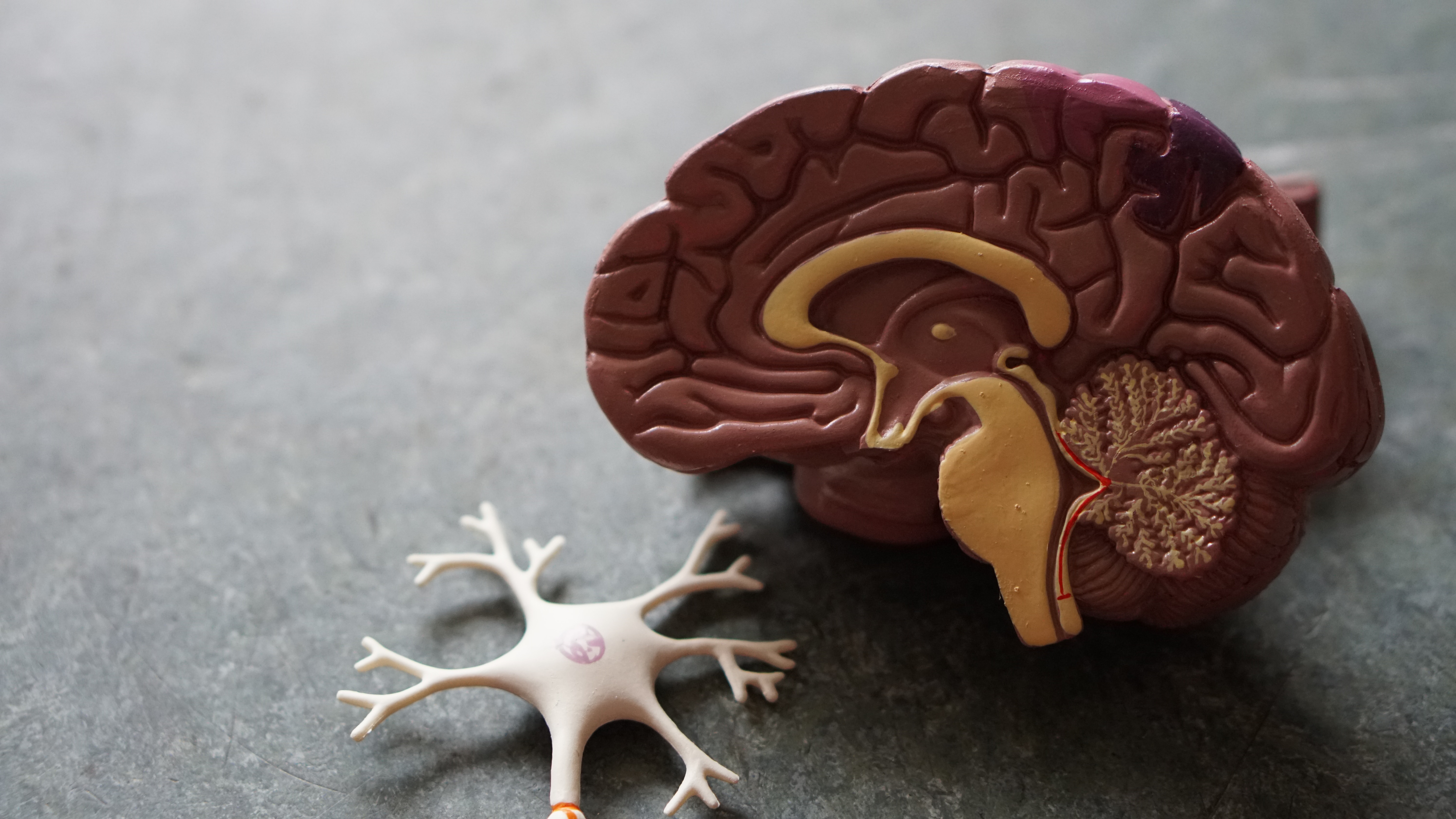
## **Scope of Neuro-oncology**
In its multifaceted scope, neuro-oncology encompasses diagnosis, therapy, and research. As we delve into each aspect, the synergies between neurology and oncology become evident, paving the way for innovative approaches to addressing nervous system tumors.
### **Tumor Types**
1. ***Primary tumors of the central nervous system*** Primary tumors, affecting the brain and spinal cord, form the core focus of neuro-oncology. Understanding their nature and intricacies is pivotal for effective diagnosis and treatment.
2. ***Secondary tumors of the central nervous system*** Brain metastases and spinal cord metastases fall under this category. Exploring the dynamics of secondary tumors adds depth to the neuro-oncologist’s toolkit.
3. ***Malignant lymphomas of the central nervous system*** This subtype sheds light on lymphomas affecting the nervous system, presenting a unique set of challenges in the realm of neuro-oncology.
4. ***Tumors of the peripheral nervous system*** A comprehensive view of neuro-oncology necessitates understanding tumors beyond the central nervous system, including those in the peripheral nervous system.
## **Sub-specialization in Neuro-oncology**
At the heart of neuro-oncology is the neuro-oncologist, a specialized physician dedicated to treating patients with brain tumors and their consequences on the nervous system. This sub-specialization ensures a focused and expert approach to a complex medical landscape.
## **Challenges and Advancements**
Navigating the landscape of neuro-oncology presents unique challenges, marked by perplexities and burstiness. The dynamic nature of research demands a delicate balance between specificity and context to drive meaningful progress.
## **Conclusion**
Neuro-oncology stands at the forefront of medical advancements, unraveling the mysteries of nervous system tumors. As we navigate its complexities, the role of neuro-oncologists becomes increasingly pivotal.
**FAQs**
* **What is neuro-oncology?**
Neuro-oncology is a specialized field that combines neurology and oncology, focusing on diagnosing, treating, and researching tumor diseases within the nervous system.
* **How are primary tumors different from secondary tumors?**
Primary tumors originate within the central nervous system, while secondary tumors result from metastases to the brain or spinal cord from other parts of the body.
* **What role does a neuro-oncologist play?**
A neuro-oncologist is a physician sub-specialized in treating patients with brain tumors and their impacts on the nervous system, providing expert care and insights.
* **What challenges does neuro-oncology face?**
Neuro-oncology faces challenges in understanding the intricacies of various tumor types, keeping up with advancements, and balancing specificity with contextual relevance.
* **How can one access more information about neuro-oncology?**
You can explore scientific studies and articles on Neuro-Oncology by reading [this science journal](https://academic.oup.com/neuro-oncology). Join our [online cancer community](https://beatcancer.eu/community/) to ask more personalized questions about this field.
## Neuroblastoma
URL: https://beatcancer.eu/cancer-dictionary/neuroblastoma/
Neuroblastoma is a rare form of pediatric cancer that originates in the adrenal glands and develops from immature nerve cells found in several areas of the body, including the adrenal glands, chest, abdomen, or spine. It predominantly affects children under the age of five and accounts for a disproportionate number of infant cancer deaths.

## Understanding Neuroblastoma: An In-depth Look Into A Childhood Cancer
The term ‘cancer’ itself instills fear and uncertainty, more so when it impacts children. One such pediatric malignancy is Neuroblastoma: a somewhat enigmatic yet vital subject to understand. This article aims to shed light on the intricacies of Neuroblastoma, to help demystify its causes, symptoms, treatments, and how to live in its shadow.
### Defining Neuroblastoma: An In-depth Explanation
Neuroblastoma, a malignant tumor often associated with the adrenal glands, is a type of cancer that specifically affects children, primarily those under the age of five. At its core, Neuroblastoma is a result of anomalous growth in nerve cells during fetal development. Although predominantly linked to the adrenal glands— small glands atop the kidneys producing crucial hormones—Neuroblastoma can technically form anywhere along the sympathetic nervous system, a nerve network playing a key role in maintaining body equilibrium.
The biology behind Neuroblastoma involves nerve cells called neuroblasts. Ideally, as embryos develop, these cells mature into functioning components of the nervous system. However, sometimes, a fraction of neuroblasts fails to mature, persisting within the infant even post birth. Such non-specialized cells could potentially manifest into Neuroblastoma.
### Causes and Risk Factors
Learning about Neuroblastoma invariably leads to the question: Why does it occur? The exact cause, as is common for many cancers, is unknown. Nevertheless, certain causal relationships and risk factors have been identified.
The pivotal role mutated cells play in Neuroblastoma is generally acknowledged. Specifically, the MYCN gene, when amplified or mutated, significantly contributes to aggressive forms of Neuroblastoma. Although not routinely passed down in families, a small percentage of Neuroblastoma instances display familial predisposition where the mutated gene does get inherited.
The impact of environmental factors, prenatal or postnatal, like exposure to certain chemicals or substances, has been explored. However, a concrete link to Neuroblastoma remains undefined. From numerous studies on identical twins with Neuroblastoma to exploring links with birth anomalies, scientists continue to unfold the labyrinthine etiology of this rare disease.
### Symptoms and Diagnosis
A wide array of symptoms, often non-specific and overlapping with common childhood illnesses, complicates Neuroblastoma diagnosis. Fever, fatigue, loss of appetite, and vague pain are a few early signs, while more advanced cases might present neurological deficits, hypertension, and unexplained rapid weight loss.
Laboratory tests, including biopsies and blood tests, form the pivotal first step in diagnosis. Tissue or bone marrow samples help identify the presence of cancer cells, abnormal substances, or tell-tale genetic aberrations.
Advanced diagnostic tools—like CT scans, MRIs, and MIBG scans—visualize the tumor site, its extent, and metastasis if present. This comprehensive diagnostic synthesis helps stage the disease: a critical aspect determining treatment protocols.
### Treatment Options and Strategies
Neuroblastoma treatment involves a multidisciplinary approach tailored to the patient’s needs. Surgery, aiming at removing as much tumor as possible, often stands as the first line of treatment. However, in extensive cases, complete removal becomes challenging and may show variable outcomes.
Chemotherapy and radiation therapy complement or, at times, precede surgical intervention. While chemotherapy uses potent drugs to kill or inhibit the growth and replication of cancer cells, radiation therapy uses high-energy beams to achieve similar goals.
Emerging treatments, like immunotherapy and targeted therapies, hold promising potential. These specially designed drugs harness the immune system’s strength, specifically attacking identified abnormalities without damaging normal cells.
### Living with Neuroblastoma: Management and Support
Managing life with Neuroblastoma extends beyond medical treatments. The disease and its treatments may cause long-term side effects, like growth retardation, hearing loss, and hormonal imbalance, necessitating life-long care.
Emotional turmoil is a major aspect for families, requiring adequate support and resources. Counseling and support groups can provide a valuable platform for discussing fears and concerns.
Lifestyle adjustments—including balanced nutrition, regular physical activity, and prompt medical attention to any health change—help manage life with or post Neuroblastoma.
### Conclusion
Although less prevalent, Neuroblastoma signifies an important facet of pediatric oncology. This article attempted to clarify what Neuroblastoma is, its causes, diagnostic procedures, treatments, and life post-diagnosis. Early detection and continual research hold the key to combating this formidable foe.
#### FAQs
**1. What is the age group most affected by Neuroblastoma?**
Neuroblastoma primarily affects children under the age of five, with a majority of cases diagnosed by age two.
**2. Can Neuroblastoma be prevented?**
Given the lack of defined causes, specifically preventable risk factors, Neuroblastoma prevention remains challenging.
**3. What is the survival rate for children diagnosed with Neuroblastoma?**
The survival rate varies greatly depending on the stage and individual characteristics of the disease. In general, children with low-risk Neuroblastoma have a survival rate above 90%, while high-risk cases have a significantly lower rate.
**4. How is the staging of Neuroblastoma done?**
Staging involves assessing the tumor’s original site, size, spread, and presence in lymph nodes. The International Neuroblastoma Staging System (INSS) classifies the disease into stages 1 through 4.
**5. What are the potential side effects of Neuroblastoma treatments?**
Potential side effects range from immediate ones like nausea, fatigue, and hair loss, to long-term effects like growth retardation, hormonal imbalances, and second cancers.
## Neutrophil
URL: https://beatcancer.eu/cancer-dictionary/neutrophil/
A neutrophil is a type of white blood cell, which is the most abundant in the human body. They are essential components of the immune system, acting as the body's first line of defense against infections by engulfing and destroying harmful bacteria and fungi. Neutrophils play a vital role in maintaining overall health and fighting diseases.

Behind every thriving organism, there’s a robust, functional immune system working tirelessly to protect it from a host of foreign invaders. A vital part of this formidable defense system in humans is neutrophils. This article aims to provide an understanding of neutrophils, their contribution to overall immunity, and the disorders associated with them.
Neutrophils are the most abundant type of white blood cell found in the human body, comprising roughly 50-70% of the entire white blood cell count. They are the immune system’s first line of defense, often referred to as the body’s ‘foot soldiers.’ Neutrophils provide a vital antimicrobial barrier, particularly against bacterial and fungal infections.
### Understanding Neutrophils
Neutrophils are part of the larger family of cells collectively known as [granulocyte](https://beatcancer.eu/cancer-dictionary/granulocyte/)s, so named because of the granules present in their cytoplasm. These cells are born from hematopoietic stem cells in the bone marrow during a process known as granulopoiesis, which lasts about 14 days. They are short-lived cells, with a lifespan ranging from a few hours to a few days.
### Role of Neutrophils in the Immune System
Neutrophils play a critical role in your body’s fight against infection. Being the first white blood cells to mobilize against bacterial or fungal infection, they quickly leave the bloodstream, moving towards the area of invasion where they engulf and neutralize pathogens – a process known as phagocytosis. Neutrophils also release a range of antimicrobial substances and reactive oxygen species that can kill invading pathogens.
### Disorders Related to Neutrophils
Like any other bodily function, the production and operation of neutrophils can sometimes go askew. Two common conditions associated with abnormalities in neutrophil counts are Neutropenia and Neutrophilia. Neutropenia refers to a condition where the neutrophil count is abnormally low, making individuals more susceptible to infections. On the other hand, Neutrophilia is a condition where the neutrophil count is too high, often indicating an ongoing infection or inflammation elsewhere in the body.
### Neutrophils and Disease Diagnosis
Many doctors rely on neutrophils as key indicators of inflammatory diseases as well as certain cancers. The neutrophil-to-lymphocyte ratio (NLR) has been identified as a significant inflammatory marker in cancer diagnostics. An elevated NLR is often indicative of a poor prognosis in cancer patients.
### Current Research and Future Prospects
Scientific research on the function and behavior of neutrophils is ongoing, given their importance to the immune system. Advancements continue in identifying potential therapies targeting neutrophils for various diseases, including inflammatory disorders and cancer.
### Conclusion
Neutrophils form a fundamental pillar to a functioning immune system, their role in combatting infections and diseases is critical. Continued research and understanding in this field are needed to leverage the power of these mighty defenders further.
### FAQs
* **What is the average count of Neutrophils in the human body?**
The neutrophil count in the blood ranges typically between 1500 and 8000 cells per microliter.
* **How can I increase my neutrophil count naturally?**
A healthy, balanced diet aids in the production of white blood cells, including neutrophils. Ensure your diet includes adequate protein, vitamins, and minerals.
* **What are the symptoms of having low Neutrophils?**
A low neutrophil count, or neutropenia, can result in frequent infections, fever, and flu-like symptoms.
* **Can a regular blood test detect Neutrophil count?**
Yes, a routine complete blood count (CBC) test can detect your neutrophil count.
* **What diseases are associated with a high Neutrophil count?**
A high neutrophil count, or neutrophilia, can be caused by several conditions including infections, inflammation, cancer, stress, and certain medications.
Checking your own report? Our [guide to understanding blood test results](/tools/blood-test-results/) compares each value with your lab's reference range and explains what a low or high result can mean during treatment.
## Non-Hodgkin lymphoma
URL: https://beatcancer.eu/cancer-dictionary/non-hodgkin-lymphoma/
Non-Hodgkin lymphoma (NHL) refers to a group of various malignant cancers that develop in the lymph system, which is part of the body's immune system. Unlike Hodgkin lymphoma, NHL types are identified by various unique genetic marker abnormalities. These cancers can originate anywhere in the body and spread to any tissue or organ. It exhibits diverse symptoms and can proceed at varying rates, depending on the type.

Cancer is a broad term that encompasses various diseases which involve the uncontrolled multiplication of abnormal cells in any part of the body. These aberrant cells can invade nearby tissues or spread to distant areas, disrupting normal body functions. One particular form of cancer that is frequently spoken about yet not fully understood by many is Non-Hodgkin lymphoma.
Non-Hodgkin lymphoma is a type of cancer that originates from the cells of the lymphatic system, an essential part of the immune system. This cancer can affect anyone, regardless of age or gender, and it is one of the most common types of cancer in the United States, making an understanding of this condition crucial.
## Understanding Non-Hodgkin Lymphoma: Defining the Disease
Non-Hodgkin lymphoma (NHL) is a broad term defining a group of related cancers that arise within the lymphatic system. This system, composed of lymph nodes (tiny, bean-shaped organs) and lymph vessels, is an integral part of the body’s defence mechanism against infections and diseases. Specifically, NHL affects the lymphocytes, a type of white blood cell that is key in defending the body against pathogens.
There are several types of NHL, characterized by the specific subtype of lymphocyte affected (B-cells or T-cells) and the rate of cell growth. Two primary categories encapsulate most cases: B-cell lymphomas, which account for about 85% of NHL in the United States, and T-cell lymphomas, which are less common.
## The Science Behind Non-Hodgkin Lymphoma
Like all cancers, NHL starts with changes (mutations) in a cell’s DNA, leading to uncontrolled cell growth and division. These genetically altered cells do not die off naturally but accumulate, forming a tumor in the lymph nodes. In some cases, these abnormal cells can migrate to other parts of the body, a process known as metastasis.
The lymphatic system’s role in NHL is significant as it is the environment where the cancer originates and progresses. Lymphocytes travel within the lymphatic system via lymph vessels, being transported to lymph nodes, and if affected, this transportation mechanism can facilitate the cancer’s spread.
## Risk Factors Triggering Non-Hodgkin Lymphoma
The exact causes of NHL are largely unknown, however, certain risk factors have been identified. These include exposure to certain chemicals and substances, history of certain viral and bacterial infections, a weak immune system, and certain inherited syndromes. Furthermore, the risk of acquiring NHL increases with age, peaking in people over the age of 60, and it affects more men than women.
Lifestyle and environmental factors can certainly contribute to this disease. However, many individuals with these factors don’t develop NHL, and many individuals with NHL do not have any known risk factors. Thus, it is crucial to remember that risk factors only indicate a higher likelihood of developing the condition and are not definitive causes.
## Symptoms and Signs of Non-Hodgkin Lymphoma
Physical signs of NHL could include the presence of painless swollen lymph nodes typically in the neck, armpit, or groin area. Other symptoms might encompass chest pain, shortness of breath, cough, abdominal pain or swelling, skin rash or itching, fatigue, fever, night sweats, weight loss, and a general feeling of illness.
No specific symptom is definitive of NHL, and many of these symptoms could result from conditions other than cancer, thus it is crucial to seek medical advice for proper diagnosis.
## Diagnostic Tools for Confirmation of Non-Hodgkin Lymphoma
Diagnosis of NHL necessitates careful review of the individual’s medical history and conducting necessary physical exams. Lab tests, including blood tests, urine tests, and imaging tests like CT, MRI, or [PET/CT scan](https://beatcancer.eu/cancer-dictionary/pet-ct-scan/)s, are often employed to identify signs of NHL.
The definitive diagnostic tool for NHL is the biopsy. In this procedure, a small tissue sample from an affected lymph node or other area is examined under a microscope for cancer cells, aiding in precise subclassification of NHL and selecting the appropriate treatment plan.
## Treatment Modalities for Non-Hodgkin Lymphoma
Treatment of NHL depends largely on the type and stage of cancer, the patient’s overall health, and their personal preferences. The overall aim of therapy is to eliminate the lymphoma cells or to control their growth for as long as possible, while minimising side effects.
Chemotherapy and Immunotherapy are typically the first-line treatments for NHL, aiming to kill cancer cells or stimulate the immune system to attack them. In certain cases, targeted therapy, radiation therapy or a stem-cell transplant may be considered as well. The best course of action will depend on individual circumstances and will be established in consultation with the healthcare team.
## Living with Non-Hodgkin Lymphoma: Managing and Coping
Ideally, living with NHL involves both emotional and physical wellness. Emotional wellness can be achieved through counseling or joining support groups, while physical wellness necessitates proper diet, exercise, and adhering to the treatment plan. Psycho-oncology, an interdisciplinary field helping cancer patients with psychological, social, and behavioral aspects of cancer, could also be beneficial.
## Conclusion
While Non-Hodgkin Lymphoma may seem daunting, it is crucial to remember that early detection and rapid initiation of treatment significantly enhance survival rates. Advances in research and treatment strategies foster hope for patients with NHL, offering an uplifting future perspective on this disease. Always consult with your healthcare team for the most accurate and personalized information.
## FAQs
* **How do Non-Hodgkin lymphoma and Hodgkin lymphoma differ, especially in terms of their origins, manifestations, and treatments?**
Non-Hodgkin lymphoma and Hodgkin lymphoma are different conditions, although they both originate from lymphocytes, but they manifest differently, and their treatment is also different.
* **Is there a specific age group more prone to developing Non-Hodgkin lymphoma (NHL), and if so, which one?**
People of all age groups can develop NHL. Still, it is generally seen more in people over the age of 60.
* **While there’s no surefire way to prevent NHL, what steps can individuals take to potentially reduce their risk, considering recognized risk factors?**
There’s no sure way to prevent NHL, but avoiding recognized risk factors wherever possible might reduce the likelihood of developing it.
* **Can you explain how the survival rate for NHL varies, and what factors influence it, particularly in relation to the stage and type of the disease?**
The survival rate of NHL varies depending on the stage and type, but due to the advances in treatment, it has significantly improved over the years.
* **Is there a hereditary component to NHL, or is it more commonly sporadic, occurring without any family history?**
There’s a slight risk of NHL being hereditary, but most cases occur without any family history.
## Non-Invasive Cancer
URL: https://beatcancer.eu/cancer-dictionary/what-is-non-invasive-cancer-how-to-recognize-it-and-how-to-use-this-knowledge-for-better-health/
Non-invasive cancer, also known as in situ cancer, is a type of cancer that has not spread beyond the layer of cells where it initially developed. It remains confined to the place of origin and has not invaded neighboring tissues or metastasized to other parts of the body.

## Overview
Non-invasive cancer, also known as carcinoma in situ, refers to cancer cells that have not spread beyond the tissue where they began. Unlike invasive cancers, non-invasive cancers remain localized, which often makes them easier to treat and manage. Understanding non-invasive cancer is crucial for early detection and treatment, potentially preventing progression to invasive cancer.
## Key Information
Non-invasive cancers are often detected through screening tests such as mammograms, Pap smears, and colonoscopies. These cancers are typically categorized as stage 0 cancer. Common examples include [ductal carcinoma in situ (DCIS)](https://beatcancer.eu/cancer-dictionary/ductal-carcinoma-in-situ-dcis/) in the breast and cervical carcinoma in situ.
## Clinical Significance
The clinical significance of non-invasive cancer lies in its potential to develop into invasive cancer if left untreated. Early detection via regular screenings can lead to successful management and treatment, significantly improving patient outcomes. Non-invasive cancers are often considered precancerous, meaning they have the potential to become more severe if not addressed.
## Treatment & Management
Treatment for non-invasive cancer usually involves localized therapies such as surgery, radiation, or topical treatments, depending on the cancer type and location. For instance, DCIS may be treated with lumpectomy or mastectomy, while cervical carcinoma in situ might be managed with procedures like cryotherapy or laser therapy. Regular follow-up care is essential to monitor for any changes or progression.
## Patient Resources
Patients diagnosed with non-invasive cancer can access a wealth of resources for support and education. Organizations like the American Cancer Society and Cancer Research UK provide comprehensive guides and support networks. Patients are encouraged to engage with support groups and counseling services to help navigate their diagnosis and treatment options.
#### Frequently Asked Questions
* **What is the difference between invasive and non-invasive cancer?**
Invasive cancer has spread beyond the original tissue layer into surrounding tissues, while non-invasive cancer remains confined to its place of origin.
* **Can non-invasive cancer become invasive?**
Yes, if left untreated, non-invasive cancer can potentially develop into invasive cancer, which is why early detection and treatment are vital.
* **How is non-invasive cancer diagnosed?**
Non-invasive cancer is often diagnosed through routine screening tests such as mammograms, Pap smears, and colonoscopies.
## Non-small cell lung cancer
URL: https://beatcancer.eu/cancer-dictionary/non-small-cell-lung-cancer/
Non-small cell lung cancer (NSCLC) is the most common type of lung cancer, accounting for about 85% of all cases. It typically grows and spreads more slowly than small cell lung cancer. There are three main types which include; squamous cell carcinoma, adenocarcinoma and large cell carcinoma. NSCLC usually begins in cells lining the lungs and can often be successfully treated if caught early.

Contrary to popular opinion, lung cancer is not a singly homogenous disease. It is a collection of multiple subtypes, each with its unique characteristics, risk factors, and treatment modalities. The most significant and highly prevalent subtype is non-small cell lung cancer (NSCLC). This article seeks to delve into NSCLC’s intricacies, exploring its definition, types, causes, risk factors, symptoms, diagnosis, staging, and treatment options.
### Introduction to Non-small Cell Lung Cancer (NSCLC)
#### Overview of Lung cancer
Lung cancer is a leading cause of cancer-related deaths worldwide. Characterized by an uncontrollable growth of abnormal cells in the lung tissue, cancer disrupts normal lung function, leading to severe medical complications.
#### The Prevalence and Significance of NSCLC
NSCLC accounts for about 85% of all lung cancer cases, making it a significant subtype in the entire lung cancer fraternity. Its prevalence underscores the necessity for understanding NSCLC.
### Definition of Non-small Cell Lung Cancer
#### Characterization of NSCLC
Non-small cell lung cancer (NSCLC) is a collective term used to define a group of lung cancers that behave similarly. NSCLC is typically slower to spread than other types of lung cancer.
#### Differences between NSCLC and small cell lung cancer
The principal difference between NSCLC and small cell lung cancer lies in their rate of spread and the types of cells involved. Small-cell lung cancer (SCLC) typically spreads faster than NSCLC and may require different treatment strategies.
### Types of Non-small Cell Lung Cancer
#### Adenocarcinoma and Its Features
Adenocarcinoma, the most common type of NSCLC, develops in the glandular cells on the outer part of the lung and is often associated with smoking. However, it is also the most common type of lung cancer among non-smokers and females.
#### Squamous Cell Carcinoma and Its Traits
Squamous cell carcinoma arises in the squamous cells lining the airways and is often linked to a history of smoking. This type of NSCLC often manifests as large, central lung masses.
#### Large Cell Carcinoma and Its Factors
Large cell carcinoma gets its name from the large, round cells that distinguish this cancer under a microscope. It tends to grow and spread quickly, making it more challenging to treat than the other types.
#### Other less common types of NSCLC
Other rarer forms of NSCLC include pleomorphic, carcinoid tumor, salivary gland carcinoma, and unclassified carcinoma, among others.
### Causes and Risk Factors of Non-small Cell Lung Cancer
#### Genetic Factors and NSCLC
Genetics play a significant role in NSCLC where certain genetic mutations can make some individuals more susceptible than others.
#### Environmental Exposure and NSCLC
Environmental exposure to harmful substances such as second-hand smoke, asbestos, radon, and certain air pollutants is linked with an increased risk of NSCLC.
#### Lifestyle Factors and NSCLC
Lifestyle factors such as smoking, a sedentary lifestyle, and a diet low in fruits and vegetables can heighten the risk of developing NSCLC.
### Symptoms of Non-small cell lung cancer
#### Common Symptoms
Common symptoms of NSCLC include persistent cough, chest pain, weight loss, and fatigue. It’s essential to seek medical attention when you notice these signs, as early detection can improve the prognosis.
#### Secondary Symptoms Linked to Advanced NSCLC
In advanced stages, NSCLC may cause additional symptoms such as bone pain, headaches, dizziness, or limb weakness.
### Diagnosis and Staging of Non-small Cell Lung Cancer
#### Different Diagnostic Techniques for NSCLC
Diagnostic techniques for NSCLC can include imaging tests, sputum [cytology](https://beatcancer.eu/cancer-dictionary/cytology/), and invasive procedures like lung biopsies.
#### Stages of NSCLC and What They Mean
The stage of NSCLC is determined by the tumor size, lymph node involvement, and the presence of metastasis. Staging plays a critical role in deciding the appropriate treatment strategy.
### Treatment Options for Non-small Cell Lung Cancer
#### Surgery
Surgery may be an effective treatment option for early stages of NSCLC. The type and efficacy of surgery procedures depend on the lung cancer’s size, type, and location.
#### Radiotherapy
Radiotherapy uses high-energy X-rays to kill cancer cells and may be used as the primary treatment in patients who are not candidates for surgery.
#### Chemotherapy
Chemotherapy involves the use of drugs to kill cancer cells or stop them from growing. It can be used in all stages of NSCLC.
#### Immunotherapy
Immunotherapy utilizes the body’s immune system to fight cancer and is becoming a crucial tool in the treatment of NSCLC.
### Conclusion
#### Progress in NSCLC Treatment and Outlook for the Future
Thanks to advances in medical research, NSCLC treatment has seen significant progress over the years. While it remains a lethal disease, improved prognosis and survival rates are now achievable with early diagnosis and treatment.
#### Importance of Early Detection and Ongoing Research
The importance of early detection cannot be overstated, making regular health screenings vital. Equally important is the continuation of research efforts to improve treatment methodologies and understand more about this prevalent disease.
#### FAQs
* **What is the main difference between Non-small cell lung cancer and small cell lung cancer?**
The main difference lies in their rate of spread and affected cell types. NSCLC is slower to spread and involves different cell types than small cell lung cancer.
* **Who are at high risk of developing Non-small cell lung cancer?**
Individuals with a history of smoking, exposure to harmful environmental agents like radon and asbestos, certain genetic traits, and an unhealthy lifestyle are more at risk of developing NSCLC.
* **What symptoms should one be aware of that might indicate Non-small cell lung cancer?**
People should be alert to persistent cough, chest pain, unexplained weight loss, and fatigue, which are common symptoms of NSCLC. In advanced stages, symptoms such as bone pain and headaches might occur.
* **What are the available treatment options for Non-small cell lung cancer?**
Depending on the stage and type of NSCLC, treatment options include surgery, radiotherapy, chemotherapy, or immunotherapy.
* **How is the stage of Non-small cell lung cancer determined and why is it important?**
The stage of NSCLC is determined by the tumor’s size, involvement of lymph nodes and presence of metastasis. Staging is crucial as it guides the choice of treatment and helps predict the prognosis.
## Oligodendroglioma
URL: https://beatcancer.eu/cancer-dictionary/oligodendroglioma/
Oligodendroglioma is a type of brain tumor arising from oligodendrocytes, cells that produce myelin - an insulating layer around neurons. This slow-growing tumor generally affects adults and is often found in the frontal lobe of the brain. Symptoms include persistent headaches, seizures, and changes in personality or mental capacity. Treatment typically involves surgery, chemotherapy, and radiation therapy.

In the intricate world of neuro-oncology, oligodendroglioma occupies a unique niche. This distinct type of brain tumor, which originates within the oligodendrocytes or the cells, responsible for producing myelin, has been the subject of significant medical interest due to its rare incidence and unique attributes.
Despite the gravity of the disease, numerous misconceptions surround oligodendroglioma, often leading to unwarranted anxiety and inaccurate assumptions. This article will set out to debunk such myths whilst providing a comprehensive understanding of oligodendroglioma, including its cause, diagnosis, treatment, and future prospects.
### Defining Oligodendroglioma: An In-Depth Perspective
#### Historical Context of Oligodendroglioma
The discovery of oligodendroglioma goes back to the early 20th century when Bailey and Cushing, renowned pathologists recognized it as a unique entity, thereby introducing it to the field of neuropathology. Since then, our understanding of this tumor has notably evolved, significantly impacting its diagnosis and treatment.
#### Scientific Definition and Explanation of Oligodendroglioma
Oligodendrogliomas are brain tumors that originate from oligodendrocytes, which are a type of glial cell that forms the myelin sheath around nerve fibers. These tumors are defined by their “fried egg” appearance upon histological examination, with individual cells showcasing a clear halo around a centralized nucleus.
#### Understanding Oligodendroglioma as a Type of Brain Tumor
Oligodendrogliomas make up approximately 4% of all primary brain tumors, predominantly affecting young to middle-aged adults. These tumors are typically slow-growing, with a predilection for the frontal and temporal lobes of the cerebrum.
#### Classification and Gradation of Oligodendroglioma
Oligodendrogliomas are classified under the World Health Organization (WHO) [grading system](https://beatcancer.eu/cancer-dictionary/what-is-a-grading-system-in-medicine-how-to-understand-it-and-how-to-use-it-effectively/), under two categories: Grade II (low-grade, slower development) and Grade III ([anaplastic oligodendroglioma](https://beatcancer.eu/cancer-dictionary/what-is-anaplastic-oligodendroglioma-and-how-to-manage-it/), with faster growth and higher recurrence potential).
### Causes and Risk Factors associated with Oligodendroglioma
#### Exploring the Possible Genetic Causes
Although the exact cause of oligodendrogliomas remains unknown, research has identified certain genetic abnormalities that frequently manifest in these tumors, suggesting a genetic predisposition.
#### Understanding Environmental Factors Contributing to Oligodendroglioma
Studies to determine the influence of environmental factors on oligodendroglioma continue, yet no definitive correlations have been confirmed. This ongoing research considers potential influences including exposure to radiation and organic solvents.
#### The Role of Age and Gender in Oligodendroglioma
Oligodendrogliomas are more common among adults aged between 40 and 50. While the incidence is slightly higher in males than females, this gender disparity is less pronounced compared to other types of primary brain tumors.
### Clinical Presentation of Oligodendroglioma
#### Common Symptoms associated with Oligodendroglioma
Common symptoms of oligodendroglioma include headaches, seizures, personality changes, and symptoms related to increased intracranial pressure. However, the exact clinical presentation can vary depending on the tumor’s location and size.
#### Special Cases and Rare Symptoms
Some patients present unique symptoms such as visual impairment and speech difficulties, depending on where the tumor is located. Additional, less common symptoms can include memory deficits, motor weakness, and cognitive impairment.
### Diagnosis and Tests for Oligodendroglioma
#### Traditional Diagnostic Techniques
Traditionally, diagnosis of oligodendroglioma involves imaging studies like CT scans and MRIs, which provide detailed pictures of the brain. A neurological examination is also conducted to assess motor and sensory skills, balance and coordination, mental status and changes in mood or behaviour.
#### Advanced Diagnostic Tools and Techniques
In the modern era, more advanced diagnostic options like spectroscopy, functional MRI, and PET scans are being utilized to get a more comprehensive view of the tumor. These advancements aid in planning the treatment strategy.
#### The Role of Genetic Testing in Diagnosing Oligodendroglioma
Genetic testing provides valuable insight into the specific alterations present in each individual tumor. These alterations can be instrumental in determining the most effective treatment plan and predicting the potential course and outcome of the disease.
### Treatments and Therapies for Oligodendroglioma
#### Overview of Available Treatment Options
The treatment plan for oligodendroglioma is typically multifaceted, involving surgery, radiation therapy, and chemotherapy. The choice of treatment depends on various factors, including the tumor’s grade and location, and the patient’s overall health and personal preferences.
#### Understanding Surgically Invasive Treatments
Surgeons aim to remove as much of the tumor as possible while avoiding damage to healthy brain tissue. In some cases, the tumor’s location or size may limit the extent of surgical removal, leading to alternative or additional treatments.
#### Non-surgical Treatments: Radiation Therapy and Chemotherapy
When surgery isn’t possible, or as an adjuvant treatment, radiation therapy and chemotherapy are valuable options. Radiation therapy uses high-energy beams to kill tumor cells, while chemotherapy employs drugs to eliminate cancer cells or restrict their growth.
#### The Impact of Treatments on the Quality of Life
While these treatments can often effectively control the growth of the tumor, they are not without side effects. Fatigue, cognitive changes, and hair loss are common, and some patients may experience long-term effects on their daily life. Therefore, quality of life considerations always play a pivotal role in treatment decisions.
### Living with Oligodendroglioma: Prognosis and Future Outlook
#### Analysis of Survivor Statistics and Mortality Rates
The survival rate of oligodendroglioma patients is variable, largely dependent on factors such as age, tumor grade, and extent of surgical resection. For example, the 5-year survival rate for patients with a low-grade tumor is relatively higher than that for patients diagnosed with anaplastic oligodendroglioma.
#### The Psychological Impact: Living with a Diagnosis of Oligodendroglioma
A diagnosis of oligodendroglioma can leave patients facing considerable emotional and psychological challenges. Depression, anxiety, and feelings of loss of control are not uncommon. Comprehensive healthcare should extend beyond physical health to include emotional support and counseling for patients and families.
#### Research Developments and Future Prospects
Despite the challenges oligodendroglioma presents, there is cause for hope. Advances in genetic studies have led to a new understanding of these tumors, opening avenues for targeted treatments. Additionally, immunotherapy and gene therapy offer promising future treatment options.
### Conclusion
This meticulously comprehensive discussion of oligodendroglioma should notably overthrow any misconceptions while paving the way to informed discussions about the disease. Fundamentally, the importance of awareness and early detection cannot be overstated, as these are instrumental in determining the course of the disease.
### FAQs
* **What is the survival rate for patients with oligodendroglioma?**
The survival rate varies based on numerous factors, including age, tumor grade, and treatment course. Generally, the 5-year survival rate for low grade oligodendroglioma is commendable, but the figures decrease for high-grade tumors.
* **Are there any prevention tips for oligodendroglioma?**
Because the causes of oligodendroglioma are still not completely understood, and since it is not a lifestyle disease, there are currently no specific ways to prevent the tumor. However, general health maintenance and monitoring of symptoms can lead to early detection and improved outcomes.
* **What is the difference between grade II and grade III oligodendroglioma?**
Grade II oligodendrogliomas are considered low-grade, meaning they grow slower and are less aggressive. Grade III tumors, also known as anaplastic oligodendrogliomas, grow quickly and spread more aggressively. This often results in a worse prognosis.
* **How does an oligodendroglioma affect daily life?**
The impact on daily life will vary from patient to patient and is dependent on the location and severity of the tumor. Common symptoms such as headaches, seizures, and cognitive changes can significantly disrupt a patient’s day-to-day activities and overall quality of life.
* **Can oligodendroglioma recur after successful treatment?**
While successful treatment can effectively control the growth of the tumor, there is still a risk of recurrence, especially in high-grade tumors. Thus, regular follow-ups and imaging studies are necessary.
## Oncogenes
URL: https://beatcancer.eu/cancer-dictionary/oncogenes/
Oncogenes are genes that can potentially cause cancer. When they are normal, they help to regulate cell growth and division. However, when they are altered or mutated, they can lead to abnormal cell growth and proliferation, eventually fostering the development of cancer.

As we delve into twelve centuries of scientific advancement, the intricate mechanisms that govern human life continue to unravel before our eyes. One encapsulating beacon of this evolution lies within the realm of genetics. Understanding genetic terminology such as Oncogenes is crucial not just for scientists and healthcare practitioners, but also for anyone interested in human health, disease progression, and potential treatment methods.
### In-depth Insight into Oncogenes
Oncogenes are a fascinating subcategory of genes that, when altered or mutated, have the potential to cause normal cells to turn cancerous. Unlike other genes, whose primary function is to control cell growth and division, Oncogenes can disrupt this orderly process. This is primarily due to the deregulation of the cell multiplication process that occurs during Oncogenes mutation.
The complex nature of Oncogenes and their role are of vast significance. Their study opens vistas to understanding the core pathways that lead to the development and progression of various cancers.
### Enter the World of Oncogenes
Naturally, every Oncogene starts as a regular gene, also known as a proto-oncogene. Several factors such as radiation exposure, chemical carcinogens, and certain viruses can cause these genes to mutate, thus converting them into Oncogenes. The constant evolution and significant role of mutations in Oncogenes cannot be undermined, especially when considering their impact on cancer development.
### Playing the Fiddle in Cancer
At a fundamental level, Oncogenes contribute to cancer by disrupting normal cell behavior. This disruption allows cells to multiply in an uncontrolled manner, thereby leading to the formation of a tumor. Oncogenes can contribute to various types of cancer, such as lung, breast, and colorectal cancer.
### Identification and Diagnosis of Oncogenes-related Disorders
Detecting the presence of Oncogenes is imperative for diagnosing disorders associated with them. Typically, diagnostic procedures involve examining tissue or blood samples to identify gene mutations. Technological advancements have made it possible to screen for these mutations, thereby providing promising directions for early disease detection and treatment.
### Treatment and Management of Disorders Linked to Oncogenes
Decoding the mysteries surrounding Oncogenes has opened up various treatment options. Strategies such as targeted therapies aim to attack specific cancer cells, thus minimizing the impact on healthy cells. Moreover, the role of gene therapy in managing disorders linked to Oncogenes cannot be dismissed. Through altering, replacing, or supplementing nonfunctional Oncogenes, gene therapy provides a promising pathway for effective disease management.
### Conclusion
Unraveling the mysteries surrounding Oncogenes offers an insight into how cancers develop and progress. Understanding their function, diagnosing their presence, and treating diseases resulting from Oncogenes mutations represent critical junctures in modern healthcare. The intriguing world of Oncogenes undoubtedly holds considerable potential to revolutionize healthcare in the future.
### Frequently Asked Questions
* **How are Oncogenes different from normal genes?**
Oncogenes are essentially normal genes turned bad. Unlike typical genes, which help control cell growth and division, Oncogenes harbor mutations that can cause cells to multiply out of control, potentially leading to cancer.
* **What are the potential causes of Oncogenes mutations?**
Several factors, including exposure to certain chemicals, radiation, and certain viruses, can trigger the mutation of regular genes to Oncogenes.
* **How are Oncogenes related to cancer development?**
Oncogenes contribute to cancer by disrupting the normal cell process, which can cause cells to multiply uncontrollably and form a tumor.
* **What types of cancers are associated with Oncogenes?**
Oncogenes can contribute to various types of cancers, including but not limited to lung, breast, and colorectal cancer.
* **How is the presence of Oncogenes detected in the body?**
Detection techniques typically involve examining tissue or blood samples to identify genetic mutations, thus confirming the existence of Oncogenes.
## Oncogenic Virus
URL: https://beatcancer.eu/cancer-dictionary/what-is-an-oncogenic-virus-and-how-to-recognize-its-impact/
An oncogenic virus is a type of virus that can cause cancer by altering the genetic material of the host cells it infects. These viruses can disrupt normal cell regulation and lead to uncontrolled cell growth.

## Overview
An oncogenic virus is a virus that can cause cancer in humans or animals. These viruses can integrate their genetic material into the host cell's DNA, leading to changes that may result in cancer. Examples of oncogenic viruses include the human papillomavirus (HPV), which is linked to cervical cancer, and the hepatitis B and C viruses, which are associated with liver cancer.
## Key Information
Oncogenic viruses are responsible for approximately 15-20% of cancers worldwide. They can be transmitted through various means, such as sexual contact, blood transfusions, or from mother to child during birth. Not all individuals infected with an oncogenic virus will develop cancer, as this depends on several factors, including the individual's immune response and genetic predisposition.
## Clinical Significance
Understanding oncogenic viruses is crucial for cancer prevention and treatment. Vaccines, such as the HPV vaccine, have been developed to protect against virus-induced cancers. Early detection and monitoring of infections can also help manage the risk of cancer development. Research continues to explore the mechanisms by which these viruses cause cancer, aiming to develop targeted therapies.
## Treatment & Management
Management of oncogenic virus infections includes vaccination, antiviral therapies, and regular screenings for early detection of cancer. For instance, the HPV vaccine is recommended for preteens and young adults to prevent cervical and other cancers. Antiviral treatments can help manage infections and reduce the risk of cancer progression.
## Patient Resources
Patients can access various resources for support and education about oncogenic viruses. Organizations such as the American Cancer Society and the Centers for Disease Control and Prevention (CDC) provide information on prevention, vaccination, and treatment options. Support groups and counseling services are also available for those affected by virus-related cancers.
#### Frequently Asked Questions
* **What are common oncogenic viruses?**
Common oncogenic viruses include human papillomavirus (HPV), Epstein-Barr virus (EBV), hepatitis B virus (HBV), hepatitis C virus (HCV), and human T-cell leukemia virus type 1 (HTLV-1).
* **How can oncogenic viruses be prevented?**
Prevention strategies include vaccination, safe sexual practices, and regular medical screenings. Vaccines are available for some viruses like HPV and HBV.
* **Are there treatments available for infections caused by oncogenic viruses?**
Yes, antiviral medications can manage infections, and vaccines can prevent them. Early detection through regular screenings is also crucial for effective management.
## Oncologist
URL: https://beatcancer.eu/cancer-dictionary/oncologist/
An oncologist is a specialized medical doctor who diagnoses and treats cancers. This expert is involved in the patient's care from diagnosis to treatment, utilizing therapies like chemotherapy, radiation, and surgeries to manage the disease. Oncologists often collaborate with a team of healthcare professionals to provide personalized care for each patient.
Oncology is an essential area of medicine that focuses mainly on the diagnosis, prevention, and treatment of cancer. As the field has evolved throughout the ages, the role of the oncologist has become increasingly crucial. Due to the complexity and variety of cancers, a comprehensive understanding of their nature and treatment options require specialization, making the role of an oncologist vital in cancer care. This article delves into the definition of oncology, the role of an oncologist, how to become one, and the factors to keep in mind when choosing an oncologist.
## **Understanding Medical Specialities: Oncology Defined**
[Oncology](https://beatcancer.eu/cancer-dictionary/oncology/), as a medical specialty, has a rich history and a vast scope. Let’s take a closer look at its development and the critical role it plays in the realm of healthcare.
### A Brief History of Oncology
The roots of oncology can be traced back to ancient civilizations, where some of the earliest references to cancer and its treatment were found in Egyptian papyri. These ancient texts offer glimpses into early attempts at understanding and managing this enigmatic disease.
However, it wasn’t until the 20th century that oncology witnessed a remarkable transformation. This period marked the discovery of groundbreaking treatment methods such as [chemotherapy](https://beatcancer.eu/cancer-dictionary/chemotherapy/), radiation therapy, and [targeted therapies](https://www.cancer.gov/about-cancer/treatment/types/targeted-therapies). These developments propelled oncology into a specialized and complex field of medicine, and the journey to combat cancer took a giant leap forward.
### The Scope of Oncology
Oncology is primarily concerned with the study of cancer cells. Oncologists delve deep into understanding the characteristics and behavior of these cells and how they influence the human body. This in-depth knowledge is the key to developing effective strategies in various aspects of cancer management, including prevention, early diagnosis, treatment, and [palliative care](https://beatcancer.eu/cancer-dictionary/palliative-care/).
Cancer is a formidable adversary, affecting millions of people worldwide. Oncology equips medical professionals with the knowledge and tools they need to take on this challenge. Through ongoing research and innovation, oncologists continue to refine their approaches and provide patients with the best possible care, striving for better outcomes and an improved quality of life.
In conclusion, oncology is a critical medical specialty that combines historical insights with cutting-edge treatments to combat a disease that has touched countless lives. The journey of understanding and treating cancer is ongoing, and oncology remains at the forefront of this battle.
## **What is an Oncologist? Defining Oncologist**
An oncologist is a medical professional who specializes in the diagnosis and treatment of cancer. These dedicated experts use a variety of advanced treatment modalities, including chemotherapy, radiation therapy, and surgery, among other procedures. However, their role in the world of healthcare goes far beyond medical interventions; it encompasses providing holistic and compassionate care to patients who are often facing one of the most challenging and life-altering diagnoses.
### **Types of Oncologists: Medical, Surgical, and Radiation**
* ***Medical Oncologists:*** These specialists are at the forefront of systemic cancer treatment. They employ medications like chemotherapy and targeted therapy to combat cancer at the cellular level. Their role is vital in managing cancer that has spread throughout the body, coordinating treatments, and collaborating with other specialists for a comprehensive approach.
* ***[Surgical Oncologists](https://beatcancer.eu/cancer-dictionary/surgical-oncologist/):*** These experts focus on the surgical management of cancer. They possess the skills and knowledge to surgically remove tumors, surrounding tissue, and even conduct biopsies necessary for diagnosis and staging. Surgical oncologists play a pivotal role in the localized treatment of cancer and often collaborate closely with medical and radiation oncologists.
* ***[Radiation Oncologists](https://beatcancer.eu/cancer-dictionary/radiation-oncologist/):*** The work of radiation oncologists is centered on precisely targeted therapeutic radiation. Their goal is to deliver radiation to kill cancer cells while minimizing damage to healthy tissue. This specialized approach is especially effective in the treatment of localized tumors that are challenging to surgically remove.
## **The Role of an Oncologist in Cancer Treatment**
* ***Diagnosis and Staging of Cancer:*** Oncologists are central to the diagnostic process. They meticulously analyze patients’ medical histories, conduct thorough physical examinations, and order a battery of diagnostic tests. These efforts are crucial in determining the type, size, and location of cancer in the body, which is fundamental for treatment planning.
* ***Evaluation of Treatment Options:*** Oncologists play a pivotal role in presenting patients with various treatment options tailored to the type and stage of cancer, as well as the patient’s overall health. Their expertise helps patients navigate the complex decisions surrounding their care, including understanding the potential risks and benefits of each treatment option.
* ***Monitoring Progress and Adjusting Treatment:*** Oncologists continuously monitor a patient’s progress throughout their treatment journey. Depending on the patient’s response and any side effects or complications, they make necessary adjustments to the treatment plan to ensure the most effective care and the best possible outcomes.
* ***Palliative Care and Support:*** Beyond their medical responsibilities, oncologists often take on the role of overseeing the palliative care of their patients. This includes managing pain and other symptoms, with a primary focus on enhancing the patient’s quality of life. Additionally, they provide essential psychological, social, and spiritual support to patients and their families, recognizing the profound emotional toll that a cancer diagnosis can exact.
## **How to Become an Oncologist**
The journey to becoming an oncologist is demanding but profoundly rewarding. It typically involves the following steps:
* ***Education and Training:*** Aspiring oncologists start with a bachelor’s degree, followed by enrollment in medical school to earn either a Doctor of Medicine (MD) or Doctor of Osteopathic Medicine (DO) degree. This significant milestone is followed by a residency program, where they gain foundational clinical experience. Finally, they embark on specialized training in oncology, known as a fellowship, which hones their expertise in the field.
* ***Skills Required:*** Oncologists need a robust knowledge base in the sciences, excellent problem-solving abilities, and exceptional communication skills. They must also possess a compassionate nature, as they regularly work with patients who are often facing some of the most challenging and life-altering diagnoses.
## **Oncologist: A Rewarding Career Option**
Being an oncologist is not just a job; it’s a calling. These professionals have the unique privilege of providing care and support to individuals during their most vulnerable and challenging moments. Beyond individual patient care, oncologists significantly contribute to the field of cancer research, driving innovations in diagnosis and treatment that can benefit countless lives. Their dedication and expertise truly make a difference in the battle against cancer.
## **Factors to Consider While Choosing an Oncologist**
* ***Board Certification and Experience:*** Board certification is a critical factor to consider when choosing an oncologist. It signifies that the oncologist has the knowledge, skills, and experience to provide high-quality cancer care. It also reflects their commitment to staying updated in their area of specialization, ensuring that patients receive the best care possible.
* ***Communication and Comfort Level:*** The oncologist-patient relationship is a vital aspect of cancer care. Patients should feel comfortable discussing their concerns, asking questions, and expressing their needs. A [good oncologist communicates clearly and compassionately](https://pubmed.ncbi.nlm.nih.gov/34762305/), providing patients with the support and information they need.
* ***Access to Research and Clinical Trials:*** In some cases, patients may need to participate in clinical trials as part of their treatment options. It can be advantageous to find an oncologist associated with a hospital or clinic that conducts cancer research, as this facilitates access to the latest developments in cancer treatment and cutting-edge therapies.
## **Conclusion**
The field of oncology is both complex and indispensable in our healthcare system. Oncologists are not just medical professionals; they are guides, pillars of support, and champions in the battle against one of the most challenging diseases known to mankind. Their skills, knowledge, empathy, and unwavering commitment truly make a difference in the fight against cancer. As the field continues to evolve, oncologists stand as beacons of hope for patients and their families, providing not only treatment but also the promise of a brighter future in the face of cancer’s formidable challenges.
## FAQ
* **What is the role of an oncologist in cancer treatment?**
Oncologists play a crucial role in the diagnosis, treatment, and ongoing care of cancer patients. They are responsible for determining the type and stage of cancer, presenting treatment options, monitoring progress, and providing palliative care and support. They guide patients through their cancer journey, making informed decisions about their care.
* **What are the different types of oncologists, and how do they differ?**
There are three main types of oncologists: medical oncologists, surgical oncologists, and radiation oncologists. Medical oncologists specialize in systemic treatments like chemotherapy. Surgical oncologists focus on the surgical removal of tumors and biopsies. Radiation oncologists use therapeutic radiation to target and shrink tumors. The choice of oncologist depends on the specific needs of the patient and the type of cancer.
* **What qualifications and training do oncologists have?**
Oncologists typically undergo extensive education and training. They start with a bachelor’s degree, followed by medical school to obtain a Doctor of Medicine (MD) or Doctor of Osteopathic Medicine (DO) degree. After completing medical school, they engage in a residency program and then proceed to specialized training in oncology, known as a fellowship.
* **What skills are essential for oncologists?**
Oncologists need a strong knowledge base in the sciences, excellent problem-solving abilities, and remarkable communication skills. Compassion is a crucial attribute as they often work with patients and families facing difficult diagnoses and treatments.
* **How can I choose the right oncologist for my specific needs?**
When selecting an oncologist, consider factors such as board certification, experience, communication skills, and your comfort level with the physician. Board certification ensures that the oncologist is qualified and committed to providing high-quality care. Effective communication and trust between you and your oncologist are vital for a successful patient-doctor relationship. Additionally, access to research and clinical trials may be an important consideration, especially if you are exploring innovative treatment options.
## Oncology
URL: https://beatcancer.eu/cancer-dictionary/oncology/
Oncology is a branch of medicine that specializes in the diagnosis, treatment, and prevention of various types of cancer. It includes medical professionals known as oncologists who use various therapies like chemotherapy, radiation, and surgery to combat cancerous cells.

Oncology remains one of the most critical fields in healthcare, influencing countless lives and underpinning our understanding of a wide range of diseases. It encompasses the study of cancer, a disease responsible for millions of fatalities worldwide annually, thereby capturing the attention of scientists, researchers, and healthcare professionals.
Understanding Oncology is of utmost importance, especially considering the rising cancer incidence rates globally. By gaining a deep insight into Oncology, we can enhance our capacity to fight cancer more effectively and hopefully reduce its impact on society.
## The Definition of Oncology
At its core, Oncology pertains to the study of cancer. It is a branch of medicine that explores the diagnosis, prevention, and treatment of cancer. Oncologists, the doctors specializing in this field, work on understanding the behavior of cancerous cells, devising strategies to mitigate its adverse effects.
The term ‘Oncology’ has its origin from the Greek words ‘onkos’ and ‘logos’, meaning ‘tumor’ and ‘study of’, respectively. In essence, it signifies the study of tumors or cancer.
Oncology is divided into several subtypes, like Medical Oncology, Surgical Oncology, and Radiation Oncology, among others, each focusing on different aspects of cancer care.
## The Role of an Oncologist
An oncologist performs a multifaceted role. They diagnose cancer using a variety of methods, advise patients on the best course of treatment, and manage symptoms throughout the care process. Oncologists also play a critical role in conducting research and educating other healthcare professionals about cancer.
Oncologists specialize in different areas. Medical Oncologists use medications like chemotherapy or targeted therapy, Surgical Oncologists remove tumors and perform biopsies, and Radiation Oncologists treat cancer using therapeutic radiation.
## Fields Related to Oncology
Oncology is an interdisciplinary field, collaborating with various other healthcare disciplines. Radiologists, pathologists, pharmacologists, nursing staff, and social workers are among the professionals who routinely work with oncologists for comprehensive cancer care.
This team-based approach is paramount in Oncology care. Cancer is a complex disease, necessitating diverse experts who can assess the situation from different perspectives for optimal patient outcome.
## Oncology Research & Advancements
Research in Oncology is evolving at a rapid pace. Scientists are currently investigating potential genetic links to cancer, novel immunotherapy techniques, and advanced diagnostic tools. The advent of AI and big data in healthcare further promises an exciting future for Oncology.
These advancements have a tremendous impact on patient care. They carry the potential to swiftly diagnose cancer, predict patients’ response to various treatments, and devise custom treatment plans based on genetic profiles.
## Case Study: Oncology in Action
Oncology in real-world applications is a testament to its significance. For instance, a patient diagnosed with breast cancer would require the collaborative efforts of a medical oncologist, surgical oncologist, and a radiation oncologist. The medical oncologist may administer chemotherapy to shrink the tumor, the surgical oncologist would then remove the tumor, and finally, the radiation oncologist would eradicate any remaining cancer cells.
Such multidimensional approach empowers oncologists to make well-informed decisions tailored to individual case characteristics and therefore, providing better patient care.
## Conclusion
Oncology plays a pivotal role in modern healthcare. From understanding cancer to devising novel treatment approaches, Oncology forms the bedrock of our fight against cancer.
The field of Oncology, with its extensive reach and influence on global health, demonstrates the critical role it plays in creating a healthier and more informed society.
## FAQs
**1. What are the main types of cancers an oncologist deals with?**
An oncologist deals with all types of cancer, including but not limited to lung, breast, prostate, colorectal, and skin cancers.
**2. What qualifications are needed to become an oncologist?**
Becoming an Oncologist requires extensive study. It begins with a Bachelor’s degree, followed by four years of medical school to become a Doctor of Medicine (MD). Thereafter, a 3-year residency in Internal Medicine and a 2-4 years’ fellowship in Oncology is required.
**3. How important is Oncology in the field of modern healthcare?**
Given the rising incidence of cancer worldwide, Oncology is a highly significant speciality in modern healthcare. Oncologists work not only to treat cancer but also to research potential cures and formulate prevention strategies.
**4. What recent advancements have been made in Oncology?**
Oncology is witnessing several advancements, including the incorporation of AI and gene therapy techniques in cancer diagnosis, predictive analytics to unlock personalized treatments, and advances in immunotherapies.
**5. How does a team approach enhance the effectiveness of Oncology care?**
Due to the complex and multifaceted nature of cancer, a team-based approach enhances the effectiveness of Oncology care. It facilitates a comprehensive understanding of a patient’s condition and aligns their care plan with their unique needs.
## Oncovirus
URL: https://beatcancer.eu/cancer-dictionary/oncovirus/
An oncovirus is a type of virus that can cause cancer. This happens when the viruses alter the cell regulatory genes, leading to uncontrolled cell growth and division, which eventually forms a malignant tumor. Oncoviruses are responsible for approximately 12% of all human cancers.

Viruses have influenced the trajectory of mankind. From the perennial battle against influenza to the modern fight against COVID-19, these minute biological entities continue to impact our health and lifestyle. While many are harmful, some have profound implications in the field of medical science, leading us to the covert realm of oncoviruses.
To thoroughly comprehend their implications on human health, understanding the concept of an oncovirus is a prerequisite. This article elucidates the definition, significance, diagnosis, research, and treatment of oncoviruses, thereby enhancing our collective knowledge on this critical healthcare topic.
## The Definition and Understanding of Oncovirus
An oncovirus refers to any type of virus with the capability to induce oncogenesis, the process leading to tumor formation, in its host. These viruses may alter the cellular mechanisms, leading to uncontrolled proliferation of the cells, thereby forming tumors.
From a medical perspective, understanding the role and significance of oncoviruses may provide invaluable insights into the study of cancer, its pathogenesis, and potential new treatments. Discovery of such viruses has paved the way for novel diagnostic techniques, vaccine development, and new therapeutic paradigms.
## How Oncoviruses Lead to Cancer
The relationship between oncoviruses and cancer is intriguing. These viruses instigate cancer by integrating their genetic material into the host’s genome. Such addition may disrupt normal cellular functions and regulation, instigating abnormal growth and division – the foundations of cancer.
Certain [oncogenic virus](https://beatcancer.eu/cancer-dictionary/what-is-an-oncogenic-virus-and-how-to-recognize-its-impact/)es such as human papillomavirus (HPV) and Epstein-Barr virus are associated with varieties of cancer like cervical, throat, and certain types of lymphomas respectively.
## Most Prevalent Oncoviruses
Among the array of oncogenic viruses, the most common include Human papillomavirus (HPV), Hepatitis B and C viruses (HBV and HCV), and Human immunodeficiency virus (HIV). These viruses are not only pervasive but also associated with some of the most debilitating forms of cancer.
HPV is linked to cervical cancer, which remains a leading cause of cancer among women worldwide. HBV and HCV, on the other hand, are often implicated in the development of liver cancer. HIV doesn’t directly cause cancer, but it significantly increases the risk of certain types of cancer, most notably Kaposi’s sarcoma and Non-Hodgkin’s lymphoma.
## Detection and Diagnosis of Oncovirus Induced Cancers
Oncovirus-induced cancers can be diagnosed using a variety of medical techniques such as biopsies, imaging scans, and specialized blood tests. These procedures are designed to detect the presence of the virus as well as determine the progress and stage of the induced cancer.
For example, a Pap smear test is commonly used to screen for cervical cancer caused by HPV. For cancers related to HBV and HCV, medical practitioners may rely on liver function tests, imaging tests, or liver biopsy.
## Ongoing Research and Potential Vaccines
Continuous research in the field of oncoviruses has resulted in significant advancements, namely in the development of effective vaccines such as the HPV vaccine and the Hepatitis B vaccine, both of which have significantly reduced the incidence of the respective cancers.
Additionally, Antiretroviral therapy (ART) has been developed for HIV which dramatically reduces the risk of associated cancers. The future holds great promise, with ongoing research seeking to unearth new ways to diagnose, prevent, and treat oncovirus-induced cancers.
## Conclusion
In summary, oncoviruses play a significant role in the medical field, particularly in the study and treatment of different types of cancer. Due to their ubiquity and the consequential health threat they present, recognizing, diagnosing, and treating oncovirus-induced cancers has become a central focus in healthcare.
The understanding of oncoviruses should not remain confined to the medical community. Instead, it ought to filter down to the public to improve overall awareness and early detection, thereby improving health outcomes and quality of life.
## Frequently Asked Questions (FAQs)
* **What is an Oncovirus?**
An oncovirus is a type of virus that can cause cancer by integrating its genetic material into the host’s genome and disrupting normal cell functions and regulations.
* **How does an Oncovirus cause cancer?**
An oncovirus instigates cancer by integrating its genetic material into the host’s DNA. This can disrupt normal cell functions, leading to uncontrolled cell growth and division, which leads to tumor formation.
* **What are the most common types of Oncoviruses?**
The most common oncoviruses include Human Papillomavirus (HPV), Hepatitis B and C viruses (HBV and HCV), and Human Immunodeficiency Virus (HIV).
* **How is an oncovirus-influenced cancer diagnosed?**
Various diagnostic procedures like biopsies, imaging scans, and specific blood tests are employed to diagnose oncovirus-induced cancers, depending on the type of virus and suspected cancer.
* **Are there any vaccines or therapies available to treat or prevent cancers caused by Oncoviruses?**
Yes, there are. Vaccines for HPV and Hepatitis B are quite effective in preventing the respective cancers, while antiretroviral therapy helps significantly reduce the risk of certain cancers associated with HIV.
## Oral cancer
URL: https://beatcancer.eu/cancer-dictionary/oral-cancer/
Oral cancer refers to any cancerous tissue growth located in the mouth. It may arise as a primary lesion originating in any of the oral tissues, by metastasis from a distant site of origin, or by extension from a neighboring anatomic structure, such as the nasal cavity or the maxillary sinus. Early detection significantly increases the chances of a successful treatment.
#### Brief Overview of Oral Cancer
Oral cancer refers to carcinoma that develops in any part of the oral cavity, ranging from the lips and cheek lining to the hard and soft palate, floor of the mouth, and throat. It’s among the few types of cancer that have not experienced a significant decrease in mortality rate for decades, emphasizing the need for in-depth knowledge and awareness about this disease.
#### Importance of Knowledge about Oral Cancer
Understanding oral cancer aids in its early detection and effective management. It can acquaint individuals with preventive measures, the significance of regular oral health check-ups, and highlights in the lifestyle changes that can reduce the risk of this disease.
### Deep Dive: Defining Oral Cancer
#### Clinical Definition of Oral Cancer
From a clinical perspective, oral cancer is defined as a malignant lesion or neoplasm that develops on the lip or oral cavity’s mucosal surfaces. It is primarily a squamous cell carcinoma that invades surrounding tissue layers.
#### Physical Manifestations of Oral Cancer
Physically, oral cancer may appear as a persistent sore or growth in the mouth, which doesn’t heal and often bleeds easily.
### Causes and Risk Factors of Oral Cancer
#### Smoking and Other Lifestyle Choices
Major risk factors include smoking and excessive alcohol intake, leading to significant DNA damage in oral tissues. Long-term exposure to sunlight, contributing to lip cancers, and chewing betel quid, prominent in some Asian countries, are also substantial determinants.
#### Genetic Predispositions
Certain genetic syndromes and conditions increase the risk of oral cancer, such as familial [dyskeratosis](https://beatcancer.eu/cancer-dictionary/what-is-dyskeratosis-understanding-its-impact-and-management/) congenita and Fanconi anemia.
### Signs and Symptoms of Oral Cancer
#### Common Symptoms
Symptoms of oral cancer may include the presence of an oral mass, consistent mouth pain, loose teeth, and persistent sore throat, among others.
#### When to Seek Medical Advice
If these symptoms persist for more than two weeks, it is advised to seek immediate medical advice.
### Diagnostic Procedures for Oral Cancer
#### Physical Examination
A basic oral examination, coupled with patient history, often acts as the first step in the diagnosis of oral cancer.
#### Advanced Diagnostic Tools
Pathologic confirmation through biopsy and further imaging studies, including MRI and CT scans, are advanced diagnostic measures.
### Treatment Options for Oral Cancer
#### Surgical Procedures
Surgical intervention is a primary treatment alternative, depending upon the cancer’s stage and location. It can vary from minor surgery to complex procedures.
#### Non-Surgical Treatments: Radiation and Chemotherapy
Non-surgical options include radiation therapy, chemotherapeutic drugs, targeted therapy, and immunotherapy, either alone or in combination.
### Living with Oral Cancer: Challenges and Coping Mechanisms
#### Emotional and Mental Support
Living with oral cancer can impact one’s emotional and mental health. Psychological counseling and support groups can aid in creating coping mechanisms.
#### Physical Rehabilitation Measures
Rehabilitation programs aim to maximize a patient’s physical capabilities and enhance their quality of life post-treatment.
#### Role of a healthy diet and lifestyle
A nutritious diet and active lifestyle aid in recovery, reduce recurrence chances and maintain general health.
### Prevention and Early Detection of Oral Cancer
#### Importance of Regular Check-ups
Regular oral health check-ups aid in early cancer detection, significantly improving survival rates.
#### Home-based Preventive Measures
Refraining from tobacco, limiting alcohol, and maintaining good oral hygiene are home-based preventive strategies.
### Conclusion
#### Recap of Oral Cancer and its Importance
Oral cancer is a significant global health concern with certain lifestyle choices acting as key risk factors. Awareness and early detection, combined with the right treatment approach, significantly impact the disease course.
#### FAQs:
* **What are the early signs of oral cancer that shouldn’t be ignored?**
Early signs include persistent mouth sores, mouth pain, loose teeth, and a consistent sore throat that does not respond to usual treatments.
* **How is oral cancer different from other forms of cancer?**
Oral cancer specifically targets the mouth and related structures. Unlike many other forms of cancer, its related symptoms (in particular, visible sores or tissue changes) are often detectable during routine dental examinations.
* **Are there any known ways to prevent oral cancer?**
Avoiding risk factors like smoking, excessive alcohol use, and prolonged sun exposure can help prevent oral cancer. Practicing good oral hygiene and opting for a healthy diet also contribute substantially to its prevention.
* **I have been diagnosed with oral cancer, what should I expect from treatment?**
Treatment protocols differ based on the cancer stage and patient’s health status. A combination of surgery, chemotherapy, and/or radiation therapy is often employed. Support from psycho-oncologists or support groups can be invaluable during this phase.
* **Can oral cancer recur after successful treatment?**
Yes, there is a risk of recurrence, emphasizing the need for regular follow-ups post-treatment and a consistent, healthy lifestyle. Addressing any new symptoms immediately is crucial.
## Orchiectomy
URL: https://beatcancer.eu/cancer-dictionary/orchiectomy/
Orchiectomy is a surgical procedure carried out to remove one or both testicles in males. This operation is typically utilized as a treatment method for testicular cancer or prostate cancer. The procedure can also be employed in cases of severe trauma to the testicles or as part of gender affirmation surgery.
Understanding different aspects of healthcare can seem daunting or even frightening to most individuals. One such topic that requires clarity is Orchiectomy. The term may appear technical or unfamiliar to many, but it’s a common surgical procedure within the medical industry. This article aims to delve into the details of Orchiectomy, its implications, and its importance in healthcare, and life after the surgery.
### Background Information
#### **Definition of Orchiectomy**
Orchiectomy is a surgical procedure that involves the removal of one or both testicles. It’s also referred to as castration in some contexts, especially where it plays a role in gender reassignment surgeries.
#### **History of Orchiectomy**
Orchiectomy has a long and diverse history dating back to antiquity. The operation stems from a drive to curb sexual desire, control populations, or mark captives in historical societies. However, in modern times, it’s become a critical procedure in treating various health conditions or serving as a key stage in gender reassignment processes.
### The Procedure
#### **Description of the Orchiectomy Process**
The operation entails an incision in the scrotum or groin depending on the type and purpose of the Orchiectomy. It’s usually followed with a removal of one or both testicles depending on the patient’s condition or needs.
#### **Types of Orchiectomy**
* **Simple Orchiectomy**
A simple Orchiectomy involves the extraction of one or both testicles through an incision on the scrotum. It’s mainly used in treating testicular cancer, prostate cancer, or as a part of gender reassignment.
* **Subcapsular Orchiectomy**
Subcapsular Orchiectomy entails removing the glandular tissue from the lining of the testicles, leaving the outer layer intact. Doctors employ this method primarily to control hormone production.
* **Inguinal Orchiectomy**
In an inguinal Orchiectomy, the surgeon makes an incision in the groin area, and the testis is carefully removed. This method is commonly used for diagnosing testicular cancer.
### Implications and Side Effects of Orchiectomy
#### **Short-term effects post-surgery**
Patients might encounter discomfort and swelling in the surgical area after an Orchiectomy. Possible side effects also include lowered testosterone levels, changes in sexual drive or capability, weight gain, or hot flashes.
#### **Long-term effects post-surgery**
Over the long term, an Orchiectomy can have emotional implications due to changes in body image. Furthermore, testosterone level changes can lead to osteoporosis or cardiovascular conditions. A patient’s overall desire or ability to have sex might change, and fertility could be affected.
### Importance of Orchiectomy in Healthcare
#### **Role in certain medical conditions**
* **Prostate Cancer**
Prostate cancer is driven by testosterone. Thus, an Orchiectomy can reduce the hormone, slowing the disease’s progress.
* **Testicular Cancer**
Inguinal Orchiectomy forms a key step in diagnosing and treating testicular cancer. The removed testicle helps to confirm the presence and type of cancer.
#### **Significance in gender reassignment surgeries**
Orchiectomy serves as an early stage in gender-reassignment processes to suppress male hormones and to prepare for further surgeries.
### Recovery and Life After Orchiectomy
#### **Recovery period post-operation**
Patients generally need about two weeks to recover from the operation. The recovery period could differ depending on the individual’s overall health or the type of Orchiectomy.
#### **Adjustments in lifestyle**
Post-Orchiectomy, a person might need hormone replacement therapy. Changes in physical ability, energy levels, and sexual capabilities might necessitate a lifestyle alteration.
### Conclusion
In conclusion, Orchiectomy, though potentially daunting, is a vital surgical procedure in handling various health conditions and serving as a pivot in gender reassignment surgeries. By understanding its purpose and implications, we can demystify the process and prepare individuals needing this surgery better.
### FAQs
* **What are the potential complications of an Orchiectomy?**
Like any surgery, Orchiectomy carries a risk of infection and bleeding. Long-term complications may include changes in sex drive, infertility, and the emotional repercussion of losing one or both testes.
* **How is the Orchiectomy procedure performed?**
Depending on the type, Orchiectomy is performed under general or spinal anesthesia, with an incision either on the scrotum or the groin. The testis or testes are then removed.
* **How long is the recovery time after an Orchiectomy?**
Typically, it takes about two weeks to recover from an Orchiectomy.
* **Can I live a normal life after undergoing an Orchiectomy?**
Yes, you can lead a normal life, but you may need hormone replacement treatment. Counseling is often beneficial to cope with potential emotional impacts.
* **Who are the candidates for Orchiectomy?**
Candidates for Orchiectomy include those with testicular or prostate cancer, individuals needing hormone regulation, or those pursuing gender reassignment.
## Osteosarcoma
URL: https://beatcancer.eu/cancer-dictionary/osteosarcoma/
Osteosarcoma is a type of cancer that originates in the bones. It most commonly affects adolescents and young adults, but can occur at any age. This aggressive malignant neoplasm leads to abnormal, uncontrollable growth of osteoblasts, the cells responsible for bone formation. It predominantly occurs in long bones like the femur, tibia, and humerus, consequently causing pain and swelling in the affected area.

Osteosarcoma, also commonly referred to as ‘osteogenic sarcoma,’ is a type of malignant bone tumor that is primarily characterized by an aggressive course. This article seeks to shed light on all aspects of osteosarcoma, from our understanding of the condition to the ongoing research promises in this medical field. Knowing about osteosarcoma is crucial because, although it is rare, it ranks as the most common type of cancer that starts in the bones, frequently affecting children and young adults.
### Understanding the Term: Osteosarcoma
Osteosarcoma is a malignant tumor that generally begins in the cells that grow new bone. Occurring most commonly in children and young people, it mainly affects the long bones of the arms and legs.
From a historical perspective, osteosarcoma has been known for over a century, with the first successful amputation surgery for the condition carried out in the late 19th century. Since then, significant advancements have been made, both in understanding the disease and in its treatment and management.
### Who is at risk of developing Osteosarcoma?
While osteosarcoma can occur at any age, it is most commonly diagnosed in teenagers and young adults. This is probably due to the rapid growth spurts that occur during adolescence, when bones often grow and change rapidly.
From a genetic perspective, individuals with certain inherited cancer syndromes or genetic bone disorders, such as Li-Fraumeni syndrome or Rothmund-Thomson syndrome, have an increased risk, demonstrating the role of genetics in this disease.
Environmental factors, too, may play a role in the onset of osteosarcoma. Exposure to ionizing radiation or specific chemicals is considered a potential risk factor, along with high doses of alkylating agents.
### Symptoms and Signs of Osteosarcoma
The symptoms of osteosarcoma vary depending on the location and size of the tumor. Common physical symptoms include pain in the affected bone that may worsen at night or with physical activity, swelling and redness in the area around the tumor, and a decrease in movement due to the discomfort it may cause.
Structural changes in bones may also signify the presence of osteosarcoma. The limb may appear larger or different in shape. If the tumor weakens a bone significantly, it may lead to a noticeable limp or even cause the bone to fracture. Early consultation with a healthcare practitioner is paramount when these signs are observed.
### Diagnostic Methods for Osteosarcoma
The diagnosis of osteosarcoma involves a series of approaches. It begins with a detailed medical history and a comprehensive physical examination. Imaging tests, such as X-rays, CT scans, MRI scans, and PET scans, are utilized to visualize the presence and extent of tumors.
Lastly, a biopsy is often necessary to confirm the diagnosis. During this surgical procedure, a portion of the tumor is removed and examined under a microscope by a pathologist to verify the presence of cancerous cells.
### Treatment and Management of Osteosarcoma
Treatment of osteosarcoma usually involves a multi-step approach. Heavy reliance is placed on surgical intervention to remove the bone segment containing the tumor. This can involve limb-sparing surgery or, in severe cases, amputation.
Chemotherapy is often used alongside surgery, both before the procedure to shrink the tumor and afterward to kill any remaining cancer cells. Additionally, radiation therapy may be employed, particularly when the tumor is difficult to remove surgically.
### Living with Osteosarcoma
Dealing with osteosarcoma is invariably challenging. However, with psychological resilience, a strong support system, and rehabilitative services, coping can be made a bit more manageable. There is significant ongoing research in this domain, with the promise of newer, more effective treatment modalities in the pipeline.
### Conclusion
Osteosarcoma, a bone malignancy with a predilection for young people, is a challenging condition to deal with. Seeking early medical counsel, undergoing prompt diagnosis, and starting appropriate treatment significantly increases the chances of good outcomes.
### Frequently Asked Questions
* **What are the early signs of Osteosarcoma?**
The early signs include pain in the affected bone which worsens at night or with physical activity, swelling, redness, and changes in limb shape or size.
* **Are certain individuals more susceptible to Osteosarcoma?**
Teenagers and young adults, as well as individuals with certain inherited cancer syndromes or genetic bone disorders, are more prone to osteosarcoma.
* **Can Osteosarcoma be prevented?**
While there’s no surefire way to prevent osteosarcoma, minimizing exposure to ionizing radiation and certain chemicals may reduce risk.
* **What kind of help is available for Osteosarcoma patients?**
Osteosarcoma patients can receive medical treatments such as surgery, chemotherapy, and radiation. Patients also benefit from psychological support, rehabilitation services, and assistance from non-profit cancer organizations.
* **What is the latest research on Osteosarcoma?**
Current research is geared towards understanding the genetic mutations that lead to osteosarcoma, developing targeted therapies, and pioneering new drugs and treatment strategies to improve patient outcomes.
## Ovarian Germ Cell Tumor
URL: https://beatcancer.eu/cancer-dictionary/what-is-an-ovarian-germ-cell-tumor-and-how-to-manage-it/
An ovarian germ cell tumor is a type of cancer that originates from the cells in the ovaries responsible for producing eggs. These tumors are rare and primarily affect young women and adolescents. While most ovarian germ cell tumors are benign, some can be malignant and require medical treatment.

## Overview
Ovarian germ cell tumors are a rare form of ovarian cancer that develop from the germ cells in the ovaries, which are responsible for producing eggs. These tumors predominantly affect young women and adolescents, making them distinct from other types of ovarian cancer that typically occur in older women. Germ cell tumors can be either benign or malignant, with varying treatment approaches based on their nature and stage.
## Key Information
Ovarian germ cell tumors represent a small percentage of all ovarian cancers. They are classified into several types, including teratomas, dysgerminomas, and endodermal sinus tumors, among others. Dysgerminomas are the most common type and are often considered highly treatable. These tumors can cause symptoms such as abdominal pain, swelling, or menstrual irregularities, but sometimes they are asymptomatic and discovered incidentally during medical examinations.
## Clinical Significance
The clinical significance of ovarian germ cell tumors lies in their rarity and the demographic they affect. Early detection and treatment are crucial, as the prognosis can be excellent with timely intervention. Unlike other ovarian cancers, germ cell tumors often have a high cure rate, especially when diagnosed early. Understanding the genetic and biological behavior of these tumors is essential for developing targeted therapies and improving patient outcomes.
## Treatment & Management
Treatment for ovarian germ cell tumors typically involves a combination of surgery and chemotherapy. The surgical approach often includes the removal of the affected ovary and any visible tumors. Chemotherapy is used to target any remaining cancerous cells and prevent recurrence. The specific treatment plan depends on the type and stage of the tumor, as well as the patient's overall health and preferences. Fertility preservation is an important consideration for many young patients, and options such as egg freezing may be discussed prior to treatment.
## Patient Resources
Patients diagnosed with ovarian germ cell tumors can access a range of resources for support and education. Organizations such as the American Cancer Society and the National Ovarian Cancer Coalition provide valuable information on treatment options, coping strategies, and support groups. Additionally, genetic counseling may be recommended for patients and their families to understand any hereditary risks associated with germ cell tumors.
#### Frequently Asked Questions
* **What are the symptoms of ovarian germ cell tumors?**
Symptoms may include abdominal pain, swelling, or menstrual changes, but some tumors may not cause any symptoms and are found during routine exams.
* **How are ovarian germ cell tumors diagnosed?**
Diagnosis typically involves imaging tests such as ultrasounds or MRIs, blood tests for tumor markers, and biopsy or surgical removal of the tumor for histological examination.
* **What is the prognosis for ovarian germ cell tumors?**
The prognosis is generally favorable, especially for early-stage dysgerminomas, with high cure rates following appropriate treatment.
## Ovarian Reserve Tests
URL: https://beatcancer.eu/cancer-dictionary/ovarian-reserve-tests/
Current ovarian reserve tests include hormonal markers and ultrasonographic markers.
**Hormonal markers:** are determined in the blood after a blood sample is taken. Suitable markers are FSH (follicle-stimulating hormone), estradiol, inhibin-B, and antimullerian hormone (AMH).
The measurement of FSH levels at 2 or 3 days after the onset of full menstrual flow has been used as a marker of ovarian reserve since the 1980s, based on its association with reproductive outcome. Elevated FSH values are associated with but not always predictive of poor ovarian response and failure to conceive. Estradiol is the natural estrogen of the woman and is responsible for the expression of the female secondary sexual characteristics. It is produced by granulosa cells of the ovarian follicles. Estradiol levels are commonly assessed during the early follicular phase and high levels indicate normal functioning. Inhibin is a peptide hormone with 2 subunits (Alpha and Beta). Inhibin-B is produced by granulosa cells of ovarian follicles and its levels vary during the menstrual cycle. Concentrations of inhibin-B decrease with age and during premature ovarian failure. AMH is a proteohormone and is produced by granulosa cells of the follicles. AMH shows little cycle fluctuation and correlates negatively with the progression of follicle loss and with a woman's age: the higher the AMH, the higher the follicle count.
**Ultrasonographic markers:** include the antral follicle count (AFC) and the measurement of ovarian volume, both assessed through ultrasound of the ovaries. The AFC describes the number of antral follicles in the ovaries measuring between 2–10mm. The greatest advantage of ultrasonographic markers of ovarian reserve is their non-invasiveness. Both markers exhibit an age-related decline.
The journey towards parenthood is a significant chapter in many individuals’ lives, and understanding one’s fertility plays a crucial role. Ovarian reserve tests are diagnostic tools designed to assess a woman’s reproductive potential by evaluating the quantity and quality of her remaining eggs. In this comprehensive guide, we will delve into the intricacies of ovarian reserve testing, from its types and procedures to its implications and real-life stories.
### what is Ovarian reserve tests? how are they done?
### Definition of Ovarian Reserve Tests
Ovarian reserve tests are medical assessments that provide insights into a woman’s fertility status. These tests gauge the quantity and quality of eggs remaining in her ovaries, offering valuable information about her reproductive potential.
### Importance of Ovarian Reserve Tests
Understanding ovarian reserve is vital for individuals planning to start a family or those curious about their reproductive health. Ovarian reserve tests empower individuals to make informed decisions regarding family planning and fertility treatments.
## **Types of Ovarian Reserve Tests**
### Anti-Mullerian Hormone (AMH) Test
The AMH test measures the level of anti-Mullerian hormone in the blood, providing an indication of the ovarian egg reserve. This test is considered a reliable predictor of ovarian aging.
### Follicle-stimulating hormone (FSH) Test
The FSH test assesses the level of follicle-stimulating hormone in the blood, a key hormone in the regulation of the menstrual cycle. Elevated FSH levels may indicate diminished ovarian reserve.
### Antral Follicle Count (AFC) Test
The AFC test involves counting the number of small follicles in the ovaries using ultrasound. A higher AFC may suggest a healthier ovarian reserve.
## **When and Why Should You Consider Ovarian Reserve Tests?**
### Age as a Factor
Ovarian reserve diminishes with age, making it crucial for women, especially those in their 30s and 40s, to consider these tests.
### Family Planning and Fertility Concerns
For those planning to conceive, ovarian reserve tests provide valuable insights into the timeframe and potential challenges they may face.
### Medical Conditions
Certain medical conditions, such as polycystic ovary syndrome (PCOS) or endometriosis, may impact ovarian reserve, making these tests essential for diagnosis and planning.
## **How Are Ovarian Reserve Tests Conducted?**
### AMH Test Procedure
The AMH test involves a simple blood draw, typically done at any point in the menstrual cycle, providing a convenient and reliable assessment.
### FSH Test Procedure
The FSH test also requires a blood sample, usually taken on the third day of the menstrual cycle, offering insights into the ovarian response to hormonal signals.
### AFC Test Procedure
The AFC test employs ultrasound to count the number of antral follicles in the ovaries, providing a visual representation of ovarian reserve.
## **Interpreting Ovarian Reserve Test Results**
### Normal Range
A normal range indicates a healthy ovarian reserve, reassuring individuals about their fertility potential.
### Low Ovarian Reserve
A low ovarian reserve may signal challenges in conceiving and may prompt discussions about alternative family planning options.
### High Ovarian Reserve
While less common, a high ovarian reserve may also have implications for fertility, requiring careful consideration and professional guidance.
## **Factors Affecting Ovarian Reserve**
### Age
Age remains a primary factor influencing ovarian reserve, emphasizing the importance of early fertility assessments.
### Lifestyle Factors
Certain lifestyle choices, including diet, exercise, and exposure to environmental toxins, can impact ovarian reserve.
### Medical History
Individuals with a history of reproductive health issues or surgeries may have altered ovarian reserve, necessitating closer monitoring.
## **Common Myths and Misconceptions**
### Ovarian Reserve and Pregnancy
Contrary to popular belief, a healthy ovarian reserve does not guarantee immediate pregnancy, emphasizing the multifaceted nature of fertility.
### Misinterpretation of Test Results
Understanding that test results are part of a broader fertility picture helps dispel misconceptions and anxiety.
### Alternatives to Traditional Testing
Exploring alternative methods, such as fertility monitoring apps and regular health check-ups, provides a holistic approach to reproductive health.
## **Benefits and Limitations of Ovarian Reserve Testing**
### Empowering Family Planning Choices
Ovarian reserve tests empower individuals to make informed decisions about family planning, offering a proactive approach to reproductive health.
### Emotional Impact
While these tests provide valuable information, the emotional impact of results should be acknowledged, emphasizing the need for support and counseling.
### Limitations and Considerations
It’s crucial to recognize the limitations of ovarian reserve tests and consult with fertility specialists for a comprehensive understanding of one’s reproductive health.
## **Seeking Professional Advice**
### Consulting with a Fertility Specialist
Seeking guidance from fertility specialists ensures accurate interpretation of test results and personalized recommendations.
### Exploring Treatment Options
For those facing challenges, exploring fertility treatment options becomes a significant step towards achieving reproductive goals.
## **Ovarian Reserve Tests and Menopause**
### Understanding the Link
Ovarian reserve testing can provide insights into the proximity of menopause, aiding in family planning decisions.
### Preparing for Changes
Being aware of ovarian reserve status prepares individuals for the changes that accompany menopause, both physically and emotionally.
## **Lifestyle Tips to Preserve Ovarian Reserve**
### Healthy Diet and Exercise
Adopting a healthy lifestyle, including a balanced diet and regular exercise, positively influences ovarian health.
### Stress Management
Reducing stress through relaxation techniques contributes to overall reproductive well-being.
### Avoiding Harmful Substances
Steering clear of harmful substances, such as smoking and excessive alcohol consumption, safeguards ovarian health.
## **Ovarian Reserve Testing and Assisted Reproductive Technologies (ART)**
### In Vitro Fertilization (IVF)
For individuals with diminished ovarian reserve, IVF can be a viable option for achieving pregnancy.
### Egg Freezing
Preserving eggs through freezing offers a proactive approach for women who wish to delay childbearing.
## **Real Stories: Personal Experiences with Ovarian Reserve Testing**
### Positive Outcomes
Sharing stories of successful pregnancies and overcoming fertility challenges inspires hope and resilience.
### Challenges and Coping Strategies
Acknowledging the challenges individuals face and discussing coping strategies fosters a supportive community.
## **Future Trends in Ovarian Reserve Testing**
### Advancements in Technology
Ongoing research and technological advancements hold the promise of more accurate and accessible ovarian reserve testing methods.
### Research and Development
Investments in research contribute to a deeper understanding of ovarian reserve, paving the way for innovative fertility solutions.
## **Conclusion**
### Recap of Key Points
Understanding ovarian reserve is a pivotal step in family planning, and ovarian reserve tests provide valuable insights into fertility potential.
### Empowering Individuals through Knowledge
Armed with information, individuals can navigate their reproductive journey with confidence, making informed choices for their future.
# **FAQs – Frequently Asked Questions**
* **Are ovarian reserve tests only for women planning to conceive?**
No, ovarian reserve tests are valuable for any woman curious about her reproductive health, regardless of immediate family planning goals.
* **Can a high ovarian reserve affect fertility negatively?**
Yes, in some cases, a high ovarian reserve may lead to conditions like polycystic ovary syndrome (PCOS), impacting fertility.
* **Are there natural ways to improve ovarian reserve?**
Adopting a healthy lifestyle, including a balanced diet, exercise, and stress management, can positively influence ovarian health.
* **Do ovarian reserve tests predict the exact time of menopause?**
While they offer insights, ovarian reserve tests cannot precisely predict the timing of menopause.
* **Is emotional support important during the ovarian reserve testing process?**
Absolutely, as the results may have emotional implications, seeking support from friends, family, or professionals is beneficial.
## Ovarian cancer
URL: https://beatcancer.eu/cancer-dictionary/ovarian-cancer/
Ovarian cancer is a type of cancer that begins in the ovaries, the female reproductive glands that produce eggs or ova. It often goes undetected until it has spread within the pelvis and abdomen, making it difficult to treat and often fatal. Symptoms can include abdominal bloating, discomfort, weight loss, and frequent urination. It is the fifth most common cause of cancer-related death among women.

Ovarian cancer has unfortunately become a prevalent affliction that women globally need to combat. Though much is known about some cancers, ovarian cancer often flies under the radar, resulting in late diagnosis and, in some cases, severe consequences. This article will delve deeply into the realm of ovarian cancer, providing an in-depth understanding of its causes, symptoms, and treatment options.
## Defining Ovarian Cancer
Ovarian cancer refers to the development of cancerous cells or tumors within the ovaries, two small, almond-shaped organs situated on either side of the uterus in a female’s body. These organs play a critical role in the production of eggs and female hormones estrogen and progesterone.
When distinguishing ovarian cancer from other types of cancers, it’s important to note that its symptoms often overlap with less severe gynecologic conditions. The subtle nature of these symptoms often makes early detection challenging, thereby differentiating it from cancers that cause more overt warning signs.
## The Causes and Risk Factors of Ovarian Cancer
The exact causes of ovarian cancer remain uncertain; however, certain risk factors increase the likelihood of this disease. Age plays a role, with ovarian cancer more common in women 50-60 years old. Additionally, late childbearing has been identified as a potential risk factor.
Genetic factors, especially inherited gene mutations such as BRCA1 and BRCA2, significantly contribute to the risk of developing both ovarian and breast cancers. A family history of ovarian cancer further validates the relevance of genetic susceptibility in this context.
## The Symptoms and Detection of Ovarian Cancer
Symptoms of ovarian cancer are often vague, making early detection a significant challenge. Common symptoms include abdominal bloating, pelvic discomfort, persistent nausea, and changes in bowel movements or urination.
Unfortunately, these symptoms can mimic other non-specific and less serious conditions, potentially leading to misdiagnosis. However, persistent and worsening symptoms should alert women to seek professional medical help.
Regular check-ups and specific tests like pelvic ultrasound and CA-125 blood tests can help diagnose ovarian cancer at an early stage, where treatment is generally more successful.
## The Stages and Prognosis of Ovarian Cancer
The stage of ovarian cancer at diagnosis plays a crucial role in formulating a treatment plan and predicting the prognosis. The stages range from I (early stage) to IV (advanced stage). As one would expect, earlier stage diagnoses have a better prognosis, with a higher 5-year survival rate.
The survival rates themselves, however, are subject to individual health factors and the efficacy of prescribed treatments. Hence, a holistic understanding of these aspects is crucial for disease management.
## Treatments and Management Strategies for Ovarian Cancer
Treatment options for ovarian cancer include surgery, chemotherapy, radiation therapy, and targeted therapy. The choice of treatment depends on several factors, including the patient’s overall health, age, and cancer stage.
Besides treatment, lifestyle changes and regular follow-up appointments are important for managing the disease and monitoring possible recurrence. Regular exercise, maintaining a healthy diet, and stress management strategies can contribute positively to overall health during and after treatment.
## Prevention and Early Detection of Ovarian Cancer
While there’s no surefire way to prevent ovarian cancer, certain lifestyle changes can help reduce the risk. Regular exercise, a healthy diet, and staying away from carcinogenic practices like smoking can contribute to prevention. Also, regular screenings, especially if you have a high risk due to genetic factors, can aid in early detection.
## Conclusion
Overall, raising awareness and understanding of ovarian cancer is vital. Women need to remain vigilant, paying close attention to any changes in their bodies and seeking help when necessary. Early detection is key to a successful treatment outcome. Be aware, be mindful, and stay in control of your health.
## FAQs
**1. What is ovarian cancer, and what sets it apart from other types of cancer, particularly in terms of its symptoms?**
Ovarian cancer is a type of cancer that starts in the ovaries with symptoms like abdominal bloating and pelvic discomfort. It differs from other cancers primarily in its early vague symptoms, often mistaken for less severe conditions.
**2. What are some common symptoms associated with ovarian cancer, and why are these symptoms often mistaken for less severe conditions?**
Common symptoms of ovarian cancer include abdominal bloating, pelvic discomfort, persistent nausea, and changes in bowel movements or urination.
**3. What medical tests are available for the early detection of ovarian cancer, and how do they work?**
Pelvic ultrasound and CA-125 blood tests can help detect ovarian cancer early.
**4. What are the primary treatment options for ovarian cancer, and how are they typically used in combination?**
Treatment options for ovarian cancer include surgery, chemotherapy, radiation, and targeted therapy.
**5. What preventive measures can individuals take to reduce their risk of developing ovarian cancer, and why is early detection important?**
Avoiding carcinogenic behavior, adopting a healthy lifestyle, and undergoing regular screenings can help minimize the risk of ovarian cancer.
## PET scan
URL: https://beatcancer.eu/cancer-dictionary/pet-scan/
A PET Scan or Positron Emission Tomography is a diagnostic imaging test used in medicine. It uses a radioactive substance known as a tracer to look for disease or abnormalities in the body. PET scans provide detailed 3-dimensional images, mostly used for detecting cancer, heart abnormalities and brain disorders. This scan is highly effective in revealing or evaluating several conditions as it shows how organs and tissues are functioning.
The grandeur of medical science and healthcare has been graced by numerous inventions and advancements over the years. Among all, a significant progression was witnessed in the field of diagnostic imaging. With roots tracing back to the late nineteenth century, diagnostic imaging has proved to be nothing short of revolutionary for medical diagnostics.
## Brief Historical Overview of Diagnostic Imaging
The birth of diagnostic imaging dates back to 1895 when Wilhelm Conrad Roentgen discovered X-rays. It enabled a way to see inside the body non-invasively, and this technique stirred worldwide attention, opening whole branches of medicine. Today, imaging technologies such as MRIs, CT scans, and PET scans have taken centre stage, offering detailed insight into the human body without making a single incision.
## Various Types of Diagnostic Imaging Techniques
Various imaging techniques serving discrete purposes include X-rays, CT scans, Ultrasound, MRI scans, and PET scans. Each of these tools has allowed the medical community to inspect the human body with refined clarity, consequently boosting the quality of healthcare.
## Definition of PET Scan
### Acronym Explanation: What PET Stands for
PET stands for Positron Emission Tomography. This highly advanced imaging technique uses nuclear medicine to explore the metabolic activity in the organs and tissues of the body.
### Providing a Simple and Comprehensible Definition of PET Scan
A PET scan is a powerful diagnostic tool that enables medical professionals to detect diseases at a cellular level. By using a special dye containing radioactive tracers, PET scans successfully paint a vibrant picture of the organ’s function, rather than just its structure.
## The Role and Importance of PET Scan in Medical Diagnostics
### Why PET Scans Are Done
PET scans play a crucial role in diagnosing several medical conditions. They help determine the progression of diseases such as cancer, brain disorders, heart diseases, and infections. They are also extensively used in examining the effectiveness of ongoing treatments and predicting probable patient outcomes.
### Clinical Situations Where PET Scans Prove Beneficial
PET scans provide invaluable information in cancer diagnosis, determining whether a tumor is benign or malignant, deciding the stage of cancer, and assessing the efficacy of the treatment proposed. In neurology, they assist in diagnosing conditions like dementia or epilepsy by tracing the brain’s activity patterns. In cardiology, they have an essential role in identifying areas of decreased blood flow and heart muscle viability.
## Understanding the Procedure of a PET scan
### Preparation for the PET Scan
Patient preparation for a PET scan mainly revolves around diet and clothing. Patients are generally advised to fast for several hours before the procedure, and they are usually asked to wear comfortable, metal-free clothing on the day of the scan.
### Detailed Procedure Steps Involved in a PET Scan
Primarily, the PET scan process begins with the administration of a radioactive tracer intravenously. Once the tracer travels throughout the body, usually taking about an hour, the specialist then scans the patient with the PET scan machine. The entire session can last about 2 to 4 hours, depending on the body area being examined.
## Risks and Benefits of PET Scans
### Potential Health Risks Associated with PET Scans
While PET scans are generally considered safe, they do introduce the body to a small amount of radiation. Nevertheless, the radiation exposure is within safe limits and is unlikely to cause any long-term harm. In rare cases, patients may experience an allergic reaction to the tracer dye.
### Focused Benefits Achieved through PET Scans
PET scans proffer several benefits: their ability to determine disease presence impactfully, assess a condition’s advancement and evaluate therapies’ effectiveness. Furthermore, PET scans can detect abnormalities way earlier compared to other diagnostic techniques, thus providing ample time for intervention.
## Comparative Analysis: PET Scan Vs Other Imaging Techniques
### PET scan vs. MRI
The primary distinction between a PET scan and an MRI lies in their approach. While PET scans focus on metabolic changes at the cellular level, MRIs examine the body’s anatomical changes. Both techniques are powerful but serve different diagnostic purposes.
### PET scan Vs CT scan
Similar to the comparison with MRIs, CT scans primarily detect structural abnormalities, whereas PET scans provide more in-depth information about cell activity and metabolism. Therefore, CT might be preferred for detailed anatomy analysis, while PET would be chosen for metabolic insight, especially in cancer diagnosis.
## Real-Life Case Study Highlighting The Use And Effectiveness Of A PET Scan
A 47-year-old male diagnosed with lung cancer was subjected to a PET scan before the treatment initiation. The PET scan surprisingly detected metastasis not identified by previous CT scans, thus altering the treatment plan drastically from surgery to chemotherapy. This case thus highlights the PET scan’s crucial role in establishing an accurate diagnosis and personalized treatment planning.
## Conclusion
### Brief Summary of PET Scans
From detecting diseases at a nascent stage to tracking medical treatment progress, PET scans bridge the gap between structure and function. Their ability to illuminate metabolic processes in the body holds paramount importance in the medical community.
### Future Prospects in the Development of PET Scans
With constant advancements in technology, we expect to see PET scans further evolve. We foresee higher resolution imaging, faster scanning times, and a wider array of usable tracers. With the diagnostic imaging landscape continually evolving, we can hope for major breakthroughs in the clinical use of PET scans.
## FAQs Section
**1. What does a PET scan specifically look for in the body?**
A PET scan traces metabolic activity within body tissues and organs. It helps to identify diseases such as cancer, heart abnormalities, brain disorders, and many more.
**2. How long does a PET scan usually take?**
A complete PET scan session usually lasts around 2 to 4 hours depending on the area being examined.
**3. Is radiation exposure from a PET scan harmful?**
The radiation exposure from a PET scan is within the safe limits and is unlikely to cause long-term harm. However, it is advisable that pregnant women or those who are breastfeeding discuss possible risks with their healthcare provider.
**4. When will I get my results after a PET Scan?**
Generally, PET Scan results can be available within two business days. However, the duration can vary depending on the lab or hospital.
**5. Are there any special precautions to be taken before or after a PET scan?**
Patients are often advised to fast for several hours before the scan and wear metal-free clothing on the day of the scan. Post-scan, patients are recommended to drink plenty of fluids to aid in flushing out the tracer from their system. Your healthcare provider will provide appropriate guidelines based on individual cases.
## PET/CT scan
URL: https://beatcancer.eu/cancer-dictionary/pet-ct-scan/
A PET/CT scan is a combination of two imaging techniques. PET (Positron Emission Tomography) reveals the body's metabolic activity, while CT (Computed Tomography) provides detailed anatomic information. By merging these two techniques into a single scan, doctors can more accurately diagnose, monitor, and treat diseases, particularly cancer, by pinpointing their exact location and extent in the body.

Advancements in medical technology have provided healthcare professionals with a variety of tools to accurately diagnose and treat diseases. A prime example of such technological marvels is medical scans. These are non-invasive procedures that allow physicians to examine bodily structures without resorting to invasive measures, such as surgery.
Among these scans, one stands out due its functionality and accuracy: the Positron Emission Tomography/Computed Tomography (PET/CT) scan. Since its introduction in the 1970s, the PET/CT scan has added a new dimension to medical imaging, making disease diagnosis more accurate and efficient.
### Defining PET/CT Scan
#### The Full Meaning of PET/CT Scan
PET/CT is an acronym for Positron Emission Tomography and Computed Tomography. These two are unique scanning techniques combined into one sophisticated device to provide comprehensive imaging of the human body.
#### How a PET/CT Scan Differs from Other Scans
Unlike other scanning techniques such as Magnetic Resonance Imaging (MRI) and regular CT scans, a PET/CT scan combines two methods to deliver highly detailed images. While the CT scan provides structural details, the PET scan adds a functional layer, offering data on cellular activity and metabolism.
#### The Dual Functionality of PET/CT Scan
The combination of PET and CT in a single scan provides a dual benefit: anatomical information from the CT scan, and metabolic data from the PET scan. This duality allows physicians to detect any abnormalities in structure and function simultaneously, improving the overall efficiency of the diagnosis.
### The Need for a PET/CT Scan
#### Identifying the Appropriate Conditions that Require PET/CT Scan
PET/CT scans are used for a multitude of conditions. They are often used to diagnose and monitor cancer, as they can detect abnormal cellular activities indicative of malignancy. These scans are also useful in diagnosing brain disorders such as Alzheimer’s disease and for assessing the heart’s functionality.
#### The Role of PET/CT Scan in Diagnosis
The PET/CT scan plays an integral role in diagnosis by providing doctors with comprehensive images that detail both the structure and function of organs. This detailed imaging enables early detection of diseases, which significantly improves therapeutic success rates.
#### The Effectiveness of PET/CT Scan in Healthcare
PET/CT scans have revolutionized healthcare due to their precision and ability to provide detailed information. Their impact has been particularly noticeable in oncology, where they are instrumental in disease staging, treatment planning, and monitoring disease progress. Studies have shown their effectiveness in significantly improving patient outcomes.
### How a PET/CT Scan Works
#### The Science Behind PET/CT Scan
A PET/CT scan relies on nuclear medicine to visualize body functions. The patient is injected with a radioactive tracer, which travels through the body and emits signals captured by the scanner. The CT scan simultaneously creates detailed images of the body’s internal structure.
#### The Process of Performing a PET/CT Scan
The PET/CT scan process begins with the injection of the radioactive tracer. Once injected, the patient waits for about an hour for the tracer to distribute throughout the body. The patient then lies on a table that slides into the PET/CT scanner, and the images are taken.
#### Understanding the Results of a PET/CT Scan
After the scan, a radiologist analyzes the images to find potential hot spots that indicate heightened cellular activity, a pointer to potential diseases. The results are then shared with the patient’s doctor, who discusses the findings and explores potential treatment options.
### Risks and Safety Measures in PET/CT Scans
#### Evaluating the Pros and Cons of PET/CT Scans
While PET/CT scans offer useful data for diagnosis, they come with risks. The main risk is exposure to radiation, though it’s minimal and within acceptable limits. The advantages of timely and accurate diagnosis, however, far outweigh these risks.
#### Addressing the Concerns regarding Radiations
Exposure to radiation during a PET/CT scan is low and comparable to the annual natural background radiation. However, it’s always important for healthcare providers to ensure that the benefits of the scan outweigh potential risks, particularly for pregnant women and children.
#### Preparing for a PET/CT Scan: Efficient Safety Measures
Preparation for a PET/CT scan mainly involves fasting for several hours before the scan. Patients should also inform their radiologist about any existing medical conditions, previous allergic reactions to contrast agents, and if they’re pregnant or nursing.
### Conclusion
#### Recapping the Importance of PET/CT Scans
PET/CT scans provide critical information that influences a physician’s clinical decisions. By combining both anatomical and functional information, these scans enable timely and accurate diagnosis of various medical conditions, improving patients’ health outcomes.
#### Future Perspectives: The Evolution of PET/CT Scans
As technology advances, we can expect further evolution and improvements in PET/CT scans. This will likely include even lower radiation doses, better image clarity, and potential for new applications. As such, the future of PET/CT scans is promising.
### FAQs:
* **What does PET/CT scan stand for?**
The PET/CT scan stands for Positron Emission Tomography/Computed Tomography.
* **How is the PET/CT scan procedure conducted?**
The procedure begins with the injection of a radioactive tracer into the patient. The patient then waits for the tracer to distribute throughout the body. Next, the patient lies on a table that slides into the PET/CT scanner. The images are then acquired and analyzed.
* **Are there any risks associated with undergoing PET/CT scans?**
Yes, there is a minimal risk of radiation exposure. However, this risk is very low and comparable to the annual natural radiation background.
* **How accurate are the results from PET/CT scans in diagnosing diseases?**
PET/CT scans are highly accurate in diagnosing diseases. They help detect irregular cellular activities, and provide highly detailed, three-dimensional images that can identify diseases in early stages.
* **What differentiates a PET/CT scan from other types of medical scans?**
What sets PET/CT scans apart is their dual functionality. They combine the anatomical information from CT scans with the functional information from PET scans, providing a comprehensive overview of an individual’s health condition.
## Palliative Chemotherapy
URL: https://beatcancer.eu/cancer-dictionary/what-is-palliative-chemotherapy-and-how-to-use-it-for-symptom-management/
Palliative chemotherapy is a type of cancer treatment aimed at relieving symptoms and improving quality of life for patients with advanced cancer. It is not intended to cure the cancer but to manage pain and other symptoms.

## Overview
Palliative chemotherapy is a treatment approach used in patients with advanced cancer where the primary goal is not to cure the disease but to alleviate symptoms and enhance the patient's quality of life. It focuses on reducing pain, controlling tumor growth, and managing other cancer-related symptoms.
## Key Information
Palliative chemotherapy can be an essential part of cancer care, especially for those whose cancer has spread and cannot be controlled with surgery or radiation. It involves the use of drugs that target cancer cells, helping to shrink tumors and relieve symptoms such as pain, nausea, and fatigue.
## Clinical Significance
Medically, palliative chemotherapy plays a crucial role in the comprehensive care of cancer patients. It helps in symptom management, allowing patients to maintain a better quality of life. Oncologists often recommend it when the cancer is in an advanced stage and curative treatment is not possible.
## Treatment & Management
The treatment protocol for palliative chemotherapy involves selecting appropriate drugs that can effectively target the cancer cells while minimizing side effects. The choice of drugs and the treatment schedule depend on the type of cancer, its location, and the patient's overall health. Regular monitoring and adjustments are necessary to ensure the treatment remains effective and tolerable.
## Patient Resources
Patients undergoing palliative chemotherapy can access various resources for support and education. These include counseling services, support groups, and educational materials provided by cancer care organizations. These resources help patients and their families understand the treatment process and manage any side effects.
#### Frequently Asked Questions
* **What is the goal of palliative chemotherapy?**
The primary goal is to relieve symptoms and improve quality of life for patients with advanced cancer.
* **How does palliative chemotherapy differ from curative chemotherapy?**
Curative chemotherapy aims to eliminate cancer, while palliative chemotherapy focuses on symptom relief and quality of life.
* **Can palliative chemotherapy extend life expectancy?**
In some cases, it can help extend life by controlling symptoms and slowing tumor growth, but it is not a curative treatment.
## Palliative care
URL: https://beatcancer.eu/cancer-dictionary/palliative-care/
Palliative care refers to specialized medical care that focuses on providing patients with relief from the symptoms, pain and stress caused by serious illnesses. It aims to increase quality of life for both the patient and their family and it's suitable for any stage or type of illness.

Palliative care, often misunderstood, is an essential branch in the tree of health care. It is an approach that seeks to leave no stone unturned in enhancing the quality of life for individuals suffering from life-threatening illnesses.
From its origins, palliative care has grown exponentially in its scope and application, transforming lives and healthcare systems along the way. This article will shed light on the concept of palliative care, its fundamental components, and its vital role in our healthcare system.
### Origin and Development of Palliative Care
Palliative care commenced as a response to the needs of patients suffering from incurable illnesses, primarily cancer. [Dame Cicely Saunders](https://en.wikipedia.org/wiki/Cicely_Saunders), recognized as the founder of modern palliative care initiated the hospice movement in the United Kingdom in the 1960s. Since then, palliative care has come a long way, sustaining various developments, spreading its reach worldwide, and now catering to a myriad of illnesses.
### Definition of Palliative Care
#### Medical Context Definition
According to the [World Health Organization](https://www.who.int/europe/news-room/fact-sheets/item/palliative-care) (WHO), palliative care is a holistic approach that improves the quality of life for patients and their families facing difficulties related to life-threatening illnesses. It addresses pain and other physical, psychosocial, and spiritual problems.
#### Scope of Palliative Care
Palliative care is not confined to end-of-life care but covers any stage of a serious illness, even from the diagnosis. It incorporates a comprehensive package, providing relief from distressing symptoms, offering psychosocial and spiritual care, and supporting patients’ families.
### **Distinguishing Hospice from Palliative Care: Understanding the Key Differences**
While both hospice and palliative care share the common goal of improving the quality of life for individuals facing serious illnesses, they differ in significant ways.
* **Hospice Care** is a specialized form of care primarily designed for individuals in the final stages of a terminal illness, typically with a life expectancy of six months or less. The focus of hospice care is on providing comfort, pain management, and emotional support to ensure a peaceful and dignified end-of-life experience. Hospice care often takes place at home or in a hospice facility, with an emphasis on minimizing invasive medical interventions.
* **Palliative Care** is a broader approach that can be initiated at any stage of a serious illness, not just at the end of life. It is intended to improve the patient’s quality of life by addressing physical symptoms, emotional distress, and spiritual concerns. Unlike hospice care, palliative care can be administered alongside curative treatments and does not require patients to forgo other medical interventions.
In essence, while both hospice and palliative care offer vital support to patients and their families, the key distinction lies in their timing and focus. Hospice care is typically provided when a patient’s life expectancy is limited, with a primary focus on end-of-life comfort, while palliative care is a comprehensive approach available at any stage of a serious illness, aiming to enhance overall well-being.
### Who Needs Palliative Care?
#### **Categories of Patients**
Contrary to common belief, palliative care is not exclusively reserved for end-stage patients. Its scope extends to anyone suffering from a serious illness, irrespective of the stage or prognosis. These serious illnesses encompass a wide range of conditions, including but not limited to:
* **Cancer:** Palliative care is a valuable resource for cancer patients at any stage of their journey, from diagnosis to treatment and beyond. It addresses the physical and emotional challenges that often accompany cancer care.
* **Cardiac Disease:** Individuals dealing with heart diseases, such as congestive heart failure or advanced coronary artery disease, can benefit from palliative care to manage symptoms and improve their quality of life.
* **Respiratory Illness:** Conditions like chronic obstructive pulmonary disease (COPD) and idiopathic pulmonary fibrosis can cause significant discomfort. Palliative care helps patients breathe easier and enhances their overall well-being.
* **Kidney Failure:** Palliative care can provide relief to patients with advanced [kidney disease](https://beatcancer.eu/cancer-dictionary/kidney-cancer/), helping them manage pain, fluid retention, and other complications associated with this condition.
* **Alzheimer’s Disease:** For individuals living with Alzheimer’s or other forms of dementia, palliative care offers support in managing behavioral changes, improving communication, and addressing the challenges faced by both patients and caregivers.
* **AIDS (Acquired Immunodeficiency Syndrome):** Palliative care plays a crucial role in managing the symptoms of AIDS, enhancing the patient’s comfort, and addressing the emotional and psychological aspects of the illness.
* **Neurological Conditions:** Patients with conditions like Parkinson’s disease, amyotrophic lateral sclerosis (ALS), or multiple sclerosis (MS) can benefit from palliative care to manage symptoms, and pain, and maintain their quality of life.
#### **The Impact of Palliative Care on Patients**
Palliative care is not solely about managing physical symptoms; it is a holistic approach that significantly impacts patients in various ways:
* **Improved Physical Well-being:** Palliative care focuses on symptom management, ensuring that patients experience minimal pain and discomfort. This translates to an improved physical state, allowing patients to carry out daily activities more comfortably.
* **Enhanced Emotional Health:** Serious illnesses often bring emotional distress. Palliative care providers offer emotional support, counseling, and coping strategies to help patients navigate the emotional challenges they face. This support can reduce anxiety, depression, and feelings of isolation.
* **Strengthened Spiritual Health:** Palliative care recognizes the importance of spirituality in an individual’s life. It assists patients in aligning their care with their spiritual beliefs and values, fostering a sense of peace and meaning during challenging times.
* **Continued Engagement in Everyday Life:** By managing symptoms and enhancing emotional and spiritual well-being, palliative care enables patients to remain engaged in their daily lives. It helps them maintain relationships, pursue hobbies, and enjoy moments of normalcy despite their illness.
* **Coping with Disease Progression:** Palliative care equips patients with the tools to cope with the progression of their illness and the potential side effects of treatments. This empowerment can lead to a greater sense of control and resilience.
### The Core Principles of Palliative Care
#### **Holistic Approach**
Palliative care’s holistic approach is rooted in the belief that individuals facing serious illnesses should be treated as whole human beings, not just patients with physical symptoms. This principle recognizes that suffering extends beyond physical pain and encompasses the psychological, social, and spiritual dimensions of a person’s life. By taking this comprehensive view, palliative care teams aim to address all aspects of suffering, providing patients with a well-rounded support system.
In practice, the holistic approach may involve a variety of interventions. For example, a patient with advanced cancer may receive pain medication to manage physical discomfort, but palliative care goes further by addressing the patient’s emotional distress caused by the diagnosis, helping them cope with the changes in their daily life, and exploring their spiritual needs or concerns.
#### **Pain and Symptom Management**
One of the hallmark features of palliative care is its expertise in pain and symptom management. Palliative care teams are composed of healthcare professionals who specialize in understanding and alleviating the various physical symptoms associated with serious illnesses. This includes not only pain but also discomfort, side effects of treatments, and other distressing symptoms that may arise.
These professionals work meticulously to tailor treatment plans for each patient, ensuring that pain and symptoms are managed effectively. Medications, therapies, and other interventions are used to minimize suffering and enhance the patient’s overall comfort and well-being. The goal is to enable patients to live as comfortably as possible while maintaining their dignity and quality of life.
#### **Emotional and Psychological Support**
Serious illnesses often take a significant toll on a patient’s mental health. The emotional and psychological aspects of suffering can be just as challenging as the physical symptoms. Palliative care recognizes this and provides a crucial layer of support in the form of emotional and psychological care.
Palliative care providers, including psychologists and counselors, are adept at offering emotional support to patients and their families. They create safe spaces for patients to express their fears, anxieties, and emotions, helping them navigate the emotional challenges associated with their condition. Additionally, palliative care teams offer coping strategies and tools to improve the patient’s emotional well-being, fostering resilience and a sense of control during a difficult time.
#### **Family-Centered Care**
Palliative care acknowledges that serious illnesses affect not only the patient but also their loved ones. In light of this, it places significant emphasis on family-centered care. This approach involves actively engaging with the patient’s family members and caregivers to ensure they are well-informed, supported, and equipped to provide the best possible care.
Family-centered care encompasses effective communication between healthcare providers and family members, facilitating discussions about treatment options, prognosis, and end-of-life decisions. It also involves providing resources and guidance to families to assist them in caring for their loved ones at home when necessary. Ultimately, palliative care seeks to empower families to be active participants in the patient’s care journey, fostering a sense of unity and shared responsibility.
In sum, the core principles of palliative care, including its holistic approach, expertise in pain and symptom management, provision of emotional and psychological support, and commitment to family-centered care, exemplify its dedication to enhancing the quality of life for individuals facing serious illnesses. This compassionate and comprehensive approach sets palliative care apart as an invaluable resource for patients and their families during challenging times.
### The Role of Palliative Care in the Healthcare System
Palliative care plays a pivotal role in the healthcare system by providing comprehensive support to individuals facing serious illnesses. It extends beyond conventional [medical treatments](https://beatcancer.eu/cancer-dictionary/) and focuses on improving the overall well-being of patients and their families.
#### **Integration with Other Healthcare Services**
One notable feature of palliative care is its seamless integration with other [healthcare services](https://beatcancer.eu/cancer-dictionary/). It operates in tandem with curative treatments, working collaboratively to address the physical, emotional, and spiritual needs of patients. Unlike some misconceptions, p**alliative care is not limited to the end of life**; it can be introduced at any stage of the disease process. This integration ensures that patients receive well-rounded care that alleviates side effects, minimizes stress, and enhances their overall [quality of life](https://beatcancer.eu/cancer-dictionary/quality-of-life-qol/).
#### **Impact on Healthcare Outcomes**
The implementation of palliative care has a profound impact on healthcare outcomes, both for patients and the healthcare system as a whole. Here are some key ways in which palliative care influences healthcare outcomes:
* **Reduced Hospitalization Rates:** Palliative care helps manage symptoms effectively, reducing the need for frequent hospitalizations. Patients can receive care in more comfortable settings, such as their homes or hospice facilities, whenever possible.
* **Fewer Emergency Room Visits:** Palliative care teams are skilled at addressing and managing medical crises, which can reduce the frequency of emergency room visits. This not only benefits patients but also eases the strain on emergency healthcare resources.
* **Lower Healthcare Costs:** By optimizing care delivery and minimizing hospital stays, palliative care can lead to substantial cost savings within the healthcare system. This cost-effectiveness benefits both patients and healthcare providers.
* **Enhanced Quality of Life:** Perhaps the most significant impact of palliative care is on the quality of life for patients and their caregivers. By relieving pain and discomfort, promoting emotional well-being, and facilitating open communication, palliative care empowers individuals to lead more fulfilling lives despite their illnesses.
### **Benefits of Palliative Care**
Palliative care is a comprehensive approach that offers a wide range of benefits to patients and their families, making a significant difference in their lives:
* **Improved Quality of Life:** At the heart of palliative care is the goal to enhance the overall quality of life for patients. This includes relieving physical pain and discomfort through expert symptom management, which enables patients to engage more fully in their daily activities. Palliative care also addresses emotional and psychological well-being, helping patients cope with the challenges of their illness.
* **Better Communication:** Effective communication is a cornerstone of quality healthcare. Palliative care teams excel in facilitating open and honest discussions among patients, families, and healthcare providers. These conversations ensure that everyone involved understands the treatment options, prognosis, and goals of care. Such clarity not only fosters trust but also empowers patients and their families to make informed decisions about their healthcare journey.
### **Dispelling Common Misconceptions**
Two common misconceptions about palliative care often hinder individuals from seeking the support they need. It’s crucial to dispel these myths:
* **Palliative Care Does Not Mean Giving Up:** A prevalent misconception is that opting for palliative care signifies giving up on curative treatments. In reality, palliative care is not an either-or choice. It complements curative treatments and can be provided alongside them. By focusing on symptom management, emotional support, and improving the patient’s overall well-being, palliative care can enhance the effectiveness of curative treatments. It is not about abandoning hope but about optimizing the patient’s journey.
* **Palliative Care Is Not Only for the End of Life:** Another common misunderstanding is that palliative care is exclusively for individuals in the final stages of life. This is far from the truth. Palliative care can be initiated at any stage of a serious illness, from the point of diagnosis onwards. It is not limited to end-of-life care but provides continuous support throughout the illness’s trajectory. This means that patients and their families can benefit from palliative care’s holistic approach for an extended period, improving their quality of life and their ability to cope with the challenges they face.
### Conclusion
#### Importance of Palliative Care
The essence of palliative care is its humane approach to disease care. It not only addresses physical discomfort but also the emotional burden carried by the patient and their family, proving invaluable for countless patients across the globe.
### FAQs
* **What types of conditions typically require palliative care?**
Any serious or life-threatening disease such as cancer, cardiac disease, respiratory illness, kidney failure, Alzheimer’s, AIDS, and many others may benefit from palliative care.
* **How is palliative care different from hospice care?**
While both provide comfort, hospice care is typically provided to patients with a life expectancy of six months or less, whereas palliative care can be provided at any stage of serious illness.
* **How can a patient access palliative care services?**
Palliative care services are usually provided in hospitals, nursing homes, or even in the comfort of a patient’s home. A doctor’s referral is commonly required.
* **Are palliative care services covered by insurance?**
Many insurance plans, including Medicare and Medicaid, cover palliative care. However, the coverage might vary depending on the diagnosis and treatment plan.
* **Can palliative care be provided at home?**
Yes, many services offer home-based palliative care for patients who prefer to receive care in the comfort of their homes.
## Pancreatic cancer
URL: https://beatcancer.eu/cancer-dictionary/pancreatic-cancer/
Pancreatic cancer is a type of malignancy that begins in the tissues of the pancreas, an organ residing behind the lower stomach. This organ releases enzymes aiding digestion and hormones managing blood sugar. This form of cancer often shows hardly any early symptoms, spreads swiftly and is mostly detected in advanced stages, making it one of the deadliest types of cancer.

Before discussing the specifics of pancreatic cancer, it is essential to understand what cancer is. Cancer is a broad term used for diseases characterized by abnormal cells dividing uncontrollably and destroying body tissue. It can develop anywhere in the body and affects millions of people worldwide.
## What is Pancreatic Cancer?
Pancreatic cancer relates to the irregular and uncontrolled cell growth in the pancreas, a vital organ lying behind the lower part of the stomach. This aggressive disease is established when cells in the pancreas start to mutate and grow uncontrollably, forming a mass.
## Subtypes of Pancreatic Cancer
There are two primary subtypes: Exocrine and Neuroendocrine tumors. Exocrine tumors make up the vast majority of pancreatic cancers and affect the parts of the pancreas that secrete digestive enzymes. On the other hand, Neuroendocrine tumors are rare and influence the hormone-making cells of the pancreas.
## Understanding the Anatomy of the Pancreas
### Location and role of the Pancreas in the body
The pancreas is nestled behind the stomach in the upper-left region of your abdomen. It plays dual roles associated with digestion and hormone production, therefore dictating a significant role in our body.
### The significance of the Pancreas in the digestive system
Beyond hormone production, the pancreas generates essential enzymes and juices that help your body digest and absorb food. Moreover, it produces insulin, which regulates blood sugar levels.
### How does Pancreatic Cancer develop?
Pancreatic cancer develops when abnormal cells within the pancreas grow out of control and form a tumor. Over time, these malignant cells can invade nearby tissues and organs, leading to their failure and potentially causing life-threatening complications.
## Causes and Risk Factors for Pancreatic Cancer
### Genetic predisposition
Although anyone can develop it, some inherited gene changes can increase the risk of pancreatic cancer. Furthermore, shared genes among family members might explain the tendencies in families that get cancer.
### Lifestyle factors
Smoking, obesity, consuming a high-fat diet, and excessive alcohol intake are lifestyle factors substantially increasing pancreatic cancer risk.
### Other medical conditions that may increase the risk
Medical conditions such as chronic pancreatitis, diabetes, and certain genetic disorders can increase your chance of developing pancreatic cancer.
## Exploring the Signs and Symptoms of Pancreatic Cancer
### Common symptoms associated with Pancreatic Cancer
The common symptoms often include jaundice, weight loss, loss of appetite, and pain in the upper abdomen that radiates to your back.
### Uncommon symptoms that should not be ignored
Other symptoms such as nausea, vomiting, and depression, should also not be overlooked as they can indicate progression of pancreatic cancer.
### The importance of early detection
Early detection of pancreatic cancer significantly enhances success rates for treatments. The sooner it is detected, the better chances of effective treatment with fewer complications.
## Diagnostic Tools and Techniques for Pancreatic Cancer
### Medical history and physical examination
The primary steps in diagnosing pancreatic cancer involve a detailed medical history and physical examination.
### Advanced Diagnostic tests
Advanced diagnostic procedures like imaging tests, tissue sampling, and blood tests are conducted to confirm the diagnosis and plan the treatment approach.
### Importance of accurate diagnosis
An accurate diagnosis is vital for determining the appropriate treatment strategy, predicting prognosis, and alleviating symptoms as early as possible.
## Current Management and Treatment Options
### Surgery and chemotherapy
The common treatments for pancreatic cancer include surgery and chemotherapy. These treatments aim to eliminate the cancer if detected at an early stage and control its growth and relieve symptoms in later stages.
### Therapeutic advancements in treating Pancreatic Cancer
Emerging therapies and innovative approaches such as targeted therapy and immunotherapy may also show promise in treating pancreatic cancer.
### Palliative care: A crucial aspect of Pancreatic Cancer treatment
Palliative care is an essential part of the overall treatment strategy, focusing on managing symptoms and enhancing the patient’s quality of life.
## Coping with Pancreatic Cancer: Support and Resources
### Emotional impact and psychological support
The diagnosis of pancreatic cancer can be an emotional burden. Psychological support, counseling, and mental health therapy can substantially help manage distress and anxiety.
### Community resources and support groups
Patient support groups, community resources, and online forums can be beneficial. They offer the opportunity to share experiences, garner advice and draw hope and strength from others going through the same journey.
### Navigating life post-treatment
Life post-treatment can be challenging. It’s essential to intake proper nutrition, take prescribed medications, and engage in physical activity as suggested by your healthcare provider. Regular follow-up is mandatory to monitor recovery and check for any recurrence.
## Conclusion: A Summary of Ins and Outs of Pancreatic Cancer
To sum it up, pancreatic cancer is a formidable disease with a challenging diagnosis and complex treatment. Understanding the nature of this disease, its causes, how it presents, the diagnostic approaches and treatment options can aid in early detection and optimal management. Lastly, ongoing emotional and psychological support is crucial in coping and living with pancreatic cancer.
## FAQs:
### 1. What is the survival rate for Pancreatic cancer?
The survival rate for pancreatic cancer varies depending on the stage and health of the patient. Early-stage pancreatic cancer has a more favorable prognosis than advanced stages. Nonetheless, every patient’s case is unique, and medical advice should be sought for accurate information.
### 2. How is Pancreatic cancer detected?
It is primarily detected by analyzing the patient’s signs and symptoms, clinical examinations, and confirmatory diagnostic tests. These may include imaging techniques such as CT scan, MRI, and PET scan, blood tests, and tissue biopsies.
### 3. Can Pancreatic cancer be cured if detected early?
Early detection significantly improves the success rate of pancreatic cancer treatment. Although not always curable, early-stage pancreatic cancer is more likely to be controlled and symptoms managed more effectively.
### 4. Are there any preventive measures for Pancreatic cancer?
Certain modifiable factors such as smoking cessation, regular physical activity, maintaining a healthy weight, and eating a balanced diet rich in fruits, vegetables, lean proteins, and low in fats and sugars, can help reduce the risk of pancreatic cancer.
### 5. What lifestyle adjustments should one make if diagnosed with Pancreatic cancer?
Those diagnosed with pancreatic cancer should focus on maintaining a healthy diet, staying physically active within their abilities, effectively managing stress, and adhering to their prescribed therapy. Additionally, attending regular medical appointments is crucial.
## Pap smear
URL: https://beatcancer.eu/cancer-dictionary/pap-smear/
A Pap smear, also known as a Papanicolaou test, is a medical screening procedure for cervical cancer in women. It involves collecting cells from the woman's cervix — the lower, narrow end of the uterus — to check for any cell abnormalities that could possibly evolve into cancerous cells. The test is generally recommended for women between the ages of 21 and 65.
Living a healthy life goes hand in hand with proactivity in proactive disease prevention and early detection—this is particularly true when it comes to gynecological well-being. Today, we delve into one of the key life-saving screenings: the Pap Smear test. We’ll uncover the mystery behind it, its integral role, and why every woman should make the test a routine practice.
### Defining Pap Smear
A Pap Smear, also known as a Pap test, forms part of the cervical screening process used primarily by gynecologists to spot cervical cancer in the early stages. It involves collecting cells from your cervix — the lower, narrow end of your uterus located at the top of your vagina.
A careful examination of the sample collected reveals any cell changes that might lead to cervical cancer in the future. The early detection allows for timely intervention, which is crucial in preventing the progression of cervical cancer.
### The Importance of Pap Smear Test
According to the World Health Organization (WHO), cervical cancer is the fourth most common cancer affecting women globally. Regular Pap smear tests are an effective way of catching the disease early when treatment is most likely to be successful.
Therefore, regular undertaking of a Pap Smear test comes highly recommended, given its proven link with the early detection of cervical cancer. It’s not just about testing; it’s about safeguarding your health and future.
### The Pap Smear Process Explained
The Pap Smear test is usually conducted at a doctor’s office and doesn’t take much time. It forms part of the routine gynecological examination, which also includes a pelvic exam.
The process is simple. A plastic or metal instrument (speculum) is gently inserted into your vagina to hold apart the vaginal walls, allowing your doctor easy access to your cervix. Then, the doctor uses a soft brush or a flat scraping device (spatula) to gently collect cells from the cervix. These cells are then sent to a laboratory for evaluation.
### Results and Interpretation of Pap Smear Test
The results of a Pap test can be classified broadly into two: Negative (Normal) and Positive (Abnormal). A negative result indicates that no abnormal cells were detected, which is great news. However, keep in mind that even if you get a negative result, you should continue getting regular Pap smears.
A positive result, on the other hand, doesn’t necessarily mean you have cervical cancer. Rather, it indicates the presence of abnormal cells that could be precancerous. Upon an abnormal result, your doctor will likely recommend further tests to examine these cells more closely and determine the appropriate course of action needed.
### Conclusion
The Pap smear test plays a pivotal role in early cervical cancer detection, making it invaluable in women’s preventative health practice. It’s a quick procedure and a small discomfort for a dramatically increased chance of beating one of the most common cancers affecting women. Creating awareness and having an open conversation about Pap Smear tests is a decisive step in this direction.
### FAQs about Pap Smear
* **Is the Pap smear test painful?**
While the test might cause mild discomfort for some women, it’s generally not painful. It’s, however, common to feel a bit uncomfortable during the test, especially if it’s your first time.
* **How is a Pap smear different from a pelvic exam?**
A Pap Smear and a pelvic exam are two different things. A pelvic exam is a visual and physical examination of the female pelvic organs, while a Pap smear is a test conducted during the pelvic examination for the early detection of cervical cancer.
* **How often should I get a Pap smear?**
Recommendations vary, but it’s commonly suggested that women start getting Pap smears at age 21 and continue getting them every three years. However, it’s important to follow your doctor’s guidance as it can differ based on individual health and risks.
* **What are the potential risks of a Pap smear?**
There are very few risks associated with a Pap smear. One of them is getting a false-negative result, where the test fails to detect abnormal cells. Regular testing can minimize this risk.
* **What should I do if my Pap smear test result is abnormal?**
If your result is abnormal, don’t panic. Remember, an abnormal result doesn’t mean you have cancer. Your doctor will guide you on the next steps, which may involve a repeat Pap test, a more thorough examination, or a procedure to remove abnormal cells.
## Partial response
URL: https://beatcancer.eu/cancer-dictionary/partial-response/
A partial response refers to a situation where a patient experiences a regression of a disease or its symptoms but not to the extent of a complete eradication. It is commonly used in healthcare, particularly in cancer treatment, where it indicates a significant decrease in tumor size or disease markers but not their total disappearance.

In the complex world of healthcare, the concept of a “Partial Response” is a significant consideration in the process of disease management. Partial Response is a term that embodies a mixture of medical, psychological and patient management facets. It is crucial for healthcare professionals, patients and their caregivers to understand this concept as it plays a vital role in treatment planning and the journey towards recovery.
### Comprehensive Defining of “Partial Response”
In medical parlance, Partial Response refers to a less than complete, but nonetheless significant, response to treatment of a disease, usually cancer. It implies that there has been a notable reduction in the size of the tumour, but not enough to classify it as a complete response. This term is not limited to oncology and can be used in various therapeutic contexts.
Quantitatively, in the context of solid tumours, Partial Response is typically defined as a decrease of at least 30% in the sum of diameters of target lesions. Understanding the precise definition is key to appreciating its significance in healthcare.
### Evaluating Partial Response in Healthcare
Assessing Partial Response varies among treatments. For cancer treatments, radiological studies represent the standard method for gauging response. Using imaging techniques such as CT scans or MRI, doctors compare previous images to current images to evaluate the treatment’s effect on tumour size.
In other therapies, however, gauging Partial Response may entail patient-oriented outcomes, such as an improvement in functioning or reduction in symptoms. Regardless of the treatment context, determining the degree of response is crucial for shaping the trajectory of a patient’s treatment plan.
### The Role of Partial Response in Clinical Trials
Evaluating Partial Response is critical in clinical trials. It serves as a crucial parameter in validating the efficacy of new drugs or treatment modalities. Understanding the proportion of patients who achieve a partial response can provide insight into the effectiveness of a treatment in its early stages and offer preliminary evaluation of its potential success in a larger population.
In clinical trials, Partial Response is inextricably linked with complete response and progressive disease. Success in early-phase trials often leads to a better understanding of how to proceed with drug application or the development of new treatments that integrate with current treatment approaches.
### The Psychological Impact of a Partial Response Diagnosis
A Partial Response diagnosis can evoke a flurry of emotions in patients. A mixed sensation of relief due to symptom reduction and anxiety about the remaining disease can be typical. Psychology professionals often recommend counseling to help patients and their families grapple with this uncertainty.
Several coping strategies, such as mindfulness, positive thinking, and staying hopeful, can help patients navigate this emotional journey. Peer support groups can also offer invaluable camaraderie, emotional backing, and disease-specific advice.
### Advancements in Patient Management and Treatment Plans for Partial Response
Recent advancements in managing patients demonstrating a partial response are promising. Tailoring treatment plans based on genomics, implementing new techniques like immunotherapy and cells therapy are some of the latest trends.
Besides, care providers are incorporating more holistic approaches, focusing on both mental and physical health. Technological innovations and software tools are also making it easier to track treatment responses in real-time, enhancing patient management considerably.
### Conclusion
In summary, understanding what a ‘Partial Response’ means in healthcare is pivotal in shaping treatment approaches and patient management strategies. Through continuous advancements in medical research and technology, healthcare professionals can provide patients with an optimal path towards wellness.
#### Frequently Asked Questions
**1. What does it mean when a patient has a partial response to treatment?**
A partial response to treatment refers to a situation where the patient shows some improvement but has not achieved a complete cure or resolution of symptoms.
**2. How is a partial response different from a complete response in medical terms?**
In medical terms, a partial response is when the disease, typically a tumour, decreases in size but has not been completely eradicated. A complete response, on the other hand, signifies that all signs of the disease have disappeared.
**3. How can a partial response impact the overall treatment plan?**
A partial response can influence the treatment plan by guiding healthcare professionals in adjusting the current treatment strategies or incorporating additional therapies.
**4. What factors may contribute to a patient having a partial response?**
Several factors can influence a partial response. These include the type and stage of disease, individual genetic factors, overall health status, and the specific type of treatment employed.
**5. What are some ways to manage patients who show a partial response to treatment?**
Holistic patient management is crucial for those showing a partial response. This includes continuing or modifying treatment, monitoring progress, addressing psychological effects and ensuring that a supportive care plan is in place.
## Pathologist
URL: https://beatcancer.eu/cancer-dictionary/pathologist/
A pathologist is a medical professional specializing in studying diseases and their causes, effects, and processes. They perform laboratory tests on patient samples, interpret the results to aid in diagnosis, and consult with other physicians to ensure appropriate treatment plans. Their expertise is vital in detecting serious conditions like cancer and infections. They also contribute to health maintenance by evaluating screening tests.

The healthcare field is as vast as it is critical. It is an industry populated with numerous professionals whose collective efforts help ensure the health and well-being of individuals around the globe. One such profession, often situated behind the scenes yet integral to the healthcare sector, is that of a pathologist.
Without pathologists, many crucial diagnoses would remain a mystery, and treatment options would be limited. They constitute the silent pillars of the healthcare world, making it imperative for us to understand their role, their journey, and the impact they have on patients and the medical field as a whole.
## What is a Pathologist?
Pathologists are medical professionals who study the causes and effects of diseases. They perform tests on body fluids and tissues to aid in the diagnosis of diseases and conditions. This task necessitates a keen eye for detail, a deep understanding of the human body and its function, and a meticulous approach to work.
Attributes of an excellent pathologist include precision, analytical thinking, and effective communication skills. They must be detail-oriented to avoid errors in diagnosis and possess strong interpersonal skills to explain complex medical information to patients and other healthcare professionals.
## Roles and Responsibilities of a Pathologist
Pathologists play an intricate role in diagnosing illnesses. They are the unseen heroes in a patient’s journey toward recovery – analyzing samples, interpreting results, and providing answers that guide the course of treatment.
They are extensively involved in laboratory testing. From simple tests like blood glucose levels to intricate ones like genetic studies–they’re responsible for authentic and accurate results. Pathologists also specialize in diagnosing various types of cancer, a responsibility that highlights their importance in the fight against this deadly disease.
## Education and Training Required to Become a Pathologist
Pathology is not a profession one enters into lightly. It requires considerable educational qualifications, including a Bachelor’s degree, a Doctor of Medicine (MD), and a residency in pathology. Some pathologists even pursue further fellowship training in sub-specialties such as forensic or molecular pathology.
The journey is long and strenuous, but it equips pathologists with critical skills in diagnosing and understanding diseases. Moreover, the field of pathology is ever-evolving, necessitating continuous learning and updating of knowledge to keep pace with the latest developments in disease diagnosis and treatment.
## Career Opportunities for a Pathologist
Pathology is a diverse field with numerous areas for specialization. Clinical pathologists, anatomic pathologists, forensic pathologists, and molecular pathologists are just some of the paths a professional can venture into. In terms of job growth, it is anticipated that demand for pathologists will rise in the coming years due to advancements in diagnostic techniques and a growing elderly population.
Apart from holding crucial roles within hospital settings, opportunities for professional growth also exist within academic institutions, private diagnostic laboratories, and research facilities.
## Real-World Impact of Pathologists
Pathologists have a significant impact on health outcomes. They are pivotal to the detection of diseases and the determination of the most effective treatment options. By providing correct and comprehensive diagnoses, they can dramatically alter a patient’s care plan.
Moreover, by studying disease patterns and contributing to research, pathologists are actively involved in advancing the healthcare field paving the way for novel preventative strategies, new treatments, and ultimately, healthier populations.
## Conclusion
The work of pathologists is integral within the healthcare sector. From initial training to the ongoing commitment to continuous learning, these professionals work tirelessly behind the scenes, providing valuable insights that guide treatment decisions. Their contribution to the medical field is immeasurable, as they are a crucial part of the fight against disease and the promotion of public health.
### FAQ’s
**1. Are pathologists only involved in determining the cause of death?**
No, while some pathologists specialize in forensic pathology, which involves determining the cause of death, many work in clinical settings where they diagnose a wide array of illnesses and contribute to a patient’s ongoing care and treatment.
**2. How long does it take to become a fully qualified pathologist?**
It usually takes at least 13 years of higher education and training–4 years of undergraduate studies, 4 years of medical school, and a 5-year residency. Some pathologists also undertake 1-2 years of additional fellowship training.
**3. What is the typical work environment for a pathologist?**
Pathologists typically work in laboratories inside hospitals, where they analyze tissue and fluid samples. They may also work in private diagnostic labs, academic institutions, or research facilities.
**4. What are the common study paths one may follow to become a pathologist?**
The journey usually begins with a bachelor’s degree in a science-related field, followed by a medical degree and a residency in pathology. From there, some pathologists choose to specialize further with a fellowship in a specific area of pathology.
5. **How does a pathologist contribute to a team of healthcare professionals?**
A pathologist provides vital diagnostic information that informs patient care. They work closely with other medical professionals, guiding them toward the most effective treatment for the patient based on their results.
## Pathology report
URL: https://beatcancer.eu/cancer-dictionary/pathology-report/
A pathology report is an important medical document that presents findings from laboratory tests conducted on tissue or cell samples. This report is processed by a pathologist and often includes details such as diagnosis, severity, cell details, and suggestions for further treatment if necessary. Pathology reports assist healthcare professionals in providing appropriate disease management strategies.
The journey to holistic health often involves decoding an array of complex medical documents. Among the most significant of these documents is the pathology report. This critical piece of information serves as a reference guide to both healthcare providers and patients on the road to diagnosis and treatment.
In this article, we draw the curtain back on the importance of pathology reports, their components, how to read them, and the role they play in various medical fields. Strap in for an enlightening journey!
### Understanding Pathology Reports: The Basics
#### A Brief Definition of a Pathology Report
A pathology report is a document that provides detailed information about a patient’s tissue or cell sample. It’s often created after a biopsy, surgery, or during an autopsy. These reports are prepared by pathologists—medical doctors who specialize in interpreting laboratory tests and evaluating cells, tissues, and organs to diagnose disease.
#### The Vital Role of Pathology Reports in Medical Diagnosis and Treatments
Pathology reports play a fundamental role in medical care. They serve as a cornerstone for diagnosis, staging, and treatment planning. From the data in a pathology report, doctors can determine disease severity, develop treatment plans, and gauge the prognosis of a patient’s health condition. In summary, pathology reports create an in-depth roadmap for individualized patient care.
### Components of a Pathology Report
#### Patient’s Clinical Information
This section includes data such as a patient’s demographic details, referring doctor’s information, and the nature of the sample collected. It helps to provide context to the patient’s case.
#### Specimen Description: Color, Size, and Weight
This provides a general overview of the sample, including its location, weight, dimensions, shape, color, and any visible anomalies. These physical features often offer clues to the disease or disorder in question.
#### Microscopic Description: Cells’ Appearance and Behavior
This segment describes what the pathologist observes under a microscope. They report on the structure and the arrangement of cells and tissues. Variations in this part of the report can indicate abnormalities like malignancy or infection.
#### Diagnosis: Interpretation of the Findings
Here, the pathologist provides an interpretation of the microscopic findings. This diagnosis forms the basis of therapeutic strategies and plans.
#### Commenting: Pathologist’s Opinion
In this concluding segment, the pathologist often provides additional comments, amplifying particular findings or offering comparative analyses with previous reports if available.
### How to Read a Pathology Report
#### Key Sections to Look Out For
When reading a pathology report, specific sections need particular attention. These include the diagnosis, the microscopic description, and the pathologist’s comments. These parts essentially tie the report together.
#### Understanding Medical Terminologies
Pathology reports often use specific jargon. Don’t fret over complex medical terminologies. Often, a simple Google search, a medical dictionary, or a brief consultation with a healthcare provider should unmask the meaning of these terms.
#### Interpreting Different Pathological Conditions
Interpreting pathology reports takes practice and understanding of medical terminology and disease patterns. If you’re a patient, it’s best to ask your healthcare provider for help deciphering your pathology report’s content explicitly.
### The Significance of a Pathology Report in Various Medical Fields
#### Role in Oncology: Identifying Types of Cancers and their Grades or Stages
Pathology reports are indispensable in oncology. These reports not only identify the type of cancer but also its grade, stage, and even the characteristics of the cancer cells. Such information is crucial for planning effective treatment and care.
#### Role in Gastroenterology: Identifying Gastrointestinal Conditions
Pathology reports aid in diagnosing various gastrointestinal conditions ranging from inflammatory bowel disease to stomach ulcers. They are an invaluable tool for gastroenterologists.
#### Role in Dermatology: Diagnosing Skin Conditions and Diseases
In Dermatology, pathology reports give a detailed description of skin disease, thus aiding in accurate diagnosis, prognosis, and treatment planning.
### Conclusion
We hope this article has shone a torch on the mystery-laden path of understanding pathology reports. Indeed, these reports play a critical role in healthcare as they guide diagnosis, treatment planning, and overall patient healthcare management.
### FAQs
* **What is a pathology report and why is it important?**
A pathology report is a vital document that provides insightful data about a patient’s tissue sample or cells. It’s crucial because it guides diagnosis, and treatment planning, and informs prognosis.
* **Who prepares a pathology report and who should read it?**
A pathology report is prepared by a pathologist – a medical doctor trained in lab tests and in evaluating cells, tissues, and organs to diagnose diseases. Ideally, healthcare providers read pathology reports to make informed medical decisions. However, patients can also read these reports for a comprehensive understanding of their health condition.
* **How can I understand the complex medical terminologies used in pathology reports?**
Understanding medical terminologies can be daunting but manageable. Utilize online resources or a medical dictionary. Alternatively, consult your healthcare provider for clarity on these terms.
* **Can a pathology report be used in diagnosing any disease or is it limited to specific areas?**
Pathology reports play a versatile role in healthcare. They aid in diagnosing a wide range of diseases across various specialties ranging from oncology and dermatology to gastroenterology and beyond.
* **How frequently can one expect to receive a pathology report during ongoing medical treatments?**
The frequency of pathology reports depends on the nature and the course of the disease. Some patients may receive several reports during their course of treatment, especially in ongoing conditions like cancer. always check with your healthcare provider for specifics.
## Pediatric oncology
URL: https://beatcancer.eu/cancer-dictionary/pediatric-oncology/
Pediatric oncology is a medical specialty focused on the diagnosis and treatment of cancers occurring in children and adolescents. This branch combines various treatments like chemotherapy, radiation therapy, surgery and stem cell transplantation, along with research on cancer biology and genetics. The aim is to effectively treat and ideally achieve remission, while reducing potential side effects and improving the quality of life for young patients.
In the contemporary world of medical sciences, oncology has made significant strides. Understanding the intricacies of cancers and tumor formation in humans forms the bedrock of this intricate science. However, when this science intersects with pediatrics, treating cancer in children, it takes a new name and form—Pediatric Oncology.
This article provides a holistic view of Pediatric Oncology, its importance, its work, treatment options, the impact on children and families, and the future landscape of this field.
### Brief Overview of Oncology
Oncology comprises the study and treatment of various types of cancers. This multidisciplinary science encompasses the prevention, diagnosis, and treatment of cancer. Specialities within oncology include Radiation Oncology, Surgical Oncology, and Medical Oncology.
### The Specificity of Pediatric Oncology
Pediatric Oncology specifically focuses on the prognosis, diagnosis, management, and treatment of cancers afflicting children. This specialty calls for intensive attention to detail, extensive knowledge, and empathetic caregiving as it directly deals with the lives of children.
## Understanding Pediatric Oncology: The Definition and its Importance
### Definition of Pediatric Oncology
Pediatric oncology denotes a medical subspecialty that focuses on cancers and cancer-related disorders affecting children. These include but are not limited to leukemia, brain tumors, osteosarcoma, and neuroblastoma. The physicians who work within this specialty are called pediatric oncologists.
### Why Pediatric Oncology is a Unique Specialty
Pediatric Oncology demands a nuanced approach to treatment, owing largely to the differences in cancer types, progression and treatment responses between children and adults. The field also involves myriad challenges spanning emotional, psychological, and developmental aspects, making it a unique specialization requiring delicate handling and expertise.
## The Role of a Pediatric Oncologist
### The Work of a Pediatric Oncologist
Pediatric oncologists are committed to the comprehensive care of pediatric patients with cancer. Their work involves diagnosing cancer, providing treatment plans, overseeing the child’s overall care, and coordinating with other medical specialists. This captivating yet equally challenging role involves constant monitoring and making critical, often life-changing decisions.
### Vital Skills of a Pediatric Oncologist
Besides medical skills, a pediatric oncologist needs to possess essential soft skills. They need to have excellent communication skills to discuss complicated issues with both children and their families. Empathy, patience, and problem-solving skills are other crucial attributes that are more a necessity than an option.
## Common Types of Cancers in Children
### Leukemia
Leukemia, primarily [Acute Lymphoblastic Leukemia (ALL)](https://beatcancer.eu/cancer-dictionary/acute-lymphoblastic-leukemia-all/) and Acute Myeloid Leukemia (AML), is the most common type of cancer in children. Dealing with abnormal blood cells, it requires a combination of treatments including chemotherapy, radiation therapy, and stem cell transplantation.
### Brain and Neurological Cancers
Brain and central nervous system tumors, such as brain stem gliomas and pineoblastomas, rank second in common childhood cancers which often call for surgery, chemotherapy, and radiation therapy.
### Wilms Tumor
Wilms Tumor, a kind of kidney cancer usually affecting children aged between 3 and 4, involves treatment options including surgery, radiation, and chemotherapy.
### Neuroblastoma
Neuroblastoma originates in the adrenal glands and typically strikes infants and young children. Treatments can range from surgery, chemotherapy, radiation therapy, immunotherapy to stem cell transplantation.
## Treatment Options and Approaches in Pediatric Oncology
### Chemotherapy
Chemotherapy is one of the common treatment modalities in pediatric oncology, which uses drugs to kill cancer cells or slow their growth. The specific drugs, duration, and intensity vary depending on the type of cancer and how advanced it is.
### Radiation Therapy
Radiation therapy uses high-energy rays to kill cancer cells. While it can be effective, the age and developmental stage of the child require careful consideration to minimize long-term side effects.
### Immunotherapy
Immunotherapy enhances the child’s immune system to fight cancer. This can involve the use of substances that boost immune function, or genetically modifying the patient’s own immune cells to make them more effective against cancer.
### Stem Cell Transplant
Stem cell transplant can replace cancerous bone marrow with healthy functional ones. It is often used in cases where high-dose chemotherapy or radiation therapy has destroyed the child’s bone marrow.
## The Impact of Pediatric Cancer on Children and Families
### Emotional Implications
The impact of cancer on young children and their families stretches beyond physical health, delving into emotional and psychological territory. Fear, anxiety, and stress are common emotional reactions, along with possible long-term effects on the child’s development and psychological well-being.
### Strategies for Coping and Support
Support from a network of healthcare professionals, including social workers, psychologists, and support groups, is paramount in managing these challenges. Regular communication, education about the illness, and therapeutic activities can reduce stress and empower families to cope better.
## The Future of Pediatric Oncology
### Current Research and Advancement
Research advancements are leading to improved outcomes in pediatric oncology. Genomic research, in particular, is shedding light on why certain tumors resist treatment, potential targeted treatments, and individualized medicine.
### The Role of Gene Therapy in Pediatric Oncology
Gene therapy holds immense promise for treating pediatric cancers. By manipulating the genetic material within cells, doctors can novelly approach treating inherited predispositions to certain types of cancer. Though in its nascent stages, it unfolds new paradigm of treatment and possible cure.
## Conclusion
Pediatric oncology is a veritable beacon of hope in the fight against childhood cancer. Despite the many challenges, persistent efforts from physicians, researchers, and healthcare professionals are facilitating improved outlooks and survival rates for children with cancer. The future indeed looks promising, courtesy of advancements in research and treatment modalities. Pediatric oncology stands tall, embodying the essence of relentless human endeavor in the face of adversity.
### FAQs:
* **What is pediatric oncology, and why is it necessary in the field of medicine?**
Pediatric oncology is the field of medicine that specializes in the diagnosis and treatment of cancer in children. It is necessary because children’s cancers are often different from those seen in adults and require specialized treatment approaches.
* **What are the most common types of cancers in children, and how are they typically treated?**
The most common types of cancers in children are leukemia, brain and neurological cancers, Wilms tumor, and neuroblastoma. These are typically treated with a combination of chemotherapy, radiation therapy, immunotherapy, and stem cell transplant.
* **Who is responsible for diagnosing, treating, and managing children with cancer, and what is their role?**
A pediatric oncologist diagnoses, treats, and manages children with cancer. They provide comprehensive care, devise treatment plans, and coordinate with other medical specialists.
* **How does pediatric cancer impact both the child and their family, and what are some of the associated concerns?**
Pediatric cancer has a significant emotional impact on both the child and their family, invoking feelings of fear, anxiety, and stress. The burden isn’t just economical or medical but also poses developmental and psychological concerns for the child.
* **What promising advancements in research have been made in the field of pediatric oncology, and how is gene therapy playing a role in treatment?**
The current state of research in pediatric oncology is promising, with research advancements leading to improved treatment outcomes. Gene therapy, in particular, has emerged as an exciting new frontier in the treatment of pediatric cancers.
## Perineural invasion
URL: https://beatcancer.eu/cancer-dictionary/perineural-invasion/
Perineural invasion refers to a pathological process where cancer cells invade the spaces surrounding nerves. Typically detected under a microscope during tissue exams, this process often indicates aggressive cancer and can lead to increased risk of recurrence post-treatment. It's commonly observed in various cancers like prostate, head & neck, colorectal, among others.
Perineural invasion, commonly abbreviated as PNI, is a perplexing phenomenon often associated with cancerous growth within the human body. The understanding of the process, its implications, diagnosis and treatment is crucial not only for oncologists, but also for healthcare professionals, patients, and caregivers. This article aims to shed light on the intricacies of this almost mysterious pathological component.
Given its complex nature, understanding perineural invasion requires an in-depth knowledge of cellular mechanisms, biological processes, and its role in cancer evolution. This understanding can shape diagnostic and treatment approaches, ultimately leading to better patient outcomes.
### What Is Perineural Invasion? – Understanding the Definition
Perineural invasion is a cellular process in which cancer cells encase, invade, or travel along nerves. In other words, this invasion refers to the infiltration of malignant cells into the space surrounding a nerve (the perineural space).
The involved cells are primarily cancer cells, but neurons and other supportive cells also play significant roles. It’s a sophisticated process guided by several molecular and signaling pathways, forming a reciprocal relationship between neurons and cancer cells that contribute to cancer progression.
### The Science Behind Perineural Invasion
From a scientific perspective, the pathophysiology of perineural invasion revolves around the complex interaction between cancer cells and neurons. These interactions result from growth factors, matrix molecules, and inflammatory mediators – all produced within the tumor environment.
There are several contributing factors for PNI, including the high cellular adaptation capability of cancer cells, the presence of growth factors and the unique make-up of the nerve microenvironment. The biological conditions created within the nerve allow the cancer cells to thrive, leading to further perineural invasion.
### The Clinical Significance of Perineural Invasion
Perineural Invasion plays a critical role in predicting the progression of several types of cancers, including pancreatic, prostate, colorectal, and head and neck cancers. In many cancers, the presence of PNI is an indicator of a poorer prognosis and higher recurrence rates.
The impact of PNI on the overall survival rate of cancer patients depends on the type of cancer, severity of the PNI, and its response to treatment. Generally, the presence of PNI often means a more aggressive course of disease and lowered patient survival.
### Recognizing Perineural Invasion: Diagnostic approach
To diagnose PNI, a multi-faceted approach encompassing histological examination, imaging, and laboratory tests is followed. Histological examination of nerve tissues remains the gold standard for PNI diagnosis. Moreover, imaging techniques like MRI and CT scan can provide valuable insights to detect PNI.
Additionally, tests on biomarkers like the S100 protein, Sonic Hedgehog, and Nerve growth factor are also increasingly being employed for better prediction and diagnosis of PNI.
### Treatment Options for Managing Perineural Invasion
PNI management depends largely on the associated cancer type and presence of other features such as metastasis. Currently, therapeutic modalities include surgery, radiation therapy, chemotherapy, and targeted molecular therapy. It’s noteworthy that PNI should be considered while planning radiation fields.
Research continues with the aim to bring about improvements in the treatment of PNI. Recent advancements like the usage of nerve [growth factor receptor](https://beatcancer.eu/cancer-dictionary/what-is-a-growth-factor-receptor-and-how-to-use-this-knowledge-in-medicine/)s as targets for new treatment strategies promise a hopeful outlook.
### Conclusion: Understanding Perineural Invasion – A Path to Better Diagnosis and Treatment
Perineural invasion is a critical factor associated with several cancers. With its implications on prognosis and treatment, understanding PNI is essential for making strides in cancer management.
While we have made a significant progress, continued research and technological advancements aim to enhance our understanding, thereby paving a path for better treatment approaches and improving patient survival and quality of life.
### FAQs
**1. What does a Perineural Invasion diagnosis mean?**
A diagnosis of Perineural Invasion means that malignant cells have encased, invaded, or travelled along your nerves. This is typically associated with a poorer prognosis and more aggressive disease.
**2. What cancers are most associated with Perineural Invasion?**
Perineural Invasion is most commonly associated with pancreatic, prostate, colorectal, and head and neck cancers.
**3. How does Perineural Invasion impact treatment plans?**
Given its severity, PNI can impact the overall treatment plan. It generally signifies a need for more aggressive treatment strategies, can shape the area for radiation therapy, and may influence the choice of [systemic therapy](https://beatcancer.eu/cancer-dictionary/what-is-systemic-therapy-how-to-understand-it-and-how-to-use-it-effectively/).
**4. Can Perineural Invasion be treated or reversed?**
Although there is no cure specifically for PNI, it can be managed through surgical resection, radiation therapy, and systemic treatments. Research into novel treatment strategies is ongoing.
**5. How often do doctors look for Perineural Invasion?**
Perineural invasion is regularly looked for during diagnostic procedures, especially in cancers where PNI is common, such as pancreatic, prostate, and colorectal cancers.
## Peritoneal Carcinomatosis
URL: https://beatcancer.eu/cancer-dictionary/what-is-peritoneal-carcinomatosis-and-how-to-recognize-its-symptoms/
Peritoneal carcinomatosis is a condition where cancer cells spread to the peritoneum, the lining of the abdominal cavity. This often occurs in advanced stages of abdominal cancers such as ovarian, gastric, or colorectal cancer, leading to symptoms like abdominal pain, bloating, and weight loss.
## Overview
Peritoneal carcinomatosis is a serious medical condition characterized by the spread of cancer cells to the peritoneum, the thin tissue that lines the inside of the abdomen and covers most of its organs. This condition is often associated with advanced stages of cancers originating in the abdomen, such as ovarian, gastric, and colorectal cancers. Patients may experience a range of symptoms including abdominal pain, bloating, and changes in bowel habits.
## Key Information
The peritoneum plays a crucial role in supporting abdominal organs and facilitating movement within the abdomen. When cancer cells invade this lining, it can lead to significant complications. Peritoneal carcinomatosis is typically diagnosed through imaging studies such as CT scans, MRIs, or PET scans, and sometimes through surgical exploration.
## Clinical Significance
The presence of peritoneal carcinomatosis often indicates an advanced stage of cancer, which can complicate treatment options and affect prognosis. It is considered a sign of metastatic disease, meaning the cancer has spread beyond its original site. Understanding this condition is vital for oncologists and healthcare providers as they develop treatment plans and manage patient care.
## Treatment & Management
Treatment for peritoneal carcinomatosis may involve a combination of surgery, chemotherapy, and sometimes targeted therapies. Cytoreductive surgery, which aims to remove as much of the cancer as possible, is often followed by hyperthermic intraperitoneal chemotherapy (HIPEC), a heated chemotherapy treatment applied directly to the abdominal cavity. The goal is to manage symptoms and improve quality of life, as a cure is often challenging to achieve.
## Patient Resources
Patients diagnosed with peritoneal carcinomatosis can access a variety of resources for support and education. Organizations such as the American Cancer Society and CancerCare provide information, counseling, and support groups. It's important for patients to discuss their treatment options and prognosis with their healthcare team.
#### Frequently Asked Questions
* **What causes peritoneal carcinomatosis?**
Peritoneal carcinomatosis is caused by the spread of cancer cells from primary tumors in the abdominal area, such as ovarian, gastric, or colorectal cancers.
* **What are the symptoms of peritoneal carcinomatosis?**
Common symptoms include abdominal pain, bloating, changes in bowel habits, and unexplained weight loss.
* **How is peritoneal carcinomatosis diagnosed?**
Diagnosis typically involves imaging tests like CT, MRI, or PET scans, and sometimes surgical exploration for confirmation.
* **What treatment options are available?**
Treatment may include cytoreductive surgery, HIPEC, systemic chemotherapy, and supportive care to manage symptoms.
## Phlebotomy
URL: https://beatcancer.eu/cancer-dictionary/phlebotomy/
Phlebotomy is a healthcare process that involves drawing blood from patients for various purposes such as medical testing, donations, or research. This procedure is typically performed by a phlebotomist, a specialized medical professional trained to collect blood samples correctly and safely.
Navigating the complex world of medical jargon can be challenging. One term that frequently pops up in healthcare circles is “phlebotomy.” Comprehending what phlebotomy entails and its significance in modern healthcare is critical. This term’s relevance spans an array of sectors, including diagnostics, therapeutic treatments, and medical research.
## Decoding Phlebotomy: A Comprehensive Definition
### What is Phlebotomy?
Phlebotomy is a medical procedure that involves extracting blood from a patient for diagnostic or therapeutic purposes. It’s a routine method used to obtain blood samples for a variety of diagnostic procedures, like blood tests and transfusions.
### The Historical Basis of Phlebotomy
The foundation of phlebotomy dates back to ancient times, with historical records stating the Egyptians and Greeks utilized it for therapeutic treatments. Over the centuries, it has evolved significantly, incorporating medical and technological advancements, making it safer and more precise.
### Importance & Application of Phlebotomy in Modern Healthcare
Phlebotomy plays a pivotal role in modern healthcare. Its prime use is to collect blood samples for laboratory testing, crucial for disease diagnosis, monitoring existing health conditions, and evaluating the effectiveness of treatments. It’s also used for collecting blood for donations and transfusions.
## Unpacking the Essentials of Phlebotomy Procedure
### How Does Phlebotomy Work?
Phlebotomy involves penetrating a needle into a vein, usually on the inner elbow or back of the hand, to draw blood. The collected blood is then labeled and dispatched to the lab for analysis.
### Necessary Equipment for Phlebotomy
Phlebotomy requires several pieces of equipment, including a tourniquet to make veins more visible, different sizes of needles, blood collection tubes, alcohol swabs for sterilization, and bandages.
### Common Techniques Used in Phlebotomy
The most common technique used in Phlebotomy is venipuncture, extracting blood from the veins. However, another technique, capillary puncture, is used for small volumes of blood, typically from the fingers or heels.
## The Phlebotomist: Roles and Responsibilities
### Understanding the Role of a Phlebotomist
A phlebotomist plays an essential role in healthcare by collecting, storing, and preparing patient’s blood samples for lab testing. They work closely with other medical professionals to provide accurate and timely diagnosis.
### Skills Required to be a Successful Phlebotomist
A successful phlebotomist needs to possess strong communication skills to interact with patients and a keen eye for detail to ensure accurate sampling. They must also have a good understanding of safety procedures and the ability to perform well under pressure.
## The Phlebotomy Training and Certification
### Where and How is Phlebotomy Training Conducted?
Phlebotomy training is done through accredited programs by institutions like vocational schools, community colleges, or technical schools. The program typically includes classroom instruction coupled with hands-on practice.
### Importance of Certification in Phlebotomy
A certification in phlebotomy not only validates one’s knowledge and technical prowess but also boosts their credibility, enhancing their employment prospects and command higher salaries. It represents a commitment to professional standards, adherence to ethical conduct, and competency in phlebotomy.
## Risks and Complications of Phlebotomy
### Potential Hazards of Phlebotomy
While phlebotomy is generally a safe procedure, wrong technique or unsterilized equipment can lead to complications like infection, excessive bleeding, or damage to nerves and blood vessels.
### Ensuring Safety During Phlebotomy Procedures
To ensure safety, phlebotomists must strictly adhere to sterilization and disinfection protocols, use the correct techniques, and adequately discard used needles and other biohazard waste. Additionally, effective patient communication to ensure their comfort is crucial.
## The Future and Advancements of Phlebotomy
### Technological Advancements Shaping the Future of Phlebotomy
Technological advancements continue to shape the field of Phlebotomy, making the process faster, safer, and more accurate. Prominent advancements include vein visualization technology for easier access, automated devices for consistent and accurate sampling, and bar-coding systems for better sample tracing.
### How the Field of Phlebotomy is Advancing
The field of phlebotomy is not only advancing technologically but is also moving towards integrated patient care. With an increased focus on patient comfort, phlebotomists are trained to perform their duties with minimal pain and anxiety to the patient.
## Conclusion
Phlebotomy is a crucial aspect of modern medicine, providing vital diagnostic information that aids in the prevention, diagnosis, and treatment of diseases. As technology propels, the field is set to evolve, making it more integral to the healthcare landscape.
### FAQs:
* **Is Phlebotomy a safe procedure?**
Yes, Phlebotomy is usually a safe and routine procedure. However, like any medical procedure, it presents some risks, including infection and excessive bleeding, if not correctly done.
* **How long does it take to become a certified Phlebotomist?**
The length varies by program, but most phlebotomy training programs can be completed within 4 to 8 months, followed by a certification exam.
* **Can Phlebotomy be performed at home?**
Home-based phlebotomy services are available for patients who cannot travel to a healthcare facility. It must be performed by a trained phlebotomist following all safety guidelines.
* **What are some common mistakes made during Phlebotomy?**
Common mistakes in phlebotomy include incorrect vein selection, wrong angle of needle insertion, and inadequate sterilization, leading to potential complications.
* **What does a typical day look like for a Phlebotomist?**
A typical day for a phlebotomist entails collecting blood samples from several patients, labeling and storing samples, maintaining records, and following strict safety protocols. They may also have to communicate with patients to ease their fears or discomfort.
## Photodynamic therapy
URL: https://beatcancer.eu/cancer-dictionary/photodynamic-therapy/
Photodynamic Therapy (PDT) is a medical treatment method which uses light-sensitive compounds, activated under specific light to destroy abnormal cells or pathogens. Widely used to tackle cancers and severe skin conditions, the therapy selectively damages the targeted cells while sparing healthy ones.

As the healthcare industry continues to evolve, innovative therapeutic strategies are steadily emerging into the spotlight. Among these promising treatments is Photodynamic Therapy (PDT), a procedure that bridges the gap between medicine and technology. This article aims to delve into the depth of PDT, our focus lying on its historical journey, procedural approach, applications, and potential for the future.
### Understanding Therapy Treatments
Therapy treatments are a cornerstone in the field of medicine, offering solutions for various health conditions – be it physical, psychological, or chronic diseases. From physical therapy and psychotherapy to radiation therapy in cancer – the repertoire is extensive, each bearing its own significance.
Particularly in the field of medicine, these therapies are crucial. They aid the healing process, manage symptoms, enhance quality of life, and even cure certain conditions, reinforcing their unquestionable significance.
### Definition and Explanation of Photodynamic Therapy
Photodynamic Therapy (PDT) stands as a non-invasive treatment method that utilizes light and a photosensitizing chemical substance to destroy harmful cells. It involves the application of a photosensitizer to the target area, which is then activated by a specific light wavelength, resulting in a form of oxygen that kills the cells.
The science behind PDT is remarkable, centering on the principle of photochemistry. The photosensitizer, when subjected to appropriate light, absorbs photons and transfers the energy to neighboring molecular oxygen. This process generates a highly reactive form of oxygen (singlet oxygen), which in turn, destroys the pathological cells.
### Historical Overview of Photodynamic Therapy
Emerging in the early 19th century, PDT was discovered when light exposure was found to eliminate tumors in patients who were given acridine orange, a dye compound. However, it was not until the late 20th century that PDT began gaining recognition due to advancements in technology and chemistry that improved its effectiveness and safety.
The evolution of PDT revolving around its photosensitizers and light-delivery systems has subsequently led to better patient outcomes. With the development of newer-generation photosensitizers and sophisticated laser systems, PDT has now become a preferred treatment option for various medical conditions.
### The Process of Photodynamic Therapy
#### Before the Procedure
Before the procedure, the doctor would thoroughly review the patient’s medical history and perform a physical examination. The photosensitizing agent would then be administered via injection or applied topically, depending on the nature of the condition. It’s crucial for the patient to avoid sun exposure to reduce the risk of skin reactions.
#### During the Procedure
During PDT, the target area gets exposed to a specific light. The light exposure activates the photosensitizing agent, which subsequently reacts with oxygen to form a substance that kills the cells. This procedure may last from a few minutes to over an hour, depending on the size and location of the treatment area.
#### After the Procedure
Post-PDT, the patient must avoid direct sunlight and bright indoor light for at least 48 hours, or as suggested by the doctor since the skin remains sensitive to light. Regular follow-up appointments are necessary for monitoring the treatment’s effectiveness and managing any side effects.
### Applications and Effectiveness of Photodynamic Therapy
PDT has shown high success rates, especially in the treatment of many skin conditions and specific types of cancers. Research shows that PDT can effectively treat Actinic keratosis, certain types of skin cancer, and age-related macular degeneration.
Effectiveness varies based on the type and location of the condition, the light source, and the photosensitizer used. On an overall scale, PDT has flaunted impressively improved prognoses and quality of life.
### Benefits and Limitations of Photodynamic Therapy
The advantages of PDT are many, one of which includes its non-invasive nature combined with reduced side-effects as compared to conventional treatments like radiation. PDT selectively targets harmful cells, thereby minimizing damage to healthy tissues. The procedure is often painless and leaves minimal scarring. Moreover, PDT can be repeated multiple times at the same site if needed, enhancing its appeal.
On the flip side, PDT has its limitations. It may cause light sensitivity reactions, swelling, and changes in skin color. The therapy’s effectiveness also reduces for larger tumors as light may not penetrate deeper tissues. Also, it may not be effective against metastatic cancer.
### The Future of Photodynamic Therapy
Recent research evidence underlines the promising role of PDT in treating antibiotic-resistant bacterial infections, lending optimism to future prospects. Furthermore, current research trends hint towards harnessing nanoparticles for better photosensitizer delivery, emphasizing its wide unexplored potential.
Based on the remarkable strides made so far and the current research scenario, predictions strongly suggest that the future of PDT holds substantial promise in managing a wider range of medical conditions with enhanced effectiveness.
### Conclusion
Photodynamic Therapy, a convergence of light and medicine, continues to revolutionize the healthcare sphere. From understanding its underlying principle to traversing its historical pathways, assessing its procedural methodology, and analyzing its effectiveness and applications, we’ve virtually embarked on a comprehensive tour of PDT.
Despite its limitations, the future of PDT beams with untapped potential and opportunities. As research unfolds, the horizon of PDT is expected to expand further, steering the healthcare field towards a promising future.
### Frequently Asked Questions
* **What health conditions can be treated using Photodynamic therapy?**
Photodynamic therapy can be used to treat various conditions like Actinic keratosis, certain types of skin cancer, and age-related macular degeneration. More research is being conducted to expand its scope.
* **How long does a Photodynamic therapy procedure take?**
The procedure can last from a few minutes to over an hour, depending on the size and location of the treatment area.
* **Are there any side effects or risks involved in Photodynamic therapy?**
Yes, PDT may cause light sensitivity reactions, swelling, changes in skin color, and, in rare cases, skin burns. The effectiveness also reduces for larger tumors as light may not penetrate deeper tissues.
* **How effective is Photodynamic therapy as compared to other similar therapies?**
Clinical trials have demonstrated high success rates for PDT, with the added benefits of reduced side effects and less damage to healthy tissues. Effectiveness, however, depends on the type and location of the condition, the light source, and the photosensitizer used.
* **How can a patient prepare for Photodynamic therapy?**
Patients should avoid sun exposure before PDT as it can cause severe skin reactions. They should continue avoiding light even post-procedure until the photosensitizer effect wears off.
## Placebo
URL: https://beatcancer.eu/cancer-dictionary/placebo/
A placebo is a harmless, inactive substance or treatment given to a patient, often used in clinical trials as a control group. It's designed to resemble actual medication in appearance and administration, without therapeutic effects. Its aim is to measure the impact of belief on health outcomes and to isolate the efficacy of the actual treatment under consideration.

Within the extensive world of healthcare and clinical studies, the term ‘placebo’ is frequently used, yet often misunderstood. Placebo treatments, their appurtenant effects and their utilisations within the spectrum of medicine present many intriguing aspects of human physiology and psychology. This article attempts to untangle the intricacies of placebos, their types, how they work, their role in clinical trials, and their implications on healthcare, supplemented by a brief FAQ section including common queries on the subject.
### Introduction to Placebo
#### Definition and Meaning of Placebo
A placebo, derived from the Latin word meaning ‘I shall please’, is a pharmaceutically inert treatment that may induce mental or physical benefits to the patient. In most cases, placebos don’t have any therapeutic value. Nevertheless, patients might perceive an improvement in their health condition owing to their beliefs or expectations on the treatment effects.
#### Origins and Historical Use of Placebos
Placebo usage can be traced back to ancient times when physicians used to speak to their patients in soothing tones or prescribed simple and essentially ineffectual treatments to ease their anxiety and discomfort. Over time, placebos were gradually recognized and accepted as an integral part of various clinical trials and research studies.
### The Science behind Placebo
#### Explanation of the Placebo Effect
The placebo effect is a profound psychological reaction occurring in which a placebo treatment leads to actual, beneficial effects on a patient’s health condition. It is a manifestation of the mind’s ability to influence the body’s functioning, often as a result of the patient’s faith in the treatment or the healthcare provider.
#### Research & Studies on the Placebo Effect
Research on the placebo effect delineates a strong correlation between the individual’s psychological state and the body’s response to treatments. Studies show the brain releasing endorphins, the body’s natural painkillers, when a patient takes a placebo, thus explaining the often, surprising effectiveness of placebo treatments.
### Types of Placebos
#### Inert Placebos
Inert placebos are substances without active pharmacological properties, typically used as controls in clinical trials. They are commonly made from sugar, saline solution, or starch.
#### Active Placebos
On the contrary, active placebos do have pharmacologically active properties but are ineffective for the condition under study. Used to mimic the side effects of the actual drug being studied, they aim to ensure that the patient’s knowledge of potential side effects doesn’t influence the perceived effectiveness of the treatment.
#### Verum Placebos
Verum placebos are genuine treatments used in unblinding studies to compare the effects side by side with the treatment under examination.
#### Functional MRI and Placebos
Functional Magnetic Resonance Imaging (fMRI) offers an avenue for investigating neural correlates of the placebo effect. It records changes in brain activity in response to placebos, illuminating the neural pathways involved in the placebo effect.
### Placebo in Clinical Trials
#### Role of Placebos in Clinical Research
Placebos play a crucial role in clinical trials, acting as a control group to assess the effectiveness and side effects of a new treatment or drug.
#### Placebo-Controlled Studies
In placebo-controlled studies, participants are randomly assigned to receive either the treatment being studied or a placebo. An improvement in the placebo group, contrasted with the treatment group, provides an evaluation of the effectiveness of the therapy studied.
#### Ethical Considerations
Despite its significance, placebo usage in studies also invites ethical debates, particularly when an effective treatment already exists for the condition being studied. Ensuring voluntary and informed consent from the participant is paramount before using placebos.
### The Placebo Effect on Healthcare
#### Implications of the Placebo Effect on Patient Care
The placebo effect can significantly affect patient care. A positive interaction with the healthcare provider can imitate the placebo effect, amplifying the perceived effectiveness of a treatment.
#### Case Studies of the Impact of Placebos
Case studies further testify to the potency of placebos. Quite often, patients experience significant improvements even when unknowingly subjected to placebo treatments, thus highlighting the strength of mind over matter.
#### Managing Expectations: Placebo and Nocebo Effects
Similar to the placebo effect, the nocebo effect happens when a patient’s negative expectations lead to deteriorating symptoms. Awareness and careful management of both placebo and nocebo effects are important for healthcare providers.
### Conclusion
#### The Future of the Placebo Effect
In the evolvement of patient-centric healthcare, the understanding and strategic use of the placebo effect will play a vital role. While respecting ethical boundaries, healthcare providers can harness this to improve patient satisfaction and overall health outcomes.
#### Understanding the Scope and Limitations of Placebos
Deeper comprehension of placebos’ scope and limitations will help ensure their appropriate usage. They are powerful tools in the hands of science but are not replacements for robust evidence-based treatments.
The world of placebos and the placebo effect, undoubtedly fascinating, continues to be an area of extensive exploration and research, bearing the potential to revolutionize our understanding of medicine’s interplay with the human mind.
### Frequently Asked Questions on Placebo
* **What are the potential benefits and drawbacks of using placebos in medical treatment?**
Placebos can be beneficial as they rely on the power of suggestion and mind-body interaction. They help manage symptoms, especially those linked to stress and anxiety. However, a key drawback is that it can undermine patients’ trust if they discover they’ve been given a placebo without their knowledge.
* **How does the placebo effect influence the outcomes of clinical trials?**
The placebo effect can complicate the interpretation of trial results, as improvements may be attributable to the placebo effect rather than the intervention itself.
* **Can placebo treatments be considered ethical?**
It depends on the specific context. If a placebo is administered without deceiving the patient and does not deprive them of necessary treatment, it can be ethical.
* **What are the different types of placebos used in research?**
Inert, active, and verum placebos are commonly used in research. The type of placebo used depends on the nature of the trial and the condition being studied.
* **How does a patient’s psychology influence the power of placebos?**
The patient’s belief in the treatment’s efficacy can significantly enhance the placebo effect. The psychological state directly influences physical health.
## Plasmacytoma
URL: https://beatcancer.eu/cancer-dictionary/plasmacytoma/
Plasmacytoma refers to a malignant tumor formed by abnormal plasma cells, which are a type of white blood cells responsible for producing antibodies. These tumors often occur in the bone marrow and soft tissues. Although they are generally observed as isolated lesions, their occurrence could be an early sign of multiple myeloma, a cancer of plasma cells.

#### Overview of Plasmacytoma and its recognition in the field of medicine
Plasmacytoma demands attention for being a lesser-known and less-understood neurologic disorder. Its challenging nature prompts a thirst for knowledge among the medical community to improve diagnostic protocols and treatment options. This article aims at discussing plasmacytoma in detail and highlights its impact on the health and lifestyle of the patients.
### The Definition of Plasmacytoma
#### Explanation of Plasmacytoma
Plasmacytoma is a monoclonal proliferation of plasma cells, a type of white blood cell. While generally considered rare, it accounts for about 2.4% of all plasma cell malignancies. It is characterized by the presence of a solitary mass of abnormal plasma cells, either in the bone (solitary bone plasmacytoma) or soft tissue ([extramedullary](https://beatcancer.eu/cancer-dictionary/extramedullary/) plasmacytoma).
#### Distinction between Plasmacytoma and similar health conditions
Plasmacytoma is often misinterpreted as multiple myeloma due to its similarity in cellular origin. However, multiple myeloma affects multiple sites in the body, while plasmacytoma usually remains localized. Therefore, plasmacytoma constitutes a distinct clinical entity within the spectrum of plasma cell neoplasms.
### The Causes of Plasmacytoma
#### Known possible causes
The exact causes of plasmacytoma remain elusive. However, exposure to radiation, certain chemicals, and immuno-suppressive agents have been examined as possible triggers, along with other occupational hazards.
#### Interconnection of Genetics and Plasmacytoma
Research also suggests a genetic connection. Certain chromosomal abnormalities, such as translocations, deletions, and duplications, have been identified in patients with plasmacytoma, although no specific genetic cause has been definitively established yet.
### The Symptoms and Diagnosis of Plasmacytoma
#### Early signs and symptoms to watch out
Early symptoms of plasmacytoma may include pain at the site of the tumor, bone fractures, and systemic symptoms such as fever, night sweats, and weight loss. These symptoms are often nonspecific, leading to delayed diagnosis.
#### Different diagnostic methods used in identifying Plasmacytoma
Effective diagnosis often includes a combination of blood tests, imaging studies, and biopsies. A definitive diagnosis requires the identification of a solitary mass of plasma cells in bone or soft tissue, along with no evidence of other systemic plasma cell malignancies.
### The Impact of Plasmacytoma on Patient Health
#### Plasmacytoma’s effect on general health and lifestyle
Plasmacytoma can significantly impact a patient’s general health and lifestyle. Symptoms can lead to reduced physical mobility, which may affect daily activities. It might also influence mental health, with patients commonly experiencing stress, anxiety, or depression associated with their diagnosis.
#### Coping strategies for patients with Plasmacytoma
Successful coping strategies often encompass both physical and mental interventions, including pain management, physical therapy, and psycho-social support to improve a patient’s quality of life.
### The Available Treatments for Plasmacytoma
#### Overview of the traditional and modern medical interventions available
Treatment typically involves radiation therapy, where high-energy X-rays are used to kill cancer cells. Sometimes, surgical removal of the tumor might be possible. Chemotherapy is also considered, especially if there’s a risk of developing multiple myeloma.
#### Prospects of future research in treating Plasmacytoma
New studies are exploring the possibility of using targeted therapies and immunotherapy, though these approaches are still experimental. More robust evidence is needed to establish the efficacy and safety of these treatments.
### Conclusion
#### Summary of important points
Understanding plasmacytoma demands a comprehensive approach that encompasses its definition, causes, symptoms, and treatment options. It is a rare but significant condition that can profoundly affect a patient’s life.
#### How understanding Plasmacytoma can aid in better patient outcomes and care
A thorough and holistic comprehension of plasmacytoma can aid the medical community in providing better patient outcomes. Whether it be enhanced diagnostic strategies or development of innovative treatments, an increased understanding bears the potential to vastly improve healthcare provisioning for patients afflicted by this condition.
### Frequently Asked Questions (FAQs)
* **What is the main difference between Plasmacytoma and Multiple Myeloma?**
While both disorders are plasma cell neoplasms, the main difference lies in their distribution. Plasmacytoma is usually localized with a solitary mass, while multiple myeloma affects multiple sites in the body.
* **What are the risk factors associated with the development of Plasmacytoma?**
While the exact causes remain unclear, factors such as exposure to radiation, certain chemicals and immuno-suppressive agents, and certain genetic abnormalities have been linked to an increased risk of developing plasmacytoma.
* **Are there any preventive measures for Plasmacytoma?**
Since the precise causes are unknown, preventive measures are not clearly defined yet. However, general wellness practices, such as maintaining a healthy lifestyle, avoiding exposure to hazardous substances, and regular check-ups, might contribute to minimizing the risk.
* **What is the prognosis for patients diagnosed with Plasmacytoma?**
The prognosis for patients diagnosed with plasmacytoma heavily depends on various factors like size and location of the tumor, the patient’s overall health, and response to treatment. While survival rates have improved over the years, it varies from patient to patient.
* **How does Plasmacytoma affect the immune system?**
Plasmacytoma is a tumor of plasma cells, which are crucial for the immune response. Hence, the growth of these abnormal cells can compromise the immune system, making the patient susceptible to infections.
## Platelet Count
URL: https://beatcancer.eu/cancer-dictionary/platelet-count/
A "platelet count" is a lab test that measures the number of platelets, which are small blood cells that help in blood clotting, in a person's blood. It is used to diagnose diseases and monitor treatment effectiveness. Low or high platelet counts can indicate a medical condition that requires treatment.
In any discussion about human health, platelets are likely to make an appearance. They are undeniably important, playing vital roles in various bodily functions – from blood clotting to immune response. This article aims to deepen your understanding of platelets, the importance of monitoring platelet count, and the potential implications of abnormal levels.
### Brief Explanation of Platelets
Platelets, also known as thrombocytes, constitute a small fraction of our blood, but their importance is immense. These disc-shaped cell fragments are produced in the bone marrow and are critical for blood clotting, a process essential to stop excessive bleeding in case of injury. Without a sufficient platelet count, the body may struggle to form clots, leading to excessive bleeding and potentially life-threatening situations.
### Importance of Platelets in the body
Beyond their clotting roles, platelets also participate in many other biological functions. They contribute to our immune system’s response to infection, aid in the restoration of damaged tissues, and play a part in inflammation, a body’s response to injury or illness. Hence, maintaining an optimal platelet count is essential to overall well-being.
## Understanding Platelet Count
### Definition of Platelet Count
The platelet count is a measure of the number of platelets in the blood, usually described in units of platelets per microliter of blood. It forms part of the Complete Blood Count (CBC), a common blood test undertaken in clinical practice.
### Process of Counting Platelets in the Laboratory
The CBC procedure involves drawing a small volume of blood, typically from a vein in your arm. This blood sample is then analyzed in a lab for different elements, one of them being the platelet count. Advanced machines or manual microscopy may perform the counting.
## Normal Range of Platelet Count
### Factors Affecting Platelet Count
Platelet count can fluctuate based on various factors, including age, gender, overall health, and individual lifestyle. It may also vary in response to certain medications or as a reaction to physical or emotional stress.
### Variation in Platelet Count Throughout Life
Platelet counts can change throughout a person’s life due to factors such as an aging immune system, pregnancy, or even the time of the day. However, values within the range of 150,000 to 450,000 platelets/microliter are generally regarded as healthy. Outside this range, suggestive of either thrombocytosis (high count) or thrombocytopenia (low count), medical attention might be required.
## Factors Influencing Platelet Count
### Diet and Lifestyle Impact on Platelet Count
Eating a balanced diet rich in fruits, vegetables, lean proteins, and whole grains helps maintain a healthy platelets count. Conversely, excessive alcohol, tobacco, and a sedentary lifestyle may adversely affect it.
### Physiological Factors Contributing to Increase or Decrease of Platelet Count
Physiological factors like stress, inflammation, infection, or lack of sleep can affect your platelet count. Furthermore, certain medications, like chemotherapy drugs, can result in a significant drop in platelet count.
## Diseases Associated with Abnormal Platelet Count
### What Happens When Platelet Count is Too High: Thrombocytosis
A high platelet count or thrombocytosis can cause blood clots, leading to stroke, heart attack, or blockage in blood vessels.
### What Happens When Platelet Count is Too Low: Thrombocytopenia
On the other hand, low platelet count or thrombocytopenia can lead to excessive bleeding, both externally and internally, and may pose serious health risks.
### Risks and Prevention of Diseases Related to Abnormal Platelet Count
Regular blood tests can detect abnormal platelet counts early, enabling timely intervention. In addition, maintaining a balanced diet, regular physical activity, and a stress-free lifestyle can help prevent abnormal platelet count.
## Importance of Monitoring Platelet Count
### Role of Platelet Count in Diagnosing Health Conditions
As an integral part of CBC, platelet count acts as a vital diagnostic tool for several health conditions like leukemia, anemia, and viral infections. It also aids in the assessment of a person’s overall health status.
### Platelet Count in Chemotherapy and Organ Transplant Patients
In chemotherapy patients, monitoring platelet count is crucial as these treatments often lead to a significant drop in the count, resulting in complications. Similarly, transplant patients also require regu…
## Conclusion
### Recap of the significance of understanding platelet count
The importance of understanding platelets and their count cannot be overstated. Variances in platelet count could signify underlying health conditions or adverse reactions to treatments, making regular monitoring paramount.
### Importance of seeking medical advice for abnormal Platelet Count
While diet and lifestyle adjustments can effectively manage minor fluctuations in platelet count, it is critical to seek professional medical advice for consistently abnormal counts. This will ensure that appropriate diagnostic tests are conducted, and necessary treatment plans are developed.
## FAQs
**1. What does it mean when your platelet count is high?**
A high platelet count, or thrombocytosis, could indicate an increased risk of clotting, leading to potentially serious health issues, such as stroke or heart attack. It might also signify an underlying condition like cancer, or be a reaction to specific medications.
**2. What food increases platelet count?**
Foods rich in vitamins and minerals, such as leafy greens, lean proteins, berries, oranges, and whole grains, can help boost platelet count. Avoiding alcohol and processed foods is also advisable.
**3. Can stress cause high platelet count?**
Chronic stress can potentially increase platelet count due to the release of stress hormones. This, however, is usually temporary and returns to normal once the stress is managed.
**4. What are the symptoms of a low platelet count?**
Low platelet count, or thrombocytopenia, can cause easy bruising, excessive bleeding from cuts, prolonged nosebleeds, and heavy menstrual periods. In severe cases, internal bleeding may occur.
**5. Can you check your own platelet count at home?**
Currently, home tests to check platelet count are not available. A blood test administered by a health professional is necessary to accurately determine platelet count.
Checking your own report? Our [guide to understanding blood test results](/tools/blood-test-results/) compares each value with your lab's reference range and explains what a low or high result can mean during treatment.
## Platelets
URL: https://beatcancer.eu/cancer-dictionary/platelets/
Platelets, also known as thrombocytes, are small, colorless cell fragments in our blood that form clots and stop or prevent bleeding. These essential components of the blood are produced in the bone marrow and serve a crucial role in blood coagulation, wound healing, and inflammation response.###

Our bodies as complex machines are made up of numerous parts, each possessing distinct functions. Among the essential components, platelets play a major role in maintaining our overall health. To understand the role and importance of platelets, it is vital to have a basic understanding of what they are and how they impact our wellbeing.
### Basic Understanding of Platelets
Platelets, also known as thrombocytes, are tiny blood cells that help our body form clots to prevent bleeding. In the event of a wound or cut, platelets kick into action, sticking to the blood vessel’s walls and each other forming a plug that seals the bleeding vessel to prevent blood loss, hence playing a crucial part in the body’s healing process.
## Detailed Definition of Platelets
### The Scientific Explanation of Platelets
Scientifically, platelets are defined as small, disc-shaped cells that lack nuclei. They are produced in the bone marrow, the spongy tissue found in the center of certain bones. Even though they are classified as cells, they are about 20 times smaller than red blood cells, making them the tiniest of the blood’s three major types of cells.
### Platelets and Their Place in the Blood
In terms of placement, platelets swim along with red and white blood cells in our blood. However, they are significantly higher in number with typically between 150,000 to 450,000 per microliter of blood, depending on an individual’s health status.
## The Role and Importance of Platelets in The Body
### Contribution to Blood Clotting
One of the primary roles of platelets is to help in blood clotting. When a blood vessel is damaged, platelets rapidly migrate to the site, adhere to the wound, and create a plug by attracting more platelets, thus causing the blood to clot. In essence, they act like first responders during a vascular emergency, limiting blood loss and enabling repair.
### Role in Wound Healing
The platelets’ function extends beyond clotting. They are also actively involved in wound healing. They release growth factors and cytokines that initiate and regulate wound repair. Thus, the healing of wounds is a comprehensive process that heavily depends on the normal function of the platelets.
### Participation in Immune Response
Interestingly, platelets also contribute to the body’s immune response. Emerging evidence suggests that platelets can recognize and bind to pathogens, enhancing our immune systems’ ability to fight infection.
## How Platelets are Produced: The Process of Thrombopoiesis
### Understanding the Life Cycle of Platelets
The lifespan of platelets is relatively short, usually 7-10 days, after which the spleen breaks them down. The body constantly monitors and replenishes these cellular fragments through a process known as thrombopoiesis.
### The Role of Bone Marrow in Platelet Production
The process of thrombopoiesis takes place in the bone marrow, where a type of stem cell called megakaryocytes produces platelets. These stem cells fragment into thousands of pieces, each of which then becomes a platelet, ready to perform its function in the body.
## Disorders Associated with Platelets
### Thrombocytopenia: Low [Platelet Count](https://beatcancer.eu/cancer-dictionary/platelet-count/)
Thrombocytopenia signifies a condition where an individual has a lower-than-normal number of platelets in the blood. This can lead to problems with blood clotting and result in excessive bleeding, both external and internal.
### Thrombocytosis: High Platelet Count
Thrombocytosis, on the other hand, refers to having too many platelets. This can lead to blood clots forming in places where they shouldn’t, like in veins or arteries, which can result in stroke or heart attack.
### Platelet Dysfunction Disorders
Platelet dysfunction disorders occur when platelets do not work as they should. This could be due to inherited conditions, such as von Willebrand disease or certain immune system diseases.
## Measures to Maintain Healthy Platelet Count
### Diet and Lifestyle for Platelet Health
Regular exercise, maintaining a healthy weight, reducing alcohol consumption, and incorporating a balanced diet rich in certain nutrients such as Vitamin K, folate, B-12, and iron can positively influence platelet production and function.
### Medical Treatments for Platelet Disorders
For those with platelet disorders, medical treatments range from medications, hormone treatments, or even procedures like platelet transfusion or splenectomy (removal of the spleen), depending on the nature and severity of the disorder.
## Conclusion
In conclusion, platelets play vital roles in our bodies, from blood clotting, and wound healing, to immune response. It is essential to maintain a healthy lifestyle and diet for optimal platelet function. When you observe any change or symptom indicative of a platelet disorder, it is crucial to consult a healthcare professional immediately.
## FAQs
* **What are the normal levels of platelets in the body?**
The normal platelet count ranges between 150,000 to 450,000 platelets per microliter of blood. However, this range can slightly vary depending on the reference lab’s guidelines.
* **Can a person live without platelets and what might happen if the platelet count is too low or too high?**
Absolutely not, platelets are crucial for blood clotting and wound healing. Low platelet counts can lead to excess bleeding, while a high count can cause unwanted clots which can be harmful.
* **What are the symptoms of platelet disorders?**
Platelet disorders can present various symptoms, including easy bruising, prolonged bleeding from cuts, excessive bleeding during menstruation, and unexplained rash or red and purple dots on the skin.
* **How do I know if I have a platelet disorder?**
If you find these symptoms, consult a healthcare professional. They will recommend blood tests to evaluate your platelet count and function.
* **Can diet and lifestyle changes improve my platelet count?**
Yes, lifestyle and dietary changes can positively influence our body’s platelet production and function. Regular exercise, maintaining a healthy weight, alcohol moderation, and incorporating specific nutrients in your diet can all help support platelet health.
Checking your own report? Our [guide to understanding blood test results](/tools/blood-test-results/) compares each value with your lab's reference range and explains what a low or high result can mean during treatment.
Noticed unexplained bruises or tiny red dots on your skin alongside unusual results? Our guide to [leukemia rash, petechiae and bruising](/resources/leukemia-rash-petechiae-and-bruising-what-skin-signs-actually-mean/) explains when skin signs point to a blood-count problem and when to see a doctor.
## Pleomorphic Adenoma
URL: https://beatcancer.eu/cancer-dictionary/what-is-pleomorphic-adenoma-how-to-identify-it-and-how-to-manage-it/
Pleomorphic adenoma is a benign tumor that typically occurs in the salivary glands, most commonly in the parotid gland. It is characterized by a mix of different cell types and structures, hence the name 'pleomorphic.' While generally non-cancerous, it can become malignant if not treated.
## Overview
Pleomorphic adenoma, often referred to as a benign mixed tumor, is the most common type of salivary gland tumor. It primarily affects the parotid gland, which is located near the jaw and in front of the ears. This tumor is known for its diverse cellular makeup, which can include epithelial, myoepithelial, and stromal components.
## Key Information
Pleomorphic adenomas account for approximately 60-70% of all salivary gland tumors. They are more frequently diagnosed in women and typically appear between the ages of 30 and 50. These tumors are usually slow-growing and present as painless, movable masses. Despite being benign, there is a risk of malignant transformation if left untreated over many years.
## Clinical Significance
The medical importance of pleomorphic adenoma lies in its potential for malignant transformation, which can occur in about 2-10% of cases if not excised. The tumor's benign nature often leads to a good prognosis when surgically removed. However, incomplete removal can lead to recurrence.
## Treatment & Management
The primary treatment for pleomorphic adenoma is surgical excision, ensuring complete removal to minimize recurrence risk. The type of surgery depends on the tumor's size and location, with superficial parotidectomy being a common approach for parotid gland tumors. Follow-up care is crucial to monitor for potential recurrence.
## Patient Resources
Patients diagnosed with pleomorphic adenoma can access various resources for support and education. Organizations like the American Cancer Society and the National Cancer Institute provide information on salivary gland tumors. Support groups and counseling services can also help patients cope with the emotional aspects of their diagnosis.
#### Frequently Asked Questions
* **What causes pleomorphic adenoma?**
The exact cause of pleomorphic adenoma is unknown, but it is believed to involve genetic mutations and environmental factors.
* **Is pleomorphic adenoma cancerous?**
No, pleomorphic adenoma is a benign tumor, but it can become malignant over time if not treated.
* **What are the symptoms of pleomorphic adenoma?**
Common symptoms include a painless lump near the jaw or neck, facial swelling, and sometimes facial nerve weakness if the tumor is large.
* **How is pleomorphic adenoma diagnosed?**
Diagnosis is typically made through a combination of physical examination, imaging studies like MRI or CT scans, and a biopsy to confirm the tumor type.
## Polyp
URL: https://beatcancer.eu/cancer-dictionary/polyp/
A polyp is a small, abnormal growth of tissue that develops on the lining of a body part, such as the cervix, colon, or nasal passage. Typically benign (non-cancerous), polyps can sometimes become malignant (cancerous). Their size, number, and location can influence the treatment approach.
## Understanding the Basics of Polyps
At their most basic, polyps refer to any abnormal growth of tissue that forms a mass or lump. They are quite common and can develop in various parts of the body. However, it’s important to remember that most polyps are benign (non-cancerous) though some types can, unfortunately, evolve into cancer if left untreated.
### Definition: What is a Polyp?
A polyp is essentially an extra piece of tissue that grows inside your body. They might not cause any symptoms, especially if they are small, or their symptoms might mimic those of other, more common ailments. While the majority of polyps are benign, some types can potentially lead to cancer. This makes the detection and treatment of polyps a critical aspect of healthcare.
### Classification: Different Types of Polyps
Polyps are categorized based on where they’re found in the body, including nasal, sinus, throat, cervix, stomach, and colon polyps. Colon polyps are the most prevalent and potentially the most dangerous, as some types can turn into colon cancer if left unchecked.
### Where Polyps Can Develop in the Body
While polyps can form in various areas, they mostly occur in places with mucous membranes, like the colon, nose, and uterus. However, they can form anywhere in the body that cells grow abnormally.
## Exploring the Causes and Risk Factors of Polyps
### Defining the Root Causes
The exact causes of polyps are not entirely understood. However, they appear to be linked to a class of diseases known as neoplastic disorders, in which the body’s cells grow and divide at an abnormal rate. Chronic inflammation may also contribute to polyp development.
### Factors Enhancing the Risk of Polyp Development
Several factors can enhance the risk of polyp development, including age, obesity, smoking, and a sedentary lifestyle. Some types of polyps are more likely to occur in women, while others are more common in men.
### Heredity and Polyps: Is There a Link?
While anyone can develop polyps, certain inherited disorders, such as familial adenomatous polyposis and Lynch syndrome, significantly increase the risk of developing certain types of polyps.
## Recognizing Symptoms and Complications of Polyps
### Common Symptoms Associated with Polyps
The symptoms of polyps can vary greatly depending on their location, size, and number. Some polyps may not cause any symptoms and are discovered during routine healthcare procedures. Others may cause symptoms like bleeding, pain, changes in bowel habits, or breathing difficulties.
### Polyps and the Risk of Cancer
Some types of polyps are known precursors to certain kinds of cancer. For instance, adenomatous polyps (adenomas) in the colon can evolve into colon cancer over time if not detected and removed.
### Complications Resulting from Polyps
When polyps are large, they can obstruct organs, causing symptoms like constipation or difficulty breathing. Also, they may lead to complications by causing bleeding or becoming cancerous.
## Diagnosis and Detection of Polyps
### Initiating the Consultation: When to See a Doctor?
Experience of prolonged abnormal symptoms like unexpected bleeding, fatigue, or abnormal changes in bowel habits warrant a medical consultation.
### Tests and Procedures for Diagnosis
A variety of tests including lab tests, imaging studies, and surgical procedures can help diagnose polyps. For instance, a colonoscopy enables healthcare professionals to check for polyps in the colon.
### Interpretation of Diagnostic Results
Depending on the results of the tests, it will be determined whether the polyps are benign, potentially cancerous, or cancerous. The treatment plan will be determined according to the results.
## Polyp Prevention and Treatment Options
### Lifestyle Adjustments to Prevent Polyps
Healthy lifestyle changes including increased fiber intake, regular exercise, and maintaining a healthy weight can help reduce the risk of developing polyps.
### Destination Treatment: Surgical and Medicinal Approaches
Treatment varies per polyp type and location; some may require medication while others may necessitate surgery. For instance, colon polyps are typically removed during a colonoscopy to prevent the risk of them turning into cancer.
### Post-Treatment Care and Regular Check-ups
Regular check-ups are essential for preventing polyp recurrence or monitoring existing polyps. Moreover, a healthy lifestyle post-treatment can reduce the chances of recurrence.
## Conclusion: Taking Control of Your Health
### Awareness and Early Detection: Keys against Polyps
Educating oneself about polyps and early detection are key. Regular screening, especially for those over the age of 50 or with a family history of polyps, may save lives.
### The Importance of Routine Health Check-ups
Routine health check-ups aid in early detection and treatment. They are indeed the defensive mechanisms protecting your health.
### Encouraging Healthy Habits for Polyp Prevention
Prevention is always better than cure, and so, maintaining a healthy lifestyle with a balanced diet, regular exercise, and routine health checks is critical for prevention not only of polyps but also of a vast array of health problems.
## Frequently Asked Questions
### 1. What is the primary cause of Polyps?
The exact causes of polyps are not completely clear. However, abnormal cell growth, chronic inflammation, and some inherited disorders are considered contributing factors.
### 2. Are all polyps cancerous or do they pose a risk for cancer?
Not all polyps are cancerous, but certain types, like colon adenomatous polyps, can become cancerous over time, if not treated.
### 3. What is the process for diagnosing Polyps?
Polyps are diagnosed through a combination of symptom review, physical examination, and different tests like colonoscopy, sigmoidoscopy, or barium enema.
### 4. Can Polyps be prevented? If so, how?
Polyps cannot be entirely prevented, but the risk can be reduced by maintaining a healthy lifestyle including a high fiber diet, regular exercise, and avoiding smoking.
### 5. What kind of lifestyle changes may help in preventing Polyp formation?
A balanced diet rich in fruits, vegetables, and fiber, maintaining normal body weight, regular exercise, and quitting smoking, can significantly cut your risk of developing polyps.
## Precancerous
URL: https://beatcancer.eu/cancer-dictionary/precancerous/
"Precancerous" refers to cells that have abnormal changes and might transform into cancer over time, but are not yet cancerous themselves. This term is often used to describe conditions that significantly increase the risk of cancer, such as certain types of skin lesions or polyps in the colon. However, not all precancerous conditions will necessarily develop into cancer.
In the midst of our rapidly evolving world, health hazards are becoming increasingly prevalent. From our genetic predispositions to the environment we live in and the lifestyle choices we make, our health is constantly under siege. As these threats multiply, so does the need to understand medical terminologies and decipher their implications for our well-being. One such term that often stirs concern but is frequently misunderstood is ‘precancerous’. This article seeks to delve into precancerous conditions, shedding light on what they mean, their causes, detection, and treatment options.
### Precancerous: An In-Depth Definition
The term ‘precancerous’ refers to abnormal changes in cells that may progress to cancer if left untreated. These changes, often in the form of abnormalities or lesions, are not yet cancerous, but have the potential to become cancer over time. This distinguishes precancerous conditions from actual cancer, which involves the uncontrolled growth and spread of abnormal cells.
### Types of Precancerous Conditions
Precancerous conditions may affect various parts of the body. Some common types include actinic keratosis (skin), cervical dysplasia (cervix), metaplasia (stomach), and polyps (colon). Each type of precancerous condition has unique characteristics.
For instance, actinic keratosis manifests as small, rough patches typically resulting from excessive sun exposure. Cervical dysplasia is an abnormal growth of cells on the cervix that can potentially lead to cervical cancer. Metaplasia commonly occurs due to chronic inflammation of the stomach lining, while colon polyps, though often benign, could progress to colon cancer if left untreated.
### Causes of Precancerous Conditions
Precancerous conditions can arise due to a variety of factors. This includes genetic factors, where a predisposition to certain types of precancerous conditions can be inherited from parents. Environmental factors such as excessive sun exposure and exposure to harmful substances like asbestos can also lead to precancerous conditions.
Lifestyle influences play a significant role as well. Excessive smoking and alcohol intake, unhealthy eating habits, and lack of physical activity are all strongly linked to the development of precancerous conditions.
### Diagnosing Precancerous Conditions
Early detection of precancerous conditions is crucial for successful treatment. This is often achieved through physical examination and lab tests/screening. Depending on the area of the body affected, specific tests are performed to identify any abnormal cell growth. Recognizing the importance of early detection can potentially save lives by halting the progression of these conditions to full-blown cancer.
### Treatment Options for Precancerous Conditions
Treatment options for precancerous conditions vary depending on the type and severity of the condition. Surgical procedures may be performed to remove the abnormal cells. In some cases, medication is prescribed to manage the condition. Lifestyle modifications and preventive measures such as improved diet, regular exercise, and cessation of detrimental habits like smoking can also be beneficial.
### Living with a Precancerous Condition: What It Means for You
Having a precancerous condition undoubtedly influences one’s quality of life. It necessitates continuous vigilance, regular check-ups, and, at times, lifestyle modifications. In many cases, individuals may experience fear and anxiety. However, with the right coping strategies and access to support and resources, it’s possible to maintain a positive outlook.
## Conclusion
Understanding precancerous conditions is crucial in managing them effectively and taking proactive steps to prevent their progression to cancer. The importance of early detection cannot be overstated, nor can the need for vigilance and a proactive, health-conscious lifestyle.
### Frequently Asked Questions
* **What does it mean if a condition is ‘precancerous’?**
When a condition is described as ‘precancerous’, it means there are abnormal changes in cells that, if left untreated, could potentially progress to cancer.
* **How does a precancerous condition become cancerous?**
A precancerous condition may become cancerous if the abnormal cells continue to grow and change, eventually turning into cancerous cells that grow uncontrollably.
* **If I have a precancerous condition, does that mean I’ll definitely get cancer?**
Not necessarily. While a precancerous condition signals an increased risk for cancer, not all precancerous cells turn into cancer. Early detection and treatment can prevent their progression to cancer.
* **What is the most common type of precancerous condition?**
The most common types can vary largely based on various factors, however, conditions like actinic keratosis and colon polyps are quite common.
* **What can I do to prevent a precancerous condition from becoming cancerous?**
Early detection and treatment are essential. Regular screenings and check-ups, maintaining a healthy lifestyle, and avoiding harmful habits such as smoking can help prevent a precancerous condition from becoming cancerous.
## Preclinical
URL: https://beatcancer.eu/cancer-dictionary/preclinical/
"Preclinical" refers to the phase of research conducted before a new drug or treatment is tested on humans. This stage involves laboratory experiments using cell cultures and animal testing to determine the efficacy, potential side effects, and optimal dosage. It is a fundamental step in drug development and policy-making in healthcare.
In the realm of healthcare, several terminologies often baffle people outside the field, one such term is “Preclinical”. Understanding these words and concepts is paramount to understanding healthcare-related conversations and making informed healthcare decisions. This article deciphers the meaning, implications, and future trends of preclinical studies in healthcare.
## The Definition of Preclinical
The term “Preclinical” originates from the field of medicine development and describes a critical stage in this process. At its core, preclinical refers to the studies and trials that take place before a potential new treatment is tested on humans. It involves in-vitro (test tube) and in-vivo (within a living organism) experiments using cell cultures and animal models to ascertain the safety and efficacy of the potential drug.
The preclinical concept has evolved over the decades, with methodologies and technologies becoming more sophisticated. Modern preclinical studies encompass advanced biomedical imaging, genomics, and computer modeling for accurate results.
## Different Stages of Preclinical
Preclinical studies can be condensed into several stages, each vital to the advancement of the potential drug to the clinical testing phase.
The first stage assesses the drug’s pharmacodynamics – how the drug affects the body. This involves understanding the interaction between the drug and biological targets in the body. The second stage, pharmacokinetics, studies how the body affects the drug, focusing on the drug’s absorption, distribution, metabolism, and excretion.
The third stage involves toxicology testing – determining the drug’s safety profile. Different doses of the drug are administered to animal models over varying timeframes to study possible toxic effects. The culmination of these stages helps determine whether the drug should progress to human trials.
## Preclinical Research and Its Impact on Healthcare
Preclinical research contributes significantly to drug development, helping to predict how a particular drug might behave in humans based on lab and animal studies. These predictions form the foundation for successful clinical trials involving human subjects.
Despite its essential role, preclinical research is not without limitations. The major limitation being ethical concerns. Using animals for preclinical testing raises ethical questions about animal welfare. Besides, animal models do not always exactly replicate human physiology, limiting the extrapolation of results to humans.
## Real-world Example of Preclinical Studies
Consider a recent preclinical study on a new targeted therapy for breast cancer. The study showed positive results on tumor inhibition in mouse models presenting specific genetic mutations present in some human breast cancer patients. The implications of this research are tremendous, opening potential avenues for the development of personalized cancer therapies.
Interpreting and analyzing real-world preclinical studies helps in predicting potential scientific breakthroughs in healthcare and medicine. It gives us a peek into the possible future course of medicine and technology.
## The Future Of Preclinical Trials
Preclinical research is poised to witness significant changes in the future with emerging technologies like artificial intelligence (AI), machine learning (ML), and 3D bio-printing. These technologies could refine and accelerate preclinical processes, potentially minimizing reliance on animal models thereby resolving some ethical issues.
However, these technological advancements present their challenges, including data security, algorithm biases, and the need for technical expertise.
## Conclusion
Understanding the importance and nuances of preclinical studies is crucial to grasp the complexities of healthcare and medicine. As we advance technologically, the evolution of preclinical trials will inevitably impact the development of comprehensive, efficient, and personalized treatments for various health conditions.
## Frequently Asked Questions:
* **What is the primary aim of preclinical trials?**
Preclinical trials aim to ascertain the safety and efficacy of a potential drug using in-vitro and in-vivo models before it is tested on humans.
* **What is the general duration of preclinical trials?**
While the duration varies depending on several factors, preclinical trials on average last for about 1-2 years before advancing to the clinical trial stage.
* **Can you provide examples of some preclinical studies?**
A recently concluded preclinical study focused on breast cancer therapy. The promising results have sparked hopes for the development of personalized cancer therapies.
* **What is the role of preclinical studies in the approval process for new drugs?**
Preclinical studies provide initial data on the drug’s safety and efficacy. It determines whether the drug should proceed to human trials. Positive results from both preclinical and clinical trials are necessary for a new drug to secure regulatory approval.
* **What are the key challenges and limitations in conducting preclinical studies?**
Key challenges include ethical concerns about using animals for testing and the limitation that animal models do not fully represent human physiology. Technological advancements, although promising, have their challenges, like algorithm bias and data security.
## Primary tumor
URL: https://beatcancer.eu/cancer-dictionary/primary-tumor/
A primary tumor is the original growth of cancer cells that initially forms in the body. It is typically the first indication or onset of cancer within a specific organ or tissue. The primary tumor can metastasize, spreading to different body parts, resulting in secondary tumors. Treatments often target the primary tumor first to stop further spread of cancer.

A tumor is a growth that arises from a single cell and proliferates in an autonomous fashion, leading to a mass or lump. It represents an abnormal proliferation of cells that can occur in any tissue or organ. A tumor can be benign (non-cancerous) or malignant (cancerous), and it has the potential to invade surrounding tissues or spread to distant sites.
There are numerous types of tumors, with over 100 different identified kinds that can affect humans. The origin and behavior of a tumor greatly influence its classification. This article delves into the details of primary tumors, their significance in healthcare, and strategies for management and prevention.
#### Clear Explanation of Primary Tumors
A primary tumor is the initial, ingrowth site of cancer. Basically, it is where the cancer begins. Primary tumors can occur in many different tissues and organs within the body, thus carrying differing prognoses and treatment options. Identifying the primary tumor site is crucial for therapeutic decision-making and determining the patient’s prognosis.
#### How Primary Tumors Develop
Primary tumors begin when changes or mutations occur in the DNA of a cell, leading to uncontrolled proliferation. Factors such as carcinogens, ionizing radiation, certain infections and genetic defects can trigger these changes. As these abnormal cells divide and multiply, they form a lump or mass called a tumor. Some of these primary tumors will remain localized, or benign, while others acquire additional mutations and characteristics that enable them to invade nearby tissues or spread to distant sites, thus becoming malignant.
### Categories of Primary Tumors: Benign and Malignant
#### Understanding Benign Primary Tumors
Benign primary tumors are non-cancerous growths that usually remain localized in their tissue of origin. Despite their lack of metastatic potential, benign tumors can still cause health issues. They can compress surrounding tissues, disrupt organ function, or become cosmetically unpleasant, requiring treatment for relief. These types of tumors often have well-defined borders, slower growth rates, and a lower recurrence rate after removal.
#### Understanding Malignant Primary Tumors
Malignant primary tumors refer to cancerous tumors that start in a specific part of the body and can potentially spread or metastasize to other body parts. Unlike benign tumors, malignant tumors often have higher growth rates, more irregular and undefined borders, and a higher chance of recurring after removal. They are life-threatening and require swift and aggressive medical attention.
### The Medical Importance of Identifying a Primary Tumor
#### Role in Diagnosing Cancer
The identification of a primary tumor is pivotal in diagnosing cancer. Physicians typically confirm a suspected cancer diagnosis by conducting a biopsy of the suspected primary tumor and evaluating it under a microscope. Examining the tumor’s characteristics can provide information about its type, degree of malignancy, and metabolic activity, aiding in the cancer diagnosis and staging process.
#### Implication of Treatment Plan
Pinpointing the site of the primary tumor helps doctors determine the appropriate treatment plan. Tailored treatment options can include surgery, radiation therapy, chemotherapy, or a combination of these pathways. The primary tumor’s location, type, size, and genetic makeup may affect which treatments might work best.
### Common Treatments and Management Strategies for Primary Tumors
#### Surgical Intervention for Primary Tumors
Surgical intervention is a common treatment approach for both benign and malignant primary tumors. The goal of surgery is to completely remove the tumor, aiming to cure, reduce symptoms or improve the patient’s quality of life.
#### Other Treatment Options: Radiotherapy, Chemotherapy, and More
Besides surgery, other effective treatment options for primary tumors include radiotherapy and chemotherapy. Radiotherapy uses high-energy radiation to kill cancer cells, while chemotherapy involves the use of drugs to destroy cancer cells. Immune checkpoint inhibitors, targeted therapies, hormone replacement therapy, and stem cell or bone marrow transplants are among other emerging treatment options.
### Prevention and Early Detection of Primary Tumors
#### Lifestyle Changes for Prevention
Several lifestyle changes can aid in the prevention of primary tumors. These include healthy eating habits, regular exercise, avoiding tobacco and limiting alcohol, maintaining a healthy weight, protecting against harmful sun rays, and getting vaccinated against certain infectious diseases like HPV and Hepatitis B.
#### Importance of Regular Health Check-ups
Regular health check-ups enable early detection of tumors. Early detection significantly increases the chances of successful treatment and can reduce the severity of the disease. Many primary tumors, when detected in their early stages, can be treated successfully with fewer side effects.
### Conclusion: Recap on Primary Tumors and Their Significance in Healthcare
Understanding primary tumors and their implications is crucial in the field of healthcare. They represent the initial site of cancer and provide useful information that guides diagnosis, prognosis, and treatment planning.
### FAQs:
* **What is the connection between a primary tumor and metastasis?**
The primary tumor is the original site where cancer starts. If cancer cells in the primary tumor acquire the ability to invade surrounding tissues and enter the bloodstream or the lymphatic system, they can travel to distant sites in the body and establish new tumors, a process known as metastasis.
* **How are primary tumors identified and diagnosed?**
Primary tumors are typically identified using a combination of patient symptoms, imaging techniques like CT scans or MRI, and biopsy of the suspected tumor site.
* **How does a primary tumor differ from a secondary tumor?**
A primary tumor refers to the initial site where cancer begins, whereas secondary tumors, also known as metastatic tumors, are tumors that have spread from the site of the primary tumor to other areas in the body.
* **The role of genetics in primary tumor development: How significant is it?**
Genetic mutations play a pivotal role in primary tumor development. These alterations can be inherited from parents, or acquired over a person’s lifetime due to exposure to certain environmental factors or random errors occurring during cell division.
* **Can primary tumors recur after treatment, and how is this managed?**
Yes, even after successful treatment, primary tumors can recur, either at the original tumor site or in other body parts. Regular follow-up visits and screenings are essential in managing this potentiality. If recurrence is detected, treatment options may include surgery, radiation therapy, chemotherapy, or targeted therapy, based on the tumor’s location and person’s overall health.
## Prognosis
URL: https://beatcancer.eu/cancer-dictionary/prognosis/
Prognosis refers to the likely course or outcome of a disease, condition, or patient's recovery based on the general outlook of the identified condition. It provides estimates about chances of recovery, disease progression, and survival rates based on factors such as patient's health, type of disease and treatment.
In the realm of medicine, the ability to forecast the likely course and eventual outcome of a disease–otherwise known as a prognosis- is a crucial factor. It aids in transforming health outcomes and improving the quality of patient care.
The importance of understanding a prognosis cannot be understated. Prognosis provides a projected path of disease progression and aids physicians in device a suitable treatment plan. Knowledge of one’s prognosis can help patients make informed healthcare decisions and maintain a sense of hope.
## Defining Prognosis
By definition, prognosis refers to the likely course or outcome of a disease
Formulating a prognosis involves a comprehensive analysis of a patient’s medical history, physical findings, the results of diagnostic tests, and the nature of the disease process. Healthcare professionals utilize this information to anticipate the potential progression and outcome of the disease.
It is equally important for patients to comprehend the medical context of a prognosis. This involves understanding the disease, its potential course, and the possible effects of different treatment options, all of which provide a complete picture of what to expect.
## Factors Influencing a Prognosis
The overall health of a patient greatly impacts prognosis; the stronger the immune system, the better the potential for recovery.
The stage and type of the disease at diagnosis have significant implications on the prognosis. Early detection often results in a better prognosis than late-stage detection.
Patient response to treatment also influences prognosis. Some react well and have a better prognosis, while others may not respond as favorably, leading to a grimmer prognosis.
Age and Lifestyle factors, such as smoking, alcohol use, exercise, and diet, can impact the prognosis. Younger patients and those with healthy lifestyles generally have a better prognosis.
## Differing Types of Prognosis
* A **good prognosis** indicates that the individual is likely to recover fully and return to their normal life expectancy.
* A **poor prognosis** signifies a short life expectancy and a low chance of recovery.
* A **guarded prognosis** means the outcome is uncertain, usually due to the unpredictability of the disease or condition.
Prognosis types often interplay and may change as new medical information about the patient or the disease becomes available. Therefore, prognosis is not a fixed or definitive prediction, but rather an educated estimate.
## The Role of Prognosis in Healthcare
Prognosis plays a pivotal role in treatment planning. It guides healthcare professionals in devising appropriate treatment modalities, monitoring disease progress, and determining when to alter or cease treatment.
Prognosis also informs consent processes. Patients should understand their prognosis before agreeing to any therapeutic intervention. This knowledge allows them to weigh the proposed benefits against the risks and side effects.
A grim prognosis may seem demoralizing to patients. However, understanding one’s prognosis can also maintain hope. It fosters conversations about what to expect and drives medical teams to optimize the quality of care and possible outcomes.
## Prognosis Vs Diagnosis
Diagnosis identifies the disease, while prognosis predicts its probable course and outcome. Both are essential in care planning and patient communication, although prognosis takes into account more individual patient variables and looks further into the future.
Understanding both diagnosis and prognosis is vital for patient care. It enables informed decisions about treatments and assists in managing patient expectations about what lies ahead.
### Conclusion
In summary, prognosis is more than a medical term; it’s a prediction tool that guides care and fosters hope. It is influenced by numerous factors, evolves with time, and is pivotal in treatment planning and informed consent. It should be distinguished from diagnosis yet is equally important in patient care.
Accurate prognosis can significantly affect patient outcomes. It can lead to more effective personalized treatment, allowing patients to have a full understanding of their disease and empowering them to make informed healthcare decisions.
## FAQs
* **What is the difference between prognosis and diagnosis?**
Diagnosis identifies the disease, while prognosis predicts the probable course and outcome.
* **How can a prognosis influence treatment options?**
A prognosis informs care planning, decisions about treatments, and managing patient expectations about what lies ahead.
* **What factors can affect a prognosis?**
Various factors can affect prognosis, including general health, the stage/type of disease, the patient’s response to treatment, and age/lifestyle factors.
* **Can a prognosis change over time?**
A prognosis is not a fixed prediction but an educated estimate, which may change as new information becomes available.
* **Is a prognosis always accurate?**
A prognosis is an educated estimate based on available data and is as accurate as current medical knowledge allows. There may be factors unknown or unmeasured that can affect the course of the disease, making the prognosis less accurate.
## Prognostic Factors
URL: https://beatcancer.eu/cancer-dictionary/what-are-prognostic-factors-how-to-identify-them-and-how-to-use-them-in-treatment/
Prognostic factors are specific characteristics that help predict the likely outcome or course of a disease in a patient. These factors can include age, stage of disease, and specific biological markers, and they assist healthcare providers in determining the best treatment approach.
## Overview
Prognostic factors are critical elements in the medical field, offering insights into how a disease might progress in a patient. They help doctors make informed decisions about treatment plans and expected outcomes. By evaluating these factors, healthcare professionals can better tailor interventions to improve patient care.
## Key Information
Prognostic factors can be classified into various categories, such as demographic, clinical, and biological factors. For instance, age and gender are demographic factors, while disease stage and symptoms are clinical factors. Biological markers, like genetic mutations or protein levels, also play a significant role in prognosis.
Understanding these factors requires a comprehensive assessment of the patient's overall health and specific disease characteristics. Medical research continuously uncovers new prognostic factors, enhancing the precision of disease predictions.
## Clinical Significance
The clinical significance of prognostic factors lies in their ability to guide treatment decisions. For example, in cancer care, factors such as tumor size, lymph node involvement, and molecular markers are crucial in determining the aggressiveness of treatment. Accurate prognostication can lead to improved survival rates and quality of life for patients.
Moreover, prognostic factors are essential in clinical trials, helping researchers stratify patients and evaluate the efficacy of new treatments. They also aid in identifying high-risk patients who may benefit from more intensive monitoring and intervention.
## Treatment & Management
Incorporating prognostic factors into treatment planning involves a multidisciplinary approach. Oncologists, for instance, may use these factors to decide between surgery, chemotherapy, or radiation therapy. In chronic diseases like heart failure, prognostic factors help in adjusting medication doses and lifestyle recommendations.
Healthcare providers often use scoring systems or algorithms that integrate multiple prognostic factors to provide a comprehensive risk assessment. These tools enable personalized medicine, where treatments are tailored to the individual's unique risk profile.
## Patient Resources
Patients seeking to understand their prognostic factors can access various resources, including educational websites, support groups, and counseling services. Many healthcare institutions offer patient education materials that explain how these factors impact their care and what steps they can take to manage their health effectively.
#### Frequently Asked Questions
* **What are common prognostic factors in cancer?**
Common prognostic factors in cancer include tumor size, stage, lymph node involvement, and specific genetic mutations.
* **How do prognostic factors affect treatment decisions?**
Prognostic factors help doctors tailor treatment plans to the patient's specific risk profile, potentially improving outcomes and minimizing unnecessary interventions.
* **Can prognostic factors change over time?**
Yes, prognostic factors can change as the disease progresses or in response to treatment, necessitating ongoing assessment and adjustment of the care plan.
## Progression-free survival (PFS)
URL: https://beatcancer.eu/cancer-dictionary/progression-free-survival-pfs/
Progression-Free Survival (PFS) is a medical term used in oncology to denote the length of time during and after treatment, a patient lives with a disease that does not worsen. It's an essential measure in assessing the efficacy of new cancer treatment drugs or methodologies.
In the healthcare industry, the success or failure of treatments is often gauged using survival metrics. They are quantifiable markers that help determine the effectiveness of a health intervention. One particularly important survival metric we will be discussing today is the concept of Progression-Free Survival (PFS).
Derived from the realms of oncology and medical research, PFS has significant implications on how efficiently medical interventions are performing and impacting patient survival rates. This article will take a deep dive into understanding what PFS is and how important it is in the healthcare industry.
### Understanding the Definition of Progression-free Survival (PFS)
#### What is Progression-free Survival: A Layman’s Perspective
Simply put, Progression-free Survival (PFS) is the length of time during and after treatment that a patient lives without the disease getting worse. It is a significant milestone used in assessing the effectiveness of a medical treatment option, particularly in the field of cancer research.
#### Clinical Interpretation of Progression-free Survival (PFS)
In a clinical setting, PFS provides an objective measure of a treatment’s effectiveness. PFS allows healthcare providers to track over time whether a patient’s disease is stable, progressing, or improving, thus impinging on the course of treatment.
#### Difference between Overall Survival and Progression-free Survival
While overall survival refers to the total length of time that a patient lives after diagnosis or treatment, PFS highlights the time a patient lives without the disease becoming worse. These two metrics together impart a comprehensive picture of treatment efficacy.
### Determining Progression-free Survival (PFS)
#### How is Progression-free Survival Measured
PFS is measured from the starting point of treatment until there is evidence of disease progression or death from any cause. It is calculated using frequent medical tests, such as imaging studies, to continually monitor disease status.
#### Factors that Influence Progression-free Survival
Several factors can influence PFS, including the type of disease, patient’s health condition, time and quality of treatment, and even genetic factors. These determinants can significantly affect the patient’s disease progression and consequently, the PFS.
#### Understanding Progression-free Survival Rates
PFS rates provide a direct insight into the length of time a group of patients live without their disease worsening post-treatment. High PFS rates generally indicate more effective treatment regimens.
### Clinical Significance of Progression-free Survival (PFS)
#### Role of PFS in Assessing Treatment Effectiveness
PFS plays a critical role in gauging the effectiveness of a particular treatment regimen. It can guide alterations in the treatment plan if disease progression occurs despite intervention. Therefore, monitoring PFS can help in timely implementation of the most effective treatments.
#### Importance of PFS in Clinical Trials
PFS is often used as a crucial endpoint in clinical trials to determine the efficacy of a novel treatment method. Higher PFS rates in comparison to existing treatment options can expedite the approval of newer, more effective therapies.
#### The Application of PFS in Different Types of Diseases
Primarily used in oncology, PFS is also being explored in other chronic diseases like Multiple Sclerosis or Rheumatoid Arthritis to evaluate treatment strategies and their effectiveness over time.
### Challenges and Limitations of Progression-free Survival (PFS)
#### Criticism Against the Use of PFS as a Primary Endpoint
Despite its benefits, the use of PFS as a primary endpoint in clinical trials has faced criticism. Some argue that PFS might not reflect the actual quality of life or overall survival benefit of a treatment, especially if the treatment has severe side effects that impact the patient adversely.
#### Limitations of PFS in Interpreting Clinical Outcome
PFS doesn’t account for the adverse events of a treatment, which might impact the patient’s health severely, thereby affecting the interpretation of the clinical outcome.
#### Controversies Surrounding PFS Rates
While a high PFS rate generally indicates effective treatment, there are controversies surrounding its interpretation. If the treatment extends PFS but doesn’t have a similar impact on overall survival, its benefits could be debated, emphasizing the need for holistic measurement endpoints.
### Conclusion
PFS is an essential survival metric in determining the effectiveness of medical treatments, especially in disease areas like oncology. However, it’s important to note that it cannot stand alone and should always be paired with other survival metrics, like overall survival, to provide a rounded, comprehensive picture of treatment efficacy..
As our medical understanding and capabilities grow, so too will the development and application of survival metrics like PFS. These advancements will continue to support better treatment options and the profound impact they have on improving patients’ lives.
### FAQs:
* **What does it mean when a patient has a high progression-free survival rate?**
A high PFS rate implies that the patient lives for a longer duration without the disease worsening following the treatment.
* **How is progression-free survival different from overall survival?**
Progression-free survival focuses on the time a patient lives without the disease becoming worse, whereas overall survival refers to the total time the patient lives after treatment, irrespective of disease progression.
* **Can progression-free survival be used to predict overall survival rate?**
Progression-free survival is only one factor and while it can provide some insight, it is not a definitive predictor of overall survival due to numerous factors influencing patient outcomes.
* **Is progression-free survival an accurate measure of treatment effectiveness?**
Yes, PFS provides valuable insights into treatment effectiveness. However, it is not the sole determinant and should be interpreted alongside other survival metrics.
* **What are some limitations of progression-free survival?**
PFS does not account for the adverse side effects of treatment, which can impact the quality of patient life significantly, and might not reflect the overall survival benefit.
## Prolactin
URL: https://beatcancer.eu/cancer-dictionary/prolactin/
Prolactin is a hormone produced by the pituitary gland, primarily responsible for stimulating milk production after childbirth. Also, it plays a role in fertility by inhibiting follicle-stimulating hormone (FSH) and gonadotropin-releasing hormone (GnRH). Elevated levels can cause reproductive problems in both men and women.
The human body’s harmony hinges significantly on the appropriate balance and interaction of various hormones. One such hormone that plays a critical but often overlooked role is Prolactin. This article aims to shine a spotlight on this hormone, explaining its roles, how it is regulated, its connection with reproduction, and disorders related to its abnormal levels. Understanding Prolactin is essential because it impacts several significant biological functions, influencing human health and happiness.
### An In-depth Examination of Prolactin
#### What exactly is Prolactin? – The Basic Definition
Prolactin is a protein hormone predominantly secreted by the anterior pituitary gland. It has received considerable attention because of its importance in lactation and other biological functions.
#### The biological role and function of Prolactin
Prolactin serves numerous functions in various vertebrates. However, its primary purpose in humans is to stimulate milk production (lactation) in women after childbirth. Additionally, it aids in regulating the immune system and metabolism, hence playing a broad physiological role.
#### Prolactin’s connection to the endocrine system
The endocrine system encompasses glands and hormones, including Prolactin, that regulate numerous body functions. Prolactin functions as an endocrine hormone once released into the bloodstream, impacting the breasts and other organs directly or indirectly involved in lactation.
### Production and Regulation of Prolactin
#### The source of Prolactin production – Pituitary Gland
Specific cells known as lactotrophs, located in the anterior portion of the pituitary gland, produce Prolactin. Upon receiving signals, these cells secrete this hormone into the bloodstream.
#### Factors that influence Prolactin secretion
Several factors can enhance or suppress Prolactin secretion. Pregnancy, breastfeeding, stress, and certain types of medications can stimulate its production. Conversely, dopamine, a brain chemical, generally inhibits its secretion by lactotroph cells.
#### The role of dopamine in regulating Prolactin levels
Dopamine functions as a prolactin inhibitory factor. It curtails Prolactin secretion by binding to specific receptors on lactotroph cells. Any disruption in the supply of dopamine can result in increased Prolactin levels.
### Prolactin and Reproduction
#### Prolactin’s crucial role in breastfeeding
Prolactin is pivotal for women during breastfeeding. It stimulates the [mammary](https://beatcancer.eu/cancer-dictionary/mammary/) glands to produce milk, thereby fulfilling the infant’s nutritional needs. Elevated levels of Prolactin may inhibit ovulation, acting as nature’s way of birth spacing.
#### The relationship between Prolactin and menstrual cycle
Prolactin’s effects extend to menstrual cycle regulation, with its levels generally fluctuating throughout the menstrual cycle. Imbalances in Prolactin can lead to irregular periods or even absence of menstruation (amenorrhea).
#### How Prolactin impacts male fertility
Despite popular association with female reproduction, Prolactin also impacts male fertility. High Prolactin levels can adversely affect testosterone, contributing to fertility problems in men, including decreased libido and impotence.
### Disorders Related to Prolactin
#### Prolactinoma – The most common Prolactin related disorder
Prolactinoma, a benign tumour in the pituitary gland, results in excessive Prolactin production. Although generally harmless, it can cause infertility and other symptoms in both genders. It’s the most common type of hormone-producing pituitary tumour.
#### Symptoms and health implications of high Prolactin levels
High Prolactin levels (hyperprolactinemia) can manifest various symptoms. In women, these include irregular periods, loss of libido, and difficulty conceiving. In men, symptoms can be decreased libido, erectile dysfunction, and infertility. High Prolactin levels can also cause bone loss if left untreated.
#### Management and treatment options for Prolactin disorders
Treatment for hyperprolactinemia depends on the cause but commonly involves medications to lower Prolactin levels. In some instances, surgery or radiation therapy may be warranted. Lifestyle changes, like reducing stress and maintaining a healthy diet, can also help regulate levels.
### Conclusion
Understanding the effects and importance of Prolactin’s balance is crucial in maintaining overall health. From lactation to male fertility, the functions of this hormone extend beyond what one may typically consider. Therefore, any unusual symptoms should not be dismissed without investigation, as they could reflect an imbalance in Prolactin levels.
### FAQs
* **What does an increase in Prolactin levels indicate?**
An increase in Prolactin levels can signal a variety of conditions, such as hypothyroidism or a benign pituitary tumour (prolactinoma). Certain medications, stress, and pregnancy can also cause elevated Prolactin levels.
* **How can one naturally regulate Prolactin levels?**
Maintaining a healthy lifestyle can help regulate Prolactin levels naturally. This includes getting plenty of sleep, exercising regularly, managing stress effectively, and following a balanced diet.
* **Can high Prolactin levels result in weight gain?**
Yes, High Prolactin levels can cause weight gain. This is because excess Prolactin can cause an imbalance in other hormones, such as estrogen and progesterone, leading to weight gain.
* **What is the connection between Prolactin and pregnancy?**
Prolactin plays a critical role in pregnancy and post-childbirth. It helps prepare the breasts for lactation and then maintains the production of breast milk throughout breastfeeding. Additionally, high Prolactin levels during breastfeeding can also act as a natural contraceptive.
* **Are there any dietary changes that can help manage Prolactin levels?**
Yes, certain dietary changes can support healthy Prolactin levels. These include consuming ample proteins, vitamin B6, and zinc-rich foods. Avoiding excessive intake of alcohol and caffeine can also help maintain Prolactin levels.
## Prophylactic mastectomy
URL: https://beatcancer.eu/cancer-dictionary/prophylactic-mastectomy/
A prophylactic mastectomy is a preventive surgical procedure performed to remove one or both breasts to minimize the risk of developing breast cancer. It is typically considered by individuals with a high risk of breast cancer due to genetic mutations or a strong family history of the disease.
Delving into the world of medical interventions, one that generates extensive debate and necessitates comprehensive deliberation is the prophylactic mastectomy. This is a preventive surgical procedure for individuals who harbor a high risk of developing breast cancer. The significance of realizing the impact, appropriateness and aftermath of prophylactic mastectomy cannot be understated, for it pertains to the physical, emotional, and overall health of the individuals involved.
### The Definition of Prophylactic Mastectomy
The idea of prophylactic mastectomy may seem intimidating if not wholly understood. So, what does it imply? A Prophylactic Mastectomy is the surgical removal of one or both breasts in a preemptive effort to lower the odds of contracting breast cancer. Its distinguishing attribute from other types of mastectomies – therapeutic, radical or partial – lies in its preventive, not curative, purpose.
### The Clinical Aspects of Prophylactic Mastectomy
From a clinical viewpoint, prophylactic mastectomy aims to reduce breast cancer risk by approximately 90-95%. The surgery could involve removing only the breast tissue (subcutaneous mastectomy) or also the nipple and areola (total mastectomy), based on individual case assessments.
For carriers of the BRCA1 or BRCA2 gene mutations, which markedly heighten the risk of breast and ovarian cancers, this surgical procedure can be a lifesaving preemptive measure.
### The Benefits and Risks of Prophylactic Mastectomy
Despite the stark ambiguity that surrounds this procedure, the benefits of a prophylactic mastectomy can be substantial. Essentially, it can help eliminate the looming threat of breast cancer and the psychological torment that accompanies it.
However, like any surgical intervention, it doesn’t come without risks. Complications may range from infection and poor wound healing to psychological distress and a potential dent in body image and sexual health. Moreover, even with mastectomy, the risk of contracting breast cancer is not entirely eradicated as microscopic breast tissue might remain unremoved.
### Understanding the Psychological Impact of Prophylactic Mastectomy
Considering the potential emotional toll of undergoing such an operative procedure, it is not just a physical journey but a psychological one too. Feelings of fear, anxiety, and a sense of loss are common post-surgery.
Support systems, counseling sessions, and cognitive-behavioral therapies can facilitate a smoother recovery process. These essential aids help individuals adapt healthier coping mechanisms, enhance body image acceptance and rebuild their emotional health.
### Making the Decision: Prophylactic Mastectomy
Deciding on a prophylactic mastectomy isn’t an easy plight. Factors worth considering are the genetic risk, patient’s age, general health conditions, and patient’s intrinsic peace of mind. The decision to opt for such a transformative measure is highly personal and must be guided by sound clinical advice, strong emotional preparedness, and supportive loved ones.
Many courageous women have faced this challenging journey and emerged stronger, their stories igniting sparks of inspiration and resilience for others.
### Conclusion
Understanding Prophylactic Mastectomy, its clinical, physical and psychological implications, compels us to respect the brave individuals who choose to undergo this procedure. The journey is highly personal, marked with courage and resilience, with the primary aim of preserving life from the looming threat of breast cancer. However, this decision should not be made lightly, and in-depth consultations with health professionals are highly recommended.
### Frequently Asked Questions about Prophylactic Mastectomy
* **Who should consider a Prophylactic Mastectomy?**
People with a high genetic predisposition or a strong family history of breast cancer may benefit from this surgery.
* **Can Prophylactic Mastectomy completely eliminate the risk of breast cancer?**
Not entirely, but it can significantly decrease the risk by 90-95%.
* **Is the procedure covered by insurance?**
Typically, most health insurance companies cover prophylactic mastectomy if the patient meets specific high-risk criteria.
* **What is the recovery period like after a Prophylactic Mastectomy?**
Recovery varies from person to person, taking anywhere from a few weeks to several months for complete recovery.
* **How does Prophylactic Mastectomy affect a person’s self-image and sexuality?**
Prophylactic mastectomy can cause significant alterations in body image, self-esteem and sexual health. It’s essential to seek psychological support and therapies to navigate these changes positively.
## Prostate cancer
URL: https://beatcancer.eu/cancer-dictionary/prostate-cancer/
Prostate cancer is a medical condition characterized by abnormal growth of cells in the prostate gland, a tiny walnut-shaped organ present in males, responsible for semen production. It's one of the most prevalent types of cancer among men and can vary from slow-growing to aggressive, potentially metastasizing to other body parts if left untreated. Risk factors include age, family history, race, and certain dietary habits.
Prostate cancer has become one of the leading health concerns in men worldwide, with its rate increasing particularly in countries with increasing life expectancies. Understanding prostate cancer, its causes, symptoms, diagnosis, treatment options, and prevention strategies is essential in facilitating an early detection mechanism and reducing mortality rates. This article provides comprehensive insights into the topic.
## What is Prostate Cancer?
### Medical Definition of Prostate Cancer
Prostate Cancer is a type of malignancy that originates from the prostate, a small walnut-shaped gland in men that produces seminal fluid that nourishes and transports the sperms. The cancer cells typically grow slowly and are initially confined to the prostate gland, where it may not cause serious harm. However, aggressive types can grow and spread rapidly to other body parts.
### Simple Explanation for the Lay Person
In simpler terms, prostate cancer happens when the cells in the prostate gland begin to grow irregularly and uncontrollably. Imagine your body as a city, and the cells as the population. In a normal city, the population grows orderly, but in the city with prostate cancer, the population explodes chaotically leading to many problems.
## Causes of Prostate Cancer
### Genetic Factors and Prostate Cancer
A person’s genetic makeup can significantly influence their susceptibility to developing prostate cancer. Men who have a family history of this disease have a higher likelihood of getting it. Specific variations of genes, including BRCA1 and BRCA2, are also associated with an increased risk.
### Lifestyle Influences leading to Prostate Cancer
Lifestyle factors like diet and exercise can significantly influence the risk of prostate cancer. A diet high in red meat, saturated fats, dairy products is linked to a higher risk of prostate cancer. Conversely, a lifestyle built around physical exercise and a diet rich in fruits, vegetables, and fibers can help reduce the risk.
### Other Possible Causes
Their age, race or ethnicity, and geography may also affect a person’s risk of developing prostate cancer. It is more prevalent in older men, African-American men, and men residing in North America, Europe, Australia, and the Caribbean Islands.
## Symptoms of Prostate Cancer
### Early Warning Signs
In its early stages, prostate cancer might not exhibit any symptoms. However, some men may experience changes in urinary behavior, including increased frequency, difficulty in starting or stopping, blood in the urine or semen, and pain while urinating.
### Advanced Prostate Cancer Symptoms
If prostate cancer has spread to other parts of the body, symptoms might include bone pain, weight loss, and fatigue. It’s essential to seek medical attention if you notice any of these signs.
### How Symptoms differ from other Prostate Conditions?
Most prostate cancer symptoms are similar to those of other prostate conditions like benign prostatic hyperplasia (BPH) or prostatitis, which can make it difficult to diagnose based solely on symptoms. Therefore, regular screening and consultation with your doctor are crucial.
## Diagnosis of Prostate Cancer
### Medical Tests and Procedures
Several tests can be used to diagnose prostate cancer, including a prostate-specific antigen (PSA) blood test, and a digital rectal exam (DRE). If these tests suggest cancer, further confirmation is sought through a transrectal ultrasound or a biopsy.
### Role of Imaging in Prostate Cancer Diagnosis
Medical imaging technologies such as MRI, CT, or PET scans can show whether cancer has spread to other body parts or assess the stage of the disease, which helps in planning the treatment.
### Biopsy and Histopathology: Confirming Prostate Cancer
Biopsy involves removing tissue samples from the prostate for laboratory examinations. Histopathology can confirm the presence of cancer cells, grade the aggressiveness of the cancer, and determine its stage.
## Treatment Options for Prostate Cancer
### Surgical Interventions
Surgery for prostate cancer involves removing the prostate gland (prostatectomy), often along with surrounding tissues and some of the lymph nodes. Robotic surgery is becoming increasingly popular due to its lesser side effects and shorter recovery times.
### Radiation Therapy: What to expect?
Radiation therapy uses high-powered energy rays to kill cancer cells. It can be done externally (external beam radiation) or internally (brachytherapy). Side effects may include fatigue, urinary symptoms, and sexual dysfunction.
### Hormonal and Chemotherapy: How they work?
Hormone therapy aims at stopping your body from producing testosterone, a hormone that accelerates the growth of cancer cells. Chemotherapy kills rapidly-growing cells, including cancer cells, and is usually reserved for use when the cancer has spread outside the prostate gland.
## Living with Prostate Cancer
### Emotional and Psychological Aspects
Living with prostate cancer can be emotionally challenging. Anxiety and depression are common among patients, stressing the need for emotional and psychological support, potentially including professional counseling.
### Lifestyle Modifications
Maintaining an active lifestyle, consuming a healthy diet, keeping a healthy weight, and quitting smoking are some of the beneficial lifestyle modifications that can support overall health and potentially slow down the disease progression.
### Support Systems
Having a robust support system that includes family, friends, communities, or support groups can significantly help deal with the physical and emotional burdens of the disease.
## Prevention of Prostate Cancer
### Role of Regular Screening
Regular screening can help detect prostate cancer in the early stages, potentially before it has spread. Although the exact age to start screening depends on individual risk factors, it is generally recommended for men over 50.
### Diet and Lifestyle Changes
Adopting a healthier lifestyle, including a diet rich in fruits and vegetables, regular exercise, and maintaining a healthy weight, can decrease the risk of developing prostate cancer.
### Importance of Early Detection
Early detection of prostate cancer can significantly improve the chances of successful treatment and survival. Therefore, regular check-ups and screenings are crucial.
## Conclusion
### Recap of Key Points
Understanding prostate cancer, from recognizing its early signs to knowing about the available treatment options and their side effects, is essential in battling this ailment. Moreover, modifications in lifestyle and regular screening can play a considerable role in its prevention.
### Encouragement for Regular Check-ups
Regular medical check-ups and screenings are essential for the timely detection of prostate cancer. It can save lives and improve the quality of life of patients; therefore, everyone should encourage men in their lives to have regular check-ups.
### Frequently Asked Questions (FAQs)
**1. At what age should I start worrying about Prostate Cancer?**
Starting from age 50, men should start getting regular screenings for prostate cancer. However, men with a higher risk factor, such as those with a family history, should start earlier.
**2. Are there natural remedies for Prostate Cancer?**
While certain foods and supplements may decrease the risk of developing prostate cancer or slow its progression, no natural remedies can cure it. A balanced diet, along with regular medications as prescribed by doctors, is most beneficial.
**3. Can prostate cancer be prevented?**
Making healthier choices, like eating a balanced diet, exercising regularly, and maintaining a healthy weight, can help to prevent not just prostate cancer, but any form of cancer.
**4. If diagnosed with Prostate Cancer, what is the survival rate?**
The survival rate for prostate cancer widely varies. Localized or regional-stage prostate cancers have a nearly 100% 5-year survival rate. However, it decreases significantly once cancer has spread to distant body parts.
**5. Does a family history of prostate cancer increase my risk?**
Yes, having a close family member—like a father or brother—diagnosed with prostate cancer, can double the risk of developing this disease.
## Protein Biomarkers
URL: https://beatcancer.eu/cancer-dictionary/what-are-protein-biomarkers-and-how-to-use-them-in-medicine/
Protein biomarkers are specific proteins found in the body that can be measured and used to indicate a biological state, such as the presence of a disease or condition. They help in diagnosing diseases, predicting disease progression, and monitoring treatment responses.
## Overview
Protein biomarkers are molecules that can be detected and measured in parts of the body like the blood or tissues. They are often used in the medical field to diagnose diseases, predict disease progression, and monitor the effectiveness of treatments. These proteins can provide crucial information about a person's health status and are an integral part of personalized medicine.
## Key Information
Protein biomarkers are typically proteins that are linked to specific diseases. For example, the presence of certain proteins in the blood can indicate the presence of cancer, heart disease, or other conditions. Researchers have identified thousands of potential biomarkers, but only a fraction are currently used in clinical practice.
* Identification Method: Biomarkers are identified through various methods, including mass spectrometry and enzyme-linked immunosorbent assays (ELISA).
* Types: Biomarkers can be diagnostic, prognostic, or predictive.
* Applications: They are used in disease detection, drug development, and therapeutic monitoring.
## Clinical Significance
Protein biomarkers are significant in the early detection of diseases, which can lead to better patient outcomes. For instance, the prostate-specific antigen (PSA) is a well-known biomarker for prostate cancer. Elevated levels of PSA in the blood may indicate the presence of prostate cancer or other prostate conditions.
In oncology, biomarkers can help tailor treatments to individuals, leading to personalized treatment plans that improve efficacy and reduce side effects. This approach is part of the broader field of precision medicine.
## Treatment & Management
Incorporating protein biomarkers into treatment protocols can enhance disease management. For example, in cancer treatment, biomarkers can help determine whether a patient will respond to a particular therapy, thus avoiding unnecessary treatments and focusing on more effective options.
Healthcare providers use biomarker tests to track disease progression and response to therapy, adjusting treatment plans as necessary to optimize outcomes.
## Patient Resources
Patients can access various resources to understand protein biomarkers better. Educational materials are available through healthcare providers and online platforms, offering insights into how biomarkers are used in diagnosis and treatment.
* Consult with healthcare providers for personalized information and guidance.
* Access online resources from reputable medical organizations.
* Participate in patient support groups to share experiences and learn from others.
#### Frequently Asked Questions
* **What are protein biomarkers used for?**
They are used for diagnosing diseases, predicting disease progression, and monitoring treatment responses.
* **How are protein biomarkers detected?**
They are detected using techniques such as mass spectrometry and ELISA.
* **Can protein biomarkers predict disease risk?**
Yes, some biomarkers can indicate an increased risk of developing certain diseases.
## Proton therapy
URL: https://beatcancer.eu/cancer-dictionary/proton-therapy/
Proton therapy is an advanced type of radiation treatment that uses high-energy proton beams instead of conventional X-rays to eradicate cancer cells. By precisely targeting tumors, proton therapy minimizes damage to healthy tissues and organs, potentially reducing side effects and improving patient outcomes.

Proton therapy, also known as proton beam therapy, is a type of radiation therapy that uses protons instead of x-rays to treat cancer and other diseases. It’s an advanced form of radiation therapy that aims at destroying cancerous tissues with a high level of precision.
### Historical Background of Proton Therapy
Interest in the use of protons for treating diseases dates back to 1946 when Robert R. Wilson floated the idea of using high energy protons in radiation therapy. However, it wasn’t until the late 20th century that modern proton therapy really began to emerge, due to technological advances in medical imaging and beam delivery.
### Brief Overview of the Concept
Proton therapy takes advantage of the unique properties of protons, whose energy can be controlled so that they release their cancer-killing payload precisely at the site of the tumor. This reduces radiation exposure to the surrounding healthy tissues—a major advantage over conventional x-ray based radiation therapy.
## The Definition of Proton Therapy
### Explanation of Proton Therapy
Proton therapy is a type of radiation treatment that uses protons, particles with a positive charge, to irradiate diseased tissue, usually in the treatment of cancer. The use of a particle beam for radiation therapy was proposed as early as 1946, however, it wasn’t until recent times that proton therapy became a practical treatment option for a wide range of cancers.
### The Science Behind Proton Therapy
The science of proton therapy is rooted in the physics of protons. Proton beams deliver their maximum energy in a focused region called the ‘Bragg Peak’. This allows doctors to use the maximum dose of radiation possible, right at the tumor site, while sparing the surrounding tissues and organs.
### The Use of Proton Therapy in Radiation Oncology
Proton therapy has become a significant tool in radiation oncology due to its high precision. It is often used in treating cancers that are close to vital organs or structures, including brain, eye, lung, and pediatric cancers.
## The Application of Proton Therapy
### Commonly Treated Conditions with Proton Therapy
Proton therapy is used to treat many types of cancers and disorders. Some of these include brain, prostate, lung, and pediatric cancers. It can also be used to treat arteriovenous malformations and other non-cancerous conditions that are near vital organs.
### Proton Therapy in Pediatric Cases
Proton therapy has particular applications in pediatrics. It’s often chosen for treating children because it reduces the risk of radiation exposure to growing and developing tissues and organs. This can decrease the risk of secondary cancers and other radiation-related side effects later in life.
### Use in Treatment of Certain Types of Cancers
Proton therapy has shown promising results for numerous types of cancers. It is extensively used in treating solid and localized tumors that have not spread to other parts of the body. Moreover, its precision makes it a preferred choice for treating cancers near sensitive organs.
## Comparison between Proton Therapy and Traditional Radiation Therapy
### Comparative Advantages of Proton Therapy
Compared to traditional radiation therapy, proton therapy offers a major benefit: precision. This accuracy minimizes radiation’s impact on healthy tissues and decreases potential side effects. Furthermore, clinical studies have confirmed lower rates of complications and side effects with proton therapy when compared to traditional radiation therapy.
### The Limitations and Challenges of Proton Therapy
Despite its many advantages, proton therapy is not without its limitations. These include the cost of treatment, which is generally higher than traditional radiation therapy, and availability, with only a handful of centers around the world offering this modality today. Additionally, protons can interact with biological tissues in ways that are not fully understood, leading to uncertainties in dose distribution.
## The Procedure of Proton Therapy
### Preparing for Proton Therapy Treatment
Preparation for proton therapy involves a series of steps including a consultation with a radiation oncologist, creation of a treatment plan, and a simulation session to pinpoint the exact treatment areas.
### During the Treatment: What to Expect
During the treatment, patients lie down on a specialized table. The proton beam, guided by a machine called a gantry, is directed to the treatment areas. The number and length of treatment sessions vary depending on the type and stage of cancer.
### Post-treatment care and Follow-Up
After proton therapy, patients will attend follow-up appointments to monitor their response to the treatment. It also allows the healthcare team to manage any potential side effects and to provide support for the patient’s overall well-being.
## The Future of Proton Therapy
### Advances in Proton Therapy Technology
Advancements in technology are making proton therapy more accessible and effective. Future advances may include more compact and economical proton therapy systems, as well as further refining treatment planning and delivery techniques.
### Future Research and Application in Healthcare
Research is ongoing to broaden the applicability of proton therapy. Clinical trials are examining the use of proton therapy for a wider range of cancers, and studies are being conducted to further understand the biological effects of protons on tissues.
## Conclusion
### Summary of Key Points
In conclusion, proton therapy is an advanced form of radiation therapy that offers greater precision in delivering radiation, thus reducing side effects and improving the quality of life for cancer patients. However, like any treatment modality, it has its limitations and challenges—which are being addressed through continuous research and technological advancements.
### Importance of the Evolving Nature of Proton Therapy in Cancer Treatment
The evolving nature of proton therapy reflects the medical community’s commitment to improving cancer treatment. As technology progresses and more is understood about the effects of proton therapy, it is expected to become a standard of care for many more cancer patients worldwide—bringing us closer to a future where cancer is not a death sentence, but a curable disease.
## FAQs:
**Q1: What is Proton therapy and how does it work?**
Proton therapy is a type of radiation therapy used to treat cancer. It works by using high-energy protons, which are positively charged particles, to target and destroy cancer cells. Unlike traditional radiation therapy, which uses X-rays or photons, proton therapy delivers radiation with precision, minimizing damage to surrounding healthy tissues. Protons are accelerated to a specific energy level and directed at the tumor, where they deposit their energy, causing damage to the DNA of cancer cells and preventing them from growing and dividing.
**Q2: What types of cancers can be treated using Proton therapy?**
Proton therapy can be used to treat various types of cancers, including but not limited to:
* Brain tumors
* Spinal cord tumors
* Head and neck cancers
* Prostate cancer
* Lung cancer
* Breast cancer
* Pediatric cancers
* Eye tumors (ocular melanoma)
* Liver cancer
* Pancreatic cancer
Proton therapy is particularly beneficial for tumors located near critical organs and structures or in pediatric patients, as it reduces the risk of damaging healthy tissues.
**Q3: What are some of the advantages of Proton therapy compared to traditional radiation therapy?**
Proton therapy offers several advantages over traditional radiation therapy:
* **Precision:** Protons can be precisely controlled to deposit their energy within the tumor, minimizing damage to surrounding healthy tissues.
* **Reduced side effects:** The ability to spare healthy tissues leads to fewer short-term and long-term side effects, such as radiation-induced secondary cancers.
* **Higher dose delivery:** Protons can deliver higher doses of radiation to the tumor, increasing the likelihood of destroying cancer cells.
* **Pediatric treatment:** Proton therapy is especially useful for treating pediatric cancers, as it minimizes radiation exposure to growing tissues, reducing the risk of developmental problems.
* **Tumors near critical structures:** It’s ideal for tumors located near critical organs or structures where sparing surrounding tissue is crucial.
**Q4: Are there any risks or side effects associated with Proton therapy?**
While proton therapy is generally well-tolerated, it can still have side effects, which are usually mild and specific to the treated area. Common side effects include fatigue, skin irritation, and digestive issues, depending on the location of the tumor. Serious side effects are rare but can occur, such as damage to nearby healthy tissues. The risk and severity of side effects vary depending on the type of cancer, the location of the tumor, and the patient’s individual characteristics.
**Q5: What is the future outlook of Proton therapy in medical treatment?**
The future outlook for proton therapy in medical treatment is promising. Research and technological advancements continue to refine proton therapy techniques, making it more accessible and effective. Some key developments include:
* **Research into new indications:** Ongoing research is exploring the use of proton therapy for additional cancer types and as a part of combined treatment approaches.
* **Reduced costs:** Efforts to reduce the cost of proton therapy systems and increase their availability are making this treatment more accessible to a wider range of patients.
* **Improved precision:** Advances in imaging and treatment planning are enhancing the
## Psycho-oncology
URL: https://beatcancer.eu/cancer-dictionary/psycho-oncology/
Psycho-oncology (from psychology and oncology) refers to the psychological care of cancer patients and survivors (cancer counseling). Another term is psychosocial oncology. Psycho-oncology is thus an interdisciplinary form of psychotherapy or clinical psychology that deals with the psychological, social, and socio-legal conditions, consequences, and concomitant symptoms of cancer. In the practical context of care or therapy, it is the responsibility of the psychooncologist to support the patient in coping with the disease by means of different techniques, for example, crisis intervention or resource-oriented interventions. The aim here is to strengthen the patient's competence to cope with the illness. Psycho-oncological care should be ensured in all phases of the disease, i.e. during acute treatment, rehabilitation, and, also after successful treatment.
Psycho-oncology, derived from the blend of psychology and oncology, stands as a beacon of support for individuals grappling with the challenges of cancer. In the realm of cancer counseling, it plays a pivotal role in addressing the psychological, social, and socio-legal dimensions of the disease. This article delves into the world of psycho-oncology, exploring its interdisciplinary nature, the techniques employed by psycho-oncologists, and the crucial importance it holds in different phases of cancer care.

## **The Interdisciplinary Canvas of Psycho-oncology**
### Definition and Significance
Psycho-oncology, often referred to as psychosocial oncology, entails the psychological care of cancer patients and survivors. It acts as a form of interdisciplinary psychotherapy, intertwining elements of clinical psychology to navigate the complex landscape of cancer-related psychological distress.
### Incorporating Multiple Dimensions
At its core, psycho-oncology goes beyond addressing emotional turmoil. It encompasses the social and socio-legal conditions associated with cancer, acknowledging the multifaceted challenges individuals face during their cancer journey.
## **Navigating the Path of Support: Role of Psycho-oncologists**
### Supporting Patients Through Techniques
Psycho-oncologists play a pivotal role in helping patients cope with the psychological intricacies of cancer. Employing various techniques such as crisis intervention and resource-oriented interventions, they aim to strengthen the patient’s competence in facing the illness head-on.
### A Holistic Approach to Coping
The responsibility of a psycho-oncologist extends across all phases of the disease – from the acute treatment stage to rehabilitation and even after successful treatment. This continuous care ensures that the psychological well-being of the patient remains a priority.
## **Empowering Patients Through Conversational Strategies**
### The Human Touch in Psycho-oncology
Taking a conversational approach in psycho-oncological care adds a human touch to the therapeutic process. It creates an environment where patients feel heard, understood, and supported in their journey.
### Simplifying Complexity for Patients
To bridge the gap between psychological concepts and patient understanding, a key strategy is simplification. Psycho-oncologists convey complex ideas in an accessible manner, ensuring patients actively engage in their own healing process.
### Enhancing Engagement Through Questions
Rhetorical questions become a powerful tool in the hands of a psycho-oncologist. Thought-provoking queries encourage patients to reflect on their emotions, fostering a deeper understanding of their mental state.
### Metaphors and Analogies for Understanding
Incorporating metaphors and analogies aids in making complex psychological concepts relatable. By drawing parallels with familiar experiences, psycho-oncologists facilitate a better understanding of the emotional journey.
## **Navigating Challenges in Psycho-oncology**
### Dealing with Perplexities
Perplexities are inherent in the emotional landscape of cancer. Psycho-oncologists navigate these complexities with empathy and understanding, providing a safe space for patients to express their emotions.
### Managing Burstiness in Responses
Emotional burstiness, marked by sudden and intense emotional expressions, is addressed with sensitivity. Psycho-oncologists skillfully manage these bursts, ensuring that patients feel supported through every surge of emotion.
## **Step-by-Step Guide to Psycho-oncological Care**
### Crisis Intervention Techniques
During acute phases of cancer treatment, crisis intervention techniques become crucial. Psycho-oncologists step in to provide immediate support, helping patients cope with the overwhelming emotions associated with diagnosis and treatment.
### Resource-oriented Interventions
Beyond crisis moments, psycho-oncologists employ resource-oriented interventions. These interventions focus on equipping patients with the psychological resources needed to navigate the challenges of cancer survivorship.
## **Ensuring Continuity of Care: Post-treatment Follow-up**
### Importance of Follow-up Care
Psycho-oncological care extends beyond the active phases of treatment. Post-treatment follow-up ensures that patients continue to receive the psychological support they need as they transition into survivorship.
### Long-term Impact on Patient Well-being
The long-term impact of psycho-oncological care is evident in the enhanced well-being of patients. By empowering individuals to cope with the psychological aspects of cancer, this holistic approach contributes to a more resilient survivorship.
## **Conclusion: A Call to Prioritize Psychological Well-being in Cancer Care**
In the intricate tapestry of cancer care, psycho-oncology emerges as a vital thread, weaving together the psychological, social, and emotional aspects of the patient’s journey. By prioritizing the mental well-being of individuals facing cancer, we pave the way for a more holistic and resilient approach to survivorship.
## **Frequently Asked Questions (FAQs)**
* **What is the role of a psycho-oncologist?**
A psycho-oncologist plays a crucial role in providing psychological care to cancer patients. They employ various techniques to support patients in coping with the emotional challenges associated with cancer.
* **How does psycho-oncology contribute to patient empowerment?**
Psycho-oncology empowers patients by strengthening their competence in coping with the psychological aspects of cancer. It provides support throughout different phases of the disease, enhancing overall resilience.
* **Can psycho-oncological care continue after successful treatment?**
Yes, psycho-oncological care is designed to continue post-treatment. Follow-up care ensures that patients receive ongoing support as they transition into survivorship.
* **How does a conversational style benefit cancer patients in therapy?**
A conversational style creates a supportive and understanding environment. Patients feel more comfortable expressing their emotions, leading to a more effective therapeutic relationship.
* **Why is the interdisciplinary nature of psycho-oncology essential?**
The interdisciplinary nature of psycho-oncology allows for a comprehensive approach to cancer care. It addresses not only psychological aspects but also social and socio-legal dimensions, ensuring holistic support.
## Psychosocial
URL: https://beatcancer.eu/cancer-dictionary/psychosocial/
The term "psychosocial" refers to the combined influence of psychological and social factors on an individual's overall well-being and functioning. It encompasses the interplay between a person's mental or emotional state (psychological) and the various aspects of their social environment, including relationships, cultural context, and societal influences. The psychosocial approach considers the dynamic interaction between an individual's inner experiences and the external social factors that shape and impact their mental health, behavior, and overall quality of life.
The psychosocial approach is a holistic perspective that delves into the combined influence of psychological factors and the surrounding social environment on an individual’s physical and mental well-being. In the context of oncology, psychosocial care plays a crucial role in addressing the diverse range of psychological, behavioral, emotional, and social issues that arise for cancer patients, survivors, and their loved ones.

## **Understanding Distress in Cancer Patients**
Cancer, as a diagnosis, can cause significant distress for patients and their families. This distress varies based on individual and family experiences, influenced by factors such as the type of cancer, the stage of the disease, and the coping mechanisms employed by patients. It’s crucial to recognize and address this distress comprehensively.
### **Psychological Dimensions of Cancer**
There are two primary psychological dimensions of cancer. Firstly, there’s the emotional response that patients and their families have to the diagnosis. This emotional journey is complex, ranging from fear and anxiety to hope and resilience. Secondly, there are the emotional, behavioral, and psychosocial difficulties that influence living with cancer or being a survivor. Psychosocial oncology, as a specialty, focuses on addressing both these dimensions to provide holistic care.
## **Role of Psychosocial Oncology in Cancer Care**
Psychosocial oncology is the specialized field that navigates these intricate dimensions of cancer. It involves a multidisciplinary approach to provide comprehensive support for patients and their families. This specialization extends beyond medical treatment, aiming to improve the overall quality of life for those affected by cancer.
### **Emotional Responses and Coping Strategies**
Understanding and addressing emotional responses is pivotal in the psychosocial approach to cancer care. The emotional well-being of patients directly impacts their ability to cope with the challenges of cancer treatment. Strategies to cope with emotional challenges include counseling, support groups, and tailored interventions based on individual needs.
### **Behavioral and Psychosocial Difficulties**
Living with cancer brings forth various behavioral and psychosocial difficulties. These may include changes in relationships, work-related challenges, and the need to adapt to a new normal. Identifying and addressing these difficulties is essential in providing holistic care to cancer survivors.
### **Tailored Approaches for Different Cancers**
Different types of cancer present unique challenges. Psychosocial support must be customized to meet the specific needs of patients based on the type and stage of cancer. Tailored approaches ensure that individuals receive the most effective support throughout their cancer journey.
### **Building Resilience and Collaboration**
Coping mechanisms play a vital role in helping cancer patients and their families navigate the emotional and psychosocial challenges. Building resilience is a collaborative effort that involves the patient, their loved ones, and healthcare professionals working together. This collaboration between medical and psychosocial experts enhances the overall care experience.
### **Addressing Life Stage Challenges**
Psychosocial care adapts to the different life stages of cancer patients, from diagnosis to treatment and beyond. Support for survivors extends to managing post-treatment challenges, ensuring a continuum of care that addresses evolving needs.
### **Impact on Quality of Life**
A holistic psychosocial approach positively impacts the quality of life for cancer patients. By addressing emotional, behavioral, and social aspects, patients can experience a more meaningful and fulfilling life during and after cancer treatment.
## **Community Support and Future Trends**
Community support plays a crucial role in psychosocial oncology. Support groups, online communities, and access to resources contribute to the overall well-being of patients and their families. The field of psychosocial oncology is continuously evolving, with advancements in research and innovative approaches shaping the future of cancer care.
### **Advancements in Psychosocial Oncology**
Current developments in psychosocial oncology include interventions such as virtual support platforms, telehealth services, and personalized treatment plans. As the field progresses, the focus is on tailoring interventions to meet the unique needs of each individual, providing more targeted and effective psychosocial support.
## **Conclusion**
In conclusion, the psychosocial approach is indispensable in cancer care, addressing the intricate interplay of psychological factors and the social environment. By recognizing and comprehensively addressing emotional, behavioral, and psychosocial dimensions, psychosocial oncology enhances the overall well-being of cancer patients and their families. Collaborative efforts, tailored interventions, and community support contribute to building resilience and improving the quality of life for those affected by cancer.
## **FAQs**
1. **Is psychosocial care only for cancer patients or is it applicable to other medical conditions?**
* Psychosocial care is applicable to various medical conditions, but its specialization in oncology ensures tailored support for cancer patients.
2. **How can families support their loved ones emotionally during cancer treatment?**
* Families can provide emotional support through open communication, understanding, and participating in psychosocial care activities.
3. **Are there specific coping mechanisms recommended for cancer survivors?**
* Coping mechanisms vary, but common strategies include support groups, counseling, and engaging in activities that bring joy and relaxation.
4. **What role does the community play in psychosocial oncology?**
* Community support, through networks and resources, is crucial for the holistic well-being of cancer patients and their families.
5. **What are the upcoming trends in psychosocial oncology?**
* Future trends include personalized treatment plans, virtual support platforms, and advancements in tailoring interventions to individual needs.
## Pulmonary Metastases
URL: https://beatcancer.eu/cancer-dictionary/what-are-pulmonary-metastases-how-to-identify-them-and-how-to-use-treatment-options/
Pulmonary metastases refer to cancer cells that have spread from a primary tumor located in another part of the body to the lungs. This process is known as metastasis, and it indicates that the cancer is at an advanced stage.
## Overview
Pulmonary metastases occur when cancer cells travel from their original site to the lungs. This happens through the bloodstream or lymphatic system. The presence of metastases in the lungs indicates that the cancer has progressed beyond its initial location and requires comprehensive management.
## Key Information
Metastatic cancer cells can originate from various types of primary tumors, including breast, colon, kidney, and prostate cancers. The lungs are a common site for metastasis due to their rich blood supply and the filtering role they play in the circulatory system. Diagnosis is typically confirmed through imaging studies such as CT scans or PET scans, and sometimes a biopsy is performed to ascertain the origin of the metastatic cells.
## Clinical Significance
Pulmonary metastases signify an advanced stage of cancer, which can impact treatment decisions and prognosis. Understanding the extent of metastasis is crucial for developing a treatment plan that may include systemic therapies like chemotherapy, targeted therapy, or immunotherapy. The clinical approach depends on factors such as the type of primary cancer, the number of metastatic lesions, and the patient's overall health.
## Treatment & Management
Treatment of pulmonary metastases often involves systemic therapies aimed at controlling the spread of cancer throughout the body. Surgery may be an option if there are a limited number of metastases and the primary cancer is under control. Radiation therapy can also be used to target specific metastatic lesions. Palliative care is an integral part of managing symptoms and improving quality of life for patients with metastatic cancer.
## Patient Resources
Patients diagnosed with pulmonary metastases can access resources through cancer support organizations such as the American Cancer Society and Cancer Research UK. These organizations provide educational materials, support groups, and guidance on treatment options. Online forums and patient advocacy groups can also offer emotional support and practical advice from individuals with similar experiences.
#### Frequently Asked Questions
* **What causes pulmonary metastases?**
Pulmonary metastases are caused by cancer cells that spread from a primary tumor to the lungs, often through the bloodstream or lymphatic system.
* **How are pulmonary metastases diagnosed?**
Diagnosis typically involves imaging studies such as CT scans or PET scans, and sometimes a biopsy is performed to confirm the origin of the metastatic cells.
* **Can pulmonary metastases be treated?**
Treatment options include systemic therapies like chemotherapy, targeted therapy, or immunotherapy, and sometimes surgery or radiation therapy, depending on the case.
* **What is the prognosis for patients with pulmonary metastases?**
The prognosis varies based on factors such as the type of primary cancer, the number of metastases, and the patient's overall health. Treatment aims to manage symptoms and improve quality of life.
## Quality of life (QoL)
URL: https://beatcancer.eu/cancer-dictionary/quality-of-life-qol/
Quality of Life (QoL) refers to the overall well-being of an individual, encompassing both physical and mental states, including health, happiness, job satisfaction, family life, education, and safety. It is a broad concept impacted by various individual life factors, often used to evaluate the general well-being in different societies and cultures.
Cancer is a challenging journey, and for patients and survivors, maintaining a high quality of life (QoL) is paramount. In this article, we delve into the profound connection between QoL, overall well-being, and healthcare for those affected by cancer.
## Understanding Quality of Life
### Defining QoL in Healthcare
Quality of life in healthcare refers to an individual’s overall well-being and satisfaction with various aspects of life, particularly in the context of their health and medical condition.
### The Multidimensional Nature of QoL
QoL is a multidimensional concept, encompassing various facets:
#### 1. Physical Well-being
Physical health is a fundamental component of QoL for cancer patients. It includes pain management, fatigue, and addressing the side effects of treatments.
#### 2. Psychological Well-being
Psychological health is crucial. Many cancer patients experience anxiety, depression, and concerns about recurrence, body image, and self-esteem.
#### 3. Social Well-being
Cancer often affects relationships. Patients may face changes in their social life, feelings of isolation, and financial strain.
#### 4. Environmental Well-being
Access to healthcare facilities, transportation, and necessary accommodations at home and work also impact QoL.
### How QoL is Assessed
Assessing QoL involves multiple methods, including Patient-reported Outcome Measures (PROMs), clinical assessments, and quality-of-life questionnaires.
## QoL Challenges for Cancer Patients
### Physical Challenges
1. **Pain Management**: Finding effective pain management strategies is critical to improving physical well-being.
2. **Fatigue and Weakness**: Coping with cancer-related fatigue and weakness can be challenging.
3. **Side Effects of Treatments**: Managing the side effects of treatments like chemotherapy and radiation is essential.
### Psychological Challenges
1. **Anxiety and Depression**: Dealing with the emotional toll of cancer often involves managing anxiety and depression.
2. **Fear of Recurrence**: The fear of cancer recurrence can affect mental health.
3. **Body Image and Self-esteem Issues**: Changes in appearance can lead to body image concerns and self-esteem issues.
### Social Challenges
1. **Changes in Relationships**: Cancer can strain relationships with friends and family.
2. **Isolation and Loneliness**: Patients may feel isolated, leading to loneliness.
3. **Financial Strain**: The cost of cancer treatment can create financial difficulties.
### Environmental Challenges
1. **Access to Healthcare Facilities**: Limited access to healthcare facilities can hinder treatment.
2. **Transportation Issues**: Getting to medical appointments can be challenging.
3. **Home and Workplace Accommodations**: Ensuring suitable accommodations at home and work is essential.
## The Impact of QoL on Cancer Outcomes
### Research Findings
Research consistently links higher QoL with better treatment outcomes for cancer patients.
### Role in Survivorship
QoL plays a pivotal role in survivorship, influencing long-term prognosis and overall well-being.
### Enhancing Treatment Adherence
Improving QoL can enhance treatment adherence, ensuring that patients follow their treatment plans effectively.
## Healthcare Interventions to Improve QoL
### Multidisciplinary Care Teams
Incorporating multidisciplinary care teams, including palliative care specialists, can address diverse patient needs.
### Palliative Care and Symptom Management
Palliative care focuses on symptom management and improving overall comfort and QoL.
### Psychological and Emotional Support
Psychological and emotional support through counseling and support groups is vital for addressing mental health challenges.
### Survivorship Care Plans
Survivorship care plans offer guidance to survivors, ensuring a smooth transition post-treatment.
### Integrative Therapies and Complementary Medicine
Integrative therapies and complementary medicine can complement conventional treatments and enhance well-being.
## The Patient’s Perspective
### Personal Stories
Hearing personal stories and experiences from cancer patients and survivors highlights the importance of individualized care.
### Patient-Centered Care
Patient-centered care acknowledges the patient’s unique needs and preferences, prioritizing their well-being.
### Coping Strategies
Exploring effective strategies for coping and maintaining QoL during the cancer journey can empower patients and survivors.
## Conclusion
In conclusion, the intrinsic connection between QoL, well-being, and healthcare for cancer patients and survivors is undeniable. Prioritizing QoL leads to better outcomes and a more positive cancer journey.
### Frequently Asked Questions (FAQs)
* **What is the difference between Quality of Life (QoL) and well-being?**
QoL refers to an individual’s overall well-being, encompassing various dimensions of life, including physical, psychological, social, and environmental aspects.
* **How can cancer patients assess and monitor their own QoL?**
Patients can use QoL questionnaires and PROMs to assess and track their well-being over time.
* **Are there specific interventions to address the psychological challenges faced by cancer patients?**
Yes, psychological support, including counseling and support groups, can help address anxiety, depression, and other mental health challenges.
* **How can family and friends support the QoL of cancer patients and survivors?**
Providing emotional support, helping with practical tasks, and simply being there to listen can make a significant difference.
* **What role do nutrition and physical activity play in improving the QoL of cancer survivors?**
A healthy diet and regular physical activity can boost overall well-being and aid in managing treatment-related side effects.
* **Are there any community resources available to help cancer patients and survivors enhance their QoL?**
Many communities offer support groups, financial assistance, and wellness programs specifically designed for cancer patients and survivors.
* **How can healthcare providers better integrate QoL assessments into cancer care?**
Healthcare providers can use validated QoL questionnaires and regularly engage in discussions with patients about their well-being to better integrate QoL assessments into care.
## Quantitative PCR (qPCR)
URL: https://beatcancer.eu/cancer-dictionary/quantitative-pcr-qpcr/
Quantitative PCR (qPCR), also known as Real-Time PCR, is a molecular biology technique used to amplify and simultaneously quantify DNA in real time. The main benefit of qPCR over traditional PCR is its ability to detect the specific sequences during the phase of exponential amplification, making it more efficient and accurate for DNA analysis and cloning tasks.
Polymerase Chain Reaction (PCR) is a revolutionary scientific technique primarily used to amplify specific segments of DNA. It is the backbone of several advancements in modern molecular biology and genetics research. The process involves series of heating and cooling cycles and DNA polymerase to duplicate the DNA millions of times, turning minute amounts of DNA into billions of copies.
Despite its high efficacy in amplification, PCR is a qualitative technique and doesn’t provide information about the original DNA amount. This limitation triggered the transition to a more sophisticated version: Quantitative PCR.
### Transition to Quantitative PCR (qPCR)
Quantitative PCR, also known as qPCR, solves the limitations of classic PCR by measuring the exact amount of starting DNA, thus providing quantitative data. It is an extension of PCR involving real-time monitoring of the amplification process, which distinguishes it as a powerful tool in numerous scientific fields.
## Understanding the Concept of Quantitative PCR (qPCR)
### Definition of Quantitative PCR (qPCR)
Quantitative PCR (qPCR) is a laboratory technique used to amplify and simultaneously quantify targeted DNA molecules, enabling accurate measurement of the amount of DNA at the start of the process. The ‘quantitative’ aspect is attained by viewing the reaction in ‘real-time.’
This technology is a significant leap from conventional PCR, combining molecular biology principles with advanced computational tools and fluorescent probes for enhanced accuracy and sensitivity.
### The Scientific Principle Behind Quantitative PCR (qPCR)
Like PCR, qPCR uses heat and DNA polymerase to denature and replicate DNA strands However, it differentiates itself with real-time monitoring of amplification. The reaction mixture of qPCR contains fluorescent dyes that intercalate with amplified DNA giving fluorescence proportional to the amount of synthesized DNA. As the reaction proceeds, more DNA gets synthesized, and fluorescence increases. The fluorescence intensity is measured at each cycle, plotted against cycle number, facilitating the quantification of the original DNA amount.
## Deconstruction of Quantitative PCR (qPCR) Process
### Detailed Steps of the Process
The process starts with the denaturation step: the double-stranded DNA is subjected to heat, causing it to split into individual strands. The annieling stage follows where primers attach themselves to the targeted DNA segment. Proceeded by the extension stage, DNA polymerase binds to the attached primers and adds complementary nucleotides to create a new DNA strand. This cycle repeats 20 to 40 times, amplifying the DNA billions of times. Throughout the process, fluorescence emitted by intercalating dyes or probes is monitored, providing the real-time aspect of qPCR.
### Types of equipment Required
In a typical qPCR setup, the essential equipment includes a thermal cycler with fluorescence detection capability, a computer system for data analysis, along reagents like primers, probes or dyes, DNA polymerase, and the sample DNA. The cycler performs heat cycling and simultaneously records fluorescence data enabling real-time monitoring.
### Importance of each Step
Each step in qPCR is crucial because it dictates the success of the entire process. The denaturation phase is critical to expose the DNA’s binding sites. The annealing phase is the most sensitive to variation and can hugely impact amplification specificity. The extension phase is responsible for building new DNA strands, influencing the final product quantity. The continuous fluorescence monitoring allows live tracking and quantification of amplification.
## Applications of Quantitative PCR (qPCR)
### Quantitative PCR in Medical Research
qPCR has emerged as a critical tool in medical research by providing precise quantification necessary for detecting infectious diseases, diagnosing genetic disorders, and monitoring gene expression. By specifically targeting pathogen DNA, it ensures early diagnosis and rapid response.
In oncology, qPCR is helping to understand tumor genetics and measure minimal residual disease after therapy. Gene therapy and stem cell research also use qPCR for monitoring genetic modifications.
### Use of Quantitative PCR in Forensic Science
In forensic science, qPCR is hugely impactful due to its capacity to optimize minimal or degraded DNA samples found at crime scenes. It accurately quantifies even scanty biological materials, facilitating successful downstream analysis like DNA profiling, and contributing immensely to forensics and the legal system.
### Impact of Quantitative PCR in Environmental and Biological Studies
qPCR’s sensitivity and accuracy assist environmental studies as well, particularly in water quality assessment by identifying and quantifying harmful microbial contaminants. It is also proving crucial in biodiversity studies by offering a method to detect and quantify elusive flora and fauna through environmental DNA.
## Benefits and Limitations of Quantitative PCR (qPCR)
### Advantages of Using Quantitative PCR (qPCR)
qPCR offers several advantages over traditional PCR. Its real-time data analysis enables direct quantification, eliminating the need for post-PCR processes, resulting in speedy and less error-prone results. Its high sensitivity and specificity make it an invaluable tool for diagnosing diseases, personalized medicine, and many more.
### Challenges and Limitations in Performing Quantitative PCR (qPCR)
Despite its advantages, qPCR faces certain challenges. Assay design and optimization can be difficult. The process is susceptible to errors due to the presence of impurities and the cost of employing qPCR is relatively high. Additionally, technical issues like non-specific amplification, primer-dimer formation, and variable efficiency of amplification can influence the accuracy of the results.
## Future Perspectives: The Evolving Role of Quantitative PCR (qPCR)
### Technological Advancements in Quantitative PCR (qPCR)
With ever-evolving technology, qPCR is expected to witness numerous advancements such as enhanced software for better data interpretation, streamlined workflow, cost-effective assay designs, and even portable devices for field research and point-of-care diagnostics. Enhanced multiplexing capabilities will allow simultaneous detection of several targets in a single sample, reducing cost and time.
### Potential Future Developments and Applications
qPCR, due to its accuracy and versatility, has enormous potential for novel applications. Detecting pathogenic biomarkers in real-time in pandemic scenarios, developing innovative molecular diagnostic assays, and personalized medicine, and precisely tracking disease outbreaks are some of the many promises qPCR holds for the future.
## Conclusion
### Recap of Quantitative PCR (qPCR) and its Role
Quantitative PCR has taken the pulse of molecular biology, transforming the fields of medical research, forensics, environmental studies, and more with its real-time, accurate DNA amplification and quantification. Despite its challenges, the advantages it bestows are unparalleled, and upcoming advancements hold tremendous promise, solidifying qPCR’s position as an indispensable tool in scientific research.
## Frequently Asked Questions
* **What is the main function of Quantitative PCR (qPCR)?**
The main function of qPCR is to amplify and simultaneously quantify a specific DNA molecule in real time.
* **How does Quantitative PCR (qPCR) differ from traditional PCR?**
Unlike traditional PCR, qPCR allows real-time monitoring of DNA amplification, providing numerical data about the original DNA amount.
* **Why is Quantitative PCR (qPCR) particularly useful in medical research?**
qPCR gives precise measurements necessary for detecting and diagnosing diseases, tracking gene expressions, and studying genetic modifications, making it hugely beneficial in medical research.
* **What are some challenges faced while performing Quantitative PCR (qPCR)?**
While performing qPCR, challenges can arise from assay design and optimization, technical issues like non-specific amplification or primer-dimer formation, and variability in amplification efficiency.
* **What future developments are expected in the field of Quantitative PCR (qPCR)?**
Some expected future developments include enhanced software for better data interpretation, cost-effective assay designs, portable devices, and potential novel applications in disease outbreak tracking, personalized medicine, and more.
## Radiation Fibrosis Syndrome
URL: https://beatcancer.eu/cancer-dictionary/what-is-radiation-fibrosis-syndrome-how-to-recognize-it-and-how-to-manage-it-effectively/
Radiation fibrosis syndrome is a condition that occurs when healthy tissue becomes scarred and stiff after exposure to radiation therapy, commonly used in cancer treatment. This can lead to a range of symptoms depending on the area affected, including pain, restricted movement, and functional impairments.

## Overview
Radiation fibrosis syndrome (RFS) is a chronic condition resulting from radiation therapy, a common treatment for various cancers. It involves the development of fibrous tissue in areas exposed to radiation, leading to stiffness, pain, and functional impairments. Understanding RFS is crucial for both patients and healthcare providers to manage symptoms effectively and improve quality of life.
## Key Information
Radiation fibrosis occurs as a late effect of radiation therapy, often manifesting months or even years after treatment. The fibrosis process involves the abnormal healing of tissues, where excessive fibrous connective tissue replaces normal tissue, leading to stiffness and loss of function. The severity and onset of RFS depend on several factors, including the radiation dose, the area treated, and individual patient factors such as age and overall health.
## Clinical Significance
RFS is significant because it can affect various body systems, depending on the location of radiation. For example, radiation to the head and neck may lead to difficulty swallowing and limited neck movement, while radiation to the chest can impact lung function. Recognizing and diagnosing RFS early can help in implementing appropriate management strategies to alleviate symptoms and prevent further complications.
## Treatment & Management
Managing RFS involves a multidisciplinary approach, including physical therapy, medication, and sometimes surgical interventions. Physical therapy is crucial for maintaining and improving range of motion and reducing stiffness. Medications such as anti-inflammatory drugs and pain relievers can help manage symptoms. In some cases, surgical options may be considered to release fibrous tissue or improve function.
## Patient Resources
Patients with RFS can benefit from resources such as support groups, educational materials, and rehabilitation programs. These resources provide valuable information on coping strategies, exercises, and lifestyle modifications to manage symptoms effectively. Healthcare providers can guide patients to appropriate resources and support networks tailored to their specific needs.
#### Frequently Asked Questions
* **What causes radiation fibrosis syndrome?**
Radiation fibrosis syndrome is caused by the body's response to radiation therapy, which can lead to abnormal healing and excessive fibrous tissue formation in irradiated areas.
* **Can radiation fibrosis be prevented?**
While it may not be entirely preventable, early intervention with physical therapy and careful monitoring can help manage symptoms and minimize the impact of RFS.
* **Is radiation fibrosis syndrome treatable?**
Yes, with a combination of physical therapy, medication, and in some cases, surgery, the symptoms of radiation fibrosis syndrome can be managed effectively.
## Radiation Necrosis
URL: https://beatcancer.eu/cancer-dictionary/what-is-radiation-necrosis-how-to-recognize-it-and-how-to-use-treatment-options-effectively/
Radiation necrosis is a condition where healthy tissue is damaged and dies as a result of exposure to radiation therapy, typically used in cancer treatment. This can lead to symptoms such as swelling, neurological deficits, and other complications depending on the area affected.

## Overview
Radiation necrosis is a serious side effect of radiation therapy, a common treatment for cancer patients. It occurs when healthy tissues in the body are damaged by radiation, leading to cell death and tissue necrosis. This condition can manifest weeks, months, or even years after treatment and may affect various parts of the body, depending on the site of radiation exposure.
## Key Information
Radiation necrosis is primarily associated with high-dose radiation therapy used to treat tumors. While radiation aims to destroy cancerous cells, it can also inadvertently damage nearby healthy tissues. The risk of developing radiation necrosis depends on the radiation dose, the size of the treatment area, and individual patient factors.
Common areas affected include the brain, where necrosis can lead to neurological symptoms, and the skin, where it may cause ulcers and tissue breakdown. Symptoms vary widely but often include headaches, cognitive disturbances, and focal neurological deficits in cases involving the brain.
## Clinical Significance
Understanding radiation necrosis is crucial for both healthcare providers and patients undergoing radiation therapy. Early recognition and diagnosis are important to prevent further complications. Imaging techniques such as MRI and CT scans are often used to differentiate radiation necrosis from tumor recurrence, which is essential for determining the appropriate course of action.
## Treatment & Management
The management of radiation necrosis involves a combination of medical therapies and, in some cases, surgical intervention. Corticosteroids are frequently used to reduce inflammation and swelling. In severe cases, surgical removal of necrotic tissue may be necessary. Other treatments, like hyperbaric oxygen therapy, are being explored for their potential benefits in promoting tissue healing.
It is vital for patients to work closely with their healthcare team to monitor symptoms and adjust treatment plans as needed. Regular follow-ups and imaging studies are often required to assess the progression of the condition.
## Patient Resources
Patients dealing with radiation necrosis can access various resources for support and information. These include patient advocacy groups, educational materials provided by cancer treatment centers, and online forums where patients can share experiences and advice. Healthcare providers can offer guidance on managing symptoms and connecting with support networks.
#### Frequently Asked Questions
* **What are the symptoms of radiation necrosis?**
Symptoms vary depending on the affected area but may include headaches, cognitive issues, and skin ulcers.
* **How is radiation necrosis diagnosed?**
Diagnosis typically involves imaging studies like MRI or CT scans to distinguish necrosis from tumor recurrence.
* **Can radiation necrosis be cured?**
While there is no cure, symptoms can be managed with medications and, in some cases, surgery.
* **Is radiation necrosis common?**
It is a relatively rare complication but can occur in patients receiving high-dose radiation therapy.
## Radiation Oncologist
URL: https://beatcancer.eu/cancer-dictionary/radiation-oncologist/
A Radiation Oncologist is a medical professional specialized in the use of radiation therapy to treat various types of cancer. They plan and administer the right dosage of radiation to accurately target the cancerous cells while minimizing damage to surrounding healthy tissues. They collaborate with other physicians in a multidisciplinary team to provide holistic cancer care.

When faced with a cancer diagnosis, patients embark on a challenging journey filled with questions, concerns, and numerous medical appointments. One crucial member of their healthcare team is the radiation oncologist. In this comprehensive guide, we will delve into the world of radiation [oncology](https://beatcancer.eu/cancer-dictionary/oncology/), exploring the role, responsibilities, and importance of these specialized medical professionals.
### What Is a Radiation Oncologist?
Before we dive into the specifics, let’s start with the basics. A radiation oncologist is a medical doctor who specializes in the use of radiation therapy to treat cancer. These highly skilled professionals play a pivotal role in cancer care, working closely with patients to develop personalized treatment plans.
### The Educational Pathway
Becoming a [radiation oncologist](https://radioonkologie.meduniwien.ac.at/en/) is no small feat. It requires a rigorous educational journey, typically spanning over a decade. Here’s a brief overview:
#### Undergraduate Education
The journey towards becoming a radiation oncologist begins with obtaining a bachelor’s degree in a relevant field. Aspiring students typically pursue undergraduate studies in areas such as biology, chemistry, or pre-medical studies. These programs provide the foundational knowledge and coursework needed to prepare for [medical school](https://www.meduniwien.ac.at/web/en/studies-further-education/study-programmes/). Undergraduate education usually takes approximately four years to complete.
During this phase, students focus on building a strong academic foundation in the sciences. They take courses in biology, chemistry, physics, and mathematics, among others, to acquire a comprehensive understanding of the fundamental principles that will be crucial in their future medical studies.
#### Medical School
Following successful completion of their undergraduate degree, students with aspirations of becoming radiation oncologists must gain admission to medical school. Medical school typically consists of a four-year program that is both academically demanding and clinically intensive. Here, students delve into the intricacies of general medicine, covering a broad range of medical disciplines and subjects.
Medical school curricula include courses in anatomy, physiology, pharmacology, [pathology](https://beatcancer.eu/cancer-dictionary/pathology-report/), and clinical skills. Students also engage in clinical rotations, where they gain practical experience by working alongside experienced physicians in various medical specialties. This exposure helps them develop the clinical acumen necessary for their future careers.
#### Residency Training
After graduating from medical school, individuals aspiring to become radiation oncologists embark on the next phase of their educational journey: residency training. This critical step involves enrolling in a residency program specializing in radiation oncology. Residency training typically spans approximately four years and provides intensive, hands-on experience in the field.
During their residency, aspiring radiation oncologists work closely with experienced radiation oncologists and oncology teams in clinical settings. They diagnose and treat patients, design radiation therapy plans, and learn to operate the specialized equipment used in radiation therapy. This period of specialized training allows them to develop expertise in delivering radiation treatments effectively and safely.
#### Board Certification
Upon successful completion of their residency program, individuals must pursue board certification to become fully qualified radiation oncologists. This involves passing rigorous board exams that assess their knowledge, clinical skills, and competency in radiation oncology. Board certification is a crucial step in ensuring that radiation oncologists meet the highest standards of expertise and patient care.
Once board-certified, radiation oncologists are equipped to provide comprehensive care to cancer patients, using their extensive education and training to develop personalized treatment plans and deliver radiation therapy with precision and compassion.
In conclusion, the educational pathway to becoming a radiation oncologist is indeed challenging and requires a significant commitment of time and effort. However, it is this rigorous training and dedication to learning that allows radiation oncologists to make a profound difference in the lives of cancer patients, offering hope and effective treatment options in the fight against cancer.
### The Role of a Radiation Oncologist
Radiation oncologists are vital in the fight against cancer. Here’s what they do:
#### Cancer Diagnosis
Radiation oncologists play an essential role in the initial phases of cancer diagnosis. Their involvement often begins when a patient has suspicious symptoms or has undergone screenings and diagnostic tests that indicate the presence of cancer. Here’s how they contribute to the diagnostic process:
* **Reviewing Diagnostic Tests:** Radiation oncologists meticulously review a patient’s diagnostic tests, which may include imaging scans such as [CT scans](https://beatcancer.eu/cancer-dictionary/computed-tomography-ct/), [MRI scans](https://beatcancer.eu/cancer-dictionary/magnetic-resonance-imaging-mri/), and [PET scans](https://beatcancer.eu/cancer-dictionary/pet-scan/). They analyze these images to identify the location, size, and characteristics of tumors or cancerous growths.
* **Collaborating with Pathologists:** In cases where a definitive diagnosis is needed, radiation oncologists collaborate with pathologists. Pathologists are specialized doctors who examine tissue samples, biopsies, and other specimens to confirm the presence of cancer and determine its type and stage.
* **Determining Extent of Disease:** Radiation oncologists assess the extent of the disease, determining whether cancer has spread to nearby tissues or [lymph nodes](https://beatcancer.eu/cancer-dictionary/lymph-nodes/). This information is crucial for treatment planning.
#### Treatment Planning
Creating individualized treatment plans is at the core of a radiation oncologist’s responsibilities. These plans are tailored to each patient’s unique condition and needs. Here’s how they go about it:
* **Consultation and Evaluation:** Radiation oncologists consult with patients to discuss their medical history, diagnosis, and treatment options. They consider the type and stage of cancer, the patient’s overall health, and any previous treatments.
* **Defining Treatment Goals:** Based on the consultation and diagnostic information, radiation oncologists define clear treatment goals. These goals may include curative intent (eliminating cancer), palliative care (relieving symptoms and improving quality of life), or adjuvant therapy (complementing surgery or chemotherapy).
* **Determining Radiation Therapy Parameters:** Radiation oncologists decide on the type of radiation therapy that will be most effective, whether it’s external beam radiation, internal radiation (brachytherapy), or a combination. They also calculate the precise dosage and treatment schedule.
#### Radiation Therapy
Radiation therapy is a central component of cancer treatment, and radiation oncologists are responsible for its administration and oversight. Here’s what they do during radiation therapy:
* **Treatment Delivery:** Radiation oncologists ensure that radiation is delivered precisely to the targeted area where cancer cells are located. Advanced technologies, such as linear accelerators and image-guided radiation therapy, assist in accurate treatment delivery.
* **Minimizing Radiation Exposure to Healthy Tissues:** They meticulously plan treatment to minimize radiation exposure to surrounding healthy tissues and organs. This helps reduce side effects and complications.
* **Ensuring Patient Safety:** Patient safety is a top priority. Radiation oncologists supervise the entire treatment process, verifying that all safety protocols are followed during each session.
#### Monitoring and Adjusting Treatment
The journey of cancer treatment is dynamic, and radiation oncologists continually monitor and adapt treatment as needed to optimize outcomes. Here’s how they manage this aspect:
* **Regular Check-Ins:** Patients undergoing radiation therapy have regular check-ins with their radiation oncologists. During these visits, the oncologist assesses the patient’s progress, monitors side effects, and addresses any concerns.
* **Treatment Modifications:** If necessary, radiation oncologists make adjustments to treatment plans. This may involve altering radiation dosage, changing treatment techniques, or addressing unexpected side effects.
* **Collaboration with Multidisciplinary Teams:** Radiation oncologists work closely with other healthcare professionals, such as [medical oncologists](https://beatcancer.eu/cancer-dictionary/oncologist/), [surgeons](https://beatcancer.eu/cancer-dictionary/surgical-oncologist/), and nurses, to ensure comprehensive and coordinated care for patients.
### Advanced Technologies in Radiation Oncology
The field of radiation oncology is continually evolving, thanks to technological advancements. Some notable innovations include:
#### Image-Guided Radiation Therapy (IGRT)
**Image-guided radiation Therapy (IGRT)** represents a significant leap forward in the precision and accuracy of radiation treatments. This technology integrates real-time imaging with radiation therapy delivery, ensuring that radiation beams are directed with pinpoint accuracy. Here’s how IGRT works and its benefits:
* **Real-Time Imaging:** IGRT employs advanced imaging techniques such as CT scans, MRI scans, or cone-beam CT scans to create high-resolution images of the tumor and surrounding tissues. These images are captured immediately before or during treatment, allowing radiation oncologists to visualize the exact location and shape of the tumor at that moment.
* **Precise Targeting:** Armed with real-time images, radiation oncologists can adjust the treatment in real-time, ensuring that the radiation beams are precisely targeted at the tumor. This minimizes radiation exposure to healthy tissues, reducing the risk of side effects and complications.
* **Enhanced Safety:** IGRT enhances patient safety by reducing the chances of errors in radiation therapy delivery. It provides continuous feedback, allowing for immediate corrections if the patient’s position shifts during treatment.
IGRT is particularly valuable for tumors that may move or change position due to breathing or other bodily functions, such as lung or prostate tumors. It has become a standard practice in radiation oncology, improving treatment outcomes and patient comfort.
#### Stereotactic Body Radiation Therapy (SBRT)
**Stereotactic Body Radiation Therapy (SBRT)** is a cutting-edge approach to radiation treatment that delivers high doses of radiation in a highly precise and focused manner. SBRT is especially effective for treating small, well-defined tumors and has several key features:
* **High Dose Delivery:** SBRT delivers a concentrated dose of radiation over a few treatment sessions (typically 1 to 5 sessions), as opposed to the more extended treatment courses in conventional radiation therapy. This high-dose delivery is designed to maximize the destruction of cancer cells while minimizing damage to surrounding healthy tissues.
* **Precise Targeting:** SBRT relies on advanced imaging, such as CT scans or MRI scans, to precisely locate the tumor’s position. Using this information, radiation beams are directed from multiple angles to converge on the tumor with exceptional accuracy.
* **Minimal Side Effects:** Because SBRT focuses radiation so precisely, it often results in fewer side effects compared to conventional radiation therapy. Patients experience shorter treatment times and a quicker recovery.
SBRT has proven highly effective for treating various types of cancers, including lung, liver, and spinal tumors. Its ability to deliver intense radiation while sparing healthy tissue makes it a valuable tool in the fight against cancer.
#### Proton Therapy
**Proton Therapy** is an advanced radiation treatment modality that offers unparalleled precision and tissue-sparing capabilities. Unlike conventional radiation therapy, which uses X-rays (photons), proton therapy employs protons, which are charged particles. Here’s how proton therapy works and its advantages:
* **Precise Tumor Targeting:** Protons have unique physical properties that allow radiation oncologists to control their depth of penetration. This enables precise targeting of tumors while minimizing radiation exposure to healthy tissue. Proton therapy is particularly advantageous for tumors located near critical structures or in pediatric patients.
* **Reduced Side Effects:** Because proton therapy delivers radiation with minimal damage to surrounding tissues, patients often experience fewer acute and long-term side effects. This is especially significant for pediatric patients and individuals with complex or recurrent tumors.
* **Enhanced Treatment Safety:** Proton therapy reduces the risk of secondary cancers caused by radiation exposure, making it a safer option for certain patients, particularly those with hereditary cancer syndromes.
Proton therapy is commonly used to treat pediatric cancers, brain tumors, ocular tumors, and cancers of the head and neck. Its precision and reduced toxicity have made it a valuable addition to the arsenal of radiation oncology treatments.
### Patient-Centered Care
Radiation oncologists don’t just focus on the physical aspect of treatment; they also prioritize the emotional and psychological well-being of their patients.
#### Supportive Care
Radiation oncologists understand that cancer treatment is not just about medical procedures; it’s also about the well-being of the whole person. They provide **supportive care** to address the emotional, psychological, and practical challenges that patients and their families face during their cancer journey. Here’s how they offer support:
* **Emotional Support:** A cancer diagnosis can be emotionally overwhelming. Radiation oncologists and their teams offer a compassionate and empathetic presence to listen to patients’ concerns, fears, and anxieties. They provide reassurance and a safe space for patients to express their feelings.
* **Information and Education:** Radiation oncologists take the time to educate patients about their treatment, potential side effects, and what to expect during therapy. Informed patients can better cope with their condition and make decisions about their care.
* **Managing Side Effects:** Radiation oncologists work proactively to manage and alleviate treatment-related side effects, such as fatigue, skin changes, and pain. They may recommend medications, therapies, or [lifestyle modifications](https://beatcancer.eu/resources/the-power-of-exercise-for-cancer-patients-your-guide-to-a-healthier-journey/) to improve a patient’s comfort and [quality of life](https://beatcancer.eu/resources/self-love-through-cancer-diagnosis/).
* **Psychological Support:** Many cancer patients experience psychological distress. Radiation oncologists often collaborate with mental health professionals, such as psychologists or social workers, to provide counseling and support. They help patients develop coping strategies and access resources for emotional well-being.
#### Multidisciplinary Collaboration
Cancer treatment is a complex endeavor that often requires a team-based approach. Radiation oncologists are strong advocates for [**multidisciplinary collaboration**](https://pubmed.ncbi.nlm.nih.gov/8260690/) to ensure that patients receive comprehensive and coordinated care. Here’s how this collaboration benefits patients:
* **Treatment Planning:** Radiation oncologists work closely with other specialists, including surgeons and medical oncologists, to develop a comprehensive treatment plan tailored to each patient’s specific needs. This collaboration ensures that all aspects of the patient’s care are considered.
* **Optimizing Outcomes:** Multidisciplinary teams bring together experts from various fields, each contributing their unique knowledge and skills. This approach leads to more informed decisions and optimized treatment strategies, ultimately improving patient outcomes.
* **Continuity of Care:** Coordinated care ensures that patients smoothly transition between different phases of treatment, such as surgery, chemotherapy, and radiation therapy. It minimizes delays and ensures that treatment plans are executed seamlessly.
* **Patient-Centered Care:** Multidisciplinary teams put the patient at the center of care. They involve patients in discussions about treatment options, goals, and preferences, empowering individuals to actively participate in decisions about their healthcare.
### Conclusion
In the realm of cancer treatment, radiation oncologists are unsung heroes. Their expertise, dedication, and commitment to patient care make a significant difference in the lives of those battling cancer.
### Frequently Asked Questions About Radiation Oncologist
* **What conditions do radiation oncologists treat?**
Radiation oncologists primarily treat cancer but may also be involved in managing non-cancerous conditions.
* **Are there any side effects of radiation therapy?**
Yes, [radiation therapy](https://beatcancer.eu/cancer-dictionary/radiotherapy/) can have side effects, which vary depending on the type and location of treatment. Your radiation oncologist will discuss these with you.
* **Is radiation therapy painful?**
[Radiation therapy](https://beatcancer.eu/cancer-dictionary/radiotherapy/) itself is painless, but it can lead to side effects that may cause discomfort. Your medical team will help manage any discomfort you may experience.
* **How long does a typical radiation therapy session last?**
The duration of a session can vary but usually ranges from 15 to 30 minutes.
* **Can radiation therapy cure cancer?**
Radiation therapy can be curative, especially for early-stage cancers. However, its effectiveness depends on various factors, including the type and stage of cancer.
* **How long does it take to become a radiation oncologist?**
The journey to becoming a radiation oncologist is extensive, usually requiring about thirteen years of combined undergraduate studies, medical school, a general medical internship, and residency.
* **How does the work of a radiation oncologist differ from other types of oncologists?**
The primary difference lies in the method of treatment. While all oncologists focus on cancer care, radiation oncologists specialize in using radiation therapy to treat [tumors](https://beatcancer.eu/cancer-dictionary/tumor/).
* **What kind of technologies are used by radiation oncologists?**
Radiation oncologists employ a variety of advanced technologies, including linear accelerators, CT simulators, and software planning systems. Newer techniques like IMRT and VMAT are commonly used to increase precision and effectiveness.
* **Can a radiation oncologist provide care for all types of cancer?**
While radiation therapy is not used for all cancers, radiation oncologists can treat a variety of cancer types. The treatment decision depends on the cancer type, stage, and location, as well as the patient’s overall health.
## Radiation therapy
URL: https://beatcancer.eu/cancer-dictionary/radiation-therapy/
Radiation therapy is a type of cancer treatment that uses high doses of radiation to kill cancer cells and shrink tumors. It can be delivered externally via machines outside the body, or internally, where radioactive material is placed in the body near cancer cells. This treatment aims to damage the DNA of cancer cells, preventing them from growing and dividing.
In the ever-evolving realm of healthcare, understanding various treatments and therapies is vital for both healthcare professionals and patients alike. One such treatment modality that has garnered significant attention over the years is radiation therapy. In this comprehensive guide, we delve into the basics of radiation therapy, its types, uses, benefits, risks and the innovations shaping its future.
## Understanding the Basics: Definition of Radiation Therapy
### Explanation of Radiation Therapy
Radiation therapy, often referred to as radiotherapy, utilizes high-energy radiation in the form of x-rays, gamma rays, or charged particles to damage or kill cancer cells. These cells cannot repair the damage caused by radiation, leading them to die and allowing the body to remove them naturally. First used to treat cancer in the early 20th century, today radiation therapy is a common means of cancer treatment, either used on its own or in combination with other treatments like surgery or chemotherapy.
### How Radiation Therapy Works
Radiation therapy works by breaking the DNA of cancer cells, preventing them from dividing and reproducing. The rapid multiplication of cancer cells is what enables the disease to spread, therefore this treatment method is inherently integral in stalling or stopping the progression of cancer.
## Types of Radiation Therapy
### External-beam radiation therapy
External-beam radiation therapy is the most common type of radiation therapy. It involves a machine outside your body delivering a beam of radiation directly at the cancer tissues. This type is often used when the cancer is located near the body’s surface.
### Internal radiation therapy (brachytherapy)
Internal radiation therapy, or brachytherapy, refers to the implantation of radioactive sources directly into or near the tumor. This allows for delivery of high doses of radiation with minimal exposure to nearby healthy tissues.
### Systemic radiation therapy
Systemic radiation therapy involves radioactive substances that travel through the blood to locate and kill cancer cells. These radioactive substances can either be swallowed or injected, depending upon the type and stage of cancer.
## Uses of Radiation Therapy
### Treating Cancer
Radiation therapy is a vital tool in the combat against many types of cancer. It can be used as a primary treatment, or in conjunction with surgery, chemotherapy, or immunotherapy. Sometimes, it’s used to shrink a tumor before surgery, to make it easier to remove. In other instances, it’s used post-surgery to eradicate any remaining cancer cells.
### Managing Symptoms of advanced Cancer
Radiation therapy is also useful in palliative care for advanced cancer, aiding in alleviating symptoms and improving the quality of life. It can help manage pain, bleeding, or other symptoms caused by a large tumor mass.
### Uses beyond Cancer Treatment
Whilst most renowned for cancer treatment, radiation therapy also has uses beyond this scope. It can be used for treating noncancerous conditions like thyroid disease, certain types of blood disorders, and abnormal blood vessels.
## The Process of Radiation Therapy
### Consultation
Like any treatment method, radiation therapy begins with a consultation. During this meeting, the radiation oncologist discusses the recommendations, laying out the benefits, risks and logistics of the treatment.
### Treatment Planning
This involves utilizing a machine known as a simulator which creates a treatment plan unique to each patient. Intensive measurements and imaging studies are taken to position the body correctly and determine the precise location for the radiation to hit.
### Delivery of the Treatment
Once the plan is set, the treatment phase begins. Each treatment session is fast, most often lasting just a few minutes. The quantity of sessions differs from patient to patient, depending on the type and stage of cancer.
### Follow-up Care
Following the treatment sessions, regular check-ups are scheduled to monitor the patient’s response to the therapy, manage any side effects, and check for signs of recurrence.
## Benefits and Risks of Radiation Therapy
### Benefits
Radiation therapy has the capacity to eliminate many types of cancer, reduce tumors, and alleviate symptoms caused by the cancer. It has potentially fewer side effects compared to systemic treatments like chemotherapy as it targets only the specified area, sparing surrounding healthy tissue.
### Potential Side Effects
Like any treatment option, radiation therapy presents potential side effects. These may include fatigue, skin problems, hair loss, appetite changes, and trouble swallowing. Most side effects are manageable and temporary, subsiding after the completion of treatment.
### How to Manage the Side Effects
Effective communication with your healthcare team is vital in managing side effects. They can provide medications, dietary suggestions, and other supportive care strategies to help manage any side effects experienced.
## Innovations in Radiation Therapy
### Latest Techniques and Devices
Advancements in technology have greatly benefitted radiation therapy. Modern techniques like stereotactic radiation therapy, intensity-modulated radiation therapy (IMRT), and the use of proton therapy are improving the precision and reducing side effects. Additionally, developments in imaging technology are enhancing the delivery of radiation to tumors and cancer cells.
### The Future of Radiation Therapy
As we move forward within the technological era, radiation therapy will continue to evolve and improve. Increased precision, lesser side effects, and expanded capabilities for treating various types of cancer are on the horizon.
## Conclusion
In conclusion, radiation therapy is an effective way of treating many types of cancer. It offers several benefits and manageable side effects, with the potential to save lives and improve the quality of life for those with advanced cancer. The ever-evolving world of medical technology continues to advance this form of therapy, metering in hope for a future of improved outcomes for cancer patients.
**FAQs:**
* **What exactly is radiation therapy?**
Radiation therapy is a therapeutic technique involving the use of high-energy radiation to harm or kill cancer cells.
* **Is radiation therapy used only for cancer treatment?**
Whilst predominantly used for cancer treatment, radiation therapy is also utilized for treating other ailments such as thyroid disease, certain types of blood disorders, and abnormal blood vessels.
* **What are the potential side effects of radiation therapy?**
Potential side effects include fatigue, skin problems, hair loss, changes in appetite, and difficulty swallowing. However, most are temporary and subside after treatment.
* **How does the process of radiation therapy work?**
The process involves a consultation, a treatment planning phase where measurements and imaging studies are conducted, the actual delivery of treatment, and then follow-up care.
* **What technological advancements are there in radiation therapy?**
Technological advancements include modern techniques like stereotactic radiation therapy and intensity-modulated radiation therapy, as well as enhanced imaging technology for better precision in delivering the radiation.
## Radical mastectomy
URL: https://beatcancer.eu/cancer-dictionary/radical-mastectomy/
A radical mastectomy is a surgical procedure aimed at breast cancer treatment. In this operation, the entire breast, chest muscles beneath it, and all the lymph nodes under the arm are removed. It was once the standard treatment, but less extensive surgeries are typically performed today.

The impact of breast cancer on the lives of women across the globe is profound. The journey from diagnosis to treatment often includes a variety of complex procedures and important decisions. One such decision is the choice for a radical mastectomy. Understanding what a radical mastectomy involves, its benefits and risks, and the alternatives available, plays a pivotal role in a patient’s healing process.
### Quick Overview of the Topic
A radical mastectomy is an extensive surgical procedure often recommended for advanced breast cancer cases. It involves the removal of the entire breast, lymph nodes in the axillary area, and chest wall muscles under the breast. This article explores in depth this procedure, its history, reasons necessitating it, process, benefits, risks, alternatives, and its psychological impact.
### Importance of Understanding Radical Mastectomy
Being informed about radical mastectomy helps alleviate fear and anxiety, optimizes recovery, and enables informed decision-making. It equips you with knowledge to engage with your healthcare provider openly, discuss potential risks, benefits, and alternative treatments so you can choose the best option for you.
## Definition of Radical Mastectomy
### Detailed Explanation of Radical Mastectomy
A radical mastectomy is a surgical procedure initially developed to treat advanced breast cancer. The operation involves the removal of the breast, associated lymph nodes, and pectoral muscles. This aggressive approach is designated to prevent the spread of cancer cells to other areas of the body.
### The History and Evolution of Radical Mastectomy
Originally introduced in the late 19th century by William Stewart Halsted, the radical mastectomy was the primary treatment for breast cancer until the late 20th century. Over the years, as understanding of breast cancer evolved, so has mastectomy techniques. Less invasive procedures have been developed, reducing the extent of tissue removal while maintaining effectiveness.
## Reasons for Radical Mastectomy
### Stage and Spread of Breast Cancer
A radical mastectomy is often recommended for more advanced stages of breast cancer, particularly when the cancer has spread to the chest muscles. It also may be advised when tumor sizes are large and a less extensive surgery might leave residual cancer cells behind.
### Other Conditions Necessitating Radical Mastectomy
This extensive procedure might also be employed in cases of [inflammatory breast cancer](https://beatcancer.eu/cancer-dictionary/inflammatory-breast-cancer/), or recurrent breast cancer where other treatments have proven ineffective.
## The Process of a Radical Mastectomy
### Preoperative Evaluation
A preoperative evaluation for radical mastectomy typically includes a comprehensive medical and physical examination, imaging tests such as mammograms or ultrasounds, and a biopsy. Moreover, counseling sessions are conducted to help patients understand the procedure.
### The Surgical Procedure
A radical mastectomy is performed under general anesthesia. The surgeon removes the entire breast, axillary lymph nodes, and pectoral muscles. This is typically followed by a reconstructive procedure if the patient has chosen this option.
### Postoperative Care and Recovery
After surgery, you will likely stay in the hospital for a couple of days. Full recovery can take several weeks, depending on individual circumstances. Postoperative care includes pain management, wound care, and physical therapy to restore arm movement. Regular follow-ups with your healthcare team are critical during recovery.
## Benefits and Risks of Radical Mastectomy
### Advantages of Radical Mastectomy
A significant benefit of a radical mastectomy is its extensive nature reduces the chance of cancer recurrence. It also eliminates the need for radiation therapy, which is often necessary with lesser surgeries.
### Potential Complications and Risks
Likely complications include infection, bleeding, and lymphedema (swelling in the arm). Some women experience psychological distress, including anxiety and depression, due to the significant body alteration. Potential long-term effects include decreased arm mobility and scarring.
## Alternatives to Radical Mastectomy
### Lumpectomy or Breast Conserving Surgery
This surgery involves the removal of the cancerous tumor and a surrounding margin of healthy tissue, sparing as much of the breast as possible. It is typically followed by radiation therapy to eliminate any remaining cancer cells.
### Simple or Total Mastectomy
In this procedure, the entire breast is removed, but the lymph nodes and muscle tissue are left intact. This form of treatment is typically employed when cancer is detected early and has not spread widely.
### [Modified Radical Mastectomy](https://beatcancer.eu/cancer-dictionary/modified-radical-mastectomy/)
This is less extensive than a radical mastectomy as it spares the chest muscles. It involves the removal of the whole breast and most axillary lymph nodes.
## Psychological and Emotional Aspects
### Emotional Impact of Radical Mastectomy
The emotional toll of a radical mastectomy can be significant. Besides anxiety and depression, some women may struggle with their body image and self-esteem. They might feel less feminine, affecting their intimate relationships.
### Support and Therapy Options for Patients
It’s critical to provide emotional support to patients undergoing a radical mastectomy. This may involve psychotherapy, support groups, and programs designed to help regain body confidence. Loved ones’ support can also be instrumental in the healing process.
### Conclusion
### Recap and Importance of Personal Decision-Making
Choosing a type of breast cancer surgery is personal and should be based on comprehensive discussions with your healthcare, emotional, and practical considerations. The ultimate goal is to choose a treatment option that eradicates disease, preserves health, and respects personal values and lifestyle choices.
### FAQs
**1. What makes radical mastectomy different from other types of mastectomy?**
Unlike other mastectomies, a radical mastectomy involves removal of the breast, the lymph nodes, and the chest muscles under the breast.
**2. Can you avoid radical mastectomy if you have breast cancer, and how?**
Yes, early detection of breast cancer through regular screenings can pave the way for less invasive treatments, such as lumpectomy or a simple mastectomy.
**3. How long does it take to recover from a radical mastectomy?**
Full recovery after a radical mastectomy can take several weeks to a few months, depending on individual circumstances and the extent of reconstruction.
**4. What should be expected during the preoperative evaluation for a radical mastectomy?**
Expect a comprehensive health evaluation, including physical exam, imaging tests, biopsy, and counseling sessions.
**5. How does undergoing a radical mastectomy impact a patient’s mental health?**
Emotions can run high after a radical mastectomy. Some women may experience psychological distress, including anxiety and depression, and have concerns about their body image and femininity.
## Radiotherapy
URL: https://beatcancer.eu/cancer-dictionary/radiotherapy/
Radiotherapy, also known as radiation therapy, is a type of cancer treatment that uses high-energy radiation to destroy cancer cells. It can be delivered externally by a machine that targets the affected area, or internally through the insertion of radioactive material into the body. It's designed to kill cancerous cells while minimizing damage to healthy tissues.
The fascinating field of radiotherapy carries enormous potential in harnessing the power of radiation for treating diseases. This comprehensive guide aims to demystify the subject, offering an in-depth look into its dynamics, uses, benefits, and risks.
#### Definition and Basic Understanding of Radiotherapy
Radiotherapy, also known as radiation therapy, is a method of treating various diseases, notably cancer, using high-energy radiation. The ionizing radiation damages and destroys the DNA of cancer cells, thereby inhibiting their ability to divide and grow. It is a potent weapon in the medical arsenal, utilized either independently or alongside other treatments like chemotherapy and surgery.
#### The Historical Background of Radiotherapy
The roots of radiotherapy trace back to the discovery of X-rays by Wilhelm Conrad Roentgen in 1895 and radium by Marie and Pierre Curie in 1898. However, the true potential of these breakthroughs began emerging in the early 20th century when radiation started being used to combat cancerous growths. Over the decades, technological advancements have refined radiotherapy techniques, heightening their precision and efficacy.
### How Radiotherapy Works
#### The Science behind Radiotherapy
Radiotherapy works by exploiting the different ways healthy and cancer cells respond to damaged DNA. While healthy cells can repair and recover, cancer cells lack this ability. These cells, when exposed to radiation, incur irreparable damage leading to cell death. Care is taken to minimize the exposure of normal cells to radiation during treatment planning.
#### The Process of Radiotherapy Treatment
Typically, radiotherapy treatment initiates with a thorough consultation where the doctor explains the process, potential side effects, and expected outcomes. This is followed by a planning session where scans are obtained to identify and map the region needing treatment. The actual treatment is conducted over several sessions, usually 1-2 minutes each, spread over weeks.
### Different Types of Radiotherapy
#### External Beam Radiotherapy
This is the most common type of radiotherapy. A machine called a linear accelerator delivers high-energy beams to the tumor, ensuring minimal harm to surrounding healthy cells.
#### Internal Radiotherapy (Brachytherapy)
In brachytherapy, radioactive material is implanted directly inside or near the tumor. While high-dose-rate brachytherapy involves temporary implantation, low-dose-rate treatment might require permanent placement.
#### Systemic Radiotherapy
Here, the radioactive substance is given orally or via injection, allowing it to circulate throughout the body or target specific areas.
### The Use of Radiotherapy in Treating Diseases
#### Role of Radiotherapy in Cancer Treatment
Radiotherapy plays a significant role in combating various cancer types such as breast, lung, prostate, and cervical cancer, either as a primary treatment, as adjuvant therapy to prevent recurrence, or in palliative care to alleviate symptoms.
#### Use of Radiotherapy in Non-Cancerous Conditions
Beyond cancer, radiotherapy is also effective in managing conditions like Trigeminal neuralgia (a painful facial condition), Graves’ disease (an immune system disorder affecting the eyes), and Dupuytren’s contracture (a hand deformity).
### Benefits and Risks of Radiotherapy
#### The Efficacy and Advantages of Radiotherapy
Often, radiotherapy is a highly effective, non-invasive method that can be customized to the individual’s disease state and convenience. It either treats diseases or significantly improves patients’ quality of life by managing symptoms.
#### Potential Side effects and Risks
Radiotherapy, though beneficial, is not without its side effects, which largely depend on the treatment site, dosage, and individual health conditions. Common side effects include fatigue, skin changes, and localized pain. However, contemporary techniques continuously work to reduce these risks.
### Conclusion
#### Summarized Overview of Radiotherapy
Radiotherapy leverages radiation’s therapeutic potential seamlessly, annihilating diseases from within and improving patient outcomes. With different modalities like external beam radiotherapy, brachytherapy, and systemic radiotherapy, it caters to diverse patient needs.
#### The Future and Advancements in Radiotherapy
As technology gallops forward, radiotherapy also continues to evolve. New techniques for more precise radiation delivery, cutting-edge imaging capabilities, and increasingly personalized treatments all point towards a promising future.
### FAQs:
* **What is the definition of radiotherapy?**
Radiotherapy is a technique that uses high-energy radiation to treat various diseases, primarily cancer, by damaging or destroying the DNA of cancer cells and impeding their growth.
* **How does radiotherapy work in treating diseases?**
Radiotherapy works by damaging cancer cells’ DNA under the influence of radiation, inhibiting their ability to divide and grow. The treatment aims to expose as few healthy cells as possible to radiation.
* **What are the different types of radiotherapy and how are they administered?**
The primary types of radiotherapy are external beam radiotherapy, where radiation is delivered externally using a machine, internal radiotherapy or brachytherapy, where a radioactive material is directly placed inside or near the tumor, and systemic radiotherapy, where a radioactive substance is given orally or via injection.
* **Can radiotherapy be used in treating conditions other than cancer?**
Yes, radiotherapy can treat non-cancerous conditions like Trigeminal neuralgia, Graves’ disease, and Dupuytren’s contracture.
* **What are the potential risks and side effects of undergoing radiotherapy?**
Common side effects of radiotherapy include fatigue, skin changes, and pain. However, these largely depend on the treatment site, dosage, and individual health conditions.
## Rare Cancers
URL: https://beatcancer.eu/cancer-dictionary/what-is-rare-cancer-how-to-identify-and-manage-rare-cancers/
Rare cancers are types of cancer that occur infrequently, affecting a small percentage of the population. They can be challenging to diagnose and treat due to limited research and awareness.

## Overview
Rare cancers are those that occur in fewer than 6 cases per 100,000 people per year. They are diverse and can arise in any part of the body, making them complex to diagnose and treat. Examples include cancers of the salivary glands, eye, and certain types of sarcomas.
## Key Information
Rare cancers account for about 20% of all cancers diagnosed worldwide. They pose unique challenges due to their low incidence rates, which lead to less research funding and fewer clinical trials. This often results in limited treatment options and a lack of specialized healthcare providers.
## Clinical Significance
The rarity of these cancers makes them difficult to study, leading to gaps in understanding their biology and optimal treatment strategies. However, studying rare cancers can provide insights into cancer biology that may benefit more common types as well.
## Treatment & Management
Treatment for rare cancers typically involves a combination of surgery, radiation therapy, and chemotherapy. Because of their rarity, treatment plans are often customized and may involve experimental therapies or participation in clinical trials. Multidisciplinary teams are essential for managing these cases effectively.
## Patient Resources
Patients with rare cancers can find support and information through organizations such as the National Organization for Rare Disorders (NORD) and the Rare Cancer Alliance. These organizations provide educational materials, connect patients with clinical trials, and offer emotional support.
#### Frequently Asked Questions
* **What makes a cancer rare?**
A cancer is considered rare if it affects fewer than 6 out of 100,000 people annually.
* **Why are rare cancers difficult to treat?**
They are difficult to treat due to limited research, fewer treatment options, and a lack of specialized knowledge among healthcare providers.
* **How can patients find clinical trials for rare cancers?**
Patients can find clinical trials through resources like ClinicalTrials.gov or by consulting with their healthcare providers and cancer centers.
## Receptor status
URL: https://beatcancer.eu/cancer-dictionary/receptor-status/
"Receptor status" refers to the presence or absence of particular proteins (receptors) on the surface of cancer cells. These receptors influence how the cancer behaves and responds to treatment. They are typically identified in laboratory tests, helping doctors guide the most effective treatment. Common examples include hormone receptors in breast cancer and human epidermal growth factor receptor-2 in certain types of cancers.

Healthcare and medical science continue to make leaps and strides, consistently pushing the boundaries of our understanding. One significant area of exploration that has proven groundbreaking is the study of receptors in healthcare. An intricate part of our bodily functions, receptors have been gaining importance in disease diagnosis, particularly in conditions like cancer.
This article aims to explore this fascinating aspect of medical science. It provides an in-depth look at receptors, receptor status, their roles in diagnosing illnesses, and their interpretation, focusing on elucidating their significance in modern healthcare.
### Understanding Basic Terminology
#### Defining Receptor
Receptors are protein molecules located inside or on cells. They help the cells to communicate with each other by receiving signals from substances like hormones, neurotransmitters, or medications. These signals then trigger responses within the cells, affecting various bodily functions.
#### Getting Acquainted with Status
Status, in medical terminology, often refers to the condition or state of something. When applied to receptors, it indicates the state or condition of receptors in a specific organ or tissue.
### Defining Receptor Status
#### Receptor Status – In Depth
Receptor status refers to the presence or absence of receptors in cells or tissues. It is a crucial determinant in diagnosing and treating various diseases, particularly cancers, as it provides essential information about cellular characteristics.
#### Why Receptor Status is Crucial in Medical Science
The receptor status in a person’s body can influence the condition of diseases, their progression, and the body’s response to treatments. It helps doctors determine an appropriate treatment plan by providing a molecular-level image of the disease.
### Types of Receptor Status in the Human Body
#### Hormone Receptor Status
Hormone receptors are commonly found in breast and prostate cancers. The presence of estrogen and progesterone receptors in breast cancer cells, for example, often directs the treatment strategy towards hormone therapies.
#### HER2 Receptor Status
HER2 (Human Epidermal [growth factor Receptor](https://beatcancer.eu/cancer-dictionary/what-is-a-growth-factor-receptor-and-how-to-use-this-knowledge-in-medicine/) 2) status is a crucial determinant in breast cancer. [HER2 positive](https://beatcancer.eu/cancer-dictionary/her2-positive/) status indicates an aggressive form of cancer, prompting specialized treatments that target HER2 receptors.
### Role of Receptor Status in Diagnosing Illnesses
#### Role in Cancer Diagnosis
Identifying receptor status in cancer diagnosis helps doctors understand the cancer’s type, behavior, and potential responsiveness to treatments, allowing personalized treatment plans.
#### Other Diseases Where Receptor Status is Key
Receptor status also plays vital roles in diagnosing autoimmune diseases, heart diseases, endocrine disorders, and neurodegenerative conditions like Alzheimer’s or Parkinson’s disease.
### Interpreting Receptor Status Results
#### Understanding Test Results
Interpreting receptor status results requires knowledge of specific scientific terminology. Positive receptor status usually means that the tested tissue contains the receptor. In contrast, a negative status means the receptors are absent.
#### Steps After Diagnosis Based on Receptor Status
Once the receptor status is determined, doctors can devise an appropriate treatment plan based on the results. The treatments could include hormone therapies, targeted therapies, immunotherapy, or traditional treatments like chemotherapy and radiation.
### Conclusion
Receptor status has undeniably become an essential part of modern healthcare, playing a crucial role in diagnosing and treating many diseases. With its ability to provide detailed cellular profiles, it’s paving the way towards personalized medicine and improving disease treatment outcomes.
### Frequently Asked Questions
* **What is the purpose of checking the receptor status?**
Checking receptor status helps to understand the disease on a molecular level, guiding doctors on the most effective treatment approach.
* **How does receptor status affect treatment options for diseases like cancer?**
Receptor status can significantly affect treatment decisions. For instance, Positive hormone receptor status in breast cancer patients might benefit from hormone therapy.
* **What does a positive hormone receptor status mean?**
A positive hormone receptor status means the cancer cells carry receptors for specific hormones, and these hormones could stimulate the cancer’s growth.
* **Are there risks or side effects associated with testing for receptor status?**
Most receptor status tests are performed on tissues collected through biopsy or surgery, the risks associated are similar to these procedures including infection, bleeding, or pain at the sample site.
* **How can I best prepare for a receptor status test?**
Receptor status tests generally need no special preparation. However, it’s recommended to discuss any concerns or queries with your healthcare provider.
## Rectal cancer
URL: https://beatcancer.eu/cancer-dictionary/rectal-cancer/
Rectal cancer is a disease in which malignant (cancerous) cells form in the tissues of the rectum. The rectum is the last several inches of the large intestine. It often manifests with symptoms like persistent change in bowel habits, rectal bleeding or blood in stool, persistent abdominal discomfort, and unexplained weight loss. Early diagnosis aids effective treatment.
Rectal cancer is an increasingly prevalent disease that, while serious and life-altering, can be overcome through early diagnosis, advanced treatment options, and supportive care. This comprehensive overview aims to provide in-depth knowledge about rectal cancer, its understanding, causes and risk factors, symptoms, diagnosis, treatment options, and living with the condition.
### Understanding Rectal Cancer
#### Definition and Explanation of Rectal Cancer
Rectal cancer is a type of malignancy that forms in the tissues of the rectum, the last several inches of the large intestine prior to the anus. It belongs to a grouping of diseases known as colorectal cancers, which are the third most common cancer type diagnosed worldwide.
#### The Anatomical Relationship between the Rectum and Cancer
The rectum plays a critical part in digestion, storing waste until it leaves the body. Since its lining contains glands that produce mucus, it is susceptible to the growth of cancer cells. The early stages of rectal cancer often start as polyps, which, over time, can transform into cancer.
#### Understanding the Rectal Cancer Terminology
In understanding rectal cancer, certain terminologies need to be understood. Adenomas, for example, are a type of polyp that increases the risk of rectal cancer. Dysplasia refers to cells that show early signs of precancerous changes, while in situ cancers are those confined to the innermost lining of the rectum.
### Causes and Risk Factors of Rectal Cancer
#### Discussion on Known Causes
The exact cause of rectal cancer remains unknown; however, it likely involves changes or mutations in the DNA of rectal cells. Such changes can cause cells to continue dividing even when new cells aren’t required. These cells accumulate into a tumor and may subsequently invade adjacent structures or spread to other parts of the body.
#### Analysis of Risk Factors
Age, diet, excess body weight, family history of colorectal cancers, personal history of inflammatory bowel disease, and certain inherited syndromes like Lynch syndrome are notable risk factors for rectal cancer.
#### Genetic Involvement in Rectal Cancer
Certain hereditary disorders, such as familial adenomatous polyposis (FAP) and Lynch syndrome, significantly increase a person’s risk of contracting rectal cancer, suggesting a strong genetic component in its development.
### Symptoms and Diagnosis of Rectal Cancer
#### List of Common Symptoms
Common signs include changes in bowel habits, rectal bleeding, persistent abdominal discomfort, weakness or fatigue, unexplained weight loss, and the feeling that the bowel doesn’t empty completely.
#### Explanation of Diagnostic Procedures
Screenings for rectal cancer typically involve colonoscopy and biopsy. Other diagnostic tests may include a blood test, digital rectal exam, endorectal ultrasound, and imaging tests such as CT scans and MRI.
### Treatment Options for Rectal Cancer
#### Describing the Standard Treatment Approaches
Standard treatments often involve surgery, radiation therapy, and chemotherapy. The type of treatment depends upon the cancer stage, the patient’s overall health, and personal preferences.
#### Insights into the Emerging Treatments and Clinical Trials
New and more efficient treatments are under constant research and development. Immunotherapy, targeted therapy, and ongoing clinical trials offer hope in advancing the overall medical landscape concerning rectal cancer treatment.
### Living with Rectal Cancer: Management and Support
#### Life After Diagnosis: Coping Mechanisms and Support
Coping with a diagnosis of rectal cancer involves emotional, physical, and social challenges. Support can be found through counseling, joining support groups, staying physically active, maintaining a healthy diet, and keeping up with regular screenings and doctor visits.
#### Lifestyle Adjustments to Aid Treatment and Recovery
Lifestyle changes, such as quitting smoking, limiting alcohol, exercising regularly, and eating a diet rich in fruits, vegetables, and whole grains, can aid treatment and increase the chances of recovery.
### Conclusion
Rectal cancer, while an often daunting diagnosis, can be effectively managed through early detection, advanced treatments, and supportive care. Individuals should prioritize regular screenings, maintain a healthy lifestyle, and forge a strong support network to combat the disease.
### FAQs
* **What are the early signs of Rectal Cancer?**
Early signs include changes in bowel habits, rectal bleeding, and persistent abdominal discomfort.
* **How is Rectal Cancer Diagnosed?**
Rectal cancer is diagnosed through a series of procedures such as colonoscopy, biopsy, blood tests, and imaging tests.
* **What are the treatment options for Rectal Cancer?**
Treatment options comprise surgery, radiation therapy, and chemotherapy. Other emerging treatments include targeted therapy and immunotherapy.
* **Can lifestyle changes lower the risk of developing Rectal Cancer?**
Yes, lifestyle changes like regular exercise, a healthy diet, and abstaining from smoking can lower the risk of developing rectal cancer.
* **What resources are available for Rectal Cancer patients and caregivers?**
There are numerous resources including community support groups, online forums, nonprofit organizations like the American Cancer Society, and professional counseling services.
## Recurrence
URL: https://beatcancer.eu/cancer-dictionary/recurrence/
Recurrence refers to the act of occurring again or repeating. In a health context, it often refers to the return of a disease or condition after a period of improvement or apparent cure. It can also apply to repeated patterns or events in various other disciplines, such as mathematics, engineering, or computer science.
Our world constantly evolves along cyclical patterns and sequences, representing a constant theme of recurrence. This article aims to unfold the concept, its meaning, significance and how it impacts various disciplines, including healthcare.
## Defining Recurrence: Basics and Introduction
The term ‘recurrence’, from a general perspective, implies a process or event that repeats periodically. Rooted in Latin, ‘recurrence’ means ‘running back’. It holds crucial importance across various fields such as mathematics, computer science, healthcare, psychology, and many more.
## Importance of Understanding Recurrence
Understanding recurrence allows us to foresee patterns or events, aiding us in making informed decisions. Identifying recurrence can help us predict, manage, and sometimes change the course of certain processes or actions. Particularly in medical science, understanding recurrence is pivotal to predict and manage the recurrence of diseases or disorders.
## Exploring the Definition of Recurrence
### Meaning and Concept of Recurrence
Recurrence, at its core, is the act of something happening or appearing again. In various domains, this repetition can mean different things. For instance, in mathematics, it signifies repeated calculation or iteration, whereas, in healthcare, it might indicate the return of symptoms or diseases.
### Historical Perspective and Evolution of the Term “Recurrence”
The understanding of recurrence has evolved parallel with human understanding. Ancient civilizations were familiar with the recurrent patterns in seasons, star constellations, and natural cycles. This comprehension eventually paved the way towards establishing various scientific and sociological principles that help us decode our universe’s nature.
## Various Aspects of Recurrence
### Recurrence in Mathematics and Statistics
The concept of recurrence in mathematics usually entails repeating measurement or calculation processes to solve problems or make predictions. In statistics, modeling recurrent events such as repetitive customer purchases or recurrent illness episodes is vital for businesses and healthcare, respectively.
### Recurrence in Computer Science and Algorithms
In computer science, recurrence finds its application in algorithms, particularly recursive algorithms where a problem is divided into smaller sub-problems of the same type. Understanding recurrence helps to enhance computation efficiency and optimize solutions.
### Recurrence in Physics and Engineering
Physics and engineering also heavily rely on understanding recurrence regarding periodic motions, wave patterns, structural designs, etc. The concept aids in predicting system behavior, enhancing efficiency, and mitigating risks.
## Recurrence and its Role in Healthcare
### Recurrence in Pathology and Diseases
In healthcare, recurrence particularly refers to the return of a disease or symptoms after a period of improvement or apparent cure. Understanding and predicting recurrence in diseases like cancer or mental health issues is critical to healthcare professionals for disease management and patient care.
### Recurrence in Psychology and Behavioral Pattern
In psychology, the idea of recurrence can explain behavioral patterns, thoughts, and emotions. It can help uncover the repetitive sequences of behavior or emotions, encouraging mindful interventions and behavior change strategies.
### Recurrence in Therapeutic and Drug Treatment
Recurrence also significantly influences therapeutic treatments and drug schedules in healthcare. Insight into the recurrence pattern of a disease may inform the dosage and frequency of drug administration or the need for a specific therapeutic intervention.
## Strategies to Manage Recurrence
### Preventive Strategies for Recurrence
Preventive strategies mainly involve identifying risk factors, formulating effective interventions, regular monitoring, and fostering a healthy lifestyle; essentially, an active involvement can drastically reduce the risk of recurrence.
### Recurrence Management in Clinical Practice
Clinical practices to manage recurrence include predictive analytics, drugs and therapies, and post-treatment surveillance. Again, these methodologies vary widely across practices, individual patients, and disease types.
### Role of Digital Health in Managing Recurrence
Digital health platforms, with their data-driven insights and predictive algorithms, can play a crucial role in managing recurrence. They can offer personalised care maps, predictive analytics and telemedicine consultations, supporting clinicians in the fight against disease recurrence.
## Conclusion: Key Takeaways from Understanding Recurrence
### Importance of Knowing about Recurrence
Understanding the concept of recurrence is essential for various professions and fields. It provides a foundation for pattern recognition, prediction models, disease management, and strategic planning. It positions us to predict and shape future developments with tangible benefits.
### Future Aspects and Developments in Recurrence Understanding
The progression in technology and data analytics will revolutionize the understanding of recurrence, bringing forth more efficient ways of prediction, prevention, and management in multiple domains, including healthcare. Thus, leading towards a more informed and evolved future.
#### Five Unique FAQs:
* **What is the most common definition of Recurrence?**
Recurrence generally implies a process or event that repeats periodically. However, its definition varies based on the field of its application.
* **How does Recurrence play a significant role in healthcare?**
Understanding recurrence is crucial in healthcare to predict the likelihood of disease recurrence, formulate treatment plans, and manage patient care effectively.
* **What strategies are used to manage Recurrence?**
Preventive strategies, clinical interventions, and digital health platforms are some common strategies to manage recurrence in healthcare.
* **How does understanding Recurrence apply in the fields of mathematics and computer science?**
In mathematics, it involves repeating calculations to solve problems, while in computer science, it aids in formulating recursive algorithms to optimize solutions.
* **What is the importance and benefits of understanding Recurrence?**
Understanding recurrence is pivotal in several fields for pattern prediction, strategizing interventions, disease management, and shaping future developments.
## Refractory Cancer
URL: https://beatcancer.eu/cancer-dictionary/what-is-refractory-cancer-how-to-recognize-it-and-how-to-use-treatment-options/
Refractory cancer is a type of cancer that does not respond to treatment. It may continue to grow or spread despite therapy, making it challenging to manage.

## Overview
Refractory cancer refers to cancer that remains unresponsive to treatment. Despite undergoing standard therapies, such as chemotherapy, radiation, or surgery, the cancer does not shrink or stop growing. This can occur because the cancer cells have developed resistance to the treatment, making management more challenging.
## Key Information
Refractory cancer can occur with various types of cancer, including lung, breast, and leukemia. It often requires alternative treatment strategies, as traditional methods may no longer be effective. Understanding why cancer becomes refractory involves studying the genetic mutations and cellular mechanisms that make cancer cells resistant to treatment.
## Clinical Significance
Identifying refractory cancer is crucial for determining the next steps in treatment. It highlights the need for personalized medicine, where therapies are tailored to the individual's specific cancer characteristics. Refractory cancer also underscores the importance of ongoing research to develop new treatments that can overcome resistance.
## Treatment & Management
Managing refractory cancer often involves exploring clinical trials for new drugs or therapies, using targeted therapies that focus on specific cancer cell markers, or employing immunotherapy to harness the body's immune system against cancer. Palliative care may also be considered to manage symptoms and improve quality of life.
## Patient Resources
Patients can access various resources, including support groups, counseling, and educational materials from cancer organizations. These resources provide emotional support and information on the latest treatment options and clinical trials.
#### Frequently Asked Questions
* **What causes cancer to become refractory?**
Cancer becomes refractory when it develops resistance to treatments, often due to genetic mutations or changes in the cancer cells that make them less susceptible to therapy.
* **Are there new treatments for refractory cancer?**
Yes, ongoing research is focused on developing new treatments, such as targeted therapies and immunotherapies, which may be more effective for refractory cancer.
* **Can refractory cancer be cured?**
While curing refractory cancer can be challenging, new treatment strategies aim to manage the disease and improve patient outcomes.
## Regulatory Science
URL: https://beatcancer.eu/cancer-dictionary/regulatory-science/
Regulatory science is a science that develops the (technical) foundations, processes, methods, and tools to formulate regulatory requirements that ensure the safety, performance, and efficacy of pharmaceuticals and medical devices. It encompasses basic and applied biomedical and social sciences and contributes to the development of regulatory standards and tools.
Regulatory science stands at the forefront of ensuring the safety, performance, and efficacy of pharmaceuticals and medical devices. It is a dynamic field that encompasses a wide array of technical foundations, processes, methods, and tools. Let’s delve into the intricate world of regulatory science and understand how it shapes the standards that govern the healthcare landscape.
## **Foundations Built on Precision and Expertise**
At its core, regulatory science relies on robust technical foundations. These foundations are crafted from a synthesis of basic and applied biomedical and social sciences. This unique blend ensures a comprehensive understanding of the intricate relationship between healthcare products and the well-being of individuals.
## **Navigating the Regulatory Landscape: Processes Unveiled**
The development of regulatory requirements is a meticulous process, and regulatory science plays a pivotal role in its orchestration. From defining safety parameters to establishing performance benchmarks, the processes involved are crucial in formulating standards that resonate with the ever-evolving healthcare landscape.
## **Crafting Standards: The Art and Science of Regulatory Methods**
Methods employed in regulatory science are diverse and adaptable. From statistical analyses to risk assessments, these methods are the backbone of formulating standards that safeguard consumers. Real-world examples underscore the effectiveness of these methods in ensuring the safety and efficacy of medical products.
## **Tools of the Trade: Precision in Evaluation**
Regulatory scientists wield a variety of tools to assess the safety, performance, and efficacy of pharmaceuticals and medical devices. These tools, ranging from advanced technologies to comprehensive databases, empower regulatory bodies to make informed decisions that directly impact public health.
## **Safety First: Regulatory Science’s Paramount Role**
Ensuring safety is the cornerstone of regulatory science. Through rigorous evaluations and adherence to defined standards, regulatory science acts as a guardian, ensuring that healthcare products meet the stringent safety requirements before reaching consumers.
## **Performance Excellence: A Symphony Conducted by Regulatory Standards**
Regulatory science isn’t merely about safety; it’s also about enhancing the performance of medical products. By setting standards that demand excellence, regulatory science contributes to the development of products that go beyond expectations.
## **Decoding Efficacy: The Regulatory Science Seal of Approval**
The efficacy of medical products is a critical aspect of regulatory science. Through exhaustive testing and analysis, regulatory scientists ascertain the efficacy of products, providing consumers with the assurance that what they’re using is not just safe but also effective.
## **Harmony of Biomedical and Social Sciences**
The integration of biomedical and social sciences is a distinctive feature of regulatory science. This interdisciplinary approach ensures that regulatory standards not only meet technical requirements but also consider the social implications of healthcare products.
## **From Past to Present: The Evolution of Regulatory Standards**
Regulatory standards have come a long way, evolving with advancements in science and technology. This journey, marked by milestones and breakthroughs, showcases the continuous effort to adapt and improve regulatory requirements.
## **Navigating Challenges: The Everest of Regulatory Science**
Despite its pivotal role, regulatory science faces challenges. From rapidly evolving technologies to the emergence of new health threats, navigating these challenges requires resilience and a commitment to upholding the highest standards in healthcare.
## **Innovation: A Catalyst for Regulatory Advancement**
Innovation is the driving force behind regulatory science’s ability to adapt and evolve. From novel methodologies to groundbreaking technologies, innovation is key to addressing emerging issues and ensuring regulatory standards stay ahead of the curve.
## **Global Impact: Beyond Borders, Beyond Boundaries**
Regulatory science knows no borders. Collaborative efforts on a global scale are essential in establishing unified standards that transcend geographical boundaries. The shared responsibility of ensuring global health underscores the interconnected nature of regulatory science.
## **Future Trends: Paving the Way Forward**
As we gaze into the future, several trends are shaping the landscape of regulatory science. From embracing digital technologies to addressing emerging health challenges, the future promises a dynamic and ever-evolving regulatory environment.
# **Conclusion: A Secure Future Through Regulatory Vigilance**
In conclusion, regulatory science is the linchpin in the realm of healthcare standards. Its ability to adapt, innovate, and collaborate on a global scale ensures that the products we rely on for our well-being adhere to the highest standards. The journey towards a safer, more effective healthcare future is guided by the meticulous work of regulatory scientists.
## **Frequently Asked Questions**
* **What is the primary role of regulatory science?**
Regulatory science plays a crucial role in developing the technical foundations, processes, and tools that formulate regulatory requirements, ensuring the safety, performance, and efficacy of pharmaceuticals and medical devices.
* **How does regulatory science contribute to global health?**
Regulatory science transcends borders by fostering collaborative efforts and establishing unified standards on a global scale, contributing to the overall improvement of global health.
* **What challenges does regulatory science face?**
Regulatory science faces challenges such as rapidly evolving technologies, emerging health threats, and the need to navigate a complex regulatory landscape to uphold the highest standards in healthcare.
* **Why is innovation essential in regulatory science?**
Innovation is essential in regulatory science as it drives the development of novel methodologies and technologies, allowing the field to adapt to emerging issues and stay ahead of the curve in regulatory standards.
* **How has regulatory science evolved over time?**
Regulatory science has evolved with advancements in science and technology, marked by milestones and breakthroughs that showcase the continuous effort to adapt and improve regulatory requirements.
## Remission
URL: https://beatcancer.eu/cancer-dictionary/remission/
Remission refers to the state where the signs and symptoms of a disease or condition temporarily or completely disappear. It's often used in context to chronic or severe diseases like cancer, indicating a period where the disease is under control or undetectable. However, remission doesn't necessarily mean a cure, as the disease can return.
One of the most important aspects of navigating the healthcare system is understanding the medical terms, especially when dealing with chronic diseases. One such term that many come across but few understand fully is ‘Remission’. The aim of this article is to throw light on this complex term and provide a comprehensive guide on its many facets.
## The Importance of Understanding Medical Terms like Remission
Understanding medical terms like ‘Remission’ is crucial when dealing with health issues, particularly long-term illnesses like cancer. It provides clarity, helps patients comprehend their situation better, and empowers them to make informed decisions about their healthcare.
## Purpose of the Article
This article aims to define remission, discuss its different types, explain the role of medical professionals in diagnosing remission, and explore life in remission, including possible lifestyle adjustments and strategies for staying in remission.
## Defining Remission
### Straightforward Definition of Remission
In simple terms, remission refers to the reduction or disappearance of the signs and symptoms of a disease. This doesn’t necessarily mean that the disease is cured or entirely gone, just that it is inactive or under control at the current time.
### Breaking Down the Meaning
Remission originates from the Latin term ‘remittere’, meaning ‘to send back’. In medical terminology, it suggests a retreat of disease symptoms, a stage where the illness is controlled or temporarily inactive.
## Types of Remission
### Partial Remission
In partial remission, some, but not all, signs and symptoms of a disease have disappeared. For cancer patients, this generally means a significant reduction (at least 50%) in the size of the tumor or in the number of cancer cells.
### [Complete Remission](https://beatcancer.eu/cancer-dictionary/what-is-complete-remission-how-to-understand-and-use-this-medical-term/)
Complete remission, also known as ‘No Evidence of Disease’ or NED, means that all observable signs and symptoms of the disease have disappeared. This does not conclusively imply a cure, as some undetectable cancer cells may still be present.
### Spontaneous Remission
Spontaneous remission, though rare, refers to cases where a disease disappears without any treatment or with treatment considered inadequate to produce the observed result. It is most often seen in immune, infectious, and hematologic diseases.
## The Process of Diagnosing Remission
### Medical Tests and Procedures
Remission is not a self-diagnosis; it requires comprehensive medical tests to ascertain the level of disease activity. These tests could include blood tests, imaging tests, physical exams, or procedures like biopsies.
### Role of Doctors and Medical Professionals
Medical professionals play a pivotal role in monitoring your progress, conducting appropriate tests, and eventually diagnosing remission. It is essential to maintain open communication with your healthcare providers, understanding your symptoms and test results.
### Understanding Your Test Results
Understanding your test results can be overwhelming, but patients must know the implications of their test results. It promotes active participation in their care and empowers them to make informed healthcare decisions.
## Living in Remission
### The Emotional Aspect of Being in Remission
Entering remission can bring a wave of emotions – relief, joy, anxiety, and fear all tangled together. Living in remission can also bring up feelings of uncertainty about the future. Professional counseling and a strong support network can help navigate this journey.
### Lifestyle Adjustments
Patients in remission may need to make lifestyle adjustments, including maintaining a balanced diet, regular exercise, stress management, and regular medical checks. These changes can promote prolonged remission and overall health.
### Strategies for Staying in Remission
Each person’s journey in remission is different. Still, some strategies can help maintain remission, such as following treatment plans, going for regular check-ups, maintaining a healthy lifestyle, and monitoring for any symptom changes.
## Being Mindful of Recurrence
### Difference between Remission and Cure
While remission indicates a decrease or disappearance of disease symptoms, a cure means the disease has been entirely eradicated. Patients in remission, particularly complete remission, may feel “cured,” but the disease can still recur, which brings us to the importance of regular check-ups and health monitoring.
### Signs of Potential Recurrence to Be Aware Of
Some signs that can indicate potential recurrence include the return of the original symptoms, unexplained weight loss, constant fatigue, and unexplained pain. Any such changes should prompt an immediate visit to your doctor.
### Regular Check-Ups and Health Monitoring
Staying vigilant by regularly monitoring your health and going for routine check-ups, even while in remission, is crucial. It ensures early detection if the disease does return, allowing immediate treatment and a better prognosis.
## Conclusion
### The Role of Hope in Remission
Hope plays a crucial role when living in remission. It encourages patients to live their life to the fullest, helps them stay resilient during tough times, and contributes to a positive outlook fostering physical well-being.
### Encouragement for Continuing Care and Vigilance
Being in remission is not a cue to become complacent about your health. Regular medical check-ups, a healthy lifestyle, and continued vigilance are necessary to stay in remission and stay healthy. Keep hope alive, enjoy life, but always be aware of the potential risks and keep in touch with your medical team.
## FAQs:
* **Does remission mean I am Cancer-Free?**
Remission means that the signs and symptoms of your cancer are reduced or have disappeared. It does not necessarily mean the disease has been entirely eradicated from the body.
* **Can I stop treatment when I am in remission?**
It is essential to follow your doctor’s advice. Some situations may require maintenance therapy or intermittent treatment to prevent the disease from coming back, despite being in remission.
* **How often should I go for check-ups when in remission?**
The frequency of medical check-ups depends on your particular situation and the type of disease. Your doctor will provide the best advice based on your health status.
* **What lifestyle changes can help me stay in remission?**
Healthy eating habits, regular exercise, effective stress management techniques, avoiding activities that can trigger the disease, and consistent medical check-ups can all contribute to maintaining remission.
* **Is recurrence common after remission?**
The risk of recurrence varies greatly based on the type and stage of the disease. Regular surveillance can help in early detection and treatment of a recurrence.
## Renal Angiomyolipoma
URL: https://beatcancer.eu/cancer-dictionary/what-is-renal-angiomyolipoma-how-to-identify-it-and-how-to-manage-its-treatment/
Renal angiomyolipoma is a benign tumor of the kidney composed of blood vessels, muscle, and fat. It is usually non-cancerous and often goes undetected unless it causes symptoms or complications.
## Overview
Renal angiomyolipoma is a type of benign kidney tumor that consists of a mixture of blood vessels, smooth muscle cells, and fat cells. These tumors are typically non-cancerous and are often discovered incidentally during imaging tests for other conditions. Although they can occur in anyone, they are more common in middle-aged women and individuals with a genetic condition called tuberous sclerosis complex.
## Key Information
Renal angiomyolipomas are generally small and asymptomatic, but larger tumors can cause symptoms such as flank pain, hematuria (blood in the urine), or abdominal discomfort. They are often diagnosed through imaging techniques like ultrasound, CT scans, or MRI, which can differentiate them from other types of kidney tumors due to their high fat content.
## Clinical Significance
While renal angiomyolipomas are benign, they can pose significant health risks if they grow large or rupture, leading to bleeding. Therefore, monitoring their size and growth is crucial. In patients with tuberous sclerosis complex, these tumors are more likely to be multiple and bilateral, increasing the risk of complications.
## Treatment & Management
The management of renal angiomyolipomas depends on the size and symptoms. Small, asymptomatic tumors may require only regular monitoring. Larger or symptomatic tumors may be treated with medications that target the underlying genetic causes, such as mTOR inhibitors, or through surgical interventions like embolization or partial nephrectomy to prevent complications.
## Patient Resources
Patients diagnosed with renal angiomyolipoma can find support through organizations such as the Tuberous Sclerosis Alliance, which offers resources and information about managing the condition. Educational materials from kidney health organizations can also provide valuable guidance.
#### Frequently Asked Questions
* **What causes renal angiomyolipoma?**
Renal angiomyolipomas are often associated with genetic mutations, particularly in individuals with tuberous sclerosis complex, a genetic disorder that causes non-cancerous tumors to grow in various parts of the body.
* **Can renal angiomyolipomas become cancerous?**
These tumors are typically benign and do not become cancerous. However, monitoring is essential to manage potential complications due to their size or location.
* **What are the symptoms of renal angiomyolipoma?**
Many renal angiomyolipomas are asymptomatic. When symptoms occur, they may include pain in the side or back, blood in the urine, or abdominal discomfort.
## Renal cancer
URL: https://beatcancer.eu/cancer-dictionary/renal-cancer/
Renal cancer, also known as kidney cancer, is a disease characterized by the abnormal and uncontrollable growth of cells in the kidneys, vital organs that filter waste from the blood. The most common type is renal cell carcinoma. Symptoms may include blood in the urine, back pain, and fatigue. Late detection or diagnosis could lead to the disease spreading to other organs. Treatment varies depending on the stage and may include surgery, radiation, or targeted therapy.
Renal cancer, a malevolent disease that is often overlooked, is a serious and potentially fatal condition characterized by malignant tumors arising from the kidney.
## Definition of Renal Cancer
Renal Cancer refers to cancers that start in the kidney. For the most part, “kidney cancer” mainly refers to renal cell carcinoma, which makes up 85% of all cases. Other minor types include transitional cell carcinomas and Wilms tumors.
## Brief Overview of the Disease
Renal cancer, despite its severity, often goes unnoticed due to the subtle nature of its symptoms. It primarily targets the small tubes in the kidneys – tubes responsible for filtering blood and eliminating excess waste. Slowly, these malignant cells multiply, forming a tumor and compromising the health of the individual.
## Understanding the Function of Kidneys
### Role of Kidneys in the Body
The kidneys are of the utmost importance in maintaining the body’s overall health. They are responsible for several key functions, including filtering blood of waste and excess substances, maintaining electrolyte balance, and regulating blood pressure.
### Relation of Renal Functions to Renal Cancer
Given the kidneys’ role in filtering waste products, it’s only natural that once compromised, these functions are affected. Renal cancer primarily impacts the kidneys’ ability to filter blood properly, leading to a build-up of waste products and, in severe instances, kidney failure.
## Diving Deeper Into Renal Cancer
### The Meaning of Renal Cancer: A Comprehensive Overview
Renal cancer goes beyond a mere medical condition, impacting both the physical and mental well-being of patients. It’s a cancer that can quickly spread, metastasizing in other organs if not caught early on, emphasizing the importance of early detection and intervention
### Types of Renal Cancer
Renal cancer comes in different forms. The most common ones being Renal Cell Carcinoma, Transitional Cell Carcinoma, and Wilms Tumor.
#### Renal Cell Carcinoma
This is the most common type of kidney cancer and it starts in the lining of the microscopic tubes within the kidneys.
#### Transitional Cell Carcinoma
Also referred to as urothelial carcinoma, it begins in the region of the kidney where urine collects before moving to the bladder.
#### Wilms Tumor
A rare type of kidney cancer that particularly affects children.
## Causes and Risk Factors of Renal Cancer
### Understanding the Causes
The exact cause of renal cancer remains unknown. However, similar to most types of cancer, it begins when a cell undergoes DNA mutation, causing it to grow and divide rapidly, forming a tumor.
### Discussing the Risk Factors
Several factors raise the risk of developing renal cancer. They include family history, age, obesity, high blood pressure, exposure to certain substances, and diseases like Von Hippel-Lindau syndrome or advanced kidney disease.
## Symptoms and Diagnosis of Renal Cancer
### Common Symptoms
The signs of renal cancer may include blood in the urine, persistent pain in the back or side, unexplained weight loss, fatigue, and fever without any known cause.
### Diagnostic Procedures
Diagnosis of renal cancer involves physical examination, urine tests, blood tests, and imaging tests such as ultrasound, CT, and MRI. In some cases, a biopsy might be necessary.
## Treatment Options for Renal Cancer
### Surgical Intervention
Surgery is often the first-line treatment for kidney cancer. The procedures may involve removing the entire kidney or only the tumor and a portion of the kidney.
### Chemotherapy and Biological Therapy
Chemotherapy, which uses medicine to kill cancer cells, and biological therapy, which uses the body’s immune system to fight cancer, are also viable treatment options for renal cancer.
### Other Treatment Options
Additional therapeutic options are available for renal cancer, including target therapy, radiation therapy, and immunotherapy.
## Living with Renal Cancer
### Coping Mechanisms
Living with renal cancer can be overwhelming, but establishing healthy coping mechanisms can make the journey more manageable. Joining a cancer support group, talking to a mental health professional and leaning on family and friends can be incredibly beneficial.
### Lifestyle Changes
Key lifestyle changes such as maintaining a healthy diet, regular exercise, and quitting smoking can help manage symptoms and improve ones prognosis.
## Conclusion: Pulling it all Together
### Recap of Essential Points
Renal cancer, a life-altering disease, has serious implications for both physical and mental health. It primarily affects the kidneys, with the potential to spread to other organs – emphasizing the pivotal role of early detection and intervention.
### Importance of Early Detection and Management
The sooner renal cancer is detected and treated, the better the chance of survival. Apart from this, good management can help ensure a better quality of life for survivors and those living with the disease.
## FAQs
**1. What is the main cause of renal cancer?**
The exact cause of renal cancer is unknown, but risk factors like obesity and high blood pressure can contribute to it.
**2. What are the early signs of renal cancer?**
Early signs include blood in the urine and persistent back or side pain.
**3. How is renal cancer diagnosed?**
Renal cancer is diagnosed through physical examination, urine and blood tests, and imaging tests.
**4. What types of treatment are available for renal cancer?**
Treatment options include surgery, chemotherapy, biological therapy, and other therapies like radiation.
**5. How will living with renal cancer affect my daily life?**
Daily life may change according to the stage of the cancer and type of treatment. Many can live healthy lives, but others might need long-term care.
## Residual Disease
URL: https://beatcancer.eu/cancer-dictionary/what-is-residual-disease-how-to-detect-it-and-how-to-use-this-knowledge-in-treatment/
Residual disease refers to the small amount of cancer cells that may remain in the body after treatment, which can lead to a recurrence if not effectively managed.

## Overview
Residual disease is a term used in oncology to describe the presence of cancer cells that remain in the body following treatment. Despite aggressive therapies such as surgery, chemotherapy, or radiation, some cancer cells can survive and potentially lead to a recurrence of the disease. Understanding residual disease is crucial for both patients and healthcare providers in managing cancer effectively.
## Key Information
Residual disease can be detected using various medical imaging techniques and laboratory tests. Advances in technology, such as PET scans and molecular testing, have improved the ability to identify even small clusters of cancer cells. Detecting residual disease early can be pivotal in preventing the progression or return of cancer.
## Clinical Significance
The presence of residual disease is a critical factor in determining a patient's prognosis and the likelihood of cancer recurrence. It informs decisions about additional treatments, such as further chemotherapy or targeted therapies, to eliminate remaining cancer cells. Monitoring for residual disease is an ongoing process that can involve regular imaging and blood tests.
## Treatment & Management
Management of residual disease often involves a combination of therapies. Oncologists may recommend additional rounds of chemotherapy, radiation, or targeted therapy based on the type and location of the residual disease. Clinical trials may also be an option for some patients, providing access to cutting-edge treatments.
## Patient Resources
Patients dealing with residual disease can access a range of resources for support and information. Cancer support groups, both online and in-person, offer community and advice from others who have faced similar challenges. Educational materials provided by cancer organizations can help patients understand their condition and treatment options.
#### Frequently Asked Questions
* **What causes residual disease?**
Residual disease occurs when cancer cells survive initial treatment. Factors include the type of cancer, its stage, and how it responds to treatment.
* **How is residual disease detected?**
It is typically detected through imaging tests like CT or PET scans and sometimes through blood tests that identify tumor markers.
* **Can residual disease be cured?**
While challenging, residual disease can often be managed or reduced with additional treatment. The goal is to prevent recurrence and maintain remission.
* **Is residual disease common?**
It is relatively common, especially in advanced stages of cancer, but varies depending on cancer type and treatment effectiveness.
## Retroperitoneal Sarcoma
URL: https://beatcancer.eu/cancer-dictionary/what-is-retroperitoneal-sarcoma-how-to-recognize-it-and-how-to-use-available-treatments/
Retroperitoneal sarcoma is a rare type of cancer that develops in the connective tissues located in the retroperitoneal space, an area in the back of the abdomen behind the peritoneum, which is the lining of the abdominal cavity. These tumors can grow quite large before causing symptoms, as they have space to expand in the retroperitoneal area.
## Overview
Retroperitoneal sarcoma is a rare and complex type of cancer that arises from the soft tissues in the retroperitoneal space, which is the area behind the abdominal cavity. These sarcomas can originate from various tissues, including fat, muscle, nerves, and blood vessels, making them diverse in nature.
## Key Information
Retroperitoneal sarcomas represent about 15% of all [soft tissue sarcoma](https://beatcancer.eu/cancer-dictionary/soft-tissue-sarcoma/)s and are challenging to diagnose due to their deep location. They are often discovered incidentally during imaging for unrelated issues or when they grow large enough to cause symptoms such as abdominal pain, weight loss, or a palpable mass.
## Clinical Significance
The medical importance of retroperitoneal sarcoma lies in its potential to grow undetected until it reaches a significant size, complicating treatment. Early detection is crucial, but difficult, making awareness and research into better diagnostic tools vital for improving outcomes.
## Treatment & Management
Treatment usually involves surgery to remove the tumor, often followed by radiation therapy to reduce the risk of recurrence. Chemotherapy may be used in certain cases, although its effectiveness can vary. Multidisciplinary care teams are essential for managing this complex condition, ensuring comprehensive treatment planning and follow-up care.
## Patient Resources
Patients diagnosed with retroperitoneal sarcoma can find support through organizations such as the Sarcoma Foundation of America and CancerCare, which offer educational materials, support groups, and counseling services. Access to a specialized sarcoma treatment center can also provide patients with the best possible care.
#### Frequently Asked Questions
* **What are the symptoms of retroperitoneal sarcoma?**
Symptoms may include abdominal pain, a noticeable mass, unexplained weight loss, or gastrointestinal issues.
* **How is retroperitoneal sarcoma diagnosed?**
Diagnosis typically involves imaging tests such as CT scans or MRIs, followed by a biopsy to confirm the type of sarcoma.
* **What is the prognosis for someone with retroperitoneal sarcoma?**
Prognosis depends on factors such as the size and stage of the tumor at diagnosis, the type of sarcoma, and the success of surgical removal. Early detection and treatment improve outcomes.
## Risk Stratification
URL: https://beatcancer.eu/cancer-dictionary/what-is-risk-stratification-how-to-implement-it-and-how-to-use-it-in-healthcare/
Risk stratification is a process used in healthcare to categorize patients based on their risk of developing certain diseases or complications. It helps doctors prioritize care and tailor treatments based on the level of risk.

## Overview
Risk stratification is a crucial process in the medical field that involves classifying patients into different risk categories based on their likelihood of experiencing specific health outcomes. This method allows healthcare providers to identify high-risk individuals and allocate resources more effectively, ensuring that patients receive the most appropriate care.
## Key Information
Risk stratification typically involves the use of algorithms and models that consider various factors such as age, medical history, lifestyle, and genetic information. By analyzing these variables, healthcare providers can predict the likelihood of a patient developing conditions like heart disease, diabetes, or cancer.
## Clinical Significance
The clinical significance of risk stratification lies in its ability to improve patient outcomes and optimize healthcare delivery. By identifying high-risk patients early, medical professionals can implement preventive measures, adjust treatment plans, and monitor patients more closely. This proactive approach can lead to better management of chronic diseases and reduce the incidence of complications.
## Treatment & Management
Incorporating risk stratification into treatment and management involves using the stratification results to guide clinical decisions. For example, patients identified as high-risk for cardiovascular disease might receive more aggressive interventions, such as lifestyle modifications and medication, compared to those at lower risk. This tailored approach ensures that patients receive the most effective care based on their individual risk profile.
## Patient Resources
Patients can benefit from understanding their risk stratification results by accessing educational materials and support groups. Resources such as informational brochures, online tools, and counseling services can help patients make informed decisions about their health and engage in preventive measures.
#### Frequently Asked Questions
* **What factors are considered in risk stratification?**
Factors such as age, medical history, lifestyle, and genetic information are typically considered in risk stratification models.
* **How does risk stratification benefit patients?**
It helps in early identification of high-risk individuals, allowing for preventive measures and personalized treatment plans that can improve health outcomes.
* **Can risk stratification predict all health issues?**
While it can predict the likelihood of certain conditions, it is not foolproof and should be used as a tool alongside other clinical assessments.
## Sarcoma
URL: https://beatcancer.eu/cancer-dictionary/sarcoma/
Sarcoma is a type of malignant tumor that arises from transformed cells of mesenchymal (connective tissue) origin. It can occur in various locations in the body, including the bones, muscles, tendons, cartilage, nerves, fat, and blood vessels. Despite being relatively rare, sarcomas are aggressive and often require intense treatment modalities such as surgery, radiation, and chemotherapy.

Sarcoma is a form of cancer that is often misunderstood and overlooked in public health messaging, yet it requires the same vigilance and awareness as other more well-known cancers. Sarcoma is a complex and diverse type of cancer that requires much understanding and education for effective prevention and treatment.
In this article, we’ll explore what sarcoma is, discuss different types, causes, risk factors, and also delve into the treatment options available. By casting a spotlight on sarcoma, we hope to empower you with the information you need to address this disease.
### Understanding Sarcoma: A Basic Definition
Sarcoma is a form of malignancy that originates in the cells of the body’s connective tissues. These tissues include the bones, muscles, tendons, cartilage, nerves, fat, and blood vessels. It’s noteworthy that sarcomas are quite rare, accounting for only about 1% of adult cancers and 15% of pediatric cancers.
The inherent complexity and diversity of Sarcoma stem from the multiple types of cells it can affect, each with its specific characteristics, requiring different treatments and precautions.
## Types of Sarcoma: Differentiating the Varieties
### Soft Tissue Sarcoma
Soft tissue sarcomas, as the name suggests, hit the body’s soft tissues such as muscles, tendons, fats, nerves, etc. Examples include Liposarcoma (affecting fat cells) and Rhabdomyosarcoma (impacting skeletal muscles).
These types of cancers are usually caused by changes in the cells that cause them to divide uncontrollably, creating a mass or growing into other tissues. Risk factors include exposure to certain chemicals, inherited genetic conditions, and radiation exposure.
### Bone Sarcoma
Bone Sarcomas, in contrast, affect the hard structure of the bones. Examples are Osteosarcoma (most common type) and Chondrosarcoma (affecting cartilage). Genetic factors, radiation therapy for other cancers, and certain bone conditions are common risk factors.
Both types of sarcomas share similarities in growth pattern, malignancy, and even treatment approaches, but they vary based on the cell type they originate from and the tissue they impact.
## Causes and Risk Factors of Sarcoma
### Genetics and Sarcoma
Several gene mutations and inherited syndromes have been linked to an increased risk of developing sarcomas. These include conditions such as Neurofibromatosis, Gardner Syndrome, and Li-Fraumeni Syndrome.
### Environmental Factors
Exposure to certain chemicals and high-dose radiation can increase the risk of developing certain types of sarcomas.
### Lifestyle and Behavioural Factors
While the relationship between lifestyle habits and sarcoma isn’t as direct as with other types of cancer, factors like obesity and inadequate physical activity could potentially increase the risk of certain sarcoma types.
## Symptoms and Diagnosis of Sarcoma
### Common Signs
The symptoms of sarcomas depend on the type and location, but generally include a noticeable lump or swelling, pain (if the tumor presses against nerves or muscles), or limited movement (for bone sarcomas).
### Diagnostic Procedures
Several diagnostic measures exist: from physical examinations and medical histories to imaging tests (like X-rays, MRIs) and biopsies.
## Treatment Options for Sarcoma
### Surgery
Surgery is the most common treatment for sarcomas. Depending on the tumor’s location and size, it can range from limb-sparing surgery to amputation. The surgeon typically removes the cancer alongside some healthy tissue to ensure all cancer has been eradicated.
### Radiation Therapy
Radiation therapy is often used in combination with surgery, either before surgery to shrink the tumor or after to kill any remaining cancer cells. The success rate can vary based on the specific case.
### Chemotherapy
Chemotherapy uses drugs to kill cancer cells and is typically reserved for specific types of sarcomas, or when the sarcoma has spread to other parts of the body. Side effects are usually intensive and include fatigue, nausea, and risk of infection.
## Living with Sarcoma: Prognosis and Quality of Life
### Forecasting Survival Rates and Recovery
Survival rates for sarcoma vary based on factors like the type of sarcoma, stage of the disease at the time of diagnosis, age, and overall health status of the patient. Despite the challenges, many patients can live meaningful, productive lives following treatment.
### Support for Patients and Families
Various organizations and healthcare groups provide resources and support for individuals affected by sarcoma, including patient counselling, financial aid, and assistance in coping with disease management.
## Conclusion
From understanding what sarcoma is to differentiating between its types, recognizing its causes and risk factors, knowing the symptoms and diagnosis methods, and the available treatment options, we have explored the intricates of sarcoma holistically.
The importance of early detection and treatment can never be overstated, and it is through spreading awareness, recognizing the symptoms early, and seeking due medical attention that we can effectively beat sarcoma.
### FAQs
**1. What is the difference between soft tissue sarcoma and bone sarcoma?**
The key difference lies in the affected cells and tissue types. Soft tissue sarcomas affect the body’s soft connective tissues, while bone sarcomas hit the hard bone structures.
**2. What are the early signs of sarcoma?**
Typically, you might notice a lump or swelling. Depending on the location of the sarcoma, there might also be pain or restricted movement.
**3. Can sarcoma be caused by certain lifestyle habits?**
While there’s less direct proof of lifestyle impacts than with other cancers, unhealthy lifestyle factors such as obesity and lack of exercise potentially increase certain sarcomas risk.
**4. What is the success rate of sarcoma treatments?**
Success rates can vary widely based on factors like the type of sarcoma, the stage at diagnosis, the treatment type, and the patient’s overall health condition.
**5. What support is available for those diagnosed with sarcoma?**
There are numerous organizations providing various forms of support, ranging from patient counseling and financial aid to resources for disease management.
## Sarcomatoid Carcinoma
URL: https://beatcancer.eu/cancer-dictionary/what-is-sarcomatoid-carcinoma-how-to-recognize-and-treat-it/
Sarcomatoid carcinoma is a rare type of cancer that exhibits both carcinoma and sarcoma characteristics. It is an aggressive tumor that can occur in various organs and tissues, often presenting challenges in diagnosis and treatment due to its mixed cellular components.
## Overview
Sarcomatoid carcinoma is a unique and aggressive form of cancer that combines features of both carcinomas, which are cancers arising from epithelial cells, and sarcomas, which originate from connective tissues. This hybrid nature makes it a challenging condition to diagnose and treat effectively. It can occur in different parts of the body, including the lungs, kidneys, and liver.
## Key Information
Sarcomatoid carcinoma is relatively rare compared to other types of cancer. Its dual nature, exhibiting both epithelial and mesenchymal characteristics, makes it particularly aggressive and often resistant to standard treatments. The exact cause of sarcomatoid carcinoma is not well understood, but it is believed to involve genetic mutations and environmental factors. Diagnosis typically involves a combination of imaging studies and biopsy to confirm the presence of both carcinoma and sarcoma cells.
## Clinical Significance
The medical importance of sarcomatoid carcinoma lies in its aggressive behavior and poor prognosis. Due to its rarity and complexity, it often requires specialized care and expertise in oncology. Understanding the molecular and genetic basis of sarcomatoid carcinoma is crucial for developing targeted therapies. Research is ongoing to identify specific biomarkers that could aid in early detection and treatment.
## Treatment & Management
Treatment for sarcomatoid carcinoma often involves a combination of surgery, chemotherapy, and radiation therapy. However, the response to these treatments can vary significantly among patients. Recent advances in immunotherapy and targeted therapies offer new hope for patients with this challenging cancer type. Clinical trials are essential to explore the effectiveness of these novel approaches.
## Patient Resources
Patients diagnosed with sarcomatoid carcinoma can access a variety of resources for support and information. Organizations such as the American Cancer Society and Cancer Research UK provide educational materials and support networks. It is important for patients and their families to seek guidance from healthcare professionals and connect with others who have similar experiences.
#### Frequently Asked Questions
* **What is the prognosis for sarcomatoid carcinoma?**
The prognosis for sarcomatoid carcinoma can be poor due to its aggressive nature. Early detection and treatment are crucial for improving outcomes.
* **Are there specific risk factors for developing sarcomatoid carcinoma?**
While the exact risk factors are not well-defined, genetic mutations and environmental influences may play a role in its development.
* **What are the symptoms of sarcomatoid carcinoma?**
Symptoms vary depending on the tumor's location but may include pain, swelling, and organ-specific symptoms such as coughing or jaundice.
* **Can sarcomatoid carcinoma be cured?**
Cure is challenging due to the cancer's aggressive nature, but treatment can help manage symptoms and improve quality of life.
## Secondary Cancer
URL: https://beatcancer.eu/cancer-dictionary/what-is-secondary-cancer-and-how-to-manage-its-challenges/
Secondary cancer, also known as metastatic cancer, occurs when cancer cells spread from the original (primary) site to another part of the body. This process involves the movement of cancer cells through the bloodstream or lymphatic system, leading to the formation of new tumors in other organs or tissues. Secondary cancers retain the name of the primary cancer type, even though they appear in a different location.
## Overview
Secondary cancer, often referred to as metastatic cancer, is a condition where cancer cells from a primary tumor spread to other parts of the body. This can occur through the bloodstream or lymphatic system, leading to the formation of new, secondary tumors in different organs or tissues. Despite appearing in a new location, these tumors are composed of the same type of cancer cells as the primary tumor.
## Key Information
Secondary cancer is a significant concern in oncology, as it indicates that the cancer has advanced beyond its original site. The likelihood of developing secondary cancer depends on various factors, including the type of primary cancer, its stage, and the effectiveness of the initial treatment. Common sites for secondary cancer include bones, liver, lungs, and brain.
## Clinical Significance
Understanding secondary cancer is crucial for both patients and healthcare providers. It affects treatment decisions, prognosis, and quality of life. Secondary cancer often requires a different therapeutic approach compared to primary cancer, as it may involve multiple sites and more aggressive treatment strategies.
## Treatment & Management
The treatment of secondary cancer typically involves a combination of therapies, including chemotherapy, radiation therapy, targeted therapy, and immunotherapy. The choice of treatment depends on the location of the secondary tumors, the type of primary cancer, and the patient's overall health. Management also includes palliative care to alleviate symptoms and improve quality of life.
## Patient Resources
Patients diagnosed with secondary cancer can access various resources for support and education. These include cancer support groups, counseling services, and educational materials provided by organizations such as the American Cancer Society and Cancer Research UK. These resources can help patients and families cope with the emotional and practical challenges of living with secondary cancer.
#### Frequently Asked Questions
* **What is the difference between primary and secondary cancer?**
Primary cancer originates in a specific organ or tissue, while secondary cancer refers to the spread of cancer cells from the primary site to other parts of the body.
* **Can secondary cancer be cured?**
While secondary cancer is often more challenging to treat, some cases may be managed effectively with treatment, allowing patients to live longer and with fewer symptoms.
* **How is secondary cancer diagnosed?**
Secondary cancer is diagnosed through imaging tests like CT scans, MRIs, and PET scans, along with biopsies to confirm the presence of cancer cells in the new location.
## Secondary Malignancies
URL: https://beatcancer.eu/cancer-dictionary/what-are-secondary-malignancies-and-how-to-manage-them-effectively/
Secondary malignancies are new cancers that occur in a person who has previously been diagnosed with cancer. These are not recurrences of the original cancer but entirely new types of cancer that develop as a result of the initial cancer treatment, genetic predisposition, or other risk factors.

## Overview
Secondary malignancies refer to new cancers that arise in individuals who have previously been diagnosed and treated for a different cancer. Unlike a recurrence, where the original cancer returns, secondary malignancies are entirely new types of cancer that may develop due to various factors such as prior cancer treatments, genetic predispositions, or environmental exposures.
## Key Information
Secondary malignancies are a significant concern for cancer survivors. The risk factors include exposure to radiation therapy, certain chemotherapy drugs, and genetic predispositions. For example, alkylating agents and topoisomerase II inhibitors are known to increase the risk of secondary cancers. Studies show that the longer a person survives after the initial cancer, the greater their risk of developing a secondary malignancy.
## Clinical Significance
The medical importance of understanding secondary malignancies lies in their impact on long-term cancer survivorship. They can influence treatment decisions for the primary cancer and necessitate ongoing surveillance for early detection. Recognizing and mitigating risk factors is crucial for improving patient outcomes.
## Treatment & Management
Managing secondary malignancies involves a multidisciplinary approach. Treatment options depend on the type and stage of the new cancer and may include surgery, radiation, chemotherapy, or targeted therapies. Preventive strategies include minimizing exposure to known carcinogens and regular screening for early detection.
## Patient Resources
Support for patients dealing with secondary malignancies includes access to educational materials, support groups, and counseling services. Organizations like the American Cancer Society provide resources to help patients understand their risks and treatment options.
#### Frequently Asked Questions
* **What causes secondary malignancies?**
Secondary malignancies can be caused by previous cancer treatments like radiation and chemotherapy, genetic factors, and environmental exposures.
* **How can secondary malignancies be prevented?**
While not all secondary malignancies can be prevented, reducing exposure to known carcinogens and undergoing regular screenings can help detect them early.
* **Are secondary malignancies treatable?**
Yes, secondary malignancies are treatable. The treatment plan depends on the type and stage of the cancer and may include surgery, chemotherapy, or radiation therapy.
## Semen Analysis
URL: https://beatcancer.eu/cancer-dictionary/semen-analysis/
The semen analysis is the most important test available to evaluate male fertility. To do this, one needs to provide a semen sample. In a laboratory, a drop of semen is examined under a microscope and the number (sperm count), shape (morphology), and mobility (movement) of the sperm are determined.
**Sperm count****:** Either >16 million per ml or a total of over 39 million per ejaculation is considered normal.
**Shape****:** At least 4% must have a normal shape. The head, the midpiece, and the tail of the sperm are assessed.
**Mobility****:** More than 42% of sperm need to move and more than 30% need to travel. Movement is classified as progressive (purposeful forward movement), non-progressive (local movement, circular movement), or immotile (no movement).
Reproduction is a fundamental aspect of human existence, and when challenges arise, understanding the underlying factors becomes crucial. One such diagnostic tool that plays a pivotal role in assessing male fertility is semen analysis. In this comprehensive guide, we’ll delve into the intricacies of semen analysis, exploring its importance, the process, and what the results mean for individuals and couples.
## What-is-Semen-Analysis-How-to-do-it-What-is-normal
### Definition of Semen Analysis
Semen analysis is a diagnostic procedure that involves evaluating the composition and health of semen, the fluid carrying sperm, and other seminal components.
### Importance of Semen Analysis in Reproductive Health
Understanding the significance of semen analysis is the first step in addressing fertility concerns. It provides valuable insights into male reproductive health and aids in identifying potential issues.
## Why Semen Analysis is Conducted
### Evaluating Male Fertility
Semen analysis is a cornerstone in assessing male fertility, helping to determine the ability of sperm to fertilize an egg.
### Identifying Potential Issues
By conducting semen analysis, healthcare professionals can identify issues such as low sperm count, poor motility, or abnormal sperm morphology.
## Preparation for Semen Analysis
### Lifestyle Factors
Certain lifestyle factors, including diet, exercise, and substance use, can impact semen quality. Understanding these factors is crucial for accurate analysis.
### Abstinence Period
Maintaining an appropriate abstinence period before providing a semen sample is essential for obtaining accurate results.
### Sample Collection
The process of collecting a semen sample is relatively simple but requires adherence to specific guidelines to ensure accuracy.

## Components Analyzed in Semen
### Sperm Count
Semen analysis assesses the number of sperm present in a given sample, a key factor in fertility.
### Motility
Sperm motility, or their ability to move effectively, is another critical parameter analyzed in semen samples.
### Morphology
The shape and structure of sperm, known as morphology, provide insights into their health and potential to fertilize an egg.
### Other Parameters
Beyond the basics, semen analysis may also assess other parameters like pH levels and volume.
## Interpreting Semen Analysis Results
### Normal vs. Abnormal Findings
Understanding the difference between normal and abnormal semen analysis results is essential for informed decision-making.
### Potential Implications for Fertility
Abnormal results may indicate fertility challenges, but they are not definitive proof. Additional tests and consultations with specialists are often required.
## Common Misconceptions
### One-Time Analysis vs. Multiple Tests
It’s crucial to dispel the myth that a single semen analysis provides a definitive diagnosis. Multiple tests may be needed for a comprehensive understanding.
### Factors Affecting Results
Various factors, including recent illnesses or medications, can influence semen analysis results. Understanding these factors is key to accurate interpretation.
## Improving Semen Quality
### Lifestyle Changes
Adopting a healthy lifestyle can positively impact semen quality. This includes maintaining a balanced diet, regular exercise, and avoiding harmful substances.
### Medical Interventions
In some cases, medical interventions, such as fertility medications or surgical procedures, may be recommended to address specific issues affecting semen quality.
## The Role of a Specialist
### Consulting with a Reproductive Endocrinologist
When semen analysis results raise concerns, seeking the expertise of a reproductive endocrinologist is essential for further evaluation and guidance.
### Further Diagnostic Procedures
Additional diagnostic tests, such as hormone evaluations or imaging studies, may be recommended to gain a comprehensive understanding of the underlying causes.
## Emotional Impact of Semen Analysis
### Coping with Results
Receiving semen analysis results, especially if they indicate potential fertility challenges, can be emotionally challenging. Finding healthy coping mechanisms is crucial.
### Support Systems
Building a strong support system, including partners, friends, and mental health professionals, can significantly aid individuals and couples navigating fertility concerns.
## Addressing Infertility as a Couple
### Importance of Open Communication
Open and honest communication between partners is vital when facing fertility challenges. Mutual support fosters resilience and strengthens relationships.
### Seeking Professional Help Together
Navigating fertility concerns is a shared journey. Seeking professional help together ensures both partners are actively involved in the decision-making process.
## Advances in Semen Analysis Techniques
### Technological Innovations
Ongoing research and technological advancements continue to enhance the accuracy and reliability of semen analysis, offering hope for improved diagnostic capabilities.
### Research and Development
Investigations into novel techniques and treatments are paving the way for more effective interventions in addressing male infertility.
## Real-Life Success Stories
### Overcoming Fertility Challenges
Real-life stories of individuals or couples overcoming fertility challenges after thorough semen analysis provide inspiration and hope.
### Positive Experiences with Semen Analysis
Sharing positive experiences related to semen analysis can alleviate anxiety and encourage others to seek timely evaluations.
## Legal and Ethical Considerations
### Privacy and Confidentiality
Respecting the privacy and confidentiality of individuals undergoing semen analysis is a legal and ethical imperative.
### [Informed Consent](https://beatcancer.eu/cancer-dictionary/informed-consent/)
Ensuring individuals are fully informed and provide consent before undergoing semen analysis is a fundamental ethical consideration.
## Conclusion
### Recap of Key Points
Semen analysis is a valuable tool in assessing male fertility, providing insights into sperm count, motility, morphology, and other crucial parameters.
### Encouragement for Seeking Professional Advice
Individuals and couples facing fertility concerns are encouraged to seek professional advice promptly. Timely intervention can significantly improve the chances of successful outcomes.
## FAQs about Semen Analysis
* **How often should semen analysis be done?**
Regular semen analysis may be recommended, especially for couples trying to conceive. However, the frequency can vary based on individual circumstances.
* **Can lifestyle changes improve semen quality?**
Yes, adopting a healthy lifestyle can positively impact semen quality. This includes maintaining a balanced diet, regular exercise, and avoiding harmful substances.
* **What factors can affect sperm motility?**
Various factors, including temperature, hormonal imbalances, and certain medications, can influence sperm motility.
* **Is semen analysis painful?**
No, semen analysis is a non-invasive and painless procedure. It involves providing a semen sample, usually through masturbation.
* **Can abnormal results be treated?**
Treatment options depend on the specific issues identified. Lifestyle changes, medications, or assisted reproductive technologies may be recommended.
## Sentinel Lymph Node Biopsy
URL: https://beatcancer.eu/cancer-dictionary/what-is-a-sentinel-lymph-node-biopsy-how-to-prepare-and-how-to-use-the-results/
A sentinel lymph node biopsy is a surgical procedure used to determine if cancer has spread beyond a primary tumor into the lymphatic system. It involves identifying, removing, and examining the sentinel lymph nodes, which are the first nodes to which cancer cells are likely to spread from a primary tumor.
## Overview
A sentinel lymph node biopsy is a critical procedure in cancer treatment, helping doctors determine whether cancer has spread to the lymphatic system. This minimally invasive procedure involves identifying and removing the sentinel lymph nodes, which are the first nodes that cancer cells reach when they spread from the original tumor site. By examining these nodes, doctors can make informed decisions about the stage of cancer and the best treatment options.
## Key Information
The sentinel lymph node biopsy is primarily used in cases of breast cancer and melanoma but may be applied to other cancers. During the procedure, a tracer substance, such as a dye or radioactive material, is injected near the tumor site. This tracer travels to the sentinel nodes, allowing the surgeon to locate and remove them for examination. The procedure is usually performed under local or general anesthesia and is often done on an outpatient basis.
## Clinical Significance
The sentinel lymph node biopsy is essential for staging cancer, which involves determining the extent of its spread. Accurate staging helps guide treatment decisions, such as whether to proceed with additional surgery, chemotherapy, or radiation therapy. By focusing on the sentinel nodes, this biopsy reduces the need for more extensive lymph node removal, minimizing the risk of complications like lymphedema, which is swelling caused by lymph fluid buildup.
## Treatment & Management
After the sentinel lymph node biopsy, the removed nodes are analyzed for the presence of cancer cells. If cancer is found, further treatment may be recommended, which could include additional surgery to remove more lymph nodes, chemotherapy, radiation, or targeted therapies. The results of the biopsy also help in predicting the prognosis and tailoring the treatment plan to the patient's specific needs.
## Patient Resources
Patients undergoing a sentinel lymph node biopsy can access various resources for support and education. These may include counseling services, support groups, educational materials from cancer organizations, and online forums where patients can share their experiences and advice. It is important for patients to discuss any concerns with their healthcare team to fully understand the procedure and its implications.
#### Frequently Asked Questions
* **What are the risks of a sentinel lymph node biopsy?**
The risks are generally low but can include infection, bleeding, or an allergic reaction to the tracer substance. There is also a small risk of lymphedema.
* **How long does the procedure take?**
The procedure typically takes about 1 to 2 hours, depending on the complexity and the number of nodes being examined.
* **What should I expect during recovery?**
Recovery is usually quick, with most patients resuming normal activities within a few days. Some discomfort or swelling at the biopsy site is normal.
* **Will I need further treatment after the biopsy?**
If cancer cells are found in the sentinel lymph nodes, additional treatment may be necessary, based on the type and stage of cancer.
## Sentinel Node Mapping
URL: https://beatcancer.eu/cancer-dictionary/what-is-sentinel-node-mapping-how-to-perform-it-and-how-to-use-it-in-cancer-treatment/
Sentinel node mapping is a medical procedure used to identify the first lymph node, known as the sentinel node, that cancer cells are most likely to spread to from a primary tumor. This technique helps doctors determine the extent of cancer spread and plan appropriate treatment.

## Overview
Sentinel node mapping is a crucial technique in cancer diagnosis and management. It involves identifying and examining the first lymph node, called the sentinel node, to which cancer cells are likely to spread from the primary tumor. This procedure helps in staging cancer, determining its spread, and planning treatment strategies.
## Key Information
The concept of sentinel node mapping is based on the idea that cancer spreads in a predictable manner, first reaching the sentinel lymph node before moving to other nodes. The procedure typically involves injecting a tracer material, such as a radioactive substance or a blue dye, near the tumor site. This tracer travels through lymphatic vessels to the sentinel node, allowing surgeons to locate and remove it for biopsy.
Sentinel node mapping is commonly used in breast cancer and melanoma cases, but its application is expanding to other cancers. The procedure is minimally invasive and provides critical information about cancer spread, aiding in the decision-making process for further treatment.
## Clinical Significance
Sentinel node mapping has significant clinical implications. It allows for accurate staging of cancer, which is essential for determining prognosis and treatment options. By identifying whether cancer has spread to the lymph nodes, doctors can tailor treatment plans, potentially avoiding unnecessary surgery or chemotherapy if the sentinel node is cancer-free.
Research has shown that sentinel node mapping can reduce the need for extensive lymph node removal, minimizing complications such as lymphedema. This technique improves the precision of cancer treatment and enhances patient outcomes.
## Treatment & Management
Sentinel node mapping is often performed during surgery for cancer removal. The identified sentinel node is surgically removed and analyzed for the presence of cancer cells. If cancer is detected, additional lymph nodes may be removed or treated with radiation or chemotherapy.
The management approach varies depending on the type and stage of cancer. In some cases, if the sentinel node is free of cancer, further lymph node surgery may be unnecessary. This targeted approach helps preserve healthy tissue and reduces recovery time.
## Patient Resources
Patients undergoing sentinel node mapping can access various resources for support and information. Many cancer centers offer educational materials explaining the procedure, its benefits, and potential risks. Support groups and counseling services are available to help patients cope with the emotional aspects of cancer diagnosis and treatment.
#### Frequently Asked Questions
* **What are the risks of sentinel node mapping?**
The procedure is generally safe, but risks include allergic reactions to the tracer, infection, and lymphedema.
* **How long does the procedure take?**
Sentinel node mapping typically takes about 1-2 hours, depending on the complexity of the case.
* **Is sentinel node mapping painful?**
The procedure involves minimal discomfort, and anesthesia is used to manage pain during surgery.
## Sentinel lymph node
URL: https://beatcancer.eu/cancer-dictionary/sentinel-lymph-node/
A sentinel lymph node is the first lymph node or group of nodes where cancer cells are most likely to spread from a primary tumor. Doctors commonly examine the sentinel nodes through a procedure called a sentinel lymph node biopsy to determine if cancer has started to metastasize or spread.

### Introduction to Sentinel Lymph Node
The human body is a complex interplay of various organ systems, and the lymphatic system is no exception. This network of lymph nodes and vessels plays a key role in fighting infections and draining excess fluids from the body. At the heart of this system lie the lymph nodes – small, bean-shaped structures scattered throughout the body. Among these nodes, the Sentinel lymph node is distinguished for its exceptional functionality and significance, especially in cancer diagnosis and treatment.
The Sentinel lymph node, as the term suggests, acts as a sentry that guards the entry to other nodes in that region. This is the primary lymph node to come in contact with foreign particles or migrating cancer cells from a primary tumor. Hence, the identification and examination of this node have crucial implications in the field of Oncology.
### Definition of Sentinel Lymph Node
Regarded as an integral part of our lymphatic system, the Sentinel lymph node is vital for its proper functioning. These nodes house white blood cells known as lymphocytes, which play a central role in the body’s immune response and offer the initial line of defense against infections and cancer.
The function of a Sentinel lymph node revolves around filtering harmful substances, including cancer cells, from lymph fluid before it returns to the bloodstream. Leveraging the unique position and function, doctors often analyze Sentinel lymph nodes to diagnose certain types of cancers and plan appropriate treatment strategies.
### Detecting the Sentinel Lymph Node: Techniques and Procedures
Identifying the Sentinel lymph node is a crucial step, typically achieved through [lymphatic mapping](https://beatcancer.eu/cancer-dictionary/what-is-lymphatic-mapping-how-to-perform-it-and-how-to-use-the-results/). This process involves injecting a radioactive substance or dye near the tumor, which then travels through the lymph vessels, indicating the pathway leading to the Sentinel lymph nodes.
Subsequently, a [Sentinel lymph node biopsy](https://beatcancer.eu/cancer-dictionary/what-is-a-sentinel-lymph-node-biopsy-how-to-prepare-and-how-to-use-the-results/) is performed, where the identified node is surgically removed and tested for the presence of cancer cells. Recent advancements in medical technologies have introduced non-invasive imaging techniques, which make the detection process quicker and safer.
### The Role of Sentinel Lymph Node in Cancer Staging and Treatment
While traditionally a crucial part of judging the stage of cancer, Sentinel lymph nodes also contribute to effective cancer treatment planning. The presence or absence of cancer cells in the Sentinel node helps doctors determine if the cancer has spread beyond the primary tumor, thereby influencing the subsequent steps in the treatment plan.
The concept of Sentinel lymph node biopsies has revolutionized tumor surgeries. By allowing targeted removal of significant lymph nodes, it significantly reduces the surgical invasiveness and potential complications. However, like any medical procedure, these biopsies do carry certain risks and should be performed considering all the pros and cons.
### Sentinel Lymph Node and its Importance in Specific Cancers
The role of Sentinel lymph nodes extends across various cancers, including breast cancer and melanoma. In breast cancer cases, these nodes act as a vital determinant, playing a swinging role between early-stage cancer potentially curable and advanced-stage cancer demanding aggressive treatment.
The Sentinel lymph node’s position in melanoma staging and treatment is equally fundamental. Checking the Sentinel lymph node for cancer cells is now part of the standard care for patients with early-stage melanoma. In general, the relevance of the Sentinel lymph node is underscored across multiple cancers and aids in tailoring precision therapies.
### Conclusion: The Sentinel Lymph Node’s Place in Modern Medicine
The Sentinel lymph node’s unique role in the lymphatic system and cancer diagnosis forms a cornerstone of preventative healthcare. It has transformed the way doctors diagnose, stage, and treat many types of cancer, indicating its irreplaceable place in modern medicine.
Looking forward, the emerging research trends in Sentinel lymph node studies are likely to yield more sophisticated diagnostic tools and personalized treatment plans, further leveraging this nodal warrior in our fight against cancer.
### Frequently Asked Questions:
* **What is a Sentinel lymph node and how does it help in diagnosing cancer?**
The Sentinel lymph node is the first node in a regional lymphatic basin that receives lymph flow from the primary tumor. Its presence or absence of cancer cells is critical in diagnosing and staging cancer, which guides the subsequent treatment planning.
* **How is a Sentinel lymph node biopsy performed?**
During a Sentinel lymph node biopsy, a surgeon injects a radioactive substance or dye into the patient. This substance then traces the path to the Sentinel lymph node which is then surgically removed and tested for cancer cells.
* **What happens if cancer cells are found in the Sentinel lymph node?**
If cancer cells are found in the Sentinel lymph node, it suggests that the cancer may have spread beyond the primary tumor. This finding is essential for determining the cancer stage and guides therapeutic decisions like potential further lymph node removal or necessary systemic therapies.
* **Will the removal of Sentinel lymph nodes affect the functioning of my immune system?**
While removing Sentinel lymph nodes might slightly affect the local immune function in a particular area where the nodes were removed, it typically doesn’t have a significant impact on the body’s overall immune system.
* **Are there any risks associated with a Sentinel lymph node biopsy?**
Like any surgical procedure, Sentinel lymph node biopsy carries certain risks, including infection, bleeding, allergic reaction to the dye, and lymphedema (swelling in the arm or leg). Your healthcare provider will discuss these risks and potential benefits before proceeding.
## Serous Carcinoma
URL: https://beatcancer.eu/cancer-dictionary/what-is-serous-carcinoma-how-to-recognize-it-and-how-to-use-current-treatments/
Serous carcinoma is a type of cancer that originates in the epithelial cells lining certain organs, most commonly the ovaries, fallopian tubes, and the peritoneum. It is characterized by the production of a thin, watery fluid and is known for its aggressive nature and rapid spread.
## Overview
Serous carcinoma is a form of cancer that primarily affects the [epithelial cells](https://beatcancer.eu/cancer-dictionary/epithelial-cells/) of the ovaries, fallopian tubes, and peritoneum. It is one of the most common types of ovarian cancer and is known for its aggressive behavior and tendency to spread quickly to other parts of the body. This type of carcinoma is characterized by the production of a serous, or watery, fluid.
## Key Information
Serous carcinoma is divided into two main subtypes: high-grade serous carcinoma (HGSC) and low-grade serous carcinoma (LGSC). HGSC is more common and is typically more aggressive, while LGSC is less common and generally has a better prognosis. The exact cause of serous carcinoma is not entirely understood, but genetic factors, such as mutations in the BRCA1 and BRCA2 genes, play a significant role in its development.
## Clinical Significance
Serous carcinoma is significant due to its high prevalence among ovarian cancers and its potential for rapid progression. Early detection is crucial for improving outcomes, but symptoms are often vague and nonspecific, including abdominal bloating, pelvic pain, and changes in urinary habits. Due to its aggressive nature, serous carcinoma often requires a combination of surgery and chemotherapy for treatment.
## Treatment & Management
The treatment of serous carcinoma typically involves a combination of surgery and chemotherapy. Surgery aims to remove as much of the tumor as possible, while chemotherapy targets any remaining cancer cells. In some cases, targeted therapy or participation in clinical trials may be recommended. Regular follow-up care is essential to monitor for recurrence and manage any side effects of treatment.
## Patient Resources
Patients diagnosed with serous carcinoma can access a variety of resources for support and education. Organizations such as the American Cancer Society and the National Ovarian Cancer Coalition provide valuable information and support networks. Additionally, patients should discuss any concerns or questions with their healthcare team to ensure they receive comprehensive care.
#### Frequently Asked Questions
* **What are the symptoms of serous carcinoma?**
Common symptoms include abdominal bloating, pelvic pain, and changes in urinary habits. These symptoms are often nonspecific and can be mistaken for other conditions.
* **How is serous carcinoma diagnosed?**
Diagnosis typically involves imaging tests, such as ultrasound or CT scans, and may include a biopsy to confirm the presence of cancer cells.
* **What are the risk factors for developing serous carcinoma?**
Risk factors include genetic mutations (e.g., BRCA1 and BRCA2), family history of ovarian cancer, and personal history of breast cancer.
* **Can serous carcinoma be prevented?**
While there is no sure way to prevent serous carcinoma, risk-reducing strategies include genetic testing, prophylactic surgery, and regular screening for those at high risk.
## Sessile Serrated Lesions
URL: https://beatcancer.eu/cancer-dictionary/what-are-sessile-serrated-lesions-and-how-to-detect-them/
Sessile serrated lesions are a type of growth found in the colon that can potentially develop into cancer. They are characterized by a flat, broad base and a saw-tooth appearance under a microscope. These lesions are considered precancerous and are often detected during routine colonoscopies.

## Overview
Sessile serrated lesions (SSLs) are abnormal growths in the colon that have the potential to turn into cancer if left untreated. Unlike traditional polyps, SSLs have a flat shape and are often more challenging to detect during colonoscopies. Understanding these lesions is crucial because they account for a significant portion of colorectal cancers.
## Key Information
Sessile serrated lesions are found predominantly in the proximal colon. Their detection is essential because they can progress to colorectal cancer through the serrated pathway, which differs from the conventional adenoma-carcinoma sequence. SSLs are often asymptomatic, which means they are usually discovered during screening procedures like colonoscopies.
* SSLs are more common in women than men.
* They are often larger than 5 mm in size when detected.
* Risk factors include age, family history of colorectal cancer, and certain genetic syndromes.
## Clinical Significance
The clinical significance of sessile serrated lesions lies in their potential to develop into colorectal cancer. They are considered precursors to a type of cancer that can be aggressive if not identified early. Regular screening and surveillance are vital for individuals at risk to prevent progression to malignancy.
## Treatment & Management
The primary treatment for sessile serrated lesions is removal during a colonoscopy. This procedure is known as a polypectomy. Follow-up surveillance is often recommended, as individuals with SSLs may be at an increased risk for developing additional lesions or colorectal cancer. The frequency of surveillance colonoscopies depends on the size and number of lesions found.
## Patient Resources
Patients diagnosed with sessile serrated lesions can benefit from resources that provide information on colorectal cancer prevention and the importance of regular screening. Organizations like the American Cancer Society offer educational materials and support for individuals undergoing treatment or surveillance for SSLs.
#### Frequently Asked Questions
* **What are the symptoms of sessile serrated lesions?**
Sessile serrated lesions usually do not cause symptoms and are often found during routine colonoscopies.
* **How are sessile serrated lesions detected?**
They are primarily detected through colonoscopy, where a doctor examines the colon lining and removes any suspicious lesions.
* **Are sessile serrated lesions cancerous?**
While not cancerous themselves, SSLs are considered precancerous and can develop into cancer if not removed.
* **What is the treatment for sessile serrated lesions?**
The standard treatment is removal during a colonoscopy, followed by regular surveillance to monitor for new lesions.
## Small Molecule Inhibitors
URL: https://beatcancer.eu/cancer-dictionary/what-are-small-molecule-inhibitors-and-how-to-use-them-in-treatment/
Small molecule inhibitors are a type of medication designed to block specific enzymes or proteins in cells that contribute to disease processes, such as cancer. These drugs are typically small enough to enter cells easily and interfere with the function of target molecules, helping to slow or stop the progression of diseases.

## Overview
Small molecule inhibitors are a class of drugs that play a crucial role in modern medicine, particularly in the treatment of cancer and other diseases. These drugs are designed to target and block specific proteins or enzymes within cells that are involved in disease progression. By inhibiting these targets, small molecule inhibitors can interfere with the growth and survival of diseased cells.
## Key Information
Small molecule inhibitors are typically composed of low molecular weight compounds, which allows them to penetrate cell membranes easily. This ability to enter cells is vital for their function, as they need to reach intracellular targets to exert their therapeutic effects. These drugs are often used in targeted therapy, a treatment approach that aims to attack specific cancer cells without affecting normal, healthy cells.
## Clinical Significance
The development of small molecule inhibitors has revolutionized the treatment of various cancers, including breast cancer, lung cancer, and leukemia. By specifically targeting molecules involved in cancer cell growth and survival, these inhibitors can reduce tumor size, slow disease progression, and improve patient outcomes. They are also being explored in the treatment of other diseases, such as autoimmune disorders and cardiovascular diseases.
## Treatment & Management
In clinical practice, small molecule inhibitors are often used in combination with other therapies, such as chemotherapy or immunotherapy, to enhance their effectiveness. The choice of treatment depends on the type of disease, its stage, and the patient's overall health. Physicians carefully monitor patients for potential side effects, which can include fatigue, nausea, and skin rashes, among others.
## Patient Resources
Patients prescribed small molecule inhibitors can access a variety of resources to help manage their treatment. These include educational materials provided by healthcare providers, support groups, and online forums where patients can share experiences and advice. It is important for patients to maintain open communication with their healthcare team to address any concerns or side effects they may experience.
#### Frequently Asked Questions
* **What are small molecule inhibitors used for?**
Small molecule inhibitors are primarily used to treat cancers by targeting specific proteins involved in cancer cell growth. They are also being researched for use in other diseases.
* **How do small molecule inhibitors work?**
These drugs work by entering cells and blocking the activity of specific enzymes or proteins that drive disease processes, thereby slowing or stopping disease progression.
* **Are there side effects associated with small molecule inhibitors?**
Yes, common side effects include fatigue, nausea, and skin rashes. It is important for patients to discuss any side effects with their healthcare provider.
## Small cell lung cancer
URL: https://beatcancer.eu/cancer-dictionary/small-cell-lung-cancer/
Small cell lung cancer is a fast-growing type of lung cancer usually caused by smoking. It typically starts in the bronchi, quickly spreads throughout the body, and manifests with symptoms such as cough, chest pain, and shortness of breath. Treatment options include chemotherapy, radiation therapy, and surgery. This cancer represents about 10 -15% of all lung cancers.

Lung cancer remains one of the world’s leading causes of death due to illness. It’s crucial, therefore, to understand its forms, such as Small Cell Lung Cancer (SCLC), to educate individuals, promote disease prevention, and push advancements in treatment options. This comprehensive guide aims to shed some light on this particular type of lung cancer, emphasizing the causes, symptoms, diagnostic procedures, treatment options, and life after diagnosis.
### Understanding Cancer
Cancer is a complex disease that occurs when cells in the body grow out of control. Instead of undergoing programmed cell death, or apoptosis, these cells multiply uncontrollably, often forming masses called tumors. The major impact of cancer on the human body lies in its ability to spread, or metastasize, to other parts of the body, thereby affecting multiple organ systems.
### What is Small Cell Lung Cancer?
Small Cell Lung Cancer is a type of lung cancer that develops from the small cells of the lung tissues. What solely distinguishes SCLC from other forms of lung cancer like Non-Small Cell Lung Cancer (NSCLC) is the size and type of the cancer cells observed under the microscope. SCLC tends to develop and spread faster than NSCLC, which constitutes a grave concern regarding its prognosis.
### Causes of Small Cell Lung Cancer
The primary known cause of SCLC is smoking. However, non-smokers might also develop this condition due to genetic factors or exposure to secondhand smoke and environmental toxins. Research continues to investigate the possible genetic components that may predispose an individual to SCLC.
### Symptoms and Diagnosis of Small Cell Lung Cancer
Common symptoms associated with SCLC include persistent cough, weight loss, chest pain, shortness of breath, and fatigue. Diagnostic procedures usually begin with a physical examination and medical history analysis, followed by imaging tests like x-rays or CT scans. Further procedures might include bronchoscopy, biopsy, and molecular testing to confirm the presence and type of cancer cells.
### Treatment Options for Small Cell Lung Cancer
The choice of treatment for SCLC largely depends on the stage of cancer and the individual’s overall health. Surgical procedures are typically considered for early-stage SCLC. Radiation therapy and chemotherapy are common treatment methods that may be used either individually or in combination. Novel therapies like targeted therapy and immunotherapy, which focus on boosting the body’s immune response against cancer cells, are gaining recognition as potential treatment options.
### Living with small-cell lung Cancer
Living with SCLC can significantly impact a patient’s life due to the severity of the symptoms and the side effects of treatments. Adequate emotional, mental, and physical support are, therefore, critical for patients. Numerous resources are available to provide education, support groups, consultations, and financial assistance.
### Conclusion
Understanding Small Cell Lung Cancer – its causes, symptoms, diagnostic procedures, treatments, and patient resources – plays a significant role in raising awareness and supporting advancements for a cure. Let’s continue our collective strides towards that goal.
#### FAQs:
* **What is the main cause of Small Cell Lung Cancer?**
The primary known cause of SCLC is smoking. However, non-smokers can also develop this type of lung cancer due to exposure to secondhand smoke or environmental toxins and potential genetic predisposition.
* **What is the most effective treatment option for Small Cell Lung Cancer?**
There isn’t a one-size-fits-all treatment for Small Cell Lung Cancer as it largely depends on the stage of the cancer and the individual’s overall health. Common treatment methods include surgical procedures, radiation therapy, chemotherapy, targeted therapy, and immunotherapy.
* **How is Small Cell Lung Cancer diagnosed?**
Diagnosing Small Cell Lung Cancer entails a series of procedures, starting from physical examination and medical history analysis to imaging tests like x-rays or CT scans, and further involving procedures like bronchoscopy, biopsy, and molecular testing.
* **What are the survival rates for Small Cell Lung Cancer?**
The survival rates for SCLC vary depending on the stage of the disease at diagnosis, the patient’s overall health, and the effectiveness of the treatment. Early detection significantly improves survival rates.
* **Can Small Cell Lung Cancer be prevented?**
While not all cases of SCLC can be prevented, the risk can be substantially reduced by not smoking, avoiding exposure to secondhand smoke and environmental toxins, and maintaining a healthy lifestyle.
## Soft tissue sarcoma
URL: https://beatcancer.eu/cancer-dictionary/soft-tissue-sarcoma/
Soft tissue sarcoma is a rare type of cancer arising from the soft tissues like fat, muscle, nerves, fibrous tissues, blood vessels, or deep skin tissues. It can occur in any part of the body, however, it is most commonly found in the arms, legs, chest, or abdomen. Prompt diagnosis and treatment are crucial for managing this condition effectively.
Over the years, medical advancements have given us a clearer understanding of deadly conditions like cancer. Notoriously elusive and complex, cancer refers to a collection of related diseases characterized by the uncontrolled growth and spread of abnormal cells. Different types of cancer are determined by where the abnormal cell growth begins. One such type, often flying under the public’s radar, is Soft Tissue Sarcoma.
Soft Tissue Sarcoma is a rare form of cancer that begins in the soft tissues of the body, including muscles, tendons, fat, blood vessels, lymph vessels, nerves, and tissues around the joints. Knowledge and awareness about Soft Tissue Sarcoma are crucial because early detection can significantly impact prognosis and treatment options.
### What is Soft Tissue Sarcoma: Detailed Definition and Explanation
Soft Tissue Sarcoma is a disease in which cancer cells form in the soft tissues of the body. Though it can be found anywhere in the body, it commonly affects the arms, legs, chest, and abdomen.
There are many different types of Soft Tissue Sarcoma, including Leiomyosarcoma, Liposarcoma, and Gastrointestinal stromal tumors (GIST), among others, each with unique characteristics and behavior. Regardless of the type, early detection is of paramount importance. It provides a wider range of treatment options and a better chance of complete recovery.
### Causes and Risk Factors of Soft Tissue Sarcoma
The precise causes of Soft Tissue Sarcoma remain obscure. However, certain factors can increase an individual’s risk of developing this condition. These include familial syndromes, exposure to certain chemicals, and radiation exposure, especially if it was used in the treatment of a previous cancer.
While having these risk factors does not guarantee the development of Soft Tissue Sarcoma, being aware of them is crucial for early detection and prevention efforts.
### Symptoms of Soft Tissue Sarcoma: What to Look Out For
Common symptoms of Soft Tissue Sarcoma often include a lump or swelling that can be felt under the skin, usually on an arm or leg. Pain is also a common symptom, especially when the mass starts to press against nerves or muscles.
Less common, but still significant symptoms might include abdominal pain, blood in stool or vomit, or black, tarry stools. These symptoms might be mistaken for less severe conditions, thereby highlighting the need for medical consultation when these signs surface.
### Diagnosing Soft Tissue Sarcoma
Diagnosing Soft Tissue Sarcoma typically involves a combination of physical examinations, imaging tests, and biopsies. Physicians might feel for any lumps or unusual signs during a physical examination. In addition, they might employ imaging tests such as MRIs, CT scans, and Ultrasounds, to gain a more precise understanding of the condition.
Moreover, a biopsy may be conducted, where a small tissue sample is taken for closer examination under a microscope. This is the most definitive way to confirm a diagnosis of Soft Tissue Sarcoma.
### Treatment Options for Soft Tissue Sarcoma
Treatment for Soft Tissue Sarcoma usually involves surgery to remove the cancer. Other options can include radiation therapy, which uses high-energy particles to kill cancer cells, and chemotherapy, which uses specific drugs to battle the disease.
Furthermore, targeted therapy and immunotherapy may be employed. Targeted therapy acts upon the specific characteristics of cancer cells, while immunotherapy boosts the body’s immune response against cancer. Clinical trials offering cutting-edge treatments are also an option for some patients.
### Living with Soft Tissue Sarcoma: Managing Life After Diagnosis
Receiving a diagnosis of Soft Tissue Sarcoma can be overwhelming. While dealing with the physical aspects, it’s important not to overlook the mental health implications. Seek professional help if needed, and remember, it’s okay to ask for support.
Regular medical follow-ups are crucial to monitor any recurrence or new developments. Lastly, lifestyle changes, including a balanced diet and regular exercise, can contribute to improved prognosis and quality of life.
### Conclusion: Empowerment through Knowledge
In conclusion, understanding Soft Tissue Sarcoma equips us with the knowledge necessary to improve outcomes. Awareness, early detection, appropriate treatment, and regular follow-ups all play a crucial role.
While we cannot outright prevent Soft Tissue Sarcoma, maintaining a healthier lifestyle and being aware of the risk factors help in increasing your body’s overall health and well-being.
### FAQs about Soft Tissue Sarcoma
* **What is the difference between Soft tissue Sarcoma and other types of cancer?**
Soft tissue Sarcoma is a specific type of cancer that starts in the soft tissues of the body including muscles, tendons, fat, blood vessels, lymph vessels, nerves, and tissues around the joints, while other cancers may originate in different organs or tissues of the body.
* **How common is Soft tissue Sarcoma and who is most at risk?**
Soft tissue Sarcoma is considered rare, accounting for approximately 1% of all adult cancers. Certain syndromes, exposure to certain chemicals, and radiation exposure are factors that increase the risk.
* **Does a lump always mean Soft tissue Sarcoma?**
Not necessarily. While a lump or swelling can be a symptom of Soft tissue Sarcoma, there are many other more common conditions that can cause similar symptoms. Always consult a medical professional if you’re concerned about any lump or swelling.
* **What is the long-term prognosis for someone with Soft tissue Sarcoma?**
The prognosis for Soft tissue Sarcoma varies greatly depending on several factors including type, size, location of the sarcoma, and the patient’s overall health. Early detection significantly improves the chances of successful treatment and a better prognosis.
* **Can Soft Tissue Sarcoma be prevented?**
While there is no surefire way to prevent Soft Tissue Sarcoma, reducing exposure to specific risk factors can lower the overall risk. This includes limiting exposure to harmful chemicals and radiation.
## Spindle Cell Carcinoma
URL: https://beatcancer.eu/cancer-dictionary/what-is-spindle-cell-carcinoma-understanding-diagnosing-and-managing/
Spindle cell carcinoma is a rare type of cancer characterized by spindle-shaped cells that can appear in various parts of the body, often resembling sarcomas due to their shape. It typically occurs in the skin or soft tissues and can be aggressive, requiring prompt medical attention.
## Overview
Spindle cell carcinoma is a rare and aggressive form of cancer that can occur in different parts of the body. It is characterized by elongated, spindle-shaped cells that can resemble those found in sarcomas, although it is a type of carcinoma. This cancer is most commonly found in the skin and soft tissues but can also appear in other areas.
## Key Information
Spindle cell carcinoma is often difficult to diagnose due to its resemblance to other types of tumors. It is essential to distinguish it from sarcomas and other spindle cell [neoplasm](https://beatcancer.eu/cancer-dictionary/neoplasm/)s through histological examination and immunohistochemistry. The exact cause of spindle cell carcinoma is not well understood, but factors such as UV exposure, genetic mutations, and prior radiation therapy may contribute to its development.
## Clinical Significance
Spindle cell carcinoma is clinically significant due to its aggressive nature and potential for metastasis. Early detection and accurate diagnosis are crucial for effective treatment. It is important for healthcare providers to be aware of its presentation and characteristics to ensure timely and appropriate management.
## Treatment & Management
Treatment options for spindle cell carcinoma typically involve surgical removal of the tumor, which may be followed by radiation therapy or chemotherapy, depending on the stage and location of the cancer. Multidisciplinary care involving oncologists, surgeons, and dermatologists is often required to optimize patient outcomes. Regular follow-up and monitoring for recurrence are also important aspects of management.
## Patient Resources
Patients diagnosed with spindle cell carcinoma can access various resources for support and education. Organizations such as the American Cancer Society and Cancer Research UK provide information on treatment options, coping strategies, and support groups. Patients are encouraged to discuss their condition with healthcare providers and seek second opinions if needed.
#### Frequently Asked Questions
* **What are the symptoms of spindle cell carcinoma?**
Symptoms may include a noticeable lump or mass on the skin or in soft tissues, which may be accompanied by pain or discomfort. Other symptoms depend on the location of the tumor.
* **How is spindle cell carcinoma diagnosed?**
Diagnosis typically involves a biopsy of the affected tissue, followed by histological and immunohistochemical analysis to distinguish it from other tumors.
* **What is the prognosis for spindle cell carcinoma?**
The prognosis varies depending on the stage at diagnosis, location, and response to treatment. Early detection and treatment improve the chances of a favorable outcome.
## Splenic Lymphoma
URL: https://beatcancer.eu/cancer-dictionary/what-is-splenic-lymphoma-how-to-identify-it-and-how-to-use-treatments-effectively/
Splenic lymphoma is a type of cancer that originates in the lymphatic tissue of the spleen, a vital organ involved in filtering blood and supporting the immune system. It is characterized by the uncontrolled growth of lymphocytes, a type of white blood cell.
## Overview
Splenic lymphoma is a form of cancer that affects the spleen, an organ located in the upper left part of the abdomen. The spleen plays a crucial role in the immune system by filtering blood, recycling old red blood cells, and storing white blood cells. In splenic lymphoma, the lymphocytes, which are a type of white blood cell, grow uncontrollably within the spleen, leading to various health issues.
## Key Information
Lymphomas are categorized based on the type of lymphocyte they affect: B-cells or T-cells. Splenic lymphoma typically involves B-cells and can be part of a broader condition known as non-Hodgkin lymphoma. Symptoms may include abdominal pain, fatigue, weight loss, and an enlarged spleen (splenomegaly). Diagnosis often involves imaging tests like CT scans, blood tests, and sometimes a biopsy.
## Clinical Significance
Spleen involvement in lymphoma can indicate a more advanced stage of the disease, affecting treatment decisions and prognosis. The spleen's role in filtering blood and fighting infections makes its health critical to overall immune function. Understanding splenic lymphoma is essential for timely diagnosis and management, improving patient outcomes.
## Treatment & Management
Treatment for splenic lymphoma often involves chemotherapy, immunotherapy, or targeted therapy. In some cases, radiation therapy or surgical removal of the spleen (splenectomy) might be necessary. The choice of treatment depends on the lymphoma's stage, the patient's overall health, and specific characteristics of the cancer cells. Ongoing monitoring and regular check-ups are crucial for managing the condition effectively.
## Patient Resources
* Support groups and counseling services can provide emotional support.
* Educational materials from cancer organizations offer detailed information on living with lymphoma.
* Online resources and forums can connect patients with others experiencing similar challenges.
#### Frequently Asked Questions
* **What are the early signs of splenic lymphoma?**
Early signs can be subtle and include fatigue, unexplained weight loss, and abdominal discomfort. An enlarged spleen may also be detected during a routine physical exam.
* **How is splenic lymphoma diagnosed?**
Diagnosis typically involves a combination of blood tests, imaging studies like CT or MRI scans, and sometimes a biopsy of the spleen tissue.
* **Can splenic lymphoma be cured?**
Treatment can be very effective, especially if the lymphoma is diagnosed early. Some patients achieve remission, but ongoing monitoring is essential to manage potential recurrences.
## Sporadic Cancer
URL: https://beatcancer.eu/cancer-dictionary/what-is-sporadic-cancer-how-to-understand-and-manage-it/
Sporadic cancer refers to cancer that occurs by chance and is not associated with inherited genetic mutations. Most cancers are sporadic, meaning they arise from genetic changes acquired during a person's lifetime due to environmental factors or random cell mutations.
## Overview
Sporadic cancer is a term used to describe cancers that occur due to random genetic mutations or environmental factors rather than inherited genetic mutations. These cancers are not passed down from parents to children and account for the majority of cancer cases. Understanding sporadic cancer is crucial for recognizing its causes, implications, and management strategies.
## Key Information
Most cancers, approximately 80-90%, are considered sporadic. They occur when mutations in genes within a single cell accumulate over time, leading to uncontrolled cell growth. Factors such as age, lifestyle, environmental exposures, and random biological processes contribute to these mutations. Unlike hereditary cancers, sporadic cancers do not follow a predictable pattern in families.
## Clinical Significance
Identifying sporadic cancer is essential for determining the appropriate treatment and management strategies. Since these cancers are not linked to inherited genetic mutations, genetic testing may not be necessary for family members. However, understanding the environmental and lifestyle factors that contribute to sporadic cancer can help in prevention and early detection efforts.
## Treatment & Management
Treatment for sporadic cancer typically involves a combination of surgery, chemotherapy, radiation therapy, and targeted therapies, depending on the cancer type and stage. Early detection through regular screenings and lifestyle modifications, such as a healthy diet and avoiding tobacco, can play a significant role in managing the risk of sporadic cancer.
## Patient Resources
Various resources are available for patients diagnosed with sporadic cancer. Support groups, educational materials, and counseling services can provide valuable information and emotional support. Organizations like the American Cancer Society and the National Cancer Institute offer comprehensive resources for patients and families.
#### Frequently Asked Questions
* **What causes sporadic cancer?**
Sporadic cancer is caused by genetic mutations that occur randomly or due to environmental factors, such as exposure to carcinogens, rather than inherited genetic mutations.
* **Can sporadic cancer be prevented?**
While not all sporadic cancers can be prevented, reducing exposure to known risk factors, maintaining a healthy lifestyle, and undergoing regular screenings can lower the risk.
* **Is genetic testing necessary for sporadic cancer?**
Genetic testing is generally not necessary for sporadic cancer, as it is not linked to inherited genetic mutations. However, it may be recommended in certain cases to rule out hereditary cancer syndromes.
## Squamous Metaplasia
URL: https://beatcancer.eu/cancer-dictionary/what-is-squamous-metaplasia-how-to-identify-it-and-how-to-use-this-knowledge/
Squamous metaplasia is a process where one type of mature cell is replaced by another type of mature cell. This usually occurs as an adaptation to chronic irritation or inflammation, where glandular cells transform into squamous cells, which are more resistant to such conditions.
## Overview
Squamous metaplasia is a cellular adaptation process where glandular [epithelial cells](https://beatcancer.eu/cancer-dictionary/epithelial-cells/) change into squamous epithelial cells. This transformation is often a response to chronic irritation or inflammation, allowing the tissue to become more resistant to the adverse conditions it faces.
## Key Information
Squamous metaplasia is commonly observed in areas of the body that are subject to chronic stress or irritation, such as the respiratory tract, cervix, and bladder. This process is considered a benign change but can sometimes be associated with increased risk for further pathological developments.
## Clinical Significance
In the medical field, squamous metaplasia is significant because it can serve as an indicator of chronic irritation or inflammation. It is often seen in smokers' airways and can be detected through cytological evaluations. While it is not cancerous, it can sometimes precede dysplasia, which may lead to cancer if not monitored or managed appropriately.
## Treatment & Management
Treatment of squamous metaplasia primarily involves addressing the underlying cause of irritation or inflammation. For instance, in the case of smoking-induced metaplasia, cessation of smoking is crucial. Regular monitoring and follow-up with healthcare providers can help manage any potential progression to dysplasia.
## Patient Resources
Patients can access a variety of resources for understanding and managing squamous metaplasia. These include educational materials from healthcare providers, support groups for individuals dealing with chronic conditions leading to metaplasia, and online resources from reputable medical organizations.
#### Frequently Asked Questions
* **What causes squamous metaplasia?**
Squamous metaplasia is caused by chronic irritation or inflammation, often due to factors like smoking, infection, or chemical exposure.
* **Is squamous metaplasia cancerous?**
No, squamous metaplasia itself is not cancerous. However, it can sometimes precede more serious changes if not monitored.
* **How is squamous metaplasia diagnosed?**
It is typically diagnosed through cytological evaluations, such as a Pap smear or biopsy, where the cellular changes can be observed under a microscope.
## Squamous cell carcinoma
URL: https://beatcancer.eu/cancer-dictionary/squamous-cell-carcinoma/
"Squamous cell carcinoma" is a prevalent type of skin cancer that originates from squamous cells. These cells form the outer layer of the skin's epidermis. The condition is commonly caused by prolonged exposure to ultraviolet (UV) radiation from the sun or tanning beds. It often exhibits as a firm, red nodule, or a flat lesion with a scaly, crusty surface. Though primarily appearing on sun-exposed areas, it can occur anywhere on the body. Early diagnosis and treatment are vital in preventing its spread.

Squamous cell carcinoma (SCC) represents a daunting challenge in the healthcare industry. This skin cancer is less aggressive compared to melanoma but poses severe health risks if neglected or poorly managed. Beyond understanding the basics, knowledge about SCC’s intricate science is essential for everyone due to its increasing prevalence.
A profound understanding of SCC will not only help manage the condition effectively, but it could also be beneficial for early detection and prevention. Given that early intervention significantly increases the chances of successful treatment, it becomes clear why understanding SCC is vital.
## Definition of Squamous Cell Carcinoma
Squamous cell carcinoma is a type of skin cancer that originates from the squamous cells in the skin’s outermost layer, the epidermis. It is the second most common type of skin cancer after basal cell carcinoma.
The science behind SCC revolves around the uncontrolled growth of abnormal squamous cells. When these skin cells are damaged, typically due to exposure to ultraviolet (UV) radiation, they can modify their genetic structure and multiply rapidly, as opposed to normal programmed cell death. When too many of these abnormal cells accumulate, they form a tumor, and this is what largely constitutes SCC.
## Causes and Risk Factors of Squamous Cell Carcinoma
The most common cause of SCC is prolonged exposure to UV radiation, typically from the sun or tanning beds. This hazardous exposure can lead to changes in the squamous cells’ DNA over time, causing them to grow out of control and become cancerous.
However, not everyone exposed to sunlight or tanning beds gets SCC. Certain risk factors increase an individual’s susceptibility. These include a history of sunburns, light-colored skin, weakened immune system, age (over 50 years), and HPV infection.
## Clinical Presentation of Squamous Cell Carcinoma
The initial sign of SCC often manifests as a hard, red, scaly lump or lesion on the skin’s surface. It can appear anywhere on the body, but it commonly occurs in sun-exposed areas such as the face, neck, hands, and arms.
As SCC progresses, the lump can grow larger and may ulcerate or become sore. In advanced cases, SCC can spread to the lymph nodes and distant organs, making treatment more challenging and, at times, less successful.
## Diagnostic Procedures for Squamous Cell Carcinoma
SCC diagnosis primarily includes a physical examination of the skin, followed by a biopsy procedure. During a biopsy, a small section of the suspect skin lesion is removed and studied under a microscope to detect the presence of squamous cancer cells.
The results of the biopsy can dictate the subsequent course of action. If SCC cells are detected, further tests may be necessary to stage the cancer and plan the best treatment options.
## Treatment Options for Squamous Cell Carcinoma
Multiple treatment approaches are employed in SCC management, including surgery, radiation therapy, and topical medications. The choice of treatment largely depends on the size, stage, location of the tumor, and the patient’s overall health condition.
Creating personalized treatment plans is significant because each SCC case is unique. While the strategies deployed may be similar, slight variations in treatment methods can make noticeable differences in each patient’s journey towards recovery.
## Prevention & Health Management for Individuals with Squamous Cell Carcinoma
As in many healthcare scenarios, prevention is better than cure when it comes to SCC. Avoid excessive sun exposure, use sunscreen, and regularly inspect your skin for any changes. Regular dermatological checkups can also help detect SCC at early stages.
Lifestyle factors play a substantial role in managing and recuperating from SCC. Maintaining a balanced diet, engaging in physical activity, avoiding tobacco, and alcohol can considerably aid in recovery while improving overall health.
## Conclusion: Living with Squamous Cell Carcinoma
Adjusting to a diagnosis of squamous cell carcinoma can be challenging. However, with a comprehensive understanding of the disease, patients can better navigate their condition, seek timely treatment, and improve their quality of life.
Though SCC can significantly impact a person’s health, consistent care, preventive measures, and personalized treatment plans can significantly alter the disease progress, providing an optimistic outlook for those coping with this condition.
## FAQs:
* **What is Squamous cell carcinoma?**
Squamous cell carcinoma is a common type of skin cancer that begins in the squamous cells of the skin’s outermost layer.
* **Who is at risk for Squamous cell carcinoma?**
People with prolonged sun exposure, a history of sunburns, light skin color, weakened immune system, and age over 50 are at a higher risk for developing SCC.
* **How is Squamous cell carcinoma diagnosed?**
A physical examination and biopsy of the suspect skin lesion are typically performed to diagnose SCC.
* **What are the possible treatments for Squamous cell carcinoma?**
Treatment options may include surgery, radiation therapy, and topical medications, depending on the case specifics.
* **Can Squamous cell carcinoma be prevented and how can individuals manage their health post-diagnosis?**
Preventions include avoiding excessive sun exposure and regularly inspecting the skin. Lifestyle factors such as diet and physical activities significantly contribute to health management post-diagnosis.
## Staging
URL: https://beatcancer.eu/cancer-dictionary/staging/
"Staging" in the healthcare context, refers to the process of determining the size and spread of a specific disease or cancer within the patient's body. It facilitates the development of an appropriate treatment plan, and helps predict patient prognosis. The stage is often denoted by Roman numerals I, II, III, or IV.
The term ‘staging’ carries significant weight within the healthcare sector. It’s a step closer to understanding the patient’s condition, its severity, potential development, and treatment options. Understanding its implications and application is crucial both to healthcare practitioners and those in their care.
The knowledge of staging equips everyone involved in the management of a patient’s health to construct a more targeted, effective, efficient, and personalized treatment plan. This article takes a deep dive into the world of staging within the healthcare context, its definition, and its application in different health conditions such as cancer, mental health disorders, and heart disease.
### Definition of Staging
In medical terms, staging refers to the process of determining the size and spread of a disease within a patient’s body. It allows practitioners to assess the progress of the disease, a step crucial in planning the course of treatment and estimating the patient’s prognosis.
Staging serves a dual purpose. Firstly, it describes the severity of a patient’s disease based on the size of the original (primary) tumor and whether or not cancer has spread (metastasized) in the body. Secondly, it is a tool for the healthcare team to plan out the treatment, ascertain the possible outcomes, estimate recovery odds, and plan follow-up care. Staging can vary, and it’s often disease-specific.
### Staging in Cancer Care
In cancer care, staging helps to quantify or describe the progression of the disease in the patient’s body. It’s an essential factor that guides the type of treatment a patient will receive and provides an estimated prognosis. Cancer stages range from 0 (non-invasive, localized cancer) to IV (cancer that has spread to other parts of the body).
Staging plays a pivotal role in cancer care, outlining the course of treatment—whether it should entail radiation, chemotherapy, surgery, or a combination of them. The higher the stage, the more intensive and extensive the treatment typically is.
### Staging in Cardiology
Staging in heart diseases is also prevalent in today’s medical landscape. It involves rating the progression of heart disease, which can aid in predicting the potential risk for adverse events such as heart attack or heart failure. These stages range from ‘at risk’ to ‘advanced heart disease’.
Understanding the stage of heart disease guides clinicians in managing the condition and deciding the treatment path, promoting longevity, and enhancing the patient’s quality of life.
### The Process of Staging
The staging process typically involves diagnostic tests such as physical examination, imaging tests, laboratory tests, pathology reports, surgical reports, and more. This approach aids in creating a complete picture of the disease’s impact on the patient’s body.
A team of healthcare professionals works collaboratively in the staging process. The team may involve a general physician, radiologist, pathologist, and a specialist in the patient’s specific health condition. This multi-disciplinary approach ensures a thorough assessment giving space for a comprehensive treatment plan.
### How Staging Affects Treatment and Prognosis
Staging has a significant impact on determining treatment plans. With diseases like cancer, early stages may require less intensive treatment like localized surgery or radiation. In contrast, later stages may require a combination of more aggressive treatments like systemic chemotherapy.
Similarly, the stage of a condition has a profound effect on the prognosis. In general terms, earlier stages of a disease often have better prognoses because the disease has affected a smaller part of the body, and odds for successful treatment are higher.
### Conclusion
In essence, staging is a fundamental process in healthcare, guiding clinicians in identifying a patient’s disease progression, determining treatment, and estimating prognosis. Staging provides a structured framework that can be utilized in various domains of healthcare from oncology to mental health and cardiology.
Whether you are a health care practitioner or a patient, understanding staging is crucial as it lays the groundwork for efficient and progressive patient care, promising a better prognosis and life quality.
#### FAQs:
- **What is staging and why is it important in healthcare?**
Staging is a process of determining the size and spread of the disease within the patient’s body. It plays a pivotal role in healthcare for treatment planning and estimating prognosis.
- **How does staging affect my treatment options?**
Your treatment options are largely influenced by the stage of your disease. Early-stage diseases might require less aggressive treatments compared to later stages.
- **Is staging only important in cancer care?**
No, staging is used across various fields of medicine, including mental health and cardiology.
- **What is the role of healthcare professionals in staging?**
Healthcare professionals work collaboratively in the staging process, conducting various diagnostic tests to determine the stage of the disease.
- **How does the process of staging work in diagnosing various health conditions?**
The process involves different diagnostic tests such as physical examination, imaging, lab tests, and surgical reports. The gathered data helps to create a comprehensive picture of the disease’s impact on the body.
## Stem cell transplant
URL: https://beatcancer.eu/cancer-dictionary/stem-cell-transplant/
A stem cell transplant, also known as a bone marrow transplant, is a medical procedure where damaged or diseased bone marrow is replaced by healthy stem cells. These cells can regenerate into new bone marrow that produces normal blood cells. This procedure may be necessary in treatment of certain cancers, blood disorders or immune deficiency syndromes.

The human body is a complex system, but one of the most exciting areas of medical research revolves around the intriguing domain of stem cells. Stem cells are the body’s raw materials — cells from which all other cells with specialized functions are generated.
Among the many ways scientists are utilizing stem cells is through transplantation, which is being used to treat a myriad of diseases and has potential future applications that could revolutionize medicine as we know it.
### Defining Stem Cell Transplant
A stem cell transplant, also known as a bone marrow transplant, is a procedure that infuses healthy cells, or stem cells, into your body to replace damaged or diseased bone marrow. Stem cell transplants are used to treat conditions such as leukemia, lymphoma, and multiple myeloma, among others. Two primary types of stem cell transplants exist: autologous and [allogeneic](https://beatcancer.eu/cancer-dictionary/allogeneic/).
Autologous transplants involve the use of a person’s own stem cells, which are harvested and stored before being returned to the body. Allogeneic transplants, on the other hand, involve the use of stem cells from a donor. The central science behind stem cell transplants lies in the fact that stem cells can grow into different cells in the body, aiding in the replacement of damaged or diseased cells or tissues.
### The Process of Stem Cell Transplant
The stem cell transplant process is multifaceted, beginning with the extraction, or harvesting, of the stem cells. This is typically done either through bone marrow harvest or apheresis, a process that involves drawing out peripheral blood stem cells from the bloodstream.
Once harvested, the recipient undergoes a conditioning regime, which often includes high-dose chemotherapy or radiation therapy to destroy any remaining cancer cells and make room for the new stem cells in the bone marrow. This is followed by the transplantation of stem cells, and finally, the post-transplant recovery phase, which involves careful monitoring for any complications and signs of the new stem cells producing normal blood cells.
### Applications of Stem Cell Transplants
Stem cell transplants are commonly used to treat conditions like leukemia, lymphoma, and other blood or bone marrow diseases. However, the potential applications of this medical advancement can stretch beyond these common conditions. Emerging applications in the field of regenerative medicine suggest that stem cell transplants could be used to generate healthy cells to replace diseased ones in conditions like Parkinson’s disease, spinal cord injuries, and type 1 diabetes, to name a few.
### The Risks and Benefits of Stem Cell Transplants
While stem cell transplants offer transformative potential, they aren’t without risks. Potential side effects and complications can include infection, anemia, bleeding, graft-versus-host disease (in allogeneic transplants), and the potential of the disease returning (relapse).
In contrast, the benefits garnered from a successful transplant are profound. These include the potential for curing otherwise untreatable diseases, prolonged life expectancy, and improved quality of life. Many survivors attribute their second chance at life to these transplants.
### Innovations and Future of Stem Cell Transplants
The field of stem cell research is exponentially expanding, with many promising advancements on the horizon. From the exploration of ‘off-the-shelf’ transplants using stem cells from cord blood or induced pluripotent stem cells to the development of gene-editing techniques such as CRISPR, the future holds immense potential.
Experts speculate that the future could bring more efficient and effective transplants, personalized stem cell therapies, and even applications in anti-aging and longevity research.
## Conclusion
The prospect of stem cell transplants offers renewed hope for many patients worldwide, and this innovative field remains one of the most intriguing in medicine today. With ongoing research, technological advancements, and increasing success rates, the importance and potential of stem cell transplants are undoubtedly profound.
#### Frequently Asked Questions
1. How does a stem cell transplant work in the human body?
Stem cell transplants work by introducing healthy stem cells into the body to replace damaged or diseased bone marrow. These new stem cells can generate new, healthy cells, effectively replenishing the body’s ability to produce blood cells.
2. What makes a person a suitable candidate for a stem cell transplant?
A suitable candidate for a stem cell transplant typically has a condition that could be potentially cured or significantly improved by the process. The patient’s overall health status, the type and stage of the disease, and the availability of a suitable donor (if needed) are also considered.
3. How are stem cells collected or harvested for the transplant?
Stem cells are typically collected through two main procedures: bone marrow harvest, where the cells are collected directly from the bone, or apheresis, where peripheral blood stem cells are drawn out from the bloodstream.
4. What are the possible side effects of a stem cell transplant?
The possible side effects of a stem cell transplant can include infection, anemia, bleeding, graft-versus-host disease (in allogeneic transplants), and the risk of relapse of the original disease.
5. What recent advancements and innovations are driving the future of stem cell transplants?
Recent advancements shaping the future of stem cell transplants include the exploration of ‘off-the-shelf’ transplants, the development of gene-editing techniques, enhancing cell-processing protocols, and the potential for personalized stem cell therapies.
## Stereotactic radiosurgery
URL: https://beatcancer.eu/cancer-dictionary/stereotactic-radiosurgery/
Stereotactic radiosurgery is a non-surgical procedure that uses detailed imaging techniques and multiple streams of precise, high-energy radiation to treat tumors and other abnormalities in the brain, spine, lungs or other body parts, without harming the surrounding healthy tissue. It minimizes side effects and allows for a swift recovery.
## Introduction to Stereotactic Radiosurgery
The world of medicine and technology has experienced significant milestones in the 21st century, and one of them is Stereotactic Radiosurgery (SRS). In this complex yet intriguing medical procedure, doctors apply high-precision radiation to eradicate or shrink tumors without ever needing to make an incision.
Stereotactic radiosurgery, although the term may imply otherwise, is not a surgical procedure in the traditional sense. As a non-surgical radiation therapy, it was developed in the 1950s by Swedish neurosurgeon Lars Leksell. He sought to find a way to treat deep-seated lesions without damaging the surrounding healthy tissues.
### Definition: What is Stereotactic Radiosurgery?
Stereotactic radiosurgery is an advanced form of radiation therapy. It delivers high doses of radiation to an exacting target within the body. The therapy involves the use of specialized equipment to position a patient and direct the radiation precisely.
The SRS procedure involves a multidisciplinary team of medical professionals using 3D imaging to target high doses of radiation to the affected area within the body. The technology ensures minimal irradiation to the surrounding tissues, thereby preventing unwanted damage.
### How Stereotactic Radiosurgery Works
The first crucial step in SRS is planning. Doctors combine Magnetic Resonance Imaging (MRI) and Computed Tomography (CT) scans to create a three-dimensional representation of the tumor. At this stage, the team determines the exact location, shape, and size of the tumor.
The treatment procedure involves positioning the patient in a specially designed head frame or body mold for stability. High-energy radiation beams are then applied directly to the target area. The process is painless and usually completed in a single session.
After the procedure, patients typically undergo scheduled follow-up imaging to track the treatment’s outcome and any potential late effects. Radiologists then can check the size of the tumor and ensure that it’s decreasing as expected.
### Conditions Treated with Stereotactic Radiosurgery
SRS has been successful in treating numerous types of benign (non-cancerous) and malignant (cancerous) tumors, arteriovenous malformations (abnormal connections between arteries and veins), and functional disorders. Some common conditions treated include brain tumors, spinal tumors, lung cancer, liver cancer, and acoustic neuromas.
Most patients that undergo SRS experience positive outcomes with many reporting complete eradication of their tumors, while others report significant shrinkage. Success rates vary depending on the location, size, and type of the treated condition.
### Benefits of Stereotactic Radiosurgery
Stereotactic radiosurgery stands out due to its unmatched precision, which ensures radiation is directed accurately to the intended targets. This level of precision minimizes damage to the surrounding healthy tissue.
Moreover, SRS is a noninvasive therapy, and the lack of incisions reduces the risk of infections and shortens the recovery time. Additionally, the procedure reduces the risk of complications often associated with traditional surgery, such as bleeding.
### Risks and Side Effects of Stereotactic Radiosurgery
While SRS is a major medical breakthrough, it is not without risks. Some patients might experience side effects, including fatigue, temporary swelling, or neurological symptoms such as headaches or nausea. However, these effects are normally temporary.
A small proportion of patients may experience severe side effects such as the risk of radiation-induced malignancies, although such cases are exceedingly rare.
Doctors employ various risk minimization strategies, such as using multiple radiation beams from multiple directions, using lower dose rates, and dividing the total dose into several smaller doses.
### Future of Stereotactic Radiosurgery
Stereotactic radiosurgery is well-positioned for significant advancements. In the field’s future, we can expect improvements in imaging technology, increased precision in radiation delivery, wider application scope and more personalized treatments.
Another emerging trend is the use of SRS for conditions that were previously treated with invasive surgery. Such developments promise to broaden and enhance the effectiveness of this lifesaving technology.
## Conclusion: Impact of Stereotactic Radiosurgery on Healthcare
In the wave of modern treatment approaches, stereotactic radiosurgery is crucial. It provides a new avenue for patient care, particularly for those who might not be ideal candidates for traditional surgery.
With the advancements and potential for the future, SRS promises to be an even more critical part of the healthcare system. It stands as an effective, reliable, and safer alternative to traditional invasive surgeries.
## FAQs
### 1. What makes Stereotactic Radiosurgery different from regular surgery?
Unlike regular surgery that requires an incision, SRS is a noninvasive procedure that uses radiation to treat conditions. It offers precision targeting, reducing damage to surrounding healthy tissues.
### 2. Is Stereotactic Radiosurgery a risky procedure?
Like any medical procedure, SRS carries some risk. However, it is considered less risky than traditional invasive surgery due to its precision and non-invasive nature.
### 3. How successful is Stereotactic Radiosurgery in treating various conditions?
Success rates vary, but many patients report successful treatment of their conditions with SRS. Factors such as location, size, and type of the condition can affect the outcome.
### 4. Who are the ideal candidates for Stereotactic Radiosurgery?
Patients diagnosed with specific malignant and benign tumors, arteriovenous malformations, and certain functional disorders could be potential candidates for SRS. Doctors evaluate each case individually.
### 5. What can be expected during recovery from Stereotactic Radiosurgery?
Patients typically return to their normal routine within a day or two after the procedure. Side effects, if any, are usually temporary and may include fatigue and mild nausea.
## Steroid therapy
URL: https://beatcancer.eu/cancer-dictionary/steroid-therapy/
"Steroid therapy" refers to the medical use of steroid hormones, either naturally occurring or synthetic, to treat diseases and conditions. Steroids can reduce inflammation, suppress immune system response, and balance hormones. They're used in conditions like asthma, arthritis, autoimmune diseases, and cancer. Steroid treatment must be managed carefully due to potential side effects.

Steroids, a class of medications with numerous applications, play a vital role in contemporary medicine. Their versatility in managing various health conditions has transformed them into an indispensable tool for health professionals. This article aims to explore steroid therapy in depth, shedding light on its definition, uses, benefits, risks, and future prospects.
### Unpacking the Concept: Steroid Therapy
Before delving into steroid therapy, it is crucial to understand what steroids are and their role in the human body. Steroids are naturally occurring compounds derived from cholesterol in the body. They have various types that serve different functions, and each has unique effects on cells, tissues and organs. Scientifically, they are categorized into glucocorticoids, mineralocorticoids, [androgen](https://beatcancer.eu/cancer-dictionary/androgen/)s, estrogens, and progestogens.
These steroids interact with receptors on cells to modulate the cell’s activity, affecting its growth and development. Prednisone, hydrocortisone, and dexamethasone are examples of synthetic steroids that mimic the functions of natural steroids in the body.
### Understanding Steroid Therapy: A Comprehensive Definition
Steroid therapy refers to the medical use of steroids to treat various diseases. The central principle behind steroid therapy is leveraging the anti-inflammatory and immune-suppressant properties of steroids to manage conditions such as autoimmune diseases, allergies, and cancer. They are also used to replace deficient hormones in conditions like Addison’s disease.
Steroid therapy can be administered in various forms, such as oral tablets, injections, inhalers, topical creams, or eye drops. The choice of administration route depends on the disease treated and patient-specific factors.
### Steroid Therapy: A Closer Look at its Applications
Steroid therapy has a wide range of applications in healthcare. It’s notable for managing inflammatory and autoimmune conditions like rheumatoid arthritis, lupus, and inflammatory bowel disease. It’s also a vital tool in managing asthma, allergic reactions, and certain skin conditions.
Additionally, steroid therapy plays a crucial role in cancer treatment. Certain types of steroids can help mitigate side effects of chemotherapy and enhance patients’ appetite and general well-being.
### Weighing the Benefits and Risks of Steroid Therapy
Steroid therapy is not devoid of risks. However, the substantial benefits it offers often overshadow the potential side effects. From a clinical perspective, steroids provide quick and effective relief from inflammation and immune overactivity, significantly improving patients’ quality of life.
Nevertheless, steroid therapy may also result in side effects like weight gain, high blood pressure, mood swings, and increased susceptibility to infections. The severity of these side effects is often dosage and duration-dependent. Therefore, healthcare providers always strive to use the lowest effective dose for the shortest possible time.
Consequently, the decision to start steroid therapy should be a carefully thought-out process, considering both its risks and potential benefits.
### Steroid Therapy in Different Health Conditions
In autoimmune diseases, such as rheumatoid arthritis and lupus, steroid therapy can effectively control disease activity and protect body organs from damage. In respiratory diseases such as asthma and COPD, inhaled steroids help to reduce airway inflammation significantly, improving lung function and reducing exacerbations.
Similarly, in skin conditions like eczema and psoriasis, topical steroids can effectively control inflammatory responses leading to symptom relief. In cancer, steroid therapy helps manage inflammation, pain, nausea from chemotherapy, and improve appetite.
### Psychological Implications of Steroid Therapy
Apart from physical effects, steroid therapy can also have psychological implications, such as mood swings, anxiety, and even depressive symptoms. Patients and caregivers should be aware of these potential effects and prepared to manage them appropriately.
### The Future of Steroid Therapy
Given the importance of steroids in healthcare, the future appears promising. Ongoing research is attempting to improve steroid formulations to reduce side effects while maintaining effectiveness. Additionally, combining steroids with other drugs is being investigated as a strategy to enhance therapeutic effects and diminish adverse reactions.
### Conclusion
In conclusion, steroid therapy remains a valuable tool in modern medicine, offering profound benefits in managing various health conditions. Despite potential side effects, careful planning and judicious use can capitalize on its benefits and minimize risks. The future holds promises for further improvements in steroid therapy, making it even more indispensable in healthcare.
### FAQs:
* **What exactly does steroid therapy entail?**
Steroid therapy refers to the medical administration of steroids to manage various health conditions. It capitalizes on the anti-inflammatory and immune-suppressant properties of steroids to control conditions like autoimmune diseases, allergies, and cancers.
* **What conditions can be treated using steroid therapy?**
Steroid therapy can treat a broad spectrum of health conditions, including autoimmune diseases, inflammatory conditions, allergies, certain skin disorders, and cancers.
* **What are some of the common benefits and side effects of steroid therapy?**
Benefits of steroid therapy include rapid and potent control of inflammation and improved quality of life. However, potential side effects include weight gain, mood swings, high blood pressure, and increased susceptibility to infections.
* **How do I prepare for steroid therapy?**
Preparation for steroid therapy involves a thorough discussion with your healthcare provider considering the potential benefits and risks. Monitoring of some health parameters like blood pressure, blood sugar, and weight could be necessary depending on the type of steroid and the administration route.
* **What does the future of steroid therapy look like in terms of advancements and developments?**
The future of steroid therapy looks promising, with ongoing research focused on improving steroid formulations to reduce side effects and enhancing their effectiveness. There’s also exploratory work being done on combining steroids with other drugs to augment their therapeutic impact.
## Stoma
URL: https://beatcancer.eu/cancer-dictionary/stoma/
A "Stoma" is a medical term referring to an artificially created opening in the body, often established during surgical procedures. It serves as a direct pathway for waste elimination from the body or breathing, mainly in cases where natural processes have been hindered due to health conditions. Typical types include colostomy, ileostomy, and tracheostomy.

This comprehensive guide will provide an in-depth understanding of stoma, its different types, reasons for stoma surgery, and life after it. For people living with a stoma, this article presents a source of information, answering common questions and addressing frequent concerns.
### Preliminary Understanding of Stoma
“Stoma” stems from the Greek term for “opening” or “mouth”. In a medical context, it serves as a life-saving surgical procedure that creates a connection between the body’s inside and outside. Stoma patients often have to adapt to a new way of living, dealing with both physical and psychological challenges.
## Understanding Stomas
### Defining the Term: “What is Stoma?”
A stoma is a surgical opening on the surface of the abdomen, created to divert flow of body waste. It’s usually performed when body parts like intestines or urinary system don’t function properly. The stoma can either be temporary or permanent, depending on the patient’s condition.
### Basics in Stoma
Stomas can widely vary in shape, size and location, based on the underlying disease and the type of operation performed. They are usually made in the shape of a small spout and are moist and pink, resembling the inside of your mouth.
The diverted body waste is collected and disposed of via an external bag attached to the stoma. It’s crucial to maintain proper hygiene to avoid any potential infections or skin conditions.
### Classifying Stoma
The type of stoma is usually classified based on the organ from which body waste is diverted. Depending on this, stomas can be named [colostomy](https://beatcancer.eu/cancer-dictionary/colostomy/), ileostomy, tracheostomy or urostomy, each with its own specific care and management.
## Deeper Insight into Different Types of Stomas
### Colostomy – Stoma for the Large Intestine
If the stoma is connected to the colon or large intestine to bypass a damaged section, it’s called a colostomy. Depending on the specific location in the colon where the stoma is attached, a colostomy may lead to different consistency and frequency of stool.
### Ileostomy – Stoma for the Small Intestine
In an ileostomy, the stoma is attached to the ileum or the small intestine. This procedure is typically done when the colon is either completely removed or needs time to heal. Output from an ileostomy is usually liquid or semi-liquid and more frequent.
### Tracheostomy – Stoma for the Windpipe
A tracheostomy stoma is a temporary or permanent opening created at the front of the neck into the windpipe (trachea). It is performed when breathing naturally isn’t possible, for instance, due to severe injury or swelling in the neck or face, or a blockage in the upper airways.
### Urostomy – Stoma for the Urinary System
When the bladder is removed due to medical conditions, or a part of the urinary system isn’t functioning properly, a urostomy is performed. This stoma diverts urine from the kidneys out of the body, bypassing the bladder.
## Reasons for a Stoma Surgery
### Medical Conditions Necessitating Stoma Surgery
Conditions requiring stoma surgery include colon or rectum cancer, diverticulitis, Crohn’s disease, and many others. Injuries to the digestive or urinary tract may also necessitate a stoma.
### How Stoma Surgery Help Patients
Stoma surgery relieves patients of symptoms, improves their quality of life, and in many cases, can be lifesaving. It allows their body to eliminate waste in a controlled way, often reducing pain and discomfort.
## Life with a Stoma
### Coping with Daily Life and Stoma Care
Adapting to life after stoma surgery can be challenging but isn’t impossible. Patients can live a fully active lifestyle with some care and management. Normal activities like work, traveling, sports can be pursued without any significant difficulties.
One significant change to expect would be adjusting to the stoma bag. Regular cleaning and changing of the appliances, skin care around the stoma, and using the right products are essential for good stoma care.
### Addressing Common Fears and Misconceptions
There are many fears and misconceptions associated with having a stoma. It’s important to understand that a stoma doesn’t mean the end of a normal life. With proper care, one can lead a virtually normal life post-surgery.
People are often concerned about the visibility of the bag, odour, or potential leaks. But with advancements in medical technology, bags are now very discreet, odor-free, and less prone to leakages.
## Medical Advancements in Stoma Care
### Technological Progress in Stoma Surgery and Care
Medical advancements have given way to improved stoma creation and post-operative care. Minimal invasive surgeries, enhanced stoma equipment and appliances, and better stoma care guidelines have all contributed to improving patients’ quality of life.
### The Future of Stoma Care
The future looks promising, with more and more research being conducted on stoma care. Emerging technologies like laser surgery and robotic assistance, regenerative medicine, and bioengineering are all contributing towards making stoma procedures safer, more efficient, and comfortable.
## Conclusion
### Recap of the Key Points Discussed
A stoma, while life-altering, is a life-saving procedure that allows the body to eliminate waste when natural anatomy fails. It can be necessitated due to various medical conditions, and with proper care and management, patients can lead a virtually normal life.
### Final Notes on the Importance of Understanding Stoma
Insights into the complexities of stoma help break down social stigma and fears around it. It’s important for both patients and their caretakers to educate themselves about the importance of stoma, risks involved, and its post-operative care.
## FAQs:
**1. What is the recovery period for a person after stoma surgery?**
The recovery period after stoma surgery can vary widely depending on the individual, the type of surgery, and any complications. Generally, it may take several weeks to a few months for a person to recover fully and adapt to life with a stoma. During this time, individuals will receive support and education on stoma care, and they may gradually resume their normal activities as they heal and adjust to the changes in their body. However, long-term stoma care and adjustments may be necessary for an extended period or indefinitely, depending on the underlying medical condition.
**2. Can a person lead a normal life with a stoma?**
Yes, many people with a stoma can lead normal and fulfilling lives. With proper care and support, individuals can adapt to life with a stoma and continue to engage in their daily activities, including work, sports, and social interactions. Stoma appliances and medical advances have made it possible for people to maintain a good quality of life while managing their stoma effectively. Education, support, and a positive outlook play significant roles in helping individuals lead normal lives with a stoma.
**3. What precautions need to be taken if you live with a stoma?**
Living with a stoma requires some precautions, including:
* **Stoma care:** Regularly clean and change the stoma appliance to prevent skin irritation and infection.
* **Diet:** Follow dietary recommendations from your healthcare provider to manage output consistency.
* **Hydration:** Drink enough fluids to stay well-hydrated.
* **Physical activity:** Engage in physical activity as advised by your healthcare team.
* **Avoid lifting heavy objects:** Be cautious with heavy lifting to prevent strain.
* **Medications:** Take medications as prescribed, and inform healthcare providers of your stoma.
* **Emotional support:** Seek support from healthcare professionals and support groups for emotional well-being.
Individual needs may vary, so consult your healthcare provider for personalized guidance.
**4. What are some common challenges people with a stoma face?**
Living with a stoma can present several challenges, including:
* **Stoma care**: Managing and maintaining the stoma and the surrounding skin to prevent skin irritation and infection.
* **Dietary adjustments**: Adapting to dietary changes to control stoma output consistency and avoid certain foods that may cause issues.
* **Body image and self-esteem**: Coping with changes in body image and self-esteem due to the presence of the stoma.
* **Emotional impact**: Dealing with emotional challenges, such as anxiety, depression, or feelings of isolation, which can result from the stoma surgery and its impact on daily life.
* **Odor and noise**: Managing concerns about potential odors or noise associated with the stoma.
* **Physical activity**: Finding ways to stay active and engage in physical activities while considering the limitations posed by the stoma.
* **Social and lifestyle adjustments**: Adapting social activities and lifestyle choices to accommodate the stoma and its care.
* **Clothing choices**: Selecting appropriate clothing that conceals the stoma appliance or provides easy access for maintenance.
* **Support and education**: Seeking information and support from healthcare professionals, support groups, and peers to navigate the challenges associated with living with a stoma.
It’s important to note that with time, support, and education, many individuals are able to overcome these challenges and lead fulfilling lives with a stoma.
Healthcare providers and support groups can play a crucial role in helping individuals address these issues effectively.
**5. How has modern medicine changed the way stomas are cared for?**
Modern medicine has significantly improved stoma care by:
* **Advanced appliances**: Introducing more comfortable, discreet, and effective stoma appliances that are easy to use and offer better adhesion, reducing leakage and skin irritation.
* **Minimally invasive surgery**: Developing minimally invasive surgical techniques that lead to quicker recovery times and less post-operative pain.
* **Stoma education**: Providing comprehensive education and support for individuals with stomas, empowering them to manage their stoma effectively.
* **Specialized care teams**: Establishing dedicated stoma care teams comprising nurses, surgeons, and specialists to provide personalized care and guidance.
* **Improved medications**: Developing medications and treatments to control stoma-related issues like diarrhea or excess gas.
* **Psychosocial support**: Recognizing the importance of addressing the emotional and psychological aspects of living with a stoma and providing counseling and support services.
* **Innovation**: Continually advancing stoma care technology and techniques to enhance the overall quality of life for individuals with stomas.
These advancements have made it possible for people with stomas to lead more comfortable and fulfilling lives while effectively managing their stoma care needs.
## Superficial Spreading Melanoma
URL: https://beatcancer.eu/cancer-dictionary/what-is-superficial-spreading-melanoma-and-how-to-identify-it/
Superficial spreading melanoma is a common type of skin cancer that begins in the pigment-producing cells of the skin. It typically appears as a flat or slightly raised discolored patch with irregular borders and can grow outward across the surface of the skin before penetrating deeper layers.

## Overview
Superficial spreading melanoma is the most prevalent form of melanoma, a type of skin cancer that originates in [melanocytes](https://beatcancer.eu/cancer-dictionary/melanocytes/), the cells responsible for producing melanin, the pigment that gives skin its color. This type of melanoma is known for its tendency to spread across the surface of the skin, making early detection crucial for effective treatment.
## Key Information
Superficial spreading melanoma accounts for approximately 70% of all melanoma cases. It most commonly appears on the trunk in men and the legs in women, but it can develop anywhere on the body. This melanoma often starts as a flat or slightly elevated lesion with irregular borders and varying colors, including shades of brown, black, and sometimes pink or red.
## Clinical Significance
The clinical significance of superficial spreading melanoma lies in its potential to invade deeper skin layers and spread to other parts of the body if not detected and treated early. The prognosis is generally favorable when the melanoma is caught early, but it becomes more challenging to treat as it progresses.
## Treatment & Management
Treatment for superficial spreading melanoma typically involves surgical removal of the lesion and a margin of surrounding skin to ensure complete excision. In cases where the melanoma has spread, additional treatments such as immunotherapy, targeted therapy, or chemotherapy may be required. Regular skin checks and monitoring are essential for early detection and management.
## Patient Resources
Patients can access a variety of resources for support and education, including organizations like the American Cancer Society and the Skin Cancer Foundation. These organizations provide information on prevention, treatment options, and support groups for individuals affected by melanoma.
#### Frequently Asked Questions
* **What are the risk factors for superficial spreading melanoma?**
Risk factors include excessive sun exposure, a history of sunburns, fair skin, a family history of melanoma, and the presence of multiple or atypical moles.
* **How can I reduce my risk of developing superficial spreading melanoma?**
To reduce your risk, practice sun safety by wearing protective clothing, applying broad-spectrum sunscreen, and avoiding tanning beds. Regular skin checks by a dermatologist are also recommended.
* **What should I do if I notice a suspicious mole?**
If you notice a mole that changes in size, shape, or color, or if it bleeds or itches, it's important to see a dermatologist promptly for evaluation.
## Surgery
URL: https://beatcancer.eu/cancer-dictionary/surgery/
"Surgery" refers to the medical field that uses operative techniques to investigate or treat physical conditions. It involves cutting, ablation, suturing or otherwise physically altering body tissues and organs, frequently performed to remove or repair damaged parts. Types of surgery can range from minor procedures to complex major surgeries. It often ventures into science, art, and technology.
Across the healthcare field, surgery stands as one of the most critical, lifesaving procedures conducted daily. Its potential to treat, heal, and sometimes even cure conditions have positioned it as an essential part of managing severe diseases and injuries. However, while the significance of surgery is widely recognized, understanding the intricacies and complexities surrounding this medical procedure is vital for both patients and medical professionals.
### Definition of Surgery
According to the medical dictionary, surgery refers to “the branch of medicine that employs operations in the treatment of disease or injury.” It is a practice used by physicians and surgeons to explore and treat conditions that cause pain or to change the way one part of the body works to improve or maintain health. Broadly understood, surgery entails cutting open the body to repair, remove, or replace a diseased or damaged part.
### Types of Surgery
Surgery exists in diverse forms and classifications based on various factors such as the technique used and the urgency of the procedure.
#### Invasive and Non-invasive Surgeries
Invasive surgeries are characterized by the need to make an incision in the body to reach the area requiring treatment. Examples include appendectomy, coronary artery bypass, and cesarean section. On the other hand, non-invasive surgeries are those which do not require incisions, such as laser surgeries, cataract surgery, and certain scope procedures.
#### Elective and Non-elective Surgeries
Procedures can also be elective or non-elective. Elective surgeries are planned in advance, while non-elective surgeries are unforeseen and usually conducted in emergency situations.
#### Comparison of Different Types of Surgeries
Each type of surgery comes with its own set of advantages and disadvantages. For instance, while invasive surgeries allow for a thorough examination and treatment of areas of concern, they come with a high risk of infection and longer recovery times. Conversely, non-invasive or minimally invasive surgeries have lower risks and quicker recovery periods but may not be suitable for complex conditions.
### The Process of Surgery
The surgical process includes the pre-surgery preparations, the surgical procedure itself, and the post-surgery follow-up and recovery.
#### Pre-Surgery Preparations
These steps include a complete medical evaluation, cessation of certain medications, and sometimes specific dietary requirements. Additionally, both the patient and the surgical team need to ensure that the surgery site is clean to prevent infections.
#### The Surgical Procedure
This begins with anesthesia administration followed by the incision and the surgery itself. The process concludes with stitches or staples used to close the incision.
#### Post-Surgery Follow Up and Recovery
The stage after surgery entails monitoring vital signs, managing pain, preventing infection, and guiding the patient through physical therapy if necessary. Complete recovery may take anywhere from a few weeks to several months, depending on the complexity of the procedure.
### Risks and Challenges in Surgery
#### Potential Health Complications
Surgery inherently comes with certain health risks, including infection, excessive bleeding, anesthesia reactions, blood clots, or post-operative pneumonia. These could be influenced by the patient’s age, overall health, and the nature of the procedure.
#### Emotional and Psychological Implications
In addition to physical risks, surgery can have emotional and psychological implications, such as anxiety about the outcome, depressive symptoms due to prolonged recovery, or stress associated with high medical costs.
#### Mitigating Risks in Surgery
Despite these challenges, several measures are employed to mitigate surgical risks. These include comprehensive pre-surgical evaluations, use of standardized surgical procedures, rigorous hygiene standards, perioperative care, and dedicated postoperative monitoring and care.
### Advancements in Surgical Procedures
Over the past few years, the field of surgery has seen significant advancements, shaped largely by technological innovations and research.
#### Technological Innovations in Surgery
Pioneering technologies like the da Vinci Surgical System and the ArthroBot have revolutionized surgical procedures, promoting minimally invasive surgeries and improving accuracy. Similarly, the advent of 3D-printing and Bioprinting has opened up new possibilities for personalized medicine and organ transplants.
#### The Role of Research in Improving Surgical Outcomes
Research plays a crucial role in continually refining and improving surgical techniques, thus promoting better patient outcomes. Studies focusing on optimizing preoperative planning, improving surgical techniques, and enhancing postoperative care are contributing to the overall improvement of surgical patient care.
#### Future trends in Surgery
Looking to the future, interconnected digital operating rooms, augmented reality surgical navigation systems, and the use of artificial intelligence in surgical planning and decision-making are expected to further sophisticate and enhance surgical care.
### Conclusion
In summary, surgery is a vital aspect of healthcare, playing a decisive role in managing a variety of health conditions. While it comes with inherent risks and challenges, advancements in technology and rigorous research offer promising approaches to mitigate these risks and continually improve surgical outcomes.
Understanding the process, types, and implications of surgical procedures helps patients and healthcare providers make informed decisions and contribute to improved healthcare delivery. Besides, the glimpse into the future of surgery portrays an exciting era of surgical care, marked by technical sophistication and improved patient care.
Remember, the consultation with the surgical team and careful consideration of all factors is vital when deciding about a surgical procedure.
### FAQs
1. **What is the definition of Surgery?**
Surgery refers to “the branch of medicine that employs operations in the treatment of disease or injury.”
2. **What are some examples of invasive and non-invasive surgery?**
Invasive surgeries include appendectomy and coronary artery bypass. Non-invasive surgeries include laser surgeries and cataract surgery.
3. **How do I prepare for a surgical procedure?**
Preparation for surgery involves complete medical evaluation, cessation of certain medications, and sometimes specific dietary requirements. Ensuring the surgery site is clean is also vital to prevent infections.
4. **What are the potential risks involved in surgery?**
Some possible risks include infection, excessive bleeding, anesthesia reactions, blood clots, or post-operative pneumonia. There could also be emotional and psychological implications like anxiety or depressive symptoms.
5. **How have advancements in technology affected modern surgical procedures?**
Technological advancements have promoted minimally invasive surgeries, improved accuracy, and opened up new possibilities for personalized medicine and organ transplants.
## Surgical Staging
URL: https://beatcancer.eu/cancer-dictionary/what-is-surgical-staging-how-to-perform-it-and-how-to-use-it-in-cancer-treatment/
Surgical staging is a procedure used to determine the extent of cancer spread within the body. It involves a surgeon examining tissues, organs, and sometimes lymph nodes during surgery to assess how far the cancer has progressed. This information helps doctors plan the most effective treatment strategy.

## Overview
Surgical staging is a critical step in cancer diagnosis and treatment planning. It involves surgical procedures to examine the extent of cancer spread within the body, helping doctors determine the best course of action for treatment. This process is particularly important for cancers that are difficult to assess through imaging alone.
## Key Information
Surgical staging provides vital information about the size of the tumor, its location, and whether it has spread to nearby lymph nodes or other organs. This procedure often involves taking tissue samples, known as biopsies, which are then analyzed by a pathologist. The results of surgical staging are used to assign a stage to the cancer, which is crucial for determining prognosis and treatment options.
## Clinical Significance
The clinical significance of surgical staging cannot be overstated. Accurate staging is essential for developing an effective treatment plan. It helps oncologists decide whether surgery, chemotherapy, radiation, or a combination of treatments is necessary. Surgical staging is particularly important in cancers such as ovarian, endometrial, and certain types of gastrointestinal cancers, where imaging might not provide a complete picture.
## Treatment & Management
Once surgical staging is complete, the information gathered is used to tailor treatment strategies. For instance, if the cancer is found to be localized, surgery might be the primary treatment. However, if the cancer has spread, additional treatments like chemotherapy or radiation may be recommended. The stage of cancer determined through surgical staging also helps in predicting outcomes and potential response to treatments.
## Patient Resources
Patients undergoing surgical staging can access various resources for support and education. These include cancer support groups, educational materials provided by healthcare providers, and online resources from reputable cancer organizations. Understanding the process and its implications can help patients feel more in control and better prepared for their treatment journey.
#### Frequently Asked Questions
* **What types of cancer require surgical staging?**
Surgical staging is commonly used in cancers such as ovarian, endometrial, and certain gastrointestinal cancers where imaging alone may not provide comprehensive information.
* **How is surgical staging different from imaging tests?**
Imaging tests provide a non-invasive way to look at the inside of the body, while surgical staging involves actual surgical procedures to obtain tissue samples for a more detailed examination.
* **What are the risks associated with surgical staging?**
As with any surgical procedure, there are risks such as infection, bleeding, or complications from anesthesia, but these are generally rare and can be managed effectively.
## Surgical oncologist
URL: https://beatcancer.eu/cancer-dictionary/surgical-oncologist/
A surgical oncologist is a specialist in the field of oncology, responsible for the surgical removal of tumors and cancerous tissues. They work as part of a multidisciplinary team, providing surgical interventions, performing biopsies, and contributing to treatment planning for cancer patients. Their expertise lies in cancer surgery and understanding tumor biology.

The word ‘Oncology’ is derived from the Greek word ‘onkos’, which directly translates to ‘tumor’ or ‘mass’. It essentially is a branch of medicine specializing in the prevention, diagnosis, and treatment of cancer. As the understanding and knowledge about cancer have progressed, the field of oncology has further branched into numerous specializations.
In particular, oncology realms include medical oncology (which primarily uses chemotherapeutic treatments), radiation oncology (which employs radiation therapy), and surgical oncology. Each of these specialties target different types of cancer and employ distinct treatment modalities, contributing differently to a comprehensive cancer treatment plan.
## Definition of a Surgical Oncologist
A Surgical Oncologist is a specialized surgeon who focuses specifically on the surgical management of cancer. This profile demands a delicate balance between surgical expertise and a deep understanding of the complex nature of cancer.
Surgical Oncologists play a unique role in a patient’s treatment. They perform biopsies to diagnose cancer, perform surgeries to remove tumors, participate in research studies, and work closely with other oncologists and healthcare professionals to offer the best possible care for the patient.
## The Journey to Becoming a Surgical Oncologist
Becoming a Surgical Oncologist is a long and rigorous journey that requires immense dedication, tireless effort, and unbroken focus. Initially, it requires a bachelor’s degree, followed by a Doctor of Medicine (M.D.) degree. Consequently, a 5-year general surgery residency follows before embarking on further specialization in surgical oncology.
After residency, a 2 to 3-year surgical oncology fellowship is required to hone skills specific to cancer treatment. The process for qualification doesn’t stop here. Continuous professional development activities, including workshops, conferences, and regular professional assessments, are imperative to keep up with the rapidly evolving field.
## Role and Responsibilities of a Surgical Oncologist
Surgical Oncologists are deeply involved in every step of cancer care. The process begins with a pre-operative patient assessment that helps in understanding the type, stage, and location of the cancer. They utilize diagnostic tools like biopsies and imaging scans to gather crucial data about the patient’s condition.
The core responsibility lies in performing surgeries to remove the tumor. This includes primary procedures to eliminate the tumor, [debulking](https://beatcancer.eu/cancer-dictionary/debulking/) surgery to decrease tumor size, and palliative surgery to relieve symptoms. Post-operative patient care is just as critical. The oncologist is responsible for managing pain, wound care, and monitoring the patient’s recovery process.
## The Importance of Surgical Oncology in Cancer Care
As one of the three core elements of cancer treatment, alongside medical and radiation oncology, surgical oncology plays an irreplaceable role in cancer prevention, treatment, and palliation. Surgical Oncologists play a crucial part in early detection through screening and preventive surgeries.
Moreover, the prognosis and treatment planning for many cancers heavily relies upon surgical oncology. The nature, extent, and success of the surgery can directly influence a patient’s life expectancy and quality of life. Finally, when cancer reaches an advanced stage, surgical oncologists help provide palliative care, to improve the patient’s comfort and ease symptoms.
## Conclusion: The Unique Expertise of Surgical Oncologists
While all oncologists play an integral role in the fight against cancer, Surgical Oncologists bring a unique perspective and skill set. By leveraging their deep understanding of cancer and their surgical expertise, they greatly contribute to enhancing patient survival and quality of life.
## FAQs
* **What is the difference between a Surgical Oncologist and other types of Oncologists?**
Surgical Oncologists specialize in treating cancer through surgical interventions, whereas Radiation Oncologists use radiation therapy and Medical Oncologists use chemotherapy or other medication-based treatments.
* **What kind of training does a Surgical Oncologist require?**
After achieving a medical degree, an aspiring Surgical Oncologist must complete a 5-year general surgery residency followed by a 2 to 3-year fellowship in surgical oncology. Continuous professional development activities are also crucial.
* **Which types of cancer does a Surgical Oncologist typically treat?**
Surgical Oncologists treat a wide range of cancers, including but not limited to breast cancer, colorectal cancer, liver cancer, lung cancer, and melanoma.
* **What is the role of a Surgical Oncologist in a cancer care team?**
A Surgical Oncologist is responsible for the surgical management of cancer, which includes the removal of tumors, conducting biopsies for diagnosis, and providing post-operative care.
* **Can a Surgical Oncologist conduct cancer prevention surgeries?**
Yes, Surgical Oncologists can conduct preventive surgeries, aimed at removing pre-cancerous tissue, thereby curbing the development of cancer at an early stage.
## Survivorship Care
URL: https://beatcancer.eu/cancer-dictionary/what-is-survivorship-care-and-how-to-use-it-for-better-health/
Survivorship care refers to the comprehensive healthcare and support provided to individuals who have completed initial cancer treatment. It focuses on monitoring for recurrence, managing long-term side effects, and addressing psychosocial needs to help survivors lead healthy lives.

## Overview
Survivorship care is an essential component of cancer treatment that begins once a patient completes their initial therapy. It encompasses a wide range of services aimed at improving the quality of life for cancer survivors. The goal is to address the physical, emotional, and social challenges that may arise after treatment.
## Key Information
Cancer survivorship care involves regular follow-up visits to monitor for cancer recurrence and manage any lingering side effects of treatment. It also includes lifestyle recommendations to promote overall health and well-being. Survivorship care plans are tailored to each individual's needs, considering factors such as the type of cancer, treatment received, and personal health goals.
## Clinical Significance
Medically, survivorship care is crucial for early detection of cancer recurrence and management of chronic health issues related to cancer treatment, such as fatigue, pain, or cognitive changes. It also addresses psychological aspects, offering support for anxiety, depression, and other mental health concerns that may affect survivors.
## Treatment & Management
Therapeutic approaches in survivorship care may include regular screenings, lifestyle counseling, rehabilitation services, and psychosocial support. A multidisciplinary team often collaborates to provide comprehensive care, including oncologists, primary care physicians, dietitians, and mental health professionals.
## Patient Resources
Numerous resources are available to support cancer survivors, including educational materials, support groups, and community programs. Organizations such as the American Cancer Society and CancerCare offer valuable information and services to help survivors navigate their post-treatment journey.
#### Frequently Asked Questions
* **What is the purpose of survivorship care?**
The purpose of survivorship care is to monitor for cancer recurrence, manage long-term side effects, and support the overall well-being of cancer survivors.
* **Who provides survivorship care?**
Survivorship care is typically provided by a team of healthcare professionals, including oncologists, primary care doctors, and specialists in rehabilitation and mental health.
* **How long does survivorship care last?**
Survivorship care is an ongoing process that can last for years, depending on the individual's health needs and risk factors.
## Systemic Therapy
URL: https://beatcancer.eu/cancer-dictionary/what-is-systemic-therapy-how-to-understand-it-and-how-to-use-it-effectively/
Systemic therapy refers to the use of medication or treatment that affects the entire body rather than a specific area or part. It is commonly used to treat diseases that have spread throughout the body, such as cancer, by circulating through the bloodstream to reach cells in various locations.

## Overview
Systemic therapy is a type of medical treatment designed to target and affect the entire body. It is particularly significant in the treatment of diseases like cancer, where the illness may not be confined to one area. Systemic therapies include medications such as chemotherapy, hormone therapy, and targeted therapy, all of which travel through the bloodstream to reach cells throughout the body.
## Key Information
Systemic therapy is differentiated from local therapies, which target specific areas of the body. The primary goal of systemic therapy is to address diseases that have spread or have the potential to spread, making it a cornerstone in cancer treatment. This approach can be used alone or in combination with other treatments like surgery or radiation therapy.
## Clinical Significance
Systemic therapy plays a critical role in managing diseases that affect multiple body systems. In oncology, systemic treatments are essential for tackling metastatic cancer, where cancer cells have spread beyond the original tumor site. By circulating throughout the body, systemic therapies can reach cancer cells wherever they may be hiding, thus improving survival rates and quality of life for patients.
## Treatment & Management
Systemic therapy encompasses various treatment modalities. Chemotherapy uses drugs to kill rapidly dividing cancer cells, while hormone therapy blocks or removes hormones that fuel certain cancers. Targeted therapy focuses on specific molecules involved in cancer growth, offering a more precise approach. The choice of systemic therapy depends on the type and stage of the disease, as well as the patient's overall health.
## Patient Resources
Patients undergoing systemic therapy can access numerous resources to support their treatment journey. These include educational materials from cancer organizations, patient support groups, and counseling services. It's important for patients to stay informed and engaged with their healthcare team to manage side effects and optimize treatment outcomes.
#### Frequently Asked Questions
* **What are the side effects of systemic therapy?**
Side effects vary depending on the type of systemic therapy but may include fatigue, nausea, hair loss, and increased risk of infection. It's important to discuss potential side effects with your doctor.
* **How is systemic therapy administered?**
Systemic therapy can be administered orally in pill form, intravenously, or through injections, depending on the specific treatment plan.
* **Can systemic therapy be combined with other treatments?**
Yes, systemic therapy is often used in conjunction with surgery, radiation, or other treatments to improve effectiveness and outcomes.
## T-cell
URL: https://beatcancer.eu/cancer-dictionary/t-cell/
A T-cell, also known as a T-lymphocyte, is a type of white blood cell that plays a fundamental role in the immune system. T-cells primarily perform the role of identifying and destroying abnormal or infected cells, including bacteria and viruses, to protect the body from infection or disease. They also aid in stimulating other immune responses. The 'T' stands for thymus, the gland in which these cells mature.

## Introduction to T-Cell
T-cells are a type of white blood cell and an essential part of our immune system. Each T-cell is designed to recognize specific invaders, termed antigens, which are generally disease or foreign particle. Once they recognize their specific antigen, T-cells initiate a process that may ultimately lead to the destruction of the antigen.
### A Brief Overview of T-cell
Also known as T Lymphocytes, T-cells are a critical part of the adaptive immune system. They originate in the bone marrow but mature in the thymus (hence the ‘T’), a gland situated behind the breastbone. Upon encountering a foreign antigen, T-cells reproduce and create an army especially equipped to battle the specific intruder.
### Understanding the Function of T-cell in Immunity
The primary role of T-cells in immunity involves identifying and helping to eradicate infectious agents and diseased cells. But what’s truly remarkable is how they can remember a previously encountered antigen and respond quickly during subsequent exposures.
## The Definition of T-cell
### Exploring T-cell: What it is and its Role
T-cells are defined as a subtype of white blood cells that play a key role in protecting the body from pathogens such as viruses and bacteria, and also from conditions like cancer. They accomplish this by recognizing and killing cells that have been infected or have undergone abnormal changes.
### Delving into the Importance of T-cell in Immune Responses
The significance of T-cells in immune responses is hard to overstate. They not only destroy infected or compromised cells but also facilitate the production of antibodies by B-cells, which can neutralize infections. Additionally, through a process known as “immunological memory,” T-cells ensure a quick and potent response to future invasions by the same pathogen.
## The Different Types of T-Cells
### Helper T Cells: The Communicators of Immunity
Helper T-cells are the managers of the immune response. Upon recognition of an antigen, they stimulate the production of other immune cells, like antibody-producing B-cells and cytotoxic T-cells, and they create “memory cells” for future defense against the same antigen.
### Cytotoxic T Cells: The Warrior Cells
Cytotoxic T cells are the warriors of the immune system. They directly attack and destroy cells infected by viruses or transformed by cancer. Equipped with special proteins, they can puncture the compromised cell membrane, leading to cell death.
### Regulatory T Cells: The Balancers of Immune Response
Regulatory T-cells play a key balance-keeping role in autoimmunity and immune homeostasis. They suppress immune responses of other cells, which prevents overactivity and maintains immune system tolerance to self-antigens, preventing autoimmune diseases.
## Role of T-Cell in Clinical Diseases
### The Correlation between T-Cell and Autoimmune Diseases
Autoimmune diseases result from a dysfunction of the immune system that leads to the body attacking itself. T-cells significantly contribute to this process, primarily through errors in recognizing self-antigens as foreign, leading to self-destruction.
### The Impact of T-cell on HIV and AIDs Infection and Progression
HIV specifically targets T-cells, which leads to a dramatic reduction in their numbers. This impairs the body’s ability to respond to infections and contributes to the progression towards AIDS, the most severe stage of HIV infection.
### T-cell Role in Cancer Progression and Therapy
Theoretically, the immune system should detect and eliminate cancer cells. However, some cancer cells can effectively hide from T-cells or deactivate them. Recent advancements in immunotherapy, such as CAR-T cell therapy, involve genetically modifying T-cells to better recognize and destroy cancer cells.
## Research and Developments on T-Cell
### Current Studies on T-cell: Focusing on Enhancing Immunotherapy
Current research on T-cells is largely focused on ways to enhance their cancer-fighting capabilities. This includes developing therapies that increase the [immunogenicity](https://beatcancer.eu/cancer-dictionary/what-is-immunogenicity-how-to-understand-it-and-how-to-use-this-knowledge/) of cancer cells and refining T-cell receptor engineering to improve the specificity and power of the T-cell attack.
### Future Prospects of T-cell Research: Looking Ahead
Advancements in our understanding and manipulation of T-cells could revolutionize disease treatment. From developing more effective vaccines against infectious diseases to creating more potent cancer immunotherapies, the future of T-cell research is bright.
## Conclusion
Understanding the T-cell’s role, function, and therapeutic potential is not just fundamental to biological knowledge, but it’s pivotal to progress in disease treatment. As we delve deeper into the mechanics and potential of T-cells, we move closer to a future with better disease resistance and transformative therapeutic options.
**FAQs:**
**1. What does a T-cell do?**
A T-cell locates and eliminates disease-causing agents and infected or abnormal cells.
**2. Why is a T-cell important in immunity?**
T-cells are critical in immune responses because they can remember and quickly respond to antigens they’ve encountered before.
**3. What happens when T-cells malfunction?**
Malfunctioning T-cells may lead to autoimmune diseases, wherein the body attacks its own cells.
**4. How is T-cell related to diseases like cancer and HIV?**
T-cell function is compromised in cancer and HIV, resulting in disease progression. Modifying T-cell responses holds therapeutic potential.
**5. What is the future outlook on T-cell research and how can it benefit us?**
Research on T-cells could lead to improved vaccine development, cancer therapies, and the treatment of other diseases.
## Testicular cancer
URL: https://beatcancer.eu/cancer-dictionary/testicular-cancer/
Testicular cancer is a type of malignancy that originates in the testicles, which are male reproductive organs producing sperm and hormones. This condition, while rare compared to other cancers, is the most common cancer in American men aged 15-35. It's highly treatable, often curable, but early detection is crucial for better prognosis and recovery.

Testicular cancer, though not as common as other forms of cancer, is a serious health concern that often affects young and middle-aged men. Most cases are diagnosed early, allowing for effective treatments that improve prognosis. This article explores everything you need to know about testicular cancer – its types, risk factors, symptoms, diagnosis, treatment, and more.
#### Definition and Overview of Testicular Cancer
Testicular cancer occurs when cells within the testicles, the male reproductive glands responsible for the production of sperm and testosterone, start to grow uncontrollably, forming a tumor. The two testicles are encased within the scrotum, a loose bag of skin situated under the penis.
#### Importance and Purpose of Discussing Testicular Cancer
Because testicular cancer often affects men in their prime reproductive years, awareness is crucial. Understanding the risk factors, symptoms, and importance of early detection can help identify the disease at an early stage, ensuring more effective treatment and better survival rates.
### Understanding What Testicular Cancer is
#### The Role and Function of the Testicles
The testicles have a dual function: they produce the male hormone testosterone, which drives the development of male characteristics and sexual growth, and produce sperm for reproduction.
#### Definition of Testicular Cancer and Its Development
Testicular cancer begins when normal cells in a testicle change and grow uncontrollably, forming a mass or tumor. These tumors can be benign (non-cancerous) or malignant (cancerous – can spread to other parts of the body).
#### Importance of Early Detection and Proper Diagnosis
Early detection increases the chances of successful treatment. Regular self-examinations and recognizing the symptoms can facilitate early detection and prompt medical intervention.
### Common Types of Testicular Cancer
#### Seminomas and Non-Seminomas: Explanation and Differences
Seminomas and non-seminomas are the two main types of testicular cancer, and they behave and respond to treatment differently. Seminomas grow and spread slower and are responsive to radiation therapy, while non-seminomas are more aggressive but respond well to chemotherapy.
#### Rare Types of Testicular Cancer: Embryonal Carcinoma, Yolk Sac Carcinoma, and Teratoma
Embryonal carcinoma, yolk sac carcinoma, and teratoma are less common types of testicular cancer. They have different behaviours and response to treatment, which can influence treatment plans and prognosis.
#### Understanding How the Types Influence Treatment and Prognosis
The type of testicular cancer not only determines the treatment course but also influences the prognosis. Knowing the type helps to predict the possible course of the disease, allowing for tailored treatment strategies.
### Causes and Risk Factors of Testicular Cancer
#### Known and Potential Genetic and Environmental Causes
It’s challenging to define an exact cause of testicular cancer, but both genetic and environmental factors seem to play a role. Having a family history of testicular cancer or being exposed to certain chemicals may increase the risk.
#### List of Common and Unusual Risk Factors
Common risk factors include undescended testicles, family history of testicular cancer, and history of testicular dysgenesis syndrome. Less common risk factors include HIV infection, body size, racial or ethnic background, and previous testicular cancer diagnosis.
#### Importance of Understanding Risk Factors in Prevention and Early Detection
Understanding risk factors is crucial for prevention and early detection efforts. Men with high-risk factors should be more vigilant, conduct regular self-examinations and seek immediate medical care if any abnormalities are noticed.
### Symptoms and Signs of Testicular Cancer
#### Common Symptoms and How They Manifest
Typically, the first sign of testicular cancer is often a lump or swelling in the testicle. Other common symptoms include testicular pain or discomfort, a feeling of heaviness in the scrotum, and sudden collection of fluid in the scrotum.
#### Less Common Indicators of Testicular Cancer
Some men might experience symptoms like lower back pain, shortness of breath, chest pain, and bloody sputum, which can indicate the cancer has spread to other parts of the body.
#### Understanding the Variability and Unpredictability of Symptoms
The symptoms of testicular cancer can vary widely among individuals. Some symptoms develop slowly, while others appear suddenly. It’s crucial to remember that these symptoms can also be caused by other, less serious conditions. Thus, prompt medical evaluation is essential when any of these symptoms are noticed.
### Diagnosis and Treatment of Testicular Cancer
#### Diagnosis Methods: Physical Examination, Ultrasound, Blood Tests
Testicular cancer diagnosis usually involves a physical examination, ultrasound, and blood tests. A doctor might also recommend a biopsy or surgical removal of the testicle for close examination.
#### Treatment Options: Surgery, Radiation Therapy, Chemotherapy, and Surveillance
Treatment for testicular cancer typically involves surgery to remove the affected testicle (orchiectomy). Other treatment options include radiation therapy, chemotherapy, or surveillance (regular check-ups and tests to monitor the disease).
#### Long-term Prognosis and Recovery
Testicular cancer is one of the most treatable types of cancer, with a high cure rate, especially when detected early. Long-term prognosis depends on the type and stage of the cancer, the patient’s overall health, and the quality of treatment received.
### Living with Testicular Cancer
#### The Emotional and Physical Effects Post Diagnosis
Living with testicular cancer can have profound emotional and physical effects. Men may struggle with issues related to body image, sexual function, and fertility. Furthermore, treatments like chemotherapy can lead to physical side effects such as fatigue, hair loss, and nausea.
#### Importance of Support Networks, Counselling, and Mental Health
Support networks, like family, friends, support groups and mental health professionals, can provide much-needed emotional support for men dealing with testicular cancer. Mental health is just as important as physical health, and counselling can aid in managing depression, anxiety, and other mental health issues that may accompany the diagnosis.
#### Lifestyle Adaptations and Changes
Lifestyle modifications, such as adopting a healthy diet, regular exercise, quitting smoking, and limiting alcohol consumption, can aid in recovery and may reduce the risk of recurrence.
### Conclusion
#### Key Points in Understanding Testicular Cancer
Understanding testicular cancer means being aware of its risks, symptoms, detection methods, and treatments. Regular self-examinations and immediate action when symptoms are noticed can save lives. It’s also essential to remember that mental health matters just as much as physical health in this journey.
#### Encouragement for Regular Testing and Staying Informed
Regular testicular self-examinations and seeking medical advice promptly when symptoms appear is essential. Stay informed about the latest research, treatments, and advice from healthcare professionals. With early detection, the likelihood of curing testicular cancer is very high.
### FAQs about Testicular Cancer
* **What age does testicular cancer usually affect?**
Testicular cancer most commonly affects men between the ages of 15 and 35. However, it can occur at any age.
* **What are the early signs of testicular cancer?**
Early signs include a painless lump in the testicle, testicular pain or discomfort, a feeling of heaviness in the scrotum and a sudden collection of fluid in the scrotum.
* **Can testicular cancer be cured completely?**
Yes, testicular cancer has one of the highest cure rates of all cancers. With early detection and treatment, more than 95% of men are completely cured.
* **How does testicular cancer affect fertility?**
Testicular cancer itself doesn’t cause infertility, but treatments like surgery and chemotherapy can affect sperm production and fertility. Men who wish to have children should consider sperm banking before treatment.
* **What follow-up care is required for someone who’s been treated for testicular cancer?**
Regular follow-up visits are necessary to check for cancer recurrence. These include physical exams, blood tests, and imaging tests. Patients should also report any new symptoms to their doctor.
## Thymic Carcinoma
URL: https://beatcancer.eu/cancer-dictionary/what-is-thymic-carcinoma-and-how-to-recognize-and-manage-it/
Thymic carcinoma is a rare type of cancer that originates in the thymus gland, located in the upper chest. Unlike thymomas, which are typically benign, thymic carcinomas are malignant and can spread to other parts of the body.
## Overview
Thymic carcinoma is a rare and aggressive cancer that develops in the thymus gland, an organ situated in the anterior part of the chest. The thymus plays a role in the immune system, particularly in the development of T-cells, which are crucial for adaptive immunity. Thymic carcinoma differs from thymomas, as it is malignant and more likely to spread to other areas of the body.
## Key Information
Thymic carcinoma accounts for a small percentage of all thymus gland tumors. It is more aggressive than thymomas and can be challenging to diagnose due to its rarity and the non-specific nature of early symptoms. Common symptoms include chest pain, cough, and shortness of breath, often arising due to the tumor's pressure on surrounding structures.
## Clinical Significance
Thymic carcinoma is significant in oncology due to its rarity and the challenges it presents in diagnosis and treatment. Early detection is crucial, yet difficult, given its asymptomatic nature in initial stages. It is essential for healthcare providers to consider thymic carcinoma in differential diagnoses when patients present with unexplained chest symptoms.
## Treatment & Management
Treatment typically involves a combination of surgery, radiation therapy, and chemotherapy. Surgical resection is the primary treatment for localized tumors, while radiation and chemotherapy are used for advanced cases or when surgery is not feasible. Clinical trials are ongoing to explore new therapeutic options, including targeted therapies and immunotherapy.
## Patient Resources
Several resources are available for patients diagnosed with thymic carcinoma. These include support groups, educational materials, and counseling services. Organizations such as the Thymic Carcinoma Center and the American Cancer Society offer valuable information and support for patients and their families.
#### Frequently Asked Questions
* **What are the symptoms of thymic carcinoma?**
Symptoms may include chest pain, cough, shortness of breath, and sometimes hoarseness or difficulty swallowing.
* **How is thymic carcinoma diagnosed?**
Diagnosis typically involves imaging tests such as CT or MRI scans, followed by a biopsy to confirm the presence of cancerous cells.
* **What are the survival rates for thymic carcinoma?**
Survival rates vary depending on the stage at diagnosis and the effectiveness of treatment. Early-stage cancers have a better prognosis compared to advanced stages.
* **Can thymic carcinoma be prevented?**
There are no known preventive measures for thymic carcinoma due to its rare nature and unknown risk factors.
## Thyroid Lobectomy
URL: https://beatcancer.eu/cancer-dictionary/what-is-a-thyroid-lobectomy-how-to-prepare-and-how-to-use-recovery-tips/
A thyroid lobectomy is a surgical procedure where one lobe (half) of the thyroid gland is removed. This is often done when there is a suspicious nodule or tumor, or for treating certain thyroid conditions.
## Overview
A thyroid lobectomy is a surgical procedure aimed at removing one of the two lobes of the thyroid gland. The thyroid is a small, butterfly-shaped gland located in the neck that plays a crucial role in regulating metabolism through hormone production. This procedure is commonly performed to address thyroid nodules, tumors, or hyperthyroidism.
## Key Information
Thyroid lobectomy is often considered when a thyroid nodule is suspicious for cancer or causing symptoms. It is less invasive than a total thyroidectomy, where the entire gland is removed, and can help maintain some thyroid function. The surgery typically involves a small incision in the neck, and patients usually recover quickly, often returning home the same day.
## Clinical Significance
The thyroid gland is essential for hormone regulation, affecting everything from heart rate to body temperature. A lobectomy can help diagnose or treat thyroid cancer, manage hyperthyroidism, or alleviate symptoms caused by large nodules. By preserving half of the thyroid, patients may avoid lifelong hormone replacement therapy.
## Treatment & Management
Pre-surgery preparation includes imaging tests like ultrasounds or biopsies to assess the nodule. Post-surgery, patients are monitored for hormone levels and symptoms. Some may need thyroid hormone replacement, but many retain normal function with the remaining lobe. Follow-up care is crucial to ensure proper recovery and hormone balance.
## Patient Resources
Numerous resources are available for patients undergoing thyroid lobectomy. These include educational materials from organizations like the American Thyroid Association and support groups that offer guidance and community support. Patients are encouraged to discuss all concerns and questions with their healthcare providers.
#### Frequently Asked Questions
* **What are the risks of a thyroid lobectomy?**
Risks include bleeding, infection, and voice changes due to nerve damage. However, these are relatively rare.
* **Will I need hormone replacement therapy after a lobectomy?**
Not all patients require hormone replacement. It depends on the remaining thyroid function and hormone levels post-surgery.
* **How long is the recovery period?**
Most patients recover within a few weeks, with many returning to normal activities within a few days.
## Thyroid cancer
URL: https://beatcancer.eu/cancer-dictionary/thyroid-cancer/
Thyroid cancer is a type of malignancy that begins in the thyroid gland, a butterfly-shaped organ at the base of the throat responsible for hormone production. Symptoms often include a lump in the neck, voice changes, difficulty swallowing, or unexplained weight changes. Treatment depends on the stage and type of cancer but can include surgery, radioactive iodine therapy, hormonal therapy, and chemotherapy. Early detection allows for a high survival rate.
The human body is an intricate machinery with various organs playing crucial roles in maintaining its smooth functioning. An essential yet often overlooked part of our system is the thyroid gland. Located in the lower part of our neck, this butterfly-shaped gland produces hormones that regulate numerous bodily functions, including metabolism, heart rate, and body temperature.
When the normal process of cell growth and death is disrupted in the body, we experience a disease that is universally feared – cancer. Cancer entails the uncontrollable growth and multiplication of cells, leading to the formation of a mass or a ‘tumor’. Depending on where this abnormal growth initiates, cancer earns its distinct types such as lung cancer, breast cancer, and the topic at hand – thyroid cancer.
## Understanding the Meaning of Thyroid Cancer
Thyroid cancer, as the name suggests, refers to the malignancy that arises within the thyroid gland. It is characterized by the anomalous growth and division of thyroid cells, leading to the formation of a malignant tumor.
The thyroid, despite its small size, contributes significantly to body functionality. Its prime task involves producing hormones like thyroxine (T4) and triiodothyronine (T3) that regulate our metabolism. When cancer strikes, it compromises these critical functions, leading to severe and sometimes irreversible damage.
## Classification of Thyroid Cancer
Thyroid cancer is categorized into four main types depending on the cancerous cells’ structure and growth rate. These include Papillary, Follicular, Medullary, and Anaplastic thyroid cancer.
Papillary is the most common and tends to grow slowly, while Anaplastic is rare and aggressive. Follicular and Medullary fall in between these two extremes. Each type presents unique symptoms and requires different treatment approaches.
An awareness of their distinct characteristics is crucial as they affect the body differently. For example, Medullary Thyroid Cancer (MTC), unlike other types, may produce excess hormones that cause distinctive symptoms while Anaplastic thyroid cancer rapidly spreads and becomes challenging to treat.
## Causes and Risk Factors of Thyroid Cancer
Pinpointing the exact causes of thyroid cancer can be a challenge. However, genetic mutations play a significant role in its initiation. This involves changes that allow cells to grow and multiply rapidly, resulting in a tumor. Environmental factors like radiation exposure have also been linked.
Risk factors range from family history, being female, age (most common in people aged 30 to 60), to iodine deficiency. However, it’s essential to distinguish myth from reality — for instance, while some believe that thyroid cancer can result from a poor diet or stress, these claims lack scientific backing.
## Diagnosis and Treatment of Thyroid Cancer
Thyroid cancer usually doesn’t demonstrate early symptoms. However, a noticeable lump or swelling in the neck, trouble swallowing or breathing, persistent cough, or voice changes might indicate its presence. These signs merit immediate medical attention for diagnostic tests, including blood tests, imaging tests, or a biopsy.
Treatment options are contingent on several factors, including the type and stage of thyroid cancer, health status, and personal preferences. They range from surgery, radioactive iodine therapy, hormone therapy, to targeted drug therapy or chemotherapy.
## Living with Thyroid Cancer: Quality of Life, Prognosis, and Survival Rates
The long-term implications of thyroid cancer can be challenging, requiring regular follow-ups and lifelong medication for many. However, the prognosis is generally excellent, with a high survival rate, especially for cancers detected early.
Indeed, life after treatment involves new normal, but with a balanced diet, regular exercise, adequate sleep, and a solid support system, individuals can maintain a good quality of life.
## Conclusion: A Holistic View of Thyroid Cancer
Thyroid cancer, like most cancers, is a multifaceted disease requiring comprehensive understanding and holistic approach to its treatment and management. While the condition poses significant challenges, with early detection, effective treatments, and lifestyle adjustments, individuals can pave their path to recovery and lead fulfilling lives.
## *FAQs:*
* **What are the early warning signs of Thyroid cancer?**
Aside from a noticeable lump in the neck, other early signs may include persistent throat or neck pain, difficulty swallowing, a chronic cough not associated with a cold, and voice changes.
* **Can Thyroid cancer be prevented?**
While you can’t prevent thyroid cancer, you can significantly reduce risk factors. This includes maintaining a diet rich in iodine and avoiding excessive radiation exposure.
* **How long is the recovery period after undergoing treatment for Thyroid cancer?**
The recovery period varies considerably depending on the type of treatment undertaken and the individual’s overall health. It can range from a couple of weeks post-surgery to a few months after radioactive iodine therapy.
* **Is Thyroid cancer hereditary?**
Most cases of thyroid cancer occur sporadically. However, certain types like medullary thyroid cancer can be passed down through families (hereditary).
* **What lifestyle changes can help manage the risk of Thyroid cancer?**
Lifestyle changes that can help manage thyroid cancer include maintaining a balanced diet rich in fruits, vegetables, and iodized salts, regular exercise, avoiding radiation exposure, and having regular medical check-ups.
## Tissue Microarrays
URL: https://beatcancer.eu/cancer-dictionary/what-is-tissue-microarrays-how-to-use-and-understand-their-clinical-significance/
Tissue microarrays are a laboratory technique used to analyze multiple tissue samples simultaneously on a single slide. This method allows researchers to study the expression of proteins or genes in various tissues efficiently, making it a valuable tool in cancer research and pathology.

## Overview
Tissue microarrays (TMAs) are an innovative laboratory tool that allows researchers to study multiple tissue samples on a single slide. This technique is particularly useful in cancer research, as it enables the analysis of protein or gene expression across different tumor samples simultaneously. By organizing hundreds of tissue samples into a single array, TMAs provide a high-throughput method for examining the biological characteristics of diseases.
## Key Information
Developed in the late 1990s, tissue microarrays have revolutionized how pathologists and researchers conduct studies on tissue samples. A typical TMA consists of small cylindrical cores taken from different tissue blocks, which are then embedded into a recipient paraffin block. This block is sliced into thin sections and mounted on microscope slides, allowing for the simultaneous analysis of multiple samples. TMAs are particularly beneficial in large-scale studies, where they save time and resources while providing consistent and comparable results.
## Clinical Significance
Tissue microarrays play a crucial role in clinical research, particularly in oncology. They are used to validate biomarkers, study disease progression, and evaluate therapeutic targets. By enabling high-throughput analysis, TMAs facilitate the identification of potential diagnostic and prognostic markers. This method is also employed in drug development, where it helps in understanding the effects of new treatments on various tissues.
## Treatment & Management
While tissue microarrays themselves are not a treatment or management tool, they provide critical insights that can influence therapeutic approaches. For instance, by identifying specific biomarkers associated with certain cancers, TMAs can guide personalized treatment plans. They also aid in the development of targeted therapies by providing data on how different tissues respond to treatment.
## Patient Resources
Patients interested in understanding more about tissue microarrays and their role in medical research can access educational materials through cancer research organizations and medical institutions. These resources often include information on ongoing research studies, the significance of biomarkers, and how these studies impact patient care.
#### Frequently Asked Questions
* **What are tissue microarrays used for?**
Tissue microarrays are used to analyze multiple tissue samples simultaneously, primarily in cancer research, to study protein and gene expression.
* **How do tissue microarrays benefit cancer research?**
They allow for high-throughput analysis of tumor samples, aiding in biomarker validation and the study of disease progression.
* **Can tissue microarrays be used in drug development?**
Yes, they help understand the effects of new treatments on various tissues, facilitating the development of targeted therapies.
* **Are tissue microarrays relevant to patients?**
While not directly affecting patient treatment, TMAs provide insights that can lead to more personalized and effective treatment plans.
## Tomotherapy
URL: https://beatcancer.eu/cancer-dictionary/tomotherapy/
Tomotherapy is a unique type of radiation therapy used in cancer treatment. It combines the precision of 3D imaging with rotational delivery of radiation, precisely targeting the tumor from all angles. This technique helps to minimize exposure to healthy tissue, thereby reducing side effects. Tomotherapy offers the advantage of adjusting doses to match a tumor’s size, shape and location.

Paradigm shifts in technology have had profound impacts on various industries, and healthcare is no exception. One ground-breaking innovation in the field of cancer treatment that has caused ripples in standard treatment protocols is ‘Tomotherapy’. It provides an innovative way to more precisely target and treat cancer. In this comprehensive article, we explore the concept of Tomotherapy, its advantages, applications, and possible risks.
At this juncture, it’s essential to comprehend tomotherapy’s fundamental meaning to understand its significance in contemporary medicine. So, let’s delve into the concept of this advanced treatment therapy.
### Definition of Tomotherapy
#### The Breakdown: Meaning and Rudiments of Tomotherapy
Tomotherapy, coined from ‘tomo,’ which is derived from the Greek term ‘tomos’ meaning ‘slice,’ is an advanced radiation therapy for cancer treatment. It is a type of intensity-modulated radiation therapy (IMRT) that uses CT scans to deliver a precise beam of radiation to a vital area, thus killing cancer cells while sparing the surrounding healthy organs and tissues.
#### How Does Tomotherapy Work: Delving Deeper into the Mechanics
In tomotherapy, the patient lies on a table that moves through a machine, which delivers radiation. The simultaneous movement of the table and the machine allows for a 360-degree rotation, delivering radiation from various angles while minimizing exposure to healthy tissues. This unique methodology ensures that detailed and high-quality images are obtained, which enable precise delineation of the tumor.
### Historical Perspective of Tomotherapy
#### The Journey: Evolution of Tomotherapy over the Years
Tomotherapy was an innovation of the late 20th century, developed by Dr. Thomas Rockwell Mackie and Paul Reckwerdt in the 1990s. Their initial invention was a rudimentary device, which has since been refined and has become integral in cancer management. The journey of tomotherapy from concept to clinical use has been a testament to the evolution of medical science and technology.
#### Game-changing Innovations: Revolutionary Edge of Tomotherapy
The advent of tomotherapy witnessed a significant tremor in the oncology landscape. It introduced a pioneering method of cancer treatment that ensures the optimal delivery of radiation, high treatment accuracy and minimized damage to normal cells. Moreover, with the ability to treat cancers once considered untreatable, tomotherapy emerged as a beacon of hope for countless patients globally.
### Advantages of Tomotherapy
#### Unpacking Tomotherapy: What Makes it a Preferred Choice?
One of the primary advantages of tomotherapy is the ability to tailor treatment regimens to individual patients, considering the size, shape, and location of tumors. Other benefits include shorter treatment times, enhanced precision, minimized side effects, and significant therapeutic outcomes.
#### Life-Saving Potential: Health Benefits of Tomotherapy
From treating complex tumors to the potential for reirradiation, tomotherapy has tremendous life-saving potential. It can penetrate areas inaccessible to conventional therapies, providing patients with new hope for recovery.
### Application of Tomotherapy
#### Broad Utility: Multiple Uses of Tomotherapy in Healthcare
Tomotherapy finds extensive application in the treatment of various types of cancer, including breast, lung, prostate, brain, as well as cancers of the head and neck. It also offers effective solutions for patients who have had previous radiation therapy, enabling targeted retreatment.
#### Next-Gen Medicine: Futuristic Approach with Tomotherapy
The future of tomotherapy looks bright with advancements in imaging techniques and radiation delivery systems. It might soon be expanded to treat other diseases, signifying a significant leap in its utility beyond the realm of cancer treatment.
### Comparing Tomotherapy with Conventional Radiation Therapy
#### Modern vs Classic: A Comparative Analysis of Radiation Therapies
Whereas classic radiation therapy operates on a linear plane, tomotherapy provides a 360-degree approach. It uses 3D imaging to achieve unrivaled precision in radiation delivery. The targeted approach of tomotherapy significantly reduces exposure to healthy tissues when compared with conventional radiation therapy.
#### Innovation Overhaul: How Tomotherapy Alters the Landscape
From the perspective of technology, accuracy, and patient experience, tomotherapy has entirely reshaped the landscape of radiation therapy. It has redefined standard care, presenting an innovative tool that champions individualized and patient-centered care.
### Risks and Side Effects of Tomotherapy
#### Unveiling the Dark Side: Potential Risks and Side Effects
Like any cancer treatment, tomotherapy comes with its share of risks and side effects. These commonly include skin changes, fatigue, nausea, and changes in appetite. The severity of these side effects vary depending on the patient’s overall health status and the location and stage of the cancer.
#### Weighing the Pros and Cons: Analyzing the Risks Vs Benefits
Despite the side effects, the benefits of tomotherapy often outweigh the risks. The chance to precisely target tumors and reduce damage to healthy cells is a significant advantage that makes tomotherapy a vital asset in the oncology space.
### Conclusion
### Embracing the Future: How Tomotherapy is Reshaping Medicine
Tomotherapy has ushered a revolutionary era in the field of oncology with its high precision, personalized approach, and superior treatment outcomes. This advanced radiation therapy has expanded the horizons of cancer treatment, promising more effective and less invasive solutions.
### A Leap Forward: Final Thoughts on Tomotherapy
With continued research and advancements in technology, Tomotherapy is shaping up to be a crucial tool in combating cancer more effectively. Its unique blend of imaging and treatment, tailor-made for each patient, is indeed a big leap forward, cementing its vital role in the future of medicine.
### FAQs:
* **What is the fundamental principle behind how Tomotherapy works?**
Tomotherapy is a high-precision radiation therapy that uses CT scans to create detailed images of the tumor, which are then used to precisely guide a rotating beam of radiation to the tumor site.
* **How does Tomotherapy differ from conventional radiation therapy?**
Tomotherapy differs in its ability to deliver radiation from multiple angles around the patient, allowing it to minimize exposure to healthy tissues. It also uses advanced imaging techniques to accurately target the tumor and adjust the dose accordingly.
* **In what clinical situations is Tomotherapy generally applied?**
Tomotherapy is used in various types of cancer such as breast, lung, brain, prostate, and cancers of the head and neck. It is also employed in cases where patients require retreatment after having undergone previous radiation therapy.
* **Are there any risks or side effects associated with Tomotherapy?**
Yes, like any radiation therapy, potential side effects of tomotherapy may include fatigue, changes in skin, nausea, and changes in appetite. However, most of these side effects are manageable and temporary.
* **What potential advances may we see in the future with Tomotherapy?**
The potential future of tomotherapy lies in the advent of better imaging techniques and radiation delivery systems. It may soon be possible to treat even more diseases and conditions with this technology, expanding its utility beyond cancer treatment.
## Topoisomerase Inhibitors
URL: https://beatcancer.eu/cancer-dictionary/what-are-topoisomerase-inhibitors-how-to-use-them-and-their-benefits/
Topoisomerase inhibitors are medications that interfere with the action of topoisomerase enzymes, which help manage the structure of DNA during cell division. These inhibitors are primarily used in cancer treatment to prevent cancer cells from proliferating.
## Overview
Topoisomerase inhibitors are a class of drugs used in the treatment of cancer. These medications target enzymes known as topoisomerases, which play a crucial role in DNA replication and repair. By interfering with these enzymes, topoisomerase inhibitors can effectively halt the growth and spread of cancer cells.
## Key Information
Topoisomerases are enzymes that manage DNA topology, which is essential during DNA replication and transcription. There are two main types of topoisomerases: Topoisomerase I and Topoisomerase II. Topoisomerase inhibitors are classified based on which type of enzyme they target. Common examples include [irinotecan](https://beatcancer.eu/cancer-dictionary/irinotecan/) and topotecan for Topoisomerase I, and etoposide and doxorubicin for Topoisomerase II.
## Clinical Significance
Topoisomerase inhibitors are significant in oncology because they offer a targeted approach to cancer treatment. By disrupting the DNA replication process in rapidly dividing cancer cells, these drugs can lead to cell death and tumor reduction. They are used to treat various cancers, including colorectal, ovarian, and lung cancers.
## Treatment & Management
When using topoisomerase inhibitors, treatment protocols vary depending on the specific drug and cancer type. These medications are often administered as part of a combination chemotherapy regimen. Side effects can include nausea, fatigue, and increased risk of infection, so patient monitoring and supportive care are essential.
## Patient Resources
Patients receiving topoisomerase inhibitors can access a variety of resources for support and education. Organizations such as the American Cancer Society and the National Cancer Institute provide valuable information on cancer treatments and coping strategies. Support groups and counseling services can also help patients navigate their treatment journey.
#### Frequently Asked Questions
* **What are the side effects of topoisomerase inhibitors?**
Common side effects include nausea, vomiting, diarrhea, hair loss, and an increased risk of infection due to lowered white blood cell counts.
* **How are topoisomerase inhibitors administered?**
These drugs are typically given intravenously in a clinical setting, although oral formulations are available for some types.
* **Can topoisomerase inhibitors be used for all types of cancer?**
They are primarily used for specific cancers, such as colorectal, ovarian, and small cell lung cancers, based on their effectiveness against these types.
## Transition
URL: https://beatcancer.eu/cancer-dictionary/transition/
"Transition" refers to the process or period of changing from one state, condition, or place to another. It can relate to personal developments, such as life transitions, or wider societal changes. It can also pertain to the movement in writing or speech from one point or topic to another, ensuring logical coherence and flow.

Transition is an unavoidable part of life, with different types continually shaping our personal, social, professional and emotional realities. Understanding the concept of transitions and how to navigate them can directly impact personal growth and development, especially in complex areas like healthcare. In this article, we delve into understanding transitions, their types, role in personal development and healthcare, along with strategies to handle them effectively.
### Understanding the Concept of Transition
A transition, in its most basic sense, denotes a process of change from one state, condition, or situation to another. Life is fundamentally a sequence of transitions, marked by periods of stability separated by moments of change. Transitions can be mundane, such as transitioning from sleep to wakefulness, or profound, such as transitioning to a new life phase or career.
Various frameworks provide different perspectives on transition. Some focus strictly on physiological or developmental aspects, others emphasize psychological processes, while still others incorporate sociological or environmental factors. No matter the framework, the central theme is change and the associated issues of adjustment and adaptation.
### Exploring Various Types of Transitions
As diverse as life itself, transitions come in many forms, each requiring unique strategies and coping mechanisms to manage effectively.
#### Life Transitions: From Birth to Death
These transitions are usually established by biological or chronological markers, like adolescence, adulthood, or old age. Each life transition paves the way for new experiences, learnings and necessitates different coping skills and resources.
#### Work Transitions: Career Changes
Work transitions are characterized by changes in job, career, or professional roles. These transitions can lead to a reevaluation of personal identity, skill sets and goals.
#### Health Transitions: Disease Progression and Recovery
Health transitions are marked by changes in health status due to illness or recovery. These transitions require significant adjustments and can profoundly affect daily life, self-perception, and relationships.
#### Emotional Transitions: Changes in Emotional States
These include shifts in emotional states such as from grief to acceptance, joy to sadness, or anxiety to calm. Such transitions provide opportunities for emotional growth and self-understanding.
#### Social Transitions: Changes in Social Status or Environment
Social transitions can be complex and molded by changes in status, community, or cultural identities. They may be influenced by societal norms, laws, values, and other social forces.
### The Role of Transition in Personal Development
Transition, despite its challenges, plays a significant role in personal growth and development. It promotes the learning of new skills, testing of our resilience and sheds light on our values and desires.
Facing change and embracing the transition can lead to unique insights about oneself and the world. It allows us to redefine and reidentify ourselves, offering opportunities to unlearn inhibiting patterns and to learn new, more enabling ones.
Difficult transitions, whether unforeseen or planned, can be most impactful. These transitions can induce stress and anxiety, but also constitute a rapid growth period, leading to emotional maturing and self-awareness.
### Transition in the Context of Healthcare
In healthcare, the transition is an essential concept. Understanding its dynamics can improve patient outcomes and enhance the quality of care provided.
#### Role of Transition in the Patient Journey
The patient journey is filled with numerous transitions: from health to illness, from home to hospital and back, from independence to dependence. These transitions demand that patients navigate complex medical systems, manage challenging changes to their bodies, and deal with profound emotional and social shifts.
#### Managing Transition in Healthcare Settings
Healthcare professionals play a critical role in guiding and supporting patients during these transitions. They have an opportunity to ease the process, helping patients understand, accept, and adapt to their new reality.
#### Transition of Care: From Hospital to Home
The transition from hospitalization to home can be particularly challenging. Patients, family, and healthcare teams must work together to ensure that care plans are adhered to, and that the transition supports the patient’s recovery and well-being.
### Strategies to Handle Transitions Effectively
Transitions, while inevitable, can be navigated smoothly with proper preparation, thoughtful management, and strategic adaption.
#### Preparing for Transition
Preparation involves understanding the forthcoming change, anticipating possible challenges, formulating strategies to meet them, and marshaling the necessary resources and support.
#### Navigating Through Transition
Transition navigation necessitates active engagement with the change process, continual reassessment of the situation, and strategic adjustment of goals and plans as required.
#### Post-Transition: Adapting to New Normal
Adapting to the ‘new normal’ calls for acceptance of change, integration of new routines and behaviors, and transformation of personal, social, or professional identities as appropriate.
### Conclusion
Transitions are profound, affecting personal growth and healthcare practices. Understanding and effectively navigating these transitions can lead to life-enhancing development and improved healthcare experiences. Transition stands at the crossroads of challenge and opportunity, demanding both resilience and adaptability.
##### FAQs:
* **What does transition mean in a broad sense?**
Transition, in a broad sense, is the process of change from one condition, state, or situation to another in various aspects of life like personal, professional, health, social, or emotional. Understanding transitions are pivotal to personal growth and development.
* **How does understanding transition contribute to personal growth?**
Embracing transitions contribute to unlearning inhibiting patterns and learning new, more enabling ones. Difficult transitions particularly provide an opportunity for emotional maturing and self-awareness. Thus contributing to personal growth.
* **What role does transition play in healthcare?**
Transition plays a critical role in healthcare, especially in the patient journey. Under various health situations, patients have to navigate complex medical systems, manage changes to their bodies, and deal with profound emotional and social shifts.
* **What strategies can help manage transitions more effectively?**
Transitions can be managed more effectively by proper preparation, thoughtful navigation, and strategic adaption. Acceptance of change, integration of new routines, and transformation of identities are critical in post-transition stages.
* **What’s the relationship between transition and change?**
Transition and change are inseparable. While change refers to the process of becoming different, transition is the psychological process people go through to internalize and come to terms with new situations that change brings about.
## Transoral Robotic Surgery
URL: https://beatcancer.eu/cancer-dictionary/what-is-transoral-robotic-surgery-how-to-prepare-and-how-to-use-it-for-treatment/
Transoral robotic surgery is a minimally invasive surgical technique that uses robotic systems to remove tumors or perform procedures in the mouth and throat through the mouth, without external incisions.

## Overview
Transoral robotic surgery (TORS) is an innovative surgical procedure that allows surgeons to operate on tumors or other conditions in the mouth and throat using robotic technology. This approach eliminates the need for external incisions, reducing recovery time and minimizing complications.
## Key Information
Developed in the early 2000s, TORS leverages robotic systems to provide surgeons with enhanced precision, flexibility, and control. The procedure is primarily used to treat head and neck cancers, particularly when tumors are located in difficult-to-reach areas.
During TORS, a surgeon operates a console that controls robotic arms equipped with tiny instruments and a high-definition 3D camera. This setup allows for unparalleled visibility and dexterity, enabling precise removal of cancerous tissues while sparing healthy structures.
## Clinical Significance
TORS has become an essential tool in the management of head and neck cancers, offering several benefits over traditional surgical methods. It significantly reduces the risk of complications such as infection and bleeding. Additionally, patients typically experience less pain and a quicker return to normal activities.
Research has shown that TORS is effective in achieving clear surgical margins, which is crucial for reducing the risk of cancer recurrence. The procedure also preserves critical functions like speech and swallowing, enhancing patients' quality of life post-surgery.
## Treatment & Management
Before undergoing TORS, patients are evaluated through imaging studies and biopsies to determine the exact location and extent of the tumor. Preparation involves consultations with a multidisciplinary team, including oncologists, surgeons, and speech therapists.
The surgery is performed under general anesthesia, and most patients can return home within a few days. Post-operative care focuses on pain management, monitoring for complications, and rehabilitation to restore swallowing and speech functions.
Follow-up care is essential to monitor for recurrence and manage any long-term effects of the treatment. Patients may require additional therapies such as radiation or chemotherapy, depending on the cancer stage and type.
## Patient Resources
Numerous resources are available to support patients undergoing TORS. Hospitals often provide educational materials and support groups to help patients understand the procedure and manage their recovery. Online platforms and cancer organizations offer additional information and community support.
#### Frequently Asked Questions
* **What conditions can be treated with transoral robotic surgery?**
TORS is primarily used to treat cancers of the mouth, throat, and voice box, as well as benign conditions like obstructive sleep apnea.
* **What are the benefits of TORS compared to traditional surgery?**
TORS offers a minimally invasive approach with reduced recovery time, less pain, and fewer complications. It also preserves critical functions like speech and swallowing.
* **How long is the recovery period after TORS?**
Most patients recover within a few weeks, although full healing and rehabilitation of functions like swallowing may take longer.
* **Are there any risks associated with transoral robotic surgery?**
As with any surgery, there are risks, including bleeding, infection, and anesthesia complications. However, TORS generally has a lower risk profile compared to traditional open surgery.
## Triple-negative breast cancer
URL: https://beatcancer.eu/cancer-dictionary/triple-negative-breast-cancer/
Triple-negative breast cancer (TNBC) refers to a subtype of breast cancer characterized by the absence of estrogen, progesterone, and HER2 receptors, making it less responsive to hormonal therapies. This type of cancer is often more aggressive and has a higher risk of recurrence compared to other types, requiring specialized treatment strategies.

Breast cancer is a widespread malignancy that involves the uncontrolled growth of breast cells. Often known for its lumps or masses, which are usually revealed through mammograms, breast cancer is a significant health concern worldwide.
Breast cancer is a broad term that encompasses a variety of subtypes, each differing through their specifics such as the location of the initial tumor, growth rate, aggressiveness, and, crucially, the types of cells affected. Subtypes include ductal carcinoma in situ, lobular carcinoma in situ, invasive ductal carcinoma, and invasive lobular carcinoma, among others. One particularly aggressive subtype is the triple-negative breast cancer.
### Defining Triple-Negative Breast Cancer
Triple-negative breast cancer (TNBC) refers to a type of breast cancer that does not express the genes for [estrogen receptor (ER)](https://beatcancer.eu/cancer-dictionary/estrogen-receptor-er/), progesterone receptor (PR), and [Her2/neu](https://beatcancer.eu/cancer-dictionary/her2-neu/). In a more straightforward way, this means the cancer cells test “negative” for these three receptors.
The term “Triple-Negative” seems somewhat complex, but it is invariably referring to the absence of three crucial receptors: two hormone receptors (estrogen and progesterone) and one growth factor receptor (HER2). In fact, triple-negative cancers lack the necessary receptors that are commonly found in most breast cancers. Consequently, this can make TNBC more challenging to treat with hormonal therapy or drugs designed to target HER2 cancer cells.
### Factors Leading to Triple-Negative Breast Cancer
Several factors may contribute to developing TNBC. From a genetic perspective, individuals with an aberrant BRCA1 gene have a significantly elevated risk of developing triple-negative breast cancer. Additionally, other unspecified genetic mutations may increase the chances of developing this specific type of cancer.
Environmental and lifestyle factors can likewise have an influence. These include a high saturated fat diet, lack of physical activity, smoking, and obesity. Additionally, a higher prevalence of TNBC is reported among African-American women and women below the age of 50.
### Symptoms of Triple-Negative Breast Cancer
Early detection of TNBC is crucial, though its initial symptoms may resemble other types of breast cancer. Physical changes in the breast, such as a new lump or mass that often feels hard, irregular, and painless, could be a sign. Some individuals also experience changes in the size, shape, or appearance of the breast or nipple.
However, systemic signs and symptoms such as fatigue, unexplained weight loss, bone pain, and changes in skin can also serve as important cues of the potential presence of this type of cancer.
### Diagnosis of Triple-Negative Breast Cancer
Various diagnostic methods exist for TNBC, including clinical breast exam, mammograms, breast ultrasound, and breast magnetic resonance imaging (MRI). Biopsy remains the most definitive method to determine if a breast lump is cancerous and to verify if the cancer is triple-negative.
While there is currently no specific screening test tailored for TNBC, the importance of early diagnosis cannot be overstressed. Regular self-examinations combined with appropriate clinical exams can considerably enhance the prospects of early detection and therefore, successful treatment.
### Treatment Options for Triple-Negative Breast Cancer
Surgical procedures can range from lumpectomies, where only the tumor and surrounding tissues are removed, to mastectomy, which involves the removal of the entire breast. These procedures are often accompanied by lymph node dissection and reconstruction surgery.
Chemotherapy and radiation therapy remain the cornerstones of systemic treatments. Both can be administered before surgery ([neoadjuvant therapy](https://beatcancer.eu/cancer-dictionary/neoadjuvant-therapy/)) to shrink the tumor and post-surgery (adjuvant therapy) to eliminate any remaining cancer cells. Experimental treatments, such as immunotherapy and targeted therapy, are under investigation and offer hope for improved TNBC treatment.
### Living with Triple-Negative Breast Cancer
Living with TNBC or any cancer diagnosis can undoubtedly be challenging. It is not uncommon to experience emotional and psychological stress, such as feelings of anxiety, fear, and depression.
Finding support networks and organizations can be extremely beneficial. From individual counseling, support groups, to online communities, these resources can provide emotional backing, information, and practical tips for managing the journey of cancer.
### Conclusion
Despite the challenges posed by TNBC, there is cause for hope. Continuous research, emerging treatments, and the availability of supportive communities imply a promising future for those living with this diagnosis. While early detection and understanding the nature of this disease serve as our most potent defense, remember that one’s emotional fortitude is equally essential for this journey.
### FAQs:
* **What exactly does the term ‘triple-negative’ mean in breast cancer?**
The term “triple-negative” in breast cancer refers to the absence of three receptors—estrogen, progesterone, and HER2—that are typically found in most breast cancer cells.
* **What differentiates triple-negative breast cancer from other types of breast cancer?**
Triple-negative breast cancer is distinct from other types of breast cancer in the sense that it lacks the three receptors mentioned above. This characteristic makes it more difficult to treat with hormonal therapy or drugs designed to target HER2 cancer cells.
* **Are certain individuals more prone to developing Triple-negative breast cancer?**
Yes, certain individuals are more susceptible to developing TNBC. These include individuals with a BRCA1 gene mutation, those following unhealthy lifestyle habits, and women under the age of 50. There is also a higher prevalence amongst African-American women.
* **What are some noticeable symptoms that should alert someone to the possibility of having Triple-negative breast cancer?**
Some potential signs of TNBC include a new lump in the breast, changes in the size or shape of the breast or nipple, systemic signs like fatigue, unexplained weight loss, and changes in skin.
* **Does the prognosis differ for Triple-negative breast cancer compared to other types of breast cancer?**
Yes, the prognosis for TNBC is generally considered to be less favorable compared to other types of breast cancer, largely due to its aggressive nature and the lack of targeted therapies. However, ongoing research into experimental treatments offers hope for more effective TNBC treatments in the future.
## Tumor
URL: https://beatcancer.eu/cancer-dictionary/tumor/
A tumor refers to a mass or lump of abnormal cells in the body which can be benign (non-cancerous), pre-malignant (pre-cancerous), or malignant (cancerous). Tumors can occur anywhere in the body and may grow slowly or rapidly. They may cause symptoms due to their size or location, or can be asymptomatic. Tumors are generally diagnosed through imaging tests, biopsies, and other medical examinations.

Understanding the nature and effects of tumors is crucial not just for those with a medical background, but for everyone, as tumors affect numerous lives every day either directly or indirectly. This comprehensive article aims to shed ample light on what tumors are, their causes, types, diagnostic methods, treatment options, and coping strategies for individuals living with tumors.
### The Basics of Tumor
In simplest terms, a tumor is an abnormal growth of body cells. The human body naturally forms new cells to replace the old ones which die. However, when this process is disrupted, it may result in a buildup of cells leading to the formation of a lump or “tumor”.
While most tumors originate from cells in their immediate vicinity, some may come from elsewhere in the body. Notably, not all tumors are detrimental, and their nature can significantly vary for several reasons which will be discussed later.
### Types of Tumors
#### Benign Tumors: Definition, Properties, and Examples
A benign tumor is essentially a harmless cell growth which does not have the potential to spread to other parts of the body, unlike cancerous cells. They are not life-threatening, and their removal generally guarantees nonrecurrence in most cases.
Examples include lipomas, fibroids, and ademona. Despite their non-threatening nature, their location or size may sometimes cause discomfort or other problems.
#### Malignant Tumors: Definition, Properties, and Significance
In contrast, malignant tumors are cancerous cells which can invade surrounding tissues or spread to distant areas of the body. Due to this invasive nature, malignant tumors pose a serious health threat and require immediate attention and treatment.
The severity and prognosis of the condition depend on various factors like the type of cancer, stage of identification, among others.
#### Unknown Or Uncertain Behaviour Tumors
As the name suggests, the behavior of these tumors is unpredictable due to insufficient data or inconsistency in their characteristics. Further research and observation are necessary to categorize them properly.
### Causes and Risk Factors of Tumors
While the exact cause of tumors remains unknown, several factors can improve the chances of cell growths forming, including genetic, environmental, and lifestyle factors.
#### Genetic Factors
Genes play a significant role in cell division and growth. Mutations can cause cells to divide uncontrollably, leading to the formation of tumors.
#### Environmental Factors
Exposure to harmful substances or radiation can also contribute to the formation of tumors. This includes exposure to chemicals, prolonged direct sunlight, toxins, and radiation therapy.
#### Lifestyle Factors
Diet, tobacco smoking, alcohol consumption, lack of physical activity, and certain infections all contribute to the risk of developing various types of tumors.
### Symptoms And Diagnosis Of Tumors
The symptoms of tumors vary greatly depending on their location and size. Some common symptoms include weakness, fatigue, unexplained weight loss, and changes in the skin.
Several diagnostic procedures like blood tests, biopsy, imaging tests, and endoscopy can be employed to confirm the presence of tumors and ascertain their type and extent.
Early detection significantly improves the chances of a successful treatment, emphasizing the importance of regular health check-ups, especially for high-risk individuals.
### Treatment Options and Management of Tumors
For benign tumors, removal through surgery may suffice. However, for malignant ones, the course of treatment is generally a combination of surgery, radiation therapy, and chemotherapy. It’s worth noting that developments in medical science have led to new treatment methods for tumors.
#### Surgical Treatments
This involves the direct removal of the tumor through surgery. The type and extent of the surgery vary based on the location, size, and type of the tumor.
#### Radiation Therapy
Radiation therapy kills tumor cells by directing beams of intense energy to the tumor, causing damage to them and halting their division and growth.
#### Chemotherapy
In contrast, chemotherapy uses drugs to kill tumor cells. It can be systemic (impacting the whole body) or localized (targeting specific areas).
#### Emerging Treatments and Researches
Advancements in technology and extensive research have ushered a new age of treatment options like Immunotherapy, targeted therapy, and hormone therapy that offer hope for a cancer-free world in the future.
### Living with a Tumor: Coping Mechanisms and Support
Support from family, friends, and professional counselors plays a pivotal role in individuals dealing with tumors. A healthy lifestyle encompassing a balanced diet, regular exercise, and stress management is equally important.
#### Importance of Emotional and Psychological Support
Emotional and psychological support is crucial in the patient’s overall well-being and can greatly impact their recovery process.
#### Availing Professional Help and Counseling
Professionals counselors, therapists, and support groups provide valuable perspectives and strategies to handle the emotional toll of living with a tumor.
#### The Role of Healthy Lifestyle in Managing Tumor
Practicing a healthy lifestyle can improve patient’s coping mechanism, strengthen their immune system, and minimize potential tumor-causing risks.
### Conclusion
Tackling tumors starts with a comprehensive understanding of their nature, types, causes, and treatments. Awareness and precautionary measures can contribute significantly to preventing or managing this health condition.
This journey untangling the mysteries and complexities of tumors serves as a reminder of the strides in medical science, the resilience of those living with tumors, and the persistent hope of a tumor-free future.
#### FAQs
**1. What is the primary difference between a benign and malignant tumor?**
The potential to spread or invade other parts of the body differentiates a benign tumor from a malignant one.
**2. Are all tumors cancerous?**
No, not all tumors are cancerous. Only malignant ones are.
**3. How can one reduce the risk of developing tumors?**
Maintaining a healthy lifestyle, limiting exposure to cancer-causing substances, and getting regular medical check-ups can help reduce the risk.
**4. Do tumors always show symptoms?**
Not necessarily. Many tumors don’t cause symptoms until they’ve grown relatively large.
**5. What advancements have been made in tumor treatments?**
New treatment methods like Immunotherapy, targeted therapy, and hormone therapy have shown considerable promise in treating tumors.
## Tumor Board
URL: https://beatcancer.eu/cancer-dictionary/what-is-a-tumor-board-how-to-use-it-and-its-benefits/
A tumor board is a group of medical experts from various specialties who collaborate to discuss and plan the best treatment approach for patients with complex cancer cases. This multidisciplinary team typically includes oncologists, radiologists, pathologists, surgeons, and other healthcare professionals.

## Overview
A tumor board is an essential part of cancer care, providing a platform for medical professionals to collaborate and determine the most effective treatment strategies for cancer patients. This team-based approach ensures that all aspects of a patient's condition are considered, resulting in a comprehensive and personalized treatment plan.
## Key Information
Tumor boards bring together specialists from various medical fields, such as oncology, radiology, pathology, surgery, and nursing, to review and discuss individual cancer cases. These meetings are typically held regularly, either weekly or monthly, depending on the healthcare facility. Each case is presented with detailed medical history, diagnostic images, and pathology reports, allowing the team to evaluate all possible treatment options.
## Clinical Significance
The multidisciplinary nature of tumor boards is crucial for ensuring that patients receive well-rounded and informed treatment plans. By pooling expertise, the team can explore different perspectives and innovative treatment methods, which can lead to improved patient outcomes. Research has shown that tumor boards can enhance decision-making processes, reduce treatment delays, and increase the likelihood of successful cancer management.
## Treatment & Management
During a tumor board meeting, the team discusses various treatment options such as surgery, chemotherapy, radiation therapy, and targeted therapies. Each specialist provides input based on their field of expertise, and the team collaboratively decides on the best course of action. This approach not only helps in tailoring treatment plans to individual patient needs but also ensures that all potential treatment avenues are explored.
## Patient Resources
Patients can benefit from tumor boards by gaining access to a comprehensive treatment plan supported by a team of experts. Many cancer centers offer educational materials and support services to help patients understand their diagnosis and treatment options. Patients are encouraged to ask their healthcare providers about the availability of tumor board reviews and how they can be involved in the decision-making process.
#### Frequently Asked Questions
* **What types of cancer cases are discussed in tumor boards?**
Tumor boards typically focus on complex or challenging cancer cases where multiple treatment options are available, or when a multidisciplinary approach is necessary for optimal patient care.
* **How does a tumor board benefit patients?**
Patients benefit from the collective expertise of a diverse group of specialists, leading to more comprehensive and personalized treatment plans that consider all available options.
* **Can patients attend tumor board meetings?**
While patients do not typically attend tumor board meetings, they can discuss the outcomes and recommendations with their healthcare provider to better understand their treatment plan.
## Tumor Burden
URL: https://beatcancer.eu/cancer-dictionary/what-is-tumor-burden-how-to-measure-it-and-how-to-use-this-information/
Tumor burden refers to the total amount of cancer present in a person's body. It includes the size of the tumor, the number of cancerous cells, and the extent to which cancer has spread to other parts of the body.

## Overview
Tumor burden is a critical concept in oncology that describes the quantity of cancer present in a patient's body. It encompasses the size of the tumor, the number of cancerous cells, and the extent of metastasis. Understanding tumor burden is essential for determining the stage of cancer, planning treatment, and predicting outcomes.
## Key Information
Tumor burden is assessed through various diagnostic tools, including imaging studies like CT scans, MRIs, and PET scans, as well as blood tests that measure tumor markers. These assessments help oncologists evaluate how much cancer is in the body and monitor how it changes over time, especially in response to treatment.
## Clinical Significance
The clinical significance of tumor burden lies in its ability to guide treatment decisions and predict patient outcomes. A high tumor burden often indicates a more advanced stage of cancer, which may require aggressive treatment. Conversely, a lower tumor burden might allow for less intensive therapy. Tumor burden is also used to evaluate the effectiveness of treatment; a decreasing tumor burden suggests that the treatment is working.
## Treatment & Management
Treatment and management of cancer heavily rely on understanding tumor burden. Oncologists use this information to tailor treatment plans, which may include surgery, chemotherapy, radiation therapy, immunotherapy, or a combination of these. Regular monitoring of tumor burden helps in adjusting treatment strategies to achieve the best possible outcomes.
## Patient Resources
Patients can access various resources to better understand tumor burden and its implications. These include educational materials from cancer organizations, support groups, and consultations with healthcare providers. Understanding tumor burden can empower patients to participate actively in their treatment planning.
#### Frequently Asked Questions
* **What methods are used to measure tumor burden?**
Tumor burden is measured using imaging tests like CT and MRI, as well as blood tests for tumor markers.
* **Why is tumor burden important in cancer treatment?**
It helps determine the stage of cancer, guide treatment decisions, and monitor the effectiveness of therapy.
* **Can tumor burden change over time?**
Yes, tumor burden can increase or decrease, depending on the progression of the disease and response to treatment.
## Tumor Progression
URL: https://beatcancer.eu/cancer-dictionary/what-is-tumor-progression-how-to-recognize-it-and-how-to-manage-it/
Tumor progression refers to the process by which a tumor grows and potentially becomes more aggressive, spreading to other parts of the body. This involves changes at the cellular level, where cancer cells divide uncontrollably, invade nearby tissues, and may metastasize to distant organs.
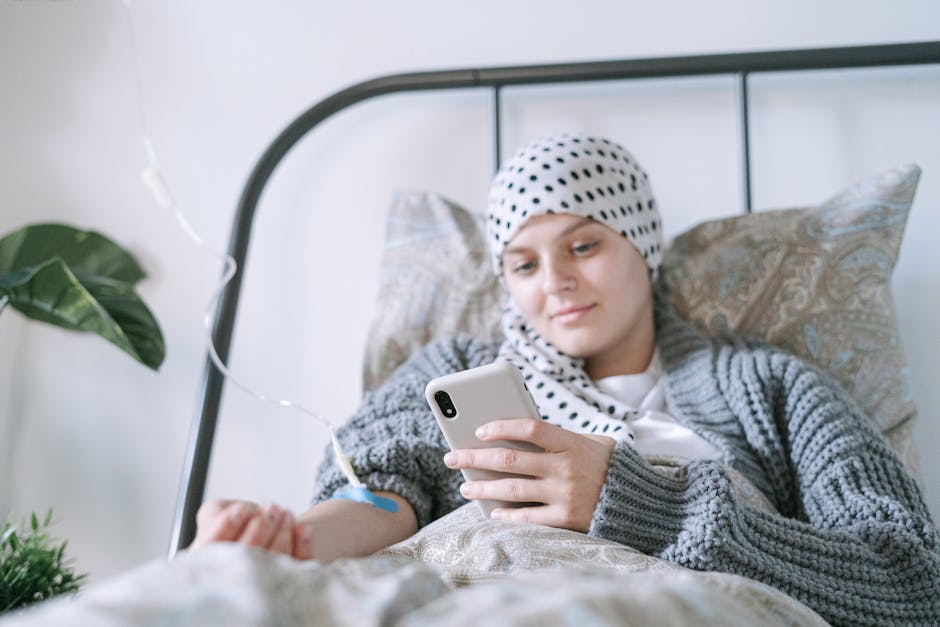
## Overview
Tumor progression is a critical concept in oncology, describing the series of events that occur as a tumor grows and potentially spreads throughout the body. Understanding this process is essential for both patients and healthcare providers, as it informs treatment strategies and prognosis.
## Key Information
At its core, tumor progression involves changes in the behavior of cancer cells. These cells begin to divide uncontrollably, often due to genetic mutations. As the tumor grows, it can invade adjacent tissues and, in some cases, enter the bloodstream or lymphatic system, leading to metastasis.
## Clinical Significance
Tumor progression is significant because it directly affects the stage of cancer, which is a critical factor in determining treatment options and predicting outcomes. Early-stage cancers may be treated with surgery or localized therapies, while advanced-stage cancers often require systemic treatments like chemotherapy.
## Treatment & Management
The management of tumor progression involves a combination of monitoring and therapeutic interventions. Regular imaging tests and biopsies may be used to assess the extent of tumor growth. Treatment options include surgery, radiation therapy, chemotherapy, targeted therapy, and immunotherapy, tailored to the type and stage of cancer.
## Patient Resources
Patients dealing with tumor progression can access a variety of resources, including support groups, educational materials, and counseling services. Organizations such as the American Cancer Society and Cancer Research UK offer extensive information and support.
#### Frequently Asked Questions
* **What causes tumor progression?**
Tumor progression is caused by genetic mutations that lead to uncontrolled cell division and growth.
* **Can tumor progression be stopped?**
While complete cessation is challenging, treatments can slow or manage progression effectively.
* **How is tumor progression monitored?**
Doctors use imaging tests, blood tests, and biopsies to monitor tumor growth and spread.
## Tumor Vasculature
URL: https://beatcancer.eu/cancer-dictionary/what-is-tumor-vasculature-and-how-to-understand-its-role-in-cancer-treatment/
Tumor vasculature refers to the network of blood vessels that supply nutrients and oxygen to a tumor, enabling its growth and survival. This vascular system is often abnormal compared to normal tissue vasculature, with irregular structure and function.

## Overview
Tumor vasculature is a crucial component of cancer biology. It consists of the blood vessels that nourish tumors, providing them with the necessary oxygen and nutrients to grow. Unlike normal blood vessels, those in tumor vasculature are often disorganized and leaky, which can affect how tumors grow and respond to treatment.
## Key Information
The development of tumor vasculature, known as angiogenesis, is a hallmark of cancer. Tumors can stimulate the formation of new blood vessels by releasing signaling molecules like vascular endothelial growth factor (VEGF). These new vessels are typically abnormal, with irregular shape and function, contributing to the chaotic environment within tumors.
* Tumor blood vessels are often more permeable than normal vessels, leading to increased interstitial fluid pressure within the tumor.
* This abnormal vasculature can hinder the delivery of therapeutic agents, making treatment more challenging.
* Understanding tumor vasculature is key to developing effective cancer therapies aimed at normalizing or disrupting these vessels.
## Clinical Significance
Tumor vasculature plays a significant role in cancer progression and treatment. The abnormal structure of these blood vessels can lead to inadequate delivery of chemotherapy and oxygen, impacting the effectiveness of treatments. Researchers are exploring ways to target tumor vasculature to improve the outcomes of cancer therapies.
Anti-angiogenic therapies, which aim to inhibit the growth of new blood vessels in tumors, have shown promise in certain cancers. By targeting the vasculature, these treatments can potentially starve the tumor of necessary nutrients and slow its growth.
## Treatment & Management
Several therapeutic strategies focus on targeting tumor vasculature:
* Anti-angiogenic drugs: These medications, such as bevacizumab, aim to block the signals that promote blood vessel growth.
* Vascular disrupting agents: These treatments work by damaging the existing tumor blood vessels, cutting off the tumor's blood supply.
* Normalization strategies: Some therapies aim to normalize the structure of tumor blood vessels to improve the delivery of chemotherapy and oxygen.
Combining these approaches with conventional cancer treatments may enhance their efficacy and provide better outcomes for patients.
## Patient Resources
Patients can access various resources to understand tumor vasculature and its implications in cancer treatment:
* [National Cancer Institute: Angiogenesis Inhibitors](https://www.cancer.gov/about-cancer/treatment/types/immunotherapy/angiogenesis-inhibitors-fact-sheet)
* [American Cancer Society: Cancer Basics](https://www.cancer.org/cancer/cancer-basics.html)
* [CancerCare: Support and Information](https://www.cancercare.org)
#### Frequently Asked Questions
* **What is the role of tumor vasculature in cancer?**
Tumor vasculature supplies the tumor with nutrients and oxygen, aiding its growth and survival. Abnormal blood vessels in tumors can also impact treatment delivery and effectiveness.
* **How do anti-angiogenic therapies work?**
Anti-angiogenic therapies aim to inhibit the growth of new blood vessels in tumors, potentially starving the tumor and slowing its growth.
* **Can targeting tumor vasculature improve cancer treatment outcomes?**
Yes, targeting tumor vasculature can enhance the effectiveness of cancer treatments by improving drug delivery and reducing tumor growth.
## Tumor markers
URL: https://beatcancer.eu/cancer-dictionary/tumor-markers/
Tumor markers are substances, often proteins, found in blood, urine, and tissue, produced by cancerous cells or by the body in response to cancer. They are valuable as they can indicate the presence, type, and progression of a malignancy. However, these markers are not entirely specific to cancer and can be elevated in non-cancerous conditions.

**Brief Overview of Cancer and Tumors**
Cancer, broadly speaking, refers to a complex group of diseases characterized by uncontrolled cell growth. When these abnormal cells clump together, they form what is known as a ‘tumor’. Tumors can be benign (non-cancerous) or malignant (cancerous). The latter poses a significant threat to life as they have the ability to invade surrounding tissues and metastasize to various parts of the body.
**Introduction to Tumor markers**
Over the years, advancements in the field of medical science have led to the discovery of biological substances known as tumor markers. These have proved to be instrumental in our battle against cancer. This article aims to delve deep into the intricacies of tumor markers, their types, and their role in the field of medicine.
## Understanding Tumor markers: The Basics
**Definition and significance of Tumor markers**
Tumor markers, in essence, are molecules present in blood, urine, or body tissues. They are typically produced either by the tumor cells themselves or by the body in response to cancer. They serve as a beacon of sorts, shedding light on the presence and nature of malignant growths.
**Basics about the creation and utilization of Tumor markers**
Tumor markers are introduced into the human body as a part of the body’s biological response mechanism to the existence of cancerous cells. The identification and quantification of these markers can provide critical insights into the presence, type, and stage of cancer, thereby affecting the treatment course significantly.
## Types of Tumor markers
**Specific Tumor markers related to certain cancers**
Some tumor markers are specific to certain types of cancer. For example, Prostate-Specific Antigen (PSA) is a tumor marker associated with prostate cancer, while Carcinoembryonic Antigen (CEA) can indicate colorectal cancer.
**Universal Tumor markers found in multiple cancer types**
On the other hand, there are also universal tumor markers, like Alkaline Phosphatase (ALP) and Lactate Dehydrogenase (LDH), which are found in multiple cancer types.
## The Role of Tumor markers in medicine
**Diagnostic capabilities of Tumor markers**
Tumor markers have been incorporated into modern medical practices to aid in cancer diagnosis. They help in understanding the biological behaviour of the cancer, predicting the likely course of the disease, and guiding the choice of therapy.
**Prognostic implications of Tumor markers**
Changes in the levels of tumor markers can provide vital prognostic information, helping doctors estimate a patient’s likely response to treatment and survival outlook.
**Monitoring cancer progression and response to treatment using Tumor markers**
Tumor markers also have an indispensable role in monitoring the progress of the disease and evaluating the effectiveness of the treatment being administered. Rising levels of tumor markers might signal disease progression or recurrence, while falling levels could indicate a favorable response to the treatment.
## Limitations and Challenges with Tumor markers
**False positives and false negatives**
One of the primary drawbacks of tumor markers is the risk of false positives and false negatives. Non-cancerous conditions may sometimes cause an elevation in tumor markers, leading to a false-positive result. Conversely, not all cancers produce tumor markers, which can lead to false negatives.
**Issues with specificity and sensitivity**
Tumor markers are not always specific for cancer, resulting in issues of specificity. Furthermore, they are not sensitive enough to detect cancers at the early stage, thus underscoring the need for more sophisticated methodologies.
## Future Trends in Tumor Markers Research
**Advancements in testing methodologies**
Considering the limitations, ongoing research is primarily focused on enhancing the sensitivity and specificity of tumor marker tests. The concept of liquid biopsy, which involves testing for circulating tumor cells or fragments of tumor DNA, is gaining considerable attention.
**Future applications and likelihood of personalized Tumor markers**
With the advancements in genomics and proteomics, personalized tumor markers that could aid in targeted therapies are likely to become more prevalent in the future.
## Conclusion
**Summary of the importance and challenges of Tumor markers**
In conclusion, tumor markers, despite their limitations, have profoundly transformed oncology practices. They provide valuable insights into the presence, nature, and progression of cancer, guiding therapeutic decisions and monitoring responses. As research advances, more effective and accurate tumor markers are likely to be discovered.
**Emphasizing why an understanding of Tumor markers matters**
Understanding tumor markers is essential for both medical practitioners and patients as it paves the way for individualized patient management, more accurate prognosis assessment, and timely modifications of treatment strategies.
## FAQs about Tumor markers
1. **What exactly are Tumor markers and what is their function in the body?**
Tumor markers are biological substances that either come from the tumor itself or are produced by the body in response to cancer. They are informative of the existence, type, and stage of cancer.
2. **Can Tumor markers be used to detect cancer in its early stages?**
While some tumor markers can help suspect the presence of certain cancers, they are not usually sensitive enough to detect cancer in the early stages.
3. **Do all types of cancer produce Tumor markers?**
Not all cancers produce tumor markers. Furthermore, non-cancerous conditions can also produce elevated levels of some markers.
4. **What implications do Tumor markers have in the prognosis of a patient?**
Tumor markers can provide important prognostic information, estimating the probable course of the disease and the patient’s survival rate.
5. **What kind of tests are performed to determine the presence of Tumor markers?**
The presence of tumor markers is usually determined through blood tests, urine tests, or by biopsy of the tumor tissue.
## Tumor suppressor genes
URL: https://beatcancer.eu/cancer-dictionary/tumor-suppressor-genes/
Tumor suppressor genes are a type of gene that makes a protein called a tumor suppressor protein, which helps regulate cell division. These genes primarily function to prevent cells from growing and dividing too rapidly or in an uncontrolled way, playing a vital role in preventing cancer. Mutations or abnormalities in these genes could lead to uncontrolled cell growth, leading to cancer.

Unraveling the mysteries of disease pathogenies, particularly cancer, necessitates a deep comprehension of the field of genetics. One of such genetic components that play a significant role in cancer biology are tumor suppressor genes. This article aims to shed light on tumor suppressor genes and their relevance to the study and treatment of cancer.
### Decoding the Term: Tumor Suppressor Genes
#### Definition of Tumor Suppressor Genes
Tumor suppressor genes are a type of genes involved in the regulation of cell division and cell death. They are essentially the body’s built-in defense mechanism against the excessive growth of cells, which if uncontrolled, could lead to the development of tumors. These genes primarily function by producing proteins that prevent cells from growing and dividing too rapidly or in an uncontrolled way.
Understanding the Function of Tumor Suppressor Genes
Cells in our body divide and grow in a regulated manner to replace older cells and maintain overall health. Tumor suppressor genes produce specific proteins that contribute to this controlled cell growth. These proteins also repair any DNA damage that might occur during cell division and trigger apoptosis, also known as programmed cell death, if the damage is too severe for repair. The primary role of a tumor suppressor gene, therefore, is to protect a cell from one step on the path to cancer.
### The Role of Tumor Suppressor Genes in the Human Body
#### Normal Cell Growth and Cell Division
Under normal circumstances, our cells grow, divide, and die in a cycle that is strictly controlled by our genes. This control mechanism ensures a balance in keeping our tissues and organs functionally stable. When a cell divides, it creates two copies of its DNA—one for each new cell. Tumor suppressor genes play an essential role in ensuring that this DNA replication is carried out correctly.
#### Preventing Uncontrolled Cell Growth: The Action of Tumor Suppressor Genes
When the function of tumor suppressor genes is compromised due to certain factors, cells might start to grow and divide uncontrollably—a phenomenon that can eventually lead to the formation of a tumor. The proteins produced by these genes essentially function as a ‘brake’ system that slows down cell division. When this ‘brake’ system is faulty due to a mutation in one or both copies of a tumor suppressor gene, normal cells can transform into cancerous cells.
### Identifying Dysfunction in Tumor Suppressor Genes
#### Mechanisms of Tumor Suppressor Gene Mutation
Mutations in tumor suppressor genes can happen in several ways. It can be inherited from a parent, occur randomly as a result of errors in DNA replication during cell division, or be caused by environmental factors such as exposure to harmful chemicals or harmful radiation. These mutations can lead to the production of dysfunctional proteins, or no proteins at all, rendering them unable to perform their tumor-suppressing duties.
#### Consequences of Tumor Suppressor Gene Malfunctions
When tumor suppressor genes malfunction, cells can become cancerous, and previous healthy tissues can evolve into malignant tumors. This not only increases the risk of developing cancer, but it can also result in an increased risk of genetic disorders like Li-Fraumeni syndrome or retinoblastoma, illnesses that greatly increase the risk of developing several types of cancer.
### Tumor Suppressor Genes and Cancer
#### The Connection between Tumor Suppressor Genes and Cancer Risk
Mutations in tumor suppressor genes not only assist in the uncontrolled growth of cells but can also increase an individual’s risk of developing various types of cancer. Notorious tumor suppressor genes like BRCA1 and BRCA2, when mutated, are known to significantly increase an individual’s likelihood of developing breast and ovarian cancer.
#### Specific Types of Cancer and Respective Tumor Suppressor Genes
Different tumor suppressor genes are associated with various types of cancer. For instance, mutations in the TP53 gene, which produces the valuable p53 protein, can lead to numerous forms of cancer, including breast cancer, lung cancer, and colorectal cancer. Similarly, changes in the APC gene can trigger a condition known as familial adenomatous polyposis, which increases the risk of colorectal cancer. Recognizing these specific associations is crucial to forming an effective cancer treatment plan.
### Recent Advancements in Research
#### Breakthroughs in Tumor Suppressor Gene Research
The field of genetics has been experiencing a rapid advancement in its understanding of tumor suppressor genes. Numerous groundbreaking studies that have led to a better understanding of the intricacies of these genes and their consequent proteins are assisting in the development of targeted therapies that can bring about more personalized treatment approaches for cancer patients.
#### Future Implications for Cancer Treatment
As our understanding of the role and functioning of tumor suppressor genes advances, the future of cancer treatment looks promising. The intricacy of the targeted therapy developed based on the functioning of these genes have the potential to significantly improve the effectiveness of cancer therapy, decrease side-effects, and increase survival rates.
### Conclusion
#### Restating the Importance of Tumor Suppressor Genes
Tumor suppressor genes play a pivotal role in regulating cell growth and preventing the development of cancer. A deeper understanding of their functioning can revolutionize the way we approach cancer treatment, making the study of these genes an all-important aspect of cancer research.
#### What the Future Holds for Tumor Suppressor Gene Research
Unlocking the secrets of tumor suppressor genes is like finding a master key to conquering the battle against cancer. With technological advancements and continuous research, the future of tumor suppressor gene research holds potential for discovering new intervention strategies and targeted treatments that could change the face of cancer therapy.
### Frequently Asked Questions
* **How does a tumor suppressor gene work?**
A tumor suppressor gene works by producing a protein that regulates cell growth and division. This protein effectively acts as a ‘brake’ mechanism to slow down cell division, thereby preventing uncontrolled cell growth that could lead to tumor formation.
* **What is the connection between tumor suppressor genes and cancer?**
Mutations in tumor suppressor genes can lead to the formation of abnormal proteins, or no proteins at all. This can result in uncontrolled cell division and growth, leading to the development of cancer. Some tumor suppressor gene mutations can also increase an individual’s risk of developing certain types of cancer.
* **What happens when tumor suppressor genes are mutated?**
When tumor suppressor genes are mutated, they may produce faulty proteins or no proteins at all. This can disrupt the normal regulation of cell growth and division, leading to uncontrolled cell proliferation and eventually, the growth of a tumor.
* **How are tumor suppressor gene mutations detected?**
Tumor suppressor gene mutations can be detected through genetic testing. Such tests usually involve examining a sample of blood or tissue for changes in the DNA sequence of specific tumor suppressor genes.
* **How can understanding tumor suppressor genes guide cancer treatment?**
Understanding the specific tumor suppressor genes involved in a patient’s cancer can guide targeted therapies and more personalized treatment approaches. This can potentially increase the effectiveness of the treatment, reduce side effects, and improve the patient’s overall quality of life.
## Tumor-Infiltrating Lymphocytes
URL: https://beatcancer.eu/cancer-dictionary/what-are-tumor-infiltrating-lymphocytes-and-how-to-use-them-in-cancer-treatment/
Tumor-infiltrating lymphocytes (TILs) are immune cells that have moved from the bloodstream into a tumor. They are part of the body's natural defense system and can recognize and attack cancer cells, which can help in slowing down or stopping tumor growth.
## Overview
Tumor-infiltrating lymphocytes (TILs) are a type of white blood cell that have left the bloodstream and migrated into a tumor. These cells are part of the immune system's response to cancer and can play a crucial role in the body's ability to fight the disease. TILs are often found in and around tumors, where they work to identify and destroy cancer cells.
## Key Information
Research has shown that the presence of TILs within a tumor is often associated with a better prognosis in cancer patients. These cells are typically composed of T-cells, which are a subset of lymphocytes that play a significant role in the immune response. The density and types of TILs can vary depending on the type of cancer and the individual patient's immune system.
## Clinical Significance
TILs are significant in cancer research and treatment because they represent the body's attempt to fight the tumor. High levels of TILs in certain cancers, such as melanoma and breast cancer, are linked to better outcomes and longer survival rates. Researchers are exploring ways to harness and enhance the activity of TILs as a form of immunotherapy, which could lead to more effective cancer treatments.
## Treatment & Management
One promising approach in cancer treatment is TIL therapy, where TILs are extracted from a patient's tumor, multiplied in the lab, and then reintroduced into the patient's body. This method aims to boost the immune system's ability to fight cancer by increasing the number of TILs that can target and destroy tumor cells. Clinical trials are ongoing to determine the effectiveness of this therapy across different types of cancer.
## Patient Resources
Patients interested in learning more about TILs and their role in cancer treatment can access resources from cancer research organizations, such as the American Cancer Society and Cancer Research UK. These organizations provide educational materials, support groups, and information on clinical trials involving TIL therapy.
#### Frequently Asked Questions
* **What types of cancer are TILs most effective against?**
TILs have shown promise in treating melanoma, breast cancer, and ovarian cancer, among others. Their effectiveness can vary based on the type of cancer and individual patient factors.
* **How are TILs collected for therapy?**
TILs are typically collected from a patient's tumor tissue during surgery. The cells are then cultured and expanded in a laboratory before being reintroduced into the patient's body.
* **Are there any side effects associated with TIL therapy?**
Like many cancer treatments, TIL therapy can have side effects, including flu-like symptoms, fatigue, and in some cases, more severe immune-related effects. Patients should discuss potential risks with their healthcare provider.
## Ultrasound
URL: https://beatcancer.eu/cancer-dictionary/ultrasound/
Ultrasound is a medical imaging technique that utilizes high-frequency sound waves to create images of internal body structures, such as organs, tissues, or blood flow. It's a non-invasive and safe diagnostic method used widely in medicine, particularly in obstetrics for pregnancy monitoring and diagnosis of related conditions.
Ultrasound, an essential tool in medical diagnostics and treatment, has become integral to modern healthcare. But what exactly is it, and how does it play such a pivotal role?
### Definition of Ultrasound
Ultrasound is a form of imaging technology that uses high-frequency sound waves to create images of organs and structures inside the body. Unlike X-rays, which use radiation, ultrasound is based on sound waves, making it a safer alternative for imaging, especially during pregnancy.
### Importance of Ultrasound in Healthcare
The importance of ultrasound in healthcare cannot be overstated. It is a non-invasive and real-time imaging option that allows healthcare professionals to monitor, diagnose, and treat internal diseases without having to resort to surgery.
## History of Ultrasound
### Discovery and Early Use
Ultrasound technology was first discovered in the late 19th century, with early uses focusing on industrial and marine applications. It was only during the Second World War that the medical potential of ultrasound began to be realized, initially being used to detect bodily injuries in soldiers.
### Evolution of Ultrasound Technology
Since its humble beginnings, ultrasound technology has come a long way. Today’s ultrasounds produce clear 3D and 4D images in real-time, allowing clinicians to view real-time function, movement, and status of organs, making and providing invaluable assistance in many medical scenarios.
## The Science Behind Ultrasound
### Explanation of Ultrasound waves
Ultrasound waves are sound waves above the range of human hearing, typically 20,000 Hertz. These waves can penetrate the body and reflect off surfaces to create images. When an ultrasound device transmits these waves into the body, they bounce back, creating “echoes,” which the device then measures and utilizes to create an image.
### How Ultrasound Equipment Works
Ultrasound machines work by emitting, receiving, and interpreting ultrasound waves. Delivering ultrasonic waves into the body through a handheld probe, the machine registers the returning echoes to generate a picture of the interior tissues and organs.
## Applications of Ultrasound in Medicine
### Diagnostic Ultrasound
Diagnostic ultrasound is probably the most familiar application of ultrasound technology in healthcare. It is used extensively in several disciplines including obstetrics, cardiology, and radiology.
#### Role of Ultrasound in Pregnancy
Ultrasound has significant use in monitoring the progress of pregnancy. It can track the development of a fetus, determine the baby’s sex, diagnose any abnormalities, and estimate the delivery date.
#### Use in Cardiology
Cardiologists leverage ultrasound through [echocardiogram](https://beatcancer.eu/cancer-dictionary/echocardiogram/)s to visualize the heart, vessel structures, and assess their functionality. This non-invasive method is crucial for diagnosing heart conditions and determining appropriate interventions.
### Therapeutic Ultrasound
Beyond diagnostics, ultrasound also features therapeutic applications, typically employing higher energy levels than diagnostic ultrasound. These treatments work by generating heat or agitation in the targeted tissues.
#### Treatment for Kidney Stones
Ultrasound is commonly used in the breakdown of kidney stones, a process known as lithotripsy. It delivers targeted, high-intensity waves to shatter the stones, enabling their natural removal through urinary tract.
#### Role in Physical Therapy
In physical therapy, ultrasound may be used to treat various musculoskeletal problems including sprains, strains, and chronic inflammation by stimulating blood circulation and tissue regeneration.
## Pros and Cons of Ultrasound
### Advantages
Ultrasound possesses many advantages: it’s non-invasive, doesn’t use radiation, provides real-time imaging, can image soft tissues and fluid-filled structures better than X-ray, usually painless, and is relatively lower in cost compared to other imaging methods like MRI and CT scans.
### Disadvantages or Risks
Despite its benefits, ultrasound is not without drawbacks. Image quality is heavily dependent on the skills of the operator. It’s also less effective at imaging air-filled organs like the lungs and can’t penetrate bone tissue. Therapeutic ultrasound can also pose risks such as overheating tissues or causing localized burns if not correctly applied.
## Innovations and Future Directions in Ultrasound
### New Developments
Ultrasound technology is continually evolving. Recent developments include [contrast-enhanced ultrasound](https://beatcancer.eu/cancer-dictionary/what-is-contrast-enhanced-ultrasound-and-how-to-use-it-effectively/), elastography for measuring tissue stiffness, and point-of-care ultrasound, simplifying its usage in critical care settings.
### Predicted Advances in Ultrasound Technology
The future holds even more promise for ultrasound technology. Potential advances include AI-assisted image interpretation, pocket-sized ultrasound devices for widespread use, and even advanced therapeutic applications such as drug delivery and targeted cancer treatment.
## Conclusion
### Reiteration of the Value of Ultrasound in Healthcare
The value of ultrasound in healthcare is undeniable. From diagnostic to therapeutic uses, ultrasound technology has markedly shaped our approach to healthcare, enhancing our ability to understand and interact with the human body.
### Final Thoughts
Despite the challenges and limitations, the future of ultrasound technology in healthcare looks bright. With ongoing advancements aiming to boost its efficiency and accessibility, ultrasound promises to remain a mainstay in health care, continuing to improve patient outcomes and our understanding of human health.
## FAQs
**1. What is the process for getting an ultrasound?**
Typically, a trained technician applies a gel on the skin in the specific area, which helps the transmission of sound waves. Then, a handheld device (probe) is moved over the area to capture images.
**2. How safe is ultrasound technology?**
Ultrasound technology is considered safe when used by trained healthcare professionals. There are no known harmful side-effects associated with diagnostic ultrasound when it is used appropriately.
**3. Are there any conditions that can’t be detected using ultrasound?**
Yes, certain conditions are difficult to detect using ultrasound. For instance, ultrasound waves don’t travel well through air or bone, so it’s not useful for diagnosing problems related to lungs (like pneumonia), brain, and spinal cord, among others.
**4. What is the difference between a 2D, 3D, and 4D ultrasound?**
A 2D ultrasound produces two-dimensional, flat images of tissue layers. 3D ultrasound generates three-dimensional images that offer better detail and perspective. 4D ultrasound, also known as real-time 3D ultrasound, provides moving 3D images, enabling observation of activities like a fetal heartbeat or movement in real-time.
**5. What potential future uses are there for ultrasound technology?**
Future uses for ultrasound technology involve AI-assisted image interpretation, drug delivery system, cancer treatment, and the ever-improving portability of devices for use in rural and remote settings.
## Ultrasound-Guided Biopsy
URL: https://beatcancer.eu/cancer-dictionary/what-is-an-ultrasound-guided-biopsy-and-how-to-use-it-for-accurate-diagnosis/
An ultrasound-guided biopsy is a medical procedure where a doctor uses ultrasound imaging to guide a needle to a specific area of the body to collect a tissue sample for examination. This technique helps ensure accuracy and minimize damage to surrounding tissues.

## Overview
An ultrasound-guided biopsy is a minimally invasive procedure used by healthcare professionals to obtain tissue samples from specific areas of the body. By using ultrasound imaging, doctors can accurately guide a needle to the target area, ensuring precision and reducing the risk of complications. This method is particularly useful for biopsies of soft tissues, such as the liver, breast, or thyroid.
## Key Information
Ultrasound-guided biopsies are commonly performed in outpatient settings, allowing patients to return home the same day. The procedure typically involves local anesthesia to numb the area, followed by the insertion of a thin needle to extract the tissue sample. The real-time imaging provided by ultrasound helps in accurately targeting the area of interest, which is crucial for effective diagnosis and treatment planning.
## Clinical Significance
This procedure is vital for diagnosing various conditions, including cancers, infections, and inflammatory diseases. By obtaining a precise tissue sample, pathologists can analyze the cells and provide critical information about the presence and type of disease, which aids in developing an appropriate treatment plan. Ultrasound guidance significantly increases the accuracy of biopsies, particularly in areas where direct visualization is challenging.
## Treatment & Management
After the biopsy, the tissue sample is sent to a laboratory for analysis. The results can help determine the next steps in patient care, such as starting a specific treatment regimen or conducting further diagnostic tests. Patients are usually advised to avoid strenuous activities for a short period following the procedure to allow for proper healing.
## Patient Resources
Patients can access various resources to better understand the procedure and its implications. Educational materials, support groups, and counseling services can provide valuable information and emotional support. Healthcare providers often offer brochures and online resources to help patients prepare for the biopsy and understand the potential outcomes.
#### Frequently Asked Questions
* **Is an ultrasound-guided biopsy painful?**
The procedure is generally well-tolerated, with most patients experiencing only mild discomfort due to the local anesthesia used.
* **How long does it take to get biopsy results?**
Results are typically available within a few days to a week, depending on the complexity of the analysis required.
* **Are there any risks associated with the procedure?**
While the procedure is generally safe, there are minimal risks, including bleeding, infection, or injury to nearby structures. However, these complications are rare.
## Urethral Cancer
URL: https://beatcancer.eu/cancer-dictionary/what-is-urethral-cancer-how-to-identify-and-manage-it/
Urethral cancer is a rare type of cancer that occurs in the urethra, the tube that carries urine from the bladder out of the body. It can cause symptoms such as difficulty urinating, blood in the urine, and pelvic pain.
## Overview
Urethral cancer is a rare malignancy that affects the urethra, the duct through which urine exits the body from the bladder. It is more common in older adults and can present with symptoms like painful urination, blood in the urine, and pelvic pain. The condition requires prompt medical attention for diagnosis and treatment.
## Key Information
Urethral cancer is categorized based on the type of cells involved. The most common types include squamous cell carcinoma, transitional cell carcinoma, and adenocarcinoma. Risk factors include chronic inflammation, urinary tract infections, and a history of bladder cancer. Early detection is crucial for effective treatment.
## Clinical Significance
Though rare, urethral cancer is clinically significant due to its impact on urinary function and potential to spread to other parts of the body. It is often diagnosed using imaging techniques and biopsy. Understanding the disease helps in developing targeted treatment strategies and improving patient outcomes.
## Treatment & Management
Treatment options for urethral cancer depend on the stage and location of the tumor. They may include surgery, radiation therapy, and chemotherapy. A multidisciplinary approach involving urologists, oncologists, and radiologists is often necessary to provide comprehensive care. Regular follow-ups are essential to monitor for recurrence.
## Patient Resources
Patients diagnosed with urethral cancer can access various resources for support and education. Organizations like the American Cancer Society and CancerCare offer guidance, counseling, and support groups. These resources are invaluable for patients and families navigating the complexities of cancer treatment.
#### Frequently Asked Questions
* **What are the early signs of urethral cancer?**
Early signs include difficulty urinating, frequent urination, and blood in the urine. If you experience these symptoms, consult a healthcare provider.
* **How is urethral cancer diagnosed?**
Diagnosis typically involves imaging tests such as CT scans or MRIs, along with a biopsy to examine tissue samples.
* **Is urethral cancer treatable?**
Yes, urethral cancer is treatable, especially when detected early. Treatment may involve surgery, radiation, or chemotherapy.
## Uterine cancer
URL: https://beatcancer.eu/cancer-dictionary/uterine-cancer/
Uterine cancer refers to a type of cancer that begins in the uterus, the pear-shaped organ in a woman's pelvis where fetal development occurs. It primarily affects postmenopausal women and it's typically caused by cells growing uncontrollably. The two main types are endometrial cancer (most common, starts in the uterus lining) and uterine sarcoma (rare, begins in the muscle). Early diagnosis and treatment are crucial for effective management.

Uterine cancer is one of the major concerns for women worldwide. It refers to malignant tumors that grow in the layers of the uterus, a significant female reproductive organ. This article aims to provide a comprehensive and easy-to-understand guide about uterine cancer – its causes, symptoms, preventive measures, treatment options, and more. Thus, this piece of information could be a vital resource for any woman, her loved ones, or anyone else interested in understanding this topic.
## Understanding Uterine Cancer: The Basic Definition
### Explaining the Science: What Happens in Uterine Cancer
Uterine cancer begins when the healthy cells in the uterus develop alterations (mutations) in their DNA. These mutations cause cells to grow and divide at a rapid rate and continue living when they would normally die. The accumulating abnormal cells form a mass (tumor).
### Differentiating Uterine Cancer from Other Types of Cancer
Uterine cancer specifically refers to the abnormal growth of cells in the structure of the uterus, whereas other forms of cancers are named after the organ or cell type where they originate.
### Overview of Endometrial Cancer: The Most Common Uterine Cancer
Endometrial cancer, the most prevalent form of uterine cancer, originates in the inner lining of the uterus, referred to as the endometrium. Most incidences of uterine cancers are this subtype.
## The Causes and Risk Factors of Uterine Cancer
### Understanding the Primary Causes
The precise cause of uterine cancer is unclear. However, it is believed to occur due to mutations in the DNA of the cells, causing overgrowth and resulting in a tumor.
### Identifying Key Risk Factors
Factors like age, obesity, nulliparity, and a family history of uterine cancer are considered substantial risk elements.
### Connection Between Hormonal Imbalance and Uterine Cancer
A hormonal imbalance, particularly an excess of estrogen compared to progesterone, can stimulate the endometrium, leading to endometrial cancer.
## Common Symptoms and Signs of Uterine Cancer
### Early Detection: Recognizing the Initial Symptoms
Early signs of uterine cancer may include unusual vaginal bleeding, pain during intercourse, or pelvic pain.
### Alarming Symptoms: When to Seek Immediate Medical Attention
Excessive vaginal bleeding, persistent pain, unexplained weight loss, and fatigue warrant an immediate consultation with a healthcare provider.
## Diagnostic Processes for Uterine Cancer
### Usual Medical History Check and Physical Examinations
A medical history and physical check-up provide insight into the patient’s health. They are the first steps in assessing the possibility of uterine cancer.
### Laboratory and Imaging Tests
Investigations like blood tests, ultrasonography, CT scans, or MRI can help identify any abnormalities.
### Biopsy: A Definitive Test for Uterine Cancer
A biopsy is the most reliable technique for diagnosing uterine cancer, where a small sample of uterine tissue is examined microscopically.
## Treatment Options for Uterine Cancer
### Surgical Interventions: Hysterectomy and Beyond
Surgical removal of the uterus (hysterectomy) is usually the first-line treatment for uterine cancer. Lymph nodes may also be removed during the procedure to check for spread.
### Radiation Therapy: When it is the Best Option
When surgery is not possible, radiation therapy is generally used. It utilizes high-energy rays to kill cancer cells.
### Chemotherapy and Hormonal Therapies: How They Work
Chemotherapy uses drugs to destroy cancer cells, and hormonal therapy aims to block hormones that fuel cancer cells.
## Living with Uterine Cancer
### The Emotional Toll: Dealing With the Diagnosis
Receiving a cancer diagnosis is emotionally challenging. Psychological counseling could provide a much-needed support system to the patients.
### Finding Support: Navigating the Journey with Uterine Cancer
Various support groups, both online and offline, can help patients cope. Peer support can be incredibly helpful in light of such life-altering news.
## Prevention and Early Detection
### Lifestyle Modifications to Decrease Uterine Cancer Risk
Healthy lifestyle changes like maintaining a healthy weight, regular exercise, limiting alcohol, and a balanced diet may help reduce the risk.
### Regular Check-ups and Screening for Uterine Cancer
Regular screenings and pelvic exams can catch abnormalities early that might indicate the onset of uterine cancer.
## Conclusion
### Recap of Uterine Cancer and its Impacts
Uterine cancer, especially endometrial, is a significant health concern for women. Awareness, early detection, and immediate medical attention are critical in combating this disease.
### Encourage Readers to Seek Medical Help if Required
If you experience any symptoms or if uterine cancer runs in your family, it is crucial to seek appropriate medical attention promptly.
### FAQs:
1. **What is the main cause of uterine cancer?**
The primary cause of uterine cancer is not exactly known. However, it is often attributed to mutations in the DNA of uterine cells.
2. **Who is most at risk for uterine cancer?**
Older women, particularly post-menopausal women, and those with a family history of uterine cancer are more at risk. Obesity, hormonal imbalances, and nulliparity can also increase the risk.
3. **Is uterine cancer 100% curable and what are the survival rates?**
The cure rate and survival depend on the stage of the cancer when detected. Early-stage uterine cancer has a high five-year survival rate.
4. **What are the potential long-term effects of uterine cancer treatments?**
Potential long-term effects could include fertility issues, premature menopause, sexual side effects, lymphedema, and psychological effects.
5. **If I have been diagnosed with uterine cancer, are there support groups that I can join?**
Yes, numerous support groups exist both online and offline. Talking with fellow survivors and patients can help women navigate this challenging journey.
## Vaccine Therapy
URL: https://beatcancer.eu/cancer-dictionary/what-is-vaccine-therapy-and-how-to-use-it-for-treatment/
Vaccine therapy is a treatment approach that uses vaccines to stimulate the body's immune system to fight diseases, particularly infections and certain types of cancer.

## Overview
Vaccine therapy is a medical treatment that involves the use of vaccines to boost the immune system's ability to combat disease. While traditionally associated with preventing infectious diseases, vaccines are increasingly being developed to treat existing conditions, including some cancers. This therapy works by introducing antigens into the body, prompting an immune response that targets harmful cells or pathogens.
## Key Information
Vaccines have been a cornerstone of public health for over a century, primarily used to prevent diseases like measles, polio, and influenza. However, the concept of vaccine therapy extends beyond prevention to include treatment. This approach is particularly promising in oncology, where cancer vaccines aim to stimulate the immune system to identify and destroy cancer cells. Various types of vaccines, such as inactivated, live-attenuated, and recombinant vaccines, play roles in both preventive and therapeutic contexts.
## Clinical Significance
The clinical significance of vaccine therapy lies in its potential to offer targeted treatment with fewer side effects compared to conventional therapies like chemotherapy. In cancer treatment, therapeutic vaccines are designed to target specific antigens present on tumor cells, enhancing the immune system's ability to recognize and eliminate cancer. This personalized approach can lead to better outcomes for patients with certain types of cancer, such as melanoma and prostate cancer.
## Treatment & Management
Therapeutic vaccines are administered as part of a broader treatment regimen, often in conjunction with other therapies like surgery, chemotherapy, or radiation. The protocols vary depending on the type of vaccine and the condition being treated. For example, cancer vaccines may be given as a series of injections over several weeks or months. Ongoing research aims to improve the efficacy of vaccine therapy and expand its use to other diseases.
## Patient Resources
Patients interested in vaccine therapy can access a range of resources for support and education. Organizations such as the American Cancer Society and the National Cancer Institute provide information on current vaccine therapies and clinical trials. Patients should also consult with their healthcare providers to understand the potential benefits and risks of vaccine therapy in their specific case.
#### Frequently Asked Questions
* **What types of diseases can vaccine therapy treat?**
Vaccine therapy is primarily used for certain cancers and infectious diseases. Research is ongoing to expand its applications.
* **Is vaccine therapy safe?**
Vaccine therapy is generally considered safe, but like all treatments, it may have side effects. Patients should discuss potential risks with their healthcare providers.
* **How does vaccine therapy differ from traditional vaccines?**
Traditional vaccines prevent diseases, while vaccine therapy is used to treat existing conditions by stimulating the immune system to fight disease.
## Valrubicin
URL: https://beatcancer.eu/cancer-dictionary/what-is-valrubicin-how-it-works-and-how-to-use-it-in-cancer-treatment/
Valrubicin is a chemotherapy drug used primarily to treat bladder cancer that has not responded to other treatments. It works by interfering with the growth of cancer cells, slowing or stopping their spread.
## Overview
Valrubicin is a chemotherapy medication specifically used to treat bladder cancer. It is administered directly into the bladder, making it a localized treatment option. Valrubicin is often prescribed when other treatments have not been effective, particularly for carcinoma in situ of the bladder.
## Key Information
Valrubicin belongs to a class of drugs known as anthracyclines. It is a synthetic derivative of doxorubicin, designed to be less toxic. The drug is delivered intravesically, meaning it is instilled directly into the bladder through a catheter. This localized approach helps to minimize systemic side effects, making it a preferred option for patients with non-muscle invasive bladder cancer.
## Clinical Significance
Valrubicin is significant in the treatment of bladder cancer, particularly for patients with carcinoma in situ who are unresponsive to Bacillus Calmette-Guérin (BCG) therapy. It offers an alternative to more invasive treatments like cystectomy (removal of the bladder), potentially preserving quality of life. Clinical trials have demonstrated its efficacy in inducing [complete remission](https://beatcancer.eu/cancer-dictionary/what-is-complete-remission-how-to-understand-and-use-this-medical-term/) in a subset of patients.
## Treatment & Management
The standard protocol for valrubicin involves weekly instillations into the bladder for six weeks. Patients are monitored for response and side effects, which may include bladder irritation, urinary frequency, and discomfort. It is crucial for patients to follow their healthcare provider's instructions regarding fluid intake and activity restrictions post-treatment to maximize the drug's efficacy.
## Patient Resources
Patients considering or undergoing valrubicin treatment have access to various resources. These include educational brochures from cancer support organizations, online forums for patient experiences, and counseling services to address emotional and psychological needs. Healthcare providers can also offer guidance on managing side effects and maintaining overall health during treatment.
#### Frequently Asked Questions
* **What are the common side effects of valrubicin?**
Common side effects include bladder irritation, urinary frequency, and discomfort. Patients should report any severe or persistent symptoms to their healthcare provider.
* **How effective is valrubicin in treating bladder cancer?**
Valrubicin has shown efficacy in inducing remission in patients with carcinoma in situ of the bladder, particularly when other treatments have failed. However, its effectiveness can vary based on individual patient factors.
* **Can valrubicin be used in combination with other treatments?**
While valrubicin is typically used as a standalone treatment for certain cases of bladder cancer, healthcare providers may consider additional therapies based on the patient's overall treatment plan and response.
## Vascular Sarcoma
URL: https://beatcancer.eu/cancer-dictionary/what-is-vascular-sarcoma-how-to-identify-it-and-how-to-use-treatment-options-effectively/
Vascular sarcoma is a rare type of cancer that originates in the cells that make up blood vessels. It can occur in any part of the body but is most commonly found in the skin, liver, or deep tissues. This cancer is known for its aggressive nature and potential to spread quickly to other parts of the body.
## Overview
Vascular sarcoma is a group of rare cancers that arise from the cells of blood vessels. These tumors can develop in any part of the body, making them particularly challenging to diagnose and treat. They are characterized by their aggressive behavior and potential to metastasize, or spread, to other organs.
## Key Information
Vascular sarcomas are classified based on the type of blood vessel cell they originate from. They include [angiosarcoma](https://beatcancer.eu/cancer-dictionary/angiosarcoma/)s, which begin in the cells lining the blood vessels, and hemangiosarcomas, which affect the blood vessel walls. These tumors are most commonly found in the skin, liver, and deep tissue but can occur anywhere in the body.
Due to their rarity, vascular sarcomas account for less than 1% of all sarcoma cases. They tend to occur more frequently in adults, though they can also affect children.
## Clinical Significance
The medical significance of vascular sarcoma lies in its aggressive nature and poor prognosis. Early detection is crucial for effective treatment, but diagnosis can be difficult due to the tumor's non-specific symptoms and locations. Imaging studies and biopsies are typically required for a definitive diagnosis.
Understanding the molecular biology of vascular sarcomas is critical for developing targeted therapies. Research is ongoing to identify genetic mutations and pathways that could be exploited for treatment.
## Treatment & Management
Treatment options for vascular sarcoma depend on the size, location, and stage of the tumor. Surgery is often the first line of treatment to remove the tumor, followed by radiation therapy or chemotherapy to eliminate any remaining cancer cells. In some cases, targeted therapies or immunotherapies may be used to attack specific cancer cells.
Due to the aggressive nature of vascular sarcomas, a multidisciplinary approach involving oncologists, surgeons, and radiologists is often necessary to manage the disease effectively.
## Patient Resources
Patients diagnosed with vascular sarcoma can find support and information through various cancer organizations and support groups. The American Cancer Society and the Sarcoma Foundation of America provide educational materials and resources for patients and their families.
#### Frequently Asked Questions
* **What are the symptoms of vascular sarcoma?**
Symptoms vary depending on the tumor's location but may include swelling, pain, or a noticeable lump. Skin lesions may appear as bruises or red patches.
* **How is vascular sarcoma diagnosed?**
Diagnosis typically involves imaging studies such as MRI or CT scans, followed by a biopsy to confirm the type of cancer.
* **What is the prognosis for vascular sarcoma?**
The prognosis depends on several factors, including the tumor's size, location, and how early it is detected. Generally, vascular sarcomas have a poor prognosis due to their aggressive nature.
## Vascular endothelial growth factor (VEGF)
URL: https://beatcancer.eu/cancer-dictionary/vascular-endothelial-growth-factor-vegf/
Vascular endothelial growth factor (VEGF) is a protein that stimulates the growth of blood vessels. More specifically, it promotes angiogenesis (the formation of new blood vessels from pre-existing ones), vascular permeability, and endothelial cell growth. It plays a significant role in various biological processes, such as embryonic development and wound healing, but is also implicated in diseases like cancer.

In recent years, the role of Vascular Endothelial Growth Factor (VEGF) in human health and disease has garnered significant attention from the medical and scientific community. This protein, crucial to the formation of blood vessels, has an undeniable importance in understanding many health conditions and paving the way for future medical breakthroughs.
#### Brief Overview of Vascular Endothelial Growth Factor (VEGF)
VEGF is a signal protein produced by cells that stimulates the formation of blood vessels, a process known as angiogenesis. Initially recognized for its vascular endothelial cell specificity, VEGF is now identified to have a wide range of effects in various types of cells and tissues.
#### Importance of Understanding VEGF
Understanding VEGF is vital as its functions are not just limited to healthy bodily functions, but also in the pathogenesis of diverse diseases. Its overexpression or under expression can contribute to a myriad of diseases, including cancer and macular degeneration.
### Defining Vascular Endothelial Growth Factor (VEGF)
#### In-depth Definition of Vascular Endothelial Growth Factor (VEGF)
VEGF, an integral part of the system that restores the oxygen supply to tissues when blood circulation is inadequate, is a glycoprotein that induces angiogenesis, vasculogenesis, and endothelial cell growth. This protein intricately regulates cellular mechanisms for the maintenance and optimization of bodily functions.
#### Different Types of VEGF
Biologically, five different forms of VEGF exist, namely VEGF-A to VEGF-E, each with unique roles in angiogenesis and processes like cell migration, cell differentiation, and the modulation of blood vessel permeability.
#### Function and Role of VEGF in the Body
VEGF’s function as a vasodilator involves increasing the diameter of blood vessels, enhancing blood flow to tissues. It also acts as a chemoattractant, attracting macrophages and granulocytes, aiding in the regulation of the immune response.
### The Science Behind VEGF
#### The Biological Process of VEGF Production
VEGF production is predominantly stimulated by hypoxia (oxygen deficit in tissues) through a well-coordinated interaction between subcellular structures, proteins, and enzymes. VEGF gene expression is controlled by Hypoxia Inducible Factor-1 (HIF-1), which becomes active under low-oxygen conditions.
#### Role of VEGF in Angiogenesis and Vasculogenesis
VEGF plays a vital role in the formation of new blood vessels from pre-existing ones (angiogenesis) and the creation of blood vessels during the early stages of embryonic development (vasculogenesis). It helps regulate these processes and ensure oxygen and nutrient delivery to tissues and organs.
#### The Impact of VEGF on Endothelial Cells
VEGF affects endothelial cells by stimulating them to survive, proliferate, migrate, differentiate, and form vascular structures. The interaction between VEGF and its receptors on endothelial cells represents a key target for therapies aiming to inhibit or stimulate angiogenesis.
### Health Implications Related to VEGF
#### Connection between VEGF and Various Diseases
Anomalies in VEGF levels can lead to a variety of diseases. Overexpressed VEGF is linked to pathological angiogenesis involved in diseases like rheumatoid arthritis, psoriasis, and other inflammatory diseases. Conversely, VEGF underexpression is associated with ischemic and mitochondrial disorders.
#### The Role of VEGF in Cancer Progression
Aberrant VEGF expression has been implicated in the promotion of tumor growth and metastasis by enhancing angiogenesis, hence providing cancer cells with nutrients and oxygen needed for proliferation.
#### VEGF and Eye Diseases: Macular Degeneration
Increased levels of VEGF also play a significant role in eye diseases like macular degeneration—characterized by the growth of abnormal blood vessels in the macula, leading to vision loss.
### Clinical Applications and Advancements in VEGF
#### Therapeutic Strategies Targeting VEGF: Progress and Challenges
Treatments targeting VEGF have shown promise in treating various diseases. In cancer treatment, anti-VEGF therapies can help inhibit tumor growth. However, resistance to treatment and adverse effects are some of the challenges faced in clinical applications.
#### VEGF and its Impact on Modern Medicine
Understanding VEGF has revolutionized modern medicine, particularly in understanding disease processes and developing treatment strategies. Anti-VEGF drugs, like Bevacizumab, are now frontline treatments for various forms of cancer and macular degeneration.
### Conclusion
#### Recap of the Importance and Implications of VEGF
The intricate role of VEGF in diseases and health demonstrates its paramount importance in biomedicine. Understanding its functions and applications can significantly impact the diagnosis and treatment strategies of numerous diseases.
#### Future Research and Studies for VEGF
There remain many unexplored aspects of VEGF. Future research should focus on building a more comprehensive understanding of its multiple forms, complex mechanisms, associations with diseases, and potential in therapeutic applications.
### FAQs:
* **What is the main function of Vascular endothelial growth factor (VEGF) in the body**
The main function of VEGF is to stimulate the formation of blood vessels, a process known as angiogenesis. It’s also crucial in vasculogenesis, the formation of blood vessels during the early stages of embryonic development.
* **How does VEGF contribute to the progression of cancer?**
VEGF can contribute to cancer progression by stimulating the growth of new blood vessels that supply oxygen and nutrients to cancerous tumors, aiding their growth and metastasis.
* **Can the levels of VEGF in the body be controlled or manipulated for healthcare purposes?**
Yes, therapeutic strategies can modulate VEGF levels in the body, such as anti-VEGF therapy, which has shown significant promise in treating diseases like cancer and macular degeneration.
* **What is the relationship between VEGF and eye diseases like Macular Degeneration?**
In conditions like macular degeneration, excessive VEGF levels can lead to the growth of abnormal blood vessels in the macula, an area in the retina responsible for sharp central vision, which can lead to vision loss.
* **What are some of the latest advancements in the medical field that leverage the understanding of VEGF?**
VEGF’s understanding has led to the development of drugs like Bevacizumab, used to treat various cancers and macular degeneration by inhibiting VEGF and reducing the growth of abnormal blood vessels.
## Vegf Inhibitors
URL: https://beatcancer.eu/cancer-dictionary/what-is-vegf-inhibitors-how-to-use-them-and-their-benefits/
VEGF inhibitors are medications that block the action of vascular endothelial growth factor (VEGF), a protein that promotes blood vessel formation. These inhibitors are used to treat various conditions, primarily certain types of cancer and eye diseases, by restricting the growth of blood vessels that supply nutrients to tumors or affect vision.
## Overview
VEGF inhibitors are a class of drugs designed to block the activity of [vascular endothelial growth factor (VEGF)](https://beatcancer.eu/cancer-dictionary/vascular-endothelial-growth-factor-vegf/), a signaling protein that stimulates the formation of blood vessels. This process, known as angiogenesis, is crucial for normal body functions but can also contribute to disease progression in conditions like cancer and age-related macular degeneration (AMD). By inhibiting VEGF, these medications help to slow or stop the growth of abnormal blood vessels.
## Key Information
VEGF was first identified in the 1980s, and its role in angiogenesis has made it a target for therapeutic intervention. VEGF inhibitors can be monoclonal antibodies, such as bevacizumab (Avastin), or small molecule tyrosine kinase inhibitors like sunitinib (Sutent). These drugs are administered through various routes, including intravenous infusion and oral tablets, depending on the specific medication and condition being treated.
## Clinical Significance
VEGF inhibitors have transformed the treatment landscape for several cancers, including colorectal, lung, and renal cell carcinoma, by depriving tumors of the blood supply they need to grow. In ophthalmology, VEGF inhibitors like ranibizumab (Lucentis) have significantly improved the management of AMD, diabetic retinopathy, and other retinal disorders by preventing vision loss.
## Treatment & Management
In cancer therapy, VEGF inhibitors are often used in combination with chemotherapy or other targeted therapies to enhance treatment efficacy. For eye diseases, these drugs are typically administered via intravitreal injections at regular intervals to maintain their therapeutic effects. Patients receiving VEGF inhibitors require careful monitoring for side effects such as hypertension, bleeding, and impaired wound healing.
## Patient Resources
Patients can access various resources for support and education, including patient advocacy groups, informational websites, and counseling services. Organizations like the American Cancer Society and the Macular Degeneration Association provide valuable information on treatment options, side effects, and coping strategies.
#### Frequently Asked Questions
* **What conditions are treated with VEGF inhibitors?**
VEGF inhibitors are primarily used to treat certain cancers and eye diseases like age-related macular degeneration and diabetic retinopathy.
* **How do VEGF inhibitors work?**
They block the action of VEGF, preventing the growth of new blood vessels that supply nutrients to tumors or cause vision problems.
* **What are the common side effects of VEGF inhibitors?**
Common side effects include high blood pressure, bleeding, and delayed wound healing. Patients should be closely monitored by their healthcare provider.
## Viral Oncogenesis
URL: https://beatcancer.eu/cancer-dictionary/what-is-viral-oncogenesis-and-how-to-understand-its-impact/
Viral oncogenesis refers to the process by which viruses can cause cancer in humans and animals. Certain viruses can alter the genetic material of cells, leading to uncontrolled cell growth and the development of tumors.

## Overview
Viral oncogenesis is the process by which viruses contribute to the development of cancer. This occurs when viruses infect cells and integrate their genetic material into the host's DNA, potentially leading to mutations and uncontrolled cell growth. Understanding viral oncogenesis is crucial for developing preventive strategies and treatments for virus-related cancers.
## Key Information
Several viruses are known to cause cancer, including human papillomavirus (HPV), hepatitis B and C viruses, and Epstein-Barr virus (EBV). These viruses can disrupt normal cellular processes, leading to malignancy. For instance, HPV is linked to cervical cancer, while hepatitis viruses are associated with liver cancer. Research indicates that viral infections contribute to approximately 15-20% of all cancers worldwide.
## Clinical Significance
The study of viral oncogenesis is vital for identifying high-risk populations and implementing vaccination programs. For example, the HPV vaccine has significantly reduced the incidence of cervical cancer in vaccinated populations. Understanding the mechanisms of viral oncogenesis also aids in the development of targeted therapies and early detection methods.
## Treatment & Management
Management of virus-related cancers includes antiviral therapies, vaccines, and traditional cancer treatments such as chemotherapy, radiation, and surgery. Vaccination remains a key preventive measure, especially for HPV and hepatitis B. Ongoing research focuses on developing more effective treatments and vaccines to combat viral oncogenesis.
## Patient Resources
Patients can access a variety of resources to learn more about viral oncogenesis and related cancers. Organizations such as the American Cancer Society and the Centers for Disease Control and Prevention offer educational materials, support groups, and information on vaccination programs. Consulting healthcare providers for personalized advice is also recommended.
#### Frequently Asked Questions
* **What viruses are known to cause cancer?**
Viruses such as HPV, hepatitis B and C, and EBV are known to be associated with various cancers.
* **How can viral oncogenesis be prevented?**
Vaccination, safe practices to avoid infection, and regular screenings are effective preventive measures.
* **Is there a cure for virus-related cancers?**
Treatment options exist, but the focus is on prevention and early detection. Research is ongoing to find more effective cures.
## Visceral Metastasis
URL: https://beatcancer.eu/cancer-dictionary/what-is-visceral-metastasis-how-to-identify-it-and-how-to-manage-it/
Visceral metastasis refers to the spread of cancer cells from the original tumor site to the internal organs such as the liver, lungs, or brain. This process indicates an advanced stage of cancer and requires specialized treatment strategies.
## Overview
Visceral metastasis occurs when cancer cells break away from the primary tumor and travel through the bloodstream or lymphatic system to invade vital internal organs. This type of metastasis is often associated with advanced cancer stages and can significantly impact a patient's prognosis and treatment options.
## Key Information
Metastasis is a hallmark of cancer progression and is responsible for the majority of cancer-related deaths. The organs most commonly affected by visceral metastasis include the liver, lungs, brain, and bones. The presence of metastasis often complicates treatment and may require a combination of therapies, including surgery, chemotherapy, radiation, and targeted therapies.
## Clinical Significance
Understanding visceral metastasis is crucial for developing effective treatment plans. It helps oncologists determine the stage of cancer, predict outcomes, and tailor therapies to individual patient needs. Advances in imaging and molecular diagnostics have improved the detection and characterization of metastatic lesions, aiding in early intervention and better management of the disease.
## Treatment & Management
Treatment of visceral metastasis often involves a multidisciplinary approach. Options may include systemic therapies like chemotherapy and targeted therapy, which aim to control cancer growth and spread. In some cases, surgical intervention or radiation therapy may be used to remove or shrink metastatic tumors. Palliative care is also an integral part of managing symptoms and maintaining quality of life for patients with advanced cancer.
## Patient Resources
Patients with visceral metastasis can access a variety of resources for support and information. Organizations such as the American Cancer Society and Cancer Research UK provide educational materials, support groups, and counseling services. Online forums and local support groups can also offer emotional support and shared experiences from other patients and caregivers.
#### Frequently Asked Questions
* **What are the symptoms of visceral metastasis?**
Symptoms vary depending on the affected organ but may include pain, fatigue, jaundice, neurological deficits, or respiratory issues.
* **How is visceral metastasis diagnosed?**
Diagnosis typically involves imaging tests such as CT scans, MRIs, or PET scans, along with biopsies to confirm the presence of metastatic cancer cells.
* **Can visceral metastasis be cured?**
While challenging to cure, treatment can often control the spread of cancer and alleviate symptoms, improving quality of life.
## Wedge Resection
URL: https://beatcancer.eu/cancer-dictionary/what-is-a-wedge-resection-how-to-prepare-and-how-to-use-it-for-treatment/
A wedge resection is a surgical procedure where a small, wedge-shaped piece of tissue is removed from an organ, often used to treat lung conditions or diagnose lung cancer.
## Overview
A wedge resection is a surgical technique primarily used to remove a small, wedge-shaped portion of tissue from an organ. It is most commonly performed on the lungs to treat or diagnose various conditions, including tumors or infections. This procedure is less invasive than a [lobectomy](https://beatcancer.eu/cancer-dictionary/lobectomy/), where an entire lobe of the lung is removed, making it an attractive option for patients with smaller lesions or those who may not tolerate more extensive surgery.
## Key Information
Wedge resections are typically performed under general anesthesia. The surgeon makes small incisions in the chest and uses specialized instruments to remove the targeted tissue. This procedure is often done using minimally invasive techniques, such as video-assisted thoracoscopic surgery (VATS), which involves the use of a camera and small tools inserted through the incisions.
Patients undergoing a wedge resection can expect a shorter recovery time compared to more extensive surgeries. However, as with any surgical procedure, there are risks, including infection, bleeding, and complications related to anesthesia.
## Clinical Significance
Medically, wedge resections are significant for their role in both diagnostic and therapeutic contexts. They can be used to obtain tissue samples for biopsy, aiding in the diagnosis of lung cancer. This procedure is also an effective treatment option for removing small, localized tumors, particularly when preserving lung function is a priority.
Studies have shown that wedge resections can be an appropriate treatment for early-stage non-small cell lung cancer (NSCLC), offering good outcomes for selected patients. The decision to perform a wedge resection depends on factors such as the size and location of the tumor, the patient's overall health, and lung function.
## Treatment & Management
Before undergoing a wedge resection, patients will have a thorough evaluation, including imaging studies like CT scans or PET scans, to assess the size and location of the lesion. Pulmonary function tests may also be conducted to ensure the patient can tolerate the procedure.
Post-surgery, patients are monitored closely for complications. Pain management, breathing exercises, and physical therapy are integral parts of recovery. Follow-up appointments are necessary to monitor healing and ensure the absence of recurrent disease.
## Patient Resources
Patients considering a wedge resection can benefit from resources such as educational materials provided by healthcare providers, support groups for lung cancer patients, and informational websites from reputable organizations like the American Lung Association.
#### Frequently Asked Questions
* **What conditions can a wedge resection treat?**
Wedge resections are often used to treat small lung tumors, infections, or to obtain tissue for biopsy in cases of suspected lung cancer.
* **What is the recovery time after a wedge resection?**
Recovery time can vary, but most patients can return to normal activities within a few weeks, with full recovery taking longer depending on individual circumstances.
* **Are there alternatives to a wedge resection?**
Alternatives may include more extensive surgeries like lobectomy, radiation therapy, or in some cases, watchful waiting, depending on the patient's condition and overall health.
## White blood cell
URL: https://beatcancer.eu/cancer-dictionary/white-blood-cell/
White blood cells, also known as leukocytes, are crucial components of the immune system that defend the body against both infectious diseases and foreign materials. They originate from stem cells in the bone marrow and are partitioned into granulocytes (neutrophils, eosinophils, basophils) and non-granulocytes (lymphocytes, monocytes).
Blood, that life-sustaining, ruby-red substance coursing through our veins, is much more complex than it appears. It comprises various components, each playing a critical role in our body’s function. Among them, white blood cells, also known as leukocytes, stand out for their monumental role in safeguarding our health.
### A Brief Overview of White Blood Cells
White blood cells, one of the key players in our immune system, are the valiant soldiers of our body, combating pathogens such as bacteria, viruses, and other foreign invaders. In essence, these cells act as our anatomical defenders, preventing illness and disease.
### The Role and Importance of White Blood Cells in the Human Body
Without white blood cells, our bodies would be vulnerable to a plethora of diseases, infections and other medical complications. They engage in an unending tussle with potentially harmful invaders, ensuring a healthy and optimal bodily function.
### Understanding the Concept of White Blood Cells
White blood cells form one of the most vital parts of our immune system. Produced in the bone marrow, they outnumber red blood cells and are responsible for fighting off infections by attacking and eliminating harmful bacteria, viruses, and other pathogens.
### Classification of White Blood Cells
White blood cells are sub-divided into several types, each with a unique function. These include neutrophils, responsible for fighting bacteria; lymphocytes, which produce antibodies and carryout immune responses; and monocytes, that destroy bacteria as well as help in tissue repair.
### How White Blood Cells are Formed?
White blood cells are formed from stem cells in the bone marrow. Once formed, they move into the bloodstream where they perform their necessary functions.
### The Immune Response of White Blood Cells
White blood cells respond to infections in the body by attacking and destroying harmful pathogens. They play an integral part in our body’s defense mechanism, recognizing foreign bodies, binding to them, and annihilating them.
### How White Blood Cells Respond to Infections
White blood cells spring into action as soon as an infection is detected. They engulf and digest the invading organisms, producing antibodies that punch holes in the pathogens’ cell walls, causing them to be eliminated from the body.
### The Role of White Blood Cells in Disease Resistance
White blood cells are crucial in disease resistance, they mount an immune response against diseases, ensuring that the body stays healthy.
#### High White Blood Cell Count: Leukemia
Leukemia is a form of cancer that leads to an excessively high white blood cell count. These escalated levels crowd the bone marrow, hindering the production of other necessary blood cells.
#### Low White Blood Cell Count: Neutropenia
Neutropenia refers to a condition with low neutrophils, a type of white blood cells. This creates vulnerabilities for infections, as the primary cell responsible for fighting bacteria is significantly reduced in number.
#### Other White Blood Cell Disorders
Various other disorders can impact the number and functionality of white blood cells. Examples include lymphoma – a type of cancer affecting lymphocytes, and [myelodysplastic syndromes](https://beatcancer.eu/cancer-dictionary/myelodysplastic-syndromes/) – affecting the production of white blood cells in the bone marrow.
### Measures to Maintain Healthy White Blood Cell Count
Maintaining a balanced diet, regular exercise, limiting alcohol, and quitting smoking can help to maintain a healthy white blood cell count. Medical professionals may also suggest routine blood tests to monitor your white blood cell levels.
### Impact of Lifestyle on White Blood Cell Levels
Lifestyle plays a significant role in the health and number of white blood cells. High stress, poor diet, lack of sleep, and harmful habits like smoking can cause a decrease in white blood cell count.
### Treatment Options for White Blood Cell Disorders
Treatments depend on the disorder’s specifics. This may include medication, chemotherapy, radiation therapy, or even bone marrow transplants in the case of severe disorders like leukemia.
### Conclusion: Essential Aspects of White Blood Cells
White blood cells are a central component of the immune system, acting as the body’s defenders against various health threats. Understanding their roles, the disorders associated with them, and how to maintain their health is critical for maintaining personal wellness and combating diseases. These tiny cells, invisible to the naked eye, hold colossal importance in keeping us healthy and disease-free.
### FAQs
* **What is the role of white blood cells in the human body?**
White blood cells act as the body’s defense mechanism against infections, diseases, and foreign bodies. They recognize, bind to, and eliminate potentially harmful invaders in the body.
* **How can disorders related to white blood cells affect my health?**
Disorders like leukemia or neutropenia can lead to increased susceptibility to infections due to malfunctioning or imbalanced white blood cells in the body.
* **How can I maintain a healthy white blood cell count?**
Through healthy lifestyle choices, including a balanced diet, regular exercise, sufficient sleep, and avoiding unhealthy habits like smoking or overconsumption of alcohol.
* **What happens when the white blood cell count is too low or too high?**
A high white blood cell count can lead to diseases like leukemia, while a low count can result in an increased risk of infections. It is important to have white blood cell counts balanced for optimal health.
* **What treatment options are available for white blood cell disorders?**
The treatment options depend on the specific disorder. That may range from medication and chemotherapy to radiation therapy or bone marrow transplantation.
Checking your own report? Our [guide to understanding blood test results](/tools/blood-test-results/) compares each value with your lab's reference range and explains what a low or high result can mean during treatment.
Noticed unexplained bruises or tiny red dots on your skin alongside unusual results? Our guide to [leukemia rash, petechiae and bruising](/resources/leukemia-rash-petechiae-and-bruising-what-skin-signs-actually-mean/) explains when skin signs point to a blood-count problem and when to see a doctor.
## X-ray
URL: https://beatcancer.eu/cancer-dictionary/x-ray/
An X-ray is a diagnostic imaging technique that uses electromagnetic radiation to capture images of internal body structures, especially bones. It helps in detecting abnormalities like fractures, infections, or tumors. This non-invasive procedure is widely used in the healthcare industry for diagnostic purposes.

An X-ray, capable of penetrating deep into the tissues of the physical body, unveils the mysteries that may sometimes be hidden ailments or reveal the extent of internal injuries, functioning as a powerful diagnostic tool in medical science. This article presents a fascinating panoramic view of the X-ray, from its inception to its future, as well as its significance in the medical world and beyond.
As a monumental discovery and scientific advancement, the x-ray’s importance in medical science extends across myriad elements, such as diagnosing, screening, patient management, and even therapeutics. Additionally, the X-ray finds robust applications beyond the confines of healthcare, shaping various industries such as airport security and industrial radiography.
## Definition and Discovery of X-Rays
In the realm of electromagnetic radiation, X-rays hold a one-of-a-kind place. They possess characteristics between UV rays and gamma rays, granting them powerful penetration abilities. X-rays are bundles of energy (photons) that travel at light speed, interacting with matter in a way that allows them to penetrate various substances, including the human body, to varying degrees.
The discovery of X-rays is credited to Wilhelm Conrad Roentgen, a brilliant German physicist, in 1895. After identifying these unseen rays, Roentgen experimented with their qualities and potential. His findings surged through the medical world, bolstering diagnostic capabilities and laying down a cornerstone of radiologic science.
## X-ray Technology
X-rays work via a straightforward mechanism. An instrument called an X-ray tube ignites a controlled beam of electrons that crash against a metal target. This collision gives rise to the emission of X-rays. These photons pass through the body, capturing images as they interact differently with different tissues based on density and composition.
In the panorama of X-ray technology, three prominent types take center stage: standard X-rays, CT scans, and fluoroscopy. Each serves distinct purposes; standard X-rays diagnose skeletal fractures and lung conditions, CT scans offer more precise imaging, and fluoroscopy provides real-time moving images of the internals.
## Usage and Applications of X-Rays
In the realm of medical diagnosing, X-ray technology is irreplaceable. It aids healthcare professionals in diagnosing and managing various ailments, injuries, and diseases, paving a fast and efficient path to patient care. This technology’s aid extends from diagnosing bone fractures, lung conditions, and tumors to navigating surgical procedures and therapies.
Apart from medical usage, X-ray technology also finds applicability in diverse areas such as airport security where it screens luggage for potential threats. Industrial radiography uses X-rays to check the quality of welds, while art and heritage scanning use X-ray technology to analyze and preserve art pieces.
## The Risks and Safety Measures associated with X-Rays
Like all powerful tools, X-ray technology comes with risks. Overexposure to X-rays may potentially lead to detrimental effects such as cellular damage, causing cancer or genetic defects. Pregnant women and children are particularly vulnerable. However, medical advancements ensure minimal radiation exposure and medical institutions follow strict guidelines to keep these risks at bay.
Safety measures include regular equipment checks, adorning protective lead aprons and thyroid collars, limiting non-essential exposure, and training professionals in radiation safety. Continual safety advancements strive to diminish potential risks, ensuring that x-ray technology remains beneficial and safe for all.
## Future of X-Ray Technology
The realm of future of X-ray technology looks promising as advancements emerge. This includes machinery capable of producing better-quality images with less radiation, multidimensional imaging, and digital radiography.
Artificial intelligence (AI) and machine learning (ML) are becoming integral in the arena of X-ray technology. AI algorithms assist in diagnosing conditions, while ML contributes to the continual improvement of these diagnostic tools, heralding an era of precision medicine.
## Conclusion
The importance and significance of X-ray technology are undeniably formidable. From diagnosing fatal conditions to aiding complex surgeries, X-rays stand as a beacon of medical progress. Further strides in this technology promise better patient outcomes and broader applications.
The future potential and continuous innovation of X-ray technology are exciting and limitless. With the intertwining of AI and ML, x-ray technology is anticipated to become smarter and more precise, leaving an indelible mark on healthcare.
#### FAQ
**1. What is an X-ray and how does it work?**
X-ray is a bundle of energy that travels at light speed. It works by passing through the body tissues, giving images based on the tissue’s density.
**2. Who discovered X-rays and when?**
Wilhelm Conrad Roentgen, a German physicist, discovered x-rays in 1895.
**3. What are the different types of x-rays and their uses?**
Standard x-rays, CT scans, and fluoroscopy are the prominent types of x-rays. Standard x-rays are commonly used to diagnose fractures and lung disorders, CT scans offer detailed imaging, and fluoroscopy provides real-time internal images.
**4. Are there any health risks associated with X-rays?**
Yes, potential risks include cellular damage, cancer, or genetic defects due to overexposure. Pregnant women and children are particularly vulnerable.
**5. How has X-ray technology evolved over the years?**
X-ray technology has seen significant advancements, from the emergence of different types of x-rays to a decrease in radiation levels and improvements in imaging quality. The future looks toward the integration of AI and ML for smarter diagnostics.
## Yolk Sac Tumor
URL: https://beatcancer.eu/cancer-dictionary/what-is-a-yolk-sac-tumor-and-how-to-recognize-it/
A yolk sac tumor is a rare type of cancer that typically occurs in the ovaries or testes. It is most commonly found in children and young adults and originates from germ cells, which are cells that develop into sperm or eggs.

## Overview
Yolk sac tumors, also known as endodermal sinus tumors, are a type of germ cell tumor that primarily affects the reproductive organs. These tumors are most frequently diagnosed in children and adolescents, but they can also occur in adults. They are named for their resemblance to the yolk sac of an early human embryo and are characterized by rapid growth and the potential to spread to other parts of the body.
## Key Information
Yolk sac tumors are a subtype of non-seminomatous germ cell tumors and are considered malignant, meaning they are cancerous. They can produce a protein called [alpha-fetoprotein (AFP)](https://beatcancer.eu/cancer-dictionary/alpha-fetoprotein-afp/), which can be detected in the blood and used as a marker for diagnosis and monitoring treatment response. These tumors are rare, accounting for a small percentage of all germ cell tumors, but they are the most common germ cell tumor in children.
## Clinical Significance
The clinical significance of yolk sac tumors lies in their aggressive nature and potential to spread quickly. Early detection and treatment are crucial for improving outcomes. The presence of elevated AFP levels can aid in diagnosis and monitoring, making it an essential tool for clinicians. Treatment typically involves a combination of surgery and chemotherapy, and the prognosis can vary depending on factors such as the stage of the tumor and the patient's age.
## Treatment & Management
Treatment for yolk sac tumors usually involves surgical removal of the tumor, followed by chemotherapy to target any remaining cancer cells. The specific chemotherapy regimen may vary, but commonly used drugs include cisplatin, etoposide, and bleomycin. Regular monitoring of AFP levels is important to assess the effectiveness of treatment and detect any recurrence. In some cases, radiation therapy may be considered, although it is less commonly used.
## Patient Resources
Patients diagnosed with yolk sac tumors and their families can benefit from a variety of resources. Support groups, both online and in-person, can provide emotional support and shared experiences. Educational materials from reputable sources such as the American Cancer Society and the National Cancer Institute can offer valuable information about the disease, treatment options, and ongoing research.
#### Frequently Asked Questions
* **What are the symptoms of a yolk sac tumor?**
Symptoms can vary depending on the tumor's location but may include abdominal pain, a palpable mass, or signs of precocious puberty in children.
* **How is a yolk sac tumor diagnosed?**
Diagnosis typically involves imaging studies such as ultrasound or MRI, blood tests to check AFP levels, and a biopsy to confirm the presence of cancer cells.
* **What is the prognosis for yolk sac tumors?**
The prognosis depends on several factors, including the stage of the tumor at diagnosis and the patient's response to treatment. Early-stage tumors have a better prognosis.
## Young adult cancer
URL: https://beatcancer.eu/cancer-dictionary/young-adult-cancer/
Young adult cancer refers to any type of cancer that is diagnosed in individuals within the young adult age group, typically considered between the ages of 15 and 39. These cancers can have unique biological characteristics and often present specific challenges related to physical and emotional development, reproductive health, and long-term survivorship.
As our understanding of cancer grows, we realize that it is a disease that does not discriminate by age. This article is intended to provide an insightful look into the world of young adult cancer.
The term ‘young adult cancer’ stirs numerous questions, concerns, and misconceptions. To dispel some of these, we must delve into what this term means, the prevalence rates, causes, diagnosis, treatment options, and impacts of cancer on young adults. Armed with this information, we can better support individuals facing this condition.
### What Is Young Adult Cancer?
Within the healthcare community, a ‘young adult’ typically refers to an individual between the ages of 15 and 39 years. ‘Cancer’ is a general term often used to describe diseases in which abnormal cells divide uncontrollably and can invade other body tissues.
Therefore, ‘young adult cancer,’ refers to cancers that occur in individuals within the young adult age spectrum. Unfortunately, these cancers often exhibit characteristics of both pediatric and adult malignancies, making them particularly challenging to prevent, diagnose, and treat.
### Statistics and Facts About Young Adult Cancer
As per the American Cancer Society, the incidence of cancer in young adults has been significantly increasing over the past decades. An estimated 89,500 young adults are diagnosed with cancer annually in the United States.
The most common cancers among young adults include breast cancer, melanoma, testicular cancer, thyroid cancer, and lymphomas. These cancer types come with their unique complications and challenges in their diagnosis and treatment.
Many factors contribute to these challenges, including the lack of awareness, initial misdiagnosis, and late-stage diagnosis. All these tend to contribute to poorer survival rates.
### Possible Causes of Young Adult Cancer
Causes of young adult cancer are usually multifactorial and may involve genetic variations, environmental factors, and lifestyle choices. Genetic mutations, either spontaneous or inherited, play a vital role in the development of some types of cancer.
Environmental factors such as exposure to harmful pollutants or radiation may also raise the risk for certain cancers. Lifestyle choices, including tobacco and alcohol use, high-fat diet, obesity, and lack of physical activity, have also been linked to increased cancer risk.
### The Diagnosis Process for Young Adult Cancer
Diagnosing young adult cancer typically begins with a physical examination, followed by laboratory tests such as blood tests and biopsies, imaging tests like MRI, CT, or PET scans, and often biopsies where cells or tissues are removed and then examined under a microscope.
Each diagnostic procedure offers unique insights and provides healthcare professionals with information that aids in making an accurate diagnosis and formulating effective treatment plans.
### Treatment Options for Young Adult Cancer
Like diagnosis, the treatment of young adult cancers can be complex and depends on various factors. These may include the type and stage of cancer, the individual’s general health, and their personal preferences. Strategies can range from surgical interventions, chemotherapy, radiation therapy to more recent developments like targeted therapies and immunotherapies.
Each treatment modality has its merits and demerits, and the choice usually involves careful discussions between the patient, their families, and the healthcare team.
### The Impact of Cancer on Young Adults
Cancer can have a profound impact on young adults, affecting their psychological well-being and overall life experience. It often results in feelings of stress, anxiety, and depression. The importance of strong and empowering support systems cannot be overstated.
Body image, sexual health, and fertility issues are some of the critical concerns for young adults diagnosed with cancer. These aspects require compassionate care and open discussions. Cancer also disrupts academic and professional goals, necessitating flexible plans that accommodate treatment and recovery.
### Steps towards Prevention and Early Detection
Maintaining regular checkups can help identify changes indicative of cancer early on. Genetic testing, where applicable, can illuminate potential susceptibilities. Lastly, adopting a healthy lifestyle that includes a balanced diet, adequate physical exercise, limited alcohol intake, and strict avoidance of tobacco are crucial preventative measures.
### Conclusion
The journey through young adult cancer is a convoluted one. It necessitates comprehensive understanding and proactive measures, from timely screenings and swift diagnosis to effective treatment protocols and robust support systems.
Everyone from healthcare professionals to families, and more importantly, young adults themselves, must remain empowered with information, so they can face this challenge with resilience and hope.
### FAQs
* **What are the most common types of cancer in young adults?**
The most frequently diagnosed cancers in young adults include breast cancer, melanoma, testicular cancer, thyroid cancer, and various types of lymphomas.
* **Are there any specific causes for young adult cancer?**
The causes of young adult cancer are often multifactorial and can involve genetic mutations, environmental exposures, and lifestyle choices.
* **How does cancer in young adults vary from cancer in older adults?**
Young adult cancers often exhibit properties of both pediatric and adult malignancies, making the diagnosis and treatment complicated. Moreover, the impacts on psychological health, body image, fertility, sexual health, and academic or professional advancement may be more significant in young adults.
* **What are some common signs and symptoms young adults should look out for?**
Signs and symptoms can vary based on the type of cancer. However, unexplained weight loss, changing moles or skin lesions, persistent pain, fatigue, or unusual lumps are some symptoms that should prompt a visit to the doctor.
* **How can cancer impact the mental health of young adults?**
Often leading to stress, anxiety, and depression, cancer can have a significant impact on the mental health of young adults. Therefore, psychological support and counseling should be an integral part of comprehensive cancer care.
## Yttrium-90 (Y-90)
URL: https://beatcancer.eu/cancer-dictionary/yttrium-90-y-90/
Yttrium-90 (Y-90) is a radioactive isotope of the element Yttrium, used in medical applications such as radiation therapy for treating certain types of cancer. Due to its high energy level and short half-life, Y-90 can deliver a potent dose of radiation to a targeted area, aiding in selective destruction of tumorous cells.
Nuclear chemistry is a fascinating realm of science that continues to revolutionize our daily lives. Among the most intriguing components of this field are radioactive isotopes, which possess properties that make them invaluable in various fields, especially in healthcare diagnostics and treatment. This article illuminates one particular isotope – Yttrium-90 (Y-90) – and probes into its characteristics, production process, uses in healthcare, and regulatory aspects.
Y-90, a radioactive isotope, holds considerable promise in addressing the healthcare challenges of the 21st century, particularly in cancer treatment. A deeper understanding of Y-90 is imperative not solely for scientific research, but also for promoting better public health outcomes.
## Defining Yttrium-90 (Y-90):
### The Scientific Definition of Yttrium-90 (Y-90)
Yttrium-90 (Y-90) is a radioactive isotope of Yttrium, a rare earth element. It possesses 39 protons and 51 neutrons, with a half-life of around 64 hours, meaning it remains radioactively potent for a relatively short period. Y-90 decays by beta emission, where an unstable nucleus transmits a beta particle (high-energy electron or positron) to achieve stability.
### Characteristics and Properties of Yttrium-90
Y-90’s distinct characteristics make it valuable in medical applications. Primarily, its high-energy beta emissions can penetrate tissue to about 5 mm, making it ideal for treating small tumors without causing much harm to surrounding tissues. This depth of penetration is possible because beta particles carry a charge that causes ionization, damaging cells and making Y-90 an effective targeted radiotherapy tool for treatments like cancer.
## The Origin and Production of Yttrium-90:
### Understanding the Origin of Yttrium-90
Y-90 doesn’t occur naturally due to its relatively short half-life. It is a byproduct of nuclear fission reactions involving Uranium-235 and Plutonium-239, primarily found in spent nuclear fuel or nuclear waste.
### The Production Process of Yttrium-90
Y-90 is usually generated in nuclear reactors by irradiating Yttrium-89 with neutrons. It may also be produced through the decay of Strontium-90, a radioactive isotope used widely in medical and industrial applications. It’s then purified and prepared in the form suitable for therapeutic use through complex chemical processes.
## The Uses of Yttrium-90 in Healthcare:
### Yttrium-90 in Cancer Treatment and Radiation Therapy
Y-90 is becoming increasingly significant in medical treatments, specifically in cancer radiotherapy. Its high-energy beta emissions are used in radioembolization, a minimally invasive procedure that combines embolization (blocking blood vessels) and radiation therapy to treat liver cancer. These particles are delivered to the tumor via catheter, precisely targeting cancerous cells with minimal impact on healthy tissues.
### Advantages and Limitations of Yttrium-90 in Medical Use
Y-90’s primary advantage in medicine is its potential to accurately target and treat small tumors with high-energy beta emissions while leaving surrounding tissues unaffected. However, the energy of beta emissions can sometimes result in dangerous radiotoxicity if the isotope isn’t properly targeted. Therefore, precision in application is of utmost importance.
## Yttrium-90 in Research:
### The Role of Yttrium-90 in Recent Scientific Research
Scientific research involving Y-90 is pushing the boundaries of its potential in cancer treatment. Among the many projects, researchers are analyzing the isotope’s applications in the treatment of various types of cancer and studying its impact on patient survival rates and post-treatment quality of life.
### Future Prospects of Yttrium-90 in Research and Medicine
The future of Y-90 in medicine and research is promising. Advances in nanotechnology and targeted drug delivery could further enhance its precision and therapeutic efficacy while reducing side effects. Additionally, ongoing studies investigating its use in combination with other treatment modes could open new therapeutic avenues.
## Safety and Regulatory Aspects of Yttrium-90:
### The Importance of Safety Measures with Radioactive Substances
The use of Y-90, like any radioactive substance, brings about certain risks. Safety measures are essential to protect healthcare professionals, patients, and the environment from potential radiotoxicity. This includes careful handling, secure waste disposal, and careful monitoring of exposure.
### Regulatory Bodies and Guidelines for Yttrium-90 Use
The use of Y-90 complies with regulations provided by the International Atomic Energy Agency (IAEA), Nuclear Regulatory Commission (NRC), and other governmental and professional organizations. These entities ensure radioactive material use aligns with safety protocols to minimize risk.
## Conclusion:
### Recap of the Importance and Uses of Yttrium-90 in Healthcare and Research
The unique properties of Y-90 make it an essential tool in healthcare, particularly in cancer therapy. Its precise, targeted nature delivers treatment potential that propels therapeutic advances and patient care forward. Simultaneously, its ongoing role in scientific research continues to unlock new prospects for its future applications.
### Looking Ahead: The Future of Yttrium-90
With an intriguing blend of science and medicine, the horizon for Y-90 is vast and vibrant. The continuing evolution of technology and scientific understanding promises to more fully harness the potential of this radioactive isotope, reaffirming its pivotal role in healthcare and research.
## FAQs:
* **What is Yttrium-90 and where it is used?**
Yttrium-90 (Y-90) is a radioactive isotope of Yttrium, primarily used in healthcare as a tool in cancer radiotherapy, due to its ability to accurately target and destroy cancerous cells.
* **What are the unique characteristics and properties of Yttrium-90?**
Y-90 is characterized by its high-energy beta emissions, which can penetrate tissue to about 5 mm, making it ideal for treating small tumors with minimal impact on healthy surrounding tissues.
* **What is the importance of Yttrium-90 in cancer treatment and radiation therapy?**
Y-90 is increasingly significant in the field of cancer therapy. Its targeted delivery and high-energy beta emissions provide a powerful tool to destroy cancer cells while sparing healthy tissues, proving particularly useful in treating forms of liver cancer.
* **What recent research has been conducted regarding Yttrium-90?**
Recent research is evaluating Y-90’s use in various types of cancer treatments beyond liver cancer, including analysis of its impact on patient survival rates and post-treatment quality of life. Concurrently, advances in nanotechnology could further enhance Y-90’s therapeutic applications.
* **What safety measures and regulatory guidelines exist regarding the use of Yttrium-90?**
The use of Y-90 is regulated by agencies like the International Atomic Energy Agency (IAEA) and the Nuclear Regulatory Commission (NRC), with rigorous protocols for safe handling, waste disposal, and exposure monitoring.
## Zinc Finger Nuclease
URL: https://beatcancer.eu/cancer-dictionary/what-is-zinc-finger-nuclease-how-to-use-it-and-how-it-works/
A zinc finger nuclease is a type of engineered protein that can cut DNA at specific sites, allowing for precise genetic modifications. These proteins combine a zinc finger DNA-binding domain with a DNA-cleaving enzyme, enabling targeted editing of genes.

## Overview
Zinc finger nucleases (ZFNs) are powerful tools in the field of genetic engineering. They are designed to target specific DNA sequences, allowing scientists to cut and modify genes with high precision. This technology has revolutionized the way researchers approach genetic editing, offering potential solutions for a range of genetic disorders.
## Key Information
Zinc finger nucleases are composed of two main parts: a zinc finger domain that binds to a specific DNA sequence and a nuclease domain that cuts the DNA. By designing zinc finger domains that recognize specific DNA sequences, scientists can direct the nuclease to cut at precise locations in the genome. This targeted approach minimizes off-target effects and increases the accuracy of genetic modifications.
## Clinical Significance
The ability to edit genes precisely has significant implications for medicine. ZFNs are being explored for their potential to treat genetic disorders such as cystic fibrosis, Huntington's disease, and sickle cell anemia. By correcting or disabling faulty genes, ZFNs offer a promising avenue for developing new therapies and personalized medicine approaches.
## Treatment & Management
In clinical settings, ZFNs are used in gene therapy to introduce, remove, or correct genes in a patient's cells. This process typically involves extracting cells from a patient, modifying them in the laboratory using ZFNs, and then reintroducing them into the patient. The precision of ZFNs reduces the risk of unintended genetic changes, making them a safer option compared to earlier gene-editing techniques.
## Patient Resources
Patients interested in learning more about zinc finger nucleases can access a variety of resources. Educational materials are available through genetic research organizations, universities, and medical institutions. Support groups and forums can also provide insights and experiences from others who have undergone or are considering gene therapy.
#### Frequently Asked Questions
* **What are the advantages of using zinc finger nucleases?**
Zinc finger nucleases offer high precision and specificity in gene editing, reducing the risk of off-target effects compared to other methods.
* **Are there any risks associated with zinc finger nucleases?**
While ZFNs are generally considered safe, there is a potential for unintended genetic changes. Ongoing research aims to further minimize these risks.
* **How are zinc finger nucleases different from CRISPR?**
Both are gene-editing technologies, but ZFNs use engineered proteins to target DNA, while CRISPR uses RNA molecules. CRISPR is often considered easier to use and more versatile.
## Zinc finger protein
URL: https://beatcancer.eu/cancer-dictionary/zinc-finger-protein/
"Zinc Finger Protein" refers to a structure in proteins that enables them to interact with DNA, RNA, or other proteins. This structure contains a zinc ion, which stabilizes the fold. They play crucial roles in various biological functions, including gene regulation, DNA repair, and protein folding or assembly.
From DNA replication to cell signaling, proteins play an essential role in executing various biological functions. Proteins, being the most diverse class of macromolecules, significantly contribute to every aspect of cellular life. A specific subset of proteins, known as zinc finger proteins, has deserved particular attention due to their correlation with our genetic makeup.
Having understood the significance of proteins, the study of their classic ties to genetics becomes even more essential. This intersection gives us tools of information to make revolutionary advances in healthcare and genetic evolution. Zinc finger proteins, specifically, unlock a world of potential in medical research and treatment.
### Defining Zinc Finger Protein
The zinc finger protein, named for its unique structural motif that resembles a finger, is a class of proteins that bind to DNA, RNA, proteins, and/or lipids. This ability to interact with various molecules enables zinc finger proteins to perform a wide array of biological functions.
Zinc finger proteins are not just structurally fascinating; they also play a pivotal role in the body. These proteins are fundamental in genetic regulation: they significantly influence gene expression, cell proliferation, apoptosis, and signaling pathways.
Each zinc finger protein is composed of a small functional domain bound by a zinc ion. This composition affords the protein its versatility, allowing it to interact with other molecules and carry out its functions.
### The Functionality of Zinc Finger Protein
Zinc finger proteins perform the crucial role of DNA binding and influencing gene expression, essential for genetic regulation. Through their interactions with DNA, these proteins can turn genes on or off, affecting biological processes like cell growth and differentiation.
However, their impact extends beyond gene expression. Zinc finger proteins influence a host of cellular functions. They have an essential role in protein folding, protein assembly, and cellular differentiation—providing a foundational support system for the cell.
### Types of Zinc Finger Proteins
Diverse in kind, Zinc finger proteins are grouped into several types based on their structural variations. The most common types are the C2H2 type, C3HC4 type or zinc-buckle type, and the C4 type zinc finger proteins.
C2H2-type zinc finger proteins are the most prolific, and they take part in various cellular processes such as development, differentiation, proliferation, and apoptosis. C3HC4 type proteins, also known as zinc-buckle type proteins, regulate host-pathogen interactions and are involved in the immune response. Lastly, C4 type zinc finger proteins align zinc ions in a tetrahedral arrangement, forming a core structure for DNA-binding motifs in many transcription factors.
### Clinical Significance of Zinc Finger Proteins
Zinc Finger Proteins have enormous clinical significance, given their role in disease. Disruption in their expression or mutation can result in an array of disorders, including cancers, autoimmune diseases, and neurological disorders. They are, therefore, potential targets for disease intervention.
Therapeutically, zinc finger proteins show promise. They can be engineered to selectively bind to specific gene sequences, opening up possibilities for gene therapy. This approach could allow us to correct genetic mutations, thereby treating or even curing genetic diseases.
### Advances in Zinc Finger Protein Research
Research has made significant strides in understanding zinc finger proteins. Recent breakthroughs have unveiled new aspects of their functionality and enhanced our knowledge of their role in disease. This research underpins the development of new therapeutic strategies that leverage zinc finger proteins.
Looking to the future, zinc finger proteins have considerable potential. As we learn more about their fundamental mechanisms, we can work toward developing targeted therapies for a range of different diseases. These developments collectively contribute to the potential of zinc finger proteins in the field of medicine and research.
### Conclusion
In conclusion, zinc finger proteins, with their versatility and critical role in genetic regulation and cellular functions, stood out as a hot spot in biomedical research. Given their link to various diseases, the understanding of zinc finger proteins promises new treatment strategies and could ultimately lead to better health outcomes.
The potential that zinc finger proteins offer is vast. The work being done to unlock this potential – from basic research to clinical trials – shines a hopeful light on the future of medicine and the constant pursuit of improving human health.
### FAQs:
* **What is a Zinc Finger Protein and why is it important?**
Zinc Finger Protein is a class of proteins recognized for its DNA-binding capability. These proteins are important due to their significant influence on gene expression, cellular proliferation, apoptosis, and signaling pathways.
* **How does the structure of Zinc Finger Protein relate to its function?**
The unique structure of zinc finger proteins, featuring a small functional domain bound by a zinc ion, enables them to bind DNA, RNA, proteins, and lipids. This binding ability allows them to perform a wide range of functions.
* **What are the different types of Zinc Finger Proteins?**
Zinc Finger Proteins are classified into different types based on their structural variations, including the C2H2 type, C3HC4 type (or zinc-buckle type), and the C4 type.
* **How do Zinc Finger Proteins contribute to the development of diseases?**
Disruption in the expression of zinc finger proteins or their mutation can lead to diseases, such as cancers, autoimmune diseases, and neurological disorders.
* **What is the potential of Zinc Finger Proteins in the field of medicine and research?**
Zinc Finger Proteins hold significant potential in gene therapy and can be engineered to bind specific gene sequences, thereby opening up the possibilities for correcting genetic mutations.
## Zoledronic acid
URL: https://beatcancer.eu/cancer-dictionary/zoledronic-acid/
Zoledronic acid is a type of medication classified as a bisphosphonate, primarily utilized in the healthcare industry to treat bone-related diseases. It is employed in the management of conditions, such as Paget's Disease, high blood calcium levels due to malignancy, and in preventing skeletal fractures in patients with cancers like multiple myeloma and prostate cancer.
While developments in the medical field are continuously taking place, it’s essential to understand the ins and outs of specific drugs that influence patient care, especially in a vital area of health such as bone disorders. One such medication is Zoledronic Acid, a potent bone resorption inhibitor, which has proven effective against several conditions and diseases. Let’s delve deeper into Zoledronic Acid and its significance in healthcare.
### Definition and Nature of Zoledronic Acid
Zoledronic Acid, owing its roots to the family of bisphosphonates, is an intravenous drug commonly used in the treatment of high blood calcium levels and certain types of bone diseases. It seeks to slow down or prevent bone loss, thereby maintaining bone strength and reducing the probability of fractures or breaks.
Chemically, the molecule is characterized by its capability to bind avidly to hydroxyapatite, a critical material in bone tissue. This binding through phosphonate groups allows it to impact bone resorption by inhibiting the osteoclast function, the cells responsible for degrading bone tissue.
### The Science Behind Zoledronic Acid
The secret to Zoledronic Acid’s therapeutic effects lies in its powerful ability to slow down and control the process of bone resorption. Unlike other bisphosphonates, Zoledronic Acid has a unique, high affinity for bone mineral and is thus more selective and potently effective in inhibiting the bone resorption process.
Once it binds to the bone mineral, Zoledronic Acid is absorbed by the osteoclasts during bone resorption and negatively affects their function, disrupting the bone microarchitecture’s degradation. Through this action, it significantly helps in maintaining and increasing bone density.
### Uses and Applications of Zoledronic Acid
Zoledronic Acid’s primary uses revolve around the treatment of high blood calcium levels, osteoporosis, and multiple myeloma, among other bone diseases. This medication is also recognized for its ability to reduce the chance of fractures in patients with certain types of cancer.
As an intravenous medication, Zoledronic Acid is administered under medical supervision. The dosage and frequency depend on the medical condition being treated and patient response. There are also off-label uses, such as its application in treating fibrous dysplasia and ankylosing spondylitis.
### Side Effects and Risks Associated with Zoledronic Acid
Like any other medication, Zoledronic Acid can cause side effects. Common ones include nausea, fatigue, anemia, bone pain, and fever. On rare occasions, it can cause severe renal dysfunction and osteonecrosis of the jaw.
The risks associated with Zoledronic Acid must be evaluated on an individual basis before initiation of treatment. Should side effects occur, healthcare professionals can provide strategies to manage and mitigate these reactions during the administration of Zoledronic Acid.
### Interactions of Zoledronic Acid with Other Substances
Zoledronic Acid may interact with other drugs, which may alter the way the medication works and increase the risk of serious side effects. It can also interact with alcohol and certain foods, making it necessary to discuss any potential interactions with a healthcare provider before using Zoledronic Acid.
There are also specific warnings and precautions to heed. For example, it must be used with caution in patients with impaired renal function and those with dental diseases.
### Recent Research and Future Prospects
Research surrounding Zoledronic Acid is promising, demonstrating its therapeutic potential beyond those currently approved. Some recent studies are exploring its applicability in reducing bone loss seen in osteopenia and reinforcing bone health in fibrous dysplasia.
Looking into the future, we can expect more developments surrounding Zoledronic Acid, paving the way for more applications and advancements in care of bone disorders.
### Conclusion
Zoledronic Acid is a highly potent bone resorption inhibitor with applications in diverse bone-related conditions. As a drug that essentially slows down or prevents bone loss, its value in healthcare cannot be overstated.
### Frequently Asked Questions
**1. What is Zoledronic acid used for?**
Zoledronic Acid is mainly used to treat high blood calcium levels, osteoporosis, multiple myeloma, and other bone diseases.
**2. How does Zoledronic acid work in the body?**
Zoledronic Acid slows down bone resorption by inhibiting the function of osteoclasts, which are cells responsible for the breakdown of bone tissue.
**3. What are the potential side effects of Zoledronic Acid?**
Common side effects include nausea, fatigue, anemia, bone pain, and fever. However, on rare occasions, it may cause severe renal dysfunction and osteonecrosis of the jaw.
**4. Can Zoledronic Acid interact with other medications?**
Yes, Zoledronic Acid may interact with other drugs altering the way the medication works and increasing the risk of serious side effects.
**5. What recent research has been done on Zoledronic Acid?**
Recent research on Zoledronic Acid is looking into its potential use in reducing bone loss connected to osteopenia and reinforcing bone health in fibrous dysplasia.
---
# Barcelona Declaration
URL: https://beatcancer.eu/publications/barcelona-declaration/ | Project: EU-CAYAS-NET | Published: 2024-10-22
Declaration signed in Barcelona on 22 October 2024 by EU-CAYAS-NET partners and Spanish organisations: four actions on long-term follow-up care.
## Background information
There are over 500,000 young cancer survivors, aged 14-39 living in Europe. Thanks to advancements in medical treatments, the survival rate stands at an encouraging 85% in developed European countries. However, there are disparities between European countries, both in terms of survival rates and the way in which post-treatment care is organized.
75% of survivors of childhood, adolescent, and young adult cancer (CAYAS) develop late health problems that need life-long follow-up care. Depending on the type of cancer, its stage, and subsequent therapy, these late effects can vary greatly. Tailored Long-Term Follow-Up (LTFU) care should therefore be standard to minimize the burden of these late effects and their negative impact on the quality of life of survivors. Unfortunately, the majority of survivors within Europe do not receive adequate LTFU care and there are large differences between European countries. As a consequence, many survivors are "lost to follow-up" due to a lack of appropriate follow-up care after treatment. It is time for a change!
The EU-CAYAS-NET project, co-funded by the European Union and including over 40 organizations from 18 countries, aims to identify both best practices as well as gaps in LTFU care to develop a roadmap on how to implement optimal LTFU care across Europe. In addition, evidence-based follow-up care recommendations for no less than 45 different kinds of late effects after CAYA cancer are made available to young cancer survivors in plain language. These PanCare PLAIN brochures support survivors in their health management by providing them with understandable knowledge about their needs for LTFU Care.
Access to optimal LTFU care improves the quality of life for every child, adolescent, and young adult in Europe after their cancer treatment and enables them to better fulfill their potential. Moreover, investing in effective long-term survivorship care not only benefits the individual survivor but will also minimize the burden on the national healthcare system and society as a whole by making more efficient use of resources and placing lower pressure on social funds.
## Methodology of the work on late effects and long-term follow-up care as part of the EU-CAYAS-NET project
Within the EU-CAYAS-NET project, throughout 2023-2024 via comprehensive participation from all stakeholders, a holistic approach was taken to identify existing best practices and understand the nuanced needs and preferences of young cancer survivors regarding late effects and long-term follow-up (LTFU) care. This involved a survey among both cancer survivors and healthcare professionals, workshops to identify needs, preferences, and barriers in implementing LTFU care with survivors, parents, and healthcare professionals, and three peer visits to renowned best practice centres: The Princess Maxima Center in Utrecht, the Netherlands; Sant Joan de Déu in Barcelona, Spain; and the Medical University of Vienna, Austria.
The survey was conducted among survivors and healthcare professionals from across Europe allowing to map the current situation and needs for LTFU care in the various countries. The workshops gave deeper insight into perceived barriers and facilitators in implementing and attending LTFU care from the perspective of survivors, parents, and healthcare professionals. During the peer visits, the participants experienced the practices and environments of the visited institutions. Utilizing peer observation forms, they documented their observations, noting both positive aspects and areas for improvement. This structured approach allowed for a detailed examination of the LTFU care in place. Next to these activities the project also focuses on further improving existing materials and developing information for survivors to empower them to take care of their own health and needs for LTFU care. Examples of this include webinars on long-term follow-up care and fertility and the improvement of PanCare PLAIN language brochures providing easy-to-understand information on late effects based on the PanCare FollowUp and IGHG guidelines. This information is made freely available on the PanCare website.
All data collected from the workshops, peer visits, and surveys were analyzed to get extensive insight into the needs and preferences as well as barriers and facilitators in organizing and implementing LTFU care. These outcomes were, together with existing knowledge from guidelines and previous EU projects, integrated into a roadmap and recommendations for the implementation of optimal LTFU care. This approach ensured insight into the needs and preferences from the perspective of multiple stakeholder groups and a broad overview of the European situation while taking into account the unique needs and circumstances of the individual survivors and health care systems across Europe.
## Proposed set of actions
The proposed set of actions listed below addresses the critical gaps in LTFU care for young cancer survivors to ensure that they have access to adequate support across Europe, adapted to the specific national and healthcare settings.
1. **A section on long-term follow-up care must be included in the National Cancer Control Plans as an integral part of person-centred life-long follow-up care of young cancer survivors.**
2. **National healthcare systems must adhere to the European evidence-based clinical practice guidelines to ensure a minimum standard of good long-term follow-up care.**
- The PanCare and IGHG guidelines give guidance to the monitoring and management of late effects.
- The European guidelines serve as a blueprint for healthcare providers, outlining best practices and protocols for supporting young cancer survivors.
- Drawing on the latest research and expert consensus, the guidelines offer clear recommendations on when and how to monitor CAYA cancer survivors.
3. **Long-term follow-up care programs must be implemented to provide tailored support to young cancer survivors.**
- In order to comply with the latest European standards, these programs need to be designed in accordance with the PanCare recommendations for long-term follow-up care, ensuring consistency and quality across different healthcare settings in the European Union.
- Provision of comprehensive support services that address the diverse needs of young cancer survivors must be at the core of these programs.
- National and cultural context must be considered during the implementation.
- A survivorship care plan with treatment history and recommendations for follow-up is recommended to be used.
4. **The development and implementation of long-term follow-up care must be supported via joint action programs between the European Commission and national governments.**
- State-of-the-art long-term follow-up care programs offer comprehensive support services, including age-appropriate psychosocial support, education on managing the long-term effects of cancer and its treatment, the proper transition from the paediatric to the adult healthcare setting as well as guidance on navigating the adult healthcare system.
- Public funding is a key factor for implementing and sustaining successful and effective long-term follow-up care. The lack of dedicated funding is a critical barrier in many European Union Member States resulting in the lack of long-term follow-up care plans in place.
- Training and upskilling of the healthcare providers to deliver state-of-the-art long-term follow-up care must be an integral part of funding.
Implementing these solutions will ensure that young cancer survivors will have access to potentially life-saving long-term follow-up care services. This will improve their quality of life and will contribute to better health outcomes, long-term well-being, and a smoother reintegration into society.
We, the undersigned parties, express our support for the proposed set of actions and commit to work together towards its implementation. The partners of the EU-CAYAS-NET project, including the host of the local political event (FSJD), commit to submit the proposed set of actions to the European Commission with the objective to work together to push for access to optimal long-term follow-up care for every European childhood, adolescent and young adult cancer survivor.
Barcelona, signed on 22, October 2024
## Signatories
The declaration carries the logos of the following organisations.
### EU-CAYAS-NET project partners
- Childhood Cancer International – Europe
- European Network of Youth Cancer Survivors
- Youth Cancer Europe
- SIOP Europe – the European Society for Paediatric Oncology
- SJD Sant Joan de Déu – Fundació de Recerca
- SJD Sant Joan de Déu – Barcelona Hospital
- POLA – Pagalbos onkologiniams ligoniams asociacija
- PanCare – Pan-European Network for Care of Survivors after Childhood and Adolescent Cancer
- Medizinische Universität Wien
- Pintail
- Prinses Máxima Centrum kinderoncologie
### Supporting organisations
- ASION – Asociación Infantil Oncológica de Madrid
- Societat Catalana de Pediatria
- Candela – Polsera Solidària per la investigació del càncer infantil
- SEPO – Sociedad Española de Psicooncología (1997-2022, 25 años promoviendo la psicooncología)
- Aspanogi – Asociación de Familias de Menores con Cáncer de Gipuzkoa
- Asociación Española Contra el Cáncer
- La Fe – Hospital Universitari i Politècnic
- Fundació d'Oncologia Infantil Enriqueta Villavecchia
- Fundación Aladina
- Aspanovas
- IMIB – Instituto Murciano de Investigación Biosanitaria Pascual Parrilla (with Área I Murcia Oeste and Universidad de Murcia)
- AOEX – Asociación Oncológica Extremeña
- Argar – niños con cáncer
- ASANOG – Asociación de Ayuda a Niños Oncológicos de Galicia
- ADANO – Asociación de Ayuda a Niños y Niñas con Cáncer de Navarra
- Salut / ICO – Institut Català d'Oncologia
- Hospital General Universitario Gregorio Marañón (SaludMadrid)
- Niños con Cáncer – Federación Española de Padres
- Niños con cáncer – Afanion
- Niños con cáncer – Aspanion
- Niños con cáncer – ANDEX
- Niños con cáncer – ASPANOA
- Niños con cáncer – A.L.E.S.
## Note on languages
The PDF is bilingual: the English text above is printed in the left column and a Spanish version ("Declaración de Barcelona – Mejora del seguimiento a largo plazo para los Jóvenes Supervivientes de Cáncer") in the right column.
## Funding and disclaimer
Co-funded by the European Union. Funded by the European Union. Views and opinions expressed are however those of the author(s) only and do not necessarily reflect those of the European Union or HADEA. Neither the European Union nor the granting authority can be held responsible for them.
---
# Beyond Survival: Shaping the Future of Cancer Care of Young People
URL: https://beatcancer.eu/publications/beyond-survival-brochure/ | Project: EU-CAYAS-NET | Published: 2025-07-01
EU-CAYAS-NET outcome brochure (v1.0, July 2025) by CCI-E and Youth Cancer Europe listing the project's publications, videos and tools in eight areas.
## About this publication
Version 1.0, July 2025
Project funded by the European Commission. Grant Agreement No. 101056918. EU4Health Programme.
**Publisher:** Childhood Cancer International – Europe (CCI-E) & Youth Cancer Europe (YCE), on behalf of the EU-CAYAS-NET project
**Compilation of outcomes & editorial (in alphabetical order) on behalf of the EU-CAYAS-NET Consortium**
- Childhood Cancer International - Europe: Anna Zettl, Barbara Brunmair
- Youth Cancer Europe: Ana Totovina, Carmen Mongue-Montero, Urska Kosir
**Reviewing & Proof-reading:** Hannah Gsell, Ian Murphy, Puck Slaats, Teresa Bastos Pais, Anita Kienesberger
**Concept & Design:** Anna Zettl, Hannah Gsell, Anita Kienesberger
**Illustrations (excluding cover illustration):** Andrea Ruano Flores
### Acknowledgements
This project – along with its results, materials, and the network it fostered – could only come to life thanks to the incredible beneficiaries, associated partners and of course our amazing community. We extend our heartfelt thanks to everyone involved for your collaboration, dedication, and the effort you put into making this possible.
A very special thank you goes to all the young people with lived experience who contributed their energy and free time to the project, its outcomes, and the events surrounding it – all while balancing their primary professional commitments. Your generosity and commitment made this journey truly remarkable.
### Authors & Affiliations of the EU-CAYAS-NET Resources (in alphabetical order)
- **Childhood Cancer International - Europe:** Barbara Brunmair, Hannah Gsell, Carina Schneider, Oriana Sousa, Tiago Pinto da Costa
- **Medical University of Vienna:** Inga Bosch, Marie-Therese Gubi, Doris Hoffmann-Lamplmair, Kerstin Krottendorfer, Ulrike Leiss, Anika Rupprecht, Liesa J. Weiler-Wichtl, Anna Zettl
- **PanCare:** Jeroen te Dorsthorst, Tessa Fuchs, Cherine Mathot, Heleen van der Pal
- **Princess Maxima Center:** Alied van der Aa, Jaap den Hartogh, Leontine Kremer, Jikke Wams
- **Youth Cancer Europe:** Victor Girbu, Urška Košir, Carmen Monge-Montero, Steward O'Callaghan, Emily Pattinson (Inclusive Employers), Katie Rizvi, Ana Maria Totovina
## Introduction
In Europe alone the population of childhood, adolescent and young adult cancer (CAYA) cancer survivors is estimated at 500,000 individuals and is expected to increase by 12,000 each year (van Kalsbeek et al., 2022). While survival rates have steadily improved thanks to advances in treatment, the journey does not end with remission. Survivors, especially Children, Adolescents and Young Adults (CAYAs), often face lifelong challenges. These challenges are not limited to physical health, but also encompass mental wellbeing, social integration, education, and career development.
Despite their unique needs, many young cancer patients still encounter significant disparities in access to specialised care, particularly in regions outside major urban centres in Western and Northern Europe. These gaps underscore the urgent need for uniform standards of care across the continent to ensure that all young people affected by cancer receive the holistic, person-centred support they deserve.
To address these challenges, the EU-CAYAS-NET project was launched in September 2022 with support from the EU4Health Programme (Grant No. 101056918), as part of Europe's Beating Cancer Plan. The project unites 9 core partners and 28 associated organisations across 18 countries, creating a cross-border alliance of patients, survivors, researchers, healthcare professionals, and policymakers.
EU-CAYAS-NET's mission is to improve the quality of life of CAYA cancer patients and survivors by promoting collaboration, co-creation, and knowledge exchange. Central to this mission are patient-led initiatives that define and promote a higher standard of cancer care across Europe. Key areas of such initiatives include mental health and psychosocial care, education and career, long-term follow-up, and healthcare transition.
Cancer's impact does not end when the treatments end. Young people living beyond their illness often face persistent physical late effects, emotional distress, disrupted education and employment, and challenges integrating into adult healthcare systems. These burdens can be especially pronounced during adolescence and early adulthood, which are crucial periods of identity formation, growing independence, and personal development.
Through EU-CAYAS-NET, a European Network of Youth Cancer Survivors and an Interactive Knowledge Centre and Platform is being built dedicated to equity, inclusion, quality of care, and survivorship support. The project alliance aims to ensure that young people not only survive, but thrive; supported by evidence-based practices, strong communities, and person-centred care systems.
To follow the project and explore more, visit: [www.beatcancer.eu](/)
### Project partners
- [Childhood Cancer International – Europe](https://ccieurope.eu/)
- [Youth Cancer Europe](https://www.youthcancereurope.org/)
- [POLA](https://pola.lt/)
- [Medical University of Vienna](https://www.meduniwien.ac.at/web/en/)
- [Pintail](https://pintail.eu/)
- [Prinses Máxima Centrum](https://www.prinsesmaximacentrum.nl/en)
- [PanCare](https://www.pancare.eu/)
- [SIOP Europe](https://siope.eu/)
- [Sant Joan de Déu Barcelona Hospital](https://www.sjdhospitalbarcelona.org/en)
- [EU-CAYAS-NET – about us](/about-us)
## How to use this collection
This digital brochure brings together all academic publications, conference presentations, research outputs, and hands-on material generated through the EU-CAYAS-NET project. It serves as a central, evolving resource for researchers, CAYAs with lived experience of cancer, caregivers, and healthcare professionals. It explores the scientific evidence, innovations, and lived experiences shaping the future of cancer and survivorship care for young people.
All project deliverables are organised into eight key thematic areas reflecting the core focus of the project:
1. Project Ambassadors
2. Discord Community & Website
3. Mental Health and Psychosocial Care
4. Education and Career Opportunities
5. Healthcare Transitions
6. Late Effects and Long-Term Follow-Up Care
7. Setting AYA Cancer Care Standards Across Europe
8. Equity, Diversity, and Inclusion
Each thematic area includes a short introduction to the topic, followed by a curated list of related project outputs. Every entry includes a formal title and, where helpful, a lay title to ensure accessibility for both professional and non-specialist readers. The authors and institutions involved are listed to recognise contributors and promote collaboration. Where relevant, a Patient and Public Involvement and Engagement (PPIE) highlight explains how young people with lived experience and their families helped shape the work—an essential element of person-centred research and care.
Entries are clearly marked with the type of output (e.g. academic article, webinar, guidelines), with direct links for quick access. Each summary also provides the motivation and aims of the work, methodology used, main findings and takeaway points, future directions, as well as key implications for HCPs, CAYAs, and other stakeholders such as policymakers.
This structured, user-friendly format allows readers to quickly understand what was done, why it matters, and how it can be applied to improve care and support across Europe.
NOTE: This is a living document and will continue to grow as additional project outputs become available and new publications emerge. Please revisit this brochure regularly for updates, and to use it as a tool for learning, advocacy, collaboration, and change.
- [Educational Video - A Milestone in Cancer Advocacy and Research: 34 Months of EU-CAYAS-NET](https://www.youtube.com/watch?v=jXGxxT6t1r8)
- [Final Webinar - Have a look at 34 Months of EU-CAYAS-NET, outcomes and next steps!](https://www.youtube.com/watch?v=KLwOcxm4Czs&t=1897s)
### Symbols used in this brochure
To enhance clarity and ease of use, we have incorporated symbols in this brochure. Look out for them throughout the brochure!
- This resource is available in multiple languages. Click the icon to find out!
- This resource is a video that can be found on the YouTube channel of European Cancer Survivors Network.
- This resource is reading or hands on material that you can directly implement into your daily work!
- This resource is a set of pocket cards with practical tips that you can use for your daily work!
- This resource is a scientific paper! All scientific publications that have been done under EU-CAYAS-NET are available with free access.
- This resource is an interactive map!
- The outcomes on Quality of Life are published in a more extensive way in a separate position paper. Click on the icon and find out! ([Quality of Life White Paper](/wp-content/uploads/2024/07/EU-CAYAS-NET_Quality-of-Life_White_Paper.pdf))
- Your call to action: Visit the platform and join the community!
- This resource is still a work in progress. Please check back later for updates!
## Thematic area 1: Project ambassadors
> "They play a key role in raising awareness, engaging in national and international events, and contributing to policy discussions."
In early 2023, EU-CAYAS-NET launched the Youth Cancer Survivor Ambassador Programme. Ambassadors are young people with lived experience of cancer participating in the network to communicate the project objectives and disseminate the project results to stakeholders in their Member State. They are an integral part of EU-CAYAS-NET and participate in project activities, such as peer visits, guidelines, workshops, focus group discussions. Ambassadors also connect the network with new survivors and other stakeholders to build the community and generally promote the project.
Ambassadors were recruited from within the networks of CCI-E and YCE, as well as from other Beneficiaries and Associated Partners. As of May 2025, a total of 55 youth cancer survivors from 29 European countries have joined EU-CAYAS-NET as official Ambassadors.
EU-CAYAS-NET Ambassadors now serve as national contact points for cancer survivorship, bridging European and national efforts. They play a key role in raising awareness, engaging in national and international events, and contributing to policy discussions. Ambassadors also support survivor communities, including by inviting peers to join the Discord platform (see thematic area 2) and encouraging future Ambassadors to get involved. HCPs and policymakers can connect with this diverse network for future consultations and collaboration.
Find more details about each of our EU-CAYAS-NET Ambassadors [here](/community/).
## Thematic area 2: Website & Discord Community
> "The Discord community serves as a safe space where young cancer survivors and supporters can connect, share experiences, and find support."
The EU-CAYAS-NET website serves as a comprehensive hub for information, resources, and guidance for young cancer patients and survivors across Europe. It offers a knowledge centre with curated and structured resources including articles, guidelines, position papers, educational outputs as well as project updates and events relevant for young patients and survivors. Additionally it provides tools to empower young people in their advocacy and self-care journey. The website also highlights best practices and policy developments, making it a valuable resource not only for young people living with and beyond cancer but also for professionals and other stakeholders involved in survivorship care.
Website: [www.beatcancer.eu](/)
In contrast, the EU-CAYAS-NET community on Discord offers an interactive space for real-time connection and conversations, sharing and support. It offers the option to exchange in topic-specific channels (e.g. mental health, fertility, education, lifestyle) but also to find local connections or support in country specific channels. Community events are held on a regular basis that give the opportunity to connect with others in the video channel. The Discord community serves as a safe space where young cancer survivors and supporters can connect, share experiences, and find support.
[Join our Discord Community!](/community/)
## Thematic area 3: Addressing Mental Health and Psychosocial Care Gaps
> "Following the biopsychosocial model, it is vital that mental health care is integrated into routine follow-up care to improve the quality of life for CAYA cancer survivors."
A cancer diagnosis at a young age – whether in childhood, adolescence, or early adulthood – can have a lifelong impact on the young person as well as their family. Long hospital stays, aggressive treatments, and disruptions to school, work, and social life often lead to lasting emotional and psychological challenges. Many survivors experience anxiety, depression, fatigue, or cognitive difficulties. Unfortunately, these needs are often overlooked or misunderstood, and mental health support is rarely included in routine follow-up care. A major barrier to proper care is the lack of specialised survivorship clinics that offer personalised psychosocial support. Following the biopsychosocial model, it is vital that mental health care is integrated into routine follow-up care to improve the quality of life for CAYA cancer survivors.
Through close collaboration with people living with and beyond cancer, healthcare professionals, and other stakeholders across Europe, a holistic approach was adopted to explore the mental health and psychosocial needs of young cancer survivors.
The outcomes on Quality of Life are published in a more extensive way in a separate [position paper](/wp-content/uploads/2024/07/EU-CAYAS-NET_Quality-of-Life_White_Paper.pdf).
### Assessing the Current Status and Gaps in Psychosocial Care for CAYA Cancer Survivors across Europe
The survey among 194 survivors from 24 European countries revealed significant gaps in mental health monitoring and psychosocial support after CAYA cancer.
#### Were you informed that disease or treatment related psycho-social late effects may occur?
Share of respondents (values read from the bar chart, approximate):
- No: about 62%
- Yes: about 28%
- I don't know: about 9%
#### Methodology
A scoping literature review was performed. Additionally, a European-wide online survey of young cancer survivors was conducted and consensus meetings were held to collect both quantitative and qualitative data.
#### PPIE Highlight
In line with the principles of participatory research, the study was conducted in close collaboration with patient experts, patient advocates, and HCPs throughout the entire research process. All stakeholders were actively engaged in each phase, from designing the research tools and collecting data to analysing results, interpreting findings, and planning dissemination. This collaborative approach aimed to ensure that the design, content, and methodology of the needs assessment accurately reflected the diverse perspectives and experiences of those involved.
#### Main results
Survivors reported unmet needs in areas such as anxiety, fatigue, financial stress, relationships, and neuropsychological challenges. Many felt that psychosocial late effects were not adequately addressed in LTFU care. In particular, they lacked information about the risk of developing these issues and the support services available to them. Common barriers included financial limitations and a shortage of follow-up care providers offering psychosocial support.
Key results from this survey highlight the need for support vs. actual support received on:
- Disease- or treatment related implications on the social dimension:
- Isolation: 51% needed support – of those only 5.7% received support
- Increased anxiety, anxiety disorder: 57% needed support – of those only 8.2% received support
- Fear of cancer recurrence: 54% needed support – of those only 4.9% received support
- Financial constraints: 52% needed support – of those only 4.1% received support
- Psycho-social burden due to physical late effects from disease or treatment:
- Fatigue: 52% needed support – of those only 4.1% received support
- Neuropsychological issues (e.g. memory, attention): 50% needed support – of those only 4.1% received support
The link to the paper can be found here soon!
### EU-CAYAS-NET Pocket Cards for Mental Health Awareness and Guidance
The EU-CAYAS-NET pocket card set is designed for young cancer survivors, caregivers, HCPs, educators, and peers. Co-created by survivor representatives and HCPs, the cards ensure inclusivity and relevance. Each card focuses on a key topic, offering psychoeducation, prompts for discussion, and guidance for policy work. The set outlines key issues, needs, recommended actions, and includes referral contacts, definitions of key terms, and a link to the EU-CAYAS-NET Platform for more information. The current set includes nine cards, with the option to expand as needed. The cards are currently available in 13 languages and cover the following topics:
- 10 Key Points on Mental Health
- Talking about Serious Matters
- Do's and Don'ts in communication
- Social Dimension
- Education Support
- Career Support
- Fear and Hope
- Grief and Depression
- My Right to Grieve
Have a look at our [Pocket Cards for Mental Health Awareness and Guidance for Cancer Patients and Beyond](/wp-content/uploads/2024/07/final_english_Pocket-Cards-EU-CAYAS-NET-3.pdf)!
This resource is also available in [13 other languages](/resources/mental-health/brochure/pocket-cards-for-mental-health-awareness-and-guidance/)!
### Educational Video on Mental Health in Survivorship
To raise awareness, an educational video was developed to highlight the importance of prioritizing both mental and physical health during and after cancer treatment. Featuring insights from psychology and social work professionals, the video shares strategies for mental well-being, encourages seeking professional support, and emphasises the role of education and strong social networks in recovery.
- [Educational video - Mental Health in Survivorship](https://www.youtube.com/watch?v=5Z05FckiX5M)
- This resource is also available in [German](https://www.youtube.com/watch?v=mtF06c1Hd8E)!
### Webinar on Mental Health and Psychosocial Care
The webinar explores strategies for healthy emotional processing, mental health risks, and effective communication with CAYA cancer survivors. Topics include balancing hope and fear, distinguishing grief from depression, available psychosocial support, care gaps, and sensitive communication such as the talk What (Not) to Say to CAYA Cancer Survivors. A panel discussion with patient representatives and healthcare professionals is also featured. The webinar is aimed at survivors, families, professionals, and anyone else interested. It is available to watch on YouTube.
- [Webinar - Mental Health & Psychosocial Care](https://www.youtube.com/watch?v=KqOyuEC-vyI&t=2348s)
### Joint Recommendations for Mental Health and Psychosocial Care in CAYA Cancer Survivorship
A diverse team of CAYA cancer survivors, mental health experts, and HCPs reviewed existing psychosocial care guidelines to assess their relevance and identify key gaps.
#### Methodology
Existing psychosocial care guidelines and standards, as well as grey literature, were reviewed. For qualitative data, consensus meetings were held with survivors, mental health experts and HCPs. Recent research and survey data were used to develop joint recommendations on psychosocial care in CAYA cancer survivorship.
#### PPIE Highlight
Young cancer survivors played a central role in shaping the development of these joint recommendations. Through structured involvement in consensus meetings, CAYA cancer survivors shared their lived experiences and highlighted key gaps in existing guidelines. Their insights ensured that the new recommendations reflect real-world needs beyond clinical care. By working alongside HCPs and mental health experts, survivors helped to co-produce recommendations that are age-appropriate, inclusive, and relevant to young cancer patients and survivors.
#### Main results
The conclusion of two consensus meetings was that most current guidelines focus primarily on paediatric cases, often overlooking the specific needs of adolescents and young adult survivors. Important topics such as peer support, communication, and fertility preservation were often missing. Based on this, new, unified European recommendations on psychosocial care in CAYA cancer survivorship were developed.
- [Joint Recommendations for Mental Health and Psychosocial Care in CAYA Cancer Survivorship](/wp-content/uploads/2024/07/Joint-Recommendations-for-mental-health-and-psychosocial-care-in-CAYA-cancer-survivorship.pdf)
### Vienna Declaration on Mental Health and Psychosocial Health Needs
A health policy symposium entitled "Surviving Survival" was held in Vienna, where a declaration was presented and signed by all participating national stakeholders, proposing a set of actions to improve psychosocial health after CAYA cancer.
- [EU-CAYAS-NET | Vienna Declaration](/wp-content/uploads/2024/06/EU-CAYAS-NET-Vienna-Declaration-1.pdf)
- This resource is also available in German!
## Thematic area 4: Strengthening Education and Career Opportunities
> "With more understanding and tailored resources, many of these barriers could be reduced, allowing survivors to rebuild their educational and professional lives with greater confidence and opportunity."
Cancer and its treatment can significantly disrupt a young person's education and career development. Extended absences from school or work are more common, yet many institutions are not equipped to offer the flexible support that is needed. When options like homeschooling, remote learning, or hospital-based education are unavailable, young patients often fall behind academically and lose important ties with friends, classmates, and teachers.
The effects of treatment can also lead to long-term physical, cognitive, and emotional challenges that make returning to school or work especially difficult. Survivors may face pressure to keep up with peers or feel isolated if they are placed in a different class or need to repeat a year. Some may have to switch educational tracks or rethink their career goals entirely due to limitations caused by the illness or its treatment.
Even after recovery, gaps in education or employment history can make it harder to find and maintain a job. Late effects, such as fatigue or decreased stamina, may require ongoing accommodations or result in reduced ability to work or study full-time. These challenges can force survivors to change career paths or experience workplace discrimination. Often, schools or employers lack awareness of what is possible during and after treatment, and fail to provide the support that could help young cancer survivors succeed. With more understanding and tailored resources, many of these barriers could be reduced, allowing survivors to rebuild their educational and professional lives with greater confidence and opportunity.
The outcomes on Quality of Life are published in a more extensive way in a separate [position paper](/wp-content/uploads/2024/07/EU-CAYAS-NET_Quality-of-Life_White_Paper.pdf).
### Digital Information, Awareness and Training Materials on Education and Career Support
#### Educational Video
The video highlights the unique challenges young cancer survivors face, while also showcasing their strengths and the opportunities available for education and career support.
- [Educational video - Education and Career Support](https://www.youtube.com/watch?v=42lUzg-Nbxw)
- This resource is also available in [German](https://www.youtube.com/watch?v=K4hThKMzyqs)!
#### Webinar on Education and Career Support
The webinar examines barriers to education and career development for young cancer survivors, highlights best practices, and features experiences shared by survivors and healthcare professionals. It also presents preliminary findings from focus group discussions held in Vienna and Utrecht, providing important insights to inform the development of improved career support concepts for CAYA cancer survivors.
- [Webinar - Education and Career Support](https://www.youtube.com/watch?v=09oa7bVfgqs)
### Map of Best Practices for Education and Career Support
An interactive map on the EU-CAYAS-NET Platform now provides country-specific education and career support materials in local languages. Systematically collected during the project, these resources include brochures, website links, and support programs tailored to the needs of young cancer survivors, as well as their parents and teachers.
- [Scroll down and explore Education and Career Materials around Europe](/project-deliverables/)
### Train-the-Trainer Curriculum
The Train-the-Trainer Curriculum is a comprehensive manual consisting of nine modules, addressing key topics such as personal strengths and weaknesses, environmental factors, and workplace conditions. Each module clearly defines its objectives, recommended methods, and required materials, while also providing theoretical insights from Train-the-Trainer principles, developmental psychology, and examples of group work activities.
Developed for individuals with prior Train-the-Trainer experience, the manual equips participants to deliver future sessions, ideally in collaboration with patient advocates and healthcare professionals. It is intended for professionals engaged in education and career support, as well as for those aiming to establish new initiatives in this field.
- [Supporting Educational and Career Pathways for AYA Cancer Survivors with the Train-the-trainer Manual for Education & Career Support](/wp-content/uploads/2024/07/Train-the-Trainer-Manual.pdf)
### Career support for young people living with and beyond cancer
Choosing and completing a suitable vocational training program is a significant milestone in the development of AYAs, as is finding a job that aligns with their skills, opportunities, and aspirations. A person's ability to participate in the workforce has a profound impact on their physical, mental, and social well-being.
This report highlights the challenges faced by young people living with and beyond cancer in education and employment. It offers valuable insights, practical interventions, and a call to action to enhance career opportunities and improve their overall quality of life.
- [Career Support Report](/wp-content/uploads/2024/07/Career-Support-Report.pdf)
## Thematic area 5: Facilitating Seamless Healthcare Transitions
> "A well-designed transition process empowers young survivors to manage their health, supports their development into adulthood, and helps them reach their full potential."
Transition in healthcare is defined as "an active, planned, coordinated, comprehensive, multidisciplinary process to enable childhood and adolescent cancer survivors to effectively and harmoniously transfer from child-centred to adult-oriented healthcare systems. The transition of care process should be flexible, developmentally appropriate and consider the medical, psychosocial, educational and vocational needs of survivors, their families and caregivers and promote a healthy lifestyle and self-management" (PMID: 26735352).
Transition processes are essential, as many survivors require LTFU care due to late effects of treatment or the disease itself. Such late effects include chronic health issues, secondary cancers, psychological challenges, and socioeconomic difficulties. Unfortunately, the lack of formal transition programs leaves many young survivors navigating complex healthcare systems alone, disrupting continuity of care and negatively impacting their quality of life.
This issue is widespread across the European Union, where fragmented care and a lack of dedicated services often make proper transitions impossible. Without structured support, survivors' evolving needs are frequently unmet.
A well-designed transition process empowers young survivors to manage their health, supports their development into adulthood, and helps them reach their full potential. Investing in robust transition programs not only improves individual outcomes but also benefits society by fostering long-term well-being and independence.
The outcomes on Quality of Life are published in a more extensive way in a separate [position paper](/wp-content/uploads/2024/07/EU-CAYAS-NET_Quality-of-Life_White_Paper.pdf).
### Transition Guideline
The first evidence-based transition guideline for young cancer survivors has been developed, promoting continuity of care from paediatric oncology to adult long-term follow-up services.
Key elements of the transition process: The transition must be patient-centred, with survivors' needs and preferences guiding the process.
Core components include:
- A formal transition policy to structure the process;
- Clear and coordinated transition management;
- Gradual, personalised planning tailored to each survivor;
- An individualised transition plan reflecting specific goals and needs;
- Transfer of care only after the individual has demonstrated readiness for transition, as determined by established criteria.
Conditions for a successful transition:
- Educating and involving survivors and their families to navigate the adult care system;
- Training healthcare providers to understand and meet the needs of young survivors;
- Using e-health systems to facilitate seamless communication and data sharing;
- Regularly evaluating transition processes through measurable outcomes;
- Prioritising transition planning in national and EU health policies;
- Engaging institutional leadership and stakeholders for broad policy support;
- Developing accessible transition resources for survivors and families;
- Encouraging visits to best-practice centres to promote knowledge exchange and strengthen transition strategies.
- [Visual Summary of Transition Guideline](/wp-content/uploads/2024/08/Summaries-of-Transition-Guideline-_EN.pdf)
- The visual summary of Transition Guideline is also available in [8 other languages](/resources/quality-of-life/article/quality-of-life-project-outputs/)!
- A scientific paper on the Transition Guidelines is currently being prepared. Please check back later to find it here.
### Educational Video about Transition
This video, created for young people affected by cancer, explains the transition from paediatric to adult medical care. It highlights what to expect, important steps to ensure a smooth transition, and how to stay engaged with LTFU care.
- [Educational video - Navigating Care Transition](https://www.youtube.com/watch?v=0MnyliwZ66Q)
### Webinar to Disseminate Findings and Recommendations to Stakeholders
The webinar shares the same goal as the educational video: to raise awareness among all stakeholders about the transition from paediatric to adult care. It highlights current gaps in the process and discusses strategies for improving support and outcomes for young cancer survivors.
- [Webinar - Transition of Care for Childhood, Adolescent and Young Adult Cancer Survivors](https://www.youtube.com/watch?v=lc3jxb1Q7og)
### Vilnius Declaration on Transition Needs
A health policy symposium was held in Vilnius, Lithuania, focusing on the transition from paediatric to adult care for young cancer survivors. During the event, a declaration was presented and signed by all participating stakeholders, outlining a series of recommended measures to strengthen and improve the transition process for children and adolescents living with and beyond cancer.
- [EU-CAYAS-NET Vilnius Declaration on Transition Needs](https://drive.google.com/file/d/1PHlvZJqjmV13iyOptZEPSt3WMJtkkRMX/view)
### PPIE in Guideline development
A scientific paper about PPIE in Guideline development is in preparation at the moment. Come back later to find it here!
## Thematic area 6: Late Effects & Long-Term Follow-Up Care
> "When guided by established clinical recommendations, LTFU care enables early detection and timely management, helping to prevent more serious complications later in life."
Around 75% of CAYA cancer survivors experience late effects that require LTFU care. These effects vary based on cancer type, stage, and treatment, and can impact not just physical health, but also emotional well-being, cognitive abilities, and participation in daily life.
Personalized LTFU care is essential to manage these late effects and improve survivors' quality of life. When guided by established clinical recommendations, LTFU care enables early detection and timely management, helping to prevent more serious complications later in life.
Despite its importance, access to adequate LTFU care remains uneven across Europe, with significant differences between countries. Many survivors fall through the cracks and are "lost to follow-up", missing vital opportunities for monitoring and support.
Closing these gaps requires coordinated efforts to establish consistent, comprehensive LTFU care systems across Europe. Ensuring access to such care is key to improving long-term health outcomes and supporting the well-being of all CAYA cancer survivors.
The outcomes on Quality of Life are published in a more extensive way in a separate [position paper](/wp-content/uploads/2024/07/EU-CAYAS-NET_Quality-of-Life_White_Paper.pdf).
### LTFU Care Recommendations
Building on project activities, insights from the International Guideline Harmonization Group (IGHG), previous PanCare projects, and existing care models, a set of recommendations was developed to optimise LTFU care for CAYA cancer survivors across Europe.
Organised into key thematic areas, these recommendations provide a clear framework for establishing and delivering LTFU care that enhances survivors' quality of life.
Key thematic areas:
- Access to Care: Ensuring equitable access to appropriate care for all CAYA cancer survivors;
- Organisation of Care: Defining the structures and processes needed for effective, coordinated care;
- Personalised Care: Emphasising the need for care tailored to the individual needs of each survivor;
- Collaboration, Representation, and Improvement: Promoting international collaboration, survivor representation, and professional training for HCPs;
- Support Systems for Survivors and Families: Highlighting the critical role of strong, accessible support networks for survivors and their families.
Have a look at the [Recommendations for Long-Term Follow-Up Care](/wp-content/uploads/2024/07/EU-CAYAS-NET-D3.4-submission-05Nov2024.pdf)!
### Roadmap for optimal LTFU
A visual summary outlining the final step of successful cancer treatment is available on the EU-CAYAS-NET Platform in 8 languages. This resource offers an accessible overview of the roadmap and key guidelines for supporting young cancer survivors.
- Have a look at the [Roadmap for Optimal Long-Term Follow-Up Care](/wp-content/uploads/2024/07/1_-_English_EN_-_final.png)!
- The Roadmap for Optimal Long-Term Follow-Up Care is also available in [7 other languages](/resources/quality-of-life/article/quality-of-life-project-outputs/)!
### Recommendations on Effective Communication about Late Effects
Through open discussions, survivors shared their preferences for how communication about late effects should be approached. Their insights led to recommendation for HCPs across four key areas:
- Survivor-Centred Care;
- Early Communication and Information Sharing;
- Emotional and Psychosocial Support;
- Respect and Empowerment
These guidelines aim to foster open, compassionate conversations between survivors and healthcare providers, helping ensure better, person-centered follow-up care.
- [From Experience to Action: A Guide to Talking with Survivors About Late Effects](/wp-content/uploads/2024/07/From-Experience-to-Action-A-Guide-to-Talking-with-Survivors-About-Late-Effects_First-draft_darksketches.pdf)
### Awareness Materials
#### Virtual Map of LTFU Care across Europe
As part of the EU-CAYAS-NET project, an updated virtual map of LTFU care facilities was created based on findings from the LTFU survey. This interactive map offers an up-to-date overview of available services across Europe, helping survivors more easily identify and access the care they need.
- [View the Virtual Map of Long-Term Follow-Up Care in Europe!](https://www.pancare.eu/european-map/)
#### Webinars
Long-Term Survivorship Care - Navigating Fertility and Intimacy Challenges: This webinar showcases tools, strategies, and solutions to improve survivorship care, with a focus on navigating the challenges of fertility and intimacy after cancer treatment. Experts and survivors share insights and personal experiences, offering practical guidance and encouraging open, supportive dialogue.
- [Webinar - Long-term Survivorship Care](https://www.youtube.com/watch?v=vfyVVWccIbs)
- [Webinar - Long-term Survivorship Care: Navigating Fertility and Intimacy Challenges](https://www.youtube.com/watch?v=vfyVVWccIbs)
#### Educational Video
The educational video titled "Addressing Late Effects in Young Cancer Survivors" highlights the significant challenges faced by survivors of CAYA cancer. Approximately 75% of these survivors experience late effects that can profoundly impact their quality of life. This video shares insights about late effects and what the EU-CAYAS-NET project is doing to change things for the better.
- [Educational video - Addressing Late Effects in Young Cancer Survivors](https://www.youtube.com/watch?v=kXl-Yms38sk)
#### PLAIN Summaries
To bridge gaps in access to specialised care, 45 PLAIN summaries (Person-Centred, Lay Language, Accessible, International, and Navigable) that are based on existing IGHG and PanCare Guidelines Group recommendations have been enhanced. These user-friendly materials empower survivors to:
- Understand late effects and the recommended surveillance practices.
- Advocate for their care needs when working with non-specialist HCPs.
Updated during the EU-CAYAS-NET project, the PLAIN summaries now feature graphics and info boxes with additional information.
- [View the PLAIN Summaries!](https://www.pancare.eu/plain-language-summaries/)
- The PLAIN Summaries are at the moment also available in 4 other languages! More to come, so stay tuned!
#### Barcelona declaration on LTFU needs
A health policy symposium was held in Barcelona, focusing on LTFU care for young cancer survivors. During the event, a declaration was issued outlining a series of measures to enhance LTFU care, which was signed by all participating stakeholders.
- [EU-CAYAS-NET Declaration of Barcelona on Improving the Long-Term Follow-Up Care for Young Cancer Survivors](/wp-content/uploads/2024/06/EU-CAYAS-NET-Declaration-Barcelona_2.pdf)
- The EU-CAYAS-NET Declaration of Barcelona is also available in Spanish!
## Thematic area 7: Setting AYA Cancer Care Standards across Europe
> "Adolescents and young adults (AYA), between the age of 15-39, with cancer often fall into a gap between paediatric and adult oncology services, facing a fragmented and inconsistent care experience across Europe."
Adolescents and young adults (AYA), between the age of 15-39, with cancer often fall into a gap between paediatric and adult oncology services, facing a fragmented and inconsistent care experience across Europe. Despite growing recognition of their unique developmental, medical, and psychosocial needs, access to specialised AYA care remains highly unequal. In Western and Northern Europe, some progress has been made through the development of dedicated AYA programmes, while many regions in Southern, Eastern, and rural Europe continue to rely on non-specialist services. This disparity results in variable care quality, unmet needs, and poorer outcomes for young people navigating cancer and life after treatment.
### Peer Visits as a Research Method
Youth Cancer Europe hosted the "Peer Visit as Research Method" Training in Brussels, Belgium, in preparation for future observational and participatory research activities in EU-CAYAS-NET.
- [View the video about Peer Visits as a Research Method here!](https://www.youtube.com/watch?v=oby1YOxrCDc&t=45s)
Youth Cancer Europe (YCE) led the work on Adolescent and Young Adult Cancer Care (AYA oncology) in the EU co-funded European Network of Youth Cancer Survivors project, between May and July 2023. For the project, YCE facilitated Peer Visits by 30 young people from 16 countries with lived experience of cancer, visiting a total of 5 hospitals in Italy, Belgium, and the Netherlands.
The primary goal of the Peer Visits was to better understand how care delivery models work, observe best practices, and identify any gaps in the already existing services. The overarching objective was to enhance our understanding of how AYA cancer care can be elevated and transformed across European countries. These valuable insights were meticulously gathered through structured peer observation forms, structured surveys, personal notes, and semi-structured interviews with both local patients and healthcare personnel.
- [Read the full report here!](/wp-content/uploads/2023/11/General-Information-AYA-Care-Document.pdf)
- [View the video about the 5 Peer Visits on AYA Care here!](https://www.youtube.com/watch?v=3_-ZyX4jJ4k)
### Virtual Roundtable: Upscaling AYA Cancer Care: Towards Establishing Minimum Standards of Care for Adolescents and Young Adults (AYA) across Europe
The virtual roundtable on December 11th, 2023 brought together leading experts and stakeholders under the theme "Upscaling AYA Cancer Care: Towards Establishing Minimum Standards of Care for Adolescents and Young Adults (AYA) Across Europe." The focus was on addressing the burden of disease in the 15-39 age group and advocating for improved standards of care.
- [Report - AYA Roundtable report](/wp-content/uploads/2024/03/Establishing-Minimum-Standards-of-Care-for-Adolescents-and-Young-Adults-AYA-Across-Europe.pdf)
### Minimum Standards of Specialist Adolescent and Young Adult (AYA) Cancer Care Units: Recommendations and Implementation Roadmap
Adolescents and Young Adults (AYAs) with cancer face unique medical, emotional, and social challenges that require tailored, age-appropriate care. There exist significant disparities in care quality, experience, and outcomes between and even within the countries.
To address these challenges, this paper aimed to outline Minimum Standards for Specialist AYA Cancer Care Units. These standards are designed to provide a clear benchmark for high-quality services and act as a practical roadmap for implementation across diverse healthcare systems.
#### Methodology
Multi-step process involving peer-visits, literature review, qualitative interviews, modified two-part e-Delphi study, and an online roundtable.
#### PPIE Highlight
This publication was led and developed with meaningful involvement of over 30 AYAs from across 17 different countries. Their lived experiences and insights guided the study design, data collection and analysis, and were instrumental in shaping the priorities, language, and recommendations presented in this paper.
- [Learn here more about the details of PPIE work in this publication.](http://www.osf.io/vsujy)
#### Main results
AYAs benefit from multidisciplinary teams (e.g., oncologists, psychologists, social workers) and age-appropriate environments (e.g., peer spaces, Wi-Fi, personalization options).
Mental health support, fertility services, and long-term survivorship care are essential but often under-prioritized outside of AYA-specialty centres.
#### Implementation Roadmap & Checklist
Eight actionable recommendations were proposed, including:
- Establishing national knowledge hubs for standardized AYA resources;
- Integrating AYA-specific care across all cancer settings (even without dedicated wards);
- Expanding mental health services and digital health interoperability;
- Advocating for policy changes (e.g., "right to be forgotten" laws, fertility preservation coverage).
- [Position paper - AYA Position Paper](/wp-content/uploads/2024/07/Minimum-Standards-of-Specialist-Adolescent-and-Young-Adult-AYA-Cancer-Care-Units-Position-Paper-3.pdf)
- The AYA Position Paper is also available in [9 other European languages](/resources/quality-of-life/guidelines/recommendation-and-implementation-roadmap-for-minimum-standards-of-specialist-adolescentand-young-adult-aya-cancer-care-units-position-paper/)!
### Specialist Adolescent and Young Adults Units Minimum Standard
This webinar brought together healthcare professionals, AYAs with lived experience, and advocates to address these challenges, offering recommendations for creating inclusive, effective healthcare systems across Europe. The discussions emphasized collaboration, education, and systemic change to empower AYAs to thrive beyond cancer.
- [Webinar - Specialist Adolescent and Young Adults Units Minimum Standard](https://www.youtube.com/watch?v=P-CjOwc9KMo)
### Educational Video: Setting AYA Cancer Care Standards Across Europe
In this video, we show you how we addressed this question in the EU-CAYAS-NET project. Through the information we gathered, we developed standards for AYA cancer care across Europe.
- [Educational Video - Setting AYA Cancer Care Standards Across Europe](https://www.youtube.com/watch?v=wJIXc_eUGcA)
### Promotional Cards for the AYA Position Paper
These cards were created in order to have accessible and easy-to-read materials to promote the work done under this theme.
- [Promotional Cards for the AYA Position Paper](/wp-content/uploads/2025/02/AYA-Pocket-Card.pdf)
## Thematic area 8: Equity, Diversity, and Inclusion
> "Without deliberate action, the needs of minority CAYAs risk being overlooked in practice, research, and policy."
Equity, diversity, and inclusion (EDI) are essential to ensuring that every child, adolescent, and young adult affected by cancer receives care, support, and representation that reflects their unique experiences and identities. Yet, many AYAs from ethnic, sexual, gender, and other underserved or underrepresented groups continue to face barriers, both in accessing adequate healthcare and in participating in advocacy or research. Across Europe, representation in AYA communities and grassroots movements often fails to reflect the full diversity of its population, and healthcare professionals often lack the training and tools needed in order to offer inclusive and culturally sensitive care. Without deliberate action, the needs of minority CAYAs risk being overlooked in practice, research, and policy.
### Recommendations for Equitable, Diverse, and Inclusive Cancer Care in Europe
While the right to healthcare is guaranteed under Article 35 of the EU Charter of Fundamental Rights, access to quality cancer care for young people remains uneven across Europe. Many disparities, such as those related to ethnicity, migrant status, gender identity, sexual orientation, or neurodiversity are not fully captured by current European data and evidence, yet they significantly impact treatment outcomes. This position paper presents the outcomes of a collaborative, multi-stakeholder process to identify actionable recommendations that promote greater equity in cancer care.
#### Methodology
A scoping literature review was performed. For data collection, an online survey of HCPs and AYAs, as well as a stakeholder focus group, were used.
#### PPIE Highlight
All aspects of this position paper were led, analysed, and written by young people with lived experience of cancer. The position paper presents three main recommendations for patient organisations, HCPs, and researchers, along with ten targeted actions to address key disparities in cancer care for CAYAs.
- [White Paper on Recommendations for Equitable, Diverse and Inclusive Cancer Care in Europe](/wp-content/uploads/2024/04/EDI-Policy-Recommendations.pdf)
- The White Paper on Recommendations for EDI in Cancer Care is also available in [7 European languages](https://www.youthcancereurope.org/the-european-network-of-youth-cancer-survivors-launches-its-recommendations-for-equitable-diverse-and-inclusive-cancer-care-in-europe/).
#### Main results
**Launch of the Recommendations at the European Parliament**
At an event hosted by MEP Stelios Kympouropoulos, the EU-CAYAS-NET consortium launched its Recommendations for Equitable, Diverse, and Inclusive Cancer Care in Europe at the European Parliament.
The webinar brought together authors, speakers, and stakeholders to discuss the challenges faced by marginalised and underserved groups such as Roma, LGBTQ+ individuals, immigrants, and other vulnerable populations, in accessing fair and inclusive cancer care.
- a. AYA survey showed: 41% of AYAs do not feel represented by booklets and other information provided to them by the healthcare facilities.
- b. HCP Survey showed: 90% believe it is the responsibility of the healthcare setting to provide support to both patients and HCPs.
Developed by a diverse working group led by young people living with and beyond cancer, our recommendations focus on four key areas to promote fairness and inclusivity in cancer care:
- **Race, Ethnicity, Culture, Refugee or Migrant Status** — Tackle disparities in access and outcomes for racially, ethnically, and culturally diverse populations, including refugees and migrants.
- **Gender Identity and Sexual Orientation** — Ensure LGBTQ+ individuals receive inclusive, respectful care tailored to their identity and experiences.
- **Age, Development & Mental Wellbeing** — Recognise age, mental health, and neurodiversity as essential factors in delivering appropriate care for CAYAs.
- **Education, Career & Socioeconomic Status** — Reduce barriers linked to education, employment, and financial hardship to ensure equitable access to quality cancer care for all.
### Equity, Diversity, and Inclusion in Cancer Care Webinar
YCE hosted a webinar exploring the current landscape and future of EDI in cancer care across Europe. The event gathered researchers, HCPs, patient advocates, and members of the public for a discussion on how to build a more inclusive and equitable cancer care system for all.
The webinar brought together authors, speakers, and stakeholders to discuss the challenges faced by marginalised and underserved groups such as Roma, LGBTQ+ individuals, immigrants, and other vulnerable populations, in accessing fair and inclusive cancer care.
- [Webinar - Equity, Diversity and Inclusion in Cancer Care](https://www.youtube.com/watch?v=cbJ1_bc8uQ0&t=8s)
### Educational Video: Equity, Diversity, and Inclusion in Cancer Care
This video explores how we promoted equity, diversity, and inclusion (EDI) in EU-CAYAS-NET, and explains specific recommendations and focus areas that arose through the project.
- [Educational Video - Equity, Diversity and Inclusion](https://www.youtube.com/watch?v=rU087d2KMVs)
### "Equity, Diversity, and Inclusion Principles in Cancer Care" Training Sessions and Train-the-Trainer Toolkit
This toolkit was developed in response to the clear need for greater awareness and skills around EDI in youth cancer care. It offers practical tools and insights to help healthcare professionals, researchers, and advocates deliver more inclusive, personalised, and equitable care for all young people affected by cancer.
- Have a look at our [Train-the-Trainer EDI Toolkit](/wp-content/uploads/2024/04/Equity-Diversity-and-Inclusion-Principles-in-Cancer-Care-Train-the-Trainer-Toolkit_compressed.pdf)!
- The toolkit for EDI in Cancer Care is also available in [7 European languages](https://www.youthcancereurope.org/the-european-network-of-youth-cancer-survivors-launches-its-recommendations-for-equitable-diverse-and-inclusive-cancer-care-in-europe/).
### Equity, Diversity, and Inclusion Webinar Series
As part of the project's commitment to advancing EDI in cancer care, YCE hosted a series of webinars. These sessions aimed to spotlight the voices and experiences of underrepresented groups, explore the systemic barriers they face, and spark dialogue on how to create more inclusive, equitable healthcare systems for all young people affected by cancer.
Several webinars delved into the lived realities of neurodiverse individuals navigating cancer care, the unique needs and challenges within cancer care and LGBTQI+, neurodiversity, migrant status, and socioeconomic status. Moreover, the webinars explored how access to diagnosis, treatment, and support can be shaped. With contributions from experts, advocates, and AYAs with lived experience, each session combined personal narratives with data-driven insights to inform practical steps toward patient-centred, inclusive care.
- [Webinar - Neurodiversity and cancer](https://www.youtube.com/watch?v=aK7ePk0rcSc)
- [Webinar - Inclusivity, Barriers, and Best Practices in LGBTQI+ Cancer Care](https://www.youtube.com/watch?v=Ccbs4Oq89rg)
- [Webinar - When Circumstances Decide: Socioeconomic Status and Cancer Inequalities in Europe](https://www.youtube.com/watch?v=jFX3H5m5ENo)
- [Webinar - Migration and Cancer](https://www.youtube.com/watch?v=NbNPORsAeaE)
### Inclusivity Training for 100 Romanian People
YCE hosted an inclusivity training in Romanian for 100 Romanian people living with and beyond cancer including Roma community members (and other historical ethnic minorities) in Timisoara, Romania. The aim of the training was to disseminate the local language translation of the Recommendations for Equitable, Diverse, and Inclusive Cancer Care in Europe and the "Equity, Diversity and Inclusion Principles in Cancer Care" Training sessions and Train-the-Trainer Toolkit.
### High-Level Inclusivity Roundtable in Moldova
The High Level Inclusivity Roundtable was delivered at the Moldovan Parliament in Chișinău with Members of Parliament, health authorities, and YCE. During the Roundtable, the work in European cancer care policy, patient advocacy, and legislative initiatives by EU-CAYAS-NET was introduced, focusing on the inclusivity policy recommendations developed. In the context of its EU accession process, the event also aimed to explore potential areas where Moldova can align with European best practices. European opportunities for Moldova were discussed, including participation in EU-funded programmes (EU4Health, Horizon Europe). Another aim was to reflect on Moldova's healthcare priorities and explore possible collaboration in addressing existing challenges.
### The Equity, Diversity & Inclusion in Cancer Care Stakeholder Forum in Brussels
YCE hosted the Equity, Diversity & Inclusion in Cancer Care Stakeholder Forum at (Re)space Skyline Europa in Brussels, Belgium. This event was designed as a key meeting point for those actively driving change in EDI across European cancer care, focusing on socioeconomic status, migrant and refugee populations, and people living with disability and neurodiversity within cancer care. The Forum included the participation of 15 EU-funded projects and 26 European and international organisations. The event highlighted cancer care projects focused on prevention, understanding, and quality of life, especially for vulnerable groups. Emphasis was placed on stakeholder collaboration, citizen engagement, and outreach efforts like the European Health Forum and a pilot roadshow to involve communities.
## Conclusions & going forward
> "By actively involving survivors, HCPs, researchers, and policy makers, the project has highlighted the need for systemic change in key areas such as mental health and psychosocial care, education and career support, transition, LTFU care, AYA care, and EDI."
The EU-CAYAS-NET project has marked a significant milestone in redefining cancer survivorship care for CAYAs across Europe. Through its participatory, patient-led approach, the project has produced a comprehensive set of standards, tools, and policy recommendations. The project aimed at improving not only survival, but quality of life, long-term health outcomes, and social participation for young people living with and beyond cancer. By actively involving survivors, HCPs, researchers, and policy makers, the project has highlighted the need for systemic change in key areas such as mental health and psychosocial care, education and career support, transition, LTFU care, AYA care, and EDI.
Despite these efforts, many challenges remain that require further action on the national and European levels. Disparities in access to specialised services persist, particularly in under-resourced regions. There is an ongoing need to strengthen LTFU systems, develop robust healthcare transition pathways, provide specialized AYA care, and embed mental health and psychosocial support into routine care.
### Implications for stakeholders
Moving forward, healthcare providers are encouraged to adopt and implement the developed care standards and guidelines, ensuring that all CAYA cancer patients and survivors receive developmentally appropriate, multidisciplinary, and continuous care. There is a need for more training and awareness among medical teams to support transition, identify late effects early, and provide culturally competent and inclusive care environments.
Patient organisations must continue to serve as key facilitators of peer support, advocacy, and co-creation. To advance the quality of cancer care, they play an essential role in amplifying the voices of survivors and ensuring that lived experience influences healthcare services and research priorities.
Researchers are urged to design inclusive, survivor-informed studies that reflect the diversity of the young cancer community. Collaborative research frameworks that include patient and public involvement and engagement (PPIE) must become the norm rather than the exception.
For policymakers and funders, the EU-CAYAS-NET project has produced actionable policy tools such as declarations, recommendations, and implementation roadmaps that can directly inform national cancer plans. Inclusion of CAYA cancer patients and survivors in key decision-making processes is crucial to ensure that CAYA cancer patients and survivors receive the healthcare they need and deserve.
## About EU-CAYAS-NET
EU-CAYAS-NET is a project, co-funded by the European Commission, which unites leading organisations from 18 countries active in the childhood and youth cancer field to map the existing resources that are helpful to young cancer patients, survivors, and their caregivers, to create new European guidelines and empower cancer survivors to advocate for their rights and needs.
[beatcancer.eu](/)
## Funding and disclaimer
Co-funded by the European Union. Views and opinions expressed are however those of the author(s) only and do not necessarily reflect those of the European Union or European Health and Digital Executive Agency (HaDEA). Neither the European Union nor the granting authority can be held responsible for them.
---
# Career Support for Young People Living With and Beyond Cancer
URL: https://beatcancer.eu/publications/career-support-report/ | Project: EU-CAYAS-NET | Published: 2024-12-01
EU-CAYAS-NET report by the Medical University of Vienna and CCI Europe reviewing career support interventions for young cancer survivors.
This report was developed as part of the 'Quality of Life' work package of EU-CAYAS-NET, a project co-funded by the European Union's EU4Health programme (grant agreement number 101056918).
## The issue
Choosing and completing a suitable course of vocational training is an important milestone in the development of adolescents and young adults (AYAs), as is finding a job that matches their abilities, opportunities and aspirations. The way in which a person is ultimately able to participate in working life subsequently influences their physical, mental and social health.
Findings from clinical practice and research to date indicate that adolescents and young adults are often unable to participate satisfactorily in the labour market after a cancer diagnosis. There are many reasons for this: in addition to disease- and treatment-related factors, environmental factors (e.g. arrangement of workplace, lack of suitable work equipment), aspects of one's own behaviour (e.g. way of communicating about the disease, readiness to accept support) or political and social factors (e.g legislation, access to insurance) play a role. At the same time, there is a significant gap in the provision of appropriate support services.
## A call for action
In order to improve this situation, one of the EU-CAYAS-NET work packages was dedicated to the topic of career support. Among other tasks, a literature search [1] was carried out to get an overview of existing, effective support options. This report summarises the results and provides a brief outlook on the other project outcomes related to career support.
[1] Search date: 11/2023; Search period: 25.09.2023-19.11.2023; Database: Pubmed; Search terms: interventions for 1) AYAs with 2) cancer in 3) working life, grey literature was included
## About this publication
**Acknowledgments:**
**Authors:** Inga Bosch [1], Doris Hoffmann-Lamplmair [1], Marie-Therese Gubi [1] & Ulrike Leiss [1]
**Reviewers:** Barabara Brunmair [2], Carina Schneider [2] & Hannah Gsell [2]
[1] Medical University of Vienna, Austria; [2] Childhood Cancer International - Europe, Austria
**Citation:** Bosch, I., Hoffmann-Lamplmair, D., Gubi, M., & Leiss, U. (2024). Career Support for young people living with and beyond cancer. Medical University Vienna & Childhood Cancer International Europe; European Commission co-funded project: EU-CAYAS-NET EU4H-2021-PJ-04:101056918
Led by: Medical University of Vienna. Contributing Consortium partners: Childhood Cancer International – Europe.
## There is still far too little knowledge!
Research has shown that there are hardly any intervention studies for young people with and beyond cancer to improve participation in working life. Two reviews with similar research questions and search criteria were recently conducted (Davis et al., 2022; Devine et al., 2022).
Until 2021, no study could be identified that examined interventions to improve employment outcomes in survivors of cancer in childhood, adolescence and young adulthood (Devine et al., 2022). However, Devine and colleagues developed clear recommendations for regular follow-ups of educational and occupational status in their report to the International Late Effects of Childhood Cancer Guideline Harmonization Group (IGHG).
> Devine, K. A., Christen, S., Mulder, R. L., Brown, M. C., Ingerski, L. M., Mader, L., …& International Guidelines Harmonization Group Psychological Late Effects Group (2022). Recommendations for the surveillance of education and employment outcomes in survivors of childhood, adolescent, and young adult cancer: A report from the International Late Effects of Childhood Cancer Guideline Harmonization Group. Cancer, 128(13), 2405–2419. [https://doi.org/10.1002/cncr.34215](https://doi.org/10.1002/cncr.34215)
Davis et al. (2022) created a clear model that includes risk factors for limited participation in working life, where possible interventions can be applied.
> Davis, E. L., Clarke, K. S., Patterson, P., & Cohen, J. (2022). Using Intervention Mapping to Develop an Education and Career Support Service for Adolescents and Young Adults Diagnosed with Cancer: Identification of the Contextual Factors That Influence Participation in Education and Employment. Cancers, 14(19), 4590. [https://doi.org/10.3390/cancers14194590](https://doi.org/10.3390/cancers14194590)
### Acronyms & Abbreviations
- **AYA** - Adolescents and young adults
- **CAYA** - Children, adolescents and young adults
- **EU-CAYAS-NET** - European Network of Youth Cancer Survivors
- **IGHG** - International Late Effects of Childhood Cancer Guideline Harmonization Group
## Helpful interventions
Our search also covered the period after 2021. Since then, two relevant studies have been published. Furthermore, an additional study from 2010 was found.
### Counselling for CAYA cancer survivors and institutions/workplaces
Intervention aimed at people aged 13-26 years
> Dax, V., Edwards, N., Doidge, O., Morkunas, B., Thompson, K., & Lewin, J. (2021). Evaluation of an Educational and Vocational Service for Adolescent and Young Adults with Cancer: A Retrospective Review. Journal of adolescent and young adult oncology, 10(1), 56–65. [https://doi.org/10.1089/jayao.2020.0009](https://doi.org/10.1089/jayao.2020.0009)
Australia
This retrospective cohort study included a sample of 219 individuals aged 13 to 26 years (average: 19.6 years). The study examined the long-term impact of individually tailored counselling provided by the Education and Vocational Support Program (EVSP) on educational and employment outcomes. The counselling was provided to both survivors of cancer in childhood, adolescence or young adulthood and to educational institutions/workplaces and included: (1) education about the impact of cancer on academic/vocational performance and (2) specific recommendations regarding support options to improve academic/vocational performance. Overall, more than 90% of the referred adolescents and young adults (AYAs) attended the program. 79% of them were successfully integrated into school/work
The following interventions were described as helpful:
1. Individually tailored advice, specific recommendations
2. Education about the impact of the disease & its treatment on the person's vocational performance
3. Counselling for survivors & institutions/workplace
### Support on multiple levels
Intervention aimed at people aged 24-44 years
> Braun, I., Friedrich, M., Morgenstern, L., Sender, A., Geue, K., Mehnert-Theuerkauf, A., & Leuteritz, K. (2023). Changes, challenges and support in work, education and finances of adolescent and young adult (AYA) cancer survivors: A qualitative study. European journal of oncology nursing: the official journal of European Oncology Nursing Society, 64, 102329. [https://doi.org/10.1016/j.ejon.2023.102329](https://doi.org/10.1016/j.ejon.2023.102329)
Germany
The authors conducted semi-structured interviews with 11 AYAs (between 24 and 44 years old, average: 31.5 years). The respondents identified the following interventions as beneficial for vocational participation:
- Support through assistive technology devices or ergonomic adjustments
- Additional training opportunities
- Support in applying disease- or late-effect-related disadvantage compensation (e.g. barrier-free examination procedure or accessible workplace)
- Conversations with family, partners and friends
- Psychological support during rehabilitation and aftercare
- Financial support from families, parents and spouses
- Financial support from public social services or patient/survivors organisations
The following interventions were described as helpful:
1. Assistive technology
2. Ergonomic adjustments
3. Support in applying disadvantage compensation
4. Vocational retraining or further education
5. Psychosocial support
6. Financial support from carers
7. Financial support from public services or patient organisations
### Support that is easily accessible
Intervention aimed at people aged 18-25 years
> Strauser, D., Feuerstein, M., Chan, F., Arango, J., da Silva Cardoso, E., & Chiu, C. Y. (2010). Vocational services associated with competitive employment in 18-25 year old cancer survivors. Journal of cancer survivorship: research and practice, 4(2), 179–186. [https://doi.org/10.1007/s11764-010-0119-9](https://doi.org/10.1007/s11764-010-0119-9)
USA
A retrospective search of the Rehabilitation Services Administration (RSA) database was conducted to determine whether the use of any type of vocational support was associated with employment among AYAs.
The Survivors made use of the following vocational support services: Assessment of individual situation (e.g. eligibility), diagnosis and treatment of medical conditions, vocational rehabilitation, counselling, job skill training, tutoring or literacy classes, job search assistance, workplace support, transportation services, reading (aloud) services, interpretation services, personal care services, technical assistance services, information services, assistance with referral to other agencies, and other services.
A total of 368 AYAs aged 18 to 25 (average: 21.5 years) were registered in the database. They accounted for only 0.4% of all people receiving vocational support under the RSA. Of the unemployed survivors receiving support, 51.6% (n=190) found successful employment. In particular, those individuals who received support with job search assistance or at work itself had an increased chance of being employed. The provision of financial or medical services was associated with a lower likelihood of being employed.
The following interventions were described as helpful:
1. Job search assistance
2. Workplace support
## A glimpse at career support for adults
Due to the small number of studies specifically targeting AYAs, our search was extended to include the entire working-age population (meaning people up to the age of 65).
With this broader focus, it was possible to identify more studies that examined career support interventions during or after cancer.
To highlight possible approaches, three exemplary studies are presented below that can serve as inspiration for interventions and their practical implementation.
#### Elements of career support identified in the adult studies
- Self-reflection
- Planning and achieving realistic goals
- Personalised support
- Practical counseling
- Online advice and support
- Dealing with symptoms and long-term effects
- Psychological support
- Identifying barriers in the work environment
### Supporting self-reflection and planning
Intervention aimed at people aged 25-65 years
> Grunfeld, E. A., Schuhmacher, L., Armaou, M., Wood, P. L., Rolf, P., Sutton, A. J., Zarkar, A., & Sadhra, S. S. (2019). Feasibility randomised controlled trial of a guided workbook intervention to support work-related goals among cancer Survivors in the UK. BMJ Open, 9(1), e022746. [https://doi.org/10.1136/bmjopen-2018-022746](https://doi.org/10.1136/bmjopen-2018-022746)
Great Britain
A randomised controlled trial examined how a guided workbook can help survivors achieve professional goals after treatment. The intervention consisted of a workbook that was individually guided by a counsellor and aimed to support survivors in setting, planning and implementing career steps. The focus was on promoting self-reflection, planning realistic goals and identifying barriers in the work environment.
A total of 35 survivors of working age (average: 50 years) participated in the study, divided into two groups: (1) a control group that received standard care, (2) an intervention group that additionally received the workbook. After six months, it was found that 30% of the control group had returned to work full or part time (including gradual resumption of work). In contrast, the rate in the intervention group was 43%. After one year, 47% in the control group and 68% in the intervention group had returned to work. The results showed that most participants were able to use the workbook to better pursue their professional goals and overcome challenges in the work environment.
The following interventions were described as helpful:
1. Self-reflection
2. Planning and achieving realistic goals
3. Identifiying barriers in the work environment
### Digital coaching programme for the return to work
Intervention aimed at people aged 18-65 years
> Lo, J., Ballurkar, K., Fox, S., Tynan, K., Luu, N., Boyer, M., & Murali-Ganesh, R. (2021). A digital coaching intervention for cancer survivors with job loss: Retrospective study. JMIR Cancer, 7(4), e31966. [https://doi.org/10.2196/31966](https://doi.org/10.2196/31966)
Australia
The retrospective study examined a digital coaching programme for survivors who had been unemployed for at least three months due to their cancer and treatment. It examined 250 survivors of working age (18-65 years) who were divided into two groups: those who used the digital programme (n = 125) and those who did not use it (n = 125).
The programme consisted of an app and three telephone consultations with health professionals over a period of 12 weeks. The programme was aimed at managing symptoms and adverse side effects during and after treatment to facilitate the return to work. This included, e.g., setting realistic goals and setting new goals as soon as they were achieved, as well as improved nutrition, exercise and sleep routines.
The study showed that survivors who used the coaching programme returned to the labour market more likely and faster. Of the survivors who used the coaching programme, 39.4% returned to the labour market within 18 months of the programme, compared to 17.6% of the survivors who did not use the coaching programme. Survivors with the coaching programme returned to work after an average of 70.6 weeks, compared to 87.1 weeks for survivors without the coaching programme. Overall, the programme helped survivors to be better prepared for re-entering the job market. They felt emotionally stronger, were more optimistic and showed more self-confidence in looking for new jobs.
The following interventions were described as helpful:
1. Management of symptoms and late-effects
2. Setting realistic goals
3. Nutrition, exercise and sleep routines
### Tailored programme reduces anxiety and depression
Intervention aimed at people aged 18-68 years
> Van Egmond, M. P., Duijts, S. F. A., Jonker, M. A., Van der Beek, A. J., & Anema, J. R. (2016). Effectiveness of a tailored return to work program for cancer survivors with job loss: Results of a randomized controlled trial. Acta Oncologica, 55(9-10). 1210-1219. [https://doi.org/10.1080/0284186x.1213417](https://doi.org/10.1080/0284186x.1213417)
Netherlands
This randomised controlled trial examined whether a tailored return to work programme for cancer survivors could help them find a job faster. The study included 171 survivors between the ages of 18 and 68 years (average: 48.4 years) who were unemployed after their diagnosis. They were randomly assigned to two groups: (1) intervention group that received the tailored programme, (2) control group that received standard care without any special support.
The intervention consisted of individually tailored support from a trained person, who worked with the participants to set individual goals, supported them in their job search and applied targeted strategies for professional reintegration. This support included both psychological and practical counselling, e.g. help in finding new career opportunities or in managing the physical and psychological effects of cancer and its treatment. The results showed that the programme had no significant impact on the return to work: both groups showed similar rates of return to work. However, participants in the intervention group reported a better quality of life and less anxiety and depression compared to the control group. Although the programme did not accelerate the return to work, it had a positive impact on the survivors' well-being.
The following interventions were described as helpful:
1. Tailored support from a trained person
2. Setting individual goals
3. Psychological and practical support
## Conclusion
This report indicates that there is a paucity of studies examining career support interventions. However, there are some promising approaches, including individual counselling, return-to-work support, and digital coaching programmes. These interventions promote self-reflection, realistic goal setting, and the management of long-term effects.
The results emphasize the importance of targeted interventions to facilitate vocational opportunities and enhance the quality of life and social participation of young cancer survivors.
To meet the challenges of young cancer survivors, various practice-oriented materials have been developed in addition to this report. These materials have been developed to empower cancer survivors in their professional and personal development and provide a solid foundation for long-term support.
**Pocket Cards:** These cards cover important topics such as educational and career support during and after cancer, talking with young people about serious matters and the difference between grief and depression.
**Educational video:** This video sheds light on the unique challenges faced by survivors, while also highlighting their capabilities and potential opportunities for education and career advancement.
**Train-the-Trainer Manual:** This manual was developed to support interested parties in developing educational and career support for young survivors. It offers nine modules that promote self-reflection and help to develop and pass on individual education and work strategies.
Any questions or comments? Contact the Medical University of Vienna (eucayasnet@meduniwien.ac.at) or CCI Europe (office@ccieurope.eu)
Visit our website beatcancer.eu to find more materials on education and career support: Pocket Cards, the Train-the-Trainer concept & manual, and the educational video on education & career support.
## Funding and disclaimer
Co-funded by the European Union. Views and opinions expressed are however those of the author(s) only and do not necessarily reflect those of the European Union or the European Health and Digital Executive Agency (HaDEA). Neither the European Union nor the granting authority can be held responsible for them.
---
# Communication and Dissemination Plan
URL: https://beatcancer.eu/publications/communication-dissemination-plan/ | Project: EU-CAYAS-NET | Published: 2023-08-24
EU-CAYAS-NET deliverable D6.1 (updated August 2023) by CCI Europe and YCE: target audiences, key messages, channels, events, metrics and partner guidance.
## About this deliverable
| | |
|---|---|
| Project | EU Network of Youth Cancer Survivors (EU-CAYAS-NET), Grant Agreement No. 101056918, EU4Health Programme |
| Deliverable No | D6.1 |
| Work package | WP6 |
| Task | Task 6.1 Communication and dissemination plan, with 6-monthly review |
| First submitted | 9 December 2022 (V1.0, final version submitted to EU4Health) |
| Updated | 24 August 2023 (V2.0, final version of update) |
### Version history
| Version | Date | Description |
|---|---|---|
| V0.0 | 26.9.2022 | Initial draft by Arnela Kameric (CCI Europe) |
| V0.1 | 13.10.2022 | Comments by Kylie O'Brien (Pintail) |
| V0.2 | 25.10.2022 | Comments by Carina Schenider and Arnela Kameric (CCI Europe) |
| V0.2 | 01.11 2022 | Comments by Daliana Vigu (Youth Cancer Europe) |
| V0.3 | 15.11.2022 | Comments by the Beneficiaries |
| V1.0 | 09.12.2022 | Final version submitted to EU4Health |
| V1.1 | 01.06.2023 | Initial version of update by Kylie O'Brien (PT) to remove references to Launch event throughout, add LinkedIn to social media, correct funding acknowledgement, update list of Associated Partners and update activities throughout with achievements/current status |
| V1.2 | 19.07.2023 | Review by the Beneficiaries |
| V1.3 | 20.07.2023 | Review by Carina Schneider and Barbara Brunmair (CCI Europe) |
| V1.4 | 03.08.2023 | Review/approval by Management Team (CCI Europe, YCE, PT) |
| V2.0 | 24.08.2023 | Final version of update to V2.0 |
### Consortium
| Full Name | Short Name | Number | Role |
|---|---|---|---|
| CHILDHOOD CANCER INTERNATIONAL | CCI Europe | 1 | Coordinator |
| FUNDATIA YOUTH CANCER EUROPE | YCE | 2 | Beneficiary |
| SIOP EUROPE | SIOPE | 3 | Beneficiary |
| PANCARE | PANCARE | 4 | Beneficiary |
| PRINSES MAXIMA CENTRUM VOOR KINDERONCOLOGIE BV | PMC | 5 | Beneficiary |
| PAGALBOS ONKOLOGINIAMS LIGONIAMS ASOCIACIJA | POLA | 6 | Beneficiary |
| FUNDACIO PRIVADA PER A LA RECERCA I LA DOCENCIA SANT JOAN DE DEU | FSJD | 7 | Beneficiary |
| HOSPITAL SANT JOAN DE DEU | HSJD | 7.1 | Affiliated Entity |
| MEDIZINISCHE UNIVERSITAET WIEN | MUW | 8 | Beneficiary |
| PINTAIL LTD | PT | 9 | Beneficiary |
| SURVIVORS ÖSTERREICH – KINDER-KREBS-ÜBERLEBENDEN-INITIATIVE | SurvivorsAT | 10 | Associated Partner |
| Fondation d'Utilité Publique KickCancer | KickCancer | 11 | Associated Partner |
| Association Heart for children with cancer | AHCC | 14 | Associated Partner |
| ASSOCIATION CHILDREN WITH ONCOHEMATOLOGIC DISEASES | ACOD | 15 | Associated Partner |
| Krijesnica – udruga za pomoc djeci i obiteljima suocenim s malignim bolestima | Krijesnica | 16 | Associated Partner |
| Spolecne k usmevu, z.s. | SkU | 17 | Associated Partner |
| FAKULTNI NEMOCNICE U SV. ANNY V BRNE | ICRC | 18 | Associated Partner |
| DEUTSCHE KINDERKREBSSTIFTUNG DER DEUTSCHE LEUKAMIE-FORSCHUNGSHILFE AKTION FUR KREBSKRANKE KINDER E.V. STIFTUNG | DLFH/DKS | 19 | Associated Partner |
| NGO KARKINAKI AWARENESS FOR CHILDHOOD AND ADOLESCENT CANCER | KARKINAKI | 20 | Associated Partner |
| YouCan Cancer Support Network Ireland CLG | YouCan | 21 | Associated Partner |
| CanTeen Ireland | CanTeen Ireland | 23 | Associated Partner |
| FONDAZIONE IRCCS ISTITUTO NAZIONALE DEI TUMORI | INT | 24 | Associated Partner |
| Vereniging Kinderkanker Nederland | VKN | 25 | Associated Partner |
| Fundacja Pani Ani | FPA | 26 | Associated Partner |
| Asociatia Obsteasca Filiala din Republica Moldova a Asociatiei Little People Romania | ALPMD | 27 | Associated Partner |
| Asociatia Little People Romania | Little People | 28 | Associated Partner |
| ASSOCIATION OF CHILDHOOD CANCER PARENT, GUARDIAN, CHILDREN AND FRIENDS Chika Boca | CB&MladiCe | 29 | Associated Partner |
| "Zvoncica" Childhood Cancer Parent Organization | ZVONCICA | 30 | Associated Partner |
| Federación Española de Padres de Niños con Cáncer | FEPNC | 31 | Associated Partner |
| SMILE n.o. | SMILE | 32 | Associated Partner |
| Detom s rakovinou, n. o | DR | 33 | Associated Partner |
| Foundation Little knight | LITTLEKNIGHT_SI | 34 | Associated Partner |
| ON EST LA | ON EST LA | 37 | Associated Partner |
| ACREDITAR – Associação de pais e amigos de crianças com cancro | ACREDITAR | 38 | Associated Partner |
| EUROPEAN ONCOLOGY NURSING SOCIETY | EONS | 39 | Associated Partner |
| Fondatioun Kriibskrank Kanner | Fondatioun.lu | 41 | Associated Partner |
| Sano | Sano | 42 | Associated Partner |
| Childhood Cancer Foundation | CCIRL | 43 | Associated Partner |
## 1. Executive Summary
The main aim of work package 6 (WP6) 'Communication, Dissemination & Sustainability' is to widely communicate & disseminate the project results and plan for sustainability of the network and Platform post-project. Deliverable D6.1 'Communication and Dissemination Plan' details how the communication and dissemination will flow over the project lifetime. The Plan was developed by CCI Europe in collaboration with YCE, and with input from all beneficiaries and was reviewed/updated in M10 (June 2023).
The Plan includes target audiences, main messages and channels, building on the significant experience of CCI Europe and YCE within the community of children, adolescents and young adults (CAYA) living with and after cancer and other related stakeholder communities. Highly visible network events are also included in the plan to facilitate planning and promotion of the network. Collaboration across WPs 2 and 6 are detailed relating to social media activities, as well as the promotion of Platform content. The Plan defines the creation of a project leaflet, as well as guidance for participants on featuring the project on their websites and social media. The Plan will be reviewed every 6 months by all beneficiaries to ensure it remains relevant, with updates where required.
Communication and dissemination activities will take place throughout the project's lifespan and will go beyond the EU Member States. In addition to using traditional communication and dissemination channels (e.g. news items in society newsletters, quarterly newsletters, conferences/meetings, non-academic/academic publications and workshops), the project will also leverage social media (linked to the Platform in WP2) and other digital and online tools (e.g. webinars via the Platform in WP2, social media campaigns, posts on Platform Facebook Page and Instagram, etc.). In this way, the network will create communities and an online footprint that will endure beyond the project.
## 2. Internal communication
From M1 – M6, day-to-day communications between and within WPs used a range of tools, including document sharing, email (mailing lists), and video conference platforms. Initially, the network will make use of Google Drive (for document sharing), Zoom (for video conferencing) and project mailing lists, established by PT. From M7, the co-working space via the Platform went live, which includes Discord for communication/online meetings and a shared Google Drive for document sharing. The project mailing lists remain active as a back-up for Discord and Zoom is used for meetings with larger numbers of participants.
Internal communication for the project is managed by WP1 – Network establishment and management.
## 3. External communication
External communication is essential for maximising EU-CAYAS-NET's impact and for widely disseminating the project results. Communication of the project activities involves reaching CAYA survivors, psycho-social and health professionals, policy makers, as well as creating awareness among the general public. A recognisable project identity has been created and will be used by all beneficiaries and Associated Partners (APs) when promoting the project. A process document describing how to promote the network has been developed and shared with all beneficiaries and APs (M9).
Other activities include development of the project's Platform, creating a leaflet, maximising impact on social media, attending and presenting at relevant events, publishing articles in relevant journals and making a sustainability plan for the network's continuance after the funded project.
External communication of the project is managed by WP6 (coordinated by CCI Europe), in collaboration with WP2 (coordinated by POLA).
### 3.1 Target audience and main messages
Two workshops of two hours were organized to discuss the tone of voice of the project's external communication, organized by the Karma Agency. The first workshop was with a small scope of people, mainly the Management Team and key persons responsible for communication from CCI Europe and YCE. The second workshop gathered a bigger circle of survivors that are highly active in the project. Both workshops were used to define the target groups of the project's external communication, benefits for them, main messages and means of reaching them (Table 1). Specific phrases to be used for each target group will be defined by WP6 in a later stage.
#### Table 1 Target Groups and Main Messages
**CAYA cancer survivors, as well as young people living with CAYA cancer**
- Benefit: Main target groups of the project - they lead the network, ensuring greatest benefit of the project's outcomes by setting the network priorities. As a target audience and ultimate end user, the network's activities will:
- communicate strong, coherent messages about the needs of young people living with and after CAYA cancer across Europe through policy and best practice recommendations,
- build a well-connected, well-informed network of patient advocates (Ambassadors) who will also act as multipliers for the project outcomes and the network's activities,
- ensure more equal, diverse and inclusive representation of young people living with and after CAYA cancer, both in advocacy and healthcare systems,
- strive for a sustainable Platform and network that will continue advancing and improving CAYA cancer issues, and
- create an inclusive community gathering information support and social networking.
- Main Messages: Main messages to CAYA cancer survivors and young people living with CAYA cancer will include promotion of peer support and social networking, sign-posting to relevant information and educational resources, as well as encouraging young people affected by CAYA cancer to become active network participants/users of our network.
- "You feel different as so many other people in this community. You'll find here a safe place with information, support and empathy."
- "You'll be able to exchange, and find the resources and information you need."
- "You'll meet people with the same diagnosis (same treatment, bad effects…) as you have."
- "You'll meet people your age, same situation, feeling the same, going through the same, dealing with the same challenges (going back to work, back to social life)."
- "We will talk to you like no one else will."
- Means of reaching the target group: We will reach this target audience mainly through the Platform, then social media, events, newsletters, website.
**Families and friends of CAYA cancer survivors**
- Benefit: Important support system and play a role in one's experience with and after cancer. Include families and friends in the platform will provide "support for the support system" enabling them to exchange experience in a separate group, offer advice and also be included in survivors' social networking. This network/Platform aims to:
- raise awareness,
- give access to information and support, and
- give access to a community, peers going through the same situation.
- Main Messages:
- "You'll find how to talk to your friends/family affected by cancer; what to say do and don'ts."
- "You'll find information and advice on how you can support your loved one in the best possible way and how to understand better what is happening."
- "You'll find here a safe place to ask your questions, reply to others' questions."
- Means of reaching the target group: We will reach families and friends through social media campaigns and the platform.
**Psycho-social, medical, as well as other health professionals**
- Benefit: Benefit directly from the network's activities and outputs, as they will receive recommendations for care that were co-developed by young people living with and after cancer and are therefore reflective of their needs and preferences. Health professionals in the fields of CAYA cancer and other related fields will be able to use our outcomes to inform their own delivery of care.
- Main Messages: Key messages for this audience will include:
- "Information is power. Let's collaborate to empower the youth together."
- "You should tell cancer patients the truth, being a full and open discloser."
- "You should not keep information from patients."
- Means of reaching the target group: We will reach health professionals through traditional, academic dissemination routes (publications, conferences), as well as websites and social media. Also, through educational initiatives, webinars and train-the-trainer activities (WP3 - 6), promoted via the Platform as well as the networks of the consortium.
**EU, as well as national, Policymakers**
- Benefit: This target group is highly relevant as they set priority areas for future care and research initiatives. EU-CAYAS-NET will bring to their attention gaps in CAYA cancer care, research & socio-economics which have been identified by young people affected by cancer themselves. The Europe-wide network of Ambassadors will be key for informing EU- and national health policy initiatives.
- Main Messages: Key messages to policymakers will include that health care planning needs to take into account the needs of the still highly underrepresented group of young people affected by CAYA cancer.
- Means of reaching the target group: Policymakers will be reached via high-profile EU- and national policy events, social media awareness campaigns and policy webinars and round tables.
**Researchers**
- Benefit: Researchers in paediatric and adult oncology, psychology, nursing science, health economics will be able to inform their own research in CAYA cancer care and survivorship and other related areas. With this project and the Platform, researchers will be:
- educated about how we think people should be involved in research,
- invited to develop collaborations and not only participation in research about cancer.
- Main Messages: Key messages for this audience will include the great benefits for research of proper patient involvement, and that it is therefore essential that research priorities be set in collaboration with patient advocates.
- "Here is the place where you can find quality and quantity of information about cancer."
- "We can co-create research."
- "Here is a protective and safe space that you can use for your research, once you respect our rules."
- "Nothing about us without us."
- Means of reaching the target group: Researchers will be reached via traditional, academic dissemination routes (publications, conferences), websites and social media, as well as the networks of the consortium.
**General public**
- Benefit: The general public will gain a broad understanding of the project's objectives.
- Main Messages: Communication materials will also be available for the general public to build a broad base of understanding on why healthy survivorship is important.
- Means of reaching the target group: We will reach this target audience mainly through social media, website, press releases and newsletter.
**Media**
- Benefit: The media will gain a broad understanding of the project's objective and can act as a means of spreading the word.
- Main Messages: Communication materials will also be available for media to build a broad base of understanding on why healthy survivorship is important.
- Means of reaching the target group: We will reach this target audience through press releases.
### 3.2 Communication Tools
WP6 has developed communication tools in order to achieve the project's objectives. This includes the project identity, leaflet, definition of usage of social media and press releases, newsletter and list of events that will take place throughout the project's lifespan.
#### 3.2.1 Project identity
A project identity was developed in M1-3 of the project in collaboration with WP2, including templates for presentations and social media posts, as well as the EU-CAYAS-NET logo and colour scheme, font choice, stock images, etc. The identity will be uniform across the Platform in WP2 and materials developed by WPs 1, 3 – 6. Beneficiaries and APs will be provided with a manual including the logo, relevant templates, messaging and overall guidance on consistent use of the project identity for their local communication and dissemination activities.
Responsible for the project identity are CCI Europe and Karma Agency (subcontracted by CCI Europe). The identity development was conducted in collaboration with YCE and with contributions of representatives of all beneficiaries.
The network's logo and colour branding scheme are shown below (Figure 1: Network Logo and Colour Scheme – the "European Network of Youth Cancer Survivors" wordmark with a yellow ribbon, and a three-colour palette of yellow, dark navy and pale blue). Additional colourways are available, as needed (all white, etc.).
#### 3.2.2 Leaflet
A tri-fold leaflet was produced as a tool to communicate relevant information about the project and raise awareness of the nework. The leaflet follows the project identity and contains essential information about EU-CAYAS-NET, including project objectives, contact information and a link to the Platform. The leaflet will be distributed at in-person meetings, such as conferences attended by beneficiaries and APs, to reach our targeted audiences and foster communication about our activities. A second leaflet will follow at the end of the project and will entail information about the network we will sustain. Leaflets will be distributed to partners in a digital form to be uploaded on their websites.
The leaflet was developed by CCI Europe, in collaboration with the subcontracted agency, with a final review by the beneficiaries (Figure 2).
#### Figure 2: EU-CAYAS-NET Leaflet
- Outer side: "Beneficiaries & Associated Partners – In this project we have: 9 Beneficiaries, 28 Associated Partners", with a map of Europe highlighting participating countries (Ireland, Netherlands, Belgium, Germany, Poland, Lithuania, France, Austria, Italy, Romania, Spain, Portugal) and the logos of the beneficiaries; the network logo; "The network of survivors for survivors".
- Inner side: "EU-CAYAS-NET is a project led by patient advocates under one of the flagship initiatives of Europe's Beating Cancer Plan to build a European Network of Youth Cancer Survivors and to create a knowledge centre and interactive platform for social networking."
- "Leading organisations from 18 countries active in the field will map resources for young cancer patients, survivors and their caregivers, create new European guidelines and empower cancer survivors to advocate for their rights and needs."
- "EU-CAYAS-NET fosters social networking, peer-support, knowledge-exchange and will improve: the quality of life of survivors - including mental health, education & career support, follow-up care and transition from paediatric to adult health care; the care for adolescents and young adults (AYA) with cancer, as well as Equality, Diversity and Inclusion (EDI) along the whole treatment and survivorship trajectory."
- "Want to engage? Our platform beatcancer.eu is an interactive hub where you can get answers to questions, share with like-minded people and last but not least have fun. It is a safe place to share, learn and grow. We welcome everyone dealing with childhood, adolescent and young adult cancer. This includes not only cancer patients, survivors and their caregivers themselves, but also stakeholders from healthcare, research or policy. We would love for you to join us!"
- "Follow us on socials: @youthcancereu (Twitter); @youthcancersurvivors (Instagram, Facebook, LinkedIn, YouTube). United we #beatcancer – beatcancer.eu"
#### 3.2.3 Social media
Facebook, YouTube, Twitter and Instagram were created in January 2023, following the launch of the Platform in December 2022. LinkedIn (to target HCPs and researchers) was created in M7. TikTok (to target survivors) accounts will be explored at a later stage of the project.
Social media campaigns will be delivered around the Closing Event, as well as during high profile awareness events (International Childhood Cancer Day (15 Feb), Survivors' Week (June) and Childhood Cancer Awareness Month (September).
The project's social media accounts (developed alongside the Platform) will be used to communicate the project's objectives, disseminate results and raise awareness, according to the purpose of the respective social media platform (Table 2).
#### Table 2 Social Media Platforms, with target audience
| | Facebook | Instagram | Twitter | YouTube | LinkedIn |
|---|---|---|---|---|---|
| CAYA Survivors | x | x | x | x | |
| Families/friends | x | x | x | x | |
| Psycho-social, medical as well as other health professionals | | | | x | x |
| EU as well as national Policymakers | | | x | x | x |
| Researchers | | | | x | x |
| General public & Media | x | x | x | x | |
Webinars from WP2 will be an important communication activity and will be shared on the project's social media platforms.
Hashtags to be used are #EUCAYASNET (for project's internal reporting), #EUCancerPlan (for EU's internal reporting) and #beatcancer.
All social media profiles will acknowledge the EU funding in their respective profile descriptions (as in Annex I, section 1), shortened according to the maximum allowed number of characters.
Social media activities will be coordinated by WPs 2 and 6, with amplification of messaging through the existing channels of all beneficiaries and associated partners. The subcontracted communication agency will assist with organising the social media campaigns and the editorial calendar, as well as provide consultancy in case needed and conduct workshops.
#### 3.2.4 Press Releases
Press releases will be launched around the Closing Event.
These will be done by the subcontracted agency (by CCI Europe).
#### 3.2.5 Newsletters
WP6 is creating a database for the quarterly newsletter, that is integrated into the Platform. WP6 is proactively reaching out to other WPs to gather content. PMC is responsible for coordinating the newsletters. The newsletter 'look and feel' is aligned with the project identity. The newsletter subscription link will be disseminated widely by the project beneficiaries.
The first newsletter was sent out in M8 and the second one in M12.
Additionally, project beneficiaries include news from the projects in their own newsletters.
#### 3.2.6 Events
High visibility of the network is essential to achieving the intended impacts, so several large-scale public events are planned for communication and dissemination, including a:
- 2-day Networking Event (for Ambassadors), coordinated by CCI-E,
- 1 day Policy event in Lithuania, coordinated by POLA,
- 1 day Policy event in Austria, coordinated by CCI-E,
- 1 day Policy event in Spain, coordinated by SJD, and
- 4-days Closing Event during major festival event in Romania, coordinated by CCI-E, YCE and POLA.
To tackle the existing inequalities across Europe, the European Network of Youth Cancer Survivors aims to additionally strengthen, help to build and empower local survivor communities in regions where there are local communities yet, or where the participation in EU-level network events is highly limited due to language barriers. Therefore, WP6 will organise three regional events in the respective local languages.
### 3.3 Platform
Social networking will be facilitated by the Platform (Figure 3: Platform Home Page) developed in WP2, which will be state-of-the art, appealing and easy to navigate, with content which will be developed over the project duration by WPs 3-5. Content will be available in English (with automatic online translations available in 24 EU official languages), including social media accounts on Facebook, Instagram, Twitter, LinkedIn and YouTube. All deliverables (content materials) developed in WPs 3-5 will also be translated to 8 languages (German, French, Spanish, Italian, Dutch, Lithuanian, Serbo-Croatian, Romanian). The Platform will be the public 'face' of the project and will serve as a Knowledge Hub & Resource Centre. The Facebook page, Instagram, Twitter, LinkedIn and YouTube accounts will publish content in English, but the discussions will happen in multiple languages.
The Platform has:
- provided visibility for the European Network of Youth Cancer Survivors,
- has a public, dedicated resource centre for all advocacy, policy and peer-support activities, including all project materials (e.g. documents, infographics, videos, webinar recordings, etc.), polling, integration toolkits, deliverables,
- has an (internal) virtual co-working/virtual meeting space (available to registered network participants) to facilitate links amongst cancer survivors, carers and social and health professionals and collaborative work by project participants across Europe and act as a vehicle for additional ideation, visualisation and dissemination of project deliverables,
- promotes EU actions and initiatives in the target themes that are of demonstrated benefit to improve the quality of life of young cancer survivors,
- facilitates (external) participation in live events through an embedded video conference facility, available without login for anyone interested in network activities,
- signposts visitors to content for each theme of the project, including national best practice examples,
- is easy to maintain and extend to new themes after the funded period to ensure sustainability,
- has a Search engine optimisation (SEO) on a quarterly basis to optimize meta titles and meta tags to boost organic reach and organic ranking of Knowledge Hub & Resource Centre on search engines in 27 EU Member States,
- has banner campaigns about Platform content for targeted audiences on a quarterly basis in 27 EU Member States,
- is accessible through desktop or laptop computers but also on tablets and mobile devices.
- is interlinked with European Youth Cancer Survivor Network social media accounts on Facebook, YouTube, Twitter, LinkedIn and Instagram, which boosts the awareness about the European Youth Cancer Survivor Network, attract more visitors to the Platform,
- integrated the newsletter, and
- acknowledges EU funding as in Annex (I), Section 1
The Platform is managed by WP2 and their subcontracted agency Media Park, in collaboration with WP6.
The Platform URL is: [https://beatcancer.eu/](/)
#### 3.3.1 Peer support on the Platform
Advocacy, policy work and peer support activities are not synonymous. From a technical standpoint, peer support has specific user interface requirements that are separate from the requirements of advocacy and policy work. A clear benefit of being a part of the European Youth Cancer Survivors network is to receive or provide good quality peer support, that also leads to higher engagement of Network participants in policy and advocacy actions.
The project will develop a 24/7 peer-support feature that is accessible via the Platform by integrating a community hub with peer-support functionalities, which has been created by youth cancer survivors. Additional work will be done to improve the existing user experience and user interface, developing backend and frontend features for personal computers (currently peer-support is available on mobile devices only). Accessing the peer support functionalities on the community hub, young cancer survivors will be able to find matching users who have had similar experiences and who are able to offer peer-support and interact through live chat functionality.
#### 3.3.2 Specific activities
The IT infrastructure to host the multilingual network platform and facilitate social networking will be established in WP2, with the content being developed in WPs 3 – 5:
- The Platform was developed in a manner that ensures it is easy to maintain and extend to include additional languages and new themes/content after the funding period ends. This was achieved by developing a Knowledge Hub & Resource Centre specification, creating a content creation strategy, creating social media strategy for Facebook, Instagram, LinkedIn, Twitter and YouTube accounts, use of online advertising tools (e.g. google adwords), creating a Knowledge Hub & Resource Centre prototype with several architecture and design options, collecting feedback from consortium members, revising the Knowledge Hub & Resource Centre prototype, testing all features of the Knowledge Hub & Resource Centre, adopting content creation and social media strategies.
- The content on the Platform was generated by the beneficiaries, associated partners and CAYA survivors from all participating countries through activities in WPs 3 - 5. The Platform has content targeting the audience in the Section 2.2. Along with the IT infrastructure, training materials will be developed during the project, so that network participants can take care of future content updates and extensions, increasing sustainability of the Platform.
- The Platform will host at least 12 webinars based on the topics that have been identified by CAYA survivor groups from CCI Europe and YCE, including the webinars to ensure sustainability of the project.
The Platform will have at least the following sections:
1. network, detailing information about Network participants, project deliverables, sustainability of the activities,
2. survivorship, providing information tailored to a specific visitor type (patient, CAYA cancer survivor, carer, healthcare professional, general public) on at least the following topics: quality of life, survivorship, access to cross-border healthcare, availability of fertility preservation services, the right to be forgotten (fighting financial discrimination of cancer survivors), lifestyle, nutrition, etc. The content which will be made available on the Platform will be based on existing resources developed by YCE and other consortium members,
3. training materials, providing an online repository of pre-recorded training on advocacy, establishing national youth cancer survivors' groups, participating in clinical research,
4. peer-support, providing access to other CAYA survivors that are interested in similar topics, ranging from managing side effects to addressing specific issue, like fertility,
5. practical recommendations, providing infographics, publications, action plans and policy papers for the content generated in WPs 3 - 5,
6. registered users will have access to co-working space, providing a virtual environment for Network participants to have Open Space discussions on the topics that matter to them, facilitating discussions and creating additional content for the Platform.
The Platform will use patient-friendly explanations and will signpost to information sources and best practice examples – important tools to promote understanding and generate action. The Platform will provide access to up-to-date information that is specific to different local/national contexts, directly empowering and enabling patients to participate more actively in their care and decisions about their health. The network will ensure that survivors are aware of their rights and make appropriate use of available resources.
#### 3.3.3 Social media accounts on the platform
Social media accounts on the Platform:
- the content created during the project will be shared not only on the Platform but also on the EU-CAYAS-NET dedicated YouTube, Facebook, Twitter, LinkedIn and Instagram accounts, by adapting visual and audio content as appropriate,
- social media campaigns on Facebook and Instagram in 27 countries will promote the Platform, its content and upcoming webinars throughout the duration of the project,
- webinars will be live-streamed on the EU Youth Cancer Survivors Network Facebook page and on the Knowledge Hub & Resource Centre, and their recordings will be available on the European Youth Cancer Survivors Network YouTube channel,
- all channels of the Platform (YouTube, Facebook, Twitter, Instagram, LinkedIn accounts and Knowledge Hub & Resource centre) will also include at least 10 educational videos for content created within WPs 3 – 5,
- the European Youth Cancer Survivors Network Instagram, Twitter, LinkedIn and Facebook page will post practical recommendations to CAYA survivors on a regular basis and will direct a targeted audience to the Platform,
- public Network events will also be promoted via the Facebook page, Instagram, LinkedIn and Twitter.
### 3.4 Advocacy Training
A mapping of existing advocacy training courses and initiatives is on-going and a summary list will be presented at the M13 General Assembly meeting. Together with the Survivor Core Group, the content of the training will be reviewed based on the descriptions of the programmes to assess whether relevant advocacy content is missing that should be covered at (or adapted for) the EU-CAYAS-NET Ambassador event in M15.
### 3.5 Evaluation & Monitoring
A Google Form has been created to track communication, dissemination and training metrics for the EU4H periodic reports. All beneficiaries are asked to fill in the form on a regular basis according to their communication and dissemination activities. All entries will feed into the Communication & Dissemination registry.
In addition, social media activities will be tracked periodically using the #EUCAYASNET, metrics of this tracking will likewise feed into the registry.
Furthermore, certain metrics for respective activities have been defined by WP6 in order to monitor the success of the project's communication and dissemination activities (Table 3).
#### Table 3 Communication and Dissemination Metrics
| Activity | Target/stakeholder group | Rationale |
|---|---|---|
| Platform, with social media & peer support | Survivors, healthcare professionals, policymakers, general public, media (5,000 visitors/month from at least 27 countries by M18; 1,000 peer support sessions by M18) | Engaging platform (with automatic translations integration to all EU official languages), social media channels reaching youth audiences, meeting identified need for peer support |
| 2-day Networking Event | Survivors from 27 EU Member States, at least 30 survivors from non-EU countries, Stakeholder Core group, general public, media (130 participants in event) | Existing events with high interest for youth, successful approach used previously by Youth Cancer Europe, opportunity to reach survivors not active in organisations (broaden representation) |
| 3 National Policy Events | Survivors, healthcare professionals, policymakers, media (at least 30 participants/event), 3 events: in Lithuania, in Austria, in Spain | Targeted events to support actioning of project results to promote and support health survivorship |
| 3 Regional Events | Survivors, healthcare professionals, policymakers (3 events with 50 participants/event) | Partially existing events with high interest for youth who are not fluent in English but keen to strengthen community (Balkan countries), opportunity to present the Network & Initiatives to broaden community and engage with more people |
| 4-days Closing Event during major music festival Event in Romania | Survivors from 27 EU Member States, Stakeholder Core group, general public, media (at least 170 participants in event) | Existing events with high interest for youth, successful approach used previously by Youth Cancer Europe, opportunity to reach survivors not active in organisations (broaden representation) |
### 3.6 Guide for the partners on how to communicate the project
All partners have received the guide on how to communicate about the project (Annex I). It indicates how to present the project on their website, as well as how to communicate about it on social media, which hashtag should be used for internal reporting. All partners have links to the project Platform on their websites.
### 3.7 Sustainability Plan
A Sustainability Plan, including a report evaluating the achievements of the project and detailing resources, will be developed and launched at the end of the project. The Plan will lay out on how to sustain the network and Platform. It will include a plan to obtain and secure the required resources, as well as strategies to meet non-financial requirements.
WP6 is responsible for the creation of the Sustainability Plan.
## 4. Impact and conclusion
The EU-CAYAS-NET Communication and Dissemination Plan will ensure that the visibility of the project's objectives and results is appropriately maximised across both online and offline media streams. Periodical review of the Plan will ensure relevancy of the information in the future. The Sustainability Strategy (D6.3), delivered at the end of the project, will make sure that the materials developed throughout the project are accessible and useful beyond the end of the project itself.
## 5. Annexes
### 5.1 Annex 1 - Guide for beneficiaries and APs on how to communicate about the project
To maximise the impact of the project, we ask all beneficiaries and APs to communicate about EU-CAYAS-NET on their social media platforms and websites. Before the launch of the Platform and social media channels, beneficiaries and APs will receive a branding user manual with guidance on how to use the project's visual identity and messages.
#### 5.1.1 Funding Acknowledgement
As per Article 17 of the Grant Agreement, all communication and dissemination materials are required to acknowledge EU funding and include the following (or translations to local languages, where appropriate):
> Co-funded by the European Union. Views and opinions expressed are however those of the author(s) only and do not necessarily reflect those of the European Union or the European Health and Digital Executive Agency (HaDEA). Neither the European Union nor the granting authority can be held responsible for them.
The EU emblem must remain distinct and separate and cannot be modified by adding other visual marks, brands or text. Apart from the emblem, no other visual identity or logo may be used to highlight the EU support.
When displayed in association with other logos (e.g. of beneficiaries or sponsors), the emblem must be displayed at least as prominently and visibly as the other logos.
Furthermore, before engaging in a communication or dissemination activity expected to have a major media impact, beneficiaries should inform the Coordinator, who will in turn inform the granting authority.
#### 5.1.2 Social media
Social media postings should comply with the project's Communication and Dissemination Plan and take into account the following guidelines:
- You can share photos that WP6 provides you with, but in case you are sharing your own photos, for example taken at events, please ensure that people included consent to photos of them being shared online.
- You are invited (and encouraged) to share content directly from EU-CAYAS-NET's social media platforms on the platforms of your organisations.
- Communication about the project should comply with the project's objectives.
- For internal tracking purposes, always use the hashtag #EUCAYASNET for tracking purposes, #EUCancerPlan, to support visibility of our activities, as well as #beatcancer (for Twitter, if the characters are too many, you can post it in the comments).
- Content is discoverable by others through keywords as well, so make sure to use the full platform's name where possible in the descriptions of posts.
- When possible, respective partners should be tagged in postings when you are sharing general information about the project. This will show unity and will ease for the other to directly reshare your content. Please use the handles below (Table 4).
In case there is a change in someone's domain, please contact office@ccieurope.eu
#### Table 4 Social Media Tags of Beneficiaries
| Partner | Twitter | Instagram | Facebook | LinkedIn |
|---|---|---|---|---|
| CCI Europe | @cci_europe | @cci.europe | @EuropeCCI | Childhood Cancer International - Europe |
| YCE | @CancerEurope | @youthcancereurope | @YouthCancerEurope | Youth Cancer Europe |
| SJD | @SJDbarcelona_es | @sjdhospitalbarcelona | @SJDHospitalBarcelona | Barcelona Children's Hospital Sant Joan de Déu |
| PMC | @prinsesmaximac | @prinsesmaximacentrum | @PrinsesMaximaCentrum | Prinses Máxima Centrum voor kinderoncologie |
| SIOPE | @SIOPEurope | @siopeurope | @SIOP Europe | SIOP Europe, the European Society for Paediatric Oncology (SIOPE) |
| MedUni | @MedUni_Wien | @meduniwien | @MedizinischeUniversitaetWien | Medical University of Vienna |
| Pintail Limited | @PintailLimited | / | Pintail EU | Pintail Limited |
| PanCare | @PanCareNetwork | @pancare.eu | @PanCare | PanCare |
| POLA | / | / | @POLAasociacija | / |
#### 5.1.3 Your Website
In order to spread the word about the project, please include a project summary on your website, as follows (including the project logo):
The EU-funded project "EU-CAYAS-NET" will develop a "European Youth Cancer Survivors Network" alongside an interactive virtual platform. The network will foster social networking, peer-support, knowledge-exchange, and aims at improving:
- the quality of life of survivors (including mental health, education & career support, follow-up care and transition),
- the care for adolescents and young adults (AYA) with cancer, and
- Equality, Diversity and Inclusion (EDI) along the whole treatment and survivorship trajectory.
The activities of the project include peer visits, meetings, training, virtual coworking, social media campaigns, webinars, policy recommendations and national and international events.
[Your organisation name] will ensure … [input your role]
Website: www.beatcancer.eu
Duration: Sept 2022 – Aug 2024
## Funding and disclaimer
Co-funded by the European Union. Views and opinions expressed are however those of the author(s) only and do not necessarily reflect those of the European Union or the European Health and Digital Executive Agency (HaDEA). Neither the European Union nor the granting authority can be held responsible for them.
---
# Dissemination Report - focusing on highly visible project events
URL: https://beatcancer.eu/publications/dissemination-report/ | Project: EU-CAYAS-NET | Published: 2025-08-15
EU-CAYAS-NET deliverable D6.2 (2025) reporting the project's dissemination activities and highly visible events for young cancer survivors in Europe.
## About this deliverable
| | |
|---|---|
| Project | EU Network of Youth Cancer Survivors (EU-CAYAS-NET) |
| Grant Agreement No. | 101056918, EU4Health Programme |
| Deliverable No. | D6.2 |
| Work package | WP6 |
| Tasks | Task 6.4 Dissemination activities, Task 6.5 Highly visible Network events |
| Submitted | 15 August 2025 (V1.0, final version submitted to EU4Health) |
### Version history
| Version | Date | Description |
|---|---|---|
| V0.0 | 11 Jun 2025 | First draft completed |
| V0.1 | 12 Aug 2025 | Second draft updated after internal review |
| V1.0 | 15 Aug 2025 | Final version submitted to EU4Health |
### Project consortium
| Full name | Short name | Number | Role |
|---|---|---|---|
| CHILDHOOD CANCER INTERNATIONAL | CCI Europe | 1 | Coordinator |
| FUNDATIA YOUTH CANCER EUROPE | YCE | 2 | Beneficiary |
| SIOP EUROPE | SIOPE | 3 | Beneficiary |
| PANCARE | PANCARE | 4 | Beneficiary |
| PRINSES MAXIMA CENTRUM VOOR KINDERONCOLOGIE BV | PMC | 5 | Beneficiary |
| PAGALBOS ONKOLOGINIAMS LIGONIAMS ASOCIACIJA | POLA | 6 | Beneficiary |
| FUNDACIO PRIVADA PER A LA RECERCA I LA DOCENCIA SANT JOAN DE DEU | FSJD | 7 | Beneficiary |
| HOSPITAL SANT JOAN DE DEU | HSJD | 7.1 | Affiliated Entity |
| MEDIZINISCHE UNIVERSITAET WIEN | MUW | 8 | Beneficiary |
| PINTAIL LTD | PT | 9 | Beneficiary |
| SURVIVORS ÖSTERREICH - KINDER-KREBS-ÜBERLEBENDEN-INITIATIVE | SurvivorsAT | 10 | Associated Partner |
| Fondation d'Utilité Publique KickCancer | KickCancer | 11 | Associated Partner |
| Assosiation Heart for children with cancer | AHCC | 14 | Associated Partner |
| ASSOCIATION CHILDREN WITH ONCOHEMATOLOGIC DISEASES | ACOD | 15 | Associated Partner |
| Krijesnica - udruga za pomoc djeci i obiteljima suocenim s malignim bolestima | Krijesnica | 16 | Associated Partner |
| Spolecne k usmevu, z.s. | SkU | 17 | Associated Partner |
| FAKULTNI NEMOCNICE U SV. ANNY V BRNE | ICRC | 18 | Associated Partner |
| DEUTSCHE KINDERKREBSSTIFTUNG DER DEUTSCHE LEUKAMIE-FORSCHUNGSHILFE AKTION FUR KREBSKRANKE KINDER E.V. STIFTUNG | DLFH/DKS | 19 | Associated Partner |
| NGO KARKINAKI AWARENESS FOR CHILDHOOD AND ADOLESCENT CANCER | KARKINAKI | 20 | Associated Partner |
| YouCan Cancer Support Network Ireland CLG | YouCan | 21 | Associated Partner |
| CanTeen Ireland | CanTeen Ireland | 23 | Associated Partner |
| FONDAZIONE IRCCS ISTITUTO NAZIONALE DEI TUMORI | INT | 24 | Associated Partner |
| Vereniging Kinderkanker Nederland | VKN | 25 | Associated Partner |
| Fundacja Pani Ani | FPA | 26 | Associated Partner |
| Asociatia Obsteasca Filiala din Republica Moldova a Asociatiei Little People Romania | ALPMD | 27 | Associated Partner |
| Asociatia Little People Romania | Little People | 28 | Associated Partner |
| ASSOCIATION OF CHILDHOOD CANCER PARENT, GUARDIAN, CHILDREN AND FRENDS Chika Boca | CB&MladiCe | 29 | Associated Partner |
| "Zvoncica" Childhood Cancer Parent Organization | ZVONCICA | 30 | Associated Partner |
| Federación Española de Padres de Niños con Cáncer | FEPNC | 31 | Associated Partner |
| SMILE n.o. | SMILE | 32 | Associated Partner |
| Detom s rakovinou, n. o | DR | 33 | Associated Partner |
| Foundation Little knight | LITTLEKNIGHT_SI | 34 | Associated Partner |
| ON EST LA | ON EST LA | 37 | Associated Partner |
| ACREDITAR - Associação de pais e amigos de crianças com cancro | ACREDITAR | 38 | Associated Partner |
| EUROPEAN ONCOLOGY NURSING SOCIETY | EONS | 39 | Associated Partner |
| Fondatioun Kriibskrank Kanner | Fondatioun.lu | 41 | Associated Partner |
| Sano | Sano | 42 | Associated Partner |
| Childhood Cancer Foundation | CCIRL | 43 | Associated Partner |
## 1. Executive Summary
The main aim of work package 6 (WP6) 'Communication, Dissemination & Sustainability' was to widely communicate & disseminate the project results and plan for sustainability of the network and Platform post-project. Deliverable D6.2 'Dissemination Report – focusing on highly visible project events' details the dissemination activities carried out during the project, with a focus on the 2-day Networking Event, three 1-day Policy Events in Lithuania, Austria and Spain, three Regional Events in Balkan countries and the Closing Event, as well as activities during the 10-month extension of the project (including the final Ambassador Event, Equity, Diversity & Inclusion (EDI) in Cancer Care Stakeholder Forum and High Level Inclusivity Roundtable on EDI).
Project activities and events built on the significant experience of CCI Europe and YCE in disseminating within the community of children, adolescents and young adults (CAYA) living with and after cancer and other related stakeholder communities. The activities described within this report took place over the project's lifespan and extended beyond EU Member States. The aim of the dissemination activities was to promote the results of the Network across the three main project themes (Quality of Life, Adolescent and Young Adult (AYA) Care and EDI [1] to ensure that the expected impacts of the project were achieved, as well as to set the stage for future activities to continue advancing the targeted actions and initiatives necessary to benefit the quality of life of young cancer survivors.
## 2. Introduction & Background
The EU-CAYAS-NET project has established a European Network of Youth Cancer Survivors and created a Knowledge Centre and interactive Platform ([https://beatcancer.eu/](/)) to foster social networking, peer support, and knowledge exchange among childhood, adolescent, and young adults (CAYA) living with and beyond cancer. The project focused on three key themes: (1) improving the quality of life of people living with and beyond cancer, (2) enhancing care for AYA with and beyond cancer, and (3) promoting EDI throughout the cancer treatment and survivorship trajectory. This report describes the dissemination activities carried out during the project to promote the results of the Network across these three main project themes (WPs 3 – 5), in particular through Highly visible project events carried out under WP6.
As they focused on project results, dissemination activities relied on the outputs of WP3 (Quality of Life), WP4 (AYA Care) and WP5 (EDI), such as White Papers, Position Papers, guidelines and more. Many different channels were used to reach as wide a range of stakeholder representatives as possible, including social media campaigns (WP6), sharing of content and promotion of events on the Platform (WP2), webinars and short videos (WP2, with content from WPs 3 – 5) and in-person events (WPs 3 – 6).
Work described in this report demonstrates how the Network has achieved the project objective to widely communicate and disseminate project results. Specific metrics under this objective, described in the Grant Agreement, [2] include:
| Metric | Target | Achieved |
|---|---|---|
| Train-the-trainer participants for education & career support | Baseline = 0, target 30 by M24 | Achieved in M19 with 28 participants in attendance [3] |
| Workshop participants for survivors involvement in guideline development & PPI | Baseline = 0, target = 20 by M24 | Achieved in M15 with 62 participants in attendance at the workshop |
| Initiatives supported | Baseline = 0, target = 10 by M34 | 15 initiatives supported |
| Platform with social media | 20,000 visitors/month from at least 40 countries by M34 | Achieved with 66,000 unique visitors/month by M34, with visitors to the Platform from 255 territories and countries |
| Peer support | 1,300 by M34 | Achieved with a total of 1,822 peer support sessions by M34 |
| 2-day Networking Event in Vienna | At least 60 participants in event from target stakeholder groups | Achieved in M15 with 62 participants from 19 EU Member states and 8 non-EU countries |
| 3 National Policy Events | At least 30 participants/event | 27 participants in Lithuania, 49 participants in Austria, and 47 participants in Spain |
| 3 Regional Events | At least 50 participants/event | 49 participants Sarajevo, Bosnia, 42 participants in Bratislava, and 50 participants in Zagreb |
| 4-Day Closing Event during a major music festival in Romania | At least 170 participants from stakeholders across 27 EU Member states | Achieved with 168 participants in person and 12 online from 31 countries (including 21 EU Member States) |
## 3. Approach
Activities reported here involved the participation of all Beneficiaries, with further support from Associated Partners (APs) to amplify key messages of the project. Dissemination planning and reporting was a core part of the WP6 update at monthly meetings with all Beneficiaries, three-monthly meetings with all Beneficiaries and APs and twice-yearly plenary meetings, as well as at regular meetings of the WP6 team. Dissemination activities were collected on an on-going basis using an online register, available to all Beneficiaries and Associated Partners. This register was used to update the Dissemination module on the portal, which was included in the final Periodic Reports to the funder.
## 4. Results
In the following sections, an overview of all activities is given (from Task 6.4), with a detailed description of the Highly visible network events (from Task 6.5). For information, communication activities (Task 6.3) are also presented (Annex 1).
### 4.1 Highly Visible Network Events
#### 4.1.1 2-Day Networking Event – Vienna
In M15 (24 – 25 November 2023), the 2-Day Networking Event for Ambassadors (including Guideline Workshop) was held in Vienna. [4] The interest in this event was very high and in the end 62 participants from all over Europe took part, including BEN participants and a guest speaker. 35 senior Ambassadors and 17 new Ambassadors participated in the 2-Day Networking Event (i.e. Ambassador Training 2 and Guideline Workshop). 4 Ambassadors were from Austria, 1 from Belgium, 2 from Bosnia and Herzegovina, 1 from Bulgaria, 2 from Croatia, 1 from Czechia, 1 from Denmark, 1 from Finland, 4 from Germany, 2 from Greece, 3 from Ireland, 2 from Israel, 1 from Latvia, 3 from Lithuania, 2 from Luxembourg, 1 from Montenegro, 4 from the Netherlands, 2 from North Macedonia, 2 from Norway, 2 from Poland, 4 from Portugal, 2 from Romania, 1 from Serbia, 1 from Slovakia, 1 from Sweden, 1 from Ukraine, 1 from the UK. This covered 19 EU Member states and 8 non-EU countries.
The focus of this event was on equipping the Ambassadors with the skills they need to become strong and independent patient advocates. The agenda covered: an introduction to the European Network of Youth Cancer Survivors and a deep dive into the Network's advocacy topics (networking in the network, existing patient advocacy training, patient advocacy marketplace (via poster presentations), guideline workshop, peer support and EU-CAYAS-NET ambassadorship). In addition, a presentation and workshop were given by Maria Dutarte as a representative of the European Patients' Academy (EUPATI, [https://eupati.eu/](https://eupati.eu/)). Participants from non-EU member states also showed a particularly high level of interest, as survivorship care is often poor or non-existent in their countries.
The agenda is provided in Appendix 1.
This event was also accompanied by a media campaign, including a press release. [5]
The majority of participants rated their satisfaction between 4.5 and 5 (=maximum). More than a third were participating in such an event for the first time. The rest were participating for the second time. The presentations were rated as good to very good. The same applies to the materials provided and the group activities. The poster session in which participants presented their (national) survivor projects was particularly popular. 80 to 90% of participants would recommend such an event to their peers. Almost all participants said the event met or exceeded expectations. When asked what could be improved, two participants said that there was too much information and that they were so overwhelmed by it so that they had difficulty taking home the core message.
#### 4.1.2 Policy Events - Austria, Lithuania, Spain
##### Austria
The Austrian Policy Event was held at Albert Hall in Vienna (28 Jun 2024). The Symposium focused on challenges related to mental health and psychosocial care after cancer during childhood, adolescence and young adulthood, and highlighted key outcomes of EU-CAYAS-NET to tackle these challenges in healthcare systems. The event featured speeches, messages, and round table discussions from leading experts in pediatric oncology, mental health, and advocacy, as well as national politicians and representatives of the European Commission. Prominent figures from the medical, political, and non-profit sectors signed the Vienna Declaration 'Improving the mental and psychosocial health of youth cancer survivors'. [6] The declaration emphasises the importance of improving mental and psychosocial health after cancer at a young age and proposes a set of actions to reach the goal of better care.
The event was attended by a multidisciplinary group of approx. 50 national and international stakeholders from all areas, who found the event very informative and unanimously agreed that they wanted to continue to be kept informed about the project.
After the Austrian Policy Event, a 1-day DACHL Workshop on patient advocacy was organised by CCI Europe for German-speaking patient advocates. The workshop had 14 participants and 4 guest speakers. It was held in German and contained: i) Science Communication, Public Relations (PR) and Marketing training (Guest speakers). ii) Patient Advocacy and Art (Guest Speakers), iii) Train your skills related to reasoning and awareness (CCI Europe), iv) event management and patient advocacy (CCI Europe). The feedback was overall very good and the participants agreed that taking part had been worthwhile and that they would like to stay in touch.
##### Lithuania
The Policy Event 'Transition of Care from Pediatric to Adults' took place 27 May in Vilnius, Lithuania. [7] The event, co-organised by POLA and the EU-CAYAS-NET project, focused on improving the transition of care for young cancer survivors from pediatric to adult healthcare. It brought together key stakeholders, including policymakers, healthcare professionals, patient advocates, and young people living with and beyond cancer themselves to discuss best practices, and government initiatives, and develop action plans for a smoother transition for young cancer survivors. The event was attended by 27 participants: 15 from Patient Organisations, 2 policymakers, 8 healthcare professionals, and 2 from other categories.
The event kicked off with opening remarks from Monika Ošmianskienė, the Chairman of the Commission for People with Disabilities of the Parliament of Lithuania. There were then presentations on the EU-CAYAS-NET project, Europe's Beating Cancer Plan, and government initiatives related to young cancer survivors, followed by expert insights on current practices, best practices for transition care, and preliminary recommendations for improvement. Next up was a panel discussion featuring diverse perspectives from healthcare professionals, patient representatives, and young cancer survivors, followed by a collaborative discussion on action points and next steps for enhancing the transition experience in Europe. At the end of the meeting, the Vilnius Declaration on Transition from Pediatric to Adult Cancer Care [8] was signed, outlining a commitment to improving the transition of care.
The agenda is available in Appendix 2.
The event was live streamed live and a recording is also available. [9]
##### Spain
On October 22, 2024, the Spanish Policy Event within the EU-CAYAS-NET project was co-organised by Sant Joan de Déu (FSJD), bringing together around 47 participants, including 15 patient representatives and patient organisations, 28 healthcare professionals (doctors and psychologists), and social workers, 3 policy makers and 1 participant from innovation/industry. The discussions focused on the long-term consequences of cancer survivorship and the need for lifelong follow-up care. The event also emphasized the importance of incorporating LTFU care into national cancer control plans, securing sufficient funding, and training healthcare professionals to deliver high-quality survivorship care.
The event concluded with the signing of the Barcelona Declaration, [10] a commitment to advocating for policy changes that ensure equal access to long-term follow-up care across Europe. This declaration will be submitted to the European Commission, aiming to promote structural and political action to enhance the quality of life for young cancer survivors, alleviate the burden on healthcare systems, and facilitate more effective societal reintegration.
From feedback to the organisers, the event was considered very successful and encouraging at the national level, and there is a willingness to continue communication and cooperation.
The agenda is provided in Appendix 3.
#### 4.1.3 Regional Events
##### Bosnia
The first of the three regional events, Regional Young Cancer Survivors Convention, took place in Sarajevo, Bosnia from 08 – 12 Aug 2023 (M12) of the project, with 49 participants in attendance including survivors from Bosnia (22 participants), Serbia (8 participants), Montenegro (4 participants), Slovenia (1 participant), Croatia (7 participants) and Macedonia (4 participants).
Hosted by AP 'Heart for Children' with support from EU-CAYAS-NET, the convention included educational and social activities with a focus on raising awareness about late effects of treatment and establishing a system for monitoring late effects. 'Heart for Children' hosts this regional convention annually in one of the countries of the former Yugoslavia. The opening of the convention was attended by the Prime Minister of the Sarajevo Canton Nihad Uk, as well as the Director of the Association 'Heart for Children' Fikret Kubat, Board Member of Childhood Cancer International Europe Lejla Kamerić and EU-CAYAS-NET network representative Arnela Kamerić.
The agenda is provided in Appendix 4.
Four EU-CAYAS-NET Ambassadors attended the event to share their experiences with the Network.
The event was promoted on the communication and dissemination channels of the Network, as well as in national media. [11]
##### Bratislava
From 13 - 15 June 2024, a Regional Event for Young Cancer Survivors was hosted in Bratislava as part of the EU-CAYAS-NET project. The event brought together 35 participants from several countries, including Slovakia (10 participants), Czech Republic (8 participants), Hungary (6 participants), Austria (6 participants), and Poland (5 participants). The event was hosted by Associated Partners from the region.
Over three days, the event featured interactive workshops, survivor-led discussions, and a cross-border exchange of experiences. Key themes included barriers to psychosocial care, navigating the health system after cancer treatment, and inclusive survivor support across Central Europe. A highlight of the programme was a collaborative session on peer mentorship models, where participants from different countries presented grassroots initiatives and discussed how to adapt them within their local healthcare systems. The event also served as a platform to recruit and empower new youth Ambassadors for the EU-CAYAS-NET network in underrepresented countries.
##### Zagreb
From 07 - 09 June 2024, the 11th Regional Convention of Young Cancer Survivors was co-hosted by AP Krijesnica with CCI Europe as part of EU-CAYAS-NET under the theme "Zagreb Calls You!". The event gathered over 50 participants, including CAYA cancer survivors, from youth groups across Croatia (15 participants), Bosnia and Herzegovina (15 participants), Serbia (12 participants), Montenegro (5 participants), and North Macedonia (4 participants).
Over the course of three days, a series of workshops, discussions, and a concluding panel discussion were held. The convention highlighted shared challenges faced by young survivors across the region, with two key areas identified as priorities for further action:
1. **Transition from Pediatric to Adult Care.** The transition from pediatric to adult care remains a significant challenge, often leaving young survivors without adequate support. Many participants reported that they do not attend specialist follow-ups or are not even referred for them. Peer discussions emerged as an essential resource, enabling young survivors to guide one another in seeking necessary specialist examinations crucial for timely medical interventions and better long-term health outcomes.
2. **Establishing a System for Monitoring Late Effects of Treatment.** The need for a structured follow-up system to monitor the late effects of cancer treatment was strongly emphasized. Several participants shared their experiences of being treated by doctors unfamiliar with these late effects, leading to delays in diagnosing new health conditions, which then progress and become more difficult to manage. Additionally, mental health and fertility were recognized as critical topics requiring increased awareness and research.
These concerns continue to be central to young cancer survivors, highlighting the need for comprehensive, survivor-centered approaches in healthcare policies across the region.
Special thanks go to Prof. Dr. Jelena Roganović and Assoc. Prof. Dr. Lorna Zadravec Zaletel, whose contributions to the panel discussion provided valuable insights into their professional dedication to addressing late effects of cancer treatment. Their ongoing efforts to improve survivor care and establish structured follow-up monitoring across the region remain instrumental.
Appreciation is extended to all participants of the convention for dedicating their time, sharing their experiences, and fostering mutual support within the survivor community. Their voices play a crucial role in shaping future advocacy efforts and improving the quality of life for young cancer survivors across the region.
Participant feedback was positive with 58% rating the event at 5/5. Detailed evaluation feedback is in Appendix 5.
#### 4.1.4 Closing Event
From 01 - 04 August 2024, YCE hosted the 4-day Closing Event of the EU-CAYAS-NET project in Cluj-Napoca, Romania. The event welcomed 180 participants (168 in-person and 12 online for the General Assembly) from 31 countries, including EU and non-EU members. Participants came from Romania (60 participants), Lithuania (12 participants), the Netherlands (12 participants), Poland (9 participants), Austria (9 participants), Ireland (8 participants), Portugal (6 participants), Hungary (6 participants), Spain (5 participants), Ukraine (5 participants), Belgium (5 participants), Croatia (4 participants), Greece (4 participants), Bulgaria (4 participants), Finland (4 participants), Slovenia (3 participants), the UK (3 participants), Serbia (3 participants), Italy (3 participants), Bosnia and Herzegovina (2 participants), North Macedonia (2 participants), Germany (2 participants), and individual participants from Moldova, France, Sweden, Armenia, Brazil, Canada, Czech Republic, the Philippines, and Slovakia.
The Closing Event marked the culmination of nearly three years of collaborative work under EU-CAYAS-NET and was hosted by Youth Cancer Europe. Over the course of four days, the programme included:
- The Final General Assembly Meeting, where all beneficiaries and associated partners reviewed the project's milestones and agreed on future collaboration and sustainability steps.
- Workshops and co-creation sessions, such as the "Sustainability Strategy Workshop" and thematic roundtables on peer support, education & career pathways, and equity in survivorship.
- Interactive Ambassador activities, where youth Ambassadors presented national and local achievements, led networking exercises, and took part in planning future community actions.
- A dedicated session on the future of the Platform and Discord community, with technical training and brainstorming on new content and outreach methods.
- Creative sessions, including storytelling, digital advocacy, and public speaking, aimed at empowering young survivors to amplify their voices in national and European-level policymaking.
- Social and cultural activities to build connection and community, including a welcome dinner, guided city tour, and an open mic night featuring music, poetry, and survivor stories.
The agenda is provided in Appendix 6.
The event was a celebration of resilience, advocacy, and solidarity, and provided a strong launchpad for the next phase of the European Network of Youth Cancer Survivors.
### 4.2 Summary of Dissemination Activities & Key Outputs on the Platform
A summary of all dissemination activities is provided in Appendix 7.
In addition to these dissemination activities, key outputs of the project under each theme, as summarised below, have been posted to the Platform. [12]
#### 4.2.1 WP3
##### White Paper
The 'Optimising Quality of Life after Youth Cancer' White Paper [13] summarizes actionable recommendations from WP3 'Quality of Life', addressing mental health, education & career support, transition and follow-up care gaps across Europe.
##### Transition Guideline
The guideline on transition from paediatric to adult care has been accepted for publication in the peer-reviewed journal The Lancet Oncology. Once published in The Lancet Oncology, recommendations from the paper will be shared as a resource on the Platform. The guideline has been disseminated through a poster presentation and a panel moderation related to Transition at the International Symposium on Late Complications after Childhood Cancer (ISLCCC, 19–21 June 2025). The guidelines were also disseminated during the 30th PanCare meeting (Sep 2024), in the panel session 'Reducing inequalities and improving quality of life of cancer patients and survivors' at the World Cancer Day 2025: HaDEA project showcase 'Fostering synergies to beat cancer: The impact of EU-funded projects' (Feb 2025) and through a presentation at the Pediatric Cardio-Oncology Conference in Cincinnati (07–09 Nov 2024). A one-page summary of the recommendations was developed to provide an overview at a glance, with translations to German, Spanish, French, Serbo-Croatian, Italian, Lithuanian, Dutch and Romanian. [14]
##### Education and Career Materials from around Europe
The education and career support materials from around Europe that were identified during the project have been posted to the Platform as an interactive map.
##### Mental Health and Psychosocial Care
'Recommendations for Mental Health & Psychosocial Care after CAYA cancer - Standard, not luxury' are available via the Platform, [15] with translations to German, Spanish, French, Serbo-Croatian, Italian, Lithuanian, Dutch and Romanian. [16] Pocket Cards for Mental Health Awareness and Guidance were created as a support material, and are also available in many languages. [17]
##### Train-the-Trainer concept for Healthcare Professionals on education & career support for survivors
The Train-the-Trainer concept was tested and evaluated at a workshop held in Vienna (12 - 13 Mar 2024) with 30 participants from 16 countries.
The finalised concept was then made available for download on the Platform. [18] Additionally, a corresponding manual was made available for download, which can be used to prepare for training delivery, as well as serves as a handbook for use during the training workshop. [19] The manual includes specific examples of group work or worksheets with corresponding tasks.
##### Late Effects and Long-Term Follow-Up (LTFU) Care
A European Map of LTFU care was developed to give an overview of the current situation in Europe, along with a form to submit updates as the landscape of available care is dynamic. [20] 'Recommendations for LTFU care to be seen as the final step of successful cancer treatment' are available on the Platform. [21] A one-page roadmap was developed to support advocacy for better LTFU care, with translations to German, Spanish, French, Serbo-Croatian, Italian, Lithuanian, Dutch and Romanian. [22] 'From Experience to Action: A Guide to Talking with Survivors About Late Effects' was also created for healthcare professionals and posted to the Platform. [23]
#### 4.2.2 WP4
##### Report on Findings of the AYA Care Peer Visits
A report on the findings from the AYA Care Peer Visits entitled 'Levelling Up AYA Cancer Care: Insights from Innovative Peer Visits Across Europe' was disseminated during EU-CAYAS-NET meetings, shared with Network Ambassadors, and made accessible on the Platform [24] and Youth Cancer Europe's website. [25] Results from this report also fed into the Position Paper on AYA Care.
##### Report on the AYA Round Table
A Report on the AYA Care Online Round Table 'Upscaling AYA Cancer Care: Towards Establishing Minimum Standards for Care for AYA Across Europe' was posted to the Platform, summarising the main key ideas discussed during the event. [26] Results from this report fed into the Position Paper on AYA Care.
##### 'Specialist AYA Units Minimum Standards' Position Paper
The 'Recommendations and Implementation Roadmap for Minimum Standards of Specialist AYA Cancer Care Units' is available on the Platform. [27] Translations are available in German, French, Lithuanian, Spanish, Dutch, Italian, Serbo-Croatian, Romanian and Greek. [28] An AYA Care Pocket Card was also developed to promote the Position Paper and distributed at numerous events. [29]
#### 4.2.3 WP5
##### EDI Results and Policy Recommendations
The EDI Policy Recommendations were launched at the 'Recommendations for Equitable, Diverse and Inclusive Cancer Care in Europe' Policy Event held at the European Parliament in Brussels (21 Mar 2024). [30] The recommendations (available in 12 European languages) are available on the Platform. [31] Results of the EDI work to better understand and address disparities in cancer care arising from mapping and outreach, online surveys and scooping reviews were presented at a webinar on 30 May 2024, where the EDI policy recommendations were also presented.
##### EDI Training Programme
The EDI Principles in Cancer Care Training Event (June 2024) launched the EDI Toolkit and training programme developed during the project. EDI training sessions were held 03-12 June 2024 in Cluj-Napoca for 19 researchers, 20 healthcare professionals and 20 patient advocates. The sessions utilised the EDI Training Toolkit available on the Platform, [32] with translations available in Serbo-Croatian, Dutch, German, Italian, French, Lithuanian and Spanish. [33] The 59 diverse participants reported increased EDI knowledge and confidence in post-training evaluations. Pocket Cards were also developed to support dissemination of the recommendations. [34]
## 5. Impact & Conclusion
The EU-CAYAS-NET project has successfully established a European Network of Youth Cancer Survivors and created a Knowledge Centre and interactive Platform ([https://beatcancer.eu/](/)) to foster social networking, peer support, and knowledge exchange among CAYA living with and beyond cancer. Dissemination activities have been carried out during the project to promote the results of the Network across these three main project themes (WPs 3 – 5), in particular through Highly visible project events carried out under WP6. The Network has achieved the project objective to widely communicate and disseminate project results, meeting all associated metrics.
## 6. Appendices
### 6.1 Appendix 1 - 2-Day Networking Event
EU-CAYAS-NET Ambassador Training 2, 24th & 25th Nov. 2023, Vienna – Programme outline
#### Day 1 – November 24th
- 09:30 – 09:50 – **Welcome and expectations** (Why are we here, what to expect) – CCI Europe, YCE
- 09:50 – 10:50 – session 1.1 – **Introduction to the European Network of Youth Cancer Survivors and deep dive into our advocacy topics Part 1**
- Why did we start the project? (Katie Rizvi)
- Deep dive to the advocacy topics addressed:
- Mental Health & psychosocial care (Carina Schneider)
- Education & Career Support (Anna Zettl)
- Transition (Jaap den Hartogh)
- 10:50 – 11:00 – Coffee break 1
- 11:00 – 12:00 – session 1.2 – **Introduction to the European Network of Youth Cancer Survivors and deep dive into our advocacy topics Part 2**
- Long Term Follow Up Care (Cherine Mathot)
- AYA Care (Ana Totovina/Elena Arsenie-Constantinescu)
- Equality, Diversity and Inclusion (Katie Rizvi)
- 12:00 – 13:30 – Lunch break
- 13:30 – 17:30 – session 2 – **Guideline Workshop** (Jikke Wams, Jaap den Hartogh, Renée Mulder, Elvira van Dalen)
- 13:30 – 13:35: Aim of the workshop – How can patient values best be integrated into clinical guideline development?
- 13:35 – 13:50: Introduction – What are clinical practice guidelines? What are the stages of guideline development? Example: Transition guideline
- 13:50 – 14:50: Workshop in subgroups (10 pax) – Different phases of guideline development: Drafting/adapting clinical questions; Selection of evidence; Interpretation of conclusions of evidence; Translation of evidence to recommendation
- 14:50 – 15:15: Coffee break 2
- 15:15 – 15:30: Explanation – What methods are available to collect patient values? What is known and what is the benefit?
- 15:30 – 15:45: Interview – Experiences of survivors in participating in guideline development
- 15:45 – 16:30: Workshop in subgroups (10 pax) – Mind-mapping exercise: What stages? How to integrate patient values? Discussion on barriers and facilitators of participation
- 16:30 – 16:45: Coffee Break 3
- 16:45 – 17:30: Plenary Discussion – "How can patient values best be integrated into clinical guideline development", based on the conclusions of the subgroups
- 19:00 – 23:00 – **Dinner and social programme** at Soulkitchen Vienna ([https://www.soulkitchenvienna.at/](https://www.soulkitchenvienna.at/)), Hintere Zollamtstrasse 2 B, 1030 Vienna
#### Day 2 – November 25th
- 09:00 – 09:15 – **Arrival and registration**
- 09:15 – 09:30 – **Introduction to Day 2: Recap of feedback from 1st Ambassador event** (Carina Schneider)
- 09:30 – 11:00 – session 1: **Patient Advocacy**
- What is Patient Advocacy? (Sarunas Narbutas, Katie Rizvi), 09:30 – 09:45: Introduction to what patient advocacy is; Real life examples
- Networking in the network project (Sarunas Narbutas)
- Existing Patient Advocacy Trainings (Carina Schneider), 09:45 – 10:00: "There's no shortcut for gaining knowledge"
- Patient Advocacy Market Place, 10:00 – 11:00: Poster presentations
- 11:00 – 11:15 – Coffee Break 1
- 11:15 – 12:30 – session 2 – **EUPATI presentation and workshop** (Maria Dutarte)
- 12:30 – 14:00 – Lunch break
- 14:00 – 15:00 – session 3.1 – **Ambassadorship part 1** (Katie Rizvi & Senior Ambassadors): Examples of what Ambassadors have already done; Ambassadors hosting/instrumental in Peer Visits; Expectations from project Ambassadors
- 15:00 – 15:30 – session 3.2 – **Ambassadorship part 2** (Hannah Gsell & Senior Ambassadors): Onboarding to the Network – How do I (as Ambassador) onboard new people to the network? Tools for onboarding new people
- 15:30 – 15:45 – Coffee Break
- 15:45 – 17:15 – session 4 – **Peer Support** (Carina Schneider & Senior Ambassadors): What is Peer Support? Different needs and ways to receive / give peer support (face-to-face / on-site peer support; peer support in EU-CAYAS-NET); Safeguarding measures; Draw on existing experience and expertise
- 17:15 – 17:30 – **Wrap up and goodbye**
#### Poster Presentation
As part of the Patient Advocacy Training, we cordially invite you to submit a poster about an advocacy project, an initiative you put forward in your country/region or any other opportunity that you have been working on to advocate in the area of CAYA cancer.
We are looking for best practice examples that will be presented to show the great wealth of patient advocacy going on in our countries during the patient advocacy market place session on Saturday, 25th November, 10:00am – 11:00 am.
Topics can include awareness initiatives, policy events, round table discussions, media appearances and audio-visual campaigns etc. which you have been or will be part of. The sky is the limit. If you are not sure if your topic fits, don't hesitate to ask us!
Procedure:
- During this session you will stand with your poster, while the other participants will be divided into small groups that will walk from poster to poster at 5-10 minute intervals (depending on how many posters are submitted).
- We therefore ask you to limit the content of your poster to the essentials so that it can be explained in a maximum of 5 minutes and there is time for questions and answers.
- All Ambassadors receive a template. In case you would like to submit a poster, please fill in the template by Monday, 20th November 9am CET and send it to ambassador@beatcancer.eu. CCI Europe will then print your poster and bring it to the event. Please note that submissions after the deadline can no longer be considered.
We would be delighted to receive numerous submissions!
### 6.2 Appendix 2 - Lithuanian Policy Event
Policy event "Transition of Care from Pediatric to Adults" – Agenda
| Time | Topic | Speaker |
|---|---|---|
| 09:00 – 09:30 | Registration | |
| 09:30 – 09:40 | Opening words | Monika Ošmianskienė, Chairman of the Commission for People with Disabilities, Member of Parliament |
| 09:40 – 10:10 | Introduction to the EU-CAYAS-NET Project: Topics, Deliverables, and POLA's Role | Neringa Čiakienė, Director of Lithuanian Cancer Patient Coalition |
| 10:10 – 10:30 | Europe's Beating Cancer Plan and Mission on Cancer: A Comprehensive Overview | Laura Pėkienė, Research Council of Lithuania, National Contact Point |
| 10:30 – 10:50 | EU level Recommendations on Equality, Diversity and Inclusion | Katie Rizvi, Founder and Executive Director of Youth Cancer Europe |
| 10:50 – 11:10 | EU-CAYAS-NET approach to improve Quality of Life | Carina Schneider, Managing Director of Childhood Cancer International Europe |
| 11:10 – 11:40 | Coffee Break | |
| 11:40 – 12:10 | EU-CAYAS-NET's Recommendations for Best Transition from Pediatric to Adult Care | Jikke Wams, PhD Candidate at Prinses Máxima Centrum; Jaap den Hartogh, Project Lead at Prinses Máxima Centrum |
| 12:10 – 13:40 | Transition of Care from Pediatric to Adults: A Panel Discussion | Moderator: Šarūnas Narbutas, Founder and Chairman of Youth Cancer Europe. Panelists: Anželika Balčiūnienė, Advisor at Specialized Health Care Division, Personal Health Care Department, Ministry of Health of the Republic; Jelena Rascon, Head of the Centre for Paediatric Oncology and Haematology at Vilnius University Hospital Santaros Klinikos, Children's Hospital; Giedrė Rutkauskienė, Head of the Paediatric Oncology and Haematology Centre at the Hospital of Lithuanian University of Health Sciences Kauno klinikos; Birutė Brasiūnienė, Head of Chemotherapy Department, National Cancer Institute, Member of ESMO Practising Oncologists Working Group (POWG); Emilija Gimžauskaitė-Česlevičienė, Aušrinė Kėvalaitė, EU-CAYAS-NET Ambassadors |
| 13:40 – 13:50 | Vilnius Declaration Signing | |
| 13:50 – 14:00 | Closing words | Monika Ošmianskienė, Chairman of the Commission for People with Disabilities, Member of Parliament; Neringa Čiakienė, Managing Director of Lithuanian Cancer Patient Coalition |
### 6.3 Appendix 3 - Spanish Policy Event
Policy event "Seguimiento a largo plazo de jóvenes supervivientes de cáncer del desarrollo" – Agenda (as published, in Spanish)
| Hora | Tema | Ponente/s |
|---|---|---|
| 09:30 – 10:00 | Registro y acreditación | |
| 10:00 – 10:15 | Bienvenida Institucional | Dr. Joan Comella – Director de Investigación, Innovación y Docencia, Hospital Sant Joan de Déu; Sra. Luisa Basset – Federación Española de Padres de Niños con Cáncer; Dr. Luis Madero – Sociedad Española de Hematología y Oncología Pediátricas |
| 10:15 – 10:30 | El/la superviviente: una visión transversal | Dr. Andrés Morales – Chief Medical Officer, Pediatric Cancer Center Barcelona – HSJD |
| 10:30 – 11:00 | EU-CAYAS.net. Introducción, resultados, conclusiones | Begonya Nafria, Coordinadora, Área de Participación del Paciente en Investigación, FSJD |
| 11:00 – 11:30 | Mi experiencia, nuestra realidad | Moderadora: Dra. Isabel Rabella; Juan Martínez – Superviviente, Asociación Galban, Asturias; Pablo Huidobro – Superviviente, Asociación Faro, La Rioja; Daniel Marín – Superviviente, KIDS Barcelona; Sergio Torres – Superviviente, Pulseras Candela |
| 11:30 – 11:50 | Seguimiento a largo plazo. Modelos y perspectivas | Dra. Ana Carolina Izurieta Pacheco – Oncóloga, Unidad de Supervivientes, Pediatric Cancer Center Barcelona – HSJD; Dra. María Teresa Tormo – Oncóloga, Hospital La Fe de Valencia |
| 11:50 – 12:10 | Pausa – Café | |
| 12:10 – 12:30 | La Atención Psicosocial en el seguimiento a largo plazo; un panel para la reflexión | Moderador: Daniel Toro – Psicólogo, HSJD; Marta Pérez – Psicóloga, HSJD; Irene Cervera Morales – Psicóloga, Aspanion; Sonia Simón – Superviviente, Caminantes – Aspanion, Comunidad Valenciana |
| 12:30 – 12:50 | Políticas Sociales. Formación, sensibilización e integración | Montse Metlikovez Castillo – Trabajadora Social, ICO Badalona; Tania González Sanchis – Trabajadora Social, HSJD; Laura Mora – Superviviente, Caminantes-Aspanion, Comunidad Valenciana; Javier Hortal – Asion – Asociación Infantil Oncológica de Madrid |
| 12:50 – 13:10 | La importancia de una buena transición | Mari Carmen Molero – Gestora de Pacientes, Unidad de Supervivientes, PCCB-HSJD; Dra. Julia Balaguer – Hospital La Fe de Valencia; Pau Belmonte – Superviviente |
| 13:10 – 13:30 | Hábitos de salud y salud medioambiental | Moderadora: Dra. Elena Codina – Pediatra – Unidad de Medicina Ambiental, HSJD; Dra. Esther Martínez – Pediatra, Unidad de Medicina Integrativa, HSJD; Dr. Juan Antonio Ortega – Pediatric Environmental Health Speciality Unit – Hospital Clínico Universitario Virgen Arrixaca (Murcia) |
| 13:30 – 14:30 | Pausa – Almuerzo | |
| 14:30 – 15:45 | Declaración de Barcelona | Sesión práctica de trabajo en grupos |
| 15:45 – 16:00 | Cierre de la Jornada | Dr. Andrés Morales – Chief Medical Officer, Pediatric Cancer Center Barcelona – HSJD; Sra. Luisa Basset – Federación Española de Padres de Niños con Cáncer; Dra. Ana Carolina Izurieta Pacheco – Oncóloga, Unidad de Supervivientes, Pediatric Cancer Center Barcelona – HSJD |
### 6.4 Appendix 4 - Sarajevo Event
Regionalna konvencija mladih izliječenih od raka, 8.–12. August – Agenda (as published, in Bosnian). Motto: "Brinem o sebi, volim sebe". Partner organisations shown: Krijesnica, Fenix, Srce za djecu, Iskra, Ustanova Mali vitez, Čika Boca, Childhood Cancer International Europe, European Network of Youth Cancer Survivors.
#### Dan 1 – Utorak, 8.8.
- 13:00 – 14:00 – okupljanje u hotelu Courtyard by Marriott Sarajevo, pozdravljanje i upoznavanjem sa planom konvencije
- 14:30 – ručak u hotelu
- 17:00 – okupljanje za otvaranje konvencije:
- Predstavljanje domaćina (Udruženje Srce za djecu), CCI Europe i sponzora konvencije
- Predstavljanje gostiju
- Predstavljanje učesnika (meet and greet)
- Radionica "Šta ima" (predstavljanje problema/rješenja koje mladice imaju sa follow up)
- 19:00 – večera u hotelu
- 20 – 21:30 – Zabavno/edukativni program (kviz Nisam ti pametan) 1:30 h
- Slobodno vrijeme
#### Dan 2 – Srijeda, 9.8.
- do 9:00 – doručak
- 9:45 – odlazak na piramide
- 10:45 – obilazak parka ravne sa Osmanagićem i kafe pauza
- 13:30 – ručak
- Prikazivanje filma Heroj
- 19:00 – večera u hotelu
#### Dan 3 – Četvrtak, 10.8.
- do 10:00 – doručak
- Obilazak Sarajeva (agencija insajder – kombinovana tura)
- 19:00 – večera na tabiji
- Slobodno vrijeme
#### Dan 4 – Petak, 11.8.
- do 9:00 – doručak
- 9:30 – 11:00 – Radionica sa Dr. Lornom
- 11:15 (dolazak u 12:30) – polazak na Javorov do
- Avanturističko/sportska aktivnost (šetanje, zabavne igre)
- Ručak
- Motivaciona radionica Ina i Sabina
- Pisanje pisama
- Rimska diskusija na balkanski način sa doktoricama (integrisanje follow up programa u tvoju sredinu)
- 19:00 – večera u hotelu
- SFF zatvaranje konvencije
#### Dan 5 – Subota, 12.8.
- doručak i igramo se razlaza
Hvala i vidimo se sljedeće godine!
### 6.5 Appendix 5 - Zagreb Regional Event
Participant evaluation of the Zagreb Regional Convention (31 responses per question; ratings on a scale of 1 to 5).
| Question | 1 | 2 | 3 | 4 | 5 |
|---|---|---|---|---|---|
| How would they rate the Convention as a whole? (Koju biste ocjenu dali cjelokupnoj Konvenciji?) | 0 (0%) | 0 (0%) | 2 (6.5%) | 11 (35.5%) | 18 (58.1%) |
| How satisfied were they with connecting with other survivors and networking activities? (Koliko si zadovoljan/na igrama za upoznavanje i međusobno povezivanje?) | 0 (0%) | 3 (9.7%) | 4 (12.9%) | 8 (25.8%) | 16 (51.6%) |
| How satisfied were they with the group works and discussions on the topic of survivors problems? (Koliko si zadovoljan/na grupnim radovima i diskusijama na temu problema mladih?) | 0 (0%) | 0 (0%) | 0 (0%) | 6 (19.4%) | 25 (80.6%) |
| How much did they benefit from sharing the experience among the participants of the convention? (Koliko ti je koristilo dijeljenje iskustva među sudionicima konvencije?) | 0 (0%) | 0 (0%) | 1 (3.2%) | 6 (19.4%) | 24 (77.4%) |
| How useful was the discussion about the transition from the pediatric oncology department to the adult department? (Koliko ti je koristila diskusija o tranziciji s pedijatrijskog onkološkog odjela na odjel za odrasle?) | 0 (0%) | 0 (0%) | 1 (3.2%) | 4 (12.9%) | 26 (83.9%) |
### 6.6 Appendix 6 - Closing Event
Programme overview
#### 07 – Wednesday
- 08:00 and all day – Arrivals
- 14:00 and all day – Registrations at the XXI Dormitory of the Sport University campus
- 20:00 – Networking dinner at Boema House
#### 08 – Thursday
- 08:00 – Breakfast available at campus (main lobby, registration area)
- 09:30 – General Assembly Meeting (Hybrid Set-Up) (see map for reaching the Conference Hall)
- 13:00 – Lunch served at the Conference Hall
- 14:00 – Interactive workshops for all participants – **Workshop 1** In the focus: Adolescent and Young Adult Cancer Care and EDI: ensuring Equity, Diversity, and Inclusion in Cancer Care
- 16:00 – Group photo on campus (If you're not in the picture, you were not here. Make sure you don't miss it!)
- Dinner at the UNTOLD Festival grounds
- 20:30 – UNTOLD group photo (exact location to be confirmed)
- UNTOLD Meet & Greet for selected participants with Blasterjaxx (timing TBC)
#### 09 – Friday
- 09:00 – 11:00 – Breakfast available at campus
- 13:00 – Lunch served at Conference Hall
- 14:00 – Interactive workshops for all participants – **Workshop 2** In the focus: Position paper "Mental Health & Psychosocial Care after CAYA cancer – Standard, not luxury" / Education and Career Support
- Dinner at the UNTOLD Festival grounds
- UNTOLD Meet & Greet for selected participants with ALOK (timing TBC)
- UNTOLD Meet & Greet for selected participants with Dimitri Vegas & Like Mike (timing TBC)
- UNTOLD Meet & Greet for selected participants with Lost Frequencies (timing TBC)
- UNTOLD Meet & Greet for selected participants with Zerb (timing TBC)
#### 10 – Saturday
- 09:00 – 11:00 – Breakfast available at campus
- 13:00 – Lunch served at Conference Hall
- 14:00 – Interactive workshops for all participants – **Workshop 3** In the focus: long term follow-up care after cancer / Recommendations for Transition from Paediatric to Adult Cancer Care
- Dinner at the UNTOLD Festival grounds
- UNTOLD Meet & Greet for selected participants with Tujamo (03:00 am)
- UNTOLD Meet & Greet for selected participants with Sam Smith (timing TBC)
#### 11 – Sunday
- 09:00 – 11:00 – Breakfast available at campus
- 13:00 – Lunch served at Conference Hall
- 14:00 – Interactive workshops for all participants – **Workshop 4** Sustainability: Creating an action plan for the sustainability of beatcancer.eu + FB + instagram + youtube + discord after the end of the project
- Dinner at the UNTOLD Festival grounds
- UNTOLD Meet & Greet for selected participants with Martin Garrix (01:00 am)
- UNTOLD Meet & Greet for selected participants with Nicky Romero (02:30 am)
#### 12 – Monday
- 09:00 – 11:00 – Breakfast available at campus
- 12:00 – Departures
### 6.7 Appendix 7 - Dissemination Activities
| Dissemination activity name | What? Type of dissemination activity | Who? Target audience reached | Why? Description of the objective(s) with reference to a specific project output | Status |
|---|---|---|---|---|
| 6th Global AYA Cancer Congress, Melbourne, AU | Conferences | Research communities, Citizens, Industry, business partners, National authorities, Specific end user communities, Local authorities, Regional authorities, Civil society | Task 6.4, YCE presentation of EU-CAYAS-NET to inform international community about project's results. | Delivered |
| Symposium on participatory research, 2024 | Meetings | Research communities, Citizens, Specific end user communities, Local authorities, Regional authorities, Civil society | Task 6.4 - EU-CAYAS-NET presented as an example of successful example of study participants actively participating in the research process (April 2024). | Delivered |
| EDI, AYA Pocket Cards - EDI Training Event | Education and training events | Citizens, Specific end user communities, Civil society | Task 6.4, EDI, AYA Pocket Cards were distributed at the EDI Training Event hosted in Timisoara, Romania | Delivered |
| Presentation at ESMO Meeting (2024) | Conferences | Research communities, EU Institutions, Industry, business partners, Specific end user communities | Task 6.4 Presentation of EDI and AYA recommendations (ESMO meeting attracted global audience of 34,000 participants, clinicians, researchers, patient advocates, journalists, global healthcare leaders) | Delivered |
| Item on eQuoL project website | Other | Citizens, Specific end user communities, Civil society | Task 6.4, To raise awareness of and promote the EDI Policy Paper from EU-CAYAS-NET | Delivered |
| Pediatric Neurooncology Science Slam 2024 | Meetings | Research communities | Task 6.4, EU-CAYAS-NET results from WP3 were shared and Pocket Cards were distributed. | Delivered |
| 56th SIOP Congress/30th CCI Conference | Conferences | Research communities, Citizens, National authorities, Specific end user communities, Innovators, Civil society | EU-CAYAS-NET was presented at 56th Annual SIOP Congress/30th CCI Annual International Conference (Oct 2024, Honolulu, USA) | Delivered |
| Presentation at conference (psychosocial), 2024 | Conferences | Research communities, Specific end user communities, Local authorities, Civil society | Task 6.4 Presentation, Psychosocial care for children and adolescents, Special needs and support regarding psychosocial health for children and adolescents (Apr 2024) | Delivered |
| Onkologiebeirat Austria | Meetings | Specific end user communities | EU-CAYAS-NET was presented at Onkologiebeirat Austria March 2025, Vienna | Delivered |
| Presentation at SIOP-E AYA Course 2023 | Education and training events | Research communities, Specific end user communities | Task 6.4 - Presentation at SIOP-E AYA Course (Sep 2023) - Psychosocial issues for adolescent and young adult cancer patients/survivors. Interdisciplinary audience (psychology, medicine, social work) | Delivered |
| Presentation, EU4H Integration & Impact Conference | Collaboration with EU-funded projects | Research communities, EU Institutions, Citizens, National authorities, Specific end user communities, Local authorities, Regional authorities, Civil society | Task 6.4 Quality of Life results presented by CCI Europe and MUW at the Integration and Impact Initiative for Health Conference (organised by EU4Health Integration and Impact Initiative), Dec 2024 | Delivered |
| EDI, AYA Pocket Cards - Youth Policy Dialogue | Meetings | EU Institutions, National authorities, Specific end user communities, Local authorities, Regional authorities | Task 6.4, Presentation of EDI and AYA Pocket Cards at the Youth Policy Dialogue with EU Commissioner for Health and Animal Welfare, Oliver Várhelyi | Delivered |
| Austrotransplant meeting | Meetings | National authorities, Specific end user communities | EU-CAYAS-NET was presented at the Austrotransplant meeting in Oct 2024, Salzburg, Austria | Delivered |
| Presentation at PanCare meeting 2024 | Meetings | Research communities, Citizens, National authorities, Specific end user communities, Local authorities, Regional authorities, Civil society | Task 6.4 Presentation of Transition Guideline developed under EU-CAYAS-NET by PMC and update from EU-CAYAS-NET by PanCare at the 30th PanCare meeting (Sep 2024) | Delivered |
| Training at MUW pediatric clinic, 2024 | Education and training events | Research communities, Specific end user communities | Task 6.4 - Presentation of the project/network to all those who work at the paediatric clinic of the Medical University Vienna (including psychologists, medicals, social workers, scientists). | Delivered |
| Austrian Mission Action Group Cancer Meeting | Meetings | National authorities, Specific end user communities | EU-CAYAS-NET was presented at the Austrian Mission Action Group Cancer Meeting Dec 2024, Vienna, Austria | Delivered |
| EDI, AYA Pocket Cards at HaDEA Project Showcase | Meetings | EU Institutions, Specific end user communities | Task 6.4, AYA and EDI Pocket Cards disseminated at HaDEA project showcase | Delivered |
| Training on Participatory Research, 2024 | Education and training events | Research communities, Specific end user communities | Task 6.4 - EU-CAYAS-NET presented as an good example of participatory research to all psychologists and scientists of the Medical University Vienna (April 2024). | Delivered |
| 15th CCI Europe Conference | Conferences | Research communities, Citizens, National authorities, Specific end user communities, Regional authorities, Civil society | Task 6.4, EU-CAYAS-NET was featured as a Project in the Spotlight and hosted a session '34 months of EU-CAYAS-NET: Showcasing outcomes to improve Quality of Life for CAYA Cancer Survivors' | Delivered |
| Panel discussion, World Cancer Day 2025 | Meetings | Research communities, EU Institutions, Citizens, National authorities, Specific end user communities, Local authorities, Regional authorities, Civil society | Task 6.4 - CCI Europe participated in panel discussion at World Cancer Day 2025: HaDEA project showcase, 04 Feb 2025 (Reducing inequalities and improving quality of life of cancer patients, survivors) | Delivered |
| Youth Policy Dialogue with Commissioner Oliver | Meetings | EU Institutions, Citizens, Specific end user communities, Civil society | Task 6.4, Cancer survivors met with European Commissioner Olivér Várhely to discuss how EU health policies can better support patients on World Cancer Day 2025. | Delivered |
| EU4Health Integration and Impact Initiative - 2024 | Meetings | Research communities, EU Institutions, Citizens, Specific end user communities, Civil society | Task 6.4, CCI Europe and MUW participated in the session 'Quality of life of Pediatric Cancer Survivors' | Delivered |
| e-QuoL e-mail | Collaboration with EU-funded projects | Research communities, Specific end user communities | Task 6.4, E-QuoL sent an email to their consortium partners where they mentioned EU-CAYAS-NET, incl. link to eQuOL website where they disseminated EU-CAYAS-NET. | Delivered |
| Prinses Maxima Research Meeting | Meetings | Research communities | Results of work to develop a guideline on transition (WP3) presented to the PMC research community | Delivered |
| EDI Policy Paper on Oncodaily blog | Other | Citizens, Civil society | Task 6.4, To raise awarness and promote the EDI Policy Paper; Article can be found here - [https://oncodaily.com/insight/98087](https://oncodaily.com/insight/98087) | Delivered |
| EDI items on partner channels | Other | Research communities, Citizens, Specific end user communities, Civil society | Task 6.4, CCI Europe, SIOP Europe featured EDI recommendations, events on their websites, social media channels | Delivered |
| MELODIC GA Meeting | Meetings | Research communities, Industry, business partners, Specific end user communities | Task 6.4, EU-CAYAS-NET was presented at the MELODIC project General Assembly Meeting | Delivered |
| EDI, AYA Pocket Cards - AIOM/AIEOP WG | Conferences | Industry, business partners, Specific end user communities | Task 6.4, EDI, AYA Pocket Cards presented at the AIOM/AIEOP Working Group | Delivered |
| Article on europa-uomo.org | Other | Citizens | Task 6.4, Article raised awareness about the EDI Train-the-Trainer Toolkit and recommendations for EDI Cancer Care from Policy Paper. | Delivered |
| 5 Ways to Reduce Cancer Care Inequalities, Europe | Meetings | EU Institutions, Industry, business partners, National authorities | Task 6.4, Call to Action: 5 Ways to Reduce Cancer Care Inequalities in Europe by Cancer Patients Europe - CPE at a high-level event at the European Parliament hosted by MEP Tomislav Sokol. | Delivered |
| Presentation at ÖPSAPOH meeting, 2024 | Meetings | Research communities | Task 6.4 Presentation (17 Apr 2024) of awareness materials (MH pocket cards) at the networking meeting of supporting organisations for employees in the psychosocial field in Austria. | Delivered |
| MELODIC LinkedIn post, EDI webinar | Other | Citizens, Specific end user communities, Civil society | Task 6.4, Promote the EDI Webinar; Post can be found here - [https://www.linkedin.com/posts/melodiceu_webinar-when-circumstances-decide-socioeconomic-activity](https://www.linkedin.com/posts/melodiceu_webinar-when-circumstances-decide-socioeconomic-activity) | Delivered |
| OncoDaily blog posts | Other | Citizens, Specific end user communities, Civil society | Task 6.4, Three OncoDaily blog posts to promote EDI webinar (oncodaily.com/blog/youth-cancer-europe-272818, oncodaily.com/blog/carmen-monge-montero291274, oncodaily.com/blog/april-dorenbosch-291475) | Delivered |
| Austrian Society, Pediatrics & Adolescent Medicine | Meetings | Research communities, Specific end user communities, Local authorities | Task 6.4, Presentation at Austrian Society for Pediatrics and Adolescent Medicine meeting, Mental Health and Psychosocial Care results from EU-CAYAS-NET (Oct 2024) | Delivered |
| 5th National Scientific Forum, Romanian Y. Oncol. | Meetings | Specific end user communities | Task 6.4, YCE shared EU-CAYAS-NET results at the Adolescent and Young Adult session at the 5th National Scientific Forum of the Romanian Young Oncologists | Delivered |
| MELODIC website news item | Other | Citizens, Specific end user communities, Civil society | Task 6.4, Blog on MELODIC project website about project Webinar: "When Circumstances Decide: Socioeconomic Status and Cancer Inequities in Europe" | Delivered |
| Presentation at 3rd Vienna Pediatric Brain Tumor.. | Conferences | Research communities, National authorities, Specific end user communities, Local authorities, Regional authorities, Civil society | Task 6.4 'PanCare PLAIN language summaries for childhood, adolescent and young adult cancer survivors...' and 'EU-CAYAS NET - A European network of young people with...' (18-19 Apr 2024) | Delivered |
| Presentation at SIOP-E/CCI-E conference | Conferences | Research communities, Specific end user communities | Task 6.4 - dissemination of results at conferences/meetings 'EUCAYAS-NET: Sneak Peak on Education and Career Support Outcomes' presented at 4th Annual SIOP-E meeting, in partnership with CCI-E | Delivered |
| Presentation at PanCare Annual Meeting, Ghent | Conferences | Research communities, Specific end user communities | Task 6.4 - oral presentation by PMC of the structure, aims, benefits and outcomes of Peer Visits organised on long-term follow-up and transition (WP3) | Delivered |
| PNO Science Slam | Meetings | Research communities | Task 6.4 Dissemination - Science Slam within the MUW paediatric neuro-oncology team to provide information about ongoing projects and research | Delivered |
| Presentation of network, survivor video premiere | Meetings | Research communities, Specific end user communities | Task 6.4 - oral presentation for dissemination of EU-CAYAS-NET at survivor video premiere event at PMC | Delivered |
| Presentation, CCI Europe/SIOP Europe meeting 2024 | Conferences | Research communities, Citizens, National authorities, Specific end user communities, Local authorities, Regional authorities, Civil society | Task 6.4 'EU-CAYAS-NET, Project in the Spotlight', Session: 'Accelerating Patient & Public Involvement and engagement: Easy as p(p)ie!', 'EU-CAYAS-NET in Improving quality of survivorship' (May 2024) | Delivered |
| Joint Action on European Networks of Expertise | Collaboration with EU-funded projects | Research communities, EU Institutions, Citizens, Industry, business partners, National authorities, Specific end user communities, Civil society | Task 6.4 - dissemination EU-CAYAS-NET representative attended Joint Action on European Networks of Expertise (JANE) meetings (19 Jan 2023, 16 Feb 2023, 26 Apr 2023); one network domain is survivorship | Delivered |
| Strong AYA meetings | Collaboration with EU-funded projects | Research communities, EU Institutions, Citizens, National authorities, Specific end user communities, Civil society | Task 6.4 - dissemination Strong AYA (GA No 101057482) meetings organised to harmonise activities in the AYA area to avoid overlap and duplication | Delivered |
| Presentation at 'Cancer and Family Planning' | Meetings | Research communities, EU Institutions, Industry, business partners, National authorities, Specific end user communities | Task 6.4 Findings of patient-led research & advocacy work in area of AYA and fertility presented at 'Cancer and Family Planning' meeting in European Parliament, 28 Feb 2023 | Delivered |
| Updates at ENTYAC meetings | Meetings | National authorities, Local authorities, Regional authorities, Civil society | Task 6.4 Updates re: EU-CAYAS-NET progress and exploration of collaboration in AYA care at European Network of Teenage and Young Adult Cancer ENTYAC meetings 24 Nov 2022, 16 Feb 2023, 27 Mar 2023 | Delivered |
| SmartCare Kick-off | Collaboration with EU-funded projects | Research communities, EU Institutions, Citizens, Industry, business partners, National authorities, Specific end user communities, Civil society | Task 6.4 - dissemination EU-CAYAS-NET presented at kick-off meeting of EU4H SmartCare project in European Parliament, 28 Mar 2023 | Delivered |
| Presentation at OAC Connect Us meeting | Collaboration with EU-funded projects | Research communities, Citizens, Specific end user communities | Task 6.4 EU-CAYAS-NET was presented at OAC Connect Us meeting 30 Mar 2023; collaborative links established between the two survivor networks | Delivered |
| Presentation at 4th Annual SIOP-E Meeting | Conferences | Research communities, National authorities, Specific end user communities, Regional authorities | Task 6.4 - Presentation 'Survivorship after a Brain Tumor' (May 2024) at 4th Annual SIOP-E Meeting | Delivered |
| Presentation at national event, LT, Apr 2024 | Meetings | Citizens, Specific end user communities | Task 6.4 - Presentation of EU-CAYAS-NET results at Lithuanian young cancer survivors association "Onkojaunimas" ("Onkoyouth") (20 Apr 2024) | Delivered |
| World Cancer Day 2025: HaDEA project showcase | Meetings | Research communities, EU Institutions, Citizens, Local, National, Regional authorities, Specific end user communities, Innovators, Civil society | Task 6.4, CCI Europe and YCE represented EU-CAYAS-NET at the World Cancer Day 2025: HaDEA project showcase 'Fostering synergies to beat cancer: The impact of EU-funded projects' | Delivered |
| Presentation at national event, RO, Jun 2024 | Meetings | Citizens, National authorities, Specific end user communities, Civil society | Task 6.4 Presentation of AYA recommendations at Romanian National Day of Cancer Survivors (01 June 2024) | Delivered |
| Presentations at SIOP Europe Summer School 2024 | Education and training events | Research communities, Specific end user communities | Task 6.4 - SIOP Europe Summer School in Paediatric Haematology and Oncology (Jul 2024), 'Interactive sessions: Patient and parent communication' | Delivered |
## References
1. In the Grant Agreement, WP5 is described as focusing on Equality, Diversity and Inclusion; however, through activities in WP5, it was decided that Equity rather than Equality was a better term. Thus, results of the project focus on Equity, Diversity and Inclusion.
2. As metrics under objectives in Annex 1, Part B, section 1.2 and metrics in section Annex 1, Part B, section 3.2.
3. 30 participants were registered but two were unable to join.
4. Event description: [/event/2nd-eu-cayas-net-ambassador-training-24th-25th-nov-in-vienna/](/event/2nd-eu-cayas-net-ambassador-training-24th-25th-nov-in-vienna/)
5. Press release at national level in Austria on APA-OTS ([https://www.ots.at/presseaussendung/OTS_20231129_OTS0042/junge-krebs-survivors-uebernehmen-das-ruder-bild](https://www.ots.at/presseaussendung/OTS_20231129_OTS0042/junge-krebs-survivors-uebernehmen-das-ruder-bild))
6. Vienna Declaration: [/wp-content/uploads/2024/06/EU-CAYAS-NET-Vienna-Declaration-1.pdf](/wp-content/uploads/2024/06/EU-CAYAS-NET-Vienna-Declaration-1.pdf)
7. Event description: [/event/policy-event-transition-of-care-from-pediatric-to-adults/](/event/policy-event-transition-of-care-from-pediatric-to-adults/)
8. Vilnius Declaration: [/resources/transition/publication/vilnius-declaration-on-transition-from-pediatric-to-adult-cancer-care/](/resources/transition/publication/vilnius-declaration-on-transition-from-pediatric-to-adult-cancer-care/)
9. [https://www.youtube.com/watch?v=YPtmHGo3UZg](https://www.youtube.com/watch?v=YPtmHGo3UZg)
10. Barcelona Declaration: [/wp-content/uploads/2024/06/EU-CAYAS-NET-Declaration-Barcelona_2.pdf](/wp-content/uploads/2024/06/EU-CAYAS-NET-Declaration-Barcelona_2.pdf)
11. [https://sarajevotimes.com/regional-convention-of-young-people-cured-of-cancer-in-sarajevo/](https://sarajevotimes.com/regional-convention-of-young-people-cured-of-cancer-in-sarajevo/)
12. [/project-deliverables/](/project-deliverables/)
13. [/wp-content/uploads/2024/07/EU-CAYAS-NET_Quality-of-Life_White_Paper.pdf](/wp-content/uploads/2024/07/EU-CAYAS-NET_Quality-of-Life_White_Paper.pdf)
14. [/resources/quality-of-life/article/quality-of-life-project-outputs/](/resources/quality-of-life/article/quality-of-life-project-outputs/)
15. [/wp-content/uploads/2024/10/EU-CAYAS-NET-D3.1_readyforupload.pdf](/wp-content/uploads/2024/10/EU-CAYAS-NET-D3.1_readyforupload.pdf)
16. [/resources/quality-of-life/article/quality-of-life-project-outputs/](/resources/quality-of-life/article/quality-of-life-project-outputs/)
17. [/resources/mental-health/brochure/pocket-cards-for-mental-health-awareness-and-guidance/](/resources/mental-health/brochure/pocket-cards-for-mental-health-awareness-and-guidance/)
18. [/wp-content/uploads/2024/07/EU-CAYAS-NET-D3.2-submission-26Jul2024.pdf](/wp-content/uploads/2024/07/EU-CAYAS-NET-D3.2-submission-26Jul2024.pdf)
19. [/resources/career/article/educational-career-pathways-cancer-survivors/](/resources/career/article/educational-career-pathways-cancer-survivors/)
20. [https://www.pancare.eu/european-map/](https://www.pancare.eu/european-map/)
21. [/wp-content/uploads/2024/07/EU-CAYAS-NET-D3.4-submission-05Nov2024.pdf](/wp-content/uploads/2024/07/EU-CAYAS-NET-D3.4-submission-05Nov2024.pdf)
22. [/resources/quality-of-life/article/quality-of-life-project-outputs/](/resources/quality-of-life/article/quality-of-life-project-outputs/)
23. [/wp-content/uploads/2024/07/From-Experience-to-Action-A-Guide-to-Talking-with-Survivors-About-Late-Effects_First-draft_darksketches.pdf](/wp-content/uploads/2024/07/From-Experience-to-Action-A-Guide-to-Talking-with-Survivors-About-Late-Effects_First-draft_darksketches.pdf)
24. [/resources/long-term-follow-up-care/report/aya-cancer-care-insights-europe/](/resources/long-term-follow-up-care/report/aya-cancer-care-insights-europe/)
25. [https://www.youthcancereurope.org/yce-conducts-5-hospital-peer-visits-in-europe/](https://www.youthcancereurope.org/yce-conducts-5-hospital-peer-visits-in-europe/)
26. [/wp-content/uploads/2024/03/Establishing-Minimum-Standards-of-Care-for-Adolescents-and-Young-Adults-AYA-Across-Europe.pdf](/wp-content/uploads/2024/03/Establishing-Minimum-Standards-of-Care-for-Adolescents-and-Young-Adults-AYA-Across-Europe.pdf)
27. [/wp-content/uploads/2024/07/Minimum-Standards-of-Specialist-Adolescent-and-Young-Adult-AYA-Cancer-Care-Units-Position-Paper-3.pdf](/wp-content/uploads/2024/07/Minimum-Standards-of-Specialist-Adolescent-and-Young-Adult-AYA-Cancer-Care-Units-Position-Paper-3.pdf)
28. [/resources/quality-of-life/guidelines/recommendation-and-implementation-roadmap-for-minimum-standards-of-specialist-adolescentand-young-adult-aya-cancer-care-units-position-paper/](/resources/quality-of-life/guidelines/recommendation-and-implementation-roadmap-for-minimum-standards-of-specialist-adolescentand-young-adult-aya-cancer-care-units-position-paper/)
29. [/wp-content/uploads/2025/02/AYA-Pocket-Card.pdf](/wp-content/uploads/2025/02/AYA-Pocket-Card.pdf)
30. [/event/equitable-diverse-and-inclusive-cancer-care-in-europe/](/event/equitable-diverse-and-inclusive-cancer-care-in-europe/)
31. [/resources/equality-diversity-and-inclusion/article/recommendations-for-equitable-cancer-care/](/resources/equality-diversity-and-inclusion/article/recommendations-for-equitable-cancer-care/)
32. [/wp-content/uploads/2024/04/Equity-Diversity-and-Inclusion-Principles-in-Cancer-Care-Train-the-Trainer-Toolkit_compressed.pdf](/wp-content/uploads/2024/04/Equity-Diversity-and-Inclusion-Principles-in-Cancer-Care-Train-the-Trainer-Toolkit_compressed.pdf)
33. [/resources/equality-diversity-and-inclusion/article/recommendations-for-equitable-cancer-care/](/resources/equality-diversity-and-inclusion/article/recommendations-for-equitable-cancer-care/)
34. [/wp-content/uploads/2025/02/EDI-Pocket-Card.pdf](/wp-content/uploads/2025/02/EDI-Pocket-Card.pdf)
## Funding and disclaimer
Co-funded by the European Union. Views and opinions expressed are however those of the author(s) only and do not necessarily reflect those of the European Union or European Health and Digital Executive Agency (HaDEA). Neither the European Union nor the granting authority can be held responsible for them.
---
# Equity, Diversity and Inclusion Principles in Cancer Care
URL: https://beatcancer.eu/publications/edi-train-the-trainer-toolkit/ | Project: EU-CAYAS-NET | Published: 2024-07-01
EU-CAYAS-NET train-the-trainer toolkit by Youth Cancer Europe and Inclusive Employers: workbook, activities and six training sessions on equity, diversity and inclusion in cancer care.
## Introduction
Throughout the research conducted by Youth Cancer Europe, inequalities in research and healthcare became apparent. The need for further knowledge and understanding around equality, diversity and inclusion in healthcare staff, was a common theme across study respondents, with many respondents highlighting the need for more knowledge around personalising care based on needs relating to age, ethnicity, sexual orientation, gender identity, religion, nationality, language, and socio-economic status. Enhancing discussions around how mental health and fertility care, link closely with youth cancer care was also an important topic. It was also highlighted, that approaches to research need to be more inclusive to address the knowledge base on the impacts of cancer treatment on minoritised groups, especially in relation to gender and ethnicity.
This workbook is designed to support the learning you will receive in your training sessions and provide you with further information and support. This will allow you to embed different tools and techniques into your approach to healthcare, research and patient advocacy, to ultimately improve the quality of care for young people with cancer.
## Cultural Awareness and Competence
Culture is a central concept in sociology and anthropology.
Foundational understanding began to develop in the 19th century through the work of key theorists of modern social science, such as German philosophers Karl Marx and Max Weber, and French sociologist Émile Durkheim. Durkheim in particular, introduced the idea of ‘collective consciousness’, which he defined as:
> “The totality of beliefs and sentiments common to average members of the same society”. [1]
More recently, based on his experience as manager of personnel research at IBM, Dutch social psychologist Geert Hofstede defined culture as:
> “The collective programming of the mind distinguishing the members of one group or category of people from others”. [2]
As the analysis of culture evolved throughout the 20th century, fields of study like cultural studies and cultural sociology established themselves, increasing the knowledge and understanding of how cultures evolve in relation to systems of power, social phenomena and contemporary processes like globalisation.
Culture is a nuanced concept. It is about history, food, music, dance and other performing arts, architecture, nationality, language and communication styles, clothing and dress codes, faith and beliefs, rituals, festivals and celebrations, values, morals, attitudes, rules and behaviours, traditions, family and relationships, customs and practices, discipline, expectations, and so on. Cultures are complex, and go beyond religion, nationality, and folklore observed by outsiders.
In 1976, US anthropologist and cross-cultural researcher Edward Twitchell Hall Jr [3] developed the Iceberg Model of Culture. He suggested that if we picture culture like an iceberg, only 10% of it is made of explicit, tangible, and visible elements ‘above water’. In order to fully comprehend a culture, it’s therefore necessary to go deeper. The ‘below water’ elements refer to implicit cultural phenomena such as communication styles and rules, or notions of fairness and unfairness. Understanding the less obvious and outward aspects of a culture takes time and effort.
The concept of culture ties in with identity, as cultural identity provides a very important element of our sense of self and belonging. Yet, identity is dynamic and intersectional, whereby multiple and overlapping elements of self-identification define us as individuals, impact our experiences and may fluctuate in significance over the course of our lives. These intersecting experiences may bring us closer or further away from positions of power and privilege over the course of our lives.
It is also important to recognise that no one is ever only part of one culture. Culture is multi-dimensional and may offer individuals alternative or additional forms of identification and affiliation. Think about different generations (e.g., Millennials, Generation Z, etc.), fans of a particular type of music (e.g., metal, rap, goth, etc.) and concepts like pop culture, queer culture, black culture, and indeed organisational culture. People may be embracing different aspects of different cultures at the same time, depending on context, upbringing, influences, personal preferences, and so on.
> “Culture hides more than it reveals, and strangely enough what it hides, it hides most effectively from its own participants”. [4]
The key message of this quote by Edward T Hall, is the idea that awareness starts with knowing ourselves, rather than learning about others. To understand different cultures, we need to first achieve a greater understanding of our own culture, and the stances which inform the way we filter the world around us.
> “Someone's cultural awareness is their understanding of the differences between themselves and people from other countries or other backgrounds, especially differences in attitudes and values”.
This definition by The Collins’ Dictionary brings together the concepts of culture and self-awareness. Self-awareness is a fundamental starting point, as without understanding our own value systems and perspectives, we can’t fully appreciate other people’s points of view. Self-awareness also relates to the reflection on our own biases, and the pre-conceptions, assumptions and expectations which may inform some of the stereotyped and distorted ideas we have of other groups and cultures.
Cultural bias is defined as the interpretation of information and situations based on the parameters and standards of one’s own culture. In a world which is more interconnected than ever before, cultural bias is pervasive across everyday life including businesses and workplaces, healthcare, education, interpersonal relations, etc. Cultural bias can lead to more favourable or less favourable judgements than we can evidence or justify. Typically, it occurs when we judge and make assumptions about other cultural norms, on conduct dos and don’ts, hand gestures, body language and so on, as well as attitudes and behaviours around family, age, love, duties and responsibilities, work, illness, death, etc.
It’s important to appreciate that the combination of self-analysis and knowledge about others is a powerful exercise which can teach us a lot about ourselves, and the rest of the world.
### Acknowledging our own Privilege
Privilege is a societal advantage or entitlement that has developed over time because of historical inequalities. Privilege links to power, which benefits individuals from favoured groups and gives them greater recognition and leverage across settings, including work and healthcare.
White privilege [5] is one example of privilege, experienced by white people through the majority of the Western hemisphere to the detriment of groups who do not identify as white. Typically, the more privilege you have, the more power you have. Because of systemic inequalities throughout long periods of time across the world, you can’t control the amount of privilege you have. However, you can make the most of it to support disadvantaged people.
It is important to appreciate that cultural awareness, links to the consideration of various types of bias at play in your brain, and the recognition of different forms of privilege in your life. When developing your cultural humility, you may want to ask yourself questions which challenge how you acknowledge and define who you are, and how this influences your wider understanding of others.
### Activity 1 – Considering the impacts of privilege and bias
Take some time and consider the answers to the questions below. Would your answers change if you were a different gender, ethnicity, nationality, socio-economic status, etc.
- Do the people with power and influence in your life look and sound like you (e.g. your boss, your landlord, your political leaders)?
- Is any part of your identity considered ‘the norm’, hence giving you an unearned privilege and advantage over others?
- Are there aspects of your identity or culture which are stigmatised, stereotyped, or overly simplified and polarised? Why, how, and by whom?
- Are people perplexed or surprised about your job role in the organisation because of given assumptions?
- Are there aspects of your physical fitness or appearance that are considered more or less likeable and desirable than others?
- Do you need to think about your personal safety before showing your partner or family affection in public?
- Can you easily access the support and health services you need without worrying about the financial impact?
- Can you wear the clothing you choose, without fear of others' reactions or behaviour?
History, economy, and geopolitics add depth and complexity to cultural awareness, as these feed into internalised categorisations of the world. Colonial history, past and recent wars, migration, globalisation, international affairs, and the rise of mass media and social networks, have all contributed to shape the world we live in and influence how we perceive people from other cultures and relate to them. This includes bias, misrepresentations, misconceptions, and expectations which impact the way groups from certain geographical regions and cultures may be regarded.
## Societal and Health Inequalities
Inequalities in healthcare and wider society are a large contributing factor to the quality of care a patient receives during their healthcare journey. This section will introduce some information about inequalities across Europe. This is not an exhaustive list, but just a summary to help you identify areas you would be interested in learning more about.
### Legal Inequalities
The legal protection for different groups differs massively across Europe. The map below illustrates the Rainbow Map and Index ranks for 49 European countries on their respective legal and policy practices for LGBTI people, from 0-100%. In order to create our country ranking, ILGA-Europe examined the laws and policies in 49 countries using 74 criteria, divided between seven thematic categories: equality and non-discrimination; family; hate crime and hate speech; legal gender recognition; intersex bodily integrity; civil society space; and asylum. Those countries with the higher scores (green) have lower levels of inequalities for LGBTQ+ people and those with lower scores (red) are countries that have more barriers or inequalities.
For the eighth year in a row, Malta continues to occupy the number one spot on the Rainbow Europe Map, with a score of 89%. With 76 points, Belgium now occupies the second place with a rise of four points due to the inclusion of gender identity and sex characteristics as aggravating factors in the country’s penal code. Denmark comes third palace with a score of 76 with the rise of two points due to its new equality action plan, which includes specific measures on sexual orientation and gender identity but falls short of inclusion of projects on sex characteristics.
#### Rainbow Map 2023 – reflecting the legal and policy human rights situation of lesbian, gay, bisexual, trans and intersex (LGBTI) people in Europe
Country scores (100% = respect of human rights, full equality; 0% = gross violations of human rights, discrimination):
- Malta 89
- Belgium / Denmark 76
- Spain 74
- Iceland 71
- Finland 70
- Luxembourg / Sweden 68
- Norway 67
- France 63
- Portugal 62
- Montenegro 61
- Greece 57
- Netherlands 56
- Germany 55
- Ireland 54
- United Kingdom 53
- Croatia / Austria 49
- Switzerland 47
- Slovenia 46
- Bosnia and Herzegovina 40
- Moldova 39
- Andorra 37
- Estonia 36
- Serbia / Kosovo / Albania 35
- Cyprus 31
- Slovakia / Hungary 30
- North Macedonia 29
- Czechia 26
- Italy / Georgia 25
- Lithuania 24
- Latvia 22
- Liechtenstein / Ukraine / Bulgaria 20
- Romania 18
- Poland 15
- San Marino 14
- Monaco 13
- Belarus 12
- Russia / Armenia 9
- Turkey 4
- Azerbaijan 2
How did we calculate these scores? Have a look at www.rainbow-europe.org
#### Rainbow Index 2024 country breakdowns: Belgium and Russia
Reference lines: Europe 42.06%; European Union 50.62%.
| Category | 2024 – Belgium – 3rd position (78.47%) | 2024 – Russia – 48th position (2.00%) |
|---|---|---|
| Equality & non-discrimination | 18/25 | 0/25 |
| Family | 10/11 | 1/11 |
| Hate crime & hate speech | 5/8 | 0/8 |
| Legal gender recognition | 11/15 | 0/15 |
| Civil society space | 6/6 | 0/6 |
| Asylum | 5/6 | 0/6 |
| Intersex bodily integrity | 0/4 | 0/4 |
The three countries at the other end of the Rainbow Europe scale are Azerbaijan (2%), Turkey (4%), and Armenia (9%), exactly the same as the last three years. Among them, only Armenia increased an index point after revoking its ban on blood donations from men who have sex with men. Spain, Iceland, Finland, Moldova, Switzerland, and Croatia are the countries with the biggest jump in scores. Spain introduced a comprehensive law that regulates legal gender recognition (LGR) based on self-determination, banned genital mutilations on intersex minors, prohibited so-called “conversion” practices and outlawed discrimination based on sexual orientation, gender identity, and sex characteristics. Iceland adopted an equality action plan, included gender identity and sex characteristics in their equality law, and added sex characteristics protection in the penal code. Moldova also amended its equality law and penal code to include sexual orientation and gender identity. Finland adopted its Trans Law which regulates LGR based on self-determination. Switzerland’s legislation on marriage equality came into effect, which also gave the right to joint adoption and medically assisted insemination for same-sex couples. In Croatia, same-sex couples can now apply for joint adoption and second-parent adoption after a court decision.
For further information about the ILGA-Europe and to explore their individual country breakdowns go here: [www.rainbowmap.ilga-europe.org](https://www.rainbowmap.ilga-europe.org)
### Social Inequalities
The EU Multidimensional Inequality Monitoring Framework is an interactive tool to monitor, map, track and compare inequalities across the EU. The tool was produced as part of an exploratory research project to develop a structured indicator framework for monitoring and analysing inequalities in the EU. The framework spans 10 key life domains, from knowledge, health and material wellbeing to culture and environmental conditions. Each of these can be explored in further detail and mapped across the EU to compare trends and outcomes across countries. The Map below illustrates the percentage of the population who believe that their country is not a place where women are treated with respect and dignity. The countries in darker blue are countries where a larger percentage of the population feel women are not treated with dignity and respect, in 2023 Romania and Portugal were the countries where the highest percentage of the population believed women were not treated with respect and dignity.
#### Percentage of population believing that women are not treated with respect and dignity in this country
Map of the EU Member States (Austria, Belgium, Bulgaria, Croatia, Cyprus, Denmark, Estonia, Finland, France, Germany, Greece, Hungary, Ireland, Italy, Latvia, Lithuania, Luxembourg, Malta, Poland, Portugal, Romania, Slovakia, Slovenia, Spain) shaded in five bands from 0.05 to 0.28; the darkest shading covers Romania, Portugal, Italy, Greece, Croatia and Sweden.
This second map highlights the population perceptions around the safety and quality of life for immigrant populations. In 2023, Croatia and Hungary were the countries where the largest percentage of the population identified that their country was not a good place for immigrant populations to live.
#### Percentage of population believing that the area where they live is not a good place to live for immigrants
Map of the EU Member States shaded in six bands from 0.07 to 0.68; the darkest shading covers Croatia, Hungary, Slovakia, Bulgaria, Greece, Czechia and Poland, with the lightest shading in Portugal, Ireland, Sweden and Finland.
To further explore the EU Multidimensional Inequality Monitoring Framework inequality maps and country profiles go here: [Home | EU Multidimensional Inequality Monitoring Framework (europa.eu)](https://composite-indicators.jrc.ec.europa.eu/multidimensional-inequality)
### Health Inequalities
The European Cancer Inequalities Registry is a flagship initiative of Europe's Beating Cancer Plan. It provides sound and reliable data on cancer prevention and care to identify trends, disparities and inequalities between Member States and regions. The map below presents the percentage of medicines used in paediatric cancer patients aged 0 to 18 years available in each country, out of the 68 medicines identified as essential in the study from Vassal et al., 2021 [6]. The shade of colour relates to the ranking of the data, according to the data range for each indicator in five categories. The countries coloured with the lightest shade were among the 20% of highest-performing countries for the percentage of medicines used in paediatric cancer patients in terms of cancer inequality. The grey colour indicates the data is unavailable for that particular country.
#### Percentage of essential paediatric cancer medicines available, by country
A lighter shade indicates better performance. Bands: 44.1 to 58.8; 58.9 to 75.8 (EU27: 75.8); 75.9 to 82.4; 82.5 to 88.2; 88.3 to 97.1; data not available. Luxembourg: N/A; Malta: 77.9.
The European Cancer Inequalities Registry also allows for exploration by country to gain a deeper understanding of the cancer related health inequalities in your region. To explore further go here: [European Cancer Inequalities Registry (ECIR) | ECIR – European Cancer Inequalities Registry (europa.eu)](https://cancer-inequalities.jrc.ec.europa.eu/)
## Inclusive and Accessible Communication
Inclusive communications means sharing information in ways that everyone can easily understand and access, and is important to help ensure more people can access, digest, and understand relevant information around their care. Inclusive communication covers all forms of communications, including: verbal communication, non-verbal communication, written communication and signage/information. Accessible information is a mechanism to ensure inclusive communications. For example, when communicating with young patients, particular thought should be given to the language and detail used to ensure all information is given in a way they can understand. Alternatively, accessible communication could be subtitles on video content for those who may not have access to speakers/headphones on a computer and/or for individuals with a hearing impairment. Whilst we often think about disability when considering accessibility, inclusive and accessible communication benefits everyone and reduces the risks of misunderstandings that can be very harmful in a healthcare setting.
The way people across cultures communicate is a vast and complex topic, and spoken language is one of the most fascinating and palpable aspects of cross-cultural communication. Research and experience in this space have helped to develop a spectrum which positions direct and indirect communication styles on each end. Different people can be anywhere on the continuum depending on culture (and personal traits as well).
| Direct | Indirect |
|---|---|
| Wording is unambiguous. | No need to say everything in words. |
| Task is clear. | Group harmony is maintained. |
| Honesty is valued. | Diplomacy is valued. |
Indirect communication cultures are likely to rely on unspoken elements of communication such as body language to avoid open confrontation and public challenge. In several Asian countries, especially those influenced by Confucianism and Buddhism like China and Japan, protecting group harmony is very important. Here, indirect communication is predominant: it helps preserve stability, and give people a sense of meaning, purpose, and connection. Indirect communication tends to correlate with formalities, which in turn reinforce hierarchy, structure, and a sense of place and preservation for everyone, feeding back to the idea of group harmony. In indirect communication cultures, there tends to be a much stricter sense of what you can and cannot say, and how and to whom.
Conversely, in countries like Finland and the Netherlands, direct communication is preferred to navigate relationships through clarity. People tend to be less stability-focused, and more prone to challenges and changes. These cultures usually place less importance on formalities, which are seen as related to status or hierarchy. They tend to be egalitarian cultures and societies, and value individuals’ freedoms and rights to express themselves.
Depending on how different communication styles position themselves along the spectrum, people from certain cultures may perceive colleagues as too direct or inconsiderate, or too ambiguous and guarded. It's important to appreciate that most cultures will sit somewhere in the middle of the continuum. For example, British people can be direct, but they can often frame and word their messages in ways which may feel less confrontational, and more polite and diplomatic. In British culture, there tends to be elements of direct and indirect communication.
The way a culture communicates provides great insight into the way its people think, and in turn, work and conduct business. Most of the time, communication transcends spoken words and messages are conveyed through voice, body language and other clues.
### Top tips for increasing the accessibility and inclusivity of your communication
**Be authentic.** The art of being an inclusive communicator is about being authentic, genuine, and honest. It’s usually evident when a person is being ‘fake’ or not telling the truth. Unconscious bias can also play a factor in how people communicate with others, and how this may lead to inclusion or exclusion. Body language can contribute to our sense of feeling included or excluded. Have a think about your own body language during particular times of the day (especially when you are busy), how this may impact others, and how you could be more actively inclusive.
**Admit to your mistakes.** Being able to show vulnerability in a healthcare setting is often very difficult for many people, but to be more inclusive in your communication when an honest mistake is made or something is done wrong/poorly, do not try to hide it. Nobody is an expert at everything and not everybody has all the answers. People are more likely to respond in a supportive and positive way when we admit to our errors, rather than trying to hide them or cover them up, and then being found out. The same can be applied when there is a lack of understanding about a situation or scenario. Asking for clarity or a further explanation is not a weakness, or a lack of assertiveness, it’s a strength. By asking “Sorry, I don’t understand that – can you tell me what that means?” shows a willingness to learn and gain clarity of a situation. This is especially important in relation to inclusion and diversity. There are so many characteristics and different lived experiences, chances are, mistakes will happen, and we will not know everything. The world, language, and terminology are ever-changing, so always try to remain open-minded, be willing to be corrected, and ask questions to gain clarity and learn from mistakes.
**Be self-reflective.** There can often be moments such as “that didn’t come out quite right” or “that didn’t come across in the way it was intended to”. The intention of actions does not excuse the impact if somebody feels excluded. The best response is to realise the mistake, apologise for the impact caused, and do the utmost to correct the situation and not make the person feel excluded again in the future.
**Be flexible.** Some people best respond to stories, others with facts and evidence. Consider you can be flexible with your communication styles to best suit the needs of the audience, rather than suit your own preferences. For example, someone in your team may work best when given very clear and direct instructions as they are very methodical and may not work well with vague concepts, however others may prefer the freedom to be creative and provide solutions. Consider how to cater for different individuals within the team. This is also relevant when working with young people, some young people may want all the information at once so they can make an informed choice, others may prefer to have information written down so they can have time to think about it. Having open conversations with young people about how they want you to give them information throughout their care can help to ensure effective communication.
**Think about their needs.** Often, we can get stuck in the same pattern of communication. Sharing the details of a diagnosis can sometimes feel like a familiar script, which means we forget that it may be the fifth time we have said those words that day, but it could be the first time your patient is hearing them. Take the time to value the positive impact of empathy here. Take the time to also think about how you can make the conversation easier. Do they need information in a different language? Would they benefit from pictures or a diagram to understand an operation? Imagery can often help explain difficult concepts to young people and can serve as a support to conversations for people with social communication support needs.
It's also important to remember that you don’t need to have all the answers. If you’re not sure what would help the person you’re interacting with, consider asking them, and see how you might be able to accommodate their needs. Fostering patience and creating a supportive atmosphere is really valuable here.
**Press pause.** If miscommunication occurs, pause, and reevaluate the situation. Most people operate in their fast-thinking brains most of the time, especially when busy, stressed or under time-pressure. Building in time to think and reflect can help to ensure you are learning from your interactions with colleagues, patients and family to ensure a continual improvement in your inclusion skills.
### Activity 2: Inclusion passport
It is important when having conversations that we can accurately assess and understand someone’s needs. The following prompts can help you to shape your conversation when talking to patients, colleagues or anyone else who may need your support. Writing these responses down and ensuring the information is passed on (with permission) saves the individual from having to repeat themselves every time they move around the organisation.
- Tell me about things that affect your experience on a day-to-day basis? What has the most impact on you?
- What adjustments can I make to help you engage the most in your experience/role?
- You know what works best for you, so please share some ideas about how I can amend my approach to meet your needs?
- We understand that when things happen to, or with, people we care about this can impact upon our experiences. Please share any details you are comfortable with that would allow us to better understand the people around you.
- Would you like any more information on health and wellbeing support?
- What is your preferred communication style? E.g. face-to-face, phone calls, emails, text
- Is there a particular way you prefer to receive new information? E.g. in person, written report, bullet points
- How often would you like to be updated when things change? And how?
- Is there anything else that would be helpful for me to know to ensure you are able to have the best experience possible?
## Actively Challenging Discrimination
The term bystander is often used as a neutral term to describe a person who is a witness to an often unpleasant situation, which can include bullying, harassment, and discrimination. This section will help you understand the difference between a passive and active ally, the importance of moving from a passive ally to an active ally, as well as top tips on how to become an active ally and create a truly inclusive environment.
An active bystander is a person who intervenes to challenge behaviour that is discriminatory. A passive bystander can be a person who believes in doing the right thing but does not call out those in the wrong. Being an active bystander often takes a lot of courage, but the most important part is that action is always taken.
Being a bystander is when an individual is less likely to offer help to someone in need when there are others present. People may feel uncomfortable or unwilling to help for different reasons which may include:
- Social influence / identity – thinking that if no one else is doing anything, the victim may not need help, want help, or does not deserve the help / does not belong.
- Audience inhibition – fear of embarrassment and standing out by being the first to react. A person may not want to cause a scene or stand out.
- Fear of negative consequences – feeling at risk of repercussions or feeling unsafe to act.
- Diffusion of responsibility – the belief that someone else will deal with the situation.
- Incorrect assumptions – sometimes people mistakenly believe that others predominantly hold an opinion different from their own
When individuals do not speak up when they see problematic behaviour, they are assuming that there is a consensus that this behaviour is commonplace and/or acceptable. So, there is a responsibility on those in the majority, to call out negative actions and behaviours with healthy, positive behaviour, to stop the problematic behaviour becoming viewed as acceptable.
Active bystanders are able to:
- Notice the event – they witness a situation and the negative behaviours demonstrated.
- Interpret it as a problem – they do not assume the problem has been resolved or underestimate its significance.
- Feel responsible for dealing with it – they empathise with the victim and understand that not intervening means being indirectly complicit.
- Possess the necessary skills to act – they have the courage and confidence in their ability to intervene.
Moving from a passive bystander to an active bystander can take time, courage, knowledge, as well as specific training on topics such as courageous conversations and psychological safety. Below are some top tips to help you move from a passive bystander to an active bystander.
**Stop/Pause** – Take some time to assess the situation and think about the most appropriate course of action. Being an active bystander does not mean putting yourself in harm’s way. It means assessing the situation and deciding on a sensible course of action to protect everyone involved.
**Recognise potential situations** – Be aware of the surroundings and recognise when a situation may potentially escalate into harm. This could include situations where someone is being harassed, bullied, or threatened. If it is not possible to act in the moment, check-in with the affected individual afterwards and offer ongoing support and a next course of action.
**Affecting change** – If physically/psychologically safe to do so, firmly challenge the behaviour with body language, facial expressions and/or words all the while considering everybody’s safety within the situation. It could be an idea to ‘call in’ the perpetrator and start a conversation about why the behaviour was inappropriate, rather than ‘call out’ the actions which may cause conflict.
**Distract** – This can be a less direct approach. Draw attention to something else, interrupt the perpetrator and/or change the conversation. It can support the victim in getting out of harm’s way. This is particularly effective in instances of microaggressions.
**Take notes** – When witnessing non-inclusive behaviour, take notes about the situation or in more serious cases, record the situation using a voice recorder and/or video on a mobile phone to offer supporting evidence. Always ask the affected individual what they would like to do with the documentation before acting further.
**Validate the experience** – If a person shares their experience of harm, practise active listening by showing empathy, acknowledging their experience, and offering support and resources.
**Seek help** – Harassment and/or discrimination sometimes requires more serious intervention. If this is apparent, seek help from somebody else, report unacceptable behaviour, and escalate problems using formal procedures and speaking to HR.
**Offer support** – This could include checking in with the individual affected, offering to walk with them to a safe location, or simply letting them know that you are there for them and willing to continue to support them after the situation.
**Further education and support** – seek out training programmes and learning resources to learn more about how to become an effective active bystander. Also seek out mechanisms of support for yourself after intervening. Explore books such as The Bystander Effect by Catherine Sanderson or The Upstander: How to Change the World by Standing Up When Others Don’t by Rose Brock. If you prefer to learn through watching and listening, you may want to explore documentaries such as The Hunting Ground (2015) – a documentary film explores the epidemic of sexual assault on college campuses in the United States and highlights the importance of active bystanders in preventing and responding to these incidents, or The Kindness Diaries (2017) – a documentary series follows the journey of a man who travels around the world on a motorcycle, relying only on the kindness of strangers. The series highlights the power of individual acts of kindness and the importance of being an active bystander in everyday life.
### Techniques for challenging discriminatory language and behaviour
There are several techniques for challenging offensive language, you will need to select the approach that works best for you and the situation at hand. Think about what outcome you want to achieve: is it to set an assertive boundary around what is acceptable, or is it to get someone into a learning space where you can educate them?
There are a small percentage of people who are openly racist / sexist / homophobic / transphobic, etc., and will not have their minds changed. The aim for this group is to give them consequences for what they've said. For example, saying something clear and assertive like "what you have just said is racist and offensive. Please do not say that around me again”. If they continue to use discriminatory and offensive language and refuse to recognise their behaviour, then say, "You are continuing to be racist after I asked you not to. I am leaving now", and walk away. What you have just done is given them clear consequences for their actions. If everyone in society did this consistently with people who are openly hateful then they would learn that 1) their opinions are not to be shared in public and hopefully 2) why that is the case.
The far larger group are people who say or do discriminatory things, use offensive words or terms but wouldn't consider themselves discriminatory. In fact, being seen as racist would probably make them feel ashamed, which then means they get defensive and resistant to change. The aim with this group is to get them into a space where they feel able to accept they're wrong and commit to changing that. Often, they don't understand why what they have said is discriminatory.
#### Technique 1
1. When they say something offensive you could say "hey, that word/phrase isn't OK to use anymore because it's really hurtful to (XXX) people". The key is saying this in a kind way and being ready for them to have a reaction.
2. They might say "oh, OK I didn't realise that..." or they might get defensive or exasperated. If they do, stay calm and empathic and relate it back to them e.g. "if someone called you a name you didn't like, wouldn't you want to be able to ask them to stop doing that?"
3. Try to engage their empathy. Usually, the best way to do this is to relate it to their experience. So, using the "what if you were in this situation..." approach is helpful, or if you know them and can relate it directly to their personal experience or family that can be even more powerful e.g. "how would you feel if you had to explain to us as kids what to do so we didn't get shot by police?" Unfortunately, a lot of people don’t easily feel compassion for people they don't know, so you need to lead them to it via what is important to them.
#### Technique 2
1. When they say something racist (e.g. 'I don't think race is an excuse for poverty, all the XX community need to do is pull themselves up like we did') you could ask "oh really, why do you think that?"
2. Keep asking calm, open questions to dig a bit deeper.
3. This should help them work through their own thought processes too and see that they're repeating offensive stereotypes that aren't founded on anything, or at least get them into a less sure state of mind where they're open to other ideas.
4. You could then say "OK well according to this (a reputable source you've got on your phone, or a statistic you’ve memorised) XX community earn 20% less than their YY counterparts in the same job - that doesn't seem fair does it?" Or "it was unfair on us too, and I know that was painful for us. So don't you want other people to not have to go through the same struggle just to survive?"
If you’d like to find out more, research ‘assertive communication techniques’ and ‘non-violent communication’ (also known as NVC) on the internet. There are lots of different techniques, and videos of examples of this in action too.
### How should I respond if someone challenges me?
It can be upsetting to be told that what you have said is offensive, especially if you feel your intentions were not malicious. However, you need to reframe it as a chance to learn and change. We live in a society where racist, homophobic, transphobic, ableist, sexist and other discriminatory language, ideas and stereotypes can be perceived to be the norm, and it can be easy to use them without thinking. The key is to be open to questioning your assumptions, your belief in those stereotypes and being able to change your behaviour. If you are challenged on using a particular phrase or stereotype, the best way to react is:
- Pause. Listen to what the other person is saying.
- Apologise for what you said. If you aren’t sure what was upsetting about what you said, calmly ask the other person if they would be able to explain. If they can’t, or don’t want to, make a note to research it later.
- Reflect on the situation and then change your behaviour.
- Research more widely around the topic to expand your understanding.
## The Importance of Advocating for Young People and their Families
It is so important that patients are at the centre of their care, especially when it is busy we can sometimes forget that healthcare can be a scary and confusing place for patients and it’s our job not just to support them to get better if they can, but also to ensure they come through the process with as much support and reassurance as possible.
Patient-centred care is an approach that involves patients in their own healthcare decisions and places the utmost importance on their dignity, autonomy and respect. Whereas doctor-centred care priorities the opinions and decisions of the healthcare professional over the wishes and decisions of the patient. Skills and approaches associated with taking a patient-centred approach where empathy, autonomy and patient empowerment are centre has been linked with higher quality of care and better outcomes [7].
One way to ensure you are cantering your young patients in their own healthcare is to empower them to feel confident to ask questions and let you know when they don’t understand or need more information. You can do this by:
1. Just listen – too often we focus on getting the patient to listen to us, but it is also important to take the time to listen to them. When we take the time to truly hear another person’s perspective it can be very empowering.
2. Buddies – sometimes healthcare can be a scary place for young people, especially when they are interacting almost exclusively with adults. Having the opportunity to talk to others closer to their age about different aspects of their experience can really help them to understand more about what is going on and the options.
3. Raise up young staff – again in a lot of societies we are driven by the expectation that the older person in the room must be the expert, but empowering younger staff and giving them the space to take the lead and develop you are showing young patients that this is a place where they can be heard.
4. Be humble – it can be very difficult to admit when we are wrong and can often be something professionals are very reluctant to do. Especially when it comes to inclusion there is so much we can learn from young people and patients, but to do that we need to be honest with ourselves and others when we don’t know something.
5. Give young people a seat at the table – engaging young people in patient advocacy and patient forums can ensure that service provision and research is really meeting the needs of young patients. They have so much value to bring if we give them a seat at the table.
The role of a parent has changed significantly over the years. Previously the responsibility of caring stood firmly with women, today the title of a parent is not strictly reserved for those with biological ties. Individuals become parents in different ways including and not exclusive to adoption, marriage, or fostering. The role of a parent is the shared support across all members of a family unit. When creating a family-friendly organisation, there is a lot more to consider than just competitive maternity or paternity policies. Today, the evidence for supporting parents’ emotional and physical well-being is well documented and undisputed. Organisations understand that unless they can offer good support during this period, they could put themselves in the position of negatively impacting the care of the young person and the family. Take your time to understand the needs of the parents separately from the needs of the young person to ensure you are able to provide for both. But remember, even if your patient is young, it is their care you are primarily responsible for so they should have an input into this with the support of their parents.
## Inclusive Language Glossary
Inclusive language is a topic of great discussion, but unfortunately inclusive language is not universally agreed. Language that works for some groups may not work for others, and even within groups language one person prefers may not work for another person in the same group. This is especially complex when considering communicating in a second language or considering translations into multiple languages. Below is some guidance around particular words and phrases in a number of different languages, but the most important approach when considering your language is to always refer to the individual you are speaking to and use the words they are most comfortable with. It could sometimes also be beneficial to consider using everyday language, rather than academic terminology when speaking with someone whose native language is not English.
### Disability
Language around the topic of disability differs a considerable amount across Europe. There are two models that explain how we tend to think about disability. The medical model sees disability as an illness or something that needs fixed or helped. For many it can feel that this model assumes that the issue is with the disabled person. The social model of disability reframes this and sees society as the barrier, in this model the issue is the outside world – there is nothing wrong with the disabled person. If we built systems, buildings, workplace etc with inclusion in mind then a person’s disability would not impact (or would lesser impact) on their engagement in various settings. However, in healthcare it is not that simple, there are many disabling conditions that can be treated to a point that they do not have to have long term effects on the individual, cancer is a great example of this. In English the medical model of disability would predominantly use a person first language approach e.g. person with a disability, whereas the social model of disability (often preferred by disability advocates) would predominantly use an identity first language approach e.g. disabled person. Whereas in some European languages such as French, identity first language is seen as the most inclusive approach e.g. une personne en situation de handicap.
For some people, a first language can be helpful as it helps to see that the disability is not the whole sum of the person, just a part of who they are, whereas for others identity first language can be most helpful as it recognises their disability as an important aspect of their identity. It is not as simple as one is right and one is wrong, it is dependent on the situation, the condition, and the individual. For example, you would not say someone is a ‘cancer person’, you would say they are a ‘person living with cancer’, however you may find people using the term ‘autistic person’ as a preferred alternative to ‘person with autism’.
When considering translating language around disability this presents another complex issue as often direct translations can result in accidental non-inclusive language. For example, the commonly used word for disability in Russian is ‘инвалидность’. This directly translated to English would mean ‘handicapped’, which in English would be seen as an offensive way to refer to disability. This is due to the way the word ‘handicapped’ has evolved. It is suggested that the word evolved from a piece of legislation passed in 1504 to legalise begging for disabled veterans as it was felt they would be unable to work a job, this was referred to as ‘cap in hand’ which is where the term ‘handicap’ came from. So, in English this word has a negative connotation and is a belittling way to refer to disability, yet in Russian it does not have this history attached to it and is just a word that has been introduced from another language to refer to disability and is completely acceptable as a term.
When considering language around disability in Europe consider the following:
| Don’t say | Do say |
|---|---|
| Wheelchair bound / Confiné(e) au fauteuil roulant / An den Rollstuhl gebunden / În scaun cu rotile / Прикован към инвалидна количка | Wheelchair user / Une personne en fauteuil roulant / Rollstuhlfahrer:in / Utilizator de scaun cu rotile / Ползвател на инвалидна количка |
| Cancer victim / Victime d'un cancer / Krebsopfer / Victimă a cancerului / Жертва на рак | Cancer survivor / person living with or beyond cancer / Survivant du cancer / personne vivant avec ou après un cancer / Krebsüberlebende:r / Person, die mit oder nach Krebs lebt / Supraviețuitor de cancer / persoană care trăiește cu sau dincolo de cancer / Оцелял от рак / человек, живущий с раком или после него |
| Mentally ill / Une personne malade mentale / Bolnav mintal / Психично болен | Person experiencing mental illness / Une personne avec des troubles de santé mentale / Persoană care se confruntă cu o boală psihică / Лице, страдащо от психично заболяване |
| The disabled / Adapté aux handicapés / Cei cu handicap / Инвалидни хора | Disabled people / Sans barrière, sans obstacle / Persoane cu dizabilități / Хора с увреждания |
### Ethnicity/Race
Like many other topics, language around ethnicity and race is very different across Europe. Initially, we can start with understanding the difference between the terms ethnicity and race, as they are often used interchangeably in English but do have slightly different meanings. The term race is understood today to be a grouping term for people with shared physical characteristics and commonalities in ancestry, culture and history, such as skin colour and hair type. While the term ethnicity is understood to refer to the groups who share social, cultural, linguistic origins and traditions. However, both are social constructs used to categorise people in population groups. There is a level of genetic variation across the human genome, historically some of these variations were attributed to different parts of the world, but due to the vast amount of human movement over a long period of time it is now impossible to detect race on a genetic basis. Despite this the concept of race still shapes human experience for the better and the worse. Racial bias is the basis for discrimination, exclusion, and violence, and this can dramatically change the experiences of different groups when engaging in healthcare.
In understanding ethnicity and race, it's crucial to acknowledge that both are social constructs, not grounded in genetics. Humans share 99% of their DNA, with the minor variations not aligning with racial categories. Studies in genomics reveal that genetic diversity within so-called racial groups often exceeds that between them, challenging the notion of distinct biological races. This emphasises that race and ethnicity are shaped more by historical and social influences, notably colonialism, which has perpetuated discrimination and link inequality. These constructs significantly impact healthcare experiences, underlining the need to view human diversity through a lens informed by social context rather than outdated biological assumptions.
Language around race and ethnicity differs dramatically based on lots of different factors such as cultural, religious, historical, and colonial contexts. Even when we consider the word ‘race’, whilst this is a perfectly acceptable term in English it has disappeared from vocabulary in many European countries following World War 2. A study by Laura Führer in 2021 [8] found that in Norway the term ethnic minority is virtually exclusively used to refer to non-white groups, while the word ethnicity is linked to national background. Despite this, the findings of her study demonstrated that ethnicity was primarily used to denote skin colour, participants suggested that when they thought of the word immigrant, they thought of people who are dark-skinned or not from Europe. Even though the word simply refers to someone who was born outside of the country and had moved to that country. Those participants who did have black or brown skin described microaggressions around their race and ethnicity being commonplace, for example being complimented on their language ability because the assumption is that someone with darker skin could not be born in Norway or fluent in Norwegian. This lack of comfort around language relating to race and ethnicity is not isolated to Norway and a common experience across Europe.
In many languages the guidance is to avoid using the word race in favour of the word ethnicity, this is often because the direct translation for the word ‘race’ is often the word ‘breed’ which has obvious negative connotations. Additionally try to use adjectives rather than nouns when describing ethnicity. When considering the terminology relating to particular racial identities and ethnic groups the words in one language may be perceived as offensive when read or heard by someone who does not speak that language. For example, the term ‘negro’ is a widely understood to be an offensive term for the black community which has been historically and recently used as a term of abuse, and that referring to someone as ‘black’ is more inclusive and appropriate. Yet the masculine Spanish word for black is ‘negro’, which can cause some confusion for those who are not Spanish speakers. Also the exact same word can have very different connotations between countries for example the word ‘Tigan’ is used in Romania as an offensive term and translates to ‘Gypsy’ in English, yet the same word in Russian ‘Цыган’ is an acceptable descriptive term for people from travelling or nomadic heritage.
Even though the topic can be difficult, conversations around race and ethnicity must be had to develop a deeper understanding of correct terminology, without confidence to begin the conversations understanding around language will never develop.
When considering language around race and ethnicity in Europe consider the following:
| Don’t | Do |
|---|---|
| Use ethnicity as a noun e.g. a Black / Une coloré·e | Use ethnicity as an adjective e.g. a Black person / Une personne noire |
| Ethnic minority / Groupe racial, minorité visible / Minoria ethnica | Minoritised ethnic group / Groupe racisé / Grupo étnico minorizado |
### Sexual Orientation and Gender Identity
When discussing language around sexual orientation and gender identity the main source of discussion is gender neutral language. This is where you look to avoid reference to any particular sex/gender, remove gender assumptions from your language and offer a gender free alternative that is inclusive of all genders. Historically, the use of masculine language as a default is very common across Europe, for example, if you are in a room full of women but there is one man, you will address the group using the masculine form. Yet, in the late twentieth century we began to see movement away from a masculine default and the rise of feminine language alternatives in line with increases in gender activism and suffrage. Recently the move toward gender neutrality outside of the masculine/feminine binary has begun to increase, with many communities both within and outside of the LGBTQ+ community seeking to find gender neutral language to better describe their experience. This has however been made into a contentious topic in many countries, with many in the younger generation pushing for a neutral form, as opposed to masculine or feminine. However, in many European languages the gender neutral alternatives are seen as more informal and there is more resistance to those with more traditional approaches to language. The nature of language is that it develops over time, these changes coincide with changes in culture, migration and many other factors. Recently there has been a lot of change in language around sexual orientation and gender identity in a short space of time, leaving many confused and nervous about what to say, but like any aspect of inclusive language, the only way to get more confident on what to say is to get involved in the conversation and learn more.
When exploring gender neutrality in language, European languages fall into 3 main categories. Genderless languages, Natural gender languages, and grammatically gendered languages.
In genderless languages gender neutral words are usually very easily available. In Natural gender languages the words exist but normally refer to a group, for example the ‘they’ pronoun. In grammatically gendered languages all nouns are either masculine or feminine and often it is traditional to use the masculine form of nouns and pronouns when referring to males and females collectively. When trying to embed gender neutrality there are a number of different methods, but it often involves introducing a new word or new spelling. For example, replacing the ending of –o or –a with the letter x or e to create a new word. Others have introduced the use of a slash to have both the feminine and masculine spelling to create a neutral word. There is no universal approach to gender neutrality in grammatically gendered languages, but the more people have conversations about the topic the easier it will be to find a solution that works.
| Genderless Languages | Natural gender languages | Grammatically gendered languages |
|---|---|---|
| Languages were where there is no grammatical gender and no pronominal gender, meaning most words are already neutral. There may still be some gendered nouns, but they are often influences from other languages. | Where personal nouns are mostly gender-neutral and there are personal pronouns specific for each gender, meaning often gender-neutral language means repurposing existing words in a new context | Where every noun has a grammatical gender, and the gender of personal pronouns usually matches the reference noun. This means new words are needed to allow for gender neutrality, so it is a much slower process. |
| e.g. Georgian neutral pronoun "ის" (is) | e.g. English pronoun neutral ‘they’ or Danish pronoun ‘de’ | e.g. el/la candidato/a or candidate (to replace candidato) |
| Estonian, Finnish, Hungarian, Georgian, Erzya | Danish, English, Swedish | German, French, Bulgarian, Polish, Czech, Ukrainian |
Language around sexual orientation has also developed a lot over the past 20 – 30 years, this is in line with the decriminalisation of homosexuality in the late twentieth century. With 80% of decriminalisation legislation changes happening between 1972 and 2005. Whilst the level of cultural and societal acceptance differs dramatically across Europe, conversations around LGBTQ+ inclusion are becoming increasingly more common and important. It is important not to avoid labelling individuals, rather allow them to provide you with the language and vocabulary that is most relevant and important to them. Moreover, if that language is unfamiliar to you, try not to see this as something to be sceptical or dismissive of, but as an opportunity to learn new vocabulary.
When considering how you can make you language more inclusive for the LGBTQ+ community consider the following:
| Don’t | Do |
|---|---|
| Don’t use gender terms when neutral terms are available or make assumptions. Mother / father / husband / wife / son / daughter — Mère / père / mari / épouse / fils / fille — Māte / tēvs / vīrs / sieva / dēls / meita | Use neutral terms where possible and ask what language people prefer. Parent / partner / child — Parent/e / partenaire / enfant — Vecāks / partneris / bērns |
| Avoid using masculine as the default. Policeman — Policier — Policists | Use grouping terms where neutral terms are not available. Police officer — Officier de police — Likuma darbinieks |
| Don’t focus just on biology: Born as male and has a testicular injury — Né en tant que mâle et a une blessure aux testicules — Dzimis vīrietis ar sēklinieku traumu | Use the identity language people offer you: Identifies a non-binary presenting with testicular injury — Identifie une présentation non binaire avec une lésion testiculaire — Identificē nebināru prezentāciju ar sēklinieku bojājumu |
## Further Learning Resources
- From Prejudice to Progress: Equity, Diversity & Inclusion event in Romania — https://www.youtube.com/watch?v=FXO2Scuo44s&list=PLitnOttC-M8wyewTcOQK6UehyvcW23ZG4&index=3
- The European Network of Youth Cancer Survivors launches its first Policy Paper — https://www.youtube.com/watch?v=gzWmPgDBMQY&list=PLitnOttC-M8wyewTcOQK6UehyvcW23ZG4&index=9
- Recommendations for Equitable, Diverse, and Inclusive Cancer Care — https://www.youthcancereurope.org/the-european-network-of-youth-cancer-survivors-launches-its-recommendations-for-equitable-diverse-and-inclusive-cancer-care-in-europe/
- EU Multidimensional Inequality Monitoring Framework inequality maps and country profiles — https://composite-indicators.jrc.ec.europa.eu/multidimensional-inequality
- The European Cancer Inequalities Registry — https://cancer-inequalities.jrc.ec.europa.eu/
- Tackling inequalities in cancer care in the European Union — https://ihe.se/app/uploads/2024/01/IHE-REPORT-2024_1_.pdf
- The “how to” of inclusive policy design | The World Bank — https://blogs.worldbank.org/en/education/how-inclusive-policy-design
### Gender
- Menopause and the workplace — https://www.inclusiveemployers.co.uk/blog/menopause-and-the-workplace/
- Talking inclusion with Podcast … Menopause at work — https://open.spotify.com/episode/09OtsDoILnj8Y8Duh7XbXG
- How employers can create safer workplaces for women — https://www.inclusiveemployers.co.uk/blog/help-women-feel-safe-in-the-wake-of-sarah-everards-murder/
### Disability
- Understanding Disability Using Spoon Theory — https://www.inclusiveemployers.co.uk/blog/understanding-disability-using-spoon-theory/
- The stigma behind disclosing disabilities at work — https://www.inclusiveemployers.co.uk/blog/the-stigma-behind-disclosing-disabilities-at-work/
- “You don’t look disabled” and other ‘fun’ things you hear as a disabled person — https://www.inclusiveemployers.co.uk/blog/you-dont-look-disabled-and-other-fun-things-you-hear-as-a-disabled-person/
- Neurodiversity Glossary — https://www.inclusiveemployers.co.uk/blog/neurodiversity-glossary/
- Talking inclusion with Podcast … Disability in the workplace — https://open.spotify.com/episode/46QO9U8vn1vT6MU9XvpFFh
- Talking inclusion with Podcast … Neurodiversity in the workplace — https://open.spotify.com/episode/737IkNHqOPpwVv1nu5P79p
- Inequality in Cancer Care for People with a Disability | The Lancet Oncology — https://www.youtube.com/watch?v=bIKTcNv17RI
### Ethnicity/Race
- How to show solidarity to Black Women in the workplace — https://www.inclusiveemployers.co.uk/blog/how-to-show-solidarity-to-black-women-in-the-workplace/
- Talking inclusion with Podcast … Race and social mobility — https://open.spotify.com/episode/7siS4CNg6pUlJcO9D88sf0
- Race Equality Foundation - Cancer and black and minority ethnic communities — https://raceequalityfoundation.org.uk/wp-content/uploads/2022/10/REF-Better-Health-471-1.pdf
- There isn't much representation of people from black & Asian communities telling their cancer story - Leanne Pero (Video) — https://www.youtube.com/watch?v=hTgDrHoKLgg&list=PLitnOttC-M8za6gN6p3TRU25zNOH2UQKI&index=6
- "The racial abuse I've received has been horrendous" - Black Women Rising's Leanne Pero (Video) — https://www.youtube.com/watch?v=8r_k689hmYk&list=PLitnOttC-M8za6gN6p3TRU25zNOH2UQKI&index=9&t=5s
- "Cultural myths in certain communities is making the cancer journey 10 times worse" - Leanne Pero (Video) — https://www.youtube.com/watch?v=G9IxhZ1djrc&list=PLitnOttC-M8za6gN6p3TRU25zNOH2UQKI&index=10
### LGBTQ+
- Becoming an LGBTQ+ parent – the other mother, or just “Mum” is fine — https://www.inclusiveemployers.co.uk/blog/becoming-an-lgbtq-parent-the-other-mother-or-just-mum-is-fine/
- Five ways to becoming a better transgender ally — https://www.inclusiveemployers.co.uk/blog/five-ways-to-becoming-a-better-transgender-ally/
- Talking inclusion with Podcast … Supporting LGBTQ+ colleagues — https://open.spotify.com/episode/6JGmoANsXy6LgGxhcfHV3l
- "1 in 7 members of the LGBT+ community in the UK are avoiding healthcare for fear of discrimination" - Brad Gudger (Video) — https://www.youtube.com/watch?v=BaukVzoGfP0&list=PLitnOttC-M8za6gN6p3TRU25zNOH2UQKI&index=11
### Religion and Faith
- How to understand and celebrate faith in the workplace — https://www.inclusiveemployers.co.uk/blog/why-employers-need-to-think-about-faith-right-now/
- Understanding hijab inclusion in the workplace — https://www.inclusiveemployers.co.uk/blog/hijab-inclusion-in-the-workplace/
- Talking inclusion with Podcast … Religion, Faith, and Belief at Work — https://open.spotify.com/episode/77qoJ63MZj6441zQt3cf1C
- Youth cancer and fertility in Europe - Patient On Patient interview with Emi & Andrea (Video) — https://www.youtube.com/watch?v=sqNNW5q84jk&list=PLitnOttC-M8zP6lV_hXrIxzA72oZlCpRl
### Immigrant and Migrant Communities
- What is International Migrants Day? Everything You Need to Know — https://www.inclusiveemployers.co.uk/blog/what-is-international-migrants-day-everything-you-need-to-know/
- Natalia's story Getting patients out of Ukraine (Video) — https://www.youtube.com/watch?v=6UGYNGjlNks
- Anna & Inessa story Treatment in Ukraine (Video) — https://www.youtube.com/watch?v=zOi4OVu4E0s
### Financial and Socio-Economic Status
- Two steps to socio-economic inclusion — https://www.inclusiveemployers.co.uk/blog/why-social-mobility-is-often-overlooked/
### Mental Health and Wellbeing
- Top tips for improving your mental health — https://www.inclusiveemployers.co.uk/blog/top-tips-for-improving-your-mental-health/
- Talking inclusion with Podcast … Let’s talk about mental health — https://open.spotify.com/episode/6P92XV5Yf5vq1cZGYGn5V3
- YCE's patient advocate Nicola Unterecker speaks at the 2023 World Mental Health Day Conference (Video) — https://www.youtube.com/watch?v=IqqB9EO3EJQ
- YCE in a Policy Dialogue on mental health with EU Health Commissioner (Video) — https://www.youtube.com/watch?v=oZNMnoy6_wY
### Parents and Carers
- Supporting Working Parents: balancing changing needs with organisational priorities — https://www.inclusiveemployers.co.uk/blog/supporting-working-parents-balancing-changing-needs-with-organisational-priorities/
- Talking inclusion with Podcast … Parents and Carers at work — https://open.spotify.com/episode/4LiGGz1guBzTRn0l8TjE3r
- Panel discussion: Fertility preservation in young people with cancer WCC 2022, Geneva (Video) — https://www.youtube.com/watch?v=PZ1JYf3Uz-U
## Training slides
The training programme is delivered as six sessions, co-branded by the European Network of Youth Cancer Survivors, Inclusive Employers and Youth Cancer Europe. Each session’s slides are transcribed below.
### Session 1: Understanding Inequality and Cultural Awareness in Cancer Care
#### Housekeeping
- Let’s pledge to create an environment where people feel safe to participate.
- Give people the space to share their opinion, ensuring we do so in a non-judgemental way
- Be considerate that there may be people in the room with lived experience of this topic.
- Questions and participation are welcomed – please raise your hand.
#### Session Aims
- Understanding the importance and foundations of cultural awareness
- Understanding the legal context of inequality in Europe
- Understanding the and cultural context of inequality in Europe
- Exploring cancer care inequalities in Europe
- Frameworks to help collaborate across cultures
#### Discussion: How would you define culture?
#### Defining culture
- Shared set of customs, beliefs, rituals, values, behaviours and ways of life of people
- Complex and multifaced framework to make sense of the world and interact with society
- Tangible and intangible elements
- Dynamic and ever evolving
#### Cultural Awareness
Three overlapping elements:
- Self-awareness of own beliefs, values, and customs and how these shape and inform our decisions and behaviours
- Reflection on own cultural biases
- Knowledge and understanding of different cultures, attitudes, values, etc.
#### Developing Cultural Awareness
**Cultural Competence**
- Ability to engage knowledgeably and effectively across cultures.
- Ability to make sense of culturally diverse settings
- Having knowledge, awareness and appreciation for differences.
**Cultural Humility**
- A mindset with no end point
- Ongoing process of learning, understanding and self-critique
- An approach of openness which values diversity, and recognises and challenges imbalances
#### Video: What is cultural humility? (Source: Psych Hub)
#### Understanding cultural dimensions
**Collectivism**
- Society above individuals
- Group harmony
- Values collaboration and team-work
**Individualism**
- Personal time and space
- Independence and privacy
- Values self-driven and competitive mindset
#### Individualism Map
World map of individualism scores (0–100). Higher score = more individualistic culture; lower score = more collectivist culture; grey = no data.
#### Individualism Scores by European Country
Map of Europe shaded by individualism score in bands from 0-10% to 80-90%.
#### Discussion: How might cultural differences affect how we deliver cancer care?
#### Cultural impacts on Healthcare and Cancer Care
- Wellbeing is linked more closely to positive health outcomes in individualist cultures (Okely, Weiss & Gale, 2018)
- Higher levels of collectivism are linked to more positive attitudes towards breast cancer screening (Nguyen & Clark, 2014)
- Cultural differences amplifies the barriers around decision making in cancer care faced by patients across all cultural backgrounds (Hurst et al. 2022)
- Cancer patients in more democratic nations have a higher willingness spend more on their health (Chaikumbung, 2021)
#### Characteristics Protected by law
Grid of characteristics (Age, Disability, Gender Identity, Religion/Faith, Sexual Orientation, Race/Ethnicity, Marital/Civil Status, Caring Responsibilities, Socio-economic status, Political beliefs, Place of residence, Language, Pregnancy/Child birth) against countries (Belgium, Czech Republic, Denmark, Finland, France, Germany, Hungary, Italy, Netherlands, Poland, Slovakia, Spain, Sweden, UK), showing where each characteristic is protected by law. Age, gender identity, religion/faith, sexual orientation and race/ethnicity are protected across all listed countries; protection for marital/civil status, caring responsibilities, socio-economic status, political beliefs, place of residence, language and pregnancy/childbirth varies by country.
#### Culture is not just the law
A spectrum from “Law has changed without considering culture” to “Culture has developed beyond the law”.
#### Discussion: How might different characteristics impact how people engage with cancer care?
#### How might these identify factors impact on quality of cancer care?
- **Age:** In some European countries there is very limited access to clinical trials for under 18s
- **Socio-Economic Status:** In 2020, across Europe people in low income groups are on average 11.5% less likely to get a regular smear test
- **Country of Residence:** There is a 127% difference in the rate of premature cancer mortality across Europe
Source: European Cancer Inequalities Registry
#### Video: World Health Organisation film on health equity, including people with mental health conditions and psychosocial disabilities (Source: World Health Organisation)
#### Questions?
#### Next Steps
- Chat with others about what you have learnt
- Complete the activities in your workbook
- Check when your next session will be
- Reach out for further support if needed
### Session 2: Using Language and Communication to Increase Quality of Care
#### Housekeeping
- Let’s pledge to create an environment where people feel safe to participate.
- Give people the space to share their opinion, ensuring we do so in a non-judgemental way
- Be considerate that there may be people in the room with lived experience of this topic.
- Questions and participation are welcomed – please raise your hand.
#### Session Aims
- Understanding inclusive and non-inclusive language across cultures
- Exploring communication styles to increase psychological safety
- Understanding the role of communication in supporting the whole family and building patient autonomy
- Activities to explore inclusive and accessible communication
#### What do we mean by Inclusive Communication?
- Sharing information in a way that everybody can understand
- Delivering communication in a way that is inclusive to different identities and experiences.
That includes…
- Verbal communications
- Non-verbal communications
- Written communications
- Signage and information
- Social media and website
#### What are some of the potential causes and consequences of poor communication?
**Causes:** Incomplete responses; Wrong style; Spreading gossip; Failing to edit; Making assumptions; Too much information
**Consequences:** Wastes time/resources; Increases staff turnover; Strains relationships; Reduces revenue; Leads to more work; Causes misunderstandings; Impacts team dynamics; Reduces productivity
#### Communication Styles Activity – 5 minutes
Tick the questions you feel apply to you. Cross the questions you feel don’t apply to you. Ensure you have a tick or cross for every question.
#### Communication Styles Activity – Marking
| Style | Question numbers |
|---|---|
| Activist | 2, 10, 12, 16, 20 |
| Pragmatist | 3, 6, 8, 13, 17 |
| Theorist | 1, 5, 7, 15, 19 |
| Reflector | 4, 9, 11, 14, 18 |
Count the number of ticks in each column: 0-2 = low; 3 = moderate; 4-5 = high. (Worked example: Activist 2, Pragmatist 3, Theorist 1, Reflector 3.)
- **Activists** like to roll their sleeves up, get ‘stuck in’ and learn as they go. Prefer to learn by doing, to work things out on the fly and they enjoy trying new things and welcoming new experiences. *Check in regularly to reassess a decision*
- **Pragmatists** want to know how to apply what they are learning in the real world and are interested in what works and how it gives results. *Detailed explanations of impacts, side effects and different treatment options*
- **Theorists** learn well from concepts and models. They prefer to have a conceptual framework to make sense of new information and thinking about what they are learning in abstract terms. *Explain the thinking behind a decision and your thought process for why you think it is the best option*
- **Reflectors** prefer to observe others doing something before trying it themselves. They like to have time to absorb information and think about it. *Encourage to help patient to talk to others who have gone through the situation*
#### Discussion: What challenges might we face when communicating in a European healthcare setting?
#### Communication challenges
- Language barriers
- Religion/belief
- Cultural contexts
- Family dynamics
- People migration
- Patient understanding level
- Patient age
#### Current best practice: Disability
**People-first language:** People with disabilities; Child with autism; Person with dyslexia, diabetes, etc.
**Identity first language:** Disabled people (social model of disability); Autistic child; Dyslexic person, diabetic person, etc.
| Avoid | Use |
|---|---|
| He suffers from… | He has x condition/disability |
| Slow | A person with a learning disability |
| Wheelchair bound | Wheelchair user |
Not every disability is visible.
#### Handicap / Handikap / Handikep
The word is used in Albanian, Bosnian, Czech, Danish, Dutch, French, Italian, Romanian, Slovak, Slovenian and Spanish. Examples shown: a Spanish poster “Acceso a la Justicia – Por un Servicio Policial Inclusivo de calidad para las Personas con Discapacidad” and a United Nations French poster for 3 December, “Journée internationale des personnes handicapées”.
#### Current best practice: Sex and Gender
- **Sex:** physical and physiological characteristics of a person, usually assigned at birth as female or male
- **Gender:** social and cultural constructs, norms, behaviours and roles associated with being a masculine or feminine as well as relationships with each other.
- **Gender identity:** inner sense of self, may or may not align with sex
- **Gender expression:** the way in which a person expresses a gender identity, typically through their appearance, dress, and behaviour.
- **Non-binary:** gender identities that are not solely either male or female
- **Gender fluid:** non-set gender identities and expressions that may shift and change
#### Genderless, natural gender and grammatically gendered languages
| Genderless Languages | Natural gender languages | Grammatically gendered languages |
|---|---|---|
| Languages were where there is no grammatical gender and no pronominal gender, meaning most words are already neutral. | Where nouns are mostly gender-neutral and there are personal pronouns specific for each gender. | Where every noun has a grammatical gender, and the gender of personal pronouns usually matches the reference noun. |
| e.g. Georgian neutral pronoun "ის" (is) | e.g. English pronoun ‘they’ or Danish pronoun ‘de’ | e.g. el/la candidato/a or candidate (to replace candidato) |
| Estonian, Finnish, Hungarian, Georgian, Erzya | Danish, English, Swedish | German, French, Bulgarian, Polish, Czech, Ukrainian, Spanish |
#### Gender Neutral Language
1. Avoid gendered / binary language where possible / be as inclusive as possible
2. Avoid the “universal male”
3. Encourage and acknowledge personal pronouns
| Example of gendered language | Example of neutral alternative |
|---|---|
| Guys / ladies and gentlemen | folks/team/everyone/all |
| Husband/wife | spouse, partner |
| Mankind, Chairman, spokesman, manpower, policeman, fireman | Humankind, Chair, spokesperson, workforce, police officer, fire fighter |
| She/her, he/his | they/theirs |
#### Current best practice: Race and Ethnicity
- **Race** - a grouping term for people with shared physical characteristics and commonalities in ancestry, culture and history, such as skin colour and hair type.
- **Ethnicity** - groups who share social, cultural, linguistic origins and traditions.
However, both are social constructs used to categorise people in population groups.
Terms in use: Ethnic minority; Global majority; People of Colour; BAME; Multiracial; Dual Heritage.
#### Get comfortable with inclusive language
Curiosity (Humility + Discomfort) = Learning
#### Video: The importance of communication in cancer care (Source: Youth Cancer Europe)
#### Questions?
#### Next Steps
- Chat with others about what you have learnt
- Complete the activities in your workbook
- Check when your next session will be
- Reach out for further support if needed
### Session 3: The Role of the Healthcare Provider in Inclusive Cancer Care
#### Housekeeping
- Let’s pledge to create an environment where people feel safe to participate.
- Give people the space to share their opinion, ensuring we do so in a non-judgemental way
- Be considerate that there may be people in the room with lived experience of this topic.
- Questions and participation are welcomed – please raise your hand.
#### Session Aims
- Understanding the impact of the healthcare provider on quality of care
- Identifying overt and covert discrimination in healthcare practices
- Understanding and assessing the needs of the whole patient experience
- Exploring personal and organizational learning and development needs
#### Discussion: How does someone’s identity impact on their cancer care?
#### Impacts of identity on care
> “The medical community has been nothing but abusive and exploitative regarding my intersex body. I’ve been subjected to medical photography, forced sedation, forced invasive examinations, forced surgical procedures, and lied to about needing surgical procedures under the claim that I had cancerous growths.”
> “There are too many doctors in the country right now to worry about training a handicapped physician. If that means some people get left by the wayside, so be it”
> “It took me a year to be diagnosed, and I got that diagnosis at 15, when I was in my GCSE year. I went from getting top grades to having to miss my mock exams and my grades just dropped. I felt such pressure, especially because I am from an Arab background and my family was quite strict on that academic focus.”
#### Intersectionality
Intersectionality is the idea that we don’t experience the world based on one characteristic, and the ways these different characteristics intersect impact the way we experience different challenges. Overlapping characteristics include: Race; Sexual Orientation; Gender Identity; Parents/Carers; Religion/Faith; Disability; Socio-economic background.
#### Discussion: What does inclusive and accessible healthcare look like?
#### Patient Centred Care versus Provider Centred Care
**Patient Centred Care**
- Involving providers, patients and family as equals in care decisions
- Understanding the whole person not just their condition
- Seeing the person as a unique individual
**Provider Centred Care**
- Making decisions for someone
- Focus on the condition not the person
- Using standard approaches
#### Discrimination in healthcare statistics
- Women with mobility disabilities were 70% less likely to be asked about contraception
- Patients who are members of Black (18.6%) and Asian (15.4%) groups were less likely to trust and have confidence in doctors or nurses than white ethnic groups.
- 40.7% of doctors said they were confident about their ability to provide the same quality of care to disabled patients.
- Only 8% of clinicians agreed that they were confident in their knowledge of specific LGBTQ+ patient healthcare needs, and very few routine asked about sexual orientation (5%), gender identity (3%) and preferred pronouns (2%).
Sources: An evaluation of self-perceived knowledge, attitudes and behaviours of UK oncologists about LGBTQ+ patients with cancer (ESMO Open); Physicians’ Perceptions Of People With Disability And Their Health Care (PubMed, nih.gov); REF – Better Health 47 – Cancer (raceequalityfoundation.org.uk).
#### Overt and Covert Discrimination
**Overt Discrimination:** Blatant, obvious, and intentional act of treating someone unfairly. e.g. refusing care to someone due to their gender identity or charging someone from Roma heritage more for services
**Covert Discrimination:** Subtle, often unintentional, and may be rooted in unconscious biases. e.g. assuming someone will not understand because they are young or assuming a same sex companion is a sibling rather than a partner
#### Impact vs Intention
What you said (Intention) vs. What they heard (Impact). We all say and do things with good intention but sometimes that don’t have the impact we were expecting often because our audience has a different worldview to us.
#### Challenging Behaviour
**Pull:** Open questions; Pulling out views; Active Listening
**Push:** Suggesting; Giving Information; Asserting
#### Video: The Importance of Empowering Young Patients (Source: Youth Cancer Europe)
#### Discussion: How can we increase inclusivity of healthcare?
#### Twelve ways to increase inclusivity of healthcare
1. Beware of assumptions and stereotypes
2. Replace labels with appropriate terminology
3. Use inclusive language
4. Ensure inclusivity of physical space
5. Ensuring effective communication methods
6. Adopting a strengths-based approach
7. Ensuring inclusive healthcare research
8. Expanding the scope of healthcare delivery
9. Advocating for an inclusive system
10. Use inclusive and appropriate signs and symbols
11. Self-education
12. Individual and organisational commitments
Can you think of an example for each of these that you might want to change in your organisation? (Source: Florian Steger et al., 2023)
#### Ensure inclusivity of physical space
We usually think about:
- Width of doorways
- Placement of furniture
- Access to wheelchairs
But are we thinking about:
- Suitable sized gowns or blood pressure cuffs
- Impact of lighting, heating or sound
- Colour and contrast of information and signs
- Space for prayer or quite time
#### Use inclusive and appropriate signs and symbols
Examples shown: an all-gender restroom sign with braille; a set of accessibility pictograms (accessible toilet, wheelchair access, assistance dog, low vision, hearing loop, ramp, braille, mobility aids, sign language); and a pictorial fire safety checklist with tick boxes.
#### Boundaries of the role
Healthcare Provider must be:
- Visible supporters of inclusion
- Actively listening to understand
- Constantly seeking to educate themselves and others
- Champions of patient and under-represented groups by bringing them into circles of power
- Kind on themselves, this is a journey of learning not blaming
- **Upstanders who challenge exclusion**
Healthcare Providers don’t have to be:
- Inclusion specialists
- Thought police
- Politicians
#### Where are your skills?
- **The Speaker** – vocally supports
- **The Champion** – encourages people to the front
- **The Amplifier** – amplifies voices
- **The Advocate** – brings under-represented groups into circles of power
- **The Scholar** – listen and learn, read and research
- **The Upstander** – pushes back on offensive comments or jokes
- **The Confidant** – provides a space for support
Which feels most comfortable to you? Which feels the least comfortable?
#### Questions?
#### Next Steps
- Chat with others about what you have learnt
- Complete the activities in your workbook
- Check when your next session will be
- Reach out for further support if needed
### Session 4: The Role of the Researcher in Inclusive Cancer Care
#### Housekeeping
- Let’s pledge to create an environment where people feel safe to participate.
- Give people the space to share their opinion, ensuring we do so in a non-judgemental way
- Be considerate that there may be people in the room with lived experience of this topic.
- Questions and participation are welcomed – please raise your hand.
#### Session Aims
- Understanding the role of research in challenging inequality in cancer research
- Exploring common pitfalls for research that contribute to inequality of care
- Exploring inclusive research practices through the research lifecycle
- Exploring personal and organisational learning and development needs
#### Discussion: What are the challenges to conducting inclusive cancer research?
#### Diversity is missing in cancer research
- There is a lack of representation of samples from non-European ancestry in large public repositories (Molina-Aguilar & Robles-Espinoza, 2023, Conti et al., 2021, Fernandez-Rozadilla et al., 2022)
- Women have a greater risk of developing an adverse reaction to a drug because most drugs are tested on men (Lee & Wen, 2020)
- Eligibility criteria often disproportionately impact disabled people. Out of 98 studies only 17 studies allowed mechanisms to support disabled people to consent (DeCormier Plosky, 2022)
Pie charts of ancestry in four public repositories (A PCAWG, B TCGA, C COSMIC, D NCI PDMR) show samples are predominantly European, with smaller shares of East Asian, South Asian, African, Amerindian/Latino, Mixed and Other/Unknown ancestry.
#### All of Us Research Program
**Indigenous communities**
- Connecting with first nation and indigenous communities to understand how best to engage them in research
- Making clear commitments and processes to recognise and uphold the sovereignty, customs, culture, and laws during all research
**LGBTQ+ Community**
- Expanding the demographic data collection to cover sexual orientation, sex assigned at birth, and gender identity as standard
Source: All of Us Research Program | National Institutes of Health (NIH)
#### Discussion: What is the role of the researcher in changing this?
#### Boundaries of the role
Researchers must be:
- Visible supporters of inclusion
- Actively listening to understand
- Constantly seeking to educate themselves and others
- Champions of patient and under-represented groups by bringing them into circles of power
- Kind on themselves, this is a journey of learning not blaming
- **Upstanders who challenge exclusion**
Researchers don’t have to be:
- Healthcare Providers
- Therapists
- Inclusion specialists
- Thought police
- Politicians
- Scientists
- PhD graduates
#### Where are your skills?
- **The Speaker** – vocally supports
- **The Champion** – encourages people to the front
- **The Amplifier** – amplifies voices
- **The Advocate** – brings under-represented groups into circles of power
- **The Scholar** – listen and learn, read and research
- **The Upstander** – pushes back on offensive comments or jokes
- **The Confidant** – provides a space for support
Which feels most comfortable to you? Which feels the least comfortable?
#### How have you approached inclusion in your research so far?
**Activity:** Work in groups to highlight the different steps in your usual research lifecycle and how you have considered inclusivity at each of these steps.
- Are there any areas where you don’t currently consider inclusion?
- How might you change this?
#### Video: Patient and Public Engagement (Source: Queens University Belfast)
#### Considering inclusion during study design
**Example 1: Using talking mats to enable participation for people with learning disabilities (Mitchell and Sloper, 2011)**
- **Challenge:** Semi-structured interview approach would have been difficult for young people with learning or communication disabilities to engage with
- **Solution:** Talking Mats, whereby participants were asked simply worded questions and invited to choose the symbols that matched their ideas and feelings.
- **Impact:** Enabled young people with learning and/or communication impairments to participate in the project and provide real insights into the choices/decisions that they make and want to make, how they make them and how they fell about decision making processes
#### Discussion: How might you consider inclusion in participant recruitment and data collection?
#### Considering inclusion during participant recruitment
**Example 2: Using videos as an alternative for long participant information sheets (Johnson et al., 2022)**
- **Challenge:** Young people fed back that they struggled to engage with lengthy participant information sheets, and it made them less likely to engage with research.
- **Solution:** Using videos and infographics to present research study information in an easy and engaging way.
- **Impact:** Many young people highlighted they found it much easier to engage with the information this way, which made it easier for them to make an informed decision about engaging with the research or not.
#### Considering inclusion during data collection
**Example 3: Using WhatsApp to create safe spaces for LGBTQ+ young people (McDermott et al., 2024)**
- **Challenge:** Difficulty recruiting and retaining LGBTQ+ young people to talk about mental health, school and healthcare experiences
- **Solution:** Using a WhatsApp messenger to conduct interviews as a preferred method of communication for many young people
- **Impact:** Using a method of communication familiar to young people allowed them to express themselves in a way that felt safe and engaging to them. The lack of a face-to-face interviewer (whether in person or virtual) increased the likelihood of sustained engagment with the study.
#### Dissemination of Findings
Example shown: the “Hover & Click to find ideas” interactive website presenting research findings on children doing work or schoolwork at home (“I’m constantly being distracted”, “I have no choice about where I work”, “I can’t get my schoolwork done because I share my bedroom”), with an “Adapt” page of ideas to fit a study area into a room separated from noise and interruptions.
#### Questions?
#### Next Steps
- Chat with others about what you have learnt
- Complete the activities in your workbook
- Check when your next session will be
- Reach out for further support if needed
### Session 5: The Role of the Patient Advocate in Inclusive Cancer Care
#### Housekeeping
- Let’s pledge to create an environment where people feel safe to participate.
- Give people the space to share their opinion, ensuring we do so in a non-judgemental way
- Be considerate that there may be people in the room with lived experience of this topic.
- Questions and participation are welcomed – please raise your hand.
#### Session Aims
- Understanding the role of patient advocates in challenging inequality in cancer care
- Identifying overt and covert discrimination in healthcare practices
- Exploring inclusive allyship and effective advocacy
- Understanding how to engage key stakeholders for inclusive outcomes
#### Discussion: What are the challenges young patients have during their cancer care?
#### Statistics around discrimination in healthcare
- Women with mobility disabilities were 70% less likely to be asked about contraception
- Patients who are members of Black (18.6%) and Asian (15.4%) groups were less likely to trust and have confidence in doctors or nurses than white ethnic groups.
- 40.7% of doctors said they were confident about their ability to provide the same quality of care to disabled patients.
- Only 8% of clinicians agreed that they were confident in their knowledge of specific LGBTQ+ patient healthcare needs, and very few routine asked about sexual orientation (5%), gender identity (3%) and preferred pronouns (2%).
#### Discussion: What is the role of the Patient Advocate?
#### Boundaries of the role
Patient Advocates must be:
- Visible supporters of inclusion
- Actively listening to understand
- Constantly seeking to educate themselves and others
- Champions of patient and under-represented groups by bringing them into circles of power
- Kind on themselves, this is a journey of learning not blaming
- **Upstanders who challenge exclusion**
Patient Advocates don’t have to be:
- Healthcare Providers
- Therapists
- Inclusion specialists
- Thought police
- Politicians
#### Where are your skills?
- **The Speaker** – vocally supports
- **The Champion** – encourages people to the front
- **The Amplifier** – amplifies voices
- **The Advocate** – brings under-represented groups into circles of power
- **The Scholar** – listen and learn, read and research
- **The Upstander** – pushes back on offensive comments or jokes
- **The Confidant** – provides a space for support
Which feels most comfortable to you? Which feels the least comfortable?
#### Why is patient advocacy important in cancer care?
- Allows healthcare providers and policymakers to better understand the patient's needs and experiences
- Linked to increased quality of life and treatment outcomes. Improves health literacy in patients
- Provides a voice for people who are not being heard
- Holds the healthcare system accountable
#### Who are the stakeholders in inclusive cancer care?
- Internal or external
- Decision makers or influencers
- Involved, impacted, interested parties
Whose voice is missing from your usual cancer care conversations…?
#### Understand their influence and interest
Power/influence grid (Source: adapted from Burford (2013, p.56)):
| | Low influence | High influence |
|---|---|---|
| **High power** | **Keep Satisfied:** Engage in their area of interest; Provide updates; Don’t overload | **Manage Closely:** Engage early; Collaborate; Involve in decisions; Regular contact |
| **Low power** | **Monitor:** Provide general info/comms; Keeps comms low key | **Keep Informed:** Engage and inform; Use their support; Project ambassadors |
#### Who are the key stakeholders? Where do they fit on the power influence model? What methods would you use to engage them?
**Case Study 1:** Julia (15 years old) is undergoing treatment for cancer in Poland. Her oncologist would like to enrol her in a new clinical trial she meets all the eligibility criteria. She and her parents do not speak Polish which is making them nervous about the study as they do not understand the information they have been given.
**Case Study 2:** Raffy (22 years old) has come to you because they are unhappy with the treatment, they have received during their most recent hospital stay. Their boyfriend was not allowed to visit them during their recovery as he was not deemed family. Raffy would like your support to address this policy, so it does not happen again and impact other LGBTQ+ couples.
#### Courageous Conversations: getting the best outcome
- Majority of people: well-intentioned but lacking knowledge, unexamined biases
- Minority of people: intentionally causing harm
Remember **intent vs impact**. The behaviour **feels the same** if you are on the receiving end of it.
#### Impact vs Intention
What you said (Intention) vs. What they heard (Impact). We all say and do things with good intention but sometimes that don’t have the impact we were expecting often because our audience has a different worldview to us.
#### Challenging Behaviour
**Pull:** Open questions; Pulling out views; Active Listening
**Push:** Suggesting; Giving Information; Asserting
#### Questions?
#### Next Steps
- Chat with others about what you have learnt
- Complete the activities in your workbook
- Check when your next session will be
- Reach out for further support if needed
### Session 6: Inspiring Others through Inclusion Training and Discussion
#### Housekeeping
- Let’s pledge to create an environment where people feel safe to participate.
- Give people the space to share their opinion, ensuring we do so in a non-judgemental way
- Be considerate that there may be people in the room with lived experience of this topic.
- Questions and participation are welcomed – please raise your hand.
#### Session Aims
- Reflect on what we have covered so far and the challenges of bringing this learning back into your organisation
- Making the case for inclusion
- Managing difficult conversations
- Empowering others to start their journey
#### Discussion: How have you approached making the business case for inclusion to your colleagues and leaders?
#### What is the impact of exclusion in the workplace and quality of care?
Think about a time at work when you or someone you know felt excluded:
- What was the impact on you/them personally?
- How did it impact on performance?
**People**
- Lower levels of engagement
- Higher absence
- Retention issues
- Mental ill health
- Job dissatisfaction
- Poor morale
- Poor relationships
**Performance**
- Less productivity
- Damage to reputation
- Loss of revenue
- Quality suffers
- Targets not met
- Customer satisfaction reduced
- Poor decision making
#### Video (Source: Vodafone LGBT+ and Friends)
#### Why is being inclusive important? It creates “Psychological Safety”
**Psychological safety:**
- safe to take risks without fear of reprisal
- safe to admit mistakes, ask questions, suggest ideas
**Benefits:**
- retention
- diversity of thought/innovation
- increased revenue
- perceived as more effective
#### Discussion: Why might people dismiss diversity and inclusion?
#### Reasons for Dismissal Narratives
- Fear
- Moral panic
- Influence of misinformation
- Challenges their idea of the world
#### Discussion: How can we support/influence someone who disagrees with us without making them feel silenced?
#### The best outcome: growth
- Aiming to move someone from their comfort zone/place of bias and habit
- Into the learning zone, minimizing fear and shame
- Ultimate aim is the growth zone
Becoming Anti-Racist chart (adapted by Andrew M. Ibrahim MD, MSc from the “Who Do I Want to Be During COVID-19” chart (original author unknown) with ideas drawn from Ibram X. Kendi’s work):
- **Fear Zone:** I deny racism is a problem. I avoid hard questions. I strive to be comfortable. I talk to others who look & think like me.
- **Learning Zone:** I recognize racism is a present & current problem. I seek out questions that make me uncomfortable. I understand my own privilege in ignoring racism. I education myself about race & structural racism. I am vulnerable about my own biases & knowledge gaps. I listen to others who think & look differently than me.
- **Growth Zone:** I identify how I may unknowingly benefit from Racism. I promote & advocate for policies & leaders that are Anti-Racist. I sit with my discomfort. I speak out when I see Racism in action. I educate my peers how Racism harms our profession. I don’t let mistakes deter me from being better. I yield positions of power to those otherwise marginalized. I surround myself with others who think & look differently than me.
#### Action, Impact, Do
- **Action:** “When you did this…” (specific example of behaviour) — When you spoke over the young person rather than to them
- **Impact:** “It meant that…” (impact of behaviour) — It made them feel like they were not included in the decision and actually made them more scared of the treatment
- **Do:** “In future, can you…” (suggest different way to behave) — Even if you aren’t sure if they understand talk to them rather than their carer, and ask if they need any further support to understand
#### Charrette
A meeting in which all stakeholders in a project attempt to resolve conflicts and map solutions. (Illustrated with the film The Best of Enemies (2019), “Change is worth fighting for”, based on a true story.)
#### Dialogue Method
- **Step 1:** Ask people what they think the other group/person thinks about them to highlight the damaging impact of stereotypes and assumptions
- **Step 2:** Facilitate moderated discussion, where people can share their views in a respectful and open forum to feel listened to and valued
- **Step 3:** Encourage individuals to find highlight areas where they can learn from each other and expand their knowledge through curiosity and empathy
https://www.ted.com/talks/eve_pearlman_how_to_lead_a_conversation_between_people_who_disagree
#### Group Discussion
- Where is your confidence to discuss the topics we have covered with your colleagues?
- What challenges did you identify when bringing this learning back into your organisation?
- What additional support do you feel you would need?
#### Questions?
## References
1. Émile Durkheim: The Division of Labour in Society (original title: De la division du travail social), 1893.
2. Geert Hofstede: Culture’s Consequences: International Differences in Work-Related Values, Sage 1980.
3. Edward Twitchell Hall Jr: Beyond Culture, 1976.
4. Edward Twitchell Hall Jr: The Silent Language, 1959.
5. Peggy McIntosh: White Privilege: Unpacking the Invisible Knapsack, 1989
6. Vassal, G., O. Kozhaeva, S. Griskjane, F. Arnold, K. Nysom, L. Basset, L. Kameric et al. "Access to essential anticancer medicines for children and adolescents in Europe." Annals of Oncology 32, no. 4 2021: 560-568.
7. Moudatsou, Maria, Areti Stavropoulou, Anastas Philalithis, and Sofia Koukouli. "The role of empathy in health and social care professionals." In Healthcare, vol. 8, no. 1, p. 26. MDPI, 2020.
8. Führer, L. "The Social Meaning of Skin Color": Interrogating the Interrelation of Phenotype/Race and Nation in Norway. 2021
## About this publication
Published by Youth Cancer Europe within the European Network of Youth Cancer Survivors (EU-CAYAS-NET) project, with training content developed with Inclusive Employers. For more information please see the event programme and other details on www.beatcancer.eu
## Funding and disclaimer
Co-funded by the European Union. Views and opinions expressed are however those of the author(s) only and do not necessarily reflect those of the European Union or the European Health and Digital Executive Agency (HaDEA). Neither the European Union nor the granting authority can be held responsible for them.
---
# Equity, Diversity and Inclusion Self-Assessment Checklist for Patient Organisations
URL: https://beatcancer.eu/publications/edi-self-assessment-checklist/ | Project: YARN | Published: 2026-06-24
Ten-question self-assessment checklist by Youth Cancer Europe (YARN project) for patient organisations to review equity, diversity and inclusion practice.
## About this publication
This publication was developed as part of Task 5.3, “EDI Self-Assessment Tool for Patient Organisations”, of the YARN (European Youth Cancer Network) project, funded by the European Union under the EU4Health Programme (Grant Agreement No. 101219053).
The checklist was created through an evidence-informed, co-creation process involving literature review, analysis of existing equity, diversity and inclusion frameworks and tools, and building on resources developed within the EU-CAYAS-NET project. Its development brought together contributions from YARN Beneficiaries and Associated Partners, as well as direct input from members of the Youth Cancer Council. The methodology and development process are described in detail in Deliverable D5.1.
- Lead organisation: Youth Cancer Europe
- Authors and coordination: Katie Rizvi, Hanna Ryzhkova
- Contributors: Erik Sturesson, Carmen Monge-Montero
- Reviewers: Jaz Gillott, Mariosa Grace-Churchard
- Graphic design: Alina Chiș
Special thanks to the members of the YARN Youth Cancer Council, whose lived experience and feedback helped shape this publication.
An audio version of this booklet, following the same structure and generated using artificial intelligence, is available. For any questions, please contact [youthcancereurope.org](https://youthcancereurope.org).
## Why equity matters in patient organisations
People affected by cancer do not experience diagnosis, treatment, and life beyond cancer in the same way. Differences in background, identity, resources, health literacy, geography, and social support can shape who accesses information, who feels welcome, who is heard, and who is left out. Without intention, patient organisations can unintentionally reproduce these inequities, even when inclusion is a shared value.
Focusing on equity helps patient organisations move from good intentions to fairer access, meaningful participation, and responsive support for the full diversity of people they aim to serve.
## Equity, diversity and inclusion in the European context
Equity, diversity and inclusion (EDI) are increasingly recognised as essential components of high-quality cancer care across Europe. European cancer policy, including the EU Cancer Plan [1], highlights the need to reduce inequalities in access, outcomes, and lived experience, particularly for groups who face structural or social barriers.
For patient organisations, this means not only advocating for equitable systems, but also examining internal practices, cultures, and decision-making processes to ensure they do not unintentionally exclude or disadvantage certain groups.
This checklist supports that reflection at organisational level, in a way that is practical, proportionate, and adaptable across different national and community contexts.
## Why this checklist
While equity, diversity and inclusion are increasingly recognised as priorities in cancer care, patient organisations often lack practical tools to assess how these principles are reflected in their own structures, activities, and ways of working. Good intentions alone are not enough to identify where barriers exist, who may be missing, or where change is most needed.
This checklist was developed within YARN – the European Youth Cancer Network, a project co-funded by the European Union under the EU4Health Programme (Grant Agreement No. 101219053), to support patient organisations in translating equity commitments into concrete reflection and action. It builds on earlier work on equity, diversity and inclusion in cancer care and responds to needs consistently raised by patient communities through ongoing engagement and project activities.
The checklist is designed to be practical, proportionate, and adaptable. It does not aim to rank organisations or impose a single model of inclusion, but to help patient organisations identify strengths, recognise gaps, and prioritise next steps that are realistic for their context and capacity.
## The co-creation process
This checklist was developed through a structured and collaborative approach that combined evidence-based resources, expert input, and lived experience. Its content and framing draw on the Recommendations for Equitable, Diverse and Inclusive Cancer Care [2] and the EDI Train-the-Trainer Toolkit [3], which together provide a conceptual and practical foundation for advancing equity, diversity and inclusion within patient organisations.
The checklist is also aligned with the Recommendations and Implementation Roadmap for Minimum Standards of Specialist Adolescent and Young Adult Cancer Care Units [4][5], ensuring coherence with broader standards for equitable, person-centred cancer care.
The development process further included a targeted literature review synthesising current evidence on inclusive patient support, health equity, and organisational best practices.
Working group discussions with project partners contributed insights grounded in diverse national and organisational contexts.
A dedicated focus group with the Youth Cancer Council ensured that the perspectives and lived experiences of young people living with and beyond cancer directly informed the checklist, strengthening its relevance and practical applicability.
Translation and localisation work carried out by project partners across multiple countries and languages ensured cultural appropriateness, accessibility, and relevance across diverse European settings.
Across these inputs, a consistent theme emerged: patient organisations often intend to be inclusive, but may unintentionally overlook groups who face additional barriers to participation, representation, and access to support.
To avoid incomplete or selective lists within each checklist item, we use the term underserved and underrepresented groups throughout.
**Underserved** refers to people who may have reduced access to information, services, support, or opportunities to participate, due to barriers that are practical, cultural, social, economic, geographic, linguistic, digital, or systemic.
**Underrepresented** refers to people who are not adequately reflected in an organisation’s membership, leadership, advisory structures, workforce, volunteers, programme design, decision-making, communications, or monitoring activities, relative to the communities the organisation aims to serve.
These groups may include, but are not limited to, people who experience one or more of the following:
- **Race, ethnicity, culture, language, nationality, or migration-related factors**, including refugees, migrants, displaced people, and minority ethnic communities
- **Gender identity or sexual orientation**, including lesbian, gay, bisexual, transgender, intersex, queer, and other sexual and gender minorities
- **Disability and accessibility needs**, including physical, sensory, intellectual, and learning disabilities, and long-term conditions affecting functioning
- **Neurodivergence**, such as autism, attention-related differences, dyslexia, and other neurodevelopmental profiles
- **Mental health conditions or psychosocial support needs**, including distress, anxiety, depression, trauma-related needs, and other mental health experiences that may affect access, participation, or support needs
- **Socioeconomic disadvantage**, including financial insecurity, unstable housing, food insecurity, limited access to transport, and employment insecurity
- **Education and health literacy barriers**, including lower formal education, limited literacy, or difficulties navigating health systems and information
- **Geographic and infrastructural barriers**, including rural or remote settings, limited service availability, and limited digital connectivity
- **Age and life stage factors**, including adolescents and young adults, older adults, and people whose needs are not well met by standard service models
- **Family and caring responsibilities**, including young parents, single parents, carers, and people with limited informal support networks
- **Legal or administrative barriers**, including lack of documentation, insecure residency status, or fear of discrimination that reduces engagement with services
- **Religious background or belief**, where it influences care experiences, stigma, or access to culturally safe support
Many people belong to more than one underserved or underrepresented group. These experiences can overlap and compound barriers. This is often referred to as intersectionality, where different aspects of a person’s identity or circumstances interact to shape their access to support, participation, and representation.
For patient organisations, this means recognising that barriers are rarely experienced in isolation. People may face multiple, overlapping challenges that influence how they access information, services, and community support (for example being a young parent with cancer and facing financial insecurity, living in a rural area while also having mobility limitations, or a trans person who is also from an underrepresented ethnic background).
### Context matters
Diversity and exclusion do not look the same across Europe. What constitutes an underserved or underrepresented group can vary by country, region, or community and neighbourhoods, depending on history, demographics, local health systems, and social context.
Organisations are encouraged to interpret the term ‘underserved and underrepresented groups’ in a way that is meaningful and accurate for their setting, while remaining aligned with the principles of equity, inclusion, dignity, and non-discrimination.
## How to use this checklist
This checklist is intended for patient organisations, meaning communities of people with lived cancer experience. Throughout this booklet, when we refer to patient organisations, it is assumed that these communities are made up of young people with lived cancer experience.
This self-assessment checklist is a practical reflection tool to help organisations understand how equity, diversity and inclusion are currently reflected in their work and where further action may be needed. It is not designed as an audit or compliance exercise, but as a starting point for internal discussion and improvement.
The checklist includes 10 questions covering areas such as representation and leadership, policies and accountability, accessibility, outreach, support, and organisational culture.
Complete the checklist collaboratively.
Ideally several people within the organisation should review the questions together and agree on the answers. Base responses on current practice, not intention.
Organisations may also find it useful to repeat the checklist periodically (for example once a year) to review progress and track changes over time.
### Response options and scoring
Each question includes three response options:
- **Yes** – this practice is in place and working well
- **Could do better** – some elements are in place, but gaps or inconsistencies remain
- **No** – this practice is not currently in place
Only answer “Yes” if you can clearly identify the policy, practice, or procedure that supports that response.
For organisations that wish to use a numerical score to support reflection or track progress over time, the following scoring can be applied:
- Yes = 2 points
- Could do better = 1 point
- No = 0 points
The scores across all 10 questions can be added together to provide an overall score ranging from 0 to 20. This score should be used as an indicative guide, not a judgement, and is most useful when combined with discussion about why certain areas scored higher or lower and what actions could follow.
Organisations are encouraged to repeat the checklist periodically (for example, annually) to monitor progress and assess the impact of changes over time.
## EDI Self-Assessment Checklist for Patient Organisations
1. **Representation and leadership.** Do we have meaningful representation of underserved and underrepresented groups within our organisation, including in leadership and decision-making?
Representation should go beyond tokenism. Including diverse perspectives in leadership strengthens trust and relevance in how services and priorities are shaped.
*Yes · Could do better · No*
2. **Policies and accountability.** Do we have clear organisational policies and procedures on equity, diversity and inclusion, including accountability for how they are implemented?
Policies translate intent into practice. Accountability mechanisms help ensure EDI commitments are consistently applied across activities, partnerships, and internal culture.
*Yes · Could do better · No*
3. **Training and capacity.** Do we provide regular training and support for staff and volunteers to build cultural humility, inclusive communication skills, and confidence in supporting diverse communities?
Ongoing learning helps teams recognise barriers, avoid unintended harm, and deliver respectful, responsive support.
*Yes · Could do better · No*
4. **Safe and respectful participation.** Do we have mechanisms to ensure people from underserved and underrepresented groups feel safe, respected, and able to raise concerns without negative consequences?
Clear routes for feedback, safeguarding, and complaints help people engage with the organisation safely and reduce the risk of discrimination being overlooked.
*Yes · Could do better · No*
5. **Feedback and co-design.** Do we routinely seek feedback from underserved and underrepresented groups, and use it to improve our services, programmes, and communications?
Feedback is most useful when it leads to visible change. Inclusive co-design improves relevance and reduces gaps between intention and real experience.
*Yes · Could do better · No*
6. **Accessibility of communications and activities.** Are our communications, events, services, and educational materials accessible and inclusive, including for people with disabilities, learning differences, and different language or literacy needs?
Accessibility includes format, language, venue access, digital access, sensory considerations, and practical adjustments that allow equitable participation.
*Yes · Could do better · No*
7. **Socioeconomic barriers.** Do we identify and actively reduce socioeconomic barriers that can prevent people from accessing our support, such as costs, transport, time off work, childcare, or digital exclusion?
Removing practical barriers is a core equity action. It helps ensure support is available based on need rather than ability to pay or capacity to travel.
*Yes · Could do better · No*
8. **Outreach and trust building.** Do we carry out outreach and partnership work that intentionally reaches underserved and underrepresented communities, including those who may not typically engage with patient organisations?
Targeted outreach helps address invisibility gaps, builds trust, and improves awareness of support among people who are often missed.
*Yes · Could do better · No*
9. **Tailored support and referral pathways.** Do we offer, or can we reliably signpost to, tailored support that meets the needs of different underserved and underrepresented groups?
Some needs require adapted approaches, such as language-appropriate materials, culturally safe spaces, disability informed formats, or specific psychosocial support pathways.
*Yes · Could do better · No*
10. **Continuous improvement.** Do we regularly assess our progress on equity, diversity and inclusion and adjust our policies, practices, and programmes based on what we learn?
EDI is not a one-off task. Regular review helps organisations stay responsive as communities, contexts, and needs evolve.
*Yes · Could do better · No*
## Interpreting your score
Use your score as a starting point for action, not a judgement. The ranges below suggest where to focus next.
### 0–4: Starting point
EDI is not yet consistently embedded in how your organisation works.
What to prioritise:
- Agree internally that EDI is a shared responsibility, not an add-on
- Identify 1–2 immediate gaps (for example representation, accessibility, or feedback mechanisms)
- Assign clear ownership for next steps
### 5–9: Building foundations
Some inclusive practices are in place, but they are uneven or informal.
What to prioritise:
- Formalise what already works into clear policies or routines
- Strengthen accountability (who does what, and how progress is checked)
- Involve underserved and underrepresented groups more systematically in feedback or co-design
### 10–14: Established practice
EDI is visible across several areas of your organisation, though some gaps remain.
What to prioritise:
- Review practices through an equity lens (who still struggles to access or participate)
- Improve consistency across teams, activities, or regions
- Use data or feedback to refine programmes and outreach
### 15–20: Embedded and responsive
EDI is well integrated into how your organisation plans, delivers, and evaluates its work.
What to prioritise:
- Regularly review impact, not just activity
- Share learning and good practice with partners or peer organisations
- Stay responsive as community needs and contexts change
## If you’re not sure where to start
Equity, diversity and inclusion work in patient organisations is often most effective when it starts small, practical, and close to the community.
If your score highlights gaps, consider beginning with one or two of the following:
- **Listen first:** create a simple, safe way for people from underserved and underrepresented groups to share their experiences with your organisation
- **Remove one barrier:** identify a practical obstacle (costs, language, access, timing, format) and address it in a concrete way
- **Clarify responsibility:** agree who in your organisation is responsible for following up on EDI-related actions
- **Set a start date:** agree when the first change, policy, or action will begin. A clear date helps turn ideas into action
- **Use what already exists:** adapt current activities, events, or peer support rather than creating something new
- **Involve people with lived experience early:** not only as participants, but in shaping decisions and priorities
Progress does not require doing everything at once. Small, visible changes can build trust, improve access, and create momentum for longer-term improvements.
We recognise that time, funding, and organisational capacity may be limited, especially in patient communities that rely on volunteers. However, this should not prevent organisations from starting with an honest internal discussion and identifying one small step they can take.
## Language and inclusion
Language matters. The words used by patient organisations shape who feels recognised, respected, and safe to engage. Inclusive language does not require perfection, but it does require awareness, reflection, and willingness to adapt.
Throughout this checklist, language is used intentionally to avoid assumptions about identity, background, or experience and reflect diversity without relying on fixed or exhaustive labels.
Organisations are encouraged to reflect on their own language practices, including how people are invited to self-identify, how pronouns are respected where relevant, and how communications are adapted for different audiences and contexts.
Research and lived experience show [6] that there is no single term that works for everyone. Commonly used terms such as “patient” and “survivor” are meaningful and empowering for some, while feeling limiting, inaccurate, or uncomfortable for others, particularly for people living with chronic or metastatic cancer, those living post-treatment, or those who do not identify with struggle-based narratives.
### Pronouns in practice
Pronouns are the words used when speaking about a person, such as she, he, or they. Patient organisations can create a safer, more inclusive environment by making pronouns visible in optional ways, for example by including them on name badges or offering pronoun pins at meetings and events. Sharing pronouns should always be optional, and no one should be required to disclose, explain, or justify them.
However, making pronouns visible as an organisational practice signals a trans-inclusive environment and creates opportunities for connection, understanding, and allyship.
Combat-style language and heroic framing (such as “fighting cancer”, “winning the battle”, or “being strong”) can unintentionally reinforce stigma, blame, or feelings of failure, particularly when illness progresses or recurs, and may exclude or silence people whose experiences do not align with these narratives.
Emerging terms such as “living with and beyond cancer” and “lived experience” are increasingly used in Europe and beyond, as they can better reflect a wider range of cancer experiences and support autonomy and self-identification. At the same time, these terms may not translate easily across all languages or cultural contexts.
We encourage patient organisations to:
- respect how individuals choose to describe themselves
- invite self-identification rather than making assumptions
- remain attentive to age, culture, language, cancer stage, and personal context
- regularly review and adapt language used in communications, programmes, and advocacy
Inclusive language is not static. It evolves alongside communities, evidence, and lived experience. Patient organisations play an important role in supporting this evolution by listening, learning, and remaining responsive to the people they represent.
## EDI training and learning resources
This checklist is designed as a practical self-assessment tool. It does not aim to provide a comprehensive overview of all available EDI training opportunities. Instead, patient organisations who wish to deepen their learning or support implementation may find the following resources helpful:
- **Equity, Diversity and Inclusion Principles in Cancer Care – Train-the-Trainer Toolkit.** A practical toolkit developed by Youth Cancer Europe to support patient organisations and trainers in understanding and applying EDI principles in cancer care.
- **Equity, Diversity and Inclusion in Cancer Care | Video Playlist.** A curated YouTube playlist by Youth Cancer Europe featuring over 30 videos, including testimonials, webinars, and discussions on EDI in cancer care.
- **ACE Academy (forthcoming).** An upcoming training and capacity-building initiative within the YARN project, designed to support patient advocates and organisations with structured learning opportunities, including equity, diversity and inclusion.
## References
1. European Commission. (2022) Europe’s Beating Cancer Plan.
2. Monge-Montero, C., O'Callaghan, S., Rizvi, K., Košir, U., & Gîrbu, V. (2024). Recommendations for Equitable, Diverse, and Inclusive Cancer Care in Europe. Youth Cancer Europe; European Commission co-funded project: EU-CAYAS-NET EU4H-2021-PJ-04:101056918.
3. Youth Cancer Europe & Inclusive Employers (2024). Equity, Diversity and Inclusion Principles in Cancer Care: Train-the-Trainer Toolkit. Teaching material developed within EU-CAYAS-NET, co-funded by the European Union under the EU4Health Programme (Grant Agreement No. 101056918).
4. Katie Rizvi, Urska Kosir, Ana Totovina (2024) Recommendations and Implementation Roadmap for Minimum Standards of Specialist Adolescent and Young Adult (AYA) Cancer Care Units, Youth Cancer Europe; European Commission co-funded project: EU-CAYAS-NET EU4H-2021-PJ-04:101056918.
5. U. Košir, F. Lysen, N. Unterecker, T. Deželak, E. Sturesson, I. Shakhnenko, D. Stark, K. Rizvi, A.-S. Darlington, L. Wee et al. (2024). Recommendation & Implementation Roadmap: Minimum Standards of Specialist Adolescent and Young Adults (AYA) Cancer Care Units. Youth Cancer Europe; European Commission co-funded project: EU-CAYAS-NET EU4H-2021-P3-04-101056918.
6. O’Callaghan, S., Monge-Montero, C. and Rizvi, K., 2025. “Living with and beyond” the terms “patient” and “survivor”: A lived experience discussion of terms used by young adults with cancer. Seminars in Oncology Nursing, 41(3), p.151890.
## Glossary
**Accessibility** — The design of communication, services, environments, and activities so that people with different needs can use them equally, without barriers.
**Accountability mechanisms** — Clear ways of assigning responsibility, monitoring actions, and following up to ensure commitments are implemented in practice.
**Co-creation** — A collaborative approach where people with lived experience actively contribute to the design, development, and improvement of activities, tools, or services.
**Cultural humility** — An ongoing practice of self-reflection and learning that recognises cultural differences, power imbalances, and the limits of one’s own knowledge.
**Equitable / Equity** — Providing different levels or types of support based on individual needs, recognising that people affected by cancer do not start from the same position.
**Equity, Diversity and Inclusion (EDI)** — An approach that aims to ensure fair access, meaningful participation, and respectful support for all people, recognising and responding to differences in background, identity, and circumstances.
**EU Cancer Plan** — The European Beating Cancer Plan. A European Union initiative aimed at improving cancer prevention, diagnosis, treatment, quality of life, and reducing inequalities across Member States.
**EU4Health Programme** — The European Union’s health funding programme supporting actions to strengthen health systems and reduce health inequalities.
**Health literacy** — A person’s ability to access, understand, and use health information and services to make informed decisions.
**Inclusion / Inclusive** — Creating environments and practices where people feel welcomed, respected, and able to participate fully.
**Intersectionality** — The way different characteristics or circumstances (such as socioeconomic status, disability, gender identity, or migration background) can overlap and compound barriers or disadvantages.
**Lived experience** — Knowledge gained through direct personal experience of cancer, including diagnosis, treatment, and life beyond cancer.
**Living with and beyond cancer** — A term describing the wide range of experiences of people affected by cancer, including those in treatment, post-treatment, living with chronic or metastatic disease, or experiencing long-term effects.
**Neurodivergence** — Natural differences in how people think, learn, and process information, such as autism, attention-related differences, or dyslexia.
**Patient organisation** — A group led by or working closely with people affected by cancer, providing peer support, information, advocacy, or services based on lived experience.
**Peer support** — Support provided by people with shared lived experience, offering understanding, practical advice, and emotional support.
**Psychosocial support** — Support addressing emotional, psychological, and social needs related to cancer, including wellbeing, coping, and participation.
**Safeguarding** — Policies and practices designed to protect individuals from harm, abuse, or exploitation within organisational activities.
**Self-assessment** — A structured process in which an organisation reflects on its own practices to identify strengths, gaps, and areas for improvement.
**Socioeconomic barriers** — Obstacles linked to income, employment, education, housing, or access to resources that can limit participation or access to support.
**Tokenism** — The superficial inclusion of individuals from underrepresented groups without giving them meaningful influence or participation.
**Underserved groups** — People who have reduced access to information, services, or support due to practical, social, economic, cultural, geographic, or systemic barriers.
**Underrepresented groups** — People who are not adequately reflected in an organisation’s membership, leadership, decision making, or activities relative to the communities it aims to serve.
**Youth Cancer Council (YCC)** — A pan-European advisory body of young people with lived cancer experience within the YARN project, established to ensure youth perspectives inform project design and outputs.
**Youth Cancer Europe (YCE)** — A pan-European patient advocacy network representing young people affected by cancer, and coordinator of the YARN project.
**YARN – European Youth Cancer Network** — An EU4Health-funded project (Grant Agreement No. 101219053) focused on strengthening equitable, patient-centred approaches to cancer care, peer support, advocacy, and policy across Europe.
## About YARN
This checklist was developed within YARN – the European Youth Cancer Network, a project co-funded by the European Union under the EU4Health Programme (Grant Agreement No. 101219053).
YARN is the largest youth cancer network established within an EU-funded project to date, bringing together 19 Beneficiaries, one Affiliated Entity, and 39 Associated Partners across 28 European countries. The project focuses on strengthening equitable, patient-centred approaches across cancer care, peer support, advocacy, and policy, with a strong emphasis on equity, diversity and inclusion.
Youth Cancer Europe, the project coordinator, is a pan-European patient advocacy network representing young people affected by cancer from over 40 countries. YCE has a long-standing track record in shaping European policy and practice on adolescent and young adult cancer care, equity, diversity and inclusion, mental health, and patient engagement.
A core pillar of YARN is the Youth Cancer Council, a 100-member advisory body of young people with lived cancer experience, aiming for representation from all EU Member States. The Council plays an active role in shaping project outputs, ensuring they remain grounded in real needs and diverse lived experiences across Europe.
## Funding and disclaimer
Co-funded by the European Union. Views and opinions expressed are however those of the author(s) only and do not necessarily reflect those of the European Union or the European Health and Digital Executive Agency (HaDEA). Neither the European Union nor the granting authority can be held responsible for them.
---
# Guidelines for Inclusive Events for People Affected by Cancer
URL: https://beatcancer.eu/publications/inclusive-events-guidelines/ | Project: YARN | Published: 2026-08-27
Practical guidelines from Youth Cancer Europe's YARN project for organisers planning inclusive, accessible events for people affected by cancer.
## About this publication
This publication was developed by Youth Cancer Europe as part of Task 5.6 of the YARN (European Youth Cancer Network) project, co-funded by the European Union under the EU4Health Programme (Grant Agreement No. 101219053).
Coordination: Youth Cancer Europe
Special thanks to the members of the YARN Youth Cancer Council, whose lived experience and feedback helped shape this publication.
An audio version of this booklet, following the same structure, generated using artificial intelligence and reviewed by humans, is available. For any questions, please contact [youthcancereurope.org](https://youthcancereurope.org).
## Events for people affected by cancer
Throughout this booklet, the term events for people affected by cancer refers to any activity that brings people together around cancer, including conferences, workshops, support groups, training courses, community gatherings, advocacy events, and educational meetings.
These events bring together people with lived cancer experience [1], caregivers, patient advocates, healthcare professionals, researchers, policymakers, and the wider community to exchange knowledge, build connections, share experiences, and contribute to shaping cancer care, research, and advocacy.
## Why inclusion and accessibility matter
People living with and beyond cancer [1] may have practical, physical, emotional, or social needs that influence how they take part in meetings and community activities. Their experiences can also be shaped by factors such as disability, neurodiversity, gender, ethnicity, socioeconomic circumstances, caring responsibilities, or other aspects of identity and life situation.
Participation is not equally accessible to everyone. Practical, financial, physical, communication, and social barriers can affect whether people are able to attend, feel welcome, safe, or can fully contribute. Designing events to be inclusive and accessible helps remove unnecessary barriers, creating environments where people feel respected, supported, and able to participate in ways that work for them.
## Why these guidelines
These guidelines were developed to provide practical support for planning and delivering more inclusive and accessible events for people affected by cancer, particularly for people from underserved and underrepresented communities.
They are intended for event organisers, patient organisations, and anyone planning activities for people affected by cancer. They may also be useful for patient advocates, caregivers, healthcare professionals, policymakers, and other stakeholders interested in promoting good practice.
The aim is not to prescribe a single way of organising events, but to offer practical recommendations that help organisers identify and reduce barriers to participation. Not every recommendation will apply to every event, but even small changes can make activities more welcoming, accessible, and inclusive for a wider range of participants.
## How these guidelines were developed
The development of this publication was led by a multidisciplinary working group bringing together people with different professional and personal backgrounds, the majority of whom are young people with lived cancer experience.
The work builds on the Recommendations for Equitable, Diverse and Inclusive Cancer Care [2] and the EDI Train-the-Trainer Toolkit [3], both developed by Youth Cancer Europe as part of an earlier EU4Health-funded project, EU-CAYAS-NET.
To inform the development of this booklet, the working group reviewed 15 existing guidelines and resources on inclusive event planning from organisations across Europe and beyond, identifying common principles and good practices relevant to people affected by cancer.
This work was complemented by an online community survey and a focus group held during the first meeting of the Youth Cancer Council (YCC), involving 25 young people with lived cancer experience. Participants were invited to comment on the draft recommendations, the usability of the document, and the factors they considered important for creating inclusive and accessible events.
The findings from the literature review and community consultation informed the final recommendations, resulting in a practical set of guidance for organisers of events for people affected by cancer, with additional considerations for supporting participation from underserved and underrepresented communities.
## Understanding underserved and underrepresented groups
Throughout these guidelines, we use the term underserved and underrepresented groups to acknowledge that people may face different barriers to participation and inclusion. Using these broader terms helps avoid incomplete or selective lists and recognises that the experiences and needs of communities vary across different settings and contexts.
**Underserved** refers to people who may have reduced access to information, services, support, or opportunities to participate, due to barriers that are practical, cultural, social, economic, geographic, linguistic, digital, or systemic.
**Underrepresented** refers to people who are not adequately reflected in an organisation’s membership, leadership, advisory structures, workforce, volunteers, programme design, decision making, communications, or monitoring activities, relative to the communities the organisation aims to serve.
These groups may include, but are not limited to, people who experience one or more of the following:
- **Race, ethnicity, culture, language, nationality, or migration related factors**, including refugees, migrants, displaced people, and minority ethnic communities
- **Gender identity or sexual orientation**, including lesbian, gay, bisexual, transgender, intersex, queer, and other sexual and gender minorities
- **Disability and accessibility needs**, including physical, sensory, intellectual, and learning disabilities, and long-term conditions affecting functioning
- **Neurodivergence**, such as autism, attention related differences, dyslexia, and other neurodevelopmental profiles
- **Mental health conditions or psychosocial support needs**, including distress, anxiety, depression, trauma related needs, and other mental health experiences that may affect access, participation, or support needs
- **Socioeconomic disadvantage**, including financial insecurity, unstable housing, food insecurity, limited access to transport, and employment insecurity
- **Education and health literacy barriers**, including lower formal education, limited literacy, or difficulties navigating health systems and information
- **Geographic and infrastructural barriers**, including rural or remote settings, limited-service availability, and limited digital connectivity
- **Age and life stage factors**, including adolescents and young adults, older adults, and people whose needs are not well met by standard service models
- **Family and caring responsibilities**, including young parents, single parents, carers, and people with limited informal support networks
- **Legal or administrative barriers**, including lack of documentation, insecure residency status, or fear of discrimination that reduces engagement with services
- **Religious background or belief**, where it may influence participation, communication, scheduling, dietary needs, or access to culturally safe support
Many people belong to more than one underserved or underrepresented group. These experiences can overlap and compound barriers. This is often referred to as intersectionality, where different aspects of a person’s identity or circumstances interact to shape their access to support, participation, and representation.
For event organisers, this means recognising that barriers are rarely experienced in isolation. People may face multiple, overlapping challenges that influence how they access information, services, and community support. For example, someone may be a young parent living with cancer while facing financial insecurity, live in a rural area while also having mobility limitations, or be a trans person who is also from an underrepresented ethnic background.
### Context matters
Diversity and exclusion do not look the same across Europe. What constitutes an underserved or underrepresented group can vary by country, region, or community and neighbourhoods, depending on history, demographics, local health systems, and social context.
Organisations are encouraged to interpret the term ‘underserved and underrepresented groups’ in a way that is meaningful and accurate for their setting, while remaining aligned with the principles of equity, inclusion, dignity, and non-discrimination.
## How to use these guidelines
The general recommendations are intended to support the planning and delivery of all events for people affected by cancer whenever possible. In addition, the sections relating to underserved and underrepresented groups highlight considerations that may be particularly relevant depending on the audience and context of the event.
These guidelines are designed to be practical and adaptable rather than prescriptive. Not every recommendation will apply to every event, and organisers are encouraged to use them as a flexible resource to help identify opportunities to improve inclusion and accessibility.
It may also be helpful to review the recommendations before and after each event, reflecting on what worked well, what barriers may have remained, and what could be improved in the future.
## General recommendations for inclusive events for people affected by cancer
### 1. Building a team
- Form a multidisciplinary organising team and involve people with diverse lived experiences and perspectives in planning and venue selection
- Aim for diverse representation among speakers and panellists (e.g. different genders, ethnicities, ages, disabilities, and lived experiences)
- Assign contact persons to support participants with arrival, agenda changes, safety, and practical or accessibility needs
- Train staff and volunteers on emergency procedures, basic EDI principles, respectful communication, and how to respond to accessibility needs
- Designate a member of the organising team who is responsible for participant wellbeing and can signpost appropriate support services if needed
> Having the event in the same hotel (as the event venue) makes such a difference, especially for people with chronic fatigue.
>
> - Survey respondent
### 2. Choosing an accessible venue
- Choose a safe, comfortable, and accessible venue, accommodation, and networking spaces (see Disability and accessibility needs)
- Where possible, provide additional spaces for quiet reflection, prayer, breastfeeding, medical needs, or private conversations
- Ensure clear signage and unobstructed layouts that allow people to move around the venue easily
- Consider the needs of caregivers, children, and participants accompanied by assistance animals
- Consider environmental factors such as noise levels, lighting, temperature, and opportunities for quiet space, particularly for participants with sensory sensitivities, neurodivergence, or treatment-related side effects
- Ensure that the venue has accessible emergency procedures and evacuation arrangements that can accommodate participants with different accessibility needs
### 3. Designing an inclusive programme
- Plan an interactive agenda that allows time for participants to connect and, where appropriate, includes smaller group discussions or activities
- Collect relevant information in advance about attendees’ dietary, mobility, communication, accessibility, and any other requirements that may affect participation, including any requirements related to emergency evacuation planning where appropriate
- Build in regular rest breaks and allow sufficient time between sessions and activities
- Encourage equitable participation by creating opportunities for different voices to contribute, for example through moderated discussions or anonymous questions
- Plan networking activities that take different communication styles, energy levels, and social interaction preferences into account
### 4. Participant wellbeing and emotional safety
- Set out shared expectations for inclusion and respectful behaviour in participant communications and event materials
- Make sure participants know who they can approach if they need support or assistance during the event
- Give participants the opportunity to indicate how they would like to be addressed, including their preferred name and pronouns, and respect these preferences throughout the event
- Where appropriate, offer optional buddy or volunteer support for participants who would benefit from additional practical assistance
- Allow participants to take breaks, leave sessions, or step away from activities when needed without requiring explanations
- Encourage sensitive or personal discussions to take place in appropriate private spaces
- Recognise that not everyone wishes to disclose personal information about themselves. Obtain consent before sharing names, photographs, contact details, or other identifying information
- Where appropriate, provide content warnings and signpost relevant support resources when sessions include potentially distressing topics
> I would not feel comfortable if my cancer diagnosis was made public. I want to be able to choose when and with whom to share that information.
>
> - Survey respondent
### 5. Inclusive communication
- Share key event information well in advance, including the agenda, venue, travel arrangements, accessibility information, and other practical details participants may need to plan their attendance
- Give participants opportunities to communicate accessibility requirements, questions, or concerns before the event
- Use clear and straightforward language, avoiding unnecessary jargon, acronyms, and technical terminology wherever possible
- Present information in accessible formats that are easy to read, navigate, and understand, taking into account different literacy levels, cognitive needs, and communication preferences
- Consider the language needs of participants and provide translated materials, interpretation, or language support where feasible
- Use communication channels that are familiar and accessible to the intended audience, recognising that participants may have different levels of digital access, confidence, or platform preferences
### 6. Food and catering
- Collect dietary information in advance and communicate clearly about the options that will be available
- Provide catering that accommodates dietary requirements, cultural preferences, religious needs, and medical restrictions where relevant
- Clearly label allergens, ingredients, and dietary options, and allow participants to bring their own food if they have specific medical, dietary, or cultural requirements
- Where possible, offer a choice of food options rather than a single menu, recognising that treatment-related side effects, medical conditions, and dietary restrictions may affect what people are able or willing to eat
> When there are participants who are still in treatment, it is important to avoid strong aromas, such as perfumes, smoke, or strongly scented food.
>
> - Survey respondent
### 7. Accessible travel
- Share clear travel information in advance, including transport options, accessibility information, expected travel times, and practical guidance for reaching the venue
- Recognise that travelling to an event may be stressful or unfamiliar for some participants, particularly those travelling internationally, travelling alone, navigating a new environment, or experiencing anxiety related to travel
- Ask participants in advance about any travel-related accessibility requirements or concerns so that reasonable accommodations or additional guidance can be considered where possible
- Consider how participants will travel between accommodation, event venues, meals, and social activities, and whether these arrangements are practical and accessible for people with different mobility levels, energy limitations, and levels of confidence travelling independently
- Allow sufficient time for rest after travel and between activities
### 8. Family and caregivers
- Recognise that caring responsibilities for children or other dependants may affect a person’s ability to attend or travel
- Where relevant, ask participants about caring responsibilities in advance so that any practical arrangements can be considered where possible
- Recognise that some participants may require a caregiver, support person, or personal assistant in order to participate fully in the event
- Where possible, accommodate participants who need to attend with a caregiver, support person, or personal assistant
### 9. Reducing financial barriers
- Where possible, minimise the need for participants to cover substantial costs in advance, recognising that upfront expenses and reimbursement processes may create barriers to participation
- Communicate reimbursement procedures, timelines, eligible expenses, and any costs that participants will be expected to cover themselves clearly in advance, including any reimbursement or currency exchange limitations that may affect participants travelling internationally
- Where participation fees apply, consider whether any fee waivers, bursaries, or reduced-rate places can be offered to participants who may otherwise be unable to attend
### 10. Facilitating inclusive participation
- Design presentations and event materials using clear language, readable fonts, good colour contrast, and simple layouts that are easy to follow
- Present information in ways that support different literacy levels, language backgrounds, communication preferences, and learning styles
- Recognise that some participants may experience cognitive difficulties, concentration challenges, fatigue, sensory sensitivities, or information overload, and consider how content, pacing, and presentation formats may affect participation
- Where possible, offer different ways to participate, such as speaking, using chat functions, submitting questions anonymously, contributing in writing, or participating in smaller group discussions
- Consider whether virtual or hybrid participation could help reduce barriers for people who are unable to attend in person due to health, caregiving responsibilities, financial constraints, travel difficulties, or accessibility needs
- Where appropriate, consider whether additional communication support, interpretation, captioning, or other accessibility services may be needed based on the audience and format of the event
- If presentations, recordings, or event materials are shared after the event, consider providing them in formats that are accessible and easy to use
### Reflect and improve
After each event, invite participants to share feedback on accessibility, inclusion, participation, and any barriers they experienced. Use this feedback to understand what worked well, identify opportunities for improvement, and help make future events more inclusive and accessible. Where appropriate, communicate any changes made as a result of participant feedback.
## Additional considerations for different identities, backgrounds, and accessibility needs
The recommendations in this section build on the general recommendations presented earlier in the booklet. They highlight additional considerations that may help remove barriers for participants with different identities, backgrounds, and accessibility needs. Not every recommendation will apply to every event, and organisers are encouraged to adapt them to the purpose, audience, and resources available.
### 1. Gender identity and sexual orientation
- Only collect information about gender where it is genuinely necessary for organising or delivering the event
- Give participants the opportunity to indicate how they would like to be addressed, including their preferred name and pronouns, and ensure organisers and speakers use these consistently throughout the event
- Use inclusive language in presentations, discussions, registration forms, and event materials, avoiding unnecessary assumptions about participants’ identities, relationships, or family structures
- Where possible, ensure that participants have access to gender-neutral toilet facilities or other inclusive options appropriate to the venue
- Recognise that some participants may choose not to disclose aspects of their identity and respect their privacy throughout the event
### 2. Neurodiversity
- Provide practical information before the event, including the programme, venue layout, accessibility arrangements, contact details, and what participants can expect throughout the event to help reduce uncertainty
- Where possible, provide access to a quiet or low-stimulation space where participants can take breaks, rest, or regulate their sensory environment if needed
- Where possible, include opportunities for conversation in quieter settings alongside larger social or networking activities, recognising that not everyone is comfortable networking in busy or noisy environments
- Recognise that participants may engage, communicate, or regulate themselves in different ways, and avoid interpreting these behaviours as lack of interest or disengagement
- When planning the event environment, consider how noise levels, lighting, crowding, and other sensory factors may affect participation, and reduce unnecessary sensory overload where possible
> I feel best when I also see people with different kinds of disabilities taking part. I feel included and that my voice is important.
>
> - Survey respondent
### 3. Disability and accessibility needs
- Ask participants about any accessibility requirements in advance so that reasonable adjustments can be considered where possible
- Consider whether participants can access and use every part of the event independently and safely, including registration, meeting rooms, catering areas, networking activities, accommodation, and transport where relevant
- Consider whether seating arrangements support participants with different mobility needs, physical disabilities, fatigue, or other health-related limitations throughout the event
- Where appropriate and based on participants’ needs, consider additional accessibility measures such as accessible formats, captioning, sign language interpretation, hearing support, accessible signage, or other communication support
- Where relevant to the audience, encourage speakers to ensure that important visual information is also communicated verbally
### 4. Culture, language, religion, nationality, and migration-related factors
- Recognise that not all participants will be equally confident communicating in the event language, and allow additional time for questions, discussion, and clarification where needed
- Encourage speakers and moderators to use clear language, explain unfamiliar terminology, and avoid unnecessary jargon, idioms, or culturally specific references where possible
- Where appropriate, consider whether interpretation, translated materials, or multilingual support would help reduce language barriers for participants
- Recognise that communication styles, social norms, and cultural expectations may differ, and encourage an environment where participants feel comfortable asking questions or seeking clarification
- Consider whether cultural or religious practices may influence participation, and where appropriate, take these into account when planning schedules, mealtimes, breaks, or catering arrangements
> It was difficult for me, as someone who does not speak English as a first language, to follow all the discussions.
>
> - Survey respondent
Every event is different, and not every recommendation will be relevant or achievable in every context. These guidelines are intended to support practical decision-making rather than prescribe a single approach to organising inclusive events.
Organisations are encouraged to use the recommendations in ways that best reflect the needs of their participants, the purpose of their event, and the resources available.
## Glossary
**Accessibility** — The design of environments, communication, services, and activities so that people with different needs can access and participate in them as independently and fully as possible.
**Accessibility requirements** — Individual adjustments, services, or arrangements that help a person participate fully in an event, such as step-free access, captioning, accessible information, dietary adjustments, or additional communication support.
**Caregiver** — A person who provides practical, physical, or emotional support to someone affected by cancer. This may include family members, friends, or paid personal assistants who help a participant attend and take part in an event.
**Equitable/Equity** — Providing different levels or types of support based on individual needs, recognising that people affected by cancer do not start from the same position.
**Equity, Diversity and Inclusion (EDI)** — An approach that aims to ensure fair access, meaningful participation, and respectful support for all people, recognising and responding to differences in background, identity, and circumstances.
**EU4Health Programme** — The European Union’s health funding programme supporting actions to strengthen health systems and reduce health inequalities and inequities.
**Event organiser** — Any individual, organisation, or organising team responsible for planning or delivering an event for people affected by cancer.
**Health literacy** — A person’s ability to access, understand, and use health information and services to make informed decisions.
**Inclusion/Inclusive** — Creating environments and practices where people feel welcomed, respected, and able to participate fully.
**Intersectionality** — The way different characteristics or circumstances (such as socioeconomic status, disability, gender identity, or migration background) can overlap and compound barriers or disadvantages.
**Lived experience** — Knowledge gained through direct personal experience of cancer, including diagnosis, treatment, and life with and beyond cancer.
**Living with and beyond cancer** — A term describing the wide range of experiences of people affected by cancer, including those in treatment, post-treatment, living with chronic or metastatic disease, or experiencing long-term effects.
**Neurodivergence** — Natural differences in how people think, learn, and process information, such as autism, attention-related differences, or dyslexia.
**Patient organisation** — A group led by or working closely with people affected by cancer, providing peer support, information, advocacy, or services based on lived experience.
**Peer support** — Support provided by people with shared lived experience, offering understanding, practical advice, and emotional support.
**Psychosocial support** — Support addressing emotional, psychological, and social needs related to cancer, including wellbeing, coping, and participation.
**Reasonable adjustments** — Practical changes or accommodations made to reduce barriers and enable people with different needs to participate as fully as possible.
**Socioeconomic barriers** — Obstacles linked to income, employment, education, housing, or access to resources that can limit participation or access to support.
**Underserved groups** — People who have reduced access to information, services, or support due to practical, social, economic, cultural, geographic, or systemic barriers.
**Underrepresented groups** — People who are not adequately reflected in an organisation’s membership, leadership, decision making, or activities relative to the communities it aims to serve.
**YARN – European Youth Cancer Network** — An EU4Health-funded project (Grant Agreement No. 101219053) focused on strengthening equitable, patient-centred approaches to cancer care, peer support, advocacy, and policy across Europe.
**Youth Cancer Council (YCC)** — A pan-European advisory body of young people with lived cancer experience within the YARN project, established to ensure youth perspectives inform and shape project design and outputs.
**Youth Cancer Europe (YCE)** — A pan-European patient advocacy network representing young people affected by cancer, and coordinator of the YARN project.
## References
1. O’Callaghan S, Monge-Montero C, Rizvi K. “Living with and beyond” the terms “patient” and “survivor”: A lived experience discussion of terms used by young adults with cancer. Seminars in Oncology Nursing. 2025;41(3):151890. doi: 10.1016/j.soncn.2025.151890
2. Monge-Montero C, O’Callaghan S, Rizvi K, Košir U, Gîrbu V. Recommendations for Equitable, Diverse and Inclusive Cancer Care in Europe. Youth Cancer Europe; 2024. Developed within the EU-CAYAS-NET project, co-funded by the European Union under the EU4Health Programme (Grant Agreement No. 101056918).
3. Youth Cancer Europe, Inclusive Employers. Equity, Diversity and Inclusion Principles in Cancer Care: Train-the-Trainer Toolkit. 2024. Developed within the EU-CAYAS-NET project, co-funded by the European Union under the EU4Health Programme (Grant Agreement No. 101056918).
## About YARN
YARN (European Youth Cancer Network) is the largest youth cancer network established within an EU-funded project to date. Bringing together organisations across 28 European countries, the project works to strengthen equitable, patient-centred approaches to cancer care, peer support, advocacy, and policy, with a strong emphasis on equity, diversity and inclusion.
A core pillar of YARN is the Youth Cancer Council (YCC), a 100-member advisory body of young people with lived cancer experience, aiming for representation from all EU Member States. The Council plays an active role in shaping project activities and outputs, helping ensure they remain grounded in real needs and diverse lived experiences across Europe.
YARN is coordinated by Youth Cancer Europe (YCE), a pan-European patient advocacy network representing young people affected by cancer from more than 40 countries. YCE has a long-standing track record of translating lived experience into European policy, research, education, and practical resources that improve the lives of young people living with and beyond cancer.
## Funding and disclaimer
Co-funded by the European Union. Views and opinions expressed are however those of the author(s) only and do not necessarily reflect those of the European Union or the European Health and Digital Executive Agency (HaDEA). Neither the European Union nor the granting authority can be held responsible for them.
---
# Joint Recommendations for Mental Health and Psychosocial Care in CAYA Cancer Survivorship
URL: https://beatcancer.eu/publications/joint-recommendations-mental-health-psychosocial-care/ | Project: EU-CAYAS-NET | Published: 2025-06-01
EU-CAYAS-NET consensus recommendations on mental health and psychosocial follow-up care for childhood, adolescent and young adult cancer survivors.
## About this publication
Project funded by the European Commission, Grant Agreement No. 101056918, EU4Health Programme.
- **Publisher:** Childhood Cancer International – Europe (CCI-E) & Medical University of Vienna, on behalf of the EU-CAYAS-NET project
- **Authors & Affiliations:** Ulrike Leiss (Medical University of Vienna, Vienna), Anna Zettl (Medical University of Vienna, Vienna; Childhood Cancer International – Europe, Vienna), Carina Schneider (Childhood Cancer International – Europe, Vienna)
- **Reviewing & Proof-reading:** Hannah Gsell, Ian Murphy
- **Editorial, Concept & Design:** Anna Zettl, Hannah Gsell
- **Illustrations (excluding cover illustration):** Andrea Ruano Flores
- **Version:** 1.0, June 2025
### Acknowledgements
We sincerely thank the participants of the consensus meetings from the EU-CAYAS-NET community for sharing their time, insights, and lived experiences. Your openness and thoughtful contributions played a vital role in shaping the content and direction of these recommendations. This work would not have been possible without your voices and we are deeply grateful for your collaboration.
## Introduction
These joint recommendations of care have been developed within the framework of EU-CAYAS-NET, a patient advocate-driven project in which survivors, patient advocates, and professionals collaboratively co-created the content and structure from initial development through the implementation, in order to ensure that the perspectives and needs of young people and their families are meaningfully integrated at every stage.
Despite growing recognition of the importance of mental health and psychosocial well-being across all populations, the quality of life of Childhood, Adolescent, and Young Adult (CAYA) cancer survivors, defined as individuals aged 0 to 39 years at the time of diagnosis, remains an under-addressed aspect of comprehensive cancer care. While advancements in treatment have significantly increased survival rates, survivorship brings its own set of challenges that demand structured, multidisciplinary response.
The impact of cancer extends well beyond active treatment. Survivors frequently face long-term physical, emotional, cognitive, and social difficulties, ranging from mental health concerns and academic or vocational disruptions to challenges in transitioning to adult healthcare systems and maintaining overall well-being. These issues are especially critical for young survivors, whose development and life trajectories are often profoundly altered by a cancer diagnosis and its consequences.
Joint recommendations of care are essential to systematically address these complex needs. Within the framework of the EU-CAYAS-NET project, we advocate for collaborative, evidence-based approaches that bring together patient advocates, Health Care Professionals (HCP), researchers and other stakeholders across Europe. The goal is to ensure consistent, integrated follow-up care, strengthen mental health and psychosocial services, and bridge existing gaps.
By fostering coordination and cooperation across disciplines and systems, this standard of care supports not only survival but also thriving.
These joint recommendations acknowledges already existing standards that have been developed for other continental and/or regional contexts and therefore consolidates and builds upon existing national and international recommendations related to mental health and psychosocial care in CAYA oncology and survivorship. Given the diverse healthcare landscapes across Europe, there is a pressing need for an accessible, harmonized resource that brings together essential guidance in one place. This document aims to serve as a practical, adaptable reference point for professionals and institutions, outlining core principles while also allowing for local adaptation. By compiling and contextualizing existing knowledge, we offer a flexible framework that can be implemented across varied healthcare settings, while recommending adaptations where necessary.
As the foundation of these recommendations, we initially reviewed existing international recommendations and guidelines. In several cases, only minor adaptations were suggested, for example, replacing terms like "paediatric" with "CAYA" to reflect a more inclusive age range and emphasize continuity across developmental stages. These seemingly small changes in wording are intentional and meaningful, as language shapes the way needs are perceived, addressed, and prioritized in care. The choice of terms can influence visibility, inclusivity, and responsiveness to the diverse realities of young people affected by cancer.
### Methods
First, a task force consisting of HCPs and survivors of CAYA cancer was established. Through the involvement of survivors in the preparation and realization of this task, we ensured that the recommendations would appropriately reflect the perspectives and real-life needs of young cancer survivors. On the other hand it was just as important to assess the perceptions and opinions of HCPs in order to see which guidelines are used and can be implemented in everyday clinical practice. The task force was coordinated by an HCP and a patient expert from the Medical University of Vienna, following a PPIE [1] approach.
[1] PPIE stands for Patient and Public Involvement and Engagement. It refers to the active and meaningful inclusion of patients, carers, and members of the public in the planning, conduct, and dissemination of healthcare services and research. The goal is to ensure that the needs, experiences, and perspectives of those directly affected by health conditions are integrated into decision-making processes. In the context of PPIE, a distinction is often made between different roles:
- Individual patients/carers: People with lived experience of a disease, including family members or informal caregivers.
- Patient advocates: Individuals who speak or act on behalf of broader patient communities and promote patient-centered care or research agendas.
- Patient organization representatives: Members or delegates of formalized patient organizations who represent collective interests of specific patient groups
- Patient experts: Patients with lived experience and additional knowledge or training (e.g., in healthcare, research, policy), allowing them to contribute as peer professionals
PPIE emphasizes collaboration, co-creation, and mutual respect, recognizing that those affected by health issues bring valuable expertise to the table. (Weiler-Wichtl et al., 2023)
In order to capture the current state of research and practice, a systematic search of standards and guidelines in psychosocial follow-up care of cancer survivors was conducted. 43 standards and guidelines were identified based on Schröder et al., 2019 and an additional 8 guidelines were found in a recent update. All guidelines were tested for eligibility. After excluding guidelines because they either did not include psychosocial follow-up care and/or were not specific to oncology patients or survivors, 20 guidelines were included in this work.
In addition to the systematic search of guidelines, we identified further relevant topics. This was achieved through desktop research and meetings like focus group discussions and workshops that were carried out in the scope of the EU-CAYAS-NET project.
The topics identified through the systematic search of guidelines and the further search of relevant topics were prepared for the task force. To ensure that all participants understood the content and no ambiguities arose, the topics were described in lay language and illustrated with examples and figures.
## General Considerations for the Care of CAYA Cancer Survivors and Their Families
These overarching recommendations have been consolidated from repeated input and shared insights gathered across numerous consensus meetings, community events, project exchanges, and stakeholder meetings. They reflect recurring themes and priorities raised by patients, survivors, families, and professionals alike. This foundation ensures that the principles outlined are both practically grounded and broadly supported by those involved in the care of CAYA cancer patients and survivors.
When developing and delivering psychosocial and mental health care for CAYA cancer survivors, a number of overarching principles must be kept in mind to ensure care is developmentally appropriate, equitable, and responsive to the complexity of survivorship. These considerations apply across the care continuum and are relevant for all professionals involved in long-term follow-up (LTFU):
- **Care must always include the family/caregivers:** Survivorship care should be designed not only for the young person but also for their family/caregivers, who are essential partners in navigating late effects and long-term psychosocial outcomes.
- **Recognize and address stress and stigma:** Survivors often experience long-lasting psychological stress and societal stigma. These factors must be acknowledged and actively addressed within care structures and communication strategies.
- **Dedicated and competent professionals are essential:** The involvement of professionals with specific training, supervision, and expertise in paediatric psychooncology, adolescent development, and late effects is crucial. This includes medical-paedagogical caregivers and social service navigators who can guide survivors in accessing entitlements and support systems.
- **Developmentally-informed support:** Professionals involved in LTFU care should have a deep understanding of child and adolescent development, particularly how cancer and its late effects intersect with critical developmental milestones.
- **Tailored surveillance:** Neuropsychological and psychosocial surveillance should be individualized based on survivors' needs and risk factors. Flexible models of care should be adapted to the complexity and timing of late effects.
- **Increased need for complementary psychosocial support in LTFU care:** Psychosocial care must be more comprehensive and regular in the survivorship phase, recognizing that challenges often intensify or emerge over time.
- **Ongoing research is urgently needed:** Continued research into late effects, psychosocial outcomes, and effective interventions in CAYA survivorship is essential for the continuous improvement of care standards.
## EU-CAYAS-NET Joint Recommendations for Mental Health and Psychosocial Care in CAYA Cancer Survivorship
### Social Aspects
*Adapted after Pelletier & Bona (2015).*
Cancer in CAYA can lead to a variety of social challenges which should be tackled together with dedicated professionals. The social dimension is one of three aspects of CAYA care following the biopsychosocial model (Engel, 1977). The social dimension is especially addressed by social work. Social challenges can include different areas of the social dimension which should be addressed in follow-up care, e.g. socio-economic, socio-cultural, and socio-ecological factors as well as social relationships. A closer look on the social dimension shows that CAYA's have a considerable risk of becoming unemployed in adulthood (Mader et al., 2017) or having to claim social benefits (Font-Gonzalez et al., 2016). Furthermore, they have an increased risk of leading a dependent life, have difficulties establishing/maintaining social relationships, are less often married/in a couple, and are in a worse socio-economic situation compared to their peers (Brinkman et al., 2018; Font-Gonzalez et al., 2016). Cancer not only affects the social dimension of the CAYAs but also their family members and caregivers, e.g., difficulties in professional re-entry or financial burden. To record the social dimension in follow-up care, social diagnostics or social assessment can be used to take a comprehensive look on the social dimension and serve as the basis for social (work) counseling, intervention, and treatment.
#### EU-CAYAS-NET Joint Recommendations
Children, adolescents, and young adults affected by cancer, as well as their families are at high risk for financial burden, social isolation, and gaps in education and career support during and after cancer treatment with associated negative implications for quality of life and participation for CAYAS' and parental emotional health.
The social dimension should be addressed in follow-up care. This includes:
- Socioeconomic factors (material living conditions, education, employment),
- Sociocultural factors (language, country of origin),
- Socioecological factors (mobility, geographical/environmental factors),
- Social relationships (social network, social support)
1. Assessment of risk for financial hardship should be incorporated already at time of diagnosis for all young people and their families affected by cancer. Domains: risk factors for financial hardship during therapy including: pre-existing low-income or financial hardship, single parent status, distance from treating center, anticipated long/intense treatment protocol, and education and (parental) employment status.
2. Targeted referral for financial counseling and supportive resources (including both governmental and charitable supports) should be offered based on results of (family) assessment.
3. Longitudinal reassessment and intervention should continue throughout the cancer treatment trajectory and into survivorship and bereavement.
- Useful interventions are: support with educational and training paths, job search, reintegration into the job, and job maintenance for CAYA cancer survivors (especially when facing physical or psychosocial side or late effects) and caregivers.
### Psychology – Basic Care
*Adapted after: Kazak et al., (2015); Lown et al., (2015); Marchak et al., (2022); Schröder et al., (2019).*
Cancer in CAYAs can leave a profound and lasting impact, not only on physical health but also on mental health and psychosocial wellbeing. While advances in cancer treatment have significantly improved survival rates, the psychological effects of the disease and its treatment often remain underestimated and under-addressed, especially in the LTFU care of survivors (EU-CAYAS-NET, 2024b).
A significant proportion of CAYA cancer survivors experiences persistent challenges such as depression, anxiety, fatigue, cognitive and neuropsychological impairments, and even suicidal ideation. Beyond emotional distress, many survivors also face structural barriers and long-term consequences such as lower educational attainment and reduced participation in full-time employment. These issues are compounded by striking variations in the quality and availability of psychosocial care, both across and within countries, depending on local resources, infrastructure, and institutional practices. This emphasizes the high need to improve psychosocial support services that adequately address the mental health needs of CAYA cancer survivors. Access to optimal psychosocial care improves the quality of life for every child, adolescent, and young adult in Europe after their cancer treatment and supports them to thrive. Moreover, investing in effective long-term psychosocial care not only benefits the individual survivor but potentially will also reduce the burden on national healthcare systems and society as a whole by making more efficient use of resources and placing lower pressure on social funds (EU-CAYAS-NET, 2024a).
#### EU-CAYAS-NET Recommendations
1. Youth with cancer and their family members should routinely receive systematic assessment of their psychosocial health care needs
2. Early psychosocial support should be aimed at the prevention of psychological sequelae and comorbidities in patients and family members. It should also serve to prevent social, emotional, and cognitive late effects/developmental disorders.
3. Mental health surveillance is recommended for all survivors at all ages to begin at their first follow-up and continue throughout the lifespan. It is recommended at every follow-up visit (at least once a year). Surveillance is recommended for:
- Adverse educational and/or vocational progress
- social and relationship difficulties
- depression & mood disorder, anxiety
- psychological distress
- post-traumatic stress
- behavioral problems
- risky health behaviors
- suicidal ideation
**Modality of surveillance:** A medical history focused on survivor's mental health. If there is an indication for mental health problems:
- further testing with a validated parent- and/or self-report measure by a mental health professional
If abnormalities are identified:
- referral to a mental health professional for diagnostic and risk assessment
- Cognitive behavioral therapy for the treatment of anxiety, depression, and post-traumatic stress symptoms
4. Long-term survivors of childhood and adolescent cancers should receive yearly psychosocial screening for:
- adverse educational and/or vocational progress, social and relation-ship difficulties;
- distress, anxiety, and depression;
- risky health behaviors.
5. Adolescent and young adult cancer survivors and their family members should receive anticipatory guidance on the need for life-long follow-up care by the time treatment ends, and repeated at each follow-up visit.
6. It is essential to be aware of the distinction between appropriate emotional reactions to disease- or treatment-related stressors and emotional disorders of different (non-cancer-related) origin.
7. Psychosocial services should be accessible and covered by health insurances/national health care systems.
8. Youth with and beyond cancer and their family members should be informed about available services.
### Surveillance – Neuropsychology
*Adapted after Annett, Patel & Phipps (2015); Children's Oncology Group (2022); Schröder et al., (2019); Scottish Intercollegiate Guidelines Network (2013).*
Cancer at a young age presents not only a medical challenge but also a significant neuropsychological and psychosocial burden for young people and their families. Advances in cancer treatments have improved survival rates drastically; however, these gains have also brought increased awareness of the long-term cognitive, emotional, and behavioral consequences of both the disease and its treatment (Miller et al., 2020). CAYAs undergoing cancer therapy are at heightened risk for neurodevelopmental difficulties due to factors such as chemotherapy, radiation, surgery, and prolonged hospitalizations, all of which can disrupt critical periods of brain development (Annett, Patel & Phipps, 2015).
Neuropsychological surveillance refers to the systematic, longitudinal monitoring of cognitive and emotional functioning over the course of the cancer pathway and beyond. Early identification of neuropsychological changes allows for timely intervention, which can prevent worsening of late effects and support more adaptive developmental trajectories (Krull et al., 2013). Despite its importance, neuropsychological surveillance is often inconsistently applied and poorly integrated into routine oncological care.
Proper integration of neuropsychological surveillance requires interdisciplinary collaboration among oncologists, psychologists, neuropsychologists, social workers, educators, and families.
#### EU-CAYAS-NET Recommendations
1. Regular review of neurological and neuropsychological function should be part of regular follow-up care. If a problem is suspected, the patient/survivor should be referred to a psychologist for a neuropsychological assessment
2. Children, adolescents and young adults with brain tumours and others are at high risk for neuropsychological deficits as a result of cancer treatment. Therefore, there should be monitoring for neuropsychological deficits during and after treatment.
- CAYAs with cancer who are due to receive cranial irradiation should undergo a neuropsychological assessment at the start of treatment. The assessment should be repeated annually, to monitor changes over time.
- In the case of certain risk factors such as brain tumours, ALL/AML, or following certain forms of medical treatment or surgery (e.g. neurosurgery, radiotherapy of the central nervous system, intrathecal therapy, stem cell transplants), neuropsychological diagnostics are recommended as a central element of psychosocial care (e.g. Boulet-Craig et al., 2018; Van Der Plas et al., 2018).
3. Healthcare and education professionals should be aware that the treatment of childhood cancer may have an impact on neurological function in later life, particularly if irradiation of the brain occurs at a young age.
4. Structured counseling and guidance should be provided for caregivers, as well as for educational institutions and employers, to support the young person's reintegration and ongoing development within these settings.
5. Ongoing monitoring and age-appropriate tools should be offered to support CAYAs in the self-management of cognitive and emotional challenges related to their disease and/or treatment.
### Psychoeducation, Anticipatory Guidance, & Procedural Preparation
*Adapted after: Flowers & Birnie (2015); Lown et al., (2015); Schröder et al., (2019); Thompson & Young-Saleme (2015).*
For CAYAS affected by cancer, understanding the psychological and social consequences of their illness and treatment is essential to long-term well-being. Easily accessible psychoeducation, which entails the provision of structured information about the condition, treatment options, and coping strategies, can significantly enhance understanding, improve adherence to care plans, and support better health management (Thompson & Young-Saleme, 2015; Flowers & Birnie, 2015).
Anticipatory guidance plays a complementary role by preparing young patients and their families for expected challenges along the care pathway, promoting proactive coping and reducing uncertainty (Schröder et al., 2019). Additionally, procedural preparation, which involves age-appropriate explanations and demonstrations of upcoming medical procedures, helps reduce fear and emotional distress through informed participation (Lown et al., 2019).
Together, these supportive approaches promote patient empowerment, reduce anxiety, and lead to improved healthcare experiences and outcomes for young people living with and beyond cancer.
#### EU-CAYAS-NET Recommendations
1. Youth with cancer and their family members should be provided with psychoeducation, information, and anticipatory guidance related to disease, treatment, acute and long-term effects, hospitalization, procedures, and psychosocial adaptation. Guidance should be tailored to the specific needs and preferences of individual patients and families and be provided throughout the trajectory of cancer care, from diagnosis into survivorship.
2. Adolescent and young adult survivors and their parents should receive anticipatory guidance on the need for life-long follow-up care by the time treatment ends and repeated at each follow-up visit.
3. Psychosocial interventions aimed at supporting the processing of complex information have proven to be effective information and orientation programmes.
4. Psychoeducation should continue after treatment and into survivorship regarding topics like transition, rehabilitation, fertility, sexual health, independent living, return to work/education, emotional burden, and information for psychosocial problems that could arise years later
5. All youth with cancer should receive developmentally appropriate preparatory information about invasive medical procedures. All youth with cancer should receive psychological intervention for invasive medical procedures.
### Interventions for Emotional and Social Support – for Patients
*Adapted after: Christiansen et al., (2015); Steele et al., (2015); (also see Schröder et al., 2019).*
Social interaction and peer relationships play a critical role in the social development of children and adolescents. However, young people undergoing cancer treatment often face disruptions in these experiences due to prolonged hospital stays and the isolating nature of intensive therapies (Christiansen et al., 2015). While survival rates for pediatric cancer have improved significantly over the past four decades, the burden of treatment places both patients and their families at elevated risk for psychological and emotional challenges—not only during treatment, but also throughout survivorship and, when relevant, at the end of life (Christiansen et al., 2015).
Although many children and families show remarkable resilience, a substantial proportion experience clinically significant levels of psychological distress at multiple stages of the cancer journey—including at diagnosis, during treatment, and after treatment concludes (Steele et al., 2015). Access to psychosocial resources from the point of diagnosis has been shown to offer immediate and sustained benefits, with both patients and caregivers directly benefiting from early engagement with psychosocial professionals. These findings underscore the essential role of integrated psychosocial care throughout the entire cancer continuum—from diagnosis to survivorship (Steele et al., 2015).
#### EU-CAYAS-NET Recommendations
1. All youth with cancer and their family members should have access to psychosocial support and interventions throughout the cancer trajectory, from diagnosis into survivorship and access to psychiatry as needed.
2. Dedicated support for adolescents and young adults is recommended and should include among other things topics such as body image, relationships, fertility, disability, and communication with friends/the social environment.
3. Children and adolescents with cancer should be provided opportunities for social interaction during cancer therapy and into survivorship following careful consideration of the patient's unique characteristics, including developmental level, preferences for social interaction, and health status.
4. The patients, parent(s), and a psychosocial team member (e.g. designee from child life, psychology, social work, or nursing) should participate in this evaluation at time of diagnosis, throughout treatment, and when the patient enters survivorship; it may be helpful to include school personnel or additional providers.
### Emotional Support – for Family Members/Caregivers/Siblings
*Adapted after: Gerhardt et al., (2015); Kearney et al., (2015); (Also see Schröder et al., 2019).*
A cancer diagnosis in CAYAS profoundly affects the entire family system, particularly siblings and parents, who are often underserved in psychosocial care models. Siblings commonly experience heightened stress due to concern for the ill child, disrupted routines, diminished parental attention, and increased household responsibilities (Gerhardt et al., 2015). These stressors place them at risk for a range of psychosocial difficulties, including anxiety, depression, posttraumatic stress symptoms, lower quality of life, and challenges in academic and social functioning. Importantly, while some siblings demonstrate remarkable resilience and even posttraumatic growth, this variability underscores the need for systematic screening to identify both risk and protective factors and to provide appropriate, tailored support (Gerhardt et al., 2015).
This need is also urgent in the context of AYA patients, where siblings may face unique challenges. According to Vasegaard et al. (2024), siblings of AYA patients often struggle with ambiguous and shifting roles within the family, feelings of emotional isolation, and limited inclusion in communication and care processes. These factors can exacerbate emotional distress and lead to long-term disruptions in sibling relationships and individual psychosocial development. Yet, these siblings frequently remain invisible in the healthcare setting, with few opportunities to express their needs or access support (Vasegaard et al., 2024).
Parents are also deeply affected by their child's diagnosis. While many exhibit resilience and eventually adjust to a new "normal," those with pre-existing vulnerabilities may experience intense, sustained distress that can disrupt parenting, compromise treatment adherence, and negatively impact both the ill child and well siblings (Kearney et al., 2015). Collectively, these findings reinforce the importance of expanding psychosocial standards of care to include proactive, family-centered interventions ensuring that both siblings and parents are recognized, supported, and equipped to navigate the cancer pathway alongside the patient.
#### EU-CAYAS-NET Recommendations
1. Siblings of children, adolescents, and young adults with cancer are a psychosocially at-risk group and should be provided with appropriate supportive services. Parents and professionals should be advised about ways to anticipate and meet siblings' needs, especially when siblings are unable to visit the hospital regularly
2. Parents and caregivers and siblings of children, adolescents, and young adults with cancer should have early and ongoing assessment of their mental health needs. Access to appropriate interventions for parents and caregivers should be facilitated to optimize parent, child, and family well being
3. Children of young adults with cancer, as well as parents of young adult patients, should also receive appropriate psychosocial support and mental health assessment, recognizing their unique emotional burdens and roles with the family system.
### Fatigue
*Adapted after: Children's Oncology Group (2022); Christen et al., (2020); Schröder et al., (2019).*
Cancer-related fatigue (CRF) is one of the most common and distressing symptoms experienced by CAYAs with cancer—not only during active treatment but often persisting years into survivorship. CRF is a distressing, ongoing, and subjective experience of physical, emotional and/or cognitive exhaustion that is not in proportion to recent activity and disrupts daily functioning. It can profoundly affect personal relationships, academic or work performance, and overall quality of life (Christen et al., 2020). It is essential to distinguish between fatigue and mood disorders such as depression, as both may present similarly but require different approaches. Due to its complex and multidimensional nature, CRF requires personalized, interdisciplinary management strategies to effectively support recovery and enhance long-term well-being (Berger et al., 2015).
#### EU-CAYAS-NET Recommendations
1. Healthcare providers and survivors of CAYA cancers should be aware that CAYA cancer survivors are at risk for cancer-related fatigue. Main risk factors for CRF are:
- Psychological distress
- Late effects or health problems, pain, relapse, older age at follow-up
- Radiotherapy
2. For all CAYA cancer survivors: a medical history on survivors' feelings of tiredness and exhaustion is recommended regularly (at every long-term follow-up visit, or at general medical checkups, at least once a year).
3. Psychosocial diagnostics on suspicion of fatigue is recommended at the conclusion of intensive oncologic therapy and in the course of follow-up care.
4. For CAYA cancer survivors with an indication for CRF from medical history/anamnesis:
- Further testing with a validated fatigue measurement is recommended.
- Screening for underlying medical conditions that may cause fatigue is recommended.
5. Screen for physical sources of fatigue, such as anemia, sleep disturbances, nutritional deficiencies, cardiomyopathy, pulmonary fibrosis, hypothyroidism, or other endocrinopathy.
6. Fatigue is considered as a significant disease- and treatment-related psychosocial stressor that can profoundly affect daily life and participation.
7. If fatigue is diagnosed with a validated fatigue measure and if no underlying medical condition is identified:
- Referral to a specialist in fatigue (or more generic specialist such as psychologist, physiotherapist, or other relevant specialist) is recommended.
- Interventions that are useful:
- Physical activity
- Education about CRF
- Relaxation and mindfulness
- Cognitive behavioral therapy
- Adventure based training
8. Referral to specialties such as endocrinology, sleep lab/study, or nutrition as indicated.
9. Referral to psychology for behavioral intervention for emotional difficulties contributing to sleep and fatigue.
10. If appropriate, HCPs should provide information on possible pharmacological treatment approaches.
### Education & Career Support
*Sources: Devine et al., (2022); Thompson et al., (2015); Lown et al., (2015); Schröder et al., (2019).*
CAYA cancer can significantly disrupt educational and professional trajectories — both during treatment and in the years that follow. During treatment, young people with cancer often face frequent, involuntary absences from school or work, ranging from primary school to university or from training to employment, depending on their age (Sisk et al., 2020). At the same time, schools and workplaces are often not fully aware of the specific challenges and needs associated with the disease and its treatment. In many cases, there is limited understanding of the types of additional support that can be offered to help manage these challenges (EU-CAYAS-NET, 2024b).
After treatment, returning to school, training, or work, or even starting them for the first time, can pose major difficulties. Reintegrating into everyday life can be socially and emotionally exhausting after a prolonged absence. Some survivors may experience exclusion or even discrimination due to differences between them and their peers who have not been affected by cancer. In addition, long-term physical, cognitive, emotional, or social effects of the disease or its treatment can make it hard to regain previous levels of performance, ability, or stress tolerance. It is important to note that these late effects may not emerge until years later and can result in setbacks that call for renewed support. As a result, survivors may need additional educational or vocational support—or may even have to reconsider and adjust their career or training goals altogether, as certain paths may no longer be feasible. The goal must always be to ensure that education aligns with the abilities, personality, and future plans of the CAYA cancer survivors (EU-CAYAS-NET, 2024a).
NOTE: This section presents existing guidelines in their original wording, as the EU-CAYAS-NET consensus group had no additional recommendations related to the European context. They have been included here to consolidate key guidance in one accessible place, ensuring consistency and ease of reference within the broader standard of care.
#### Recommendations for Education
**Who needs surveillance?**
1. Healthcare providers, teachers, caregivers, and survivors of CAYA cancers, and survivors' schools should be aware that, on a group level, survivors of CAYA cancer are at risk for:
- lower educational achievement
- experiencing a delay in completing their education
- requiring educational accommodations
2. Particular attention is needed for survivors of CAYA cancer with the following risk factors for lower educational achievement: primary diagnosis of CNS tumor, CNS-directed therapies, impaired neurocognitive functioning, non-white race or immigration status, and parents' lower level of education (Devine et al., 2022).
**At what age or time should surveillance be initiated?**
3. Surveillance of educational outcomes is recommended for all ages to begin at diagnosis and continue through survivorship until young adulthood (Devine et al., 2022).
**What surveillance modality should be used? At what frequency?**
4. Regular assessment of educational outcomes via parent- or self-report is recommended at every long-term follow-up visit or general medical checkup at least annually until education is completed (Devine et al., 2022).
5. Long-term survivors of child and adolescent cancers should receive yearly psychosocial screening for:
- adverse educational and/or vocational progress, social and relationship difficulties;
- distress, anxiety, and depression; and
- risky health behaviours (Lown et al., 2015).
6. Assessment of support needs for reintegration in everyday life/ kindergarten/ school/ workplace at the conclusion of intensive oncological treatment and in the course of follow-up care is recommended (Schröder et al., 2019).
7. Documentation of educational problems in the survivor's medical record is recommended to facilitate sharing with all members of the care team (Devine et al., 2022).
8. Referral to an educational specialist, psychologist, and/or social worker is recommended for assessment and implementation of relevant educational and/or disability services for survivors who report educational problems upon screening (Devine et al., 2022).
9. In collaboration with parents, school-aged youth diagnosed with cancer should receive school reentry support that focuses on providing information to school personnel about the patient's diagnosis, treatment and implications for the school environment and provides recommendations to support the child's school experience (Thompson et al., 2015).
10. Pediatric oncology programs should identify a team member with the requisite knowledge and skills who will coordinate communication between the patient/family, school, and the health care team (Thompson et al., 2015).
#### Recommendations for Employment
**Who needs surveillance?**
1. Healthcare providers, caregivers and survivors of CAYA cancers should be aware that, on a group level, survivors of CAYA cancer are at risk for unemployment. Particular attention is needed for survivors of CAYA cancer with the following risk factors for unemployment: female sex, lower educational achievement, primary diagnosis of CNS tumor, CNS-directed therapies, any adverse long-term side effects, impaired neurocognitive functioning, second malignancy or recurrence, psychological distress, and physical disability (Devine et al., 2022).
**At what age or time should surveillance be initiated?**
2. Vocational planning and employment surveillance is recommended beginning in adolescence to support survivors to transition from education to employment (Devine et al., 2022).
**What surveillance modality should be used? At what frequency?**
3. Regular assessment of vocational planning and employment status via parent- or self-report is recommended at every long-term follow-up visit or general medical checkup (Devine et al., 2022).
4. Long-term survivors of child and adolescent cancers should receive yearly psychosocial screening for:
- adverse educational and/or vocational progress, social and relationship difficulties;
- distress, anxiety, and depression; and
- risky health behaviours (Lown et al., 2015).
5. Assessment of support needs for reintegration in everyday life/ kindergarten/ school/ workplace at the conclusion of intensive oncological treatment and in the course of follow-up care (Schröder et al., 2019).
6. Referral to a vocational counsellor, psychologist, and/or social worker for assessment and implementation of relevant vocational and/or disability services is recommended for survivors who report vocational problems upon screening (Devine et al., 2022).
### Fertility
*Sources: Children's Oncology Group (2022); Mulder et al., (2021); Schröder et al., (2019).*
CAYA cancer patients and survivors are at increased risk for fertility problems and infertility if treatment adversely impacts reproductive function. For young patients, the risk of temporary or permanent infertility can have profound psychosocial implications that affect emotional well-being, identity development, intimate relationships, and future life planning. Fertility-related distress often begins at diagnosis, when patients and families must make urgent, complex decisions about fertility preservation under emotional duress and with limited time and information. This distress can persist throughout treatment and into survivorship, particularly if reproductive capacity is impaired or remains uncertain (Din et al., 2023). Given these emotional and social consequences of compromised fertility or potential loss, it is essential that fertility-related care is integrated as a standard component of oncological treatment and psychosocial support. This standard of care recognizes fertility as a key aspect of survivorship and affirms the need for early, consistent, and compassionate communication throughout the cancer care continuum.
This section on fertility focuses primarily on the psychosocial aspects and communication surrounding fertility preservation and reproductive health in the context of cancer. It emphasizes the emotional impact, decision making support, and the importance of timely age-appropriate conversations. For detailed guidance on medical procedures and clinical protocols, we refer to existing medical standards and specialist guidelines in the field.
NOTE: This section presents existing guidelines in their original wording, as the EU-CAYAS-NET consensus group had no additional recommendations related to the European context. They have been included here to consolidate key guidance in one accessible place, ensuring consistency and ease of reference within the broader standard of care.
#### Recommendations
1. Fertility preservation and the risk of infertility should be discussed as early as possible, before treatment starts to reduce distress and improve quality of life (COG, 2022).
2. **General – HCP should:**
- Be familiar with the latest evidence-based recommendations, institutional policies and professional educational resources on infertility risk and fertility preservation procedures (Mulder et al., 2020).
- Maintain currency with training where appropriate (Mulder et al., 2020).
- Refer patients to psychosocial providers when they are distressed about potential infertility (COG, 2022).
3. **Provision of information about treatment-related infertility risk and fertility preservation – HCP should:**
- HCP should deliver clear, comprehensive and age-appropriate information in a professional, neutral and empathic manner and consider the family's cultural/religious beliefs (Mulder et al., 2020).
- Provide up-to-date written and/or online educational resources to patients and their parents/caregivers/partner in appropriate languages and health literacy levels (Mulder et al., 2020).
4. **Communicating treatment-related infertility risk and fertility preservation – HCP should:**
- Involve patients and/or their parents/caregivers/partners (Mulder et al., 2020).
- Offer a private conversation with the patient depending on age (Mulder et al., 2020).
- Offer special counselling to adolescents (Schröder et al., 2019).
- Offer a separate conversation with parents/caregivers/partners after consent or assent of the patient (Mulder et al., 2020).
- Consider the patient's age, developmental status, and the family's cultural/religious beliefs (Mulder et al., 2020).
- Provide emotional support to patients and their parents/caregivers/partners during counselling about treatment-related infertility risk and fertility preservation and prompt psychosocial specialist referrals as appropriate (Mulder et al., 2020).
- Initiate counselling as early as possible after a cancer diagnosis and treatment plan are established and when a change in disease status occurs that requires treatment intensification with gonadal toxic agents/modalities (Mulder et al., 2020).
- Offer counselling on an ongoing basis during treatment and throughout survivorship because the infertility risk or patient's ideas may change (Mulder et al., 2020).
5. **Hospitals should:**
- Establish referral pathways for accessing fertility specialists or fertility specialist centres where appropriate (Mulder et al., 2020).
6. **Ethical issues related to fertility preservation (Good practice statements) – HCP should:**
- Foster the autonomy of the patient (Mulder et al., 2020).
- Assess the patient's emotional, psychological and intellectual status as part of the informed consent process (Mulder et al., 2020).
- Ensure that decisions about fertility preservation are driven by patient's best interest and not by own interest and/or interest of parents/caregivers/partners (Mulder et al., 2020).
- Encourage patients to consider the risks, and the medical, social, and ethical contingencies of fertility preservation procedures as well as future use of frozen tissue (Mulder et al., 2020).
- Address the uncertainty of future technologies during counselling about infertility risk and fertility preservation procedures (Mulder et al., 2020).
- Include societal and ethical values connected to social parenthood (adoption) and the potential discrimination when applying for adoption in the discussions with the patient and parents/caregivers/partners about adoption (Mulder et al., 2020).
- Include a two-stage consent process with patients and/or their families/caregivers/partners: 1) at diagnosis when the decision about harvesting and storing tissue is made and 2) after therapy at a developmentally appropriate age when the decision of whether and how to use the stored material is made (Mulder et al., 2020).
- Be aware of the importance to determine upfront with patients and their families/caregivers/partners the access of researchers to their stored gametes (Mulder et al., 2020).
- Be aware of the importance to determine upfront with patients and their families/caregivers/partners the disposition of gametes and/or preserved tissue in the event of patients death (Mulder et al., 2020).
- Be aware of possible conflicts of interest between the needs of patients/parents/caregivers and the potential short- and long-term financial costs involved in fertility preservation procedures and storage, as well as post-treatment costs associated with pursuing family-building (Mulder et al., 2020).
7. **HCP should:**
- Be familiar with the latest evidence-based recommendations, institutional policies and professional educational resources on infertility risk and fertility preservation procedures (Mulder et al., 2020).
- Maintain currency with training where appropriate (Mulder et al., 2020).
- Establish referral pathways for accessing fertility specialists (Mulder et al., 2020)
- Provide up-to-date written and/or online educational resources to patients and their parents/caregivers/partner in appropriate languages and health literacy levels (Mulder et al., 2020).
### Chronic Pain
*Adapted after: Children's Oncology Group (2022).*
Chronic pain is a prevalent and often under-recognized consequence of cancer and its treatment in CAYAs. Unlike acute pain, which can serve a protective function, chronic pain can persist beyond the expected period of healing and significantly impact a young persons physical, emotional, cognitive, and social functioning. It is closely linked to psychological distress, reduced quality of life, and disruptions in school attendance, peer relationships, and family dynamics. In CAYA oncology, a comprehensive approach to pain management must extend beyond pharmacological interventions to include psychosocial, behavioural, and rehabilitative strategies (Schulte et al., 2020). Early identification and continuous assessment of pain, combined with individualized, developmentally appropriate interventions, are essential.
Chronic pain should be addressed within a joint standard of care that integrates physical health, mental health, and psychosocial support, ensuring coordinated efforts between oncologists, psychologists, pain specialists, physiotherapists, social workers, and educators.
Such an integrated model promotes resilience and improves functional outcomes. By embedding pain management into the broader framework of psychosocial care, CAYAs can be supported more effectively in the recovery, suffering can be reduced, and their overall well-being enhanced.
#### EU-CAYAS-NET Recommendations
1. In CAYAS with chronic pain, physical therapies may be used, either alone or in combination with other treatments
2. a) In CAYAS with chronic pain, psychological management through cognitive behavioral therapy and related interventions (acceptance and commitment therapy, behavioral therapy and relaxation therapy) may be used. b) Psychological therapy may be delivered either face-to-face or remotely, or using a combined approach. c) This may include alternative therapies like music, art or play therapy especially in children dealing with chronic pain
3. In CAYAS with chronic pain, appropriate pharmacological management tailored to specific indications and conditions may be used
4. a) Appropriate pharmacological management tailored to specific indications may include the use of morphine under the principles of opioid stewardship, for end-of-life-care. b) In children with chronic pain associated with life-limiting conditions, morphine may be given by appropriately trained healthcare providers, under the principles of opioid stewardship.
**Best practices for the clinical management of chronic pain in CAYA cancer patients and survivors:**
1. CAYAS with chronic pain and their families and caregivers must be cared for from a biopsychosocial perspective; pain should not be treated simply as a biomedical problem
2. A comprehensive biopsychosocial assessment is essential to inform pain management and planning. As a component of this assessment, healthcare providers should use age-, context- and culturally appropriate tools to screen for, and monitor, pain intensity and its impact on the quality of life of the child and family
3. CAYAS with chronic pain must have a thorough evaluation of any underlying conditions and access to appropriate treatment for those conditions, in addition to appropriate interventions for the management of pain. Chronic pain in childhood, adolescence, or young adulthood often exists with comorbid conditions affecting the child's health, and social and emotional well-being, which require concurrent management.
4. CAYAS presenting with chronic pain should be assessed by healthcare providers who are skilled and experienced in the evaluation, diagnosis, and management of chronic pain.
5. Management, whether with physical therapies, psychological or pharmacological interventions, or combinations thereof, should be tailored to the child's, adolescent's or young adult's health; underlying condition; developmental age; physical, language and cognitive abilities; and social and emotional needs
6. Care of young people with chronic pain should be patient/survivor- and family-centred. That is, the young person's care should:
- focus on, and be organized around, the health needs, preferences and expectations of the young person, and their families and communities;
- be tailored to the family's values, culture, preferences and resources; and
- promote engagement and support young people and their families to play an active role in care through informed and shared decision-making
7. Families and caregivers must receive timely and accurate information. Shared decision-making and clear communication are essential to good clinical care. Communication with patients should correspond to their cognitive, developmental, and language abilities. There must be adequate time in a comfortable space for discussions and questions regarding care management plans and progress.
8. The young person and their family and caregivers should be treated in a comprehensive and integrated manner: all aspects of the young person's development and well-being must be attended to, including their cognitive, emotional, and physical health. Moreover, the young person's educational, culture, and social needs and goals must be addressed as part of the care management plan.
9. In CAYAS with chronic pain, an interdisciplinary, multimodal approach should be adopted which is tailored to the needs and desires of the child, family, and caregivers, and to available resources. The biopsychosocial model of pain supports the use of multiple modalities to address the management of chronic pain.
10. Policy-makers, programme managers, and healthcare providers, as well as families and caregivers must attend to opioid stewardship to ensure the rational and cautious use of opioids. The essential practices of opioid stewardship in CAYAS include:
- Opioids must only be used for appropriate indications and prescribed by trained providers, with careful assessment of the benefits and risks. The use of opioids by individuals, their impact on pain and their adverse effects must be continuously monitored and evaluated by trained providers.
- The prescribing provider must have a clear plan for the continuation, tapering or discontinuation of opioids according to the child's condition. The young person and family must be apprised of the plan and its rationale.
- There must be due attention to procurement, storage, and the disposal of unused opioids.
### Training and Communication for Psychosocial HCP
*Adapted after: Patenaude, Pelletier & Bingen (2015); (also see Schröder et al., 2019).*
High-quality psychosocial care in paediatric oncology relies on well-trained, effectively integrated professionals who can communicate openly and collaboratively with medical teams, patients, and families. Young people living with and beyond cancer, as well as their caregivers and families, face complex emotional, developmental, and practical challenges that require coordinated, developmentally appropriate support from healthcare providers. Psychosocial HCPs play a key role in addressing these needs and must be recognized as essential members of the interdisciplinary care team.
Clear standards for communication, documentation, and training are necessary to ensure consistent, ethical, and effective psychosocial care. As outlined by Patenaude, Pelletier, and Bingen (2015), and supported by later recommendations (Schröder et al., 2019), psychosocial providers should have full access to relevant medical information, participate in care planning meetings, and contribute expert interpretation of psychological findings to inform clinical decisions. Adherence to institutional and legal documentation standards, along with ethical guidelines, further safeguards the quality of care.
Crucially, psychosocial providers must possess specialized training and credentials in their discipline and receive ongoing supervision or peer support. This ensures their ability to deliver sensitive, developmentally appropriate interventions for CAYAs coping with serious and chronic illness. By establishing shared standards for communication, documentation, and professional competency, oncology teams can deliver truly patient- and family centred care that meets the psychological as well as medical needs of every child.
#### EU-CAYAS-NET Recommendations
1. Open, respectful communication and collaboration among medical and psychosocial providers, patients, and families is essential for effective patient- and family-centred care. Psychosocial professionals should be integrated into CAYA oncology care settings as integral team members and be participants in patient care rounds/meetings.
2. Psychosocial providers for CAYA cancer patients and survivors should have access to medical records and relevant reports should be shared among care team professionals, with psychological report interpretation provided by psychosocial providers to staff and patients/families for patient care planning. Psychosocial providers should follow documentation policies of the health system where they practise in accordance with ethical requirements of their profession and state/ laws.
3. Psychosocial providers for CAYA cancer patients and survivors must have special training and education and be credentialed in their discipline to provide developmentally appropriate assessment and treatment for children with serious, chronic illness is crucial as well as ongoing relevant supervision/peer support.
### Peer Support
*The content presented in this chapter draws from ongoing interdisciplinary discussions and collaborative exchanges within the EU-CAYAS-NET project.*
Peer support plays a vital role in the psychosocial wellbeing of CAYA cancer survivors. The shared lived experience of having faced cancer at a young age, provides a unique foundation for mutual understanding, validation, and trust which differs greatly from professional therapeutic relationships. Many CAYA survivors report feeling isolated from their peers during and after treatment, especially when developmental milestones such as education, relationships, and independence are disrupted. Engaging with others who have experienced something similar can reduce feelings of alienation, normalize complex emotions, and promote resilience. Peer support can take many forms, including informal connections, structured programs, online communities, and organized survivors networks. Evidence suggests that such engagement not only improves emotional well-being but also fosters empowerment, advocacy, and long-term adaptation. As such, peer support should be considered a key component of survivorship care, and systems should be in place to facilitate safe, accessible and age-appropriate opportunities for CAYAs to connect with others.
Disclaimer: Even though peer support is not yet universally recognized as a stand-alone standard in survivorship care, we believe it should be established and upheld as its own standard of care within psychosocial follow-up, given its well-documented value in fostering emotional resilience, reducing isolation, and promoting long-term well-being. The importance of this topic to the survivor community, and its relevance across all phases of the care continuum, warrants dedicated attention and structured integration into standard practice. The content presented in this chapter draws from ongoing interdisciplinary discussions and collaborative exchanges within the EU-CAYAS-NET project, reflecting the lived experiences and perspectives of survivors, peer supporters, patient advocates, and healthcare professionals. While it incorporates elements of existing practices, it does not yet represent a formally established or evidence-graded clinical guideline. Development of a comprehensive, evidence-based standard for peer support will require future steps including systematic review, consensus-building, and validation across diverse healthcare settings.
#### EU-CAYAS-NET Recommendations
1. **Access and Inclusion**
- Survivorship care plans should ensure that all CAYA patients are informed about available peer support opportunities
- Programs must be inclusive, culturally responsive, and accessible to diverse populations including marginalized or underrepresented communities
2. **Integration into Care**
- Peer support should be offered as a standard component of survivorship care alongside medical and psychosocial follow-up care
- Clinicians and care teams should collaborate with certified peer mentors, survivor networks, and youth organizations to refer and co-develop appropriate support structures
3. **Training and Quality**
- Peer supporters should receive training in active listening, boundaries, confidentiality, trauma-informed care, and mental health awareness
- Programs should be regularly evaluated for safety, effectiveness, and survivor satisfaction
4. **Transition and Continuity**
- Peer support services should be adaptable across the care continuum – from treatment to post-treatment and long-term survivorship
- Special attention should be given to transitional phases, such as re-entry to school or work, or transition to adult care systems
5. **Responsibilities of Care Providers and Institutions**
- Recognize peer support as a vital element of psychosocial care
- Include survivor voices in service planning, program delivery, and policy development
### Grieving & Loss in Survivorship
*The content presented in this chapter draws from ongoing interdisciplinary discussions and collaborative exchanges within the EU-CAYAS-NET project.*
Grief is a common but often under-recognized aspect in cancer survivorship. Many individuals carry deep and complex feelings of loss that persist long after treatment ends. These losses may include changes in physical function, body image, fertility, independence, social roles, and future plans. For young survivors in particular, the disruption to developmental milestones, like education, career progression, or family-building can lead to a sense of disconnection from the social environment and a mourning of a "lost" version of their expected life path. Grief in this context is not always linked to death, but to the intangible losses that accompany survival itself. These experiences may surface gradually, and can be complicated by a lack of societal or clinical acknowledgment.
Another aspect of grieving and loss in survivorship is survivor's guilt. Survivor's guilt refers to the psychological burden that can arise when an individual survives a life-threatening illness while others do not. Among cancer survivors, this phenomenon may manifest in feelings of unworthiness, self-blame, or emotional conflict related to surviving when peers, fellow patients, or friends have died. These emotions can be especially pronounced in AYA survivors, who often form strong bonds with others undergoing similar experiences. Survivor's guilt may lead individuals to minimize their own struggles, suppress feelings of joy or achievement, or question their right to a future others were denied. While survivor's guilt is a natural emotional response, it can contribute to symptoms of depression, anxiety, and social withdrawal if left unaddressed.
Disclaimer: Even though addressing Grieving and Loss in survivorship care is not a stand-alone-standard, but should be a standard element in providing emotional and psychological support, given the importance of this topic to the survivor community and its relevance across the care continuum, we felt it essential to include it in this joint standard as a foundational reference point for further development. The content presented in this chapter is based on ongoing interdisciplinary discussions and collaborative exchanges within the EU-CAYAS-NET project, reflecting the shared experiences and perspectives of survivors, patient advocates, and professionals. While it draws on existing practices and expert consensus, it does not yet represent a formally established or evidence-graded clinical guideline. A comprehensive, evidence-based practice will need to be developed in future steps through systematic review and broader validation across diverse healthcare settings.
#### EU-CAYAS-NET Recommendations
1. **Acknowledgement and Validation**
- Survivorship care plans must include formal recognition of grief and loss as part of survivorship
- Survivors should be given language and space to articulate the emotional impact of what has been lost, beyond physical health
2. **Routine Psychosocial Screening**
- Grief-related distress should be routinely screened using age-appropriate tools during survivorship follow-up visits
- Particular attention should be paid to transitional life stages (e.g., end of treatment, returning to work school or work, peer reintegration) when grief may intensify
3. **Access to Grief-Informed Support**
- Survivors should have timely access to trained mental health professionals offering grief counseling, narrative therapy, and trauma-informed care
- Programs should provide developmentally tailored grief support, including play-based interventions for children, group therapy for teens, and identity-based support for young adults
4. **Peer and Expressive Pathways**
- Survivors must be offered opportunities to process grief through peer discussion groups, creative arts, journaling, and digital story telling
- Grief support should be adaptable to individual preferences, cultural contexts, and levels of openness
5. **Provider Education and System Integration**
- Multidisciplinary care teams should receive training on recognizing grief responses and responding with empathy, appropriate language, and referral pathways
- Grief support should be integrated into survivorship protocols, not treated as ancillary or reactive
Grieving is a normal, healthy, and often necessary part of adapting to life after cancer. Recognizing and supporting diverse forms of loss experienced by CAYA survivors is a critical component of compassionate, comprehensive survivorship care.
## Side-by-side Comparison
The following section presents a side-by-side comparison of the original standards and our adapted versions. All modifications are highlighted in bold to ensure transparency and traceability of changes.
### Social Aspects
*Sources: Pelletier & Bona (2015).*
| Existing Standards | Our Recommendations |
|---|---|
| 1. Pediatric oncology families are at high risk for financial burden during cancer treatment with associated negative implications for quality of life and parental emotional health. | **Children, adolescents, and young adults affected by cancer, as well as their families** are at high risk for financial burden, **social isolation and gaps in education and career support** during and after cancer treatment with associated negative implications for quality of life **and participation for CAYAS'** and parental emotional health. **The social dimension should be addressed in follow-up care. This includes: Socioeconomic factors (material living conditions, education, employment), Sociocultural factors (language, country of origin), Socioecological factors (mobility, geographical/environmental factors), Social relationships (social network, social support)** |
| 2. Assessment of risk for financial hardship should be incorporated at time of diagnosis for all pediatric oncology families. Domains: risk factors for financial hardship during therapy including: pre-existing low-income or financial hardship, single parent status, distance from treating center, anticipated long/intense treatment protocol, and parental employment status (Pelletier & Bona, 2015). | 1. Assessment of risk for financial hardship should be incorporated already at time of diagnosis for all young people and their families affected by cancer. Domains: risk factors for financial hardship during therapy including: pre-existing low-income or financial hardship, single parent status, distance from treating center, anticipated long/intense treatment protocol, and **education and (parental)** employment status. |
| 3. Targeted referral for financial counseling and supportive resources (including both governmental and charitable supports) should be offered based on results of family assessment (Pelletier & Bona, 2015). | 2. Targeted referral for financial counseling and supportive resources (including both governmental and charitable supports) should be offered based on results of **(family)** assessment. |
| 4. Longitudinal reassessment and intervention should occur throughout the cancer treatment trajectory and into survivorship and bereavement (Pelletier & Bona, 2015). | 3. Longitudinal reassessment and intervention should continue throughout the cancer treatment trajectory and into survivorship and bereavement. |
| — | 4. **Useful interventions are: support with educational and training paths, job search, reintegration into the job, and job maintenance for CAYA cancer survivors (especially when facing physical or psychosocial side or late effects) and caregivers.** |
### Psychology – Basic Care
*Sources: Kazak et al., (2015); Lown et al., (2015); Marchak et al., (2022); Schröder et al., (2019).*
| Existing Standards | Our Recommendations |
|---|---|
| 1. Youth with cancer and their family members should routinely receive systematic assessment of their psychosocial health care needs. (Kazak et al., 2015). | 1. Youth with cancer and their family members should routinely receive systematic assessment of their psychosocial health care needs |
| 2. Early psychosocial support should be aimed at the prevention of psychological sequelae and comorbidities in patients and relatives. It should also serve to prevent social, emotional and cognitive late effects/developmental disorders. Psychosocial care should make the prevention of social isolation, social difficulties, and excessive familial stress possible (Schröder et al., 2019). | 2. Early psychosocial support should be aimed at the prevention of psychological sequelae and comorbidities in patients and family members. It should also serve to prevent social, emotional, and cognitive late effects/developmental disorders. Psychosocial care should make the prevention of social isolation, social difficulties and excessive familial stress possible |
| 3. Healthcare providers should be aware that mental disorders and symptoms can be present at diagnosis or arise during treatment for CAYA cancer. Mental health surveillance is important for patients throughout treatment for CAYA cancer. Mental health surveillance is recommended for all survivors at all ages to begin at their first follow-up and continue throughout the lifespan. It is recommended at every follow-up visit (at least once a year) (Marchak et al., 2022). | 3. Healthcare providers should be aware that mental disorders and symptoms can be present at diagnosis or arise during treatment for CAYA cancer. Mental health surveillance is important for patients throughout treatment for CAYA cancer. Mental health surveillance is recommended for all survivors at all ages to begin at their first follow-up and continue throughout the lifespan. It is recommended at every follow-up visit (at least once a year) |
| a. Surveillance is recommended for: Adverse educational and/or vocational progress, social and relationship difficulties, depression & mood disorder, anxiety, psychological distress, post-traumatic stress, behavioral problems, risky health behaviors, suicidal ideation (The main risk factors for mental disorders and symptoms in survivors of CAYA cancer are unemployment, lower educational achievement, late effects, experiencing pain, and female sex) (Marchak et al., 2022) | a. Surveillance is recommended for: Adverse educational and/or vocational progress, social and relationship difficulties, depression & mood disorder, anxiety, psychological distress, post-traumatic stress, behavioral problems, risky health behaviors, suicidal ideation. (The main risk factors for mental disorders and symptoms in survivors of CAYA cancer are unemployment, lower educational achievement, late effects, experiencing pain, and female sex) |
| b. Modality of surveillance: A medical history focused on survivor's mental health. If there is an indication for mental health problems: further testing with a validated parent- and/or self-report measure by a mental health professional (Marchak et al., 2022) | b. Modality of surveillance: A medical history focused on survivor's mental health. If there is an indication for mental health problems: further testing with a validated parent- and/or self-report measure by a mental health professional |
| c. If abnormalities are identified: Healthcare providers and survivors of CAYA cancer should be aware of standardly recommended care: i. Prompt referral of survivors reporting mental health symptoms to a mental health professional for diagnostic and risk assessment (Marchak et al., 2022); ii. Immediate referral of survivors with severe mental health problems that may significantly interfere with their safety (e.g. psychosis, severe depression, suicidal ideation, self-harming behaviors or impulses) to a mental health professional (e.g. psychiatrist, psychologist, or local mental health crisis services) (Marchak et al., 2022); iii. Cognitive behavioral therapy for the treatment of anxiety, depression and post-traumatic stress symptoms (Marchak et al., 2022). | c. If abnormalities are identified: Healthcare providers and survivors of CAYA cancer should be aware of standardly recommended care: i. Prompt referral of survivors reporting mental health symptoms to a mental health professional for diagnostic and risk assessment; ii. Immediate referral of survivors with severe mental health problems that may significantly interfere with their safety (e.g. psychosis, severe depression, suicidal ideation, self-harming behaviors or impulses) to a mental health professional (e.g. psychiatrist, psychologist, or local mental health crisis services); iii. Cognitive behavioral therapy for the treatment of anxiety, depression and post-traumatic stress symptoms |
| 4. Long-term survivors of child and adolescent cancers should receive yearly psychosocial screening for: (1a) adverse educational and/or vocational progress, social and relation-ship difficulties; (1b) distress, anxiety, and depression; and (1c) risky health behaviors. (Lown et al., 2015). | 4. Long-term survivors of childhood and adolescent cancers should receive yearly psychosocial screening for: (1a) adverse educational and/or vocational progress, social and relation-ship difficulties; (1b) distress, anxiety, and depression; and (1c) risky health behaviors. |
| — | 5. **Adolescent and young adult cancer survivors and their family members should receive anticipatory guidance on the need for life-long follow-up care by the time treatment ends, and repeated at each follow-up visit.** |
| — | 6. **It is essential to be aware of the distinction between appropriate emotional reactions to disease- or treatment-related stressors and emotional disorders of different (non-cancer-related) origin.** |
| — | 7. **Psychosocial services should be accessible and covered by health insurances/national health care systems.** |
| — | 8. **Youth with and beyond cancer and their family members should be informed about available services.** |
### Surveillance – Neuropsychology
*Sources: Annett, Patel & Phipps (2015); Children's Oncology Group (2022); Schröder et al., (2019); Scottish Intercollegiate Guidelines Network (2013).*
| Existing Standards | Our Recommendations |
|---|---|
| 1. Regular review of neurological function should be part of normal follow-up. If a problem is suspected, the patient should be referred to a psychologist for a neuropsychological assessment (SIGN, 2013) | 1. Regular review of neurological and neuropsychological function should be part of regular follow-up care. If a problem is suspected, the patient/**survivor** should be referred to a psychologist for a neuropsychological assessment |
| 2. Children with brain tumors and others at high risk for neuropsychological deficits as a result of cancer treatment should be monitored for neuropsychological deficits during and after treatment (Annett et al., 2015; Schröder et al., 2019) | 2. Children, **adolescents and young adults** with brain tumors and others are at high risk for neuropsychological deficits as a result of cancer treatment. **Therefore, there should be monitoring for neuropsychological deficits during and after treatment.** |
| a. Children with cancer who are due to receive cranial irradiation should undergo a neuropsychological assessment at the start of treatment. The assessment should be repeated annually, to monitor changes over time (SIGN, 2013) | a. **CAYAs** with cancer who are due to receive cranial irradiation should undergo a neuropsychological assessment at the start of treatment. The assessment should be repeated annually, to monitor changes over time. |
| b. In the case of certain risk factors such as brain tumours, ALL/AML, or following certain forms of medical treatment or surgery (e.g. neurosurgery, radiotherapy of the central nervous system, intrathecal therapy, stem cell transplants), neuropsychological diagnostics are recommended as a central element of psychosocial care (e.g. Boulet-Craig et al., 2018; Van Der Plas et al., 2018). (Schröder et al., 2019) | b. In the case of certain risk factors such as brain tumours, ALL/AML, or following certain forms of medical treatment or surgery (e.g. neurosurgery, radiotherapy of the central nervous system, intrathecal therapy, stem cell transplants), neuropsychological diagnostics are recommended as a central element of psychosocial care (e.g. Boulet-Craig et al., 2018; Van Der Plas et al., 2018). |
| 3. Healthcare and education professionals should be aware that the treatment of childhood cancer may have an impact on neurological function in later life, particularly if irradiation of the brain occurs at a young age (SIGN, 2013) | 3. Healthcare and education professionals should be aware that the treatment of childhood cancer may have an impact on neurological function in later life, particularly if irradiation of the brain occurs at a young age. |
| — | 4. **Structured counseling and guidance should be provided for caregivers, as well as for educational institutions and employers, to support the young persons reintegration and ongoing development within these settings.** |
| — | 5. **Ongoing monitoring and age-appropriate tools should be offered to support CAYAs in the self-management of cognitive and emotional challenges related to their disease and/or treatment** |
### Psychoeducation, Anticipatory Guidance, & Procedural Preparation
*Sources: Flowers & Birnie (2015); Lown et al., (2015); Schröder et al., (2019); Thompson & Young-Saleme (2015).*
| Existing Standards | Our Recommendations |
|---|---|
| 1. Youth with cancer and their family members should be provided with psychoeducation, information, and anticipatory guidance related to disease, treatment, acute and long-term effects, hospitalization, procedures, and psychosocial adaptation. Guidance should be tailored to the specific needs and preferences of individual patients and families and be provided throughout the trajectory of cancer care (Thompson & Young-Saleme, 2015). | 1. Youth with cancer and their family members should be provided with psychoeducation, information, and anticipatory guidance related to disease, treatment, acute and long-term effects, hospitalization, procedures, and psychosocial adaptation. Guidance should be tailored to the specific needs and preferences of individual patients and families and be provided throughout the trajectory of cancer care, **from diagnosis into survivorship.** |
| 2. Adolescent and young adult survivors and their parents should receive anticipatory guidance on the need for life-long follow-up care by the time treatment ends and repeated at each follow-up visit (Lown et al., 2015). | 2. Adolescent and young adult survivors and their parents should receive anticipatory guidance on the need for life-long follow-up care by the time treatment ends and repeated at each follow-up visit. |
| 3. Psychosocial interventions aimed at supporting the processing of complex information have proven to be effective information and orientation programmes. (materials also for transition to follow-up care/rehabilitation)[...] there is expert-based consensus that psychosocial interventions aimed at giving support in processing complex issues have proved to be effective means of information and orientation (Schröder et al., 2019). | 3. Psychosocial interventions aimed at supporting the processing of complex information have proven to be effective information and orientation programmes. [...] there is expert-based consensus that psychosocial interventions aimed at giving support in processing complex issues have proved to be effective means of information and orientation. |
| — | 4. **Psychoeducation should continue after treatment and into survivorship regarding topics like transition, rehabilitation, fertility, sexual health, independent living, return to work/education, emotional burden, and information for psychosocial problems that could arise years later.** |
| 4. All youth with cancer should receive developmentally appropriate preparatory information about invasive medical procedures. All youth with cancer should receive psychological intervention for invasive medical procedures (Flowers & Birnie, 2015). | 4. All youth with cancer should receive developmentally appropriate preparatory information about invasive medical procedures. All youth with cancer should receive psychological intervention for invasive medical procedures. |
### Interventions for Emotional & Social Support – for Patients
*Sources: Christiansen et al., (2015); Steele et al., (2015); (also see Schröder et al., 2019).*
| Existing Standards | Our Recommendations |
|---|---|
| 1. All youth with cancer and their family members should have access to psychosocial support and interventions throughout the cancer trajectory and access to psychiatry as needed (Steele et al., 2015). | 1. All youth with cancer and their family members should have access to psychosocial support and interventions throughout the cancer trajectory, **from diagnosis into survivorship** and access to psychiatry as needed. |
| — | 2. **Dedicated support for adolescents and young adults is recommended and should include, among other things, topics such as body image, relationships, fertility, disability, and communication with friends/the social environment.** |
| 2. Children and adolescents with cancer should be provided opportunities for social interaction during cancer therapy and into survivorship following careful consideration of the patient's unique characteristics, including developmental level, preferences for social interaction, and health status (Christiansen et al., 2015). | 3. Children and adolescents with cancer should be provided opportunities for social interaction during cancer therapy and into survivorship following careful consideration of the patient's unique characteristics, including developmental level, preferences for social interaction, and health status |
| 3. The patients, parent(s), and a psychosocial team member (e.g. designee from child life, psychology, social work, or nursing) should participate in this evaluation at time of diagnosis, throughout treatment, and when the patient enters survivorship; it may be helpful to include school personnel or additional providers (Christiansen et al., 2015). | 4. The patients, parent(s), and a psychosocial team member (e.g. designee from child life, psychology, social work, or nursing) should participate in this evaluation at time of diagnosis, throughout treatment, and when the patient enters survivorship; it may be helpful to include school personnel or additional providers |
### Emotional Support – for Family Members/Caregivers/Siblings
*Sources: Gerhardt et al., (2015); Kearney et al., (2015).*
| Existing Standards | Our Recommendations |
|---|---|
| 1. Siblings of children with cancer are a psychosocially at-risk group and should be provided with appropriate supportive services. Parents and professionals should be advised about ways to anticipate and meet siblings' needs, especially when siblings are unable to visit the hospital regularly (Gerhardt et al., 2015). | 1. Siblings of children, **adolescents and young adults** with cancer are a psychosocially at-risk group and should be provided with appropriate supportive services. Parents and professionals should be advised about ways to anticipate and meet siblings' needs, especially when siblings are unable to visit the hospital regularly |
| 2. Parents and caregivers of children with cancer should have early and ongoing assessment of their mental health needs. Access to appropriate interventions for parents and caregivers should be facilitated to optimize parent, child, and family well being (Kearney et al., 2015). | 2. Parents and caregivers and siblings of children, **adolescents and young adults** with cancer should have early and ongoing assessment of their mental health needs. Access to appropriate interventions for parents and caregivers should be facilitated to optimize parent, **CAYA**, and family well being |
| — | 3. **Children of young adults with cancer, as well as parents of young adult patients, should also receive appropriate psychosocial support and mental health assessment, recognizing their unique emotional burdens and roles with the family system.** |
### Fatigue
*Sources: Children's Oncology Group (2022); Christen et al., (2020); Schröder et al., (2019).*
| Existing Standards | Our Recommendations |
|---|---|
| 1. Healthcare providers and survivors of CAYA cancers should be aware that CAYA cancer survivors are at risk for cancer-related fatigue. Main risk factors for CRF are: a. Psychological distress; b. Late effects or health problems, pain, relapse, older age at follow-up; c. Radiotherapy (Christen et al., 2020) | 1. Healthcare providers and survivors of CAYA cancers should be aware that CAYA cancer survivors are at risk for cancer-related fatigue. Main risk factors for CRF are: a. Psychological distress; b. Late effects or health problems, pain, relapse, older age at follow-up; c. Radiotherapy. |
| 2. For all CAYA cancer survivors: a medical history/anamnesis on survivors' feelings of tiredness and exhaustion is recommended regularly (at every long-term follow-up visit, or at general medical checkups, at least once a year) (Christen et al., 2020). | 2. For all CAYA cancer survivors: a medical history/anamnesis on survivors' feelings of tiredness and exhaustion is recommended regularly (at every long-term follow-up visit, or at general medical checkups, at least once a year). |
| 3. Psychosocial diagnostics on suspicion of fatigue is recommended at the conclusion of intensive oncologic therapy and in the course of follow-up care (Schröder et al., 2019). | 3. Psychosocial diagnostics on suspicion of fatigue is recommended at the conclusion of intensive oncologic therapy and in the course of follow-up care. |
| 4. For CAYA cancer survivors with an indication for CRF from medical history/anamnesis: a. Further testing with a validated fatigue measurement is recommended. b. Screening for underlying medical condition that may cause fatigue is recommended (Christen et al., 2020). | 4. For CAYA cancer survivors with an indication for CRF from medical history/anamnesis: a. Further testing with a validated fatigue measurement is recommended. b. Screening for underlying medical condition that may cause fatigue is recommended. |
| 5. Screen for physical sources of fatigue, such as anemia, sleep disturbances, nutritional deficiencies, cardiomyopathy, pulmonary fibrosis, hypothyroidism, or other endocrinopathy (COG, 2022). | 5. Screen for physical sources of fatigue, such as anemia, sleep disturbances, nutritional deficiencies, cardiomyopathy, pulmonary fibrosis, hypothyroidism, or other endocrinopathy. |
| 6. Fatigue is considered as a significant disease- and treatment-related psychosocial stressor (Schröder et al., 2019). | 6. Fatigue is considered as a significant disease- and treatment-related psychosocial stressor **that can profoundly affect daily life and participation.** |
| 7. If fatigue is diagnosed with a validated fatigue measure and if no underlying medical condition is identified: a. Referral to a specialist in fatigue (or more generic specialist such as psychologist, physiotherapist, or other relevant specialist) is recommended (Christen et al., 2020). b. Interventions that are useful: i. Physical activity; ii. Education about CRF; iii. Relaxation and mindfulness; iv. Cognitive behavioral therapy; v. Adventure based training (Christen et al., 2020). | 7. If fatigue is diagnosed with a validated fatigue measure and if no underlying medical condition is identified: a. Referral to a specialist in fatigue (or more generic specialist such as psychologist, physiotherapist, or other relevant specialist) is recommended. b. Interventions that are useful: i. Physical activity; ii. Education about CRF; iii. Relaxation and mindfulness; iv. Cognitive behavioral therapy; v. Adventure based training. |
| 8. Referral to specialties such as endocrinology, sleep lab/study, or nutrition as indicated (COG, 2022). | 8. Referral to specialties such as endocrinology, sleep lab/study, or nutrition as indicated. |
| 9. Referral to psychology for behavioral intervention for emotional difficulties contributing to sleep and fatigue (COG, 2022). | 9. Referral to psychology for behavioral intervention for emotional difficulties contributing to sleep and fatigue. |
| — | 10. **If appropriate, HCPs should provide information on possible pharmacological treatment approaches.** |
### Education & Career Support
*Sources: Devine et al., (2022); Thompson et al., (2015); Lown et al., (2015); Schröder et al., (2019).*
This section presents existing guidelines in their original wording, as the EU-CAYAS-NET consensus group had no additional recommendations related to the European context. They have been included here to consolidate key guidance in one accessible place, ensuring consistency and ease of reference within the broader standard of care.
#### Existing Standards – Education
**Who needs surveillance?**
- Healthcare providers, teachers, caregivers, and survivors of CAYA cancers, and survivors' schools should be aware that, on a group level, survivors of CAYA cancer are at risk for: a. lower educational achievement; b. experiencing a delay in completing their education; c. requiring educational accommodations (Devine et al., 2022).
- Particular attention is needed for survivors of CAYA cancer with the following risk factors for lower educational achievement: primary diagnosis of CNS tumor, CNS-directed therapies, impaired neurocognitive functioning, non-white race or immigration status, and parents' lower level of education (Devine et al., 2022).
**At what age or time should surveillance be initiated?**
- Surveillance of educational outcomes is recommended for all ages to begin at diagnosis and continue through survivorship until young adulthood (Devine et al., 2022).
**What surveillance modality should be used? At what frequency?**
- Regular assessment of educational outcomes via parent- or self-report is recommended at every long-term follow-up visit or general medical checkup at least annually until education is completed (Devine et al., 2022).
- Long-term survivors of child and adolescent cancers should receive yearly psychosocial screening for: a. adverse educational and/or vocational progress, social and relationship difficulties; b. distress, anxiety, and depression; and c. risky health behaviours (Lown et al., 2015).
- Assessment of support needs for reintegration in everyday life/ kindergarten/ school/ workplace at the conclusion of intensive oncological treatment and in the course of follow-up care is recommended (Schröder et al., 2019).
- Documentation of educational problems in the survivor's medical record is recommended to facilitate sharing with all members of the care team (Devine et al., 2022).
- Referral to an educational specialist, psychologist, and/or social worker is recommended for assessment and implementation of relevant educational and/or disability services for survivors who report educational problems upon screening (Devine et al., 2022).
- In collaboration with parents, school-aged youth diagnosed with cancer should receive school reentry support that focuses on providing information to school personnel about the patient's diagnosis, treatment, and implications for the school environment and provides recommendations to support the child's school experience (Thompson et al., 2015).
- Pediatric oncology programs should identify a team member with the requisite knowledge and skills who will coordinate communication between the patient/family, school, and the health care team (Thompson et al., 2015).
#### Existing Standards – Employment
**Who needs surveillance?**
- Healthcare providers, caregivers, and survivors of CAYA cancers should be aware that, on a group level, survivors of CAYA cancer are at risk for unemployment. Particular attention is needed for survivors of CAYA cancer with the following risk factors for unemployment: female sex, lower educational achievement, primary diagnosis of CNS tumor, CNS-directed therapies, any adverse long-term side effects, impaired neurocognitive functioning, second malignancy or recurrence, psychological distress, and physical disability (Devine et al., 2022).
**At what age or time should surveillance be initiated?**
- Vocational planning and employment surveillance is recommended beginning in adolescence to support survivors to transition from education to employment (Devine et al., 2022).
**What surveillance modality should be used? At what frequency?**
- Regular assessment of vocational planning and employment status via parent- or self-report is recommended at every long-term follow-up visit or general medical checkup (Devine et al., 2022).
- Long-term survivors of child and adolescent cancers should receive yearly psychosocial screening for: a. adverse educational and/or vocational progress, social and relationship difficulties; b. distress, anxiety, and depression; and c. risky health behaviours (Lown et al., 2015).
- Assessment of support needs for reintegration in everyday life/ kindergarten/ school/ workplace at the conclusion of intensive oncological treatment and in the course of follow-up care (Schröder et al., 2019).
- Referral to a vocational counsellor, psychologist, and/or social worker for assessment and implementation of relevant vocational and/or disability services is recommended for survivors who report vocational problems upon screening (Devine et al., 2022).
### Fertility
*Sources: Children's Oncology Group (2022); Mulder et al., (2021); Schröder et al., (2019).*
This section presents existing guidelines in their original wording, as the EU-CAYAS-NET consensus group had no additional recommendations related to the European context. They have been included here to consolidate key guidance in one accessible place, ensuring consistency and ease of reference within the broader standard of care.
#### Existing Standards
Fertility preservation and the risk of infertility should be discussed as early as possible, before treatment starts to reduce distress and improve quality of life (COG, 2022).
**General – HCP should:**
1. Be familiar with the latest evidence-based recommendations, institutional policies, and professional educational resources on infertility risk and fertility preservation procedures (Mulder et al., 2020)
2. Maintain currency with training where appropriate (Mulder et al., 2020).
3. Refer patients to psychosocial providers when they are distressed about potential infertility (COG, 2022).
**Provision of information about treatment-related infertility risk and fertility preservation – HCP should:**
1. HCP should deliver clear, comprehensive, and age-appropriate information in a professional, neutral, and empathic manner and consider the family's cultural/religious beliefs (Mulder et al., 2020)
2. Provide up-to-date written and/or online educational resources to patients and their parents/caregivers/partner in appropriate languages and health literacy levels (Mulder et al., 2020).
**Communicating treatment-related infertility risk and fertility preservation – HCP should:**
1. Involve patients and/or their parents/caregivers/partners (Mulder et al., 2020).
2. Offer a private conversation with the patient depending on age (Mulder et al., 2020).
3. Offer special counselling to adolescents (Schröder et al., 2019).
4. Offer a separate conversation with parents/caregivers/partners after consent or assent of the patient (Mulder et al., 2020).
5. Consider the patient's age, developmental status, and the family's cultural/religious beliefs (Mulder et al., 2020).
6. Provide emotional support to patients and their parents/caregivers/partners during counselling about treatment-related infertility risk and fertility preservation and prompt psychosocial specialist referrals as appropriate (Mulder et al., 2020).
7. Initiate counselling as early as possible after a cancer diagnosis and treatment plan are established and when a change in diseases status occurs that requires treatment intensification with gonadal toxic agents/modalities (Mulder et al., 2020).
8. Offer counselling on an ongoing basis during treatment and throughout survivorship because the infertility risk or patient's ideas may change (Mulder et al., 2020).
**Hospitals should:**
1. Establish referral pathways for accessing fertility specialists or fertility specialist centres where appropriate (Mulder et al., 2020).
**Ethical issues related to fertility preservation (Good practice statements) – HCP should:**
1. Foster the autonomy of the patient (Mulder et al., 2020).
2. Assess the patient's emotional, psychological and intellectual status as part of the informed consent process (Mulder et al., 2020).
3. Ensure that decisions about fertility preservation are driven by patient's best interest and not by own interest and/or interest of parents/caregivers/partners (Mulder et al., 2020).
4. Encourage patients to consider the risks, and the medical, social, and ethical contingencies of fertility preservation procedures as well as future use of frozen tissue (Mulder et al., 2020).
5. Address the uncertainty of future technologies during counselling about infertility risk and fertility preservation procedures (Mulder et al., 2020).
6. Include societal and ethical values connected to social parenthood (adoption) and the potential discrimination when applying for adoption in the discussions with the patient and parents/caregivers/partners about adoption (Mulder et al., 2020).
7. Include a two-stage consent process with patients and/or their families/caregivers/partners: 1) at diagnosis when the decision about harvesting and storing tissue is made and 2) after therapy at a developmentally appropriate age when the decision of whether and how to use the stored material is made (Mulder et al., 2020).
8. Be aware of the importance to determine upfront with patients and their families/caregivers/partners the access of researchers to their stored gametes (Mulder et al., 2020).
9. Be aware of the importance to determine upfront with patients and their families/caregivers/partners the disposition of gametes and/or preserved tissue in the event of patient's death (Mulder et al., 2020).
10. Be aware of possible conflicts of interest between the needs of patients/parents/caregivers and the potential short- and long-term financial costs involved in fertility preservation procedures and storage, as well as post-treatment costs associated with pursuing family-building (Mulder et al., 2020).
**HCP should:**
1. Be familiar with the latest evidence-based recommendations, institutional policies, and professional educational resources on infertility risk and fertility preservation procedures (Mulder et al., 2020).
2. Maintain currency with training where appropriate (Mulder et al., 2020).
3. Establish referral pathways for accessing fertility specialists (Mulder et al., 2020).
4. Provide up-to-date written and/or online educational resources to patients and their parents/caregivers/partner in appropriate languages and health literacy levels (Mulder et al., 2020).
### Chronic Pain
*Sources: Children's Oncology Group (2022).*
| Existing Standards | Our Recommendations |
|---|---|
| 1. In children with chronic pain, physical therapies may be used, either alone or in combination with other treatments (COG, 2022) | 1. In CAYAS with chronic pain, physical therapies may be used, either alone or in combination with other treatments (COG) |
| 2. a) In children with chronic pain, psychological management through cognitive behavioral therapy and related interventions (acceptance and commitment therapy, behavioral therapy and relaxation therapy) may be used. b) Psychological therapy may be delivered either face-to-face or remotely, or using a combined approach (COG, 2022). | 2. a) In CAYAS with chronic pain, psychological management through cognitive behavioral therapy and related interventions (acceptance and commitment therapy, behavioral therapy and relaxation therapy) may be used. b) Psychological therapy may be delivered either face-to-face or remotely, or using a combined approach. c) this may include alternative therapies like music, art, or play therapy especially in children dealing with chronic pain |
| 3. In children with chronic pain, appropriate pharmacological management tailored to specific indications and conditions may be used (COG, 2022). | 3. In CAYAS with chronic pain, appropriate pharmacological management tailored to specific indications and conditions may be used |
| 4. a) Appropriate pharmacological management tailored to specific indications may include the use of morphine under the principles of opiod stewardship, for end-of-life-care. b) In children with chronic pain associated with life-limiting conditions, morphine may be given by appropriately trained healthcare providers, under the principles of opioid stewardship (COG, 2022). | 4. a) Appropriate pharmacological management tailored to specific indications may include the use of morphine under the principles of opiod stewardship, for end-of-life-care. b) In children with chronic pain associated with life-limiting conditions, morphine may be given by appropriately trained healthcare providers, under the principles of opioid stewardship. |
| **Best practices for the clinical management of chronic pain in children:** | **Best practices for the clinical management of chronic pain in CAYA cancer patients and survivors:** |
| 1. Children with chronic pain and their families and caregivers must be cared for from a biopsychosocial perspective; pain should not be treated simply as a biomedical problem (COG, 2022). | 1. **CAYAS** with chronic pain and their families and caregivers must be cared for from a biopsychosocial perspective; pain should not be treated simply as a biomedical problem |
| 2. A comprehensive biopsychosocial assessment is essential to inform pain management and planning. As a component of this assessment, healthcare providers should use age-, context- and culturally appropriate tools to screen for, and monitor, pain intensity and its impact on the quality of life of the child and family (COG, 2022). | 2. A comprehensive biopsychosocial assessment is essential to inform pain management and planning. As a component of this assessment, healthcare providers should use age-, context- and culturally appropriate tools to screen for, and monitor, pain intensity and its impact on the quality of life of the child and family. |
| 3. Children with chronic pain must have a thorough evaluation of any underlying conditions and access to appropriate treatment for those conditions, in addition to appropriate interventions for the management of pain. Chronic pain in childhood often exists with comorbid conditions affecting the child's health, and social and emotional well-being, which require concurrent management (COG, 2022). | 3. **CAYAS** with chronic pain must have a thorough evaluation of any underlying conditions and access to appropriate treatment for those conditions, in addition to appropriate interventions for the management of pain. Chronic pain in **childhood, adolescence, or young adulthood** often exists with comorbid conditions affecting the child's health, and social and emotional well-being, which require concurrent management. |
| 4. Children presenting with chronic pain should be assessed by healthcare providers who are skilled and experienced in the evaluation, diagnosis, and management of chronic pain (COG, 2022). | 4. **CAYAS** presenting with chronic pain should be assessed by healthcare providers who are skilled and experienced in the evaluation, diagnosis, and management of chronic pain. |
| 5. Management, whether with physical therapies, psychological or pharmacological interventions, or combinations thereof, should be tailored to the child's health; underlying condition; developmental age; physical, language and cognitive abilities; and social and emotional needs (COG, 2022). | 5. Management, whether with physical therapies, psychological or pharmacological interventions, or combinations thereof, should be tailored to the **child's, adolescent's, or young adult's** health; underlying condition; developmental age; physical, language and cognitive abilities; and social and emotional needs |
| 6. Care of children with chronic pain should be child- and family-centred. That is, the child's care should: a. focus on, and be organized around, the health needs, preferences and expectations of the child, and their families and communities; b. be tailored to the family's values, culture, preferences and resources; and c. promote engagement and support children and their families to play an active role in care through informed and shared decision-making (COG, 2022). | 6. Care of **young people** with chronic pain should be **patient/survivor**- and family-centred. That is, the young person's care should: a. focus on, and be organized around, the health needs, preferences and expectations of the **young person**, and their families and communities; b. be tailored to the family's values, culture, preferences, and resources; and c. promote engagement and support **young people** and their families to play an active role in care through informed and shared decision-making |
| 7. Families and caregivers must receive timely and accurate information. Shared decision-making and clear communication are essential to good clinical care. Communication with patients should correspond to their cognitive, developmental, and language abilities. There must be adequate time in a comfortable space for discussions and questions regarding care management plans and progress (COG, 2022). | 7. Families and caregivers must receive timely and accurate information. Shared decision-making and clear communication are essential to good clinical care. Communication with patients should correspond to their cognitive, developmental, and language abilities. There must be adequate time in a comfortable space for discussions and questions regarding care management plans and progress. |
| 8. The child and their family and caregivers should be treated in a comprehensive and integrated manner: all aspects of the child's development and well-being must be attended to, including their cognitive, emotional and physical health. Moreover, the child's educational, culture, and social needs and goals must be addressed as part of the care management plan (COG, 2022). | 8. The **young person** and their family and caregivers should be treated in a comprehensive and integrated manner: all aspects of the **young person's** development and well-being must be attended to, including their cognitive, emotional, and physical health. Moreover, the young person's educational, culture, and social needs and goals must be addressed as part of the care management plan. |
| 9. In children with chronic pain, an interdisciplinary, multimodal approach should be adopted which is tailored to the needs and desires of the child, family, and caregivers, and to available resources. The biopsychosocial model of pain supports the use of multiple modalities to address the management of chronic pain (COG, 2022). | 9. In **CAYAS** with chronic pain, an interdisciplinary, multimodal approach should be adopted which is tailored to the needs and desires of the child, family, and caregivers, and to available resources. The biopsychosocial model of pain supports the use of multiple modalities to address the management of chronic pain. |
| 10. Policy-makers, programme managers, and healthcare providers, as well as families and caregivers must attend to opioid stewardship to ensure the rational and cautious use of opioids. The essential practices of opioid stewardship in children include: a. Opioids must only be used for appropriate indications and prescribed by trained providers, with careful assessment of the benefits and risks. The use of opioids by individuals, their impact on pain and their adverse effects must be continuously monitored and evaluated by trained providers. b. The prescribing provider must have a clear plan for the continuation, tapering, or discontinuation of opioids according to the child's condition. The child and family must be apprised of the plan and its rationale. c. There must be due attention to procurement, storage, and the disposal of unused opioids (COG, 2022). | 10. Policy-makers, programme managers, and healthcare providers, as well as families and caregivers must attend to opioid stewardship to ensure the rational and cautious use of opioids. The essential practices of opioid stewardship in **CAYAS** include: a. Opioids must only be used for appropriate indications and prescribed by trained providers, with careful assessment of the benefits and risks. The use of opioids by individuals, their impact on pain and their adverse effects must be continuously monitored and evaluated by trained providers. b. The prescribing provider must have a clear plan for the continuation, tapering, or discontinuation of opioids according to the child's condition. The **young person** and family must be apprised of the plan and its rationale. c. There must be due attention to procurement, storage, and the disposal of unused opioids. |
### Training & Communication for Psychosocial HCP
*Sources: Patenaude, Pelletier & Bingen (2015); (also see Schröder et al., 2019).*
| Existing Standards | Our Recommendations |
|---|---|
| 1. Open, respectful communication and collaboration among medical and psychosocial providers, patients, and families is essential for effective patient- and family-centred care. Psychosocial professionals should be integrated into paediatric oncology care settings as integral team members and be participants in patient care rounds/meetings (Patenaude, Pelletier & Bingen, 2015). | 1. Open, respectful communication and collaboration among medical and psychosocial providers, patients, and families is essential for effective patient- and family-centred care. Psychosocial professionals should be integrated into **CAYA** oncology care settings as integral team members and be participants in patient care rounds/meetings |
| 2. Paediatric psychosocial providers should have access to medical records and relevant reports should be shared among care team professionals, with psychological report interpretation provided by psychosocial providers to staff and patients/families for patient care planning. Psychosocial providers should follow documentation policies of the health system where they practise in accordance with ethical requirements of their profession and state/federal laws (Patenaude, Pelletier & Bingen, 2015) | 2. **Psychosocial providers for CAYA cancer patients and survivors** should have access to medical records and relevant reports should be shared among care team professionals, with psychological report interpretation provided by psychosocial providers to staff and patients/families for patient care planning. Psychosocial providers should follow documentation policies of the health system where they practise in accordance with ethical requirements of their profession and state/ laws. |
| 3. Paediatric psychosocial providers must have special training and education and be credentialed in their discipline to provide developmentally appropriate assessment and treatment for children with serious, chronic illness is crucial as well as ongoing relevant supervision/peer support (Patenaude, Pelletier & Bingen, 2015) | 3. **Psychosocial providers for CAYA cancer patients and survivors** must have special training and education and be credentialed in their discipline to provide developmentally appropriate assessment and treatment for children with serious, chronic illness is crucial as well as ongoing relevant supervision/peer support. |
## Additional Helpful Materials and Resources
- **White paper on Quality of Life:** [Optimizing Quality of Life after Youth Cancer](/wp-content/uploads/2024/07/EU-CAYAS-NET_Quality-of-Life_White_Paper.pdf)
- **EU-CAYAS-NET Pocket Cards for Mental Health Awareness and Guidance:** [Pocket Cards for Mental Health Awareness and Guidance for Cancer Patients and Beyond](/resources/mental-health/brochure/pocket-cards-for-mental-health-awareness-and-guidance/)
- **Educational Video on Mental Health in Survivorship:** [Educational video: Mental Health in Survivorship](https://www.youtube.com/watch?v=5Z05FckiX5M)
- **Educational Video on Education and Career Support:** [Webinar: Education and Career Support](https://www.youtube.com/watch?v=09oa7bVfgqs)
- **Map of Best Practices for Education and Career Support:** [Explore EU-CAYAS-NET Project Outcomes & Resources](/project-deliverables/)
- **Train-the-Trainer Curriculum for Education & Career Support:** [Supporting Educational and Career Pathways for AYA Cancer Survivors](/resources/career/article/educational-career-pathways-cancer-survivors/)
- **Report on Career Support for Young People Living With and Beyond Cancer:** [Career Support Report](/wp-content/uploads/2024/07/Career-Support-Report.pdf)
- **Recommendations on Effective Communication about Late Effects:** [From Experience to Action: A Guide to Talking with Survivors About Late Effects](/wp-content/uploads/2024/07/From-Experience-to-Action-A-Guide-to-Talking-with-Survivors-About-Late-Effects_First-draft_darksketches.pdf)
- **PLAIN Language Summaries of Late Effects:** [PLAIN language summaries – PanCare](https://www.pancare.eu/plain-language-summaries/)
As part of the EU-CAYAS-NET project, numerous resources have been developed to identify and better address the needs of CAYA (Children, Adolescents, and Young Adults) cancer patients and survivors. The project focused on key areas such as the quality of life of CAYA cancer survivors—including mental health and psychological support, education and career guidance, transition to adult care, and long-term follow-up (LTFU). It also emphasized tailored care for AYA (Adolescents and Young Adults) patients and the importance of equity, diversity, and inclusion (EDI) in cancer care. All findings and resources have been compiled in a comprehensive outcome brochure, that can be found on [beatcancer.eu](/project-deliverables/).
- For more information on [Transition and LTFU](/resources/quality-of-life/article/quality-of-life-project-outputs/).
- For more insights into [AYA Care](/resources/quality-of-life/guidelines/recommendation-and-implementation-roadmap-for-minimum-standards-of-specialist-adolescentand-young-adult-aya-cancer-care-units-position-paper/).
- To learn more about [EDI in Cancer Care](/resources/equality-diversity-and-inclusion/article/recommendations-for-equitable-cancer-care/).
## References
1. Annett, R. D., Patel, S. K., & Phipps, S. (2015). Monitoring and Assessment of Neuropsychological Outcomes as a Standard of Care in Pediatric Oncology. Pediatric Blood & Cancer, 62(S5). [https://doi.org/10.1002/pbc.25749](https://doi.org/10.1002/pbc.25749)
2. Berger, A. M., Mooney, K., Alvarez-Perez, A., Breitbart, W. S., Carpenter, K. M., Cella, D., Cleeland, C., Dotan, E., Eisenberger, M. A., Escalante, C. P., Jacobsen, P. B., Jankowski, C., LeBlanc, T., Ligibel, J. A., Loggers, E. T., Mandrell, B., Murphy, B. A., Palesh, O., Pirl, W. F., … Smith, C. (2015). Cancer-Related Fatigue, Version 2.2015. Journal of the National Comprehensive Cancer Network, 13(8), 1012–1039. [https://doi.org/10.6004/jnccn.2015.0122](https://doi.org/10.6004/jnccn.2015.0122)
3. Brinkman, T. M., Recklitis, C. J., Michel, G., Grootenhuis, M. A., & Klosky, J. L. (2018). Psychological Symptoms, Social Outcomes, Socioeconomic Attainment, and Health Behaviors Among Survivors of Childhood Cancer: Current State of the Literature. Journal of Clinical Oncology, 36(21), 2190–2197. [https://doi.org/10.1200/JCO.2017.76.5552](https://doi.org/10.1200/JCO.2017.76.5552)
4. Christen, S., Roser, K., Mulder, R. L., Ilic, A., Lie, H. C., Loonen, J. J., Mellblom, A. V., Kremer, L. C. M., Hudson, M. M., Constine, L. S., Skinner, R., Scheinemann, K., Gilleland Marchak, J., Michel, G., & on behalf of the IGHG psychological late effects group. (2020). Recommendations for the surveillance of cancer-related fatigue in childhood, adolescent, and young adult cancer survivors: A report from the International Late Effects of Childhood Cancer Guideline Harmonization Group. Journal of Cancer Survivorship, 14(6), 923–938. [https://doi.org/10.1007/s11764-020-00904-9](https://doi.org/10.1007/s11764-020-00904-9)
5. Christiansen, H. L., Bingen, K., Hoag, J. A., Karst, J. S., Velázquez‐Martin, B., & Barakat, L. P. (2015). Providing Children and Adolescents Opportunities for Social Interaction as a Standard of Care in Pediatric Oncology. Pediatric Blood & Cancer, 62(S5). [https://doi.org/10.1002/pbc.25774](https://doi.org/10.1002/pbc.25774)
6. Children's Oncology Group (COG) (2022). COG Supportive Care Endorsed Guidelines. (Version date: July 15, 2022). [https://childrensoncologygroup.org/index.php/cog-supportive-care-endorsed-guidelines](https://childrensoncologygroup.org/index.php/cog-supportive-care-endorsed-guidelines)
7. Devine, K. A., Christen, S., Mulder, R. L., Brown, M. C., Ingerski, L. M., Mader, L., Potter, E. J., Sleurs, C., Viola, A. S., Waern, S., Constine, L. S., Hudson, M. M., Kremer, L. C. M., Skinner, R., Michel, G., Gilleland Marchak, J., Schulte, F. S. M., & for the International Guidelines Harmonization Group Psychological Late Effects Group. (2022). Recommendations for the surveillance of education and employment outcomes in survivors of childhood, adolescent, and young adult cancer: A report from the International Late Effects of Childhood Cancer Guideline Harmonization Group. Cancer, 128(13), 2405–2419. [https://doi.org/10.1002/cncr.34215](https://doi.org/10.1002/cncr.34215)
8. Din, H. N., Singh-Carlson, S., Corliss, H. L., Hartman, S. J., Strong, D., Madanat, H., & Su, H. I. (2023). Perceived and Objective Fertility Risk Among Female Survivors of Adolescent and Young Adult Cancer. JAMA Network Open, 6(10), e2337245. [https://doi.org/10.1001/jamanetworkopen.2023.37245](https://doi.org/10.1001/jamanetworkopen.2023.37245)
9. Engel, G. L. (1977). The need for a new medical model: A challenge for biomedicine. Science, 196(4286), 129-136.
10. EU-CAYAS-NET. (2024a). Optimizing quality of life after cancer: White paper. BeatCancer Platform. [https://beatcancer.eu/wp-content/uploads/2024/07/EU-CAYAS-NET_Quality-of-Life_White_Paper.pdf](/wp-content/uploads/2024/07/EU-CAYAS-NET_Quality-of-Life_White_Paper.pdf)
11. EU-CAYAS-NET. (2024b, October). Recommendations for mental health & psychosocial care after CAYA cancer: "Standard, not luxury" (Deliverable No.D3.1). EU-CAYAS-NET, EU4Health Programme. [https://beatcancer.eu/wp-content/uploads/2024/10/EU-CAYAS-NET-D3.1_readyforupload.pdf](/wp-content/uploads/2024/10/EU-CAYAS-NET-D3.1_readyforupload.pdf)
12. Flowers, S. R., & Birnie, K. A. (2015). Procedural Preparation and Support as a Standard of Care in Pediatric Oncology. Pediatric Blood & Cancer, 62(S5). [https://doi.org/10.1002/pbc.25813](https://doi.org/10.1002/pbc.25813)
13. Font‐Gonzalez, A., Feijen, E. (Lieke), Sieswerda, E., Van Dulmen‐den Broeder, E., Grootenhuis, M., Maurice‐Stam, H., Caron, H., Essink‐Bot, M., Van Der Pal, H., Geskus, R., & Kremer, L. (2016). Social outcomes in adult survivors of childhood cancer compared to the general population: Linkage of a cohort with population registers. Psycho-Oncology, 25(8), 933–941. [https://doi.org/10.1002/pon.4040](https://doi.org/10.1002/pon.4040)
14. Gerhardt, C. A., Lehmann, V., Long, K. A., & Alderfer, M. A. (2015). Supporting Siblings as a Standard of Care in Pediatric Oncology. Pediatric Blood & Cancer, 62(S5). [https://doi.org/10.1002/pbc.25821](https://doi.org/10.1002/pbc.25821)
15. Kazak, A. E., Abrams, A. N., Banks, J., Christofferson, J., DiDonato, S., Grootenhuis, M. A., Kabour, M., Madan‐Swain, A., Patel, S. K., Zadeh, S., & Kupst, M. J. (2015). Psychosocial Assessment as a Standard of Care in Pediatric Cancer. Pediatric Blood & Cancer, 62(S5). [https://doi.org/10.1002/pbc.25730](https://doi.org/10.1002/pbc.25730)
16. Kearney, J. A., Salley, C. G., & Muriel, A. C. (2015). Standards of Psychosocial Care for Parents of Children With Cancer. Pediatric Blood & Cancer, 62(S5). [https://doi.org/10.1002/pbc.25761](https://doi.org/10.1002/pbc.25761)
17. Krull, K. R., Hardy, K. K., Kahalley, L. S., Schuitema, I., & Kesler, S. R. (2018). Neurocognitive Outcomes and Interventions in Long-Term Survivors of Childhood Cancer. Journal of Clinical Oncology, 36(21), 2181–2189. [https://doi.org/10.1200/JCO.2017.76.4696](https://doi.org/10.1200/JCO.2017.76.4696)
18. Lown, E. A., Phillips, F., Schwartz, L. A., Rosenberg, A. R., & Jones, B. (2015). Psychosocial Follow‐Up in Survivorship as a Standard of Care in Pediatric Oncology. Pediatric Blood & Cancer, 62(S5). [https://doi.org/10.1002/pbc.25783](https://doi.org/10.1002/pbc.25783)
19. Mader, L., Michel, G., & Roser, K. (2017). Unemployment Following Childhood Cancer. Deutsches Ärzteblatt International. [https://doi.org/10.3238/arztebl.2017.0805](https://doi.org/10.3238/arztebl.2017.0805)
20. Marchak, J. G., Christen, S., Mulder, R. L., Baust, K., Blom, J. M. C., Brinkman, T. M., Elens, I., Harju, E., Kadan-Lottick, N. S., Khor, J. W. T., Lemiere, J., Recklitis, C. J., Wakefield, C. E., Wiener, L., Constine, L. S., Hudson, M. M., Kremer, L. C. M., Skinner, R., Vetsch, J., … Michel, G. (2022). Recommendations for the surveillance of mental health problems in childhood, adolescent, and young adult cancer survivors: A report from the International Late Effects of Childhood Cancer Guideline Harmonization Group. The Lancet Oncology, 23(4), e184–e196. [https://doi.org/10.1016/S1470-2045(21)00750-6](https://doi.org/10.1016/S1470-2045(21)00750-6)
21. Miller, K. D., Nogueira, L., Mariotto, A. B., Rowland, J. H., Yabroff, K. R., Alfano, C. M., Jemal, A., Kramer, J. L., & Siegel, R. L. (2019). Cancer treatment and survivorship statistics, 2019. CA: A Cancer Journal for Clinicians, 69(5), 363–385. [https://doi.org/10.3322/caac.21565](https://doi.org/10.3322/caac.21565)
22. Mulder R.L., Font-Gonzalez A., van Dulmen-den Broeder E., Quinn G.P., Ginsberg J.P., Loeffen E.A.H., Hudson M.M., Burns K.C., van Santen H.M., Berger C., Diesch T., Dirksen U., Giwercman A., Gracia C., Hunter S.E., Kelvin J.F., Klosky J.L., Laven J.S.E., Lockart B.A., Neggers S.J.C.M.M., Peate M., Phillips B., Reed D.R., Tinner E.M.E., Byrne J., Veening M., van de Berg M., Verhaak C.M., Anazodo A., Rodriguez-Wallberg K., van den Heuvel-Eibrink M.M., Asogwa O.A., Brownsdon A., Wallace W.H., Green D.M., Skinner R., Haupt R., Kenney L.B., Levine J., van de Wetering M.D., Tissing W.J.E., Paul N.W., Kremer L.C.M., Inthorn J. (2021). PanCareLIFE Consortium. Communication and ethical considerations for fertility preservation for patients with childhood, adolescent, and young adult cancer: recommendations from the PanCareLIFE Consortium and the International Late Effects of Childhood Cancer Guideline Harmonization Group. The Lancet Oncology 22(2):e68-e80.
23. PanCare Guidelines Group. (2024). PanCareFollowUp recommendations for long-term follow care of childhood, adolescents and young adult cancer survivors. PanCare. [https://www.pancare.eu/](https://www.pancare.eu/)
24. Patenaude, A. F., Pelletier, W., & Bingen, K. (2015). Communication, Documentation, and Training Standards in Pediatric Psychosocial Oncology. Pediatric Blood & Cancer, 62(S5). [https://doi.org/10.1002/pbc.25725](https://doi.org/10.1002/pbc.25725)
25. Pelletier, W., & Bona, K. (2015). Assessment of Financial Burden as a Standard of Care in Pediatric Oncology. Pediatric Blood & Cancer, 62(S5). [https://doi.org/10.1002/pbc.25714](https://doi.org/10.1002/pbc.25714)
26. Schröder, H.M., Lilienthal, S., Schreiber-Gollowitzer, B.M., Grießmeier, B., Hesselbarth, B., Lein-Köhler, I., Nest, A., Weiler-Wichtl, L. J., & Leiss, U. (2019). Psychosocial care in pediatric oncology and haematology (PSAPOH S3-Guideline 025/002, English version). Psychosoziale Arbeitsgemeinschaft in der Pädiatrischen Onkologie und Hämatologie (PSAPOH). [https://www.awmf.org/leitlinien/detail/ll/025-002.html](https://www.awmf.org/leitlinien/detail/ll/025-002.html)
27. Schulte, F. S. M., Patton, M., Alberts, N. M., Kunin‐Batson, A., Olson‐Bullis, B. A., Forbes, C., Russell, K. B., Neville, A., Heathcote, L. C., Karlson, C. W., Racine, N. M., Charnock, C., Hocking, M. C., Banerjee, P., Tutelman, P. R., Noel, M., & Krull, K. R. (2021). Pain in long‐term survivors of childhood cancer: A systematic review of the current state of knowledge and a call to action from the Children's Oncology Group. Cancer, 127(1), 35–44. [https://doi.org/10.1002/cncr.33289](https://doi.org/10.1002/cncr.33289)
28. Scottish Intercollegiate Guidelines Network (SIGN) (2013). Long term follow up of survivors of childhood cancer. Edinburgh: SIGN; 2013. (SIGN publication no. 132). [March 2013]. Available from URL: [https://www.sign.ac.uk](https://www.sign.ac.uk/)
29. Sisk, B. A., Fasciano, K., Block, S. D., & Mack, J. W. (2020). Impact of cancer on school, work, and financial independence among adolescents and young adults. Cancer, 126(19), 4400–4406. [https://doi.org/10.1002/cncr.33081](https://doi.org/10.1002/cncr.33081)
30. Steele, A. C., Mullins, L. L., Mullins, A. J., & Muriel, A. C. (2015). Psychosocial Interventions and Therapeutic Support as a Standard of Care in Pediatric Oncology. Pediatric Blood & Cancer, 62(S5). [https://doi.org/10.1002/pbc.25701](https://doi.org/10.1002/pbc.25701)
31. Thompson, A. L., Christiansen, H. L., Elam, M., Hoag, J., Irwin, M. K., Pao, M., Voll, M., Noll, R. B., & Kelly, K. P. (2015). Academic Continuity and School Reentry Support as a Standard of Care in Pediatric Oncology. Pediatric Blood & Cancer, 62(S5). [https://doi.org/10.1002/pbc.25760](https://doi.org/10.1002/pbc.25760)
32. Thompson, A. L., & Young‐Saleme, T. K. (2015). Anticipatory Guidance and Psychoeducation as a Standard of Care in Pediatric Oncology. Pediatric Blood & Cancer, 62(S5). [https://doi.org/10.1002/pbc.25721](https://doi.org/10.1002/pbc.25721)
33. Vasegaard, H., Clausen, A. M., Kidholm, M. L., Coyne, E., & Dieperink, K. B. (2025). Young Adult Siblings and Cancer: A Scoping Review Mapping the Evidence of Psychosocial Functions and Interventions. Seminars in Oncology Nursing, 41(2), 151834. [https://doi.org/10.1016/j.soncn.2025.151834](https://doi.org/10.1016/j.soncn.2025.151834)
34. Weiler‐Wichtl, L. J., Leiss, U., Gojo, J., Kienesberger, A., Hansl, R., Hopfgartner, M., & Schneider, C. (2023). Good to know – This is PPIE! Development of a training tool for public and patient involvement and engagement in pediatric oncological research. Cancer Reports, 6(6), e1835. [https://doi.org/10.1002/cnr2.1835](https://doi.org/10.1002/cnr2.1835)
## About EU-CAYAS-NET
EU-CAYAS-NET is a project, co-funded by the European Commission, which unites leading organisations from 18 countries active in the childhood and youth cancer field to map the existing resources that are helpful to young cancer patients, survivors, and their caregivers, to create new European guidelines and empower cancer survivors to advocate for their rights and needs.
## Funding and disclaimer
Project funded by the European Commission, Grant Agreement No. 101056918, EU4Health Programme.
Co-funded by the European Union. Views and opinions expressed are however those of the author(s) only and do not necessarily reflect those of the European Union or European Health and Digital Executive Agency (HaDEA). Neither the European Union nor the granting authority can be held responsible for them.
---
# Let’s Talk About … Mental Health & Psychosocial Care During and Beyond Childhood, Adolescent and Young Adult Cancer
URL: https://beatcancer.eu/publications/mental-health-pocket-cards/ | Project: EU-CAYAS-NET | Published: 2025-06-01
Pocket cards from the EU-CAYAS-NET project on mental health and psychosocial care during and beyond childhood, adolescent and young adult cancer.
> “Mental health is more than the absence of mental disorders”
>
> WHO, 2022
## 10 key points to take care of your mental health during and beyond cancer
Cancer in young people can leave a lasting impact. While the focus is often on physical health, it’s important to also prioritize mental health during and beyond cancer.
1. **Acknowledge your emotions.** It is normal to feel a range of emotions, including anxiety, sadness, and fear. Acknowledge these emotions and seek support when needed.
2. **Find a support system.** Having a support system can provide emotional and practical support. This can include family, friends, and support groups.
3. **Prioritize self-care.** Taking care of your physical health through exercise, healthy eating, and sleep can improve mental health outcomes.
4. **Seek professional help.** Mental health professionals, such as psychologists and counselors, can provide specialized support for young people and their families.
5. **Educate yourself.** Learning about mental health during and beyond cancer can reduce stigma and increase access to resources.
6. **Stay connected.** Social activities and hobbies may improve social support and reduce feelings of isolation.
7. **Relaxation exercises.** Mindfulness practices, such as meditation and breathing exercises, can reduce stress and improve emotional well-being.
8. **Involve healthcare professionals.** Get in touch with a healthcare professional about your mental health and any concerns you may have.
9. **Advocate for yourself.** Don’t be afraid to speak up and advocate for your mental health needs. It is ok if you need someone supporting you with that.
10. **Take it one day at a time.** Living with and beyond cancer is a journey, and it is important to take it one day at a time. Remember that you don’t always have to think positively. Despair and hope can alternate and that‘s okay! See pocket card “The balancing act between fear and hope”.
## Talking with young people about serious matters
*Recommendations for anyone involved in a conversation*
Communication about difficult topics is not something that can be avoided, but the approach and attitude can make a difference.
1. **Be at Eye Level.** Physically and symbolically.
2. **Appreciate.** Show willingness to enter the young person’s world, try to accept their reality as they see it and hear their fears and their losses as they feel them. Appreciate their points of view – don’t judge or underestimate them.
3. **Involve.** Give young people a voice: Talk TO, not ABOUT them! Encourage age appropriate, active participation.
4. **Listen.** Listen carefully: WHAT is being said HOW? Especially at untypical times & unexpected places.
5. **Adapt Language.** Use gentle & careful language oriented to the DEVELOPMENTAL STAGE of the young person. Consider both verbal & nonverbal communication (e.g. facial expression, gestures, body posture).
6. **Respect Emotions.** Take emotions seriously. Name emotions, respect them, don’t minimize.
7. **Be sincere.** Young people expect honest answers to honest questions in order to build trust.
8. **Show Openness.** Signal that all questions are good & welcome. Be open to discuss difficult topics instead of making them taboo. Pay attention to small signals.
9. **Orient yourself to Questions.** Be guided by questions from the young people. They naturally seek the amount of information that is right for them in order to feel safe. Don’t over- or under-challenge. E.g. What do you already know? What and how much do you want to know? What exactly are you worried about?
10. **Give Space & Time.** Offer a protected, age-appropriate environment. Consider attention span and give time to process. Schedule multiple sequential conversations.
11. **Use Tools.** Provide books, drawings, applications, visual models, etc. to encourage understanding and processing in order to support informed and shared decision making.
12. **Plan & Act.** Discuss concrete next steps & plan together to ensure self-efficacy and healthy coping. Give confidence & security.
13. **Involve Family & Social Network.** Open communication has proven to be a protective factor for everybody involved. A trusted person can be a valuable source of support during difficult conversations.
It is okay to be overwhelmed and look for help when communicating.
## Do’s and don’ts in communication
*Recommendations for anyone involved in a conversation*
Before engaging in a conversation with people living with and beyond cancer, ask yourself …
- How am I feeling today? Am I capable to support?
- What is my role in this person’s life?
- What does that imply for the conversation?
- What does this person expect from me?
- If it was me, what would I want from this conversation?
- What do I know (or think I know) about this diagnosis?
- What kind of question can I ask? Do I need to ask this?
### Key take aways
- It is ok to not know what to say (and to express that openly)
- It is ok to ask a difficult question, but give the person the space to leave it unanswered
- Accept the person’s experience, not what you think it is
- Be curious
- Be patient
- Try to be comfortable with silence, non-verbal communication can also be effective and comforting
### Tips to improve communication
Poor communication can affect decision-making, adherence to treatment, social relationships & mental health.
#### What to say – Do’s
- **Tailor communication.** Consider individual age, cognitive development, social aspects and recognize their unique needs and abilities
- **Acknowledge emotions.** Be empathetic, but avoid excessive empathy
- **Support decision-making.** Provide all information needed to make an informed decision
- **Be honest and transparent.** Portray information in a constructive hopeful manner
#### What NOT to say – Don’ts
- **Blame.** “What have you done to get cancer?”
- **Compare.** “I met someone with cancer and he passed away.”
- **Impose.** “You should be grateful! At least you are alive!”
- **Label.** “Fighter” “Hero” (There is no one-size-fits-all)
- **Use toxic positivity.** “Stop worrying, in a few months you will look completely normal.”
- **Depersonalise or minimize.** “At least you do not have the most aggressive type of cancer.”
## The social dimension
Childhood, adolescent and young adult cancer can lead to social challenges.
Social work complements medical, psychological and nursing care with the aim of providing advice and support with social challenges.
- **Socio-economic factors**
- Education
- Employment
- Material living conditions (e.g. income, availability of food & clothing)
- Living circumstances (e.g. housing condition & quality)
- Legal status
- **Socio-cultural factors**
- Language
- Country of origin
- Ethnicity
- **Social relationships**
- Interpersonal relationships
- Social networks
- Social support
- **Socio-ecological factors**
- Environmental factors (e.g. urban vs. rural, climatic conditions, air quality)
- Mobility (e.g. availability of transport, accessibility of workplaces, schools, healthcare facilities)
### What’s needed?
- Bio-psycho-social treatment concepts
- Social screening/assessment, counseling & interventions for all young persons and their carers during treatment and in follow-up care
- The right to be forgotten = ending discrimination against cancer survivors when accessing essential financial services.
- Stop unfair treatment of survivors seeking for financial services because of their medical history.
- Provide legal rights for long-term survivors not to disclose their cancer history to financial entities.
- Guarantee having access to insurance and prevent the insurance rates or bank loans from rising.
Bio-psycho-social treatment concepts are a multi-dimensional approach to health and disease. Not only somatic, but also psycho-social aspects must be included in the consideration of health and disease. Treatment on all three levels:
- **bio** – e.g. oncological disease and treatment
- **psycho** – e.g. fear, chronic sorrow, emotional wellbeing
- **social** – e.g. isolation, socio-economic burden
## Education support
Young people living with and beyond cancer may face restrictions in their education due to their disease, treatment or late effects.
Normality wherever possible — support wherever needed. Our goal: education that suits abilities, personality and future plans.
### What’s needed?
- Surveillance and support over the entire course of education … for young people living with and beyond cancer, their caregivers, teachers & peers
- Easy access to meaningful information on all legal and practical support option
- Dedicated professionals in follow-up care with the necessary knowledge, skills and time to coordinate communication between young person/family, school and healthcare team
### 6 steps to improve educational support
Cope with limitations — benefit from strengths. No favouritism, but reduction of disadvantages.
1. Get clear overview of personal STRENGTHS and DIFFICULTIES, e.g. through neuropsychological assessment
2. Consider DISADVANTAGE COMPENSATION: they are particularly important if limitation in one area (e.g. memory) would lead to disadvantage in other areas (e.g. maths).
3. PERSON-CENTERED support: Use legal options and/or disadvantage compensation – tailored to individual needs.
4. Be TRANSPARENT: plan and discuss support options TOGETHER. Communicate and collaborate with all parties involved (young person, carers, siblings, peers & teachers).
5. Provide EMOTIONAL SUPPORT: allow feelings of anxiety, uncertainty & fear of being different and make use of support.
6. Focus not only on performance, but also on a SENSE OF BELONGING and social situation; prevent bullying.
Disadvantage compensation = Compensation for disease related disadvantages to ensure equal opportunities:
- Separate, quiet rooms for exams
- Room for breaks
- Use of learning materials that support memory (e.g. mathematical formula collection)
- Extra time for exams
- Reduction of tasks or homework
- Multimodal learning materials, materials for planning & structure
## Let’s make career support a priority
Young people living with and beyond cancer may face restrictions in their careers due to their disease, treatment or late effects.
Very often they are under- or over-estimated due to the lack of knowledge of others and may therefore end up in inappropriate work situations.
### What’s needed?
- Continuous surveillance and longterm support in follow-up care … for young people living with and beyond cancer, their care-givers & employers
- Easy access to meaningful information on all legal and practical support options
- Dedicated professionals in follow-up care with the necessary knowledge, skills and time to coordinate communication … between young person/family, workplace, healthcare team and career support providers
- Peer-support programmes
### Key points on vocational support
Normality wherever possible — support wherever needed. Cope with limitations — benefit from strengths. Goal: vocational situation that suits abilities, personality, passion and future plans.
1. Get clear overview of work-related STRENGTHS and DIFFICULTIES, e.g. through neuropsychology or occupational medicine
2. Analyse WORKING CONDITIONS to identify where adaptations can be made.
3. PERSON-CENTERED support: tailored measures & adaptations to individual needs. Consider bio-psycho-social background and PLAN AHEAD.
- Adjustment of working hours
- Framework conditions or type of activity
- Provision and use of appropriate tools & aids
- Room for rest & more …
4. Clarify LEGAL ISSUES: employment and social law.
5. TRANSPARENT: plan and discuss support options TOGETHER: Communicate with all parties involved (young person, carers, employers, colleagues, career support providers)
6. EMOTIONAL & SOCIAL SUPPORT: Focus not only on performance. Allow feelings of e.g. uncertainty, fear of being different & grieving about initial plans. Consider social situation. Prevent bullying.
## The balancing act between fear and hope
Negative feelings are part of being human in order to adequately process (traumatic) experiences.
- **Fear is a natural and important reaction.** It is a force that drives us to cope with real threats.
- **Occurring at a moderate degree fear …**
- has a protective function through a performance-enhancing effect.
- sharpens our senses & activates our survival mechanisms.
- can lead to personal maturation.
Hope is a multidimensional and highly individual feeling, which is subject to continuous adaptation.
- **Hope is a confident inner orientation** that something desirable will occur in the future, without having certainty about it.
- It can be accompanied by fear and worry.
It is normal that fear and hope, worry and confidence can alternate in the shortest possible time or that they are present at the same time. The ability to sustain this duality (“double awareness”) is considered to represent an optimal psychological adaptation to disease or crises.
> “Hope is definitely not the same thing as optimism. It is not the conviction that something will turn out well, but the certainty that something makes sense, regardless of how it turns out.”
>
> Václav Havel
### About “good” and “bad” feelings
There are no bad feelings. Every emotion has its justification and function and should be allowed to be felt and expressed.
Feelings that subjectively feel right and coherent lead to greater well-being, regardless of whether they are considered to be “good” or not.
#### What’s needed?
- Continuous Mental Health surveillance during treatment and in life-long followup care … for people living with and beyond cancer & their families/friends
- Easy access to psychosocial treatment and other support options
- Dedicated professionals with the necessary knowledge, skills and time
- Peer-support programmes
#### Positive attitude vs. “Toxic positivity”
Positive attitude and optimism are generally associated with higher well-being … BUT … when used to suppress negative emotions, it can do more harm than good.
The force of “having to be grateful” can lead to pressure and feelings of guilt. Traumatic experiences should have a place and be dealt with.
## The fine line between appropriate, healthy processing and emotional disorders
While grief is a natural response and part of life, depression requires special support. The difference between grief and depression can be nuanced – and there are characteristics that apply to both states:
**Grief**
- Distress is related to loss or being separated
- Tearfulness
- Longing for the lost person/function/thing
- Emptiness
- Often comes in waves
**Both**
- Sadness
- Loss of interest in activities & social life
- Fatigue
- Appetite (increased or decreased)
- Sleep (increased or decreased)
**Depression**
- Distress is related to a generalized lowered mood
- Thoughts of self-harm/suicide
- Often consistent, sustained low mood
- Lack of motivation & energy
Grief → prolonged Grief Disorder → Depression
Although not everyone will develop depressive symptoms, being aware of the possibility is crucial. Consider that depression can have various underlying factors.
### Seek professional help
Seek professional help if the following persists for at least 2 weeks:
- You feel stuck in your process of dealing with your cancer history.
- You notice a big gap between how you think about your life and how you feel about it.
- You feel a pressure to appear happy and thankful, but on the inside you feel sad and empty.
- “I would not mind not to wake up tomorrow” is a thought that comes to your mind regularly.
- You struggle with sleep problems for a long time.
- You feel extremely tired without a clear physical reason.
- You feel like you’ve built a dam against sorrow and once you start crying, you will never be able to stop your tears.
It’s ok to ask for help!
#### Possibilities for support
Self-help:
- Storytelling
- Conversations
- Support groups
- Mentoring programmes
- Physical activity/sport
- Expressive arts
- Bibliotherapy
Professional therapy:
- Psychoeducation
- Client centered therapy
- Cognitive behavioral therapy
- Systemic family therapy
- Clinical psychological therapy
- Neuropsychological therapy
- Group therapy
- EMDR (Eye Movement Desensitization & Reprocessing)
- ACT (Acceptance and Commitment Therapy)
- Other (e.g. Expressive therapies, Art therapy, Psychomotor therapy, Pharmaceutical therapy, etc.)
#### What’s needed?
- Mental Health surveillance during treatment and in life-long followup care
- Easy access to psycho-social treatment
## My right to grieve
Patients, survivors, carers, professionals – everyone is allowed to grieve.
**Grief** = natural response to loss, typically involving feelings of sadness, longing, anger, guilt, confusion and numbness. It is a complex and individualized process that varies greatly from person to person. Grief is necessary to process the loss you are experiencing.
Despite the freedom to grieve in one’s own way, the lack of societal acceptance and understanding of diverse grieving processes can lead to stigmatization and isolation for those mourning.
- I am allowed to cry, but I don’t have to
- I am allowed to be angry and express my feelings
- I am allowed to be afraid
- I am allowed to laugh and be happy again
- I can have many different feelings at the same time
- I am allowed to forget for a while
- I am allowed to grieve as much as I want
- I shouldn’t feel guilty
- I am allowed to talk about the disease, if I want to
- I am allowed to talk about my grief, losses and fears
- I am allowed to talk about death and dying
- I can ask all the questions I want
- I am allowed to have some peace and quiet
- I am allowed to do things that comfort me and are good for me
- I am allowed to be weak
- I am allowed to take all the time I need
> “Sorrow that doesn’t come out, festers. It can make you sick. Only when we express it, it will become bearable.”
>
> Dirk de Wachter, Psychiatrist
## How to use the pocket cards
1. Keep the pocket cards easily accessible – whether on your desk, in a display or in waiting areas in your institution.
2. Use them as a reference guide when discussing mental health and psychosocial care with patients, survivors, families, carers, colleagues or teachers.
3. Share the cards and information with others to raise awareness and start conversations about the importance of mental health support during and beyond childhood, adolescent and young adult cancer.
4. Visit the website provided on the cards to access more resources and in-depth information on mental health and psychosocial care. Join our platform to connect with others.
5. Use the spare space on the respective card to write down any notes or important contact details related to mental health services or support networks.
## About this publication
All pocket cards were developed within the EU-CAYAS-NET project and revised in collaboration with patient advocates and health-care professionals. The main responsibility was shared between Childhood Cancer International – Europe and the Medical University of Vienna. The content makes no claim to completeness. Last revision June 2025. The pocket cards are available in multiple languages.
### Authors
- **10 Key points on Mental Health:** Liesa J. Weiler-Wichtl, Clinical psychologist, Austria
- **Talking about serious matters:** Ulrike Leiss, Clinical psychologist, Austria. Sources: Damm, L. et al., 2015; Stein, A. et al., 2019; Stivers, T., 2012; Skeen, J.E., & Webster, M.L., 2014
- **Do’s and Don’ts in communication:** Oriana Sousa, Psychologist & patient advocate, Portugal
- **The social dimension:** Kerstin Krottendorfer, Clinical social worker, Austria; Tiago Pinto da Costa, Patient advocate, Portugal
- **Education Support:** Anna Zettl, Patient advocate, Austria; Anika Rupprecht, Psychologist, Austria; Ulrike Leiss, Clinical psychologist, Austria
- **Career Support:** Anna Zettl, Patient advocate, Austria; Anika Rupprecht, Psychologist, Austria; Ulrike Leiss, Clinical psychologist, Austria
- **Fear and hope:** Hannah Gsell, Patient advocate, Austria; Ulrike Leiss, Clinical psychologist, Austria
- **Grief and depression:** Alied van der Aa, Psychologist, Netherlands
- **My right to grieve:** Content adapted from Ayse Bosse (2015)
Sincere thank you to the following people for carefully reviewing the pocket cards and participating in the consensus process: Alied van der Aa, Inga Bosch, Ania Buchacz, Tiago Pinto da Costa, Lisa Goerens, Hannah Gsell, Kerstin Krottendorfer, Ulrike Leiss, Patricia McColgan, Aoife Moggan, Marta Perez, Carina Schneider, Oriana Sousa, Zuzanna Tomasikova, Jikke Wams, Anna Zettl
## Funding and disclaimer
Co-funded by the European Union. Views and opinions expressed are, however, those of the author(s) only and do not necessarily reflect those of the European Union or the European Health and Digital Executive Agency (HaDEA). Neither the European Union nor the granting authority can be held responsible for them.
---
# Minimum Standards of Specialist Adolescent and Young Adult (AYA) Cancer Care Units
URL: https://beatcancer.eu/publications/aya-cancer-care-units-minimum-standards/ | Project: EU-CAYAS-NET | Published: 2024-01-01
Youth Cancer Europe position paper (EU-CAYAS-NET): a care checklist and eight-point roadmap for adolescent and young adult cancer units in Europe.
## Executive Summary
According to the data from the International Agency for Research on Cancer (IARC), in 2022, over 150,000 young individuals aged 15-39 were diagnosed with cancer across the European region. Despite being a critical demographic with unique biological and psychosocial needs, Adolescents and Young Adults often face limited access to specialised oncology services, particularly outside major urban centres in Western and Northern Europe. The present disparities in service provision and care outcomes highlight the necessity for uniform standards that ensure all young people facing cancer receive adequate and holistic care.
To address the objectives set out by Europe's Beating Cancer Plan [1], which among others, highlights the needs of young people with cancer, the EU-CAYAS-NET consortium was funded by the European Union's EU4Health program (grant number 101056918). The project began in September 2022 and involves 9 Beneficiaries (& Affiliated Entities) and 28 Associated Partners from 18 countries. The overarching aim of EU-CAYAS-NET is to enhance care for children, adolescents, and young adults with cancer by facilitating meaningful connections between patients, survivors, healthcare professionals, and other stakeholders across the European Union. One of the project deliverables is the patient-led initiative to develop recommendations on how to achieve the minimum standards of care across cancer care centres in Europe for adolescents and young adults.
This position paper resulted from a mixed-method and interdisciplinary approach, integrating insights from Adolescents and Young Adults, healthcare providers, researchers, and other stakeholders. It calls on policymakers, healthcare professionals, and advocacy groups to prioritise the specific needs of Adolescents and Young Adults (AYAs), ensuring they have access to high-quality care that addresses all aspects of their health and well-being.
The recommendations are comprehensive, evidence-based, and actionable, described in two parts:
A. A Checklist for Minimum Standards of Care organised into three chapters
1. Age-Appropriate Built Environment
2. Clinical Care Organization and Patient Pathways
3. Support Services
B. An Implementation Roadmap with eight recommendations
1. Develop a National Knowledge Hub
2. Invest in Training, Education, and Resource Optimization
3. Integrate Adolescent and Young Adult (AYA) - specific Care Across All Cancer Treatment Settings
4. Expand Access to Mental Health Services
5. Empower Adolescents and Young Adults (AYAs) Through Participation in Care Discussions
6. Enhance Integration and Interoperability of Healthcare Systems and Digital Health Platforms
7. Promote Research and Innovation
8. Advocate for Policy and Practice Changes
Supported through the EU-CAYAS-NET consortium, this position paper outlines a framework to address the unique needs of adolescents and young adults with cancer. By highlighting best practices and recommendations on how to standardise care, this initiative promises to improve the well-being of thousands of young Europeans, fulfilling, among others, the vision of Europe's Beating Cancer Plan.
## Introduction
Adolescents and young adults (AYAs) facing cancer represent a unique and often underserved population within Europe's healthcare landscape. Adolescent and Young Adult (AYA) cancer, while less rare than paediatric cancers, still constitutes a significant portion of Europe's cancer burden, affecting over 150,000 individuals annually, most of whom continue to live long beyond the illness. [2]
This demographic, aged between 15 and 39 years at the time of diagnosis, experiences distinct biological and psychosocial needs, but despite their increasing recognition, Adolescent and Young Adults (AYAs) still encounter inequitable access to age-appropriate oncology services. Specialised services often remain limited to major centres in Western and Northern Europe, large urban areas, or private settings. As a result, smaller centres, rural areas or non-specialist services contribute to disparities in Adolescents' and Young Adults' (AYAs') access, the care offered, and outcomes, underscoring the critical need for a concerted effort to advocate for and establish Minimum Standards of Specialist Adolescent and Young Adult (AYA) Cancer Care Units.
### The Need for Age-Appropriate Care
Adolescence and young adulthood are critical developmental stages marked by significant physiological, social, and emotional changes. [3,4] For young people with cancer, a diagnosis of cancer can disrupt key developmental milestones such as gaining independence, pursuing education, forming relationships, and planning for the future. [5–7] The direct or indirect interruption of Adolescents' and Young Adults' (AYAs') education and social engagements can lead to isolation from peers, only exacerbated by any physical changes like hair loss or surgical procedures, further impacting their self-esteem and body image. [8,9]
Furthermore, young cancer patients face distinct challenges that are often not addressed adequately in standard paediatric or adult oncology settings. These include unique psychological burdens, as well as practical concerns, such as fertility preservation and the management of late effects of cancer therapy. [10] The medical community's focus on survival often overshadows these crucial aspects of care, leaving young patients underprepared for the ongoing impact of their disease in their future lives.
Young people who have finished cancer treatment often face persistent anxiety and uncertainty about the possibility of their cancer returning. This constant worry can overshadow their lives, despite the progress medical advancements have made in treating cancer. Many Adolescents and Young Adults (AYAs) have a promising future ahead, yet the fear of recurrence can still weigh heavily on them. Instead of being preoccupied with these fears, they should be focusing on enjoying their youth and looking forward to their future.
### The Need for Holistic Care
Providing age-appropriate care for Adolescents and Young Adults (AYAs) with cancer means embracing the principle: "Treat the patient, not just their cancer." This approach requires medical care that goes beyond targeting the disease itself to address the unique developmental and psychosocial needs of young patients. Holistic care extends beyond medical treatment to include psychological and social support, which is essential for managing the overall well-being. The existing literature highlights the importance of multidisciplinary approaches that integrates medical, nursing, psychological, and social services. [11] Regular, structured interactions with a diverse team of professionals that spans all phases of illness, including long-term follow-up will ensure a well-rounded care experience that acknowledges and supports the multifaceted challenges of young cancer patients. To achieve this, tailored training for healthcare professionals is crucial.
Our recommendations are based on the premise that equipping healthcare professionals with the necessary skills and knowledge to work effectively with Adolescent and Young Adult (AYA) patients, can foster an environment that encourages active patient involvement in care and decision-making.
A comprehensive and holistic care model is not just a preference, it is a necessity for ensuring that Adolescent and Young Adult (AYA) cancer patients receive the support they need to 1) successfully navigate their treatment, and 2) continue living a life in which cancer does not determine their future.
### The Need for Equitable, Accessible and Empowering Care
Equitable access to cancer care means that all young people, regardless of their gender, ethnic background, beliefs, culture, sexual orientation, religion, or other status receive the best care they need. Compared to their healthy peers, Adolescents and Young Adults (AYAs) with cancer often endure significant disruptions in their lives, including chronic health conditions and higher levels of disability. [12,13] Moreover, even when in remission from cancer they might face more financial or other types of discrimination. [14–18]
This highlights the need for personalised and adaptable interventions tailored to Adolescents and Young Adults (AYAs) which goes beyond medical treatment to encompass health promotion and psychological well-being. Research has shown that interventions aimed at improving self-efficacy, coping mechanisms, and treatment preference communication are critical, yet high-quality intervention studies are few, and many focus only on in-treatment populations. [19–21] This can be problematic as the needs of Adolescents and Young Adults (AYAs) often extend well into the post-treatment phase, where psychosocial well-being becomes a priority. [22] Empowering Adolescents and Young Adults (AYAs) through equitable care means providing access to tailored interventions. By ensuring equitable access to such diverse and adaptive care options, we can better support holistic recovery.
The adage "one size does not fit all" aptly applies to both patients and healthcare systems. Our recommendations for minimum standards of care recognize and respect the substantial efforts and interventions already in place.
Rather than advocating for the introduction of entirely new initiatives, we emphasise the importance of aligning existing services more effectively with the specific needs of the right individuals. Similarly, we propose adaptable suggestions that can be customised to fit the diverse structures and demands of different healthcare systems.
### The Rationale
The concept of the Minimum Standards of Specialist Adolescent and Young Adult (AYA) Cancer Care Units is driven by a dual purpose: to highlight the unique needs of adolescents and young adults with cancer and to make a step towards age-appropriate and standardised care across the European Union.
Let this position paper serve as a call to action for policymakers, healthcare professionals, and advocacy groups to prioritise the unique needs of Adolescents and Young Adults (AYAs) and ensure that all Adolescents and Young Adults (AYAs) with cancer have the minimum of their needs covered and equitable access to high-quality care across Europe.
Despite advancements in the field of Adolescent and Young Adult (AYA) oncology, disparities in care quality and availability persist. This document consolidates insights from first-hand experiences of young people, their healthcare providers, and researchers, gathered with the aim to outline essential criteria for Adolescent and Young Adult (AYA) cancer centres. The document sets a checklist and eight clear and actionable recommendations to ensure that all Adolescent and Young Adult (AYA) patients have access to age-appropriate, holistic, and equitable care.
### The Process
This position paper methodology employed a mixed-method and interdisciplinary approach, integrating Adolescents and Young Adults (AYAs) at its core. Each component was built upon the previous steps, literature reviews, and existing knowledge, ensuring a holistic and comprehensive approach to developing actionable and evidence-based recommendations for enhancing Adolescent and Young Adult (AYA) cancer care across Europe.
The recommendations and writing of this paper were based on a literature review, Peer Visits, qualitative reports, and a Delphi process leading to a roundtable discussion. Initially, a literature review was conducted between October and December 2022 to explore the needs of Adolescents and Young Adults (AYAs), with a focus on psycho-social aspects. This was followed by Peer Visits where Adolescent and Young Adults (AYAs) observed and engaged in healthcare settings to gather data to identify Adolescent and Young Adult (AYA) care strengths and weaknesses. Combined with qualitative reports the emerging themes fed into a Delphi process where stakeholders including Adolescents and Young Adults (AYAs) and healthcare professionals collaboratively identified priorities for Adolescent and Young Adult (AYA) cancer care across Europe. Finally, a roundtable discussion that focused on recommendations for improving clinical practices and policies was conducted.
A detailed methodology underpinning this position paper is available here: [www.osf.io/vsujy](https://www.osf.io/vsujy)
#### Who participated in creating these recommendations?
Countries represented: Armenia, Austria, Belgium, Bulgaria, Costa Rica, Croatia, Cyprus, Denmark, Finland, France, Germany, Greece, Hungary, Ireland, Italy, Kosovo, Lithuania, Moldova, Montenegro, Netherlands, Poland, Portugal, Romania, Serbia, Slovenia, Spain, Sweden, Türkiye, Ukraine, United Kingdom.
- **Working Group:** 28 members, 14 countries
- 16 AYAs
- 5 HCPs
- 7 administrative, management & communication
- **Peer Visits:** 10 AYAs per Peer Visit; from 16 countries; 5 major European institutions visited
- **Delphi Survey:** Round 1:
- 44 AYAs, 17 countries
- 90 HCPs, 18 countries
- **Online Roundtable:** 7 HCP Speakers; 7 AYA Speakers; 13 Countries
## Research Insights Informing Our Recommendations
### Peer Visits
The Peer Visits were instrumental to gathering first-hand insights and knowledge about the operations and care of Adolescents and Young Adults (AYAs) across various European sites. Overall, the care environment at all locations was conducive to Adolescents' and Young Adults' (AYAs') well-being, featuring private rooms and areas for social interaction, with facilities allowing patients to personalise their space and support for family stays.
All centres had well-established multidisciplinary approaches, which were effectively addressing patient needs, including psycho-social and language support, although palliative care was not as well-integrated. Genetic counselling was available but not standardised, and clinical trials communication varied by site, pointing to a need for better research and information strategies. Nutrition and exercise received strong support, with customised meal plans and physical programs. Fertility services were well-implemented, though sexual health discussions were less formalised. Mental health services were accessible, but there was a pronounced need for professionals trained specifically to address Adolescents and Young Adults (AYAs) concerns, especially for patients with children. Lastly, while educational support was available, more proactive support for employment and reintegration into work would be necessary to fully support Adolescents and Young Adult (AYA) patients.
### Qualitative Reports
#### What are the components of cancer resources that young patients find most useful?
Young people with lived experience find that multidisciplinarity, psycho-socially oriented support, and clear, accessible information are among the most relevant components that make cancer resources useful. Multidisciplinary teams provide a one-stop-shop when young people are navigating a difficult time.
Comprehensive approaches that include access to physiotherapy, rehabilitation, fertility consultations, psychological services, and guidance from nutritionists has been highlighted to be key during, as well as after treatment. Such approaches allow Adolescents and Young Adults (AYAs) to feel like they are being treated as a whole, and not just as their cancer. In order to meet psycho-social needs, peer-to-peer contact and testimonies from other young patients offer crucial emotional support and a sense of community, while access to mental health services helps manage more acute problems such as anxiety and depression. Meeting informational and access needs is also critical; patients benefit from disease-specific information that is clearly communicated, comprehensive resources on various aspects of their condition, and websites that provide a clear overview of cancer treatments and trials, all at the right time in their illness trajectory (see below). Ensuring that young patients have access to scientifically accurate information in an understandable format, ideally matched for their level of health literacy, allows them to make informed decisions about their care and access necessary financial and practical support (R1, R3, R6).
> What would best help is disease-specific and scientifically proven information on treatment options, their pros and cons, protocols, clinical trial results, in a clear and non-technical language. Secondly, peer support networks and multidisciplinary teams of different healthcare specialists would be crucial as well.
>
> AYA, Female, 36 years at diagnosis, hematologic cancer
#### What specific resources and information do Adolescents and Young Adults (AYAs) need, and when do they need them?
Resources to support young cancer patients should be thoughtfully timed and continuously accessible to address the unique challenges at different stages of illness. Psychological support, for example, is vital at every phase—including at diagnosis, during treatment, and post-treatment—helping patients manage emotional stress, pain, and the transition back to everyday life. From the moment of diagnosis, continuous education about the disease, treatment options, and long-term risks are also of vital importance. Resources like fertility preservation, genomic testing, and access to clinical trials should be introduced early, at diagnosis, but also remain accessible throughout the treatment process. Specific resources such as social workers and hotlines for treatment-related questions are especially helpful during the active treatment phase. Overall, Adolescents and Young Adults (AYAs) need a holistic approach throughout their illness and in particular, beyond the active treatment is over. To promote accessibility and flexibility of resources, digital solutions like the online platform from EU-CAUAS-NET can be particularly effective (R1, R4, R6). Young people value online resources at their fingertips, regardless of their physical location or the time of day.
> The useful thing about online resources is that they can be consulted at any time. That is why, for example, a folder with QR-codes could be the best way to share information with us.
>
> AYA, Male, 18 at diagnosis, sarcoma
> You need psychologists specialising in oncology, to treat AYA cancer patients, and generally speaking that staff need training in dealing with AYA's unique needs. Paediatrics isn't suitable, nor is the adult ward.
>
> AYA, Male, 15 at diagnosis, haematologic cancer
> That national health systems are great for getting someone from the diagnosed with cancer stage to the survivor stage. Those same systems [that treat us] abandon people as soon as their lives are no longer in immediate danger and a cancer survivor is left to fend for themselves with this new body, new symptoms, and awful side effects.
>
> AYA, Female, 32 at diagnosis, breast cancer
> Holistic pathways are what I feel is most needed for cancer patients getting their treatment in some other places. When I was a cancer patient myself, along with getting my chemo, I had to research, seek info, and make decisions on literally all aspects of my cancer experience by myself – financing and nutrition, job and fertility, treatment options, physiology, finding medication, and everything else
>
> AYA, Female, 36 at diagnosis, haematologic cancer
#### How do young people use technology in their cancer care?
Overall, many patients perceive technology positively, recognizing its importance and benefits in cancer care. Adolescents and Young Adults (AYAs) agree that technology is crucial for advancing medical research, enhancing communication, and improving procedures such as surgical interventions that patients undergo. In addition, Adolescents and Young Adults (AYAs) note that, where available, digital and technological solutions offer convenient and easy access to their medical records and appointment scheduling through apps, and support mental well-being through resources for meditation and continued education while they are hospitalised. However, there exist challenges too; strict data protection laws and system incompatibilities can restrict technology's effectiveness, and result in disparities in access based on geographic or systemic factors. Adolescents and Young Adults (AYAs) advocate for better connected digital systems that allow for seamless access to information and improved communication between patients and healthcare providers, which can be especially beneficial when young people move (e.g. study abroad) and need specialist help. The responses showed consensus on the potential for technology to further empower patients and streamline their care experiences, however, not at the expense of having unrestricted access to a caring and specialist medical team (R1, R6, R7).
> Better and more technology is best, if well-balanced with the human touch we need.
>
> AYA, Male, 17 years at diagnosis, hematologic cancer
> I am followed at a private hospital and actually, they have an App where I can access my exams, my appointments, results,…all of which is really relevant.
>
> AYA, Female, 22 at diagnosis, cervical cancer
### Delphi Method
The modified online Delphi process presented the topics that emerged from the literature review, Peer Visits, and qualitative responses. Two subsequent rounds outlined services and topics, which were rated on the scale of importance (Round 1) and ranked for priority (Round 2). The survey was distributed via consortium channels and mailing lists to the major stakeholders: Adolescent and Young Adults (AYAs) and healthcare professionals (HCPs). The goal was to reach a consensus on what the priorities should be when implementing Adolescent and Young Adult (AYA) cancer care across different settings across Europe. This iterative process sought to highlight what patients, survivors, and healthcare professionals deem most important and relevant for their care, and observe where their respective expert opinions diverged.
#### Cancer Care
Adolescent and Young Adults (AYAs) and healthcare professionals (HCPs) agreed on the relative importance of having the ability to allow personal objects at the hospital, adequate access for individuals with disabilities, and access to the kitchen on site, however, while Adolescents and Young Adults (AYAs) emphasised the need to have peers around, healthcare professionals (HCPs) prioritised having a private room for the parents on site.
#### Figure 1: Two-dimensional plot showing the results from Round 1 (rating of importance) and Round 2 (Ranking of items) for Adolescent and Young Adults (AYAs) (left) and healthcare professionals (HCPs) (Right).
The items were rated in terms of importance in Round 1 and ranked in terms of priority in Round 2 of the Delphi. Each item is thus situated within a two-dimensional space, where the axis from bottom left to top right presents increasing priority. We see that Adolescent and Young Adults (AYAs) prioritised having Adolescent and Young Adult (AYA) peers around, while healthcare professionals (HCPs) prioritised having a private room for parents.
Items plotted (x-axis: rating of importance, median, Delphi Round 1; y-axis: ranking of items, normalised inverse weight, Delphi Round 2):
- AYAs having peers around
- Having a private room for parents
- AYA dedicated space
- Access to computers/wifi
- Having a private room for friends
- Access to kitchen
- Accessibility for disabilities
- Involvement in hospital meal prep
- Control room temperature
- Personal closet
- Gender-neutral toilets
- Allow personal objects
- On-ward area for prayer/worship
- Allow own bedding
What Adolescents and Young Adults (AYAs) say:
> "I think that having peers around for AYA is a key need, while the difference we observe in the rating such that HCPs are prioritising "having a room dedicated to the parents" is because HCPs are still thinking in terms of child [paediatric] care and adult care rather than AYAs as independent"
Another interesting divergence between Adolescent and Young Adults (AYAs) and healthcare professionals (HCPs) occurred in the rating of the importance of unrestricted access to digital health records; Adolescent and Young Adults (AYAs) felt it was very important to have digital access while healthcare professionals (HCPs) assigned it lower importance. This view reflects the qualitative responses from the Peer Visits and supports the recommendations (R1, R6, R7).
#### Adolescent and Young Adult (AYA) Services Available During and After Cancer Care
Additionally, when considering services all Adolescents and Young Adults (AYAs) should have on offer, having a dedicated care coordinator was a priority for Adolescent and Young Adults (AYAs) and healthcare professionals (HCPs) alike. Such coordinators could offer support across different services even in places where various specialities are less integrated. Dedicated care coordinators can play an important role for individuals with lower levels of health literacy and could promote successful integration of patients in critical decision-making processes (R2, R5). An area that warrants further exploration is palliative care which was ranked as more important among the healthcare professionals (HCPs).
What Adolescents and Young Adults (AYAs) say:
> "When I think of palliative care I think of death. My guardian during the treatment who was a specialist in public health took the time to tell me that I should request palliative care services because they are meant to alleviate suffering and promote quality of life in all patients, not just those with terminal illness. I think many young people don't know this, maybe even some doctors."
Furthermore, mental health continues to be a key challenge for Adolescents and Young Adults (AYAs) with lived experience. Young people emphasised the need to be screened for mental health during as well as after treatment (see Figure 2). Mental health services should also be distinct from other social services (R4) that can help young people with other challenges such as education, vocational support, or logistical help in care access.
#### Figure 2: Density plot showing median rating of importance on items from Delphi Round 1.
The line represents the median rating of importance from 0-10 for Adolescent and Young Adults (AYAs) and healthcare professionals (HCPs), respectively. We observe that, on average, the importance of mental health screening was rated higher among Adolescents and Young Adults (AYAs).
| Item | Median rating, HCPs | Median rating, AYAs |
| --- | --- | --- |
| Mental health screening in treatment | 7 | 8 |
| Mental health screening after treatment | 7 | 8 |
What Adolescents and Young Adults (AYAs) say:
> "You need psychologists specialized in oncology to treat AYA cancer patients, and generally speaking that staff need training in dealing with AYA's unique needs. Paediatrics isn't suitable, nor is the adult ward."
A complete set of results from the Delphi is available here: [www.osf.io/k4vdj/](https://www.osf.io/k4vdj/)
## Developing Comprehensive AYA Services in Clinical Settings
### Part A | A Checklist for Minimum Standards of Care
Developing comprehensive Adolescent and Young Adult (AYA) services in clinical settings is essential to meet the unique needs of young cancer patients. This checklist provides a beginner's guide to establishing minimum standards of care, ensuring a supportive and inclusive environment for Adolescents and Young Adults (AYAs).
#### Age-Appropriate Built Environment
- **Environment:** Adolescent and Young Adult (AYA) patients should be treated in departments with other patients of similar age.
- **Social Spaces:** Provide dedicated social spaces for Adolescents and Young Adults (AYAs) to spend time with peers and friends.
- **Connectivity:** Ensure access to computers and Wi-Fi.
- **Control and Comfort:** Allow Adolescents and Young Adults (AYAs) to control and personalise their hospital environment (e.g., bringing their own objects, clothing, and bedding, and controlling the room temperature). Ensure a private closet is available for each patient.
#### Clinical Care Organization and Patient Pathways
- **Adolescent and Young Adult (AYA) Multidisciplinary Team:** Establish a team comprising medical, radiation and surgical oncologists, haematologists, nurses, social workers, psychologists, and other specialists trained in Adolescent and Young Adult (AYA) care. This team should include experts in palliative care, reproductive and sexual health, nutrition, physical therapy, occupational therapy, and mental well-being.
- **Trained Professionals:** Ensure healthcare professionals are specifically trained and have access to ongoing education to address the unique needs of Adolescent and Young Adult (AYA) patients.
- **Supportive Care:** Ensure access to palliative care, pain management, and symptom control.
- **Sexual Health:** Provide access to professionals who offer therapy and support for sexual health concerns, changes in sexual function, and intimacy issues.
- **Mental Wellbeing:** Include specially trained mental health counsellors, psychologists, psychotherapists, and psychiatrists in the multidisciplinary team to provide mental health assessments, psychological support, therapy for patients and their families, and management of psychiatric symptoms during and after cancer treatment.
- **Late Effects Surveillance and Long-Term Follow-Up Care:** Provide each patient with a survivorship care plan that addresses long-term follow-up, late effects, and ongoing health needs. Ensure a seamless transition to long-term follow-up care.
- **Case Management:** Include a dedicated Adolescent and Young Adult (AYA) coordinator to oversee patient care and transitions.
- **Clinical Trials:** Encourage participation in clinical trials and research. Provide accessible, easily understood information about clinical trials and facilitate Adolescent and Young Adult (AYA) participation in clinical and translational research.
- **Genetic Counselling:** Integrate genetic testing and counselling into patient care.
- **Digital Records Access:** Provide unrestricted digital access to patient records.
- **Second Opinions:** Facilitate access to second opinions for treatment options.
- **Reproductive Health:** Include fertility specialists in the multidisciplinary team to offer counselling and treatment options for fertility preservation and reproductive planning before, during, and after cancer treatment. Utilise decision-aid tools for fertility preservation and family planning.
- **Nutrition:** Provide access to a certified nutritionist and offer either kitchen facilities or involve patients in hospital menu planning and meal options if a kitchen is unavailable.
- **Facilitated Care Pathways:** Facilitate smooth transitions from paediatric to adult care services. Use technology to enhance communication and coordination of care.
- **Exercise Training and Physical Rehabilitation:** Promote access to physical activity and sport-related activities. Include exercise specialists and physiotherapists or physical therapists who specialise in oncology rehabilitation in the multidisciplinary team.
#### Support Services
- **Education and Career Support:** Provide support for patients to continue or return to education during and after treatment. Offer career counselling and resources to help patients plan and pursue their professional goals.
- **Family and Social Support:** Offer support services for families, including counselling and support groups.
- **Housing Support:** Offer free or low-cost housing on-site or near the hospital.
- **Transportation Support:** Assist patients with getting reimbursed or free transportation to the treatment site.
- **Children Support:** Provide free childcare for Adolescent and Young Adult (AYA) parents attending the clinic for treatment.
- **Insurance, Finances, and Legal Assistance:** Ensure a dedicated social worker is available to assist with financial and legal issues and provide access to legal assistance.
#### Make all services and care settings inclusive and accessible
Ensure that all services and care settings prioritise inclusivity and accessibility. This involves offering interpretation and translation services, utilising pictograms, and providing easily understandable information for neurodiverse patients, among other supports. These resources must be readily available without patients needing to request them. Facilities should be designed to accommodate those with limited mobility and consider neurodiversity by including calm and quiet areas. Moreover, inclusive amenities like gender-neutral toilets should be provided, along with a multi-faith prayer or worship area to meet the diverse spiritual needs of all patients. These are just a few examples of how services and care settings can ensure inclusivity and accessibility for everyone they serve.
For more information on improving equity, diversity and inclusion (EDI) in cancer services and providing culturally sensitive care please see the position paper Recommendations for Equitable, Diverse, and Inclusive Cancer Care in Europe. [23]
This checklist highlights essential items to consider when developing Adolescent and Young Adult (AYA) services in clinical settings. Our recommendations provide a roadmap to achieving fully operational and improved care for all Adolescent and Young Adult (AYA) units across Europe, ensuring a supportive and inclusive environment for young cancer patients.
### Part B | Implementation Roadmap
The below Implementation Roadmap consists of eight targeted Recommendations aimed at enhancing cancer care for Adolescents and Young Adults (AYAs) across Europe. These Recommendations are grounded in principles of age-appropriate care, holistic support, and equity, addressing the unique challenges and needs of Adolescents and Young Adults (AYAs) throughout their cancer journey. From establishing national knowledge hubs to advocating for policy changes and integrating digital health solutions, this roadmap empowers stakeholders to foster a supportive healthcare environment. By mobilising efforts at both European and national levels, we strive to improve treatment outcomes and quality of life for Adolescents and Young Adults (AYAs), ensuring equitable access and personalised care.
#### Recommendation 1: Develop a National Knowledge Hub for reliable Adolescent and Young Adult (AYA) - related information and resources
To address the unique needs of Adolescents and Young Adults (AYAs) with cancer, it is recommended to establish nationwide centralised knowledge hubs, to serve as a dependable source for Adolescent and Young Adult (AYA) - related information and resources, offering standardised and verified education materials and online content. It should provide comprehensive information on cancer diagnosis, treatment options, and support services, covering both medical and psycho-social aspects of care. To ensure accessibility, all resources must be appropriately translated and culturally appropriate.
The knowledge hub should link to various Adolescent and Young Adult (AYA) initiatives, including EU-funded projects and their outcomes, to enhance awareness of ongoing work among researchers, healthcare professionals, and Adolescents and Young Adults (AYAs). To aid Adolescents and Young Adults (AYAs) in navigating this wealth of information, the integration of AI-driven language learning models could be considered, tailored to individual health literacy and learning needs.
The European Commission could support national knowledge hubs through regular updates and annual reviews of guidelines. Furthermore, a mechanism should be established for Adolescents and Young Adults (AYAs), caregivers, healthcare professionals, or researchers to request the inclusion of missing or inaccessible information. This approach will help the hub remain comprehensive, responsive, and aligned with the evolving needs of its users.
#### Recommendation 2: Invest in Training, Education, and Resource Optimization for Healthcare Professionals
Investing in training and education programs for healthcare professionals is essential to enhance their cultural competence and communication skills, especially when interacting with young cancer patients from diverse backgrounds. To achieve this, the establishment of private-public partnerships can be instrumental in developing and delivering these training modules. Additionally, the creation of a matchmaking platform for services can further optimise patient care. This platform would help healthcare providers identify and utilise existing interventions that are proven effective for specific scenarios, such as cognitive-behavioural therapy (CBT) for Adolescents and Young Adults (AYAs) experiencing anxiety related to fear of cancer recurrence. By aligning interventions with the individual needs and evidence-based interventions, healthcare professionals can ensure that their approaches are not only culturally sensitive, but also tailored to the unique challenges faced by each patient. This strategic investment in both training and resource allocation will enhance the overall quality of care provided to young cancer patients, respecting their diverse needs and improving their treatment experiences.
#### Recommendation 3: Integrate Adolescent and Young Adult (AYA) - specific care across all cancer treatment settings
Acknowledging Adolescents and Young Adults (AYAs) as a unique group within all cancer care settings is essential, despite the practical limitations that prevent many clinics from establishing dedicated Adolescent and Young Adult (AYA) wards. Adolescents and Young Adults (AYAs) are often grouped with either paediatric or adult patients based on the age cut-off or available expertise in a specific setting. To address this challenge, specific strategies should be implemented to integrate Adolescent and Young Adult (AYA) care into existing treatment environments, such as educational resources that are age-appropriate and relevant to Adolescent and Young Adults (AYAs) available in both adult and paediatric settings, ensuring that Adolescent and Young Adults (AYAs) have access to information that resonates with their stage of life and experience with cancer, or designate areas within clinics that cater to the needs and preferences of young patients, tailoring them with amenities and environments that enhance comfort and engagement, thereby fostering a sense of connection and reducing isolation for Adolescent and Young Adults (AYAs). In addition to these integration strategies, it is vital that these settings are linked to the centralised knowledge hub proposed in recommendation R1 serving as a valuable resource, offering comprehensive and standardised information on cancer diagnosis, treatment options, and support services tailored for Adolescents and Young Adults (AYAs), for instance, facilitating the development of patient pathways that promote timely referrals, such as for fertility preservation prior to treatment initiation. Additionally, where multidisciplinary teams cannot be seamlessly integrated, the introduction of a care coordinator is recommended to ensure that Adolescent and Young Adult (AYA) - specific needs are adequately managed, reinforcing the commitment to tailored and empathetic care across all treatment environments.
#### Recommendation 4: Expand Access to Mental Health Services, Including On-Demand Counselling and Support Groups During and After Treatment
Expanding access to mental health services for Adolescent and Young Adults (AYAs) living with and beyond cancer is vital to address their psychosocial needs from diagnosis through post-treatment recovery. This expansion should include on-demand counselling and support groups to assist Adolescents and Young Adults (AYAs) as they navigate the challenges of treatment and its long-term effects, particularly focusing on the period after active treatment when patients often struggle with lingering side effects and the adjustment to life after illness. To ensure these services effectively meet the needs of Adolescents and Young Adults (AYAs), the development of Key Performance Indicators (KPIs) for psychosocial support is recommended. These KPIs should be integrated into National Cancer Control Plans to encourage local governments to prioritise and standardise mental health and social services, ensuring they are distinct and tailored to the specific challenges faced by young cancer patients. Additionally, a care coordinator, as discussed in recommendation R3, can facilitate the seamless integration of these services into the patient's overall care plan, enhancing the accessibility and effectiveness of psychosocial support throughout cancer treatment and recovery.
#### Recommendation 5: Empowering Adolescents and Young Adults (AYAs) Through Participation in Care Discussions and Shared Decision-Making
While it is important that physicians and medical teams first discuss individual cases, incorporating Adolescent and Young Adults (AYAs) into subsequent interdisciplinary tumour boards or case review meetings where their care is discussed is a critical step toward empowering patients and enhancing collaborative treatment planning and shared decision-making. Whenever desired, possible, and in line with privacy and ethical considerations, Adolescents and Young Adults (AYAs) should have a chance to sit at the table with their medical teams. Such inclusive approaches allow Adolescents and Young Adults (AYAs) to have a voice in their care pathway, irrespective of geographical location or access to multidisciplinary teams. To support this initiative, the development of decision-making aids that improve health literacy will be essential. This effort should be included in the upcoming research projects to ensure that all stakeholders are equipped to facilitate effective communication and shared decision-making. By actively involving Adolescents and Young Adults (AYAs) in care discussions and equipping them with adequate tools for meaningful engagement, we can ensure that their unique needs and perspectives are considered, ultimately leading to more personalised and effective cancer care.
#### Recommendation 6: Enhance integration and interoperability of healthcare systems and digital health platforms to enable Adolescent and Young Adult (AYA) patients and survivors
Enhancing the integration and interoperability of healthcare systems and digital health platforms is crucial to enable Adolescents and Young Adults (AYAs) with cancer to better navigate their care effectively. Given that young people today often relocate for educational or vocational opportunities and value mobility, it is essential that digital solutions like those supported by the European Union research programmes such as SmartCARE, MyHealth@EU, as well as STRONG-AYA that allows cross-border data comparisons, are developed and integrated into existing healthcare frameworks. These platforms should be designed to facilitate seamless care coordination and information sharing across different healthcare settings, ensuring that Adolescents and Young Adults (AYAs) can access their medical information and support services irrespective of their location and while safeguarding their privacy. In addition to technical improvements, there should be a concerted effort to enhance health literacy and develop resources and tools within these digital platforms that are specifically tailored to help Adolescents and Young Adults (AYAs) understand and manage their health and treatment options more effectively. By focusing on both technological advancement and educational support, we can create a more cohesive and supportive healthcare environment for Adolescent and Young Adult (AYA) patients and survivors, empowering them to take an active role in their treatment and care.
#### Recommendation 7: Promote research and innovation in digital health technologies, age-related medical treatment, and survivorship care to further enhance the quality and effectiveness of cancer care for Adolescents and Young Adults (AYAs) across Europe
To further enhance the quality and effectiveness of cancer care for Adolescents and Young Adults (AYAs) across Europe, there is a critical need to promote research and innovation in areas such as digital health technologies, personalised medicine, and survivorship care. Initiatives should focus on integrating national registries and novel patient-reported outcome measures and patient-reported experience measures (PROM/PREMs) data, as exemplified by the STRONG-AYA project. This integration will provide a more comprehensive understanding of patient needs and outcomes, informing better care strategies. Additionally, co-designing and validating culturally adapted patient tools is essential to effectively use patient-reported outcomes (PROs) for Adolescent and Young Adults' (AYAs') own care management. These tools should be tailored to meet the diverse cultural and individual needs of young patients, enhancing their ability to engage with and influence their treatment plans actively. Lastly, developing an Adolescent and Young Adult (AYA) - specific curricula for new graduate or medical students can bridge the gap between clinical practice and research, particularly in data-related aspects. Integrating such specialised training into existing educational frameworks will prepare the next generation of researchers and clinicians to implement cutting-edge, data-informed practices that cater specifically to the unique challenges faced by Adolescent and Young Adult (AYA) cancer patients.
#### Recommendation 8: Advocate for Policy and Practice Changes in Healthcare Systems to Address Adolescent and Young Adult (AYA) - related Challenges and Inequities in Cancer Care Delivery Across Europe
To effectively address the specific challenges and inequities faced by Adolescent and Young Adults (AYAs) in cancer care delivery across Europe, it is crucial to implement targeted system-level policies and practices. Examples of such policies could include initiatives like the "right to be forgotten," which allows cancer survivors the option to exclude their cancer history from records to mitigate potential discrimination. Another critical area for policy focus is ensuring equitable reimbursement for fertility preservation treatments. These examples highlight specific areas where policy changes can significantly impact Adolescents' and Young Adults' (AYAs') healthcare experiences.
These policy implementations should be advanced through initiatives led by the European Commission (EC) and other pertinent European bodies, such as the European Parliament and the European Council. These bodies play pivotal roles in recognizing equity and health literacy as fundamental human rights, thereby influencing healthcare policies across member states.
At the national level, advocacy and lobbying efforts by healthcare providers, national medical societies, patient representations, and other stakeholders are instrumental in driving policy changes. These groups can effectively advocate for Adolescent and Young Adult (AYA) - specific policies, leveraging their expertise and influence to spearhead initiatives that adapt and implement European guidelines within local healthcare systems. By mobilising at both the European and national levels, stakeholders can ensure that policy improvements are comprehensive, aligned with European standards, and responsive to local challenges and priorities.
## Conclusions
The Minimum Standards of Specialist Adolescent and Young Adult (AYA) Cancer Care Units Recommendations and Implementation Roadmap underscores a critical initiative aimed at enhancing cancer care for Adolescents and Young Adults (AYAs) across Europe. Grounded in principles of age-appropriate, holistic, and equitable care, these recommendations offer a strategic framework to address the unique needs of young people.
In moving forward with these recommendations, stakeholders are encouraged to collaborate across borders and disciplines, ensuring implementation aligns with local healthcare contexts while upholding European standards. By prioritising the needs and voices of Adolescents and Young Adults (AYAs), we aim to foster a healthcare environment that supports their physical, emotional, and social well-being, ultimately improving treatment outcomes and quality of life for all young people living with and beyond cancer.
## Acknowledgments and Special Thanks
### Authors
Urška Košir, Katie Rizvi, Ana Maria Totovina
### Reviewers and consultants
Elena Arsenie-Constantinescu, Andrea Ferrari, Daniel Stark, Eveliene Manten Horst, Winette van der Graaf, Sonia Silva, Sophia Sleeman, Tim Van Hoorenbeke, Jikke Wams, Jaap den Hartogh, Cristina Trifulescu
### Graphic design
Alina Chis, Andrea Ruano Flores
### EU-CAYAS-NET project AYA Cancer Care working group
Ana Ecaterina Amăriuței - YCE (RO), Ana-Maria Țoțovînă - YCE (RO), Andrea Ruano Flores - YCE (ES), Ania Buchacz - YCE/FPA (PL), Asta Tamulene - POLA (LT), Colette Ryan - YCE/YouCan Ireland (IR), Cristina Trifulescu - YCE (RO), Daliana Rodica Vigu - YCE (RO), Elena Arsenie-Constantinescu - YCE (RO), Elena Torou - SIOP Europe (GR), Georgia Manuzi - SIOPE Europe (BE), Hilda Piroska Hajdu - ALP (RO), Jaap den Hartogh - PMC (NL), Jikke Warms - PMC (NL), Johan de Munter - EONS (BE), Katie Rizvi - YCE (HU), Magdalena Jaworska - YCE (PL), Massimo Guglielmi - INT (IT), Oriana de Sousa - CCI (PT), Samira Essiaf - SIOP Europe (BE), Sonia Silva - YCE (PT), Sophia Sleeman - YCE (NL), Tiago Costa - Acreditar (PT), Tim Van Hoorenbeke - Kom op tegen Kanker (BE), Ulrike Leiss - MUV (AT), Urška Košir - YCE (SL), Victor Gîrbu - YCE (MD), Victor Royo - FSJD (ES)
### Cancer Centres that graciously hosted our Peer Visit research groups
Istituto Nazionale dei Tumori (IT), Europa Donna, The European Breast Cancer Coalition (IT), European School Of Oncology (IT), Ghent University Hospital (BE), Het Majin House (BE), Kom op Tegen Kanker (BE), Stichting tegen Kanker (BE), The Netherlands Cancer Institute (NL, Part of the Dutch AYA Carenetwork), The Northwest Hospital Groups (NL, Part of the Dutch AYA Carenetwork), Radboudumc (NL, Part of the Dutch AYA Carenetwork), Stichting Jongeren en Kanker (NL), Dutch AYA 'Young & Cancer' Care Network (NL)
### Peer Visit Researchers
Ana Maria Totovina (RO), Andreas Christodoulou (CY), Anna-Elina Rahikainen (FI), Carmen Monge-Montero (CR), Colette Ryan (IR), Elena Arsenie-Constantinescu (RO), Erik Sturesson (SE), Hannah Gsell (AT), Ioannis Akermanidis (GR), Iva Korović (ME), Lissandry Analia Acosta (BE), Madan Virgilia (MD), Magdalena Jaworska (PL), Massimo Guglielmi (IT), Mihael Severinac (HL), Nataliia Hrad (UA), Nicola Unterecker (DE), Oriana Sousa (PT), Rebekah Lindores (UK), Sara Lassfolk (FI), Simona Hristova (BG), Sonia Silva (PT), Sophia Sleeman (NL), Tim Van Hoorenbeke (BE), Urška Košir (SL), Varduhi Sargsyan (AM), Victor Girbu (RO).
## References
1. European Commission. European's Cancer Beating Plan: Communication from the commission to the European Parliament and the Council (2021).
2. Trama, A. et al. Cancer burden in adolescents and young adults in Europe. ESMO Open 8, 100744 (2023).
3. Arnett, J. J. Emerging adulthood: A theory of development from the late teens through the twenties. Am. Psychol. 55, 469–480 (2000).
4. Hochberg, Z. & Konner, M. Emerging Adulthood, a Pre-adult Life-History Stage. Front. Endocrinol. 10, 918 (2020).
5. Bibby, H., White, V., Thompson, K. & Anazodo, A. What Are the Unmet Needs and Care Experiences of Adolescents and Young Adults with Cancer? A Systematic Review. J. Adolesc. Young Adult Oncol. 6, 6–30 (2017).
6. Perez, G. K. et al. Taboo Topics in Adolescent and Young Adult Oncology: Strategies for Managing Challenging but Important Conversations Central to Adolescent and Young Adult Cancer Survivorship. Am. Soc. Clin. Oncol. Educ. Book e171–e185 (2020) doi:10.1200/EDBK_279787.
7. Daniel, C. et al. Needs and Lifestyle Challenges of Adolescents and Young Adults With Cancer: Summary of an Institute of Medicine and Livestrong Foundation Workshop. Clin. J. Oncol. Nurs. 19, 675–681 (2015).
8. Larouche, S. S. & Chin-Peuckert, L. Changes in Body Image Experienced by Adolescents With Cancer. J. Pediatr. Oncol. Nurs. 23, 200–209 (2006).
9. Fan, S.-Y. & Eiser, C. Body image of children and adolescents with cancer: A systematic review. Body Image 6, 247–256 (2009).
10. Ferrari, A. et al. Adolescents and young adults (AYA) with cancer: a position paper from the AYA Working Group of the European Society for Medical Oncology (ESMO) and the European Society for Paediatric Oncology (SIOPE). ESMO Open 6, 100096 (2021).
11. Fann, J. R., Ell, K. & Sharpe, M. Integrating Psychosocial Care Into Cancer Services. J. Clin. Oncol. 30, 1178–1186 (2012).
12. Marjerrison, S. & Barr, R. D. Unmet Survivorship Care Needs of Adolescent and Young Adult Cancer Survivors. JAMA Netw. Open 1, e180350 (2018).
13. Tai, E. et al. Health status of adolescent and young adult cancer survivors. Cancer 118, 4884–4891 (2012).
14. Di Giuseppe, G., Pagalan, L., Jetha, A., Pechlivanoglou, P. & Pole, J. D. Financial toxicity among adolescent and young adult cancer survivors: A systematic review of educational attainment, employment, and income. Crit. Rev. Oncol. Hematol. 183, 103914 (2023).
15. Sisk, B. A., Fasciano, K., Block, S. D. & Mack, J. W. Impact of cancer on school, work, and financial independence among adolescents and young adults. Cancer 126, 4400–4406 (2020).
16. Vetsch, J. et al. Educational and vocational goal disruption in adolescent and young adult cancer survivors. Psychooncology. 27, 532–538 (2018).
17. Parsons, H. M. et al. Impact of Cancer on Work and Education Among Adolescent and Young Adult Cancer Survivors. J. Clin. Oncol. 30, 2393–2400 (2012).
18. Ekwueme, D. U. et al. Medical Costs and Productivity Losses of Cancer Survivors — United States, 2008–201. 63, 8 (2014).
19. Bradford, N. K. & Chan, R. J. Health promotion and psychological interventions for adolescent and young adult cancer survivors: A systematic literature review. Cancer Treat. Rev. 55, 57–70 (2017).
20. Phillips, C. R. & Davis, L. L. Psychosocial Interventions for Adolescents and Young Adults with Cancer. Semin. Oncol. Nurs. 31, 242–250 (2015).
21. Walker, E., Martins, A., Aldiss, S., Gibson, F. & Taylor, R. M. Psychosocial Interventions for Adolescents and Young Adults Diagnosed with Cancer During Adolescence: A Critical Review. J. Adolesc. Young Adult Oncol. 5, 310–321 (2016).
22. Janssen, S. H. M. et al. Learning from long‐term adolescent and young adult (AYA) cancer survivors regarding their age‐specific care needs to improve current AYA care programs. Cancer Med. cam4.6001 (2023) doi:10.1002/cam4.6001.
23. Monge-Montero, C., O'Callaghan, S., Rizvi, K., Košir, U., & Gîrbu, V. Recommendations for Equitable, Diverse, and Inclusive Cancer Care in Europe. Youth Cancer Europe; European Commission co-funded project: EU-CAYAS-NET EU4H-2021-PJ-04:101056918 (2024)
## About this publication
**Suggested citation:** Košir, U., Rizvi, K., & Totovina, A.M. (2024). Recommendation & Implementation Roadmap. Minimum Standards of Specialist Adolescent and Young Adults (AYA) Cancer Care Units. Youth Cancer Europe; European Commission co-funded project: EU-CAYAS-NET EU4H-2021-PJ-04:101056918
Work led by: Youth Cancer Europe. Contributing consortium partners: Childhood Cancer International Europe, SIOP Europe, Sant Joan de Déu Barcelona Hospital, Sant Joan de Déu Fundació de Recerca, Medizinische Universität Wien, PanCare, Princess Máxima Center, Pintail, POLA.
For more information visit [www.beatcancer.eu](/).
## Funding and disclaimer
Co-funded by the European Union. Views and opinions expressed are however those of the author(s) only and do not necessarily reflect those of the European Union or the European Health and Digital Executive Agency (HaDEA). Neither the European Union nor the granting authority can be held responsible.
---
# Network Platform
URL: https://beatcancer.eu/publications/network-platform-report/ | Project: EU-CAYAS-NET | Published: 2023-01-13
EU-CAYAS-NET deliverable D2.1 by POLA on how the beatcancer.eu Network Platform was specified, designed, built and launched in December 2022.
## About this deliverable
| | |
|---|---|
| Project | EU Network of Youth Cancer Survivors (EU-CAYAS-NET), Grant Agreement No. 101056918 |
| Deliverable No | D2.1 |
| Work package | WP2 |
| Tasks | Task 2.1 Develop the Platform backend; Task 2.2 Establish the Platform design and architecture |
| Submitted | 13 January 2023 (V1.0, final version submitted to EU4Health) |
### Version history
| Version | Date | Description |
|---|---|---|
| V0.0 | 2022-12-30 | First draft |
| V0.1 | 2023-01-13 | Draft reviewed |
| V1.0 | 2023-01-13 | Final version submitted to EU4Health |
### Consortium
| Full Name | Short Name | Number | Role |
|---|---|---|---|
| CHILDHOOD CANCER INTERNATIONAL | CCI Europe | 1 | Coordinator |
| FUNDATIA YOUTH CANCER EUROPE | YCE | 2 | Beneficiary |
| SIOP EUROPE | SIOPE | 3 | Beneficiary |
| PANCARE | PANCARE | 4 | Beneficiary |
| PRINSES MAXIMA CENTRUM VOOR KINDERONCOLOGIE BV | PMC | 5 | Beneficiary |
| PAGALBOS ONKOLOGINIAMS LIGONIAMS ASOCIACIJA | POLA | 6 | Beneficiary |
| FUNDACIO PRIVADA PER A LA RECERCA I LA DOCENCIA SANT JOAN DE DEU | FSJD | 7 | Beneficiary |
| HOSPITAL SANT JOAN DE DEU | HSJD | 7.1 | Affiliated Entity |
| MEDIZINISCHE UNIVERSITAET WIEN | MUW | 8 | Beneficiary |
| PINTAIL LTD | PT | 9 | Beneficiary |
| SURVIVORS ÖSTERREICH - KINDER-KREBS-ÜBERLEBENDEN-INITIATIVE | SurvivorsAT | 10 | Associated Partner |
| Fondation d'Utilité Publique KickCancer | KickCancer | 11 | Associated Partner |
| Assosiation Heart for children with cancer | AHCC | 14 | Associated Partner |
| ASSOCIATION CHILDREN WITH ONCOHEMATOLOGIC DISEASES | ACOD | 15 | Associated Partner |
| Krijesnica - udruga za pomoc djeci i obiteljima suocenim s malignim bolestima | Krijesnica | 16 | Associated Partner |
| Spolecne k usmevu, z.s. | SkU | 17 | Associated Partner |
| FAKULTNI NEMOCNICE U SV. ANNY V BRNE | ICRC | 18 | Associated Partner |
| DEUTSCHE KINDERKREBSSTIFTUNG DER DEUTSCHE LEUKAMIE-FORSCHUNGSHILFE AKTION FUR KREBSKRANKE KINDER E.V. STIFTUNG | DLFH/DKS | 19 | Associated Partner |
| NGO KARKINAKI AWARENESS FOR CHILDHOOD AND ADOLESCENT CANCER | KARKINAKI | 20 | Associated Partner |
| YouCan Cancer Support Network Ireland CLG | YouCan | 21 | Associated Partner |
| CanCare4Living (now Childhood Cancer Ireland) | CanCare4Living (now Childhood Cancer Ireland) | 22 | Associated Partner |
| CanTeen Ireland | CanTeen Ireland | 23 | Associated Partner |
| FONDAZIONE IRCCS ISTITUTO NAZIONALE DEI TUMORI | INT | 24 | Associated Partner |
| Vereniging Kinderkanker Nederland | VKN | 25 | Associated Partner |
| Fundacja Pani Ani | FPA | 26 | Associated Partner |
| Asociatia Obsteasca Filiala din Republica Moldova a Asociatiei Little People Romania | ALPMD | 27 | Associated Partner |
| Asociatia Little People Romania | Little People | 28 | Associated Partner |
| ASSOCIATION OF CHILDHOOD CANCER PARENT, GUARDIAN, CHILDREN AND FRENDS Chika Boca | CB&MladiCe | 29 | Associated Partner |
| "Zvoncica" Childhood Cancer Parent Organization | ZVONCICA | 30 | Associated Partner |
| Federación Española de Padres de Niños con Cáncer | FEPNC | 31 | Associated Partner |
| SMILE n.o. | SMILE | 32 | Associated Partner |
| Detom s rakovinou, n. o | DR | 33 | Associated Partner |
| Foundation Little knight | LITTLEKNIGHT_SI | 34 | Associated Partner |
| Kinderkrebs Schweiz | KinderkrebsCH | 35 | Associated Partner |
| Live Through This | LTT | 36 | Associated Partner |
| ON EST LA | ON EST LA | 37 | Associated Partner |
| ACREDITAR - Associação de pais e amigos de crianças com cancro | ACREDITAR | 38 | Associated Partner |
| EUROPEAN ONCOLOGY NURSING SOCIETY | EONS | 39 | Associated Partner |
| Fondatioun Kriibskrank Kanner | Fondatioun.lu | 41 | Associated Partner |
| Sano | Sano | 42 | Associated Partner |
## 1. Executive Summary
D2.1 'Network Platform' explains the importance of the Network Platform as the catalyst for all the project activities and pre-requisite for numerous project tasks. The Network Platform is the face and the voice of the project – reflecting the needs, preferences and tone of the young cancer survivors – the driving force of the project. The report explains how survivorship organisations involved in the Network have come up with the concept, design and architecture for the Network Platform, as well as how it was created and tested. An overview of main features of the Network Platform is provided in graphic snapshots and explains the expected impact of the Network Platform and it's relation with other tasks within the project, explaining why it is a central deliverable of the project.
## 2. Introduction & Background
The Network Platform is the catalyst for all the project activities, acting as the knowledge-hub and the resource centre for initiatives and best practices related to project tasks, as well as providing a co-working space for project team, affiliated organisations and youth cancer survivors, their families, healthcare professionals and policymakers. The launch of the publicly accessible Network Platform enables the start of numerous additional tasks of the project (for detailed info refer to Section 5). The Network Platform will play a central role in improving social networking and the links between young cancer survivors, caregivers, healthcare professionals and policymakers who are interested in the topics of Survivorship, Quality of Life, Adolescent and Young Adult Care, Equality Diversity and Inclusion.
Numerous tasks of the project will lead directly to the Network Platform and will either be used to provide content for the Network Platform or will help to generate content, collect feedback, facilitate discussions and analyse the metrics of audience engagement.
Impact and the uptake of the Network Platform will largely determine the success of the overall project as it is the face and the voice of the project – reflecting the needs, preferences and voices of the young cancer survivors – who are the driving force of the project.
## 3. Approach
As a first step, POLA drafted a technical specification for creating the Network Platform and approached several potential service providers.
In M1, a series of meetings was held with potential service providers aimed at identifying and assessing the feasibility and deployment of the state-of-the-art technological solution for hosting multilingual, content heavy and reactive platform, accessible via mobile and stationary devices. After consultation with CCI Europe and YCE, Mediapark ([https://mediapark.com/](https://mediapark.com/)) was selected as the service provider for creating the network platform by POLA. The agreed timelines for developing the Platform have been met, with a launch achieved in early Dec 2022 (M4).
The external services that were provided during M2 and M3 to develop the Platform included:
1. user experience guidance on vision and strategy of the Platform,
2. information architecture,
3. wireframes design,
4. project adjustments,
5. design works on:
- 5.1. concept design (home page, about us, events, search),
- 5.2. concept adjustment,
- 5.3. design adaptation to remaining pages (resources, articles, community, privacy policy),
- 5.4. additional elements (404 page, OG image, cookies pop-up),
- 5.5. design systems, hovers, forms, RTE, and
- 5.6. creation or responsive design and design adaptation adjustments.
The external services that were provided during M4 included the coding, responsive programming, and testing of Platform features across different platforms.
In M2, CCI Europe selected an external service provider (Karma Agency, [https://karma.agency/](https://karma.agency/)) to create a social media strategy for the Platform. CCI Europe, together with the Karma Agency, co-organised a workshop on 24 Nov 2022 (M3) with project beneficiaries and Associated Partners to collect input for the social media strategy. The social media strategy will contribute to populating the Platform with the content and will be reflected in D2.2 'Social Media Metrics'.
Mediapark presented several alternative design options for the Knowledge Hub & Resource Centre, that were discussed by the project beneficiaries during the focus group meeting held by CCI Europe and Karma on 24 Nov 2022 (including representatives from YCE, CCI Europe, SIOP Europe, PanCare, PMC, HSJD, MUV and Associated Partners). During the meeting, the proposed design and architecture options were reviewed, focus group members provided their feedback and the final design option was selected.
POLA has coordinated the implementation of visuals, design and coding features with the external service provider on a daily basis. POLA has also purchased additional software licences for co-working space (e.g. WidgetBot for discord integration into online portal, Discord nitro for the video-conference facility, miro for brainstorming and project meeting sessions). In addition, POLA has purchased the domains of beatcancer.eu, youthcancersurvivors.eu and youthcancersurvivors.com and the hosting services for the duration of the project. POLA has created privacy policy, terms and conditions and cookies policy for the Network Platform and ensured their compliance with GDPR. The Platform was created with an intent to minimise the collection of any personal data and prioritised solutions that allow for opt-in anonymisation wherever possible.
YCE has monitored the implementation of selected design and visuals. CCI Europe has validated the final product.
The Network Platform was developed throughout M1-M4 and was launched on 28 Dec 2022.
## 4. Results
The Network Platform is live and accessible via the following interchangeable links: [https://beatcancer.eu/](/), [https://youthcancersurvivors.eu/](https://youthcancersurvivors.eu/), [https://youthcancersurvivors.com/](https://youthcancersurvivors.com/).
Snapshots from the Network Platform at launch are displayed below. The Platform will be continually updated and maintained over the duration of the project.
#### Figure 1 Snapshots of landing page
- Header navigation: Resources, Events, Community, About us, Peer support, language selector (EN), search.
- Hero: "United we #beatcancer" – "This is a safe place to share, learn and grow. We welcome all cancer patients, survivors and their carers. Here all the opinions matter and your issues deserve to be addressed." Buttons: "I Want to Learn", "I Want to Share".
- Second banner: "European Network of Youth Cancer Survivors" over a group photograph of network participants.
#### Figure 2 Snapshot of map with information about beneficiaries and Associated Partners
- "Countries participating in EU-CAYAS-NET project – Click on a country on the map to see the description of every contributing organisation." Example shown for Romania: Asociatia Little People Romania and Youth Cancer Europe, each with a short description.
#### Figure 3 Snapshot of Contact Us page
- "Contact us – If you do not find what you are looking for, have questions or want to collaborate, send us a message below." Links to Facebook, Instagram, YouTube; form fields Name, Email, Message; consent checkbox for privacy policy, terms and conditions, cookies policy; "Send" button.
#### Figure 4 Snapshot of newsletter subscription page
- "Get to know us better – If you are reading this, you are in the right place – we do not care who you are and what you do, press the button and follow discussions live." Button: "Join our community".
- "Feel in the loop – subscribe and wait for our newsletters to enlighten your day." Email field, consent checkbox, "Subscribe" button.
#### Figure 5 Snapshot of links to social media accounts/social media feeds
- "Follow us on socials – Prepare to be impressed. Engage with us and share the work of young cancer survivors." Buttons: Facebook, Instagram; embedded Instagram post previews.
#### Figure 6 Snapshot of resources page
- Search for "youth cancer" returning Resources: 8, including "The 'Right to be Forgotten' Addressed in the European Parliament for the First Time" (7th November 2018; Policy, Video) and "White Paper on the Needs of Young People Living with Cancer" (8th December 2018; Policy, Report).
The Network Platform currently consists of:
1. A public resource centre with content that will be added to on a continuous basis over the project: [/resources/](/resources/)
#### Figure 7 Snapshot of resources page
- Search resources with filters: Topic, Cancer type, Resource type, Year, Sort by. Example entries: "Report on Strengthening Europe in the Fight Against Cancer – Towards a Comprehensive and Coordinated Strategy" (2nd February 2022; Policy, Publication) and "A Europe for Children & Adolescents with Cancer: Position paper of the European paediatric cancer community" (1st March 2022; Policy, Report).
2. a virtual co-working and meeting space, with public areas and internal project co-working areas: [/community/](/community/)
#### Figure 8 Snapshot of co-working and meeting space
- "Community – Interactive hub, where you can get the answers you are looking for, bond with your peers, and forge collaborations while having fun." Embedded beatcancer Discord widget with channels (introductions, new-user-roles, welcome-and-rules, announcements, general, off-topic, memes, resources, general-help-channel, topics) and a login prompt.
3. an embedded video-conference facility (accessible via dedicated Discord channels)
#### Figure 9 Snapshot of video-conference facility
- Discord voice channel with "Watch Together" stream of a Youth Cancer Europe video.
4. a surveying feature, customisable via a portal admin panel,
#### Figure 10 Snapshot of surveying feature
- Mobile view of beatcancer.eu with the banner "We do appreciate your time and input" and buttons "Take the survey" / "No, thanks" above the landing page.
5. social media accounts (Facebook, @youthcancersurvivors ([https://www.facebook.com/YouthCancerEurope](https://www.facebook.com/YouthCancerEurope); Instagram, @youthcancersurvivors, link: [https://www.instagram.com/youthcancersurvivors/](https://www.instagram.com/youthcancersurvivors/); Youtube channel @youthcancersurvivors, [https://www.youtube.com/@youthcancersurvivors](https://www.youtube.com/@youthcancersurvivors)) [1].
#### Figure 11 Snapshot of social media channels
- Instagram profile @youthcancersurvivors (8 posts, 28 followers) and the "Youth Cancer Survivors" Facebook page with photo posts from network meetings.
The Network Platform is available in English (with embedded automatic translations in 24 EU official languages). 8 of the languages have been written / translated by native speaking professionals, namely: English, French, Spanish, Italian, German, Dutch, Bosnian-Serbo-Croatian and Lithuanian.
#### Figure 12 Snapshot of landing page translation
- French landing page ("Unis nous #beatcancer") with the language menu (EN, ES, FR, DE, NL, BCS, LT, Custom) and the automatic-translation language list.
Integration with a peer-support app (task 2.6.) is scheduled to launch by M16.
#### Figure 13 Snapshot of Peer Support App information page
- "The Alike app – A game-changing peer support platform. Living with cancer can be lonely. Speaking to others who have been there, done that, and worn the unflattering hospital gown makes all the difference. That's what the Alike app is for. It's a place to share, connect, vent or show off (if that's your thing). Whatever you need to do, whenever you need to do it, we're here. So jump in." Download on the App Store / Get it on Google Play.
## 5. Impact & Conclusion
This report describes the actions that were taken by the project beneficiaries in creating the Network Platform and provides the snapshot of the available features. The Network Platform is a central deliverable of the project and is a prerequisite to commence other numerous tasks within the project. Launch of the Network Platform enables the network participants to share challenges, best practice and knowledge with each other through social networking and virtual co-working facilitated by a multilingual platform with an embedded video-conference facility to support virtual events. The Network Platform is created by young cancer survivors and is first tailoring their needs; however, it also invites participation of the families of the survivors, healthcare professionals and policymakers (who are also part of the project consortium and / or are involved in various tasks).
The "Contact Us" form will also allow to forge new links with young cancer survivors, their families or healthcare professionals throughout the duration of the project.
The features of the Network Platform separately, as well as jointly, provide a forum where the voice of the survivor leads the conversation about what is needed for healthy survivorship.
The "Resources" section of the Network Platform is freely accessible and is continuously populated with comprehensive content on existing knowledge and best practice for issues related to survivorship. An on-going collection or relevant resources will include relevant EU initiatives, including initiatives of Europe's Beating Cancer Plan and will be uploaded and / or reference in the Network Platform.
The Network Platform will enable the hosting of a series of webinars, online events, brainstorming sessions, results of the discussion outcomes, policy papers and will be made publicly available and promoted to national and international cancer survivor organisations.
Later in the project, the Network Platform will include content from the thematic working packages (WP3 - WP5) and the engagement with the content will be tracked via analytics to measure impact on various metrics (related to D2.2).
Creation of the Network Platform marks the launch of numerous tasks, including:
- Task 2.4 Populate the Platform with content from WPs 3-5,
- Task 2.5 Identify and include existing resources on the Platform,
- Task 2.6 Integrate app for peer-support,
- Task 2.7 Adapting Platform content to social media accounts,
- Task 2.8 Organising, creating, disseminating webinars,
- Task 5.3 Online survey of participants from minority groups,
- Task 5.4 EDI practises Survey, and
- Task 6.4 Dissemination activities.
## Notes
[1] In line with the project plan, videos will be available later via Tasks 2.4 and 2.5.
## Funding and disclaimer
Co-funded by the European Union (Grant Agreement No. 101056918). Views and opinions expressed are however those of the author(s) only and do not necessarily reflect those of the European Union or EU4Health. Neither the European Union nor the granting authority can be held responsible for them.
---
# Optimizing Quality of Life after Youth Cancer
URL: https://beatcancer.eu/publications/quality-of-life-white-paper/ | Project: EU-CAYAS-NET | Published: 2025-05-01
EU-CAYAS-NET white paper by CCI Europe on mental health, education and career, transition and long-term follow-up care for young cancer survivors.
## About this publication
Deliverable 3.5 of the EU-CAYAS-NET project: Position Paper on Mental Health & Psychosocial Care, Transition and Long-Term Follow-Up Needs during CAYA Cancer Survivorship – Standard, not luxury.
Grant Agreement No. 101056918, EU4Health Programme.
**Publisher:** Childhood Cancer International – Europe, on behalf of the EU-CAYAS-NET project
**Authors and Affiliations:** Carina Schneider [1], Barbara Brunmair [1], Hannah Gsell [1], Anna Zettl [1], Mihael Severinac [1], Ulrike Leiss [2], Kerstin Krottendorfer [2], Jikke Wams [3], Jaap den Hartogh [3], Jeroen te Dorsthorst [4], Tessa Fuchs [4], Heleen van der Pal [3], Leontien Kremer [5], Cherine Mathot [4], Begonya Nafria [6], Giorgia Manuzi [7]
[1] Childhood Cancer International - Europe, Vienna, Austria; [2] Medical University of Vienna, Department of Pediatrics and Adolescent Medicine, Vienna, Austria; [3] Princess Máxima Center for Pediatric Oncology, Utrecht, Netherlands; [4] PANCARE, Bussum, Netherlands; [5] Princess Máxima Center for pediatric oncology, Utrecht, Netherlands; [6] Fundacio Privada per a la Recerca i la Docència Sant Joan de Déu, Barcelona, Spain; [7] SIOPE, Brussels, Belgium
**Editorial:** Barbara Brunmair, Carina Schneider
**Concept & Design:** The Graphic Society
Vienna, 2025
## 1. Foreword
Despite increasing recognition of the importance of mental health and psychosocial wellbeing across ages and population over the past years, the quality of life of childhood, adolescent, and young adult cancer survivors remains an underappreciated aspect of cancer care across health care systems. Thanks to advancements in treatment, survival rates have significantly improved over the past decades. However, survivorship comes with its own set of challenges that require our urgent attention.
Cancer's impact extends far beyond the period of active treatment. Survivors often face a lifetime of physical, emotional, and social challenges, ranging from mental health struggles and educational setbacks to difficulties transitioning into adult healthcare systems and achieving long-term physical and emotional/psychosocial wellbeing. These issues are particularly pressing for young survivors, whose developmental milestones are profoundly disrupted by cancer.
With the EU-CAYAS-NET Project we aim to close these gaps by fostering collaboration and co-creation between patient advocates, researchers and health care providers across Europe to implement evidence-based practices, improve follow-up care, and address unmet needs in mental health and education. Through collective effort and innovation, we strive to ensure that young cancer survivors not only live but thrive — equipped with the resources, care, and support they need to lead fulfilling lives.
I am deeply grateful to the project partners, researchers, healthcare professionals, and patient advocates who are uniting in this mission. Together, we are redefining survivorship, prioritizing quality of life, and building a future where every young cancer survivor can achieve their full potential.
Carina Schneider, Managing Director of CCI – Europe and patient advocate on behalf of the EU-CAYAS-NET Quality-of-Life Work Package Partners
## 2. Executive Summary
### Optimising Quality of Life After Youth Cancer
The EU-CAYAS-NET project highlights the critical need for lifelong, person-centred support to address the physical, psychological, and social challenges faced by childhood, adolescent and young adult (CAYA) cancer survivors. Tailored approaches to mental health, education, career development, transition and long-term follow-up care are needed for survivors to thrive and reach the best possible quality of life after cancer.
### Mental Health & Psychosocial Care
Receiving a cancer diagnosis at a young age is highly burdening and can cause a lot of distress for young people, as well as for their families and caregivers. It must be acknowledged that psychosocial well-being has a major impact on the health-related quality of life of survivors. Therefore, mental health and psychosocial support must be implemented for CAYA cancer survivors as routine, regardless of their background or income.
#### Project Outcomes Addressing Mental Health & Psychosocial Care Gaps
- We developed a unified, European, evidence-based standard [1] for mental health and psychosocial follow-up care through collaborative efforts, ensuring survivors' needs will be met consistently across Europe.
- We produced a set of resources, like a Pocket Card Set and educational videos, providing practical tools to improve awareness, dialogue, and care delivery.
#### The way forward
- Psychosocial follow-up care must be included in National Cancer Control Plans as a core component of person-centred, lifelong care.
- Treatment centres should integrate psychosocial care into lifelong follow-up programs for comprehensive cancer survivor support.
- All stakeholders involved (patient advocates, healthcare professionals, policy makers and regulatory bodies) need to advocate for national implementation of a European, evidence-based standard for psychosocial follow-up care.
### Education & Career Support
CAYA cancer survivors often face difficulties finding employment due to gaps in education or work history caused by their disease and treatment. These challenges can lead to frequent setbacks, career changes, and potential discrimination compared to individuals without a cancer history.
#### Project Outcomes Strengthening Education & Career Opportunities
- We developed an interactive map and digital, specifically tailored training materials, to address barriers in education and employment.
- We created a Train-the-Trainer curriculum to equip educators and professionals to provide effective support and minimise the disruptive impact of cancer on education and vocation.
#### The way forward
- National educational systems together with treatment centres should provide support during the entire course of education/training where needed. This requires a mention in national education plans.
- All involved stakeholders should enable easy access to information on all legal and practical support options.
- Treatment centres should provide and train dedicated professionals in long-term follow-up (LTFU) care, ensuring they have the required knowledge, skills and time to effectively coordinate communication between young person/family, school/workplace, healthcare team and support providers.
### Transition
The transition process from child-oriented to adult-oriented care demands greater attention to ensure that CAYA cancer survivors receive comprehensive, long-term follow-up care.
#### Project Outcomes Facilitating Seamless Healthcare Transitions
- We developed the first evidence-based transition guideline for young cancer survivors (visual summary). If implemented, it will ensure continuity of care from pediatric oncology to adult long-term follow-up services.
- We conducted several Peer Visits and workshops which identified best practices and provided valuable insights on how to improve transitional care systems.
#### The way forward
- All involved stakeholders [2] should promote the inclusion of transition-related topics as a priority in national and EU health policies.
- Institutional leadership should ensure policy alignment and widespread support for the developed transition guideline.
- All involved stakeholders [2] should promote the development and use of transition materials for survivors and families, including a transition plan and easy-to-understand resources in various formats.
### Late Effects & Long-Term Follow-Up Care (LFTU)
Tailored LTFU care is crucial to mitigate the burden of late effects and their impact on survivors' quality of life. Guideline-based LTFU care enables early detection and management of late effects, reducing their long-term consequences.
#### Project Outcomes on Follow-Up (LTFU) Care
- Surveys and workshops revealed critical gaps in LTFU care, emphasizing the need for accessible, multidisciplinary services.
- Specifically developed recommendations and a visual summary offer actionable steps for implementing effective LTFU care across Europe.
- PLAIN (Person-Centred, Lay Language, Accessible, International, and Navigable) language summaries equip survivors with accessible information about late effects and recommended LTFU care.
- A virtual map of LTFU care facilities provides an up-to-date overview about available services across Europe and helps facilitate accessibility for survivors.
#### The way forward
- All involved stakeholder groups need to continue advocating for the integration of evidence-based LTFU care into National Cancer Control plans.
- Treatment centres should provide survivorship care services to ensure personalised, proactive support covering all aspects of life of survivors and allow survivors to manage their own needs for care.
- University hospitals and professional societies should invest in specialist training and multidisciplinary care to ensure state-of-the art care for survivors.
- All involved stakeholders [3] should foster continuous international collaboration between healthcare, research, policy makers and survivors for ongoing improvements of LTFU care plans.
## 3. Introduction & Background
In recent decades, significant advancements in medical science have dramatically improved survival rates for children, adolescents, and young adults (CAYA) with cancer in Europe. Survival rates have risen from a mere 20% to approximately 80%, although these rates vary by cancer type and geographic location, with notable discrepancies between Western and Eastern European countries. It is estimated that more than 500,000 people with a history of childhood cancer are currently living in Europe (PMID: 24706509). Each individual faces unique challenges, including the potential long-term effects of cancer and its treatment.
EU-CAYAS-NET is a project led by patient organisations, supported by the European Union's EU4Health program (Grant Agreement number 101056918) that integrates the work of patient advocates, researchers and health care providers to establish a Europe-wide network, aiming to improve the quality of life of survivors and the care for AYA cancer patients.
### Factors impacting Quality of Life
Up to 75% of CAYA cancer survivors experience long-term effects related to cancer and its treatment, necessitating lifelong follow-up care (PMID: 34462344). Even those without apparent long-term effects require monitoring for early detection of late effects, and therefore should receive long-term follow-up (LTFU) care.
The quality of life for CAYA cancer survivors is multifaceted, encompassing physical, emotional, and social well-being. Despite the significant progress in survival rates, many survivors face enduring challenges, such as chronic health issues, psychological stress and difficulties in education and career development. The transition from paediatric to adult healthcare can also be daunting, requiring continuous support and tailored long-term follow-up care to address late effects and promote holistic recovery. Ensuring a high quality of life for CAYA cancer survivors involves addressing these diverse needs comprehensively.
As part of the EU-CAYAS-NET project, survivors and caregivers together identified the key themes in an unprecedented approach, which later formed the basis of EU-CAYAS-NET's work on quality of life:
- Mental health and psychosocial care
- the importance of education and career support
- the challenges of transitioning from child-centred to adult-oriented healthcare systems, and
- the critical role of LTFU in maintaining overall well-being.
This White Paper explores the various dimensions of the quality of life after cancer. Moreover, we underscore the need for targeted interventions on quality-of-life issues, aiming to inform policymakers, healthcare providers, and stakeholders about the multifaceted nature of survivorship and the essential measures needed to enhance the quality of life for CAYA survivors across Europe.
## 4. Approach & results
### 4.1 Impact Area 1: Addressing Mental Health & Psychosocial Care Gaps
Receiving a cancer diagnosis at a young age, whether as a child, adolescent or young adult, is highly burdening and can cause a lot of distress for young people, as well as for their families and caregivers. Various emotional and/or social problems can occur throughout the lifespan, arising from long-lasting and toxic treatments with many hospital stays, from being confronted with a life-threatening disease, disruptions to social life, education or professional life, and a high probability of developing physical late-effects. Cancer related anxiety, depression, fatigue or neuropsychological issues are only some of the psychosocial challenges that are commonly encountered by survivors and require specialised support.
For CAYA cancer survivors, mental health and psychosocial challenges are often inadequately addressed, either by being underestimated or overlooked, or by misinterpreting appropriate emotional responses as pathological.
A key factor contributing to the insufficient psychosocial support is the lack of specialised survivorship clinics that provide personalised psychosocial follow-up care.
Considering the biopsychosocial treatment model (PMID: 847460, PMID: 7369396, PMID: 20669419), it is essential to take into account the distinct mental health requirements of CAYA cancer survivors and how these affect their quality of life. Therefore, mental health and psychosocial support must be provided as routine care and adequately funded by health care systems.
#### 4.1.1 How We Addressed the Challenges
**Development of awareness material**
Through extensive collaboration with all stakeholders, a holistic approach was employed to identify best practices and understand the unique needs of young cancer survivors regarding mental health and psychosocial care. Common late effects were described based on current literature, awareness materials, and crucially, peer experiences. Multiple online consensus meetings with survivor representatives and healthcare professionals across Europe ensured the selected topics reflected real-life challenges. Insights from these discussions guided content development, which was then reviewed by the consensus group.
**Identification of gaps in psychosocial care for CAYA cancer survivors across Europe**
An online survey of CAYA cancer survivors assessed the current state and gaps in LTFU care with a focus on mental health support and psychosocial care. Research objectives were shaped by survivor representatives in an online consensus meeting, supported by current literature and psychosocial care guidelines. Following a pilot phase, the finalized survey featured 41 questions addressing personal experiences, needs, and aspirations for psychosocial follow-up care across psychological, social, and physical dimensions. The survey was made available online in 13 languages.
**Joint standard of mental health and psychosocial care**
A workgroup of CAYA cancer survivor representatives and healthcare professionals reviewed existing psychosocial care guidelines and standards. During two consensus meetings, the relevance of each standard was evaluated, gaps were identified, and changes proposed. Drawing on these discussions, recent scientific literature and survey findings, the group developed a unified standard for psychosocial care in CAYA cancer survivorship.
#### 4.1.2 Major Outcomes
**Assessing the current status and gaps in psychosocial care for CAYA cancer survivors across Europe**
The survey among 194 survivors from 24 European countries revealed significant gaps in mental health monitoring and psychosocial support after CAYA cancer (Figure 1).
#### Figure 1. Were you informed that disease or treatment related psycho-social late effects may occur? (n = 183)
| Answer | Percentage |
| --- | --- |
| No | 62.8 |
| Yes | 27.9 |
| I don't know | 9.3 |
Survivors highlighted unmet needs in areas like anxiety, fatigue, finances, relationships, and neuropsychological issues, alongside insufficient attention to psychosocial late effects in LTFU care and especially a lack of information about the risk of developing psychosocial late effects and about existing psychosocial support options. Common barriers included financial constraints and limited availability of follow-up care institutions offering psychosocial support.
Key results from this survey highlight the need for support vs. actual support received on:
- Disease- or treatment related implications on the social dimension:
- Isolation: 51% needed support – of those only 5.7% received support
- Increased anxiety, anxiety disorder: 57% needed support – of those only 8.2% received support
- Fear of cancer recurrence: 54% needed support – of those only 4.9% received support
- Financial constraints: 52% needed support – of those only 4.1% received support
- Psycho-social burden due to physical late-effects from disease or treatment:
- Fatigue: 52% needed support – of those only 4.1% received support
- Neuropsychological issues (e.g. memory, attention):
- 50% needed support – of those only 4.1% received support
**Awareness Materials**
**EU-CAYAS-NET Pocket Cards for Mental Health Awareness and Guidance**
The EU-CAYAS-NET Pocket Card set is aimed at young cancer survivors, carers, HCPs, educators, and peers. Teams of healthcare professionals and survivor representatives jointly authored and designed the final pocket cards, fostering inclusivity and relevance. Designed for psychoeducation, dialogue, and policy work, each card addresses a key topic, outlining the issue, needs, actions, and recommendations. Cards include key points, a contact field for specialist referrals, explanations of terms, and a link to the EU-CAYAS-NET Platform for further details.
The Pocket Card set currently comprises nine cards with the flexibility to expand as needed:
- 10 Key Points on Mental Health
- Talking about serious matters
- Do's and Don'ts in communication
- Social dimension
- Education support
- Career support
- Neuropsychology
- Fear and Hope
- Grief and Depression
- My right to grieve
**Educational Video on Mental Health in Survivorship**
To enhance awareness, an educational video was created, emphasizing the importance of prioritising mental and physical health during and after cancer treatment. Featuring tips from psychology and social work experts, the video offers strategies for mental well-being, highlights the value of professional help, and underscores the role of education and supportive social networks in recovery.
**Webinar on Mental Health & Psychosocial Care**
The webinar explores healthy processing strategies, risks to mental health, and communication with CAYA cancer survivors. Topics include the balance between hope and fear, grief vs. depression, psychosocial support options, care gaps, and sensitive communication, for example with a talk about What (Not) to Say to CAYA Cancer Survivors. The session also features a panel discussion involving patient representatives and HCPs. Open to survivors, families, HCPs, and anyone interested in the topic, the webinar recording is available on YouTube.
**Joint standard of mental health and psychosocial care**
A diverse workgroup of CAYA cancer survivors, mental health experts, and healthcare professionals thoroughly reviewed existing psychosocial care guidelines. During two consensus meetings, they evaluated the relevance of current standards, identified gaps, and proposed necessary changes. By going through existing standards and guidelines for psychosocial care together with discussions in the consensus group it was recognised that most guidelines are focused on paediatric patients and survivors and do not take adolescent and young adult patients and survivors into account. Additionally, there were also important topics for the CAYA cancer population missing, for example: communication, peer support, fertility preservation and communication about fertility. Incorporating recent scientific literature and survey results, the group developed a unified standard for psychosocial care in CAYA cancer survivorship. This European standard will be published on www.beatcancer.eu upon project completion (June 2025).
**Vienna Declaration on mental and psychosocial health needs**
A health policy symposium entitled "Surviving Survival" was held in Vienna, where a declaration was presented and signed by all participating national stakeholders, proposing a set of actions to improve psychosocial health after CAYA cancer.
#### 4.1.3 The way forward
Through EU-CAYAS-NET, we identified key challenges, barriers, and facilitators affecting psychosocial care access and delivery. Using a collaborative, multi-stakeholder approach co-led by patient advocates and healthcare professionals, we created practical, accessible resources tailored to young cancer survivors, to be shared via the network platform.
Building on our findings, we call for implementation of the following policy actions set to address critical gaps in psychosocial care, ensuring equitable, tailored support for young cancer survivors across Europe:
- Psychosocial follow-up care must be included in National Cancer Control Plans as a core component of person-centred, lifelong care.
- Treatment centres should integrate psychosocial care into lifelong follow-up programs for comprehensive cancer survivor support.
- All involved stakeholders [4] need to advocate for national implementation of a European, evidence-based standard for psychosocial follow-up care.
### 4.2 Impact Area 2: Strengthening Education & Career Opportunities
Cancer and its treatment can significantly impact education and career opportunities, often leading to prolonged absences and institutions that are ill-prepared to offer the necessary support.
When homeschooling, remote learning, or hospital-based education are not provided, young cancer patients often struggle to stay motivated and may lose vital social connections with friends, teachers, and peers. Cancer and its treatment can also cause physical, cognitive, and emotional changes that make learning and working more difficult. After treatment, CAYA cancer survivors may find it hard to catch up on missed schoolwork if they return to the same class or face social difficulties if they repeat a year in a new class. They may feel pressured to keep up with their peers and prove their recovery. Disease- and treatment-related impairments may also lead to unmet support needs, a need to switch to a different educational track, or a realisation that certain career paths are no longer viable.
Eventual gaps in education or work history can make it difficult for CAYA cancer survivors to secure employment. Even years after treatment, late effects may require additional time away from work or school or result in reduced capacity due to fatigue, low energy, and other challenges. These ongoing setbacks can require survivors to change careers and may lead to job discrimination due to the differences between cancer survivors and those without such experiences.
On the side of educational and employment institutions, oftentimes there is a lack of awareness and information about what still can be feasible during treatment or what extra support might be required and could be offered to help the young patients to thrive and succeed in their educational and career paths.
#### 4.2.1 How We Addressed the Challenges
**Digital Training Materials on Education & Career Support**
Tailored support and resources can effectively support survivors to overcome these barriers and thrive. To address these unique challenges and highlight opportunities for growth, digital training materials were developed under this project, including an educational video and a recorded webinar, to provide guidance and promote personalised education and career support for young cancer survivors.
**Collecting best practice/guidance materials for education and career support**
Via desktop research and through reaching out to consortium members, including Associated Partners and extended networks across Europe, existing best practice materials for education and career support in various European languages were collected and categorised, thus could be made available to the public.
**Development of a Train-the-Trainer Curriculum**
The EU-CAYAS-NET Train-the-Trainer concept is tailored to the needs of CAYA cancer survivors and aims to equip participants with the necessary knowledge, attitude and skills to deepen their knowledge and be able to disseminate information or build educational and career support in their national/local structures.
**Focus group discussions to collect insight and inform our materials/tools**
Two focus groups were organised with CAYA cancer survivors who have received career support (Vienna, Utrecht). The two conversations provided first hand experiences and exchange about best- and bad practices, which further informed the developed materials.
#### 4.2.2 Major Outcomes
**Digital Information, Awareness and Training Materials on Education & Career Support**
**Educational Video**
The video sheds light on the unique challenges faced by survivors, while also highlighting their capabilities and potential opportunities for education and career advancement.
**Webinar**
The webinar explores barriers to education and career support, showcases best practices, and shares insights from survivors and healthcare professionals. Preliminary findings from focus group discussions in Vienna and Utrecht are presented, offering valuable insights for developing enhanced career support concepts for CAYA cancer survivors.
**Map of Best Practices for Education and Career Support**
The wheel does not always need to be reinvented: an interactive map on the EU-CAYAS-NET Platform offers country-specific education and career support materials in local languages which were systematically collected within the scope of the project. These resources include brochures, website links, and support programs tailored for young cancer survivors, parents, and teachers.
**Train-the-Trainer Curriculum**
The Train-the-Trainer curriculum is a manual that includes nine modules, covering topics such as personal strengths and weaknesses, environmental factors, and workplace conditions. Each module outlines its objectives, methods, and required materials. The manual also provides theoretical insights into Train-the-Trainer concepts, developmental psychology, and examples of group work and input.
Designed for those with prior Train-the-Trainer experience, the manual enables participants to lead future sessions, ideally co-facilitated by patient advocates and healthcare professionals. The program targets individuals working in education and career support, those looking to establish initiatives in the field, and anyone eager to collaborate and raise awareness.
#### 4.2.3 The way forward
To effectively support CAYA cancer survivors, a multi-level approach is needed - one that addresses both individual needs and broader systemic gaps in education and employment, including the following key actions:
- National educational systems together with treatment centres should provide support during the entire course of education/training where needed. This requires a mention in national education plans.
- All involved stakeholders [5] should enable easy access to information on all legal and practical support options.
- Treatment centres should provide and train dedicated professionals in long-term follow-up (LTFU) care, ensuring they have the required knowledge, skills and time to effectively coordinate communication between young person/family, school/workplace, healthcare team and support providers.
### 4.3 Impact Area 3: Facilitating Seamless Healthcare Transitions
Transition is defined as "an active, planned, coordinated, comprehensive, multidisciplinary process to enable childhood and adolescent cancer survivors to effectively and harmoniously transfer from child-centred to adult-oriented healthcare systems. The transition of care process should be flexible, developmentally appropriate and consider the medical, psychosocial, educational and vocational needs of survivors, their families and caregivers, and promote a healthy lifestyle and self-management." (PMID: 26735352).
This process is essential for ensuring continuity of care as CAYA cancer survivors often require LTFU care due to the potential late effects of cancer treatment. These late effects may include chronic health issues, secondary cancers, psychological challenges, or socio-economic difficulties that can emerge years after treatment.
However, the lack of formalised transition programs leaves many survivors to navigate complex healthcare systems without adequate support. This gap disrupts continuity of care and poses significant challenges, profoundly affecting the quality of life for survivors. The absence of a structured transition framework underscores the need for targeted solutions to address these issues.
The issue is not limited to specific regions but is also prevalent across the European Union, where many young cancer survivors face similar obstacles. Without structured transition programs, survivors often encounter fragmented care, a lack of coordinated services, or even a contact point to transition to. In many cases, there is no dedicated service or system available to receive them, making transition itself unattainable. This results in inadequate support to address their evolving medical, psychological, and social needs. These challenges underscore the urgent need for comprehensive strategies to support young survivors through this critical period.
A seamless transition process empowers young survivors to thrive and achieve their full potential. It also facilitates the development of self-management skills, which are essential for maintaining health and well-being in adulthood. By investing in robust transition programs, healthcare systems can ensure that survivors receive the continuity of care they require, ultimately benefiting both: individuals and society as a whole.
#### 4.3.1 How We Addressed the Challenges
**Clinical Practice Guideline**
We developed an evidence-based clinical practice guideline to standardise transition care across Europe.
Following the methodology of the International Late Effects of Childhood Cancer Guideline Harmonization Group (IGHG), a group of 33 international stakeholders with expertise in paediatric oncology, survivorship, psychology, nursing, radiation oncology, epidemiology, and guideline methodology was involved in the whole process. The group included three patient representatives who actively participated in all steps.
In the guideline development process, we used three data sources for development of the recommendations:
- Scientific evidence,
- Recommendations from existing guidelines for chronic disease populations, and
- Experiences and values of patients, parents, and clinicians.
The aim of the guideline is to provide European harmonised recommendations to enhance healthcare transitions for childhood and adolescent cancer survivors as they move from short-term follow-up care to long-term survivorship care and from paediatric to adult care services.
A total of 44 recommendations were formulated, divided into three sections: 1. General principles, 2. Transition process, and 3. Other conditions for a successful transition process and transfer moment.
**Needs and preferences workshops**
Organisation of multiple workshops with CAYA cancer survivors, healthcare professionals, and caregivers to identify the needs and preferences for an optimal transition from child-centred to adult-oriented care.
One workshop was held online, including 10 survivors and 2 parents from 7 EU countries. Using the Open Space methodology, participants proposed and led discussions on key topics. Action points and conclusions were documented in real time by a designated note-taker. Discussions provided valuable insights into the challenges and opportunities in improving transitional care. The other workshops were held in-person, as part of Peer Visits.
**Peer Visits to Best Practice Centres**
2-day peer site visits brought together 30 peer visitors, including survivors, parents, and healthcare providers, from 15 EU countries.
Such Peer Visits are a form of innovative learning and research. We visited three renowned cancer care centres across Europe:
- Princess Máxima Center for Pediatric Oncology (Netherlands)
- Sant Joan de Déu Pediatric Cancer Center (Spain)
- Medical University of Vienna (Austria)
The visits focused on two key aspects: Long-Term Follow-Up (LTFU) care and transition practices. Participants observed current best practices, identified gaps, and shared experiences to enhance transitional care models.
#### 4.3.2 Major Outcomes
**Transition Guideline**
The first evidence-based transition guideline for young cancer survivors was developed, which will ensure continuity of care from paediatric oncology to adult long-term follow-up services.
This guideline covers the following core components: In general, the transition process must prioritise the needs of patients, ensuring their voices and preferences are at the forefront. Essential components of the transition plan should include:
- A formalised transition policy to guide the process.
- A well-defined and structured transition coordination.
- Gradual and purposeful transition planning, tailored to each individual.
- An individualised transition plan that reflects the specific needs and goals of the survivor.
- Ensuring that the transfer occurs only when the individual demonstrates transition readiness, assessed through established criteria.
Conditions for a successful transition are:
- Education and involvement of survivors and their families/caregivers to equip them with the skills and knowledge needed to navigate the adult care system.
- Training for healthcare providers to enhance their understanding of survivors' unique needs and their competence in delivering transition support.
- Leveraging e-health information systems to enable seamless, efficient communication and data sharing during the transition.
- Conducting regular evaluation of the transition process using key performance metrics to ensure ongoing improvement and success.
- Promote the inclusion of transition-related topics as a priority in national and EU health policies.
- Engage institutional leadership and stakeholders to ensure policy alignment and widespread support for the transition guideline.
- Promote the development and use of transition materials for survivors and families, including a transition plan and easy-to-understand resources in various formats.
- Encourage and support more visits to best-practice centres to facilitate knowledge sharing and improve transition strategies.
**Awareness Materials**
**Educational video about transition**
This video for young people affected by cancer explains what the transition from pediatric to adult medical care looks like and what needs to be considered to make the transition as smooth as possible and how to continue with long-term-follow-up care.
**Webinar to disseminate findings and recommendations to stakeholders**
The webinar has the same aim as the educational video, namely to bring the topic of transition closer to all stakeholders and to discuss where there are still shortcomings and what can be done about them.
**Vilnius declaration on transition needs**
A health policy symposium was also held in Vilnius, Lithuania, on the subject of transition, at which a declaration was presented and signed by all participating stakeholders, proposing a series of measures to improve the transition of children and adolescents with or beyond cancer into adult care.
#### 4.3.3 The way forward
To ensure continuity of care and long-term well-being for CAYA cancer survivors, structured and multidisciplinary transition programs are essential. Achieving this requires coordinated efforts from all stakeholders, including policymakers, healthcare institutions, and advocacy groups. Key actions include:
- All involved stakeholders [6] should promote the inclusion of transition-related topics as a priority in national and EU health policies.
- Institutional leadership should ensure policy alignment and widespread support for the developed transition guideline.
- All involved stakeholders [6] should promote the development and use of transition materials for survivors and families, including a transition plan and easy-to-understand resources in various formats.
### 4.4 Impact Area 4: Late Effects & Long-Term Follow-Up Care
Approximately 75% of CAYA cancer survivors develop late health problems that need LTFU care. These late effects vary widely depending on the type and stage of cancer, as well as the treatment received, impacting not only physical health but also psychosocial well-being, neurocognitive function, and participation in daily life and society.
Tailored LTFU care is crucial to mitigate the burden of late effects and their impact on survivors' quality of life. Guideline-based LTFU care enables early detection and management of late effects, reducing their long-term consequences. However, many survivors across Europe lack access to adequate LTFU care, with significant disparities between countries. As a result, numerous survivors become "lost to follow-up," missing critical opportunities for monitoring and intervention.
Addressing these gaps requires coordinated efforts to implement LTFU care across Europe. Providing consistent, comprehensive care ensures improved health outcomes and enhances the overall quality of life for CAYA cancer survivors.
#### 4.4.1 How We Addressed the Challenges
**Surveys to Identify Best Practices and Gaps in LTFU Care**
A survey, designed in different versions for CAYA cancer survivors and healthcare professionals, was conducted across Europe to understand the state of LTFU care.
The survey explored:
- How LTFU care is organized and delivered in various countries.
- Barriers and gaps in implementing effective LTFU care.
- Survivor experiences, including satisfaction levels and unmet needs.
- Healthcare professionals' perspectives on their role, resources, and challenges in delivering care.
Survivors provided insights into the care they received or missed, while professionals detailed the care they delivered, highlighting systemic issues such as access, consistency, and resources.
**Workshops: "Getting Long-Term Survivorship Care on Track"**
Four workshops were conducted with survivors, healthcare professionals, and caregivers, using a unique train-track metaphor:
1. Participants imagined a starting point (current LTFU care status) and an ideal destination (optimal care).
2. They collaboratively mapped the "track," identifying the elements, barriers, and facilitators needed to reach the ideal care model.
Key themes included: i) Ensuring accessible and appropriate LTFU care for all survivors, ii) providing holistic support, covering medical, psychological, and social aspects, iii) strengthening caregiver support and healthcare professional training.
**Peer Visits to Best Practice Centres**
As mentioned before, three renowned European cancer centres hosted Peer Visits:
1. Princess Máxima Center for Pediatric Oncology (Netherlands)
2. Sant Joan de Déu Pediatric Cancer Center (Spain)
3. Medical University of Vienna (Austria)
Thirty participants, including survivors, parents, and professionals from 15 EU countries, observed: i) how LTFU care is organized and personalised, ii) the training and expertise required for LTFU care providers, iii) integration of multidisciplinary approaches and shared decision-making, and iv) tools like survivorship care plans and digital tracking of treatment histories.
**Webinars addressing Long-Term Survivorship Challenges**
Two webinars were held to educate and engage stakeholders.
**PLAIN language summaries**
To bridge gaps in access to specialized care, appealing PLAIN language (Person-Centred, Lay Language, Accessible, International, and Navigable) summaries based on IGHG and PanCare guidelines were developed and extended. These user-friendly materials empower survivors to:
- Understand late effects and the recommendations for surveillance of late effects.
- Advocate for their care needs with non-specialist providers.
**Workshops for Recommendations for Communication with Survivors to Prepare Them for Late Effects and Provide Support**
Survivors wish for clear, honest information about their health, care options, and the long-term effects to live confidently and independently. Unfortunately, many survivors remain unaware of late effects, leading to anxiety, isolation, or depression. Poor communication can worsen mental health, hinder treatment adherence, and strain relationships. In order to be able to take charge of their health management, survivors need to be well informed about the potential and factual consequences of their cancer and its treatment.
Therefore, open discussions between survivors and HCPs about such difficult topics are essential; the approach and attitude greatly influence outcomes.
The workshop participants discussed the need for clear, honest information regarding late effects and shared their preferences for effective patient - health care provider communication.
#### 4.4.2 Major Outcomes
**Recommendations**
**LTFU Care Recommendations**
Drawing on the activities outlined above, insights from the IGHG, previous PanCare projects, [7] and models of care guidelines, recommendations were developed to optimise long-term follow-up (LTFU) care for CAYA cancer survivors in Europe. Organised into key thematic areas, these recommendations form a clear and comprehensive framework for establishing and delivering LTFU care that enhances survivors' quality of life. The key thematic areas are:
- Access to care, describing the need for proper access to care for all CAYA cancer survivors
- Organisation of care, describing requirements for the organisation of optimal care
- Personalised care, highlighting the importance of personalised care
- Collaboration, representation and improvement, advocating for (international) collaboration and professional training of HCPs
- Support system for CAYA cancer survivors CS and their families, addressing the importance of a proper support system.
A visual summary of LTFU care recommendations, highlighting the final step of successful cancer treatment, is available on the Project Platform in eight EU languages. This summary provides an accessible overview of the roadmap and key guidelines for supporting young cancer survivors.
**Recommendations on effective communication about late effects (in preparation)**
Survivors have shared their preferences for effective communication about late effects in an open discussion, resulting in recommendations for health care providers across four key areas:
- Survivor-centred care
- Communication and information-sharing from the start
- Emotional and psychosocial support
- Respect and empowerment
**Virtual map of LTFU care across Europe**
Updated during the EU-CAYAS-NET project as one of the key outcomes of the LTFU survey conducted, a virtual map of LTFU care facilities provides an up-to-date overview about available services across Europe and helps facilitate accessibility for survivors.
**Awareness Materials**
**Webinars**
1. "Long-Term Survivorship Care": Highlighting tools, solutions, and steps to improve survivorship care and shared insights from experts and survivors.
2. "Navigating Fertility and Intimacy Challenges": Addressing the impact of cancer treatment on fertility plans and intimacy in relationships, providing actionable guidance and encouraging open dialogue with survivors.
**PLAIN summaries**
Enhanced during the EU-CAYAS-NET project, the summaries now include graphics and info boxes with additional information. For more details and access to these PLAIN language summaries, visit PanCare's dedicated resource page.
**Barcelona declaration on LTFU needs**
Following the approach for other themes, a health policy symposium was also held in Barcelona, this time on the topic of long-term follow-up care. Here, too, a declaration was issued proposing a series of measures to improve long-term follow-up care and is to be signed by the participating stakeholders.
#### 4.4.3 The way forward
Optimal LTFU care enhances the quality of life for young cancer survivors in Europe, empowering them to reach their full potential while easing the burden on national healthcare systems through efficient resource utilisation.
To achieve this, LTFU care must be integrated into National Cancer Control Plans and aligned with evidence-based European guidelines, such as those from PanCare and IGHG, which offer clear recommendations for monitoring and managing late effects. Tailored programs should address diverse survivor needs, including psychosocial support, education on long-term health management, and seamless transitions between paediatric and adult care. Survivorship care plans should serve as the foundation, enabling personalised, proactive support.
Collaboration between the European Commission and national governments is crucial to establish comprehensive LTFU care with sustainable public funding. Investing in provider training and accessible, multidisciplinary systems will ensure lasting benefits for survivors and society alike.
- All involved stakeholder [8] groups need to continue advocating for the integration of evidence-based LTFU care into National Cancer Control plans.
- Treatment centres should provide survivorship care services to ensure personalized, proactive support covering all aspects of life of survivors and allow survivors to manage their own needs for care.
- University hospitals and professional societies should invest in specialist training and multidisciplinary care to ensure state-of-the art care for survivors.
- All involved stakeholders [8] should foster continuous international collaboration between healthcare, research, policy makers and survivors for ongoing improvements of LTFU care plans.
> Tailored approaches to mental health, education, career development, transition and long-term follow-up care empower CAYA cancer survivors to reach the best possible quality of life.
## 5. Conclusion
Survival rates for CAYA cancer patients in Europe have improved significantly, but long-term survivorship comes with persistent challenges. Up to 75% of survivors face late effects impacting their physical, mental, and social well-being, yet follow-up care remains inconsistent across Europe. The EU-CAYAS-NET project highlights the urgent need for comprehensive, standardised support systems to ensure a high quality of life for survivors.
### Key Policy Recommendations
**1. Mental Health & Psychosocial Care**
- Integrate psychosocial follow-up care into National Cancer Control Plans (NCCPs) with dedicated funding and implementation strategies.
- Mandate the adoption of European evidence-based guidelines for psychosocial care.
- Establish mental health support as a core component of cancer care, ensuring access to psychological services as a universal standard of care.
**2. Education & Career Support**
- Develop national policies ensuring tailored educational and vocational support for childhood cancer survivors.
- Adopt and implement anti-discrimination legislation to protect survivors from education and workplace bias, ensuring equal career opportunities.
- Train dedicated professionals to coordinate survivor needs across education, employment, and healthcare sectors.
**3. Healthcare Transition Support**
- Implement structured transition programs in national health policies to ensure seamless transition from pediatric to adult oncology care.
- Ensure continuity of care for survivors through the formal integration of developmentally appropriate, survivor-centred healthcare pathways.
- Align national policies with the EU-CAYAS-NET evidence-based transition framework to ensure consistency across Member States.
**4. Long-Term Follow-Up (LTFU) Care**
- Include LTFU care in National Cancer Control Plans with sustainable public funding mechanisms.
- Ensure access to specialised LTFU clinics staffed with multidisciplinary teams trained in survivorship care.
- Improve awareness and accessibility of LTFU services through digital tools and survivor-centred communication strategies.
### Call to Action
We call on all stakeholders, including policy makers on the national and EU levels, to act now and:
- Prioritise young cancer survivors' well-being in national health strategies.
- Legislate comprehensive, standardised follow-up care across Europe.
- Allocate funding and resources to professional training, cross-sector collaboration, and innovative care models
> CAYA cancer survivors need lifelong, person-centred care—not just to survive, but to thrive.
## Notes
1. Standard published at the end of project (June 2025) and available for download under [https://beatcancer.eu/resources/quality-of-life/article/quality-of-life-project-outputs/](/resources/quality-of-life/article/quality-of-life-project-outputs/)
2. Patient advocates, healthcare professionals, policy makers and regulatory bodies
3. Patient advocates, healthcare professionals, policy makers and regulatory bodies
4. Patient advocates, healthcare professionals, policy makers and regulatory bodies
5. Patient advocates, healthcare professionals, policy makers and regulatory bodies
6. Patient advocates, healthcare professionals, policy makers and regulatory bodies
7. PanCareSurFup, [https://www.pancare.eu/projects/project-pancaresurfup/](https://www.pancare.eu/projects/project-pancaresurfup/), PanCareLIFE, [www.pancarelife.eu](https://www.pancarelife.eu), PanCareFollowUp, [www.pancarefollowup.eu](https://www.pancarefollowup.eu) and PanCareSurPass, [www.pancaresurpass.eu](https://www.pancaresurpass.eu)
8. Patient advocates, healthcare professionals, policy makers and regulatory bodies
## About the EU-CAYAS-NET project
EU-CAYAS-NET is a project, co-funded by the European Commission, which unites leading organisations from 18 countries active in the childhood and youth cancer field to map the existing resources that are helpful to young cancer patients, survivors, and their caregivers, to create new European guidelines and empower cancer survivors to advocate for their rights and needs.
Get in touch: info@beatcancer.eu
## Funding and disclaimer
Co-funded by the European Union. Views and opinions expressed are, however, those of the author(s) only and do not necessarily reflect those of the European Union or the European Health and Digital Executive Agency (HaDEA). Neither the European Union nor the granting authority can be held responsible for them.
---
# Peer Visit as Research Method in EU-CAYAS-NET
URL: https://beatcancer.eu/publications/peer-visit-research-method/ | Project: EU-CAYAS-NET | Published: 2023-01-09
EU-CAYAS-NET methodology for peer visits as a research method: participant criteria, selection, training, host preparation, reporting and risks.
Developed under Task 4.2 in Work Package 4: AYA Care
## Introduction
The EU Network of Youth Cancer Survivors (EU-CAYAS-NET) is a project co-funded by the European Union's EU4Health under grant agreement number 101056918 that promises to improve the quality of life of childhood, adolescent and young adult cancer survivors through meaningful social networking among individuals with lived experience of cancer, as well as social and health professionals active in cancer prevention and care across the European Union. The network will bring together a wide spectrum of stakeholders and create an online Platform to support the promotion of targeted actions and initiatives, covering areas which are of demonstrated benefit to the quality of life of young people affected by cancer. The focus will be on three themes identified by young people with lived experience throughout Europe:
1. Quality of Life (in Work Package 3 - WP3),
2. Adolescent and Young Adult Cancer Care (in Work Package 4 - WP4),
3. Equity, Diversity and Inclusion (in Work Package 5 - WP5).
Young people living with cancer and beyond will lead a collaborative approach involving diverse stakeholders to identify targeted actions and initiatives to be promoted via the network and Platform. Activities will include Peer Visits, meetings, training, virtual co-working, social media campaigns, webinars, policy recommendations/events and other national/international policy events. Activities will build on previous and on-going initiatives, such as European Reference Networks (ERN) PaedCan and Horizon 2020/Horizon Europe projects. The project will help deliver on Europe's Beating Cancer Plan Flagship initiatives such as the "Knowledge Centre on Cancer" and "EU Network of National Comprehensive Cancer Centres". EU-CAYAS-NET will also address many objectives of the EU4Health programme, including health promotion and reduced disease burden, reducing health inequalities and improving access to care, improving patient/survivor rights, and more.
In addition to delivering an EU-wide digital Platform informed by research as well as stakeholder engagement, EU-CAYAS-NET will also directly contribute to reducing health inequalities, improving access to care and resources, and promoting young patients' and survivors' rights.
## The aim of this document
The overarching aim and deliverable of Work Package 4 (WP4) is the co-creation of the "Specialist AYA Units Minimum Standards" position paper. To this end, the working group of WP4 will undertake desktop research, Peer Visits, and a round table with healthcare professionals to inform the writing of the position paper.
This document, developed as part of Task 4.2, focuses on describing the Peer Visits as a research method for EU-CAYAS-NET Task 3.4.2, Task 3.5.8 and Task 4.3 and will provide the framework for:
- Participant selection criteria,
- Selection process for both participants (patients, survivors, healthcare professionals, social workers, Representatives of other stakeholder groups) and collaborating institutions,
- Peer visit preparation and communication with local stakeholders and members of the AYA cancer care ecosystem in the target countries,
- Conducting Peer Visits with the Inclusion of additional Network Ambassadors and an extended number of participants who will be invited to participate online through real-time, live streaming solutions
- Analytical approach.
This document will serve as foundation and guidance for the development of training materials foreseen to be used in M6 of the project, Peer Visit training event for all participants who will be conducting Peer Visits in Tasks T3.4.2, T3.5.8 and T4.3.
## How this document was created
This document was drafted by task 4.2.1 ("Develop Peer Visit methodology for this project") group members by researching existing guidelines and best practices. The first round of consultations and edits were done by all stakeholders and interested parties within WP4. The final version was accepted by the full working group of WP4.
## Peer visits as research method in EU-CAYAS-NET
### I. Why peer visits?
The concept of Peer Visits is rooted in observational and participatory research, where researchers (in our case, members of specific working groups in WP3 and WP4 of the project) are able to observe healthcare professionals and other service providers in their natural environment. Three types of observation will be used: naturalistic observation where the working group members (from now on: peer visit researchers) will observe the environment where the healthcare professionals are working; participatory observation where the researchers will conduct interviews, take notes and photographs; and structured observation, where the researchers will observe specific aspects about AYA care, long term follow up of late effects and transition from paediatric to adult oncology care, filling in a structured report card. (This report card will be referred to as Peer Observation Form later on in this document.)
Peer Visits are also expected to result in valuable feedback to the collaborating institution, as well as actionable takeaways for researchers (in our case peers, that is members of specific working groups in WP3 and WP4 of the project who might be young people with lived experience or healthcare providers, etc) to support AYA initiatives in their home-countries.
This form of peer learning is designed to stimulate interaction, collaborative learning and solution-building.
Successful Peer Visits will rely on three, well-planned stages:
1. Preparation for the Peer Visits (M2-M8, October 2022 to April 2023 in WP3 & WP4)
- a. Selection of participants (M4-M5, December 2022 to January 2023 in WP3 & WP4)
- b. Training of participants (M6, February 2023)
2. Peer Visits in the country of the collaborating member institution (M9-M11, May 2023 to July 2023 in WP3 & WP4)
3. Peer Visit feedback and reporting (M9-M13, May 2023 to September 2023 in WP3 & WP4)
The follow-up & dissemination of results is equally important but it's not the subject of this document and the description of methodology. Within the context of the EU-CAYAS-NET project throughout months 18 - 24 there will be a Position Paper prepared on the need for LTFU care and one on Mental Health & Psychosocial Care after CAYA cancer in WP3. In WP4 between M14-M24, October 2023 to August 2024, there will be an online RoundTable with further discussions on AYA care, which, together with the findings of the Peer Visits will inform a Position Paper about "Specialist AYA Units Minimum Standards".
### II. Participant inclusion criteria and selection process
A total of 50 participants (20 participants to support WP3 and 30 participants to support WP4) will participate in a "Peer visit as research method in EU-CAYAS-NET" training session at M6 of the project (February, 2023). Participants will have been selected by the Working Groups of WP3 and WP4 respectively.
#### 1. Leading principles
- a. The working groups of WP3 and WP4 will employ purposive sampling to assure representation of diverse voices and youth cancer communities. The selection will respect Equality, Diversity and Inclusion (EDI) principles (such as considering diverse geographic representation, gender, educational status, health status and disability, etc. See below for more information) and the working groups commit to safeguarding and wellbeing during the training and Peer Visits (for more information please see highlighted text box below).
- b. To ensure a wide geographic representation, the key performance indicators of EU-CAYAS-NET ask for Peer Visit participants from at least 15 EU Member States.
- c. Priority consideration will be given to Network Ambassadors selected in T1.6 [Ambassador Programme] of EU-CAYAS-NET.
- d. Participation will be entirely voluntary.
- e. In WP4 on-site participation in Peer Visits is going to be offered to young people with lived experience of cancer. Other stakeholders (in this sense not referred to as "peers") might join the research activity online or through other innovative methods employed by the working group. In WP3 on-site participation is offered to multiple stakeholders.
#### 2. Inclusion criteria for the Training event and Peer Visits
Participating as a "Young people with lived experience":
- a. At least 18 years old
- b. Diagnosis of primary cancer before/at the age of 39 years
- c. Diagnosis of primary cancer was at least 2 years ago
- d. Interested in any one of the specific research topics of WP3 and WP4
- Adolescent and young adult care settings in oncology
- Long-term follow up of childhood cancer survivors
- Transition from paediatric to adult oncology care
- e. Able to understand primarily English language
- f. Able to travel (participants who need carers or assistance to travel will also be considered)
- g. Available to attend the Peer Visit training event in M6 (February, 2023), as well as available to attend a topic-specific 3-day Peer Visit to one of the identified institutions in M9-M11 (May-July, 2023).
- h. Able to understand the undertakings of this research and their rights and responsibilities (such as participating in training and Peer Visit, respecting code of conduct, adhering to principles and committing to complete Peer Visit report after the activity)
- i. Able to provide informed consent.
Participating as a "Parent or Carer":
- a. Parent of child, adolescent, or young adult (CAYA) patient(s) or survivors diagnosed before/at the age of 39
- b. The diagnosis of primary cancer of the child was at least 2 years ago
- c. Interested in any one of the specific research topics of WP3 and WP4
- Adolescent and young adult care settings in oncology
- Long-term follow up of childhood cancer survivors
- Transition from paediatric to adult oncology care
- d. Able to understand primarily English language
- e. Able to travel (participants who need carers or assistance to travel will also be considered)
- f. Available to attend the Peer Visit training event in M6 (February, 2023), as well as available to attend a topic-specific 3-day Peer Visit to one of the identified institutions in M9-M11 (May-July, 2023).
- g. Able to understand the undertakings of this research and their rights and responsibilities (such as participating in training and Peer Visit, respecting code of conduct, adhering to principles and committing to complete Peer Visit report after the activity)
- h. Able to provide informed consent.
Participating as a "Health Care Professional":
- a. Medical doctor, Nurse, or Psychosocial professional working in the field of CAYA cancer/CAYA cancer survivorship care (cancer patients diagnosed before the age of 39)
- b. Interested in any one of the specific research topics of WP3 and WP4
- Adolescent and young adult care settings in oncology
- Long-term follow up of childhood cancer survivors
- Transition from paediatric to adult oncology care
- c. Able to understand primarily English language
- d. Able to travel (participants who need carers or assistance to travel will also be considered)
- e. Available to attend the Peer Visit training event in M6 (February, 2023), as well as available to attend a topic-specific 3-day Peer Visit to one of the identified institutions in M9-M11 (May-July, 2023).
- f. Able to understand the undertakings of this research and their rights and responsibilities (such as participating in training and Peer Visit, respecting code of conduct, adhering to principles and committing to complete Peer Visit report after the activity)
- g. Able to provide informed consent.
#### 3. Selection process
- a. The WP3 and WP4 working groups will invite members to register their expression of interest through online forms, via emails.
- b. The WP3 and WP4 working groups will evaluate expression of interest registrations on the above Leading Principles (point 1), as well as considering the Inclusion Criteria (point 2).
- c. Work Package leaders of WP3 and WP4 are ultimately responsible for making sure that the results of the selection process are sensitively communicated in a timely manner, to all applicants.
### III. Preparing the peer visit participants
In M6 (February, 2023) Youth Cancer Europe will organise and lead a "Peer Visit as research method in EU-CAYAS-NET" training session for young cancer survivors and invited representatives of other stakeholder groups identified in WP3 and WP4.
The training will consist of a one-day face-to-face meeting, preparing participants for their role as Peer-observers. The training will:
1. Set expectations and describe the aim of Peer Visits.
2. Describe the expected activities that will take place during Peer Visits, including an estimated time table and draft agenda.
3. Discuss principles of safeguarding and wellbeing of both the project participants as well as the vulnerable populations that will be observed
4. Will provide an overview of EU-wide legislative provisions and policies, as well as known national programmes in the specific research topics of WP3 (LTFU and Transition) and WP4 (AYA Care)
5. Will introduce each topic and the currently available research publications in topic-specific sub-groups and will agree, together with participants on the specific research questions through a collaborative priority-setting process
6. Will showcase a draft report form and seek input on final reporting format
7. Will facilitate learning of basic observational, interviewing and report writing skills
Peer Visit research activities are based on active and effective listening, observing and questioning. Some of the research activities that participants will be prepared for are the following:
1. Interactive guided tours at the collaborating institution will allow interaction with various hospital personnel as well as cancer patients receiving care at the visited department - wherever appropriate. Photo and videography permissions as well as consent to be visited will be sought from institutions, as well as individual vulnerable young people, prior to recording any interaction.
2. One-on-one interviews with healthcare personnel (doctors, nurses and other HCP), patients, or members of the hospital management team will employ open-ended questions. The interviews, if and when appropriate and applicable, will be audio recorded, informed consent will be sought. Upon agreement, demographic information will also be recorded.
3. Round table discussions in an 'open space' setting, for easier data-analysis with written output.
4. Focus group discussions based on open-ended questions. The focus groups will be audio and video recorded, informed consent will be sought. Upon agreement, demographic and medical information will be recorded (if applicable).
5. External meetings with stakeholders or other NGOs that support the collaborating institution or AYA care policies.
6. External, informal meeting with local young people living with, and beyond cancer. Safeguarding and wellbeing principles will be observed and individual permissions sought before recording any interaction.
7. Feedback and debriefing session.
### IV. Preparing the collaborating institutions
Participants are introduced to the local context and successful practices through dynamic forms of peer learning designed to stimulate interaction, collaborative learning and solution-building. The collaborating host institution of such Peer Visits would need to be willing to:
- Grant permission to Peer Visit participants to observe activities or procedures carried out in the cancer institute
- Involve personnel that understands and speaks English (alternatively, provide interpreters to translate and aid in the communication of the participants and hospital personnel and or cancer patients)
- Provide practical and technical support throughout the Peer Visit
- Help the participants to understand the local clinical care practice and policies on AYA treatment
- Plan and help organising the Peer Visit
- Prepare the agenda (or make recommendations for the agenda)
- Propose institution-based speakers and identify healthcare professionals willing to assist the Peer Visits
- Identify AYA healthcare professionals willing to participate in semi-structured individual interviews
Work package and task leaders are recommended to start early discussions with host institutions to agree on possible visiting timeframes, as well as secure the support of institutional management. It is recommended that for each Peer Visit there should be one dedicated contact person per institution who will handle communication between the EU-CAYAS-NET Peer Visit coordinators and the receiving hospital. Collaboration agreements and media waivers with the host institutions, as well as research participation consent with individuals need to be sought early on and draft documents circulated (and if possible, final versions signed off by all concerned) ahead of a visit taking place.
Accommodation, room hire, food, travel, etc acquisitions & bookings are the responsibility of WP leaders CCI-E (WP3) and YCE (WP4) and will be made according to the needs of the activities and the needs of the participants in the countries where Peer Visits will take place. Preparing Peer Visits materials, printing, branding is going to be realised by the working group with the collaboration of YCE and CCI.
### V. Peer visit feedback and reporting
Following each Peer Visit, participants will be expected to provide a written report with the learning outcomes based on a template provided during the training. This will be done via Survey Platform accessible through the link provided to participants upon their visit. Based on the participants' reports, final General reports will be written by Work Package and Task Leaders. The General report will be shared with the General Assembly, at meetings of the EU Network of Youth Cancer Survivors, with Network Ambassadors and on the Platform.
### VI. Overview of roles and responsibilities
All Associated Partners (AP) and Beneficiaries (BEN) of the EU-CAYAS-NET consortium are invited to participate in planning Peer Visits, preparing the methodology and training materials (including the effective participation to training/Peer Visits). The opportunity to attend the Peer Visits is given to an extended number of participants (with priority for Network Ambassadors) by live-streaming of Peer Visits. The roles and responsibilities of the different stakeholders are included below:
#### Roles and responsibilities of Beneficiaries (BEN)
- Will work throughout the project length on the implementation of the training and organisation of the Peer Visits
- Will coordinate events & meetings included in the task and subtask for planning Peer Visits and preparing the methodology and training materials
- Will produce content, develop & deliver training, materials, toolkits etc.
#### Roles and responsibilities of Associated Partners (AP)
- Encouraged to join the Network of Youth Cancer Survivors
- Encouraged to participate in and actively contribute to project meetings & events about planning Peer Visits and preparing the methodology and training materials
- Can review and provide feedback about the Peer Visit Methodology
#### Roles and responsibilities of the WP4 leaders
- Researching into existing guidelines, published literature and best practices across EU
- Creating the Peer Visit methodology
- Creating training materials & preparing training event
- Developing selection criteria for the participants of the Peer Visits
- Recruiting participants for training and Peer Visits
- Preparing the visit agenda in collaboration with the Institutions of the collaborating countries
- Supervising the process of the visit
- Assuring that the agenda is implemented
- Scheduling and monitoring of the Peer Visits
- Helping the participants to fill up the reports
- Collecting the reports from the participants
- Draft the report according to the participants input
- Assuring the process of follow-up & dissemination of the Peer Visits' outcome
#### Roles and responsibilities of participants (researchers)
- Participate in the training in person in February 2023, Belgium, or if unable, confirm the reading and assimilation of all training materials made available by the organisers after the event
- Observe and learn throughout the visit in the collaborating institution
- Participate in focus group with peers
- Complete an anonymous individual report based on the experience during Peer Visit
- Provide any additional feedback during the feedback sessions
### VII. Risk management
- **Risk:** Network fails to collaborate effectively (low likelihood, high impact)
- **WP:** WP4 is included
- **Proposed risk-mitigation measures:** Beneficiaries involved in the network have a history of successful collaboration with each other and with the stakeholders they represent (including Associated Partners), and the activities of the project are well aligned with their strategic priorities, making the likelihood of the risk low. To mitigate the risk, the Management Team will maintain regular contact with all beneficiaries and associated partners to identify any issues at an early point. The consortium will have monthly conference calls to facilitate communication and will aim to resolve any conflicts by consensus.
- **Risk:** Youth cancer survivors lack skills in successful report writing, impacting the final position paper that would then lack sufficient patient input. (Low likelihood, high impact)
- **WP:** Only WP4
- **Proposed risk-mitigation measures:** The project foresees targeted training for young cancer survivors participating in the activities, preparing them with the skills and competence to engage in the Peer Visits and use guidelines and templates for reporting. Their input will be consolidated by an experienced patient advocate, with deep understanding of the context, making sure that all contributions will be valued and feed directly into the publication preparation process.
- **Risk:** Data confidentiality breaches (Low likelihood, high impact)
- **Proposed risk-mitigation measures:** All procedures where personal and sensitive information will be collected will be reviewed and approved by the university research ethics committee. Consent will be sought and participants will be made aware of the possibility to decline participation. Aims will be clearly outlined and data collected via secure survey Platform LimeSurvey that is GDPR compliant. No IP addresses will be stored and only anonymized data will be made ready for use in the analyses.
## Abbreviations
- AYA - Adolescent and Young Adult
- CCI-E - Childhood Cancer International, Europe
- EDI - Equity, Diversity and Inclusion
- ERN - European Reference Networks
- EU-CAYAS-NET - The European Network of Youth Cancer Survivors
- GDPR - General Data Protection Regulation
- LE - Late Effects
- LTFU - Long-Term Follow-Up
- M - Month
- WP - Work Package
- WP3 - EU-CAYAS-NET Work Package on Quality of Life
- WP4 - EU-CAYAS-NET Work Package on Adolescent and Young Adult Cancer Care
- WP5 - EU-CAYAS-NET Work Package on Equity, Diversity and Inclusion
- YCE - Youth Cancer Europe
## About this publication
This document was reviewed by:
| Name | Organisation (BEN/AP) | Date |
|---|---|---|
| Katie Rizvi | YCE (BEN) | 23 Nov 2022 |
| Elena Arsenie-Constantinescu | YCE (BEN) | 23 Nov 2022 |
| Ana Țoțovînă | YCE (BEN) | 23 Nov 2022 |
| Ana Amariutei | YCE (BEN) | 08 Dec 2022 |
| Urska Kosir | YCE (BEN) | 09 Dec 2022 |
| Oriana Sousa | CCI-E (BEN) | 02 Dec 2022 |
| Tiago Costa | CCI-E (BEN) | 10 Dec 2022 |
| Sonia Silva | YCE (BEN) | 11 Dec 2022 |
| Víctor Royo | FSJD/SJD (BEN) | 05 Dec 2022 |
| Victor Girbu | YCE (BEN) | 08 Dec 2022 |
| Daliana Vigu | YCE (BEN) | 22 Dec 2022 |
| Colette Ryan | YCE (BEN) YouCan Ireland (AP) | 22 Dec 2022 |
| Hilda Hajdu | YCE (BEN) | 09 Jan 2023 |
## Funding and disclaimer
The EU Network of Youth Cancer Survivors (EU-CAYAS-NET) is a project co-funded by the European Union's EU4Health programme under grant agreement number 101056918.
---
# Position Paper on Mental Health & Psychosocial Care, Transition and Long-Term Follow-Up Needs during CAYA Cancer Survivorship
URL: https://beatcancer.eu/publications/position-paper-mental-health-transition-ltfu/ | Project: EU-CAYAS-NET | Published: 2025-02-17
EU-CAYAS-NET deliverable D3.5: a position paper for policy makers and healthcare providers on mental health, education, transition and long-term follow-up needs of young cancer survivors in Europe.
## About this publication
EU Network of Youth Cancer Survivors (EU-CAYAS-NET), Grant Agreement No. 101056918, EU4Health Programme. Deliverable No: D3.5. WP(s): WP3. Task(s): 3.2 – Mental Health & Psychosocial Care, 3.3 – Education & Career Support, 3.4 - Transition, 3.5 – Late effects and LTFU.
### Version history
| Version | Date | Description |
|---|---|---|
| V0.0 | 16 Jan 2025 | Quality Assurance reviewed by MUV, PMC, SIOPE |
| V0.1 | 30 Jan 2025 | Updated version for coordinator review/approval |
| V0.2 | 13 Feb 2025 | Updated version after review by CCI-E policy staff |
| V1.0 | 17 Feb 2025 | Final version submitted to EU4Health |
### Consortium
| Full Name | Short Name | Number | Role |
|---|---|---|---|
| CHILDHOOD CANCER INTERNATIONAL | CCI Europe | 1 | Coordinator |
| FUNDATIA YOUTH CANCER EUROPE | YCE | 2 | Beneficiary |
| SIOP EUROPE | SIOPE | 3 | Beneficiary |
| PANCARE | PANCARE | 4 | Beneficiary |
| PRINSES MAXIMA CENTRUM VOOR KINDERONCOLOGIE BV | PMC | 5 | Beneficiary |
| PAGALBOS ONKOLOGINIAMS LIGONIAMS ASOCIACIJA | POLA | 6 | Beneficiary |
| FUNDACIO PRIVADA PER A LA RECERCA I LA DOCENCIA SANT JOAN DE DEU | FSJD | 7 | Beneficiary |
| HOSPITAL SANT JOAN DE DEU | HSJD | 7.1 | Affiliated Entity |
| MEDIZINISCHE UNIVERSITAET WIEN | MUW | 8 | Beneficiary |
| PINTAIL LTD | PT | 9 | Beneficiary |
| SURVIVORS ÖSTERREICH - KINDER-KREBS-ÜBERLEBENDEN-INITIATIVE | SurvivorsAT | 10 | Associated Partner |
| Fondation d'Utilité Publique KickCancer | KickCancer | 11 | Associated Partner |
| Assosiation Heart for children with cancer | AHCC | 14 | Associated Partner |
| ASSOCIATION CHILDREN WITH ONCOHEMATOLOGIC DISEASES | ACOD | 15 | Associated Partner |
| Krijesnica - udruga za pomoc djeci i obiteljima suocenim s malignim bolestima | Krijesnica | 16 | Associated Partner |
| Spolecne k usmevu, z.s. | SkU | 17 | Associated Partner |
| FAKULTNI NEMOCNICE U SV. ANNY V BRNE | ICRC | 18 | Associated Partner |
| DEUTSCHE KINDERKREBSSTIFTUNG DER DEUTSCHE LEUKAMIE-FORSCHUNGSHILFE AKTION FUR KREBSKRANKE KINDER E.V. STIFTUNG | DLFH/DKS | 19 | Associated Partner |
| NGO KARKINAKI AWARENESS FOR CHILDHOOD AND ADOLESCENT CANCER | KARKINAKI | 20 | Associated Partner |
| YouCan Cancer Support Network Ireland CLG | YouCan | 21 | Associated Partner |
| CanTeen Ireland | CanTeen Ireland | 23 | Associated Partner |
| FONDAZIONE IRCCS ISTITUTO NAZIONALE DEI TUMORI | INT | 24 | Associated Partner |
| Vereniging Kinderkanker Nederland | VKN | 25 | Associated Partner |
| Fundacja Pani Ani | FPA | 26 | Associated Partner |
| Asociatia Obsteasca Filiala din Republica Moldova a Asociatiei Little People Romania | ALPMD | 27 | Associated Partner |
| Asociatia Little People Romania | Little People | 28 | Associated Partner |
| ASSOCIATION OF CHILDHOOD CANCER PARENT, GUARDIAN, CHILDREN AND FRENDS Chika Boca | CB&MladiCe | 29 | Associated Partner |
| "Zvoncica" Childhood Cancer Parent Organization | ZVONCICA | 30 | Associated Partner |
| Federación Española de Padres de Niños con Cáncer | FEPNC | 31 | Associated Partner |
| SMILE n.o. | SMILE | 32 | Associated Partner |
| Detom s rakovinou, n. o | DR | 33 | Associated Partner |
| Foundation Little knight | LITTLEKNIGHT_SI | 34 | Associated Partner |
| ON EST LA | ON EST LA | 37 | Associated Partner |
| ACREDITAR - Associação de pais e amigos de crianças com cancro | ACREDITAR | 38 | Associated Partner |
| EUROPEAN ONCOLOGY NURSING SOCIETY | EONS | 39 | Associated Partner |
| Fondatioun Kriibskrank Kanner | Fondatioun.lu | 41 | Associated Partner |
| Sano | Sano | 42 | Associated Partner |
| Childhood Cancer Foundation | CCIRL | 43 | Associated Partner |
## 1. Executive Summary
### Optimising quality of life after youth cancer
The EU-CAYAS-NET project highlights the critical need for lifelong, person-centred support to address the physical, psychological, and social challenges faced by childhood, adolescent and young adult (CAYA) cancer survivors. Tailored approaches to mental health, education, career development, transition and long-term follow-up care are needed for survivors to thrive and reach the best possible quality of life after cancer.
### Mental Health & Psychosocial Care
Receiving a cancer diagnosis at a young age is highly burdening and can cause a lot of distress for young people, as well as for their families and caregivers. It must be acknowledged that psychosocial well-being has a major impact on the health-related quality of life of survivors. Therefore, mental health and psychosocial support must be implemented for CAYA cancer survivors as routine, regardless of their background or income.
**Project Outcomes Addressing Mental Health & Psychosocial Care Gaps:**
- We developed a unified, European, evidence-based standard for mental health and psychosocial follow-up care [1] through collaborative efforts, ensuring survivors' needs will be met consistently across Europe.
- We produced a set of resources, like a Pocket Card Set and educational videos, providing practical tools to improve awareness, dialogue, and care delivery.
**The way forward**
- Psychosocial follow-up care must be included in National Cancer Control Plans as a core component of person-centred, lifelong care.
- Treatment centres should integrate psychosocial care into lifelong follow-up programs for comprehensive cancer survivor support.
- All stakeholders involved (patient advocates, healthcare professionals, policy makers and regulatory bodies) need to advocate for national implementation of a European, evidence-based standard for psychosocial follow-up care.
### Education & Career Support
CAYA cancer survivors often face difficulties finding employment due to gaps in education or work history caused by their disease and treatment. These challenges can lead to frequent setbacks, career changes, and potential discrimination compared to individuals without a cancer history.
**Project Outcomes Strengthening Education & Career Opportunities:**
- We developed an interactive map and digital, specifically tailored training materials, to address barriers in education and employment.
- We created a Train-the-Trainer curriculum to equip educators and professionals to provide effective support and minimise the disruptive impact of cancer on education and vocation.
**The way forward**
- National educational systems together with treatment centres should provide support during the entire course of education/training where needed. This requires a mention in national education plans.
- All involved stakeholders [2] should enable easy access to information on all legal and practical support options.
- Treatment centres should provide and train dedicated professionals in long-term follow-up (LTFU) care, ensuring they have the required knowledge, skills and time to effectively coordinate communication between young person/family, school/workplace, healthcare team and support providers.
### Transition
The transition process from child-oriented to adult-oriented care demands greater attention to ensure that CAYA cancer survivors receive comprehensive, long-term follow-up care.
**Project Outcomes Facilitating Seamless Healthcare Transitions**
- We developed the first evidence-based transition guideline for young cancer survivors (visual summary). If implemented, it will ensure continuity of care from pediatric oncology to adult long-term follow-up services.
- We conducted several Peer Visits and workshops which identified best practices and provided valuable insights on how to improve transitional care systems.
**The way forward**
- All involved stakeholders [2] should promote the inclusion of transition-related topics as a priority in national and EU health policies.
- Institutional leadership should ensure policy alignment and widespread support for the developed transition guideline.
- All involved stakeholders [2] should promote the development and use of transition materials for survivors and families, including a transition plan and easy-to-understand resources in various formats.
### Late Effects & Long-Term Follow-Up Care (LFTU)
Tailored LTFU care is crucial to mitigate the burden of late effects and their impact on survivors' quality of life. Guideline-based LTFU care enables early detection and management of late effects, reducing their long-term consequences.
**Project Outcomes on Follow-Up (LTFU) Care**
- Surveys and workshops revealed critical gaps in LTFU care, emphasizing the need for accessible, multidisciplinary services.
- Specifically developed recommendations and a visual summary offer actionable steps for implementing effective LTFU care across Europe.
- PLAIN (Person-Centred, Lay Language, Accessible, International, and Navigable) language summaries equip survivors with accessible information about late effects and recommended LTFU care.
- A virtual map of LTFU care facilities provides an up-to-date overview about available services across Europe and helps facilitate accessibility for survivors.
**The way forward**
- All involved stakeholder groups [3] need to continue advocating for the integration of evidence-based LTFU care into National Cancer Control plans.
- Treatment centres should provide survivorship care services to ensure personalised, proactive support covering all aspects of life of survivors and allow survivors to manage their own needs for care.
- University hospitals and professional societies should invest in specialist training and multidisciplinary care to ensure state-of-the art care for survivors.
- All involved stakeholders [3] should foster continuous international collaboration between healthcare, research, policy makers and survivors for ongoing improvements of LTFU care plans.
## 2. Introduction & Background
In recent decades, significant advancements in medical science have dramatically improved survival rates for children, adolescents, and young adults (CAYA) with cancer in Europe. Survival rates have risen from a mere 20% to approximately 80%, although these rates vary by cancer type and geographic location, with notable discrepancies between Western and Eastern European countries. It is estimated that more than 500,000 people with a history of childhood cancer are currently living in Europe (PMID: 24706509). Each individual faces unique challenges, including the potential long-term effects of cancer and its treatment.
EU-CAYAS-NET is a project led by patient organisations, supported by the European Union's EU4Health program (Grant Agreement number 101056918) that integrates the work of patient advocates, researchers and health care providers to establish a Europe-wide network, aiming to improve the quality of life of survivors and the care for AYA cancer patients.
### Factors impacting Quality of Life
Up to 75% of CAYA cancer survivors experience long-term effects related to cancer and its treatment, necessitating lifelong follow-up care (PMID: 34462344). Even those without apparent long-term effects require monitoring for early detection of late effects, and therefore should receive long-term follow-up (LTFU) care.
The quality of life for CAYA cancer survivors is multifaceted, encompassing physical, emotional, and social well-being. Despite the significant progress in survival rates, many survivors face enduring challenges, such as chronic health issues, psychological stress and difficulties in education and career development. The transition from paediatric to adult healthcare can also be daunting, requiring continuous support and tailored long-term follow-up care to address late effects and promote holistic recovery. Ensuring a high quality of life for CAYA cancer survivors involves addressing these diverse needs comprehensively.
As part of the EU-CAYAS-NET project, survivors and caregivers together identified the key themes in an unprecedented approach, which later formed the basis of EU-CAYAS-NET's work on quality of life:
- Mental health and psychosocial care
- the importance of education and career support
- the challenges of transitioning from child-centred to adult-oriented healthcare systems, and
- the critical role of LTFU in maintaining overall well-being.
This White Paper explores the various dimensions of the quality of life after cancer. Moreover, we underscore the need for targeted interventions on quality-of-life issues, aiming to inform policymakers, healthcare providers, and stakeholders about the multifaceted nature of survivorship and the essential measures needed to enhance the quality of life for CAYA survivors across Europe.
## 3. Approach & results
### 3.1 Impact Area 1: Addressing Mental Health & Psychosocial Care Gaps
Receiving a cancer diagnosis at a young age, whether as a child, adolescent or young adult, is highly burdening and can cause a lot of distress for young people, as well as for their families and caregivers. Various emotional and/or social problems can occur throughout the lifespan, arising from long-lasting and toxic treatments with many hospital stays, from being confronted with a life-threatening disease, disruptions to social life, education or professional life, and a high probability of developing physical late-effects. Cancer related anxiety, depression, fatigue or neuropsychological issues are only some of the psychosocial challenges that are commonly encountered by survivors and require specialised support.
For CAYA cancer survivors, mental health and psychosocial challenges are often inadequately addressed, either by being underestimated or overlooked, or by misinterpreting appropriate emotional responses as pathological.
A key factor contributing to the insufficient psychosocial support is the lack of specialised survivorship clinics that provide personalised psychosocial follow-up care.
Considering the biopsychosocial treatment model (PMID: 847460, PMID: 7369396, PMID: 20669419), it is essential to take into account the distinct mental health requirements of CAYA cancer survivors and how these affect their quality of life. Therefore, mental health and psychosocial support must be provided as routine care and adequately funded by health care systems.
#### 3.1.1 How We Addressed the Challenges
**Development of awareness materials:**
Through extensive collaboration with all stakeholders, a holistic approach was employed to identify best practices and understand the unique needs of young cancer survivors regarding mental health and psychosocial care. Common late effects were described based on current literature, awareness materials, and crucially, peer experiences. Multiple online consensus meetings with survivor representatives and healthcare professionals across Europe ensured the selected topics reflected real-life challenges. Insights from these discussions guided content development, which was then reviewed by the consensus group.
**Identification of gaps in psychosocial care for CAYA cancer survivors across Europe**
An online survey of CAYA cancer survivors assessed the current state and gaps in LTFU care with a focus on mental health support and psychosocial care. Research objectives were shaped by survivor representatives in an online consensus meeting, supported by current literature and psychosocial care guidelines. Following a pilot phase, the finalized survey featured 41 questions addressing personal experiences, needs, and aspirations for psychosocial follow-up care across psychological, social, and physical dimensions. The survey was made available online in 13 languages.
**Joint standard of mental health and psychosocial care**
A workgroup of CAYA cancer survivor representatives and healthcare professionals reviewed existing psychosocial care guidelines and standards. During two consensus meetings, the relevance of each standard was evaluated, gaps were identified, and changes proposed. Drawing on these discussions, recent scientific literature and survey findings, the group developed a unified standard for psychosocial care in CAYA cancer survivorship.
#### 3.1.2 Major Outcomes
**Assessing the current status and gaps in psychosocial care for CAYA cancer survivors across Europe**
The survey among 194 survivors from 24 European countries revealed significant gaps in mental health monitoring and psychosocial support after CAYA cancer.
Survivors highlighted unmet needs in areas like anxiety, fatigue, finances, relationships, and neuropsychological issues, alongside insufficient attention to psychosocial late effects in LTFU care and especially a lack of information about the risk of developing psychosocial late effects and about existing psychosocial support options. Common barriers included financial constraints and limited availability of follow-up care institutions offering psychosocial support.
#### Figure 1. Awareness of psycho-social late effects
Were you informed that disease or treatment related psycho-social late effects may occur? (n=183)
| Answer | Percentage |
|---|---|
| No | 62.8 |
| Yes | 27.9 |
| I don't know | 9.3 |
Key results from this survey highlight the need for support vs. actual support received on:
- Disease- or treatment related implications on the social dimension:
- Isolation: 51% needed support - of those only 5.7% received support
- Increased anxiety, anxiety disorder: 57% needed support - of those only 8.2% received support
- Fear of cancer recurrence: 54% needed support - of those only 4.9% received support
- Financial constraints: 52% needed support - of those only 4.1% received support
- Psycho-social burden due to physical late-effects from disease or treatment:
- Fatigue: 52% needed support - of those only 4.1% received support
- Neuropsychological issues (e.g. memory, attention):
- 50% needed support - of those only 4.1% received support
**Awareness Materials**
EU-CAYAS-NET Pocket Cards for Mental Health Awareness and Guidance
LINK: [/resources/mental-health/brochure/pocket-cards-for-mental-health-awareness-and-guidance/](/resources/mental-health/brochure/pocket-cards-for-mental-health-awareness-and-guidance/)
The EU-CAYAS-NET Pocket Card set is aimed at young cancer survivors, carers, HCPs, educators, and peers. Teams of healthcare professionals and survivor representatives jointly authored and designed the final pocket cards, fostering inclusivity and relevance. Designed for psychoeducation, dialogue, and policy work, each card addresses a key topic, outlining the issue, needs, actions, and recommendations. Cards include key points, a contact field for specialist referrals, explanations of terms, and a link to the EU-CAYAS-NET Platform for further details.
The Pocket Card set currently comprises nine cards with the flexibility to expand as needed:
- 10 Key Points on Mental Health
- Talking about serious matters
- Do's and Don'ts in communication
- Social dimension
- Education support
- Career support
- Neuropsychology
- Fear and Hope
- Grief and Depression
- My right to grieve
Educational Video on Mental Health in Survivorship
To enhance awareness, an educational video was created, emphasizing the importance of prioritising mental and physical health during and after cancer treatment. Featuring tips from psychology and social work experts, the video offers strategies for mental well-being, highlights the value of professional help, and underscores the role of education and supportive social networks in recovery.
LINK: [https://www.youtube.com/watch?v=5Z05FckiX5M](https://www.youtube.com/watch?v=5Z05FckiX5M)
Webinar on Mental Health & Psychosocial Care
The webinar explores healthy processing strategies, risks to mental health, and communication with CAYA cancer survivors. Topics include the balance between hope and fear, grief vs. depression, psychosocial support options, care gaps, and sensitive communication, for example with a talk about What (Not) to Say to CAYA Cancer Survivors. The session also features a panel discussion involving patient representatives and HCPs. Open to survivors, families, HCPs, and anyone interested in the topic, the webinar recording is available on YouTube.
LINK: [https://www.youtube.com/watch?v=KqOyuEC-vyI](https://www.youtube.com/watch?v=KqOyuEC-vyI)
**Joint standard of mental health and psychosocial care**
A diverse workgroup of CAYA cancer survivors, mental health experts, and healthcare professionals thoroughly reviewed existing psychosocial care guidelines. During two consensus meetings, they evaluated the relevance of current standards, identified gaps, and proposed necessary changes. By going through existing standards and guidelines for psychosocial care together with discussions in the consensus group it was recognised that most guidelines are focused on paediatric patients and survivors and do not take adolescent and young adult patients and survivors into account. Additionally, there were also important topics for the CAYA cancer population missing, for example: communication, peer support, fertility preservation and communication about fertility.
Incorporating recent scientific literature and survey results, the group developed a unified standard for psychosocial care in CAYA cancer survivorship. This European standard will be published on [www.beatcancer.eu](/) upon project completion (June 2025).
**Vienna Declaration on mental and psychosocial health needs**
A health policy symposium entitled "Surviving Survival" was held in Vienna, where a declaration was presented and signed by all participating national stakeholders, proposing a set of actions to improve psychosocial health after CAYA cancer: [/wp-content/uploads/2024/06/EU-CAYAS-NET-Vienna-Declaration-1.pdf](/wp-content/uploads/2024/06/EU-CAYAS-NET-Vienna-Declaration-1.pdf)
#### 3.1.3 The way forward
Through EU-CAYAS-NET, we identified key challenges, barriers, and facilitators affecting psychosocial care access and delivery. Using a collaborative, multi-stakeholder approach co-led by patient advocates and healthcare professionals, we created practical, accessible resources tailored to young cancer survivors, to be shared via the network platform.
Building on our findings, we call for implementation of the following policy actions set to address critical gaps in psychosocial care, ensuring equitable, tailored support for young cancer survivors across Europe:
- Psychosocial follow-up care must be included in National Cancer Control Plans as a core component of person-centred, lifelong care.
- Treatment centres should integrate psychosocial care into lifelong follow-up programs for comprehensive cancer survivor support.
- All involved stakeholders [4] need to advocate for national implementation of a European, evidence-based standard for psychosocial follow-up care.
### 3.2 Impact Area 2: Strengthening Education & Career Opportunities
Cancer and its treatment can significantly impact education and career opportunities, often leading to prolonged absences and institutions that are ill-prepared to offer the necessary support.
When homeschooling, remote learning, or hospital-based education are not provided, young cancer patients often struggle to stay motivated and may lose vital social connections with friends, teachers, and peers. Cancer and its treatment can also cause physical, cognitive, and emotional changes that make learning and working more difficult. After treatment, CAYA cancer survivors may find it hard to catch up on missed schoolwork if they return to the same class or face social difficulties if they repeat a year in a new class. They may feel pressured to keep up with their peers and prove their recovery. Disease- and treatment-related impairments may also lead to unmet support needs, a need to switch to a different educational track, or a realisation that certain career paths are no longer viable.
Eventual gaps in education or work history can make it difficult for CAYA cancer survivors to secure employment. Even years after treatment, late effects may require additional time away from work or school or result in reduced capacity due to fatigue, low energy, and other challenges. These ongoing setbacks can require survivors to change careers and may lead to job discrimination due to the differences between cancer survivors and those without such experiences.
On the side of educational and employment institutions, oftentimes there is a lack of awareness and information about what still can be feasible during treatment or what extra support might be required and could be offered to help the young patients to thrive and succeed in their educational and career paths.
#### 3.2.1 How We Addressed the Challenges
**Digital Training Materials on Education & Career Support**
Tailored support and resources can effectively support survivors to overcome these barriers and thrive. To address these unique challenges and highlight opportunities for growth, digital training materials were developed under this project, including an educational video and a recorded webinar, to provide guidance and promote personalised education and career support for young cancer survivors.
**Collecting best practice/guidance materials for education and career support**
Via desktop research and through reaching out to consortium members, including Associated Partners and extended networks across Europe, existing best practice materials for education and career support in various European languages were collected and categorised, thus could be made available to the public.
**Development of a Train-the-Trainer Curriculum**
The EU-CAYAS-NET Train-the-Trainer concept is tailored to the needs of CAYA cancer survivors and aims to equip participants with the necessary knowledge, attitude and skills to deepen their knowledge and be able to disseminate information or build educational and career support in their national/local structures.
**Focus group discussions to collect insight and inform our materials/tools**
Two focus groups were organised with CAYA cancer survivors who have received career support (Vienna, Utrecht). The two conversations provided first hand experiences and exchange about best- and bad practices, which further informed the developed materials.
#### 3.2.2 Major Outcomes
**Digital Information, Awareness and Training Materials on Education & Career Support**
Educational Video
The video sheds light on the unique challenges faced by survivors, while also highlighting their capabilities and potential opportunities for education and career advancement.
LINK: [https://www.youtube.com/watch?v=42lUzg-Nbxw](https://www.youtube.com/watch?v=42lUzg-Nbxw)
Webinar
The webinar explores barriers to education and career support, showcases best practices, and shares insights from survivors and healthcare professionals. Preliminary findings from focus group discussions in Vienna and Utrecht are presented, offering valuable insights for developing enhanced career support concepts for CAYA cancer survivors.
LINK: [https://www.youtube.com/watch?v=09oa7bVfgqs](https://www.youtube.com/watch?v=09oa7bVfgqs)
Map of Best Practices for Education and Career Support
The wheel does not always need to be reinvented: an interactive map on the EU-CAYAS-NET Platform offers country-specific education and career support materials in local languages which were systematically collected within the scope of the project. These resources include brochures, website links, and support programs tailored for young cancer survivors, parents, and teachers.
LINK: [/project-deliverables/](/project-deliverables/)
Train-the-Trainer Curriculum
The Train-the-Trainer curriculum is a manual that includes nine modules, covering topics such as personal strengths and weaknesses, environmental factors, and workplace conditions. Each module outlines its objectives, methods, and required materials. The manual also provides theoretical insights into Train-the-Trainer concepts, developmental psychology, and examples of group work and input.
Designed for those with prior Train-the-Trainer experience, the manual enables participants to lead future sessions, ideally co-facilitated by patient advocates and healthcare professionals. The program targets individuals working in education and career support, those looking to establish initiatives in the field, and anyone eager to collaborate and raise awareness.
LINK: [/resources/career/article/educational-career-pathways-cancer-survivors/](/resources/career/article/educational-career-pathways-cancer-survivors/)
#### 3.2.3 The way forward
To effectively support CAYA cancer survivors, a multi-level approach is needed - one that addresses both individual needs and broader systemic gaps in education and employment, including the following key actions:
- National educational systems together with treatment centres should provide support during the entire course of education/training where needed. This requires a mention in national education plans.
- All involved stakeholders [5] should enable easy access to information on all legal and practical support options.
- Treatment centres should provide and train dedicated professionals in long-term follow-up (LTFU) care, ensuring they have the required knowledge, skills and time to effectively coordinate communication between young person/family, school/workplace, healthcare team and support providers.
### 3.3 Impact Area 3: Facilitating Seamless Healthcare Transitions
Transition is defined as "an active, planned, coordinated, comprehensive, multidisciplinary process to enable childhood and adolescent cancer survivors to effectively and harmoniously transfer from child-centred to adult-oriented healthcare systems. The transition of care process should be flexible, developmentally appropriate and consider the medical, psychosocial, educational and vocational needs of survivors, their families and caregivers, and promote a healthy lifestyle and self-management." (PMID: 26735352).
This process is essential for ensuring continuity of care as CAYA cancer survivors often require LTFU care due to the potential late effects of cancer treatment. These late effects may include chronic health issues, secondary cancers, psychological challenges, or socio-economic difficulties that can emerge years after treatment.
However, the lack of formalised transition programs leaves many survivors to navigate complex healthcare systems without adequate support. This gap disrupts continuity of care and poses significant challenges, profoundly affecting the quality of life for survivors. The absence of a structured transition framework underscores the need for targeted solutions to address these issues.
The issue is not limited to specific regions but is also prevalent across the European Union, where many young cancer survivors face similar obstacles. Without structured transition programs, survivors often encounter fragmented care, a lack of coordinated services, or even a contact point to transition to. In many cases, there is no dedicated service or system available to receive them, making transition itself unattainable. This results in inadequate support to address their evolving medical, psychological, and social needs. These challenges underscore the urgent need for comprehensive strategies to support young survivors through this critical period.
A seamless transition process empowers young survivors to thrive and achieve their full potential. It also facilitates the development of self-management skills, which are essential for maintaining health and well-being in adulthood. By investing in robust transition programs, healthcare systems can ensure that survivors receive the continuity of care they require, ultimately benefiting both: individuals and society as a whole
#### 3.3.1 How We Addressed the Challenges
**Clinical Practice Guideline**
We developed an evidence-based clinical practice guideline to standardise transition care across Europe.
Following the methodology of the International Late Effects of Childhood Cancer Guideline Harmonization Group (IGHG), a group of 33 international stakeholders with expertise in paediatric oncology, survivorship, psychology, nursing, radiation oncology, epidemiology, and guideline methodology was involved in the whole process. The group included three patient representatives who actively participated in all steps.
In the guideline development process, we used three data sources for development of the recommendations:
- Scientific evidence,
- Recommendations from existing guidelines for chronic disease populations, and
- Experiences and values of patients, parents, and clinicians.
The aim of the guideline is to provide European harmonised recommendations to enhance healthcare transitions for childhood and adolescent cancer survivors as they move from short-term follow-up care to long-term survivorship care and from paediatric to adult care services.
A total of 44 recommendations were formulated, divided into three sections: 1. General principles, 2. Transition process, and 3. Other conditions for a successful transition process and transfer moment.
Link to the visual summary of the guideline: [/resources/quality-of-life/article/quality-of-life-project-outputs/](/resources/quality-of-life/article/quality-of-life-project-outputs/)
**Needs and preferences workshops**
Organisation of multiple workshops with CAYA cancer survivors, healthcare professionals, and caregivers to identify the needs and preferences for an optimal transition from child-centred to adult-oriented care.
One workshop was held online, including 10 survivors and 2 parents from 7 EU countries. Using the Open Space methodology, participants proposed and led discussions on key topics. Action points and conclusions were documented in real time by a designated note-taker. Discussions provided valuable insights into the challenges and opportunities in improving transitional care. The other workshops were held in-person, as part of Peer Visits.
**Peer Visits to Best Practice Centres**
2-day peer site visits brought together 30 peer visitors, including survivors, parents, and healthcare providers, from 15 EU countries.
Such Peer Visits are a form of innovative learning and research. We visited three renowned cancer care centres across Europe:
1. Princess Máxima Center for Pediatric Oncology (Netherlands)
2. Sant Joan de Déu Pediatric Cancer Center (Spain)
3. Medical University of Vienna (Austria)
The visits focused on two key aspects: Long-Term Follow-Up (LTFU) care and transition practices. Participants observed current best practices, identified gaps, and shared experiences to enhance transitional care models.
#### 3.3.2 Major Outcomes
**Transition Guideline**
The first evidence-based transition guideline for young cancer survivors was developed, which will ensure continuity of care from paediatric oncology to adult long-term follow-up services.
This guideline covers the following core components:
In general, the transition process must prioritise the needs of patients, ensuring their voices and preferences are at the forefront. Essential components of the transition plan should include:
- A formalised transition policy to guide the process.
- A well-defined and structured transition coordination.
- Gradual and purposeful transition planning, tailored to each individual.
- An individualised transition plan that reflects the specific needs and goals of the survivor.
- Ensuring that the transfer occurs only when the individual demonstrates transition readiness, assessed through established criteria.
Conditions for a successful transition are:
- Education and involvement of survivors and their families/caregivers to equip them with the skills and knowledge needed to navigate the adult care system.
- Training for healthcare providers to enhance their understanding of survivors' unique needs and their competence in delivering transition support.
- Leveraging e-health information systems to enable seamless, efficient communication and data sharing during the transition.
- Conducting regular evaluation of the transition process using key performance metrics to ensure ongoing improvement and success.
- Promote the inclusion of transition-related topics as a priority in national and EU health policies.
- Engage institutional leadership and stakeholders to ensure policy alignment and widespread support for the transition guideline.
- Promote the development and use of transition materials for survivors and families, including a transition plan and easy-to-understand resources in various formats.
- Encourage and support more visits to best-practice centres to facilitate knowledge sharing and improve transition strategies.
**Awareness Materials**
Educational video about transition
This video for young people affected by cancer explains what the transition from pediatric to adult medical care looks like and what needs to be considered to make the transition as smooth as possible and how to continue with long-term-follow-up care.
LINK: [https://www.youtube.com/watch?v=0MnyliwZ66Q](https://www.youtube.com/watch?v=0MnyliwZ66Q&ab_channel=EuropeanNetworkofYouthCancerSurvivors)
Webinar to disseminate findings and recommendations to stakeholders.
The webinar has the same aim as the educational video, namely to bring the topic of transition closer to all stakeholders and to discuss where there are still shortcomings and what can be done about them.
LINK: [https://www.youtube.com/watch?v=lc3jxb1Q7og](https://www.youtube.com/watch?v=lc3jxb1Q7og&ab_channel=EuropeanNetworkofYouthCancerSurvivors)
Vilnius declaration on transition needs:
A health policy symposium was also held in Vilnius, Lithuania, on the subject of transition, at which a declaration was presented and signed by all participating stakeholders, proposing a series of measures to improve the transition of children and adolescents with or beyond cancer into adult care:
LINK: [/resources/transition/publication/vilnius-declaration-on-transition-from-pediatric-to-adult-cancer-care/](/resources/transition/publication/vilnius-declaration-on-transition-from-pediatric-to-adult-cancer-care/)
#### 3.3.3 The way forward
To ensure continuity of care and long-term well-being for CAYA cancer survivors, structured and multidisciplinary transition programs are essential. Achieving this requires coordinated efforts from all stakeholders, including policymakers, healthcare institutions, and advocacy groups. Key actions include:
- All involved stakeholders [6] should promote the inclusion of transition-related topics as a priority in national and EU health policies.
- Institutional leadership should ensure policy alignment and widespread support for the developed transition guideline.
- All involved stakeholders [6] should promote the development and use of transition materials for survivors and families, including a transition plan and easy-to-understand resources in various formats.
### 3.4 Impact Area 4: Late Effects & Long-Term Follow-Up Care
Approximately 75% of CAYA cancer survivors develop late health problems that need LTFU care. These late effects vary widely depending on the type and stage of cancer, as well as the treatment received, impacting not only physical health but also psychosocial well-being, neurocognitive function, and participation in daily life and society.
Tailored LTFU care is crucial to mitigate the burden of late effects and their impact on survivors' quality of life. Guideline-based LTFU care enables early detection and management of late effects, reducing their long-term consequences. However, many survivors across Europe lack access to adequate LTFU care, with significant disparities between countries. As a result, numerous survivors become "lost to follow-up," missing critical opportunities for monitoring and intervention.
Addressing these gaps requires coordinated efforts to implement LTFU care across Europe. Providing consistent, comprehensive care ensures improved health outcomes and enhances the overall quality of life for CAYA cancer survivors.
#### 3.4.1 How We Addressed the Challenges
**Surveys to Identify Best Practices and Gaps in LTFU Care**
A survey, designed in different versions for CAYA cancer survivors and healthcare professionals, was conducted across Europe to understand the state of LTFU care.
The survey explored:
- How LTFU care is organized and delivered in various countries.
- Barriers and gaps in implementing effective LTFU care.
- Survivor experiences, including satisfaction levels and unmet needs.
- Healthcare professionals' perspectives on their role, resources, and challenges in delivering care.
Survivors provided insights into the care they received or missed, while professionals detailed the care they delivered, highlighting systemic issues such as access, consistency, and resources.
**Workshops: "Getting Long-Term Survivorship Care on Track"**
Four workshops were conducted with survivors, healthcare professionals, and caregivers, using a unique train-track metaphor:
1. Participants imagined a starting point (current LTFU care status) and an ideal destination (optimal care).
2. They collaboratively mapped the "track," identifying the elements, barriers, and facilitators needed to reach the ideal care model.
Key themes included: i) Ensuring accessible and appropriate LTFU care for all survivors, ii) providing holistic support, covering medical, psychological, and social aspects, iii) strengthening caregiver support and healthcare professional training.
**Peer Visits to Best Practice Centres**
As mentioned before, three renowned European cancer centres hosted Peer Visits:
1. Princess Máxima Center for Pediatric Oncology (Netherlands)
2. Sant Joan de Déu Pediatric Cancer Center (Spain)
3. Medical University of Vienna (Austria)
Thirty participants, including survivors, parents, and professionals from 15 EU countries, observed: i) how LTFU care is organized and personalised, ii) the training and expertise required for LTFU care providers, iii) integration of multidisciplinary approaches and shared decision-making, and iv) tools like survivorship care plans and digital tracking of treatment histories.
**Webinars addressing Long-Term Survivorship Challenges**
Two webinars were held to educate and engage stakeholders.
**PLAIN language summaries**
To bridge gaps in access to specialized care, PLAIN summaries (Person-Centred, Lay Language, Accessible, International, and Navigable) were developed based on existing IGHG and PanCare Guidelines Group recommendations. These user-friendly materials empower survivors to:
- Understand late effects and the recommendations for surveillance of late effects.
- Advocate for their care needs with non-specialist providers.
**Workshops for Recommendations for Communication with Survivors to Prepare Them for Late Effects and Provide Support**
Survivors wish for clear, honest information about their health, care options, and the long-term effects to live confidently and independently. Unfortunately, many survivors remain unaware of late effects, leading to anxiety, isolation, or depression. Poor communication can worsen mental health, hinder treatment adherence, and strain relationships. In order to be able to take charge of their health management, survivors need to be well informed about the potential and factual consequences of their cancer and its treatment. Therefore, open discussions between survivors and HCPs about such difficult topics are essential; the approach and attitude greatly influence outcomes.
The workshop participants discussed the need for clear, honest information regarding late effects and shared their preferences for effective patient - health care provider communication.
**Peer Visits to Best Practice Centres**
These 2-day site visits brought together 30 peer visitors, including survivors, parents, and healthcare providers, from 15 EU countries.
Such Peer Visits are a form of innovative learning and research. We visited three leading cancer care centres across Europe:
1. Princess Máxima Center for Pediatric Oncology (Netherlands)
2. Sant Joan de Déu Pediatric Cancer Center (Spain)
3. Medical University of Vienna (Austria)
The visits focused on two key aspects: LTFU care and transition practices. Participants observed current best practices, identified gaps, and shared experiences to enhance care models.
#### 3.4.2 Major Outcomes
**Recommendations**
LTFU Care Recommendations
Drawing on the activities outlined above, insights from the IGHG, previous PanCare projects, [7] and models of care guidelines, recommendations were developed to optimise long-term follow-up (LTFU) care for CAYA cancer survivors in Europe. Organised into key thematic areas, these recommendations form a clear and comprehensive framework for establishing and delivering LTFU care that enhances survivors' quality of life. The key thematic areas are:
- Access to care, describing the need for proper access to care for all CAYA cancer survivors
- Organisation of care, describing requirements for the organisation of optimal care
- Personalised care, highlighting the importance of personalised care
- Collaboration, representation and improvement, advocating for (international) collaboration and professional training of HCPs
- Support system for CAYA cancer survivors CS and their families, addressing the importance of a proper support system.
LINK: [/wp-content/uploads/2024/07/EU-CAYAS-NET-D3.4-submission-05Nov2024.pdf](/wp-content/uploads/2024/07/EU-CAYAS-NET-D3.4-submission-05Nov2024.pdf)
A visual summary of LTFU care recommendations, highlighting the final step of successful cancer treatment, is available on the Project Platform in eight EU languages. This summary provides an accessible overview of the roadmap and key guidelines for supporting young cancer survivors.
#### Visual summary: Needs, preferences, key conditions and recommendations for optimal long-term survivorship care
As identified by childhood, adolescent and young adult (CAYA) cancer survivors, health care professionals and caregivers from different countries within the EU.
- Activities: surveys, webinars, peer visits, workshops → outcomes.
- Elements of optimal survivorship care to improve quality of life: organisation of care, specialised care, personalised care, support system.
- For optimal survivorship care, advocate for:
1. A multi-disciplinary setting with an interdisciplinary approach to care
2. Standard psychosocial care and peer-to-peer support
3. Documentation: e.g. Treatment Summaries & the Individual Care Plan
4. Structured and harmonised care based international guidelines and protocols
5. Holistic approach to long-term survivorship care in relation to the 'quality of life' care model
6. Collaborations nationally and internationally for knowledge exchange
7. Representation and advocacy by survivors, caregivers and healthcare professionals
8. Accessible and affordable care
9. Sustainable funding, resources and capacity
10. Accessible information and effective communication
LINK: [https://www.pancare.eu/wp-content/uploads/2024/10/1-English-EN-final.png](https://www.pancare.eu/wp-content/uploads/2024/10/1-English-EN-final.png)
Recommendations on effective communication about late effects (in preparation)
Survivors have shared their preferences for effective communication about late effects in an open discussion, resulting in recommendations for health care providers across four key areas:
- Survivor-centred care
- Communication and information-sharing from the start
- Emotional and psychosocial support
- Respect and empowerment
**Virtual map of LTFU care across Europe**
Updated during the EU-CAYAS-NET project as one of the key outcomes of the LTFU survey conducted, a virtual map of LTFU care facilities provides an up-to-date overview about available services across Europe and helps facilitate accessibility for survivors: [https://www.pancare.eu/european-map/](https://www.pancare.eu/european-map/)
**Awareness Materials**
Webinars
1. "Long-Term Survivorship Care": Highlighting tools, solutions, and steps to improve survivorship care and shared insights from experts and survivors. LINK: [https://www.pancare.eu/e-learning-modules/webinar-on-long-term-survivorship-care/](https://www.pancare.eu/e-learning-modules/webinar-on-long-term-survivorship-care/)
2. "Navigating Fertility and Intimacy Challenges": Addressing the impact of cancer treatment on fertility plans and intimacy in relationships, providing actionable guidance and encouraging open dialogue with survivors. LINK: [https://www.pancare.eu/e-learning-modules/webinar-long-term-survivorship-care-navigating-fertility-and-intimacy-challenges/](https://www.pancare.eu/e-learning-modules/webinar-long-term-survivorship-care-navigating-fertility-and-intimacy-challenges/)
PLAIN summaries
Enhanced during the EU-CAYAS-NET project, the summaries now include graphics and info boxes with additional information. For more details and access to these PLAIN language summaries, visit PanCare's dedicated resource page: [www.pancare.eu/plain-language-summaries/](https://www.pancare.eu/plain-language-summaries/)
Barcelona declaration on LTFU needs:
Following the approach for other themes, a health policy symposium was also held in Barcelona, this time on the topic of long-term follow-up care. Here, too, a declaration was issued proposing a series of measures to improve long-term follow-up care and is to be signed by the participating stakeholders.
LINK: [/wp-content/uploads/2024/06/EU-CAYAS-NET-Declaration-Barcelona_2.pdf](/wp-content/uploads/2024/06/EU-CAYAS-NET-Declaration-Barcelona_2.pdf)
#### 3.4.3 The way forward
Optimal LTFU care enhances the quality of life for young cancer survivors in Europe, empowering them to reach their full potential while easing the burden on national healthcare systems through efficient resource utilisation.
To achieve this, LTFU care must be integrated into National Cancer Control Plans and aligned with evidence-based European guidelines, such as those from PanCare and IGHG, which offer clear recommendations for monitoring and managing late effects. Tailored programs should address diverse survivor needs, including psychosocial support, education on long-term health management, and seamless transitions between paediatric and adult care. Survivorship care plans should serve as the foundation, enabling personalised, proactive support.
Collaboration between the European Commission and national governments is crucial to establish comprehensive LTFU care with sustainable public funding. Investing in provider training and accessible, multidisciplinary systems will ensure lasting benefits for survivors and society alike.
- All involved stakeholder groups [8] need to continue advocating for the integration of evidence-based LTFU care into National Cancer Control plans.
- Treatment centres should provide survivorship care services to ensure personalized, proactive support covering all aspects of life of survivors and allow survivors to manage their own needs for care.
- University hospitals and professional societies should invest in specialist training and multidisciplinary care to ensure state-of-the art care for survivors.
- All involved stakeholders [8] should foster continuous international collaboration between healthcare, research, policy makers and survivors for ongoing improvements of LTFU care plans.
## 4. Conclusion
Survival rates for CAYA cancer patients in Europe have improved significantly, but long-term survivorship comes with persistent challenges. Up to 75% of survivors face late effects impacting their physical, mental, and social well-being, yet follow-up care remains inconsistent across Europe. The EU-CAYAS-NET project highlights the urgent need for comprehensive, standardised support systems to ensure a high quality of life for survivors.
### Key Policy Recommendations
1. Mental Health & Psychosocial Care
- Integrate psychosocial follow-up care into National Cancer Control Plans (NCCPs) with dedicated funding and implementation strategies.
- Mandate the adoption of European evidence-based guidelines for psychosocial care.
- Establish mental health support as a core component of cancer care, ensuring access to psychological services as a universal standard of care.
2. Education & Career Support
- Develop national policies ensuring tailored educational and vocational support for childhood cancer survivors.
- Adopt and implement anti-discrimination legislation to protect survivors from education and workplace bias, ensuring equal career opportunities.
- Train dedicated professionals to coordinate survivor needs across education, employment, and healthcare sectors.
3. Healthcare Transition Support
- Implement structured transition programs in national health policies to ensure seamless transition from pediatric to adult oncology care.
- Ensure continuity of care for survivors through the formal integration of developmentally appropriate, survivor-centred healthcare pathways.
- Align national policies with the EU-CAYAS-NET evidence-based transition framework to ensure consistency across Member States.
4. Long-Term Follow-Up (LTFU) Care
- Include LTFU care in National Cancer Control Plans with sustainable public funding mechanisms.
- Ensure access to specialised LTFU clinics staffed with multidisciplinary teams trained in survivorship care.
- Improve awareness and accessibility of LTFU services through digital tools and survivor-centred communication strategies.
### Call to Action
We call on all stakeholders, including policy makers on the national and EU levels, to act now and:
- Prioritise young cancer survivors' well-being in national health strategies.
- Legislate comprehensive, standardised follow-up care across Europe.
- Allocate funding and resources to professional training, cross-sector collaboration, and innovative care models
CAYA cancer survivors need lifelong, person-centred care—not just to survive, but to thrive.
## Notes
1. Standard published at the end of project (June 2025) and available for download under [/resources/quality-of-life/article/quality-of-life-project-outputs/](/resources/quality-of-life/article/quality-of-life-project-outputs/)
2. Patient advocates, healthcare professionals, policy makers and regulatory bodies
3. Patient advocates, healthcare professionals, policy makers and regulatory bodies
4. Patient advocates, healthcare professionals, policy makers and regulatory bodies
5. Patient advocates, healthcare professionals, policy makers and regulatory bodies
6. Patient advocates, healthcare professionals, policy makers and regulatory bodies
7. PanCareSurFup, [https://www.pancare.eu/projects/project-pancaresurfup/](https://www.pancare.eu/projects/project-pancaresurfup/), PanCareLIFE, [www.pancarelife.eu](https://www.pancarelife.eu), PanCareFollowUp, [www.pancarefollowup.eu](https://www.pancarefollowup.eu) and PanCareSurPass, [www.pancaresurpass.eu](https://www.pancaresurpass.eu)
8. Patient advocates, healthcare professionals, policy makers and regulatory bodies
## Funding and disclaimer
Co-funded by the European Union. Views and opinions expressed are however those of the author(s) only and do not necessarily reflect those of the European Union or European Health and Digital Executive Agency (HaDEA). Neither the European Union nor the granting authority can be held responsible for them. EU-CAYAS-NET – Project No. 101056918.
---
# Protocols for Measuring Quality of Life, Physical Fitness, and Lifestyles of Young People Living with and Beyond Cancer
URL: https://beatcancer.eu/publications/protocols-quality-of-life-physical-fitness-lifestyles/ | Project: YARN | Published: 2026-09-14
This protocol provides a standardised and adaptable framework for assessing health-related quality of life, physical fitness and lifestyle behaviours among young people living with and beyond cancer within the YARN network.
## Document details
| Field | Details |
| --- | --- |
| Work Package | WP6 - Healthy Lifestyles |
| Task | T6.1 - Establishing protocols for measuring quality of life, physical fitness, and lifestyles |
| Milestone | MS12 |
| Due date | M15 - 30 September 2026 |
| Milestone requirement | Digital document available on the Project Platform in English and registered at least in one open platform for professional documents, e.g. Zenodo. |
| Grant Agreement No. | 101219053 |
| Funding programme | EU4Health Programme (2021–2027) |
| Granting authority | European Health and Digital Executive Agency (HaDEA) |
| Dissemination level | PU – Public |
| Lead partner | University of Cádiz / MOVE-IT Research Group |
| Authorship | Sonia Ortega-Gómez, Ana Carbonell-Baeza and David Jiménez-Pavón |
| Version | v3.0 – Final |
| Date | 14 September 2026 |
| Working status | Final version |
| DOI | [10.5281/zenodo.22938226](https://doi.org/10.5281/zenodo.22938226) |
## 1. Purpose and scope
This protocol provides a standardised and adaptable framework for assessing health-related quality of life, physical fitness and lifestyle behaviours among young people living with and beyond cancer within the YARN network. It is intended to support harmonised assessment across partners, while allowing age-specific, context-specific and safety-related adaptations according to participants’ characteristics, assessment settings and available resources.
The protocol is structured according to two main target groups. For the purposes of this protocol, young adults are defined as individuals aged 18–39 years, while adolescents are defined as individuals aged 14–17 years. Participants should follow the assessment framework corresponding to their age at the time of assessment. First, the protocol includes an assessment framework for young adults living with and beyond cancer, covering both online questionnaire-based assessment and in-person field-based physical fitness assessment. Second, it includes an adolescent-specific assessment framework, also divided into online and in-person components, using age-appropriate instruments and physical fitness testing recommendations for this age group.
Safety considerations, contraindications and possible adaptations are integrated throughout the protocol where relevant and are also addressed in a dedicated section. This ensures that the proposed assessments can be implemented flexibly across different contexts, including participants with treatment-related, clinical or functional limitations.
This protocol does not prescribe specific assessment time points. Where repeated assessments are planned, the timing of assessments should be defined according to the objectives and implementation context of the relevant YARN activity. Depending on the activity, assessments may be scheduled, for example, at baseline, after an intervention or treatment-related period, or at follow-up.
## 2. Young adults living with and beyond cancer
This section presents the recommended assessment framework for young adults aged 18–39 years living with and beyond cancer. The proposed assessment combines self-reported online questionnaires and, where feasible, in-person field-based physical fitness tests. This structure aims to provide a comprehensive yet feasible evaluation of health-related quality of life, lifestyle behaviours and physical fitness, while allowing adaptations according to participants’ clinical status, functional capacity and local implementation context.
To minimise participant burden, particularly in participants experiencing fatigue, cognitive difficulties or other treatment-related symptoms, the online assessment may be completed across more than one sitting where needed. Participants should be allowed to pause and resume completion whenever technically feasible. When participant burden is a concern, optional complementary measures may be omitted and the most relevant recommended measures prioritised according to the objectives of the assessment. Any adaptations to the assessment battery should be documented to support comparability across sites and assessment time points.
### 2.1 Online assessment
The online assessment includes self-reported measures to evaluate health-related quality of life, lifestyle behaviours, mental health and self-perceived physical fitness in young adults living with and beyond cancer. Validated instruments with available translations should be prioritised, considering feasibility, participant burden and licensing requirements. The recommended online measures are described below.
#### 2.1.1 Sociodemographic and cancer-related data
A brief ad hoc questionnaire should be used to collect the minimum information needed to describe participants and interpret health-related quality of life, lifestyle and physical fitness outcomes. This section should be suitable for online completion and aligned with the General Data Protection Regulation (GDPR) principles, including data minimisation, confidentiality and the collection of only necessary information.
- Recommended sociodemographic variables include: age or date of birth, sex assigned at birth, gender identity where appropriate, country of residence, education, employment or study status, return-to-work or return-to-study status and related difficulties where relevant, living situation and relevant socioeconomic indicators, including financial difficulties related to cancer and its treatment where appropriate.
- Recommended cancer-related variables include: cancer type, date or age at diagnosis, stage at diagnosis if known, treatment history, current disease or treatment status, treatment-related late effects, comorbidities, current functional limitations and any medical advice regarding physical activity or exercise.
As cancer-related information and other health-related variables are considered sensitive personal data under GDPR, the final questionnaire should clearly determine which items are mandatory and which are optional. Sensitive items should be limited to those necessary for the purposes of the assessment, and response options such as “prefer not to answer” or “I do not know” should be considered where appropriate. Given the sensitive nature of cancer-related questions, staff introducing this part of the assessment should acknowledge that recalling diagnosis, treatment history or late effects may be emotionally difficult for some participants. Participants should be reminded that they may pause the assessment, skip individual questions or discontinue at any time without having to provide a reason. The final item list, response options and data protection procedures should be defined by each implementing partner according to local ethical, legal and institutional requirements.
#### 2.1.2 Quality of life
The EuroQol five-dimension, five-level questionnaire (EQ-5D-5L) (Herdman et al., 2011) is a generic health-related quality of life instrument composed of two parts: a descriptive system and a visual analogue scale (EQ VAS). The descriptive system assesses five dimensions: mobility, self-care, usual activities, pain/discomfort and anxiety/depression. Each dimension is rated using five severity levels, from no problems to extreme problems. The EQ VAS records the participant’s self-rated health on a scale from 0 to 100, where higher scores indicate better perceived health. Responses can be used to generate a health profile and, where country-specific value sets are available, an index score. The EQ-5D-5L does not have a single universal clinical cut-off. Results should therefore be interpreted using the descriptive health profile, EQ VAS score and, where relevant, country-specific index values or population reference data. The questionnaire can be accessed [here](https://euroqol.org/register/obtain-eq-5d/how-to-obtain-eq-5d/).
The European Organisation for Research and Treatment of Cancer Quality of Life Questionnaire Core 30 (EORTC QLQ-C30) (Aaronson et al., 1993) is a cancer-specific quality of life questionnaire developed for people with cancer. It includes 30 items covering global health status/quality of life, functional domains, symptom scales and single-item symptoms. The functional scales include physical, role, emotional, cognitive and social functioning. Symptom scales include fatigue, pain and nausea/vomiting, together with additional items such as dyspnoea, insomnia, appetite loss, constipation, diarrhoea and financial difficulties. Scores are transformed to a 0–100 scale following the EORTC scoring manual. Higher scores on global health status and functioning scales indicate better quality of life or functioning, whereas higher scores on symptom scales indicate greater symptom burden.
Thresholds for clinical importance are available for the individual functioning and symptom scales of the EORTC QLQ-C30 (Giesinger et al., 2020). These thresholds may support the identification of clinically important problems but should be interpreted alongside the participant’s clinical context and should not be used as standalone diagnostic criteria.
For repeated assessments, minimally important differences are available to support the interpretation of change over time. As these values vary by scale, direction of change and cancer population, users should consult the relevant EORTC interpretation resources and cancer-specific publications when applying thresholds or interpreting longitudinal change (Musoro et al., 2023).
Access to the EORTC QLQ-C30 requires registration and permission through the official EORTC Quality of Life Group website. Academic use is free of charge, although permission must be obtained for each study. The questionnaire can be requested [here](https://qol.eortc.org/form/).
#### 2.1.3 Lifestyle behaviours
Lifestyle assessment should cover the main behaviours and perceived health-related indicators that may be associated with quality of life and physical functioning in young adults living with and beyond cancer. The recommended domains include physical activity and sedentary behaviour, dietary habits and eating behaviour, sleep, mental health and self-perceived physical fitness.
##### Physical activity and sedentary behaviour
The International Physical Activity Questionnaire – Short Form (IPAQ-SF) (Craig et al., 2003) is a self-reported instrument designed to assess physical activity and sedentary behaviour. It captures the frequency (days/week) and duration (minutes/day) of vigorous-intensity physical activity, moderate-intensity physical activity and walking performed during the last seven days, as well as daily sitting time. Physical activity data can be converted into MET-minutes per week following the official IPAQ scoring protocol. Participants can be classified as having low, moderate or high physical activity levels. A moderate level is defined by meeting at least one of the following criteria: vigorous-intensity activity on 3 or more days for at least 20 minutes per day; moderate-intensity activity and/or walking on 5 or more days for at least 30 minutes per day; or any combination of walking, moderate-intensity and vigorous-intensity activity on 5 or more days achieving at least 600 MET-minutes per week. A high level is defined as vigorous-intensity activity on at least 3 days achieving at least 1,500 MET-minutes per week, or any combination of activity on 7 or more days achieving at least 3,000 MET-minutes per week. Participants who do not meet these criteria are classified as having a low physical activity level (IPAQ Research Committee, 2005). Sedentary time should be reported separately as total sitting time, usually expressed in hours per day. The questionnaire can be accessed [here](https://sites.google.com/view/ipaq/download).
##### Dietary habits and eating behaviour
The 14-item Mediterranean Diet Adherence Screener (MEDAS) (García-Conesa et al., 2020; Martínez-González et al., 2012) is a brief self-reported questionnaire designed to assess adherence to the Mediterranean dietary pattern. It evaluates the frequency and quantity of key food groups and behaviours characteristic of this dietary pattern, including olive oil use, fruit and vegetable intake, consumption of red meat, sugary drinks, nuts, fish and wine. Each item is scored as 0 or 1 according to predefined cut-off criteria, yielding a total score ranging from 0 to 14, where higher scores indicate greater adherence to the Mediterranean diet. Scores may also be interpreted using commonly applied Mediterranean diet adherence categories: 0–5 points, low adherence; 6–9 points, moderate adherence; and 10–14 points, high adherence (García-Conesa et al., 2020). These categories should be used as descriptive indicators of dietary pattern adherence rather than as clinical diagnostic thresholds. The questionnaire is available as Table 1 in the original validation publication, which can be accessed [here](https://journals.plos.org/plosone/article?id=10.1371/journal.pone.0043134).
The 21-item Three-Factor Eating Questionnaire (TFEQ-R21) (Cappelleri et al., 2009; Stunkard & Messick, 1985) is a self-reported questionnaire designed to assess eating behaviour across three domains: cognitive restraint, uncontrolled eating and emotional eating. The instrument includes 21 items that evaluate different aspects of eating behaviour, such as conscious control of food intake, tendency to overeat in response to loss of control, and eating in response to negative emotions. Items are scored according to the questionnaire scoring instructions, and domain scores can be transformed to a 0–100 scale, where higher scores indicate greater expression of each eating behaviour dimension. Although it has been widely used in studies including populations with obesity and mixed-weight samples, it may be considered as an optional complementary measure when eating behaviour is of specific interest. The TFEQ-R21 can be self-administered online as part of the extended lifestyle assessment battery. The questionnaire can be accessed [here](https://www.nature.com/articles/ijo200974).
##### Sleep quality
The Pittsburgh Sleep Quality Index (PSQI) (Buysse et al., 1989) contains 19 self-rated items and is designed to assess sleep quality and sleep disturbances over the previous month. Additional bedpartner or roommate items may be collected but are not included in the global score.
The seven components are subjective sleep quality, sleep latency, sleep duration, habitual sleep efficiency, sleep disturbances, use of sleep medication and daytime dysfunction. Each component is scored from 0 to 3, and the component scores are summed to obtain a global score ranging from 0 to 21, where higher scores indicate poorer sleep quality. A global score above 5 is commonly used to indicate poor sleep quality and may identify participants with significant sleep difficulties. This threshold should be interpreted as a screening indicator rather than a diagnostic criterion. The questionnaire can be accessed [here](https://www.sleep.pitt.edu/sites/default/files/assets/Instrument%20Materials/PSQI_AU1.4_eng-USori.pdf).
##### Mental health
The Hospital Anxiety and Depression Scale (HADS) (Zigmond & Snaith, 1983) is a 14-item self-reported questionnaire designed to assess anxiety and depressive symptoms, particularly in people with physical health conditions. It includes two 7-item subscales: HADS-Anxiety and HADS-Depression. Each item is scored from 0 to 3, yielding a score from 0 to 21 for each subscale, where higher scores indicate greater symptom severity. For each subscale, scores from 0 to 7 are commonly interpreted as normal, scores from 8 to 10 as borderline abnormal, and scores from 11 to 21 as abnormal. These categories should be used as screening indicators and should not be interpreted as a clinical diagnosis on their own. The HADS is a copyrighted instrument. Licensing and access information should be obtained through [the official HADS licensing route](https://www.gl-assessment.co.uk/products/hospital-anxiety-depression-scale/).
The Perceived Stress Scale – 14 items (PSS-14) (Cohen et al., 1983) is a self-reported questionnaire designed to assess the degree to which individuals perceive situations in their life as stressful. It evaluates feelings of unpredictability, lack of control and overload during the previous month. Each item is rated on a 5-point Likert scale ranging from 0 (“never”) to 4 (“very often”), yielding a total score ranging from 0 to 56. Higher scores indicate greater perceived stress. The questionnaire can be accessed [here](https://www.cmu.edu/common-cold-project/measures-by-study/psychological-and-social-constructs/stress-measures/pss_14.pdf).
Where reduced participant burden is a priority, **the 10-item version of the scale (PSS-10)** may be considered as a feasible alternative (Cohen & Williamson, 1988). The PSS-10 follows the same response format and yields a total score ranging from 0 to 40. The questionnaire can be accessed [here](https://www.cmu.edu/dietrich/psychology/stress-immunity-disease-lab/scales/html/pss.html).
##### Self-perceived physical fitness
The International Fitness Scale (IFIS) (Ortega et al., 2011, 2013) is a brief self-reported questionnaire designed to assess self-perceived physical fitness. It includes five items covering overall physical fitness, cardiorespiratory fitness, muscular strength, speed-agility and flexibility. Participants are asked to rate their current level of physical fitness in comparison with their friends. Each item is rated on a 5-point Likert scale, ranging from very poor to very good. Higher scores indicate better self-perceived physical fitness in the corresponding domain. The items should be interpreted separately, as the scale does not have a standard summed total score. The IFIS provides a feasible online indicator of perceived fitness status and can complement objectively measured physical fitness when in-person assessment is available. The questionnaire can be accessed [here](https://profith.ugr.es/wp-content/uploads/2022/10/IFIS_adults_english.pdf).
All language versions and versions for different population groups can be found on the [official IFIS website](http://profith.ugr.es/IFIS).
### 2.2 In-person physical fitness assessment
The in-person assessment aims to complement self-reported information with field-based measures of body composition and health-related physical fitness in young adults living with and beyond cancer. The proposed measures and tests have been selected considering feasibility, minimal equipment requirements and applicability across different partner settings.
Where feasible and appropriate, height and weight should be assessed before the physical fitness tests. Additional body composition measures, such as waist circumference or bioelectrical impedance-derived measures, may also be included when suitable equipment, trained staff and local procedures are available.
Weight and body composition assessment may be emotionally sensitive for some participants, particularly those who have experienced treatment-related changes in weight, appearance or body composition. Staff should introduce these measures sensitively, explain their purpose, ensure appropriate privacy and remind participants that they may decline any individual measure.
In-person testing should only be conducted when appropriate space, equipment, trained staff and basic safety procedures are available. The final selection of measures and tests should consider participants’ clinical status, functional capacity, fatigue, symptoms and local safety procedures.
When several tests are performed in the same session, the recommended order is body composition measures first, followed by low-intensity functional tests, strength tests, and cardiorespiratory fitness last, when maximal or submaximal running tests are used.
#### Body composition
**Height and weight** should be assessed to calculate **body mass index** (BMI). Height should be measured without shoes using a stadiometer, and weight should be measured using a calibrated scale with the participant wearing light clothing (World Health Organization, 1995). BMI should be calculated as weight in kilograms divided by height in metres squared (kg/m²). Additional measures, such as waist circumference or bioelectrical impedance-derived body composition, may be included when suitable equipment, trained staff and local procedures are available, but are not required within the core assessment.
BMI should be interpreted as a practical indicator of body size and weight status rather than as a direct measure of body fat or a diagnostic measure of obesity. As it does not distinguish fat mass from muscle or bone mass, BMI values should be interpreted alongside the participant’s clinical context, functional status and, where available, complementary measures such as waist circumference or bioelectrical impedance-derived body composition (National Institute for Health and Care Excellence, 2025).
#### Usual and fast gait speed
Gait speed should be assessed using a **6-m walk test** (Kim et al., 2016). Participants will be asked to walk a marked 6-m distance at their usual comfortable pace and, in a separate trial, as fast as possible without running. The time required to complete the 6-m distance will be recorded in seconds using a stopwatch. At least two trials should be performed for each condition, and the best time for usual and fast walking speed should be retained. Gait speed will be calculated in metres per second (m/s), with higher values indicating better walking performance. The 6-m walk test setup is illustrated in Figure 1.

*Figure 1. Six-metre walk test setup.*
#### Functional mobility
Functional mobility, including dynamic balance and agility-related movement, should be assessed using the **Timed Up and Go test (TUG)** (Podsiadlo & Richardson, 1991). Participants are asked to start seated on a stable chair, with their back against the chair and feet flat on the floor. On the “go” signal, they stand up, walk 3 m at a safe and comfortable pace, turn around a marker, walk back to the chair and sit down again. The time required to complete the task is recorded in seconds using a stopwatch, with lower values indicating better functional mobility. The Timed Up and Go test procedure is illustrated in Figure 2.

*Figure 2. Timed Up and Go test setup.*
#### Lower-body strength
Lower-body functional strength should be assessed using the **30-second chair stand test** (Jones et al., 1999), a field-based functional test that has also been applied in cancer patients and survivors (Bowman et al., 2023). Participants are asked to sit in the middle of a stable chair, with their back straight, feet flat on the floor and arms crossed over the chest. On the “go” signal, they stand up fully and sit down again as many times as possible within 30 seconds, without using their arms for assistance. The total number of correctly completed stands is recorded, with higher values indicating better lower-body functional strength. The 30-second chair stand test is illustrated in Figure 3.

*Figure 3. 30-second chair stand test.*
#### Upper-body strength
Upper-body isometric muscular strength should be assessed using the **handgrip strength test** with a calibrated handheld dynamometer (Cantarero-Villanueva et al., 2012; Roberts et al., 2011). Participants are asked to stand, or sit if needed, with the arm extended alongside the body, the wrist in a neutral position and without resting the arm against the trunk. The dynamometer grip should be adjusted to the participant’s hand size according to the device instructions. Participants are instructed to squeeze the dynamometer as hard as possible for 3–5 seconds. At least two trials should be performed with each hand, alternating sides and allowing brief rest between attempts. The highest value obtained for each hand is recorded in kilograms, with higher values indicating greater upper-body isometric strength. The recommended handgrip strength testing position is illustrated in Figure 4.

*Figure 4. Handgrip strength test position.*
#### Functional exercise capacity
Functional exercise capacity should be assessed using **the 6-minute walking test (6MWT)** following standard recommendations (Crapo et al., 2002). The 6MWT provides a field-based measure of submaximal functional exercise capacity. Although performance is influenced by cardiorespiratory fitness, the test should not be interpreted as a direct measure of maximal cardiorespiratory fitness or peak oxygen uptake. Participants are asked to walk back and forth along a flat and straight 30-m walking course for 6 minutes, covering as much distance as possible at a brisk but safe walking pace. The turnaround points should be marked by cones, and the course should be marked at regular intervals to facilitate distance recording. Running is not allowed. Participants may slow down, stop or rest if needed, and resume walking when able. Standardised instructions and encouragement should be provided. The total distance covered at the end of 6 minutes is recorded in metres, with higher values indicating better functional exercise capacity. Figure 5 illustrates the 6MWT course.

*Figure 5. Six-minute walking test course.*
#### Interpretation of body composition and physical fitness results
For young adults, **BMI** may be interpreted using the World Health Organization adult classification: underweight (<18.5 kg/m²), normal weight (18.5–24.9 kg/m²), overweight (25.0–29.9 kg/m²) and obesity (≥30.0 kg/m²) (World Health Organization, 2000). BMI should be interpreted as a practical indicator of body size and weight status rather than as a direct measure of body fat or a diagnostic measure of obesity.
Where **waist circumference** is assessed, it may be interpreted as an indicator of central adiposity and cardiometabolic risk. For adults of European origin, waist circumference values from 94 to <102 cm in men and from 80 to <88 cm in women indicate increased cardiometabolic risk, while values of ≥102 cm in men and ≥88 cm in women indicate substantially increased risk (Lean et al., 1995; World Health Organization, 2011). These thresholds may not be appropriate for all ethnic groups and should be interpreted alongside BMI, body composition, clinical history and treatment-related factors.
Where **bioelectrical impedance-derived body composition** is assessed, body fat percentage and related indicators may be interpreted using age- and sex-specific reference categories provided by the device manufacturer or another validated reference source. Some Tanita devices use reference ranges derived from Gallagher et al. (2000). These values should be considered descriptive reference categories rather than diagnostic thresholds, particularly in young people living with and beyond cancer, in whom hydration status, treatment-related effects and changes in lean mass may influence bioelectrical impedance estimates.
**For usual and fast gait speed**, no universal clinical cut-off is recommended for young adults living with and beyond cancer. Recent reference values are available for apparently healthy adults and confirm that gait speed varies according to age and sex (Andrews et al., 2023). As the present protocol uses a 6-m walk distance, results should be interpreted cautiously in relation to symptoms, functional limitations and changes over time.
For the **Timed Up and Go test**, age-specific reference values should be considered where available. Mean completion times in adults aged 20 to 59 years range from approximately 7.5 seconds in adults aged 20–29 years to 8.5 seconds in adults aged 50–59 years (Kear et al., 2017).
For the **30-second chair stand test**, normative evidence in healthy young adults is limited. In a sample of adults aged 19–35 years, mean performance was 33.0 ± 5.4 repetitions (Lein et al., 2022). This value may be used as a broad descriptive reference for younger adults where chair height and testing procedures are comparable, particularly when using a chair height of approximately 45 cm and a similar arms-crossed protocol. For adults beyond this age range, results should primarily be interpreted in relation to symptoms, functional limitations and change over time.
International age- and sex-specific reference values for **handgrip strength** in adults aged 20 years and older are available from the iGRIPS consortium (Tomkinson et al., 2025). These values may support descriptive interpretation of handgrip performance but should not be treated as clinical diagnostic thresholds.
For the **six-minute walk test**, percentile-based reference values are available for apparently healthy adults aged 18 to 80 years (Dourado et al., 2021). These values classify performance from very low, below the 5th percentile, to superior, above the 95th percentile, and may support descriptive interpretation where the testing protocol is comparable. They should not be treated as clinical diagnostic thresholds for young adults living with and beyond cancer. Across all field-based physical fitness tests, repeated assessment using the same standardised protocol may be particularly useful to monitor individual functional progress, stability or decline.
## 3. Adolescents living with and beyond cancer
This section presents the recommended assessment framework for adolescents aged 14–17 years living with and beyond cancer. The proposed assessment combines age-appropriate self-reported online questionnaires and, where feasible, in-person field-based physical fitness tests. This structure aims to provide a comprehensive yet feasible evaluation of health-related quality of life, lifestyle behaviours and physical fitness, while considering developmental stage, clinical status, functional capacity and local implementation context.
The same considerations regarding participant burden described for young adults also apply to adolescents. In particular, the online assessment may be completed across more than one sitting when fatigue, cognitive difficulties or other treatment-related symptoms affect completion. Participants should be allowed to pause and resume whenever technically feasible, and any adaptations to the assessment battery should be documented to support comparability across sites and assessment time points. Where participant burden is a concern, optional complementary measures may be omitted and the most relevant recommended measures prioritised according to the objectives of the assessment.
### 3.1 Online assessment
The online assessment includes age-appropriate self-reported measures to evaluate health-related quality of life, lifestyle behaviours, mental health and self-perceived physical fitness in adolescents living with and beyond cancer. Validated instruments with available translations should be prioritised, considering developmental suitability, participant burden and licensing requirements. The recommended online measures are described below.
#### 3.1.1 Sociodemographic and cancer-related data
The same core sociodemographic and cancer-related information described for young adults should be collected, using age-appropriate wording and response options. For adolescents, additional consideration should be given to school level, family context and the need for parental or guardian support when completing medical or treatment-related questions.
Questions concerning personal perceptions, lifestyle behaviours and well-being should be completed by the adolescent whenever possible. Parents or guardians may support the completion of cancer-related information, treatment history or other medical details when needed.
As with the young adult assessment, the final questionnaire should distinguish between mandatory and optional items, particularly for sensitive health-related information, and should include response options such as “I do not know”, “not applicable” or “prefer not to answer” where appropriate.
#### 3.1.2 Health-related quality of life
**The KIDSCREEN-27** (Ravens-Sieberer et al., 2014) should be used to assess health-related quality of life in adolescents living with and beyond cancer. It is a self-reported questionnaire designed for children and adolescents aged 8 to 18 years. The questionnaire includes 27 items grouped into five dimensions: physical well-being, psychological well-being, autonomy and parent relations, social support and peers, and school environment. Items are rated on a 5-point Likert scale, and higher scores indicate better health-related quality of life within each dimension.
The KIDSCREEN-27 does not provide a single total score or universal clinical cut-off. Each dimension should be interpreted separately, preferably using the available age-, sex- and country-specific reference values and standardised T-scores. Scoring guidance, T-score calculation procedures and reference values can be accessed through the [KIDSCREEN analysis resources and implementation manual](https://www.kidscreen.org/english/analysis/evaluation-by-hand/) on the official KIDSCREEN website. The questionnaire and available language versions can be accessed through [the official KIDSCREEN website](https://www.kidscreen.org/english/questionnaires/language-versions-view-and-download/).
Where a cancer-specific assessment of health-related quality of life is relevant to the objectives of the evaluation and participant burden permits, the PedsQL 3.0 Cancer Module (Teen Form, 13–18 years) may be considered as an optional complementary measure alongside the KIDSCREEN-27 (Ewing et al., 2009; Varni et al., 2002).
#### 3.1.3 Lifestyle behaviours
Lifestyle assessment should cover the main health-related behaviours and perceived indicators that may be associated with quality of life, development and physical functioning in adolescents living with and beyond cancer. The recommended domains include physical activity and sedentary behaviour, dietary habits, sleep, mental health and self-perceived physical fitness.
##### Physical activity and sedentary behaviour
**For adolescents aged 15 years and older**, physical activity should be assessed using the **International Physical Activity Questionnaire – Short Form (IPAQ-SF)** (Craig et al., 2003), as described in Section 2.1.3 for young adults. The questionnaire assesses walking and moderate- and vigorous-intensity physical activity performed during the previous seven days and allows physical activity to be expressed in MET-minutes per week according to the IPAQ scoring protocol. The questionnaire can be accessed [here](https://youthrex.com/wp-content/uploads/2019/10/IPAQ-TM.pdf).
For adolescents younger than 15 years, physical activity should be assessed using **the Physical Activity Questionnaire for Older Children (PAQ-C)** (Janz et al., 2008). The PAQ-C is a self-reported seven-day recall questionnaire designed to assess general physical activity levels in children. It includes questions on participation in sports and leisure-time activities, physical education classes, school breaks, lunchtime, activity after school, evening activity and weekend activity. Responses are scored on a 5-point scale, with higher values indicating higher reported general physical activity levels. An overall score should be calculated according to the official scoring instructions (Kowalski et al., 2004). The PAQ-C provides an indicator of general physical activity participation rather than precise activity duration, energy expenditure or compliance with physical activity recommendations. The questionnaire and scoring instructions are available in the PAQ-C/PAQ-A manual (Kowalski et al., 2004).
Leisure-time sedentary behaviour should be assessed using **the Youth Leisure-time Sedentary Behavior Questionnaire (YLSBQ)** (Cabanas-Sánchez et al., 2018). The YLSBQ is a 12-item self-reported questionnaire designed to assess time spent in a broad range of sedentary leisure-time behaviours during the previous week. For each behaviour, participants report their estimated average time separately for a typical weekday and a typical weekend day. The questionnaire covers activities such as watching television, videos or DVDs; playing computer or video games; using the internet for leisure; doing homework or studying with and without a computer; reading for enjoyment; sitting and talking with family or friends; listening to music; using a telephone or sending messages; sitting to rest; cognitive hobbies; and travelling by motorised transport. Average daily time for each behaviour can be calculated using the following formula: [(weekday time × 5) + (weekend day time × 2)] / 7. Total leisure-time sedentary behaviour can then be estimated by summing the time reported across the 12 sedentary behaviours. Higher values indicate greater reported sedentary time. Total and domain-specific sedentary time should be interpreted descriptively and, where repeated assessments are available, in relation to changes within the same participant over time. The questionnaire is available as Appendix A in the supplementary material of [the original validation article](https://www.sciencedirect.com/science/article/pii/S1440244017317425) and requires academic or institutional access.
##### Dietary habits
Dietary habits should be assessed using **the Mediterranean Diet Quality Index for Children and Adolescents (KIDMED)** (Serra-Majem et al., 2004). The KIDMED is a 16-item self-reported questionnaire designed to assess adherence to the Mediterranean dietary pattern in children and adolescents. The questionnaire includes yes/no items addressing key food choices and eating habits, such as fruit and vegetable consumption, fish, legumes, cereals, dairy products, nuts, olive oil use, breakfast habits, fast-food consumption and intake of sweets or commercially baked goods. Twelve items reflect dietary habits consistent with the Mediterranean pattern and are scored +1 when endorsed, whereas four items reflect less favourable habits and are scored −1 when endorsed. The total score ranges from −4 to 12, with higher scores indicating greater adherence to the Mediterranean diet. Scores of 3 or below are commonly interpreted as low adherence, scores from 4 to 7 as medium adherence, and scores of 8 or above as high adherence. The questionnaire is available as Table 1 in [the original validation article](https://www.cambridge.org/core/journals/public-health-nutrition/article/food-youth-and-the-mediterranean-diet-in-spain-development-of-kidmed-mediterranean-diet-quality-index-in-children-and-adolescents/BDC8AE7999DB6E4F234A9098F8927C84).
**The TFEQ-R21** (Cappelleri et al., 2009), described in Section 2.1.3, may be included as an optional complementary measure when eating behaviour is of specific interest. Its use should be limited to adolescents for whom an age- and language-appropriate version is available and suitable. The questionnaire provides separate scores for cognitive restraint, uncontrolled eating and emotional eating, with higher scores indicating a greater expression of the corresponding eating behaviour. Further information on the TFEQ-R21 is available in the validation publication [here](https://www.nature.com/articles/ijo200974). Access and licensing requirements should be checked with the official instrument provider.
##### Sleep duration and daytime sleepiness
**Sleep quantity** should be assessed using brief **self-reported questions on usual bedtime and wake-up time on school days and non-school days**. These responses can be used to estimate habitual sleep duration separately for weekdays and weekends, as well as average sleep duration across a typical week.
Daytime sleepiness should be assessed using **the Epworth Sleepiness Scale for Children and Adolescents (ESS-CHAD)** (Janssen et al., 2017; Wang et al., 2017). The ESS-CHAD is an 8-item self-reported questionnaire designed to assess the likelihood of falling asleep or dozing in common daytime situations. Items refer to situations such as sitting and reading, watching television, sitting in a classroom or public place, travelling as a passenger in a car, lying down to rest in the afternoon, sitting and talking to someone, sitting quietly after lunch, and sitting while eating a meal. Each item is scored from 0 to 3, ranging from “would never doze” to a high likelihood of dozing. Item scores are summed up to obtain a total score ranging from 0 to 24, with higher scores indicating greater reported daytime sleepiness. The ESS-CHAD should be used primarily with adolescents aged 12 years and older. It is a subjective screening measure and should not be used as a diagnostic tool on its own. The questionnaire can be accessed [here](https://epworthsleepinessscale.com/about-the-ess-chad/).
##### Mental health
**The PSS-10**, introduced as a feasible shorter alternative in Section 2.1.3, should be used to assess perceived stress in adolescents (Cohen & Williamson, 1988). The PSS-10 has been examined in adolescent samples, including early adolescents, and has shown acceptable psychometric properties in adolescents aged 12 years and older (Kechter et al., 2019; Marakshina et al., 2024). The questionnaire assesses the degree to which situations in daily life are perceived as unpredictable, uncontrollable or overwhelming during the previous month. Each item is rated on a 5-point scale ranging from 0 (“never”) to 4 (“very often”). Four positively worded items are reverse-scored, and item responses are summed to obtain a total score ranging from 0 to 40, with higher scores indicating greater perceived stress. The PSS-10 should be used with adolescents aged 12 years and older, using an age-appropriate and linguistically validated version whenever available. For younger adolescents, perceived stress should only be assessed when a suitable child-specific measure is available in the relevant language and context. The PSS-10 is not a diagnostic instrument and should not be interpreted as a clinical assessment of mental health. The questionnaire can be accessed [here](https://www.cmu.edu/dietrich/psychology/stress-immunity-disease-lab/scales/html/pss.html).
**The Revised Children’s Anxiety and Depression Scale – 25 items (RCADS-25)** should be used to assess anxiety and depressive symptoms in adolescents living with and beyond cancer. The RCADS-25 is a self-reported questionnaire designed for young people aged 8 to 18 years and provides separate scores for broad anxiety symptoms and depressive symptoms (Ebesutani et al., 2012). The questionnaire includes 25 items rated on a 4-point response scale ranging from 0 (“never”) to 3 (“always”). The anxiety score is based on 15 items and ranges from 0 to 45, whereas the depression score is based on 10 items and ranges from 0 to 30. A total anxiety and depression score may also be calculated by summing all items, with higher scores indicating greater reported symptom severity. Raw scores may be converted into age- and sex-adjusted T-scores using the official RCADS scoring resources. Scores should be interpreted as screening indicators rather than diagnostic criteria, and elevated scores should be considered alongside the adolescent’s clinical context and local safeguarding or referral procedures. The questionnaire, scoring guidance, and available language versions can be accessed through the [official RCADS website](https://rcads.ucla.edu/).
##### Self-perceived physical fitness
**The IFIS**, described in Section 2.1.3, should also be used to assess self-perceived physical fitness in adolescents. The adolescent version includes the same five items. The IFIS was originally developed and validated in European adolescents within the HELENA study (Ortega et al., 2011). The questionnaire can be accessed [here](https://profith.ugr.es/wp-content/uploads/2022/10/IFIS_adolescents_original-english-version.pdf).
All language versions and versions for different population groups can be found on the [official IFIS website](http://profith.ugr.es/IFIS).
### 3.2 In-person physical fitness assessment
The in-person assessment aims to complement self-reported information with age-appropriate field-based measures of health-related physical fitness in adolescents living with and beyond cancer. The proposed tests have been selected considering feasibility, minimal equipment requirements and suitability across different partner settings.
Height and weight should be assessed before the physical fitness tests, where feasible and appropriate, to calculate body mass index (BMI).
**The high-priority measures** in this protocol are height and weight for BMI, handgrip strength, standing long jump and the 20-m shuttle run test. These measures were identified as core components of **the Youth Fitness International Test battery for monitoring and surveillance among children and adolescents (YFIT) consensus project** (Ortega et al., 2025).
The physical fitness batteries are deliberately age-specific and therefore differ between adolescents and young adults. Handgrip strength is the only physical fitness test common to both assessment frameworks; consequently, results from the remaining fitness tests should not be pooled or directly compared across the two age groups.
In-person testing should only be conducted when appropriate space, equipment, trained staff and basic safety procedures are available. The final selection of tests should consider the adolescent’s clinical status, treatment-related effects, functional capacity, fatigue, symptoms, developmental stage and local safety procedures.
When several tests are performed in the same session, the recommended order is body composition measures first, followed by strength tests, and cardiorespiratory fitness last, when maximal or submaximal running tests are used.
High-priority tests are described below. Further details on standardised procedures, equipment, scoring and demonstration videos are available in Table 3 of the [open-access YFIT article](https://pmc.ncbi.nlm.nih.gov/articles/PMC11863322/).
#### Body composition
**Height and weight** should be assessed before the physical fitness tests, using an electronic scale and a stadiometer. Participants should wear light clothing and remove their shoes. Two measurements of height and weight should be completed, and the mean value of each should be retained. Weight should be recorded to the nearest 0.1 kg and height to the nearest 0.1 cm. Body mass index should be calculated as weight in kilograms divided by height in metres squared (kg/m²).
#### Muscular strength
**Upper-body muscular strength** should be assessed using **the handgrip strength test** with an adjustable hand dynamometer. The grip span should be adjusted according to hand size, and hand dominance should be recorded before testing. Participants should perform the test standing where appropriate, with the arm extended alongside the body and the dynamometer held away from the trunk. Two trials should be completed with each hand, alternating hands and allowing a short rest between testing rounds. The best result for each hand should be recorded in kilograms to the nearest 0.1 kg. Right- and left-hand values should be reported separately, indicating the dominant hand. The recommended handgrip strength testing position is illustrated in Figure 4.
**Lower-body muscular power** should be assessed using **the standing long jump test** on a hard, non-slip surface with a clearly marked start line and a tape measure. Participants are asked to jump as far as possible from a standing position, taking off and landing with both feet at the same time. The distance should be measured from the start line to the back of the heel nearest to the line. Two valid trials should be completed, and the best result should be recorded to the nearest full centimetre. The standing long jump test setup is illustrated in Figure 6.

*Figure 6. Standing long jump test.*
#### Cardiorespiratory fitness
Cardiorespiratory fitness should be assessed using the **20-m shuttle run test**. The test requires a flat, non-slip 20-m course, clearly marked at both ends, and the standardised audio recording. Participants are asked to run back and forth between the two lines in time with the audio signals. The test begins at 8.5 km/h, with speed increasing by 0.5 km/h every minute. The test should end when the participant stops because of fatigue or fails to reach the line on two consecutive occasions. The last completed half-stage should be recorded as the main outcome. The 20-m shuttle run test course is illustrated in Figure 7.

*Figure 7. 20-m shuttle run test course.*
#### Interpretation of body composition and physical fitness results
Age- and sex-specific reference values for body size and physical fitness measures, including handgrip strength, standing long jump and the 20-m shuttle run test, are available through the FitBack European reference values publication (Ortega et al., 2023). The main article provides [reference tables and percentile curves for the physical fitness measures](https://pmc.ncbi.nlm.nih.gov/articles/PMC9985767/), while [supplementary material](https://pmc.ncbi.nlm.nih.gov/articles/instance/9985767/bin/bjsports-2022-106176supp001.pdf) includes additional reference values for body composition indicators.
These reference values may support descriptive interpretation and monitoring of individual progress over time. They should not be treated as clinical diagnostic thresholds and should be interpreted alongside developmental stage, clinical context and repeated assessment results.
## 4. Summary of recommended assessment tools and required materials
The following tables provide a practical overview of the assessment tools described in this protocol. They summarise the main domains assessed, the recommended instruments or field-based tests, the principal outcomes obtained and, where applicable, the materials required for in-person assessment. For questionnaire-based measures, the summary tables also indicate relevant licensing or access requirements to support implementation across partner sites.
The online assessment recommendations are presented separately for young adults and adolescents, reflecting the age-specific selection of questionnaires described in Sections 2 and 3. Table 1 summarises the recommended online assessment tools for young adults living with and beyond cancer, while Table 2 presents the corresponding adolescent-specific measures.
**Table 1. Recommended online assessment tools for young adults living with and beyond cancer**
| DOMAIN | INSTRUMENT | Licensing/access requirements where applicable | MAIN OUTCOME / SCORING | KEY NOTE |
| --- | --- | --- | --- | --- |
| Sociodemographic and cancer-related information | Brief ad hoc questionnaire | | Participant characteristics, cancer history, treatment status, late effects, functional limitations and relevant medical advice or restrictions | Use only the information required for the assessment and distinguish mandatory from optional items |
| Health-related quality of life | EQ-5D-5L | Registration required; non-commercial use free | Five-dimension health profile; EQ VAS score from 0 to 100; country-specific index score where available | Generic health-related quality of life measure |
| | EORTC QLQ-C30 | Permission/registration required; academic use free | Global health status/quality of life, functioning and symptom scores transformed to 0–100 | Cancer-specific quality of life measure |
| Physical activity and sedentary behaviour | IPAQ-SF | Open access; no permission required | Walking, moderate- and vigorous-intensity physical activity; MET-minutes/week; sitting time | Previous 7 days |
| Dietary habits | MEDAS | Available through the original publication | Mediterranean diet adherence score: 0–14 | Higher scores indicate greater adherence |
| Eating behaviour | TFEQ-R21 | Check access conditions via official provider | Cognitive restraint, uncontrolled eating and emotional eating domain scores: 0–100 | Optional complementary measure when eating behaviour is of specific interest |
| Sleep quality | PSQI | Free for non-commercial academic research; see official conditions of use | Global sleep quality score: 0–21 | Higher scores indicate poorer sleep quality |
| Anxiety and depressive symptoms | HADS | Licence/permission required; fees may apply | Anxiety and depression subscale scores: 0–21 each | Screening measure; not a diagnostic assessment |
| Perceived stress | PSS-14 | Permission request via ePROVIDE; request free | Perceived stress score: 0–56 | PSS-10 may be used where reduced participant burden is a priority |
| Self-perceived physical fitness | IFIS | Free to use; citation of original sources required | Separate ratings of overall fitness, cardiorespiratory fitness, muscular strength, speed-agility and flexibility | Five items scored from very poor to very good; no standard total score |
**Table 2. Recommended online assessment tools for adolescents living with and beyond cancer**
| DOMAIN | INSTRUMENT | Licensing/access requirements where applicable | MAIN OUTCOME / SCORING | KEY NOTE |
| --- | --- | --- | --- | --- |
| Sociodemographic and cancer-related information | Brief age-appropriate ad hoc questionnaire | | Participant characteristics, school and family context, cancer history, treatment status, late effects, functional limitations and relevant medical advice or restrictions | Parents or guardians may support medical or treatment-related questions when needed |
| Health-related quality of life | KIDSCREEN-27 | Open access; official versions should be used | Five dimension scores: physical well-being, psychological well-being, autonomy and parent relations, social support and peers, and school environment | Self-reported measure for children and adolescents aged 8–18 years |
| | PedsQL 3.0 Cancer Module (Teen Form, 13–18 years) | Licence/access requirements apply | Cancer-specific health-related quality of life across multiple domains | Optional complementary measure alongside KIDSCREEN-27 when cancer-specific assessment is relevant and participant burden permits. |
| Physical activity | IPAQ-SF | Open access (CC BY 4.0); no permission required | Walking, moderate- and vigorous-intensity physical activity; MET-minutes/week | Recommended for adolescents aged 15 years and older |
| | PAQ-C | Available through the PAQ-C/PAQ-A manual | Overall general physical activity score | Recommended for adolescents younger than 15 years; 10-item seven-day recall questionnaire |
| Sedentary behaviour | YLSBQ | Available in supplementary material; institutional access may be required | Time spent in 12 leisure-time sedentary behaviours; average daily sedentary time | Separates typical weekdays and weekend days |
| Dietary habits | KIDMED | Available in the original validation article | Mediterranean diet adherence score: −4 to 12 | Higher scores indicate greater adherence |
| Eating behaviour | TFEQ-R21 | Check access conditions via official provider/ePROVIDE | Cognitive restraint, uncontrolled eating and emotional eating domain scores: 0–100 | Optional complementary measure where an age- and language-appropriate version is available |
| Sleep duration | Brief sleep timing questions | | Usual sleep duration on school and non-school days; average weekly sleep duration | Based on usual bedtime and wake-up time |
| Daytime sleepiness | ESS-CHAD | Permission/licence required via ePROVIDE | Total daytime sleepiness score: 0–24 | Recommended primarily for adolescents aged 12 years and older |
| Perceived stress | PSS-10 | Permission request via ePROVIDE; request free of charge | Perceived stress score: 0–40 | Recommended for adolescents aged 12 years and older, using an appropriate validated language version |
| Anxiety and depressive symptoms | RCADS-25 | Free of charge; permission required for research use | Separate anxiety score: 0–45; depression score: 0–30; optional total score: 0–75 | Self-reported measure for adolescents aged 8–18 years; official age- and sex-adjusted T-score resources are available. |
| Self-perceived physical fitness | IFIS | Free to use; citation of original sources required | Separate ratings of overall fitness, cardiorespiratory fitness, muscular strength, speed-agility and flexibility | Five items scored from very poor to very good; no standard total score |
Tables 3 and 4 summarise the recommended in-person assessment measures for young adults and adolescents, respectively. They are intended as a practical reference for implementation and should be read alongside the detailed procedures, safety considerations and adaptations described in the relevant sections of this protocol.
**Table 3. Recommended in-person assessment measures for young adults living with and beyond cancer**
| DOMAIN | TEST / MEASURE | MAIN OUTCOME | UNIT | REQUIRED MATERIALS | KEY IMPLEMENTATION NOTE |
| --- | --- | --- | --- | --- | --- |
| Body composition | Height | Standing height | cm | Stadiometer | Assess without shoes |
| | Weight | Body mass | kg | Calibrated scale | Assess with light clothing where possible |
| | Body mass index | Weight status indicator | kg/m² | Height and weight measures | Calculated from weight and height |
| | Waist circumference, if assessed | Waist circumference | cm | Non-elastic tape measure | \*Optional complementary measure |
| | Bioelectrical impedance-derived measures, if assessed | Body fat percentage, fat mass and/or lean mass | % / kg | Bioelectrical impedance device | \*Optional; record device and variable obtained |
| Functional mobility | Usual gait speed: 6-m walk test | Time and gait speed | s / m·s⁻¹ | Marked 6-m course, cones, stopwatch | At least two trials; retain best result |
| | Fast gait speed: 6-m walk test | Time and gait speed | s / m·s⁻¹ | Marked 6-m course, cones, stopwatch | Fast walking without running; retain best result |
| | Timed Up and Go test | Completion time | s | Stable chair, 3-m course, marker, stopwatch | Lower values indicate better functional mobility |
| Lower-body strength | 30-second chair stand test | Number of completed stands | repetitions | Stable chair, stopwatch | Arms crossed over chest where appropriate |
| Upper-body strength | Handgrip strength test | Best value for each hand | kg | Calibrated adjustable hand dynamometer | Record right and left values separately and indicate dominant hand |
| Functional exercise capacity | 6-minute walk test | Total distance covered | m | Flat 30-m course, cones, stopwatch | Submaximal functional test; participants may slow down or rest if needed; not a direct measure of maximal cardiorespiratory fitness. |
\*Optional body composition measures should only be included when suitable equipment, trained staff and local procedures are available.
**Table 4. Recommended in-person assessment measures for adolescents living with and beyond cancer**
| DOMAIN | TEST / MEASURE | MAIN OUTCOME | UNIT | REQUIRED MATERIALS | KEY IMPLEMENTATION NOTE |
| --- | --- | --- | --- | --- | --- |
| Body composition | Height | Standing height | cm | Stadiometer | Assess without shoes; two measurements recommended |
| | Weight | Body mass | kg | Electronic or calibrated scale | Assess with light clothing where possible; two measurements recommended |
| | Body mass index | Weight status indicator | kg/m² | Height and weight measures | Calculated from weight and height |
| Upper-body strength | Handgrip strength test | Best value for each hand | kg | Adjustable hand dynamometer | Record right and left values separately and indicate dominant hand |
| Lower-body muscular power | Standing long jump test | Best jumping distance | cm | Non-slip surface, marked line, tape measure | Two valid trials; retain best result |
| Cardiorespiratory fitness | 20-m shuttle run test | Last completed half-stage; optional shuttles or total time | half-stage / shuttles / s | Flat 20-m course, cones or line markers, tape measure, standardised audio and speaker | One trial; use only when maximal running is appropriate |
The measures included in this table correspond to the core body size and physical fitness measures identified in the Youth Fitness International Test (YFIT) consensus project.
## 5. Safety, contraindications and adaptations
The following safety considerations, contraindications and adaptations apply primarily to the in-person physical fitness assessment components of this protocol.
Physical activity, exercise and physical fitness assessment are generally considered safe and beneficial for young people living with and beyond cancer when appropriately individualised and supervised (Campbell et al., 2019; Wurz et al., 2021). However, assessment should take account of cancer-related late effects, current symptoms, treatment status, functional capacity and participant autonomy.
Physical fitness testing is not mandatory. Individual tests may be adapted, postponed or discontinued according to relevant medical advice or restrictions, the participant’s current health status and the judgement of appropriately trained staff. Applicable consent procedures should be completed before assessment; further information on consent, assent and data management is provided in Section 6.
### 5.1 Before assessment and safety check
Before in-person testing, appropriately trained staff should confirm eligibility, relevant medical advice or restrictions, and the participant’s willingness to take part on that day. A brief safety check should address recent or current symptoms, including pain, unusual fatigue, dizziness, fainting, shortness of breath, fever or signs of infection, as well as recent surgery, injury, treatment-related concerns or medication-related issues that may affect safe participation.
Participants should also be asked whether they feel able to complete the planned assessment. Where symptoms are new, worsening or potentially concerning, the relevant test should be adapted, postponed or deferred. The reason for not proceeding should be recorded.
Before testing begins, participants should receive a clear explanation of the session, including the purpose and order of the tests, the expected level of effort and their right to pause, decline or stop any test at any time. A brief warm-up should be completed before dynamic or effort-based tests, particularly those involving lower-body strength, mobility, jumping or running. This may include light walking, gentle mobility exercises and low-intensity rehearsal of the planned movement.
This protocol does not replace clinical exercise screening or medical decision-making. Staff requiring more detailed guidance on absolute and relative contraindications to exercise testing should consult cancer-specific exercise guidance for young adults and adolescents (Campbell et al., 2019; Wurz et al., 2021), together with the current edition of the American College of Sports Medicine’s Guidelines for Exercise Testing and Prescription. These sources should be used alongside local clinical pathways and condition-specific medical advice.
### 5.2 Adaptations and test-specific considerations
Test selection and administration should be adapted according to current symptoms, treatment-related effects, functional limitations and relevant medical advice. Any omitted or modified test should be documented, together with the reason for this decision (Campbell et al., 2019; Wurz et al., 2021).
For participants with upper-limb pain, recent surgery, reduced range of motion, marked weakness, peripheral neuropathy, lymphoedema-related symptoms or other upper-limb concerns, handgrip strength testing should be adapted, postponed or omitted where appropriate.
For participants with lower-limb pain, impaired balance, mobility limitations, peripheral neuropathy, recent surgery, musculoskeletal injury or other lower-limb concerns, tests involving walking, standing from a chair, jumping or running should be adapted, postponed or omitted as appropriate. Standing long jump and the 20-m shuttle run should not be performed when impact, rapid changes of direction or maximal exertion are not suitable. The 20-m shuttle run test should only be performed when clinically appropriate, under appropriately trained supervision and in accordance with local safety and emergency procedures.
Where bone fragility, known or suspected bone lesions, pain related to skeletal involvement or other structural concerns are present, impact-based or high-intensity tests should only be considered following relevant clinical advice. Test selection should prioritise safety, comfort and functional relevance rather than completion of the full assessment battery (Campbell et al., 2019).
Cardiorespiratory tests, particularly maximal or near-maximal tests, should be adapted or deferred in the presence of significant fatigue, unexplained shortness of breath, dizziness, chest pain, acute illness or other symptoms that may affect safe exercise tolerance. Lower-intensity alternatives may be considered where appropriate.
### 5.3 During assessment
Staff should monitor the participant throughout the assessment for visible distress, unusual fatigue, pain, dizziness, balance problems, shortness of breath or other signs that may affect safe participation.
Participants should be allowed to pause, rest or discontinue an individual test at any time. Testing should be stopped immediately if requested by the participant or if concerning symptoms develop, including chest pain, fainting or near-fainting, severe dizziness, marked shortness of breath, sudden weakness or acute pain.
Rest periods should be provided between tests and extended when needed according to symptoms, recovery and perceived effort. Tests involving greater exertion, impact or rapid changes of direction should only proceed when the participant appears adequately recovered and willing to continue.
Any immediate protocol deviation, test interruption, participant-reported symptom or adverse event should be recorded at the time of assessment, including the test concerned and any action taken.
These monitoring, rest and stopping procedures are consistent with cancer-specific exercise guidance recommending individualised supervision and symptom-led modification of assessment activities (Campbell et al., 2019; Wurz et al., 2021).
### 5.4 After assessment and documentation
After the assessment, participants should be given sufficient time to recover and asked whether they experienced any pain, dizziness, unusual fatigue, shortness of breath or other concerning symptoms during or immediately after testing.
Completion or non-completion of each test should be recorded, together with any adaptation, interruption, protocol deviation or adverse event. Where a test was not performed or was discontinued, the reason should be documented.
Participants reporting persistent or concerning symptoms should be advised to contact their healthcare team or follow the relevant local clinical pathway. Any adverse event requiring further action should be managed and reported according to the procedures established by the implementing partner.
## 6. Data collection, scoring and harmonisation
### 6.1 Consent and data protection
Before collecting any personal or health-related data, participants should receive clear and accessible information about the purpose of the assessment, the data to be collected, the voluntary nature of participation, the use and storage of the data, and the relevant contact details for questions or withdrawal.
For young adults, informed consent should be obtained directly from the participant before any assessment is initiated. Participation should remain voluntary throughout the assessment, and participants should be able to decline individual questions or discontinue any questionnaire or physical fitness test without providing a reason.
For adolescents, parental or guardian consent and the adolescent’s assent should be obtained where required by applicable ethical, legal and institutional procedures. Information provided to adolescents should use age-appropriate language and should make clear that they may decline to answer individual questions or stop an assessment at any time.
Before data collection begins, each implementing partner should obtain approval from the competent research ethics committee or relevant institutional review body, as required by applicable national and institutional procedures. Where formal ethical approval is not required, any exemption or equivalent institutional determination should be documented. The relevant approval or reference number should also be recorded where applicable.
Consent to participate in the assessment should be documented separately from the data protection procedures. Each implementing partner should ensure that personal and health-related data are collected, stored and managed in accordance with the GDPR and applicable national and institutional requirements, including the identification of an appropriate legal basis and safeguards for the processing of health-related data.
### 6.2 Recommended data recording and consistency considerations
Where data are collected across different settings, the use of a participant identification code is recommended to link online questionnaire responses and in-person assessment records without including directly identifiable information in the working or analysis dataset.
To support comparability, records may include the participant ID, country or partner site, language version used, assessment date, assessor ID for in-person tests and, where relevant, the assessment wave or time point.
A basic data dictionary is recommended to document variable names, labels, permitted response options, units of measurement, scoring rules and any derived variables. Standard response options for missing or incomplete data may also be agreed in advance, for example: not asked, refused, not applicable, not performed due to safety considerations, not performed due to participant choice, equipment issue, technical issue, or other reason.
For in-person physical fitness tests, an assessment record should preferably include the test name, number of attempts, final value, unit of measurement and comments or reason for non-completion. A simple example structure is shown in Table 5.
**Table 5. Example in-person assessment record for young adults**
| TEST | ATTEMPT(S) | FINAL VALUE | UNIT | COMMENTS / REASON NOT PERFORMED |
| --- | --- | --- | --- | --- |
| Height | | | cm | |
| Weight | | | kg | |
| Usual gait speed (6-m walk test) | | | s - m/s | |
| Fast gait speed (6-m walk test) | | | s - m/s | |
| Timed Up and Go test | | | s | |
| 30-second chair stand test | | | repetitions | |
| Handgrip strength, right hand | | | kg | |
| Handgrip strength, left hand | | | kg | |
| 6-minute walk test | | | m | |
The same recording structure may be adapted for adolescent assessments, including height, weight, right- and left-hand grip strength, standing long jump and 20-m shuttle run performance, together with any adaptations or reasons for non-completion.
To support harmonisation across participating sites, test-specific procedures that may influence results, including equipment, participant position, number of trials, rest periods and test termination criteria, should be standardised whenever feasible and documented.
Where participants are assessed at more than one time point, the same validated questionnaire version, test protocol, equipment type and scoring procedures should be used whenever possible. Any change in language version, equipment, assessor, testing conditions or protocol adaptations should be documented, as these factors may affect comparability over time.
### 6.3 Scoring and interpretation
Questionnaire scores and field-based physical fitness outcomes should be calculated according to the official instructions for the specific instrument, protocol and validated language version used. Derived variables, such as body mass index, gait speed, physical activity indicators or questionnaire scale scores, should follow predefined and documented scoring procedures.
Recognised reference values, normative data or cut-off points for the measures included in this protocol are indicated throughout the relevant sections where available. These values may support the interpretation of results and the identification of potential areas requiring further attention. However, reference values and cut-off points may be updated as scientific evidence develops and should therefore be interpreted using the most current validated sources available.
The age ranges covered by individual instruments and available reference values may not always correspond exactly to the target age groups defined in this protocol, as they are determined by the original validation studies and normative datasets. Instruments should be administered within the age range supported by their validation evidence and official guidance. For the interpretation of results, age-specific reference values that include the participant’s age should be used whenever available. Where no reference value is available for the exact age and no established cut-off is provided, the closest available age-specific reference may be used cautiously as an approximate descriptive benchmark. Such extrapolation should be clearly acknowledged and should not be interpreted as a validated clinical threshold or diagnostic classification.
Results should not be interpreted in isolation or used as a diagnostic assessment. In addition to comparison with reference values, changes within the same participant over time may provide valuable information on functional progress, stability or decline. Interpretation should consider the participant’s age, sex, clinical history, treatment-related effects, current symptoms, functional capacity and assessment conditions.
Where results raise clinical concerns or may influence decisions about exercise, rehabilitation or follow-up, interpretation should be supported by appropriate clinical judgement and, where relevant, consultation with qualified healthcare or exercise professionals.
### 6.4 Management of concerning questionnaire responses
Before data collection begins, each implementing partner should establish a clear local procedure for reviewing and responding to potentially concerning questionnaire results, particularly those related to anxiety, depression, perceived stress or other indicators of psychological distress. Results should be reviewed by appropriately trained staff according to the validated scoring and interpretation guidance for each instrument.
Where scores indicate elevated symptoms or raise concern, participants should be offered appropriate follow-up in accordance with local clinical, safeguarding and referral pathways. The specific thresholds and actions should be predefined by each implementing partner, taking into account the instrument used, participant age, clinical context and applicable institutional procedures. Questionnaire scores should be treated as screening indicators rather than diagnostic assessments.
Where responses suggest an immediate or serious risk to the participant’s safety or well-being, the relevant local urgent safeguarding or clinical procedure should be followed without delay.
## 7. Declarations
### 7.1 Funding and disclaimer
This project has received funding from the European Union’s EU4Health Programme under Grant Agreement No 101219053.
Co-funded by the European Union. Views and opinions expressed are however those of the author(s) only and do not necessarily reflect those of the European Union or the European Health and Digital Executive Agency (HaDEA). Neither the European Union nor the granting authority can be held responsible for them.
### 7.2 Use of generative artificial intelligence
ChatGPT (OpenAI) was used during the preparation of this protocol to support language editing, improve clarity and readability, and assist with the refinement and structuring of selected sections. ChatGPT was also used to generate the illustrative figures depicting selected physical fitness assessment procedures, based on prompts and specifications provided by the authors.
All AI-assisted text and figures were reviewed by the authors for accuracy, scientific appropriateness and consistency with the protocol. The selection of assessment instruments, methodological decisions, interpretation of the evidence and final content remain the responsibility of the authors. No AI-generated data, research findings or empirical results are presented in this document.
## References
1. Aaronson, N. K., Ahmedzai, S., Bergman, B., Bullinger, M., Cull, A., Duez, N. J., Filiberti, A., Flechtner, H., Fleishman, S. B., Haes, J. C. J. M. D., Kaasa, S., Klee, M., Osoba, D., Razavi, D., Rofe, P. B., Schraub, S., Sneeuw, K., Sullivan, M., & Takeda, F. (1993). The European Organization for Research and Treatment of Cancer QLQ-C30: a quality-of-life instrument for use in international clinical trials in oncology. *Journal of the National Cancer Institute, 85*(5), 365–376. [https://doi.org/10.1093/JNCI/85.5.365](https://doi.org/10.1093/JNCI/85.5.365)
2. Andrews, A. W., Vallabhajosula, S., Boise, S., & Bohannon, R. W. (2023). Normal gait speed varies by age and sex but not by geographical region: a systematic review. *Journal of Physiotherapy, 69*(1), 47–52. [https://doi.org/10.1016/j.jphys.2022.11.005](https://doi.org/10.1016/j.jphys.2022.11.005)
3. Bowman, A., Denehy, L., Benjemaa, A., Crowe, J., Bruns, E., Hall, T., Traill, A., & Edbrooke, L. (2023). Feasibility and safety of the 30-second sit-to-stand test delivered via telehealth: An observational study. *PM & R : The Journal of Injury, Function, and Rehabilitation, 15*(1), 31–40. [https://doi.org/10.1002/PMRJ.12783](https://doi.org/10.1002/PMRJ.12783)
4. Buysse, D. J., Reynolds, C. F., Monk, T. H., Berman, S. R., & Kupfer, D. J. (1989). The Pittsburgh sleep quality index: A new instrument for psychiatric practice and research. *Psychiatry Research, 28*(2), 193–213. [https://doi.org/10.1016/0165-1781(89)90047-4](https://doi.org/10.1016/0165-1781(89)90047-4)
5. Cabanas-Sánchez, V., Martínez-Gómez, D., Esteban-Cornejo, I., Castro-Piñero, J., Conde-Caveda, J., & Veiga, Ó. L. (2018). Reliability and validity of the Youth Leisure-time Sedentary Behavior Questionnaire (YLSBQ). *Journal of Science and Medicine in Sport, 21*(1), 69–74. [https://doi.org/10.1016/J.JSAMS.2017.10.031](https://doi.org/10.1016/J.JSAMS.2017.10.031)
6. Campbell, K. L., Winters-Stone, K. M., Wiskemann, J., May, A. M., Schwartz, A. L., Courneya, K. S., Zucker, D. S., Matthews, C. E., Ligibel, J. A., Gerber, L. H., Morris, G. S., Patel, A. V., Hue, T. F., Perna, F. M., & Schmitz, K. H. (2019). Exercise Guidelines for Cancer Survivors: Consensus Statement from International Multidisciplinary Roundtable. *Medicine and Science in Sports and Exercise, 51*(11), 2375–2390. [https://doi.org/10.1249/MSS.0000000000002116](https://doi.org/10.1249/MSS.0000000000002116)
7. Cantarero-Villanueva, I., Fernández-Lao, C., Díaz-Rodríguez, L., Fernández-De-Las-Peñas, C., Ruiz, J. R., & Arroyo-Morales, M. (2012). The handgrip strength test as a measure of function in breast cancer survivors: relationship to cancer-related symptoms and physical and physiologic parameters. *American Journal of Physical Medicine & Rehabilitation, 91*(9), 774–782. [https://doi.org/10.1097/PHM.0B013E31825F1538](https://doi.org/10.1097/PHM.0B013E31825F1538)
8. Cappelleri, J. C., Bushmakin, A. G., Gerber, R. A., Leidy, N. K., Sexton, C. C., Lowe, M. R., & Karlsson, J. (2009). Psychometric analysis of the Three-Factor Eating Questionnaire-R21: results from a large diverse sample of obese and non-obese participants. *International Journal of Obesity, 33*(6), 611–620. [https://doi.org/10.1038/ijo.2009.74](https://doi.org/10.1038/ijo.2009.74)
9. Cohen, S., Kamarck, T., & Mermelstein, R. (1983). A global measure of perceived stress. *Journal of Health and Social Behavior, 24*(4), 385–396. [https://doi.org/10.2307/2136404](https://doi.org/10.2307/2136404)
10. Cohen, S., & Williamson, G. M. (1988). Perceived stress in a probability sample of the United States. In S. Spacapan & S. Oskamp (Eds.), *The Social Psychology of Health: Claremont Symposium on Applied Social Psychology* (pp. 31–67). Sage Publications.
11. Craig, C. L., Marshall, A. L., Sjöström, M., Bauman, A. E., Booth, M. L., Ainsworth, B. E., Pratt, M., Ekelund, U., Yngve, A., Sallis, J. F., & Oja, P. (2003). International physical activity questionnaire: 12-Country reliability and validity. *Medicine and Science in Sports and Exercise, 35*(8), 1381–1395. [https://doi.org/10.1249/01.MSS.0000078924.61453.FB](https://doi.org/10.1249/01.MSS.0000078924.61453.FB)
12. Crapo, R. O., Casaburi, R., Coates, A. L., Enright, P. L., MacIntyre, N. R., McKay, R. T., Johnson, D., Wanger, J. S., Zeballos, R. J., Bittner, V., & Mottram, C. (2002). ATS statement: Guidelines for the six-minute walk test. *American Journal of Respiratory and Critical Care Medicine, 166*(1), 111–117. [https://doi.org/10.1164/ajrccm.166.1.at1102](https://doi.org/10.1164/ajrccm.166.1.at1102)
13. Dourado, V. Z., Nishiaka, R. K., Simões, M. S. M. P., Lauria, V. T., Tanni, S. E., Godoy, I., Gagliardi, A. R. T., Romiti, M., & Arantes, R. L. (2021). Classification of cardiorespiratory fitness using the six-minute walk test in adults: Comparison with cardiopulmonary exercise testing. *Pulmonology, 27*(6), 500–508. [https://doi.org/10.1016/j.pulmoe.2021.03.006](https://doi.org/10.1016/j.pulmoe.2021.03.006)
14. Ebesutani, C., Reise, S. P., Chorpita, B. F., Ale, C., Regan, J., Young, J., Higa-Mc Millan, C., & Weisz, J. R. (2012). The Revised Child Anxiety and Depression Scale-Short Version: scale reduction via exploratory bifactor modeling of the broad anxiety factor. *Psychological Assessment, 24*(4), 833–845. [https://doi.org/10.1037/A0027283](https://doi.org/10.1037/A0027283)
15. Ewing, J. E., King, M. T., & Smith, N. F. (2009). Validation of modified forms of the PedsQL generic core scales and cancer module scales for adolescents and young adults (AYA) with cancer or a blood disorder. *Quality of Life Research : An International Journal of Quality of Life Aspects of Treatment, Care and Rehabilitation, 18*(2), 231–244. [https://doi.org/10.1007/S11136-008-9424-4](https://doi.org/10.1007/S11136-008-9424-4)
16. Gallagher, D., Heymsfield, S. B., Heo, M., Jebb, S. A., Murgatroyd, P. R., & Sakamoto, Y. (2000). Healthy percentage body fat ranges: An approach for developing guidelines based on body mass index. *American Journal of Clinical Nutrition, 72*(3), 694–701. [https://doi.org/10.1093/ajcn/72.3.694](https://doi.org/10.1093/ajcn/72.3.694)
17. García-Conesa, M. T., Philippou, E., Pafilas, C., Massaro, M., Quarta, S., Andrade, V., Jorge, R., Chervenkov, M., Ivanova, T., Dimitrova, D., Maksimova, V., Smilkov, K., Ackova, D. G., Miloseva, L., Ruskovska, T., Deligiannidou, G. E., Kontogiorgis, C. A., & Pinto, P. (2020). Exploring the Validity of the 14-Item Mediterranean Diet Adherence Screener (MEDAS): A Cross-National Study in Seven European Countries around the Mediterranean Region. *Nutrients, 12*(10), 1–18. [https://doi.org/10.3390/NU12102960](https://doi.org/10.3390/NU12102960)
18. Giesinger, J. M., Loth, F. L. C., Aaronson, N. K., Arraras, J. I., Caocci, G., Efficace, F., Groenvold, M., van Leeuwen, M., Petersen, M. A., Ramage, J., Tomaszewski, K. A., Young, T., & Holzner, B. (2020). Thresholds for clinical importance were established to improve interpretation of the EORTC QLQ-C30 in clinical practice and research. *Journal of Clinical Epidemiology, 118*, 1–8. [https://doi.org/10.1016/j.jclinepi.2019.10.003](https://doi.org/10.1016/j.jclinepi.2019.10.003)
19. Herdman, M., Gudex, C., Lloyd, A., Janssen, M., Kind, P., Parkin, D., Bonsel, G., & Badia, X. (2011). Development and preliminary testing of the new five-level version of EQ-5D (EQ-5D-5L). *Quality of Life Research : An International Journal of Quality of Life Aspects of Treatment, Care and Rehabilitation, 20*(10), 1727–1736. [https://doi.org/10.1007/S11136-011-9903-X](https://doi.org/10.1007/S11136-011-9903-X)
20. IPAQ Research Committee. (2005). Guidelines for Data Processing and Analysis of the International Physical Activity Questionnaire (IPAQ) – Short and Long Forms.
21. Janssen, K. C., Phillipson, S., O’Connor, J., & Johns, M. W. (2017). Validation of the Epworth Sleepiness Scale for Children and Adolescents using Rasch analysis. *Sleep Medicine, 33*, 30–35. [https://doi.org/10.1016/j.sleep.2017.01.014](https://doi.org/10.1016/j.sleep.2017.01.014)
22. Janz, K. F., Lutuchy, E. M., Wenthe, P., & Levy, S. M. (2008). Measuring activity in children and adolescents using self-report: PAQ-C and PAQ-A. *Medicine and Science in Sports and Exercise, 40*(4), 767–772. [https://doi.org/10.1249/MSS.0b013e3181620ed1](https://doi.org/10.1249/MSS.0b013e3181620ed1)
23. Jones, C. J., Rikli, R. E., & Beam, W. C. (1999). A 30-s chair-stand test as a measure of lower body strength in community-residing older adults. *Research Quarterly for Exercise and Sport, 70*(2), 113–119. [https://doi.org/10.1080/02701367.1999.10608028](https://doi.org/10.1080/02701367.1999.10608028)
24. Kear, B. M., Guck, T. P., & McGaha, A. L. (2017). Timed Up and Go (TUG) Test: Normative Reference Values for Ages 20 to 59 Years and Relationships With Physical and Mental Health Risk Factors. *Journal of Primary Care & Community Health, 8*(1), 9–13. [https://doi.org/10.1177/2150131916659282](https://doi.org/10.1177/2150131916659282)
25. Kechter, A., Black, D. S., Riggs, N. R., Warren, C. M., Ritt-Olson, A., Chou, C. P., & Pentz, M. A. (2019). Factors in the perceived stress scale differentially associate with mindfulness disposition and executive function among early adolescents. *Journal of Child and Family Studies, 28*(3), 814–821. [https://doi.org/10.1007/S10826-018-01313-4](https://doi.org/10.1007/S10826-018-01313-4)
26. Kim, H.-J., Park, I., Lee, H. J., & Lee, O. (2016). The reliability and validity of gait speed with different walking pace and distances against general health, physical function, and chronic disease in aged adults. *Journal of Exercise Nutrition & Biochemistry, 20*(3), 46–50. [https://doi.org/10.20463/jenb.2016.09.20.3.7](https://doi.org/10.20463/jenb.2016.09.20.3.7)
27. Kowalski, K. C., Crocker, P. R. E., & Donen, R. M. (2004). *The Physical Activity Questionnaire for Older Children (PAQ-C) and Adolescents (PAQ-A) Manual.* College of Kinesiology, University of Saskatchewan.
28. Lean, M. E. J., Han, T. S., & Morrison, C. E. (1995). Waist circumference as a measure for indicating need for weight management. *BMJ (Clinical Research Ed.), 311*(6998), 158. [https://doi.org/10.1136/BMJ.311.6998.158](https://doi.org/10.1136/BMJ.311.6998.158)
29. Lein, D. H., Alotaibi, M., Almutairi, M., & Singh, H. (2022). Normative Reference Values and Validity for the 30-Second Chair-Stand Test in Healthy Young Adults. *International Journal of Sports Physical Therapy, 17*(5), 907–914. [https://doi.org/10.26603/001C.36432](https://doi.org/10.26603/001C.36432)
30. Marakshina, J., Adamovich, T., Vasin, G., Ismatullina, V., Lobaskova, M., Malykh, A., Kolyasnikov, P., Tabueva, A., Zakharov, I., & Malykh, S. (2024). Factor structure and psychometric properties of the Perceived Stress Scale in Russian adolescents. *Scientific Reports, 14*(1). [https://doi.org/10.1038/S41598-023-51104-1](https://doi.org/10.1038/S41598-023-51104-1)
31. Martínez-González, M. A., García-Arellano, A., Toledo, E., Salas-Salvadó, J., Buil-Cosiales, P., Corella, D., Covas, M. I., Schröder, H., Arós, F., Gómez-Gracia, E., Fiol, M., Ruiz-Gutiérrez, V., Lapetra, J., Lamuela-Raventos, R. M., Serra-Majem, L., Pintó, X., Muñoz, M. A., Wärnberg, J., Ros, E., & Estruch, R. (2012). A 14-item mediterranean diet assessment tool and obesity indexes among high-risk subjects: The PREDIMED trial. *PLoS ONE, 7*(8). [https://doi.org/10.1371/journal.pone.0043134](https://doi.org/10.1371/journal.pone.0043134)
32. Musoro, J. Z., Coens, C., Sprangers, M. A. G., Brandberg, Y., Groenvold, M., Flechtner, H. H., Cocks, K., Velikova, G., Dirven, L., Greimel, E., Singer, S., Pogoda, K., Gamper, E. M., Sodergren, S. C., Eggermont, A., Koller, M., Reijneveld, J. C., Taphoorn, M. J. B., King, M. T., & Bottomley, A. (2023). Minimally important differences for interpreting EORTC QLQ-C30 change scores over time: A synthesis across 21 clinical trials involving nine different cancer types. *European Journal of Cancer, 188*, 171–182. [https://doi.org/10.1016/j.ejca.2023.04.027](https://doi.org/10.1016/j.ejca.2023.04.027)
33. National Institute for Health and Care Excellence. (2025). *Overweight and obesity management (NICE guideline NG246)*. [www.nice.org.uk/guidance/ng246](https://www.nice.org.uk/guidance/ng246)
34. Ortega, F. B., Leskošek, B., Blagus, R., Gil-Cosano, J. J., Mäestu, J., Tomkinson, G. R., Ruiz, J. R., Mäestu, E., Starc, G., Milanovic, I., Tammelin, T. H., Sorić, M., Scheuer, C., Carraro, A., Kaj, M., Csányi, T., Sardinha, L. B., Lenoir, M., Emeljanovas, A., … Jurak, G. (2023). European fitness landscape for children and adolescents: updated reference values, fitness maps and country rankings based on nearly 8 million test results from 34 countries gathered by the FitBack network. *British Journal of Sports Medicine, 57*(5), 299–310. [https://doi.org/10.1136/BJSPORTS-2022-106176](https://doi.org/10.1136/BJSPORTS-2022-106176)
35. Ortega, F. B., Ruiz, J. R., España-Romero, V., Vicente-Rodriguez, G., Martínez-Gómez, D., Manios, Y., Béghin, L., Molnar, D., Widhalm, K., Moreno, L. A., Sjöström, M., & Castillo, M. J. (2011). The International Fitness Scale (IFIS): Usefulness of self-reported fitness in youth. *International Journal of Epidemiology, 40*(3), 701–711. [https://doi.org/10.1093/ije/dyr039](https://doi.org/10.1093/ije/dyr039)
36. Ortega, F. B., Sánchez-López, M., Solera-Martínez, M., Fernández-Sánchez, A., Sjöström, M., & Martínez-Vizcaino, V. (2013). Self-reported and measured cardiorespiratory fitness similarly predict cardiovascular disease risk in young adults. *Scandinavian Journal of Medicine & Science in Sports, 23*(6), 749–757. [https://doi.org/10.1111/j.1600-0838.2012.01454.x](https://doi.org/10.1111/j.1600-0838.2012.01454.x)
37. Ortega, F. B., Zhang, K., Cadenas-Sanchez, C., Tremblay, M. S., Jurak, G., Tomkinson, G. R., Ruiz, J. R., Keller, K., Nyström, C. D., Sacheck, J. M., Pate, R., Weston, K. L., Kidokoro, T., Poon, E. T., Wachira, L. J. M., Ssenyonga, R., Gomes, T. N. Q. F., Cristi-Montero, C., Fraser, B. J., … Liu, Y. (2025). The Youth Fitness International Test (YFIT) battery for monitoring and surveillance among children and adolescents: A modified Delphi consensus project with 169 experts from 50 countries and territories. *Journal of Sport and Health Science, 14*. [https://doi.org/10.1016/j.jshs.2024.101012](https://doi.org/10.1016/j.jshs.2024.101012)
38. Podsiadlo, D., & Richardson, S. (1991). The timed “Up & Go”: a test of basic functional mobility for frail elderly persons. *Journal of the American Geriatrics Society, 39*(2), 142–148. [https://doi.org/10.1111/J.1532-5415.1991.TB01616.X](https://doi.org/10.1111/J.1532-5415.1991.TB01616.X)
39. Ravens-Sieberer, U., Herdman, M., Devine, J., Otto, C., Bullinger, M., Rose, M., & Klasen, F. (2014). The European KIDSCREEN approach to measure quality of life and well-being in children: Development, current application, and future advances. *Quality of Life Research, 23*(3), 791–803. [https://doi.org/10.1007/S11136-013-0428-3](https://doi.org/10.1007/S11136-013-0428-3)
40. Roberts, H. C., Denison, H. J., Martin, H. J., Patel, H. P., Syddall, H., Cooper, C., & Sayer, A. A. (2011). A review of the measurement of grip strength in clinical and epidemiological studies: towards a standardised approach. *Age and Ageing, 40*(4), 423–429. [https://doi.org/10.1093/AGEING/AFR051](https://doi.org/10.1093/AGEING/AFR051)
41. Serra-Majem, L., Ribas, L., Ngo, J., Ortega, R. M., García, A., Pérez-Rodrigo, C., & Aranceta, J. (2004). Food, youth and the Mediterranean diet in Spain. Development of KIDMED, Mediterranean Diet Quality Index in children and adolescents. *Public Health Nutrition, 7*(7), 931–935. [https://doi.org/10.1079/PHN2004556](https://doi.org/10.1079/PHN2004556)
42. Stunkard, A. J., & Messick, S. (1985). The three-factor eating questionnaire to measure dietary restraint, disinhibition and hunger. *Journal of Psychosomatic Research, 29*(1), 71–83. [https://doi.org/10.1016/0022-3999(85)90010-8](https://doi.org/10.1016/0022-3999(85)90010-8)
43. Tomkinson, G. R., Lang, J. J., Rubín, L., McGrath, R., Gower, B., Boyle, T., Klug, M. G., Mayhew, A. J., Blake, H. T., Ortega, F. B., Cadenas-Sanchez, C., Magnussen, C. G., Fraser, B. J., Kidokoro, T., Liu, Y., Christensen, K., Leong, D. P., Aadahl, M., Abdin, E., … Yu, R. (2025). International norms for adult handgrip strength: A systematic review of data on 2.4 million adults aged 20 to 100+ years from 69 countries and regions. *Journal of Sport and Health Science, 14*, 101014. [https://doi.org/10.1016/j.jshs.2024.101014](https://doi.org/10.1016/j.jshs.2024.101014)
44. Varni, J. W., Burwinkle, T. M., Katz, E. R., Meeske, K., & Dickinson, P. (2002). The PedsQL in pediatric cancer: reliability and validity of the Pediatric Quality of Life Inventory Generic Core Scales, Multidimensional Fatigue Scale, and Cancer Module. *Cancer, 94*(7), 2090–2106. [https://doi.org/10.1002/CNCR.10428](https://doi.org/10.1002/CNCR.10428)
45. Wang, G. Y., Benmedjahed, K., Lambert, J., Evans, C. J., Hwang, S., Black, J., & Johns, M. W. (2017). Assessing narcolepsy with cataplexy in children and adolescents: Development of a cataplexy diary and the ESS-CHAD. *Nature and Science of Sleep, 9*, 201–211. [https://doi.org/10.2147/NSS.S140143](https://doi.org/10.2147/NSS.S140143)
46. World Health Organization. (1995). Physical status: The use and interpretation of anthropometry. Report of a WHO Expert Committee (WHO Technical Report Series 854). World Health Organization.
47. World Health Organization. (2000). Obesity: preventing and managing the global epidemic. Report of a WHO consultation. In *World Health Organization technical report series* (Vol. 894). World Health Organization.
48. World Health Organization. (2011). Waist circumference and waist-hip ratio: Report of a WHO expert consultation.
49. Wurz, A., McLaughlin, E., Lategan, C., Chamorro Viña, C., Grimshaw, S. L., Hamari, L., Götte, M., Kesting, S., Rossi, F., van der Torre, P., Guilcher, G. M. T., McIntyre, K., & Culos-Reed, S. N. (2021). The international Pediatric Oncology Exercise Guidelines (iPOEG). *TRANSLATIONAL BEHAVIORAL MEDICINE, 11*(10), 1915–1922. [https://doi.org/10.1093/tbm/ibab028](https://doi.org/10.1093/tbm/ibab028)
50. Zigmond, A. S., & Snaith, R. P. (1983). The Hospital Anxiety and Depression Scale. *Acta Psychiatrica Scandinavica, 67*(6), 361–370. [https://doi.org/10.1111/j.1600-0447.1983.tb09716.x](https://doi.org/10.1111/j.1600-0447.1983.tb09716.x)
---
# Recommendations for Equitable, Diverse, and Inclusive Cancer Care in Europe
URL: https://beatcancer.eu/publications/recommendations-equitable-diverse-inclusive-cancer-care/ | Project: EU-CAYAS-NET | Published: 2024-04-01
EU-CAYAS-NET policy recommendations by Youth Cancer Europe on equity, diversity and inclusion in cancer care, with actions for EU policymakers, services and patient groups.
## About this publication
### Acknowledgments
**Authors:** Carmen Monge-Montero, Stewart O’Callaghan, Katie Rizvi, Urška Košir, Victor Gîrbu
**Reviewers:** Johan De Munter, Karl Smith-Byrne, Maria Cristina Trifulescu
**Graphic Design:** Andrea Ruano Flores
**Additional contributors** (listed in alphabetical order)
- Literature reviews & Surveys: Ana Amariutei, Regvita Janavičiūtė, Giorgia Manuzi, Varduhi Sargsyan, Anna Zettl
- Multi-stakeholder consultation: Inclusive Employers for facilitating the consultation event and workshop
We thank everyone who helped to deliver this project including survey and workshop participants and translators. We also acknowledge the Beneficiary and Associated Partner organisations of the larger consortium and especially the members of the WP5 working group of EU-CAYAS-NET and all those who contributed to the EDI workstream.
**Suggested citation:** Monge-Montero, C., O’Callaghan, S., Rizvi, K., Košir, U., & Gîrbu, V. (2024). Recommendations for Equitable, Diverse, and Inclusive Cancer Care in Europe. Youth Cancer Europe; European Commission co-funded project: EU-CAYAS-NET EU4H-2021-PJ-04:101056918
Work led by Youth Cancer Europe, with contributing consortium partners.
## Introduction
> “Identifying reasons why people either don’t feel heard or supported or feel disadvantaged is very important if our goal is to try and improve survival and well being among patients.”
>
> Karl Smith-Byrne, Rectal Cancer Patient, Senior Molecular Epidemiologist, University of Oxford
The right of everyone to access healthcare is enshrined in Article 35 of the European Union’s Charter on Fundamental Rights [1] but cancer care access and outcomes for young people can vary greatly depending on a multitude of factors.
Some of these factors are demonstrated by the EU Commission’s Inequalities Register [2] which provides data on disparities between Member States and regions; and the European Network of Equality Bodies [3], which reports on inequalities known to affect health outcomes across the EU. However, certain key dimensions are not fully captured, including ethnicity, migrant status, gender identity, sexual orientation, or for example neurodiversity; all of which have been found to be important predictors of cancer treatment outcomes. [4–6]
Attaining equity in cancer care remains an elusive goal for institutions, healthcare providers, researchers, and patient communities alike. As we navigate the complexities of addressing cancer inequalities, it becomes imperative to collectively explore immediate, mid-term and long-term possible solutions.
This document is meant to serve and shape the discourse by reporting on a multi-stakeholder and collaborative process aimed at unveiling actionable recommendations designed to be aspirational, achievable, and transformative.
## Equity, Diversity, and Inclusion in cancer care
Equity, Diversity, and Inclusion (EDI) in cancer care encompasses the principles of fairness, accessibility, and respect for individual differences to ensure that all individuals receive appropriate and timely support and services to achieve optimal health outcomes.
This includes addressing systemic barriers and disparities in healthcare access, delivery, and outcomes based on factors such as race, ethnicity, socioeconomic status, gender identity, sexual orientation, disability, or geographic location. EDI in cancer care involves promoting equitable access to cancer prevention, screening, diagnosis, treatment, and supportive care services for diverse populations, including underserved and marginalised communities. It also entails fostering culturally competent care practices, providing patient-centred communication and decision-making, and creating inclusive healthcare environments that accommodate the unique needs and preferences of all individuals affected by cancer. Ultimately, EDI in cancer care aims to reduce disparities, promote health equity, and improve the quality of care and outcomes for all individuals impacted by cancer.
To address this, Youth Cancer Europe introduced an EDI workstream into the European Commission co-funded European Network of Youth Cancer Survivors project (EU-CAYAS-NET EU4H-2021-PJ-04:101056918).
A scoping literature review and grey literature review examined articles, narrowing down to those meeting specified criteria; an online cross-sectional Patient Survey was conducted in 12 European languages, and a second survey for healthcare providers explored existing EDI policies and practices within healthcare institutions. In late 2023 a multi-stakeholder consultation in Romania looked at key considerations for EDI educational and training needs in the cancer care ecosystem.
The process was steered by a diverse working group of individuals from various backgrounds and professions, the majority of whom are young people living with and beyond cancer.
Based on our findings, we focused on four important areas to ensure fairness and inclusivity in cancer care and grouped our recommendations as follows:
1. **Race, ethnicity, culture, refugee, or migrant status:** To address disparities and ensure equitable access to cancer care for individuals from diverse racial, ethnic, and cultural backgrounds, including refugees and migrants.
2. **Gender identity and sexual orientation:** To promote awareness and support for LGBTIQ+ individuals affected by cancer, ensuring they receive respectful and inclusive care regardless of their gender identity or sexual orientation.
3. **Age, physical and mental development, and wellbeing:** To recognize the unique needs of individuals at different stages of life, including children, adolescents, and young adults, and recognise mental health status and neurodiversity as important determinants of health outcomes.
4. **Education, career, and socioeconomic status:** To address social determinants of health and ensure that individuals from all socioeconomic backgrounds have access to quality cancer care, regardless of their education level, career status, or living conditions.
> 41% of young people with cancer don’t feel represented by booklets and other information provided to them by healthcare facilities
### Equality and equity
**Equality** means everyone gets the same things or treatments. It’s like giving everyone the same-sized shoes, even if some people need bigger or smaller shoes.
**Equity** means everyone gets what they need to be fair. It’s like giving different-sized shoes to different people so that everyone’s shoes fit them just right.
**In cancer care** this could mean providing free or low-cost cancer screenings in underserved communities where people may have less access to healthcare. It could also mean offering language interpretation services or transportation assistance to ensure everyone can access cancer treatments, regardless of their language spoken or ability to travel. It would mean recognizing and respecting individual preferences, beliefs, and values related to health and healthcare, or for example providing information in easy language written formats, using visual diagrams, and creating environments that are conducive to the needs of neurodiverse individuals, such as minimising noise, bright lights, and crowded waiting areas.
Striving for equity in cancer care is striving for everyone to have the best chance at getting better.
### Protected grounds
Article 21 Charter of Fundamental Rights [1] of the European Union forbids discrimination on grounds of sex, race, colour, ethnic or social origin, genetic features, language, religion or other belief, political opinion, membership of a national minority, property, birth, disability, age or sexual orientation.
There are 9 grounds for discrimination:
1. **Gender:** includes man, woman, or transgender
2. **Civil status:** includes single, married, separated, divorced, widowed people, civil partners and former civil partners
3. **Family status:** this refers to the parent of a person under 18 years or the resident primary carer or parent of a person with a disability
4. **Sexual orientation:** includes gay, lesbian, bisexual and heterosexual
5. **Religion:** means religious belief, background, outlook, or none
6. **Age:** this does not apply to a person aged under 16
7. **Disability:** includes people with physical, intellectual, learning, cognitive or emotional disabilities and a range of medical conditions
8. **Race:** includes race, skin colour, nationality, or ethnic origin
9. **Membership of the Traveller community**
These are known as the protected grounds.
**For example…** Under EU law a transgender person who experiences discrimination arising from their gender reassignment, or transition, is protected under the gender ground.
**How does this relate to cancer care?** Transgender individuals may postpone seeking healthcare due to fear of discrimination or stigma, leading to delayed cancer diagnosis and treatment initiation. Some cancer treatments may interact with gender-affirming hormone therapy commonly used by transgender individuals, potentially complicating treatment regimens or causing adverse effects. When transgender individuals encounter healthcare providers who lack knowledge or sensitivity regarding transgender health issues, it may lead to suboptimal care or inappropriate treatment recommendations. They may also experience additional psychological distress related to cancer diagnosis and treatment, compounded by existing stigma, discrimination, or social isolation.
## Our approach
### Literature review
A scoping literature review and a grey literature review was conducted and examined 1,519 articles, narrowing down to 914 for inclusion through age, category, and region criteria. When applying the ‘Europe specific’ region criteria, 90 articles were accepted for inclusion and 45 were used in this document. 31% of papers specifically centred on childhood, and 11% on adolescents and young adults (AYA). Topics such as gender and sexuality, family, and education or career were not well represented in European literature compared to global literature. From grey literature, 27 relevant sources were identified, including official webpages (48%) and reports (28%), with the majority focusing on ”Race & Ethnicity” and “Gender & Sexuality”.
### Online surveys
An online cross-sectional survey (Patient Survey) was launched in 12 European languages (English, Italian, Spanish, French, German, Dutch, Russian, Ukrainian, Romanian, Lithuanian, Slovenian, and Croatian). Participation from minority groups was encouraged through targeted survey promotion in organisations focusing on minority populations. A total of 128 respondents with a lived experience of cancer (average age 30.9), from 25 different countries completed the anonymous survey. Descriptive analyses were used to summarise demographic and medical information and qualitative content analysis for the coding of short-answer responses to the open ended questions. Results were triangulated by 3 independent researchers and informed the writing of recommendations.
A second survey explored existing EDI policies and practices within healthcare institutions (HCP Survey). The survey was completed by 77 respondents (average age 51 years), from 22 EU countries. The majority, 97% of respondents, came from cancer-specific health roles including paediatric haemato-oncologists, nurses, paediatric residents, radiation oncologists, researchers, and consultants. The survey responses revealed that European healthcare professionals recognize the importance of EDI but seek further education and engagement opportunities.
### Multi-stakeholder consultation and workshop (Workshop)
Held in Romania, the “From Prejudice to Progress: Equity, Diversity & Inclusion Round Table and Workshop” welcomed 37 participants representing 17 countries in various roles, including patient advocates, researchers, healthcare providers, academics, and local interest groups, health policy experts and policymakers. Among them, representatives of the Cluj-Napoca City Hall, the Cluj-Napoca International Council, the Babeș-Bolyai University Public Health faculty, the Prof. Dr. Ion Chiricuță” Oncology Institute, the Medical University of Vienna, the European Oncology Nursing Society (EONS), the Global Inclusion Department of the Global Institute for Peace (PATRIR), patient groups Alike and Little People Romania and advocacy groups OUTpatients and Queer Sisterhood participated. Key learnings from discussions highlighted the necessity for a pan-European perspective in developing educational content tailored to healthcare providers, researchers, and patient advocates. Inclusive language, interactive content, real-world application through case studies, and involving individuals with lived experience in content creation were emphasised.
## Recommendations
### Strengthening EDI in research: improving patient data collection and enhancing research team diversity
EU member states should systematically and within legal bounds improve the data they hold for ethnicity, LGBTIQ+ identity, psychosocial development, quality of life, physical and mental health, education, socioeconomic status and employment rights of cancer patients. The EU should work towards a standardised data collection that is shared via the EU Health Policy Platform alongside other major EU initiatives. An equal weight should be given to efforts to increase diversity and inclusion in healthcare and research personnel.
### Improving EDI in cancer services: providing culturally sensitive care and promoting diverse representation in care teams
Cancer services should develop, improve, and implement culturally sensitive care, ensuring that patients receive support that respects their cultural, psychosocial, financial, educational, reproductive, and sexual needs. Inclusive cancer services also require the promotion of diverse representation in care teams to better reflect the communities they serve. Patients with lived experience should be actively engaged in health strategy development, funding decisions and building services and the co-creation of new policies related to their care, fostering a collaborative approach that prioritises their unique perspectives and needs.
### Fostering diversity and inclusion within patient organisations
Patient organisations should have a more proactive approach to achieving diversity and inclusion by actively recruiting individuals from diverse backgrounds, providing training on cultural competency and sensitivity, and implementing policies and practices that promote inclusivity and equity within the organisation. By embracing diversity and inclusion, patient organisations can better serve their communities and advocate for more equitable healthcare policies and services.
### Introducing an innovative interactive curriculum and train-the-trainer toolkit aimed at transforming cancer care through diversity, equity, and inclusion principles
Soon to be launched within the European Network of Youth Cancer Survivors EU co-funded project, our comprehensive program is designed to equip clinicians, healthcare providers, patient and community organisations, researchers, and educational institutions with essential skills and awareness to address prejudice and tailor cancer care to underserved groups.
Modules will cover a range of topics including cultural competence, legal and cultural contexts of inequality, inclusive language, psychological safety, family support, patient autonomy, discrimination identification and challenge, holistic patient needs assessment, inclusive research practices, and effective advocacy.
More details to be announced on beatcancer.eu
For queries, please email Victor Girbu victor@youthcancereurope.org and Katie Rizvi katie@youthcancereurope.org
> 60% of healthcare professionals reported not having heard about EDI policies and practices in their work environment
## Actions
To help EU members deliver on the three recommendations, the following section provides examples of targeted actions that have been designed to be measured, realistic, and achievable. These actions are grouped under four focus areas according to the recommendations. The table is illustrative; the actions extend across the four focus areas and are not mutually exclusive. This setup is particularly effective for addressing intersectionality, tackling issues that affect people in different and overlapping ways, and ensuring we address everyone’s needs.
#### Table 1. Summary of recommended actions in four key focus areas to enhance EDI in cancer care
The columns map to the three recommendations: *Data and monitoring* to Strengthening EDI in research (improving patient data collection and enhancing research team diversity); *Representation and advocacy* and *Services and accessibility* to Improving EDI in cancer services (providing culturally sensitive care and promoting diverse representation in care teams); and *Knowledge and education* to Fostering diversity and inclusion within patient organisations.
| Focus areas | Data and monitoring | Representation and advocacy | Services and accessibility | Knowledge and education |
|---|---|---|---|---|
| Race, ethnicity, culture, refugees, and migrants | Integrate ethnicity and migration experiences into cancer research and data monitoring | Embed diverse community representation in decision making; Improve public health messaging for diverse populations | Provide interpreters and translate public health messaging; Provide culturally informed services | Provide cultural humility training for healthcare providers |
| Gender identity & sexual orientation | Encourage and support LGBTIQ+ research | Increase visibility and awareness; Include sex, gender, and sexual orientation in health strategies | Provide comprehensive psychosocial support; Design tailored interventions for reproductive and sexual health | Provide awareness and support strategies for gender, sexuality, fertility and family support |
| Age, physical and mental wellbeing | Implement psychosocial cancer care for all ages and all types of cancer; Promote research on visible and invisible disabilities | Include young people in health decisions and co-create holistic care models; Address negative bias in public health messaging | Create accessibility policies and audits to support people with disabilities; Offer prehabilitation and rehabilitation | Co-produce training for age-appropriate communication with people with and beyond cancer |
| Education, career, and socioeconomic status (SES) | Create a taskforce within the EU Commission to monitor the education and employment rights of young cancer survivors | Legislate for inclusive employment policies for people living with and beyond cancer; Co-create programmes to support patients and families facing financial difficulties and/or educational challenges | Expand health insurance coverage for young adults without stable jobs; Promote best practices in cancer care to overcome geographic disparities | Educate patients and family about their employment rights and opportunities; Improve public health messaging in rural and low SES populations |
### Actions for addressing disparities related to race, ethnicity, culture, migrant and refugee status
> “It would have been easier if there had been more opportunities to involve my parents who live in another country and don't speak the local language during conversations and not only afterwards.”
>
> Online survey participant
#### Data and monitoring
**Integrating ethnicity and migration experiences into cancer research and data monitoring**
In the Patient Survey, 12% of respondents received at least some of their treatment outside of their home country, suggesting that there is a need for enhanced inclusivity in European cancer research and data monitoring. Addressing this gap requires integrating detailed analyses of ethnicity, cultural backgrounds, and refugee experiences into research, with a focus on the implications of genetics, race, and treatment outcomes. [4,7,8] Moreover, improving data collection policies, diversifying research teams, and standardising data across countries are essential steps to ensure person-centred care for all patients, particularly migrants. [9]
#### Representation and advocacy
**Embed diverse community representation in decision making**
Create opportunities and structure for meaningful co-production with underrepresented and minority groups and include the patient voice through all levels of decision-making. To achieve this, involve intercultural facilitators/advocates who can provide healthcare professionals with insights into the needs of patients and their families, while also offering information, advice, and support. [9]
**Improve specific support for diverse populations**
Create specific support for different origins and ethnic populations. This work should also consider migrants, their biological characteristics, levels of education, and health approaches to develop tailored communication programmes but also respect their cultural norms and beliefs. [9] These programmes must be developed by the communities themselves, for themselves, to ensure effectiveness in addressing their unique needs.
#### Services and accessibility
**Provide interpreters and translate public health messaging**
The HCP Survey clearly outlined a need for language support, including both interpretation and translation. The translation should be considered for not only informative leaflets and posters but also for surgical checklists, consent forms, medical records, and insurance information. Provision and promotion of events and support groups should also be provided in other languages, particularly for immigrants. [10]
**Provide culturally informed services**
Consider beliefs and values of the patients and their communities within services, including medical aspects of care and socio-economic determinants. This could be achieved by providing patient navigation programmes and intercultural support to assist in navigating the healthcare system. [10] Demonstrate the feasibility and acceptability of these services through pilot studies, then scale these interventions to a national level to enhance healthcare accessibility and effectiveness. [11]
#### Knowledge and education
**Provide cultural humility training for healthcare providers**
In the Patient Survey, 10% of the participants reported experiencing or witnessing discrimination related to race, ethnicity, nationality, culture, and religion. The HCP Survey demonstrated a high interest in training related to these factors. Training should move past ‘cultural competency’ which has the potential to suggest a finite or ultimate point of awareness and may lead to complacency. Instead, ‘cultural humility’ should be embraced as it recognises the importance of remaining open to learning. [12]
> 16% young people reported being exposed to racially charged or dehumanising language during or after their cancer care
### Actions for addressing disparities related to gender identity & sexual orientation
> “Fertility issues are a concern for all young people, not only females.”
>
> Online survey participant
#### Data and monitoring
**Encourage and support LGBTIQ+ research**
Engage researchers and healthcare professionals to prioritise diversity and intersectionality in LGBTIQ+ research, particularly its impact on cancer survivorship, well-being, and fertility issues. [13] Survey responses from patients and healthcare professionals underscored a significant gap in information on this critical topic.
#### Representation and advocacy
**Increase visibility and awareness**
In the Patient Survey and workshop, there were indications that discrimination against various genders within the healthcare system impacted patient engagement. Ensuring freedom from discrimination based on gender and sexual orientation must become a fundamental objective for all EU member states. Immediate actions should include the visible display of LGBTIQ+ affirming materials in healthcare settings and the recruitment of a diverse medical team. [14]
**Include sex, gender, and sexual orientation in health strategies**
Services must be accountable for addressing complaints about discrimination to reduce mistrust and avoidance of medical consultations. Policies and procedures should include multiple levels of engagement from patients, professionals, and policy leaders in the cancer space. [14] Targets for patient reported experience measures and outcomes should be set and monitored for progress, potentially by national equality bodies.
#### Services and accessibility
**Provide comprehensive psychosocial support**
LGBTIQ+ patients have been shown to have poor quality of life, intersectional barriers, poor mental health, unmet needs, lower levels of social support, and financial hardship. [15–17] Specific actions include targeted interventions for depression and anxiety, initiatives to increase social support, and support for employment and financial stability among LGBTIQ+ patients.
**Design tailored interventions for reproductive and sexual health**
Workshop findings and our patient survey revealed that the LGBTIQ+ community faces a significant information gap and stigma regarding fertility preservation and sexual health before, during, and after cancer treatments. Cancer services must provide fertility preservation and family planning options for all patients and prevent financial discrimination in accessing these services.
#### Knowledge and education
**Provide essential training on awareness and strategies for gender, sexuality, fertility and family support**
In the Patient Survey, respondents highlighted discrimination based on gender and sexuality by HCPs. The HCP Survey confirmed the need for specialised training on these issues. Essential training for HCPs should cover gender and sexuality awareness, the psychosexual effects of treatments, changes in physical appearance, ensuring fertility equality, and strategies for navigating family rejection. [18]
### Actions for addressing disparities related to age, physical and mental wellbeing
> “My biggest barriers to feeling more included or comfortable during my cancer experience were my psychosocial issues post-treatment (e.g. fatigue, depression) not being seen as a disability and late effects that still remind you that you are different from people your age because of your cancer journey”
>
> Online survey participant
#### Data and monitoring
**Implement psychosocial cancer care for all**
Monitor the psychosocial development, health-related quality of life and physical parameters from all types of cancers and create early detection strategies for developing issues. [19–21] Address the critical need for investment in high-quality psycho-social research into survivor mental health, especially for rare cancers and long-term follow-ups across all ages. [22]
**Promote research on visible and invisible disabilities**
Clinicians advocate for more research to refine care protocols for patients with intellectual and neurodiverse conditions. [23,24] One example is autism, which is associated with higher diagnosis rates and poorer outcomes which may be linked to concurrent intellectual and developmental disabilities. [6] Research is needed for both visible and invisible disabilities in cancer care.
#### Representation and advocacy
**Include young people in health decisions and co-create holistic care models**
In the Patient Survey, 10% of respondents felt overlooked and underestimated in their cancer care, ignoring their unique needs. To address this, multi-stakeholder teams are needed in all clinical settings and develop a comprehensive holistic care model that emphasises psychoeducation, exercise, and peer support for patients of all ages and at all stages of cancer, extending into post-treatment survivorship. [25–27]
**Address negative bias in public health messaging**
Strategic public health messaging should avoid stigma-inducing, shock-based campaigns that can foster guilt, regret, and perceived blame among those diagnosed with cancer. [28] Instead, the focus should shift towards patient-centred, positive communications that promote positive health maintenance within the broader societal context.
#### Services and accessibility
**Create accessibility policies and audits to support disabled people**
The Patient Survey revealed that individuals with mobility impairments stress the need for accessible infrastructure and services which often fail due to inadequate patient consultation. Co-production of accessibility should also apply to neurodivergence and invisible disabilities considering adaptive equipment, communication aids, and supportive resources. Regular evaluations by equality bodies and patient groups are essential to ensure these facilities genuinely accommodate all patient needs. [29]
**Offer prehabilitation and rehabilitation**
In a study in Sweden, over 25% of patients reported not receiving offers for cancer rehabilitation. [30] The Patient Survey showed similar results with one participant being denied the possibility of having rehabilitation even though they were entitled to it. Health providers should recognize the need for repeated and varied information dissemination to both patients and their families, guardians, and caregivers to make sure all services are advertised effectively.
#### Knowledge and education
**Implement training for better age-appropriate communication with people with and beyond cancer**
Improve age-appropriate communication through training that takes a multidisciplinary and intersectional approach to holistic support, for example, improving communication between paediatric oncology and primary care after childhood cancer. [20] Address the issue of medical staff underestimating young patients’ understanding, as reported by 21% of Patient Survey respondents, to enhance informed decision-making and respect for AYAs in and beyond cancer treatment. [31]
### Actions for addressing disparities related to education, career development, and socioeconomic status
> “Many young adults are only students and don’t have enough savings”
>
> Online survey participant
#### Data and monitoring
**Create a taskforce within the EU Commission to monitor the education and employment rights of young cancer survivors**
For many AYA patients, treatment often disrupts crucial development stages which can significantly impact their professional success, career progression, and competitive standing against peers and established professionals. Implement a system for periodic updates and reviews of educational data, socioeconomic outcomes and employment rights for young cancer survivors.
#### Representation and advocacy
**Legislate for inclusive employment and prohibiting financial discrimination against cancer survivors**
Many cancer survivors struggle to regain financial stability due to stigma and financial discrimination impacting their ability to secure health insurance or mortgages and build a solid foundation for their future. Advocate for inclusive employment policies to support cancer survivors’ workforce re-entry, particularly in countries without strong advocacy, to ensure their needs are recognized on the political agenda. [32,33]
**Implement co-create programmes to support patients and families facing financial difficulties and/or educational challenges**
Patient Survey results highlight young cancer patients’ financial struggles, including access to specific tests, treatments, and transportation costs. Implement financial support measures such as travel bursaries, subsidised temporary accommodation, parental education on cancer impacts, assistance for school integration, and subsidies for fertility preservation to alleviate the financial burden on families affected by cancer. [34–36]
#### Services and accessibility
**Expand health insurance coverage for young adults with cancer**
Research shows that European countries with national health systems have better cancer survival rates than those with social (private) insurance models, partly because young adults often lack comprehensive health insurance, or might delay diagnoses. [36,37] Implementing comprehensive, accessible healthcare policies in the EU is crucial to ensure timely diagnoses and effective treatment for CAYA cancer survivors, especially those aged 26 to 39, improving survival rates and outcomes. [37]
**Promote best practices in cancer care to overcome geographic disparities**
Formulate strategies for access to care and treatment quality between rural and urban settings and income disparities across countries and neighbourhoods. This is crucial as cancer mortality is consistently higher in Central and Eastern European countries. [38] The data will inform interventions that integrate healthy behaviours into daily life and consider financial constraints (e.g., access to workout equipment, gym memberships, transportation, nutrition). [39–42]
#### Knowledge and education
**Educate patients and families about their employment rights and opportunities**
The surveys revealed that employment concerns are frequently overlooked by healthcare professionals. Addressing this issue is essential for improving the long-term quality of life for cancer survivors. Establish targeted programmes to educate young adults with cancer about their employment rights and create career opportunities through educational grants, internships and professional development guidance. [32]
**Improve public health messaging in rural and low SES populations**
The Patient Survey highlighted equal access to care as a major concern. Resources should be allocated to educate patients in low SES areas about healthcare accessibility, early diagnosis programs, and insurance literacy. Such measures can significantly enhance cancer survival rates, particularly in regions where increased health spending and resources have been demonstrated to improve outcomes. [43]
## Conclusions
The European Commission has been working on cancer since 1985 with EU countries and civil society, in close collaboration with the World Health Organisation, the Joint Research Centre and the International Agency for Research on Cancer. In 2021, announcing a €5.3 billion budget for the 2021-2027 EU4Health [44] programme paving the way to a European Health Union, the EU launched one of the most ambitious and comprehensive Cancer Plans yet: Europe’s Beating Cancer Plan [45]. Backed with unprecedented EU investment and unparalleled political momentum for action on cancer, the EU4Health programme and other EU instruments provide a substantial €4 billion budget earmarked for cancer.
We urge the Commission to prioritise the integration of equity, diversity, and inclusion (EDI) principles throughout all EU health initiatives with dedicated funding and resources for research, programs, and interventions aimed at addressing disparities in cancer prevention, diagnosis, treatment, and survivorship among marginalised and underserved populations, and look at social determinants beyond the currently captured data in the Inequalities Register.
Additionally, the Commission should promote the development and implementation of EDI-focused policies, guidelines, and best practices across EU member states to ensure equitable access to quality cancer care for all individuals, regardless of their socio-economic status, ethnicity, gender identity, sexual orientation, age, or other factors.
> 53% of young people with cancer think policymakers don’t do enough to address issues of diversity and inclusion in their programmes
## Closing remarks
The EU-CAYAS-NET project demonstrates how multi-stakeholder engagement can inform practical steps towards more equitable and inclusive cancer care. Building on the findings that informed our recommendations, the project EDI workstream also set out to develop an Equity, Diversity and Inclusion Toolkit and Training Programme.
The interactive curriculum featuring a train-the-trainer toolkit, in-person workshops and online content aims to equip three audiences - clinicians and healthcare providers; patient and community organisations; as well as researchers and educational institutions with greater awareness and skills to challenge prejudice and tailor cancer care to underserved groups.
The workshops will empower participants to take local action to support patients, the tailored case studies and interactive sessions will showcase tangible steps healthcare professionals can take to make clinics more welcoming, and the course will demonstrate how researchers can proactively make studies more inclusive. The Equity, Diversity and Inclusion Toolkit and Training Programme will be available on beatcancer.eu from the summer of 2024.
While confronting discrimination and disparities spanning various facets of cancer care, these recommendations have presented possibilities within reach for numerous institutions and sectors. Whether addressing inequities through strategic interventions among staff and structures or spotlighting overlooked voices via carefully framed health communication, research and lived experience have shown feasible recommendations worth pursuing in every setting.
With patient communities keeping systems accountable, researchers continuing to reveal where marginalisation manifests, and decision-makers calling for pivot points toward justice, a person-centred future in health seems increasingly achievable.
## Acronyms & Abbreviations
- **AYA** — Adolescents and young adults.
- **CAYA** — Child, adolescent, and young adult.
- **EDI** — Equality/equity, diversity, and inclusion.
- **EU-CAYAS-NET** — EU Network of Youth Cancer Survivors.
- **HCP** — Healthcare Professional
- **LGBTIQ+** — Lesbian, Gay, Bisexual, Transgender, Intersex, Queer, and others.
- **SES** — Socio-economic status.
- **Patient Survey** — Online survey of participants from minority groups
- **HCP Survey** — Survey of healthcare professionals
## Glossary
**Equality** — Equal treatment of all people.
**Equity** — Fair treatment of all people.
**Diversity** — Including and representing people from a variety of backgrounds and perspectives without prejudice.
**Intersectionality** — Intersectionality describes the potential for unique forms of discrimination to arise from overlapping personal characteristics, e.g. a Black woman.
**Cross-sectional (survey)** — It is a type of study design in which researchers collect data from many individuals at a single point in time.
**Gender** — A social construct informed by the norms, roles and behaviours that we attribute to being male/masculine, female/feminine, or third gender.
**Grey literature** — A wide range of different information that is produced outside of traditional publishing and distribution channels, and which is often not well represented in indexing databases.
**Inclusivity** — Active inclusion or participation of marginalised people and those with lived experience of inequity.
**LGBTIQ+** — Used to refer to the sexual and gender minority community. It is also common to see LGBT used.
**Minority** — Any group of persons whose members share common characteristics of culture, religion or language, or a combination of any of these factors that are considered to make up a small part of the global or local culture.
**Minoritised** — A group who may not be a global minority, but is considered as such based on factors related to their immediate context or environment, e.g. people of colour within predominantly white countries.
**Psychosocial** — The context of the combined influence that psychological factors and the surrounding social environment have on physical and mental wellness and ability to function.
**Scoping review** — A scoping review is a type of knowledge synthesis that uses a systematic and iterative approach to identify and synthesise an existing or emerging body of literature on a given topic.
**Sex** — The underlying biological profile of a person. It influences a range of bodily responses that are important in tackling infection or disease.
**Sexual orientation** — A person’s sexual feelings towards other people and certain genders e.g. bisexual.
**Transgender** — An umbrella term for a person whose gender identity differs from the sex they were registered as at birth.
**Socio-economic status** — The social standing or class of an individual or group. It is often measured as a combination of education, income, and occupation.
**Migrant** — A person who changes their country of habitual residence and who is not a citizen of their country of residence. [45]
**Refugee** — A person who has been granted international protection by a country of asylum because of feared persecution, armed conflict, violence, or serious public disorder in their origin country. [46]
## References
1. European Union. Charter of Fundamental Rights of the European Union. Published October 26, 2012. Accessed February 21, 2024. https://www.refworld.org/docid/3ae6b3b70.html
2. European Commission. European Cancer Inequalities Registry. Published 2023. Accessed February 1, 2024. https://cancer-inequalities.jrc.ec.europa.eu
3. The European Network of Equality Bodies.
4. Eche IJ, Aronowitz T. A Literature Review of Racial Disparities in Overall Survival of Black Children With Acute Lymphoblastic Leukemia Compared With White Children With Acute Lymphoblastic Leukemia. J Pediatr Oncol Nurs. 2020;37(3):180-194. doi:https://dx.doi.org/10.1177/1043454220907547
5. World Health Organization. Childhood Cancer Inequalities in the WHO European Region.; 2022. http://apps.who.int/bookorders.
6. Bhatia AK, Fossi A, Goodspeed BL, et al. Abstract LB138: The conception of an Oncology Neurodiversity Work Group to address cancer disparity for individuals with autism and intellectual or developmental disability (IDD) at the Sidney Kimmel Cancer Center. Cancer Res. 2023;83(8_Supplement):LB138-LB138. doi:10.1158/1538-7445.AM2023-LB138
7. Abrahao R, Lichtensztajn DY, Ribeiro RC, et al. Racial/ethnic and socioeconomic disparities in survival among children with acute lymphoblastic leukemia in California, 1988-2011: A population-based observational study. Pediatr Blood Cancer. 2015;62(10):1819-1825. doi:https://dx.doi.org/10.1002/pbc.25544
8. Sullenger RD, Deal AM, Grilley Olson JE, et al. Health Insurance Payer Type and Ethnicity Are Associated with Cancer Clinical Trial Enrollment Among Adolescents and Young Adults. J Adolesc Young Adult Oncol. 2022;11(1):104-110. doi:https://dx.doi.org/10.1089/jayao.2021.0008
9. Butow PN, Bell ML, Aldridge LJ, et al. Unmet needs in immigrant cancer survivors: a cross-sectional population-based study. Meiser B Yates P LE, team POC operative RG (PoCoG) C, eds. Support Care Cancer. 2013;21(9):2509-2520. doi:https://dx.doi.org/10.1007/s00520-013-1819-2
10. Bava L, Freyer DR, Radbill LM, Johns AL. Association of language proficiency, sociodemographics, and neurocognitive functioning in dual-language Latino survivors of childhood acute lymphoblastic leukemia and lymphoma. Pediatr Blood Cancer. 2021;68(9):e29118. doi:https://dx.doi.org/10.1002/pbc.29118
11. Patel SK, Miranda L, Delgado N, et al. Adaptation of an Intervention to Reduce Disparities in School HRQOL for Latino Childhood Cancer Survivors. J Pediatr Psychol. 2020;45(8):921-932. doi:https://dx.doi.org/10.1093/jpepsy/jsaa048
12. Sleight AG, Ramirez CN, Miller KA, Milam JE. Hispanic Orientation and Cancer-Related Knowledge in Childhood Cancer Survivors. J Adolesc Young Adult Oncol. 2019;8(3):363-367. doi:https://dx.doi.org/10.1089/jayao.2018.0099
13. Ussher JM, Allison K, Perz J, Power R. LGBTQI cancer patients’ quality of life and distress: A comparison by gender, sexuality, age, cancer type and geographical remoteness. Team O with CS, ed. Front Oncol. 2022;12:873642. doi:https://dx.doi.org/10.3389/fonc.2022.873642
14. Gannon T, Phillips B, Saunders D, Berner AM. Knowing to Ask and Feeling Safe to Tell - Understanding the Influences of HCP-Patient Interactions in Cancer Care for LGBTQ+ Children and Young People. Front Oncol. 2022;12. doi:10.3389/fonc.2022.891874
15. Cloyes KG, Guo JW, Tennant KE, et al. Exploring Social Support Networks and Interactions of Young Adult and LGBTQIA+ Cancer Survivors and Care Partners. Front Oncol. 2022;12:852267. doi:https://dx.doi.org/10.3389/fonc.2022.852267
16. Waters AR, Bybee S, Warner EL, Kaddas HK, Kent EE, Kirchhoff AC. Financial Burden and Mental Health Among LGBTQIA+ Adolescent and Young Adult Cancer Survivors During the COVID-19 Pandemic. Front Oncol. 2022;12:832635. doi:https://dx.doi.org/10.3389/fonc.2022.832635
17. Desai MJ, Gold RS, Jones CK, et al. Mental Health Outcomes in Adolescent and Young Adult Female Cancer Survivors of a Sexual Minority. J Adolesc Young Adult Oncol. 2021;10(2):148-155. doi:https://dx.doi.org/10.1089/jayao.2020.0082
18. Power R, Ussher JM, Perz J, Allison K, Hawkey AJ. Surviving Discrimination by Pulling Together: LGBTQI Cancer Patient and Carer Experiences of Minority Stress and Social Support. Front Oncol. 2022;12:918016. doi:https://dx.doi.org/10.3389/fonc.2022.918016
19. Maurice-Stam H, van Erp LME, Maas A, et al. Psychosocial developmental milestones of young adult survivors of childhood cancer. group DL study, ed. Support Care Cancer. 2022;30(8):6839-6849. doi:https://dx.doi.org/10.1007/s00520-022-07113-3
20. Tonorezos ES, Barnea D, Cohn RJ, et al. Models of Care for Survivors of Childhood Cancer From Across the Globe: Advancing Survivorship Care in the Next Decade. J Clin Oncol. 2018;36(21):2223-2230. doi:https://dx.doi.org/10.1200/JCO.2017.76.5180
21. Hauken MA, Holsen I, Fismen E, Larsen TMB. Working toward a good life as a cancer survivor: a longitudinal study on positive health outcomes of a rehabilitation program for young adult cancer survivors. Cancer Nurs. 2015;38(1):3-15. doi:https://dx.doi.org/10.1097/NCC.0000000000000138
22. Niedzwiedz CL, Knifton L, Robb KA, Katikireddi SV, Smith DJ. Depression and anxiety among people living with and beyond cancer: a growing clinical and research priority. BMC Cancer. 2019;19(1):943. doi:https://dx.doi.org/10.1186/s12885-019-6181-4
23. Boonman AJ, Cuypers M, Leusink GL, Naaldenberg J, Bloemendal HJ. Cancer treatment and decision making in individuals with intellectual disabilities: a scoping literature review. Lancet Oncol. 2022;23(4):e174-e183. doi:10.1016/S1470-2045(21)00694-X
24. National Cancer Institution. Neurodiversity. Published April 25, 2022. Accessed February 21, 2024. https://dceg.cancer.gov/about/diversity-inclusion/inclusivity-minute/2022/neurodiversity
25. Schmitz C, Baum J, Lax H, et al. Fertility preservation and fulfillment of parenthood after treatment of hematological malignancies: results from the “Aftercare in Blood Cancer Survivors” (ABC) study. Int J Clin Oncol. 2020;25(6):1187-1194. doi:https://dx.doi.org/10.1007/s10147-020-01639-4
26. Belpame N, Kars MC, Beeckman D, et al. The 3-Phase Process in the Cancer Experience of Adolescents and Young Adults. Cancer Nurs. 2018;41(3):E11-E20. doi:https://dx.doi.org/10.1097/NCC.0000000000000501
27. Janssen SHM, Vlooswijk C, Manten-Horst E, et al. Learning from long-term adolescent and young adult (AYA) cancer survivors regarding their age-specific care needs to improve current AYA care programs. Cancer Med. Published online 2023. doi:https://dx.doi.org/10.1002/cam4.6001
28. Kye SY, Lee HJ, Lee Y, Kim YA. Public Attitudes towards Cancer Survivors among Korean Adults. Cancer Res Treat. 2020;52(3):722-729. doi:https://dx.doi.org/10.4143/crt.2019.265
29. Greer M. Disability Disparities in Cancer Care. ONS Voice. https://voice.ons.org/news-and-views/disability-disparities-in-cancer-care. Published March 7, 2023. Accessed April 19, 2023.
30. Garmy P, Jakobsson L. Experiences of cancer rehabilitation: A cross-sectional study. J Clin Nurs. 2018;27(9-10):2014-2021. doi:https://dx.doi.org/10.1111/jocn.14321
31. Lo AC, Samuel V, Chen B, Savage KJ, Freeman C, Goddard K. Evaluation of the discussion of late effects and screening recommendations in survivors of adolescent and young adult (AYA) lymphoma. J Cancer Surviv. 2021;15(2):179-189. doi:https://dx.doi.org/10.1007/s11764-020-00922-7
32. Scardaville MC, Murphy KM, Liu F, et al. Knowledge of Legal Protections and Employment-Related Resources Among Young Adults with Cancer. J Adolesc Young Adult Oncol. 2019;8(3):312-319. doi:https://dx.doi.org/10.1089/jayao.2018.0097
33. Pousette A, Hofmarcher T. IHE-REPORT-2024_1_.; 2024. Accessed February 19, 2024. https://ihe.se/app/uploads/2024/01/IHE-REPORT-2024_1_.pdf
34. Bava L, Johns A, Freyer DR, Ruccione K. Development of a Culturally Competent Service to Improve Academic Functioning for Latino Survivors of Acute Lymphoblastic Leukemia: Methodological Considerations. J Pediatr Oncol Nurs. 2017;34(3):222-229. doi:https://dx.doi.org/10.1177/1043454216676837
35. Bressoud A, Real del Sarte O, Stiefel S, et al. Impact of family structure on long-term survivors of osteosarcoma. Support Care Cancer. 2007;15(5):525-531. http://ovidsp.ovid.com/ovidweb.cgi?T=JS&PAGE=reference&D=med6&NEWS=N&AN=17205278
36. Bonneau J, Dugas K, Louis A, Morel L, Toughza J, Frappaz D. [Educational and social outcome after childhood cancer]. Bull Cancer. 2015;102(7-8):691-697. doi:https://dx.doi.org/10.1016/j.bulcan.2015.03.010
37. Abrahao R, Maguire FB, Morris CR, Parikh-Patel A, Parsons HM, Keegan THM. The influence of the Affordable Care Act-Dependent Care Expansion on insurance coverage among young cancer survivors in California: an updated analysis. Cancer Causes Control. 2021;32(1):95-101. doi:https://dx.doi.org/10.1007/s10552-020-01360-7
38. OECD. Beating Cancer Inequalities in the EU. OECD; 2024. doi:10.1787/14fdc89a-en
39. Howell CR, Wilson CL, Yasui Y, et al. Neighborhood effect and obesity in adult survivors of pediatric cancer: A report from the St. Jude lifetime cohort study. Int J Cancer. 2020;147(2):338-349. doi:https://dx.doi.org/10.1002/ijc.32725
40. Afshar N, English DR, Chamberlain JA, et al. Differences in cancer survival by remoteness of residence: an analysis of data from a population-based cancer registry. Cancer Causes Control. 2020;31(7):617-629. doi:https://dx.doi.org/10.1007/s10552-020-01303-2
41. Petridou ET, Dimitrova N, Eser S, et al. Childhood leukemia and lymphoma: time trends and factors affecting survival in five Southern and Eastern European Cancer Registries. Cancer Causes Control. 2013;24(6):1111-1118. doi:https://dx.doi.org/10.1007/s10552-013-0188-y
42. Friedrich P, Lam CG, Kaur G, Itriago E, Ribeiro RC, Arora RS. Determinants of Treatment Abandonment in Childhood Cancer: Results from a Global Survey. PLoS One. 2016;11(10):e0163090. doi:https://dx.doi.org/10.1371/journal.pone.0163090
43. Linendoll N, Murphy-Banks R, Sae-Hau M, et al. Evaluating the role of financial navigation in alleviating financial distress among young adults with a history of blood cancer: A hybrid type 2 randomized effectiveness-implementation design. Contemp Clin Trials. 2023;124:107019. doi:https://dx.doi.org/10.1016/j.cct.2022.107019
44. European Commission. EU4Health programme 2021-2027 – a vision for a healthier European Union. Published 2021. Accessed March 5, 2024. https://health.ec.europa.eu/funding/eu4health-programme-2021-2027-vision-healthier-european-union_en
45. European Commission. Europe’s Beating Plan.; 2021. Accessed March 5, 2024. https://ec.europa.eu/commission/presscorner/detail/en/ip_21_342
46. Barwise K, Talkers A, Linklater E. INTEGRATING MIGRATION INTO HEALTH INTERVENTIONS European Union A TOOLKIT FOR INTERNATIONAL COOPERATION AND DEVELOPMENT ACTORS.; 2022. Accessed April 30, 2023. https://eea.iom.int/sites/g/files/tmzbdl666/files/mmicd/toolkit-mmicd-health.pdf
## The EU-CAYAS-NET consortium
9 Beneficiaries and 28 Associated Partners across Ireland, Portugal, Spain, France, Belgium, Luxembourg, Netherlands, Germany, Italy, Austria, Slovenia, Croatia, Bosnia and Herzegovina, Czechia, Slovakia, Poland, Lithuania, Serbia, Romania, Moldova, Bulgaria, North Macedonia and Greece.
For more information please see the event programme and other details on www.beatcancer.eu
## Funding and disclaimer
Co-funded by the European Union. Views and opinions expressed are however those of the author(s) only and do not necessarily reflect those of the European Union or the European Health and Digital Executive Agency (HaDEA). Neither the European Union nor the granting authority can be held responsible for them.
---
# Recommendations for LTFU Care to Be Seen as the Final Step of Successful Cancer Treatment
URL: https://beatcancer.eu/publications/ltfu-care-recommendations/ | Project: EU-CAYAS-NET | Published: 2024-11-05
EU-CAYAS-NET deliverable D3.4 by PanCare and partners: recommendations for organising long-term follow-up care for childhood, adolescent and young adult cancer survivors in Europe.
## About this publication
EU Network of Youth Cancer Survivors (EU-CAYAS-NET), Grant Agreement No. 101056918, EU4Health Programme. Deliverable No: D3.4. WP(s): 3.5. Task(s): Task 3.5 Late-effects and long-term follow-up care.
### Version history
| Version | Date | Description |
|---|---|---|
| V0.1 | 07 Oct 2024 | First draft for internal review |
| V0.2 | 11 Oct 2024 | Second draft for internal review |
| V0.3 | 21 Oct 2024 | Draft for Coordinator Approval |
| V0.4 | 04 Nov 2024 | Final links to translations added |
| V1.0 | 05 Nov 2024 | Final version submitted to EU4Health |
### Consortium
| Full Name | Short Name | Number | Role |
|---|---|---|---|
| CHILDHOOD CANCER INTERNATIONAL | CCI Europe | 1 | Coordinator |
| FUNDATIA YOUTH CANCER EUROPE | YCE | 2 | Beneficiary |
| SIOP EUROPE | SIOPE | 3 | Beneficiary |
| PANCARE | PANCARE | 4 | Beneficiary |
| PRINSES MAXIMA CENTRUM VOOR KINDERONCOLOGIE BV | PMC | 5 | Beneficiary |
| PAGALBOS ONKOLOGINIAMS LIGONIAMS ASOCIACIJA | POLA | 6 | Beneficiary |
| FUNDACIO PRIVADA PER A LA RECERCA I LA DOCENCIA SANT JOAN DE DEU | FSJD | 7 | Beneficiary |
| HOSPITAL SANT JOAN DE DEU | HSJD | 7.1 | Affiliated Entity |
| MEDIZINISCHE UNIVERSITAET WIEN | MUW | 8 | Beneficiary |
| PINTAIL LTD | PT | 9 | Beneficiary |
| SURVIVORS ÖSTERREICH - KINDER-KREBS-ÜBERLEBENDEN-INITIATIVE | SurvivorsAT | 10 | Associated Partner |
| Fondation d'Utilité Publique KickCancer | KickCancer | 11 | Associated Partner |
| Assosiation Heart for children with cancer | AHCC | 14 | Associated Partner |
| ASSOCIATION CHILDREN WITH ONCOHEMATOLOGIC DISEASES | ACOD | 15 | Associated Partner |
| Krijesnica - udruga za pomoc djeci i obiteljima suocenim s malignim bolestima | Krijesnica | 16 | Associated Partner |
| Spolecne k usmevu, z.s. | SkU | 17 | Associated Partner |
| FAKULTNI NEMOCNICE U SV. ANNY V BRNE | ICRC | 18 | Associated Partner |
| DEUTSCHE KINDERKREBSSTIFTUNG DER DEUTSCHE LEUKAMIE-FORSCHUNGSHILFE AKTION FUR KREBSKRANKE KINDER E.V. STIFTUNG | DLFH/DKS | 19 | Associated Partner |
| NGO KARKINAKI AWARENESS FOR CHILDHOOD AND ADOLESCENT CANCER | KARKINAKI | 20 | Associated Partner |
| YouCan Cancer Support Network Ireland CLG | YouCan | 21 | Associated Partner |
| CanTeen Ireland | CanTeen Ireland | 23 | Associated Partner |
| FONDAZIONE IRCCS ISTITUTO NAZIONALE DEI TUMORI | INT | 24 | Associated Partner |
| Vereniging Kinderkanker Nederland | VKN | 25 | Associated Partner |
| Fundacja Pani Ani | FPA | 26 | Associated Partner |
| Asociatia Obsteasca Filiala din Republica Moldova a Asociatiei Little People Romania | ALPMD | 27 | Associated Partner |
| Asociatia Little People Romania | Little People | 28 | Associated Partner |
| ASSOCIATION OF CHILDHOOD CANCER PARENT, GUARDIAN, CHILDREN AND FRENDS Chika Boca | CB&MladiCe | 29 | Associated Partner |
| "Zvoncica" Childhood Cancer Parent Organization | ZVONCICA | 30 | Associated Partner |
| Federación Española de Padres de Niños con Cáncer | FEPNC | 31 | Associated Partner |
| SMILE n.o. | SMILE | 32 | Associated Partner |
| Detom s rakovinou, n. o | DR | 33 | Associated Partner |
| Foundation Little knight | LITTLEKNIGHT_SI | 34 | Associated Partner |
| ON EST LA | ON EST LA | 37 | Associated Partner |
| ACREDITAR - Associação de pais e amigos de crianças com cancro | ACREDITAR | 38 | Associated Partner |
| EUROPEAN ONCOLOGY NURSING SOCIETY | EONS | 39 | Associated Partner |
| Fondatioun Kriibskrank Kanner | Fondatioun.lu | 41 | Associated Partner |
| Sano | Sano | 42 | Associated Partner |
| Childhood Cancer Foundation | CCIRL | 43 | Associated Partner |
## 1. Executive Summary
**Background:** With over 500,000 childhood, adolescent, and young adult (CAYA) cancer survivors in Europe, there is a growing need for long-term follow-up (LTFU) care to monitor and treat late effects after treatment. 75% of survivors of CAYA cancer develop physical and/or mental health problems after cancer or cancer treatment that require follow-up care. Early detection, treatment and guidance can help to minimise the burden of these late effects and their negative impact on quality of life. Unfortunately, there are still huge differences within Europe in the availability and organisation of LTFU care causing many survivors to not receive adequate LTFU care or no LTFU care at all.
The EU-CAYAS-NET project aims to enhance the quality of life for CAYA cancer survivors. Specifically, Task 3.5 covers the priority areas of late effects and LTFU Care.
By providing resources and disseminating information through the Platform ([www.beatcancer.eu](/)), EU-CAYAS-NET aims to improve the well-being of young cancer survivors and support their potential, while also reducing the burden on healthcare systems and society as a whole.
**Approach:** A series of activities including workshops and surveys were conducted to gather information on the current status of LTFU care in Europe and on the needs and preferences of CAYA cancer survivors, as well as healthcare professionals. Additionally, resources such as e-learning modules or information on late effects were developed to be shared with the community.
**Results and recommendations:** Based on existing knowledge and information gathered within EU-CAYAS-NET, a series of recommendations for the implementation of optimal LTFU care was developed. These recommendations cover five main themes:
- Access to LTFU care,
- Organisation of LTFU care,
- Personalised LTFU care,
- Collaboration, representation and improvement, and
- Support systems for CAYA cancer survivors and caregivers.
**Conclusion:** The activities within Task 3.5 of the EU-CAYAS-NET project identified the needs, preferences, barriers and facilitators to organise and implement optimal LTFU care for all CAYA cancer survivors in Europe. The activities were, together with existing knowledge from other projects and initiatives, analysed and bundled into recommendations for LTFU care. These recommendations create a clear picture of all aspects needed to set up LTFU care that will optimally contribute to the quality of life of CAYA cancer survivors. Adoption of the recommendations will increase the empowerment of survivors and guide healthcare professionals by providing insight into what is needed to establish and deliver LTFU care.
## 2. Introduction & Background
As EU-CAYAS-NET aims to improve the quality of life of CAYA cancer survivors, targeted actions and initiatives were carried out, covering areas which are of demonstrated benefit to the quality of life of young cancer survivors. This deliverable falls under the theme of Quality of Life, one of three themes identified by young survivors throughout Europe as most important for equitable, lifelong care (along with Adolescent and Young Adult (AYA) care and Equity, Diversity and Inclusion (EDI)).
D3.4 'Recommendations for LTFU care to be seen as the final step of successful cancer treatment' is part of WP3 – Quality of Life, under the priority areas of Late Effects & Long-Term Follow-Up Care (Task 3.5), alongside other areas related to Quality of Life in WP3 (Education & Career Support, Transition and Mental Health & Psychosocial Care).
### Background and aims
Over the past years, survival rates of CAYA cancer have increased drastically, leading to over 500,000 survivors of CAYA cancer currently living in Europe (Vassal et al., 2014) (Vassal et al., 2016). However, treatment is harsh and causes many side effects, even long after cancer treatment has ended. 75% of survivors of CAYA cancer develop health problems requiring follow-up care (Oeffinger et al., 2006) (Geenen et al., 2007). These late effects vary greatly and depend on the type of cancer and the cancer treatment received. Close surveillance of all survivors is the appropriate way to monitor survivors' general health and detect late effects early and, if possible, intervene in a timely manner (Kremer et al., 2012). Moreover, proper guidance can help to minimise the burden of these late effects and their negative impact on quality of life. Unfortunately, there are huge differences in the availability and organisation of LTFU care within Europe. This results in large groups of survivors not receiving adequate LTFU care and many of those not receiving any care at all (Essig et al., 2012) (Saloustros et al., 2017).
In recent years, LTFU care in Europe has been improved by national and international collaborations of healthcare professionals, researchers and survivors. As a result, various guidelines have been developed to address the surveillance and treatment of late effects and the organisation of LTFU care as a whole. This includes the guidelines developed by the International Late Effects of Childhood Cancer Guideline Harmonization Group (IGHG, [https://www.ighg.org/](https://www.ighg.org/)), as well as the PanCareFollowUp recommendations for surveillance of late effects (Kalsbeek et al., 2021) and the recommendations for organisation of LTFU care (Michel et al., 2019). However, up to today, LTFU care is not implemented in all European healthcare systems and even where there is LTFU care in place, it often does not follow the latest guidelines and the accessibility is not optimal for many survivors.
The EU co-financed project EU-CAYAS-NET aims to improve this situation by identifying best practices, gaps and needs for LTFU care in Europe. Using various methods, the current status of LTFU care in Europe was researched, as well as the needs, preferences, barriers and facilitators for optimal LTFU care from the perspective of both survivors and healthcare professionals. The results of these activities, together with the knowledge from the previous projects and initiatives, have led to a series of recommendations for LTFU care, as described in this document.
In addition, to address informational needs, 45 existing PLAIN language summaries on late effects were refined and improved and made available to CAYA cancer survivors ([https://www.pancare.eu/plain-language-summaries/](https://www.pancare.eu/plain-language-summaries/)) (van den Oever et al., 2024). These PanCare PLAIN language summaries support survivors in their own health-management by providing them with understandable information about late effects and their needs for LTFU Care.
## 3. Approach
The recommendations for LTFU care were developed within Task 3.5 of EU-CAYAS-NET. PanCare together with CCI Europe, SIOP Europe, PMC, FSJD/HSJD and MUW initiated a series of activities to get a better understanding of the current status of LTFU care in Europe, the needs and preferences of survivors, healthcare professionals and caregivers for LTFU care, and the barriers and facilitators in implementing optimal LTFU care. Task 3.5 can be divided into sub-tasks each described individually below.
### 3.1 Task 3.5.1 Identify best practices and lack of LTFU care
Gathering information about the perspectives of both healthcare professionals and survivors is crucial for getting a deeper understanding in the type of LTFU care provided as well as obtaining meaningful insights into the needs and preferences for LTFU care.
Two surveys were set out to CAYA cancer survivors and healthcare professionals working in the field of LTFU care. The main aim of the surveys was to gain more insights into the current situation of LTFU care within Europe, as well as identifying potential barriers and gaps in implementing appropriate LTFU care. Participants were asked to give insight into the current organisation of LTFU care in their country. This included the organisation of care, the content of care and who is involved in the provision of care. Additionally, survivors were asked about the LTFU care they have received since the end of their treatment. Both groups were asked about their level of satisfaction with the current LTFU care and their vision of optimal LTFU care in their country.
For an overview of currently available LTFU care in Europe, PanCare has developed an interactive map of Europe, available on the PanCare website ([https://www.pancare.eu/european-map/](https://www.pancare.eu/european-map/)).
### 3.2 Task 3.5.2 Webinar on LTFU care
#### Webinar – Long-term Survivorship Care
On 30 Jan 2024, the webinar 'Long Term Survivorship Care' ([https://www.pancare.eu/e-learning-modules/webinar-on-long-term-survivorship-care/](https://www.pancare.eu/e-learning-modules/webinar-on-long-term-survivorship-care/)) was held to highlight the importance of LTFU care (Survivorship Care) and how it can improve the quality of life of CAYA cancer survivors. The webinar gave an in-depth overview of the sustainable solutions, tools, and approaches available to implement effective LTFU care. Together with other healthcare professionals and survivors, experiences and knowledge were shared about the content and necessary steps for organising LTFU care. Participants were given the opportunity to ask questions and share their ideas and priorities in LTFU care. Speakers were: Dr. Helena van der Pal (survivorship care specialist from PanCare/PMC), Jeroen te Dorsthorst and Cherine Mathot (PanCare members and CAYA cancer survivors), Aneta Žáčková (CAYA cancer survivor and EU-CAYAS-NET Ambassador) and Dr. Tomáš Kepák (survivorship care specialist from EU-CAYAS-NET Associated Partner ICRC). The webinar was chaired by haematologist/oncologist Prof. Dr. Med. Katrin Scheinneman, who is also the chair of the PanCare Board.
#### Webinar – Long-Term Survivorship Care: Navigating Intimacy and Fertility challenges
On 26 Mar 2024, the webinar 'Long-term Survivorship Care: Navigating Fertility and Intimacy Challenges' ([https://www.pancare.eu/e-learning-modules/webinar-long-term-survivorship-care-navigating-fertility-and-intimacy-challenges/](https://www.pancare.eu/e-learning-modules/webinar-long-term-survivorship-care-navigating-fertility-and-intimacy-challenges/)) was held, focusing on how LTFU care can be of help to CAYA cancer survivors when navigating fertility and intimacy challenges. Together with experts, panellists and attendees talked about how survivors can be supported when facing challenges related to fertility and intimacy, including topics like self-love, body image and (intimate) relationships. Participants were given the opportunity to ask questions and share their ideas and thoughts related to these topics. Speakers included: Dr. Helena van der Pal (survivorship care specialist from PanCare/PMC), Simone Broer (gynaecologist), Irene IJgosse (nurse practitioner and oncofertility specialist) and the couple Iris Wilmink and Lon van Keulen (CAYA cancer survivors). The webinar was hosted by haematologist/oncologist Prof. Dr. Med. Katrin Scheinneman, who is also the chair of the PanCare Board.
### 3.3 Task 3.5.3 Workshops to identify needs, preferences and barriers
A series of workshops titled 'Getting Long-Term Survivorship Care on Track' was conducted to identify best practices, preferences, barriers, and facilitators for optimal LTFU care. To get a broad perspective on this topic workshops were organised with survivors (n=2), health care professionals and caregivers of CAYA cancer survivors.
All workshops started with a short discussion to identify a sub-theme of optimal LTFU care and identify related needs, preferences, barriers and facilitators. After identifying the current status of LTFU care in the participants' countries, participants worked collaboratively to determine the ideal situation for LTFU care related to this sub-theme. The participants were asked to get this sub-theme 'on track' imagining a starting station where nothing is in place yet. Based on the discussions, the participants designed a train track leading to the end station which represented the ideal situation.
Moreover, in building the train track to the desired outcome, participants were asked to identify which elements are needed to build the train track itself and the potential barriers and facilitators which would slow down or speed up the process of reaching the train station, representing the ideal outcome. The topics covered during the workshops were:
- Appropriate LTFU care,
- Support for CAYA cancer survivors during LTFU care,
- Organisation of LTFU care from the healthcare professionals' perspective, and
- Support for caregivers during LTFU care.
### 3.4 Task 3.5.4 Develop key recommendations for LTFU care implementation & roadmap
Based on the outcomes of all tasks described above and existing knowledge, PanCare developed a set of recommendations for the implementation of LTFU care and a roadmap providing a clear overview of the results of the recommendations.
The recommendations are presented in the results section below.
### 3.5 Task 3.5.5 Focus Group Discussion on communication and full disclosure
Another workshop focused on the communication of late effects from CAYA cancer treatment was held to discuss: i) whether and how this communication and education are currently being done, and ii) what the participants' experiences with this process based on the current communication process. Based on this, discussions were held on how such communication and education should ideally be conducted, from the perspective of survivors themselves, and what aspects should be taken into consideration.
The key points from these discussions will be used to formulate recommendations for healthcare professionals to follow in the future, which will be incorporated in D3.5 'Position Paper on Mental Health & Psychosocial Care, Transition and Long-Term Follow-Up Needs during CAYA Cancer Survivorship - Standard, not luxury'. These recommendations will aim to ensure that the communication about late effects is as honest as possible, while also being empathetic and supportive. This way, those affected can be provided with all the necessary information to help them manage their own health and well-being as effectively as possible.
### 3.6 Task 3.5.6 Patient advocate/survivor-driven communication recommendations for HCPs
Based on the results of Task 3.5.5, an initial draft of recommendations regarding the communication of late effects from cancer treatment during childhood, adolescence, and young adulthood has been developed, which will be incorporated in D3.5 'Position Paper on Mental Health & Psychosocial Care, Transition and Long-Term Follow-Up Needs during CAYA Cancer Survivorship - Standard, not luxury'.
### 3.7 Task 3.5.8 Peer Visits
To identify, understand and report on existing LTFU care practices, a series of Peer Visits was organised. During the visits, CAYA cancer survivors, parents and healthcare professionals from 15 EU countries visited three cancer centres in Europe. These centres were selected based upon their leading position in providing LTFU care for CAYA cancer survivors. The institutions visited included the Princess Máxima Center for Pediatric Oncology in Utrecht (Netherlands), Sant Joan de Déu Paediatric Cancer Center Barcelona (Spain), and the Medical University of Vienna (Austria). During these visits, all peer visitors completed a peer observation form reporting on the status of LTFU care in the visited centre. The main topics address were:
- Organisation of LTFU care,
- Who is involved in LTFU care,
- Training and education of LTFU care providers,
- LTFU care content,
- Personalised care and shared decision making, and
- Information provided to survivors.
These Peer Visits gave valuable insight about both the situation on LTFU care in the visited centres but also about the perceived observations on this of the peer visitors.
#### Summary of findings from LTFU care Peer Visits (Impression of Findings – Peer Visits WP3 – EU-CAYAS-NET, V1, September 2023)
60 peer visitors visited three hospitals to see how the transition process from child-centered to adult-oriented care is shaped and how the long-term follow-up care for childhood cancer survivors is organized. These peer visits are part of Work Package 3 of the EU-CAYAS-NET project. During and after the peer visits the peer visitors have filled in Peer Observations Forms (POF). This infographic provides a first impression of some observations and best practices the peer visitors noted. A thorough analysis of the POFs will follow.
**Context:** The five years after the treatment are the follow-up period. Survivors then transfer to long-term follow-up care. A second transfer is to adult-oriented long-term follow-up care. The transition process enables the survivor and the parents to have a smooth transition, for they are prepared for this step, after which many things change.
- Treatment → end of treatment → Follow-up → five year after diagnosis → Long-term follow-up (transfer to LTFU 18-; transfer to LTFU 18+), with the transition process running between follow-up and long-term follow-up.
Visits: Princess Máxima Center, Utrecht (24 & 25 May 2023); SJD Children's Hospital, Barcelona (20 & 21 June 2023); MUV, Vienna (7 & 8 July 2023).
**Transition – Organization of the transition process**
- Survivors and their parents benefit from clear coordination (e.g. a transition coordinator)
- A transition protocol makes transition easier
- The process should start early
- A joint consultation before the actual transfer is of great value
- Early communication between the pediatric and adult setting is beneficial to the transition process (and therefore an important prerequisite for effective LTFU care)
**Transition – Information about the transition process**
- The use of age-appropriate information is important
- Parents need specific information too
- Transitions programs could offer support and guidance
**Long-term Follow-up Care – Organization of LTFU Care**
- A holistic approach to LTFU care, including physical and psychosocial interventions is beneficial for survivors
- A case manager to help the coordination of care for complex health issues
- Involvement of survivors in shaping LTFU care is important
- Special multi-disciplinary care for specific survivor groups (e.g. CNS-tumors) is needed
- An individual care plan tailored to specific needs and/or late effects
- Having tests related to LTFU care all on one day limits the burden for the survivor
**Long-term Follow-up Care – Information about LTFU care and late effects**
- Survivors should have access to documentation about their treatment history and their visits to the LTFU care clinic and other health related issues
**Other observations**
- Close collaboration between LTFU research and LTFU care is beneficial to the quality of LTFU care
Infographic authors: Jikke Wams, Jaap den Hartogh (Princess Máxima Center); Cherine Mathot, Jeroen te Dorsthorst (PanCare).
### 3.8 Task 3.5.10 Accelerate animation & graphics' process for PLAIN language brochures
PLAIN language brochures provide information about late effects and recommendations for LTFU care in lay language for CAYA cancer survivors and non-specialist healthcare providers, as well as family and friends of survivors. The PLAIN brochures aim to support survivors in their own health-management by providing them with understandable information about late effects and their needs for LTFU care. The PLAIN summaries are based on the 40 PanCare recommendations for surveillance of late effects ([https://www.pancare.eu/pancare-follow-up-recommendations-for-surveillance-of-late-effects/](https://www.pancare.eu/pancare-follow-up-recommendations-for-surveillance-of-late-effects/)). These recommendations are themselves based on the IGHG guidelines (International Group for Guideline Harmonisation for Late Effects of Childhood Cancer) ([https://www.ighg.org/](https://www.ighg.org/)) and on the consensus of different national guidelines.
45 existing PanCare PLAIN language brochures were refined and supplemented with info boxes and figures. They are available on the PanCare website ([https://www.pancare.eu/plain-language-summaries/](https://www.pancare.eu/plain-language-summaries/)). Within the scope of the EU-CAYAS-NET project, the PanCare PLAIN information group developed 49 info boxes that provide additional information about medical terms and phrases, such as 'stem cell transplantation' or 'phantom pain'. This additional information makes the PLAIN language brochures more accessible to readers with different educational backgrounds.
Furthermore, a total of 29 figures were created to make the information presented in the PLAIN summaries more comprehensible and more visually appealing.
The PanCare PLAIN information group is a multidisciplinary group consisting of health-care professionals, professional CAYA cancer survivor representatives, guideline experts, science communication experts and partner representatives. To ensure optimal usability and clarity of the developed info boxes and figures, they were reviewed by survivors and caregivers and improved based on their feedback.
## 4. Results
Based on the outcomes of the activities described above, previous knowledge from the IGHG, previous PanCare projects (PanCareSurFup, PanCareLIFE, PanCareFollowUp and PanCareSurPass) and models of care recommendations, recommendations for the implementation of optimal LTFU care for CAYA cancer survivors in Europe were developed. The recommendations are divided into several main themes to create a clear picture of all aspects needed to set-up and deliver LTFU care that will contribute to the improvement of quality of life of survivors.
### Access to LTFU Care
All survivors of CAYA cancer should have access to lifelong LTFU care to:
- Early detect late effects,
- Adequately manage late effects or the consequences of cancer treatment in general, and
- Provide guidance in life, coping with the physical, psychological and societal consequences of cancer treatment.
The threshold for visiting the LTFU clinic should be as low as possible for survivors to ensure that they are not lost to follow-up.
Access to LTFU care clinics should be easy and without barriers for all CAYA cancer survivors.
LTFU care should be free of charge for the survivor, e.g. covered by health insurance.
### Organisation of care
- A dedicated LTFU care clinic is the preferred setting for receiving care:
- This centre should be closely connected to the centre where cancer treatment took place.
- The centre should provide links to other healthcare providers to consult if necessary.
- Dedicated infrastructure should be built around the organisation of LTFU care, to:
- Ensure adequate admission and referral of survivors and monitor the needs for LTFU care
- Oversee the general needs of every survivor via digital tools, treatment histories and survivorship care plans.
- LTFU care should be guideline based to create a standard of care:
- The PanCare and IGHG guidelines give guidance to the monitoring and management of late-effects.
- Guidelines draw on the latest research and expert consensus offering clear recommendations on when and how to monitor CAYA cancer survivors.
- Long-term follow-up care should be multi-disciplinary:
- Joint multidisciplinary consultations and a one-stop visit help to minimise the burden on both the survivor and the healthcare providers.
- Long-term follow-up care should have a holistic approach covering all aspects of life:
- This support should include all aspects of quality of life, e.g. mental health and psychosocial care, lifestyle advice and support in career and education.
- CAYA cancer survivors and caregivers should be proactively informed about late effects and the available long-term follow-up care.
- The PanCare PLAIN language summaries information brochures may help to inform survivors and non-specialist healthcare professionals about late effects after cancer treatment and the needs for long-term follow-up care.
### Personalised care
- Long-term follow-up care should be a partnership between the healthcare professional and the survivor:
- Having a strengthened relationship between healthcare professionals and survivors enlarges mutual trust, openness and compliance.
- Survivors should be involved in their own long-term follow-up care:
- Survivors should be empowered to communicate their needs to the specialist healthcare provider.
- The involved health care professionals should provide own long-term follow-up care according to the treatment history and an individual care plan based on guidelines for own long-term follow-up care. This includes the:
- Provision of a Treatment Summary, [1] and
- Implementation of a Survivorship Care Plan, [2] with
- Optional use of the Survivorship Passport (SurPass). [3]
- Personalised long-term follow-up care should focus on the individual needs and preferences in all areas of life of the survivors:
- In communication to the survivor and/or caregivers, this should also be reflected, being open about late effects and the need for ongoing health management helps survivor to adapt to the new reality of life.
- Transition from paediatric to adult care and from follow-up to long-term follow-up care should be facilitated and the survivors and their caregivers should receive guidance into the new care system.
### Collaboration, representation and improvement
- Collaboration between all stakeholders (e.g. healthcare professionals, CAYA cancer survivors and caregivers, patient organisations, networks and researchers) is essential to organise and implement optimal long-term follow-up care:
- Long-term follow-up care clinics should foster (inter)national collaboration to exchange knowledge and further development.
- Advocating the need for long-term follow-up care and creating general awareness are important to create a foundation for implementing long-term follow-up care.
- To promote the importance of personalised long-term follow-up care.
- Healthcare professionals should be thoroughly trained to provide long-term follow-up care:
- Long-term follow-up Care should be acknowledged as a specialisation.
- Healthcare professionals involved in long-term follow-up care should be empowered to stay up-to-date with the latest guidelines and knowledge.
- Healthcare professionals should have the opportunity to be actively engaged in international networks for knowledge exchange.
### Support system for CAYA cancer survivors and caregivers
- Peer-to-peer supports for both caregiver and survivors are essential to help navigate life after cancer:
- Peer-to-peer support should be professionalised with resources, training and capacities (workshops - caregivers).
- Peer-to-peer support creates a sense of belonging, decreases loneliness, increases mental wellbeing and helps with coping with the experience of cancer and late effects.
A visual summary of the recommendations for LTFU care as the final step of successful cancer treatment is available on the Platform, in 8 EU languages. This visual summary offers an accessible overview of the roadmap and key recommendation for LTFU care for young people living beyond cancer.
#### Visual summary of LTFU Care recommendations
Needs, preferences, key conditions and recommendations for optimal long-term survivorship care, as identified by childhood, adolescent and young adult (CAYA) cancer survivors, health care professionals and caregivers from different countries within the EU.
- Activities: surveys, webinars, peer visits, workshops → outcomes.
- Elements of optimal survivorship care to improve quality of life: organisation of care, specialised care, personalised care, support system.
- For optimal survivorship care, advocate for:
1. A multi-disciplinary setting with an interdisciplinary approach to care
2. Standard psychosocial care and peer-to-peer support
3. Documentation: e.g. Treatment Summaries & the Individual Care Plan
4. Structured and harmonised care based international guidelines and protocols
5. Holistic approach to long-term survivorship care in relation to the 'quality of life' care model
6. Collaborations nationally and internationally for knowledge exchange
7. Representation and advocacy by survivors, caregivers and healthcare professionals
8. Accessible and affordable care
9. Sustainable funding, resources and capacity
10. Accessible information and effective communication
Translations are available in eight EU languages, accessible through the links provided below:
- English: [https://www.pancare.eu/wp-content/uploads/2024/10/1-English-EN-final.png](https://www.pancare.eu/wp-content/uploads/2024/10/1-English-EN-final.png)
- German: [https://www.pancare.eu/wp-content/uploads/2024/10/2-German-DE-final.png](https://www.pancare.eu/wp-content/uploads/2024/10/2-German-DE-final.png)
- Spanish: [https://www.pancare.eu/wp-content/uploads/2024/10/4-Spanish-ES-final.png](https://www.pancare.eu/wp-content/uploads/2024/10/4-Spanish-ES-final.png)
- Dutch: [https://www.pancare.eu/wp-content/uploads/2024/10/5-Dutch-NL.png](https://www.pancare.eu/wp-content/uploads/2024/10/5-Dutch-NL.png)
- Lithuanian: [https://www.pancare.eu/wp-content/uploads/2024/10/7-Lithuanian-LT.png](https://www.pancare.eu/wp-content/uploads/2024/10/7-Lithuanian-LT.png)
- HR: [https://www.pancare.eu/wp-content/uploads/2024/10/8-Croatian-HR-final.png](https://www.pancare.eu/wp-content/uploads/2024/10/8-Croatian-HR-final.png)
- Italian: [https://www.pancare.eu/wp-content/uploads/2024/11/Roadmap-Italian-IT-final.png](https://www.pancare.eu/wp-content/uploads/2024/11/Roadmap-Italian-IT-final.png)
- French: [https://www.pancare.eu/wp-content/uploads/2024/11/Roadmap-French-FR-final.png](https://www.pancare.eu/wp-content/uploads/2024/11/Roadmap-French-FR-final.png)
## 5. Impact & Conclusion
This deliverable report gives an overview of the activities executed within Task 3.5 to develop an insight into the needs, preferences, barriers and facilitators to organise and implement optimal LTFU care for all CAYA cancer survivors in Europe. The activities have, together with existing knowledge from other projects and initiatives, been analysed and used to generate recommendations for LTFU care. This document connects with the overall project as it gives an overview of how LTFU care contributes to quality of life and survivorship in general. Adoption of the recommendations will help empower survivors and guide healthcare professionals by providing more insight into what is needed to establish LTFU care.
## 6. References
1. Vassal et al., 2014: [https://pubmed.ncbi.nlm.nih.gov/24706509/](https://pubmed.ncbi.nlm.nih.gov/24706509/)
2. Vassal et al., 2016: [https://www.sciencedirect.com/science/article/abs/pii/S2213538316300017](https://www.sciencedirect.com/science/article/abs/pii/S2213538316300017)
3. Oeffinger et al., Chronic health conditions in adult survivors of childhood cancer. N Engl J Med. 2006;355(15):1572-82.
4. Geenen et al., 2007: [https://jamanetwork.com/journals/jama/fullarticle/207669](https://jamanetwork.com/journals/jama/fullarticle/207669)
5. Kremer et al., 2012: [https://onlinelibrary.wiley.com/doi/full/10.1002/pbc.24445](https://onlinelibrary.wiley.com/doi/full/10.1002/pbc.24445)
6. Essig et al., 2012: [https://journals.plos.org/plosone/article?id=10.1371/journal.pone.0053201](https://journals.plos.org/plosone/article?id=10.1371/journal.pone.0053201)
7. Saloustros et al., 2017: [https://www.esmoopen.com/article/S2059-7029(20)32405-4/fulltext](https://www.esmoopen.com/article/S2059-7029(20)32405-4/fulltext)
8. Michel et al., 2019: [https://link.springer.com/article/10.1007/s11764-019-00795-5](https://link.springer.com/article/10.1007/s11764-019-00795-5)
9. Kalsbeek et al., 2021: [https://www.ejcancer.com/article/S0959-8049(21)00368-3/fulltext](https://www.ejcancer.com/article/S0959-8049(21)00368-3/fulltext)
10. van den Oever et al., 2024: [https://www.sciencedirect.com/science/article/pii/S2772610X24000242](https://www.sciencedirect.com/science/article/pii/S2772610X24000242)
### Notes
1. [https://www.pancare.eu/pancarefollowup-care-intervention-replication-manual/treatment-summary-template/](https://www.pancare.eu/pancarefollowup-care-intervention-replication-manual/treatment-summary-template/)
2. [https://www.pancare.eu/pancarefollowup-care-intervention-replication-manual/survivorship-care-plan-template/](https://www.pancare.eu/pancarefollowup-care-intervention-replication-manual/survivorship-care-plan-template/)
3. [https://www.pancaresurpass.eu/](https://www.pancaresurpass.eu/)
## Funding and disclaimer
Co-funded by the European Union. Views and opinions expressed are however those of the author(s) only and do not necessarily reflect those of the European Union or European Health and Digital Executive Agency (HaDEA). Neither the European Union nor the granting authority can be held responsible for them. EU-CAYAS-NET – Project No. 101056918.
---
# Recommendations for Mental Health & Psychosocial Care after CAYA Cancer - Standard, Not Luxury
URL: https://beatcancer.eu/publications/mental-health-psychosocial-care-recommendations/ | Project: EU-CAYAS-NET | Published: 2024-10-31
EU-CAYAS-NET deliverable D3.1: survey findings, pocket-card materials and four policy actions on psychosocial care for young cancer survivors.
## About this publication
EU Network of Youth Cancer Survivors (EU-CAYAS-NET), Grant Agreement No. 101056918, EU4Health Programme.
Deliverable No: D3.1. WP(s): WP 3. Task(s): Task 3.2 Mental health and psychosocial care. [1]
Position paper ready for submission as open access publication in a journal (Mental Health & Psychosocial Care after CAYA cancer - Standard, not luxury).
### Version History
| Version | Date | Description |
| --- | --- | --- |
| V0.1 | 19.07.2024 | Ready for review |
| V0.2 | 26.07.2024 | Reviewed and adapted |
| V1.0 | 31.10.2024 | Final version submitted to EU4Health |
### Consortium
| Full Name | Short Name | Number | Role |
| --- | --- | --- | --- |
| CHILDHOOD CANCER INTERNATIONAL | CCI Europe | 1 | Coordinator |
| FUNDATIA YOUTH CANCER EUROPE | YCE | 2 | Beneficiary |
| SIOP EUROPE | SIOPE | 3 | Beneficiary |
| PANCARE | PANCARE | 4 | Beneficiary |
| PRINSES MAXIMA CENTRUM VOOR KINDERONCOLOGIE BV | PMC | 5 | Beneficiary |
| PAGALBOS ONKOLOGINIAMS LIGONIAMS ASOCIACIJA | POLA | 6 | Beneficiary |
| FUNDACIO PRIVADA PER A LA RECERCA I LA DOCENCIA SANT JOAN DE DEU | FSJD | 7 | Beneficiary |
| HOSPITAL SANT JOAN DE DEU | HSJD | 7.1 | Affiliated Entity |
| MEDIZINISCHE UNIVERSITAET WIEN | MUW | 8 | Beneficiary |
| PINTAIL LTD | PT | 9 | Beneficiary |
| SURVIVORS ÖSTERREICH - KINDER-KREBS-ÜBERLEBENDEN-INITIATIVE | SurvivorsAT | 10 | Associated Partner |
| Fondation d'Utilité Publique KickCancer | KickCancer | 11 | Associated Partner |
| Assosiation Heart for children with cancer | AHCC | 14 | Associated Partner |
| ASSOCIATION CHILDREN WITH ONCOHEMATOLOGIC DISEASES | ACOD | 15 | Associated Partner |
| Krijesnica - udruga za pomoc djeci i obiteljima suocenim s malignim bolestima | Krijesnica | 16 | Associated Partner |
| Spolecne k usmevu, z.s. | SkU | 17 | Associated Partner |
| FAKULTNI NEMOCNICE U SV. ANNY V BRNE | ICRC | 18 | Associated Partner |
| DEUTSCHE KINDERKREBSSTIFTUNG DER DEUTSCHE LEUKAMIE-FORSCHUNGSHILFE AKTION FUR KREBSKRANKE KINDER E.V. STIFTUNG | DLFH/DKS | 19 | Associated Partner |
| NGO KARKINAKI AWARENESS FOR CHILDHOOD AND ADOLESCENT CANCER | KARKINAKI | 20 | Associated Partner |
| YouCan Cancer Support Network Ireland CLG | YouCan | 21 | Associated Partner |
| CanTeen Ireland | CanTeen Ireland | 23 | Associated Partner |
| FONDAZIONE IRCCS ISTITUTO NAZIONALE DEI TUMORI | INT | 24 | Associated Partner |
| Vereniging Kinderkanker Nederland | VKN | 25 | Associated Partner |
| Fundacja Pani Ani | FPA | 26 | Associated Partner |
| Asociatia Obsteasca Filiala din Republica Moldova a Asociatiei Little People Romania | ALPMD | 27 | Associated Partner |
| Asociatia Little People Romania | Little People | 28 | Associated Partner |
| ASSOCIATION OF CHILDHOOD CANCER PARENT, GUARDIAN, CHILDREN AND FRENDS Chika Boca | CB&MladiCe | 29 | Associated Partner |
| "Zvoncica" Childhood Cancer Parent Organization | ZVONCICA | 30 | Associated Partner |
| Federación Española de Padres de Niños con Cáncer | FEPNC | 31 | Associated Partner |
| SMILE n.o. | SMILE | 32 | Associated Partner |
| Detom s rakovinou, n. o | DR | 33 | Associated Partner |
| Foundation Little knight | LITTLEKNIGHT_SI | 34 | Associated Partner |
| ON EST LA | ON EST LA | 37 | Associated Partner |
| ACREDITAR - Associação de pais e amigos de crianças com cancro | ACREDITAR | 38 | Associated Partner |
| EUROPEAN ONCOLOGY NURSING SOCIETY | EONS | 39 | Associated Partner |
| Fondatioun Kriibskrank Kanner | Fondatioun.lu | 41 | Associated Partner |
| Sano | Sano | 42 | Associated Partner |
| Childhood Cancer Foundation | CCIRL | 43 | Associated Partner |
## 1 Executive Summary
Background: With over 500,000 childhood, adolescent, and young adult (CAYA) cancer survivors in Europe, there is a growing need for comprehensive, long-term psychosocial support due to their higher risks of health and social issues. Mental health and psychosocial problems are often neglected, resulting in significant challenges like depression, anxiety, and lower educational and employment rates. The quality of care varies significantly across and within countries.
The EU-CAYAS-NET project aims to enhance the quality of life for CAYA cancer survivors. Focusing on Mental Health & Psychosocial Care among other topics, deliverable 3.1 addresses the challenges faced by this growing population. Through collaboration with over 40 organizations from 18 countries, the project seeks to raise awareness, assess gaps, and develop standards for mental health and psychosocial care. By providing resources and disseminating information through the platform www.beatcancer.eu, EU-CAYAS-NET aims to improve the well-being of young cancer survivors and support their potential, while also reducing the burden on healthcare systems and society as a whole.
Approach: Surveys were conducted, and consensus meetings were held to gather data and develop awareness material. A pocket card set was created addressing various psychosocial topics for education and policy work. A joint standard for psychosocial care will be developed incorporating stakeholder input and existing guidelines.
Results and recommendations:
- Inclusion in National Cancer Control Plans: Psychosocial follow-up care should be part of these plans
- Adherence to Clinical Guidelines: National systems should follow evidence-based, European guidelines to ensure a minimum standard of care.
- Integration into lifelong follow-up care programs: Psychosocial care should be core to follow-up programs, adapted to national contexts.
- Support through Joint Action Programs: Collaboration between the EU and national governments, with public funding and training, is essential for effective implementation.
Conclusion: The EU-CAYAS-NET project identified significant gaps in psychosocial care for young cancer survivors. Using a collaborative, multi-stakeholder approach, it developed practical materials for young people affected by cancer, accessible on the project's network platform. The recommendations based on the key outcomes of this deliverable build the basis to provide comprehensive, consistent support for young cancer survivors, improving their quality of life and reducing the burden on healthcare systems.
The final version is available for download on the EU-CAYAS-NET Platform. [2]
## 2 Introduction & Background
As EU-CAYAS-NET aims to improve the quality of life of childhood, adolescent and young adult (CAYA) cancer survivors, targeted actions and initiatives were carried out, covering areas which are of demonstrated benefit to the quality of life of young cancer survivors. This deliverable falls under the theme of Quality of Life, one of three themes identified by young survivors throughout Europe as most important for equitable, lifelong care (along with Adolescent and Young Adult (AYA) care and Equity, Diversity and Inclusion (EDI).
D3.1 'Position paper ready for submission as open access publication in a journal (Mental Health & Psychosocial Care after CAYA cancer - Standard, not luxury)' is part of WP3 – Quality of Life, under the priority areas of Mental Health & Psychosocial Care (Task 3.2), alongside other areas in WP3 (Education & Career Support, Transition and Late Effects & Long-Term Follow-Up Care).
### Background and aims
There are over 500,000 young cancer survivors, aged 14-39 living in Europe. [3] Thanks to advancements in medical treatments, the survival rate stands at an encouraging 85% in developed European countries. However, compared to their peers, survivors of CAYA cancer have a higher risk of health problems and other issues related to survivorship, therefore this growing population needs comprehensive long-term follow-up care and social support tailored to the age of diagnosis in order to enjoy optimal quality of life and healthy survivorship.
Mental health and psychosocial challenges are underestimated and often neglected aspects in CAYA cancer survivorship, even though it was shown that a significant proportion of survivors suffer from severe problems such as depression, anxiety, fatigue, neuropsychological impairments and suicidal thoughts. [4,5] CAYA cancer survivors are also less likely to have higher education or full-time employment. In addition, the quality of psychosocial care can vary greatly - not only between countries, but also within countries, depending on the local hospitals. [6] This emphasises the high need to improve psychosocial support services that adequately address the mental health of CAYA cancer survivors, including educational and career support.
The EU-CAYAS-NET [7] project, co-funded by the European Union and including over 40 organisations from 18 countries, therefore pursues the following objectives related to mental health and psychosocial care:
1. Raise awareness of the importance of mental health and psychosocial care for CAYA cancer survivors.
2. Better understand the current status and gaps in mental health and psychosocial care in Europe.
3. Develop a standard for mental health and psychosocial care for CAYA cancer survivors, including dissemination materials to support adoption of the standard into national health policy.
The outputs of these activities are made available on the network platform www.beatcancer.eu, with the network directing their contacts to relevant content.
Access to optimal psychosocial care improves the quality of life for every child, adolescent and young adult in Europe after their cancer treatment and supports them to reach their full potential.
Easily accessible psychoeducation about potential psychological and social consequences (late effects) of the disease and its treatment will in addition support the improvement health management of young people affected by cancer.
Moreover, investing in effective long-term psychosocial care not only benefits the individual survivor but will also minimise the burden on the national healthcare system and society as a whole by making more efficient use of resources and placing lower pressure on social funds.
## 3 Approach
Within the EU-CAYAS-NET project, throughout 2023-2024 via comprehensive participation from all stakeholders, a holistic approach was taken to identify existing best practices and understand the nuanced needs and preferences of young cancer survivors regarding mental health & psychosocial care.
Project Beneficiary MUV was the main responsible party for the execution of the tasks, with regular strategic planning, continuous feedback and support from CCI-E.
### Task 3.2.1 Develop awareness materials
Descriptions of common mental/psychosocial late effects and challenges have been created according to current literature, taking into account existing awareness materials and, most importantly, peer experience. Via several online consensus meetings with cancer survivor representatives and health care professionals from across Europe, a highly participative approach throughout the development process was put in place, ensuring that the topics selected for the later awareness materials truly reflect the real-life challenges faced by young people affected by cancer.
List of consensus meetings and numbers of participants:
The first consensus meeting took place on 11.06.2024 with 16 participants from 7 countries. The second consensus meeting took place on 21.06.2024 with 10 participants from 5 countries. Both groups consisted of HCP and cancer survivor representative/patient advocates.
Before the consensus meetings there was also a Delphi round where cancer survivor representatives and HCPs were asked for feedback. 22 people filled in the delphi, with 15 finishing it.
Based on qualitative analysis of the consensus meetings, content has been developed and then reviewed again by the consensus group. The authors and designers of the individual pocket cards were also always teams of HCP and cancer survivor representatives.
### Task 3.2.2 Better understand the current status and gaps
An online survey for CAYA cancer survivors on the current status and gaps in mental support and psychosocial care services, with a special focus on mental health support and psychosocial care in long-term follow-up care, has been performed. In order to ensure relevance of the outcomes to the survivor community, the research objectives have been identified by CAYA cancer survivor representatives in an online consensus group meeting, backed up by current literature and psychosocial care guidelines. The development, conduction and analysis of the survey was carried out by MUV in a cooperative approach together with the other WP3 teams PanCare & PMC and reviewed by CCI Europe. After a pilot phase to test the questionnaire, the final survey consisted of 41 questions on personal experiences, needs and visions regarding psychosocial follow-up care. The survey was accessible online between 6.11.23-21.4.24, the average time for completion was 20 minutes. The data collected were analysed using basic statistical tools such as Microsoft Excel, or, if applicable with more advanced tools for detailed analysis (e.g. IBM SPSS, AMOS, R). Data were analysed descriptively, as well as inductively.
This survey has been co-developed with the survey from Task 3.5.1 (Identify best practices and lack of LTFU care) in order to optimally use synergies between the topics and to avoid duplication of efforts.
### Task 3.2.4 Develop joint standard of mental health & psychosocial care after CAYA cancer for Europe
A workgroup consisting of CAYA cancer survivor representatives, mental and psychosocial as well as other health care professionals extensively reviewed existing psychosocial care guidelines and standards. In two consensus meetings, the importance of the individual existing standard was voted on, but necessary changes and missing topics were also discussed. Based on this and taking into account recent scientific literature and also the results of the survey (T3.2.2), the workgroup drafted a joint standard for psychosocial care in CAYA cancer survivorship. The draft will be further discussed and validated by the consensus group.
The aim was to prepare a position paper for open access publication in a journal (Mental Health & Psychosocial Care after CAYA cancer – Standard, not luxury). In the course of the project, more and more interconnections between the tasks became evident. As mental health and psychosocial care should have a high priority during and beyond cancer, and especially in long-term follow-up care and transition to adult care, it was therefore decided to produce a joint three-part publication on the topics of Mental Health & Psychosocial Care, Long-Term Follow-Up and Transition from Childhood to Adulthood (joint publication of D3.1, D3.3 and D3.4). One third of the publication will reflect the findings of task 3.2. and highlight prospective solutions for better access to mental health support and psychosocial care after CAYA cancer. The joint paper will be submitted to an international peer-reviewed journal in fall 2024, and made openly accessible upon publication.
List of consensus meetings and numbers of participants:
15 participants attended the first consensus group meeting (26.01.2024) and 12 participants attended the second consensus group meeting (26.04.2024) for a total of 27 participants in attendance at the meetings. Both groups consisted of HCP and youth cancer representatives/patient advocates. Additionally other people are participating in feedback rounds via review of online documentation which will enhance the quality of the finalised standard of care. Overall, this will lead to more than 40 participants involved in the consensus process, via meetings and other means of feed on the joint standard of care.
### Task 3.2.5 Prepare webinar for community and identify multipliers
The webinars are available on the EU-CAYAS-NET YouTube channel: [https://www.youtube.com/@youthcancersurvivors](https://www.youtube.com/@youthcancersurvivors).
In the webinar on mental health and psychosocial care, the content and speakers were jointly agreed on by survivor representatives and HCPs. Care was taken to ensure that the topic was not only considered in a pathological way, but that psycho-social topics were highlighted that determine the everyday lives of many young persons living with or beyond cancer. All EU-CAYAS-NET webinars were promoted extensively via WP6.
## 4 Results
Better understanding the current status and gaps: A Europe-wide survey on mental health and psychosocial care among CAYA cancer survivors with the aim to gain knowledge about current existing LTFU, with a special focus on mental health and psycho-social care was filled in by 195 survivors from 24 countries. The results showed that there is a lack of information and surveillance on mental health issues in our target group. Additionally, there is a big gap in the needs of survivors regarding psychosocial problems (e.g. financial issues, social relations/friendships, anxiety, fatigue or neuropsychological issues) compared to the support they receive. The survivors reported a lack of attention to psycho-social late effects in LTFU care. Some of the barriers to receiving psychosocial care that were most commonly described are financial constraints/affordability and a lack of LTFU institutions offering psychosocial support.
The survey for health care professionals was answered by 11 (teams of) HCP from 7 countries. A common theme described as a barrier in the results is the stigma concerning mental health and psychosocial issues, but also a lack of information about available support services which can make it harder for young survivors to seek help. They wish for low-threshold accessibility to psychosocial care services so that every survivor can receive the help they need.
### Awareness materials
The pocket card set consists of 9 finished cards and one in preparation and can be expanded with additional topics if needed. Currently, the set provides information and recommendations about the following psychosocial topics and challenges:
- 10 Keypoints on Mental Health
- Talking about serious matters
- Do's and Don'ts in communication
- Social dimension
- Education support
- Career Support
- Neuropsychology (in preparation)
- Fear and hope
- Grief and depression
- My right to grieve
The pocket card set is aimed at young people living with and beyond cancer, as well as carers, health care professionals, patient representatives/organisations and everyone involved in the process, like teachers, peers and friends. They can be used for psychoeducation purposes, as a basis for dialogue and as a tangible tool for policy work.
Each card focuses on a different topic stating the issue, what is needed and what needs to be done about it, specific recommendations for action, as well as keypoints and tips to keep in mind. Additionally each card contains a contact field which can be filled in to direct someone to a specialist or organisation, an explanation of technical terms (e.g. treatment methods) and a link to the website (beatcancer.eu) to find more information regarding a specific topic.
Availability:
- Online: Pocket Cards for Mental Health Awareness and Guidance for Cancer Patients and Beyond - BeatCancer,
- Print
Later they will be translated into at least 8 different European languages.
### Development and dissemination of a joint standard for psychosocial care after CAYA cancer for Europe
All data collected throughout WP 3.2 were analysed to get extensive insight in the needs and preferences as well as barriers and facilitators in organising and implementing psychosocial care. The results, together with existing knowledge from previous initiatives, were integrated into a joint standard for psychosocial care after CAYA cancer for Europe and will be made on the platform upon finalisation of the project. Our approach ensured insight into needs and preferences from the perspective of multiple stakeholders and a broad overview of the European situation, taking into account the unique needs and circumstances of the individual survivors and psychosocial care services across Europe.
In addition, the following recommendations/ set of actions, shown in chapter 5, have been developed, based on the outputs of the activities above. They will be included in a Position Paper covering Mental Health & Psychosocial Care, Transition and LTFU which will be submitted to a peer-reviewed journal.
## 5 Impact & Conclusion
Within the scope of EU-CAYAS-NET, we were able to identify significant shortcomings, barriers and facilitators related to the provision and accessibility of psychosocial care. Moreover, in a highly participative, multi-stakeholder approach co-led by patient advocates and health care professionals, we developed tangible and ready-to-use materials of high practical relevance to young people affected by cancer, which will be openly accessible on the network platform.
In addition to these psychoeducational and care-related outputs, the shortcomings identified in our results were translated into an action set to advocate for at national level, which was piloted as "Declaration of Vienna" in one of the three national policy events of EU-CAYAS-NET. Our set of actions addresses the critical gaps in psychosocial care for young cancer survivors to ensure that they have access to adequate support across Europe, adapted to the specific national and healthcare settings:
1. A section on psychosocial follow-up care must be included in the National Cancer Control Plans as an integral part of person-centred life-long follow-up care of young cancer survivors.
2. National healthcare systems must adhere to existing European evidence-based clinical practice guidelines to ensure a minimum standard of psychosocial screening and follow-up care. [8,9,10,11,12]
- The existing guidelines give guidance to e.g. the monitoring and management of late effects related to mental health, education and vocational status, fatigue as well as psychosocial impacts of physical long-term side effects of the cancer and its treatment.
- The EU-CAYAS-NET European Joint Standard of Care serves as a blueprint for healthcare providers, outlining best practices and integrating evidence- and consensus-based analysis of needs and preferences to young cancer survivors.
- The jointly developed awareness materials provide additional orientation to various psychosocial challenges. They shall improve access to state-of-the-art psychosocial care and help facilitate implementation in clinical practice.
3. Psychosocial care must be implemented as an integral part of life-long follow-up care programs to ensure holistic support to young cancer survivors.
- In order to comply with the latest European standards, these programs need to be designed in accordance with the EU-CAYAS-NET European Joint Standard of Care, ensuring consistency and quality across different healthcare settings in the European Union.
- Provision of comprehensive support services that addresses the diverse needs of young cancer survivors must be at the core of these programs.
- National and cultural context must be considered during the implementation.
- A survivorship care plan including regular screening of psychosocial wellbeing is recommended to be used.
4. The development and implementation of psychosocial follow-up care must be supported via joint action programs between the European Commission and national governments.
- State of the art psychosocial follow-up care programs offer comprehensive support services, including age-appropriate and person-centred social, psychological, educational and vocational support.
- Public funding is a key-factor for implementing and sustaining successful and effective psychosocial follow-up care. The lack of dedicated funding is a critical barrier in many European Union Member States resulting in the lack of mental health and psychosocial care and support services in place.
- Training and upskilling of the healthcare providers to deliver state-of-the-art psychosocial care must be an integral part of funding.
Implementing the solutions based on the outcomes of the EU-CAYAS-NET project on mental health & psychosocial care for young cancer survivors conducted in WP3 – Quality of Life will ensure that young cancer survivors will have access to potentially life-saving long-term follow-up care services. This will improve their quality of life and will contribute to better health outcomes, long-term wellbeing, and a smoother reintegration to the society.
In order to ensure that at least no language barrier stands in the way of implementing the recommendations, these recommendations were translated into 8 other European languages (Italian, French, BCS, Spanish, German, Dutch, Lithuanian, Romanian) in addition to the original English version. These are available on the platform at [/resources/quality-of-life/article/quality-of-life-project-outputs/](/resources/quality-of-life/article/quality-of-life-project-outputs/).
## References
1. No stand-alone publication but three-part joint publication of D3.1, D3.3 and D3.4, see last paragraph in chapter "Task 3.2.4" and in the first paragraph of "Results".
2. LINK: Enhancing Survivorship: EU-CAYAS-NET Quality of Life Initiatives - BeatCancer
3. Challenges for children and adolescents with cancer in Europe: the SIOP-Europe agenda - PubMed (nih.gov)
4. H. Schröder et al., Psychosocial Care in Paediatric Oncology and Haematology, [https://www.awmf.org/fileadmin/user_upload/Leitlinien/025_Ges_fuer_Paediatrische_Onkologie_und_Haematologie/025-002eng_S3_Psychosocial-Care-Paediatric-Oncology-Haematology__2020-02.pdf](https://www.awmf.org/fileadmin/user_upload/Leitlinien/025_Ges_fuer_Paediatrische_Onkologie_und_Haematologie/025-002eng_S3_Psychosocial-Care-Paediatric-Oncology-Haematology__2020-02.pdf).
5. L. Wiener, A. E. Kazak, R. B. Noll, A. F. Patenaude, M. J. Kupst, Pediatr. Blood Cancer. 62, S419–S424 (2015).
6. [https://ccieurope.eu/wp-content/uploads/2023/03/Implementation-of-psychosocial-Care-Survey-Summary-Report.pdf](https://ccieurope.eu/wp-content/uploads/2023/03/Implementation-of-psychosocial-Care-Survey-Summary-Report.pdf)
7. [/about-us](/about-us)
8. [https://www.ighg.org/guidelines/topics/mental-health-problems/](https://www.ighg.org/guidelines/topics/mental-health-problems/)
9. [https://www.ighg.org/guidelines/topics/fatigue/](https://www.ighg.org/guidelines/topics/fatigue/)
10. [https://www.ighg.org/guidelines/topics/psychosocial-problems/](https://www.ighg.org/guidelines/topics/psychosocial-problems/)
11. [https://www.ighg.org/guidelines/topics/fertility-preservation/recommendations/](https://www.ighg.org/guidelines/topics/fertility-preservation/recommendations/)
12. [https://register.awmf.org/de/leitlinien/detail/025-002](https://register.awmf.org/de/leitlinien/detail/025-002)
## Funding and disclaimer
Co-funded by the European Union. Views and opinions expressed are however those of the author(s) only and do not necessarily reflect those of the European Union or European Health and Digital Executive Agency (HaDEA). Neither the European Union nor the granting authority can be held responsible for them.
---
# Report on the Ambassador Programme
URL: https://beatcancer.eu/publications/ambassador-programme-report/ | Project: EU-CAYAS-NET | Published: 2023-06-21
EU-CAYAS-NET deliverable D1.1 reporting on the Youth Cancer Survivor Ambassador Programme, the February 2023 Brussels workshop, selection and next steps.
## About this deliverable
| | |
|---|---|
| Project | EU Network of Youth Cancer Survivors (EU-CAYAS-NET), Grant Agreement No. 101056918 |
| Deliverable No | D1.1 |
| Work package | WP1 |
| Task | Task 1.6 Ambassadors |
| Submitted | 21 June 2023 (V1.0, final version submitted to HaDEA) |
| Dissemination level | Public |
### Version history
| Version | Date | Description |
|---|---|---|
| V0.0 | 2023-06-15 | First draft |
| V0.1 | 2023-06-15 | Draft reviewed |
| V1.0 | 2023-06-21 | Final version submitted to HaDEA |
### Consortium
| Full Name | Short Name | Number | Role |
|---|---|---|---|
| CHILDHOOD CANCER INTERNATIONAL | CCI Europe | 1 | Coordinator |
| FUNDATIA YOUTH CANCER EUROPE | YCE | 2 | Beneficiary |
| SIOP EUROPE | SIOPE | 3 | Beneficiary |
| PANCARE | PANCARE | 4 | Beneficiary |
| PRINSES MAXIMA CENTRUM VOOR KINDERONCOLOGIE BV | PMC | 5 | Beneficiary |
| PAGALBOS ONKOLOGINIAMS LIGONIAMS ASOCIACIJA | POLA | 6 | Beneficiary |
| FUNDACIO PRIVADA PER A LA RECERCA I LA DOCENCIA SANT JOAN DE DEU | FSJD | 7 | Beneficiary |
| HOSPITAL SANT JOAN DE DEU | HSJD | 7.1 | Affiliated Entity |
| MEDIZINISCHE UNIVERSITAET WIEN | MUW | 8 | Beneficiary |
| PINTAIL LTD | PT | 9 | Beneficiary |
| SURVIVORS ÖSTERREICH - KINDER-KREBS-ÜBERLEBENDEN-INITIATIVE | SurvivorsAT | 10 | Associated Partner |
| Fondation d'Utilité Publique KickCancer | KickCancer | 11 | Associated Partner |
| Assosiation Heart for children with cancer | AHCC | 14 | Associated Partner |
| ASSOCIATION CHILDREN WITH ONCOHEMATOLOGIC DISEASES | ACOD | 15 | Associated Partner |
| Krijesnica - udruga za pomoc djeci i obiteljima suocenim s malignim bolestima | Krijesnica | 16 | Associated Partner |
| Spolecne k usmevu, z.s. | SkU | 17 | Associated Partner |
| FAKULTNI NEMOCNICE U SV. ANNY V BRNE | ICRC | 18 | Associated Partner |
| DEUTSCHE KINDERKREBSSTIFTUNG DER DEUTSCHE LEUKAMIE-FORSCHUNGSHILFE AKTION FUR KREBSKRANKE KINDER E.V. STIFTUNG | DLFH/DKS | 19 | Associated Partner |
| NGO KARKINAKI AWARENESS FOR CHILDHOOD AND ADOLESCENT CANCER | KARKINAKI | 20 | Associated Partner |
| YouCan Cancer Support Network Ireland CLG | YouCan | 21 | Associated Partner |
| CanCare4Living (now Childhood Cancer Ireland) | CanCare4Living (now Childhood Cancer Ireland) | 22 | Associated Partner |
| CanTeen Ireland | CanTeen Ireland | 23 | Associated Partner |
| FONDAZIONE IRCCS ISTITUTO NAZIONALE DEI TUMORI | INT | 24 | Associated Partner |
| Vereniging Kinderkanker Nederland | VKN | 25 | Associated Partner |
| Fundacja Pani Ani | FPA | 26 | Associated Partner |
| Asociatia Obsteasca Filiala din Republica Moldova a Asociatiei Little People Romania | ALPMD | 27 | Associated Partner |
| Asociatia Little People Romania | Little People | 28 | Associated Partner |
| ASSOCIATION OF CHILDHOOD CANCER PARENT, GUARDIAN, CHILDREN AND FRENDS Chika Boca | CB&MladiCe | 29 | Associated Partner |
| "Zvoncica" Childhood Cancer Parent Organization | ZVONCICA | 30 | Associated Partner |
| Federación Española de Padres de Niños con Cáncer | FEPNC | 31 | Associated Partner |
| SMILE n.o. | SMILE | 32 | Associated Partner |
| Detom s rakovinou, n. o | DR | 33 | Associated Partner |
| Foundation Little knight | LITTLEKNIGHT_SI | 34 | Associated Partner |
| Kinderkrebs Schweiz | KinderkrebsCH | 35 | Associated Partner |
| Live Through This | LTT | 36 | Associated Partner |
| ON EST LA | ON EST LA | 37 | Associated Partner |
| ACREDITAR - Associação de pais e amigos de crianças com cancro | ACREDITAR | 38 | Associated Partner |
| EUROPEAN ONCOLOGY NURSING SOCIETY | EONS | 39 | Associated Partner |
| Fondatioun Kriibskrank Kanner | Fondatioun.lu | 41 | Associated Partner |
| Sano | Sano | 42 | Associated Partner |
| Childhood Cancer Foundation | CCIRL | 43 | Associated Partner |
## 1. Executive Summary
EU-CAYAS-NET is a project led by patient advocates under one of the Flagship Initiatives of Europe's Beating Cancer Plan to build a "European Network of Youth Cancer Survivors" and to create a knowledge centre and interactive Platform for social networking.
In early 2023, EU-CAYAS-NET launched the Youth Cancer Survivor Ambassador Programme. Ambassadors are youth cancer survivors participating in the network who communicate the project objectives and disseminate the project results to stakeholders in their Member State. They are an integral part of EU-CAYAS-NET and participate in project activities, such as Peer Visits, Guidelines Workshops, focus group discussions, etc. They also contribute to the Equality, Diversity and Inclusion (EDI) Programme Development and share project resources within their own countries. Network Ambassadors also connect the network with new survivors and other stakeholders to build the community and generally promote the project.
This deliverable is a report on the Ambassador event held in Brussels on 9th February 2023, as well as describing future planned activities. The hybrid Ambassador event consisted of an introduction to EU-CAYAS-NET and the Network Platform/Discord community, interviews with patient advocates and round table/break-out sessions. The workshop concluded with a round-up of the round table/break-out sessions and information about the next steps in the Ambassador selection process. Out of 80 candidates who completed an Expression of Interest, 62 took part in the Ambassador event. 27 countries were represented, including 20 Member States.
As of 30 May 2023, 40 youth cancer survivors from 22 European countries (representing 18 Member States) have agreed to be Ambassadors for the European Network of Youth Cancer Survivors. A further recruitment round is planned before the next Ambassador event at the end of November 2023, before which Ambassador candidates from the nine Member States not yet represented will be sought.
EU-CAYAS-NET Ambassadors are now a visible focal point through which communication about survivorship can be managed at the national level, providing a link between European and national activities. Ambassadors will be active at national/international events and at the policy level, as well as invite survivors to the Discord community and make potential future Ambassadors aware of the project. Social and health care professionals and policymakers can also now benefit from our pool of dedicated Ambassadors and survivors from across Europe, who can be called upon for future consultations.
## 2. Introduction & Background
EU-CAYAS-NET is a project led by patient advocates under one of the Flagship Initiatives of Europe's Beating Cancer Plan to build a "European Network of Youth Cancer Survivors" and to create a knowledge centre and interactive Platform for social networking. Leading organisations from 18 countries active in the field will map resources for young cancer patients, survivors and their caregivers, create new European guidelines and empower cancer survivors to advocate for their rights and needs.
EU-CAYAS-NET fosters social networking, peer-support, knowledge-exchange, and will improve:
- the quality of life of survivors - including mental health, education & career support, follow-up care and transition from paediatric to adult health care,
- the care for adolescents and young adults (AYA) with cancer, as well as
- Equality, Diversity and Inclusion (EDI) along the whole treatment and survivorship trajectory.
The Network Platform (beatcancer.eu) is an interactive hub where survivors can get answers to questions, share with like-minded people and, last but not least, have fun. It is a safe place to share, learn and grow. The network welcomes everyone dealing with childhood and adolescent cancer. This includes not only cancer patients, survivors and their caregivers, but also stakeholders from healthcare, research or policy.
As part of Task 1.6, EU-CAYAS-NET has launched the Youth Cancer Survivor Ambassador Programme. Ambassadors are survivors participating in the network who communicate the project objectives and disseminate the project results to stakeholders in their Member State. CCI Europe and YCE equip Ambassadors with the skills to communicate to a broad range of stakeholders, as they are recruited on a rolling basis over the project. Ambassadors are recruited from within the networks of CCI Europe and YCE, as well as other Beneficiaries and Associated Partners.
Selected network Ambassadors are an integral part of EU-CAYAS-NET. Based on their interests, Ambassadors will be invited to:
- participate in Peer Visit activities, guidelines workshops (see chapter 5), focus group discussions, etc., together with healthcare professionals and representatives of other stakeholder groups related to Quality of Life (WP3) and Adolescents and Young Adult (AYA) care (WP4) and share the developed resources within their own countries (guidelines, toolkits, position papers, etc.), and
- contribute to the Equality, Diversity and Inclusion (EDI) Programme Development (WP5), participate in EDI training and share the EDI Toolkit within their own countries.
Network ambassadors are also to connecting the network with new survivors and other stakeholders to build the community (WP2) and generally promote the project (WP6).
This deliverable is a report on the half-day Ambassador event held in Brussels on 9th February 2023 (M6), which was part of the selection and training process for Ambassadors. The report includes the meeting agenda, meeting list, presentations, feedback questionnaire and a description of the event outcomes. In addition, the report details future planned activities.
## 3. Approach
### 3.1 Ambassador Expressions of Interest, Preparation for Ambassador/Advocacy Workshop
#### 3.1.1 Development of recruitment materials (CCI-E, YCE)
Planning for the Ambassador programme started at the Kick-off Meeting with a consensus-building exercise focused on defining the role of Ambassador, brainstorming appropriate criteria candidates should fulfil and considering what training might be required (Figure 1: Brainstorming criteria for Ambassadors, Kick-off Meeting). An Ambassador Working Group, composed of eight young people with lived experience of cancer, was formed to develop an application process, define the final criteria and draft Terms of Reference. Three co-leaders volunteered to lead the process.
The Ambassador Working Group co-leaders drafted criteria and Terms of Reference over M2 - M3, which were circulated to the full Working Group for review and comment. An updated draft was circulated to the Management Team for review. A meeting convened with the Working Group Core Leaders and members of the Management Team in M4 to launch the recruitment of Ambassadors. A selection panel of four young survivors from CCI Europe, YCE and PMC was appointed at this meeting. Materials and strategies were developed to recruit Ambassadors and inform them about their role in the project and beyond (Appendix 1). In addition, potential candidates from the diverse organizations were identified for an invitation to become an Ambassador, and channels through which potential applicants could be recruited were identified.
**Ambassador requirements:**
An Ambassador:
- should be between 18-39 years of age,
- have been treated or be in treatment for cancer between the ages of 0 – 39 years,
- should be able to think and reflect upon the aims of the European Network of Youth Cancer Survivors from a lived experience point of view,
- be willing to speak about the activities of the European Network of Youth Cancer Survivors at external events and share related posts on social media,
- have at least an intermediate level in speaking, writing and reading in English, and
- preferably be involved in a national/regional network and willing to advocate nationally.
**Ambassador commitment:**
The EU-CAYAS-NET project runs until August 2024 and will include a number of events covering a broad range of topics. Ambassadors will be invited to attend all events and will be given priority when participants are selected. However, Ambassadors are not expected to attend all events.
Ambassadors will also be invited to attend additional in-person and online meetings, such as focus group discussions. Again, attendance is optional, but Ambassadors will be given priority when participants are selected.
#### 3.1.2 Collection of Expressions of Interest for Ambassadors (CCI-E, YCE + BEN/APs)
Beneficiaries and Associated Partners were provided with a link to an Expression of Interest form online and asked to share widely with their survivor communities and via social media. The form included contact information, affiliation (if any), nationality, etc. (Table 1). 79 potential candidates (55 female, 16 male, 8 not specified) from all over Europe completed an Expression of Interest form (29 nationalities, 25 countries of residence).
#### Table 1 Ambassador candidate characteristics
| Ambassador Characteristics | Number |
|---|---|
| Age at cancer onset (years) | 0 - 41 |
| **Cancer type** | |
| Acute lymphoblastic leukemia (ALL) | 8 |
| Acute myeloid Leukemia (AML) | 4 |
| Brain tumours | 3 |
| Breast cancer | 3 |
| Burkitts Lymphoma | 1 |
| Cholangiocarcinoma | 1 |
| Ewing sarcoma | 3 |
| Germ cell tumour | 1 |
| B Cell Lymphoma | 1 |
| T-Cell lymphoma | 1 |
| Hodgkin lymphoma | 13 |
| Langerhans Cell Histocytosis | 1 |
| IPT-like FDCS | 1 |
| Systemic mastocytosis | 1 |
| Malignant Rhabdoid Tumour (MRT) | 1 |
| Neuroendocrine tumour | 1 |
| Neuroblastoma | 1 |
| Non-Hodgkin lymphoma | 7 |
| Osteosarcoma | 3 |
| Rhabdomyosacorma | 2 |
| Sarcoma | 2 |
| Small cells ovarian cancer | 1 |
| Spinal Astrocytoma | 1 |
| Testicular cancer | 1 |
| Thyroid cancer | 1 |
| Wilms Tumour | 2 |
| Not specified | 14 |
| **Nationality** | |
| Armenia | 1 |
| Austria | 4 |
| Azerbaijan | 1 |
| Belgium | 3 |
| Bulgaria | 1 |
| Costa Rica | 1 |
| Croatia | 1 |
| Cyprus | 1 |
| Czech Republic | 2 |
| Finland | 3 |
| France | 1 |
| Germany | 2 |
| Greece | 2 |
| Ireland | 7 |
| Israel | 2 |
| Italy | 3 |
| Lithuania | 2 |
| Luxemburg | 2 |
| Macedonia | 2 |
| Moldova | 2 |
| Montenegro | 1 |
| Netherlands | 20 |
| Poland | 2 |
| Portugal | 4 |
| Romania | 3 |
| Spain | 1 |
| Sweden | 1 |
| Switzerland | 2 |
| United Kingdom | 1 |
#### 3.1.3 Preparation for Ambassador/Advocacy Workshop, 9th February 2023
The hybrid Ambassador/Advocacy Workshop was planned for 9th February 2023. As the workshop was directly after the in-person Peer Visit Training conducted by WP4 on 8th February 2023, Ambassador candidates attending the Peer Visit Training were invited to attend the workshop in person. All other candidates were invited to attend the workshop via Discord. An agenda was developed by CCI Europe and YCE. Details about the event were also uploaded to the Platform by POLA ([/event/ambassador-advocacy-workshop-eu-cayas-net/](/event/ambassador-advocacy-workshop-eu-cayas-net/)).
## 4. Results
### 4.1 Report on the Ambassador/Advocacy Workshop
The hybrid Ambassador/Advocacy Workshop was held in Brussels on 9th February 2023 at the NH Collection Brussels Centre Hotel and online via Discord. The agenda (Appendix 2) included an introduction of EU-CAYAS-NET (Appendix 3), the Network Platform/Discord Community and patient advocacy (including interviews with survivors on issues such as the "Right to be forgotten" and the setting of "Cancer Plan Priorities" in specific EU countries). These introductory sessions were followed by round table/break-out sessions. The workshop concluded with a round-up of the round table/break-out sessions and information about the next steps in the Ambassador selection process.
Out of 80 candidates who completed an Expression of Interest, 62 took part in the Ambassador/Advocacy Workshop in Brussels in February 2023. [1] 16 candidates participated online and 46 joined in person. 27 countries were represented, including 20 Member States (Table 2). Therefore, the project has exceeded the indicator of 40 participants in the Ambassador training by M6 (Project Objective 1).
#### Table 2 Ambassador/Advocacy Workshop – Representation by Country
| Country of Birth/Passport | Country of Residence |
|---|---|
| Armenia | Armenia |
| Austria | Austria |
| Belgium | Belgium |
| Bulgaria | Bulgaria |
| Costa Rica | Netherlands |
| Croatia | Croatia |
| Cyprus | Cyprus |
| Czech Republic | Czech Republic |
| Finland | Finland |
| France | France |
| Germany | Germany |
| Greece | Greece |
| Ireland | Ireland |
| Italy | Italy |
| Lithuania | Lithuania |
| Luxemburg | Luxemburg |
| Macedonia | Macedonia |
| Moldova | Romania |
| Montenegro | Montenegro |
| The Netherlands | The Netherlands |
| Poland | Poland |
| Portugal | Portugal |
| Romania | Romania |
| Romania | United Kingdom |
| Spain | United Kingdom |
| Sweden | Sweden |
| Switzerland | Switzerland |
| United Kingdom | Sweden |
For the round table/breakout sessions, Ambassador candidates were divided into four groups (three in-person and one online). The workshop organisers had assigned participants to groups in advance to ensure a mix of different countries and backgrounds in each group. Each group was moderated by a survivor involved in the project from CCI Europe, YCE or PMC. The topics listed in the agenda were discussed and the respective suggestions and reflections were recorded in Miro by a nominated notetaker from CCI Europe, YCE or Pintail. Based on the key messages captured in Miro, a breakout session report was created after the workshop that systematically compiled the suggestions for the different topics. These suggestions were reviewed by the Management Team and will be incorporated in the Ambassador programme, where appropriate.
After the event, an online feedback questionnaire was distributed, including multiple choice questions and fields for free text responses, and 23 responses (22 in-person attendees, 1 online attendee) were received (Table 3). All respondents indicated they would attend another EU-CAYAS-NET event. Overall, the feedback was positive and there were useful suggestions for areas where additional support and training are needed, as well as for the organisation of future Ambassador meetings.
#### Table 3 Workshop Feedback
| Question/Statement | Average Response (1 – poor, 5 - great) | Average Response (1 – strongly disagree, 5 strongly agree) |
|---|---|---|
| How was the Ambassador Training overall? | 4.6 | - |
| I found the content of the training easy to understand. | - | 4.5 |
| The training was relevant for me to understand more about the European Network of Youth Cancer Survivors and the role of Ambassadors in the project than I did before. | - | 4.5 |
| I understand what is expected from Ambassadors of the European Network of Youth Cancer Survivors project. | - | 4.1 |
| I feel ready to engage in the activities of the European Network of Youth Cancer Survivors. | - | 4.3 |
| I feel ready to speak about the activities of the European Network of Youth Cancer Survivors if needed. | - | 4.1 |
| I feel comfortable to share related posts of the project on social media. | - | 4.4 |
| The speakers delivered the information well. | - | 4.5 |
| The training was of the right length. | - | 4.1 |
| I know where to go to get further information. | - | 4.0 |
### 4.2 Ambassador Selection
Prior to the Ambassador/Advocacy Workshop, an Ambassador Selection Committee consisting of survivors and patient advocates CCI Europe, YCE and PMC was established. The committee met several times to evaluate candidates for their suitability to join the Ambassador programme, based on their background, patient history, and participation in the workshop. Each selection committee member chaired one of the break-out sessions to assist with the selection process. One candidate was refused by the committee due to a lack of proficiency in English. The committee also conducted follow-up interviews where at least two Ambassador committee members were present with four candidates (where further information was needed). Of those interviewed, three were subsequently included in the programme and one was postponed due to high stress arising from on-going/recently completed cancer treatment. Six candidates refused further participation themselves following the workshop due to lack of time or concerns about being publicly included on the Network Platform or social media.
The 54 remaining Ambassador candidates were then officially invited to become EU-CAYAS-NET Ambassadors (Appendix 4). Those who responded to this official invitation with a confirmation of interest, received a Terms of Reference document specifically developed for this Ambassador programme to be filled in and signed (Appendix 5).
### 4.3 Current Status of the Ambassador Programme
As of 30 May 2023, 40 youth cancer survivors from 22 European countries (representing 18 Member States) have agreed to be Ambassadors for the European Network of Youth Cancer Survivors (Figure 2: Ambassadors, as presented at the first EU-CAYAS-NET webinar, 30th May 2023). Therefore, the project has exceeded the indicator of 10 Ambassadors, with a minor delay from M6 to M9 (Project Objective 1). Those who have not yet submitted signed Terms of Reference or have submitted incomplete terms are reminded at regular intervals that their input is pending. In addition, a further recruitment round is planned before the next Ambassador event at the end of November 2023 (M16). The project is well on the way to meeting the next indicator of 27 Ambassadors from 27 EU Member States by M24 (Project Objective 1).
The Ambassadors (name, country of residence, cancer type, short bio and picture) can be found on the Network Platform ([/community/](/community/)). The site will be regularly updated as more Ambassadors formally join.
Task 2.6 originally planned to deliver 3-monthly updates on project activities to the Ambassadors. However, a more dynamic approach with live updates has been undertaken instead through a dedicated Ambassador channel on the Discord communication platform (Figure 3: Screenshot of the Ambassador channel in Discord) created in mid-April 2023 (M8). In this channel, Ambassadors can exchange information with each other, as well as receive regular updates on project activities. The channel is also used for announcements on any Ambassador-relevant.
Topics and announcements in the channel to date have included:
- Promotion of RTD-SANTE-CANCER MISSION Workshop & three Communications Activities,
- Information on the European Musculo-Skeletal Oncology Society Congress (where an EU-CAYAS-NET Ambassador was keynote speaker),
- An invitation to provide testimonials for the EU-CAYAS-NET communication campaign during the Cancer Survivors' Week in June 2023,
- An invitation to register for first EU-CAYAS-Net webinar (30th May 2023) and request to share with the wider community, and
- An announcement that the Ambassadors will be featured on the Network Platform (19th May 2023).
### 4.4 Future activities
Through various publicity efforts in WP6 and through the recruitment of potential new candidates by the Ambassadors themselves, several additional Ambassador candidates have expressed interest. If the necessary criteria are met, these candidates, those who could not attend the first training event, as well as those who are additionally selected by the Ambassador Selection Committee, will be invited to the 2-Day Ambassador Networking & Guideline Workshop event in Vienna that will take place from 23rd to 25th November 2023. The event will be coupled with a workshop on patient advocate involvement in survivorship guidelines.
## 5. Impact & Conclusion
With the launch of the EU-CAYAS-NET Ambassador programme, activities to promote improved survivorship under the three project themes have begun to make an impact. EU-CAYAS-NET Ambassadors are now a visible focal point through which communication about survivorship is managed at the national level, providing a link between European and national activities. Ambassadors are continuously asked not only to be active at national and international events and on the policy level, but also to make new potential Ambassadors aware of the project, to invite them to the communication platform (Discord).
Social and health care professionals and policymakers can also now benefit from our pool of dedicated Ambassadors and survivors from across Europe, who can be called upon for future consultations. In one specific example and as part of our cooperation, surveys from the project OACCUs ([https://oac-connect.eu/](https://oac-connect.eu/)) have been shared with Ambassadors and they have been invited to a number of OACCUs events and activities.
## 6. Appendices
### 6.1 Appendix 1. Ambassador Programme Description
#### What is the European Network of Youth Cancer Survivors?
The European Network of Youth Cancer Survivors (EU-CAYAS-NET) is a project co-funded by the European Union's EU4Health programme that aims to improve the quality of life of childhood, adolescent and young adult (CAYA) cancer survivors through meaningful social networking among individuals with lived experience of cancer, as well as social and health professionals active in cancer prevention and care across the European Union.
The network will bring together a wide spectrum of stakeholders and create an online Platform to support the promotion of targeted actions and initiatives, covering areas which are of demonstrated benefit to the quality of life of young people affected by cancer. The focus will be on three themes identified by young people with lived experience throughout Europe:
1. Quality of Life,
2. Adolescent and Young Adult Cancer Care, and
3. Equity, Diversity and Inclusion.
#### What will the European Network of Youth Cancer Survivors do?
Young people with a lived experience of cancer will lead a collaborative approach involving diverse stakeholders to identify targeted actions and initiatives to be promoted via the network and Platform. Activities will include: Peer Visits, Network meetings, Training, Virtual co-working, Social media campaigns, Webinars, and Policy recommendations and other national/international policy events.
The activities will build on previous and on-going initiatives, such as European Reference Networks (ERN) PaedCan and Horizon 2020/Horizon Europe projects.
The project will help deliver on Europe's Beating Cancer Plan Flagship initiatives such as the "Knowledge Centre on Cancer" and "EU Network of National Comprehensive Cancer Centres". EU-CAYAS-NET will also address many objectives of the EU4Health programme, including health promotion and reduced disease burden, reducing health inequalities and improving access to care, improving patient/survivor rights, and more.
In addition to delivering an EU-wide digital Platform informed by research as well as stakeholder engagement, EU-CAYAS-NET will also directly contribute to reducing health inequalities, improving access to care and resources, and promoting young patients' and survivors' rights.
#### What is the Ambassador Programme?
During the project, at least 27 Ambassadors will be recruited to actively link the European network to national communities.
**Who can become an Ambassador?**
You will:
- be between 18-39 years of age,
- have been treated or be in treatment for cancer between the ages of 0 - 39 years,
- be able to think and reflect upon the aims of the European Network of Youth Cancer Survivors from a lived experience point of view,
- be willing to speak about the activities of the European Network of Youth Cancer Survivors at external events and share related posts on social media,
- have at least an intermediate level in speaking, writing and reading in English, and
- preferably be involved in a national/regional network and willing to advocate nationally.
**What's in it for you?**
You will join an enthusiastic European community dedicated to improving the quality of life of CAYA cancer survivors!
- You can develop skills and knowledge.
- You will be offered the opportunity to participate in topic-specific training.
- You will actively participate in a network on a European level.
- You will be able to travel to various events across Europe.
Travel and accommodation costs for Ambassadors participating in project events will be covered. The time spent to participate will not be covered.
**What is the time commitment?**
The EU-CAYAS-NET project runs until August 2024 and will include a number of events covering a broad range of topics. Ambassadors will be invited to attend all events and will be given priority when participants are selected. However, Ambassadors are not expected to attend all events. There will be four in-person events (approx. 16 business days in total) and four online events (approx. four business days).
Ambassadors will also be invited to attend additional in-person and online research meetings, such as focus group discussions. Again, attendance is optional but Ambassadors will be given priority when participants are selected.
**How can I learn more?**
Have a question? Reach out to us at [office@ccieurope.eu](mailto:office@ccieurope.eu).
**How do I apply?**
The first group of Ambassadors will be selected in January 2023, but the programme will remain open for applications throughout 2023. You can complete your application online at any time.
### 6.2 Appendix 2. Agenda - Ambassador/Advocacy Workshop
Ambassador Event, 09 February 2023
**In person:** NH Collection Brussels Centre Hotel, Boulevard Adolphe Max, 7, Brussels
**Online (via discord):** For those attending online, the meeting will be held on discord. If you are not already on discord, you will need to first create an account: [https://discord.com/](https://discord.com/). Then you can join the meeting here: [https://discord.gg/55FXSxmsEC](https://discord.gg/55FXSxmsEC)
**Everyone:** Join us on the beatcancer discord community! You will learn more about it at the event. [https://discord.gg/vJT3nbCd6m](https://discord.gg/vJT3nbCd6m)
Questions? Don't hesitate to contact us at [office@ccieurope.eu](mailto:office@ccieurope.eu)!
| Time (CET) | Topic | Speaker(s) |
|---|---|---|
| 8.45 – 9.00 | Registration & Welcome | |
| 9.00 – 9.20 | Welcome & Brief Introduction Round | Carina Schneider (CCI Europe) |
| 9.20 – 9.40 | What is the European Network of Youth Cancer Survivors? What is the role of Ambassadors? | Carina Schneider (CCI Europe) |
| 9.40 – 10.00 | What is the Network Platform? How can it be used by youth cancer survivors? | Šarūnas Narbutas (POLA), Simonas Petkevičius (POLA) |
| 10.00 – 10.30 | General Intro to Advocacy (5 min). Experience Transferring Advocacy Success from EU to Member States: Right to be forgotten – Portugal (10 min); Cancer Plan priorities – Romania (10 min); Q & A (5 min) | Carina Schneider (CCI Europe). Right to Be Forgotten: Tiago da Costa (interviewee), Jaap den Hartogh (interviewer). Cancer Plan Priorities: Victor Girbu (interviewee), Katie Rizvi (interviewer) |
| 10.30 – 10.45 | BREAK | |
| 10.45 – 11.45 | Round Table/Break-out Sessions (3 groups + online). 1. What kind of support do you need to be a successful Ambassador? 2. What are some possible first steps you can take in your home country as an Ambassador? 3. Overall, how do you think EU-CAYAS-NET should communicate to attract more young people from across Europe? | Led by Ambassador Selection Panel. Q 1: Jaap den Hartogh (PMC); Q 2: Andrea Ruano (YCE); Q 3: Colette Ryan (YCE); Online, Q1 - 3: Carina Schneider (CCI Europe) |
| 11.45 – 12.00 | Summary of break-out Sessions | Jaap, Andrea, Colette, Carina |
| 12.00 – 12.15 | Next Steps and Wrap-up | Carina Schneider (CCI Europe), Šarūnas Narbutas (POLA) |
| 12.15 | LUNCH | |
### 6.3 Appendix 3. Slides - Ambassador/Advocacy Workshop
#### Ambassador Training
9th February 2023, Brussels. Carina, Jaap, Colette
#### What's expecting you today
1. EU-CAYAS-NET Ambassadors
2. Role of Ambassadors
3. Recruitment
4. The Network Platform
5. Advocacy
6. Ambassadorship – Break-Out Sessions
7. Summary of Break-Out Sessions
8. Wrap up
#### EU-CAYAS-NET Ambassadors
Starting the activities of the Network through ad hoc missions/webinars/workshop, with the direct involvement of EU Network delegates and 'Ambassadors'.
WP1 will also launch the **Youth Cancer Survivor Ambassador programme**. Ambassadors will be survivors participating in the network who communicate the project objectives and disseminate the project results to stakeholders in their Member State. CCI Europe and YCE will train Ambassadors to equip them with the skills to communicate to a broad range of stakeholders, as they are recruited on a rolling basis over the project. Three-monthly updates on project activities will be generated by the Stakeholder Core Group, which will include recommended national level actions that will be coordinated at network level. Ambassadors will be recruited from within the networks of CCI Europe and YCE, as well as other Beneficiaries and Associated Partners (10 by M6, 27 by M18).
#### Rule #1: What you put into the proposal…
… you have to implement after the Kick-Off.
- Set-Up of "task force" to define
- the **role** of ambassadors
- **criteria** for becoming ambassadors
- **selection** process
- **Opt-in** and **opt-out** possibilities
Huge thank you to Jaap, Colette, Magda, Hannah, Elena, Andrea, Ana T. & Sónia!
#### What's the role of an Ambassador? (Version 1.0, Feb 9th 2023)
- Network updates: attend project meetings, incl. three-monthly virtual BEN & AP meetings & hybrid six-monthly project meetings held at locations around Europe.
- Co-Creation of project outcomes: invited to attend focus groups reg. Quality of Life, AYA, EDI and other internal network meetings.
- Network: invited to public network events.
#### Please do note
The **level of participation** in these internal meetings and public network events will be determined by each Ambassador, **according to their available time**, **area of expertise** and **national priorities**.
**Travel and accommodation costs** for Ambassadors participating in EU-CAYAS-NET events **will be covered**. The **time spent to participate will not be covered**. Selected Ambassadors will receive an agreement that provides details on remuneration.
#### Ambassadorship Criteria
An Ambassador …
- … is/was **treated for cancer between** the ages of **0–39** and can be **in or out of treatment**.
- … is preferably **involved in a national/regional network** and **willing to advocate**.
- … is able to **think and reflect** upon the aims of this **project from a lived experience** point of view.
- … has at least an **intermediate level** in speaking, writing and reading in **English**.
- … is **willing to speak** about the activities of the European Network of Youth Cancer Survivors at **external events and share related posts on social media** (did I hear someone say Discord?…)
#### Recruitment Procedure or: How to find Ambassadors
1. Kick-Off Meeting, Sept 2022
- 1st round of recruitment via existing patient advocates from CCI-E and YCE
2. Recruitment of new Ambassadors via AP
- 2nd round of recruitment via Expression of Interest Dec 2022
- Ambassador Training, Brussels Feb 9th
3. Expansion of network
- Reaching out to countries not covered yet
#### How will I know if I will be an Ambassador?
- Decision on official ambassadors will be made after the Ambassador Training. Written notification will be sent until end of Feb.
- Confirmation by the selected participants to accept / not accept invitation
- Acceptance is not mandatory! There is always the possibility to opt out along the way.
- Selected Ambassadors will receive written Agreement for participating in Ambassador programme
#### You can decide!
After being selected to be an official EU-CAYAS-NET Ambassador, Ambassador Candidates / Confirmed Ambassador can opt out any time.
(Not that we want you to, though ;-) )
#### 4. Network Platform
1. Sarunas & Simonas, POLA, WP2
#### 5. Patient Advocacy
1. About Patient Advocacy
2. What's Patient Advocacy for you?
#### 6. Advocacy – How to translate EU Policy into national context
1. Right to be forgotten – Portugal. Tiago
2. Cancer Plan priorities – Romania. Victor
Interviews by Jaap & Katie
Enjoy the break! See you in 15 minutes.
#### 7. Ambassadorship - Break-out session
1. What kind of support do you need to be a successful Ambassador? - Jaap
2. What are some possible first steps you can take in your home country as an Ambassador? - Andrea
3. Overall, how do you think EU-CAYAS-NET should communicate to attract more young people from across Europe? – Colette
4. Online Group, all three questions - Carina
#### Break-out groups
- Group Leaders & Notetakers move every 15 minutes
- Notetakers will take notes in Miro
- In Wrap up session group leaders will present for their questions based on miro
#### Next steps
- Decision on official ambassadors will be made
- Written notification will be sent until end of Feb
- Confirmation by the selected participants to accept / not accept invitation
- Acceptance is not mandatory! There is always the possibility to opt out along the way.
- Selected Ambassadors will receive written Agreement for participating in Ambassador programme
- Selected Ambassadors will be enrolled in Platform (Discord) activities
- Outreach to unrepresented countries to expand coverage of the Network
**EU-CAYAS-NET** is a project, co-funded by the European Commission, which unites leading organisations from 18 countries active in the childhood and youth cancer field to map the existing resources that are helpful to young cancer patients, survivors and their caregivers, to create new European guidelines and empower cancer survivors to advocate for their rights and needs.
Thank you!
### 6.4 Appendix 4. Invitation Email
**Subject: You are invited to become an Ambassador for EU-CAYAS-NET**
Dear [name],
Thank you very much for your interest in becoming an Ambassador for EU-CAYAS-NET. **We are extremely happy to inform you that your candidacy has now been accepted!** Please confirm that you are still interested in being an Ambassador.
As such, you will be listed on the Network Platform as EU-CAYAS-NET Ambassador, will be a link between the project and what's going on in your country, and you will be engaged in regular updates, communications and activities of the project.
What are the next steps?
- To formalise our agreement and your future involvement as an Ambassador, you will soon receive from us the **Terms of Reference to be signed**.
- The selected **candidates will be made visible** on the network platform, and, if appropriate, on other occasions (communications of ambassador events on Social Media etc.). Your contact details (name, organization, country, picture etc.) will be obtained as part of the Terms of Reference.
- If your **Discord handle** is different from your actual name, please let us know your exact Discord handle, so we can mark you as an Ambassador in Discord. Only if you are marked as Ambassador can we add you to the respective Discord Channel.
- **Save the date**: The next Ambassador training will take place in the first week of December 2023 in Vienna.
A list of resources for Ambassadors will be developed based on the results from the workshop in Brussels. Thank you once again for your valuable contributions!
Furthermore, additional interactive activities will be offered during the entire duration of the project, and plans will be co-created with you about how the Ambassador program can continue to run beyond the duration of this project (which ends in September 2024).
We are looking forward to building the European Network of Youth Cancer Survivors with you!
Kind regards,
Barbara
on behalf of the EU-CAYAS-NET Ambassador Selection Panel
### 6.5 Appendix 5. Ambassador Terms of Reference
#### Terms of Reference – EU-CAYAS-NET Ambassadors
**1 Objectives of the Project**
EU-CAYAS-NET will improve the quality of life of childhood, adolescent and young adult cancer survivors through improved social networking and the use of a platform to improve the links amongst individuals, patients, cancer survivors, and social and health professionals active in cancer prevention and care across the EU. The network will focus on areas which are of demonstrated benefit to the quality of life of young cancer survivors. The focus will be on three themes identified by young survivors throughout Europe as most important for equitable, lifelong care (Quality of Life, Adolescent and Young Adult care, Equality, Diversity and Inclusion).
**2 Role of Ambassadors**
The project includes Ambassadors, who are young people with lived experience of cancer participating in the network to communicate the project objectives and disseminate the project results to stakeholders in their Member State. Ambassadors will be recruited from within the networks of CCI Europe and Youth Cancer Europe, as well as from other Beneficiaries and Associated Partners.
**3 Activities**
CCI Europe and Youth Cancer Europe will train Ambassadors to equip them with the skills to communicate to a broad range of stakeholders, as they are recruited on a rolling basis over the project.
Regular updates (whenever required, at least twice a year) on project activities will be provided for the Ambassadors by the stakeholder core group, the group of representatives of stakeholders directly involved in delivering the project as beneficiaries. The updates will also include recommended national level actions for Ambassadors that will be coordinated at network level.
Ambassadors will be expected to attend project meetings, including three-monthly virtual meetings with representatives from all Beneficiaries and Associated Partners and hybrid six-monthly project meetings (online or in-person) held at locations around Europe.
As part of the thematic work in Quality of Life, Adolescent and Young Adult Care, Equality Diversity and Inclusion, Ambassadors may also be invited to attend focus groups and other internal network meetings. They will also be invited to public network events. The level of participation in these internal meetings and public network events will be determined by each Ambassador, according to their available time, area of expertise and national priorities.
Travel and subsistence costs for Ambassadors will be reimbursed by a beneficiary upon prior agreement. Time spent at the respective activities will not be reimbursed.
**4 Visibility**
To give visibility to the Ambassadors, they will be shown on the virtual platform ([https://beatcancer.eu/](/)).
To have your biography and photo uploaded to the network website, please complete the following information and send both the completed and signed form plus a recent profile picture via an email to info@beatcancer.eu:
1. Name, surname
2. Country of residence
3. Date of birth
4. Occupation / profession
5. Type of cancer
6. 1-3 sentences about you
You can ask your biography and / or picture to be updated at any time by sending an email to info@beatcancer.eu titled "Updated biography of [your Name, Surname]".
**5 Resources**
Ambassadors will have access to resources that enables them to give information about the network, to advocate for improvement (e.g. leaflet, templates for presentations, instructions on how the project should be presented etc.).
**6 Commitment**
As an Ambassador I understand that:
- My first term as an Ambassador is 18 months. After the term expires, I can express my interest to be an Ambassador for another term. The number of terms is not limited.
- I am free to resign from the role of being an Ambassador at any moment in time by sending an email to info@beatcancer.eu, titled "Ambassador Resignation by [your Name, Surname]".
- I am expected to dedicate at least four hours per month to the activities of the European Network of Youth Cancer Survivors.
- I am expected to share social media posts about the European Network of Youth Cancer Survivors on Facebook, Instagram, Twitter and/or LinkedIn to the extent that I agree with the content and think it is worth disseminating.
- In order to help grow the community of the European Network of Youth Cancer Survivors I am expected to invite at least five young people (aged 18-39) with lived experience of cancer to the "beatcancer" discord server within one month of signing this document.
- I am expected to promote activities of the European Network of Youth Cancer Survivors at national level, including, but not limited to being interviewed by journalists and/or attending events related to patient advocacy.
**7 Confidentiality**
Ambassadors shall not disclose any information, which is clearly identified as "confidential" about EU-CAYAS-NET project or participants to third parties.
Date / Signature
## Notes
[1] As this is a Public report, the names of attendees are not included as not all candidates were selected/accepted Ambassador positions. The names of those candidates that became Ambassadors are available on the Ambassador page of the Network Platform as they have consented to being publicly identified as Ambassadors ([/community/](/community/)).
## Funding and disclaimer
Co-funded by the European Union. Views and opinions expressed are however those of the author(s) only and do not necessarily reflect those of the European Union or European Health and Digital Executive Agency (HaDEA). Neither the European Union nor the granting authority can be held responsible for them.
---
# Social Media Metrics
URL: https://beatcancer.eu/publications/social-media-metrics-report/ | Project: EU-CAYAS-NET | Published: 2023-06-12
EU-CAYAS-NET deliverable D2.2 reporting beatcancer.eu, Discord, Facebook, Instagram and YouTube metrics for January to May 2023 against project targets.
## About this deliverable
| | |
|---|---|
| Project | EU Network of Youth Cancer Survivors (EU-CAYAS-NET), Grant Agreement No. 101056918 |
| Deliverable No | D2.2 |
| Work package | WP2 |
| Task | Task 2.7 Adapting Platform content to social media accounts (Facebook page, Instagram, YouTube) and amplifying social media reach |
| Submitted | 12 June 2023 (V1.0, final version submitted to HaDEA) |
### Version history
| Version | Date | Description |
|---|---|---|
| V0.0 | 2023-05-31 | First draft |
| V0.1 | 2023-06-07 | Draft reviewed |
| V1.0 | 2023-06-12 | Final version submitted to HaDEA |
### Consortium
| Full Name | Short Name | Number | Role |
|---|---|---|---|
| CHILDHOOD CANCER INTERNATIONAL | CCI Europe | 1 | Coordinator |
| FUNDATIA YOUTH CANCER EUROPE | YCE | 2 | Beneficiary |
| SIOP EUROPE | SIOPE | 3 | Beneficiary |
| PANCARE | PANCARE | 4 | Beneficiary |
| PRINSES MAXIMA CENTRUM VOOR KINDERONCOLOGIE BV | PMC | 5 | Beneficiary |
| PAGALBOS ONKOLOGINIAMS LIGONIAMS ASOCIACIJA | POLA | 6 | Beneficiary |
| FUNDACIO PRIVADA PER A LA RECERCA I LA DOCENCIA SANT JOAN DE DEU | FSJD | 7 | Beneficiary |
| HOSPITAL SANT JOAN DE DEU | HSJD | 7.1 | Affiliated Entity |
| MEDIZINISCHE UNIVERSITAET WIEN | MUW | 8 | Beneficiary |
| PINTAIL LTD | PT | 9 | Beneficiary |
| SURVIVORS ÖSTERREICH - KINDER-KREBS-ÜBERLEBENDEN-INITIATIVE | SurvivorsAT | 10 | Associated Partner |
| Fondation d'Utilité Publique KickCancer | KickCancer | 11 | Associated Partner |
| Assosiation Heart for children with cancer | AHCC | 14 | Associated Partner |
| ASSOCIATION CHILDREN WITH ONCOHEMATOLOGIC DISEASES | ACOD | 15 | Associated Partner |
| Krijesnica - udruga za pomoc djeci i obiteljima suocenim s malignim bolestima | Krijesnica | 16 | Associated Partner |
| Spolecne k usmevu, z.s. | SkU | 17 | Associated Partner |
| FAKULTNI NEMOCNICE U SV. ANNY V BRNE | ICRC | 18 | Associated Partner |
| DEUTSCHE KINDERKREBSSTIFTUNG DER DEUTSCHE LEUKAMIE-FORSCHUNGSHILFE AKTION FUR KREBSKRANKE KINDER E.V. STIFTUNG | DLFH/DKS | 19 | Associated Partner |
| NGO KARKINAKI AWARENESS FOR CHILDHOOD AND ADOLESCENT CANCER | KARKINAKI | 20 | Associated Partner |
| YouCan Cancer Support Network Ireland CLG | YouCan | 21 | Associated Partner |
| CanTeen Ireland | CanTeen Ireland | 23 | Associated Partner |
| FONDAZIONE IRCCS ISTITUTO NAZIONALE DEI TUMORI | INT | 24 | Associated Partner |
| Vereniging Kinderkanker Nederland | VKN | 25 | Associated Partner |
| Fundacja Pani Ani | FPA | 26 | Associated Partner |
| Asociatia Obsteasca Filiala din Republica Moldova a Asociatiei Little People Romania | ALPMD | 27 | Associated Partner |
| Asociatia Little People Romania | Little People | 28 | Associated Partner |
| ASSOCIATION OF CHILDHOOD CANCER PARENT, GUARDIAN, CHILDREN AND FRENDS Chika Boca | CB&MladiCe | 29 | Associated Partner |
| "Zvoncica" Childhood Cancer Parent Organization | ZVONCICA | 30 | Associated Partner |
| Federación Española de Padres de Niños con Cáncer | FEPNC | 31 | Associated Partner |
| SMILE n.o. | SMILE | 32 | Associated Partner |
| Detom s rakovinou, n. o | DR | 33 | Associated Partner |
| Foundation Little knight | LITTLEKNIGHT_SI | 34 | Associated Partner |
| ON EST LA | ON EST LA | 37 | Associated Partner |
| ACREDITAR - Associação de pais e amigos de crianças com cancro | ACREDITAR | 38 | Associated Partner |
| EUROPEAN ONCOLOGY NURSING SOCIETY | EONS | 39 | Associated Partner |
| Fondatioun Kriibskrank Kanner | Fondatioun.lu | 41 | Associated Partner |
| Sano | Sano | 42 | Associated Partner |
| Childhood Cancer Foundation | CCIRL | 43 | Associated Partner |
## 1. Executive Summary
This report provides the metrics for engagement via the Knowledge Hub & Resource Centre of the Platform, as well as on project social media accounts (Facebook, Instagram and YouTube). All of these project channels were launched at the beginning of January 2023 alongside the launch of the Network Platform (as detailed in D2.1). This report covers metrics for the first five months of performance of social media channels, showing organic growth. The metrics to date have reached the performance goals indicated in the Grant Agreement. At the end of May 2023, an external communication agency with competences in the social media field was hired to further amplify project communications.
## 2. Introduction & Background
Social media channels serve three distinct purposes in the project: (1) to disseminate the content created and shared during the project; (2) to target young cancer survivors in Europe; (3) to build an online community of young cancer survivors, their caregivers and healthcare professionals interested in the topics covered by the project. As such, social media channels growth is organic, leveraging the extensive networks of project participants, and is dependent on other tasks of the project. The Management Team of the project ensures that the quality and tone of messages disseminated via social media platforms meet the expectations of the project and that young cancer survivors can identify themselves within the visual and textual tone of the posts.
## 3. Approach
### 3.1 WP2/6 collaboration
CCI Europe is responsible for internal and external overall project communication as leader of WP6 'Communication, dissemination & sustainability', while POLA leads WP2 'Network Platform'. CCI Europe and POLA coordinate activities related to the social media platforms on a daily basis and there is a weekly WP2/WP6 meeting to further facilitate coordination.
The Network Platform was developed from M1 - M4 (Sep – Dec 2022) and was launched on 28 Dec 2022.
In M2 (Oct 2022), CCI Europe selected an external service provider (Karma Agency, [https://karma.agency/](https://karma.agency/)) to create a social media strategy for the Platform. The social media strategy has been revised several times and the latest version as of M9 (May 2023) is attached to this report. Content creation, scheduling and tone setting of the posts on Facebook, Instagram and YouTube follow the social media strategy, while the strategy itself is updated regularly to reflect the learnings of the project.
From M5 - M9 (Jan – May 2023), POLA and CCI Europe have been coordinating activities related to the engagement via social media channels. A detailed distribution of tasks between POLA, CCI-Europe and external service providers has been developed (Figure 1). In addition, a social media posting calendar is used to plan the posts in the digital platforms, indicating the type of content, the platform, the visuals, the messages and hashtags for every day of every month of the project (Figure 2). The posting schedule is updated at the end of the month for the next month at the weekly WP2/6 meeting involving the POLA, CCI Europe and YCE teams. The posting calendar includes additional information about posts on the LinkedIn and Twitter that are optional, additional social media channels and are not referenced in the Grant Agreement.
#### Figure 1. Excerpt of task distribution, WP2/6
| WP2 and 6 tasks | End date | POLA | CCI-E | Karma | High-Light | Other responsible |
|---|---|---|---|---|---|---|
| Social media | | | | | | |
| Day to day social media engagement (responding to comments, sharing posts from other BEN) | | | Responsible | | | |
| LinkedIn posting | | | Supporting | | | MUV (Anika, Lili) |
| Twitter posting | | | Responsible | | | |
| Facebook, Instagram | | Responsible | Responsible | | Supporting | |
| Posting of resources on Facebook, Instagram | Ongoing | Responsible | | | Supporting | |
| Posting of interviews on Facebook, Instagram | Ongoing | Responsible | | | Supporting | |
| Social Media Templates | February 2022 | | Responsible | | Supporting | |
| Social Media Frame | January 2022 | | Responsible | | | |
| Social Media Calendar | January 2022 | Supporting | Responsible | | Supporting | |
#### Figure 2. Excerpt of social media posting calendar
Calendar columns: Date, Campaign/date/newsletter/release, Type of content, Progress, Responsible, Media, Description of Media. Example rows from May 2023:
- Thursday, 4 May 2023 – Resources, Good to Know: That's PPE – Platform – Posted – Anika – Photo – "Good to Know: That's PPE".
- Monday, 8 May 2023 – World Ovarian Cancer Day – Public Health Day/Campaign.
- Wednesday, 10 May 2023 – Webinar 1. Promotion – Event – Posted – POLA – Photo – "Webinar – We proudly present: The European Network of Youth Cancer Survivors".
### 3.2 Content creation and targeting
Active use of social media channels and coordinated content creation are critical for the success of the overall project. As there is currently no catalogue of the over 500,000 young cancer survivors in the EU, active social media targeting, which will be used throughout the duration of the project, can empower the beneficiaries to reach the substantial target audience of the project. As such, different targeting techniques, different posts and tone for different audiences in different platforms are used.
As reported in D2.1, the Network Platform was launched on 28 Dec 2022 (M4). The Knowledge Hub & Resource Centre, Facebook page, Instagram account and YouTube account are all part of the Network Platform and different social media channels are also cross-referenced via the Platform at beatcancer.eu (Figure 3).
#### Figure 3. Links to social media channels on beatcancer.eu
- "Follow us on socials – Prepare to be impressed. Engage with us and share the work of young cancer survivors." Buttons: Facebook, Instagram; embedded Instagram and Facebook post previews.
- "Watch us on YouTube – Some ideas and emotions are best to be seen, not read – see us in action, feel our passion and support our cause." Button: YouTube.
## 4. Results
### 4.1 Knowledge Hub & Resource Centre
The Knowledge Hub & Resource Centre on the Platform, at the time of writing this report, contains:
1. 124 resources tailored to the target audience of the project ([/resources/](/resources/)), i.e. young cancer survivors aged 18-39 in the EU, as well as their caregivers and interested healthcare professionals). Resources are created/collected by the beneficiaries of the project on a quarterly basis, reviewed and filtered by POLA and then translated into the 8 languages of the Platform (with google translations to the remaining EU official languages).
2. 16 events related to the project ([/events/](/events/)). Listed events are related to various tasks of the project, and include both internal meetings and external events that are related to the topics of various tasks of the project.
3. Discord server ([/community/](/community/)). Discord is used for community building and daily interactions among network participants. The growth of the online Discord community is rapid and at the time of reporting proves to be the most efficient way for young cancer survivors to connect with their peers and contribute to the project activities.
| | Number of Unique Participants on Discord | Different countries of Participants on Discord | Number of Young Cancer Survivors on Discord |
|---|---|---|---|
| Total | 183 | At least 24 | At least 77 |
For the Knowledge Hub & Resource Centre, the Grant Agreement includes the following performance indicators, which have been met (and exceeded) (Table 1):
1. Reach 2,500 unique visitors per month by August 2023, M12. This target was already met (and exceeded) in April and May of 2023 (M8, M9).
2. Reach 5,000 unique visitors per month by August 2024, M24. The metrics are on track to reach the target already by the end of June 2024 (M10) and to exceed the expectations by M24.
3. Have 12 unique countries visiting per month by February 2023, M6. This target was already met (and exceeded) from January – May 2023 (M5 – M9).
4. Have 27 unique countries visiting by August 2024, M24. This target was already met (and exceeded) from January – May 2023 (M5 – M9).
#### Table 1. Summary of Platform metrics from January – May 2023 (M5 – M9)
| Month (2023) | Number of Unique Visitors | Number of Unique Countries Visited |
|---|---|---|
| January | 834 | 47 |
| February | 783 | 49 |
| March | 1,421 | 47 |
| April | 2,696 | 43 |
| May | 4,100 | 45 |
| Total | 9,834 | 77 |
### 4.2 Facebook, Instagram
At the time of reporting, the EU-CAYAS-NET Facebook page (@youthcancersurvivors, [https://www.facebook.com/youthcancersurvivors](https://www.facebook.com/youthcancersurvivors)) has 163 followers, the majority of whom are aged 18-39 (thus effectively reaching the target audience of the project) (Figure 4). 4 out of 5 followers are women and this proportion is same for the age group 18-39.
#### Figure 4 Metrics for Facebook followers
- Facebook Page followers: 163
- Age & gender: largest groups are 25–34 and 35–44; Women 79.3%, Men 20.7%
In May 2023 (M9), record growth has been recorded in terms of Facebook post reach and post engagement (Table 2, Figure 5). The positive growth trajectory is expected to last until the end of the project due to a gradual increase of project deliverables ranging from the results of Peer Visits, to recommendations, to community building events and generation of targeted content. Organic growth will also be further supplemented by the promotion of social media posts via paid advertising (included in the YCE budget). At the time of reporting, only two posts have been promoted by paid ads (for the article in beatcancer.eu and the first webinar (30 May 2023)), which have resulted in the paid reach of 431,239 people (Figure 6). This metric is separate from the 258,789 Facebook Page reach, which reflects organic growth.
#### Table 2. Facebook likes, followers, page reach and post engagements (Jan – May 2023)
| Month (2023) | Number of Monthly New Page Likes | Number of Monthly New Page Followers | Number of Monthly Page Reach | Number of Monthly Post Engagements |
|---|---|---|---|---|
| January | 11 | 19 | 1,818 | 86 |
| February | 12 | 29 | 2,788 | 258 |
| March | 14 | 17 | 855 | 163 |
| April | 2 | 6 | 747 | 125 |
| May | 37 | 55 | 255,235 | 2,832 |
| Total | 76 | 126 | 258,535 | 992 |
#### Figure 5. Facebook metrics, May 2023 (M9)
Page overview, last 28 days:
| Metric | Value |
|---|---|
| Post reach | 255,235 |
| Post engagement | 2,832 |
| New Page likes | 37 |
| New Page followers | 55 |
| Reactions | 631 |
| Comments | 17 |
| Shares | 65 |
| Photo views | 314 |
| Link clicks | 957 |
| Hide all posts | 0 |
| Unfollows | 0 |
#### Figure 6. Facebook account reach and paid reach
| Facebook Page reach | Instagram reach | Paid reach |
|---|---|---|
| 258,789 | 2,401 | 431,239 |
The total post reach on Facebook page is 9,000 users since the creation of the Facebook page (Figure 7). The album posts are most frequently viewed (medium of 589 users per album post), as well as have the most reactions, comments and shares (median of 33 user engagement per album post).
#### Figure 7. Facebook post reach and engagement
- Post reach, last 90 days: 5K (up 26.4% vs 90 days prior). Median post reach per content format: Album posts 589; Other posts 110; Live posts, Reels, 360° video posts, 360° image posts 0.
- Post reactions, comments and shares, last 90 days: 780 (up 105.3% vs 90 days prior). Median per content format: Album posts 33; Other posts 16; Live posts, Reels, 360° video posts, 360° image posts 0.
The results of the Facebook page are shown below:
| Month (2023) | Number of New Followers | Monthly Reach |
|---|---|---|
| January | 90 | 184 |
| February | 116 | 464 |
| March | 48 | 296 |
| April | 23 | 273 |
| May | 67 | 1,993 |
| Total | 345 | 2,382 |
The EU-CAYAS-NET Instagram page (@youthcancersurvivors, [https://www.instagram.com/youthcancersurvivors/](https://www.instagram.com/youthcancersurvivors/)) has 336 followers, the majority of whom are also aged 18-39 (Figure 8). Instagram has slightly more users under the age of 35 compared to Facebook page followers. Similarly to the Facebook followers base, 4 out of 5 Instagram followers are female.
#### Figure 8. Metrics for Instagram followers
- Instagram followers: 336
- Age & gender: largest group is 25–34, then 35–44; Women 81.1%, Men 18.9%
At the time of reporting, the Instagram account has a three-fold larger follower base compared to the Facebook page (Figure 9). While the Instagram account has a lower total reach (9,000 reach on Facebook vs 2,600 reach on Instagram), the median reach per post on Instagram is twice as large as the median reach on Facebook (589 on Facebook vs 1,100 on Instagram). In addition, the median engagement on Instagram is three times larger compared with the median engagement on Facebook (33 on Facebook vs 90 on Instagram). Based on these results (better engagement and reach ratios in the Instagram), Instagram will be the prioritised channel for paid ads in the upcoming months, while POLA and YCE will continue to monitor the performance of the paid ads on a monthly basis.
#### Figure 9. Instagram reach and engagement
- Post reach, last 90 days: 2.1K (up 275% vs 90 days prior). Median post reach per media type: Videos 831; Images 169; Audio, Text, Links 0. Median post reach per content format: Live posts 1.1K; Reels 529; Other posts 170; Carousel posts 169.
- Post likes, comments and shares, last 90 days: 1.1K (up 138.3% vs 90 days prior). Median per media type: Videos 81; Images 31; Audio, Text, Links 0. Median per content format: Live posts 90; Reels 62; Carousel posts 51; Other posts 27.
The biggest spike of activity on Facebook was at the end of January 2023, beginning of March 2023 and then throughout May 2023 (Figure 10). This correlates with POLA and CCI Europe efforts to proactively promote the project during internal (e.g. Peer Visit and Ambassador training events in Feb 2023) and external events (e.g. first project webinar on 30 May 2023). The spike of activity on Instagram in the beginning of February 2023 corresponds to the Peer Visit and Ambassador training events in Brussels (08 – 09 February 2023).
#### Figure 10. Facebook and Instagram activity from Jan – May 2023 (M5 – M9)
| Metric (Jan – May 2023) | Facebook | Instagram |
|---|---|---|
| Page/profile visits | 2,871 | 1,369 |
| New Page likes / new followers | 78 | 346 |
### 4.3 YouTube
The EU-CAYAS-NET YouTube channel (@youthcancersurvivors, [https://www.youtube.com/@youthcancersurvivors](https://www.youtube.com/@youthcancersurvivors)) currently has just 7 subscribers and one video uploaded in mid-May 2023, which has 118 views (Figure 11). YouTube channel does not have many views as content for it has not been generated until M9 in line with the project plan, and furthermore there is no budget allocated to the promotion of YouTube channel. Nevertheless from M10 YouTube channel will have additional videos with footage from peer-to-peer visits, webinars and additional videos that will be created in line with the project plan.
#### Figure 11. Metrics for YouTube
- Channel: European Network of Youth Cancer Survivors, @youthcancersurvivors, 7 subscribers, 1 video. "This is the network of survivors for survivors!"
- Video: "The European Network of Youth Cancer Survivors – this is us!" – 118 views, 2 months ago. Carina Schneider, CCI Europe Managing Director, talks about the European Network of Youth Cancer Survivors and the EU-CAYAS-NET project. Join us by visiting www.beatcancer.eu.
## 5. Impact & Conclusion
Social media channels have proven to be an effective tool to raise awareness about the project activities. However, the main goal of social media activities is to increase the traffic to the Platform (beatcancer.eu) and then subsequently to the Discord server to build the online community of young cancer survivors, caregivers and other healthcare professionals interested in the themes of the project. The growth of followers is accelerating and should further scale as the monthly social media posting calendar will be further utilised to schedule paid ads that will target different age groups in different EU countries and will result not only in millions of reached visitors per month but will also facilitate organic growth of followers on the social media platforms.
The YouTube channel will be used as a repository for the video content, generated in the project (e.g. recordings from Peer Visits, recorded webinars, animated videos) that will be linked to on the Platform and also shared on the Facebook page and Instagram account on a regular basis.
Only one performance indicator was due by the delivery date of this report, and it has been achieved and exceeded: the Platform had visitors from 47 different countries in the first month post-launch (January 2023, M5) versus a target of 12 different countries by February 2023 (M6). The following months have retained stable numbers of countries and have consistently outperformed the target by 3-4 times. Based on this performance, the target indicator to have visitors from 27 different countries by August 2024 (M24) will be easily achievable.
The Platform is also well on track for future targets of 2,500 unique visitors per month by August 2023 (M12) and 5,000 unique visitors per month by August 2024 (M24). By April 2023 (M8), the Platform already had 2,696 unique visitors and a further 4,100 unique visitors in May 2023 (M9).
In the future, the project team aspires to significantly exceed the performance indicators referenced in the Grant Agreement and will also expand social media activities to include regular posts on Twitter and LinkedIn.
## Funding and disclaimer
Co-funded by the European Union. Views and opinions expressed are however those of the author(s) only and do not necessarily reflect those of the European Union or the European Health and Digital Executive Agency (HaDEA). Neither the European Union nor the granting authority can be held responsible for them.
---
# Sustainability Strategy, including Evaluation Report
URL: https://beatcancer.eu/publications/sustainability-strategy-evaluation-report/ | Project: EU-CAYAS-NET | Published: 2025-08-29
EU-CAYAS-NET deliverable D6.3 (2025) presenting the sustainability strategy for the European Network of Youth Cancer Survivors and a project evaluation.
## About this deliverable
| | |
|---|---|
| Project | EU Network of Youth Cancer Survivors (EU-CAYAS-NET) |
| Grant Agreement No. | 101056918, EU4Health Programme |
| Deliverable No. | D6.3 |
| Work package | WP6 |
| Task | Task 6.7 Sustainability planning |
| Submitted | 29 August 2025 (V1.0, final version submitted to EU4Health) |
### Version history
| Version | Date | Description |
|---|---|---|
| V0.0 | 25 Jun 2025 | First version for internal review |
| V1.0 | 29 Aug 2025 | Final version submitted to EU4Health |
### Project consortium
| Full name | Short name | Number | Role |
|---|---|---|---|
| CHILDHOOD CANCER INTERNATIONAL | CCI Europe | 1 | Coordinator |
| FUNDATIA YOUTH CANCER EUROPE | YCE | 2 | Beneficiary |
| SIOP EUROPE | SIOPE | 3 | Beneficiary |
| PANCARE | PANCARE | 4 | Beneficiary |
| PRINSES MAXIMA CENTRUM VOOR KINDERONCOLOGIE BV | PMC | 5 | Beneficiary |
| PAGALBOS ONKOLOGINIAMS LIGONIAMS ASOCIACIJA | POLA | 6 | Beneficiary |
| FUNDACIO PRIVADA PER A LA RECERCA I LA DOCENCIA SANT JOAN DE DEU | FSJD | 7 | Beneficiary |
| HOSPITAL SANT JOAN DE DEU | HSJD | 7.1 | Affiliated Entity |
| MEDIZINISCHE UNIVERSITAET WIEN | MUW | 8 | Beneficiary |
| PINTAIL LTD | PT | 9 | Beneficiary |
| SURVIVORS ÖSTERREICH - KINDER-KREBS-ÜBERLEBENDEN-INITIATIVE | SurvivorsAT | 10 | Associated Partner |
| Fondation d'Utilité Publique KickCancer | KickCancer | 11 | Associated Partner |
| Assosiation Heart for children with cancer | AHCC | 14 | Associated Partner |
| ASSOCIATION CHILDREN WITH ONCOHEMATOLOGIC DISEASES | ACOD | 15 | Associated Partner |
| Krijesnica - udruga za pomoc djeci i obiteljima suocenim s malignim bolestima | Krijesnica | 16 | Associated Partner |
| Spolecne k usmevu, z.s. | SkU | 17 | Associated Partner |
| FAKULTNI NEMOCNICE U SV. ANNY V BRNE | ICRC | 18 | Associated Partner |
| DEUTSCHE KINDERKREBSSTIFTUNG DER DEUTSCHE LEUKAMIE-FORSCHUNGSHILFE AKTION FUR KREBSKRANKE KINDER E.V. STIFTUNG | DLFH/DKS | 19 | Associated Partner |
| NGO KARKINAKI AWARENESS FOR CHILDHOOD AND ADOLESCENT CANCER | KARKINAKI | 20 | Associated Partner |
| YouCan Cancer Support Network Ireland CLG | YouCan | 21 | Associated Partner |
| CanTeen Ireland | CanTeen Ireland | 23 | Associated Partner |
| FONDAZIONE IRCCS ISTITUTO NAZIONALE DEI TUMORI | INT | 24 | Associated Partner |
| Vereniging Kinderkanker Nederland | VKN | 25 | Associated Partner |
| Fundacja Pani Ani | FPA | 26 | Associated Partner |
| Asociatia Obsteasca Filiala din Republica Moldova a Asociatiei Little People Romania | ALPMD | 27 | Associated Partner |
| Asociatia Little People Romania | Little People | 28 | Associated Partner |
| ASSOCIATION OF CHILDHOOD CANCER PARENT, GUARDIAN, CHILDREN AND FRENDS Chika Boca | CB&MladiCe | 29 | Associated Partner |
| "Zvoncica" Childhood Cancer Parent Organization | ZVONCICA | 30 | Associated Partner |
| Federación Española de Padres de Niños con Cáncer | FEPNC | 31 | Associated Partner |
| SMILE n.o. | SMILE | 32 | Associated Partner |
| Detom s rakovinou, n. o | DR | 33 | Associated Partner |
| Foundation Little knight | LITTLEKNIGHT_SI | 34 | Associated Partner |
| ON EST LA | ON EST LA | 37 | Associated Partner |
| ACREDITAR - Associação de pais e amigos de crianças com cancro | ACREDITAR | 38 | Associated Partner |
| EUROPEAN ONCOLOGY NURSING SOCIETY | EONS | 39 | Associated Partner |
| Fondatioun Kriibskrank Kanner | Fondatioun.lu | 41 | Associated Partner |
| Sano | Sano | 42 | Associated Partner |
| Childhood Cancer Foundation | CCIRL | 43 | Associated Partner |
## 1. Executive Summary
The main aim of work package 6 (WP6) 'Communication, Dissemination & Sustainability' was to widely communicate & disseminate the project results and plan for sustainability of the network and Platform post-project. Deliverable D6.3 'Sustainability Strategy, including Evaluation Report' details the sustainability planning exercises carried out during the project and presents the Sustainability Strategy for the European Network of Youth Cancer Survivors. It also includes an evaluation of the events and other elements of the project, with a view to ensuring continuous growth and improvement of the network's activities based on learnings from the network operation.
During the project, network members focused on activities across three main project themes identified as priorities by young cancer survivors themselves (Quality of Life, Adolescent and Young Adult (AYA) Care and Equality (Equity), Diversity and Inclusion (EDI) [1]). The Sustainability Strategy of the network seeks to ensure that the expected impacts of the project are achieved by continued dissemination of project results, as well as to set the stage for future activities to continue advancing the targeted actions and initiatives created during the project, necessary to benefit the quality of life of young cancer survivors. The strategy also lays out how the community created during the EU-CAYAS-NET project will be sustained into the future, under various potential levels of funding. Finally, future activities in new areas to further improve the lives of young cancer survivors are detailed, which build on the work carried out to date in this project and in other national and European initiatives.
## 2. Introduction & Background
The EU-CAYAS-NET project has established a European Network of Youth Cancer Survivors and created a Knowledge Centre and interactive Platform ([https://beatcancer.eu/](/)) to foster social networking, peer support, and knowledge exchange among childhood, adolescent, and young adults (CAYA) living with and beyond cancer. The project focuses on three key themes: (1) improving the quality of life of people living with and beyond cancer, (2) enhancing care for AYA with and beyond cancer, and (3) promoting EDI throughout the cancer treatment and survivorship trajectory.
Work described in this report demonstrates how the Network has achieved the project objective to plan for sustainability of the Network and Platform post-project. This report describes the sustainability planning exercises carried out during the project and presents the Sustainability Strategy for the European Network of Youth Cancer Survivors. It also includes an evaluation of the events and other elements of the project, with a view to ensuring continuous growth and improvement of the network's activities based on learnings from the network operation.
## 3. Approach
Sustainability planning has been a core activity of the network under WP6, led by CCI Europe and Youth Cancer Europe, the two major umbrella organisations representing young cancer survivors across Europe. CCI Europe is a survivor and parent organisation for childhood and adolescent cancer uniting 66 member organisations in 33 European countries, and with international links to Childhood Cancer International (CCI), who represent member organisations from 93 countries globally. Youth Cancer Europe is a pan-European patient organisation representing survivors of cancer aged 18 – 39 from 31 European countries, with strong international links to Jovenes Contra el Cancer representing 11 Latin American countries, Stupid Cancer in the US and Canteen in Australia.
The main activities undertaken to develop the Sustainability Strategy under WP6 included the following:
- CCI Europe and Youth Cancer Europe facilitated two sustainability workshops during the project (M13, M19) during plenary meetings, where Beneficiaries and Associated Partners were asked to provide their thoughts on the network outputs from EU-CAYAS-NET and the next steps needed to achieve maximum impact from the work carried out to date, future priority areas and what activities were essential to maintaining the vibrant and collaborative community built during the project. Beneficiaries and Associated Partners were also asked to identify any national public funding or private funding that could be leveraged to support the network in future. Consideration was also given to non-financial factors essential for sustainability, such as maintaining engagement and how to ensure continued use of outputs of the project (such as the training programmes developed).
- Costing exercises were undertaken, using costs from the project as a guide, to establish the financial resources that would be required to continue operation of the network and the Platform. Different scenarios with different resource levels were developed and shared at the Sustainability Workshops.
- Sustainability planning was also a regular agenda item on the Management Team meetings (WP1), where identification of future European and national opportunities for funding was a key activity. [2]
The outputs of the workshops were reviewed by CCI Europe and Youth Cancer Europe to develop the strategy, which was shared with all Beneficiaries and Associated Partners for feedback. The final version of the Sustainability Strategy is presented in this report. In addition, the Sustainability Strategy was launched publicly at the Closing Event in the final month of the project, where achievements of the project were celebrated.
Evaluation of network activities was an on-going process throughout the project, including tracking progress versus indicators in the Grant Agreement.
## 4. Results
### 4.1 Sustainability Workshop, M13
The first Sustainability Workshop was held during the virtual plenary meeting on 28 September 2023 (M13), which was open to all Beneficiaries and Associated Partners. The agenda for the session included the following sessions:
- Our Vision for the Network – what do we want the legacy of the project to be?,
- What is the Network currently? – how was it defined in the call text? how have we defined it in EU-CAYAS-NET? how do we want to define it after EU-CAYAS-NET?,
- Prioritisation Activity – what 3 – 5 activities would you like to see maintained? what 3 – 5 new activities would you like to see?,
- Break-out Sessions – to discuss results of Prioritisation Activity,
- Overview of 3 Potential Scenarios for the Platform – Maintain only, Maintain with some Extension, Maintain with Extension, and
- Recap and Closing.
#### 4.1.1 Our Vision for the Network
Key elements of legacy identified by participants included strengthening the patient advocacy voice of many CAYAs, building a strong Community/Network (with peer support, collaboration, friendship), acting to effect positive changes for the community (in care, mental health, etc.) and acting as a knowledge source for the community and other stakeholders (Knowledge Hub, with resources, on the Platform).
##### Wordcloud poll: What do we want the legacy of the project to be? (97 responses, 30 participants)
Strengthening the patient advocacy voice of CAYAS; many patient advocates; involvement in research; make changes; peer support; Network; sustainable network; Collaboration; Community; to survive; lifestyle; strong network; patient advocacy; resources; knowledge hub; lasting friendships/connections; mental health; change in care; a powerful voice for advocacy towards EU politics; one Survivors Community!
##### Our VISION for the European Network of Youth Cancer Survivors – Wouldn't it be fantastic if the European Network of Youth Cancer Survivors in the next 5 years will…
- Be a Europe-wide network with an international, community and resources
- Continue to grow and reach more people
- A permanent, well-known institution for all CAYA cancer survivors
- Still exist, be even bigger
- Still gather together
- Continue to grow as a community
- Be a network known by all AYA cancer survivors
- The community is still alive and thriving, maybe with more in person events
- Be a community of 10 000+ (patients / survivors / carers / HCPs)
- Still exist! :D
- Grow and still exist
- Still growing and advocating for a better life for survivors in Europe
- Have a long contact list of e-mails
- Bring this to a global program. A CAYAs network on every continent! Like CCI
- Would be remembered as a nice memory
- but hopefully not only as a memory, but still going on!
- We've made name as the network and that survivors are able to find us very easy. That we don't have to prove ourselves anymore!
- Be a name that every major decision maker in EU level knows about
- Be a reference in the CAYA cancer community (healthcare professionals, patients, survivors, patient organizations, etc.)
- Acheive global recognition and support
- Be a significant change and impact maker to influence policies and impact quality of life of survivors
- Be an active player in EU advocacy events/topics
- Network recommendations turned into actual health policies
- Would have continuous high level funding by the EU
- Provide representaion & active Ambassadors across Europe (and beyond) who are actively involved on shaping the agenda on national & European level
- Through the current outputs still continue to make an impact on European policy in 5 years…
- Be a place where every survivor has a place and ability to contribute in terms of their strengths/talents
- Give added & meaningfull value to the CAYAS & their loved ones
- Have kept the involvement of healthcare professionals
- Help create and support strong national survivor groups
- Continue with the support and evolvement of parents, carers and families
- Have regular (once a year) big happening / conference / with workshops & getting together & shaping the network further
- Be a real ressource for everyone and everything that is needed (knowledge, awareness, community, policy, care etc.)
- Be a hub for cancer information understood by mass media
- AYAs working in education in society: programs for universtities and schools
- Be the biggest hub for cancer related resources
- Provide advocacy tools / sessions for AYA survivors and patient advocates
- AYAs designing programs to implement in hospitals next to healthcare professionals
- Be the first source of information for all those who want to learn
- Still be a valuable resource for survivors, their supporters and health care professionals
- Be a fixed point of contact for survivors seeking knowledge and contact with a community and for healthcare professionals seeking patient representatives to be part of their work (e.g., care or research) by representing the needs of the community
#### 4.1.2 What is the Network?
Participants were keen to see the Network as a recognised hub of expertise and lived experience with an impactful Platform and network of people that supports and empowers all young cancer survivors, offers specific services that are useful and acts as a leading agent in terms of equity, diversity and inclusion.
##### Wordcloud poll: The European Network of Youth Cancer Survivors is… (93 responses, 29 participants)
collaboration; lives; working; the school of life; survivorship; recognized as hub of expertise and lived experience; platform; many; youth; collaborative; survivors; service; is a leading agent in terms of diversity and inclusion; loved; support; impactful; cancer; young; inclusive; people; living; THE NETWORK; place; supportive; network; empowering; stakeholders; too long of a name
#### 4.1.3 Prioritisation
In terms of existing network activities, workshop participants wanted to see the following activities continue:
- **COMMUNITY/EVENTS** (including fun activities, such as gaming nights, etc.) to create a strong independent network of survivors that stay engaged and are empowered to become advocates for change,
- **PLATFORM** with Knowledge Hub (resources) that is kept lively and active (requiring some level of Platform management)
- **WEBINARS** to continue as an easy and sustainable way of information sharing and training,
- **EDUCATION/TRAINING**, and
- **PARTICIPATION IN RESEARCH**.
In terms of new activities, workshop participants wanted to see the following activities:
- **NETWORK APP**, combined with digital pass
- **PODCASTS** to complement webinars as a way to reach the community,
- **CONNECTION with other patient advocacy groups and networks** to find synergies (e.g. WECAN),
- **CONFERENCES** to see the Network incorporated in already existing conferences (SIOPE/CCI-E, PanCare, ESMO, ECCO) and to present EU-CAYAS-NET also outside of Europe, regular meetings with healthcare professionals,
- **TWINNING PROGRAMMES**: to increase the national and regional level of engagement (including in local languages), increase the number of interactive regional events and projects, and provide support in implementing the results from the project (ideally with a dedicated team from the network),
- **EDUCATION & SKILLS DEVELOPMENT** in Public Patient Involvement and Engagement (PPIE) for patient advocates to improve their advocacy skills (e.g. how to use ChatGPT/AI for patient advocacy, how to use tools like Canva, Miro etc., how to design to improve your publications, how to approach stakeholders, how to enlarge local outreach/strengthen your voice, how to do national patient advocacy, how to make your national survivors group work, etc.) and for healthcare professionals to better facilitate and deliver PPIE,
- **CANCER PREVENTION/LIFESTYLE** as a new theme for network activities,
- **PHARMA** as an untapped partner/stakeholder, and
- **JOB MARKET** with jobs that are survivors-inclusive e.g. from European patient advocate institutions, NGOs etc.
### 4.2 Sustainability Workshop, M19
The second Sustainability Workshop was held during the hybrid plenary meeting 11 – 12 March 2024 (M19), which was open to all Beneficiaries and Associated Partners. The agenda for the session included the following sessions:
- Bridging the funding gap (including discussion of future funding opportunities and how to keep the network active & visible post-project),
- Discussion (including break-out sessions) of how the Network can deliver on the three areas identified at the first Sustainability Workshop:
- Realising the vision of the Network as the first source for cancer information, understandable by the lay public, as the biggest hub for cancer-related resources,
- Maintaining the Network as a fixed point of contact for survivors seeking knowledge and contact with a community, and
- Ensuring the Network is also a place for health care professionals seeking patient representatives to be part of their work.
#### 4.2.1 Network as the first source for cancer information
The main outcomes of this breakout session are summarised below:
- Include the public into collecting resources for the Platform (form or similar where Platform visitors can submit resources),
- Include non-text information material (videos, podcasts, infographics) alongside text materials on the Platform,
- Keep information (resources) on the Platform up-to-date,
- Provide suggestions for visitors to related resources on the Platform,
- Identify topic specific resources from Discord,
- Develop and deliver education series (i.e. online course modules),
- Seek celebrity endorsements for the network (cold outreach to every A-level celebrity),
- Produce documentaries on cancer journeys/experiences (high-quality, long-form) to share via the Platform and network,
- Connect with national cancer organisations, support groups to generate a map/directory for the Platform,
- Funnel people to Discord and newsletter from the landing page of the Platform (collect emails and contact info),
- Create tags for target groups (healthcare professional, Survivors) and pre-validate the target group when they enter the resources page on the Platform, and
- Communication committee with all the Beneficiaries and encourage more engagement from Associated Partners.
#### 4.2.2 Maintaining the Network as a fixed point of contact for survivors
The participants of this breakout session identified two main focal areas: Platform optimisation and social media communications. Specifically, they identified the following points of importance:
- Optimise Platform and Discord for accessibility:
- Discord can be used to reduce the pressure on the Platform for communication.
- Make easier to reach and more accessible – for example, reduce the number of channels on Discord so not overwhelming.
- Foster sense of "you're already in the group".
- Drive connection, support and community.
- Explore how to connect offline community existing in regional communities to the network via Discord.
- Make social media communication more attractive:
- Provide adjustable information, wording and messaging depending on the target audience.
- Improve the 'why' on network messaging.
- Deliver sessions on topics of interest to the community (e.g. sexuality, mental health).
- Use social media take overs.
- Collaborate more with healthcare institutions and professionals.
#### 4.2.3 Network also as a place for health care professionals
For the participants in this breakout session, education was seen as key to change the mindsets of healthcare professionals with a view to changing the perception of survivors as recipients of services to collaborators. Improvements to PPIE were seen as a main goal following EU-CAYAS-NET. Key next steps were seen as below:
- First, identify and monitor what training is already out there (e.g. pilot training in PPIE).
- Accreditation is important for uptake and recognition. Include as stakeholders bodies that give certifications (ECCO, ESMO, ESO) and consider specialties outside oncology (such as nutrition, psychology, healthy lifestyle).
- Develop training (such as e-learning modules) that target patient advocates and young healthcare professionals (including students and not only pediatric oncologists but other specialties). Explore Europe-wide curriculum that includes patient advocates.
- Healthcare Professional Ambassadors could be useful, playing a similar role as the existing EU-CAYAS-NET Ambassadors to reach other healthcare stakeholders. HCPs often don't have the same concept of PPIE or don't know about it – as Ambassadors, patient advocates and healthcare professionals could work together on alignment.
A second theme in this session was the importance of ensuring that the results of the EU-CAYAS-NET project are implemented across Europe (for example, guidelines, standards, recommendations). Consideration should be given to how to strengthen collaborations with the network and local organisations so that results can be put into practice at national level. Furthermore, best practice clinics can investigate what is working well and what not, and share this with the community. To increase the reach, a Europe-wide curriculum could be developed based on the project results with pilot testing, experience exchange, peer visits, twinning projects, etc.
### 4.3 Sustainability Strategy - continuation of the network via YARN
The EU-CAYAS-NET project (2022–2025) made a significant contribution to the European childhood and youth cancer community by creating a structured network for young survivors, their families, and healthcare professionals, supported by a comprehensive Platform and active Community on Discord. The project results [3] demonstrate the value of connecting youth cancer survivors across borders and elevating their voices in policy and practice. With the launch of YARN (Youth Cancer Network, described below) in July 2025 under the EU4Health programme, and building directly on the foundations of EU-CAYAS-NET and OACCUs, [4] there is now the opportunity to ensure that the outcomes of EU-CAYAS-NET become part of a lasting European framework for childhood, adolescent and young adult (CAYA) cancer survivorship, as well as continue the work of the network for additional years.
A sustainability strategy begins with governance. One of EU-CAYAS-NET's flagship innovations, the Ambassador Programme, has already empowered survivors to act as peer leaders and advocates. Under YARN, this will be formalised through the establishment of a Youth Cancer Council that has a permanent role in guiding YARN project priorities, representing survivor interests, and advising on EU and national policies. This council will ensure that survivor leadership is embedded in the very structure of the network as it continues into the future.
Digital infrastructure is another cornerstone of sustainability. EU-CAYAS-NET successfully piloted an online Platform and Knowledge Centre with a wealth of resources, but these need long-term hosting, regular updates, and dedicated support. YARN provides the framework to consolidate these tools into a sustainable, multilingual digital hub. This hub will serve as a peer-support community, a repository of guidelines and training materials, and a communication channel with policymakers and the wider public. Ensuring the Platform's continuity beyond 2028 (when YARN ends) will require financial planning—potentially blending EU funding with support from national health agencies, NGOs, and philanthropic partners.
Policy embedding is equally critical. The standards and recommendations developed by EU-CAYAS-NET—on psychosocial care, equitable access, and smooth transitions from paediatric to adult care—will be further converted into practical resources, such as toolkits, checklists, and certification schemes that healthcare systems can adopt at national and regional level. YARN's partnerships, including organisations like EUREGHA, provide a pathway to integrate these outputs into regional health strategies and cancer plans. By doing so, the network's achievements should outlast individual projects and become part of routine practice in survivorship care.
Sustainability also requires capacity building. The deliverables of EU-CAYAS-NET can be scaled into training modules and e-learning courses for healthcare providers and survivor organisations. A "train-the-trainer" approach will allow national organizations and survivor groups to adapt materials to their contexts, ensuring wide and lasting dissemination. This decentralised model strengthens ownership across Europe and reduces dependence on a central coordinating body.
Public awareness and visibility will play an important role in maintaining momentum. Through YARN, the network has set ambitious outreach targets, aiming to reach tens of millions of citizens via media, podcasts, events, and education initiatives. By linking survivor voices with European awareness campaigns, such as the European Week Against Cancer, the movement can establish itself as the recognised voice of young cancer survivors in Europe. This visibility not only strengthens advocacy but also makes the case for continued investment.
Finally, a robust system of evaluation and adaptation model is needed. YARN has committed to ongoing quality assurance and impact measurement, which will allow the network to demonstrate tangible benefits—such as improved access to psychosocial care, increased survivor engagement, and strengthened policy alignment. Collecting feedback directly from survivors will ensure that the network remains responsive to evolving needs and is not simply reproducing outdated solutions.
In summary, the sustainability of EU-CAYAS-NET lies in its transformation from a project with a limited duration into a permanent European ecosystem for young cancer survivors. Through YARN, this can be achieved by embedding survivor leadership in governance, securing the digital platform, mainstreaming standards into policy and practice, diversifying funding, building scalable training programmes, expanding outreach, and maintaining a strong evidence base. If these elements are implemented strategically, the youth cancer survivor movement in Europe will thrive, shaping healthcare, policy, and public understanding for years to come.
### 4.4 Evaluation Report
The EU-CAYAS-NET project has been a real success, as evidenced by achievement of the indicators detailed below.
#### 4.4.1 Metrics
The network has achieved the following indicators from the call topic:
##### Number of events, meetings and discussions organised
| Number | Event | When / where |
|---|---|---|
| 1 | Kick-off Meeting | M1, Barcelona |
| 4 | General Assembly Meetings | M6, Brussels/hybrid; M13, online; M19, Vienna/hybrid; M24, Cluj-Napoca/hybrid |
| 3 | Ambassador Events | M6, Brussels/hybrid; M15, Vienna; M34, Vienna |
| 12 | Webinars on topics relevant to the Network in Quality of Life, AYA Care and EDI | |
| 16 | Community Discussions for Peer Support on Discord | |
| 9 | Community Events featuring Associated Partners | |
| 1 | Peer Visit Training Event | M6, Brussels |
| 6 | Peer Visits | 3 for Quality of Life, M8 & M10 (Utrecht, Barcelona, Vienna); 4 for AYA Care, M9, M10 & M11 (Milan, Amsterdam, Ghent) |
| 1 | Workshop on Transition | M8, online |
| 1 | Consensus Workshop on the Design of PLAIN materials | M23 |
| 2 | Workshops on Education & Career Support | M11, Vienna; M14 in Utrecht |
| 1 | Train-the-trainer Event on Education & Career Support | Vienna, M19 |
| 1 | Workshop on Quality of Life at 2025 CCI Europe annual meeting | M33 |
| 1 | AYA Online Roundtable | M16 |
| 1 | EDI Policy Event | Brussels, M19 |
| 3 | EDI Training Events | Cluj-Napoca, M22 |
| 4 | Webinars on EDI | M30 – M33 |
| 1 | Inclusivity Training | Timisoara, M28 |
| 1 | High Level Inclusivity Roundtable | M31 |
| 1 | Equity, Diversity & Inclusion in Cancer Care Stakeholder Forum | M34 |
| 3 | Policy Events | Austria (M22), Lithuania (M21) and Spain (M22) |
| 1 | National Symposium in Austria | M22, Surviving Survival |
| 3 | Regional Events | Sarajevo (M12), Zagreb (M22) and Bratislava (M22) |
| 1 | Closing Event | Cluj-Napoca, M24 |
##### Number of documents produced for information and dissemination
- 3 core project communication materials (Leaflet, Postcard, Overview Poster) (translated into 11 languages),
- 1 Overview Powerpoint presentation for use by BEN + Associated Partners,
- 13 publications on Quality of Life available on the Platform, including a White Paper on 'Optimizing Quality of Life after Youth Cancer',
- 1 Position Paper on 'Recommendation and Implementation Roadmap for Minimum Standards of Specialist Adolescent and Young Adult (AYA) Cancer Care Units',
- 1 White Paper on 'Recommendations for Equitable, Diverse, and Inclusive Cancer Care in Europe',
- 1 'Equity, Diversity and Inclusion Principles in Cancer Care Train-the-Trainer Toolkit', and
- More than 570 resources on the Platform, with more than 200 network articles available in nine European languages ([/resources/](/resources/)).
##### Number of initiatives supported
- 6 DG RTD/DG Sante events attended by network representatives,
- 1 EU Mission Cancer: Young Cancer Survivor Workshop attended by network representatives,
- 1 national Survivors Event supported in Bosnia,
- 45 PLAIN language brochures (initiated in PanCareFollowUp, PanCareSurPass projects) optimised,
- 2 World Cancer Day Events in Brussels (2024, 2025),
- 1 DG RTD co-organised event to promote the Cancer Mission at Expo25 in Osaka, Japan, and
- 2 national/regional events (policy event for German-speaking countries in Austria, Romanian Parliament for the National Day of Cancer Survivors).
Collaborations with other EU-funded projects were also on-going throughout the project (e.g. Joint Action on European Networks, Strong AYA, SmartCare), as well as other EU initiatives (e.g. European Network of Teenage and Young Adult Cancer (ENTYAC)).
##### Number of participants (people or entities)
- 129 members in Full Network mailing list (Beneficiaries + Associated Partners),
- 765 members in the wider community on Discord, and
- 55 Ambassadors from 20 Member States (29 countries in total).
##### Number of participants (Member State, other countries or international organisations)
- 38 European countries in the consortium across BEN + APs and the networks of CCI Europe, YCE, PanCare and SIOP Europe) representing 27 EU Member States + 11 non-EU countries.
- Additionally, CCI Europe has strong links with international umbrella organisation Childhood Cancer International and SIOP Europe with the International Society of Pediatric Oncology (SIOP).
##### Number of stakeholders/associations participating per country and field
- Involvement of major European organisations representing survivors - CCI Europe, representing 66 organisations in 33 European countries and Youth Cancer Europe (YCE), with members from 31 countries.
- Survivors/caregivers represented by 3 beneficiary organisations representing 38 countries and 25 Associated Partners from 21 countries.
- Healthcare professionals represented by 5 Beneficiary/Affiliated entities from 5 countries, 3 Associated Partners from 3 countries and wider involvement through SIOP Europe members in 35 countries.
##### Action-level indicators
| Indicator (baseline / target) | Result |
|---|---|
| Network participants (baseline = 0; target = 50 by M6, 150 by M24 from 27 EU Member States) | 129 members of the Full Network (Beneficiaries + Associated Partners, representing 38 European countries from the consortium and the networks of CCI Europe, YCE, PanCare and SIOP Europe). The network community on Discord grew to 765 members by M34, well exceeding the target of 150 members. |
| Youth Cancer Survivor Ambassadors (baseline = 0; target = 10 by M6, 27 by M24 from 27 EU Member States) | 55 Ambassadors from 20 Member States (29 countries in total). In spite of targeted efforts to reach non-represented Member States (Cyprus, Estonia, France, Hungary, Italy, Malta and Slovenia), it was not possible to reach the target of 27 Member States. However, the total number of Ambassadors exceeded the target, with representation from 27 countries. |
| First version of the Platform publicly available by M4 | The first version of the Platform was launched by M4. |
| Visitors/month (baseline = 0; target = 2,500 by M12, 5,000 by M24) | By the end of the project, there were 66,000 visitors/month, exceeding the target. |
| Visits by country/month (baseline = 0; target = 12 by M6, 27 by M24, 40 by M34) | By the end of the project, there were visitors to the Platform from 255 territories and countries, exceeding the M34 target. |
| Peer support sessions (target = 300 by M12, 1,000 by M24) | The total number of peer support sessions was 1,055 by M24, which includes 275 sessions from the peer-to-peer support application in Discord, 190 sessions from peer support events, and 590 peer-to-peer support sessions from Discord community channels. By M34, there were 1,822 sessions in total, including sessions from peer support events (385 sessions), peer-to-peer support application in Discord (276 sessions) and peer support sessions from the Discord community channels (1,161 sessions). |
| Publications incl. reports on Platform and position papers (baseline = 0; target = 6 by M24) | As of M34, 13 publications are available on the Platform. [5] |
| Downloads of (WP3) published materials from the Platform (baseline = 0; target = average 200/document by M24) | By M34, WP3 materials published on the Platform had an average of 323 downloads/document. |
| Countries represented in mental health & psychosocial care survey (baseline = 0, target = 27 by M14) | As of the end of the survey in April 2024 (M20), responses were received from 24 countries, falling 3 countries short of the target. Although the target of 27 countries was not met, information on mental health & psychosocial care has been collected from all Member States over the course of the project via other means. Furthermore, the data generated by the survey is sufficient for evidence-based conclusions on Mental Health & Psychosocial Care in Europe. |
| Consensus Group Discussion participants (baseline = 0, target = 20 by M6, 40 by M15) | 15 participants attended the first consensus group meeting in the second reporting period (M17) and 12 participants attended the second consensus group meeting in this reporting period (M20) for a total of 27 participants in attendance at the meetings. While the target of 40 participants was not achieved at the meetings, many additional people participated in feedback rounds via review of online documentation. For example, interdisciplinary HCPs (e.g. in MUV from medicine & neuropsychology) gave feedback on the joint standard of care, which will enhance the quality of the finalised standard of care. Overall, there will be more than 40 participants involved in the consensus process, via meetings and other means of feedback on the joint standard of care. |
| Focus Group Discussions on Education & Career Support (target = 40 by M10, 85 by M24) | Two focus groups were held by M13 with 10 participants in total. While this was below the target, the information collected was extensive and no further focus groups were deemed necessary. As reported in the second reporting period, questions on career support were included in the survey on mental health and psychosocial care in place of additional focus groups. |
| Train-the-trainer participants for education & career support (baseline = 0, target 30 by M24) | The Train-the-Trainer workshop was held in Vienna (M19) with 30 participants from 16 countries, meeting the indicator. |
| Workshop participants on transition (baseline = 0, target = 20 by M8) | The workshop was held as planned in M8, with 14 participants. 19 participants expressed their interest in advance, however due to last-minute cancellations only 14 were able to attend. Even though the indicator was not reached, the outcomes from the discussion were very informative. |
| Participants involved in peer visit activities for Transition (baseline = 0, target = 55 from at least 10 countries by M18) | 64 unique Peer Visitors participated across the three visited sites, representing 16 countries, exceeding the indicator. |
| 1 Transition Guideline (scientific paper) by M26 | 1 Transition Guideline accepted to Lancet Oncology by M34. |
| Countries represented in Long-Term Follow-Up care survey (baseline = 0, target = 27 by M10) | After the closing of the survey, 24 countries were represented in the survey; information was gathered directly for the missing countries to create an as complete as possible overview of the situation of long-term follow-up care in Europe. |
| Participants involved in peer visit activities for Long-Term Follow-Up (baseline = 0, target = 55 from at least 10 countries by M18) | 64 unique Peer Visitors participated across the three visited sites, representing 16 countries, exceeding the indicator. |
| Participants from at least 15 countries participating in peer visit methodology training (to support peer visit activities in WP3 & WP4) (baseline = 0, target = 50 from 15 countries by M11) | 64 participants from 19 countries attended the training event held in Brussels. |
| Participants involved in peer visit activities for AYA Care (baseline = 0, target = 30 from 15 countries by M11) | 30 participants from 16 countries were involved in Peer Visit activities by M11. |
| 1 Specialist AYA Units Minimum Standards position paper by M22 | The Specialist AYA Units Minimum Standards position paper was launched at a webinar in M22, with the related deliverable (D4.1) submitted in M23 (Jul 2024) following translation of the deliverable results into eight European languages. |
| Countries represented in EDI Online Survey for minority groups (baseline = 0, target = 8 by M10) | 25 countries were represented in the EDI Online Survey for minority groups by M14, exceeding the target number. There was a minor delay in completion of the survey, but the data was collected in sufficient time to avoid delays to subsequent tasks. |
| Institutions audited by EDI Survey for HCPs (baseline = 0, target = 20 by M10) | 77 submissions were received by M15. In error, the survey did not collect information on the institution of the respondent. However, a broad coverage of institution types was represented, including publicly funded hospitals/clinics/institutions (33%), university, medical school or residency (27%), children's hospital, special ATA clinic, adult settings, etc. (26%), and academia (19%). The survey was delayed but results were still available in time to feed into related tasks in WP5. |
| 1 EDI Policy Recommendations by M22 | The EDI Policy Recommendations were launched at the EDI Policy event in M19, with the related deliverable (D5.2) submitted in M23 (Jul 2024) following translation of the deliverable results into eight European languages. |
| 59 participants trained via EDI "Train-the-trainer" programme (baseline = 0, target = 60 from at least 15 countries by M16) | The inclusivity training was delivered on M28 to 100 people living with and beyond cancer, including Roma community members (and other historical ethnic minorities) in Timisoara, Romania. |
| Initiatives supported (baseline = 0, target = 10 by M24) | 6 DG RTD/DG Sante events attended by network representatives; 1 EU Mission Cancer: Young Cancer Survivor Workshop attended by network representatives; 1 national Survivors Event supported in Bosnia; 45 PLAIN language brochures (initiated in PanCareFollowUp, PanCareSurPass projects) optimised; 2 World Cancer Day Events in Brussels (2024, 2025); 1 DG RTD co-organised event to promote the Cancer Mission at Expo25 in Osaka, Japan; and 2 national/regional events (policy event for German-speaking countries in Austria, Romanian Parliament for the National Day of Cancer Survivors). |
| 3 Regional Events - Survivors, healthcare professionals, policymakers (3 events with 50 participants/event) | The regional event in Bosnia had 49 participants, in Bratislava 35 participants and in Zagreb 52 participants. |
| 2-Day Networking Event - Survivors (Ambassadors) from 27 EU Member States, at least 60 survivors from non-EU countries, Stakeholder Core group, general public, media (at least 60 participants in event) | 35 senior Ambassadors and 17 new Ambassadors participated in the 2-Day Networking Event (i.e. Ambassador Training 2 and Guideline Workshop). Together with other participants, 62 people in total attended the meeting. 4 Ambassadors were from Austria, 1 from Belgium, 2 from Bosnia and Herzegovina, 1 from Bulgaria, 2 from Croatia, 1 from Czechia, 1 from Denmark, 1 from Finland, 4 from Germany, 2 from Greece, 3 from Ireland, 2 from Israel, 1 from Latvia, 3 from Lithuania, 2 from Luxembourg, 1 from Montenegro, 4 from the Netherlands, 2 from North Macedonia, 2 from Norway, 2 from Poland, 4 from Portugal, 2 from Romania, 1 from Serbia, 1 from Slovakia, 1 from Sweden, 1 from Ukraine, 1 from the UK. This covered 19 EU Member states and 8 additional countries. |
| 3 National Policy Events - Survivors, healthcare professionals, policymakers, media (at least 30 participants/event), 3 events: in Lithuania, in Austria, in Spain | Three national Policy Events were held to communicate project results in Spain (47 participants), Lithuania (27 participants) and Austria (49 participants). |
| 4-day Closing Event in Romania - Survivors, general public, media (at least 170 participants) | The 4-day Closing Event took place in Cluj-Napoca, Romania, with 180 participants in attendance (168 in person and 12 online for the General Assembly). Participants covered 21 EU Member states and 10 non-member states, totalling 31 countries (60 participants were from Romania, 12 from Lithuania, 12 from the Netherlands, 9 from Poland, 9 from Austria, 8 from Ireland, 6 from Portugal, 6 from Hungary, 5 from Spain, 5 from Ukraine, 5 from Belgium, 4 from Croatia, 4 from Greece, 4 from Bulgaria, 4 from Finland, 3 from Slovenia, 3 from United Kingdom, 3 from Serbia, 3 from Italy, 2 from Bosnia and Herzegovina, 2 from North Macedonia, 2 from Germany, 1 from Republic of Moldova, 1 from France, 1 from Sweden, 1 from Armenia, 1 from Brazil, 1 from Canada, 1 from Czech Republic, 1 from the Philippines, 1 from Slovakia). |
| Workshop participants for survivors involvement in guideline development & PPI (baseline = 0, target = 20 by M24) | The workshop was held as part of the 2-Day Networking Event in M15, attended by 62 people in total. |
## 5. Impact & Conclusion
The results of WP6 make a considerable contribution to the overall progress and long-term impact of the EU-CAYAS-NET project. While the project as a whole aimed to establish and strengthen the European Network of Youth Cancer Survivors, WP6 ensured that the achievements would be widely communicated with the aim to have a long-lasting impact within and beyond the CAYA cancer community. By focusing on communication and dissemination via many available channels and events, WP6 amplified the reach of the project's outputs, ensuring that knowledge, tools, and insights generated through the network reached survivors, healthcare providers, researchers, and policymakers across Europe. This broad visibility supported the uptake of project results and positioned the network as a reference point for initiatives addressing the needs of young cancer survivors.
The work of WP6 was anchored in the priorities identified by young cancer survivors themselves, making it very powerful. The three central themes—Quality of Life, Adolescent and Young Adult Care, and Equality, Diversity and Inclusion—guided the communication, dissemination, and sustainability efforts, ensuring that they were directly aligned with the issues that matter most to the community. This survivor-driven approach not only lends legitimacy to the project's outputs but also strengthens engagement and ownership within the network, which is essential for lasting success. At the same time, WP6 looked beyond simply preserving what had been achieved to envision new areas of development. By linking EU-CAYAS-NET with national and European initiatives, the strategy opens pathways for growth, collaboration, and policy influence, thereby reinforcing the project's role as a central hub in the field.
Equally important, WP6 placed sustainability at the heart of its activities. D6.3 presents a comprehensive sustainability strategy that provides a clear roadmap for how the network continues operating beyond the end of EU-CAYAS-NET and with the start of the follow-up project YARN (Youth Cancer Network). By embedding flexibility and forward planning, WP6 created the conditions for the community built during the project to thrive in the long term.
In this way, WP6 aimed to transform the EU-CAYAS-NET project from a time-restricted initiative into a long-lasting network with the potential to generate long-term impact. Through strategic communication, comprehensive dissemination, careful evaluation, and forward-looking sustainability planning, it ensured that the voices of young cancer survivors will continue to be heard and that concrete progress continues to be made in improving their quality of life across Europe.
## References
1. In the Grant Agreement, WP5 is described as focusing on Equality, Diversity and Inclusion; however, through activities in WP5, it was decided that Equity rather than Equality was a better term. Thus, results of the project focus on Equity, Diversity and Inclusion.
2. For example, the call topic CR-g-24-45 Call for proposals on EU Network of Youth Cancer Survivors under the EU4Health programme was identified as a potential source of funding to continue operation and growth of the network.
3. Available on the Platform: [/project-deliverables/](/project-deliverables/)
4. [https://oac-connect.eu/](https://oac-connect.eu/)
5. Publications available on the Platform:
- Pocket Card Set for Mental Health & Psychosocial Care ([/resources/mental-health/brochure/pocket-cards-for-mental-health-awareness-and-guidance/](/resources/mental-health/brochure/pocket-cards-for-mental-health-awareness-and-guidance/)),
- Map of Education and Career Material Around Europe ([/project-deliverables/](/project-deliverables/)),
- Vienna Declaration on Mental Health and Psychosocial Care ([/event/surviving-survival-symposium-zur-mentalen-gesundheit-nach-kindekrebs/](/event/surviving-survival-symposium-zur-mentalen-gesundheit-nach-kindekrebs/)),
- D3.2 'Train-the-Trainer concept for HCPs on education & career support for survivors' ([/wp-content/uploads/2024/07/EU-CAYAS-NET-D3.2-submission-26Jul2024.pdf](/wp-content/uploads/2024/07/EU-CAYAS-NET-D3.2-submission-26Jul2024.pdf)),
- Vilnius Declaration on Transition of Care ([/resources/transition/publication/vilnius-declaration-on-transition-from-pediatric-to-adult-cancer-care/](/resources/transition/publication/vilnius-declaration-on-transition-from-pediatric-to-adult-cancer-care/)), and
- Barcelona Declaration on LTFU care ([/event/policy-event-improving-the-long-term-follow-up-care-for-young-cancer-survivors/](/event/policy-event-improving-the-long-term-follow-up-care-for-young-cancer-survivors/))
- EU-CAYAS-NET Quality of Life White Paper ([/wp-content/uploads/2024/07/EU-CAYAS-NET_Quality-of-Life_White_Paper.pdf](/wp-content/uploads/2024/07/EU-CAYAS-NET_Quality-of-Life_White_Paper.pdf)),
- Recommendations for Mental Health & Psychosocial Care After CAYA Cancer – Standard, Not Luxury ([/wp-content/uploads/2024/10/EU-CAYAS-NET-D3.1_readyforupload.pdf](/wp-content/uploads/2024/10/EU-CAYAS-NET-D3.1_readyforupload.pdf)),
- Report on Career Support for young people living with and beyond cancer ([/wp-content/uploads/2024/07/Career-Support-Report.pdf](/wp-content/uploads/2024/07/Career-Support-Report.pdf)),
- Recommendations for Transition of Care for childhood and adolescent cancer survivors ([/wp-content/uploads/2024/08/Summaries-of-Transition-Guideline-_EN.pdf](/wp-content/uploads/2024/08/Summaries-of-Transition-Guideline-_EN.pdf)),
- Recommendations for LTFU Care to be Seen as the Last Step of Successful Cancer Treatment ([/wp-content/uploads/2024/07/EU-CAYAS-NET-D3.4-submission-05Nov2024.pdf](/wp-content/uploads/2024/07/EU-CAYAS-NET-D3.4-submission-05Nov2024.pdf)),
- Roadmap for Optimal Long-Term Survivorship Care ([/wp-content/uploads/2024/07/EU-CAYAS-NET-D3.4-submission-05Nov2024.pdf](/wp-content/uploads/2024/07/EU-CAYAS-NET-D3.4-submission-05Nov2024.pdf)), and
- A Guide to Talking with Survivors About Late Effects ([/wp-content/uploads/2024/07/From-Experience-to-Action-A-Guide-to-Talking-with-Survivors-About-Late-Effects_First-draft_darksketches.pdf](/wp-content/uploads/2024/07/From-Experience-to-Action-A-Guide-to-Talking-with-Survivors-About-Late-Effects_First-draft_darksketches.pdf)).
## Funding and disclaimer
Co-funded by the European Union. Views and opinions expressed are however those of the author(s) only and do not necessarily reflect those of the European Union or European Health and Digital Executive Agency (HaDEA). Neither the European Union nor the granting authority can be held responsible for them.
---
# Train-the-Trainer Concept for HCPs on Education & Career Support for Survivors
URL: https://beatcancer.eu/publications/train-the-trainer-concept-education-career-support/ | Project: EU-CAYAS-NET | Published: 2024-07-26
EU-CAYAS-NET deliverable D3.2: development, Vienna pilot and final nine-module Train-the-Trainer concept on education and career support for survivors.
## About this publication
EU Network of Youth Cancer Survivors (EU-CAYAS-NET), Grant Agreement No. 101056918, EU4Health Programme. Deliverable No: 3.2. WP: 3. Task: 3.3.6 Develop Train-the-Trainer concept.
### Version History
| Version | Date | Description |
| --- | --- | --- |
| V0.0 | 24 June 2024 | Quality Assurance review by PT |
| V0.1 | 12 Jul 2024 | Updated version for Coordinator review/approval |
| V1.0 | 26.07.2024 | Final version submitted to EU4Health |
### Consortium
| Full Name | Short Name | Number | Role |
| --- | --- | --- | --- |
| CHILDHOOD CANCER INTERNATIONAL | CCI Europe | 1 | Coordinator |
| FUNDATIA YOUTH CANCER EUROPE | YCE | 2 | Beneficiary |
| SIOP EUROPE | SIOPE | 3 | Beneficiary |
| PANCARE | PANCARE | 4 | Beneficiary |
| PRINSES MAXIMA CENTRUM VOOR KINDERONCOLOGIE BV | PMC | 5 | Beneficiary |
| PAGALBOS ONKOLOGINIAMS LIGONIAMS ASOCIACIJA | POLA | 6 | Beneficiary |
| FUNDACIO PRIVADA PER A LA RECERCA I LA DOCENCIA SANT JOAN DE DEU | FSJD | 7 | Beneficiary |
| HOSPITAL SANT JOAN DE DEU | HSJD | 7.1 | Affiliated Entity |
| MEDIZINISCHE UNIVERSITAET WIEN | MUW | 8 | Beneficiary |
| PINTAIL LTD | PT | 9 | Beneficiary |
| SURVIVORS ÖSTERREICH - KINDER-KREBS-ÜBERLEBENDEN-INITIATIVE | SurvivorsAT | 10 | Associated Partner |
| Fondation d'Utilité Publique KickCancer | KickCancer | 11 | Associated Partner |
| Assosiation Heart for children with cancer | AHCC | 14 | Associated Partner |
| ASSOCIATION CHILDREN WITH ONCOHEMATOLOGIC DISEASES | ACOD | 15 | Associated Partner |
| Krijesnica - udruga za pomoc djeci i obiteljima suocenim s malignim bolestima | Krijesnica | 16 | Associated Partner |
| Spolecne k usmevu, z.s. | SkU | 17 | Associated Partner |
| FAKULTNI NEMOCNICE U SV. ANNY V BRNE | ICRC | 18 | Associated Partner |
| DEUTSCHE KINDERKREBSSTIFTUNG DER DEUTSCHE LEUKAMIE-FORSCHUNGSHILFE AKTION FUR KREBSKRANKE KINDER E.V. STIFTUNG | DLFH/DKS | 19 | Associated Partner |
| NGO KARKINAKI AWARENESS FOR CHILDHOOD AND ADOLESCENT CANCER | KARKINAKI | 20 | Associated Partner |
| YouCan Cancer Support Network Ireland CLG | YouCan | 21 | Associated Partner |
| CanTeen Ireland | CanTeen Ireland | 23 | Associated Partner |
| FONDAZIONE IRCCS ISTITUTO NAZIONALE DEI TUMORI | INT | 24 | Associated Partner |
| Vereniging Kinderkanker Nederland | VKN | 25 | Associated Partner |
| Fundacja Pani Ani | FPA | 26 | Associated Partner |
| Asociatia Obsteasca Filiala din Republica Moldova a Asociatiei Little People Romania | ALPMD | 27 | Associated Partner |
| Asociatia Little People Romania | Little People | 28 | Associated Partner |
| ASSOCIATION OF CHILDHOOD CANCER PARENT, GUARDIAN, CHILDREN AND FRENDS Chika Boca | CB&MladiCe | 29 | Associated Partner |
| "Zvoncica" Childhood Cancer Parent Organization | ZVONCICA | 30 | Associated Partner |
| Federación Española de Padres de Niños con Cáncer | FEPNC | 31 | Associated Partner |
| SMILE n.o. | SMILE | 32 | Associated Partner |
| Detom s rakovinou, n. o | DR | 33 | Associated Partner |
| Foundation Little knight | LITTLEKNIGHT_SI | 34 | Associated Partner |
| ON EST LA | ON EST LA | 37 | Associated Partner |
| ACREDITAR - Associação de pais e amigos de crianças com cancro | ACREDITAR | 38 | Associated Partner |
| EUROPEAN ONCOLOGY NURSING SOCIETY | EONS | 39 | Associated Partner |
| Fondatioun Kriibskrank Kanner | Fondatioun.lu | 41 | Associated Partner |
| Sano | Sano | 42 | Associated Partner |
| Childhood Cancer Foundation | CCIRL | 43 | Associated Partner |
## 1. Executive Summary
Childhood, adolescent and young adult (CAYA) cancer has a disruptive impact on education and career pathways, both during and after treatment (e.g. Vetsch et al, 2018; Nicklin et al, 2021; Foster et al., 2021). Cancer treatment leads to more frequent involuntary absences from school (from primary school to university, depending on age) or the workplace. At the same time, schools and workplaces are often unaware of the needs associated with the disease and treatment. Furthermore, there is usually a lack of knowledge about what additional support can be offered.
After treatment, returning to school, training or work or, depending on age, even starting school or work can be a major challenge. On the one hand, it can be socially and emotionally exhausting to reconnect after a long absence. Sometimes this can even lead to discrimination at school or in the workplace due to the difference between survivors and their peers who do not have the disease. On the other hand, the long-term effects of the disease or treatment can make it difficult to regain previous levels of ability, performance and stress tolerance. Cognitive, emotional or social late effects can sometimes occur many years after the disease/treatment, which can then lead to "setbacks" for CAYA cancer survivors. In any case, these late effects can lead to a need for additional support or the requirement to change to a different educational or career path - some may no longer be possible at all.
To minimise this disruptive impact on education and career pathways, a Train-the-Trainer concept for Healthcare Professionals (HCPs) on education and career support has been developed following a systematic review of the literature and desktop search of existing materials, as well as the results of two focus groups on the topic. The original target group of the training concept has been expanded to people who want to set up education or career support in their institutions or organisations or who want to create awareness in their area, in addition to HCPs. The concept developed and key milestones of the development and piloting phase are presented in the following report.
The EU-CAYAS-NET Train-the-Trainer concept is tailored to the needs of CAYA cancer survivors and aims to equip participants with the necessary knowledge, attitude and skills to deepen their knowledge and be able to disseminate knowledge or build educational and career support in their national/local structures.
The final version is available for download on the EU-CAYAS-NET Platform. [1]
## 2. Introduction & Background
Educational and employment outcomes have a significant impact on the quality of life of childhood, adolescent and young adult cancer survivors (CAYA). Devine et al. (2022) report that survivors were more likely to have lower educational achievement and more likely to be unemployed than comparative populations. A primary diagnosis of a central nervous system tumour and experiencing late effects proved to be risk factors. The authors recommended therefore that health care professionals (HCPs) be aware of the risk of educational and employment problems, implement regular surveillance, and refer survivors to specialists if problems are identified. Thompson et al. (2015) also recommend in their standard of care on the topic of school support that paediatric oncology programmes should identify a team member with the necessary knowledge and skills to coordinate communication between the patient/family, school and treatment team. Moreover, a handful of intervention studies have analysed further factors that lead to an improvement in participation in education and working life (e.g. Braun et al., 2023; Dax et al., 2021).
However, the implementation of these or similar recommendations in the follow-up of young people living with or beyond cancer is still in its infancy. There is a clear discrepancy between the existing standards of care and the actual implementation in the follow-up-care of CAYA cancer survivors. This point was very clear in the results of the online survey of survivors conducted during EU-CAYAS-NET (Task 3.2.2.), where the need for support around education and career was stated as being significantly greater than the support experienced.
For this reason, a Train-the-Trainer concept for HCPs on education and career support was developed following a systematic review of the literature and desktop search of existing materials (Tasks 3.3.1 and 3.3.2), as well as accounting for the results of two focus groups on the topic of "Identifying gaps in career support programmes" (Task 3.3.3.) (Figure 1). The concept was precisely tailored to the needs of CAYA cancer survivors and equips the participants being trained with the necessary knowledge, attitude and skills to deepen their understanding and be able to disseminate knowledge or build up education and career support in their national/local structures. Once developed, the Train-the-Trainer concept was tested and evaluated as part of the EU-CAYAS-NET project. The finalised concept (in English) was then made available for download on the Platform. [1]
#### Figure 1. Overview of all subtasks of Task 3.3 Education and Career support that fed into the development of the Train-the-Trainer concept.
Task 3.3. Education & Career Support:
- 3.3.1./3.3.2. Collect best practices/guidance materials
- 3.3.1.1./3.3.2.1. Systematic Review of literature
- 3.3.1.2./3.3.2.2. Desktop research of existing materials/tools
- 3.3.1.3./3.3.2.3. Assemble toolkit/manual ([https://beatcancer.eu/project-deliverables/](/project-deliverables/))
- 3.3.4. Develop a series of recommendations
- 3.3.5. Prepare a webinar for the community
- 3.3.3. Identify gaps in career support programmes for CAYA cancer survivors
- 3.3.3.1. Focus group #1, Vienna
- 3.3.3.2. Focus group #2, Utrecht
- 3.3.3.3. Data analysis focus groups
- 3.3.3.4. Prepare Publication
- 3.3.6. Develop a train-the-trainer concept
- 3.3.6.1. Develop concept
- 3.3.6.2. Pilot testing and evaluate concept
- 3.3.6.3. Finalize concept
## 3. Approach
Beneficiaries CCI-E, MUV and PMC were involved in Task 3.3 Education and Career Support. All activities were carried out using a co-leading approach (involving co-leadership by patient advocates and HCPs), in order to always take into account both stakeholder perspectives.
### 3.1 Development of the Train-the-Trainer concept
The Train-the-Trainer concept was developed based on the results of activities carried out in Task 3.3 Education and Career Support (Figure 1), including:
- systematic search of literature,
- desktop research of existing support materials/tools,
- toolkit for education and career support, [2]
- recommendations developed as a result of the research within the project and presented in the form of Pocket Cards, [3]
- educational webinar on Education and Career Support hosted by EU-CAYAS-NET, [4] and
- analysis of the results of the focus groups on gaps in career support programmes.
From a didactic point of view, the action learning approach was chosen, which includes a combination of expert knowledge, concrete experience and reflection. In practice, this means that in addition to imparting knowledge, skills, materials and best practice models in the training, there is also room for self-reflection to delve deeper into the subject matter and better understand possible areas of action and problems through self-awareness. Sufficient time was also planned during the training for an exchange of experience, (e.g. to identify successful national best practice models and for trainees to learn from each other).
The training was designed to be delivered over two half-days and follow-up appointments for supervision and exchange were also included in the concept.
### 3.2 Pilot testing and evaluating of the Train-the-Trainer concept
For the testing and evaluation phase, potentially interested participants were invited via the project Platform (including Discord) and via the project social media channels. The invitation was addressed to people who already work in the field of education and career support with young people living with or beyond cancer, but also to those who want to develop something in this area or those who are interested and want to raise awareness (Figure 2). The invitation was intentionally distributed widely to see who has the greatest need for the training programme.
#### Figure 2. Invitation to the Train-the-Trainer Programme for Education & Career Support
After literature search and insightful focus groups on the topic of education & career support for young persons living with or beyond cancer, we want to implement the knowledge we have gathered in a practical…
Train-the-Trainer Programme for Education & Career Support, March 12th-13th (noon to noon), Vienna, Austria
For whom?
- You are already working in the field of education & career support for young persons living with or beyond cancer
- You want to set up something in this field
- You are interested and want to work with us to increase awareness in this field
What can you expect?
- Everyday-orientated and interactive training
- Comprehensive information on the topic of education & career support for young persons living with or beyond cancer
- Practical examples and opportunity for hands-on-training
- Follow-up supervision (online) to exchange first experiences
Travel expenses and accommodation will be covered.
We look forward to seeing YOU and to an exciting training!
30 participants from 16 countries took part in the face-to-face pilot-training in Vienna (12 – 13 Mar 2024) (Table 1, Figure 3).
#### Table 1. Countries of participants at the Train-the-Trainer event
| Country | # Participants |
| --- | --- |
| Austria | 3 |
| Bosnia | 1 |
| Bulgaria | 2 |
| Croatia | 1 |
| Czech Republic | 2 |
| Germany | 1 |
| Greece | 3 |
| Ireland | 2 |
| Luxembourg | 1 |
| Macedonia | 1 |
| Moldova | 1 |
| Netherlands | 2 |
| Poland | 6 |
| Portugal | 2 |
| Slovenia | 1 |
| Sweden | 1 |
Amongst the participants, there was only one person who was already working as a trainer in this field, 11 participants offering education/career support in their institution, 10 participants with a desire to build up education/career support in their country, 5 participants interested in the topic and 3 participants attending the training for other reasons. When asked about their experience in education and career support at the start of the training, 75.9% rated themselves between 1 and 3 on a scale of 1 (beginner) to 10 (expert). The majority of participants stated that their reason for attending the training was to expand their knowledge and skills, to learn from the experiences of others and to inform themselves on how to set up an education and career support programme in their setting.
The agenda alternated between theoretical input, group work, role play and group discussion. Plenty of time was allocated for feedback to be able to learn from the testing to optimise the final version of the Train-the-Trainer concept.
At the end of the training, participants were asked for feedback on the pilot. Fortunately, the average learning gain reported was 9.6 (Have you learnt something new? 1 (not at all) - 10 (a lot)). The participants rated their expertise after the training at an average of 7.6 (scale from 1 (beginner) to 10 (expert)). The most helpful elements mentioned were: resources & materials, exchange of experiences, group discussions, networking. Almost all participants would have liked the training to have lasted longer.
### 3.3 Finalising the Train-the-Trainer concept
Following the pilot testing, the Train-the-Trainer Concept was revised in line with the results and feedback from the pilot and is presented in the Results section.
## 4. Results
In the following sections, the EU-CAYAS-NET Train-the-Trainer concept on Education and Career Support developed and evaluated during the project is presented. The programme and the training materials (in English) are available for download as a package on the Platform. [1]
### 4.1 Overview of the training content and modules
#### EU-CAYAS-NET Train-the-Trainer on Education and Career Support
**Target group:**
- People already working in the field of education & career support
- Anyone who wants to set up something in this field
- Anyone who is interested and wants to work to increase awareness in this field
**Recommended duration:**
- 1,5 days face-to-face training
- Online follow-up sessions and supervision
**Training lead:**
- Co-lead patient advocate & healthcare professional (desirable: from psychology or social work background)
**Modules:**
- Module 1: Welcome: Teambuilding and introduction to the training
- Module 2: Impact of CAYA Cancer on education and work: challenges & protective factors
- Module 3: Personal factors: Reflection on education- and work-related strengths and weaknesses
- Module 4: Environmental factors: Analysis of school and workplace conditions & social network
- Module 5: Environmental factors: Finances and legal framework
- Module 6: Specific support options
- Module 7: EU-CAYAS-NET recommendations for career support
- Module 8: Guidance aspects - Communication & attitude
- Module 9: Closing summery, follow-up sessions, evaluation
#### Module 1: Welcome: Teambuilding and introduction to the training
**Goal:**
1. Getting to know each other, building trust within the group; assessing the level of expertise and experience in the group; clarifying expectations
2. Overview of the training programme, presentation of the methodology
**Method:** (1) Group work, (2) Theoretical input
**Material:** Flipchart, sticky notes
#### Module 2: Background: Impact of CAYA Cancer on education and work: challenges & protective factors
**Goal:** Broaden background knowledge to…
- enable differentiated, individualized and effective support,
- avoid underestimation or overestimation,
- avoid insecurity and fear of the topic.
**Method:** theoretical input
**Material/Content:**
- Disease- or treatment-related physical, psychological and social late effects; protective factors
- Contextual factors that influence participation in education and employment (see e.g. Davis et al., 2022)
- Normative and non-normative developmental tasks for children, adolescents and young adults
- Key points for education and career support (Figure 4 and download materials on the Platform [3]). The Pocket Cards on education and career support were developed under Task 3.2.1 in a working group consisting of HCPs and patient advocates, and then agreed via a Delphi survey and several consensus meetings.
#### Figure 4. Key points on Education and Career Support
**Education Support**
Young people living with and beyond cancer may face restrictions in their education due to their disease, treatment or late effects.
What's needed?
- Surveillance and support over the entire course of education … for young people living with and beyond cancer, their caregivers, teachers & peers
- Easy access to meaningful information on all legal and practical support options
- Dedicated professionals in follow-up care with the necessary knowledge, skills and time to coordinate communication between young person/family, school and healthcare team
Find keypoints for education support on the back. Find support material in different languages on: beatcancer.eu
NORMALITY wherever possible - SUPPORT wherever needed
Our goal: education that suits abilities, personality and future plans
**6 Steps to improve educational support**
1. Get clear overview of personal STRENGTHS and DIFFICULTIES, e.g. through neuropsychological assessment. Cope with limitations - benefit from strenghts
2. Consider DISADVANTAGE COMPENSATION: they are particularly important if limitation in one area (e.g. memory) would lead to disadvantage in other areas (e.g. maths).
3. PERSON-CENTERED support: Use legal options and/or disadvantage compensation - tailored to individual needs.
4. Be TRANSPARENT: plan and discuss support options TOGETHER. Communicate and collaborate with all parties involved. (young person, carers, siblings, peers & teachers)
5. Provide EMOTIONAL SUPPORT: allow feelings of anxiety, uncertainty & fear of being different and make use of support.
6. Focus not only on performance, but also on a SENSE OF BELONGING and social situation; prevent bullying.
Go for it! DISADVANTAGE COMPENSATION = compensation for disease-related disadvantages to ensure equal opportunities
- Separate, quiet rooms for exams
- Extra time for exams
- Use of learning materials that support memory (e.g. mathematical formula collection)
- Reduction of tasks or homework
- Multimodal learning materials, materials for planning and structure
- Room for breaks
No favouritism, but reduction of disadvantages
**Let's make Career Support a priority**
Young people living with and beyond cancer may face restrictions in their careers due to their disease, treatment or late effects. Very often they are under- or overestimated due to the lack of knowledge of others and may therefore end up in inappropriate work situations
What's needed?
- Continuous surveillance and long-term support in follow-up care… … for young people living with and beyond cancer, their caregivers & employers
- Easy access to meaningful information on all legal and practical support options
- Dedicated professionals in follow-up care with the necessary knowledge, skills and time resources to coordinate communication … between young person/family, workplace, healthcare team and career support providers
- Peer-support programmes
Find keypoints for career support on the back. Find support material in different languages on: beatcancer.eu
**Key points on vocational support**
Goal: Vocational situation that suits abilities, personality, passion and future plans
NORMALITY wherever possible - SUPPORT wherever needed
1. Get clear overview of work-related STRENGTHS & DIFFICULTIES, e.g. through neuropsychology or occupational medicine. Cope with limitations - benefit from strenghts
2. Analyse WORKING CONDITIONS to identify where adaptations can be made.
3. PERSON-CENTERED support: tailored measures & adaptations to individual needs. Consider bio-psycho-social background and PLAN AHEAD.
- Adjustment of working hours
- Framework conditions or type of activity
- Provision and use of appropriate tools & aids
- Room for rest & more…
4. Clarify LEGAL ISSUES: employment and social law.
5. TRANSPARENT: plan and discuss support options TOGETHER. Communicate with all parties involved. (young person, carers, employers, collegues, career support providers)
6. EMOTIONAL & SOCIAL SUPPORT: Focus not only on performance. Allow feelings of e.g. uncertainty, fear of being different & grieving about initial plans. Consider social situation. Prevent bullying.
#### Module 3: Personal factors: Reflection on education- and work-related strengths and weaknesses
**Goal:** Through self-reflection and by analysing one's own education- or job-related strengths and weaknesses, the aim is to experience how important it is to know one's own strengths and weaknesses to find a suitable education or job, particularly in the case of late effects; Realising what can be a relevant strength in the context of education or job.
**Method:** Self-Reflection/Partner Interview (Figure 5 and download materials on the Platform [2])
#### Figure 5. Partner-Interview - Self-Reflection
Train-the-trainer Education & Career Support
- Which strengths are helpful in your training/job? Which strengths can you make use of?
- Are there strengths that you cannot realise in your job/training? That nobody knows about? (general, disease-related or unrelated)
Examples of strengths: Enthusiasm, Loyalty, Creativity, Hearing, Empathy, Memory, Problem solving, Processing speed, Load capacity, Team spirit, Language, Organisation, Vision, Flexibility, Forward-thinking, Endurance, Mathematical skills, Accuracy, Attention, Logical thinking, Organisation, Multi-tasking, manual skills, Communication, Stress resistance … and many more…
- What weaknesses do you have, that sometimes make your job/training difficult?
- What exactly happens? How do you deal with the situation?
- Do your colleagues know your strengths or weaknesses better?
#### Module 4: Environmental factors: Analysis of school and workplace conditions & social network
**Goal:** Analyse education & working conditions: facilitators and hindering factors; Raising awareness that environmental factors have a major influence on school/job performance and consequently must be analysed in detail and consequently very often adapted.
**Method:** Group work: What can be hindering factors in the school or work context?
**Material:** Flipchart paper, sticky notes
#### Module 5: Environmental factors: Finances and legal framework
**Goal:** Broaden knowledge about legal and financial regulations and challenges in the educational- or work-context
**Method:** Theoretical input; Group discussion and collection of national best practice models
**Material:** Flipchart paper, sticky notes
#### Module 6: Specific support options
**Goal:** Learn about and discuss specific support measures and best practice models
**Method:** Theoretical input; Group work: Specific support options in the work context
**Material:** Worksheets that deal with various possible limitations/impairments, e.g. chronic fatigue (see Figure 6 and download materials on the Platform [2]) or memory deficits and how to deal with them (How can the respective limitation/impairment be recognised? How can targeted support be provided?). Task: Create respective checklists for the work context.
#### Figure 6. Worksheet: Reduced resilience/chronic fatigue
**How do I recognize it?**
- Difficulty getting to school on time
- Severe tiredness and exhaustion, which increases as the school day goes on
- Lack of motivation
- Increased irritability
- Impaired concentration or memory difficulties
- Frequent confusion
- Slower working style
- Less interaction with classmates
- Decreased appetite
**What can I do?**
- Gradual integration: Initially, the pupil returns to school for a reduced number of hours, which is gradually increased (with regeneration); preferred attendance of main subjects and favorite subjects; alternation of strenuous/less strenuous lessons; e.g. starting school only at the second or third lesson
- If necessary, maintain the reduction in lessons in the event of persistently reduced resilience
- Individual form of task setting/ performance review/assessment
- Individual organization of breaks
- Allow eating and drinking in the event of a severe "drop in energy" (by prior arrangement), e.g. chewing gum has been shown to increase alertness in the short term
- Enabling movement units and other activating measures
#### Module 7: EU-CAYAS-NET recommendations for career support
**Goal:** Learn about EU-CAYAS-NET recommendations for career support
**Method:** Theoretical input; Group Discussion
**Material:** Pocket Cards (Figure 7 and download materials on the Platform [3])
#### Module 8: Guidance aspects - Communication & attitude
**Goal:** Learning about the basic principles of communication with young people with or beyond cancer; developing communication skills and an appropriate attitude through self-reflection
**Method:** Theoretical input; Role play "Respect feelings"; Group discussion
**Material:** Pocket Cards (Figure 7 and download materials on the Platform [3]; the Pocket Cards on were developed under Task 3.2.1 in a working group consisting of HCPs and patient advocates and agreed in a Delphi survey and several consensus meetings); Guidelines on communication about serious matters
#### Figure 7. Pocket Cards on communication
**Talking with young people about serious matters**
Recommendations for anyone involved in a conversation
Communication about difficult topics is not something that can be avoided, but the approach and attitude can make a difference.
1. BE AT EYE LEVEL: Physically and symbolically.
2. APPRECIATE: Show willingness to enter the young persons world, try to accept their reality as they see it and hear their fears and their losses as they feel them. Appreciate their points of view - don't judge or underestimate them.
3. INVOLVE: Give young people a voice: Talk TO, not ABOUT them! Encourage age-appropriate, active participation.
4. LISTEN: Listen carefully: WHAT is being said HOW? Especially at untypical times & unexpected places.
5. ADAPT LANGUAGE: Use gentle & careful language oriented to the DEVELOPMENTAL STAGE of the young person. Consider both verbal & nonverbal communication. e.g. eye contact, personal space
6. RESPECT EMOTIONS: Take emotions seriously. Name emotions, respect them, don't minimize.
7. BE SINCERE: Young people expect honest answers to honest questions in order to build trust.
8. SHOW OPENNESS: Signal that all questions are good & welcome. Be open to discuss difficult topics instead of making them taboo. Pay attention to small signals.
9. ORIENT YOURSELF TO QUESTIONS: Be guided by questions from the young people. They naturally seek the amount of information that is right for them in order to feel safe. Don't over- or underchallenge. e.g. What do you already know? What and how much do you want to know? What exactly are you worried about?
10. GIVE SPACE & TIME: Offer a protected, age-appropriate environment. Consider attention span and give time to process. Schedule multiple sequential conversations.
11. USE TOOLS: Provide books, drawings, applications, visual models, etc. to encourage understanding and processing in order to support informed and shared decision making.
12. PLAN & ACT: Discuss concrete next steps & plan together to ensure self-efficacy and healthy coping. Give confidence & security.
13. INVOLVE FAMILY & SOCIAL NETWORK: Open communication has proven to be a protective factor for everybody involved. A trusted person can be a valuable source of support during difficult conversations.
It is okay to be overwhelmed and look for help when communicating.
**Before engaging in a conversation with people living with and beyond cancer, ask yourself…**
- How am I feeling today? Am I capable to support?
- What is my role in this person's life? What does that imply for the conversation?
- What does this person expect from me?
- If it was me, what would I want from this conversation?
- What do I know (or think I know) about this diagnosis?
- What kind of question can I ask? Do I need to ask this?
Key Takeaways
- Be curious
- Be patient
- It is ok to not know what to say (and to express that openly)
- It is ok to ask a difficult question, but give the person the space to leave it unanswered
- Accept the persons experience, not what you think it is
- Try to be comfortable with silence, non-verbal communication can also be effective and comforting
**Tips to improve communication**
Poor communication can affect decision-making, adherence to treatment, social relationships & mental health.
What to say (Do's)
- Tailor communication: Consider individual age, cognitive development, social aspects and recognize their unique needs and abilities
- Acknowledge emotions: Be empathic, but avoid excessive empathy
- Support decision-making: Provide all information needed to make an informed decision
- Be honest and transparent: Portray information in a constructive hopeful manner
What NOT to say (Don'ts)
- Blame: "What have you done to get cancer?"
- Compare: "I met someone with cancer and he passed away"
- Impose: "You should be grateful! At least you are alive!"
- Label: "Fighter" "Hero" (There is no one-size-fits-all)
- Use toxic positivity: "Stop worrying, in a few months you will look completely normal"
- Depersonalise or minimize: "At least you do not have the most aggressive type of cancer"
#### Module 9: Closing Summary, follow up, evaluation
**Goal:**
- evaluation of training,
- discuss open questions,
- collect and make available content, that was generated in the training,
- ensure possibility of future collaboration/networking of the group (for all who want to join), and
- plan focus of next online follow-up sessions (e.g. supervision, open questions, exchange of best practice models, etc.)
**Method:** Group discussion
**Material:** Flipchart paper, sticky notes
## 5. Impact & Conclusion
The overall project revealed a great need for education and career support for CAYA cancer survivors, which cannot currently be adequately covered by the existing care structures almost anywhere. This was also demonstrated by the fact that there were many people who wanted to set up something in their national structures and very few who were working in this specific area were present during the pilot training. The need for specific support tailored to the needs of CAYA cancer survivors was confirmed once again, as general counselling approaches (without, for example, knowledge of the impact of cancer-related late effects) proved to be ineffective.
Various steps are now being taken with the concept and materials developed in the project:
1) The group of participants in the pilot training will continue to work together in online follow-up sessions. In this way, the participants will continue to develop from trainees to trainers for others. The material developed will be made available to them.
Furthermore, additional international best practice models for education and career support will be collected to learn from each other and to continue the respective health policy work. Moreover, the follow-up sessions will be used to work on concrete ways of setting up education and career support in their regions.
All of this will result in an updated, finetuned version of the train-the-trainer concept, which will also be scientifically tested for its effectiveness in the future.
2) Professional societies for HCPs (e.g. SIOP Europe or PanCare) will be informed about the now existing train-the-trainer concept on education and career support. Interested colleagues from e.g. SIOP Europe Psychosocial Working Group, SIOP Europe Brain Tumour Group Quality of Survival, but also national professional societies will be invited to a possible training course, which should be offered e.g. in connection with other meetings/educational courses of the professional societies. This will be communicated in the form of presentations at conferences, newsletters and via the project platform.
Interested persons can also contact the Medical University of Vienna (eucayasnet@meduniwien.ac.at) or CCI Europe (office@ccieurope.eu).
## Notes
1. Blog Post [Enhancing Survivorship: EU-CAYAS-NET Quality of Life Initiatives - BeatCancer](/resources/quality-of-life/article/quality-of-life-project-outputs/)
2. [Supporting Educational and Career Pathways for AYA Cancer Survivors - BeatCancer](/resources/career/article/educational-career-pathways-cancer-survivors/)
3. [Pocket Cards for Mental Health Awareness and Guidance for Cancer Patients and Beyond - BeatCancer](/resources/mental-health/brochure/pocket-cards-for-mental-health-awareness-and-guidance/)
4. [https://www.youtube.com/watch?v=09oa7bVfgqs](https://www.youtube.com/watch?v=09oa7bVfgqs)
## References
1. Braun, I., Friedrich, M., Morgenstern, L., Sender, A., Geue, K., Mehnert-Theuerkauf, A., & Leuteritz, K. (2023). Changes, challenges and support in work, education and finances of adolescent and young adult (AYA) cancer survivors: A qualitative study. European journal of oncology nursing : the official journal of European Oncology Nursing Society, 64, 102329. [https://doi.org/10.1016/j.ejon.2023.102329](https://doi.org/10.1016/j.ejon.2023.102329)
2. Davis EL, Clarke KS, Patterson P, Cohen J. Using Intervention Mapping to Develop an Education and Career Support Service for Adolescents and Young Adults Diagnosed with Cancer: Identification of the Contextual Factors That Influence Participation in Education and Employment. Cancers (Basel). 2022 Sep 22;14(19):4590. doi: 10.3390/cancers14194590. PMID: 36230511; PMCID: PMC9561995.
3. Dax, V., Edwards, N., Doidge, O., Morkunas, B., Thompson, K., & Lewin, J. (2021). Evaluation of an Educational and Vocational Service for Adolescent and Young Adults with Cancer: A Retrospective Review. Journal of adolescent and young adult oncology, 10(1), 56–65. [https://doi.org/10.1089/jayao.2020.0009](https://doi.org/10.1089/jayao.2020.0009)
4. Devine Christen S, Mulder RL, Brown MC, Ingerski LM, Mader L, Potter EJ, Sleurs C, Viola AS, Waern S, Constine LS, Hudson MM, Kremer LCM, Skinner R, Michel G, Gilleland Marchak J, Schulte F. Recommendations for the surveillance of education and employment outcomes in survivors of childhood, adolescent, and young adult cancer: A report from the International Late Effects of Childhood Cancer Guideline Harmonization Group. Cancer. 2022. [https://doi.org/10.1002/cncr.34215](https://doi.org/10.1002/cncr.34215)
5. Foster, R.H., Hayashi, R.J., Wang, M., Liu, W., Mohrmann, C., Howell, R.M., Smith, S.A., Gibson, T.M., Srivastava, D., Green, D.M., Oeffinger, K.C., Leisenring, W.M., Robison, L.L., Armstrong, G.T., Krull, K.R. and Hardy, K.K. (2021). Psychological, educational, and social late effects in adolescent survivors of Wilms tumor: A report from the Childhood Cancer Survivor Study. Psycho-Oncology, 30: 349-360. [https://doi.org/10.1002/pon.5584](https://doi.org/10.1002/pon.5584)
6. Nicklin, E., Pointon, L., Glaser, A. et al. (2021). Unmet support needs in teenage and young adult childhood brain tumour survivors and their caregivers: "it's all the aftermath, and then you're forgotten about". Support Care Cancer 29, 6315–6324. [https://doi.org/10.1007/s00520-021-06193-x](https://doi.org/10.1007/s00520-021-06193-x)
7. Thompson, A. L., Christiansen, H. L., Elam, M., Hoag, J., Irwin, M. K., Pao, M., … Kelly, K. P. (2015). Academic continuity and school reentry support as a standard of care in pediatric oncology. Pediatric Blood and Cancer, 62(Suppl 5), S. 805-817. doi:10.1002/pbc.25760
8. Vetsch, J., Wakefield, C.E., McGill, B.C., Cohn, R.J., Ellis, S.J., Stefanic, N., Sawyer S.M., Zebrack, B., Sansom-Daly, U.M (2018). Educational and vocational goal disruption in adolescent and young adult cancer survivors. Psycho-Oncology, 27: 532–538. [https://doi.org/10.1002/pon.4525](https://doi.org/10.1002/pon.4525)
## Funding and disclaimer
Co-funded by the European Union. Views and opinions expressed are however those of the author(s) only and do not necessarily reflect those of the European Union or European Health and Digital Executive Agency (HaDEA). Neither the European Union nor the granting authority can be held responsible for them.
---
# Train-the-Trainer for Education & Career Support
URL: https://beatcancer.eu/publications/train-the-trainer-manual-education-career-support/ | Project: EU-CAYAS-NET | Published: 2024-07-01
EU-CAYAS-NET Train-the-Trainer manual: nine modules with goals, methods and worksheets on education and career support for young cancer survivors.
## Intro
### Why Education and Career Support?
Childhood, Adolescent and Young Adult (CAYA) cancer has a disruptive impact on education and career pathways, both during and after treatment (e.g. Vetsch et al, 2018; Nicklin et al, 2021; Foster et al., 2021). Cancer treatment leads to more frequent involuntary absences from school (from primary school to university, depending on age) or the workplace. At the same time, schools and workplaces are often unaware of the needs associated with the disease and treatment. Furthermore, there is usually a lack of knowledge about what additional support can be offered. Survivors are more likely to be unemployed than comparative populations (Devine et al., 2022).
After treatment, returning to school, training or work or, depending on age, even starting school or work can be a major challenge. On the one hand, it can be socially and emotionally exhausting to reconnect after a long absence. Sometimes this can even lead to discrimination at school or in the workplace due to the difference between survivors and their peers who do not have the disease. On the other hand, the long-term effects of the disease or treatment can make it difficult to regain previous levels of ability, performance and stress tolerance.
To minimise this disruptive impact on education and career pathways, a Train-the-Trainer concept for HCPs on education and career support has been developed following a systematic review of the literature and desktop search of existing materials, as well as the results of two focus groups on the topic. In addition to the actual intention to develop the concept for health care professionals (HCPs), it was decided in the course of the development process to expand the target group of the concept. It should also be accessible to people who want to set up education or career support in their institutions or organisations or who want to create awareness in their area.
The EU-CAYAS-NET Train-the-Trainer concept is tailored to the needs of CAYA cancer survivors and aims to equip participants with the necessary knowledge, attitude and skills to deepen their knowledge and be able to disseminate knowledge or build educational and career support in their national/local structures.
## Overview
### Framework
For good planning of the training, consider the accessibility of the location, any special needs of the participants and a sensible and sufficient break organisation.
**Prerequisite for leading the training:**
- Co-lead patient advocate & healthcare professional (desirable: from psychology or social work background)
- All those who have taken part in the Train-the-Trainer programme as trainees (desirable: participation in online follow-up group)
**Trainees:**
- People already working in the field of education & career support
- Anyone who wants to set up something in this field
- Anyone who is interested and wants to work with us to increase awareness in this field
**Recommended duration:**
- 1,5 days face-to-face training
- Online follow-up sessions and supervision
**Methodology:**
- Active learning approach
- In addition to imparting knowledge, skills and materials, the training provides space for self-reflection to better understand possible fields of action and problems through self-awareness.
- Sufficient time is planned during the training for an exchange of experience (e.g. for trainees to learn from each other).
### Training content and modules
Modules and content:
| Module | Content |
| --- | --- |
| Module 1 | Welcome: Teambuilding and introduction to the training |
| Module 2 | Impact of CAYA Cancer on education and work: challenges & protective factors |
| Module 3 | Personal factors: Reflection on education- and work-related strengths and weaknesses |
| Module 4 | Environmental factors: Analysis of school and workplace conditions & social network |
| Module 5 | Environmental factors: Finances and legal framework |
| Module 6 | Specific support options |
| Module 7 | EU-CAYAS-NET recommendations for career support |
| Module 8 | Guidance aspects - Communication & attitude |
| Module 9 | Closing summery, follow-up sessions, evaluation |
## Module 1: Welcome: Teambuilding and introduction to the training
### Goals, Methods & Material
**Goal**
- Getting to know each other, building trust within the group; assessing the level of expertise and experience in the group; clarifying expectations
- Overview of the training programme, presentation of the methodology
**Method**
- Group work
- Theoretical input
**Materials**
- Flipchart
- Sticky notes
- Exemplary materials for group work
- Background to EU-CAYAS-NET Train-the-Trainer
### Inspiration for group work - Exemplary materials
Task: The participants have to stand next to previously placed posters with different colours/symbols that correspond to their role.
#### Who is who? What role are you in here?
1. You are a patient advocate/ambassador
2. You are a representative from a patient organisation
3. You are a health care professional/researcher (please indicate you profession)
4. You are somebody else
Task: The participants mark their home country with a sticker or pen on a map of Europe or the world.
#### Who is who? What country are you from?
Poster with a blank outline map of Europe.
Task: The participants mark their previous experiences in the field on a previously placed poster.
#### Who is who? How would you rate your own experience in the field of education/career support in CAYA Cancer?
*1 (beginner) · 2 · 3 · 4 · 5 · 6 · 7 · 8 · 9 · 10 (expert)*
Task: The participants have to stand by the previously placed posters (in different colours or symbols) that correspond to their motivation for taking part in the training.
#### Who is who? Why are you here?
1. You are a trainer/coach for career support in the field of CAYA Cancer
2. You offer education/career support in your institution/organisation
3. You want to build up education/career support in your country
4. You are interested in this topic and decide later
5. You are here for a completely different reason
### Theoretical input - Background to EU-CAYAS-NET Train-the-Trainer
Overview of all tasks on education and career support that have been carried out within the EU-CAYAS-NET project and have been incorporated into the development of this manual.
#### Background: EU-CAYAS-NET Workpackages on Education & Career Support
- Collect best practices/guidance materials
- Systematic Review of literature
- Desktop research of existing materials/tools
- Assemble toolkit/manual
- beatcancer.eu ([https://beatcancer.eu/project-deliverables/](/project-deliverables/))
- Develop a series of recommendations
- Prepare a webinar for the community ([https://www.youtube.com/@youthcancersurvivors/videos](https://www.youtube.com/@youthcancersurvivors/videos))
- Identify gaps in career support programmes for CAYA cancer survivors (Med. Univ. Vienna, CCI-E and Prinses Maxima Center)
- Focus group #1, Vienna (CCI-E)
- Focus group #2, Utrecht (PMC)
- Data analysis focus groups
- Prepare Publication (MedUni and PMC)
- Develop a train-the-trainer concept
- Pilot testing and evaluate concept
- Finalize concept
## Module 2: Background: Impact of CAYA Cancer on education and work: challenges & protective factors
### Goals, Methods & Materials
**Goal**
- Broaden background knowledge to…
- enable differentiated, individualized and effective support,
- avoid underestimation or overestimation,
- avoid insecurity and fear of the topic.
**Method**
- Theoretical input
**Materials/ content**
- Disease- or treatment-related physical, psychological and social late effects; protective factors (figure "What factors impact Mental Health in CAYA Cancer Survivors")
- Normative and non-normative developmental tasks for children, adolescents and young adults
- Contextual factors that influence participation in education and employment (e.g. Davis et al., 2022)
- Key points for education and career support (download on [https://beatcancer.eu/project-deliverables/](/project-deliverables/))
### Material: Figure "What factors impact Mental Health in CAYA Cancer Survivors"
#### 1 Risk (RF)- & 2 Protection-Factors (PF)
- Disease-dependent RF: Localization, tumor biology, etc.
- Treatment-dependent RF: Surgery, radiation/chemotherapy (type - dose - intensity), seizures etc.
- Patient-dependent RF: Age at diagnosis, time since diagnosis, health and developmental status prior to disease, genetic predisposition, socioeconomic status, etc.
- RF unrelated to disease and treatment: life-events, previous mental illness, etc.
- Personal PF: favorable disease concepts, coping strategies (e.g., information seeking), etc.
- Social PF: Reliable emotional relationships, socially well-integrated family, open communication, secure economic/legal circumstances, ability to accept social support, etc.
#### 3 Physical side effects and late effects
- Restrictions/ deficits: hormonal, cardiovascular, auditory, visual, Fertility, neurological, neuropsychological
- Infections
- sign. Weight gain/loss
- Nausea
- altered body image
- Second malignancy
- Pain
- Sleep disorders
- Fatigue
- Neuropsychological restrictions affect: Processing speed, Attention, Learning/ memory, visual/auditory/spatial perception, Planning/Org. skills, Flexibility, Language, Academic skills, Emot. Regulation, Social skills
#### 4 Psychological & social stressors (low to severe) due to… Shock from diagnosis of disease; Medical examinations; Medical treatment; Side effect/ Late effects
- Dealing with life threatening/ uncertain course (possible relapse, palliative situation…)
- Experiencing stressful, frightening, painful medical procedures
- Impairment of age-appropriate development
- Chronic sorrow, chronic multiple stressors
- Family interaction problems
- Limited ability to care for self
- Restricted mobility
- Loss of physical integrity
- Difficult integration in pre-/school/job
- Limited leisure activities
- Dealing with altered body image, fear of permanent consequences, lasting impairments
- Sudden change in overall life circumstances, lifestyle restrictions
- Social isolation
- additional socio-economic burdens
#### 5 Mental health state
- Healthy processing
- Persistent stress reaction: Symptoms do not exceed the expected level in manifestation, degree and duration
- Mental disorder: Acute stress reaction F43.0, post-traumatic stress disorder F 43.1, adjustment disorder F43.2; other emotional, affective, or social behavior disorders, e.g., anxiety disorder, depressive episodes, somatoform disorders, eating disorder, etc. Symptoms considerable and exceed the expected level in manifestation and degree
- Complex correlations possible! (1 → 3 → 4 → 5; 1 + 2 → 5; 1 → 3 → 5)
- Differential diagnosis! → Bio-psycho-social treatment plan
Sources: Schröder, 2019; Cheung, 2018; Kahallery, 2020; Krull, 2018; Wiener, 2015. © Leiss, 2023
### Material: PowerPoint slides on normative and non-normative developmental tasks
#### Developmental milestones – physical & psychological developmental steps
Goal: Achievement of autonomous living situation = emotional-social independence from adults and authority figures, economic independence
**15-18 years**
Physiological:
- puberty,
- mood changes,
- frontal brain development
Psychological:
- identity development
- desire for "normality" – being like the others
- exploring sexuality
- importance of body image
- importance of peer relationships
- create educational and vocational foundation
- starting process to become emotional-social independent
- legal milestones
Disruptions: dependence on doctors, medications, parents …; lack of participation in usual activities; Parents often find "letting go" more difficult than with healthy children
#### Developmental milestones – selected physical & psychological developmental steps
**18-25 years**
Physiological: frontal brain development completed, advanced executive function emerges, impulsiveness declines
Psychological:
- experimenting with social norms, belief systems, relationships
- creating educational and vocational foundations
- starting processes to become financially independent
**25-39 years**
- establish identity
- consolidating educational/vocational goals
- reaching financial independence
- formalizing romantic relationships
- starting families
#### Non-normative developmental tasks
- accepting physiological changes, limitations (e.g. hair loss …)
- dealing with a limited future perspective (e.g. regarding career choice…)
- enduring uncertainty about the future development of the disease
- and more…
Lack of role models for coping with non-normative developmental tasks in this age group! → Importance of Mentoring Programs
#### Normative and non-normative developmental tasks
- Children/AYAs have more "post-cancer years" than adults
- "normative" developmental tasks are still ahead….
→ Importance of anticipatory guidance
Developmental tasks across the lifespan: seperate from parents; deal with emotions; follow rules; make friends; learn language, cultural skills; become more and more independent in defined areas of life; deal with/accept late effects; graduate from school; find a job; build a partnership, start a family
### Material: PowerPoint slides on factors that influence participation in education & employment
Source: Davis, E. L., Clarke, K. S., Patterson, P. & Cohen, J. Using Intervention Mapping to Develop an Education and Career Support Service for Adolescents and Young Adults Diagnosed with Cancer: Identification of the Contextual Factors That Influence Participation in Education and Employment.
#### Disrupted educational attainment
- For AYAs of school-age, cancer and its treatment disrupt school attendance up to three years post-diagnosis.
- Disrupted educational attendance is associated with reduced educational attainment, impacting employment outcomes and career development.
- Young adult cancer survivors are more likely to be unemployed or underemployed than their same-age peers and up to 50% of AYAs identified ongoing difficulties with attaining their prior education or employment goals two years post-diagnosis.
#### Impact on future health and wellbeing
- As education and employment are social determinants of health disruptions to participation and engagement can have a significant impact on the future health and wellbeing of AYAs.
- Being under- or unemployed is associated with reduced economic productivity, social participation, and financial insecurity, as well as poor physical and psychological health and quality of life.
#### Unmet need for support
- Many AYAs with cancer report an unmet need for support with acquiring and maintaining education and employment.
- Young people with a cancer diagnosis report not feeling supported to cope with the changes to their education and/or employment during treatment and difficulty accessing an education and career advisor.
- AYAs with cancer describe specific education and career support needs, including a need for information about the effects of cancer and its treatment on participation in education and employment, personal consultation on career development, and job readiness and work skills training.
- Although support from peers and parents plays an important role in educational or career attainment, AYAs described feeling better supported when they received formal support from education and career professionals, rather than informal support from parents or friends.
- Despite the evidence for the efficacy of formal education and career support, many young people report being unable to access this type of specialised professional support.
- Few evidence-based interventions developed to meet the specific needs of AYAs diagnosed with cancer
### Material: Pocket Card on Education Support
The Pocket Cards on education and career support were developed under Task 3.2.1 in a working group consisting of healthcare professionals and patient advocates, and then agreed via a Delphi survey and several consensus meetings.
#### Education Support
Young people living with and beyond cancer may face restrictions in their education due to their disease, treatment or late effects.
What's needed?
- Surveillance and support over the entire course of education … for young people living with and beyond cancer, their caregivers, teachers & peers
- Easy access to meaningful information on all legal and practical support options
- Dedicated professionals in follow-up care with the necessary knowledge, skills and time to coordinate communication between young person/family, school and healthcare team
Find keypoints for education support on the back. Find support material in different languages on: beatcancer.eu
NORMALITY wherever possible - SUPPORT wherever needed
Our goal: education that suits abilities, personality and future plans
#### 6 Steps to improve educational support
1. Get clear overview of personal STRENGTHS and DIFFICULTIES, e.g. through neuropsychological assessment. Cope with limitations - benefit from strenghts
2. Consider DISADVANTAGE COMPENSATION: they are particularly important if limitation in one area (e.g. memory) would lead to disadvantage in other areas (e.g. maths).
3. PERSON-CENTERED support: Use legal options and/or disadvantage compensation - tailored to individual needs.
4. Be TRANSPARENT: plan and discuss support options TOGETHER. Communicate and collaborate with all parties involved. (young person, carers, siblings, peers & teachers)
5. Provide EMOTIONAL SUPPORT: allow feelings of anxiety, uncertainty & fear of being different and make use of support.
6. Focus not only on performance, but also on a SENSE OF BELONGING and social situation; prevent bullying.
Go for it! DISADVANTAGE COMPENSATION = compensation for disease-related disadvantages to ensure equal opportunities
- Separate, quiet rooms for exams
- Extra time for exams
- Use of learning materials that support memory (e.g. mathematical formula collection)
- Reduction of tasks or homework
- Multimodal learning materials, materials for planning and structure
- Room for breaks
No favouritism, but reduction of disadvantages
### Material: Pocket Card on Career Support
#### Let's make Career Support a priority
Young people living with and beyond cancer may face restrictions in their careers due to their disease, treatment or late effects. Very often they are under- or overestimated due to the lack of knowledge of others and may therefore end up in inappropriate work situations
What's needed?
- Continuous surveillance and long-term support in follow-up care… … for young people living with and beyond cancer, their caregivers & employers
- Easy access to meaningful information on all legal and practical support options
- Dedicated professionals in follow-up care with the necessary knowledge, skills and time resources to coordinate communication … between young person/family, workplace, healthcare team and career support providers
- Peer-support programmes
Find keypoints for career support on the back. Find support material in different languages on: beatcancer.eu
#### Key points on vocational support
Goal: Vocational situation that suits abilities, personality, passion and future plans
NORMALITY wherever possible - SUPPORT wherever needed
1. Get clear overview of work-related STRENGTHS & DIFFICULTIES, e.g. through neuropsychology or occupational medicine. Cope with limitations - benefit from strenghts
2. Analyse WORKING CONDITIONS to identify where adaptations can be made.
3. PERSON-CENTERED support: tailored measures & adaptations to individual needs. Consider bio-psycho-social background and PLAN AHEAD.
- Adjustment of working hours
- Framework conditions or type of activity
- Provision and use of appropriate tools & aids
- Room for rest & more…
4. Clarify LEGAL ISSUES: employment and social law.
5. TRANSPARENT: plan and discuss support options TOGETHER. Communicate with all parties involved. (young person, carers, employers, collegues, career support providers)
6. EMOTIONAL & SOCIAL SUPPORT: Focus not only on performance. Allow feelings of e.g. uncertainty, fear of being different & grieving about initial plans. Consider social situation. Prevent bullying.
## Module 3: Personal factors: Reflection on education- and work related strengths and weaknesses
### Goals, Methods & Materials
**Goal**
- Self-reflection and analysis of one's own education- or job-related strengths and weaknesses.
- Acknowledging the importance of knowing one's own strengths and weaknesses to find a suitable education or job, particularly in the case of late effects.
- Realising what can be a relevant strength in the context of education or work.
**Method**
- Self-Reflection/ Partner work
**Materials/ content**
- Examplary material for Self-Reflection
### Material: Partner-Interview Self-Reflection
Train-the-trainer Education & Career Support
- Which strengths are helpful in your training/job? Which strengths can you make use of?
- Are there strengths that you cannot realise in your job/training? That nobody knows about? (general, disease-related or unrelated)
Examples of strengths: Enthusiasm, Loyalty, Creativity, Hearing, Empathy, Memory, Problem solving, Processing speed, Load capacity, Team spirit, Language, Organisation, Vision, Flexibility, Forward-thinking, Endurance, Mathematical skills, Accuracy, Attention, Logical thinking, Organisation, Multi-tasking, manual skills, Communication, Stress resistance … and many more…
- What weaknesses do you have, that sometimes make your job/training difficult?
- What exactly happens? How do you deal with the situation?
- Do your colleagues know your strengths or weaknesses better?
## Module 4: Environmental factors: Analysis of school and workplace conditions & social network
### Goals, Methods & Materials
**Goal**
- Analysing education & working conditions: facilitators and hindering factors.
- Raising awareness that environmental factors have a major influence on school/job performance and consequently must be analysed in detail and very often adapted.
**Method**
- Group work: What can be hindering factors in the school or work context?
**Materials/ content**
- Exemplary material for group work
- Flipchart
- Sticky notes
### Inspiration for group work
Task: In groups of 3-4 people, hindering factors in school or at work are discussed and collected on a poster. The results are then briefly presented and discussed in the whole group.
#### Environmental factors: School- and Workplace conditions & social network
- School-/workplace condition
- Teacher/employer
- Family/friends/peers/collegues
- HCPs and other professionals
Where might barriers be hidden? (1) School (2) Job
## Module 5: Environmental factors: Finances and legal framework
### Goals, Methods & Materials
**Goal**
- Broaden knowledge about legal and financial regulations and challenges in the educational- or work-context.
**Method**
- Theoretical input
- Group discussion
- Collection of national best practice models
**Materials/ content**
- Flipchart
- Sticky notes
- In autumn 2024, a publication with specific information on financial and legal topics will be published on our website beatcancer.eu. Visit it regularly to stay up to date.
## Module 6: Specific support options
### Goals, Methods & Materials
**Goal**
- Learn about and discuss specific support measures and best practice models.
**Method**
- Theoretical input
- Group work: "Specific support options in working life"
**Materials/ content**
- Worksheets that deal with various possible limitations/impairments in school life, e.g. chronic fatigue or memory deficits and how to deal with them. How can the respective limitation/impairment be recognised? How can targeted support be provided?
- Task: Based on the lists in the school context, create suitable checklists for working life.
### Material: Worksheet Reduced resilience/chronic fatigue
**How do I recognize it?**
- Difficulty getting to school on time
- Severe tiredness and exhaustion, which increases as the school day goes on
- Lack of motivation
- Increased irritability
- Impaired concentration or memory difficulties
- Frequent confusion
- Slower working style
- Less interaction with classmates
- Decreased appetite
**What can I do?**
- Gradual integration: Initially, the pupil returns to school for a reduced number of hours, which is gradually increased (with regeneration); preferred attendance of main subjects and favorite subjects; alternation of strenuous/less strenuous lessons; e.g. starting school only at the second or third lesson
- If necessary, maintain the reduction in lessons in the event of persistently reduced resilience
- Individual form of task setting/ performance review/assessment
- Individual organization of breaks
- Allow eating and drinking in the event of a severe "drop in energy" (by prior arrangement), e.g. chewing gum has been shown to increase alertness in the short term
- Enabling movement units and other activating measures
### Material: Worksheet Limitation of the processing speed/drive
**How do I recognize it?**
- The pupil shows a slower working pace (generally or only for specific tasks)
- The pupil appears "lazy", unmotivated, inattentive, distracted, "obtuse", slow, sluggish, withdrawn and/or depressed
- The pupil is lacking drive and/or lacks ideas, especially during free time
**What can I do?**
- Variation of working times for exams/schoolwork
- Assessment and positive feedback on completed tasks instead of emphasizing what is missing
- Avoiding time pressure whenever possible, as otherwise the pupil will quickly come under pressure, "lose their nerve" etc.
- Additional signal at the beginning of tasks that it's time to get started
- Providing a structure (of the day, of tasks, etc.)
- Providing a basic structure for free work/in freely organized time or for choices, as the pupil lacks their own initiative or ideas (drive) due to illness
### Material: Worksheet Limitation of attention & concentration
**How do I recognize it?**
- Daydreaming, digression
- Increased distractibility
- Difficulty holding back reactions (e.g. calling out answers without being called on by the teacher)
- Short attention span
- Strong fluctuations in attention during the day
- Significant decrease in ability to concentrate in the second half of the day, without regeneration/recovery after a break
- Overstrain with too many or several tasks to be completed simultaneously
- Significantly increased susceptibility to errors with increased time pressure
**What can I do?**
- Giving hints to make it easier for the pupil to "stay on task" (e.g. briefly addressing them, small hints, often making eye contact, asking them to change their sitting position or sit on the front edge of the chair)
- Sit at the front of the class
- Create a "low-stimulus" environment (e.g. at the seat) to reduce distraction
- Establish clearly structured reinforcement/reward systems when prolonged attention or restraint of impulses is required
- Allowing the pupil to concentrate on one task at a time
- Individually designed breaks and variation of working times
### Material: Worksheet Limitation of learning & memory capacity
**How do I recognize it?**
- Difficulty remembering things when they are needed
- Forgetting repeatedly learned information (e.g. also routine procedures)
- Difficulty following complex and multi-step instructions
- Fluctuating memory performance - even for similar tasks
- Frequent follow-up questions
- Confabulating in the case of memory gaps (i.e. more information is recalled from memory than is stored; often unconsciously, also to hide unpleasant memory gaps); the content may appear constructed or it may appear that the pupil is making things up
- Telling the same information several times without the pupil realizing it; also no noticeable gain in content when asked
- Giving the impression that there is no learning gain (e.g. with vocabulary, when applying arithmetic operations or subject-specific knowledge)
- Recognition works better than free recall of content (e.g. the student cannot answer the open question about what was covered in yesterday's lesson, but recognizes the content in the textbook)
**What can I do?**
- Use simple, clear instructions
- Asking whether the student has understood and memorized the instruction
- Portioning and structuring learning content; if necessary, reducing it accordingly
- Incorporating learning and memorization strategies into the lesson, e.g. mnemonic devices, mnemonic sentences, mind maps, effective note-taking, underlining/marking core content, omitting unimportant content, etc.
- Use different materials to support the memorization process ("for all senses"), e.g. with pictures, written learning materials, highlighters, sounds, shaped letters, etc., so that functioning memory structures (e.g. visual memory) can be used making things up
- In the case of confabulation: do not make assessments of recurring content, i.e. do not correct statements each time, but leave them as they are to avoid conflicts; do not expose the pupil and seek a way of dealing with this (also with classmates and parents)
- Plan deliberate breaks between memorization, especially if the content is similar (e.g. a break between learning vocabulary in two foreign languages); ideally, alternate as many different memorization contents as possible [e.g. first memorize vocabulary of a foreign language (= verbal memory), then flags of different countries (= visual memory)]
- Providing assistance, e.g. written instructions, homework diary, checklists, clocks, memo cards, signal cards, dictaphones, calculators, etc.
- Developing routines
- Offering regular repetitions
- Reminding students of regularly occurring procedures
- Carrying out tests in multiple-choice answer format, as recognition is easier than freely reproducing memory content
- Connecting new learning content with what has already been memorized
### Material: Worksheet Limitation of executive functions (e.g. ability to organize, plan and act)
**How do I recognize it?**
- Unstructured, chaotic and aimless way of working
- Having the impression that the pupil does not understand the task
- Difficulties:
- making a plan (for the school day, a project or other activities)
- thinking ahead
- making decisions (e.g. when there are several possible solutions)
- creating concepts
- dividing a task into sub-problem and solving them step by step (e.g. the pupil cannot find a start; forgets the sub-problems and/or confuses the steps)
- distinguishing relevant from irrelevant information (often insisting on unimportant details)
- flexibly adapting solutions/behavior/rules to new situations (new situations or exceptions cause stress)
- recognizing and correcting mistakes
- assessing the consequences of actions
**What can I do?**
- If possible, provide clearly structured plans (e.g. timetables, daily plans and work plans that the pupil only has to "tick off")
- Use of planning aids (e.g. visual illustration on a large poster: noting down action steps, goals or alternative solutions)
- Structuring and portioning tasks so that partial successes are possible
- Support in the definition of (partial) goals - (written or verbal) highlighting of relevant information in tasks (especially for tests/exams)
- Conscious preperation for new situations
- Discussing cause-consequence relationships
- Prompting to check for errors
### Material: Worksheet Insecure social skills
**How do I recognize it?**
- Socially insecure to inappropriate behavior (e.g. lack of distance)
- Lack of "perspective taking": Inability to put themselves in the shoes of others
- Good interaction with adults, but difficulties with peers (behavior seems "different"; not age-appropriate "childlike" or "pubertal", but too adult; no common topics with peers)
- Rigid or inflexible behavior
- Difficulties:
- to correctly interpret non-verbal communication/clues
- making new friends and keeping old friends
- understanding abstract language (e.g. jokes, metaphors)
**What can I do?**
- Informing parents and (jointly) organizing support from a guidance teacher, school psychologist, school doctor, care clinic or aftercare facility
- Encouraging participation in school excursions, class trips, project weeks and other school activities
- Use of a pupil sponsor, mentor or buddy system
- Involvement of classmates, discussion with the class
## Module 7: EU-CAYAS-NET recommendations for career support
### Goals, Methods & Material
**Goal**
- Learn about EU-CAYAS-NET recommendations for career support.
**Method**
- Theoretical input
- Group discussion
**Materials/ content**
- Pocket Cards on education and career support (see Module 2 and download materials on [https://beatcancer.eu/project-deliverables/](/project-deliverables/))
- In autumn 2024, a publication will be published providing comprehensive information and recommendations for career support. Currently, intensive work is being done to compile all the important details. It is therefore worth visiting our website beatcancer.eu regularly to stay up to date and not miss any important information.
## Module 8: Guidance aspects - Communication & attitude
### Goals, Methods & Materials
**Goal**
- Learn about the basic principles of communication with young people with or beyond cancer.
- Developing communication skills and an appropriate attitude through self-reflection.
**Method**
- Theoretical input
- Role play "Respect feelings"
- Group discussion
**Materials/ content**
- Pocket Cards on communication (download materials on [https://beatcancer.eu/project-deliverables/](/project-deliverables/))
- Available guidelines on communication about serious matters
### Material: Pocket Cards on Communication
#### Do's and Don'ts in communication
Recommendations for anyone involved in a conversation
Before engaging in a conversation with people living with and beyond cancer, ask yourself…
- How am I feeling today? Am I capable to support?
- What is my role in this person's life? What does that imply for the conversation?
- What does this person expect from me?
- If it was me, what would I want from this conversation?
- What do I know (or think I know) about this diagnosis?
- What kind of question can I ask? Do I need to ask this?
Key Takeaways
- Be curious
- Be patient
- It is ok to not know what to say (and to express that openly)
- It is ok to ask a difficult question, but give the person the space to leave it unanswered
- Accept the persons experience, not what you think it is
- Try to be comfortable with silence, non-verbal communication can also be effective and comforting
Find more information on: beatcancer.eu
#### Tips to improve communication
Poor communication can affect decision-making, adherence to treatment, social relationships & mental health.
What to say (Do's)
- Tailor communication: Consider individual age, cognitive development, social aspects and recognize their unique needs and abilities
- Acknowledge emotions: Be empathic, but avoid excessive empathy
- Support decision-making: Provide all information needed to make an informed decision
- Be honest and transparent: Portray information in a constructive hopeful manner
What NOT to say (Don'ts)
- Blame: "What have you done to get cancer?"
- Compare: "I met someone with cancer and he passed away"
- Impose: "You should be grateful! At least you are alive!"
- Label: "Fighter" "Hero" (There is no one-size-fits-all)
- Use toxic positivity: "Stop worrying, in a few months you will look completely normal"
- Depersonalise or minimize: "At least you do not have the most aggressive type of cancer"
#### Talking with young people about serious matters
Recommendations for anyone involved in a conversation
Communication about difficult topics is not something that can be avoided, but the approach and attitude can make a difference.
1. BE AT EYE LEVEL: Physically and symbolically.
2. APPRECIATE: Show willingness to enter the young persons world, try to accept their reality as they see it and hear their fears and their losses as they feel them. Appreciate their points of view - don't judge or underestimate them.
3. INVOLVE: Give young people a voice: Talk TO, not ABOUT them! Encourage age-appropriate, active participation.
4. LISTEN: Listen carefully: WHAT is being said HOW? Especially at untypical times & unexpected places.
5. ADAPT LANGUAGE: Use gentle & careful language oriented to the DEVELOPMENTAL STAGE of the young person. Consider both verbal & nonverbal communication. e.g. eye contact, personal space
6. RESPECT EMOTIONS: Take emotions seriously. Name emotions, respect them, don't minimize.
7. BE SINCERE: Young people expect honest answers to honest questions in order to build trust.
8. SHOW OPENNESS: Signal that all questions are good & welcome. Be open to discuss difficult topics instead of making them taboo. Pay attention to small signals.
9. ORIENT YOURSELF TO QUESTIONS: Be guided by questions from the young people. They naturally seek the amount of information that is right for them in order to feel safe. Don't over- or underchallenge. e.g. What do you already know? What and how much do you want to know? What exactly are you worried about?
10. GIVE SPACE & TIME: Offer a protected, age-appropriate environment. Consider attention span and give time to process. Schedule multiple sequential conversations.
11. USE TOOLS: Provide books, drawings, applications, visual models, etc. to encourage understanding and processing in order to support informed and shared decision making.
12. PLAN & ACT: Discuss concrete next steps & plan together to ensure self-efficacy and healthy coping. Give confidence & security.
13. INVOLVE FAMILY & SOCIAL NETWORK: Open communication has proven to be a protective factor for everybody involved. A trusted person can be a valuable source of support during difficult conversations.
It is okay to be overwhelmed and look for help when communicating.
Find more information on: beatcancer.eu
## Module 9: Closing summary, follow up sessions, evaluation
### Goals, Methods & Materials
**Goal**
- Evaluation of training
- Discuss open questions
- Collect and make the content available, that was generated in the training.
- Ensure possibility of future collaboration/networking of the group (for all who want to join).
- Plan focus of next online follow-up sessions (e.g. supervision, open questions, exchange of best practice models, etc.).
**Method**
- Group discussion
**Materials/ content**
- Flipchart
- Sticky notes
## Further reading
- Braun, I., Friedrich, M., Morgenstern, L., Sender, A., Geue, K., Mehnert-Theuerkauf, A., & Leuteritz, K. (2023). Changes, challenges and support in work, education and finances of adolescent and young adult (AYA) cancer survivors: A qualitative study. European journal of oncology nursing : the official journal of European Oncology Nursing Society, 64, 102329. [https://doi.org/10.1016/j.ejon.2023.102329](https://doi.org/10.1016/j.ejon.2023.102329)
- Davis, E. L., Clarke, K. S., Patterson, P. & Cohen, J. (2022). Using Intervention Mapping to Develop an Education and Career Support Service for Adolescents and Young Adults Diagnosed with Cancer: Identification of the Contextual Factors That Influence Participation in Education and Employment. Cancers, 14(19), 4590. [https://doi.org/10.3390/cancers14194590](https://doi.org/10.3390/cancers14194590)
- Dax, V., Edwards, N., Doidge, O., Morkunas, B., Thompson, K., & Lewin, J. (2021). Evaluation of an Educational and Vocational Service for Adolescent and Young Adults with Cancer: A Retrospective Review. Journal of adolescent and young adult oncology, 10(1), 56–65. [https://doi.org/10.1089/jayao.2020.0009](https://doi.org/10.1089/jayao.2020.0009)
- Devine Christen S, Mulder RL, Brown MC, Ingerski LM, Mader L, Potter EJ, Sleurs C, Viola AS, Waern S, Constine LS, Hudson MM, Kremer LCM, Skinner R, Michel G, Gilleland Marchak J, Schulte F. Recommendations for the surveillance of education and employment outcomes in survivors of childhood, adolescent, and young adult cancer: A report from the International Late Effects of Childhood Cancer Guideline Harmonization Group. Cancer. 2022. [https://doi.org/10.1002/cncr.34215](https://doi.org/10.1002/cncr.34215)
- Foster, R.H., Hayashi, R.J., Wang, M., Liu, W., Mohrmann, C., Howell, R.M., Smith, S.A., Gibson, T.M., Srivastava, D., Green, D.M., Oeffinger, K.C., Leisenring, W.M., Robison, L.L., Armstrong, G.T., Krull, K.R. and Hardy, K.K. (2021). Psychological, educational, and social late effects in adolescent survivors of Wilms tumor: A report from the Childhood Cancer Survivor Study. Psycho-Oncology, 30: 349-360. [https://doi.org/10.1002/pon.5584](https://doi.org/10.1002/pon.5584)
- Nicklin, E., Pointon, L., Glaser, A. et al. (2021). Unmet support needs in teenage and young adult childhood brain tumour survivors and their caregivers: "it's all the aftermath, and then you're forgotten about". Support Care Cancer 29, 6315–6324. [https://doi.org/10.1007/s00520-021-06193-x](https://doi.org/10.1007/s00520-021-06193-x)
- Thompson, A. L., Christiansen, H. L., Elam, M., Hoag, J., Irwin, M. K., Pao, M., … Kelly, K. P. (2015). Academic continuity and school reentry support as a standard of care in pediatric oncology. Pediatric Blood and Cancer, 62(Suppl 5), S. 805-817. doi:10.1002/pbc.25760
- Vetsch, J., Wakefield, C.E., McGill, B.C., Cohn, R.J., Ellis, S.J., Stefanic, N., Sawyer S.M., Zebrack, B., Sansom-Daly, U.M (2018). Educational and vocational goal disruption in adolescent and young adult cancer survivors. Psycho-Oncology, 27: 532–538. [https://doi.org/10.1002/pon.4525](https://doi.org/10.1002/pon.4525)
- [https://beatcancer.eu/resources/](/resources/)
- [https://beatcancer.eu/resources/mental-health/article/bridging-the-gap-researching-together/](/resources/mental-health/article/bridging-the-gap-researching-together/)
- [https://beatcancer.eu/resources/mental-health/article/lab-book-research-together-in-junior-research-academy/](/resources/mental-health/article/lab-book-research-together-in-junior-research-academy/)
## After the workshop
- Participate in our follow-up sessions
- to collect more best practice models for education and career support,
- to discuss concrete options for implementation of support options,
- to reflect together on particular challenges and
- to continue to learn from each other.
- Spread the word about the Train-the-Trainer opportunity or plan/organise your own training as a trainer in your region, institution or organisation.
- Participate in discussions and initiatives in the health and education system that could improve education and career support options.
Interested persons can also contact the Medical University of Vienna (eucayasnet@meduniwien.ac.at) or CCI Europe (office@ccieurope.eu)
## About this publication
This manual was developed in Work Package 3 under the umbrella of EU-CAYAS-NET, a project co-funded by the European Union's EU4Health program (grant agreement number 101056918).
**Project team**
Conception, Implementation & Design:
- Ulrike Leiss, Clinical Neuro-Psychologist, Researcher, Medical University of Vienna (Project lead)
- Carina Schneider, Patient Expert, Managing Director CCI Europe (EU-CAYAS-NET Coordinator)
- Inga Bosch, Research assistant, Medical University of Vienna
- Kerstin Krottendorfer, Social Worker, Researcher, Medical University of Vienna
- Barbara Brunmair, Project Coordinator, CCI Europe
- Doris Hoffmann-Lamplmair, Researcher, Medical University of Vienna
- Jikke Wams, Researcher, Princess Máxima Center
- Hannah Gsell, Psychologist, Patient Expert, CCI Europe
- Anna Zettl, Research assistant, Patient Advocate, Medical University of Vienna
- Marie Gubi, Research assistant, Patient Advocate, Medical University of Vienna
We sincerely thank all trainees of the first EU-CAYAS-NET Train-the-Trainer workshop for their active participation, the important and inspiring discussions and the valuable feedback!
July 2024
## Funding and disclaimer
Co-funded by the European Union. Views and opinions expressed are however those of the author(s) only and do not necessarily reflect those of the European Union or the European Health and Digital Executive Agency (HaDEA). Neither the European Union nor the granting authority can be held responsible for them.
---
# Transition Guideline
URL: https://beatcancer.eu/publications/transition-guideline/ | Project: EU-CAYAS-NET | Published: 2024-10-22
EU-CAYAS-NET deliverable D3.3: development, scope and 44 recommendations of the guideline on transition of young cancer survivors to adult care.
## Guideline summary
Recommendations for transition of care for childhood and adolescent cancer survivors — Visual Summary (EN).
Within the EU-CAYAS-NET project, a clinical practice guideline has been developed to enhance transition practices in Europe. This evidence-based guideline focuses on a structured and personalized approach, increasing the chance of a successful transition to long-term follow-up care tailored to individual risks. By combining scientific knowledge, clinician experiences, and patient feedback, the guideline ensures that CAYA cancer survivors receive ongoing, age-appropriate care that meets their specific medical and psychosocial needs, ultimately improving long-term health outcomes and quality of life.
### Definition of transition
> "Transition of childhood and adolescent cancer survivors is an active, planned, coordinated, comprehensive, multidisciplinary process to enable childhood and adolescent cancer survivors to effectively and harmoniously transfer from child-centered to adult-oriented healthcare systems. The transition of care process should be flexible, developmentally appropriate and consider the medical, psychosocial, educational and vocational needs of survivors, their families and care-givers, and promote a healthy lifestyle and selfmanagement." [S1]
### Guideline Group
The guideline is developed by a panel with members from 15 European countries; including:
- Guideline specialists
- CAYA cancer survivors
- Medical doctors
- Nurses
- Psychologists
### Methodology
The transition guideline draws on four sources:
- Patient values
- Expert opinions
- Scientific evidence
- Existing guidelines
### Care pathway
- Treatment
- Follow-up care (end of treatment)
- Long-term follow-up
Transition spans the move from follow-up care to long-term follow-up, from age 18- to 18+.
### Content of the guideline
- I. General principles
- II. Transition process
- a. Transition policy
- b. Transition coordination
- c. Transition planning
- d. Transition plan
- e. Transfer
- III. Other conditions for a successful transition & transfer
- a. Education of survivors & parents
- b. Education of healthcare provider
- c. E-health information systems
- d. Evaluation of the transition process
### Example recommendations
- I. We recommend that the institute assigns a transition coordinator with medical knowledge (e.g. a nurse practitioner or other healthcare provider)
- II. We recommend that the transition coordinator develops an individual transition plan collaboratively with the survivor, its parents/caregivers and all involved healthcare providers
- III. We recommend that age- and developmental stage appropriate information materials (digital and in print) are actively provided and referred to, including information on:
- why the transition process is important
- what the transition process involves
- what to expect during and after the transition process
- the changing roles and responsibilities of the survivor and its parents/caregivers
& more recommendations
S1. Mulder RL, van der Pal HJH, Levitt GA, Skinner R, Kremer LCM, Brown MC, Bárdi E, Windsor R, Michel G, Frey E. Transition guidelines: An important step in the future care for childhood cancer survivors. A comprehensive definition as groundwork. Eur J Cancer. 2016 Feb;54:64-68. doi: 10.1016/j.ejca.2015.10.007. Epub 2015 Dec 28. PMID: 26735352.
## About this publication
EU Network of Youth Cancer Survivors (EU-CAYAS-NET), Grant Agreement No. 101056918, EU4Health Programme.
Transition Guideline [1] prepared for submission/publication as open access, including guideline visual summary for advocacy use. Deliverable No: D3.3. WP: WP3. Task(s): Task 3.4 Transition.
### Version History
| Version | Date | Description |
| --- | --- | --- |
| V0.1 | 31 Jul 2024 | Version for internal check |
| V0.2 | 23 Sep 2024 | Version for internal check |
| V0.3 | 27 Sep 2024 | Version for internal check |
| V0.3 | 04 Oct 2024 | Version internally approved |
| V0.4 | 10 Oct 2024 | Version for Coordinator approval |
| V1.0 | 22 Oct 2024 | Final version submitted to EU4Health |
### Consortium
| Full Name | Short Name | Number | Role |
| --- | --- | --- | --- |
| CHILDHOOD CANCER INTERNATIONAL | CCI Europe | 1 | Coordinator |
| FUNDATIA YOUTH CANCER EUROPE | YCE | 2 | Beneficiary |
| SIOP EUROPE | SIOPE | 3 | Beneficiary |
| PANCARE | PANCARE | 4 | Beneficiary |
| PRINSES MAXIMA CENTRUM VOOR KINDERONCOLOGIE BV | PMC | 5 | Beneficiary |
| PAGALBOS ONKOLOGINIAMS LIGONIAMS ASOCIACIJA | POLA | 6 | Beneficiary |
| FUNDACIO PRIVADA PER A LA RECERCA I LA DOCENCIA SANT JOAN DE DEU | FSJD | 7 | Beneficiary |
| HOSPITAL SANT JOAN DE DEU | HSJD | 7.1 | Affiliated Entity |
| MEDIZINISCHE UNIVERSITAET WIEN | MUW | 8 | Beneficiary |
| PINTAIL LTD | PT | 9 | Beneficiary |
| SURVIVORS ÖSTERREICH - KINDER-KREBS-ÜBERLEBENDEN-INITIATIVE | SurvivorsAT | 10 | Associated Partner |
| Fondation d'Utilité Publique KickCancer | KickCancer | 11 | Associated Partner |
| Assosiation Heart for children with cancer | AHCC | 14 | Associated Partner |
| ASSOCIATION CHILDREN WITH ONCOHEMATOLOGIC DISEASES | ACOD | 15 | Associated Partner |
| Krijesnica - udruga za pomoc djeci i obiteljima suocenim s malignim bolestima | Krijesnica | 16 | Associated Partner |
| Spolecne k usmevu, z.s. | SkU | 17 | Associated Partner |
| FAKULTNI NEMOCNICE U SV. ANNY V BRNE | ICRC | 18 | Associated Partner |
| DEUTSCHE KINDERKREBSSTIFTUNG DER DEUTSCHE LEUKAMIE-FORSCHUNGSHILFE AKTION FUR KREBSKRANKE KINDER E.V. STIFTUNG | DLFH/DKS | 19 | Associated Partner |
| NGO KARKINAKI AWARENESS FOR CHILDHOOD AND ADOLESCENT CANCER | KARKINAKI | 20 | Associated Partner |
| YouCan Cancer Support Network Ireland CLG | YouCan | 21 | Associated Partner |
| CanTeen Ireland | CanTeen Ireland | 23 | Associated Partner |
| FONDAZIONE IRCCS ISTITUTO NAZIONALE DEI TUMORI | INT | 24 | Associated Partner |
| Vereniging Kinderkanker Nederland | VKN | 25 | Associated Partner |
| Fundacja Pani Ani | FPA | 26 | Associated Partner |
| Asociatia Obsteasca Filiala din Republica Moldova a Asociatiei Little People Romania | ALPMD | 27 | Associated Partner |
| Asociatia Little People Romania | Little People | 28 | Associated Partner |
| ASSOCIATION OF CHILDHOOD CANCER PARENT, GUARDIAN, CHILDREN AND FRENDS Chika Boca | CB&MladiCe | 29 | Associated Partner |
| "Zvoncica" Childhood Cancer Parent Organization | ZVONCICA | 30 | Associated Partner |
| Federación Española de Padres de Niños con Cáncer | FEPNC | 31 | Associated Partner |
| SMILE n.o. | SMILE | 32 | Associated Partner |
| Detom s rakovinou, n. o | DR | 33 | Associated Partner |
| Foundation Little knight | LITTLEKNIGHT_SI | 34 | Associated Partner |
| ON EST LA | ON EST LA | 37 | Associated Partner |
| ACREDITAR - Associação de pais e amigos de crianças com cancro | ACREDITAR | 38 | Associated Partner |
| EUROPEAN ONCOLOGY NURSING SOCIETY | EONS | 39 | Associated Partner |
| Fondatioun Kriibskrank Kanner | Fondatioun.lu | 41 | Associated Partner |
| Sano | Sano | 42 | Associated Partner |
| Childhood Cancer Foundation | CCIRL | 43 | Associated Partner |
## 1 Executive Summary
There are over 500,000 young cancer survivors, aged 14-39 living in Europe. Thanks to advancements in medical treatments, the survival rate stands at an encouraging 85% in developed European countries. However, there are disparities between European countries, both in terms of survival rates and the way in which post-treatment care is organised. As up to 75% of survivors experience one or more late effects of treatment, lifelong follow-up care is required to monitor their health. As children grow up and become adults, they should be prepared for the transition to the adult healthcare system. The transition process is often disrupted due to the lack of formal programs that leaves many survivors without adequate support, negatively impacting their health-related quality of life.
To address these issues, the EU-CAYAS-NET project developed a comprehensive evidence-based Transition Guideline aimed at standardising and improving the transition process across the EU.
The International Guideline Harmonization Group (IGHG)'s methodology was followed to develop the guideline and used three main knowledge sources to formulate the recommendations:
1. Available scientific evidence
2. Existing guidelines for transition in other chronic disease populations
3. An assessment of needs and preferences of survivors, parents and healthcare providers
In total, 44 strong recommendations were formulated to optimise the transition process, improve the chances on a successful transition from pediatric to adult care systems, thereby ensuring consistent, high-quality support for young cancer survivors, promoting their health and enabling them to make meaningful contributions to society.
The finalised guideline will be compiled into a manuscript for submission to a peer-reviewed journal by the end of 2024. Additionally, a visual summary of the guideline has been created and translated into eight EU languages and published on the Platform (beatcancer.eu) for advocacy purposes.
## 2 Introduction & Background
In Europe, there are over 500,000 young cancer survivors aged 14-39. [2] Thanks to advancements in medical treatments, the survival rate in developed European countries has reached an encouraging 85%. However, these rates and the quality of post-treatment care vary significantly across the continent.
As many as 75% of survivors experience one or more late effects of treatment, necessitating lifelong follow-up care, also known as long-term follow-up (LTFU) care, to monitor their health. It is crucial to prepare these individuals for the transition from pediatric to adult healthcare systems as they grow older. Unfortunately, this transition often presents disruptions due to the lack of formal transition programs. As a result, individuals transitioning out of pediatric care upon reaching adulthood often discontinue LTFU care. The legal age of adulthood varies across European Union Member States, ranging from 16 to 21 years, leaving many survivors without appropriate support and continuity of care. This widespread absence of transition programs significantly impacts the health-related quality of life for survivors.
Ensuring a seamless transition into adult healthcare not only aids young survivors in maintaining their health but also enables them to contribute positively to society. By providing the necessary support and resources, we acknowledge their potential to excel and make meaningful contributions to their communities. Investing in robust transition programs ultimately benefits both the individual survivors and the broader society.
To address the critical need for improved survivorship care, within work package (WP) 3 Quality of Life of the EU-CAYAS-NET project, we developed a comprehensive evidence-based Transition Guideline. The guideline aims to standardise and enhance the transition process for young survivors, ensuring consistent and effective support across the European Union. The development of this guideline built on the efforts of the PanCareSurFup project, which provided a definition of transition that was integrated into the guideline's final recommendations:
> Transition of childhood cancer survivors is an active, planned, coordinated, comprehensive, multidisciplinary process to enable childhood and adolescent cancer survivors to effectively and harmoniously transfer from child-centred to adult-oriented healthcare systems. The transition of care process should be flexible, developmentally appropriate and consider the medical, psychosocial, educational and vocational needs of survivors, their families and care-givers, and promote a healthy lifestyle and self-management. [3]
## 3 Approach
The guideline was created using the IGHG methodology [4], which involves three main phases:
1. Preparation phase,
2. Development phase, and
3. Finalisation phase.
During the preparation phase, an effective guideline panel was assembled comprising chairs, coordinators, advisors, working group leaders, and members. The panel included a diverse range of disciplines and backgrounds, such as medical doctors, nurses, psychologists, and survivors, with a total of 33 experts from 15 European countries. The coordinators were primarily responsible for the actual development of the guideline. The working group members, both patients and healthcare providers, were valuable contributors by giving their expert opinions when formulating the clinical questions and recommendations, and served as reviewers at key stages.
Additionally, during this phase, the scope of the guideline was defined, outlining the aim, target population, and definition:
- **Aim:** To develop recommendations for the transition of child-centred to adult-oriented care for childhood and adolescent cancer survivors treated for cancer up to age 21 years.
The transition process is connected to three major timepoints of transfer experienced by childhood and adolescent cancer survivors:
1. From active treatment to short-term follow-up care for adverse effects of cancer treatment,
2. From short-term follow-up care to long-term survivorship care (5 years after diagnosis), and
3. From pediatric to adult care service.
This guideline aims to provide recommendations for the transition process that is prior to and shortly after the transfer moments 2 and 3 above. The transition process starts around the first transfer moment from active treatment to short-term follow-up care and ends when the adult age and long-term survivorship care are reached.
#### Transfer moments along the care pathway
- Treatment → transfer moment 1 → Short-term follow-up care → transfer moment 2 → Long-term survivorship care
- Child → transfer moment 3 → Adult
- **Target population:** Childhood and adolescent cancer survivors treated for cancer up to age 21 years >2 years post-treatment.
- **Definition:** Transition of childhood and adolescent cancer survivors: An active, planned, coordinated, comprehensive, multidisciplinary process to enable childhood and adolescent cancer survivors to effectively and harmoniously transfer from child-centred to adult-oriented healthcare systems. The transition of care process should be flexible, developmentally appropriate and consider the medical, psychosocial, educational and vocational needs of survivors, their families and care-givers, and promote a healthy lifestyle and self-management. [2]
In the development phase, we began by formulating clinical questions, which served as the foundation for a systematic literature search to gather all available evidence. We identified five key questions:
1. What are existing models and what are requirements for the transition of child-centred to adult-oriented care for childhood and adolescent cancer survivors?
2. What are facilitators and barriers to the transition of child-centred to adult-oriented care for childhood and adolescent cancer survivors?
3. What are the needs and preferences of childhood and adolescent cancer survivors and their families for an optimal transition from child-centred to adult-oriented care?
4. What is the effectiveness of transition models in childhood and adolescent cancer survivors?
5. What is the effectiveness of transition models in patients with a chronic condition?
The next step in the development phase was to gather all available scientific evidence for the formulated clinical questions. A search strategy in PubMed was designed and executed, initially identifying 1,969 articles. After a thorough and time-intensive screening process based on the inclusion and exclusion criteria.
Following the selection of evidence, the next step in the development phase was to summarise the included evidence. Evidence tables were created detailing study and patient characteristics, relevant outcomes and risk of bias, followed by summary of findings tables that highlighted key information for each clinical question. During this step, the quality of the evidence was also assessed using the Grades of Recommendation, Assessment, Development and Evaluation (GRADE) methodology [5], considering factors such as study limitations, result inconsistencies, relevance to the study population, interventions and outcomes, precision of effect estimates, and risks of publication bias.
The next step involved formulating conclusions of evidence based on the quality of the body of the evidence. These conclusions served as the initial foundation for the guideline recommendations.
Then we started identifying two additional knowledge sources: 1) existing guidelines for transition in other chronic disease populations, and 2) an assessment of needs and preferences of survivors, parents, and healthcare providers.
For the first additional knowledge source, ten existing evidence-based guidelines were identified for the transition from child into adult health care for patients with complex health care needs and specific guidelines on patients with chronic digestive diseases, coeliac disease, liver disease, allergy and asthma, and diabetes. All recommendations from these guidelines were extracted, sorted, and evaluated their relevance for the transition guideline.
The second additional knowledge source was an assessment of needs and preferences of survivors, parents and healthcare providers. We aimed to understand the nuanced needs and preferences of young cancer survivors, their families and healthcare providers to reflect the real-world experiences. This process included organising three Peer Visits to leading best practice centres as a part of the EU-CAYAS-NET project: The Princess Máxima Center in Utrecht, the Netherlands (PMC), the Netherlands; Sant Joan de Déu in Barcelona, Spain (FSJD), and the Medical University of Vienna, Austria (MUW). During these visits, survivors, parents and healthcare providers from 15 European countries observed and experienced the practices and environments of these institutions firsthand. Peer observation forms were used to document their findings, noting both strengths and areas for improvement. This structured method allowed for a thorough examination of existing transition processes, providing valuable insights into what was effective and what could be enhanced. All data from the peer observation forms, the interactive sessions, and an online preparatory workshop were analysed as part of the guideline development process. In total, 170 useful needs and preferences informed the recommendations.
The final step in the development phase was to formulate the recommendations based on the conclusions of evidence, existing guidelines and needs and preferences assessment. The initial draft of the recommendations was prepared by the guideline coordinators, advisors, chairs, and working group leaders. Subsequently, the draft was reviewed and discussed with the panel's working group members. The recommendations were graded according to the GRADE methods. [6]
In the finalisation phase, we will compile the actual guideline into a manuscript that summarises all topics and submit it to a peer-reviewed journal. The guideline is prepared for submission by M26, and with a small delay the manuscript will be finalised (incorporating feedback from the guideline panel members) and submitted for publication no later than Dec 2024 (M28).
Additionally, a visual summary of the guideline has been created, which has been translated into eight different EU languages for advocacy purposes. This summary is published on the Platform. [7]
## 4 Results
76 scientific articles were included as evidence for the guideline (35 articles for Q1, 27 articles for Q2, 14 articles for Q3, 3 articles for Q4 and 12 articles for Q5). Some articles were included for multiple clinical questions. The quality of evidence varied from very low, to moderate. Drawing from the selected scientific evidence, ten existing evidence-based guidelines, and 188 valuable contributions from survivors, parents, and healthcare providers during the needs and preferences assessment, a final set of 44 robust recommendations was developed. The recommendations are organised as follows:
- I. General principles
- II. Transition process
- a. Transition policy
- b. Transition coordination
- c. Transition planning
- d. Transition plan
- e. Transfer moment
- III. Other conditions for a successful transition and transfer
- a. Education and involvement of survivors and their family/caregivers
- b. Education of healthcare providers
- c. E-health information systems
- d. Evaluation of the transition process
The recommendations in part I. General principles emphasise that the transition process should be carefully planned, coordinated, and involve a multidisciplinary team to address the complex medical, psychosocial, educational, and vocational needs of survivors. The transition should be flexible and developmentally appropriate, promoting a healthy lifestyle and self-management. In the general principles, it is also recommended to appoint a medically knowledgeable transition coordinator, such as a nurse practitioner, to guide the process. Providers should engage survivors and their families as active partners, offering tailored support and fostering trusting relationships throughout the transition.
The recommendations in part II. Transition process emphasise the importance of a structured and personalised approach. Institutions should establish a clear transition policy that involves survivors, families, and healthcare providers from both pediatric and adult care settings. A transition coordinator should be appointed to each survivor to manage the process and create an individualised plan in collaboration with a multidisciplinary team. The plan should address the survivor's unique needs and future goals and be regularly reviewed as they grow. The transfer to adult care should take place when the survivor is ready, ensuring smooth communication between healthcare providers and ongoing support after the transition, with a focus on maintaining continuity of care.
The recommendations in part III. Other conditions for a successful transition and transfer emphasise that the transition process from pediatric to adult healthcare should be well-supported and informed. We emphasise providing age-appropriate educational materials to survivors and their families, explaining the importance, steps, and expectations of the transition. Healthcare providers involved in the process should receive specialised training, and their roles in the transition should be formally recognised. The recommendations in this part also highlight the need for efficient e-health systems to support communication and information sharing. Finally, institutions should regularly evaluate the quality of the transition process, incorporating feedback from survivors to ensure their needs are met.
A visual summary of the transition guideline recommendations is available on the Platform, which offers an accessible and engaging overview of the key elements and recommendations of the transition guideline, specifically tailored for young people living beyond cancer. The aim is to provide stakeholders, including healthcare providers, patients, and families, with a clear understanding of the guideline's purpose, main content and some example recommendations.
Translations are available in eight EU languages, accessible through the links provided below:
- English: [/wp-content/uploads/2024/08/Summaries-of-Transition-Guideline-_EN.pdf](/wp-content/uploads/2024/08/Summaries-of-Transition-Guideline-_EN.pdf)
- German: [/wp-content/uploads/2024/08/Summaries-of-Transition-Guideline-_DE.pdf](/wp-content/uploads/2024/08/Summaries-of-Transition-Guideline-_DE.pdf)
- Spanish: [/wp-content/uploads/2024/08/Summaries-of-Transition-Guideline_ES.pdf](/wp-content/uploads/2024/08/Summaries-of-Transition-Guideline_ES.pdf)
- French: [/wp-content/uploads/2024/08/Summaries-of-Transition-Guideline-_FR.pdf](/wp-content/uploads/2024/08/Summaries-of-Transition-Guideline-_FR.pdf)
- HR: [/wp-content/uploads/2024/07/Summaries-of-Transition-Guideline_HR.pdf](/wp-content/uploads/2024/07/Summaries-of-Transition-Guideline_HR.pdf)
- Italian: [/wp-content/uploads/2024/08/Summaries-of-Transition-Guideline-_IT.pdf](/wp-content/uploads/2024/08/Summaries-of-Transition-Guideline-_IT.pdf)
- Lithuanian: [/wp-content/uploads/2024/08/Summaries-of-Transition-Guideline-_LT.pdf](/wp-content/uploads/2024/08/Summaries-of-Transition-Guideline-_LT.pdf)
- Dutch: [/wp-content/uploads/2024/08/Summaries-of-Transition-Guideline_NL.pdf](/wp-content/uploads/2024/08/Summaries-of-Transition-Guideline_NL.pdf)
- Romanian: [/wp-content/uploads/2024/07/Summaries-of-Transition-Guideline-_RO.pdf](/wp-content/uploads/2024/07/Summaries-of-Transition-Guideline-_RO.pdf)
## 5 Impact & Conclusion
With the development of the Transition Guideline, we aim to significantly contribute to the EU-CAYAS-NET project's goal of enhancing the quality of life for childhood, adolescent, and young adult cancer survivors. With its 44 strong recommendations, the guideline aims to standardise and improve the transition process across the EU, increasing the likelihood of a successful transition from pediatric to adult care systems. This ensures consistent, high-quality support for young people living beyond cancer, promoting their health and enabling them to make meaningful societal contributions.
However, merely publishing the guideline will not achieve its full potential impact. A robust implementation plan is crucial. Guidelines require contextualisation, as they are not always directly translatable into practice and policy. Implementing clinical practice guidelines is a complex process influenced by various barriers and facilitators. First and foremost, active dissemination efforts are urgently needed. For this reason, the guideline methodology and recommendations have been/will be shared at several international conferences, including the 30th PanCare meeting (18 Sep 2024, Ljubljana, Slovenia), the 2nd International Pediatric Cardio-Oncology Conference (09 Nov 2024, Cincinnati, United States), and the CCI Europe/SIOP Europe Conference (14 - 17 May 2025, Budapest, Hungary), with the possibility of presenting at additional meetings. Furthermore, until the project end date in June 2025, additional efforts to disseminate the guideline will include prominently referencing it in the upcoming joint WP3 position paper (D3.5) on quality of life. In addition to disseminating the guideline, the results of the workshop (Task 3.4.1) and Peer Visits (Task 3.4.2) will be incorporated into an academic publication focusing on the needs and preferences of survivors during the transition process.
In essence, while the project has succeeded in developing a high-standard clinical practice guideline for the transition of care for young cancer survivors and creating a straightforward summary for advocacy use, this work needs continuation. New efforts for optimal implementation of the guideline are essential to optimally improve care and thereby enhance the quality of life for young cancer survivors.
## References
1. This report presents a high-level overview of the Results that will be submitted as an open access manuscript to a peer-reviewed journal by the end of 2024. Full Results are not included in this PUBLIC deliverable as publication of Results upon approval of the deliverable would constitute prior publication, impeding publication in a peer-reviewed journal. All results will be ultimately available in the public domain via the open access publication, which will also be uploaded to the Platform once published.
2. Vassal, G., Fitzgerald, E., Schrappe, M., Arnold, F., Kowalczyk, J., Walker, D., Hjorth, L., Riccardi, R., Kienesberger, A., Jones, K. P., Valsecchi, M. G., Janic, D., Hasle, H., Kearns, P., Petrarulo, G., Florindi, F., Essiaf, S., & Ladenstein, R. (2014). Challenges for children and adolescents with cancer in Europe: the SIOP-Europe agenda. Pediatric blood & cancer, 61(9), 1551–1557. [https://doi.org/10.1002/pbc.25044](https://doi.org/10.1002/pbc.25044)
3. Mulder, R. L., van der Pal, H. J. H., Levitt, G. A., Skinner, R., Kremer, L. C. M., Brown, M. C., Bárdi, E., Windsor, R., Michel, G., & Frey, E. (2016). Transition guidelines: An important step in the future care for childhood cancer survivors. A comprehensive definition as groundwork. European journal of cancer (Oxford, England : 1990), 54, 64–68. [https://doi.org/10.1016/j.ejca.2015.10.007](https://doi.org/10.1016/j.ejca.2015.10.007)
4. Mulder RL, Brown MC, Skinner R, van Dalen EC, Hudson MM, Kremer LCM. Handbook for guideline development; collaboration between International Guideline Harmonization Group, PanCare Guideline Group and Cochrane Childhood Cancer. 2021
5. [https://www.gradeworkinggroup.org/](https://www.gradeworkinggroup.org/)
6. Alonso-Coello P, Schünemann HJ, Moberg J, et al. GRADE Evidence to Decision frameworks: a systematic and transparent approach to making well-informed healthcare choices. 1: Introduction. BMJ 2016;353:i2016.
7. [/resources/quality-of-life/article/quality-of-life-project-outputs/](/resources/quality-of-life/article/quality-of-life-project-outputs/)
## Funding and disclaimer
Co-funded by the European Union. Views and opinions expressed are however those of the author(s) only and do not necessarily reflect those of the European Union or European Health and Digital Executive Agency (HaDEA). Neither the European Union nor the granting authority can be held responsible for them.
---
# Vienna Declaration
URL: https://beatcancer.eu/publications/vienna-declaration/ | Project: EU-CAYAS-NET | Published: 2024-06-27
Declaration signed in Vienna on 27 June 2024 by EU-CAYAS-NET partners: four actions to improve mental health and psychosocial care for young survivors.
## Background information
There are over 500,000 young cancer survivors, aged 14-39 living in Europe. Thanks to advancements in medical treatments, the survival rate stands at an encouraging 85% in developed European countries. However, compared to their peers, survivors of childhood, adolescent and young adulthood (CAYA) cancer have a higher risk of health problems and psychosocial consequences related to survivorship, so this growing population needs age-appropriate, comprehensive long-term follow-up care and social support in order to enjoy optimal quality of life and healthy survivorship.
Mental health and psychosocial challenges are underestimated and often neglected aspects in CAYA cancer survivorship, even though a significant proportion of survivors suffer from severe problems such as depression, anxiety, fatigue, neuropsychological impairments and suicidal thoughts. CAYA cancer survivors are less likely to have higher education or full-time employment. In addition, the quality of psychosocial care can vary greatly - not only between but also within countries, depending on the local hospitals. This emphasises the high need to improve psychosocial support services to adequately address the mental health of CAYA cancer survivors, including educational and career support.
The EU-CAYAS-NET project, co-funded by the European Union and including over 40 organisations from 18 countries, therefore pursues the following objectives in the field of psychosocial care:
1. Raise awareness of the importance of mental health and psychosocial care for CAYA cancer survivors.
2. Better understand the current status and gaps in psychosocial care across Europe.
3. Develop a standard for mental health and psychosocial care for CAYA cancer survivors, including materials to support its implementation
Access to optimal psychosocial care improves the quality of life for every child, adolescent and young adult in Europe after their cancer treatment and supports them to reach their full potential. Moreover, investing in effective psychosocial care not only benefits the individual survivor but will also reduce the burden on the national healthcare system and society as a whole by making more efficient use of resources.
## Methodology of the work on mental health and psychosocial care as part of the EU-CAYAS-NET project
Within EU-CAYAS-NET, throughout 2023-2024 via comprehensive multi-stakeholder participation, a holistic approach was taken to identify existing best practices and understand the nuanced needs and preferences of young cancer survivors regarding mental health and psychosocial care.
**Better understanding the current status and gaps:** A Europe-wide survey was conducted among CAYA cancer survivors to gain knowledge about current Long-Term Follow-Up care (LTFU), with a special focus on mental health and psychosocial care across Europe. Furthermore, best practices and gaps in those areas should be identified. In order to get the most comprehensive picture possible, a separate survey for Health Care Professionals (HCPs) was conducted.
The survey was filled in by 195 survivors from 24 countries. Results showed that there is a lack of information and surveillance on mental health issues in our target group. Additionally, there is a big gap between the needs of survivors regarding psychosocial problems (e.g. financial issues, social relations/friendships, anxiety, fatigue or neuropsychological issues) and the support they received. The survivors felt like there is not enough attention to psychosocial late effects in LTFU care. Some of the barriers to receiving psychosocial care that were most commonly described are financial issues and a lack of LTFU institutions offering psychosocial support.
The survey for HCPs was answered by 11 (teams of) HCP from 7 countries. A common theme that emerged is the stigma concerning mental health and psychosocial problems, but also a lack of information about available support services, which can make it harder for young survivors to seek help. The participating HCPs wish for accessible, low-threshold psychosocial care services so every survivor can receive the help they need.
**Development of awareness materials:** One core outcome of the project is the development of a pocket card set to increase awareness about common mental health and psychosocial late effects. Aimed at young people living with and beyond cancer as well as their carers, HCPs and patient representatives/organisations, the pocket cards can be utilized to support dialogue and as a tool for policy work. They will be openly available online, in print format and translated into at least 8 different European languages.
**Development and dissemination of a joint standard for psychosocial care after CAYA cancer for Europe:** All data collected were analysed to get extensive insight in the needs and preferences as well as barriers and facilitators in organising and implementing psychosocial care. The results, together with existing knowledge from previous initiatives were integrated into a joint standard for psychosocial care after CAYA cancer. Our approach ensured insights from the perspectives of multiple stakeholders. It allowed a broad overview of the European situation, taking into account the unique needs and circumstances of the individual survivors and psychosocial care services across Europe.
## Proposed set of actions
The proposed set of actions listed below address critical gaps in psychosocial care for young cancer survivors and aim at improving access to adequate support across Europe, adapted to the specific national and healthcare settings.
1. **A section on psychosocial follow-up care must be included in National Cancer Control Plans as integral part of person-centred, life-long follow-up care of young cancer survivors.**
2. **National healthcare systems must adhere to existing European evidence-based clinical practice guidelines to ensure a minimum standard of psychosocial screening and follow-up care.**
- Existing guidelines give guidance to e. g. the monitoring and management of late-effects related to mental health, education and vocational status, fatigue as well as psychosocial impacts of physical long-term side effects of the cancer and its treatment.
- The EU-CAYAS-NET European Joint Standard of Care serves as a blueprint for healthcare providers. It outlines best practices and integrates evidence- as well as consensus-based analysis of needs and preferences of young cancer survivors.
- The jointly developed awareness materials provide additional orientation to navigate various psychosocial challenges. They aim at improving access to state of the art psychosocial care and help facilitate implementation in clinical practice.
3. **Psychosocial care must be implemented as an integral part of life-long follow-up care programs to ensure holistic support to young cancer survivors.**
- In order to comply with the latest European standards, such programs need to be designed in accordance with the latest European Psychosocial Standards of Care, ensuring consistency and quality across different healthcare settings in the European Union.
- Provision of comprehensive support services that address the diverse needs of young cancer survivors must be at the core of such programs.
- National and cultural contexts must be considered during the implementation.
- A survivorship care plan including regular screening of psychosocial wellbeing is recommended to be used
4. **The development and implementation of psychosocial follow-up care must be supported via joint action programs between the European Commission and national governments.**
- State of the art psychosocial follow-up care programs offer comprehensive support services, including age-appropriate and person-centred social, psychological, educational and vocational support.
- Public funding is a key-factor for implementing and sustaining successful and effective psychosocial follow-up care. The lack of dedicated funding is a critical barrier in many European Union Member States, resulting in the lack of mental health and psychosocial care services in place.
- Training and upskilling of the healthcare providers to deliver state-of-the-art psychosocial care must be an integral part of funding.
Implementing these solutions will critically improve availability of and access to psychosocial support for young cancer survivors. This will improve their quality of life and will contribute to better health outcomes, long-term wellbeing, and facilitate a smoother reintegration to society.
We, the undersigned parties, express our support for the proposed set of actions and commit to work together towards its implementation. The partners of the EU-CAYAS-NET project, including the host of the local political event (Childhood Cancer International – Europe & Medical University of Vienna), commit to submit the proposed set of actions to the European Commission with the objective to work together to push for access to optimal psychosocial care for every European childhood, adolescent and young adult cancer survivor.
Vienna, signed on 27. June 2024:
## Signatories
The published PDF leaves the signature space below the date blank. The declaration carries the logos of the following EU-CAYAS-NET partner organisations:
- European Network of Youth Cancer Survivors
- Childhood Cancer International – Europe
- Medizinische Universität Wien
- Youth Cancer Europe
- SIOP Europe – the European Society for Paediatric Oncology
- POLA – Pagalbos onkologiniams ligoniams asociacija
- PanCare – Pan-European Network for Care of Survivors after Childhood and Adolescent Cancer
- SJD Sant Joan de Déu – Fundació de Recerca
- SJD Sant Joan de Déu – Barcelona Hospital
- Pintail
- Prinses Máxima Centrum kinderoncologie
## Note on languages
The PDF is bilingual: the English text above is printed in the left column and a German version ("Die Wiener Deklaration – Verbesserung der psychischen und psychosozialen Gesundheit von Survivors einer Krebserkrankung im Kindes-, Jugend- und jungen Erwachsenenalters") in the right column.
## Funding and disclaimer
Co-funded by the European Union. Funded by the European Union. Views and opinions expressed are however those of the author(s) only and do not necessarily reflect those of the European Union or HADEA. Neither the European Union nor the granting authority can be held responsible for them.
---
# Vilnius Declaration
URL: https://beatcancer.eu/publications/vilnius-declaration/ | Project: EU-CAYAS-NET | Published: 2024-05-27
Declaration signed in the Lithuanian Parliament on 27 May 2024 by EU-CAYAS-NET partners: four actions on transition to adult cancer care.
## Background information
There are over 500,000 young cancer survivors, aged 14-39 living in Europe [1]. Thanks to advancements in medical treatments, the survival rate stands at an encouraging 85% in developed European countries. However, there are disparities between European countries, both in terms of survival rates and the way in which post-treatment care is organised.
As up to 75% of survivors experience one or more late effects of treatment, lifelong follow-up care is required to monitor their health. As children grow up and become adults, they should be prepared for the transition to the adult healthcare system.
The transition from paediatric to adult care often presents disruptions for survivors as there are no formal transition programs in place. The legal age of becoming an adult varies within the European Union Member States, ranging from 16 to 21 years of age. This gap leaves many survivors without appropriate support and continuity of care. The widespread lack of transition programs across Europe poses a challenge for patients, as it significantly affects their health-related quality of life.
Recognizing the critical need for improved survivorship care, a comprehensive evidence-based transition guidelines are developed as part of the EU-CAYAS-NET [2] project, which is co-funded by the European Commission and includes over 40 organisations from 18 countries. The guidelines aim to standardise and improve the transition process for young survivors to ensure consistent and effective support across the European Union.
Facilitating a smooth transition into adulthood empowers young survivors to make a valuable contribution to society. Providing them with the necessary support and resources they need not only prioritises their well-being, but also recognizes their potential to thrive and contribute meaningfully to their communities. Ultimately, investing in effective transition programs not only benefits individual survivors, but also strengthens civil society.
## Methodology of the European guidelines
Within the EU-CAYAS-NET project, throughout 2023-2024 via comprehensive participation from all stakeholders a holistic approach was taken to identify existing best practices and understand the nuanced needs and preferences of young cancer survivors regarding the transition to adult healthcare. This involved organising three peer visits to renowned best practice centres: The Princess Maxima Center in Utrecht, the Netherlands; Sant Joan de Déu in Barcelona, Spain; and the Medical University of Vienna, Austria.
During these visits, the participants experienced the practices and environments of these institutions. Utilising peer observation forms, they documented their observations, noting both positive aspects and areas for improvement. This structured approach allowed for a detailed examination of the transition processes in place, providing valuable insights into what worked well and what could be enhanced and resulted in the drafting of the European recommendations.
All data collected from the peer visits, interactive sessions, and online workshop were analysed as part of the guidelines development process. By integrating these insights in the evidence-based clinical practice guidelines, comprehensive guidelines were created which reflect the real-world experiences and preferences of young cancer survivors. This approach ensures that the resulting guidelines are not only evidence-based, but is sensitive to the unique needs and circumstances of the individual cancer patients and their families.
## Proposed set of actions
The below listed proposed set of actions addresses the critical gaps in transitional care for young cancer survivors, ensuring they receive the necessary support as they transition from paediatric to adult healthcare systems.
1. **A section on transition of care must be included in the National Cancer Control Plans as an integral part of life-long follow-up care of young cancer survivors.**
2. **National healthcare systems must adhere to the European evidence-based clinical practice guidelines to ensure a minimum standard of good transitional care.** [3]
- The European guidelines is one of the major outputs of the EU-CAYAS-NET project, which is co-funded by the European Commission.
- The European guidelines serve as a blueprint for healthcare providers, outlining best practices and protocols for supporting young cancer survivors.
- Drawing on the latest research and expert consensus, the guidelines offer clear recommendations on the key elements of transitional care.
3. **Transition programs must be designed and implemented to provide tailored support to young cancer survivors.**
- In order to comply with the latest European standards, these programs need to be designed in accordance with the transition guidelines recommendations, ensuring consistency and quality across different healthcare settings in the European Union.
- Provision of comprehensive support services that addresses the diverse needs of young cancer survivors must be at the core of these programs.
- National and cultural context must be considered during the implementation.
4. **The development and implementation of transition programs must be supported via joint action programs between the European Commission and national governments.**
- State of the art transition programs offer comprehensive support services, including age-appropriate psychosocial support, education on managing long-term effects of cancer and its treatment, as well as guidance on navigating the adult healthcare system.
- Public funding is a key-factor for implementing and running successful and effective transition programs. The lack of dedicated funding is a critical barrier in many European Union Member States resulting in lack of transition programs in place.
- Training and upskilling of the healthcare providers to deliver standard of care transitional programs must be an integral part of funding.
By implementing these solutions, young cancer survivors will receive the support they need to navigate the transition from paediatric to adult healthcare systems successfully. This will improve their quality of life and will contribute to better health outcomes, long-term wellbeing, and a smoother reintegration to the society.
We, the Parties that are signatories, express our support for the proposed set of actions and commit to work together towards their implementation. EU-CAYAS-NET project partners, including Lithuanian Cancer Patient Coalition (POLA) undertakes to submit the proposed set of actions to the European Commission with the aim of forming the European standards on transition from paediatric to adult cancer care.
## Signatories
Signed on 27 May, 2024 in the Parliament of the Republic of Lithuania by:
- **Monika Ošmianskienė** — Chairman of the Commission for People with Disabilities, Member of Parliament of the Republic of Lithuania
- **Laura Pėkienė** — National Contact Point, Research Council of Lithuania
- **Jelena Rascon** — Head of the Centre for Paediatric Oncology and Haematology, Vilnius University Hospital Santaros Klinikos, Children's Hospital
- **Giedrė Rutkauskienė** — Head of the Paediatric Oncology and Haematology Centre, the Hospital of Lithuanian University of Health Sciences Kauno Klinikos
- **Birutė Brasiūnienė** — Head of Chemotherapy Department, National Cancer Institute, Member of ESMO Practising Oncologists Working Group (POWG)
- **Emilija Gimžauskaitė-Česlevičienė** — Ambassador of the European Network of Youth Cancer Survivors
- **Aušrinė Kėvalaitė** — Ambassador of the European Network of Youth Cancer Survivors
- **Katie Rizvi** — Founder and Executive Director, Youth Cancer Europe
- **Carina Schneider** — Managing Director, Childhood Cancer International Europe
- **Jikke Wams** — Researcher, PhD Candidate, Prinses Máxima Centrum
- **Jaap den Hartogh** — Project Leader, Prinses Máxima Centrum
- **Šarūnas Narbutas** — Founder and Chairman, Youth Cancer Europe
- **Neringa Čiakienė** — Managing Director, Lithuanian Cancer Patient Coalition (POLA)
- **Jūra Smilgaitė** — Director, The Innovative Pharmaceutical Industry Association (IFPA)
- **Žana Andrejeva** — Director, Vilnius Division of the Lithuanian Nursing Specialists Organisation (LSSO)
## References
1. [Challenges for children and adolescents with cancer in Europe: the SIOP-Europe agenda - PubMed (nih.gov)](https://pubmed.ncbi.nlm.nih.gov/24706509/)
2. [https://beatcancer.eu/about-us/](/about-us/)
3. [Transition guidelines: An important step in the future care for childhood cancer survivors. A comprehensive definition as groundwork - European Journal of Cancer (ejcancer.com)]()
## Funding and disclaimer
The EU-CAYAS-NET project is co-funded by the European Commission.
---
# Cancer books
## A New Earth: Awakening to Your Life's Purpose (Eckhart Tolle)
URL: https://beatcancer.eu/cancer-books/a-new-earth-awakening-to-your-lifes-purpose/
In A New Earth, Tolle expands on these powerful ideas to show how transcending our ego-based state of consciousness is not only essential to personal happiness, but also the key to ending conflict and suffering throughout the world.
## A Year Without a Name: A Memoir (Cyrus Dunham)
URL: https://beatcancer.eu/cancer-books/a-year-without-a-name-a-memoir/
A memoir exploring transgender identity, family, and self-discovery.
## A Year to Live: How to Live This Year as If It Were Your Last (Stephen Levine)
URL: https://beatcancer.eu/cancer-books/a-year-to-live-how-to-live-this-year-as-if-it-were-your-last/
Live mindfully as if each day were your last with Stephen Levine's guidance.
## Aristotle's Nicomachean Ethics (Aristotle, Robert C. Bartlett, Susan D. Collins)
URL: https://beatcancer.eu/cancer-books/aristotles-nicomachean-ethics/
Aristotle's guide to happiness and virtue through action and prudence.
## Atomic Habits: An Easy & Proven Way to Build Good Habits & Break Bad Ones (James Clear)
URL: https://beatcancer.eu/cancer-books/atomic-habits-an-easy-proven-way-to-build-good-habits-break-bad-ones/
Transform your habits to achieve remarkable results with James Clear's proven strategies.
## Beat Cancer Kitchen: Deliciously Simple Plant-Based Anticancer Recipes (Chris Wark, Micah Wark)
URL: https://beatcancer.eu/cancer-books/beat-cancer-kitchen-deliciously-simple-plant-based-anticancer-recipes/
125+ plant-based recipes for cancer prevention and healing.
## Before and After Cancer Treatment: Heal Faster, Better, Stronger (Julie K. Silver)
URL: https://beatcancer.eu/cancer-books/before-and-after-cancer-treatment-heal-faster-better-stronger/
Guide to prepare for and recover from cancer treatment with holistic strategies.
## Being Mortal: Medicine and What Matters in the End (Atul Gawande)
URL: https://beatcancer.eu/cancer-books/being-mortal-medicine-and-what-matters-in-the-end/
Named a Best Book of the Year by The Washington Post, The New York Times Book Review, NPR, and the Chicago Tribune, "Being Mortal" is a poignant and enlightening exploration of the intersection between medicine and the inescapable realities of aging and death.
## Belonging: A German Reckons with History and Home (Nora Krug)
URL: https://beatcancer.eu/cancer-books/belonging-a-german-reckons-with-history-and-home/
Nora Krug explores her family's Nazi-era history through a unique graphic memoir.
## Between Two Kingdoms: A Memoir of a Life Interrupted (Suleika Jaouad)
URL: https://beatcancer.eu/cancer-books/between-two-kingdoms-a-memoir-of-a-life-interrupted/
A memoir of illness, recovery, and rediscovering life after cancer.
## Beyond The Diagnosis: Suriving and Thriving with Multiple Myeloma and Breast Cancer (Makeda Tené Ekakitie, Ceceia B. Johnson)
URL: https://beatcancer.eu/cancer-books/beyond-the-diagnosis-suriving-and-thriving-with-multiple-myeloma-and-breast-cancer/
A mother-daughter story of resilience against multiple myeloma and breast cancer.
## Big Magic: Creative Living Beyond Fear (Elizabeth Gilbert)
URL: https://beatcancer.eu/cancer-books/big-magic-creative-living-beyond-fear/
Unlock creativity and conquer fear with Elizabeth Gilbert's inspiring guide.
## Bird Milk & Mosquito Bones: A Memoir (Priyanka Mattoo)
URL: https://beatcancer.eu/cancer-books/bird-milk-mosquito-bones-a-memoir/
A memoir of Priyanka Mattoo's journey across continents in search of home.
## Brain Food: The Surprising Science of Eating for Cognitive Power (Lisa Mosconi PhD)
URL: https://beatcancer.eu/cancer-books/brain-food-the-surprising-science-of-eating-for-cognitive-power/
Optimize brain health with neuroscience-backed nutrition strategies.
## Braving Chemo: What to Expect, How to Prepare and How to Get Through It (Beverly A. Zavaleta MD)
URL: https://beatcancer.eu/cancer-books/braving-chemo-what-to-expect-how-to-prepare-and-how-to-get-through-it/
A guide to navigating chemotherapy with practical advice and emotional support.
## Cancer As a Turning Point: A Handbook for People with Cancer, Their Families, and Health Professionals (Lawrence LeShan)
URL: https://beatcancer.eu/cancer-books/cancer-as-a-turning-point-a-handbook-for-people-with-cancer-their-families-and-health-professionals/
LeShan's pioneering research has not only provided fresh perspectives but also ushered in innovative ways for individuals to fortify their fight against cancer.
## Cancer Secrets: An Integrative Oncologist Reveals How to Fight Cancer Using the Best of Modern Medicine and Natural Therapies (Jonathan Stegall)
URL: https://beatcancer.eu/cancer-books/cancer-secrets-an-integrative-oncologist-reveals-how-to-fight-cancer-using-the-best-of-modern-medicine-and-natural-therapies/
Integrative strategies to fight cancer using modern and natural therapies.
## Cancer Vixen: A True Story (Marisa Acocella Marchetto)
URL: https://beatcancer.eu/cancer-books/cancer-vixen-a-true-story/
The groundbreaking graphic memoir that inspires breast cancer patients to fight back—and do so with style.
## Cancer Ward: A Novel (Aleksandr Solzhenitsyn)
URL: https://beatcancer.eu/cancer-books/cancer-ward-a-novel/
The Russian Nobelist's semiautobiographical novel set in a Soviet cancer ward shortly after Stalin's death
## Cancer: 50 Essential Things to Do: 2013 Edition (Greg Anderson)
URL: https://beatcancer.eu/cancer-books/cancer-50-essential-things-to-do-2013-edition/
The ground-breaking classic guide to surviving cancer—now completely updated!
## Cancer: The Journey from Diagnosis to Empowerment (Dr. Paul Anderson)
URL: https://beatcancer.eu/cancer-books/cancer-the-journey-from-diagnosis-to-empowerment/
Empowerment through cancer: navigating diagnosis with clarity and strength.
## Crying in H Mart: A Memoir (Michelle Zauner)
URL: https://beatcancer.eu/cancer-books/crying-in-h-mart-a-memoir/
A memoir of family, identity, and healing through food and culture.
## Cycle of Lives: 15 People's Stories, 5,000 Miles, and a Journey Through the Emotional Chaos of Cancer (David Richman)
URL: https://beatcancer.eu/cancer-books/cycle-of-lives-15-peoples-stories-5000-miles-and-a-journey-through-the-emotional-chaos-of-cancer/
A journey through cancer's emotional chaos via 15 transformative stories and 5,000 miles.
## Dancing in Limbo: Making Sense of Life After Cancer (Glenna Halvorson-Boyd, Lisa K. Hunter)
URL: https://beatcancer.eu/cancer-books/dancing-in-limbo-making-sense-of-life-after-cancer/
Guide to navigating life and emotions after surviving cancer.
## Daring Greatly: How the Courage to Be Vulnerable Transforms the Way We Live, Love, Parent, and Lead (Brené Brown)
URL: https://beatcancer.eu/cancer-books/daring-greatly-how-the-courage-to-be-vulnerable-transforms-the-way-we-live-love-parent-and-lead/
From thought leader Brené Brown, a transformative new vision for the way we lead, love, work, parent, and educate that teaches us the power of vulnerability.
## Die Young with Me: A Memoir (Rob Rufus)
URL: https://beatcancer.eu/cancer-books/die-young-with-me-a-memoir/
A teen's battle with cancer and the healing power of punk rock.
## Dr. Patrick Walsh's Guide to Surviving Prostate Cancer (Patrick C. Walsh MD MD, Janet Farrar Worthington, Edward M Schaeffer MD PhD)
URL: https://beatcancer.eu/cancer-books/dr-patrick-walshs-guide-to-surviving-prostate-cancer/
Comprehensive guide to understanding and treating prostate cancer effectively.
## Dying to Be Me: My Journey from Cancer, to Near Death, to True Healing (Anita Moorjani)
URL: https://beatcancer.eu/cancer-books/dying-to-be-me/
Anita Moorjani's memoir, "Dying to Be Me," is a deeply inspiring account of her extraordinary journey through illness, near-death, and profound self-discovery.
## Estrogen Matters: Why Taking Hormones in Menopause Can Improve and Lengthen Women's Lives (Avrum Bluming, Carol Tavris)
URL: https://beatcancer.eu/cancer-books/estrogen-matters-why-taking-hormones-in-menopause-can-improve-and-lengthen-womens-lives/
Revised guide on HRT benefits, debunking myths and empowering menopausal women.
## Everything Happens for a Reason: And Other Lies I've Loved (Kate Bowler)
URL: https://beatcancer.eu/cancer-books/everything-happens-for-a-reason-and-other-lies-ive-loved/
Kate Bowler explores life, faith, and mortality after a cancer diagnosis.
## Four Walls: Breaking Through Life’s Challenges, One Wall at a Time: A Memoir of Battling Cancer (Ryan Scanlan)
URL: https://beatcancer.eu/cancer-books/four-walls-breaking-through-lifes-challenges-one-wall-at-a-time-a-memoir-of-battling-cancer/
Ryan Scanlan's journey from cancer survivor to compassionate pharmacist.
## Happy-Go-Lucky (David Sedaris)
URL: https://beatcancer.eu/cancer-books/happy-go-lucky/
David Sedaris explores life's humor and challenges during the pandemic.
## I Survived: From Cancer to the Runway (Erica Campbell)
URL: https://beatcancer.eu/cancer-books/i-survived-from-cancer-to-the-runway/
Erica Campbell's journey from cancer survivor to inspiring runway model.
## I'm Mostly Here to Enjoy Myself: One Woman's Pursuit of Pleasure in Paris (Glynnis MacNicol)
URL: https://beatcancer.eu/cancer-books/im-mostly-here-to-enjoy-myself-one-womans-pursuit-of-pleasure-in-paris/
A woman's journey of self-discovery and pleasure in an empty Paris.
## Inconceivable: A Medical Mistake, the Baby We Couldn't Keep, and Our Choice to Deliver the Ultimate Gift (Carolyn Savage, Sean Savage)
URL: https://beatcancer.eu/cancer-books/inconceivable-a-medical-mistake-the-baby-we-couldnt-keep-and-our-choice-to-deliver-the-ultimate-gift/
A couple's journey through an IVF mistake and an unimaginable decision.
## It's Not About the Bike: My Journey Back to Life (Lance Armstrong, Sally Jenkins)
URL: https://beatcancer.eu/cancer-books/its-not-about-the-bike-my-journey-back-to-life/
"It's Not About the Bike," co-authored by Lance Armstrong and Sally Jenkins, is a gripping memoir that chronicles Armstrong's journey from a cancer diagnosis with low survival odds to his astonishing comeback and victory in the 1999 Tour de France. This inspiring tale is a testament to the resilience of the human spirit and the power of determination to overcome life's greatest challenges.
## Knockout: Interviews with Doctors Who Are Curing Cancer--And How to Prevent Getting It in the First Place (Suzanne Somers)
URL: https://beatcancer.eu/cancer-books/knockout-interviews-with-doctors-who-are-curing-cancer-and-how-to-prevent-getting-it-in-the-first-place/
In Knockout, Suzanne Somers interviews doctors who are successfully using the most innovative cancer treatments—treatments that build up the body rather than tear it down.
## Know My Name: A Memoir (Chanel Miller)
URL: https://beatcancer.eu/cancer-books/know-my-name-a-memoir/
Chanel Miller reclaims her identity in this transformative memoir on resilience and healing.
## Know Your Enemy: A Guidebook For Your Cancer Journey (Frank Antonicelli)
URL: https://beatcancer.eu/cancer-books/know-your-enemy-a-guidebook-for-your-cancer-journey/
Comprehensive guide for navigating cancer with updated insights and resources.
## Living with Cancer: A Step-by-Step Guide for Coping Medically and Emotionally with a Serious Diagnosis (A Johns Hopkins Press Health Book) (Vicki A. Jackson, David P. Ryan, Michelle D. Seaton)
URL: https://beatcancer.eu/cancer-books/living-with-cancer-a-step-by-step-guide-for-coping-medically-and-emotionally-with-a-serious-diagnosis-a-johns-hopkins-press-health-book/
A comprehensive and compassionate guide for patients and families living with the physical and emotional effects of cancer.
## Living with Graft-Versus-Host Disease (Brad Buchanan)
URL: https://beatcancer.eu/cancer-books/living-with-graft-versus-host-disease/
A transformative journey through GvHD, from survival to healing and hope.
## Livingood Daily: Your 21-Day Guide to Experience Real Health (Dr. Livingood)
URL: https://beatcancer.eu/cancer-books/livingood-daily-your-21-day-guide-to-experience-real-health/
Transform your health with a 21-day guide to real wellness.
## Man's Search for Meaning (Viktor E. Frankl)
URL: https://beatcancer.eu/cancer-books/mans-search-for-meaning/
A book for finding purpose and strength in times of great despair, the international best-seller is still just as relevant today as when it was first published.
## Meditations (Marcus Aurelius)
URL: https://beatcancer.eu/cancer-books/meditations/
Nearly two thousand years after it was written, Meditations remains profoundly relevant for anyone seeking to lead a meaningful life.
## Mind Over Medicine: Scientific Proof That You Can Heal Yourself (Lissa Rankin)
URL: https://beatcancer.eu/cancer-books/mind-over-medicine-scientific-proof-that-you-can-heal-yourself/
New York Times bestseller and beloved guide, revised and updated with up-to-the minute scientific and spiritual insight, teaches readers how to listen to their bodies and assess all areas of their lives--relational, psychological, creative, environmental, professional--to understand what they need for health.
## No Cure for Being Human: (And Other Truths I Need to Hear) (Kate Bowler)
URL: https://beatcancer.eu/cancer-books/no-cure-for-being-human-and-other-truths-i-need-to-hear/
Kate Bowler explores life with cancer and our human limitations.
## Option B: Facing Adversity, Building Resilience, and Finding Joy (Sheryl Sandberg and Adam Grant)
URL: https://beatcancer.eu/cancer-books/option-b-facing-adversity-building-resilience-and-finding-joy/
In 2015 Sheryl Sandberg’s husband, Dave Goldberg, died suddenly at the age of forty-eight. Sandberg and her two young children were devastated, and she was certain that their lives would never have real joy or meaning again.
## Outlive: The Science and Art of Longevity (Peter Attia MD, Bill Gifford)
URL: https://beatcancer.eu/cancer-books/outlive-the-science-and-art-of-longevity/
A transformative guide to living longer and healthier through science-based strategies.
## Peace Is Every Step: The Path of Mindfulness in Everyday Life (Thich Nhat Hanh)
URL: https://beatcancer.eu/cancer-books/peace-is-every-step-the-path-of-mindfulness-in-everyday-life/
World-renowned Zen master, esteemed peace activist, spiritual luminary, and prolific author Thich Nhat Hanh offers a profound guide on how to extract serenity from even the most seemingly vexing circumstances.
## Pinch Me: Waking Up in a 300-Year-Old Italian Farmhouse (Barbara Boyle)
URL: https://beatcancer.eu/cancer-books/pinch-me-waking-up-in-a-300-year-old-italian-farmhouse/
A transformative journey of love, food, and resilience in Piedmont, Italy.
## Radical Acceptance: Embracing Your Life With the Heart of a Buddha (Tara Brach)
URL: https://beatcancer.eu/cancer-books/radical-acceptance-embracing-your-life-with-the-heart-of-a-buddha/
Within the pages of "Radical Acceptance," readers discover a profound message: the affirmation of our complete selves. Tara Brach gently guides us to recognize and embrace every facet of our being—the light and the shadow, the joy and the sorrow.
## Radical Remission: Surviving Cancer Against All Odds
URL: https://beatcancer.eu/cancer-books/radical-remission-surviving-cancer-against-all-odds/
Dr. Kelly A. Turner, founder of the Radical Remission Project, uncovers nine factors that can lead to a spontaneous remission from cancer—even after conventional medicine has failed.
## Series of Catastrophes and Miracles, A: A True Story of Love, Science, and Cancer (Mary Elizabeth Williams)
URL: https://beatcancer.eu/cancer-books/series-of-catastrophes-and-miracles-a-a-true-story-of-love-science-and-cancer/
A true story of love, science, and surviving metastatic melanoma.
## Sun and Steel (Yukio Mishima)
URL: https://beatcancer.eu/cancer-books/sun-and-steel/
Mishima explores identity through action, art, and physical transformation.
## Surviving Triple-Negative Breast Cancer: Hope, Treatment, and Recovery (Patricia Prijatel)
URL: https://beatcancer.eu/cancer-books/surviving-triple-negative-breast-cancer-hope-treatment-and-recovery/
After her diagnosis of hormone-negative breast cancer, health journalist Patricia Prijatel did what any reporter would do: start investigating the disease, how it occurs, how it's treated, and how to keep it from recurring.
## Survivors Club (Ben Sherwood)
URL: https://beatcancer.eu/cancer-books/survivors-club/
Unlock resilience with true stories and survival strategies.
## The Alchemist (Paulo Coelho)
URL: https://beatcancer.eu/cancer-books/the-alchemist/
At its heart, Paulo Coelho's masterpiece unfolds the mystical journey of Santiago, an unassuming Andalusian shepherd boy whose heart brims with a longing for adventure and the pursuit of a treasure that exists far beyond the confines of the material world.
## The Art of Happiness: A Handbook for Living (Dalai Lama)
URL: https://beatcancer.eu/cancer-books/the-art-of-happiness-a-handbook-for-living/
Through conversations, stories, and meditations, the Dalai Lama shows us how to defeat day-to-day anxiety, insecurity, anger, and discouragement.
## The Big Ordeal (Cynthia Hayes)
URL: https://beatcancer.eu/cancer-books/the-big-ordeal/
Navigate cancer's emotional challenges with insights from experts and patient stories.
## The Book of Joy: Lasting Happiness in a Changing World (Dalai Lama, Desmond Tutu, and Douglas Abrams)
URL: https://beatcancer.eu/cancer-books/the-book-of-joy-lasting-happiness-in-a-changing-world/
In April 2015, Archbishop Tutu traveled to the Dalai Lama's home in Dharamsala, India, to celebrate His Holiness's eightieth birthday and to create what they hoped would be a gift for others. They looked back on their long lives to answer a single burning question: How do we find joy in the face of life's inevitable suffering?
## The Breast Cancer Survival Manual: A Step-by-Step Guide for the Woman with Newly Diagnosed Breast Cancer (John Link)
URL: https://beatcancer.eu/cancer-books/the-breast-cancer-survival-manual-a-step-by-step-guide-for-the-woman-with-newly-diagnosed-breast-cancer/
One of the most comprehensive and bestselling books on breast cancer treatment and survival, completely revised and updated
## The Cancer Code: Understanding Cancer As an Evolutionary Disease (The Wellness Code, 3) (Dr. Jason Fung)
URL: https://beatcancer.eu/cancer-books/the-cancer-code-understanding-cancer-as-an-evolutionary-disease-the-wellness-code-3/
Revolutionary insights into cancer's nature and prevention by Dr. Jason Fung.
## The Cancer Diet Cookbook: Comforting Recipes for Treatment and Recovery (Dionne Detraz RDN)
URL: https://beatcancer.eu/cancer-books/the-cancer-diet-cookbook-comforting-recipes-for-treatment-and-recovery/
Nourishing meals for cancer patients and caregivers during treatment and recovery.
## The Cancer Revolution: A Groundbreaking Program to Reverse and Prevent Cancer (Leigh Erin Connealy)
URL: https://beatcancer.eu/cancer-books/the-cancer-revolution-a-groundbreaking-program-to-reverse-and-prevent-cancer/
A holistic approach to reversing and preventing cancer through lifestyle changes.
## The Cancer Survivor's Companion: Practical ways to cope with your feelings after cancer (Lucy Atkins, Dr. Francis Goodhart)
URL: https://beatcancer.eu/cancer-books/the-cancer-survivors-companion-practical-ways-to-cope-with-your-feelings-after-cancer/
Guide to emotional recovery for cancer survivors with practical self-help tools.
## The Cancer Whisperer: Finding Courage, Direction and the Unlikely Gifts of Cancer (Sophie Sabbage)
URL: https://beatcancer.eu/cancer-books/the-cancer-whisperer-finding-courage-direction-and-the-unlikely-gifts-of-cancer/
Discover courage and unexpected gifts through Sophie Sabbage's cancer journey.
## The Cancer-Fighting Kitchen: Nourishing, Big-Flavor Recipes for Cancer Treatment and Recovery (Rebecca Katz)
URL: https://beatcancer.eu/cancer-books/the-cancer-fighting-kitchen-nourishing-big-flavor-recipes-for-cancer-treatment-and-recovery/
This new and revised edition of the IACP award-winning cookbook brings the healing power of delicious, nutritious foods to those whose hearts and bodies crave a revitalizing meal, through 150 new and updated recipes.
## The Chair and the Valley: A Memoir of Trauma, Healing, and the Outdoors (Banning Lyon, Jonathan Eig)
URL: https://beatcancer.eu/cancer-books/the-chair-and-the-valley-a-memoir-of-trauma-healing-and-the-outdoors/
A teenage boy's journey through trauma, healing, and nature's power to restore.
## The Complete Guide to Breast Cancer: How to Feel Empowered and Take Control (Trisha Greenhalgh)
URL: https://beatcancer.eu/cancer-books/the-complete-guide-to-breast-cancer-how-to-feel-empowered-and-take-control/
Empower yourself with comprehensive breast cancer guidance from patients and doctors.
## The Definitive Guide to Cancer, 3rd Edition: An Integrative Approach to Prevention, Treatment, and Healing (Lise Alschuler and Karolyn Gazella)
URL: https://beatcancer.eu/cancer-books/the-definitive-guide-to-cancer-3rd-edition-an-integrative-approach-to-prevention-treatment-and-healing/
This comprehensive guide delivers informed hope along with effective tools for reclaiming your vitality in the midst of cancer treatment, healing, and recovery.
## The Diabetes Code: Prevent and Reverse Type 2 Diabetes Naturally (The Wellness Code 2) (Dr. Jason Fung, Nina Teicholz)
URL: https://beatcancer.eu/cancer-books/the-diabetes-code-prevent-and-reverse-type-2-diabetes-naturally-the-wellness-code-2/
Reverse type 2 diabetes naturally with diet and intermittent fasting.
## The Emperor of All Maladies: A Biography of Cancer (Siddhartha Mukherjee)
URL: https://beatcancer.eu/cancer-books/the-emperor-of-all-maladies-a-biography-of-cancer/
An award-winning exploration of cancer's intricate history and humanity's relentless fight against it. From ancient origins to modern breakthroughs, Siddhartha Mukherjee's Pulitzer Prize-winning book reveals the captivating, inspiring, and sometimes sobering tale of 'The Emperor of All Maladies.'
## The Fault in Our Stars (John Green)
URL: https://beatcancer.eu/cancer-books/the-fault-in-our-stars/
A poignant tale of love and life amidst terminal illness.
## The Four Agreements: A Practical Guide to Personal Freedom (Don Miguel Ruiz)
URL: https://beatcancer.eu/cancer-books/the-four-agreements-a-practical-guide-to-personal-freedom/
In The Four Agreements, bestselling author don Miguel Ruiz reveals the source of self-limiting beliefs that rob us of joy and create needless suffering.
## The Four Winds: A Novel (Kristin Hannah)
URL: https://beatcancer.eu/cancer-books/the-four-winds-a-novel/
A tale of love, resilience, and survival during the Great Depression.
## The Gift Of Cancer: My Cancer Journey Of Encouragement, Inspiration, And Action Steps To Survive (Lawrence Doochin)
URL: https://beatcancer.eu/cancer-books/the-gift-of-cancer-my-cancer-journey-of-encouragement-inspiration-and-action-steps-to-survive/
A transformative guide to finding healing and peace through a cancer journey.
## The Glass Castle: A Memoir (book) (Jeannette Walls)
URL: https://beatcancer.eu/cancer-books/the-glass-castle-a-memoir-book/
A memoir of resilience amidst family dysfunction and redemption.
## The Help (Kathryn Stockett)
URL: https://beatcancer.eu/cancer-books/the-help/
A courageous tale of three women challenging societal norms in 1960s Mississippi.
## The Intentional Year: Simple Rhythms for Finding Freedom, Peace, and Purpose (Glenn Packiam, Holly Packiam, Rich Villodas)
URL: https://beatcancer.eu/cancer-books/the-intentional-year-simple-rhythms-for-finding-freedom-peace-and-purpose/
Embrace intentional living for freedom, peace, and purpose with guidance from the Packiams.
## The Last Lecture (Randy Pausch)
URL: https://beatcancer.eu/cancer-books/the-last-lecture/
When Randy Pausch, a computer science professor at Carnegie Mellon, was asked to give such a lecture, he didnt have to imagine it as his last, since he had recently been diagnosed with terminal cancer. But the lecture he gave, Really Achieving Your Childhood Dreams, wasnt about dying.
## The Metabolic Approach to Cancer: Integrating Deep Nutrition, the Ketogenic Diet, and Nontoxic Bio-Individualized Therapies (Dr. Nasha Winters ND FABNO L.Ac Dipl.OM, Jess Higgins Kelley MNT, Kelly Turner)
URL: https://beatcancer.eu/cancer-books/the-metabolic-approach-to-cancer-integrating-deep-nutrition-the-ketogenic-diet-and-nontoxic-bio-individualized-therapies/
Integrate nutrition to prevent and manage cancer with a metabolic-focused approach.
## The Ninety-Third Name of God: Poems (Anya Krugovoy Silver)
URL: https://beatcancer.eu/cancer-books/the-ninety-third-name-of-god-poems/
A poetic journey through body, art, memory, and divine encounters.
## The Obesity Code - Unlocking the Secrets of Weight Loss (The Code Series, 1) (Dr. Jason Fung, Timothy Noakes)
URL: https://beatcancer.eu/cancer-books/the-obesity-code-unlocking-the-secrets-of-weight-loss-the-code-series-1/
Unlock weight loss secrets with Dr. Fung's insights on insulin and fasting.
## The Power of Habit: Why We Do What We Do in Life and Business (Charles Duhigg)
URL: https://beatcancer.eu/cancer-books/the-power-of-habit-why-we-do-what-we-do-in-life-and-business/
Transform your life by understanding and changing your habits.
## The Power of Now: A Guide to Spiritual Enlightenment (Eckhart Tolle)
URL: https://beatcancer.eu/cancer-books/the-power-of-now-a-guide-to-spiritual-enlightenment/
n the realm of literature that offers solace and guidance in the face of profound despair, there exists an international best-seller, a timeless masterpiece whose relevance remains as potent today as it was upon its initial publication.
## The Resilience Factor: 7 Keys to Finding Your Inner Strength and Overcoming Life's Hurdles (Karen Reivich and Andrew Shatté)
URL: https://beatcancer.eu/cancer-books/the-resilience-factor-7-keys-to-finding-your-inner-strength-and-overcoming-lifes-hurdles/
Everyone needs resilience, and now two expert psychologists share seven proven techniques for enhancing our capacity to weather even the cruelest setbacks.
## The Truth about Cancer: What You Need to Know about Cancer's History, Treatment, and Prevention (Ty M. Bollinger)
URL: https://beatcancer.eu/cancer-books/the-truth-about-cancer-what-you-need-to-know-about-cancers-history-treatment-and-prevention/
New in paperback: the controversial bestseller from one of health care's most passionate and outspoken advocates that reveals what we need to know about cancer to protect ourselves, treat ourselves, and even save our lives.
## The Unwinding of the Miracle: A Memoir of Life, Death, and Everything That Comes After (Julie Yip-Williams)
URL: https://beatcancer.eu/cancer-books/the-unwinding-of-the-miracle-a-memoir-of-life-death-and-everything-that-comes-after/
A memoir of life, death, and the journey in between.
## Tiny Beautiful Things: Advice on Love and Life from Dear Sugar (Cheryl Strayed)
URL: https://beatcancer.eu/cancer-books/tiny-beautiful-things-advice-on-love-and-life-from-dear-sugar/
This book is a poignant reminder that in our shared humanity, we encounter moments of vulnerability, confusion, and pain. Cheryl Strayed's words serve as a beacon of hope, guiding readers towards self-discovery, healing, and a deeper understanding of the human experience.
## Tripping over the Truth: How the Metabolic Theory of Cancer Is Overturning One of Medicine's Most Entrenched Paradigms (Travis Christofferson, Dominic D'Agostino)
URL: https://beatcancer.eu/cancer-books/tripping-over-the-truth-how-the-metabolic-theory-of-cancer-is-overturning-one-of-medicines-most-entrenched-paradigms/
A revolutionary look at cancer's metabolic origins and potential non-toxic therapies.
## Tuesdays with Morrie: An Old Man, a Young Man, and Life's Greatest Lesson (Mitch Albom)
URL: https://beatcancer.eu/cancer-books/tuesdays-with-morrie-an-old-man-a-young-man-and-lifes-greatest-lesson/
Maybe it was a grandparent, or a teacher, or a colleague. Someone older, patient and wise, who understood you when you were young and searching, helped you see the world as a more profound place, gave you sound advice to help you make your way through it.
## Up for the Fight: How to Advocate for Yourself as You Battle Cancer―from a Five-Time Survivor (Bill C. Potts)
URL: https://beatcancer.eu/cancer-books/up-for-the-fight-how-to-advocate-for-yourself-as-you-battle-cancer-from-a-five-time-survivor/
Empower yourself to navigate cancer with insights from a five-time survivor.
## What Helped Me Get Through: Cancer Survivors Share Wisdom and Hope (Julie K. Silver)
URL: https://beatcancer.eu/cancer-books/what-helped-me-get-through-cancer-survivors-share-wisdom-and-hope/
Cancer survivors share invaluable wisdom and hope for navigating treatment.
## When Breath Becomes Air By Paul Kalanithi (Paul Kalanithi)
URL: https://beatcancer.eu/cancer-books/when-breath-becomes-air-by-paul-kalanithi/
This inspiring, exquisitely observed memoir finds hope and beauty in the face of insurmountable odds as an idealistic young neurosurgeon attempts to answer the question What makes a life worth living?
## When Things Fall Apart: Heart Advice for Difficult Times (Pema Chödrön)
URL: https://beatcancer.eu/cancer-books/when-things-fall-apart-heart-advice-for-difficult-times/
In the face of life's most challenging moments, when fear, anxiety, and pain threaten to overwhelm us, Pema Chödrön presents a radical yet profoundly transformative approach to living our lives.
## Wherever You Go, There You Are: Mindfulness Meditation in Everyday Life (Jon Kabat-Zinn)
URL: https://beatcancer.eu/cancer-books/wherever-you-go-there-you-are-mindfulness-meditation-in-everyday-life/
Its message, rooted in the art of mindfulness, encourages individuals to live fully in the present moment. With gentle yet profound insights, the book teaches us to be fully present in our lives, regardless of our surroundings or situations.
## Year of Yes: How to Dance It Out, Stand In the Sun and Be Your Own Person (Shonda Rhimes)
URL: https://beatcancer.eu/cancer-books/year-of-yes-how-to-dance-it-out-stand-in-the-sun-and-be-your-own-person/
Shonda Rhimes transforms her life by embracing fear and saying yes for a year.
## You Can Heal Your Life (Louise Hay)
URL: https://beatcancer.eu/cancer-books/you-can-heal-your-life/
You Can Heal Your Life has transformed the lives of millions of people. This is a book that people credit with profoundly altering their awareness of the impact that the mind has on health and wellbeing.