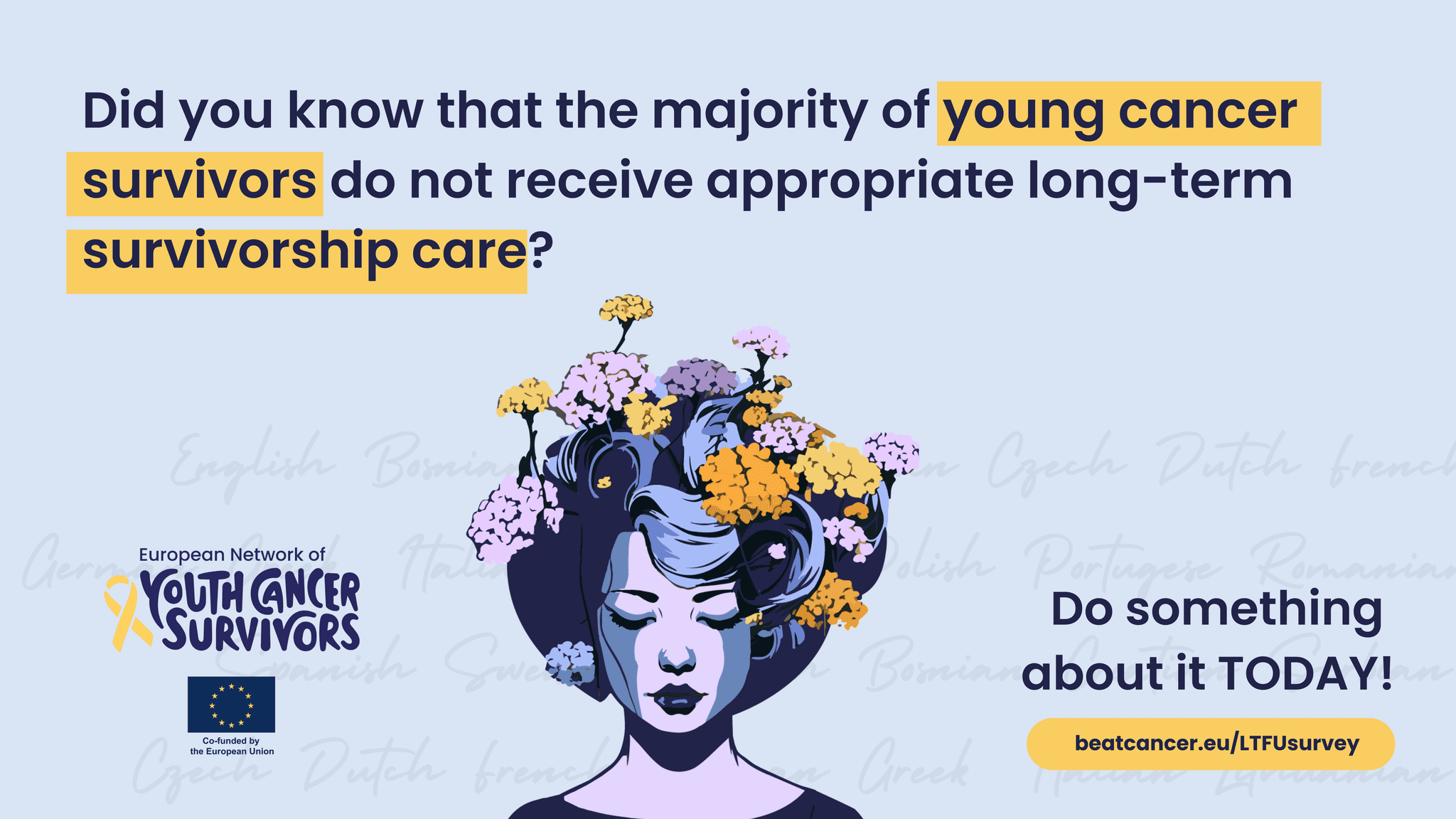


Every year, about 2,100 children and adolescents are diagnosed with cancer in Germany. Fortunately, the treatment options have improved considerably, so that in 2020 more than 80% of patients have been cured in the long term. As a result, the proportion of formerly ill children and adolescents who have completed regular oncological aftercare is increasing. The majority of these patients are now adults and are therefore often no longer in regular oncological aftercare.
Although many children and adolescents are treated successfully, their life expectancy is reduced because new diseases can occur as a result of the cancer or cancer treatment. These health limitations, known as late effects, affect up to 70% of adult patients 30 years after the end of treatment. The extent of late effects ranges from mild, easily treatable conditions (e.g. thyroid dysfunction) to life-threatening complications such as recurrence of cancer or severe heart failure.
The risk of late effects depends on the therapy received (e.g. surgery, chemotherapy or radiotherapy) and individual risk factors such as previous illnesses, age at the time of treatment, gender and genetic factors. Many of the late effects are easily treatable in the early stages, which is why regular follow-up and preventive examinations are recommended.
The most common conditions are endocrine late effects (including thyroid disease, hypothalamic-pituitary disorders and gonadal dysfunction), cardiac late effects (including cardiomyopathy, valvular changes, arrhythmias and coronary heart disease) and recurrence of cancer.
How can the risk of late effects be reduced? The team around Prof. Thorsten Langer gives helpful tips:
- A healthy lifestyle (normal weight, balanced diet, regular physical activity and abstinence from nicotine).
- Regular risk-adapted examinations according to national and international recommendations (especially for asymptomatic patients lifelong).
- Regulated transition from paediatric oncological to internal medicine care (shifting the focus from recurrence follow-up care to prevention of late effects)
- Multidisciplinary cooperation between several specialists (due to the diversity of possible late effects).
Denne artikel er kun til uddannelsesformål og er ikke lægelig rådgivning. Kontakt altid din læge eller en anden kvalificeret sundhedsperson for vejledning, der passer til din situation.
Dette indhold blev skabt under projektet EU-CAYAS-NET, medfinansieret under EU4Health-programmet i 2022-2025 (tilskudsaftale nr. 101056918).